‘If you want real news, switch off the TV.” Journalist Faye D’Souza may have said this in her cameo in Call Me Bae (Ananya Panday’s show), but as it turns out, Generation Z was already in agreement.
Globally, these digital natives have been gravitating to podcasts for their news diet, loving the medium’s intimate and genuine nature. Aditi Srivastava, 24, a software engineer in Bengaluru, is one such listener. “My go-tos are geopolitics and narrative-driven shows. I love content that combines depth, storytelling, and meaningful perspectives — from Smita Prakash’s ANI Podcast for geopolitics, and the Desi Crime podcast for true crime narratives, to [Humans of Bombay’s] Realign – The Podcast for deep-dive personal stories,” she says. “Podcasts work for me as they blend smoothly into my day without demanding additional time. If I am writing an email, travelling to the office, doing household chores, running an errand, or doing something that doesn’t require my attention, I usually hop on to a podcast parallelly.”
India ranks third globally in podcast consumption, and with 63% of Gen Z using social media for news, according to a 2023 study by American firm Morning Consult, many news outlets are exploring podcasting. “Some of the good international news podcasts are the ones by bigger media houses like Global News Podcast by BBC World Service, Today Explained by Vox Media, and The Daily by The New York Times,” says Mae Mariyam Thomas, founder and CEO of Maed in India, a podcast production company and consultancy. “Each of these shows is reported by stalwart journalists who can get to the heart of an issue, pick up on the need-to-know news stories of the day and give you trustworthy information on the subject.”
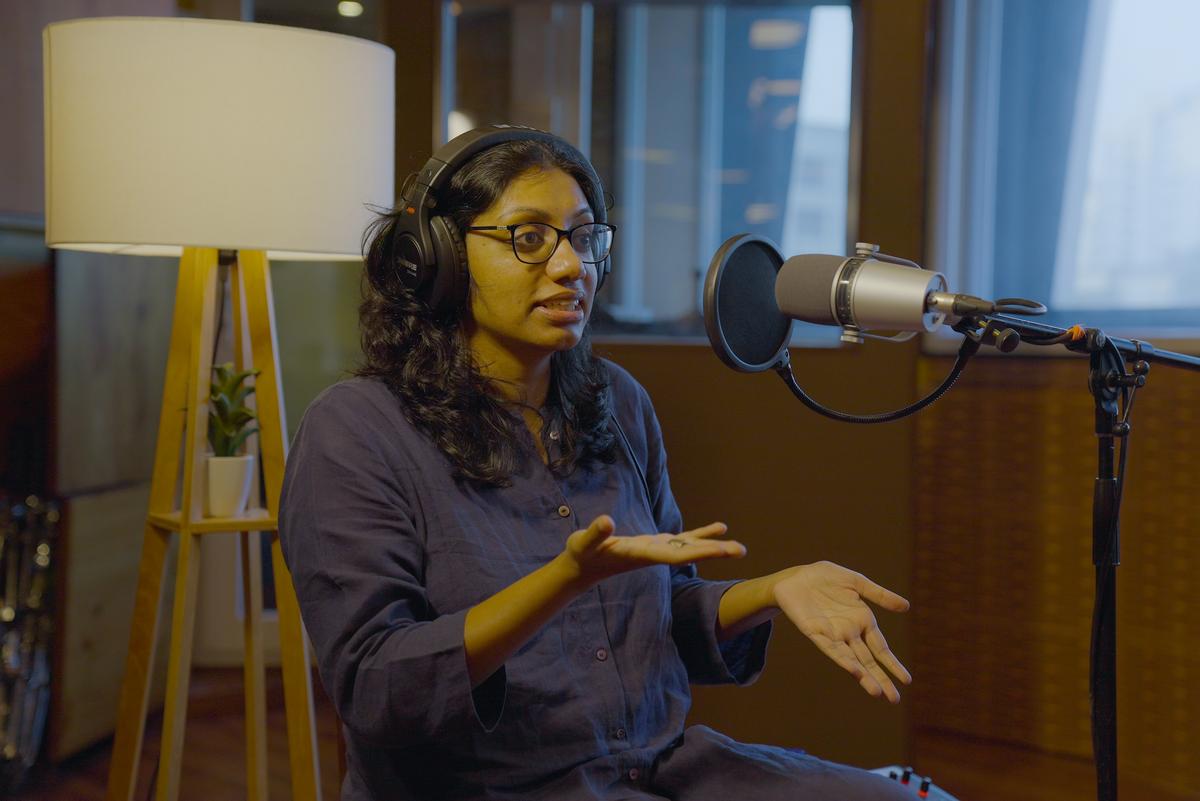
To Mae Mariyam ThomasCEO of Maed in India, the most important aspect of a news podcast is that it needs to be accessible in terms of providing context
Curating diverse opinions
At a time when absolute objectivity is a myth, Gen Z is seeking diverse outlooks. “Ours is an informed yet polarised generation,” says Sahil Chugh, 23, an analyst based in Manchester, U.K. “It is important to engage with other people’s opinions. Podcasts offer a platform to listen to others’ perspectives and enough time to understand the reasoning behind their viewpoint.” Bengaluru-based Shreya Mahajan, 23, is of a similar bent of mind. “Forming a well-informed point of view is one of the primary reasons for me to engage with news podcasts. It does not mean mimicking the podcaster’s POV, but deciding for myself whether I agree with their train of thought or not,” states the analyst.
For others, podcasts are a reprieve from the loud and often biased reporting that’s seen in the mainstream — and an effective and enjoyable way to consume information. “Unlike the overwhelming barrage of traditional TV news, podcasts allow me to digest content at my own pace, and create a sense of intimacy and relatability that traditional news lacks,” shares Meghna Rai, 22, an engineer based in Mumbai.
Ideal length
“For us, primary consumption happens during ‘peak commute’ hours, which are essentially 8.30 a.m. to 11 a.m., and in the evening, from 5 p.m. to 8 p.m.,” says Bhuvanesh R., who produces Zerodha’s podcast The Daily Brief. What the ideal length of a podcast is remains debatable. Thomas feels it depends on “the kind of stories they’re covering and how they’re covering it. Usually, the sweet spot for a daily show would be about 20 minutes”. But for Abhinav Sinha, a 22-year-old Bengaluru-based consultant, time doesn’t matter. “I don’t have to listen to a podcast from timestamp zero to the end,” he says. “I often skip to the part I am interested in or pause it to resume later.” Mahajan echoes this sentiment. “I usually listen to podcasts while commuting or going about my daily routine. I wouldn’t say there’s an ideal length for me.”
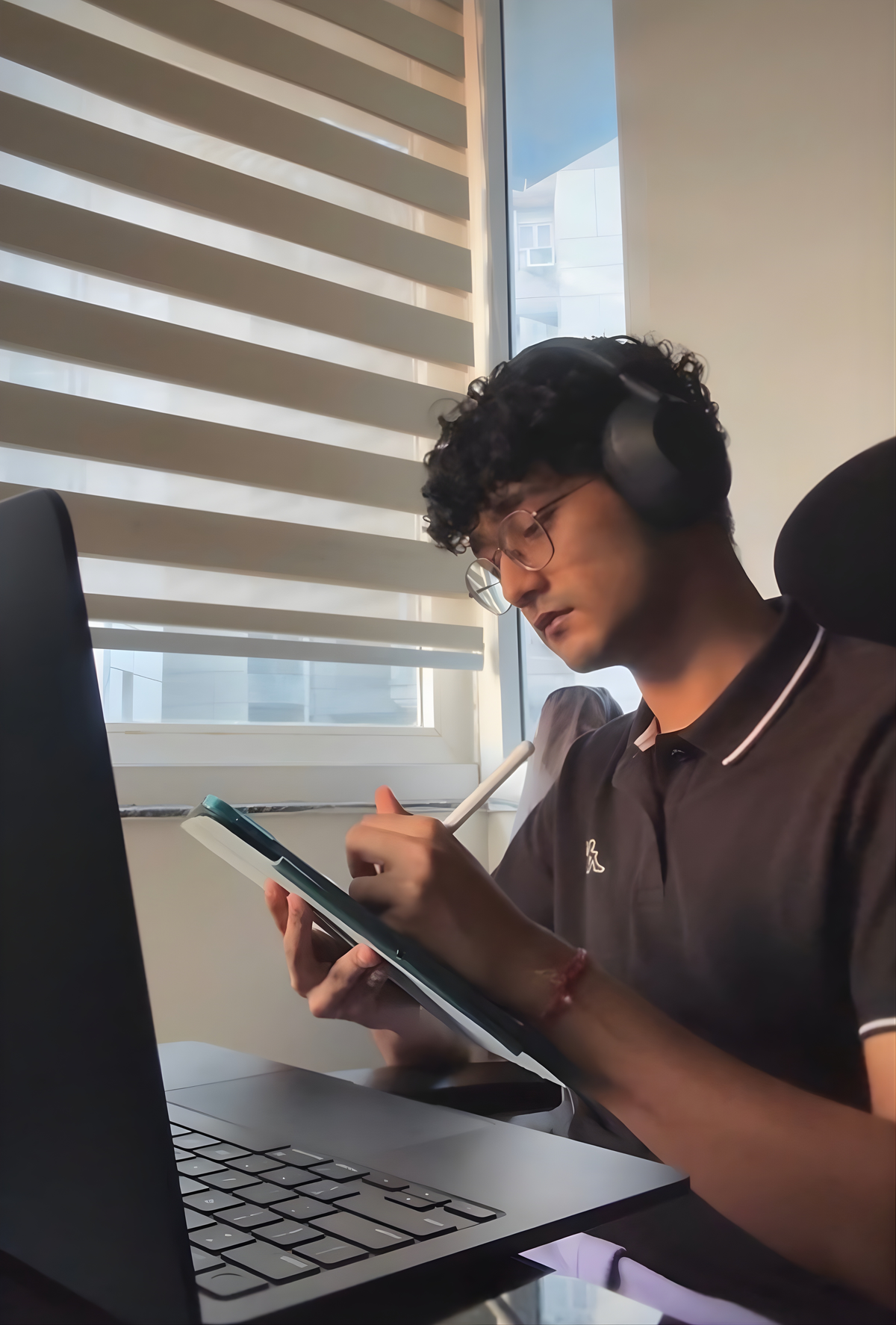
Abhinav Sinha doesn’t listen to a podcast from timestamp zero to the end
A slow shift
Podcasts offer various styles of storytelling, from interviews and monologues to roundtables or panels. “Media houses are looking at podcasts as a new form of media. I don’t think there is a particular style that works better. The most important aspect of a news [podcast] is that it needs to be accessible in terms of providing context, narrated in a way and pace that one can absorb and be clear in its communication,” says Thomas of Maed in India. “I’m a huge fan of podcasts where in-house experts and journalists talk about subjects of national and global interest. I feel like I get the chance to actually hear the journalists speaking to me, articulating their knowledge of a subject they know so well. It’s not the same when you’re reading a newspaper.”
While podcasting is definitely seeping into journalism, with many legacy newspapers and news organisations starting multiple podcasts, the shift is still slow. “[One] must understand that there is a section of people who have never heard a podcast. So, traditional media outlets will gravitate towards podcasting when a cumulative global audience is absorbed into the podcasting world,” shares Karishma Mehta, founder and CEO of Humans of Bombay and the host of Realign – The Podcast.

Karishma Mehta, founder and CEO of Humans of Bombay, hosts Realign – The Podcast
Audio versus video
In March 2025, a survey by podcast hosting platform Transistor found that 76% of Gen Z podcast listeners globally primarily consumed audio-only content. As vodcasts picked up, however, trends started to change overnight. In August, a second survey unsurprisingly showed the visually-forward demographic turning from Spotify (down from 56% in March to 35% in August) to YouTube (46%).
According to podcasters, the video format, which has users from all demographics now, has its advantages. “For anyone starting fresh, video podcasts seem more sensible, especially if you don’t have an established community,” says Lodha of Having Said That. “I think audio podcasts are cool, but they only work if you have a large audience already. Since YouTube is the biggest distribution network and the second largest search engine in the world, video-based podcasts will have a better reach for someone starting new.” Today, many podcasters film their interviews, panels, and storytelling-driven shows, blurring the line between watching and listening to the news.
Where’s the money?
Given its recency (only 12% of the population engages with podcasts right now, states a 2024 report by UNPAC Research), the scope of monetisation of podcasts is still limited in India. “Podcasting is [still] a curiosity at this point — both for people who are making and consuming it,” says Bhuvanesh, who produces brokerage platform Zerodha’s podcast The Daily Brief. “But for niche advertisers, like D2C brands or startups with focused products, it makes sense to operate in the podcasting space for ads. It’ll change as the media matures and the listener base expands.”
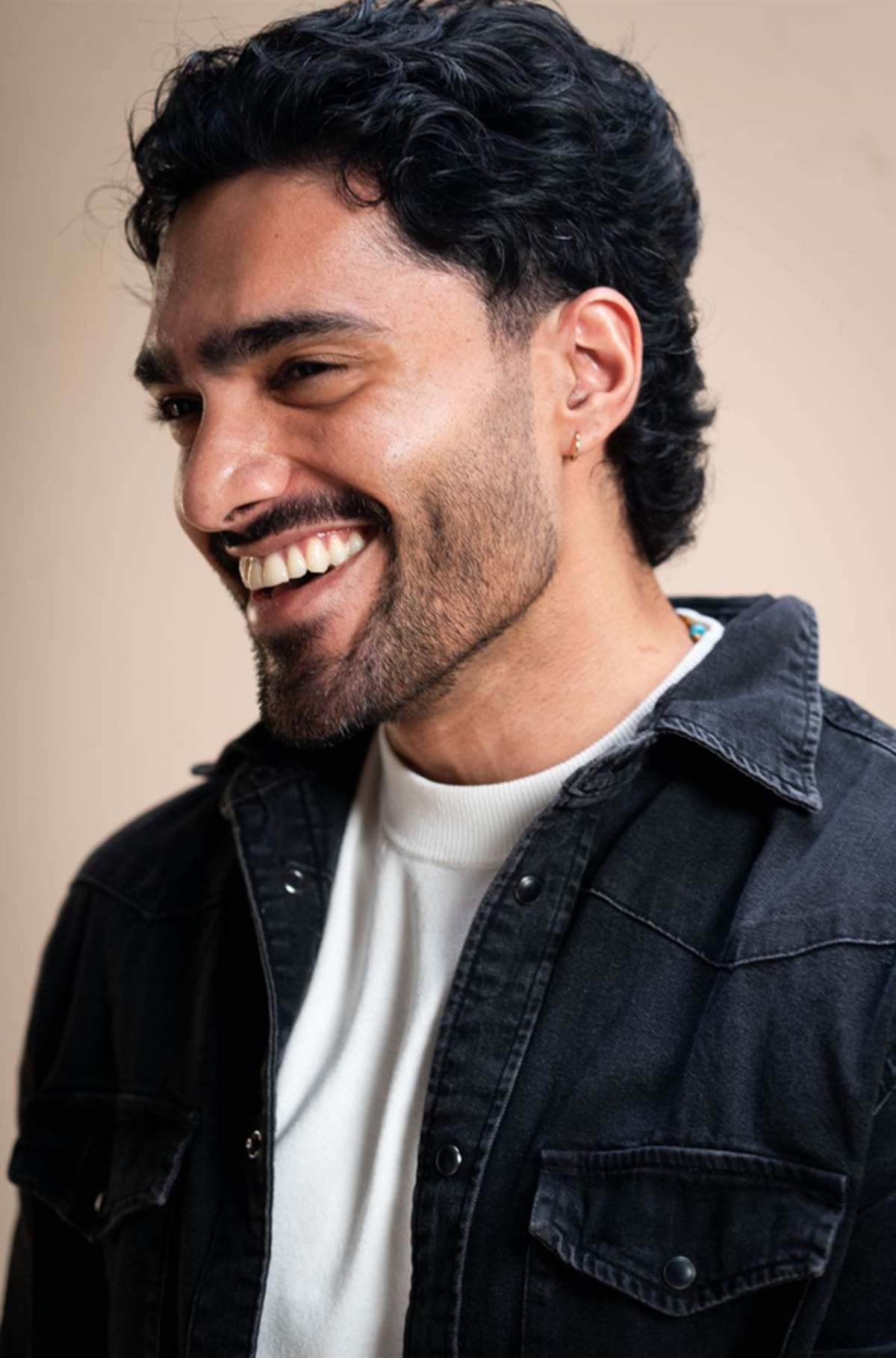
Aditya Lodha, co-host of Having Said That on Spotify
Podcast monetisation in India is largely ad-driven, reflecting the country’s preference for free, ad-supported digital content, states market research firm Astute Analytica. Host-read ads, brand mentions, and short sponsor spots feel natural to listeners accustomed to similar formats on TV and streaming. Syndicating a podcast to YouTube can yield an additional source of revenue. This includes advertising revenue, channel membership revenue, and YouTube Premium revenue (wherein one gets a portion of the subscription fee).
“Six months in, I was out of money. But then someone from Pursue, an alcoholic beverage brand, and Blue Tokai, a popular Indian speciality coffee brand, approached us. And both brands have been our sponsors,” says Aditya Lodha, founder and co-host of Having Said That on Spotify, describing the monetisation journey of his show. “Obviously, with journalism, it’s a bit more tricky because you are treading on harsher waters. But, I think all companies are getting on the wave because they realise that podcasts offer a depth that no other medium can.”
The independent writer is based in Bengaluru
Published – November 22, 2025 06:08 am IST