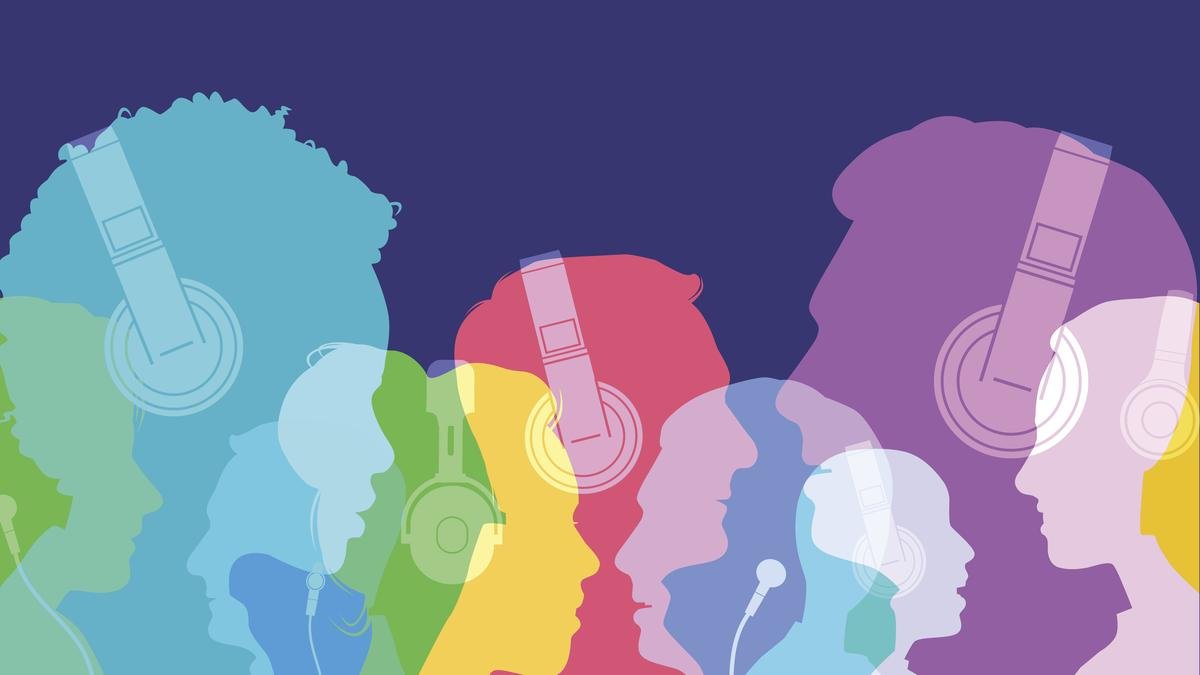
Earlier this month, while chatting with Vir Das about his new memoir, The Outsider, he told me his agents had nudged him to write the book. In part, because it “felt like a natural career progression” for a mainstream stand-up comic. Most publicists today would concur that celebrities would benefit from a diverse range of offerings, from books to streaming shows. Now, you can add podcasts to that list.
Chances are that every celebrity you follow has made podcast appearances, or have their own shows. Such as Bollywood actor Ananya Panday with her So Positive podcast, or entrepreneur Nikhil Kamath, or chef Ranveer Brar, or indeed Prime Minister Narendra Modi, who made his podcasting debut earlier this year. The recent Bihar election saw Prashant Kishore, Tejashwi Yadav and Chirag Paswan doing a round of podcast appearances in the lead-up to the polls.
With its relaxed, casual vibe and freewheeling conversations, podcasts are still a relatively young medium; they have been around for just over two decades. In India, it took off in a big way during the pandemic, when the movie and live concert businesses pressed pause. Folks stuck indoors became devoted listeners to whatever took their fancy: history, self-improvement, true crime, pop psychology, politics, or good old-fashioned comedy. Genres that are still extremely popular with Indian listeners.
An industry in flux
India ranks third globally in podcast consumption (after China and the U.S., according to PwC’s 2020-24 report). In 2020, the country had over 57 million monthly listeners, while current estimates place that number above 100 million — with the industry’s total worth being projected to reach $2.6 billion by 2030.
The money people have, of course, taken notice — upscaling their investment, and carving out a new space almost, especially in terms of promotions and marketing. Though precise advertising revenue figures are hard to come by, the increasing number of ads in podcasts are a clear indicator of their success. Sponsorships and other routes of revenue are also opening up. “While new creators will take time to make money, for those with the right mix of content and reach, there is money to be made,” says Aditya Kuber, Vice President of Dentsu Podcast Network. “Host fees can start anywhere from ₹30,000 an episode and go up to ₹2 lakh or more. Even independent podcasters, if they control their costs, have a better opportunity to monetise their shows now. There are a lot of folks who are making meaningful money, ranging from ₹50,000 onwards.”
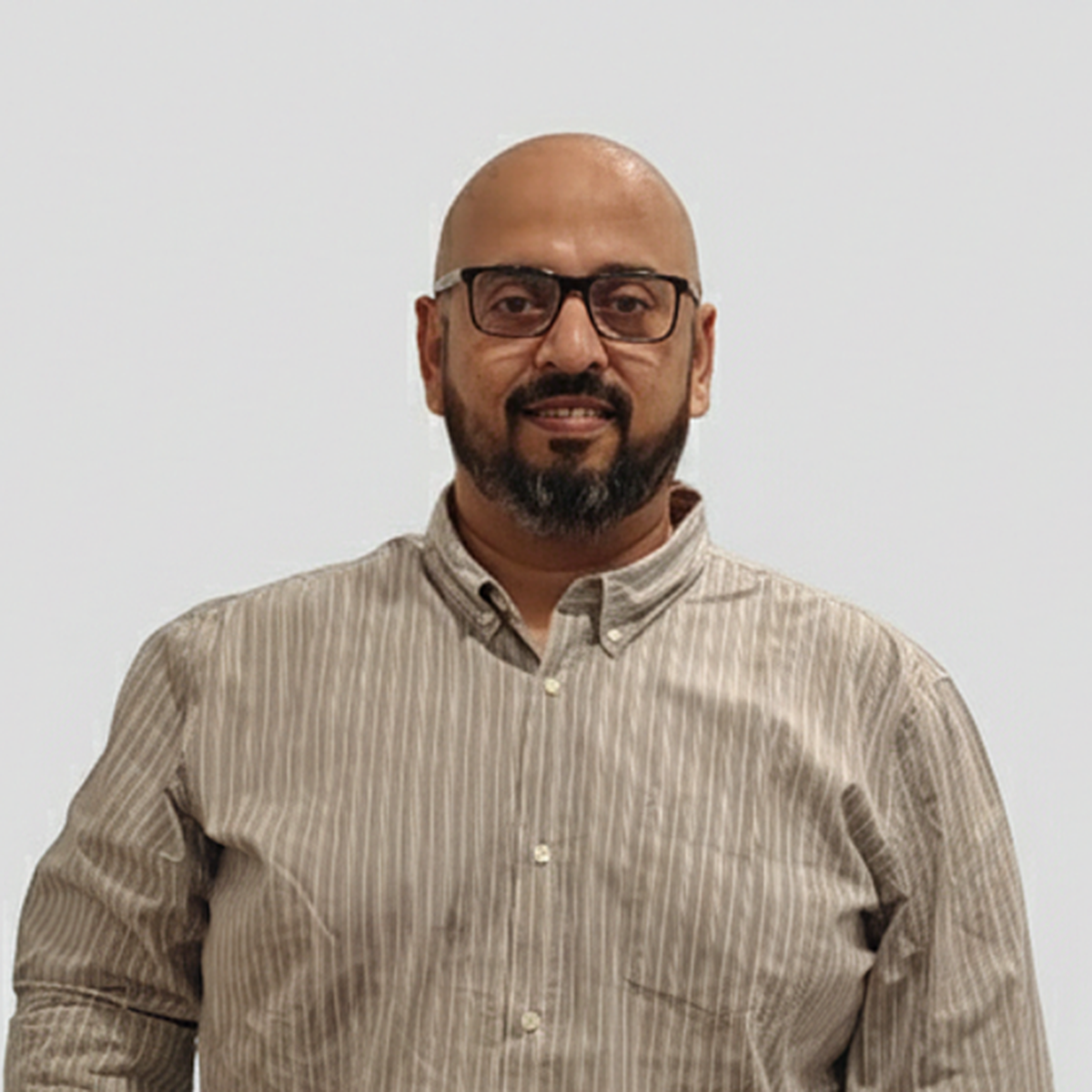
For those with the right mix of content and reach, there is money to be made in podcasts, says Aditya Kuber
An abundance of free content and low subscription prices are significant factors behind India’s podcast boom, as is the recent upswing in Indian-language podcasts. A visually-forward young demographic is also driving the biggest shift of 2025: podcasts giving way to vodcasts.
No longer just for the ears, podcasters now come with film crews in tow. In February, YouTube announced that it had 1 billion monthly users watching its podcast content. (The platform has upped features for podcasters too, from having them sign up for their ads service to providing more robust analytics, and using the algorithm to recommend podcasts to users.) Since then, Spotify, ousted from its first place, is aggressively trying to catch up. Top podcasts such as The Joe Rogan Experience and The Mel Robbins Podcast are now publishing in video.
“Vodcasts are the norm,” says Kuber. “India is a video-heavy country. YouTube is so deeply embedded in the consumption pattern that if I said there’s a new podcast, people will ask what’s your YouTube channel?” The video platform’s reach makes discovery easier too, and their monetisation model is well established.
Who is listening?
While listenership cuts across demographics, it skews more towards the young. “Gen Z is a large audience. I’d say up to 35 years of age is a larger cohort,” says Kuber. “Then there’s a secondary cohort, from 35 to 45-50 years of age. And a much smaller one beyond that who seek out very specific information, whether it is wellness or finance.”
The story today
“When we started in 2018, it was a nascent scene,” remembers film critic Aditya Shrikrishna, who co-hosts The Other Banana podcast, a venue for in-depth conversations about Indian cinema, especially Tamil films. “Podcasting was niche not just in terms of who was doing it, as the big guys hadn’t yet caught on to the medium, but also the listeners. Also, podcasting was still very audio-focused in those days. Nowadays most of the big podcasters will have videos, by default.”
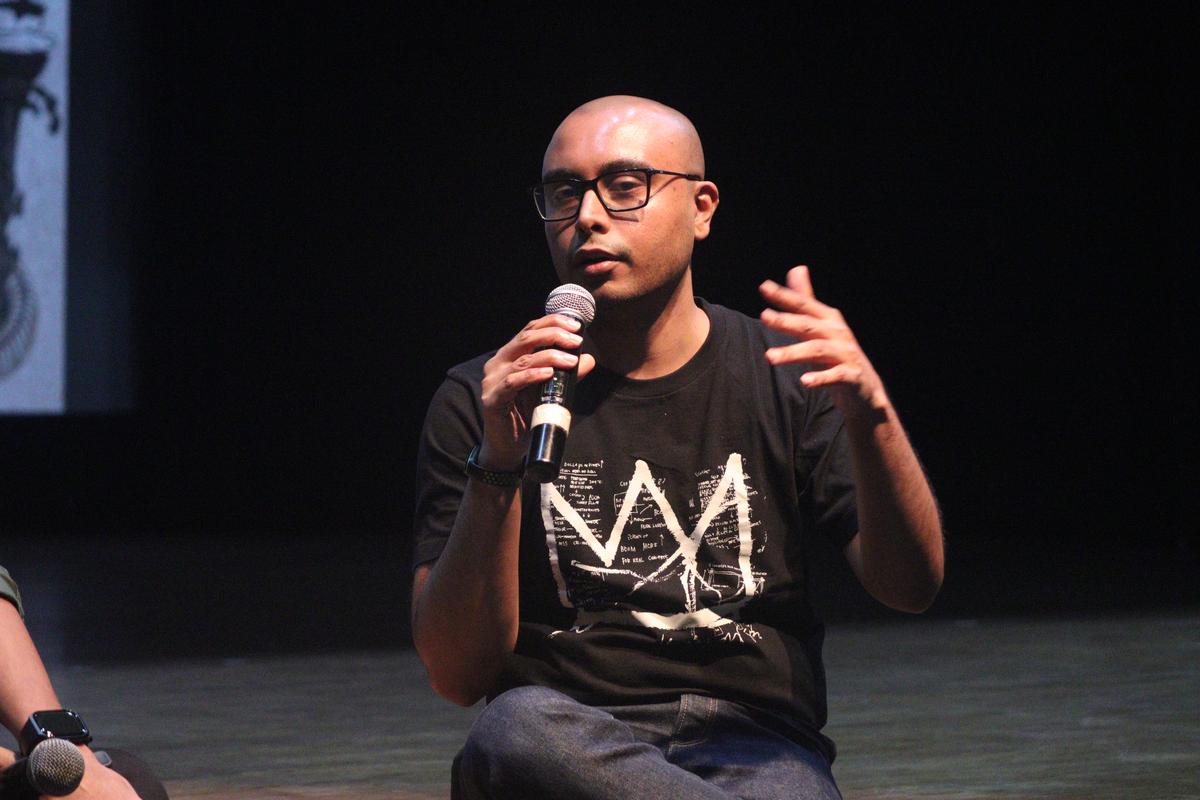
Nowadays most of the big podcasters will have videos, by default: Aditya Shrikrishna
In the last few years, “podcasts have grown and diversified”, says Dhruvank Vaidya, Head of Music and Podcasts at Spotify India. “While it’s true that Bollywood celebrities like Ananya Panday, Sonali Bendre and Soha Ali Khan have all started podcasting, creators from across fields have grown in popularity, too. Raj Shamani [Figuring Out], and Aishwarya Singh and Aryaan Misra [Desi Crime], for instance, have gained a steady and loyal base on Spotify. The beauty of long-form conversations is that there is space to build a loyal base of followers in different areas of interest.”
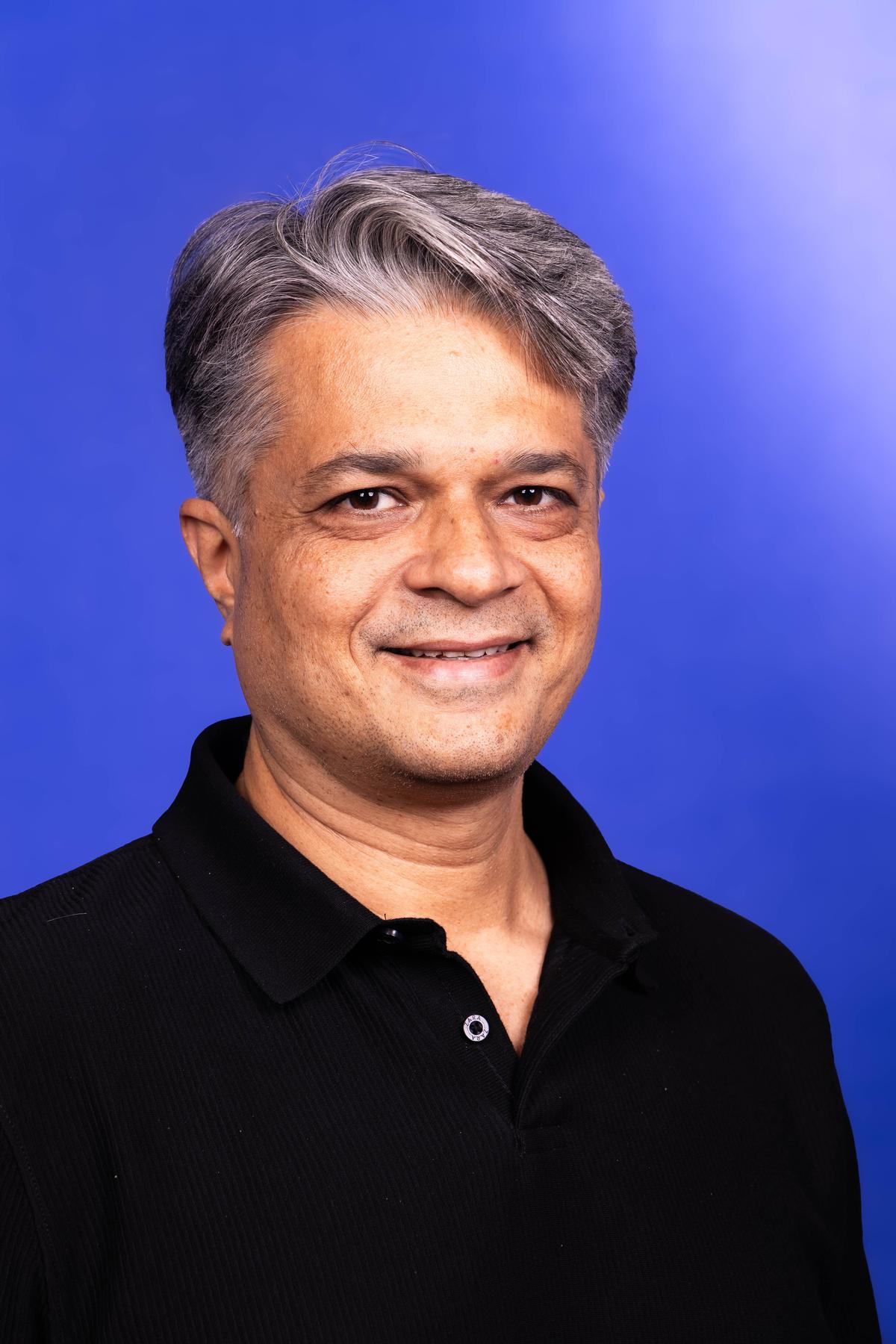
Podcasts have grown and diversified, says Dhruvank Vaidya of Spotify India
That last line by Vaidya is significant since it speaks to two key ways in which the podcasting industry has matured in India: long-form content and devoted fan followings. People have shown their appetite for longer, detailed conversations. Ranveer Allahbadia’s interview with former cricketer Yuvraj Singh a couple of years ago was over 150 minutes long. Episodes of Nikhil Kamath’s WTF Is podcast are often over 100 minutes.

“Podcasts formats keep evolving. At first, we were only on Spotify and Apple Podcasts. Now, with vodcasts, we have switched over to YouTube, too. But what irks me is the pressure to follow trends. When Kiran [Manral] and I started ‘Not My Aunty’, it was very conversation based. As much as our audience enjoys our chatter now, there is a demand for interview-based podcasts because that’s what is getting consumed more. But this ranking gives us confidence that what we’re doing is working overall.”Shunali ShroffPodcaster, whose show was ranked #73 on Goodpods’ global ranking
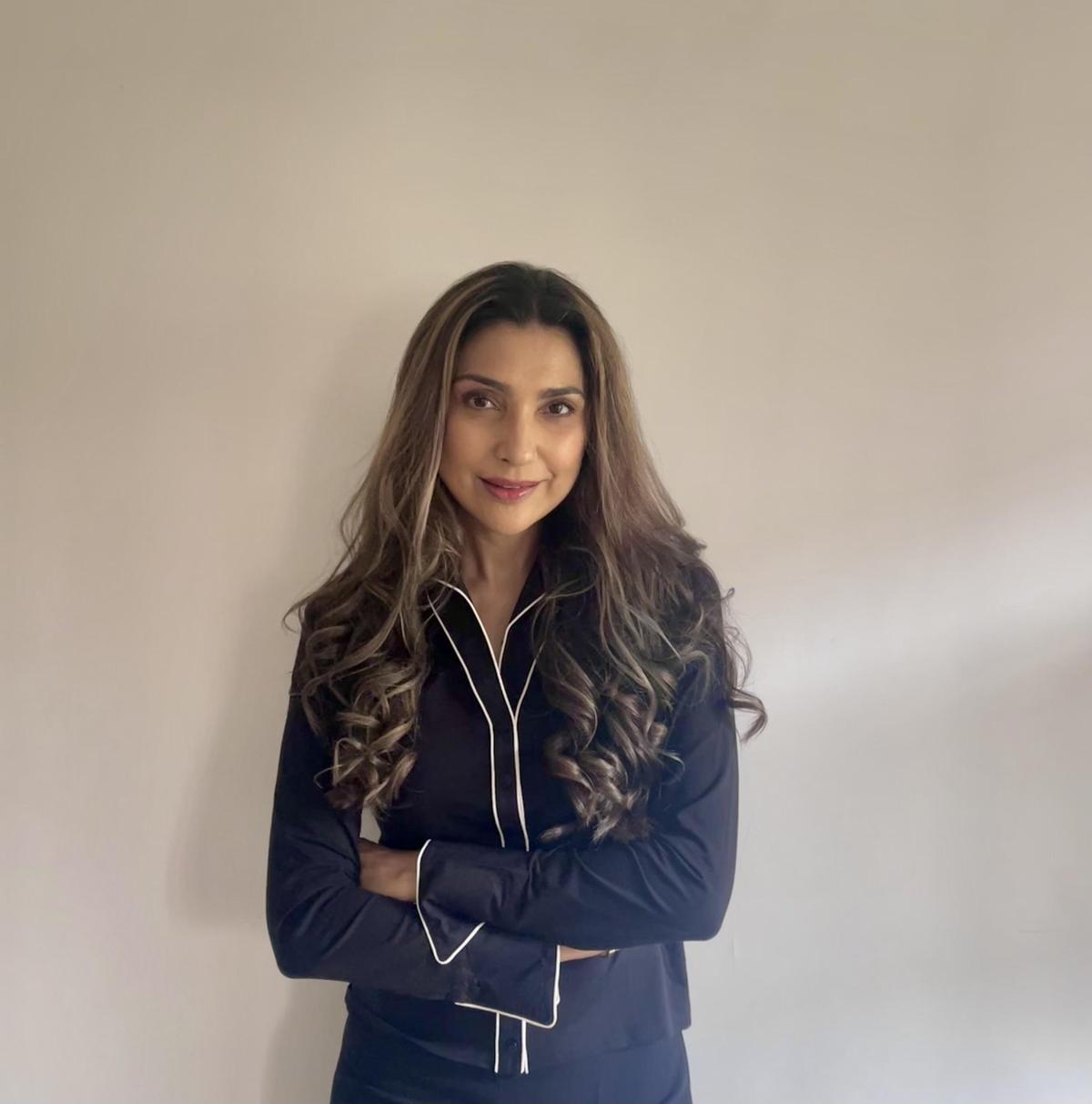
Shunali Shroff
Tripwire of recency bias
Compared to a few years ago, podcasters like Shrikrishna are finding a more clearly-defined market now, thanks to a mixture of online metrics that help them keep track of which episodes and issues are garnering more eyeballs, and the increased social media presence of Indian consumers. The Other Banana has an ongoing series on the filmmaker Bala’s filmography, for example — the focus on individual directors was validated after Shrikrishna and his co-hosts found that the series had returning, steady audiences.
But, with a greater market comes recency bias (prioritising new information) and a certain amount of emphasis on ‘trending’ topics. “I think the strategy has changed, for multiple reasons. When we started doing podcasts, we didn’t really have an idea of who the target audience was, what worked, et cetera. We could have really left-field topics for our episodes,” says Shrikrishna. “Now, there is a definite market for podcasts, so we try to discuss more recent films. At the same time, widespread access to streaming means more audiences can easily view the movies we are talking about on the podcast, new or old.”
Going regional
With a greater number of podcasts in Indian languages, the penetration into B and C-centres is increasing. According to Sawlani of Audible, “Among non-Hindi languages, Tamil-language podcasts have shown the most growth in terms of number of listeners these last few years.” Kuber of Dentsu echoes this. “There’s a lot of supply and early pickup in Tamil podcasts. The second language that has taken to podcasting strongly is Marathi, followed by Bengali and Gujarati.”
A new form of celebrity
This new digital era has spawned a new class of celebrity — the ‘Internet famous’ person, a demographic that includes podcasters and YouTubers. “Today, the definition of ‘celebrity’ has undergone a transformation,” said Vaidya. “Raj Shamani is India’s biggest podcaster and Bollywood stars across the board feature on his podcast, especially when they have films to promote. Desi Crime is not only a world-class podcast, but when they [the hosts] published their book based on the podcast, it went straight to No.1 [on Amazon]. Another hugely popular one is the Tamil podcast, Schumy Vanna Kaviyangal Bodcast [a fun take on a variety of topics], which is one of the biggest in the country, by consumption.”
Vaidya points to the professionalism of these creators as the defining factor for their success, which speaks to the overall professionalisation of the podcasting space as well. Consistency and quality are the key. “All the three podcasts I mentioned have been churning out episodes every week, sometimes multiple times a week, for four to five years. That’s no accident. Their episodes are also well researched, they pay attention to detail and don’t take their audience for granted. This shows in the quality of the episodes. As a result, audiences don’t just stick, they become fans.”
“There’s a lot of movement happening on the branded content side of things over the last year or so. A lot of brands have started using podcasting as a medium in two primary routes: thought leadership on the corporate side and in the internal communications space. For brands, there is also the sponsorship route that makes it easier to enter this space. The other route, of course, which most people are aware of, is the creator-led content.” Aditya KuberVP, Dentsu Podcast Network
Looking at 2026
After the initial explosion of podcasts post the pandemic, the Indian podcasting industry has quietly recalibrated. As we enter 2026, expect podcasts to continue their cautious expansion, and for podcasting conversations to become even more ‘mainstream’.
According to Shailesh Sawlani, Country Manager (India), Audible, “The early wave of podcasting in India was marked by an explosion of creative experimentation, a time when new voices and ideas were finding their place in a fresh and exciting medium. What we’re seeing now is a natural evolution of that phase. There’s been a move towards more purposeful, quality-driven storytelling. Listeners today are seeking depth, authenticity, immersion, and craft in the stories they choose to listen to. That shift has encouraged creators and services alike to focus on thoughtful curation and formats rather than volume alone.”
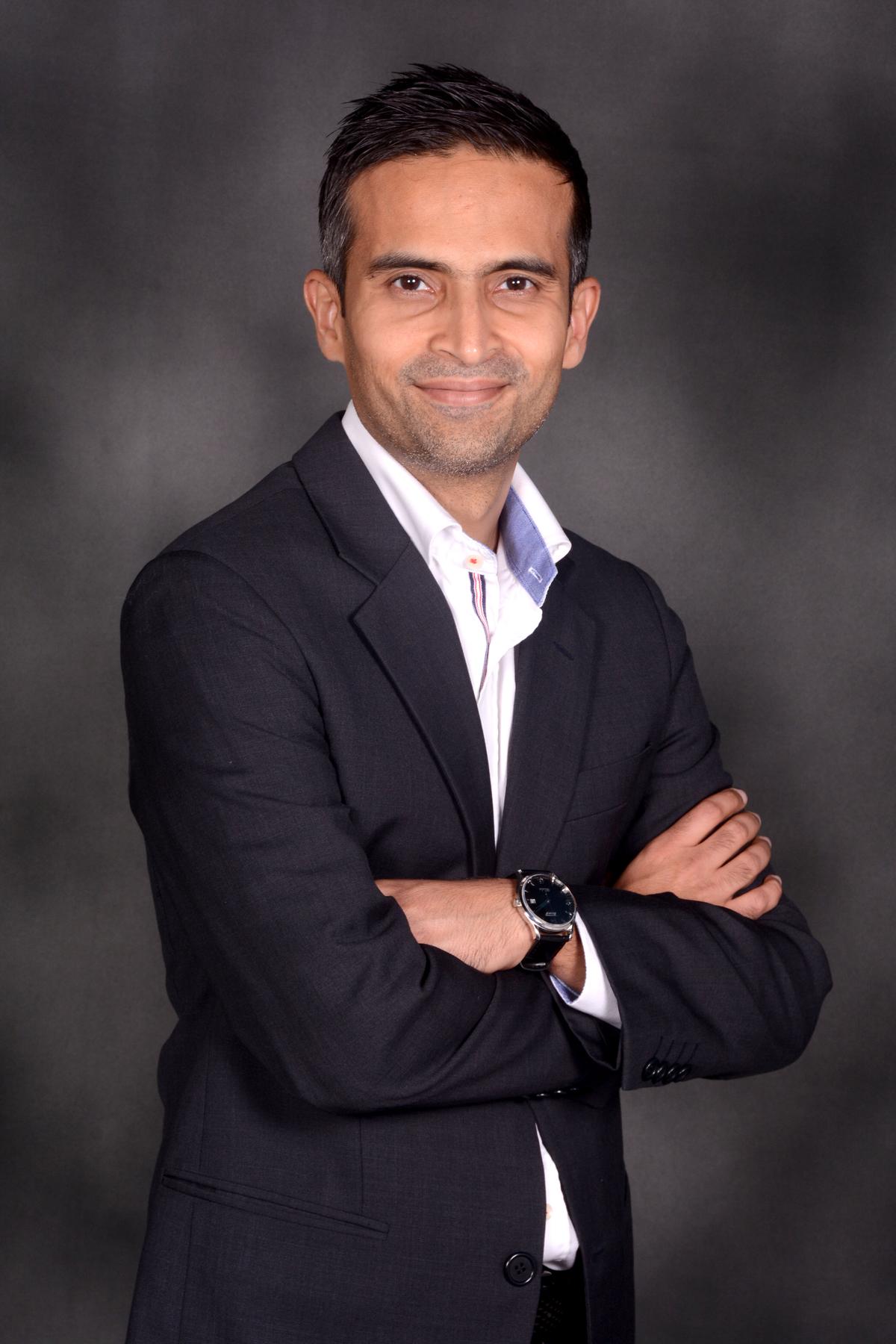
Now there’s a move towards more purposeful, quality-driven storytelling, says Shailesh Sawlani of Audible
| Photo Credit:
And, of course, expect more vodcasts. Despite audiophiles being sceptical about this new form, it’s here to stay. And with even streaming platforms getting set to make the change — Netflix is joining the bandwagon, developing exclusive shows and licensing existing hits in 2026, according to Bloomberg — we can stay tuned for so much more in the new year.
The writer is working on his first book of non-fiction.