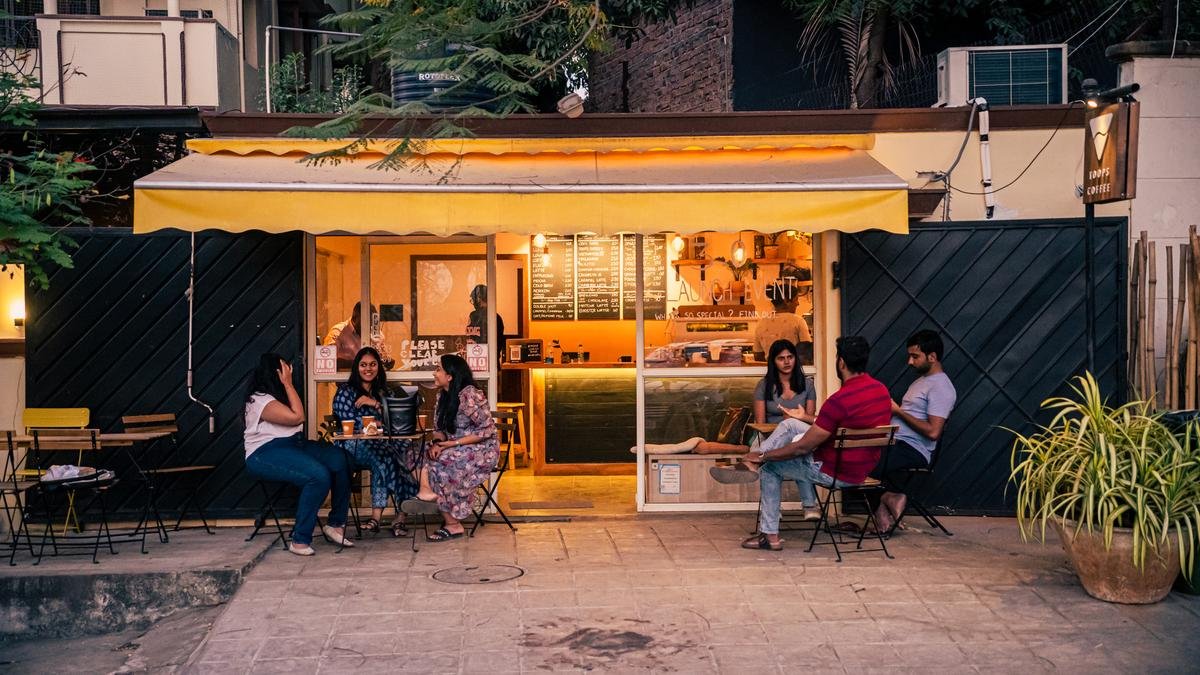
Cafés are an increasingly visible trend within the restaurant industry, and Hyderabad now has more cafés in a single neighbourhood than one could visit in a month. Why this surge? Conversations with café owners, artists and regular café-goers point to one recurring reason: flexibility. Interestingly, the same flexibility that draws customers in is also what attracts entrepreneurs to the café business.
Naina Polavarapu, founder of LastHouse Coffee: By The Lake at Durgam Cheruvu, sees this clearly. “In India, there is a growing need for third spaces — places away from home,” she says. “A café’s informal structure allows people to be themselves. When a space is both casual and thoughtfully designed, it feels approachable.” She adds that coffee acts as a social catalyst. “People come to read, talk, work, or simply observe. That curiosity — about ideas, conversations and culture — is a strong driver.”
Third space
Cafés today are no longer just places to eat or drink. Increasingly, they are positioned as local landmarks — spaces where people work, meet, gather, or simply slow down. The shift towards remote and hybrid working has further fuelled demand for flexible venues that combine food, beverage and a comfortable setting. Globally, the cafés and bars market is projected to reach USD 26.17 billion by 2029, growing at a CAGR (compound annual growth rate) of 8.33% between 2024 and 2029, according to Mordor Intelligence.

Among consumers, cafés have become preferred hangout spots, closely followed by informal meetings. From a real estate perspective, they do not demand large footprints; even a 10-seat space can work — one reason why formats like Coffee@10 draw steady crowds. Freelance photographer Dinesh Kakollu explains, “As people become more open to newer brewing styles, any place serving coffee becomes a ‘must-try’ for coffee lovers. Regardless of the food, the coffee will be sampled. Takeaway options also make it easier.” Dinesh’s go to spots are cafes and the ones he frequently visits double up as his workspace where he spends at least three hours.
A restaurant consultant offers another perspective: “The lower capital requirement is a major draw. A café doesn’t need a large or luxurious space. You can start with 10 or 20 seats — something that isn’t viable for a fine-dining restaurant.”
Dawn to dusk
Driven by the idea that any time of day is a good time to meet or think, cafés have become natural spaces for meetings — something that is often impractical at fine-dining restaurants. Aparnna Gorepatti of Zuci and Bougainville explains, “Where do you go to meet a friend or catch up for work? The obvious choice is a café. With a menu that ranges from coffee and desserts to main courses, there’s no pressure to plan a full meal.” She adds that cafés are also spaces where people feel comfortable dining alone, often while finishing work calls or spending time by themselves. Zuci’s menu draws the cafe and the serious diners as well. The ones who hang around for longer hours, invariably sit in the outdoor space.
Community building
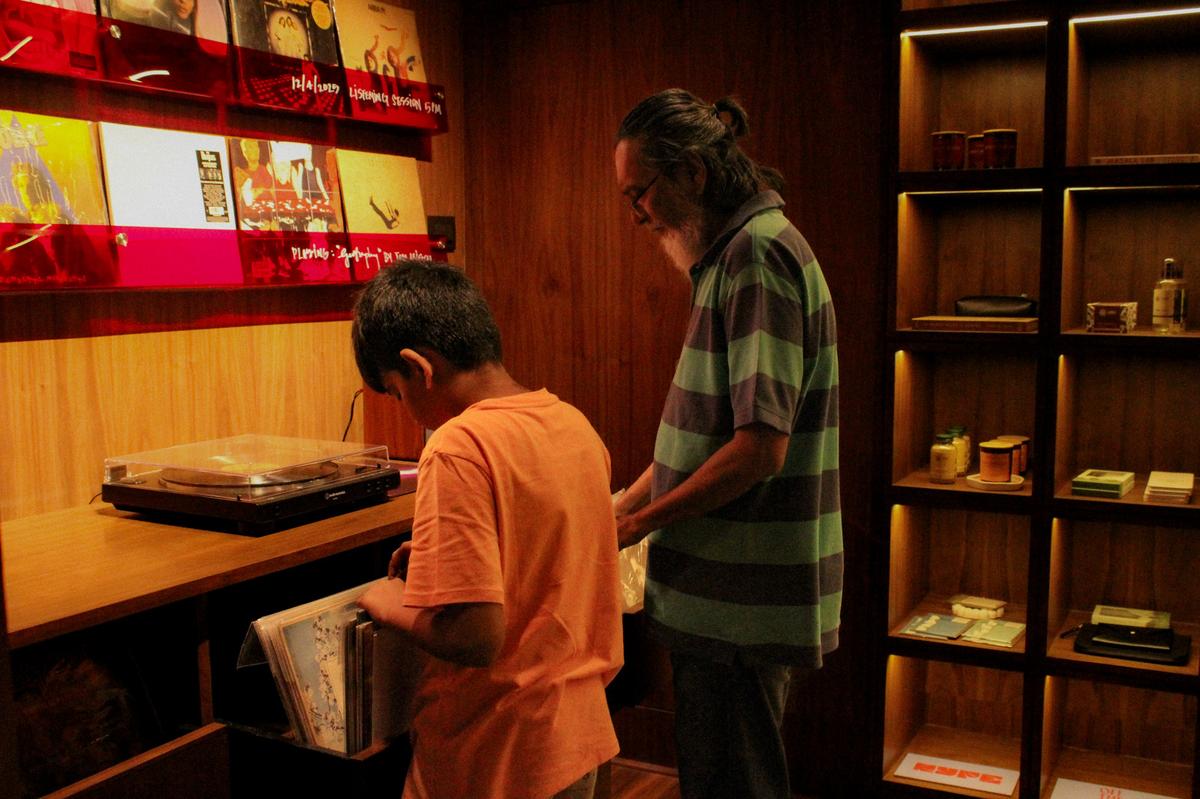
Cafes double up as activity centres to spark curiosity among visitors
| Photo Credit:
Special Arrangement
Naina believes that cafés are increasingly functioning as community centres. The atmosphere of a café, she says, naturally lends itself to shared experiences and collective activity. “Single-use spaces aren’t where people go for open, community-led events,” she explains. “We host three events a week and have seen strangers turn into a community.”
To encourage connections, LastHouse hosts a wide range of events like game nights and trivia evenings, along with listening sessions by the vinyl corner. The space welcomes pet-friendly gatherings, supports local run clubs and occasionally turns into a theatre for plays or a dance floor for tango sessions. “The analog spirit continues through film development workshops, exhibitions featuring typewriters and cameras, and collaborations that evoke a sense of nostalgia and tactility. We often also transform it into a co-working nook for designers, architects, and other creatives, as well as a stage for author readings and conversations,” added Naina.
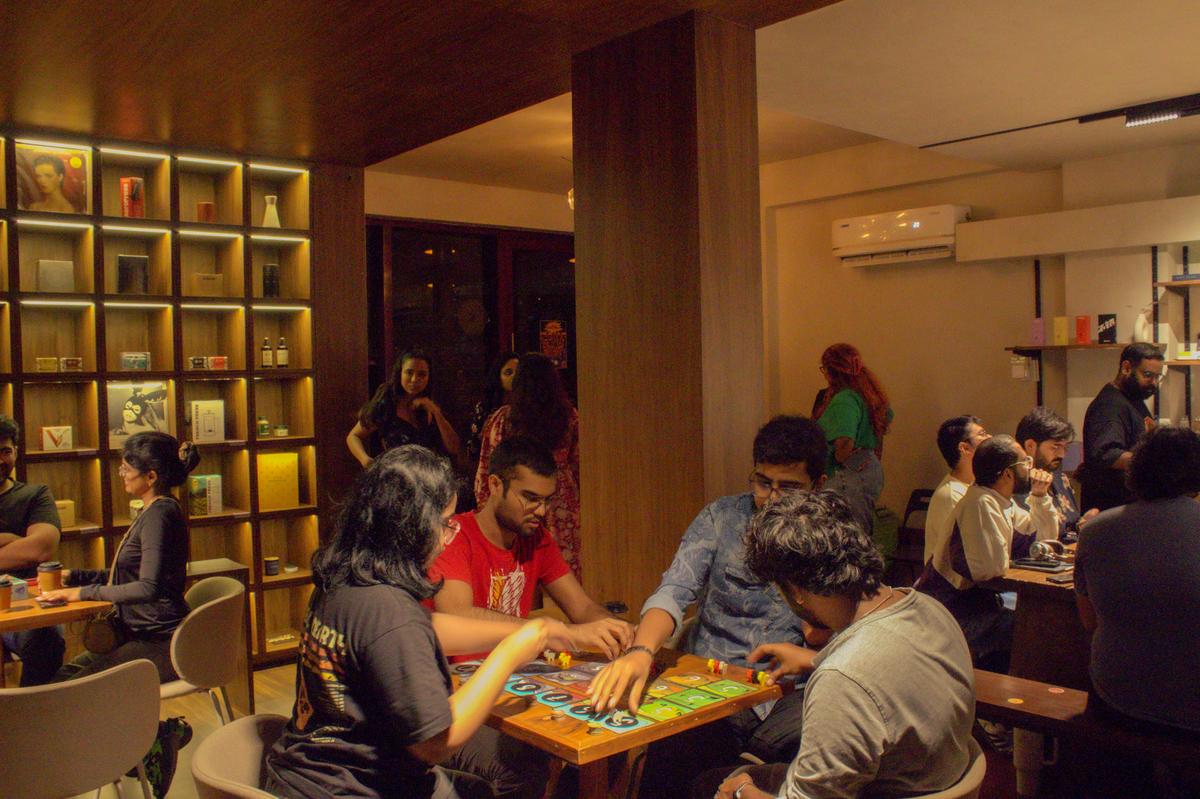
Play a board game, catch up with friends, or unwind at a cafe
| Photo Credit:
Special Arrangement
With more people moving to cities for work, she notes, there is a constant search for safe, familiar environments to meet like-minded people — places where repeated interactions build trust and recognition. “Coffee plays a key role,” she adds. “People are curious, they want to learn, and coffee lovers don’t need much beyond the chance to understand and talk about a good cup of coffee.”

At the heart of every café is coffee. For Sooraj Toopalli of Toops Coffee House, community-building began with the cup itself. “My idea of creating a community was through coffee,” he says. “Hyderabad’s speciality coffee culture is strong — ahead of many other cities in India. It thrives because there are enough people genuinely interested in coffee.”
At Toops, coffee leads the conversation, not ancillary activities. “The growth has been organic and focused. Educating customers gives us real satisfaction.”
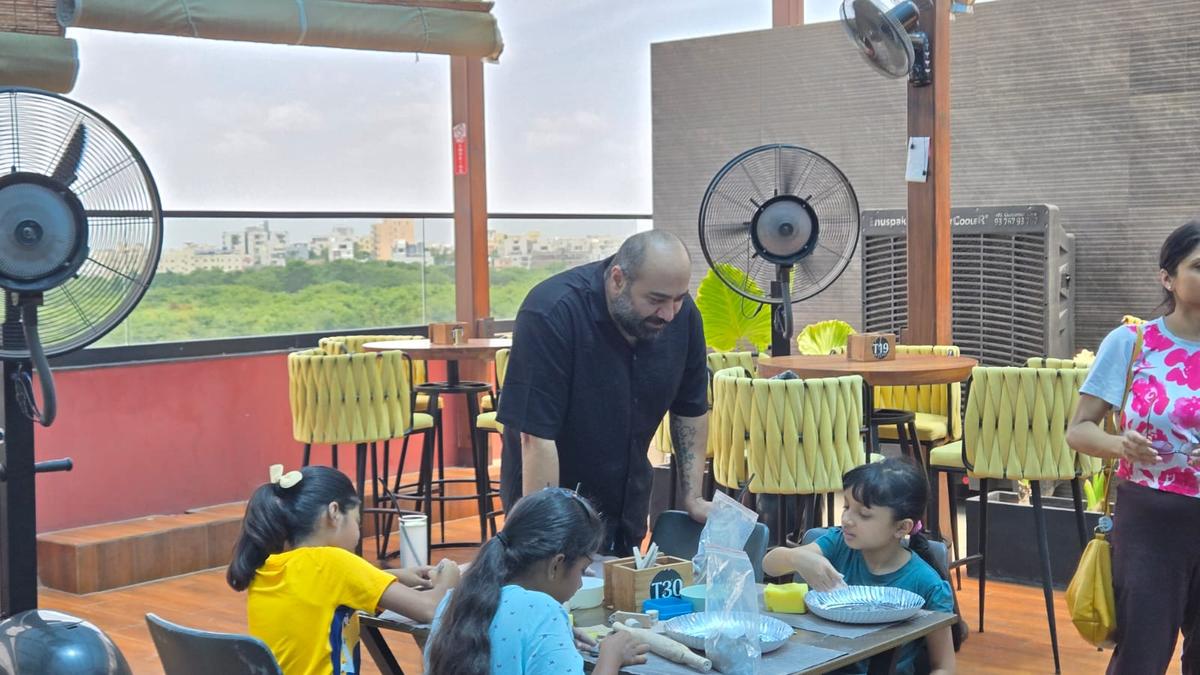
Cafes are open to hosting events for all age groups
| Photo Credit:
Special Arrangement
For Syed Mujtaba Ali, partner at Grano – Coffee Affairs in Jubilee Hills, cafés were the natural choice for connection. “When we were in college, cafés were the only places we could truly hang out,” he says. “Not restaurants.” That sense of ease prompted him and his partner to start Grano. “We curate dishes that appeal to younger audiences and host activities that bring people together. Community-building is central to what a café does.”
Pottery artist Nitin Soma, who conducts workshops across cafés in Hyderabad, sees these spaces as catalysts for curiosity. “People walk into cafés to break routine or simply to be alone,” he says. “When they notice a workshop in progress, curiosity often pulls them in — and sometimes that’s how they discover a creative side they didn’t know they had.”
Published – December 18, 2025 04:36 pm IST