“I have a cousin who got beaten up by her husband and they need legal support. Does anyone have any contacts?” reads a message on the ‘Women for Women’ WhatsApp group on a random Sunday. Even though the message is posted around midnight, help pours in within minutes — many share contacts, references, possible solutions, and more — as the group comes together to aid a woman none there has ever met. The WhatsApp community, started as an initiative in 2024 by Sumedha Dey, a women’s studies scholar in Kolkata, is pan-India today. It has become a free space for discussions, support, and more.
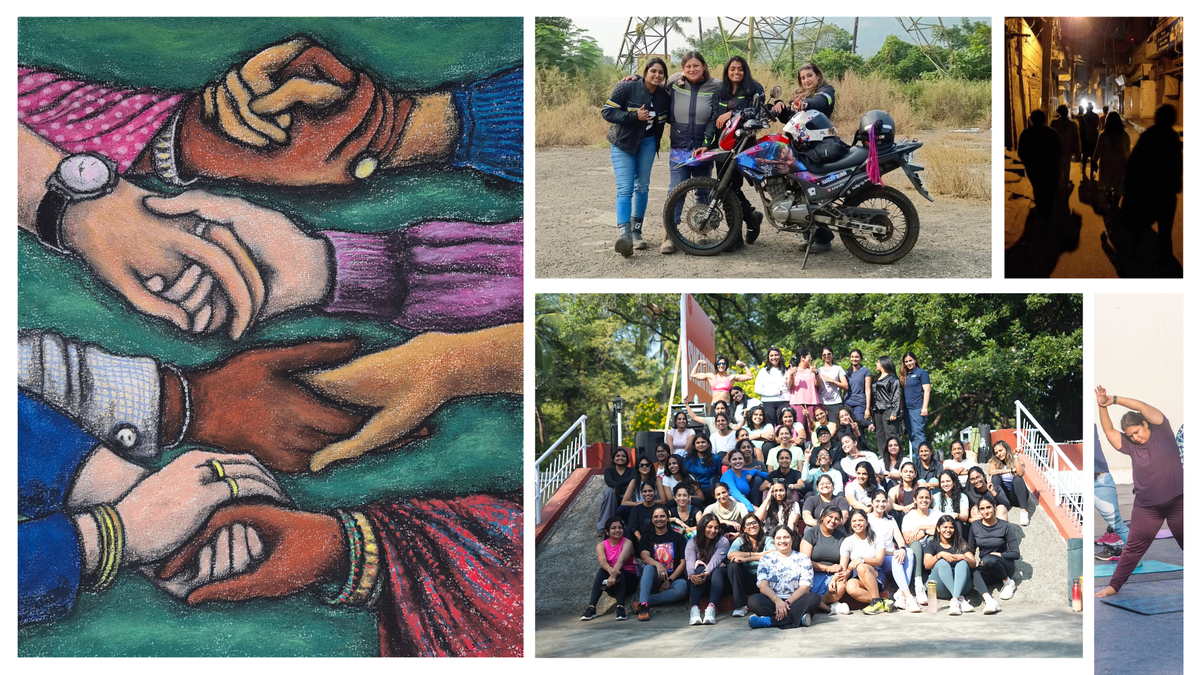
Women’s collectives and groups are a rising phenomenon in urban India, as women try to navigate a new world where they are independent yet not devoid of the need for safe spaces and genuine human connections. Women are coming together to create ‘sisterhoods’, to “do life together” as a community. Be it midnight walks, sharing job opportunities, offering solidarity and friendship in a new city, an exercise group, or even a book club, they are exploring different kinds of kinship and building safe spaces for each other.
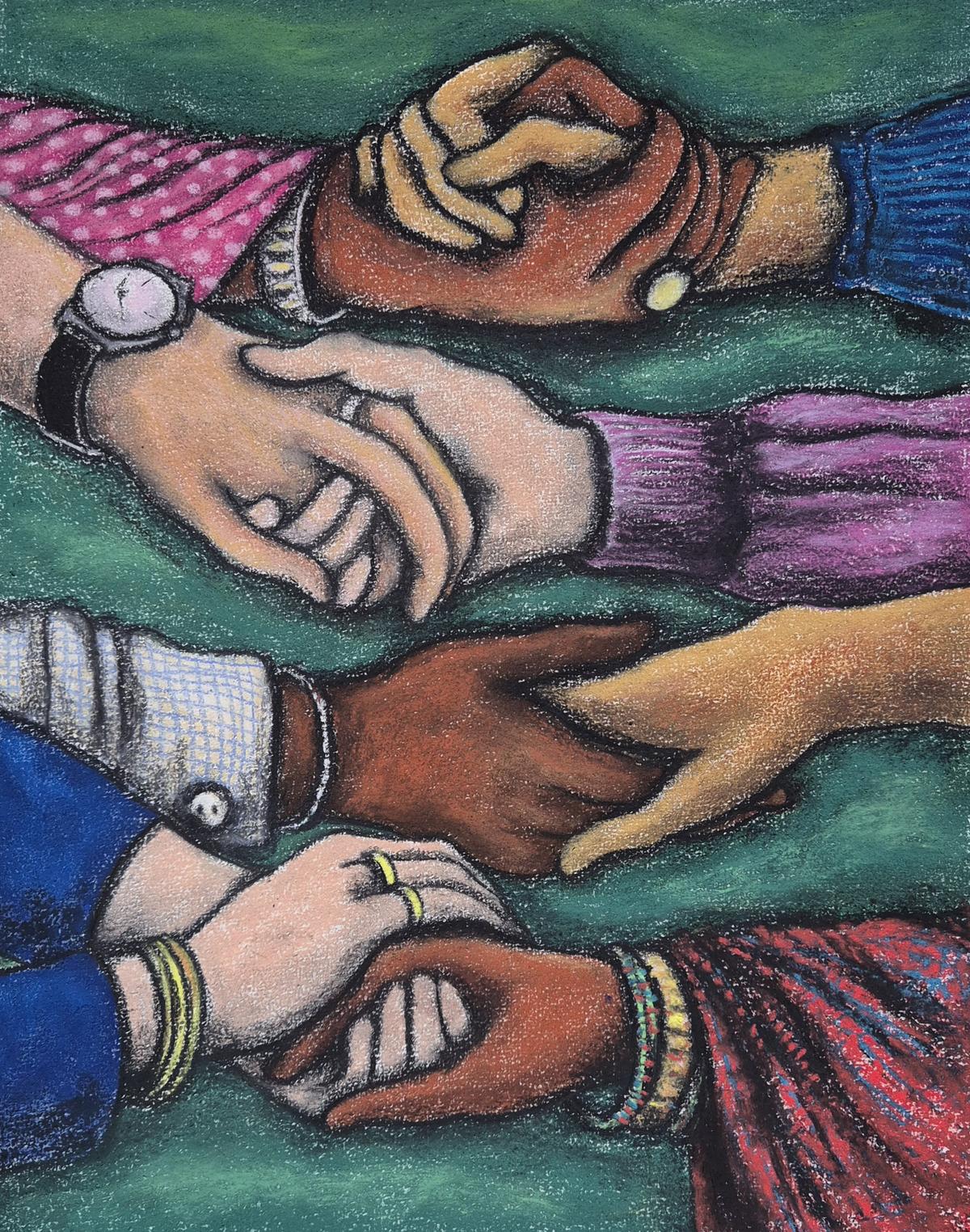
Women are coming together to create ‘sisterhoods’, to “do life together” as a community
| Photo Credit:
Illustration: Priya Sebastian
WCC stands up
Nowhere is this more evident today, and making headlines, than in Kerala. In 2017, a group of film actors, writers and technicians formed the Women in Cinema Collective (WCC), following the sexual assault case involving a prominent actress in the Malayalam film industry. On December 8, when Malayalam actor Dileep walked out scot-free after being acquitted in one of Kerala’s most closely watched sexual assault and abduction cases (six other men were found guilty), men gathered outside the Ernakulam District and Sessions Court to show solidarity. They were seen cheering and clicking his photos. But the women, inside and outside the WCC, refused to break — even after their long fight against Dileep, who was accused of criminal conspiracy to kidnap and assault the actress.
The once popular hashtag #avalkoppam (with her) from 2017 started trending once again as thousands came out in solidarity with the survivor. “When the rape and abduction first happened in 2017, we formed a WhatsApp group and there was an angry and emotional outpouring of our own stories of abuse,” recalls Bina Paul, one of the founding members of the the WCC. “Though many of us have worked together in the same industry for years, we realised we had not collectivised and spoken about our ordeals before. This became the trigger point.” In the years that followed, they made their voice heard. From meeting with Chief Minister Pinarayi Vijayan to voice their safety concerns, advocating for their rights within the industry, to standing with the survivor as she fought the case for over eight years, they came through.
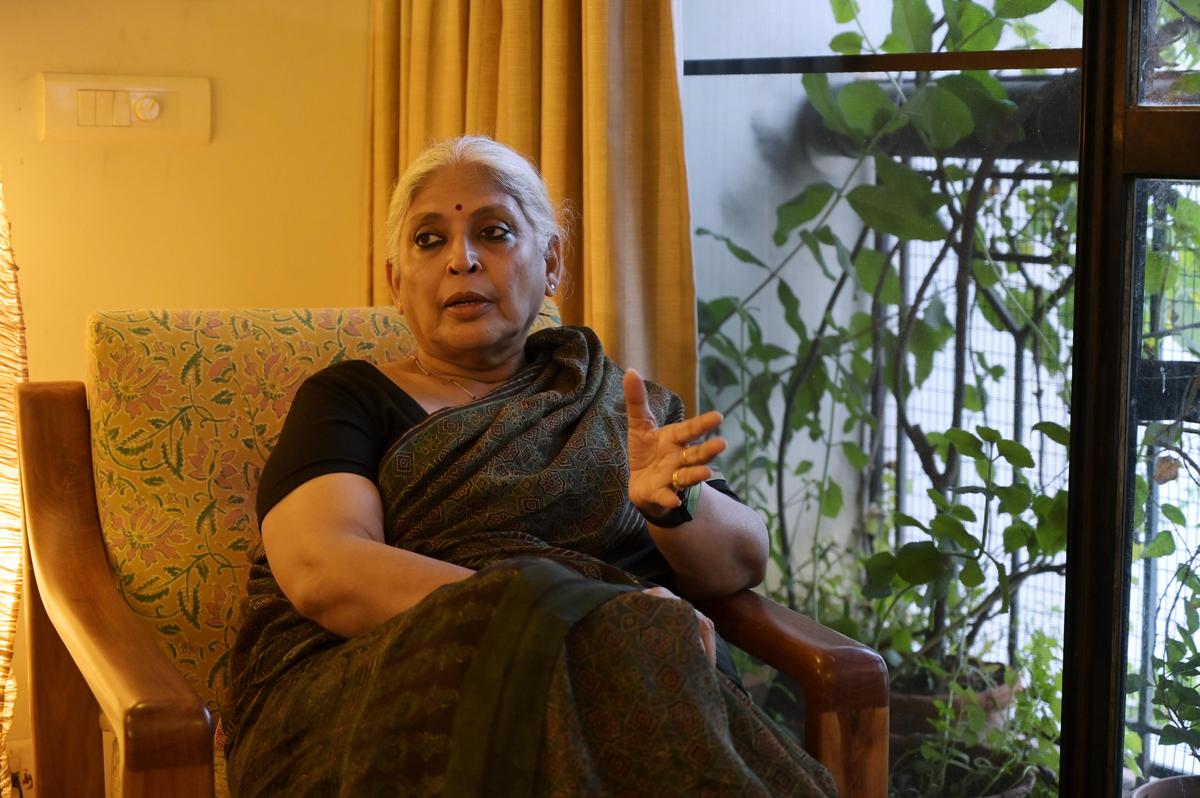
Bina Paul, one of WCC’s prominent faces
Paul, a senior editor in the Malayalam film industry, adds that their coming together gave the survivor strength, and in turn gave WCC the power to fight against the systematic abuse, male-domination, and patriarchal systems of the industry. “When we first started, people used to ask, ‘What will a bunch of privileged women do?’,” says Jolly Chirayath, a Malayalam actor and WCC member. “But over time, WCC brought about the Hema Committee report [a state-appointed inquiry into systemic sexual harassment and power abuse in the Malayalam film industry], and pushed women from other industries and other parts of the country to speak up against the workplace harassment they faced.” She adds they are with “the survivor in however she wants to take the fight forward”, but Chirayath is clear that they want answers on who the masterminds of the case are. “If Dileep is acquitted, then who did it? We deserve answers.”
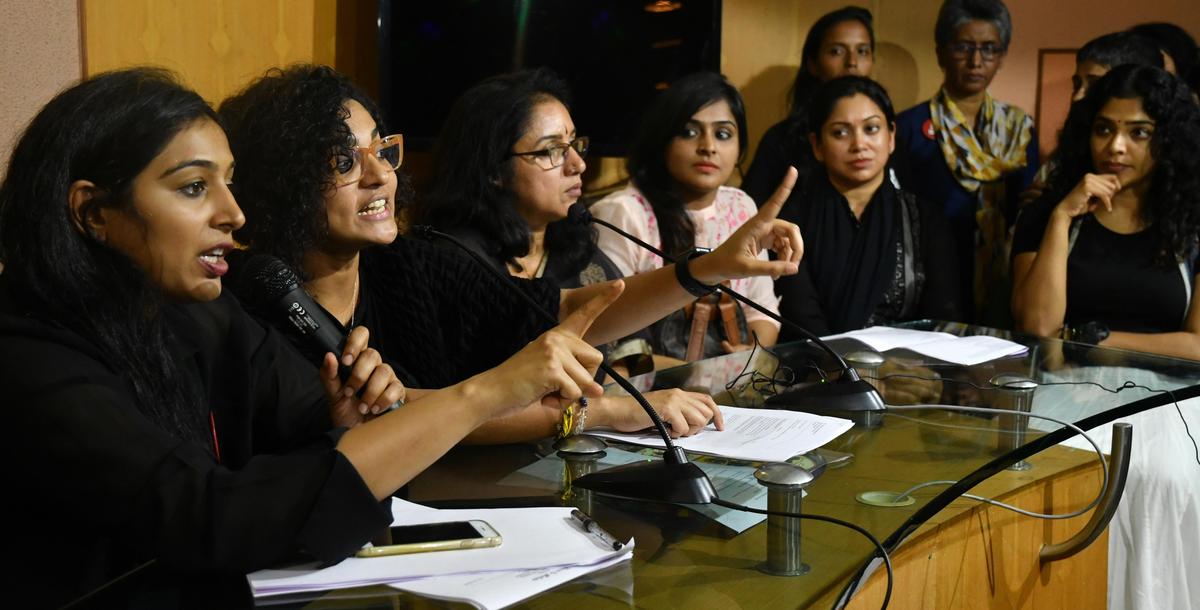
Members of the Women in Cinema Collective
| Photo Credit:
Thulasi Kakkat
In a way, the survivor and her reaction in the Dileep case was a crucial stepping stone, which led to many women in the Hindi film industry too speaking out about the abuse they faced in Bollywood. Actor Tanushree Dutta stepped up first, and it snowballed from there. This also triggered the #MeToo movement across India in 2018, when common women verbalised their stories of abuse and harassment at the workplace. Corporate honchos, mediapersons and academics were named in the list of abusers, leading to a wider reckoning across professions, as women began questioning not just individual perpetrators but the systems that enabled silence and impunity. Women’s collectives started taking shape, and gaining strength.
Creating city-wide lifelines
Generations of Indian women have heard the phrase “women are women’s biggest enemies”. The narrative has been used to divide them, and force them to suffer in silence rather than find kinship in a community. However, when societal systems and administration fail, women have always been each other’s strongest defenders and cheerleaders. Across India’s cities now, women’s networks are taking shape to become a lifeline, leading through solidarity.
Last year, Aishwarya Subramanyam, popularly known as @otherwarya on social media, encouraged her followers to start a sisterhood cohort through WhatsApp in their respective cities. “There is a lot of talk about the male loneliness epidemic. But women are equally lonely, and struggle to find like-minded people,” shares Subramanyam. “We were having a discussion [on Instagram] about this and that is where the idea came about, so women could meet and find a safe space and build a community. This is about friendship and connection, this is not subscriber-based. We want to keep it informal, just how organic friend groups should be.” These tight-knit groups function on a hybrid model: they have digital shared spaces and in-person meet-ups.
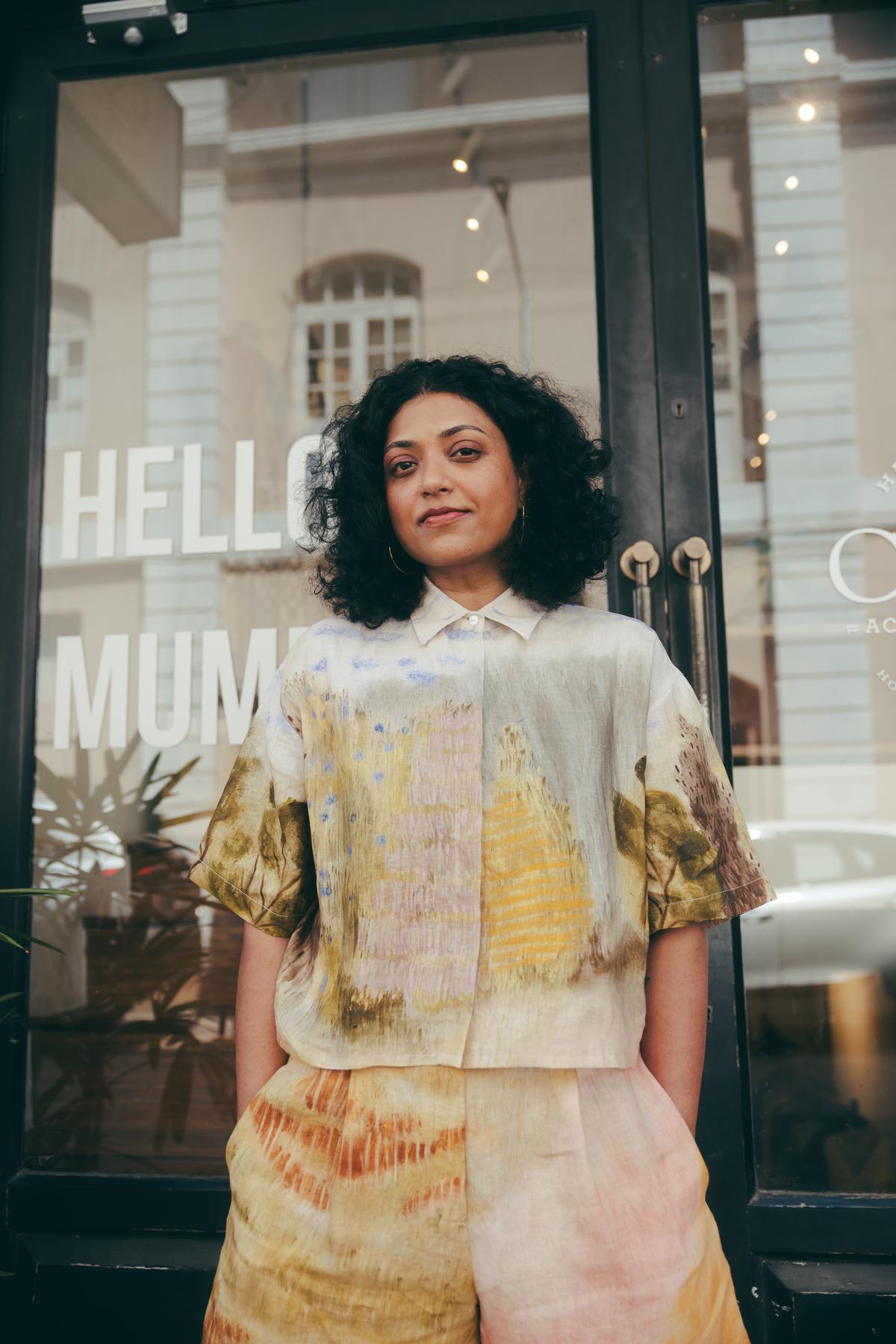
Aishwarya Subramanyam encouraged her followers to start a sisterhood cohort
Football and a safe space
In Bengaluru, Sisters in Sweat (SIS) was launched in 2017 as a for-profit organisation to bridge the gap of women dropping out of sports after school or college. The community, which promotes fitness and wellness through sports, is now also a space for bonding and camaraderie. “This is my way to stay close to my husband [an ardent football lover],” says a woman in her 30s, who joined SIS after she lost him a few years back. It helped her feel closer to her late spouse and, in the process, she discovered a community of women who played with her every Sunday and stood by her through her grief.
Swetha Subbiah, a fitness trainer and co-founder of SIS, remembers the group’s first meeting in 2017 — when 17 women showed up to play a friendly football match. “Something magical happened after that first Sunday. Every week, more women started to show up, brought their friends too. This became their safe space, their ‘me time’ away from other roles at home and work,” says Subbaih. “This is now beyond sports and physical activity. This is a dose of community building that has helped many with their mental health issues, to find a group they can fall back on.” The SIS community is thriving across five cities now, and has over 15,000 members.
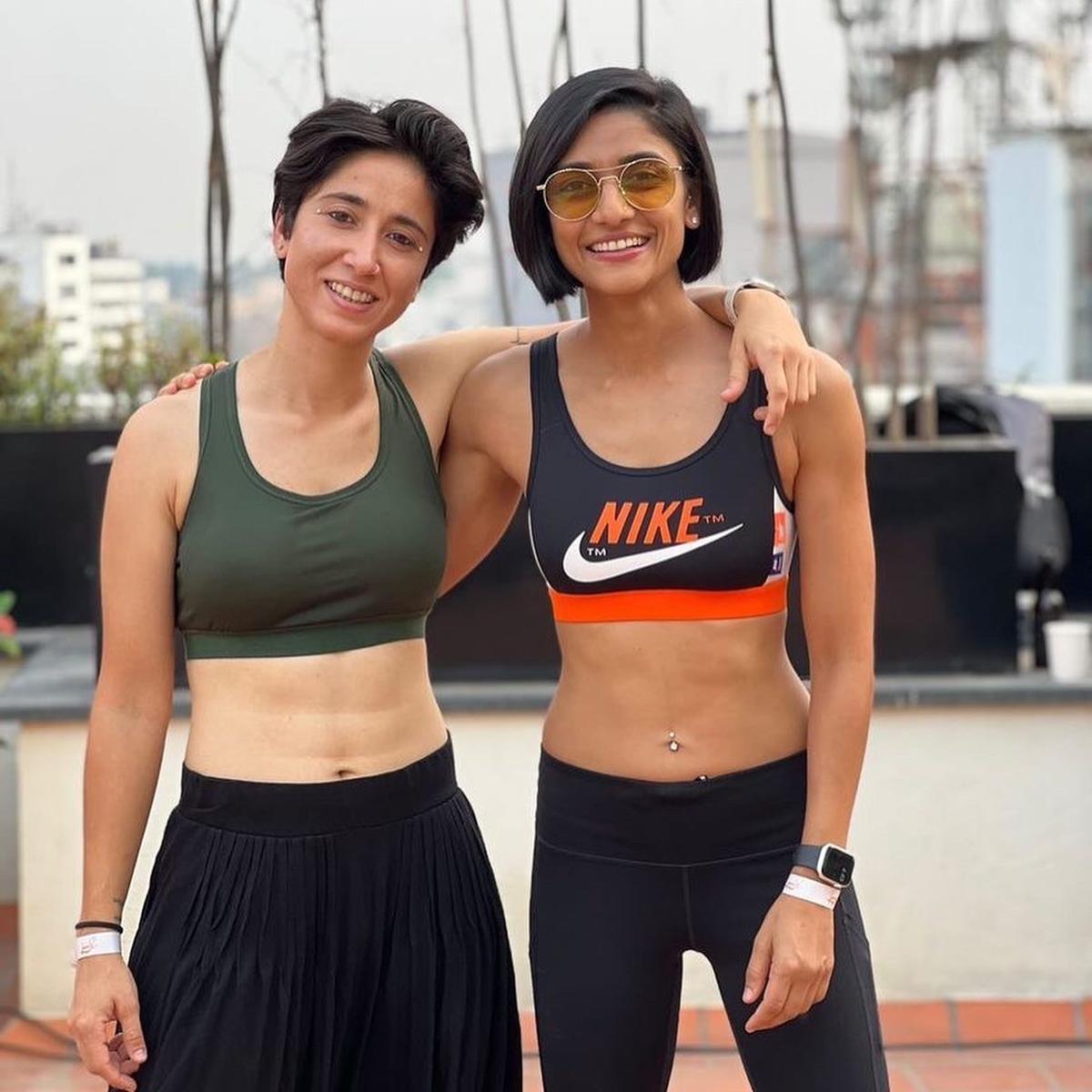
Swetha Subbiah (right) and Tanvie Hans, co-founders of Sisters in Sweat
Women have always stood together
Many women-led groups, both formal and informal, are in operation across India, such as the Network of Women in Media (women in journalism), The Bikerni (women two-wheeler riders), Sheroes (networking group), Break Free Stories (divorced women group), and Majlis (women lawyers offering legal aid). While each may have a different cause and origin story, they are all bound by a common thread: to create safe spaces for women.

“Free movement is liberation, and traditionally, women have not had this. So, to own a bike or a car and take control of a powerful engine makes you feel strong. When we ride our own bikes, we can go out at any time without seeking permission from people or worrying about our safety in someone else’s vehicle.”Urvashi PatoleFounding member of The Bikerni, which is now in 11 cities and has over 2,500 members
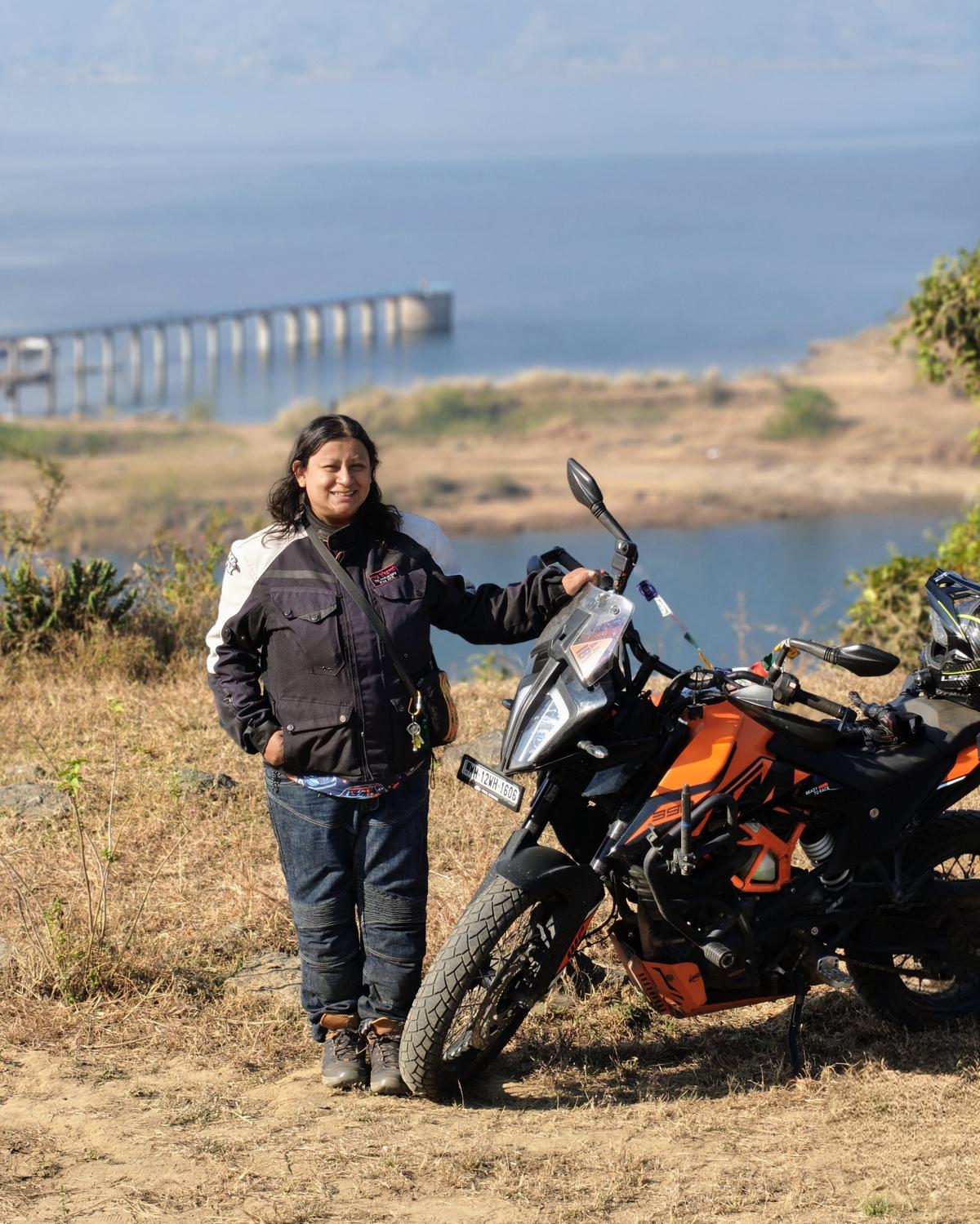
Urvashi Patole of The Bikerni
The formations of these structured groups may be a recent phenomenon, coming up in the last decade or so, helped by the availability of the Internet, but the truth is women have always found ways to stand together. Even when the initiatives were not so structured.
When the woman doctor in Kolkata’s R.G. Kar Medical College and Hospital was raped and murdered at her workplace on August 9 last year, emotions ran high. Anger spread across the city, then the State, and even took root in multiple States across India. On the nights of August 14 and 15, lakhs of women took to the streets of West Bengal to ‘Reclaim the Night’ as their own. With candles in hand and songs of protest on their lips, they claimed space for their deceased sister, daughter, and friend.
Years before Reclaim the Night, women had already shown what it means to hold space. During the anti-Citizenship Amendment Act (CAA) protests, they came together in December 2019 to protest the controversial bill. It started with 15 women from the Muslim-dominated area in Shaheen Bagh; however, in the next few weeks, thousands started joining as the cause resonated across societies. The women, mostly homemakers, knew their politics and stood tall. They braved the cold Delhi winter nights, police barricades, and intimidation, and sat on the road for months, refusing to give up on their rights.
Reclaiming the streets
One of the best known women’s initiatives is ‘Women Walk at Midnight’. Started by Mallika Taneja in Delhi in 2016, it encourages women across India to walk around their cities and live and breathe freely. “We never have to explain what the movement is to other women or queer and trans people,” says Taneja. “But men ask us, ‘What will you get out of this walk?’ Because they have always walked freely, they do not know how restricted a woman’s movement is in her own city, own country, is.” There are 13 groups across India that keep in touch over WhatsApp. And the frequency and location are decided based on the individuals and how each city works. “There have been many before us you have resisted, and there will be many after us. It is like a silsila [series]. That we can do these walks is also a culmination of the fight of the women who came before us,” she says, adding that hopefully soon women walking at night will become a common sight, so mundane that society will stop questioning it.
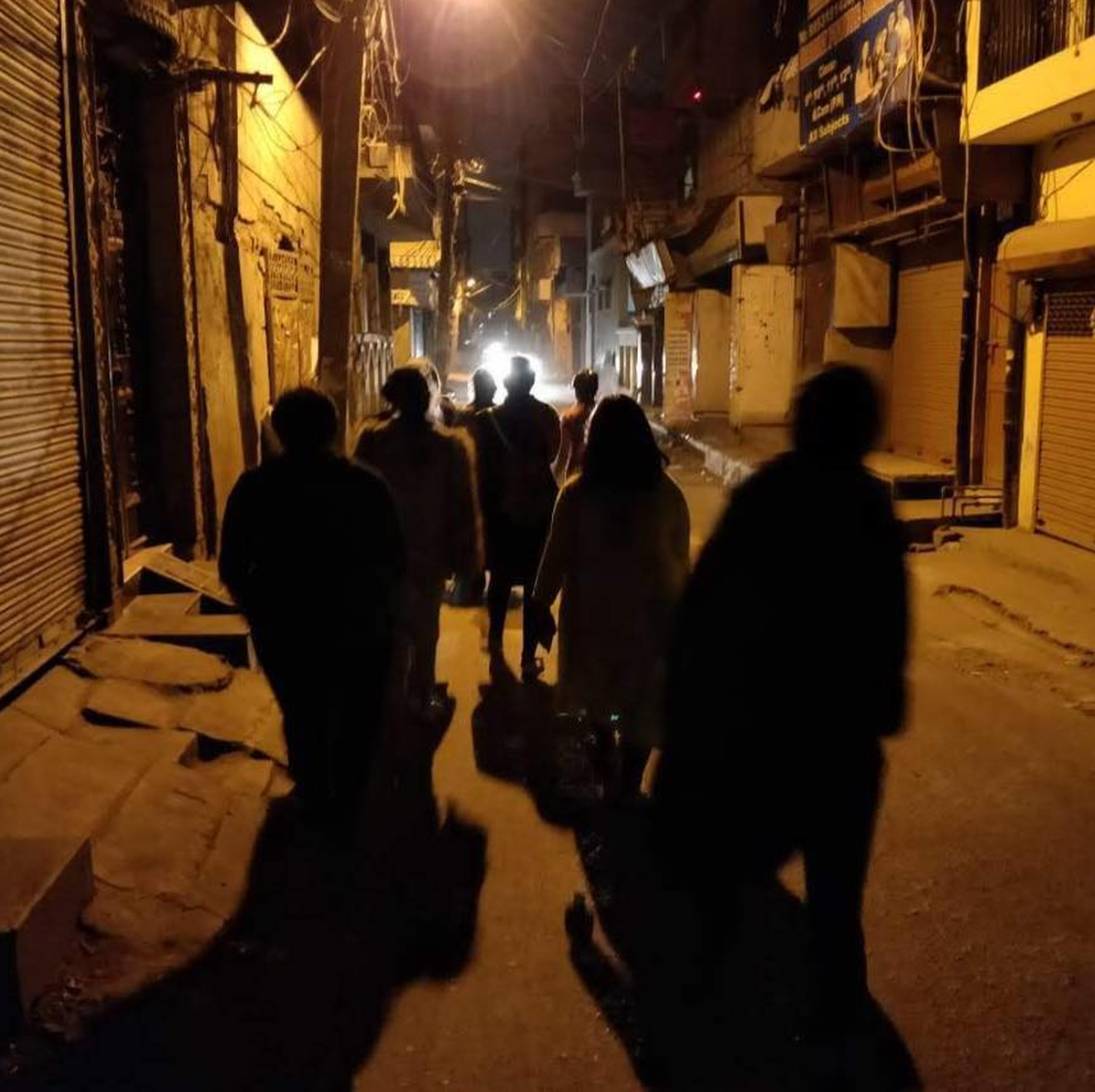
Women Walk at Midnight in New Delhi
“When newsrooms are male-dominated and women do not find anyone in the workplace who has faith in their work, it is a beautiful feeling to have this group of women who believes in you. It is reaffirming to be seen. From sharing resources and fellowship opportunities, offering emotional support and advocating for better workplace safety, to standing by survivors of abuse and harassment, the group has always come forward for women journalists and this sisterhood.”Rajashri Dasgupta Founding member of Network of Women in Media, India, which has close to 1,000 members across the country
Being there for each other
These initiatives, acts of resistance, and sisterhoods may not dismantle patriarchy, but the shared courage and community-building are helping many women find their voice amid the noise. Sumi Thomas, a member of the Otherwarya group in Kochi, points out that informal sisterhoods like theirs has helped women such as her find a community that shares similar values. “In this digital age, we have become so distant from each other that there is loneliness, but finding this group has helped women realise they are not alone in this. From 20- to 50-year-olds, everybody is going through a similar journey and they have found each other in the process,” she says. Thomas adds that the Kochi group, which now has over 80 members, has become a space for shared wisdom where women offer their insights on life to help others get through tough phases. “From opening up about their vulnerabilities to discussing their dating lives and politics, we have done it all.”
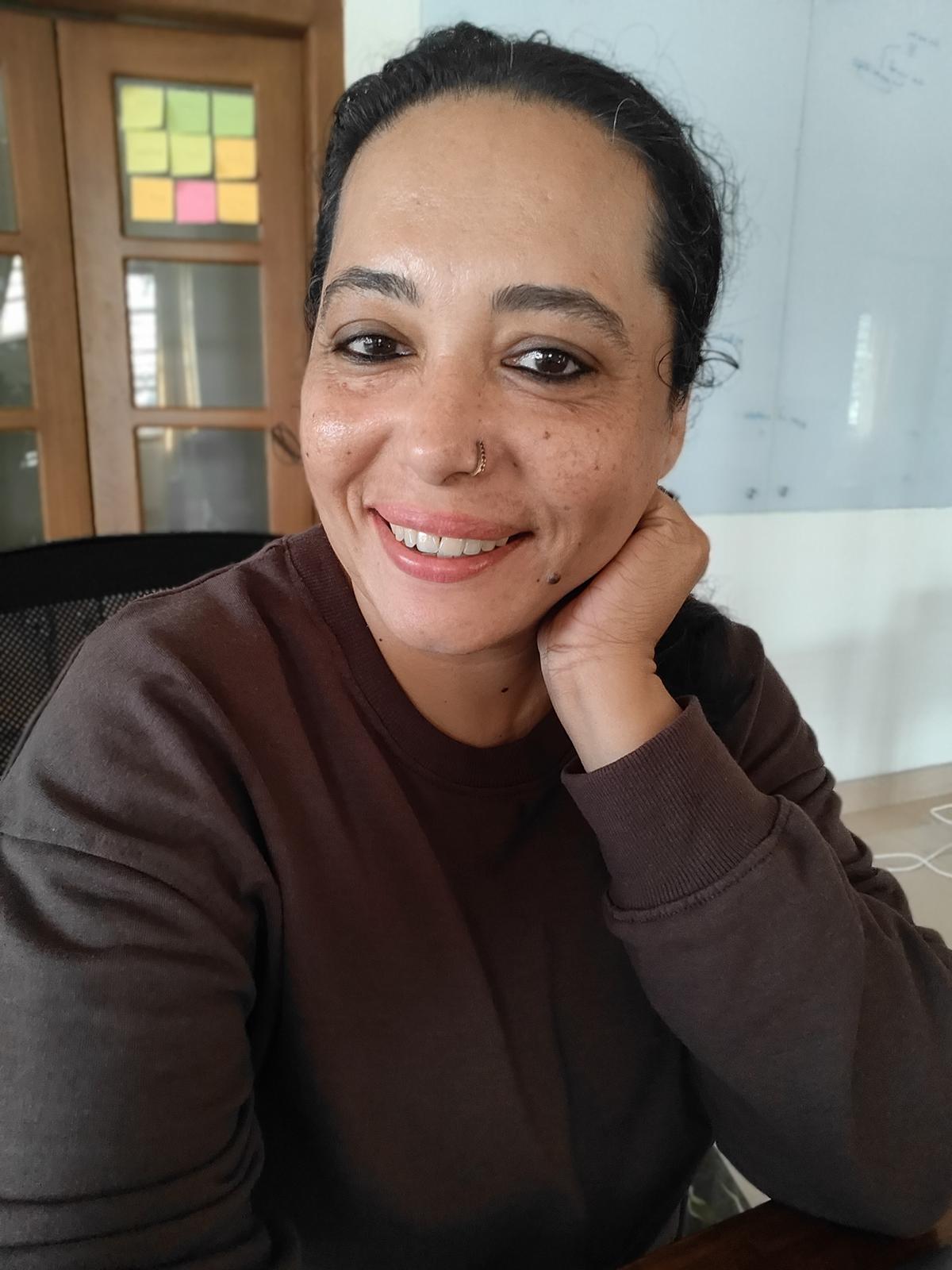
Sumi Thomas, a writer and brand storyteller based in Kochi
Within these sisterhoods, women are building parallel spaces where gender roles are not assigned, and choices are being shaped by individual agency. Kavita Krishnan, a Delhi-based women’s rights activist, says that the act of creating these spaces is also a political one. “Women are standing up against the patriarchal system and making a conscious choice to be there for other women through various issues in life,” she says, pointing out that such groups help women unlearn their own biases and liberate them from the societal shackles and patriarchal rules that hold them back and stunt growth.
And while women remain honest about the unlearning that remains, they are determined to continue to learn, unlearn, and lead in fresh ways — and be there for each other through it all.