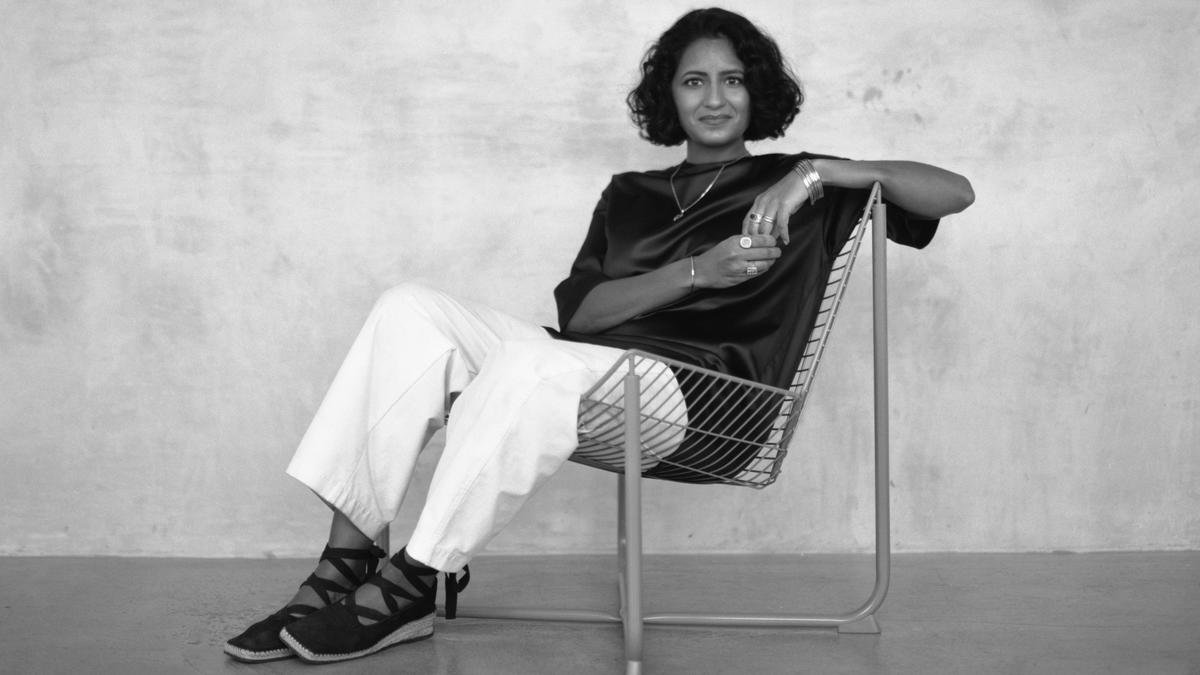
At 39, Meneesha Kellay has made history as the youngest trustee in the British Museum’s 272-year history. In the storied corridors of Britain’s cultural institutions, Kellay represents a new chapter.
Born and raised in Southall to parents of Punjabi heritage who arrived from East Africa in the 1970s, she is also lead curator for the Victoria & Albert Museum’s forthcoming exhibition celebrating South Asian creativity.
Today, her journey from “half-itect” (as she jokingly calls herself for doing four of the seven years required to become a fully qualified architect in the U.K.) to one of the most influential cultural voices in Britain is as layered as the histories she now helps reframe. “I call myself a half-itect because I got halfway there,” she laughs. “I didn’t fully qualify. I loved studying architecture, but I was always more enthusiastic about the sociological and anthropological aspects — how people interact with buildings and how they shape cities. I just found the design process really painful.”
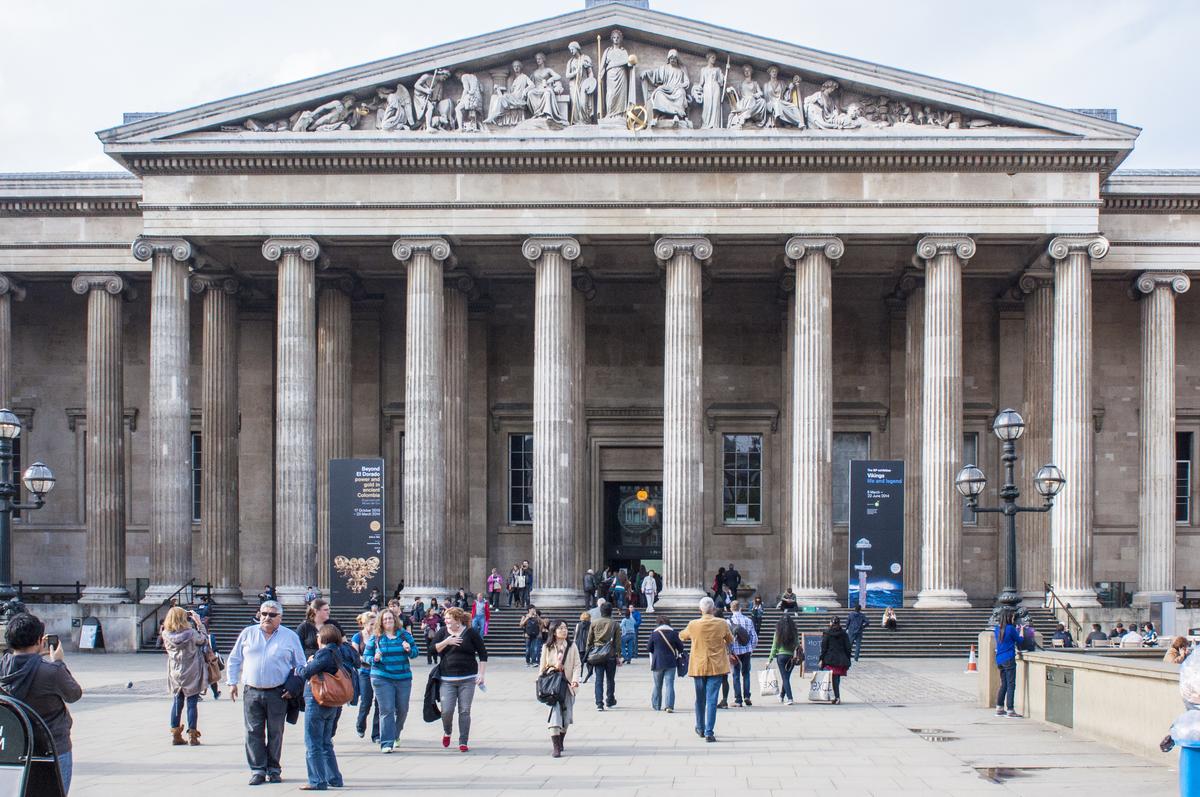
Meneesha Kellay has made history as the youngest trustee in the British Museum’s 272-year history
| Photo Credit:
Getty Images
Now, seated in the V&A East Storehouse, the museum’s radical new outpost in East London, she speaks about disrupting old frameworks and bringing lived experience into institutional spaces.
How does it feel to be the youngest trustee in the British Museum’s history, and what does that role look like day to day?
Trustees are a voluntary role. There are lots of incredible minds on the board — people like Mary Beard, who has written countless books on ancient Rome, as well as Sirs, Dames and Lords. So me joining as a relatively young person, and someone from a South Asian background, feels like a huge honour. What I can bring to the role is that lived experience and also my background in architecture.
My whole practice within museum spaces has been about broadening participation, especially for underrepresented communities and young people. The trustees meet quarterly, but I’m also part of the master plan committee. Last summer, Nicholas Cullinan, the new director, asked me to join the expert jury alongside others such as artist Tracey Emin and Mahrukh Tarapor, an Indian museum professional who received the Padma Shri, to appoint the next architect designing the Western Range [of galleries at the museum] — the largest cultural infrastructure project in history.
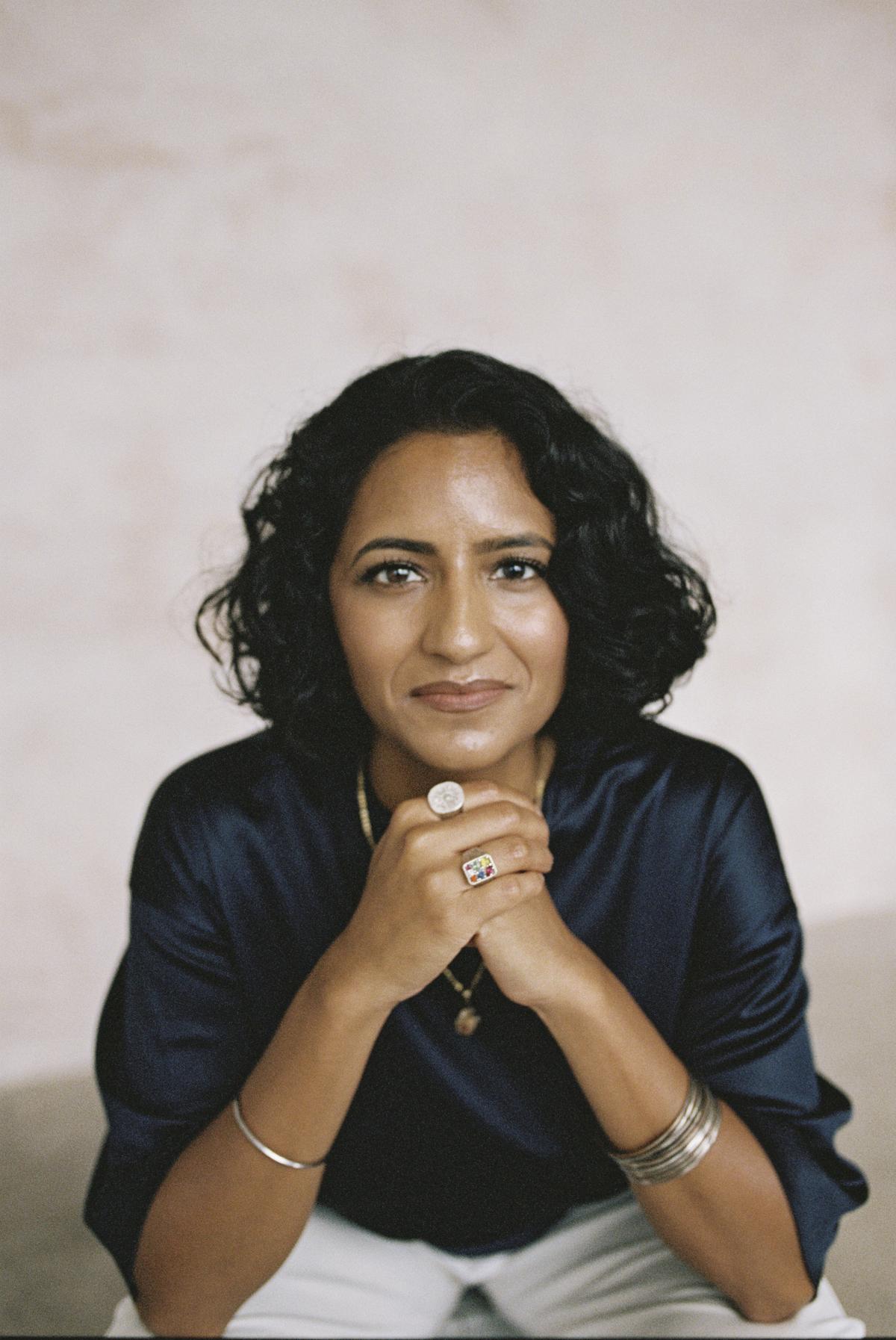
‘What I can bring to the role is that lived experience and also my background in architecture’: Meneesha Kellay
How did you come to be invited to the board?
I curated the British Pavilion at the Venice Architecture Biennale in 2023, and we won an award for it. I think from the British Museum’s perspective, I was ticking several boxes — having both museum experience and an architecture background. At the end of that jury process, George Osborne, the chair of trustees, asked me to apply. I had my interview with the Department for Culture, Media and Sport, and a few months later, received a letter from 10 Downing Street signed by the Prime Minister appointing me. That really hit home — like, wow, this is real.
You’ve described your curatorial practice as “collaborative and questioning.” What questions are you hoping to raise through your work at V&A East?
We’re opening V&A East Museum next year, and one in five people in this part of London have South Asian heritage. So, it felt like almost a no-brainer to do an exhibition celebrating contemporary South Asian creative practice. There’s been no major institutional show anywhere in the world of contemporary fashion, architecture, and design from Bangladesh, India, Pakistan, Nepal, and Sri Lanka. The idea is to celebrate what’s happening now — designers, architects, and makers whose work draws on deep generational knowledge and ancient practices, but redefines them for 21st century contexts. Even people who are invested in South Asian culture often don’t realise how much is happening because there aren’t enough global platforms for it. There are incredible initiatives like the India Art Fair, Dhaka Art Summit, Kochi Biennale, Serendipity Festival, and Colomboscope, but they rarely get disseminated more widely than South Asia. It’s really about shining a spotlight on the region and showing how relevant this creativity is globally.
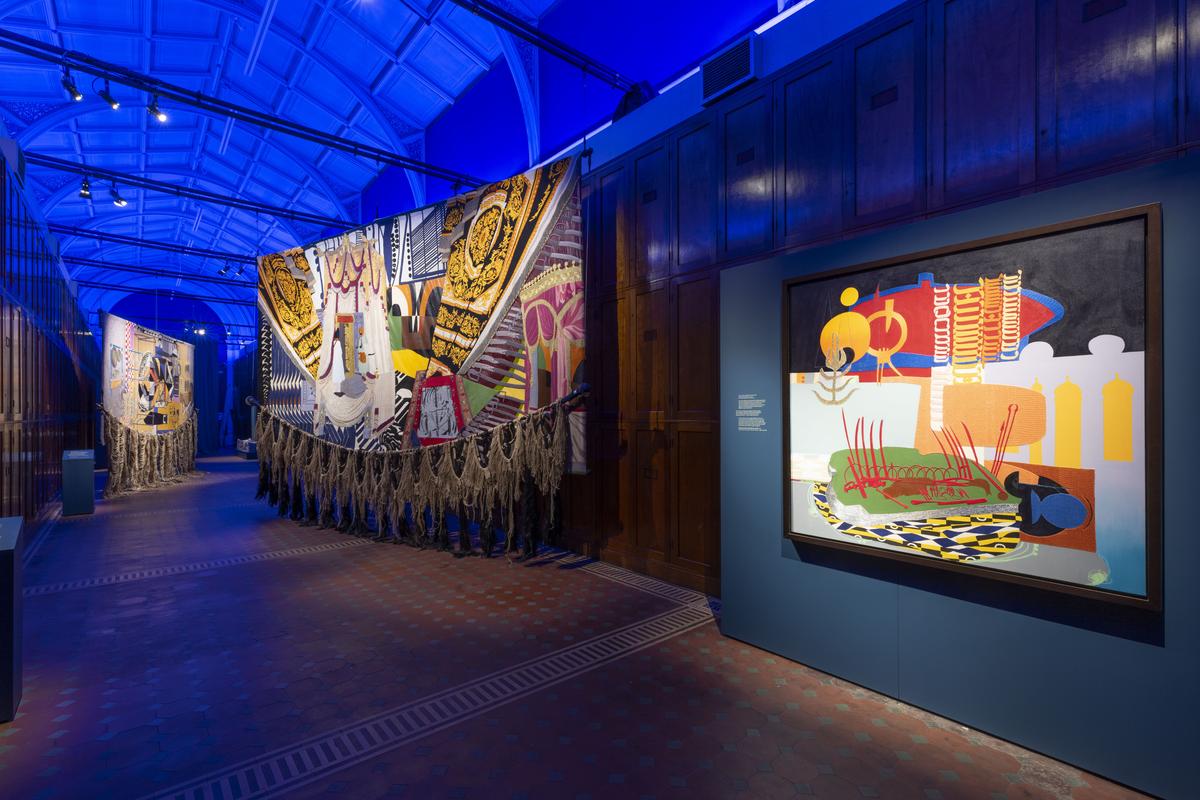
Unstruck Melody, a collab between British-born Canadian artist Nirbhai (Nep) Singh Sidhu and U.K. arts organisation Without Shape Without Format at the Victoria and Albert Museum
| Photo Credit:
Petre Kelleher
When you think back to your own upbringing as a British Indian, what kinds of stories or perspectives did you feel were missing from cultural spaces?
My parents were really interested in us seeing the world. We’d travel by car across countries [once, from New York all the way to LA] and they’d take us to museums everywhere we went. Being children of two diasporas — born and raised in East Africa, with heritage in Punjab, and then settling in the U.K. — gave them this insatiable curiosity. My mum was an art teacher in Nairobi before moving here, so that creative side was always there. My dad never sat still. He was a teacher but also always building something. I think that’s where my desire to become an architect came from.
The legacies of the Empire are obviously deep and problematic, but one unintended consequence is that the South Asian diaspora became one of the most global in the world. That’s something I’m really interested in exploring, how that worldly outlook shapes our creative expression today.
Your father sounds like quite an influence. How have those early values filtered into your curatorial work?
We were a zero-waste household. I think that attitude has stayed with me. At the V&A, I once commissioned an installation using leftover materials from the Kimonos exhibition. I’d always email colleagues asking if they had materials we could reuse.
Sustainability has to be embedded in how I work. When I commissioned designers Nebbia Works for an ultra-low carbon aluminium pavilion at the V&A, we later repurposed the infinitely recyclable material for an installation in the British Pavilion at the Venice Biennale for a piece called Bardo, stemming from the Buddhist idea of rebirth. That kind of cyclical thinking feels very natural to me.
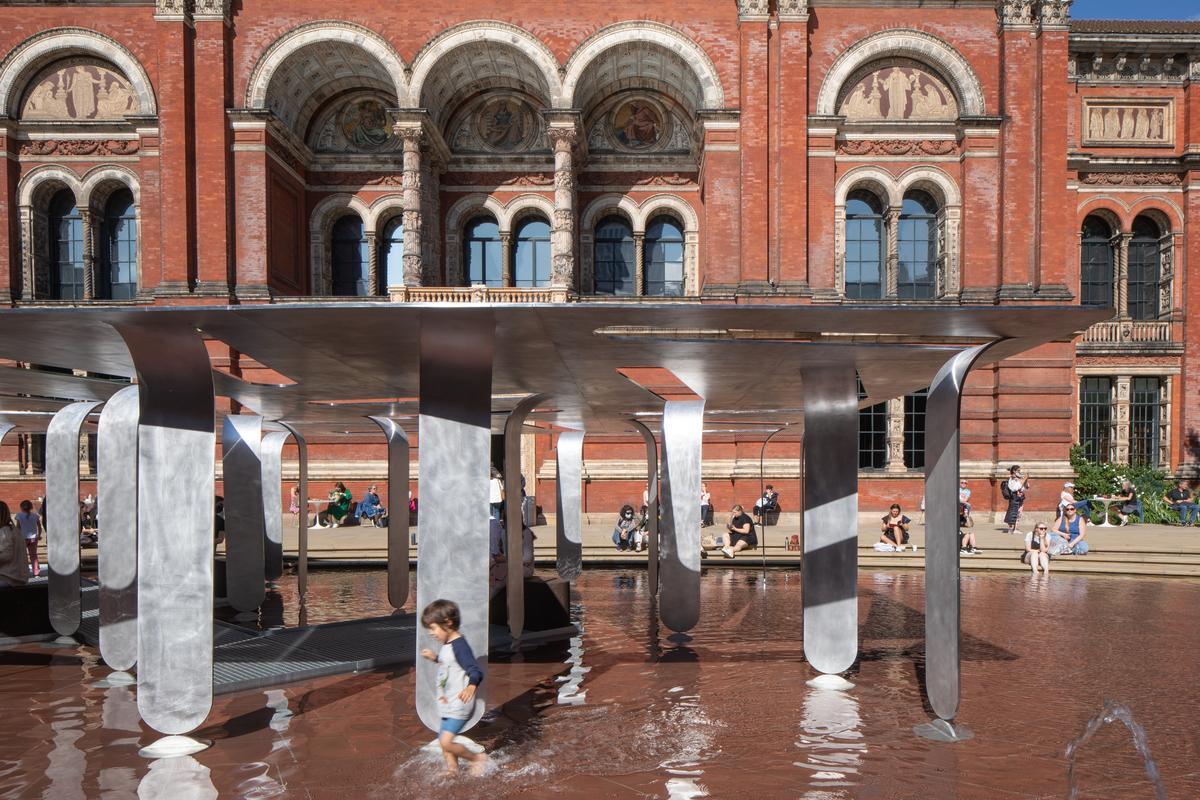
Nebbia Works’ Between Forest and Skies at the V&A
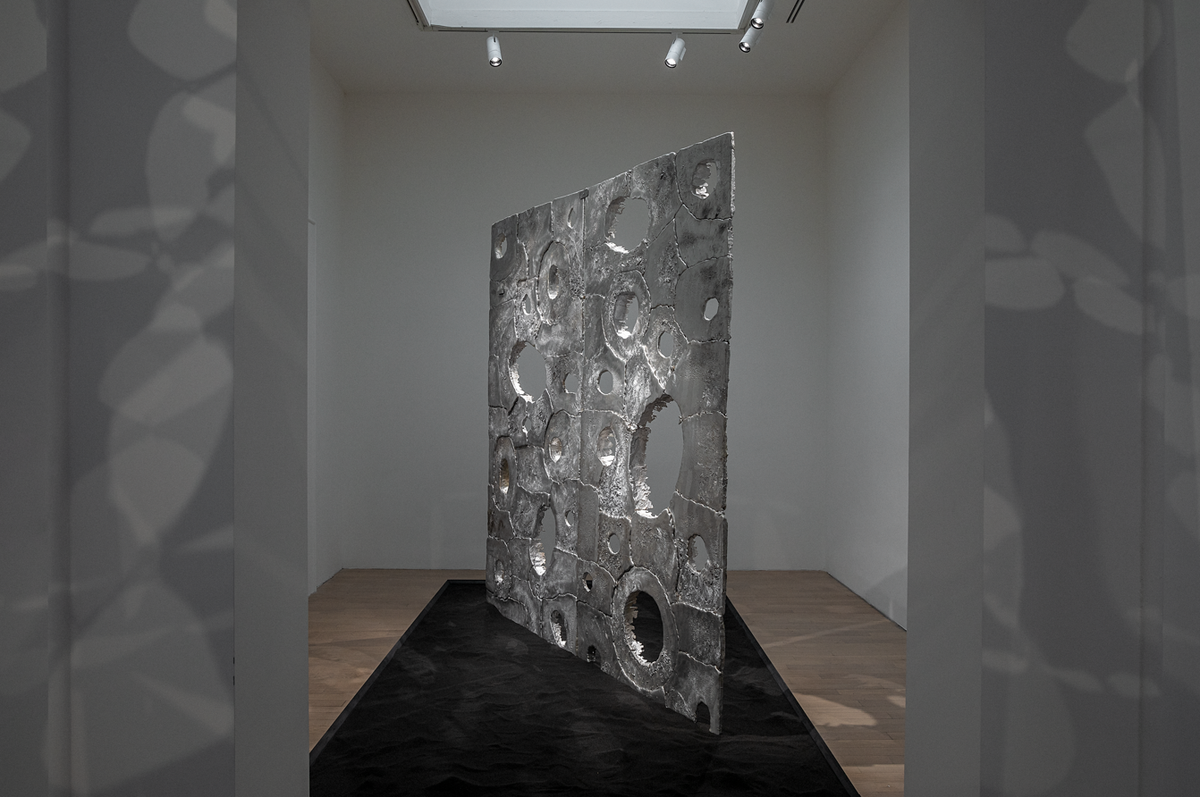
Madhav Kidao’s Bardo at the Venice Biennale’s British Pavilion
| Photo Credit:
Taran Wilkhu
The British Museum has long been a flashpoint in conversations about colonial legacy and restitution.
The British Museum is 272 years old, and it’s not going anywhere. I’m genuinely delighted to be joining at this moment of transformation. We’ve got a visionary director in Nicholas Cullinan who understands the mission of making it a “museum of the world, for the world.” I don’t believe in erasing history. It’s important to acknowledge what has happened, but also build on it — to ensure people see the value in the collection and understand that it’s theirs. The museum is free to enter, it belongs to the public. Rather than closing up, it’s about opening up, collaborating more, and ensuring communities around the world, whether in India, Pakistan, or Nigeria, feel represented.
V&A East has positioned itself as a museum for a new audience. What does accessibility and representation look like to you?
It’s about participation and dialogue. I recently commissioned [content agency] Diet Paratha to curate a Friday Late at the V&A, a night that brought 6,000 people together to celebrate South Asian creativity. It was so joyous because it wasn’t just South Asians; it was incredibly diverse. It was a reflection of London.
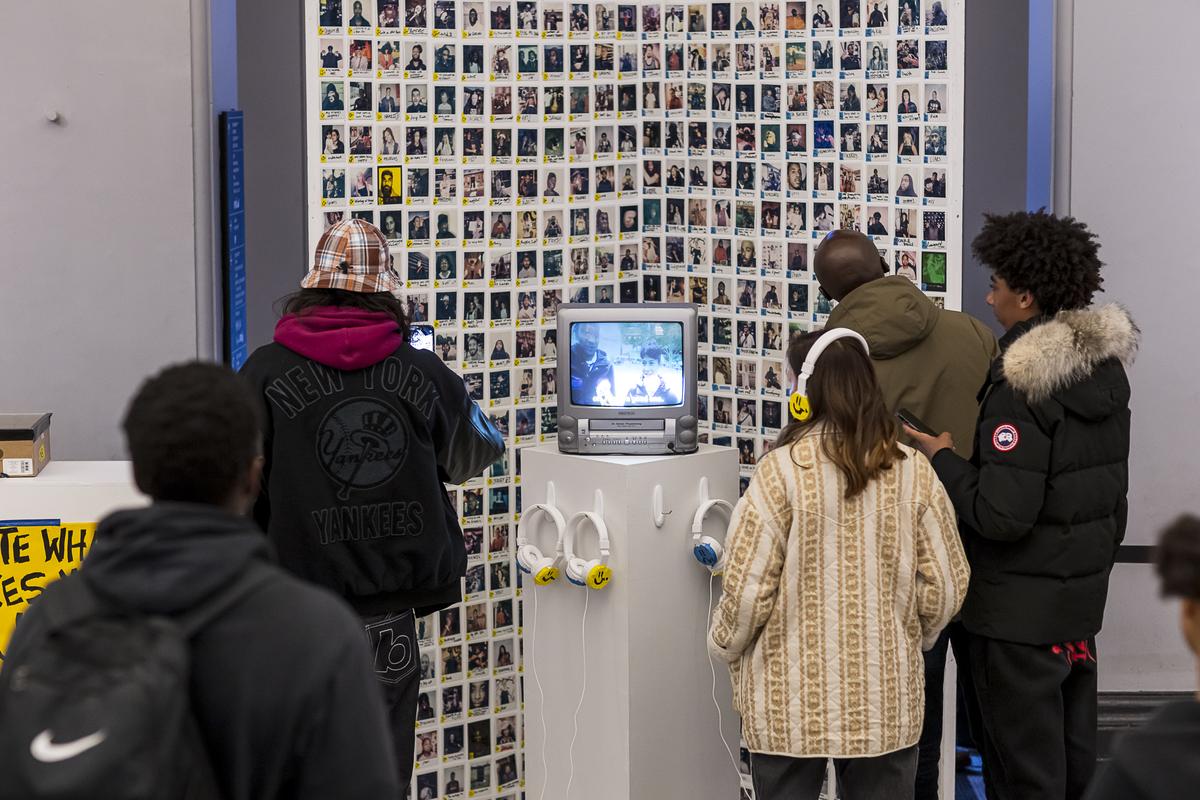
Diet Paratha’s Friday Late at the V&A
| Photo Credit:
Hydar Dewachi
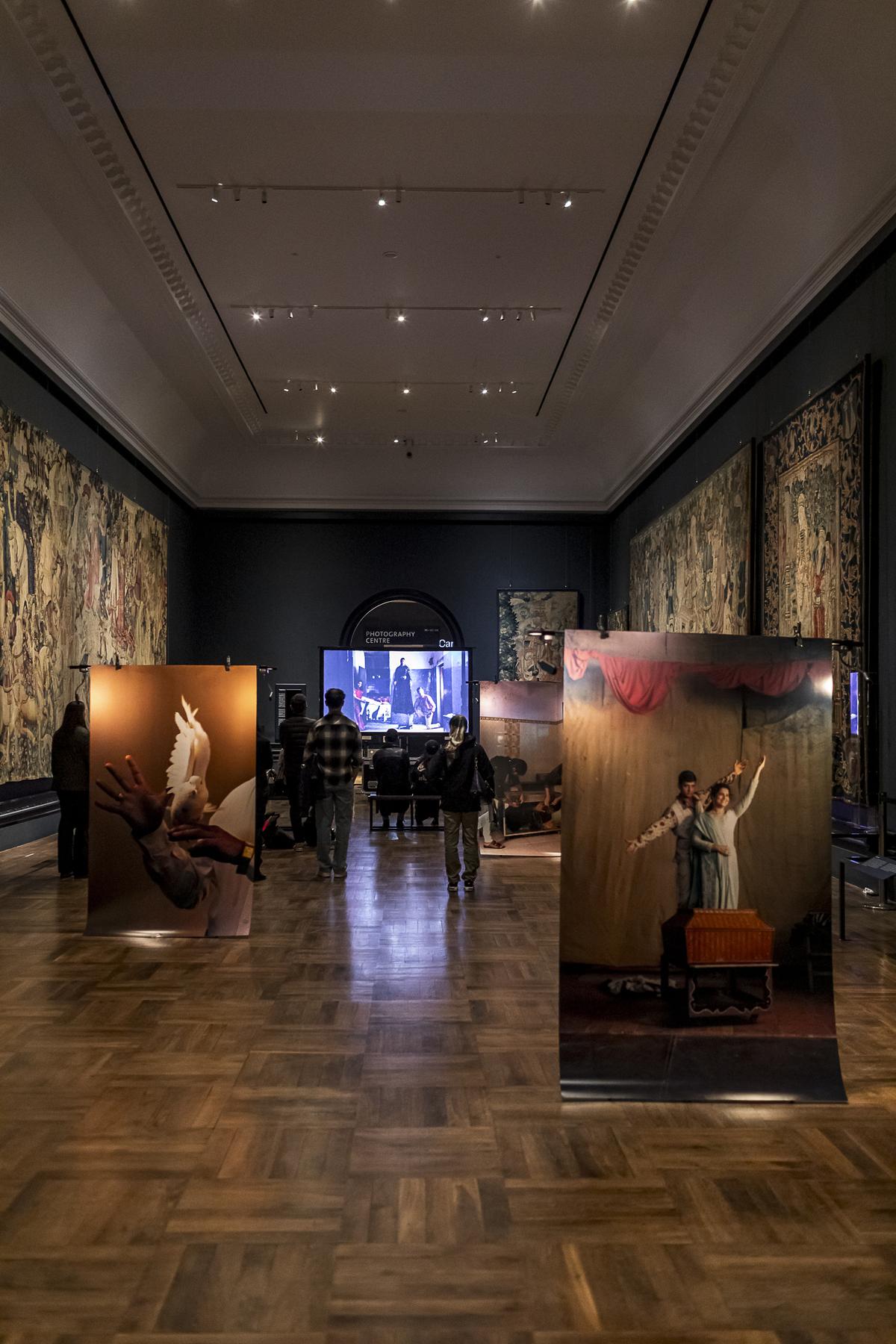
Friday Late at the V&A
| Photo Credit:
Hydar Dewachi
The world feels increasingly polarised because of online platforms, but when you meet people in person, there’s usually common ground. I think cultural institutions have a civic duty to create spaces where people can come together — to debate, discuss, even disagree — and do it in a way that’s civil and curious. That’s something I feel really passionate about right now.
What kind of museum do you hope your generation will leave behind?
A museum where people can come together to learn about other cultures and feel nourished. We need to make them places for transformation — where people feel moved and engaged. Museums aren’t static. They’re experimental spaces, places where things can constantly be done differently. And I think it’s up to us, as cultural workers, to continually push for that — to make sure these institutions evolve as places that reflect who we are, and who we’re becoming.
The writer is an independent journalist based in London, writing on fashion, luxury and lifestyle.