Winnie-the-Pooh
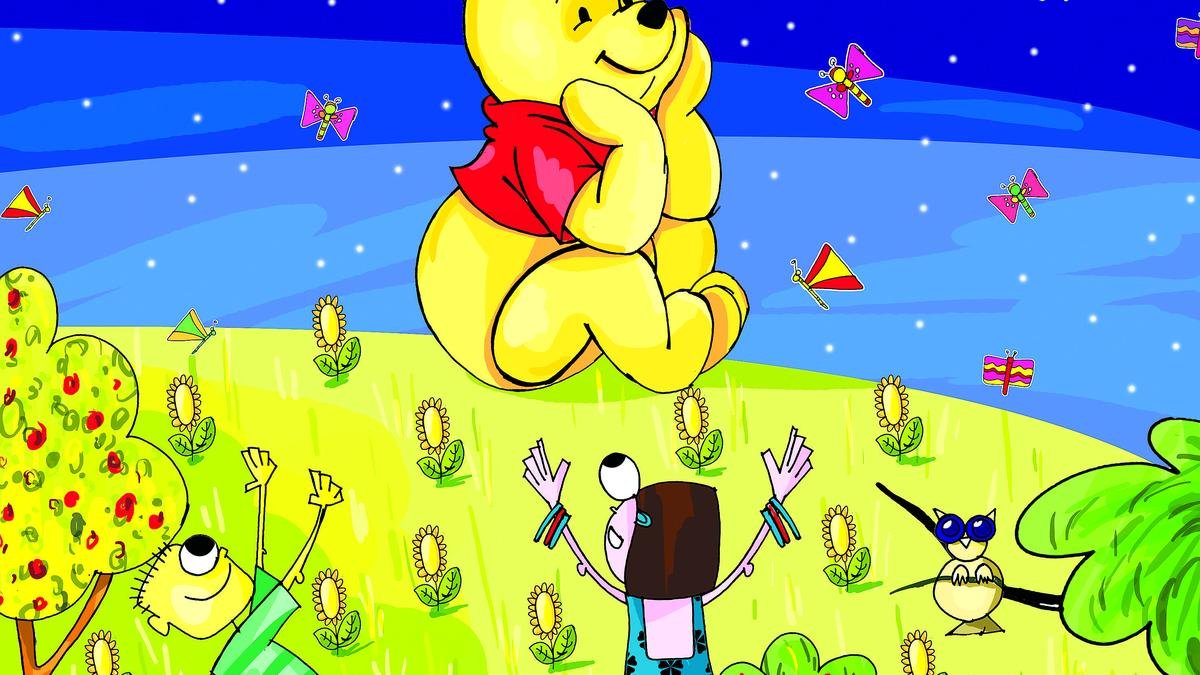
| Photo Credit: SREEJITH R KUMAR
Can you imagine that Winnie-the-Pooh, the bear who loved honey, long naps and slow walks through the woods turned 100? The bear, who never grows old in our memories, quietly turns a century and this milestone strangely feels personal.
Created in 1920s by British author A A Milne, Winnie-the-Pooh began as a bedtime story Milne told his younger son, Christopher Robin. The characters were inspired by Robin’s stuffed toys. It was illustrator E H Shepard’s sketches that gave the Hundred Acre Wood (the fictional forest setting for Winnie-the-Pooh stories, inspired by Ashdown Forest in East Sussex, London), its timeless charm.
Even the name Winnie came from a black bear at the London Zoo, and Pooh from a swan that the family admired during their walks. The books Winnie-the-Pooh (1926) and The House at Pooh Corner (1928) soon became classics, cherished for their simplicity and warmth.
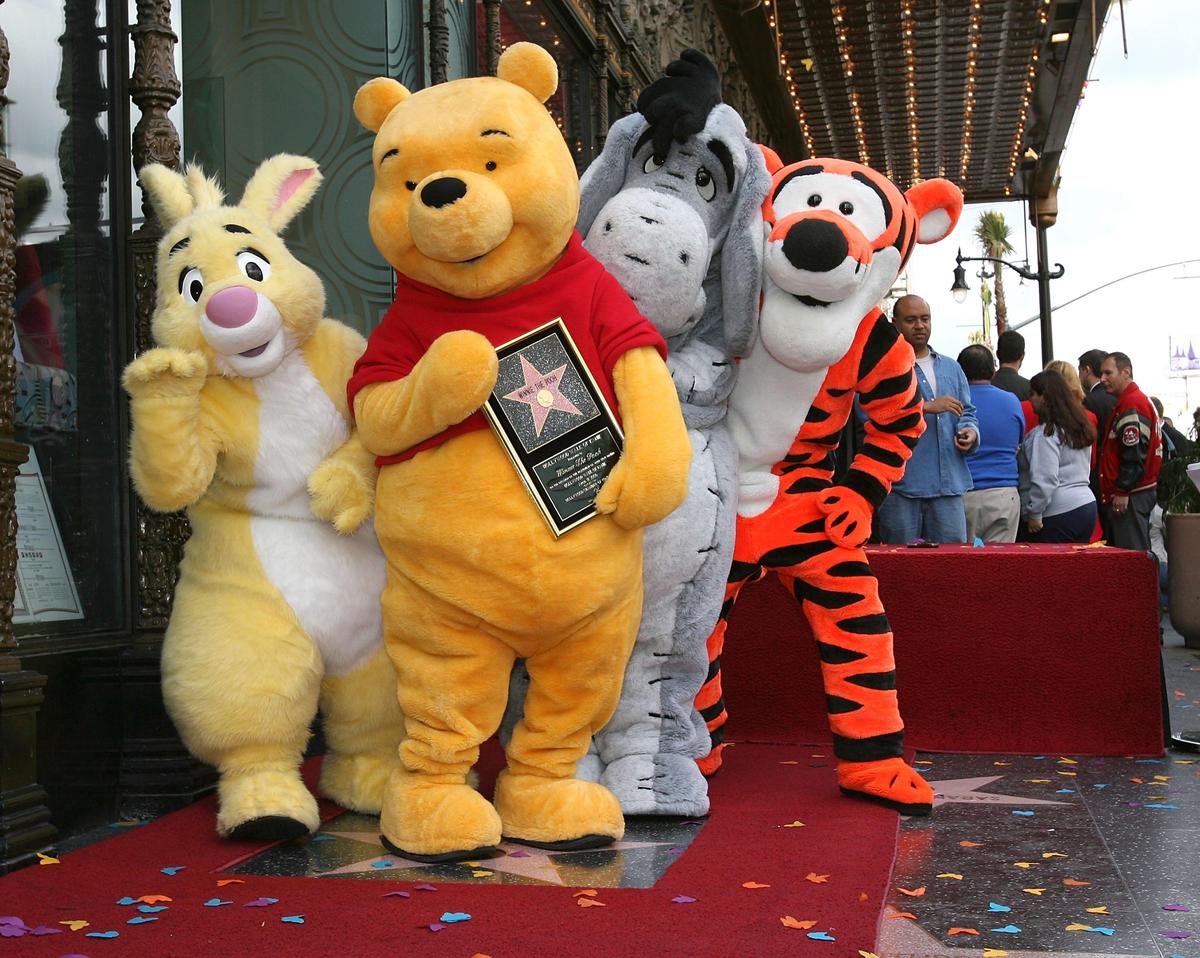
Unlike most children’s heroes, Pooh was never brave or clever in the usual way. He forgot things, moved slowly and often got confused. But Pooh, he was very kind. His friends also showed real emotions — Piglet’s nervousness, Eeyore’s quiet sadness, Tigger’s endless energy and Rabbit’s need to keep things in order. All together, they created a world that felt safe and familiar. The sight of a Winnie-the-Pooh soft toy in the racks of toy shops still carries nostalgia for those who once held the bear in their childhood.
A childhood with Pooh
For many, Pooh was not something read or watched, he simply existed in everyday childhood. Pooh appeared everywhere in the growing up years — on school bags, name cards and even on tiffin boxes, recalls Anushka Sasindran, a 22-year-old student from Mumbai. She remembers how deeply her friends claimed him as their own. “We even used to fight saying, ‘Pooh is my friend’,” she says, laughing. Now when she looks back, these small moments have turned into a beautiful memory, says Anushka.
Krishna Nair, 23, says: “I watched Winnie-the-Pooh as a kid, and what stayed with me the most was Tigger and Piglet since the characters themselves felt comforting.”
Fans of Winnie-the-Pooh may mostly relate to Eeyore more in their adulthood, observes Anushka. Eeyore is honest in a way most characters aren’t allowed to be. He doesn’t fake happiness, doesn’t pretend things are fine and does not spologise for feeling low. He shows up even when he is tired to everything. One could perhaps understand him more as an adult than one did as a child. Pooh’s slow pace makes sense today because now we understand the need to slow down, and maybe some days go back and want to relive the days as a kid,” says Krishna.
Pooh on film
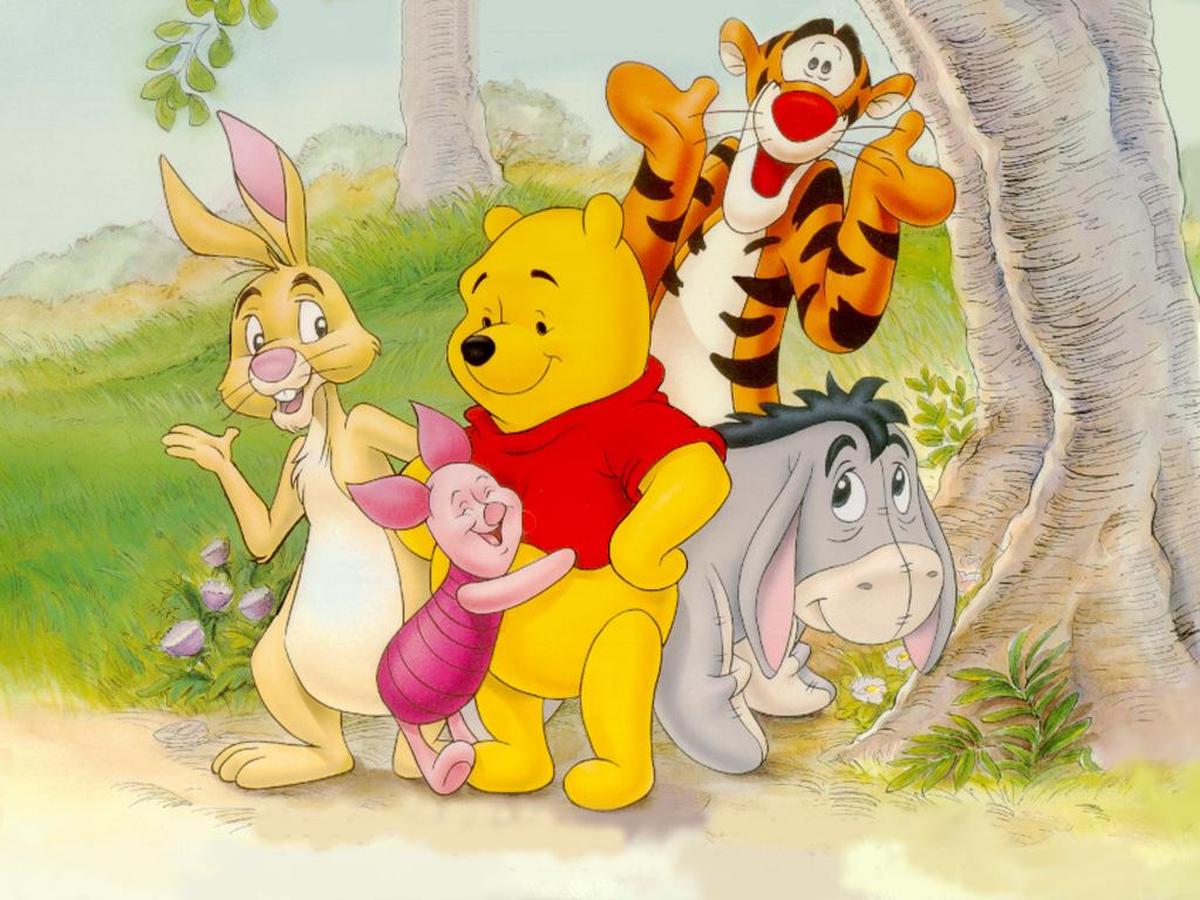
The bear’s reach widened in 1961, when Walt Disney took Pooh to a global audience through animated films and television series. While the colours became brighter and the songs more playful, the spirit of the stories remained unchanged. Pooh’s world stayed slow, gentle and deeply human.
That quality set Pooh apart from other cartoons. Jeevan Baiju, 25, a student, who remembers watching the series on television, says what stayed with him was not any particular episode, but the feeling of calmness that the Hundred Acre Wood offered, at a time when most cartoons were loud and fast and action-driven.
The undying appeal of Pooh
The childhood we once cherished has quietly slipped away. School bags have been replaced, toys packed away. Life has moved forward without asking us if we were ready. In this fast changing world, Pooh’s charm remains unaltered. The bear reminds us that some stories do not need to be loud to stay relevant.
Published – January 19, 2026 03:56 pm IST