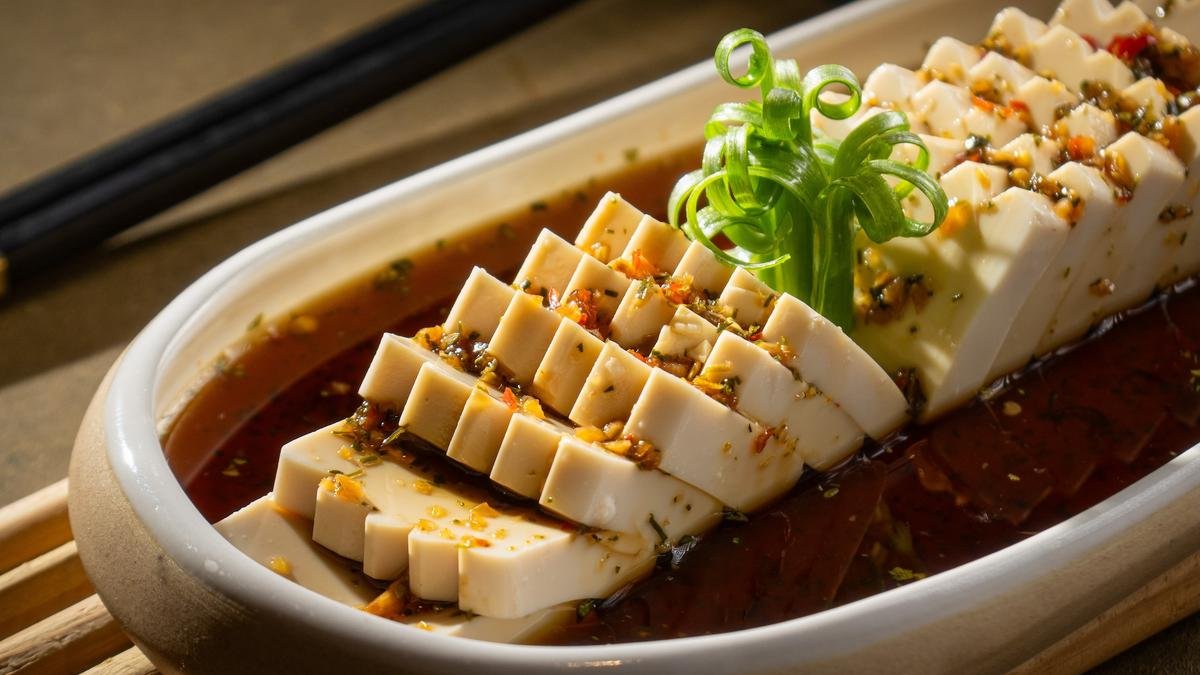
The Indian diner in 2026 is clear about what they want when they go out. They are well-informed thanks to social media, and their travels, and conscious about what they eat and where they spend their money. At the same time health, wellness and thinness has never been more in the forefront of the zeitgeist. What does that mean for the F&B industry? And what is in store for Indian restaurants and bars in 2026? We find out…
Pooja Dhingra, leading pastry chef says Indian diners are now more curious and confident. In her own industry she says, desserts are not limited to celebrations anymore. ”They are becoming part of daily rituals, for example, paired with coffee, enjoyed for breakfast, or shared casually. Small-format indulgences like warm cookies, madeleines, and coffee-friendly cakes are growing much faster than traditional, occasion desserts.”
How can we make healthier choices?
Pooja says, “People are moving away from excess as we have seen in the past, that means fewer layers, fewer components, and much better ingredients. Clean, well-balanced desserts are winning over dramatic, over-sweet ones. Most modern pastry recipes today have 15–30% less sugar than they did a decade ago, with flavour coming from bitterness, acidity, texture, and contrast instead. Ingredients like dark chocolate, coffee, citrus, nuts, and fermented dairy help create depth so desserts don’t rely purely on sweetness. Portion sizes are also becoming smaller.”
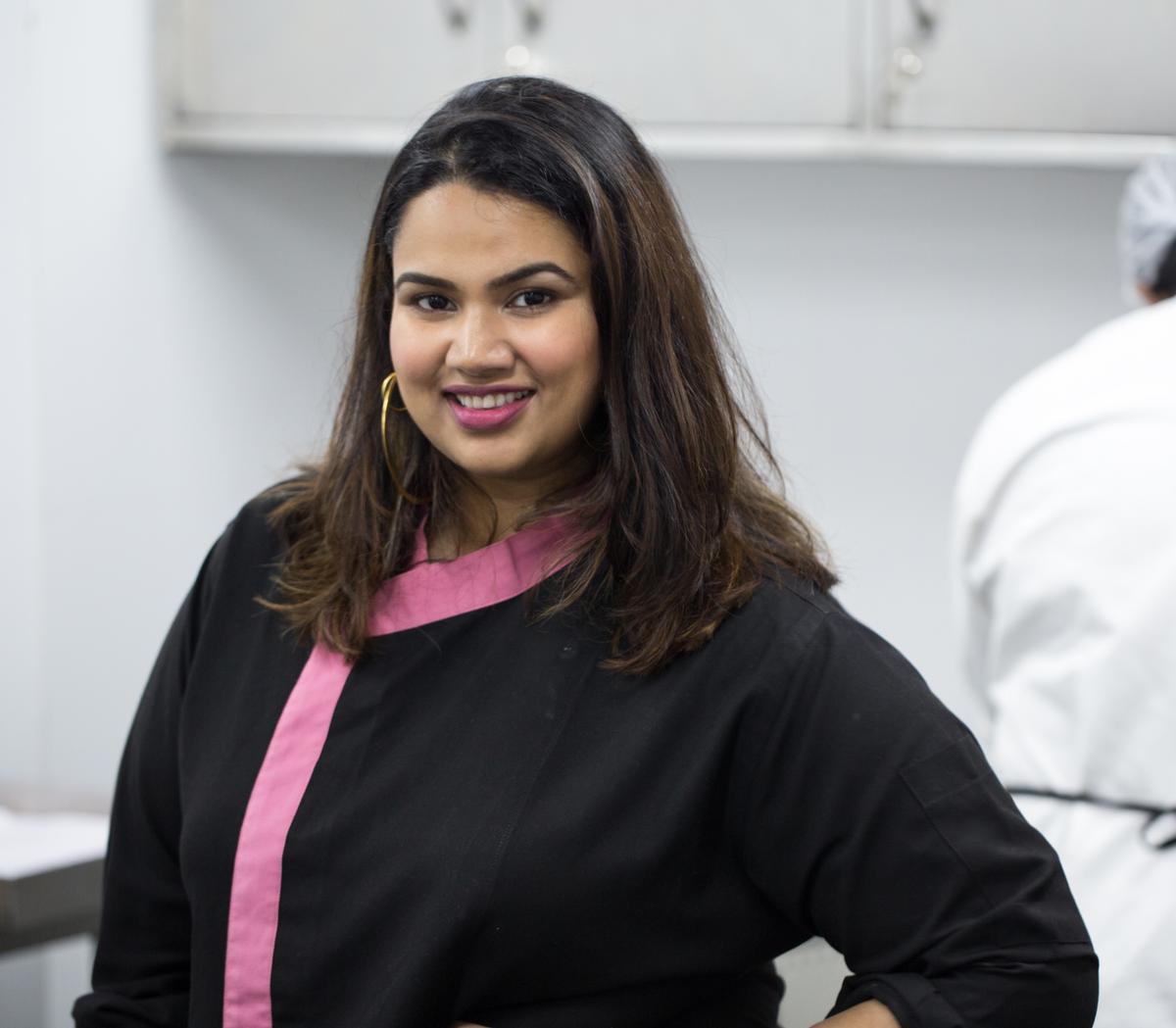
Pooja Dhingra, pastry chef
| Photo Credit:
Special arrangement
Chef Pema Takchung Lepcha, director and head chef of Hunaaan, has noticed this in Asian dining spaces as well. “People have become more health-conscious and want to be better informed about their food and ingredients. There has been a shift away from deep-fried dishes, along with increasing requests for ingredients like avocado and chia seeds. This is reflected in dishes such as our avocado garden sushi and silken tofu, and guests often ask for stir-fried, steamed, or generally healthier options.”
Not just pan Asian, it is time for regional dining
A decade ago, pan Asian restaurants took over the circuit. But the recent trend is geared towards more region-specific restaurants. While Pema still prefers Pan Asian due to the number of choices available, he has noticed a visible shift towards more region-specific cuisines. Just take Bengaluru as an example, we see restaurants focussing on Thai cuisines (Baan Phadthai), Cantonese food (Royal China), and of course Korean still remains a favourite (Seoul Dak).
“I’ve noticed more requests for Korean food. Dishes like bulgogi chicken, kimbap, which is requested frequently, and bokkum jjambbong, a stir-fried preparation of vegetables and noodles in a spicy Korean sauce, have seen growing interest,” says Pema.
And it is not only international. Regional Indian flavours are also having a moment. Local preferences are more evident in bar menus. In Goa’s Bar Outrigger, the Boondock Saints cocktail uses pasteis de nata (Portuguese custard tarts) from the legendary Padaria Prazeres infused into whiskey. The food menu in Boilermaker, also in Goa, sports dishes like balchao stuffed pickled cucumbers, prawn and chorizo in chilli oil and tambdi bhaji sourdough melt.
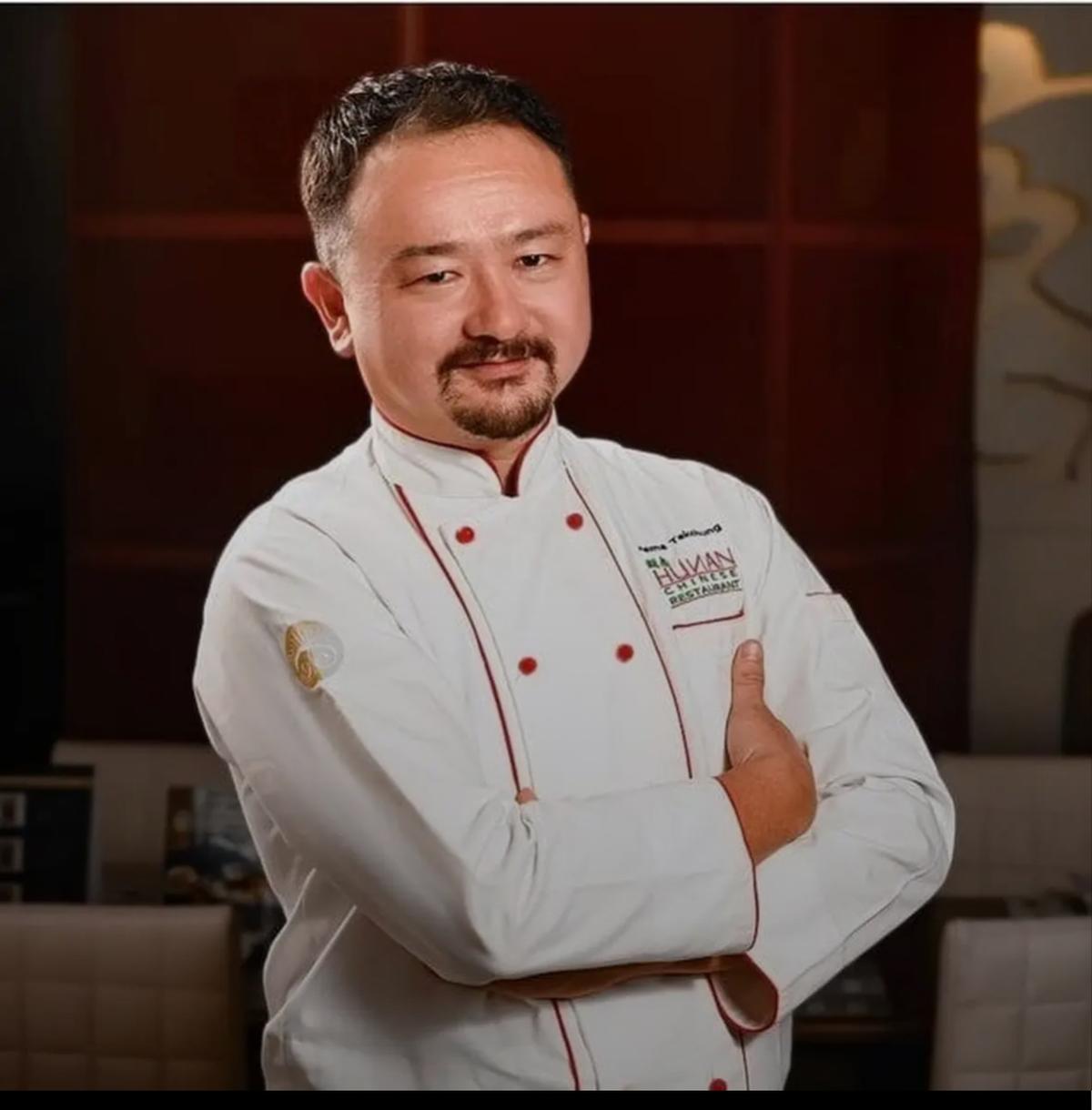
Chef Pema Takchung Lepcha, Director and Head Chef of Hunaaan
Premium experiential dining, but closer to home
Ranjit Bindra, who is the founder of Bastian Hospitality, says premium dining is moving towards the experience as a whole. His restaurants include the premium space, Bastian, now in many cities across the country, as well as Inka, a Peruvian Asian luxury dining concept, and in the past, he ran Arth and A Bar Called Life. “Both the service and product need to be the hero. Diners are willing to spend, but only when the experience feels complete and personal. Menu-wise, global cuisine will continue to evolve, but always with a local touch. At Riviera (their latest outpost in Goa), for example, we have a Goan curry, while Ammakai is rooted in Karnataka cuisine. That balance of global sensibility with local flavours is where dining is heading.”
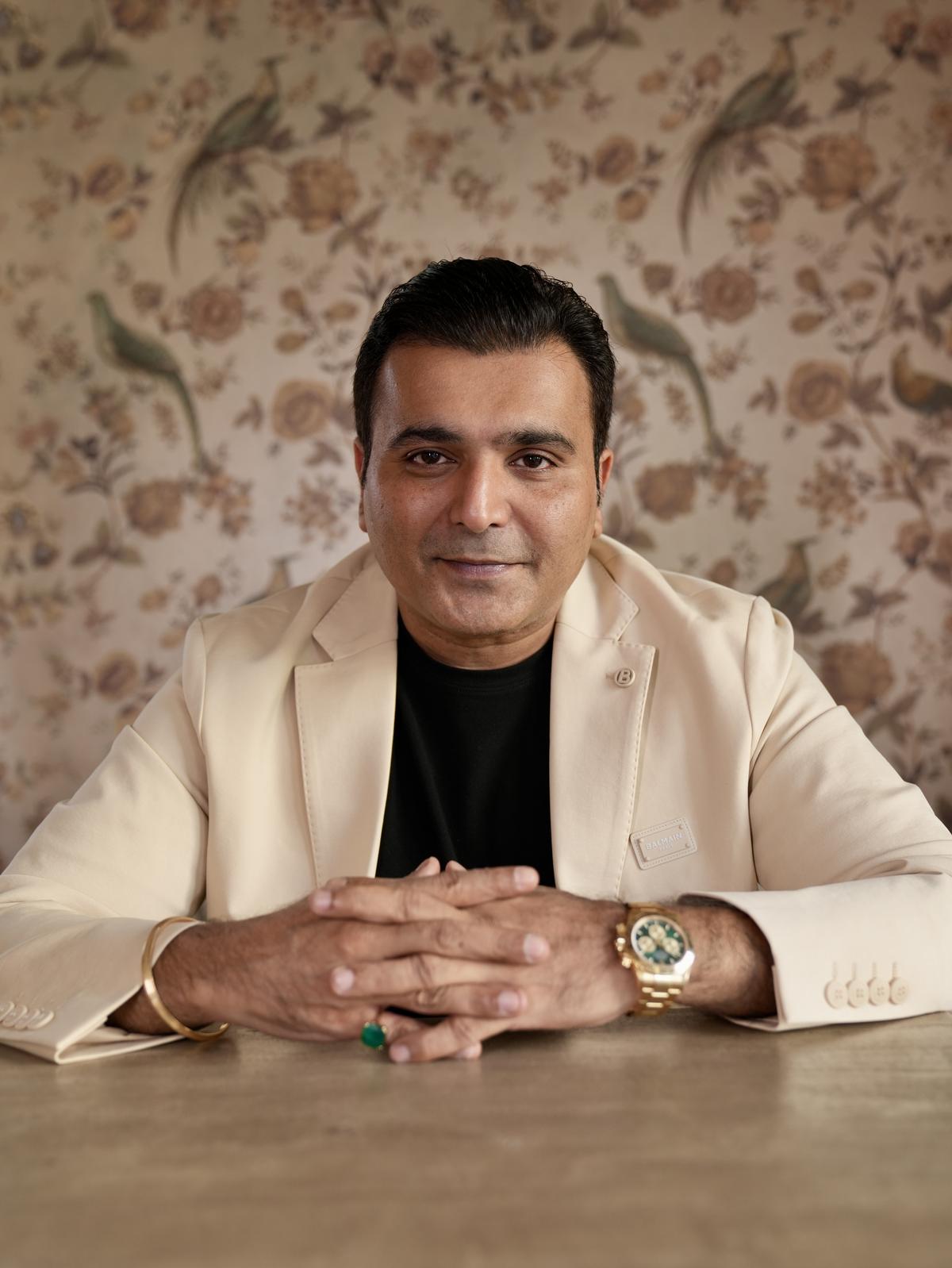
Ranjit Bindra, the founder of Bastian Hospitality
He adds that the scene is also moving out of the metros, a trend we noticed in 2025 as well. “We are expanding Bastian to GIFT City, and there’s Bastian Empire in Pune, which shows how strong the demand is in emerging cities. These markets now have well-travelled diners who are looking for premium, well-executed dining experiences closer to home, rather than say going to Dubai or another city.”
At the recently concluded 30 Best Bars India 2025 awards, we noticed a similar trends for cocktail bars and pubs as well. This year there were a number of new bars from Kolkata on the list. “What’s been particularly exciting to see is how cities like Kolkata have come into their own this year; not just with increased representation, but with quality and range,” says Vikram Achanta, founder and CEO of Tulleeho and the co-founder of 30BestBarsIndia.
“With multiple bars placing on the list, strong new entrants, and wins across categories like design and city honours, Kolkata has moved from being a one-bar city to a genuine bar cluster, signalling a more confident and mature phase of growth,” says Vikram.
So be it Kolkata, or Mumbai, the industry is booming and innovating day by day. Chefs and bartenders are pushing the boundaries of creativity to meet the demands of the new age Indian diner, who enjoys eating out, and loves to experiment.
Published – January 20, 2026 12:14 pm IST