Her spine erect, neck elongated, legs crossed, torso slightly tilted and chin held high, she sits on a plastic chair. Her right arm extends, slightly arched, moving slowly from her head to her waist. It is a ballet move, but Khushcheher Dallas, 52, is simply gesturing for me to take the chair across from her for the interview.
That poise never leaves her, even when she is not on stage. It comes from over 30 years of teaching ballet and years devoted to learning the form. Her first teacher was her mother, the legendary Tushna Dallas, who established The School of Classical Ballet and Western Dance in 1966, widely regarded as the first formal ballet school in Mumbai.
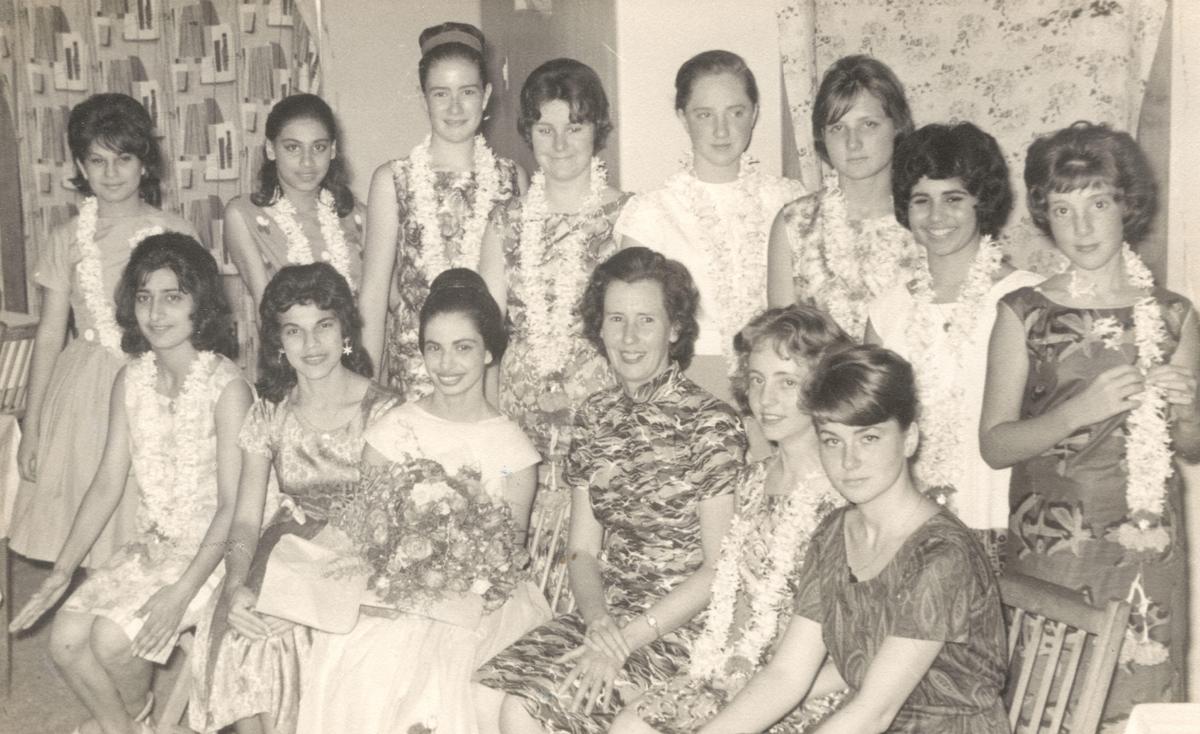
Tushna with students
| Photo Credit:
Special arrangement
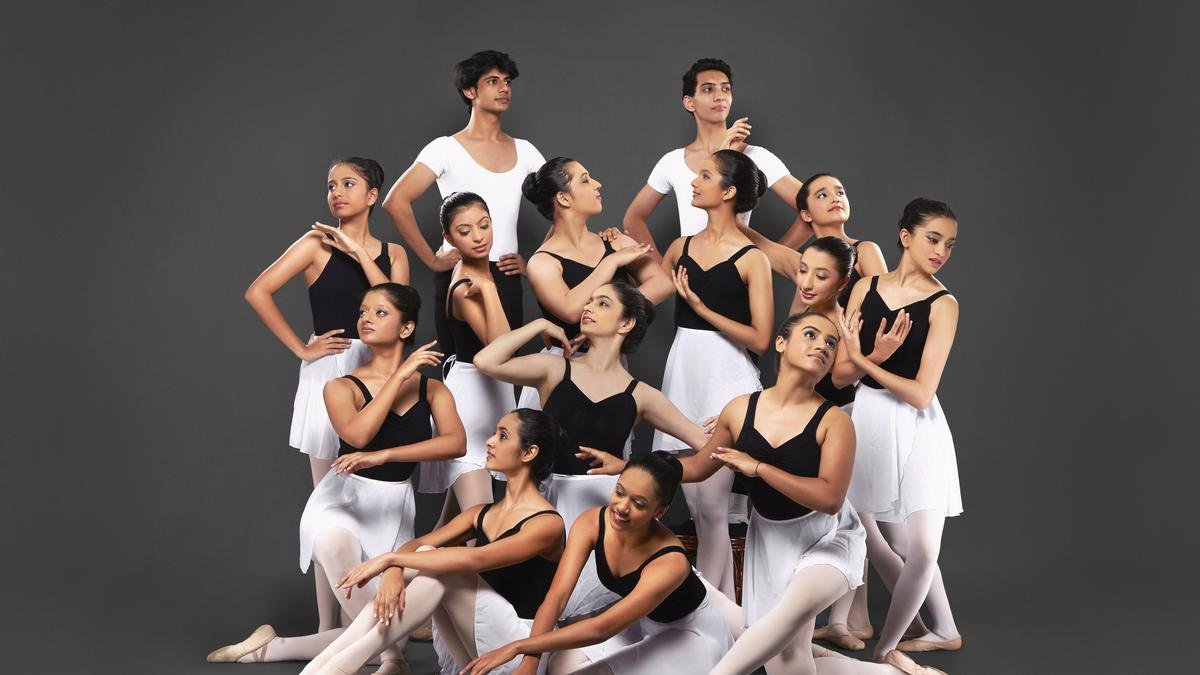
From choreographers Shiamak Davar and Ashley Lobo to actors Ayesha Dharker, Perizaad Zorabian and Tara Sutaria, generations have learnt to arabesque at Tushna’s Girgaum studio.
Over the last six decades, the institution has sculpted thousands of bodies, shaped careers, and instilled the discipline that ballet demands. “Tushna was a gentle yet demanding taskmaster,” says James D’Silva, 60, founder of the UK-based Garuda Studio, which helps dancers, performers and athletes recover from physical injuries through bodywork. He has trained several global personalities, including Madonna.
James trained with Tushna for a year before dancing with international ballet companies and later creating one of his own. “Her solid technique became the foundation of my career,” he adds. She recognised his talent early, took a boy from a Goan village under her wing, nurtured him, and pushed him to achieve more. “She was always happy to hear about what I was doing next. It was almost as if she was vicariously living through me.”
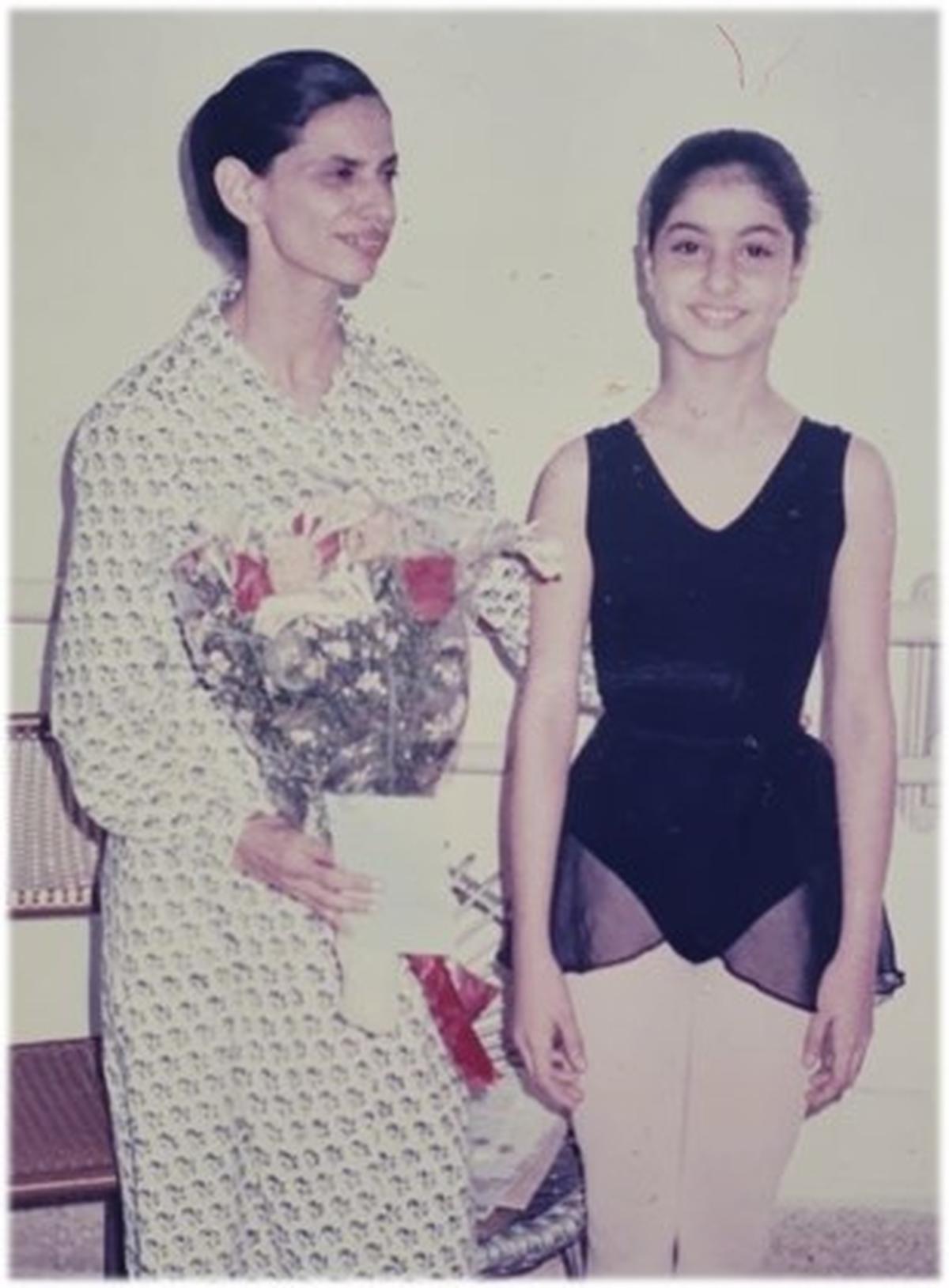
Tushna and Khushcheher
Tushna never became a professional ballet dancer herself. At the time, ballet was a lesser known discipline in India and no one taught the form here. When she turned 16 and her parents agreed to let her study abroad, it was too late; ballerinas typically begin training at four or five. She chose instead to train as a ballet teacher at the London School of Dance and Drama (now the Imperial Society of Teachers of Dancing).
Initially, her trainers were unsure whether a brown girl from India could keep up. She was placed on probation for a few months. “Her white batchmates would ask if she even knew what a fridge was,” recalls Khushcheher. They assumed she came from a backward country. “But soon enough, she was teaching her classmates and helping them study,” she adds.
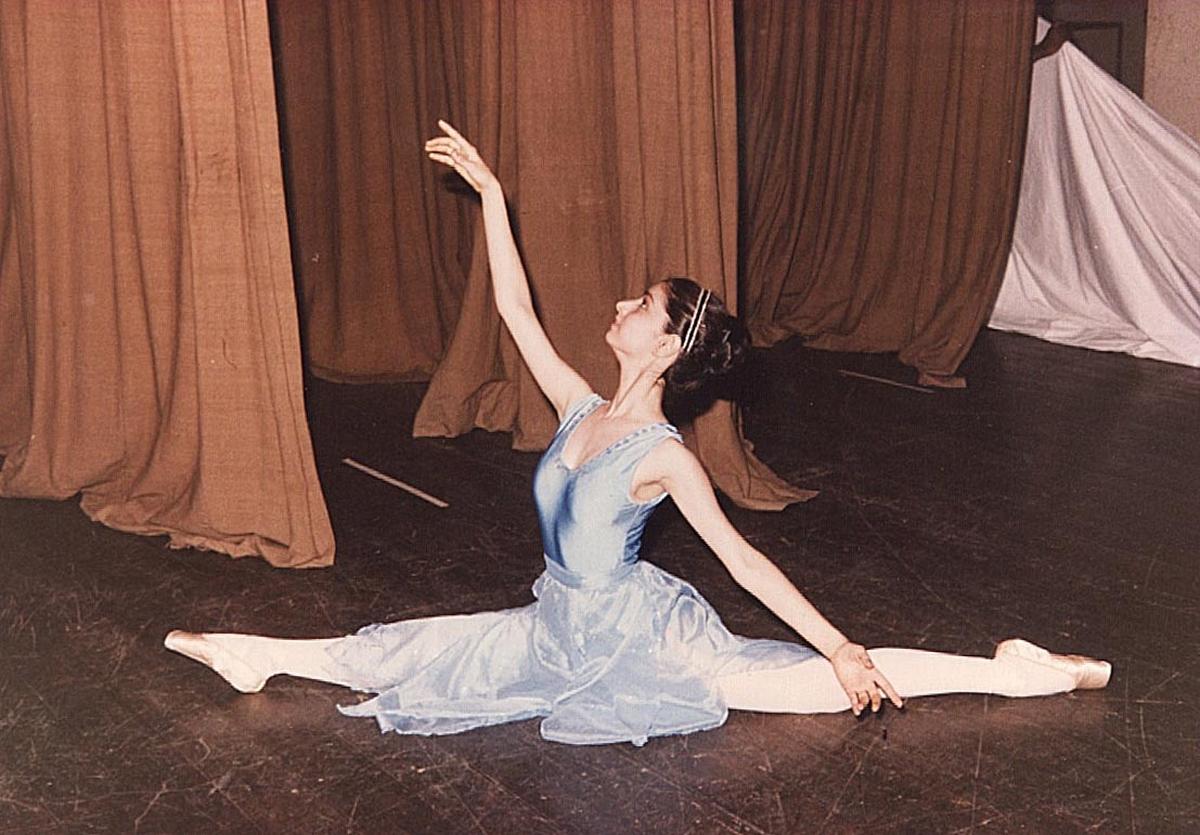
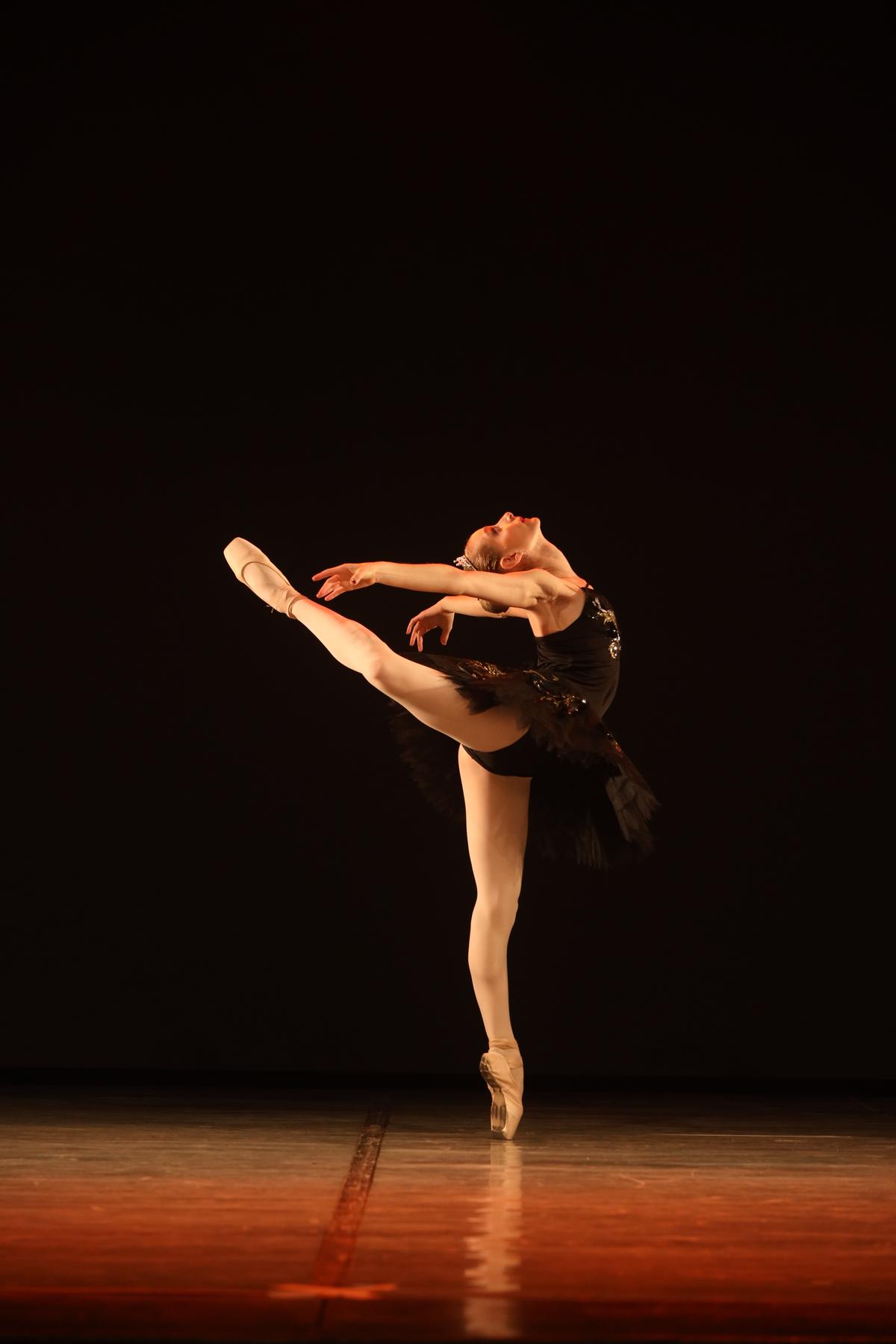
Tushna graduated at the top of her class — “no small feat,” says Khushcheher. Yet she returned to India. “She could not stay and work abroad because there was pressure to get married,” adds James.
Back home, Tushna brought the same rigour, discipline and passion to Mumbai, opening a school with just four students. At the time, ballet shoes were unavailable in the city; a skilled bus conductor doubled up as a cobbler for her.
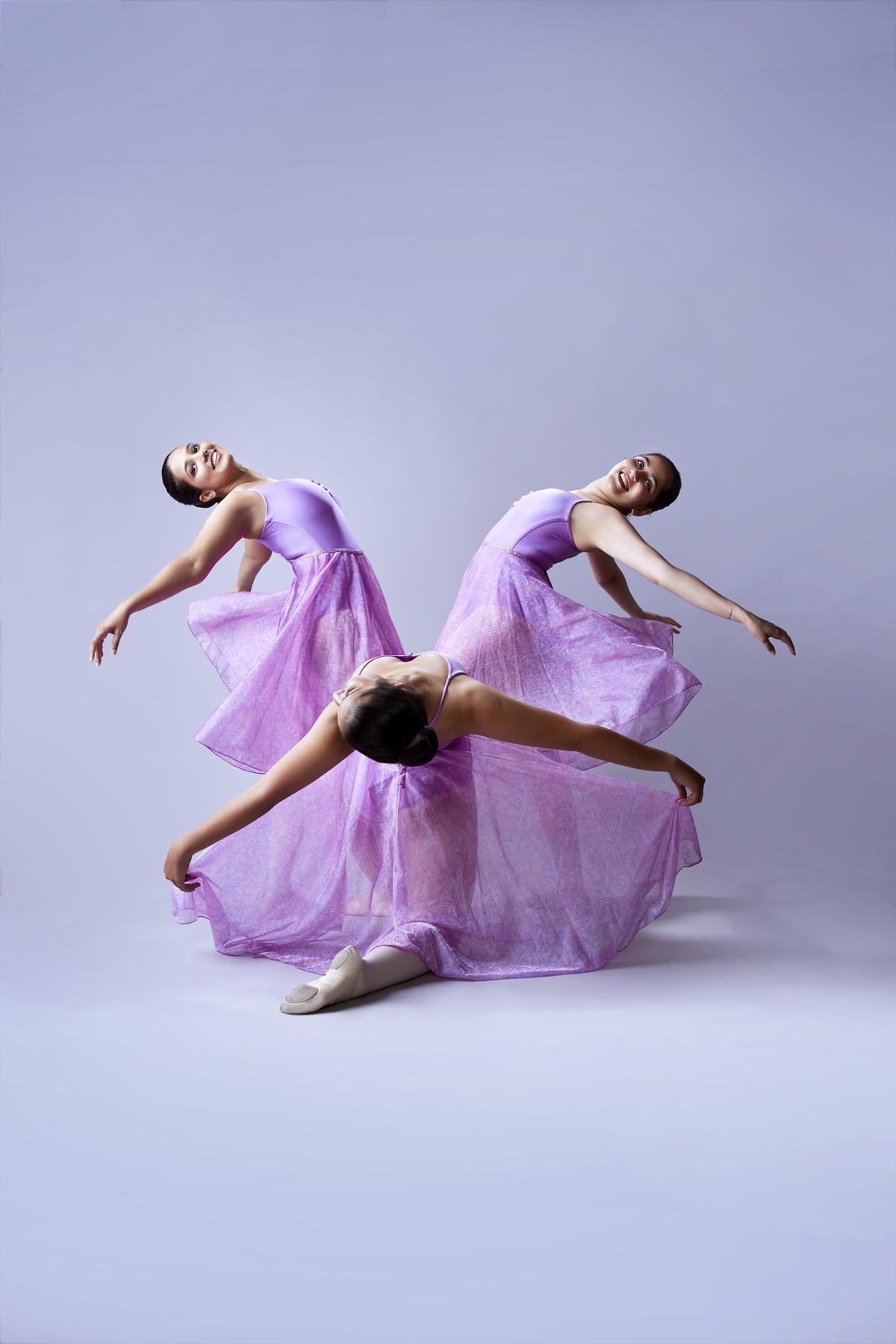
Word slowly spread — about her teaching, and about how ballet helped children build focus and discipline. Enrolments grew. “I don’t have an exact count, but thousands of students must have passed through the school,” says Khushcheher. Tushna often taught pro bono. “If someone couldn’t afford the fees but showed potential, she would train them for free. That’s how passionate she was.” She taught and danced until two days before giving birth to her daughter.
In the early years, persuading parents to enrol their children was difficult and the school grew slowly. Yet Tushna would sometimes politely discourage students from joining. “For her, it was never about money or numbers. If she felt someone didn’t have the physical build for ballet — like an arched foot — she would ask them to direct their energy elsewhere,” says Khushcheher.
The challenges
Khushcheher has been teaching since she was 19 and has inherited the same integrity and rigour. “I don’t compromise on technique or discipline either,” she says. California-based dancer Matisse Love, formerly with a Russian ballet company, agrees. “The students’ technique is excellent. They look together, disciplined and in sync.” Matisse, with dancer Harry Peterson, performed at the school’s 60th anniversary celebration at St Andrew’s Auditorium in Bandra in December — a show conceptualised by Khushcheher.
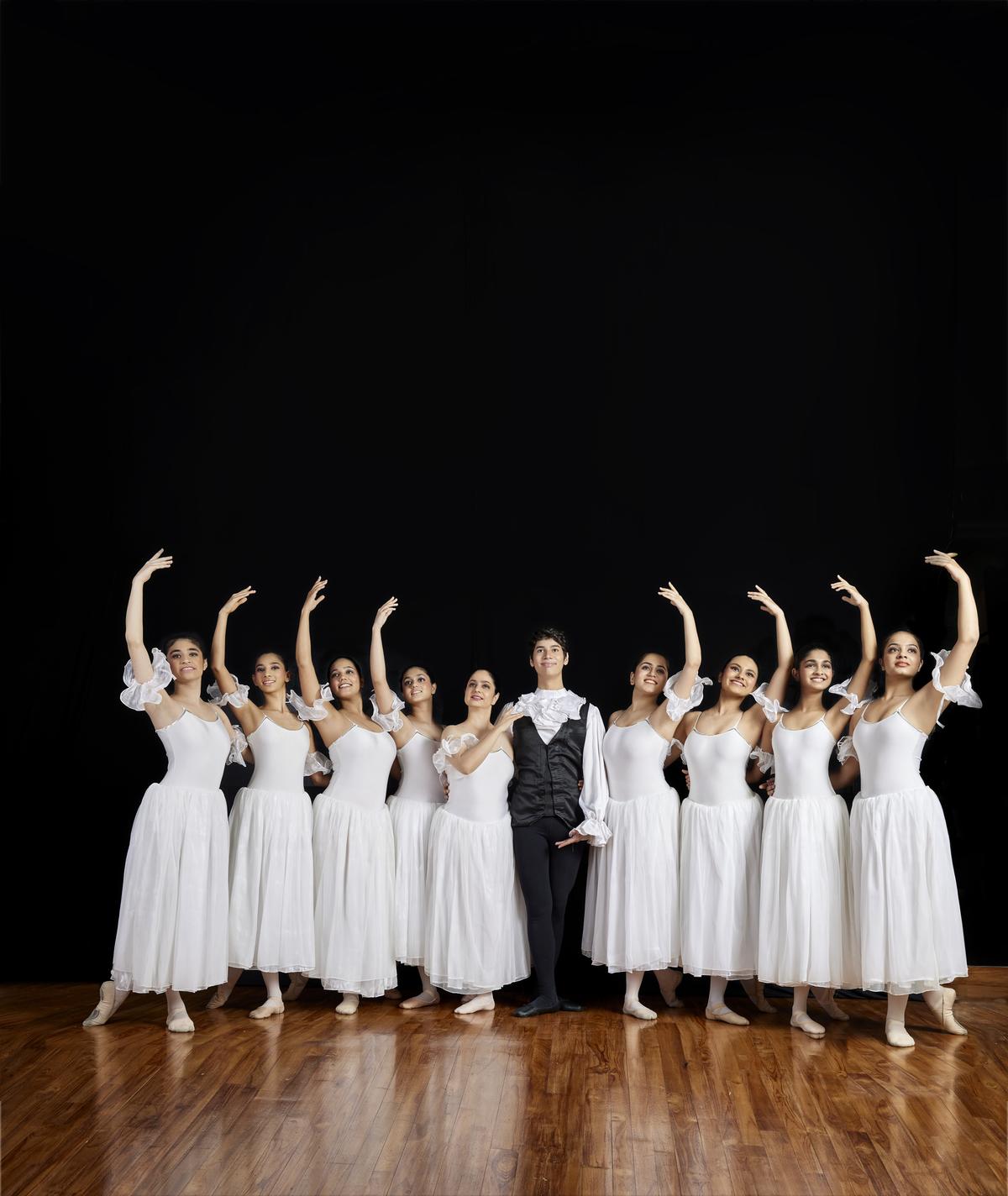
Khushcheher herself trained as a teacher at the Royal Academy of Dance, London, on a scholarship. After completing the course, she returned to Mumbai to continue her mother’s legacy. Challenges remain. Enrolling male students is one. “Earlier, parents hesitated to enrol girls. Now we struggle to get boys. Ballet is still not seen as suitable for them,” she says.
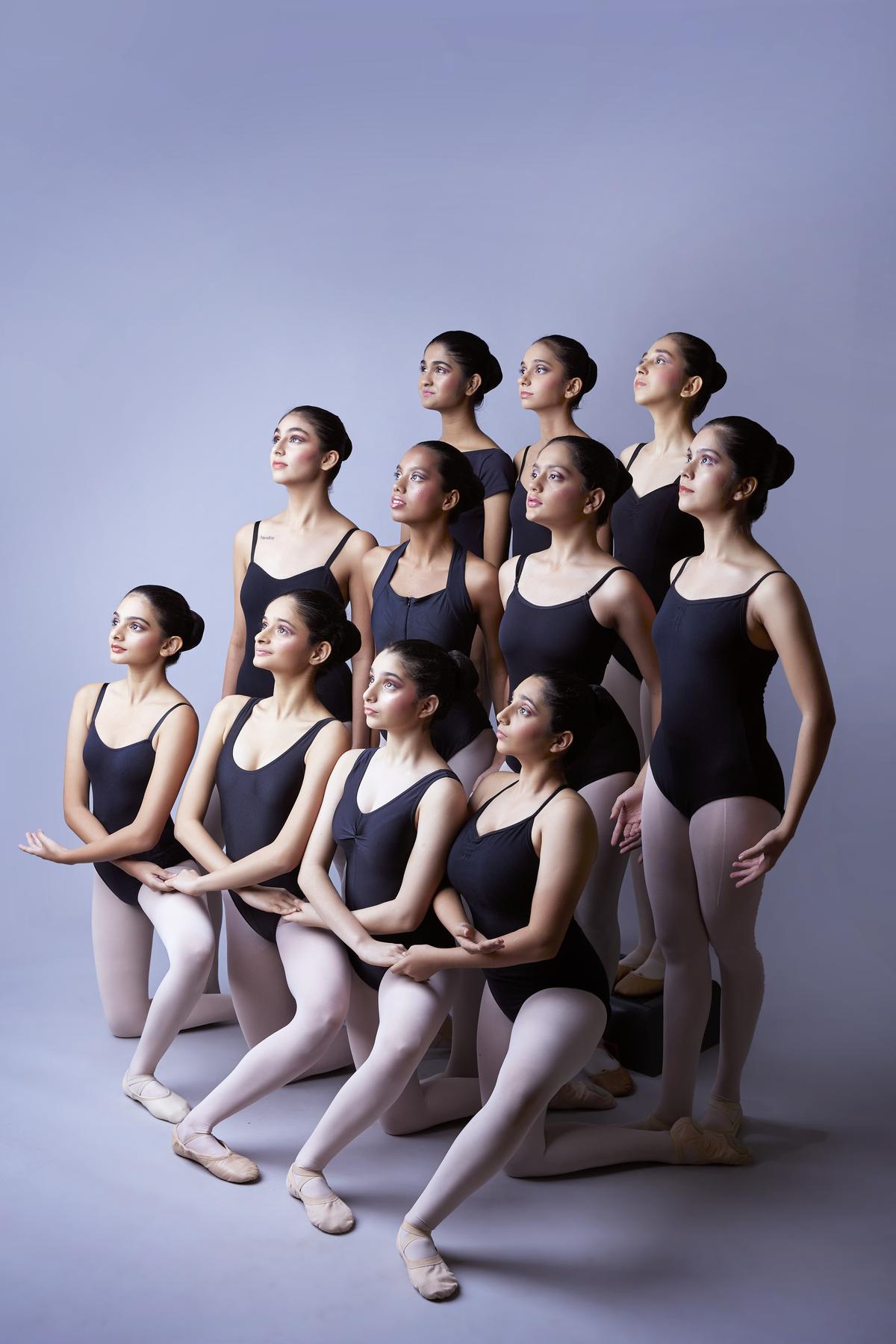
Space is another concern. The studio is rented, limiting structural modifications. “We have to restrict jumps because mats cannot replace a sprung floor, which absorbs shock and prevents injuries,” she explains. Despite this, students perform well in Royal Academy examinations. “But we could do much better — jump higher — with the right floor.”
As Khushcheher works towards that goal, her students continue to train with dedication. Sahana Kamdar and Aryana Mehta, both 18, have studied ballet here for 12 years. Rain or shine, even during board exams, they rarely miss class. “It’s such an integral part of our lives that when we don’t dance, we feel incomplete,” says Kamdar. “It’s also a way to step away from studies and focus on what we love,” adds Aryana, who hopes to become a professional dancer.
Many of Tushna and Khushcheher’s students have gone on to join international companies or open their own studios in Mumbai and beyond. In doing so, they carry forward a legacy that has quietly shaped the city’s dance culture for over six decades.
Published – February 04, 2026 03:21 pm IST