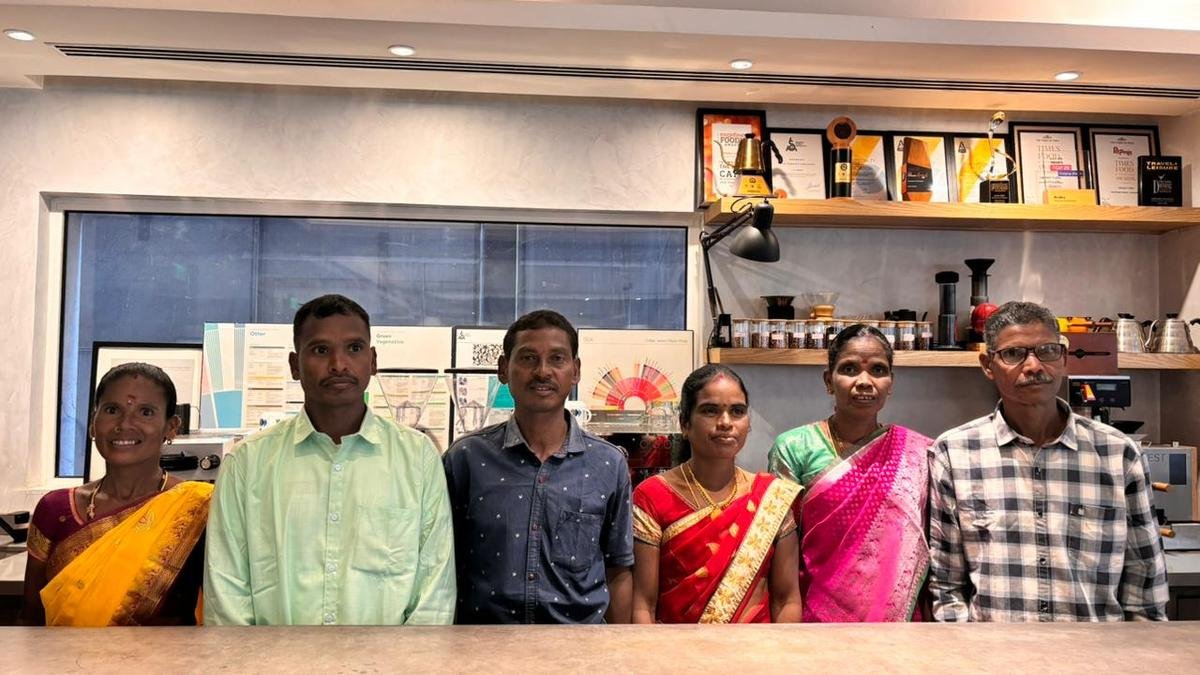
“People who were falling off India’s map have put India on the world map,” says Manoj Kumar, the CEO of the Naandi Foundation, which has been working with the adivasi farmers of the Araku region for nearly two decades now, helping them grow specialty coffee. According to him, these oft-forgotten indigenous people who live in this naxal-affected part of India, “now have a legacy…creating luxury products in food and agriculture,” says Manoj, the co-founder of Araku Coffee
The latest feather in Araku’s cap is the launch of nanolots, a limited-edition collection of rare specialty coffee, described on the brand’s Instagram page as “our rarest, purest and most valuable coffee yet…a rare expression of our craft.”
At the launch event of these nanolots, which was held at the newly-opened Araku cafe on Commissariat Road, the brand’s second location in the city and the sixth in the world, Manoj explains the origin of this terroir-based coffee, grown on single plots, harvested in limited batches, and roasted in small quantities.
While much of the coffee grown by the 1,00,000 farmers Naandi works with in this region scores 85 (a quality assessment score out of 100) at international cuppings, proving that “India can do excellence at scale”, some of the coffee produced was simply better than the rest. This resulted in the launch of Araku’s microlots a few years ago, coffee from “four or five parcels of land that we mixed together and sold as a limited edition.”
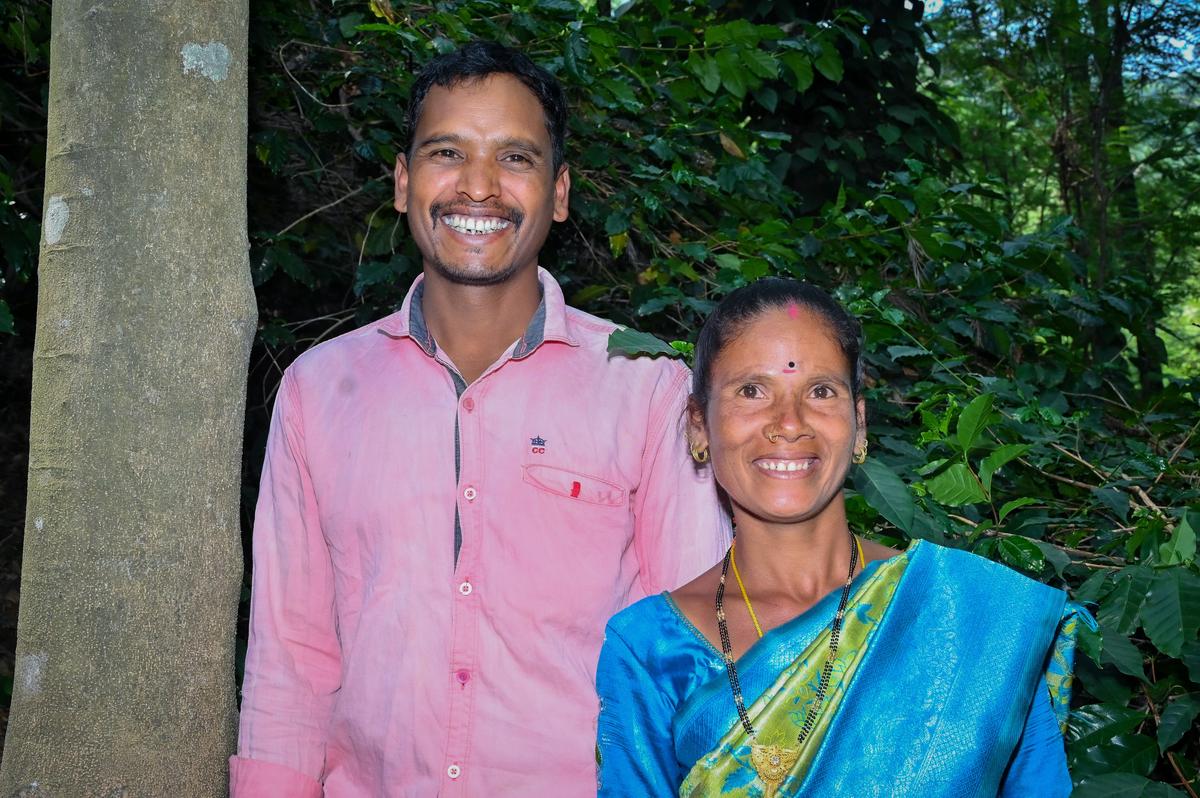
The meticulous farming practices these farmers have adhered to have resulted in outstanding coffee
| Photo Credit:
Special Arrangement
This year, however, around 10 families of these farmers, three of whom were felicitated at the event, “beat every record”, scoring more than 88 by the coffee cupping jury led by global coffee specialist, Sherri Johns. “They were literally at the top of the world, and we thought it was an injustice, a travesty to their talent and hard work to give it as even a microlot.” That, says Manoj, led to the creation of the nanolots where “each coffee lot is from one farmer’s farm.” While five of these lots were auctioned to customers in Japan and Korea, “we decided to keep the remaining to be sold in India.”
Eight-four packages of coffee from one nanolot were launched in the country, all of which were sold in less than 24 hours. Manoj, who plans to launch the other four over the next couple of months, with a three-week interval between each release, attributes the high quality of this coffee to the meticulous farming practices these farmers have adhered to. “This is a story for every Indian agricultural product to become competitive,” he says, pointing out that these nanolots, are being priced at anywhere between ₹8800-13000. “We should not sell them as commodities, but add value and sell. Unless you add value, a farmer doesn’t get more.”
Tangula Raju, who created one of these nanolots with his wife, Varalaxmi, agrees. This year, they grew enough coffee on their two-acre farm to produce 540 kilograms of beans, of which a batch of 25 kilograms has become a nanolot. “I have been getting much better prices thanks to changes in our agricultural practices,” says Raju, who hails from Pedabayalu mandal in the Alluri Sitharama Raju district of Andhra Pradesh and has been part of the coffee cooperative since 2011.
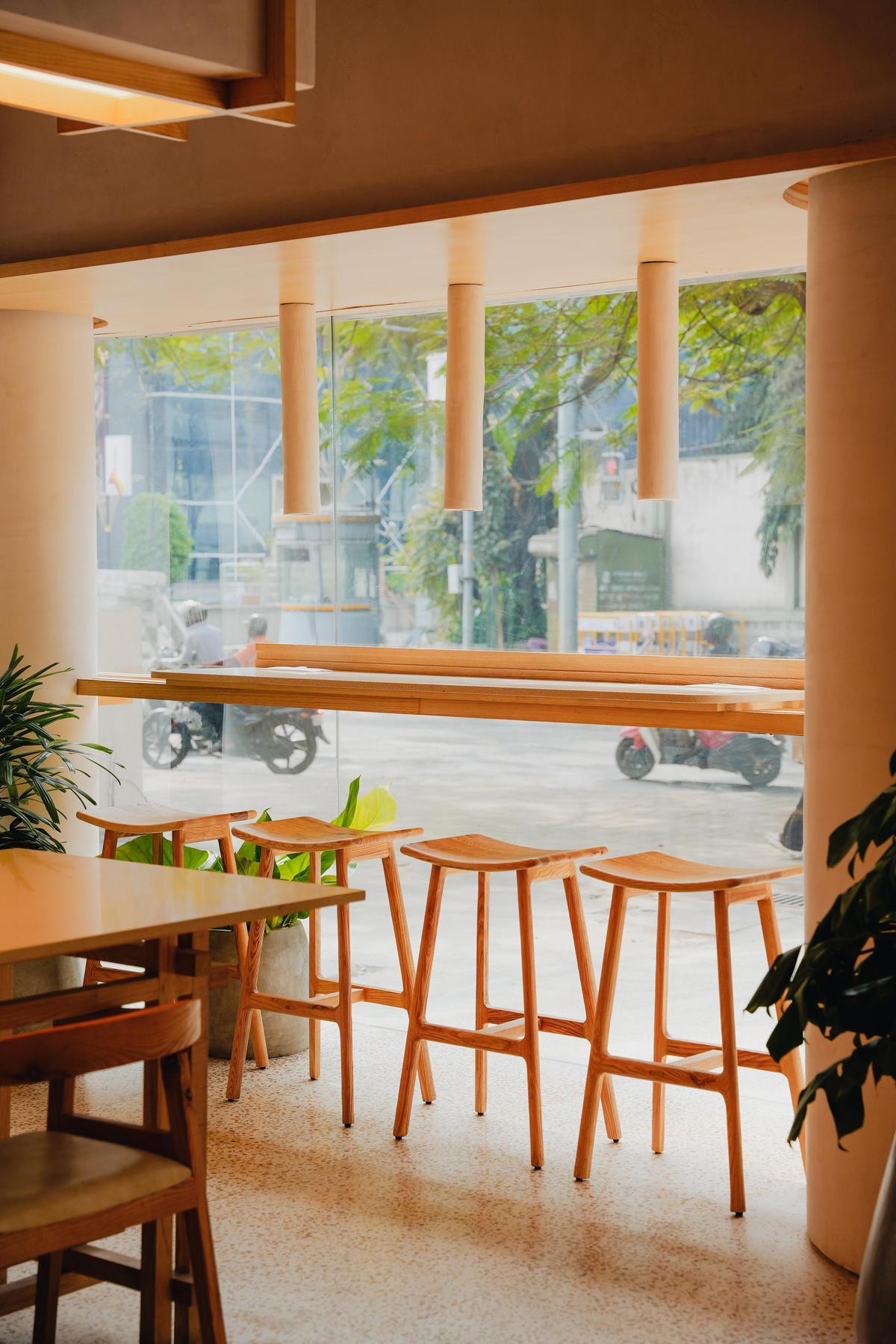
The interiors of the new cafe
| Photo Credit:
Special Arrangement
Lake Suri Babu, also from the Pedabayalu mandal, who joined the coffee cooperative eight years ago, has had a similar experience. While he and his wife, Pusa, had been growing coffee on their three-acre land since 2015, they “didn’t know how to harvest or market properly,” he says. All the coffee that was grown was sold to traders at the local market, as “we didn’t know the value of our coffee and did not see any income.” It was only after they began applying the knowledge garnered through curated monthly training sessions on coffee management practices and selective picking of cherries, courtesy of the Naandi Foundation, that things changed.
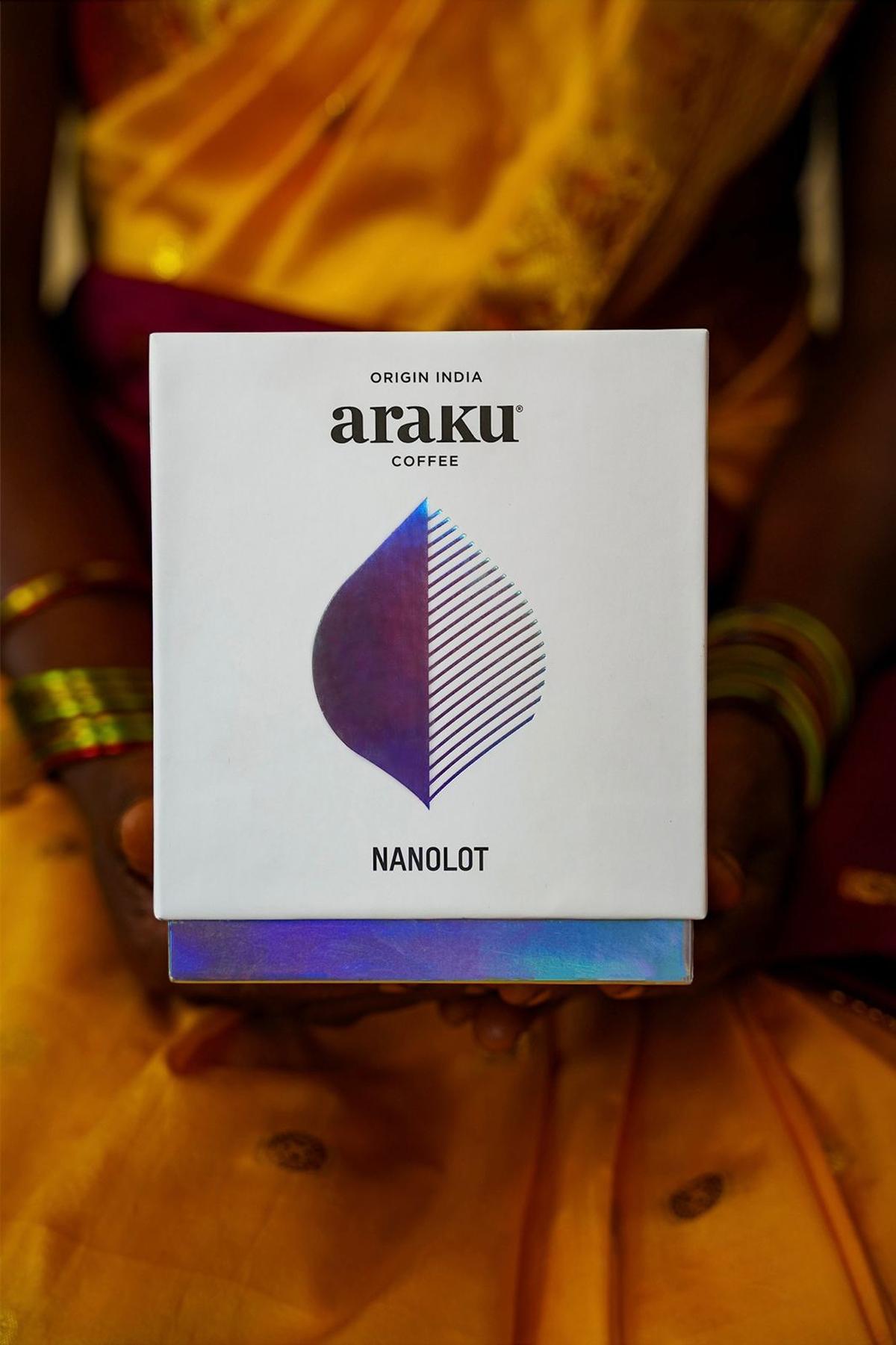
One of the nanolots
| Photo Credit:
Special Arrangement
“We got better trained on how to grow good quality coffee and how to harvest. If we hadn’t received this training, we wouldn’t have made the profits we now earn,” says Babu, who made a profit of around ₹ 1,50,000 last year, which is helping the couple educate their children, among other things. “We are very happy with what we are growing and want to do more so that the name of our village goes far ahead.”
Published – December 02, 2025 05:16 pm IST