Business

SEBI attaches bank, demat, MF accounts of Mehul Choksi to recover ₹2.1 crore dues


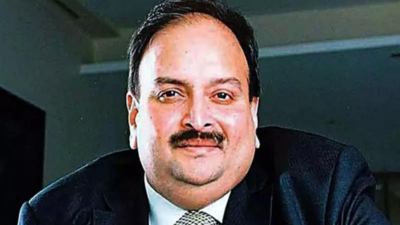
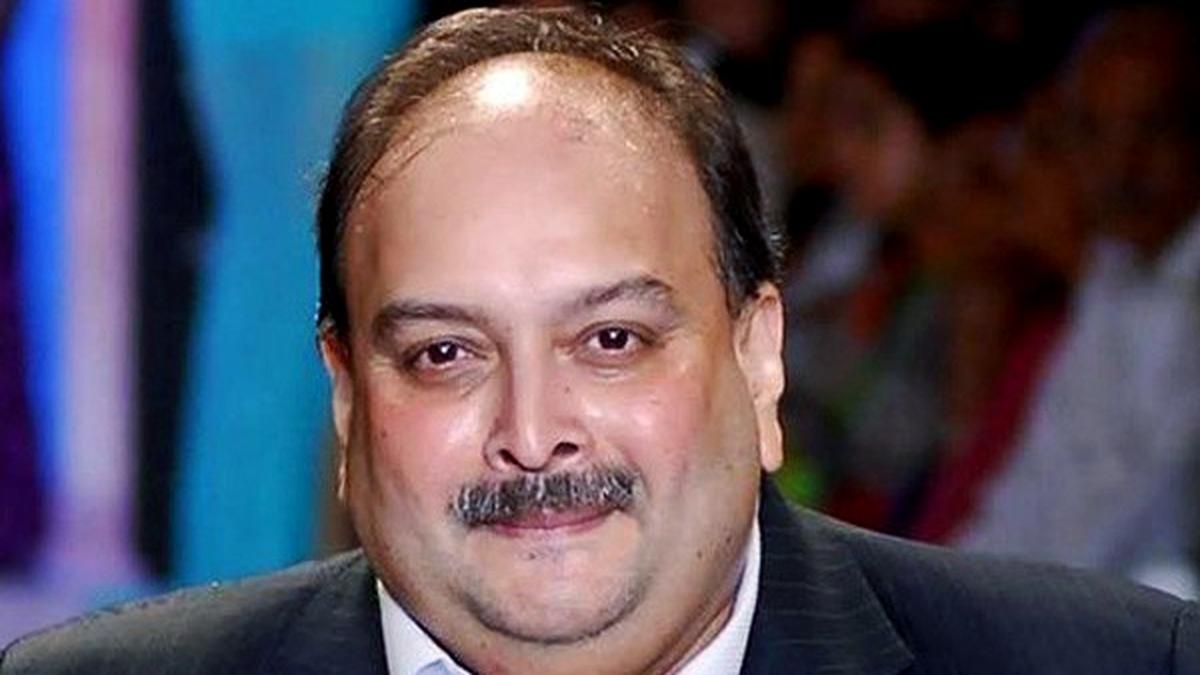
Mehul Choksi. File

Mehul Choksi. File
| Photo Credit: ANI

Markets regulator SEBI has ordered the attachment of bank accounts and shares and mutual fund holdings of absconding diamantaire Mehul Choksi to recover dues totalling ₹2.1 crore in a case of violation of insider trading rules in the shares of Gitanjali Gems.

The latest move followed a demand notice issued to Mr. Choksi on May 15, warning attachment of assets as well as bank accounts if he failed to make the payment within 15 days.

The demand notice came after Mr. Choksi failed to pay the fine imposed by the Securities and Exchange Board of India (SEBI) in January 2022 in a case of violation of insider trading rules in the shares of Gitanjali Gems Ltd.

Mr. Choksi, who was the chairman and managing director as well as part of promoter group of Gitanjali Gems, is the maternal uncle of Nirav Modi. Both are facing charges of defrauding State-owned Punjab National Bank (PNB) of more than ₹14,000 crore. Both Mr. Choksi and Mr. Modi fled India after the PNB scam came to light in early 2018.

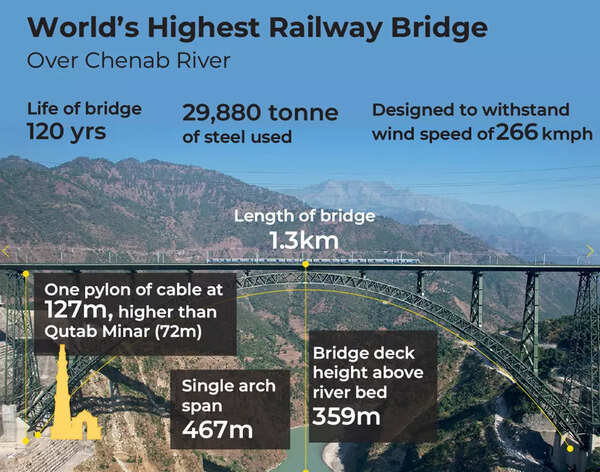
In April, Mr. Choksi was arrested in Belgium following an extradition request by Indian probe agencies. He was located in Belgium last year when he went there for getting medical treatment. He had been staying in Antigua since 2018 after leaving India.

Mr. Modi was arrested by the Scotland Yard Police in March 2019 and is currently in jail in that country.

In an attachment notice dated June 4, SEBI said the pending dues of ₹2.1 crore include the initial fine of ₹1.5 crore and interest of ₹60 lakh.

To recover the dues, SEBI asked all the banks, depositories — CDSL and NSDL — and mutual funds not to allow any debit from the accounts of Mr. Choksi. However, credits have been permitted. Further, SEBI has directed the banks to attach all accounts, including lockers, held by the defaulter.

Initiating the recovery proceedings, SEBI said there is sufficient reason to believe that Mr. Choksi may dispose of the amounts in the bank accounts, mutual fund folios and securities in the demat accounts held with the depositories and “realisation of the amount due under the certificate would, in consequence, be delayed or obstructed”.

In its order passed in January 2022, the regulator imposed a penalty of ₹1.5 crore on Mr. Choksi and restrained him from the securities market for one year.

SEBI had found that Mr. Choksi communicated unpublished price sensitive information to one Rakesh Girdharlal Gajera, who sold his entire shareholding of 5.75% in Gitanjali Gems in December 2017 with the intention of avoiding loss ahead of any event which may lead to disclosure of fraudulent issuance of LoUs (letter of undertaking) to Gitanjali Group and magnitude in public domain.

It was noted that fraudulent LoUs were issued on behalf of entities belonging to the Gitanjali Group, including GGL. “Noticee no. 1 [Choksi] was found to have communicated UPSI [unpublished price sensitive information] to Noticee no. 2 [Gajera] without any underlying legal obligation or any legitimate purpose,” SEBI had said in its final order.

Through such activities, the two persons had violated the provisions of the PIT (Prohibition of Insider Trading) rules. In May 2023, SEBI sent a notice to Mr. Choksi directing him to pay ₹5.35 crore in a case pertaining to fraudulent trading in the shares of Gitanjali Gems.


Source link

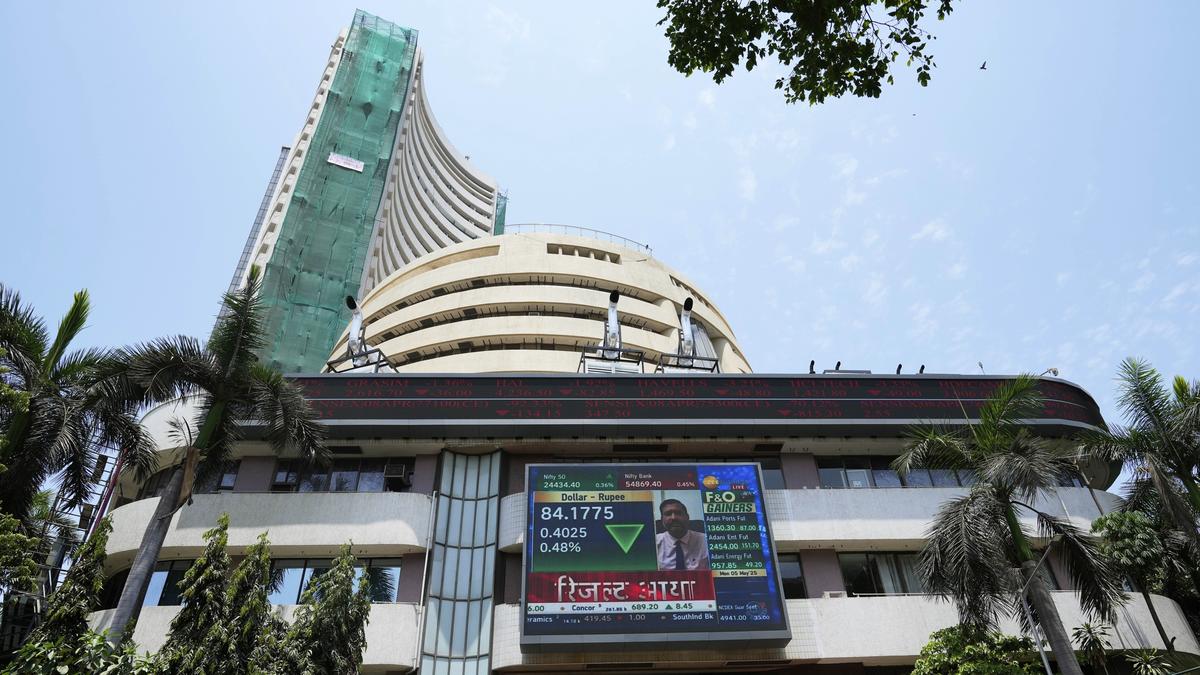
Sensex jumps 747 points as RBI cuts repo rate by 50 bps


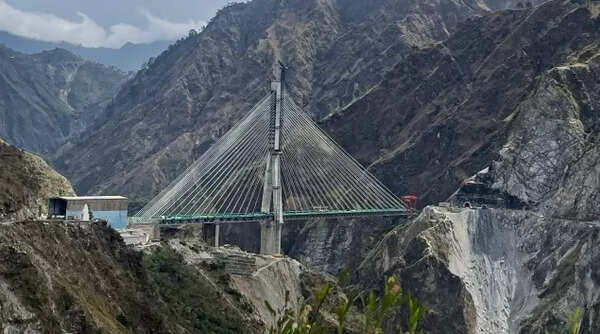
The interest-rate-sensitive realty index jumped 4.74%, while the auto index went up 1.50% and bankex climbed 1.25%. File

The interest-rate-sensitive realty index jumped 4.74%, while the auto index went up 1.50% and bankex climbed 1.25%. File
| Photo Credit: AP

Benchmark equity indices surged on Friday (June 6, 2025), with the Sensex climbing 746.95 points and Nifty reclaiming the 25,000 level after the RBI cut interest rates by more than expected 50 basis points — a third consecutive reduction — and reduced the cash reserve ratio for banks to provide a major liquidity fillip to support the economy amid geopolitical and tariff headwinds.

Recovering all the early lost ground, the 30-share BSE Sensex jumped 746.95 points, or 0.92%, to settle at 82,188.99. During the day, it surged 857.85 points, or 1.05%, to 82,299.89.

The 50-share NSE Nifty reclaimed the 25,000 level and climbed 252.15 points, or 1.02%, to settle at 25,003.05.

Interest-rate-sensitive realty index jumped 4.74%, while the auto index went up 1.50% and bankex climbed 1.25%.

The Reserve Bank of India’s (RBI’s) six-member monetary policy committee, headed by Governor Sanjay Malhotra and consisting of three external members, voted five to one to lower the benchmark repurchase or repo rate by 50 basis points to 5.5%.

It also cut the cash reserve ratio by 100 basis points to 3%, adding ₹2.5 lakh crore to already surplus liquidity in the banking system.

With the latest reduction, the RBI has cut interest rates by a total of 100 basis points in 2025, starting with a quarter-point reduction in February — the first cut since May 2020 — and another similar-sized cut in April.

The central bank, at the same time, changed its monetary policy stance to “neutral” from accommodative, with Malhotra saying further action will depend on incoming data.

“The Indian stock market responded optimistically to the RBI’s surprise and aggressive growth push policy. The tremendous rate cut and liquidity boost via the CRR cut is expected to facilitate swift transmission of lower rates, reinforcing the RBI’s strong commitment to fostering economic growth, boosting investment, and stimulating consumption.

“Rate-sensitive sectors, including banking, real estate, automobiles, and consumer durables, are leading the rally,” Vinod Nair, Head of Research, Geojit Investments Limited, said.

From the Sensex firms, Bajaj Finance surged 4.93% and Axis Bank climbed 3.15%.

Maruti, IndusInd Bank, Bajaj Finserv, Eternal, Mahindra & Mahindra, Tata Steel, Kotak Mahindra Bank, Titan, HDFC Bank, and NTPC were among the other major gainers.

Bharti Airtel and Sun Pharma were the laggards.

“A third straight cut in repo rates this year with a 50 bps cut instead of an estimate of 25 bps is a pleasant move. This demonstrates a pro-growth stance and a front-loading of rate cuts given our stable economic growth and declining inflation. A change in policy stance from accommodative to neutral is also justified, as it can help to strike a right balance between growth and inflation, especially if geopolitical issues escalate further,” Umeshkumar Mehta, CIO, SAMCO Mutual Fund, said.

The central bank lowered its inflation projection to 3.7% for 2025-26 from 4% earlier.

In Asian markets, South Korea’s Kospi, Japan’s Nikkei 225 index and Shanghai’s SSE Composite index settled in positive territory, while Hong Kong’s Hang Seng ended lower.

European markets were on a mixed note. U.S. markets ended lower on Thursday (June 5, 2025).

Foreign Institutional Investors (FIIs) offloaded equities worth ₹208.47 crore on Thursday (June 5, 2025), according to exchange data. Global oil benchmark Brent crude dipped 0.46% to $65.04 a barrel.

On Thursday (June 5, 2025), the 30-share BSE Sensex climbed 443.79 points, or 0.55%, to settle at 81,442.04. The Nifty rose 130.70 points, or 0.53%, to 24,750.90.


Source link

Crypto trading in India: Could hamper financial stability, says RBI gov; no new Bill yet


Crypto trading in India: Could hamper financial stability, says RBI gov; no new Bill yet

The Reserve Bank of India once again raised red flags over cryptocurrencies, warning that these digital assets could threaten the financial stability and monetary policy.Speaking to reporters after the central bank’s monetary policy announcement on Friday, RBI governor Sanjay Malhotra said, “There is no new development as far as crypto is concerned. A committee of the government is looking after this.”“Of course, as you are aware, we are concerned about crypto because that can hamper financial stability and monetary policy,” Malhotra said, quoted by PTI.His remarks follow the Supreme Court’s observation last month, where it urged the Centre to formulate a “clear cut” policy to govern cryptocurrency usage in India, citing its potential economic impact. A bench of the apex court even compared Bitcoin trading to “hawala” transactions, calling it an “illicit trade.” At present, cryptocurrencies remain unregulated in India, though not explicitly illegal. The government has been working on a discussion paper to seek stakeholders’ views before deciding its formal stance. An inter-ministerial group (IMG) comprising representatives from the RBI, market regulator Sebi, and the finance ministry is reportedly reviewing global practices.Despite the absence of a dedicated legal framework, crypto assets are subject to various taxes in India. The 2022 Union Budget introduced a flat 30% tax on profits from virtual digital assets, in addition to income tax, TDS, and GST levied on crypto exchanges. However, taxation does not equate to legal recognition of such assets.Notably, on March 4, 2021, the Supreme Court struck down an RBI circular issued on 6 April 2018, which had barred banks and regulated entities from offering services related to virtual currencies.


Source link

EV supply chain jolted: India struggles to import magnets amid China curbs; Jefferies flags looming risk


EV supply chain jolted: India struggles to import magnets amid China curbs; Jefferies flags looming risk

A widening supply gap for rare earth magnets is threatening to disrupt India’s electric vehicle manufacturing, with a Jefferies report warning that domestic firms may soon hit a dead-end unless alternative sourcing or stockpiling solutions are found.Several Indian EV makers are reportedly struggling to secure magnet imports from China, which are essential for producing EV motors. The issue has worsened since China imposed fresh export restrictions on key rare earth materials.The Jefferies note cautioned that once existing magnet inventories are exhausted, motor production may face a serious setback, according to ANI. “Based on our conversations with Indian companies, industry is facing a challenge in importing magnets from China and EV motor production could be at risk once the existing magnet inventories get exhausted,” the report stated.The Federation of Automobile Dealers Association (FADA), in its latest monthly vehicle data release, also raised concern. “Global supply-chain headwinds (rare-earth constraints in EV components, geopolitical tensions) may limit urban consumer sentiment and exert cost pressure,” FADA noted.To manage the crisis, some companies are considering importing fully assembled motors directly from China. However, this route brings significant challenges, including changes to the supply chain architecture and the need for fresh homologation approvals for vehicles to comply with Indian regulatory norms.Moreover, shifting to fully built units could weaken the domestic value addition required under the government’s Production-Linked Incentive (PLI) scheme, potentially affecting company eligibility for subsidies.On April 4, China imposed export controls on six heavy rare earth elements (REEs) and rare earth magnets, citing national security and international commitments such as non-proliferation. While not a complete ban, the new rule requires companies to seek prior Chinese government approval before exporting these materials, adding delays and uncertainty.The report also indicated that the Indian government is actively exploring solutions. Citing a Reuters update, it noted that discussions are underway with private players to build long-term stockpiles of rare earth magnets. Fiscal incentives may be offered to support local production of these critical components.Though termed “rare,” these elements—especially lighter ones—are relatively abundant but difficult to extract due to their dispersed presence in the Earth’s crust. This makes their processing resource-intensive.The global supply chain for rare earths remains heavily dependent on China, which controls around 70% of mined REEs and nearly 90% of the refined output. It also dominates magnet manufacturing, especially in the heavy rare earth segment.With new controls in place and more restrictions looming, the risk of further disruption remains high—posing a significant threat to India’s fast-growing EV industry.


Source link

RBI to raise gold lending LTV to 85% for loans under ₹2.5 lakh: Malhotra


Photo used for representation purpose only

Photo used for representation purpose only
| Photo Credit: Getty Images/iStockphoto

The Reserve Bank is all set to raise the loan-to-value (LTV) ratio for lending against gold to 85% for loans under ₹2.5 lakh from the present 75%, Governor Sanjay Malhotra announced on Friday.

Speaking to reporters at the central bank headquarters, Mr. Malhotra said the relaxation will come with riders, and pointed out that both principal as well as interest will be included while computing the LTV as against the current industry practice of sticking only to the principal.

Also read: RBI cuts repo rate by 50 bps to give boost to growth  

“The LTV was 75% till now. We are expanding it to 85% for small loans of below ₹2.5 lakh per borrower,” Mr. Malhotra said, adding that this will be included in the final regulation on gold lending which has been in the works for some time.

He said the revised norms are aimed at regulating the category in a better way with minimum risk.

The Governor said State-owned lenders have been including both interest and principal while making gold loans under the current LTV limit of 75%, but in the case of some non-bank lenders and smaller banks, the LTV was being stretched till 88%.

A few months ago, the RBI had come out with a draft on gold lending, and Mr. Malhotra made it clear that the draft is just a reiteration and consolidation of all the regulations issued earlier.

The final regulation will be issued after a public consultation on it and also assessing the impact of the moves, the Governor said.


Also read: RBI repo cut: Industry reactions 

Among other facets, the new gold loan rules will also give clarity on the ownership and include the facility for a self-declaration from the borrower in case he is unable to furnish receipts of the gold purchase, Mr. Malhotra said.

It will do away with the need for credit appraisal for loans of up to ₹2.5 lakh where gold is a collateral, Mr. Malhotra said.

The end-use monitoring of the loans will be compulsory only if a lender is taking advantage of a loan by classifying it as among priority sector lending, he said.

In case a lender has other securities beyond gold, the LTV can go up over the stipulated limits as per the credit assessment, Mr. Malhotra said.


Source link

Freeze order escalates: Sebi locks Mehul Choksi’s accounts to recover Rs 2.1 crore; insider trading case triggered crackdown


Freeze order escalates: Sebi locks Mehul Choksi’s accounts to recover Rs 2.1 crore; insider trading case triggered crackdown

In a bid to enforce a penalty issued over insider trading violations, Sebi has initiated recovery proceedings against fugitive businessman Mehul Choksi by freezing his financial assets, including bank, demat, and mutual fund accounts.The markets regulator issued attachment instructions on June 4 after Choksi failed to clear dues worth Rs 2.1 crore, despite a demand notice served on May 15. The dues stem from a January 2022 Sebi order that found Choksi guilty of sharing unpublished price-sensitive information in connection with trading in Gitanjali Gems shares.According to PTI, Choksi had been warned of asset seizure if the amount wasn’t paid within 15 days. The outstanding sum includes a Rs 1.5 crore fine and Rs 60 lakh in interest.Choksi, who was then the chairman, managing director, and part of the promoter group of Gitanjali Gems, is currently facing extradition proceedings after being arrested in Belgium earlier this year. He had been residing in Antigua since fleeing India in 2018 following the Punjab National Bank (PNB) loan fraud, which allegedly involved over Rs 14,000 crore. Nirav Modi, his nephew, is also a key accused in the case and is jailed in the UK.Sebi’s attachment order directed banks, depositories CDSL and NSDL, and mutual funds to prohibit any debits from Choksi’s accounts, while allowing credits. Lockers and all associated accounts have also been brought under attachment. The regulator said it acted to prevent any delay or obstruction in realising the dues.In its earlier order, Sebi had found that Choksi passed sensitive company information to Rakesh Girdharlal Gajera, who offloaded his 5.75% stake in Gitanjali Gems in December 2017 to avoid losses ahead of the public fallout from fraudulent letters of undertaking (LoUs) issued by Gitanjali Group-linked entities.“Noticee no. 1 (Choksi) was found to have communicated UPSI to Noticee no. 2 (Gajera) without any underlying legal obligation or any legitimate purpose,” the Sebi order stated.The regulator had barred Choksi from the securities market for one year and declared that both he and Gajera had violated insider trading norms under the Prohibition of Insider Trading (PIT) rules.In a separate matter, Sebi had also issued a notice in May 2023 directing Choksi to pay Rs 5.35 crore over fraudulent trading practices involving Gitanjali Gems.


Source link

Rate relief cheered: Auto industry backs RBI’s 50 bps repo cut; expects boost in affordability, retail demand


Rate relief cheered: Auto industry backs RBI’s 50 bps repo cut; expects boost in affordability, retail demand

India’s automobile sector has welcomed the Reserve Bank of India’s latest rate-cut move, calling it a timely intervention that could improve financing access, strengthen consumer sentiment, and support overall retail growth.On Friday, the RBI reduced the repo rate by 50 basis points to 5.5% and cut the Cash Reserve Ratio (CRR) by 100 basis points to 3%. The CRR reduction will be implemented in four tranches of 25 basis points each, starting September 6, and is expected to infuse liquidity of Rs 2.5 lakh crore into the banking system.According to ANI, Shailesh Chandra, President of SIAM and Managing Director of Tata Passenger Vehicles Ltd & Tata Passenger Electric Mobility Ltd, welcomed the move. “Such a reduction in repo rates would have a positive impact on the auto sector since it would lead to increased accessibility to finance at reduced costs, thereby creating a positive sentiment amongst the consumers in the market,” he said.Anish Shah, Group CEO and Managing Director of Mahindra Group, also endorsed the RBI’s decision. “This move demonstrates the RBI’s confidence in the macroeconomic fundamentals and its proactive approach to supporting sustainable expansion,” he said. “The rate cut will serve as a positive catalyst for consumption and investment, particularly in interest-sensitive sectors such as automobiles, housing, and MSMEs.Echoing similar views, Venkatram Mamillapalle, Country CEO & Managing Director of Renault India, said the move comes at the right time and will support consumer affordability. “This policy is expected to strengthen liquidity and accelerate the transmission of lower interest rates to consumers, which will spur demand in the economy,” he said. “For the automotive sector, this translates directly into improved access to affordable vehicle financing, especially in the entry and mid-level segments.He added that he remains optimistic about growth in the auto industry for FY 2025–26, supported by strong macroeconomic indicators and evolving consumer confidence. “The RBI’s proactive measures are poised to spur automotive retail, enhance customer affordability, and strengthen the economic cycle,” he said.The Federation of Automobile Dealers Associations (FADA) reported a 5% year-on-year rise in vehicle retail sales for May. However, the body cautioned that global supply chain issues — from rare-earth shortages affecting EV production to broader geopolitical tensions — may continue to influence urban consumer sentiment.FADA noted that the RBI’s latest rate and CRR cuts would serve as a “major boost” to the sector.


Source link

Big cheer! Home loan rates head below 8% – how much will 1% RBI repo rate cut reduce your EMI or tenure? Check calculations


Big cheer! Home loan rates head below 8% - how much will 1% RBI repo rate cut reduce your EMI or tenure? Check calculations
While the impact of the 1% repo rate cut will take time to reflect in home loan borrowers’ EMIs, the transmission is expected to be faster this time round.

Home loan borrowers have a big reason to cheer! The Reserve Bank of India (RBI) has cut the repo rate by a huge 50 basis points in the Monetary Policy Committee (MPC) meeting. With this, the cumulative repo rate cut since February this year stands at 100 basis points or 1%! Repo rate is the rate at which the RBI lends to the banks. If this rate comes down, banks are able to in turn lend to borrowers at lower interest rates. To put it simply, today’s jumbo 50 bps rate cut would in the coming months mean lower EMIs for home loan borrowers. While the impact of the 1% repo rate cut will take time to reflect in home loan borrowers’ EMIs, the transmission is expected to be faster this time round.What does 1% repo rate cut mean for your loan EMIs?Adhil Shetty, CEO, BankBazaar.com notes, “Today’s 50 basis points rate cut is likely to push home loan rates closer to the psychologically important sub-8% level. The lowest rates in the market are already at 7.85%, largely available to prime borrowers with credit scores above 750, and often in refinance or balance transfer cases. A further rate cut could see sub-8% rates becoming more widespread—something we haven’t seen since early 2022.

Cumulative Impact Of 3 Rate Cuts; Original rate of interest @8.5%; Revised rate of interest 7.5%
1 lakh 25 lakh 50 lakh 100 lakh
Original EMI ₹ 867.82 ₹ 21,695.58 ₹ 43,391.16 ₹ 86,782.32
Original Interest ₹ 108,277.58 ₹ 2,706,939.40 ₹ 5,413,878.80 ₹ 10,827,757.60
Original Tenor 240 months 240 months 240 months 240 months
Interest With Fixed EMI ₹ 77,399.55 ₹ 1,934,988.83 ₹ 3,869,977.65 ₹ 7,739,955.31
Interest Saved ₹ 30,878.02 ₹ 771,950.57 ₹ 1,543,901.15 ₹ 3,087,802.29
Months Reduced 36 months 36 months 36 months 36 months
Interest With Variable EMI ₹ 93,342.37 ₹ 2,333,559.16 ₹ 4,667,118.32 ₹ 9,334,236.65
Interest Saved ₹ 14,935.21 ₹ 373,380.24 ₹ 746,760.48 ₹ 1,493,520.96
EMI Reduced ₹ 62.23 ₹ 1,555.75 ₹ 3,111.50 ₹ 6,223.00
Numbers approximate. Actual numbers may depend on lender’s unique policies. Source: Bankbazaar.com

For a Rs 50 lakh home loan with a 20 years tenure, you will save Rs 3,111.50 in monthly EMIs in case of interest rate with variable EMIs. In case of fixed EMIs, the loan tenure will come down by 36 months or 3 years.Also Read | RBI MPC meet: Why repo rate was cut by larger-than-expected 50 basis points; RBI governor Sanjay Malhotra explainsRate cut transmission crucialSantosh Agarwal, CEO, Paisabazaar says, “The 50-basis-point rep rate cut should lead to reduction in home loan interest rates, both for new and existing home loan borrowers. However, the quantum and time of the rate cut transmission would depend on factors like type of interest rate benchmarks used by the lenders, their rate reset related policies regarding, rate reset dates set for the borrowers, etc.”“The transmission would be quickest and absolute in case of existing home loans linked to the repo rate. The exact date of rate cut transmission to the existing borrowers would depend on the rate reset dates set by their respective lenders. Till then, they will continue to repay their loans as per their existing interest rates. As the cost of funds of the lenders play a major role in determining their internal benchmark rates, there would be a longer lag in the transmission of repo rate cuts to home loans linked to MCLR- or other internal benchmarks,” he adds.The transmission of rate cuts remains uneven, says Adhil Shetty. “Borrowers with repo-linked home loans will see the fastest and fullest pass-through. But loans taken pre-2019, especially with public sector banks, continue to be linked to older benchmarks like the MCLR or even the Base Rate. These borrowers will not benefit automatically from today’s cut,” he said.“If you’re paying 50 basis points or more above the lowest available rates, and especially if you’re in the early years of your tenure, it’s worth exploring a refinance to a repo-linked loan. This can help bring down your interest cost significantly over the life of the loan,” he advocates.Atul Monga, CEO & Co-Founder, BASIC Home Loan says, “Public sector banks, which usually act faster in passing on such cuts, are expected to roll out attractive loan offerings. This will create significant savings for borrowers. That said, I would advise borrowers to review and compare loan options carefully to make the most of the favorable rate environment.”Also Read | ITR e-filing FY 2024-25: ITR-1 and ITR 4 forms enabled online for return filing on income tax e-filing portal; check details


Source link

USBRL project: Chenab bridge, Anji & new Vande Bharat trains – Kashmir finally gets Indian Railways connectivity with rest of India; top 25 stunning facts


STUNNING Facts About Jammu & Kashmir's Chenab Rail Bridge You Need To Know | PM Modi

Chenab bridge, which is the world’s highest railway arch bridge, has also been thrown open to railway traffic as part of the inauguration.

USBRL, Chenab bridge inauguration: Prime Minister Narendra Modi has inaugurated a key section of the Udhampur–Srinagar–Baramulla Rail Link (USBRL) project in Jammu & Kashmir. With today’s inauguration, Kashmir has finally been connected to the rest of India by an all-weather Indian Railways line.Notably, the Chenab bridge, which is the world’s highest railway arch bridge, has also been thrown open to railway traffic as part of the inauguration. Also, this stretch also has the Anji Khad bridge, which is Indian Railways’ first cable-stayed bridge.PM Modi flagged off two Vande Bharat Express train services between Katra and Srinagar. These trains will connect Shri Mata Vaishno Devi Katra and Srinagar railway stations through the Chenab bridge. The entire USBRL project is seen as an engineering marvel, built over several years, in the challenging Himalayan terrain.

USBRL Rail Project With Chenab, Anji Bridges & Vande Bharat Trains: Top Facts

1. The Udhampur–Srinagar–Baramulla Rail Link (USBRL) stands as one of independent India’s most significant railway endeavours. This remarkable 272-kilometre railway network, constructed at ₹43,780 crore, traverses the challenging Himalayan terrain.2. The Indian Railways project has 36 tunnels extending across 119 kilometres, alongside 943 bridges that connect various valleys, ridges and mountain passes.3. This engineering achievement links isolated regions in Kashmir to the Indian Railways system, whilst fostering enhanced connectivity, commerce and tourism opportunities throughout Jammu and Kashmir.4. To enhance the rail connectivity’s effectiveness, a specially designed Vande Bharat Express service now operates between Katra and Srinagar.5. This particular train variant stands apart due to its specific adaptations for severe Himalayan winter conditions. It maintains efficient operations even when temperatures plunge to minus 20 degrees Celsius.6. The train’s specialised features, including heated windshields, sophisticated heating mechanisms and insulated toilet facilities, ensure year-round operations whilst maintaining passenger comfort.7. A dedicated snow clearance train will operate on this route to maintain uninterrupted services throughout the year.8. The installation of seismic dampers helps reduce vibrations and enhances passenger safety whilst travelling through this earthquake-prone region.9. The Chenab Rail Bridge, an extraordinary engineering achievement, reaches a height of 359 metres from the riverbed, claiming its position as the world’s highest railway arch bridge. This remarkable structure surpasses the Eiffel Tower by 35 metres in height. The Chenab bridge, stretching 1,315 metres, represents a crucial component of the Udhampur Srinagar Baramulla Railway Link.

Chenab Bridge Facts

Chenab Bridge Facts

10. Engineered for resilience in challenging landscapes and severe weather conditions, the Chenab bridge demonstrates exceptional durability with its capacity to resist winds reaching 260 kilometres per hour and a projected lifespan of 120 years.11. Built at a cost of ₹1,486 crore, Chenab bridge showcases India’s engineering excellence. The construction incorporates specialised structural steel that functions effectively between minus 10 to 40 degrees Celsius, ensuring consistent performance throughout temperature variations.12. The steel welding utilised in the project exceeds 600 kilometres in length, surpassing the distance of the railway track from Jammu to Delhi.13. The advanced ‘Tekla’ software used for the Chena bridge facilitated precise structural detailing, guaranteeing accuracy in both design and construction phases.14. The introduction of Vande Bharat Express service across Chenab bridge will substantially decrease the journey duration between Katra and Srinagar to approximately three hours, offering a reduction of two to three hours from the current travel time.15. USBRL also has India’s longest transportation tunnel, T50, which spans 12.77 kilometres between Khari and Sumber in Jammu and Kashmir. The tunnel serves as a crucial connection, establishing continuous railway access between the Kashmir Valley and mainland India.16. The tunnel’s construction made use of the New Austrian Tunnelling Method, navigating through diverse geological formations comprising quartzite, gneiss and phyllite. The construction process encountered significant challenges, including substantial water seepage, ground instability, shear zones and fractured volcanic rock structures.17. The T50 tunnel has comprehensive surveillance through CCTV cameras positioned at 50-metre intervals. A central monitoring facility oversees all camera feeds to ensure operational efficiency and passenger safety.18. The Pir Panjal Railway Tunnel, designated as T-80, spans 11.22 kilometres and holds the distinction of being India’s second-longest transportation tunnel, connecting Banihal and Qazigund.19. The T-44 tunnel, extending 11.13 kilometres between Sawalkote and Sangaldan, ranks as India’s third-longest railway tunnel.20. India’s first cable-stayed railway bridge, the Anji Khad Bridge is also part of the USBRL project. It extends across the challenging Himalayan landscape. This significant structure traverses the profound Anji River valley, positioned to the south of the Chenab, establishing a vital link in the Katra-Banihal portion of the Udhampur Srinagar Baramulla Rail Line.

Anji Khad railway bridge

Anji Khad railway bridge

21. Located approximately 80 kilometres away from Jammu city, the magnificent Anji Khad bridge stands against a backdrop of snow-laden mountains. The structure rises 331 metres from the riverbed and extends 725 metres in length, supported by 96 high tensile cables.22. The central feature of the Anji Khad bridge is an inverted Y shaped pylon that extends 193 metres upwards from its base. The bridge utilises 653 kilometres of cable strand throughout its construction. The entire project reached completion in a swift period of 11 months.23. More than 8,200 metric tonnes of structural steel have been utilised in the construction of Anji Khad bridge providing robustness and longevity in an area characterised by young, dynamic mountains.24. The Anji Khad Bridge, constructed to withstand earthquakes, powerful winds and geological movements, stands as a remarkable achievement in engineering and exemplifies human determination and foresight.25. The railway network in Jammu and Kashmir has reached a notable milestone with complete electrification of all its tracks. This development represents a crucial advancement towards establishing an energy-efficient and environmentally sustainable rail transportation system throughout the region.


Source link

RBI MPC meet: Central bank cuts CRR by 1%; to unlock Rs 2.5 lakh crore to bank funds by December


RBI MPC meet: Central bank cuts CRR by 1%; to unlock Rs 2.5 lakh crore to bank funds by December

NEW DELHI: The Reserve Bank of India (RBI) on Friday announced a 1% cut in the Cash Reserve Ratio (CRR), releasing Rs 2.5 lakh crore into the banking system, in a major move to boost liquidity aimed at supporting lending to productive sectors of the economy.The CRR reduction will be implemented in four equal phases and will bring the reserve requirement down to 3% by November 29, 2025. This allows banks to maintain a lower level of 3% liquid cash reserve with the RBI, providing them additional funds for lending activities.The last time the RBI made such a significant CRR cut was on March 27, 2020, when it slashed the ratio by 1% and the repo rate by 75 basis points in response to the Covid-19 crisis.“The Reserve Bank remains committed to provide sufficient liquidity to the banking system. To further provide durable liquidity, it has been decided to reduce the cash reserve ratio (CRR) by 100 basis points (bps) to 3% of net demand and time liabilities (NDTL) in a staggered manner during the course of the year,” RBI Governor Sanjay Malhotra said.The implementation will occur in four 25 bps installments, beginning September 6, October 4, November 1 and November 29, 2025, Malhotra continued, while announcing the bi-monthly MPC outcome.“The cut in CRR would release primary liquidity of about Rs 2.5 lakh crore to the banking system by December 2025. Besides providing durable liquidity, it will reduce the cost of funding of the banks, thereby helping in monetary policy transmission to the credit market,” he added.Enhanced credit availability will support economic growth, which decreased to a four-year low of 6.5% in FY’25.“I would like to reiterate that we will continue to monitor the evolving liquidity and financial market conditions and proactively take further measures, as warranted,” he said.The previous CRR reduction of 50 basis points to 4% occurred in December 2024’s MPC announcement, implemented in two 25 basis point instalments effective from December 14, 2024 and December 28, 2024. This action released Rs 1.16 lakh crore into the banking system, easing liquidity constraints.Earlier on May 4, 2022, RBI raised the Cash Reserve Ratio (CRR) from 4% to 4.5% during an unscheduled meeting of the Monetary Policy Committee (MPC), with the change taking effect from May 21 that year.However, the RBI kept the Statutory Liquidity Ratio (SLR) unchanged at 18%. Under the SLR rule, banks must hold 18% of their total deposits or net demand and time liabilities (NDTL) in government securities. This requirement helps ensure banks have enough liquidity to meet withdrawal demands and maintain financial stability.


Source link