Business

NSE’s global dominance: India’s most valuable unlisted company is also the world’s fifth largest stock exchange


NSE's global dominance: India's most valuable unlisted company is also the world's fifth largest stock exchange
In fiscal year 2025, NSE’s cash segment achieved a turnover of Rs 281 lakh crore. (AI image)

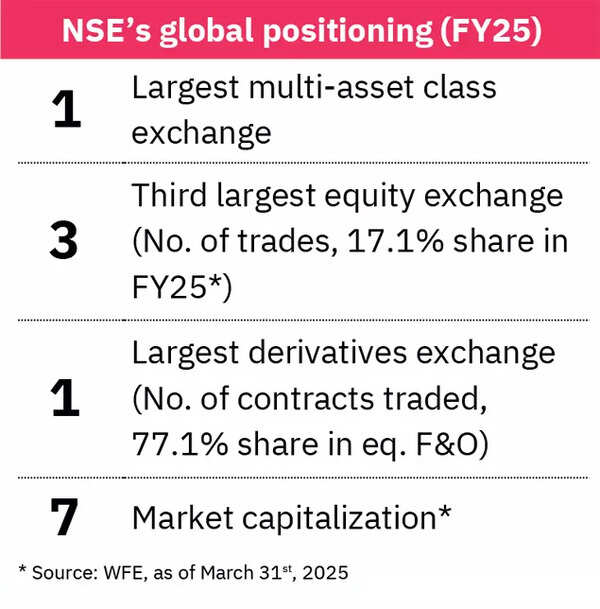
National Stock Exchange or the NSE, India’s most valuable unlisted company, also ranks as the world’s fifth largest stock exchange with a market capitalization of Rs 4.7 lakh crore! In the unlisted market, NSE shares command significant interest, trading at approximately Rs 2,200 per share, with a price-to-earnings ratio of 44x. The exchange’s financial performance for FY25 showed revenue growth of 4%, reaching Rs 17,140 crore, whilst net profits saw a substantial increase of 47%, totalling Rs 12,187 crore.In fiscal year 2025, NSE’s cash segment achieved a turnover of Rs 281 lakh crore, whilst BSE registered Rs 19 lakh crore. Both exchanges demonstrated consistent growth, with their cash turnover increasing by 25% annually across the previous five-year period, highlighting the robust performance of Indian stock exchanges.Sample this, in the last year, NSE achieved net earnings of $1.35 billion, surpassing both NASDAQ’s $1.11 billion and the London Stock Exchange’s $1.15 billion in reported profits.

NSE's Global positioning

NSE’s Global positioning

Experts believe that stock exchanges present themselves as valuable investment opportunities, characterised by initial capital investments followed by consistent revenue growth that typically correlates with economic expansion.In fact, NSE has achieved a valuation of $58 billion (Rs 5 lakh crore) in private markets, whilst speculation increases regarding a possible listing of India’s premier equity-derivatives exchange, according to a Bloomberg report.Institutional investors and high-net-worth individuals have been actively acquiring unlisted shares, anticipating a potential initial public offering within the current year.NSE continues to dominate both equity and derivative markets, boasting a substantial base of 113 million registered investors across diverse geographical locations. The exchange commands an impressive 87.4% share in the equity options market.

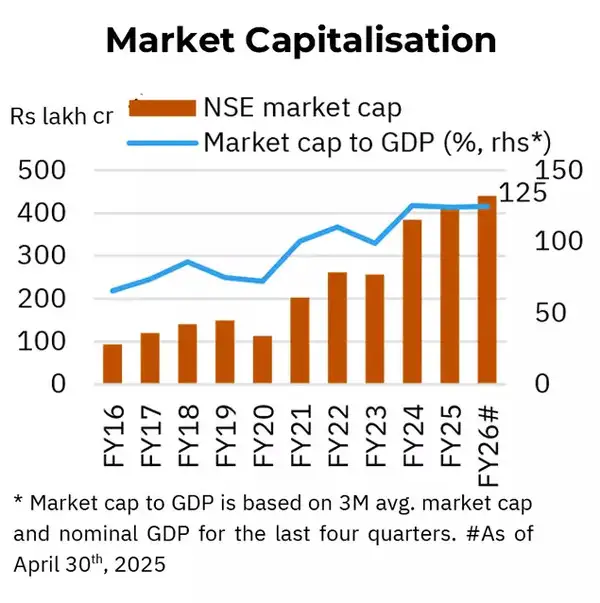
NSE Market Cap

NSE Market Cap

In a significant development, NSE has reached a remarkable milestone by exceeding 100,000 shareholders, positioning itself as the unlisted company with the widest ownership base in India. This accomplishment stands out particularly because numerous listed companies in the country have yet to achieve such broad shareholder participation. Additionally, NSE has maintained a consistent track record of dividend distribution.Recently, Ashish Kumar Chauhan, the managing director and CEO of NSE, highlighted the remarkable growth in India’s investor base. He noted that whilst India had fewer than 10 lakh investors in 1994, the current figure stands at 11 crore investors, spanning from Ladakh to Andamans and Nicobar, and from Arunachal Pradesh to Dibrugarh, Jorhat, and Dwarka.He further emphasised that investors are present across India, with only 28 Pin Codes out of 19400 lacking investor representation. The NSE’s foundation rests upon India’s entrepreneurs, with women comprising 25% of investors. Significantly, one in every five households (11 Cr people) now participates in NSE investments.He emphasised that entrepreneurs, businessmen and industrialists seeking growth opportunities can approach NSE to discover potential partners amongst companies of varying sizes. He noted that over the past decade, 600 firms that secured capital have successfully transitioned to the main board. ‘These companies have earned the trust of investors. Indians are very hardworking and the world is taking note of that’ he said.(Disclaimer: Recommendations and views on the stock market and other asset classes given by experts are their own. These opinions do not represent the views of The Times of India)


Source link

‘A transformative time for Air India’: CEO Campbell Wilson on the airline’s 3-year overhaul


'A transformative time for Air India': CEO Campbell Wilson on the airline’s 3-year overhaul
Image used for representative purposes

Tata Group-owned Air India has been working on a top-to-bottom transformation for the last three years and has also placed orders for 570 planes, the airline’s CEO and MD Campbell Wilson said on Monday.“It is a transformative time for India and a transformative time for Air India…,” Wilson said, highlighting the airline’s ongoing evolution, reported PTI.Facing persistent financial losses, Air India launched an ambitious restructuring strategy in 2022. Wilson noted that the airline had previously lacked the investment levels typically seen in other carriers, which had hindered its appeal as a Star Alliance partner. “Three years ago, the airline had no active interline arrangements with Star Alliance members,” he said. “Thanks to the commitment we have made to customer experience, fleet, expansion and quality, we have now established interline agreements with all of the Star Alliance carriers,” Wilson added during a discussion at the International Air Transport Association (IATA) annual general meeting held in the national capital.Today, Air India maintains codeshare partnerships with nearly all Star Alliance members. While interline agreements allow airlines to issue and accept tickets for flights operated by partner carriers, codeshare arrangements typically enable an airline to sell tickets for its passengers on partner flights under a single booking.The Air India CEO further claimed that the carrier has been working on a top-to-bottom transformation for the last three years.Wilson had made another statement on Air India’s future operations on Sunday specifically regarding its association with a Turkish firm amid geopolitical tensions. The Airlines announced its plans to reduce its reliance on Turkish Technic for the maintenance of its wide-body aircraft, redirecting operations to alternative Maintenance, Repair and Overhaul (MRO) facilities, according to CEO Campbell Wilson.“It does take a while to adjust when the circumstances change around us but we are obviously sensitive to the national sentiment and perhaps the national wishes. So, regardless of which country we are talking about, we would clearly take cognisance of what people like us to do and expect us to do,” Wilson said in an interview with PTI.Read more: Air India to shift maintenance work from Turkish firm as it ‘looks to adjust plans’ amid geopolitical tensionsAdditionally in another statement a day later, Wilson revealed that that the airline is likely to wind up its association with Turkish Technic “Air India is likely to wind up its association with Turkish Technic, a global aviation maintenance repair and overhaul (MRO) company. The company used to provide maintenance for Boeing 777 aircraft in the airline’s fleet. The airlines said they would find alternatives. The decision has been taken in the national interest, respecting public sentiments,” the Air India CEO told ANI.Currently, Air India operates a fleet of 191 aircraft- including 64 wide-body and 127 narrow-body planes- and serves 112 destinations globally.


Source link

Udaan raises $114 million in flat round at $1.8 billion valuation


Udaan raises $114 million in flat round at $1.8 billion valuation

BENGALURU: B2B ecommerce platform Udaan has raised $114 million in fresh equity capital as part of its Series G funding round, led by M&G Investments and Lightspeed. The round also saw participation from existing and new investors. The Bengaluru-based company said the funds will be used to deepen its category presence, particularly in FMCG and staples, and expand further into underserved markets.Udaan has secured the latest funding at a valuation of about $1.8 billion, people familiar with the matter told TOI. This makes the funding a flat round, which is when a company’s valuation remains the same or nearly the same as the previous funding round. The company had previously raised $340 million in 2023, led by UK-based M&G Prudential, at the same valuation, marking a notable decline from its peak valuation of $3.2 billion in 2021.Founded by former Flipkart executives Vaibhav Gupta, Amod Malviya, and Sujeet Kumar, Udaan has been restructuring its operations since 2022, focusing on profitability amid a more cautious funding environment. The company has reduced its operating scale to manage costs and streamline business priorities. Malviya and Kumar no longer oversee day-to-day operations, with Gupta currently serving as CEO.The latest financing, Udaan said, strengthens its balance sheet as it moves closer to a potential public market listing. This round follows a broader restructuring of the business over the last three years, with the company claiming a 40% annual reduction in Ebitda burn over the same period.Founded in 2016, Udaan operates across verticals including fast-moving consumer goods, pharma, staples, and fresh produce, and claims to hold around 70% of India’s eB2B market share. The company said it is pursuing a cluster-led operating model to drive “profitable growth at scale,” with emphasis on technology-led distribution and private label expansion in staples.The company said it posted over 60% year-on-year revenue growth in calendar year 2024. Contribution margins improved by more than 300 basis points during the year, with an additional 100 basis point gain reported year-to-date in 2025. Fixed costs, the company said, were cut by 20% last year, contributing to overall margin improvements.“This funding marks a key milestone as we continue our journey towards public markets,” said Vaibhav Gupta, co-founder and CEO of Udaan. “Our hybrid model combining a digital platform with tech-led sales is proving effective, and we are on track to achieve group-level Ebitda profitability within the next 18 months.”The fresh capital will also be deployed to enhance Udaan’s technology stack, including customer engagement tools and sales-tech capabilities. The company currently serves a large network of small businesses, retailers, and suppliers across India, and also offers working capital solutions through its financial services arm, UdaanCapital.


Source link

Zydus gets U.S. FDA tentative nod for Rifaximin tablets 550 mg 


Generic drugmaker Zydus Lifesciences has received tentative approval from the U.S. Food and Drug Administration (FDA) for Rifaximin Tablets, 550 mg. The product is indicated for treatment of irritable bowel syndrome with diarrhoea (IBS-D) in adults. Rifaximin tablets had annual sales of $2672.9 million in the United States, the company said citing IQVIA MAT March 2025 numbers. The product will be produced at the Group’s manufacturing site at SEZ II, Ahmedabad, it said on Monday.


Source link

Economy in dire straits, India’s Indus Waters Treaty blow: Can Pakistan avoid the ‘begging bowl’?


Economy in dire straits, India's Indus Waters Treaty blow: Can Pakistan avoid the ‘begging bowl’?
Pakistan’s economic recovery remains delicate as it works under a $7 billion International Monetary Fund programme. (AI image)

Pakistan may not want to go to the world with a ‘begging bowl’, but the fact remains that its economy is in dire straits. During a recent address, Pakistan Prime Minister Shehbaz Sharif acknowledged the country’s extremely poor economic condition and emphasised that the world does not want it to come to it with a ‘begging bowl’. He said Pakistan needs to focus on international investments rather than financial assistance.However, seeking bailout packages is not new for Pakistan. It has a long history of asking for loans and funds from external institutions and countries, and doing little to improve its economic indicators. Recently, Pakistan’s National Accounts Committee said that the country’s GDP growth fell short of official projections for FY 2024-25, achieving only 2.68 per cent growth compared to the targeted 3.6 per cent.Pakistan’s economic recovery remains delicate as it works under a $7 billion International Monetary Fund programme. The conditions of this financial package necessitate structural changes, including increased electricity rates and additional taxation measures.Also Read | Explained in charts: India to become 4th largest world economy soon. What’s the road ahead to No.3 spot?Pakistan aims to obtain external commercial funding amounting to $4.9 billion during fiscal year 2025-26. The government’s aim is to secure $2.64 billion in short-term commercial bank borrowings.Pakistan’s economy faces multiple challenges and risks, and India’s punitive measures post the Pahalgam terror attack are not making it easier for Islamabad to emerge stronger.Indus Waters Treaty Blow Impact ShowingThe agriculture sector, which provides employment to about 40% of the labour force, is facing substantial disturbances following India’s move to suspend the Indus Waters Treaty.The kharif (summer crops) planting period in Pakistan faces significant challenges due to severely reduced water levels at its crucial dams – Mangla on river Jhelum and Tarbela on the Indus river. Additionally, there has been an abrupt reduction in Chenab river flow following India’s water regulation after the Pahalgam terror incident. The water crisis could worsen during the early kharif sowing period this month. According to recent data from Pakistan’s Indus River System Authority (IRSA), the country currently has a 21% deficit in water flow, whilst the two primary dams show approximately 50% reduction in live storage. These dams are vital for irrigation in Pakistan’s Punjab and Sindh provinces, as well as for hydroelectric power generation.The IRSA’s recent evaluation of water availability for summer sowing during May-Sept highlighted concerns about reduced water flow in river Chenab at Marala, attributing it to India’s limited supply, which would affect early kharif season operations, according to a TOI report.Also Read | India’s big crackdown! 20 export houses under scanner for illicit Pakistan trade using UAE route; trade-based money laundering suspectedThe authority announced a 21% overall deficit and instructed reservoir management and irrigation monitoring bodies to carefully manage water resources from storage facilities, considering the “crisis created by Indian short supplies in Chenab river”.Whilst monsoon in the catchment region could potentially improve conditions by next month, Pakistan’s agricultural activities will be significantly influenced by India’s management of water flow through its limited storage facilities – Baglihar and Salal – situated on the Chenab in J&K.

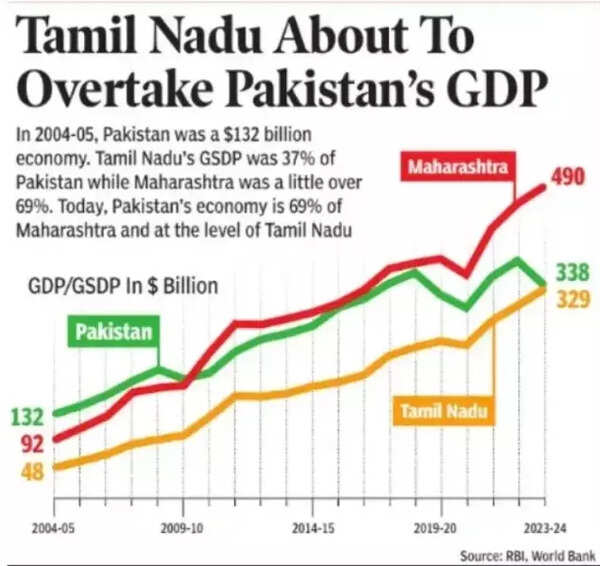
Tamil Nadu About To Overtake Pakistan's GDP

Tamil Nadu About To Overtake Pakistan’s GDP

Officials believe India’s suspension of the Indus Waters Treaty could significantly impact Pakistan’s ability to handle flood situations during peak flow periods when monsoon affects the Indus river system’s catchment areas, with a substantial portion situated within India. Agricultural activities in Pakistan’s Punjab and Sindh provinces are entirely reliant on irrigation channels connected to the Indus river network, which receives nearly all its water from the western rivers – Indus, Jhelum and Chenab.Targeting Pakistan’s Funding SourcesIndia aims to restrict Pakistan’s access to funds in its ongoing efforts against state-sponsored terrorism from across the border. Following its opposition to Pakistan’s IMF bailout package, India intends to challenge forthcoming World Bank loans earmarked for Pakistan as well.Furthermore, India intends to approach the Financial Action Task Force (FATF), the global financial crime watchdog, seeking Pakistan’s return to its ‘grey list’.Pakistan’s exit from the FATF grey list in 2022 had improved its credibility with financial institutions, which was vital for its economically challenged situation. If FATF puts Pakistan back on the ‘grey list’, it will make it more difficult for the country to get investment.Also Read | ‘Big ban’ actions: How India is shunning Pakistan and its allies like Turkey & Azerbaijan – top 5 measuresIMF’s Strong Warning to PakistanEven as it grapples with agriculture crises, Pakistan has also been issued a strong warning by the IMF over its bailout package. The IMF has substantially increased its loan programme prerequisites for Pakistan. The IMF has outlined 11 new conditions for Pakistan to secure continued financial support, including passing a Rs 17.6 trillion federal budget aligned with IMF targets by June 2025 and implementing agricultural income tax reforms across all provinces.Other key requirements include publishing a governance reform plan, preparing a long-term financial sector strategy, rebasing electricity tariffs by July, and adjusting gas tariffs by February 2026. The IMF also demands permanent legislation for a captive power levy, removal of the cap on a debt servicing surcharge, phasing out tax incentives in special technology zones by 2035, liberalizing used car imports, and allocating Rs 1.07 trillion for development spending.


Source link

‘₹85 cr. worth of ₹2,000 banknotes returned in a month’


Representational image

Representational image
| Photo Credit:

The RBI on Monday said ₹2,000 banknotes worth ₹85 crore returned to the system between May 31, 2025 and April 30, 2025, leaving ₹6,181 crore still in the market.

“The total value of ₹2000 banknotes in circulation, which was ₹3.56 lakh crore at the close of business on May 19, 2023, when the withdrawal of ₹2000 banknotes was announced, has declined to ₹6,181 crore at the close of business on May 31, 2025,” the RBI said in its monthly status report.

“Thus, 98.26% of the ₹2,000 banknotes in circulation as on May 19, 2023, has since been returned,” it said.

A month ago, the RBI had stated that the withdrawal of ₹2,000 banknotes had declined to ₹6,266 crore at the close of business on April 30, 2025. Thus, 98.24% of the ₹2,000 banknotes in circulation as on May 19, 2023, have since been returned.

The ₹2,000 banknotes continue to be legal tender. The RBI had announced the withdrawal of ₹2,000 denomination banknotes from circulation dated May 19, 2023.


Source link

NMDC’s iron ore output, sales touch new high for May 


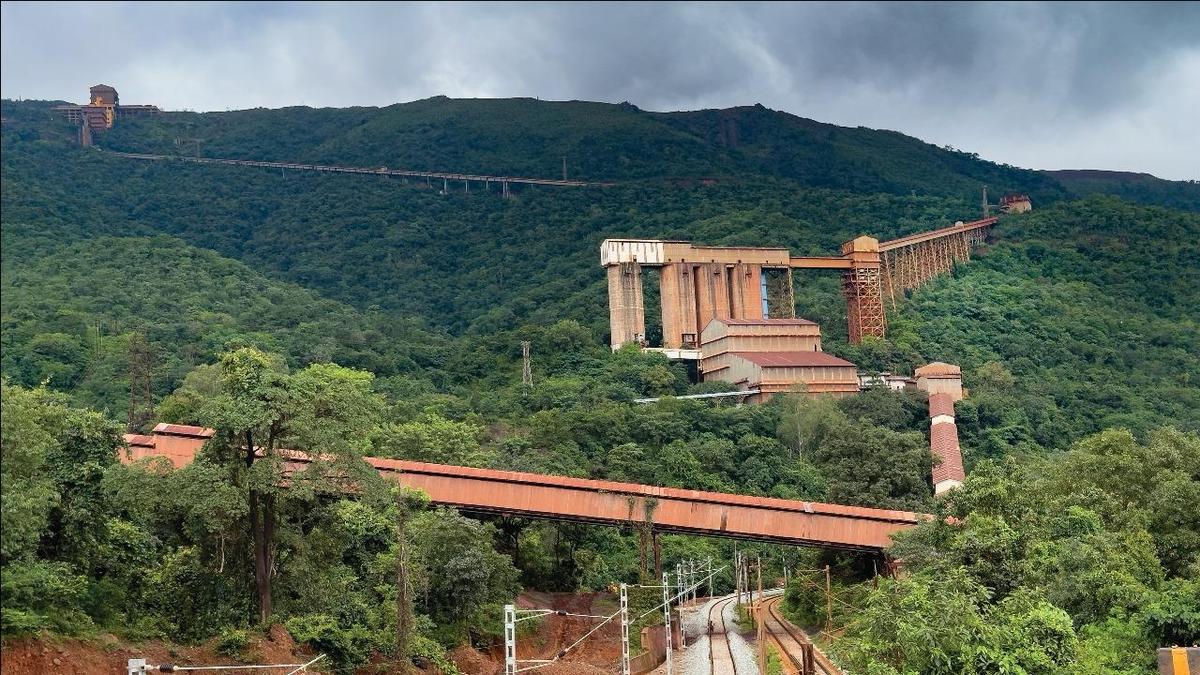
India’s largest iron ore producer, NMDC is pursuing a plan to raise its annual production capacity to 100 MT by 2030

India’s largest iron ore producer, NMDC is pursuing a plan to raise its annual production capacity to 100 MT by 2030
| Photo Credit: Arrangement

State-owned miner NMDC produced 4.43 MT of iron ore in May, an increase of 89% from 2.34 MT a year earlier.

Sales of the key raw material for steel stood at 4.34 MT, almost 54% higher compared to 2.82 MT in the corresponding period of previous fiscal.

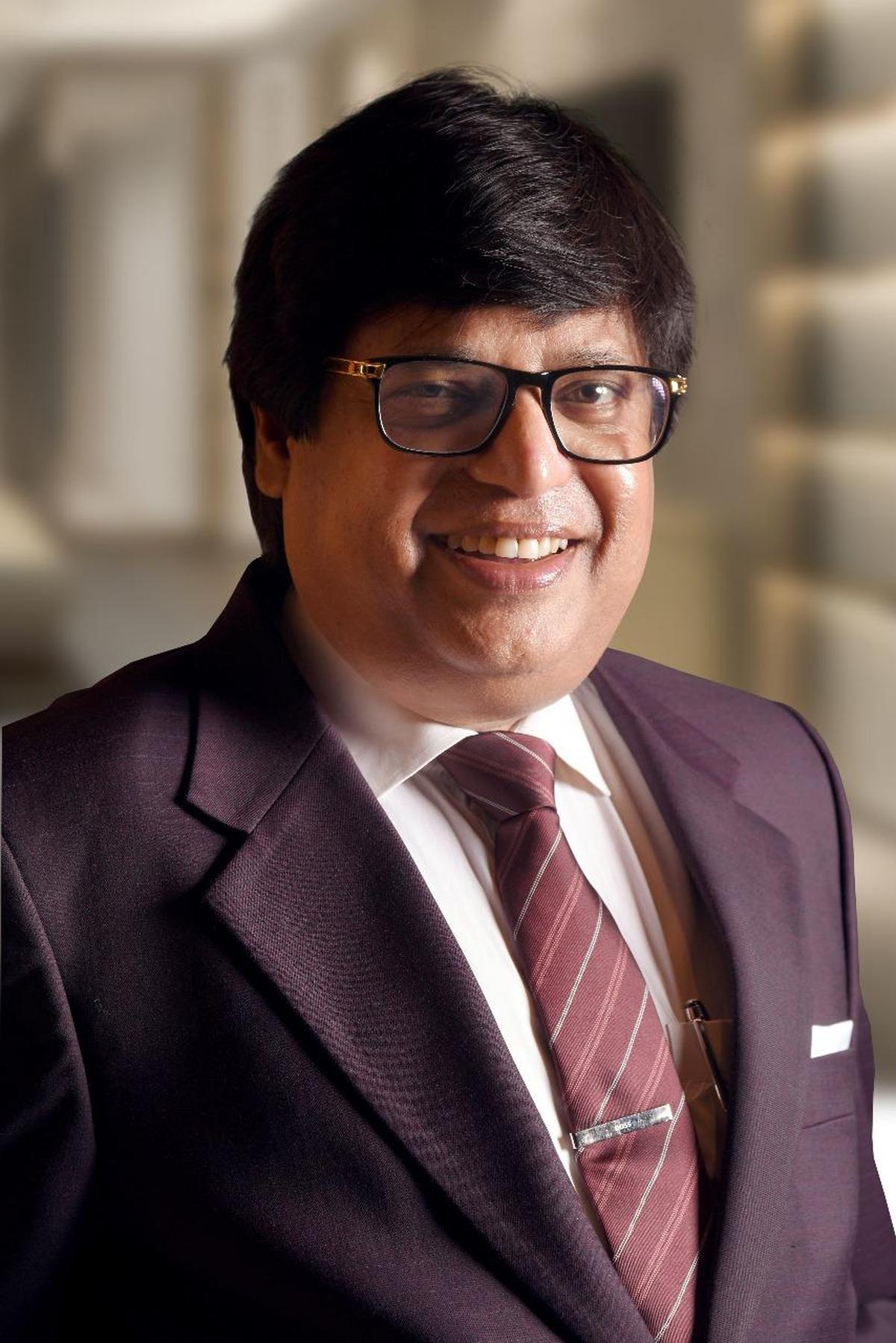
The performance was the best ever in May thus far. “The exceptional increase in production and in sales reflects our operational excellence and ability to push boundaries, innovate and thrive in an ever-evolving landscape,” CMD Amitava Mukherjee said on Monday.

NMDC CMD Amitava Mukherjee 

NMDC CMD Amitava Mukherjee 
| Photo Credit:
Arrangement

The cumulative production and sales this fiscal stands at 8.43 MT and 7.94 MT respectively with back-to-back record performances in April and May, including the highest-ever April production and sales figures of 4 MT and 3.63 MT. They laid a strong foundation for FY26. “We remain focused on accelerating growth, embracing smart technologies and building a sustainable, self-reliant future for the mining sector,” he said in a release.

India’s largest iron ore producer, NMDC is pursuing a plan to raise its annual production capacity to 100 MT by 2030. The company said it is investing heavily in advanced infrastructure, including slurry pipelines, beneficiation plants and a countrywide network of stockyards.


Source link

‘Baseless and mischievous’: Adani Group denies handling any Iranian cargo; says not aware of any US investigation into Iran sanctions violations


'Baseless and mischievous': Adani Group denies handling any Iranian cargo; says not aware of any US investigation into Iran sanctions violations
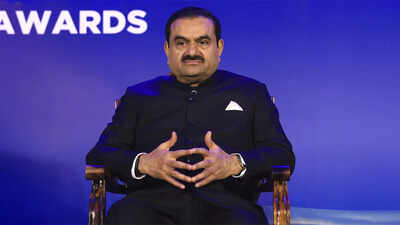
The Adani group firmly rejected these allegations as “baseless and mischievous”.

The Adani Group issued a statement on Monday clarifying that none of its ports process cargo originating from Iran or vessels under Iranian ownership, rejecting allegations of intentional sanctions violations.The Adani Group submitted a filing to the stock exchange, dismissing claims about connections between its entities and Iranian LPG as ‘baseless and mischievous’.This statement came after the Wall Street Journal published a report indicating that US prosecutors were looking into potential imports of Iranian LPG by Adani companies through their Gujarat-based Mundra port.The business conglomerate emphasised in its filing that their policy explicitly prohibits handling any Iranian cargo at their port facilities, including shipments from Iran or vessels flying Iranian flags.The group further specified that their operational policy excludes management or facilitation of any vessels owned by Iranian entities, a rule strictly enforced across all their port operations.The Wall Street Journal’s investigation alleged that vessels moving between Mundra and the Persian Gulf showed patterns that specialists associate with sanctions evasion.Trading in Iranian petroleum or its derivatives faces restrictions due to concerns about Tehran’s nuclear activities.The Adani group firmly rejected these allegations as “baseless and mischievous”, stating it “categorically denies any deliberate engagement in sanctions evasion or trade involving Iranian-origin LPG”.The organisation further stated it had no knowledge of any US authorities conducting investigations on this matter.According to the group, the published report relied on unfounded suppositions and conjecture.“Any suggestion that Adani Group entities are knowingly in contravention of US sanctions on Iran is strongly denied. Any assertion to the contrary would not only be slanderous but also deemed to be an intentional act to injure the reputation and interests of the Adani Group. The rights of Adani Group entities and personnel in this regard are expressly reserved,” the statement concluded.


Source link

Implement revised local sourcing norms for wind turbines immediately: Suzlon Group’s Chalasani  


As India plans to have 500 GW non-fossil energy capacity by 2030, wind energy is expected to contribute a fifth of that target. Yet, with only 4% of its 1.1 TW (Tera Watt) wind potential tapped, the sector’s true challenge lies not in potential, but in execution said J.P. Chalasani, CEO, Suzlon Group, one of India’s largest renewable energy companies, in an interview.

He said policy reform, cybersecurity, and indigenous R&D were crucial for the success of the wind energy sector in the country.

“Revised List of Models and Manufacturers (RLMM) reforms are a start. Implementation can not wait,” he emphasised.

The Ministry of New and Renewable Energy (MNRE) recently revised its RLMM guidelines, mandating local sourcing of critical components like blades, gearboxes, generators, and towers.

RLMM guidelines must mandate this not just for new models, but for all existing listings as well, he stated.

The revised RLMM guidelines were also to strengthen cybersecurity norms.

“It is a strategic shift—but over a year late. The guidelines must now be implemented swiftly and without dilution,” he pointed out.

Stating that India’s wind manufacturing ecosystem was more than ready, he said, “We have over 20 GW turbine manufacturing capacity, but only 20% is utilised. Our blade capacity is 28 GW, including 11 GW from independent manufacturers. Generator capacity is 17 GW—yet underutilised.” 

The new policy, if enforced, could restore local content levels to 75% by 2026 and 85% by 2028, he stated.

Emphasizing the danger of cyber threat to the wind turbines and the grid Mr Chalasani said, “Wind turbines are not just machines—they are grid-connected, data-exchanging systems. A single breach can ripple into a national grid failure,” he warned. “Cybersecurity is not compliance—its sovereignty,” he mentioned. 

He urged mandatory certification of all digital and hardware components—especially those of foreign origin—by Indian agencies such as Central Electricity Authority, MeitY, and Standardization Testing and Quality Certification (STQC) Directorate. “Embedded malware and hardware trojans are real risks. We need deep protocol-level checks,” he said.

MNRE’s latest draft also mandates that all turbine operations, data centres, and control systems reside within India—a move which is “non-negotiable for national security,” he said.

Recalling the contribution of late Tulsi Tanti, the founder and MD of Suzlon Energy, Mr Chalasani said, “He was not just a founder, he was the spirit of Indian renewables. The turnaround we have achieved is our tribute to his vision,” he said. Mr Tanti suddenly passed away in October 2022 raising a question mark on Suzlon’s future. 

Under Mr. Chalasani’s leadership, Suzlon has become debt-free and cash-rich, with ₹2,000 crore on its balance sheet. The company’s latest 3.15 MW turbine model—engineered for Indian terrain and climate—has been a success. Today, Suzlon has an order book of 5.5 GW, over half of it from industrial and commercial consumers (C&I), and nearly 26% from public sector giants like NTPC and SJVN.

“India Inc. wants reliable green power. Being Indian-designed, Indian-operated, with 25-year service support—that is our edge,” he said.

Unlike solar, which he called a “commodity technology,” Mr. Chalasani, an energy sector veteran said, wind turbines are engineering-intensive and site-specific. “You can not just import a design meant for Europe and tweak it for Rajasthan,” he said 

Locally designed and tested turbines reduce downtime, minimise grid disruptions, and enhance long-term operational efficiency, he pointed out.

On the government’s policy support, he said for too long, Indian OEMs had competed on an uneven field against foreign players importing partially built turbines. “These new guidelines give us, finally, a level playing field,” he emphasized.


Source link

Centre notifies guidelines to boost electric car production


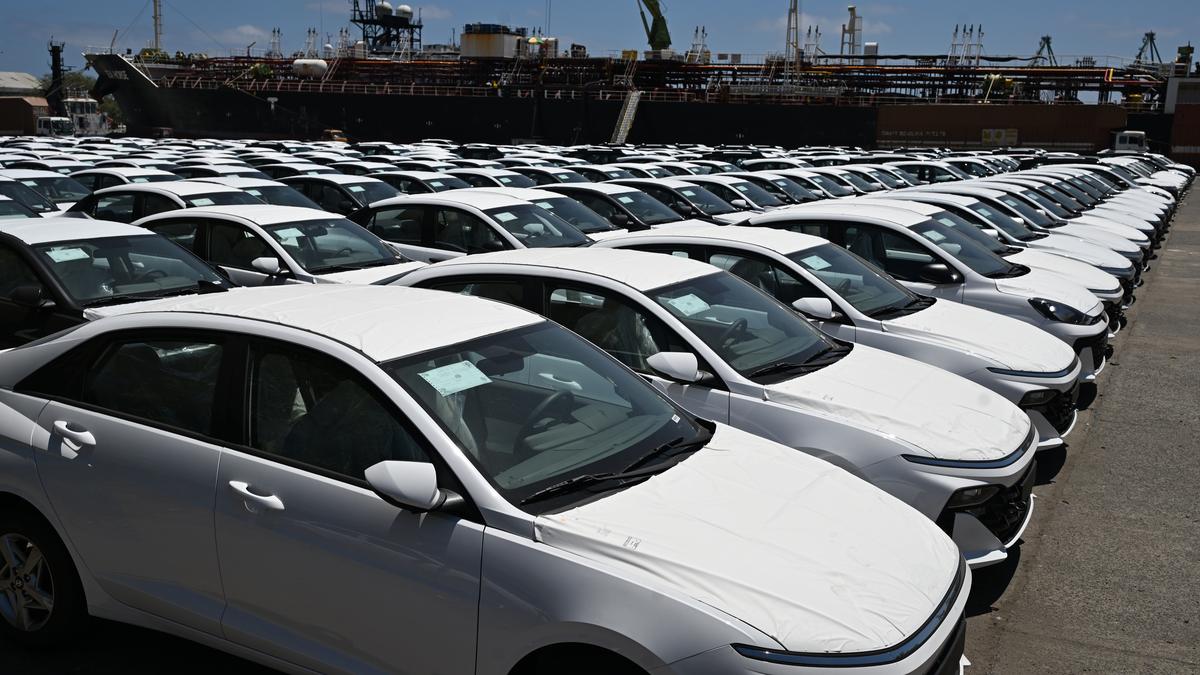
Photo used for representation purpose only.

Photo used for representation purpose only.
| Photo Credit: The Hindu

The Centre on Monday (June 2, 2025) notified the guidelines to promote domestic manufacturing of electric cars, offering a concessional import duty of 15% on completely built-up units on a day Union Minister H.D. Kumaraswamy said global EV giant Tesla was not interested in manufacturing cars in India.

The detailed guidelines for the “Scheme to Promote Manufacturing of Electric Passenger Cars in India” (SPMEPCI) comes 15 months after the government first announced its import policy. The notice for inviting applications under the scheme will be notified shortly.

“Tesla… They are more [interested] only to start showrooms. They are not interested to [start] manufacturing in India,” Mr. Kumaraswamy told reporters during the launch of the guidelines.

The scheme allows EV manufacturers to import Completely Built-in Units (CBUs) cars with a minimum cost-insurance-freight value of $35,000 at reduced customs duty of 15% for a period of five years from the date of the application approval. The maximum number of electric four wheelers allowed to be imported at the reduced customs duty will be capped at 8,000 units per year. The government scheme allows unutilised annual imports to be carried over into the next year.

In a departure from the 2024 version of the policy, the government has also allowed brownfield investments following protests from Indian manufacturers such as Maruti Suzuki India and Tata Motors.

(With PTI inputs)


Source link