Business

Higher steel tariffs to dent exports as companies look at other markets


Higher steel tariffs to dent exports as companies look at other markets
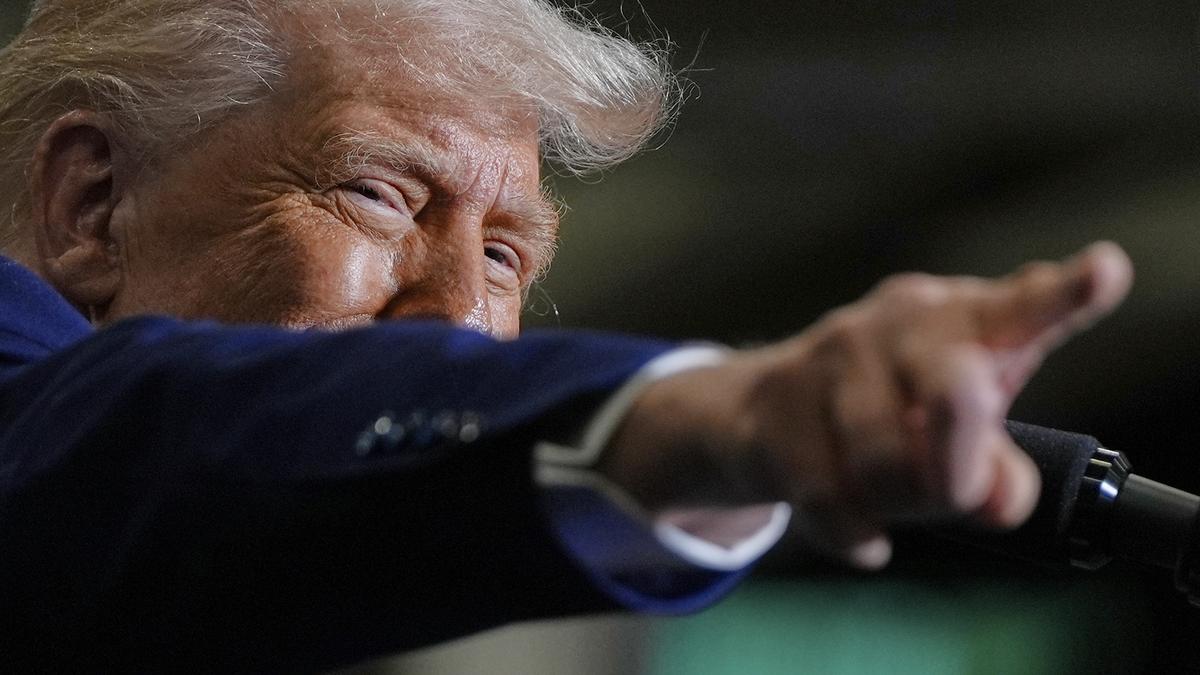
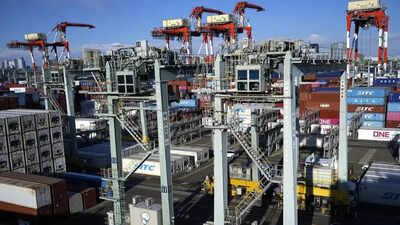
Representative image (Picture credit: AP)

NEW DELHI: Doubling of import duty on steel and aluminium by the Trump administration will dent export demand, with companies having to scout for alternative markets.Several US importers have gone slow on fresh orders as costs went up significantly after the imposition of 25 per cent duty, although India was not seen to be worse off, given that the same duty applies to all countries. But if Trump decides to move ahead with his threat, several American firms will have to slow down production as such duties are seen to be unviable and unsustainable. This will also reduce demand for inputs.“The economic impact will be significant. US steel prices are already high, at around $984 per metric tonne – far above European prices at $690 and Chinese prices at $392. The doubling of tariffs is expected to push US prices to about $1,180, squeezing US domestic industries such as automotive, construction, and manufacturing that depend on steel and aluminium as key inputs. These sectors may face hundreds of dollars in additional material costs per tonne, driving up prices, reducing competitiveness, and risking job losses or inflationary pressures,” said trade research body GTRI.Fieo chief S C Ralhan said the increase in tariffs would have a significant bearing on India’s steel exports, especially in semi-finished and finished categories like stainless steel pipes, structural steel components, and automotive steel parts. These products are part of India’s growing engineering exports, and higher duties could erode our price competitiveness in the US market.EEPC India president Pankaj Chadha said, “It’s unfortunate that while bilateral trade talks are going on between India and the US, such unilateral tariff increases have be done. It only makes the work of negotiators more complicated.” Last fiscal, India exported steel and finished products of $6.2 billion to the US and about $0.9 billion of aluminium and its products. The US is among the top destinations for Indian exporters, who have been increasing market share through high-quality production and competitive pricing, Fieo said.


Source link

How do military standoffs affect aviation? | Explained


The story so far: After the Pahalgam terror attack on April 22, India initiated a series of measures against Pakistan that included the suspension of the Indus Waters Treaty. In response to India’s calibrated steps, Pakistan issued a NOTAM (notice to airmen), closing its airspace to Indian aircraft from April 24 to May 23 — multiple air traffic routes were unavailable across the north and south as well as a part of the Arabian Sea. India responded with a similar NOTAM on April 30, that was effective till May 23.

Also Read | India extends airspace ban for Pakistan airlines till June 23

What happened after the hostilities?

After India’s tri-service Operation Sindoor (May 7-10), Pakistan opened its airspace resulting in some foreign airlines resuming overflights. However, both countries have again issued fresh notices, closing their airspace to Indian (“till June 24, 4.59 a.m., Pakistan Airports Authority”) and Pakistan aircraft (June 23), respectively.

Is there a history of airspace closure?

Prof. Mohammad Owais Farooqui, Assistant Professor of Aerospace Law, Department of Public Law, College of Law, University of Sharjah, has told The Hindu that in the 1950s, India had objected to Pakistan’s declaration of a “prohibited zone” along its frontier as discriminatory as it allowed overflights by other nations. The dispute was resolved diplomatically but set a precedent that such restrictions must have bona fide security justifications.

The Hindu’s archives show that airspace closure has been a major issue corresponding with the state of bilateral ties. Following the 1965 India-Pakistan war, a report, “Overflights from Feb. 10: Indo-Pak. Accord: Air Services to be Resumed From March 1” (The Hindu, February 8, 1966), highlighted “an in principle agreement to allow overflights and a resumption of normal Pakistani and Indian services from March 1”. Pakistan also wanted a direct link to Dacca (Dhaka), which was cut off in the war in September. The report said that “to reach East Pakistan from the west wing, Pakistan aircraft at present have to fly by Ceylon, a detour of more than 2,000 miles and that international flights have been forced to operate from Karachi to Bombay — across the Arabian Sea (connections to New Delhi are picked up from Bombay)”.

In 1971, there was another ban following the hijacking of an Indian Airlines Fokker F-27 flight (Srinagar-Jammu) on January 30 to Pakistan. The passengers were released in Lahore and the plane was destroyed (burnt). A report, “Pak. Civil Overflights Also Banned” (February 4, 1971), detailed India’s banning of civilian overflights as well as continuing an existing ban on military aircraft until “Pakistan had satisfactorily settled the question of compensation for the Indian aircraft”. The report said that flights in both countries were affected (Pakistan “much more than India”). This incident also saw India filing a case in the World Court after Pakistan lodged a complaint with the International Civil Aviation Organization (ICAO) and the United Nations Security Council against the overflight ban. The World Court ruled (14-2 vote) that ICAO had jurisdiction over the issue. The issue was resolved in June 1976, with India and Pakistan signing a memorandum of understanding on resumption of overflights and flights.

Since then, there have been other closures and normalisations, with major events being the Kargil war (1999), the Indian Parliament attack (2001) and the Balakot airstrikes (2019).

Also Read | Brace for longer flights to the Gulf, Europe and the U.S. as Pakistan shuts its airspace

Is there an estimate of the losses?

In 2002, India’s Ministry of Civil Aviation was to seek budgetary support for Indian airlines after estimates of losses (Air India ₹40 crore a year; Indian Airlines ₹3.4 crore and the Airports Authority of India ₹5 crore from landing and parking charges and also overflights). Pakistan’s losses were estimated to be five times more, according to the Minister of Civil Aviation.

In 2019, the collective losses of Indian carriers were put at ₹548.93 crore (Rajya Sabha reply). A PTI report said Pakistan had suffered a $50 million loss. According to IATA, before the ban, at least 220 flights used Pakistan’s airspace to operate between Asia and Europe.

In 2025, the consolidated loss for the Indian aviation sector (including cargo) may be around ₹7,000 crore (indicative figure), according to reports that cite industry sources. Data reports based on the 2019 closure show that Pakistan lost approximately $2,32,000 every day in overflight charges and $3,00,000, if landing, parking and navigation fees were added.

What were the airspace changes in 2025?

There was a temporary closure of 32 airports across northern and western India. There was also a temporary closure of 25 segments of Air Traffic Service (ATS) routes within the Delhi and Mumbai Flight Information Regions (FIRs), “unavailable from ground level to unlimited altitude” for aviation safety. Overflights were “funnelled” along certain air routes, with Mumbai, Ahmedabad, Nagpur, Kolkata and Chennai air traffic control managing the traffic. In 2019, as many as 500 flights were rerouted overnight. On May 7, during Operation Sindoor, there were close to 500 aircraft (20% were Indian aircraft) movements from Indian airspace to Pakistan, aviation sources have told The Hindu. Some of the air routes used included N571, P574, L301, L505 and L639, in turn linked to flight management with the Muscat FIR. There was also a 30% increase in aircraft movement per hour, with peak hour traffic put at 40 aircraft. In air navigation terms, India and Pakistan share close to 12 waypoints, through which the Mumbai and Delhi FIRs feed air traffic, while there are six waypoints between the Mumbai and Muscat FIRs. The sources said that the traffic load from the 12 waypoints was shifted to these six waypoints. Established air traffic management procedures were used such as minimum aircraft separation standards (vertical, crossing and lateral for east and west-bound traffic).

Flightradar24’s director of communications has told The Hindu that there are few alternative routes via China due to the regimented nature of Chinese airspace and the presence of high mountains which can impact safe flight operations. Any routing that is less than optimal would add time and cost, he said.

Will international aviation law hold?

Prof. Farooqui says that while international aviation law provides mechanisms for redress, their effectiveness depends on political will and an understanding of the nuanced facts of this bilateral standoff.


Source link

Why is the RBI changing gold loan rules? | Explained


The story so far:On April 9, the Reserve Bank of India (RBI) released draft directions on loans against gold collateral with the objective to harmonise the regulatory framework across regulated entities (banks and Non-Banking Financial Companies (NBFC)) and address differences in lending practices.

What was the response to the proposals?

Tamil Nadu Chief Minister M.K. Stalin wrote to Finance Minister Nirmala Sitharaman, seeking her intervention, pointing out that the proposal was likely to result in “serious disruptions to the rural credit delivery system in Tamil Nadu and across many parts of south India”. The Ministry of Finance clarified that it has asked the RBI to ensure that the regulations on gold loans do not adversely impact small gold loan borrowers. It also noted that the new rules would be implemented only by January 1, 2026. Mr. Stalin had said that gold-backed loans serve as a primary source of short-term agricultural credit, especially for small farmers, and those engaged in allied sectors such as dairy and poultry.

Why did the RBI want to step in?

The draft directions come in the backdrop of the RBI highlighting irregular practices amid a significant increase in the loan-against-gold jewellery portfolio of some lenders in September 2024. In the last fiscal, the combined loans against gold jewellery portfolio of banks and NBFCs was estimated to have grown by over 50%; for banks alone, the business more than doubled, growing at 104%, which set alarm bells ringing.

The draft directions on loans against gold collateral aim to harmonise the regulatory framework across regulated entities and address the differences in lending practices. The directions aim at protecting the interest of borrowers; to provide clarity on certain credit and operational processes followed by lenders; and to enhance transparency and disclosure. C.V. Rajendran, Adviser, Arvog, said, “The draft circular comes at a critical juncture when rising gold prices and widening credit gaps are prompting more individuals, especially from the informal economy, to pledge household gold for short-term liquidity.”

What are the key changes?

The maximum Loan-To-Value (LTV) ratio remains capped at 75%. For consumption-based bullet loans, accrued interest must also be included in the LTV calculation, which effectively reduces the disbursed loan amount. “With LTV at disbursement likely to reduce to ensure compliance, this could impact growth in this portfolio,” said Subha Sri Narayanan, director, Crisil Ratings.

The draft proposes that borrowers furnish proof of ownership for the gold that will be used as collateral. Lenders are required to implement uniform procedures for assessing the purity and weight of gold. As per the RBI draft, gold accepted as collateral shall be valued based on the price of 22 carat gold. Concurrent loans for both consumption and income-generating purposes are to be prohibited. Loan renewals or top-ups are to be permitted only if the existing facility is classified as standard and complies with the prescribed LTV ratio. Borrowers must pay the entire outstanding amount, including both principal and interest, on the loan’s maturity date to avail a fresh loan. If the lending institution delays returning the collateral to the borrower beyond seven working days after loan repayment, then the lender is liable to pay the borrower a compensation of ₹5,000 per day for each additional day of delay.

How will changes impact regulated entities?

The changes are expected to reduce the flexibility of borrowers and curtail the ability of NBFCs to renew/top-up loans seamlessly. It will lead to increased compliance burden due to documentation, DSCR (debt service coverage ratio) norms, and monitoring. Smaller NBFCs that rely on re-pledging for liquidity will face funding constraints, leading to potential market consolidation. The higher operational costs could be passed on to borrowers through increased interest rates or charges. “Banks and NBFCs may need to reduce their current gold loan LTVs at disbursement to comply with these revised norms, potentially slowing down growth,” said Sankar Chakraborti, MD & CEO, Acuité Ratings & Research Limited.

Will a one-size-fits-all policy work?

Gold loans serve as a lifeline for many rural and semi-urban households, often being the only accessible source of formal credit. The RBI may consider creating differentiated regulatory norms for micro gold loans versus structured high-value gold loans.

What will be the impact on borrowers who pledge gold to avail a loan?

Gold loans, as a product, is positioned as a quick service loan with high flexibility in terms of repayment. Most borrowers mainly opt for gold loans to fund their short-term and immediate requirements. The draft directions from RBI are expected to enhance the disclosures and transparency which will help borrowers in their decision-making.

Nevertheless, the draft directions (if applied in their current form) will lead to revision in LTV computation which in turn could possibly reduce the quantum of loan offered to borrowers on same quantity of gold collateral, or alternately, may require the borrower to pledge higher quantity of gold for the same loan amount, ceteris paribus.

Borrowers may also need to better manage their cashflows to adhere to the requirement of repayment of the entire accrued interest for availing renewals or top-up loans.

The 75% LTV cap may limit the loan amounts disbursed, possibly impacting borrowers who need larger amounts.

The elimination of re-pledging of gold would pressure borrowers to repay the entire loan at once, possibly impacting borrowers’ liquidity.

Prohibition on financial gold (such as gold mutual funds and ETFs) as collateral may limit options for some borrowers.

With gold prices appreciating, how beneficial will the new norms be?

The appreciation in gold commodity prices does contribute to the growth momentum in gold loans, in general. Therefore, in the current scenario when gold prices are on the upturn, gold loans are likely to witness healthy growth.

However, if the draft directions are implemented in their current form, it may lead to a slower growth pick-up for NBFCs focused on gold loans than may have otherwise been the case; this would largely stem from directions pertaining to LTV and renewal/top-up of bullet loans.

Also, it is pertinent to note that as a standard practice, lenders take the previous 30-day moving average while calculating gold commodity value for any loan disbursement. Hence, any sharp appreciation or fall in commodity prices may not have an immediate impact on gold loan growth.

Additionally, lenders do maintain sound risk management practices in order to counter the risk associated with the volatility in gold prices. The draft directions will also ensure a stricter and standardised practice for LTV breaches.

“All in all, these draft directions will further structurally strengthen the sector to manage the gold price volatility cycles and also create a level-playing field across REs in terms of practices followed,” said Mr. Narayanan.


Source link

Will manufacture and export but not sell weight-loss drug in India, Dr. Reddy’s tells Delhi HC


The case concerns an alleged violation of Novo Nordisk’s patent on its diabetes medication, semaglutide.

The case concerns an alleged violation of Novo Nordisk’s patent on its diabetes medication, semaglutide.
| Photo Credit: Hollie Adams

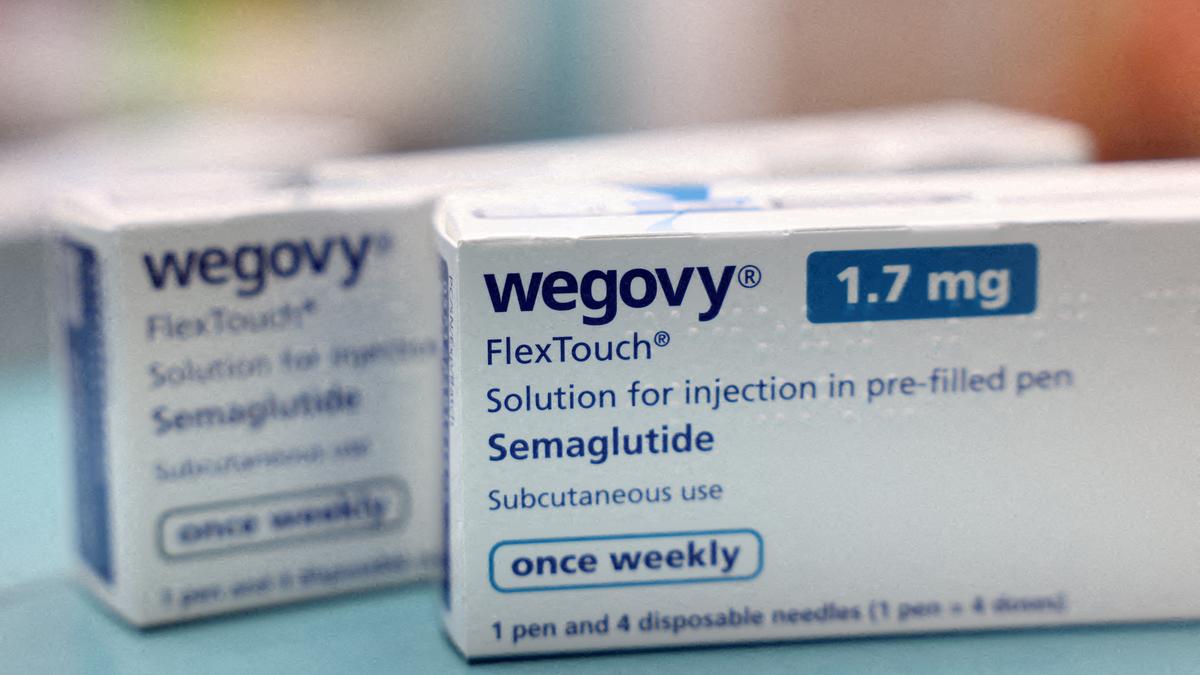
Dr. Reddy’s Laboratories Ltd. and OneSource Specialty Pharma have given an undertaking before the Delhi High Court that they will neither sell nor market Novo Nordisk’s anti-obesity drug Wegovy within India pending the outcome of a patent infringement lawsuit filed by the Danish pharmaceutical giant.

The case concerns an alleged violation of Novo Nordisk’s patent on its diabetes medication, semaglutide.

Dr. Reddy’s and OneSource, represented by senior advocates Abhishek Manu Singhvi and Mukul Rohatgi, respectively, informed the court that while Dr. Reddy’s has been granted a licence to manufacture the contested drug in December 2024 and began production in April 2025, Dr. Reddy’s currently does not hold a licence to sell the drug in India.

Dr. Reddy’s and OneSource gave an assurance that they will will not sell the drug in India. However, the Indian parma companies said they reserve their right to export the drug in countries where Novo Nordisk has not been granted a patent yet.

These submissions were formally taken on record by the court, and the counsel for two pharma companies confirmed that the undertaking would remain binding on the company until the next hearing.

Appearing for Novo Nordisk, senior advocate Sandeep Sethi argued that under the Indian Patents Act, 1970, even exporting a product that infringes a patent constitutes an act of infringement.

The court, in its May 29 order, said it will consider the submission of the parties on the next date of hearing, on August 19.


Source link

Indian steel, aluminium exports to take a hit with as Trump mulls doubling tariff to 50%


According to Pankaj Chadha, chairman of EEPC India,  annual exports of steel, aluminium and products are worth almost $5 billion.

According to Pankaj Chadha, chairman of EEPC India, annual exports of steel, aluminium and products are worth almost $5 billion.
| Photo Credit: Julia Demaree Nikhinson

India’s exports of steel and aluminium and their products are expected to take $1 billion hit with the proposed fresh tariff hikes by the U.S..

The proposed tariff is double the current 25% tariff under Section 232 of the Trade Expansion Act.

Pankaj Chadha, chairman of EEPC India, told The Hindu that annual exports of steel, aluminium and products are worth nearly $5 billion. “We have barely settled down after the March announcement of sectoral tariff. How can we do business with such uncertainty in tariffs. The US sources castings, fasteners, holdings, etc. We (Indian exporters) need to diversify to other markets,” he said.

The EEPC India will pursue with the Indian government to get exemption from Section 232, similar to the exemption the U.S. has given to the U.K.

According to the GTRI, the U.S. steel prices are already high, at around $984 per tonne compared with European prices at $690 and Chinese prices at $392. The doubling of tariffs is expected to push U.S. prices to about $1,180, hitting the U.S. domestic industries in sectors such as automobiles, construction, and manufacturing. For India, the consequences are direct. In FY 2025, India exported $4.56 billion worth of iron, steel, and aluminium products to the U.S., with key categories including $587.5 million in iron and steel, $3.1 billion in articles of iron or steel, and $860 million in aluminium and related articles.

India has issued a formal notice at the World Trade Organization signalling its intention to impose retaliatory tariffs on U.S. goods in response to the earlier steel tariffs. With the US now planning to double the tariffs, it remains to be seen whether India will carry out the retaliation, by increasing tariffs on certain U.S. exports within a month. India imports nearly $ 2 billion worth iron, steel, aluminium and their goods from the U.S., said the GTRI. 

S C Ralhan, president of the Federation of Indian Export Organisations, said in a press release that the proposed tariff will have significant bearing especially on semi-finished and finished categories such as stainless steel pipes, structural steel components, and automotive steel parts. These products are part of India’s growing engineering exports, and higher duties could erode India’s price competitiveness in the U.S. market.

 Such sharp increases in tariffs send discouraging signals to global trade and manufacturing supply chains. “We urge the Government to take up the issue at the bilateral level to ensure that Indian exporters are not unfairly disadvantaged as 25% additional duty will be a huge burden, which is difficult to be absorbed by the exporter/importer.”


Source link

“India well poised to become global hub for production, export of professional audio, lighting, AV solutions”


India’s fast growing urbanising population—expected to exceed 600 million by 2030—is reshaping demand for smart, immersive, and integrated audio visual (AV) solutions across sectors. 

The entertainment and OTT boom, growth in premium real estate, and a rapidly evolving event and hospitality industry has created a base for the adoption of advanced audio, video, and lighting technologies in the country said industry executives and experts. 

The entertainment and OTT boom, growth in premium real estate, and a rapidly evolving event and hospitality industry has created a base for the adoption of advanced audio, video, and lighting technologies in the country said industry executives and experts. 
| Photo Credit:
ANI

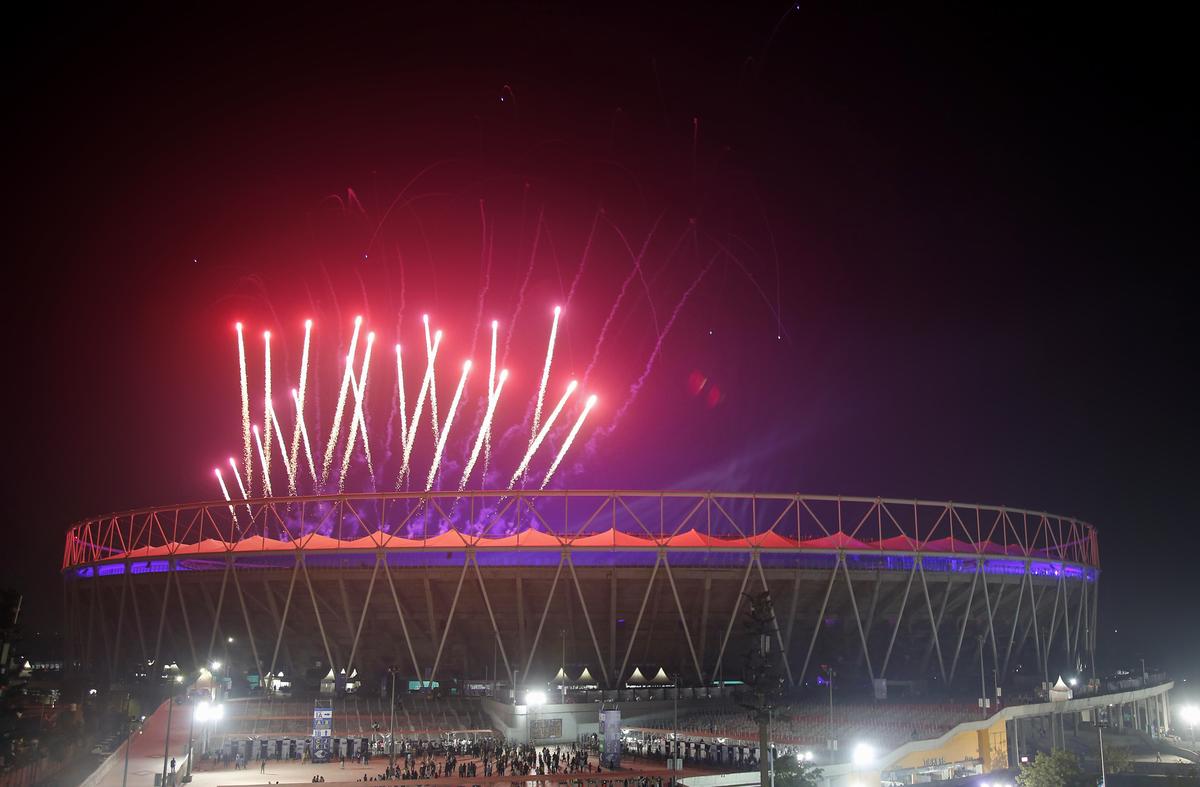
As digital-first consumption deepens and user expectations evolve, the Coldplay convert organised in Ahmedabad in January at Narendra Modi Stadium and the recently held World Audio Visuals Entertainment Summit (WAVES) in Mumbai which was inaugurated by the Prime Minister has highlighted the importance of the gig economy powered by events and entertainment professionals. 

The entertainment and OTT boom, growth in premium real estate, and a rapidly evolving event and hospitality industry has created a base for the adoption of advanced audio, video, and lighting technologies in the country said industry executives and experts. 

Moreover, the infusion of artificial intelligence (AI) into AV workflows—powering automation, personalised content, and predictive maintenance—is transforming how experiences are delivered, they added.

“From a global perspective, India’s growth in the professional AV and entertainment technology space over the last few years has been remarkable, often surpassing the momentum seen in more mature markets,” Jaime Albros, Senior VP, Global Sales, Harman International said while speaking at the industry event PALM AV-ICN Expo, organised by Informa Markets in India in Mumbai.

His colleague Amar Subhash, Vice President & General Manager, Harman Professional Solutions, India & APAC, added “India remains one of the fastest-growing and most strategic markets for Harman Professional.”

“Today, AV forms the backbone of key sectors—including hospitality, retail, education, transportation, and smart infrastructure—driving seamless communication, engagement, and operational efficiency,” he said. 

“With strong government investments in digital infrastructure and AV-led transformation, the country is well-positioned as a global leader in this space,” he said. 

According to industry offices the Indian Pro AV market is projected to reach $17.3 billion by 2031 from $6.5 billion in 2025, growing at a CAGR of 12%. 

The LED segment estimated at $5 billion in 2024 is projected to reach $26.7 billion by 2033 at a CAGR of 19.35%, further highlights the rising demand across interconnected sectors, they added. 

Anil Chopra – Founding Director, PALM Expo, said “There is immense growth potential of India’s professional entertainment technology industry. We are at a transformative juncture where the integration of IT, AI, and broadband is revolutionizing product development across these domains.”

He said India was strategically positioned to lead this evolution, not just through innovation but through large-scale manufacturing — a key focus of the government’s industrial agenda.

“Recent reforms in the MSME sector, particularly the redefinition of size thresholds, have enabled numerous AV rental companies to access institutional funding under the CGTMSC scheme. This has significantly boosted investment in advanced equipment and infrastructure,” he said.

“While we remain reliant on imported components for now and exports are still at a nascent stage, the strength and scale of India’s domestic demand are driving rapid expansion. India is well on its way to becoming a global hub for the manufacturing and export of professional audio, lighting, and AV solutions,” he emphasised.

Yogesh Mudras, Managing Director, Informa Markets in India, the organisers of the show said “India’s professional audio, AV, and lighting industries are going through a transformative phase, driven by a growing demand for immersive experiences and the country’s commitment to smart and sustainable infrastructure.”

“Strategic programs like the Smart Cities Mission, Production Linked Incentive (PLI) scheme, and various urban renewal initiatives are propelling the adoption of advanced lighting and integration technologies across sectors,” he said.

“As India moves towards becoming a $5 trillion economy, the rising urban population and expanding entertainment, hospitality, and live event ecosystems present immense opportunities for growth,” he added. 

Harshal Kothari, VP West, Event and Entertainment Management Association (EEMA) India said “With AV becoming an essential part of sectors like education, hospitality, retail, and infrastructure, the need for skilled professionals and unified industry representation is more important than ever.”

With increasing demand from Gen Z and millennials aged 25–35, the demand for immersive AV experiences—from LED walls and curved screens to high-end sound systems —has grown exponentially, even for private events.


Source link

Dr. Reddy’s gets I-T Dept order for notice over ₹2,396 crore tax demand 


The Income-Tax Department has issued an order that paves way for notice to generic drugmaker Dr. Reddy’s Laboratories over almost ₹2,396-crore tax demand.

The Assistant Commissioner of Income Tax, Circle 8(1), Hyderabad, in a May 30 order, deemed it appropriate to issue a notice under Section 148 of the Income-tax Act, 1961 to assess or reassess the income for assessment year 2020-21, Dr. Reddy’s said in a filing on Saturday.

The order follows a show cause notice in April on why a notice should not be issued for assessment of income “alleged to be escaped from tax consequent to the merger of Dr. Reddy’s Holding into Dr. Reddy’s under a scheme of amalgamation approved by the National Company Law Tribunal (NCLT), Hyderabad on April 5, 2022.

As per the April 4, 2025 notice, the tax demand was quantified at ₹2,395,81,79,470, Dr. Reddy’s said.

The scheme of amalgamation was carried with adherence to all legal requirements, including tax laws, and approved by NCLT, Hyderabad, on April 5, 2022 with effect from the appointed date April 1, 2019.

The company said it strongly believes that there is “no escapement of tax pursuant to the said merger scheme.” Nonetheless, it is reviewing the order/notice and will take actions as required, appropriately, Dr. Reddy’s said.

“Based on our assessment, there is no material impact on the financials, operations, or other activities of the company at this stage,” it said.


Source link

May sees record Rs 19,860 crore FPI inflow, highest in 2025: NSDL


May sees record Rs 19,860 crore FPI inflow, highest in 2025: NSDL

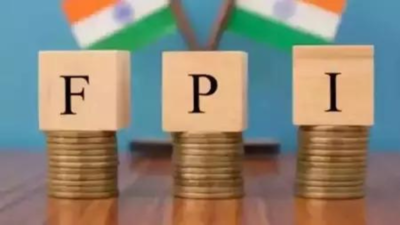
NEW DELHI: Foreign portfolio investments in Indian markets reached record levels in May 2025, as confirmed by National Securities Depository Ltd (NSDL) statistics, quoted by ANI. The month recorded net FPI inflows of Rs 19,860 crore, establishing May as the strongest month for foreign investments in 2025.The period from May 26 to May 30 saw foreign investors maintain their investment momentum with net inflows of Rs 6,024.77 crore. While positive inflows characterised most trading days that week, Friday registered a net outflow of Rs 1,758.23 crore.Although May demonstrated robust performance, the cumulative FPI investment for 2025 remains negative. The period from January through May shows net outflows of Rs 92,491 crore. Nevertheless, the substantial May inflows suggest a possible shift in foreign investor confidence.The uptick in FPI activity correlates with the declining US dollar value and positive developments in the Indian stock market.The robust economic foundations of India continue drawing international investors, although FPI flows remain responsive to international circumstances and external challenges.Whilst the year commenced cautiously, the positive May figures might indicate a directional change, provided global conditions maintain stability.Earlier data indicated FPI stock sales of Rs 3,973 crore in March. January and February witnessed equity sales of Rs 78,027 crore and Rs 34,574 crore, respectively.The final trading day of May saw the Indian stock market close marginally lower, influenced by varied global indicators. The Sensex decreased by 182 points (0.22 per cent) to 81,451.01, whilst the Nifty 50 settled at 24,750.70, down 83 points (0.33 per cent).


Source link

Kotak Bank’s Dy. MD Shanti Ekambaram to retire, Kashyap named ED


Shanti Ekambaram has been with the Kotak Group since 1991 and has played a pivotal role in shaping the Group’s growth and evolution of the institution 

Shanti Ekambaram has been with the Kotak Group since 1991 and has played a pivotal role in shaping the Group’s growth and evolution of the institution 

Kotak Mahindra Bank on Saturday announced that Shanti Ekambaram, deputy managing director, will be retiring from her role effective October 31 upon completion of her current term. 

The bank also announced Paritosh Kashyap, currently group president and business head – wholesale banking group, will be appointed as whole time director (executive director) and key managerial personnel.

Ashok Vaswani, MD & CEO, Kotak Mahindra Bank, said, “Shanti has been a cornerstone of Kotak’s journey. Her leadership has been marked by entrepreneurial thinking, deep customer insight, bold actions and an unwavering commitment to excellence.”

“Paritosh brings deep institutional knowledge, strategic foresight, and a strong customer-first mindset. I look forward to working closely with him as we continue to build the Kotak of tomorrow,” he added.

Ms. Ekambaram has been with the Kotak Group since 1991 and has played a pivotal role in shaping the Group’s growth and evolution of the institution over the past three decades. 

She has led several of the Group’s most strategic businesses, including Investment Banking, Capital Markets, Corporate Banking, Treasury, 811 and Consumer Banking.

Mr. Kashyap has been with Kotak for over three decades and has been heading the wholesale banking business since 2022. 

He has led several key businesses including Structured Finance, Real Estate, and Debt Capital Markets during his long career with the Group. 

He was also the MD and CEO of KMIL from 2016 to 2019 and is a member of the Group Management Council.


Source link

IBBI amends regulations to further streamline corporate insolvency resolution process


By enabling concurrent invitations, the resolution process will see reduced timelines, prevent value erosion in viable segments, and encourage broader investor participation, IBBI said.

By enabling concurrent invitations, the resolution process will see reduced timelines, prevent value erosion in viable segments, and encourage broader investor participation, IBBI said.
| Photo Credit: Image by rawpixel.com on Freepik

The Insolvency & Bankruptcy Board of India (IBBI) has notified the Insolvency and Bankruptcy Board of India (Insolvency Resolution Process for Corporate Persons) (Fourth Amendment) Regulations, 2025 that aim to further streamline and strengthen corporate insolvency resolution process.

As per the amended regulations notified on May 26, which come into effect immediately, the resolution professional — with the nod of Committee of Creditors (CoC) — can invite expression of interest for submission of resolution plans for a company under insolvency process either as a whole, or for sale of one or more of assets of the company, or for both.

By enabling concurrent invitations, the resolution process will see reduced timelines, prevent value erosion in viable segments, and encourage broader investor participation, IBBI said.

Where a resolution plan will provide for payment in stages, the financial creditors who did not vote in favour of the resolution plan shall be paid at least pro rata and in priority over financial creditors who voted in favour of the plan, in each stage. This approach balances the legitimate rights of dissenting creditors with the practical constraints of phased implementations, it said.

Resolution professionals are now required to present all resolution plans received, including those that are non-compliant, to the CoC along with relevant details. CoC has been empowered to direct the resolution professional to invite the providers of interim finance to attend CoC meetings as observers without voting rights, IBBI said.


Source link