Life & Style

Mysuru’s famous Mylari dosa, now in Bengaluru. What makes this style of dosa unique?


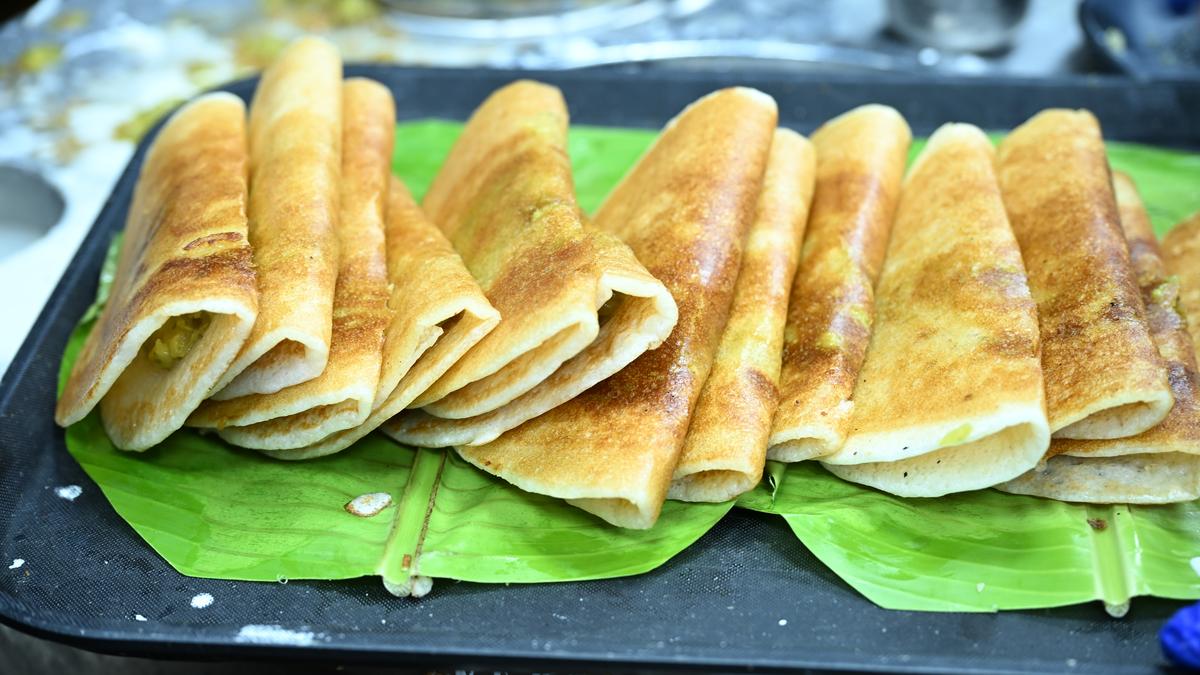
The famous Mylari dosa

The famous Mylari dosa
| Photo Credit: Ravichandran N

A legend from Mysuru, the Old Original Vinayaka Mylari, now has an outlet in Bengaluru’s Indiranagar. Since 1938, the humble restaurant has been serving their signature masala dosas to celebrities and noted politicians. The soft dosa, the home-made white butter and the signature green sagu, is what makes the dosa unique.
The special sagu sets this dosa apart from the rest

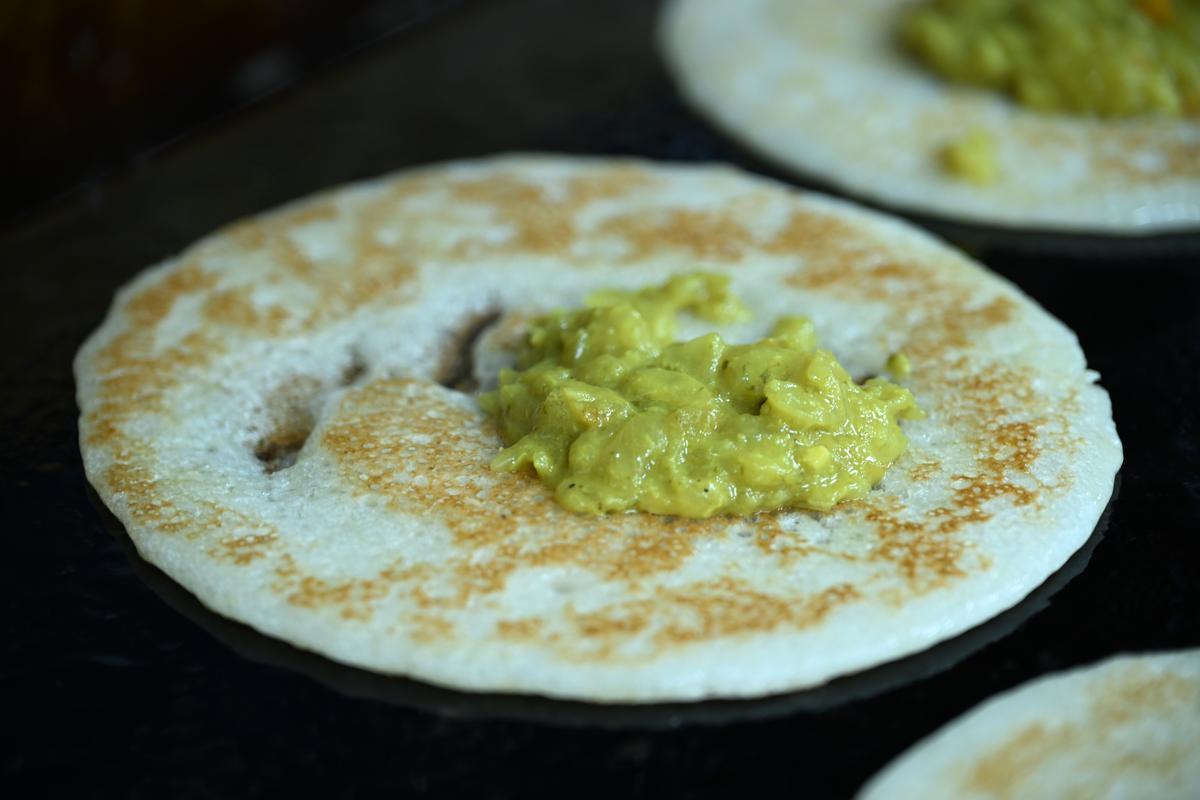
The special sagu sets this dosa apart from the rest
| Photo Credit:
Ravichandran N

The history of the ‘original’ Vinayaka Mylari dosa

“My mother-in-law’s mother-in-law started the restaurant in 1938. I am the third generation owner, and my son is the fourth generation. We have been following the same recipe in the family for all these years. The sagu is our own recipe,” says Usha Rani. “People have been asking us to open a branch in Bengaluru for years. But we did not. We were happy in Mysuru. My son wanted to expand the brand’s footprint. That’s why we have started it in the city now.”

The Bengaluru outlet, located on 80 Feet Road is already drawing a crowd. It was inaugurated by Karnataka Chief Minister Siddaramaiah on January 23, 2026. The CM is a fan of the dosa, and in May 2024 he had visited the Mysuru outlet and posted on X, “Today morning, while having breakfast at Mylari Hotel in Mysore, I remembered my college days. All my unforgettable memories of life are intertwined with Mysore. Mysore is not just my hometown but the place that gave me life. Even when physically far away, the memories of Mysore always remain close to my heart. The debt to this soil is very great, but in front of it, we are small.”
Crowds throng to the restaurant

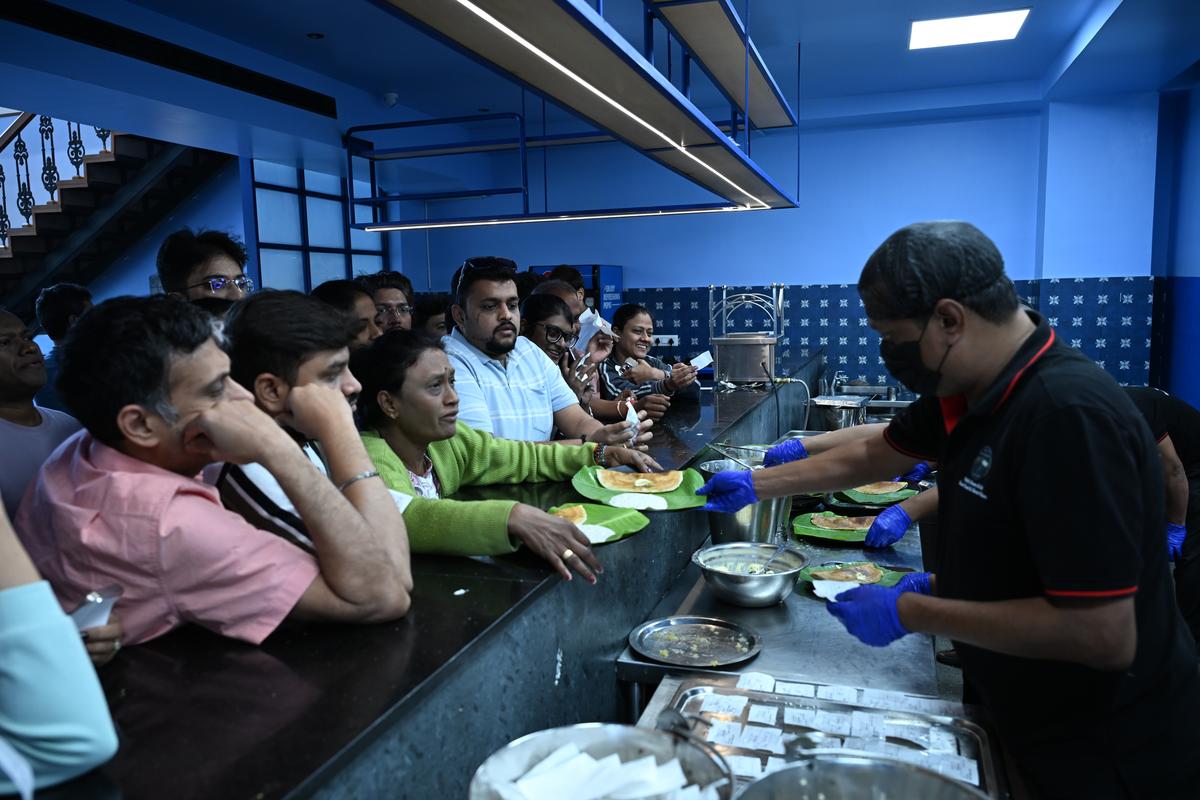
Crowds throng to the restaurant
| Photo Credit:
Ravichandran N

What is on the menu

The menu has the classics— khali dosa, masala dosa, idli, kesari bath and filter coffee. And no, none of this is available on online delivery platforms.

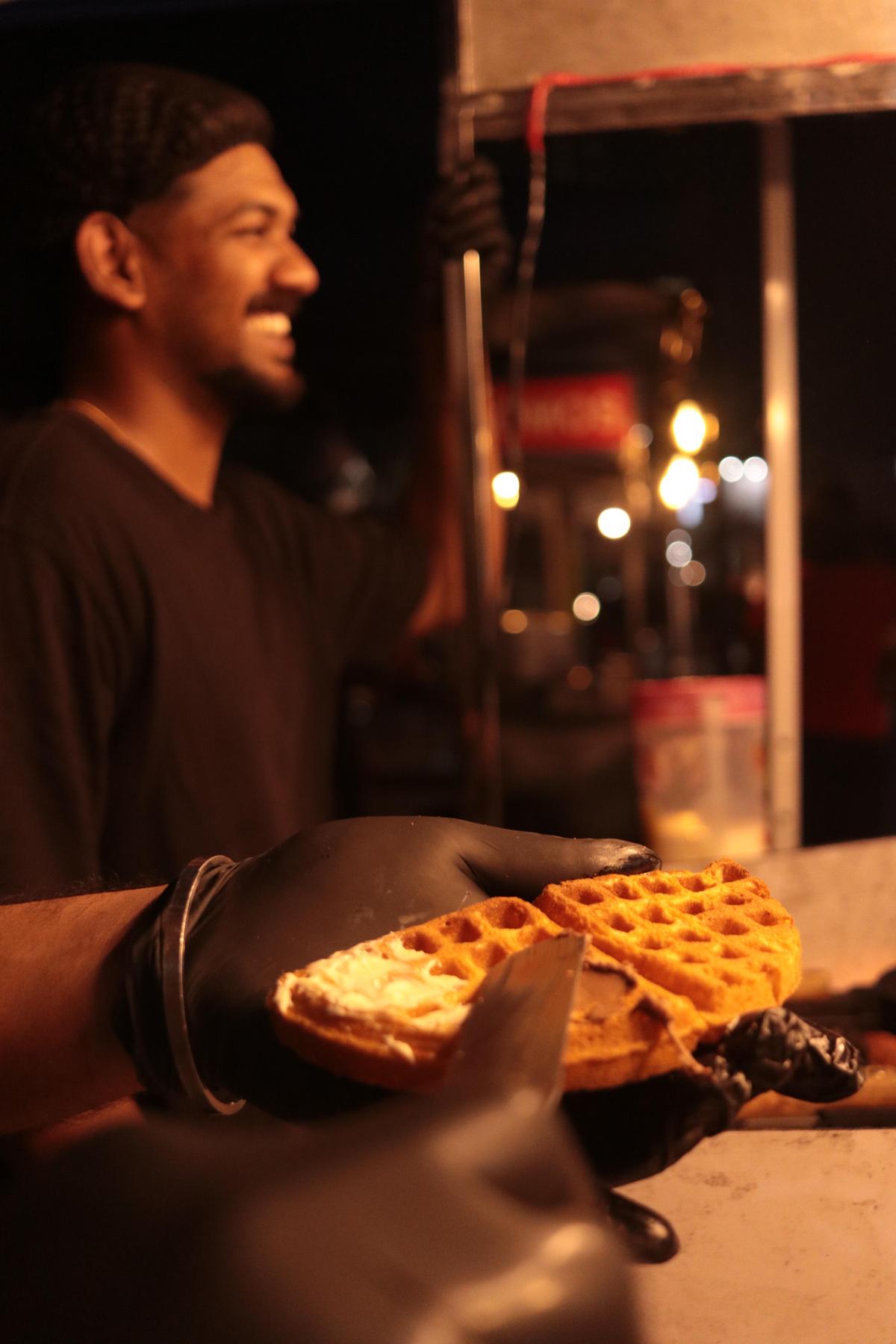
The restaurant has two floors, with seating upstairs. It is a self-service setup, so be ready to wait in line, especially on weekends. We get a behind-the-scenes look into the kitchens where cooks are busy flipping dosas. The sagu is added inside with military precision. When they are ready, each dosa is topped with a generous dollop of white butter that is made inhouse.

Without hesitating, we go straight for the masala dosa. It is spongy and fluffy, not the crispy kind. The mushy sagu is a secret recipe, but it is green and laced with onions. An interesting change from the conventional potato palya that accompanies Bengaluru dosa. The white butter and freshly made coconut chutney makes the whole dish extra tasty. There is no sambar here, but we do not miss it.

But will Bangaloreans like it? We spoke to diners in the restaurant. Few love the taste. While few feel the outlet in Mysuru has a charm that is missing here. It is always hard to live up to legacy.

Dosas are priced at ₹99. At HAL 2nd Stage, Indiranagar, Bengaluru, 6.30 AM onwards.

Have you tried Mysuru’s famous Mylari Dosa in Bengaluru yet?

A legend from Mysuru, the Old Original Mylari Dosa, now has an outlet in Bengaluru’s Indiranagar.
| Video Credit:
The Hindu
Source link

Dismantling the colonial frame | ‘Typecasting: Photographing the Peoples of India 1855-1920’ at DAG


The history of photography in India goes hand-in-hand with developments towards the modern science of anthropology. In the mid-19th century, colonial officers, army surgeons, missionaries, and government photographers lugged heavy cameras and fragile glass plates across towns, battlefronts, and mountain passes, in an effort to ‘objectively’ document the people of the country — for administration and governance.

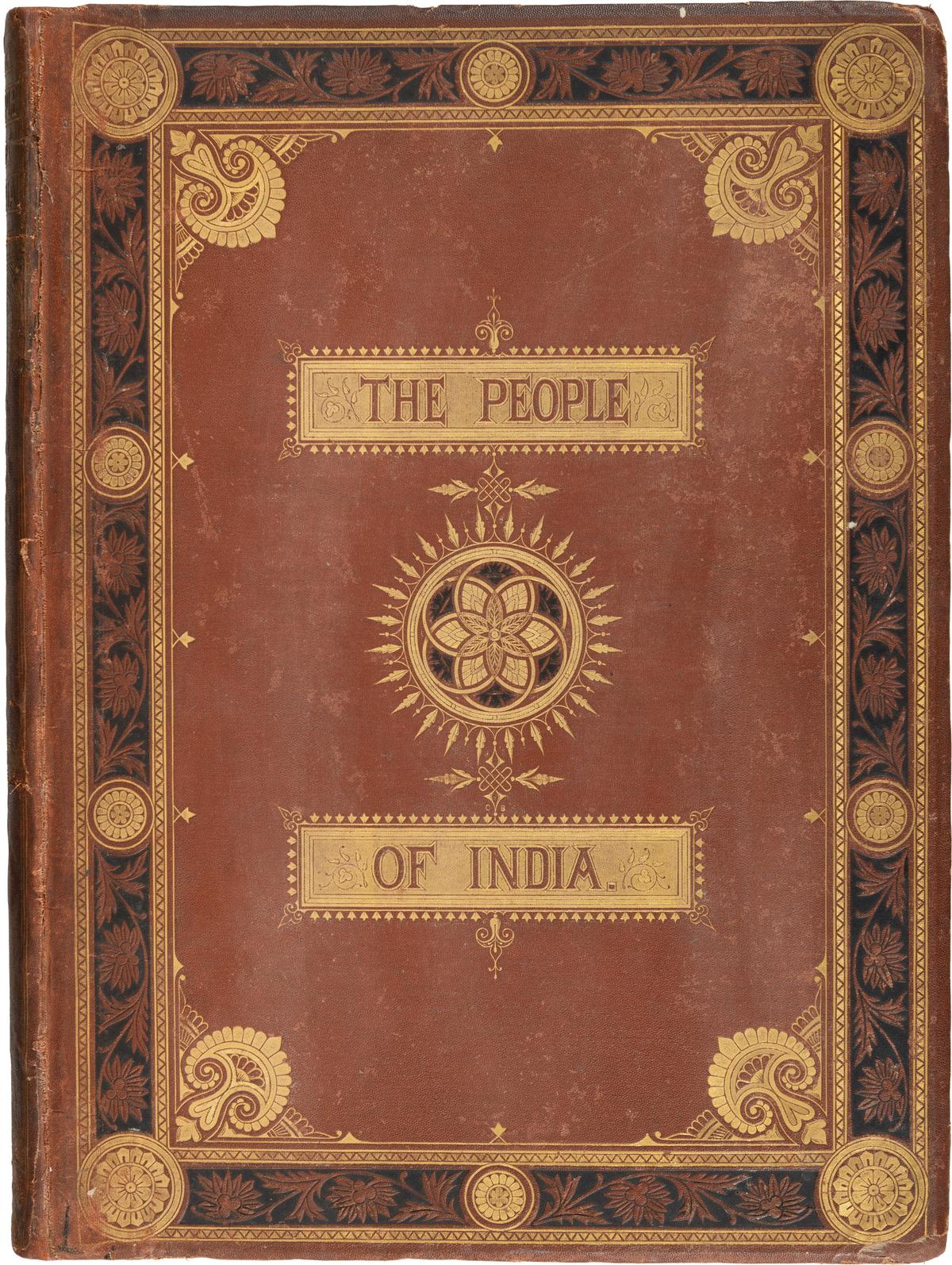
But the objectivity is questionable. Working in makeshift camps and studio tents, they photographed men, women, and children as “types”: Brahmins and Bhils, traders and soldiers, frontier tribes and court performers. Under ambitious projects such as The People of India, which led to an eight-volume series compiled by John Forbes Watson and John William Kaye (published between 1868 and 1875), entire communities were turned into catalogue entries, their portraits paired with captions that judged character, behaviour, and social worth. (The volumes were produced after the 1857 uprising, when the British felt a need to “know” India.) The camera, marketed as neutral and objective, became one of colonialism’s most powerful bureaucratic tools.

The People of India cover

The People of India cover
| Photo Credit:
Courtesy DAG

“Photographs by themselves don’t tell you they were made with a colonial gaze,” says historian Sudeshna Guha, who combed through the archives at DAG to curate an extensive exhibition of colonial-era photographs, titled Typecasting: Photographing the Peoples of India 1855-1920. “The typologies were created, not only by the British, but also through the information of the natives [what they shared about their caste, creed, occupation and trade]. Many photographs don’t have a background; so they appear divested from the cultural plane. That typologies are a construct — ours — is what I would like visitors to get.”

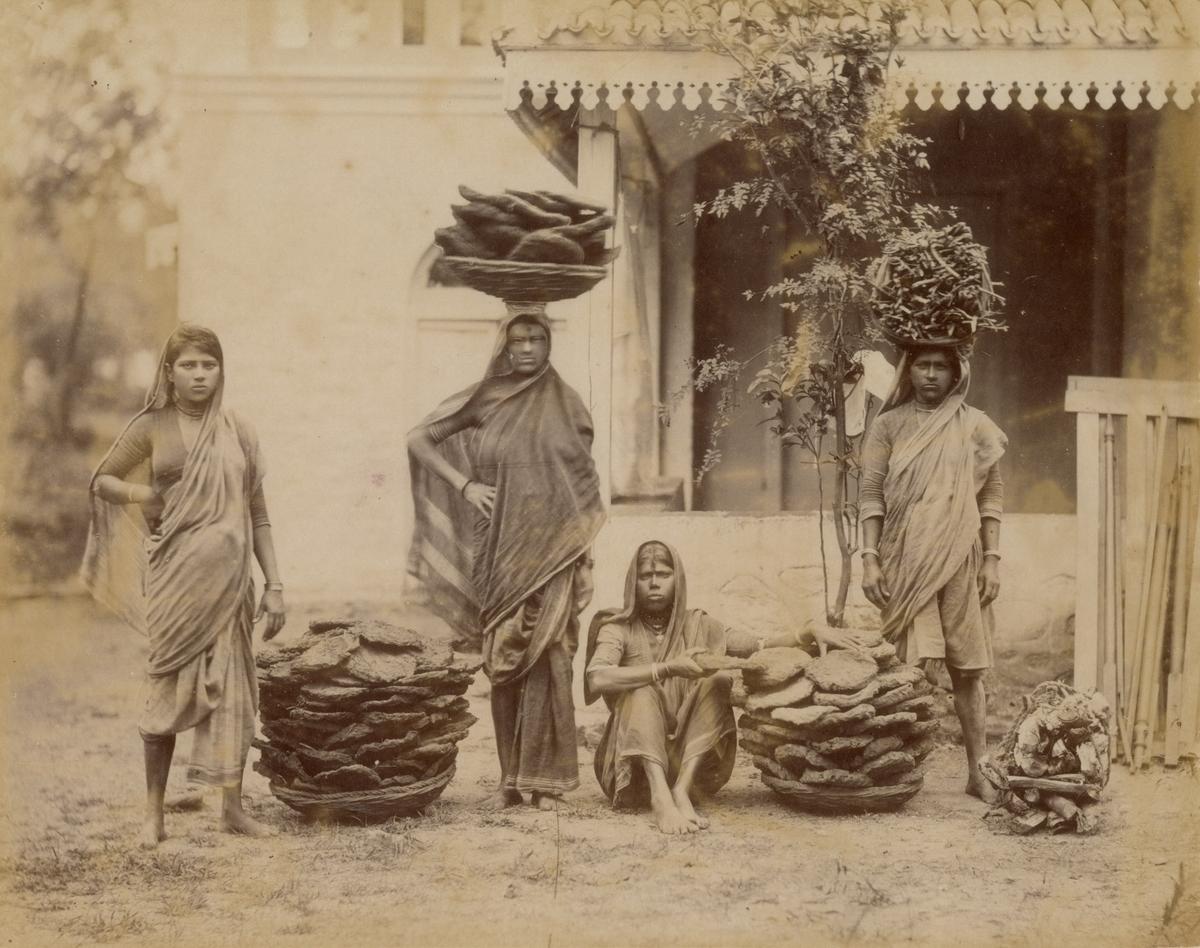
Manure dryers, Bombay; attributed to Edward Taurines

Manure dryers, Bombay; attributed to Edward Taurines
| Photo Credit:
Courtesy DAG

‘Making a type invisible’

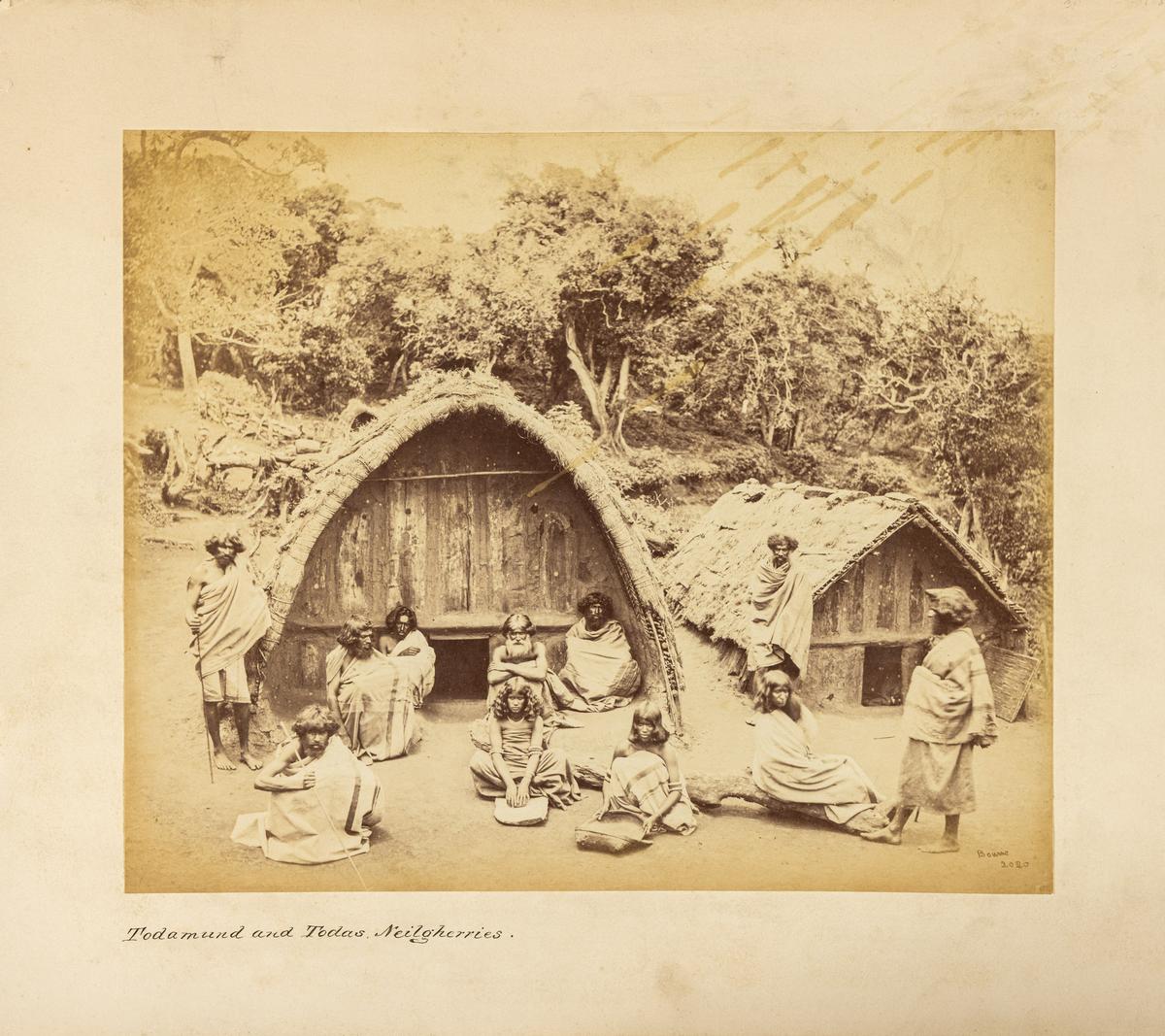
Running parallel to the India Art Fair, Typecasting brings together nearly 200 rare photographs and photographic objects, including albumen and gelatin silver prints, cabinet cards, and postcards spanning an extraordinary geographic and communitarian range. The images span across tribes, ‘races’ and trades, such as the Lepchas and Bhutias of the Northeast, the Afridis of Khyber Pass in the northwest, and Todas in the Nilgiris in the south, along with wealthy Parsi and Gujarati families, dancing girls, coolies, barbers and snake charmers.

A Todamund (Nilgiris); by Samuel Bourne

A Todamund (Nilgiris); by Samuel Bourne
| Photo Credit:
Courtesy DAG

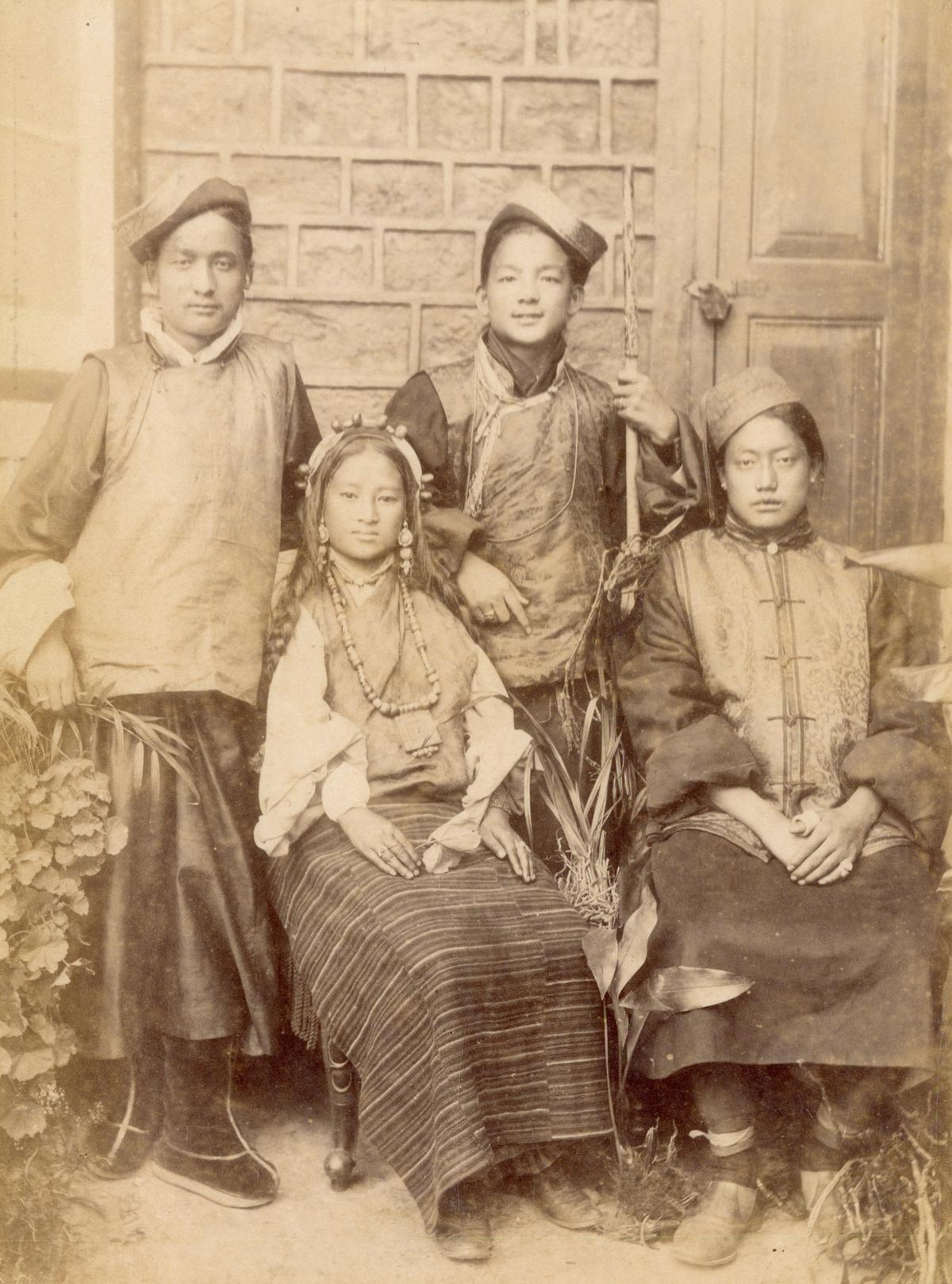
At the heart of the exhibition is a rare selection of folios from The People of India, featuring the work of some of the best amateur photographers of the 19th century, including Benjamin Simpson, James Waterhouse, and John Burke, and also the lesser-known commercial studio Shepherd and Robertson. “The idea is to show the power and potential of a photograph to question typology,” says Guha. She points to the vignetted portraits of people from the Lepcha Bhutia tribe by Simpson in 1861-62. It was intended to be an authentic representation of the community, but was photographed in Darjeeling, and not Sikkim or Tibet.

Group of Young Bhutias, attributed to Fred Ahrle

Group of Young Bhutias, attributed to Fred Ahrle
| Photo Credit:
Courtesy DAG

An imprecise record

In an accompanying publication that includes essays by professors Ranu Roychoudhuri (Ahmedabad University), Suryanandini Narain (Jawaharlal Nehru University) and independent researcher Omar Khan, Guha expresses the ways in which all photographs taken at that time would have been composed, or “staged”, simply as a result of the constraints of the time. In the 19th century, photography was a physically demanding and technically fragile process.

Many early photographers worked with the wet collodion method, which required glass plates to be coated, exposed, and developed while still wet, so they were forced to carry portable darkrooms, chemicals, water, and light-proof tents wherever they went. Heat and humidity regularly destabilised chemical reactions, ruined negatives, and caused emulsions to peel or crack. Long exposure times meant subjects had to remain perfectly still, producing the stiff, posed look that became typical of ethnographic images.

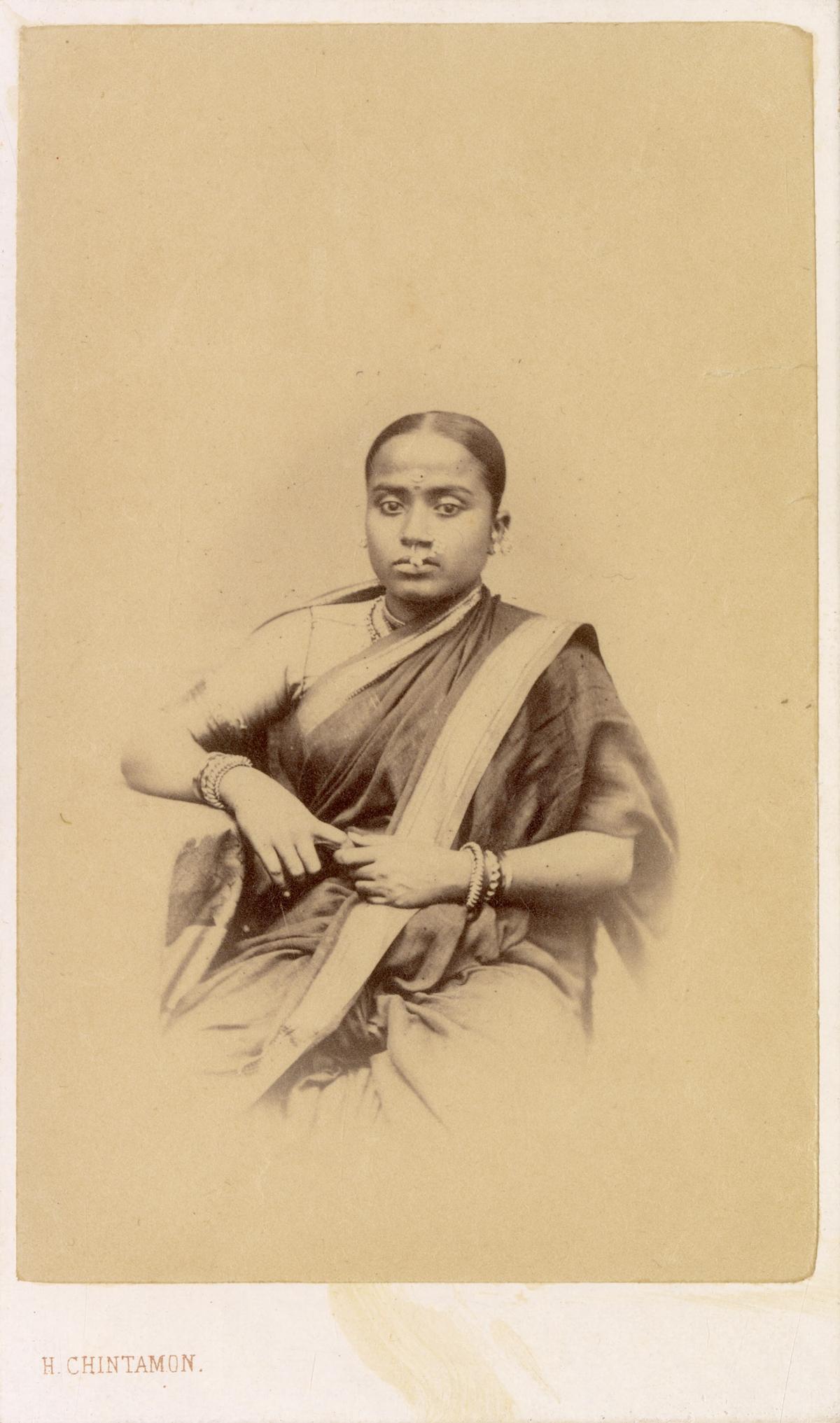
Untitled (Portrait of a Native Woman); by Hurrychund Chintamon, Bombay

Untitled (Portrait of a Native Woman); by Hurrychund Chintamon, Bombay
| Photo Credit:
Courtesy DAG

“The complaint amongst the British was always that you tell the native subject to stand, but the minute you’re going to click that photograph, he does something to go out of focus,” states Guha, “Samuel Borne complained about the fact that the dark face becomes so dark next to the sun, especially if the subject was also wearing a white pagdi.”

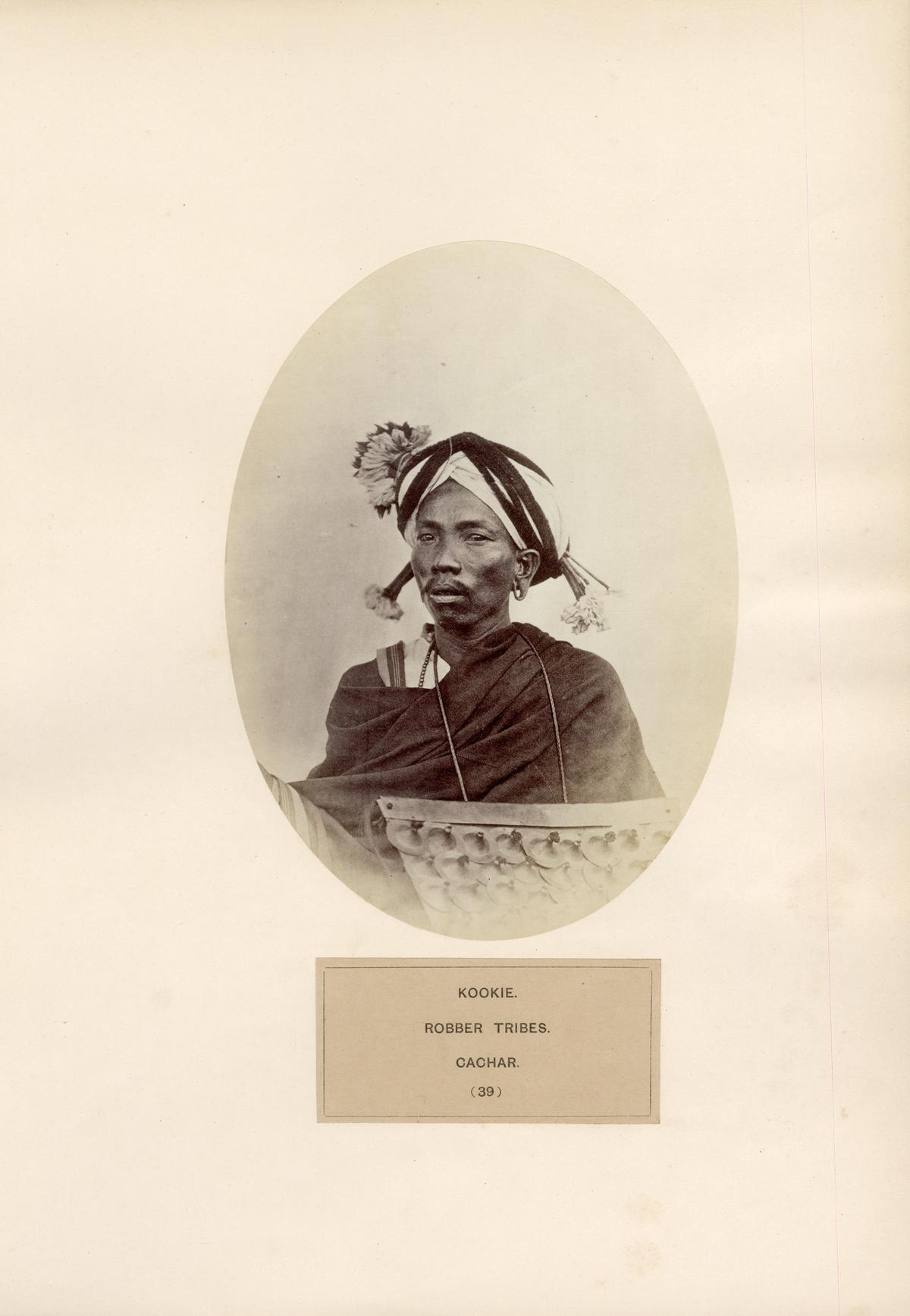
Kookie. Robber Tribes. Cachar (Assam); by Benjamin Simpson

Kookie. Robber Tribes. Cachar (Assam); by Benjamin Simpson
| Photo Credit:
Courtesy DAG

Plates broke in transit, daylight faded too quickly, and monsoon conditions damaged equipment. Despite these obvious shortfalls, the finished photographs were presented as precise scientific records, masking the messy realities of climate, improvisation, and human negotiation that shaped every image. “The camera takes whatever is placed in front of it, and does not discriminate,” she adds. “So, in a way, photographs make a type invisible.”

Guha’s hope is that, over a century after the last of these images was taken, visitors will be able to train their own critical gaze onto these images, and consider not just what they ‘depict’, but the ambiguities they show. She has also included photographs by 19th century Indian photographer Darogha Abbas Ali, depicting the vibrant world of Lucknow’s dancing girls and royal performers, capturing a cultural scene that colonial photography often overlooked.

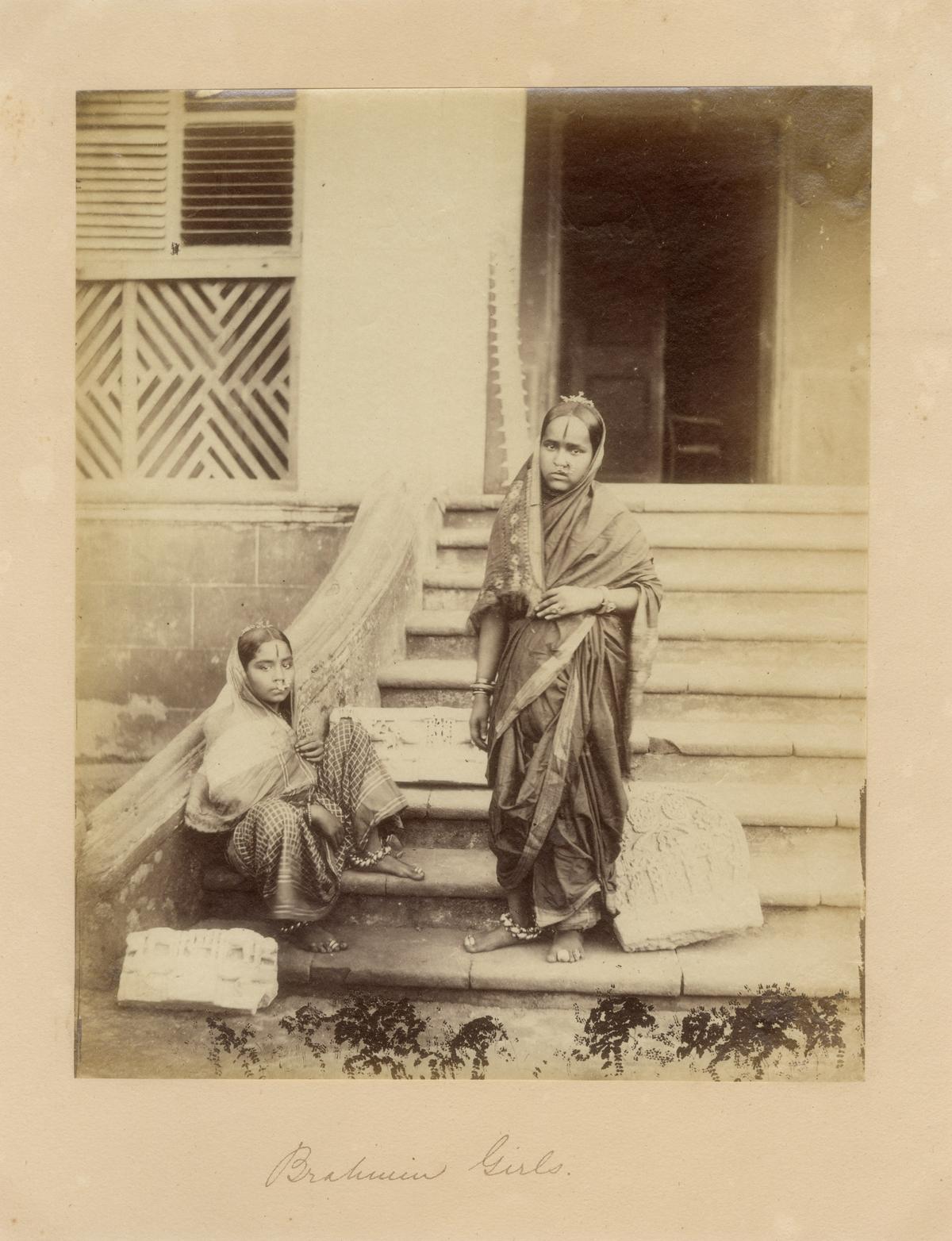
Brahmin Girls; by William Johnson

Brahmin Girls; by William Johnson
| Photo Credit:
Courtesy DAG

It’s also worth noting that despite the problematic colonial histories from which they emerged, each of the photographs in the exhibition is striking to look at, and could potentially open up whole new realms of historical enquiry. “More than anything, I am hoping that some bright young spark will think about this and realise there’s a lot more research to be done on this period,” concludes Guha.

Typecasting is on view at Bikaner House, New Delhi, till February 15.

The freelance writer and playwright is based in Mumbai.

Published – February 06, 2026 11:20 am IST


Source link

A living laboratory of art on view at the India Art Fair 2026


The ongoing India Art Fair 2026(till February8) has stopped trying to be a moment on Delhi’s social calendar and has instead, evolved to become a year-round ecosystem.

Under the direction of fair director Jaya Asokan, IAF has evolved from a four-day art event into a year-round “cultural convening point” that feels more like a living laboratory than a static gallery. This year’s edition — featuring a record 133 exhibitors, including 94 galleries, at the NSIC Exhibition Grounds — is less about what is on the walls and more about what is happening in the spaces between them.

The fair welcomes new commissions and large-scale outdoor projects, led by artists and supported by a wide network of art organisations, foundations and patrons. Across the city, New Delhi’s dynamic cultural landscape has come alive through an extensive Parallel Programme featuring exhibitions and activations that extend the fair’s reach into the wider arts ecosystem. Reflecting on her primary focus, Asokan says she hopes to strengthen the IAF as a definitive destination for discovering South Asian modern and contemporary art. “The aim has also been to build depth, context and continuity around the fair. One of the major things that has been done under my tenure is to have programming through the year. A significant area of attention has also been curatorial clarity, particularly across expanding sections like design, which we launched a few years ago,” she adds.

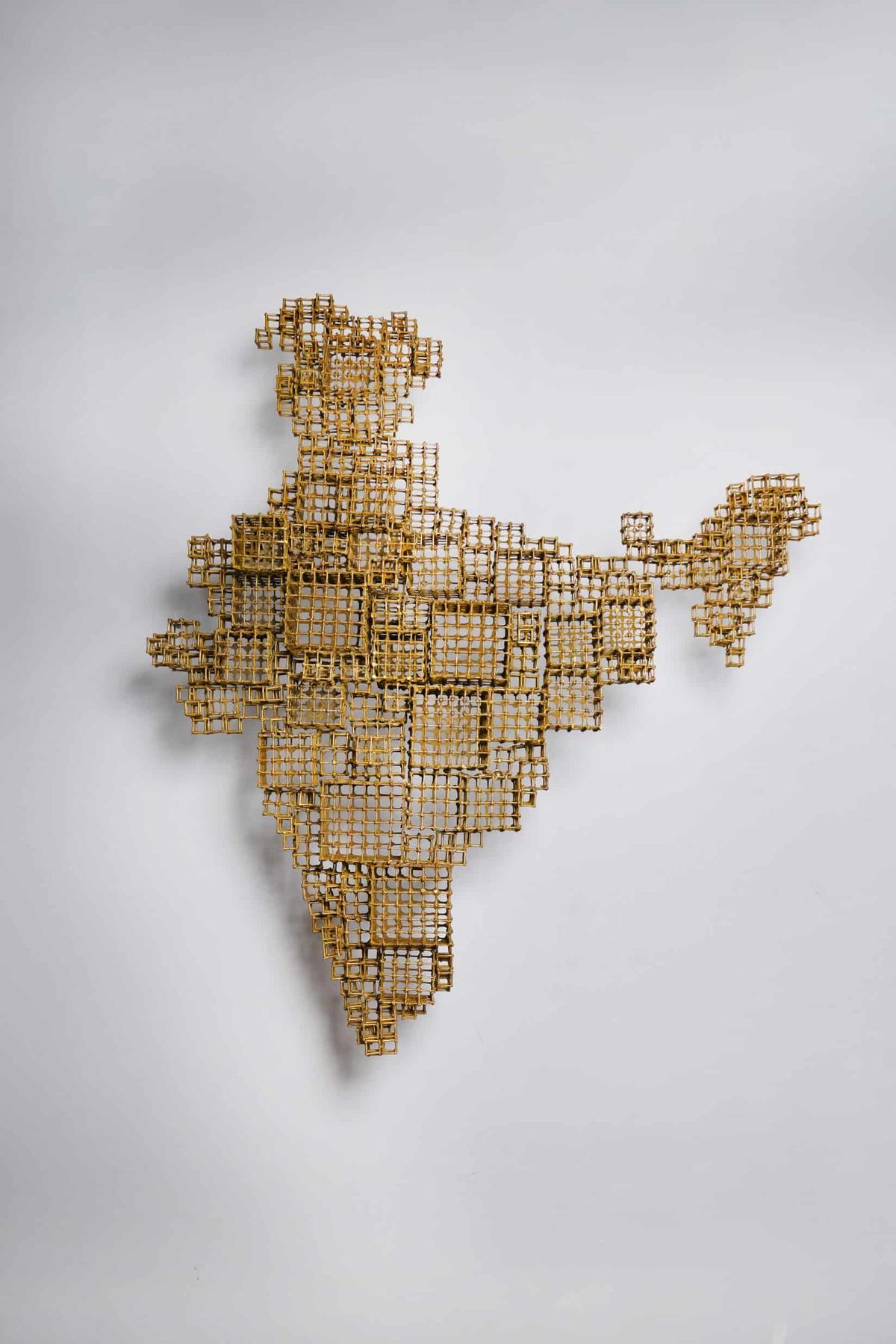
Ashiesh Shah Svarnbhumi 2025 Cast Brass Dhokra Cubes

Ashiesh Shah Svarnbhumi 2025 Cast Brass Dhokra Cubes
| Photo Credit:
Special Arrangement

The four days of the fair feature some of India’s most important contemporary galleries, including Archer Art Gallery, Art Exposure, Chawla Art Gallery, DAG, Kumar Gallery, Akara, Chemould Prescott Road, Vadehra Art Gallery, Chatterjee & Lal and Gallery Espace among others. International galleries such as David Zwirner, neugerriemschneider, Galleria Continua and Aicon Contemporary are showcasing works by renowned South Asian and diaspora artists, including Huma Bhabha, Shilpa Gupta, Anish Kapoor and Adeela Suleman respectively.

In the expanded Design section, 14 trailblazing design studios, and two major design galleries are showing their work, while the newly-designed Institutions section has first-time participants including Sabyasachi Art Foundation Gallery, Ardee Foundation, and Mapin Foundation, along with returning institutions like the Australian High Commission, Serendipity Arts, Britto Arts Trust and others.

IAF also features a vibrant display of outdoor projects and commissions, with large-scale works that respond to questions of ecology, gender, technology and material experimentation. One of the highlights of this section is a new KNMA commission titled Extinction Archive by Patiala-based visual artist Kulpreet Singh, who speaks of “animal, fungal, and plant species” across the world drawn from the Red List of Threatened Species by the International Union for Conservation (IUCN).

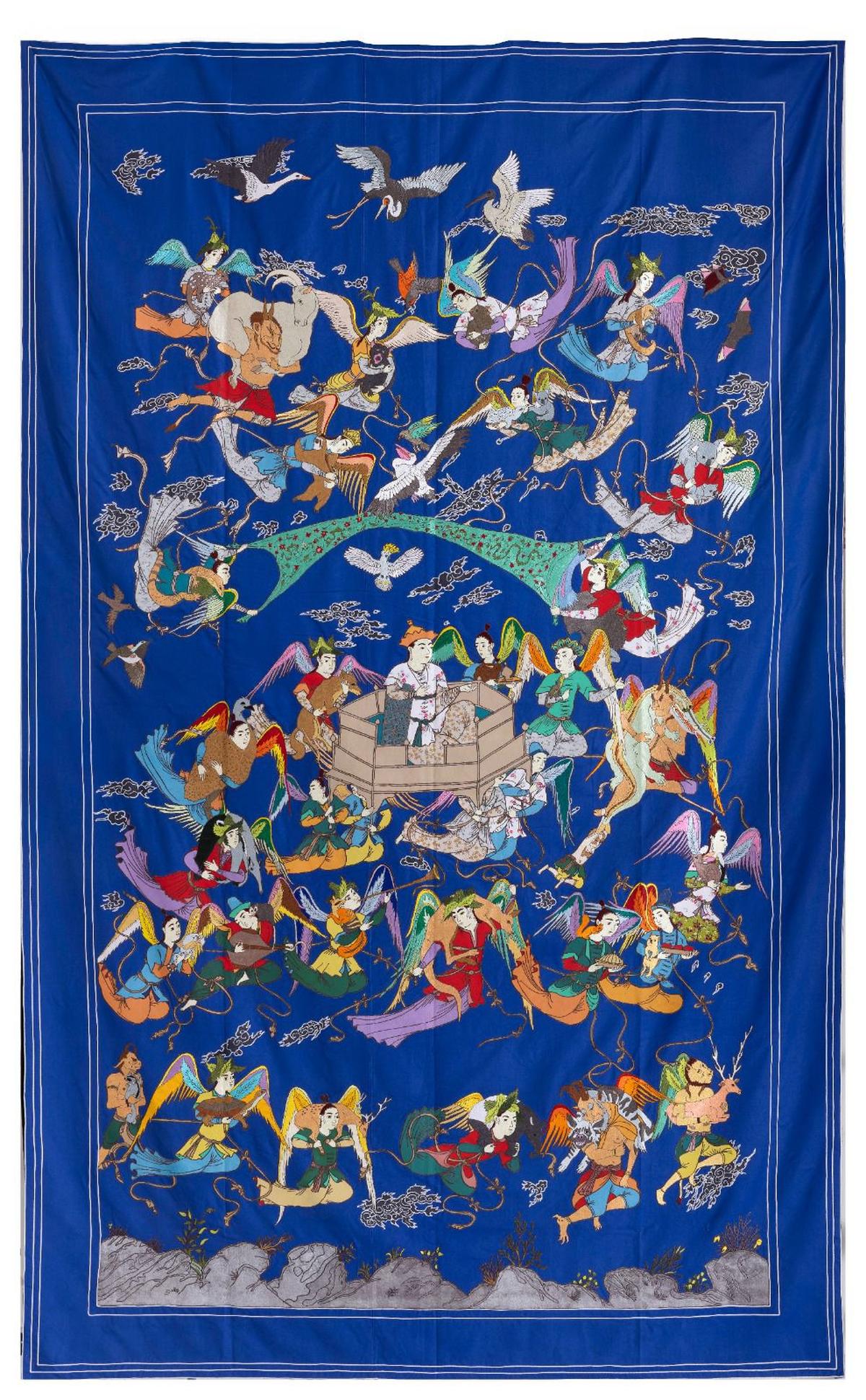
Khadim Ali Untitled 2024 (Machine and Hand Embroidery on Fabric)

Khadim Ali Untitled 2024 (Machine and Hand Embroidery on Fabric)
| Photo Credit:
Special Arrangement

Curator Srinivas Aditya Mopidevi points out that Singh’s journey with the Extinction Archive started with the artist trying to understand which species go extinct with the transitions that are happening within the agrarian ecosystems. “One of the questions he is interested in, is to see what it looks like when we visualise extinction,” he says. The project consists of 900 small paper works treated in pesticide and interlaced with ash from stubble burning in Punjab.

Serendipity Arts is making its presence felt with The Charpai Project, conceptualised by Ayush Kasliwal and re-envisioned through a digital intervention by AI artist Goji, while Paresh Maity’s monumental outdoor sculpture, supported by Art Alive Gallery, and a large-scale installation by Deepak Kumar, presented by Exhibit 320, expand the possibilities of material and form. Beyond the fair, parallel programming has a great mix of contemporary art and traditional craft spread across some of Delhi’s most iconic spots.

Highlights include a significant new exhibition titled Conjectures on a Paper Sky by Jitish Kallat at Bikaner House, a massive retrospective of the legendary Tyeb Mehta at KNMA, a brand-new body of work from Sudarshan Shetty at Galleryskye and the 2025 Cheongju Craft Biennale bringing a global perspective to textiles and craftsmanship to the Crafts Museum.

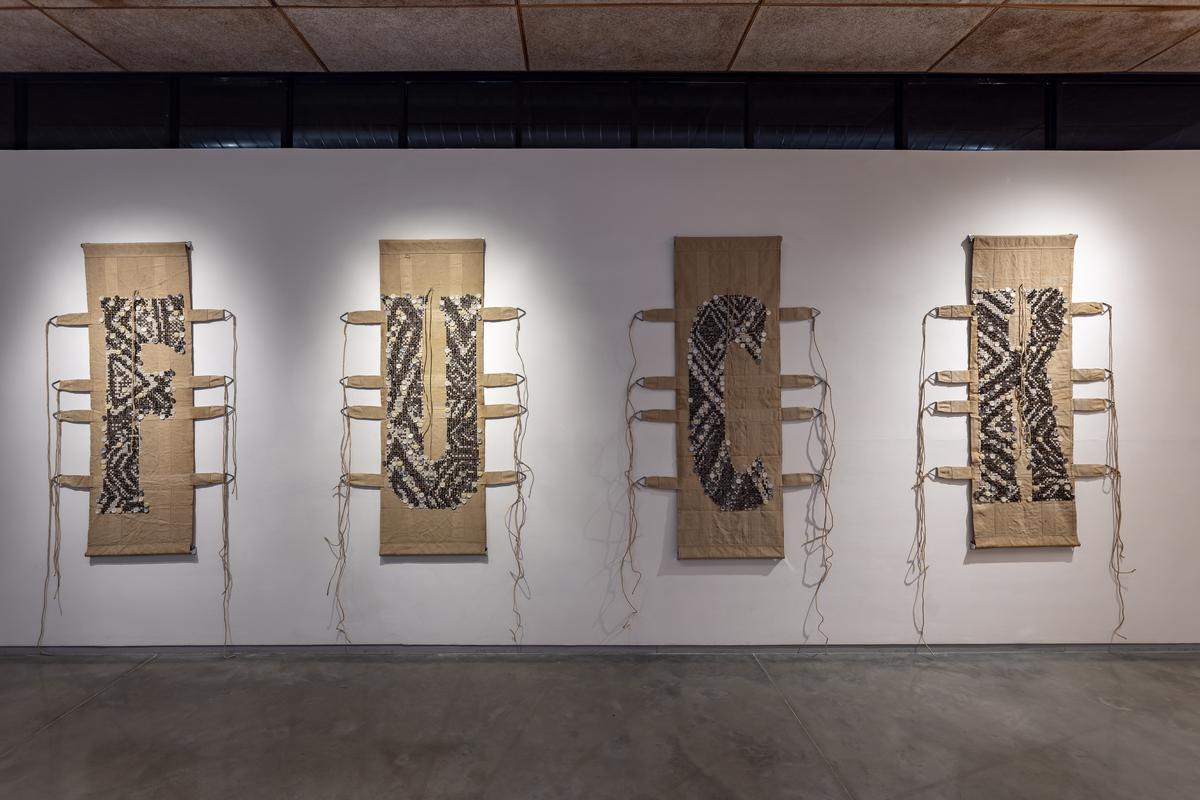
F.U.C.K, 2024, Courtesy of Ai Weiwei Studio, Nature Morte and Galleria Continua,

F.U.C.K, 2024, Courtesy of Ai Weiwei Studio, Nature Morte and Galleria Continua,
| Photo Credit:
Special Arrangement

Chinese contemporary artist Ai Weiwei marks his debut solo exhibition in India with a focussed selection of works across mediums at Nature Morte, spanning almost 30 years of his creative activity, including his large-scale toy-brick compositions Surfing (After Hokusai) and Water Lilies, alongside works that reflect his long-standing investigation into material evidence, cultural memory, and the politics of images. Says Peter Nagy, co-director, Nature Morte, “Ai Weiwei has an unmatched ability to hold the ancient and the contemporary in the same frame — craft and critique, beauty and blunt truth. Presenting his first solo show in India feels both overdue and essential, especially now, when the politics of images, movement, and belonging are shaping lives everywhere — including here.”

Another first is the fair’s first international artist in residence from Sri Lanka, Dumiduni Illangasinghe, in partnership with KALĀ, whose practice explores fragility, resilience, and regeneration through mixed media and site-responsive installation. Sprinkled through these four days are stimulating conversations with leading designers and artists, as well as live performance arts focussing on sound, movement, and improvisation.

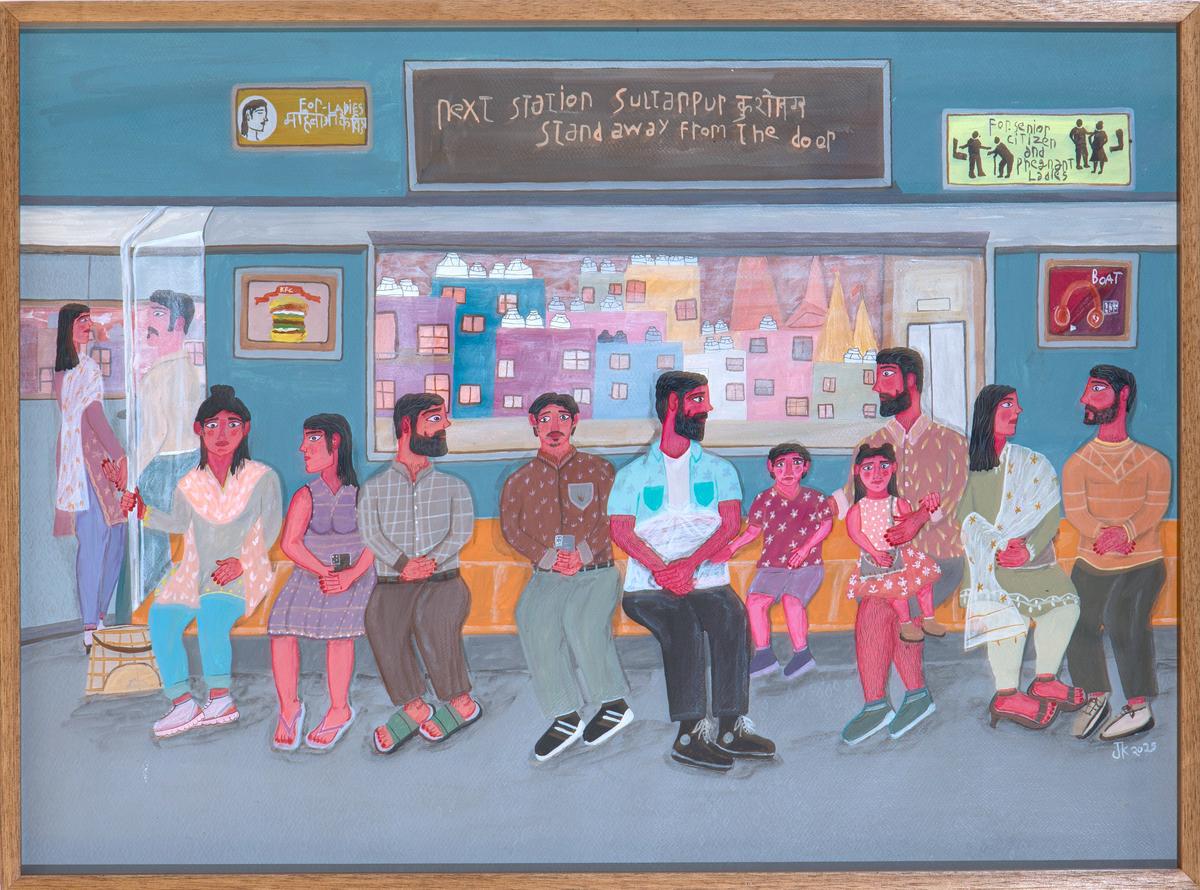
JK Next station Sultanpur 2025 Acrylic on Fabriano-paper

JK Next station Sultanpur 2025 Acrylic on Fabriano-paper
| Photo Credit:
Special Arrangement

If the lineup feels a bit overwhelming or you’re just not sure where to start, guided tours in Hindi and English, and a select few in the Indian Sign Language (ISL), can help you navigate the fair without the stress of missing the best bits. Whether you are a seasoned collector or a curious first-timer, this year’s fair proves that art in South Asia is no longer a spectator sport; it is a vibrant, year-round conversation.

On till Februrary 8. Friday Select VIP Preview, 11am – 7pm, Saturday 10am – 7pm, Sunday 10 am-6 pm. Tickets starting from ₹800 available on BookMyShow

Published – February 06, 2026 10:17 am IST


Source link

The Lighthouse Bar opens at The Park Visakhapatnam


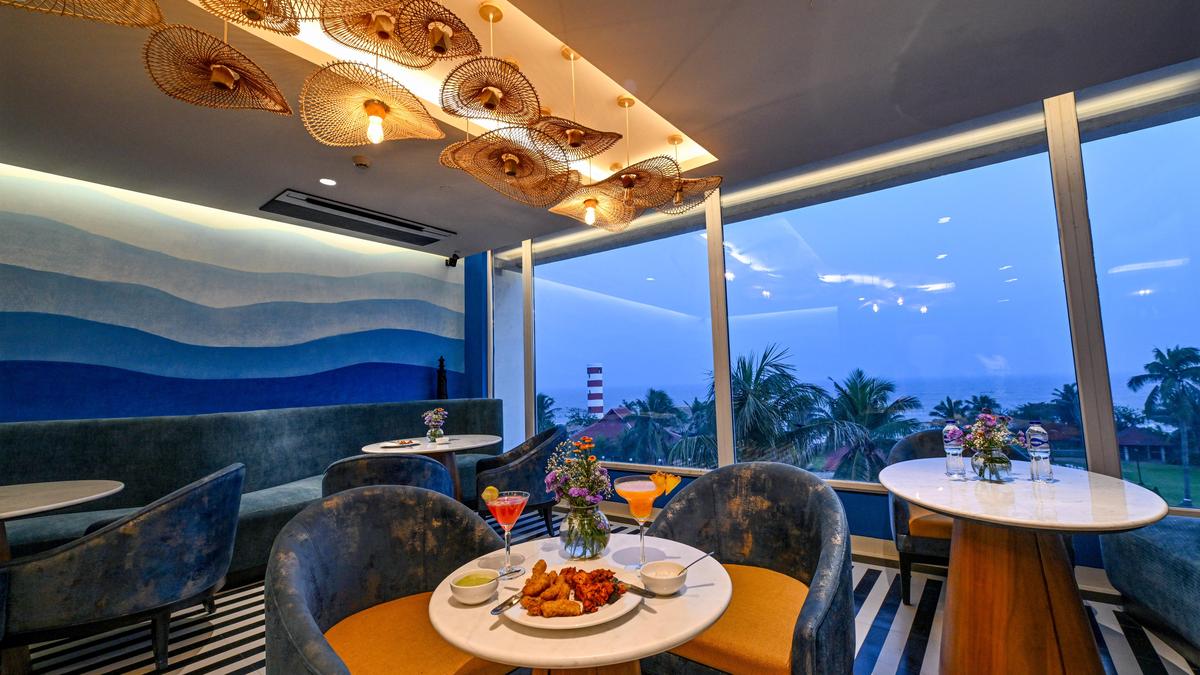
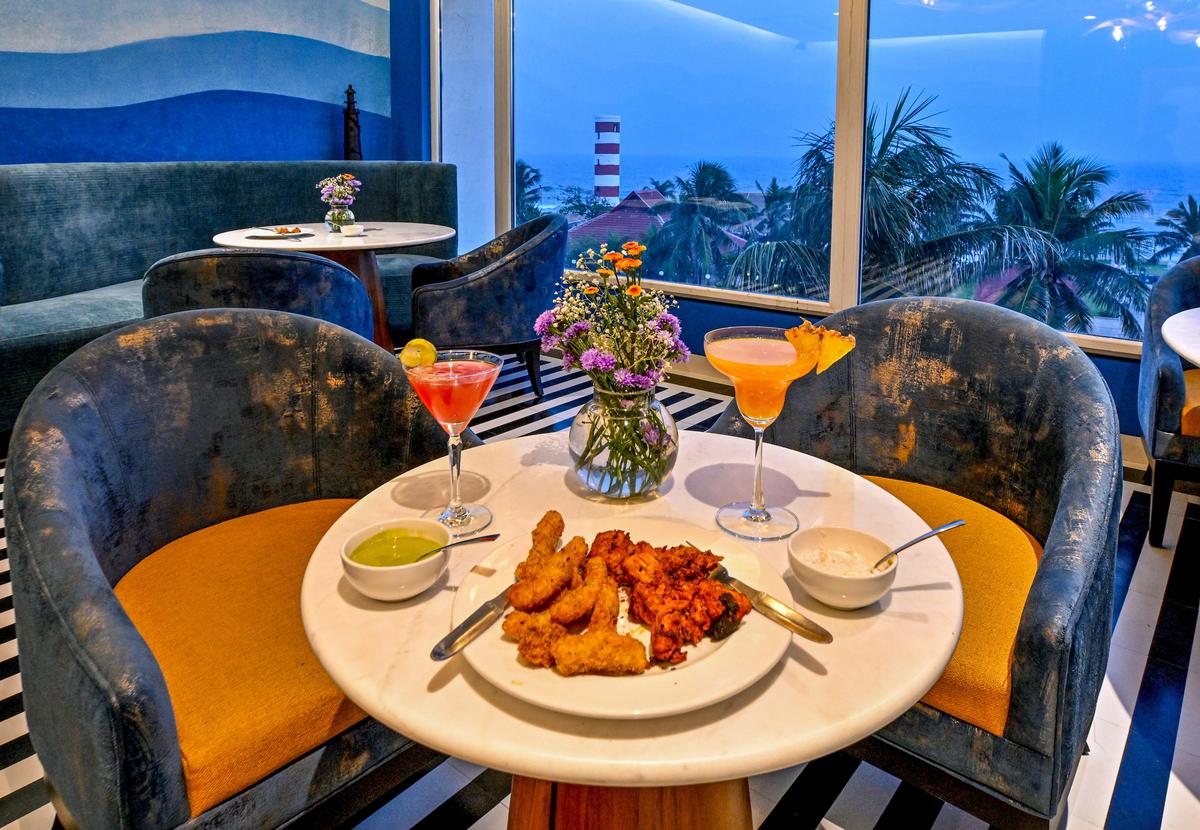
The newly launched The Lighthouse Bar overlooking the lighthouse and scenic beach at The Park in Visakhapatnam.

The newly launched The Lighthouse Bar overlooking the lighthouse and scenic beach at The Park in Visakhapatnam.
| Photo Credit: K R DEEPAK

In its new avatar, The Lighthouse Bar steps into the space once occupied by Someplace Else Bar, a venue that shaped Visakhapatnam’s after-hours culture for over a decade. The transition has not been hurried. The interiors have been three months in the making. And the result is a bar that resists nostalgia while acknowledging its past, choosing restraint and detail over spectacle.

From my seat, the geography does much of the talking. The lighthouse stands to the left, the sea stretches ahead and the bar positions itself as a quiet observer rather than a scene-stealer. Indoors, the design stays faithful to its theme without lapsing into costume. Nautical references appear in textures and tones rather than symbols. Warm amber lighting settles over wood, brushed metal and curved lines that subtly echo maritime forms. The mood is composed and unhurried, the kind of room that encourages conversation to find its own pace.

The Park’s general manager, Jaydeep Biswas, describes the intent with clarity. “The intention was to create a bar that feels rooted in this coastline, without being predictable,” he says. “We wanted guests to feel a sense of familiarity, but also discover something new in the details, whether it is the lighting, the music or what is in the glass and the food.”

Along one wall, a discreet screen runs a loop of coastal visuals: slow-moving waves, shifting horizons and lighthouse beams cutting through dusk, adding movement to the room without competing for attention, much like the sea beyond the glass.

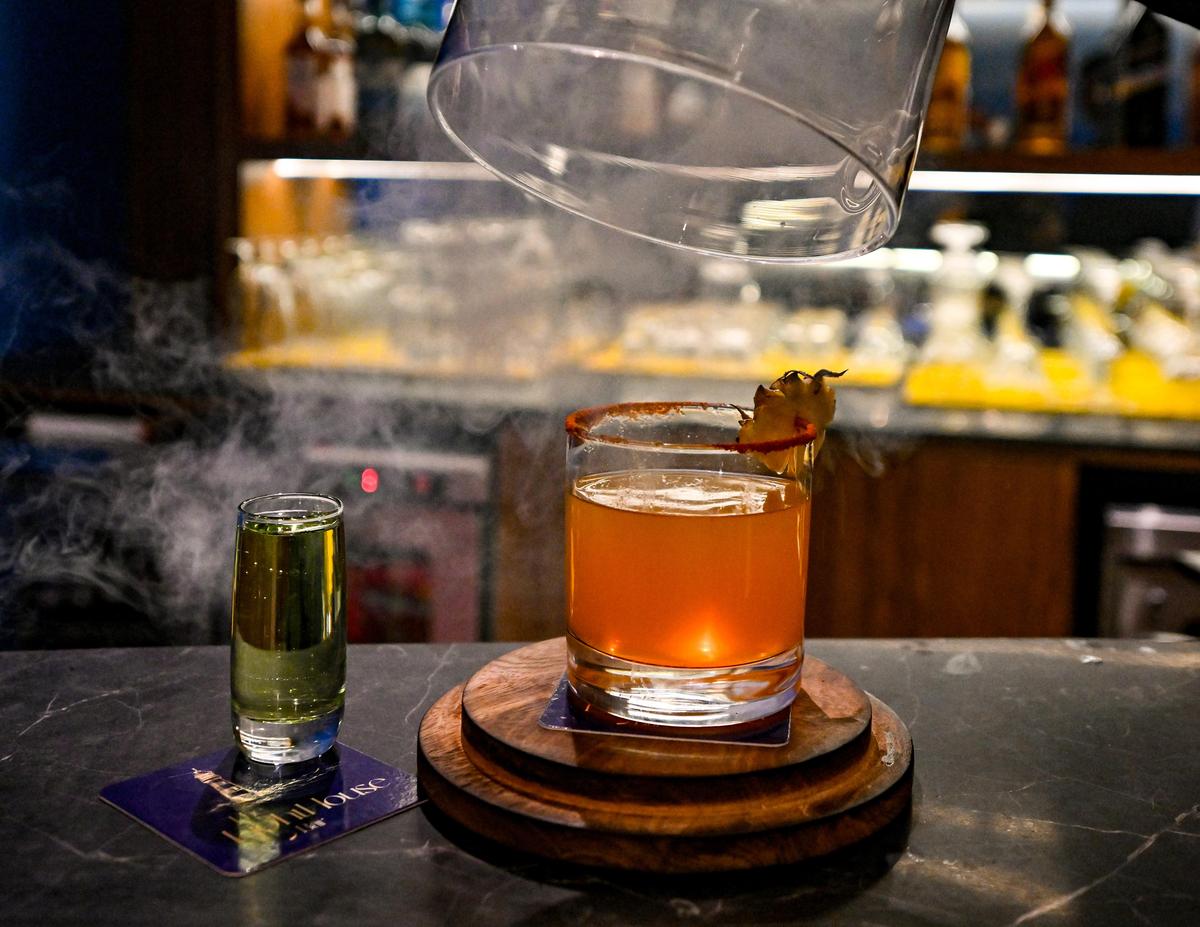
Smoky cocktails on display at the newly launched The Lighthouse Bar at The Park Visakhapatnam.

Smoky cocktails on display at the newly launched The Lighthouse Bar at The Park Visakhapatnam.
| Photo Credit:
K R DEEPAK

That attention to detail is most in the beverage programme. The cocktail list is created around balance and sound ingredient choices. Regional ingredients are used thoughtfully. Kaffir lime brings lift without sharpness, coconut lends texture without extra sweetness and jaggery is handled with a light hand. The Floating Lantern pairs whisky with honey and fresh lemon, producing a rounded drink that settles into a mellow finish without losing definition. Ocean Fog, built on gin and citrus, shifts visually as it is stirred; but the appeal lies in its clean structure and measured acidity. Golden Ash blends dark rum with pineapple juice, lime and egg white, resulting in a drink with restrained tropical notes. The bar also leans into smoky cocktails, where subtle wood and char notes are used to add structure.

The food menu is compact and considered, designed to accompany rather than compete with the drinks. Seafood features prominently. Crispy calamari arrives well seasoned, the coastal spices lending warmth without masking the freshness of the squid. Butter garlic shrimp, paired with grilled millet bread, offers richness offset by a crisp, hearty base. The BBQ cilantro marinated pomfret is gently smoked, with a tomato sauce that complements the fish. Vegetarian options hold their ground. Creamy wild mushrooms on sourdough toast feel indulgent without excess, while charred broccoli with harissa glaze and a tahini cloud offers complexity through layering.

The newly launched The Lighthouse Bar overlooking the lighthouse and scenic beach at The Park in Visakhapatnam'

The newly launched The Lighthouse Bar overlooking the lighthouse and scenic beach at The Park in Visakhapatnam’
| Photo Credit:
K R DEEPAK

The Lighthouse Bar reads the room differently as the day slips into dusk. The space shifts from an unhurried daytime setting to a more considered mood after dusk, where tone matters more than spectacle. “We see this as a destination, not a stopover,” Biswas says. “It is for travellers, locals and anyone who values design, sound and a well-made drink.”

The Lighthouse Bar operates through the day, from 11am till midnight.


Source link

This new video series explores India’s past through food


What were the people of Harappa possibly eating over four-and-a-half thousand years ago? Evidence suggests millets, garlic, ginger, brinjal, peas, lentils, bananas, grapes, mangoes, turmeric, walnuts, meat and fish, say archaeologists Supriya Varma and Jaya Menon in the first episode of a new video series titled Indian History, Thali by Thali.

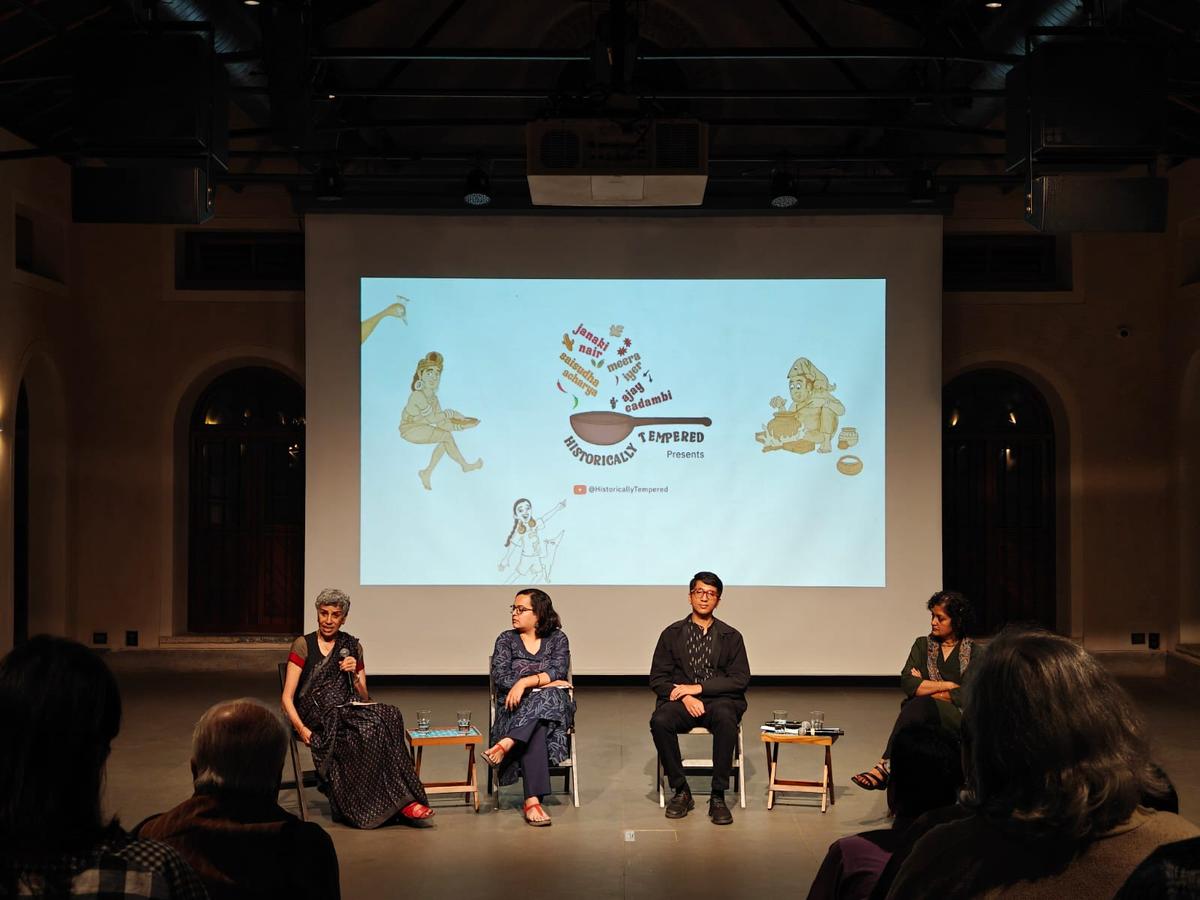
The series, an initiative of the Historically Tempered Collective, is an attempt to “start a conversation about history with something as basic as what you are eating,” says Meera Iyer, convenor at INTACH Bengaluru chapter, who is part of the collective with historian Janaki Nair, author and educator Saisudha Acharya and educator Ajay Cadambi.

The 15-episode series, which was formally launched last week at Sabha BLR, closely examines how food is intertwined with culture, hierarchies, religious rituals, and global trade, among other things, given that India is “this madhouse about food. It is so complex, hierarchised and divided, that one can talk endlessly about a large number of themes, just using food as the peg,” says Nair.

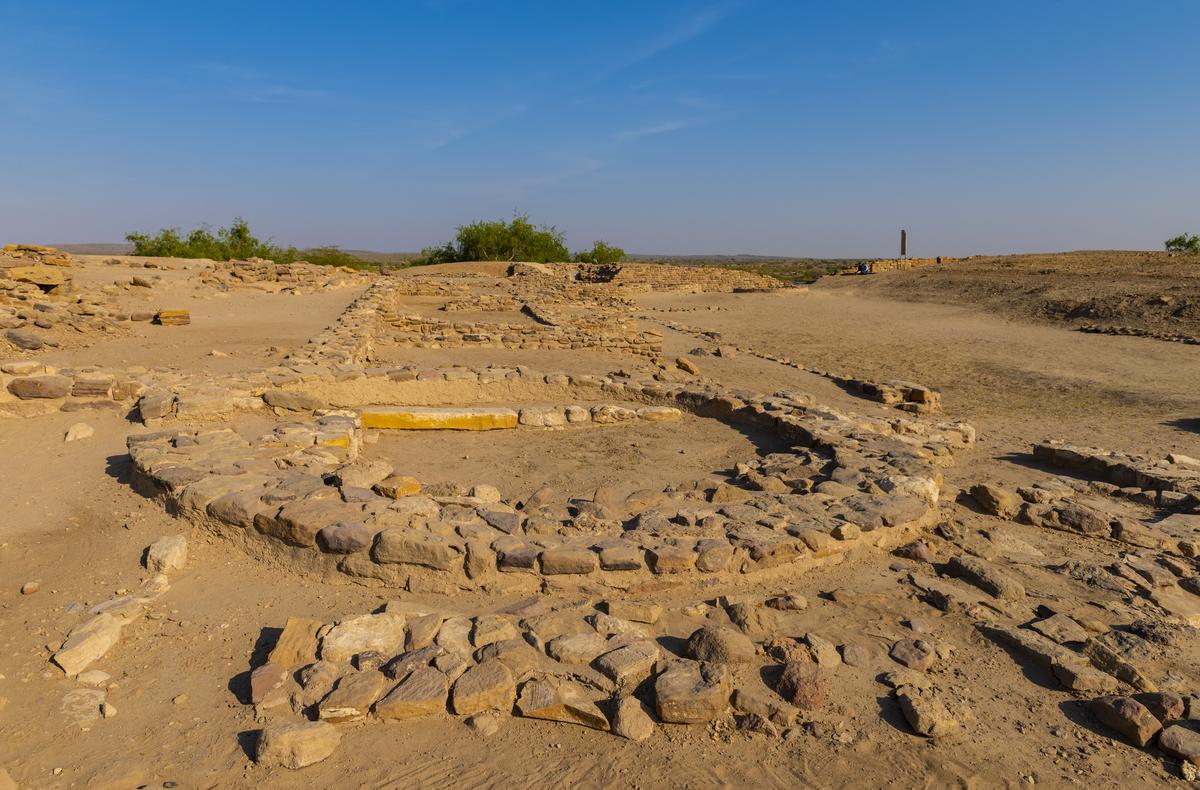
Ruins of the Harappan city, Dholavira

Ruins of the Harappan city, Dholavira
| Photo Credit:
Getty Images/iStockphoto

The idea for this video series sparked around two years ago, after Iyer, Cadambi and Acharya attended a course that INTACH had organised with Janaki titled ‘Understanding Contemporary India’. “It was Ajay Cadambi who kicked off that conversation because he said we have so many interesting materials and resources for teaching American and European history, but we don’t have them in India. So, I said, let us make them,” recalls Nair. And turning to videos was an obvious choice because “we felt the video form was accessible,” says Cadambi.

The videos also seek to shift the discourse away from viewing India’s ancient history almost exclusively through the lens of a glorious ancient India, something Nair finds tiresome. “Both anti-colonial nationalism and current-day ethno-nationalism need history in particular ways, but we are not interested in nationalist discourses,” she says, pointing out that there are ways of thinking about the history of ordinary people in lively and interesting ways, which is history as an argument about the past.

“We are not saying that this is the definitive story we are going to tell you, and that is why you should feel proud of being an Indian,” she says. Instead, it is to communicate how historians make the claims they make and the limitations of those claims, something all the featured experts are very frank about.

“An enormous amount of good social history has been written in the last 40 years, but this has not been reflected in our everyday discourse about history. NCERT 2005-6 books attempted the change, but we have now returned to talking about who won which war, which dynasties ruled, and so on,” says Nair.

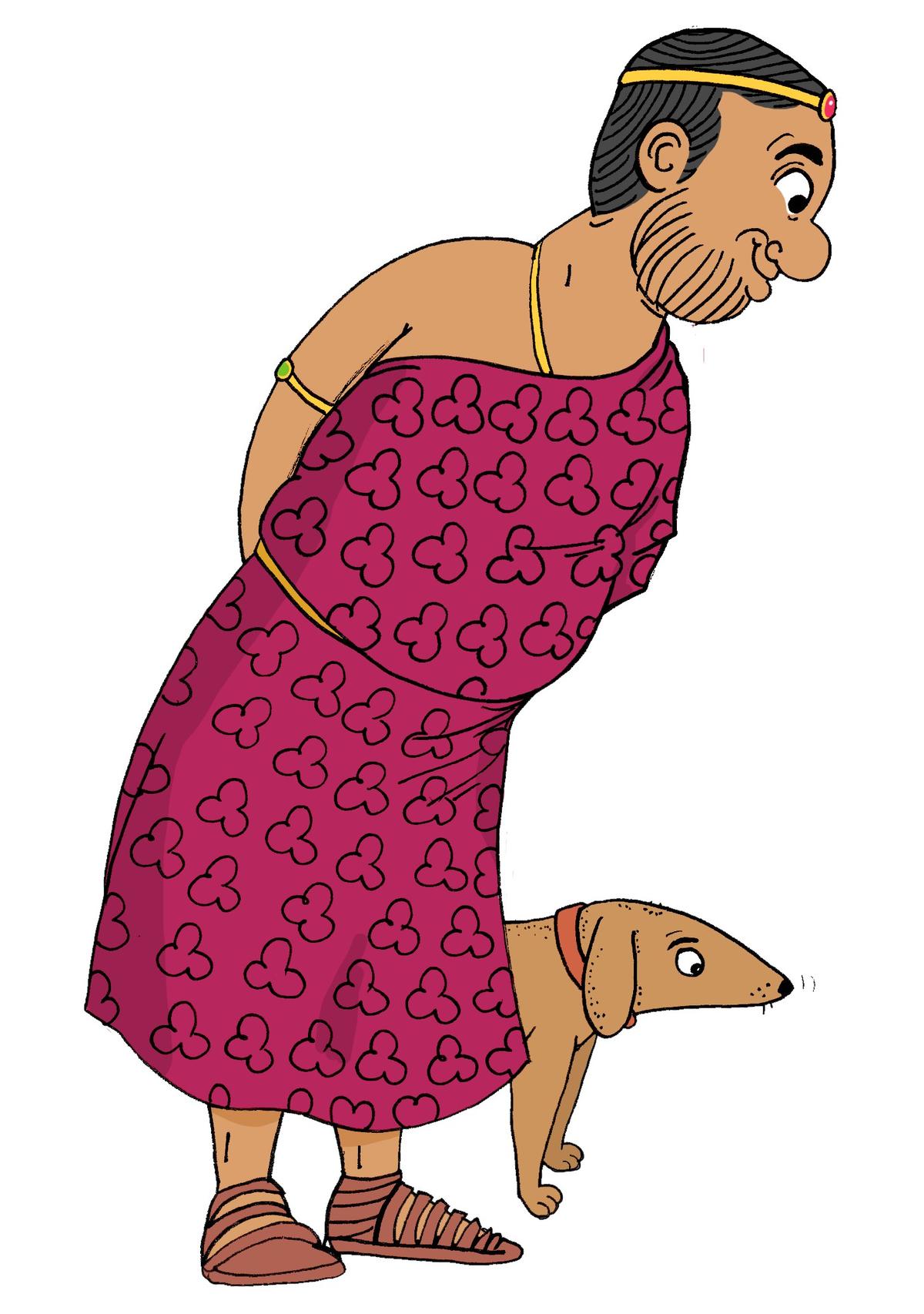
An illustration from the series

An illustration from the series
| Photo Credit:
Special Arrangement

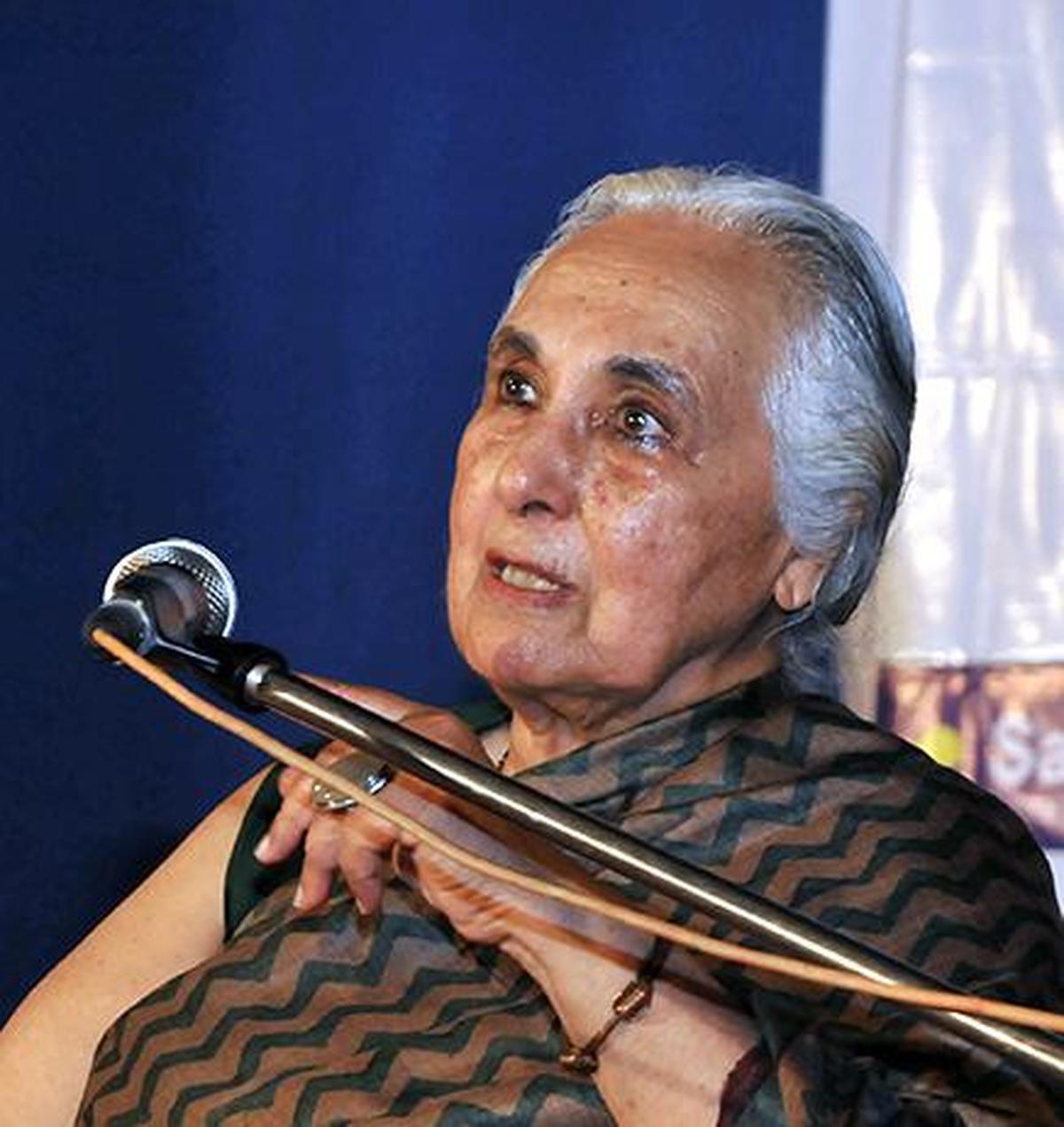
They began by identifying accomplished scholars to participate in this series, both historians and archaeologists, including V Selvakumar, Romila Thapar, Ruchika Sharma, Mahmood Kooria, Tanika Sarkar, Kunal Chakrabarti and Charu Gupta.

“We listed a wide array of experts, some older and some younger, who have just completed their PhDs. So, it is a good mix,” explains Cadambi. The team has also tried their best to “cover different geographies, periods and societies,” says Iyer. “There is, overall, some element of linearity to it, but we also wanted to include societies that have not been spoken about so much.”

Indian History, Thali by Thali uses an engaging storytelling approach, comprising interviews with various experts, accompanied by Rohit Bhasi’s illustrations, Nilanjan Banerjee’s animation, and voice-overs by Sharada Ugra and Keshav Rajendran.

Every episode begins with the same question to a specific expert: “What was on the Indian thali during the period you have studied?” says Acharya, adding that this question allows the expert to talk about a number of things food touches on, including gender, class, caste and hierarchies. “In that process, we are bringing history out from just palaces and battlegrounds into kitchens, fields, temples, prisons…places that are ordinary and whose stories are accessible to a young viewer.”

At the series launch in Sabha BLR

At the series launch in Sabha BLR
| Photo Credit:
Special Arrangement

It is also, she says, a way to talk about the historical process, “how historians know what they know,” something Acharya, who used to teach history earlier, says we do not talk about enough. The videos are not just asking historians what they know about what people’s eating habits were in the past, but also how they go about investigating the question. “When I was in school, I don’t think I understood what a historian did. It often sounds like everyone can be a historian, but it isn’t that; there is a specific process that they are following, something these videos show you,” Acharya says.

Romila Thapar

Romila Thapar
| Photo Credit:
MANJUNATH HS

The collective hopes that the series, which has been largely funded by friends and family and is available in the public domain, can serve as a useful learning resource. “Given the length of the video, it is likely that school teachers are best poised to introduce learners to these videos, which have been created in a way that will appeal to a child,” says Cadambi, who also hopes to conduct workshops with educators, time and funds permitting, that can help them make this introduction. “I think that, at some level, it is fair to argue that our school history textbooks have done us a disservice, and we need something more.”

Indian History, Thali by Thali streams on www.youtube.com/@HistoricallyTempered


Source link

Lakshmy Ramanathan’s new novel blends romance and conservation


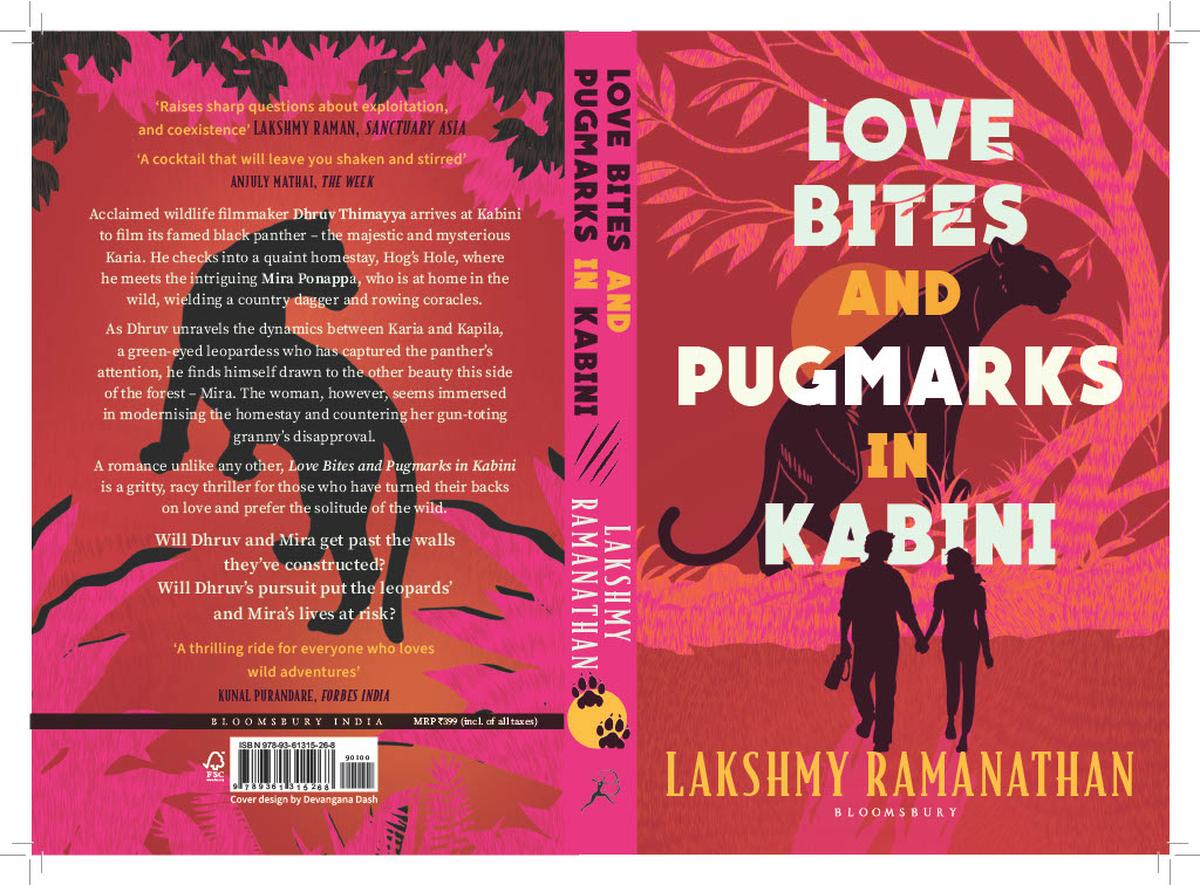
Lakshmy Ramanathan loves a good romance, to both read and write. “As a sentiment, nothing moves me more,” says the Bengaluru-based author and high school English teacher, who has just come out with her third book, Love Bites and Pugmarks in Kabini (Bloomsbury).

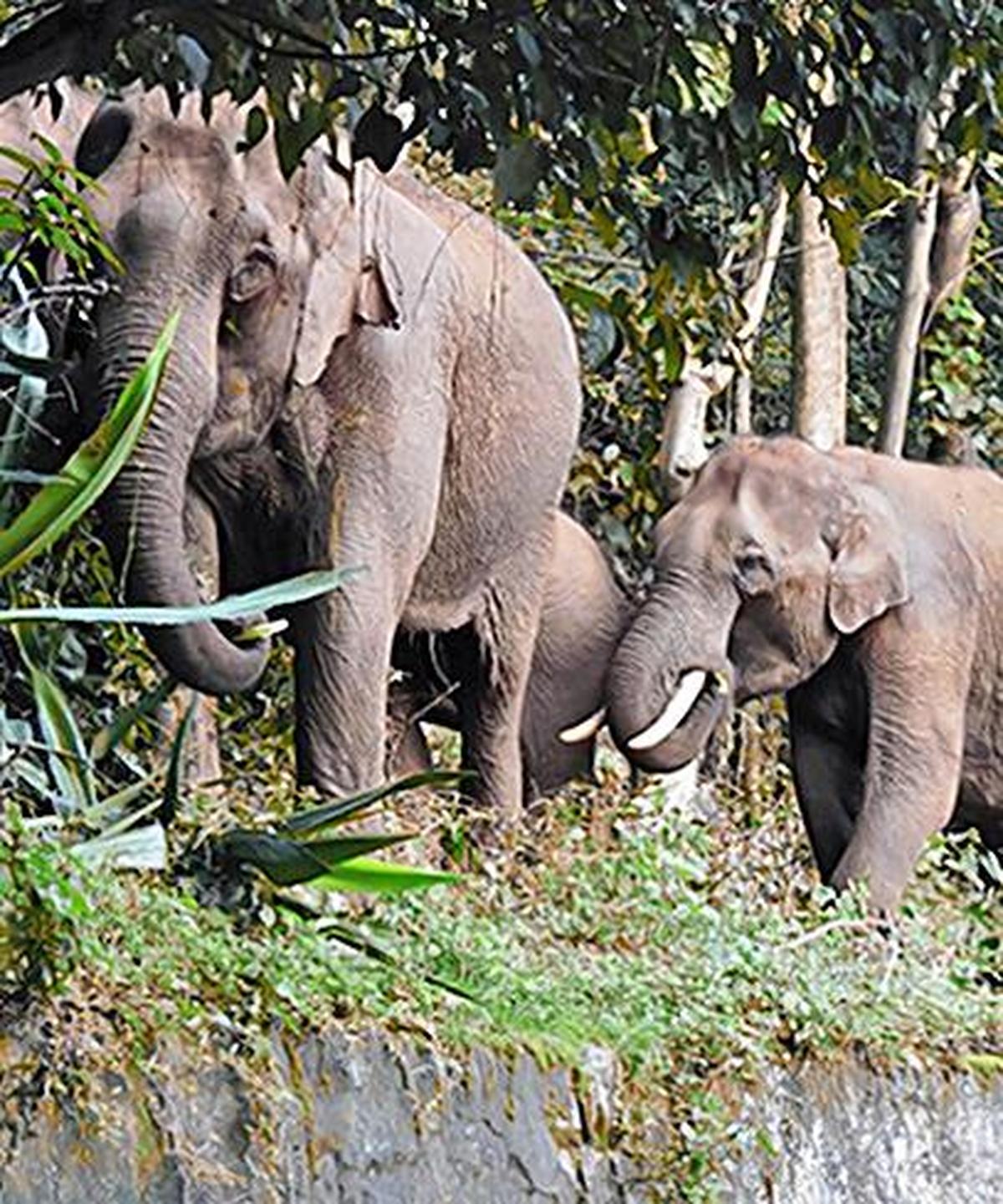
At its core, this novel, set in Karnataka’s Kabini Forest Reserve, is the story of the stormy relationship between wildlife filmmaker Dhruv Thimayya and Mira Ponappa, who runs a quaint homestay in the area. It also dwells on larger conservation issues, something Lakshmy, a former journalist, is deeply passionate about.

“Hopefully, people will be intrigued by the intersection of romance and conservation issues and pick up the book. When I decided that my male lead would be a wildlife filmmaker, I realised that I could bring in a couple of conservation issues, which are close to my heart,” Lakshmy says, adding that she came up with the idea after watching behind-the-scenes footage of the 2020 documentary In the Footsteps of Elephant. “It made me aware of the hours filmmakers have to put in, the patience they possess, the rigours of the craft itself and the solitude they have to embrace.”


Saya, the black panther of Kabini, with his kill

Saya, the black panther of Kabini, with his kill
| Photo Credit:

Shaaz Jung

While Love Bites and Pugmarksin Kabini’s central characters, Dhruv and Mira, are figments of what Lakshmy refers to as her “very hyper imagination,” certain scenes are drawn from her childhood memories of having spent some time on an estate. She also explains why she chose to write a love story unfolding between two slightly older people, rather than focus on young love. “Having hit 40 last year, I could no longer write a romance between 20-year-olds because I’m not a part of that world. Even though love and romance are universal, I can’t get inside the head of a very young person anymore.”

According to her, it was exciting to step into the heads of characters nearing their forties, an age when a very different line between clarity and complication is crossed. “Though we know ourselves better, we also have certain walls raised and are fixed in our lives, ways and routines, what we like and what puts us off. And also making two people, who prefer the solitude of the wild, fall in love was interesting.”

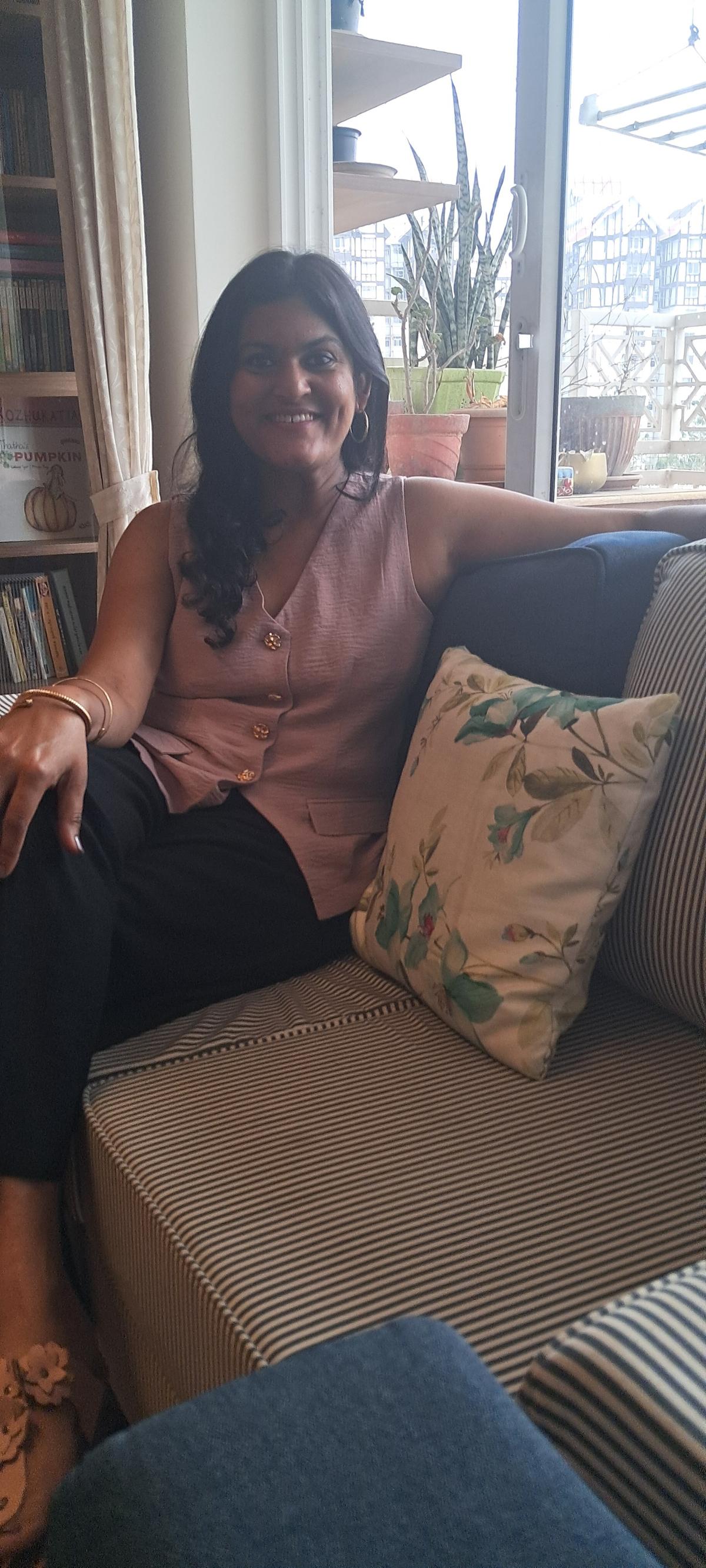
Bengaluru-based author and high school English teacher Lakshmy Ramanathan 

Bengaluru-based author and high school English teacher Lakshmy Ramanathan 
| Photo Credit:
Special Arrangement

Once Lakshmy had the plot in her head, she began researching extensively about Kabini, the Nagarahole Tiger Reserve, the black panther, human-animal conflict and poaching, among other things, information that organically segued into her novel.

“The magic of writing fiction is that everything just comes together with a lot of my reading and research feeding into the plot line I had woven in my head,” says Lakshmy. She also conducted exhaustive interviews with wildlife filmmakers, photographers, and range forest officers, as well as spent considerable time in Kabini to “get a sense of the relief, the topography of the dry deciduous part of the forest, the nuances of the rocky outcrops, the game roads and the places where the black panther of Kabini actually frequented.”

Lakshmy’s  first work of fiction, After the Storm, is a romance set against the backdrop of the 2015 Chennai Floods

Lakshmy’s first work of fiction, After the Storm, is a romance set against the backdrop of the 2015 Chennai Floods
| Photo Credit:
B. Jothi Ramalingam

Lakshmy, whose first work of fiction, After The Storm, is a romance set against the backdrop of the 2015 Chennai Floods, says it took her around two years to write this novel and another year, to send it to publishers and wait for their response. “Basically, four years went into this book, from the start to the launch,” says the self-confessed workaholic who, even when she is not actually writing, is constantly plotting scenes in her head.

The cover of the book

The cover of the book
| Photo Credit:
Special Arrangement

Being someone who also holds a day job, she found herself writing into the night, over the weekends and during school vacations, a process that is “ exhausting, but also very exciting,” says Lakshmy, who says the “moment of magic,” which occurs during fiction writing pushes her to keep doing what she does, making time to write despite her hectic work schedule.

”Somewhere, the characters assume a life of their own and begin to dictate to me, what direction they should take, what words they would speak, what they would do, even during a romantic scene. It is pure magic when the dialogues and actions of the characters start dictating your book. I wait for that moment; it is what pushes me to write,” she says.

Writing also allows Lakshmy to hold on to something she aspired for, way back in high school: to make some kind of a change in society. “That is why I write about the issues that I do,” she says. “Literature has to have some relevance to our times and our society, an idea that I bring to my classroom, too.”

It is why she became a journalist in the first place: after completing a bachelor’s in literature at Stella Maris in Chennai, she pursued a diploma in journalism from the Asian College of Journalism, also in Chennai. Even today, nearly a decade after she quit being a full-time journalist, “my writing involves a lot of reportage because I can never stop thinking like one,” says Lakshmy, whose first book, a work of non-fiction titled ForBumpier Times: An Indian Mother’s Guide to 101 Pregnancy & Childcare Practices, was published in 2015.

Lakshmy’s next book is likely to explore elephant corridors

Lakshmy’s next book is likely to explore elephant corridors
| Photo Credit:
SPECIAL ARRANGEMENT

Lakshmy, who says writing is something she will never give up on because “it ties back to my original purpose of wanting to make a difference in my own small way,” has already started researching her next novel, another work of conservation fiction. While it is too early to say too much about the novel, she offers a small hint. “I am looking at exploring elephant corridors.”

Published – February 06, 2026 06:35 am IST


Source link

When Madras Checks meet African memory: inside the Siddi women’s kavand quilt tradition


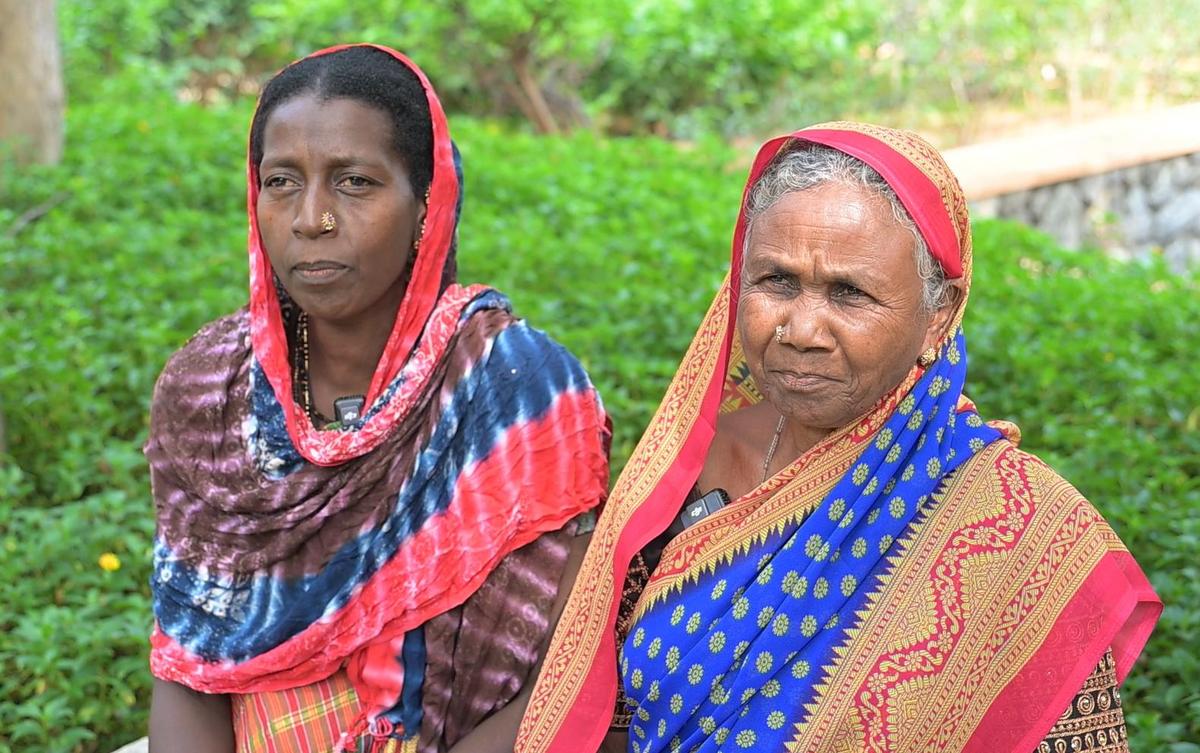
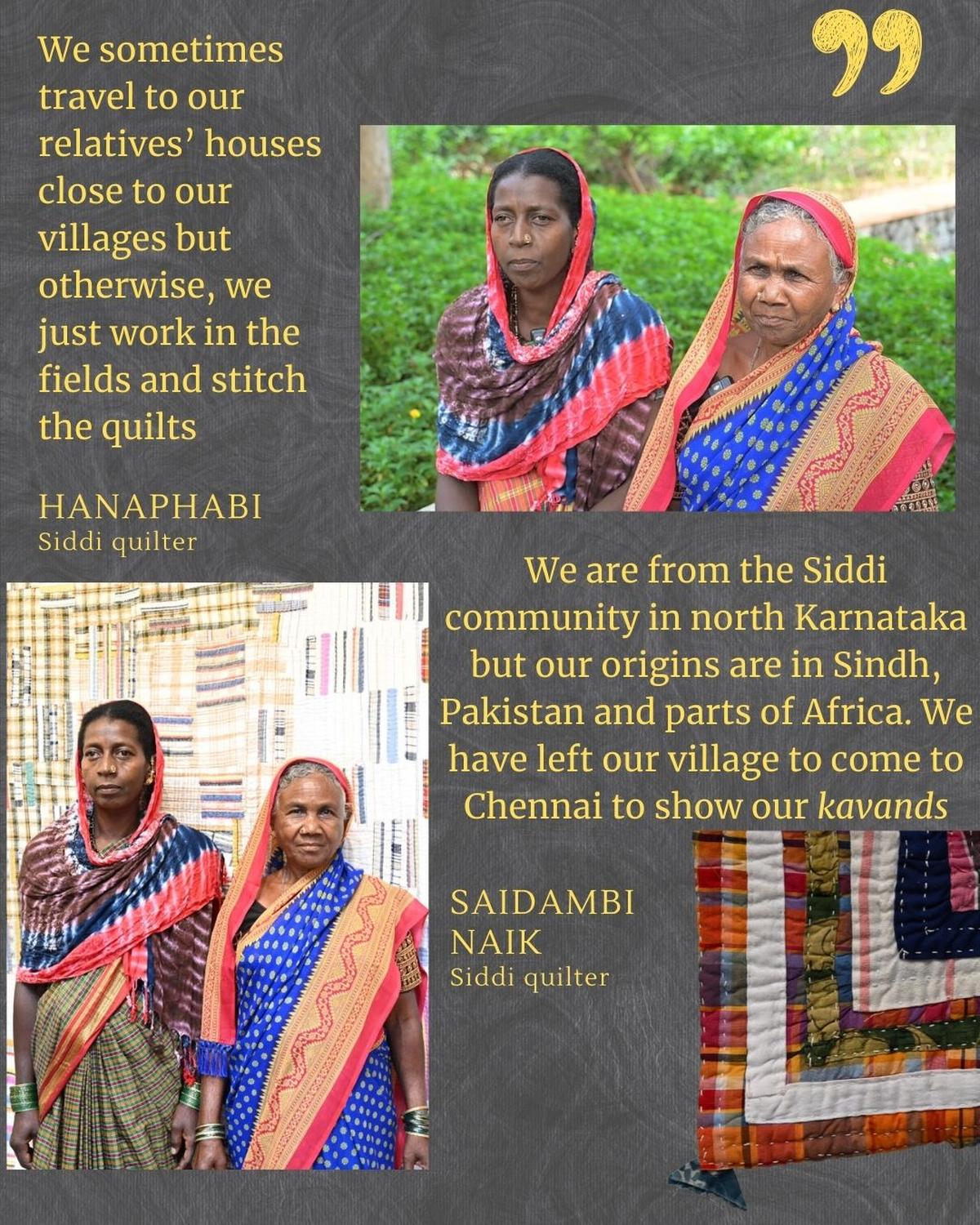
Hanaphabi and Saidambi Naik, two middle-aged women from the Kalaghatgi taluk in Karnataka’s Dharwad district, were restless at first to speak in front of a camera. A few whisper-filled moments later, Saidambi took the lead in telling their story of stitching memory.

How the Siddi community has been thriving through music and dance

“We are both from the Siddi community in north Karnataka but our origins are in Sindh, Pakistan and parts of Africa. We have left our village to come to Chennai to show our kavands (quilts),” Saidambi says in the Siddi dialect, which has a mix of words borrowed from Konkani, Marathi, Kannada, Urdu and Hindi.
The two women rarely get the chance to leave their village because the community tends to distrust outsiders. Bearing distinctly African features, the Siddis have been historically discriminated against by colonisers and locals alike. “We sometimes travel to our relatives’ houses close to our villages but otherwise, we just work in the fields and stitch the quilts,” says Hanaphabi.


Also Read | A first for the Siddi community

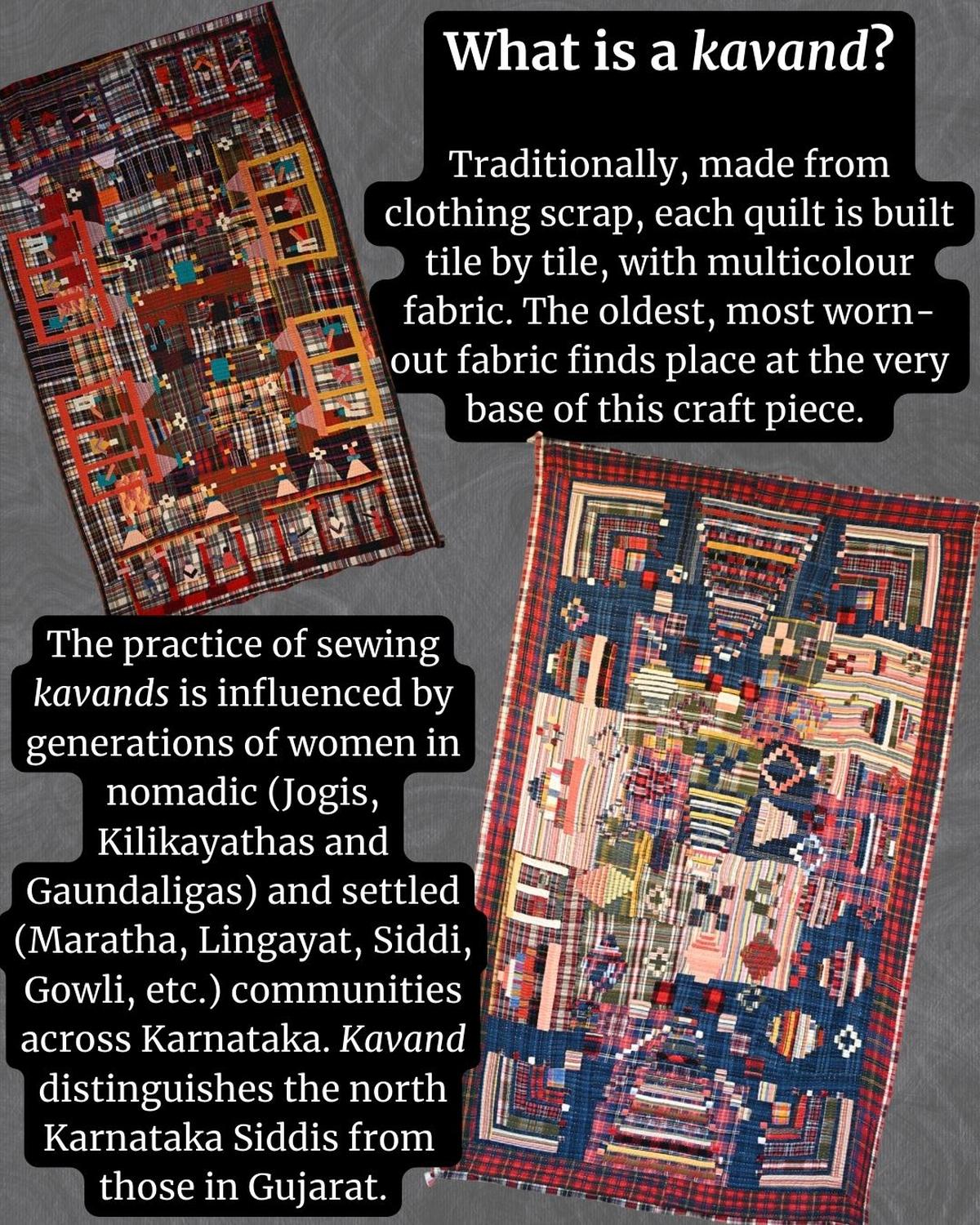
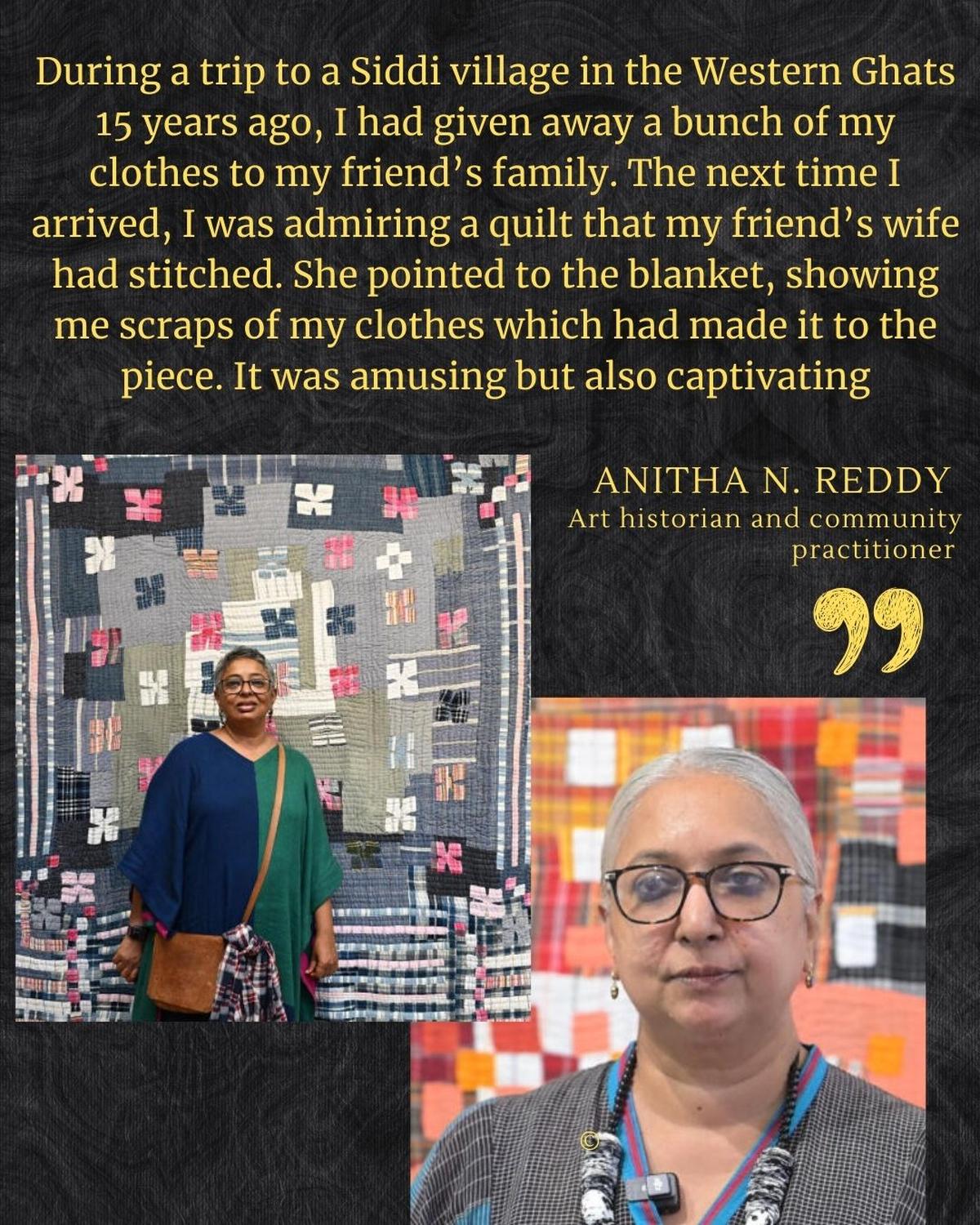
Since 2015-16, as their quilts started to be recognised as crafts, Siddi women have been slowly venturing outside their villages to showcase their craft. Leading the way is art historian and community practitioner Anitha N. Reddy, who has been working with the community, across 15-20 villages. Reddy first saw a kavand at a friend’s home in the Western Ghats, 15 years ago. “During a trip to a Siddi village, I had given away a bunch of my clothes to my friend’s family. The next time I arrived, I was admiring a quilt that my friend’s wife had stitched. She pointed to the blanket, showing me scraps of my clothes which had made it to the piece. It was amusing but also captivating,” she says.


Read | Karnataka’s Siddi athletes: How an African diaspora community overcame historical isolation through sports

That set Reddy on a journey of understanding the quilt. Elaborating on the significance of the kavand, Saidambi says, “The most ornate quilts are reserved for marriages. It is an heirloom passed on to our daughters. If you do not take a quilt to your in-laws’ house, you might not be treated well. You will also not have a sheet to cover yourself with in the winter. We also make quilts for our newborns.”
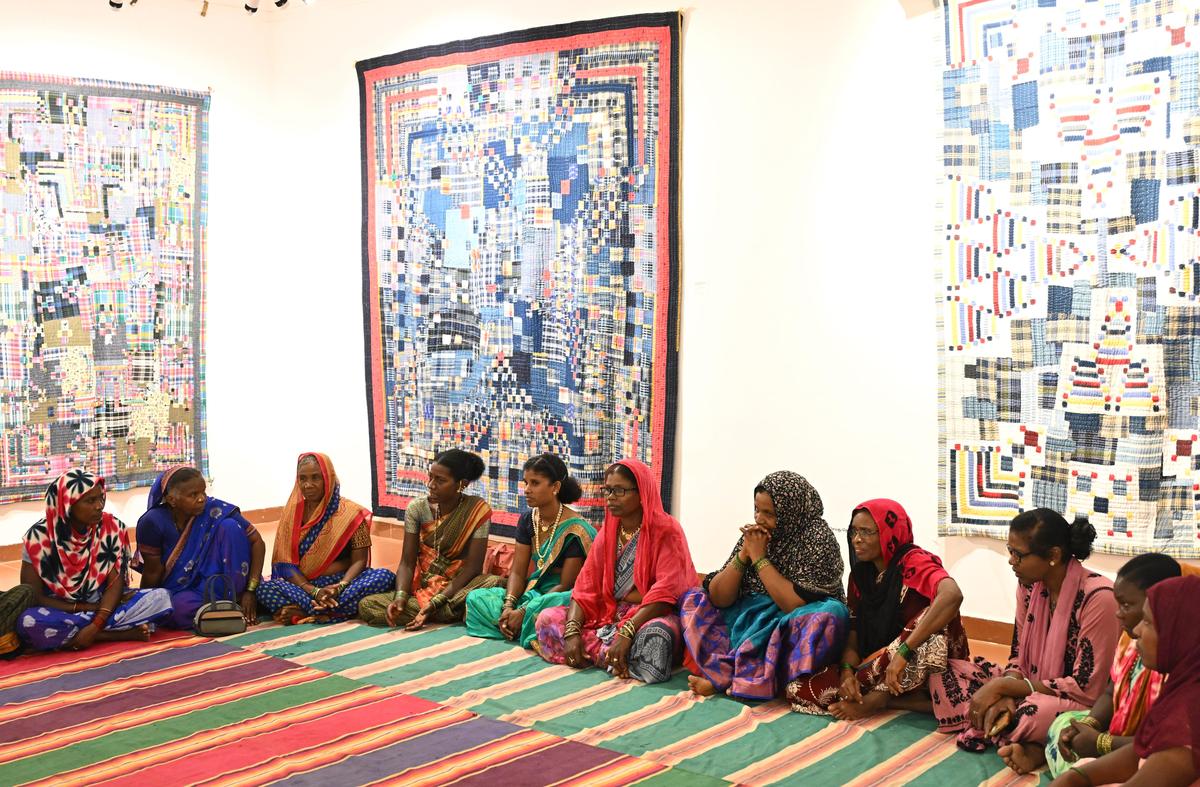
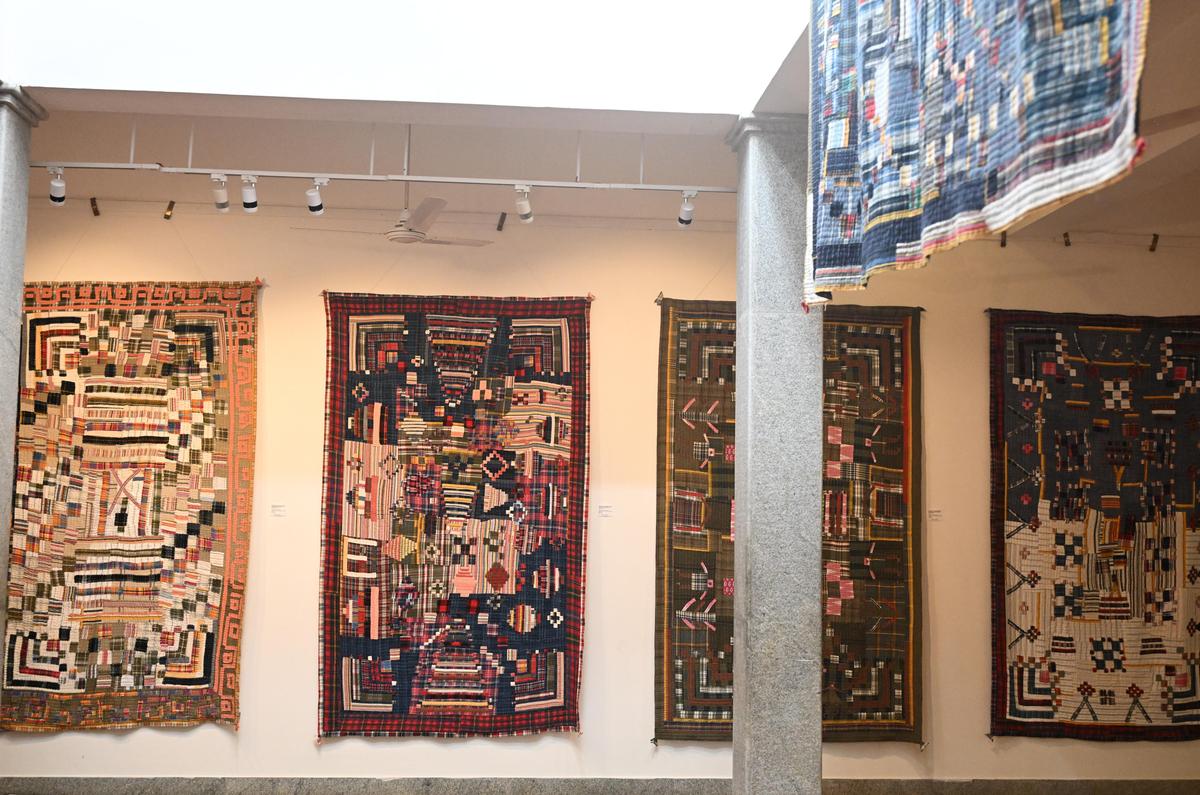
The art exhibition ‘Threads of Confluence’ was held at DakshinaChitra Museum in Chennai last month.

The art exhibition ‘Threads of Confluence’ was held at DakshinaChitra Museum in Chennai last month.
| Photo Credit:
B. Jothi Ramalingam

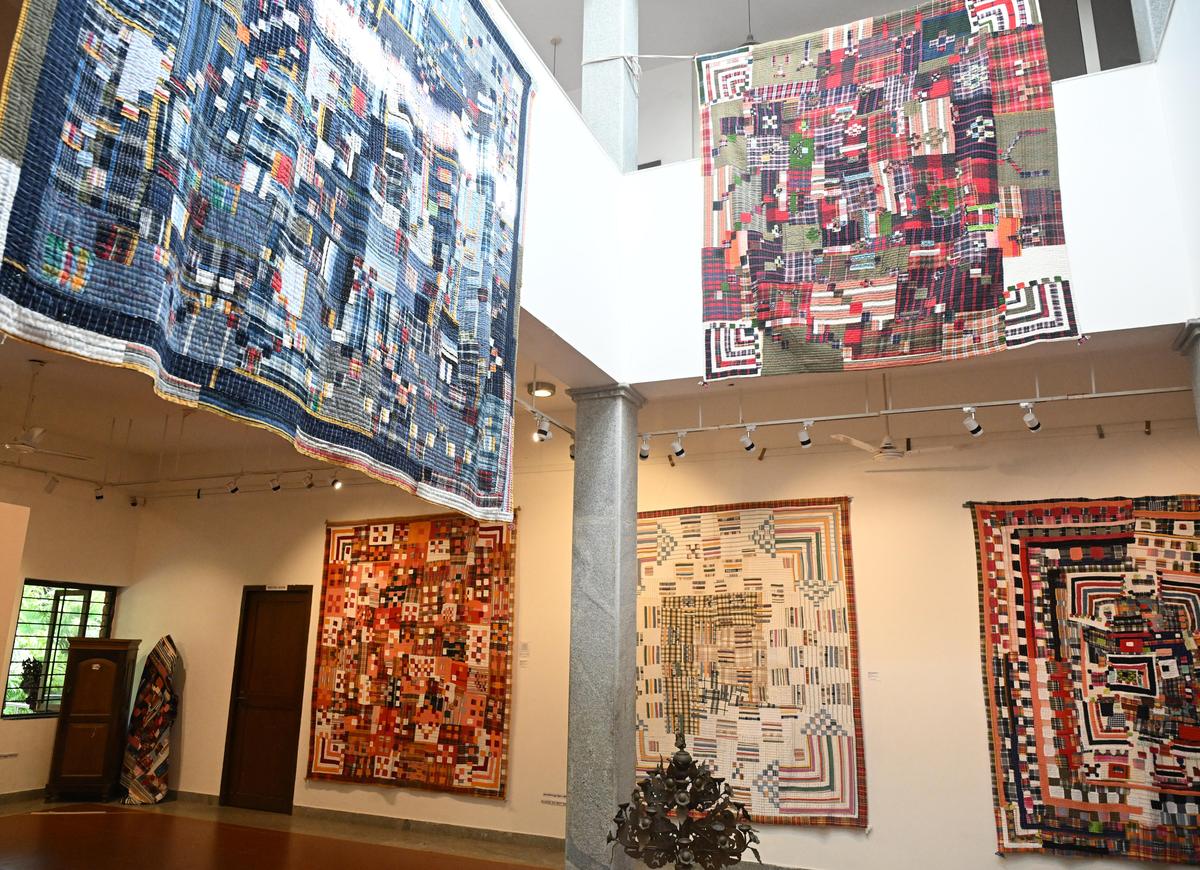
In December, the duo, along with 20 others, came to Chennai’s DakshinaChitra museum to display 50 colourful, tiled quilts as a part of Threads of Confluence, a travelling exhibit. For the first time, the Siddi women, made use of Madras Checks, a distinct cloth from the erstwhile Madras Presidency, in their hand-stitched kavands. Madras Checks have been exported the world over since the 16th century.


Read | Descendants of Africans in India

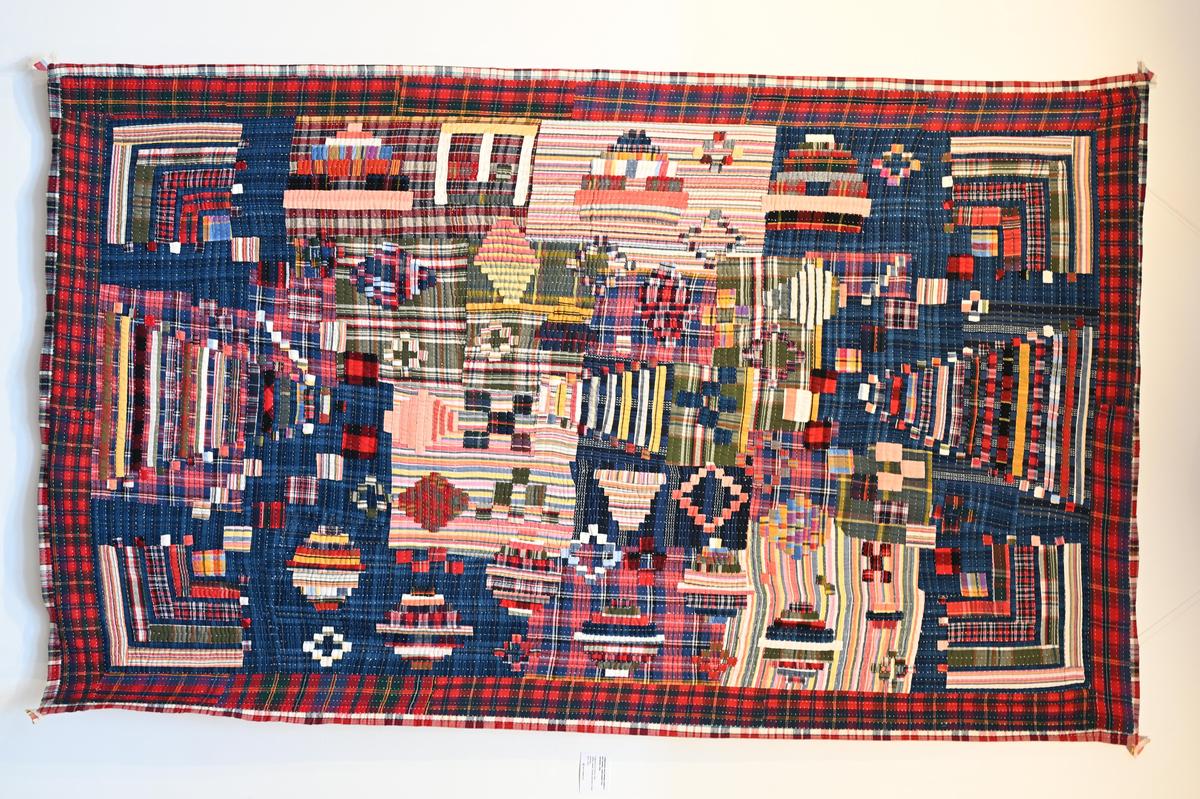
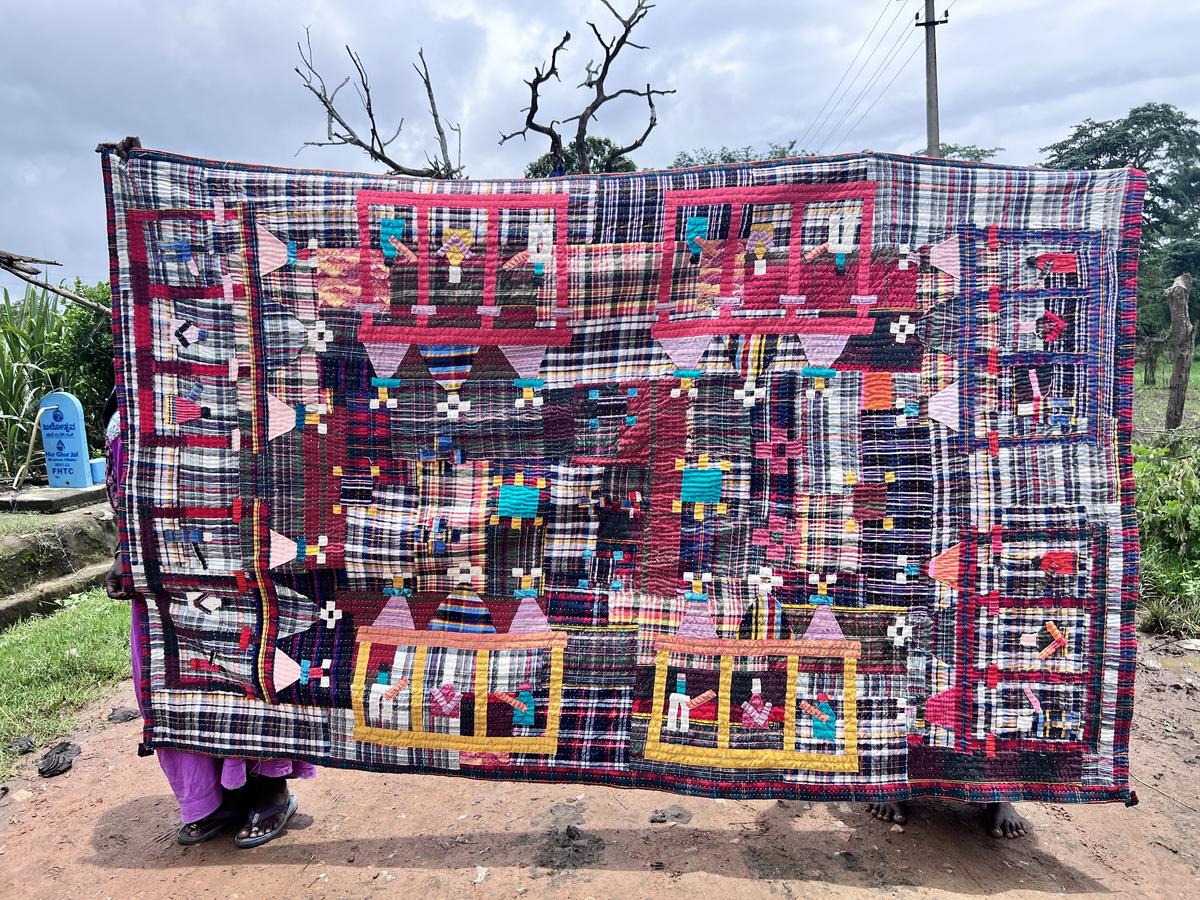
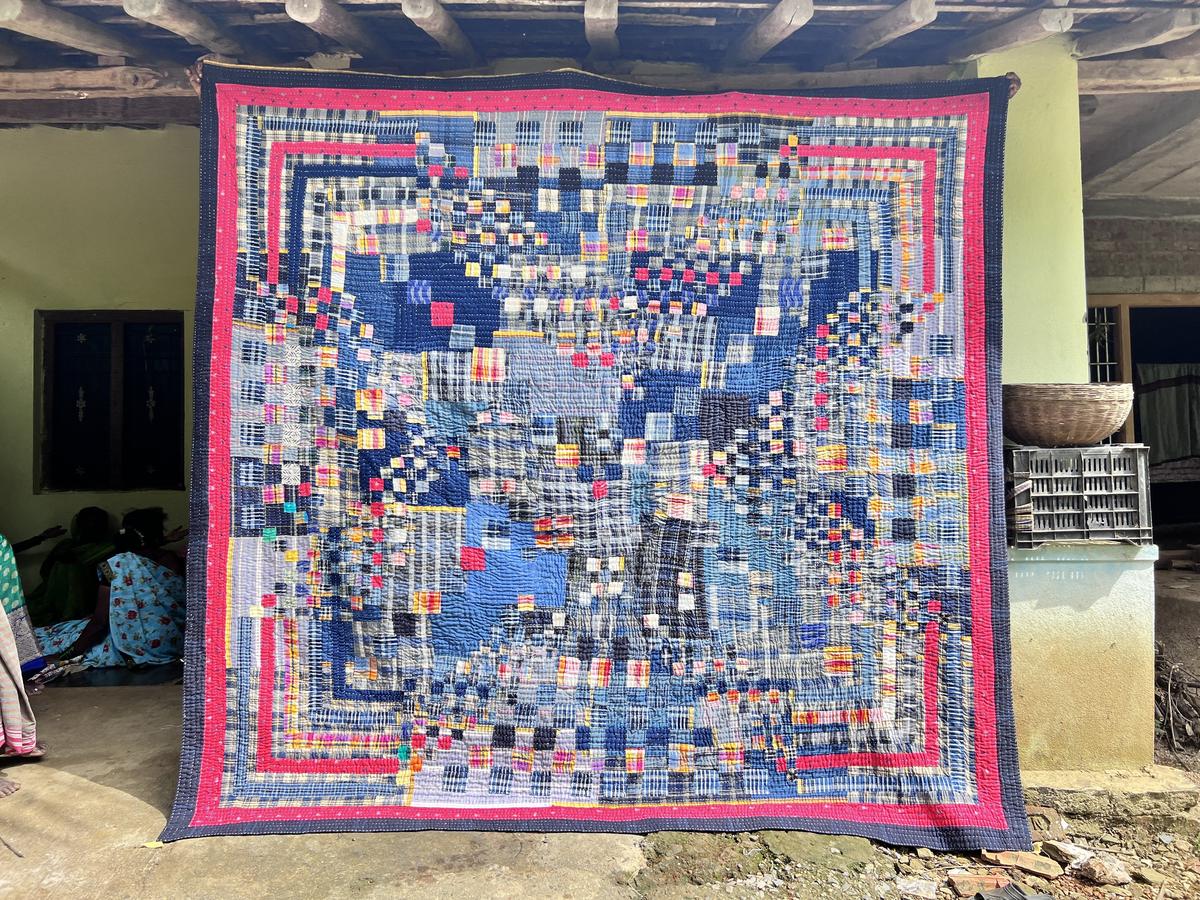
No two kavands ever look similar. One can find Roman alphabets like ‘A’, ‘E’ and ‘H’ as a part of the mix. “To the Siddis, it is merely a design,” says Reddy. What was once a tool for survival is now an art, and a potential livelihood.

Meeting of two worlds

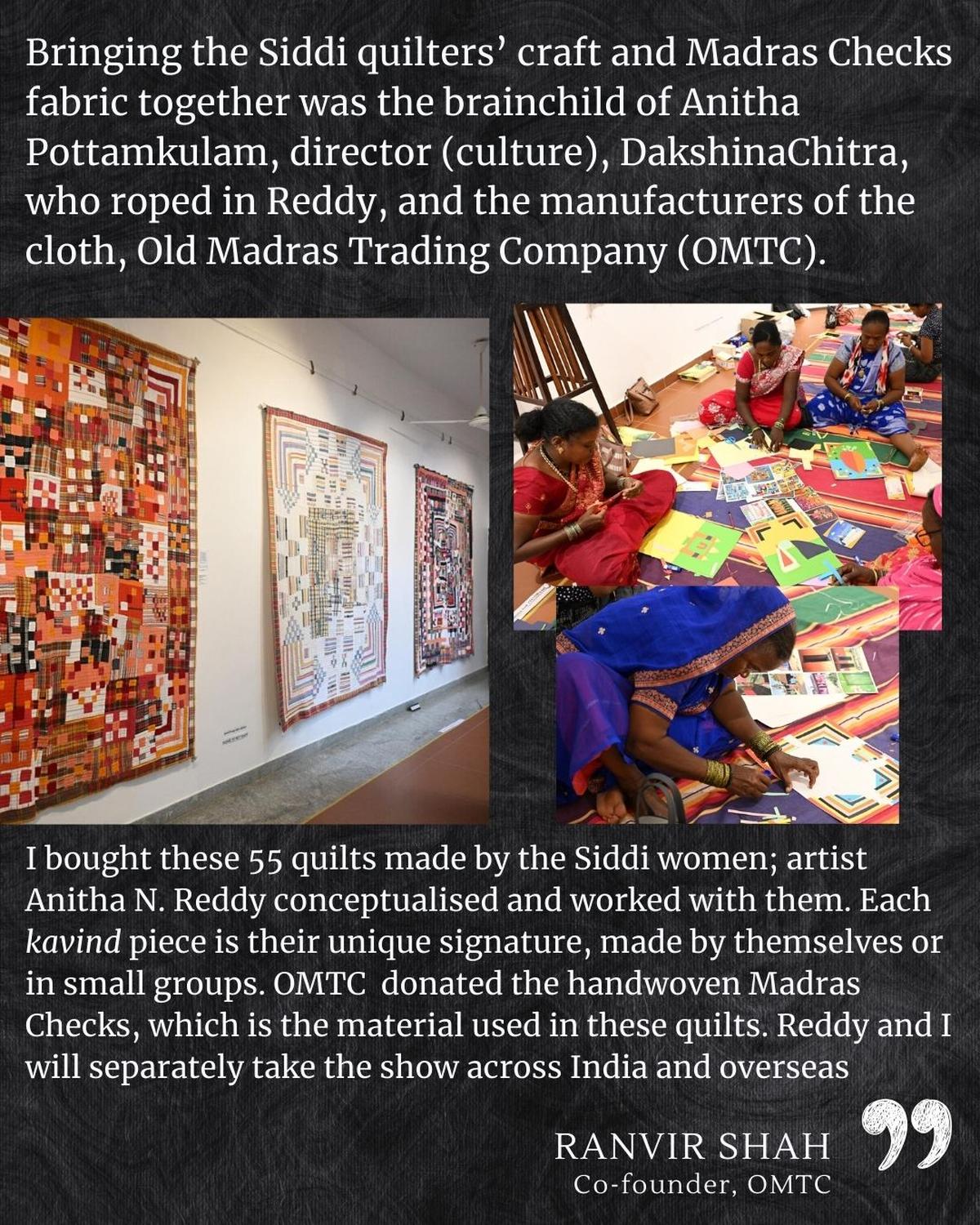
Bringing the Siddi quilters’ craft and Madras Checks fabric together was the brainchild of Anitha Pottamkulam, director (culture), DakshinaChitra, who roped in Reddy, and the manufacturers of the cloth, Old Madras Trading Company (OMTC).

Although the Madras Checks and the Siddis do not overlap in history, there’s a metaphorical connection. If the Siddis were brought to India from Africa, the Madras Checks travelled to the Caribbean from India via the colonial trade route of the Coromandel Coast. Now a premium fabric, this peasant/fisherman clothing from 12th century Madraspatnam village (later Madras/Chennai), left the shores of a colonised India centuries later, and became popular in 1960s America.

“When Anitha [Pottamkulam] and I spoke about this exhibit coming to Chennai, we realised that we’d like to incorporate an element from the city. The vibrant Madras Checks, a fabric with rich history, was our cloth of choice. It has a long history of export from South India to many parts of the world, and is especially viewed as a symbol of prestige in the African nations,” says Reddy.

One can find Roman alphabets like ‘A’, ‘E’ and ‘H’ as part of the design mix of a kavand quilt.

One can find Roman alphabets like ‘A’, ‘E’ and ‘H’ as part of the design mix of a kavand quilt.
| Photo Credit:
B. Jothi Ramalingam

Before it went to the Caribbean and became a part of national costume, Madras Checks went to Africa. Reddy adds, the Real Madras Handkerchief was known as injiri meaning ‘real India’ and was used by the Nigerian Kalabari tribe to wrap babies.

Rising from scraps

For the exhibit, OMTC provided the fabric. Its co-founder Ranvir Shah, who is in the pursuit of reviving original hand-woven handloom Madras fabric, now owns these 55 quilts. Until now, the leftover garment-fabric bits were used for making stuffed toys. This time, the scraps were cut up and used to create eclectic, tetris-like patterns by Siddi women. At their Chennai factory, the fabric-weavers and the Siddi quilters interacted through songs in their mother tongues, in the absence of a common language.

At the OMTC Chennai factory, the Tamil fabric-weavers and the Siddi quilters interacted through songs.

At the OMTC Chennai factory, the Tamil fabric-weavers and the Siddi quilters interacted through songs.
| Photo Credit:
B. Jothi Ramalingam

The historically poor Siddis, with only some assigned the Scheduled Tribe status, have struggled to build a life outside of their economic constraints. The aim is survival. “The main intention for them to come to Chennai was to understand their history with the materiality,” Reddy says. 

Saidambi Naik (left) and Hanaphabi, Siddi quilters from north Karnataka travelled to Chennai, for the first time in their lives, they are travelling outside their village to showcase their craft.

Saidambi Naik (left) and Hanaphabi, Siddi quilters from north Karnataka travelled to Chennai, for the first time in their lives, they are travelling outside their village to showcase their craft.
| Photo Credit:
B. Jothi Ramalingam

Both Shah and Reddy are keen on putting this quilting tradition from South India on the global map. While Shah is selling and exhibiting the kavind quilts made using their Madras Checks, Reddy is separately doing other shows with these Siddi quilters, which are not associated with OMTC. She says, “Some women have travelled in India to similar exhibits, and teach other art practitioners their quilting style. It has made them value themselves more.” She hopes to take a handful of Siddi women and their quilts to The International Folk Art Market in Santa Fe, U.S. Currently, the exhibit is at Kadari Art Gallery, Telangana, till February 19.

The most ornate quilts are reserved for marriages; an heirloom passed on to daughters; quilts are made for newborns, too.

The most ornate quilts are reserved for marriages; an heirloom passed on to daughters; quilts are made for newborns, too.
| Photo Credit:
B. Jothi Ramalingam

 The kavand quilt exhibit is currently at Kadari Art Gallery, Telangana, till February 19.

 The kavand quilt exhibit is currently at Kadari Art Gallery, Telangana, till February 19.
| Photo Credit:
Special Arrangement

No two kavands ever look similar.

No two kavands ever look similar.
| Photo Credit:
Special Arrangement

Despite the fact that many of them are earning through the craft, Hanaphabi and Saidambi are “not sure how this is going to solve their bigger problems” of excessive rains and severe flooding and landslides uprooting homes and lives. A lesson from these women is their resilience as they find joy in learning the art of stitching.

For details about the travelling exhibit, follow @anithanreddy on Instagram

sanjana.g@thehindu.co.in


Source link

EU-India Trade Deal: What lower wine tariffs really mean for Indian consumers


Are you already dreaming of bountiful champagne soirées and affordable Bordeaux Grand Crus? Hold the thought, because it might take a little longer for these dreams to become reality, though ultimately, the consumer will be left smiling.

The EU-India trade agreement announced on India’s Republic Day this year, has generated much excitement. This ‘mother of all deals’ encompasses multiple industries, and among them, wine. For the beleaguered European wine industry, the announcement has come at a time of stagnant growth, compounded by the high tariffs imposed by the US. As a result, Indian importers and journalists have been inundated with requests for information and assistance to start the process of bringing European wine into India. The mood is upbeat. 

The initial announcement stated that the 150% central import duty would be reduced over time to 20% for wines in the premium range, to 30% to midrange wines

The initial announcement stated that the 150% central import duty would be reduced over time to 20% for wines in the premium range, to 30% to midrange wines
| Photo Credit:
petrenkod

The initial announcement stated that the 150% central import duty would be reduced over time to 20% for wines in the premium range, to 30% for midrange wines. But is this all? While India is the world’s fourth largest economy with a population of 1.45 billion people with an annual GDP of €3.4 trillion, alcohol is taxed primarily by individual State governments. 

Top markets for alcoholic beverages include Maharashtra (Mumbai), Karnataka (Bengaluru), and Delhi, among others, but several states are completely dry (no alcohol), while others levy varying taxes and cesses. Excise duty, the primary tax levied by the states, is built into consumer retail prices. Variable State-imposed VAT further impacts prices. There is no one size fit all scenario as far as sales of wine (or any alcoholic beverages) in India is concerned, making the Indian wine market complex to understand.  

Top markets for alcoholic beverages include Maharashtra (Mumbai), Karnataka (Bengaluru), and Delhi, among others.

Top markets for alcoholic beverages include Maharashtra (Mumbai), Karnataka (Bengaluru), and Delhi, among others.
| Photo Credit:
fcafotodigital

Leading importer Nikhil Agarwal of Anggels Share reveals that his phone has been ringing off the hook. “Many European producers are suddenly seeing India as a saviour of the wine world: it’s not quite so.” However, he adds, the trade agreement sets India’s wine industry on the right path. “There are multiple factors to consider: like the high Euro rate against the INR. Even if my producers freeze their prices, costs will increase due to this instability.” Nikhil does not expect things to change overnight, but says “It will keep things stable, so I am very positive in the long term.”

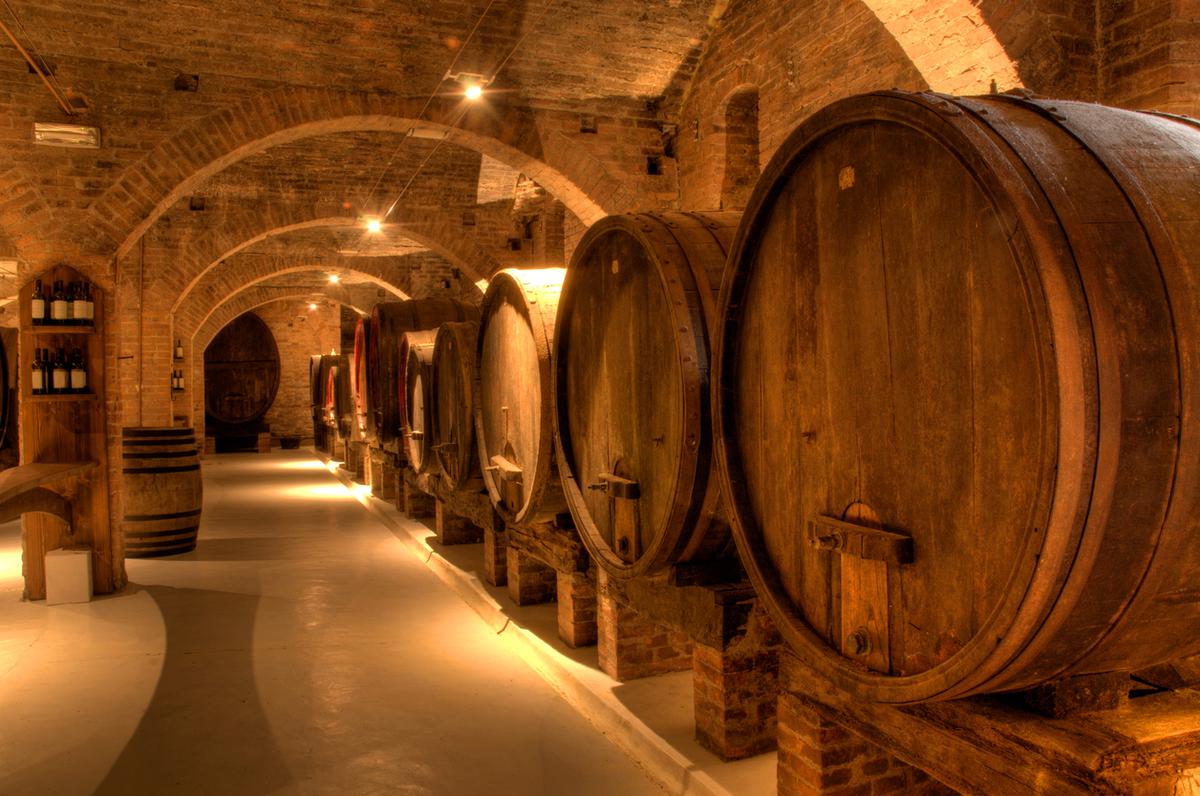
Wine cellar in ancient building in Tuscany, Italy

Wine cellar in ancient building in Tuscany, Italy
| Photo Credit:
RCerruti

Top importer, Vishal Kadakia of Wine Park, has been known for introducing new styles and premium wines in the market. In 2024, he imported orange wines by iconic Friuli producer Radikon, and recently introduced the first Galician Albariño in the Indian market.

He says, “The part I am happiest about is that the wine consumer wins. In a growing wine market like India’s, this allows consumers to experiment, try new styles, regions, and grapes and better-quality wines overall as the customs duty drops. I foresee an increase in wine sales across the board, which will positively impact wine retail and growth in wine bars.”

Premium and mid-range wines are where the impact will be felt most, rather than entry-level as duty reduction would apply only to wines above a minimum import price of Euro 2.50 per bottle. His TRE, a Sangiovese-Merlot-Cabernet blend by iconic Tuscan producer Brancaia, might see a 20% drop in price from ₹4,295 to ₹3,450 in Maharashtra, he estimates, while the Ilatraia by the same producer might drop from ₹ 12,895 to ₹9,995.

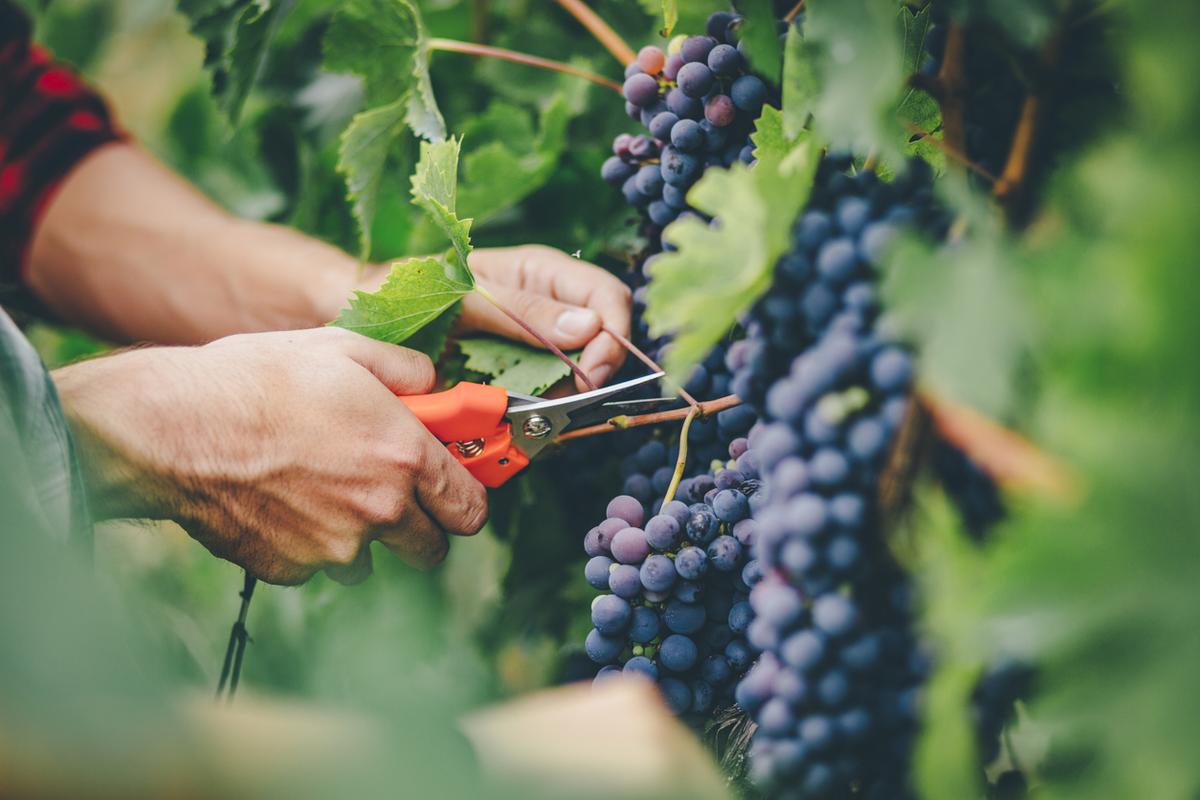
Grapes being harvested in a vineyard

Grapes being harvested in a vineyard
| Photo Credit:
kaisersosa67

Others, like Amrita Singh DipWSET, co-founder, Cellar 33, a Bordeaux-based international export and marketing company, have already begun introducing niche European wines via their Project India. “This is a phased reduction, not an overnight reset. Duties will reduce gradually over years, with biggest benefits for premium and mid-range European wines rather than entry-level categories.” 

This calibrated approach is how India has structured previous trade agreements, she adds, with first tangible changes post-ratification likely becoming apparent in 2027 with a greater impact playing out over the following 5-7 years. “From a trade perspective, this is a long-term structural shift rather than a short-term pricing story. Retail prices will not automatically fall in proportion to duty cuts, as State taxes, distribution costs and importer strategies will continue to play major roles.” 

Delhi-based importer and co-founder, Aristol, Sumit Sehgal believes the trade agreement will bring focus to new markets like India. “That said, structural barriers in the Indian system, such as label registration requirements, state-wise excise frameworks, and complex compliance procedures must also be addressed to fully unlock the FTA’s potential. With aligned efforts from policymakers, producers, importers, retailers, and the hospitality sector, the agreement can turn into a sustainable, long-term growth story for India’s wine ecosystem.” 

Sumit says the current market is already inclined towards premiumisation despite current taxes: a good sign indicating that India as a market is ready to take off. However, he cautions, “There is a pressing need for brand building by EU producers, alongside sales. This is expensive and time consuming but pays off in the long run.” Having successfully introduced 15 high-quality grower Champagne producers through two leading Indian importers last year, Cellar 33 understands Indian market sentiments well, Amrita adds. “This recent trade agreement reinforces our belief that India is a strategic, long-term market where patience, education and trust are just as critical as policy changes.”

There is a pressing need for brand building by EU producers, alongside sales, says Sumit Sehgal of Aristol

There is a pressing need for brand building by EU producers, alongside sales, says Sumit Sehgal of Aristol
| Photo Credit:
ViewApart

Nikhil agrees. In 2020, the sweet spot for a spend on a bottle was ₹2,000; today this has risen. People are rethinking spends on wine.” He tells of a Mumbai customer who recently bought 18 bottles of Meursault at ₹18,000 per bottle and returned a week later for more

. “In the case of Australia, signatory of the AI-ECTA in 2022 with India, the signing was followed up with strong support by Australian government agencies and producers, is thus showing results. “As more countries sign trade deals with India, the market will open further,” concludes Nikhil. “In the end, it will be a win-win situation for the consumer.”

Published – February 05, 2026 05:08 pm IST


Source link

Memories at Veeraswamy: Camellia Panjabi on the legal battle to save the London landmark


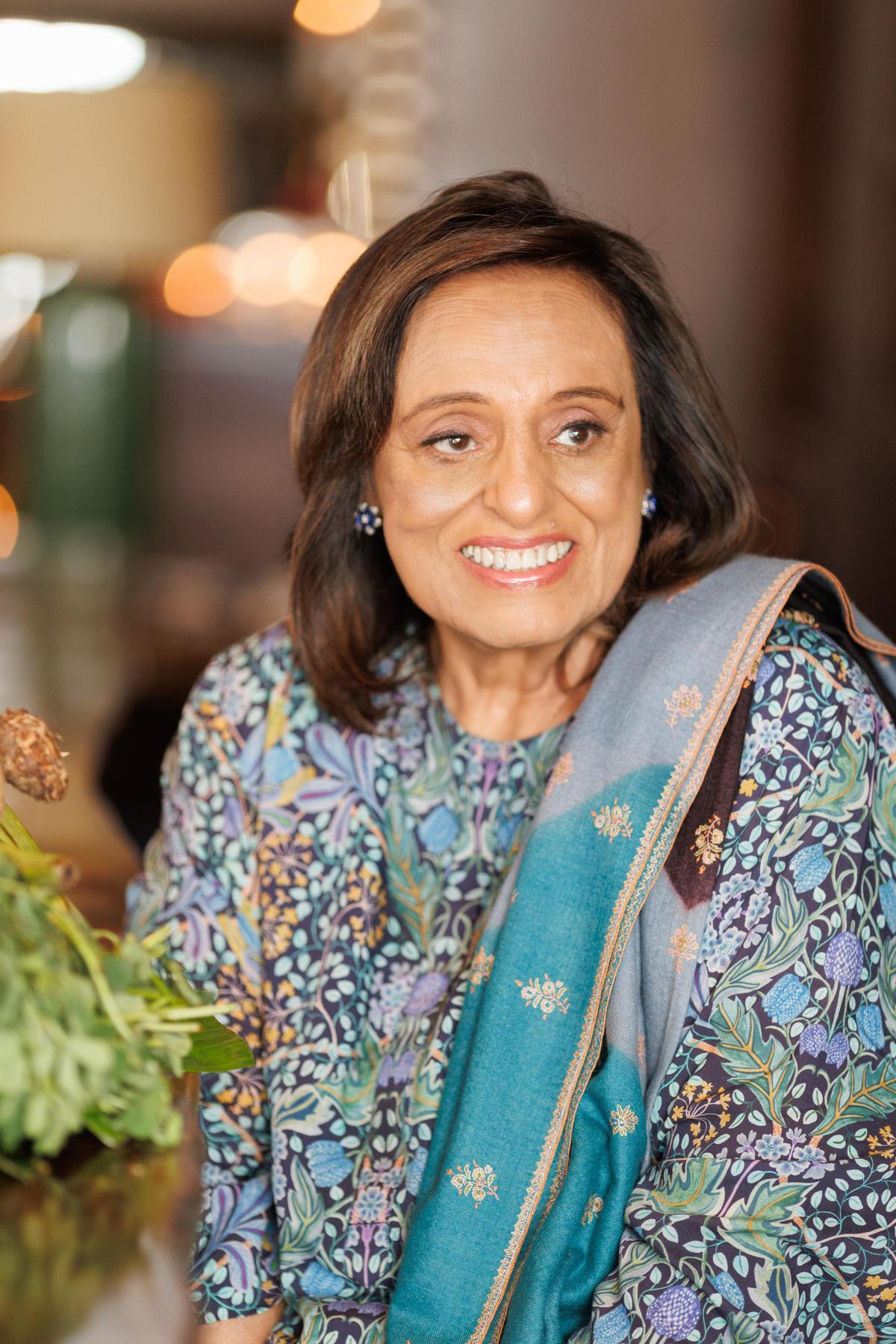
“We showed the British how to eat Indian food,” says Camellia Panjabi.

Group director of Veeraswamy’s parent company MW Eat, which also runs other fine-dining Indian restaurants in London such as Chutney Mary and Amaya, Camellia is fighting to keep the doors of her 99-year-old restaurant open. Veeraswamy is under imminent threat of closure as its lease remains unrenewed by its landlord, The Crown Estate. 

Camellia Panjabi

Camellia Panjabi
| Photo Credit:
Urszula Sołtys

Camellia asserts, “The Crown Estate (reporting to the Treasury of the British Government) has terminated the lease of Veeraswamy. And apart from petition and public outcry, we have initiated legal action, arguing that the restaurant has a protected tenancy and that the redevelopment plans are very flimsy. A court hearing is expected between March and June 2026, with the restaurant remaining open until then.” 

A spokesperson on behalf of The Crown Estate says, “We need to carry out a comprehensive refurbishment of Victory House to both bring it up to modern standards, and into full use. We understand how disappointing this is for MW Eat and have offered help to find new premises on our portfolio so that the restaurant can stay in the West End as well as financial compensation.” He adds, “The Crown Estate has a statutory responsibility to manage its land and property to create long term value for the UK and return its profit to the UK Government for public spending.”

Camellia counters that it is “common” in England for buildings to be renovated by preserving the ground floor tenants while doing so. “The two entrances of the restaurant and the building are separate,” she says. “Veeraswamy was established and run by British owners for the first 40 years. It is a symbol of great Indo-British cooperation in jointly creating a meeting place for two cultures.” The restaurateur has raised an online petition to Buckingham Palace as well.

When it all began

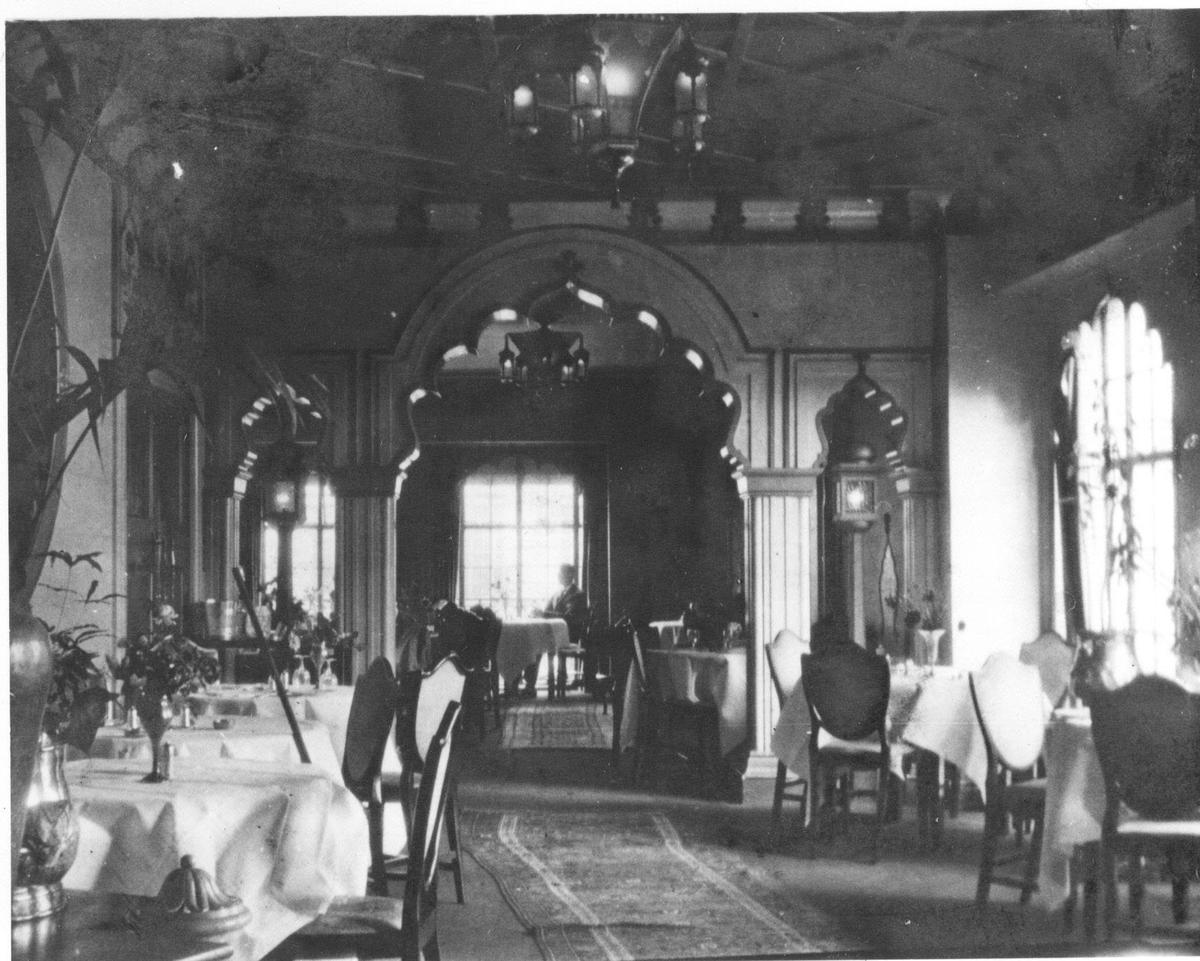
It was in 1926 that Edward Palmer (the great-grandson of a North Indian Mughal Princess, Faisan Nissa Begum and General William Palmer, Military and Private Secretary to Warren Hastings, the first Governor-General of India) established Veerasawmy at London’s Regent Street. He was in England in 1880 to study medicine, but given his passion for Indian food, life had other plans.

Influenced by his maternal grandmother in Hyderabad, he set up a spice business in 1896 and sold pickles, pastes, and chutneys under the brand Nizam Mango Chutney.

With Veerasawmy, Edward aimed at educating Londoners on ‘exotic’ Indian dishes. Sir William Steward, Member of Parliament for Woolwich, acquired Veerasawmy in 1935 and owned it up to 1967. Sir William is said to have travelled over 200,000 miles to and within India and neighbouring countries to find recipes, artefacts and staff. He brought the tandoor to the UK in the early 50’s shortly after it was introduced into Delhi in the late 40’s.

It was then run by a series of Indian owners till Namita Panjabi and Ranjit Mathrani acquired the restaurant and named it ‘Veeraswamy’ in 1996. 

The legal battle aside, Camellia is unhappy with the lack of support from Indian counterparts. “Apart from the media writing about the imminent closure of the restaurant, there has been little support from India… Over 20,000 people have signed the petition to the landlord and to King Charles to save Veeraswamy but a majority of the signees are British.”

Memories at Veeraswamy

To Camilla, Veeraswamy “is not just a brand name, a menu, and staff that if you move it you can recreate it”. “There are scores of people who come to dine because their parents and grandparents walked the same steps and sat in the same place in the restaurant, and they came as children. And their parents got engaged or had their first date.”

 Veeraswamy in the 1920s

Veeraswamy in the 1920s
| Photo Credit:
Special Arrangement

UK-based Subha Balakrishnan, founder of beverage brand Bodha Drinks, moved to the UK in 2003 as a student. She recalls visiting Veeraswamy for the first time to celebrate her graduation. “It is not an everyday restaurant; it is an aspirational one where you go to celebrate something special. I went there for my 40th birthday, anniversaries, and it holds so many memories. This is not just for me but for so many others and it is sad to see it fight for its existence.”

Subha adds that its location on Regent Street, one of London’s oldest neighbourhoods is significant: “To have a fine dining Indian restaurant in the heart of London is a matter of pride.”

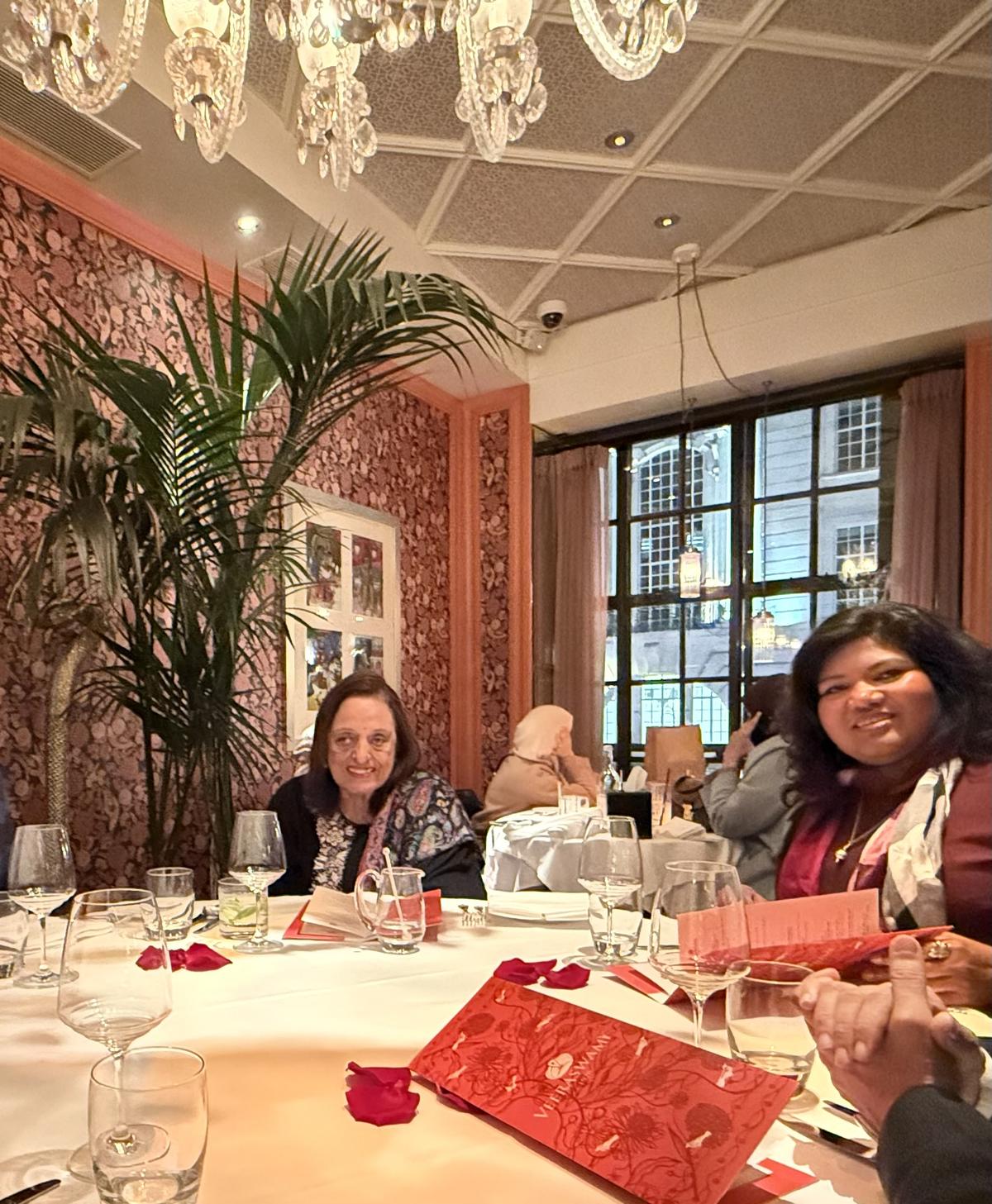
Subha Balakrishnan (right) with Camellia Panjabi at Veeraswamy

Subha Balakrishnan (right) with Camellia Panjabi at Veeraswamy
| Photo Credit:
Special Arrangement

Iqbal Wahhab OBE, founder of The Cinnamon Club and Roast, has been dining at Veeraswamy for decades. “Nearly 30 or 40 years ago, there were elderly English men who would dine solo to remind themselves of their time serving in India. You could often hear them address waiters as ‘bearer’! The restaurant has been through various owners, not all of whom gave it the care and love it deserved but when Namita Panjabi and Ranit Mathrani took it over, they gave it a new glow,” says Iqbal, who was also editor of trade journal Tandoori Magazine.

He adds that restaurant attracted the great and the good: Winston Churchill, Mahatma Gandhi, Jawaharlal Nehru, Charlie Chaplain, among others. “Veeraswamy may not get talked about as much these days as more edgy Indian restaurants like Gymkhana or Dishoom are around but it has an unrivalled place in the history of London dining and the evolution of Indian food in Britain.”

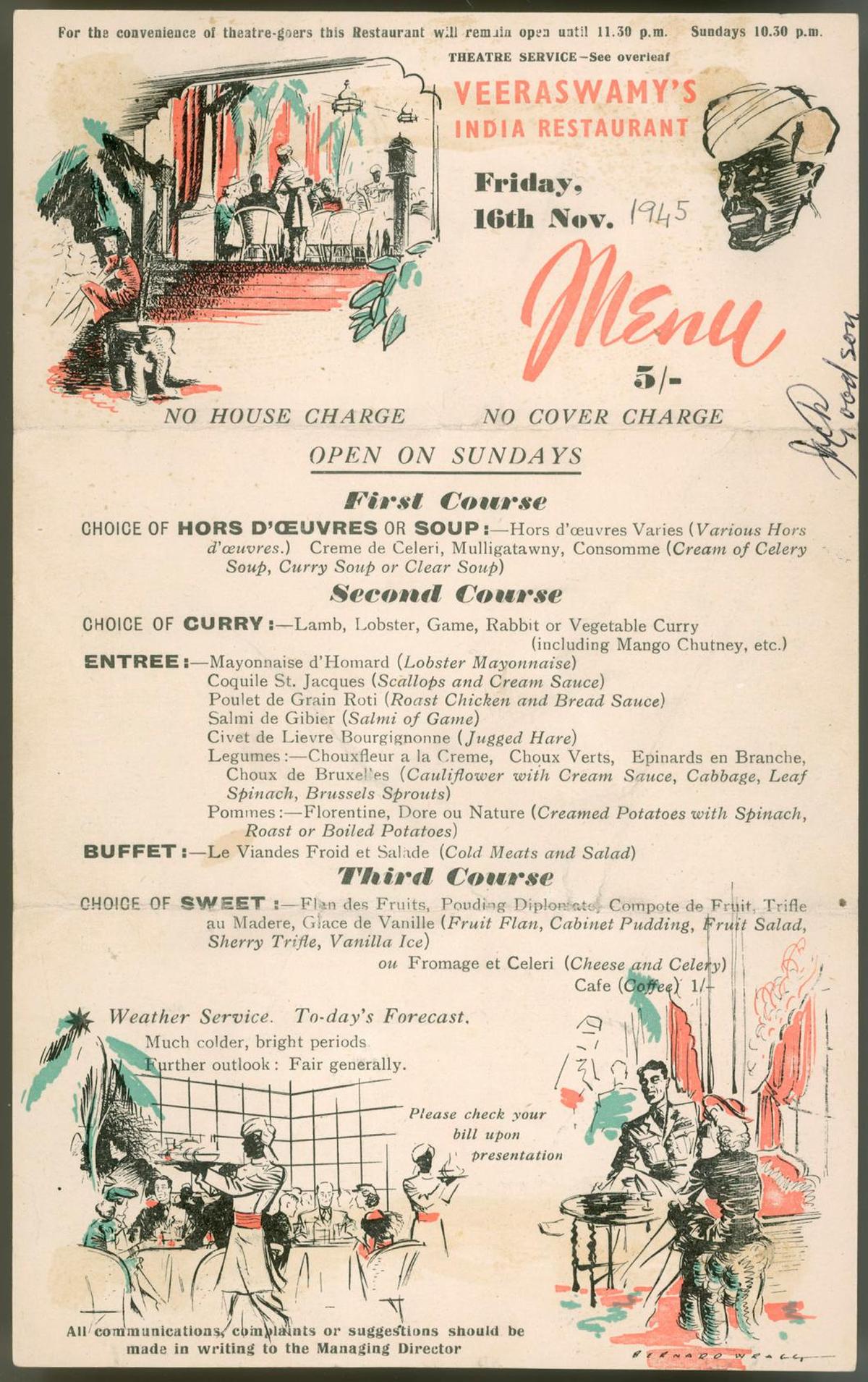
An earlier menu at Veeraswamys

An earlier menu at Veeraswamys
| Photo Credit:
Special Arrangement

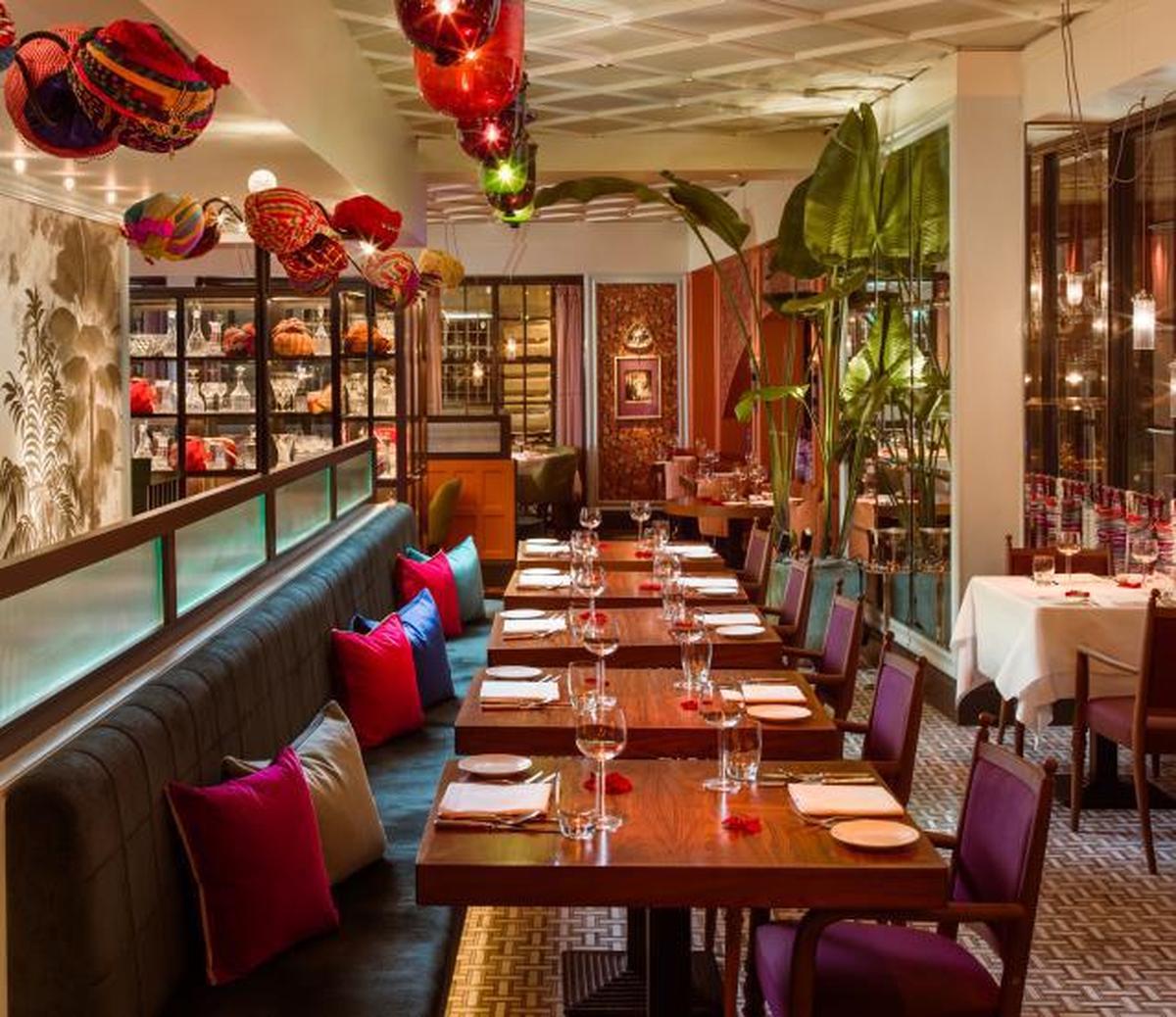
The present-day Verandah Room at the restaurant

The present-day Verandah Room at the restaurant
| Photo Credit:
Special Arrangement

UK-based Chef Radhika Howarth explains how Veeraswamy introduced flavours, formats and rituals of dining that were unfamiliar to London when it opened in the 1920s. She adds, “It did more than teach London diners what to eat; it also taught them how to approach Indian food with curiosity, respect and openness. They understood that Indian food abroad doesn’t need to be diluted to be accessible, and never felt the need to apologise for complexity or depth. That’s a lesson many restaurants still struggle with.”

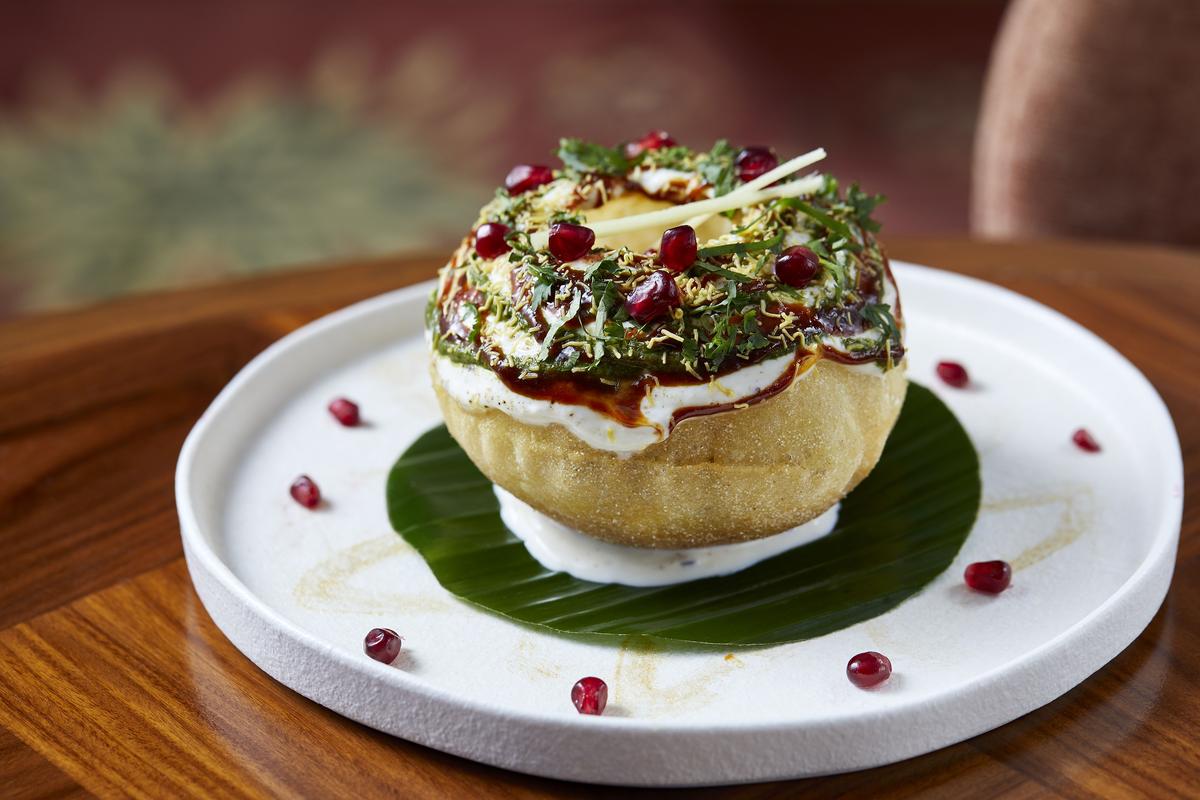
Raj kachori

Raj kachori
| Photo Credit:
Special Arrangement

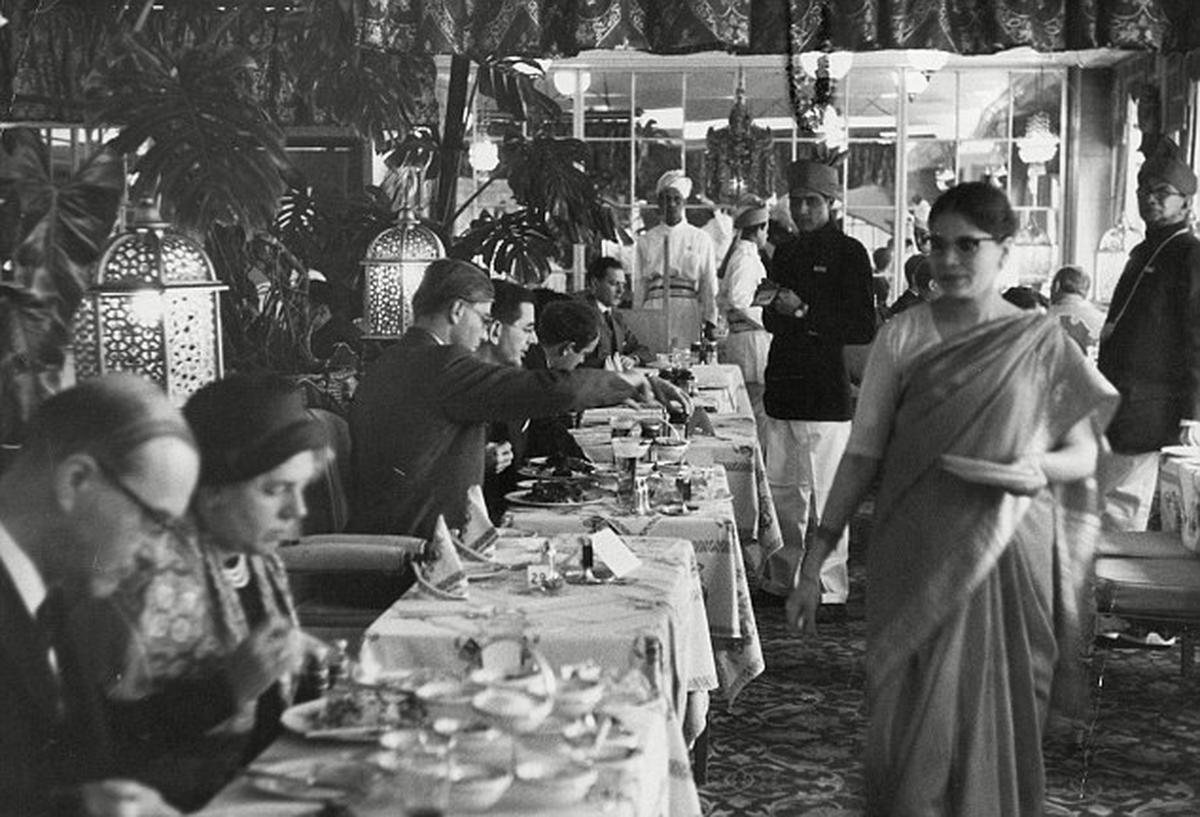
Indian diners at Veeraswamy in the 1903s

Indian diners at Veeraswamy in the 1903s
| Photo Credit:
Special Arrangement

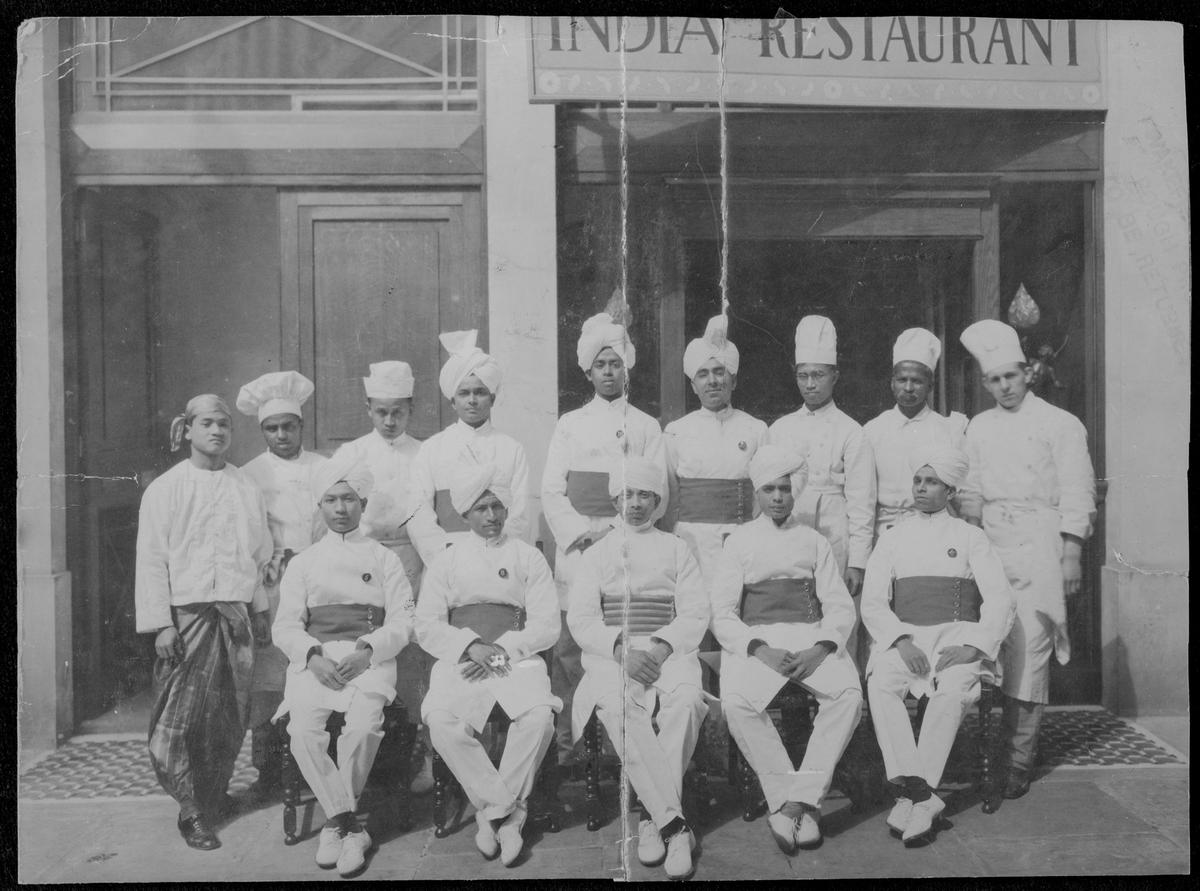
A staff photograph from 1926

A staff photograph from 1926
| Photo Credit:
Special Arrangement

Recalling her last meal at Veeraswamy featuring raj kachori, green masala prawns, and Kerala prawn curry, Radhika says the restaurant is a living archive of Britain’s relationship with Indian food. She adds, “It represents one of the earliest moments when Indian cuisine entered the British dining room not as novelty, but as something to be respected, celebrated and savoured. If a place like this closes, we don’t just lose tables and menus; we lose stories, continuity, and a physical connection to the past. In a city like London, which prides itself on being global and layered, that loss feels particularly profound.”

Published – February 05, 2026 04:19 pm IST


Source link

Street dessert kiosks offering affordable sweets have been on the rise in the Kerala capital


The street food platoon outside MG College at Kesavadasapuram, Thiruvananthapuram, resembles a buffet dinner that comes alive at dusk. From tangy, mouth-watering pani puris to piping hot waffles doused in chocolate sauce, this street serves flavours from all corners of the world.

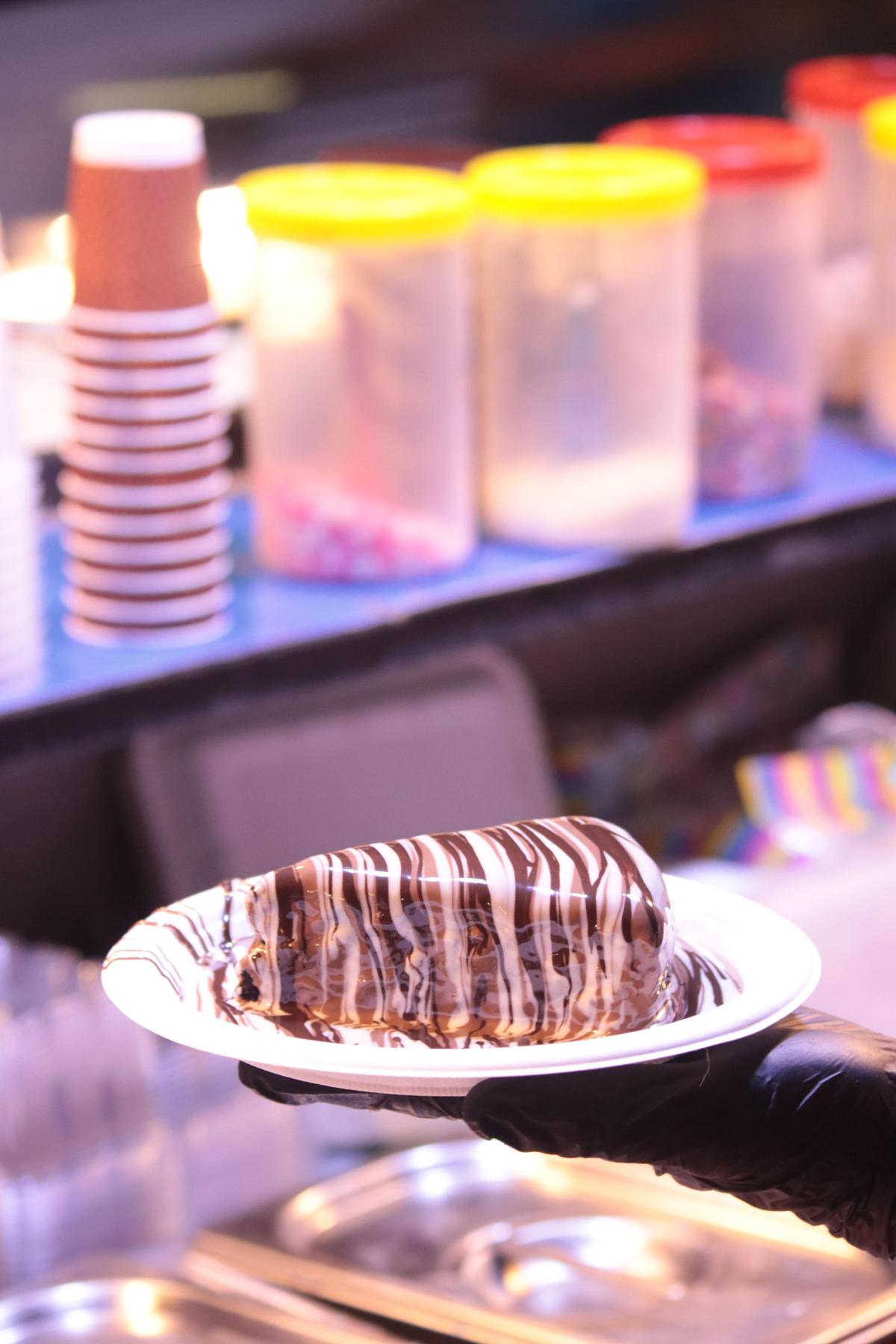
One eatery that catches your eye is Choco Bae, known for its continental dessert options, such as the Matilda cake — a decadent chocolate cake renowned for its moist texture and glossy finish, which owes its origins to a scene from the 1996 English film Matilda. Customers patiently line up outside the kiosk for this sweet street treat, as co-owner Bala Suresh carefully places slices on disposable plates.

Matilda cake from Choco Bae

Matilda cake from Choco Bae
| Photo Credit:
SREEJITH R KUMAR

Bala, 24, is part of a new wave of entrepreneurs in the city who, facing financial and logistical hurdles, choose to open small dessert stalls offering affordable dishes. A few months ago, his passion for sweets led him to open Choco Bae, despite limited funds.

Treats such as brownies, cheesecakes, kunafa bowls, and others are available in the city starting from ₹39, thanks to outlets such as Postre Magic, Haps the Melting Happiness, and Wancho de Boc.

“I opened a cloud kitchen at home because I had to invest only in an oven. Then, with the help of my friends and business partners, Sharavana Kumar and Fazil S, I launched a stall. Recently, we started a second stall at Palayam,” says Bala.

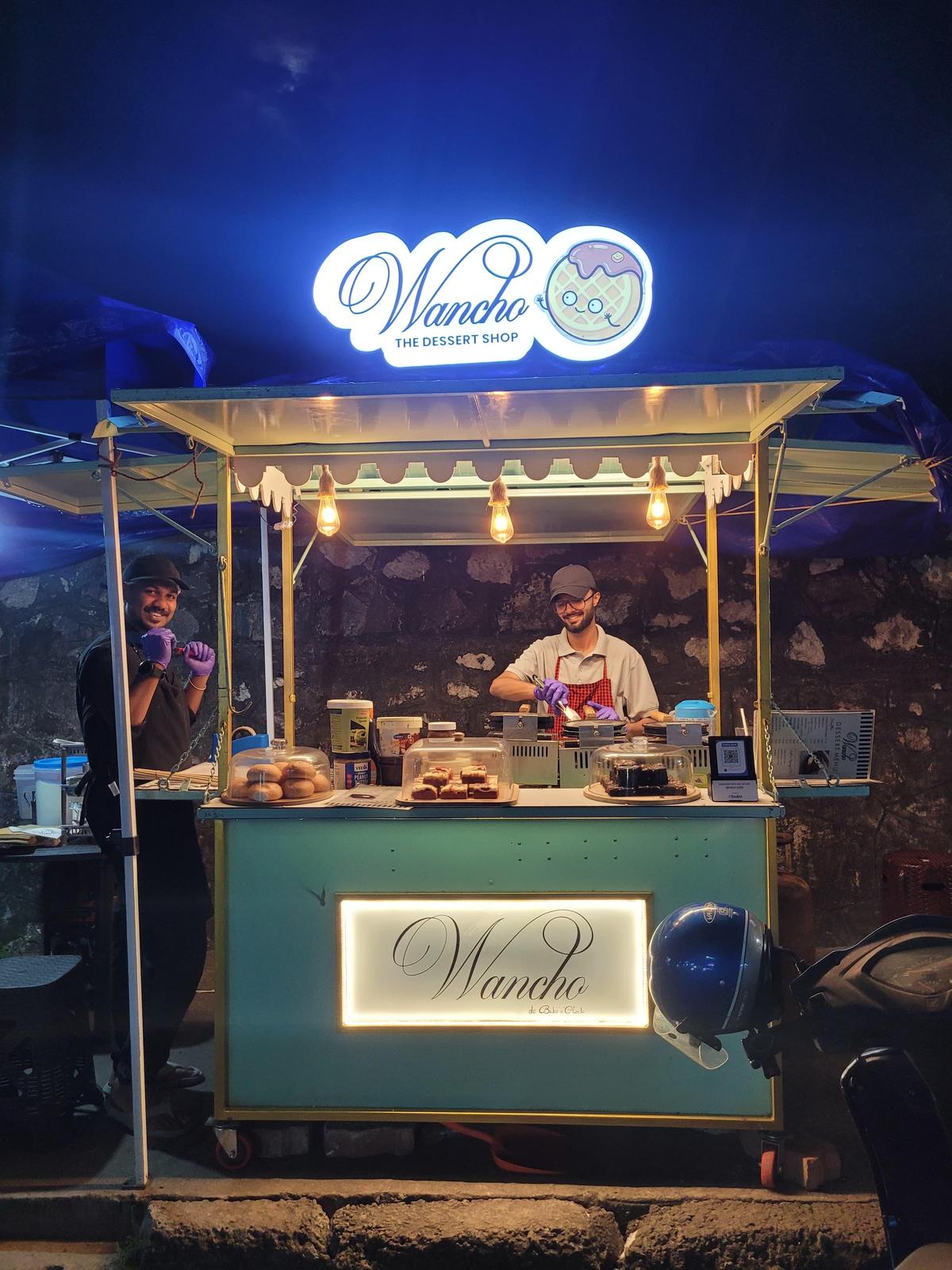
Anandhu S started Wancho de Boc, also located near MG College, after he finished his MBA. His plan was to expand his mother’s home-baking business, which has been functioning since 2018. “In the long run, we wanted our own cafe. But before that we wanted to spread the word about our brand with this cart,” says Anandhu, who serves triple chocolate bananas, chocolate brownies, varieties of buns, and waffles.

Wancho de Boc cart located near MG College

Wancho de Boc cart located near MG College
| Photo Credit:
SPECIAL ARRANGEMENT

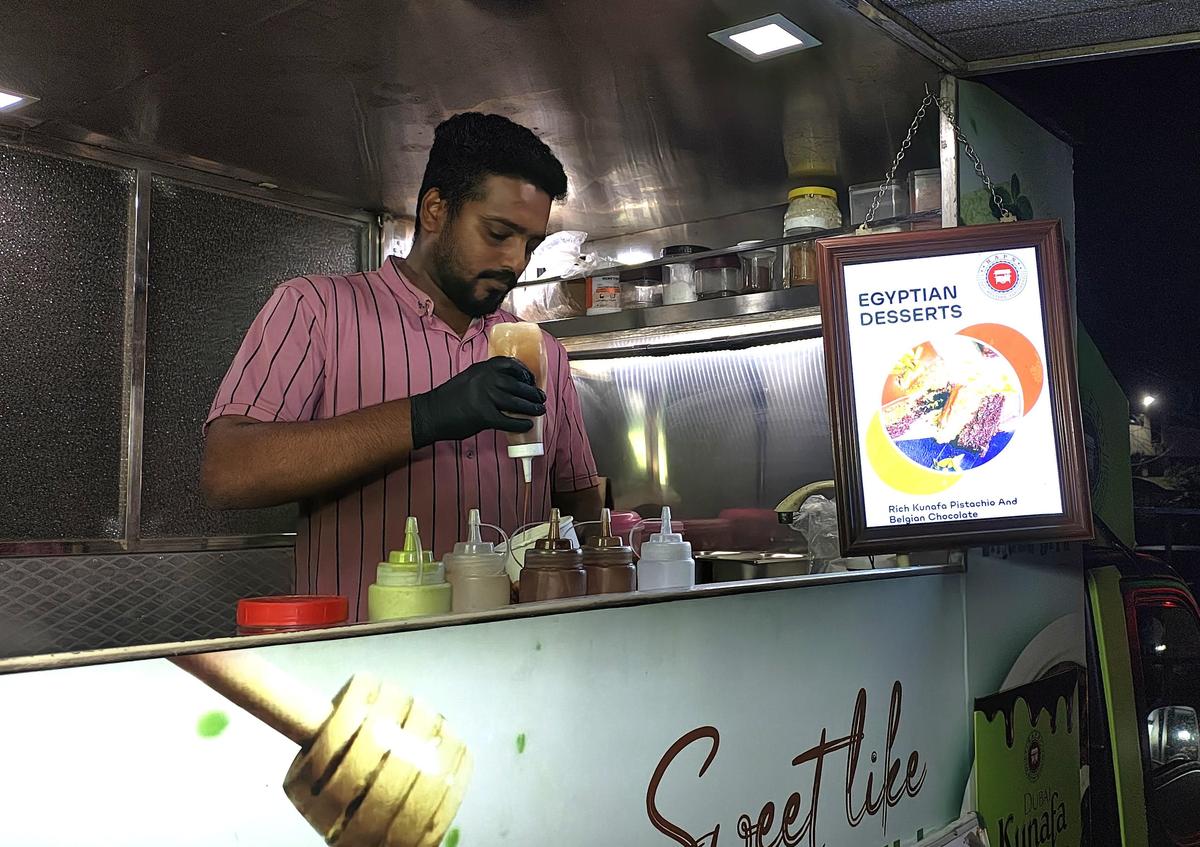
Husband-wife duo Nabeel AS and Afsana H opened Haps…, a dessert truck at Kulathoor, featuring Arabian desserts after observing the social media hype around sweets such as koshary and salankatia, two Egyptian desserts topped with pistachios and Nutella. “Initially, we couldn’t find a suitable space for our business. So, we decided to start a food truck,” says Nabeel. Their menu also includes qashtota (rice pudding with milk cake) and bamboza made with fresh fruits and nuts, available from ₹100. The dishes are available in 350 ml and 500 ml tubs.

Scenes from Haps the Melting Happiness

Scenes from Haps the Melting Happiness
| Photo Credit:
Nainu Oommen

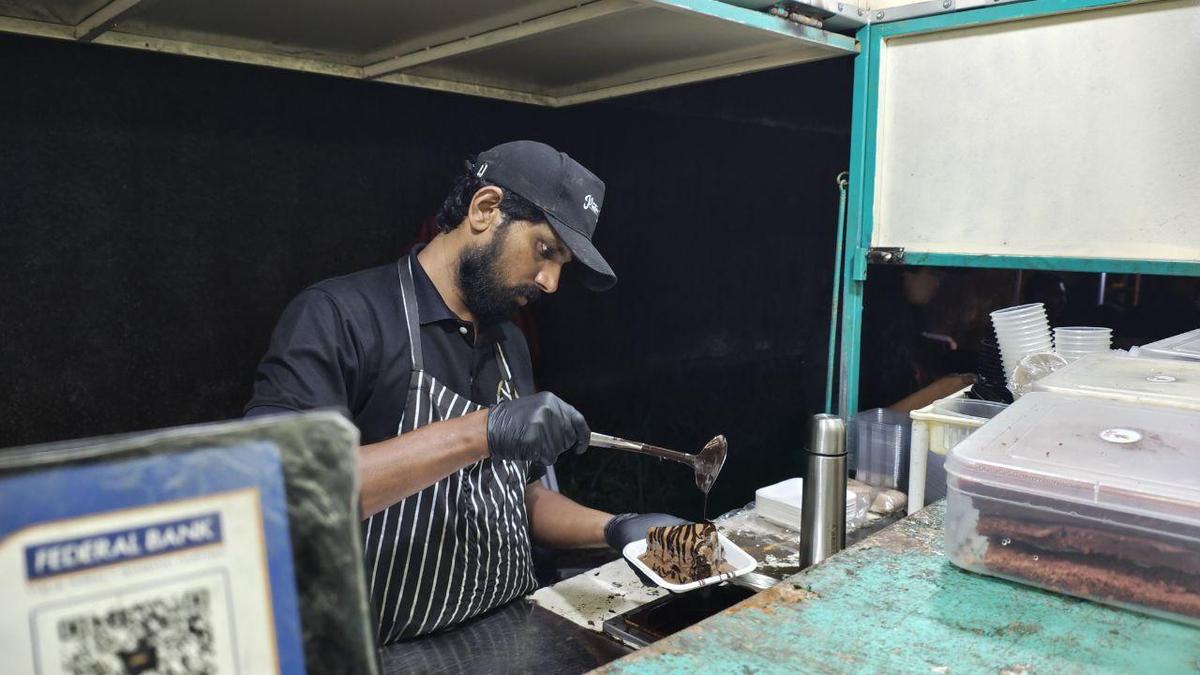
These carts are also for people who cannot afford to dine at cafes, say the owners. “The aim is to make dishes affordable for the public, thus allowing us to gauge the responses for our desserts across demographics,” says Akhila Suresh, one of the owners of Postre Magic, a dessert cart at Kuravankonam. Their menu features a variety of milk cakes, fruit tubs, cheesecakes, and so on. Akhila runs the kiosk with her husband, Murali Krishna.

Murali Krishna at Postre Magic

Murali Krishna at Postre Magic
| Photo Credit:
Nainu Oommen

Some owners say they were inspired by the food cart culture in Tamil Nadu. Bala avers that he referred to the menus of several outlets in Coimbatore before he designed his own, to establish a profitable margin while maintaining a moderate price.

These stalls mostly attract youngsters and families, which has to do with the location as well. Some of the outlets are located outside college campuses, which brings in the 18 to 24 age group. However, in the case of Haps… located near Technopark, the IT crowd is the main customer base, especially those who walk in after their shifts or breaks during late evenings and nights.

This model of the dessert carts also allows the brands to build their identities outside their kiosks. For instance, Wancho de Boc is a constant collaborator with Gokulam Medical College, setting up stalls on their campus during the day. “We are also collaborating with other private companies in Technopark, selling our baked goods at their offices on specific days. We have a different menu for such occasions, which mostly comprises ready-to-eat desserts rather than sweets which require any preparation,” says Anandhu.

Waffles being made at Wancho de Boc

Waffles being made at Wancho de Boc
| Photo Credit:
SREEJITH R KUMAR

However, running these dessert kiosks comes with its own challenges especially when it rains heavily. They cannot open their kiosks which takes a toll on their returns.

Earlier in October, the Thiruvananthapuram Municipal Corporation conducted a drive to remove street hawkers from illegally using carriageways and pavements. “It affected us a lot for a few days. While we were able to set up the stall again as we met their hygiene standards and space restrictions, many people think the street food places are completely shut down,” says Bala.

He adds, “ At some point I want to set up my own cafe. These carts will still be there, but I want a place of my own.”

Published – February 05, 2026 05:00 pm IST


Source link