Life & Style

Calum Scott on his new album Avenoir, his concerts in India and more


English singer-songwriter Calum Scott vividly remembers his first time in India, when he was a special guest at Ed Sheeran’s 2024 Mathematics tour concert in Mumbai. 

“When I walked on stage to that crowd, it felt like I was the headliner. Everywhere I could see, people were roaring with joy and celebration. It felt amazing to be celebrated this way so far away from home,” he recalls. 

The 37-year old singer is now back in India, for concerts in Delhi, and for Lollapalooza Mumbai over the next few days. “To be coming back here with my own shows feels amazing. It really is a dream come true,” he says, on a Zoom call from Delhi. .

Having broken into the music scene in 2015 as a Britain’s Got Talent contestant, Calum went on to release the albums Only Human in 2018 and Bridges in 2022. While his popular songs include ‘Roots’, ‘Where are you now’ and ‘Woke Up In Love’, the singer’s biggest hit and one that remains a favourite over the years is the pop ballad, ‘You Are The Reason’. 

Calum has had a whirlwind last few months with the release of his third and latest studio album Avenoir in October 2025, and kicking off an expansive world tour spanning several countries. Avenoir, he says, feels like his most confident work yet. 

“I feel more content in my life now. I’ve been able to quieten down the imposter syndrome in my mind that is telling me that one day I’m going to have to go back to my human resources job from the past,” he laughs. This, Calum says, meant feeling free of creative boundaries, and being able to explore different genres on his new album. 

While he says he worked with an amazing artiste, Lauren Alaina on the country duet ‘One More Drink’, he also laughs and says it might be a “bit cringe” saying this, but that he enjoyed working on ‘Peripheral Vision’, which might be his sexiest song yet. “The album just felt like I finally deserved to be where I’m at, and that gave me a lot more sort of confidence, freedom and joy genuinely in making the music,” he says. 

The album also features Calum in a duet with Whitney Houston on a balladic interpretation of her iconic song ‘I Wanna Dance With Somebody’, nearly 13 years after her death. “I remember when we first got the confirmation that I would be working with Whitney’s voice I kept thinking about how I could make this the most respectful tribute to her. I used to listen to her music growing up, and for me, it was the joy of getting the opportunity to duet with her voice,” he says. 

While Calum says he was worried about possibly destroying an amazing song, comments under the YouTube video of this single heap praise on the tribute, calling it respectful and nostalgic. “I knew that I was going to do what I do best;  which is taking up the beat pop song and making it sad. So I wanted to do it in the most respectful way possible, and we went to great lengths to make sure that happened. Hearing compliments like this really reaffirms to me that I did the best job I could,” he adds. 

Currently in India following the European leg of his Avenoir tour, Calum takes us through how he prepared for his global concert tour. “When I first sang the set the whole way through, I remember thinking to myself that I needed to work out at this. I am writing songs that are way out of my range, and doing these songs back to back on stage really takes a toll on your voice. I had to train my voice for the stage,” he recalls. He however says after the European leg of his tour, he feels very prepared for India and the rest of Asia. 

“ I’m more of a performer than I’ve ever been before. And this is all thanks to Ed Sheeran plonking me in the middle of a packed stadium, on a circular stage where you cannot get away from anyone. This really helped me, you know?”  

The singer has a whirlwind year ahead, but we ask him what he is most excited for musically this year. “I think everybody in the world is excited for the new Harry Styles album. With disco in the title, I think we’re all in for a treat,” he says. And at Lollapalooza Mumbai, Calum is as excited about catching Linkin Park in concert as is their legion of fans here. “They were one of my favourite bands growing up. I started straightening my hair and painting my nails black thanks to them. I am excited that I get to see them perform,” he adds. 

Calum Scott performs in Delhi on Friday, January 23 and at Lollapalooza Mumbai on Saturday, January 24 

Published – January 23, 2026 01:58 pm IST


Source link

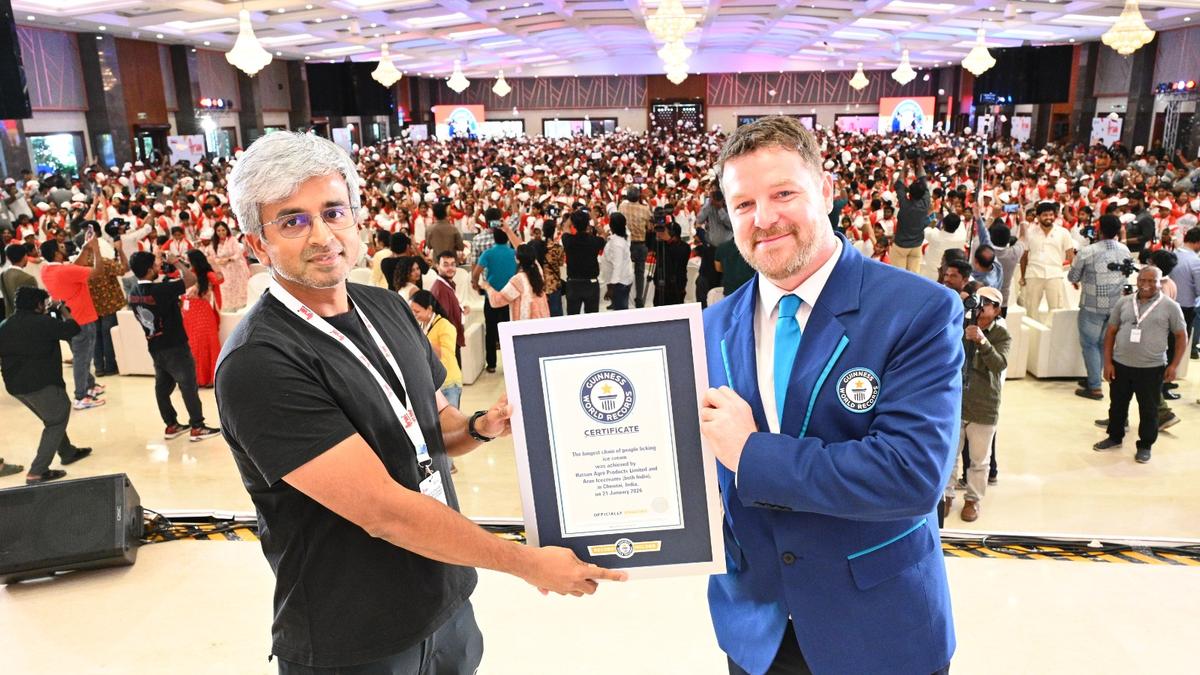
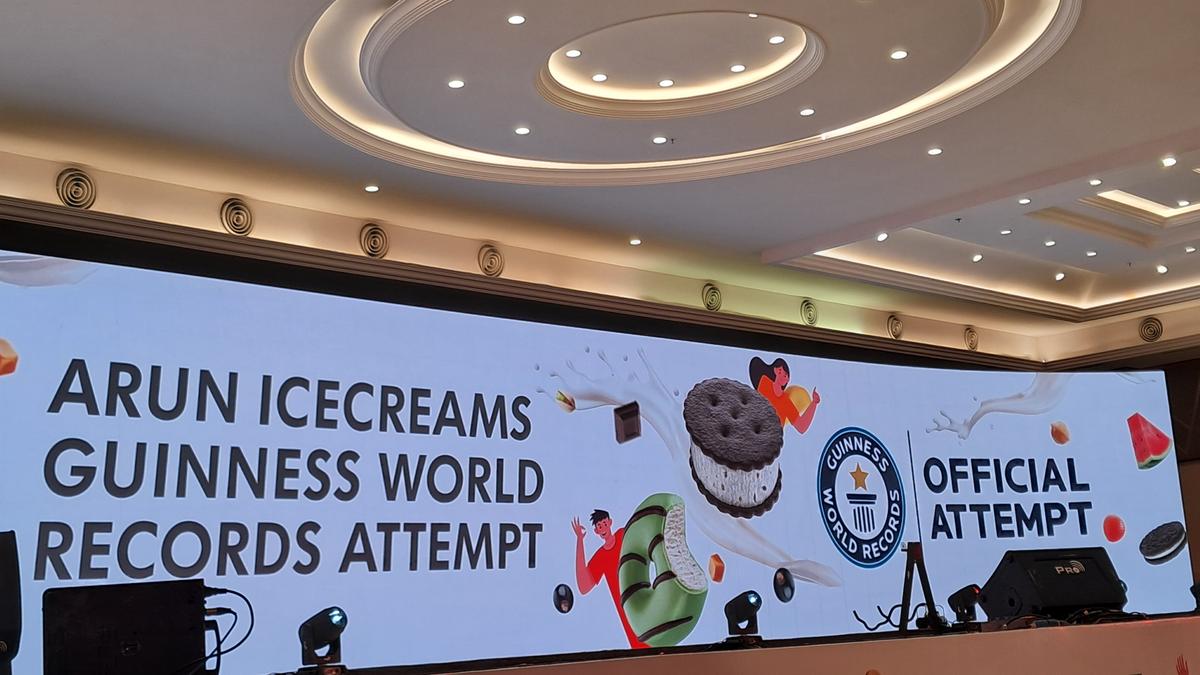
Chennai students break Guinness World Record with 4,008-strong ice cream–licking chain


C Sathyan, Vice Chairman, Hatsun Agro Product received the recognition from Mr. Richard William Stenning,Guinness Team, UK

C Sathyan, Vice Chairman, Hatsun Agro Product received the recognition from Mr. Richard William Stenning,Guinness Team, UK
| Photo Credit: Special Arrangement

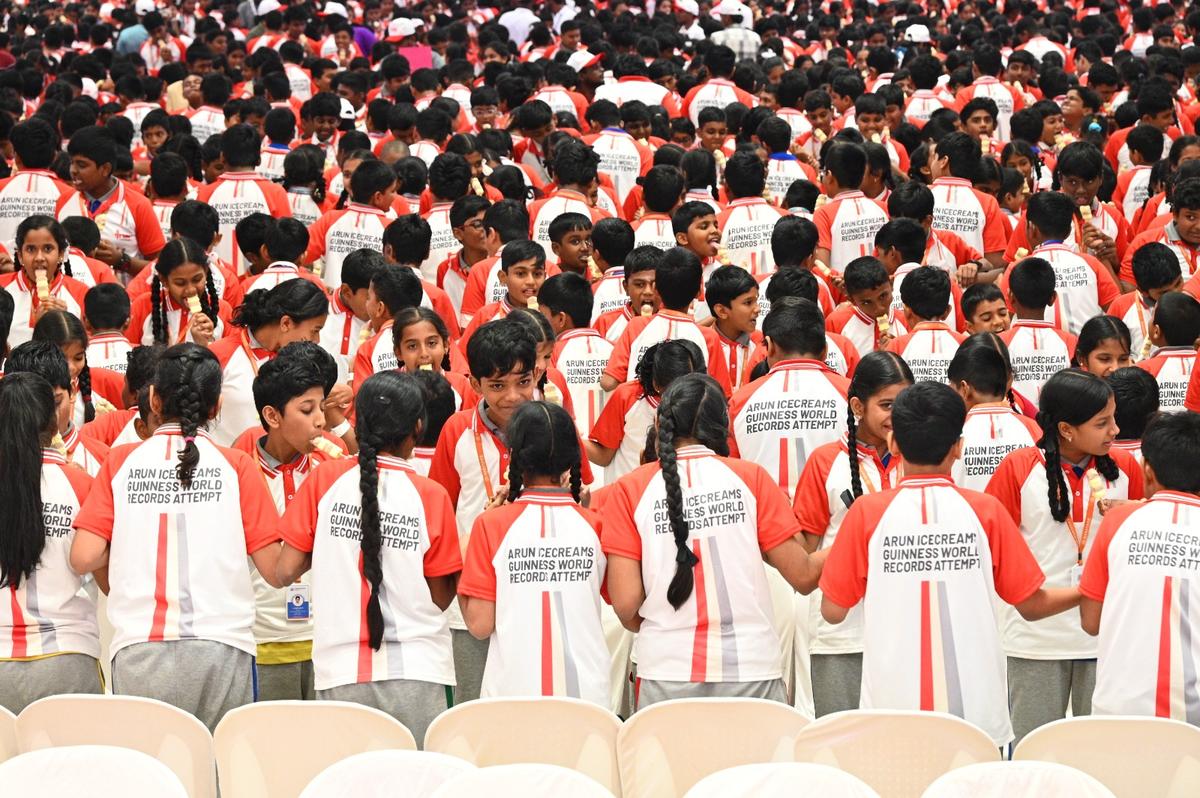
The first surprise is a Guinness World Record for the longest chain of people licking ice cream. The second is that it was broken in Chennai this week, by 4,008 school students — and a lot of ice cream.

Students from eight schools in Chennai worked together to break this Guinness World Record at the RK Convention Centre, Neelankarai, on January 21. The previous record, set on July 23, 2011, was held by 2,728 participants at an event organised by the UK’s award-winning ice-cream brand Morelli’s of Portstewart.

Instructions were simple — the record had to be set in one minute. The participants formed a human chain, with each person holding an ice cream in their right hand and offering it to a neighbour.

As some students fought brain freeze, and others dived right in to finish the ice cream stick, the countdown reached a crescendo. Finally, Richard William Stenning, adjudicator at Guinness World Records, UK, made the announcement alongside Milind Verlekar, Guinness World Record Team, Pune. “ You were all very patient and you have broken a world record set in 2011,” he announced. ‘We are the Champions’ by Queen, played at the DJ booth and caps were tossed into the air.

The event, ideated for close to two months, by Hatsun Agro Product’s flagship brand Arun icecreams celebrated the unadulterated joy of childhood with everyone’s favourite frozen treat.

The certificate and honour were presented to C Sathyan, vice chairman, Hatsun Agro Product, in the presence of participanting schools, Nellai Nadar Mat. Hr. Sec. School, Narayana Group of Schools (eight branches), Ramachandraa Public School, Suddhananda Vidyalaya, Budding Minds International School ,SV High School, Vels Global School, and Padma Seshadri Bala Bhavan Senior Secondary School.

A visibly delighted R G Chandramogan, Chairman of Hatsun Agro Product, “This is a cherished moment, to see 4,008 children setting a Guinness World Record in ice cream eating.”

The day began early, as students entered the venue by 8am, greeted at the entrance by transformer robots , and a kit containing a red-white cap and t-shirt to commemorate the special occasion. Once they donned the uniform, they were seated in rows, under the supervision of teachers, in an especially chilly room: an ideal environment for icecream.

As an instruction video played on two large screens across the twin halls at the venue, the students did practise runs, without icecream. Stewards were placed across the rooms to monitor the number of participants and timing while volunteers stood with large ice boxes. The record was attempted at noon, with Tamil and English pop tunes keeping the energy high.

Satyanwiti, a Class VI student from Narayana Group of Schools said they students were informed of this event two days ago and were “super excited” to participate. Her friend P Viruthika, chimed in to say she enjoyed eating her Jolly Train, a chocolate and butterscotch ice cream bar. Then giggled, “I just wish we didn’t have to wait for so long.”

Chennai is no stranger to Sweet Guinness World Records

The tallest tower of cupcakes is 12.69 metres (41 feet and eight inches) and was achieved by Preethi Kitchen Appliances and Food Consulate Chennai (all India) at Forum Vijaya Mall, in Chennai, Tamil Nadu, India, on January 19, 2019.


Source link

Paruthipaal, steeped in time – The Hindu


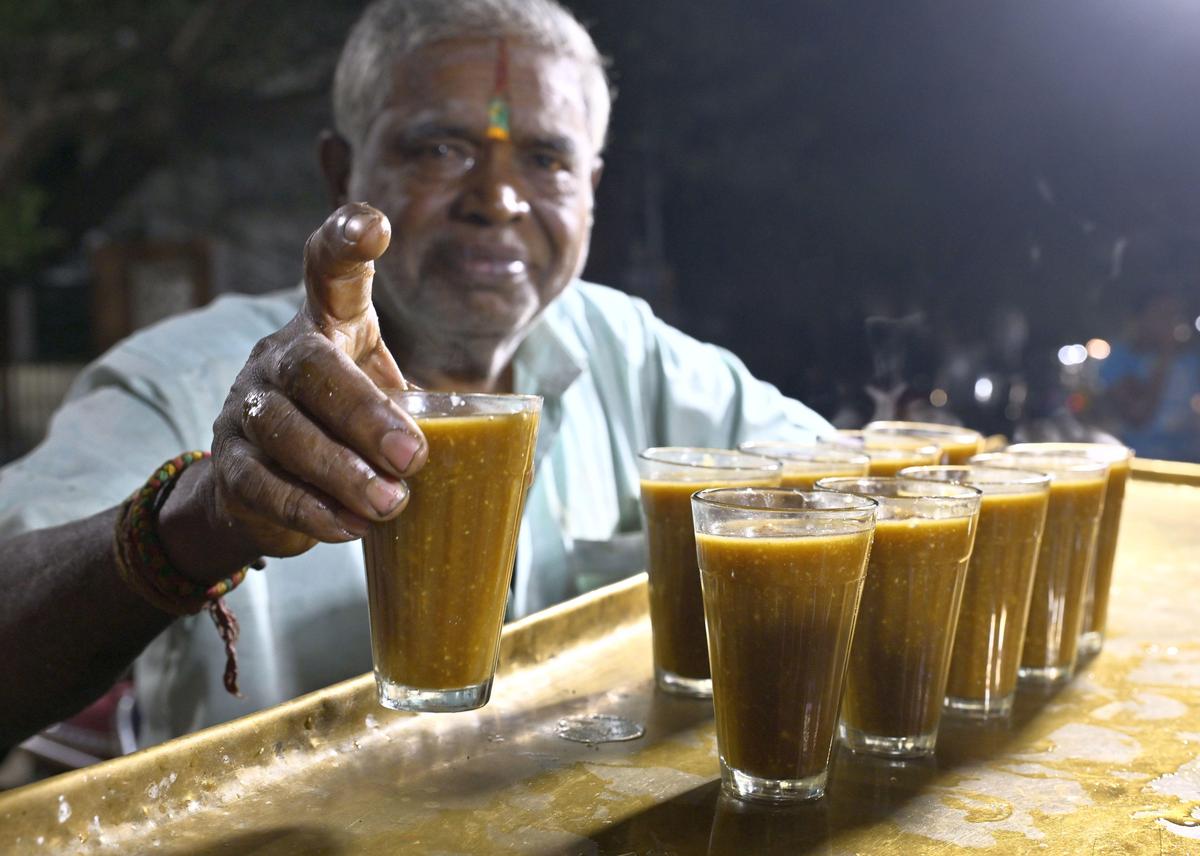
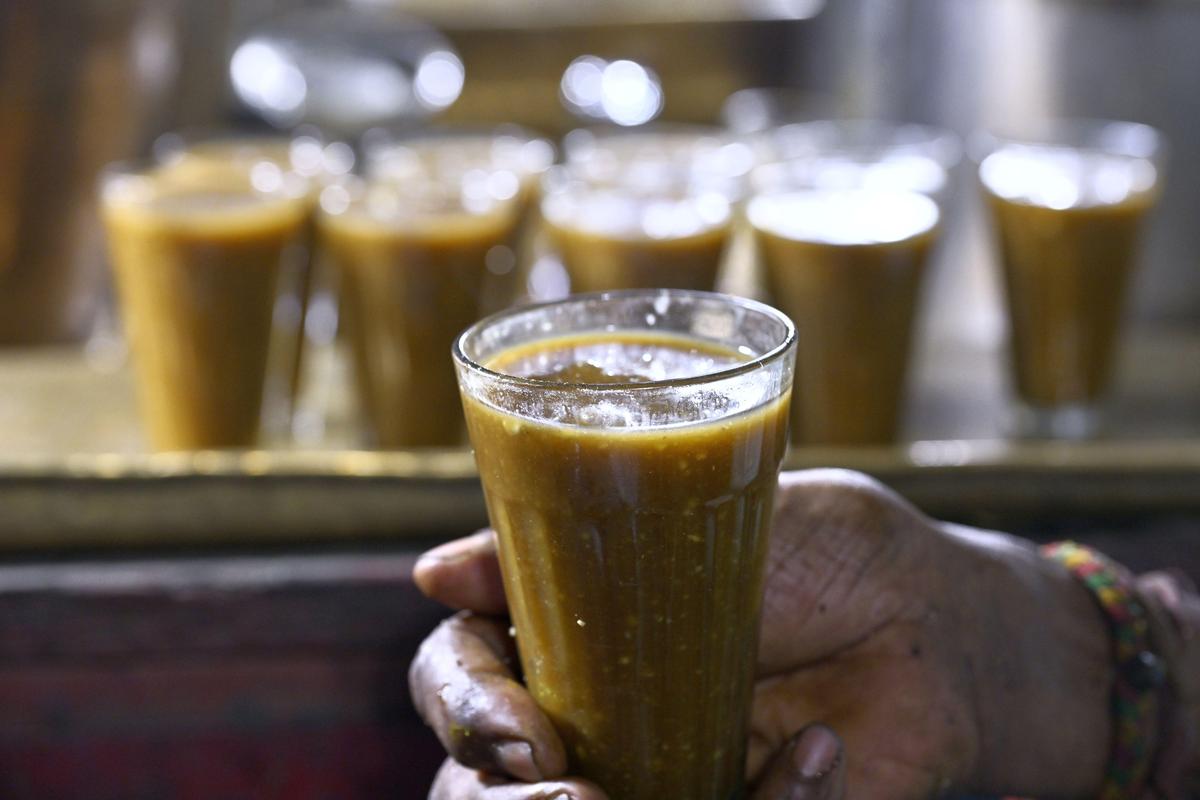
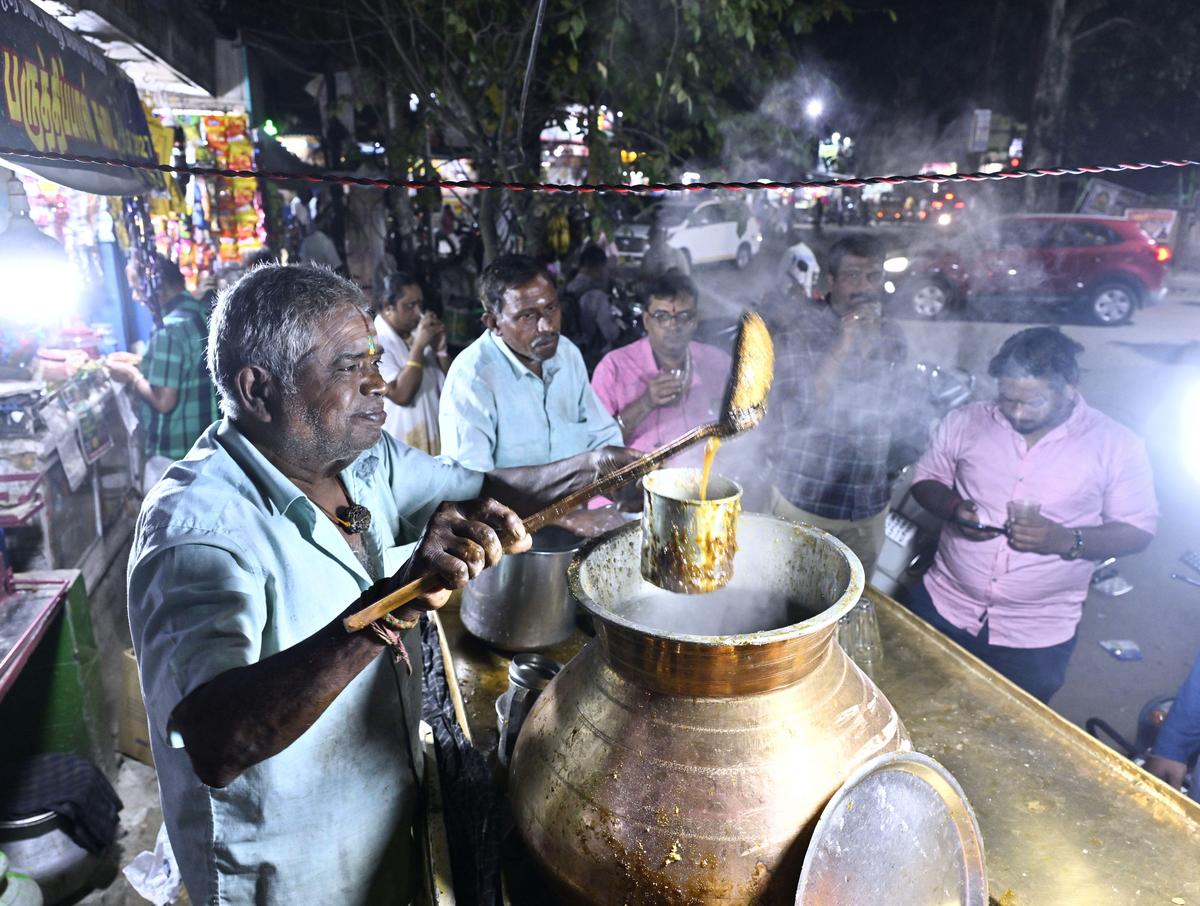
Even as cafes and soft drinks shape the food choices of people in Madurai, a steaming cup of paruthipaal continues to hold its own place. Made from cottonseed, the traditional drink is still enjoyed across generations, with several shops in the city keeping the practice alive. On one busy street, a small paruthipaal shop has been serving customers for nearly 90 years, drawing not just regular customers but also the younger generation.

K Santhanam, who now runs the shop, says the business was started by his father Karuppiah in the 1930s when paruthipaal was sold in the streets of Madurai on bicycles. Nearly 90 years later, the family continues the tradition, serving a drink that carries memories for many in the city. “We don’t just serve paruthipaal, we serve it with care,” he says, a sentiment he believes has kept generations of customers returning.

 K.Santhanam serving hot Paruthipaal (cottonseed milk) at his shop in Madurai.

K.Santhanam serving hot Paruthipaal (cottonseed milk) at his shop in Madurai.
| Photo Credit:
G. MOORTHY

Explaining the process, Santhanam says the drink is still prepared at home, much the same way it was decades ago. Cotton seeds and raw rice are soaked for hours, ground together and carefully filtered to extract the milk. The mixture is then cooked slowly, stirred without pause, allowing the flavours to settle. Sweetened with palm jaggery, the paruthipaal is finished with a measured blend of herbal powders — dry ginger, chitharathai (lesser galangal), cardamom powder, thippili (Indian long pepper) and some grated coconut — ingredients valued not just for their flavour, but for their medicinal warmth.

Recalling the early days of the business, he says his father would sell paruthipaal from a bicycle, carrying a small stove and pot. “He would call out as he moved through the streets, and people would come to buy,” he says. Over the years, the makeshift setup gave way to a proper shop, where today customers come for the familiar taste that has been passed down generations.

He adds with a smile that in the early days, his father sold a glass for one or two paise. Today, the drink is priced at ₹20–25, and for customers who take it home, it is served in parcels for ₹40.

S Govindaraj, Santhanam’s son, says the paruthipaal is valued not just for its taste but also for its medicinal benefits. The herbal powders in the drink are believed to boost immunity, manage cholesterol and support heart health. Palm jaggery helps maintain blood sugar levels. According to him, the drink also aids women by regulating menstrual cycles, easing labour pain, and supporting lactating mothers.

 K.Santhanam serving hot Paruthipaal (cottonseed milk) at his shop in Madurai.

K.Santhanam serving hot Paruthipaal (cottonseed milk) at his shop in Madurai.
| Photo Credit:
G. MOORTHY

He adds that the preparation begins early in the morning at home, before the shop opens around 9am. “My father learned it from his father, and I am learning it from him,” he says.

S Kowsalya, Santhanam’s wife, supports his business, managing the household and the shop. She says, “It is not easy, but this shop has been part of our lives for so long that it feels like our second nature,” she says. “I make sure everything at home runs smoothly, while also keeping an eye on the paruthipaal preparation and serving our customers. My husband, son and I work in turns, helping each other throughout the day. It’s hard work, but seeing familiar faces return makes it all worthwhile.”

 K.Santhanam serving hot Paruthipaal (cottonseed milk) at his shop in Madurai.

K.Santhanam serving hot Paruthipaal (cottonseed milk) at his shop in Madurai.
| Photo Credit:
G. MOORTHY

“I often stop by after college,” says S Vinoth. “Paruthipaal is different from anything else — warm and comforting.”

From a bicycle in the 1930s to a busy little street shop today, this paruthipaal has travelled through generations, proving that some flavours only grow richer with time.

Located at Chairman Muthuramaiyer Road, Munichali, Navarathinapuram, Madurai

Published – January 23, 2026 12:10 am IST


Source link

First look: With Nila in Bengaluru, chef Rahul Sharma is placing India’s diverse ingredients at the forefront


Tree tomato custard at Nila

Tree tomato custard at Nila
| Photo Credit: Special arrangement

Nila is a little enigmatic.

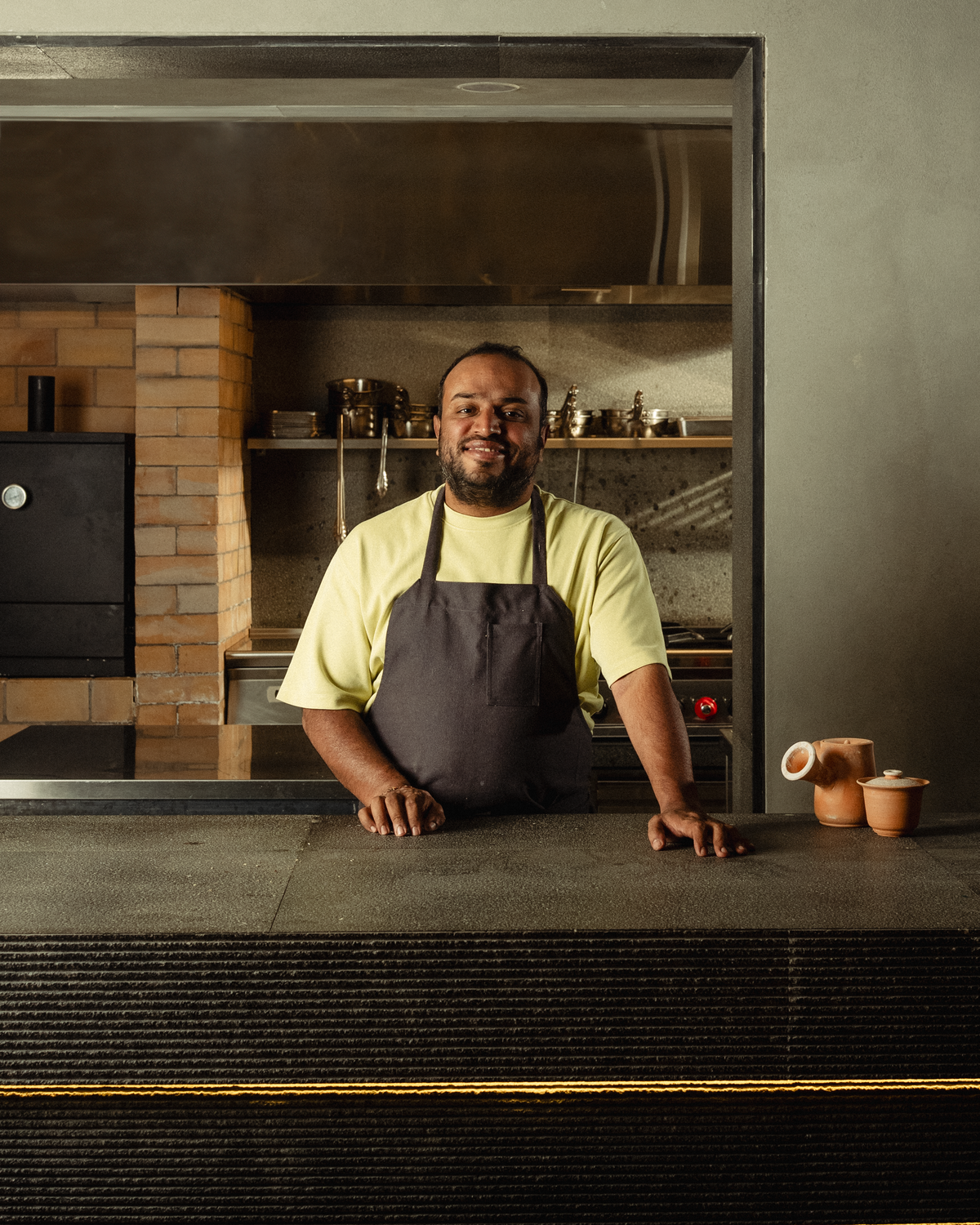
We pull up to the street in Cambridge layout, and after looking around a bit (it was not on Google maps yet) find a gray building waiting for us. Inside, we are greeted by a massive, room-sized lamp and the low hum of a kitchen at work. This is Nila, chef Rahul Sharma’s latest venture in Bengaluru, where we have arrived for a first look just days before the doors officially open.

Chef Rahul Sharma

Chef Rahul Sharma

The aesthetics

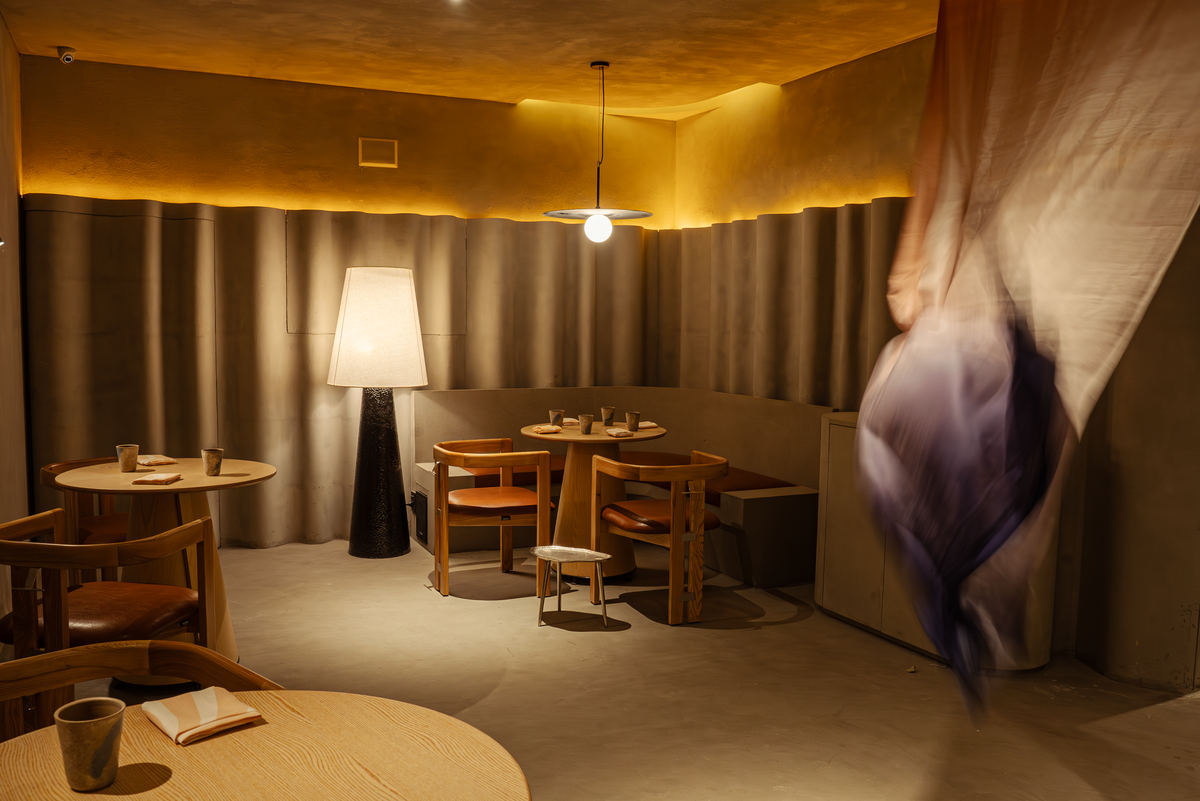
Nila means moon in Tamil, and the lighting-forward design aesthetics of the restaurant reflects this; warm lights, bare walls, curved textures, and a distinctly Japandi-style. The 24-seater combines Japanese minimalism with Scandinavian sensibility. They will soon open a bar on the first floor.

The 36-year-old chef, who has names like NOMA, Masque and Araku under his belt, opens Nila as a culmination of his journey. Here Indian dining culture and ingredients are given an international expression. Rooted in hyper regional Indian cuisine, the 12-course tasting menu will change every three months. To start with Nagaland is in the spotlight, inspired by Rahul’s travels.

The interiors of Nila

The interiors of Nila

The quaint tree tomato

The courses are divided into mingle, sharing, feast and sweet. Each course is served in individual size portions, on tastefully intentional crockery. From the mingle section the standout is the tree tomato custard. Nagaland’s GI-certified fruit, locally called sei bangenuo, is the star of the dish. Sliced into the shape of a flower, it served on top of a creamy cheese custard, crunchy perilla seeds, and confit Naga wild garlic. The cold tomato, and the creamy custard pair well. This should be the opening dish in my opinion, though what we started with, a black rice momo, a tapioca encased black rice dumpling, was also delicious.

The black soybean tart is filled with curried soybean, and is topped with a lattice of crisp burnt chive. The pickled persimmon kebab is skewers of the fruit that have been pickled for 30 days. It is topped with coconut malai or pork lard, and an onion and chilli pickle inspired by Mao market in Kohima.

Pickled persimmons kebab

Pickled persimmons kebab

Taro, bamboo shoots and buckwheat noodles

A soup is the interlude between the mains. Yam milk and bamboo broth is smokey, mild and comforting. It is served with a fermented bread topped with radish and greens, and I keep going back for bites.

For the mains, it is a roasted chicken terrine with anushi (a dry fermented Naga flavour bomb) and charred wild leaves. The 21st century smoked pork, one of Nagaland’s most famous exports, is smoked in house here. Served in slices, this one is overshadowed by the courses sandwiching it. The house-made buckwheat noodles, the last main, are submerged in a bamboo broth, which I really enjoy.

The theme of smoky, charred and deep flavour notes is consistent through the meal. Three mains might be one too many.

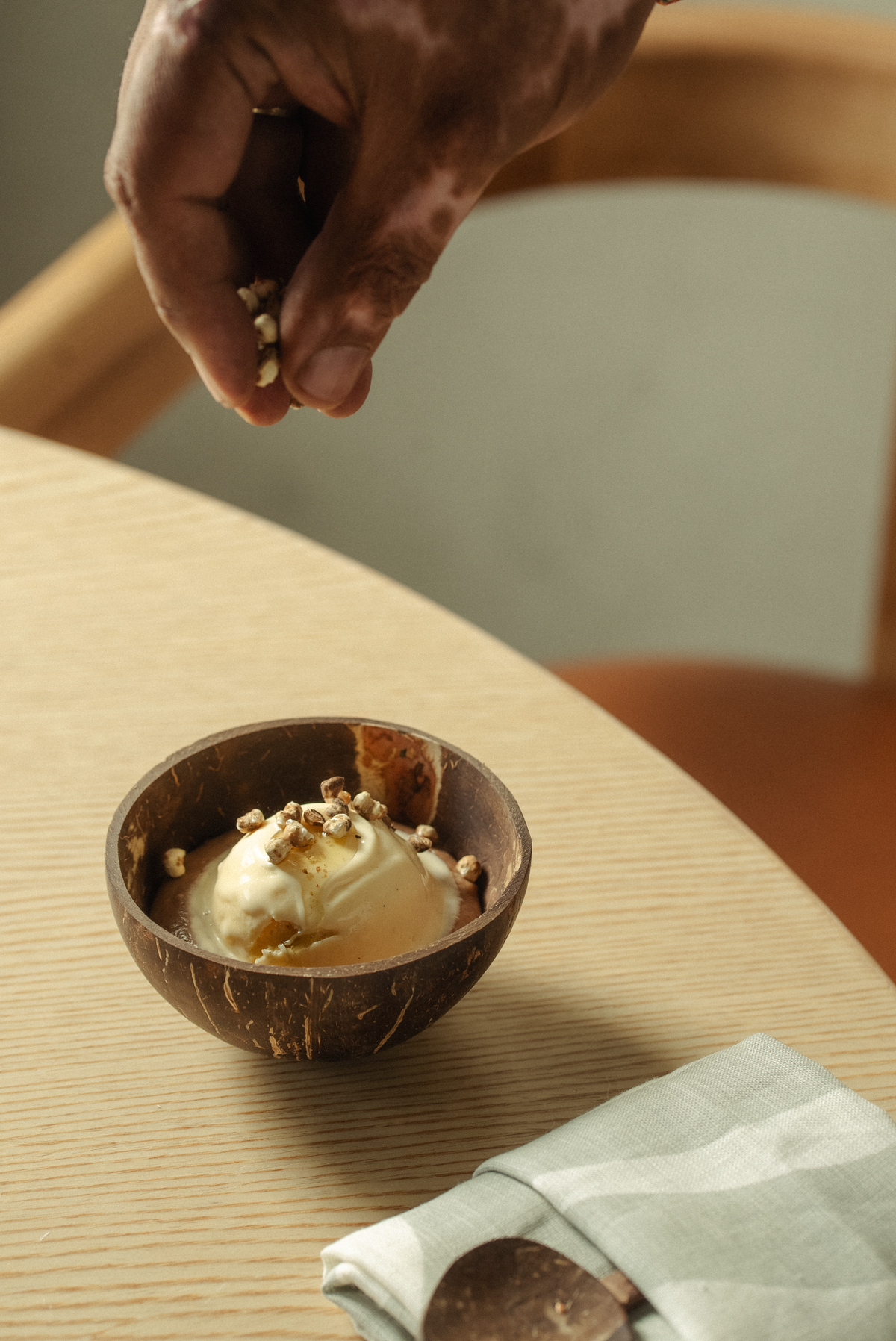
Sichuan pepper ice cream

Sichuan pepper ice cream

Chef Garima Tharwani is behind the desserts. The winning dessert for me is the Naga basil cake. A pound-cake like dessert that is dusted with a local herb from Nagaland, called napa. It is fresh and citrusy.

The menu at Nila is intelligent, imaginative and artistic. The service is precise and the staff is on top of their game. It may be ahead of its time with newness, and time will tell if diners are open to it. I am curious to see Rahul’s interpretation of other cuisines in the coming months.

The tasting menu is priced at ₹4,550 excluding drinks. (Nila is still working on its alcohol license). At Cambridge layout. Open for dinner. For more details, call 8867905558


Source link

Tamil Nadu Tourism: As trial trial run of balloon safari rides begins in Pollachi, Madurai and Thiruvannamalai, we take one in Pollachi and come back with unforgettable views


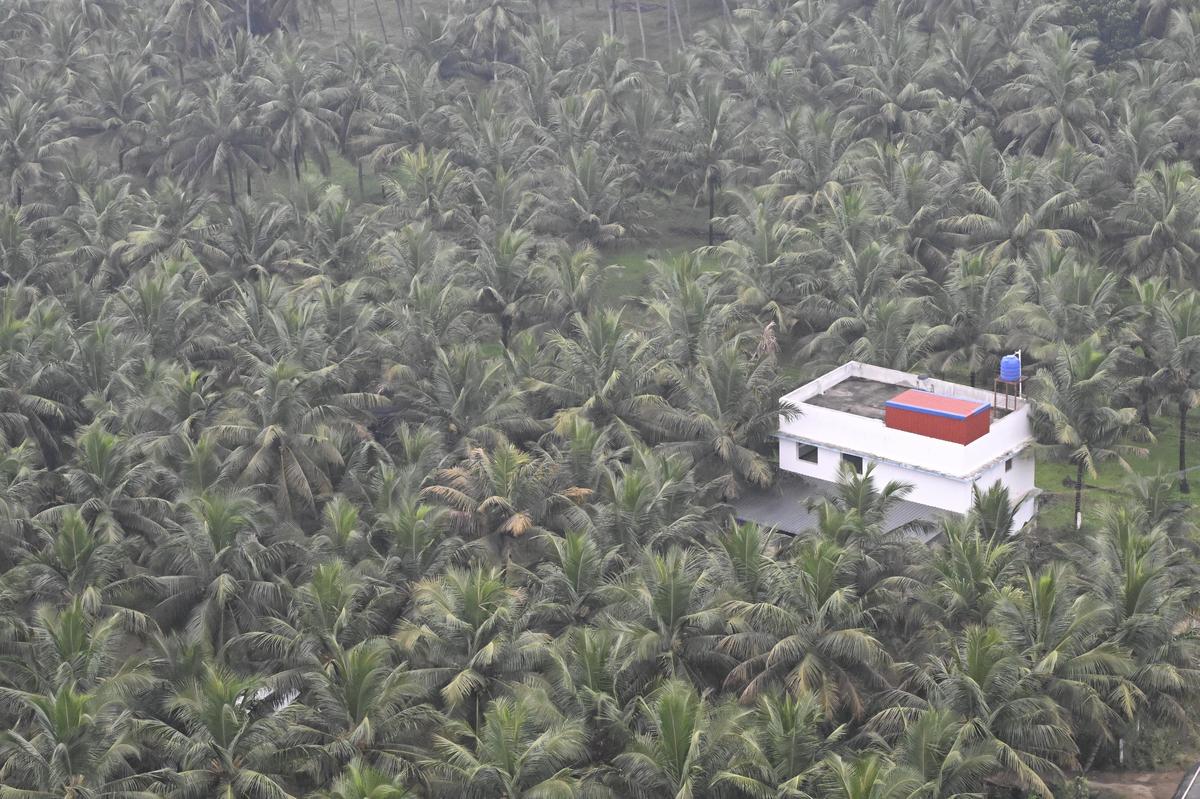
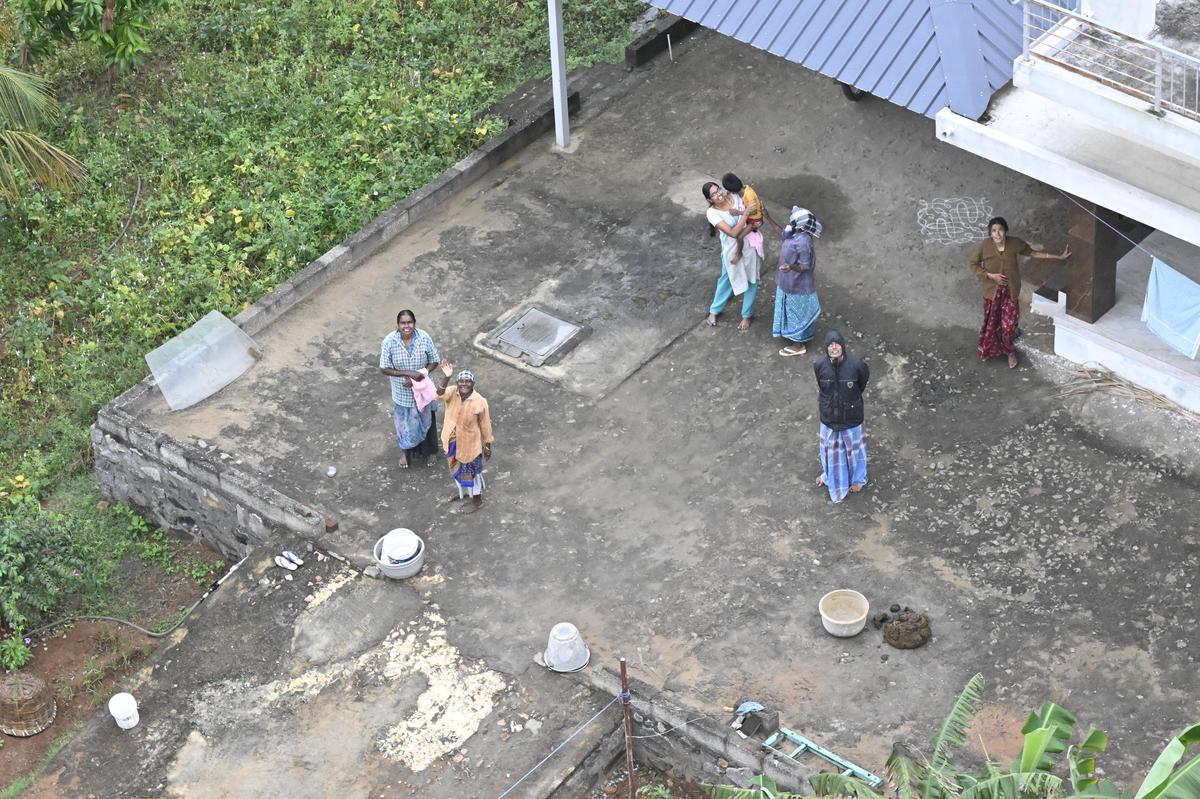
One thousand feet above sea level, just after dawn, I get a a 360-degree view of rows and rows of coconut groves bathed in morning light; an unforgettable view from a hot air balloon, skimming over the treetops of Pollachi, located 45 kilometres from Coimbatore. “The first rule,” reminds Oliver Stallwood, the 23-year-old pilot from the UK, as he steers the balloon’s ascent, “Is to put your phone away and soak up the views.” As the balloon drifts over fields, cows and dogs look up. People in the villages below, awestruck by the gigantic structure over their tile-roofed homes, wave at us.

The balloon safari rides, launched by Tamil Nadu Balloon Adventures in association with Tamil Nadu Tourism at Pollachi in Coimbatore district, Madurai and Tiruvannamalai, can fly with a maximum of eight passengers, and only once in the morning at sunrise..

“Every location offers something unique from the air,” says Benedict Savio, founder of Tamil Nadu International Balloon Festival (TNIBF) and director, Global Media Box, adding, “In Pollachi, you see oceans of coconut trees, something you’ll never see elsewhere. Madurai’s landscape is completely different. Thiruvannamalai has the Arunachala Hill.” Benedict’s first balloon ride, he recalls, was in Germany in 2005. “It was magical. I had never experienced anything like it. That’s when I knew I wanted to bring this to Tamil Nadu.”

Bird’s eye view of coconut groves in Pollachi

Bird’s eye view of coconut groves in Pollachi
| Photo Credit:
PERIASAMY M

Ballooning in Tamil Nadu has largely been introduced through festivals over the past 11 years. Turning it into a permanent safari, however, required careful study. “That’s why we are doing it in phases: 20 days each in Coimbatore, Madurai, and Tiruvannamalai. We will assess feasibility starting with weather conditions, landing zones, tourist response, costs, and long-term scalability. Based on this, we will decide where to establish a permanent base,” explains Benedict, who has also designed and operated special-shaped balloons, including ones for Emirates Airlines and the Angry Birds franchise, flying across more than 30 countries.

Ballooning in Tamil Nadu has largely been introduced through festivals over the past 11 years.

Ballooning in Tamil Nadu has largely been introduced through festivals over the past 11 years.
| Photo Credit:
Special Arrangement

The initiative aims to introduce hot air ballooning as a safe and immersive adventure tourism experience for domestic and international travellers while supporting local employment and regional tourism economies.

As hot air balloons are classified as aircraft, DGCA regulations, clearances, weather studies, and air traffic permissions, apply. Airport and air traffic control clearances are mandatory. Flights are always launched from the outskirts of cities. “Balloons fly with the wind. We need calm zones, open landing spaces, and no active airports nearby,” he says, adding that the limitation, along with pilot costs, crew, maintenance, and DGCA-mandated inspections, makes ballooning expensive. “Realistically, we need to charge ₹12,000 to ₹14,000 per person. However, sponsorship could change that. If a brand sponsors the balloon, like Qatar Airways does in Australia, our costs drop by nearly 50% percent. My dream is to make it under $100.”

Oliver Stallwood, the 23-year-old pilot from the UK, 

Oliver Stallwood, the 23-year-old pilot from the UK, 
| Photo Credit:
PERIASAMY M

Ballooning, unlike other adventure sports, is completely weather-dependent anywhere in the world. Flying in India also comes with unique challenges. “In Europe or Australia, road access and landing recoveries are easy. Here, terrain, access, and public awareness are challenges. We have to educate people that a balloon is an aircraft. The pilot is actually flying, controlling altitude, reading winds, making real-time decisions,” says Benedict who has flown celebrities like AR Rahman in Las Vegas.

Ballooning, unlike other adventure sports, is completely weather-dependent anywhere in the world

Ballooning, unlike other adventure sports, is completely weather-dependent anywhere in the world
| Photo Credit:
PERIASAMY M

Pilot selection, he says, is critical. Oswald is already seven years into the job, and is the youngest commercial hot air balloon pilot in the UK with over 300 hours of flying time. “I have done most of my flying in the UK, and across Europe. Places like Saudi Arabia and Qatar are mostly desert, but still are beautiful,” says Oswald, whose dream destination to fly is Cappadocia, Turkey, home to the world’s most famous balloon festival.

Views of coconut groves and tiled-roof homes of Pollachi

Views of coconut groves and tiled-roof homes of Pollachi
| Photo Credit:
PERIASAMY M

As our 30-minute ride ends in an incredibly smooth landing, Oswald reflects on flying in India. “People look up, they stop, they watch. That curiosity makes it special. And the greenery is something else. It’s lovely.”

According to Benedict, their long-term vision is to build an aviation ecosystem. “We want to set up a small aviation park where there will be balloon flights, aviation exhibits, and eventually a pilot training school. Skill-based training to build pilots network from here. Currently, Jaipur is the only place in India with regular balloon safaris. Tamil Nadu is pioneering this with balloon festivals. Hyderabad has one added only recently,” says Benedict adding that every flight is unique.

Every location offers something unique from the air

Every location offers something unique from the air
| Photo Credit:
Special Arrangement

“It is never point A to point B. You just go with the flow. There’s also the silence. It calms you. Makes you reflect. It’s a natural way of moving, what nature tells you to do,” he says, adding, “ Unpredictable but not dangerous. ”

People in villages near Pollachi look up and wave

People in villages near Pollachi look up and wave
| Photo Credit:
PERIASAMY M

Balloon Safari rides are ongoing at Pollachi Institute of Engineering and Technology at Poosraipatti in Pollachi till January 26. The trial operations will be conducted in Madurai (from January 30 to February 22 ) at Vishaal Swarnhabhoomi and Thiruvannamalai (from February 26 to March 29) at Loyola College Grounds, Vettaivalam. For details, visit www.tamilnaduballoonadventures.com

Published – January 22, 2026 04:47 pm IST


Source link

Why are some Indian language scripts rounder than the others?


India is a country where you can find more than a hundred languages around you. From languages with scripts to those without, you can see a huge variety within the types of Indian languages. Have you noticed how some scripts (basic alphabets of a language) have curvy elements while the others are more straight? For example, Hindi, Marathi, etc. have a straighter script, while languages like Tamil, Kannada, and Malayalam have curvier letters.Ever wondered why?

Writing tools

Back in the day, the northern areas of the current Indian borders used bark or clothes to write, while the southern areas often used leaves, especially palm leaves. The scripts of each language were created according to the physical factors connected to each area of origin. 

Scripts that are written on harder materials often have straighter lines in their alphabet, while those written on more delicate materials like leaves have curvier alphabets to ensure that the leaf does not tear. This soon became a stylistic norm between the scripts, and how they evolved depended on the durability of the materials being used. 

Mostly, a metal stylus was used to inscribe the letters onto a leaf or bark. This required styles that ensured the hard metal did not puncture the material being written on as well. 

It is not just the ‘Southern’ states which have adopted this linguistic style; even scripts which are used in the Eastern side of India, like Odia, have adopted curvier scripts, possibly due to the same reason.

Global styles

It was not just these languages that were often recorded on leaves; languages like Old Uighur, Burmese, Khmer, Sinhalese, Lao and even Pali texts often used palm leaves. Language script styles are a much deeper and wider subject than one might think, with not just historic influences but also physiological impacts playing a role in moulding the linguistic style of languages from around the world.


Source link

Column by Saba Mahjoor | How can you carry on in an unkind world?


A few years ago on a cold, snowy New Year’s eve, I was lying on a mattress on the floor in Phuphee’s kitchen, struggling to fall asleep. As a little girl, when I was anxious and unable to sleep, Phuphee would scoop me up in her arms and bring me into the kitchen where I would fall into a deep slumber. I was meant to travel back to England that week, but the continuous snow had made flying impossible. So, I left Srinagar and went to stay with Phuphee.

Since we were right in the middle of chillai kalaan (a period of extreme cold weather), the daan wasn’t allowed to go out. Phuphee would come in, often in the middle of the night, and feed it kindling or bits of wood. Just as I was about to fall asleep, I heard her footsteps.

Shoang myoan gaash [sleep, light of my eyes],’ she says, almost in a whisper. Though I cannot see her, I hear her light the kindling and then, a few moments later, I hear her praying. I try again to sleep, but nothing works. I find myself recalling how this whole year has been like this. I have carried this unnamed despair with me, but I have been unable to figure out what is causing it. I pull the covers off and sit up in surrender. I see Phuphee finish her prayers, and then she walks towards me and sits down.

Kya daleel myoan jaan, nyinder koat gayii? [What is the matter, my life? Where has your sleep gone?]’, she asks.

I rub my eyes and try to explain the unease that has rooted itself inside me. As I start talking, in a rare moment of clarity, it dawns on me — the exact thing that has been troubling me. It is the unkindness of this world, which I have seen unfold every single day, and how it has become normalised. For the first time I am able to verbalise my predicament and ask Phuphee ‘How do I carry on in an unkind world? How do I come away unchanged from it?’

Phuphee sits listening, quietly. From her pheran pocket she takes a small parcel. She puts it on the mattress, opens it and pushes it gently in my direction. There are a handful of roasted gaer goji (water chestnuts) wrapped in a bit of newspaper. I haven’t seen these in years. I pop one into my mouth and it feels like I am six again, when the world seemed like a kind place.

Phuphee watches me as I polish off all the gaer goji, with a little smile playing on her lips.

‘What you see around you in the world today, myoan jaan, it is not new. Cruelty and unkindness have always existed. There was a time in my life when, like you, I felt troubled by the unkindness of the world around me. I didn’t know how to make it better for others or myself. I went to see Aapa [maternal grandmother] and she said, ‘Tahira, the opposite of despair is not just hope, it is two things: hope and kindness. When faced with despair or hopelessness, it isn’t enough to sit and hope, you must get up and do something. If you only sit and hope, a feeling of powerlessness will seep into your heart. It will spread to your entire body and strip you of that hope. Kindness Tahira, no matter how small, in your own little world, is the key. Every day, keep putting one kindness in front of another.’”

Phuphee put her hand gently on my head and continued, ‘I listened to Aapa that day because I was drowning in despair with no clue about how to come out of it but once I did what she had prescribed, I realised that in the face of unkindness, I was not completely powerless. I had something, something I could try and that saved me. As Aapa said, you put one kindness in front of another and keep going. As for coming away unchanged from it, that isn’t possible. The world changes everyone, myoan zuv [my soul].’ She kissed my hair and left.

What Phuphee had said made sense but I felt angry. I had wanted something groundbreaking, something extreme, a spell or a taaveez that could bring back dead children, but Phuphee’s solutions were rarely as dramatic as I wished them to be. And so, the new year came, the world carried on.

One day, when despair took over, I remembered her advice and I put it into practice. I tried in my own way to put one kindness in front of another — a smile, a dish cooked for a friend who was exhausted, let someone have my seat on the bus, persevered with a plant to keep it alive and the list went on. None of these saved a life, or cured an illness, the world remained cruel, but, the trail of crumbs I had left behind, helped me find my way back and I realised that I was not as lost as I thought I was, and that was truly something.

Saba Mahjoor, a Kashmiri living in England, spends her scant free time contemplating life’s vagaries.

Published – January 22, 2026 12:42 pm IST


Source link

Why every luxury Indian wedding has a stylist now


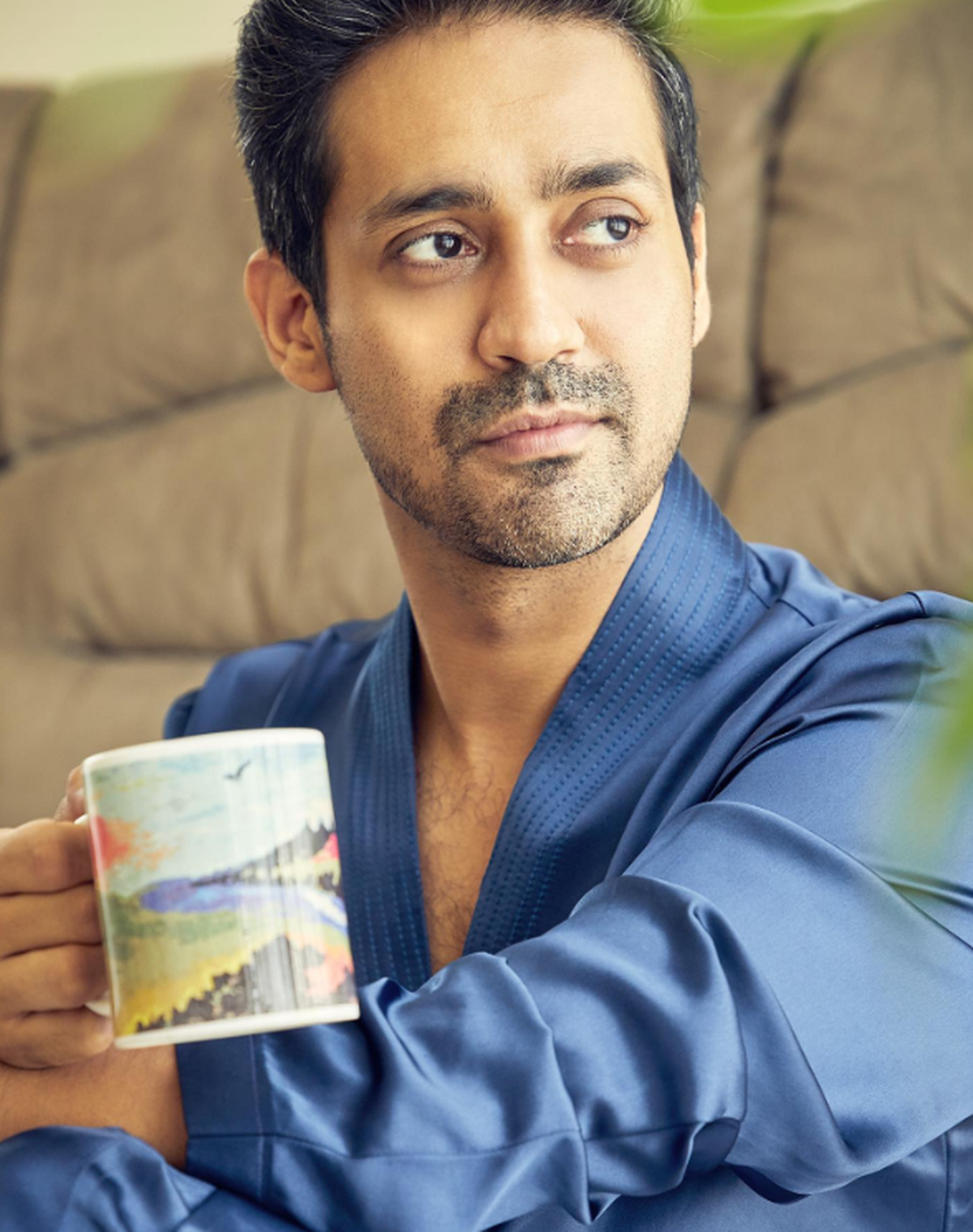
Before the “viral Udaipur wedding” became a content pool riddled with criticism and appreciation last November, Mumbai-based stylist and creative director Anaita Shroff Adajania received a brief to style the bride. “[Netra Mantena’s] father, Raj, had only one line: she has to be the most stunning girl there,” says Adajania.

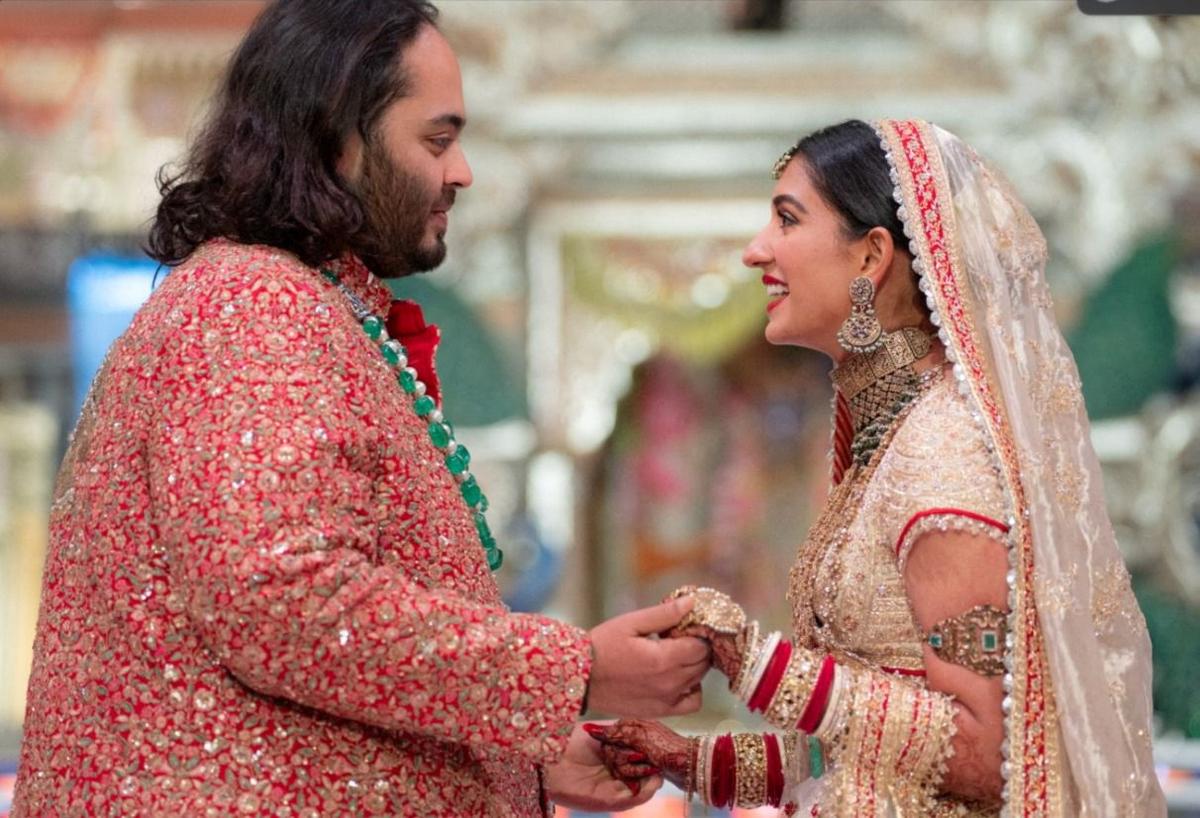
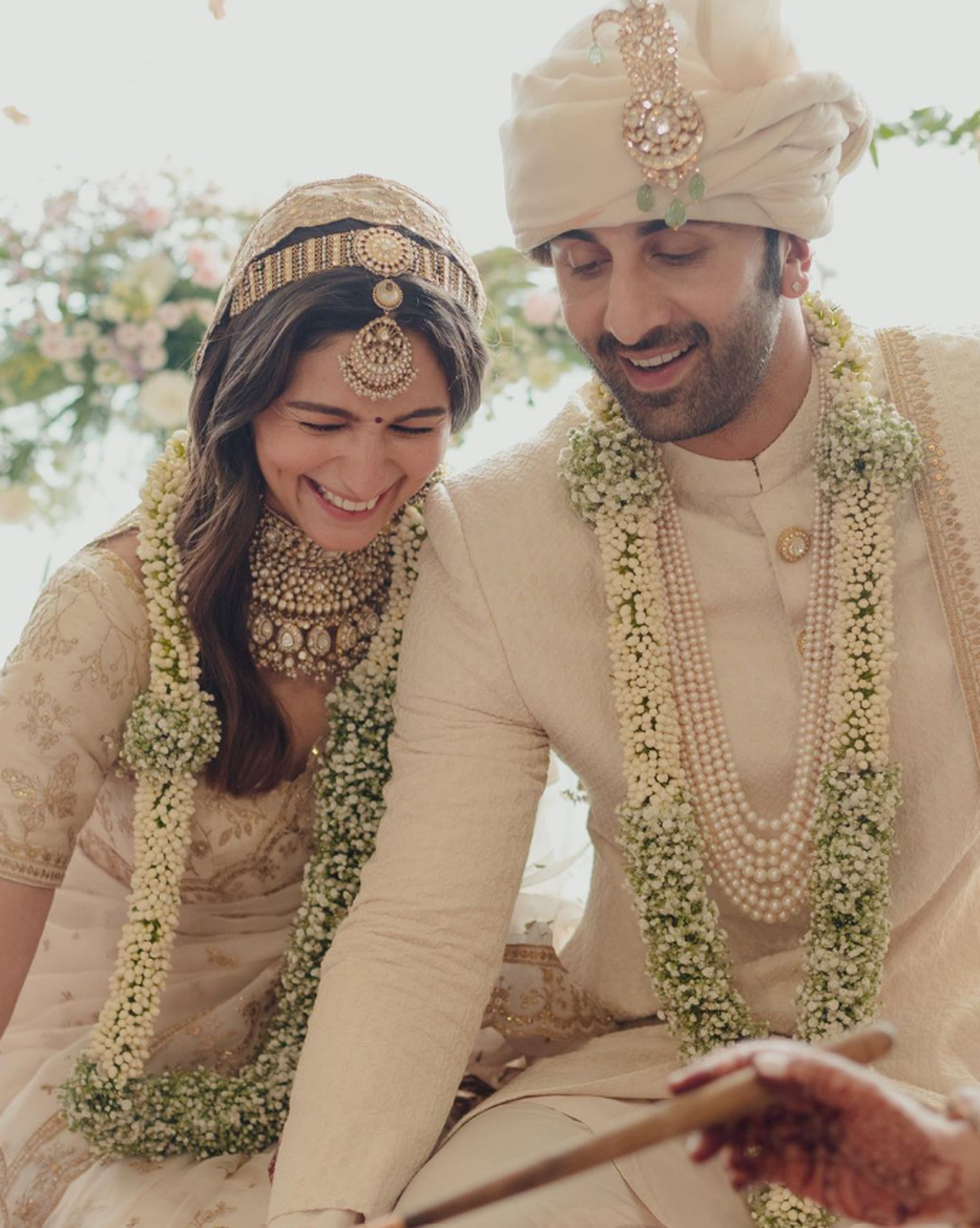
Part celebratory spectacle and part gaudy display of wealth, the U.S. pharma billionaire heir Mantena and tech entrepreneur Vamsi Gadiraju’s multi-crore nuptials landed on many wedding style mood boards. Much like Anant Ambani and Radhika Merchant’s Jamnagar gala in July of 2024 or Alia Bhatt and Ranbir Kapoor’s home wedding in 2022.

Anant Ambani and Radhika Merchant’s wedding

Anant Ambani and Radhika Merchant’s wedding

Isha Ambani in a Jadau blouse with heirloom jewellery, styled by Anaita Shroff Adajania, at the Ambani-Merchant wedding

Isha Ambani in a Jadau blouse with heirloom jewellery, styled by Anaita Shroff Adajania, at the Ambani-Merchant wedding

Alia Bhatt and Ranbir Kapoor’s home wedding

Alia Bhatt and Ranbir Kapoor’s home wedding

The Indian wedding market, with an average budget of ₹39.5 lakh to ₹58 lakh in 2025, according to wed-tech platform WedMeGood, is anything but small. And increasingly, a large portion of it is allocated to the stylists making the couple, and the family at large, look good.

Think of them as creative directors, brand managers, and crisis negotiators rolled into one. They manage the pressure of social media scrutiny, coordinate opulent wardrobes, navigate family dynamics, and ensure every candid contributes to a story worth remembering. But how is being one of the critical vendors on the Indian wedding roster different from what a regular stylist does?

Anaita Shroff Adajania

Anaita Shroff Adajania

For starters, “it takes a larger set of skills than just styling, and that can only be built over time”, says Mohit Rai, co-founder of The Wedding Style Project, a bridal styling consultancy with offices in Mumbai and Delhi. “When it comes to celebrities or models, whether it’s an editorial or an event, there’s always an opportunity to make up for any result that might not be up to the mark. But a wedding is fundamentally different and more demanding. The day is charged with far greater sentiment, which can be intimidating for an inexperienced stylist to navigate.”

Mohit Rai

Mohit Rai

Rai’s expertise is backed by a diverse career, spanning from styling Bollywood legends Kajol and Tabu to next-generation talents Janhvi Kapoor and Ibrahim Ali Khan, not to mention elite celebrations such as the wedding of venture capitalists Reva Nohria (daughter of Nitin Nohria, the former dean of Harvard Business School) and Zach Dinan (son of Jamie Dinan, the billionaire founder of York Capital Management and a co-owner of the basketball team Milwaukee Bucks). Their 2023 Udaipur nuptials featured a guest list that included American supermodel Karlie Kloss.

Not just an indulgence

Stylists’ high-profile clientele also reflect a broader transformation, where professional styling has evolved from a luxury reserved for celebrities into a booming option for India’s aspirational upper-middle class. “Almost every luxury wedding has a stylist now,” says Rai.

Influencer Sakshi Sindwani’s haldi ceremony

Influencer Sakshi Sindwani’s haldi ceremony
| Photo Credit:
Courtesy Anaita Shroff Adajania

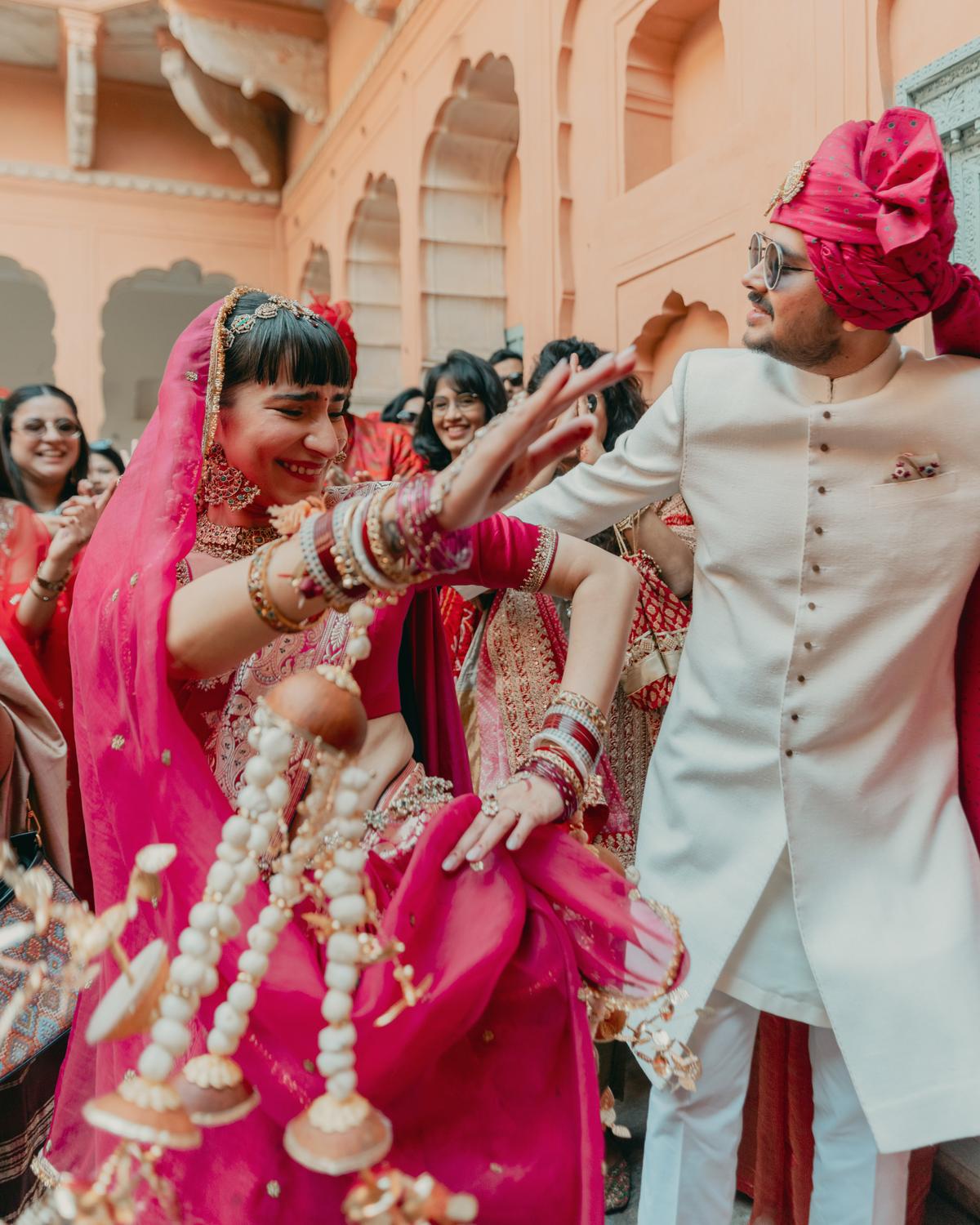
Artist Arjun Kanungo’s and digital creator Carla Dennis’s wedding

Artist Arjun Kanungo’s and digital creator Carla Dennis’s wedding
| Photo Credit:
Courtesy Anaita Shroff Adajania

With roughly 8 to 10 million ceremonies taking place in India every year, a plethora of platforms have also made wedding styling accessible to the masses. Cities such as Delhi and Mumbai lead the market today, but Bengaluru, Pune, Hyderabad, Chennai, Ahmedabad, Udaipur, Goa, and Kolkata are catching up

The demand for wedding services in India is increasing due to growing disposable income. According to a market analysis by business consulting firm Grand View Research, the Indian wedding services market is growing rapidly at a CAGR of 14.3% — valued at $117.45 billion in 2025 and projected to reach $228.69 billion by 2030. The styling segment is emerging as a distinct service within this massive industry. Blogs and wedding guides suggest allocating 40%-50% of your budget for outfits, jewellery, and makeup artists and stylists.

To manage high demand — with waitlists of six to eight months — these stylists operate with dedicated support teams capable of helping them oversee multiple projects simultaneously.

Directors of mainstream pageantry

Stylist to the stars, Delhi-based creative consultant Devanshi Tuli, who styled her own wedding in Mandawa, Rajasthan, believes it’s essential for couples to “see shows, visit stores, touch and feel the garments, and wear them to see how it makes them feel”, to figure out what they want to wear when they tie the knot. And for most people, who might not have the time or the know-how for it, a professional might be an excellent way to outsource the research.

Devanshi Tuli’s wedding

Devanshi Tuli’s wedding
| Photo Credit:
EshantRaju Photography

Goa-based graphic designer, Debaratee, who decided to hire a stylist for her wedding last year, agrees. “I wanted someone who could bring out the uniqueness of our interfaith marriage, while making it look cohesive. It was the best decision,” she says.

Nisha Kundnani, founder of Mumbai-based luxury styling destination Bridelan, points to the voyeuristic nature of wedding content, which makes the requirement of a stylist imperative. “Weddings have morphed from private celebrations to mainstream pageantry of sorts — for anyone who wants it,” she says. “We are in an age where anybody can become a viral talking point. A non-celebrity bride can have her moment of fame, with her wedding becoming the next big thing on Instagram.” And while big-shot weddings may encourage brides to fit into stereotypes, “hiring a stylist will make sure you still stand out”.

Nisha Kundnani

Nisha Kundnani

She feels the future will be full of “thinking brides”, who view adherence to their personal aesthetic as rebellion against garish excess or a dress code set by the last big celeb wedding. Kundnani gives the example of Kiran Dosanjh’s Paris wedding, where she put the Punjabi NRI bride in a jade green embellished lehenga paired with a matching corset from Anita Dongre. “It takes courage to be that person who rebukes trends; it is my job to help them do that,” she explains.

Kiran Dosanjh’s Paris wedding

Kiran Dosanjh’s Paris wedding

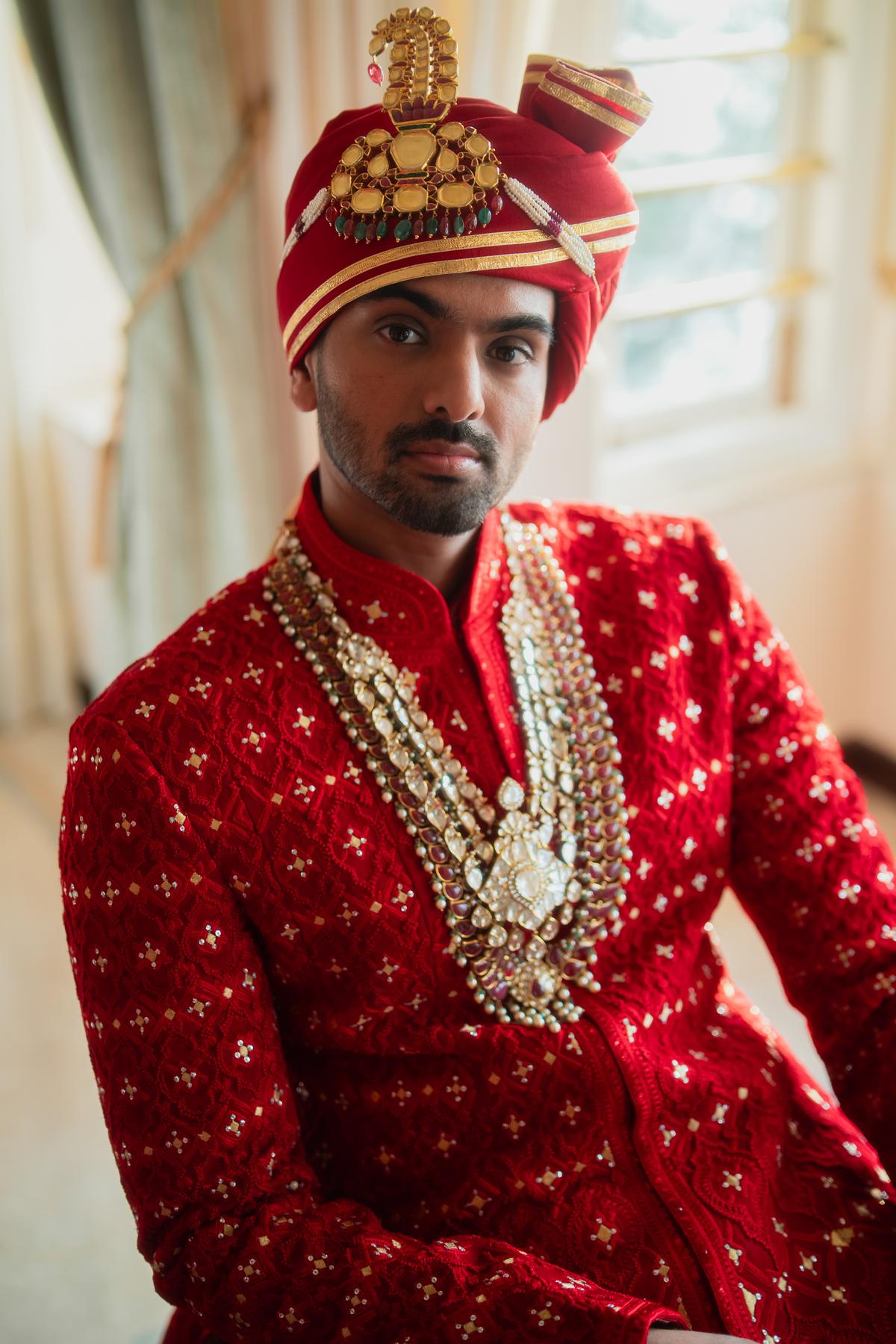
In the same vein, for Gadiraju’s baraat look from the Mantena wedding, Adajania chose a true-red Abu Jani Sundeep Khosla outfit, complete with lions, a sheathed sword and a red turban. “Why is red always restricted to the bride? I wanted the groom to wear red, too. And it turned out to be Gadiraju’s favourite look from his wedding,” she says.

 Vamsi Gadiraju’s true-red baraat look

Vamsi Gadiraju’s true-red baraat look

Nisha Kundnani, founder of Mumbai-based luxury styling destination Bridelan, points to the voyeuristic nature of wedding content, which makes the requirement of a stylist imperative. “Weddings have morphed from private celebrations to mainstream pageantry of sorts — for anyone who wants it,” she says.

Visual harmony for the family

Wedding styling today extends beyond the bride and groom, often involving the entire family and extended relatives. As unbiased outsiders, stylists can act as the leveller. “That is where it can get a little tricky,” says Rai. “I’ve seen so many photos where it’s four people in completely different palettes and aesthetics, or one family member overshadowing the rest with their outfit.” His solution: establishing clear visual boundaries for each event, creating what he calls an “umbrella of aesthetics.”

Rai typically works with families for at least a year, building what he describes as a relationship. “You get to know them over time, understand their personality, and then dress them to bring out the best aspects of who they are,” he says. When Adajania works with families, she too sees it as an opportunity to create visual harmony. Hence, the process begins long before the first shopping appointment.

A Bridelan wedding by

A Bridelan wedding by

A justified investment

To manage high demand — with waitlists of six to eight months — these stylists operate with dedicated support teams capable of helping them oversee multiple projects simultaneously. Yet, the challenges are endless and unique every time.

Kundnani remembers when she went wedding shopping with “a techie from San Francisco’s Bay Area”, and ended up getting an appointment with designer Sabyasachi Mukherjee himself. “The bride wore one of his most lavish lehengas, and her fiancé was standing in the corner, hiding from the larger-than-life moment.” Mukherjee asked him, “Are you the groom-to-be?” The bride answered on his behalf: “Well, that depends. If I find my ‘It’ wedding lehenga, then yes, he is.” Mukherjee, quick to recover, laughed.

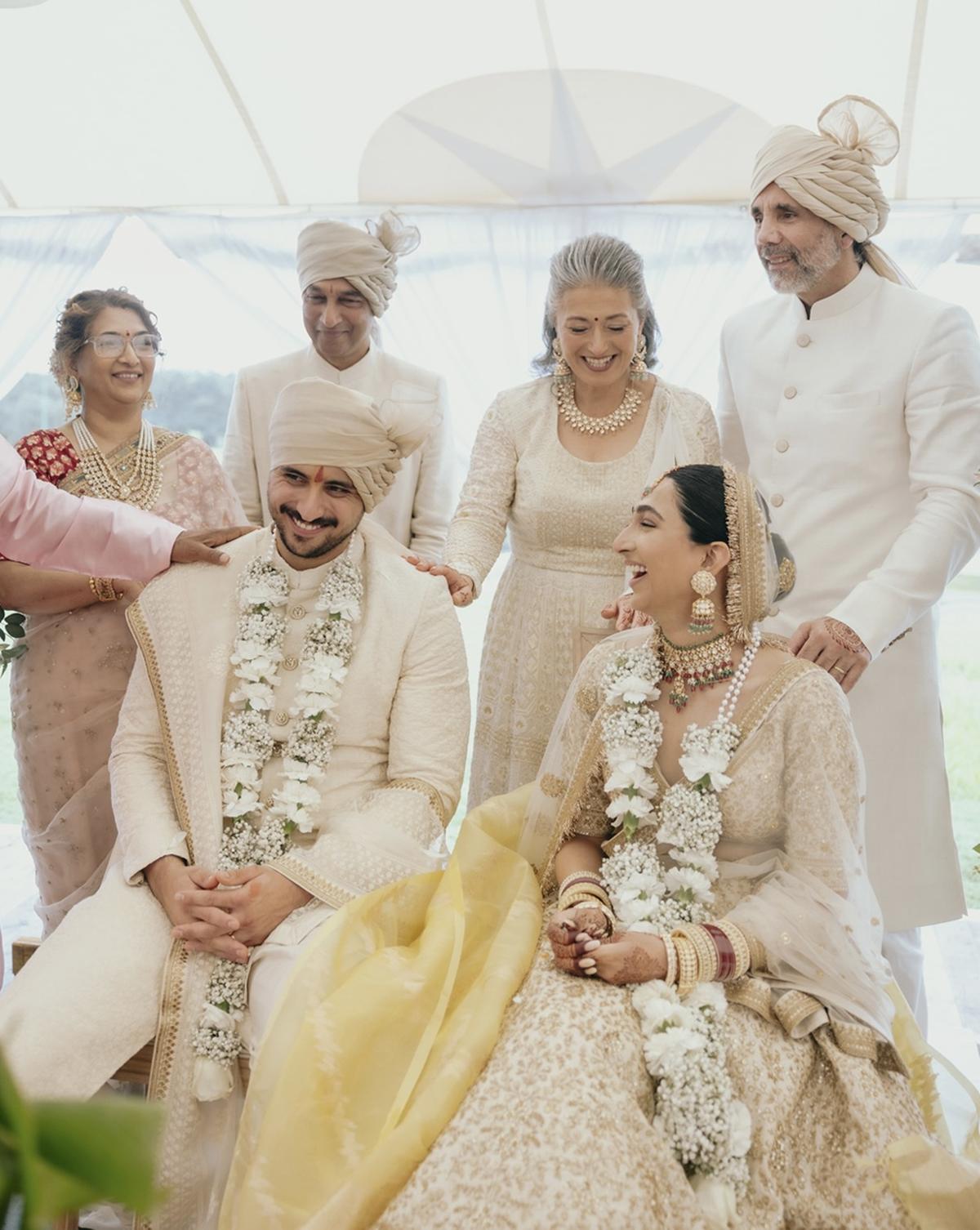
A Wedding Style Project couple

A Wedding Style Project couple

A Bridelan wedding

A Bridelan wedding

Several such encounters, albeit with lashings of humour, have taught Kundnani how important it is for so many people to get the ensemble right on their big day, often eclipsing most other factors. As Adajania concludes: “We don’t dress people for a moment. We dress them for forever.”

The Mumbai-based writer, artist and editor reports on fashion and culture.


Source link

Chennai’s AlterNation Jazz Festival set to celebrate artists from the city on January 31


If you have been in the know about Chennai’s music scene in the years since the COVID-19 pandemic, it is likely that you might have noticed a rise in the number of venues featuring jazz acts. While clubs and consulates have off-hand performances, two venues — Vinyl and Brew and Hyatt Regency — have supported musicians both from India and abroad, to ensure that the city gets its fair share of the groove.

AlterNation, a musical partnership and social enterprise, founded by four friends-musicians-volunteers, has been an essential part of this exercise. Since their formation in September 2024, they have put on 11 shows, says Vivek Ayer, one of the members. On January 31, AlterNation will host its first jazz festival at Zol Gardens at Palomar in ECR. The show prides itself on platforming artistes from the city playing original music, including the band Jatayu and Many Things.
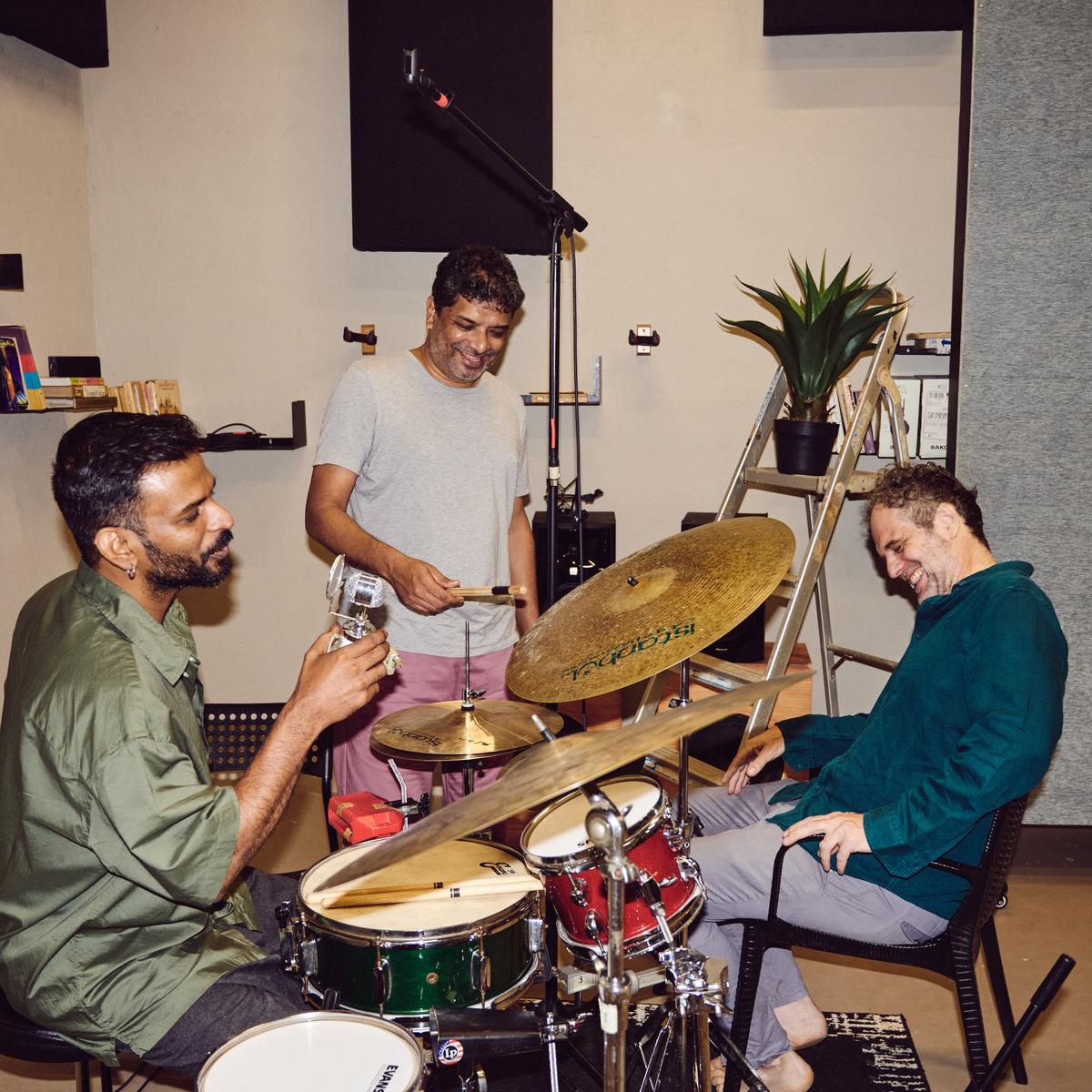
For about three years now, Maarten Visser, a pioneer in the Chennai jazz scene, has been mentoring and training the Tuesday Jazzers, a collective of around 30 musicians from the city, who have been trying to find their individual voices. This ensemble will open the festival performing three sets of well loved, classic American jazz music. “Musicians from the Tuesday Jazzers have gone on to form bands of their own and will soon be performing in festivals across the country,” Vivek adds.

Many Things, a jazz band from Chennai

Many Things, a jazz band from Chennai
| Photo Credit:
Special Arrangement

One such is the Gautam Menon Quartet. “I began jamming with the Tuesday Jazzers in 2022 when I moved to Chennai but life got in the way. In 2025, I took a chance and went to the same venue only to find that there is a lot more people here now. After meeting three other musicians and penning down original music, the quartet emerged. We learn from each other and that is exciting. I am kicked to perform at the festival this year. We have also gotten enquiries to perform in Bengaluru soon,” says Gautam Menon, an edupreneur and a jazz drummer.

An act to look forward to is Many Things comprising Maarten Visser, Aravind Murali and Manukrishnan, who rely on improvisation, combining jazz, rock, classical and funk. The trio usually take listeners down a trip of eclectic, mesmerising music.

“Until recently, most shows at Vinyl and Brew have been listening sessions. This is because we want people to focus exclusively on the act unlike in venues where jazz is in the background,” Vivek says.

He adds that the popular band Jatayu, a genre-blurring four-piece band from Chennai, has performed in several locations other than their home city over the last few years. The festival will be a homecoming for the band, where they will perform ragas with contemporary sonic design, blending Carnatic music, jazz and rock. “Playing at the AlterNation Jazz Festival feels important to us because it’s happening at home, in Chennai. It’s refreshing to see a platform like this emerge in the city, and we want to support festivals that invest in jazz, original music and local voices. We’re excited to present songs from our new EP and to perform with a horn section in Chennai for the first time,” says Sahib Singh, guitarist and band leader of Jatayu in a press release.

Suman Sridhar

Suman Sridhar
| Photo Credit:
Special Arrangement

Suman Sridhar, a singer and award-winning artiste from Mumbai is the only invited act from another city. She will be playing with her band Black Mamba, fusing jazz, pop, Indian classical, opera, and spoken word in her performances.

Besides this, Vivek says that they are trying to incorporate jazz paintings, with live visual composition composed on the fly, by Chennai-based new media art duo, Television Dust.

“We want people to know that jazz is for everyone and not something that is performed at clubs. Music from Chennai has many similarities with this style of music. It is improvisational and based on pulse. Several people have been part of the pre-show jam sessions at spots like Brod Bakery and Kat and Kin on ECR. Our last pre-show performance is at Vinyl and Brew on January 25 which is free and open to all,” he says.

The first edition of the AlterNation Jazz Festival is on January 31 at Zol Garden, The Palomar, ECR starting 3pm. Tickets for the event are priced between ₹750 and ₹1,500 and are available on Skillboxes.com

Published – January 22, 2026 12:05 pm IST


Source link

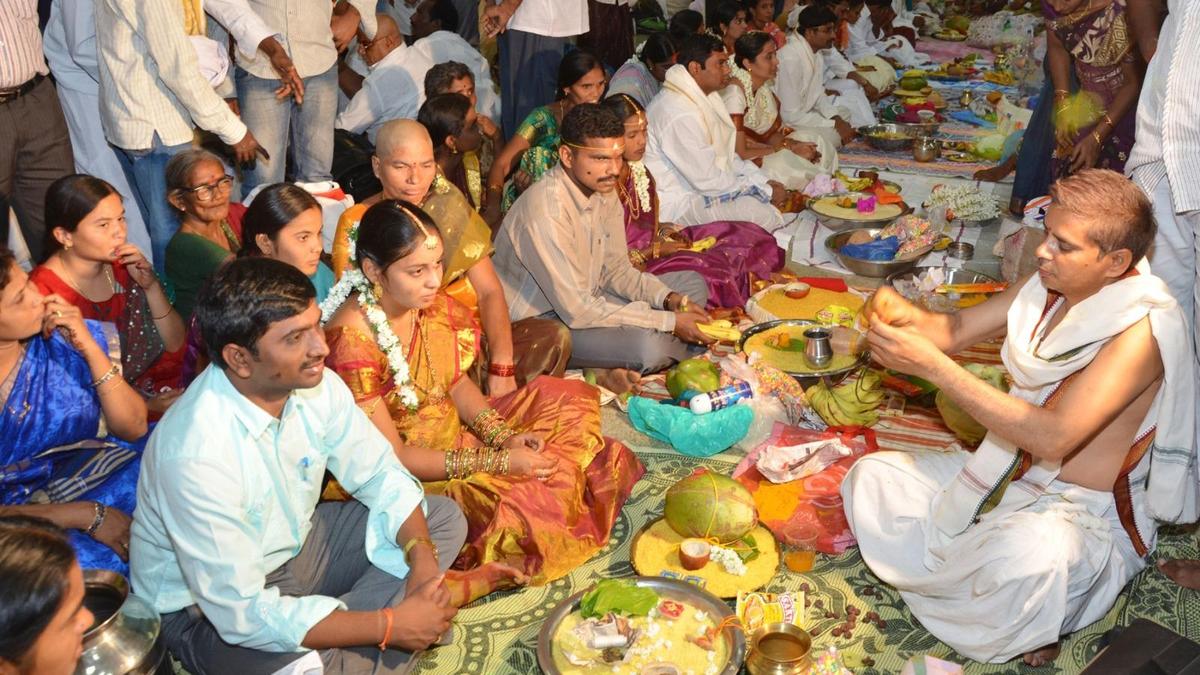
Where matrimony ascends: The significance of weddings at Tirumala’s Kalyana Vedika


A file photo of priests performing marriages at the TTD’s Kalyana 
Vedika in Tirumala.

A file photo of priests performing marriages at the TTD’s Kalyana
Vedika in Tirumala.

With 26,777 marriages solemnised over nine years, including 3,871 in 2024-25 alone till December, Tirumala’s Kalyana Vedika has emerged as one of the most impactful, faith-driven social initiative, offering free, dignified weddings to thousands of Hindu couples under the aegis of the Tirumala Tirupati Devasthanams (TTD).

Launched on April 25, 2016, the Kalyana Vedika, located on the Papavinasanam Road, has steadily evolved into a powerful symbol of ‘Nitya Kalyanam’, blending sacred tradition with social outreach.

The annual statistics tell a compelling story — 2,731 weddings in 2016-17, which steady rose to 5,047 in 2018-19, showed resilience through the pandemic-hit year of 2020-21 with 91 weddings, and clocked a strong post-COVID recovery of 2,458 weddings in 2023-24.

TTD provides an end-to-end ceremonial framework free of cost, including the services of a priest, traditional ‘mangala vadyam’ and essential wedding materials such as turmeric, kumkum and sacred threads. While the couples bring other personal items, the institution ensures that the sanctity and simplicity of a traditional Hindu wedding are preserved.

Spiritual incentive

A unique spiritual incentive follows the ceremony: the bride, groom and their parents — up to six members — are granted darshan through a special queue, along with complimentary laddus matching the number of devotees listed on the marriage receipt.

Venue booking

To streamline access, the TTD has enabled online booking of Kalyana Vedika slots through its official website, where applicants must register bride and groom details, Aadhaar information, age proof and parental particulars, and select the date and time of wedding. Couples must also obtain certification from the tahsildars of their respective areas confirming that it is the first marriage.

Eligibility conditions stipulate that both individuals must be Hindus, the bride must have completed 18 years of age and the groom 21 years. Second marriages and love marriages are not permitted under the scheme. For further details, applicants may contact 0877-2263433 during office hours between 10.30 a.m. and 5 p.m.


Source link