Life & Style

Bangalore Dastkar Bazaar 2025 will held in the city later this month


Bangalore Dastkar Bazaar 2025 will feature crafts, workshops, cultural events and food. “They are all aimed at celebrating culture, cuisines and crafts of India,” says Shelly Jain, Senior Director- Programmes Project and Personnel, Dastkar, over a call from Delhi.  

Dastkar bazaar brings over 160 craft groups from across 25 states of India, with a mix of products, traditions and skills, including third-and fourth generation craftsmen and some award winning artisans.

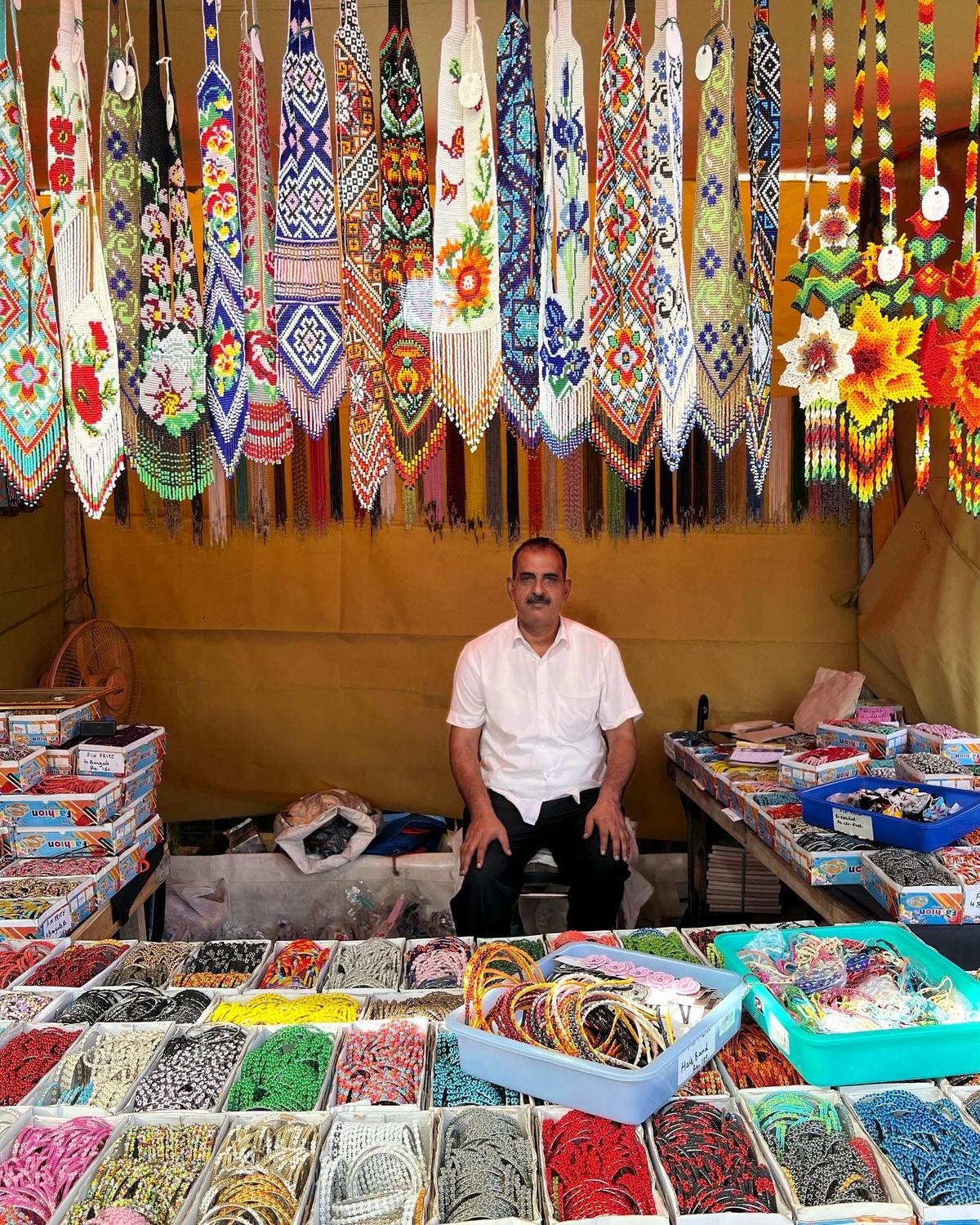
Textiles will include cotton Jamdani, soof, aari, kantha, batik, bandhani, indigo block printing and more. “We have also always been environmentally conscious, looking at promoting sustainable products, so there will be products made from natural materials like mat, cane, golden grass and sabai grass,” adds Shelly. There will also be crafts in bell metal, leather puppet, lacquer toys, gourd and wood carving, pottery.

The folk arts section will feature Pichwai, Pattachitra, Bhil, Gond, Kalighat, Tanjore, and Madhubani Painting, while patrons seeking organic products can look to stalls with millet snacks, essential oils, perfumery, flavoured teas and herbal beauty products.

The Purulia Chhau dance, a masked martial arts dance form from Jharkhand, will be presented on the weekend. Dastkar, was established in 1981, focussing on empowering traditional Indian craftspeople and crafts by bridging the gap between traditional rural artisans and contemporary urban consumers.

“We strive to strengthen and support them, act as consultants, trainers, designers, and resource providers to craft groups. We are bringing 20 new craft groups to Bengaluru this year including a lacquer bangle maker, who will demonstrate his work, and an embroidery group from Gujarat.”

An added attraction is Karvati saris on tussar, says Shelly. “This craft from Maharashtra is on the verge of extinction. Craftsmen do not want their children to take to the craft due to livelihood challenges. The entire belt in Maharashtra refuses to encourage their youngsters or even pass on the knowledge of the crafts. We have started new projects with other group to keep the craft from going extinct.”

By encouraging designers to works with craft-persons on Karvati, Shelly says the hope is to create something appealing to people. “With many people choosing not wear saris, the demand has gone down. Those who still wear saris or traditional clothes, the price of handloom is a deterrent.”

Crafts-people, Shelley says put in long hours of work to create a fabric. “They too have a family to feed. Unless we work collectively and create a bridge, these aspects will always pose a challenge. The government should also take concrete steps in bettering these issues.”

Modernising tools and techniques and shortening the work process, Shelly believes might be the first steps to reviving the Karvati. “Designers should collaborate with craftspeople to create modern garments that everyone would want to wear. We need to look at not just sustaining the crafts, but also how we can keep the craft-person’s dream of giving their child an education.”

Children trained in the family crafts, end up giving up on formal education, Shelly says as they take to the family business at a tender age. “Despite these challenges, I have noticed a growing interest in funky, modern designs in the crafts.  We see this happening more in Delhi, while Bangaloreans veer towards the traditional as they are aware of its heritage. This is one reason why many crafts-people are keen to return to Bengaluru. This city embraces crafts and respects the artisans’ works, which boosts the artisan’s morale.”
The bazaar will include workshops in Madhubani, Gondh and clay modelling for children. “We also have waste paper craft, which aims at teaching craftsmanship with sustainability. Though we have a free entry, we charge a token amount for the workshops.”

Shelly has been with Dastkar for over two decades. Though she had no inclination towards crafts, a chance encounter paved the way for her association with Dastkar. “I learnt much by interacting with artisans on a daily basis, this made my problems look minimal. Talking to them and hearing about their struggles made me a good listener, and a solution-oriented person.” 

With a national reach encompassing over 700 craft groups and small producers across 25 Indian states, Shelly says Dastkar achieves its missions through collaborative efforts with governmental, non-governmental, and foreign agencies, serving as an advisor, resource person, and incubator for craft groups.


Source link

How a student racing club in Kerala is developing a hydrogen-fuelled buggy


Herakles Racing hydrogen-fuelled all-terrain vehicle

Herakles Racing hydrogen-fuelled all-terrain vehicle
| Photo Credit: SPECIAL ARRANGEMENT
Among the 22 college teams participating in the third and final phase of the SAEIndia HBaja 2025 competition was a group of rookies in the hydrogen or CNG-fuelled all-terrain vehicle (ATV) category, Herakles Racing, from the College of Engineering Trivandrum (CET) in Thiruvananthapuram. Around 190 teams registered for the 17th edition of this prestigious contest, to build ATVs for recreation which would function in real-world conditions. But many failed to qualify in the first two phases held online. From January 9 to 12, buggies battled it out with strength, manoeuvrability, efficiency, endurance and more at the National Automotive Test Tracks in Pithampur, Madhya Pradesh.

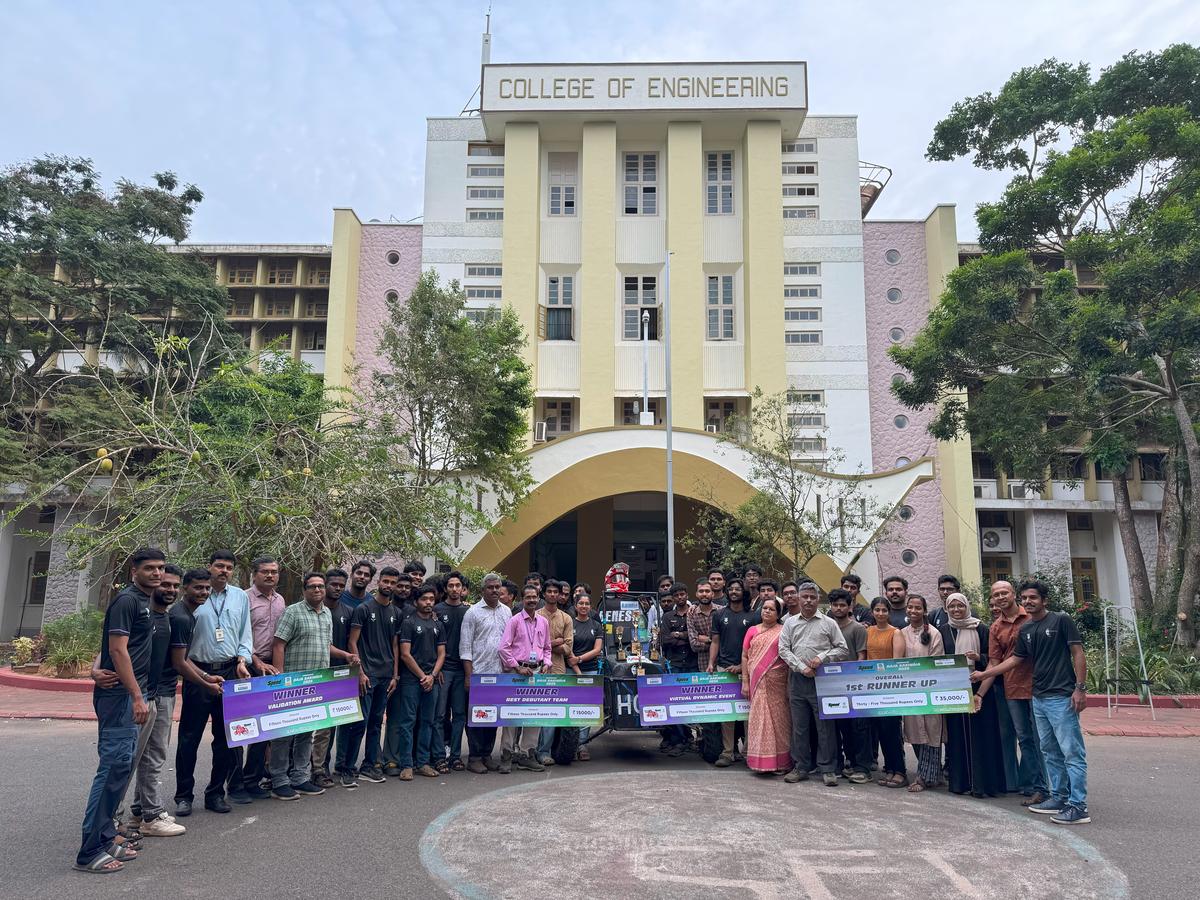
Ultimately, on the final day, to everyone’s surprise, Herakles Racing came second in overall ranking. They won the best debutant award and also bagged the first rank in validation, efficiency, and virtual dynamics, second in sales and acceleration and third in endurance, sled pulling (pulling a tractor with the ATV), and cost.

Team Herakles Racing at CET, Sreekaryam in Thiruvananthapuram

Team Herakles Racing at CET, Sreekaryam in Thiruvananthapuram
| Photo Credit:
SPECIAL ARRANGEMENT

Herakles Racing, the college’s official BAJA racing team, was founded by Safwan Abdul Samad, a mechanical engineering student, in 2017. “Safwan wanted to do something beyond the classrooms. So, with the help of a few of his friends, he started this club and even attended a few competitions,” says Gautham S Nair, manager of Herakles Racing.

Currently, there are around 45 members in the team. “Among the members, some even get placement offers from mainstream manufacturers like Mahindra, Hero MotoCorp and so on,” says Gautham.

“We started working on hydrogen-combustion vehicles (which burn hydrogen for fuel) in 2024 with this competition in mind. It took us around a year to get from ideation to execution,” says Gautham.

Herakles Racing buggy at the SAEIndia HBaja 2025 competition 

Herakles Racing buggy at the SAEIndia HBaja 2025 competition 
| Photo Credit:
SPECIAL ARRANGEMENT

The team used materials from their EBaja vehicles (electric) to design the buggy. “It would normally cost ₹ 8 to 9 lakh if we were to buy all the components for an ATV. But, since we recycled a lot, we cut down the cost to ₹3 lakh,” says team captain Adith Raj. This amount was raised by the students.

The ATV currently uses 5% hydrogen and the rest CNG, owing to the expensive nature of generating hydrogen fuel through electrolysis (splitting hydrogen and oxygen in water using electricity). Also, there are no hydrogen filling stations in Kerala. In fact, Herakles did not test their vehicle with hydrogen until they reached the SAEIndia tracks. Instead, they used petrol due to the bi-fuel nature of their engine.

Herakles Racing uses a hydrogen combustion engine, which runs like any other internal combustion engine using fossil fuels. “We will improve on this percentage of hydrogen in the coming years. We need a bulkier or reinforced engine for that,” says Gautham. “Currently, the engine material we use is aluminium or cast iron. Maybe if we can use composite material for the engine; it will be more suited for hydrogen fuel,” he adds.

“Many teams use aluminium parts for several components and that limits the weight of the vehicle to around 140 to 170 kilograms, helping them perform better. But since we are reusing material, our ATV weighs around 250 kilograms. We need to find lighter materials for components and better funding to ensure that proper research is carried out in optimising the buggy’s performance,” says Gautham.

“We are working on using a sustainable fuel source, which would help in the future. The only waste from hydrogen combustion is water,” says Rinin Krishna, vice-captain.

“While ATVs come in a different category compared to passenger vehicles, it has applications in defence, farming, search and rescue and so on,” says Rinin.


Source link

When Sago House Singapore’s creative minds took over a Hyderabad bar


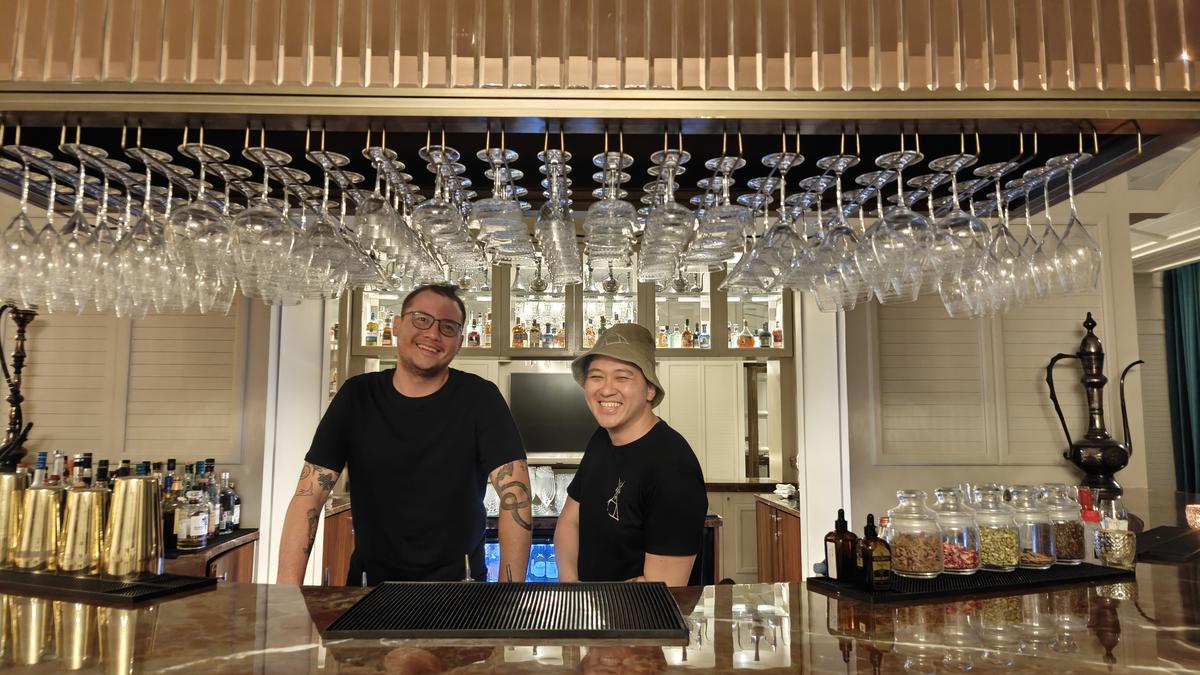
Ronan and Norman of Sago House Singapore at The Library at The Leela Hyderabad

Ronan and Norman of Sago House Singapore at The Library at The Leela Hyderabad
| Photo Credit: Prabalika M Borah; Shot On OnePlus #FramesOfIndia

How do Ronan Keilthy and Norman Tan Yong Lin of Sago House, Singapore, spend their layovers during bar takeovers?

Ronan, the creative director of Sago House, says he struggles to switch off from work, even when travelling. “You’ve seen those memes of people with 50 tabs open on their laptops? That’s me. I’ve got just as many thought blurbs in my head too.”

Norman adds, “I enjoy exploring food and drinks and observing people’s choices — it’s always fascinating.”

The duo were recently in Hyderabad for a bar takeover at The Library Bar, The Leela Hyderabad. Sago House is ranked 15th on Asia’s 50 Best Bars list. Their menu always features six classic cocktail styles, but the actual drinks change weekly, depending on what is available locally. “That’s what we aim for at a takeover, creating drinks true to the Sago House philosophy using the best local ingredients,” Ronan explains. This visit marks his fourth trip to India.

Hence the 50 tabs — real and metaphorical. The team logs all experiences from their travels, drawing on them for future experimentation.

So, how do these flavours travel? Ronan says, “It’s not just about ingredients; it’s about context. If I want to explore Hyderabadi cuisine, I can look up its key components and get ingredients shipped, if needed. But using cardamom in a drink doesn’t make it Indian. Its use needs cultural relevance and proper pairing.”

Ronan leans towards savoury drinks — a preference he says is gaining global traction. He began working in bars around the same time he started drinking, gradually discovering the world of spirits and cocktails.

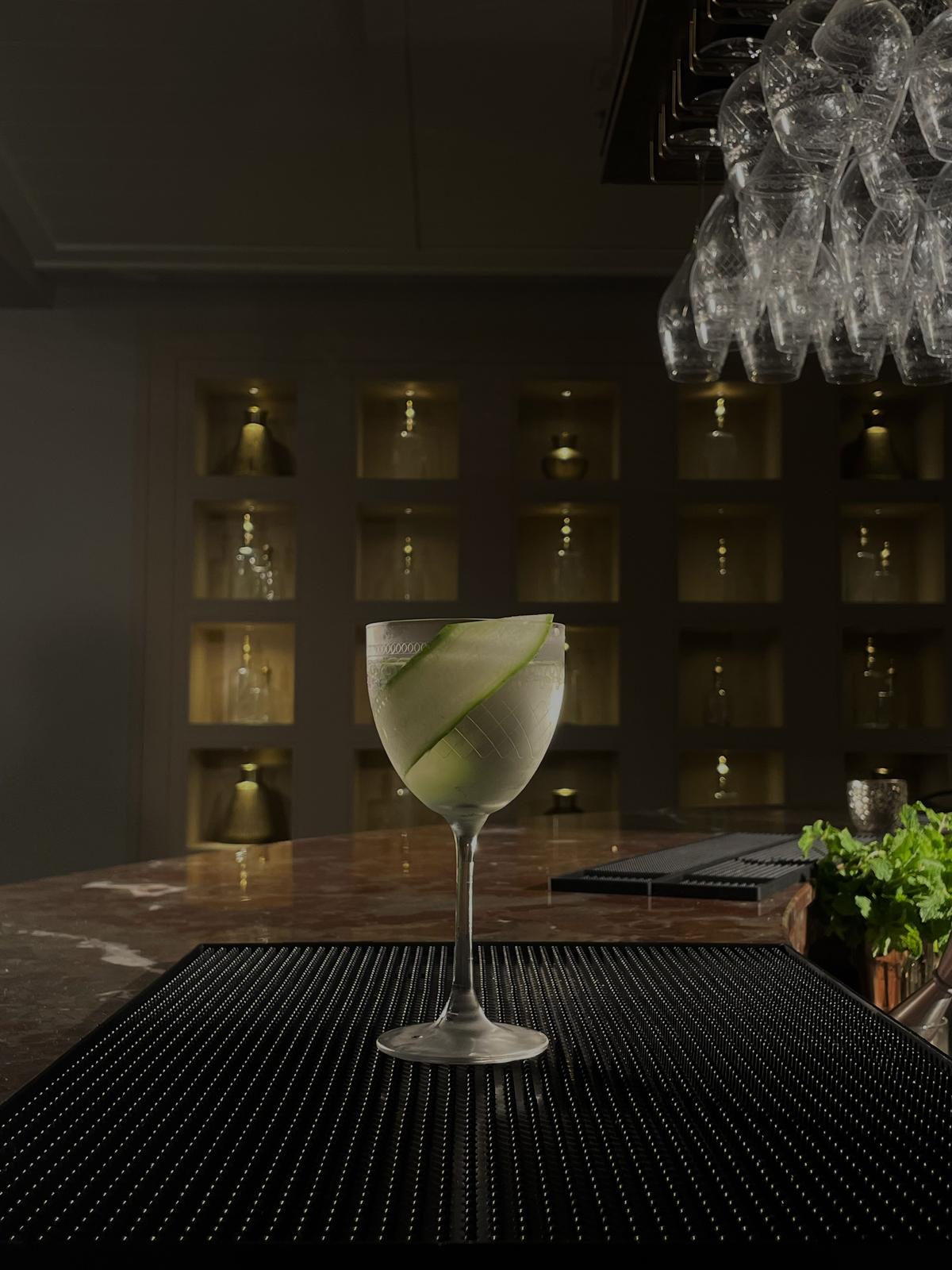
Hive Mind by Sago House at The Library

Hive Mind by Sago House at The Library
| Photo Credit:
Special Arrangement

Norman’s approach differs. While Ronan analyses spice profiles, Norman draws inspiration from food. “There was a shortbread and milk trend in Singapore, so I created a strawberry-shortbread-style drink — cream, strawberry, milk protein, fat-washed. It was clean and simple. I did the same with dark chocolate and chocolate liqueur. My thought process starts with imagining a dish, then turning it into a drink.”

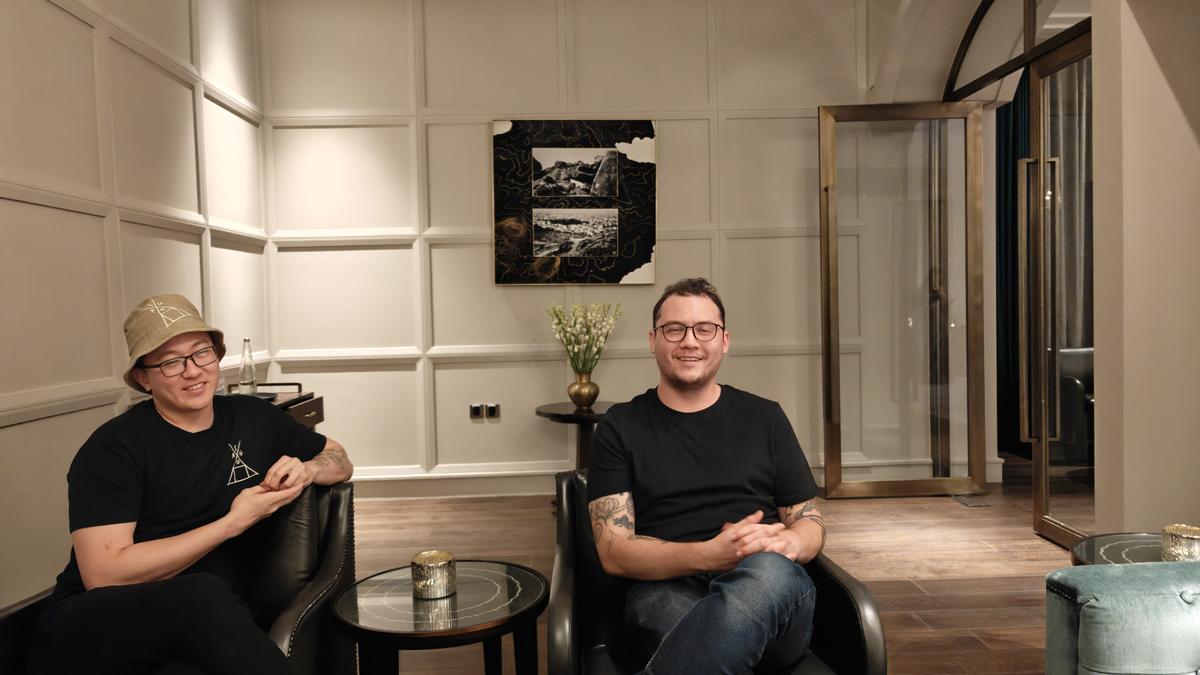
Norman and Ronan at The Library at The Leela Hyderabad

Norman and Ronan at The Library at The Leela Hyderabad
| Photo Credit:
Prabalika M Borah

So does Norman love dessert? “Kind of,” he laughs. On his first trip to India, he is simply soaking in the food. “I’m the guy who’s trying this and that.” Exposure to Indian spices has expanded his flavour vocabulary — he had just got used to green cardamom when Ronan introduced him to black cardamom. “Mind-blowing,” he admits.

Norman, who has worked in the F&B industry for 12 years, started in bars thanks to an interest in whisky. Interacting with guests over the years helped him refine his creative approach to cocktails.

With a diverse team at Sago House, is it a mix of global flavours? “Definitely,” says Ronan. “Having people from different cultures helps create a well-rounded, flavour-forward bar.”

Writer’s Block by Sago House at The Library

Writer’s Block by Sago House at The Library
| Photo Credit:
Special Arrangement

Any tips on creating savoury cocktails? “There are many ways,” Ronan says. “Use pickles, ferments, naturally umami-rich ingredients like mushrooms or seaweed. Tomatoes are great—they’re high in natural MSG. Or you could use meat directly. I’ve had cocktails with squid, prawns, chicken, pork, salmon, beef—even rabbit. A bar in Japan serves one with bear. But these aren’t alcoholic soups—technique matters.”

Could rice wine, neera (palm sap toddy), or soju make it to cocktail menus? “Absolutely. Bars everywhere are incorporating these into drink programmes. It’s a genuine way to honour local ingredients and bring craft to the glass,” Ronan concludes.


Source link

Column | A thousand Buddhas


We have all heard how there is no one single Ramayana, there are many — 300 at least. But no one tells us there is not just one Buddha; that there are dozens, maybe thousands, perhaps even millions, as per the earliest Buddhist scriptures. Also, there are hundreds of versions of his tale, in Pali and Sanskrit and Chinese and Japanese. No one clarifies that the historical Buddha we are so familiar with is a 19th century European invention.

India had forgotten Buddha by the time the British arrived. So, effectively, the British rediscovered him in the 19th century. The discovery of Pali manuscripts from Sri Lanka and Buddhist sites in the Gangetic plains was the greatest triumph of the Asiatic Society and Archaeological Survey of India. The British scholars were convinced that this cultural amnesia about Buddha was a deliberate cover-up, a Brahmin conspiracy. They used the Buddha to put clueless Hindu intellectuals on the defensive. And it worked.

A European creation?

In the vast literary corpus of Buddhism were found stories of Gautama Buddha travelling to Sri Lanka, Myanmar and Thailand in his lifetime. There were fantastic tales of him fighting Mara, the demon of desire, and realistic ones of his death following a bout of dysentery after eating pork or mushrooms. European historians took it upon themselves to decide which of these stories were true. Thus, a historical Buddha was imagined.

He died, depending on which text was consulted, a century, two centuries, maybe eight centuries before Ashoka’s coronation. Japanese scholars of the early 20th century listed over 40 theories about Buddha’s birth date. The site of his birth and death were identified based on traditional pilgrim routes, not evidence.

The Orientalists argued that the Pali texts were older, more conservative, more historical, while Sanskrit texts were later corruptions. But that is not backed up by evidence. The earliest Buddhist manuscripts were recently discovered in Gandhara, dated to 100 BC. Many of them are in Sanskrit. They speak of many Buddhas, following a repetitive pattern that is also found in contemporary Jain mythology, and even in Valmiki’s Ramayana. They also do not speak of the ‘four noble truths’. These are simply mentioned amongst other truths. No one knows which language Buddha spoke in. Pali was a language used by Sri Lankan Buddhist monks around 500 AD, to distinguish themselves from rival Mahayana schools.

Of masculinity and Krishna lore

The earliest biographies of the Buddha (BuddhacharitaLalitavistara SūtraMahāvastu) were compiled only by 200 AD, roughly when the Ramayana and Mahabharata were also compiled. By this time, images of Buddha’s conception, his birth, enlightenment and death had started appearing on the railings surrounding stupas in Sanchi, Bharhut, Mathura and Gandhara. He had started being shown in human form, with Vedic gods such as Indra and Brahma bowing to him. None of the early biographies refer to the ultimate episode, the death or parinirvana. This came from Mahaparinibbana-sutta, dated to 500 AD.

In the early biographies, Buddha’s wife is not named and is simply mentioned as Rahula’s mother. There are indications that a wife and a son were introduced only to establish Buddha’s masculinity. In the Chinese Ocean Sutra, there are many magical tales of how courtesans who doubt Buddha’s manliness are taught a lesson by him, appearing as a client.

There are stories where the prince of the Sakya clan has two wives, and sometimes even three. Yashodhara is won in a competition; Mrigaja praises his beauty; Gopa falls in love with him. Yashodhara embodies pure love while Gopa embodies carnal love, in late Tantrik Buddhist texts, perhaps influenced by Krishna lore.

In Pali versions, Buddha’s son Rahula is born on the day of his departure. In Sanskrit versions, the child is conceived on that night. There are stories stating that the pregnant Yashodhara gave birth to Rahula on the day Buddha attained enlightenment. She was accused of infidelity and had to prove her purity, much like Sita.

That we translate Gautama’s transformation into Buddha as ‘enlightenment’ rather than ‘heightened awareness’ reveals how intimately the construction of Buddha’s history is linked to European Orientalists of 19th century, who saw in him the Aryan sage they were looking for — outside the Christian world, and also outside Hindu idolatry.

They presented Buddhism as a Protestant movement, a rejection of Vedic ritualism. They were constructing Indian history using the framework of European Christian history. They established Buddha as historical in contrast to the mythic Ram and Krishna of the Hindus.

That wound festers even today, since many scholars and activists still assume these European inventions as facts. No one wants their religious leader to be just a myth — a creation of faith, a construction of the faithful. But it almost always is.

Devdutt Pattanaik is the author of 50 books on mythology, art and culture.


Source link

quiz berty ashley sunday – The Hindu


A molecular biologist from Madurai, our quizmaster enjoys trivia and music, and is working on a rock ballad called ‘Coffee is a Drink, Kaapi is an Emotion’. @bertyashley

Quiz: Easy like Sunday morning — It’s all in the name!

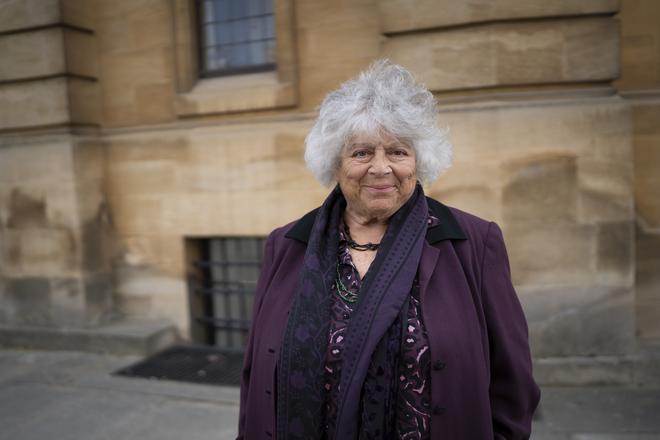
Animated storyteller Born on May 18, 1941, Miriam Margolyes is an English actress known for her character work and voice acting in children’s movies.

START THE QUIZ

1 / 10 |
Born on May 18, 1920, in Poland, Karol Józef Wojtyła started his life as a stage actor. After a conversation with a priest, he decided to study theology. This eventually led him to being elected as the youngest pope in modern history. By what name do we know him better?


Source link

Live out your White Lotus fantasies with Four Seasons’ private jet


| Photo Credit: bigtunaonline

Cornwall (Doc Martin), Dubrovnik (Game of Thrones), Husavik (Eurovision: Song of fire and ice)… a clutch of destinations over the years have owed their spike in popularity to television series and movies filmed there. This is what gave rise to set-jetting, a trend where travellers set off to explore destinations they saw on screen. The latest series that has been boosting tourism is The White Lotus. After Season 2, Taormina, a hill-top village in Italy got to have its moment, after often being overlooked by many travellers for the more popular Amalfi Coast, Rome, or Venice. While season three of this resort-centric series reportedly increased enquiries and bookings to Koh Samui, where it was shot.

| Photo Credit:
Fabio Lovino/HBO

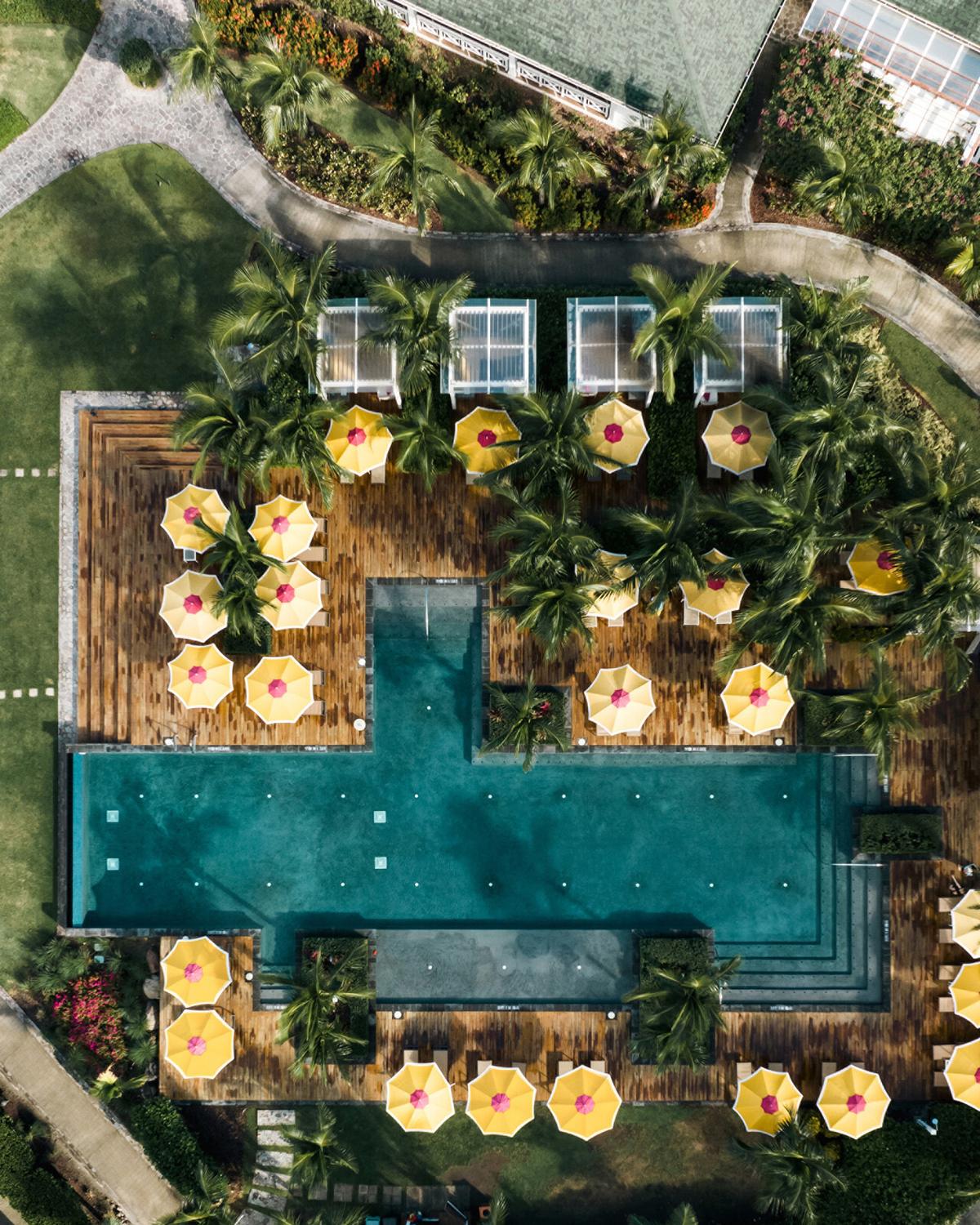
With its The World of Wellness itinerary, Canadian luxury hotel and resort company Four Seasons now takes set-jetting to an all new level. And yes, it involves a private jet. Guests will be flown to the filming locations of The White Lotus series — Maui, Taormina, and Koh Samui — along with five other destinations. These range from the bazars of Marrakesh to the hot springs of Nevis. And the activities are as diverse as cycling to the wineries near Mt Etna, night spa under the stars in Maldives, hot air ballooning in Mexico City… The package starts at USD 188,000 (approximately ₹1,60,37,246) per person, inclusive of all Four Seasons accommodation, in-flight experiences and on-ground excursions.

| Photo Credit:
Four Seasons

Following the announcement of a global partnership between Four Seasons and Max (Warner Bros. Discovery), the World of Wellness itinerary was developed in late 2024. The concept was inspired by a growing demand for set-jetting experiences and the cultural momentum of The White Lotus series.

“The itinerary was crafted to meet the desire of guests, knowing that more and more, travellers are influenced by the locations they enjoy on their screens. This new journey is perfectly curated to meet this demand, while personalising offerings for each guest at every step of the way. It’s a once-in-a-lifetime experience, and we can’t wait to take flight in 2026,” says Marc Speichert, executive vice president and chief commercial officer, Four Seasons.

| Photo Credit:
Four Seasons

Interestingly, all three seasons of The White Lotus, featured properties by Four Seasons. With Season 3, the timing felt right to start a jet itinerary. “The itinerary merges the narrative power of the series with our signature wellness and cultural immersion, offering a one-time journey that taps into current guest desires for meaningfully curated travel,” says Marc.

The first World of Wellness journey is scheduled to take place from May 7 to 26, 2026. At this time, it is offered as a one-time departure. A custom-designed Airbus A321neo-LR — that can accommodate 48 guests — has been configured exclusively for Four Seasons, with 6.5 feet of personal space, a social lounge in the sky, and a dedicated onboard concierge and journey team. Four Seasons frequently refreshes its Private Jet portfolio with new-themed journeys, ranging from family adventures to culinary-focussed itineraries.

| Photo Credit:
Four Seasons

Bookings for the World of Wellness journey are currently open via the Four Seasons Private Jet website.

Itinerary

Singapore (Departure and welcome dinner)

Koh Samui (Snorkelling, Muay Thai, Thai-inspired wellness)

Maldives (Night spa under the stars, reef snorkelling, turtle safari)

Taormina (Yoga, winery cycling, mindfulness and art sessions)

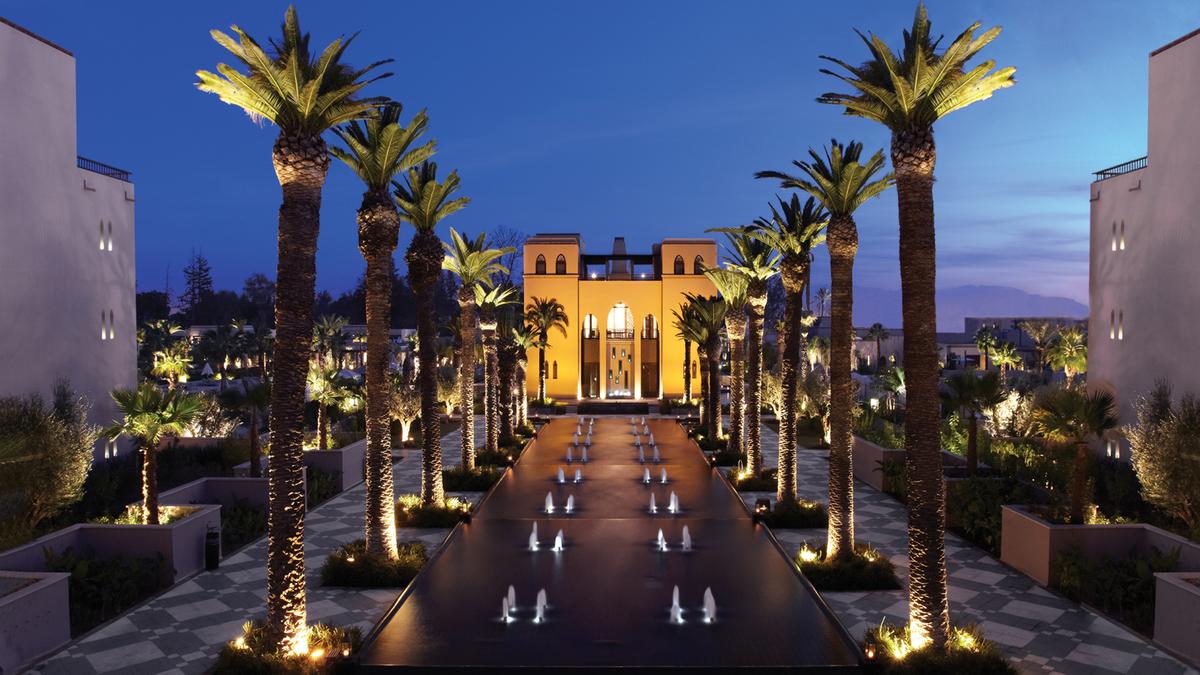
Marrakech (Medina explorations, hammam ritual)

Nevis (Natural hot springs)

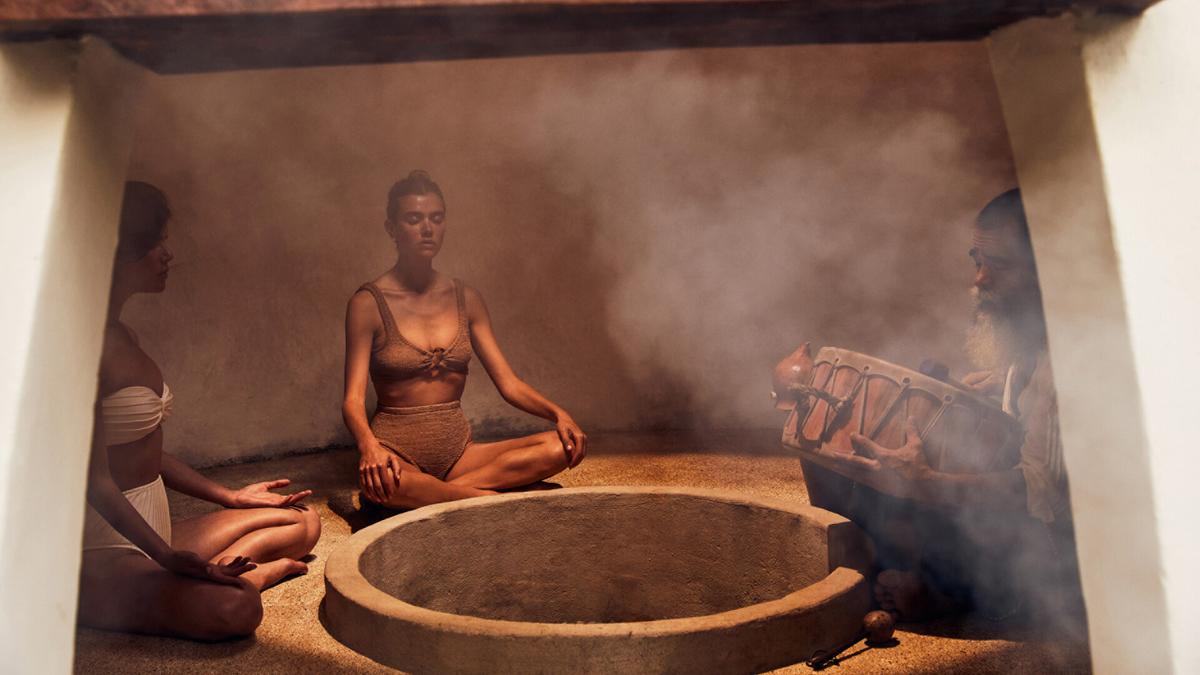
Mexico City (Temazcal, sunrise hot-air balloon, bar culture)

Maui (Molokini Crater snorkelling, Hawaiian lomi lomi massage, outrigger canoeing)

| Photo Credit:
Four Seasons

| Photo Credit:
Four Seasons


Source link

What is war anxiety? And how to deal with it


In 2020, during the pandemic, Arthi J, a 39-year-old HR professional from Chennai experienced a cocktail of strange emotions. An extrovert who loves going out, she found it stifling to be locked indoors. “I was scared; I felt like crying everyday. Finally, I met a psychiatrist who prescribed a short dose of anti-depressants. Eventually, things got better,” she says.

But last week, when a war-like situation broke out between India and Pakistan, she could feel those emotions coming back. She kept waking up repeatedly at night, and was angry, sad, and even fought with her family for no reason because of the anxiety. “What if we got locked in again because of the war? This thought brought back dark memories. What is the future going to be? What about all our plans? I even had thoughts of our cities being bombed and what if we had to leave the homes we have known,” she says.

“Those four days were full of horror,” says Shamima Mir, a resident of Srinagar. “People had heart attacks, there were blackouts, there was too much stress. Over the last two years, the economy had picked up, there was employment. Our anxiety had gone, we could move and breathe freely. But all that has changed now,” she says.

Shamima says many residents of Jammu and Kashmir do not know what is happening. Situations like these disrupt education, work, tourism, normalcy. And this uncertainty results in depression, mental stress and anxiety, she says.

Activists hold placards and shout slogans demanding peace and justice for victims of the Pahalgam attack. File

Activists hold placards and shout slogans demanding peace and justice for victims of the Pahalgam attack. File
| Photo Credit:
AFP

Not just the conflict zones, people all over the country have been impacted by the situation that the country experienced last week.

The suddenness of the situation, the fear of the unknown and uncertainty is what has triggered many over the last week, says Dr Nikita Shah, a psychiatrist from Mumbai. “There has been a mass shift since last Thursday. Sixty per cent of my clients — mostly in the 20-30 age category — have spoken about this. It is a shift from the regular issues they have. They talk about how their family members have been affected by this and that in turn has affected them,” she says.

She observed that people with more empathy felt guilty about the dissonance because while the border towns faced blackouts and shelling, the others were attending dinners and sticking to plans that had been made before. The constant bombardment of information, opinions and even misinformation made the chaos worse. People were getting hooked to the 24-hour news cycle. While one of her patients absolutely needed to know everything that was going on to assuage her anxiety, some others dissociated completely. “One of them was finding it difficult to wake up in the morning. She said ‘we work hard to live a happy life and then one event turns everything upside down. What is the point of anything?’ I noticed a feeling of helplessness and pessimism in some of them,” says Dr Nikita.

It has even triggered anxiety in children. Nine-year-old Sasha Mony from Chennai is anxious. She heard about the recent strife between India-Pakistan and it scared her. So much so she wrote down a prayer on a piece of paper and kept reading it. “She was having trouble sleeping and was worried. She is a little more jumpy,” says her mother Chrishelle Mony. Few days ago, when Sasha heard a siren from one of the factories in Ambattur, she asked her mother if it was war related. “I ask her to write down or draw out her feelings, or draw a scene that makes her feel calm,” says Chrishelle.

Activities like drawing, yoga, grounding and breathwork, meditation, writing, journalling, discussion and debates with elders are beneficial.

Activities like drawing, yoga, grounding and breathwork, meditation, writing, journalling, discussion and debates with elders are beneficial.
| Photo Credit:
Getty Images

An otherwise cheerful seven-year-old (name withheld), also from Chennai, has been having similar concerns. Being exposed to news about the war and sirens, has led him to overthink. Even the sound of firecrackers from weddings triggers fear. He reacts to this by switching off lights and has been having troubling dreams at night.

“Children are anxious because there is so much information out there, be it social media or news channels,” says Nandini Raman, consultant counsellor, adding, “They have access to sensationalised news, they are privy to direct or indirect adult conversation, media, political ideologies… all of this can overwhelm children and increase their anxiety because they lack the cognitive ability to fully process and contextualise the information that they are consuming.”

Nandini adds that there is also the constant fear of safety of loved ones, and people and property resource being lost on both sides. There is a sense of insecurity that can trigger a lot of stirring reactions and create unrest, restlessness, nervousness and panic attacks. In a situation like this, coping mechanisms and calming activities help. Activities like yoga, grounding and breathwork, meditation, drawing, writing, journalling, discussion and debates with elders are beneficial, she says.

Doctors and therapists also suggest meditation and mindfulness exercises.

Doctors and therapists also suggest meditation and mindfulness exercises.
| Photo Credit:
Getty Images

As parents it is important to identify change in behaviour or understand the emotional distress the child is experiencing. She suggests checking children for these signs and symptoms: inability to sleep or sleep adequately, waking up with nightmares, if the child is not eating, and if overall functionality is being impacted, “then certainly you need to seek professional help”.

Children today are more deeply thinking and emotional, believes Nandini. They are also very sensitive and perceptive to emotional states of adults around them. If parents and caregivers are anxious, they also pick up on the feelings. “Age appropriate communication is key. We need to limit exposure of disturbing content that is available out there. Maintain calm and provide reassurance. We should encourage open communication that creates a safe space for children to express their feelings, clarify, ask questions, validate their feelings and emotions,” she explains.

Sheela Ilangovan, 39, a bank manager from Tiruchirappalli, was anxious about Indian soldiers. “My father and uncles are ex-servicemen, so I know what the ground reality is like. There is nothing called victory because there is loss of lives on both sides. I was worried what if Pakistan starts attacking civilians. I was scared soldiers would lose lives. I kept wondering what this situation would end up like?,” she says.

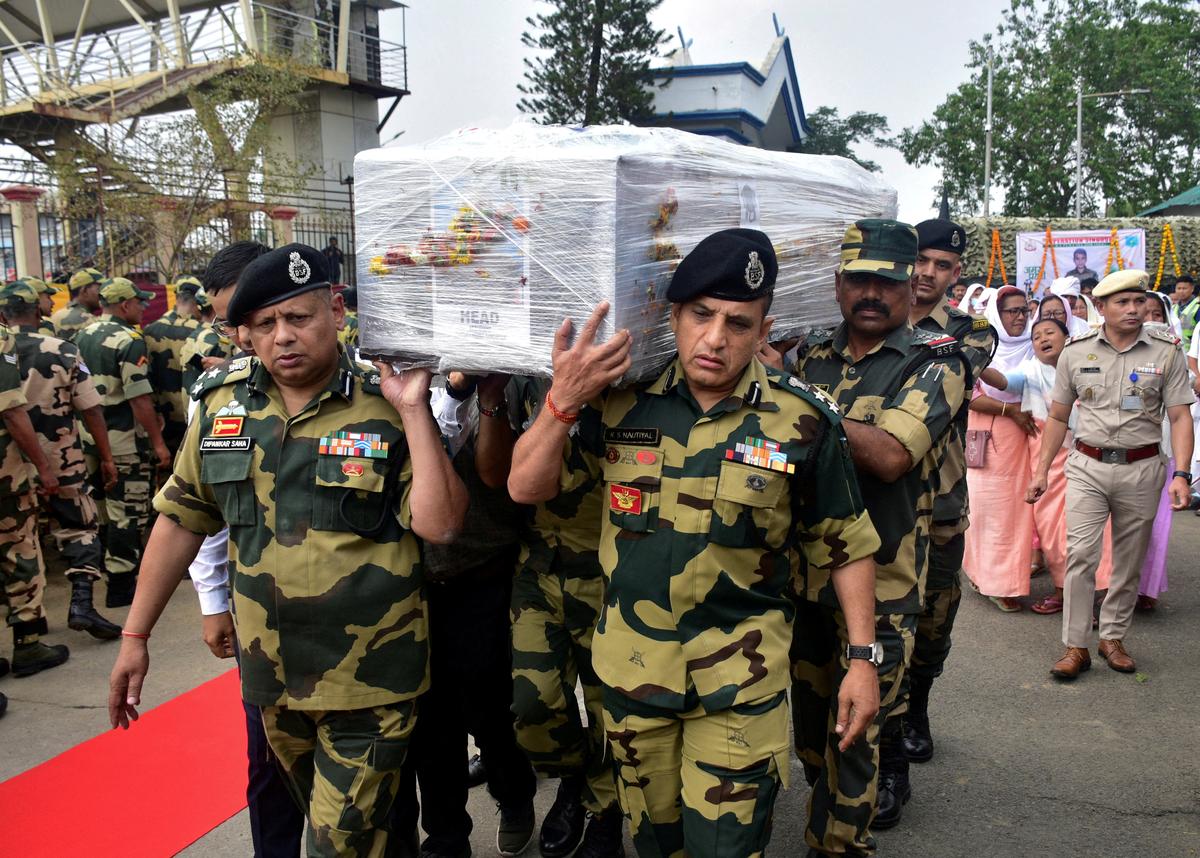
Border Security Force (BSF) personnel carry the body of BSF Constable Deepak Chingakham, who died during cross-border firing in Jammu, during a wreath laying ceremony at Imphal airport, Manipur, May 13, 2025.

Border Security Force (BSF) personnel carry the body of BSF Constable Deepak Chingakham, who died during cross-border firing in Jammu, during a wreath laying ceremony at Imphal airport, Manipur, May 13, 2025.
| Photo Credit:
Reuters

While Dr Nikita has a lot of ways to deal with anxiety and depression in her patients, she also suggests learning somatic methods and doing a body scan. Creating offline communities will help in the long run. “Covid made people insular. It’s time to get away from the online world,” she says. We are being fed information everyday and this can overstimulate. Her advise is to earmark time away from social media and just sit in silence. A number of her patients constantly need a show or podcast running in the background. Being able to sit in silence for five minutes will go a long way in developing mindfulness and reducing overstimulation-based anxiety.

Exercising, she adds, is excellent. Even if it is not strength training, something as simple as going for a walk makes a difference. “It’s summer in India, but everything is blooming,” she smiles. And just observing these things and looking at what you do while on a walk can be an exercise in mindfulness.

Exercising or even going for a walk is helpful

Exercising or even going for a walk is helpful
| Photo Credit:
Getty Images


Source link

Indian homecoming for Polish grandchildren


It didn’t come as a surprise earlier this year in March when Kieran Kyle Culkin walked away with the Academy Award for Best Supporting Actor for his performance in A Real Pain. In the comedy-drama, Culkin sets off on a journey through Poland with his mismatched cousin (played by Jesse Adam Eisenberg) to honour their Jewish grandmother, a holocaust survivor.

Coincidentally, a few weeks before the Oscars, a group of young Polish men and women were retracing their grandparents’ journey in India. Their ancestors were among the Polish children orphaned during the course of World War II, who found refuge in this country.

Twenty Polish youth, some of them grandchildren of the Polish survivors, visited Balachadi (Jamnagar) and Valivade (Kolhapur) in February under the Jamsaheb Memorial Youth Exchange Programme. The visit was organised by the Ministry of Youth Affairs and Sports, Government of India, after PM Narendra Modi’s visit to Poland last year.

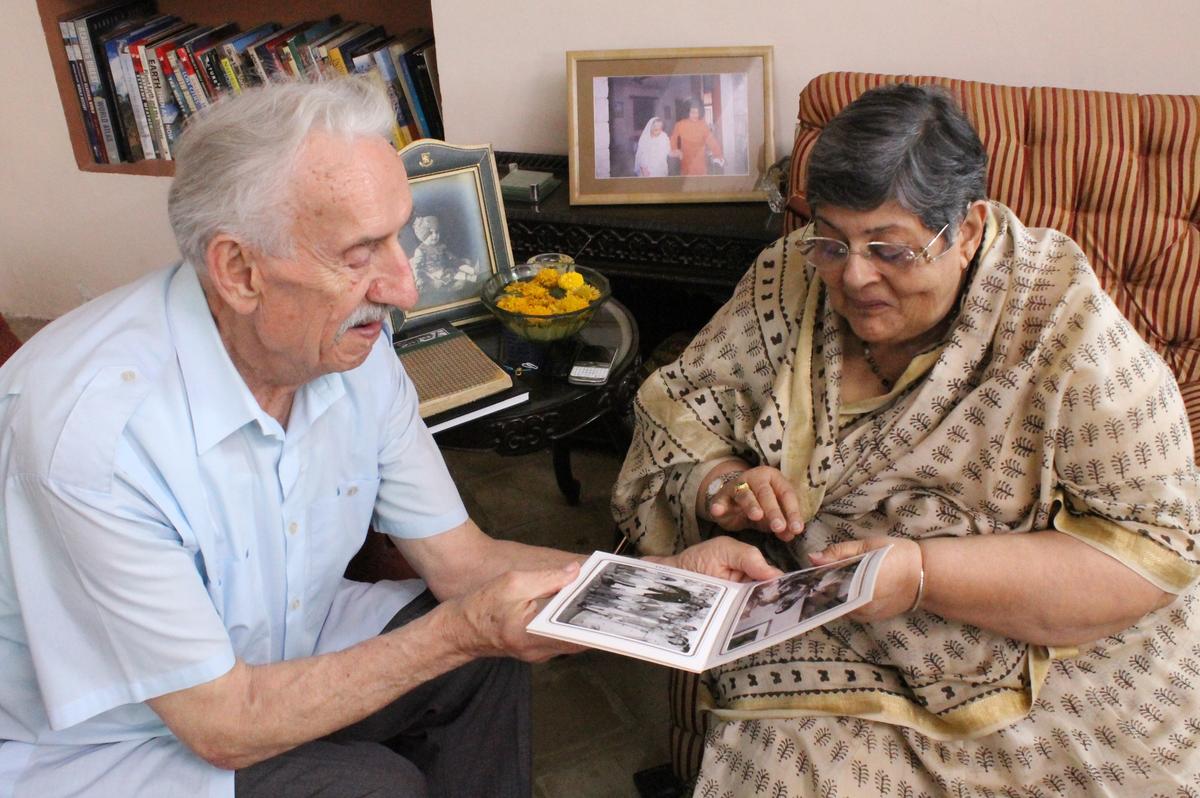
Wieslaw Stypula with Princess Hershad Kumari, daughter of Jam Saheb

Wieslaw Stypula with Princess Hershad Kumari, daughter of Jam Saheb
| Photo Credit:
Anand Upadhayay (Aakaar Films)

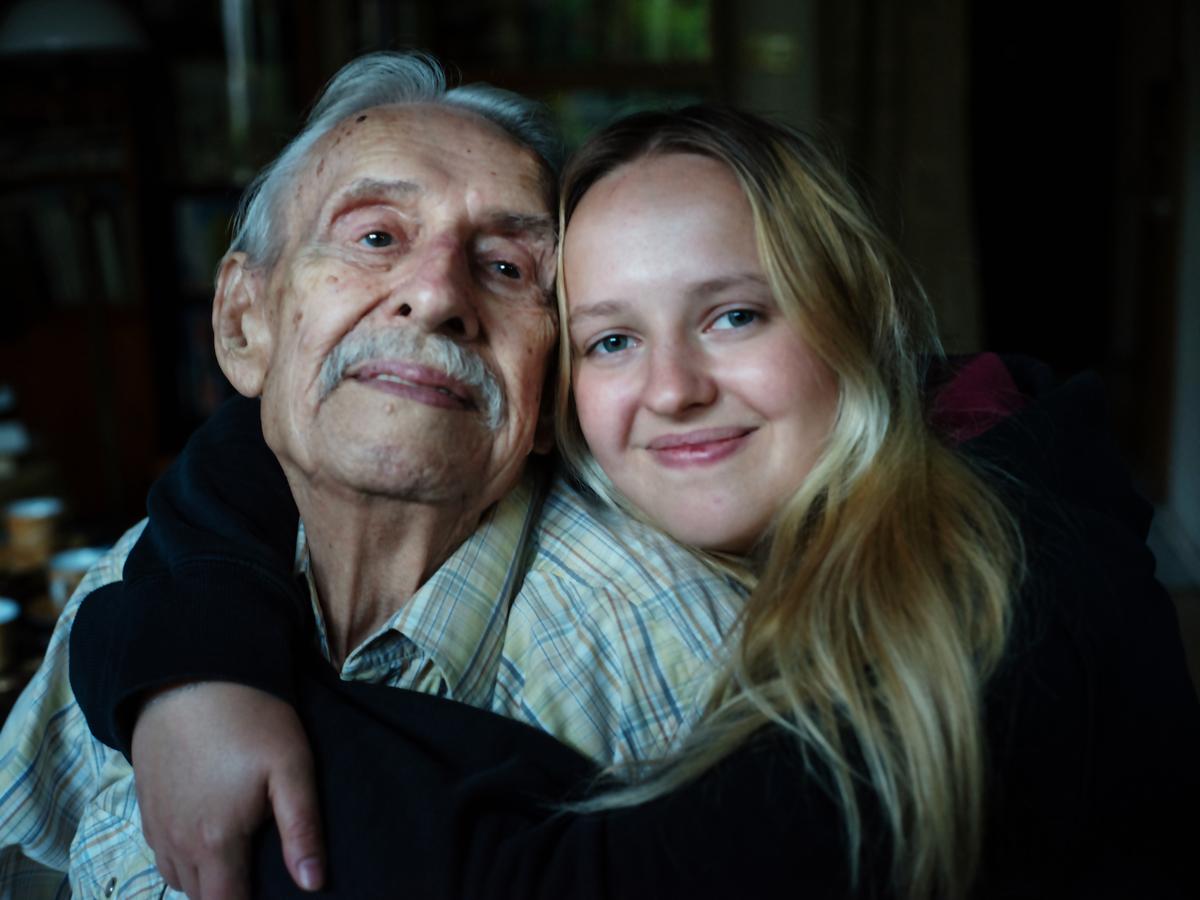
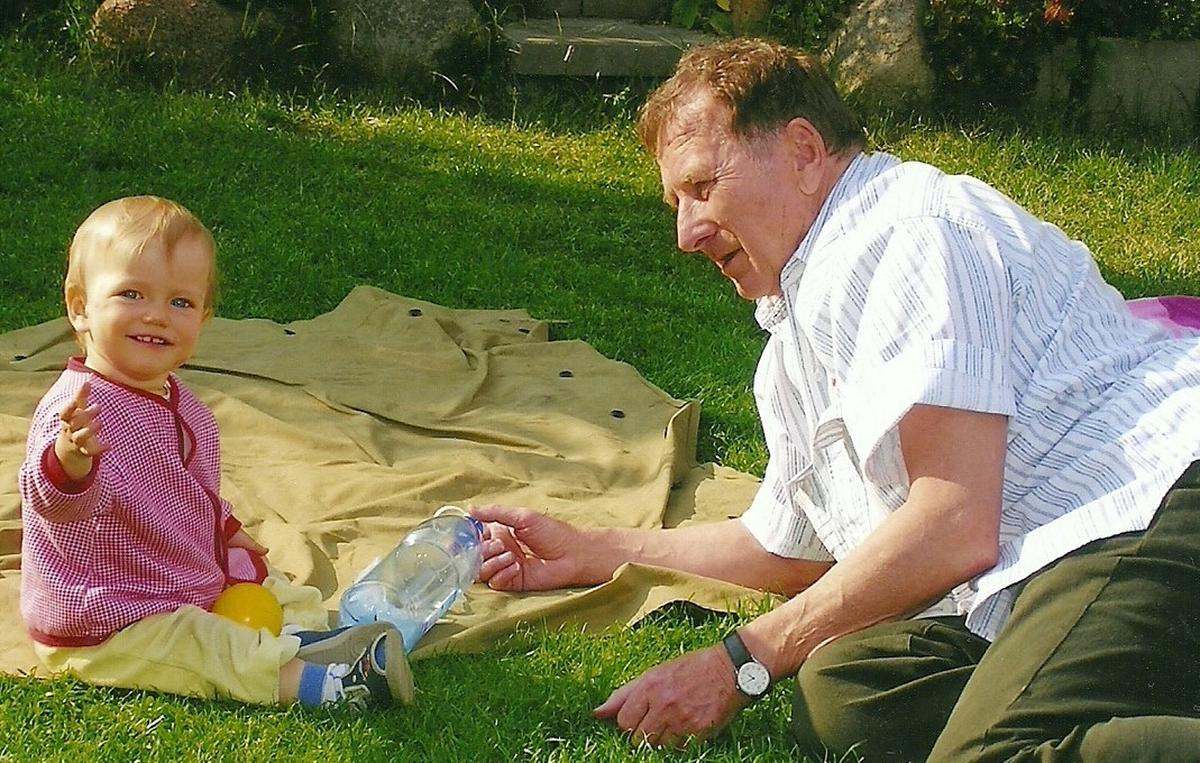
“Our grandfather was always talking about India. He called it his second home,” says Arkadiusz Michałowski (Arek), 28, a resident of Warsaw, whose (late) grandfather Wieslaw Stypula, was one of about 1,000 Polish children orphaned during World War II who were sheltered by the Maharaja of Nawanagar (presently Jamnagar), Jam Saheb Digvijaysinhji Ranjitsinhji Jadeja, in the erstwhile state of Gujarat. The year was 1942, when Poland was occupied by Nazi Germany and the Soviet Union, and the exiled Polish Government in London was anxious about the future of their younger generations. The Maharaja, whose musical skills were appreciated by the great Polish pianist and statesman Ignacy Jan Paderewski, created a home within his estate for the orphaned children.

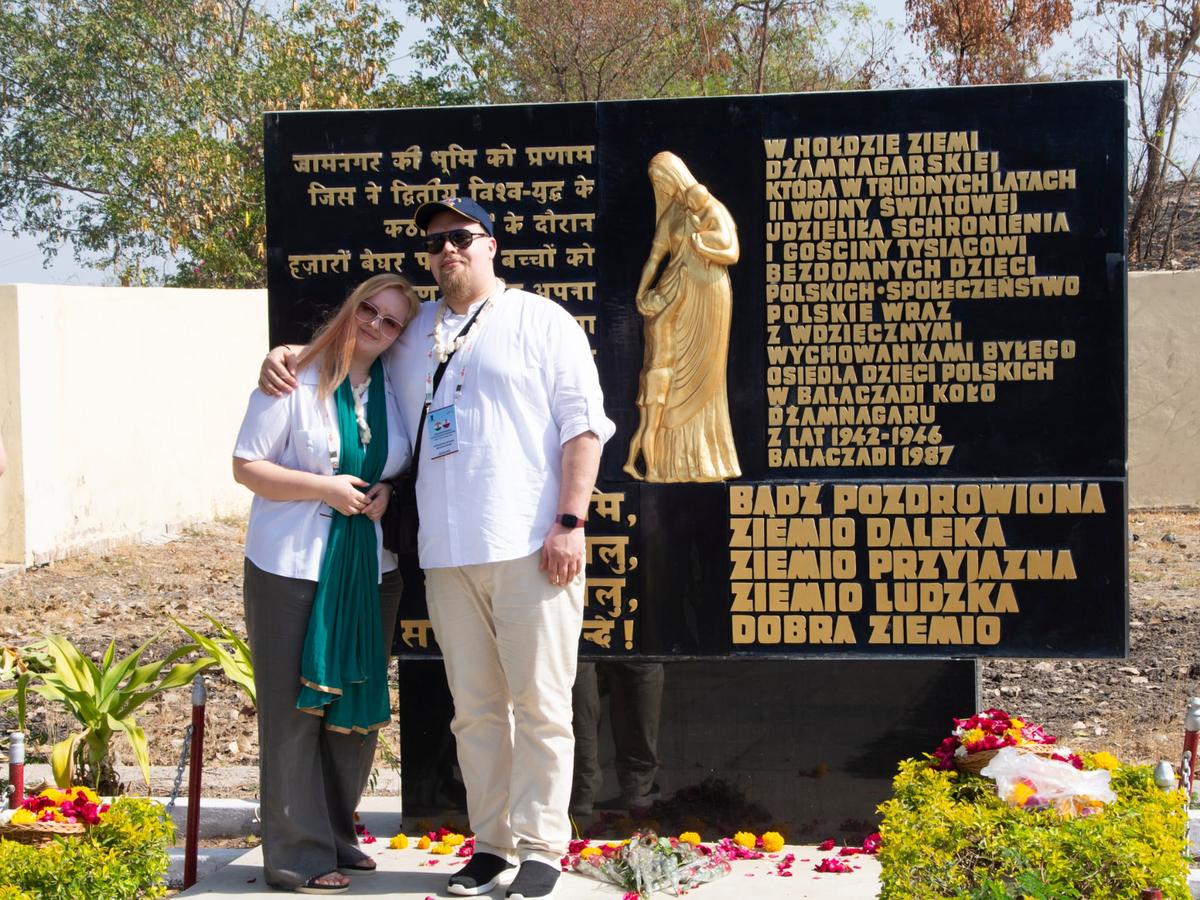
“It was my grandfather’s dream to show us where he spent his childhood, introduce us to the people who remember the camp, and show us the memorial in Balachadi that he was instrumental in designing,” says Arek, who was visiting India with his 25-year-old sister Kasia Michalowska.

Kasia and Arek at the memorial in Balachadi

Kasia and Arek at the memorial in Balachadi
| Photo Credit:
Nilesh Kanakhara

The memorial depicts a woman with a babe in her arms, caressing the head of a child reaching up to her. “The woman symbolises Mother India, an Indian child is in her arms and she is hugging a Polish child with her other arm. It is symbolic of how the Good Maharaja in India protected all the Polish children,” says Arek. “I cried when I read the poem carved on the memorial. It was written by my grandfather in the Balachadi camp when he was a teenager. It is part of him, his story, and my past,” say Arek, remembering his grandfather who passed away last year.

Little Poland in books

After World War II, the efforts of the International Red Cross helped these Polish children reunite with their surviving families across the world, including Poland, the U.K., Canada, and Australia. Books and documentaries have captured their experiences. Poles in India 1942-1948: Second World War Story is a collective work of these Polish survivors, based on archival documents and personal reminiscences.

Many survivors have travelled to India on various occasions to take a trip down memory lane. Two documentary films, A Little Poland in India and Jindobrey India, made between 2012 and 2015, have explored this journey through intimate conversations with the survivors.

Grandchildren at the memorial in Balachadi

Grandchildren at the memorial in Balachadi
| Photo Credit:
Nilesh Kanakhara

For the Polish youth, it was a moving experience to visit the places that meant so much to their grandparents. “Our grandfather was dedicated to sharing the story of his life in India. He had photos from his childhood and material he collected for his books, which focussed mostly on his memories of India, and the Good Maharaja. He didn’t want to share horror stories from the war. He wanted to convey that, even during the darkest times, there were still good people in the world. His books dwelt on how wonderful India appeared to the Polish children, who knew only the dark and brutal world war,” says Kasia, her voice choked with emotion, standing amidst the students of the Sainik school in Balachadi.

Bartosz with his grandfather Anrzej

Bartosz with his grandfather Anrzej
| Photo Credit:
From Bartosz’s personal collection

Christmas in Balachadi

Their grandfather would often tell them stories about India. “The Polish children hated spinach and tried to throw it away. They played musical instruments as a band and started a Polish Scouting Team. They learned the Nawanagar Anthem, but every morning they raised the Polish flag in the centre of the camp,” continues Arek.

Christmas celebrations were different in Balachadi. Jam Saheb, whom the children lovingly called “Bapu”, would send bags full of gifts saddled on camels, and watch their traditional performances. “They tried to recreate the “Jasełka” (Nativity Play) using things they had in the camp. In Polish tradition, Santa Claus comes in a cart drawn by flying reindeers but in Balachadi they saw camels, which they found exotic. They missed the Christmas snow as December was still quite warm in Balachadi,” Kasia recalls. while shopping for family and friends, picking up colourful Indian handicrafts and postcards. “Granddad would pick these up for us whenever he visited India,” she adds, donning a hand embroidered jacket, while Arek chooses traditional Indian jewellery for his fiancée.

Kasia with her grandfather Wieslaw Stypula

Kasia with her grandfather Wieslaw Stypula
| Photo Credit:
Tomasz Stankiewicz

Peace and bedtime stories

Barbara Gutowska, 22, the granddaughter of (late) Roman Gutowski, another Polish child who lived in the Maharaja’s camp, says visiting India has been a surreal experience. “I am standing in the place I have known only from my childhood bedtime stories. The place that my grandfather considered his home. The place where he grew up, played, began primary school, made friends and experienced various exotic adventures. I have found peace,” she adds. A student at the University of Warsaw, Gutowska is keen on learning Indian classical dance.

Barbara with her grandfather Roman Gutowski

Barbara with her grandfather Roman Gutowski
| Photo Credit:
From Gutowski’s personal collection

Bartosz Jezierski, 17, a high school student, stands at the memorial museum of one of the largest Polish survivors’ camps in Valivade, 10 km from Kolhapur. “My grandfather, Andrzej Jezierski, was one of the children who were lucky enough to find refuge here,” he says. These young people are struck by the similarity between two entirely different places and cultures. “This trip showed me that we are not as different as we might think,” says Kasia, a student at the University of Warsaw.

Her brother echoes her sentiments. “I am, and always will be, very grateful for the huge act of kindness and selflessness shown by the Good Maharaja. If not for him, I would not be here in this world. It is the debt of a lifetime, which I hope we will be able to repay one day by helping others in need,” says Arek, with humility.

The writer is an independent documentary filmmaker and author of A Little Poland in India and Jindobrey India.


Source link

Attention scientists and pub crawlers, Pint of Science is making its India debut


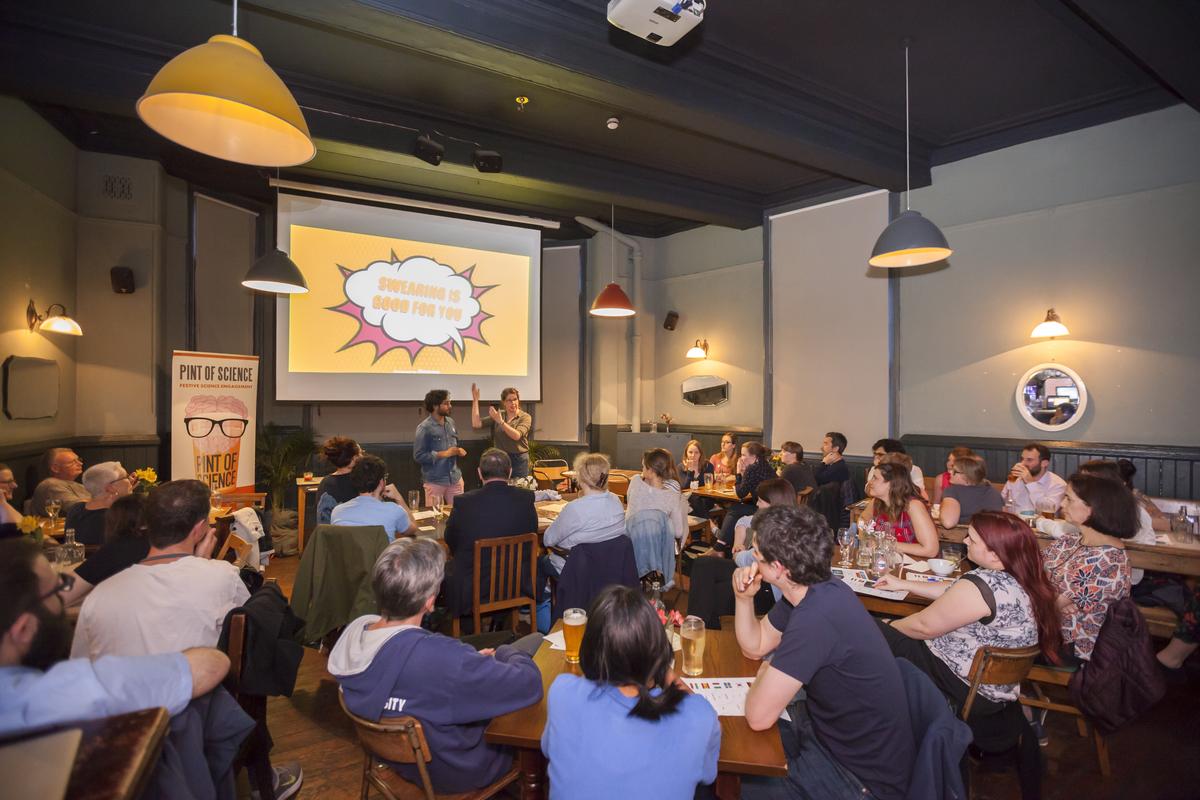
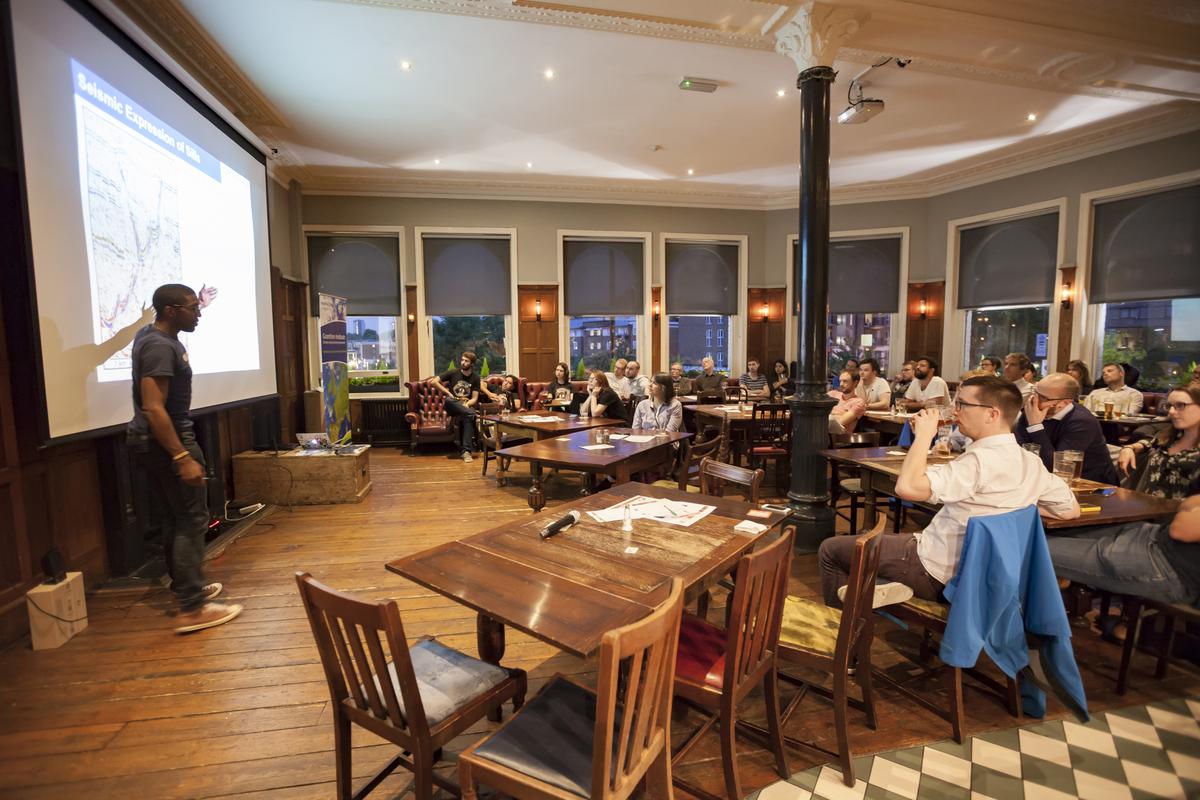
Discussing particle physics over a pint; debating the future of food sustainability over complimentary peanuts. Scientists hobnobbing with the public in a pub is not really what comes to mind when you think about serious science discussions. But that’s what Pint of Science wants to change.

The event, started by research scientists Praveen Paul and Michael Motskin, of the Imperial College London, in the U.K. 12 years ago, is today an annual global festival taking place in 500 cities across 27 countries. And this year, it is making its India debut in Bengaluru, Pune and New Delhi.

Making science accessible

Over the past decade, despite India’s towering achievements in science and technology, data from the UNESCO Institute of Statistics shows that there’s been a near-stagnant investment in research and development (0.65% of GDP). In comparison, China spends 2.43%, the U.S. 3.46%, and South Korea 4.93%. It doesn’t help that authoritarian governments have had a long-standing history of delaying or cutting funding, using political rhetoric to underplay the value of this field of study in the country and encouraging disbelief and doubt in the sciences.

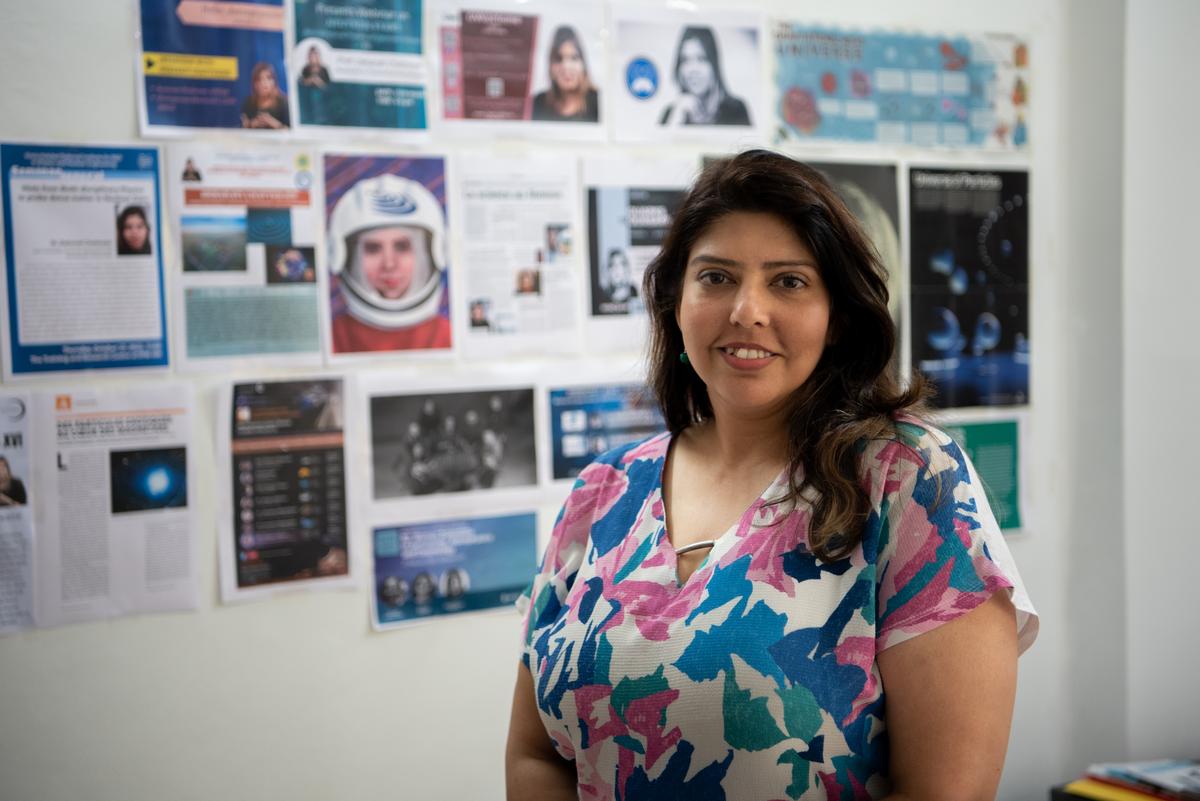
Besides pedagogy, which makes science seem “scary and unapproachable”, there is also the problem of equating science with application. “Policymakers and politicians who make decisions of how much money should go into research, don’t understand the importance of ‘the why’ behind the research, especially with regards to fundamental sciences [such as physics, chemistry, microbiology],” says astrophysicist Debarati Chatterjee, an associate professor at the Inter-University Centre for Astronomy and Astrophysics in Pune. “Such research pushes our horizons of knowledge; they don’t have immediate results or applications.”

Debarati Chatterjee

Debarati Chatterjee

In 2017, Chatterjee — who is “heavily involved in outreach programmes focussed on inspiring and encouraging the general public, especially women, to do science through fun means” — was invited to present her research at a local pub. At the time, she was working on her postdoctorate at the Université de Caen Normandie in France. “I think I made a very pedagogical talk my first time. But after I incorporated animation into my presentation [at a later event], I remember it leading to vivid discussions,” she says. After participating in three editions in the subsequent years, volunteering at one and “observing its impact” on people (as well as getting new perspectives on her own research), Chatterjee decided she wanted to bring Pint of Science to India. “I love the informal and accessible format,” she says, adding that public-facing events that communicate science research to the public “will have them paying closer attention to this field because it is being funded by taxpayers’ money”.

Pint of Science

Pint of Science
| Photo Credit:
Nick Rutter

“The everydayness of a pub or a cafe changes the dynamic. We already know we might meet someone who doesn’t come from our world, so we’re already open to listen to new information.”Basundhara Ghosh Physicist

Breaking the classroom effect

While Chatterjee cannot imagine a science talk in a pub while she was a student in India, today the presence of a craft beer and cafe culture, and a “general public that has matured and is open to using these spaces to learn as well”, the timing feels right. “I have attended language meet-ups and craft workshops” at these venues, she says. “The younger crowd is ready for this shake up; in fact they are enthusiastic about it.”

Interestingly, in Pune, a similar format has been running successfully for almost a decade. Nakul Bhonsle, the founder-director of Pune’s Great State Aleworks, and his friend, climate scientist Anoop Mahajan, inspired by the Pint of Science’s format, have been running ‘Science on Tap’ at their microbrewery since 2016. “Despite its huge research institutes, there’s no interaction between the scientific community and the general public in Pune,” says Bhonsle. “Anoop had heard of the concept in the U.K. and we adapted it. It’s been a great event because it brings a different kind of audience into the microbrewery.” He attributes its success “to the sessions being casual, and never feeling like a classroom or seminar”.

Pint of Science

Pint of Science
| Photo Credit:
Nick Rutter

Theoretical physicist Basundhara Ghosh from Bengaluru’s Indian Institute of Science echoes how the setting changes the “perception of the sciences”. “[At IISc], I’ve seen how programmes that invite the public into these institutions are very popular, across all ages. Everyone is still fascinated by black holes, galaxies and dark matter, says Ghosh. “But there’s a gap between understanding the work actually being done and the public’s curiosity for it.” And she feels events like Pint of Science “are building a middle ground” for these gaps to be reduced.

Basundhara Ghosh

Basundhara Ghosh

Origin story

Before it took on this more organised version, Pint of Science was an event called ‘Meet the Researchers’ in 2012. Paul and Motskin organised it to bring people affected by Parkinson’s, Alzheimer’s, motor neurone disease and multiple sclerosis into their research labs and help them understand the developments and stopgaps in the research being done to control and cure these diseases. It was a huge success. The following year in May, the duo shifted the location from their lab to pubs, and ran the first Pint of Science festival across three cities in the U.K.

Memes and humour to break the ice

At the inaugural India edition, Ghosh will pepper her talk on ‘The Universe is expanding – What’s the big deal?’ with memes, pop culture references and a sense of humour. “In our contemporary world, memes act as mnemonics — like the anime boy releasing the butterfly, or the scans of neurons lighting up — so adding them into my presentation along with technical diagrams will allow people to retain the information,” she says.

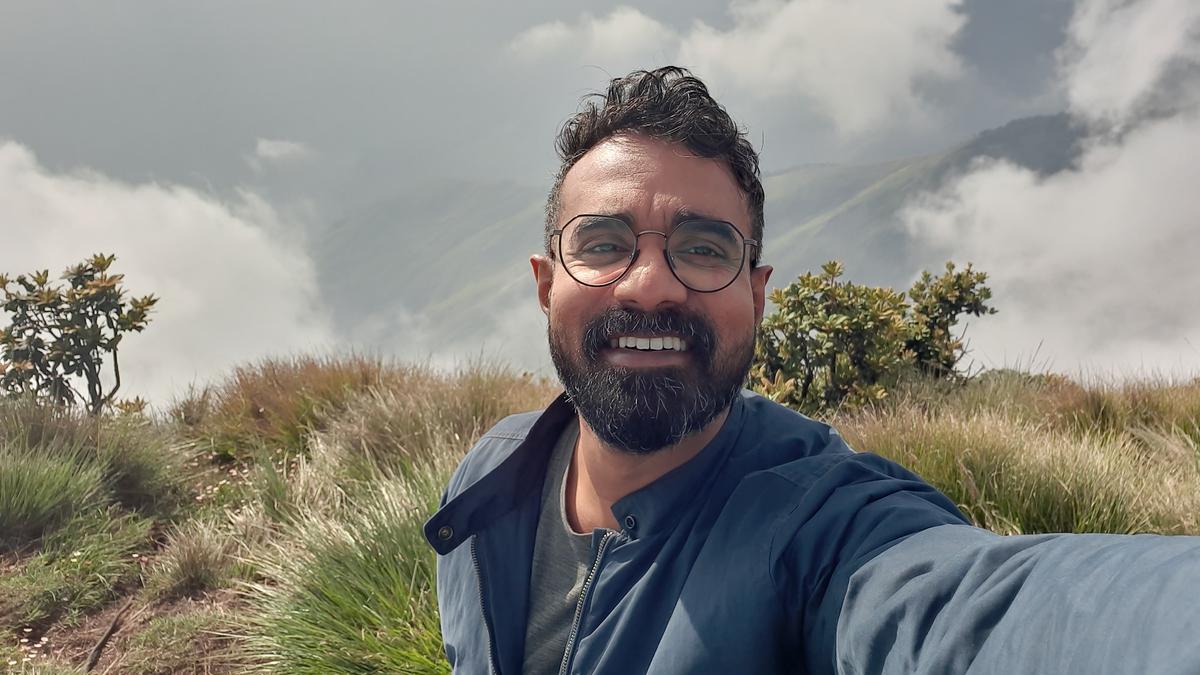
Another scientist spicing up his Pint of Science presentation, ‘The Yin and Yang of Tree Invasion on Mountain Birds’, with visual elements is Jobin Varughese. The ecologist and postdoctorate fellow at Bengaluru’s National Centre of Biological Sciences switched careers while studying landscape architecture, after a component on ecology “that focussed on preserving native plants and birds” piqued his interest.

Jobin Varughese

Jobin Varughese

He started off by volunteering with bird census counts before realising that he could pursue science as a career. “I didn’t know people were studying birds in India,” he admits, adding that the “different scientists and research topics being programmed as part of Pint of Science will open the public’s imagination to other fields of study”. For Varughese, his participation in Pint of Science makes complete sense. “I used to be on the other side, and so, I feel I have the ability to translate my research for the general audience.”

Pint of Science takes place on May 19, 20 and 21 in Bengaluru, Pune and New Delhi. There’s no age limit. For tickets, visit pintofscience.in.

The writer and poet is based in Bengaluru.


Source link

Ode to the tamarind | Excerpt from Vasudha Rai’s ‘Sacred’


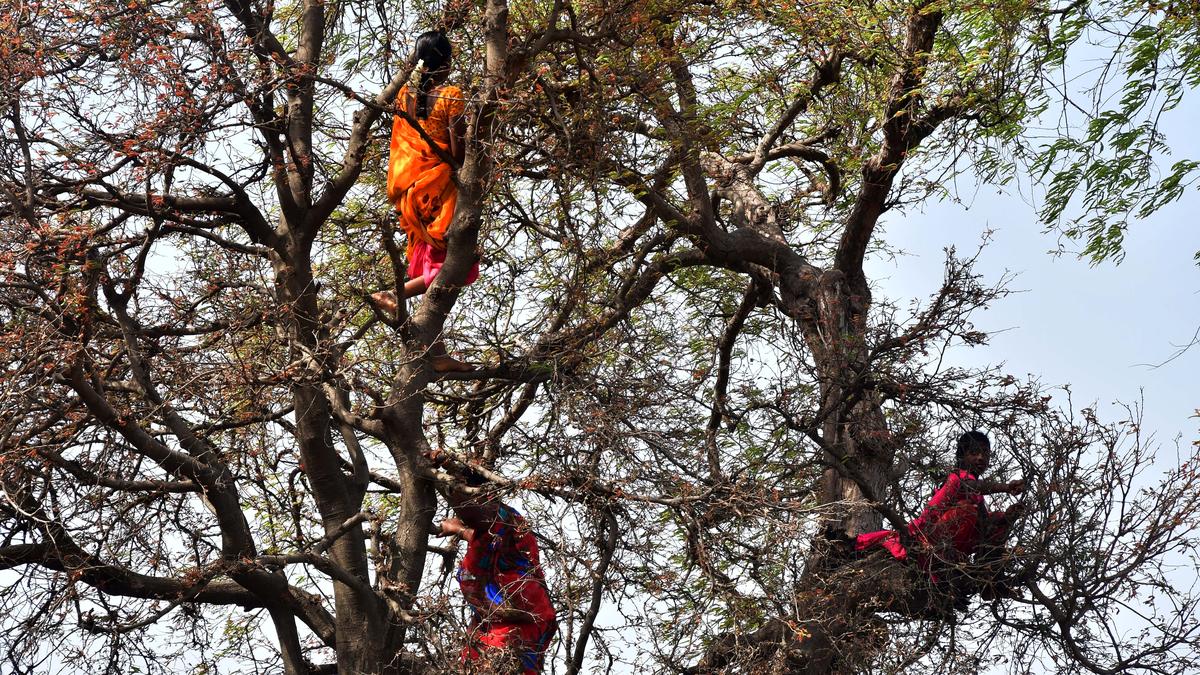
Women pluck tender tamarind leaves in Andhra Pradesh, a popular ingredient in curries

Women pluck tender tamarind leaves in Andhra Pradesh, a popular ingredient in curries
| Photo Credit: G.N. Rao

The tamarind tree is the subject of myth and folklore. Some consider it to be the abode of spirits, while for others, it is related to stories of the Ramayana. There are also stories about this tree and its association to Lord Shiva. In Indian mythology, all stories point to the fact that earlier, the tamarind tree used to have big, well-formed leaves.

It is believed that Lord Rama took shelter under a tamarind tree when he was banished from his kingdom and was in exile. Since the tree had large leaves, he felt like he wasn’t doing his penance correctly. So he asked his brother, Lakshmana, to shoot an arrow at the leaves fragmenting them into the small leaves they are today. In the other story relating to Shiva, it is suggested that the lord himself fragmented these leaves into smaller pieces as a demon was hiding behind its large leaves.

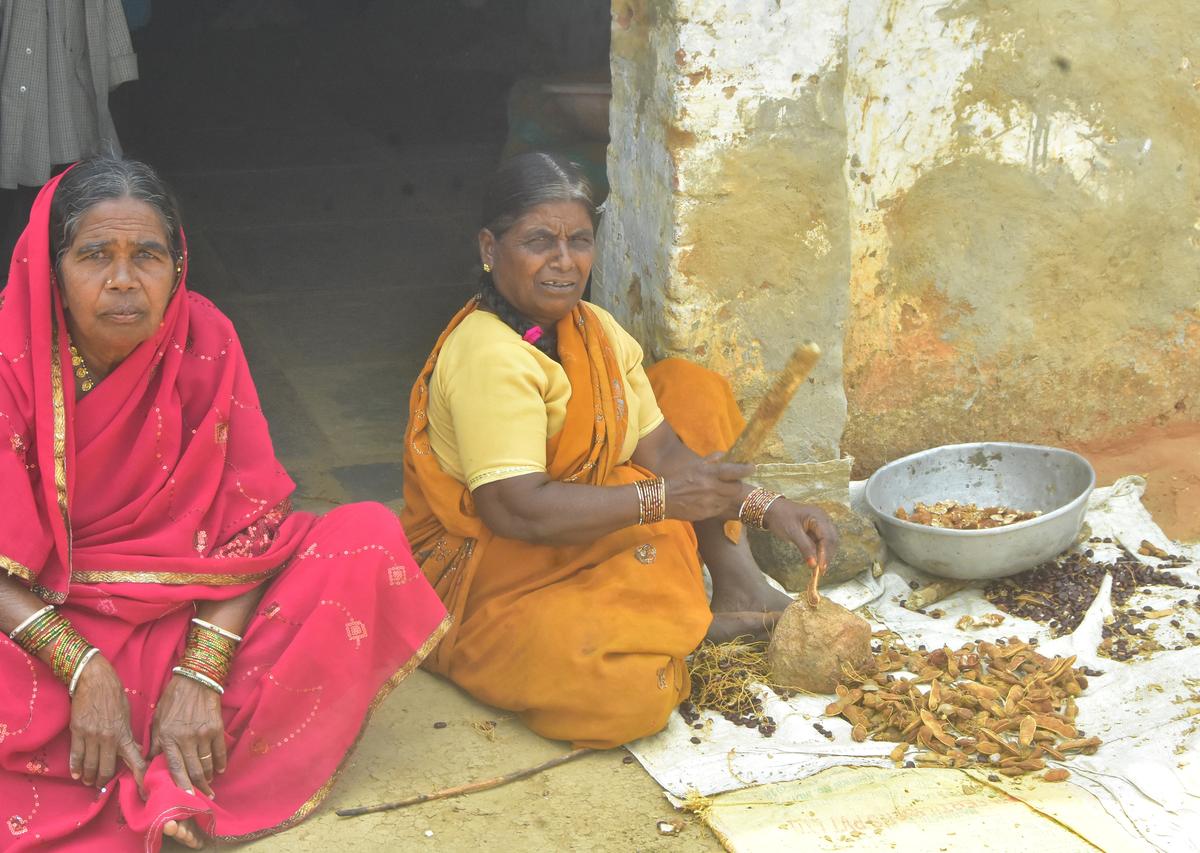
Women in Telangana removing seeds from the tamarind

Women in Telangana removing seeds from the tamarind
| Photo Credit:
Mohd Arif

Shiva opened his third eye to kill this demon, and the leaves disintegrated into the smaller size as we see today. A tamarind tree has a lifespan of about 200 years, but there are some that can even go as far back as 400 years.

The tree is believed to have originated in India and the word ‘tamarind’ comes from the Persian phrase ‘tamar-i-hind’, which basically means the ‘date of India’. However, new evidence shows that the tree may have been initially cultivated in Egypt or Madagascar. Before the Spanish brought tomatoes to India, tamarind was used to add a sour taste to Indian dishes. Tamarind is worshipped to this day as a deity by people in rural India and tribal folk and is in fact a huge part of their medical protocol. Tamarind is also used in traditional medicine in western and eastern Africa. As a hardy, multi-purpose, drought-resistant tree, it is worthy of worship and a valuable addition to parks and gardens.

The science

Tamarind is a huge part of India’s culinary heritage. It is used to add a tangy flavour to our chutneys and curries. It’s a nutritional powerhouse, rich in magnesium, B vitamins, calcium, phosphorus and potassium, as well as all essential amino acids, except tryptophan. The tamarind fruit contains tartaric acid, malic acid, potassium and the soluble fibre pectin, all of which contribute to digestive health and provide mild laxative benefits. The fruit also causes relaxation of smooth muscles, for instance, stomach, intestines, GI sphincters, gall bladder and blood vessels, some on which are also responsible for its laxative effect. But it’s not just the fruit but also the leaves of this wonderful tree that have immense benefits. They work as fodder for cattle and in humans the leaves show a liver-protective effect by stabilizing the membranes and decreasing glutathione consumption. The extract from the fruit also decreases fluoride in the plasma and inhibits fluoride-induced liver and kidney damage.

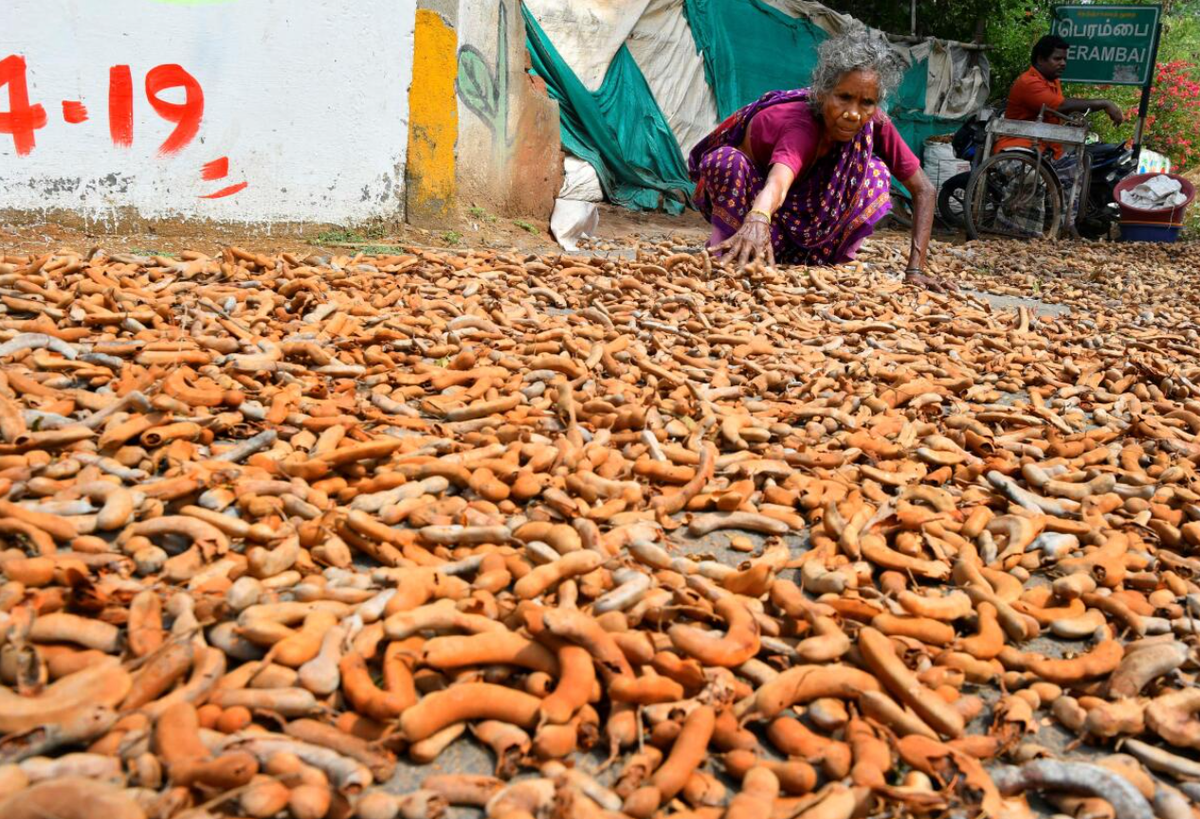
A woman spreads tamarind on the ground to dry in the sun

A woman spreads tamarind on the ground to dry in the sun

Fluoride is found in drinking water and has been linked to several health problems. The evergreen tree is extremely hardy and grows very well in desert-like areas that are prone to drought. In Africa, it is valuable for wildlife, as it provides shade to animals such as elephants, who can lean against its strong, wind-resistant trunks and branches that can hold the weight of this mighty animal. Locals in Ghana claim that to be safe from an elephant attack one can climb atop a tamarind tree. All in all, the tamarind tree is very beneficial because every part of this tree can be utilized for culinary, nutritional and medicinal benefits. Moreover, it is a hardy tree that has a long life and helps cool the environment in hot, desert-like areas.

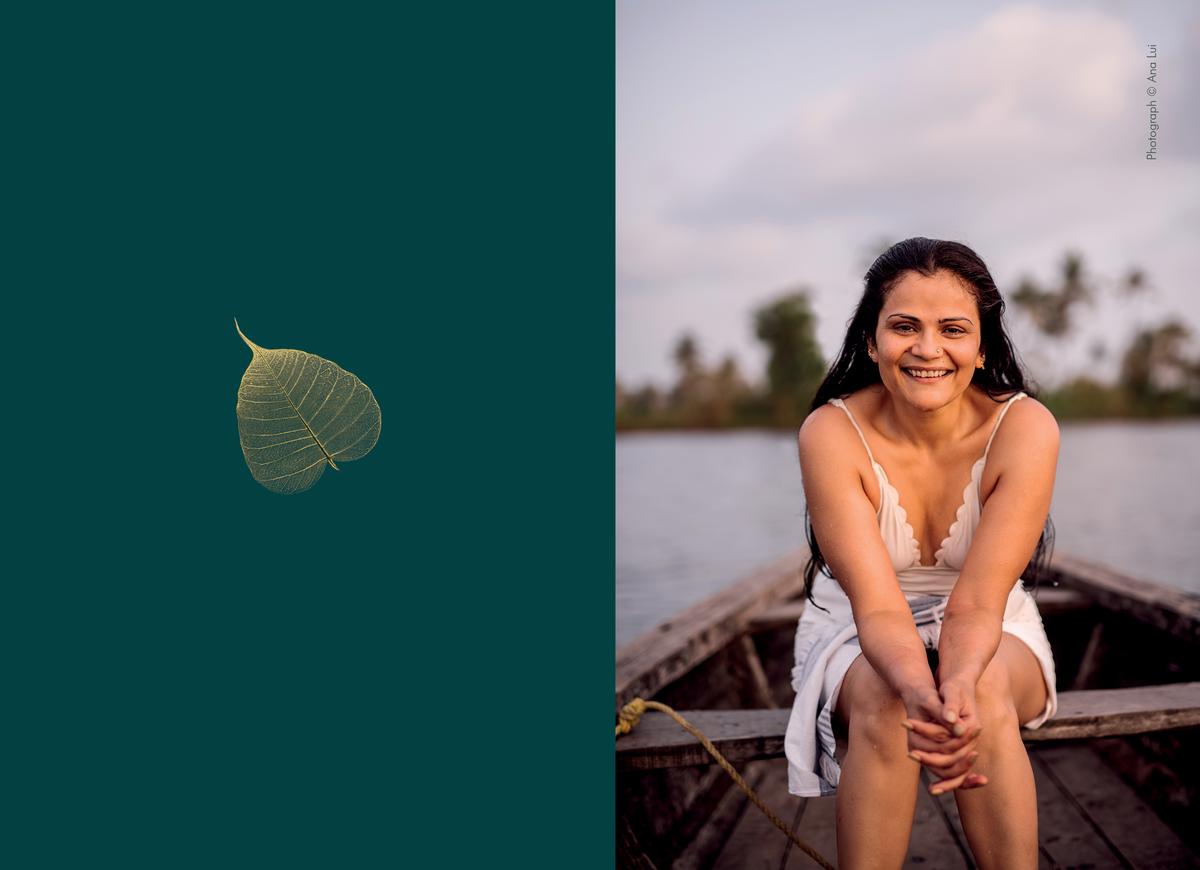
Author Vasudha Rai

Author Vasudha Rai

Application

Tamarind is best eaten with gur/jaggery, as it takes away the erosive nature of this sour fruit. People who have joint pains may find that their aches and pains get worse when they consume raw tamarind. However, when consumed with gur, it doesn’t have this effect, as the sweetness of the gur takes away the pungency of tamarind.

Sacred

Sacred

Tamarind sherbet

Mix a teaspoon of tamarind pulp, some jaggery, a pinch of pink salt, and half a teaspoon of roasted, crushed cumin in a glass of water. This drink is great to enhance digestive fire, cool the body and give a sense of satisfaction, especially during summer.

Edited excerpts from Sacred by Vasudha Rai, with permission from Penguin Random House India.


Source link