Life & Style

Bettadmele Breakfast: A trek that rewards you with freshly made hot dosas on top of the hills


Crispy hot dosas on your plate are always a delight. Pair it with a breath taking view of the sunrise and that would be bliss. That plateful after an early morning trek is reward in itself and if that is your idea of a fun activity, Bettadmele Breakfast is a half-day trek experience that unfolds at Hulukudibetta, Doddaballapur.

Organised by Suyana, a travel group in the city, trekkers are served hot, crispy dosas with chutney, fruit, jaggery rasayana, and millet malt after the one-hour climb. Suyana was founded in 2019 by Sushma BV, an HR professional, and her husband Sunil S, an UPSC aspirant. In 2022, Sushma quit her job and now curates travel experiences with Sunil. 

The couple organises a trek every weekend throughout the year in two batches — an early morning batch at 5.30, followed by a morning group at 6.30. Those who opt for the early morning trek are instructed to reach the base at Doddaballapur by 5am using their own transport, while those who opt for the morning trek are provided with transport facilities from various points in the city such as JP Nagar, Koramangala, Richmond Circle, Majestic, Mekhri Bus stop, Hebbal and Yelahanka to reach the base by 6.30am.  

View from the hill

View from the hill
| Photo Credit:
Srihari Raman

After a quick briefing session at the base, trek leaders guide the group to the top. Sushma says, “Our trek leaders not only ensure that participants follow the designated trail, but also keep the group engaged with fun activities.” 

Sushma and Sunil do not sleep the night before a trek. “We make all the food at home using fresh organic ingredients. We begin making the chutney, palya and rasayana around eleven, and complete it around two in the morning. Batter is made in the morning after the rice is soaked the previous night.”

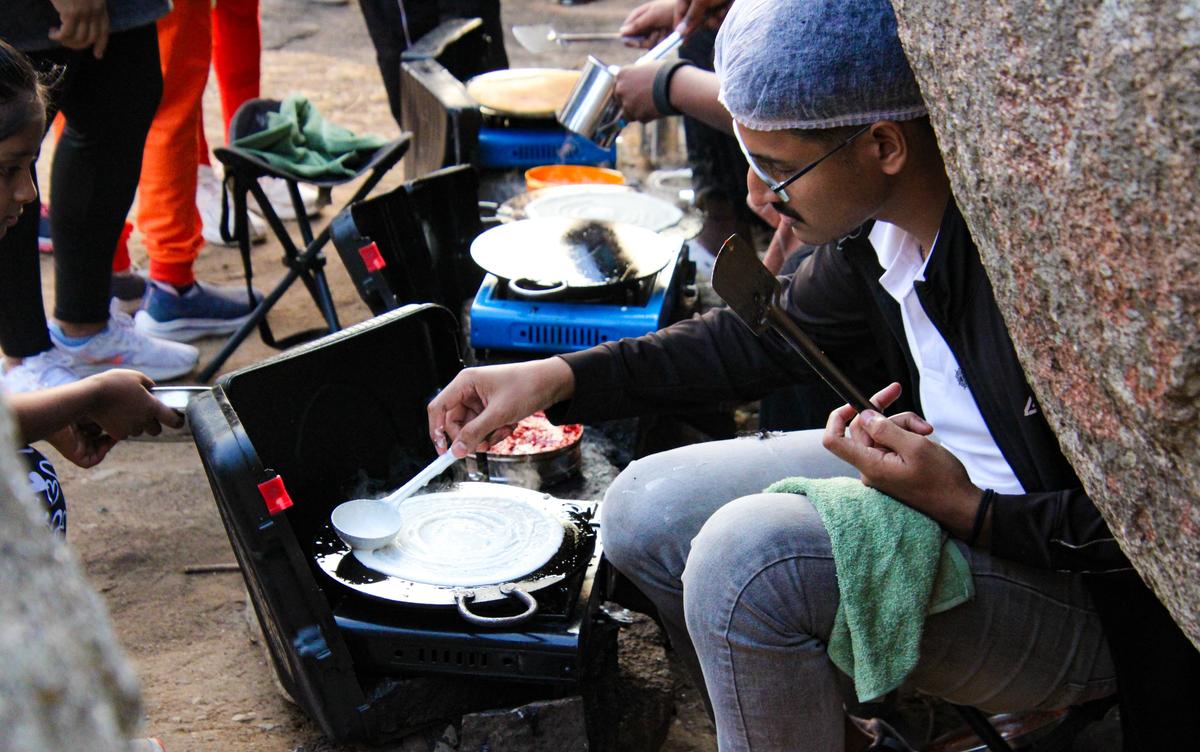
Sushma elaborates on their operations. “Our team departs at around three in the morning with these items with traditional cast iron tawas, portable stoves and cans. We do not use non-stick pans and these tawas are quite heavy, so we have a team of about 15 people who work every weekend, carry this up the hill. They include a research scientist from IIST, lawyers, doctors and IT professionals with a common interest in travelling and curating experiences with us.” 

The team dishes out as many as 200-250 dosas atop the hill for breakfast. 

Families, friends and marathon runners as well as fitness and yoga groups are regular participants of this trek experience. “The trek is both age and pet friendly,” adds Sushma. “Anyone from 7 to 70 can join in as it is an easy trek of about 1,000 steps.” 
Dosa being made

Dosa being made
| Photo Credit:
Srihari Raman

The initiative is also sustainable. “We ask our participants to carry their own steel or reusable plates and glasses for the trek. A trash bag is also be placed on site to discard waste. We then carry this bag back to Bengaluru and dispose it at the nearest BBMP disposal unit,” says Sushma. 

“As of now, we organise Bettadmele Breakfast only at Hulukudibetta in Doddaballapur, and we chose this specific peak as it’s a lesser-known hill, that is not crowded with tourists. Moreover, the historic Veerabhadra Swamy and Bhadrakali temples are located at the top of the hill, which is an added incentive,” she says.

Meghana Suresh from Hennur, who went on the Bettadmele Breakfast experience in March 2025 with her family that includes her eight-and 12-year-old children, says, “We used our own transport and reached the base at five in the morning after which there was a warmup session. Though we missed the sunrise view since it was cloudy, there were other points to explore once we reached the peak. The highlight of the experience was definitely the breakfast. The ragi malt shake and dosa were excellent.”

Sushma says, “My husband Sunil and I started Suyana in 2019 because we wanted to curate unique travel experiences outside the routine of work. After the pandemic, we initiated more interactive experiences such as the Bettadmele Breakfast to connect people with nature and others.”  

The Suyana group also organises trips to Agumbe, Hampi Kallu and Kumpa Vistara as well as ones to experience the Siddhi tribe culture. While the Agumbe Vismaya package includes both exploring the rainforest, waterfalls, mud caves and local culture as well as learning about the staple food, vegetation, biodiversity, conservation of endangered flora and fauna, a trip to Hampi focuses on a historical view of the place, its architecture, culture, innovation and literature.

The cost for the Bettadmele Breakfast Experience starts at ₹1,101. For more details, contact 7406648322

OPTIONAL: Tips for first-time trekkers

– Smoking and alcohol are not allowed.
– Inform the organising team about any pre-existing medical conditions.
– Bring your personal medications if needed.
– Please carry light snacks if required like nuts or dry fruits. 
– Carry water bottles as the team will not be providing water and hydration is necessary.  
– Opt for comfortable attire and avoid cotton.
– Pet feces should be disposed in the trash bag the team provides. 
– If the trek is called off due to insufficient participants, the trekking fees shall be refunded. 


Source link

Vitamin D Deficiency: ‘Healthy’ habits that might be secretly lowering your Vitamin D levels |


‘Healthy’ habits that might be secretly lowering your Vitamin D levels

We all love a good wellness trend, don’t we? From early morning power walks and green smoothies to staying indoors to “protect the skin,” we’re doing our best to stay fit and fabulous.But here’s the not-so-fun twist: some of these habits, which are otherwise good for your health, might actually be dragging down yourVitamin D levels without you even realizing it.Yup, the “sunshine vitamin” isn’t just about stepping outside for a few minutes. Vitamin D plays a big role in your immunity, bone strength, hormone health, mood, and even weight management. But surprisingly, many seemingly “healthy” things could be blocking your body from making or using it properly.Let’s break down common habits that might be sneakily causing your Vitamin D to dip – and what to do instead (without totally giving up your wellness routine).

Always wearing sunscreen – even indoors or on cloudy days

The “wear sunscreen 24/7” message has been drilled into us. And yes, sunscreen protects your skin from harmful UV rays, sunburn, and even skin cancer. It’s a non-negotiable in skincare. But here’s the flip side: Sunscreens with SPF 30 or more block around 95-98% of UVB rays – the same rays your body needs to make Vitamin D from cholesterol in the skin. So when you’re slathering on sunscreen every morning, heading out with long sleeves, hats, sunglasses, and then spending most of the day indoors, you’re essentially cutting off your body’s natural Vitamin D supply line. Not suggesting you ditch sunscreen completely – please don’t! But maybe consider giving your skin 10-15 minutes of early morning sun (before 9 am or after 4 pm, depending on where you live) a few days a week without sunscreen. That tiny dose can go a long way. Allow short bursts of unprotected sun exposure – about 10 minutes, 3-4 times a week, especially on arms and legs. Then apply sunscreen as usual.

Living the indoor life – even if you’re working out or eating clean

You’re meal-prepping veggies, clocking in 10,000 steps, and doing yoga religiously. But if your lifestyle is mostly home-office-gym-repeat, chances are, you’re barely getting any natural sunlight. In fact, glass windows block UVB rays entirely – so sitting next to a sunny window does not count as “getting sun.” Even gyms, which are hubs of fitness and good habits, are notorious for being indoor, fluorescent-lit environments.You may be lifting heavy and fueling clean, but if you’re not getting outside regularly, your Vitamin D tank may still be empty. Vitamin D isn’t naturally present in many foods. Unless you’re eating lots of fatty fish, eggs, fortified milk, and mushrooms, diet alone won’t cut it either. Take parts of your routine outdoors. Morning jogs, outdoor yoga, gardening, or even walking your dog can help. Combine that with a few Vitamin D-rich foods, and you’re golden.

Going too hard on the plant-based or low-fat diet

We love plant-based diets – they’re great for the planet, your gut, and your heart. But if you’ve cut out animal products and dietary fats completely in the name of “clean eating,” you might be blocking Vitamin D absorption or skipping its richest food sources altogether. Vitamin D is fat-soluble – meaning your body needs some dietary fat to absorb it properly. And the most potent natural sources of D3 are animal-based, like oily fish (salmon, sardines), liver, egg yolks, and fortified dairy. If you’re fully vegan or eating super low-fat, you’re probably not getting much of either. And let’s not forget that some plant-based milks may not be fortified unless it’s mentioned on the label. So that oat latte? Delicious, yes. But D-loaded? Probably not. If you’re on a vegan or low-fat diet, make sure to include fortified plant milks, mushrooms exposed to UV light, or consider a D3 supplement from lichen-based sources.And don’t fear healthy fats like olive oil, nuts, and seeds – they actually help with Vitamin D absorption.

Taking calcium supplements without balancing with Vitamin D

You might be popping those calcium pills religiously for strong bones, especially if you’re a woman over 40 or following a dairy-free diet. That’s great in theory – but here’s where things go off the rails: calcium needs Vitamin D to get absorbed into the bones. If you’re boosting calcium without checking your D status, all that calcium might just float around uselessly – or worse, build up in places it shouldn’t, like arteries or soft tissues. Worse still, many calcium supplements are sold without Vitamin D added, and unless your multivitamin is covering the gap, this could lead to a quiet imbalance that drains your D over time. Go for combined calcium + D3 supplements or better yet, get your Vitamin D levels tested and supplement accordingly. Aim for 600–800 IU per day if you’re under 70, more if you’re older or deficient (your doc can guide you on this). Also, include magnesium-rich foods – it helps activate Vitamin D in your body.

So… what happens if you’re low on Vitamin D?

Here’s a quick peek at the red flags that your D levels might be dipping:

  • Frequent colds or infections
  • Feeling tired all the time
  • Mood dips or seasonal blues
  • Achy muscles or joints
  • Hair thinning
  • Bone pain or fractures
  • Trouble concentrating (“brain fog”)

If you suspect a deficiency, don’t guess – get a simple blood test (25-hydroxyvitamin D). It’s one of the most under-diagnosed issues today in the US, where ironically, up to 42% of the population are Vitamin D deficient!

How to boost Vitamin D the smart way

  • Get 10–15 minutes of direct sunlight (arms and legs) 3-4x a week
  • Include fatty fish, egg yolks, and fortified foods in your diet
  • Choose Vitamin D3 (cholecalciferol) supplements if deficient
  • Pair Vitamin D with dietary fat for better absorption
  • Balance calcium intake with enough D and magnesium

Want to really glow from the inside out? Fix your Vitamin D game. Because sunshine isn’t just about the tan – it’s your body’s quiet fuel for feeling amazing.


Source link

5 biotin foods for hair growth


As we age, we often face issues with our hair, such as hairfall, breakage, split ends etc. While the quality of your hair could be genetic as well, how you treat them is also of prime importance, and one must take utmost care of their hair. When it comes to hair growth, you need to consume around 30 to 100 micrograms (mcg) for Biotin (vitamin B7) everyday, that is responsible for healthy hair. Here are 5 foods rich in biotin for hair growth…


Source link

Science of cooking: the secret life of the rising cakes!


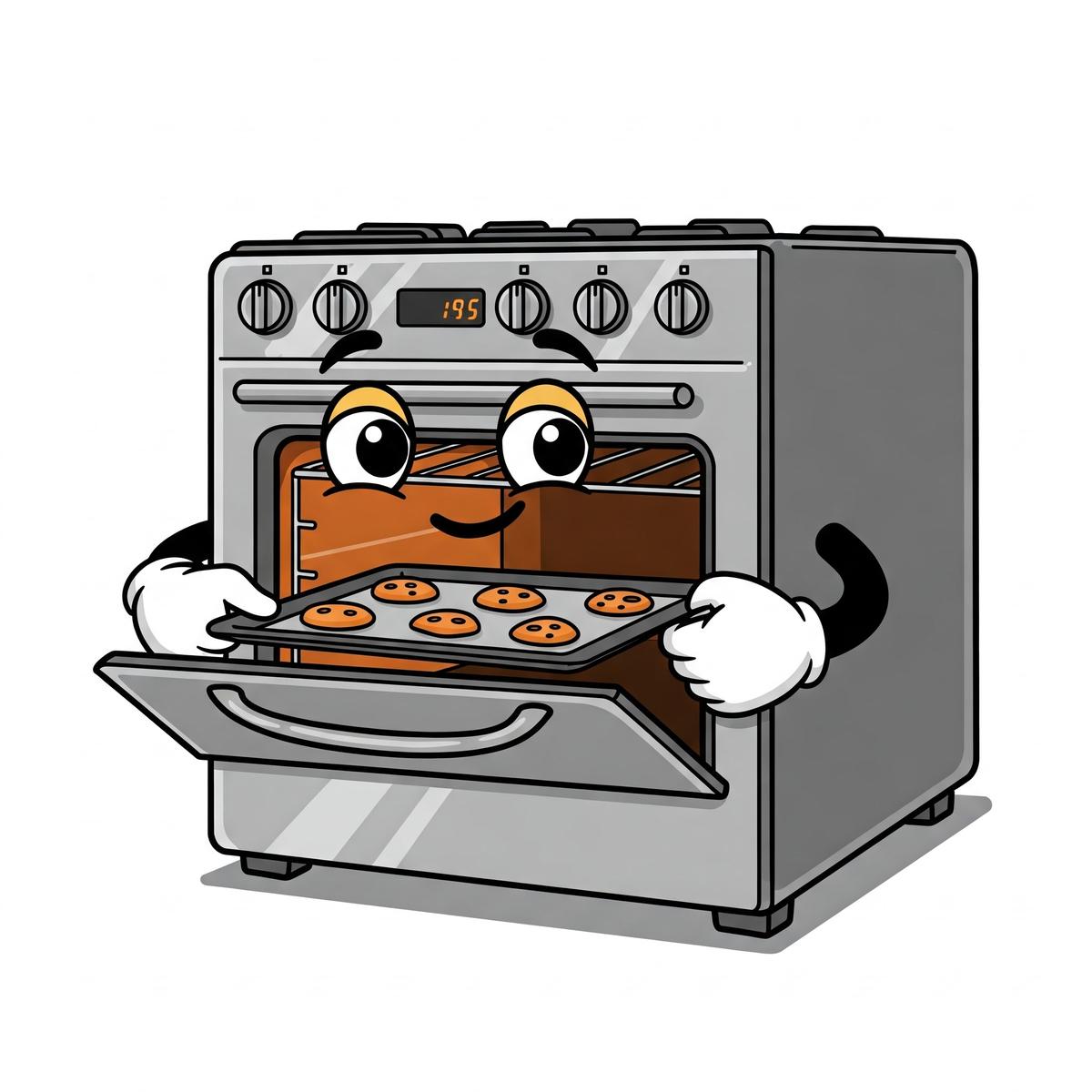
You must be wondering why I am writing this. I am not an ingredient, nor something you enjoy munching on, but guess what? I am the one who knows all the secrets! I watch all your batter rise into cake and cookie dough, becoming crispy and golden. Nobody knows the details as much as I do now, do they?

Meet Oven Microwave!

Meet Oven Microwave!
| Photo Credit:
Made with Google AI

“Hey, my name is Oven Microwave. I come from a family of the best bakers in the world, and everybody adores my cooking skills.”

Have you ever wondered how the liquid batter becomes all fluffy, soft and delicious after hanging out with me? It’s simple science! I have the ability to trigger several reactions in the matter, which helps them get a makeover. Let’s dive into the science of baking! The ingredients responsible

As I said, my warmth and skills trigger the makeover; however, it is the ingredients you put in your batter that let me do the same. When you bake a cake, the batter absorbs the heat produced by the oven, causing chemical changes to the molecular structure of the batter. All the ingredients react differently to the heat in an oven; this will change the structure of the cake.

What all do we need to make a cake?

A basic vanilla cake has flour, eggs, sugar, butter, baking powder, baking soda, vanilla or flavoured essence and milk. This will keep changing according to the kind of cake you are making. 

Wheat flour, the starchy white flour commonly used in baking, contains the proteins glutenin and gliadin. When you mix the flour with water, a reaction occurs that binds glutenin and gliadin together to create gluten. Gluten forms in long, stretchy strands that stick together, which helps the batter expand better while getting baked.

The batter itself contains leavening agents like baking powder or baking soda. Both baking powder and baking soda emit carbon dioxide gas when reacting with the other ingredients when heated. These very bubbles of carbon dioxide get trapped in the batter as you stir. Then, as the batter absorbs heat inside the oven, the bubbles of carbon dioxide gas heat up and expand. The expanding bubbles of gas push the batter up and out, causing the cake to expand. Baking soda needs an acid to react and produce CO₂, while baking powder contains both a base (like baking soda) and an acid, allowing it to react with moisture or heat.

That sweet, toasted crust is also the result of a chemical reaction between sugars and proteins called the Maillard reaction. When the baking temperature reaches around 150 degrees Celsius, the sugar mixed into the batter reacts with the amino acids (molecules that combine to form proteins) from the eggs, butter, and gluten. Both the proteins and the sugars break apart and recombine, forming new molecules that give the cake its toasty aroma and rich, golden brown colour. 

With all these reactions happening and heat emitted by me fastening them, the cake rises to the glorious form you love gobbling up. 

niranjana.ps@thehindu.co.in


Source link

7 teachings of Buddha that are the best modern life lessons


One of the most important teachings Buddha forwarded in his life was to be compassionate and harm and kill no form of life. Buddha had once remarked that one should neither kill nor cause to kill, and in modern life, this is a lesson to learn and remember. How?

Well, although Buddha referred greatly to the physical violence at his time, today, this harm can be physical, mental, or even emotional. The words we say, the acts we do, the way we treat the fellow man, the way we treat a creature as little as a fly, it should all be done with compassion.
One should not think about hurting even a small insect, let alone a fellow man.


Source link

Amitabh Sengupta finds his driving force in lines, strokes and the written word


Swathes of green and a peculiar script beckon you at Shared Echoes, and the longer you gaze on those fonts, the more certain you are of having seen them before. Familiar, and yet new, the raw and primal hand seems to be a cross between hieroglyphics, calligraphy and runes off an ancient manuscript.

Shared Echoes, an exhibition by Amitabh Sengupta, display his art works from the Forest and Inscription series. A closer look at his canvases, especially in the Inscription series, reveal far more than what first meets the eye. The Forest series serves as a startling reminder of a world where the green cover is rapidly diminishing.

Life and culture

Amitabh says he did not have a permanent address for the longest time, travelling outside the country to study in Paris and later on to Nigeria where he worked for 11 years, following which he moved to the United States for higher studies. “This experiential side of my life and the constant moving about is reflected in my art. The people, culture and landscapes — rainforests, arid deserts and cosmopolitan cities — all served to inspire me.”

“Cultures and languages are different, and people respond differently. These experiences and realities have manifested in the themes, colours and my style over the years,” says the 84-year-old artist.

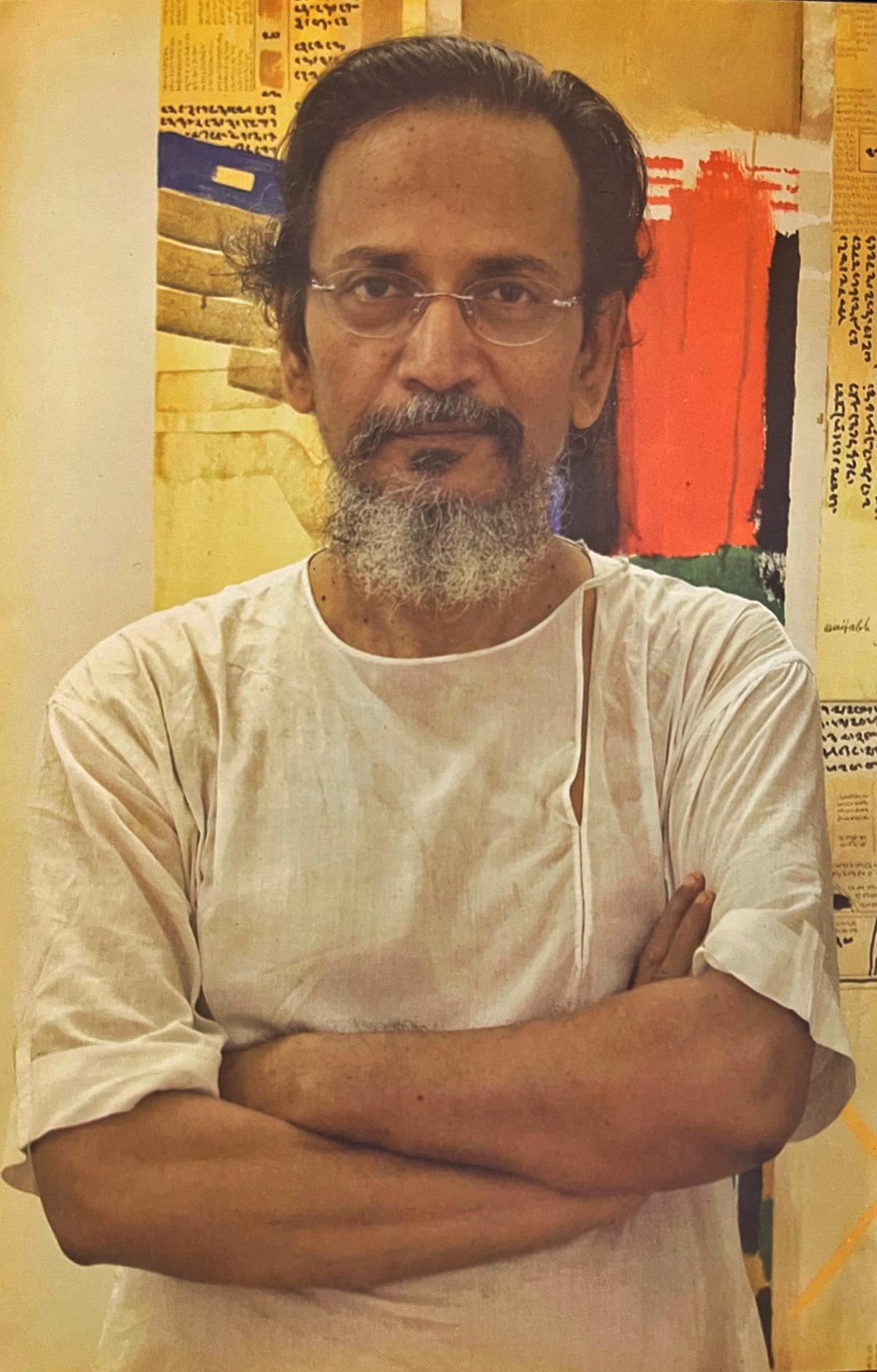
Amitabh Sengupta

Amitabh Sengupta
| Photo Credit:
Special Arrangement

While almost each of his travels has inspired a series, Amitabh says the one constant has been the appearance of syllabary. “The Inscription series seems to be the longest running, and it merges with almost all my other series now,” he says.

The artist delves deep into the permanence and enduring resilience of the written word. “A city’s walls are mirror of its life with social and political slogans, protests and cinema posters, reflecting its nature. And while, every city has its own pattern of life, these are revealed through the writings in public places.”

He goes on to explain how he noticed inscriptions on historic artefacts. “They were not always religious in nature. Sometimes it would be a dedication to a ruler or the selfless act of a citizen. Those walls would have broken and the stones crumbled, but what they communicated still remained despite the passage of time. That intrigued me far more than the information those fragments offered.”

Amitabh shares how he came across a book on the history of scripts around that time. “Cave art was man’s way of communicating. It was not about creating or capturing beauty, but a wish to say something; those symbolic early paintings or scratches, were the beginning of a script.”

From Shared Echoes by Amitabh Sengupta

From Shared Echoes by Amitabh Sengupta
| Photo Credit:
Special Arrangement

Art and script

Having said that, Amitabh went on to explain how art and script serve a parallel purpose. According to him, as scripts evolved, words were formed, creating sentences and meaning. “In this way, man’s expressions which were initially verbal, became silent and by merit of being written, gained depth and extended through time and space.”

He adds how some ancient inscriptions still hold mankind in their thrall, especially the Indus script which remains undeciphered. “This line of thought excited me no end and I began studying various scripts such as Pali, Brahmi and Chinese as well as symbolism in other cultures.”

“Each script is beautiful, complex and complete in itself. You can put it on a pedestal or frame it. Not just phrases or a word; each basic character is a complete aesthetic form.”

Scripts and the man

It is not surprising then, that Amitabh crafted his own script, the characters of which are seen in the Inscription series.

He says sometime in the ‘90s he used a few characters from the Brahmi script on one of his canvases. “I used bold hues of brass and black, and though it was an alphabet, to me, it was a form — much like a tree or the human figure. That got me started on the idea of creating my own script,” says the artist.

“Eventually, they became a symbolic abstract with colours, lines and textures. As they are a creation of my own making, they have no historical reference and are not meant to be read or understood. They are abstract, universal and timeless.”

From Shared Echoes by Amitabh Sengupta

From Shared Echoes by Amitabh Sengupta
| Photo Credit:
Special Arrangement

His fascination seems boundless, which is remarkable given his age. He continues, “Even today, how we interpret script has evolved, how we write has changed. Apart from the invention of the press and printing technology, different forms, styles and fonts are constantly developing,” he says, adding that his characters are a symbolic form of script.

NGMA

Apart from the show at Gallery Time and Space, a retrospective on Amitabh is ongoing at the National Gallery of Modern Art (NGMA) in the city.

“There are around 134 works of mine on display at NGMA — from my early student days in Paris, to the Delhi and Nigerian periods, as well as those from the later Indian periods,” he says, adding that it spans his entire oeuvre.

“A few of my sculptures are also being shown at the retrospective, which gives one an idea of the styles, techniques and media I have employed over the years. One can get an idea of my disposition from my works at the show.”

Shared Echoes will be on at Gallery Time and Space till May 18, 2025. Entry free. Mondays closed.


Source link

What is Type C parenting? Everything you need to know about the parenting trend


Think of type C parents as the best of both worlds. They blend the structure of Type A (organized, punctual) and the flexibility of Type B (relaxed, spontaneous). There is discipline, but there isn’t the baggage of perfection. They strive for order but adapt when life intervenes. Speaking about how she coined the term, Surratt, in a video shared on Instagram,said, “I have a confession to make. The type C mom is not real, I made it up. I just figured that if type A are the moms who have the labeled bins and the beautiful snacky packs, and type B are the moms who let their kids play in the splash pad in their clothes, and maybe forgot their shoes, and their cars are wrecked. Then maybe A+ B = C.”

She further spoke about how she thought about this ‘strange anomaly’, but it received a great response from parents across the globe. “I coined the term type C mom. She’s the one with the planners and the pile of laundry. She’s the one with the organized shoe bucket, but you can never find socks, whatever. She’s the combination of really type A at some things and really type B at other things,” she said.


Source link

5 ways to deal with people who stress you out, as per psychology


These days, one thing a lot of us struggle with is dealing with people who leave us feeling drained. It could be a co-worker who’s always stirring up drama, a friend who only sees the negative side of things, or a family member who just doesn’t respect your space. No matter who it is, facing difficult people has become part of everyday life, and with how busy and stressful things already are, it’s not easy to escape.

Over time, these situations can wear you down. They mess with your mood, your focus, and even your peace of mind. But cutting ties or calling them out isn’t always possible. Sometimes, the smarter way forward is to focus on how you respond. Protecting your peace doesn’t mean changing them– it means learning how to take care of yourself when things get tough.


Source link

Glass in bread, bug in beans, and tomatoes: 5 essential food items recalled across the US due to contamination |


Glass in bread, bug in beans, and tomatoes: 5 essential food items recalled across the US due to contamination
Recent food recalls across the US have sparked concerns about safety. Glass fragments in bread from Upper Crust Bakery led to a recall in six states. Vietti Food Group recalled baked beans in 23 states due to undeclared soy, posing a risk to those with allergies. Additionally, Williams Farms Repack LLC and Ray & Mascari Inc.

Is anything safe to eat anymore? The recent recalls across the United States have raised the alarm about food safety. Selecting everyday pantry staples has become a distressing chore, not because of the cost, but the quality.From glass fragments discovered in loaves of bread to insects contaminating beans and tomatoes, five essential food items have been pulled from shelves by the FDA due to dangerous contamination, of late. Grabbing a sandwich or fixing one has never felt so daunting! These unsettling incidents expose critical flaws in the food supply chain, leaving consumers wary and wondering: Can we trust the products we depend on every day?

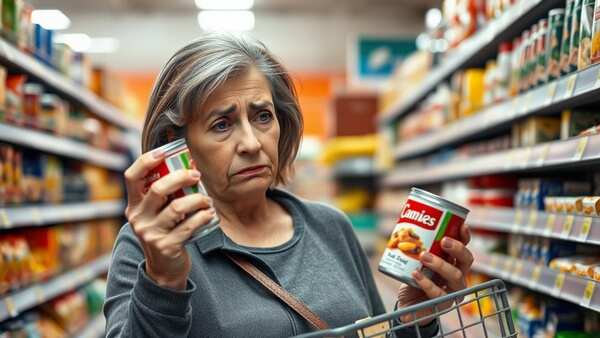
Grocery Shopping Worries

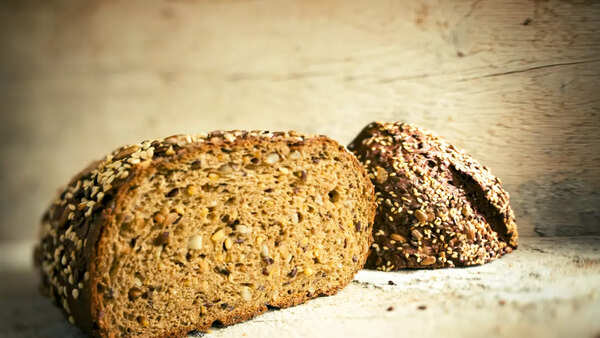
bread

Over 800 cases of bread were recalled due to glass contamination in April. The firm, Upper Crust Bakery LP, Glenn Dale, MD, initiated the recall after an employee discovered a piece of glass on top of a loaf of seeded bread. Three varieties of bread (Ancient Grains Hoagie Roll, Multigrain Sourdough, and Whole Grain Multigrain) have been recalled in six different states. The US Food and Drug Administration (FDA) has classified it as a Class II recall. A Class II recall is ‘a situation in which use of or exposure to a violative product may cause temporary or medically reversible adverse health consequences or where the probability of serious adverse health consequences is remote.’ Recalls are classified into a numerical designation (I, II, or III) by the FDA to emphasize the relative degree of health hazard presented by the product being recalled.

No Selfies, No Onions: Met Gala’s Elite Etiquette Decoded | WATCH

Below are the details of the recalled breads. 1) Ancient Grains Hoagie RollProduct description: Ancient Grains Hoagie Roll, 4 oz, Paper carton (corrugated), CP45, FrozenRecall number: F-0741-2025Code information: Lot # 90Quantity: 89 cases 2)Multigrain SourdoughProduct description: Multigrain Sourdough, 18 oz, Paper carton (corrugated), CP12, FrozenRecall number: F-0742-2025Code information: Lot # 90Quantity: 699 cases 3) Whole Grain MultigrainProduct description: Whole Grain Multigrain, 20 oz, Paper carton (corrugated), CP12, FrozenRecall number: F-0743-2025Code information: Lot # 92Quantity: 30 cases These recalled products were sold in six states in the US: Pennsylvania, California, Connecticut, Maryland, Delaware, and Ohio.

canned beans

4,515 cases of Yellowstone Brown Sugar Molasses Baked Beans were recalled by the firm Vietti Food Group of Nashville, TN, earlier this month, due to the presence of undeclared soy. People who are allergic to soy or have severe sensitivity risk serious or life-threatening allergic reactions if they consume this product. These products were distributed in 23 states: Arizona, Colorado, Delaware, Florida, Georgia, Illinois, Iowa, Kansas, Kentucky, Louisiana, Michigan, Mississippi, Missouri, New Hampshire, New York, North Carolina, Ohio, Oregon, Pennsylvania, Tennessee, Texas, Utah, and Virginia.How to identify the product? The product can be identified by its Lot Code: Best if Used By Feb 17, 2028. The code is printed on the bottom of each can.The Yellowstone Brown Sugar Molasses Baked Beans come in 15 oz. (425 g) packets. The product can be identified by its Lot code: Best if Used By Feb 17, 2028. The code is printed on the bottom of each can.

tomat

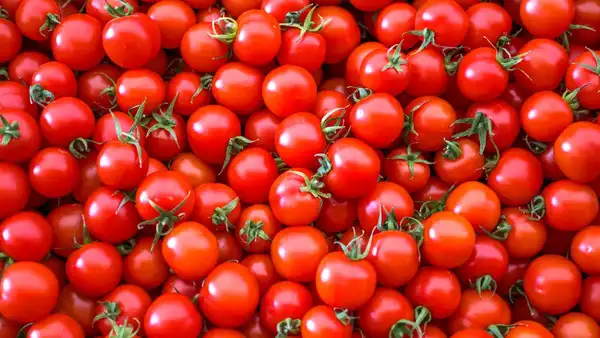
In the first week of May 2025, the FDA shared recall announcements of two brands of tomatoes due to a possible Salmonella contamination. Williams Farms Repack LLC recalled tomatoes sizes; 4×5 2 layer, 60ct 2layer, 3ct trays in the Williams Farms Repack label, and 5×6 25lb, 6×6 25lb H&C Farms Label. These recalled products were distributed in Georgia, North Carolina & South Carolina between April 23 to April 28.Ray & Mascari Inc. recalled 4 Count Vine Ripe Tomatoes packaged in clam shell containers [20 oz. (1 lb. 4 oz) 567g] with UPC# 7 96553 20062 1, and a master case label with Lot# RM250424 15250B or Lot# RM250427 15250B due to a potential contamination. These recalled products were sold in Illinois, Indiana, Kentucky, Michigan, Missouri, Mississippi, New York, Ohio, Pennsylvania, Tennessee, and Wisconsin.Salmonella contamination can cause serious and sometimes fatal infections in young children, frail or elderly people, and those with weakened immune systems. In healthy individuals, it can cause fever, diarrhea (which may be bloody), nausea, vomiting, and abdominal pain. In rare cases, it can lead to severe diseases such as arterial infections (i.e., infected aneurysms), endocarditis, and arthritis.


Source link

No milk, no sugar! Oatmeal drink for weight loss


No milk, no sugar! Oatmeal drink for weight loss
Image credits: Getty Images

The summers are here, and so are the cravings for some delicious drinks that are not only flavourful but also healthy. During the season, most of us get on track to pursue a healthy lifestyle by eating and drinking healthy to tackle various concerns such as better skin, better functioning and weight loss.While there are a multitude of food items that help in weight loss, one of the easiest and most diverse of them is oatmeal.

Health benefits of oatmeal

Health benefits of oatmeal

Image credits: Getty Images

Oatmeal is known to have benefits such as improved heart health, blood sugar control and improved digestive health. According to a studypublished in the National Library of Medicine, oats have an important component of dietary fibre called beta-glucan that helps in lowering cholesterol and has antidiabetic effects. Additionally, the grain has other bioactive compounds such as phenolic acids, tocols, sterols and more. Consuming oats not only improves gut microbiota but also promotes immunomodulation and prevents diseases such as atherosclerosis, dermatitis and some forms of cancer.While usually eating oats as breakfast is a great addition to your diet, the easier and healthier way is to prepare some quick and tastyoatmeal drinks that don’t contain milk and sugar! Below are some oatmeal drink recipes that are super healthy and delicious too!

Coffee & Oatmeal Drink

Coffee & Oatmeal Drink

Image credits: Getty Images

Soak about three tablespoons of oatmeal in a bowl of water for 15 minutes. Next, rinse it and strain it. Into a blending jar, add a cup of water, a tablespoon of coffee, a teaspoon of cocoa powder (optional), 8-10 soaked cashews, medjool date, one tablespoon peanut butter and one tablespoon chia seeds. Add the strained oats to the mixture along with a banana and blend till smooth. This oatmeal drink with no milk and sugar is a perfect, refreshing start to the day that will keep you full for a longer period of time.

Grape & Oatmeal Drink

Grape & Oatmeal Drink

Image credits: Getty Images

Take three tablespoons of soaked and strained oats, 8-10 cashew nuts, three-fourth cup water, a chopped apple, one tablespoon flaxseed and chia seed, one cup of black grapes and two tablespoons of pomegranate seeds. Blend them all together into a smoothie that is rich in Omega-3, healthy fats and loads of energy.

Banana & Oatmeal Drink

Banana & Oatmeal Drink

Image credits: Getty Images

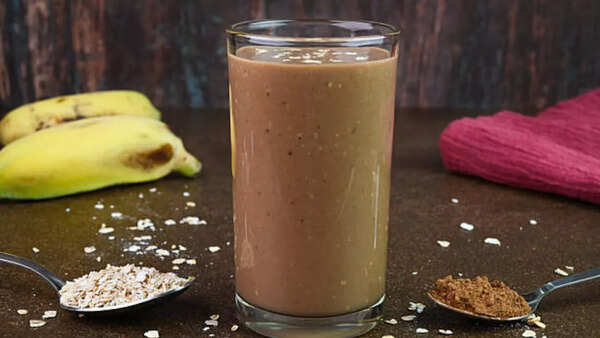
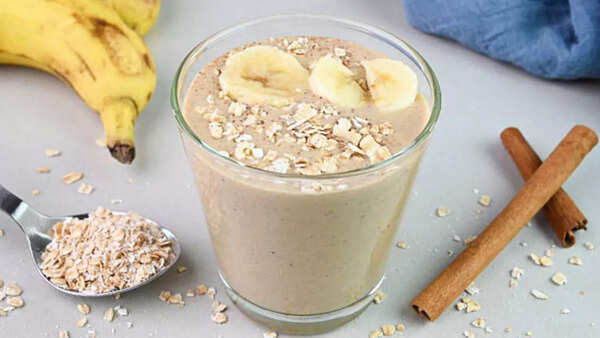
Add three tablespoons of soaked and strained oatmeal, two medjool dates, a pinch of cinnamon, a tablespoon of flaxseed and chia seed, two tablespoons of tahini (sesame seed paste), and a ripe banana to a blender and blend till smooth.

Strawberry & Oatmeal Drink

Strawberry & Oatmeal Drink

Image credits: Getty Images

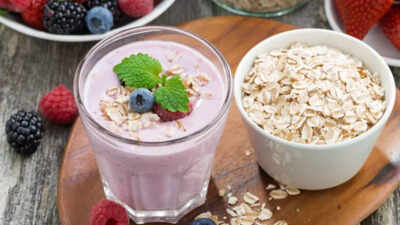
Into a blender, add some soaked oats, 5-6 chopped strawberries, some soaked almonds, chia seeds, a pinch of cinnamon powder, and half a cup of water. Blend them together, and enjoy a drink rich in nutrients and vitamins.To make an oatmeal drink with no milk and no sugar, you just need to replace the milk with water and the sugar with a healthy fruit you love. Add in some nuts and seeds for some healthy fat that will keep you filled, and voilà, enjoy some efficient weight loss drink this summer!


Source link