Life & Style

The risk and ritual of eating fugu, Japan’s deadly pufferfish


It is bright daylight after three days of relentless downpour in the quiet, far-flung town of Nagato, in the Yamaguchi Prefecture of western Japan. The sun came just right in time to shed light on one of Japan’s most delicate and dangerous cuisines. At Choshu Nagato Fishery, the water drums shimmer with dozens of balloon-like, seemingly harmless fish with spotted skin. But, could you believe a fish so tiny could carry a toxin powerful enough to kill a human?

“Do you want to see the fangs of the fugu fish?” a worker at the farm asks, instantly piquing my curiosity. Later, he explains that fugu have strong, sharp, beak-like teeth that they use in the wild to crush shellfish and crustaceans. In the confined space of aquaculture tanks, these teeth become a problem. Hence, they are clipped — usually early in their life cycle — delicately by hand. And once these small baby fugu reach approximately 1 kilogram — the ideal weight for culinary use — they are sent to certified restaurants and licensed chefs.

Japan’s fugu, or pufferfish, is perhaps the country’s most notorious delicacy. Improperly prepared, fugu can be toxic, even fatal, which is why only licensed chefs, rigorously trained over the years, are allowed to serve it. And well, that is exactly why you can safely eat pufferfish only in Japan. The liver and ovaries of this fish contain tetrodotoxin, which is about 850 times stronger than potassium cyanide. The tetrodotoxin is enough to bring on an agonising death within an hour of being consumed. And well, there is no known antidote for this. Yet.

Fancy a fugu thali?

I am at Kiraku, a restaurant in Nagato, built in traditional Japanese style — low-lying tables, tatami mats underfoot, shoji sliding doors — that let in soft light, and a calm, minimalist aesthetic. Known for its fugu and seafood delicacies, I find myself staring down at what looks suspiciously like a pufferfish thali. Some pieces are fried to a crisp golden crunch, others delicately boiled, and a few cleverly disguised in a salad. I realise it is a display of every way the fish can be tamed, cooked, and coaxed into something edible. I stare at it a little too long, weighing my options: can I have it? will I be okay? And perhaps the most important one — how do I even begin?

For all such matters and more, being part of a group tour helps. When you are sitting there, chopsticks hovering in mild panic, a discreet glance at someone else’s plate can be a quiet reassurance. Chiharu Ohata, a Japanese local and the regional manager of APAC Communications at booking.com, studied my confused face with a knowing smile. Patiently, she guides me through the ritual of how to eat fugu properly. “Take the sashimi,” she says, demonstrating with effortless grace, “dip it lightly in the ponzu. Then, pair it with green onions, grated daikon, and a touch of chilli.” I take a deep breath, willing my curiosity to overcome the gnawing anxiety at the back of my mind. I follow, mimicking her movements.

Baby pufferfish

Baby pufferfish
| Photo Credit:
SPECIAL ARRANGEMENT

The first bite catches me off guard. It is soft, almost like biting into silk with an oceanic sweetness to the taste. Then the ponzu cuts through, sharp and citrusy. The daikon follows with its clean crunch, the chilli nudges it back, and suddenly it all makes sense. It is fresh, light, and delicate, with a subtle sweetness that becomes more pronounced as you chew. Somewhere in that perfect balance of taste and texture, the true beauty of fugu comes through. And in that moment, I understand why generations of chefs and locals risked so much to prepare this delicacy.

Kiraku, a restaurant specialising in fugu

Kiraku, a restaurant specialising in fugu
| Photo Credit:
SPECIAL ARRANGEMENT

The dishes included karaage, a deep-fried preparation where the crispy, golden exterior contrasts beautifully with the tender, delicate flesh of the fish. Then there is lightly boiled fugu skin — gelatinous, translucent, and surprisingly refreshing. But if you want to experience the true artistry of fugu fine dining, it is the fugu sashimi you must go for. This dish also lets the chef’s craftsmanship truly shine. Using a special knife reserved solely for this purpose, the raw fugu is sliced so thinly you can see the intricate pattern of the plate beneath it.

Despite the rigorous and time-consuming preparation, locals speak of fugu with fondness. Yusuke Shiraishi, president of Kiraku Ltd., which operates the fishery, is also a second-generation chef and owner of Kiraku restaurant. He had by now swapped his business suit for crisp chef’s whites to take us through that pufferfish-filled lunch. He explains via a translator that because consuming fugu’s toxins can be fatal, handling the fish requires a special licence. In Japan, it is the chefs who remove these poisonous parts, who typically spend two to three years apprenticing under a master to perfect the craft. The test even includes a written exam, apart from a practical preparation test. Only those who pass the official exam are legally permitted to prepare and serve fugu.

For specialised fugu chefs, preparing these dishes is almost ceremonial. The fugu-hiki, the dedicated knife for slicing pufferfish, is a thing of beauty: wooden-handled, narrow-bladed, and hand-forged by master swordsmiths. These knives are never used for anything other than fugu and are often kept in their ornate boxes.

But despite all this — the precision, the training, the danger — why would anyone go to such lengths for a fish? Ohata laughs, saying, “It’s so delicious we simply cannot give it up. The flavour is unlike anything else.” Yet beyond the taste, fugu carries a legacy that stretches back to the days of ancient Japanese folklore.

The history of fugu eating

Later on that fugu food tour, I learn that the people of Japan have been eating fugu for centuries. Archaeological evidence of fugu bones dates to the Jōmon period (14,000 and 300 BCE) and reveals that this tradition dates back more than 2,300 years. It was nearly lost in the late 1500s, when numerous fatal poisonings during military campaigns led to a nationwide ban. Yet fugu managed to rise above its deadly reputation.

In the late 1880s, after a severe winter that brought an extreme shortage of other fish, the ban on fugu fish saw a temporary lift. Even Japan’s first Prime Minister, Hirobumi Ito, was so impressed by fugu and its flavour that he overturned the ban. This revival paved the way for fugu to become a cherished wintertime delicacy — and now, a year-round culinary tradition.
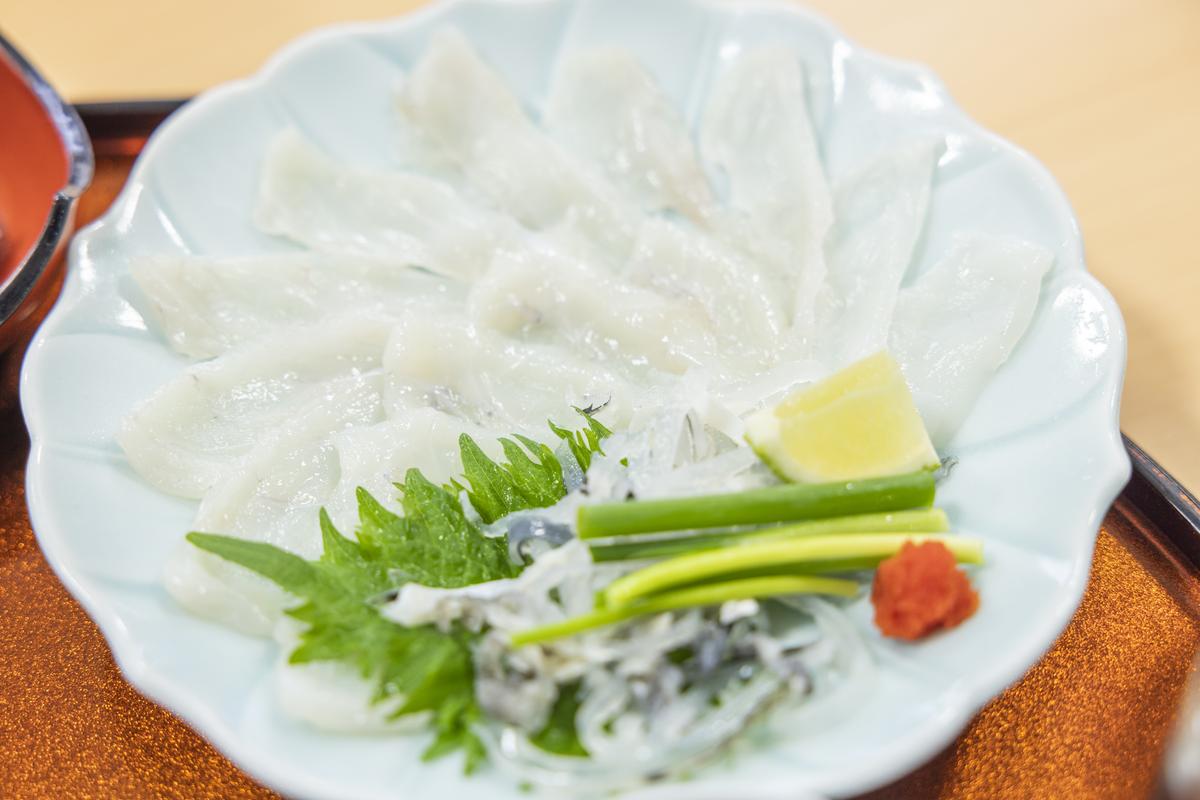
Fugu shashimi

Fugu shashimi
| Photo Credit:
SPECIAL ARRANGEMENT

There are roughly 120 varieties of fugu worldwide, about 50 of which are found in Japan, and of those, only 22 are edible. Like any other prized seafood, each pufferfish has its ranking, grade, and quality, but torafugu (tiger pufferfish) is considered the most popular and most flavourful of them all. Presently, 90% of the fugu consumed is farm-raised, often in ponds fed with onsen (hot spring) water.

With its deep history and exclusive preparation, people have long been drawn to this fish as an exotic delicacy. Today, it fuels a thriving industry devoted to its culinary potential and a luxurious one, with a full-course fugu meal costing from 20,000 to 30,000 yen. The restaurants that serve it are among the finest, some with Michelin-starred chefs and diners are more than willing to pay a hefty price for the reassurance offered by the chef’s fugu licence. And it’s a show in some restaurants to see!

Where to have fugu in Japan

According to travel aggregator booking.com, Tokyo, Kyushu, Kyoto, and Osaka are among the most popular destinations to enjoy fugu in local restaurants or cosy izakayas. Tokyo’s Fugu Club miyawaki Bettei, Ningyocho Kimi, Usukifugu Yamadaya Marunouchi, while Osaka’s Michelin-starred Takoyasu, Kitahachi, and Fuguyoshi Ikeda are quite the popular ones.

While most tourists flock to Tokyo or Osaka, I would recommend culinary travellers head west to experience fugu culture at its roots. Shimonoseki, in Yamaguchi Prefecture, is celebrated as the heart of fugu cuisine, with a dining tradition that spans centuries. This small town also houses the inn-restaurant Shunpanro, which is the nation’s first officially licensed fugu establishment. In cities like Nagato and Shimonoseki, the number of restaurants may be fewer. Still, they remain hubs for fresh fugu and other seafood treasures like anglerfish liver, creamy sea urchin, and live squid prepared.

There is something about fugu that stays with you — the flavour lingers, and even now, I still dream of that sashimi

Source link

Milan Vohra: The need for love hasn’t changed. It’s beaten down by extreme fatigue


Milan Vohra’s new book

Milan Vohra’s new book
| Photo Credit: SPECIAL ARRANGEMENT

I am on a flight, stuck in the middle seat. I know it is only a matter of time before someone to the right or left of me begins chatting. Soon enough, the 20-something-year-old man on the left opens up. “Yesterday only, I completed my induction as a CSA.” I congratulate him, say something about how he should be so proud of himself. His face falls. “It feels empty,” he says. “You know, on this exact date, my ex-fiancée and I got engaged five years ago. We broke up last November,” he sighs. “Now she works in a not-for-profit. I’m with a bank. She was my classmate from intermediate. Our families were fine with it, even though our castes were different. The problem was over-possessiveness.” He lapses into silence. Minutes later, he continues. “Love will make you weak,” he says. “Now, I feel, why should I fall in love again? I’m clear now. I’m supposed to roam, earn, spend. If at all I want to marry, I’ll tell my parents to find someone for me.”

For the last 10 years, I have noticed a growing sentiment among Indian 20 and 30-year-olds that points to a return to arranged marriages. They would rather have the decision of who they spend their life with taken out of their hands. It is either that or a resolve to stay single. It led me to research how my peers and I view love, versus people today.

One thing has stayed constant, and that is the need to love and be loved.

 Author Milan Vohra.

Author Milan Vohra.
| Photo Credit:
SAMPATH KUMAR GP

We do not actually have much control over that impulse. Research by scientists Helen Fisher and Lucy Brown proved that romantic love is hardwired in the human brain’s neural circuitry. So we can beat ourselves up all we like about why we had to fall so hard for that person. But it is actually a biological driver that goes back to the time we lived in caves. These neural connections kept us mating to keep the human race going. Our brains even have little hot-spots that light up with the heady in-love feeling and push us to stay obsessed or drive us towards lust and even towards getting attached to someone. That whole fuzzy feeling of love is linked to the oxytocin and vasopressin high from neurons firing in our brains.

So, if the desire for love, its euphoria and despair have not changed, what has?

Let us look at some facts. That there is a proliferation of dating apps. That dating app users are from across all age groups, not just millennials or Gen Z. That there are also dating apps for people looking to get some outside of their marriage. There is a growing number of people choosing to stay single. As well as a significant number of grey divorces — people above 40, 50, 60 years who say ‘enough’ to their long, no-longer-happy marriages and want to give themselves a fresh start on life.

What is a given is also that (with the exception of a few) most dating apps are viewed more and more as hook-up apps. Nothing wrong with that at all, but it is also viewed clearly as something transactional; to scratch an itch, so to speak. It still does not satisfy the deep yearning to love and be loved.

Love has almost always brought heartache in its wake. Lyrics, poetry, art, and cinema are all testimony to that. But what we see increasingly now is a huge fatigue with the emotional journey of love. It does seem that women deal with this differently from men. They communicate more. Men seem to find comfort in speaking less and shouting more — over the outcome of a game. Or in re-installing dating apps, sitting on WCs and madly swiping right on every profile. (Future research will conclude this.)

Inasmuch as people have more agency today to assert their choice to stay single (and deal with the family music) or trust their family (better than themselves) to choose a partner for them, it is astonishing to me that even with all the education we had, nothing really taught us self-love. It is essential without doubt. But does it replace the need to love and be loved? This pervasive pain of heartbreak is not just about breakups or a failed relationship. Somewhere along the line, love itself seems to have failed us. It stopped representing the safety and comfort it once did. Maybe in a few centuries, our brains will be re-engineered, and babies will be conceived only out of self-love.

But until such time, the heartbreaks and the hunger to love and be loved will continue.

Milan Vohra is the author of ‘Heartbreak Unfiltered : Things nobody told you about love, loss and letting go’ (Rupa Publications)


Source link

The quiet travel trend Indians are embracing in 2026


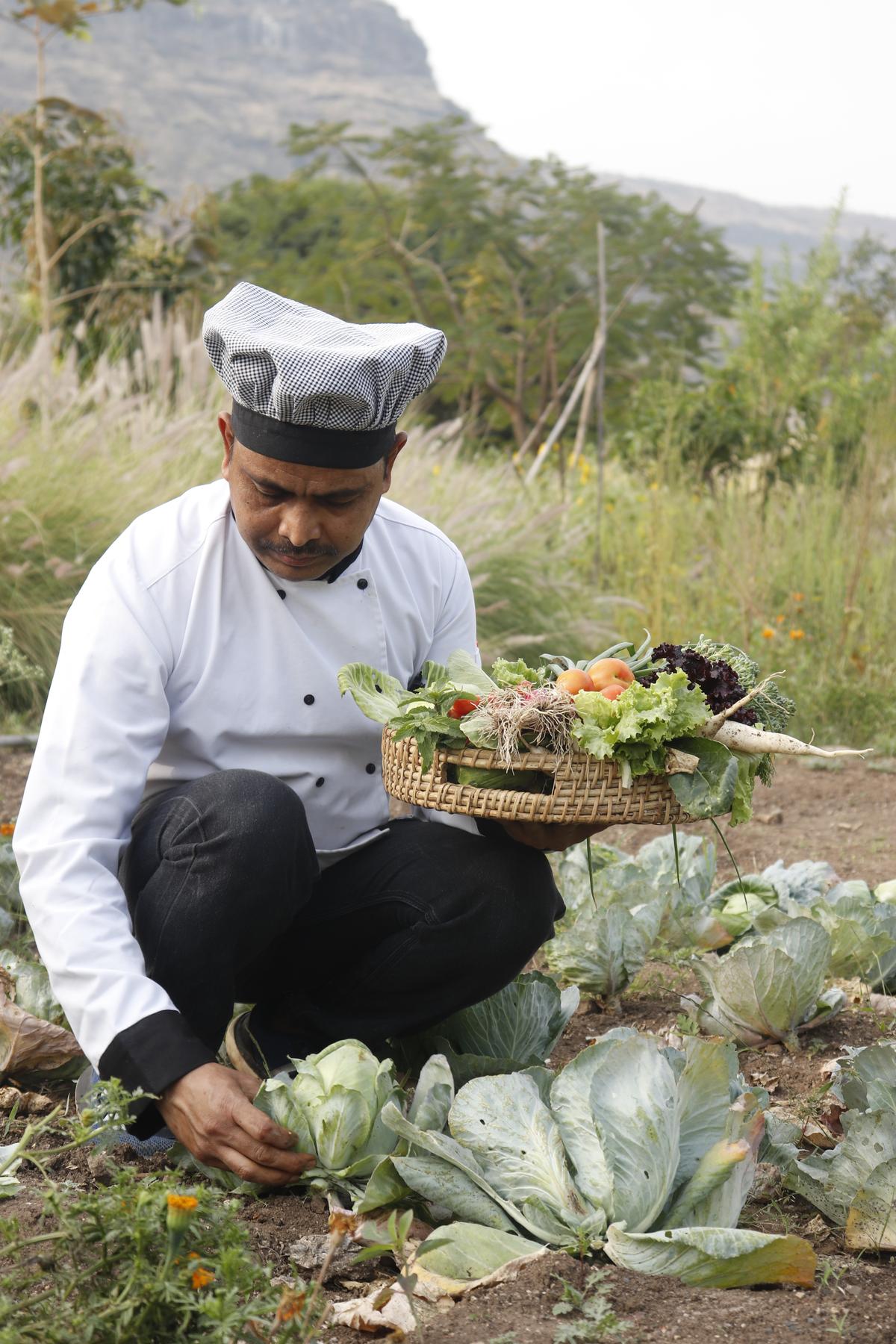
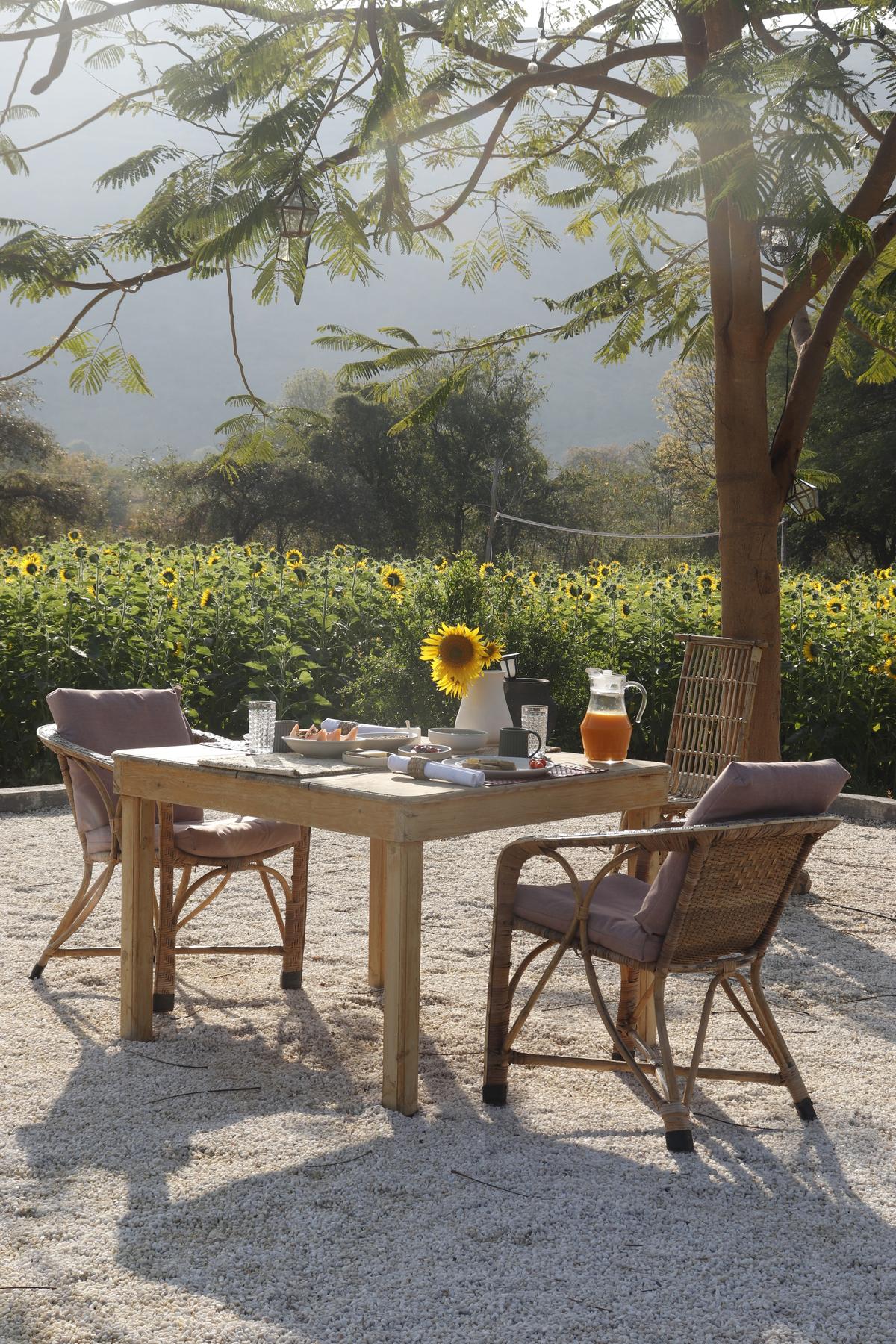
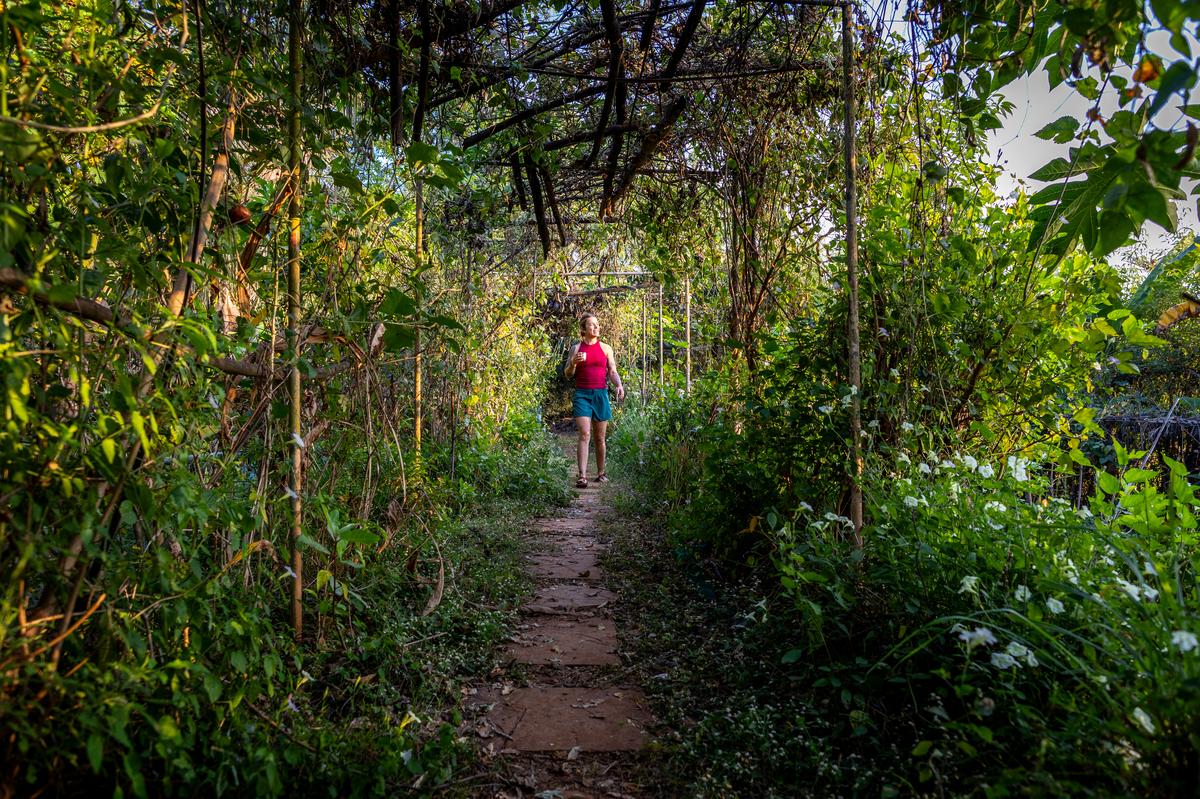
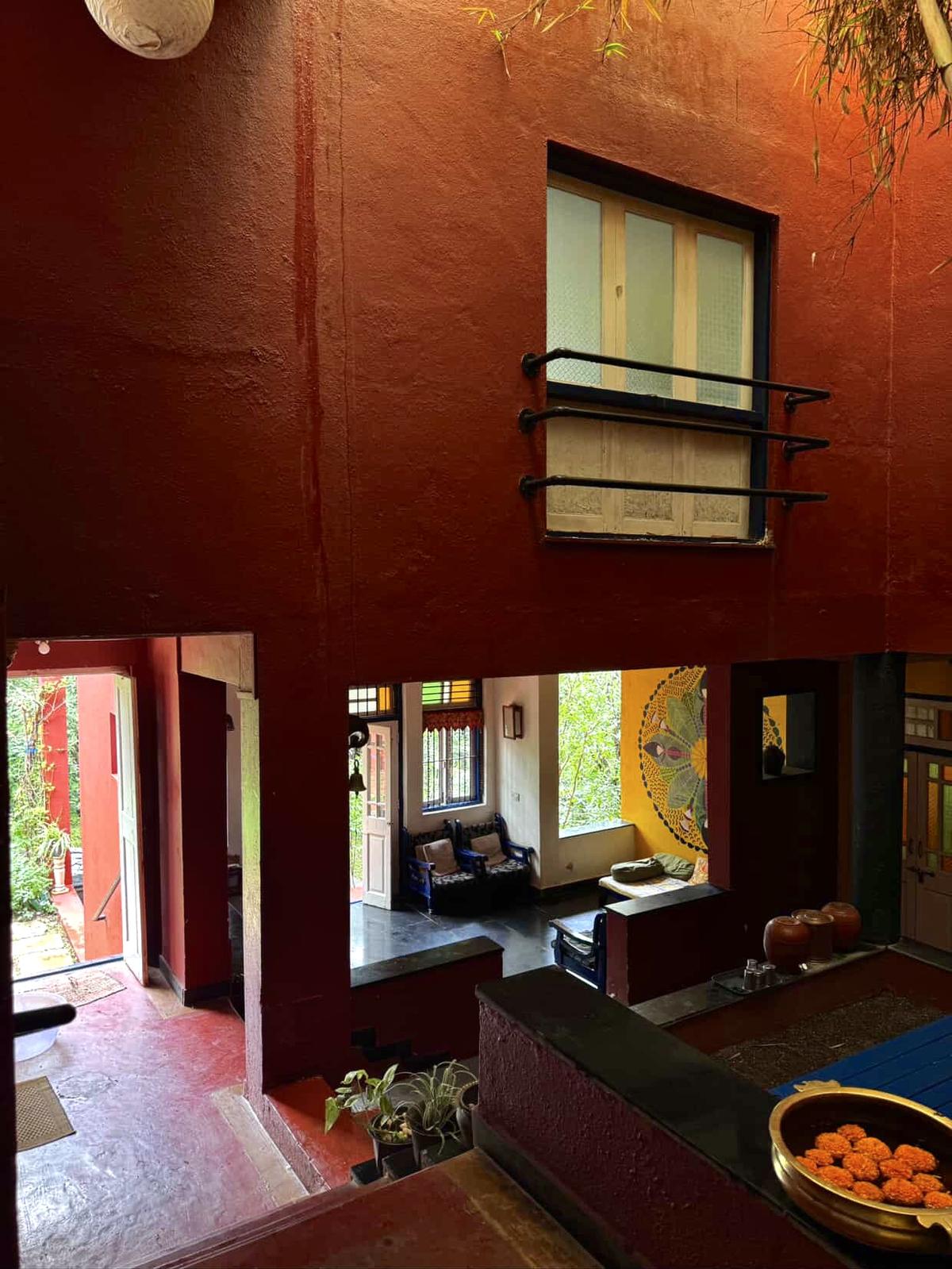
Chandeliers, caviar and carpeting used to spell luxury, now it is time. If your resolution this year was on living better, and learning to slow down, these holidays are for you. Responding to a growing thirst for the simple life and fresh air, farmstays across India are offering guests a space to harvest their own meals, hike, bake bread, forage, or enjoy the novel joy of doing nothing. From Rajasthan to Tamil Nadu, we have found you farms that will teach you how to breathe easy again.

Harvest produce @ Sangam Farms, Bhilwara, Rajasthan 

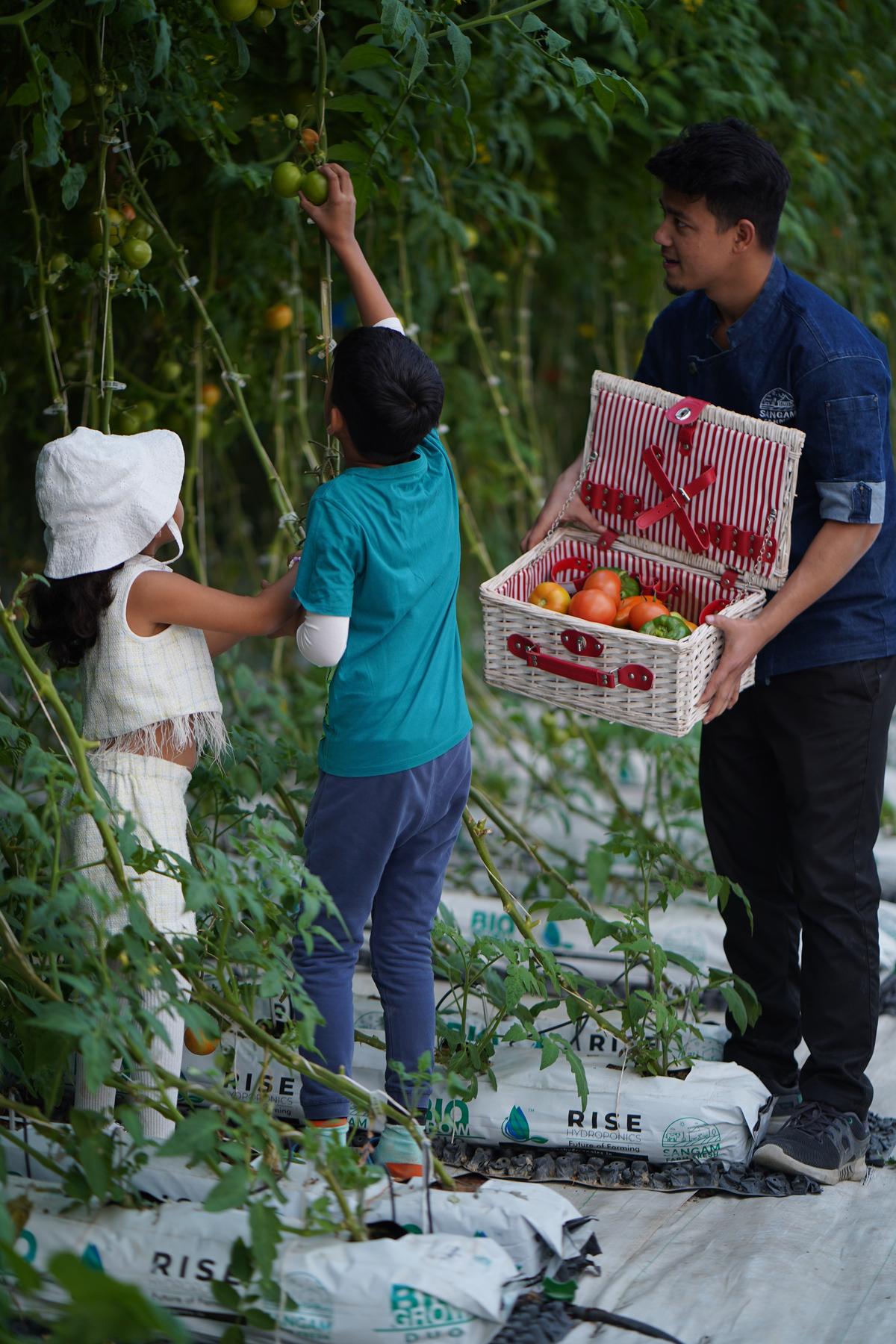
The seed for Sangam Farms was sown a few years ago — when it was just a family farm. Arihant Jain, chief operating officer, says the journey of the farm at Bhilwara, Rajasthan, started with conventional farming that led to net houses, hydroponics, and animal husbandry. “From there, our hospitality journey began. We started with a fine diner, SOL, to share our fresh, farm-grown produce with the public. The overwhelming response led us to the idea of a comprehensive retreat.”

Children at Sangam Farms

Children at Sangam Farms
| Photo Credit:
Special Arrangement

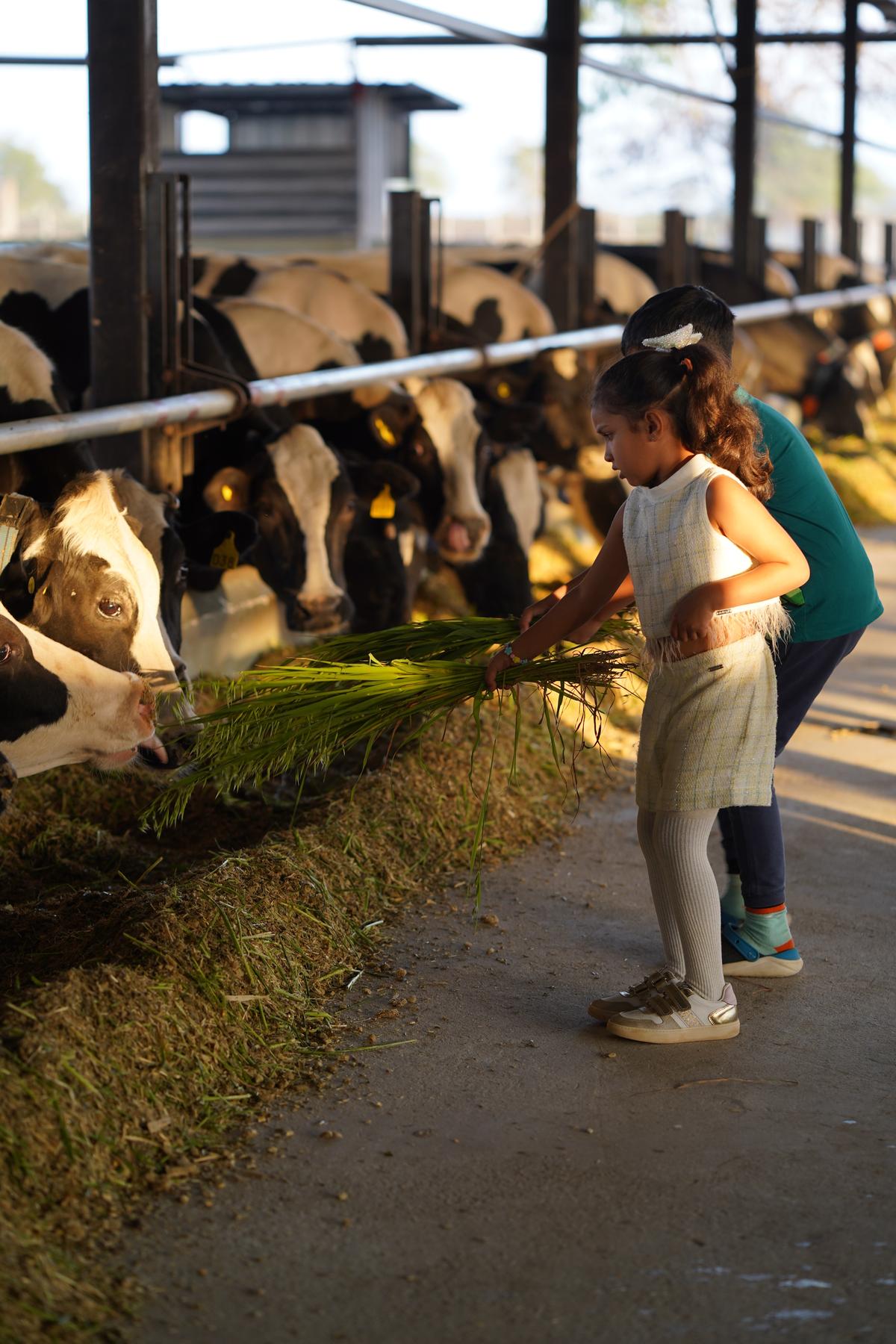
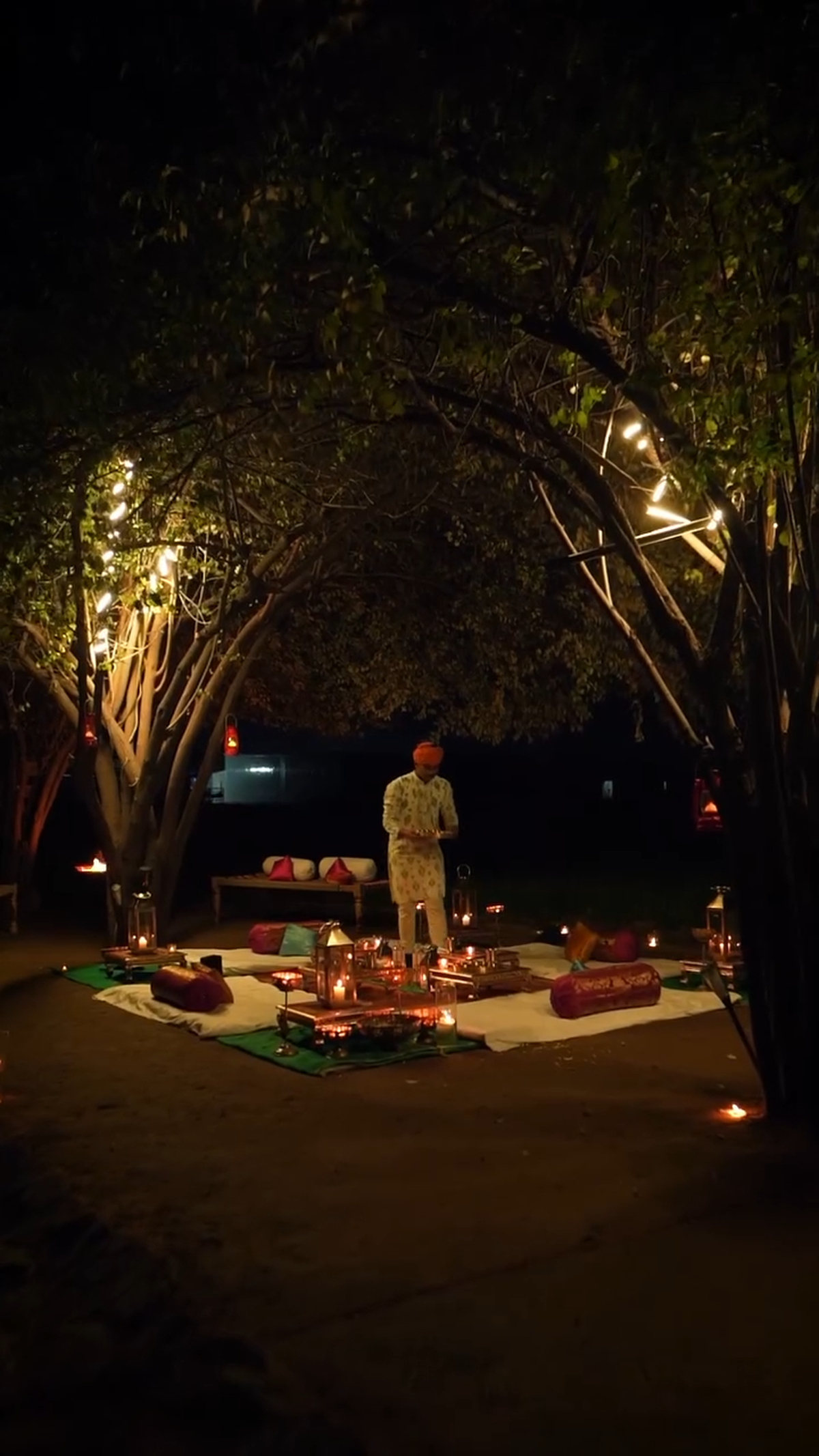
There are three premier suites, five luxury suites, and a presidential, two-bedroom unit with a private backyard where curated experiences like movie watching under the stars, live culinary experiences, etc. are offered. Immersive farm experiences involve learning about farming techniques, harvesting produce, and interacting with farm animals. “We offer serene spaces for meditation and yoga, walking trails through our lush fields, a pickleball zone, and quiet corners where you can simply read, reflect, and reconnect with Nature,” adds Arihant. 

Children at Sangam Farms

Children at Sangam Farms
| Photo Credit:
Special Arrangement

He adds that scaling the hydroponics unit is on the cards, as well as retreats. “Soon, we will also be introducing a series of curated workshops, led by local artisans, on pottery, weaving, etc. We’re also developing comprehensive wellness retreats as multi-day programmes that combine our farm experiences with yoga, meditation, and farm-fresh meals.”

Upwards of ₹22,000 on sangamfarms.com

Outdoor dining at Sangam Farms

Outdoor dining at Sangam Farms
| Photo Credit:
Special Arrangement

Village picnics @ Nayalap, Kumaon, Uttarakhand 

A boutique stay tucked away in Uttarakhand’s Kumaon division, Nayalap was founded by Anindya Biswas and Tanuja Sah in 2017. When scouting for locations for their hospitality venture, the duo learnt of palayan, the exodus of people from the mountain villages to towns and cities in search of better livelihood. “We set up Nayalap as a small endeavour to address this. As a result, Nayalap is the letters ofpalayan reversed,” says Anindya. 

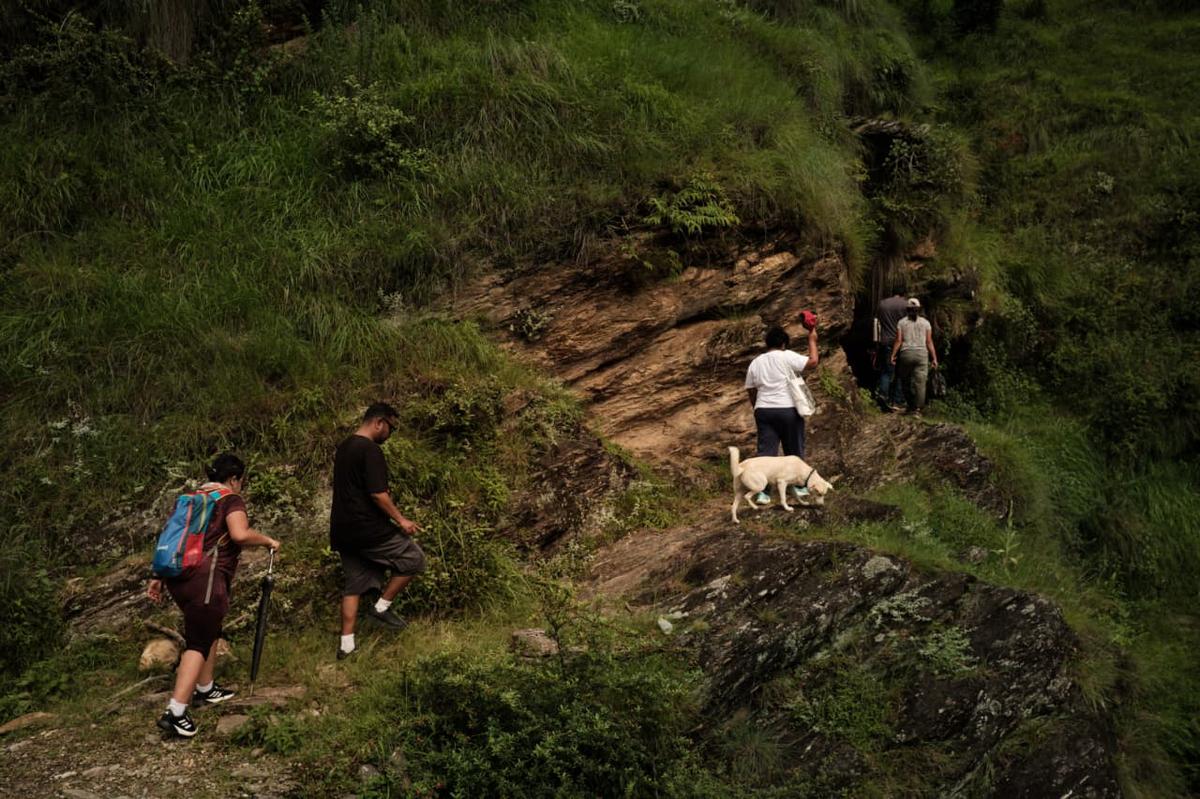
Guests on a hike at Nayalap

Guests on a hike at Nayalap
| Photo Credit:
Special Arrangement

She explains how Nayalap had primarily been set up for adventurous families and couples who would “love hiking, crossing rivers and seeing the local lifestyle, but would like good food, a comfortable bed and a hot shower at the end of the day”.

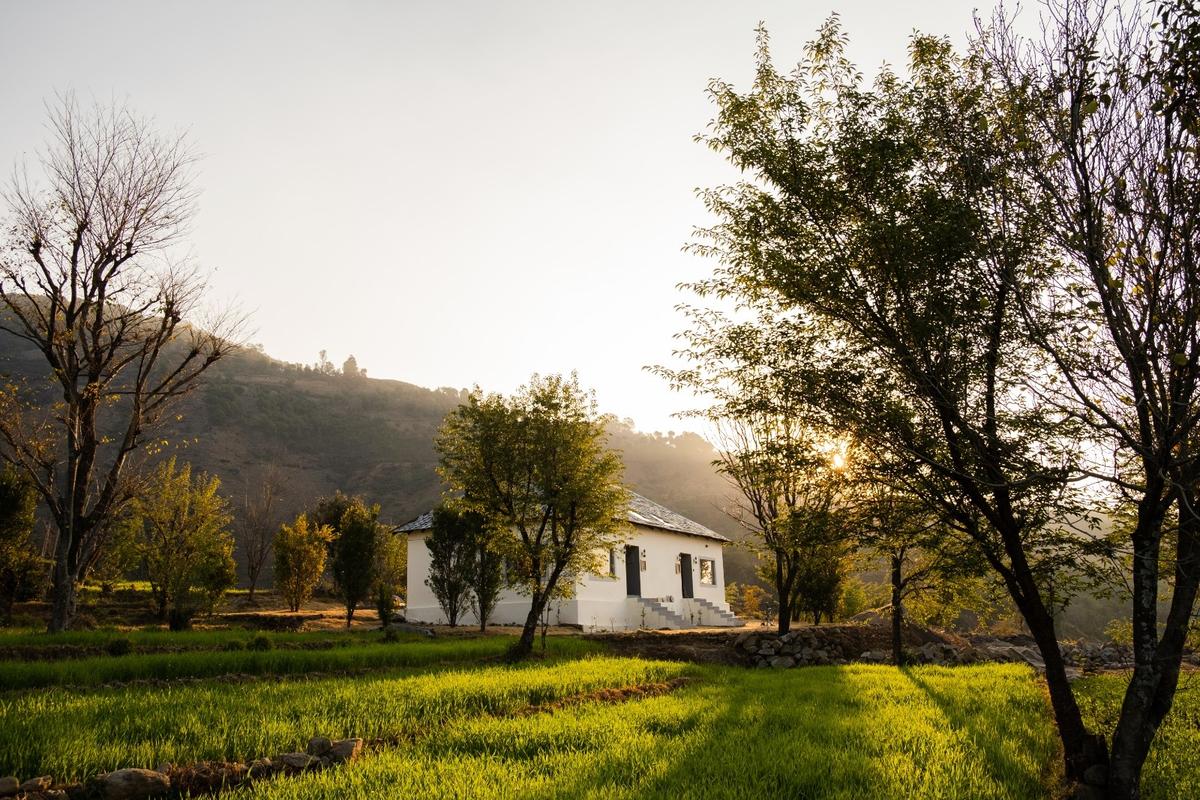
Paathar House at Nayalap

Paathar House at Nayalap
| Photo Credit:
Special Arrangement

Nayalap comprises four places to stay, all situated on a 12-kilometre stretch of the Shitlakhet Valley: a standalone modern cottage in an old Kumaoni village, luxury tents, Paathar House (a traditional Kumaoni house situated in an orchard next to a mixed forest), and Earth Homes that comprise two cottages with mud flooring in a field of seasonal grains, pulses and vegetables.
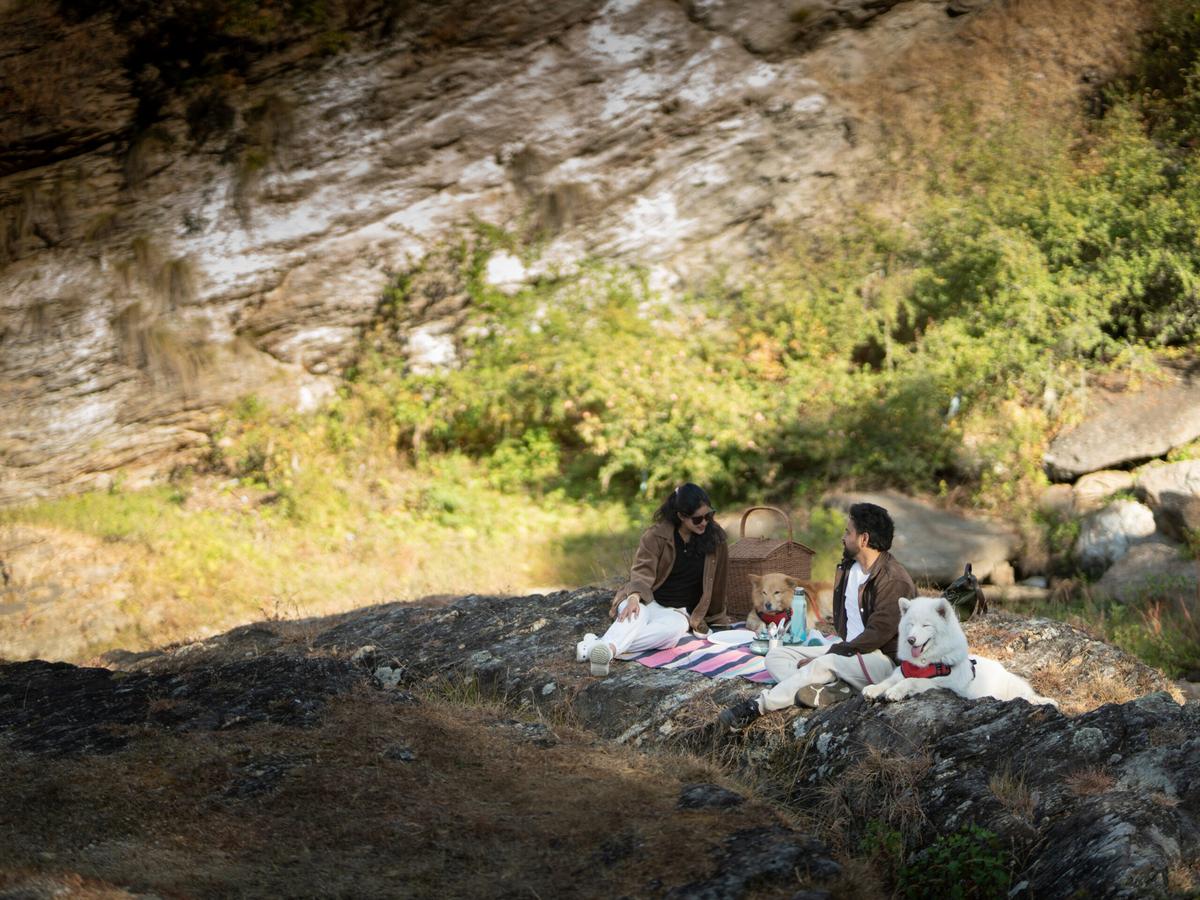
The creek walk and picnic is a popular activity at Nayalap

The creek walk and picnic is a popular activity at Nayalap
| Photo Credit:
Special Arrangement

Hikes are the main attraction at Nayalap. “The guided walks take guests to the nearby village, and the forests to understand the relationship between forests and the community. These walks are an insight into the local flora and mycelium, along with the villages that border the forest. In the summer, it turns into a food walk considering the various berries available in abundance,” explains Anindya, adding that the creek walk and picnic is a popular activity too. “The village walk is a great way to learn about how a Kumaoni village has been built: how the architecture of the houses accommodates insulation, pest control, honey production, the millstone, and more.”

Guests at Nayalap

Guests at Nayalap
| Photo Credit:
Special Arrangement

In addition to two new hikes, the duo is expanding the culinary offerings too. “Pahadi isn’t a monolithic cuisine but a cosmopolitan amalgamation of various cuisines. This includes the various local uses of bhat (black bean), rajma, and gahat (horse gram) in chutneys and soups, to dals and ground gravies,” adds Anindya who shares that Nayalap’s sister brand, Bakhli, focusses on traditionally preserved pickles, marmalades and flavoured salts.

Upwards of ₹5,000, nayalap.com

Sukoon Baag

Sukoon Baag
| Photo Credit:
Special Arrangement

Forest treks @ Sukoon Baag, Bir, Himachal

Shashi Thakur, an engineer by profession, opened the doors of his family farm to the world five years ago. “Sukoon Baag began with the intention of creating a space where travellers could reconnect with Nature and slow down,” says the 34-year-old.

Paragliding at Sukoon Baag

Paragliding at Sukoon Baag
| Photo Credit:
Special Arrangement

At Sukoon Baag, located in Bir, Himachal, he offers cottages, and studios, alongside home-cooked meals with ingredients sourced from their farm. Guests can lounge, or participate in guided farm walks, milking cows, forest treks, and paragliding. “The farm walks and Nature trails have been the most loved, as they allow guests to learn about organic farming practices, local flora, and traditional wisdom,” he adds.

 A forest walk at Sukoon Baag

A forest walk at Sukoon Baag
| Photo Credit:
Special Arrangement

Shashi is now working on expanding the experiential offerings to include pottery workshops, farm-to-table cooking classes, and curated retreats focussing on wellness and mindfulness. “We are also coming up with a new guest home, and are currently renovating our Earth & Eat restaurant that is aimed at fusing local Himachali flavours with world cuisine.”

Upwards of ₹7,500 a night at sukoonbaag.com

A guest at Munchis Malaikal

A guest at Munchis Malaikal
| Photo Credit:
Special Arrangement

Day picnics @ Munchis Malaikal, Santhanapalli, Tamil Nadu

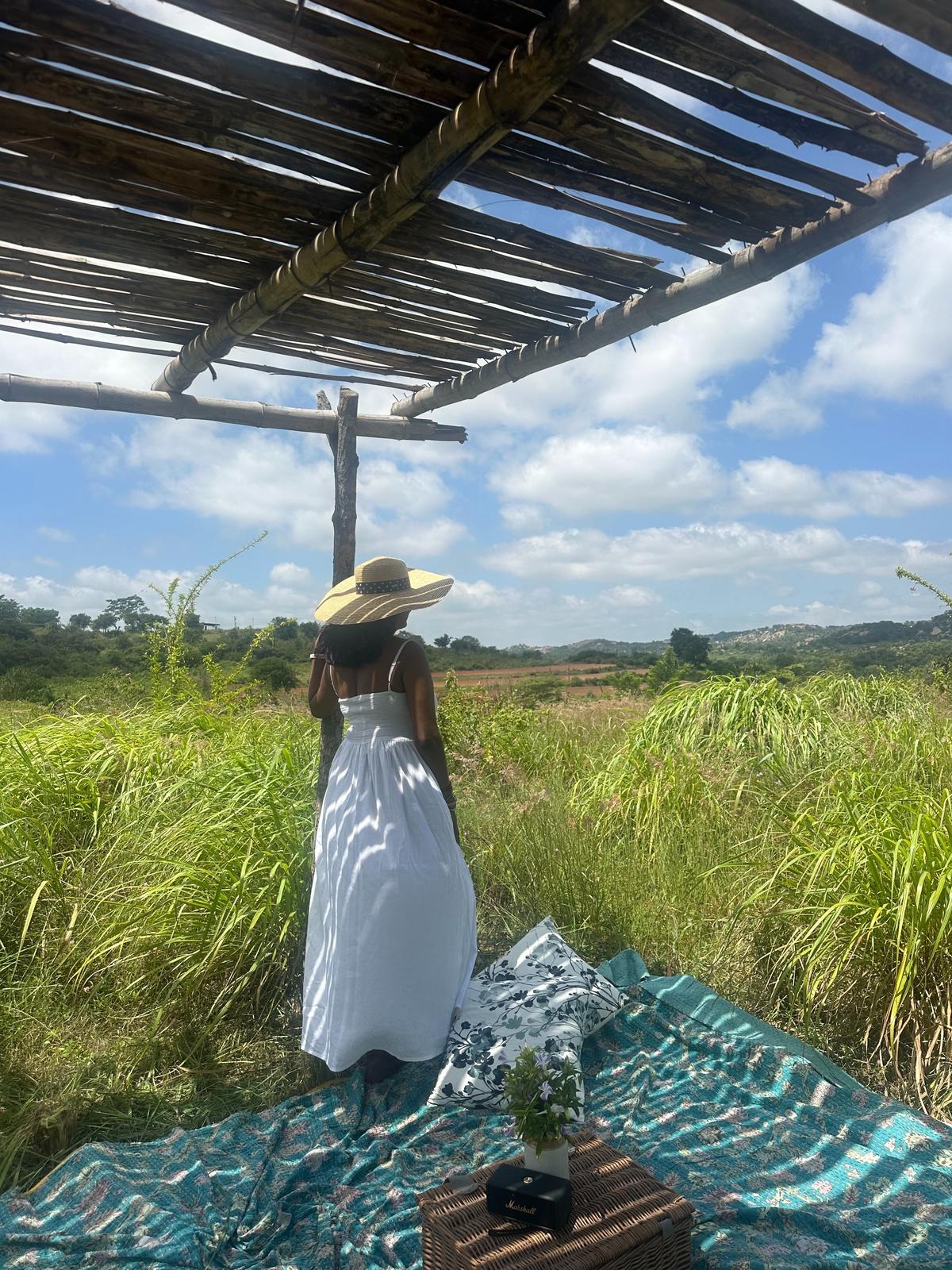
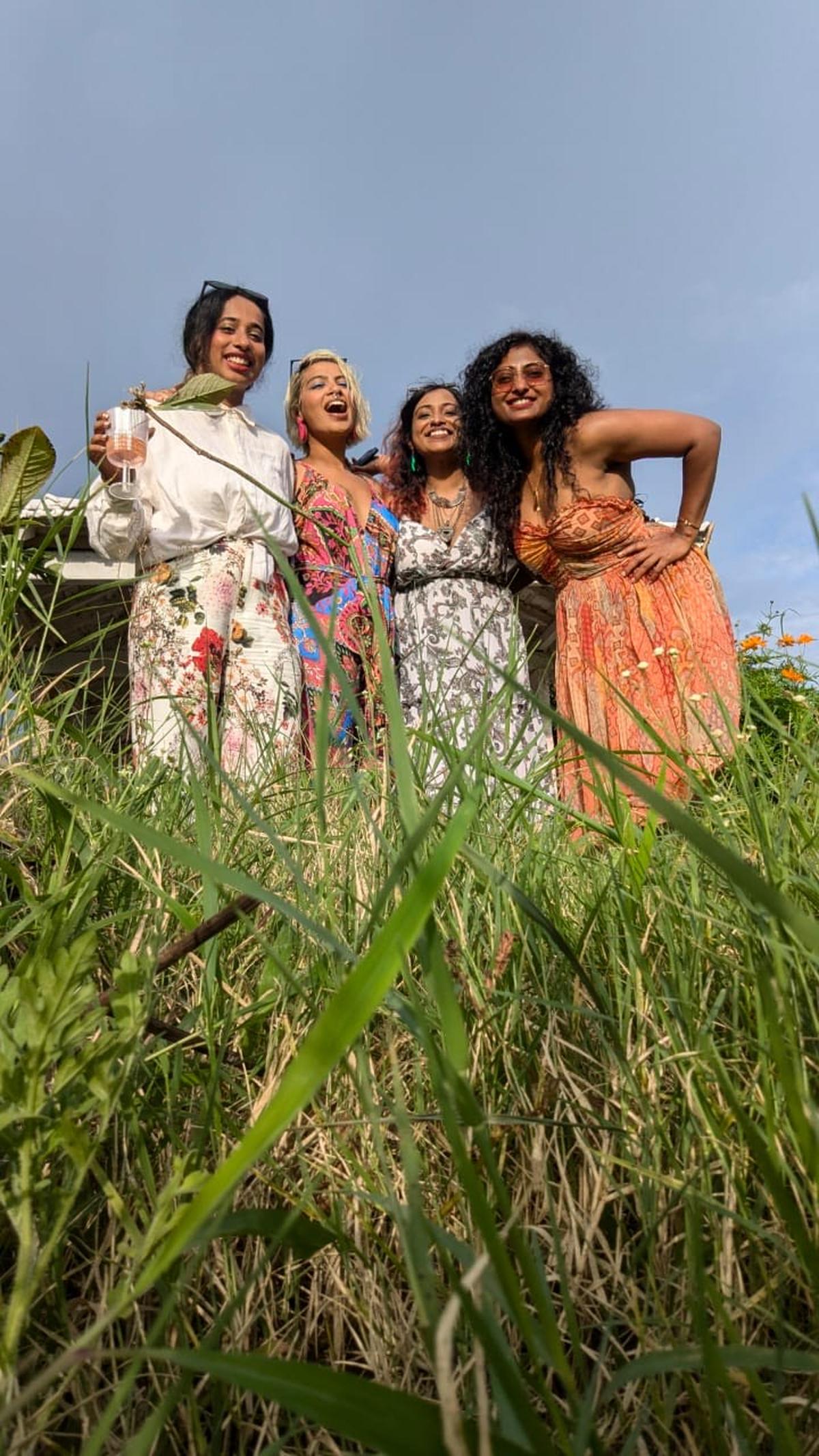
After a two-decade-long career in fashion, Saritha Hegde turned to a slow life. In 2022, she purchased land in Santhanapalli, Tamil Nadu, and moved there. Since then, she has planted over 1,800 trees, adopted rescued puppies, and created food experiences with organic food grown at the farm. “The farm is inspired by Agriturismo (agro tourism) in Italy, and the Italian term Dolce Far Niente that celebrates the sweetness of doing nothing, especially in cities where we are constantly on a treadmill,” says Saritha, 55, who launched the farm with an Ethiopian table for 20 people.  

Guests at Munchis Malaikal

Guests at Munchis Malaikal
| Photo Credit:
Special Arrangement

Since then, she has hosted picnics, poolside barbecue, and curated menus at the farm. “We organise treks, cooking classes, and there are forests and dams to explore nearby. As advised before, we actually tell guests to take it slow and not look at this break as a to-do activity list,” says Saritha. 

An outdoor dining experience at Munchis Malaikal

An outdoor dining experience at Munchis Malaikal
| Photo Credit:
Special Arrangement

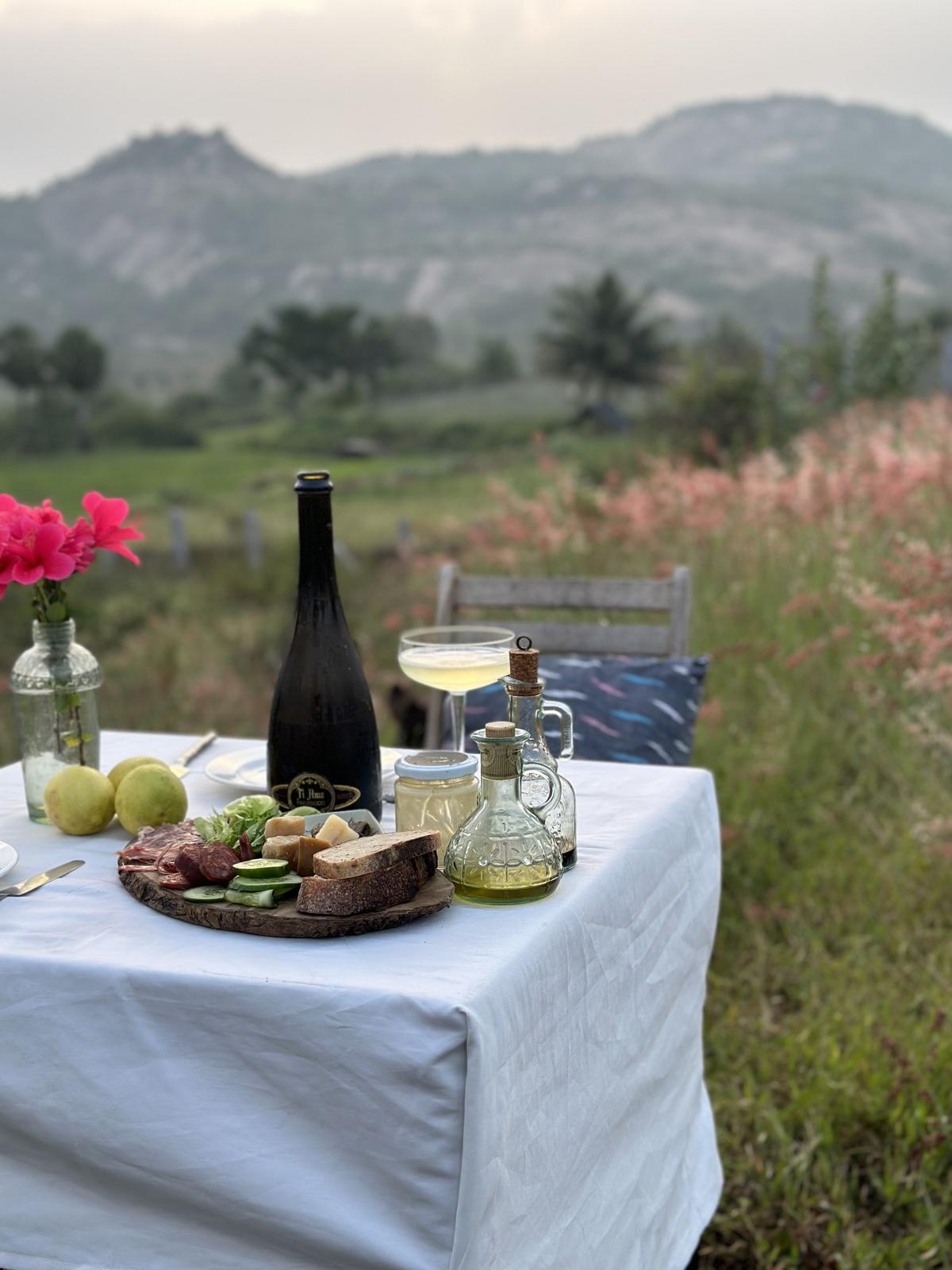
The property’s highlight, she says, is the food. “We offer Mediterranean, Mangalorean and Asian cuisines that we serve al fresco. Cloud kitchens, influencer marketing, and looking for the next ‘new’ experience has taken away the taste and experience of food and kinship, sadly.”

₹2,000-₹5,000 per person for day picnics, and ₹13,000 per night, including all meals for two. @munchismalaikal on Instagram.

The food at Vanilla County

The food at Vanilla County
| Photo Credit:
Special Arrangement

Breaking bread @ Vanilla County, Kottayam, Kerala

In his early 30s, Mathew Vallikappen refers to himself as the planter and proprietor of Vanilla County in Kottayam, Kerala. Originally his ancestral home that was built in 1947, it was converted into a boutique stay in 1997 by his father. Mathew took over the reins about five years ago, bringing in his experience of studying hospitality and culinary arts. “Our intention has always been to offer travellers a window into authentic rural life, local culture, and Kerala’s timeless traditions.

Vanilla County is an eight-bedroom boutique stay

Vanilla County is an eight-bedroom boutique stay
| Photo Credit:
Special Arrangement

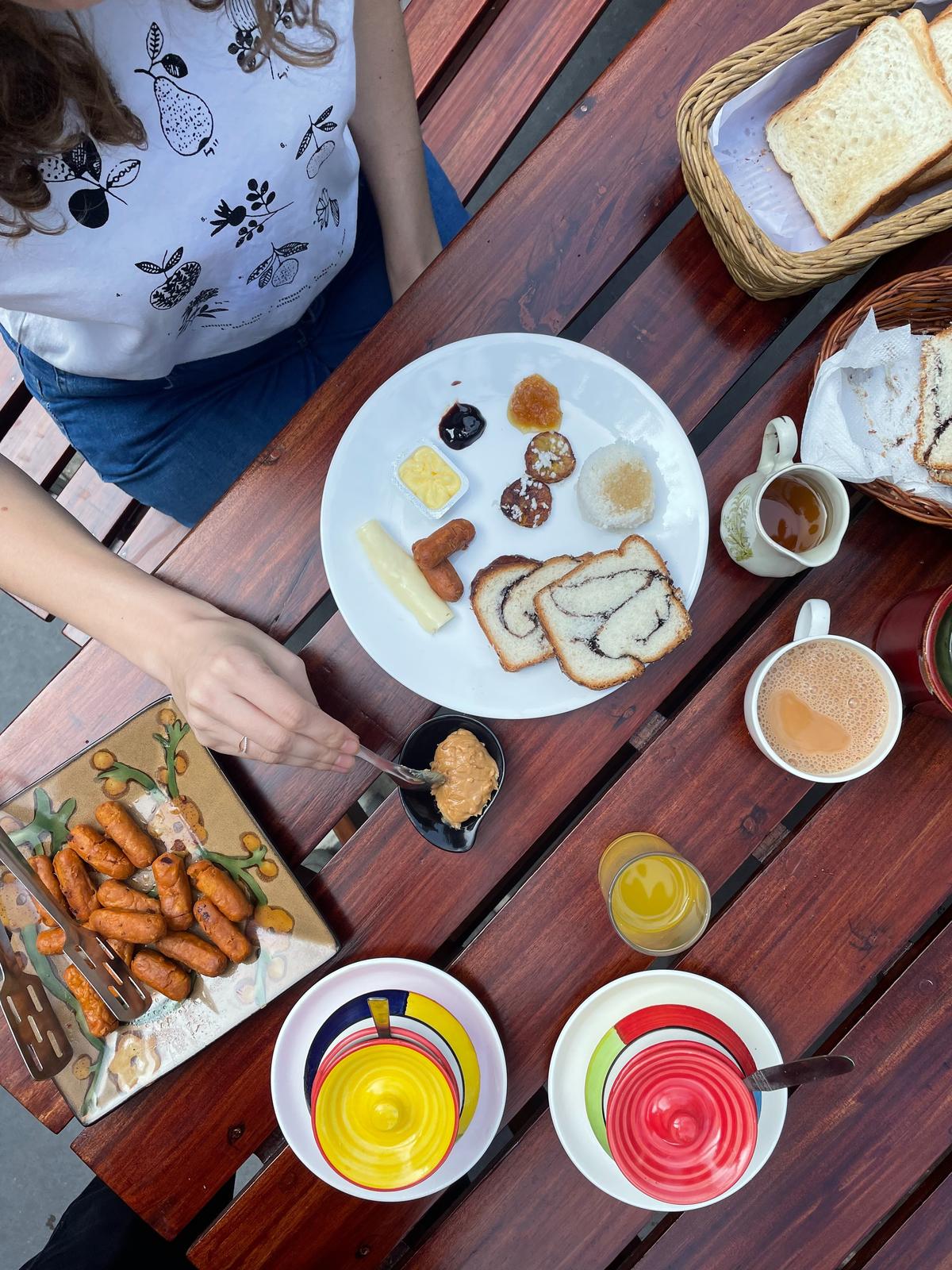
“Travellers want to slow down, engage with local communities, and take away something meaningful beyond just a holiday snapshot,” says Mathew. The eight-bedroom boutique stay has an in-house Taranaki Bakery, an ayurvedic spa in collaboration with wellness brandGeetanjanaa Ayurveda, and farm-to-table dining featuring local produce. “We also have The Quiet Farm where we’re cultivating black pepper, tropical fruits, and sandalwood,” says Mathew, who also grows crops like black pepper, fruit trees, and coffee on his family’s estate. 

The spa at Vanilla County

The spa at Vanilla County
| Photo Credit:
Special Arrangement

Guests can harvest pepper, and learn breadmaking at the bakery. “The latter has been especially popular. We also organise cultural evenings, riverside picnics, and birdwatching,” he says, adding that they are expanding their farm holiday experiences at The Quiet Farm, with new orchard plantings and interactive farm trails.

Upwards of ₹7,500 per night, inclusive of breakfast. vanillacounty.in 

Dhyaana Farms is a 14-acre organic farm

Dhyaana Farms is a 14-acre organic farm
| Photo Credit:
Special Arrangement

Cave hopping @ Dhyaana Farms, Ellora, Maharashtra 

This homestay — founded by friends Sahaj Sharma and Aparna Phalnikar — has been popular ever since its first official guest, Hillary Clinton, in 2023. Aparna says they bought the land around 2019-20 and then the pandemic hit. “Our travel business called Doorways Travel ceased operations for a couple of years, and Sahaj moved to the farm and we focussed on developing the land and creating Dhyaana Farms,” she says of the 14-acre organic farm that is solar powered.

Guests can partake in farming activities like harvesting fruits and vegetables

Guests can partake in farming activities like harvesting fruits and vegetables
| Photo Credit:
Special Arrangement

The intention behind setting up the venture in Ellora, Maharashtra, drew from their experience as tour guides and travel professionals. “We had seen and experienced how underrepresented this region was in the travel and tourism landscape of India, in spite of having the most incredible and the most ancient and still accessible sites of India in Ajanta and Ellora. We wanted to change that and help to promote the region by starting this farmstay there,” says Aparna. 

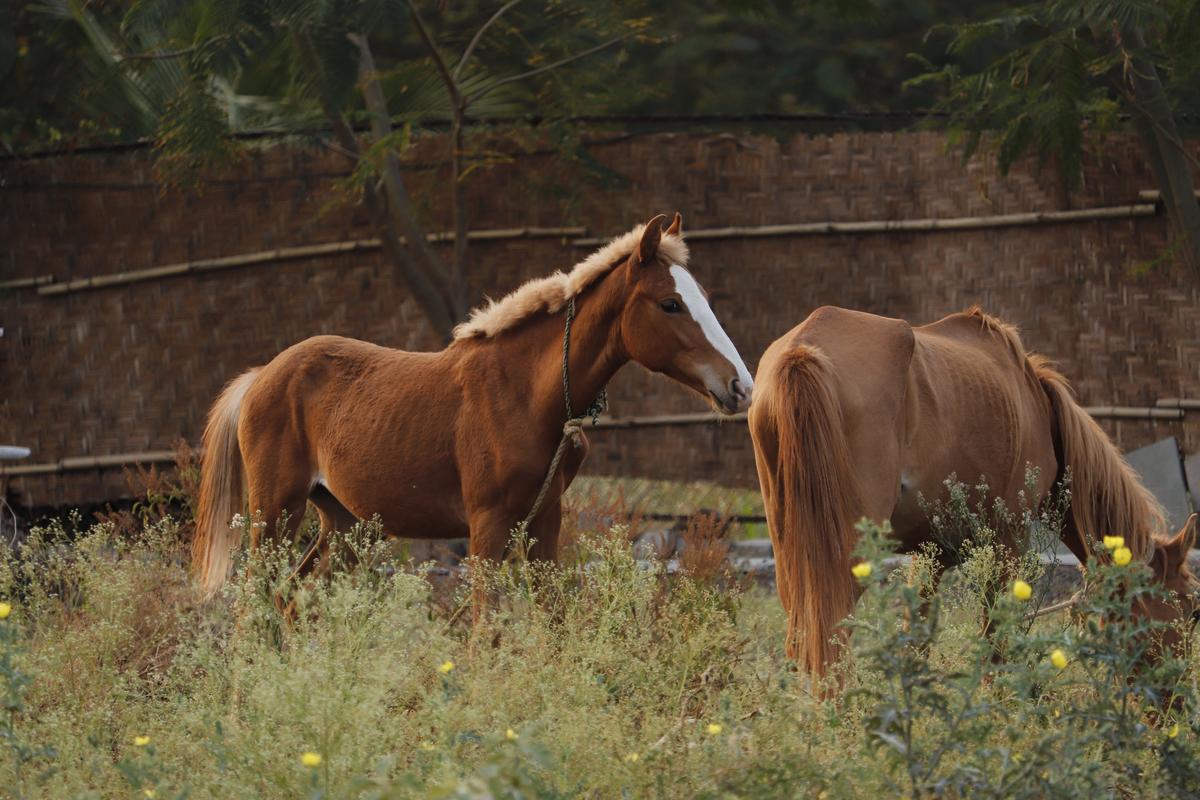
At the property, they offer horse riding, pottery, yoga, and opportunities to assist with farming activities like harvesting fruits and vegetables. “Crystal hunting is popular among children as they are often learning about different kinds of stones/rocks in school. This is one of the activities that we have customised for them as the area is very rich in different kinds of quartz, malachite, and crystal varieties,” says Aparna. 

Dhyaana Farms

Dhyaana Farms
| Photo Credit:
Special Arrangement

These activities aside, guests can go hiking in the hills around, and have high tea at a special spot with sunset views. “Ellora is just 15 mins away, and we take you through scenic village backroads early in the morning for the best experience. There is also Ajanta, Daulatabad Fort, Pitalkhora caves, Khultabad, Bibi ka Maqbara, a weaving centre for Himroo and Paithani weaves,” adds Aparna. “As a sustainable, off-grid property, we do not have air-conditioning, television or high-speed internet. However, we have plenty of books, mud-plastered walls and a sky full of stars to look up at!”

Outdoor dining at Dhyaana Farms

Outdoor dining at Dhyaana Farms
| Photo Credit:
Special Arrangement

Soon, visits to a local farmer’s home will be included. “Visiting the local village school to get a better understanding of education in rural India is also in the offing. As we work together with other farmers to expand our organic footprint, guests will be able to visit nearby farms as well.”

Upwards of ₹25,000, double occupancy, all inclusive. dhyaanafarms.com

A guest at Native Place

A guest at Native Place
| Photo Credit:
Special Arrangement

Fly Away @ Native Place, Kamshet, Maharashtra 

In 1994 Astrid Rao, along with her husband Sanjay Rao, purchased a piece of land in Kamshet with the idea of recreating her childhood. “I grew up in a small village in Bandra, then a leafy suburb of Mumbai. Summers meant raiding neighbours’ fruit trees, running barefoot, and exploring the wild green pockets of what was then called the ‘Queen of the Suburbs’. I wanted to recreate that sense of freedom and abundance, and my first wish was simply to grow fruit trees,” says Astrid, now 62.

Native Place

Native Place
| Photo Credit:
Special Arrangement

A few years later, Sanjay discovered paragliding and founded a paragliding school called Nirvana Adventures in 1997. In 2002, the duo began building a base where their students could stay, and that soon transformed into the property it is today. “From the start, our vision for the garden was clear: grow fruit trees, nurture native species, and create low-maintenance, water-wise landscapes with flowering plants to attract birds and butterflies,” says Astrid, who turned to permaculture in 2009.

The food at Native Place

The food at Native Place
| Photo Credit:
Special Arrangement

While their initial guests were paragliding students and pilots, soon they were visited by families and Nature aficionados. “They came not for luxury or manicured lawns, but to share authentic nature experiences with their children,” says Astrid, of the property that offers seven rooms overlooking the garden, in addition to dormitory and tented accommodations.

Guests on a trek at Native Place

Guests on a trek at Native Place
| Photo Credit:
Special Arrangement

“Birding is accessible to everyone. With our self-designed discovery cards, guests can explore the garden on their own, identifying birds, trees, and flowers. It fills people with wonder and helps them connect with Nature in a simple, joyful way,” says Astrid. The duo also hosts Permaculture Design Workshops over weekends that are aimed at introducing people to growing their own food, reducing ecological footprints, and making more conscious lifestyle choices.

Rooms upwards of ₹6,500 on nativeplace.com


Source link

How to explore Boston in 48 hours


I imagine Boston will be smart, but smug. Earnest, and a little dull — a history lesson with literature thrown in. Cue the Boston Tea Party, MIT and Harvard, and Longfellow on that heroic midnight ride of Paul Revere.

I do not expect to get teary-eyed at a reenactment on board a gently bobbing boat. Or gasp with delight in front of a Jackson Pollock at the Harvard Art Museums. Or find myself singing Zombie by The Cranberries with a group of very cheerful drunks at an Irish bar.

How much of Boston can you see in 48 hours? I pull on my boots on a cold winter morning and set out in this elegant, alluringly walkable city to find out.

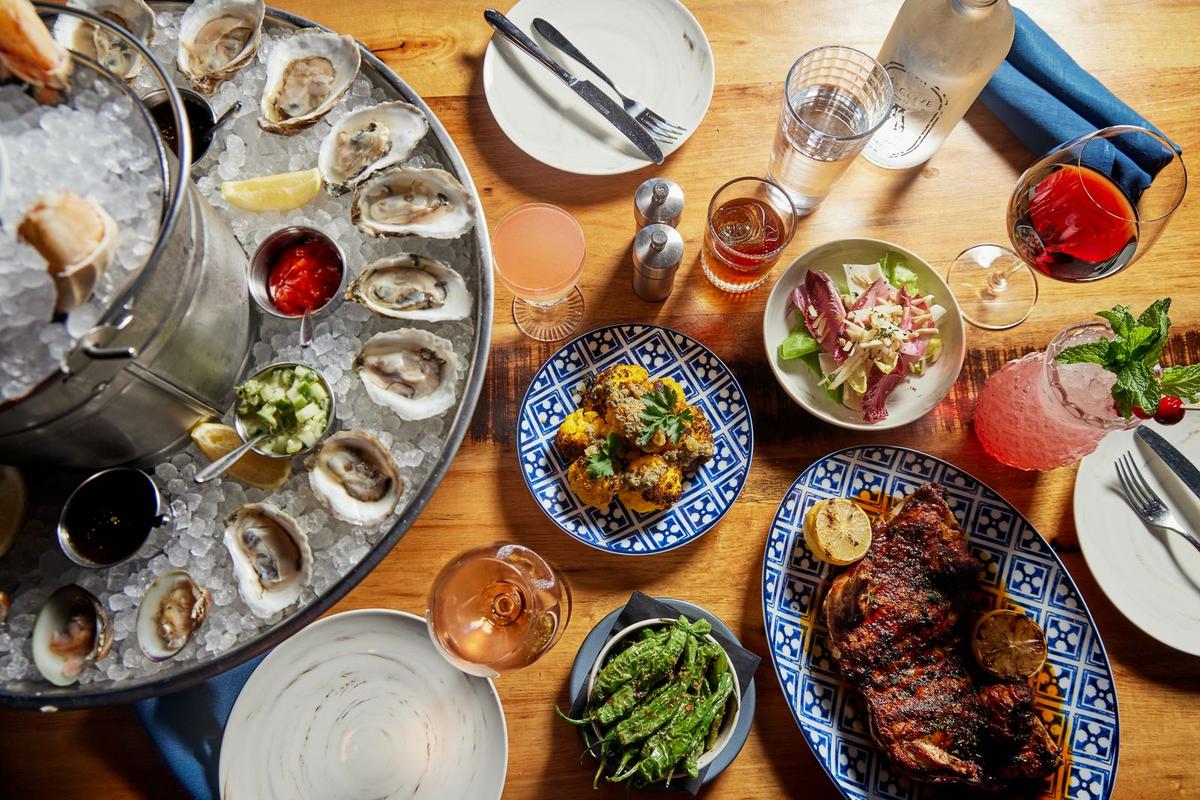
Food at Mooncusser by Chef Carl Dooley

Food at Mooncusser by Chef Carl Dooley
| Photo Credit:
SPECIAL ARRANGEMENT

DAY ONE

8 am: Bagels at the Rowes Wharf Grille

I wake up early to drink in the view, along with a strong espresso shot. The Boston Harbor Hotel (Rowes Wharf) overlooks the harbour’s marina, and the sparkling water is speckled with boats. Breakfast is at the Rowes Wharf Grille, which, serves an average cappuccino but makes up for it with deliciously light bagels topped with curls of salmon and a bowl of cool, tangy cream cheese.

A historic ship docked at Boston Tea Party Museum

A historic ship docked at Boston Tea Party Museum
| Photo Credit:
Getty Images

10 am — Throwing chests overboard at Boston Tea Party Ships and Museum

As it turns out, I am a revolutionary at heart, if not a very important one. We are on board the Boston Tea Party Ships and Museum, and a feisty actor in a sweeping colonial-era gown, complete with a chequered apron and frilly bonnet, rouses visitors, recreating that historic December night in 1773.

In an unexpectedly moving performance, we boo and yell hurrah as an actor playing Samuel Adams shouts, “No taxation without representation.” The rebellion provoked British retaliation and pushed the American colonies onto the path to revolution. And for those of us who snoozed, at this museum we can participate in the act once more, heaving imitation tea chests overboard (while posing for cameras).

Unlike the revolutionaries, who had to melt into the anonymity of the night after this act, we can also sit down for a cup of tea afterwards. At Abigail’s Tea Room, also on board, you can sample the five blends thrown overboard that night.

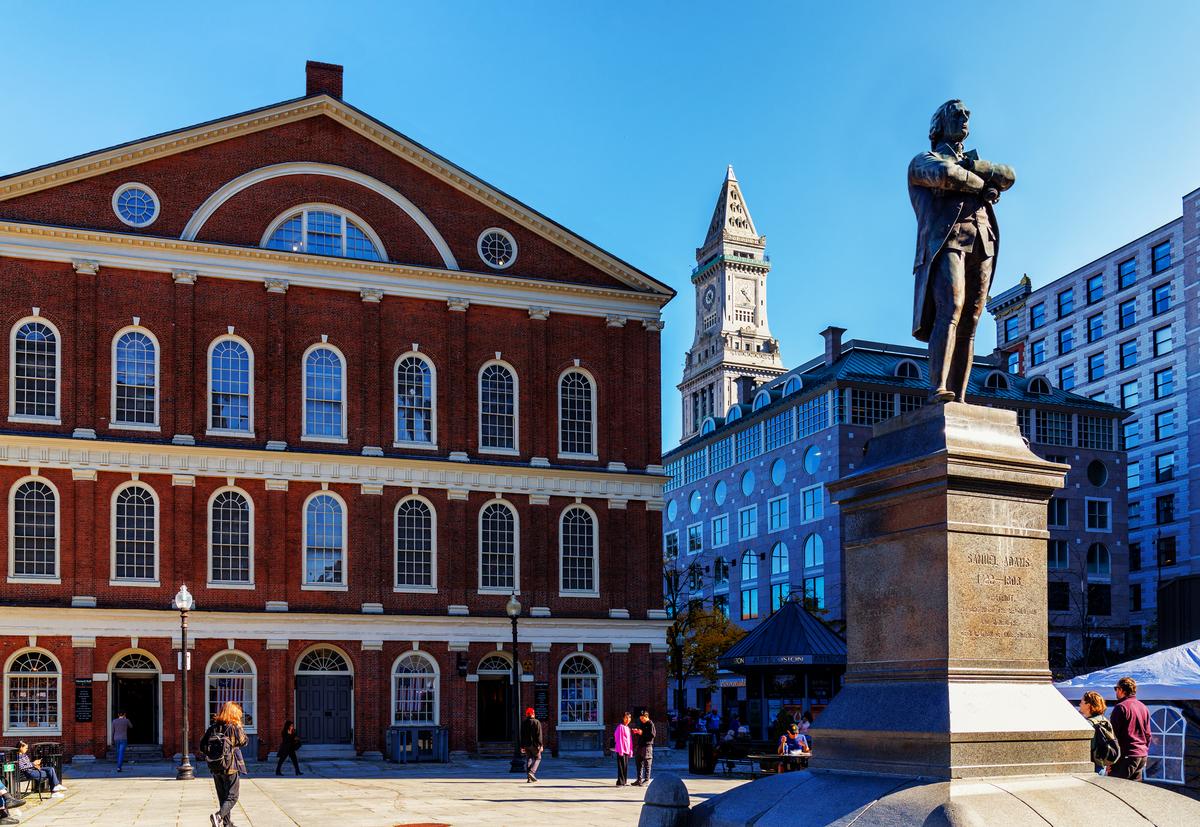
The  Samuel Adams statue in front of the Faneuil Hall building in the Faneuil Hall Plaza. Samuel Adams (1722-1803) was an American Patriot who helped organize the American Revolution, signed the Declaration of Independence, and became Governor of Massachusetts. The Custom House Tower is in the background.

The Samuel Adams statue in front of the Faneuil Hall building in the Faneuil Hall Plaza. Samuel Adams (1722-1803) was an American Patriot who helped organize the American Revolution, signed the Declaration of Independence, and became Governor of Massachusetts. The Custom House Tower is in the background.
| Photo Credit:
Getty Images

Try the New England clam chowder and end with a Boston cream pie in this charming, sunlit space. And if you need something stronger than tea, order a Rattle Skull cocktail, made with rum, whiskey and dark beer.

2 pm: Join the Freedom Trail walking tour

It is cold and windy beside the Samuel Adams statue in front of Faneuil Hall, once the meeting space of revolutionaries and now a gift shop bristling with coffee mugs, sweatshirts and soap. As we wait for the rest of the group, our tour guide from Boston By Foot (a non-profit educational organization committed to inspiring locals and visitors to discover the city), explains how the narrow roads, fringed by tall buildings, tend to funnel the wind, resulting in a cold that creeps past coats and mufflers.

Undeterred, we set out. In a bid to make peace with the past — and correct history, which, as always, is written by the victors — our guide explains how in 1625 this was the Shawmut Peninsula, known in the Algonquian language as “Mushauwomuk” (“the boat landing place”), and how its original inhabitants lost it to English settlers. Her stories bring the Revolution alive and explain how, ironically, Boston became known as the cradle of liberty.

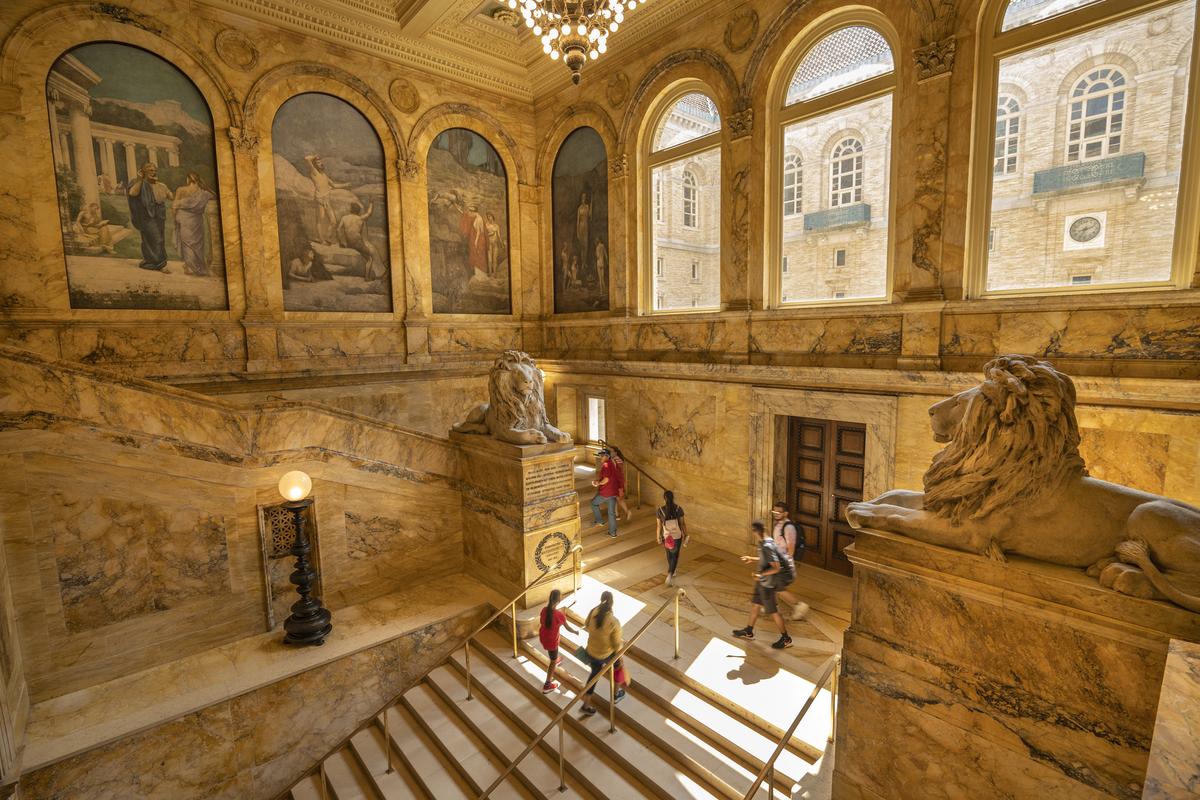
Ornate interior steps and entrance of the historic Renaissance style architecture of the Boston public library in the Back Bay District neighbourhood of downtown Boston Massachusetts USA

Ornate interior steps and entrance of the historic Renaissance style architecture of the Boston public library in the Back Bay District neighbourhood of downtown Boston Massachusetts USA
| Photo Credit:
Getty Images

5pm: Catch up on your reading at Boston Public Library

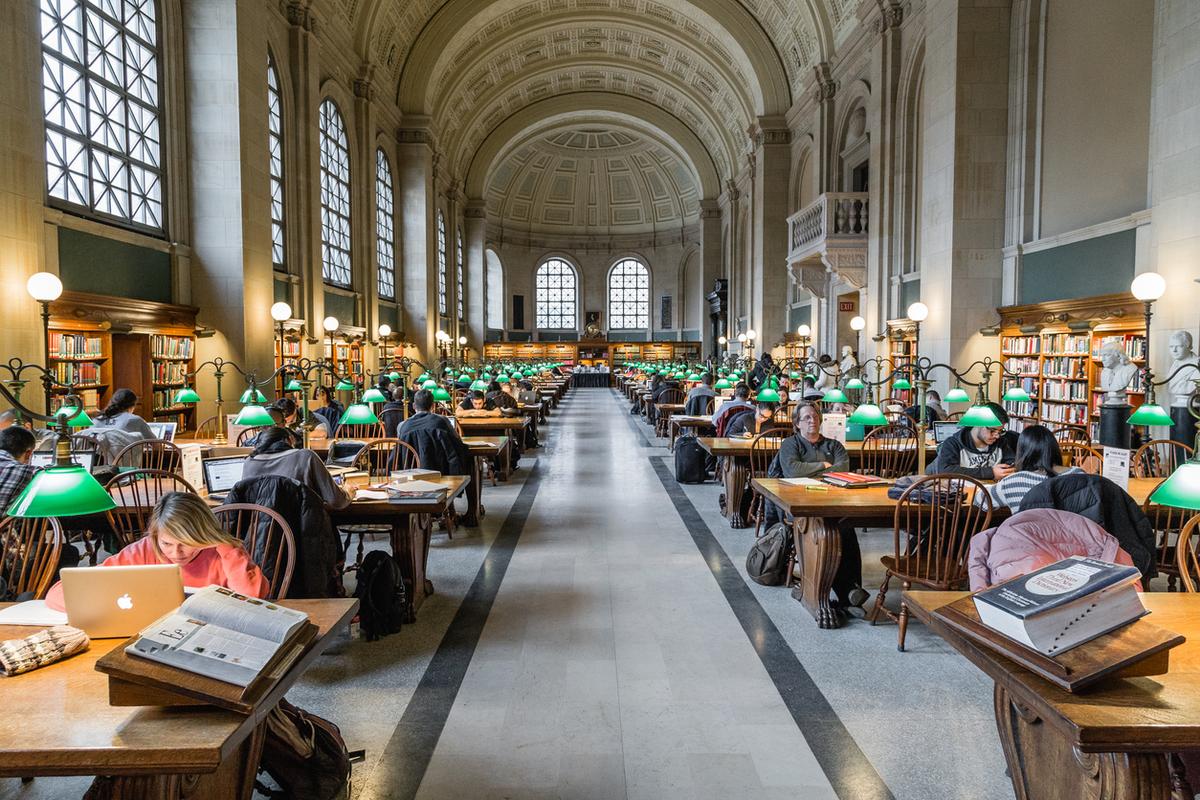
Founded in 1848 and widely regarded as the first large free municipal library in the United States, Boston Public Library feels a bit like stepping into a scene from The Great Gatsby: Beaux-Arts drama, grand staircases, arched windows and carved stone lions.

I pull up a chair and catch up on email in Bates Hall, the hushed reading room, beside students sipping Starbucks as they work on their projects. With its soaring barrel-vaulted ceilings, retro green banker lamps set out in military rows, and shelves of leather-wrapped, gold-embossed books, the space encourages reading — something we can all do with in this age of endless distraction.

Bates Hall at the The Boston Public Library, a reading room that encourages you to focus

Bates Hall at the The Boston Public Library, a reading room that encourages you to focus
| Photo Credit:
Getty Images

7pm: Smoked rainbow trout at Chef Carl Dooley’s Mooncusser

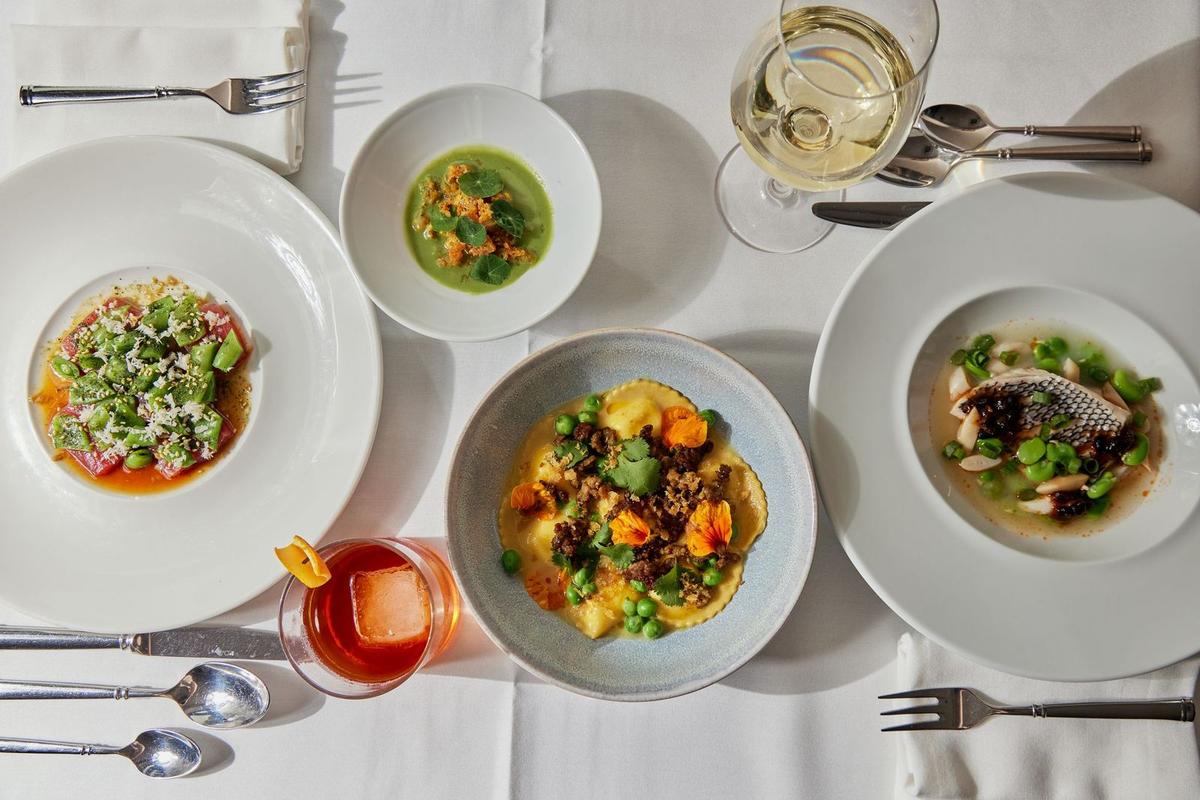
The Michelin Guide finally launched in Boston, though it was surprisingly stingy with stars given how many remarkable restaurants the city is home to. We pick Mooncusser, a favourite with locals who are very proud of Chef Carl Dooley, a Cambridge native who uses local ingredients in surprisingly inventive ways, adding spices and techniques sourced from around the world. His food is precise and disciplined, while the space is fun and relaxed, with a comprehensive wine list.

Food at Mooncusser

Food at Mooncusser

I start with silky carrot soup spiced with guajillo chilli, and tuck into smoked rainbow trout, served with celery root, crispy tortilla and salsa verde.

After dinner, we check into XV Beacon on Beacon Hill, which takes us back a couple of centuries with its historic Federal-style row houses and narrow cobblestone streets. But more on that tomorrow.

The pet-friendly XV Beacon Hotel lobby

The pet-friendly XV Beacon Hotel lobby
| Photo Credit:
Michelle Chaplow

DAY TWO

8am: Wake up at XV Beacon, and walk to Boston Common

Sure we geeked it up on day one with libraries, revolutions and history. Day two is when Boston unbuttons its collar and kicks off its shoes. I luxuriate in room service for breakfast: creamy Greek yoghurt topped with fresh berries, goji berries, chia seeds, toasted oats and hemp. I pair it with an unexpectedly delicious Green Monster smoothie, packed with kale, spinach, pineapple, banana, almond milk and flaxseed.

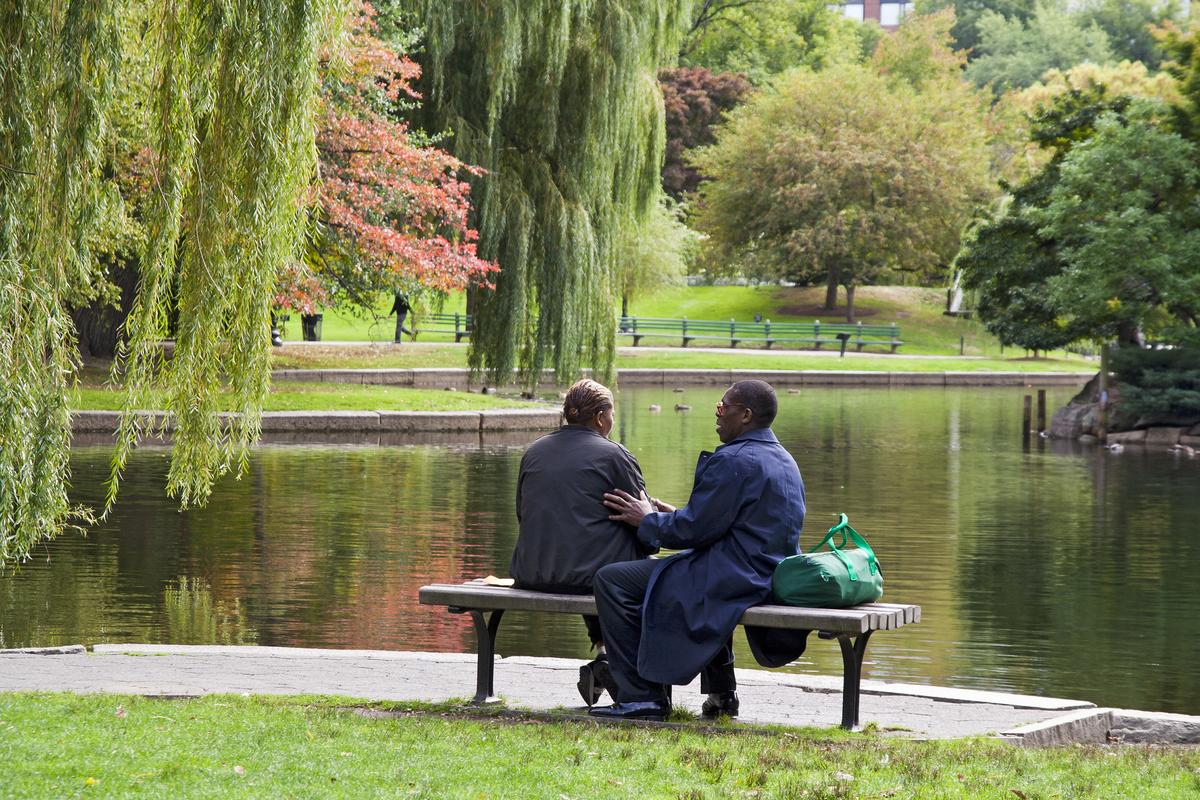
If you are an early riser, walk across to Boston Common, where the colonial militia once mustered for the Revolution. It continues to be a space for free speech and public assembly. Also, ideal for a picnic.

A couple at Boston Common, the public park in Boston, Ma.

A couple at Boston Common, the public park in Boston, Ma.
| Photo Credit:
Liz Leyden

11am: Get close to a Pollock at Harvard Art Museums

The Harvard Art Museums are relatively compact, so you never feel overwhelmed, and yet some of the biggest names in art hang casually side by side, making every turn a surprise.

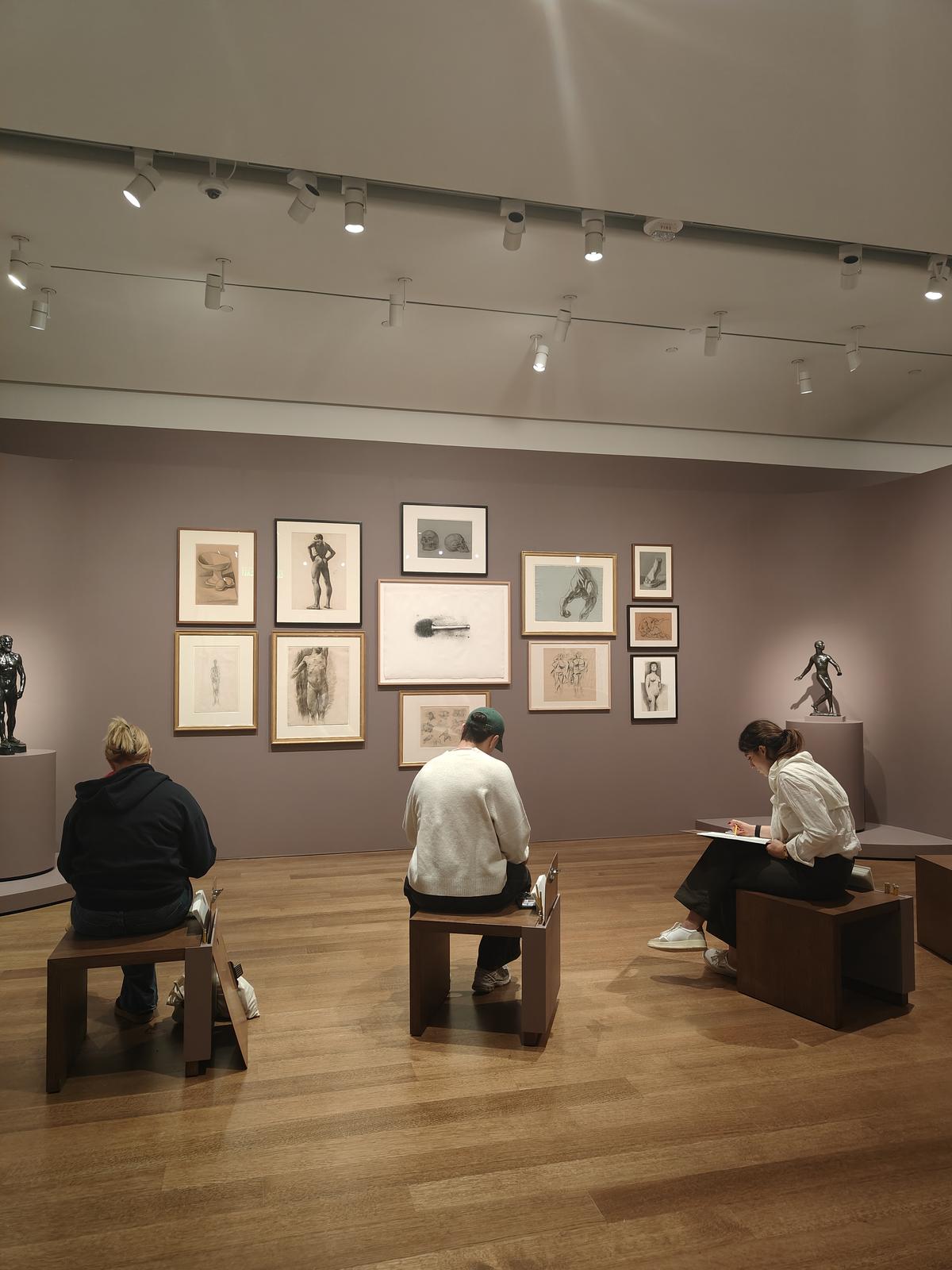
Best of all, there are no crowds — the busiest part of the museum seems to be Jenny’s Café, where students gather over cappuccinos. I spot works by Jackson Pollock, Mark Rothko, Paul Cézanne, Vincent van Gogh, Claude Monet and Pablo Picasso. As I move from room to room, Modernism unfolds like a relaxed art class, with students setting up easels to sketch directly in front of the paintings.

On the top floor, I pause at large glass windows that look into sunlit conservation studios, where art is being painstakingly restored by students, all bent over centuries-old surfaces with magnifying lenses, cotton swabs and brushes.

Students sketching at the Harvard Art Museums

Students sketching at the Harvard Art Museums
| Photo Credit:
Shonali Muthalaly

1 pm: Lunch and purple prose at Lovestruck Books

We drop by Lovestruck Books at Harvard Square, a romance bookstore with a wine bar, an unabashedly pink couch and lip-shaped cushions. I browse books with names like Polyamorous Advice by Sam Cat, The Einstein of Sex by Daniel Brook and What to Do When You Get Dumped.

The categories are impressive: Romantasy, Paranormal Romance, Sports Romance and Contemporary Romance. You can also choose a ‘blind date’ and buy a book wrapped in brown paper — which may prove better than your last Tinder date.

Have lunch while you read Baby-Making for Everyone: a bacon, egg and cheese sandwich paired with either their iced Red Eye (iced coffee with a double shot of espresso) or a glass of Bruto & The Beast 2021 by Valli Unite from Piedmont, which Sophie, the bartender, describes as “an existential, Kafka-reading type who’s effortlessly cool.” (I would date him.)

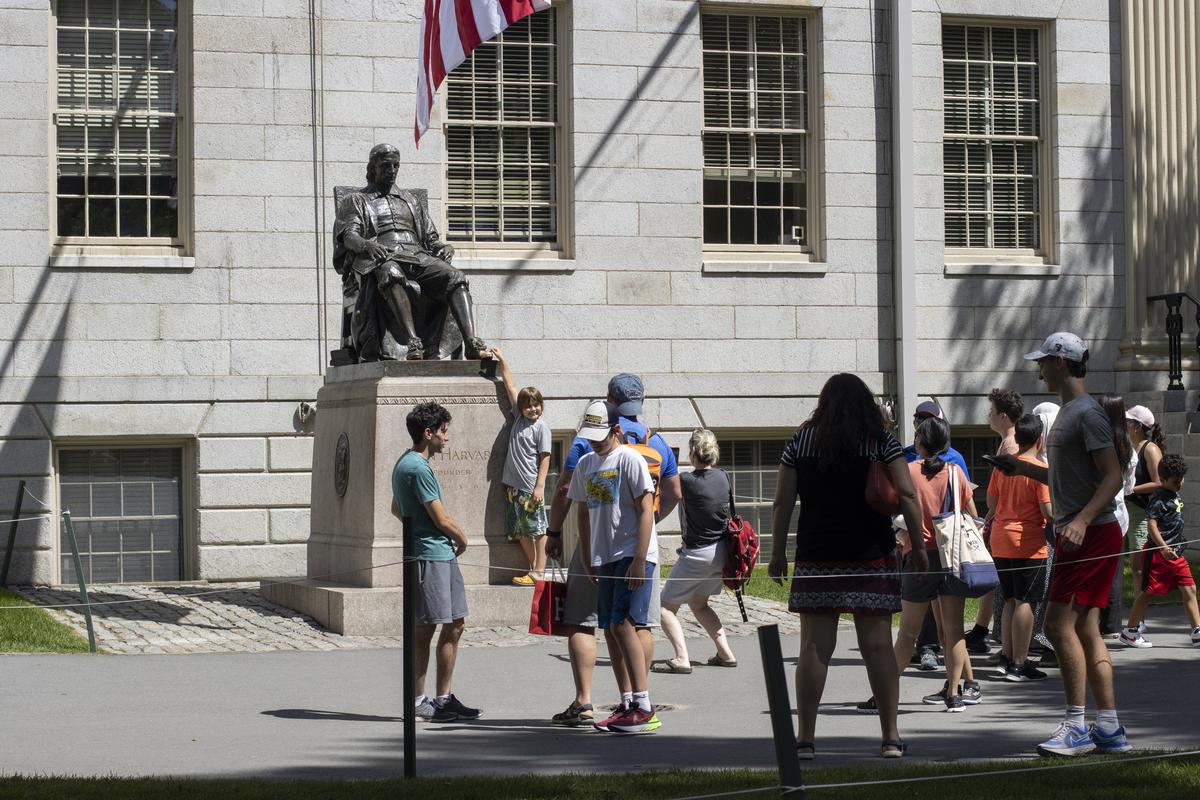
Visitors to the Harvard Yard, the oldest part of the Harvard University campus in Cambridge, Massachusetts, wait in line to take photos with the John Harvard Statue

Visitors to the Harvard Yard, the oldest part of the Harvard University campus in Cambridge, Massachusetts, wait in line to take photos with the John Harvard Statue
| Photo Credit:
hapabapa

4 pm: Behind the scenes with a student at Harvard University

Ashmit Singh, an intimidatingly brilliant student at Harvard University, shows us around the campus. Student-led Cambridge-based Trademark Tours tours are a fun way to peek into everyday life at some of the world’s most prestigious universities, Harvard and MIT. Ashmit takes us through Harvard Yard, Memorial Hall and to the John Harvard statue, where we rub his boot for good luck — which usually reportedly translates to academic success and Ivy-League-adjacent admission miracles. (I am still waiting by my mailbox.)

We pause at Lowell House, where Matt Damon and Natalie Portman once lived, and then Ashmit takes us past the Final Clubs, including Spee, which counts John F Kennedy among its members. (A Final Club is a private, invitation-only social club at Harvard — part dining society, part networking space and, from the sound of it, home to some outstanding parties.)

We walk past an Indian food truck blasting Diljit Dosanjh, reportedly famous for its samosa chaat, and stand in front of the Brutalist Science Center, which came up in the 1970s. Ashmit quotes former Harvard president Abbott Lawrence Lowell: “A well-educated man must know a little bit of everything and one thing well.” He adds, “So there are four areas you have to take classes in: arts, humanities, ethics and civics.” His own subjects include the science of sleep, the art of Armenia and Chinese philosophy.

7pm: Dinner and a performance at Grace by Nia

Grace by Nia is delightfully over the top: chandeliers dripping golden light, velvet curtains in gold and orange, and ornate pillars. The hum of conversation is punctuated by cocktail shakers, and the floor is sticky with fruit juice and beer. A modern-day supper club, the space has an intimate stage for live music. The band is playing Minnie Riperton’s Loving You from the early Seventies.

Our waiter is Colombian, and as the band launches into Chris Brown, we order from a menu focussed on Southern cooking. We eat crab cakes and fried Louisiana catfish with buttermilk batter and Cajun remoulade. The music is the point here, so do not have high expectations of the food or cocktails — both are okay.

9 pm to dawn: We party Boston-style

There is a patient, seemingly never-ending line of trendy hipsters in sparkly tops and miniskirts outside Carrie Nation Cocktail Club, next door to our hotel, XV Beacon. Named after an anti-booze crusader who reportedly walked into bars “with a hatchet in hand and the Lord at her side.” She would hate this flapper-era bar, where people party hard on weekends — not that anyone seems to care.

It is far too cold to wait in line for hours. And I have outgrown nights that begin with lipstick, optimism and tequila shots, then end with paracetamol and regret. We head to the cosy Emmett’s Irish Pub next door instead, where we get carded (much to our delight) by the grouchy doorman.

Inside, we fall in with a loud, raucous group knocking back pints of draft beer and singing together like a spirited — if occasionally off-key — choir.

I scan the menu. The most popular beer is called Sam Adams. Of course it is.

In a city that built its identity on rebellion, it feels only right to raise a glass to freedom.


Source link

Kozhikode’s Al Mubarak group is working towards the revival of muttippattu, a traditional music art form


At a time when regional and local forms of art are being spotlighted, Al Mubarak Koyilandi from Kozhikode, comes into focus for the work the group has done to revive muttippattu, a traditional musical art form. The blend of modernity and tradition ensures the resonance of their music with youngsters and seniors alike. Al Mubarak Koyilandi is a 40-year-old institution, home to a team of 25 boys and men, teens and those in their mid-twenties, where traditional performing arts, such as kolkali, and martial arts, like kalaripayattu, are taught. 

About a year and a half ago, they incorporated muttipaattu, a Mappila folk performance art typically sung at wedding nights, into their repertoire, which has found them many fans and appreciation on social media.

All the members of Al-Mubarak

All the members of Al-Mubarak
| Photo Credit:
SPECIAL ARRANGEMENT

Founders and cousins, Mufeed VM and Shamil PT, both 25, sculpted this dynamic team with local artists they have known since childhood or through their institution. Mufeed VM has been a stunt choreographer for the past three and a half years, in films such as Aavesham and Bagheera. “As a singer myself, I saw potential in kalari and kolkali artists, and I could not let their talent go unnoticed,” said Shamil. Shamil’s father, VK Hameed Gurukkal, a 2023 Kerala Folklore Award recipient for kalaripayattu, and his brother, VK Abbas Gurukkal, both Kalari masters for the past 40 years, guided them to this success with their understanding of the art form, as firsthand troupers.

Muttipaattu is a traditional folk performance, usually performed at the mylanchi raavu, which is the day before a Muslim wedding. Where male and female relatives of the bride or groom gather around singing mylanji paattu, oppana paattu or mappila songs while creating rhythm by clapping hands or banging objects like wooden benches and tabletops, getting the name muttippattu, ‘mutti’ means to strike or knock and ‘paattu’ means song.

Although this is a culturally significant art form it has been in the shadows unlike the more popular performances like vattappattu or oppana. Realising the importance of preserving and uplifting this art form, Al Mubarak has endeavoured to revive and reconstruct it by incorporating modern instruments, such as the clap box and triple drum into the lineup of instruments. Last year an all-Kerala muttipaattu competition was held in Kasaragod, proof of the love and support this traditional art form is beginning to receive.

How it is performed

On stage, two lead singers open with their signature humming technique, drafted by Salahudheen, a 24-year-old local artist from Koyilandi, where he takes lyrics from the Anupallavi of the song and applies his artistry to develop a soft and soothing therapeutic opening. This is followed by a triple drumming performance by 16-year-old Sayand Santhosh, who has captivated the audience with his charm and polished performance. This will be accompanied by a clap box or cajon, used to replicate the sound of banging on a wooden surface and a timer, a circular instrument generally used to set the song’s timing. All these instruments layer in as the singers clap and sing along. They usually perform mappila and oppana songs and other Malayalam and Hindi classics. 

Their popular songs include Pathimakkathudhithulla malaralle (a Mappila pattu) and Dagabaaz re from Dabangg 2, among other old Malayalam film songs, such as Ezhaam Baharinte, which is exceptionally appreciated by the audience for Salahudheen’s composition.

Al Mubarak performs at wedding ceremonies and college events across Kerala. Occasionally, they do street shows on Kappad and Kozhikode beaches as well as on local trains, where the public gets to enjoy their performances for free. “Their performance was so good that I didn’t want to step off the train at my station,” said Hana Nasreen, a student, who was on a train where they performed. With the assistance of DMA Kalari Dubai, an extension of their own Kalari institution, they performed a live show at the 2025 Mamukkoya Fest in Dubai, hosted by the Dubai Folklore Society.

Practising in their free time, meeting at the Kalari institution, Al Mubrarak Koyilandi has grown from 18 local performers to an energetic and talented team of 25 which has left their signature across Kerala’s 14 districts. Through their dedication and hard work, this age-old tradition still breathes, fascinating audiences of all ages equally.

Published – January 09, 2026 02:24 pm IST


Source link

How Swiss theatre pedagogue Manuela Runge trains actors to be in the moment while on stage


Manuela Runge, a Zurich-based theatre and dance artist, conducting a workshop for amateur actors in Tiruchi.

Manuela Runge, a Zurich-based theatre and dance artist, conducting a workshop for amateur actors in Tiruchi.
| Photo Credit: M MOORTHY

On a Saturday morning, with the cows lowing in the background, and the wind whistling through the trees at a farm in a suburb of Tiruchi, a small group of amateur artistes practices the art of mirroring, following the lead of Swiss theatre and dance pedagogue Manuela Runge, learning to mimic each other’s movements without touching.

Manuela, a German national based in Zurich, has nearly 20 years experience in teaching theatrical skills and dance to children, young adults and people with disability.

Currently on a personal visit to southern India, Manuela has been conducting workshops for students in Tiruchi, Chennai, Tirunelveli and Dindigul.

Mirroring is among the many techniques the teacher-artiste uses to help actors ease their body language on stage.

The performing arts, especially theatre, can be a powerful tool to help children hailing from troubled backgrounds find positive role models outside their familiar social circles, she says. “I know this is true because my father was a heavy drinker and prone to violent behaviour. My parents separated when I was six years old. My mother raised me and my older brother. Theatre was where I could see the different possibilities for the future,” says Manuela.

Theatre is also a family and a place to belong, she adds. “Very often you can see others with similar problems here. It is a safe space where you do not feel alone. And this gives you power.”

The learning curve

Manuela, wanted to be an actor from an early age. “But I was too shy to go to acting school. I got employed as a school teacher, and that’s when I realised that I could channel my interest in performing arts by teaching theatre to children,” she says.

Delving into theatre pedagogy, she realised that drama need not be only about dialogues and declamation. Manuela specialises in training people to feel physically comfortable while performing in front of an audience. “Through acting, we can connect with each other, perform together and express ourselves through our actions, because not everyone can use speech the same way,” she says.

It is rewarding for a teacher to see her students gaining confidence with each rehearsal. “In the beginning they doubt themselves. But after a while, acting gives them power and helps them find their voice. They learn that it is okay to make mistakes and this makes them more open to others’ ideas.”

Currently she is helping actors grasp the art of how to be in the moment during a live performance. “It is a reaction-based activity like billiards or football. I teach students to study their co-actors to see how they can connect on stage,” she says.

On a sabbatical from full-time teaching in Switzerland for the next few months, Manuela is discovering the vicissitudes of India’s theatrical traditions. “I am impressed by the purity of craft that young people display on stage. Indian artistes are passionate about their art, be it dance or theatre.”


Source link

How Swiss theatre pedagogue Manuela Runge trains actors to be in the moment while on stage


Manuela Runge, a Zurich-based theatre and dance artist, conducting a workshop for amateur actors in Tiruchi.

Manuela Runge, a Zurich-based theatre and dance artist, conducting a workshop for amateur actors in Tiruchi.
| Photo Credit: M MOORTHY

On a Saturday morning, with the cows lowing in the background, and the wind whistling through the trees at a farm in a suburb of Tiruchi, a small group of amateur artistes practices the art of mirroring, following the lead of Swiss theatre and dance pedagogue Manuela Runge, learning to mimic each other’s movements without touching.

Manuela, a German national based in Zurich, has nearly 20 years experience in teaching theatrical skills and dance to children, young adults and people with disability.

Currently on a personal visit to southern India, Manuela has been conducting workshops for students in Tiruchi, Chennai, Tirunelveli and Dindigul.

Mirroring is among the many techniques the teacher-artiste uses to help actors ease their body language on stage.

The performing arts, especially theatre, can be a powerful tool to help children hailing from troubled backgrounds find positive role models outside their familiar social circles, she says. “I know this is true because my father was a heavy drinker and prone to violent behaviour. My parents separated when I was six years old. My mother raised me and my older brother. Theatre was where I could see the different possibilities for the future,” says Manuela.

Theatre is also a family and a place to belong, she adds. “Very often you can see others with similar problems here. It is a safe space where you do not feel alone. And this gives you power.”

The learning curve

Manuela, wanted to be an actor from an early age. “But I was too shy to go to acting school. I got employed as a school teacher, and that’s when I realised that I could channel my interest in performing arts by teaching theatre to children,” she says.

Delving into theatre pedagogy, she realised that drama need not be only about dialogues and declamation. Manuela specialises in training people to feel physically comfortable while performing in front of an audience. “Through acting, we can connect with each other, perform together and express ourselves through our actions, because not everyone can use speech the same way,” she says.

It is rewarding for a teacher to see her students gaining confidence with each rehearsal. “In the beginning they doubt themselves. But after a while, acting gives them power and helps them find their voice. They learn that it is okay to make mistakes and this makes them more open to others’ ideas.”

Currently she is helping actors grasp the art of how to be in the moment during a live performance. “It is a reaction-based activity like billiards or football. I teach students to study their co-actors to see how they can connect on stage,” she says.

On a sabbatical from full-time teaching in Switzerland for the next few months, Manuela is discovering the vicissitudes of India’s theatrical traditions. “I am impressed by the purity of craft that young people display on stage. Indian artistes are passionate about their art, be it dance or theatre.”


Source link

Homo Opportunisticus: the making of caste


The origin of the caste system does not lie in religious ideas of purity and pollution, racial differences, tribal or Harappan customs — or even the British census, as recent social media commentary would suggest. It lies in ancient political contingencies and economic circumstances.

The earliest mention of a four-tiered hierarchy occurs in the Purusha Sukta of the Rigveda. But it is commonly accepted that this is a late book, and that the Purusha Sukta is a later insertion. There is no mention of the shudra in the Rigveda outside of the Purusha Sukta. There are only doubtful and rare occurrences of even ‘brahmana’ as a social category. Therefore, one can agree with Stephanie W. Jamison and Joel P. Brereton in their 2014 translation of The Rigveda, that in the earliest religious poetry of India, the caste system is embryonic.

The Rigveda : The Earliest Religious Poetry of India

The Rigveda : The Earliest Religious Poetry of India

But how did that embryo come to be? Studies by scholars Michael Witzel (The Realm of the Kuru) and Thennilapuram Mahadevan (The Rsi Index of the Vedic Anukramani System and Pravara Lists: Toward a Prehistory of the Brahmans) provide the keenest insight.

To recount Witzel’s arguments briefly, the tribe of the Kurus became predominant after the Battle of the Ten Kings or Dasrajna mentioned in the Rigveda. After the battle, the “geographical centre of the Vedic civilization” moved eastwards from Punjab to Kurukshetra, the land lying between rivers Sarasvati and Drishadvati, about 175 kilometres northwest of New Delhi. (This region would later come to be subsumed under the term Aryavarta, defined as being the region between the Himalayas and the Vindhyas, and to the east of where river Saraswati disappears and west of the Kalaka forest, which is supposed to have been at the confluence of the Ganga and Yamuna.)

As they consolidated their power, the Kurus felt the need for a unified canon, drawing on the sacrificial hymns of their own tribe as well as defeated tribes. The last hymn of the Rigveda is about unity. It says: “Come together, speak together; together let your thoughts agree…”

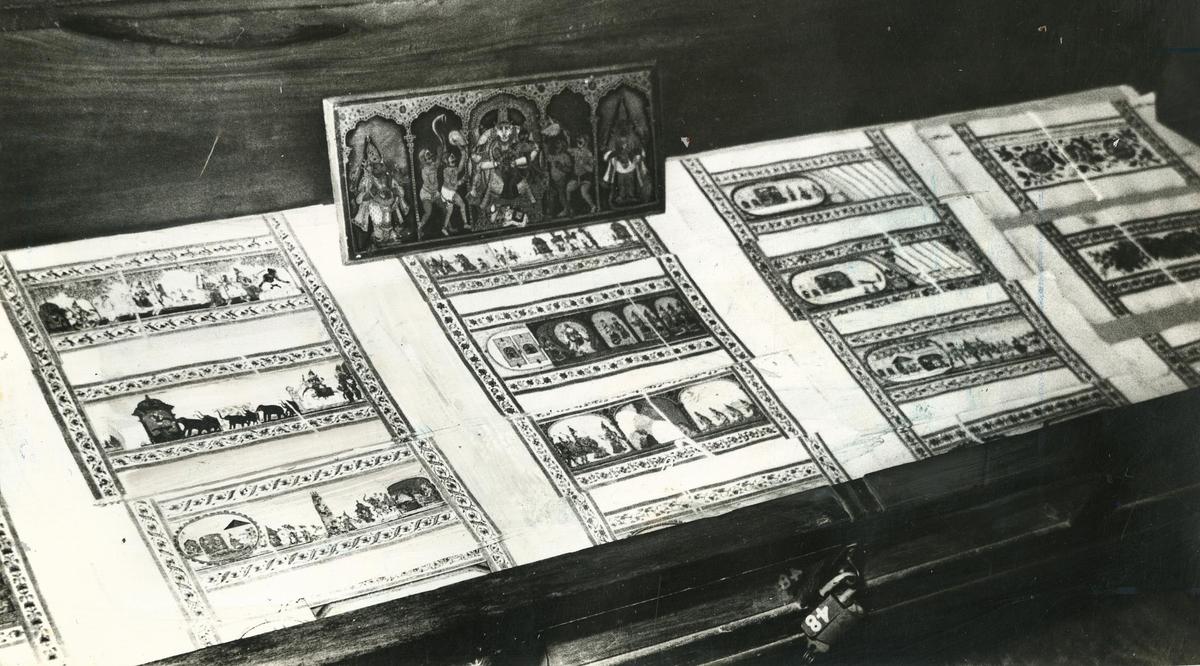
Rigveda bundles, with illustrations from each of the sections of the Veda. On display at the Saraswati Mahal Library in Tanjore.

Rigveda bundles, with illustrations from each of the sections of the Veda. On display at the Saraswati Mahal Library in Tanjore.
| Photo Credit:
The Hindu Archives

Until this happened, around 1000 BCE, writes Witzel, “the Rigvedic hymns were held as ‘personal or clan property’”. When a common canon was made out of these collections, writes Mahadevan, the families that were once in charge of their own hymnal traditions became the backbone of a ‘pan-Vedic agency to sing a pan-Vedic corpus’. There being no writing at this time, they were now an ‘oral agency’ carrying forward a common tradition, now ‘bound into a biological body’ through new rules regulating marriages among them.

The first ‘caste’ takes shape

As Mahadevan tells it, each of those who had a collection of family songs was now called a gotra. The new rules were that marriages must not occur within the same gotra (exogamy), but must occur within the 50-odd gotras (endogamy), thus creating ‘One, Out of Many’, “the ‘caste’ of Brahmans”. The brahmanas are thus the first and perhaps the only real ‘varna/caste’ to be formed at a particular time and place, with enormous implications for the future.

The ‘ksatriya’ or the warrior/ruler caste will be mostly decided de facto: those who manage to get and keep power are regarded as ksatriyas. Historian D.D. Kosambi once wrote: “Don’t be misled by the Indian Ksatriya caste, which was oftener than not a Brahmanical fiction.” Those who do not fall into either of these categories are considered ‘vaisya’ or common folk — the residual category of the Arya community.

In the following centuries, those who were outside the Arya culture, but served the Arya as domestic workers or as farm labourers, were accommodated within the system as low-status ‘shudra’. Those who were outside of all four categories, such as the tribes who lived in the forests, were regarded as ‘outcastes’. But this fully fleshed-out varna-jati system will take time to develop, being dependent on the speed with which agriculture and, therefore, the need to engage non-family labour, took off.

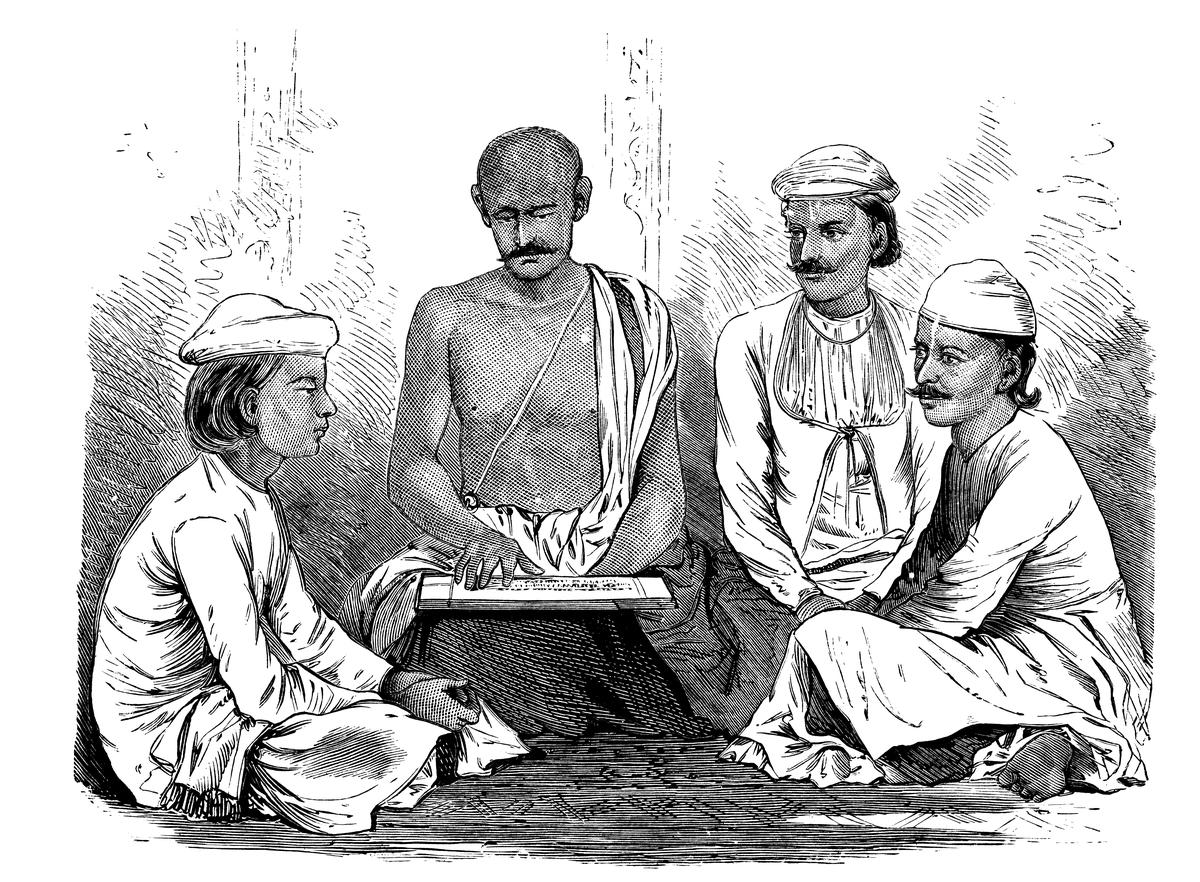
An engraving from 1872 of brahmana men learning

An engraving from 1872 of brahmana men learning
| Photo Credit:
Getty Images

Many things follow from this. One, the caste system did not arise out of a purity-pollution cline; nowhere in the Rigveda or other samhitas is it suggested that there is a hierarchy of purity among the brahmanas, rajanya and the vis or vaisya. Two, it did not arise out of differences in eating habits; the idea of vegetarianism originated centuries later with the ascetic sramana traditions such as Jainism and Buddhism in Greater Magadha, which lies to the east of Aryavarta.

Three, it had little to do with race or ethnicity to begin with; the three varnas were all considered Arya. Four, the idea of a varna system did not spread from a pre-Aryan or Harappan Civilization. And five, it was not brought to India by the Steppe pastoralists, who called themselves Arya. It was made in India, and ideas such as purity and pollution were justificatory accruals that occurred centuries later.

Varanasi was important for those on both sides of the debate over varna: brahmanas and sramanas

Varanasi was important for those on both sides of the debate over varna: brahmanas and sramanas
| Photo Credit:
Getty Images

The trigger for the beginning of the caste system was the need of a victorious kingdom to have a unified religion and a priesthood to administer it. The best model that fits this evidence is that of a universal ‘Homo Opportunisticus’, and not an Indian ‘Homo Hierarchicus’ which, according to sociologist Louis Dumont, represents a cultural predilection for hierarchy. Given the opportunity, political and economic man will create a system of belief and along with it, a social system, to perpetuate his status and power.

What began as an embryonic scheme in the Rigveda bloomed into a full-fledged system in the later brahmana texts when settled agriculture began to take off. These texts elevated the four-fold hierarchy from the world of mortals to the universe itself. Gods, animals, hymns, seasons, were all mapped into the varna system so that, as professor Brian K. Smith wrote in his book Classifying the Universe (1994): “…certain humans could present what was an arbitrary social status or status claim as natural and sacred…”

The Rigveda title sheet in the Saraswathi Mahal Library collections

The Rigveda title sheet in the Saraswathi Mahal Library collections
| Photo Credit:
R. Shivaji Rao

Contest over the meaning of dharma

The next step in the evolution of caste happened in the context of a vigorous resistance to it from the sramanic religions. Buddhism and Jainism refused to acknowledge the authority of the Vedas, condemned animal sacrifices and accepted into their monastic orders people from all classes. Emperor Asoka’s espousal of the cause of ‘dhamma’, without mentioning varna, queered the pitch further. In response, newly composed Dharmasutra and Dharmasastra that lay down the rules of conduct for members of the Brahmanical society restated the varna ideology with vigour and patterned it into every nook and corner of Arya custom, from the cradle to the pyre. Manusmriti (or Manava Dharmasastra) was only one of many similar texts written around the beginning of the Common Era.

Dharmasutras

Dharmasutras

But when these texts were being written, the varna hierarchy was far from commonly accepted. Buddhism, especially, was experiencing the kind of expansion never before seen, riding a wave of prosperity caused by booming trade. But this would change when, between 235 CE and 284 CE, the Roman Empire was hit by a crisis that almost brought it down, the Kusana empire started disintegrating, and world trade was disrupted.

The next source of prosperity, however, was already evident: the deepening and widening of agriculture across the subcontinent. This could only happen if millions of people were drawn into the agricultural system as labourers, especially as farm settlements moved into the lands of forest-dwelling or semi-nomadic groups. And this was a humongous task, which the dozens of new kingdoms that came into being took on eagerly from around the middle of the first millennium CE.

In this task, they found the social framework based on a hereditary hierarchy useful. To implement the new system — and to lend it legitimacy — many kings, including those professing Buddhist or Jaina faith, invited brahmanas from Aryavarta to come and settle in their kingdoms on lands granted to them. Following this, the varna-jati system, whose two core principles are (a) an alliance between the ruling and priestly powers, and (b) ‘an ascending scale of reverence and a descending scale of contempt’ as Ambedkar put it, spread to the rest of the subcontinent through agro-temple-state formations in the first millennium CE.

This will shape many social attitudes, perhaps leading sociologist Dumont to think up the concept of Homo Hierarchicus in 1966, but without paying attention to the long resistance against it and the way it was shaped by political and economic contingencies. Thirty-five years later, anthropologist Nicholas Dirks would publish another last-mile snapshot of caste in his book Castes of Mind, but without paying attention to the step-by-step evolution and geographical expansion of caste.

What we know now is that caste was historically contingent in its origins and socially contested throughout its history and eventually gave rise, in the 20th century, to Ambedkar’s call to ‘annihilate’ it.

The writer, author of Early Indians, is working on a sequel focusing on India’s cultural formation.

The full text of his guest lecture at the Indian History Congress on December 28, 2025 titled ‘Homo Opportunisticus: The Contingent, Contested Evolution of Caste’ is available here.

NB: This article does not make a hard distinction between varna and jati because in the ancient texts we are dealing with, there is no indication that the two were treated as different systems.


Source link

Sankranti memories: How food, kites and village rituals shape festive nostalgia


The kite festival in Hyderabad held during the month of January every year is a crowd puller.

The kite festival in Hyderabad held during the month of January every year is a crowd puller.
| Photo Credit: NAGARA GOPAL

Sankranti arrives as a pause at the start of the year — a festival rooted in harvest, homecoming and shared rituals. It is remembered through simple, tactile moments: kites cutting through winter skies, fresh muggus traced at dawn, journeys back to villages, and meals shaped by the season’s first produce. For many, these memories form the emotional grammar of Sankranti, carried forward even as celebrations shift from fields and terraces to apartments and city streets.

Nandini Reddy

Nandini Reddy
| Photo Credit:
Special Arrangement

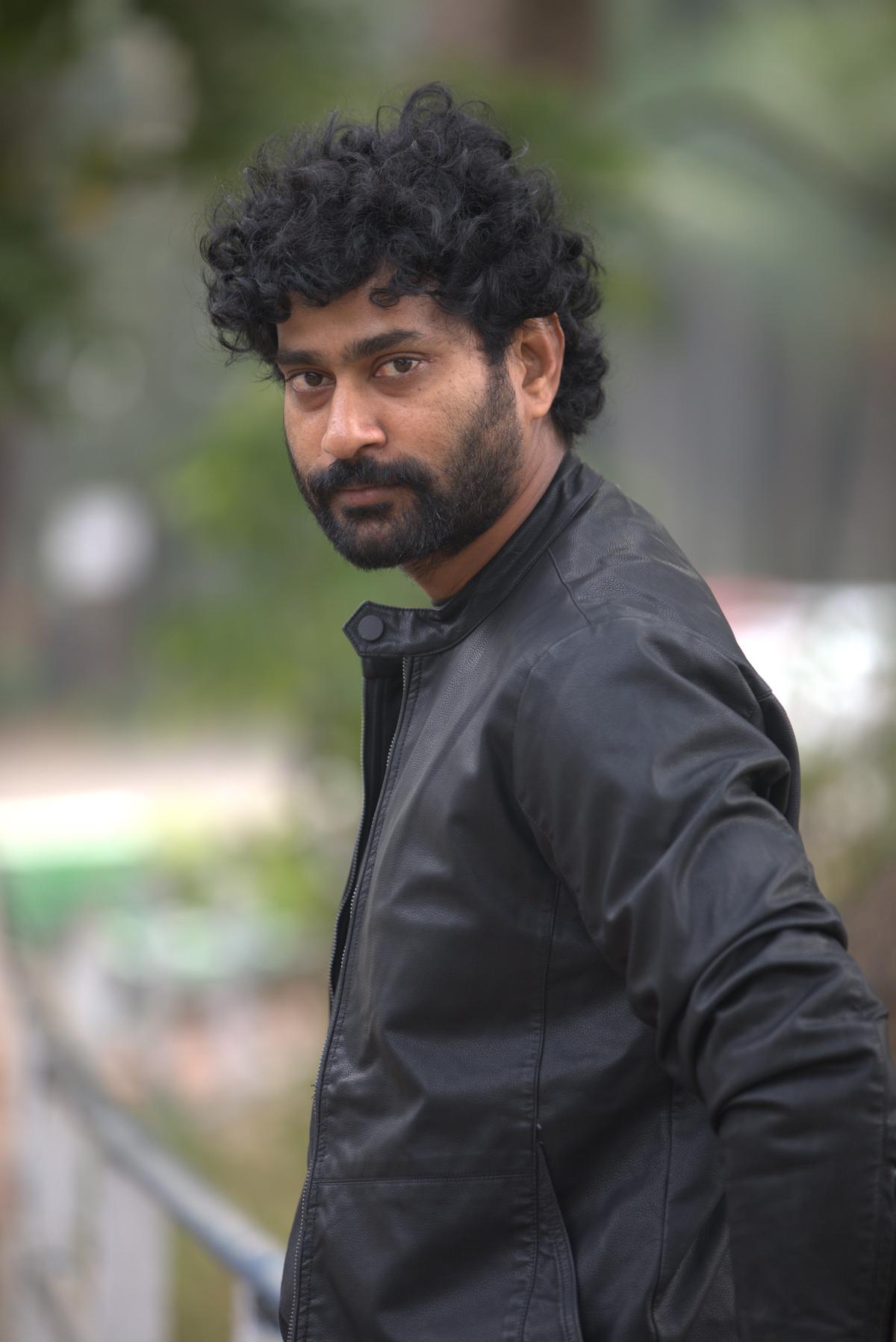
Nandini Reddy, director

“I was brought up by my maternal family in Telangana, so Sankranti was largely about kites. I remember being on the terrace with friends and family, flying kites all day with music playing. Trips to Charminar to buy kites and manja were part of the ritual, as was running through lanes to catch drifting kites. I learnt early how to tie the string, roll the charkha, and manage different kinds of pench.”

Actor Thiruveer

Actor Thiruveer
| Photo Credit:
Special Arrangement

P. Thiruveer, actor

“I was born in Mamidpally, Nizamabad district, and moved to Hyderabad’s Old City after Class VI. My city memories of Sankranti revolve around building Gobbemma — collecting fresh cow dung, garika grass, and regi pandulu. In the village, the festival stretched over three days. Fresh bengal gram drying outside homes signalled Sankranti, meant for bobbatlu. I also remember nuvvulu rotte. On Kanuma, my father and I would walk to the village square to collect our share of mutton, measured by kuppa, carried home in a tiffin box. This year is special — it is our first Sankranti with our baby. In apartment life, I miss chariot muggu and asking the local English expert to write ‘Happy Sankranti’.”

Madhu Reddy, permaculture farmer

“Our apartment was among the first five-storeyed buildings in the area, so neighbours and friends gathered on our terrace to fly kites. I remember repairing torn kites with home-made glue, careful not to add weight. Food memories are bobbatlu and sakinalu. I grew up in Delhi and Goa, so Sankranti blends with Lohri — rewdi, bonfires, roasting hara channa, and long conversations about home.”

Rajeshwar Reddy, artist

“Sankranti brings families together and celebrates Nature’s bounty. I grew up in Vizianagaram, where decorated bulls, detailed muggus, and shared food marked the festival. My father, a folk artist, painted a new Sankranti scene every year — people, animals, food, and games — hung up as part of the celebration.”

Annapurna Madipadiga

Annapurna Madipadiga

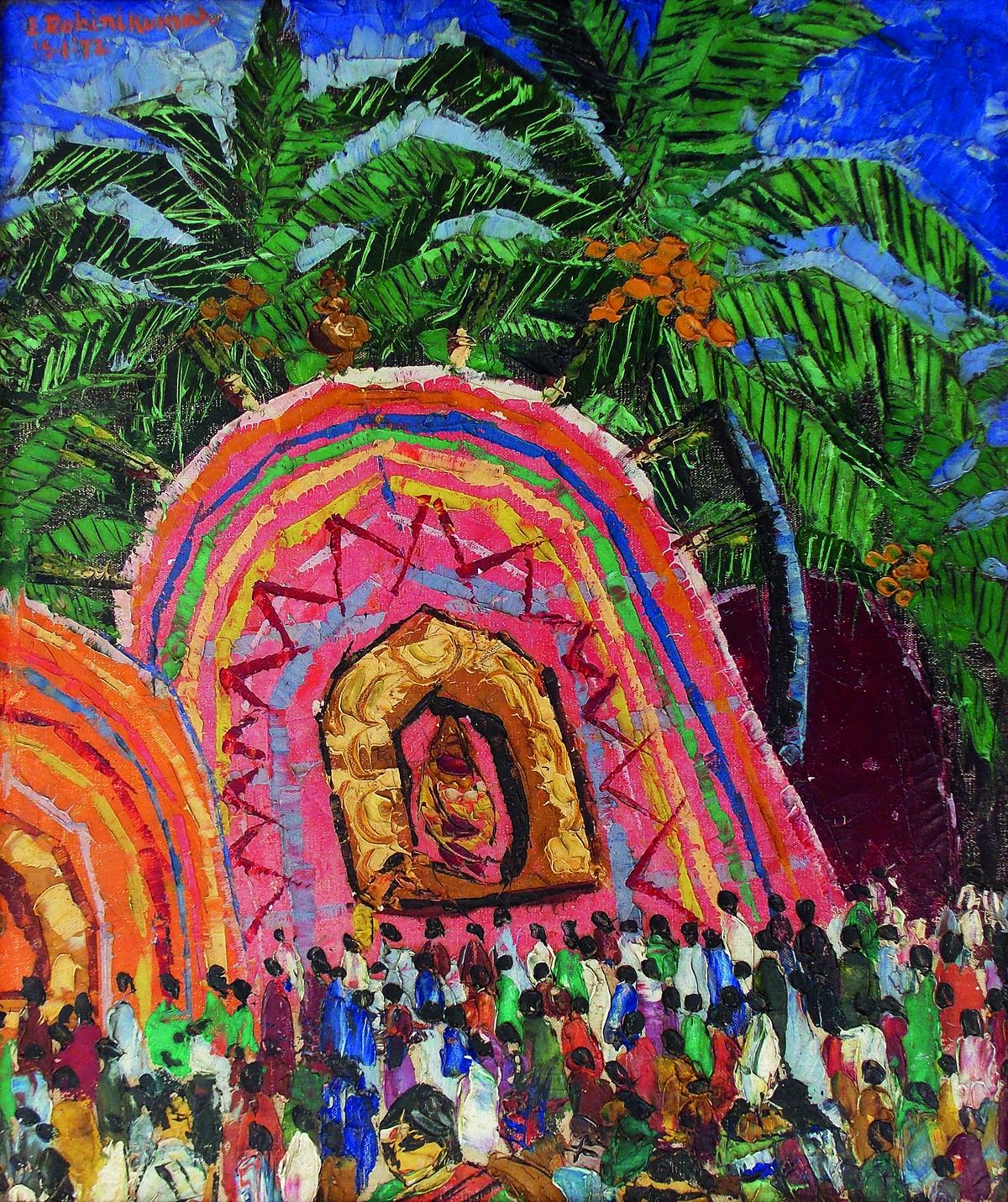
Depiction of Prabhala Theertham by E Rohini Kumar

Depiction of Prabhala Theertham by E Rohini Kumar

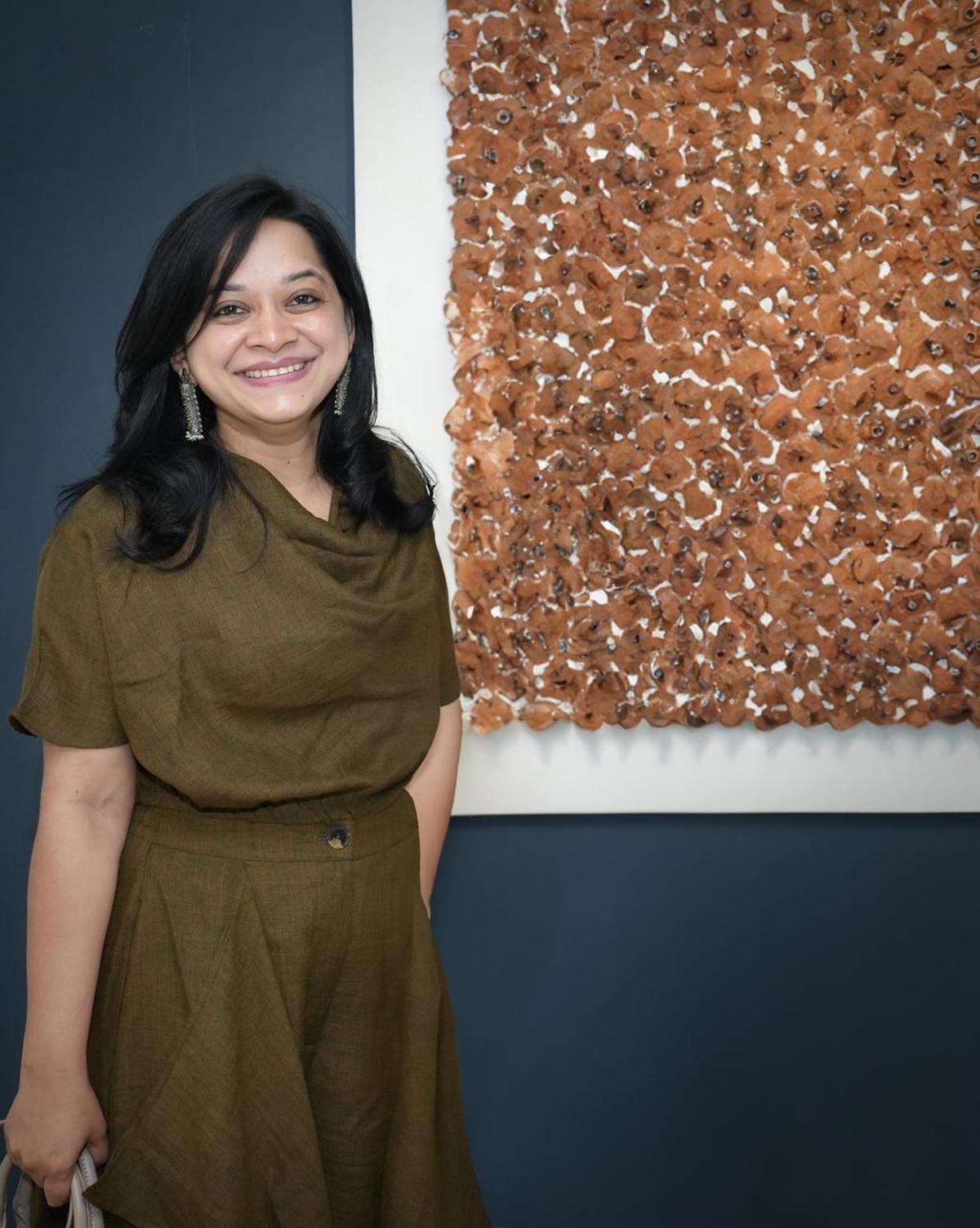
Annapurna Madipadiga, art curator

“My father moved from Sakuru in East Godavari to Hyderabad for studies, but after turning 60, he built a house in the village. Every Sankranti, we return to meet cousins and extended family. My mother would make pottikka buttalu, a dish we ate only then. Our small village, dotted with coconut farms, turns festive during Prabhala Theertham, when colourful structures are carried between villages. These traditions continue. I also have a painting by my father, E. Rohini Kumar, that captures the spirit of the festival.”


Source link