Life & Style

Why the ownership vs. access economy debate is not a simple one


On an otherwise unremarkable Friday in July 2009, amazon.com executed a digital disappearing act, silently removing two books from every Kindle e-reader across the United States. The rationale offered — improper addition by a publisher — did little to quell the irony that these very texts, Animal Farm and 1984 by George Orwell, which explored themes of censorship and control, had themselves vanished into a digital “memory hole”. The incident starkly brought to light a fundamental truth of the digital age: the act of “buying” today is often less about ownership and more about acquiring a license, revocable at the whim of the provider. Amazon’s subsequent pledge against future silent deletions offered some reassurance, yet the e-commerce giant retained the rights to do so anyway.

Filmmaker Kabir Mehta, 34, experienced a similar digital dispossession around 2012. Leveraging a U.S.-based iTunes account through a relative, he had painstakingly uploaded his CD collection, trusting the software to recognise and integrate the tracks into his digital library legally. The launch of iTunes in India a few months later abruptly severed this access, localised contracts rendering his meticulously curated playlists blank. “I didn’t bother holding on to the physical versions of many tracks once I had added them to iTunes. I was quite devastated to see my library empty,” recounts the Goa-based director and screenwriter.

Kabir Mehta

Kabir Mehta
| Photo Credit:
Courtesy @kabirmehta

Mehta’s experience foreshadowed a broader trend. The traditional concept of ownership has become increasingly nuanced in the intervening years. Physical media such as DVDs have largely ceded ground to streaming platforms, personal music collections to subscription services, and tangible books to digital thumbnails. Simultaneously, external economic pressures and shifting lifestyles are reshaping our relationship with physical possessions. A 2024 TechSci Research report highlights a surge in renting, from homes and vehicles to electronics and furniture, driven by skyrocketing property prices, increasing mortgage rates, and a growing preference for flexible living arrangements.

“Cost of living has not matched up with salaries in the country, and a minimum living wage for all is still a far-fetched dream,” says Hyderabad-based economist Kumar Gautam. “A person with a dependent child finds it difficult to run their household even with a ₹1 lakh monthly paycheck — where does Gen Z even begin to plan for the future?” The economic strain is evident in the rising tide of consumer debt. According to TransUnion CIBIL, India’s outstanding credit card debt reached approximately ₹2.92 lakh crore as of last December, a significant jump from the previous year’s ₹2.53 lakh crore. In this unstable economic landscape, coupled with the relentless push of consumerism, the prospect of long-term investment feels increasingly distant for younger generations.

“It is only normal that we are more interested in consuming digitally — we have run out of mental and physical space to give tangible things the attention they deserve.”Shweta Kapur, 37Fashion designer and founder of Delhi-based ready-to-wear brand 431-88, who focuses on launching mindful capsule collections

Shweta Kapur

Shweta Kapur
| Photo Credit:
Courtesy @shwetakapur

The death knell of ownership

For generations, ownership was a key marker of success and stability. But today, it is dying out. Technology, economic stagnation, and consumer options have created an era of access, instead. And the allure of the access economy, with its promise of instant gratification and boundless options, is undeniably strong. “I have never had an issue with renting or subscribing to things, I don’t really think about what I will own 50 years from now — imagining even two decades into the future feels like an existential crisis,” says Haroon Sharma, 22, a college student from Ahmedabad, adding that he wants to be able to opt out, try new services, move to another city (if that’s better for his career) without the burden of ownership. “But not having the option of owning at all is not something any of us asked for,” he states, highlighting the inherent tension between the convenience of access and the potential loss of agency — think reduced choices, potentially higher prices, and a lack of transparency.

Bengaluru-based Sushmita Bhalerao, a corporate strategy analyst at Goldman Sachs, observes a fundamental shift in generational values, too. “While once owning something was the largest marker of financial security, the digital native generation has got comfortable with not keeping things for good.” She also points to the economic incentives driving this shift. “Most corporations have realised how financially beneficial subscription models can be in a capitalist economy. Keeping consumers on the hamster wheel, getting them to buy carelessly and buy more is a sure-shot way to keep making profits.” This corporate philosophy has manifested in eyebrow-raising ways, from BMW’s attempt to charge a subscription for heated seats in 2023 — a proposal the German car manufacturer abandoned after customers complained about having to pay $18 a month to use in-built features — to HP’s “Instant Ink” service, where users have to pay a monthly page allowance on their own printers.
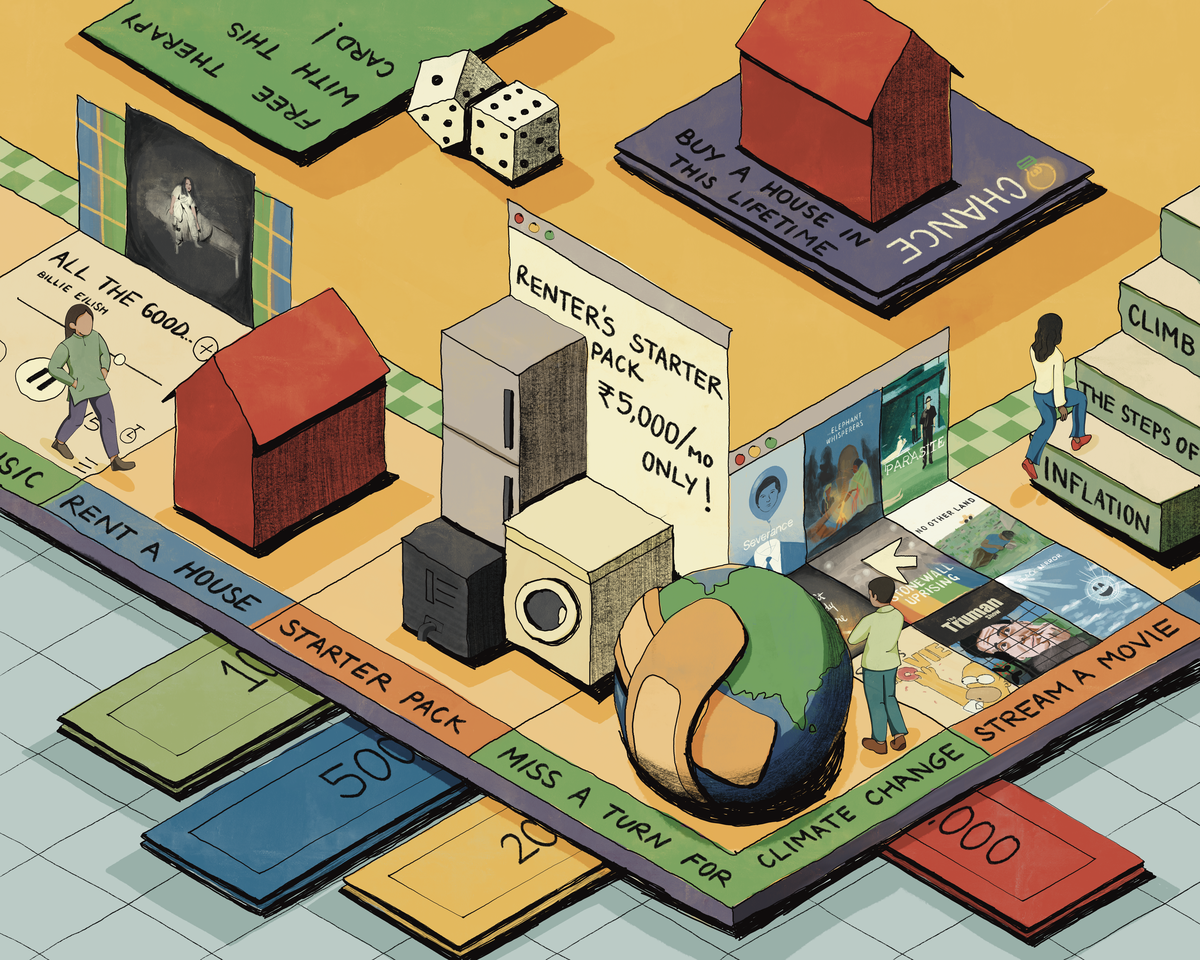
Technology, economic stagnation, and consumer options have created an era of access

Technology, economic stagnation, and consumer options have created an era of access
| Photo Credit:
Illustration: Srishti Ramakrishnan

The software industry was one of the early adopters of the subscription-based model. While it eliminated the need for upfront purchases, it also came with its own set of ‘expensive’ problems. “As a graphic design student, it is terrible not to have the option to buy software like Photoshop, Illustrator or InDesign. It costs about ₹734 per month for a single software, and about ₹1,916 per month for the bundle,” laments Saniya Kakkar, 23, a Mumbai-based graphic designer. Even user-friendly options such as Canva, which began with affordable subscriptions, have now amped up rates. Its Teams feature, which cost ₹4,000 for three users now charges the same fee for a single user.

We are slowly heading towards a world where “everything can only be borrowed”, warns Gautam. “And these costs never trail off. You keep paying for things consistently if you want them, down to the albums that store your photos,” adds the economist. This perpetual state of borrowing contributes to significant anxiety, particularly among younger demographics. “Even though most older generations assume younger people have it easier, this is adding to major financial anxiety alongside living in a politically volatile world,” notes Delhi-based mental health therapist Ruchi Ruuh.

Moreover, the constant influx of new digital content only fosters a sense of fleeting engagement. “We constantly need the newest thing… [to] signal our ‘status’. With digital purchases, we barely keep count of what we are buying, and we don’t use things to their full potential as much as we used to. We don’t reread a book or listen to the same track because so much more is available at our fingertips. We own so recklessly that nothing holds value,” she adds.

“I am a magpie for beauty, and wherever I find it, I pick up little pieces of joy, whether it’s clothes, art, books, jewellery, tchotchkes — anything that will physically remind me of the moments I have lived.”Kaustav Dey, 42VP of marketing for Tommy Hilfiger and Calvin Klein, based in Bengaluru, for whom travel experiences transcend digital documentation

Kaustav Dey

Kaustav Dey
| Photo Credit:
Courtesy @kaustav.dey

Nostalgia has its place

Delhi-based entrepreneur Kalyani Saha Chawla, 50, TV personality and founder of Rezon Luxury Silverware, has always understood the importance of permanence. “When I look at books from my grandparents, with the little handwritten messages on the opening pages, it speaks to me. With digital purchases, there is a lack of personalisation alongside a lack of control,” she observes. The ephemeral nature of digital ownership also breeds a sense of vulnerability. “We live with this fear that if there is a glitch in our cloud, we might lose all our photos, our memories of cherished moments.”

Shrimoyee Chakraborty, 35, advocates for a balanced approach, emphasising the importance of valuing the analogue world while embracing the benefits of the digital. “I do not have a television at home; I make sure to play the classics — from [Martin] Scorsese to [Satyajit] Ray — on a projector for my four-year-old daughter to grow up and appreciate our cultural inheritance,” says the Mumbai and London-based chef and flimmaker. “She can have an iPad and still value owning a film or art.”

Shrimoyee Chakraborty

Shrimoyee Chakraborty
| Photo Credit:
Courtesy @shrimoyeec

Meanwhile, Delhi-based fashion designer Mayyur Girotra, 44, is of the mind that in an increasingly digital world, the significance of tangible possessions is amplified. An idea cemented by the stone plate illustrations he sent for his New York Pride show invite recently. “Real luxury lies in permanence. Since we are obsessed with fast access, the things we can hold in our hands and hearts matter deeply,” he asserts.
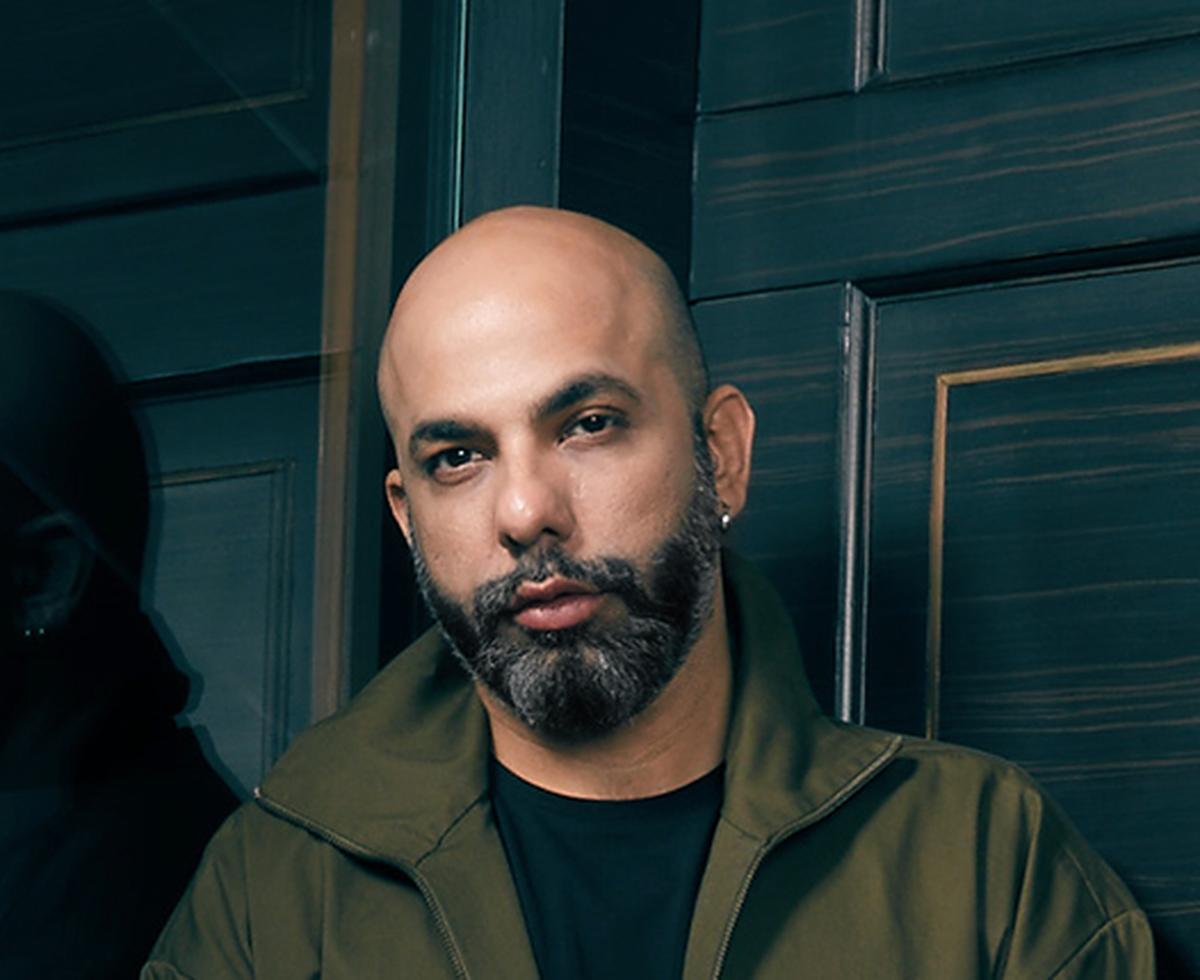
Mayyur Girotra

Mayyur Girotra
| Photo Credit:
Special arrangement

However, for many among Gen Z, this appreciation for tangible permanence feels increasingly out of reach. Anish Gawande, 28, a national spokesperson for an Indian political party, points to alarming economic indicators. “Savings are at a 50-year low, and most young Indians are borrowing to meet consumption expenditures, not to buy a house or gold.”

Anish Gawande

Anish Gawande
| Photo Credit:
Special arrangement

He believes these are clear markers of an upcoming global recession. “People invest in smaller luxuries when they can’t even plan on investing in a big-ticket purchase.”

“Previous generations did not have someone else constantly controlling their data. Nobody could swoop into my house and take away my copy of Rushdie’s Satanic Verses when it was banned for a while, for instance.”Kabir MehtaFilmmaker, highlighting the tangible security that physical ownership can afford

Shifting goalposts of life

Access economy, as news platform Medium put it last year, is “changing our economic incentives, our social behaviors, our family dynamics, and the nature of our communities. Some — most notably those who profit from the shift — argue this transition is creating a new level of freedom, flexibility and sustainability. But the truth is, we’re losing the economic mobility and stability that ownership traditionally provided.”

While the confluence of several factors are shaping this generational shift, “we must remember that the environment, the world and mainly the goalposts of life have moved”, says Pooja Dhingra, 38. The patissier and founder of Le15 India has witnessed the shift in consumer behaviour first-hand through her business. “Home ownership, financial security, and even building savings have all become much tougher. This impacts how we consume. There’s a focus on access because stability feels out of reach. Flexibility is survival.”

Pooja Dhingra

Pooja Dhingra
| Photo Credit:
Special arrangement

Research from the University of Warmia and Mazury in Olsztyn, Poland, supports this observation, projecting that Gen Z will likely achieve milestones such as first homeownership and starting families significantly later than previous generations, with a greater reliance on parental support. As 19-year-old IT intern Somaya Khatri says, “I’d like to own things just like my parents — I’d love to leave a record collection for my children. But right now, a Spotify subscription for ₹119 per month seems too good to forgo.”

Ultimately, the tension between ownership and access reflects deeper power dynamics. It’s no coincidence that prevailing forces discourage ownership at its core. The consolidation of land, culture, and even our digital memories in the hands of a few raises a fundamental question: in a post-ownership world, who do we belong to?

The Mumbai-based writer, artist and editor reports on fashion and culture.


Source link

Why birds are just like us


What is a bird? Textbook definitions would say ‘warm-blooded vertebrates that have feathers, toothless, beaked jaws and lay hard-shelled eggs’. But there is much more to them — their lives have enough drama, adventure, danger and romance to put a movie script to shame. And when you start looking at them closely, you realise there is a lot for you as a human to relate to.

One of the simplest joys of watching birds stems from the fact that they’re as unique and distinct as us. Let me start with food fads. Some birds such as the Oriental Honey Buzzard, well-adapted to prey on bee larvae, have a sweet tooth. Others such as the Hoopoe love some leisurely ‘me-time’, with sun-bathing an indispensable part of their routine. And many such as the Bar-headed Geese and Brahminy Shelducks — some of the highest flyers in the world, who can soar over Himalayan peaks — adhere strictly to a high-fibre diet of grass, putting your go-to fitness influencer to shame.

Daredevils assemble

Speaking of fitness, birds such as the Shaheen Falcon, the fastest bird in a dive, are born athletes. When it spots a target (often a luckless pigeon), it takes position and transforms into a missile, launching into its famed 390-kmph dive. Such is the impact of the dive that a mere touch of the talon is enough to take the life of the prey.

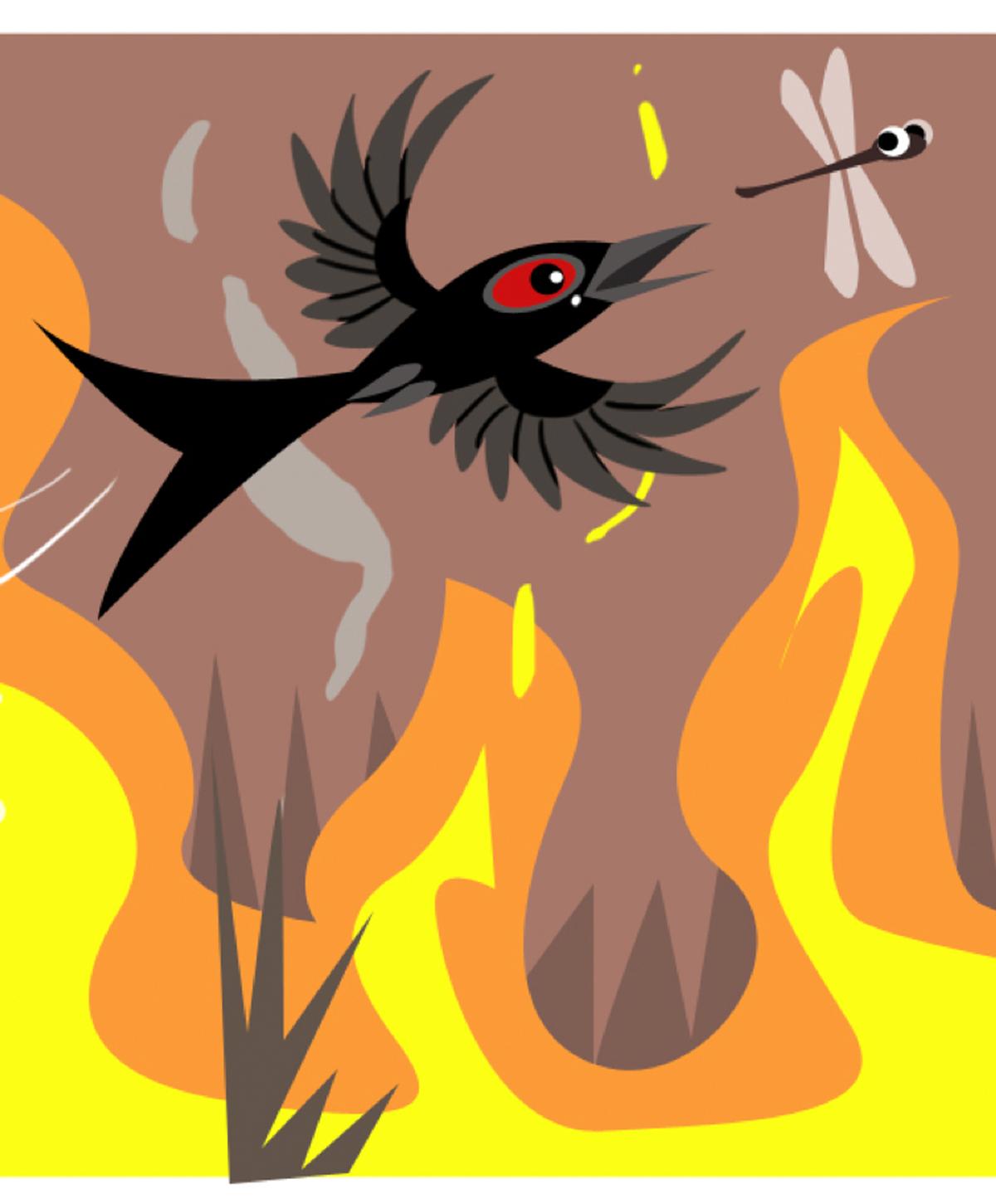
Birds are just as varied when it comes to perceptions of risk. The familiar Black Drongo is a daredevil that loves playing with fire — quite literally — using bushfires to its advantage by preying on insects that are disturbed by it. Ibisbills, however, prefer to play safe, pretending to be rocks along river rapids.

Black Drongo

Black Drongo
| Photo Credit:
Illustration: Rohan Chakravarty

Are you a hornbill or a rock pigeon?

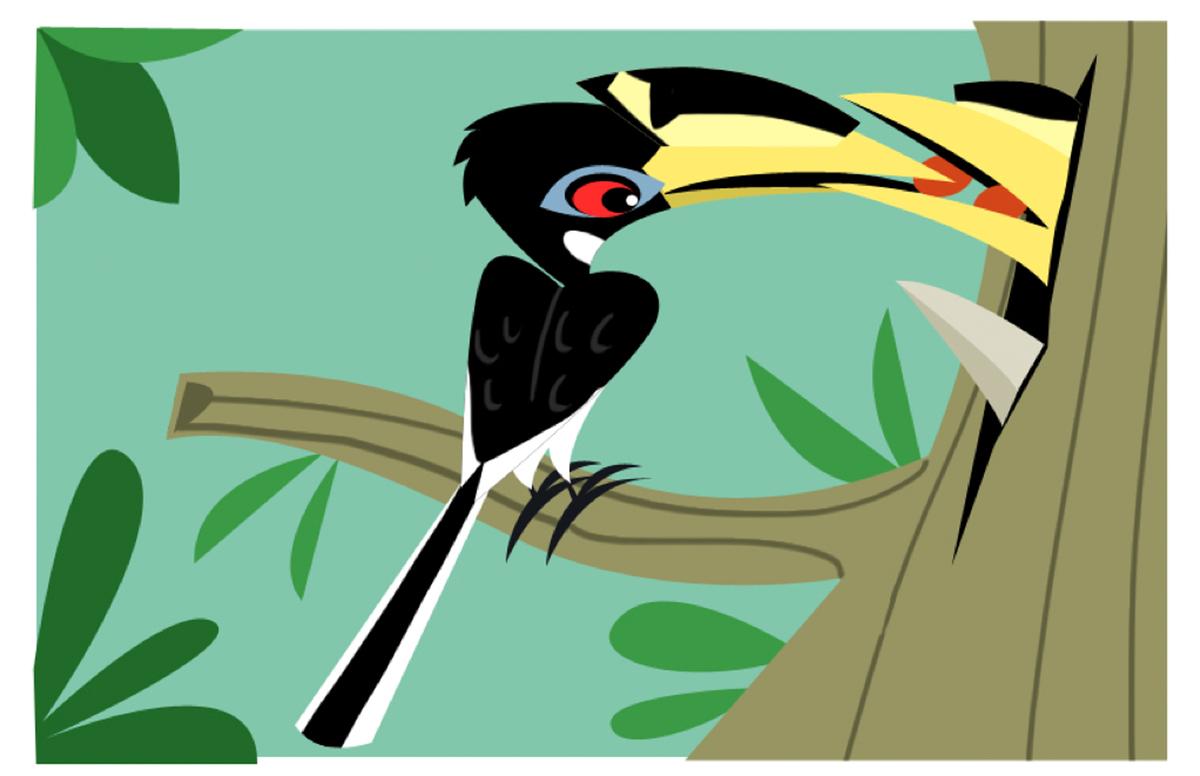
Bird parenting styles could fill a book (and their love lives are made for the movies, but more on that later). Hornbills make for overly devoted parents, with the mother sequestering herself in a tree hole when nesting, and the male working overtime to feed his mate and the growing chicks. Cuckoos, on the other hand, would make for embarrassing guests to have on a parenting podcast. Pied Cuckoos are considered harbingers of rain in India. The monsoon is also the time when the Jungle Babbler, the preferred host for this brood parasite, breeds. The cuckoo lays her egg in the babbler’s cup-shaped nest, and bids goodbye to any parental worries.

Hornbill parent

Hornbill parent
| Photo Credit:
Illustration: Rohan Chakravarty

Rock Pigeons bring the same lazy carelessness to their nests — shabby clusters of twigs put together half-heartedly — which look unworthy of even being called nests. Tailorbirds, in contrast, are skilled embroiderers meticulously stitching leaves together to build their famed nests.

Nature’s Romeos and Don Juans

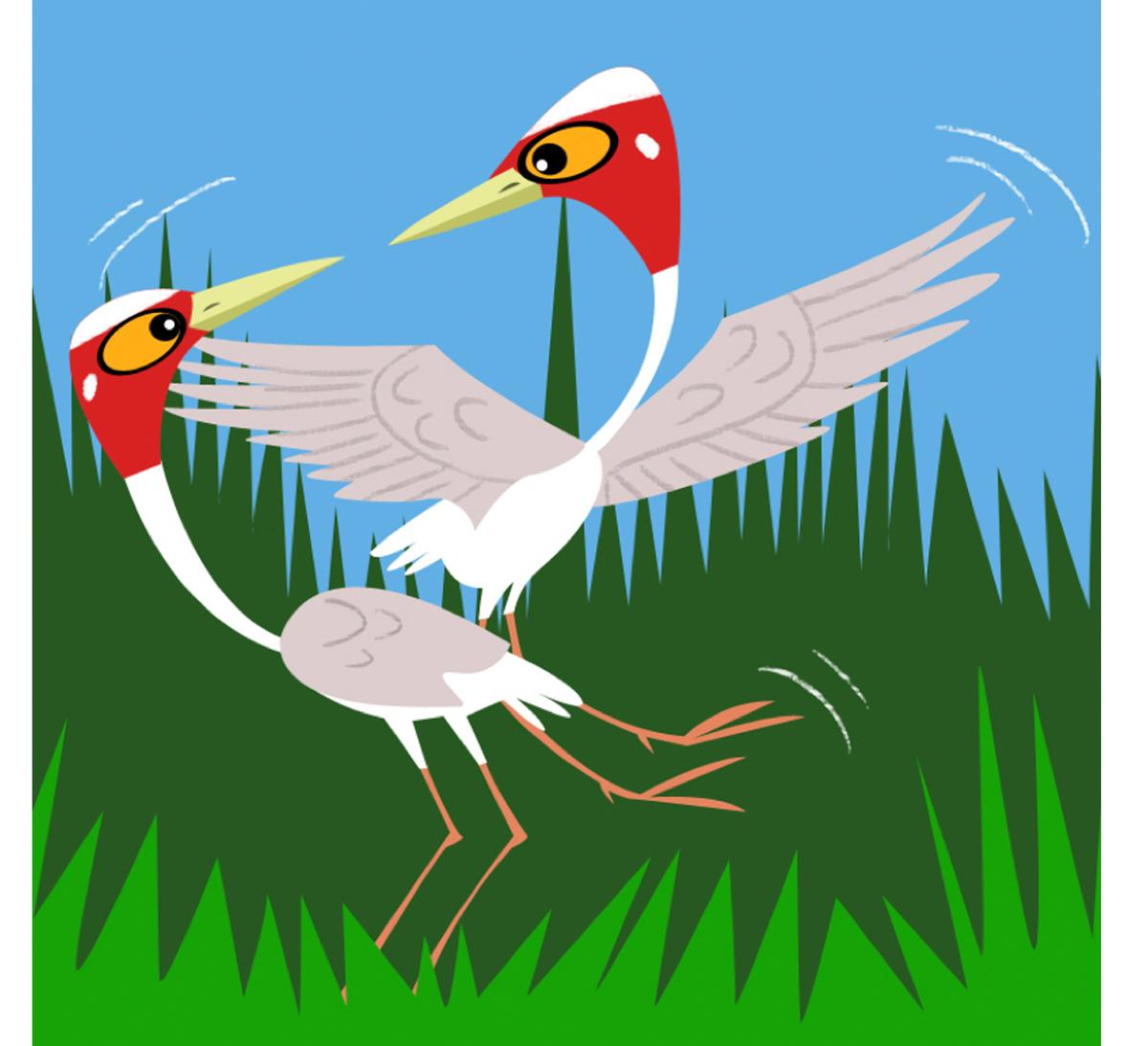
Speaking of feathered love, Sarus Cranes, the avian embodiment of cheesy romance and unwavering marital fidelity, are known to mate for life. Snipes and Phalaropes lead more bohemian lives, where females take multiple mates and leave the clutch in the males’ care, hopping over to her next Bumble date.

Sarus courtship

Sarus courtship
| Photo Credit:
Illustration: Rohan Chakravarty

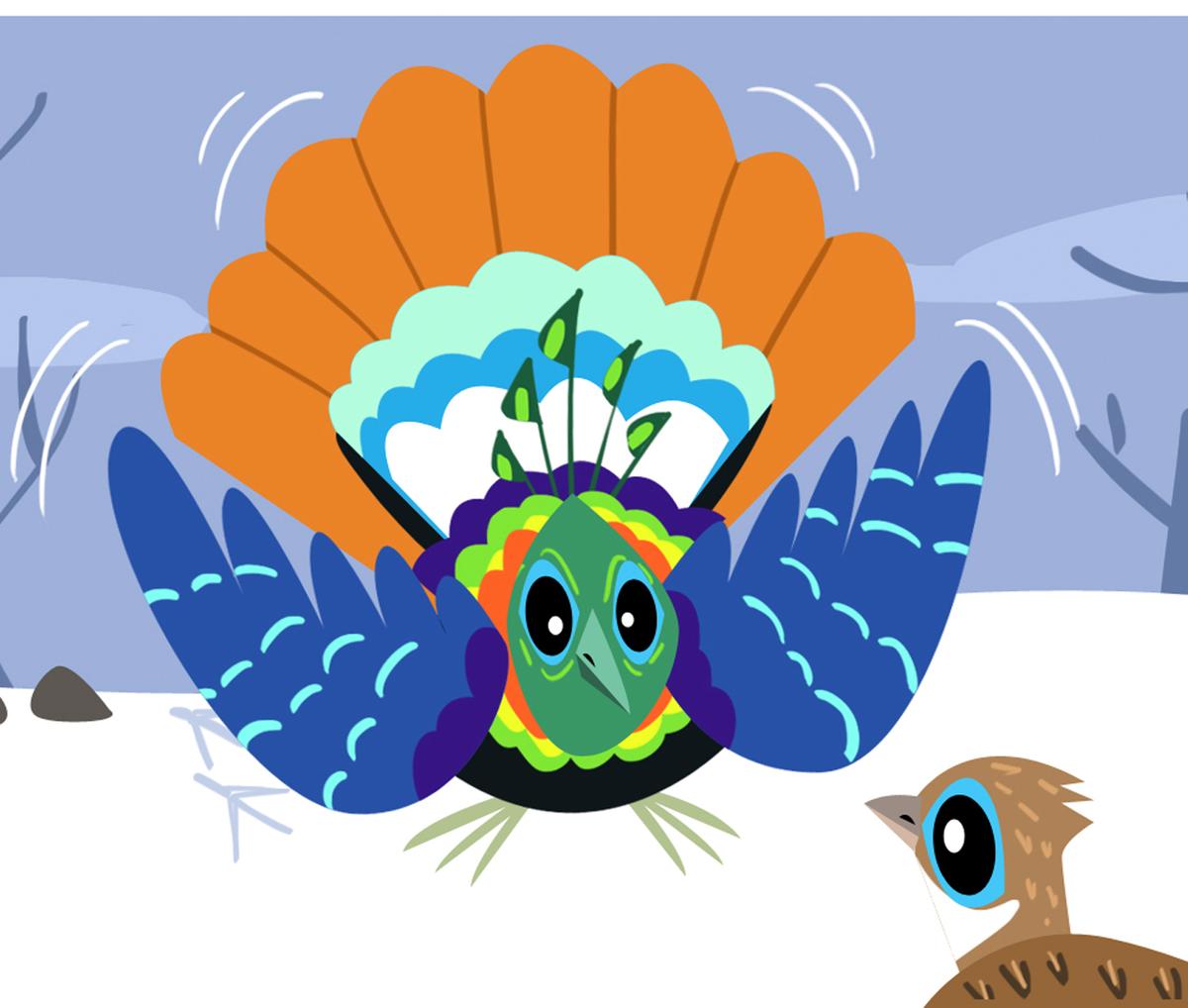
Pheasants like Monals and Tragopans come dressed in exquisite regalia and put on elaborate courtship displays of gleaming ornaments to woo females. But Nightjars sport drab plumages and blend perfectly with their surroundings to evade attention, just like me at family weddings.

Himalayan Monal

Himalayan Monal
| Photo Credit:
Illustration: Rohan Chakravarty

Left or right, pick your side

Not all birds fly undercover though. Malabar Whistling Thrushes are musical prodigies, and are not shy of flaunting their skill. You know you are in the Western Ghats when the melodious whistle of the thrush reverberates through the hills. Such is its human quality that it led ornithologist Salim Ali to nickname the bird ‘whistling schoolboy’.

Art, in the avian world, goes beyond music. Artisans among birds, such as the Baya Weaver, can put even the most diligent traditional media artists to shame, making over 500 trips to complete making their pendulous nests. Others, including remorseless thieves such as the Skuas. who happily steal a tern’s hard-earned lunch, evoke the image of wannabe artists on social media using generative AI to make ‘art’.

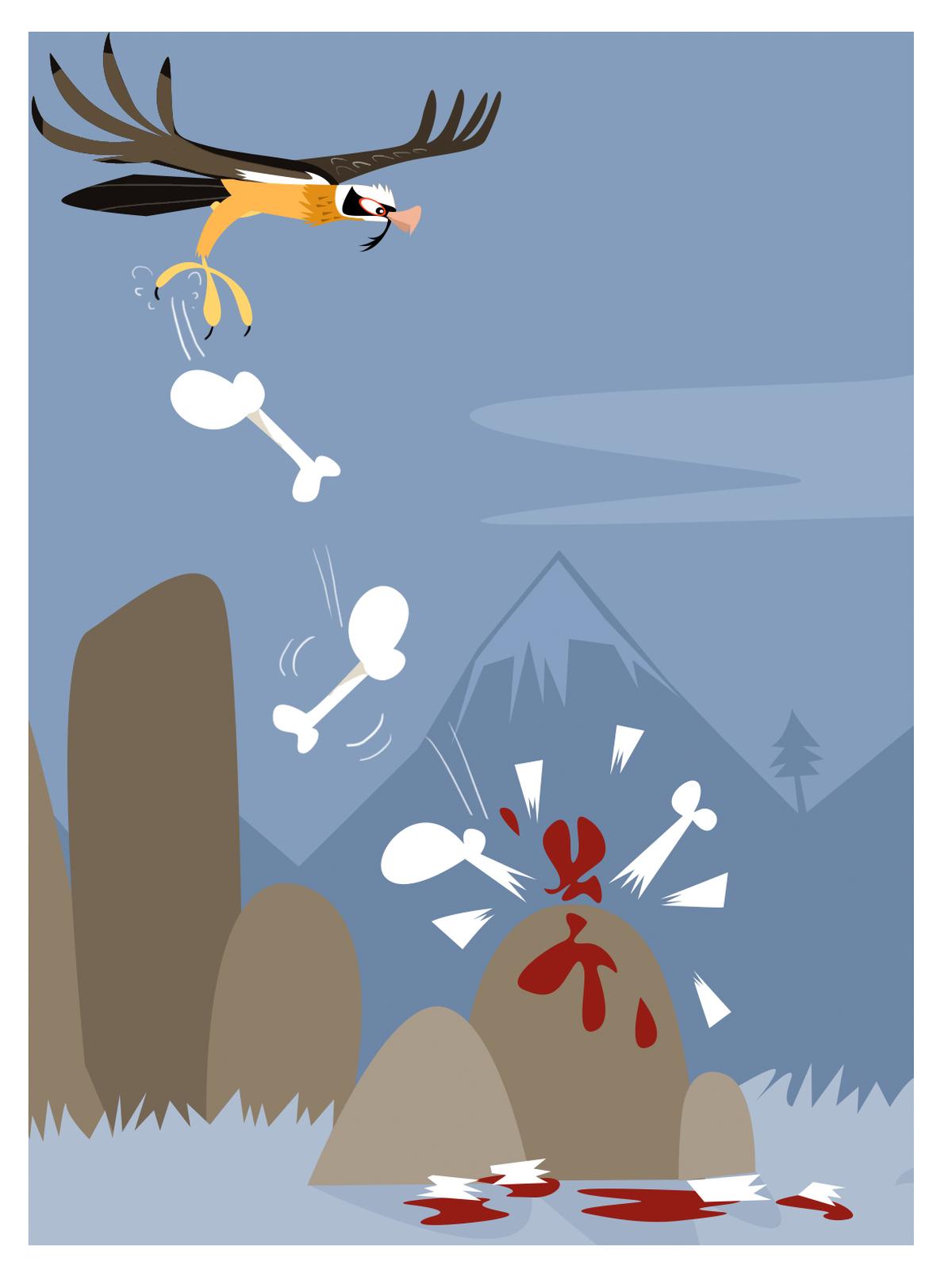
Other pursuits smack of left brain savants. Bearded Vultures are maths and physics wiz kids — their manoeuvre of carrying bones from a carcass and dropping them from the right height and angulation over rocks to crack them open and feast on the marrow, takes up to seven years to master.

Bearded Vulture

Bearded Vulture
| Photo Credit:
Illustration: Rohan Chakravarty

Bird watching, a silent rebellion

Do birds have hobbies and passions? Some live the gourmet life, and use precision cutlery for the diet of their choice. Case in point: the Asian Openbill’s carefully designed bill gap, suited exclusively for sliding the bodies of snails off their shells. Other close cousins of the same stork, the Adjutants, will eat absolutely anything that they can catch, and even scavenge readily. If you have a penchant for killing houseplants with unintended neglect, flowerpeckers, India’s smallest birds, are who you need to turn to for advice. These nano-sized gardeners plant mistletoes all around our forests, and have devised novel and clever ways to do so. As the bird pecks at the mistletoe flower for nectar, the petals pop open scattering pollen all over the bird’s face, which it dutifully deposits on the next flower it visits.It also eats ripe miseltoe fruit, and when ingested, these pass through the gut rapidly, prompting the bird to wipe its rear end awkwardly against the bark to detach the seed enclosed in sticky sap. Both these events happen to be part of nature’s grand horticultural plan – planting the mistletoe seed directly on the host tree.

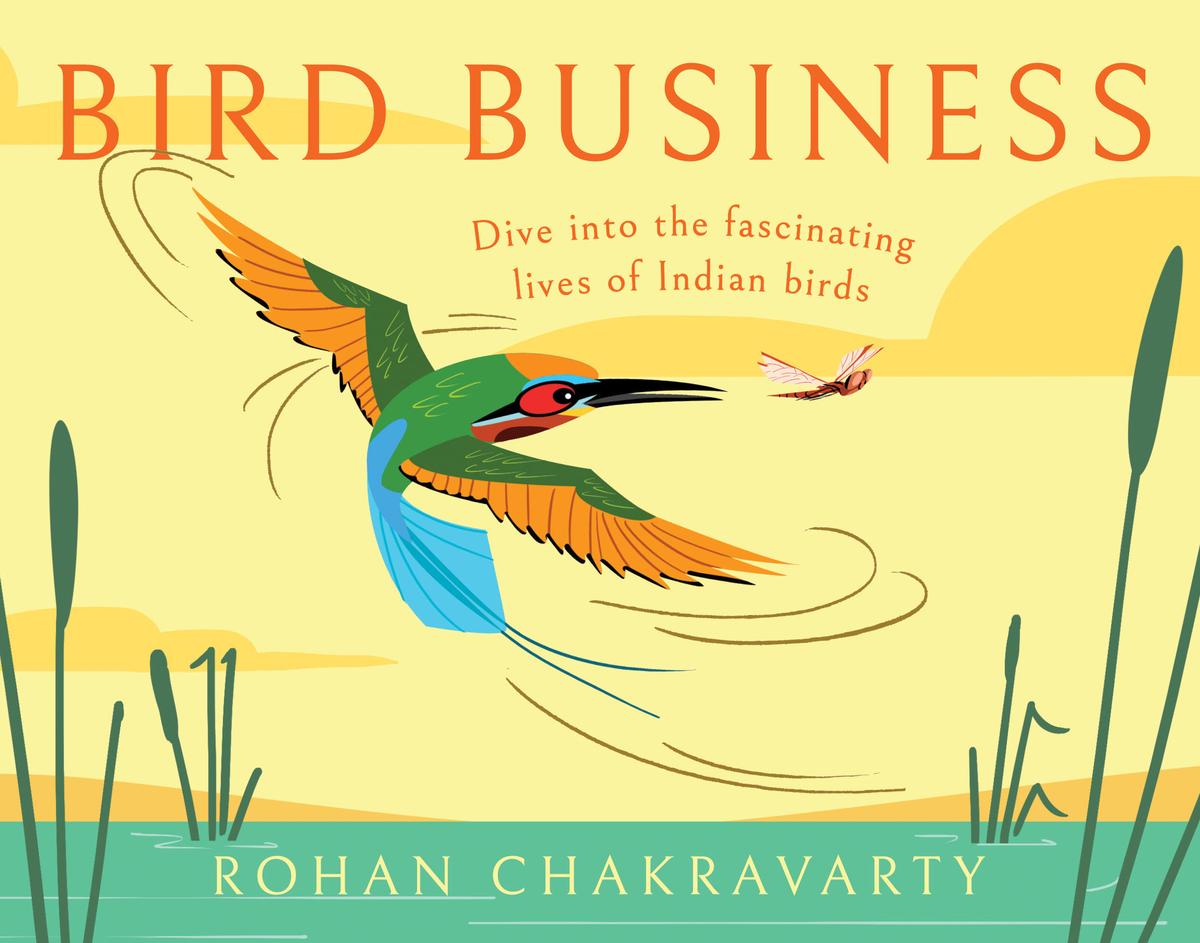
Rohan Chakravarty’s new book, Bird Business

Rohan Chakravarty’s new book, Bird Business

Social behaviours are just as varied. Racket-tailed Drongos that mimic other birds and initiate the formation of mixed species feeding flocks, love a good party. Pittas prefer solitude. While some like the Indian Scimitar Babblers can chat incessantly, others like the Yellow-crowned Woodpecker are great listeners, and can often be seen placing their ears against trees to listen for ants inside the bark, before they start hammering it. Birds such as the leaf warblers seem to have a hyperactivity problem, constantly and restlessly flitting about from leaf to leaf, often to the annoyance of a birdwatcher trying to get a good look, because they’re also a nightmare to identify correctly! Herons have probably taught samurais the virtues of patience — they can standstill for hours before striking potential prey.

Birds come with an astonishing variety of features and traits spread across families and genera, making even the most closely related species distinctly unique from one another, thanks to minor evolutionary tweaks. The Brahminy and the Black Kites are close cousins on the evolutionary tree. But a simple tweak in design — the fork in its tail — has made the latter a master of exploiting scavenging opportunities even in densely populated urban settings, while the Brahminy Kite lags. That’s thanks to the sheer range of stunts and manoeuvres this feature supports.

In an age where gadgets command our constant attention, and when our attention spans, and how we are entertained and informed, are commanded by technocratic corporations, the act of sitting by a lake and observing a reed bird for as long as you wish, feels like a silent rebellion to me. It is this rebellion that I invite you all to participate in with me.

The writer, cartoonist and naturalist’s new book, Bird Business (Juggernaut Books), is out on May 10.


Source link

Kodaikanal | It takes a village to protect the Western Ghat’s Sky Islands


Heading into the hills of Kodaikanal in the middle of balmy April was already a treat. Then, to sit on the lush grounds of a boutique hotel with nearly 150 people, the cool air speckled with a light drizzle, listening to ‘Music from the Mountains to the Skies’, was simply magical.

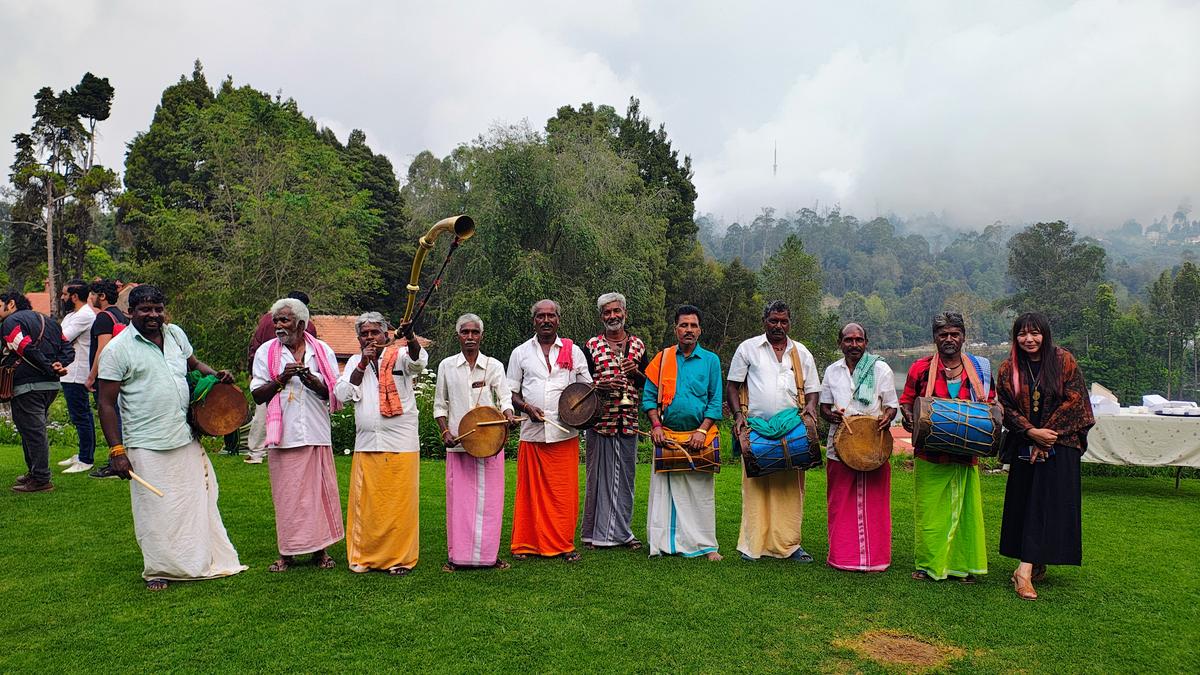
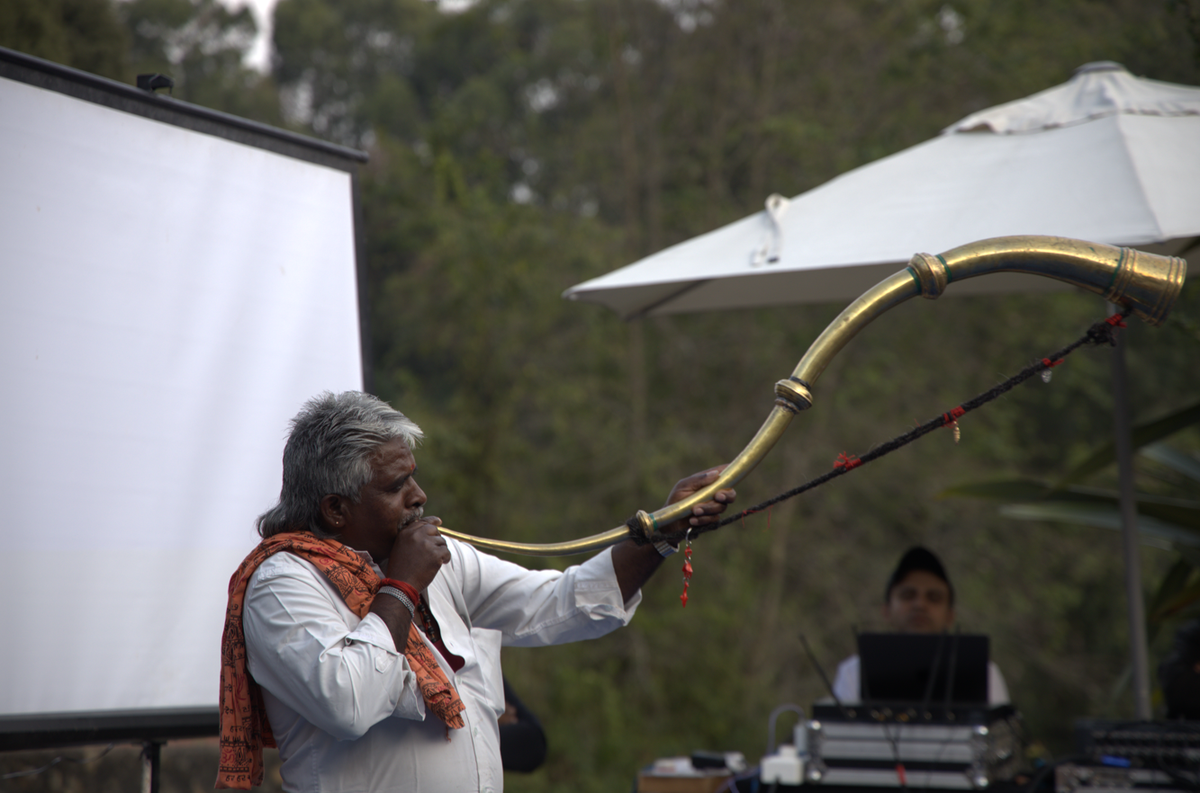
The unique concert held at Mountain Retreat Kodai against the starry evening sky, kicked off with the sonic stylings of the Dindigul Mavattam Kodaikanal Poombarai Gramiya Kalai Kuzhu. The band of nine musicians of the indigenous Arunthatiyar community played their traditional percussion and wind instruments, including the kombu, an S-shaped brass instrument that looks like an elephant’s raised trunk.

Members of the Dindigul Mavattam Kodaikanal Poombarai Gramiya Kalai Kuzhu with Mary Therese Kurkalang (far right), consultant for Sky Islands

Members of the Dindigul Mavattam Kodaikanal Poombarai Gramiya Kalai Kuzhu with Mary Therese Kurkalang (far right), consultant for Sky Islands

A musician playing the kombu

A musician playing the kombu

They were followed by singer Seema Ramchandani, a Kodaikanal resident and formerly of the pop band Viva, who belted out covers of Joni Mitchell to Jason Mraz. Finally, lit by spotlight and moonlight, indie artist Suman Sridhar closed off the show with her original songs that blend jazz, Indian classical music, spoken word, opera and Afro-beat. She concluded her set with her underground hit Plastic, a track that is Sridhar’s commentary on the increasing plastic pollution around us.

Suman Sridhar

Suman Sridhar

The concert marked the launch of Sky Islands, an independent digital platform that “aims to connect communities across the Western Ghats towards engagement, action and storytelling”. Rajni George, its founding editor and publisher, thinks of the hill station in Tamil Nadu “as a special place” having grown up here.

Rajni George

Rajni George

Nearly two decades ago, the widespread protests against the Hindustan Unilever mercury contamination of the area was her first memory of local groups “proactively coming together to stop Kodaikanal going the way of other hill stations around India”. Inspired by this formidable older generation who took on industry and the state, George started looking around for others to band together “to preserve and protect” their piece of the earth.

Speaking of their experiences

George brought her experience and connections from the publishing and media field into play, and since 2021, along with editor-writer Neha Sumitran, “ran a hyperlocal publication called The Kodai Chronicle to speak of the environmental degradation as well as the amazing things happening in this region”. After four years of running it, George wanted to bring other citizen-led conservation and care to the centrestage, and so she decided that while the Chronicle’s website will remain as “an archive for the hyperlocal stories”, the new Sky Islands platform, administered by the Kodai Chronicle Trust, will mature this vision.

‘Sky islands’ are geographically isolated high-elevation regions that have distinct flora and fauna from its lower-elevation surroundings. Like islands, “they’re cut-off but still share so much”. For George, the poetry and potential of this name was the reason for adopting it for the platform. With it, she seeks to bring together stakeholders along the Western Ghats — from the Nilgiris and Anamalais (Eravikulam, Munnar, and Meeshapuli mountains), to Banasura Hills, Chembra Hills, the Palanis and more — to collectively share and pool ideas on conserving and celebrating the region.

Chinnamalai in the Western Ghats

Chinnamalai in the Western Ghats

She intends for “local news to be sustainably reported from the perspective of lived experiences”, to bring more adivasi voices into the debates on what should be going on in the hills, and become a confluence of the larger community taking on the environmental fight, to take ownership of their island. “Each month, we will publish an audio format and longform story from the region, which speak directly to issues and initiatives that affect the people living here. There will be an ‘engage’ section, which will highlight the various citizen conservation campaigns and map out the opportunities for the people of the Western Ghats to take part. Sky Islands will also run outreach programmes and workshops led by indigenous and other environmental stakeholders to help locals navigate the bureaucracy to make change happen,” she explains.

Opening up the mandate to spotlight the entire region means that the platform can access a larger pool of resources, financially and people-wise. They’ll be networking with independent researchers and environmentalists, private organisations and government bodies and as a node for important information. “With Sky Islands, we’re helping locals across the Western Ghats feel ownership and engage with conservation initiatives in their regions,” she says. For instance, the day after the fundraising concert, Murgeshwari, a contributing writer and a daily wage agricultural labourer from the Paliyar adivasi community, conducted an outreach programme. “She spoke to schoolchildren in Kodai about the importance of the forest to the indigenous way of life and taught them songs as well,” says George.

Murgeshwari

Murgeshwari

Adivasi voices

Over the years that Murgeshwari reported for The Kodai Chronicle and now Sky islands, she found herself being able to tell stories that are often missed by the mainstream media. Now, with a grant from Shared Ecologies, a programme by the non-profit Shyama Foundation, to continue writing from her lived experience as one of the original indigenous stakeholders, she says it “gives me a sense of self-respect, and allows me to provide for my four-year-old son without constant worry”. “While previously, I’ve focused on writing about my own community’s challenges with the outside world, the expanded focus of Sky Islands allows me to swap the knowledge that the many adivasi communities hold about the forests and this land, and present it to one another and the world.”

She believes that involving the adivasi stakeholders in protecting these regions is the only way forward. “We’ve absorbed the knowledge about the forests. We can tell things by looking at a leaf or the sky,” she says, highlighting the importance of passing on this knowledge. “If people know, they will care.” For her, conservation policies are well-meaning and well-intentioned, but aren’t enforced at all. “Each time I see garbage in bins shaped like the Indian Gaur, it breaks my heart. Who thought of this? Does it really translate the message,” she asks.

Connecting stakeholders

The common-sense learning over these several decades of conservation work has been that the fight must be tailored to the region. “It’s important to distinguish between the footprint of the capitalist-industrial complex and those of individuals,” says restorationist and rewilder Suprabha Seshan of Wayanad’s Gurukula Periyar Botanical Sanctuary. She points out that blame can’t be equally shared between these categories “because the destruction of these bio-diverse regions are being done with impunity by the former hand-in-hand with the state”. She has spent a lifetime marking out this difference, but “it hasn’t caused much dent”.

If people take ownership of the lands around them, however, mainstream conservation discourse will step outside of the “individual blame game” towards encouraging cooperation and community living. “First, we need to protect what exists before beginning to restore what has been destroyed,” says Seshan, who, for over two decades, has been working with the botanical sanctuary to fight species extinction. They run “search-and-rescue operations” for native plants, “bring them back and multiply them”, and if the “climate and the social climate allow, they would return these plants to the sites of origin”.

Suprabha Seshan speaking at the Sky Islands launch

Suprabha Seshan speaking at the Sky Islands launch

Highlighting these local conservation initiatives, compounding their impact and connecting stakeholders of the Western Ghat are some of the tasks laid out by Sky Islands. “We need to understand what it means to cooperate in the long run because the odds against resilience are so high,” Seshan points out. And these kinds of locally-birthed, participative responses might just be another arrow in the quiver of saving the hills — and a guiding light to inspire other such special geographical regions in the country.

The writer and poet is based in Bengaluru.


Source link

Inside Orhan Pamuk’s dreamscape – The Hindu


Turkish Nobel laureate author Orhan Pamuk at his house in Istanbul.

Turkish Nobel laureate author Orhan Pamuk at his house in Istanbul.
| Photo Credit: AFP

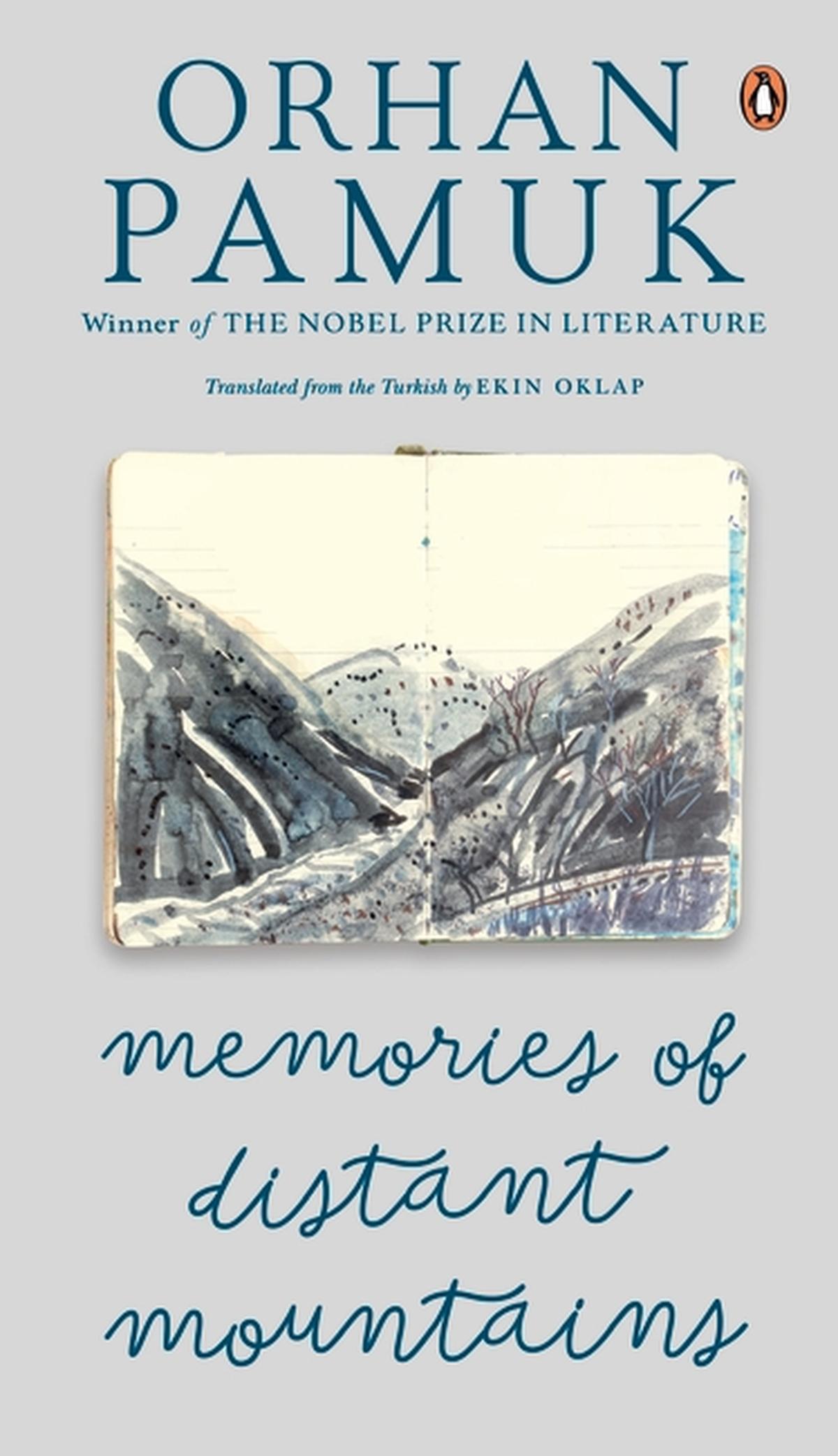
Turkish Nobel Laureate Orhan Pamuk has always dreamed of becoming a painter. In Memories of Distant Mountains, his recently launched memoir, he says, “At 22, I killed the painter inside of me and began writing novels.” This book features a selection from the illustrated notebooks he maintained from 2009 to 2022. Alongside journal entries, translations and commentary are colourful paintings of landscapes, ships, roads and monuments.

He talks about his country, the city of Istanbul, his travels to Jaipur and Goa and New York and many European cities, his relationships and his growing impatience with The Museum of Innocence, a museum he set up in Istanbul in 2012. Here, installations referenced the daily objects described in his eponymous novel. This was a productive period for Pamuk, when major novels A Strangeness in My Mind (2015) and Nights of Plague (2022) were published.

The back story

“Between the ages of 7 and 22, I thought I was going to be a painter. At 22, I killed the painter inside of me and began writing novels. In 2008, I walked into a stationery shop, bought two big bags of pencils, paints, and brushes, and began joyfully and timidly filling little sketchbooks with drawings and colours. The painter inside of me hadn’t died after all. But he was full of fears and terribly shy. I made all my drawings inside notebooks so that nobody would see them. I even felt a little guilty: surely this must mean I secretly deemed words insufficient. So why did I bother to write? None of these inhibitions slowed me down. I was eager to keep drawing, and drew wherever I could.”

Memories of Distant Mountains

Memories of Distant Mountains

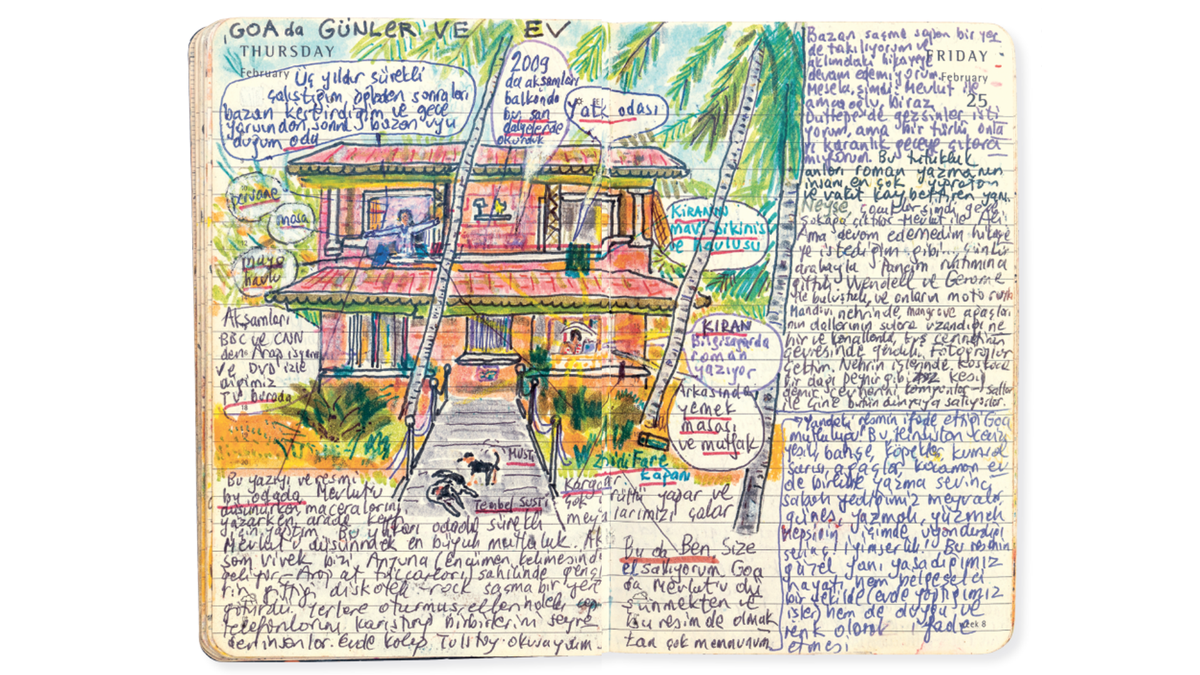
The house and daily life in Goa

“This is the room I’ve been steadily working in for the past three years, where I sometimes take naps in the afternoon, and where I occasionally go to sleep after midnight.” Pamuk spent several months in Goa from 2009 to 2011. He swam in the sea and continued to work on A Strangeness in My Mind in the mornings. In the evening he followed the events of the Arab Spring on TV and the uprisings led him to think about Nights of Plague.

Beyoğlu and Hacımemi Street

“It was Hacımemi Street. Small, two- or three-story houses with bay windows. These types of houses have always felt smothering to me. Then again, to have come for the first time to a place that feels so familiar, so recognizable. To have stumbled upon a street like this for the first time after having lived in this city for sixty-eight years… I have noticed on this walk that Beyoğlu is actually very lively; even on this coldest of winter days, there is plenty in the shop displays and behind restaurant windows to keep the passerby occupied.

I drew the bricks on this wall here one by one, and I’d like to think about that a little more. As I placed, drew, and coloured each brick, I was as happy as a child. But it also felt like filling in a colouring book. Istiklal Street, Yüksek Kaldırım Street, and the Galata Tower are just ahead.”

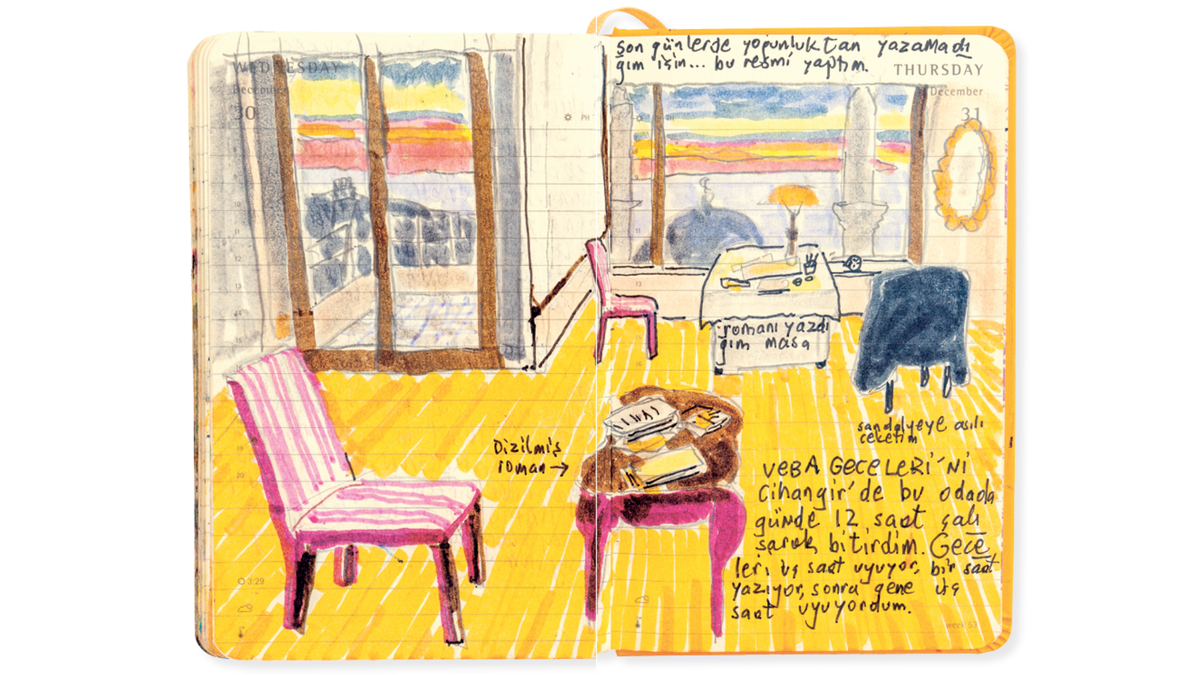
It’s a wrap

“As I’ve been too busy these past few days to write in here… I’ve drawn this picture instead.

I finished Nights of Plague in this room in Cihangir, writing for 12 hours every day. At night I would sleep for three hours, then write for an hour, then go back to sleep for another hour.”

William Blake and I

Reasons I identify with the romantic painter poet WILLIAM BLAKE:

* he likes flames and fires

* he writes, and he paints

* words and images mingle on the page

* he sees the page as a whole

* he uses the branches of a tree to split up the page

* he envisions everything on the page

* he sees words and images together

Edited excerpts from Memories of Distant Mountains with permission from Penguin Random House India. 


Source link

Bill Gates to donate 99% of his wealth— What will his children actually inherit? |


Bill Gates to donate 99% of his wealth— What will his children actually inherit?
FILE — Bill Gates (Calla Kessler/The New York Times)

Tech billionaire and Microsoft co-founder Bill Gates is known for his philanthropic works across the world. And on May 8, Gates announced that he will donate his remaining 99% wealth to the Bill and Melinda Gates Foundation in the next 20 years. He also shared that the Gates Foundation would close its operations by 2045.Bill Gates, 69, has a personal wealth of $168 billion and this makes him the fifth richest man in the world, according to Bloomberg’s Billionaires’ Index.He posted about his decision on his personal blog. He wrote, “People will say a lot of things about me when I die, but I am determined that ‘he died rich’ will not be one of them… There are too many urgent problems to solve for me to hold onto resources that could be used to help people. That is why I have decided to give my money back to society much faster than I had originally planned.”The Bill and Melinda Gates Foundation supports many causes including global health and education; it has also made a sustained effort to eliminate poverty. According to Associated Press (AP), the foundation’s donation will be distributed over time, thus enabling it to spend an additional $200 billion over the next 20 years. This makes Gates’ pledge to donate his remaining wealth as one of the most significant philanthropic contributions ever made by an industrialist, surpassing even the historic donations of American titans like John D. Rockefeller and Andrew Carnegie.

How much wealth will Bill Gates’ children inherit?

Bill Gates and family

Bill Gates was married to Melinda French Gates for 27 years, and the duo got divorced in May 2021– a news that shocked the world. Bill Gates has three children with his ex-wife Melinda French Gates, namely– Jennifer Gates Nassar, Rory Gates, and Phoebe Gates.Over the years, Bill Gates has been quite vocal about his children not inheriting much of his wealth– and his reason will surprise you. Recently, he also spoke about this to Raj Shamani in an interview. Gates said, “Well, I think everybody gets to decide on that. In my case, my kids got a great upbringing, education, but less than 1% of the total wealth because I decided it wouldn’t be a favour to them. It’s not a dynasty. I’m not asking them to run Microsoft.I want to give them a chance to have their own earnings and success, be significant and not overshadowed by the incredible luck and good fortune I had.”Gates added, “Different families see that differently. I think the people who’ve made fortunes from technology are less dynastic and so they’ll even take their capital and give a lot of that away. You can have the view of giving away your capital or just giving away your earnings. And, of course, I love all philanthropy, but the tech sector is probably the most aggressive about giving most of it away.”What are your views on Bill Gates’ decision to give away only less than 1% of his wealth to his children? Tell us in the comments section below.

Drugs, Gambling, Regrets, Mistakes & Microsoft: Bill Gates Shares His Success Story | TOI Exclusive


Source link

Doing this ONE thing while sleeping can boost memory by 226%, scientists prove


Doing this ONE thing while sleeping can boost memory by 226%, scientists prove

Do you know that even while sleeping, our brains are doing a lot of amazing things? Right from repairing your immune system to increasing cognitive function, our brains are working extra hard in sleep.However, now, there is a way to boost your memory as much as 226% while you sleep! And how, you may ask? By simply breathing in pleasant fragrances in the night. Here’s how…

3

Sense of smellOur sense of smell is directly connected to the brain’s memory and emotional centers. Unlike other senses, which send signals through the brain’s thalamus, the olfactory system sends signals straight to the limbic system, which controls memory and emotions. This unique pathway means smells can strongly influence how our brain works, especially in areas related to learning and memory.Recently, scientists at the University of California, Irvine, tested this by exposing older adults (aged 60 to 85) to different natural fragrances while they slept. Using an odor diffuser, participants breathed in these scents for two hours each night over six months. The results were striking: those who received the full-strength fragrances showed a 226% improvement in memory tests compared to a control group that had very faint smells.How is this possible?During sleep, especially in the deep non-REM stages, our brain consolidates memories-meaning it sorts through the day’s information and stores important memories for the future. The study found that pleasant smells during sleep deepen slow-wave sleep, the most restful phase, which helps memory consolidation.

4

The fragrances don’t wake you up because the olfactory signals bypass the thalamus, so the brain doesn’t register the smells consciously. Instead, these scents subtly stimulate brain areas involved in memory, improving the brain’s ability to retain and recall information.Taking a closer look at the study43 healthy older adults participated, split into two groups: one received strong scents, the other very faint ones.Each night, participants used a diffuser with a different natural oil for two hours while sleeping.Memory was tested using the Rey Auditory Verbal Learning Test, a standard word recall test. Brain scans showed improved function in the left uncinate fasciculus, a brain pathway crucial for memory and learning, in those exposed to the scents.Why this is crucial informationMemory loss and cognitive decline are major concerns as people age. This study shows that a simple, low-cost method-olfactory enrichment during sleep-can significantly boost memory and brain function. It may even help delay or reduce risks of dementia and other neurological diseases.Unlike other memory-boosting techniques that require effort or lifestyle changes, this method works passively while you rest. It’s easy to do and could be a practical addition to daily routines, especially for older adults.So next time you prepare for bed, consider adding a soothing scent to your room. It might just help your brain remember more tomorrow.


Source link

Myth or reality: Eating eggs can boost hair growth?


Myth or reality: Eating eggs can boost hair growth?
Eggs contain essential nutrients like protein, biotin, zinc, and vitamins that contribute to hair health. Adequate protein intake supports hair structure and growth, while biotin aids in keratin production. Eggs can be a valuable addition to a balanced diet for promoting hair vitality, but they are not a standalone solution for hair loss or a miracle cure.

Hair growth is a concern for many people seeking healthier, fuller locks. From supplements and serums to home remedies and diet changes, the list of purported hair growth aids is long.Among these, eggs often come up as a natural, affordable option. But does eating eggs really boost hair growth, or is this just another beauty myth? Let’s examine the nutritional science behind eggs and their relationship to hair health to determine whether this claim is myth or reality.

Understanding hair growth

To assess whether eggs can influence hair growth, it helps to understand how hair grows. Hair follicles go through a natural cycle consisting of three phases:Anagen (growth phase): This can last from two to seven years and determines how long your hair grows.

istockphoto-1310189415-612x612

Catagen (transitional phase): A short phase that lasts a few weeks, where hair growth slows.Telogen (resting phase): Lasting about three months, this is when hair falls out and new growth begins.Hair is made mostly of keratin, a type of protein. For hair to grow optimally, the body requires adequate nutrients, especially proteins, vitamins, and minerals. Nutritional deficiencies can lead to hair thinning or loss.

Nutritional content of eggs

Eggs are considered one of nature’s most complete foods due to their impressive nutrient profile. Here are key components in eggs that relate directly or indirectly to hair health:Protein: A single large egg contains about 6 grams of high-quality protein. Since hair is primarily made of protein, dietary protein is essential for growth and repair.Biotin (Vitamin B7): Biotin is a B-complex vitamin that plays a key role in the production of keratin. One egg yolk contains about 10 micrograms of biotin, around one-third of the recommended daily intake.

istockphoto-1340214083-612x612

Zinc: Essential for tissue growth and repair, zinc helps maintain oil glands around the follicles. Eggs contain moderate amounts of zinc.Vitamin D: Some studies suggest that vitamin D may help create new hair follicles, though more research is needed. Eggs (especially the yolk) contain small amounts of this vitamin.Iron and selenium: Both are trace minerals found in eggs that contribute to healthy hair follicles.Lutein and zeaxanthin: Antioxidants in egg yolks that help protect cells from oxidative stress, which can impact hair and skin health.

The science: What research says

So, does eating eggs boost hair growth? Here’s what scientific evidence and experts suggest:Protein and hair growthNumerous studies confirm that protein deficiency can lead to hair loss. People who follow extremely low-protein diets may experience hair thinning. Eating protein-rich foods like eggs helps provide amino acids necessary for keratin production.Verdict: Reality, adequate protein supports hair structure and growth.Biotin’s roleBiotin supplementation is often recommended for hair thinning, and biotin deficiency is associated with hair loss. However, true biotin deficiency is rare, and in most healthy individuals, biotin intake from a balanced diet is sufficient.Moreover, many people take biotin supplements without clear evidence of deficiency, and the results are often inconclusive. Still, biotin from whole foods like eggs is absorbed more efficiently than supplements.Verdict: Reality (with nuance) – Biotin helps hair growth, but only in deficiency cases. Eggs provide a good natural source.Zinc, Selenium, and IronThese micronutrients contribute to healthy scalp and follicle function. Zinc deficiency, in particular, is linked with telogen effluvium, a common form of hair loss. Eggs contain these minerals, though not in very high amounts.Verdict: Reality, Eggs contribute to overall micronutrient intake that supports hair health.

Eggs as a complete food

While individual nutrients play roles in hair growth, it’s the synergistic effect of a nutrient-dense diet that matters most. Eggs offer a combination of essential nutrients, making them a convenient choice for promoting general hair and body health.Verdict: Reality – Eggs are part of a holistic diet that supports hair vitality.

Addressing the myth: Can Eggs alone regrow hair?

While eggs do contain nutrients beneficial for hair growth, it’s misleading to suggest they are a miracle cure. Hair growth is influenced by genetics, hormones, age, stress, and overall health. Nutritional support is important, but no single food can override other underlying issues like hormonal imbalances or medical conditions (e.g., alopecia areata or thyroid disorders).

istockphoto-2149913740-612x612

Moreover, eating excessive amounts of eggs may have downsides, such as increasing cholesterol intake for those with related health concerns. Balance is key.Verdict: Myth (in isolation) – Eggs alone won’t regrow hair or treat severe hair loss conditions.

How to incorporate Eggs for hair health

To use eggs effectively in your diet:Eat 3–5 eggs per week as part of a balanced diet.Pair with fruits and vegetables rich in vitamins A, C, and E for additional antioxidant support.Avoid raw eggs due to avidin, a protein that binds to biotin and reduces absorption. Cooked eggs deactivate avidin.

Hypothyroidism: What to eat and what to avoid

Some people also apply eggs topically to their hair as masks. While this can add temporary shine and conditioning, topical egg treatments are not scientifically proven to stimulate hair growth.

Myth or reality?

Eating eggs can support hair growth due to their protein and nutrient content – especially if you’re deficient in those nutrients. However, they are not a magic bullet. Hair health relies on a broad spectrum of dietary and lifestyle factors. When integrated into a well-rounded, nutrient-rich diet, eggs are a real asset to healthy hair, but they won’t work miracles on their own. Eating eggs supports hair growth as part of a healthy lifestyle, but they aren’t a standalone solution.


Source link

The easiest 10 minute home exercises to reduce belly fat!


Bicycle crunches target your upper and lower abs as well as your obliques (side muscles), making them very effective for trimming belly fat.

How to do it:

Lie on your back, lift your legs, and bend your knees at a 90-degree angle.

Place your hands behind your head.

Bring your right elbow toward your left knee while straightening your right leg.

Switch sides by bringing your left elbow to your right knee.

Continue alternating in a cycling motion for 30 seconds to 1 minute.

This exercise helps tone your core and burn calories.


Source link