Life & Style

A guide to the summer flowers that bloom in Chennai


Over a month ago, the brown, popcorn-like buds of the copper pod tree popped open for a spectacle. The tree brought us its delightful annual yellow surprise. During the first days of bloom, K Malathy, a conservancy worker in T Nagar, said that she was miffed. Years of sweeping and piling these floral blooms in a tricky little rickly pile, was getting somewhat boring, she said. “But I have to admit, it is pretty,” she said, when prompted.

The flowers of the chrome copper pods have long carpeted the roads of Chennai, signalling the arrival of summer. If you stand under one of these trees for long enough, the winds will bring you some of its offerings and dot your hair like a dishevelled garland. It is one of the many joys to take you through an otherwise unrelenting summer in the city. The copper pod however, is only one of the many flowering trees that come alive during these months. One can see the red peaks of a gulmohar tree, the orange of the Indian coral tree, the subtle purple of the pride of India tree and the grape-like buds of the Indian laburnum. Each flower demands an incantation from Keats. A thing of beauty is indeed a joy forever.
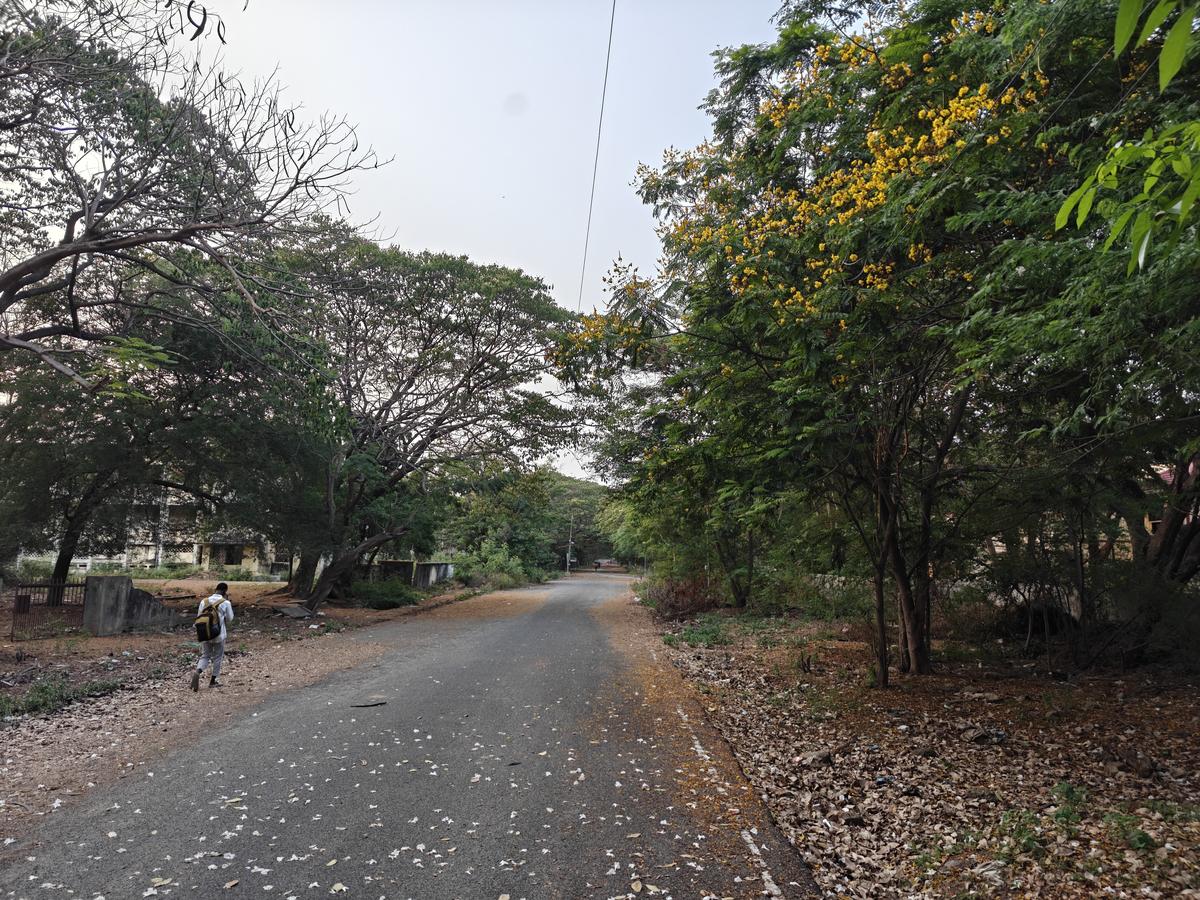
#FrameOfIndia Flowers post a summer shower

#FrameOfIndia Flowers post a summer shower
| Photo Credit:
S Shiva Raj

Pauline Deborah, an associate professor who has been teaching Botany at the Women’s Christian College, says that it may seem like some of these trees, like the gulmohar, are Indian. They have after all, been immortalised in Tamil pop culture through songs and stills. The tree’s original roots however, are in Madagascar.

She says that Colonial era botanists including Robert Wight, Hugh Cleghorn and Robert Brown imported seeds from various countries and grew them in the Agriculture Horticulture Society on Cathedral Road. Most of these trees with pretty flowers were ‘avenue trees’ brought in to ensure that the vistas of Madras would replicate a feeling similar to that of their homes in Britain and Scotland. That is when the likes of silver oaks were introduced to India.

Shobha Menon, the founder of Nizhal Trust, an NGO that has been working on urban tree conservation for decades, says that trees like gulmohar, perceived as rain trees in South America, were planted because they grew quickly. “In the process though, we have lost a lot of our native trees,” she says.
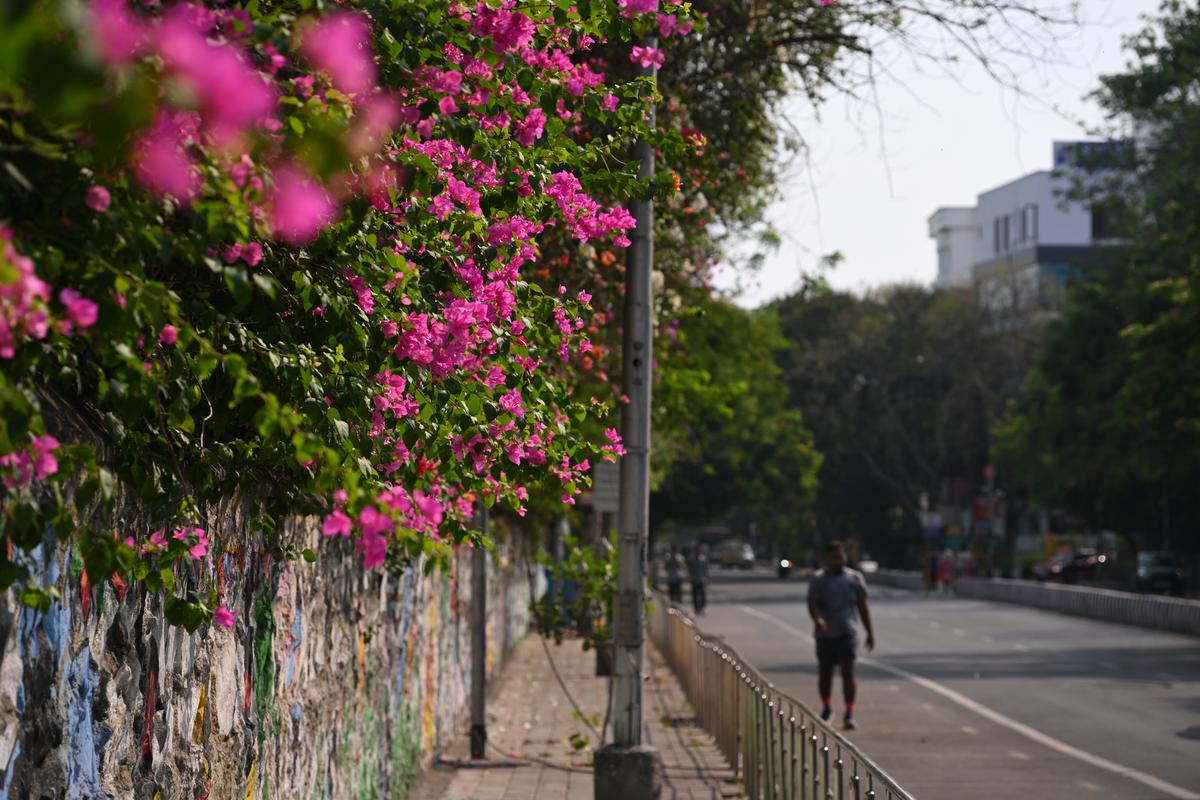
Bougainvillea shrubs

Bougainvillea shrubs
| Photo Credit:
S Shiva Raj

Walking through the Kotturpuram Urban Forest, she picks up a pride of India flower and hands it over. This bloom with its soft lilac petals reminds one of origami paper. Its panicle makes it hard to press in a notebook but the flower is one for keeps. The urban forest, located in the centre of the city is one of the many locations where 1,000 native and naturalised trees and flowers have been attentively planted and tended to. An active effort has been made to bring trees like the Kusum and the fig. “Both these trees came in a checked in baggage from Delhi. I had gone for a meeting and both these trees were small. I transferred my clothes into my hand luggage and brought the trees home,” she says, pointing to the stumps that have now metamorphosed into their full form.

Native trees do not necessarily have showy flowers. Take the neem for instance with tiny white speckles. Pauline says that trees like the Indian labernum, banyan, peepul, arjun and the pagoda have been actively planted by the Chennai Corporation and the Forest Department over the last 20 years. She helped curate a list that would provide shade, fruits for birds and also be aesthetic. “A cityscape needs a diverse, good mix,” she said.

The gulmohar flower

The gulmohar flower
| Photo Credit:
S Shiva Raj

N Niresh Kumar, Superintendent of Parks, Chennai Corporation, says that every year, they plant between a lakh and a lakh and a half trees in the city. Some are done in partnership with NGOs, others with companies, but most part of the State Government’s Green Tamil Nadu initiative. Since it is summer, they have halted their efforts. However, they will begin again in June, with the planting of small trees like the plumeria alba with white frangipani flowers and flowering shrubs like the bougainvillea in centre medians on busy roads. They will also be taking up planting initiatives at parks, canals, vacant lands, playgrounds and around ponds and lakes.

“We are planning to plant trees including the Spanish cherry (magizham), portia tree (poovarasu) and lebbeck (vaagai) in these locations. Their longevity is fantastic and their roots do minimal damage to sidewalks,” he says. He adds that maintenance is key and have adopted the drip irrigation technique to ensure that the trees are taken care of. “The key effort is not towards beautification. It is towards urban greenery,” he says.

While people stop to observe and admire a beautiful flower, the years that go into the process of receiving this gift from nature are often not given a second thought. Shoba says that it is imperative to not just say ‘wow’ during a tree walk and understand the flora around us, but also plant a sapling at home, in an apartment or on the street. “Even greening your house with small plants will help today,” she says.
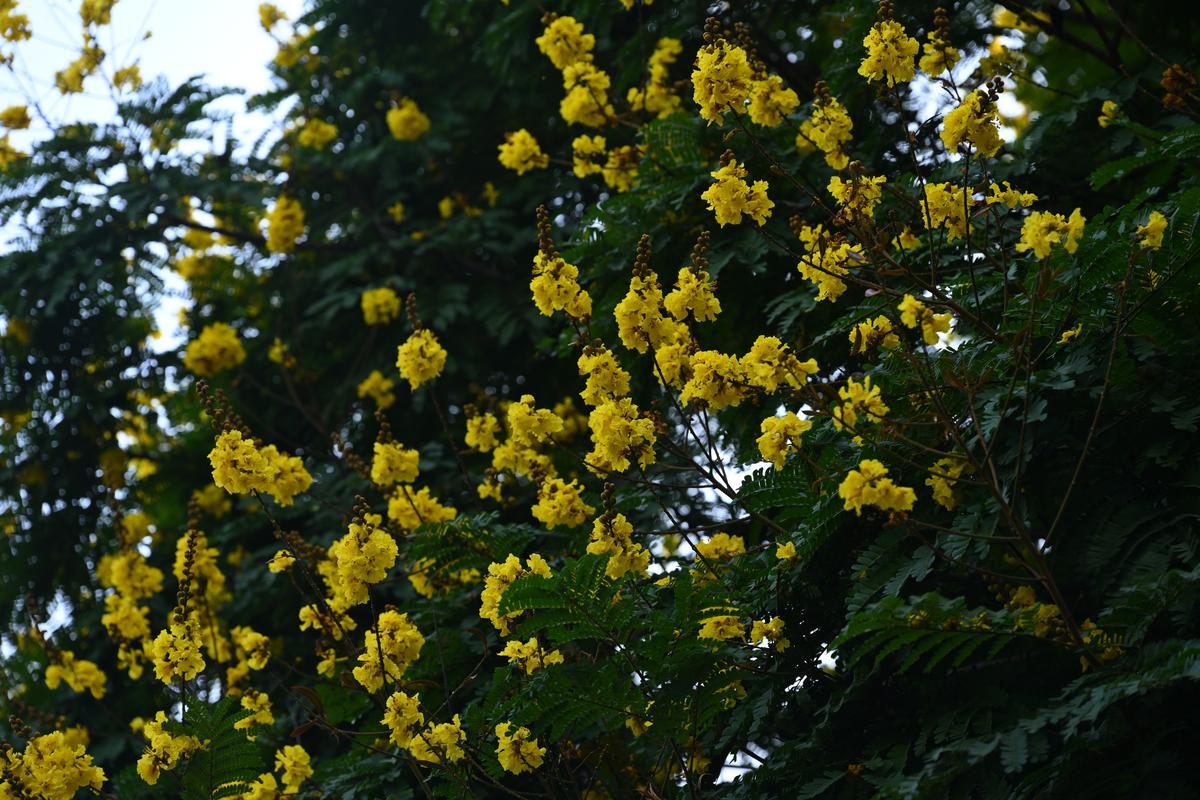
Over the next month, go on a walk, pick up your phone, snap a picture of a tree and look at its flower. Press it in a notebook or give it to a loved one. Mostly though, google its name and learn of the life around you. It may ignite the spark to plant that first tree.

Contact Nizhal on their website nizhaltn.org, call at 9840904621 or reach out to them on Instagram @nizhalshade for any tree-related emergencies.


Source link

7 questions for children that encourage critical thinking


7 questions for children that encourage critical thinking

Beyond the customary “how was your day”, “are you hungry” or “why are you upset,” children need to be asked relevant questions that encourage their critical thinking. For young children, it is important to develop a sense of independence, problem solving skills, and facing challenging questions that will require them to think hard, and come up with solutions, and innovative ideas.Children thrive on open communication, so starting today, ask these questions to your child (in any context) to simulate their young mind, and open them to a whole world of opportunities….

4

1. “What do you think will happen next?”This question helps children learn to predict and imagine outcomes. Whether you’re reading a story together or watching a movie, pause and ask, “What do you think will happen next?” It encourages kids to pay attention to details and use clues to make educated guesses.2. “Why do you think that happened?”Asking “why” helps children look for reasons and causes. After an event or a story, ask your child, “Why do you think that happened?” This makes them think about actions and consequences, and helps them understand the world in a logical way.3. “How would you solve this problem?”When your child faces a challenge, instead of solving it for them, ask, “How would you solve this problem?” This question encourages kids to brainstorm solutions, weigh options, and make decisions. It also builds confidence in their ability to handle difficulties.

4

4. “What would you do differently?”After completing a task or activity, ask, “What would you do differently next time?” This helps children reflect on their actions and learn from their experiences. It teaches them that mistakes are opportunities to grow and improve.5. “Can you think of another way to do this?”Encourage creativity by asking, “Can you think of another way to do this?” This question shows children that there is often more than one solution to a problem. It helps them become flexible thinkers and look for new approaches.6. “What makes you say that?”When your child shares an opinion or idea, ask, “What makes you say that?” This question encourages them to explain their thinking and provide reasons for their answers. It helps them learn to support their ideas with evidence.

22

7. “How do you know that is true?”This question teaches children to check facts and think critically about information. When your child tells you something, gently ask, “How do you know that is true?” This helps them learn to question sources, seek proof, and avoid believing everything they hear.


Source link

A last-minute gifting guide for Mother’s Day 2025


Sporty action

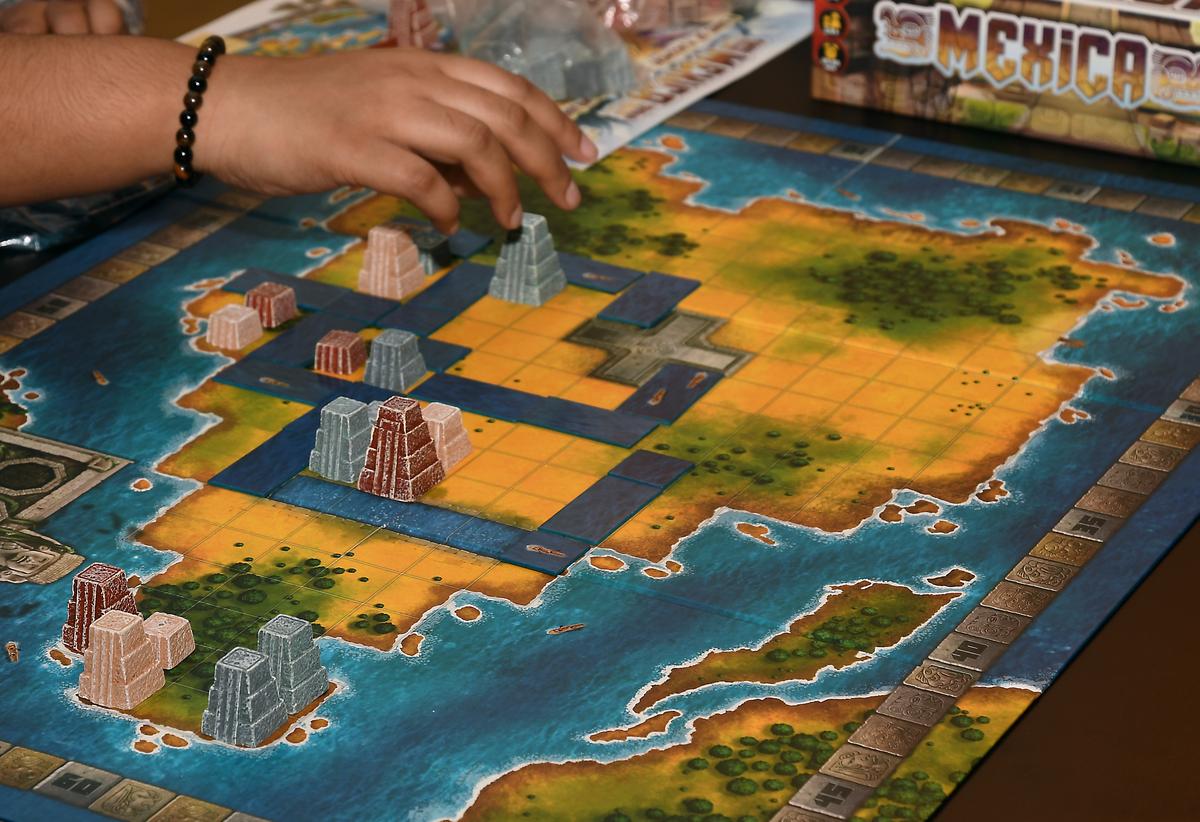
If you are in the mood to get competitive, head to Chennai’s numerous board game cafes like The Boardroom India ( Mylapore and Anna Nagar), Gameistry in Egmore (which has over 1,000 games to choose from), Adyar’s The Board Game Lounge. Here, you can spend hours playing board games while sipping on coffee. Popular games at these cafes include Yellow Yangtze, Splendor Duel, Ten, Saltfjord, Azul: Summer Pavilion, Ticket to Ride: San Francisco, Can’t Stop, Catan: New Energies, The Red Cathedral, Space Alert, among others.

Boardgames at Boardgaming Cafe in Chennai

Boardgames at Boardgaming Cafe in Chennai
| Photo Credit:
K_V_SRINIVASAN

For those looking to break a sweat, book a session of pickleball at the city’s many courts. Turf Town, an app that lists all the courts in town shows 50-plus venue options for this sport in the city. Pickle On Top in Kilpauk, has a rooftop court, , just a stone’s throw away is Paddle Rattle, then there is Ice Water Sports Arena in Express Mall, providing an outdoor setting, and Smashville in Injambakkam which has tennis and pickleball courts. Ready to rally, mom?

The pickleball court at Express Avenue

The pickleball court at Express Avenue
| Photo Credit:
RAVINDRAN R

Always wanted to get your mother to try yoga? Here is your chance. Teri Kumar Yoga has planned a two-hour gentle yoga session this Sunday to commemorate Mother’s Day. The session comprises gentle yoga, a sound bath, post-session tea, and you get to take home a free polaroid photo of the two of you.

The session comprises gentle yoga and a sound bath

The session comprises gentle yoga and a sound bath
| Photo Credit:
Getty Images/iStock

The event is open to people with all levels of fitness, and asanas will be modified for those who prefer to practice seated on a chair instead of the yoga mat. Ticket is priced at ₹1,599 and includes entry for your mother and you. On May 11, 10.30 am to 12.30 pm at Ikigai The Space, Velachery. To register, WhatsApp 9003081725.

 The Ground Flour’s ‘You’re My Coffee’ hamper

 The Ground Flour’s ‘You’re My Coffee’ hamper
| Photo Credit:
Special Arrangement

Brunch with me

If your mother is still making your morning coffee for you, it is time to return the love, but with a twist. At The Ground Flour (Chennai), Chef Mansi Sanghi has curated a thoughtful ‘You’re My Coffee’ hamper. Designed as a takeaway coffee carrier, it comes with a coffee cup filled with the classic tiramisu layered with espresso soaked vanilla sponge, mascarpone cream, and an intense dark chocolate coffee ganache. Alongside, is a compartment with a wild flower bouquet. The hamper is priced at ₹800. To order, call  9150518666.

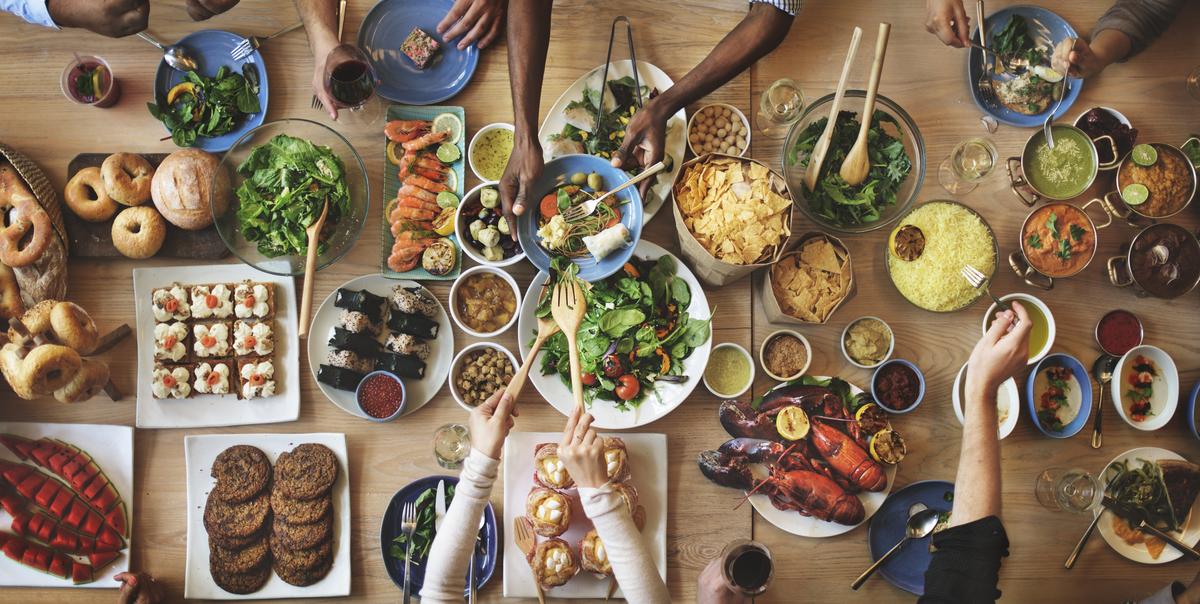
Diners at a brunch

Diners at a brunch
| Photo Credit:
Getty Images

At Six ‘O’ One, The Park Chennai’s all-day restaurant, a special brunch for Mother’s Day has been planned with special giveaways for all mothers. Alongside a live band performance, diners can savour dishes such as zucchini roulade, grilled prawn, smoked salmon, mixed vegetable and tofu dim sum, spinach and ricotta rotolo, among others. For dessert, there is bingsoo, a Korean shaved ice dessert made with condensed milk, chocolate sauce, strawberry compote, dry fruits and nuts. At ₹3,099 + taxes (per person) with alcohol, and ₹2,299 + taxes without alcohol.

Hidesign’s store in Puducherry

Hidesign’s store in Puducherry

Fashion forward

Instead of last minute shopping, (yes, it is okay if you forgot Mother’s Day!) why not custom make something. Hidesign, which retails leather bags, wallets, belts, and footwear, gives you an option to craft your own wallets, and a range of bags at their physical stores. You can choose the design, shape, leather type (sheep, goat, deer, ostrich), colour, and also add personalised elements like name tags, buckles, and emboss names. Custom wallets are priced upwards of ₹4,000 at their outlets across the country.

The Soluna Experience is planning a getaway to Goa for solo women travellers

The Soluna Experience is planning a getaway to Goa for solo women travellers

Out and about

Everybody loves some me time. You can book a solo trip for your mother with Goa’s luxe travel company The Soluna Experience. A getaway for solo women travellers is being planned in Goa next month, which is also the best time to enjoy the State’s monsoon season. The trip will be curated for just 12 guests at a time, and includes treks and trails through the Western Ghats, walks across Goa’s villages, a taste of the local cuisine, and more. Upwards of ₹70,000. For details, call” 9972924025.

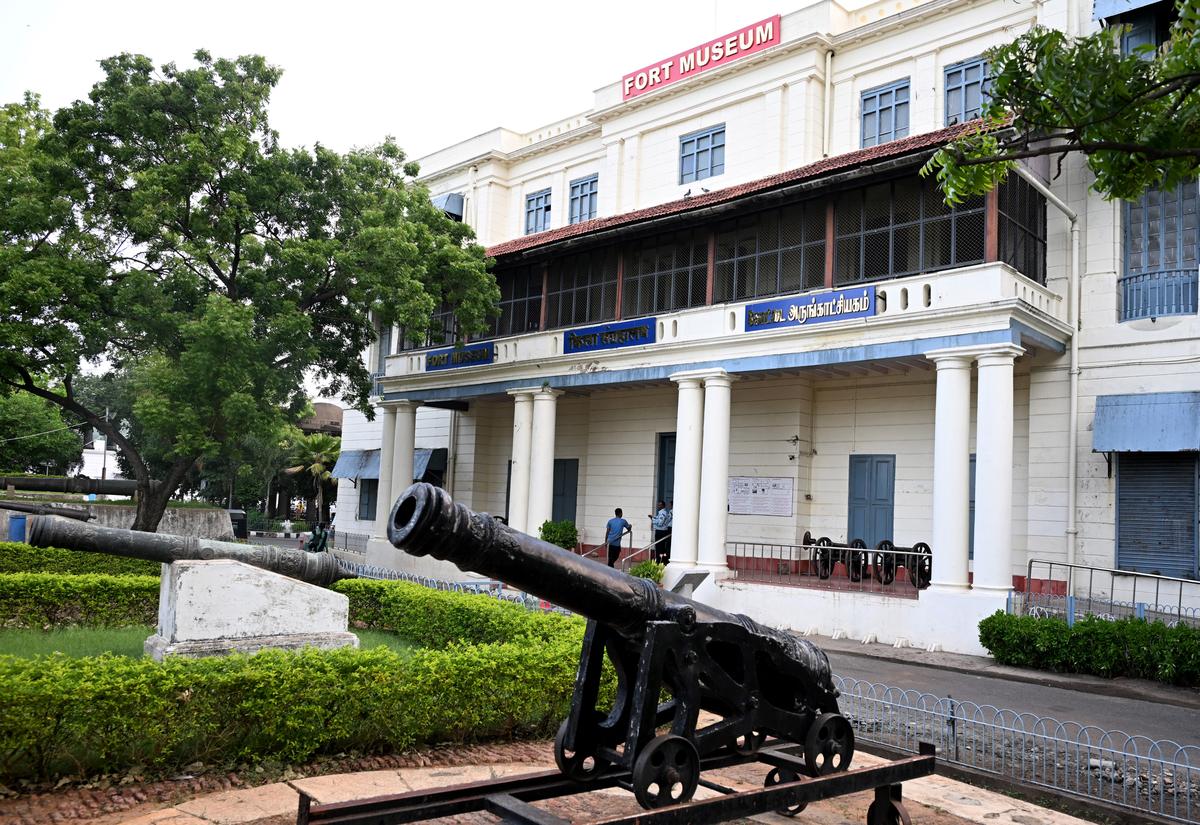
A view of the Fort Museum at Fort St. George

A view of the Fort Museum at Fort St. George
| Photo Credit:
JOTHI RAMALINGAM B

Want to head out but are not in the mood to cafe hop? A walking tour of the city could be a great bonding activity. Choose from the many heritage and cultural walking tours offered by the likes of Madras Inherited and Storytrails, across Georgetown, Mylapore, Marina Beach, and in Mamallapuram. These walks take you to popular sites such as Santhome Basilica, Ramakrishna Math, and Kapaleeshwarar Temple in Mylapore, the lighthouse and fishing hamlets along Marina Beach, and Fort St. George, St. Mary’s Church, local  markets, the Armenian Church, and more in Georgetown.

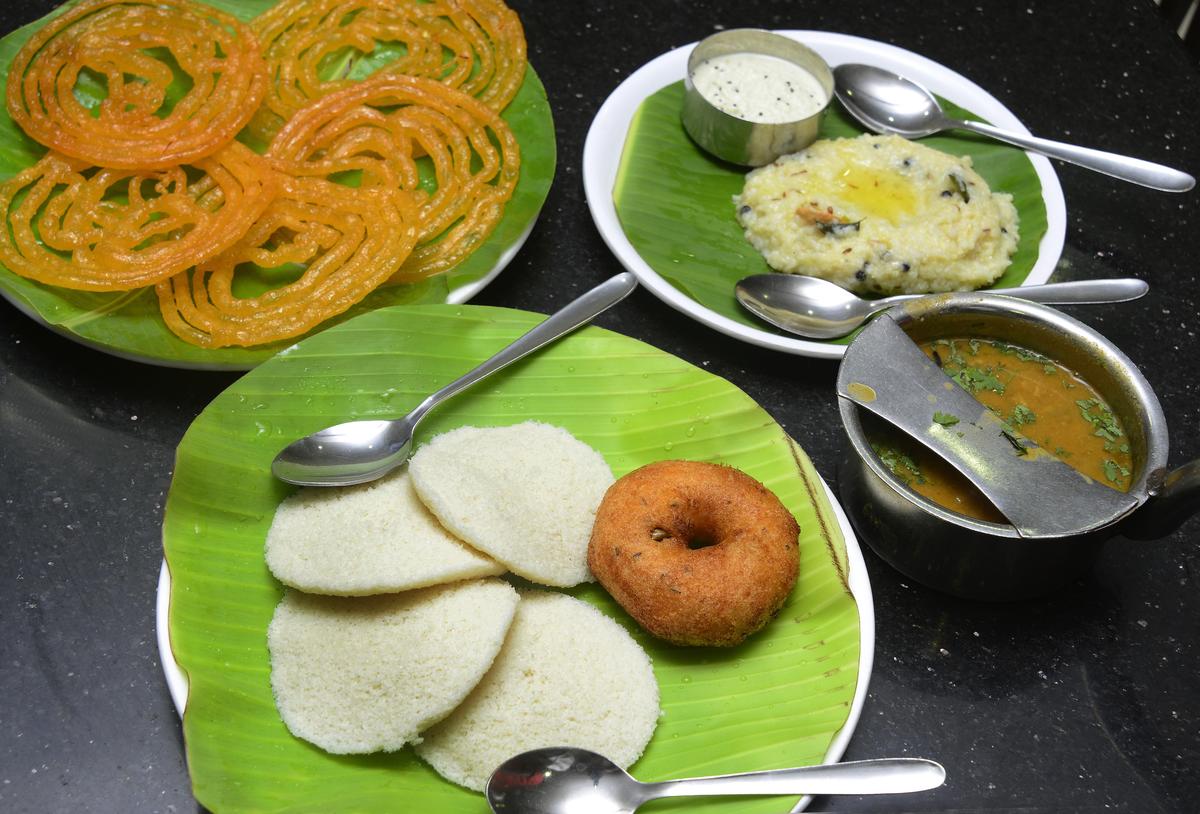
The food at Ratna Cafe in Triplicane

The food at Ratna Cafe in Triplicane
| Photo Credit:
RAVINDRAN R

Food walks in Sowcarpet and Triplicane are another option to learn about the localities. Relish Sowcarpet’s murukku sandwiches, thattu idli, aloo tikki chaat and raj kachori at Kakada Ramprasad, podi idli and ghee dosa at Seena Bhai Tiffin Center, and in Triplicane, visit the classics such as Ratna Cafe, and Basha Halwawala among others.


Source link

Phaneendra Nath Chaturvedi and a Metamorphosis in Banaras


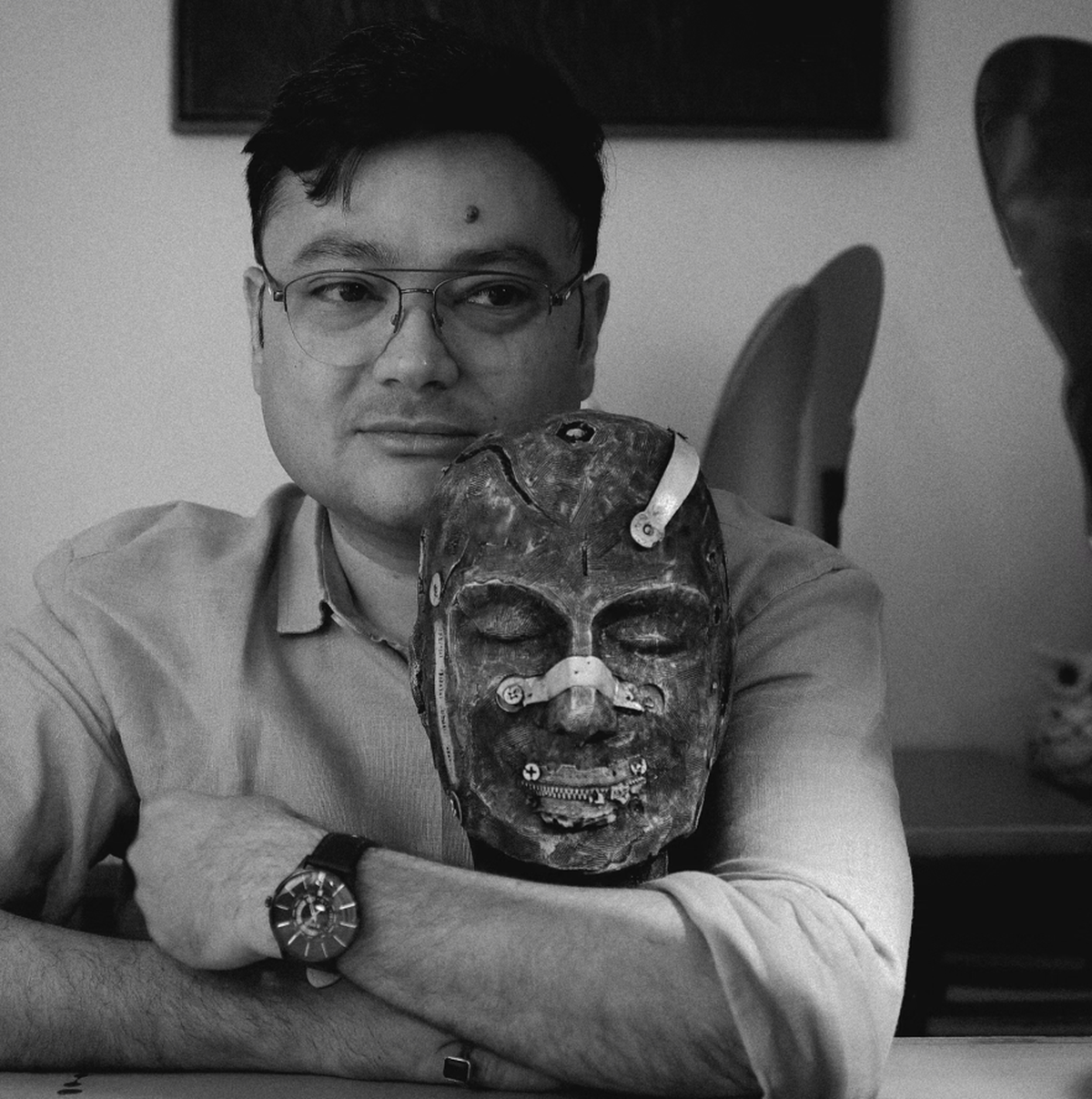
Change is inevitable, and more often than not, unpredictable and unconforming. It is the only thing that can challenge the status quo, and enable transformation. In his latest exhibit titled Metamorphosis, Phaneendra Nath Chaturvedi, 44, holds on to this idea of change and celebrates it through 59 pieces of carefully composed artworks.

“For the last 25 years, my art has explored themes of self, duality, and transformation,” he says. “As an artist, I’ve always been drawn to the blurry line between human and non-human, real and unreal, natural and artificial. These tensions show up in my human-like figures — creatures stuck between species, genders, eras, and feelings.”

Phaneendra Nath Chaturvedi

Phaneendra Nath Chaturvedi

With his childhood and formative years spent in Banaras, Chaturvedi’s body of work heavily draws inspiration from the old city of temples. A place that in its capacity of life and death, in everyday moments of rituals, symbols, and myths, has shaped his artistic bearing.

“Varanasi does not exist on a map; it breathes, decays, regenerates, and transcends. It is a living paradox — timeless and contemporary, sacred and nonreligious, private and harrowing. These contradictions have definitely affected me. The images that made up daily life in Varanasi were monkeys swaying on crumbling balconies, the fragrance of marigolds, chanting of mantras, smoke overhead as funeral pyres were lit. All of these negated the temporal and metaphysical, and my early exposure taught me to look beyond the surface of things, to see beauty in decay, and to imagine story in silence. That intuition still informs how I create compositional landscapes and characters.”

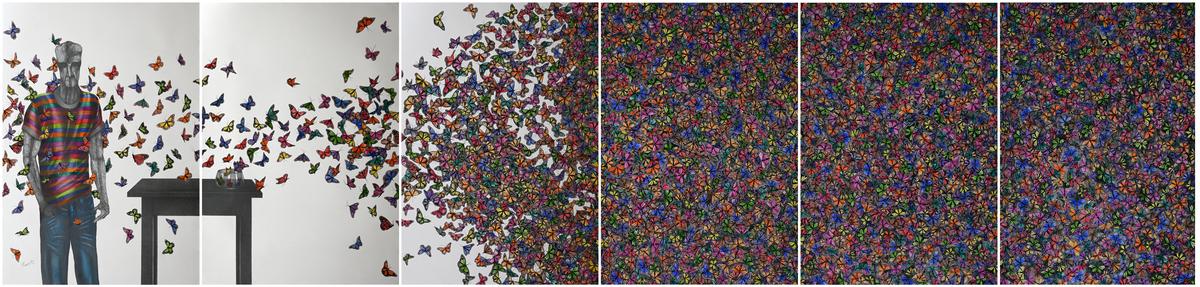
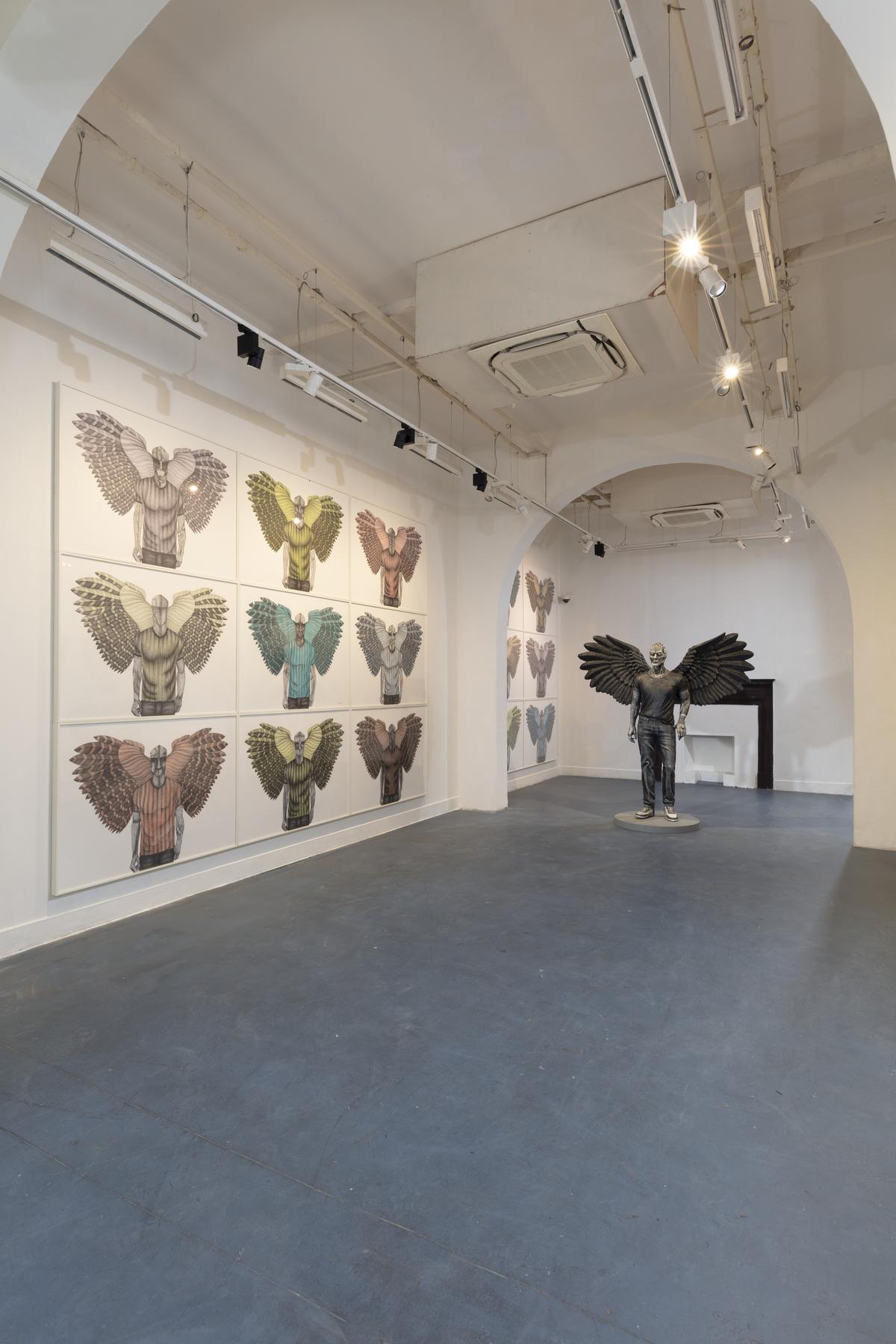
The Flyer

The Flyer

Speaking through the butterfly

Through paper, wood, stainless steel, fibreglass and larger-than-life canvasses, Metamorphosis explores how we handle inner shifts in a world that’s always changing. It’s like a picture diary showing perseverance, self-reflection, and personal growth.

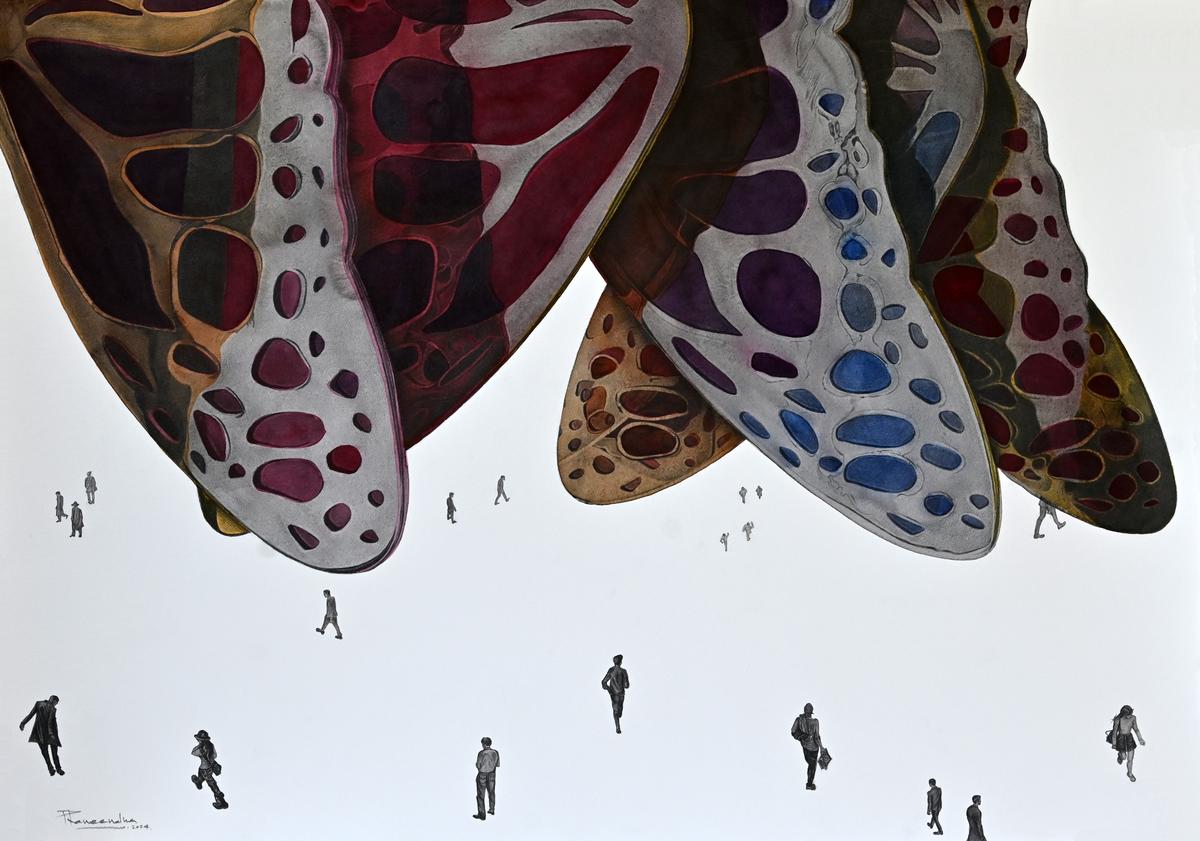
A stand-out symbol in Chaturvedi’s works is the butterfly, an omnipresent element that serves as a signifier and a tenuously-balanced witness of transformation. It speaks a great deal about several themes the visual artist likes to work with: fleetingness, renewal, beauty born of struggle, and the fragile interplay between vulnerability and strength.

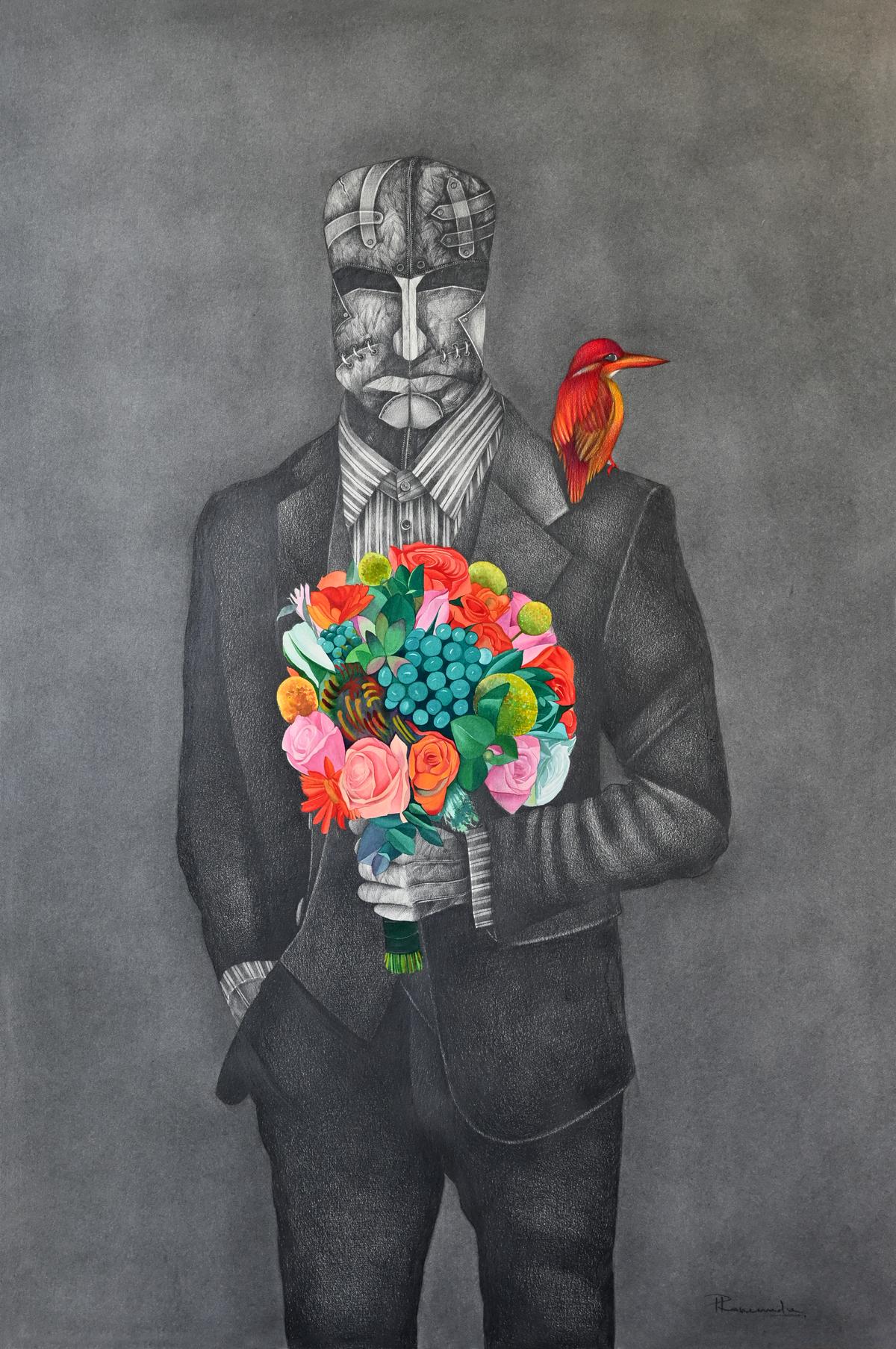
The Good Wisher

The Good Wisher

“In many cultures, butterflies are seen as the souls, messengers, or metonymic symbols for transcendence. For me, they have become a metaphor for the human condition. When I portray butterflies in stainless steel sculptures, their iridescence acts as a metaphor for fragility and resilience [against] the artificiality of the industrialised world. And in my paper works, they appear in ambiguous situations, serving as witnesses to change.”

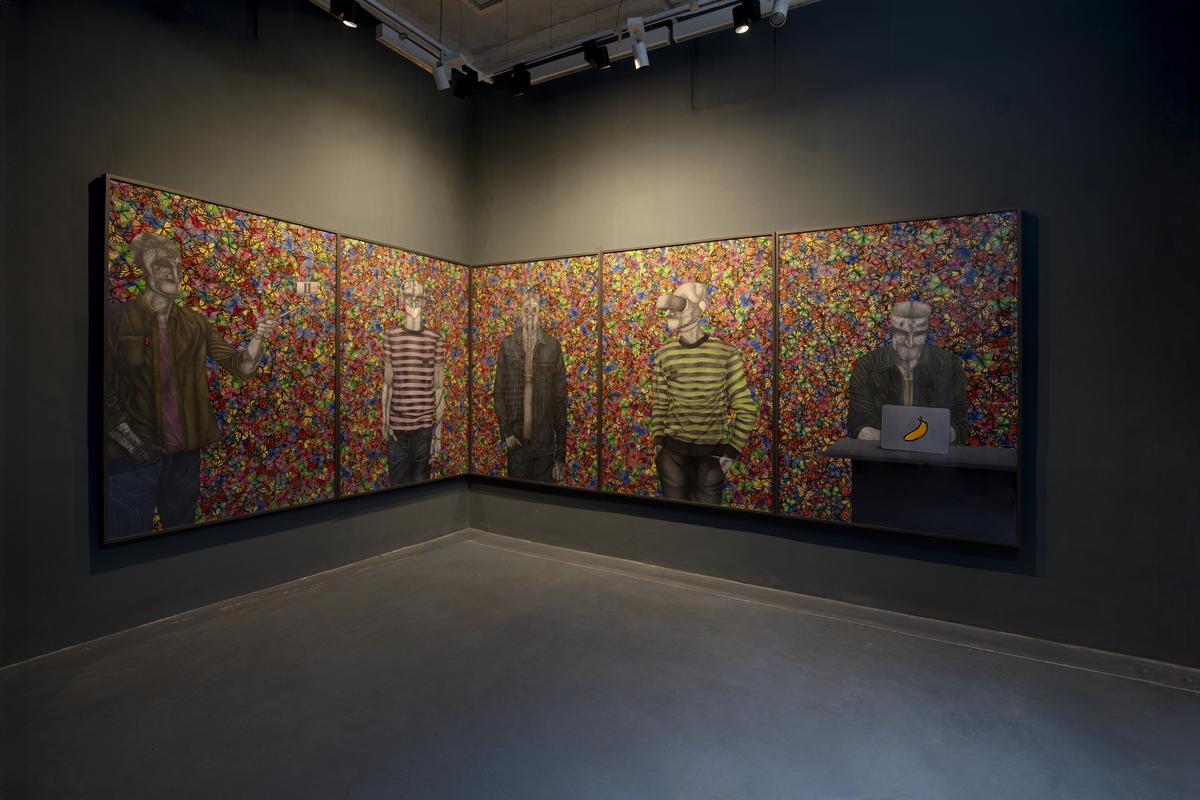
Metamorphosis at Bikaner House

Metamorphosis at Bikaner House

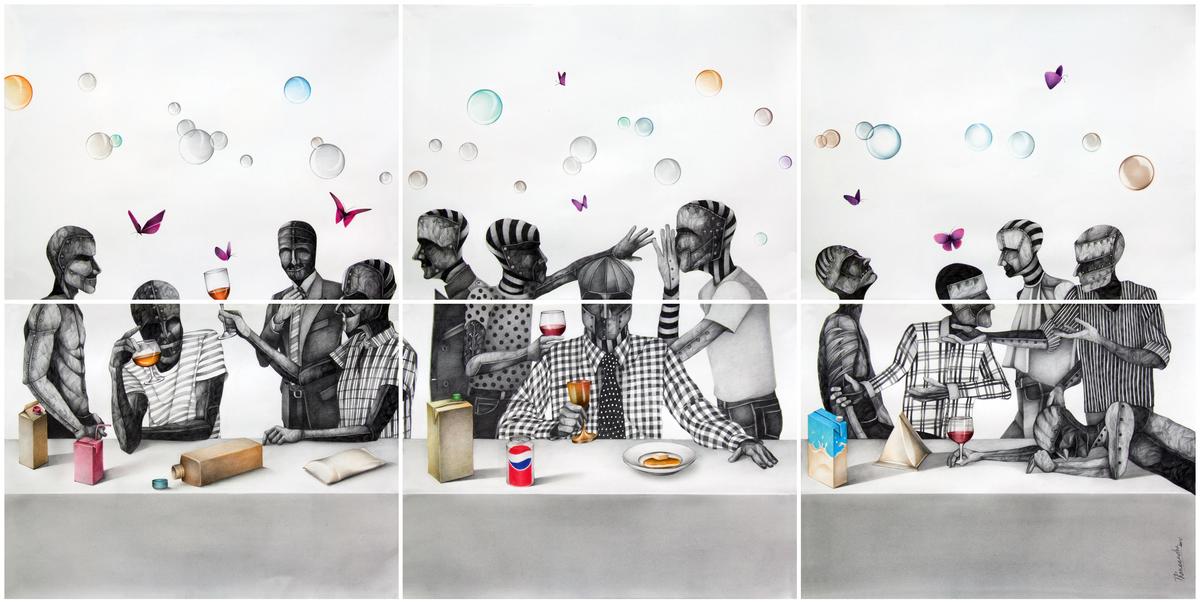
The Last Supper

The Last Supper

No Kafkaesque inspiration

At a time when the art world is under a lot of scrutiny, because of the Anita Dube-Aamir Aziz controversy — involving the usage of the latter’s poem without due credit or consent — Chaturvedi’s exhibit appears closely reminiscent of Prague-born German Franz Kafka’s seminal novella in both name and nature. “If my work has anything in common with Kafka’s ideas, it’s by chance, not on purpose,” he shares. “My art comes from a whole different background, rooted in my own life story. So, while Kafka wrestles with alienation, absurdity, and psychological transformation in the context of Europe, I engage in similar ruminations through the lens of Banaras, and the mythological, ritualised and everyday life in India.”

At Bikaner House

At Bikaner House

The Metaphor

The Metaphor

Metamorphosis, curated by Sanya Malik, is on view till today at Bikaner House, and till May 30 at the Black Cube Gallery in Hauz Khas.

The independent writer is Delhi-based.


Source link

WAVES summit x Jaane Bhi Do Yaaro | Cyberpunk reality in Mumbai


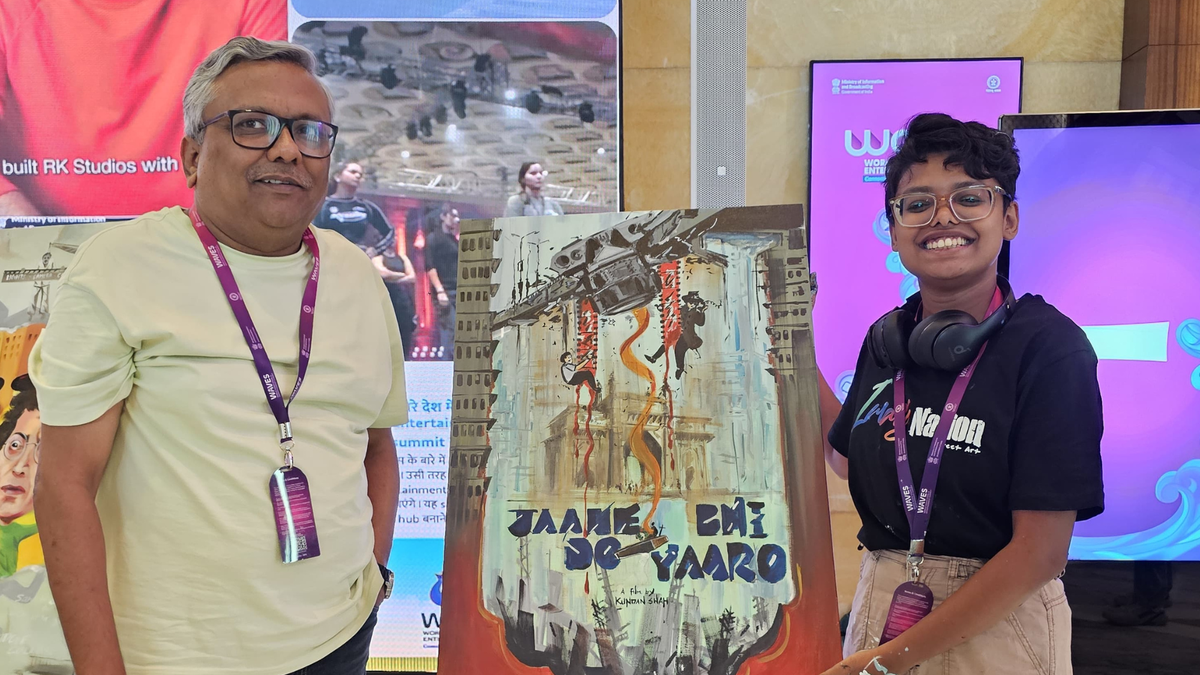
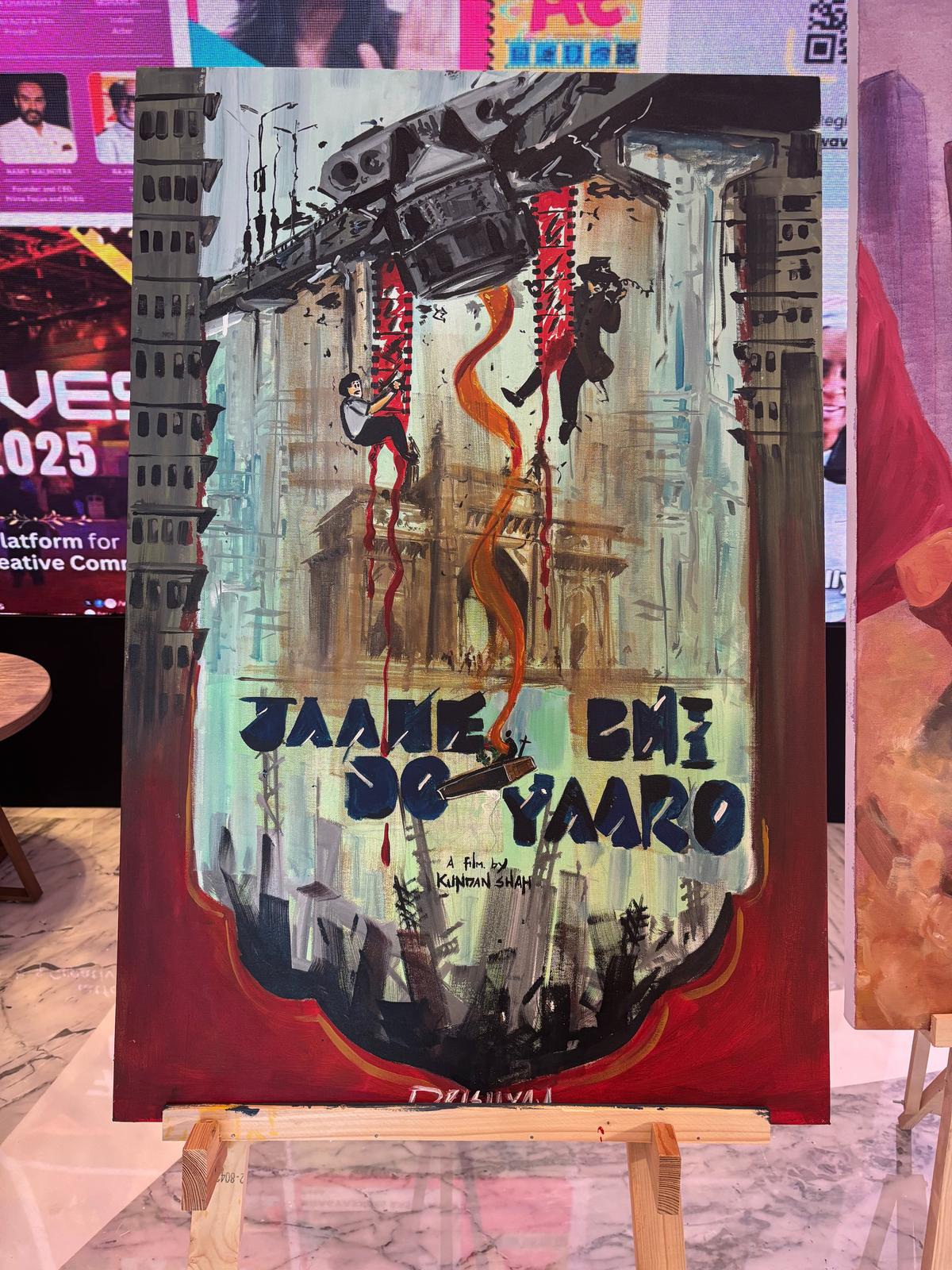
Drishya Ashok with her winning poster

Drishya Ashok with her winning poster

By the third day of WAVES (World Audio Visual Entertainment Summit), the recent sarkari symposium held in Mumbai, I was tuckered out. Prime Minister Narendra Modi delivered the inaugural address; thenceforth, sessions upon sessions — about cultural soft power, about innovation and the ‘orange economy’, about how Netflix created 20,000 jobs through its local productions in India.

Wandering around the vast Jio World Convention Centre in BKC, what caught my attention was a much simpler item on the agenda: a film poster-making competition. Arranged on easels, outside one of the venues, were 10 hand-drawn paintings. The competition was co-organised by the National Film Archive of India (NFAI) and ImageNation, a Delhi-based art group specialising in graffiti and murals.

In the age of generative AI and the off-putting Studio Ghibli trend, the young participants — hailing from various art and film institutes of India — were given three hours in which to finish their paintings. But what delighted me most was the choice of film they were tossed: Kundan Shah’s corrosive political satire Jaane Bhi Do Yaaro.

The irony was unmissable. A comic skewering of bureaucracy and crony capitalism from the early 1980s, celebrated, over four decades later, at the heart of corporate Mumbai. The winning entry — a sly evocation of this dystopian imbalance — was by Drishya Ashok, a 25-year-old art direction student from the Film and Television Institute of India (FTII). Born in Palakkad but brought up in Pollachi, Tamil Nadu, Ashok studied architecture and later assisted in the art departments of the Tamil films Demonte Colony (2015) and Naane Varuvean (2022). She watched Jaane Bhi Do Yaaro for the first time in preparation for the competition — “It’s so political and timeless!”

Ashok’s winning Jaane Bhi Do Yaaro poster

Ashok’s winning Jaane Bhi Do Yaaro poster

The third eye

In Shah’s endlessly entertaining classic, two foppish but penniless still photographers, played by Naseeruddin Shah and Ravi Baswani, stumble upon evidence of a political murder. Their slapstick sleuthing unfolds against the backdrop of a transforming Bombay, the concrete wilderness taking root. In Ashok’s painting, an analogue Pentax camera peers down from a flyover, keenly surveying a city bent out of shape. Seen from a distance, the camera almost resembles a surveillance drone.

“In film school, we are taught that the camera is the third eye,” she says. “It can manipulate you, provoke you. Currently, surveillance is happening everywhere through CCTV… and in the age of AI, the camera can even control itself. It can choose what to watch and where to watch.” While many of the other entries interpreted the film literally, it is this forbidding retrofuturistic quality to Drishya’s painting that puts it in conversation with present times.

Ashok lists Blade Runner, Solaris, Stalker and Metropolis as some of her favourite sci-fi works. Her regard for the genre isn’t out of place with Shah’s legacy. In his book, Jaane Bhi Do Yaaro: Seriously Funny since 1983, Jai Arjun Singh reports that the filmmaker had written an unfilmed script in the late 70s called A Detective Story, which combined elements of ‘psychological thriller, social commentary and science fiction’. The plot centred on a dangerous ‘wonder drug’ that eliminates hunger.

 I reached out to Binod Pradhan, the cinematographer of Jaane Bhi Do Yaaro, for a comment on Ashok’s painting. “The first thing that struck me was the unique font of the title Jaane Bhi Do Yaaro. It went well with the rather dystopian world created by Drishya,” he shares. “It’s so modern, far away from the times we were in during the making of the film. The images look like [they are] from the film, but as if [they] were made in the modern world. The camera that smashed the bridge and the two characters hanging desperately onto celluloid film — as we wish we could in real life as filmmakers. That’s a wonderfully thoughtful layer in the poster!”


Source link

Gnatak theatre group to stage Athol Fugard’s play, ‘The Train Driver’, in Thiruvananthapuram


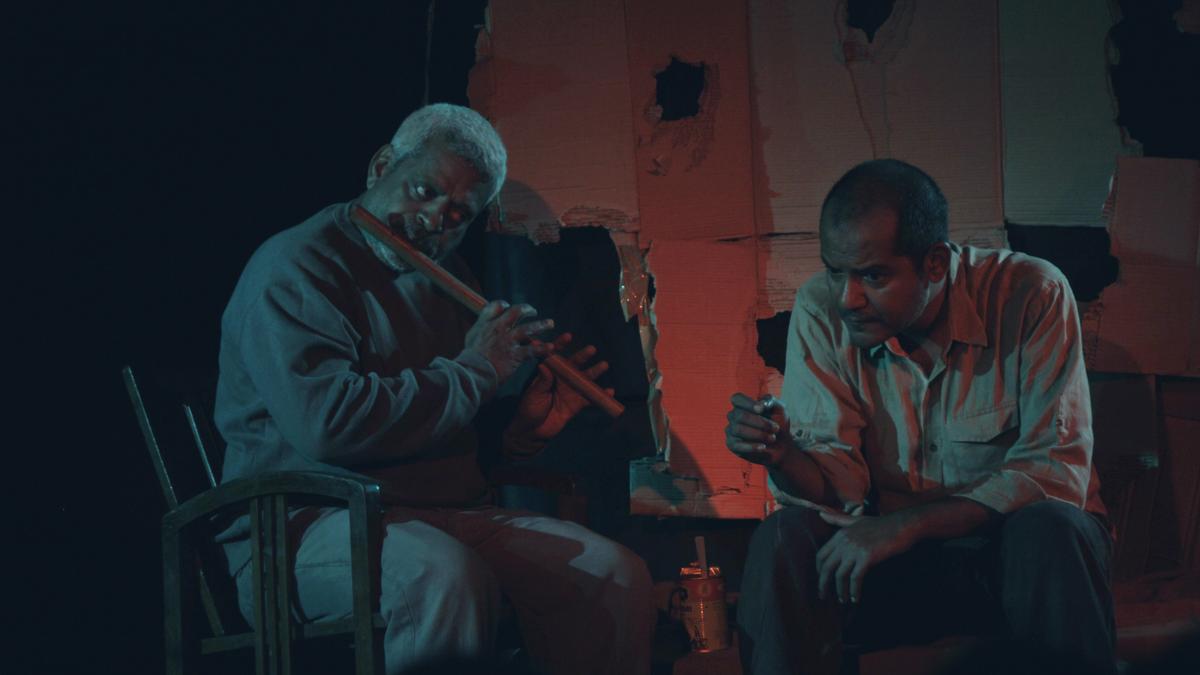
Abraham Karimpanal (left) and Rohit Dave in the play The Train Driver staged by Gnatak 

Abraham Karimpanal (left) and Rohit Dave in the play The Train Driver staged by Gnatak 
| Photo Credit: SPECIAL ARRANGEMENT

In 1979, a group of young people in Bengaluru — undergraduate students, doctors, engineers, and scientists — came together to form Gnatak, a theatre collective staging English plays that highlighted the lives of those on the margins. The group remained active for nearly eight years before going dormant, only to be revived in the early 2000s with a series of productions inspired by the works of leading international playwrights.

On May 10, Gnatak will stage The Train Driver in Thiruvananthapuram. The 70-minute play, written by recently deceased South African playwright Athol Fugard, is directed by Anikh Ghosh — an independent filmmaker and writer who also directed Gnatak’s inaugural production, The Island (also by Fugard), in 1979.

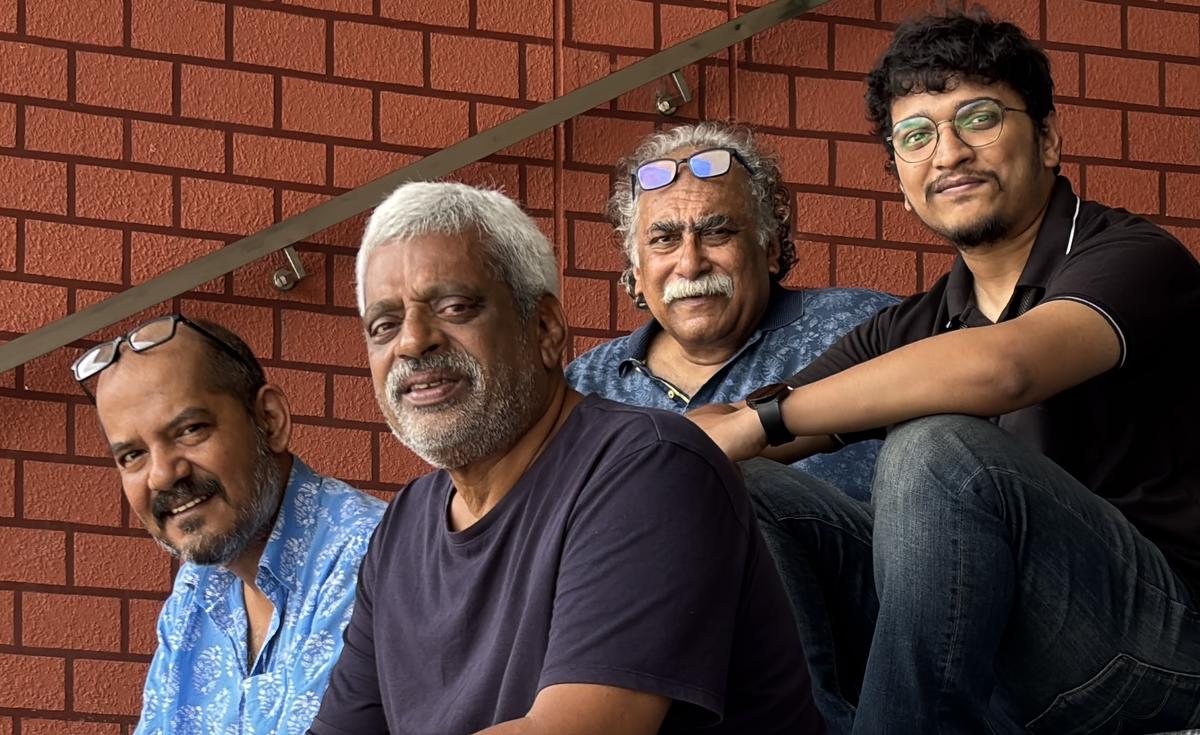
MetroPlus caught up with the Gnatak team currently in the city: actors Abraham Karimpanal and Rohit Dave, and members of the technical crew, Michael Joseph (lighting) and Sutosom Chakraborthy (sound).

Abraham and Michael, both 65, have been with Gnatak since its inception. Abraham, also a director and lighting designer, has worked with stalwarts such as Kavalam Narayana Panikkar, Gracias Devaraj, and Prakash Aswani. Michael, a filmmaker and educator known for his pioneering work with various institutions, is director at the Datsi School for Storytellers in Thiruvananthapuram, a collaboration between Zebu Animation Studios and Additional Skill Acquisition Programme (ASAP) Kerala.

Rohit, 53, was formerly with Rafiki Theatre and has also worked extensively as a voice artist. Sutosom, in his late 20s, is a CG lighting artist and mentor at Datsi; this production marks his first collaboration with Gnatak.

Reality on stage

The Train Driver is based on a harrowing real-life event — a mother who died by suicide on a railway track with her three young children. In the play, Roelf Visagie, an Afrikaner train driver, is haunted after his train runs over a Black woman and her baby, still strapped to her back. Wracked with guilt, he turns up at a graveyard and meets Simon, the Black gravedigger tasked with burying the nameless dead. As their conversation unfolds, Roelf slowly begins to make sense of his inner turmoil and the world around him.

(From left) Rohit Dave, Abraham Karimpanal, Michael Joseph and Sutosom Chakraborthy 

(From left) Rohit Dave, Abraham Karimpanal, Michael Joseph and Sutosom Chakraborthy 
| Photo Credit:
SPECIAL ARRANGEMENT

Abraham and Rohit have been portraying Simon and Roelf respectively since the play’s first staging in 2014. “One of the reasons we chose this piece is its logistical ease — it has only two actors and can be performed in any space,” says Rohit. “But more than that, although it was written in post-apartheid South Africa, the theme still resonates. It’s about two people — from very different backgrounds — trying to understand one another.” Abraham adds, “It’s an emotional work and a challenge for any actor. It suits our style.”

Michael expands on this. “We’ve been influenced by the likes of Jerzy Grotowski, Peter Brook, and Eugenio Barba — pioneers who moved away towards ‘physical theatre which celebrated the body and dislodged the centrality of the spoken word’. Our productions have always focused on those pushed to the margins. What’s interesting is how much energy each actor brings — it feeds into the other’s performance. For us, it’s always been about intense collaboration.”

As for lighting, Michael says it evolves with each performance. “Fugard plays with time while remaining in the same physical setting. A scene may begin at dusk and slip into night — so I have to make subtle changes.”

Sutosom sees this experience as a growth opportunity. “It’s a chance to push myself and contribute a different dimension to the production,” he says.

Abraham notes that The Train Driver will offer audiences in Kerala a different kind of theatre. “This isn’t conventional professional theatre, nor is it the stylised, experimental kind. It is about ordinary people and raw emotion. We don’t use masks or exaggerated movements to hide the narrative.”

The team sees the production as a tribute to Fugard and his body of work. “It’s been remarkable to see him mature into a masterly playwright. The craft he developed as a writer was so exquisite and nuanced,” Michael says.

The Train Driver, produced by Datsi School for Storytellers and Zebu Animation Studios, will be staged at Ganesham, Thycaud, on May 10. For tickets, contact 9447112918.


Source link

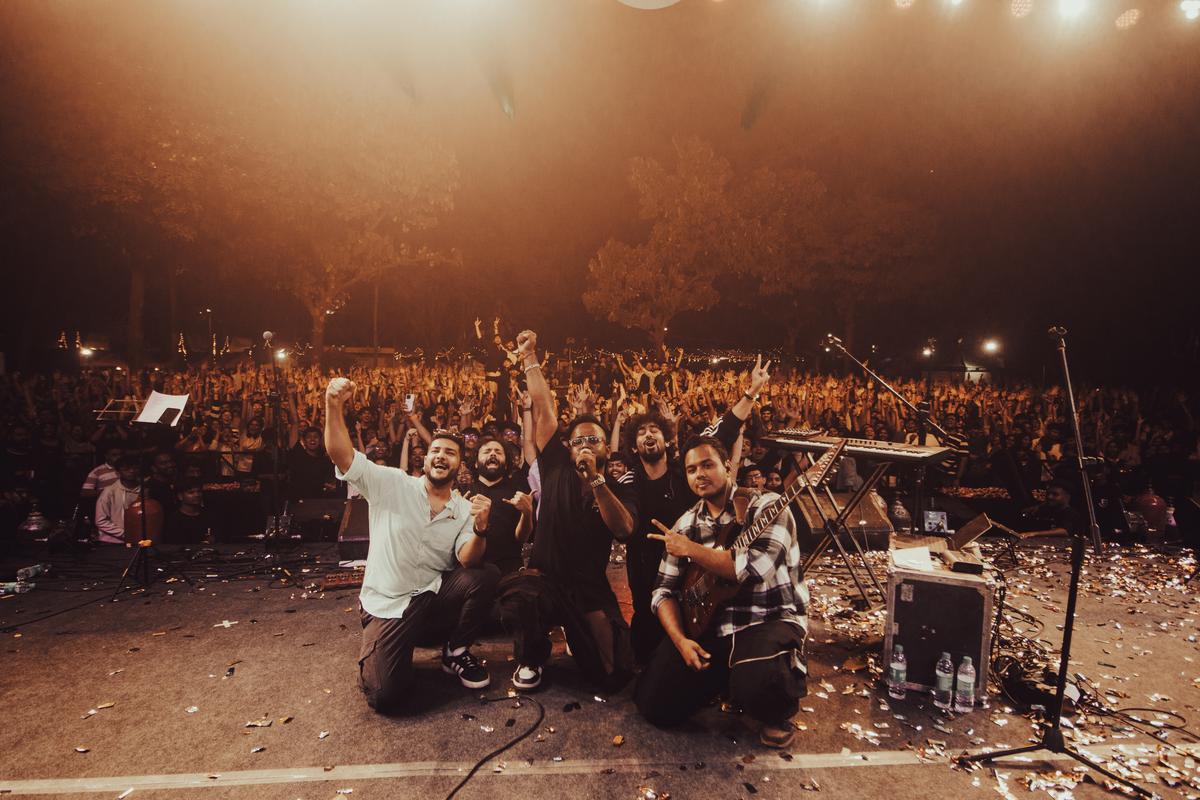
The song ‘Main Sach Kahun’ by Last Minute India unleashes a wave of emotions


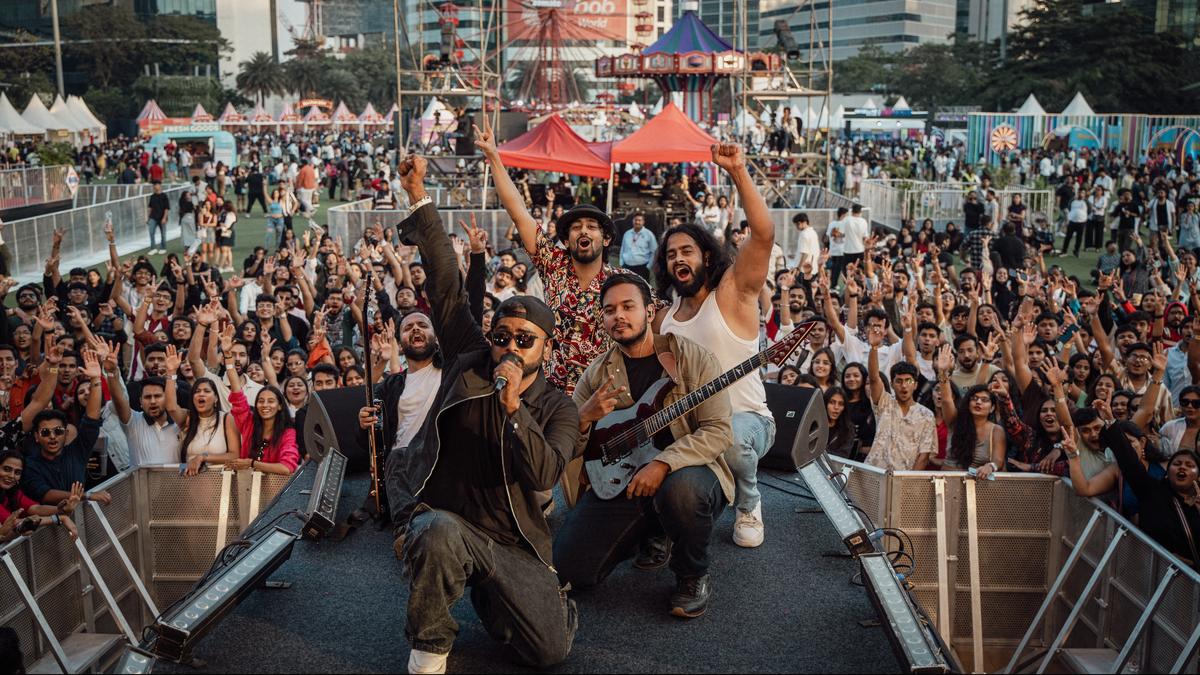
Members of Last Minute India at a show

Members of Last Minute India at a show
| Photo Credit: Special Arrangement

Last Minute India’s new track ‘Main Sach Kahun’ is raw, real and emotional. The song is a heartfelt reflection of songwriter and composer Subodh Gupta’s emotional and psychological battles with alcohol addiction.

Subodh, the founder of Last Minute India, and also the songwriter and bassist of the band, uses storytelling and music to narrate his past journey with alcohol. The song depicts an addiction that led him to isolation and regret but also gave him courage to tell the truth, accept things and a desire to change. The emotions conveyed in the song are personal but resonate with a universal feeling, he says.

Of real stories

Subodh Gupta

Subodh Gupta
| Photo Credit:
Special Arrangement

“These songs are situations, stories that are real,” says Subodh over a telephonic conversation. He was working as a data scientist for Microsoft in 2023 and also balancing a passion to make music. Due to his drinking habit, he began to make excuses and lie to avoid awkward situations. “It was a tough phase,” he recalls. “When you cannot control your habits, people tag you as a drunkard, cheater or someone who manipulates but the words in the song gave me the power to accept, tell the truth and also willingness to change.”

Feeling low after a fight with his partner, he strummed a tune and wrote an email to her with a few lines. That tune and song stayed with him and he showed it to the band recently and said, “I want the world to hear this story.”

The story of Last Minute India began during Subodh’s engineering days. He with his two friends Bhumit Gor (rhythm guitarist) and Austin Furtado (lead guitarist ) participated in college rock competitions but did not have a name for the group. After six wins, the seventh music event was a turning point when the host was announcing the names of participating college bands and before their turn came, Subodh told his friends: ‘‘This is almost like the last minute of our lives and we have to decide.” In the 100 college competitions that Last Minute India played in seven months, they won 68.

Be honest and real

Playing soul-stirring compositions

Playing soul-stirring compositions
| Photo Credit:
Special Arrangement

While talking about his college project turning into a passionate musical exploration, he cannot but recollect his mother’s ‘be honest and real’ mantra. “When I said I want people to be there, engaged with my songs, she said, ‘Rather than dumbing the content down, serve them what you feel is good. People will get acquainted with it one day.’

Passionate to create songs that reflect ‘real emotions and lived experiences’ he quit his job in 2023 (now freelancer at Netflix) and co-founded the band with Bhumit. Besides Austin, the lead guitarist, the other band members are: Abdul Shaikh (vocalist) Samaksh Namdev (drums).

Inspiration

Subodh Gupta during a performance

Subodh Gupta during a performance
| Photo Credit:
Special Arrangement

From being recognised as the best emerging artists in 2023 by Spotify India to playing in colleges and music festivals across the country, Last Minute India has made a name in the independent music circuit.

Although they play a blend of covers and originals in shows, their focus is on creating original melodies. Be it Subodh’s first song ‘Yaadein’, written in 2015 but released in 2022, and others such as ‘Kaagaz Ki Naav’, ‘Rehnuma’ or ‘Jaane Anjaane’, his songs stem from personal journeys of love, heartbreak, self-reflection, and the trials of life.

With almost 50 shows planned for the year, Subodh hopes the band will continue to create songs that are ‘felt and not just heard.’


Source link

Meet Dr Pal Manickam, the gut doctor who is also a standup comedian


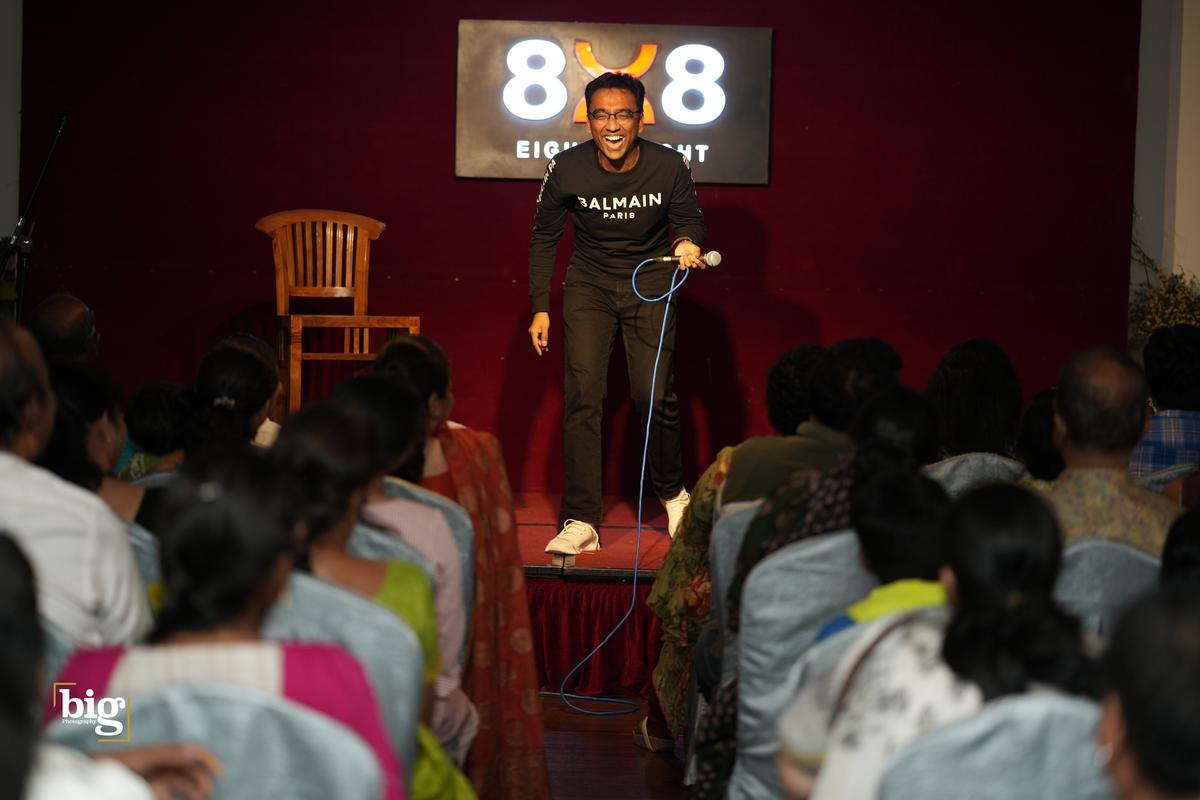
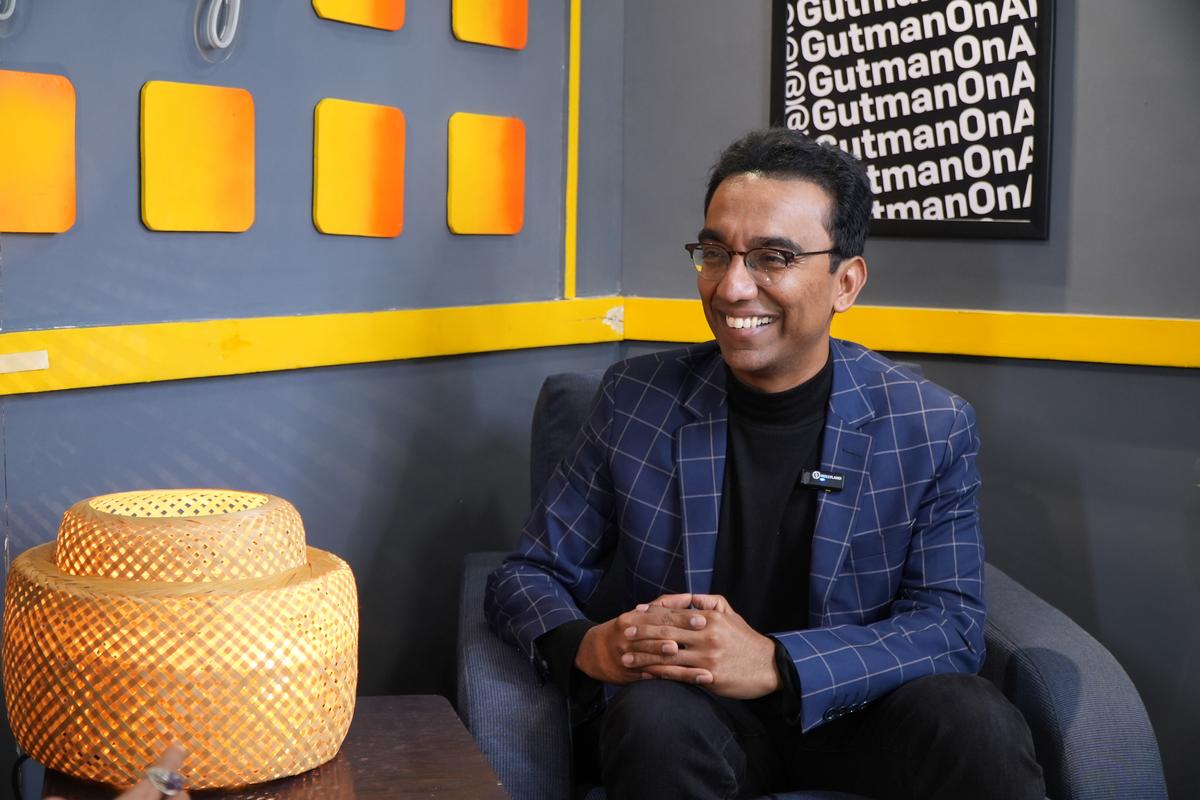
Meet the doctor who has a gut feeling about everything. This is a pun that gastroenterologist Dr Pal (Palaniappan) Manickam, is well used to. Interestingly, he is also a standup comedian and perhaps that is why, for him, puns are as important as probiotics. He likes to call his genre of comedy MedCom (medical comedy) and his repertoire covers everything from fermented foods and diet plans to menopause, bowel health, and fatty liver. Guest speakers like cricketer S Badrinath and renowned doctors also feature in his Reels to discuss current topics.

Originally from Madurai, and now shuttling between Sacramento (California) and Chennai, the doctor consults and also does stand up shows across the US, and Chennai. He did a few shows in Malaysia, and Singapore, with upcoming acts scheduled in Seattle, Minneapolis, and Chicago in May and in Mumbai in July.

“I like being on stage and talking to people,” says Dr Pal who is in Chennai on a quick visit. “My wife and sons (aged three and five) moved to India last year because my wife wanted to raise our kids in Chennai; she is from here. And we also wanted them to spend time with their grandparents — that bond is important,” he says.

Dr Pal at a standup show

Dr Pal at a standup show

In the next six months, Dr Pal plans to set up a gut health clinic in Chennai. “We practise something called preventive gastroenterology”, he says, adding that he focusses on sustainable lifestyle changes and aims to reverse chronic diseases. A believer in intermittent fasting, Dr Pal says this is something he started doing when he had a health scare in 2015.

“I was working as a full-time gastroenterologist in 2015 in California. While examining a patient, I started getting palpitations and chest pain. I was sitting on a medical bed thinking what did I do wrong? I was 100 kilos. But when I had moved to the US I was 60 kilos. So, I started doing everything from paleo and keto diet to yoga and personal training. I realised everything is scattered around and despite being a medical professional I was not able to follow it. These things need to be individualised for all. I came across intermittent fasting. It is such a powerful method that it could also reverse fatty liver. I learnt about diet, macros, fibres, proteins. My weight came down to 70 kgs and I continue to be the same weight since 2017. Mindful eating is important,” he adds.

Through Medcom, Dr Pal uses his medical knowledge to educate a larger group of people via social media. He has 1.6 million followers on Instagram. And just like the Marvel Universe, there is a Dr Pal Universe with its set of characters. There is Saravana Kumar, his wife Tirupurasundari, and a patient named Aarogyasamy, the earnest Subramani who listens to everything the doctor says, Kapil Sharma, Marc Anthony, Abhijit Chakraborty… “Then to add masala, I made Aarogyasamy, Tirupurasundari’s ex-boyfriend,” he laughs.

During the pandemic, his first video about COVID-19 awareness went viral. It received five million views. The next video he uploaded got an embarrassingly low number of views. “So, I thought I was a one-time wonder,” he laughs. Then in January 2021, he uploaded a video about Covid vaccines and that went viral again. After which he also got a call from Bldg 18, a comedy club in San Francisco Bay Area; they said his content was apt and delivery very natural. I realised comedy is serious business. So, I did a course at Punch Line Comedy Club in Sacramento, on how to write a set. If I deliver something and people laugh, that gives me a high,” he says. Despite his busy medical schedule, Dr Pal puts out three Reels every week. “I am not tied to the outcome of the Reel. As long as I am giving good info, I am okay,” he says.

He adds that there has been a sudden surge in interest in gut health. But there is a misconception that gut means stomach; it is not. “Gut is your large intestine and colon,” he explains. While there are over-the-counter prebiotic and probiotic solutions readily available nowadays, Dr Pal says, the best homemade probiotic is the raita. Add tomatoes to it along with cucumber, spices, and boiled chana or rajma and you will get all the complex carbs with this. “There are 100 trillion gut bacteria. We realised every disease is linked to a particular group of bacteria. Probiotic supplement as a tablet is just shooting in the dark. Even when you know that there is a group of bacteria that might not be good based on your stool sample, we may not know whether that is the bacteria that is causing you the problem. That is why many probiotic capsules may or may not work for many people,” he explains.

He suggests the 30-3-1 rule to boost gut health. “Thirty grams of protein for breakfast (for example three whole eggs and three egg whites), three fermented dishes in a day (maybe idli in the morning, curd in the afternoon, and dhokla, kanji for dinner) and one hour of physical activity,” he says, adding, “Most importantly people should stop looking for quick fixes. There is no quick fix. Bad gut health is directly proportional to the amount of abuse that you have put your gut through in the past. For example, if you have abused your gut for 10 years, you cannot expect it to go back to normal in a week. It is a minimum three-month process and requires a lifestyle change.”


Source link

5 exercises and chores that keep your brain sharp at 40


Just like our bodies, our brain too, ages. However, since the symptoms of an ageing brain are not as prominent as that of the body (wrinkles, weight gain, hair fall etc), we tend to ignore the brain, which in fact is the most important organ of the body, along with the heart. However, exercising the brain is not that difficult, and if you have just hit 40 (or even 35) now is the best time to start exercising your brain, through these simple, but effective exercises.


Source link

Single Americans are dating Canadians, and the real reason is not love


Single Americans are dating Canadians, and the real reason is not love

In the era of technology, even love is found online. However, people have gotten so used to customising their preferences in every part of their lives that even in the aspect of dating, minute details have to be clarified first.These can range from being aligned with the ideal political parties to following a certain music artist like Taylor Swift. However, in a recent turn of events where every political move is making it difficult to survive in the current economy, people are considering more important concerns, such as healthcare.Yes, according to the Toronto Star, more and more single Americans are swiping right on Canadian romantic prospects for reasons different from love. Now, young American individuals are looking for a change of political pace and better medical benefits rather than romance.According to Channa Bromley, a Canadian relationship coach, the relocation to Canada is nothing new, but the aim behind it sure is. “When a country feels unstable, so does the dating pool,” Bromley said to The Star. “Choosing a partner who offers access to a different environment isn’t just emotional — It’s evolutionary”, she added.Bios like “Looking for love and an exit strategy” and “Will marry health care and emotional stability” are very common among people targeting the residents of centres like Vancouver, Toronto, and Montreal.

Moving towards Canada

Moving towards Canada

Image credits: Canva

This trend is commonly seen among the users of the popular dating app Hinge, where users are updating their profiles to mention their residences as various Canadian cities to see if matching with a Canadian is possible.A 39-year-old educator in Arizona, Ellie Coverdale, had switched her location to Toronto prior to the 2024 elections and hasn’t stepped back since. “It’s a breath of fresh air compared to the chaos we’ve got going on in the U.S. now,” she told the Toronto Star. “A few friends have moved to Canada recently, and they’ve all raved about how great the culture and political scene is. So I thought, ‘Why not check it out for myself?’” she added.For Americans, who are troubled by divisive politics, expensive healthcare, rising costs of living and emotional instability, Canada seems to be the destination where they can seek emotional and political asylum.Not only on Hinge, MapleMatch- an app aimed at matching Americans with Canadians has recently seen a fresh surge of interest. Since November 2024, over 5,000 new users have logged on to the dating app, with 1,000 logging on the last Election Day, told the founder of the dating app, Joe Goldman, to The Star.Even mainstream platforms like Tinder are mirroring the zeitgeist with the app’s report of December 2024 stating that people have been using the “passport” feature on the app to find love outside of the U.S., with Mexico and Canada being the top choices.

Not just young Americans…

Not just young Americans...

Image credits: Canva

It seems that the wish to find a partner in Canada is not just limited to the tech-savvy young daters but also to match-making-seeking adults. As per Chapter 2 Dating Ltd., which specialises in matching widows and widowers, requests to be featured in the Canadian markets have increased ever since the Trump inauguration. “Over the past two months, we’ve received over 30 inquiries from American widows and widowers expressing a strong interest in connecting with our Canadian members,” said founder Nicky Wake to The Star.

American healthcare system

American healthcare system

Image credits: Getty Images

While innovative and advanced, the American healthcare system is not affordable to all and thus not the top-choice for many. People can either not access medical professionals or have to wait months to see one. According to The Guardian, America spends more on expensive hospitals and tertiary care than on disease prevention and timely access to healthcare. According to research, it is about $2,300 less expensive for a patient to receive care from a community health centre than at a private clinic.Even for the basic medical needs, one needs to rush to the emergency room at an expensive hospital. Thus, it seems understandable why Americans are looking to change countries to have access to affordable and accessible healthcare.Not only young individuals but even the older strata of society are recognising the tumultuous arena of the American public sphere, which is so unpredictable and happening that it is no longer interesting and bordering on unsafe.In the global sphere, where countries are on the verge of wars and economies have become more insufferable to live in, people are opting to move out to places like Canada that are not politically turbulent and have health systems that don’t empty their pockets. Here, dating trends work as magnifying lenses into reality on a deeper level.


Source link