Life & Style

Expressive arts therapy gains support in Hyderabad


There are days in life when we struggle to process intense emotions. While expressing these feelings can offer some relief, the emotional weight often lingers, affecting both our mental and physical well-being. For those who find it difficult to articulate their thoughts, expressive arts therapy offers a powerful alternative. This therapeutic approach helps individuals connect with their inner selves and process their experiences through creative expression.

Expressive arts therapy is gradually gaining ground in Hyderabad. This multimodal practice combines various artistic forms — visual art, reflective writing, poetry, drama, movement, dance, journaling, and music — to support emotional healing across all age groups.

Space for self-expression
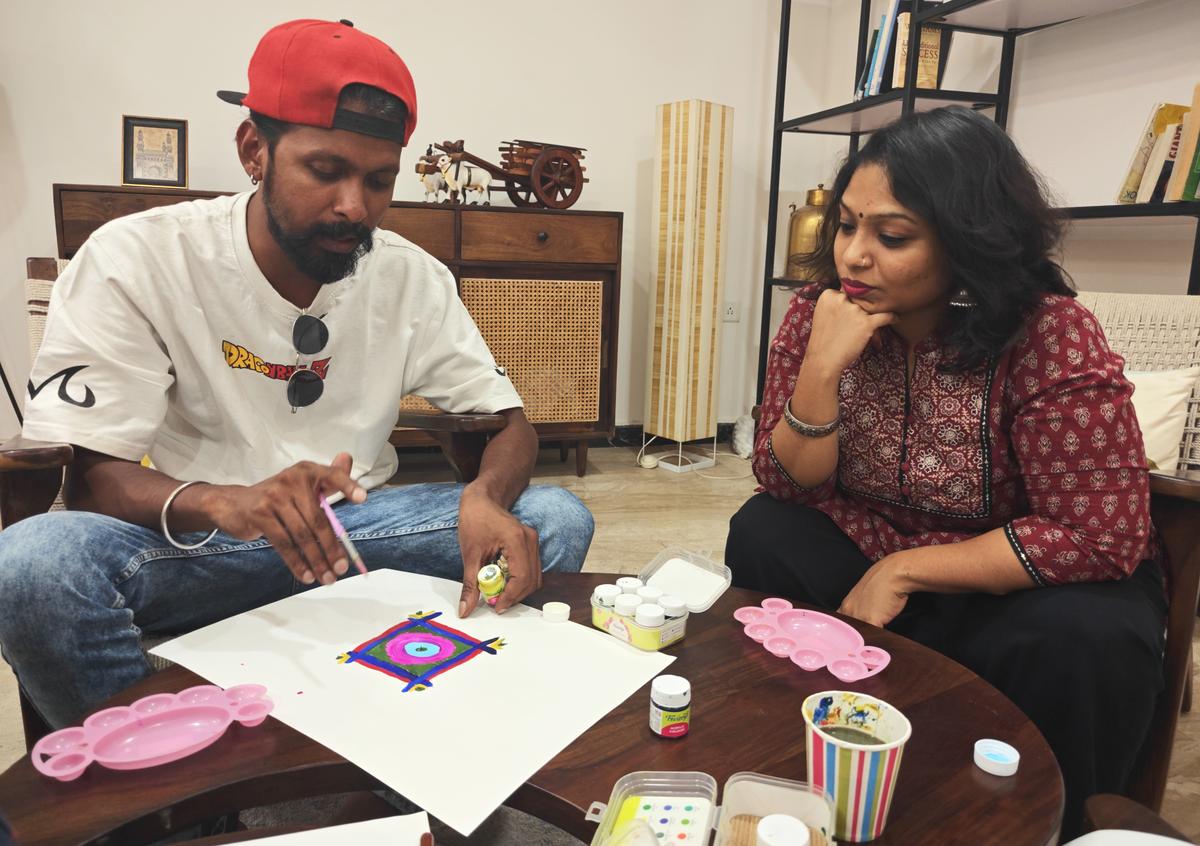
Pallavi Banothu with a participant at an an expressive arts therapy session at Align Hub in Hyderabad

Pallavi Banothu with a participant at an an expressive arts therapy session at Align Hub in Hyderabad
| Photo Credit:
Siddhant Thakur; Shot On OnePlus; #FramesOfIndia

Experts in the field conduct solo and group sessions that range between one and three hours to offer a non-verbal outlet for self-expression. Can one navigate life’s complexities through creativity? Yes, says Hyderabad-based Pallavi Banothu. A certified expressive arts practitioner (she did Foundation in Expressive and Creative Arts Therapies (FECAT) and Expressive Body courses from SMArT, Bengaluru), she takes solo sessions online and collaborates with centres aligned with arts in Hyderabad for group workshops.

Her solo sessions typically begin with a ‘discovery call’ — a conversation designed to understand the participant’s current needs, what they hope to achieve, and why they are seeking therapy at this point in time. “It helps me understand how they see their life, their expectations from the space, and gradually we work to build a sense of safety and invite their stories and experiences,” says Pallavi. The practitioner also gauges which art form the individual is drawn to on that particular day. “I use movement therapy, visual art, painting, journaling, elements of psychodrama, mask and puppet work, and even playback theatre. I’m not big on music, but it still has a place,” she adds.

The integration of these art forms unfolds over multiple sessions. The aim is to encourage internal dialogue and help individuals build emotional resources so they can eventually navigate their feelings independently, even without professional assistance.
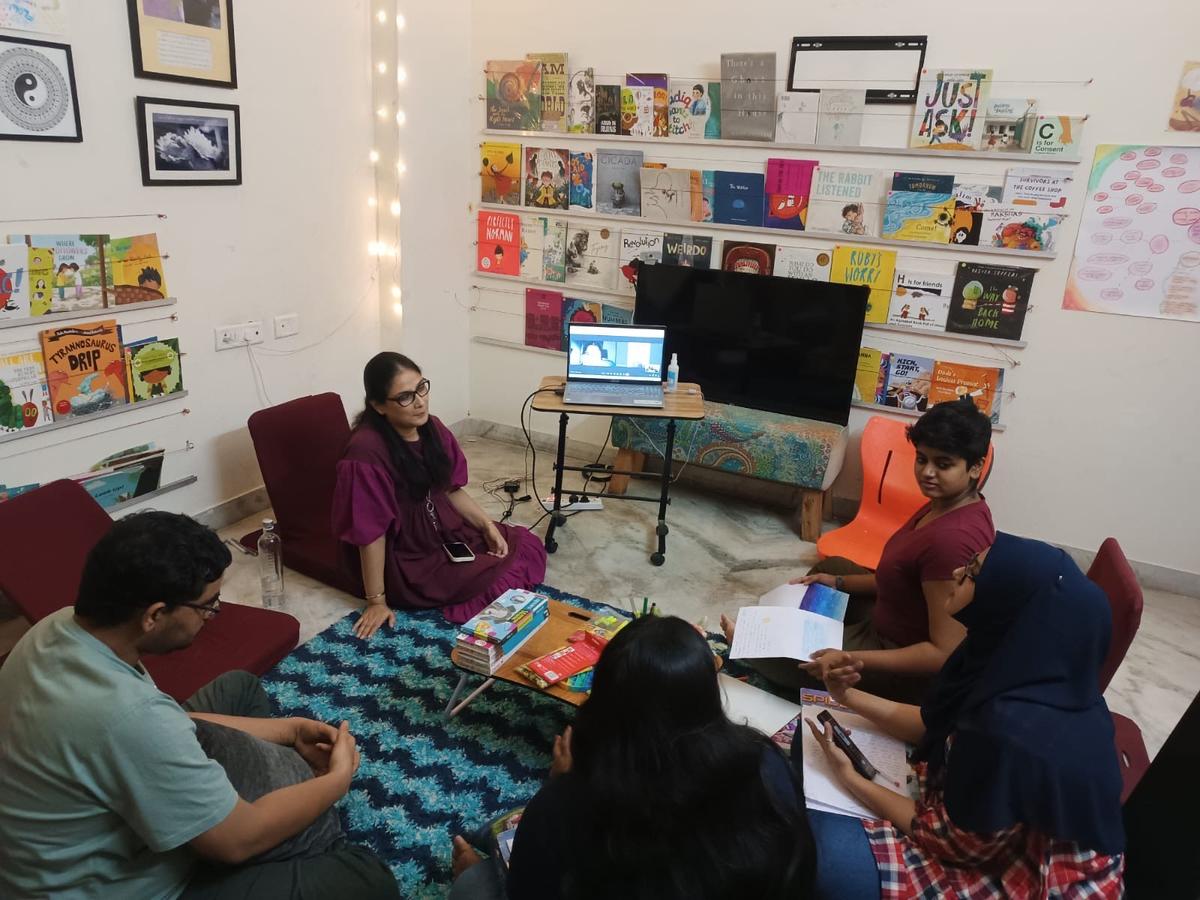
Sammy Sahni conducts the session at Pause for Perspective

Sammy Sahni conducts the session at Pause for Perspective
| Photo Credit:
Special Arrangement

Group sessions — typically with up to 10 participants — are designed as safe spaces to explore ‘curiosity, compassion and courage’. Pallavi arrives armed with an eclectic mix of materials: drawing sheets, various types of paints, crayons, sketch pens, brushes, clay dough, printed nature images from magazines, pebbles, kinetic sand, and even soap for blowing bubbles. Dupattas or scarves are used to form safe circles, support dramatherapy, or even craft puppets.
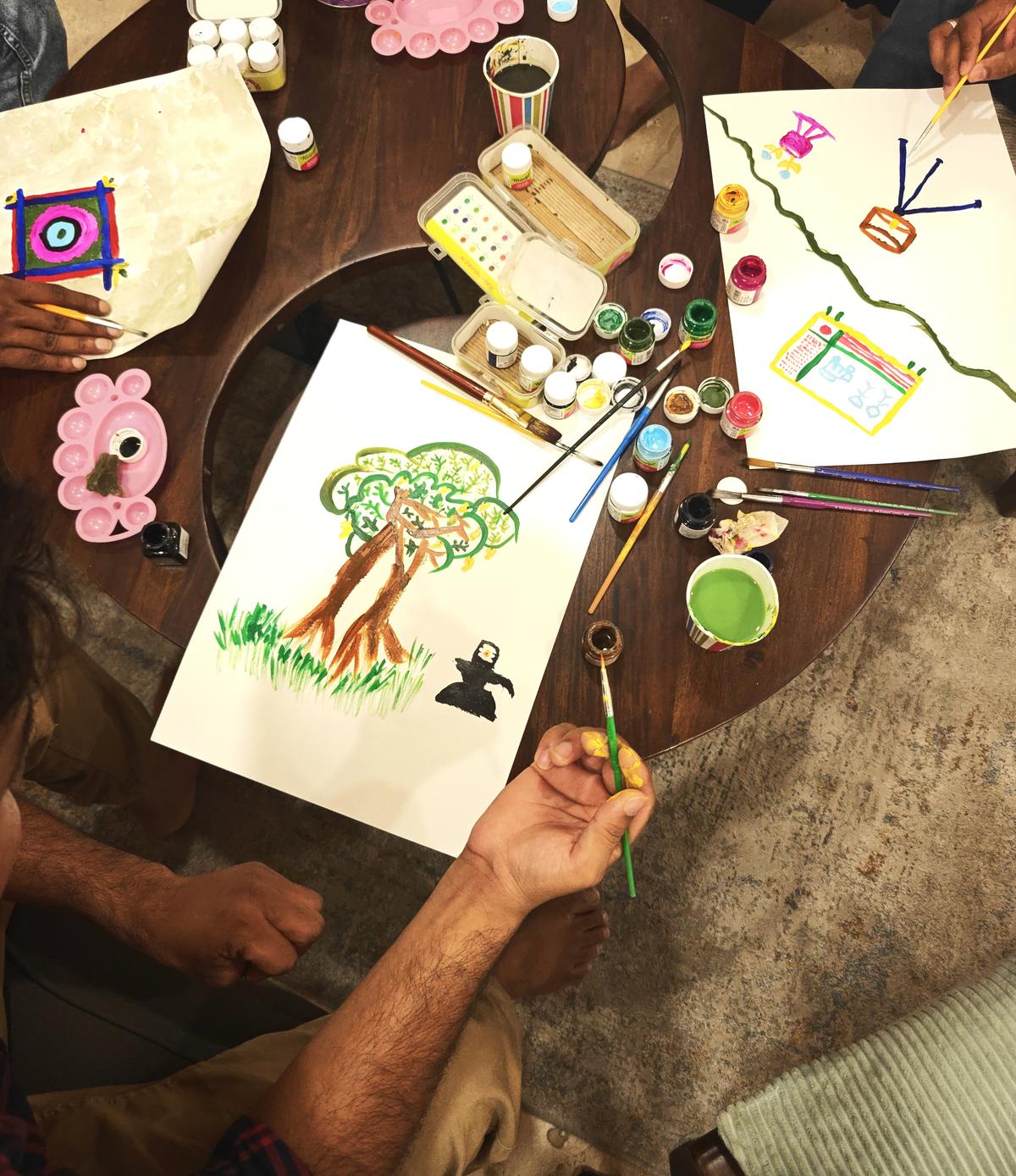
 Participants explore different artforms at an expressive arts therapy session being  conducted by therapist Pallavi Banothu at Align Hub in Hyderabad

Participants explore different artforms at an expressive arts therapy session being  conducted by therapist Pallavi Banothu at Align Hub in Hyderabad
| Photo Credit:
Siddhant Thakur; Shot on OnePlus #FramesofIndia

These sessions begin with introductions and interactive exercises to help participants get familiar with the facilitator, each other, and the space. “We explore how to be present for someone and how to witness artwork created by others during the session,” Pallavi explains. The focus then shifts to the main activity, which enables deeper emotional processing.

This space, she emphasises, is ‘for them to just be’. “When art is involved, we often become performative. The idea here is to shift away from those conditioned beliefs about perfectionism and performance. We open up conversations about what it means for them to simply be here and what support they need to feel safe and comfortable.”

Sessions for therapists
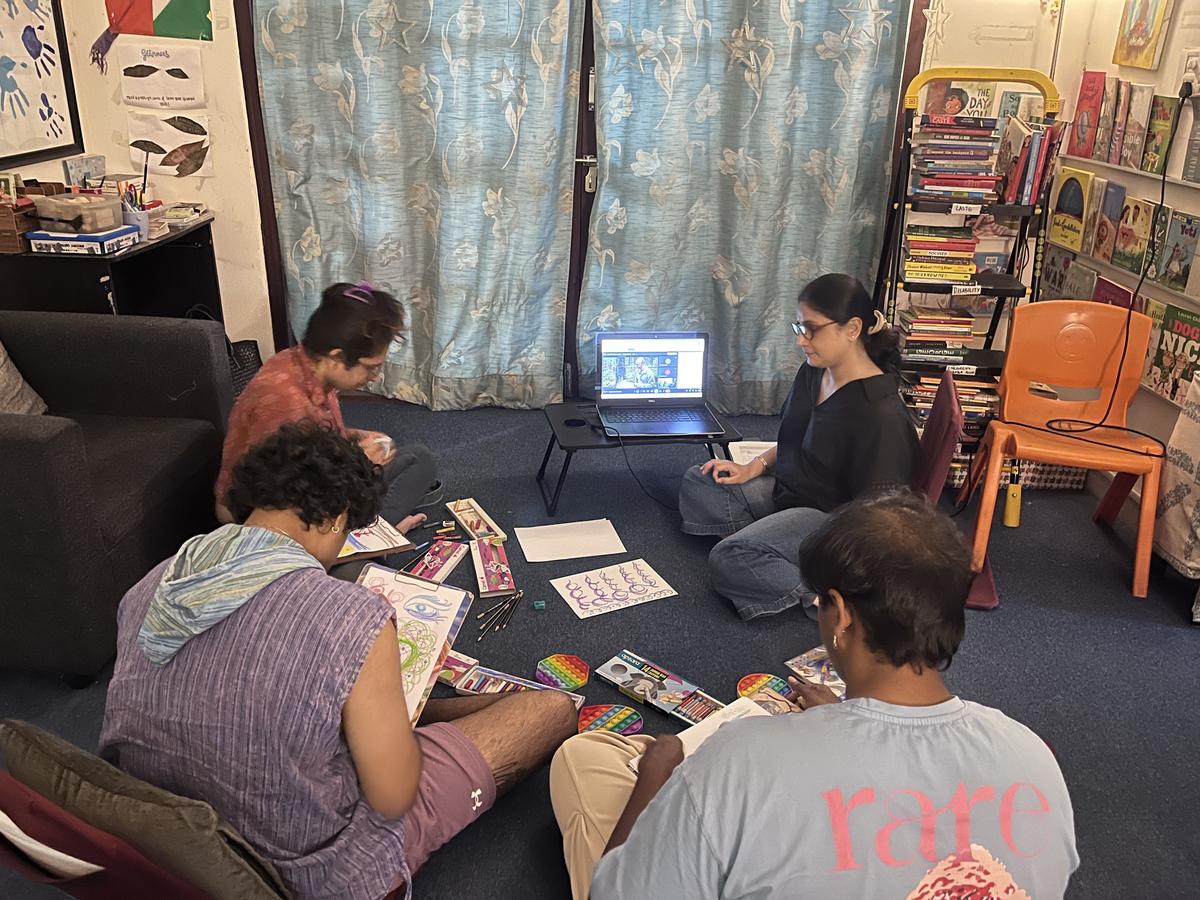
Sammy Sahni conducts a session at Pause for Perspective

Sammy Sahni conducts a session at Pause for Perspective
| Photo Credit:
Special Arrangement

A non-judgemental space welcomes diverse voices at Pause for Perspective, a counselling and psychotherapy centre in Begumpet. In addition to monthly and bi-monthly expressive arts therapy sessions, the centre also hosts workshops for mental health practitioners as part of its broader programming. Therapist Sammy Sahni explains that insights from these sessions often help other professionals integrate expressive techniques into their personal and clinical practice.

The group sessions are theme-based. A recent one centred on ‘Rest’ incorporated visual art, movement, and embodied practices to cultivate mindfulness. Participants were introduced to the concept of ‘slowing down’, with many describing the experience as ‘cathartic’ and leaving them ‘relaxed and restored’. “When the mind and body are brought into awareness, one begins to recognise the emotions that surface and reflect on how they feel by the end of the session,” Sammy adds.

Rise in sessions
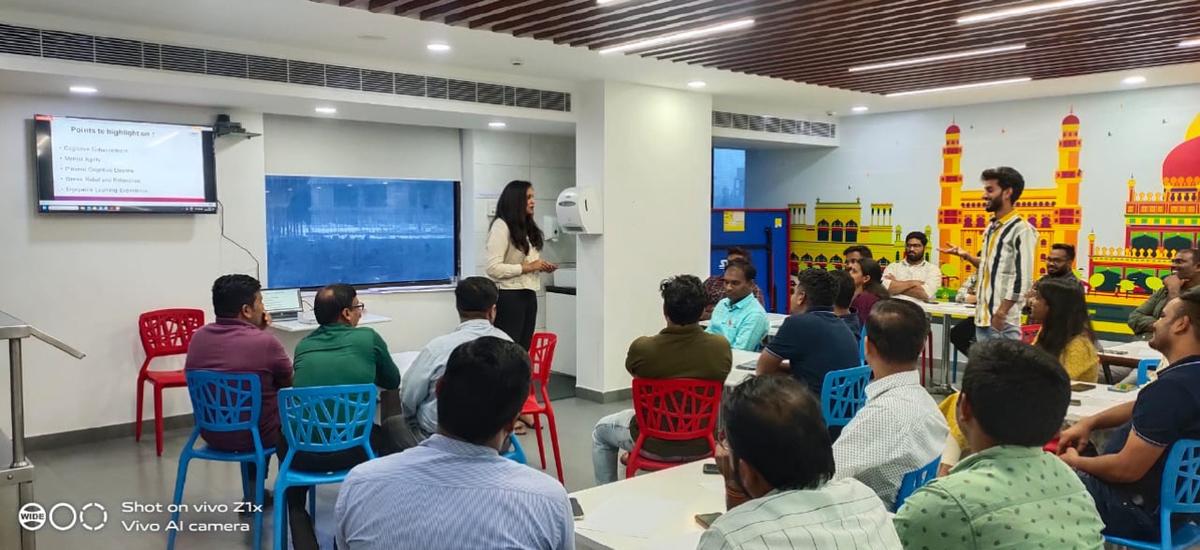
A corporate session by Srini Nelluri

A corporate session by Srini Nelluri

Wellness coach Srini Nelluri takes corporate sessions once a week at at HCL, Amazon and Google. She says “It (demand for sessions) was not the case eight months ago; Now I don’t find the time to take sessions because so many requests come. The demand, she believes, is due to an awareness among people that managing emotions goes a long way in their physical and mental health. “A lot of people now want to sit and feel their emotions and the best way to do it is through expressive arts.”

Corporates, especially in middle management roles, seek such sessions. “With constant work stress, they want places which are fun but also tap into their emotions in a direct way. This kind of self-exploration and healing aids growth personally and brings them back to themselves and that’s what they want.”
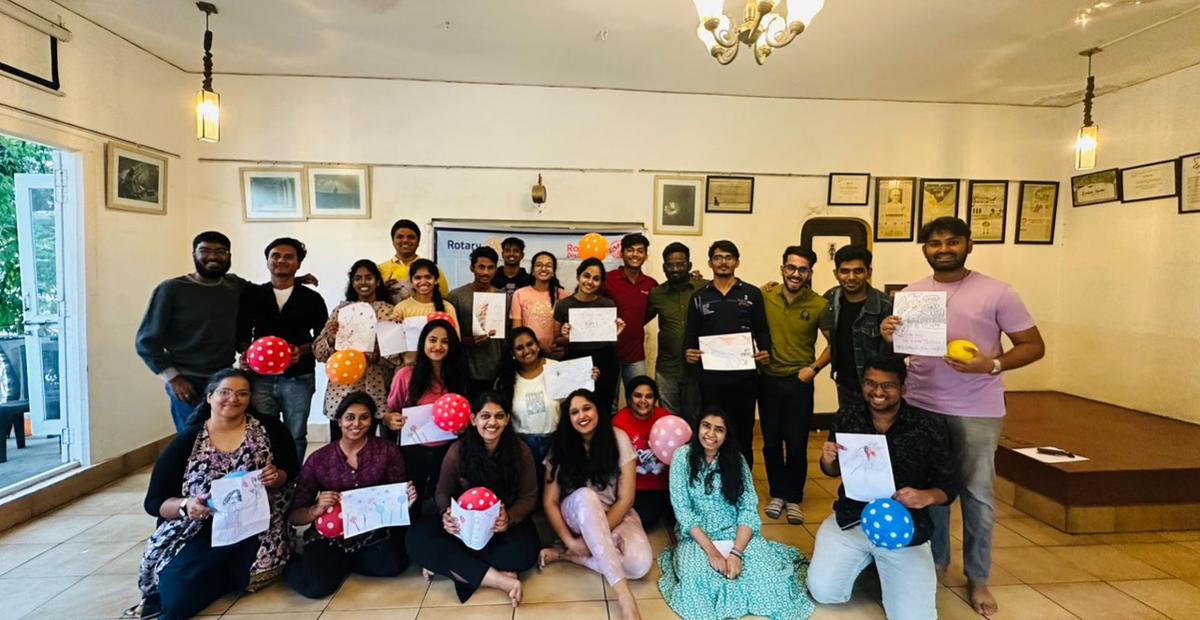
Participants display artworks after a corporate session by Srini Nelluri

Participants display artworks after a corporate session by Srini Nelluri
| Photo Credit:
Special Arrangement

Her two-hour corporate session integrates different artforms involving some dance moves, a lot of music play therapy and mindfulness-based activities with clay-based work and visual arts. “Indians are culturally rich and have many arts. The sessions, a culmination of different arts, bring participants back to their roots.”

A classical dancer, Srini shifted gears first to dance movement therapy and later got trained in expressive arts. “Since I use a lot of visual arts, movement therapy sessions too are like expressive arts for me. Even blinking your eye is movement; making art is movement. It depends on which lens you are looking at.”

Mental health accessibility to all is a challenge and Sammy hopes integrating the arts with other frameworks — a social justice stance, neurodiversity and camping will break the barriers. Make mental health more accessible like listening to music for communities, students, professionals and older people she says. “It should be accessible in a way where people feel comfortable to talk about it and also easily access the information.”


Source link

105 year old Japanese doctor’s 7 principles of longevity are so doable!


105 year old Japanese doctor’s 7 principles of longevity are so doable!

Want to live long? While longevity as a process is not linear (some people just live more than the others), we indeed can take some steps to increase our lifespan, primarily to spend more time with our family and children, grandchildren, and even great grandchildren! However, while diet and exercise do help, is there really a magic potion to increase longevity? Let us ask the expert... (source:katedeeringfitness)

9

Dr. Shigeaki Hinohara, a renowned Japanese physician who lived to the remarkable age of 105, left behind simple yet powerful advice for living a longer, healthier life. His approach is practical, focusing on mindset, lifestyle, and purpose rather than complicated diets or extreme regimens. Let’s take a look…

Don’t Retire (at least not from living life)
One of Dr. Hinohara’s strongest beliefs was to never fully retire. He argued that retirement ages were set when people lived shorter lives, so now, with longer life expectancy, we should keep working or stay active much later. He himself worked up to 18 hours a day well into his 100s. And by retiring, he did not mean from a job. You can retire from your job, but continue to be busy, volunteering, gardening, etc.
Move More Every Day
Physical activity is essential, no matter your age. Dr. Hinohara recommended simple daily movements like walking, taking stairs, or light exercise to maintain flexibility, circulation, and overall health.

Moving regularly keeps your heart healthy, and prevents muscle stiffness.
Keep Your Diet “Stupidly” Simple
Dr. Hinohara’s diet was straightforward and modest, and a far cry from the fad diets that are rampant today. He ate mostly vegetables, fish, rice, and lean meat twice a week. He practiced “hara hachi bu,” a Japanese habit of eating until you are 80% full, avoiding overeating. Most importantly, his meals were homecooked, balanced and simple.
Have A Purpose In Life
Purpose fuels longevity. Dr. Hinohara believed that having a reason to wake up each day-whether it’s work, helping others, or pursuing passions, keeps you going. Whatever you do in life, don’t sit idle, he would say.
Don’t Overthink Your Health
While staying healthy is important, Dr. Hinohara warned against obsessing over every little symptom or health scare. Instead, trust your body and maintain a balanced lifestyle. Overthinking can cause stress, which negatively affects health. He encouraged a calm, confident approach to wellness.

11

Trust Yourself and Listen to Your Body
Dr. Hinohara emphasized the importance of intuition. He advised people to trust their own instincts about their health and well-being, rather than blindly following every new health trend. Learning to understand your body’s signals helps you make better choices tailored to your needs.
Feed Your Soul, Not Just Your Body
Longevity is about more than physical health. Dr. Hinohara stressed nourishing your soul through quality time with family, learning, creativity, and joy. Engaging in activities that you really enjoy adds quality to your life, that in turn helps longevity.


Source link

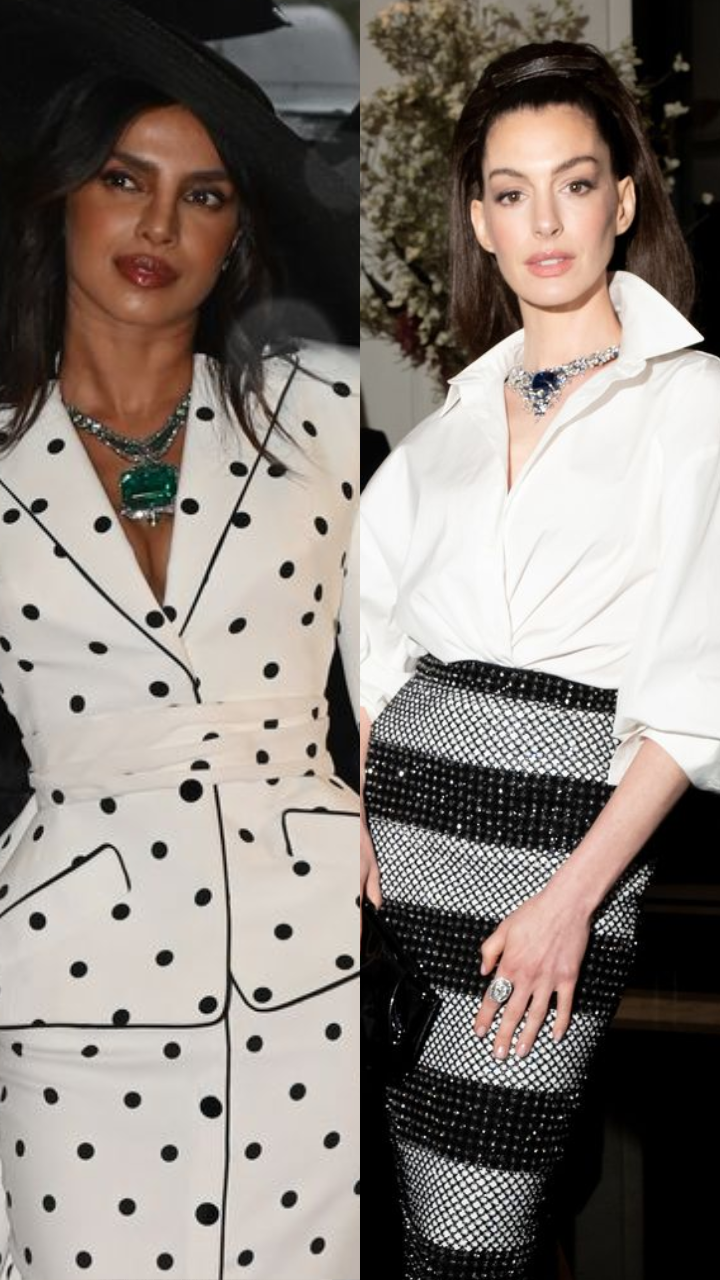
Priyanka Chopra to Anna Hathaway: Best beauty looks to see from Met Gala 2025


Celebrity glam teams are working up the magic

The Met Gala, fashion’s most anticipated night of the year, doesn’t just set the tone for red carpet couture – it also dictates the beauty trends we’ll be obsessed with all year long. While the theme, dress code, and show-stopping ensembles always grab attention, no Met moment is complete without the hair, makeup, and beauty looks that elevate each outfit into a work of art. Here are the standout beauty moments from the Met Gala 2025 you need to see.


Source link

SEVENTEEN’s S.Coups makes South Korea proud with hanbok-inspired look at Met Gala 2025; Carats say, ‘Never getting over this’


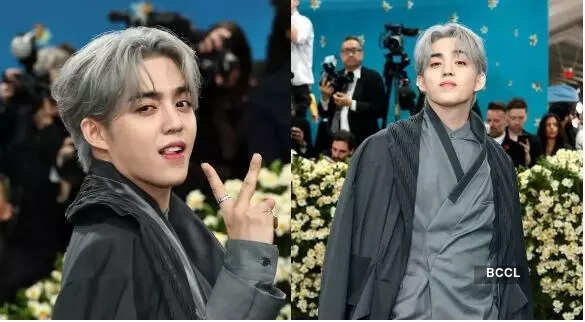
SEVENTEEN’s leader S.Coups, whose real name is Choi Seungcheol, made waves at the 2025 Met Gala, not just as a first-time attendee but as a symbol of pride for South Korea. Fresh off his recent announcement as a global ambassador for BOSS, the rapper arrived at the Metropolitan Museum of Art in New York City dressed in a bold, hanbok-inspired outfit that instantly captured attention. His presence marked another proud moment for K-pop and Korean fashion influence on one of the world’s biggest style stages.

More details of S. Coups’ outfit at Met Gala 2025

S.Coups wore a layered, hanbok-inspired ensemble featuring a light grey, satin-like top with a draped neckline, paired with a darker grey, structured vest. Over it, he layered a flowing dark coat in deep grey or black, adding dramatic movement. His silver-grey hair matched the monochromatic palette, tying the refined, modern look together.

He was seen striking various poses on the carpet, bringing infectious K-pop energy to the event. In contrast to the stoic poses favoured by many celebrities, S.Coups responded to loud cheers from fans with playful gestures and an easy charm. It looked like he was truly enjoying the moment, owning the carpet like boss.s.

Carats react to S.Coups’ look

K-pop fans, especially SEVENTEEN’s dedicated fandom Carats, couldn’t hold back their emotions online. Their subreddit was flooded with reactions ranging from pure awe to emotional pride. One fan wrote, “Head empty, no coherent thoughts, have ascended to the heavens, I am not okay.” Another added, “I adore the hanbok-inspired fit… he looks stunning in grey. I’m never getting over this!”

There was a strong sense of joy and celebration throughout the fandom. “Our leader in his hanbok-inspired outfit is out here slaying,” one Carat wrote. “He’s worked so hard, and he deserves this.” Others praised the impeccable tailoring and the way the outfit matched S.Coups’ hair, calling it “utterly incredible” and “breathtaking.”

Check out more comments in the Reddit thread below:

250505 S.Coups at The 2025 Met Gala for BOSS (Getty Images)
byu/CoffeeNirvana inseventeen

For all the latest K-drama, K-pop, and Hallyuwood updates, keep following our coverage here.


Source link

Was Lisa Manobal’s Met Gala outfit a NSFW tribute to Rosa Parks or a cultural misstep?


Was Lisa Manobal's Met Gala outfit a NSFW tribute to Rosa Parks or a cultural misstep?
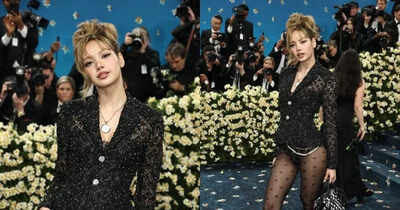
Lisa of BLACKPINK made a daring Met Gala 2025 appearance in a sheer black blazer dress, skipping the theme but commanding full attention. Styled with pearl body jewelry, sheer tights, and a bold updo, Lisa’s look sparked mixed reactions online but firmly positioned her as one of the standout stars of the evening.

Alright, let’s talk Met Gala 2025. The theme? “Superfine: Tailoring Black Style.” A big, bold celebration of Black fashion, culture, and creative legacy. A chance to spotlight icons, stories, and statements that shaped style—and history.
Enter K-pop superstar Lisa Manobal, making her much-hyped Met Gala debut. She walked the carpet in a custom Louis Vuitton lace bodysuit featuring portraits by renowned artist Henry Taylor. Known for painting people close to him—friends, family, muses—Taylor’s work is layered, emotional, and often raw.
But then things got messy.
One of the portraits, placed on the lower part of Lisa’s bodysuit, bore a strong resemblance to civil rights icon Rosa Parks. And the internet, as expected, didn’t take that lightly.
“Why does Lisa have Rosa Parks in her pants? 😭😭 One of the historic women who fought against racism,” one user wrote on X. “I don’t think her designer thought this through… it’s definitely a cultural misunderstanding,” another added.
And just like that, what was meant to be a tribute turned into a talking point—for all the wrong reasons.

When art meets fashion

Louis Vuitton later clarified that the portraits were drawn from Taylor’s own world, not necessarily famous faces. But that’s the tricky part: the resemblance was there. And when the public thinks they see Rosa Parks on someone’s crotch at an event meant to honor Black excellence, you better believe it’s going to spark a conversation.
Here’s the thing—fashion and art are both about pushing boundaries. But push too far without context, and it stops being edgy and starts looking careless.

The legacy of Rosa Parks

A quick rewind for those who only know her as “the lady who didn’t give up her bus seat.” That moment in Montgomery in 1955 wasn’t just about being tired. Rosa Parks was an activist, long before that headline-grabbing act. She was the secretary of the Montgomery NAACP, investigated racial crimes, and stood up—quietly but firmly—against a system designed to crush people like her.
Her refusal to move on that bus launched the 381-day Montgomery Bus Boycott, a pivotal chapter in the civil rights movement. And even after that, life didn’t exactly get easier. She and her husband lost their jobs and had to leave Alabama. But Rosa kept fighting—from Detroit, in Congress, and through the youth-focused Rosa and Raymond Parks Institute.
She wasn’t just a symbol. She was a strategist, a leader, and a woman who lived her principles even when the spotlight faded.
So yeah, people were upset. And understandably so.

Fashion can be bold and brave, but not careless

Now, let’s zoom out.
Fashion has always been borrowed from history. Designers love remixing the past—there’s drama, elegance, nostalgia, and iconic imagery to play with. And that’s not a bad thing. Reimagining historical figures in modern design can make them feel more relatable, more human. It’s a great storytelling device if done right.
But here’s where it gets tricky: there’s a fine line between creative homage and cultural insensitivity. You can’t just grab a face—especially one so symbolic—and place it somewhere provocative just for shock value. That’s not bold. That’s clumsy.
Rosa Parks isn’t an “aesthetic.” She’s not a graphic tee or an artsy bodysuit embellishment. She’s a woman who changed the world. So, if you’re going to use her image—or even something that resembles her—you better think about what message you’re sending.
Let’s be real. If that same portrait had been placed near the heart, or even styled as part of a powerful back piece, this conversation might have gone very differently. But context is everything in fashion—especially when historical and cultural legacies are involved.
Designers and stylists need to ask the hard questions before sending a look down a carpet:
Who are we referencing?
Why are we referencing them?
And how are we doing it?
If the answers aren’t clear, thoughtful, and respectful, maybe rethink the look.
This whole moment with Lisa at the Met Gala? It’s a masterclass in why cultural awareness isn’t optional in creative industries—it’s essential. You can be experimental. You can be bold. But you can’t be blind.
Because when fashion forgets to respect the weight of history, it stops being art—and starts being a headline for all the wrong reasons.


Source link

Was Lisa Manobal’s Met Gala outfit a NSFW tribute to Rosa Parks or a cultural misstep? |


Was Lisa Manobal's Met Gala outfit a NSFW tribute to Rosa Parks or a cultural misstep?
Lisa of BLACKPINK made a daring Met Gala 2025 appearance in a sheer black blazer dress, skipping the theme but commanding full attention. Styled with pearl body jewelry, sheer tights, and a bold updo, Lisa’s look sparked mixed reactions online but firmly positioned her as one of the standout stars of the evening.

Alright, let’s talk Met Gala 2025. The theme? “Superfine: Tailoring Black Style.” A big, bold celebration of Black fashion, culture, and creative legacy. A chance to spotlight icons, stories, and statements that shaped style—and history.
Enter K-pop superstar Lisa Manobal, making her much-hyped Met Gala debut. She walked the carpet in a custom Louis Vuitton lace bodysuit featuring portraits by renowned artist Henry Taylor. Known for painting people close to him—friends, family, muses—Taylor’s work is layered, emotional, and often raw.
But then things got messy.
One of the portraits, placed on the lower part of Lisa’s bodysuit, bore a strong resemblance to civil rights icon Rosa Parks. And the internet, as expected, didn’t take that lightly.
“Why does Lisa have Rosa Parks in her pants? 😭😭 One of the historic women who fought against racism,” one user wrote on X. “I don’t think her designer thought this through… it’s definitely a cultural misunderstanding,” another added.
And just like that, what was meant to be a tribute turned into a talking point—for all the wrong reasons.

When art meets fashion

Louis Vuitton later clarified that the portraits were drawn from Taylor’s own world, not necessarily famous faces. But that’s the tricky part: the resemblance was there. And when the public thinks they see Rosa Parks on someone’s crotch at an event meant to honor Black excellence, you better believe it’s going to spark a conversation.
Here’s the thing—fashion and art are both about pushing boundaries. But push too far without context, and it stops being edgy and starts looking careless.

The legacy of Rosa Parks

A quick rewind for those who only know her as “the lady who didn’t give up her bus seat.” That moment in Montgomery in 1955 wasn’t just about being tired. Rosa Parks was an activist, long before that headline-grabbing act. She was the secretary of the Montgomery NAACP, investigated racial crimes, and stood up—quietly but firmly—against a system designed to crush people like her.
Her refusal to move on that bus launched the 381-day Montgomery Bus Boycott, a pivotal chapter in the civil rights movement. And even after that, life didn’t exactly get easier. She and her husband lost their jobs and had to leave Alabama. But Rosa kept fighting—from Detroit, in Congress, and through the youth-focused Rosa and Raymond Parks Institute.
She wasn’t just a symbol. She was a strategist, a leader, and a woman who lived her principles even when the spotlight faded.
So yeah, people were upset. And understandably so.

Fashion can be bold and brave, but not careless

Now, let’s zoom out.
Fashion has always been borrowed from history. Designers love remixing the past—there’s drama, elegance, nostalgia, and iconic imagery to play with. And that’s not a bad thing. Reimagining historical figures in modern design can make them feel more relatable, more human. It’s a great storytelling device if done right.
But here’s where it gets tricky: there’s a fine line between creative homage and cultural insensitivity. You can’t just grab a face—especially one so symbolic—and place it somewhere provocative just for shock value. That’s not bold. That’s clumsy.
Rosa Parks isn’t an “aesthetic.” She’s not a graphic tee or an artsy bodysuit embellishment. She’s a woman who changed the world. So, if you’re going to use her image—or even something that resembles her—you better think about what message you’re sending.
Let’s be real. If that same portrait had been placed near the heart, or even styled as part of a powerful back piece, this conversation might have gone very differently. But context is everything in fashion—especially when historical and cultural legacies are involved.
Designers and stylists need to ask the hard questions before sending a look down a carpet:
Who are we referencing?
Why are we referencing them?
And how are we doing it?
If the answers aren’t clear, thoughtful, and respectful, maybe rethink the look.
This whole moment with Lisa at the Met Gala? It’s a masterclass in why cultural awareness isn’t optional in creative industries—it’s essential. You can be experimental. You can be bold. But you can’t be blind.
Because when fashion forgets to respect the weight of history, it stops being art—and starts being a headline for all the wrong reasons.


Source link

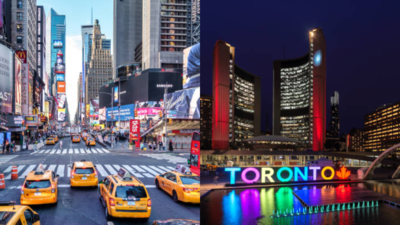
Big Apple or Maple Syrup: Which is the best city to live, New York City or Toronto?


Big Apple or Maple Syrup: Which is the best city to live, New York City or Toronto?

So, you’re packing your bags, updating your LinkedIn bio to “open to relocation,” and trying to figure out whether to chase your dreams in New York or cozy up in Toronto. It’s a tough choice—like picking between pizza and poutine. Both are great, but they offer totally different flavors of life. If you’re debating between the bold, chaotic energy of New York City and the clean, calm charm of Toronto, this one’s for you. Let’s break it down like two friends gossiping over overpriced coffee.
First up: New York City. You’ve seen it in movies, heard songs about it, and probably daydreamed at some point about living in a tiny apartment with a fire escape and a view of… well, another building. New York is the city where dreams are made—and promptly slapped in the face by rent prices. But here’s the deal: NYC is electric. The job opportunities are insane, especially if you’re in finance, fashion, media, tech, or even something as random as professional dog-walking. The city is diverse to its core, with over 800 languages spoken and food from every corner of the planet available at 3 a.m. Want a bagel at midnight or a Korean BBQ breakfast? New York’s got you.
The subway, while a bit smelly and prone to delays, runs 24/7 and is still one of the best in North America. The culture is non-stop—Broadway shows, live music, pop-up art exhibits, rooftop bars, you name it. There’s no shortage of energy or inspiration. But here’s the flip side: that same energy can burn you out. Work-life balance? Cute concept. Peace and quiet? Good luck. And the cost of living? Oh boy. Unless you’re bringing in a six-figure salary or splitting your rent with three roommates and a very bold raccoon, NYC will financially humble you real quick.
Now, let’s cross the border to Toronto. It might not have the same Hollywood glitz, but what it lacks in fame, it makes up for in livability. Toronto is chill. It’s clean. People are polite. There’s universal healthcare (yes, you can break your leg without breaking the bank). It’s also super diverse—more than half of the city’s population is foreign-born, and it shows in the food, festivals, and everyday life. You’ll feel welcome here whether you’re from Mumbai, Manila, or Milan.
Toronto’s job scene is strong, especially in finance, healthcare, and tech. It’s not as cutthroat as New York, but that also means you get to breathe between emails. The city is designed for humans who like walking, biking, and not dodging garbage piles. Public transit is decent, and while it doesn’t run all night, it’s clean and pretty efficient. Plus, Toronto has something that New York definitely doesn’t: access to nature. You’ve got the waterfront, parks, and weekend trips to the countryside just a short drive away.

Cost of living

Cost-wise, both cities are expensive—but NYC is on another level. A one-bedroom in Manhattan can easily cost over $3,500 a month. Toronto rents aren’t cheap either (around $2,300 for a decent one-bedroom), but at least you’ll get a little more space and fewer mystery leaks. Grocery bills are similar, though dining out in Toronto is noticeably easier on the wallet. Plus, you won’t need to shell out hundreds of dollars a month for health insurance like you would in the U.S.
If you’re an immigrant or planning to become one, Toronto has a strong edge. Canada’s immigration process is more transparent and friendly, with a solid path to permanent residency and citizenship. And yes, that includes free basic healthcare. Many Redditors and Quora commenters who moved to both cities say they felt more welcomed and less overwhelmed in Toronto. It’s a slower build, but often a more sustainable one.
Now let’s talk vibes. New York is all about the grind—making it big, being the best, shouting into the void with everyone else who’s just as stressed. If you thrive on that energy, you’ll love it. But if you want a place where you can work, grow, and still have time to nap on Sundays, Toronto might just be your city. It’s a place for young professionals, families, and anyone who prefers their urban life with a sprinkle of peace.

Safety!

If safety is your deciding factor, Toronto comes out on top. It consistently ranks among the safest major cities in North America. Petty theft and the occasional car break-in? Sure. But gun violence is low, and you’re unlikely to feel unsafe walking around.
NYC has improved massively since its crime-heavy ’90s era, but some boroughs still struggle with safety issues. Violent crime rates are higher than Toronto’s, and while tourists mostly stay clear of dangerous areas, locals know to stay alert.

Immigration

This one’s important: Canada’s immigration system is miles ahead in terms of transparency and accessibility. Programs like Express Entry, the Provincial Nominee Program, and work/study permits make it easier to start over legally.
The U.S.? Not so much. Immigration policies can feel like navigating a maze blindfolded. Green cards are hard to come by, and the paperwork is notoriously tedious.
Now, let’s talk about winter. Toronto winters are brutal. We’re talking snowstorms, freezing winds, and the kind of cold that makes you question your life choices. You will need thermal socks, emotional support, hot chocolate, and possibly a shovel. NYC winters are cold too, but nothing compared to the Great White North. However, if you’re into snowball fights and ice skating, this might be a plus.
When it comes to lifestyle, NYC is for those who want fast-paced, career-driven, adrenaline-pumping action. It’s for people who don’t mind the hustle, the honking, or the occasional subway rat. It’s ambitious and gritty and dramatic. On the other hand, Toronto is more balanced. It’s the kind of city where you can have a career and a social life, where you can breathe clean air, and where “work hard, chill harder” is totally doable.
At the end of the day, it really comes down to what you want. Do you want speed, ambition, and endless excitement? Or do you want stability, diversity, and a bit more breathing room? Both cities have their charms and challenges. New York will push you. Toronto will support you. You won’t go wrong with either—but one will definitely feel more “you.”
So, where do you see yourself? Sipping overpriced espresso in a Brooklyn cafe, writing your novel surrounded by chaos? Or walking by Lake Ontario, latte in hand, knowing your dentist appointment next week won’t cost you your dignity?
Whatever you choose—pack a coat, a sense of humor, and a strong Wi-Fi connection. Big adventures await.


Source link

Met Gala 2025: The Indian celebrities who ruled fashion’s biggest night


Indian celebs dressed like Fashion Gods

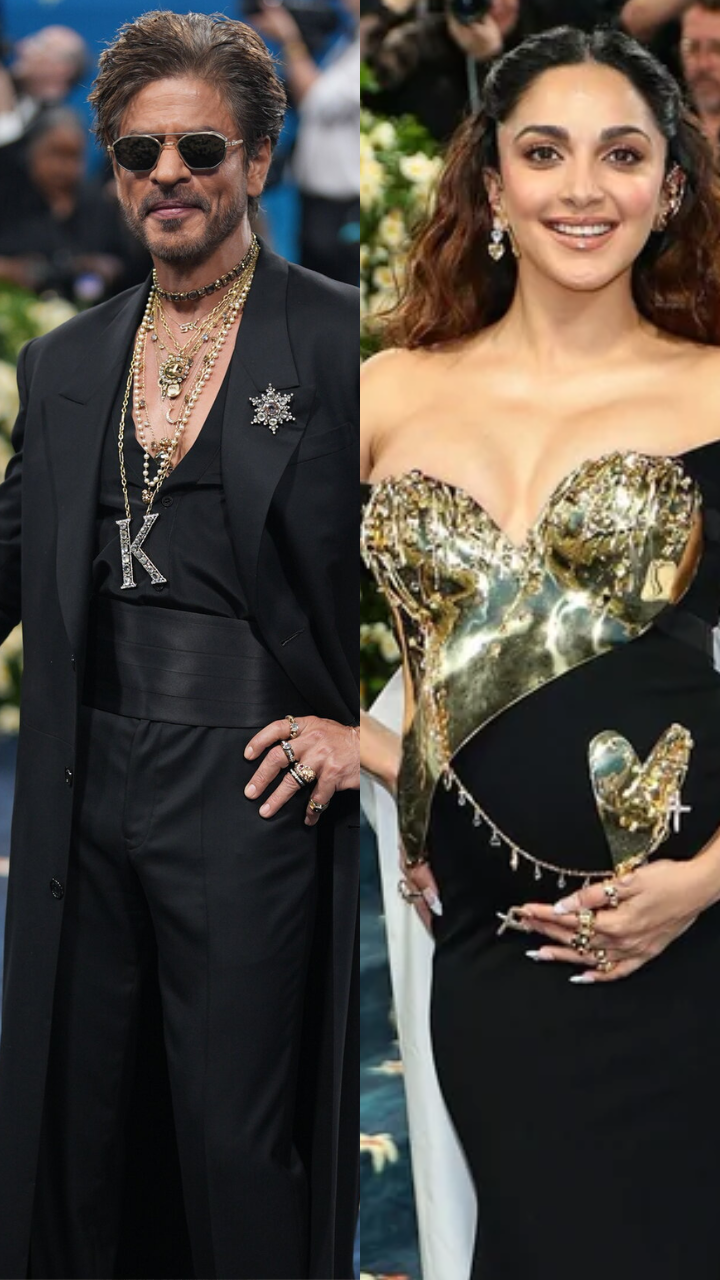
Met Gala 2025 turned into a full-blown Desi fashion parade, with Indian celebrities taking over the fashion carpet with utmost grace and style. Redefining the notes of global fashion with subtle Indian notes infused in the tailored ensembles, Indian celebs did not just show up, they showed out. Let’s take a look at the Indian celebrities who truly shone at the fashion world’s most iconic event.


Source link

Met Gala 2025: How a flower from Greek mythology became the star of fashion’s biggest night


Met Gala 2025: How a flower from Greek mythology became the star of fashion’s biggest night

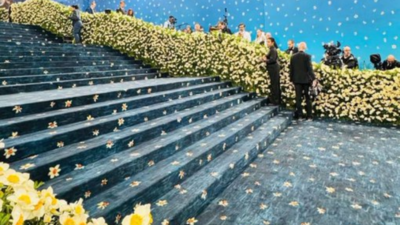
No one expected a flower to steal the show at the 2025 Met Gala, but that’s exactly what happened. Forget the usual red carpet. This year, guests floated into the Metropolitan Museum of Art on a deep midnight-blue carpet scattered with dreamy white and yellow daffodils.Not a random floral choice, mind you—this was a poetic move.
The flower? The Narcissus—aka the daffodil. The artist behind the carpet, Cy Gavin, pulled inspiration from the ones growing near his studio in upstate New York. But it wasn’t just about spring vibes. Gavin tapped into the Greek mythology behind the flower. You know the one—Narcissus, the guy who was so obsessed with his own reflection, he fell in love with it and basically faded into nothing. Dark? Totally. But also... kinda perfect for fashion’s most self-aware night.
Gavin’s idea was brought to life by set designer Derek McLane and event planner Raúl Àvila, turning that myth into a literal runway moment. His painting, Untitled (Sky), where narcissus flowers looked like glowing stars, was also projected at the event, The Vogue reported. Suddenly, this wasn’t just a carpet—it was a whole vibe about self-reflection, identity, and how we see ourselves.
Let’s rewind a sec. In case you missed mythology class: Narcissus was the original heartbreaker. Gorgeous, aloof, and totally uninterested in love—until he saw himself in a pool of water and couldn’t look away. Classic “it’s not you, it’s me” energy, right? In some versions, he dies staring at himself, and in that very spot, a narcissus flower grows. Hence, the name—and the metaphor.
Fast forward to 2025, and this little daffodil isn’t just about vanity anymore. These days, it’s more about growth, rebirth, and self-awareness. So when the Met Gala leaned into that symbolism? It made sense. Because if there’s one night where fashion turns philosophical, it’s this one.
This year’s theme was deeper than your average couture gown. The exhibit, “Superfine: Tailoring Black Style,” was a powerful celebration of 300 years of Black fashion, identity, and the legacy of Black dandyism. It pulled major inspiration from none other than the late, legendary André Leon Talley, whose presence was definitely felt throughout the night. The co-chairs this year were Colman Domingo, Lewis Hamilton, Pharrell Williams, and A$AP Rocky—each of them known not just for their talents but for their unique sense of personal style.

Fashion moments?

Oh, there were plenty. Zendaya turned heads in a modern take on the zoot suit by Pharrell for Louis Vuitton. Diana Ross gave us pure diva realness with a gown that trailed for 18 feet. Teyana Taylor’s Marc Jacobs look gave a nod to Harlem’s legacy, while Lewis Hamilton wore a design by Grace Wales Bonner that spoke volumes without shouting. Even Sabrina Carpenter and Ayo Edebiri used their looks to challenge gender norms—sharp tailoring, bold silhouettes, and all the edge.
And yes, it rained. And yes, LeBron James had to skip the night due to an injury. But did that dampen the drama? Not a chance. The fashion kept coming. The symbolism hit hard. And that daffodil-covered carpet? It wasn’t just a backdrop for selfies—it told a story.
So whether you’re into mythology, red carpet looks, or just scrolling to see who wore what—this year’s Met Gala gave us more than fashion. It gave us a reminder: how we present ourselves is never just surface-level. It’s rooted in history, identity, and yes, sometimes a centuries-old myth about a guy who looked too long in the mirror.
And that’s what made Narcissus the true star of the night.


Source link

Trying to lose weight? These 5 doctor approved food combinations should be on your plate


Weight loss is a long and cumbersome process, and depends on many factors such as age, metabolism, gender, chronic conditions, and so on. Most of the time, after losing a couple of kgs/pounds, you hit the plateau, and post that no matter what and how much you do, the weight just does not drop. While exercise does help in your weight loss plans, (and also keeps you fit), weight loss is actually 80% of what you eat. Hence, if you want to shed the flab, you will have to control what you put in your stomach. The good news is that certain food combinations can help you lose weight faster, and what’s more, they are tasty too (and also doctor approved) Here they are!


Source link