Life & Style

This sari showroom is hand-sculpted in mud, lime and cow dung


There was a time when mud homes were limited to villages. Over the last few years, designers and consumers have found fancy in the simple material and its many structural qualities. Be it Mumbai’s latest bistro Zeki, the 2,000 sq.ft. home built by Bhoomija Creations in Kerala, or the more recent, Tiny Farm Lab in Uttarakhand. The latest addition to this list is sari brand Kalga Banaras’ showroom in Varanasi built using the age-old wattle and daub technique wherein bamboo strips are woven together and the gaps filled with cob (a mix of mud, sand, and straw). 
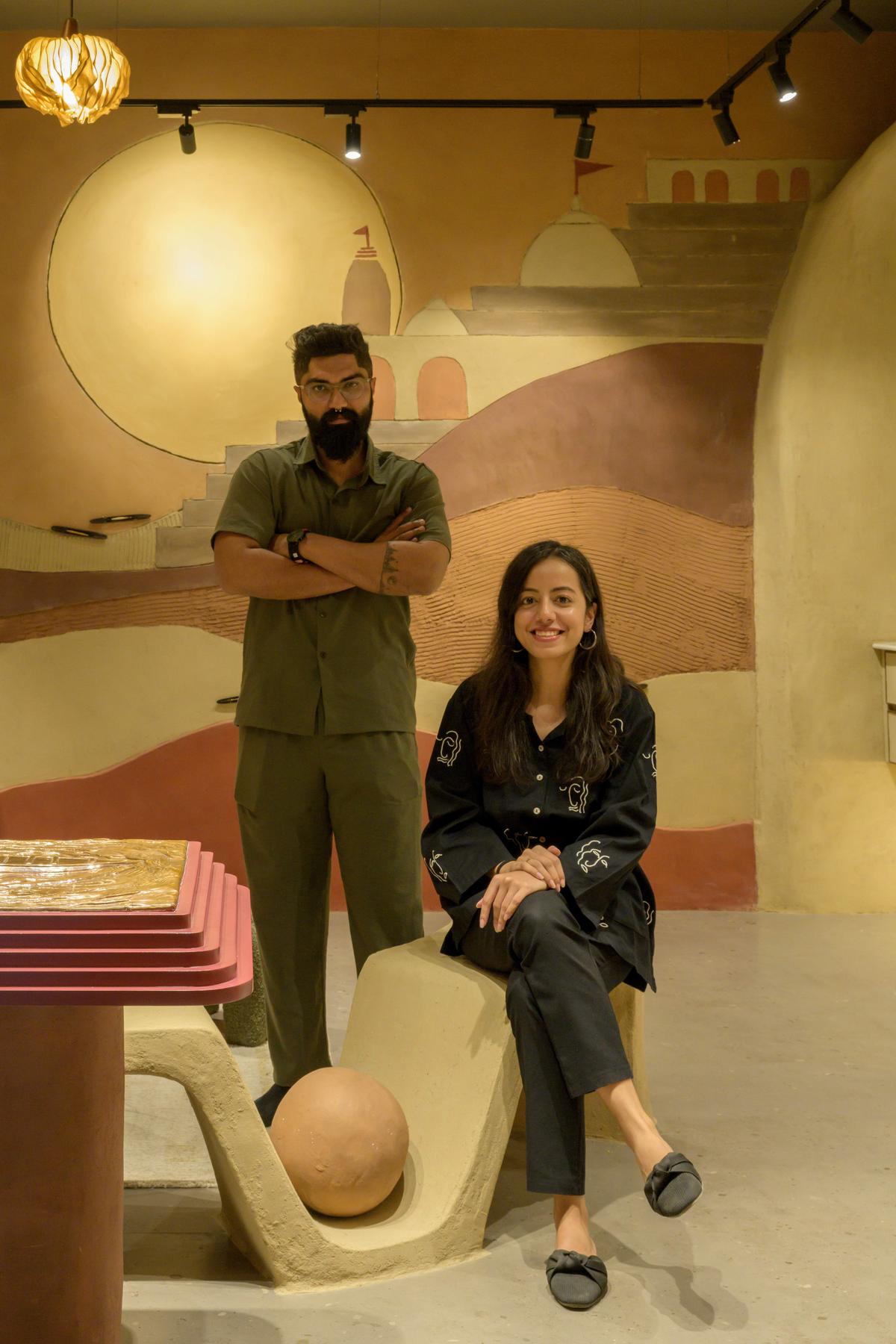
Raghav Kumar and Aishwarya Lakhani

Raghav Kumar and Aishwarya Lakhani
| Photo Credit:
Janvi Thakkar 

The design of the 1,300 square foot showroom — helmed by interior-product designer Aishwarya Lakhani, founder of Brown Dot Collaborative, and Raghav Kumar, co-founder of rural design studio Tiny Farm Lab — was completed in five months by November 2024. “A lot of our inspiration came from observing the day-to-day life and culture in Varanasi: the people, the city’s winding gullies (streets), and the sunsets at the ghats. The mood of the space, as a result, also reflected that through soft edges, elemental colours (a warm, earthy palette) and finishes that felt alive; mud lime plasters in varied tones, textures, and some, in the form of an abstraction on the wall,” says Lakhani, who looked at slowness and imperfection as a design quality, “embracing asymmetry, organically shaped niches, and rustic art sculpted with layers of mud-lime plaster”.

“A lot of our inspiration came from observing the day-to-day life and culture in Varanasi: the people, the city’s winding gullies (streets), and the sunsets at the ghats. The mood of the space, as a result, also reflected that through soft edges, elemental colours (a warm, earthy palette) and finishes that felt alive; mud lime plasters in varied tones, textures, and some, in the form of an abstraction on the wall”Aishwarya Lakhanifounder of Brown Dot Collaborative

Locally sourced material

As one enters the store, and walks through the narrow passage — inspired by Varanasi’s unfolding landscape where narrow lanes open to the vastness of the ghats — they are met with an installation crafted from punch cards used in the jacquard loom system. “The main display space of the store is carved from natural materials, including mud and lime plasters, and hand-sculpted curves. We also designed tactile inserts like a large mural, an abstraction of Varanasi’s sunset in the ghats and display units made using lime and cow dung plasters infused with natural oxides,” says Lakhani, adding that 90% of the materials and artefacts were sourced locally. The store has also revived the gaddi (floor mattress) tradition, “inviting visitors to sit, pause, and engage with the saris in an intimate way”.
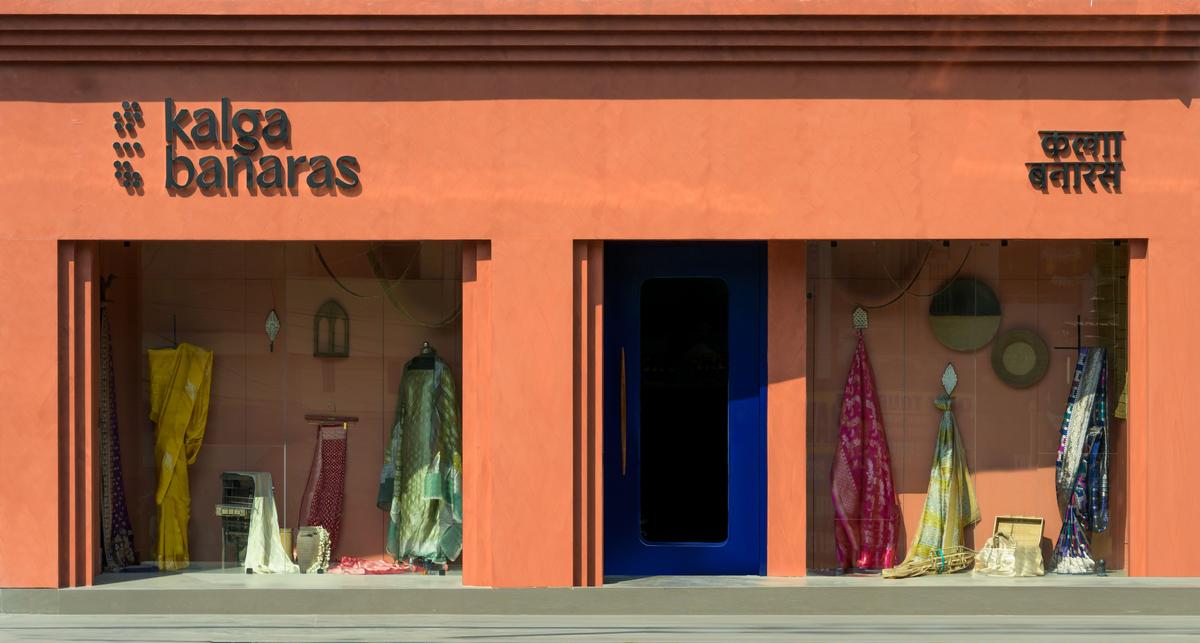
The store’s design is inspired by Varanasi’s unfolding landscape

The store’s design is inspired by Varanasi’s unfolding landscape
| Photo Credit:
Janvi Thakkar 

Detailing the techniques championed in the project, Kumar says the walls were shaped by hand, built slowly one layer at a time using cob. “We mixed the cob by stomping it with our feet and rolled it into place, which gave the walls their smooth, flowing curves. To finish, we used natural plasters made from mud, lime, and cow dung, for the larger sculpted elements, and included natural oxides for the decorative ones,” he says. These safe, chemical-free coatings add beautiful texture, keep the air fresh, and help control the moisture inside the space, adds the architect.

“These hand-formed details were a quiet way of rooting the space in nature and offering visitors moments of discovery as they moved through it. Each one was shaped intuitively on-site, making the walls feel not just built, but touched”Raghav Kumarco-founder of rural design studio Tiny Farm Lab

The team — comprising local masons whom the duo had to train — also sculpted smaller, rustic motifs and protrusions directly into the wet mud plaster. “These hand-formed details were a quiet way of rooting the space in nature and offering visitors moments of discovery as they moved through it. Each one was shaped intuitively on-site, making the walls feel not just built, but touched,” he says, adding that traditional crafts such as metal repoussé and wood-turned figurines were embedded thoughtfully into the design.
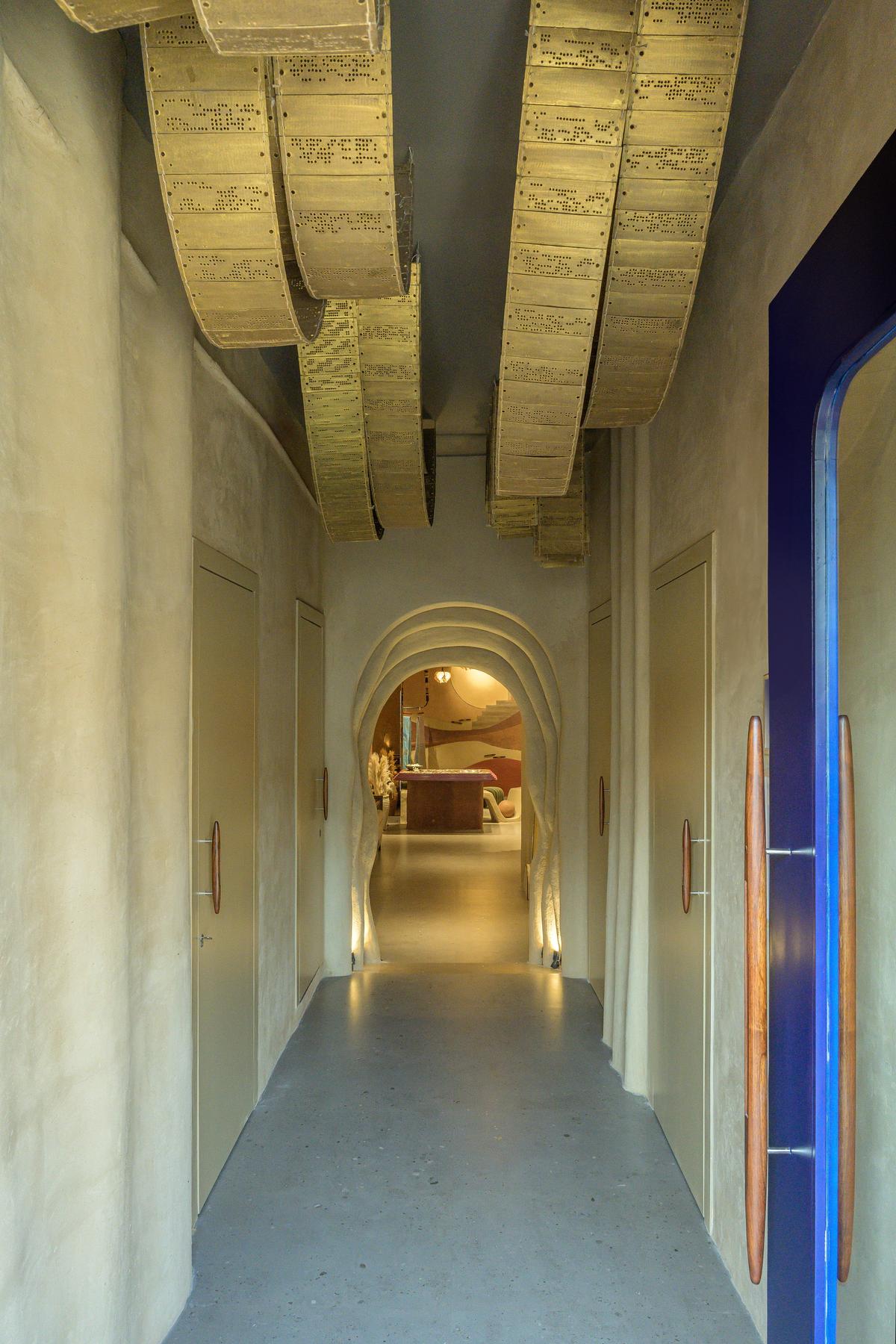
An installation crafted from punch cards used in the jacquard loom system

An installation crafted from punch cards used in the jacquard loom system
| Photo Credit:
Janvi Thakkar 

Trust local hands

Kumar explains that one of the biggest concerns in natural building is finding skilled labour. “The simple answer? You train them. It’s not rocket science. If someone has experience in cement work, they already have the right tools, muscle memory, and hands-on building skills, and they just need to learn the materials,” he says, “We started with what they know: swapping cement and sand for clay, sand, and fibre. Then drawing analogies between binders, i.e., cement and clay, and broke techniques down into stages.” He says the artisans took those skills and “even found better techniques”. “We learned more from them than they learned from us. By trusting local hands, we’re creating sustainable livelihoods, and decentralising the knowledge of natural building to make the process richer and more meaningful.”
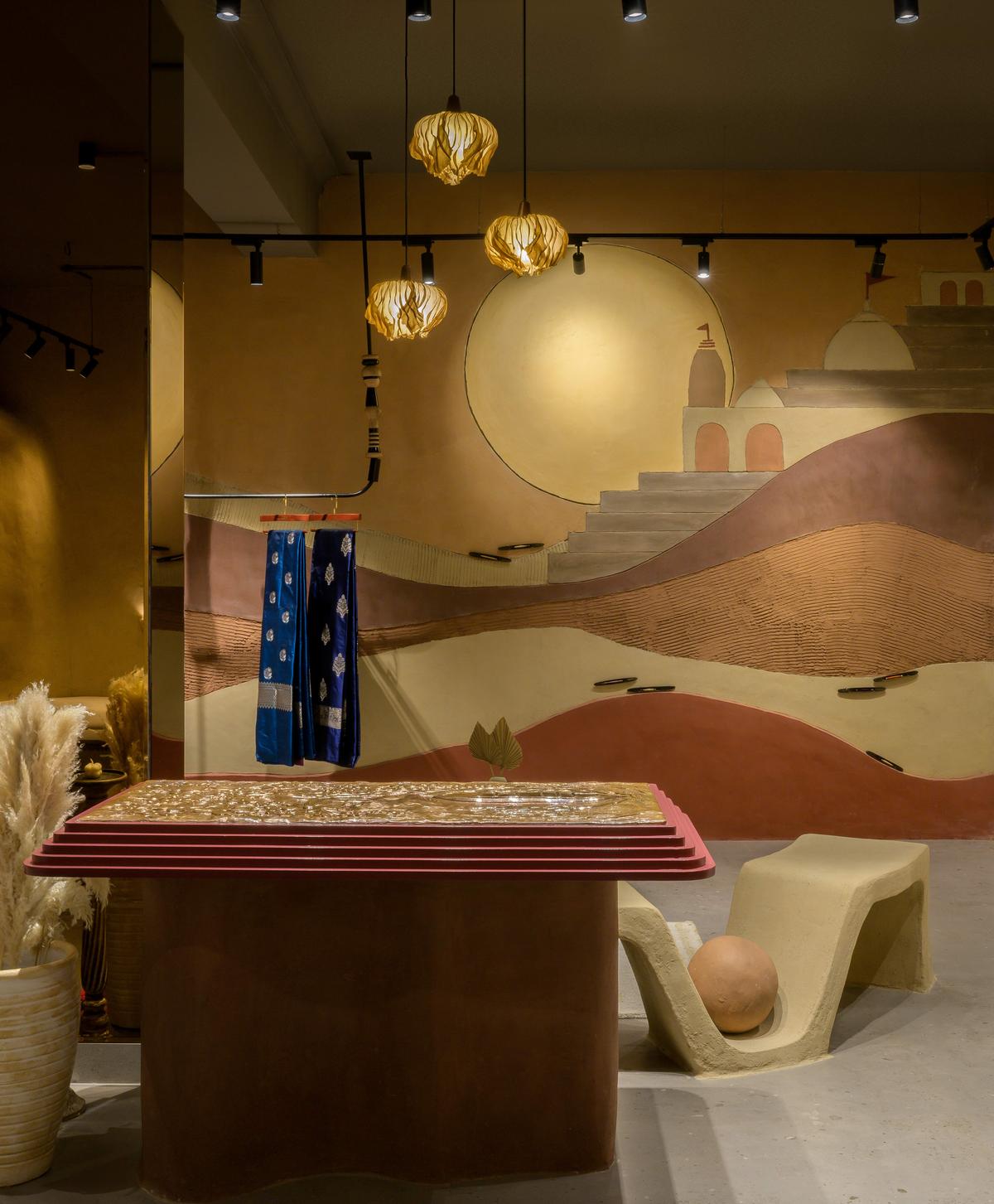
A large mural, an abstraction of Varanasi’s sunset in the ghats and display units made using lime and cow dung plasters infused with natural oxides

A large mural, an abstraction of Varanasi’s sunset in the ghats and display units made using lime and cow dung plasters infused with natural oxides
| Photo Credit:
Janvi Thakkar 

While Kumar and Lakhani see a rise in the interest to build such structures and vouch for the potential they hold, building with mud “takes time”. “It can’t be rushed. Mud needs to dry, lime needs to be slaked. It also requires the workers to learn new, but ancient, skills,” says Lakhani. Two aspects that the duo were challenged with for Kalga Banaras. “Our clients onboarded us mid-way through the project; they saw more value in building with mud. But this also meant we had to jump in halfway and make sense of the chaos,” says Kumar, adding how the client wanted it complete in five months. “It was a tight deadline for any build, let alone one with natural materials. And the monsoon had just begun which meant high humidity, and slow drying times. But, we loved the challenge, and were able to finish the project within the timeline by making drier mixes and building strategically,” he says.

As designers building with earth, Kumar says they have a dual responsibility. “Working with local materials, context, and labour is not enough. We need to craft beautiful spaces that are technically sound. Spaces that evoke emotions and a sense of desirability,” he concludes.


Source link

Digital vs Manual: Which is the most accurate High Blood Pressure machine and why?


Digital vs Manual: Which is the most accurate High Blood Pressure machine and why?

Blood pressure is the force of circulating blood against the walls of your arteries. It’s measured in millimeters of mercury (mm Hg) and is usually expressed as two numbers: systolic pressure (top number, pressure when the heart beats) and diastolic pressure (bottom number, pressure between beats). Blood pressure can greatly vary, and can present itself as high blood pressure (hypertension), or low blood pressure (hypotension). While both conditions can result in health issues, a minor case of low bp is usually not of much concern, however those suffering from high bp need to always monitor their bp.

In healthy individuals, blood pressure is typically considered to be less than 120/80 mm Hg, though this can vary with age. High BP is known to be the starting point of many lifestyle ailments like heart diseases, stroke, and others, hence it is imperative to keep your BP in check…

2

What factors can effect your blood pressure?
Heart rate: A faster heart rate can increase blood pressure.
Artery size: Narrower arteries increase blood pressure.
Blood volume: More blood volume increases blood pressure.
Artery elasticity: Stiffness in the arteries can raise blood pressure.
Stress: Stressful situations can temporarily raise blood pressure.
Age: Blood pressure generally increases with age.
Medications: Certain medications can affect blood pressure.
Diet: A high-sodium diet can raise blood pressure.
Exercise: Regular exercise can help lower blood pressure.
Weight: Obesity is a risk factor for high blood pressure.

Poll

Which blood pressure monitor do you prefer for regular use?

High blood pressure (hypertension) is a condition where blood pressure consistently measures 130/80 mm Hg or higher. It’s often referred to as the “silent killer” because it usually has no noticeable symptoms until complications arise.
Low blood pressure (hypotension) is a condition where blood pressure is consistently low, generally less than 90/60 mm Hg. If chrnoic, it can cause dizziness, lightheadedness, and fainting.
Understanding Manual Blood Pressure Machines
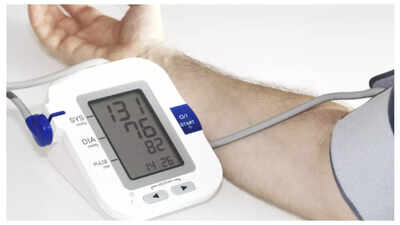
Manual BP machines (the one you see at hospitals) use a cuff, a bulb to inflate it, and a stethoscope to listen to blood flow sounds (Korotkoff sounds) as the cuff pressure is slowly released. The healthcare professional notes the systolic and diastolic pressures by hearing these sounds.
Accuracy and Advantages
Manual BP machines, especially mercury sphygmomanometers, are considered the gold standard for accuracy when used correctly by trained professionals.
They provide precise measurements because they rely on direct auscultation, allowing detection of subtle changes and irregular heartbeats.
Manual devices do not depend on batteries or electronics, reducing the chance of mechanical failure.
They are cost-effective and widely used in clinical settings.

3

Limitations
Accurate use requires training and skill; improper technique can lead to errors.
The process is slower and less convenient, especially for home use.
Manual measurement can be influenced by environmental factors and if the patient is experiencing anxiety, sometimes resulting in higher readings.
Not ideal for self-monitoring without assistance.
Understanding Digital Blood Pressure Machines
Digital BP machines automatically inflate the cuff and use electronic sensors to detect blood flow, displaying results on a digital screen. They are found in mostly all homes now, and are extremely easy to operate.

Accuracy and Advantages
Digital monitors are user-friendly and require no training, making them ideal for self-monitoring at home.
They provide quick readings and often include memory functions to track blood pressure over time.
Many models display pulse rate and have large, clear screens.
Studies show digital monitors have a moderate to high accuracy level, with pooled sensitivity around 79% and specificity about 91% compared to mercury sphygmomanometers.
They reduce human error in reading results and cuff inflation.
Limitations
Digital devices may give inaccurate readings in 5 to 15 percent of people due to factors like incorrect cuff size, movement, or irregular heart rhythms.
They may struggle to detect arrhythmias or irregular heartbeats as accurately as manual devices.
Some models can be expensive and require battery power.
Accuracy can be affected by improper cuff placement or user error.
Ideally, an average of 3 readings is what is recommened by doctors when it comes to digital devices.
Comparing Accuracy: Which Is More Reliable?
Manual devices are more accurate when used properly because they allow healthcare professionals to listen directly to blood flow sounds and adjust technique as needed.
Digital devices provide convenience and reasonable accuracy but can sometimes miss subtle variations or irregular rhythms.
In clinical settings, manual measurement remains the reference standard, especially for critical patients, because it can detect higher blood pressure readings that digital devices might underestimate.
For routine home monitoring, digital devices are widely accepted and recommended due to ease of use and good overall accuracy.
Why Does Accuracy Matter?
Accurate blood pressure measurement is essential for diagnosing hypertension, deciding treatment, and monitoring progress. Inaccurate readings can lead to misdiagnosis, unnecessary medication, or missed treatment opportunities. Manual devices, with their precision, are preferred in hospitals and clinics, while digital devices empower patients to monitor their health conveniently at home.
Which Should You Choose?
Choose a manual BP machine if:
You are a healthcare professional or trained user seeking the highest accuracy.
You want to detect irregular heartbeats or need precise readings in critical care.
You prefer a cost-effective and durable device.
Choose a digital BP machine if:
You want a simple, quick, and easy-to-use device for home monitoring.
You prefer automatic inflation and digital display for convenience.
You want to track your readings over time with memory functions.
Both types have their place in managing hypertension. Digital monitors have improved significantly and offer sufficient accuracy for most people, especially for regular home use. However, manual devices remain the gold standard in clinical settings due to their precision and reliability.


Source link

Heritage as climate strategy: how India’s old towns hold the key to resilient cities


A walk through the medieval streets of Mylapore, George Town, or Karaikudi reveals a lost history, where abandoned houses and institutions, built over a hundred years ago, now stand in disrepair. A reimagination of heritage cities by planning authorities, in collaboration with civic society, could rejuvenate these derelict neighbourhoods.

While newfound mobility and technology resulted in mega-cities with metros and automobiles, the medieval town, at its core, was often abandoned or subjected to densities far greater than it could absorb. Recognising this predicament, the First Master Plan of Chennai moved the inner-city markets and transport hubs to Koyambedu to decongest GeorgeTown and Parrys Corner. But it was not impetus enough to revive its heritage precincts.

Alexander Tzonis and Liane Lefaivre — architectural theorists, authors and historians, known for their interdisciplinary approach towards design theory, history, and political critique, leaving a lasting impact on architectural pedagogy and practice — discuss this urban phenomenon in the context of globalisation: how rapid urban growth has been responsible for large-scale constructions at the cost of losing identity through the erasure of historic precincts.

Professor Lefaivre believes cities across climatic regions are beginning to look alike, resulting in a loss of climate-responsive and site-specific spatial identity.

Most often, heritage buildings give way to uniform, hermetically-sealed and air-conditioned constructions, which rarely respond to climate.

Sustainable architecture

However, in the face of adverse environmental conditions, cities across the world are recognising the value of heritage in a refreshingly new context. Medieval structures often reveal significant cultural and climatic features that hold lessons for responding to inclement weather patterns, whether urban heat or incessant monsoons.

Vernacular architecture, with its shade and natural ventilation elements, creates a cooler micro-climate.

For instance, the shaded thinnai — a semi-open transitional space — subdues the harsh effect of the sun. In the past, it facilitated a communication between the street and home, embodying a spirit of hospitality for visitors and travellers. These elements manifested the idea of close-knit urban communities and festivals. Can these heritage elements reveal insights for the design of carbon-zero cities of the future?

Lessons from Kochi-Muziris Biennale

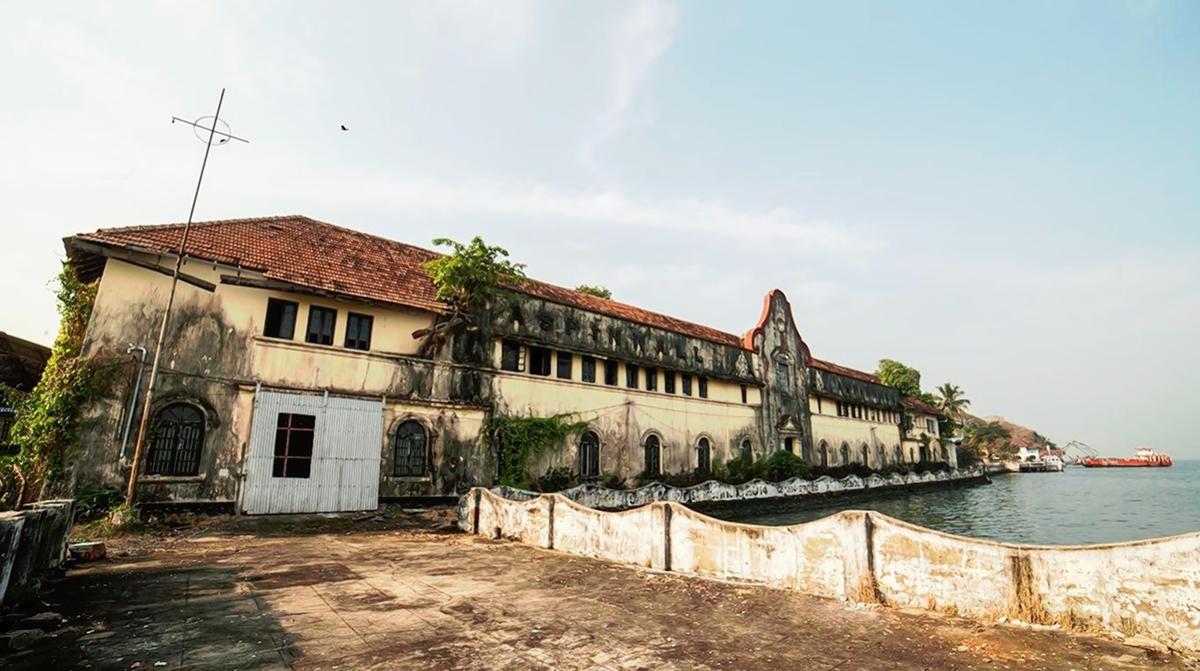
Aspinwall building in Fort Kochi.

Aspinwall building in Fort Kochi.
| Photo Credit:
The Hindu Archives

The two aspects of ‘celebrating urban life’ and ‘climate-friendly design’ are intrinsically linked. Transcending conventional notions of heritage, the Kochi-Muziris Biennale (to be held from December 12, 2025 to March 2026) is an incredible example of how a medieval heritage town was transformed into a lively cultural art biennale with the support of the Kerala government. Medieval Kochi and Muziris are precincts with unique histories. The reimagination of the heritage precinct by Bose Krishnamachari — co-founder of Kochi-Muziris Biennale and recipient of Lifetime Fellowship Award from Kerala Lalit Kala Akademi — along with a group of artists, architects, filmmakers and citizen groups, was serendipitous.

The revival of Durbar Hall, Aspinwall and several other heritage precincts in Fort Kochi provided a new vision to an old town. Heritage homes were converted into homestays, cafes, art galleries and spaces for youth to host films and exchange ideas. The Biennale endeavoured to be open to all citizens, creating a newfound way of inhabiting the city. Sensitively conserved heritage dwellings, such as Durbar Hall, and other buildings enabled young artists to exhibit their works. 

Design Ashram, Kozhikode

Design Ashram in Kozhikode.

Design Ashram in Kozhikode.

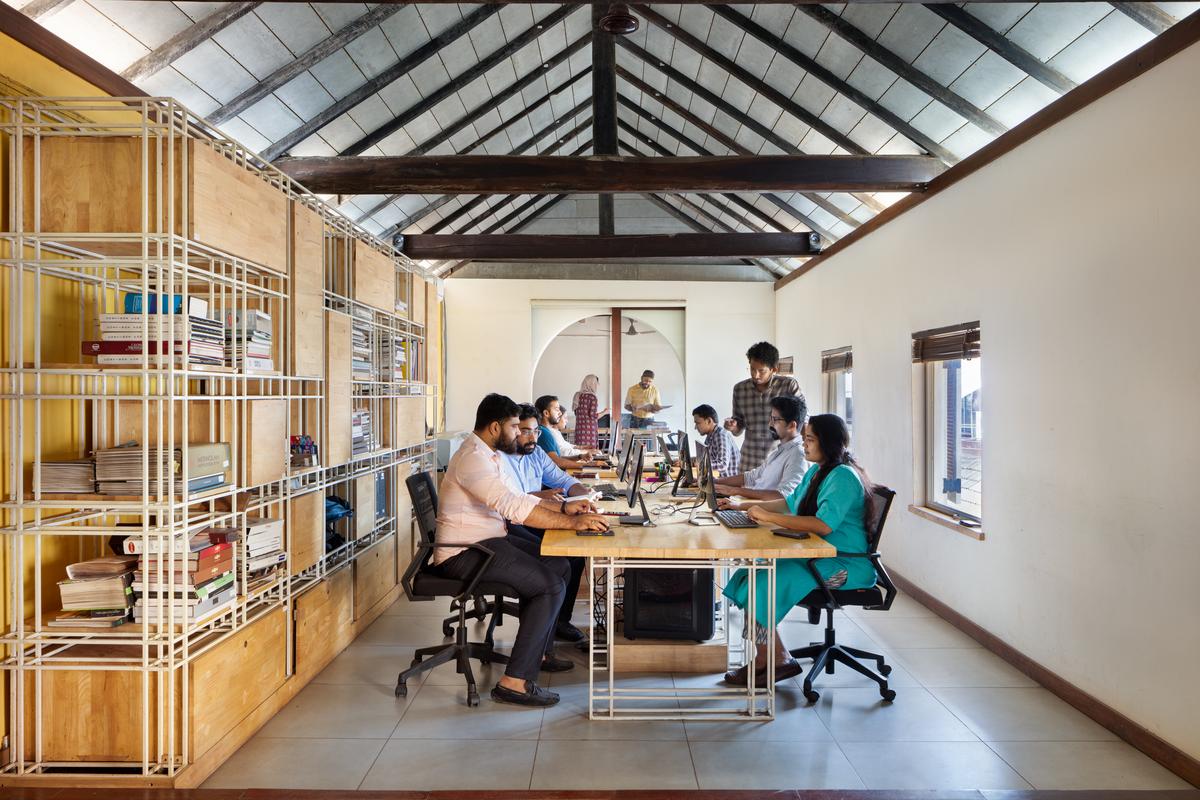
Located on Gujrati Street in Kozhikode, Design Ashram reimagines a heritage home of an erstwhile joint family as a vital co-creative community space. The central courtyard, anchored by a peepul tree, hosts cultural events. The growing tree is a silent reflection of time. A backpacker’s hostel, co-working spaces, library and art gallery provide a forum for young artists, architects and designers. It’s a space for travellers to exchange narratives and experiences. The inward space also provides  autonomy and freedom to express thoughts. Film screenings, book readings and theater shape this vibrant yet fragile community. Technical and engineering expertise not only extended the structure’s life but also revitalised its spatial character. Brijesh Shaijal — director and principal architect who set up Design Ashram — introduced steel reinforcements, carefully harmonising them with the spirit of the 150-year-old place.

Reuse of heritage buildings

The House of Mangaldas in Ahmedabad.

The House of Mangaldas in Ahmedabad.

The blue city of Jodhpur has seen the adaptive reuse of heritage buildings for new functions. It’s an intuitive response to preserving heritage homes while meeting contemporaneous needs. Meanwhile, in Ahmedabad, traditional dwellings, havelis, and pols (traditional clustered neighborhoods with shared walls, community gates, and heritage wooden havelis) remain a vital part of the modern city. It often sustains indigenous craft communities that constitute the intangible heritage of the city. The House of Mangaldas is an archetypal intervention where a haveli has been reimagined. Built in the early 1920s by a textile owner in Ahmedabad, the haveli was transformed into a cafe, hotel, serviced apartment, and a design studio with a craft shop. Such projects are often community-based and reveal architecture’s potential to shape the re-imagination of urban spaces.

Alternative purposes

Metropolitan Development Authorities could evolve more appropriate heritage guidelines and regulations to revive heritage buildings for contemporary youth needs: vocational training, filmmaking, art, café-libraries, theater, science galleries, research, and scriptwriting workshops, and other educational and aspirational needs.

Homestays in heritage homes can provide housing to visiting scholars and artists. The intent is to provide sustainable frameworks that are practical and recognise the economic context.

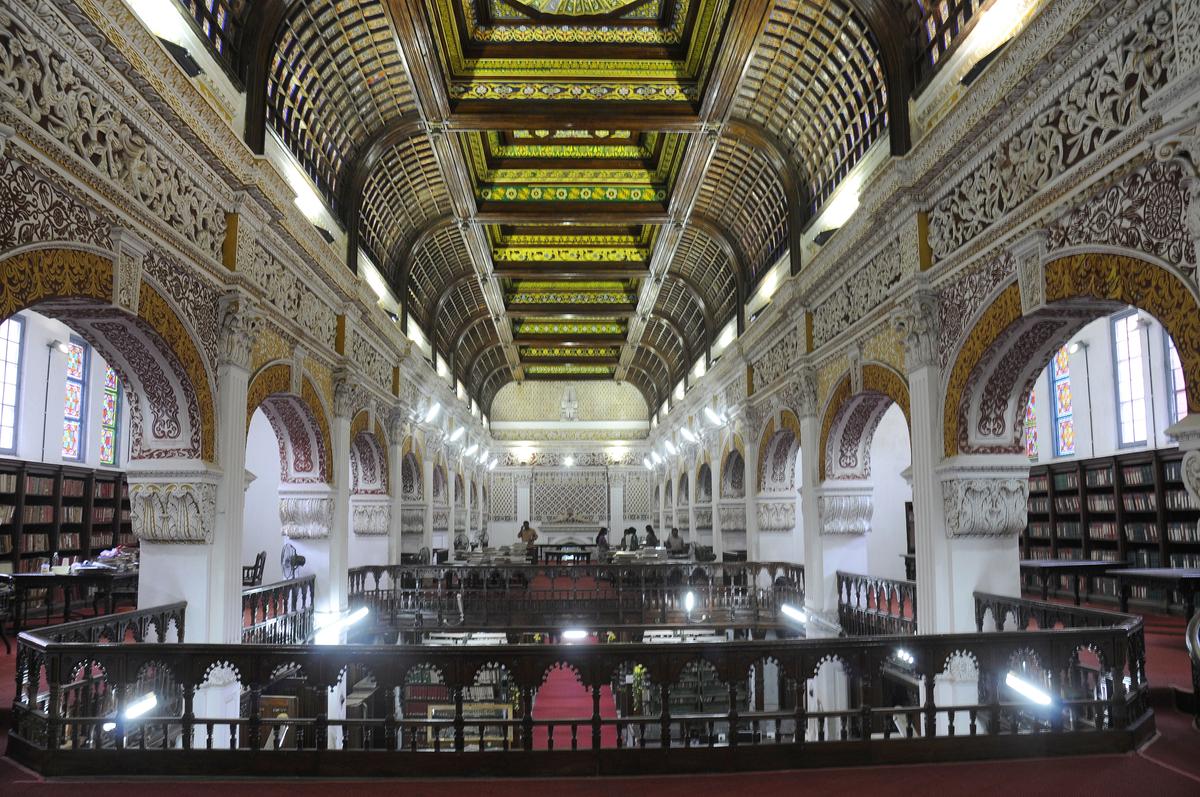
The Connemara Public Library, Chennai. 
Photo: R.Ragu

The Connemara Public Library, Chennai.
Photo: R.Ragu
| Photo Credit:
R. RAGU

The UNESCO World Heritage Convention recognises that heritage precincts have historically been overlooked as sustainable architecture, despite their environmental, cultural, and economic contribution.

The 2030 Agenda by the United Nations recognises the role of heritage in sustainable development and its universal value.

A holistic programme of revival of heritage precincts — in this context, George Town, Triplicane, and other areas — provide a potential to rejuvenate urban life, while addressing urban heat and monsoons. Several nations have recognised the economic impetus, and are providing a sustained creative livelihood to craft communities and allow a social cohesion. The intangible value of these precincts contributes to urban renewal and provides individual families a new lease of livelihood with support of the government and policies. One such example is the revival of heritage precincts in Rajasthan’s towns. It has demonstrated resilience, addressing natural disasters, heatwaves, and other risks with minimal investment. Beyond cultural renewal, the appropriate revival of heritage—whether in Tamil Nadu, Madhya Pradesh, or Rajasthan—has shown how towns across India demonstrate pragmatic resilience. They address natural disasters, heatwaves, and other risks through cohesive adaptation to the local climate.

The writer is an architect, academician and the founder of Artes Roots Collaborative.


Source link

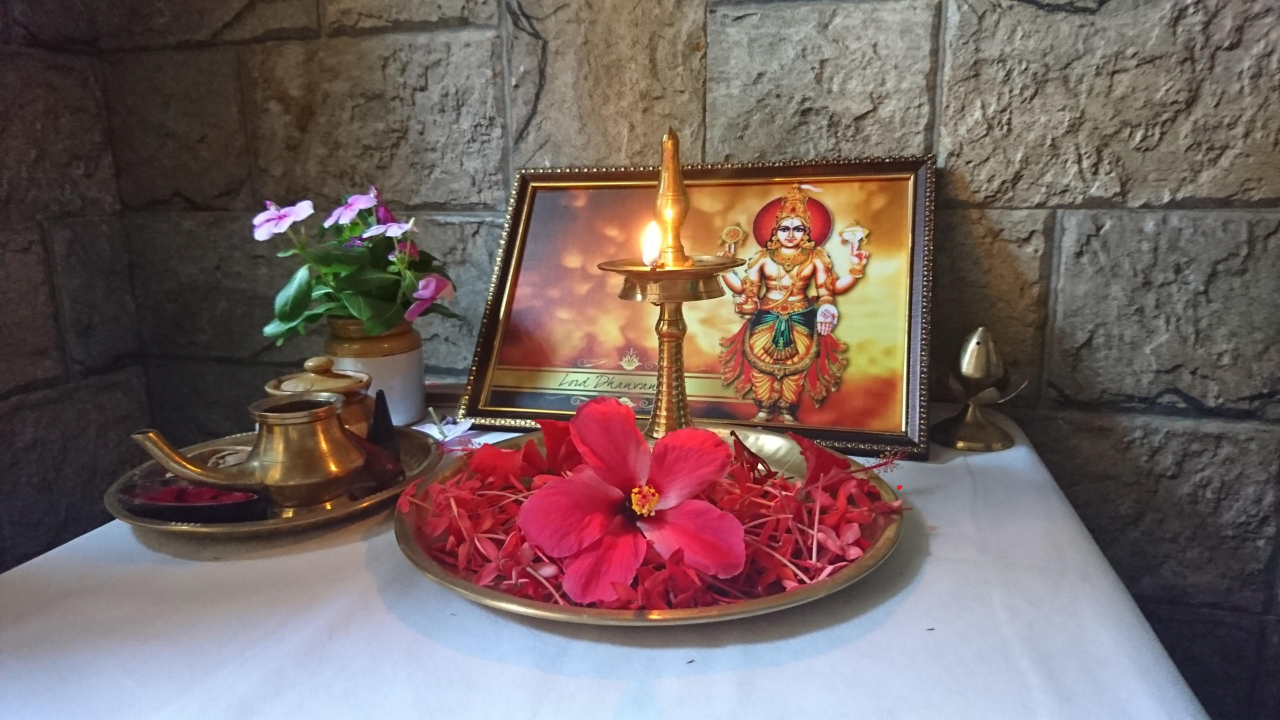
Chanting the Dhanvantri Mantra from the Bhagwat Purana daily can heal the body


Mantra jaap, or chanting, is a powerful tool with which people do not just please the Gods, but also raise the vibrations and energy around them, helping them heal in some or the other way. For some people and devotees, merely chanting a mantra is positive and powerful enough, giving them a kind of happiness, and to some others, the results they see after regular chanting are truly joyous.
When you chant a mantra with full faith and attention, you’re not just repeating words, but aligning your thoughts, your energy, and your life form (your breath) with the divine.


Source link

Beware! Doctors say only 5% of cancers are genetic, here’s what to do to reduce your risk


Chronic inflammation is linked to cancer development because it damages cells and encourages abnormal growth. To fight inflammation, focus on whole, unprocessed foods like fruits, vegetables, whole grains, nuts, seeds, fish, and olive oil. Avoid ultra-processed foods such as packaged snacks, sugary cereals, processed meats, and fast food, which are high in added sugars, unhealthy fats, and salt-all of which promote inflammation and increase cancer risk. Including anti-inflammatory herbs and spices like turmeric, ginger, and cinnamon can further protect your cells.


Source link

How to stay calm in chaos: 5 proven psychology tips that work


Considering the fast-paced lives we live, it can get overwhelming at times– be it due to the chaos at work or in one’s personal life. But staying calm in the middle of chaos isn’t just a personality trait— it’s a skill backed by psychology. Learning how to regulate your mood, control your mind and body in stressful times can help you think clearly, make better decisions, and protect your long-term well-being. Here are we list some science-backed psychology tips to help you stay grounded when everything around you feels like it’s spinning out of control:



Source link

Amid divorce rumours with Barack Obama, Michelle Obama says marriage is “hard”– Shares her relationship tip


Amid divorce rumours with Barack Obama, Michelle Obama says marriage is "hard"-- Shares her relationship tip
Michelle and Barack Obama

Ever since former First Lady of the United States, Michelle Obama, skipped a few public appearances with her husband and former President of the US Barack Obama, rumours are rife about trouble in their marriage. And if true, this would be a high-profile divorce. Moreover, Barack and Michelle Obama have been married for over 30 years, which makes rumours about their divorce all the more shocking.
Now, setting the record straight about the speculations of their troubled marriage, Michelle recently told entrepreneur and investor Steven Bartlett in a podcast, “If I were having problems with my husband, everybody would know about it (laughed)”. Adding to it, Michelle, who was attending the podcast with her brother Craig Robinson, said, “Let me tell you, he would know it… And everybody would know it.”
She further said that she’s “not a martyr” and joked, “I would be problem-solving in public, like, ‘Let me tell you what he did’.” To which her brother Robinson added, “If they were having a problem, I’d be doing a podcast with him.”
But on a serious note, talking about her marriage and relationship issues, Michelle also said that marriage is “hard” for her and Barack Obama, reported Daily Mail. However, she was quick to add that she “wouldn’t trade it (anything else in the world),” calling Barack Obama, “as the young people say… my person.”

Michelle Obama’s tip for a successful marriage

The Obama

Talking about what keeps their marriage going, even after 32 years of togetherness, Michelle said that both she and Barack Obama believe in it and are committed to make it work. “The beauty of my husband and our partnership is that neither one of us was ever really, ever going to quit at it, because that’s not who we are. And I know that about him. He knows that about me,” Michelle Obama said.
Michelle Obama is setting the record straight on marriage— and it’s refreshingly honest.
She opened up about how many young couples give up too quickly, partly because they’re comparing themselves to a picture-perfect image of her and Barack. “I talk about this because I think people quit on marriage too soon,” the ‘Becoming’ author said. “There’s friction built into the relationship. And if you’re not talking about it, getting help, going to therapy, or figuring out how to keep growing together— it’s easy to walk away.”
She added, “People see me and Barack and think, ‘#couplegoals.’ But I’m like, it’s hard. Really hard.”
What are your views on Michelle Obama’s marriage tips? What do you think is the major reasons for divorces these days? Tell us your views in the comments section below.

Michelle Obama Opens Up About Marriage Dynamics With Barack Obama Amid Divorce Rumours


Source link

Discover the culinary heritage of Odisha and Southeast Asia at Jaatra, Taj Puri


Stepping inside Jaatra, the specialty restaurant of the newly-inaugurated Taj Puri Resort and Spa, feels like being transported into a beautifully-crafted time capsule. One that narrates the story of Odisha’s culinary heritage while paying homage to its Southeast Asian connections.

Located at the beachside Taj Puri Resort and Spa in Odisha’s temple town of Puri, Jaatra celebrates not just food, but a fascinating piece of history: the ancient maritime voyages of the Kalinga dynasty that once connected Odisha to distant shores of Southeast Asia. Overlooking the Bay of Bengal, the resort is a blend of heritage and indulgence, with one of its most treasured features being the wheel of the Jagannath Puri Yatra, acquired through an auction after the grand annual chariot festival. The resort’s architecture draws inspiration from the Kalinga style, with interiors fashioned from traditional Khondalite and laterite stone. Layered with Odisha’s artistic heritage, the space is adorned with intricate Pattachitra motifs, Ikat weaves and earthy terracotta accents.

Fusion of flavours

Executive chef Biswarup Chatterjee explaining about the squid lollypop  at Jaatra restaurant at Taj Puri Resort and Spa in Puri.

Executive chef Biswarup Chatterjee explaining about the squid lollypop at Jaatra restaurant at Taj Puri Resort and Spa in Puri.
| Photo Credit:
KR Deepak

As I settle into my seat at Jaatra, I am drawn to the decor which is a fusion of traditional and the contemporary. Above me, the is ceiling adorned with circular fishing baskets, the kind still used by local fishermen in the backwaters. An entire wall depicts intricate maps of historical voyages, tracing the ancient paths that once linked Odisha with Bali, Sri Lanka, and beyond, nearly 2,000 years ago during the famed Bali Jatra.

A view of Jaatra restaurant at Taj Puri Resort and Spa in Puri.

A view of Jaatra restaurant at Taj Puri Resort and Spa in Puri.
| Photo Credit:
Special Arrangement

Curated by Roopali Mohanti, whose vision brought the Taj group to Puri, and chef Sabyasachi Gorai, her partner-in-culinary-exploration since their Institute of Hotel Management Kolkata days, Jaatra’s menu is a symphony of stories.

I begin my culinary journey with the steamed manda pitha dumpling. Unlike the traditional sweet version filled with coconut and jaggery, here, executive chef Biswarup Chatterjee has given it a savoury twist of soya-based meat, lemongrass and kaffir lime. The texture is soft, while the lemony undertone adds a brightness to the bite.

Squid lollypop displayed at Jaatra restaurant at Taj Puri Resort and Spa in Puri.

Squid lollypop displayed at Jaatra restaurant at Taj Puri Resort and Spa in Puri.
| Photo Credit:
KR Deepak

Next comes the Ayam Goreng, an Indonesian-Malaysian fried chicken dish, reimagined to give an interesting taste. It is served crusted in flattened rice, alongside a bean paste dip. The presentation is a visual tribute to the palm trees that dot Odisha’s coastline, making it almost too beautiful to eat.

Then arrives the chicken patra poda. Served wrapped in sal leaf, the wood-fired chicken is seasoned with a delectable masala mix, each bite balanced with a side of cool cucumber and sweet potato mash.

Black and white chicken dumplings follow. These are curried chicken dumplings that hit the perfect note between Indian warmth and Southeast Asian spice. Each morsel is delicate yet packed with flavour, a reminder of how borders blur when it comes to good food.

For the main course, I try the khmer sea bass amok, a Cambodian classic brought to life with lemongrass, basil, bird’s eye chilli, coconut milk, ginger-garlic paste, a hint of malt vinegar, and sesame. The sea bass has been steamed to tender perfection, and the broth is heady and aromatic.

Jackfruit kasa bao  displayed at Jaatra restaurant at Taj Puri Resort and Spa in Puri.

Jackfruit kasa bao displayed at Jaatra restaurant at Taj Puri Resort and Spa in Puri.
| Photo Credit:
KR Deepak

I also try the jackfruit kasa bao. Here, tender jackfruit is slow-cooked with spices and stuffed into pillowy bao buns, topped with vadi chura (crushed lentil fritters) and a sharp mango chutney. It is a playful, earthy dish, though I do miss the meaty flavours.

The chhatu mulligatawny stew feels like a warm hug. It has mushrooms and tofu, served with delicate string hoppers. A hearty yet light, spiced stew.

Chenapoda cheesecake displayed at Jaatra restaurant at Taj Puri Resort and Spa in Puri.

Chenapoda cheesecake displayed at Jaatra restaurant at Taj Puri Resort and Spa in Puri.
| Photo Credit:
KR Deepak

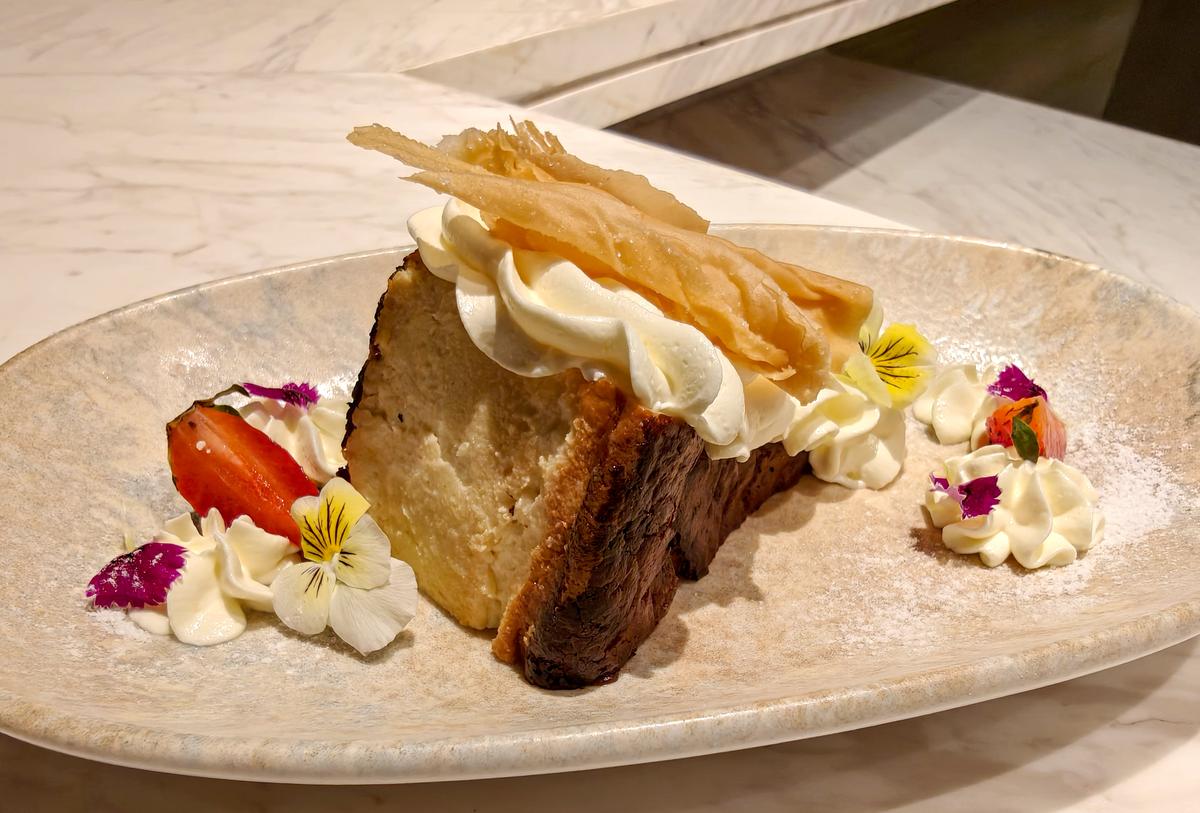
How can I leave without a sweet ending? First up is Textures of Coffee, a celebration of Koraput coffee of Odisha. Crunchy, creamy and intense all at once, it is an ode to the bean. And then, in a twist on tradition, the chenapoda cheesecake. The rustic caramelised flavours of Odisha’s popular chenapoda has been reimagined as a silky, delicate cheesecake. It is familiar yet new, the perfect metaphor for my experience at Jaatra.

Soon, Jaatra will unveil a cocktail bar and menu, adding another layer to its evolving narrative of flavours and storytelling.

Open for dinner at the Taj Puri Resort and Spa.

(The writer was in Puri on the invitation of Taj Puri Resort and Spa).


Source link

The parts I play are main characters: Shefali Shah


Shefali Shah

Shefali Shah
| Photo Credit: Ridhika Mehra

Growing up, Shefali Shah thought the most she could aspire to be was an air hostess. Today, with over 25 films under her belt (from Monsoon Wedding to Gandhi, My Father and Three of Us), and some hard-hitting TV shows — let’s not forget the 2023 International Emmy award nomination for best actress for Delhi Crime — Shah says she is “happiest on set”.

The versatile actor was in Chennai last weekend for Ignition, a platform created by philanthropic organisation Shiv Nadar Foundation to explore history, education, and society. In her conversation with journalist and host Shoma Chaudhury, Shah frankly discussed how she started her career with theatre, why she will never play Akshay Kumar’s mother again, and how the “parts that she plays are main characters”.

With the much-awaited Delhi Crime season 3 in the offing, The Hindu caught up with her to discuss films and understand how she finds silence in her characters. Edited excerpts:

If you could revisit a character, which one would it be?

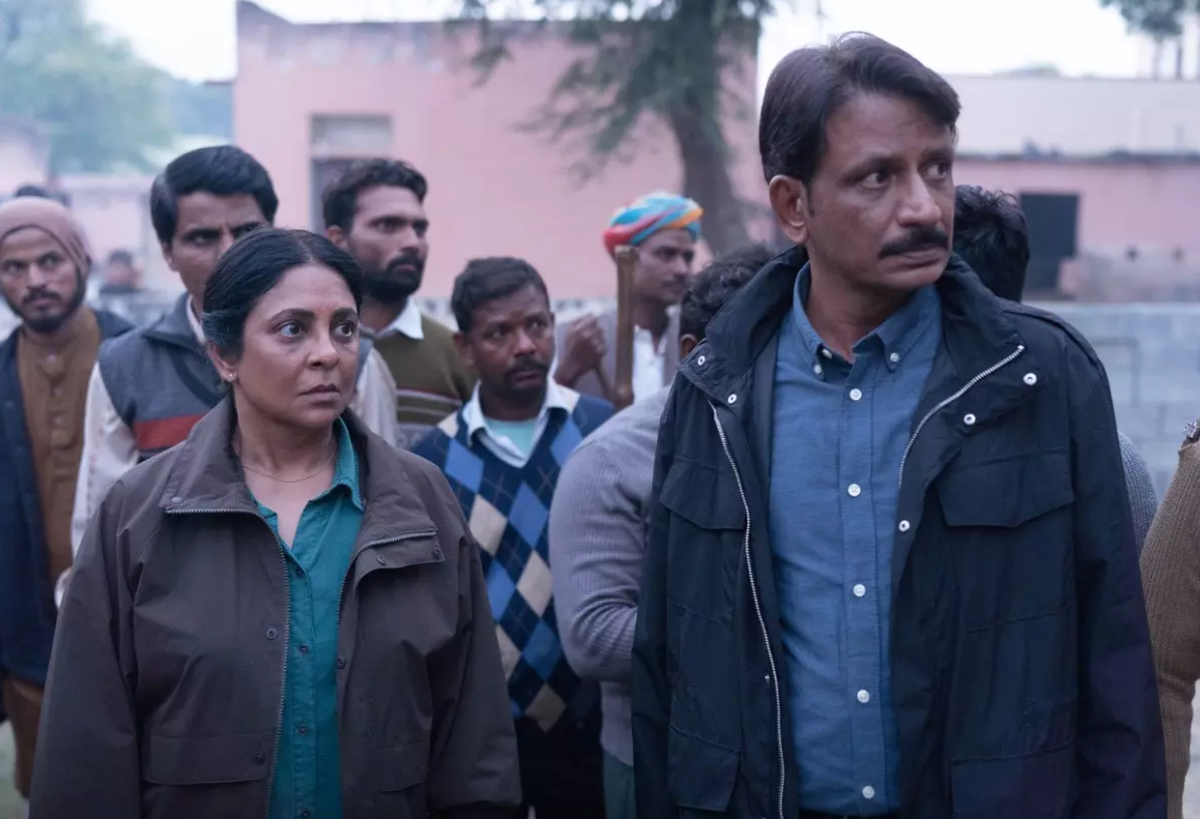
Delhi Crime is the strongest one. In a film, to tell the entire story, you only have three hours. But in a series, you have eight episodes to build a whole person. There are challenges with it, but it is more exciting. Vartika is terrific. She is a no-nonsense person, and has a lot of empathy. Everyone thought that Nirbhaya was a personal case for her, which it was. But she takes every case personally, and that’s why she’s hell-bent on solving it. She is [also] very smart to understand her team’s strength and work accordingly. I think she is very nuanced, and I had the time to create her.

Most actors work towards finding a character’s voice, but what does it take to find a character’s silence?

I genuinely feel that we have the luxury of a camera that can catch the smallest nuance. If you can say something in two words, don’t use four sentences. If you can say something in silence, there is nothing that speaks louder than that. It’s all caught [on camera]. I feel that there is a lot of power there.

A still Delhi Crime season 3

A still Delhi Crime season 3
| Photo Credit:
Special Arrangement

What kind of projects have followed ‘Three of Us’?

There is a lot of women-centric stuff happening. Often, when one thing takes off, everyone comes to you with similar projects. I shot for Delhi Crime’s season three last year. I also shot for the film Hisaab, directed by Vipul Shah. It’s a heist, and pretty funny. I take up something if I am completely blown away or affected deeply. A lot of times, I just end up saying no.

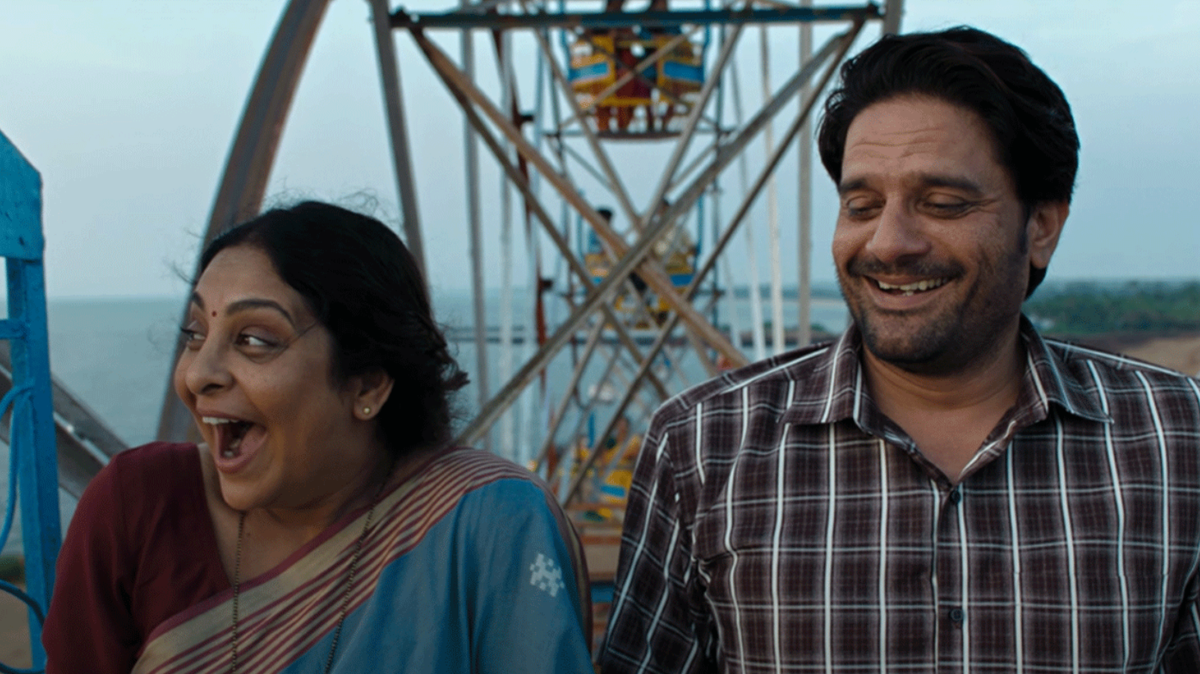
A still from Three of Us.

A still from Three of Us.
| Photo Credit:
Special Arrangement

Shefali’s viewing list

I watch a lot. I am inclined towards thrillers and human drama, but I am okay with anything that leaves an impact. Let’s begin with some series: AdolescenceChernobylWhen They See UsFleabag, and Gaslight. There is an old film too on my list, Steel Magnolias — as all the women characters are fantastic. Films such as BahubaliKantara, and Mani Ratnam’s works have blown my mind; works of Vidya Balan such as Tumhari Sulu or Dirty Picture. Even [Sanjay Leela Bhasali’s] Gangubai. There is so much amazing work happening.

Which films, according to you, have best portrayed flawed women?

Everyone is flawed in their own way. Vartika is not perfect; she has her own flaws. Shamshunissa [a character from Darling] is terribly flawed, but very unapologetic about it. And rightfully so. Dirty PictureDisclaimer [a miniseries starring Cate Blanchett], and even Lipstick Under My Burkha [have flawed women]. According to society, they are completely messed up. But even otherwise, they have their own flaws. That is the beauty of humans. It’s the rugged edge that makes them so interesting.


Source link

Gallery G’s travelling art show brings to Kochi rare works by artists such as VS Gaitonde, Manu Parekh, Ganapati Hegde among others


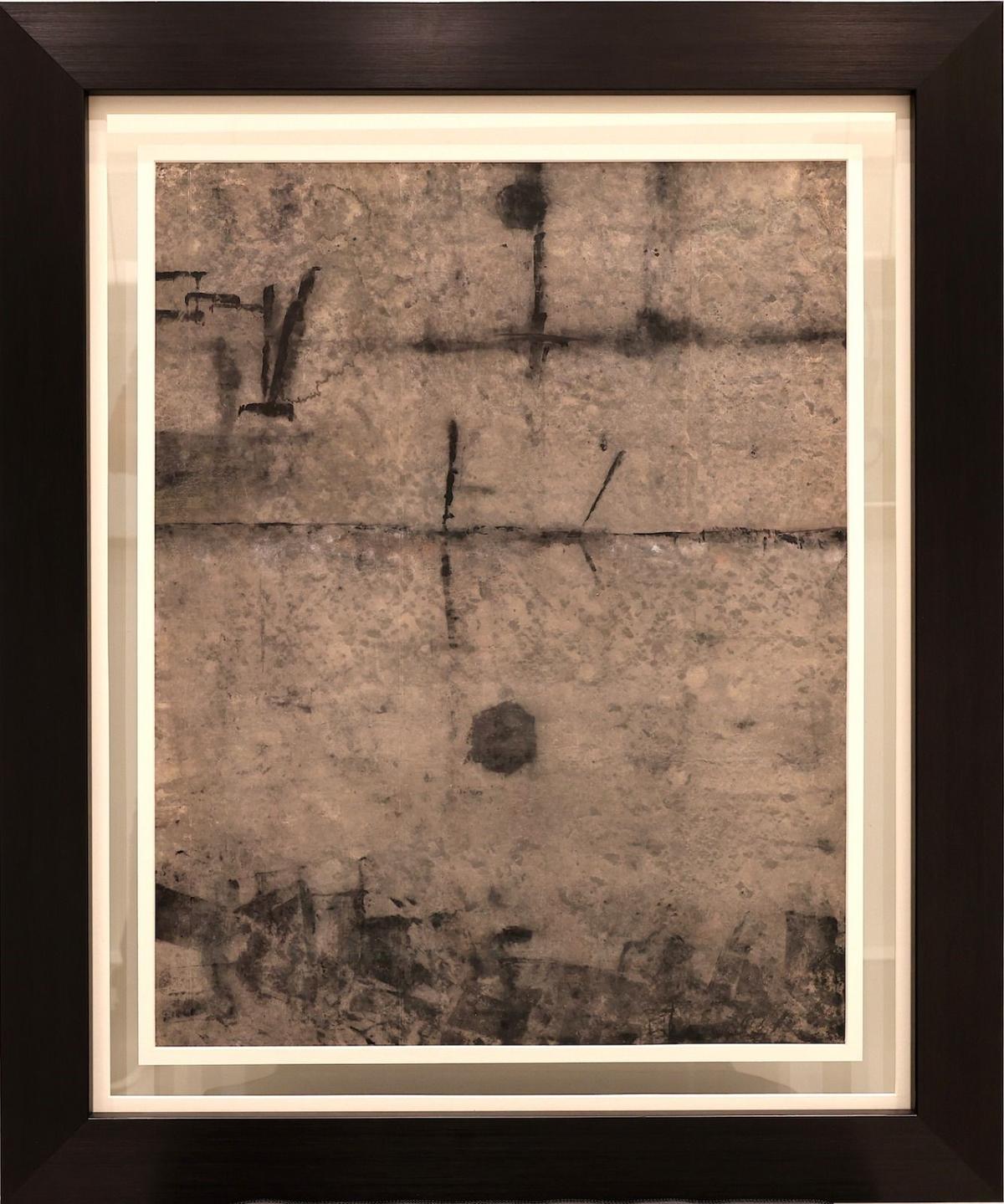
A painting by VS Gaitonde

A painting by VS Gaitonde
| Photo Credit: SPECIAL ARRANGEMENT

This weekend, for three days (from May 3 to May 4), Kochi will get to experience artworks by some of India’s compelling voices across time and tradition at Raja Varma Hall, Taj Malabar. The works of artists such as VS Gaitonde, B Prabha, Manu Parekh, Bharati Prajapati, RB Bhaskaran, and Perumal, will be on show alongside contemporaries like Pushpa Dravid, Vipin T Paloth, Ganapati Hegde, and Sangeeta Abhay. 

The works will be in the city as part of the Bengaluru-based Gallery G’s On the Go: A Travelling Showcase of India’s Masters and Modernists. The show premiers in Kochi. As the name suggests, it is a travelling showcase, which will give people a glimpse of works which they otherwise may not have an opportunity to see. 

A Bharati Prajapati painting

A Bharati Prajapati painting
| Photo Credit:
SPECIAL ARRANGEMENT

Geetanjali Maini, founder and managing director Gallery G says, “We’ve been incredibly fortunate to have collectors, friends, and supporters from across India. It’s time to go where the love has come from. On the Go is about breaking geographical boundaries — city by city, we’re bringing our carefully curated shows to audiences who’ve always been part of our journey.” 

Kochi was a natural choice for the first edition of On the Go as the city blends heritage with modernity, boasting an audience that engages with art and it being home to India’s art biennale. 

“Kochi is not just an art-loving city — it’s a city that has helped shape contemporary Indian art narratives. Launching here isn’t a coincidence, it’s a tribute,” says Nayare Ali, Project Director, On the Go.

Apart from the works on show, two sessions on art will be held where artist Riyas Komu will speak on ‘Making as Thinking’ and historian and author Manu S Pillai will speak on Art as History. These two are by-invitation events.

Gallery G’ On the Go: A Travelling Showcase of India’s Masters and Modernists is on at Raja Varma Hall, Taj Malabar till May 4, 11am-6pm


Source link