Life & Style

The hands that build our nation: Honouring May Day


Every year on May 1, people around the globe celebrate International Labour Day, also known as International Workers’ Day. It’s a day dedicated to recognising the hard work and contributions of workers — the people who keep the world running, often behind the scenes.

But how did it all begin?

The roots of Labour Day go back to the late 1800s, during a time when factory workers were made to work long hours in tough conditions. In 1886, in Chicago, thousands of workers went on strike demanding something we now take for granted — an eight-hour workday. What started as a peaceful protest turned violent during what is now known as the Haymarket Affair. Despite the chaos, their fight sparked a global movement for workers’ rights.

Today, May Day is not just a holiday — it’s a reminder of the struggles and strength of workers across the world.

Haymarket Affair

Haymarket Affair

India’s own labour story

While May Day began as a global movement, India’s voice joined in on May 1, 1923, when the day was celebrated for the first time in the country — right in Chennai (then known as Madras).

The man behind it? Singaravelar, a bold freedom fighter, lawyer, and advocate for workers’ rights. He founded the Labour Kisan Party of Hindustan and organised two public meetings to honour workers and demand better treatment for them. This historic moment marked India’s entry into the international labour movement.
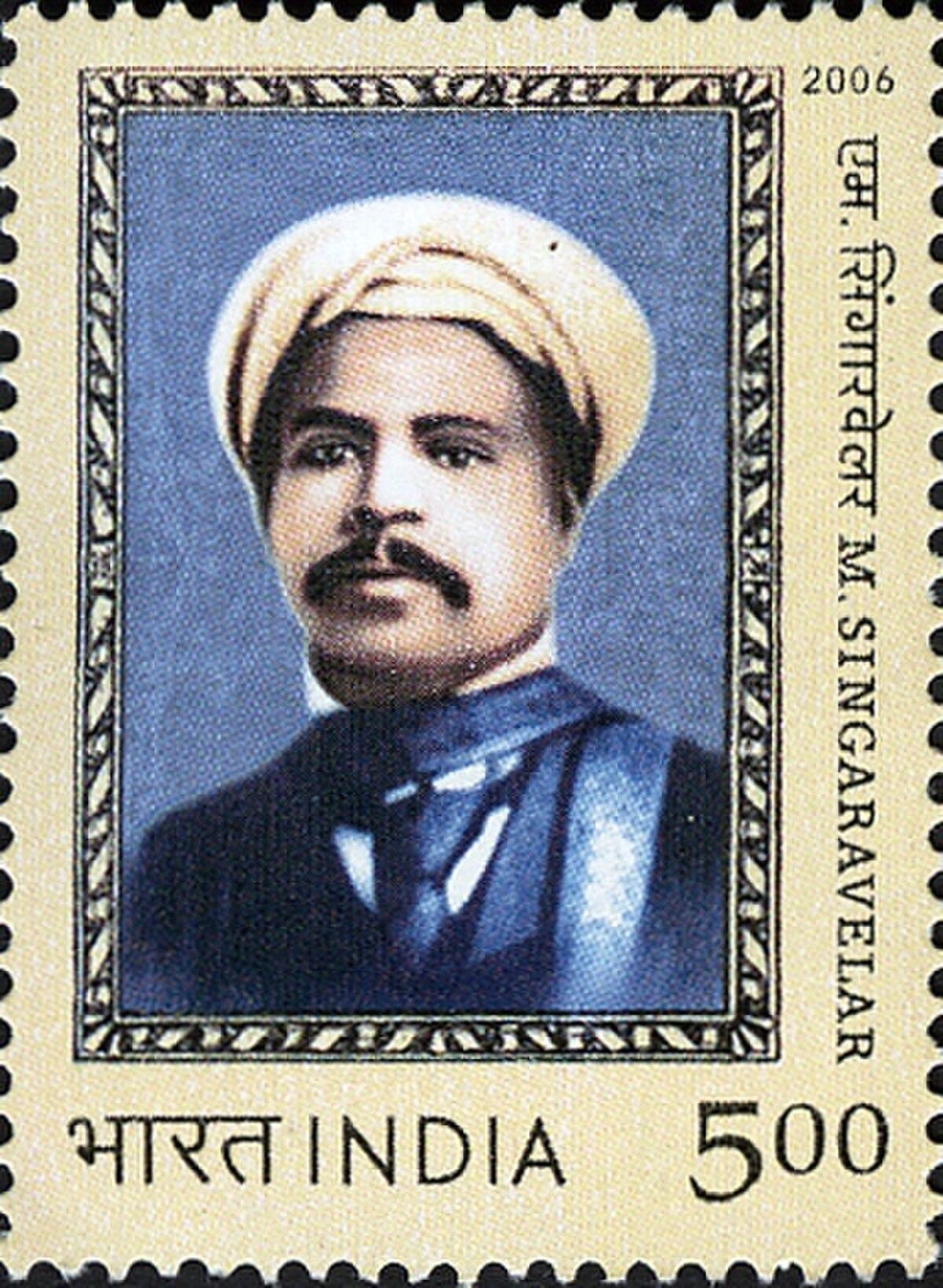
Malayapuram Singaravelu Chettiar 2006 stamp of India.

Malayapuram Singaravelu Chettiar 2006 stamp of India.

During British rule, many Indian workers faced harsh conditions — long hours, very low wages, and almost no rights. Whether in mills, plantations, mines or railway construction, workers were often overworked and underpaid. They had little say in their working conditions and were rarely treated with dignity.
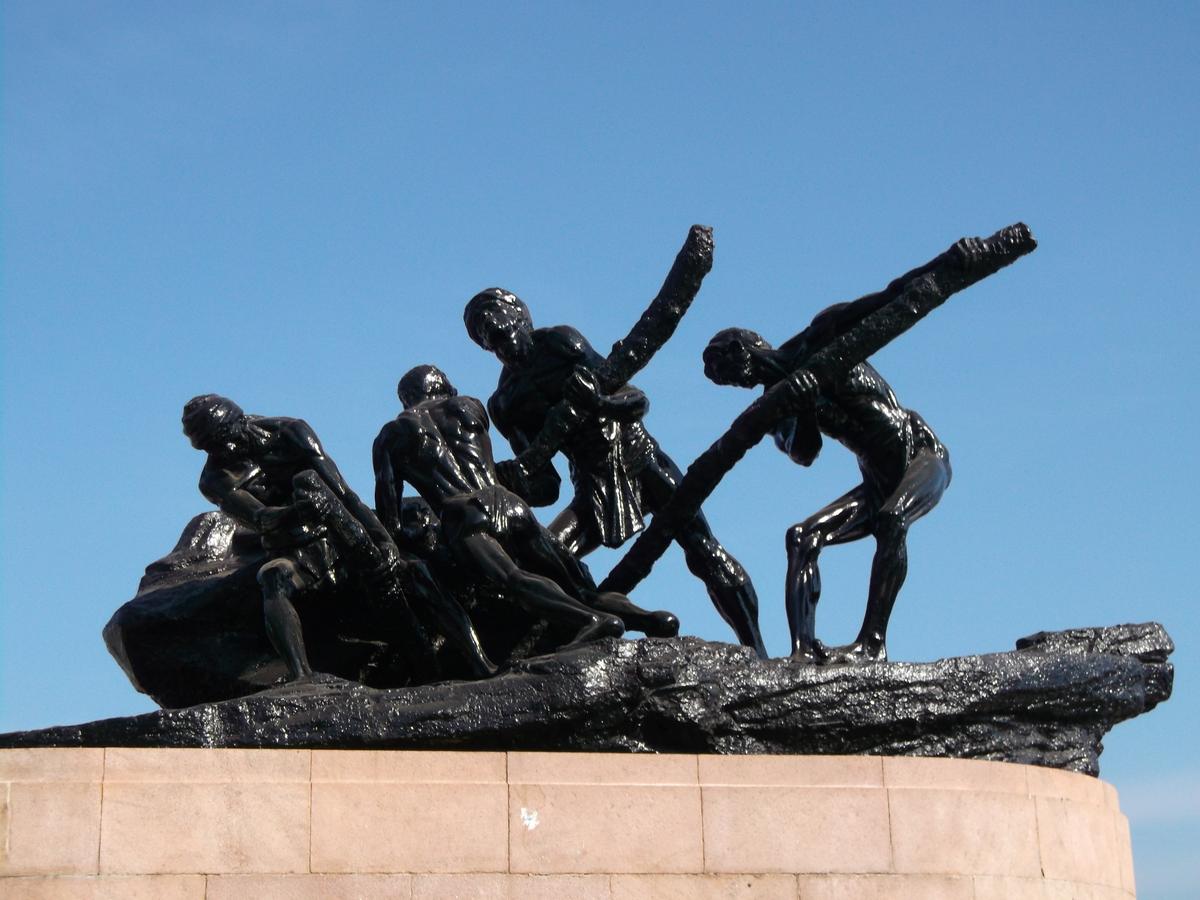
Triumph of Labour statue at Marina Beach, Chennai.

Triumph of Labour statue at Marina Beach, Chennai.

Singaravelar’s celebration of May Day was not just symbolic — it was a call to stand up, speak out, and demand justice for Indian labourers. From that day onward, India began shaping its own journey of worker protection, rights, and recognition. (above picture) As part of this growing recognition of workers’ rights, the Triumph of Labour statue, sculpted by Debi Prasad Roy Chowdhury from the Government of Madras School of Arts and Crafts.was installed at Marina Beach, Chennai, in 1959, to honour the contributions of labourers. Sculpted by Debi Prasad Roy Chowdhury, from the Madras School of Art (now Government College of Fine Arts, Chennai) it stands as a symbol of their enduring fight.

The Builders of modern India

Workers have been the unsung heroes behind India’s progress, often working tirelessly behind the scenes to build the nation’s infrastructure and economy. From laying the railway tracks that connected distant corners of the country to constructing dams, roads, and metros, they have shaped the very foundation of modern India.

Key sectors like agriculture, construction, mining, and the textile industry have relied heavily on labourers and their efforts have been pivotal in the country’s growth. Iconic projects like the Bhakra Nangal Dam, which helped transform India’s irrigation systems, and the Delhi Metro, which revolutionised urban transport, stand as lasting examples of their hard work.

Even today, initiatives like the Mahatma Gandhi National Rural Employment Guarantee Act (MGNREGA) depend on the labour of countless individuals, providing jobs to millions in rural areas and ensuring that workers have a means of livelihood.
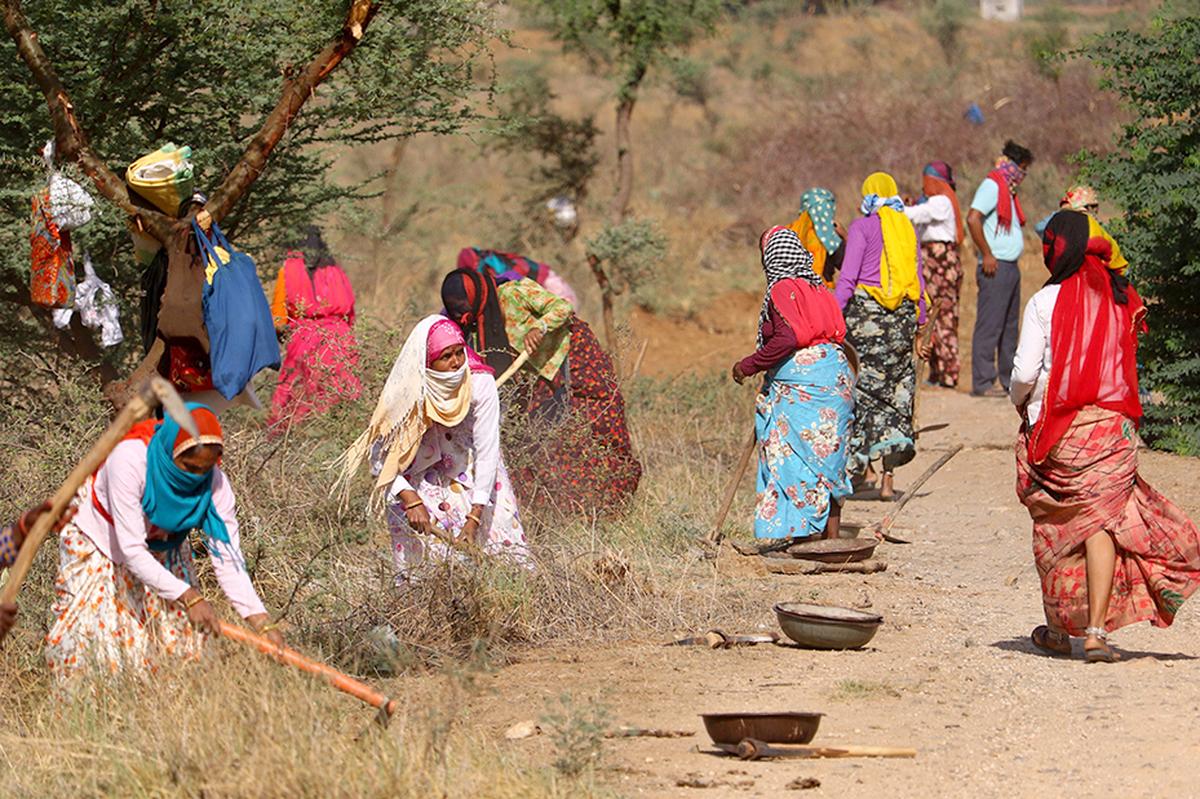
Labourers under Mahatma Gandhi National Rural Employment Guarantee Act (MGNREGA) work at a site on a hot day, during the ongoing COVID-19 lockdown, on the outskirts of Ajmer, Tuesday, May 19, 2020.

Labourers under Mahatma Gandhi National Rural Employment Guarantee Act (MGNREGA) work at a site on a hot day, during the ongoing COVID-19 lockdown, on the outskirts of Ajmer, Tuesday, May 19, 2020.
| Photo Credit:

In recent times, the silent yet powerful contribution of migrant workers has been more visible, especially during the COVID-19 lockdown, when millions of them played a critical role in keeping essential services running, often at great personal cost. Their resilience during these challenging times reminded us of the importance of every worker, no matter how small their task may seem.

Changing times

Over time, labour laws in India have changed a lot to protect workers and make sure they get fair treatment. It started with laws like the Factories Act, which made factories safer places to work, and the Minimum Wages Act, which made sure workers get paid fairly for their hard work. Later, the MGNREGA brought jobs to millions in rural areas, ensuring that even the smallest villages got a helping hand. In today’s world, with the rise of delivery services, freelancers, and gig workers, May Day is also about making sure that these workers are treated with dignity, fairness, and safety.

Deliverymen of food aggregators Swiggy and Zomato ride their bikes towards their destinations, in New Delhi.

Deliverymen of food aggregators Swiggy and Zomato ride their bikes towards their destinations, in New Delhi.
| Photo Credit:

Flashback: Some of the key moments in India’s Labour History

The Indian Labour Conference (1959)

On July 27, 1959, the Indian Labour Conference was opened by Mr. Bistmuram Medhi, then Governor of Madras, at Rajaji Hall in Chennai. The conference brought together workers’ unions, employers, and government representatives to discuss labour rights in post-independence India. It played a key role in shaping future labour reforms and emphasized the importance of formal, ongoing dialogue to improve workers’ welfare.
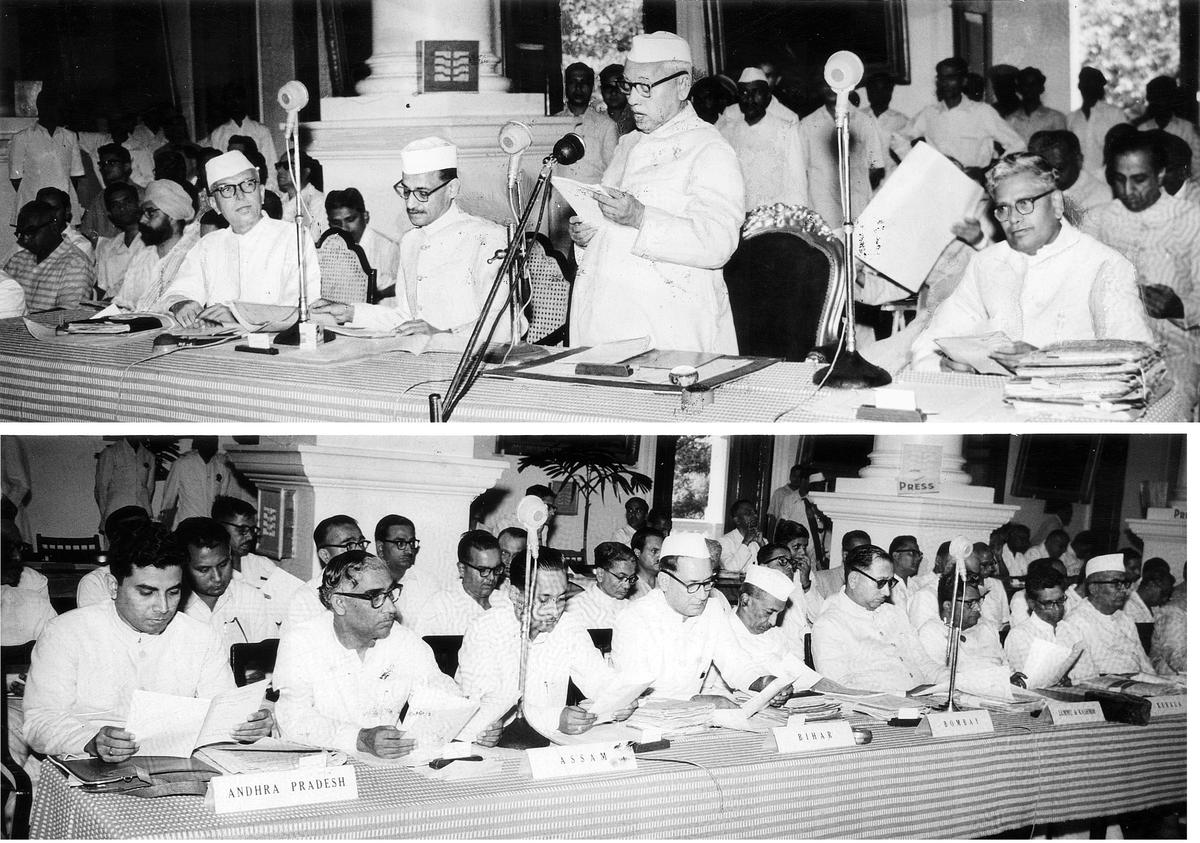
Mr. Bistmuram Medhi, Governor ot Madras, opening the  Session of the Indian Labour Conference at Rajaji Hall in Madras on July 27, 1959.
(Published in The Hindu on July 28, 1959)

Mr. Bistmuram Medhi, Governor ot Madras, opening the Session of the Indian Labour Conference at Rajaji Hall in Madras on July 27, 1959.
(Published in The Hindu on July 28, 1959)
| Photo Credit:
GOVERNMENT OF MADRAS

The 1974 National Rail Strike

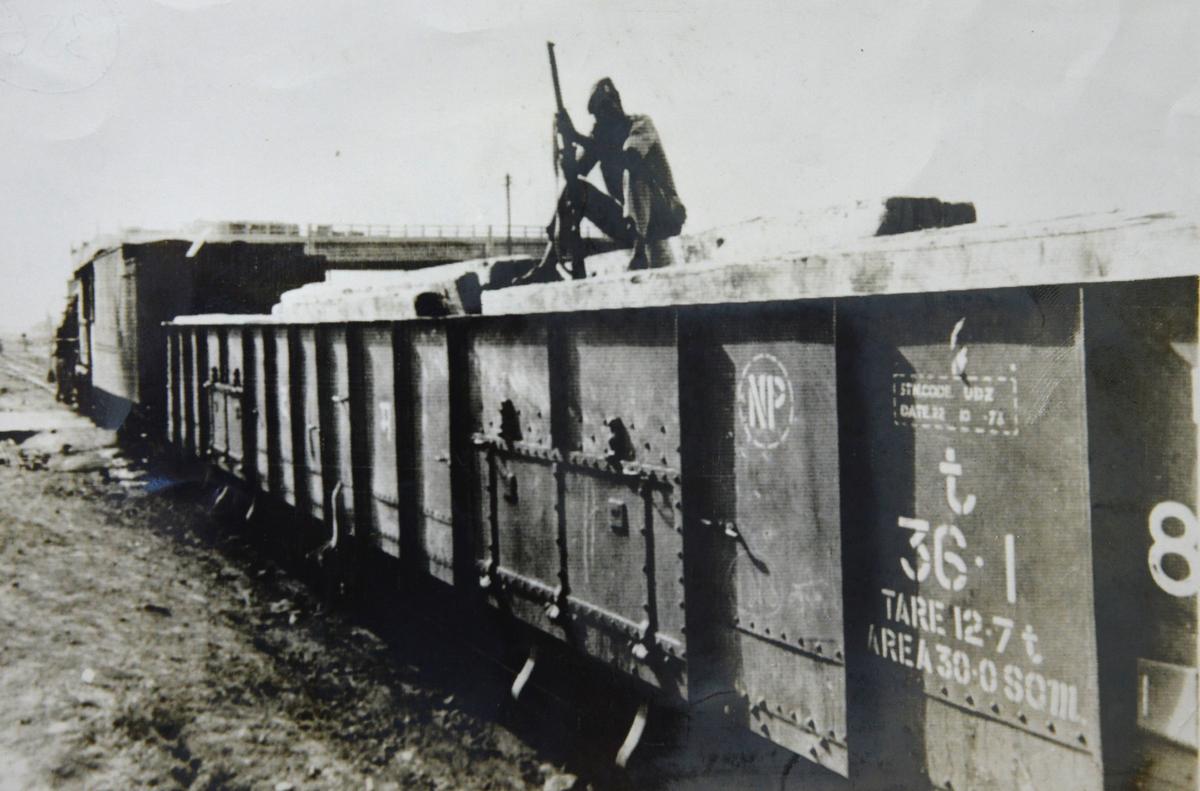
In May 1974 there was a nationwide strike led by railway workers demanding better wages and working conditions. The strike paralysed the railway network, underscoring the importance of workers in the country’s infrastructure and the need for better treatment of public sector employees. (in pic) An armed guard perched atop a wagon of timber as freight train pulls out of New Delhi, the third day of National rail Strike. (1974).
India Joins the ILO (1919)

India became a founding member of the International Labour Organisation (ILO) in 1919, even before gaining independence. The ILO was born out of growing global recognition of workers’ rights, especially after the struggles and movements led by labourers during the Industrial Revolution and World War I. It was a direct result of the rising demand for humane working conditions, proving that the voice of workers could shape international policy. India’s early involvement laid the foundation for future labour laws and social protection measures.

Nation built by all

May Day isn’t just about parades or speeches — it’s about respecting every job, no matter how big or small. From the teachers who guide us, to the cleaners who keep our classrooms spotless, each job plays an important role in making the world run smoothly. Think about the uniforms you wear, the desks you sit at, or the books you read. Behind all these things is someone’s hard work — whether it’s the factory workers who make the fabric, the carpenters who design the furniture, or the publishers who print your textbooks. Let’s remember that the nation is built by every mason, nurse, driver, farmer, and teacher.


Source link

Consuming this nutrient alone can reduce the risk of a heart attack drastically


Consuming this nutrient alone can reduce the risk of a heart attack drastically

Cardiovascular disease continues to be the leading cause of death globally. Amid ongoing search for answers, a trace mineral often tucked away in nutritional discussions—selenium—has emerged with promising links to heart health.
But this isn’t just another trendy nutrient getting the spotlight. This time, the connection comes from a large-scale study using NHANES data (2003–2018), involving over 39,000 participants. The findings suggest that selenium, when consumed in the right amount through diet, may lower the risk of cardiovascular events like heart attacks. But like most things in nature, balance is everything.

What the buzz is about

What has stirred interest is a consistent inverse association between dietary selenium intake and cardiovascular disease. This means as selenium intake increased—within a particular range—the risk of heart disease appeared to decline.

selenium 2

The sweet spot? Between 55 to 145 micrograms per day.
However, this relationship isn’t a straight line. Beyond the threshold of roughly 135 µg/day, the heart-friendly benefits of selenium begin to taper off, and in some cases, might even backfire. That’s what makes selenium unique: helpful, but only when it doesn’t overstay its welcome.

The real star: Not supplements, but food

Many studies have looked at selenium levels in the blood, but fewer have asked the more practical question: how much selenium is entering the body through food? Since nearly 80% of dietary selenium is efficiently absorbed, it makes sense to focus on what’s on the plate.
Natural selenium-rich foods include Brazil nuts (in moderation), sunflower seeds, whole grains, eggs, and fish. The NHANES study clearly showed that dietary sources—rather than pills—are what really matter.

How does a heart attack chest pain differ from that caused by gastric

Representative image.

Why the heart cares

What makes selenium protective lies deep in the body’s defense system. It’s a critical player in antioxidant enzymes such as glutathione peroxidase (GPx) and thioredoxin reductase (TrxR). These selenoproteins guard cells from oxidative stress—a major villain in the heart disease story.
Low selenium levels have been linked with increased cholesterol and triglyceride levels, higher oxidative stress, and even poor cardiac enzyme function. But too much selenium might create reactive compounds that cause more harm than good. So the heart appreciates selenium’s help—but only in moderation.

But there’s a twist: Not everyone benefits equally

The heart-protective effect of selenium was found to vary depending on one’s hypertension status. For people without high blood pressure, selenium intake showed more pronounced benefits in reducing cardiovascular risk. For those with hypertension, the relationship was less clear.
This opens up an important conversation: heart health solutions are not one-size-fits-all. Lifestyle, existing conditions, and overall diet influence how selenium plays its role.

Stress, mental health, and your heart: Understanding the connection

Despite the compelling results, the full story of selenium and heart disease remains incomplete. Some studies show no significant benefits from selenium supplements. Others reveal that too much selenium may trigger oxidative damage—especially if not paired with other nutrients or consumed through natural food.
The NHANES-based research had its strengths—a large sample and careful adjustments—but also limitations. Being cross-sectional, it can’t prove cause and effect. More long-term studies are needed to pin down selenium’s exact role in cardiovascular protection.


Source link

5 most expensive dogs in the world – And how much do they cost


It is often said that dogs are a man’s best friend, and rightly so. Our furry friends offer unconditional love and support to us, which makes them invaluable in our lives. However, when it comes to owning a dog, for some people it’s an investment. While most dogs come with reasonable price tags, certain breeds are so rare and unique that their price skyrockets. These breeds are known for their unique traits, and impeccable pedigrees. Here we list some such most expensive dogs in the world and what makes them so special:


Source link

King Charles Cancer Battle: ‘A daunting, frightening experience’: King Charles opens up about cancer battle |


‘A daunting, frightening experience’: King Charles opens up about cancer battle

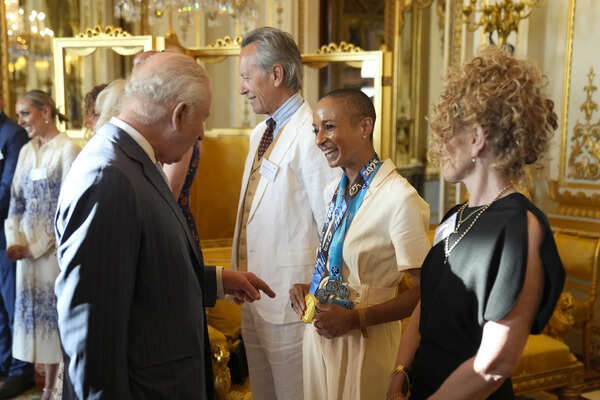
In one of the most deeply personal moments of his reign, King Charles has opened up about what it truly felt like to hear the words no one wants to hear: “You have cancer.” His message, shared during a reception for cancer charities at Buckingham Palace, was not just a royal statement — it was a human expression of vulnerability, strength, and gratitude.
Diagnosed in February 2024 with an undisclosed form of cancer, the King continues to undergo treatment. But more than the details of his health, it is his emotional honesty that has touched many. He didn’t speak from the throne; he spoke from experience — as someone who knows fear, who understands the waiting, and who cherishes every hand that offers help.

King Charles III says his cancer journey brought the best of humanity into focus

The King didn’t hold back from using the words “daunting” and “frightening” to describe the reality of a cancer diagnosis. And it wasn’t just about him. His message acknowledged the silent struggles of the thousands of others who wake up each day in the UK — over 1,000 daily — to learn they, too, are part of this statistic.
What makes this statement more than a headline is the raw truth it carries. It’s not easy for anyone — even a monarch — to admit fear. But by doing so, the King extended his hand to others on the same path, silently saying, “You’re not alone. I feel it too.”

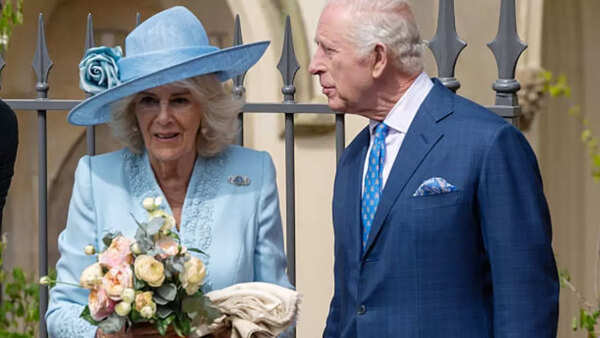
King Charles and Queen Camilla at Easter 2025

Image credits: Getty Images

While pain and fear are often at the forefront of illness, King Charles focused on something else — the light. Not just any light, but the one that comes from humanity itself.
He spoke of nurses who explain difficult news with kindness, of volunteers who sit and hold a hand in silence, and of strangers who become family in support groups. These aren’t textbook examples — they’re quiet, powerful moments that often go unseen. They are what, in his words, “illuminate the darkest moments of illness.”
It’s not just medicine that heals. Sometimes, it’s compassion.

Kate Middleton opens up about her battle with cancer: King Charles, Prince Harry, Joe Biden, and others wish her a speedy recovery

In a moment of tribute, the King shared that he found inspiration in the late Dame Deborah James, a fearless voice who faced bowel cancer with unmatched courage and grace. Her words, “have rebellious hope,” resonated strongly in his message.
The phrase wasn’t just a quote — it became a lens through which to view survival, not just in terms of statistics, but in the spirit to live boldly, love deeply, and never give up on joy. For a man with the world’s eyes upon him, the King’s open embrace of such a message adds a profound depth to his own narrative.


Source link

Meghan Markle sends secret emails to her kids Archie and Lilibet every night — And the reason will break your heart


Meghan Markle sends secret emails to her kids Archie and Lilibet every night — And the reason will break your heart

It’s been five years since Prince Harry and Meghan Markle left their role as senior members of the UK royal family and moved to their Montecito home in the US. The Duke and Duchess of Sussex live in the USA with their two children– Archie and Lilibet, and it looks like they have already started building a legacy for them.
After starting her own new podcast ‘The Confessions of Female Founder‘, Meghan appeared on someone else’s podcast for the very first time. Meghan spoke to her friend Jamie Kern Lima for the latter’s podcast, wherein she revealed her quiet family life, away from the British media’s scrutiny. In the podcast, Meghan also shared that she writes emails to her children every night because “it doesn’t have to be a heavy lift”. The idea is that she wants to create a digital “time capsule” with snapshots of their daily lives for them to look back at when they turn 16 or 18! Meghan also revealed that she got the idea from another mother who did the same.
“I thought it was such a great time capsule to create for them because I used to have scrapbooks and photo albums, but we’re past that generation now… They’re the things that you’re not going to put pen to paper in a journal. But they will end up at one point in their life… that I say, ‘Here’s an email that I’ve been keeping for you’,” the Duchess shared.
Meghan said that she has created two email accounts for her children– Archie and Lilibet– with names no one could ever guess, wherein she sends emails about their everyday little moments together. It’s her way of showing them, “I see you. I’m nurturing you, and I see you so deeply. And I love being able to see your growth.”
Host Jamie Kern Lima described the gesture as “chilling — in the most beautiful way,” while Meghan admitted she felt emotional even speaking about it.
What are your views about it? Would you also like to create something similar for your children, or do you think it is kind of weird to do? Tell us in the comments section below.

Meghan Markle ESCAPES The UK? Portugal Move Fuels Explosive Breakup Rumours With Royal Family


Source link

9 toxic cooking oils to avoid in the home kitchen


While high-oleic versions are better, regular refined sunflower oil contains excessive omega-6s and becomes toxic when heated above its smoke point. When heated, these fats oxidize easily, forming toxic aldehydes and free radicals, which are linked to inflammation, cancer, and heart disease. Also, the refining process includes deodorizing, bleaching, and chemical solvents like hexane that destroys the nutrients in the oil.


Source link

Drink water THIS way to burn calories and lose weight: It actually works!


Drink water THIS way to burn calories and lose weight: It actually works!

Sometimes, it’s the smallest everyday things that make a big difference, like how a single glass of cold water can help burn calories. It may sound like one of those too-good-to-be-true fitness hacks, but science does point to this little trick as something worth noticing.
While this habit alone won’t lead to dramatic weight loss, it can play a meaningful role when added to an overall healthy routine. What makes it even more interesting is how the body reacts to cold water, forcing it to work harder—and burn more calories—just to maintain its natural temperature.
Here’s all we need to know about how drinking cold water can help burn calories and lose weight.
Whenever cold water enters the body, it slightly drops the core temperature. Now, the body isn’t too happy about that. It wants everything back to normal—fast. So it goes to work, burning energy to warm that water up.

cold water

This process is known as thermogenesis—a natural heat-generating mechanism. According to a study published in The Journal of Clinical Endocrinology & Metabolism (2003), drinking 500 ml of cold water increased metabolic rate by up to 30% for over an hour.
That may sound small, but when repeated consistently, those extra calories burned add up.

Does it really burn 8 calories per glass?

The figure 8 isn’t plucked out of thin air—it comes from estimating how many calories are used to warm 250 ml (one glass) of water from about 5°C (cold from the fridge) to 37°C (body temperature).
Basic thermodynamics helps explain it:

  1. Around 1 calorie is needed to heat 1 gram of water by 1°C.
  2. One glass = roughly 250 grams of water.
  3. Raising the temperature by 32°C (from 5°C to 37°C) = 8,000 calories (in physics terms), or 8 food calories (kcal).

So yes, drinking one glass of cold water burns around 8 kcal—and while that’s small, it’s scientifically grounded.

cold water (1)

Small habit, big monthly impact?

Burning 8 calories per glass may not seem life-changing. But over a month, let’s say with 5 glasses a day, it adds up to:

  1. 8 x 5 = 40 calories/day
  2. 40 x 30 = 1,200 calories/month

That’s the equivalent of a light cardio session, just from hydrating. It won’t replace movement or clean eating, but it does mean the body is doing a little more than usual—without even being asked.
The beauty of this habit? It’s effortless and already part of most people’s routine. A tweak in temperature is all it takes.
Chilled water isn’t just about burning calories. It can offer a quick mental refresh. That sudden cool sensation triggers alertness, even mild stimulation of the nervous system. After waking up or during a work slump, a cold glass can bring clarity.
Some people find it also curbs mild hunger pangs temporarily, which can be helpful for anyone trying to avoid unnecessary snacking.

5 Reasons you’re not losing weight

What the myths get wrong

Many online trends turn this simple fact into a miracle trick, promising rapid fat loss by drinking only cold water. But the truth is more grounded:

  • Cold water supports metabolism but doesn’t dramatically boost it.
  • It’s not a fat-burning shortcut, but a mild and helpful addition to a broader routine.
  • No single habit replaces balanced meals, movement, or sleep. But when combined, these micro-actions support lasting change.


Source link

5 things to consume if you want crazy hair growth (No, Chia Seeds are not on the list)


You’ve probably heard of applying curry leaves to your hair oil, but have you tried drinking curry leaf-infused water? Curry leaves are high in beta-carotene, protein, and iron, a trio that helps in hair regeneration, reduces hair fall, and prevents premature greying.

When you consume curry leaves in water form, they work from the inside out to cleanse the scalp and nourish hair roots. Plus, it’s a great way to detox your body and boost your digestive health- another often overlooked factor in hair quality.

How to consume: Boil 10–15 fresh curry leaves in a cup of water, strain, and drink on an empty stomach a few times a week.

Bonus tip: Don’t forget the basics

Hair doesn’t grow in isolation. Hydration, sleep, hormone balance, and gut health are all part of the equation. If your digestion is poor or your stress levels are through the roof, even the fanciest hair vitamins won’t help much.

Also, be consistent. No single meal or miracle food will make your hair grow six inches in a month. But building the right dietary habits can make a world of difference over time.


Source link

Coimbatore summer camp guide 2025: Robotics, rifles, and more


On target

At Insight Rifle Club on Avinashi Road, summer is not just about play; it is about poise, precision, and personal growth. Their shooting summer camp, running from May 3 to 9, welcomes children aged nine and above into the world of air rifle shooting with a clear focus on safety, discipline, and individual development.

“When we first started, we had just four or five enrolments,” recalls Sindhu Parthasarathy, Chairperson of the club. “Today, we receive about 30 to 40 kids each summer, and most of our batches are definitely occupied.”

Insight Rifle Club

Insight Rifle Club
| Photo Credit:
Special Arrangement

The camp is led by experienced professionals, including Sindhu herself — a multiple-time national shooter — and a senior coach who also trains the Indian junior team. Under their guidance, children begin with open sight air rifles, practising over 10 metres with large paper targets designed for beginners.

Safety, Sindhu emphasises, is paramount: “We teach safety measures from day one, both theoretical and practical. The rifles we use also have built-in child locks. Only when they’re ready do we switch them to firing mode.”

The benefits go beyond the target. “Shooting improves focus, composure, and bodily coordination,” she explains. “Children learn to synchronise their breathing, maintain balance, and handle the weapon with care and maturity. It helps them understand the importance of a routine — what they eat, how they sleep — all starts to matter.”

Parents often arrive with questions shaped by film or media, but the camp offers clarity. “We had a parent ask if we train with snipers,” she laughs. “They meant the peep-sight rifle, which is advanced but used in sports.”

Many young shooters from these camps go on to join regular classes and even compete nationally. “The camp helps gauge interest and commitment. At least 30% of our regulars started with summer camps.”

From May 3 to 9 at Insight Rifle Club, Avinashi Road. Fees: 5000. Contact: 8015598029 or 9043011116.

Making sci-fi real

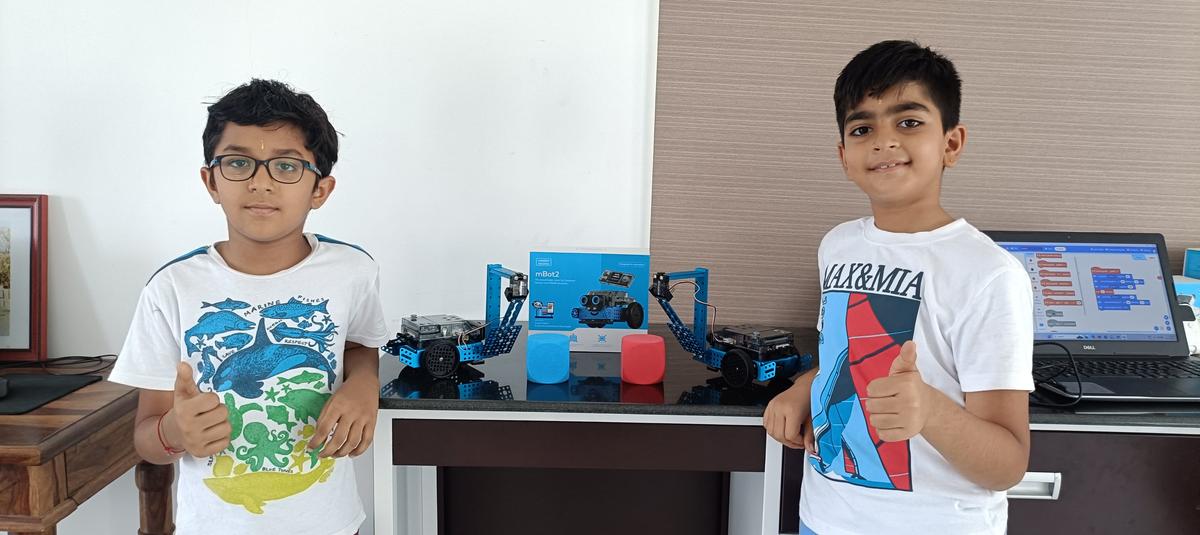
At Big Bodhi Academy’s robotics summer workshop in Coimbatore, children build, code, and innovate. Designed for ages 7 to 16, this two-week, STEM-powered camp blends robotics, drones, and 3D printing into a hands-on, exploratory experience.

“Our summer workshop focuses on integrating robotics into science, technology, engineering, and mathematics (STEM),” says Santha Kumar, Director of Marketing. “We achieve this through robotics, drones, and 3D printing, employing a completely enhanced, hands-on learning methodology.”

Big Bodhi Academy

Big Bodhi Academy
| Photo Credit:
Special Arrangement

Each day begins with a quick concept briefing, after which children get building; whether it is robots that detect obstacles or high-tech catapults. “Once the mechanical design is complete, they add electronic components, then move to coding. If the robot doesn’t solve the mission, they identify the issues — be it speed, design or sensor feedback — and try again,” explains Santha Kumar..

Even coding is made fun and accessible. Young children begin with flashcards instead of screens. “They arrange a forward block, a right turn block and scan it. If something’s off, they tweak the flashcards. This builds confidence before they transition to Scratch or Python.”

One standout project involves a braking system. “The robot uses an ultrasonic sensor to detect obstacles. If one is too close, it stops. When the path clears, it moves again,” says Santha Kumar. Children also learn how 45-degree angles create ideal parabolic arcs while launching objects with catapults.

But it is not just about tech. “We don’t have note-taking sessions. It’s all action. Parents tell us their kids are engaged for two and a half hours without screens. That’s the real win.”

Workshops run April to May in Nehru Nagar, Ramanathapuram, and Gandhipuram. Fees: 6000. Contact: 8300230194 (Nehru Nagar), 9080715825 (Ramanathapuram), 9095415393 (Gandhipuram).

Science and Nature, the fun way

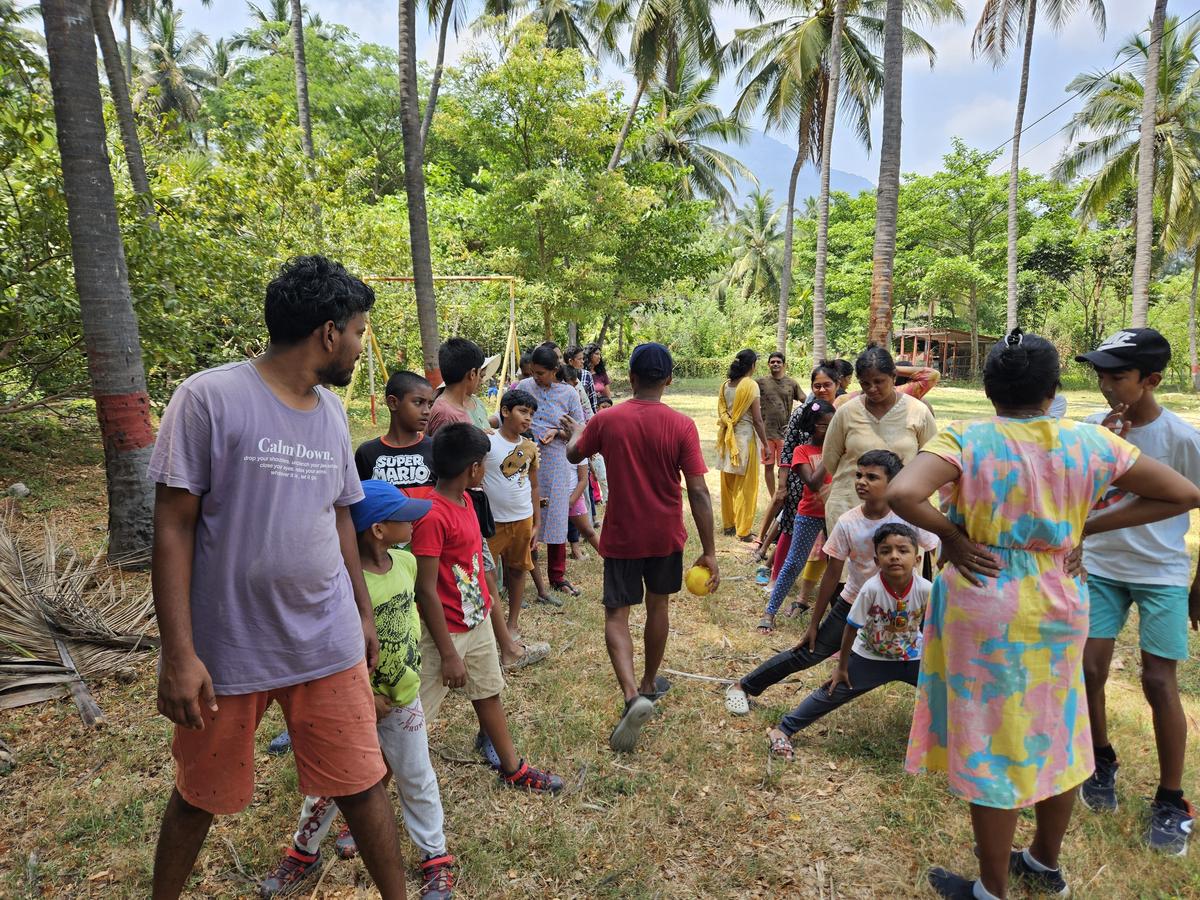
Aatrral Learning Centre’s summer camp brings together children, parents and grandparents. The centre, that has been around since 2014, has been working towards encouraging social entrepreneurship and impact among individuals and families. Their Kalam summer camp, spread across seven weeks, has at its core art, philosophy, science, and organic farming.

At Aatrral’s summer camp

At Aatrral’s summer camp
| Photo Credit:
Special arrangement

“Children, their parents and grandparents can stay at our farm and learn firsthand about agriculture and organic farming,” says ‘Aatrral’ Bala, the founder. “Learning is play-based and the whole family is in it together.” Each week of the summer camp is based on diverse themes. There will be outdoor adventures, fun challenges, and hands-on experiments, games that make one move, think, and laugh and more within a sprawling farm with home-cooked meals.

Themes include ‘Bio-sketch’ through which participants can understand how even the smallest things around us are driven by a life-force. They can sketch animals and vehicles, understand their character traits, and discover how human innovations happen through solutions in Nature.

In the ‘Creation’ themed-week, parents and children will learn about building, plumbing, electricals, and mechanics. They will also be taught how electrical circuits work, the nuts and bolts of wiring, automobile basics and maintenance. ‘Play Farming’ will inculcate a love for the natural world by teaching participants about seeds, nutrients, the soil ecosystem and more. Aatral is also involved in organic farming consulting and has helped create 200 acres of farmlands across Tamil Nadu.

Kalam is on at Iyal Farms, Sethumadai, till June 1. For details, visit aatrral_edu on Instagram, call 9597379545.

Be body aware

Join P V Harikrishnan, an expert in Krav Maga, a martial art form that has its origins in Israel, to learn a few kicks and punches. “What sets apart Krav Maga from traditional martial arts is that, here, you can do anything for your safety,” says Harikrishnan. “You can use everyday objects around you to defend yourself. This can be a keychain, a chair… Anything goes in order to escape from a dangerous situation and go home safe.”

Harikrishnan, who has completed instructor courses from Delhi, Chennai, Australia and Germany for civilians and children, will tailor the martial art for children such that there is no violence involved. “I will teach them how to protect themselves, how to escape harm and prevent someone from hitting them,” he says, “The focus will be on defending, rather than striking.” For adults, however, trainers will ensure they are prepared to protect themselves and people around them at any cost.

Harikrishnan explains that the summer bootcamp will introduce children to the basics of Krav Maga. “If they are interested in taking it forward, they can enroll for further classes,” he adds. Harikrishnan has been associated with Krav Maga for more than a decade. He trained with the International Krav Maga Federation and has been conducting workshops for adults and children for over ten years in Chennai.

The Krav Maga summer bootcamp is open for children aged nine to 14 years. It is on from April 28 to May 2, 5.30pm to 6.30pm, at Ananda, Race Course Scheme Road. Call 9790919600 for details.


Source link

Kareena Kapoor wears Mizoram’s legacy with a punk twist, thanks to designer Hannah Khiangte


Kareena Kapoor wears Mizoram’s legacy with a punk twist, thanks to designer Hannah Khiangte

When heritage meets high fashion, magic happens. And designer Hannah Khiangte from Aizawl, Mizoram, is leading that magic with unapologetic pride. Known for her distinctive work with the traditional puan – a handwoven textile central to Mizo identity, Khiangte has spent over a decade transforming age-old craftsmanship into contemporary couture. Her latest creation, designed with Bollywood icon Kareena Kapoor Khan in mind, is a perfect blend of cultural reverence and modern rebellion.

daD

Launched in 2013, Hannah Khiangte’s eponymous label has always been rooted in purpose. She works closely with women artisans across Mizoram, not just to preserve weaving traditions, but to evolve them – bringing the stories, techniques, and motifs of the puan to the global fashion conversation. Every piece she creates is a tribute to the hands that wove it and the culture that birthed it.
This particular look, seen on Kareena at the Bulgari Eden: The Garden of Wonders launch, is no exception. Drawing deep inspiration from the traditional puan, the garment honours the textile’s symbolic essence – worn during Mizo celebrations, the puan represents community, womanhood, and generational pride. But rather than keep it confined to the past, Khiangte gives it a dramatic, runway-worthy spin. Think: androgynous tailoring meets punk-era boldness. The silhouette feels sharp and empowered, with exaggerated shoulders and structured layering that recall rebellious ’80s glam. Yet, it stays grounded in craft, with the familiar horizontal bands and geometric motifs of the puan woven with precision and care.

FDsDA

Speaking about Kareena’s look, film’s producer and her stylist Rhea Kapoor shared exclusive insights on Instagram. “We wanted something rooted in Indian culture but styled in a way that feels fresh, edgy, and fashion-forward,” they explained. “Hannah’s reinterpretation of the puan was exactly what we were looking for. The look was strong, feminine, and completely original -just like Kareena.”
In a world where fast fashion dominates, Hannah Khiangte’s work reminds us of what truly matters: garments with meaning, made slowly and proudly. Her collaboration with Kareena Kapoor isn’t just a fashion moment – it’s a cultural milestone. One that says: Indian textiles aren’t just historical artefacts – they’re powerful, living art. And the world is finally watching.


Source link