Life & Style

Senior citizens in Chennai are reclaiming time through hobbies and learning


At the Tamil Nadu Government Music College, under the shade of blooming mango trees, a group of senior citizens are gathered to practise the age-old Tamil martial art form, Silambam. They cautiously learn footwork and combine it with the circular movement of the bamboo staff while the instructor, also a senior citizen, walks around the group often correcting his students’ form. For these few hours, age is not a point of discussion here.

Chitra Subramani, a 60-year-old former dance teacher, was among the senior citizens who signed up for the course. “I have always been interested in learning different kinds of art forms, not just dance. The Tamil Nadu Government Music College opened up the Silambam course while I was still working, and I applied to join just for fun,” she says of this one-year course with certification. The Music College also has other folk art form courses like Oyilattam and Thappattam in their curriculum which are open for senior citizens now, thanks to a recent revision of age restriction for students.

Whether through structured classes or personal exploration, an increasing number of older adults are choosing to stay engaged. While previously, elders often took up hobbies like knitting, weaving and indulging in daily soaps, the retired generation of the 21st Century are deciding to spend their time with martial arts, water sports, visual art or educating themselves about finance.

Some of these hobbies offer physical benefits, but their emotional and social impact is often more significant. According to a 2023 study published in the scientific journal Nature Medicine, hobby engagement among adults aged 65 and older was associated with better mental wellbeing, including fewer depressive symptoms, higher self-reported health, greater happiness, and increased life satisfaction.
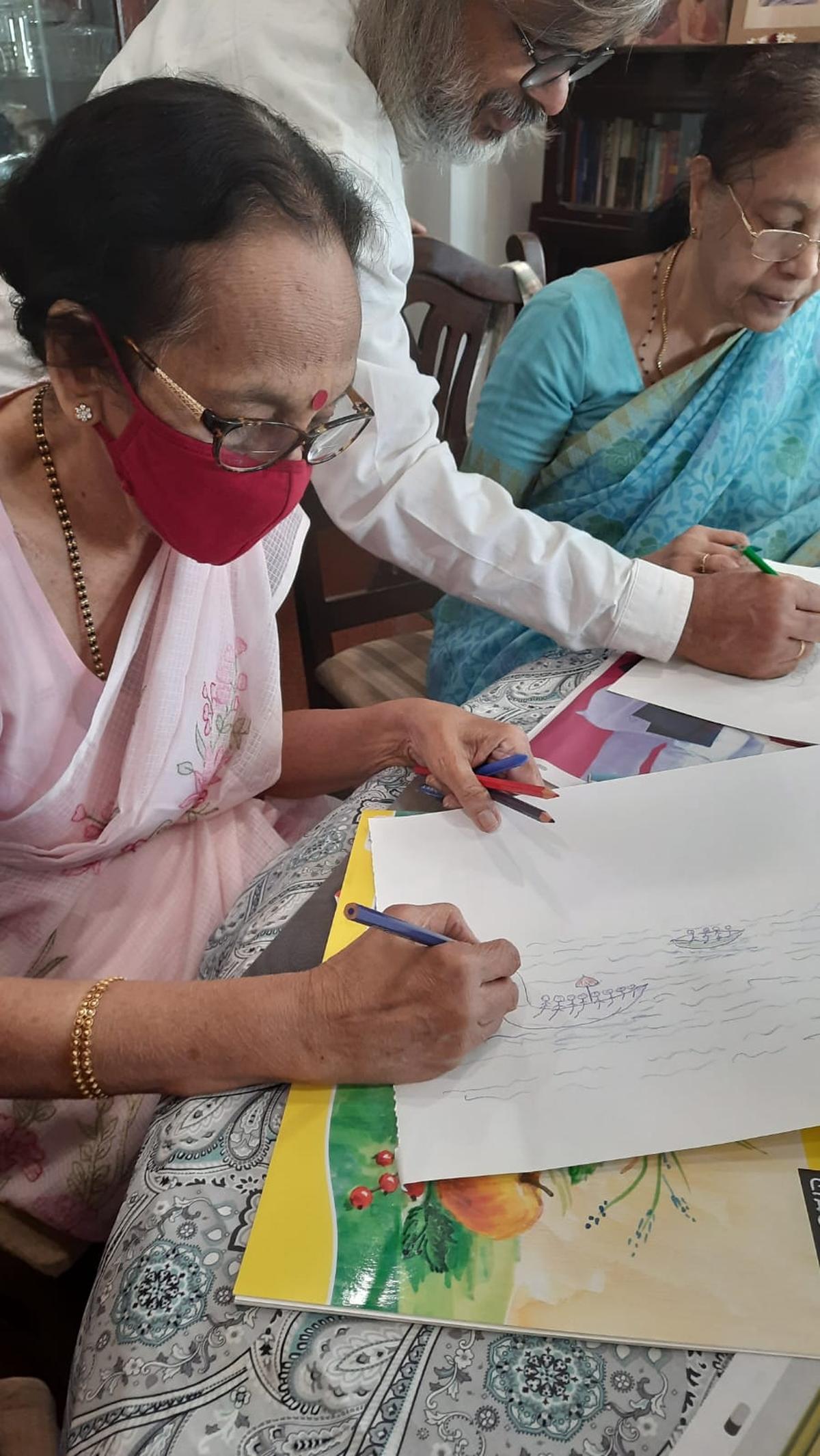
Senior citizens participating in a drawing and painting workshop

Senior citizens participating in a drawing and painting workshop
| Photo Credit:
Special Arrangement

“Older people get lonely unless they do something with their time. Something that is therapeutic for them, and helps them re-discover their talents. We identify and locate such elders, and try to include them in activities such as painting, yoga and more,” says Sabita Radhakrishna, founder of Udhavi, an NGO and networking platform for senior citizens in the city. “We also conduct a workshop on the nitty gritties of life insurance. Elders are often unaware of these things, so we organise interactive talks,” she says, adding that these workshops are done in collaboration with a senior solutions start-up called Grey Up.

Another hobby that older adults are flocking to is tech education. Dexterity with smartphone has become a necessity to lead an independent life. Organisations like HelpAge India, Easy Hai and ElderAid Wellness have specialised help guides and courses in digital literacy. “When we look at the elder care sector, it is very lopsided towards healthcare. During COVID, people realised the importance of digital literacy. Unfortunately, due to a lot of online scams, elders have been afraid of getting too friendly with technology, but we help them,” says Santosh Abraham, founder of ElderAid Wellness, adding that they have guides which are mailed or sent via WhatsApp for topics ranging from ordering groceries to identifying online scams.
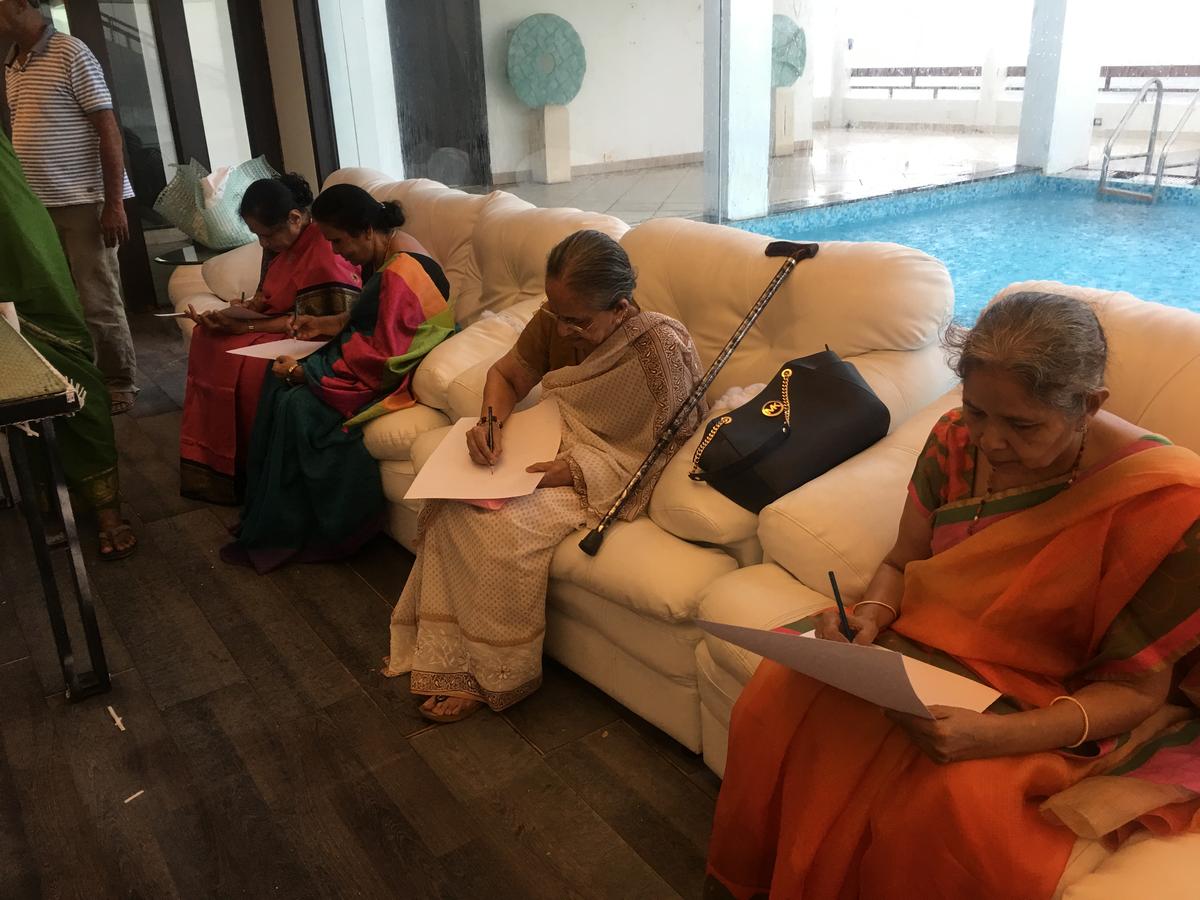
Senior citizens participating in a drawing and painting workshop

Senior citizens participating in a drawing and painting workshop
| Photo Credit:
Special Arrangement

Fun, informal activities like karaoke nights, film screenings, and community singing sessions are also becoming popular ways to bond. “We do quite a lot of musical nights where we get a live band to play songs from old films, and a lot of elders enjoy them and sing along. One time, we had a 90-year-old throw her walking stick and stand up to dance,” says Sabita, laughing. All activities conducted by Udhavi are broadcast on their WhatsApp groups, and seniors can register to join these groups, through the NGO’s website.

Sound body, sound mind

Movement is also a key element in many of the hobbies taken up by senior citizens. At the Academy of Modern Danse (@academy_of_modern_danse on Instagram), Kokila Hariram conducts a weekly class at the Russian Cultural Centre tailored to senior citizens. “We have a Bollywood dance class for ladies in the morning and a lot of mothers and grandmothers join this class. Most of my adult classes are for salsa, ballroom, or jive, and I have elders over 60 joining those,” she says. “Everything they’re doing uses muscle power, and that stimulates the brain.”

For 71-year-old former English teacher Meena Thomas, learning salsa helped ward off oneliness while also keeping fit. “I am not disciplined enough to go to the gym or workout, but I feel like this kind of exercise make me happy. I always thought I had two left feet, but Koki told me anyone can dance. She can make a door dance,” she says adding that she picked salsa because she found some friends who had joined the class. Meena started dancing when she was 63.

These dance classes are populated by both women and men. P Mahalingam, 71, chairman of Door Sabha Nigam Limited, has always been a man of rhythm. “I used to learn Kathak, but had to stop because of some health reasons. I joined salsa classes when I was in my mid 50s, then learned tabla,” he says.
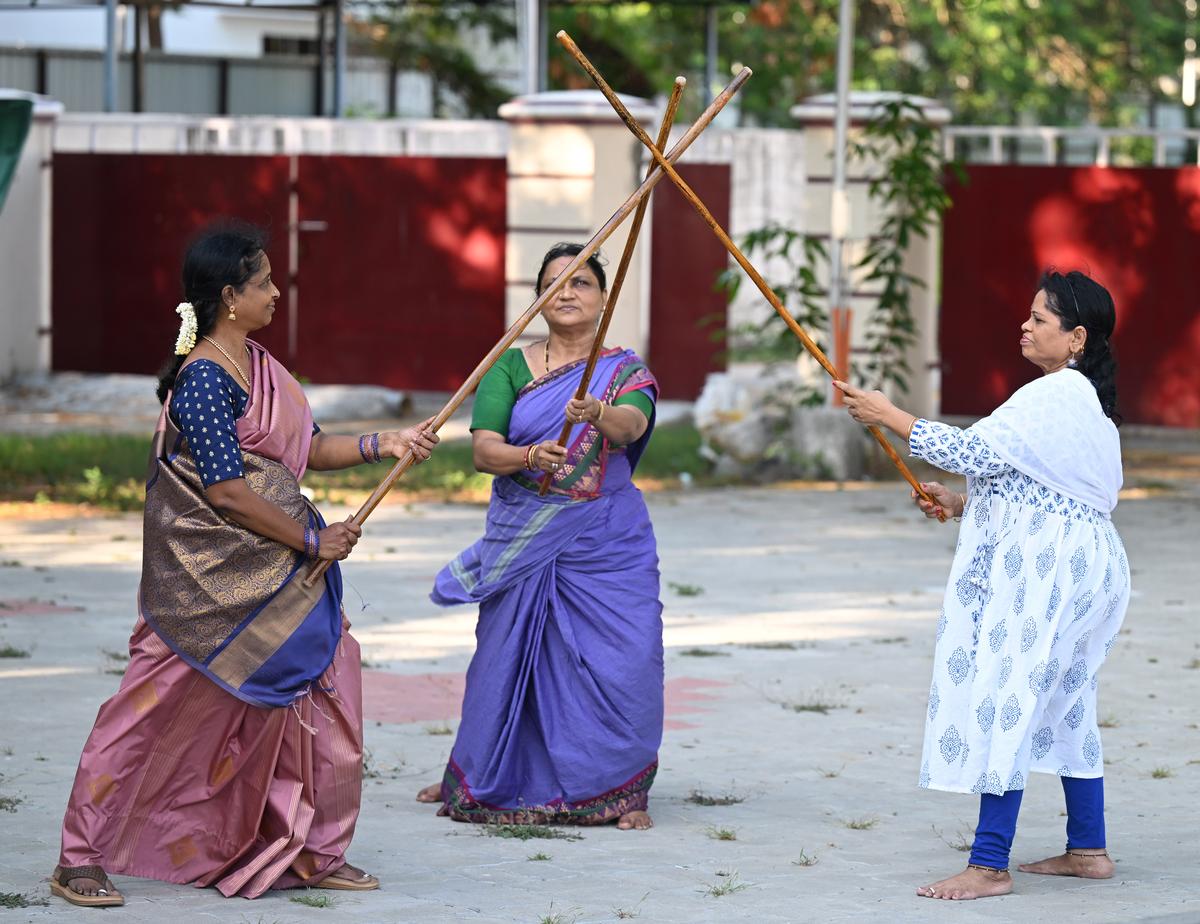
Senior citizens learning traditional art of Silambam classes at Tamil Nadu Government Music College, RA.Puram in Chennai

Senior citizens learning traditional art of Silambam classes at Tamil Nadu Government Music College, RA.Puram in Chennai
| Photo Credit:
B. Jothi Ramalingam

As much as dance is for the mind and body, water is too. With the harsh summer settling in, swimming and water-based exercises are becoming popular fitness options for older adults. “Many senior citizens who have joint pains are advised to walk in water by their physiotherapist because water is easier on the joints. You weigh less in the water and are able to move more easily,” says Jeffery Vardon, who conducts water aerobics classes tailored for senior citizens.

Women doing aqua aerobics with Jeffery Vardon’s instructions at Hotel Savera.

Women doing aqua aerobics with Jeffery Vardon’s instructions at Hotel Savera.
| Photo Credit:
RAGU R

While older adults may face hurdles — from digital literacy and mobility issues to financial planning  — community outreach and tailored support systems can go a long way. As the lines between ageing and activity continue to blur, hobbies are proving to be tools for self-discovery, connection, and vitality. In reclaiming their time through curiosity, many older adults today are proving that retirement is not an end, but a return — to self, to community, and to all the things that make life feel full.


Source link

What happens when you consume a handful of watermelon seeds in summer


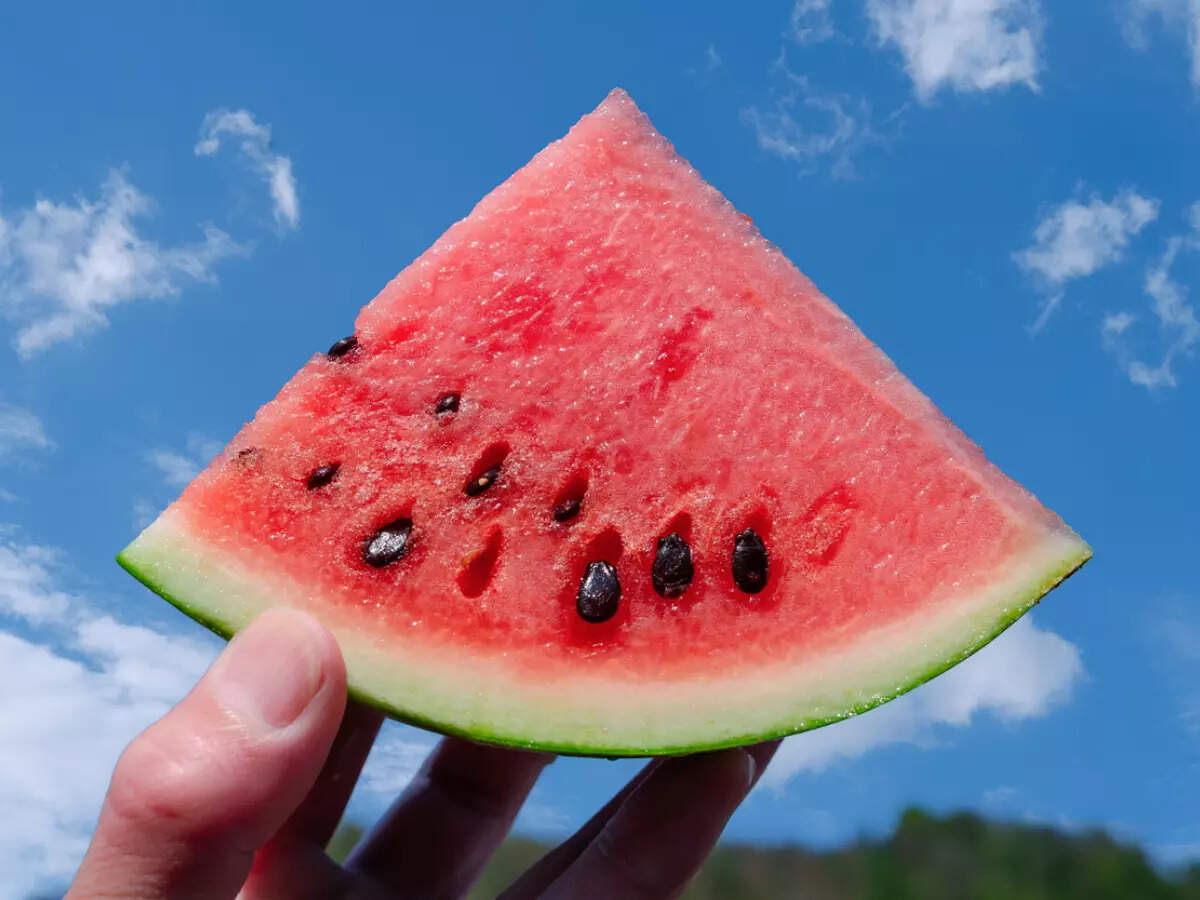
Watermelon seeds, often discarded while eating the fruit, are actually nutritional powerhouses packed with essential vitamins, minerals, healthy fats, and protein. When dried or roasted, they become a crunchy, versatile, and health-boosting snack. As per a study published by the National Library of Medicine, watermelon seed oil can positively influence lipid profiles by lowering LDL cholesterol and increasing HDL cholesterol levels, suggesting potential heart health benefits. If you have been discarding these seeds all this while, take a look at their benefits and from now on start storing and consuming them as a healthy snack.


Source link

Climbers from Assam summit previously unclimbed Ladakh peak, honour Lachit Borphukan


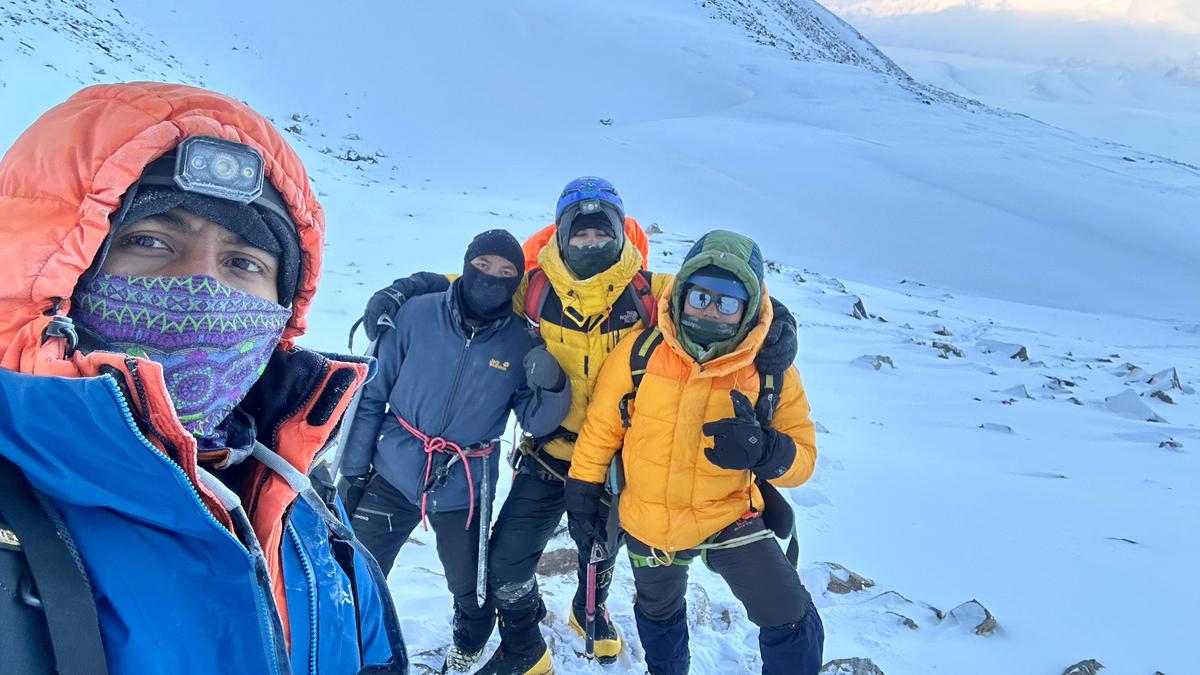
Part of the team on their way to the summit

Part of the team on their way to the summit
| Photo Credit: Special Arrangement

Six climbers from Assam successfully summited a previously unclimbed 6,365-metre peak in Ladakh as part of the Triple Peak Expedition, organised by the Assam Mountaineering Association with support from the Directorate of Sports and Youth Welfare, Government of Assam.

The final ascent began on 14 April, with the team divided into two groups led by Manash Barooah and Shekhar Bordoloi.

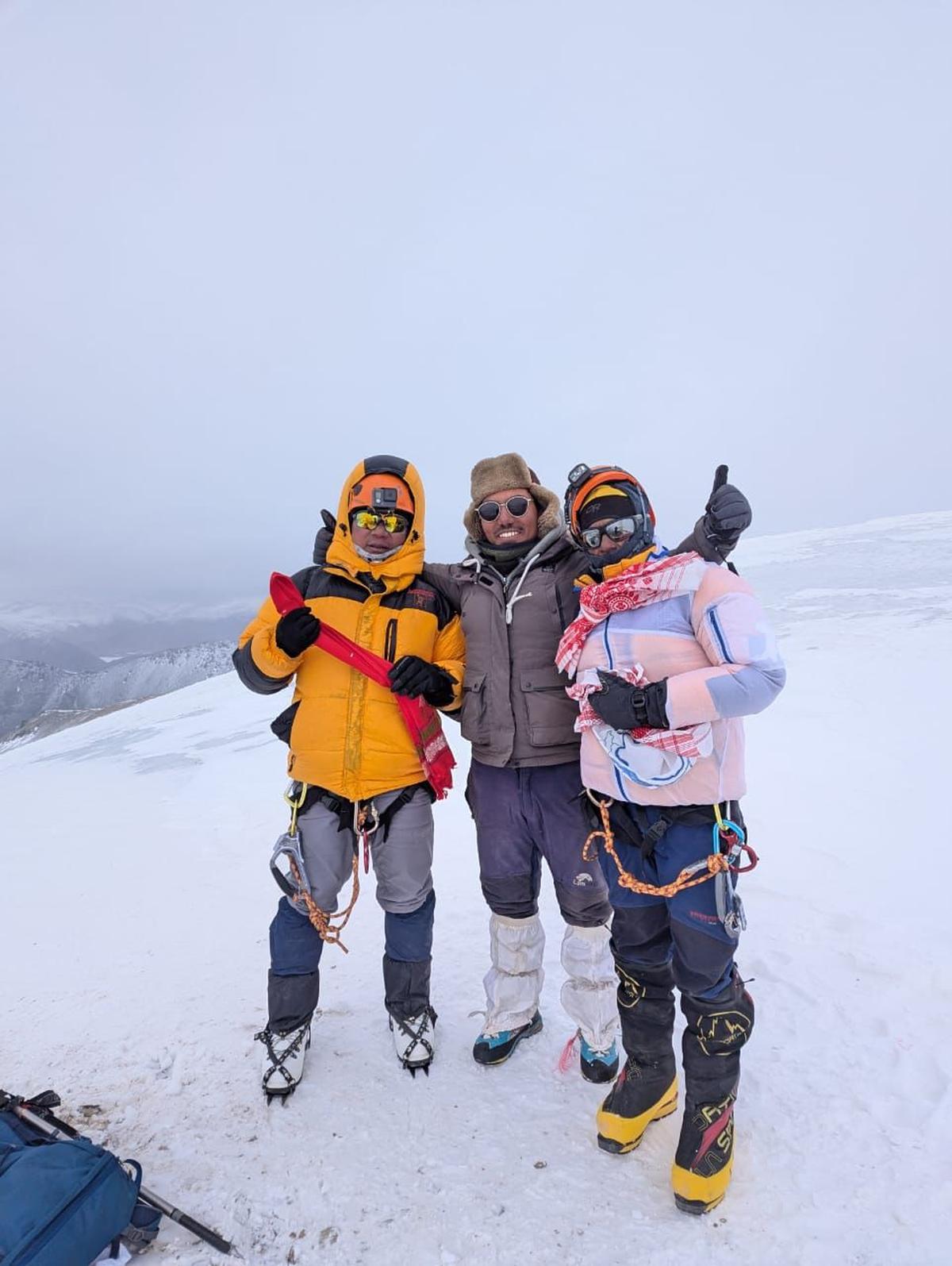
Out of the 19-member team, the six successful summiteers are Shekhar Bordoloi, Jayanta Nath, Surajit Ronghang, Bhaskar Barman, Upen Chakraborty and Henry David Teron.

Part of the team on the summit

Part of the team on the summit
| Photo Credit:
Special Arrangement

The team was divided into two groups, led by Manash Barooah and Shekhar Bordoloi respectively.

Speaking about the planning involved, Shekhar Bordoloi, who led one of the groups, said, “A great deal of planning and research goes into such climbs, especially when it’s a virgin peak. In addition to studying the region’s topography, we closely monitored weather conditions. We consulted several maps, particularly topographic or contour maps, which highlight the landscape features of a location. These help climbers understand the gradient and nature of the ascent. We’ve been preparing for this expedition for over a year.”

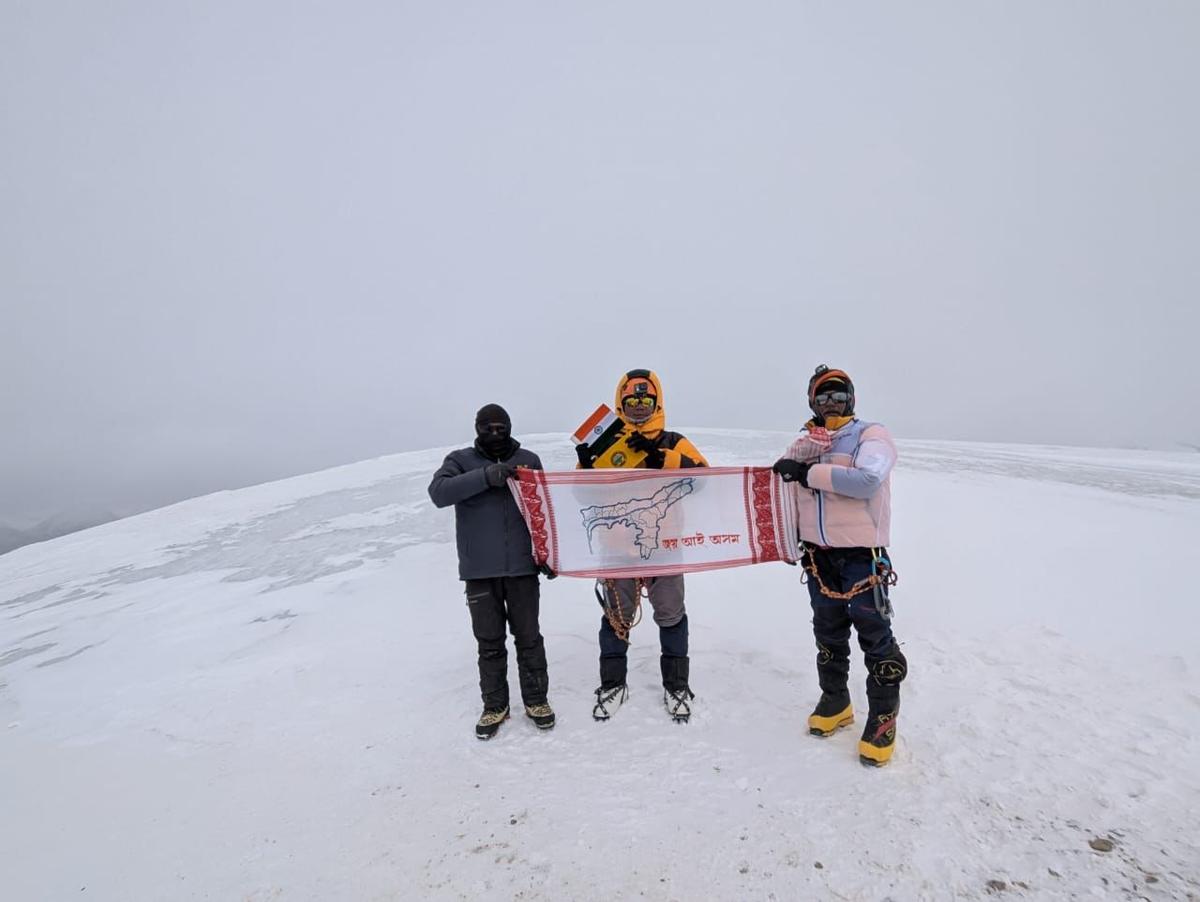
The team on the summit

The team on the summit
| Photo Credit:
Special Arrangement

Of the 19 boys and girls who set out for the climb, only six were able to reach the summit. The rest of the team had to either discontinue or remain at base camp due to health concerns. The expedition also aimed to name the unnamed peak after the Ahom general Lachit Borphukan. However, the naming process is expected to take time, as it involves formal permissions and documentation.

The group successfully summited the peak on their second attempt.

“We established a base camp at 4,800 metres near Kyagar La, and from there, set up two higher camps to acclimatise and prepare for the final ascent,” said Shekhar. “Our first summit attempt was on April 18, but we had to retreat to Camp 1 at 5,200 metres after choosing the wrong route.”

The summit camp was established at 5,750 metres.

“We re-evaluated our route and made another attempt on April 21, this time climbing via the south-west face and successfully reaching the summit. It took us over six hours. From the top, we could see Chakula Kangri and Chumathang to the north, Kyagar Tso, Tso Moriri and the Mentok Kangri range to the west, Chamser Kangri and Lungser Kangri to the south, and Chalung North Peak to the east.”

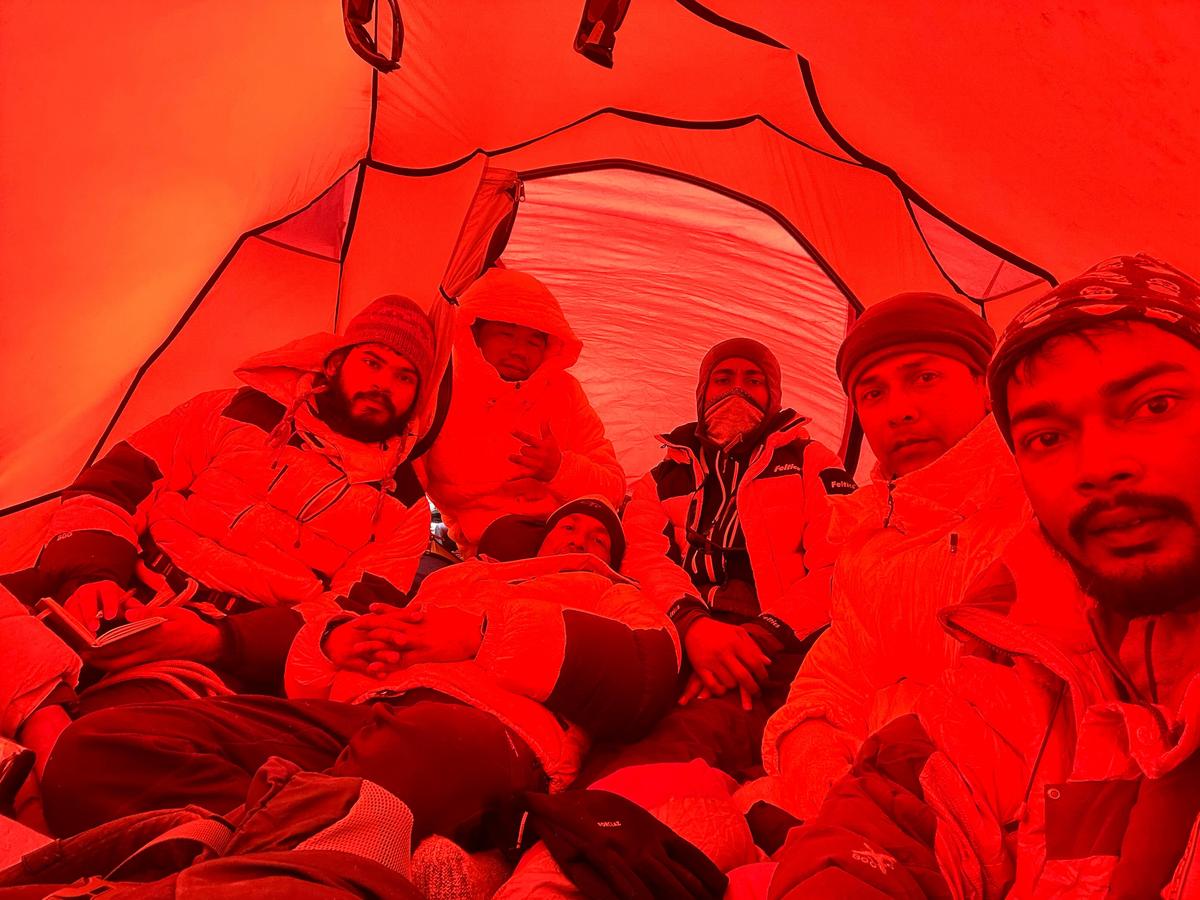
Inside summit camp

Inside summit camp
| Photo Credit:
Special Arrangement

Another team of four members — Madhurjya Manjuri Borah, Babita Goswami, Trishna Ramchiary, and Angshuman Borah —completed the Kyagar La trek, reaching an altitude of 5,600 metres. The team was assisted by two guides, Tenzing Lapu and Lobsang Dorjee.

Describing the terrain, Shekhar said, “The peak is mostly covered in moraine (large rocks). The climb has an incline of about 45 to 50 degrees. We reached the summit by passing through a snow corridor, which leads to a dome-shaped peak.”

And did they encounter any Yetis or ghosts? Shekhar laughs: “No ghosts up there! Since the Changthang Wildlife Sanctuary is nearby, we did notice paw prints in the snow — wolves and snow foxes had visited our campsite at night. We also spotted Pikas, which are small mammals resembling rabbits, and Himalayan crows.”


Source link

5 habits of deep thinkers and intelligent people– How to adopt them to be successful


Intelligent people read a lot– it expands their world view, gives them knonwledge and helps them grow as a person. Also, they don’t limit themselves to one genre or subject— instead, they explore history, science, psychology, fiction, and philosophy. You too can develop a reading habit by ensuring to read atleast 10 pages everyday– be it a novel or the newspaper.


Source link

5 drinks to clear the complexion and get a clear skin


If you find plain water too boring, jazz it up with cucumber and mint. This super refreshing drink is ideal for hydrating the skin while also reducing puffiness and calming breakouts. Cucumber is loaded with silica, a compound that strengthens skin tissues and improves elasticity.

How it helps:

Deeply hydrates the skin

Cools the system, reducing skin redness

Flushes out toxins

Promotes a fresh, dewy complexion

Pro tip: Let the cucumber and mint steep in water overnight for the best results. You can also throw in lemon slices for added vitamin C.

Bonus: Things to avoid for better skin

While adding these drinks to your routine is a great idea, try to cut back on sugary sodas, excessive caffeine, and alcohol, as they tend to dehydrate the skin and trigger breakouts. Also, avoid fruit juices with added sugar- opt for fresh, homemade ones instead.


Source link

How scrap band Dabba Beat’s recycled rhythm is winning over fans


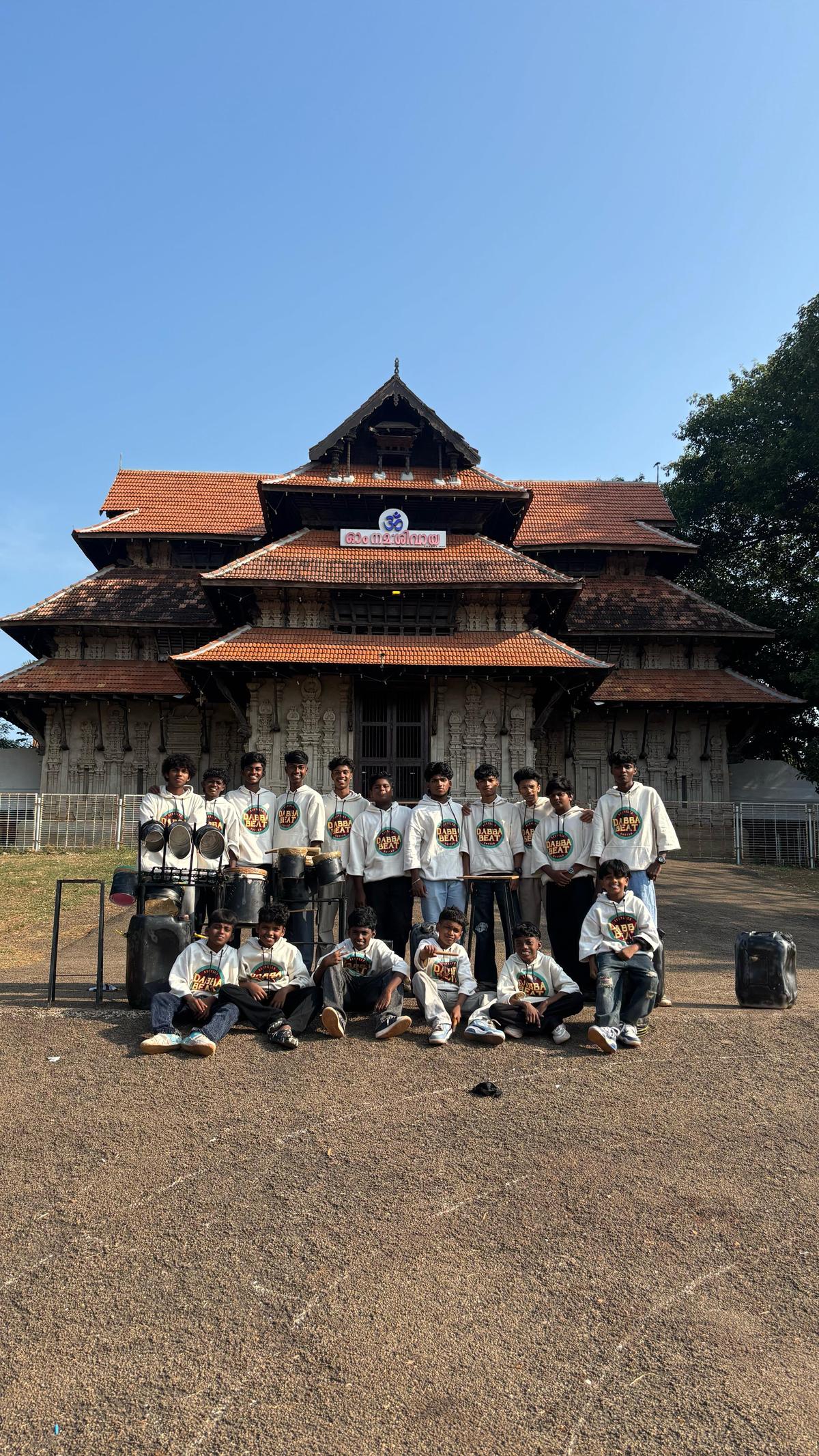
The members of Dabba Beat

The members of Dabba Beat
| Photo Credit: Special Arrangement

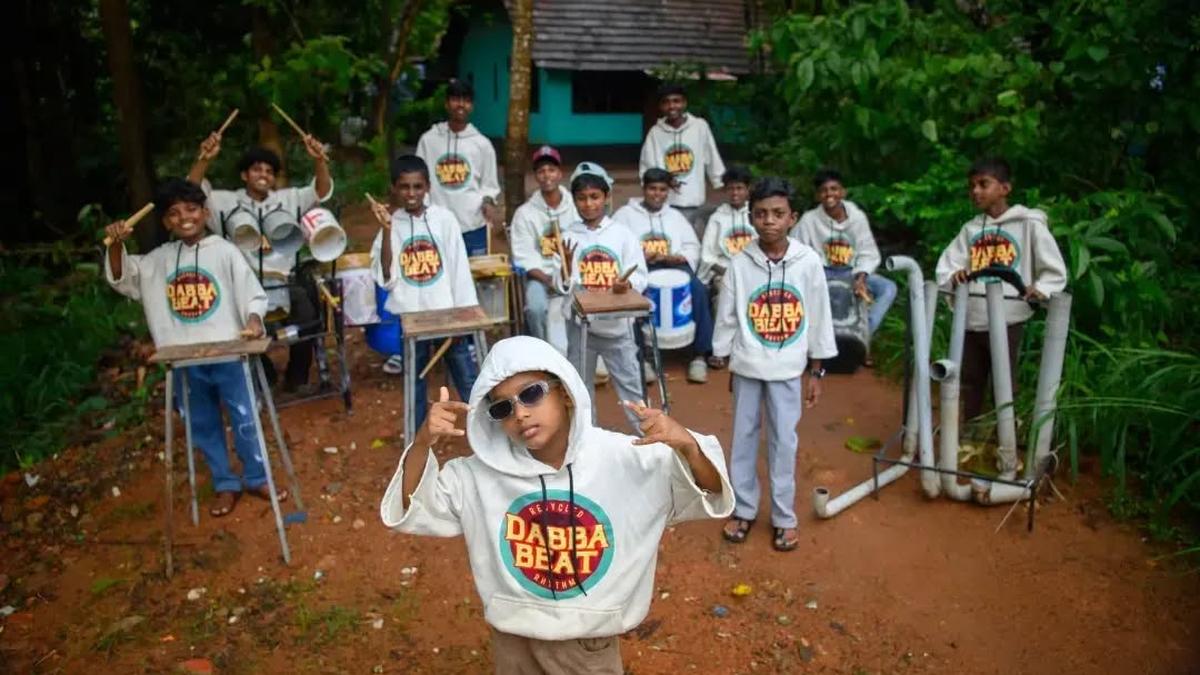
A motely crew of children are jamming, drumming away on their improvised instruments while one of them vocalises a popular 90s hit number ‘Azhakiya Laila’. Meet Dabba Beat, a children’s band from Thrissur, which makes music out of scrap buckets, pots, wooden slabs, sticks, plastic water bottles and other everyday objects. 

Videos of them jamming outdoors are often trending on social media, and they have featured on popular reality shows in Kerala and outside the State. Their version of Arabic kuthu from Vijay’s Beast, was shared by its composer Anirudh Ravichander, catapulting this band of drummer boys to instant fame. 

But it all started as an impromptu session during the first Covid-19 lockdown, says Indrajit P C, who coordinates the band. “Most of these children live in the same neighbourhood in Kollannur in Thrissur district and we would get together in our free time, just jamming. I filmed a session and uploaded it on social media, only to be flooded with praise for the boys’ talent. We realised the potential and formed a band, calling it Dabba Beat,” says Indrajit. 

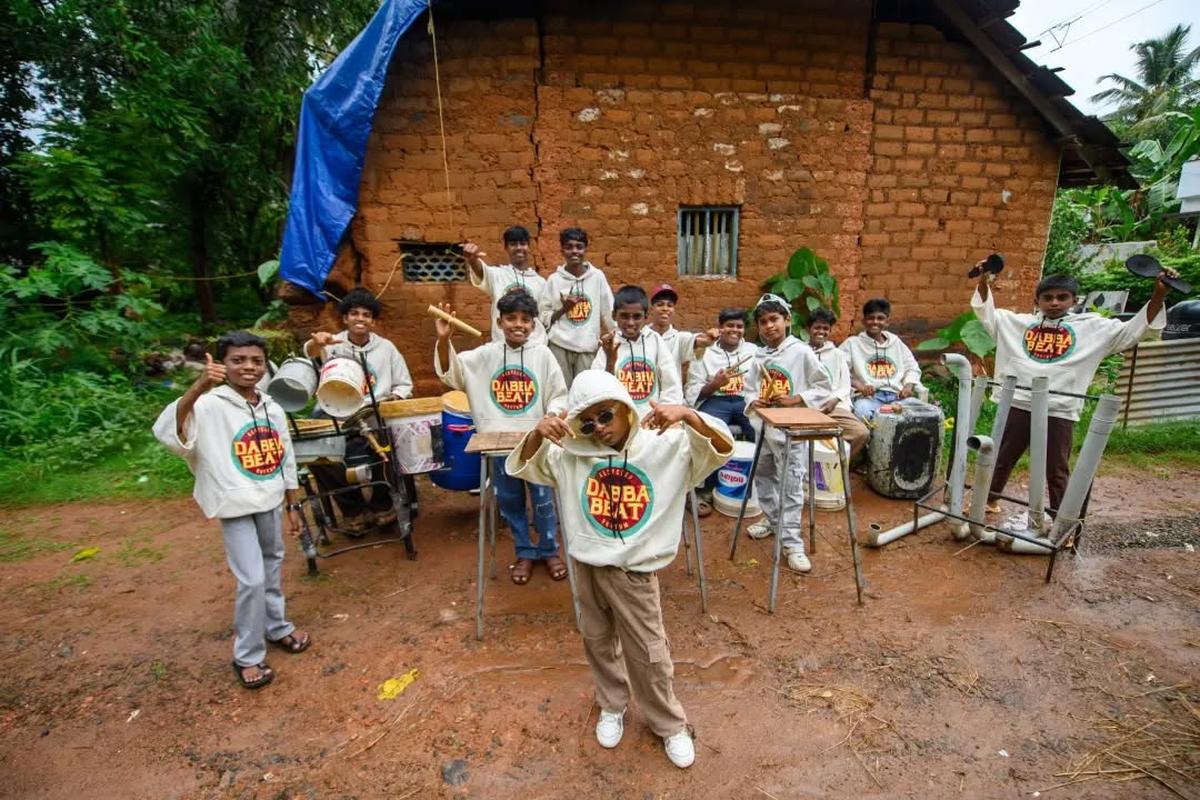
Dabba Beat

Dabba Beat
| Photo Credit:
Special Arrangement

Dabba Beat today is a 17-member band, which performs shows across Kerala and outside. The band has drummers and vocalists and it tries everything from viral hits to melodious film songs. “It is the support of the people that we truly cherish,” says Adarsh Babu, 16, a Plus-Two student and vocalist in the band. “We meet almost every other day to practise and we always try out something that is new,” says Adarsh whose favourite songs include ‘Thala’ from Chotta Mumbai, Job Kurien’s ‘Padayathra’, and ‘Badass’ from Vijay starrer-Leo. Adarsh also plays the drums.  

What is especially endearing about Dabba Beats’ music is that it recreates complex rhythms from rudimentary instruments. Most of the drum sets consist of water cans and paint buckets turned upside down. “We stick to recycled rhythm and the band members don’t shy away from trying some of the most challenging numbers on this,” adds Indrajit.

Dabba Beat during one of its jamming sessions in Thrissur

Dabba Beat during one of its jamming sessions in Thrissur
| Photo Credit:
Special Arrangement

Sreehari KM, who plays the wooden plank, says he is proud to be a part of the band. A Class VI student, he has been playing for the band ever since it was formed. “The love for music binds us and we enjoy performing,” he adds.

Though people have volunteered to sponsor musical instruments, they stick to their identity of being a scrap band. However, keyboards and violins are added to their repertoire for performances.  


Source link

Diet of people who live 100 plus years: Longevity expert spent 20 years to find THIS breakfast is the ultimate secret to long healthy life


Diet of people who live 100 plus years: Longevity expert spent 20 years to find THIS breakfast is the ultimate secret to long healthy life

We all have heard of the Blue Zones – they are specific regions in the world, where people roughly live for 100 years or more. While a lot of it is due to the environment, and genetics as well (cleaner air, uneven terrain requiring heavy lifting/walking etc) their longevity also depends a lot on what they are consuming.

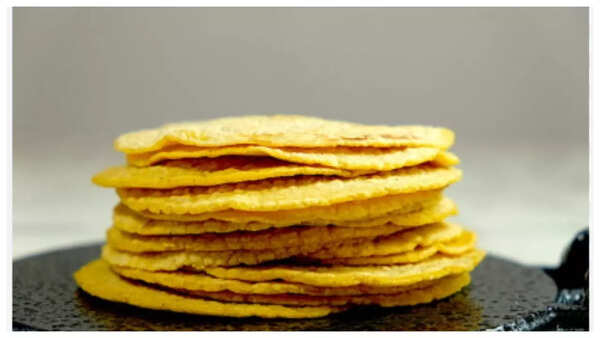
Dan Buettner, a longevity researcher, has spent the last 20 years studying the diets of people who live to be 100 years or older. In Nicoya, Costa Rica, which is a blue zone, Dan has now identified a surprising breakfast staple that plays a key role in their long, healthy lives: corn tortillas.
This humble, chewy, nutty-flavored food is more than just a traditional dish; it is actually a powerhouse of nutrition that supports longevity in multiple ways. Let’s dig deeper..

2

Why is this a longevity breakfast?
Traditionally, Corn tortillas (and not refined flour/maida ones) are made from whole-grain corn that has undergone a special process called nixtamalization, where the corn is soaked and cooked in an alkaline solution, often wood ash. This process breaks down the corn’s cell walls, making vital nutrients like niacin (vitamin B3) more bioavailable and freeing amino acids for better absorption by the body. Niacin plays an important role in cell signaling and DNA repair, both of which are crucial for healthy aging.
How is it different from others?
Unlike refined flour tortillas, corn tortillas are an excellent source of whole-grain, low-glycemic complex carbohydrates. This means they provide a steady release of energy, without causing rapid and sudden spikes in blood sugar levels, which is important for preventing insulin resistance and type 2 diabetes, that are considered chronic ailments. Additionally, corn tortillas are naturally low in calories, fats, and sodium, but rich in fiber, calcium, iron, and B vitamins, making them a nutrient-dense choice for breakfast.
Whole grain, power packed
Longevity research consistently shows that centenarians tend to follow mostly plant-based diets rich in whole grains, legumes, nuts, fruits, and vegetables. Corn tortillas fit perfectly into this pattern as a whole grain that pairs well with other nutrient-rich foods like black beans, vegetables, and rice.
For example, in Nicoya, Costa Rica-one of the Blue Zones-people traditionally eat homemade corn tortillas filled with black beans and vegetables for breakfast. Black beans are a wonderful addition to corn tortillas by providing anthocyanins, powerful antioxidants also found in blueberries, which help reduce inflammation and oxidative stress linked to aging. The combination of beans and rice creates a complete protein, supplying all essential amino acids needed for muscle maintenance and repair, which is vital for staying strong with age.

3

How are corn tortillas a powerhouse of nutrients?
Balanced Energy: The complex carbs in corn tortillas release energy slowly, helping maintain stable blood sugar and insulin levels throughout the morning.
Digestive Health: The fiber content supports gut health by feeding beneficial bacteria and promoting regularity, which is linked to better immune function and reduced risk of chronic diseases.
Heart Health: Low sodium and healthy fiber help lower blood pressure and cholesterol, reducing the risk of cardiovascular disease, a leading cause of death worldwide.
Cellular Repair: Niacin and other B vitamins support DNA repair and cellular metabolism, which may slow down the aging process at the molecular level.
How to incorporate corn tortillas into your meals (and not just breakfast)
Corn tortillas are now immensely popular in India too, and here’s how you can incorporate some in your diet…
Classic Nicoyan Breakfast: Warm corn tortillas filled with black beans, sautéed vegetables, and a small portion of rice.
Tortilla Wraps: Use corn tortillas to wrap scrambled eggs or tofu with spinach and avocado for a balanced meal.
Tortilla Chips with Nutritious Dips: Bake corn tortillas into chips and serve with homemade guacamole or bean dip rich in fiber and antioxidants.

Tortilla and Fruit Combo: Pair corn tortillas with fresh fruit and a handful of nuts for a simple, energizing breakfast.
How do people from the Blue Zone live so long?
Researchers have found that despite being in different parts of the world, people in Blue Zones share several key lifestyle habits that are common to them. And, the best news is that despite environmental differences, these habits are relatively easier to adopt, for anyone sitting anywhere is the world. Here they are…
Move more
Blue Zones people, while not gym freaks, are constantly moving as part of their daily routines. They garden, walk to visit friends, and do manual labor, naturally incorporating physical activity into their lives.

1

Purpose (Ikigai or Plan de Vida)
Originally a Japanese concept, Ikigai refers to your sense of purpose. People in Blue Zones have a strong sense of why they wake up in the morning. This sense of purpose can add up to seven years to your life expectancy.
Managing stress
Stress is a part of life, but how you manage it matters. People in Blue Zones have daily routines to relieve stress, such as prayer, meditation, or afternoon naps.
80% food Rule
Okinawans follow the “hara hachi bu” rule, which means they stop eating when they are 80% full. Eating less helps to prevent overeating and maintain a healthy weight. This is something that can be cultivated over a period of time, and eventually your stomach will start rejecting food when it is almost full.
Plant based diet
Beans, greens, and whole grains are cornerstones of most Blue Zone diets. They primarily eat plant-based foods and consume meat sparingly, if at all.
Putting family first
Blue Zones prioritize family. They keep aging parents and grandparents nearby or in their homes, commit to a life partner, and invest in their children. These close relationships provide social support and a sense of belonging.


Source link

What the Anita Dube controversy reveals about the Indian art world


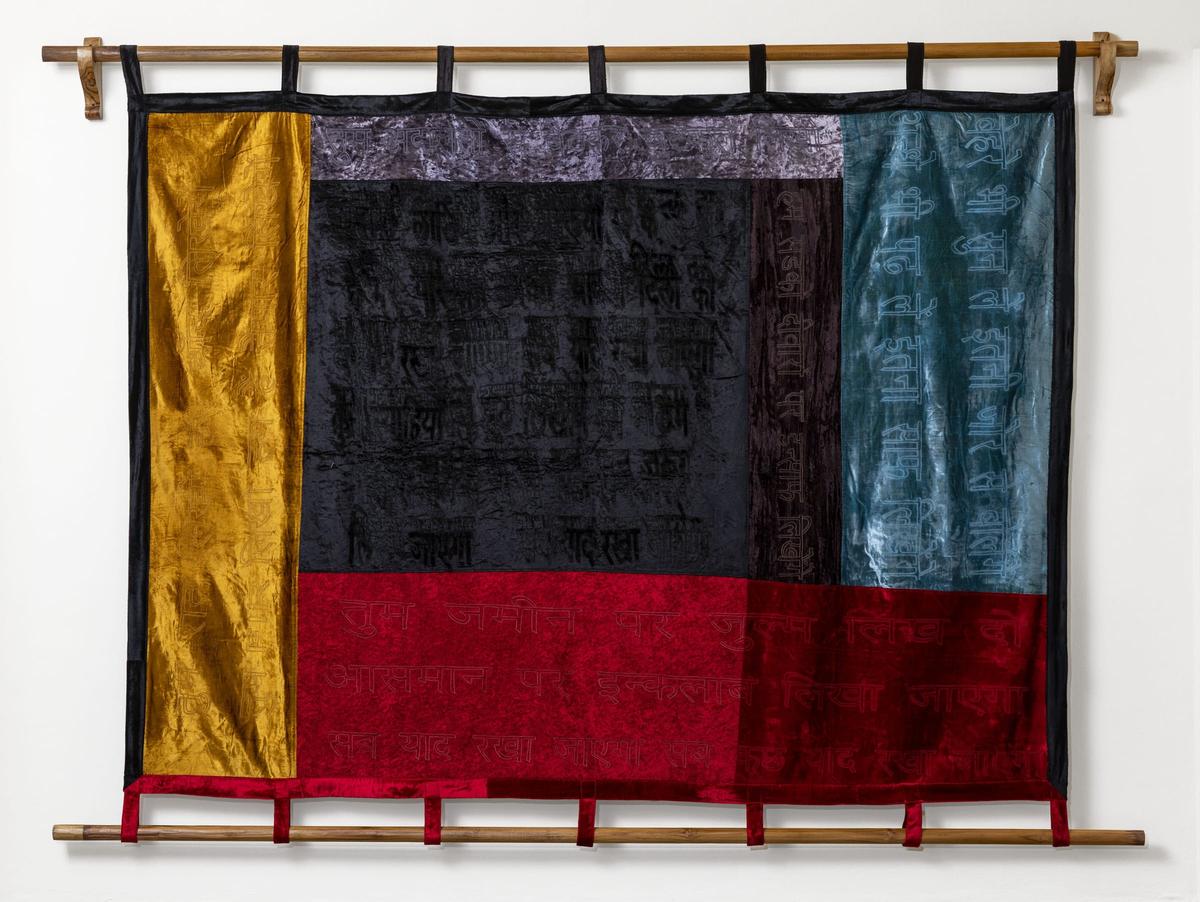
Last week, poet Aamir Aziz accused Anita Dube, one of India’s leading contemporary artists, of using his words without permission in four artworks exhibited at Vadehra Art Gallery in New Delhi. The phrase in question, Sab Yaad Rakha Jayega (Everything will be remembered), became a rallying cry during the 2019-2020 protests against the Citizenship Amendment Act legislation that excluded Muslims and challenged India’s secular foundations. Aziz’s poem captured the rage and hope of a generation. Dube’s use of it — without credit or consent — raises larger questions about solidarity, ownership, and the widening gap between the art world and the political realities it often claims to engage with.

Aamir Aziz

Aamir Aziz

Solidarity or extraction

“Let’s be clear. If someone holds my poem in a placard at a protest, a rally, a people’s uprising, I stand with them. But this is not that,” Aziz wrote in an Instagram post addressed to what he called the “entitled section of the art world”. “This is not solidarity… This is outright cultural extraction and plunder, stripping authors of autonomy while profiting off their voices.”

In response, Dube admitted to an “ethical lapse” — one that, legally, could amount to copyright infringement. In a Facebook post, she invoked the ethos of the commons and copyleft, mourning the “lost old world where there were fellow traveller solidarities”, when political art circulated freely as collective property in service of resistance.

But this was not activism. This was a commercial gallery show, where works may cumulatively have been priced between ₹80 lakh and ₹1 crore, according to a dealer source.

Anita Dube at the Kochi-Muziris Biennale

Anita Dube at the Kochi-Muziris Biennale
| Photo Credit:
Thulasi Kakkat

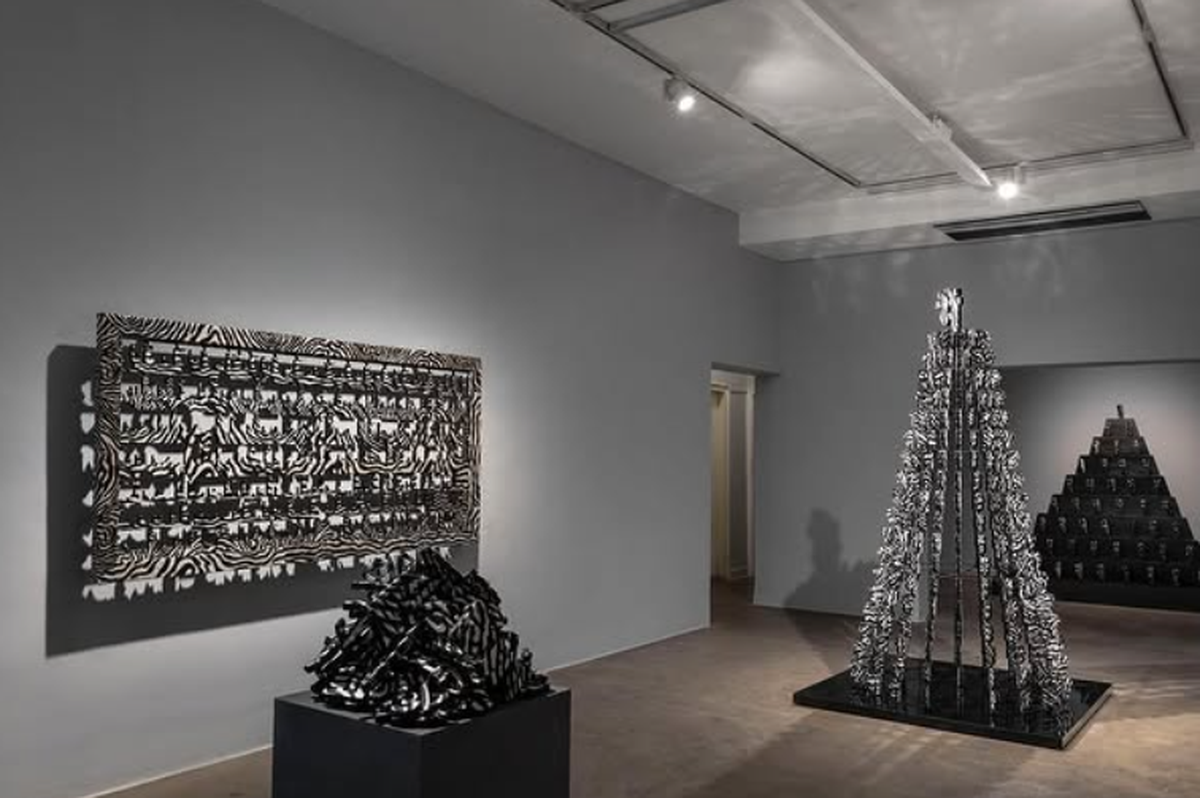
Dube’s exhibition, Three Storey House, was conceived as a critique of authoritarianism, using protest poetry and symbolism to comment on India’s current political climate. In intention, it aligned with Aziz’s message. But as this controversy makes clear, solidarity is not built on shared ideas alone. It demands consent, collaboration, and mutual respect.

As writer and activist Kavita Krishnan noted in response to Dube’s post: “Aamir is a young poet with no resources at all compared to yours. Surely you should have respected him enough to speak to him first, get his consent, and make sure he was credited… The issue isn’t monetization, or market, or even copyright. It’s a question of respect. His visibility comes with dire risks because he is a Muslim, without wealth or privilege. Two artists can collaborate — but with mutual respect.”

After Aamir Aziz

After Aamir Aziz
| Photo Credit:
vadehraart.com

The lost commons

India’s contemporary art scene emerged after the economic liberalisation of the 1990s with minimal public infrastructure. It was shaped by collective ambition: artists formed collectives, collectors opened museums, and initiatives like the India Art Fair began charting a global footprint. Despite its private foundations, the scene carried a strong spirit of collaboration.

Anita Dube was both a product — and a pioneer — of that spirit. As a former critic and member of the Marxist-influenced Indian Radical Painters and Sculptors Association in Baroda, and later as a co-founder of the KHOJ International Artists’ Association in 1997, she helped imagine a “co-operative, non-hierarchical” space for experimentation. In 2018, she became the first woman to curate the Kochi-Muziris Biennale, an artist-led platform that began as a rejection of art’s growing commercialisation.

But today, that ethos feels increasingly hollow. Rather than uniting across caste, class, religious, and institutional lines to resist authoritarianism, the Indian art world often operates in silos. One world caters to elite collectors, galleries, and biennials. The other, often made up of artists outside the formal art world, speaks, precariously, to the street. Their paths, increasingly, do not cross.

Three Storey House at Vadehra Art Gallery

Three Storey House at Vadehra Art Gallery
| Photo Credit:
vadehraart.com

Responsibility amid rising markets

A counterpoint comes from artist Sameer Kulavoor, who also engaged with Aziz’s poetry. His timelapse video Malbe Ka Dher (which depicted the basic shape of a home morphing from one uncomfortable form to another, questioning the sense of comfort and permanence associated with the space) borrowed its title from one of Aziz’s poems. “I came across the poem on Instagram and it strangely aligned with the animation I had just finished making. So, I dropped Aamir a message on Instagram to ask for permission… and he was genuinely pleased,” Kulavoor says. “If we come from different worlds, the artwork and its sharing should be a way of making the two worlds meet — of growing audiences together.”

India’s art market is reportedly valued at around $300 million, driven by rising domestic demand, global interest, booming auctions, and deep-pocketed patrons. But it expands in a fractured landscape — shaped by accelerated globalisation, political anxiety, social media optics, and disruptions from technologies such as AI.

This moment brings opportunity, but it also demands responsibility. As artists, curators, galleries, and institutions grown in ambition, they must grow in accountability, too. In the race to expand markets, they cannot lose sight of the voices that gave meaning to their work in the first place.

Sab yaad rakha jayega. What matters now is how we choose to move forward.

The culture writer and editor specialises in reporting on art, design and architecture.


Source link

Shah Rukh Khan, Priyanka Chopra and more: 5 Indian celebs who will make a red carpet appearance at Met Gala 2025 |


Shah Rukh Khan, Priyanka Chopra and more: 5 Indian celebs who will make a red carpet appearance at Met Gala 2025

Mark your calendars and charge your phones, the biggest night in fashion is almost here! The Met Gala is all set to take over New York on May 5, and it’s not just another red carpet event, it’s the place where fashion fantasies come alive. Think over-the-top outfits, jaw-dropping couture, and viral moments that set the internet on fire. And this year, there’s a major buzz that India might be showing up in full glam mode, with names like Shah Rukh Khan, Kiara Advani, Diljit Dosanjh, Priyanka Chopra, and Isha Ambani possibly walking the famous Met steps. If the rumours turn out to be true, we’re in for a seriously stylish ride.

FCXYZB_UYAMxQOJ.

Often called the “Fashion Oscars,” the Met Gala isn’t just a party, it’s the fashion spectacle of the year, hosted at the iconic Metropolitan Museum of Art. We’ve seen unforgettable looks over the years – Kim Kardashian’s skin-tight dress, Priyanka’s statement Bulgari jewels, and even Rihanna dressed like a haute-couture pope. This time around, Shah Rukh Khan could be the one stealing the spotlight, especially if he walks in wearing a custom Sabyasachi outfit. Can you even imagine the drama and elegance? We’re already obsessed. Also, Kiara Advani, who’s rumoured to be expecting, will surely bring her A-game with a maternity-style moment we won’t forget.

FDA

Then there’s Diljit Dosanjh, already making waves globally with his Dil-Luminati tour, his Met Gala debut could take his international status to the next level. From street style to high fashion, Diljit knows how to keep things unpredictable and on point. Meanwhile, Isha Ambani, known for her subtle luxe looks, might be the one to watch for understated glam with a mega impact. With the Ambani name and her growing fashion presence, all eyes will be on how she shows up this year.
Insiders say the Indian celeb squad is buzzing with excitement though Isha and Diljit’s final confirmations are still in the works. If all goes as expected, we’ll see four powerhouse Indian names on the red carpet, with social media losing its collective mind the moment those first photos drop.

1493680403-gettyimages-675588560-1

Oh, and before we forget, Diet Sabya, the popular fashion watchdog has spilled the chai: Priyanka Chopra Jonas is making a return to the Met Gala too. “Mimi,” as the actress is fondly called, has served killer looks in 2017, 2018, 2019, and 2023. Her upcoming appearance will mark her fifth time at the gala, and you just know she’s not going to play it safe.

Kiara Advani to debut at Met Gala 2025

All in all, May 5 is shaping up to be an exciting night for Indian fashion on the global stage. We’re grabbing our popcorn, refreshing Instagram obsessively, and getting ready for some serious desi drama on the Met steps.


Source link