Life & Style

Gauranga Das shares 3 qualities to look for in a life partner


“Someone who shares your core values. (Be it) Respect for family, lifestyle, and future goals. When values align, everything else falls in line,” Gauranga Das said in the video, and rightly so. After all, finding the right life partner isn’t just about loving someone and getting love in return, but it is also about how compatible you are with them.


Source link

113-million-year-old ‘hell ant’ is the oldest ever found, scientists say


113-million-year-old ‘hell ant’ is the oldest ever found, scientists say

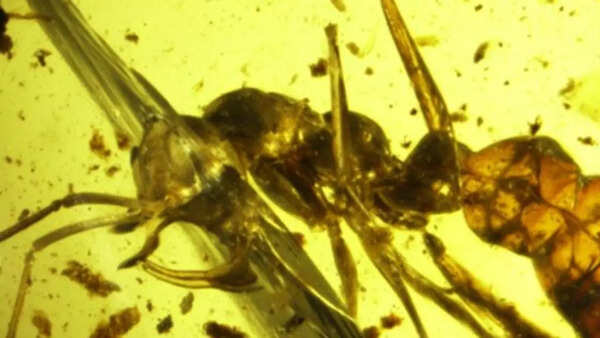
An overlooked fossil in a Brazilian museum has now been identified as the oldest known ant specimen, dating back 113 million years. This discovery has been published in the journal Current Biology.
The fossil, named Vulcanidris Cratensis, was reportedly found in the Crato Formation of northeastern Brazil, a site which is well renowned for its well-preserved fossils. Anderson Lepeco, a researcher at the Museum of Zoology of the University of São Paulo, stumbled upon the specimen in September 2024 while examining the museum’s collection. “I was just shocked to see that weird projection in front of this (insect’s) head,” Lepeco told CNN.
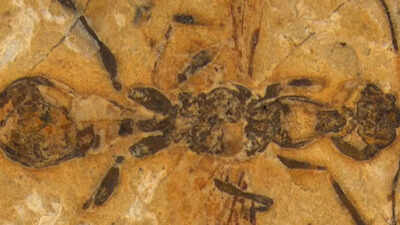
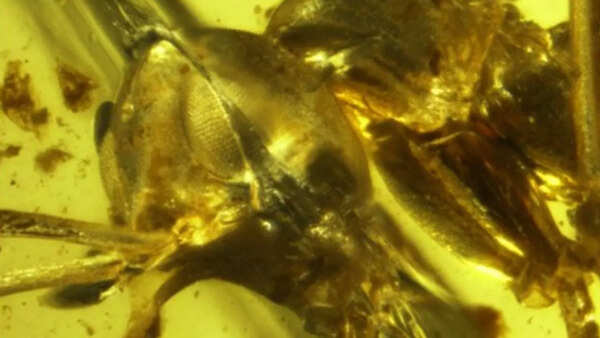
This ancient ant belongs to the extinct subfamily Haidomyrmecinae, commonly referred to as “hell ants.” As per reports, these ants are characterized by their scythe-like jaws, which served as a way to impale a prey. Unlike the previous hell ant fossils found in Myanmar, this one was preserved in rock which made it a rare find.

2

Credit: X/@Extinct_AnimaIs

The discovery suggests that ants were already widespread during the early Cretaceous period. Phil Barden, an associate professor at the New Jersey Institute of Technology who studies insect evolution, commented on the significance of the find. “This new find now represents the oldest ant known; it extends the known fossil record for ants by about ten million years,” Barden said via email to CNN.
Micro-computed tomography imaging revealed that Vulcanidris cratensis had anatomical features linking it to wasps, indicating a common ancestry. Its wings had more veins than those of modern ants, and its jaws projected forward from near the eyes, functioning like a “forklift” to capture prey, according to Lepeco.

1

Credit: X/@Extinct_AnimaIs

The fossil’s preservation in rock, rather than amber, provides a unique opportunity to study the morphology of early ants. This discovery pushes the timeline of evolution of ant.
In the modern world, ants are among the most abundant insects on Earth, found on every continent except Antarctica. However, they evolved approximately 145 million years ago, diverging from ancestors shared with wasps and bees.
The discovery of Vulcanidris Cratensis sheds light on the early diversification of ants and their role during the age of dinosaurs. It emphasizes the importance of museum collections in uncovering significant paleontological findings.


Source link

Restoration of Bamboo Club in Kodagu


It is a nearly 140-year-old structure, built during the colonial era as a club for the Englishmen who had made the picturesque Kodagu their home. Nestling amidst the thick greens of the sprawling coffee estates, the Bamboo Club, built in 1886, had greatly weathered with time, displaying multiple erroneous interventions to meet altered functionalities as well as address structural repairs.

What architect George Ramapuram of Earthitects noticed while taking up the restoration of this heritage structure was random additions. Starting from an asbestos roof on the façade to make-shift toilets and rooms at the rear of the building, the interventions were totally out of sync with the original plan and language of the building. “The interiors were dimly lit because of limited access to direct sunlight. A false ceiling had been added to the ballroom to stem rainwater leakage, and this further added to the dinginess besides cutting down on the volume of the interiors,” points George.
Modifying the arches

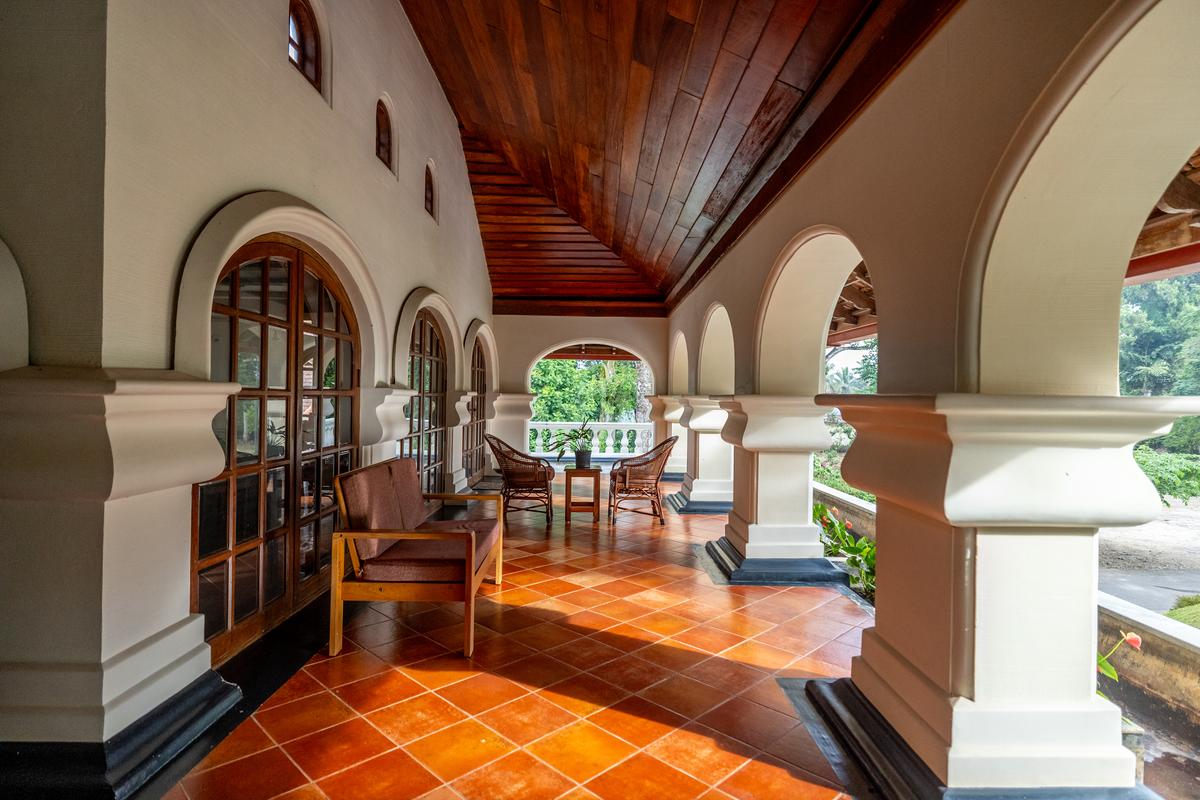
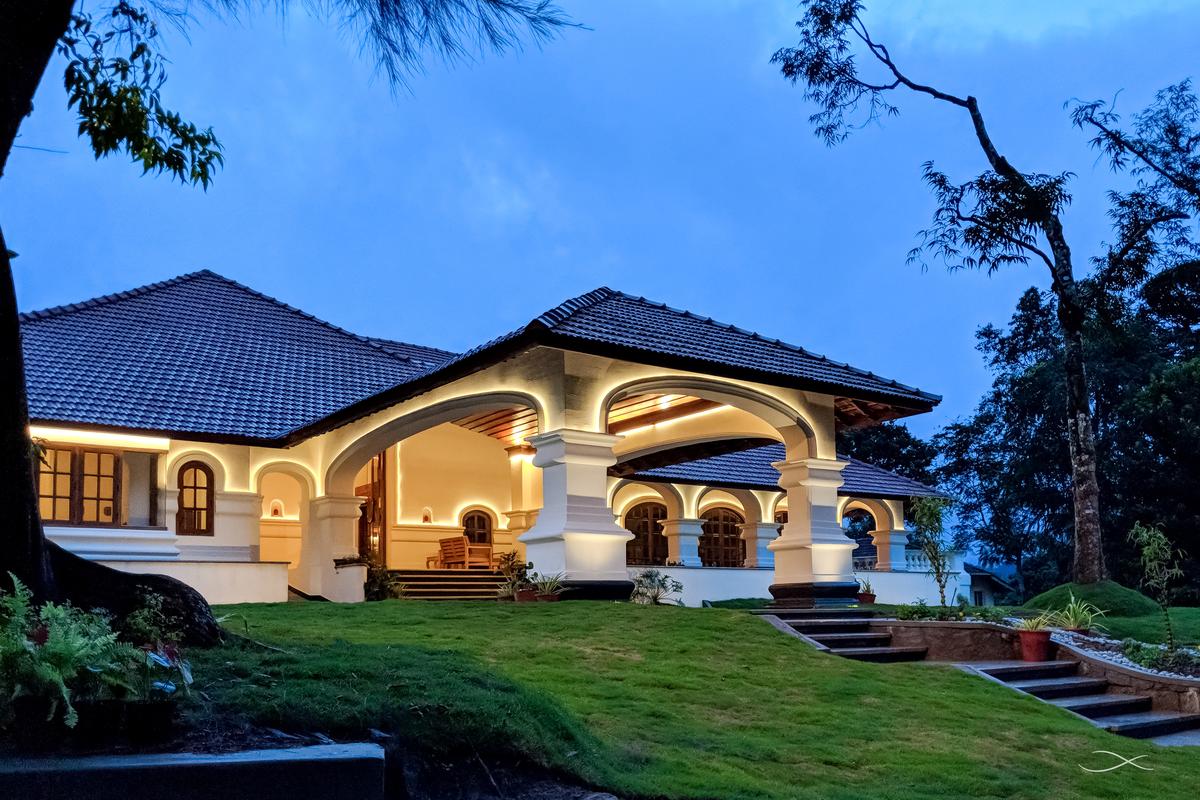
Given the weathering structural form, George decided to start the restoration by first addressing the multiple arches that lined its expansive corridors. While retaining these multiple arches, George decided to deftly tweak their shape a bit to visually expand the individual arches. This was complemented by greater detailing brought to the columns to enhance the colonial visual appeal. “The originality of the individual arches was not tampered with; in fact, it was painstakingly retained to ensure they existed as a cohesive unit post the intervention to expand the sprawling verandas,” he states.

Tiling it right

His next line of intervention addressed the Mangalore tiled roof, which had an intrusion of asbestos over the years to cover the additional rooms brought in to meet various functional requirements. “The original structure came with a tiled roof, and the asbestos was brought in much later. This becomes clear on inspecting the shift in the gradient of the roof, which marks the beginning of the asbestos,” explains George. The asbestos roof was dismantled as part of the intervention, at the front as well as the rear of the building, with the Mangalore tiles extended to cover the open corridors.
The rain shield

Kodagu is famous for its copious rain, with many areas reporting flooding during the peak monsoons. Sensitive to this, George created a large overhang of Mangalore tiles in the front of the building to shelter the entrance and the interiors from heavy seasonal rains. “The overhang of the tiles was extended to a height of about 2m to cover the eave board, a basic requirement to shield the interiors from the heavy rains,” he explains.

Incidentally, George did not stop there but created a porch at the entrance to facilitate vehicle drop-off during these heavy rains. A driveway was thus created over the expansive steps leading to the entrance gate of the club. Given the ragged state of these steps, George brought in a design intervention over the same, where their structural form was redone to lend aesthetics. George went further to green the landscape around the steps, besides retaining the existing trees around it. Black Kota stone was used to lay the treads in stark contrast to the lush greens surrounding it, thus offering the club a grand entry.

Energising the interiors

The next level of intervention was the interiors that required major transformation, given their dowdy state with scant infiltration of natural light. “The interior spaces came with their defined functionalities, each evolving over time based on emerging requirements. However, the spaces came with very limited natural light, affecting the functionality as well as the energy of the individual zones,” elaborates George.

Given the colonial period of the structure, the interiors originally came with high volume, “yet there were no skylights to let in natural light into the spaces”. Worse, the main congregating room, which was the ballroom, had been fitted with a false ceiling to arrest water leakage during the heavy monsoon periods. “This reduced the volume of the interiors, making them feel smaller and also dark with the low level of natural light.”

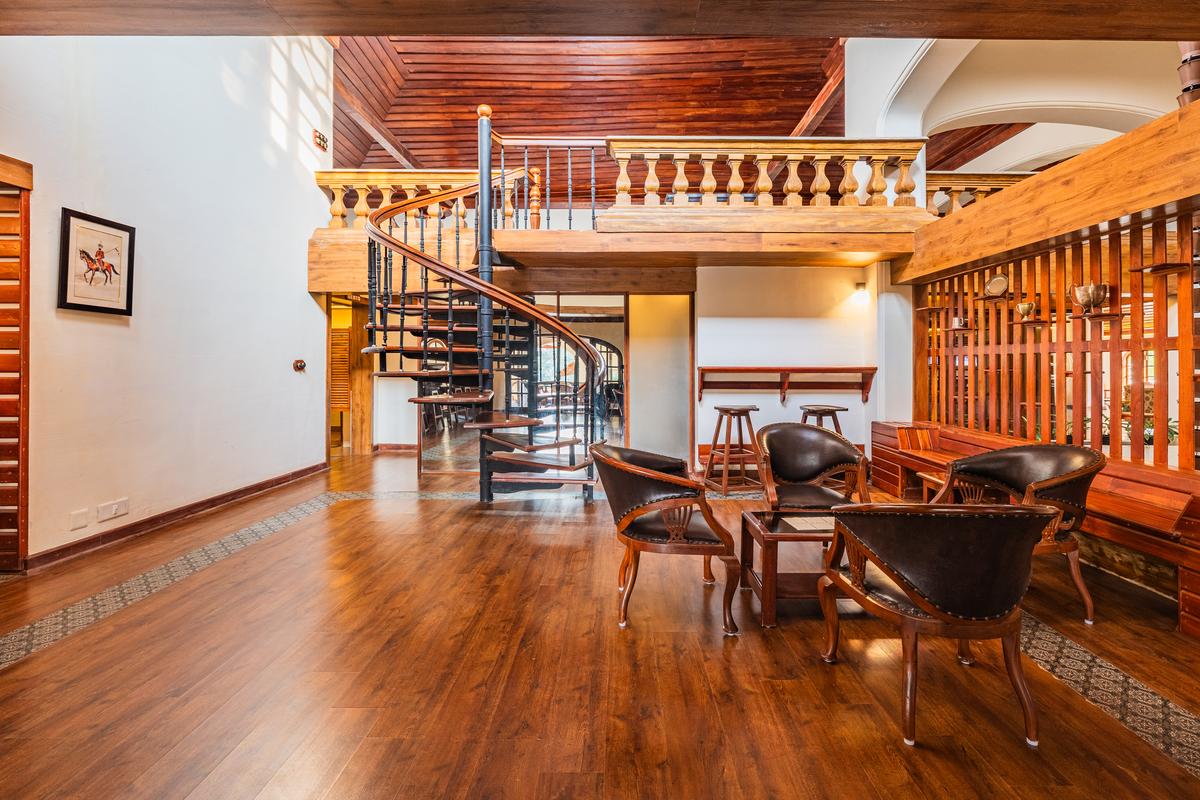
George then began his intervention in the interiors by first dismantling this false ceiling to expose an existing double-height ceiling. This automatically increased the internal volume of this congregating space. The presence of the double height further enabled him to create a mezzanine floor over the bar area to overlook the internal courtyard. To visually connect to the exterior corridors, George opened up the existing windows both vertically and horizontally. Lending warmth to the interiors is a rich play of wood, featuring as reapers and planks on the walls, staircase treads, flooring, as well as the ceiling.
Intervening sensitively

Further, arched openings were created to enable ample sunlight to stream into the ballroom and bar area, besides lending a sense of grandeur to the interiors by their presence. In tune with this design intervention, George also increased the height of the entrance doorway, making the interiors appear larger and more open. “While these interventions were executed, utmost care was taken to ensure the essence of the original structure was preserved through the restoration”, points George. Even the original furniture was meticulously retained where possible, thus keeping the interventions limited chiefly to the structural restoration.

“While the club features as a strong recall of the colonial structural form, the elements of the same have, over the years, been absorbed into the native style of the Kodagu region to adapt to the prevailing local conditions. This explains the presence of some of the local architecture of Kodagu in the structural form”, elaborates George.

Restructuring the rear

The rear of the club had witnessed haphazard additions to the structure in the form of changing rooms, make-shift toilets to meet altering functional requirements. These were carefully removed and replaced with large arched windows. The Mangalore tile roof extends over this as an overhang around the corridor that runs through the main structure. Random rubble wall and a colonial-inspired balustrade border this open corridor. Crowning these interventions is the insertion of a large exit door that features over a flight of steps, lending a composition to the rear section and its exit, a similar grand feature as lent to the main entry.


Source link

Optical illusion personality test: Leaves or woman? What you see first reveals what’s really causing stress to you


Optical illusion personality test: Leaves or woman? What you see first reveals what's really causing stress to you

Optical illusion personality tests are a fun and effective way to know oneself or others better. As the name suggests, these are weird images with one or more elements that trick the eyes, and hence work as optical illusions. Since these images are based on psychology, they claim to reveal about a person’s innermost thoughts and feelings and true traits based on what catches their attention first in the image.
This particular image was initially shared by optical illusion specialist Mia Yilin on her TikTok account, and she claims that it can reveal the pressure one is hiding from everyone. How? Well, at first glance a person can see either leaves or a woman in the image first. Based on what a person notices first, a lot can be decoded about what is truly causing stress to them.
To take the test, simply look at the above image and notice what you saw first. Now read its interpretation below:

1. If you saw the leaves first…

According to Mia Yilin, those who spot the leaves first are seen by others as ambitious high-achievers. But behind the confident exterior, they often struggle with self-doubt, feeling like they’re constantly falling short of the lofty expectations placed on them.
“You hate yourself for not trying hard enough… You carry a lot of stress because many people have high expectations for you and you don’t want to let them down,” she said in the video.

2. If you saw the woman first…

For those who noticed the woman first, they feel quite unsatisfied with themselves. “You feel tired and there are situations making you feel irritable,” she said. Also, while you want to be more social, you struggle at it as you find it difficult to connect with others. “You want to pursue a more exciting and outgoing lifestyle experience… The only problem is, you struggle with social anxiety, and find it difficult to muster up interest in the lives of others,” she added.
One must know that while these tests are fun to take, they are not always completely true. The test result depends on how truly one answered the test, what was their mood while taking it, etc.
How true was this particular test result for you? Tell us about it in the comments section below.
If you liked this test, then do share it with your friends and family to know them better.

Silence Your Overthinking Mind


Source link

Want to live longer? THIS simple tweak in diet can add years to life


Want to live longer? THIS simple tweak in diet can add years to life

Who doesn’t want to live forever! If not ‘forever’, at least a longer life is something most of us desire. However, it’s easier said than done.
A longer life depends on several factors and is influenced by a complex interplay of genetic and environmental factors. However, apart from those factors, what significantly boosts longevity is lifestyle choices. The healthier one’s lifestyle choices, the better their chances of living a long and fulfilling life.
Now, when we talk about lifestyle choices, one of the most vital aspects of the same is a healthy and wholesome diet. A healthy diet should be packed with essential nutrients, including vitamins, minerals, carbohydrates, proteins, and healthy fats. It also includes fiber, which is important for digestive health, and water. A balanced diet ensures your body gets the nutrients it needs to grow, function properly, and stay healthy.

Poll

Do you think children should primarily consume animal-based proteins for better health?

Longevity (8)

Now, a global study led by researchers at the University of Sydney has found that countries with higher consumption of plant-based proteins, such as chickpeas, tofu, and peas, tend to have longer adult life expectancies.

What does the study say?

A recent study published in Nature Communications was led by Dr. Alistair Senior and PhD candidate Caitlin Andrews, along with their research team at the Charles Perkins Centre. The investigation analyzed food supply and demographic data from 101 countries spanning the years 1961 to 2018, adjusting for factors such as population size and national wealth to ensure accuracy. The primary objective of the research was to assess how the type of protein consumed could impact longevity.
Caitlin Andrews, the first author, stated in a release, “Our study presents a mixed picture regarding the health impacts of meat versus plant-based protein at a population level.”
The findings revealed that for children under the age of five, a food system supplying significant amounts of animal-based proteins and fats—like meat, eggs, and dairy—was associated with lower rates of infant mortality. Conversely, for adults, the results indicated that increased consumption of plant-based proteins correlated with greater overall life expectancy.

Longevity (7)

Methodology:

In detail, the Charles Perkins Centre team analyzed 60 years of food supply and demographic data from 101 countries, which included information on the production of food as well as the average availability of calories, proteins, and fats for the population. The researchers selected countries to ensure regional diversity, reflecting a broad array of food systems and dietary practices. This included nations with high animal protein consumption, such as the United States and Australia, alongside countries where plant-based sources primarily provide protein, such as Pakistan and Indonesia.
Crucially, the team corrected the data to account for both population size and wealth. Their analysis revealed that countries with higher availability of plant-based proteins, like India, had relatively higher life expectancies compared to countries with greater access to animal-based proteins, such as the U.S.

Longevity (10)

The findings:

An intriguing subset of data emerged from their examination. Andrews noted that regions where children under five received more animal-based protein exhibited lower infant mortality rates. However, for adults, the opposite trend was observed: higher plant-based protein consumption was linked to increased longevity.
The researchers highlighted existing literature that supports the idea that plant proteins—found in foods such as nuts, tofu, and legumes—are associated with reduced risks of chronic diseases. This correlation could help explain the longevity seen in regions like Ikaria, Greece, and Loma Linda, California, home to the Seventh-day Adventists, who typically avoid meat.
Moreover, high consumption of animal-based proteins, particularly processed meats, has been linked to various chronic health conditions, including cardiovascular disease, type 2 diabetes, and certain cancers. In contrast, plant proteins—including legumes, nuts, and whole grains—are associated with lower risks of these conditions and overall mortality.

Longevity (9)

The parting thought:

If you want to keep enjoying animal-based protein, you can still make small changes to improve your health and possibly extend your life. Recently, researchers from Mass General Brigham, Harvard T.H. Chan School of Public Health, and the Broad Institute published a study in JAMA Internal Medicine. They found that switching from butter to plant-based oils, like olive oil, could help you live longer. The study showed that people who ate the most butter had a 15% higher risk of dying compared to those who ate the least.
“Protein is an important part of our diet, but as eating habits change and countries try to reduce their carbon footprint, where our protein comes from is being closely examined,” said Dr. Alistair Senior from the Charles Perkins Center. “It’s important to know that plant-based protein can lead to a longer life. This is crucial for understanding how our diets affect not just our health, but also the health of the planet.”

7 healthy superfoods for a long life


Source link

A look inside the UH-3H helicopter at Visakhapatnam’s new naval aviation museum


Once a soaring sentinel over the seas, the UH-3H helicopter is ready for its next mission. Not in the skies this time, but as a permanent museum exhibit that narrates a gripping chapter of India’s naval aviation history, offering visitors a rare opportunity to step inside and experience the world of naval aviators.

The Indian Naval Air Squadron 350 de-inducted the last three operational UH-3H helicopters last year. One of them was placed as a museum exhibit in Visakhapatnam. Situated at the Beach Road, the soon-to-be inaugurated UH-3H Helicopter Museum is the latest addition in the maritime museum circuit of Visakhapatnam, the only city in India to have five maritime museums within a 500 metres proximity.

The museum, which is expected to be inaugurated shortly during Andhra Pradesh Chief Minister Nara Chandrababu Naidu’s visit to the city, now joins a distinguished line-up of defence-themed attractions in Visakhapatnam. Just a short walk away, visitors can explore the INS Kursura Submarine Museum, a decommissioned submarine turned immersive exhibit; the TU-142 Aircraft Museum, showcasing a maritime reconnaissance aircraft; and the Sea Harrier Museum, home to the iconic naval fighter jet. Together with the Visakha Maritime Museum – which displays models of naval ships in various sizes and the glass dome of the Pakistan Naval Ship (PNS) Ghazi – these institutions form a compelling corridor of military history along the coast.

Set to open its doors to the public soon, the museum will showcase the legacy of the multi-utility UH-3H helicopter, a workhorse of the Indian Navy that has played a crucial role in humanitarian assistance and disaster relief operations (HADR) and Search and Rescue (SAR) Operations during natural disasters or emergencies at land/sea.

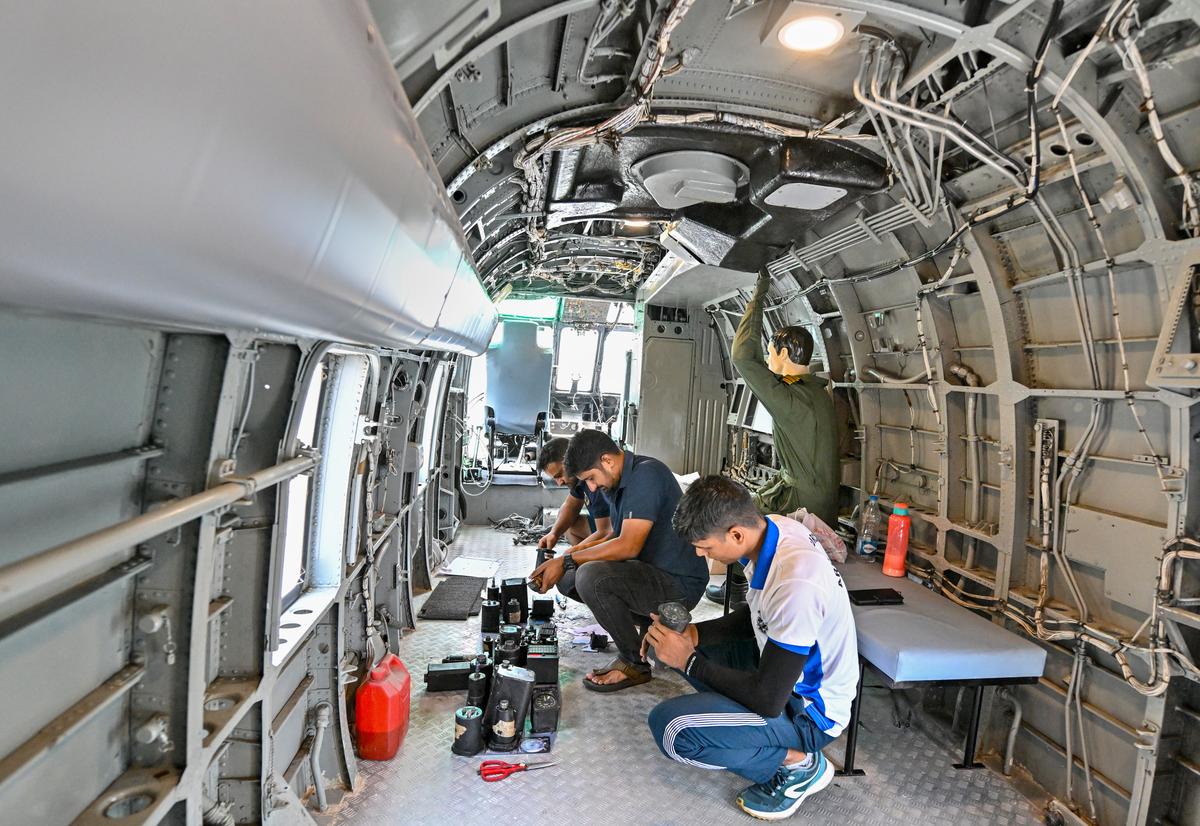
Naval personnel fixing the interiors of UH-3H helicopter, which will soon be inaugurated as a museum at the Beach Road, adding to the maritime museum circuit at the Beach Road in Visakhapatnam.

Naval personnel fixing the interiors of UH-3H helicopter, which will soon be inaugurated as a museum at the Beach Road, adding to the maritime museum circuit at the Beach Road in Visakhapatnam.
| Photo Credit:
KR Deepak

Overlooking the Bay of Bengal, the museum complements Visakhapatnam’s other iconic naval exhibits, which are living galleries of India’s maritime and defence prowess.

A captivating history

Seventeen years of history lies within the new UH-3H museum, which aims to preserve and display historical information related to the helicopter. Managed by the Visakhapatnam Metropolitan Region Development Authority, the museum offers an engaging experience for visitors of all ages.

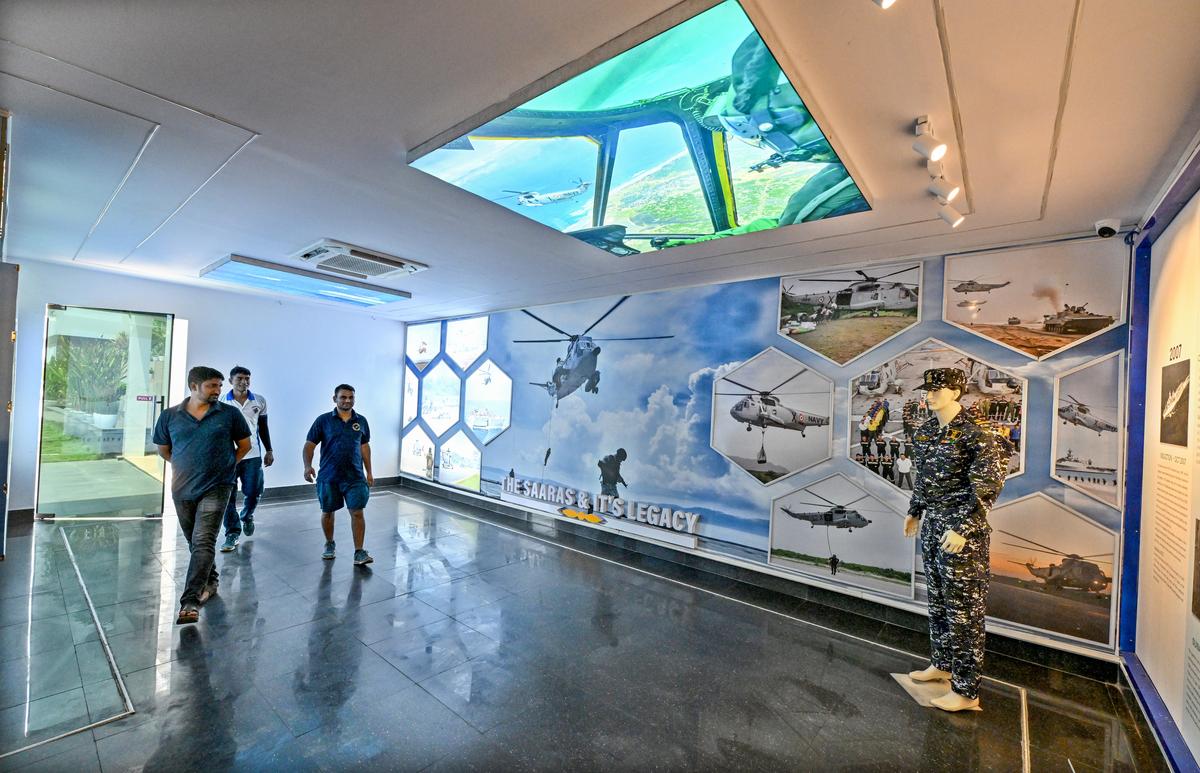
An inside view of the  UH-3H helicopter museum complex, which will soon be inaugurated at the Beach Road, adding to the maritime museum circuit at the Beach Road in Visakhapatnam.

An inside view of the UH-3H helicopter museum complex, which will soon be inaugurated at the Beach Road, adding to the maritime museum circuit at the Beach Road in Visakhapatnam.
| Photo Credit:
KR Deepak

The entryway from the glass facade opens into a vibrant, well-lit gallery where striking visuals and detailed displays trace the journey of the iconic helicopter. An audio-visual presentation adds a dramatic touch to the experience, transporting visitors into the cockpit of a naval aviator mid-mission. The entryway opens into a spacious area where the UH-3H helicopter stands tall, inviting visitors to step inside and explore its powerful features up close. The walk-through gives a glimpse of the cockpit and the crew compartment, shedding light on the triumphs and challenges of naval aviation.

Stellar past

The UH-3H helicopter was developed by Sikorsky in the late 1950s and became a pioneering force in naval aviation, especially in anti-submarine warfare. The induction process of the UH-3H helicopters into the Indian Navy began in 2007, with the signing of a contract between India and the United States of America for the purchase of INS Jalashwa, along with six Seaking helicopters (UH-3H).

Before being brought to Indian shores, the versatile helicopters were extensively used by the US Navy since the Vietnam War and were last flown during the relief operations for hurricane Katrina in 2005. These robust machines have an endurance of three hours and 45 minutes with a top speed of 120 knots. Post their active service in the US Navy, six of these aircraft were refurbished in Atlanta. The rebirth of the magnificent flying machines was complete as they were placed on the deck of INS Jalashwa, steaming towards its new home, Visakhapatnam. It was inducted into the Indian Navy on March 24, 2009 at INS Dega, Visakhapatnam.

The aircraft was named after the Indian crane sarus, embodying strength, grace and vigilance. With its remarkable capability to navigate stormy seas and rescue those in peril, the UH-3H helicopter became more than just a machine. It became a lifeline, bringing hope to those in their moments of despair.

Personnel of Eastern Naval Command setting up a Sikorsky UH-3H seaking helicopter to add to the maritime corridor on the Beach Road near TU-142 aircraft in Visakhapatnam.

Personnel of Eastern Naval Command setting up a Sikorsky UH-3H seaking helicopter to add to the maritime corridor on the Beach Road near TU-142 aircraft in Visakhapatnam.
| Photo Credit:
KR Deepak

On June 28 2024, the Indian Navy bid farewell to the UH-3H helicopter after 17 glorious years of service. Vice Admiral Sameer Saxena, Chief of Staff, Eastern Naval Command, in his farewell speech on the occasion of de-induction ceremony of UH-3H helipcopter said: “Over these 17 years, the UH-3H has been a symbol of hope for countless men, women and children. The squadron has undertaken numerous HADR missions within the State of Andhra Pradesh and neighbouring Odisha, which is prone to cyclonic storms and floods,” and added: “The legendary exploits of UH-3H will remain etched in our memories, inspiring future generations of naval aviators and personnel.”

Light and sound show

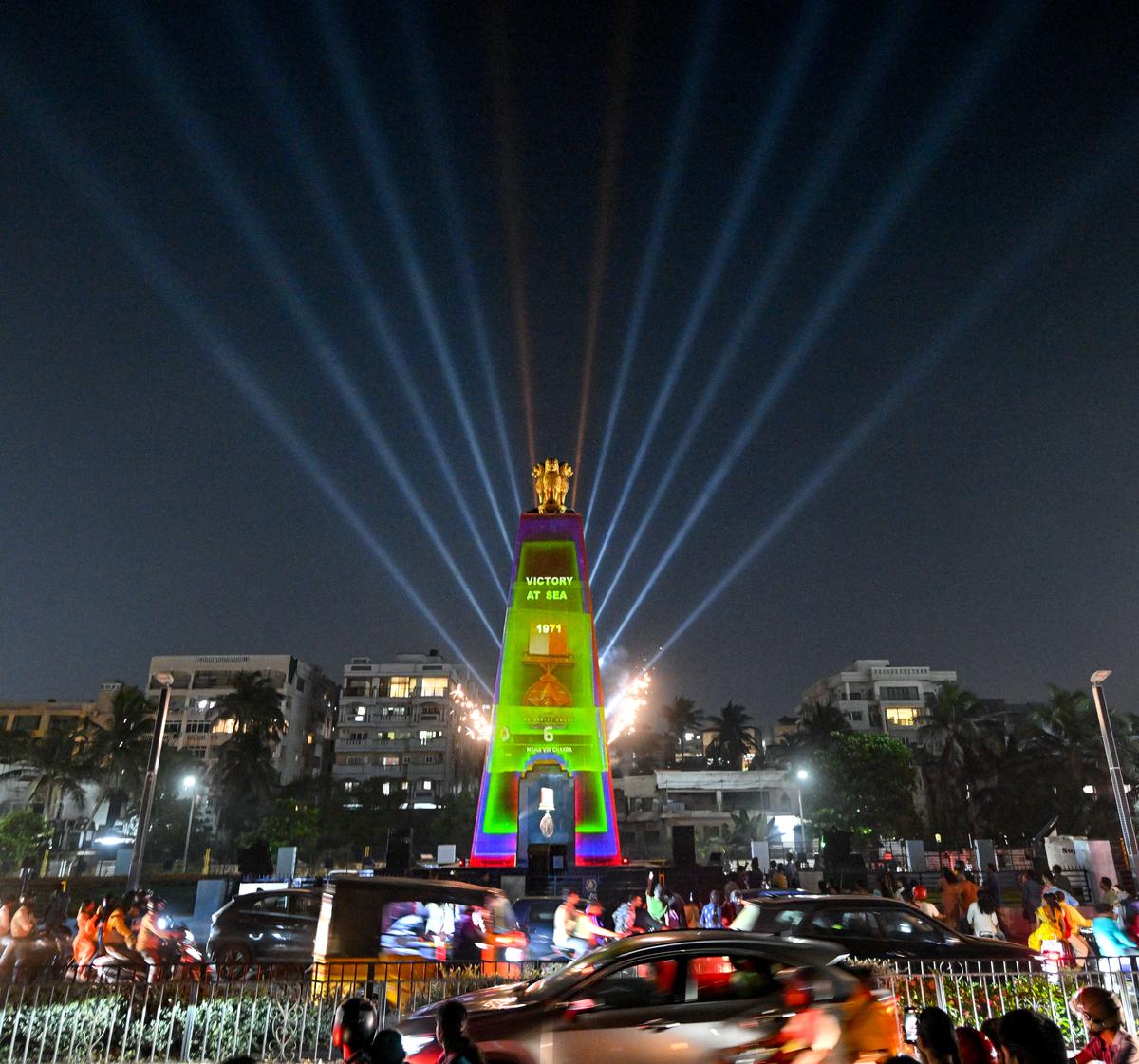
People watching the light and sound show depicting the 1971 India Pakistan war, sacrifice of defence personnel, and the role of Eastern Naval Command (ENC) at ‘Victory at Sea’, on the Beach Road in Visakhapatnam.

People watching the light and sound show depicting the 1971 India Pakistan war, sacrifice of defence personnel, and the role of Eastern Naval Command (ENC) at ‘Victory at Sea’, on the Beach Road in Visakhapatnam.
| Photo Credit:
KR Deepak

Visakhapatnam’s bond with the Indian Navy runs deep, with the Eastern Naval Command headquartered here. In a continuing effort to engage the public, the Navy also hosts a weekly light and sound show every Sunday at the Victory At Sea Memorial (a memorial constructed after the Indo-Pakistan war of 1971) on the Beach Road. Presented in English and Telugu, the show highlights the maritime strength and legacy of the Indian Navy, drawing both locals and tourists in large numbers.


Source link

Built to feel – The Hindu


As children, many of us paused to tap a touch-me-not plant and watch the leaves curl inward. It was a quiet kind of wonder: a plant that responded to us. Years later, I felt that same magic when I touched a metal lamp. No switch, no sound — just a soft glow that responded to the touch.

That’s the kind of design that stays with you. That stirs something deep. Something human.

Think of Catalan architect and designer Antoni Gaudí’s Sagrada Família, the largest unfinished Catholic church in the world, where wild and organic forms interact with the light like it’s alive. Or, a Japanese toilet seat that is gently warmed before you sit down. Different, yet bound by the same thread — they’re not just made to function but to feel. To comfort. To surprise. To connect.

There comes a point when minimalism starts to feel boring. When the design forgets the senses, forgets the human. What is missing is a kind of generosity to engage and to nourish.

So, how should we make things today? Maybe the answer lies not in more function or efficiency but in creating moments, emotions and experiences. Can we bring together technology, craft, and emotion to make things that truly move us?

Where nature and technology meet

As humans, we’re tuned to respond to nature — its patterns, rhythms, and quiet shifts. Amsterdam-based Studio Drift, co-founded by artist duo Ralph Nauta and Lonneke Gordijn, taps into this instinct. At Milan Design Week, their immersive installation I AM STORM was based on the lightness that one feels in a field of grass swaying in the wind. The installation was made with long white swaying forms where you are not only observing, you are the wind.

Studio Drift creates moments that connect us back to something elemental. Their work reminds us that we’re not separate from nature — we’re part of it. If we listen closely, we might find new ways to live, to adapt and to design with care.

Reject the predictable

In his book Humanize (2023), English designer Thomas Heatherwick argues that the answer to soulless spaces isn’t simplicity but the right kind of complexity. In his projects, Heatherwick rejects flat and predictable surfaces. He embraces curves, textures, and rhythm, where the design is alive and layered.

Take the new cultural district his studio designed in Xi’an, China, which opened last December. Nestled between temple ruins and a broadcast tower, it weaves together walkable streets, green spaces, homes, and a vertical park. At a distance, the skyline speaks to the sloping roofs of the ancient temples. At the street level, the interlocking terraces and shifting levels offer changing views. At your doorstep, soft-edged stones and ceramic tiles invite touch and pause. In a world filled with generic new developments, this one feels rooted, engaging, and full of character.

Celebrate curiosity and joy

Philippe Starck, the French industrial designer and architect, doesn’t like being called a designer. The word, he says, feels too narrow and too tied to consumption. What we really need isn’t more stuff, it is more tenderness, curiosity and joy.

Maison Heler, which opened in March in the Amphithéâtre district inMetz, France, is a whimsical hotel designed by Starck around the imaginary life of Manfred Heller — an orphan who inherits a grand mansion and out of boredom, begins to invent wildly.The result? A surreal metal house perched atop a nine-storey monolithic tower. Inside is a restaurant, bar, and gathering spaces — all part of Manfred’s strange and poetic world. For Starck, design is storytelling. It’s a place where fiction and function meet. In that overlap, we feel something real.

In a time when so much design is about speed, scale, and efficiency, perhaps what we need is to slow down. To take in the city’s skyline. To be curious, feel the movement around us, and remember who we are. When we design with emotion and build with care, the objects we create are more likely to last. They’re loved and inherited.

Because the things that move us are the ones we keep.

The writer is founder and principal architect, Urban Workshop.


Source link

At the Bhitarkanika National Park, set sail and spot a crocodile


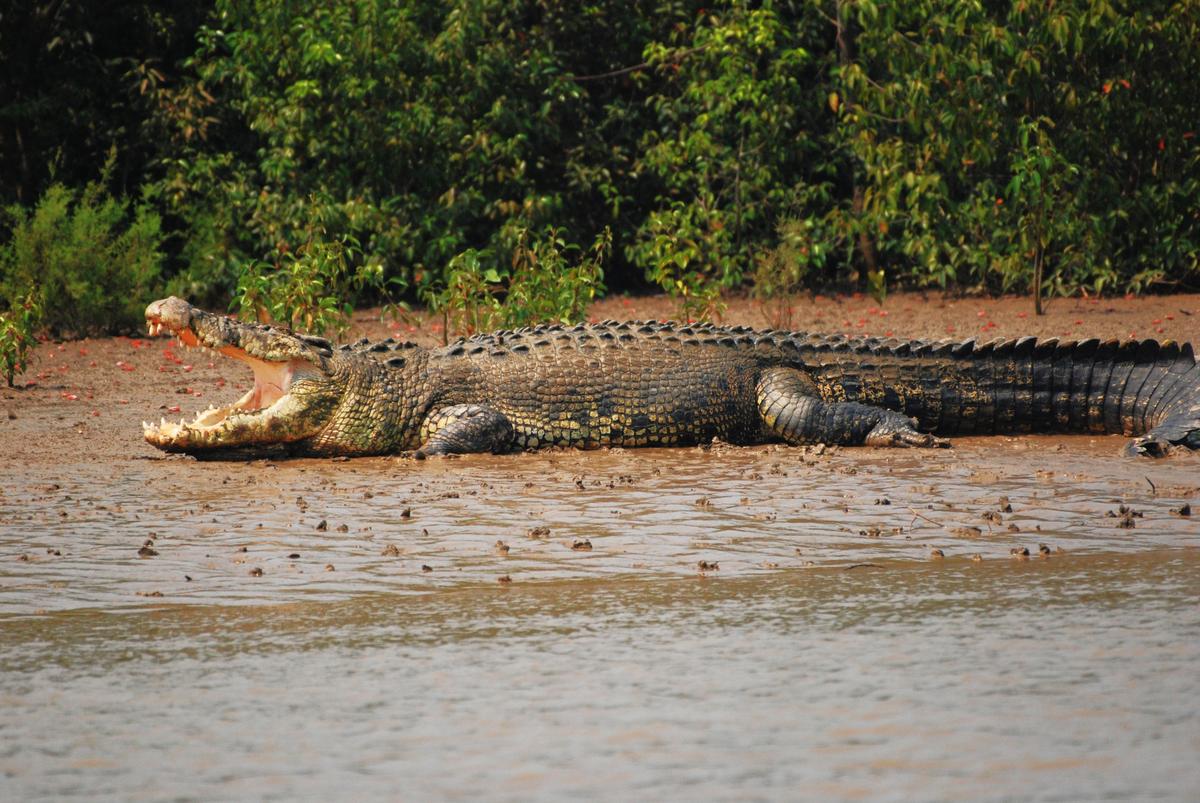
As we settle down comfortably on the sun deck of our luxury catamaran, the MV Brahmani, we hear the shouts of the boat captain from down below. “Crocodile! Crocodile relaxing!” He almost sounds too jubilant for having spotted the mostly terror-inducing, yet fascinating reptile. We look out over the waters on our right and sure enough, spot our first crocodile. Much like us, the crocodile is sunning itself on the muddy banks of the river. 

Saltwater crocodiles can be seen sunning themselves on mudflats

Saltwater crocodiles can be seen sunning themselves on mudflats
| Photo Credit:
Special Arrangement

The second largest mangrove system in India after the Sunderbans, the Bhitarkanika National Park, Odisha is home to many crocodiles in the creeks and estuaries of the Brahmani-Baitarani river systems, as well as migratory birds, and a host of other flora and fauna. While the park is accessible by road, we are exploring the region by water — on a luxury catamaran by Antara River Cruises. 

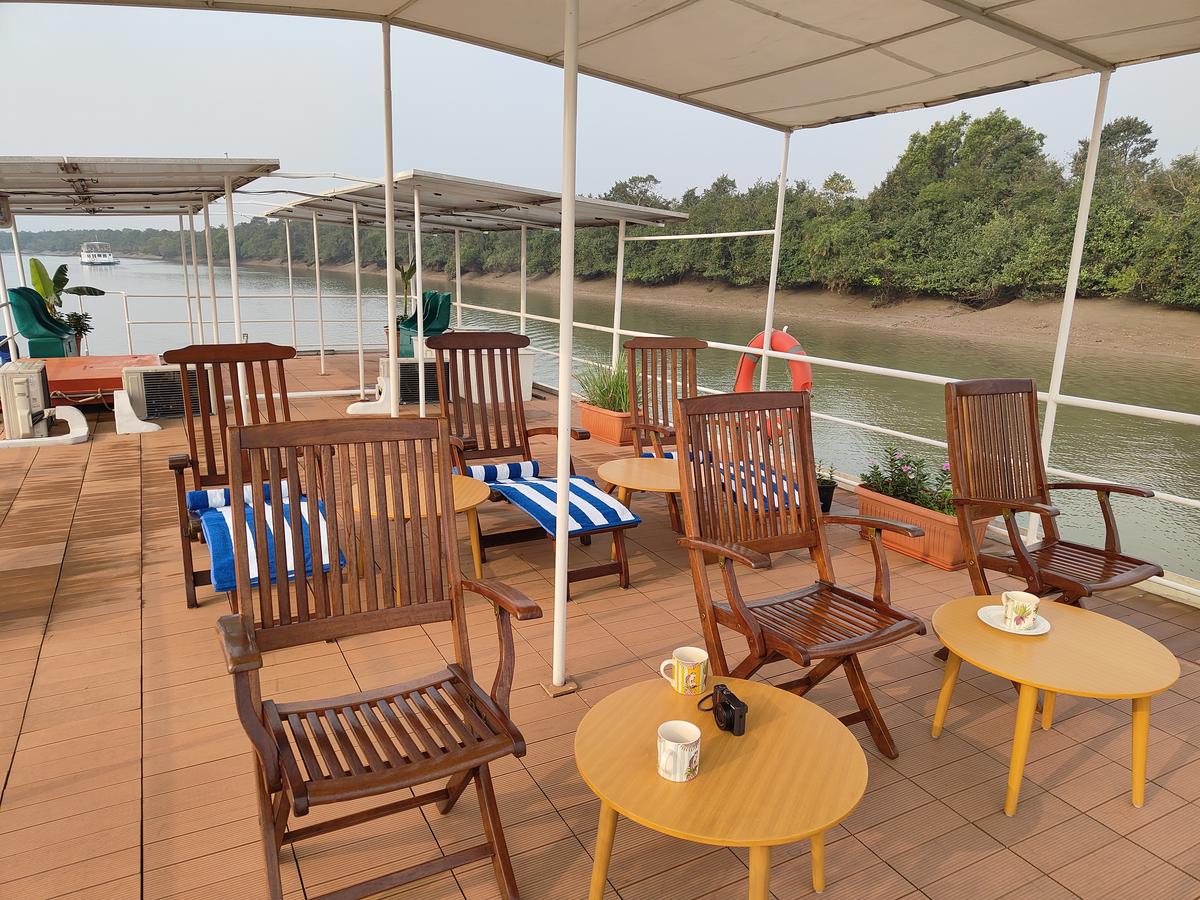
The vessels come fully furnished with two bedrooms, bathrooms and a dining space in front, in addition to the sun deck furnished with comfortable chairs. The boats are best suited for groups of four (priced at ₹25,000 per person for two nights inclusive of meals) who can be accomodated in the two bedrooms. Locals from the area staff the fleet of four catamarans, and are only too pleased to chat about their favourite crocodile sightings. “There is one 23-foot crocodile that goes for a long morning swim. I hope all of you get to see it,” one of them cheerily informs us. 

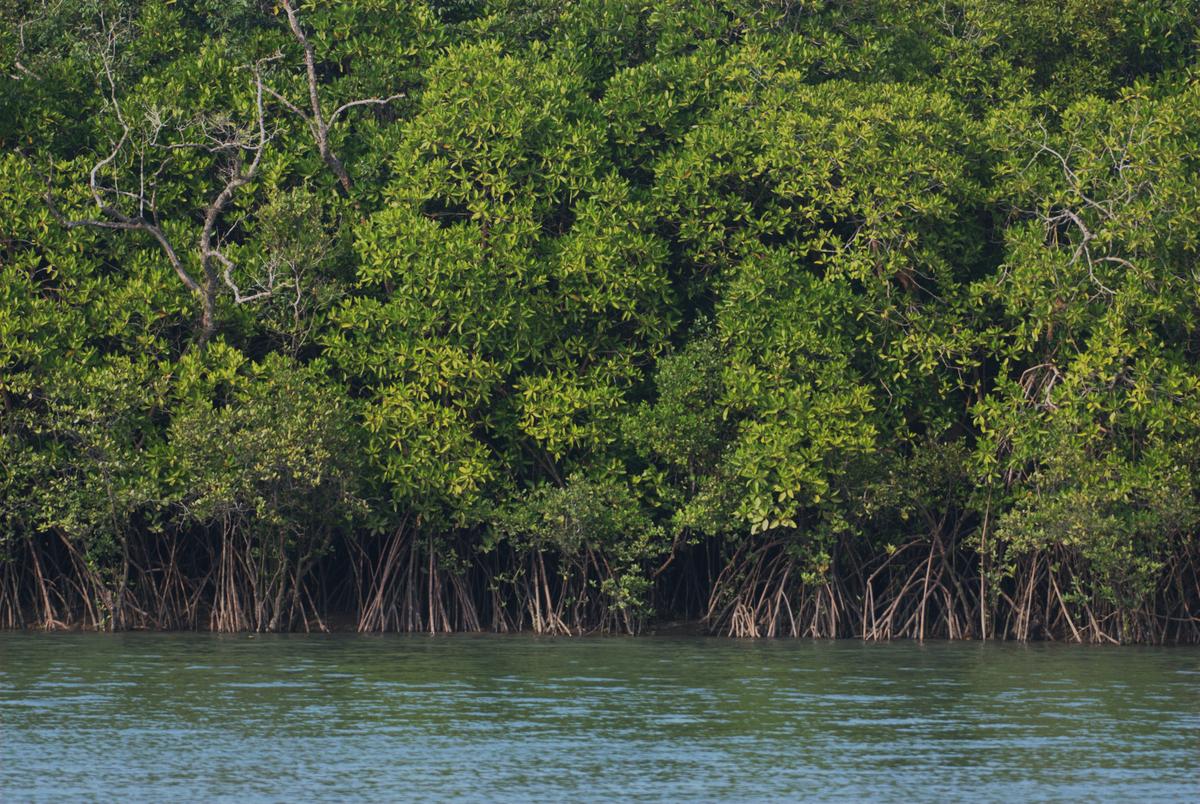
Declared a Ramsar site (a wetland of national importance) in 2002, we learn that there are around 1,700 saltwater crocodiles that were counted in the last census which took place in January 2024. The dense mangrove here comprises 82 species and host birds through the year which include purple herons, night herons, pied harriers, grey-headed lapwings, eagles and owls. 

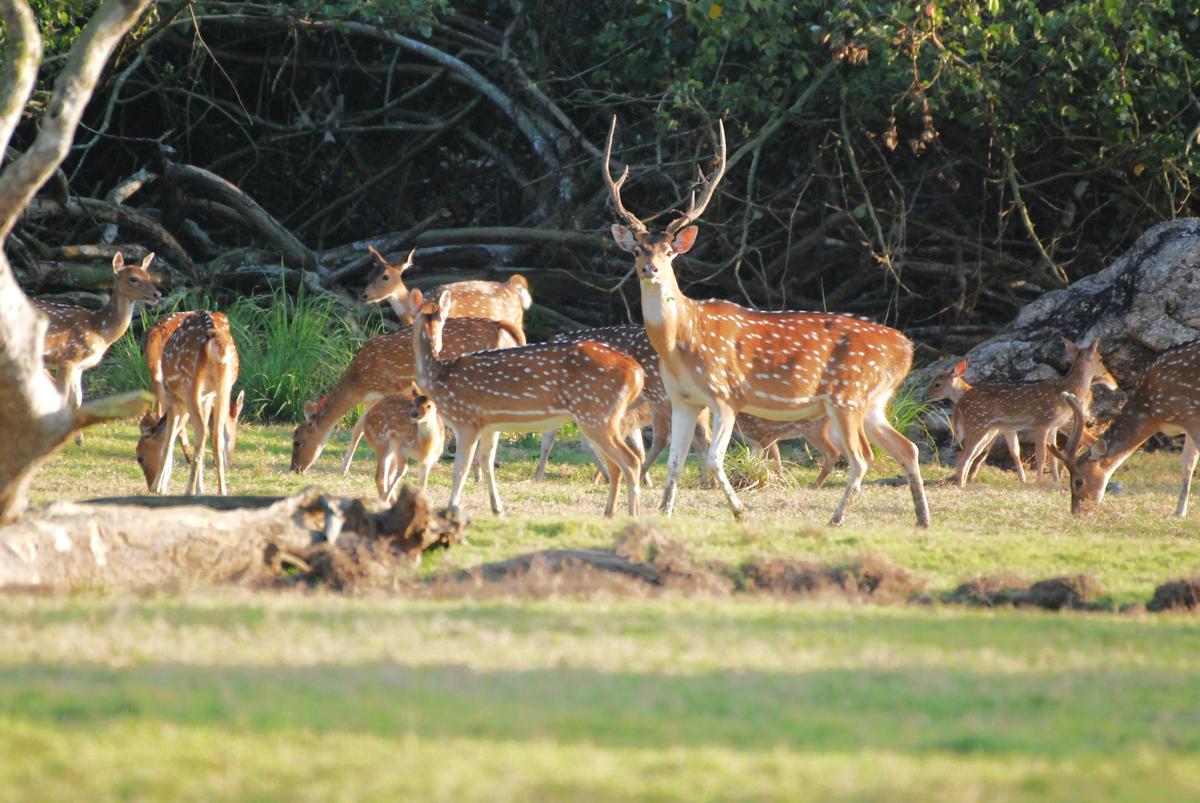
Spotted deer are a common sighting at the national park

Spotted deer are a common sighting at the national park
| Photo Credit:
Special Arrangement

“There is something here for everyone,” says Sanghamitra Jena, who manages operations. “Whether you are here to birdwatch and take pictures, explore the wildlife, walk through the forests, or simply laze around on the catamaran and enjoy setting sail,” she says. As we take in the calm waters and orange hued skies at sunset, we remain alert, for sightings of more crocodiles on the mudflats. We also spot herds of spotted deer frolicking by the banks, while also keeping an eye out for possible otter and dolphin sightings. 

When the catamaran finally anchors for the night, we are immensely thankful for two things — the air conditioning onboard given the sweltering early summer heat, and bhetki fish on the menu for dinner. Bhetki, which is barramundi or Asian sea bass, is a popular fixture on the menu and all meals onboard feature fresh catch and local delicacies, including the popular Odisha dessert chennapooda. Three meals are served onboard, at a cosy dining space in front of the rooms and the menu has the usual favourites — eggs, toast, poha, parathas for breakfast, roti, subzi, meat and vegetables for lunch as well as continental options such as grilled fish and mashed potatoes.

The sundeck on the luxury catamaran

The sundeck on the luxury catamaran
| Photo Credit:
S Poorvaja

The prospect of spotting more crocodiles has us cautiously excited the following day, as we set sail and anchor near the entrance of the Bhitarkanika National Park which houses the Crocodile Hatchery and Rearing Programme.

It is here that we truly get to experience the thick of it all; walking directly into the mangrove forest by navigating a wooden bridge that has been built to act as a living observatory deck. We hear bird calls, keep looking up at the mangrove canopy above us, and clutch the railings every time we take a look at what lies below. Unfortunately, the crocodiles remain elusive; none of them has ventured out to see a party of 10 cautiously walk overhead. 

At our destination however, there are a number of baby crocodiles in enclosures, swimming happily or sunning themselves. The Saltwater Crocodile Research and Conservation Project was established at Dangmal with the objective of rearing and releasing crocodiles into the wild, and there are separate enclosures showing the life-cycle of a crocodile from the hatching stage. The park is also home to a rare albino crocodile, named Gori, and we learn that efforts to mate her have proven to be futile. Gori now lives by herself in an enclosure, an independent queen. 

The dense mangrove at Bhitarkanika

The dense mangrove at Bhitarkanika
| Photo Credit:
Special Arrangement

With many little creeks and estuaries, we go on to explore the mangrove system in a smaller boat, through a slow, two-hour journey. Armed with binoculars, we spot birds in the branches of trees, and much to our delight, manage to catch sight of a baby crocodile peacefully sunning itself on a small branch, before gracefully turning over and falling straight into the water with a little splash. 

The catamarans see a bulk of their tourist guests between October and February. “From May 1 to the end of July, the park is closed because that is the time the crocodiles typically breed. We see an influx of birdwatchers and wildlife enthusiasts start coming in during August and later,” Sanghamitra says, as she guides us back to our catamarans. After a day of exploring the mangroves in the searing heat and unabating humidity, we thankfully take the shikanji, a cold lemon flavoured drink we are welcomed back onboard with. 

Afternoons during the cruise are best spent in the cool confines of the cabin, on the sun deck, or for the more adventurous travellers, a jungle walk at Shikhar Kothi, where a canopy of leaves and branches is a welcome shield from the heat. We are told that spotting snakes including pythons are quite common in the area.

When the catamaran once again sets sail during sunset, the views do not feel repetitive or tiresome. There is a calmness that settles on the water as the skies turn orange and then a slow inky blue. We once again keep our eyes trained on the mudflats, often pausing to admire the smaller creeks and channels that we sail by. This languorous cruise is best enjoyed on the sun deck, binoculars in one hand for croc-spotting, and a plate of evening pakodas and tea in the other. 

The writer was at the Antara River Cruises, Bhitarkanika on invitation from RARE India 


Source link