Life & Style

Women in design unite – The Hindu


Just like the novel A Room of One’s Own by Virginia Woolf, where the author explores the need for women to be financially independent and have personal space to create art and achieve intellectual freedom, a house too resonates with identity, memory, and intention. For women, curating a space becomes a form of storytelling — creating environments that reflect artistic style, safety, emotion, and care. However, for men, the focus is more on the aesthetic and utilitarian aspect.

Honouringwomen who shape the world through design and authentic expression, ‘Room For Her’ — presented by Adeline Graham, a French entrepreneur and interior designer — was hosted at her Fern & Ade showroom in Chennai last week. While the name of her showroom is a tribute to her grandmother Fern, Graham says she has been inspired by the fashion and culinary worlds as opposed to drawing inspiration from just one person.

The talk featured artist Parvathi Nayar, photographer and urban gardening enthusiast Shefalii Dadabhoy, and Sripriya Ganesan, co-founder of Studio Neon Attic as the speakers, and was moderated by Shakthi Girish, founder of Galatta magazine. Topics ranged from how women shape the art world to how to bring a feminine perspective into architecture.

The showroom itself was a blend of modernity and warmth, with the evening light filtering through its minimalist decor. For Graham, who offers “a European sensibility — softer colour palettes and refined lines — that complements the richness of Indian homes, including their vibrant artwork and intricate woodwork” the occasion was the perfect opportunity to bring together women from different walks of life. “Design and creativity go far beyond just interiors; they’re woven into every aspect of how we live — from the art we choose to the food we serve and the way we nurture our outdoor spaces,” she said.

When it comes to the influence of women in art, Nayar, who recently premiered her show Limits of Change at Chennai’s Lalit Kala Akademi, said that she wouldn’t want to be typecast as a woman artist who would only work with fabric or embroidery or on women’s subjects. This would be reductive and limiting. “I embrace the fact that I’m a woman and that sensibility makes its way into my work,” she added.

Meanwhile, Dadabhoy, who is known for her work as a home chef (the city loves her artisanal floral brownies), has also been lauded for her efforts to transform Chennai into a sunflower city. “How you wear your clothes in the morning, how you lay your dishes, how you serve, art is designed from that aspect. Getting flowers onto my plate of food was just a natural progression of that. We have to let nature be the painter, and we become the curator,” she explained.

For architect and interior designer Ganesan, whose Studio Neon Attic showcases design and integrates traditional craftsmanship with contemporary aesthetics, femininity is not a sense of aesthetic, but is layered and emotionally intelligent. “Who is going to use the space? If you are looking at a workspace, are we looking at a workspace where women feel safe… this is what women bring into design. Spaces have always been designed keeping men in the picture, which is very basic, functional, and monumental,” she said.

Names that inspire

Textile designer Sonali Manavalan, founder and head designer of Manavalanan Co — a multidisciplinary design house — confessed that she draws inspiration from Sarah Sham, owner of Essajees Atelier, a global design company. “I came across her on Instagram. She is a boss lady. One of the things that inspired me was how she handles massive projects. More than the finished products, it’s the fact that she has done all this work while raising two children,” she observed.

Both Sakthi Bhuvaneswari, of The Civic Studio, and Ganesan are inspired by architect Zaha Hadid, the first woman to win the Pritzker Prize. “Her designs are unapologetically her. I got into architecture because I wanted to shake up the design space just like her,” shared Ganesan. “As I practise sustainability, I also look up to Chitra Vishwanath [of Biome Solutions, Bengaluru]. In Chennai, I like the work of Shilpa Architects,” added Sakthi Bhuvaneswari.

Cherry picking furniture

At the store, both Bhuvaneswari and Kalpana Rao, owner of OCD Space Studio, favoured the RFH armchair by &Tradition, a Danish brand that focuses on originality. “Small in footprint, part of the chair’s charm lies in its low and compact form, offering a lounge piece with a striking silhouette that can be placed anywhere,” Graham described later.

For Purva Bhende, associate architect with ED+Architecture, the side table with a rotating disc was the winner. “I tend to focus on the visual appeal as opposed to comfort. If you are sitting and are bored, fiddling with it is something that you are meant to do.”


Source link

Sustainable fashion label ILK launches its Mutualism collection in Chennai


Mutualism

Mutualism
| Photo Credit: Special Arrangement

Imagine transforming everyday fabrics into unusual and craft-oriented pieces through intricate textures and a thoughtful approach towards design, where even leftover fabrics find new life. That is the essence of ILK, a design label started by two friends over a decade ago.

Shikha Grover and Vinita Adhikari, who discovered an instant alignment in their aesthetics while working together under another designer, say that the birth of ILK was remarkably spontaneous. This initial togetherness mirrors the meaning they later found in their brand name. “It means a clan, a community and this has been part of our ethos since the beginning,” says Shikha. Over the years, ILK has evolved from experimenting with diverse materials — even “cycle spokes, nuts, and bolts” — to establishing itself in the luxury-casual intersection, with a focus on comfortable and distinctive designs.

Mutualism

Mutualism
| Photo Credit:
Special Arrangement

Their latest collection, Mutualism, draws from the deep-rooted bond of interdependence in Nature. “You know how a specific type of bird feeds on the parasites and worms on a zebra’s skin? It helps the zebra keep its skin clean. They are dependent on each other. Even in our society, we have different communities coming together and depending on each other, and that’s where this concept comes from,” says Vinita. This concept of interconnectedness extends to their broader philosophy of community too.

ILK has launched this collection in Chennai at multi-brand design store Collage this week. “We have done a few events in Chennai before, and the fashion sensibility of the city is very on-brand for us. I feel like the design aesthetic of Chennai is subtle, and they are conscious about the kind of fabrics they choose. We do some breezy, comfortable fabrics, and it suits the city well,” says Shikha, adding that comfort has always been a top priority.

“We do try to wear each product ourselves first to see how it is feeling from inside. We check to see if there are a lot of raw edges on the inside, and if we are able to slip in and out of it comfortably,” says Shikha.

Mutualism

Mutualism
| Photo Credit:
Special Arrangement

The pieces in Mutualism are made from leftover pieces of fabric, brought together carefully by applying a sense of aesthetic that makes each piece unique. “We have done appliquéing work on them to create texture. It is sustainable and there is less wastage. The product comes out looking unique,” says Vinita. Some garments feature layers of sheer and solid fabrics stitched into patterns that mimic flowers, shrubs and trees, while others are adorned with motifs that are a nod to the animal kingdom, with zebra and cheetah skin-like texture. The effect is subtle, but speaks volumes — of balance, relationship, and co-creation.

Mutualism by ILK is on display at Collage, Chennai. Shop the collection starting ₹8,500.


Source link

Escape to the hills: Demand surges in the Nilgiris


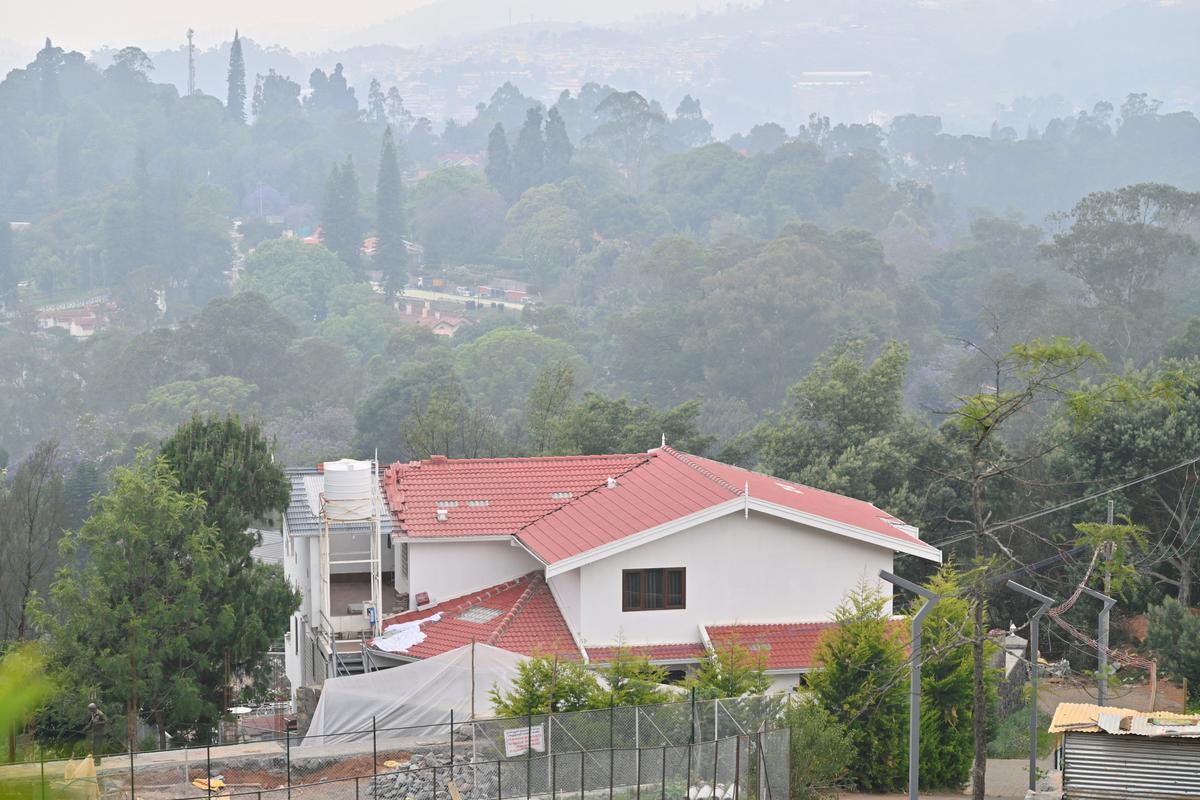
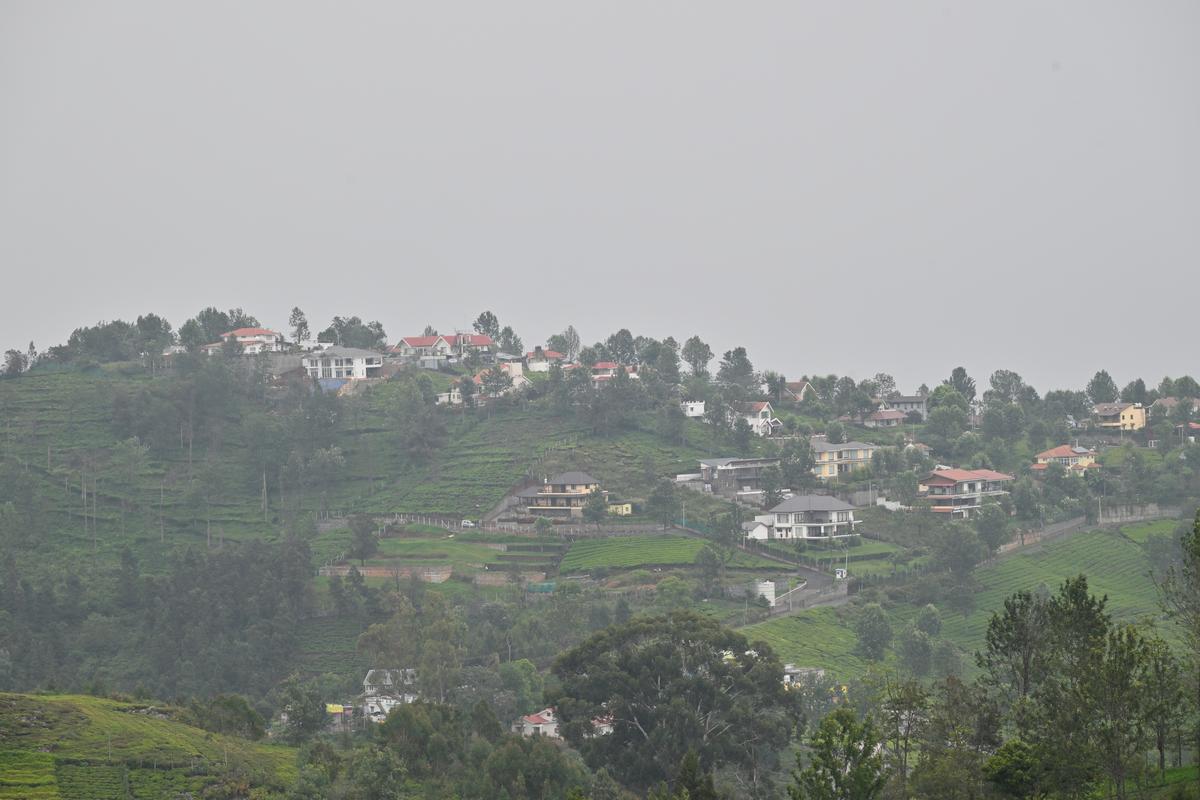
While Ooty and Coonoor have their bustling spots, imagine owning your own sanctuary of tranquility. Of waking up to crisp, eucalyptus-tinged air and setting out on long walks to de-stress from your city life. With the India Meteorological Department (IMD) predicting an “above-normal number of heatwave days” this summer, it’s no wonder people are already dreaming of month-long holidays in mist-clad hills. In Tamil Nadu, this would include Ooty and Coonoor in the Nilgiris, known for their water bodies, scenic trails, tea gardens and colonial era bungalows.

Over the past two years, the real estate market in the Nilgiris has experienced a significant surge, attracting diverse buyers, ranging from the who’s who of the corporate world to retirees seeking a quiet lifestyle to ambitious youngsters who want to make a smart investment. Experts in the real estate sector argue that Ooty, once a popular destination, has now become saturated. They say Coonoor and Kotagiri are the two primary regions being considered by buyers. Property prices here have soared over the past two years and land, which was previously valued at ₹4 lakh to ₹5 lakh per cent has now exceeded ₹10 lakh (depending on the location) per cent.

Kotagiri for budget-friendly options

“Coonoor has evolved into a settler’s paradise, while Kotagiri has become an investor’s playground,” says Ashish Kishore Mehboobani, founder and managing partner of Avant Realty by A&N consultants. “Before COVID-19, the market was healthy — but the pandemic completely shifted the market dynamics. People started seeking silence over city noise, views over skylines, and clean air over chaos. Real estate in Coonoor is no longer for the ordinary — it’s aspirational and curated. Kotagiri, on the other hand, is value-rich and offers budget-friendly opportunities for anyone dreaming of a place in the hills,” he continues.

Having consistently tracked the real estate scene in this hill station, Mehboobani observes that Upper Coonoor is equivalent to Chennai’s Boat Club Road. “Brooklands, Tiger Hill, Upper Attadi, Bandishola and Bettati are sought after for their exclusivity, colonial charm, and natural beauty. In Kotagiri, the belt between Kotagiri town and Kattabettu is getting attention for its convenience and pristine views,” he explains, adding that the next hotspots are just beyond the town limits — within a 10 km radius of both Coonoor and Kotagiri. “Areas like Aravenu, Kodamalai and parts of the Ketti Valley outskirts are quietly but quickly gaining traction,” he says.

Coonoor wins over Pune

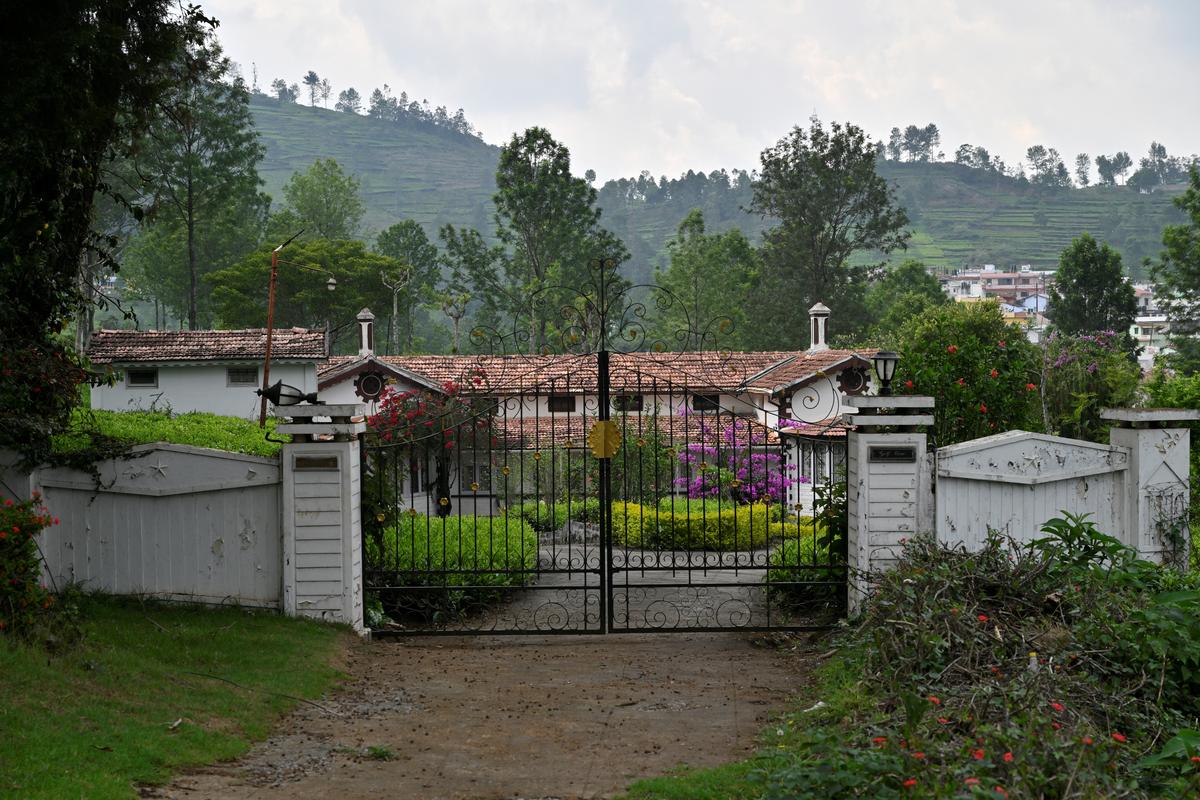
In Coonoor, prices in premium pockets now range from ₹8 lakh to ₹16 lakh per cent, while Kotagiri ranges between ₹2.75 lakh per cent and ₹6 lakh per cent depending on view, access, and location. Local developers in this area mention that the price of a ready-to-move-in home ranges from ₹75 lakh to several crores of rupees. Colonial-era bungalows, which come up for sale, are priced from ₹3 crore to ₹6 crore and can go up to ₹15 crore. These properties often include expansive gardens or, in some cases, a small tea estate. Developers reveal that a few properties are still up for grabs with a price tag of above ₹15 crore. “Some of these properties are over 100 years old and they include antique furniture that are made of rosewood and teak wood. If one has to source such furniture elsewhere, it would cost them a few lakhs of rupees as rosewood is very expensive now,” a real estate developer in Coonoor points out.

Nostalgia, the driving force

So what is driving the real estate market of Nilgiris, which like Kodaikanal and other hill stations, is part of the Western Ghats? Nilgiris is a distinctive destination where property buyers often share a deep emotional connection to the area. Many have personal ties, having studied or spent formative years in the hills. Coonoor town has become a favoured retirement locale for army officials who trained at the Defence Services Staff College (DSSC) during their younger days.

Many actors and filmmakers who have visited this hill station for their shoots have ultimately chosen to make it their second home. Locations in and around Sim’s Park and Bandishola have become a coveted destination for some of the most prominent industrialists and tech giants in India’s IT sector.

Interest from Hyderabad and Kochi

“A few of our clientele, particularly those in their early 60s and 70s, have shown a growing interest in the Nilgiris region. They’re drawn to the idea of setting up summer offices, joining the ranks of India’s elite who already have a presence there. Also, we’ve observed a trend among residents from urban cities like Chennai, Hyderabad, Kochi and Thiruvananthapuram, who prefer acquiring second homes in hill stations to escape the intense summer heat,” explains Jerry Kingsley, India head, Value and Risk Advisory & City Lead Capital Markets, Jones Lang LaSalle (JLL). “In addition to this, a prominent Indian hotel chain has recognised the potential in these region. They are establishing a new homestay in Coonoor, further enhancing the appeal of the Nilgiris as a prime destination for luxury vacation accommodations,” he reveals.

Nature and safety, a big plus

V. Ramkumar, a retired corporate professional has lived in several cities across India and abroad. Over time, the question of where to settle has begun to occupy his thoughts. Originally from Hyderabad, with his wife hailing from Mumbai, they had considered Pune as their retirement destination. “Initially, Pune seemed like the perfect place. But I realised that the city’s traffic and pollution were becoming increasingly difficult to tolerate. I always had an interest in nature and wildlife, and decided to move to the Nilgiris,” he shares.

Years ago, he had purchased a parcel of land in the Nilgiris and when retirement was finally on the horizon, he and his wife built a home here. “Crime rate is less, people are warm and the cost of living is reasonable here,” Ramkumar notes. Real estate analysts point out that the presence of historic clubs and the Wellington Gymkhana Club Golf Course is attracting the cosmopolitan crowd.

S. Sridharan, director, Lyra Properties and EC Member, CREDAI National confirms that the region has become a popular retreat for middle-aged individuals seeking a break from burnout, with many venturing into activities such as vegetable gardening. “Local communities are selling land as they move to Coimbatore or other areas, and many bungalows are being sold by owners whose children have moved abroad and no longer wish to maintain the properties,” he says.

Approvals and other challenges

While owning a home in the hills offers numerous advantages, such as breathtaking views and a peaceful environment, it also comes with its fair share of challenges, agree real estate experts. The availability of premium homes, both modern and refurbished, is limited due to several factors such as strict approval processes, scarcity of prime land, and high land costs, says Kingsley. These constraints create a competitive market for desirable properties, potentially driving up prices and requiring buyers to balance preferences with practical considerations, he adds.

Sridharan explains that one of the key challenges of real estate development in Coonoor, as in many other hill stations, lies in navigating the approval process. “Obtaining three essential No Objection Certificates [NoCs] from various departments, including the mines and forest departments, is crucial. Only after securing these can developers or individuals proceed with their projects,” he says. The mines department assesses land levels, while the forest department ensures compliance with environmental regulations.

Unauthorised layouts are also a concern, especially as roads are being laid without proper approval. “To address this, there needs to be a common set of rules for everyone. The approval process should be streamlined by the government to make it easier and more efficient,” he adds.


Source link

Buying a home in the hills: demand surges in Coonoor and Kotagiri


While Ooty and Coonoor have their bustling spots, imagine owning your own sanctuary of tranquility. Of waking up to crisp, eucalyptus-tinged air and setting out on long walks to de-stress from your city life. With the India Meteorological Department (IMD) predicting an “above-normal number of heatwave days” this summer, it’s no wonder people are already dreaming of month-long holidays in mist-clad hills. In Tamil Nadu, this would include Ooty and Coonoor in the Nilgiris, known for their water bodies, scenic trails, tea gardens and colonial era bungalows.

Over the past two years, the real estate market in the Nilgiris has experienced a significant surge, attracting diverse buyers, ranging from the who’s who of the corporate world to retirees seeking a quiet lifestyle to ambitious youngsters who want to make a smart investment. Experts in the real estate sector argue that Ooty, once a popular destination, has now become saturated. They say Coonoor and Kotagiri are the two primary regions being considered by buyers. Property prices here have soared over the past two years and land, which was previously valued at ₹4 lakh to ₹5 lakh per cent has now exceeded ₹10 lakh (depending on the location) per cent.

Kotagiri for budget-friendly options

“Coonoor has evolved into a settler’s paradise, while Kotagiri has become an investor’s playground,” says Ashish Kishore Mehboobani, founder and managing partner of Avant Realty by A&N consultants. “Before COVID-19, the market was healthy — but the pandemic completely shifted the market dynamics. People started seeking silence over city noise, views over skylines, and clean air over chaos. Real estate in Coonoor is no longer for the ordinary — it’s aspirational and curated. Kotagiri, on the other hand, is value-rich and offers budget-friendly opportunities for anyone dreaming of a place in the hills,” he continues.

A completed house that was developed by Ashish Kishore at Rosary Estate in Coonoor .

A completed house that was developed by Ashish Kishore at Rosary Estate in Coonoor .
| Photo Credit:
M. SATHYAMOORTHY

Having consistently tracked the real estate scene in this hill station, Mehboobani observes that Upper Coonoor is equivalent to Chennai’s Boat Club Road. “Brooklands, Tiger Hill, Upper Attadi, Bandishola and Bettati are sought after for their exclusivity, colonial charm, and natural beauty. In Kotagiri, the belt between Kotagiri town and Kattabettu is getting attention for its convenience and pristine views,” he explains, adding that the next hotspots are just beyond the town limits — within a 10 km radius of both Coonoor and Kotagiri. “Areas like Aravenu, Kodamalai and parts of the Ketti Valley outskirts are quietly but quickly gaining traction,” he says.

“A few of our clientele, particularly those in their early 60s and 70s, have shown a growing interest in the Nilgiris region. They’re drawn to the idea of setting up summer offices, joining the ranks of India’s elite who already have a presence there. Also, we’ve observed a trend among residents from urban cities like Chennai, Hyderabad, Kochi and Thiruvananthapuram, who prefer acquiring second homes in hill stations to escape the intense summer heat”Jerry KingsleyIndia head, Value and Risk Advisory & City Lead Capital Markets, Jones Lang LaSalle (JLL)

Coonoor wins over Pune

In Coonoor, prices in premium pockets now range from ₹8 lakh to ₹16 lakh per cent, while Kotagiri ranges between ₹2.75 lakh per cent and ₹6 lakh per cent depending on view, access, and location. Local developers in this area mention that the price of a ready-to-move-in home ranges from ₹75 lakh to several crores of rupees. Colonial-era bungalows, which come up for sale, are priced from ₹3 crore to ₹6 crore and can go up to ₹15 crore. These properties often include expansive gardens or, in some cases, a small tea estate. Developers reveal that a few properties are still up for grabs with a price tag of above ₹15 crore. “Some of these properties are over 100 years old and they include antique furniture that are made of rosewood and teak wood. If one has to source such furniture elsewhere, it would cost them a few lakhs of rupees as rosewood is very expensive now,” a real estate developer in Coonoor points out.

A British style building near Kotagiri.

A British style building near Kotagiri.
| Photo Credit:
M. SATHYAMOORTHY

Nostalgia, the driving force

So what is driving the real estate market of Nilgiris, which like Kodaikanal and other hill stations, is part of the Western Ghats? Nilgiris is a distinctive destination where property buyers often share a deep emotional connection to the area. Many have personal ties, having studied or spent formative years in the hills. Coonoor town has become a favoured retirement locale for army officials who trained at the Defence Services Staff College (DSSC) during their younger days.

Many actors and filmmakers who have visited this hill station for their shoots have ultimately chosen to make it their second home. Locations in and around Sim’s Park and Bandishola have become a coveted destination for some of the most prominent industrialists and tech giants in India’s IT sector.

Interest from Hyderabad and Kochi

“A few of our clientele, particularly those in their early 60s and 70s, have shown a growing interest in the Nilgiris region. They’re drawn to the idea of setting up summer offices, joining the ranks of India’s elite who already have a presence there. Also, we’ve observed a trend among residents from urban cities like Chennai, Hyderabad, Kochi and Thiruvananthapuram, who prefer acquiring second homes in hill stations to escape the intense summer heat,” explains Jerry Kingsley, India head, Value and Risk Advisory & City Lead Capital Markets, Jones Lang LaSalle (JLL). “In addition to this, a prominent Indian hotel chain has recognised the potential in these region. They are establishing a new homestay in Coonoor, further enhancing the appeal of the Nilgiris as a prime destination for luxury vacation accommodations,” he reveals.

A developed property at Drumella in Coonoor.

A developed property at Drumella in Coonoor.
| Photo Credit:
M. SATHYAMOORTHY

Nature and safety, a big plus

V. Ramkumar, a retired corporate professional has lived in several cities across India and abroad. Over time, the question of where to settle has begun to occupy his thoughts. Originally from Hyderabad, with his wife hailing from Mumbai, they had considered Pune as their retirement destination. “Initially, Pune seemed like the perfect place. But I realised that the city’s traffic and pollution were becoming increasingly difficult to tolerate. I always had an interest in nature and wildlife, and decided to move to the Nilgiris,” he shares.

Years ago, he had purchased a parcel of land in the Nilgiris and when retirement was finally on the horizon, he and his wife built a home here. “Crime rate is less, people are warm and the cost of living is reasonable here,” Ramkumar notes. Real estate analysts point out that the presence of historic clubs and the Wellington Gymkhana Club Golf Course is attracting the cosmopolitan crowd.

“Local communities are selling land as they move to Coimbatore or other areas, and many bungalows are being sold by owners whose children have moved abroad and no longer wish to maintain the properties”S. Sridharandirector, Lyra Properties and EC Member, CREDAI National

S. Sridharan, director, Lyra Properties and EC Member, CREDAI National confirms that the region has become a popular retreat for middle-aged individuals seeking a break from burnout, with many venturing into activities such as vegetable gardening. “Local communities are selling land as they move to Coimbatore or other areas, and many bungalows are being sold by owners whose children have moved abroad and no longer wish to maintain the properties,” he says.

Approvals and other challenges

While owning a home in the hills offers numerous advantages, such as breathtaking views and a peaceful environment, it also comes with its fair share of challenges, agree real estate experts. The availability of premium homes, both modern and refurbished, is limited due to several factors such as strict approval processes, scarcity of prime land, and high land costs, says Kingsley. These constraints create a competitive market for desirable properties, potentially driving up prices and requiring buyers to balance preferences with practical considerations, he adds.

Sridharan explains that one of the key challenges of real estate development in Coonoor, as in many other hill stations, lies in navigating the approval process. “Obtaining three essential No Objection Certificates [NoCs] from various departments, including the mines and forest departments, is crucial. Only after securing these can developers or individuals proceed with their projects,” he says. The mines department assesses land levels, while the forest department ensures compliance with environmental regulations.

Unauthorised layouts are also a concern, especially as roads are being laid without proper approval. “To address this, there needs to be a common set of rules for everyone. The approval process should be streamlined by the government to make it easier and more efficient,” he adds.


Source link

Meet Revathi Kamath, Zerodha Founders’ Nithin and Nikhil Kamath’s entrepreneur mother who’s also a green crusader and veena virtuoso |


Meet Revathi Kamath, Zerodha Founders’ Nithin and Nikhil Kamath's entrepreneur mother who’s also a green crusader and veena virtuoso
Revathi Kamath, Nithin Kamath and Nikhil Kamath

Revathi Kamath doesn’t fit the usual mould of an environmental crusader — and that’s exactly what makes her stand out. A passionate veena player and a nature lover at heart, Kamath brings a beautiful blend of creativity and care to everything she does. She’s not just the mother of Zerodha co-founders Nithin and Nikhil Kamath — but she also carved a niche for herself as a changemaker and artiste.
Recently, at the Sinhasi Social Impact Initiative seminar on Wetlands Preservation, Revati Kamath delivered a heartfelt speech about the urgent need to revive India’s vanishing green spaces. She stressed that while policies matter, it’s public participation that truly makes a difference in society. “Our wetlands are vanishing, and people barely notice. It’s time we all got involved,” she said, urging more people to take initiatives to save our environment.

Revathi Kamath with her sons and Zerodha founders Nikhil and Nithin Kamath

Revathi Kamath with her sons and Zerodha founders Nikhil and Nithin Kamath

Kamath also credited her sons’, Nithin Kamath and Nikhil Kamath’s, generosity to the values she instilled in them early on — kindness, responsibility, and giving back. “They’ve always had giving hearts… I raised them to believe that making a difference matters more than making a profit,” she said. She further shared how her son, Nithin Kamath, often encourages her to lead her charitable efforts with her own resources, while her second son, Nikhil Kamath, supports her quietly by transferring funds to her, without asking anything in return.

Poll

Do you believe individual participation is crucial for environmental preservation?

Revathi Kamath is also an entrepreneur, and she funds her green projects through her business earnings. “I’m not chasing profits. Half of what I make goes into environmental work,” she said proudly. For the unversed, Revathi Kamath started her flower business with just INR 500, which grew into Calyx, an event company serving top clients.
Despite the challenges she faces in her philanthropic works, Revathi Kamath finds strength in her music. She is also a proficient veena player, and it is her way to recharge — a moment of prayer and reflection.
Her grace, grit, and green thinking show that Revathi Kamath is an inspiration to many.

Madhuri Dixit’s Husband Drops Relationship Truth Bomb


Source link

Renault opens new design centre in Chennai


The Chennai design centre is now Renault’s largest such facility outside of France 

The Chennai design centre is now Renault’s largest such facility outside of France 
| Photo Credit: Special Arrangement

Renault is hitting the reset button in India with a bold new strategy that puts design and innovation at the core of its operations. With the inauguration of its largest design centre outside France, the company is making clear its intent to create cars for the Indian market.

This new facility marks the beginning of a new chapter for Renault India. This move is part of a broader strategy called, Renault Rethink, aimed at refreshing the brand’s presence in the Indian market through deeper localisation, design-led innovation, and future-ready product development.

The Chennai design centre is now Renault’s largest such facility outside of France and serves as a physical and symbolic foundation for the company’s renewed focus on India. Strategically located near the Renault Nissan Technology & Business Centre India (RNTBCI), the facility is expected to become a collaborative hub that blends design, engineering, and technology to develop India-specific models.

Renault showcased a conceptual sculpture titled, Renault. Rethink, representing the brand’s evolving identity

Renault showcased a conceptual sculpture titled, Renault. Rethink, representing the brand’s evolving identity
| Photo Credit:
Special Arrangement

Spanning 1,500 square metres, the centre houses advanced infrastructure such as high-resolution LED displays, virtual reality integration, and creative collaboration zones that allow real-time design refinement and immersive conceptualisation. Its design ethos, known as Tactile Confluence, blends contemporary European minimalism with Indian cultural sensibilities, aimed at creating a uniquely contextual design language.

In tandem with the centre’s unveiling, Renault showcased a conceptual sculpture titled, Renault Rethink, representing the brand’s evolving identity and commitment to transformation. Its fragmented form and illuminated core visually express themes of innovation, emergence, and progress.

This strategic shift also sets the stage for Renault’s market ambitions in India. While the company has managed to survive on an ageing product portfolio, it is now actively working on launching new vehicles — including a new SUV aimed at the highly competitive Creta/Seltos segment. These upcoming products are part of a broader plan to reclaim relevance and secure a 3% market share in the country.

The strategic shift sets the stage for Renault’s market ambitions in India. 

The strategic shift sets the stage for Renault’s market ambitions in India. 
| Photo Credit:
Special Arrangement

The design centre and product roadmap form part of Renault’s larger effort to reposition itself in the world’s third-largest car market. With over 10,000 engineers already contributing to global and local projects, and localisation levels reaching up to 90%, Renault is now gearing up for a much-needed turnaround — powered by Indian insight, global design, and a commitment to meaningful innovation.

Motorscribes, in association with The Hindu, brings you the latest in cars and bikes. Follow them on Instagram on @motorscribes


Source link

Bill Gates left for work while Melinda waited to give birth: ‘Spent most of the day cheerfully alone’


Bill Gates left for work while Melinda waited to give birth: 'Spent most of the day cheerfully alone'

Bill and Melinda French Gates‘s separation after 27 years of togetherness came as a surprise to many. Four years after the power couple called it quits, Melinda shares previously unknown details of her married life, poignant moments from the painful process of separation, and other major transitions in life in her new book – The Next Day.
Welcoming her first baby was a big transition for Melinda and also a moment of ‘freedom’ because for the first time, she didn’t have to live up to the expectations of the society of looking a certain way.

When Melinda and her doctor called a truce on pregnancy weight

When French Gates put on 79 lbs. during her first pregnancy that left her doctor worried as he thought it would be difficult for her to shed the post-pregnancy weight. But the two eventually came to a truce.

Poll

How do you feel about Melinda’s decision to take time for herself during her delivery?

“Every time I would go in, they always, they put you on the scale, right? And he really was concerned,” she recalled on The Jamie Kern Lima podcast. “And I finally said to him, ‘Okay, are you concerned because this is a problem for my health or my baby’s health?’ And he said, ‘No.’”
“And I said, ‘So what’s the problem?’ “ she continued. “And he said, ‘I’m afraid you’re gonna be mad at me because when this is over, it’ll take you a while to get the pregnancy weight off.’”
French Gates made him a deal saying “you never bring up my weight unless it’s a health problem for me or the baby, and I promise to not be mad at you when this is over.”

bill gates and family

When Melinda sent Bill home on day of her delivery

Melinda also shared how she ended up spending most of her delivery day after her water broke.
On April 26, 1999, Melinda and Bill reached the hospital after her water broke. Doctors after learning she was nowhere near ready to give birth, thought to send the couple home.
Melinda then decided to send Bill home, and keep a good book for her company.
“Ultimately, we settled on a compromise. I stayed at the hospital. Bill went to the office,” she wrote. “Before you roll your eyes, keep in mind that there really wasn’t anything for him to do yet. Plus I had a good book with me.”

bill and melinda 2

“In the end, I spent most of that magical day cheerfully alone,” she added.
Bill, of course, arrived in the hospital after her active labour begin. Another hilarious moment was in store when Melinda asked her husband “to take his sweater off, though, because it smelled like the hamburger he’d eaten on the way, and I was far too nauseated to deal with that.”
Before Jenn’s arrival, a complication with her positioning arose. In an effort to avoid a cesarean section, Melinda agreed to what she describes as a painful attempt to deliver the baby using a vacuum — an effort that ended with the doctor shrieking, “Turn it off!”
Finally, at 6:11 pm, her daughter was born, and Melinda said she was “absolutely smitten.”
Her new book is full of many such captivating tales and powerful stories from the defining moments in her life. Melinda has also for the first time opened up in detail about the moments leading up to her separation. Even though it was painful, but Melinda says that it was necessary. Their divorce was a lengthy process, but once things were finalised, everything fell in place.

Bill Gates Interview: The Restless Boy Who Built A Tech Giant I Microsoft I EXCLUSIVE


Source link

Introducing omakase: The ultimate guide to Japanese dining concept


Omakase, the archetypal antithesis of the French-style à la carte menu, is taking India’s food and beverage industry by storm. With restaurants and bars kowtowing to the Japanese dining concept that quite literally translates to ‘I leave it up to you’, Omakase has takers from Amritsar to Bengaluru.

Customarily, an omakase experience demands the diners to relinquish control over their choice of dishes and allows chefs to dish out elaborate courses made with seasonal produce at a fixed price. According to Encyclopedia Britannica, “the omakase tradition began in Japan in the 1990s to accommodate nouveau riche customers who knew little about sushi and seafood and did not want to reveal their lack of knowledge”. The term was coined in 1967, but the trend piqued my curiosity in 2024, when two of the three restaurants and bars I visited whispered the magic word.

Omakase counter at Shiso

Omakase counter at Shiso
| Photo Credit:
Special arrangement

For instance, pan-Asian restaurant Shiso flung its doors open to Amritsar, last year in June. Amidst teppanyaki (a post Second World War style of Japanese cooking with iron griddle) and yakitori (Japanese-style skewered chicken), their omakase counter stood out. The memory of a friend and I savouring nigiri and laphing while taking swigs of whisky-based cocktail called Trippy Fungi, still reminds me of the comfort that the counter offered. Predominantly, it ruled out any chance of an argument that could break out while placing the order; and clearly, the chefs stood in the firing line if one did not relish the dish. To Vansh Aggarwal, the co-owner of Shiso, my observations are amusing. “We wanted to have a live-cooking space. So, at the omakase counter, we decided to have sushi, teppanyaki and yakitori made right in front of our guests,” he says.

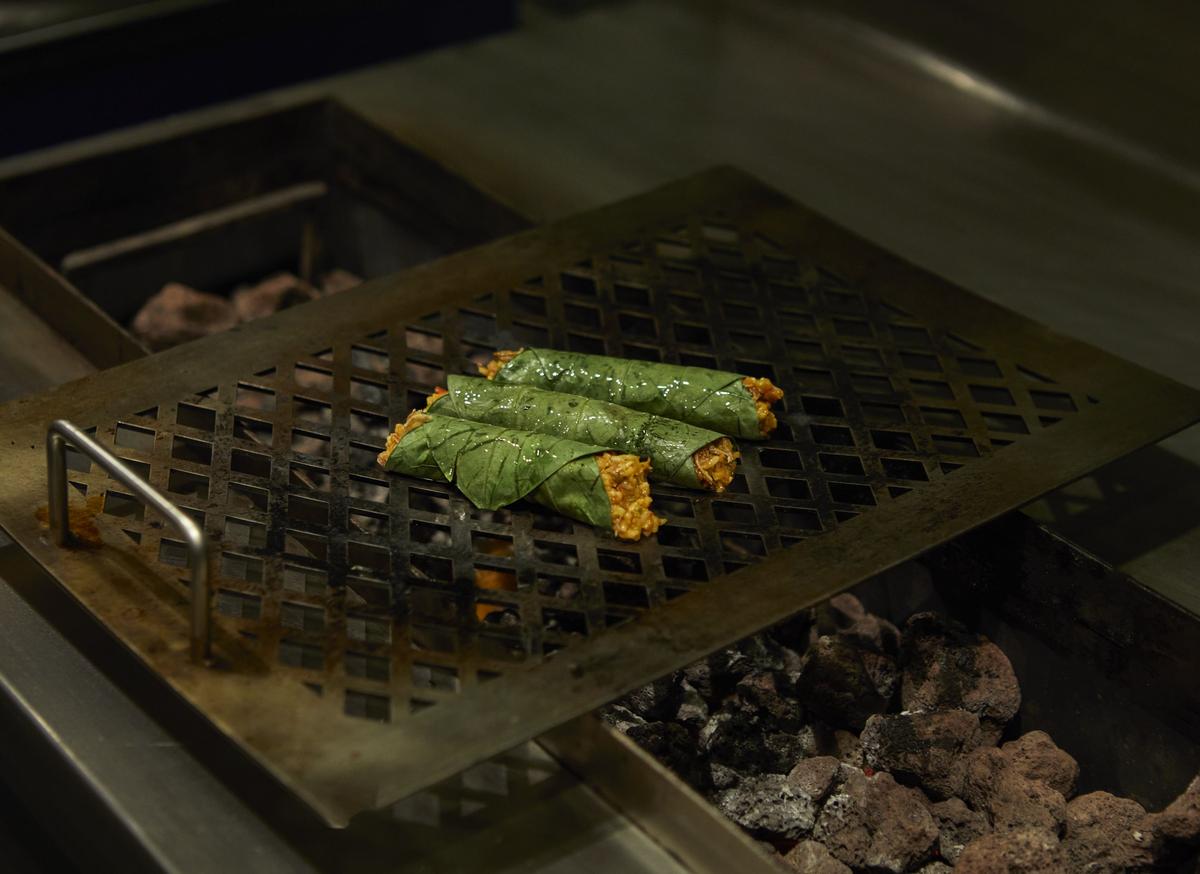
Thai betel leaf roll from Laos 

Thai betel leaf roll from Laos 
| Photo Credit:
Special arrangement

The omakase menu at Shiso features 12 dishes and three cocktails. “We have eight to 10 courses, priced at ₹4,500 per person. Every course covers one dish from an Asian country — Thai betel leaf roll from Laos and Malay tofu curry from Indonesia to China’s dan dan udon and Japan’s karaage chicken,” informs Vansh.

Wildcard versus menu card

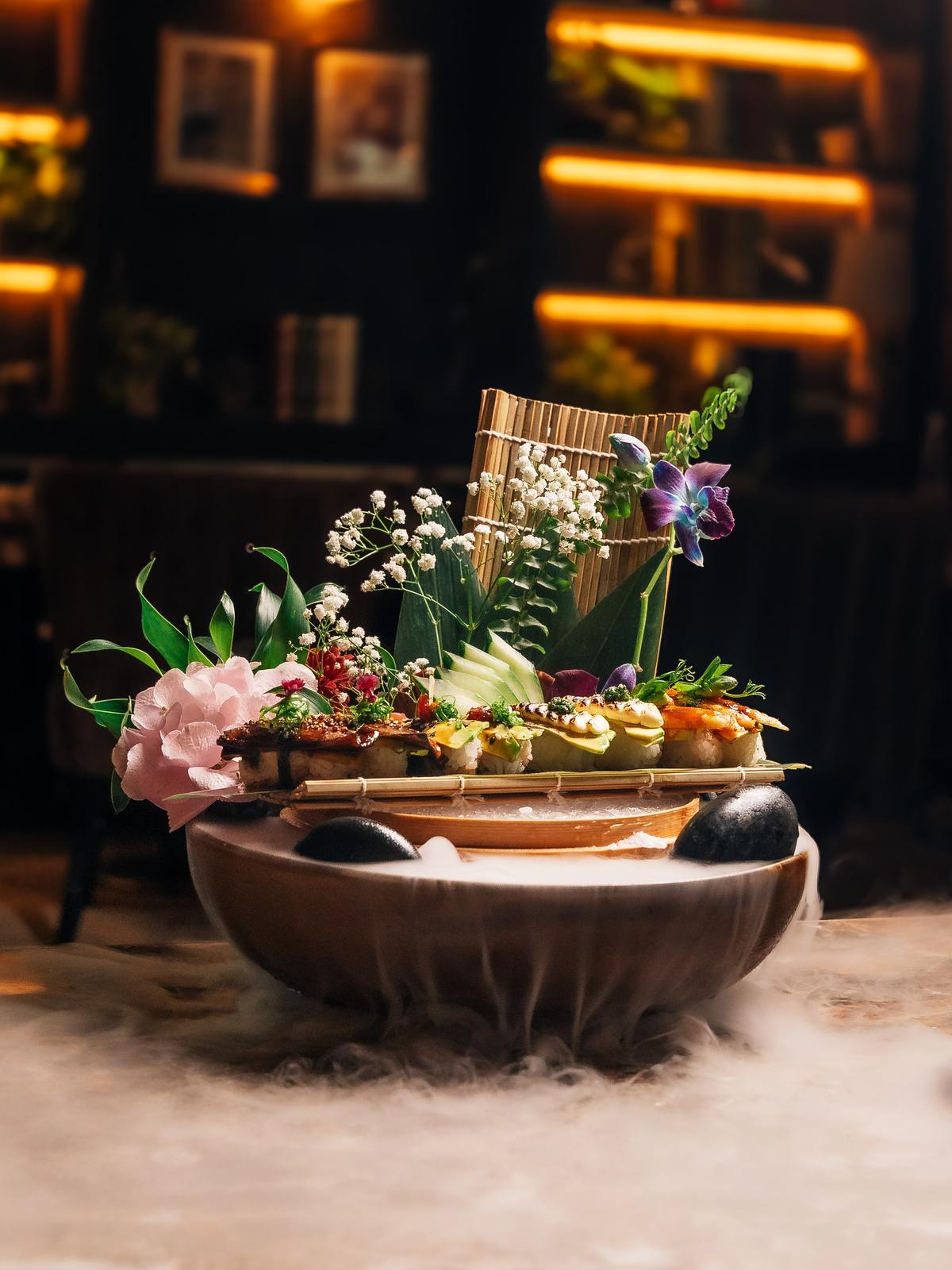
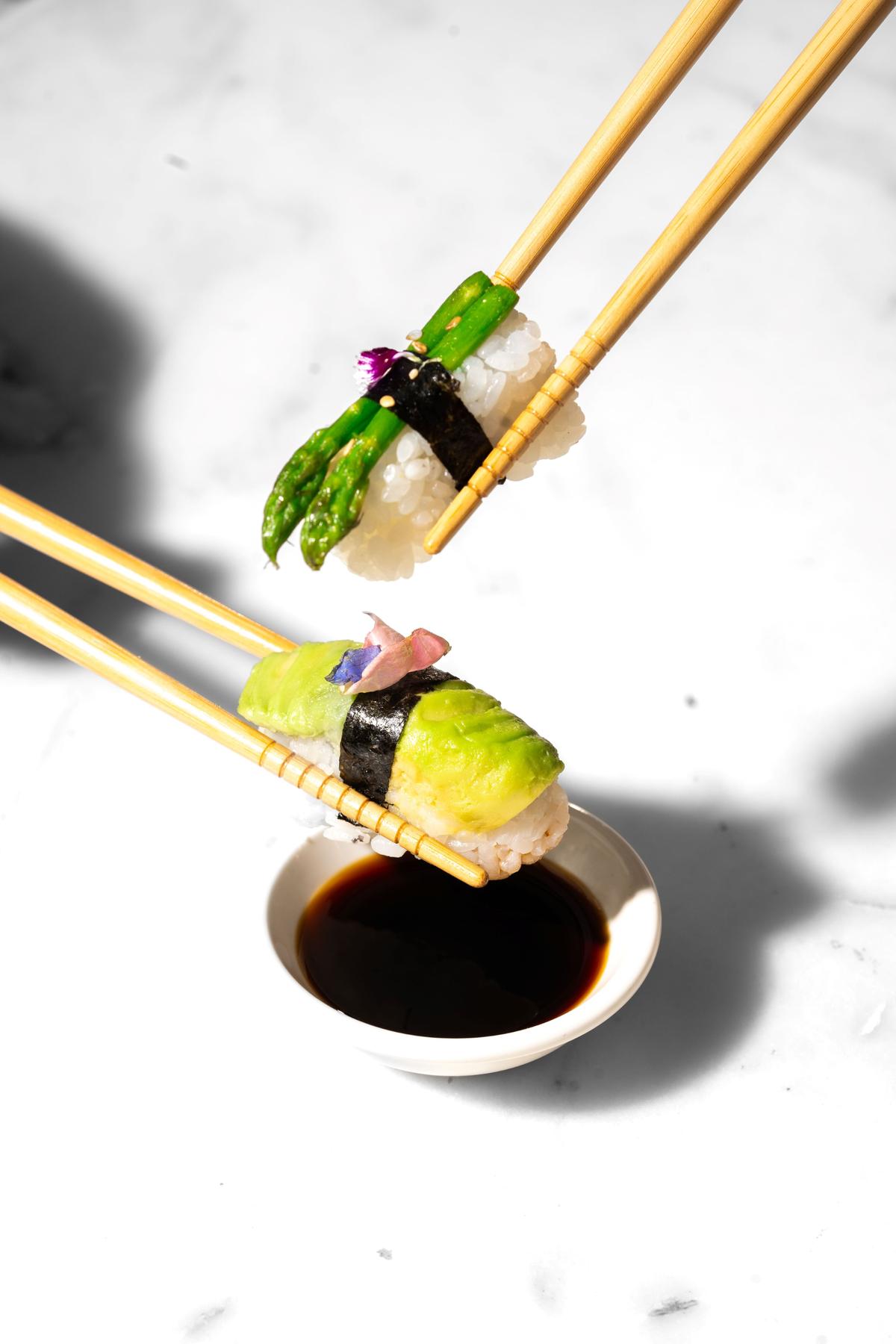
Koishii’s signature vegetarian nigiri

Koishii’s signature vegetarian nigiri
| Photo Credit:
Special arrangement

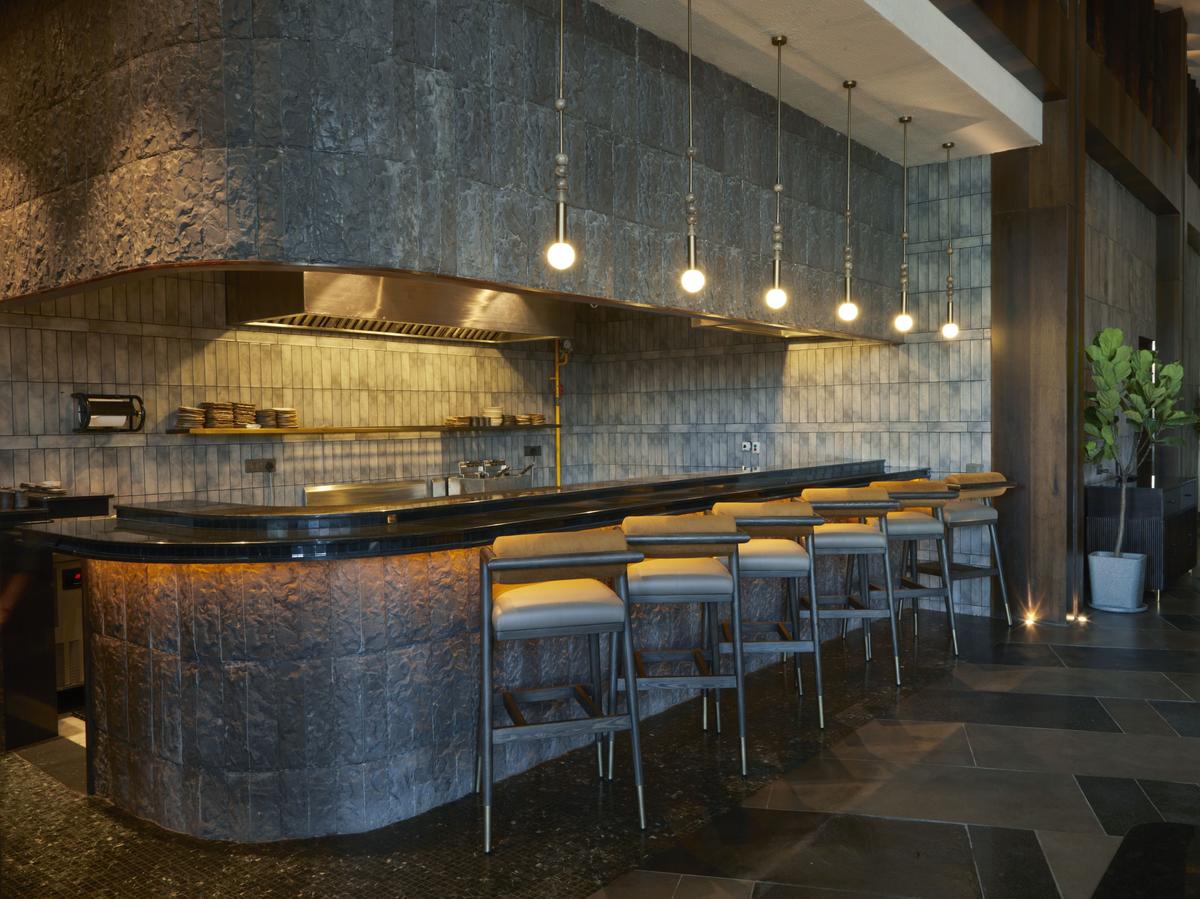
Typically, omakase comprises traditional Japanese food, like oysters, bluefin tuna and sea urchin, but chefs may also combine Asian cuisine with other culinary traditions. The selection of dishes is based on the restaurant’s or the chef’s culinary philosophy. In that sense, Nikkei cuisine takes centre stage at Japanese-Peruvian restaurant Koishii at The St. Regis, Mumbai.

Forest mushroom wok served at Koishii

Forest mushroom wok served at Koishii
| Photo Credit:
Special arrangement

Chef Paul Kinny, culinary director of The St. Regis, explains: “When Japanese migrants went to Peru, they married their cooking techniques with Peruvian ingredients; that’s how Nikkei was born. Koishii’s omakase menu comprises all its signature dishes. It includes vegetarian, meat-based and mixed options in a meal that comprises ceviche (a dish consisting of fish or shellfish marinated in citrus and seasonings), tiradito (a Peruvian dish of raw fish slices marinated in a spicy citrus sauce), sushi, robata grill (Japanese fireside-cooking), mains and desserts. Ceviche is different from Japanese sashimi because its dressing is done with leche de tigre (that translates to tiger’s milk), which essentially is a spicy, citrus-based marinade.”

Chef Paul Kinny, culinary director of The St. Regis Mumbai

Chef Paul Kinny, culinary director of The St. Regis Mumbai
| Photo Credit:
Special arrangement

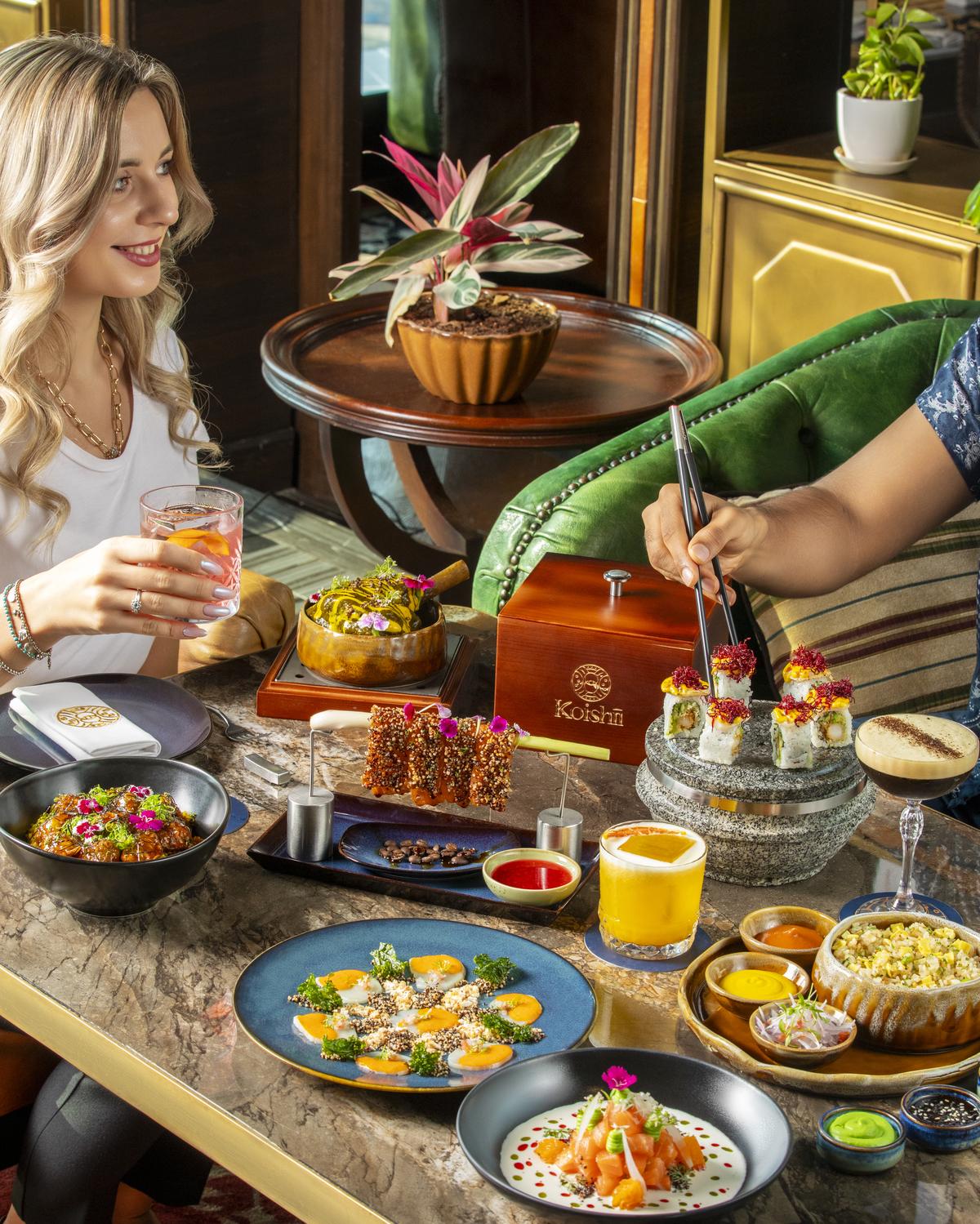
Koishii’s omakase offerings, available till April, include dishes like forest mushroom and chicken tropical sour as part of robata grill, chupe prawn ramen, salmon salad nikkei, yellowtail nikkei for ceviche, unagi maki roll for sushi, asado negro nikkei for mains and desserts like inka gold (made with raspberry caviar, 64%, dark chocolate, chocolate mousse and sable cracker base). While the vegetarian menu is priced upwards of ₹4,900 per person, the non-vegetarian menu starts at ₹6,900.

Koishii’s omakase dining expereince

Koishii’s omakase dining expereince
| Photo Credit:
Special arrangement

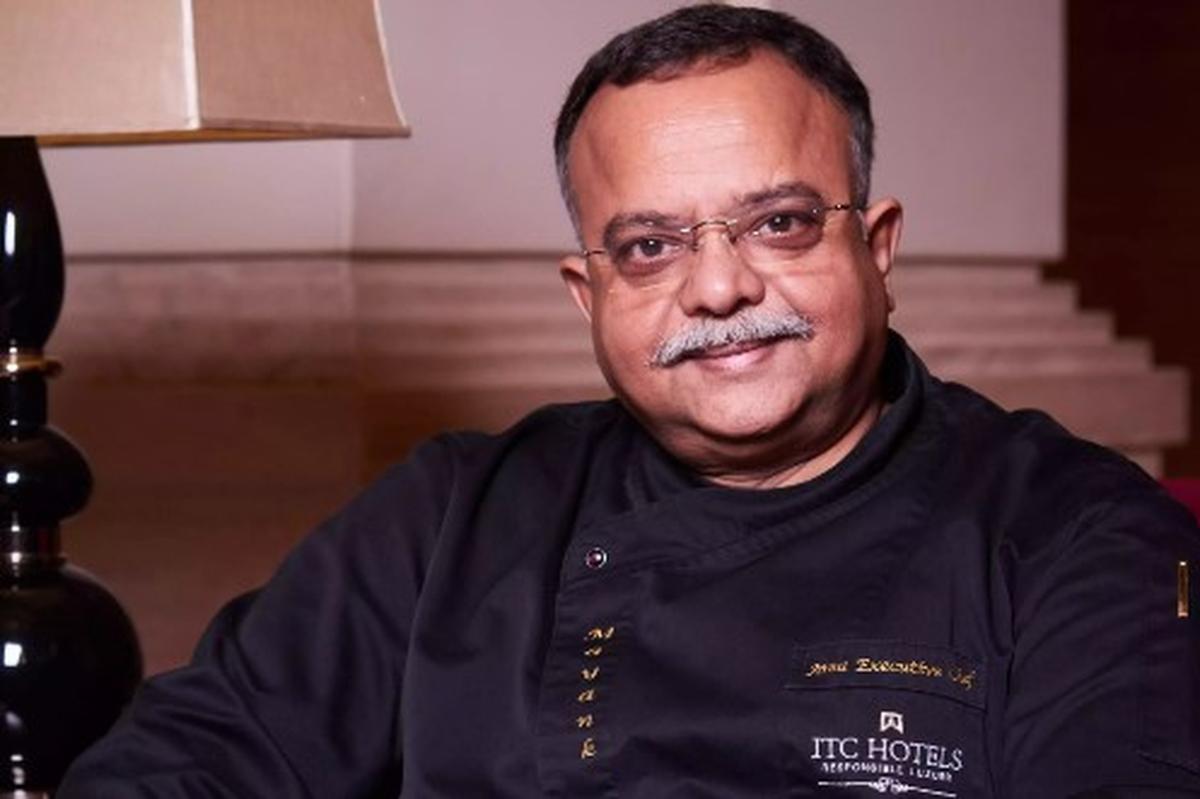
Both, Shiso and Koishii are fairly new restaurants, with Koishii turning three this year, but Chef Mayank Kulshreshtha, the executive chef of ITC Grand Chola, Chennai, observes that omakase garnered eyeballs about a decade ago. “Most five-star restaurants, including ITC, serving Japanese cuisine, embraced omakase in the 90s, but in the last 10 years, it has become a trend,” he says. He credits the dining concept’s popularity to the availability of Japanese ingredients and access to cooking techniques. “Besides, the political and business camaraderie between India and Japan has grown over the years. A lot of people are now travelling to Japan, following the food cults on social media and trying new cuisines, which may have sparked their interest in Japanese food, especially omakase,” he avers.

Premium sashimi at ITC

Premium sashimi at ITC
| Photo Credit:
Special arrangement

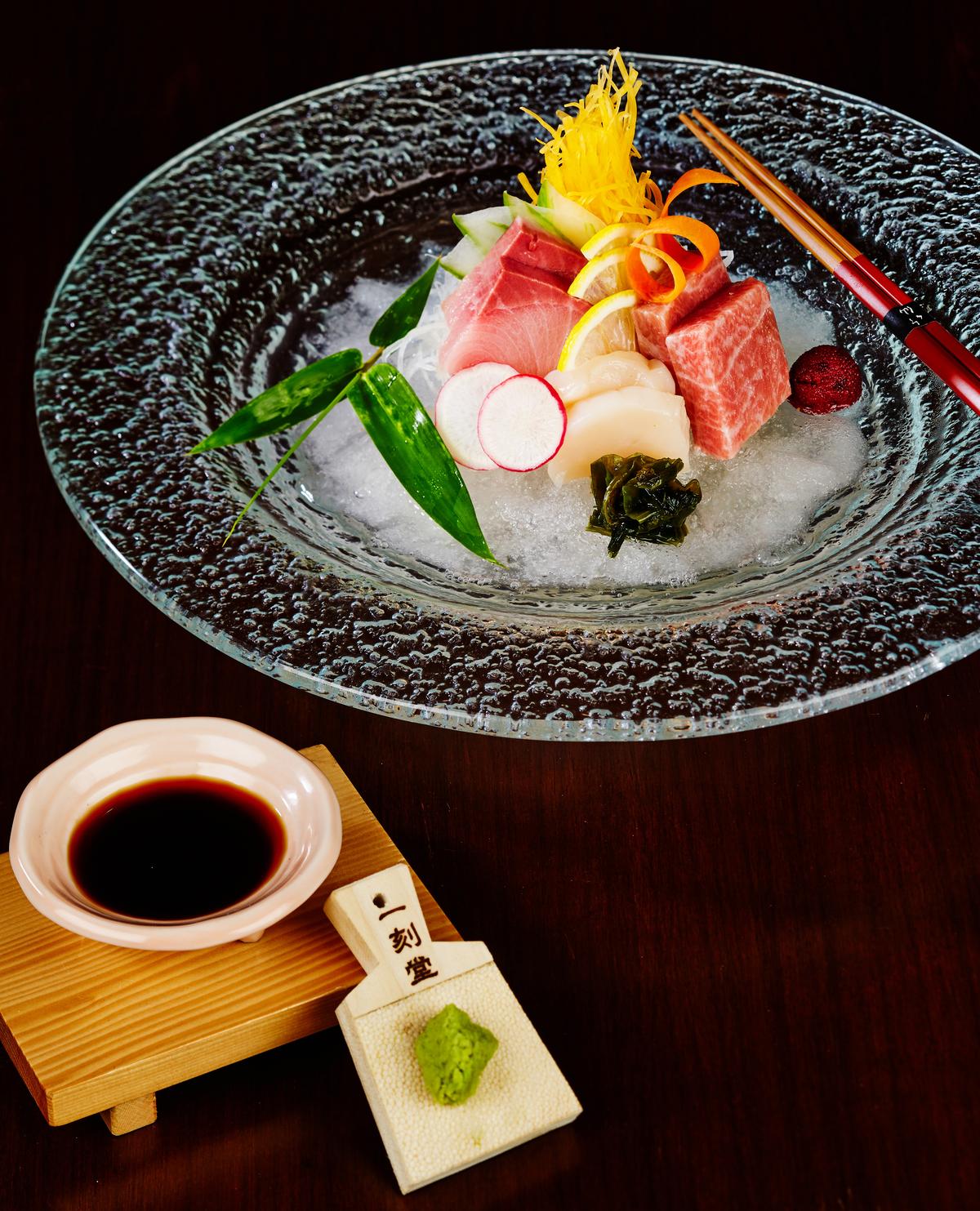
ITC’s omakase offerings include sashimi, robatayaki grill, hotate katsu and nimono (traditional dashi stock simmered with kombu kelp and bonito flakes). “Generally, an omakase experience has seven to 20 courses. In our pan-Asian restaurant, an omakase meal costs somewhere between ₹15,000 and ₹20,000 per head,” he adds.

 Chef Mayank Kulshreshtha, the executive chef of ITC Grand Chola, Chennai

 Chef Mayank Kulshreshtha, the executive chef of ITC Grand Chola, Chennai
| Photo Credit:
Special arrangement

Selling like hot cakes!

Last year, in August, a multi-city chain of pan-Asian cuisine, Nasi and Mee, introduced omakase experience at its outlet in Bengaluru. Dilip Krishnan, the co-founder and CEO (India) of Foodsta Kitchen which owns and operates Nasi and Mee, observes that the omakase experience has picked up slowly but anyone who experienced it has had only good things to say. “We have a six-to-eight-seater live sushi bar with just one 45-minute dinner slot six days a week (Tuesday to Sunday), and we’ve had a few sold-out weeks. On average, we’ve had two-four people and most of them have come as couples celebrating a milestone or for some intimate or new dining experience,” he notes. The restaurant takes omakase bookings on 24-hour reservation deadline, imports a whole Norwegian salmon for its carpaccio and nigiri, and procures eels from Japan.

Gyoza on Nasi And Mee’s omakase’s menu

Gyoza on Nasi And Mee’s omakase’s menu
| Photo Credit:
Special arrangement

The seasonal menu, packed with surprise element may have also accounted for the concept’s popularity. Much recently, Shiso pulled off the courageous stint of introducing Kashmiri wazwan, a week-long pop-up it hosted, to its omakase counter. “We get eight to 10 tables trying Omakase, in a month. The bookings are made for special occasions. But having an omakase experience establishes the food-forward ideology of our brand. So, it works as much for us as it does for our guests,” says Vansh.

Veg nigiri on Nasi And Mee’s Omakase menu

Veg nigiri on Nasi And Mee’s Omakase menu
| Photo Credit:
Special arrangement

For Paul though, omakase irons out the creases when it comes to managing operations in the kitchen, and reduces wastage too. He says, “Omakase is a pre-set meal, it needs required quantities as the number of guest is known and the dishes are also fixed. Koishii has two sit-and-dine slots a day (7.30pm and 10.30pm), omakase is pre-decided. Nearly four to five tables are booked for the experience on weekdays and eight to 10 on weekends. It’s a convenient format of dining for two main reasons: first, it saves the diner the hassle of choosing dishes. Second, since it comes at a fixed-price, it allows the host to manage the budget.”

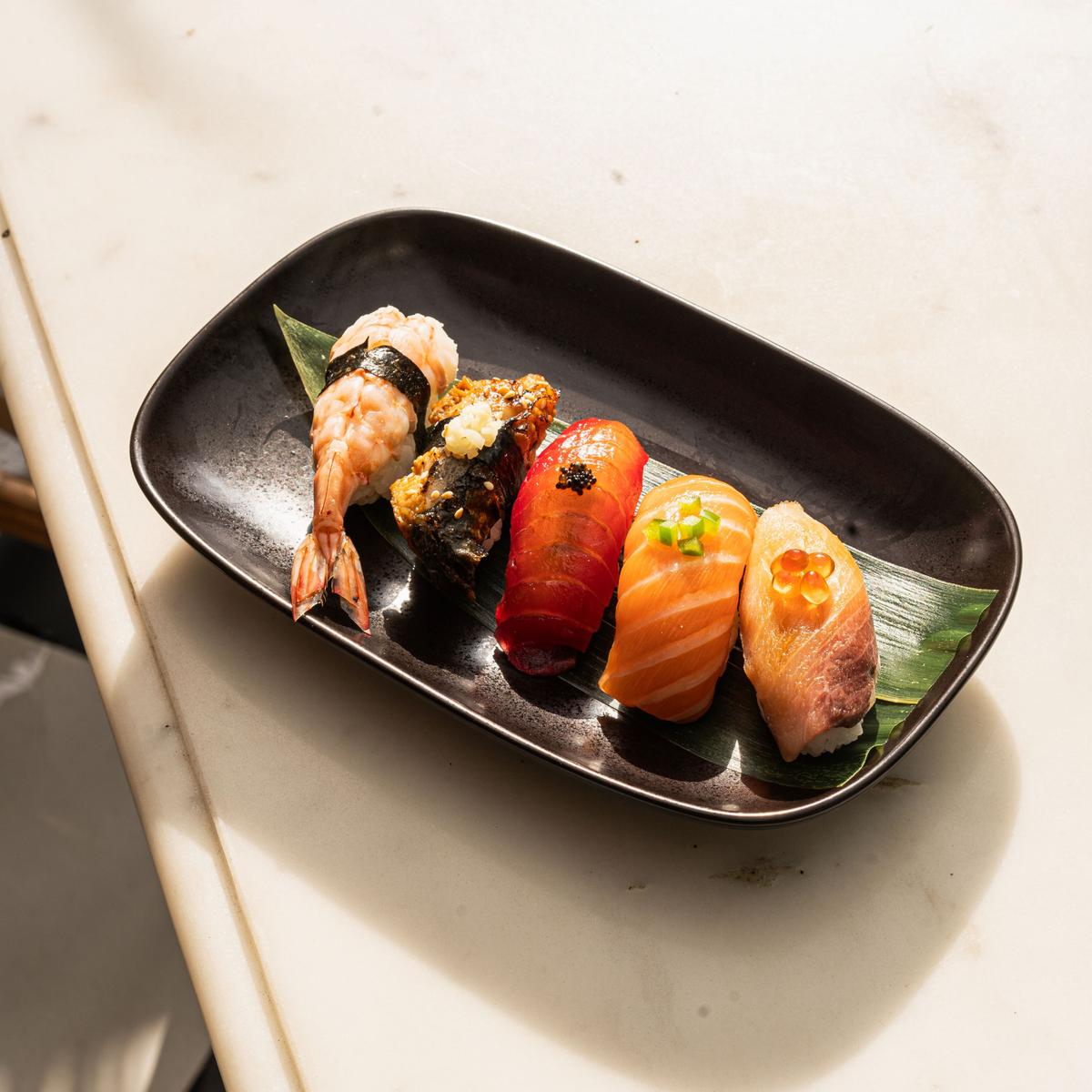
Nigiri mixed on Nasi And Mee’s Omakase menu

Nigiri mixed on Nasi And Mee’s Omakase menu
| Photo Credit:
Special arrangement

What’s your poison?

Delhi-based bars PCO (Pass Code Only) and Call Me Ten have taken a fancy to omakase as well. In August, last year, I visited PCO, India’s first speakeasy, as it renovated its interiors and launched a new cocktail menu, called The Forbidden. Accompanied with Ignorance Is Bliss, a Chyawanprash-infused bourbon (Chawanprash has been banned in certain countries, which explains its inclusion as the forbidden ingredient in the menu), I entered the bar’s new addition, an omakase counter, on the bar’s top floor.

Since its launch in October, the omakase counter at PCO, which can house nearly 13 guests, has seen a full house

Since its launch in October, the omakase counter at PCO, which can house nearly 13 guests, has seen a full house
| Photo Credit:
Special arrangement

Since its launch in October, the counter, which can house nearly 13 guests, has seen a full house, says Rakshay Dhariwal, the bar’s co-owner. “We try and gauge the taste profile of our guests through their visual and olfactory preferences and by presenting them with certain cues to help us establish what type of cocktail they would most enjoy. For instance, we may present a range of postcards, with pictures of mountains, beaches etc. and have them choose the one that they resonate with most. Or we offer them half a dozen fragrances and ask them to pick their favourite. We also keep these changing — for instance, for New Years, we asked people what their new year’s resolutions. And, of course, we ask the guest to choose their base liquor. We have a profile of over 85 cocktails which can be created by the mixologist at the counter, depending on the description given by the guests,” he says. A cocktail at PCO’s omakase counter is priced at ₹1,500.

The omakase counter at PCO

The omakase counter at PCO
| Photo Credit:
Special arrangement

The choice of seven base liquor options (from rum to whisky) at the nine-month-old Call Me Ten comes with seven taste profiles (from umami to sweet) and three levels of potency (strong, light and no preference). The bar’s co-owner, Karann R Chawla, says, “We started the omakase experience at the bar in September. The idea of having an omakase bar is also to educate our guests on different cocktails, spirits and flavours. We have been getting as many as 200 customers a day.” An omakase drink at Call Me Ten is priced at ₹850.

The bartender prepares an omakase cocktail at Call Me Ten

The bartender prepares an omakase cocktail at Call Me Ten
| Photo Credit:
Special arrangement

Since the Michelin Guide describes omakase experience as “revered and intimidating”, it makes for a perfect must-try for adventurous food aficionados. Do you agree?


Source link

5 foods which are rich in Glutathione and brilliant for your skin


Glutathione might not be a household name like Vitamin C or calcium, but it’s one of the most powerful antioxidants your body naturally produces. Often dubbed the “master antioxidant,” glutathione is crucial for cellular repair, detoxification, immunity, and healthy skin. It protects your cells from oxidative stress, supports liver function, and slows the ageing process, what more could you ask for?

While your body produces glutathione on its own, poor diet, stress, pollution, alcohol, and ageing can deplete your levels. The good news? Certain foods can help you boost your natural glutathione production or provide it directly.

Here are five glutathione-rich foods to add to your diet, your body (and skin) will thank you!

by TOI Lifestyle Desk


Source link