Life & Style

Seeds and pits of THESE fruits are NOT SAFE to eat


Seeds and pits of THESE fruits are NOT SAFE to eat

Fruits are one of the most wholesome foods you could add to your diet. Not only do they offer numerous health benefits, including reducing the risk of chronic diseases like heart disease and diabetes, improving digestion, and providing essential vitamins and minerals, but they are also a good source of fiber, antioxidants, and phytonutrients, all of which contribute to overall well-being. In fact, several fruit seeds are beneficial for health, offering various nutritional advantages. These include pumpkin seeds, watermelon seeds, flaxseeds, and chia seeds. These seeds are rich in essential nutrients, including omega-3 fatty acids, fiber, and antioxidants, which can support heart health, digestion, and overall well-being.

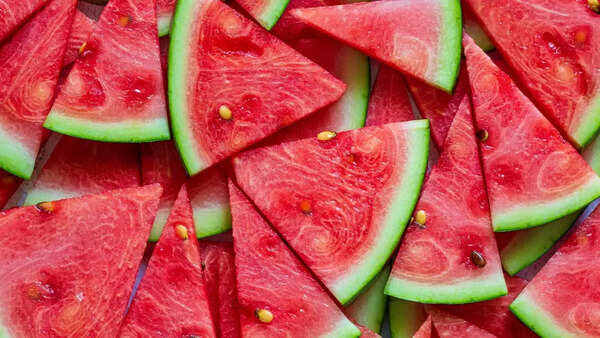
Watermelon seeds

However, not all fruit seeds are good for health.
In fact, some of them might have quite harmful effects on our health.

Seeds and pits that are harmful:

The seeds and pits of certain fruits are not safe to eat due to the presence of cyanogenic compounds, like amygdalin, which can release hydrogen cyanide when ingested. Specifically, seeds from apples and pits from cherries, peaches, plums, apricots, and pears are examples of fruits with potentially dangerous seeds or pits.
Here’s a more detailed look:

Apple seeds:

Fruits (8)

While apples can be a healthy snack or ingredient, it is not advisable to eat the seeds, as they contain small amounts of a chemical that produces cyanide, which is highly toxic. Eating one or two apple seeds by accident, or drinking juice that contains a few pulverized seeds, is unlikely to cause problems. However, eating a large quantity of pulverized apple seeds could be dangerous.
As per studies, apple seeds contain low amounts of a compound known as amygdalin. If a person crushes or chews the seeds, this releases the amygdalin inside. In the stomach, the amygdalin then reacts with enzymes to produce a toxin known as hydrogen cyanide. Cyanide is well-known to be very poisonous. However, it is important to note that for there to be any harmful effects, a person would have to eat a significant amount of crushed apple seeds, which is unlikely to occur.

Stone fruit pits (Apricots, Cherries, Peaches, Plums):

Fruits (9)

These fruits have pits containing kernels with amygdalin, which also converts to cyanide. The European Food Safety Authority estimates that adults should not eat more than three small apricot seeds in one sitting.
Cherries have a small, hardened pit that surrounds their seed, also called a kernel. The kernels of cherry pits and other stone fruits contain the chemical amygdalin, which is a cyanogenic glycoside — a chemical that your body converts into the toxic compound hydrogen cyanide. Hydrogen cyanide interferes with oxygen transport, potentially damaging essential organs like your brain, heart, and lungs.

Lychee Seeds:

Fruits (10)

Lychee is a tree fruit with a floral flavor that is native to Southeast Asia. It’s a member of the soapberry family and contains antioxidants like flavonoids and polyphenols that attach to free radicals and lower inflammation. It is also a good source of fiber, which supports digestive health. Although lychee fruit is safe to eat, it’s important to make sure the berries are ripe before consuming them.
However, Lychee seeds contain hypoglycin-A, the chemical that restricts the body’s ability to maintain a normal blood sugar range, leading to hypoglycemia (low blood sugar). In rare cases, particularly when consumed in large quantities, hypoglycin-A can lead to severe hypoglycemia, which includes symptoms such as vomiting, seizures, and even coma.

Best dry fruits for winter and why you should consume them every day


Source link

Pahalgam terror attack: Six in 10 families cancel travel plans to Kashmir, finds survey


Shikara owners at Dal Lake in Srinagar protest against the attack on tourists in Pahalgam, southern Kashmir.

Shikara owners at Dal Lake in Srinagar protest against the attack on tourists in Pahalgam, southern Kashmir.
| Photo Credit: IMRAN NISSAR

The terrorist attack in Pahalgam, Jammu & Kashmir has cast a shadow over Kashmir’s booming tourism industry. A new nationwide survey reveals that six out of 10 families with travel plans to the valley this year have decided to cancel their bookings following the attack.

The survey respondents represented a cross-section of urban and rural India: 41% were from Tier-1 cities, 28% from Tier-2 towns, and 31% from smaller districts and rural areas. Around 63% of the participants were men, while 37% were women.

Pahalgam terror attack updates April 24, 2025

62% of 6,807 respondents decided to cancel their vacations

The survey conducted by community social media platform LocalCircles among over 21,000 citizens across 361 districts across India, paints a grim picture. Among 6,807 respondents who had planned trips to Kashmir between May and December this year, 62% have already decided to cancel their vacations. Only 38% said they would go ahead with their travel plans, the survey revealed.

Looking beyond 2025, the survey asked 14,430 participants about the likelihood of visiting Kashmir within the next three years. Just 29% said they were still open to visiting, while another 33% said their decision would depend on how effectively the government addresses safety concerns. About 21% categorically ruled out a trip, and 9% said Kashmir was never on their travel list.

The travel industry fears not just an immediate slump, but a long-term dip in travel confidence. While some stakeholders hope government intervention might cushion the blow, especially concerning religious tourism, anxiety remains high.

This disruption comes at a time when Jammu and Kashmir was experiencing an unprecedented tourism boom. According to the State’s Economic Survey for 2024-25, the region recorded a historic high of 2.36 crore visitors in 2024. Among them were 65,452 international tourists, 5.12 lakh pilgrims who participated in the Amarnath Yatra, and 94.56 lakh devotees who visited the Vaishno Devi temple.


Source link

Pahalgam terror attack: Six in 10 families cancel travel plans to Kashmir, finds survey


Shikara owners at Dal Lake in Srinagar protest against the attack on tourists in Pahalgam, southern Kashmir.

Shikara owners at Dal Lake in Srinagar protest against the attack on tourists in Pahalgam, southern Kashmir.
| Photo Credit: IMRAN NISSAR

The terrorist attack in Pahalgam, Jammu & Kashmir, has cast a shadow over Kashmir’s booming tourism industry. A new nationwide survey reveals that six out of 10 families with travel plans to the valley this year have decided to cancel their bookings following the attack.

The survey respondents represented a cross-section of urban and rural India: 41% were from Tier-1 cities, 28% from Tier-2 towns, and 31% from smaller districts and rural areas. Around 63% of the participants were men, while 37% were women.

Pahalgam terror attack updates April 24, 2025

62% of 6,807 respondents decided to cancel their vacations

The survey conducted by community social media platform LocalCircles among over 21,000 citizens across 361 districts across India, paints a grim picture. Among 6,807 respondents who had planned trips to Kashmir between May and December this year, 62% have already decided to cancel their vacations. Only 38% said they would go ahead with their travel plans, the survey revealed.

Looking beyond 2025, the survey asked 14,430 participants about the likelihood of visiting Kashmir within the next three years. Just 29% said they were still open to visiting, while another 33% said their decision would depend on how effectively the government addresses safety concerns. About 21% categorically ruled out a trip, and 9% said Kashmir was never on their travel list.

The travel industry fears not just an immediate slump, but a long-term dip in travel confidence. While some stakeholders hope government intervention might cushion the blow, especially concerning religious tourism, anxiety remains high.

This disruption comes at a time when Jammu and Kashmir was experiencing an unprecedented tourism boom. According to the State’s Economic Survey for 2024-25, the region recorded a historic high of 2.36 crore visitors in 2024. Among them were 65,452 international tourists, 5.12 lakh pilgrims who participated in the Amarnath Yatra, and 94.56 lakh devotees who visited the Vaishno Devi temple.


Source link

Worried about microplastics? Scientists found a simple way of removing them from drinking water


Worried about microplastics? Scientists found a simple way of removing them from drinking water

Microplastics are an ever-growing concern in the modern world and research is proving that their relentless use is becoming quite worrisome now. The growing presence of microplastics in our environment is raising significant concerns for human health. As the evidence of microplastics’ potentially harmful effects piles on, the excessive usage of the same is becoming alarming day by day.
As per recent studies, microplastics are potentially responsible for cancer, infertility, respiratory dysfunction, and other chronic diseases. All these illnesses are long-term consequences of our dependence on plastics.
Not just that, a study (the abstract published in the January 2025 issue of Pregnancy, the first official journal for the Society for Maternal-Fetal Medicine) found that microplastics and nanoplastics accumulate in the placenta at much higher levels in preterm births than in full-term pregnancies.

Poll

Are you aware of the presence of microplastics in your drinking water?

Microplastics are absorbed into the body primarily through ingestion, inhalation, and dermal contact. These particles can be ingested through contaminated food and water, inhaled as airborne particles, or absorbed through the skin.
However, to our great relief, scientists have managed to find a simple and effective means of removing them from water.

Water (9)

Read on the find out how.

The research:

In 2024, a collaborative research team from Guangzhou Medical University and Jinan University in China conducted a series of experiments examining both soft water and hard tap water, the latter of which is characterized by its higher mineral content.
In their research paper, the scientists expressed significant concern regarding “tap water nano/microplastics (NMPs) escaping from centralized water treatment systems,” emphasizing the potential health risks these contaminants pose to humans through daily water consumption. To investigate this further, the researchers introduced nanoplastics and microplastics into the water samples prior to boiling and subsequently filtered out any resulting precipitates.
Remarkably, the boiling and filtering process proved effective in removing as much as 90% of the NMPs, although the success of this method varied depending on the type of water used. The practical advantage of this method lies in its accessibility; most households can perform this simple technique using common kitchen items. Biomedical engineer Zimin Yu, representing the team at Guangzhou Medical University, stated, “This simple boiling water strategy can ‘decontaminate’ NMPs from household tap water and hold promise for harmlessly reducing human intake of NMPs through water consumption.”
The researchers observed that a greater percentage of NMPs were effectively eliminated from samples of hard tap water. This type of water naturally leads to the formation of limescale—primarily calcium carbonate—when heated. As the temperature of hard water rises, this chalky substance tends to accumulate, fostering a layer on the plastic surfaces that traps the minuscule plastic fragments. According to the researchers, “Our results showed that nanoplastic precipitation efficiency increased with increasing water hardness upon boiling.”

Water (11)

The findings:

The findings of this compelling research were published in the esteemed journal Environmental Science & Technology Letters.
To illustrate their findings further, the team provided specific percentages: they noted the removal of NMPs increased significantly, reaching 34% at a hardness of 80 mg L−1 of calcium carbonate, escalating to 84% at 180 mg L−1, and peaking at an impressive 90% at 300 mg L−1. Even in softer water, where calcium carbonate levels are lower, approximately 25 of the NMPs were successfully captured. The research team noted that any lime-coated plastic particles could be conveniently eliminated using a simple filter, such as a stainless steel mesh commonly employed for straining tea.
Previous studies have detected fragments of various plastics—including polystyrene, polyethylene, polypropylene, and polyethylene terephthalate—in drinking water supplies. With the aim of rigorously testing their strategy, the researchers added an increased concentration of nanoplastic particles to the water samples, which resulted in a notable reduction of these contaminants.
“Drinking boiled water apparently is a viable long-term strategy for reducing global exposure to NMPs,” the researchers concluded in their findings. However, they also recognized that boiling water is perceived as a cultural custom in only a limited number of regions around the world.

Water (10)

The way forward:

As concerns over plastic pollution continue to grow, the study’s authors express hope that the practice of drinking boiled water will become more prevalent. While the full extent of the health implications posed by microplastics remains uncertain, existing research already suggests links between plastic consumption and alterations in the gut microbiome, as well as increased antibiotic resistance in the body.
The research team is eager to further explore how boiling water could serve as a barrier against the absorption of harmful artificial materials, potentially mitigating some of the concerning effects associated with microplastics. “Our results have substantively validated a highly feasible strategy to curtail human exposure to NMPs and laid an essential groundwork for future studies involving a larger array of samples,” the authors stated.

What are microplastics and nanoplastics?

Microplastics are fragments of any type of plastic less than 5 mm (0.20 in) in length, according to the U.S. National Oceanic and Atmospheric Administration (NOAA) and the European Chemicals Agency. US EPA researchers define microplastics, or MPs, as plastic particles ranging in size from 5 millimeters (mm), which is about the size of a pencil eraser, to 1 nanometer (nm).
For comparison, a strand of human hair is about 80,000 nanometers wide.
Nanoplastics are tiny plastic particles that are less than one micrometer in size. They are created when larger plastic objects break down or are a byproduct of industrial processes.

How to limit the usage?

To limit microplastic consumption, you can reduce your use of single-use plastics, avoid heating food in plastic, and filter your tap water.
Reduce single-use plastics: Use reusable bags, bottles, and containers. Choose cloth shopping bags, bamboo cutlery, and metal water bottles. Avoid plastic straws, bottles, and cutlery.
Avoid heating food in plastic: Microwave food in glass or ceramic dishes instead of plastic. Avoid frozen pre-packaged meals that are heated in the microwave.
Other ways to reduce microplastic consumption are to buy organic clothes, avoid plastic-containing cosmetics, and reduce consumption of processed foods. Don’t store food in plastic, and avoid canned food with plastic liners.

Microplastics (3)

The damaging effects of microplastics and nanoplastics:

Microplastics and nanoplastics can cause significant damage to living organisms, including humans, by triggering inflammation, oxidative stress, disrupting cellular processes, and potentially impacting various organs due to their ability to penetrate tissues and accumulate within the body, particularly when ingested or inhaled; this can lead to potential health issues like respiratory problems, digestive disorders, and reproductive complications depending on the exposure level and particle size.
Key points:
Cellular damage: These tiny plastic particles can directly damage cells by causing physical disruption, disrupting cell membranes, and inducing cell death (apoptosis).
Oxidative stress: Microplastics and nanoplastics can trigger oxidative stress within the body by generating harmful free radicals, leading to cellular damage and potential disease development.
Inflammation: The presence of these particles can trigger an inflammatory response in the body, potentially contributing to chronic inflammatory diseases.
Tissue accumulation: Due to their small size, nanoplastics can readily penetrate tissue barriers and accumulate in various organs, including the liver, lungs, and reproductive organs.
Disruption of organ function: Depending on the organ affected, accumulation of microplastics and nanoplastics can disrupt normal physiological processes, leading to potential organ dysfunction.

Among seafood highest levels of microplastics found in molluscs: Study



Source link

Optical illusion personality test: The animal you see first reveals if you are a born leader, loyal, creative, kind, bold, or independent


Optical illusion personality test: The animal you see first reveals if you are a born leader, loyal, creative, kind, bold, or independent

Optical illusion personality tests are simple, engaging and fun tests that claim to reveal a person’s true personality and innermost thoughts. How, one may wonder. Well, these tests are based on psychology and they have one or more elements in them. Based on what catches a person’s attention first, a lot can be revealed about them. Considering their fun and quick nature, these tests have become quite popular among people on social media.
This particular image was initially shared by Feel Good Contacts, as reported by The Sun. The image has not one but six animals hidden in a tree. Depending on which animal catches a person’s attention first, the picture claims to reveal if a person is a born leader, loyal, creative, kind, bold, or independent, as it reflects their dominant personality trait.
To take the test, simply look at the above image and notice what you saw first. Now read its interpretation below, as per The Sun:

Poll

Do you believe that optical illusion personality tests can reveal true personality traits?

1. If you saw the lion first…
“You are proud, courageous and have a strong sense of leadership.”
2. If you saw the elephant first…
“You are loyal, determined and confident.”
3. If you saw the alligator first…
“You are creative, efficient and brave.”
4. If you saw the deer first…
“You are generous, kind and empathetic.”
5. If you saw the monkey first…
“You are bold, social and playful.”
6. If you saw the crane first…
“You are self-reliant, guided by integrity and thoughtful.”
While such tests are fun to take, one should note that they might not always give 100 percent accurate results as it depends on how truly one answers the test, what their mood was when they took it, etc. So, one should take such test with a pinch of salt.
How accurate was this particular test for you? Tell us about it in the comments section below.
And, if you liked this test then do share it with your friends, family, and colleagues to know them better.

3 pros of optical illusion personality tests

1. Quick insight: They reveal subconscious personality traits based on your first instinct.
2. Fun and engaging: These tests make self-discovery entertaining and easy to share.
3. Conversation starters: Great for sparking meaningful discussions with friends and family.

Madhuri Dixit’s Husband Drops Relationship Truth Bomb


Source link

Dr. Bankey Lal Sharma: He is 95, lives alone, and is happier and healthier than ever: Here’s how |


He is 95, lives alone, and is happier and healthier than ever: Here’s how
Image: Monica Sehgal Sullere/The Better India

Dr Bankey Lal Sharma, a 95-year-old retired philosophy professor from Gujarat, is a living example of how a meaningful routine, mental clarity, and emotional strength can lead to a deeply fulfilling life, even in solitude. His days begin before sunrise with yoga and meditation, and he does every household chore by himself. His story, first featured in The Better India, is not just about living long — it’s about living well, with purpose, peace, and joy. Here’s the truth behind his simple secrets to longevity and happiness.

A lifelong commitment to meditation

Every morning, he meditates without fail. His approach is simple: “Sit and breathe.” Distractions come, but he doesn’t resist them. Instead, he gently brings his mind back. He believes in swadhyaya, a form of self-study where one watches their thoughts without judgment.
This ritual, Sharma says, is not about avoiding the world. It’s about understanding the self better. “Examine your thoughts like a teacher checking homework,” he laughs. “That’s how peace is nurtured.”

Poll

Do you think happiness is a choice rather than a result of external factors?

old age

Finding strength in solitude

After the passing of his wife in 2019, Sharma could have let loneliness consume him. But he chose to see it differently. “No one can be with someone all the time. Learning to enjoy your own company is vital,” he says.
He considers solitude a blessing. “It gives time to reflect, to heal, to become stronger,” he adds. This perspective has helped him cope with grief and find light even during darker times.

A morning routine that balances body and mind

Sharma starts his day with yoga stretches followed by deep breathing exercises. He doesn’t chase perfection in poses. Instead, he focuses on staying in tune with his body. His granddaughter-in-law, Monica, joins him in pranayama, inspired by his dedication.
What stands out is not the complexity of his routine but the consistency. It’s this rhythm, Sharma believes, that keeps his inner world in order.

old age yoga

A past that shaped a stronger present

His childhood in Bulandshahr was marked by scarcity and hardship. But even then, he found joy in books and determination in education. His village didn’t offer many opportunities, so he walked kilometres to learn. That boy who read by an oil lamp grew into a man who earned a PhD and became a principal.
Rather than being bitter about the past, Sharma draws power from it. “The world was not simpler,” he clarifies. “It was hard. But we had to choose, complain or build a better life. I chose the latter.”

Eating without restrictions, thinking with care

From burgers to roti-sabji, Sharma enjoys his meals without obsessing over health fads. He never imposed rigid rules on his plate. What he focuses on, instead, is what he feeds his mind.
“Books, good thoughts, and wise words have kept me full,” he says. Sharma avoids negativity and instead reads philosophy, reflects on life, and maintains a healthy distance from noisy trends.

Sadhguru explains the power of being alone

Happiness that doesn’t depend on the world

After nearly a century of living, Sharma’s most powerful insight is this: joy doesn’t come from things, people, or even achievements. “Happiness comes when the mind is trained to see the good,” he shares.
His life is not without pain or setbacks. But instead of waiting for happiness, he cultivates it through gratitude, presence, and a calm spirit.


Source link

Soul tunes at the Mango Showers Festival debut in Bengaluru


A scene from Jack and the Beans Talk

A scene from Jack and the Beans Talk
| Photo Credit: Special Arrangement

It is that time of year when the mango showers fall, bringing a welcome respite from the heat and a promise of fragrant, wholesome summer fruits. While one cannot predict the rain these days, the city’s music lovers can certainly enjoy the Mango Showers Music Festival — a three-day programme with a mixed bag of events.

When it was established in 2011, the primary purpose of the Majolly Music Trust was to aid aging musicians who were unable to land or perform gigs anymore. However, the Mango Showers Music Festival is a fundraiser to launch their newest initiative — a scholarship fund for students who want to study music but cannot afford to.

According to Neecia Majolly, founder of the Trust, a scholarship fund was always on their cards. “When it comes to Western classical music, there are no institutions in India for higher studies and students have to go abroad to pursue their passion,” Neecia says. “Now, this is not cheap and banks do not offer loans for music studies as they feel they are not a financially viable cause.”

Neecia says watching one of her own students run from pillar to post a few years ago, to raise the cash for her education, spurred her to get this fundraiser up and running. She does admit that while the event may not generate enough funds to cover the entire tuition for every aspiring student, it could ease their burden and raise awareness, hopefully benefiting more students over time.

Andreas Konig

Andreas Konig
| Photo Credit:
Special Arrangement

“All proceeds from the Mango Shower Music Festival will go towards the scholarship fund.”

Bengaluru-based musician Joey Sharma, who will be performing at the festival, says he and his band were glad to be part of the initiative when Neecia approached them a few months ago. “We’ll be playing a genre of music called gypsy jazz, a style pioneered by Django Reinhardt, a Belgian guitarist,” he says, adding that audiences could expect melodies “reminiscent of Woody Allen movies with a modern touch.”

A musical titled Jack and the Beans Talk, with an original score and script will be presented, as well as a performance by German pianist Andreas Konig. Andreas who will be presenting a Western classical piano recital on April 27, will also be conducting a master class with piano students at Odyssey School of Music, earlier in the day.

The Mango Shower Music Festival will take place from April 25-27.Donor passes cost ₹449, ₹225 for children below eight years. For bookings and other details call 8494930941

Let the music play

Day 1: Joey Sharma Quartet will perform at the Alliance Francaise de Bangalore, at 7pm
Day 2: Original musical Jack and the Beans Talk at Medai, Koramangala, at 5pm and 7pm
Day 3: German concert pianist Andreas Konig to perform at the Alliance Francaise de Bangalore, at 7pm


Source link

Parenting Tips: From anger to disappointment: 7 tips to raise a child who can handle their emotions in every given situation |


From anger to disappointment: 7 tips to raise a child who can handle their emotions in every given situation

Emotions are an essential part of everyone’s life, but for children, understanding and managing them can be challenging. Parents often find themselves in situations where their child feels overwhelmed by feelings of anger, disappointment, or frustration. Helping children navigate their emotions isn’t about avoiding difficult moments but empowering them to handle their feelings in healthy ways. Here are seven practical tips to help raise a child who can manage emotions, no matter the situation.

Sometimes, it’s not about fixing, but empathising

When a child expresses anger, frustration, or sadness, the natural instinct might be to offer a solution or fix the situation. Sometimes what they truly need is empathy. When parents acknowledge their child’s emotions and validate what they’re feeling, it builds emotional trust. It reassures the child that it’s okay to feel upset. Rather than rushing to offer a fix, take a moment to listen. This helps children understand that their feelings matter and that they’re supported, no matter how intense those feelings might seem.

emotional kids (2)

Encourage expression, but guide them to express it better

Allowing children to express their feelings is important, but how they express those feelings is just as critical. It’s essential to create a safe space for children to be open about their emotions. It’s equally necessary to teach them appropriate ways to express these feelings. For example, instead of screaming when angry, a child can be taught to use words like “I feel upset” or “I’m angry because…”

Use imagination to fulfill desires that can’t be met right away

There are times when children can’t have what they want immediately, whether it’s a toy, a treat, or even more screen time. When a child is disappointed, use their imagination to redirect their focus. Engage them in creative thinking by saying, “What would you do if you had that toy right now?” or “Let’s pretend we’re on an adventure.” Imagination can act as a powerful tool to help children understand that not every desire can be immediately met, but there are many other ways to feel good and entertained while waiting.

emotional kids (1)

Storytelling: A method for expression and understanding

Storytelling is a fantastic way for children to work through emotions, and it helps them relate to what they’re feeling in a safe, indirect way. Whether reading books or telling personal stories, the characters in stories can be a mirror for a child’s emotions. A child might relate to the frustrations of a character or the sadness in a tale, allowing them to reflect on their own feelings. Using storytelling, parents can teach valuable lessons on how characters face challenges and work through their emotions, thus creating an opportunity for children to learn without directly confronting the issue.

Play: Helping children work through their emotions

Play isn’t just for fun—it’s also a means of emotional expression. Through play, children have the opportunity to express themselves freely. Whether it’s role-playing with dolls, action figures, or games that require strategy, play allows children to process their emotions in a more natural and comfortable way. Sometimes, when a child is upset, engaging them in a game that requires focus and interaction can help them work through what they’re feeling without directly talking about it.

#MindfulParenting: 7 ways to be a calmer parent

Teach problem-solving skills in age-appropriate ways

One of the most important skills a child can learn is how to solve problems on their own. Problem-solving isn’t just about finding solutions; it’s also about managing the emotions tied to challenges. Teaching children how to break down problems into manageable steps helps them understand that difficult situations are not impossible to overcome. Encourage your child to ask, “What can I do to make this better?” instead of just focusing on what went wrong.


Source link