Life & Style

5 tips that can stop your hair from turning grey


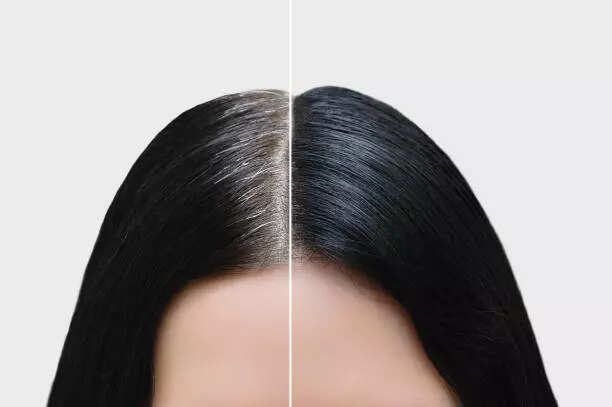
Hair health begins with the nutrients you feed your body. Your hair follicles rely on a consistent supply of vitamins and minerals to function well. Greying often results from oxidative stress and a deficiency in certain nutrients, especially vitamin B12, copper, and folate.

Key nutrients to include:

Vitamin B12: Helps maintain the health of hair follicles and delays greying.

Copper: Supports melanin production, which gives hair its colour.

Antioxidants: Found in berries, leafy greens, and nuts, they help neutralise oxidative stress.

Hydration is also critical. Drinking 8-10 glasses of water daily keeps your scalp healthy and your strands strong.


Source link

Tamil Nadu bans mayonnaise made from raw eggs for one year


Representative image

Representative image
| Photo Credit: Getty Images/iStockphoto

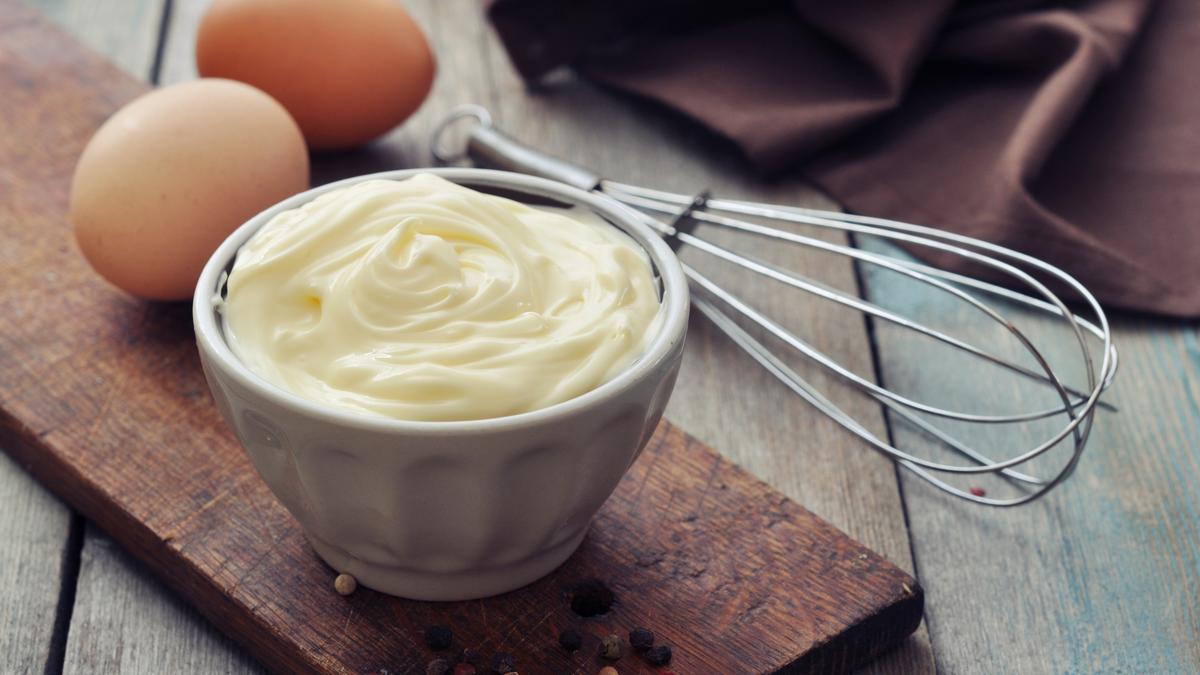
Tamil Nadu has banned the manufacture, storage, and sale of mayonnaise prepared from raw eggs for a period of one year with effect from April 8. The ban, issued in the interest of public health, is on the basis that mayonnaise made of raw eggs is a “high risk food”, carrying a risk of food poisoning.

According to a notification issued in the Government Gazette by Principal Secretary and Commissioner of Food Safety R. Lalvena, any activities related to any stage of manufacture, processing, packaging, storage, transportation, distribution, food services, catering services and sale of mayonnaise prepared from raw egg is prohibited in the State under Section 30 (2) (a) of Food Safety and Standards Act, 2006, and order of the Commissioner of Food Safety of Tamil Nadu.

Mayonnaise is a semi-solid emulsion generally composed of egg yolk, vegetable oil, vinegar, and other seasonings served along with food items such as shawarma. Mayonnaise made of raw eggs is a high-risk food as it carries a risk of food poisoning, especially from Salmonella bacteria, Salmonella typhimurium, Salmonella enteritidis, Escherichia coli, and Listeria Monocytogenes, the notification said.

It has come to notice that a number of food business operators use raw egg for the preparation of mayonnaise, and improper storage facilitates contamination by microorganisms that creates a public health risk, particularly by Salmonella typhimurium, Salmonella enteritidis, Escherichia coli, and Listeria Monocytogenes, it said.

In any specific circumstances, on the basis of assessment of available information and if the possibility of harmful effects on health is identified but scientific uncertainty persists, provisional risk management measures to ensure that health is protected can be adopted as per the Act, pending further scientific information for a more comprehensive risk assessment.

The notification said that no food business operator should manufacture, store, sell, or distribute any food which, for the time being, is prohibited by the Food Authority, Central government, or State government in the interest of public health.


Source link

Tamil Nadu bans mayonnaise made from raw eggs for one year


Representative image

Representative image
| Photo Credit: Getty Images/iStockphoto

Tamil Nadu has banned the manufacture, storage, and sale of mayonnaise prepared from raw eggs for a period of one year with effect from April 8. The ban, issued in the interest of public health, is on the basis that mayonnaise made of raw eggs is a “high risk food”, carrying a risk of food poisoning.

According to a notification issued in the Government Gazette by Principal Secretary and Commissioner of Food Safety R. Lalvena, any activities related to any stage of manufacture, processing, packaging, storage, transportation, distribution, food services, catering services and sale of mayonnaise prepared from raw egg is prohibited in the State under Section 30 (2) (a) of Food Safety and Standards Act, 2006, and order of the Commissioner of Food Safety of Tamil Nadu.

Mayonnaise is a semi-solid emulsion generally composed of egg yolk, vegetable oil, vinegar, and other seasonings served along with food items such as shawarma. Mayonnaise made of raw eggs is a high-risk food as it carries a risk of food poisoning, especially from Salmonella bacteria, Salmonella typhimurium, Salmonella enteritidis, Escherichia coli, and Listeria Monocytogenes, the notification said.

It has come to notice that a number of food business operators use raw egg for the preparation of mayonnaise, and improper storage facilitates contamination by microorganisms that creates a public health risk, particularly by Salmonella typhimurium, Salmonella enteritidis, Escherichia coli, and Listeria Monocytogenes, it said.

In any specific circumstances, on the basis of assessment of available information and if the possibility of harmful effects on health is identified but scientific uncertainty persists, provisional risk management measures to ensure that health is protected can be adopted as per the Act, pending further scientific information for a more comprehensive risk assessment.

The notification said that no food business operator should manufacture, store, sell, or distribute any food which, for the time being, is prohibited by the Food Authority, Central government, or State government in the interest of public health.


Source link

Hair Growth Tips: How to increase hair growth quickly |


How to increase hair growth quickly

For many people, long, strong, and voluminous hair is not just a beauty goal, but also a symbol of health and vitality. However, in our fast-paced lives, hair fall, thinning, and slow growth have become increasingly common issues, that can also cause a lot of stress. While there’s no magic overnight solution, there are several science-backed methods and holistic habits that can accelerate hair growth and improve hair quality significantly. If you’re looking for practical, effective ways to boost your hair growth quickly, these tips will have you covered. But before embarking on them, remember that having good hair needs a holistic approach and one should not depend on just one factor or aspect.

Nourish our hair from within

Hair growth starts at the root, literally. What you eat directly affects the health of your hair follicles. Protein is the building block of hair, so include plenty of high-quality protein sources like eggs, lean meat, lentils, and dairy products in your diet. Additionally, biotin, zinc, omega-3 fatty acids, and iron play crucial roles in strengthening hair and encouraging growth.
Superfoods for hair growth:
Eggs: Rich in biotin and protein
Spinach: Loaded with iron and folate

istockphoto-1798666283-612x612

Poll

Do you believe trimming your hair regularly helps it grow faster?

Nuts and seeds: Provide essential fatty acids and vitamin E
Berries: High in antioxidants that combat oxidative stress in scalp cells
Drinking enough water also helps maintain hair hydration and overall scalp health.

Scalp stimulation is key

Improving blood circulation to your scalp can help feed your hair follicles the nutrients and oxygen they need to thrive. Incorporating scalp massages into your daily routine—even for just 5-10 minutes—can work wonders.
You can use oils like:
Coconut oil: Deeply moisturizing and reduces protein loss
Castor oil: Known for promoting thick, fast growth
Rosemary oil: Increases circulation and has been compared to minoxidil in effectiveness
Massage these oils into your scalp in circular motions. This not only nourishes the scalp but also relieves stress, which is a hidden culprit behind hair loss.

Avoid heat and chemical damage

One of the biggest barriers to quick hair growth is breakage. Frequent use of flat irons, blow dryers, and curling wands can damage the hair shaft, leading to split ends and brittleness. Similarly, chemical treatments like perming, relaxing, and colouring can weaken the strands.
To protect your hair:
Limit the use of heat styling tools and always use a heat protectant spray
Avoid washing your hair with hot water, lukewarm or cool water is best
Choose sulphate-free, gentle shampoos and conditioners
If you do dye or style your hair chemically, ensure deep conditioning treatments and protein masks are a regular part of your haircare regime.

Hair supplements to consume

Hair supplements can play a crucial role in accelerating hair growth, especially when your diet falls short on essential nutrients. Look for supplements that contain biotin, vitamin D, zinc, iron, and folic acid, all of which support healthy hair follicles and reduce shedding. Collagen peptides and keratin supplements can also strengthen strands from within and improve hair texture. For a more holistic approach, consider Ayurvedic or herbal options like amla, bhringraj, and ashwagandha, which are known to nourish the scalp and balance hormones, two key factors for healthy, rapid hair growth. Always consult a healthcare provider before starting any new supplement.

Trim regularly, even if you’re growing it out

It may sound counterintuitive, but trimming your hair every 6-8 weeks actually encourages healthier growth. Regular trims remove split ends, which if left untreated, can travel up the hair shaft and cause further breakage.
While trims don’t technically speed up growth from the root, they prevent loss of length due to breakage, ensuring your hair appears longer and fuller over time.

Reduce stress levels

Stress is an often-overlooked contributor to hair loss. High levels of stress can push hair follicles into a “resting” phase, where growth stops and shedding begins.
Combat stress with:
Regular physical activity like yoga or walking
Mindfulness practices such as meditation or deep breathing

istockphoto-1360076248-612x612

Adequate sleep (7-9 hours per night)
A healthy mind often translates into a healthy body and scalp.

Try growth-boosting topicals

In addition to natural oils, you may want to explore scientifically-backed topical treatments. These include:
Minoxidil (2% or 5%): FDA-approved and effective for many people experiencing hair thinning
Caffeine-infused serums: Stimulate the hair shaft and energize follicles
Peptides and growth factors: Often found in high-end hair serums to encourage cell renewal and keratin production
Always consult a dermatologist before starting a new topical treatment, especially if you have sensitive skin or existing scalp conditions.

Protect your hair while sleeping

Your nightly routine can affect your hair growth journey more than you think. Cotton pillowcases can cause friction, leading to tangles and breakage.
To protect your strands while you sleep:
Use silk or satin pillowcases
Tie your hair in a loose braid or bun
Avoid sleeping with wet hair
Silk accessories also prevent moisture loss, keeping hair smoother and shinier over time.

How to use olive oil for magical hair growth

Growing your hair faster requires patience, consistency, and a multi-pronged approach. From fuelling your body with the right nutrients always and stimulating your scalp, to avoiding harsh treatments and managing stress, each step contributes to a healthier scalp environment and more resilient strands. While results may not appear overnight, incorporating these tips into your daily routine will give your hair the best chance to thrive, flourish, and grow faster than ever before.
After all, your hair is your crown, treat it like ultimate royalty, ladies and gentleman!


Source link

Can peanuts treat peanut allergy in adults? |


Can peanuts treat peanut allergy in adults?

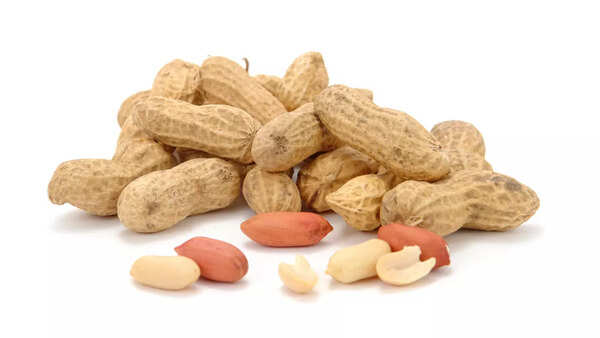
Wait, what? Can peanuts treat peanut allergy? It might sound counterintuitive, but a groundbreaking new study suggests just that. In the first clinical trial of its kind, scientists tested whether adults allergic to peanuts can be desensitised using peanuts.
The Grown Up Peanut Immunotherapy (GUPI) trial, led by researchers at King’s College London and Guy’s and St Thomas’ NHS Foundation Trust, studied whether peanut allergy could be treated with the allergen, which in this case is peanuts itself. Published in the journal Allergy, the trial has shown great success with two-thirds of the test subjects consuming the equivalent of five peanuts without reacting. This is the first study in adults with severe allergy to test whether daily doses of peanuts taken under strict supervision can be safely tolerated.
This method is known as oral immunotherapy, has seen success in trials in infants and children worldwide. The new findings of the first trial in adults.

peanut

“Constant fear of life-threatening reactions place a huge burden on people with peanut allergy. The only way to manage a peanut allergy is strict avoidance and treatment of allergic reactions, including with adrenaline. Although peanut immunotherapy is known to be effective in children, this trial provides preliminary evidence that adults can also be desensitised and that this improves quality of life. The average tolerated dose of peanuts increased 100-fold over the course of the trial,” Chief Investigator Professor Stephen Till, Professor of Allergy at King’s College London, said in a statement.
21 adults aged 18 to 40 with clinically diagnosed peanut allergies were included in the Phase II trial. They confirmed the allergy via skin prick test, blood test, and then an oral food challenge. In a clinical setting, participants received the first dose of 0.8mg peanut flour mixed in with food, then 1.5 mg 30 minutes later, followed by 3mg a further 30 minutes later. Those who were able to tolerate 1.5mg or 3mg of peanut flour were given a daily dose at home for 2 weeks. This is the equivalent of 0.5-1% of a whole peanut. They were monitored in 2-week intervals and were given supervised doses of more peanut protein, increasing from 6mg (around 1/40th of a whole peanut) to 1g (four whole peanuts).

Putin’s Secret Portrait Gift to Trump Revealed: Painting Shows Key Moment Of Trump’s Life

The participants who were tolerant to 50-100mg of peanut protein were switched to eating whole peanuts, peanut butter, or peanut products, with the first dose supervised by the clinical team.

peanut

Participants continued the daily dosing for at least three months before exiting the trial, as well as the option of continuing post-study. The findings revealed that 67% of participants were able to consume at least 1.4g of peanut protein, which is equivalent to five peanuts, without reaction. The participants of the trial were asked to consume peanuts every day at home to remain desensitised.
“We are very pleased with the results. The efficacy rate is broadly in line with peanut oral immunotherapy trials in children. The next stage of the research will be confirming this in larger trials, and also identifying the group of adult patients who would most likely benefit from oral immunotherapy, and see whether it can lead to long-term tolerance in this age group,” Professor Till said.

Lead author specialist Allergy Dietitian Hannah Hunter from Guy’s and St Thomas’ NHS Foundation Trust noted, “Living with peanut allergy is a huge burden due to the need for constant vigilance and the risk of accidental exposures. Everyday situations such as eating in restaurants and social events are anxiety-provoking, and our patients tell us that the condition also affects travel choices and career options. We found that quality of life significantly improved after oral immunotherapy and fear of food also decreased. Many participants who completed the trial told us that the treatment had been life-changing and they were no longer living in fear.”

peanut

Chris, 28, a participant in the trial, who was diagnosed with a peanut allergy as a baby said, “I’m so proud to have been part of this trial and so happy to say that I used to be allergic to peanuts but thanks to this trial, this is no longer a concern. Me and my family were always anxious that even a trace of peanut could be life-threatening. The trial was an interesting experience because all of my life, I had associated the taste and smell of peanuts with fear and death. I started with a small amount of peanut flour with yoghurt, and by the end of the trial, I could eat four peanuts in one sitting. Now, I have four peanuts every day with my breakfast to maintain my immunity. Before, a tiny mistake could have life-threatening impacts, but now I don’t have the fear that I might collapse and die from eating a takeaway.”


Source link

How to spot a toxic co-worker, as per psychology


A toxic coworker often feeds off office drama and uses gossip as a weapon. Psychologists note that gossip can be a form of indirect aggression — a way to damage someone’s reputation without direct confrontation. Toxic coworkers use rumors to make ‘friends’, isolate others, or maintain control over people. You’ll often find them at the center of every emotional storm, stirring up tension under the guise of “just sharing.” This behaviour can poison team dynamics, spread fear, and create a culture of distrust. If someone always knows everyone’s business and spreads it, proceed with caution. Better, just maintain your distance from such people.


Source link

Does Vladimir Putin have a secret son? All you want to know about Ivan Vladimirovich Putin


Does Vladimir Putin have a secret son? All you want to know about Ivan Vladimirovich Putin
Image credits: x/@susko_insider

Russian President Vladimir Putin, frequently at the centre of controversies and speculations about his health issues, is once again under scrutiny, this time over reports of a ‘secret son’
As per various websites on Google, Russian president Vladimir was married to Lyudmila Aleksandrovna Ocheretnaya from 1983 to 2014 with whom he shares two daughters Mariya Putina and Katerina Tikhonova.
However, currently a purported image of Putin’s ‘secret son’ is going viral all over the internet. Who is he and why has he never been sighted with his father? Find out all the details below.

Who is Ivan Vladimirovich Putin?

Ivan Vladimirovich Putin

Image credits: X/@susko_insider

The photo of Ivan Vladimirovich Putin was reportedly shared by a Russian anti-Kremlin Telegram channel, VChK-OGPU. He is allegedly 10-year-old and as per the Mirror, Putinshares him with former Olympic gymnast Alina Kabaeva. Additionally, he is believed to have been kept “hidden from ordinary Russians” and lived behind high-security palace walls. His appearance is said to resemble that of young Putin’s.
“VChK-OGPU [channel] has obtained a photo of the most secret and probably the loneliest boy in Russia. This is Ivan Vladimirovich Putin. He hardly communicates with other children, spending all his time with guards, governesses, [and] teachers,” said a report, cited by the outlet.
According to investigative reports from the Dossier Center, Ivan was born in 2015 at a maternity clinic in Lugano, Switzerland. He is also supposedly obsessed with Disney cartoons and movies and loves dressing up in costumes, much to the dismay of his father. He also loves playing hockey.

How many children does Vladimir Putin have?

How many children does Vladimir Putin have?

Image credits: X/@susko_insider

While he shares two daughters with his former wife, Putin is said to share two sons with Kabaeva. Many reported including one by Business Insider claim that Putin shares two sons – Ivan Vladimirovich Putin and younger son Vladimir Jr. They are said to reside in a heavily guarded palace near Lake Valdai, north of Moscow under guarded security and minimal contact with the outside world.
There are also reports of the Russian president sharing a daughter with Svetlana Krivonogikh, a former cleaning lady.
The claims of Ivan being Putin’s son remain unconfirmed by the government and Putin himself.


Source link

Column | Don’t squash that scream


A few months after my little boy turned three, we went to stay with Phuphee for a few weeks. He loved playing in her garden and we would go on all sorts of adventures in the apple orchard that sprawled behind the house. It was a wonderful time, or so it seemed until he would have a tantrum.

It would start with something insignificant like him dropping a ball, and from there on it would snowball into hours of crying and screaming. What frustrated me most about the situation was that no matter what I tried, nothing would help or soothe him. Sometimes after hours of trying to distract him, I would begin to get frustrated with myself and end up scolding him. At times, it worked, and while I was grateful that it did, something about the way it ended didn’t feel right. But, I knew of no other way to console him and dealing with that failure on my part was probably harder than dealing with his emotions.

We had been at Phuphee’s for about a week and a half, when one morning a young woman with a child around the same age as my little one walked in. We were having breakfast. Phuphee had made malai tchot (malai roti), which my little boy loved. She asked the woman to sit down and join us, and then asked what she could do for her.

Yemis maeynyis bachas haz chu jinn tchaamut, shaayad ches nazar. Amyis deetav taeveez, ye gatchihaa theek [this little boy of mine has been possessed by a jinn, or maybe someone has given him the evil eye. Please give him a taveez so he can get better],’ she said.

Phuphee asked what exactly the matter was. The woman explained that he never listened, got angry about the smallest of things, and generally behaved like a rogue dictator. Phuphee smiled at her and asked her to come into the orchard, where I could see her talking to the woman and picking apples at the same time. After about half an hour or so, the mother and son duo left with a dozen red apples.

When Phuphee returned, I asked her what taveez (spiritual prescription) she had given them because I felt that I could probably do with one, too.

‘I told her to try making malai without boiling the milk,’ Phuphee replied.

I looked at her, confused. My little one was sitting in the corner playing with the dishes and pretending to make breakfast. Phuphee sat with her box of cigarettes, playing with them, taking them out, but not lighting them.

‘You still haven’t figured it out, have you?’ she asked.

‘The greatest responsibility you will perhaps have as a parent is to hold space for the difficult emotions your child will have. It is easy to accept your child when they are happy or even sad, but what brings real discomfort to a parent is when their child shows anger and frustration. Do you understand what I am saying?’

I thought about it and wondered if my son’s anger made me uncomfortable, and she was right. I had navigated a range of emotions with him, but it was always his anger and frustration that defeated me. And no matter what I tried, I didn’t know how to deal with it.

Myoan gaash [light of my eyes], anger is not the same as disrespect, remember that. Anger is simply anger. Frustration is simply frustration. You cannot stop your children from having either, but you can teach them how to deal with them.’

I sat there looking at Phuphee, and my son, and thinking about how she had dealt with my anger when I was little. I remembered her dropping down to her knees to look me in the eyes, whispering, when I too was shouting like a rogue dictator. At the time, I hadn’t understood what she was trying to do, but I knew my anger had dissipated. It was only now, sitting with her here, that I understood that she never tried to distract me from my anger. On the contrary, she let me feel it, but then helped me work my way out of it.

‘You know when I had my first child and she got to the stage of throwing tantrums I too felt frustrated. I tried disciplining her in all the usual ways, but all it did was make her afraid of me. I knew that there had to be a different way. I went back to Mitrigam [her maternal village] and spoke to Aapa. She said, ‘Taahira, in exactly the moments you want to yell is when you should lower your voice. You are the shore against whom the waves of all their emotions must break sometimes, so that they may know the strength of their own emotions and ultimately learn how to tame them. The gentler you are with them now, the gentler they will be with themselves and the world tomorrow.’

I sat there trying to gather everything she had just said and what Aapa had said to her. When we returned home, I put Phuphee’s advice into practice and often imagined myself as a never ending coastal shore and my son’s tantrums as waves breaking against me. There are still times when I fail but those are far and few in between, and as I have learned to navigate his difficult emotions, it has turned out exactly as Phuphee said it would. He too is learning how to deal with his emotions.

Saba Mahjoor, a Kashmiri living in England, spends her scant free time contemplating life’s vagaries.


Source link