Life & Style

10 signs one is not ready for love, as per relationship expert


“You’re not ready for love if you’re allergic to inconvenience. Love requires compromise, delayed gratification, and discomfort. If you shut down or get irritable the moment something isn’t seamless, you’re not ready for the messiness that real love brings,” she said, and rightly so. When in a relationship, couples are bound to fight and argue. But one should remember to fight together against the problems, rather than fight with each other.


Source link

Thiruvananthapuram to host Koottam 2025, the two-day volunteering carnival


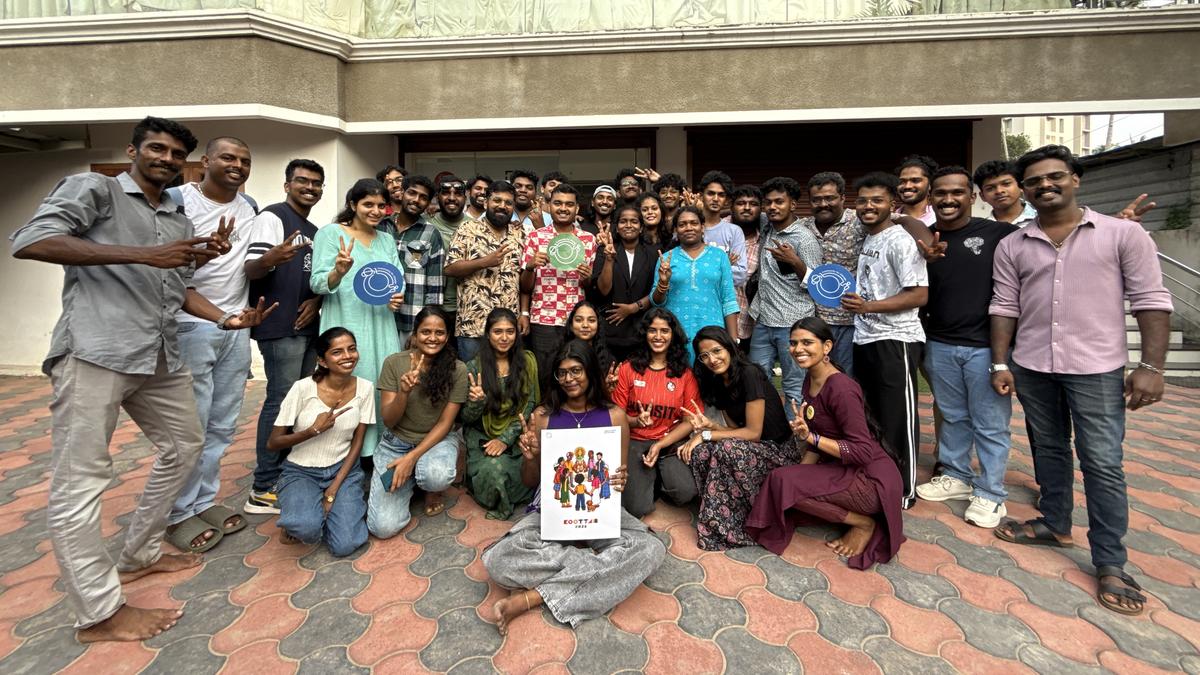
Koottam 2025 volunteers

Koottam 2025 volunteers
| Photo Credit: SPECIAL ARRANGEMENT

“Koottam 2025 is a celebration where volunteering takes centre stage,” says Gautham Ravindran, CEO and co-founder of Volunteer For India (VFI), the NGO organising the festival in association with the Thiruvananthapuram Municipal Corporation. The fete is set to take place on April 26 and 27 at the Tagore Theatre in Thiruvananthapuram and will be inaugurated by Kerala Food, Civil Supplies and Consumer Affairs minister GR Anil.

Touted as the biggest volunteering festival in the country, Koottam was born out of a conversation between the co-founders of VFI, Ramalingam Natarajan and Gautham, about how “to make volunteering more accessible and interesting for people.”
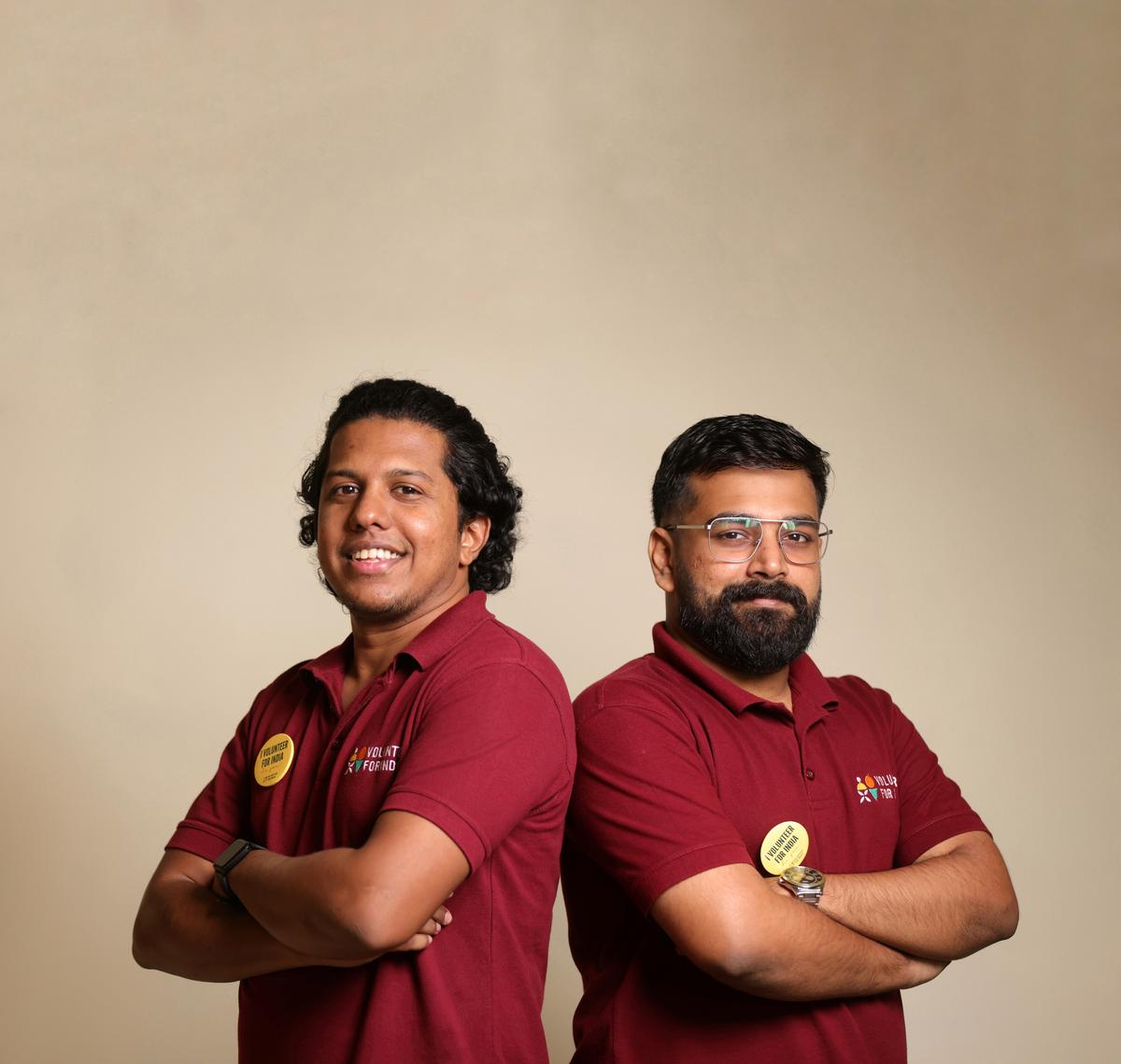
Founders of Volunteer for India, Ramalingam Natarajan and Gautham Ravindran

Founders of Volunteer for India, Ramalingam Natarajan and Gautham Ravindran
| Photo Credit:
SPECIAL ARRANGEMENT

“Our discussion led to the concept of a volunteering carnival. At a regular carnival, everyone has fun with entertainment, games and so on — bringing the community together. We wanted to add the idea of volunteering to this setting, especially with people shying away from volunteering without understanding its true meaning and making it too serious. We want to make it fun,” says Gautham. VFI, he adds, is an organisation aimed to bring social change through structured volunteering programmes.

The venue is divided into two sections — while one is focused on volunteering, consisting of workshops, stalls by NGOs, and so on, the other will have elements of a carnival with a pop-up market, game and activity zone and Kutti Koottam, a designated space for children, where storytelling sessions, improv, origami workshop, open mics and so on will take place.

The festival will also have a volunteering station, where people can engage in 20 to 30 minutes of volunteering activities to get a hands-on experience of volunteering. “These activities can be as easy as upcycling a T-shirt into a cloth bag or making a seed ball you can take home,” Gautham adds.

“This time around 34 NGOs have booked the stalls to introduce their work through engaging activities. We will also have panel discussions around politics, content creation and its impact on society,” says Gautham. There will also be workshops related to sustainability.

The carnival has two fundraising concerts by the Sufi band, Mehfil-e-Sama and Jassie Gift on April 26 and 27 respectively. These are the only ticketed events at the carnival and the money will support a project called Gift a Story run by VFI, focused on building libraries for the underprivileged.

This is the second edition of the carnival. Last year, it was organised at the Loyola School, Sreekariyam, in association with around 16 NGOs and participation from around 2000 people.
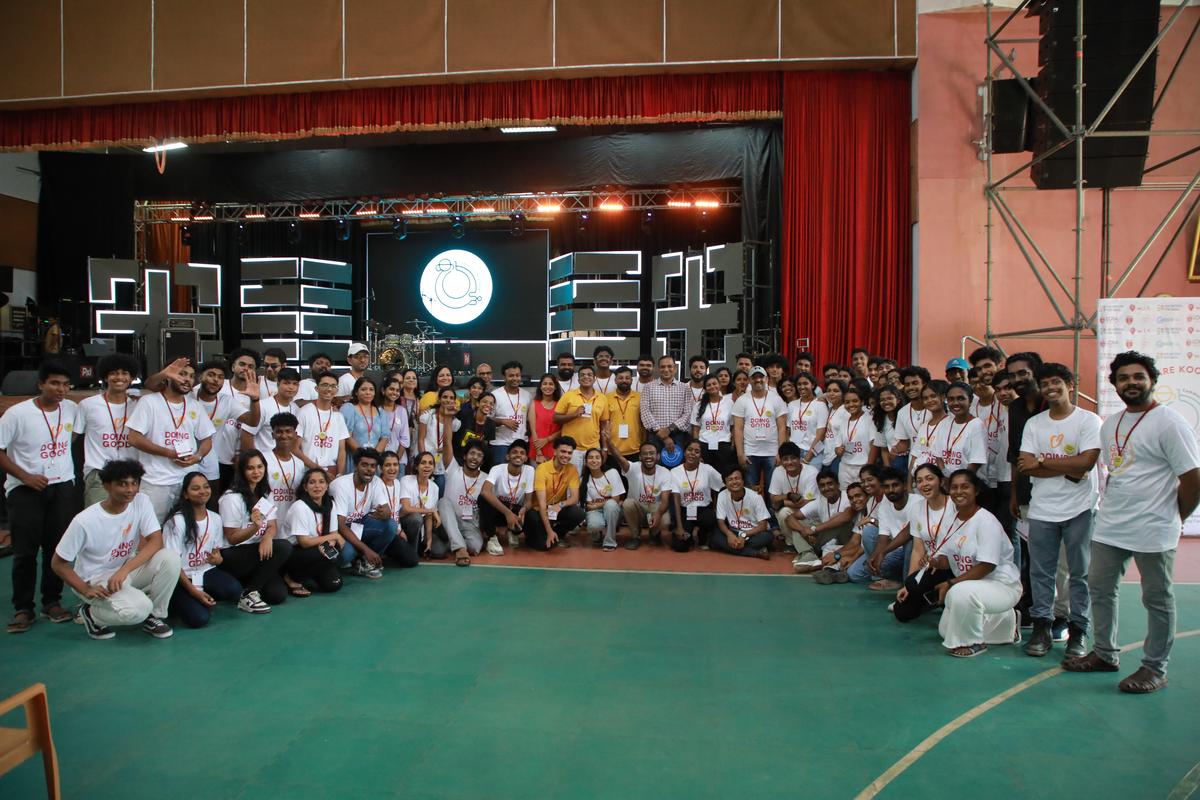
Participants at Koottam 2024

Participants at Koottam 2024
| Photo Credit:
SPECIAL ARRANGEMENT

“The idea is to slowly grow this into a larger festival where people from different walks of life come together and celebrate. However, in the long run, we want to have smaller events throughout the year,” says Gautham.

He adds that the Koottam community has been active in the past few months with initiatives such as beach clean-ups and food distribution drives with around 400 volunteers involved in the activities.

Register via www.volunteerforindia.com/koottam-carnival for free passes. Tickets for the concerts are available on bookmyshow.com.


Source link

Artist Thakare Naik with locomotor disability paints a world of his own


Thakare Naik with his works

Thakare Naik with his works
| Photo Credit: Special Arrangement

There are numerous examples of differently-abled people who have overcome limitations to make a mark in their chosen field. Their struggles persist but they continue to pursue their passion. Here is one such inspiring artist, Thakare Naik, from the Lambada tribe, who found strength in art despite his physical limitations.

A freelance artist for 15 years, Thakare’s works have been exhibited as part of solo and group shows across India, including Hyderabad, Vadodara, Delhi and Kolkata. With meticulous attention to detail, his 16 mixed media works were showcased at the recently-held group show, ABC 6.0, in Bengaluru. Organised by Art Bengaluru Collective (ABC) at Rangoli Metro Art Centre, MG Road Metro Station, the multi-art exhibition featured works of 24 artists.

Tough childhood

Superhero in a caliper-  Work by Thakare Naik

Superhero in a caliper- Work by Thakare Naik
| Photo Credit:
Special Arrangement

Diagnosed with polio (right leg and a weak right hand) in his childhood, Thakare lived with his family — parents and three brothers — in Kalyanadurgam town of Anantapur district, Andhra Pradesh. That life was tough for him is an understatement as he grew up in extreme poverty.

Unable to take care of the disabled child, his father left him at a government hostel for the physically challenged. With no interest in education and facing neglect, Thakare took to begging to fend for himself. “I became carefree. I used to beg near the bus stand and hotels and later spend the money to eat or watch movies. I thought this was the only world for me,” Thakare recalls.

This continued for 10 years until his brother and father found him at a market one day, brought him home and enrolled him in a school in Thimmapur.

Interest in art

pen drawing by Thakare Naik

pen drawing by Thakare Naik
| Photo Credit:
Special Arrangement

Watching his teacher’s son Sudhakant practice art sparked an interest in Thakare to express creatively. He began drawing Science diagrams for his friends and soon became popular. The crutches he received in Anantapur also gave him a new life, as he could travel to other cities. After a four-year course in Tirupati, he came to Hyderabad to pursue Bachelor of Fine Arts (BFA) from Telugu University. “During the interview, the teachers wondered if I will complete my degree,” recalls Thakare. But he did and went on to pursue Master of Arts (MFA) from Viswa Bharati University in Santiniketan.

Assistive products

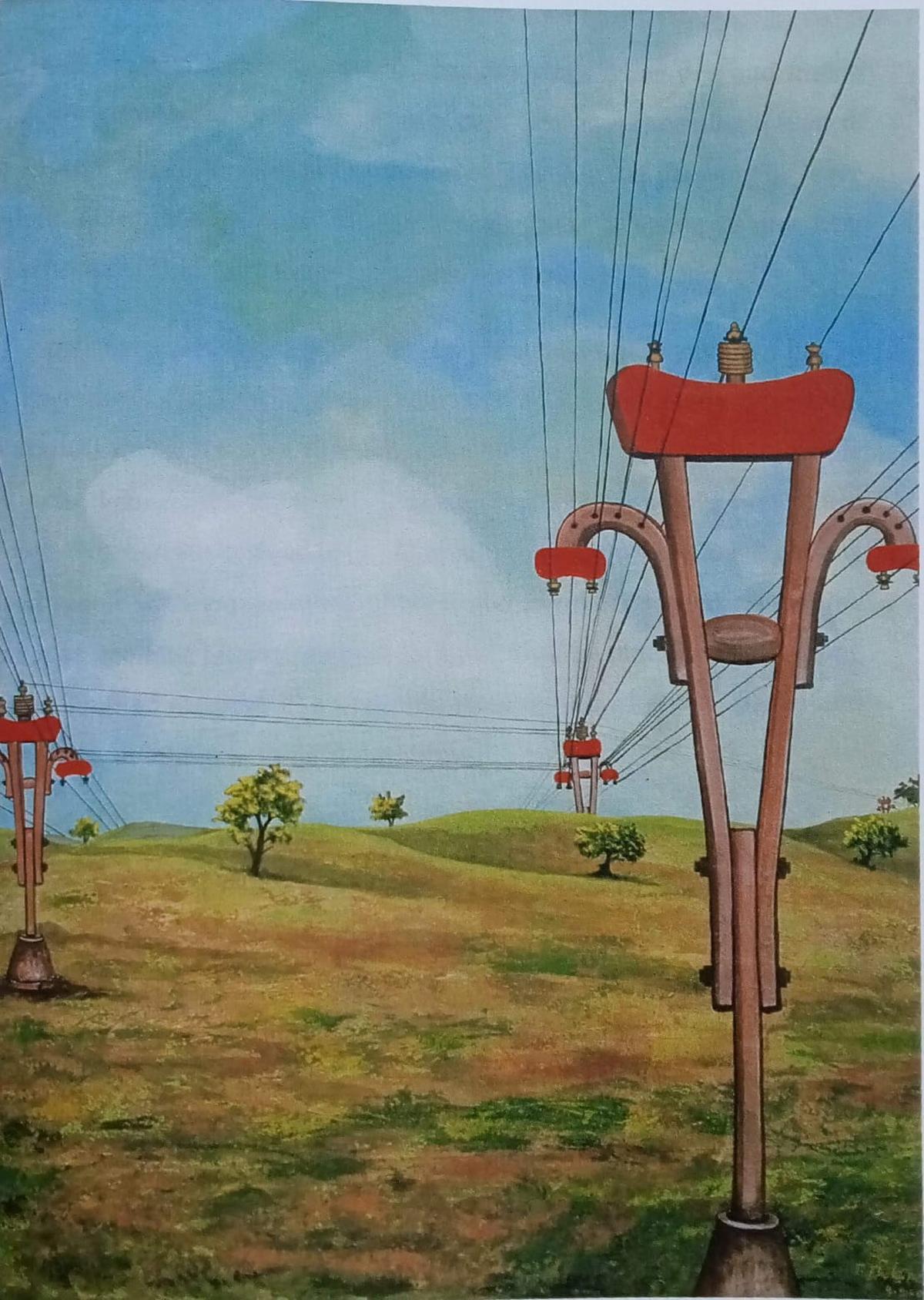
Electricity lines supported on crutches... work by Thakare Naik

Electricity lines supported on crutches… work by Thakare Naik
| Photo Credit:
Special Arrangement

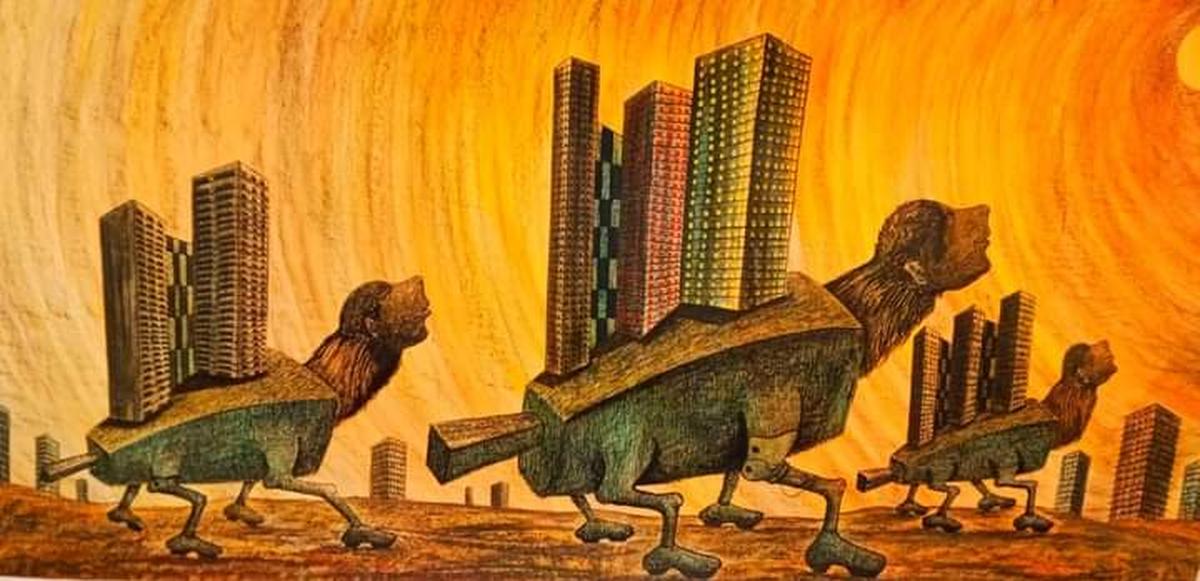
Thakare expressed his feelings through art and many paintings done at Santiniketan were based on his life. Also, different assistive products — crutches, calipers, wheel chair, walkers, knee ankle foot orthosis, prosthetic devices etc became narrative elements in his works.

Be it an artwork of a superhero in a caliper standing tall between two buildings or a painting showing electricity lines supported by crutches, they are powerful statements on the positive impact of assistive devices. “One needn’t be born disabled. Physical disability can happen any time, either by accidents or illnesses, or, in the case of armed force personnel, on the battlefield. It is natural to feel depressed, but these devices can give a new life.”

work by Thakare Naik

work by Thakare Naik
| Photo Credit:
Special Arrangement

The 46-year-old artist does not like to replicate imagery from photographs. He draws inspiration from his surroundings and paints on different themes. Although there are financial constraints, Thakare’s artistic journey continues with the same passion. He hopes to document the vibrant Lambadi embroidery, their festivals and unique wedding traditions through his art. “Disability is not the end of the world. It applies to only a body part while our mind is perfect. We can use it to create art.”


Source link

World Book Day 2025: Discover TOLO, Chennai’s free book exchange project


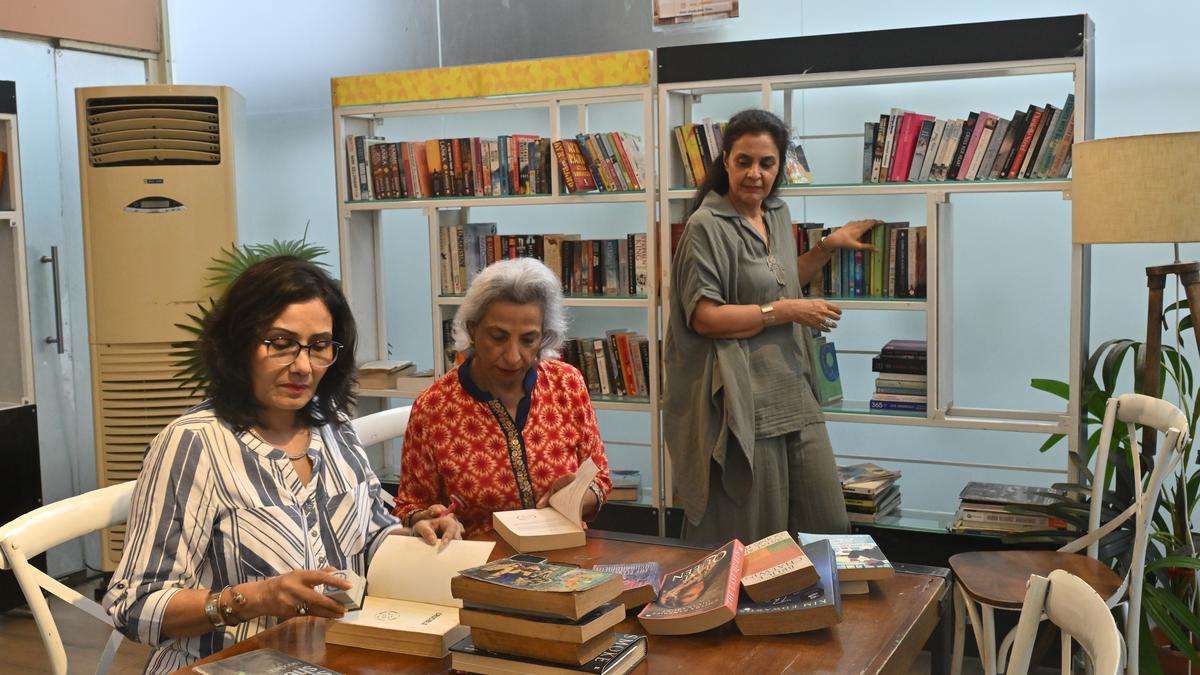
Shalini Khanna, Jaya Mahbubani and Weena Pradhan arrange books at the TOLO shelf in Writer’s Cafe

Shalini Khanna, Jaya Mahbubani and Weena Pradhan arrange books at the TOLO shelf in Writer’s Cafe
| Photo Credit: R Ravindran

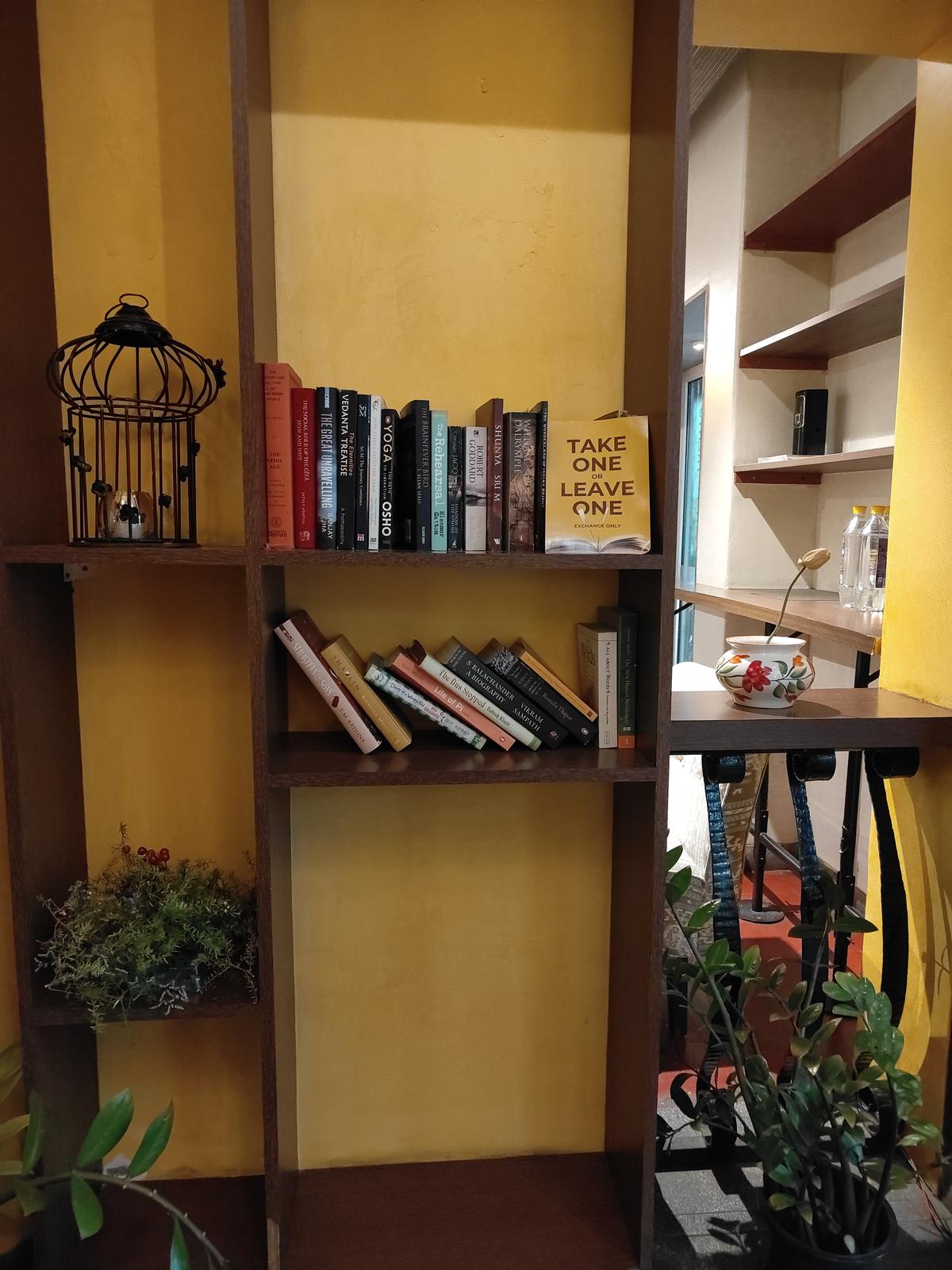
If you have been to a cafe in Chennai or even to one of the city’s recreational clubs, chances are that you have spotted a bookshelf replete with a variety, tucked away in a corner with a sign that says ‘Take One Leave One’.

The brainchild of Jaya Mahbubani and Shalini Khanna, TOLO (Take One Leave One), a reading initiative, was born in 2022 when the two found themselves with several books that had been donated in pristine condition. “I was a volunteer at a library in the city. Back then, people would regularly donate their books to me. When it came to a point where the library could not accommodate all the books I had received, Shalini and I decided to launch TOLO with the books we had,” Jaya, a Chennai-based author says.

TOLO is as simple as the name suggests. It is now at around 20 locations across the city including cafes, clubs and cultural institutions, where shelves have been set up and stocked with books. The genres provide a variety to choose from — think crime, romance and self help. This book exchange project is entirely free. There are many instances where one might find themselves early for a dinner or a lunch at a cafe, and wants to browse through a few pages of a book — TOLO seeks to facilitate this. Brew Room, Chamiers Cafe, Kup coffee roasters, Writers Cafe in Adyar and Egmore, Eatalica, Madras Boat Club, Alliance Francaise of Madras, and Ciclo Cafe are among some of the locations where you can spot these shelves.

“People who wish to read can pick up a book and take it with them. They could also leave behind a book of theirs for someone else to find. While it has been conceived as a book exchange project, there is absolutely no pressure on readers to leave a book behind in order to take one. I am confident that someone else will be more than happy to leave a couple of books on the shelf,” Jaya explains.

A TOLO shelf at Ciclo Cafe, Kotturpuram

A TOLO shelf at Ciclo Cafe, Kotturpuram
| Photo Credit:
S Poorvaja

With a car full of books, Jaya says she checks on each location from time-to-time, replenishing shelves with the ones she has. Often teaming up with her friend and TOLO member Weena Pradhan, they meticulously stamp the books and arrange them in different locations. While some places do see a lot more books taken and left behind, some locations see less patronage.

At the Gandhi Nagar Club, a TOLO bookshelf has found a place at the all-day dining cafe. “The bookshelf is a welcome addition to our club. This is besides the already well-used library,” says K P Balakumar, vice president of the club.

Eager to expand to more locations and inviting suggestions from readers across the city for the same, Jaya says her motivations are simple. “I have always loved to read, and for me, books are a person’s best friend. Wherever you leave them, they are waiting for you and I want everyone to experience this joy,” she adds.

Reach out to @tolo_chennai on Instagram if you know of a space that will welcome a shelf of books.


Source link

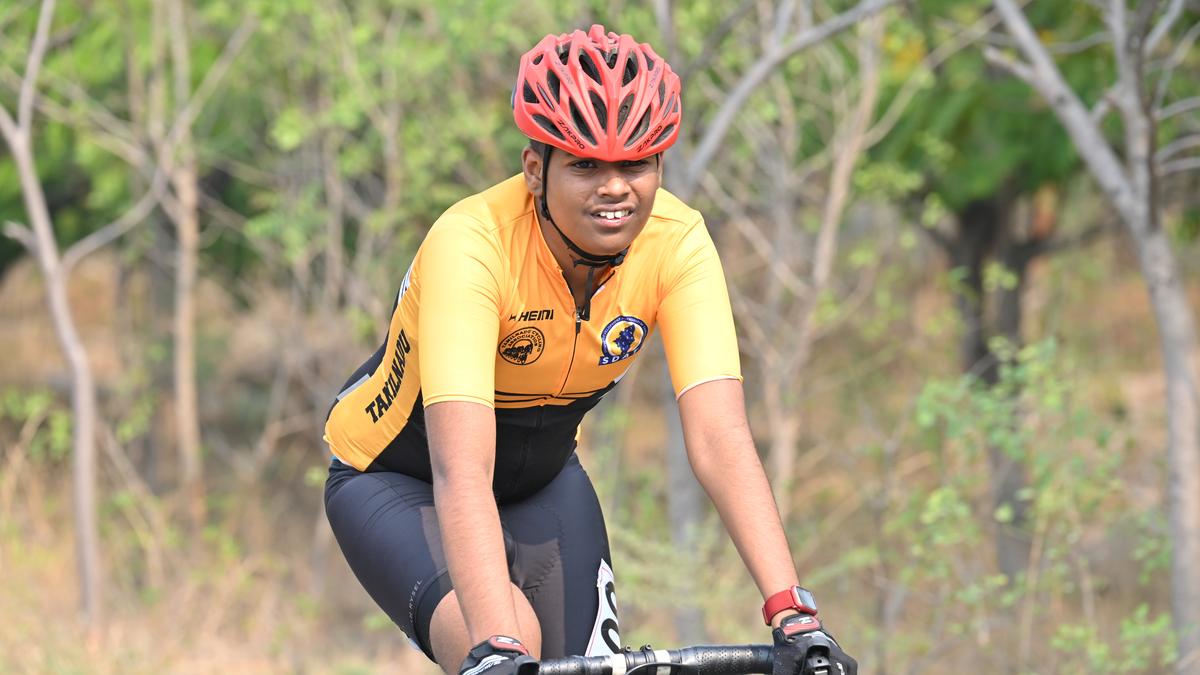
Meet Shashaank Saravanakumar, a young para cyclist breaking barriers in Coimbatore


Shashaank Saravanakumar

Shashaank Saravanakumar
| Photo Credit: Special Arrangement

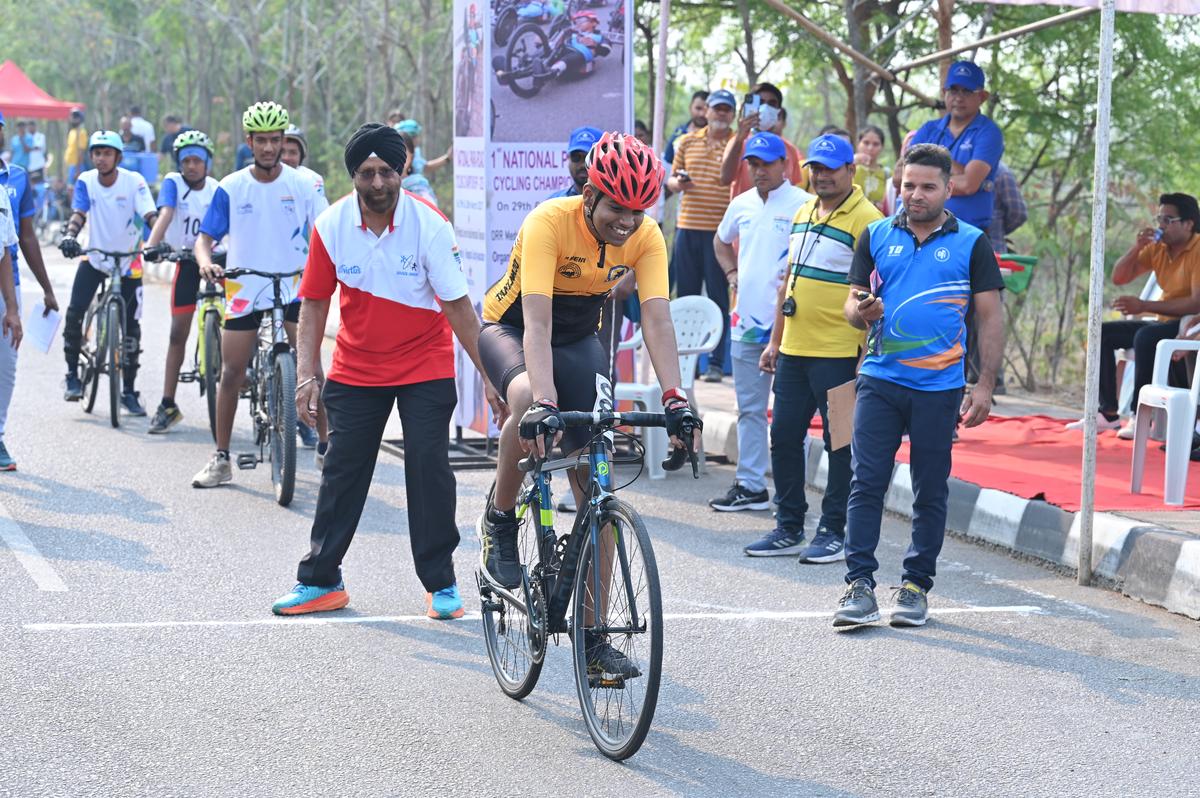
Fourteen-year-old Shashaank Saravanakumar may be soft-spoken, but on the road, his determination speaks volumes. A student of St Antony’s School, Puliyakulam, Coimbatore, Shashaank recently made his mark at the first Para-national Road Cycling Championship held in Hyderabad. Representing Tamil Nadu in the CII (Intellectual Impairment) category for juniors under 19, he completed the 12-km race in an impressive 43 minutes and 32 seconds, securing fifth place in a field of seasoned young riders from across India.

But for Shashaank, cycling is more than competition. “Cycling means fun and happiness to me. Every ride tells me a story,” he says with a bright smile. It is a passion that began when he received his first basic cycle from Decathlon. Encouraged by his mother to ride daily, his enthusiasm deepened when his grandfather gifted him a hybrid bicycle in Class 7. What began as a life skill blossomed into a calling.

His typical day starts early, with a 20 to 25 km ride through the streets of Coimbatore. His mother follows closely on her scooter for safety, while his fitness coach, Ranjit, guides him through strength routines in the morning or evening. “My coach Kathir Sir played a major role in teaching me cycling techniques,” says Shashaank. “And my twin brother Shreenick is my riding partner and motivator. We go cycling together often.” On weekends, he joins fellow cyclists from the CooKoo Cycling Club for longer distance rides.

Shashaank Saravanakumar

Shashaank Saravanakumar
| Photo Credit:
Special Arrangement

While Shashaank enjoys the wind in his hair and the stories the road tells him, the journey has not been without its challenges. “Traffic was a problem at first,” he admits, “but I learned to overcome it.”

His selection to represent Tamil Nadu at the Para-nationals was a moment of immense pride. “I felt so happy to wear the yellow jersey of Tamil Nadu,” he recalls. The experience in Hyderabad was unforgettable. “There were so many cyclists from all over India. I wasn’t nervous—I was excited to meet everyone!”

Crossing the finish line in fifth place filled him with a quiet confidence. “I thought I would be a chef,” he says, a nod to his dream of becoming one in the future. Shashaank is not one to look for role models. “No, I will create my own style,” he says.

That ambition extends beyond just medals. “I want to win the para-cycling championship next year and represent India in the Paralympics,” he says.

When he is not training or racing, you can find Shashaank helping his mother in the kitchen or swimming. He is especially fond of train journeys, always picking the window seat so he can watch the scenery go by. It is the same sense of wonder that fuels his rides, watching the world roll past, one pedal at a time.


Source link

A weight loss journey sans a nutritionist, gym, and a coach: How it all worked out


If someone had told me two years ago that I would lose over 50 kilos without setting foot in a gym or giving up real food, I would not have believed it. But here I am—healthier, sharper, and more confident than I have been in years. My transformation, however, did not begin with a fitness influencer or a fad diet. It began in a hospital bed.

Over the past decade, my body has been through an unrelenting series of medical challenges—each one demanding its own kind of resilience. From a heart attack to chronic infections, surgeries, and even a near-fatal road accident, it has been a continuous test of endurance. Physical pain is one thing, but the emotional toll of living in constant recovery mode is something else entirely.

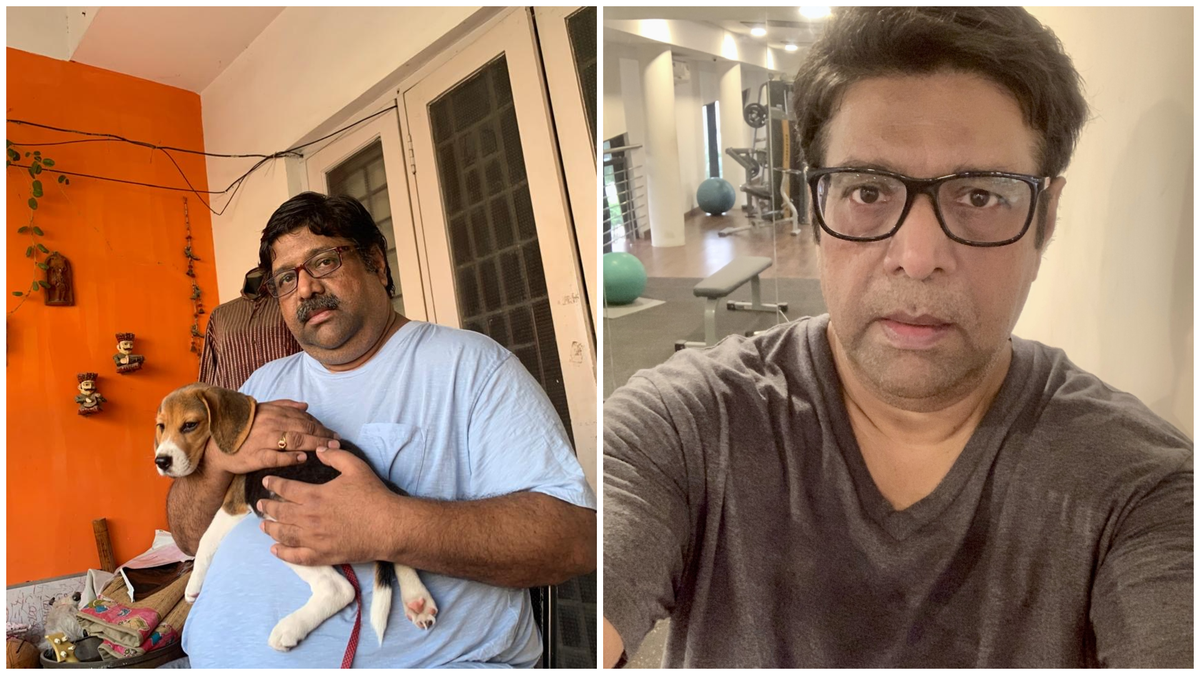
At my heaviest, I weighed 144 kilos—a number that didn’t just show up on the scale, but in every aspect of my life. I had outgrown more than just my clothes; I had outgrown the energy and confidence I once took for granted. Everyday tasks left me breathless. My sleep was broken. And slowly, without realising it, I had started slipping away from the person I once was.

I wasn’t someone who lived an indulgent or careless life. In fact, I had tried to lose weight many times. But each time I gathered the will to begin, my health threw me off track.

It was frustrating not because I was not trying, but because life kept getting in the way. Over time, the cycle took a toll. I began gaining more weight, developed sleep issues, and struggled with constant fatigue. When your health becomes unpredictable, it quietly chips away at your sense of control. You’re not just dealing with pain or procedures—you’re also navigating fear, isolation, vulnerability, and the exhausting cycle of hope and relapse. Add to that the silent effects of sleep apnea and chronic fatigue, and it becomes harder to distinguish where the physical discomfort ends, and the emotional struggle begins.

(Left) Niraj before his transformation and (right) Niraj currently.

(Left) Niraj before his transformation and (right) Niraj currently.
| Photo Credit:
Special Arrangement

Everything changed in late June 2023, when I was hospitalised again. This time, a doctor suggested that I use a BiPAP machine to help me sleep better. That small intervention became the turning point. For the first time in years, I slept through the night and woke up refreshed. That single improvement gave me the energy and the courage to take the first step towards the new me. I began walking. I gave up alcohol to cut out empty calories. From that point on, I didn’t look back.

I didn’t follow any crash diet or subscribe to anything extreme. It took me a while to figure out what would work for me, however. I loved my tandoori chicken and yummy paneer butter masala, the naans, and the oh-so-tasty parathas. I had read enough to know that a daily calorie limit was the starting point. In the beginning, I didn’t think much about nutrients—I just focused on staying within the calorie limit.

Over time, I realised that the nutritional quality of my food matters as much as the quantity, if not more. I started making changes and started feeling noticeably better when I shifted to a more mindful, balanced approach with the right foods. Soon, I was paying closer attention to eating enough proteins, the right (moderate) amount of fats, loading up on low-carb vegetables, cutting out unnecessary carbs, and limiting fruits and beverages. And no alcohol at all. I made my own meal plan—something that would satisfy me both physically and mentally, without feeling like punishment. Eventually, I realised that a high-protein, low-carb, high-fat diet suited my body best.

The trick was also keeping my meals simple and consistent. Chicken, eggs, paneer, fish, curd/Greek yoghurt, and green vegetables became my friends, and I made it a point to eat three proper meals a day while ensuring I never skipped breakfast. I realised soon enough that if the monotony works for you, there is no harm in being repetitive. 

While green tea became a morning and evening beverage favourite, breakfast usually included lightly roasted paneer or stir-fried mushroom or chicken sausages, a couple of eggs (boiled or omelette, sometimes with cheese), curd, and an occasional small portion of fruit. For lunch, I stuck to two small chapatis, two low-carb veggies (like cabbage, cauliflower, beans, mushroom, beetroot, etc.), a protein source like chicken or fish, and curd or Greek yoghurt. For dinner, I stick to grilled chicken or fish, sometimes a salad or tikka, and eggs or paneer.

What worked: Niraj’s personal checklist

* Calorie deficit – the only scientifically proven way to burn fat.

* A calorie tracker app – I use the free version of MyFitnessPal to help me keep calories in check without any guesswork.

* Weighing food – The only way to control portions accurately.

* Staying well-hydrated – drinking water through the day

* Proper sleep -the body needs it to recover and burn fat efficiently.

* Eat what you enjoy within your plan – this isn’t a temporary fix, it’s a lifestyle shift.

* And most importantly, staying consistent – results come with time.

No intense workouts were needed. Walking daily and staying disciplined with my diet made all the difference. I did not hire a trainer, join a gym, or consult a nutritionist this time—and that was a conscious choice. Every time I had joined a gym in the past, the workouts suggested by trainers would quickly burn me out. The pace was too much, especially at my heaviest; and I knew I wouldn’t be able to sustain it. I did a lot of reading and learned something crucial: fat loss is driven far more by diet than exercise—nearly 80% of the work is what you eat, followed by moderate movement and good rest.

The tougher challenge, however, was mental. There were weeks when nothing seemed to change. I constantly reminded myself: I didn’t gain this weight overnight, so how could I expect to lose it overnight? I focused on small, repeatable habits. I tracked my food. I created routines. And gradually, things started shifting.

It all came down to discipline. Fancy plans or short bursts of motivation wouldn’t get me there—only consistency would. I followed what I now call the 3Es: Eat right, Exercise regularly, and Eliminate excuses. My clothes got looser. I had to dig out jeans I hadn’t worn in over a decade. I started recognising myself again, not just in the mirror, but in the way I felt.

Eventually, I began sharing my journey on Instagram. I just wanted to share what was working for me in an honest, relatable way. To my surprise, people started listening. They said my journey gave them hope—and if I could do it, so could they.

So far, I’ve lost 57 kilos and I’m still going. Today, I’m working on a simple, no-nonsense guide to weight loss and offering personalised consultations. Not as a nutritionist or fitness coach, but as someone who’s been through it, who understands the struggles, and who wants to help others feel like themselves again.

The weight loss journey isn’t about chasing a number. It’s about showing up for yourself. It’s about reclaiming your energy, your joy, and your life.

Niraj is on Instagram @fitwithNBJ


Source link

From Chippiparai to Rajapalayam: 5 Indian dog breeds


Did you know that India is home to some of the most incredible indigenous dog breeds? From Chippiparai to Rajapalayam, there are a wide range of Indian dog breeds that make great pets, however, they often get overshadowed by foreign breeds like Labradors and German Shepherds. These lesser-known Indian pet dog breeds are tough, smart, and deeply loyal. And, they are also well-suited for the Indian climate and lifestyle as compared to foreignn breeds. So, here we list some lesser-known Indian pet dog breeds that also carry the legacy of India’s rich history with them:





Source link

What time should you eat dinner? (for optimal benefits and a good night’s rest)


What time should you eat dinner? (for optimal benefits and a good night's rest)

We have often heard of the phrase, “eat breakfast like a king, lunch like a prince, and dinner like a pauper”. This in essence, establishes that our dinner should be the lightest meal of the day, since a couple of hours after eating, we enter into a phase of inactivity (sleeping) that lasts for 7-8 hours. On the other hand, it is said that you should eat at least 3 hours before bedtime, in order to give your body enough time to digest the food. However, this does not translate into eating at 10 pm if you plan to sleep at 1 am (which in itself is not healthy!) So, what is the best time to eat dinner? Let’s dig deeper…

2

Early dinner offers a host of benefits
Eating dinner at the right time can have a big impact on your health. Experts suggest that having dinner early—around 6 to 7 pm—is best for digestion, weight management, and sleep quality.
Why eat early?
Eating dinner early gives your body enough time to digest food before bedtime. Ideally, you should finish your meal at least 2 to 3 hours before you go to sleep. For example, if you sleep at 10 pm, try to eat dinner by 7 or 8 pm. This helps prevent problems like acid reflux and heartburn, which can happen if you lie down too soon after eating.
What happens if you eat late at night?
Eating late at night can also disrupt your body’s natural clock, called the circadian rhythm. When you eat late, your body thinks it should stay active, which can make it harder to fall asleep and affect how your body processes calories. Research shows that eating earlier can improve metabolism and even help with insulin resistance, reducing the risk of diabetes.
Benefits of Eating Early Dinner
Better digestion: Your stomach has time to break down food before you sleep.
Improved sleep: Avoid discomfort and rest better at night.
Weight management: Early eating helps control calorie use and may prevent weight gain.

Reduced acid reflux: Less chance of stomach acid flowing back into the esophagus.
Increased energy: Eating early can help you feel more energetic the next day, as your body has time to rest and repair overnight.

3

What to do if you can’t manage this slot?
A lot of people are still at work between 6-7 pm, and haven’t even started their dinner preparation at this hour. Hence, this slot, though perfectly optimal for health, might not be too practical for most. In such a case, try eating your dinner as soon as you can, no later than 8.30 pm. This apart, prep your dinner in the morning itself (or at least a part of it), so that you don’t have to do much in the evening, when you get back home. Also, if you can manage, you can also carry your dinner to work, or have a big meal just before leaving for home. If you still feel hungry at night, you can have a glass of warm milk, or some green tea.


Source link

Usha Vance brings quiet luxury to Jaipur in chic skirt-and-shirt ensemble


Usha Vance brings quiet luxury to Jaipur in chic skirt-and-shirt ensemble

After a high-profile meeting with Prime Minister Narendra Modi in Delhi, Second Lady of the United States Usha Vance took her signature understated elegance on the road to Rajasthan. Accompanied by Vice President JD Vance and their three children, Usha made a stylish statement as the family visited Jaipur’s majestic Amber Fort, blending diplomatic grace with resort-ready sophistication.

dass

With Rajasthan’s sun-soaked palaces as her backdrop, Usha Vance embodied quiet luxury in a perfectly curated ensemble that merged classic tailoring with a touch of boho charm. For the heritage-rich outing, she opted for a crisp white button-down shirt, a rather timeless staple that never goes out of style. The collared blouse, complete with rolled-up sleeves and a fitted silhouette, spoke to a sense of effortless refinement.
But it was her skirt that elevated the look from minimal to mindful. The printed A-line midi came in warm, earthy tones of brown and beige, featuring a delicate motif that echoed the intricate frescoes of Amber Fort. The pleated construction added movement and texture, while the mid-rise waist and calf-grazing hemline struck the perfect balance between structure and flow, ideal for a cultural stroll through Jaipur’s royal quarters.
Usha’s styling choices kept the look polished yet relaxed. Her shirt was neatly tucked in, accentuating the defined silhouette, while brown flat sandals grounded the outfit with ease. She completed the ensemble with oversized sunglasses and subtle makeup, keeping her salt-and-pepper hair naturally styled and loose for a breezy, confident finish.

fsfs

JD Vance matched her muted palette in a grey blazer layered over a navy shirt, teamed with beige trousers and tan dress shoes, a look that felt both relaxed and appropriately diplomatic. Meanwhile, the couple’s children embraced the casual spirit of the day in printed separates and playful colours, with little Mirabel stealing hearts in a floral top and sea-green shorts.
The Vance family’s sartorial sensibility has made a quiet but striking impact during their India tour, a blend of Americana formality with nods to comfort and context. As they continue their visit, which includes Agra and more of Jaipur, Usha’s refined yet relatable fashion moments are proving she’s one to watch on the global style stage.


Source link