Life & Style

Guilt-free indulgence! Top 5 healthiest cheese you can eat


Guilt-free indulgence! Top 5 healthiest cheese you can eat

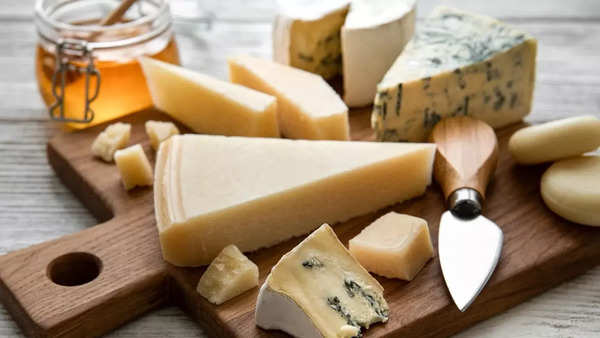
For most of the foodies, cheese is something one would describe as a kidnapper’s bait! For whenever they would hear the word ‘cheese’, hunger pangs would follow, and the craving for some delicious cuisine, garnished with a lot of cheese, would kick in!
Due to its delectable taste and a failproof ability to elevate the taste of almost any dish, cheese has a pretty wide fanbase. However, due to the a fair amount of calorie intake when one consumes cheese, it’s got a bad name too!
However, that doesn’t mean that cheese is bad for health.
In fact, cheese can be a beneficial part of a balanced diet, offering nutrients like calcium, protein, and vitamins, particularly A and B12. However, it’s also high in saturated fat and sodium, so moderation is key.

Cheese (9)

However, there are some kinds of cheese that are healthier than the rest and make the indulgence almost guilt-free.
Take a look.
While it’s certainly true that some cheeses are packed with saturated fats and sodium (and not much else), others boast enough vitamins, protein, and good bacteria to receive a gold star to pass as healthy options for a cheese-holic! Those are:

Mozzarella:

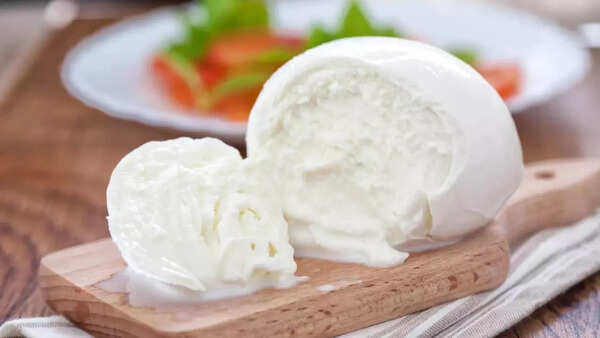
Mozzarella is a soft white cheese with high moisture content. It originated in Italy and is usually made from Italian buffalo’s or cow’s milk. Mozzarella cheese can be considered a relatively healthy choice, especially when compared to other types of cheese. It’s lower in fat and calories, and it’s a good source of protein, calcium, and other essential nutrients. Mozzarella also contains bacteria that act as probiotics, including strains of Lactobacillus casei and Lactobacillus fermentum.

Cheese (10)

Nutrient source: Cheese is a good source of calcium, fat, and protein. It also contains vitamins A and B12, zinc, phosphorus, and riboflavin.
Bone health: The calcium in cheese supports strong bones and teeth.
Dental health: Dairy products, including cheese, may help protect teeth from cavities.
Muscle health: The protein in cheese contributes to muscle development and repair.
Heart health (potentially): Some studies suggest that full-fat cheese might reduce cholesterol levels.
Studies in both animals and humans suggest that these probiotics may improve gut health and regularity, promote immunity, and decrease inflammation.
Mozzarella tastes delicious in caprese salad, which is made with fresh tomatoes, basil, and balsamic vinegar. It can also be added to many other dishes.

Feta cheese:

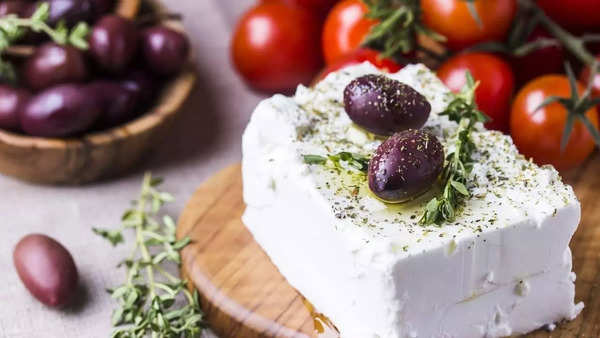
Feta is a soft, salty white cheese originally from Greece. It’s typically made from sheep’s or goat’s milk. Sheep’s milk gives feta a tangy and sharp taste, while goat’s-milk feta is milder. Feta cheese can be part of a healthy diet when consumed in moderation. It’s a good source of protein, calcium, and some vitamins, and it can contribute to bone health and potentially gut health. However, it’s also high in sodium and saturated fat, so it’s important to be mindful of portion sizes, especially for individuals with high blood pressure or heart conditions.

Cheese (11)

Nutritional benefits:
Protein: Feta cheese is a good source of protein, which is essential for various bodily functions, including muscle repair and tissue growth.
Calcium: It’s a rich source of calcium, a mineral crucial for maintaining strong bones and teeth.
Vitamins: Feta cheese contains B vitamins like riboflavin (B2) and B12, which are important for energy production and nerve function.
Probiotics: Some feta cheeses contain probiotics, which can contribute to a healthy gut microbiome and potentially improve digestive health.
A small 2019 study in 54 people with obesity found that taking 3 g of a CLA supplement per day for 3 months was associated with decreased body fat mass and body fat percentage compared with a placebo.
Because feta is packaged in brine to preserve freshness, it can be high in sodium. However, it is typically lower in calories than most other cheeses.
To add feta cheese to your diet, you can try crumbling it over salads, adding it to eggs, or whipping it into a dip to eat with fresh vegetables.

Parmesan cheese:

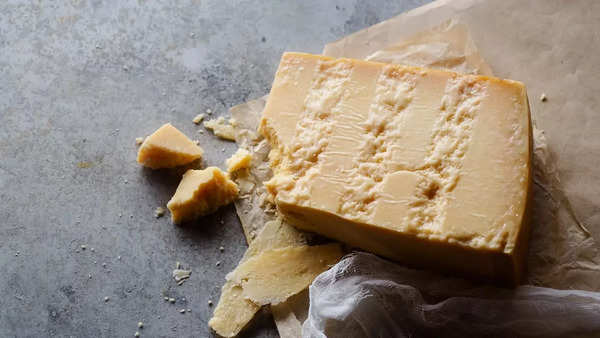
Parmesan is a hard, aged cheese that has a gritty texture and a salty, nutty flavor. It’s made from raw, unpasteurized cow’s milk that is aged for at least 12 months to kill harmful bacteria and produce a complex flavor.
Parmesan cheese can be considered healthy due to its nutritional benefits. It’s a good source of protein, calcium, and phosphorus, which support bone health and muscle function. Parmesan is also rich in vitamins like A and B12, and it’s relatively low in lactose, making it a potentially easier-to-digest option for those with lactose sensitivity.

Cheese (12)

Here’s a more detailed look:
Protein: Parmesan is a complete protein, meaning it contains all essential amino acids, crucial for tissue repair and muscle building.
Calcium: Parmesan is a rich source of calcium, which is essential for maintaining strong bones and teeth, and may help prevent osteoporosis.
Phosphorus: Parmesan also contains phosphorus, another important mineral for bone health and overall bodily function.
Vitamins: Parmesan provides vitamins A and B12, which are beneficial for vision, skin health, and neurological function.
Low lactose: Compared to other dairy products, Parmesan has a lower lactose content, making it a more digestible option for individuals with lactose intolerance.
Healthy fats: Parmesan contains healthy fats, including omega-3 fatty acids, which may have a positive impact on heart health.
Umami flavor: Parmesan’s strong, savory flavor can enhance the taste of various dishes, potentially leading to a more enjoyable and satisfying eating experience.
One 2014 study in around 5,000 adults found that higher dietary intakes of calcium and phosphorus were significantly associated with better bone mass in certain parts of the body, including the femur — the longest human bone.
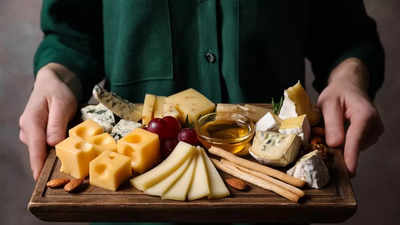
Grated Parmesan can be added to pastas and pizzas. You can also sprinkle it on eggs or spread slices on a cheese board with fruit and nuts.

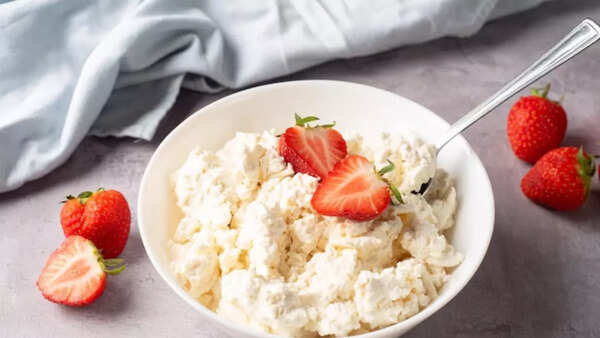
Cottage cheese:

Cottage cheese is a soft, white cheese made from the loose curds of cow’s milk. It’s thought to have originated in the United States. Cottage cheese is generally considered a healthy food. It’s a good source of protein, calcium, and other essential nutrients like vitamin B12 and phosphorus. Its high protein content can contribute to feelings of fullness, potentially aiding in weight management.

Cheese (13)

Here’s a more detailed look at the benefits:
High in protein: Cottage cheese is an excellent source of high-quality protein, which is crucial for muscle growth and repair, as well as overall health.
Rich in calcium: Calcium is essential for strong bones and teeth, and cottage cheese provides a good amount of this vital mineral.
Good source of vitamin B12: Vitamin B12 is important for nerve function and red blood cell production.
Low in calories and fat (especially low-fat varieties): Compared to other cheeses, cottage cheese tends to be lower in calories and fat, making it a good option for those watching their weight.
Can support weight loss: The high protein content and relatively low calorie count can help with weight management, as protein can increase satiety and potentially reduce overall calorie intake.
Good for bone health: The calcium and phosphorus in cottage cheese are beneficial for maintaining strong bones and reducing the risk of osteoporosis.
May improve gut health: If cottage cheese is produced with live and active cultures, it can provide a natural source of probiotics, which can benefit gut health.
Several studies indicate that eating high-protein foods such as cottage cheese can increase feelings of fullness and help decrease overall calorie intake, which in turn may lead to weight loss. A small 2015 study in 30 adults found that cottage cheese was just as filling as an omelet with a similar nutritional composition.
Adding cottage cheese to your diet may not only help you feel fuller after meals and reduce your calorie intake, but it also tastes great spread on toast, blended into smoothies, added to scrambled eggs, or used as a base for dips.

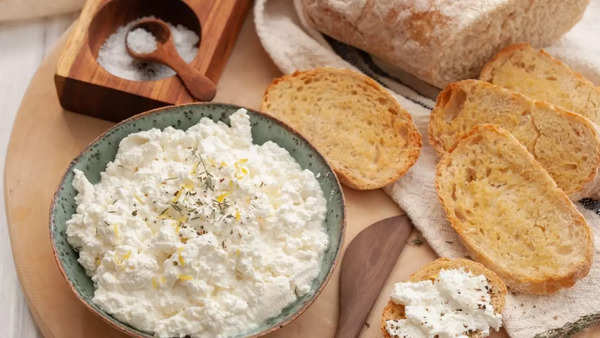
Ricotta cheese:

Ricotta is an Italian cheese made from the watery parts of the milk of cows, goats, sheep, or Italian water buffalo that are left over from making other cheeses. Ricotta has a creamy texture and is often described as a lighter version of cottage cheese. Ricotta cheese can be a healthy food choice, especially when part of a balanced diet. It’s a good source of protein, calcium, and vitamins like A, B12, and riboflavin. However, it’s important to be mindful of its saturated fat and sodium content, particularly in whole milk varieties. Opting for part-skim or low-fat ricotta can help reduce these.

Cheese (14)

Here’s a more detailed look:
Nutritional benefits: Ricotta cheese is a good source of protein, which is essential for building and repairing tissues and helping you feel full. It also contains calcium, which is vital for bone health and muscle function, and vitamins like A, B12, and riboflavin.
Saturated fat and sodium: While ricotta offers nutritional benefits, whole milk ricotta is relatively high in saturated fat and cholesterol. It also contains sodium, which can be a concern for some people.
Lower-fat options: Part-skim or low-fat ricotta cheese can be a healthier choice as they contain less saturated fat.
Moderation is key: Like all foods, ricotta should be consumed in moderation as part of a balanced diet.
One review of 22 studies in people with metabolic syndrome and related conditions suggests that supplementing with whey protein reduced levels of triglycerides, total cholesterol, LDL (bad) cholesterol, and hemoglobin A1C, a marker of long-term blood sugar regulation.
Ricotta cheese tastes delicious in salads, scrambled eggs, pasta, and lasagna. It can also be used as a base for creamy dips or served with fruit for a sweet-and-salty snack.

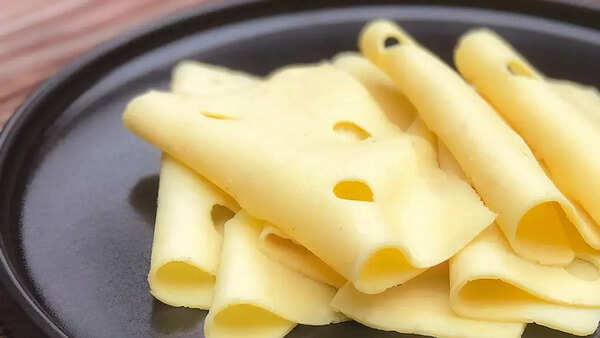
Swiss cheese:

Swiss cheese originated in Switzerland. This semihard cheese is typically made from cow’s milk and features a mild, nutty taste. Swiss cheese can be part of a healthy diet. It’s a good source of protein, calcium, and vitamin B12, and it’s relatively low in fat and sodium compared to some other cheese varieties.

Cheese (15)

Here’s a more detailed look:
Protein: Swiss cheese is a great source of protein, with about 8 grams per ounce. Protein is important for building and repairing tissues, as well as providing sustained energy.
Calcium: It’s a good source of calcium, which is essential for bone health.
Vitamin B12: Swiss cheese contains more vitamin B12 than many other cheeses, which is important for nerve function and red blood cell production.
Low in fat and sodium: Compared to some other cheeses, Swiss cheese is lower in fat and sodium.
Moderation is key: While Swiss cheese offers several health benefits, it should still be consumed in moderation as part of a balanced diet.
Swiss cheese and other alpine cheeses, such as Emmental and Gruyere, are lower in carbs than many other types of cheese. This may be desirable for people who have diabetes or are following a ketogenic diet.
To incorporate Swiss cheese into your diet, you can eat it with fruit or add it to sandwiches, egg bakes, burgers, or French onion soup.

How to be smart about eating during Diwali


Source link

Retreat like the royals at Fort Rajwada in Jaisalmer


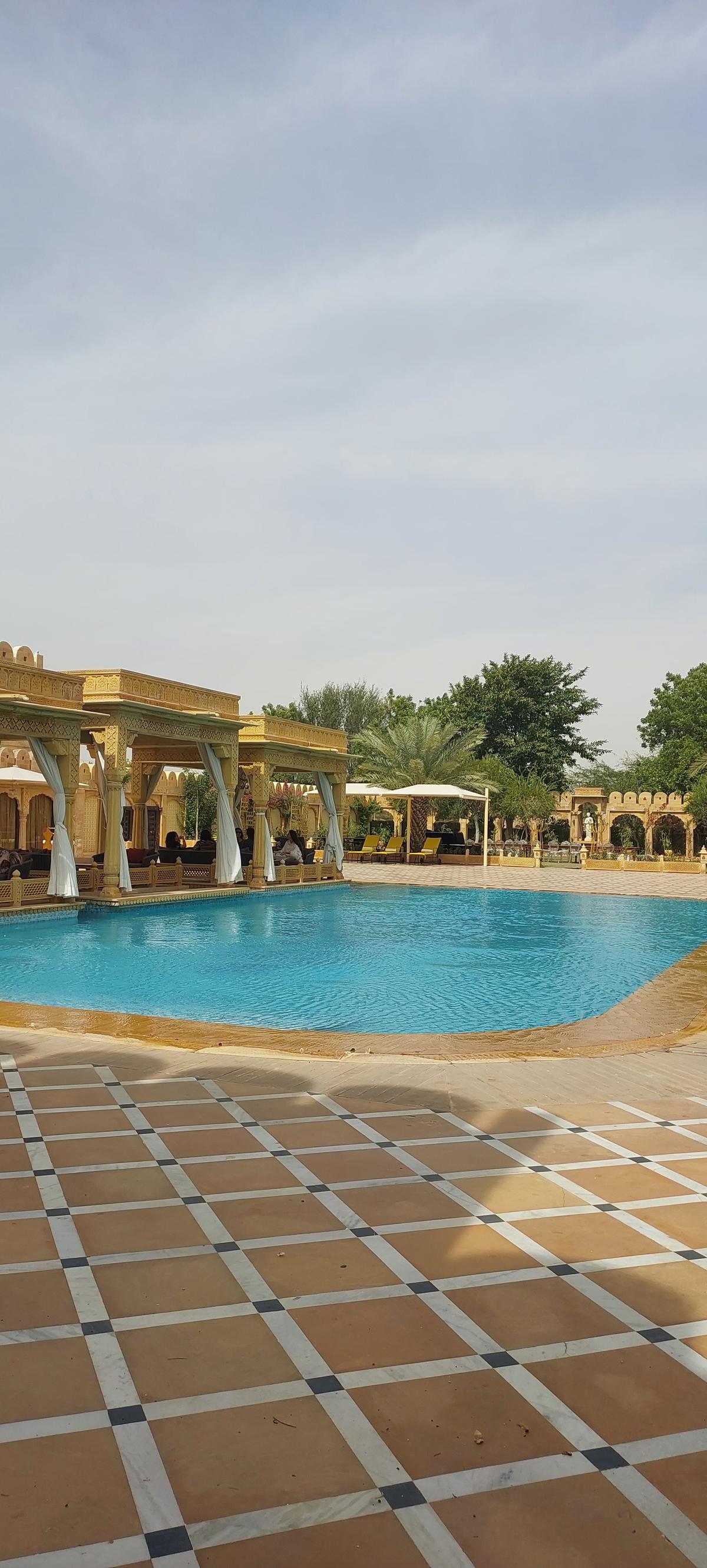
Jaisalmer is arid and parched. Desert brush dot the sands that seem to stretch endlessly. In the city, the barrenness is equally pronounced, which makes the first glance of Fort Rajwada even more impressive.

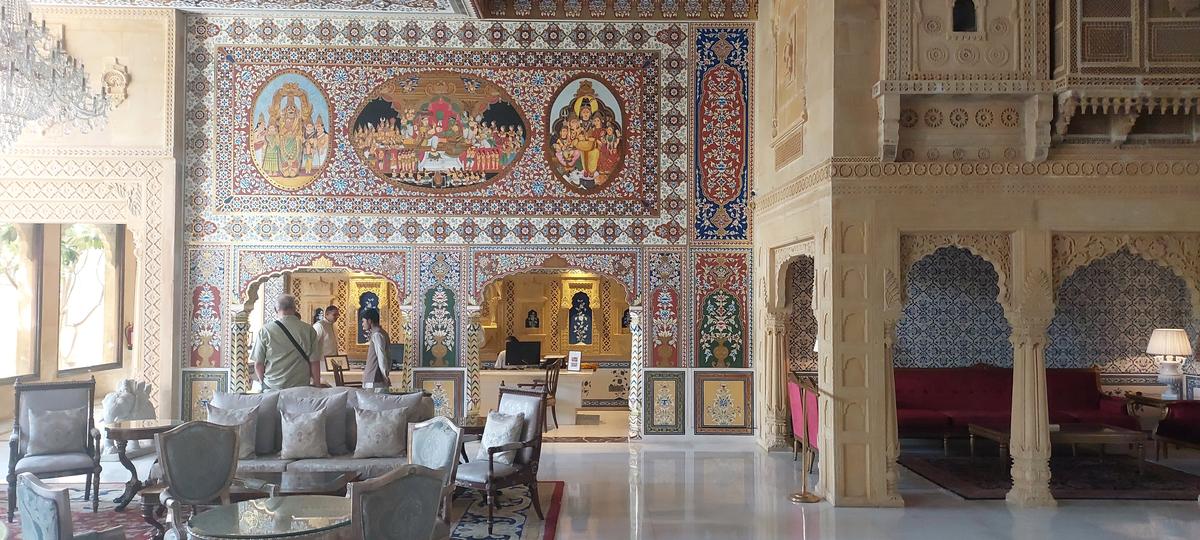
The gates loom large and majestic and the driveway curves past green lawns to stop at ornate double doors, intricately carved in sterling silver. Once you step through them you travel back in time to the land of maharajas, flying carpets and caparisoned elephants.

Except, this fort has only been around for two decades.

Vinay Khosla, managing director, Fort Rajwada, explains, “This is a built fort, one among the few hotels of this size constructed in 1999, with an intent to replicate the historic forts of the region.” He adds that it changed hands in 2017, and once it came into their possession, they began upgrading it as a hotel.

First, there is the traditional welcome, complete with aarti, tikka and a garland of marigolds. Next, a warm towel materialises on a salver and honestly, it is a little hard to pay attention to these ministrations when the foyer is so captivating.

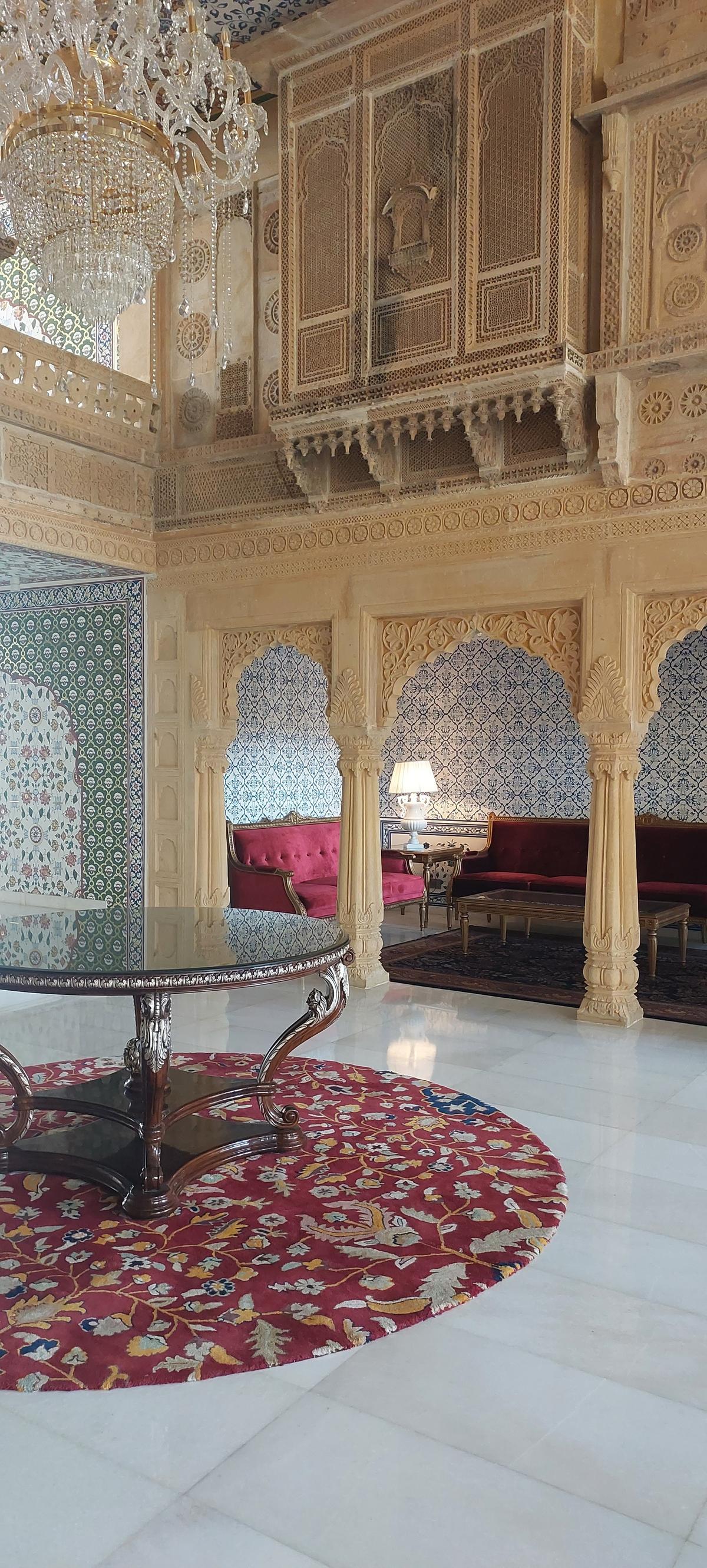
Every visible surface exudes opulence — chandeliers, lush carpets, elaborate wallpaper, plush upholstery and carved stone pillars. The inner doors, again sterling silver, open out into a courtyard walled off with turrets at each corner. A huge marble fountain is flanked by walkways and nooks to the different wings of the fort that house the rooms.
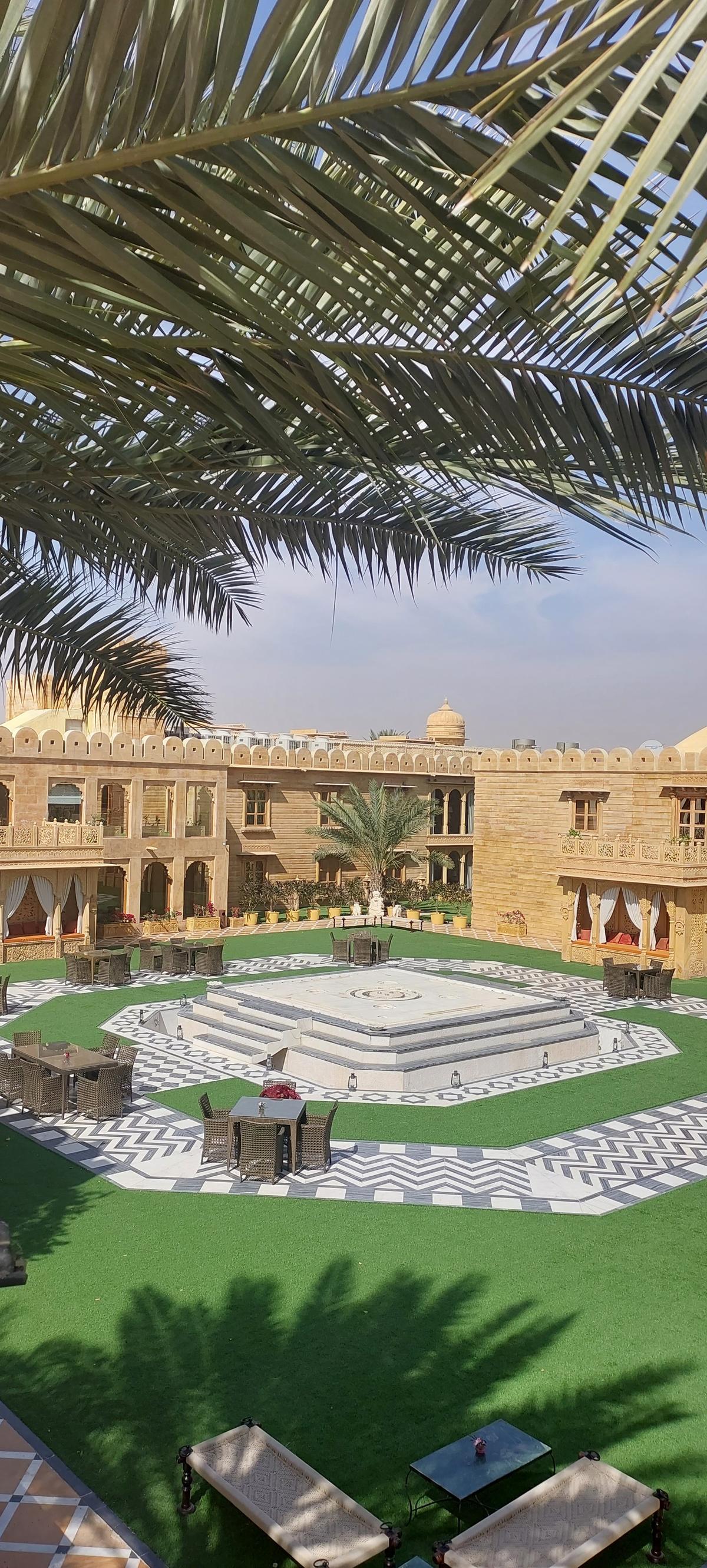
Fort Rajwada

Fort Rajwada
| Photo Credit:
Ruth Dhanaraj

Each wing sports a different motif (rosette, geometric, and the like), which is mirrored throughout — from the accents on the room’s furniture to the smaller fountain in the centre of that wing. The attention to detail is astounding. Four poster beds, wood and rattan panelling, burnished brass fittings and cut glass lights, add to the continued feeling of stateliness.

Once you have settled in and shaken off your travel weariness, the hotel provides sightseeing trips into the city where one can marvel at its stunning historic architecture, and indulge in sampling local wares, arts and crafts.

Back at the Fort, arrangements are made for bonfires, folk singers and puppet shows in the evening for the entertainment of guests.

Indigenous materials

The overall colour scheme at the fort is gold, cream and beige, offset by warm wood and bright home decor.

“For the exteriors, Jaisalmer stone or sandstone indigenous to the region has been used; its hue is why we are called the Golden City. Inside, we’ve used Botticino and Red Levante, both Italian marble, while the lobby is done up in white Makrana, an exquisite white stone mined in Rajasthan,” says Vinay.

Though their wallpaper has been created by multiple award-winning designers, Vinay says the walls and ceiling of their reception area have been done by hand. “Artisans from various regions of our country, including Shekhawati, took about three years to complete their work in our hotel.”
Fort Rajwada

Fort Rajwada
| Photo Credit:
Ruth Dhanaraj

A brightly-coloured 20×20 mural depicting scenes from The Ramayana dominates one wall of the foyer. “We believe these 35 frames showing different instances from the epic will help guests understand our festivals and the celebration of good over evil,” says Vinay.

With a room count of 99, the living spaces in Fort Rajwada have been designed to make guests feel at home. The Elephant and Monkey Lounges complete with well-stocked bookshelves, faux fireplace and antique Persian carpets (monogrammed by the craftsmen), give guests the freedom to socialise in an elegant sitting room.

Indian miniatures from the Company School — art done during the time of the East India Company, when European painters came to India with their techniques — line the corridors and a huge Tanjore work of art adorns the landing.

Past the first glance

“Service providers are also service receivers,” says Vinay, explaining how they updated the hotel. “Every product has a life cycle or a shelf life. If the same product is being stretched beyond its use it won’t make economic sense in the long run.”

According to Vinay, Fort Rajwada deploys sustainable methods for the upkeep of the hotel. “Stone paint has a limited commercial life, so for us to enhance longevity, various tools and equipment are used on a regular basis.”
Fort Rajwada

Fort Rajwada
| Photo Credit:
Ruth Dhanaraj

Being a desert, almost every commodity in Rajasthan is hard to come by and is therefore more dearer than it would be elsewhere in the country. Thankfully, the Fort runs an effective rainwater harvesting and waste composting system. “With the hotel industry contributing to the world’s carbon emissions, it’s time for us to take sustainability measures and adopt more eco-friendly business practices,” says Vinay.

The writer was in Jaisalmer on the invitation of Fort Rajwada

Getting there

The best time to visit Jaisalmer is between October and March. As it is a defence airport, flights are limited but one can travel by road from Jodhpur in 4.5 hours. With well-paved roads sporting barely a pothole, even the most sensitive of car sick souls, will not have complaints.

Sightseeing in Jaisalmer

Jaisalmer Fort, Patwon Ki Haveli and the Jain Temples within the Fort are the main attractions. Many other edifices built using similar styles will captivate those with an interest in history and architecture.

Desert safaris and camel rides and camping will appeal to those willing to rough it out.

The Jaisalmer War Museum, Desert Culture Centre & Museum, Longewala War Memorial and Thar Heritage Museum beckon history buffs.

Gadisisar Sagar Lake, Kuldhara Abandoned Village, Akal Wood Fossil Park and Desert National Park are some other attractions apart from stores selling antique ware and handicrafts of the region.
Fort Rajwada

Fort Rajwada
| Photo Credit:
Ruth Dhanaraj


Source link

New Škoda Kodiaq Review: Full-size Family SUV


In the world of full-size SUVs, where space meets sophistication, the new Škoda Kodiaq makes a compelling case for itself. Now longer, sleeker, and richer in detail, this second-generation model has evolved beyond just size—it feels like Škoda has truly gone upmarket, blurring the line between premium mass market and entry-level luxury.

The Skoda Kodiaq’s design language has matured. Its sculpted bonnet flows gracefully into a bolder octagonal grille, now finished in an elegant Dark Chrome that extends to the D-pillar and Škoda lettering on the tailgate. A horizontal light strip bisects the redesigned grille, offering a visual signature that glows distinctly at night. Adding to the drama are new second-gen LED beam headlights featuring a coloured crystalline element that will delight those with an eye for detail.

There’s a massive 32.77 cm free-standing infotainment display paired with a 26.03 cm Virtual Cockpit

There’s a massive 32.77 cm free-standing infotainment display paired with a 26.03 cm Virtual Cockpit
| Photo Credit:
Special Arrangement

At the rear, the full-width decorative strip connects sharply contoured C-shaped LED tail lamps. The large tailgate and bumper, now even more defined with a wide diffuser, lend it a stately posture. A new Bronx Gold Metallic paint option and R18 Aero alloy wheels complete the SUV’s head-turning aesthetics.

At 4,758 mm in length—59 mm longer than before—the new Kodiaq isn’t simply bigger for the sake of it. The additional length translates into meaningful gains in cabin space. The second and third rows now offer better room, making the SUV more accommodating for families who value comfort in all three rows. That third row, in particular, lends genuine seating flexibility, allowing the Kodiaq to adapt effortlessly to different passenger and luggage needs—something few premium SUVs execute this well.

Boot space is impressively versatile,offering 281 litres with all seats up, 786 litres with the third row folded, and a cavernous 1976 litres with the second row down. Whether it’s airport runs or weekend getaways, the Kodiaq handles cargo with ease.

The new Škoda Kodiaq raises the bar. It’s not just a facelift or a refresh—it’s a reinvention. 

The new Škoda Kodiaq raises the bar. It’s not just a facelift or a refresh—it’s a reinvention. 
| Photo Credit:
Special Arrangement

Where the Kodiaq truly exceeds expectations is on the inside. The cabin quality is on par with what you would find in a luxury car. From the Cognac leather upholstery with contrast stitching to the ambient mood lighting and high-end materials used across the dash, it feels more European luxury than premium mainstream.

There’s a massive 32.77 cm free-standing infotainment display paired with a 26.03 cm Virtual Cockpit, but the pièce de résistance is the Škoda Smart Dials—rotary push-buttons with their own displays that control cabin climate, seat functions, and more. It’s clever, tactile, and just plain satisfying to use. This level of attention to detail, right down to the umbrella in the door, gives the Kodiaq the polish of a car twice its price.

The Front Ergo seats with pneumatic massage settings—controllable via eight unique programs—make long drives comfortable. Rear passengers are not forgotten either, with rolling sunblinds, tablet holders, and a central storage console for added convenience. The in-cabin experience is further elevated by a powerful 725W CANTON sound system with 13 speakers and a subwoofer, delivering a rich, immersive audio experience.

Despite its many strengths, the lack of ADAS features feels like a notable omission, especially in an otherwise well-specced package that nails everything else. In today’s competitive market, where advanced safety tech is fast becoming a norm rather than a luxury, it is an odd gap to overlook.

Whether you’re darting through city traffic or stretching its legs on the highway, the Kodiaq feels refined and eager.

Whether you’re darting through city traffic or stretching its legs on the highway, the Kodiaq feels refined and eager.
| Photo Credit:
Special Arrangement

The 2.0-litre TSI engine under the hood produces 204 PS and 320 Nm of torque. Mated to a smooth-shifting 7-speed DSG transmission, this powertrain delivers a surprisingly peppy performance. Whether you’re darting through city traffic or stretching its legs on the highway, the Kodiaq feels refined and eager.

The lack of a diesel or hybrid powertrain could deter buyers looking for broader options, especially those prioritizing fuel economy. However, the petrol engine is punchy, responsive, and surprisingly frugal for a car of this size, with a claimed mileage of 14.86 kmpl. Importantly, it drives smaller than it looks—thanks to well-tuned suspension and excellent road manners—offering the kind of ride comfort and handling you rarely expect from a 7-seater.

The new Škoda Kodiaq raises the bar. It’s not just a facelift or a refresh—it’s a reinvention. It combines luxury-grade interiors, a strong petrol engine, refined dynamics, and space for the whole family, all in a package that’s distinctive on the road.

At the rear, the full-width decorative strip connects sharply contoured C-shaped LED tail lamps. 

At the rear, the full-width decorative strip connects sharply contoured C-shaped LED tail lamps. 
| Photo Credit:
Special Arrangement

At the same time, the Kodiaq does come at a price. With a starting tag of ₹46.89 lakh (ex-showroom), it’s on the steeper end of the premium SUV segment. While it remains competitively priced for a fully-loaded 3-row SUV, buyers may hesitate when they consider alternatives like the Tiguan R-Line or entry-level models from German brands. Still, if badge value isn’t your top priority, the Kodiaq stands tall as a well-appointed machine that checks nearly every box—power, comfort, space, and features. For the discerning family, it’s a solid, satisfying choice.

Price: ₹ 46.89 lakh onwards

Motorscribes, in association with The Hindu, brings you the latest in cars and bikes. Follow them on Instagram on @motorscribes


Source link

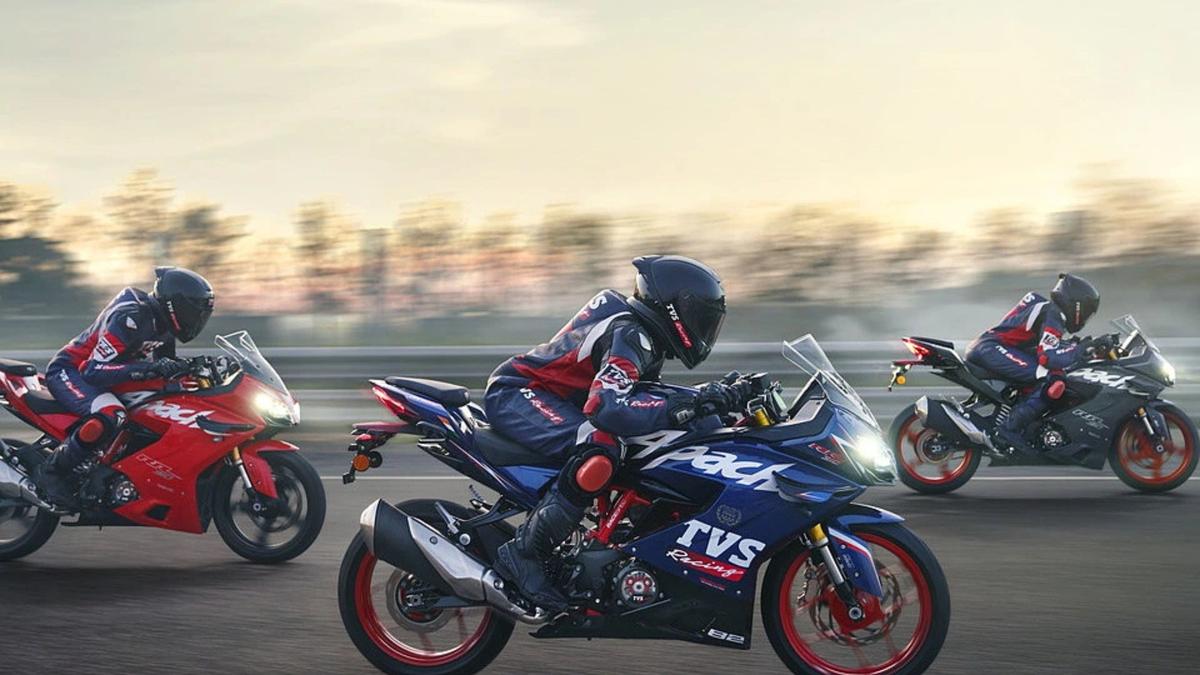
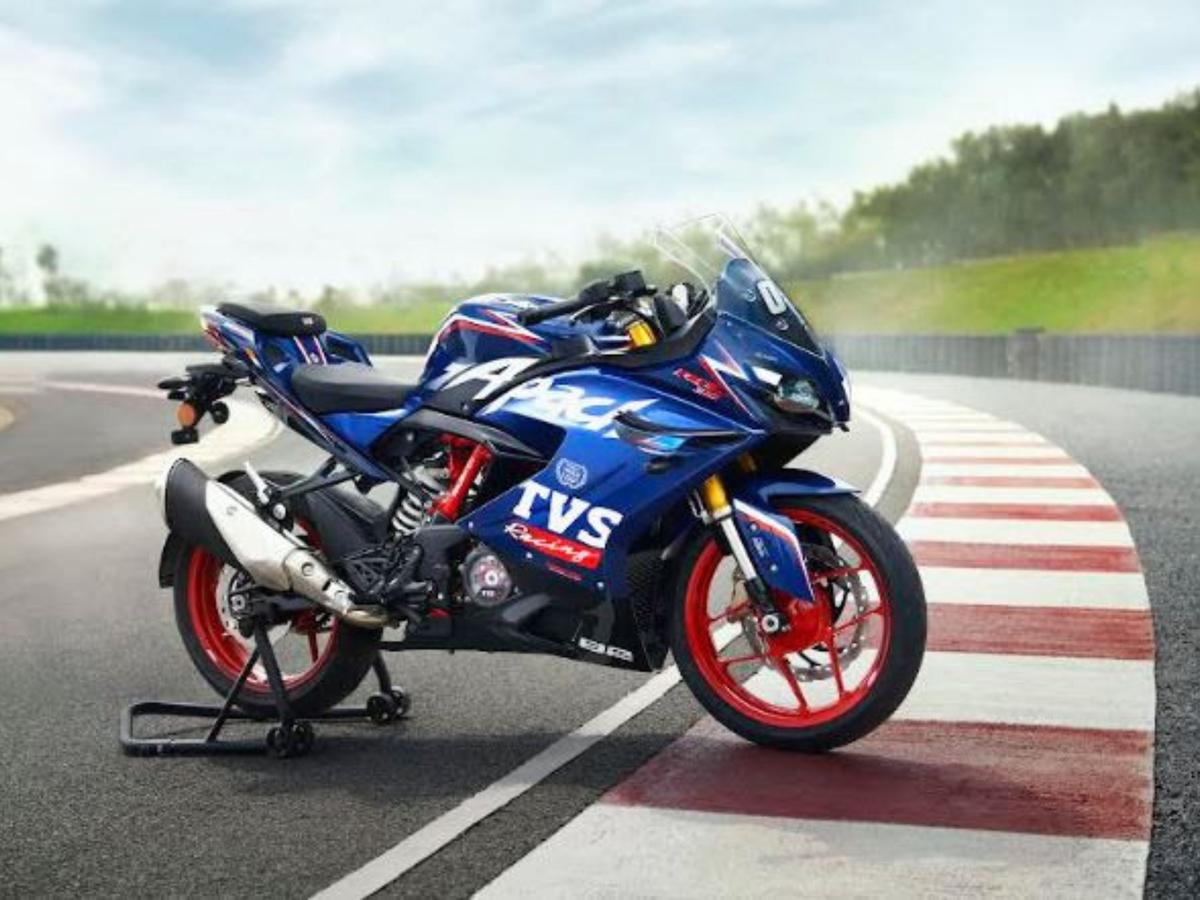
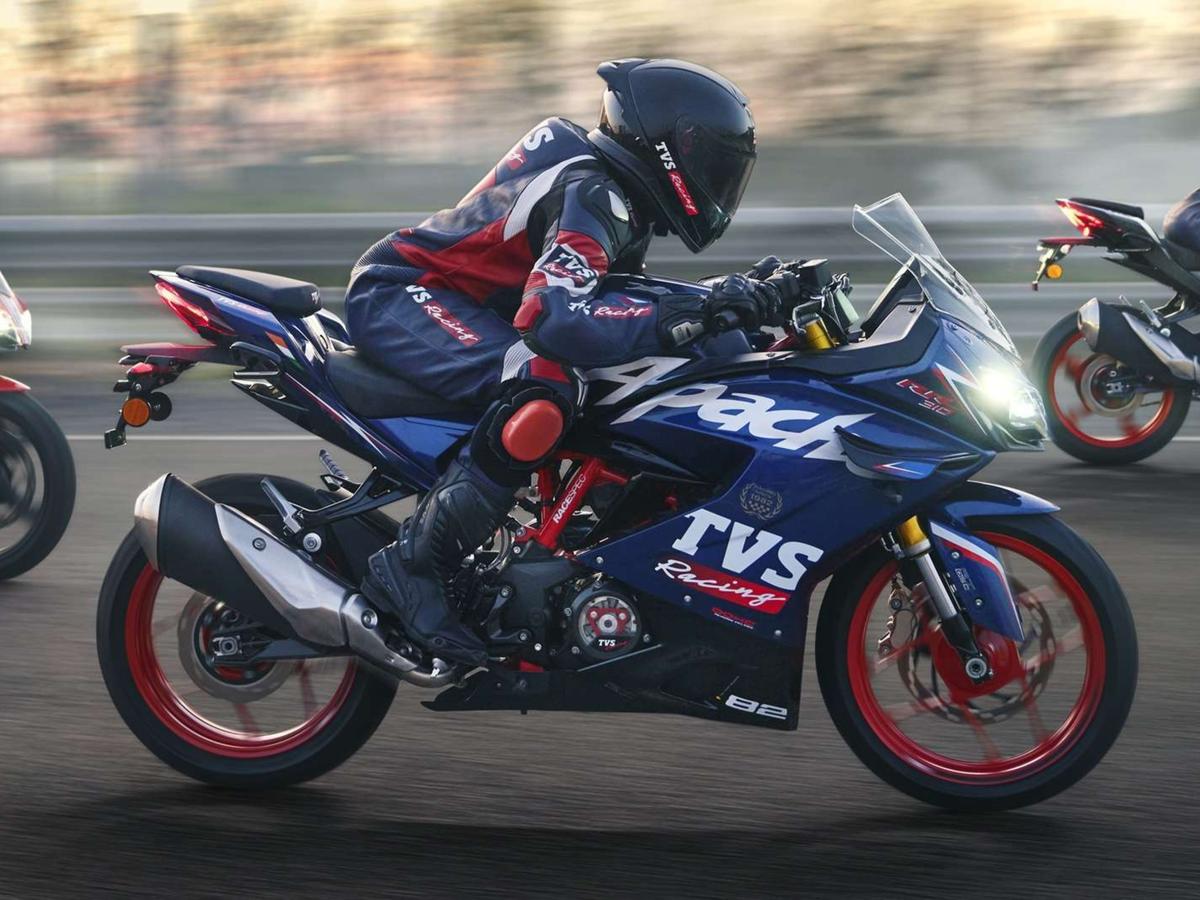
TVS Apache RR 310 Race Replica launched in Sepang Blue with track-focussed upgrades


TVS Apache RR 310 

TVS Apache RR 310 
| Photo Credit: Special Arrangement

The TVS Apache RR 310 continues to solidify its place in the super sport motorcycle segment with its latest update for 2025. Drawing from TVS Racing’s 43-year legacy, including its dominance in the Asia Road Racing Championship (ARRC) — where it clocked a best lap time of 1:49.742 seconds and hit a top speed of 215.9 km/h — the RR 310 has always been a symbol of race-bred performance. The new iteration furthers this heritage with a bold Sepang Blue Race Replica colour scheme inspired by the TVS Asia One Make Championship machine.

Tailored for riders who crave a more performance-oriented machine — whether for spirited road rides or weekend track sessions — the Apache RR 310’s latest evolution introduces a suite of advanced features aimed at enhancing control, precision, and adaptability across varying riding conditions.

TVS Apache RR 310 

TVS Apache RR 310 
| Photo Credit:
Special Arrangement

Among the most notable additions is the introduction of Launch Control and Cornering Drag Torque Control — rider aids typically seen on much higher-end motorcycles. These are complemented by a new Gen-2 Race Computer offering multi-language support, and Sequential Turn Signal Lamps, both of which make their debut in this segment. The bike also now features newly designed eight-spoke alloy wheels, enhancing both aesthetics and performance.

The fully-faired design of the Apache RR 310, with its aggressive stance and race-focussed ergonomics, is matched by four selectable riding modes — track, sport, urban, and rain — offering adaptability for every environment. Under the fairing is a refined, reverse-inclined DOHC engine that delivers 38 PS at 9,800 rpm and 29 Nm of torque at 7,900 rpm, providing a potent blend of power and rideability for both street and track.

TVS Apache RR 310 

TVS Apache RR 310 
| Photo Credit:
Special Arrangement

The motorcycle will be available in three standard variants and three customisable BTO (Built to Order) configurations. These include the Dynamic Kit, Dynamic Pro Kit, and the new Race Replica colourway.

Pricing for the 2025 TVS Apache RR 310 starts at ₹2,77,999 for the Red variant without a quickshifter, ₹2,94,999 with a quickshifter, and ₹2,99,999 for the Bomber Grey option. BTO customisations are priced at ₹18,000 for the Dynamic Kit, ₹16,000 for the Dynamic Pro Kit, and ₹10,000 for the Race Replica Colour. All prices are ex-showroom India.

Motorscribes, in association with The Hindu, brings you the latest in cars and bikes. Follow them on Instagram on @motorscribes


Source link

Mohiniyattam is a complete art form, says Japanese artiste Hiromi Maruhashi


Hiromi Maruhashi

Hiromi Maruhashi
| Photo Credit: Athira M

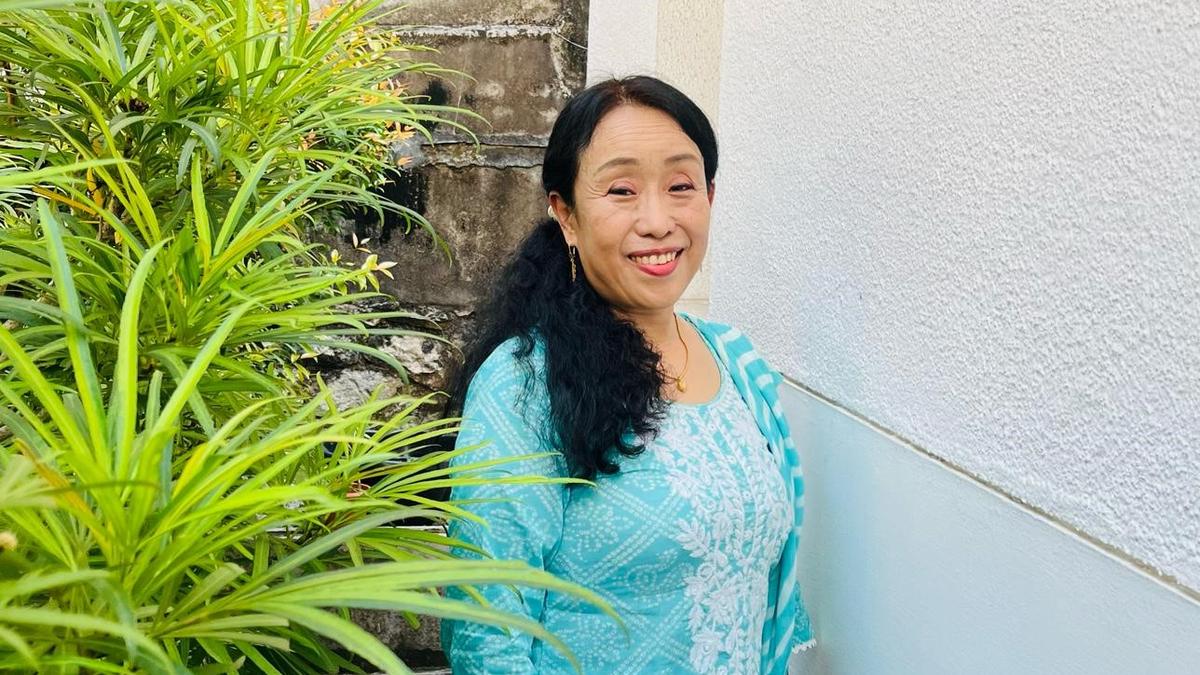
Hiromi Maruhashi’s face lights up as we sit down to talk about Mohiniyattam. The classical dance form of Kerala has been integral to her life for over three decades now. Every year she comes down to the State to brush up on her lessons, learn new productions and teaches interested dancers back home.

She is all set to return home after a 10-day intensive workshop under danseuse Neena Prasad. Hiromi recalls that it was her quest to learn traditional dance forms that led her to Mohiniyattam. “I was into contemporary dance and happened to read about Kerala’s dance forms. I started with learning Nangiarkoothu from Margi Sathi. But I couldn’t stage it in Japan because it was not possible to procure the mizhavu (copper drum used as the accompanying percussion instrument). Sathi teacher suggested that I learn Mohiniyattam and introduced me to Kalamandalam Leelamma,” says Hiromi.

Hiromi Maruhashi

Hiromi Maruhashi
| Photo Credit:
SPECIAL ARRANGEMENT

Although she joined Kerala Kalamandalam, she dropped out after a few months and took private lessons from Leelamma teacher. “After Leelamma teacher’s demise, I took lessons from various teachers each time I came down to Kerala. Except during the pandemic, I travelled to the State every year for Mohiniyattam lessons. I realised that not all teachers are devoted to the dance form. For some it is like running a business.”

Hiromi observes that Neena’s workshop has been a different experience. “We were taken through the basics of Mohiniyattam. It was refreshing and I felt like a beginner. We learnt various songs and gained a lot of academic knowledge.”

She considers Mohiniyattam a “complete art from. I like the movement, expressions, the narratives…”

Hiromi Maruhashi

Hiromi Maruhashi
| Photo Credit:
SPECIAL ARRANGEMENT

Besides teaching Mohiniyattam, Hiromi takes yoga classes in Japan and works with the government on different health programmes for senior citizens. “This includes exercise and diet. There are sessions to improve their intellectual growth as well.”

Hiromi has also acted in the Malayalam move, Nottam (2005). “That happened because of Sathi teacher. Her husband had been electrocuted during the shoot and she was devastated. I was among those who egged her to face the camera again. She agreed on the condition that I take her to the location. So I came down from Japan for this. Eventually I got a small role as well.”

Talking about her proficiency in speaking, reading and writing Malayalam, Hiromi says that she started learning Malayalam while studying Nangiarkoothu. “It improved once I started coming here every year. I am even called to the immigration office in Japan for translation work. The police has also sought my help.”

Her association with Kerala has been so deep that she has learnt to cook most traditional dishes of the State. She has also written a book in Japanese on her tryst with Kerala and Indian art and culture.


Source link

JD Vance and Usha Vance’s children charm in ethnic wear as they arrive in India


JD Vance and Usha Vance's children charm in ethnic wear as they arrive in India

When US Vice President JD Vance touched down in Delhi with his family, all eyes were not just on the high-profile diplomatic visit but also on the sartorial symbolism woven into their arrival. Accompanied by his wife, Usha Vance, and their three children- Ewan, Vivek, and Mirabel, the Vice President made a graceful entrance that balanced classic diplomacy with personal heritage, all wrapped in quietly elegant fashion choices.

as

Usha, the first Asian American and Hindu American to serve as Second Lady of the United States, offered a striking yet sophisticated style moment. Dressed in a bold red dress, she brought a vibrant pop of colour to the ceremonial welcome. The look was polished with a crisp white blazer and sleek nude heels, striking a seamless blend of East-meets-West minimalism and First Lady-esque finesse. Red, a colour symbolising prosperity and celebration in Indian culture, felt like a meaningful nod to her roots, perfect for a moment of cultural homecoming.
But it was the Vance children who truly captured hearts with their attire. Ewan and Vivek, the couple’s two sons, were dressed in traditional Indian kurtas- Ewan in a soft blue and Vivek in a sunny yellow. Three-year-old Mirabel wore a delicate kurta set, her outfit gently swaying as she descended the aircraft steps, guided by a staff member before being swept up in her father’s arms.
Their looks were more than adorable; they were emblematic of a deep connection to their Telugu-Indian heritage- one that Usha, who was born to Indian immigrant parents and raised in an Indo-American household, has carried into her own family with grace and intention.

GpCHA-Ob0AApyIu

The choice to dress the children in traditional Indian wear spoke volumes about the family’s respect for their cultural lineage and their desire to reflect that heritage on a global stage. In a world where fashion often serves as silent diplomacy, the Vance family’s ensembles struck a perfect chord between tradition and modernity, politics and personal identity.
As India prepares to host the family for a series of high-level visits, from the Taj Mahal to Jaipur’s City Palace- this warm, culturally attuned arrival has already made its mark, both in politics and in fashion.


Source link

Chef Gautam Krishankutty’s pop-up in Bengaluru is dedicated to his Malabar memories


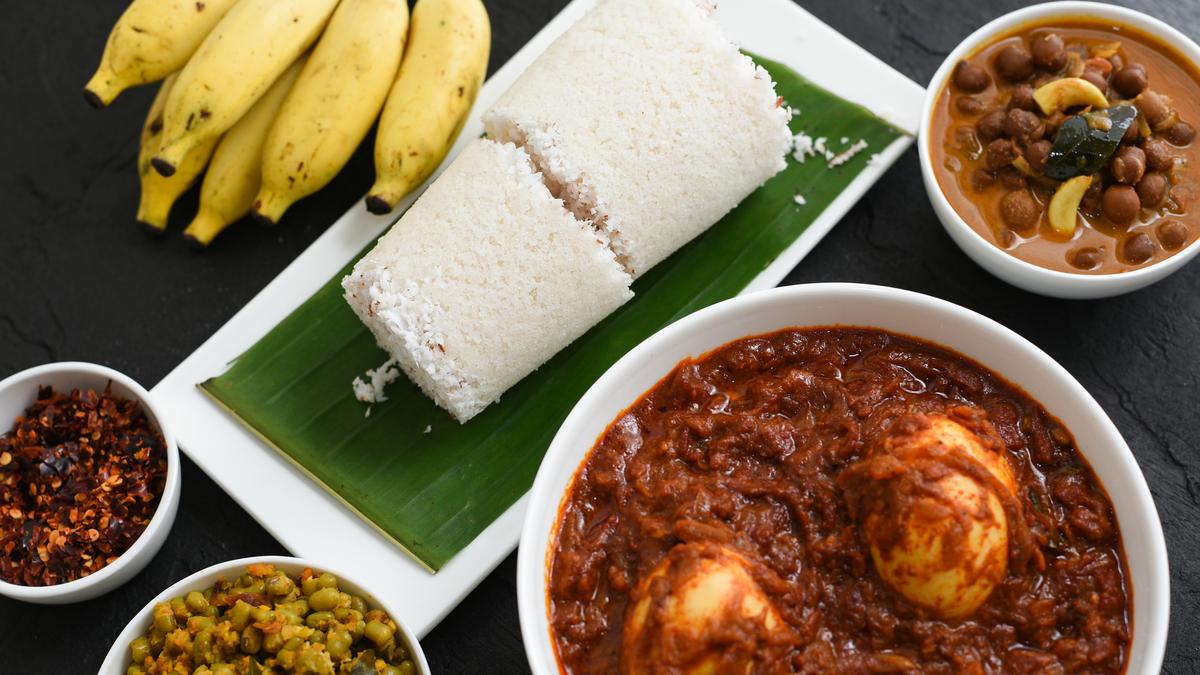
Rice puttu and egg roast

Rice puttu and egg roast
| Photo Credit: santhosh_varghese

The last few years have seen the rise of home cooks championing micro-cuisines, and chefs have taken cue and introduced pop-ups, regional food festivals, and more. Taking cue from this trend, city-based Tijouri — a restaurant dedicated to pop-ups — is all set to host a lunch pop-up by Chef Gautam Krishankutty, who earlier helmed popular Cafe Thulp, and The Smoke Company.

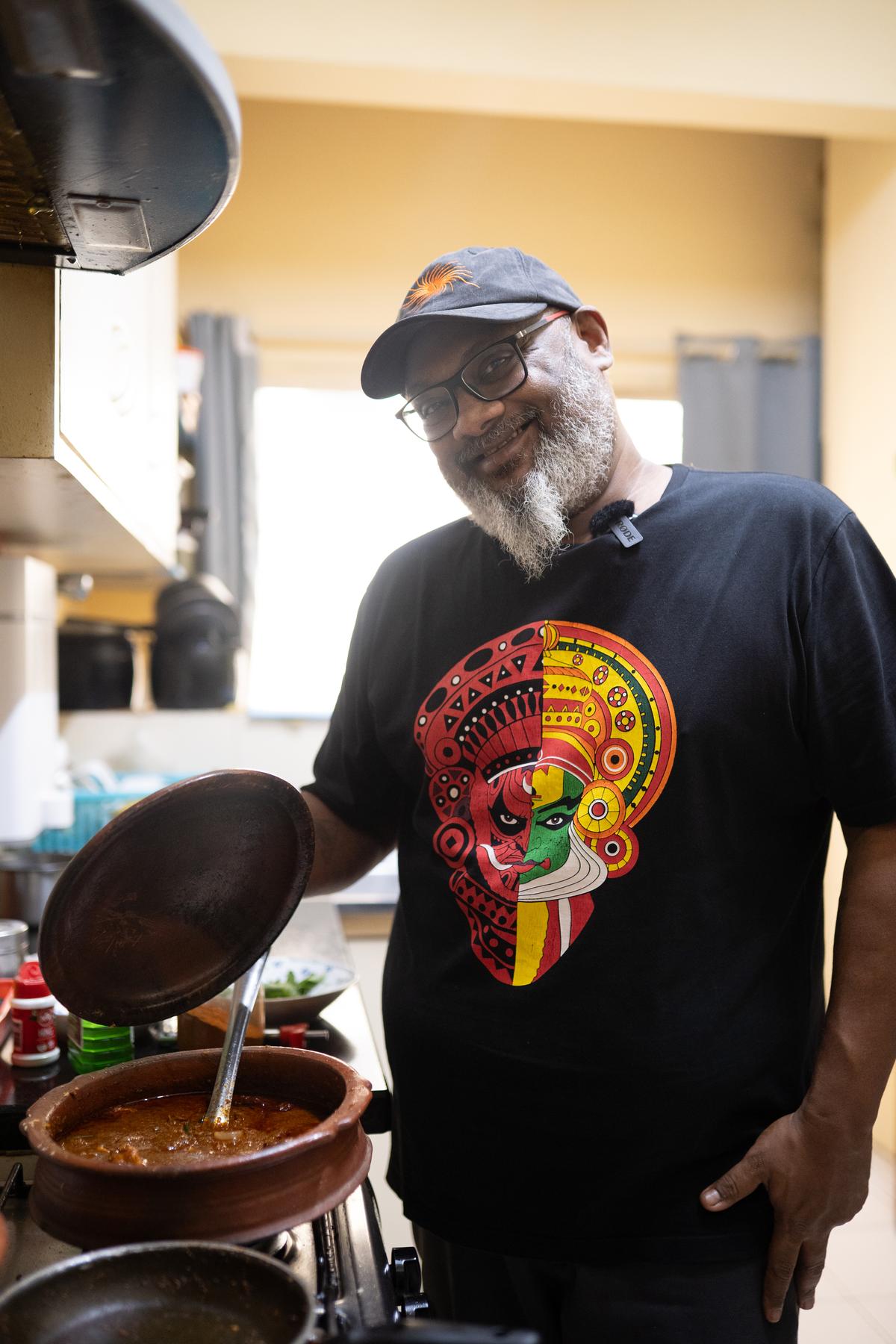
Chef Gautam Krishankutty

Chef Gautam Krishankutty
| Photo Credit:
Special Arrangement

While Gautam is known for his South East Asian offerings and experiments with grilled and smoked meat, this pop-up focusses on his flavours from home. Titled The Malabar Feast, the menu, he says, is drawn from his “memory, nostalgia, and the flavours of childhood travels in Kannur, Kerala”.

“Over the past few years, I realised that my connection to my own cuisine of the Malabar coast has been sorely lacking. Since then, I’ve been researching, learning, and making the food of my origins. It almost came about from a sense of shame that I didn’t know enough about the cuisine. This is an effort to correct that,” says Gautam. 

Diners can expect dishes such as the trio of chamanthis, neypathal with Leela’s chicken curry, velappam with chemmeen ulli theeyal, Malabar parotta with mutta roast, Devisadanam mutton biryani, and porrichi nendra pazham for dessert.

“When I started thinking about the menu, I decided to create a set of five courses: each one a meal by itself. Each of these courses represent the myriad influences on Malabar food, from the Arabic Moppila touches to the toddy tapper Thiyya roots that I come from. Instead of just doing a whole sadhya, I focussed on meals that I looked forward to growing up.”  

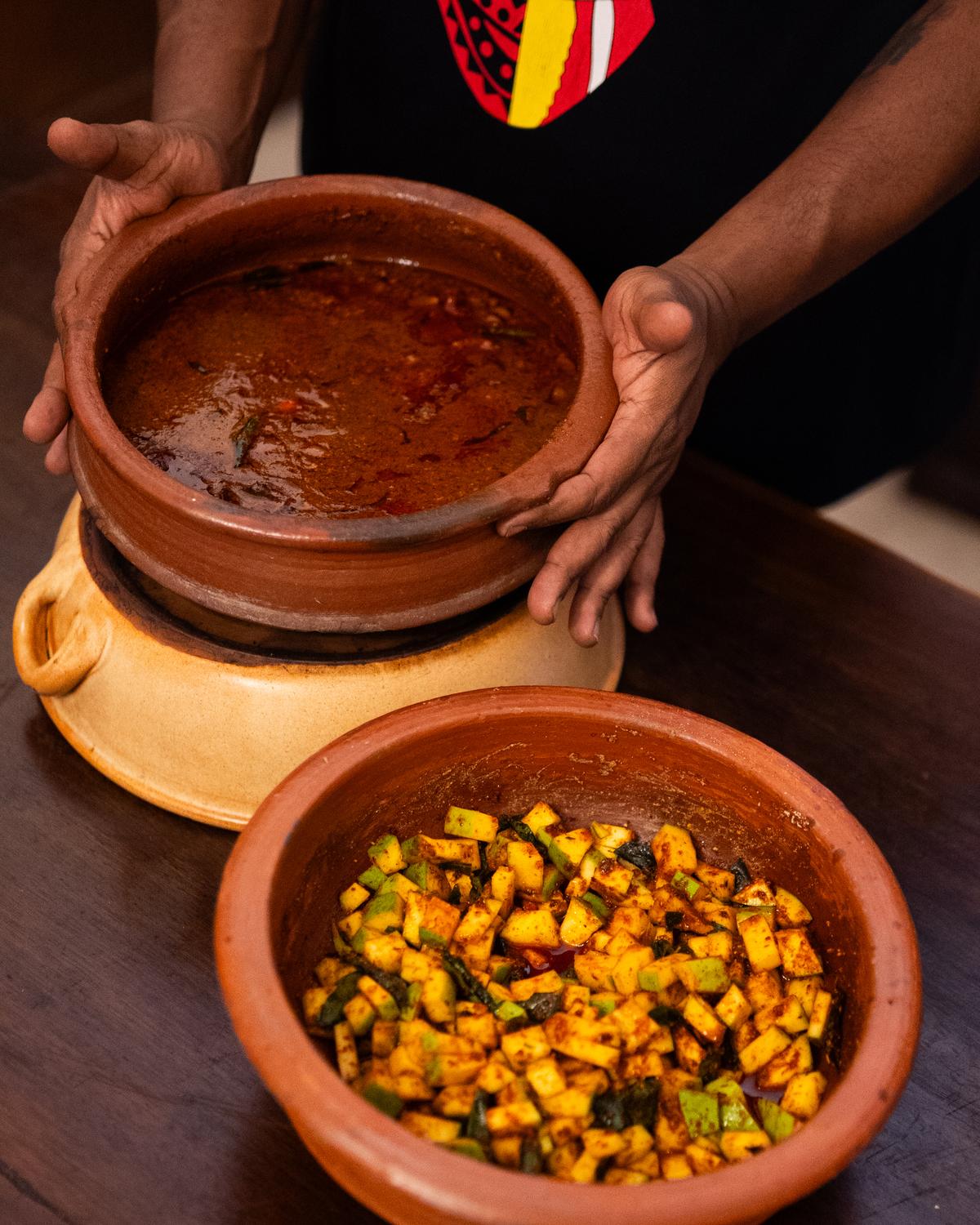
Chemmeen ulli theeyal and mango pickle

Chemmeen ulli theeyal and mango pickle
| Photo Credit:
Special Arrangement

The menu features five such dishes, “They are taken from my childhood experiences, my travels to Kerala over the years, and recipes passed down to my mother by her ancestors. These are living breathing records of my ancestry,” he says, adding that the chemmeen ulli theeyal is the closest to his heart.

“It’s my favourite mostly because it’s something you don’t see too often on menus, and it represents Kerala to me. It also uses all the spices and produce Kerala is famous for.”

On April 26 and 27, for lunch. ₹3,000 per person. Tijouri is at No 1, Radisson Blu Atria, Race Course Road, Bengaluru.


Source link

Immediately STOP drinking these 5 common drinks to reduce the risk of diabetes


What’s believed: Occasional drinking, especially wine or spirits, is seen as socially acceptable and even heart-healthy in some conversations.

The truth: Many alcoholic drinks, especially cocktails, wines, and liqueurs, contain hidden sugars and carbs. Regular alcohol intake may also interfere with the liver’s ability to regulate blood sugar. Excessive alcohol can increase the risk of type 2 diabetes, particularly when combined with an unhealthy diet.

A better choice: If needed occasionally, dry red wine in moderation may be less harmful. But for non-alcoholic alternatives, kombucha (unsweetened), herbal teas, or sparkling water with fruit slices can be refreshing and safe.


Source link

Rift between King Charles and William? Why the Prince and Kate skipped Royal Easter celebrations


Rift between King Charles and William? Why the Prince and Kate skipped Royal Easter celebrations
Image credits: Getty Images

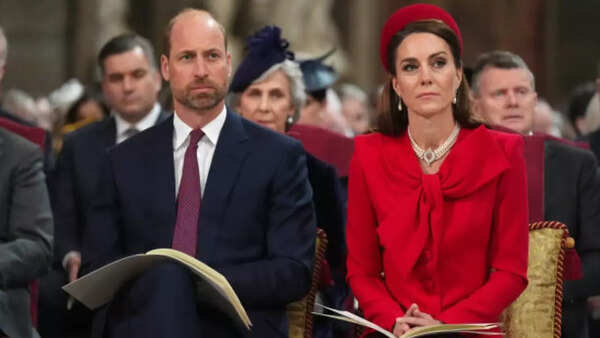
Prince William and Kate, the Prince and Princess of Wales, skipped the Royal Raster celebrations for the second year this time. Their absence from the Royal family’s Easter celebrations was noticed by all and thus raised many eyes about their whereabouts. Is this just a concern of timing or is there another rift forming between the royal family members?

Where did Prince William and Princess Kate celebrate Easter?

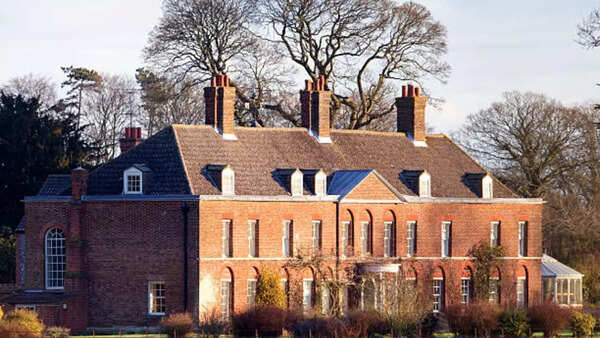
Anmer Hall, Norfolk

Image credits: Getty Images

Instead of joining King Charles, Queen Camila and the other royal family members in the Easter Matins Service at St. George’s Chapel in Windsor, the Prince and Princess of Wales headed to Anmer Hall, their country home in Norfolk alongside their children Prince George, Princess Charlotte and Prince Louis.

Why did the royal couple skip the Easter celebrations?

Why did the royal couple skip the Easter celebrations?

Image credits: Getty Images

Well, it seems the decision to not attend the Easter celebrations was made to spend some quality time with the family rather than because of a rift. In a conversation with The Sun, a source close to the royal family explained William and Kate’s decision, “They are choosing to spend time together as a family before the children go back to school.”
The royal couple had previously skipped the Easter of 2024 after Kate announced that she had been diagnosed with cancer that March. She later announced that she was in remission after undergoing treatment.

How did the royal family celebrate Easter?

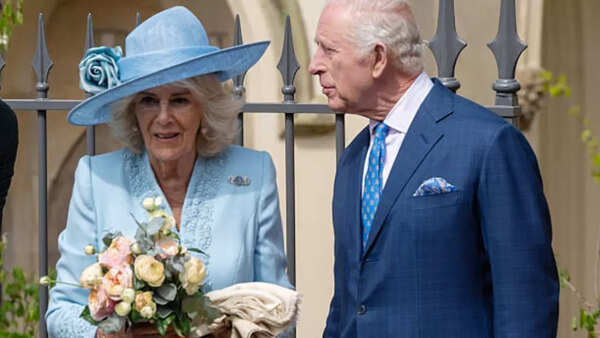
King Charles and Queen Camilla at Easter 2025

Image credits: Getty Images

King Charles, alongside Queen Camilla, celebrated Easter at St. George’s Chapel in Windsor. He was accompanied by his three siblings and their spouses, Princess Anne with her husband Sir Timothy Laurence, Prince Andrew with his ex-wife Sarah Ferguson and Prince Edward with his wife Sophie, the Duchess of Edinburgh. Princess Beatrice along with her husband Edoardo Mapelli Mozz and son James, Earl of Wessex, and Princess Eugenie with her husband Jack Brooksbank were also seen in attendance.


Source link