Life & Style

Ananya Panday becomes Chanel’s first-ever brand ambassador from India


Ananya Panday

Ananya Panday
| Photo Credit: Special Arrangement

French luxury brand Chanel on Wednesday (April 16) named Bollywood star Ananya Panday as its first-ever brand ambassador from India. This comes after Ananya made her presence felt at the Chanel Spring/Summer 2025 show in Paris.

A star who is best known for her performances in films such as Gehraiyaan (2022), Kho Gaye Hum Kahan (2023), and CTRL (2024), and the comedy series Call Me Bae (2024), Ananya has undoubtedly become a fashion icon for Gen Z. Her Instagram account, followed by 25.9 million people, features several photoshoots in which the star can be seen wearing Chanel.

The luxury house, in a statement to The Business of Fashion, said, “Ananya characterises a generation of evolving tastes and fiercely independent identities who navigate the world with their curiosities. Her values resonate with Chanel, making her the perfect choice to represent the house.”

Post the announcement, Ananya expressed her excitement in an Instagram post, writing,”Beyond grateful and excited for my journey with @chanelofficial. The first ever brand ambassador for and from India. Dreams really do come true.”

Many celebrities, including Samantha Ruth Prabhu, Karan Johar, Zoya Akhtar, Shanaya Kapoor, Farah Khan Kunder, Badshah, Khushi Kapoor, Guneet Monga and Ananya’s sister and influencer Alanna Panday, commented on her post.

Interestingly, Ananya is also the brand ambassador of international brands such as Swarovski, Jimmy Choo, Lakmé, Beats and Timex.

Ananya joins the long list of Indian celebrities who have become brand ambassadors of international brands. Actor Sonam Kapoor is associated with Dior and Alia Bhatt is the ambassador of Gucci, while Deepika Padukone became the first-ever Indian ambassador for Louis Vuitton. Aiswarya Rai, on the other hand, has been the global ambassador for L’Oréal for decades.


Source link

Chennai’s summer camps for children tackle financial literacy, animal welfare, weaving and more


Finance and emotional wellness

Children at the School of Life summer workshop in 2024

Children at the School of Life summer workshop in 2024
| Photo Credit:
Special Arrangement

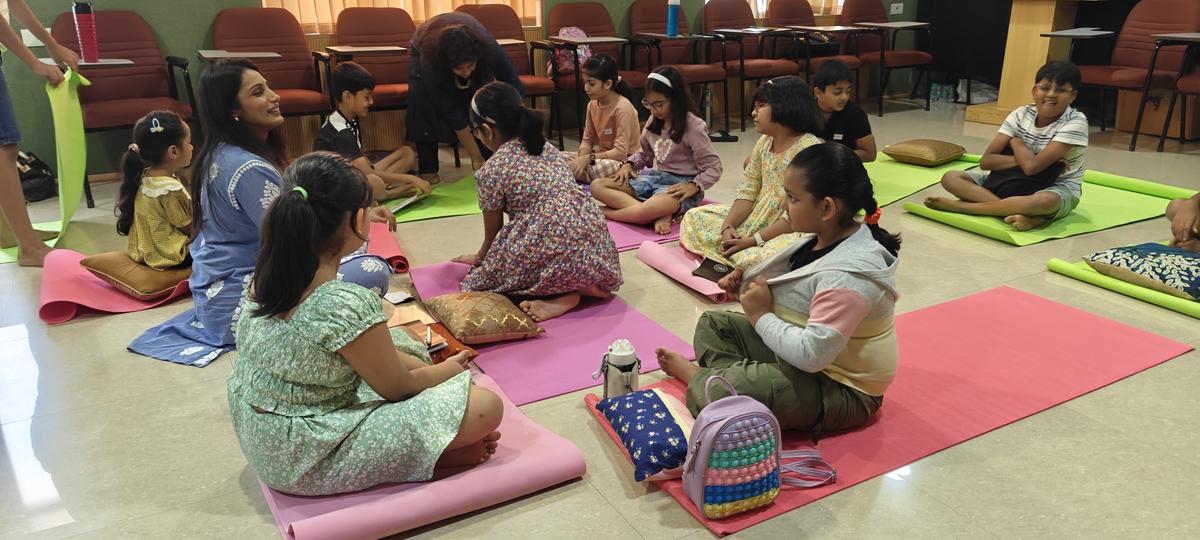
School of Life’s summer workshop has something for children that most millennials wish they had studied about in school — finance. Over 11 days, the summer workshop for children will have sessions on personal finance; understanding how stock markets work as well as confidence building; dealing with jomo (joy of missing out) and fomo (fear of missing out); and vision board-making.

“We were keen on including topics related to finance so that children have a head start with regard to this in life, and have experts from the field addressing them. Emotional wellness is important at a time when screens dominate our lives, and the other topics we focus on, will help them with peer pressure and regulating their emotions,” says Anjana Krishnaswamy, founder, School of Life. The workshop will conclude with a lunch at a luxury hotel in the city, where the participants can put into use the dining etiquette they will be learning at the workshop as well.

Lady Andal School, Harrington Road, Chennai from April 30 to May 10. For 7 to 11 years at 10am and 12 to 16 years at 3pm. Register at 9342182735 or follow @school_of_life.in on Instagram. 

Animals, awareness and empathy

Participants at BMAD’S summer camp last year

Participants at BMAD’S summer camp last year
| Photo Credit:
Special Arrangement

Besant Memorial Animal Dispensary (BMAD), home to several furry friends, will throw open its doors in May for a summer camp that will have children learn about the workings of a shelter, as well as develop awareness and empathy towards animals. 

“We will run two summer camps — one for children who have no exposure to animals and haven’t attended our previous camps and another for children who have attended our camps,” says Neeraja Venkateswaran, head of operations, BMAD. “The five-day camp for new participants will introduce them to how animal shelters work, the medical treatments offered here, rescue operations and what they can do if they see an injured animal, how we work with large domestic animals, and a session on wildlife awareness,” she explains. 

The participants will also learn about how they can use social media effectively to spread awareness about a host of topics; from rescues to how adopting pets will make a difference over buying from breeders. “The camp is not just about them learning about animals, but to encourage them to be responsible citizens and improve animal welfare,” Neeraja adds. 

BMAD, Sai Ram Colony, Besant Nagar. From May 2 to 6. WhatsApp 6383046989 for registrations and follow @besantmemorialanimaldispensary on Instagram.  

Weaving, printmaking and more

Children during an art session at Studio Vella

Children during an art session at Studio Vella
| Photo Credit:
Special Arrangement

At Studio Vella’s quaint space in the city, children will delve into the arts with printmaking, paper crafts, weaving, graphite rendering, sketching, and more. Artist and textile designer Vellachi Ramanathan, who also teaches the Cambridge art and design curriculum in KC High, says that she works on developing self-expression and skill among children. “In contemporary art, textile and craft has a huge presence and is an important part of the camp. It also helps work on the motor skills of the children,” she says. 

Vellachi says that these also help address attention deficiency. “In weaving for instance, even if you skip one step, you will have to unravel and start from scratch. This will ensure children work slowly and with complete attention. They will have fun, and pick up basic and intermediate skills in these artforms,” she says. The camp will be conducted by her and two other teachers who are qualified in the visual arts. 

Studio Vella, 24 Arunachalam Road, Kotturpuram in three batches from April 21, May 12, and June 2 for ages 7 to 10. Contact 9840779026 for registrations. Follow @studiovella_ on Instagram.  

Board Games

Children play a game at Untangle

Children play a game at Untangle
| Photo Credit:
Special Arrangement

Endless TV time and YouTube videos aside, Untangle, a Chennai-based board game cafe aims to make children experts at not just playing board games, but also creating their own one. 

“There are different categories of board games such as strategy games and auction games which children will be introduced to, and learn how to play better. Alongside this, they will work with each other on coming up with the idea and design for their own game,” says Subhatra Priyadarshini, co-founder, Untangle. 

Over the course of five days, children will get to play over 50 board games. Board game experts and designers will come in to guide the children on their board game prototypes, and Subhatra says they also want children to know more about the board game industry. “We believe in encouraging gadget-free time and have several adults come in to play board games for this, and that applies to children as well during our camps,” she adds. 

Untangle will also host a creativity summer camp which will have children try their hand at writing poems and story design, as well as a baking summer camp where they will try their hand at making cookies, cakes and cupcakes. 

Board Games camps are at Untangle, T Nagar from May 12 and Teynampet from May 26. WhatsApp 9840457056 for registrations. For details, follow @untangleindia on Instagram.  

Rowing in the Adyar river

Young participants learn the parts of a boat during the rowing camp

Young participants learn the parts of a boat during the rowing camp
| Photo Credit:
Special Arrangement

Being able to set out on an early morning row down the Adyar river much before the heat takes over the city is what participants at Madras Boat Club’s annual rowing camp can gear up for. Having initiated several youngsters from the city into rowing over the last many years, the camp will take place over two batches this year. 

“The camp will serve as an introduction to a sport that is fairly niche. Open to all children aged 13 and above, they can pick up the basics and choose to stick on with the sport much after the camp has ended,” says Sumana Narayanan, vice captain of boats. Several participants who have picked up rowing at this summer camp, have gone onto compete in national events. “Rowing also inculcates discipline, hard work and leadership skills. Every person on the boat will have a part to play and they will learn to work together. The camp will train them physically and mentally,” Sumana adds.  Children are expected to have basic swimming knowledge. 

@Madras Boat Club from May 12 onwards for 13 to 21 years. Contact 9445395089 for registrations. 


Source link

Black cumin seed benefits: Why it is being touted as the world’s no. 1 anti-inflammatory food |


Black cumin seed: Why it is being touted as the world’s no. 1 anti-inflammatory food

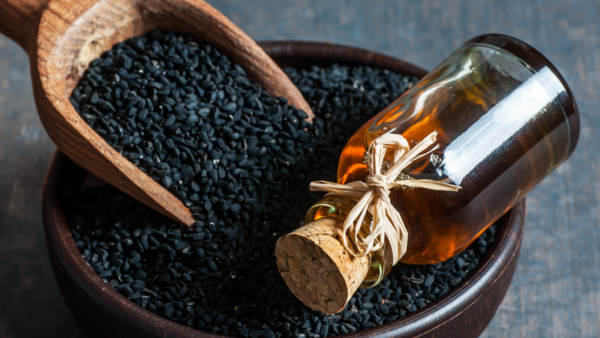
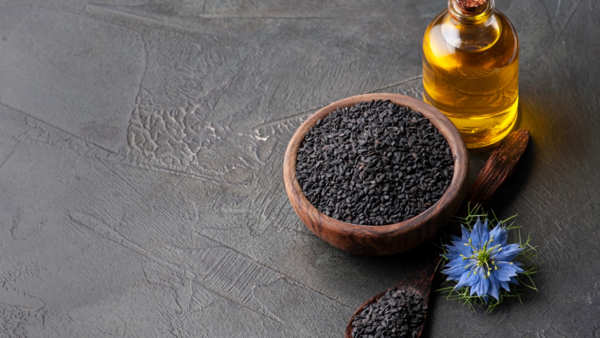
Black cumin seeds, also known as kalonji, are nothing new. They’ve been used in traditional remedies for thousands of years. But what’s new is that scientists around the world are now saying these tiny black seeds might be one of the best natural anti-inflammatory foods on the planet. Some experts even say it could be more powerful than turmeric and ginger, which are already popular for fighting inflammation.
But what’s really inside black cumin that makes it so special? And how can it help the body feel better, heal faster, and stay stronger? Here is everything we need to know..

What makes Black Cumin so powerful?

The real hero inside black cumin seeds is a compound called thymoquinone (TQ). This natural chemical has shown some amazing benefits in studies:

  • Fights inflammation in the body
  • Reduces oxidative stress (which causes cell damage)
  • Boosts the immune system
  • Protects organs like the liver, kidneys, heart, and brain

Black cumins

What’s even cooler is that thymoquinone works in a natural way, without harsh side effects. It calms the body, helps reduce swelling, and supports healing from within.

More effective than turmeric and ginger?

Turmeric and ginger are already loved for their healing powers, especially when it comes to joint pain, digestion, and cold symptoms. But studies now show that black cumin may be even better in some ways.
A study published in 2021 found that black cumin extract reduced inflammation more effectively than turmeric and ginger in certain tests. It worked deeper in the body, and its effects lasted longer.

Black cumins (2)

That doesn’t mean turmeric or ginger should be avoided, but adding black cumin to the mix could take the anti-inflammatory benefits to the next level.

How it helps the whole body

Black cumin seeds aren’t just good for reducing pain or swelling—they actually support the whole body. Here’s how:

  1. Lungs and breathing: Helps with asthma and cough by reducing airway inflammation
  2. Joints and muscles: Eases stiffness and pain in arthritis
  3. Stomach and digestion: Soothes bloating, gas, and indigestion
  4. Heart health: May lower bad cholesterol and control blood pressure
  5. Brain health: Protects brain cells and supports memory
  6. Diabetes support: Helps control blood sugar levels
  7. And here’s the real bonus—it acts like a natural detox, cleaning out harmful toxins from the body while boosting energy.

The plant is widely regarded by Muslims all over the world, as the Islamic Prophet Muhammad stated that the black seed might have the capability of curing all diseases except death.

Habits to Boost Longevity and Health

How to use Black Cumin in everyday life

Black cumin seeds can be taken in different forms:

  1. Raw seeds: Just chew a few every morning
  2. Black cumin oil: A few drops can be added to warm water or used in cooking
  3. Powder: Sprinkle on salads, soups, or mix into smoothies
  4. Some people mix black cumin oil with honey or warm water for better taste and faster relief. But it’s always best to start small and watch how the body responds.


Source link

Duplicate Luxury Bags: Made in China, labelled in Italy: Viral video alleges Gucci, Louis Vuitton Bags are totally made in China |


$34K Hermès Bags Cost Just $1.4K: China's BRUTAL STRIKE on Trump's Tariffs, EXPOSES Luxury Brands

As the US-China tariff tensions continue to escalate, a surprising new narrative is gaining traction not through official press conferences, but via viral TikTok and Instagram videos. Chinese factory workers and business owners have taken to the app to share behind-the-scenes glimpses into the world of luxury fashion manufacturing, claiming that many iconic high-end brands aren’t as European as they seem.
One widely circulated video posted by @senbags2 has garnered millions of views. In the clip, a man reveals that around 80% of luxury handbags are actually produced in China, even when the label says otherwise.

istockphoto-458971967-612x612

“For over three decades, we’ve been the OEM [original equipment manufacturer] behind some of the biggest names – Gucci, Prada, Louis Vuitton,” he says. “But while we were the ones crafting these bags with precision, the profits were pocketed elsewhere. What I’m genuinely proud of is our quality, our skilled labour force, and our fully integrated supply chain.”

Poll

Do you believe luxury brands should disclose the countries where their products are manufactured?

He goes on to address the changing geopolitical climate: “With Western nations attempting to cut ties with Chinese manufacturing, some brands tried relocating production. But they quickly realised that factories outside China couldn’t match our standards. Costs were higher, efficiency was lower, and infrastructure just wasn’t there. That’s why most luxury brands continue to rely on us, even if they don’t say it out loud. So why not buy directly from us?”
This claim has sparked renewed debate about transparency in luxury fashion, especially as customers continue to pay premium prices for goods they believe are hand-crafted in heritage ateliers across France and Italy.

istockphoto-1202792943-612x612

According to a 2023 Statista report, there are between 200 to 250 brands globally that fall under the “luxury” label. Of these, 70 to 100 are considered top-tier, enjoying elite status and commanding sky-high prices.
Traditionally, these brands promote their European roots, emphasising artisanal craftsmanship and heritage. Their official statements often list production hubs in Western Europe. Here’s a look at where some of the most renowned names in fashion say their bags are made:
Hermès – France (notably in Paris and Pantin)
Chanel – France (primarily Paris; some items in Italy)
Louis Vuitton – France (Asnières and other workshops; also Spain and Italy)
Gucci – Italy (mainly Tuscany and Florence)
Prada – Italy (Tuscany and Milan)
Dior – France (Paris ateliers, with some manufacturing in Italy)
Bottega Veneta – Italy (Vicenza and the Veneto region)
Fendi – Italy (Rome and Florence)
Céline – Italy (Tuscany)
Balenciaga – Italy and Spain
Saint Laurent – France and Italy
Givenchy – France and Italy
Chloé – Italy (Tuscany)
Valentino – Italy (Rome and Veneto)
Burberry – Italy (for leather goods), with some UK production
Loewe – Spain (Madrid and Barcelona)
Goyard – France (Paris and Carignan)
Miu Miu – Italy (under Prada’s umbrella)
Bvlgari – Italy (Florence, for leather)
Tom Ford – Italy (via high-end third-party manufacturers)
Proenza Schouler – Italy (Tuscany and Veneto)
Anya Hindmarch – Italy and UK (London for bespoke items)
Mulberry – UK (Somerset) and Italy
Salvatore Ferragamo – Italy (Florence and Tuscany)
Stella McCartney – Italy (Tuscany, with a sustainable focus)
Alexander McQueen – Italy (Florence and Tuscany)
Loro Piana – Italy (Piedmont and Tuscany)
Delvaux – Belgium (Brussels) and France
Moynat – France (Paris ateliers)
The Row – Italy (Tuscany)
While these brands maintain their European mystique, the online revelations suggest that at least some production may be outsourced to Chinese factories operating quietly behind the scenes. These manufacturers often work under non-disclosure agreements, preventing them from openly naming the brands they produce for.

istockphoto-520686807-612x612

This new transparency or at least the illusion of it on TikTok is shifting consumer awareness. As global shoppers become more savvy, many are starting to question what exactly they’re paying for: the craftsmanship, the label, or just the prestige?
The conversation also raises broader questions about the meaning of “Made in” labels and the ethics of luxury pricing. With Chinese OEMs now stepping forward to showcase their capabilities, the age of luxury secrecy might be giving way to a more open, if complicated truth.


Source link

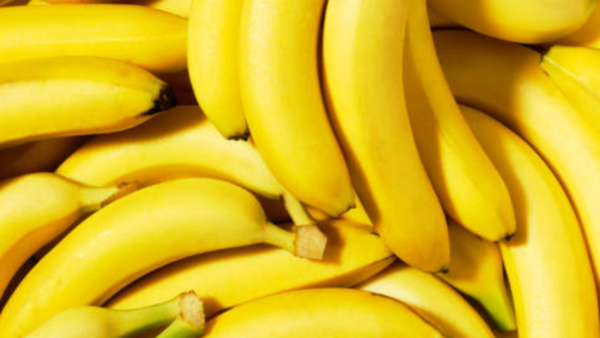
Doctors are urging BP patients to have 1 banana daily: 5 reasons to have this superfruit


Doctors are urging BP patients to have 1 banana daily: 5 reasons to have this superfruit

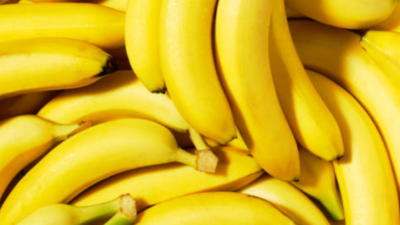
Nature has gifted us with some simple solutions, and bananas top that list. High blood pressure (BP) is one of those sneaky health issues that quietly causes long-term damage if ignored. It doesn’t shout, it whispers—and by the time you realize it’s a problem, you may already be dealing with the consequences. The good news? Doctors are now actively recommending that people with high blood pressure eat at least one banana a day. A new study published the American Journal of Physiology-Renal Physiology has found that simulations of high K+ intake yielded kaliuresis, natriuresis, and a substantial reduction in blood pressure, even when combined with high Na+ intake. This shifts our attention to bananas, a rich source of potassium.

Doctors are urgeing BP patients to have 1 banana daily: 5 reasons to have this superfruit

Here are 5 strong, science-backed reasons why bananas are BP-friendly—and why your heart (and tastebuds) will thank you for making it a daily habit.

It is loaded with potassium

Bananas are packed with potassium. In fact, an average banana has around 400-450 mg of potassium, which is roughly 10% of your daily requirement.
Why does this matter for blood pressure? Potassium helps balance the negative effects of sodium (salt) in your body. Most of us consume far more salt than we should, thanks to processed food, snacks, and restaurant meals. Sodium makes your body hold onto water, increasing blood volume—and that’s what pushes your BP up.

Poll

Can eating a banana a day help manage blood pressure?

Potassium, on the other hand, helps your kidneys flush out excess sodium through urine. So, more potassium = less sodium = lower blood pressure.

Doctors are urging BP patients to have 1 banana daily: 5 reasons to have this superfruit

Pair banana with a glass of water and a handful of nuts—this makes a perfectly balanced mid-morning BP-friendly snack.

It is rich in soluble fibers which is good for heart

Bananas aren’t just about potassium. They’re also a great source of soluble fiber, which plays a vital role in managing blood pressure.
Soluble fiber in banana helps lower LDL cholesterol (the “bad” cholesterol). Lower cholesterol means less plaque buildup in your arteries.
The type of fiber in bananas also slows digestion slightly, which helps maintain steady blood sugar and insulin levels—important, since diabetes and high BP often go hand in hand.
Slice a banana into your morning oats. You’ll get double the fiber and a great start to your day.

Banana is a natural source of magnesium

Bananas contain a decent amount of magnesium, another mineral known to help relax blood vessels and lower BP.
Magnesium works by supporting vascular tone (how stiff or relaxed your blood vessels are), reducing inflammation in the walls of blood vessels, and helping regulate heartbeat and nerve function. Many people with high blood pressure are unknowingly magnesium deficient, especially if they’re under stress or not eating a whole-foods diet. A banana a day won’t give you your full magnesium dose, but it’s a great start—especially when combined with leafy greens, seeds, and whole grains.
Magnesium also helps you sleep better and manage stress—two factors that directly affect BP.

It helps reduce water retention and bloating

If you have ever felt heavy, puffy, or bloated, especially around your legs and ankles, that could be water retention—something people with high BP often experience.
Bananas help reduce bloating and fluid retention in two ways, potassium flushes out excess sodium. Their natural sugar content gives you a mild diuretic effect, encouraging your kidneys to get rid of excess water.
This is especially useful for people on blood pressure meds like diuretics, which can deplete potassium over time. Bananas naturally replenish what’s lost, without the need for supplements.

Aren’t bananas high in sugar?

Here’s the truth: bananas do contain natural sugar, but they come with fiber, potassium, and antioxidants—which means your body digests them more slowly than processed sugar. Unless your doctor has advised against them for specific reasons, a banana a day is safe and beneficial, even for people watching their sugar intake.
Choose slightly green or just-ripe bananas if you want a lower glycemic impact—they have more resistant starch and less sugar than overripe ones.
Doctors recommending bananas for BP aren’t just throwing around folk wisdom—it’s backed by solid science. From potassium to magnesium to fiber, every bite supports your heart and vascular system in powerful ways. Sometimes, the best health remedies are the simplest ones. In a world full of pills, powders, and pricey health fads, the good old banana stands tall—nutrient-rich, delicious, and affordable.


Source link

Chemicals found in mattresses linked to cancer, brain damage: What is the alternative


Chemicals found in mattresses linked to cancer, brain damage: What is the alternative

Nap time is possibly one of the most peaceful times in anyone’s daily life. But do you know how your kids might be exposed to severe harm while they’re sleeping?
Accodign to a new study, babies’ and children’s mattresses and bedding emit toxic chemicals and flame retardants associated with developmental and hormonal disorders.

Mattress (1)

Read on to know more.

What does the study say?

Senior study author Miriam Diamond, a professor in the Earth Sciences Department at the University of Toronto, said, “We measured chemicals in the air of 25 children’s bedrooms between the ages of 6 months and 4 years and found worrisome levels of more than two dozen phthalates, flame retardants and UV filters.”
The highest levels of the chemicals were found near the children’s beds, according to the study published Tuesday in the journal Environmental Science & Technology.

Poll

Do you think current safety standards adequately protect children from harmful mattress chemicals?

To check why, a companion study by Diamond’s team tested 16 new children’s mattresses and found those to be a key source of the exposure. Then, using a simulation, the team found that the warmth and weight of the sleeping child could increase the off-gassing of the toxicants.
Jane Houlihan, research director for Healthy Babies, Bright Futures, an alliance of nonprofits, scientists and donors dedicated to reducing babies’ exposures to neurotoxic chemicals revealed, “They found that even something as simple as a child’s body heat and weight on a mattress can increase the release of toxic chemicals into the air they breathe while sleeping – a factor that current safety standards don’t consider.”

Mattress (2)

She was not involved in the new research.
Although the study did not include brand names, the researchers told CNN that they were well-known, lower-cost mattresses found at leading retail stores. Tested mattresses were purchased in Canada, but they contained materials from the United States and Mexico. Therefore, the results are likely to apply to mattresses purchased throughout North America, Diamond said.
Houlihan informed CNN via an email, “The results show that parents can’t shop their way out of the problem. The mattresses tested emitted toxic chemicals regardless of their price, materials, or country of origin. And some contained additives above legal limits.”
The American Chemistry Council, which represents the US chemical, plastic and chlorine industry, told CNN via email that its members take safety seriously.
Tom Flanagin, the group’s senior director of product communications, said, “The use of flame retardant chemistries can be critical in situations where an accidental spark or short-circuited wire turns into a flame.” He added, “While we will need time to review the study in detail, the mere presence of a chemistry is not an indication of risk or adverse effect. Today, any chemistry introduced or imported into the U.S. must undergo rigorous review and approval processes by federal agencies, such as EPA and FDA.”

Chemicals in mattresses:

Mattresses Can Be a Major Source of Harmful Chemicals in Kids’ Rooms. Studies have tested for phthalates, flame retardants, and more.

Mattress (4)

What are these chemicals?
Phthalates: Phthalates are a group of chemicals used to make plastics more flexible and durable. They are also used as solvents and stabilizers in many consumer products. These are found in hundreds of consumer products, such as food storage containers, shampoo, makeup, perfume, and children’s toys, and are known to interfere with the body’s mechanism for hormone production, known as the endocrine system.
Moreover, according to the National Institute of Environmental Health Sciences, they are linked with early puberty, reproductive issues and genital defects, hormone issues, and other problems.
Diamond quoted, “Our study we found high levels of phthalates that are restricted in toys but not in mattresses.”
However, as the National Institute of Environmental Health Sciences states on its website, even small hormonal disruptions can cause “significant developmental and biological effects.”
Children are especially vulnerable to the disruptive impact of chemicals due to their rapidly developing brains and bodies. Exposure to phthalates has been linked to increased risks of allergic diseases, behavioral problems, and potentially even developmental delays or disorders like autism.
As per research, phthalates can trigger reproductive problems, such as genital malformations and undescended testes in baby boys and lower sperm counts and testosterone levels in adult males. Studies have also linked phthalates to childhood obesity, asthma, cardiovascular issues, premature deaths, and cancer.
Banned flame retardants:Polybrominated diphenyl ethers (PBDEs) are flame retardants linked to significant intellectual disability in children, resulting in a loss of 162 million IQ points and over 738,000 cases from 2001 to 2016, according to a January 2020 study. While some PBDEs were banned by the EPA in 2012, replacements like organophosphate esters (OPFRs) have emerged, associated with reproductive and developmental issues in toddlers.
Research indicates that OPFRs are used widely and may pose health risks, particularly to children. In one study, mattresses contained high levels of harmful chemicals, including TDCPP, a carcinogen, and PCTP, a banned flame retardant in both Canada and for children’s sleepwear in the US.
In some states, such as California, with its passage of Prop 65, regulators have put additional limitations in place on products marketed for children, but no national law covering classes of flame retardants exists, despite a 2017 report by the US Consumer Products Safety Commission on the dangers of organophosphate esters.
Study co-author Arlene Blum, executive director of the Green Science Policy Institute, a group of scientists and policy experts who work and report on chemicals of concern, said via a statement, “It’s concerning that these chemicals are still being found in children’s mattresses even though we know they have no proven fire-safety benefit and aren’t needed to comply with flammability standards,” adding, “Parents should be able to lay their children down for sleep knowing they are safe and snug.”

What is the healthier alternative?

Potentially toxic chemicals are so widespread in children’s products that it can be very hard for parents to choose safer options. However, in the case of mattresses, switching to good old cotton mattresses is a healthier option.

Mattress (5)

Cotton mattresses can be a healthier alternative to chemical mattresses, particularly those made with polyurethane foam. Cotton is a natural fiber, making it a good choice for those seeking a more environmentally friendly and breathable option. However, cotton mattresses have some drawbacks, like their tendency to compress and lose shape over time, which can negatively impact spinal alignment and support.
Advantages of cotton mattresses:
Natural and hypoallergenic: Cotton is a natural fiber, making it a hypoallergenic option that is less likely to cause allergies or skin irritations.
Breathable: Cotton allows air circulation, which can help regulate body temperature and promote a more restful sleep, especially in hot climates.
Eco-friendly: Cotton is a renewable resource, making it a more environmentally friendly choice compared to some synthetic materials.
Affordable: Cotton mattresses are generally more affordable than some other types, such as memory foam.

Scientists find that brain cancer is linked to tissue healing


Source link

Milia: Explained: What exactly are those white bumps on your face? |


Explained: What exactly are those white bumps on your face?

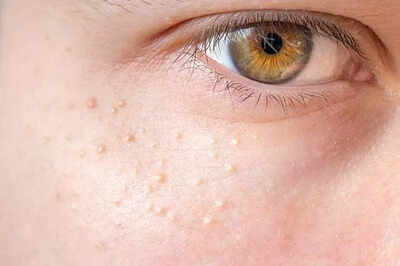
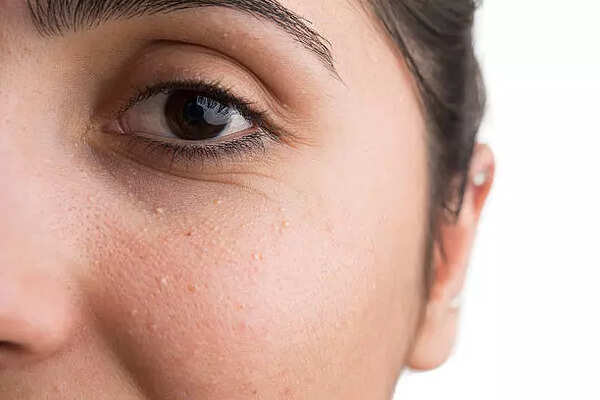
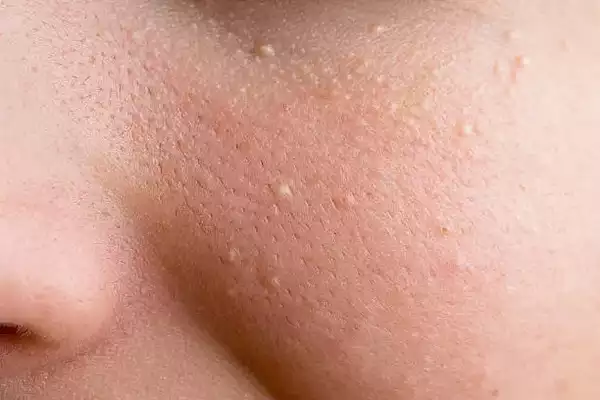
We have all been there: you’re going about your day when you catch a glimpse of your face in the mirror and spot tiny white bumps dotting your cheeks, forehead, or around your eyes. They’re not quite pimples, not exactly blackheads, just stubborn little white dots that don’t seem to go away. So, what are they?

istockphoto-479412666-612x612

These white bumps are typically milia, though other skin conditions like closed comedones, sebaceous hyperplasia, or even keratosis pilaris can sometimes look similar. Understanding the type of bump is key to treating it effectively and preventing further breakouts. Let’s decode these tiny intruders one by one.

Milia: The most common culprit

Milia (singular: milium) are small, white, keratin-filled cysts that form just under the surface of the skin. They’re especially common around the eyes, nose, cheeks, and forehead. Unlike acne, milia aren’t caused by bacteria or clogged pores due to oil or dirt. Instead, they form when dead skin cells get trapped in small pockets on the skin’s surface.

Poll

Have you ever experienced white bumps on your face?

Who gets milia?

Anyone can develop milia, newborns often have them, but they typically disappear within weeks. In adults, milia can occur due to sun damage, skin trauma, use of heavy skincare products, or simply genetics.

How do you treat it?

While tempting, don’t try to pop them. Milia don’t have an opening to the surface like pimples do, so squeezing can lead to scarring or infection. Instead, gentle exfoliation with ingredients like alpha hydroxy acids (AHAs) or retinoids can help. In stubborn cases, a dermatologist can safely extract them using a sterile needle.

Closed comedones: Early-stage acne

Another common type of white bump is a closed comedone, often referred to as a whitehead. These form when sebum (oil), bacteria, and dead skin cells become trapped in a pore. Unlike open comedones (blackheads), they remain sealed under the skin, appearing as small white or flesh-coloured bumps.

Key differences from milia

Closed comedones are more likely to be associated with oily skin and acne-prone areas like the T-zone. They may eventually become inflamed or develop into full-blown pimples if not treated.

How to manage them

Use products with salicylic acid (a beta hydroxy acid) to help unclog pores, and benzoyl peroxide to target acne-causing bacteria. Consistency is key, and a non-comedogenic skincare routine is crucial.

Sebaceous hyperplasia: Enlarged oil glands

Sebaceous hyperplasia appears as small, soft, yellowish or white bumps, often with a central depression. These occur when the sebaceous glands — responsible for producing oil — become enlarged. They’re more common in middle-aged or older adults and are typically seen on oily skin.

How to identify it

Unlike milia or whiteheads, sebaceous hyperplasia bumps feel a bit softer and may look like small doughnuts under the skin. They’re usually painless and persistent.

Treatment options

They’re harmless but can be removed for cosmetic reasons. Dermatologists may use laser therapy, cryotherapy, or electrocautery to remove them. Topical retinoids can help reduce their appearance over time.

Keratosis pilaris: The ‘chicken skin’ texture

If the white bumps are on your cheeks, upper arms, or thighs, and feel rough like sandpaper, you may be dealing with keratosis pilaris. This is a common and harmless condition where keratin (a protein found in skin) builds up and blocks hair follicles.

What causes it?

It often runs in families and is more prevalent in people with dry skin, eczema, or asthma. It’s particularly common in colder months when skin tends to be drier.

What helps?

Moisturisers containing urea, lactic acid, or glycolic acid can soften and smooth the skin. Gentle exfoliation also helps, but be cautious not to overdo it, scrubbing too hard can irritate the skin and make the condition worse.

When to see a dermatologist

Most white bumps are harmless, but if they multiply rapidly, change in appearance, or become irritated, it’s best to consult a dermatologist. In rare cases, what appears to be a benign bump may be a sign of an underlying condition such as basal cell carcinoma, especially if it’s growing or crusting.

istockphoto-479454024-612x612

Also, if at-home treatments haven’t worked after a few weeks, a dermatologist can recommend tailored solutions, including prescription retinoids, professional extractions, or laser treatments.

Preventing white bumps in the first place

While not all causes are preventable (hello, genetics!), there are steps you can take to reduce the likelihood of white bumps forming:
Use non-comedogenic skincare products – especially around the eyes and T-zone.
Gently exfoliate once or twice a week using chemical exfoliants.
Avoid heavy creams if you have oily or acne-prone skin.
Protect your skin from sun damage, which can worsen or trigger certain types of white bumps.
Stay hydrated and maintain a balanced diet – your skin reflects what’s happening internally too.

The white bumps on the face are not acne!

White bumps on your face might be annoying, but they’re usually harmless and treatable. Whether it’s milia, whiteheads, or something else, understanding the root cause is your first step to smooth, clear skin. Be gentle, be consistent, and when in doubt, leave it to the professionals. After all, skin health is a journey and bumps along the way are completely normal.


Source link

10 quotes that are ultimate work advise by Sister Shivani


Work Advise by Sister Shivani

Sister Shivani, also known as BK Shivani is a motivational speaker and spiritual mentor followed by thousands of people across the world. Representing the Brahma Kumaris World Spiritual Organization, Sister Shivani has been known for her advice on spirituality, mindfulness and life in general. Find out what advice she has for the working population.


Source link

Want to live longer? Follow THESE expert-approved tips for longevity


Want to live longer? Follow THESE expert-approved tips for longevity

Despite all its follies, it’s a wonderful world! Who wouldn’t want to live forever in it?
But as it turns out, living a longer and healthier life isn’t an easy feat. Unlike what most people think, life expectancy isn’t only determined by genetics. Although genes play a much smaller role than originally believed, other habitual factors play an important role in improving your lifestyle and therefore boosting your longevity.
Want to know what those habitual factors are?
Read on.

What is longevity?

The definition of longevity is living a longer and healthier life. It means how long a person is going to live, and how healthy their later life will be. It simply refers to long life.

Longevity (2)

In the U.S., life expectancy has increased dramatically since 1900, when the average lifespan was 47 years. Today, people born in 2022 can expect to live 77.5 years.

Poll

Do you believe that genetics play a significant role in your life expectancy?

Experts estimate that about 25% of the variation in human life span is determined by genetics. But the rest can be attributed in large part to how we take care of our bodies.
Why is that important?
Because there is more to longevity than duration. Most of us don’t want to just live longer — we want to live longer while enjoying a good quality of life.
To increase lifespan and maintain good health, prioritize a combination of healthy lifestyle choices, including a nutritious diet, regular physical activity, sufficient sleep, stress management, and avoiding harmful habits like smoking and excessive alcohol consumption. Maintaining a healthy weight, engaging in brain-stimulating activities, and fostering positive social connections also contribute to longevity.

Here are the top tips for longevity:

Conscious eating:

A lot of your quality of life depends on what you put in your mouth.

Longevity (3)

A healthy diet can boost longevity by reducing the risk of chronic diseases and slowing down the aging process. Specifically, diets rich in fruits, vegetables, whole grains, nuts, and legumes are linked to longer lifespans. Additionally, limiting processed foods, red meat, and sugary beverages can also contribute to a longer, healthier life.
An excellent diet for promoting longevity is a plant-based diet. A study published in JAMA Network Open found that women who most closely adhered to the plant-based Mediterranean diet, which emphasizes vegetables (excluding potatoes), fruits, nuts, whole grains, legumes, and fish, and minimizes red and processed meat, were 23% less likely to die from any cause than women who did not closely adhere to this dietary pattern.
Here’s a more detailed look at how a healthy diet impacts longevity:
Reduced risk of chronic diseases:
Cardiovascular disease: A heart-healthy diet, rich in fruits, vegetables, whole grains, and lean protein, can help manage weight, lower blood pressure and cholesterol, and reduce the risk of heart attack and stroke.
Cancer: Studies have shown that diets rich in fruits, vegetables, and whole grains are associated with a lower risk of certain cancers, such as colon and breast cancer.
Neurodegenerative diseases: A diet with adequate nutrients and antioxidants can help protect the brain and reduce the risk of neurodegenerative diseases like Alzheimer’s and Parkinson’s.
Respiratory diseases: A healthy diet can help strengthen the immune system and reduce the risk of respiratory infections, which can be particularly important for longevity.
Slowing down the aging process:
Caloric restriction: While not always practical for humans, studies on animals have shown that limiting calorie intake while maintaining nutrient intake can slow down the aging process and increase lifespan.
Anti-inflammatory effects: Certain foods, particularly those high in antioxidants and omega-3 fatty acids, have anti-inflammatory properties that can help protect cells from damage and slow down the aging process.
Telomere length: Some foods, like those rich in omega-3 fatty acids, have been linked to longer telomere length, which is associated with cellular health and longevity.
Regular movement:
Studies show that physical activity contributes to greater longevity, due to the many positive effects it has on the body. These effects include stronger heart and lung function, improved health of blood vessels, stronger muscles, better balance, and a healthier weight.

Longevity (1)

Regular exercise significantly boosts longevity by reducing the risk of chronic diseases, improving cardiovascular health, and promoting overall well-being. Studies have shown that regular physical activity can increase life expectancy and improve the quality of life as we age.
Here’s how exercise contributes to a longer and healthier life:
Reduces risk of chronic diseases:
Cardiovascular disease: Exercise strengthens the heart, lowers blood pressure, and improves cholesterol levels, all of which are major risk factors for heart disease.
Type 2 diabetes: Physical activity helps regulate blood sugar levels and improves insulin sensitivity, reducing the risk of developing type 2 diabetes.
Certain cancers: Regular exercise is linked to a lower risk of developing several types of cancer, including breast, colorectal, and lung cancer.
Other chronic conditions: Exercise can also help manage conditions like osteoporosis, obesity, and depression.
Improves overall health:
Increased muscle strength and endurance: Exercise, especially strength training, helps maintain muscle mass and strength, which are crucial for maintaining mobility and balance as we age.
Improved cognitive function: Regular physical activity can enhance memory, attention, and other cognitive skills, potentially slowing down cognitive decline.
Boosted mood and reduced stress: Exercise releases endorphins, which have mood-boosting effects and can help alleviate stress and anxiety.
Enhanced immune system: Physical activity can improve immune function, making the body more resilient to illness.
Improved sleep: Regular exercise can help regulate sleep patterns and improve sleep quality, which is essential for overall health.

An ample amount of rest:

As much as it is important to sweat it out and it is equally important to include the rest in your daily schedule.

Longevity (5)

Proper rest and sleep significantly contribute to longevity by supporting physical and mental health, reducing the risk of chronic diseases, and promoting overall well-being. Adequate sleep allows the body to repair tissues, regulate hormones, and consolidate memories, all of which are crucial for maintaining a healthy lifespan.
Here’s how rest and sleep boost longevity:
Physical health:
Tissue repair and growth: According to Vail Health, during sleep, the body releases growth hormones essential for muscle repair and regeneration.
Hormonal regulation: Sleep helps regulate hormones like cortisol (stress hormone) and melatonin (sleep hormone), impacting metabolism, appetite, and mood.
Immune function: Adequate sleep boosts the effectiveness of immune cells, making the body more resilient to infections.
Cardiovascular health: Sleep deprivation can lead to high blood pressure and increased risk of heart disease.
Metabolism: Sleep plays a role in regulating appetite and blood sugar levels, reducing the risk of obesity and type 2 diabetes.
Mental health:
Cognitive function: Sleep is essential for memory consolidation, decision-making, and problem-solving.
Mood regulation: Sleep deprivation can lead to irritability, anxiety, and depression.
Reduced stress: Sleep helps manage stress hormones and improve overall emotional well-being.
Longevity:
Reduced risk of chronic diseases: Studies have shown that individuals with healthy sleep habits are less likely to develop chronic diseases like heart disease, diabetes, and certain cancers.
Increased lifespan: Research suggests that getting enough quality sleep can contribute to a longer lifespan.
Improved healthspan: Sleep plays a crucial role in maintaining a healthy lifespan, also known as healthspan, which refers to the period of life lived in good health.


Source link