Life & Style

This intimate art exhibition celebrates accessibility and community at Forum Art Gallery


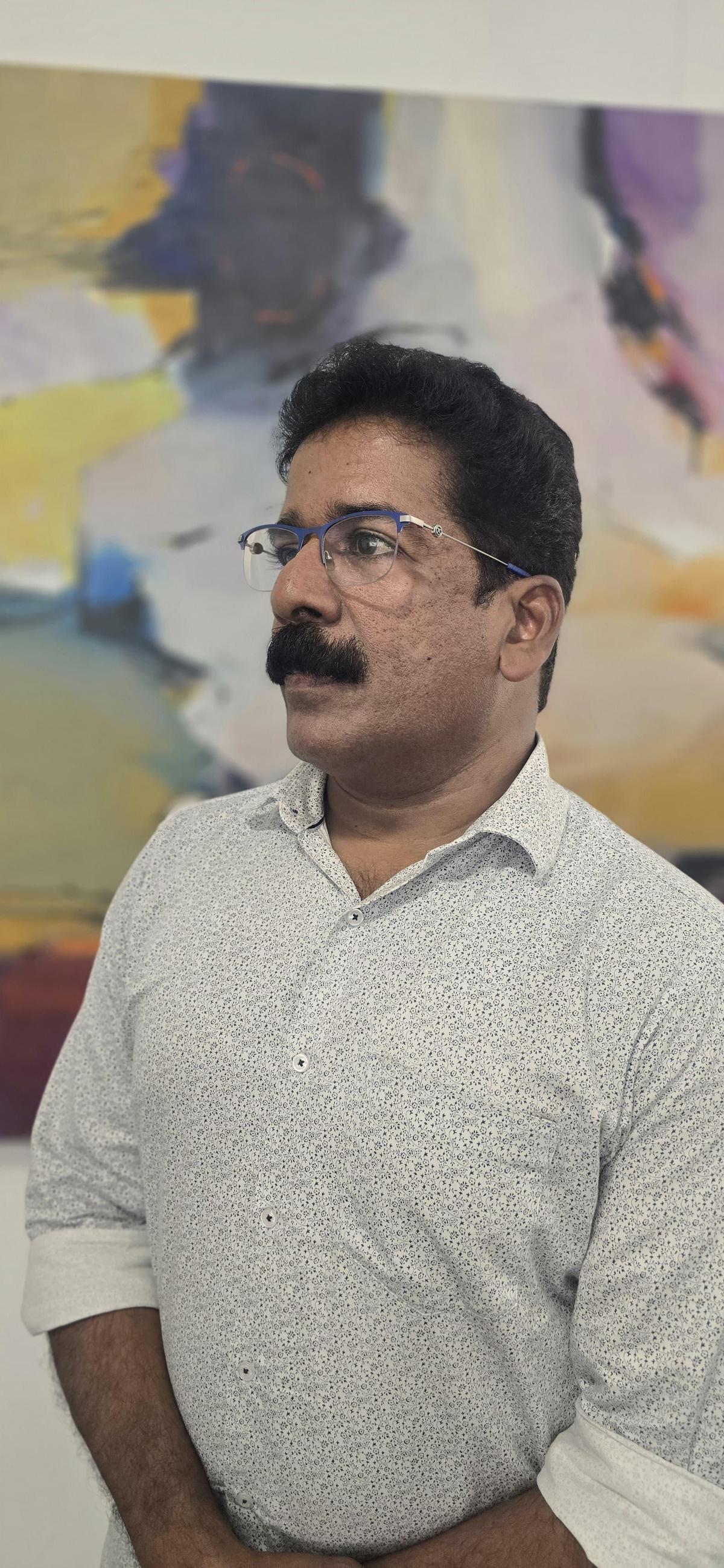
SG Vasudev

SG Vasudev
| Photo Credit: Special Arrangement

At Forum Art Gallery, a deliberate proposition unfolds: 1 × 1 of a Kind – Edition II brings together 23 artists from the Progressive Painters Association (PPA) in a small-format exhibition that resists spectacle in favour of intent. 

Rooted in the legacy of the Madras Art Movement and the Cholamandal Artists’ Village, the show revisits an idea first championed in the 1970s: that art, when scaled down, can travel further into homes, hands, and everyday lives. Paintings, sculptures, metal reliefs and drawings appear here at an intimate size, without diluting the seriousness of the practice behind them. The first edition of 1 × 1 of a Kind was held in 2018. 

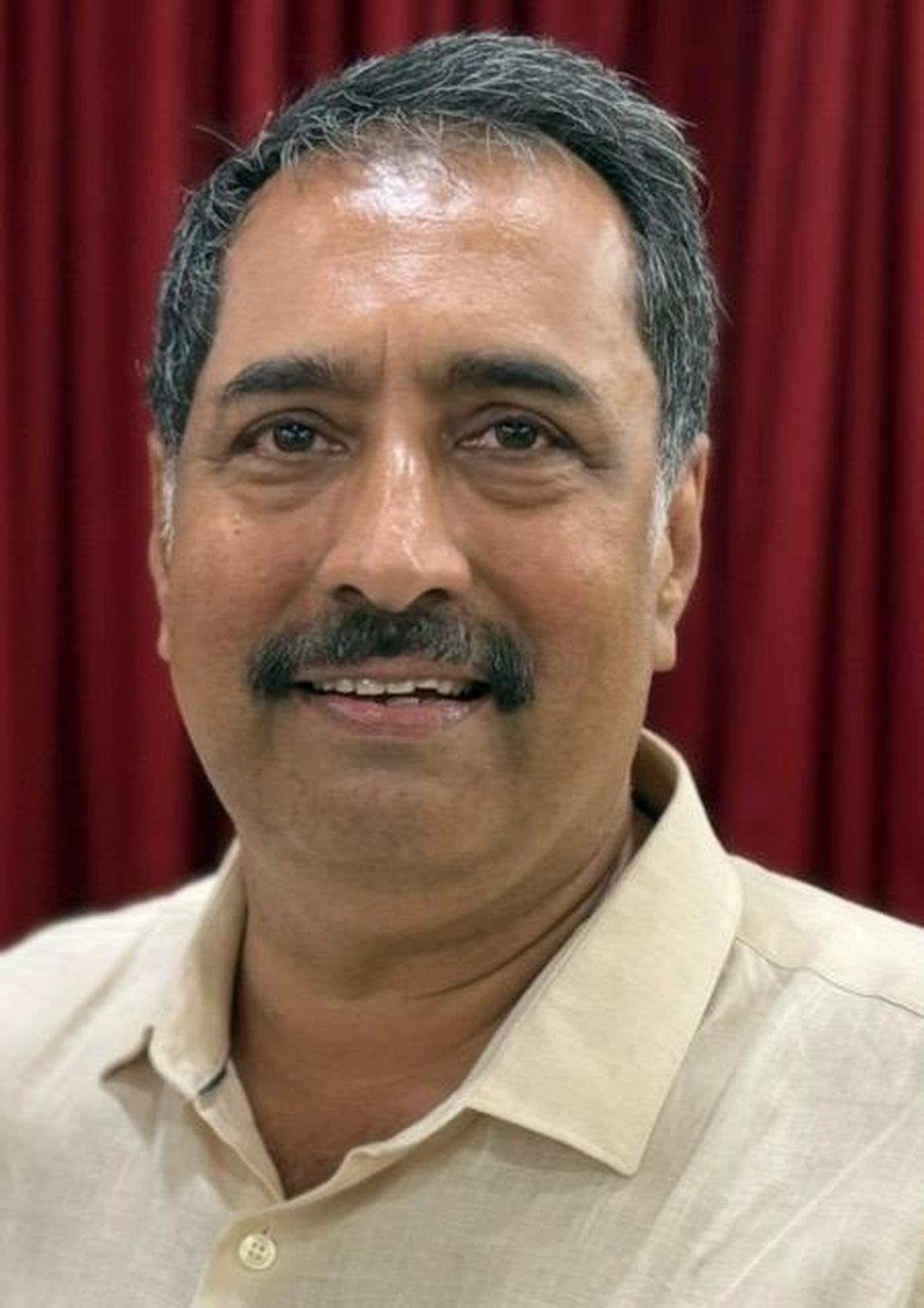
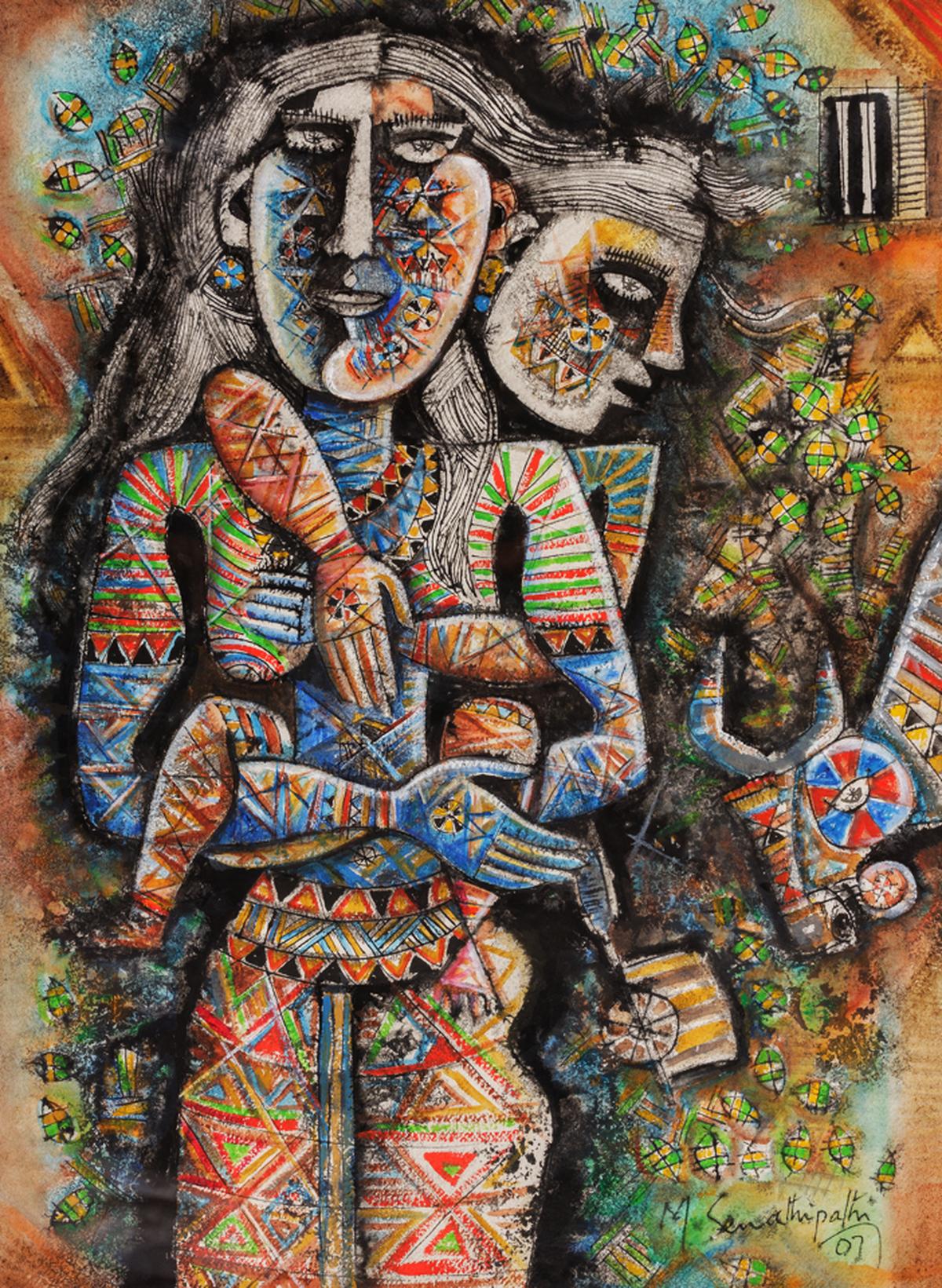
Dedicated to the memory of late artist M Senathipathi, founder member of Cholamandal and a long-serving pillar of the PPA, this edition of the exhibition is a memorial in art. It reflects a collective belief that art should remain accessible, sustained by community, and shaped by shared responsibility rather than market excess. “My father always believed that art should meet people where they are,” says Saravanan Senathipathi, the current president of PPA. “Dedicating this exhibition to him felt natural, because the idea behind it comes from the same belief,” he says. 

M Senathipathi

M Senathipathi
| Photo Credit:
Special Arrangement

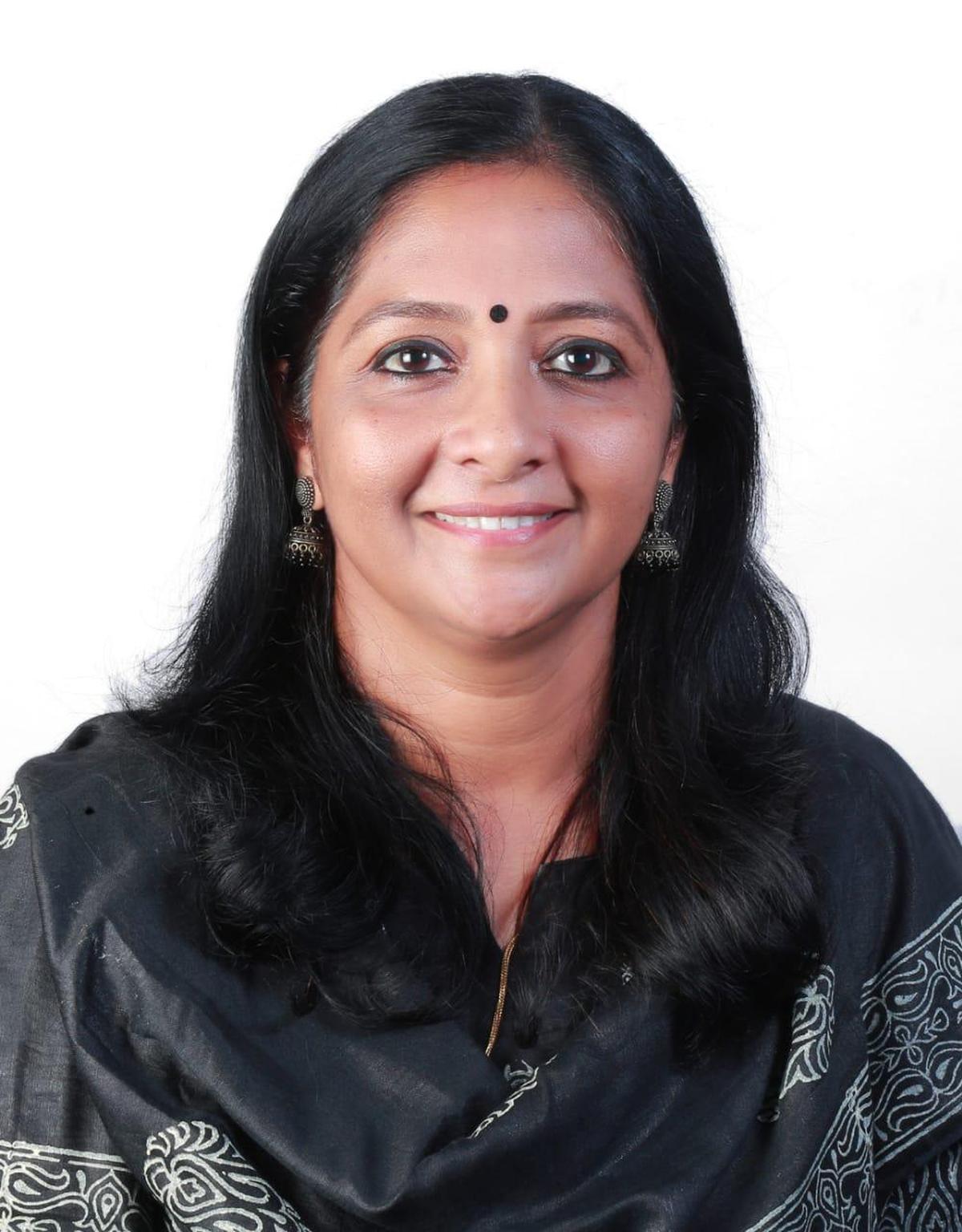
“Working in a small format changes the way you encounter the work,” says Shalini Biswajit, founder of Forum Art Gallery and curator of the exhibition. “It becomes more intimate. You spend more time with it, instead of being overwhelmed by scale.” That shift, she notes, also opens up the possibility of collecting, particularly for those encountering senior artists whose larger works often remain out of reach. By bringing together established figures and younger practitioners within the same dimensions, the exhibition levels the field, allowing practice and intent to take precedence over size. 

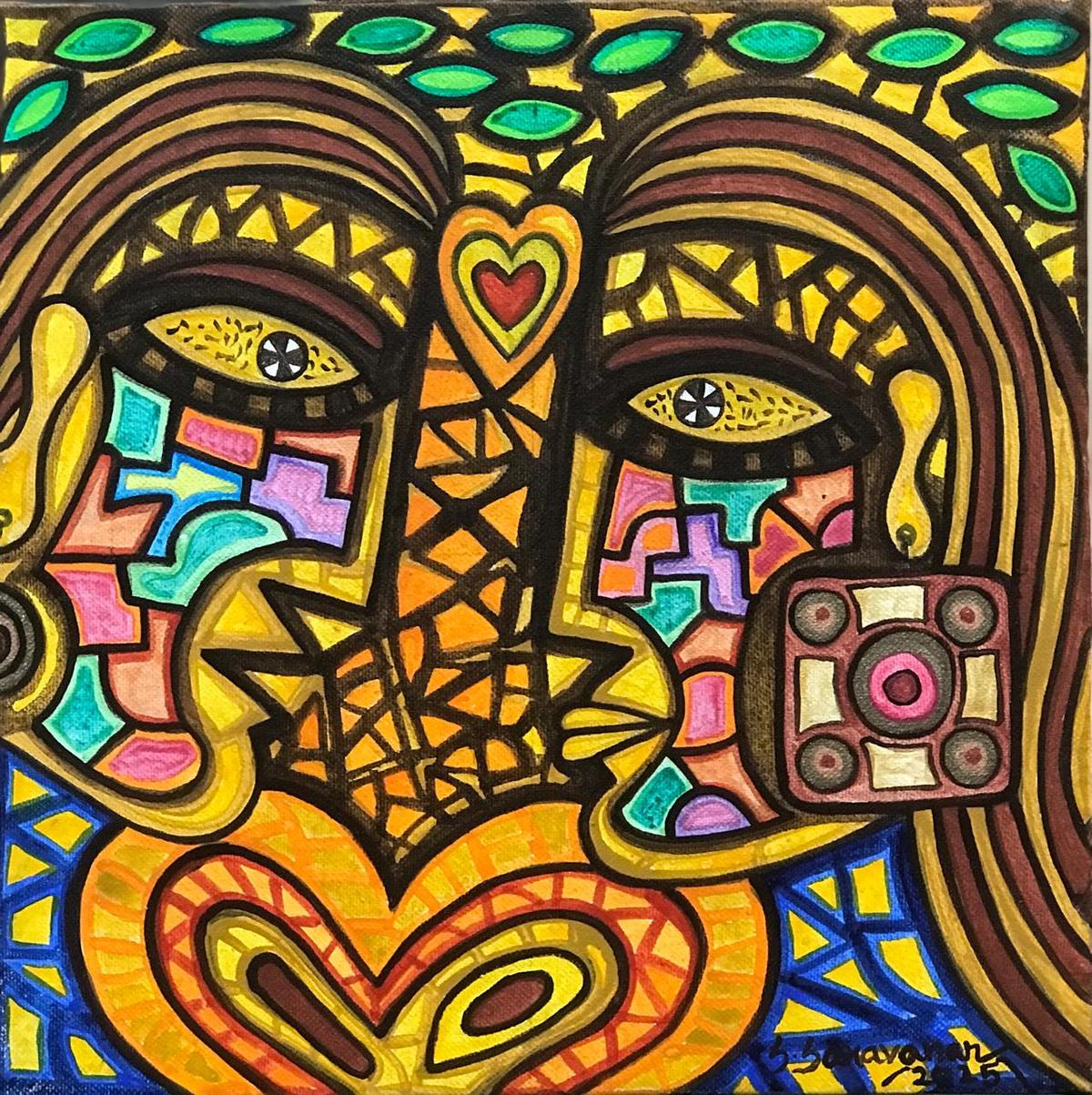
Established artists such as Akkitham Narayanan, C Douglas, P Gopinath, SG Vasudev, V Viswanadhan, Anila Jacob, and Maria Antony Raj adapt long-established visual languages to a reduced scale, working across painting, sculpture, metal relief and mixed media. Alongside them are artists from later generations, including Hemalatha Senathipathi, Saravanan Senathipathi, Brindha S, Priya Gopal, Jacob Jebaraj, and Suchithra Gopinath, whose works reflect personal, material and conceptual explorations shaped by the same collective environment. Seen together, the exhibition offers a compact but layered view of practices linked by shared histories, yet marked by distinct artistic trajectories.

Saravanan Senathipathi

Saravanan Senathipathi
| Photo Credit:
Special Arrangement

Works by M Senathipathi anchor the exhibition’s emotional centre, where mythological figures appear not as distant deities but as human presences. “Even when he worked with gods, he never treated them as gods. He always saw the human element first,” says Shalini. That sensibility carries into the works of his daughters, especially Hemalatha Senathipathi, whose small copper and brass sculptures echo her father’s early practice while clearly standing apart from it. Elsewhere, Akkitham Narayanan pares his meditative geometry down to its essentials to create works that reward stillness. In contrast, C. Douglas’s works gain a sense of closeness at this scale, asking the viewer to slow down and stay with them. 

Taken together, 1 × 1 of a Kind – Edition II resists the urge to perform. Instead, it asks for attention that is measured, patient, and personal. At Forum Art Gallery, the exhibition affirms a position long held by the Progressive Painters Association: that scale need not dictate seriousness, and that art’s value is not defined by spectacle or scarcity. 

1 × 1 of a Kind – Edition II is on display at the Forum Art Gallery until January 22. 


Source link

Wellness in India 2026: Why sexual health, women’s care and recovery are taking centre stage


Wellness in India is no longer limited to luxury retreats, spa holidays or aspirational lifestyles. In fact, wellbeing is becoming embedded in everyday life — shaping how people work, travel, recover, relate and rest. From longevity therapies in city hotels and urban sanctuaries focused on emotional regulation, to women-led health conversations, community-driven wellness festivals and a renewed interest in ecological, place-based healing, the country’s wellness landscape is expanding rapidly and deliberately.

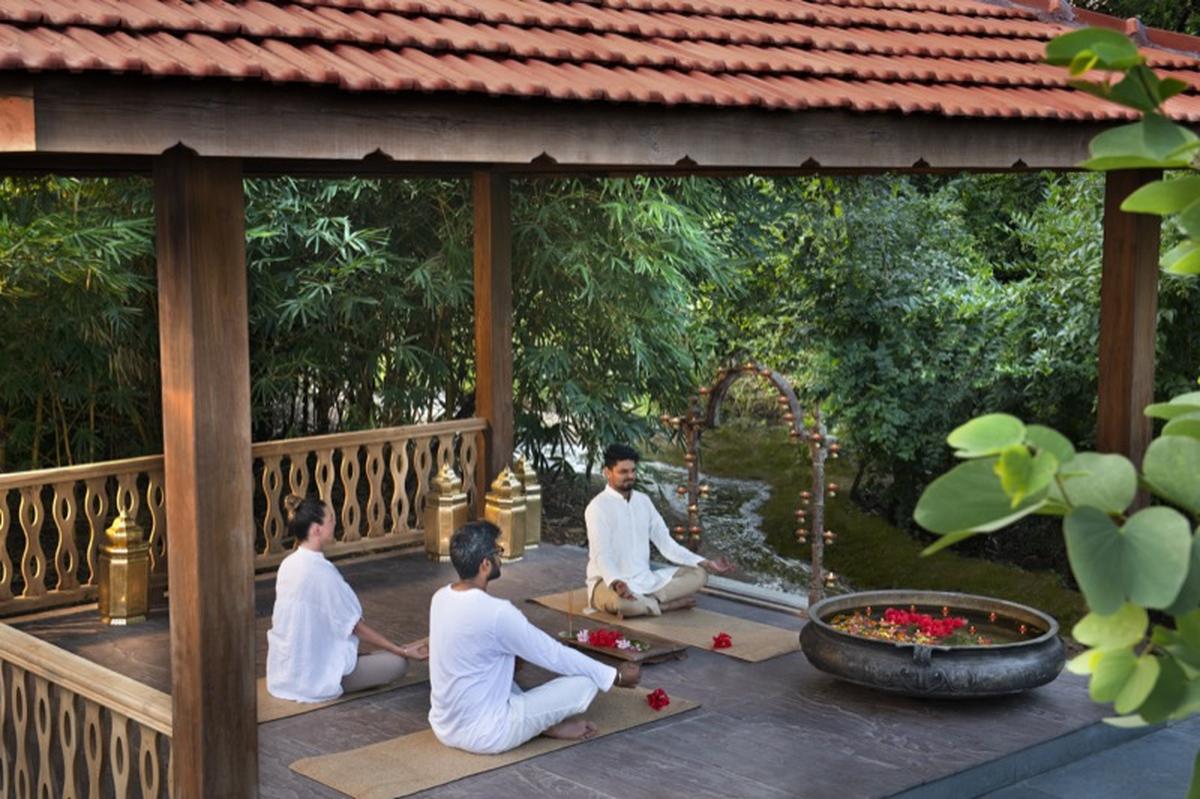
A mindfulness session at Aramness Gir

A mindfulness session at Aramness Gir
| Photo Credit:
Aramness

This shift is also reflected in how people choose where to stay and how to spend their time. The Global Wellness Institute predicts that by 2030, one in three travellers globally will select a hotel primarily for its wellness programming — a statistic that underscores how central wellbeing has become to decision-making across travel, hospitality and lifestyle. In India, that change is already visible, driven by rising stress levels, changing family structures, greater awareness around mental and sexual health, and a growing desire for practices that offer long-term resilience rather than temporary relief.

The sexual wellness shift

For decades, sexual wellness in India existed behind closed doors or was dismissed as something people should simply “figure out” on their own. Over the last few years, however, a cultural unsealing has occurred. People are speaking with an honesty; naming their desires, anxieties, kinks, insecurities and emotional struggles with startling clarity. Yet this surge in expression has not been matched by an equivalent rise in understanding.

Within sexuality coach and founder of sexual wellness platform Get Intimacy, Pallavi Barnwal’s community, people are asking questions that range from deeply vulnerable to technically practical. Men speak openly about erectile dysfunction, premature ejaculation, anxiety around performance, fear of rejection and the shame of “not knowing”. Women articulate confusion around desire, pain, emotional disconnect and the pressure to perform a version of sexuality they do not feel. Couples raise pragmatic questions about compatibility, pleasure, technique and the emotional gridlock that arrives quietly in long-term relationships. This is not a lack of willingness; it is a lack of tools.

As the Puducherry-based practitioner notes, “People are becoming more open, expressive, and curious but most still lack basic sexual literacy and resist seeking counselling.” The gap becomes most evident in people’s search for instant solutions. “People seek instant solutions instead of the therapeutic processes required for healthy, sustainable intimacy,” she says. Many arrive after trying everything else — advice from friends, online content, supplements and experimentation — without recognising that intimacy challenges, like any chronic pattern, require time, reflection and guided support.

Only a small percentage commit to long-term coaching, yet those who do often experience profound shifts: deeper emotional connection, reduced anxiety, increased body awareness and an entirely different relationship with pleasure. In 2026, sexual wellness is likely to move from curiosity to structure — from anonymous confessions to guided conversations, from improvisation to trauma-informed counselling, and from shame to skill-based intimacy education.

Women’s health, reclaimed

Perhaps the most culturally significant shift building on this intimacy conversation is how women are reframing their relationship with wellness. Historically, women have centred their lives around the wellbeing of others, often neglecting their own health until a crisis forced intervention. That pattern is now changing. Women are increasingly seeking support across the full spectrum of their lifecycle — from menstruation and fertility to perimenopause, menopause, emotional transitions and spiritual growth.

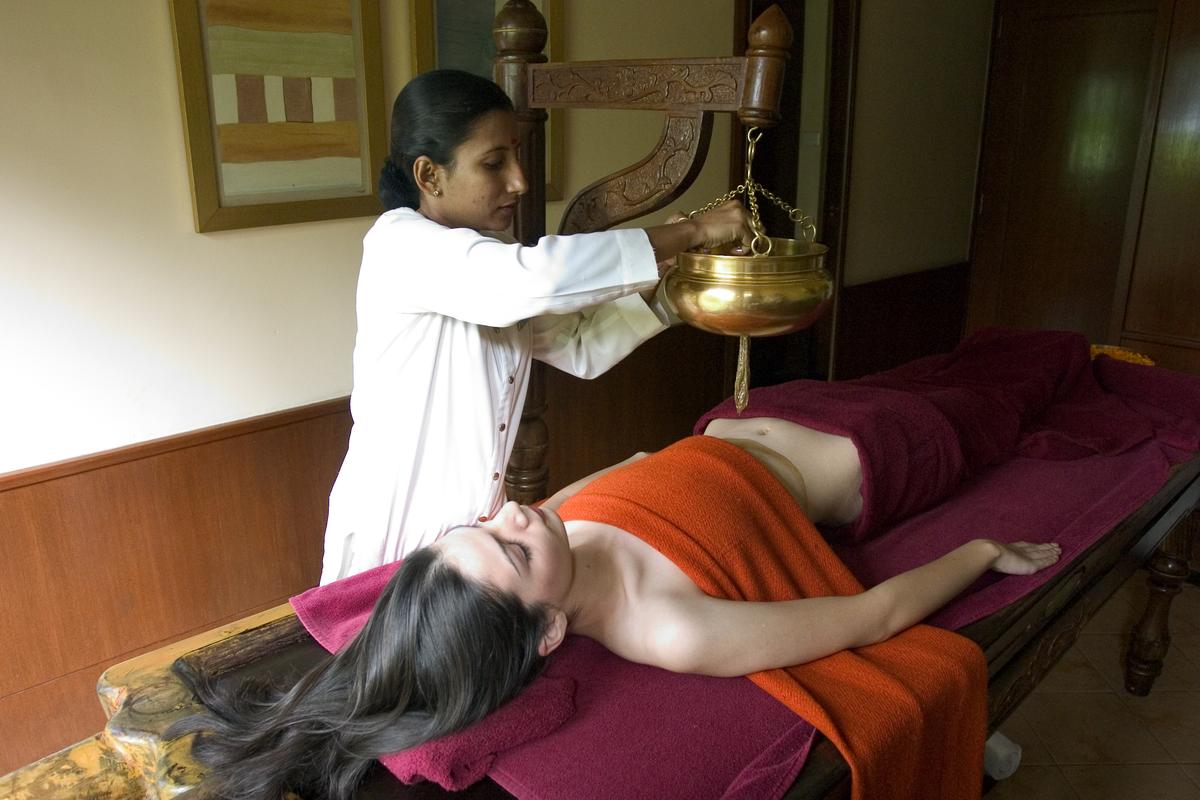
Dr Sreelal Sankar, Head of Ayurveda at Ananda in the Himalayas, explains that women’s wellbeing is inherently transitional, shaped by distinct biological and emotional phases. “Our programmes support hormonal balance, emotional resilience, metabolic health and personal growth,” he says.

Therapy session at Ananda in the Himalayas

Therapy session at Ananda in the Himalayas
| Photo Credit:
Ananda in the Himalayas

At Ananda, this care takes the form of structured Ayurvedic programmes such as hormonal rebalance, fertility enhancement and menstrual health. These programmes combine personalised nutrition plans, lifestyle corrections, therapeutic Ayurvedic treatments and massages, addressing not isolated symptoms but systemic balance across the body and mind, while also supporting emotional wellbeing.

This shift is now cultural. Women are no longer waiting for crises to prioritise their health. In 2026, they will continue to reclaim time, space and wellbeing without guilt, speaking more openly about menstruation, fertility, perimenopause and menopause. In doing so, they are driving a quiet but significant transformation within households and communities.

Longevity goes mainstream

The mainstreaming of longevity is perhaps the clearest sign that wellness is becoming a daily requirement rather than an occasional reset. As urban routines disrupt circadian rhythms, compromise sleep, overstimulate the nervous system and create a constant state of low-grade inflammation, people are turning to therapies designed to restore physiological balance efficiently.

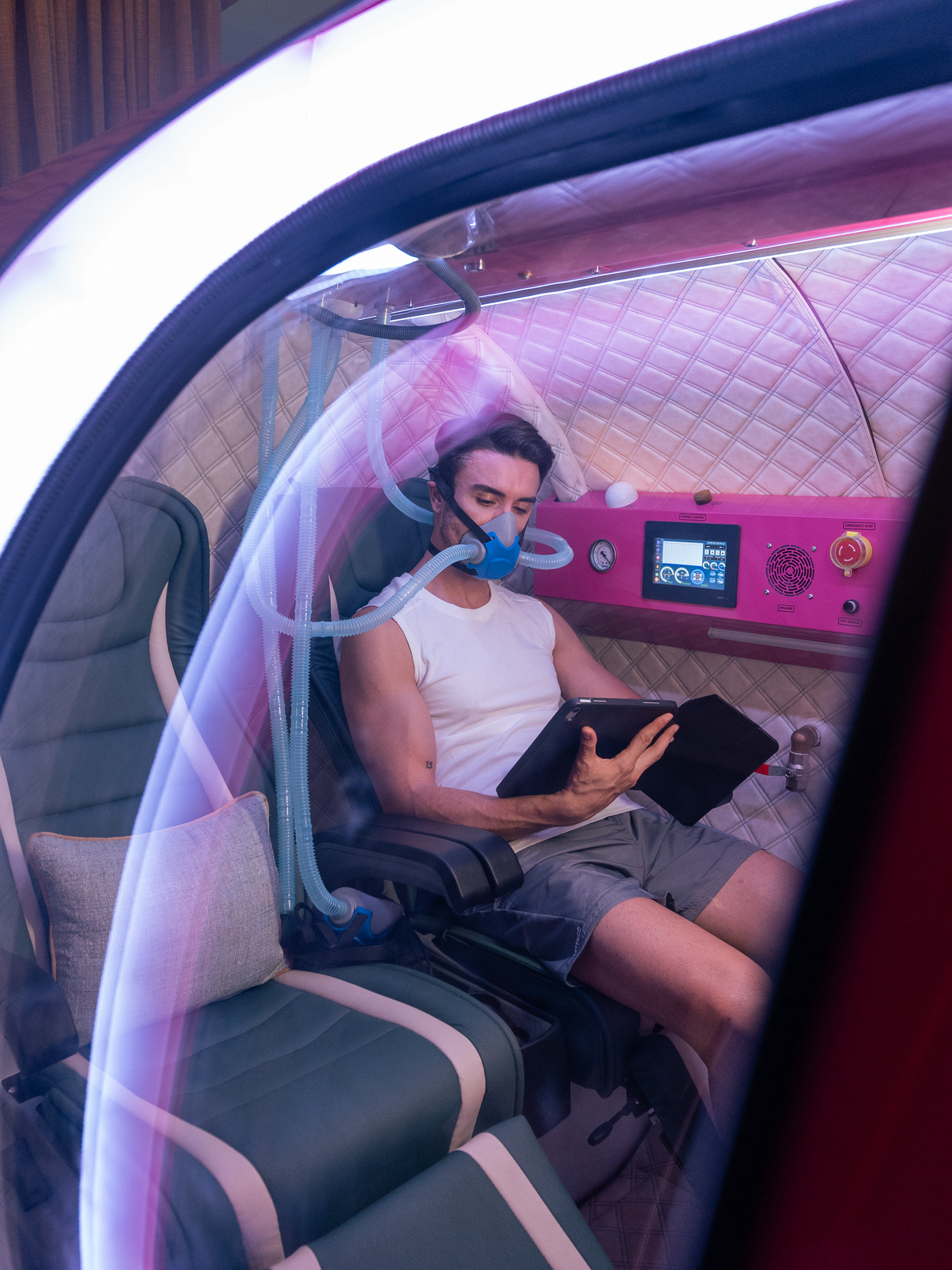
Hyperbaric oxygen hterapy at Fairmont Spa & Longevity

Hyperbaric oxygen hterapy at Fairmont Spa & Longevity
| Photo Credit:
Fairmont Mumbai

At Fairmont Mumbai, a luxury hotel located near Chhatrapati Shivaji Maharaj International Airport, longevity therapies are designed to feel efficient rather than intimidating. Cryotherapy takes place inside a temperature-controlled cold chamber, where guests step in for a brief session lasting a few minutes. The exposure triggers a cold-induced hormonal response that cuts through inflammation and mental fog, delivering a sharp sense of alertness without the prolonged discomfort people often associate with ice baths.

Hyperbaric oxygen therapy is administered in a pressurised chamber where guests breathe oxygen at higher-than-normal atmospheric pressure. The experience is calm and restorative rather than clinical, increasing oxygen delivery to tissues and supporting cellular repair and cognitive clarity in a world where shallow breathing and disrupted sleep have become default states.

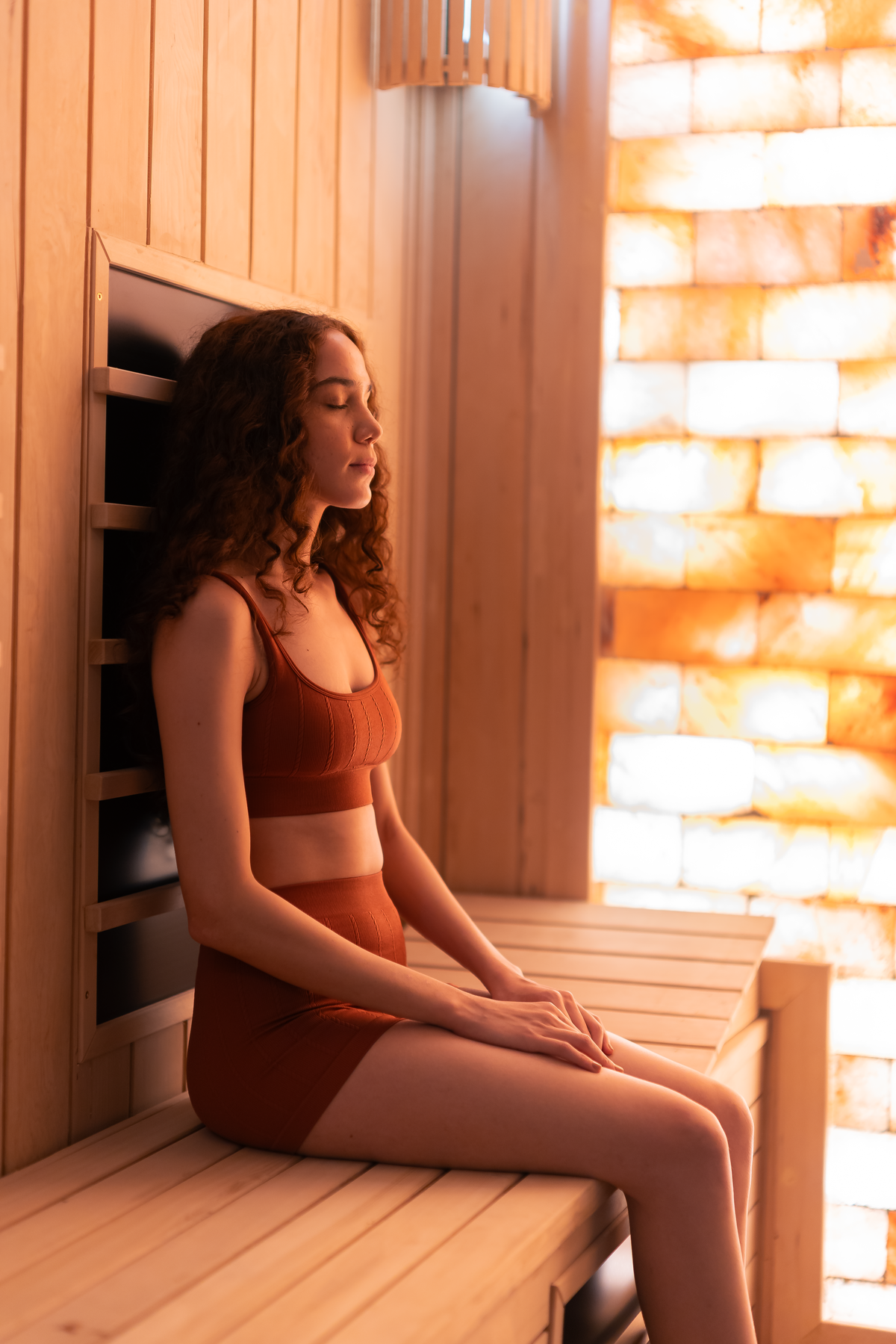
Infrared sauna with halotherapy

Infrared sauna with halotherapy
| Photo Credit:
Fairmont Mumbai

Red-light therapy is offered as a full-body experience, allowing light wavelengths to penetrate muscle tissue and skin more comprehensively, stimulating mitochondrial activity — the body’s energy centre — and helping with persistent fatigue. Intermittent vacuum therapy addresses poor circulation caused by long hours of sitting, using controlled pressure changes around the lower body to encourage blood flow and lymphatic drainage.

As Rashmi Ambastha, Director of Spa, Wellness and Recreation at Fairmont Mumbai, puts it, “Longevity-focused wellness is less about momentary comfort and more about improving biological resilience over time.” The future of this trend lies in continuity: memberships that support weekly recovery, staycation formats centred on restorative work, and programmes that position longevity as routine rather than reward.

Wellness as everyday practice: urban sanctuaries take root

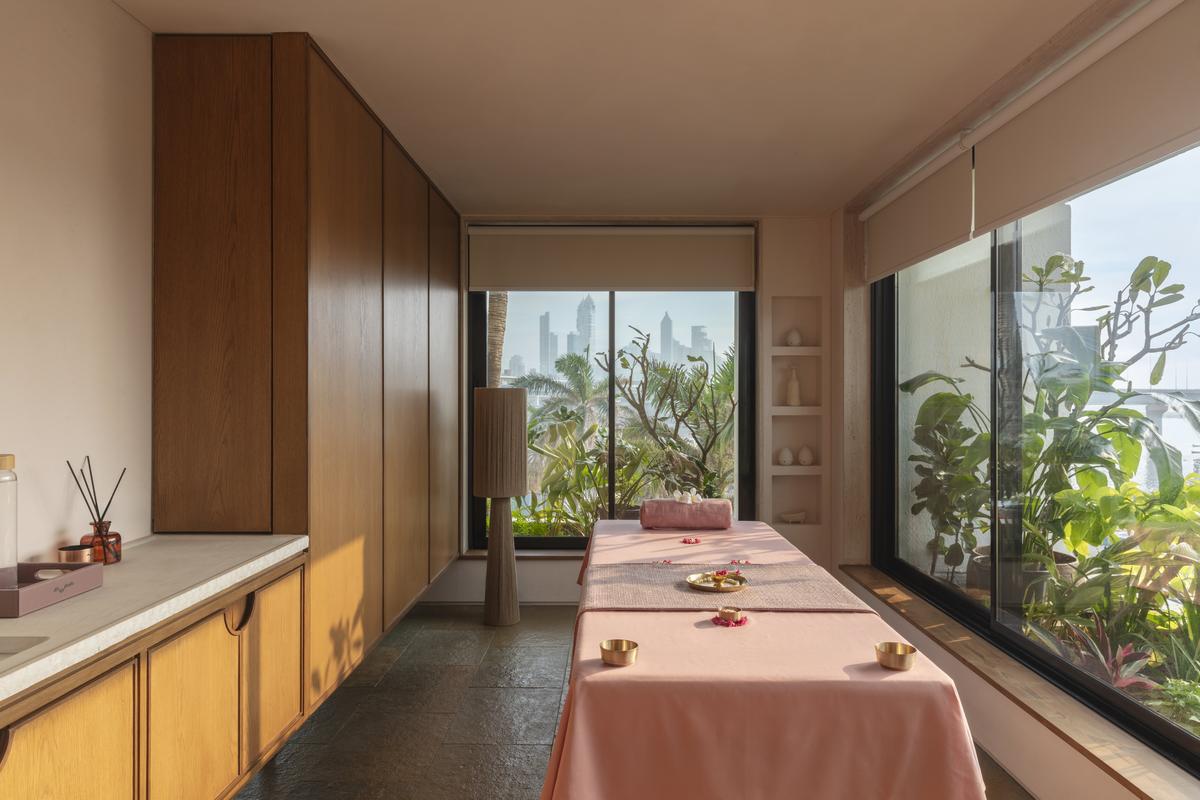
Another major shift is the rise of urban wellness centres, especially in cities like Mumbai — intimate, contemplative spaces that help city-dwellers regulate their emotional lives. Mira Kapoor’s Dhun Wellness in Mumbai’s Bandra and the recently opened AUM Life in Worli are prime examples of this shift. Digital saturation, fractured families, dual-working households and relentless competitiveness have quietly reshaped mental health in India.

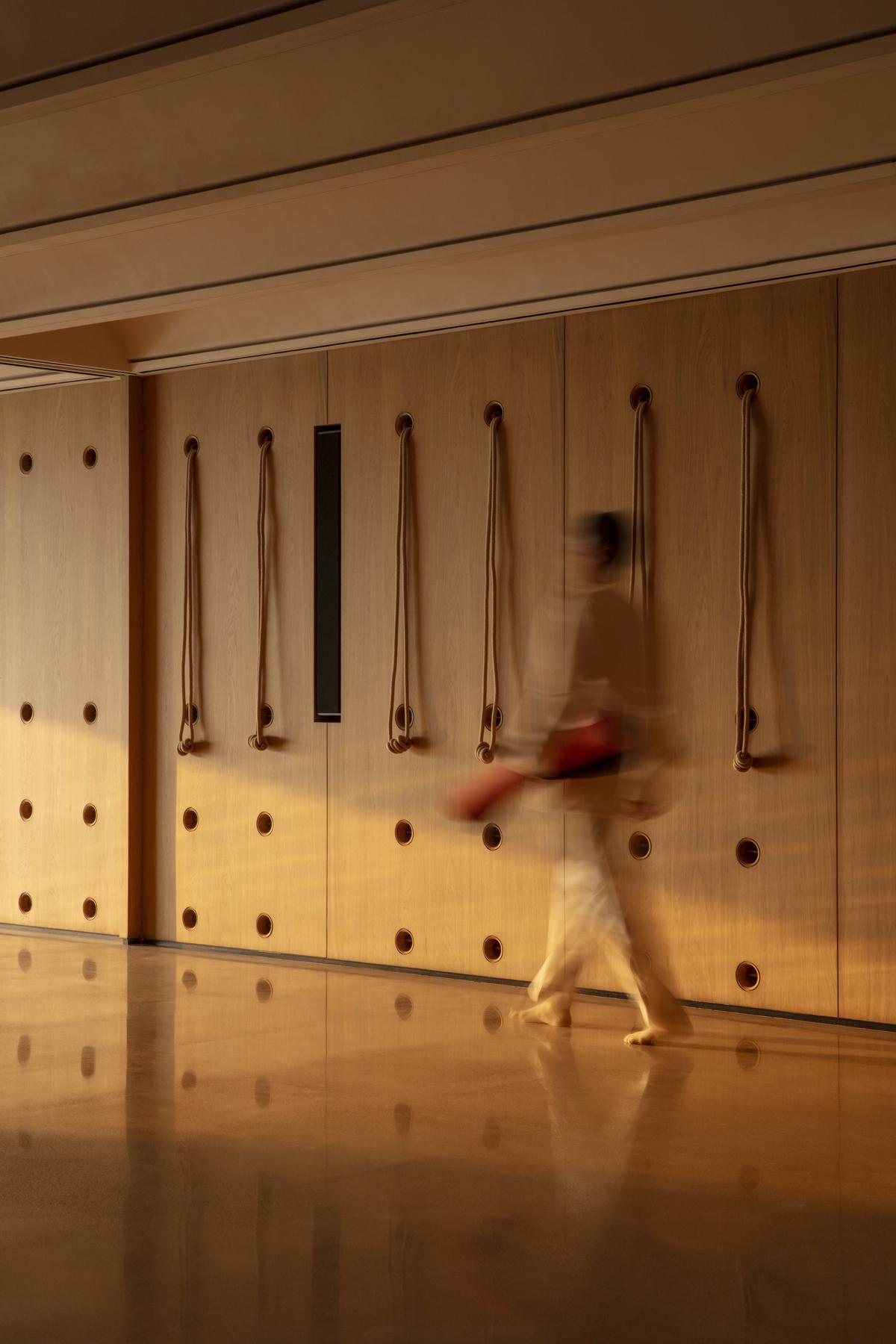
Inside AUM Life

Inside AUM Life
| Photo Credit:
Pankaj Anand

Inside AUM Life

Inside AUM Life
| Photo Credit:
Pankaj Anand

Richa Agrawal, founder of AUM Life, observes, “The rapid growth of urban wellness centres is being driven by a fundamental shift in how people are prioritising their lives. With increasing professional pressures, digital overload, and sustained mental fatigue, there is a growing need for spaces that support emotional, psychological, and holistic well-being.” Crucially, accessibility today is no longer just about cost or proximity. It is about translating ancient knowledge — breathwork, meditation, yoga and introspective practices — into forms that feel relatable and sustainable for everyday urban life. People are no longer drawn to intimidating philosophies; they want gentle, effective practices that help them feel less reactive, more self-aware and emotionally anchored.

Meera Shah, a communications professional who lives in Santacruz, visits Dhun Wellness twice a week before heading to her office in Bandra. “It’s become part of how I manage my week,” she says. “I come here early, do a yoga-and-meditation session, and then go straight to work. I’m not looking for a big spiritual experience. I just notice that I’m calmer. It’s subtle, but it changes how the rest of my day unfolds.”

Wellness festivals

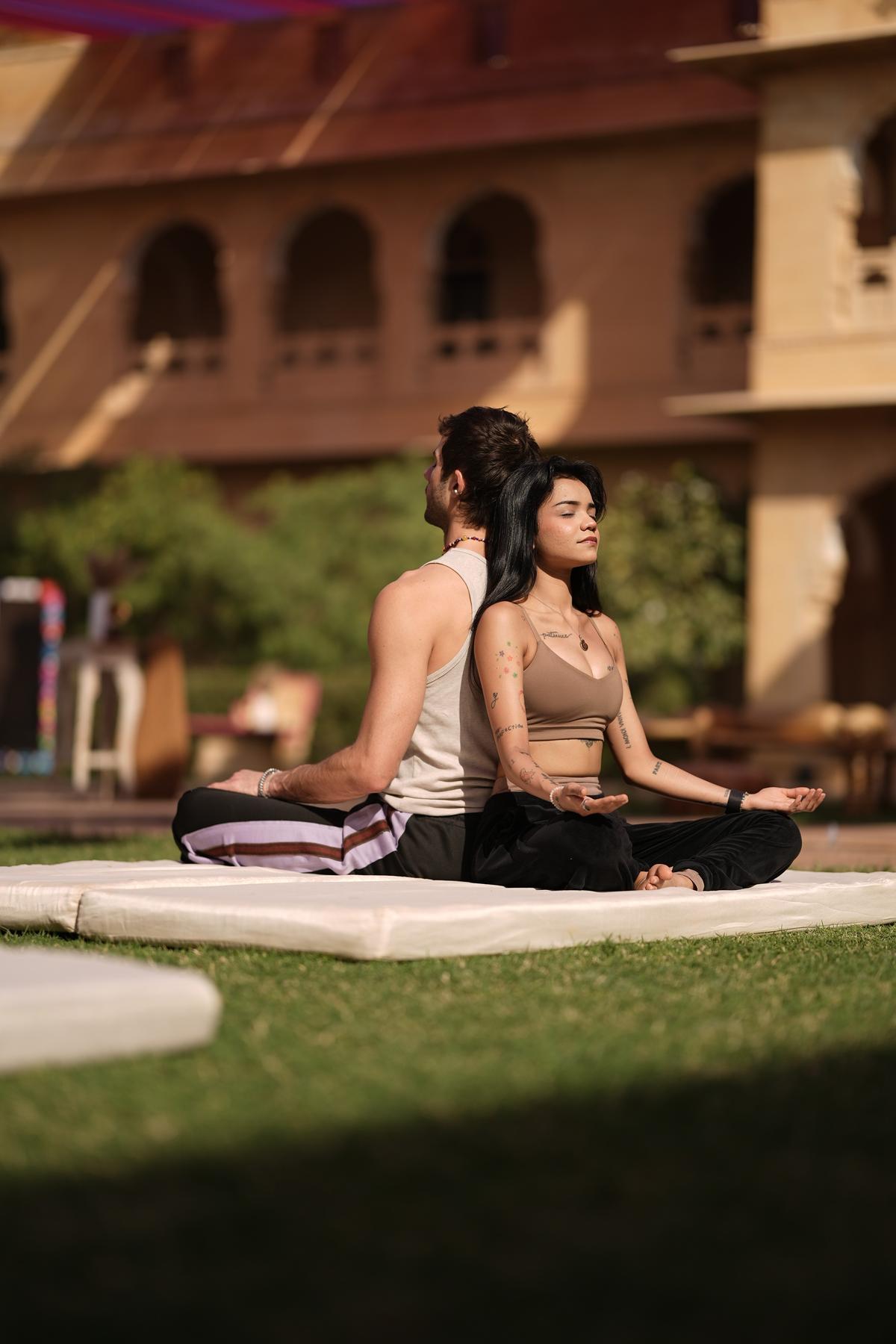
Wellness today is no longer confined to solitude. While some still seek retreat-style isolation, others are gravitating towards communal formats that blend joy, connection and inner work. Wellbeing-led festivals are emerging as powerful spaces for social healing, particularly in a time marked by loneliness, digital fatigue and emotional disconnection.

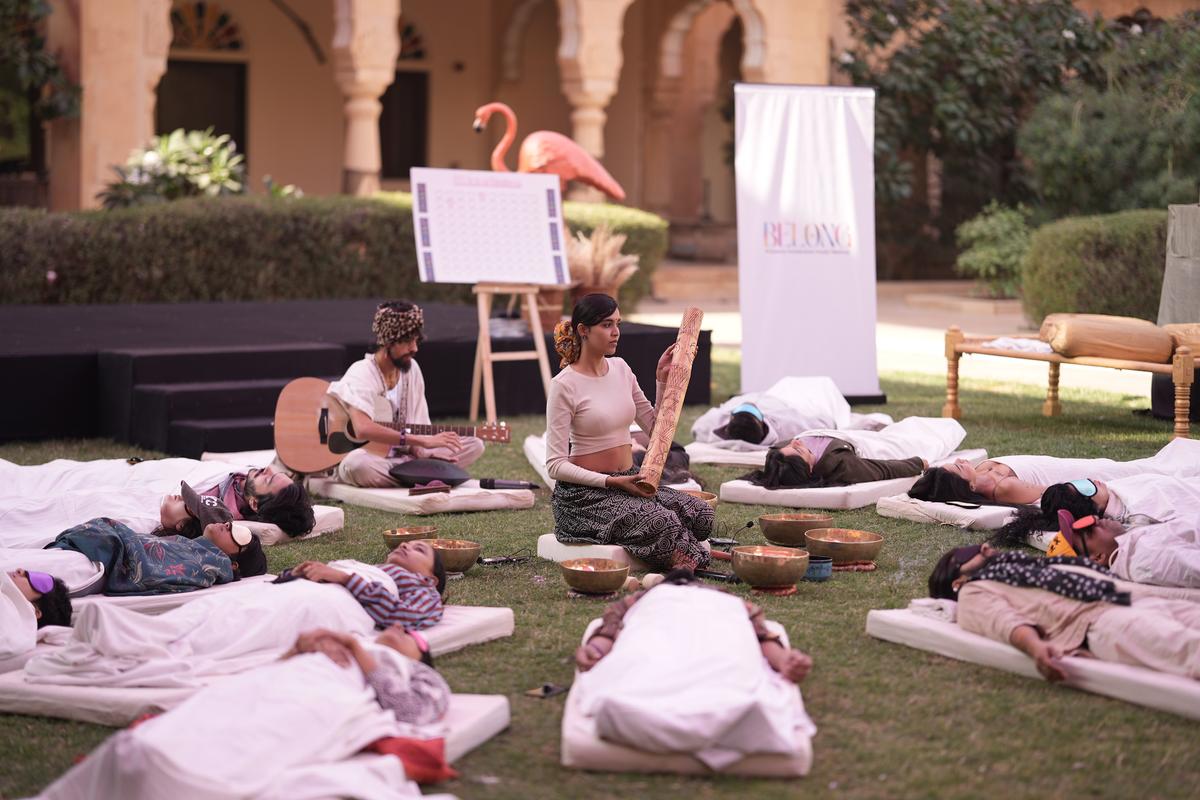
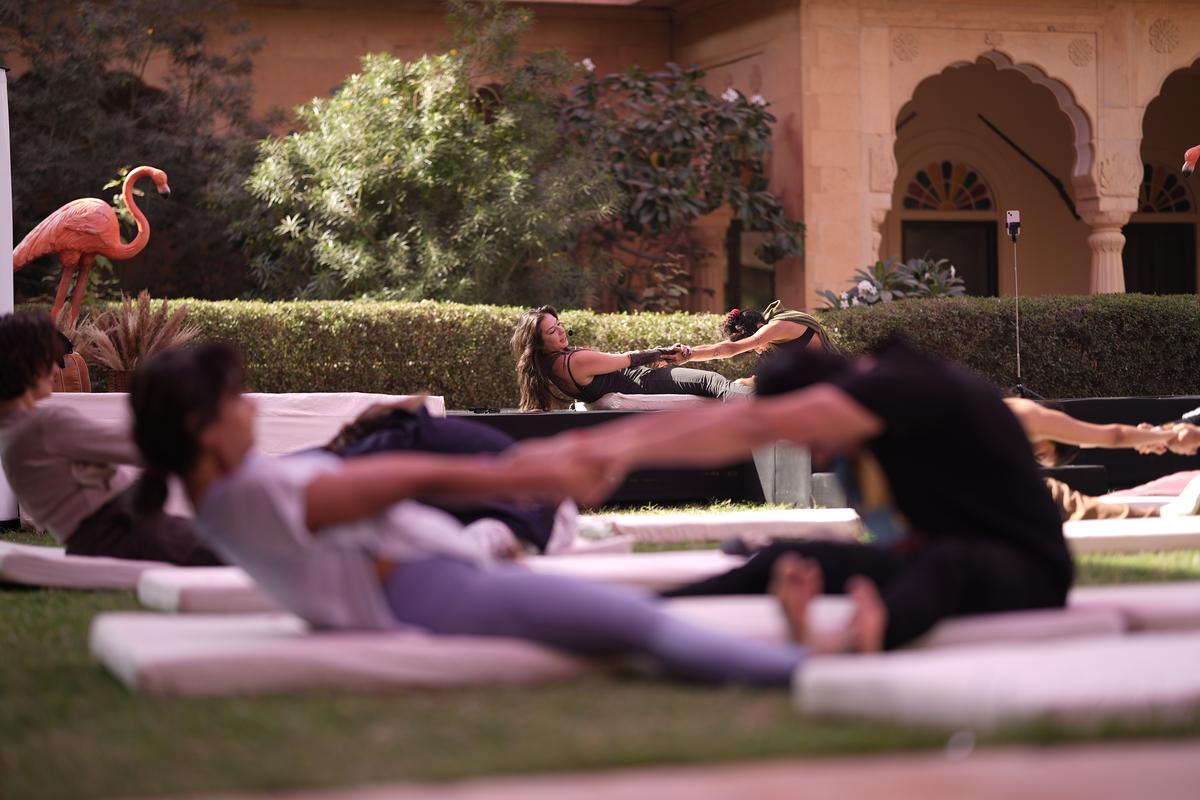
At the heart of this shift are thoughtfully curated programmes. As Himanshu Jakhar, founder of the Belong Festival, a three-day festival designed to celebrate the joys of friendship, personal growth, and wellbeing, and whose first edition was held in Jaisalmer in November, explains, the daytime schedule featured “a range of sessions and workshops — from breathwork and sound healing to yoga and movement. There were also acoustic sets and live bands, designed to help participants slow down and drop more deeply into their inward journey.” Several workshops focussed on connection, alongside practices centred on meditation and mindfulness, creating a rhythm that balanced introspection with shared experience.

Session in progress at Belong Festival

Session in progress at Belong Festival
| Photo Credit:
Belong Festival

Belong Festival

Belong Festival

The experience was intentionally intimate. While applications ran into the thousands, invitations were extended to just 100–110 participants, reinforcing the festival’s emphasis on curation and meaningful interaction. That sense of closeness was felt deeply by attendees. “I spent two days at the festival,” says Goa-based marketing professional Insia Lacewalla, “and experienced everything from an intense breathwork session that slipped me into a peaceful, alert trance, to workshops that invited childlike play, movement, surrender and reflection. Each experience steadily peeled away inhibition and control.” She adds that, as a facilitator, she found herself forming intimate micro-communities with strangers through shared voices, candid conversations and moments of collective vulnerability. “We smiled, spoke, and sometimes cried together.”

Community and wellness at Belong Festival

Community and wellness at Belong Festival

Music and wellness comes together at Belong Festival

Music and wellness comes together at Belong Festival
| Photo Credit:
Belong Festival

The rise of rituals: when the spa comes to you

A transformative trend emerging in hospitality is the shift toward deeply personal, in-room rituals that prioritise rest and nervous-system repair. This movement is gaining momentum because it recognises something fundamental: people increasingly crave private, unhurried forms of care that do not require navigating spa schedules, public spaces or social performance.

The bathing ritual at Amaraanth

The bathing ritual at Amaraanth

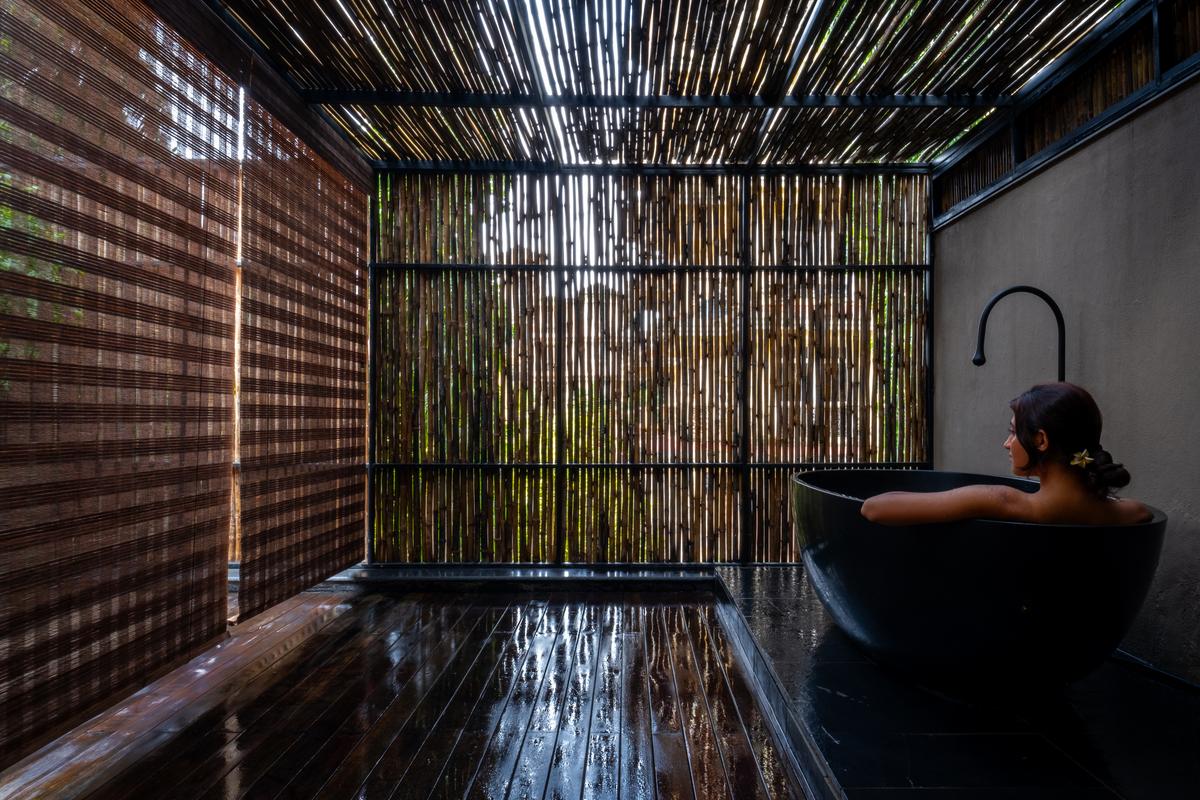
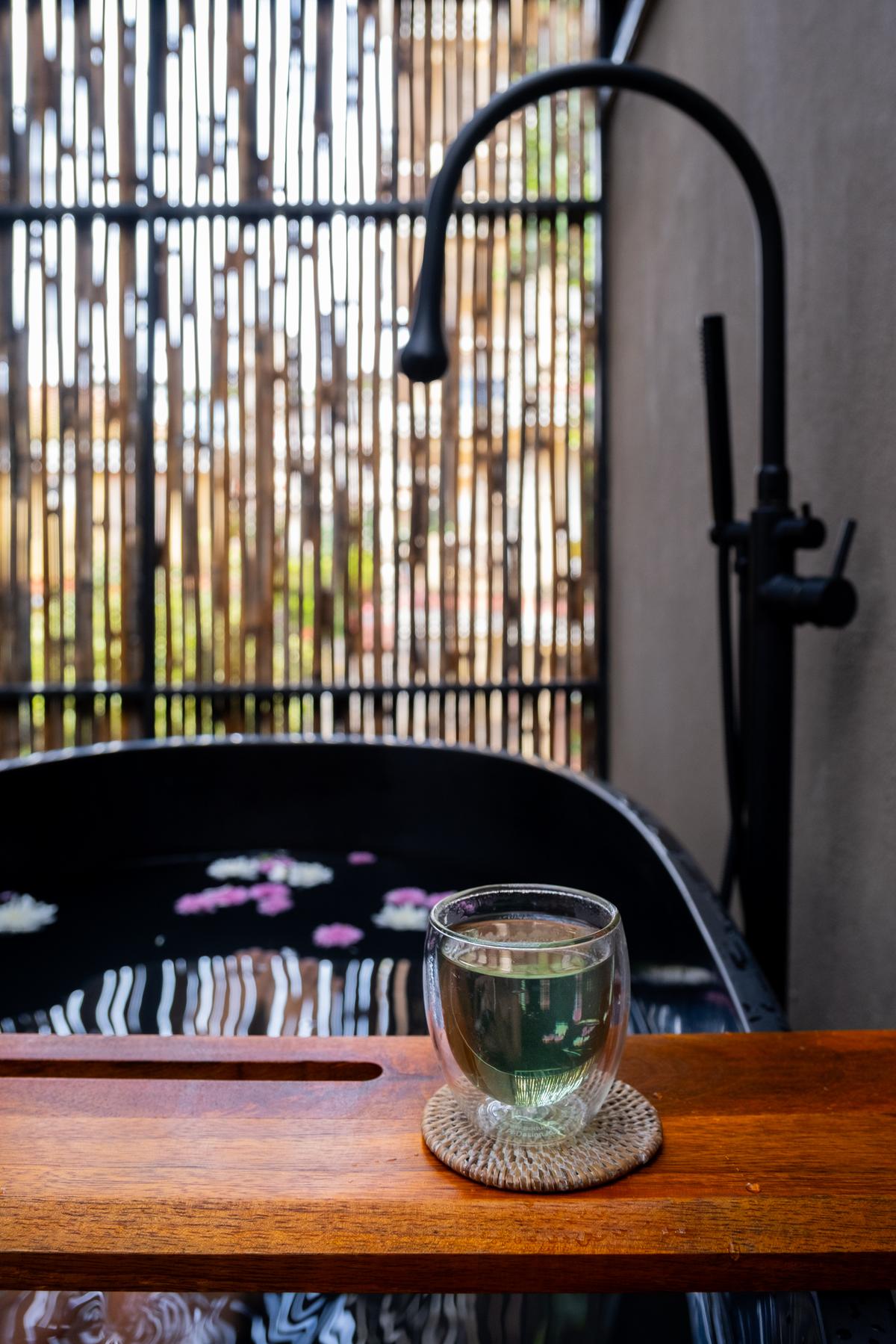
At Amaraanth in South Goa, this trend takes a distinct shape. For the first time, the spa experience is brought directly into the guest’s room — not as a convenience but as a deliberate reimagining of intimacy and restoration. What begins as a dry massage, done seated and tailored to the guest’s comfort, flows seamlessly into a bathing ritual set in an outdoor space surrounded by thick greenery. The setting itself becomes part of the treatment: a large stone bathtub, open skies, the quiet hum of plants, and the sensory privacy that hotels rarely offer.

The ritual is meticulously personalised. Guests are invited to choose their preferred bathing salts, essential oil blends and even the type of tea they would like to sip — usually from a set of three or four infusions. The therapist prepares the tub, infuses the salts, adjusts temperature, and builds an atmosphere where the body can soften and the mind can slow down without interruption.

This is where the collaboration with The HVN in Knightsbridge in London becomes important. Their grounding in Shinrin Yoku, or Japanese forest bathing, and their integrative wellness philosophy inform the structure of this ritual. The HVN’s emphasis on warm-water immersion, salt therapy and essential oils for nervous-system regulation is translated into a format that is quiet and contemplative. The result is a ritual that supports circulation, reduces inflammation, eases muscular tension and offers a deep emotional calm that many guests describe as the closest thing to a reset.

Return to roots: foraging, soil-to-skin and ecological intelligence

As global wellness pivots toward technology, India is seeing a counter-movement rooted in tactility, ecology and place. Hyper-local, foraged and seasonally aligned treatments are emerging as a marker of authenticity. This mirrors how foraging first reshaped food culture — from chefs seeking indigenous ingredients to mixologists creating forest-led cocktails. Now, that same curiosity about provenance is entering the world of wellness.

Yoga at Aramness Gir

Yoga at Aramness Gir
| Photo Credit:
Ankit Mavchi

Increasingly, guests want to know not just what goes into their treatment but where it comes from, how it was grown and why it supports the body in specific ways. They are asking deeper questions about hibiscus and its cooling properties, sesame and castor for grounding, or tulsi for stress regulation. The more fragmented modern life becomes, the more people seem to crave rituals anchored in the logic of landscape.

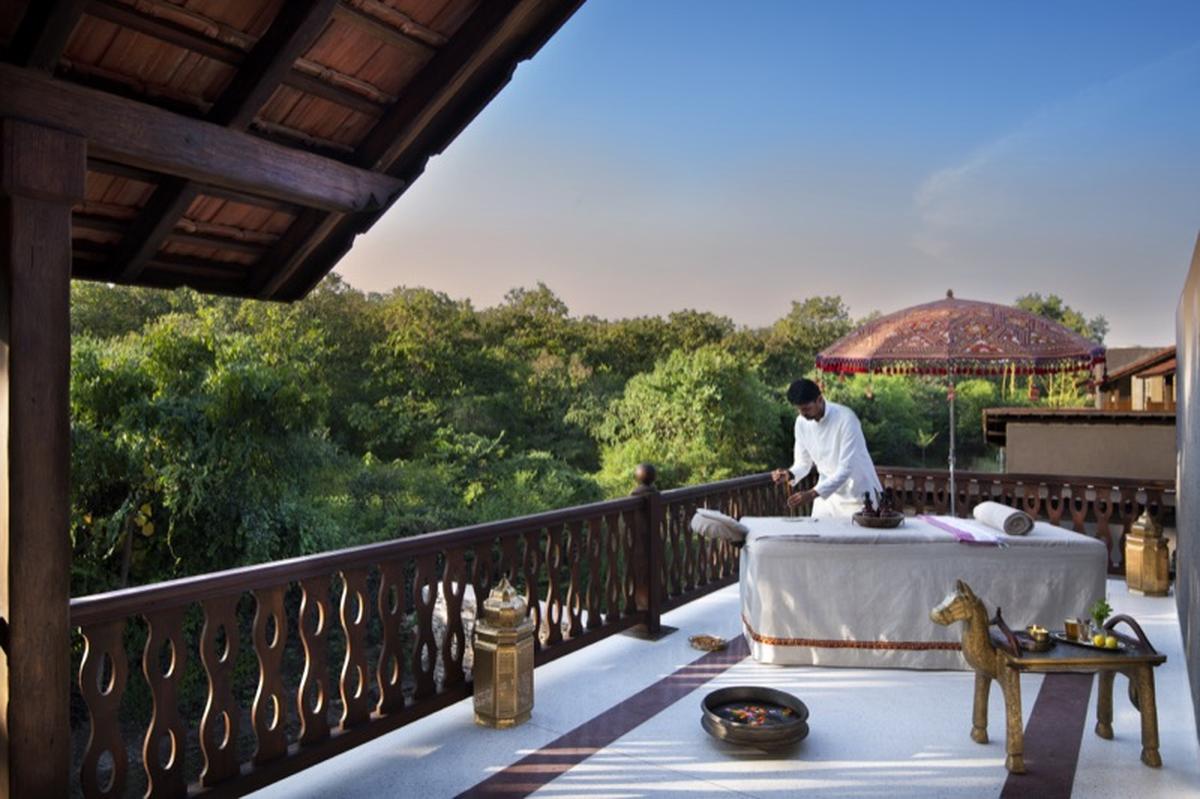
Aramness Gir, in Gujarat, has also opened the door to participatory forms of wellness. While not everyone will want to forage — and it is not feasible for every guest — there is a clear and growing segment seeking immersive, educational experiences that allow them to walk the land, identify botanicals and understand how seasonality affects potency. Just as food enthusiasts embraced farm-to-table dining, wellness seekers are beginning to pursue soil-to-skin therapies. The notion of customising a ritual based on herbs gathered from the property, even if guided, feels both intimate and empowering.

Outdoor spa

Outdoor spa
| Photo Credit:
Aramness

Rafeek Jabbar, wellness director at Aramness Gir, a boutique lodge bordering the Sasan Gir Park in Gujarat, observes: “The nature-led approach is resonating now because guests are seeking authenticity in an increasingly synthetic world. When you receive a treatment crafted from the very land beneath your feet, something ineffable happens.”

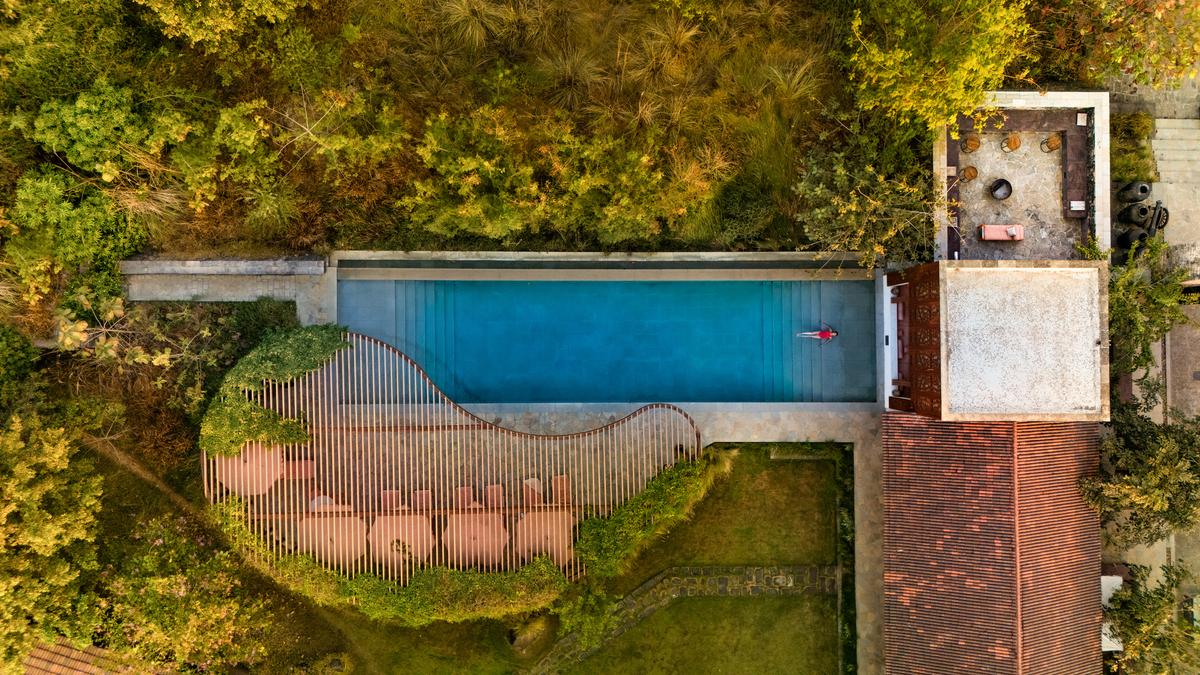
At Aramness

At Aramness
| Photo Credit:
Aramness

This movement is grounded in ecological respect: ethical harvesting, regenerative gardens and ingredient cycles aligned with local seasons. At Aramness, guests often join plant-identification walks, learning about the botanicals that later appear in their treatments. Understanding the soil, the climate and the life cycle of these plants creates a sense of relationship rather than consumption.

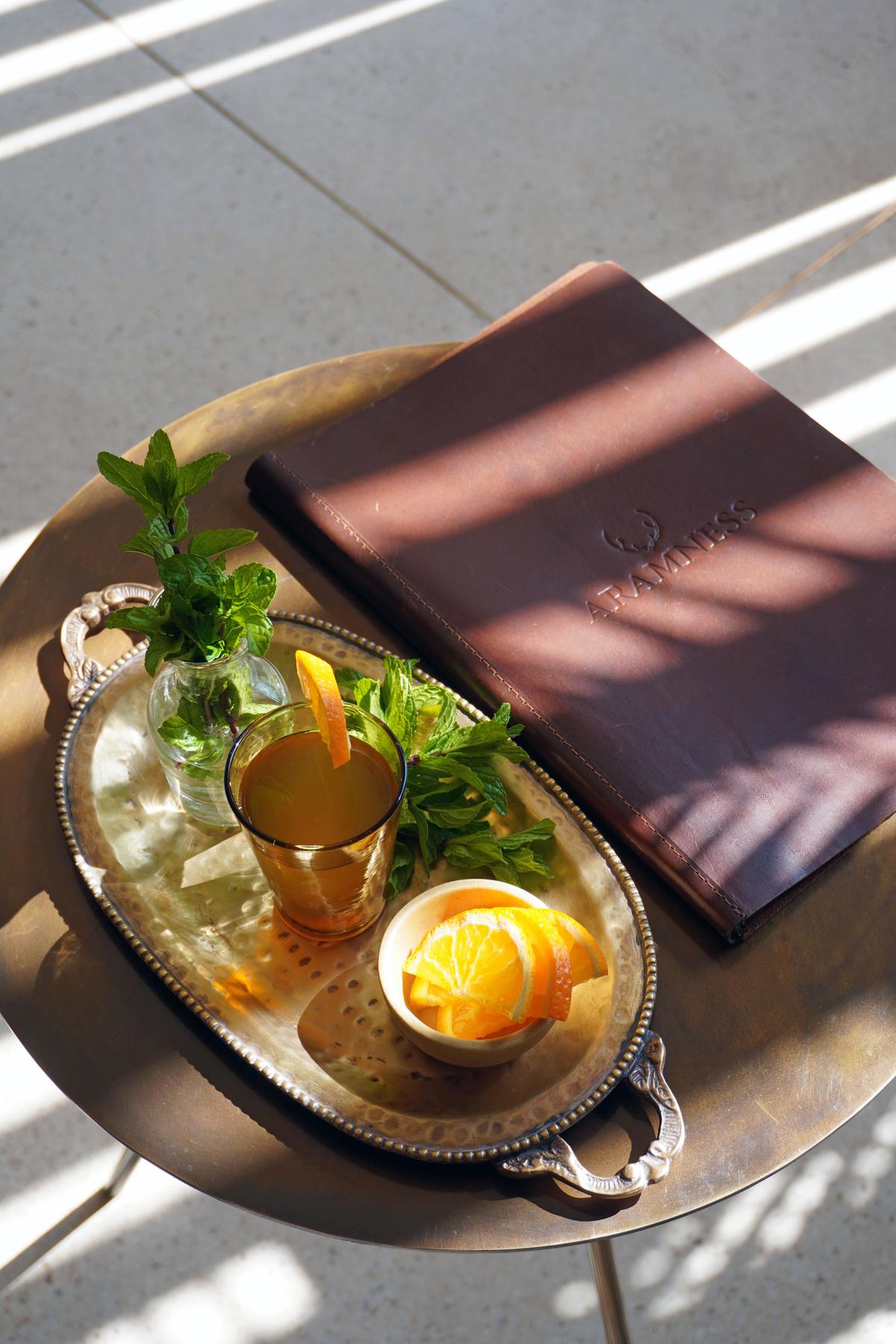
Pre-spa detox drink

Pre-spa detox drink
| Photo Credit:
Aramness

“Rootedness will define authentic wellness in 2026. When wellness is extracted from its place, it loses potency. When it’s rooted, it becomes transformative,” says Rafeek. As climate debates intensify, nature-led wellness is becoming a philosophy rather than a trend.

At its core, this moment in India’s wellness journey is not about doing more, but about remembering differently. Remembering that the body is not a machine to be optimised endlessly, but a system that needs rhythm, care and pause. Remembering that healing is not always visible, but often cumulative and deeply personal. And remembering that wellness, when stripped of aspiration, is simply the practice of paying attention — to breath, to land, to relationships, to the self. As these shifts take root, they suggest a future where wellbeing is no longer something we escape to, but something we return to, again and again, in the midst of everyday life.

Source link

New Year 2026: Six make-up and skincare products that are perfect to start the year glowing


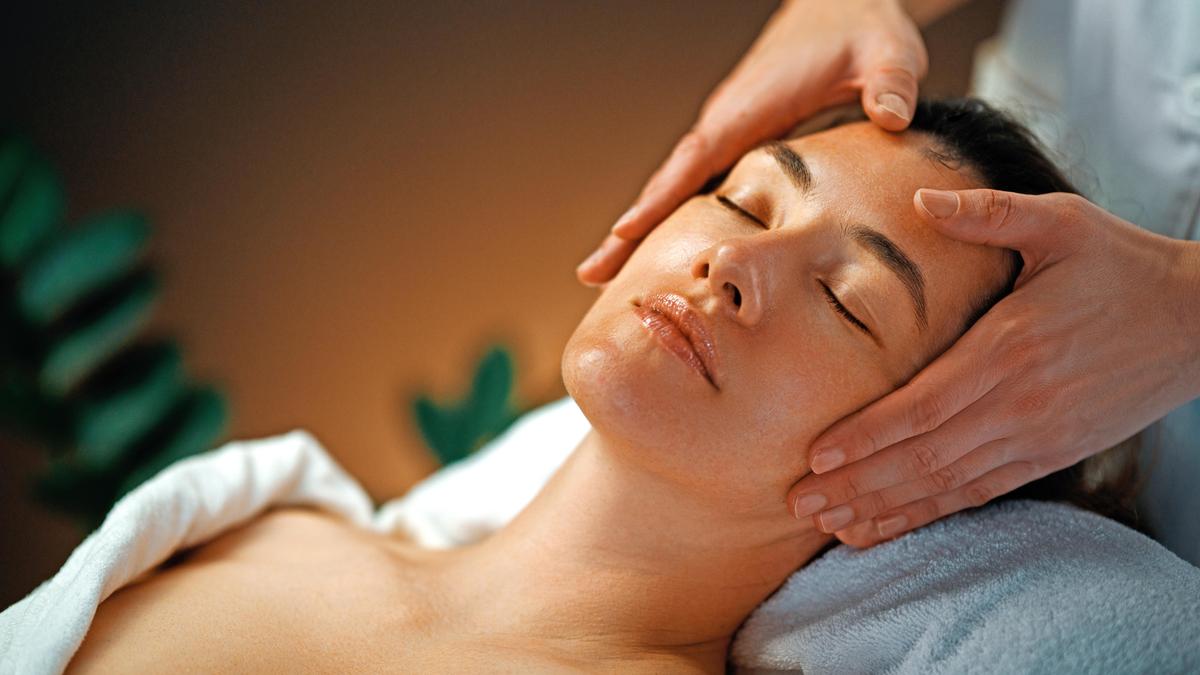
Facial treatment in spa salon. Skin care and massage. Cosmetologist at work

Facial treatment in spa salon. Skin care and massage. Cosmetologist at work
| Photo Credit: Choreograph

If a healthy, glowing skin is part of your New Year goals, then you should invest in a skincare wardrobe. Make-up and skincare tubs, palettes and tubes make for easy upgrades. Our wish list edit features six formulas to ensure that you start the year with a glowing skin.

Mary&May Tranexamic Acid + Glutathione Eye Cream

Mary&May Tranexamic Acid + Glutathione Eye Cream
| Photo Credit:
SPECIAL ARRANGEMENT

Eye for detail

Mary&May Tranexamic Acid + Glutathione Eye Cream works on fixing dark circles and fine lines. People have been dotting it around their mouth and other facial areas affected by pigmentation. It will not replace a messed up sleep cycle, but it will definitely reduce discolouration. Trust the combination of brightening tranexamic acid, glutathione and Vitamin C to work their (science-backed) magic.

Available for ₹2,180 on marynmay.com

Essence Lash Princess False Lash Effect Mascara

Essence Lash Princess False Lash Effect Mascara
| Photo Credit:
SPECIAL ARRANGEMENT

Flutter your eyelashes

Now that the brand Essence is finally in India, it is time to stock up on its incredible mascara that blew up on TikTok and for all the right reasons. Essence Lash Princess False Lash Effect Mascara is budget-friendly evenly coats lashes with a lift that legitimately gives you the false-lash effect without having to struggle with the lash glue.

Available for ₹400 on tirabeauty.com

VT Cosmetics Cica Daily Soothing Mask

VT Cosmetics Cica Daily Soothing Mask
| Photo Credit:
SPECIAL ARRANGEMENT

Unmasking glow

Irritated or angry skin, rosacea flare-ups, post-exfoliation hydration — VT Cosmetics Cica Daily Soothing Mask looks after your skin every time it is in need of some extra care. The box of 30 makes usage mess-free, comes with a pair of mini tongs to avoid contamination and is safe enough to use everyday. If you’ve heard of the brand’s viral at-home micro needling Reedle Shot serum, think of this as the finishing touch.

Available for ₹1,999 on tirabeauty.com

Etude Fixing Tint

Etude Fixing Tint
| Photo Credit:
SPECIAL ARRANGEMENT

Colour scheme

We love an India exclusive, and this time around, K-beauty powerhouse Etude has created three new shades specifically for Indian skin tones. Each of them being nude.

In shades Noor, Sufi Red and Mocha Mantra — Etude Fixing Tint is worth adding to the cart if you are after a lightweight, matte lip tint that will not budge.

Available for ₹950 on tirabeauty and nykaa.com

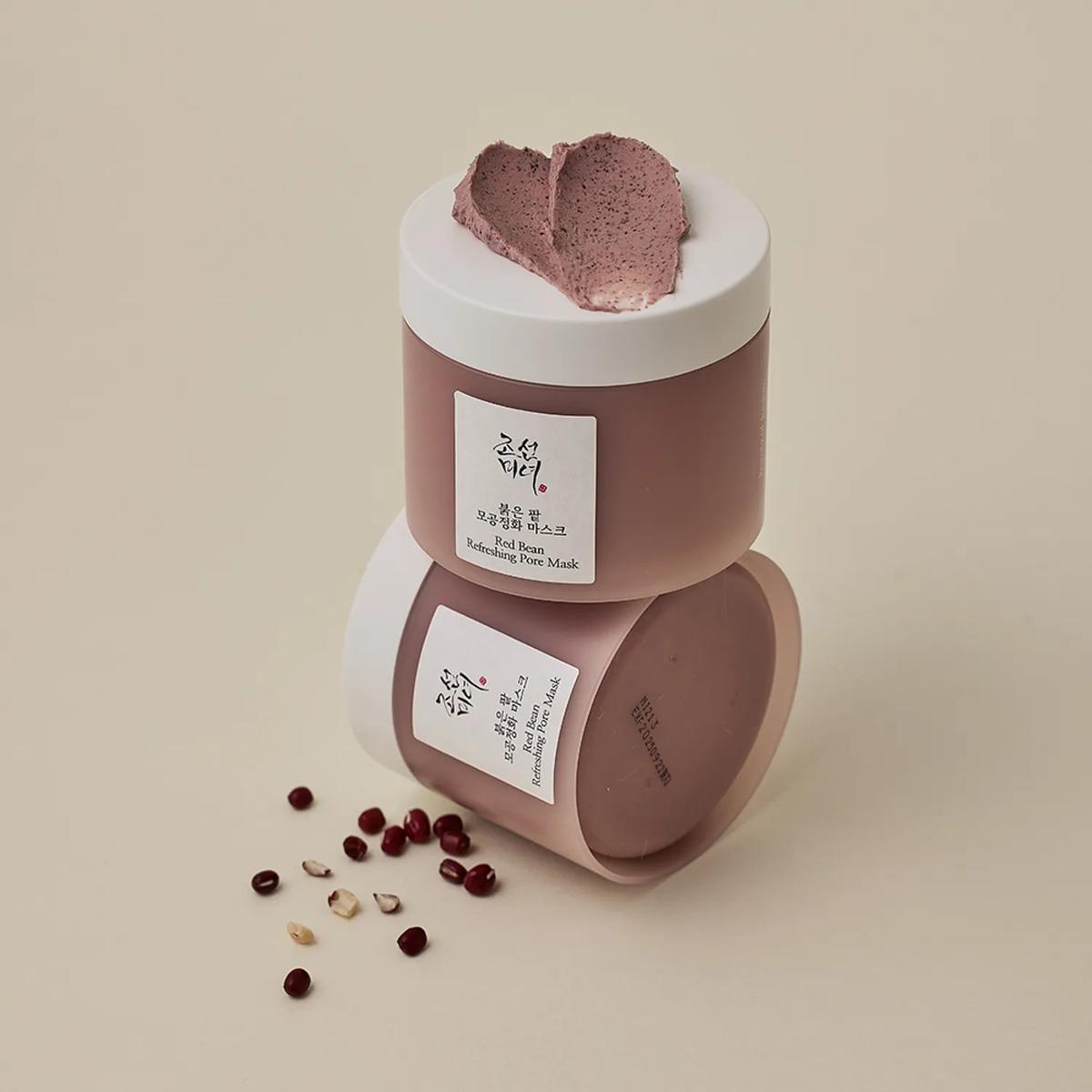
Beauty of Joseon Red Bean Refreshing Pore Mask

Beauty of Joseon Red Bean Refreshing Pore Mask
| Photo Credit:
SPECIAL ARRANGEMENT

Scrub it off!

Of course, you have seen the sunscreen by Beauty of Joseon all over your Instagram feeds and part of everyone’s recommendations. Take our word for it — this clay mask deserves a shot too. Beauty of Joseon Red Bean Refreshing Pore Mask refreshes and unclogs your pores without drying your skin; possibly one of the most gentle kaolin clay masks you will find, with gentle exfoliation courtesy of Korean red beans.

Available for ₹1,740 on tirabeauty and nykaa.com

Bright like a diamond

Fenty Beauty Diamond Bomb All-Over Diamond Veil

Fenty Beauty Diamond Bomb All-Over Diamond Veil
| Photo Credit:
SPECIAL ARRANGEMENT

Of course, Rihanna’s shimmer-bomb highlighters took over the Internet the minute they dropped. But the party season hack that we have been loving is using them as eyeshadow. The shades are super pigmented, so all you need is your fingertip to swipe some directly onto your lids — a single-step glitter eye look with zero fallout. The diamond-shaped casing is a treat to the eyes, too. Our pick? Fenty Beauty Diamond Bomb All-Over Diamond Veil.

Available for ₹4,375 on tirabeauty, nykaa, and fentybeauty.com


Source link

Liwa Festival in Abu Dhabi: Five ways to experience the desert during winter


The three-hour-long drive to Liwa from Abu Dhabi airport feels unhurried. As the skyline slips away, the road opens into long stretches of sand. The second edition of Liwa Festival, the annual festival that blends motorsports, heritage and entertainment in a desert setting, is about to kick off.. Here are five highlights of Liwa where the annual festival will be in full flow till January 3.

Festive fervour

Launched on December 12, 2025, the festival organised by the Department of Culture and Tourism – Abu Dhabi, unfolds as a winter fixture shaped by movement, sound and shared attention. Set against the golden dunes of the Al Dhafra region and running until January 3, 2026, it brings together adventure activities, speed challenges, live music and cultural experiences.

Over the years, the festival has grown steadily into a seasonal draw, attracting families, camping enthusiasts, motorsport followers and those curious about traditional desert sports. Much of this energy centres around Tal Moreeb, the UAE’s tallest sand dune rising nearly 300 metres, where heritage and competition meet on equal ground. The opening night reflects this scale, beginning with an aerial display by the UAE Falcons Aerobatic Team, followed by fireworks, drone sequences and expansive light performances that illuminates the Liwa skies.

Sights and sounds

Liwa festival in Abu Dhabi.

Liwa festival in Abu Dhabi.
| Photo Credit:
NIVEDITA GANGULY

Liwa International Festival 2026 opens with a sound and light show. As darkness settles over the desert, a light and sound spectacle plays out across the sand dunes, using their natural contours as a stage. It turns the landscape itself into a participant rather than a backdrop. The opening ceremony is punctuated by fireworks.

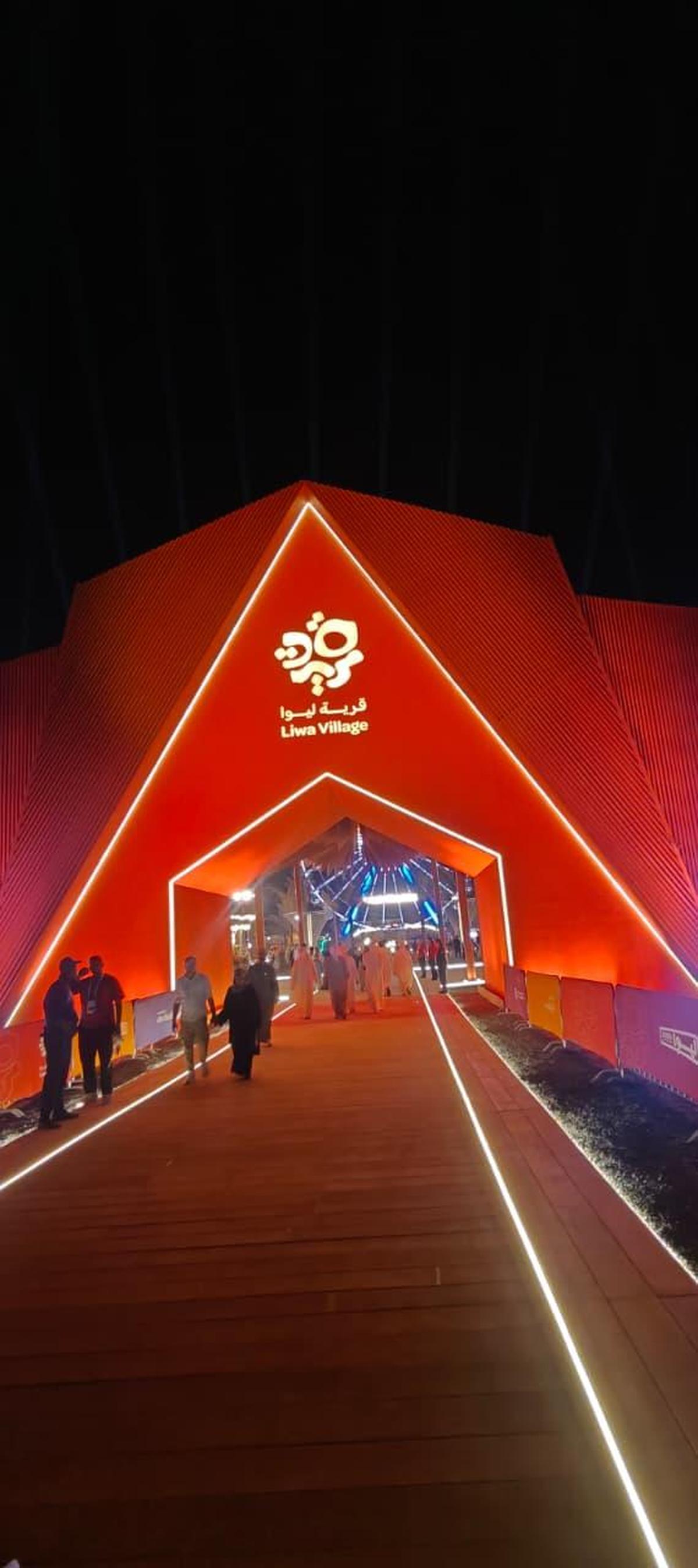
Behind the opening ceremony is the Liwa Village, a carnival adjacent to it, where children move between creative workshops, a petting zoo and gentle rides. I observe some artisans at work, handling materials with familiarity rather than performance, offering a grounded sense of continuity.

At the adventure and motor sport zone inside Liwa Village, the mood shifts. Engines roared in the adventure zone as drifting and dune bashing gather crowds. Live performances are held across the open grounds and tethered hot air balloons illuminate the space.

From the watchtower

Tower of Moughab in Abu Dhabi

Tower of Moughab in Abu Dhabi
| Photo Credit:
NIVEDITA GANGULY

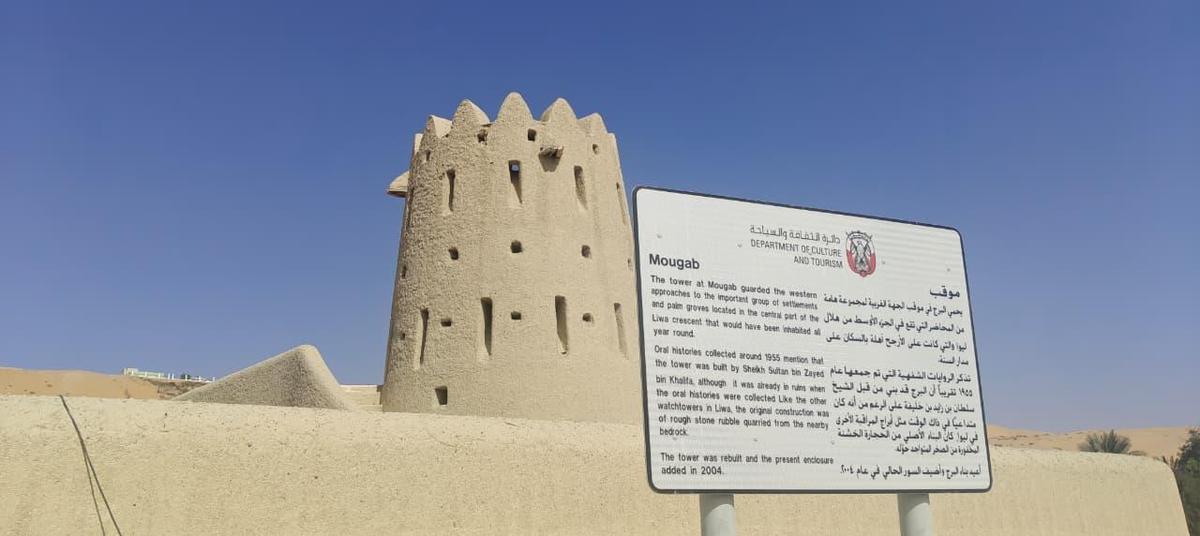
The next day, a half an hour’s drive from the festival site takes me to the Tower of Moughab. The tower once guarded the western approaches to the settlements and palm groves of the Liwa crescent, which were inhabited throughout the year. Oral histories from the 1950s speak of its construction by Sheikh Sultan bin Zayed bin Khalifa, though it was already in ruins by then.

Built from rough stone rubble quarried nearby, the tower reflects function over form. Rebuilt in 2004, it remains restrained in appearance. I visit in the afternoon, when under the bright light the tower stands silently as a reminder of a not-so-distant past. The silence around the tower feels deliberate, as if the landscape itself is preserving memory.

Al Meel or Nimail Fort

Al Meer fort in Abu Dhabi.

Al Meer fort in Abu Dhabi.
| Photo Credit:
NIVEDITA GANGULY

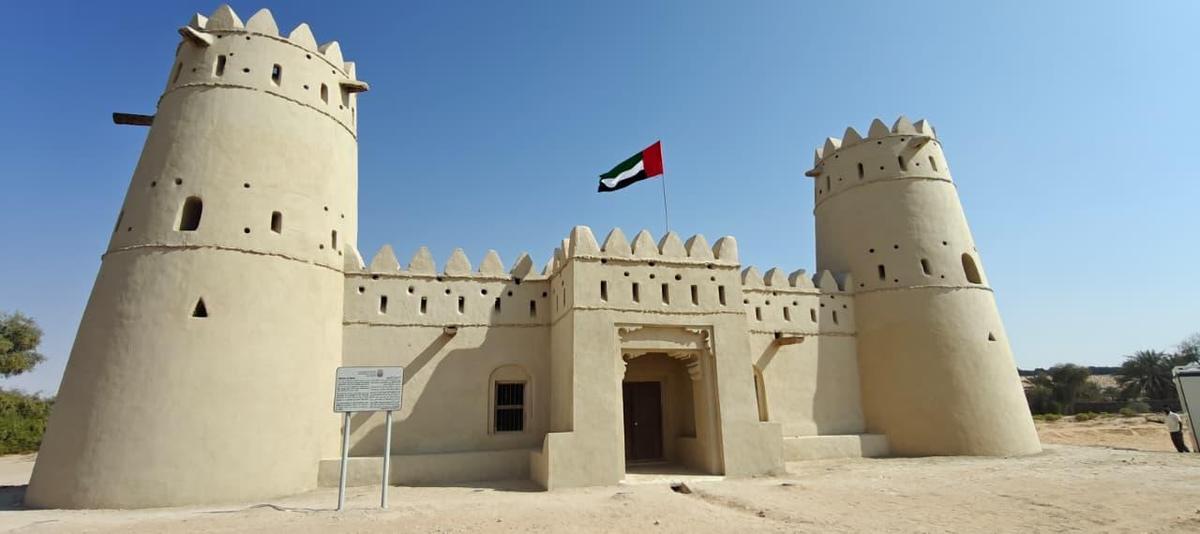
My next stop is a to Al Meel Fort, also known as Nimail Fort. The fort marks the site of an earlier structure built to guard settlements like Shah and its palm groves, among the most significant settlements in the eastern Liwa crescent. Oral histories suggest that the original fort was built by the Bani Yas tribes in the early 19th Century. Rebuilt in the 1980s, the fort today offers no spectacle. Its walls simply stand, holding space. Walking through its enclosure, I became aware of how closely survival here was tied to water, shade and collective effort.

Dune and dusted

Al Dhafra desert in Abu Dhabi.

Al Dhafra desert in Abu Dhabi.
| Photo Credit:
NIVEDITA GANGULY

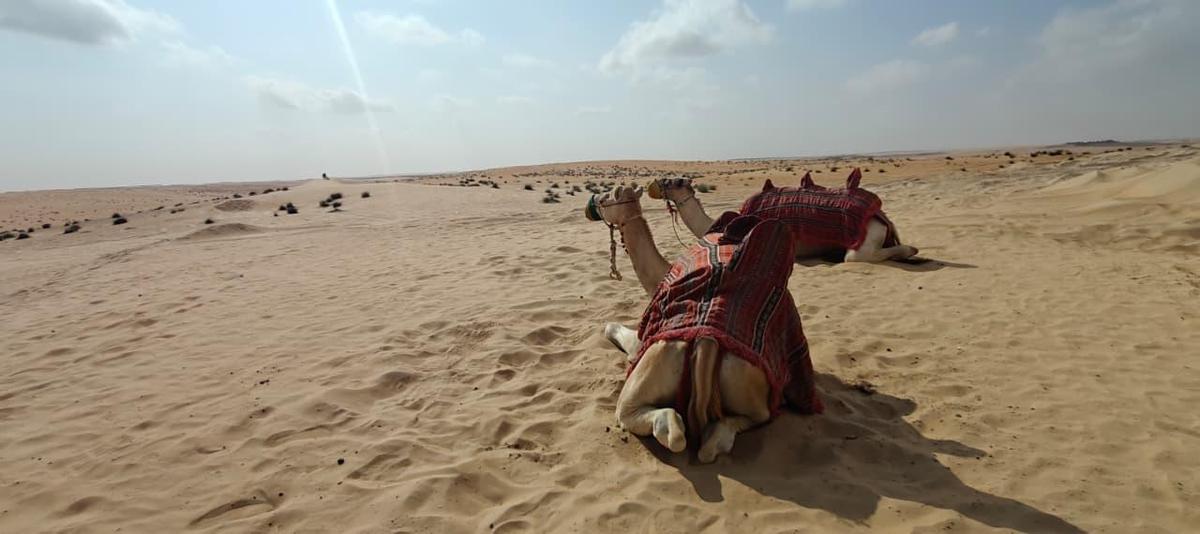
An hour from Liwa, Al Dhafra reveals another pace altogether. Home to nearly 50,000 residents, it is among the more populated parts of the region. I try dune bashing first, the sand rising and falling with force and precision. Later, a camel ride offers contrast, each step measured and steady.

I spend time shaping simple sand art in a glass bottle, an exercise that feels temporary by design. What stayed with me is the sense that Al Dhafra allows movement and pause to coexist, without insisting on either.

The writer was in Abu Dhabi on invitation from its Department of Culture and Tourism.

Published – January 02, 2026 01:33 pm IST


Source link

Malayalam short film ‘Bhoothayanam’ explores horror without gimmickery


The ending of Bhoothayanam is a twist that is, well, a twist in the tale. It leaves you with more questions than it answers. The short film, written by Pratheek Thomas of Studio Kokaachi and directed by Tony Davis, is a fresh take on the horror genre minus the signature jumpscares and the score. And that makes Bhoothayanam even creepier, the sense that what happens on reel is very well within the realm of possibility. 


Also Read I Malayalam short film ‘Oru Poocha Paranja Katha’ tells the story from a cat’s point of view

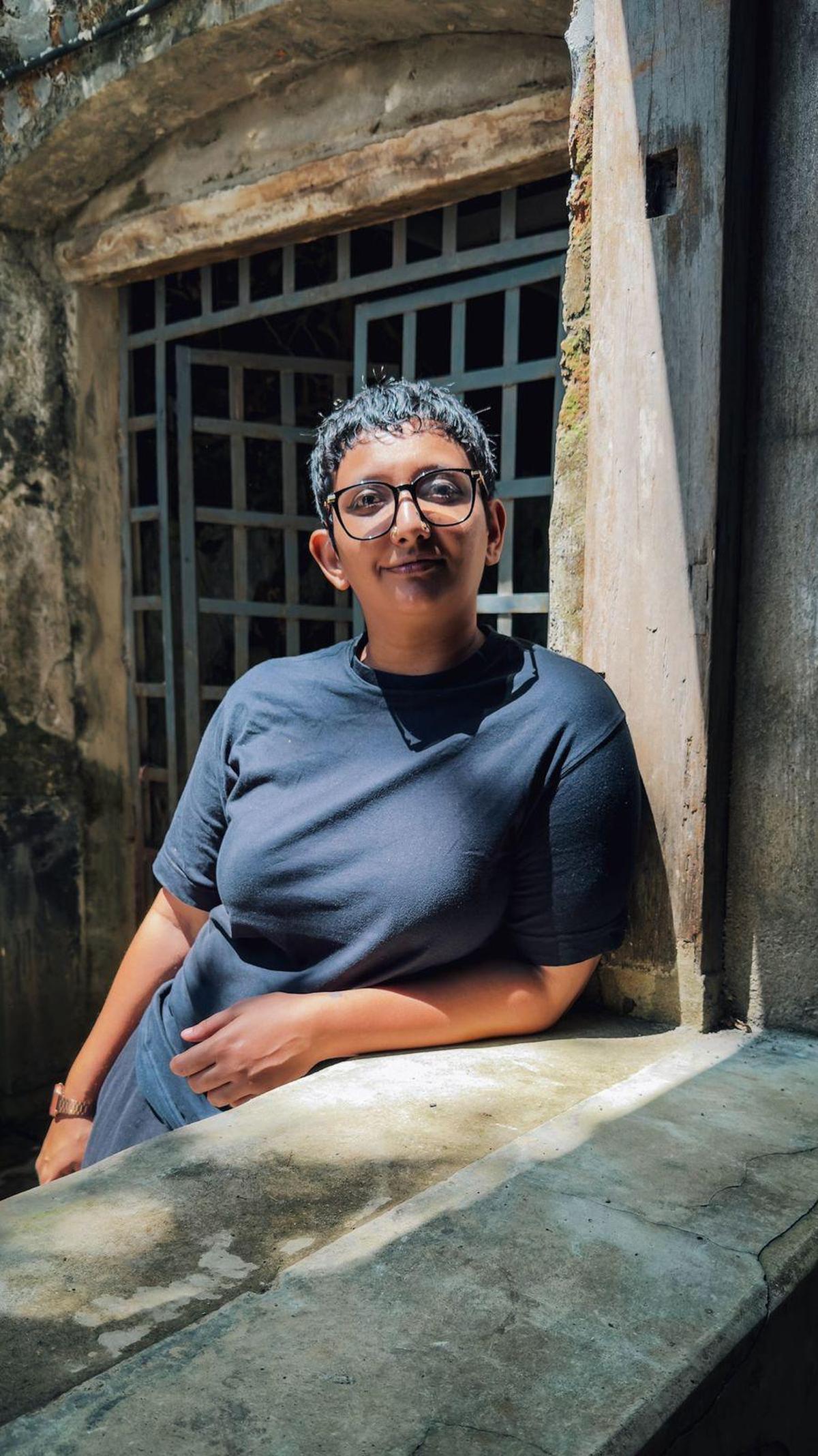
It all began with, what Pratheek calls, a ‘haunting’ photograph of an elderly woman looking out a window. That article and an image that was part of a BBC documentary on the ageing population of Kumbanad, near Thiruvalla, triggered the story. An ageing population living mostly alone in what have become ghost towns with very few young people is a reality in Kerala. The ghost town part, and the loneliness of seniors, fixed the genre — horror. “It is a fact we know very well, that we have a large ageing population which lives alone. That was the starting point for the story,” says Tony.

He discussed the idea with Pratheek, who wrote the story. Tony and Pratheek became friends via a comic library that Tony used to run and his involvement with the comic scene in Kochi. 

What started out sometime in 2023 as an idea, became concrete in May 2024 when Tony and Pratheek met over coffee. “That one evening everything was decided, we cracked the story which would be about a elderly woman and her granddaughter!” says Pratheek. The short was to be Tony’s showreel, as part of his portfolio. Tony has assisted Rajesh Pillai on Mili, besides directing a docu-series on Kerala’s comic culture, Katha Vara Kathakal, in 2020-21 which is streaming on YouTube.   

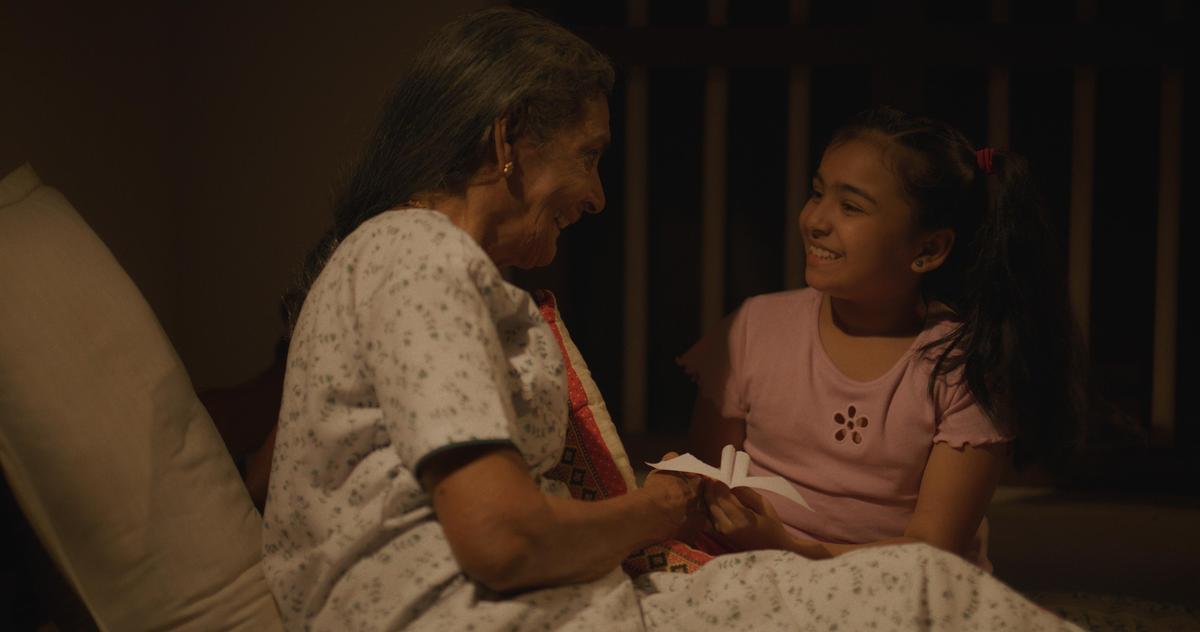
A still from ‘Bhoothayanam’

A still from ‘Bhoothayanam’
| Photo Credit:
Special Arrangement

Bhoothayanam is about a family, settled abroad, of three which returns home to Kerala, after the death of the father’s mother. The child, a speech-impaired girl, seeks her grandmother and what happens when she meets her makes up the plot. It is not often that one comes across a main character with a disability in a mainstream film. 


Also Read I Malayalam short film ‘Kovarty’ explores romance between a typewriter and the typist

“When I was in NID [National Institute of Design], many of the products I designed were for people with special needs,” explains Pratheek about how he came to write a main character with a disability. The casting of child actor/dancer Vriddhi Vishal is spot on, she makes her job look effortless, especially her comfort with sign language. 

They had Vaishnavi, a sign language interpreter as a consultant, who read and vetted the script from the sign language perspective. The Malayalam dialogues are by Tina, co-founder of Studio Kokaachi and Pratheek’s wife.    
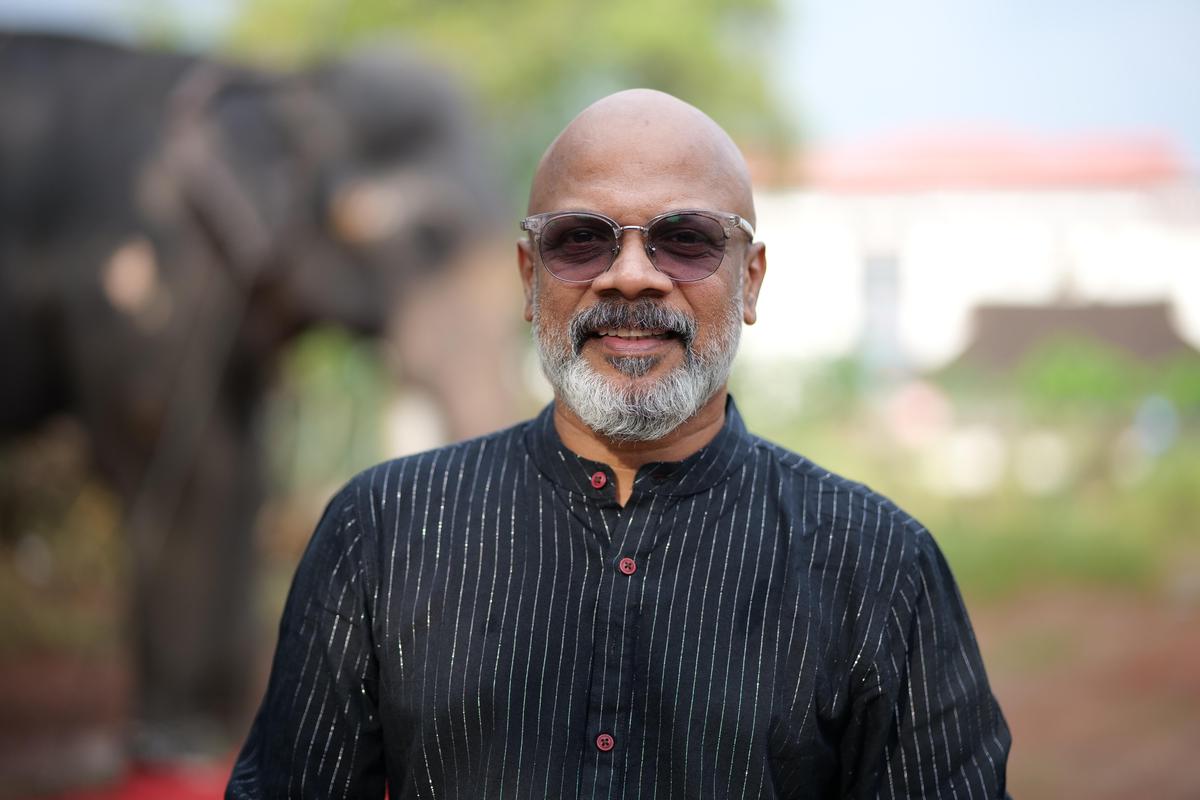
“Tony was certain about casting Vriddhi, and how she would be perfect for the role…which she went on to prove. She worked very hard on sign language with Vaishnavi; she brought so much energy,” says Pratheek. KPAC Leela was also picked by Tony who was familiar with her work in a Jayaraj film. “She is very picky with her projects, she liked our project and she was on board,”says Tony. Tony is upbeat about the casting, which, he says, worked very well. 

Although it was intended as a show reel for Tony’s work, he did not want any compromise in the craft and making. “He wanted it to be made as a feature film,” Pratheek adds. Although he has been a part of the film industry for almost a decade, Tony says he wanted this film to showcase his work, as his portfolio. 

Bhoothayanam is important for Pratheek also because this was one piece of his writing that made him confident, “usually I am underconfident about what I write. But this was different, I felt confident about it. Tina and Tony also liked it.” Rather than the stereotypical elements of a horror film such as the atmospherics, jump scares and background score, they wanted the shocks to come with an element of the creepy and the supernatural. To that end, they succeed. The lack of the ‘elements’ of a horror film makes it scary. Not just that, what one sees [on the surface] may not be what is. The short pivots the premise of a grandmother’s love for her grandchild, but is it as selfless and lofty? 

The feedback from the industry has been encouraging. The team wanted the film to garner views organically, which it has been. The film which dropped on YouTube in the first week of December has already garnered more than one lakh views. The ‘biggest’ validation for the team has been the fact that Bhavana Studios released the film on their YouTube channel. “That they published it on their channel is a pat on the back for us,” Pratheek says.

Bhoothayanam is streaming on YouTube on the Bhavana Studios channel 

Published – January 02, 2026 12:39 pm IST


Source link

2026: What Kochi wants to sustain from the past year


Sanaa Abdussamad

Sanaa Abdussamad
| Photo Credit:
Special Arrangement

From urban development to cultural dynamism, and building an empathetic community, Kochi has made progress in 2025. MetroPlus speaks to social entrepreneurs on what they would like to see continued in 2026.

A city that backs its children

Over the last year, I have seen a meaningful shift in how the city shows up for its children, and I have experienced it closely through the Little Big Festival and our child-led initiatives, where children and teenagers help plan, create, and take real responsibility for what they build. When we started (the Little Big Festival), there was no guarantee that a large-scale festival centred entirely around children would work, or that parents would trust an approach that gave kids so much agency. I like to believe the first edition helped change that. Parents of toddlers, six-year-olds, and even sixteen-year-olds didn’t just show up — they backed the idea, encouraged independence, and helped these experiences come alive. Between our first and second editions, it has been heartening to see more people across the city begin curating thoughtful, children-first and kids-only experiences. A year ago, this kind of focus was rare. As we move into 2026, what I hope continues is this trust, from parents, institutions, and the city itself, because when a city genuinely backs its children, the result isn’t just successful events, but a stronger, more thoughtful community.

Sanaa Abdussamad

Curator of Little Big Festival 

Ranjit Thampy

Ranjit Thampy
| Photo Credit:
Special Arrangement

A clean and safe Marine Drive

2025 saw the result of a campaign that started in 2018 for the upkeep of Marine Drive. I filed a public interest litigation in 2019 regarding the poor maintenance of the walkway. It was being used as a garbage dump and it was a centre of antisocial activities. I have been walking on Marine Drive for 27 years and have been witness to its decline. After a prolonged legal battle, in 2025, the High Court ordered the setting up of a permanent monitoring committee involving the GCDA, police, PCB and Corporation with the RDO as the nodal officer. This has brought a certain accountability and this is what I hope continues into 2026. Marine Drive is a nerve centre of Kochi – a tourist attraction and it is of prime importance to keep it clean and safe. I will continue my efforts and ensure that the Marine Drive remains so. However, as a city, we need to start making use of public transport, create green zones and decentralise waste management at the ward level in order for the city to truly evolve. 
Ranjit Thampy

Social Activist

Deepa Ganesh

Deepa Ganesh
| Photo Credit:
Special Arrangement

Public transport, indicator of a developing Kochi

The Kochi Metro is continuously expanding, phase wise, connecting all parts of the city and the Kochi Metro card enables access to all these services. As a person who prefers public transport for commuting, I love the phenomenal growth of Kochi Metro. The introduction of electric feeder buses providing the last mile connectivity with Metro stations is a major development. More feeder buses will encourage people to go off cars and bikes and reduce carbon emissions in the city. Public transport is the best indicator of a city’s development. Countries such as Japan have the world’s best public transport systems enabling easy commuting at reasonable costs. Kochi is catching up! This is what we want to see in the coming years as well. In terms of waste management, Kudumbasree with CREDAI is doing yeoman service by collecting segregated waste. But there is a need to introduce new technologies for recycling. A panel of local experts with sufficient exposure to higher levels of technologies and proven track records should be having a say. In 2026, Kochi will need to focus more on waste management and recycling. Godspeed to a growing Kochi.
Deepa Ganesh

Green building and sustainability consultant

GTCS, Kochi

Suresh TR

Suresh TR
| Photo Credit:
Special Arrangement

Space for contemporary art

The Kochi Muziris Biennale has definitely made Kochi an international destination for art. A number of parallel art movements and collectives have also been active, contributing to the way the city perceives art. Art awareness has increased and the way serious art is pursued is commendable. 2025 saw a number of art fairs, camps and workshops; exhibitions as well. The first edition of Kaladhara (an open art fair organised by Prussian Blue Art Hub) in 2025 was a huge success in terms of people’s response. Without the support of the community, such events would not work. We hope to see the same enthusiasm in the second edition of Kaladhara to be held in January 2026.

Suresh TR

Artist, Founder of Prussian Blue Art Hub

Sreejith P

Sreejith P
| Photo Credit:
Special Arrangement

A year for dance

2025 was a year that brought much happiness to me. It was a year when many good things happened to me including being able to host the Movement Festival of Kerala, a festival of contemporary dance. When it comes to change, it has been an ongoing process, especially for the past five years because of the proliferation of social media. Folks can access the changes that are happening via socials and keep abreast of trends. A culture of dance, of modern, contemporary dance, has developed in the city which I hope to see sustained. There are more dance studios now, the aspect of fitness has come into dance. This past year was positive for the performance arts, and, I feel, going forward the potential of dance, with the health aspect included, the performances, and the programmes will get better. Traditional art forms also have scene a change, there is a return of many which could have been lost. I am optimistic this movement will continue, my hope for the new year is that it does. The new performance and workshop spaces will also see a lot more “movement”, I am certain we will see more dance productions — national and international — workshops, performances and more because, now, there is literally space for it in the city. 2026 will be a better year!  

Sreejith P

Dance choreographer/artistic director

(with inputs from Shilpa Nair Anand)

Published – January 02, 2026 11:55 am IST


Source link

Plente, a new veggie restaurant in Bengaluru, has global dishes like sambusek, fatayer and kvass


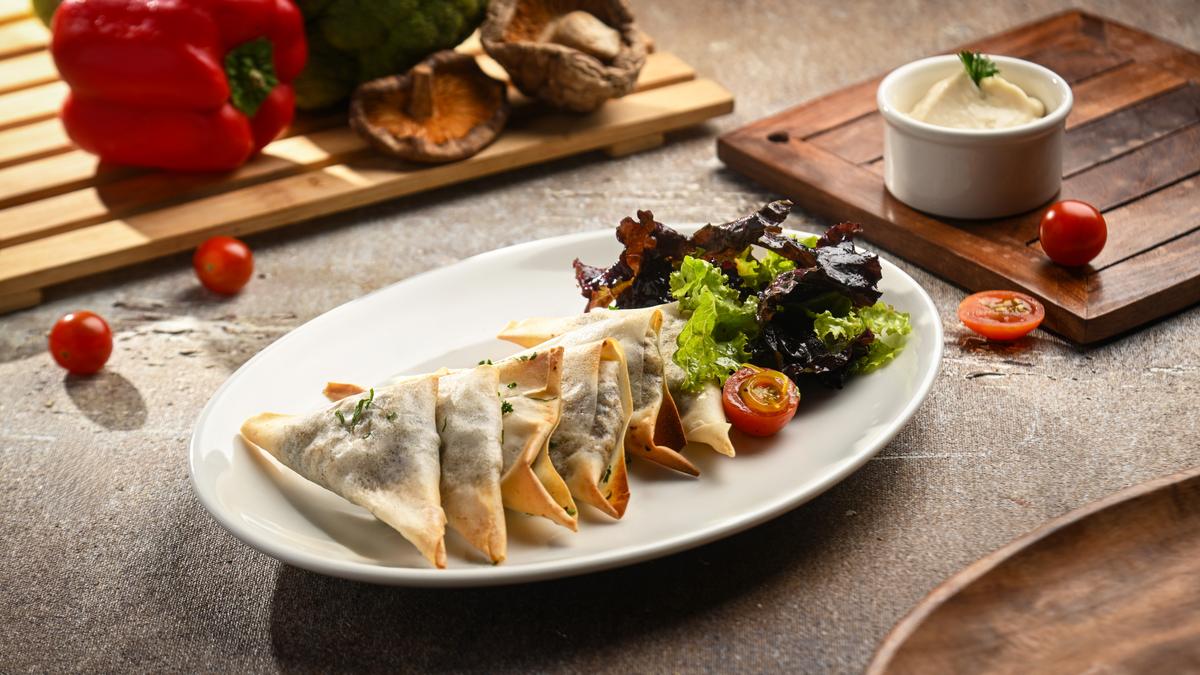
Wild mushroom and goat cheese sambusek

Wild mushroom and goat cheese sambusek
| Photo Credit: Special arrangement

A few years ago, I had visited Abdul Azeez’s restaurant in Indiranagar called Vegan Vogue, and was impressed by the selection of dishes — Rwandan curries and Eastern European drinks.

That venture was short-lived, but Abdul is back with a new vegetarian restaurant in the same location, called Plente, that too offers a fun global menu. Plente is staying away from the stereotypes of a typical vegetarian restaurant. “I am not focussing on health food, and nor is it only Indian dishes.” I visit to see what is in store.

Plente in Indiranagar

Plente in Indiranagar
| Photo Credit:
Special arrangement

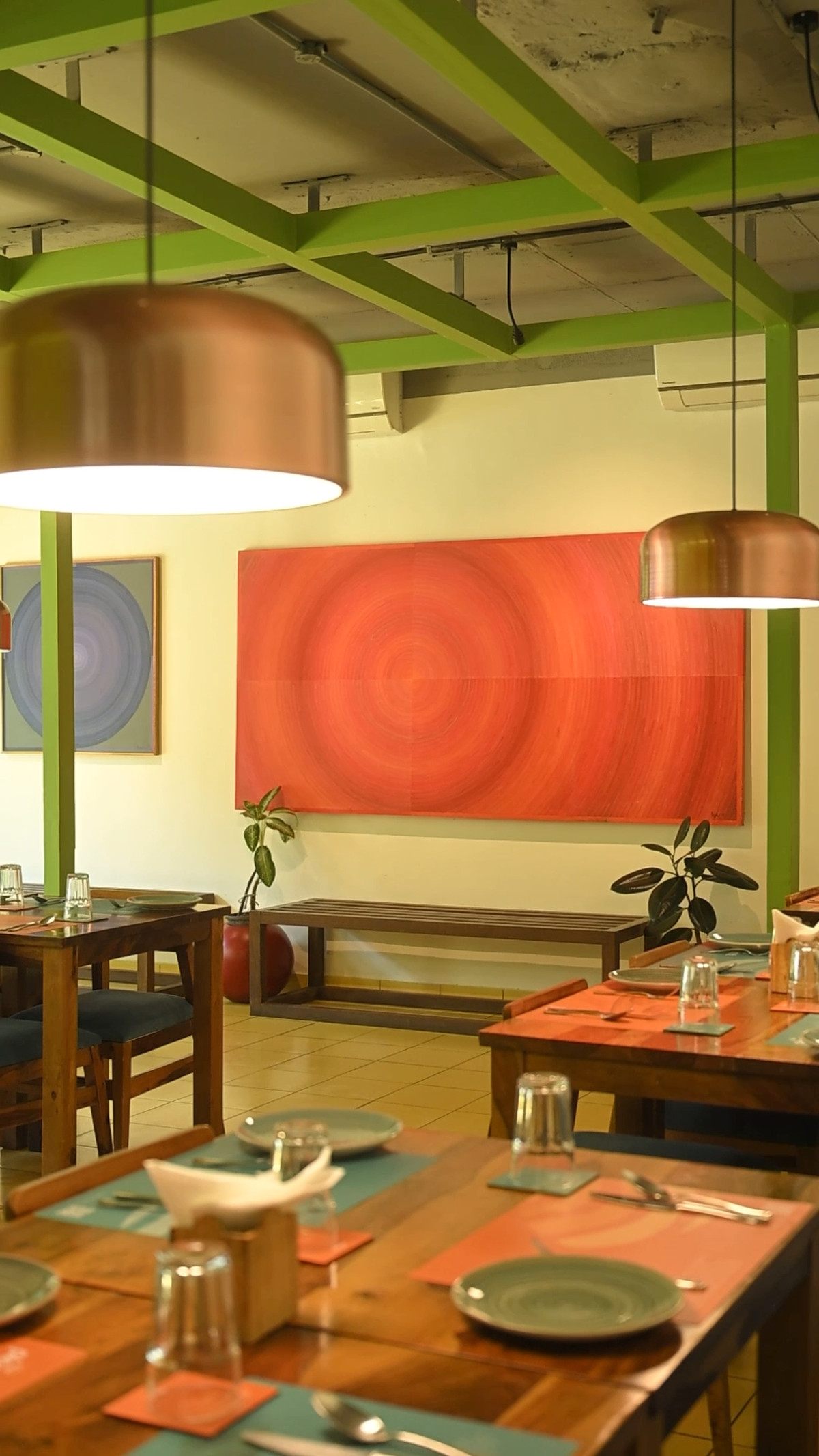
Located on the busy 80 feet road of Indiranagar, the casual dining restaurant is cosy and warm. The place is done up in sage green, brass and wooden accents. It is already packed with guests. I am welcomed by one glass each of beetroot and carrot kvass, fermented drinks from the Eastern Europe region. Made in house, both are tangy and refreshing, and touted to be digestive aids. With my appetite whetted I begin my meal.

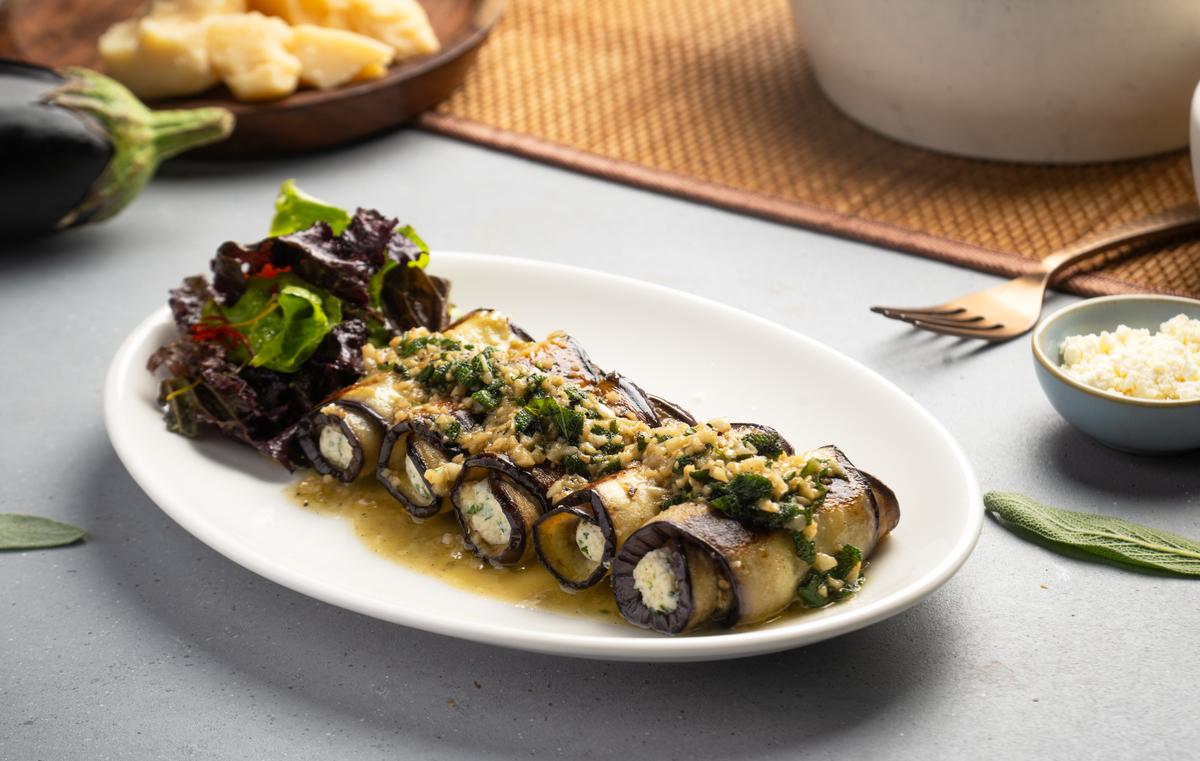
The first course is a selection of starters, ranging from jalapeno corn cheese cigars, to Chipotle quesadillas. Two dishes stand out from these. The aubergine wrapped ricotta is made with creamy cheese stuffed inside sliced eggplant, and served with a sage brown butter sauce. The zucchini fritters are my favourite. The grated vegetable is mixed with cashew paste, vegan cheese, coated with potato flour and then fried till crisp. The deep flavour of the cashew mixed with the earthy zucchini is a winner.

Aubergine wrapped ricotta gnocchi with sage butter

Aubergine wrapped ricotta gnocchi with sage butter
| Photo Credit:
Special arrangement

The main course options range from pastas and noodles to Malaysian curries. I want to try something unique so I go for the fatayer. This flat bread originates from West Asia and the Levant region, and is similar to pizza. I try one with baby corn, mushroom and bell peppers as toppings. The dough of the bread is chewy and slightly sour, and it is topped with a white sauce. The dish is light and tasty.

Next I try an Asian paneer bowl. It has red rice, a spicy paneer gravy, broccoli and sliced avocados. While there were no complaints, this dish was nothing to write home about. Go for it if you like Asian flavours.

Asian paneer bowl

Asian paneer bowl
| Photo Credit:
Special arrangement

Desserts at Plente include a seasonal black avocado chocolate pudding, matcha cream chocolate and a French caramel cheesecake. Since the avocado is out of season I skip dessert, but will return to try it.

Plente’s menu has a fresh approach to vegetarian dining, and plenty of vegan options too. The unique drinks complement the dishes. Bonus points for very good service and valet parking.

₹1,500 for two. At 80 feet road, Indiranagar. For more details, call 9845063368


Source link

Mindful meals, nature walks and fitness: Visakhapatnam’s slow living shift


Visakhapatnam’s cultural and social calendar has long been shaped by speed. Quick meals, activity-overloaded weekends, fitness regimes built on burn and exhaustion and travel defined by checklists have been familiar patterns. Over the past year, however, a quieter shift has begun to register across the city. Increasingly, people are choosing experiences that ask for time, attention and presence. The appeal lies not in spectacle, but in participation. From intimate supper tables and unhurried walks in Nature to strength routines that privilege awareness over intensity, slow living is finding an attentive audience.

This turn is not framed as resistance to modern life, but as a recalibration. Many residents describe it as “a need to feel grounded again”, to exchange passive consumption for experiences that demand listening, patience and conversation.

A long table, shared stories

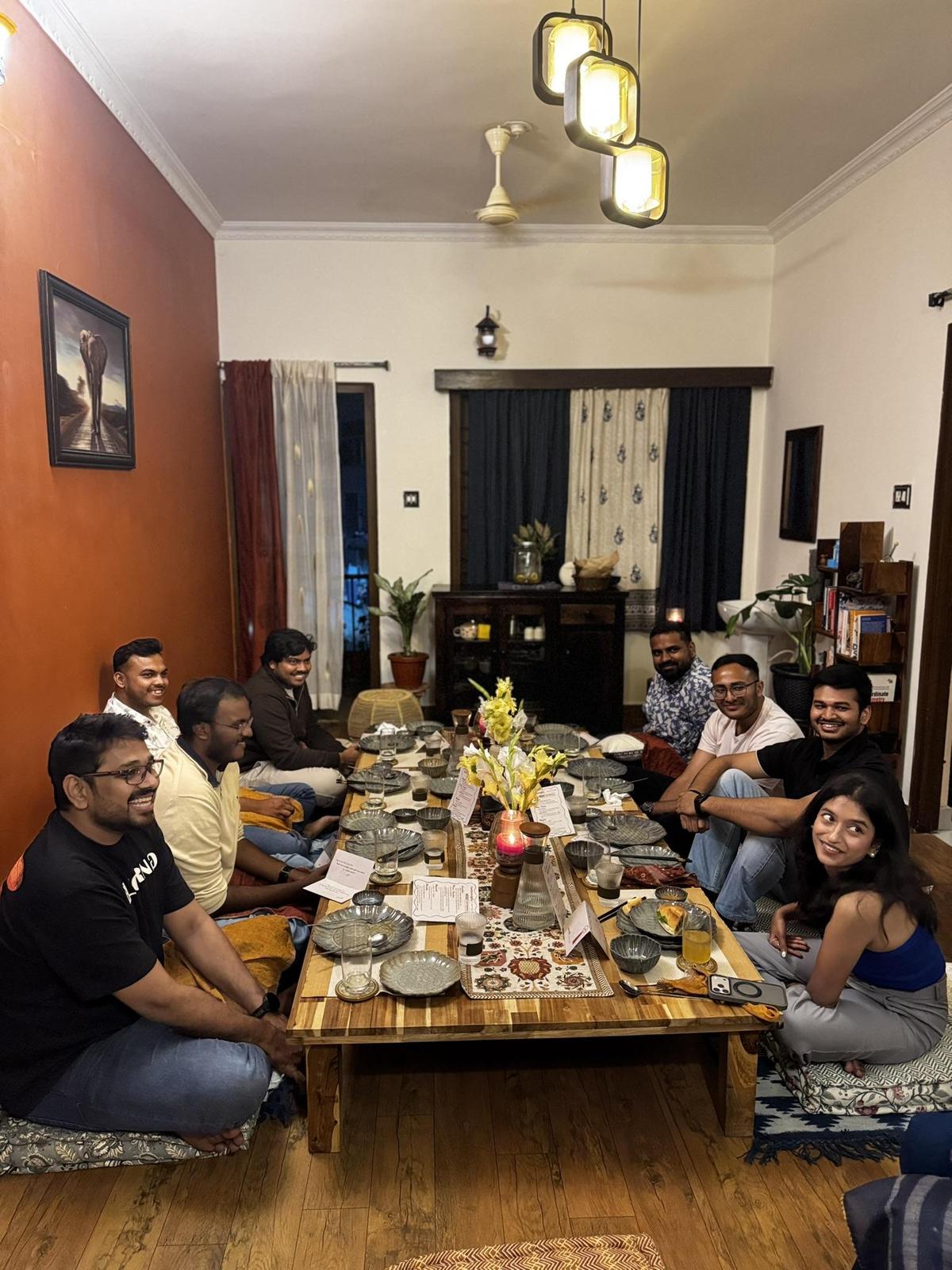
Vantammayilu Supper Social Occurrences, a home-based supper club started in 2025 by Hyndavi Onimi in Visakhapatnam.

Vantammayilu Supper Social Occurrences, a home-based supper club started in 2025 by Hyndavi Onimi in Visakhapatnam.
| Photo Credit:
SPECIAL ARRANGEMENT

At the core of this shift is Vantammayilu Supper Social Occurrences, a home-based supper club started in 2025 by Hyndavi Onimi at her Kirlampudi residence. The gatherings are curated around a cuisine and region, but the focus extends well beyond food. Guests are invited to bring a piece of self-made art, whether a photograph, a poem or a small craft, which is displayed during the evening.

“When we confirm a booking, we ask guests to bring something they have created themselves,” says Hyndavi. “The effort people make is deeply moving. We put the works up on our walls and that gesture alone changes the energy in the room. People feel seen, not judged.”

The dinners unfold slowly, often stretching close to three hours. Conversation begins with food and moves, without prompt, into travel memories, personal turning points and reflections on life stages. Hyndavi recalls one evening when a couple in their seventies held the table spellbound with stories from decades past. “When the man spoke about discovering Vanjangi (a peak in the Eastern Ghats) as a teenager in 1968, it felt like listening to a story from another time. No one wanted to leave.”

Hyndavi believes the interest in such gatherings reflects fatigue with socialising driven by image and performance. “People are exhausted by constant stimulation. Many talk about wanting to step away from screens and do something real with their time. Over the course of an evening, you can see strangers ease into friendships. The food matters, but it is the atmosphere of candour that brings them back.”

Guests are later added to a shared group called The Long Table Society, where conversations continue around food, travel, and lived experiences. “There is no hierarchy at the table,” she says. “Age, profession, social standing dissolve when people speak honestly.”

(To join the supper club, contact 9494958181)

Listening to birds and to oneself

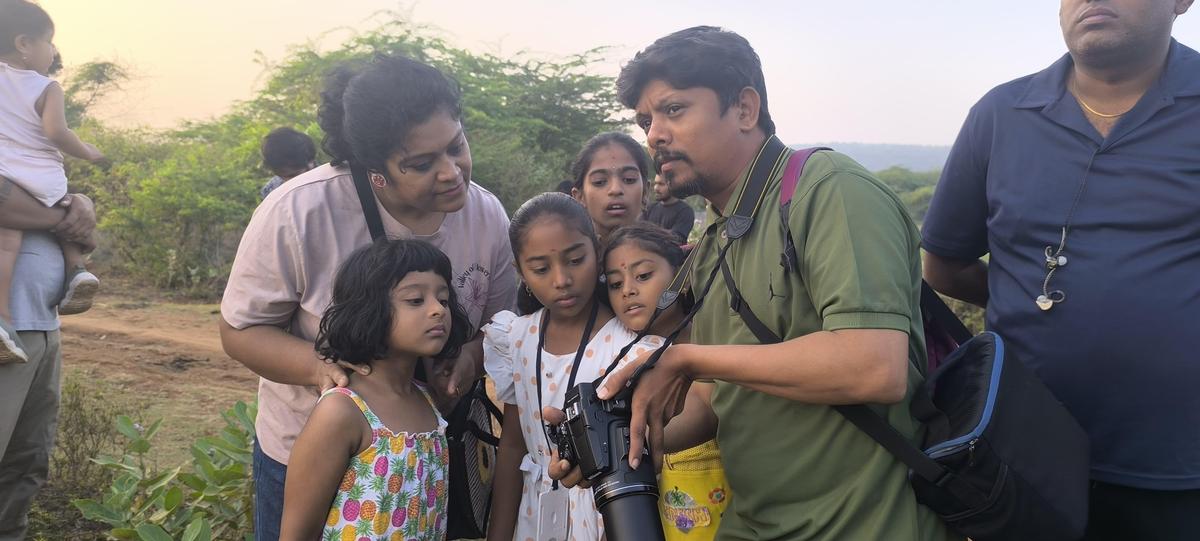
Vivek Rathod of WCTRE during a birdwatching session in Visakhapatnam.

Vivek Rathod of WCTRE during a birdwatching session in Visakhapatnam.
| Photo Credit:
SPECIAL ARRANGEMENT

A similar slowing down is visible in the growing popularity of bird walks organised by Wildlife Conservation Through Research & Education. Once attended largely by seasoned birders and wildlife students, these walks now draw families, first-time participants, college students and working professionals seeking respite from tightly packed routines. “Many people come simply to be outside at dawn,” says Vivek Rathod of WCTRE. “The sound of birds and the stillness of early morning help reset the mind.”

Walks are conducted across wetlands, reservoirs, coastal stretches and forest patches around Visakhapatnam, regions that support remarkable avian diversity. Participants have recorded species such as Asian openbill, Eurasian curlew, terek sandpiper, Pacific golden plover, yellow-wattled lapwing and purple-rumped sunbird, among others.

“Birding changes how you pay attention,” Vivek explains. “You listen more carefully, wait longer and observe closely. That attentiveness gradually turns inward. People find their thoughts slowing and they begin to move at the same pace as their surroundings.” For many, the appeal lies not in ticking off species, but in the discipline of observation. The walks offer a structured yet gentle way to engage with nature, one that aligns with the broader desire to be present rather than hurried.

(To join the walks, contact WCTRE at 9052797234)

Strength, without strain

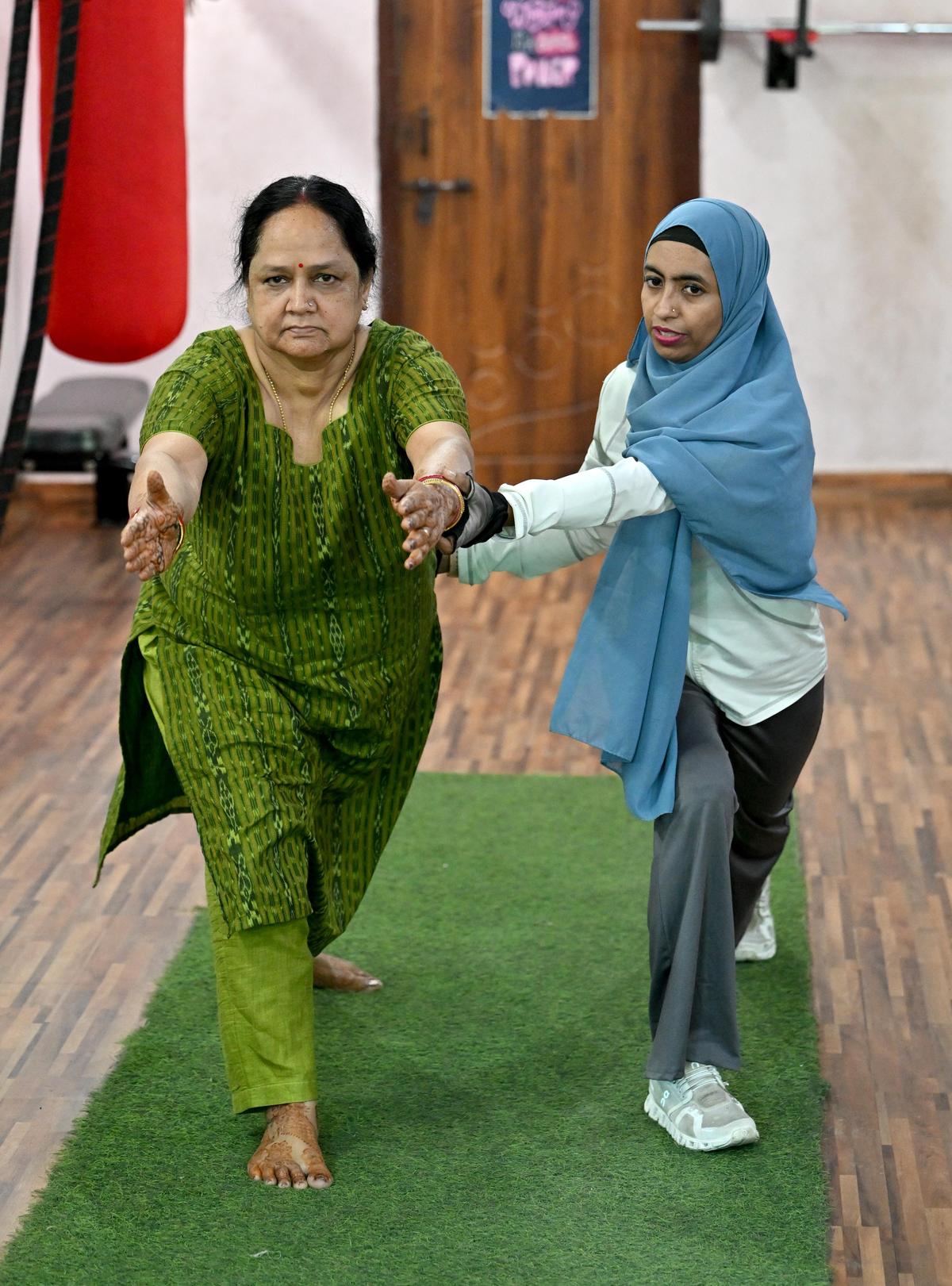
.Farzana Begum during a training session at her women's gym Fit with Fab in Visakhapatnam.

.Farzana Begum during a training session at her women’s gym Fit with Fab in Visakhapatnam.
| Photo Credit:
KR Deepak

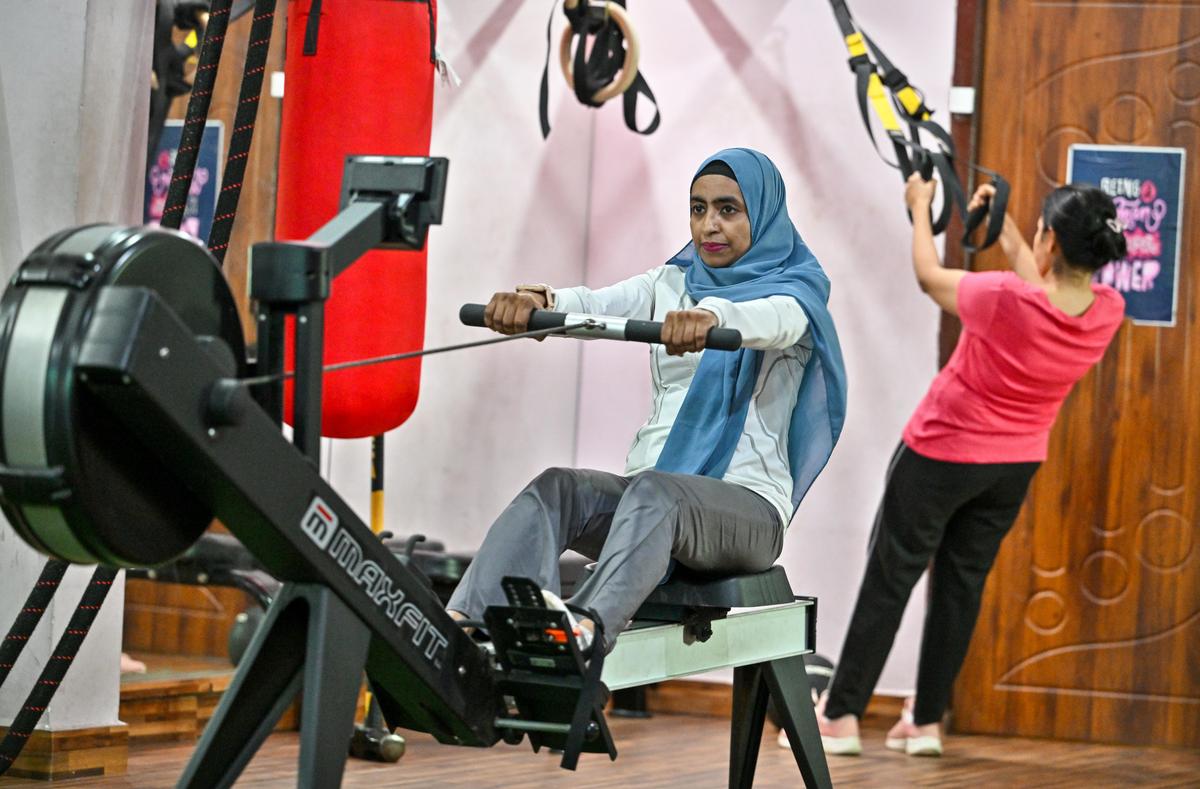
In fitness spaces too, the language is changing. At Fit With Fab, founder Farzana Begum has seen a growing preference for strength sessions that emphasise form, breathing and consistency over intensity.

“These sessions approach movement through the mind, body and emotional state,” she says. “They are not built around constant cardio or exhaustion.” Participants are women managing health concerns, hormonal transitions or demanding work schedules. Farzana notes that grounding workouts allow people to maintain discipline without risking injury. “Women going through perimenopause or menopause cannot train the same way all year. Movement needs to adjust to the body’s changing requirements.”

Farzana Begum during a training session at her women's gym Fit with Fab in Visakhapatnam.

Farzana Begum during a training session at her women’s gym Fit with Fab in Visakhapatnam.
| Photo Credit:
DEEPAK KR

The group incorporates challenges such as nutrition resets, step goals and lifestyle routines that encourage sustainable habits. “Exercise does not need to be fast or punishing,” she says. “When people learn to listen to their bodies, anxiety reduces and performance in daily life improves.” The group’s new year challenge includes following five simple rules over next three months – follow a diet of your choice with zero alchohol, two 45-minute workouts daily, including an outdoor one, sufficient water intake, reading 10 pages of non-fiction or self development book and documenting daily progress with the help of a partner.

(To join the group, contact 7338698707)

Time with terrain

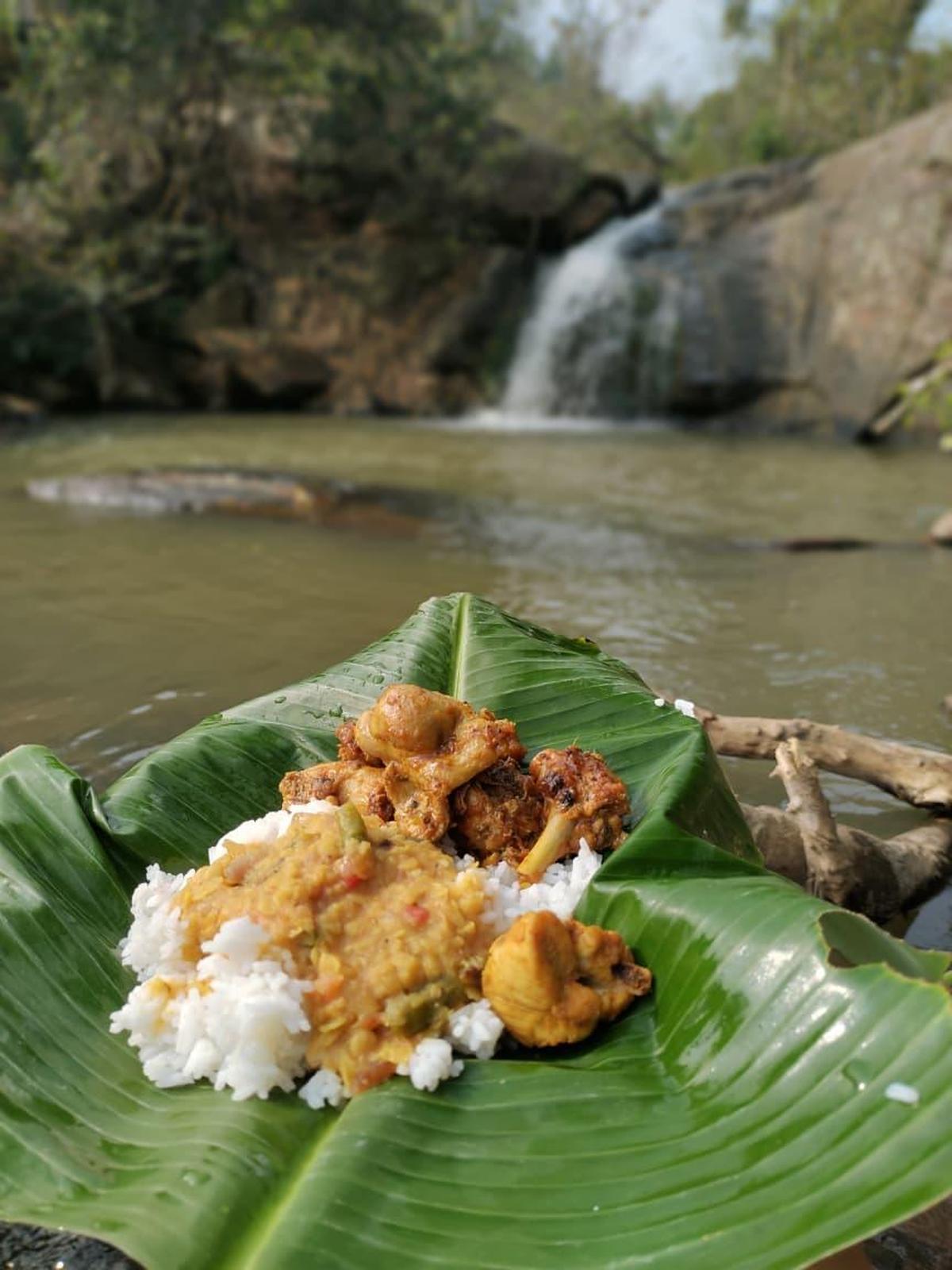
Taste of local food during treks with Wilded nature group in Visakhapatnam.

Taste of local food during treks with Wilded nature group in Visakhapatnam.
| Photo Credit:
SPECIAL ARRANGEMENT

Veering away from rushed, content-driven travel, Wilded has been designing treks in the Eastern Ghats near Visakhapatnam that prioritise attention, learning and place-based knowledge. Each walk or trek is structured to introduce participants to the agro-ecology of the region through slow observation rather than distance covered.

“We help people understand how agriculture and ecology intersect here,” says Vimal Raj of Wilded. “We talk about what grows naturally, what people cultivate, and how the landscape supports both.” Participants are encouraged to notice details often missed, from spider webs and bird calls to soil texture and shade patterns. A self-guided bingo-style exploration sheet prompts curiosity, with questions designed to initiate conversations with local residents and farmers.

One of the highlights of these treks is a visit to a seed museum near Araku, where participants are introduced to heirloom seed varieties preserved by local communities. The visit offers insight into native crops, traditional farming knowledge, and seed-saving practices that predate commercial agriculture. “People are often surprised to see how many indigenous varieties exist, and how closely they are tied to climate, food habits, and culture,” Vimal says.

Food, too, becomes part of the learning. “We do not encourage packaged trekking meals,” he adds. “Local teams cook with participants, using regional ingredients.” These unhurried, immersive treks are drawing people who want to understand a landscape in depth, not pass through it, and to leave with knowledge rather than photographs alone.

(Contact Wilded at 7330880274)


Source link

Pranali Chikte’s solo cycle expedition for social change commences from Thiruvananthapuram


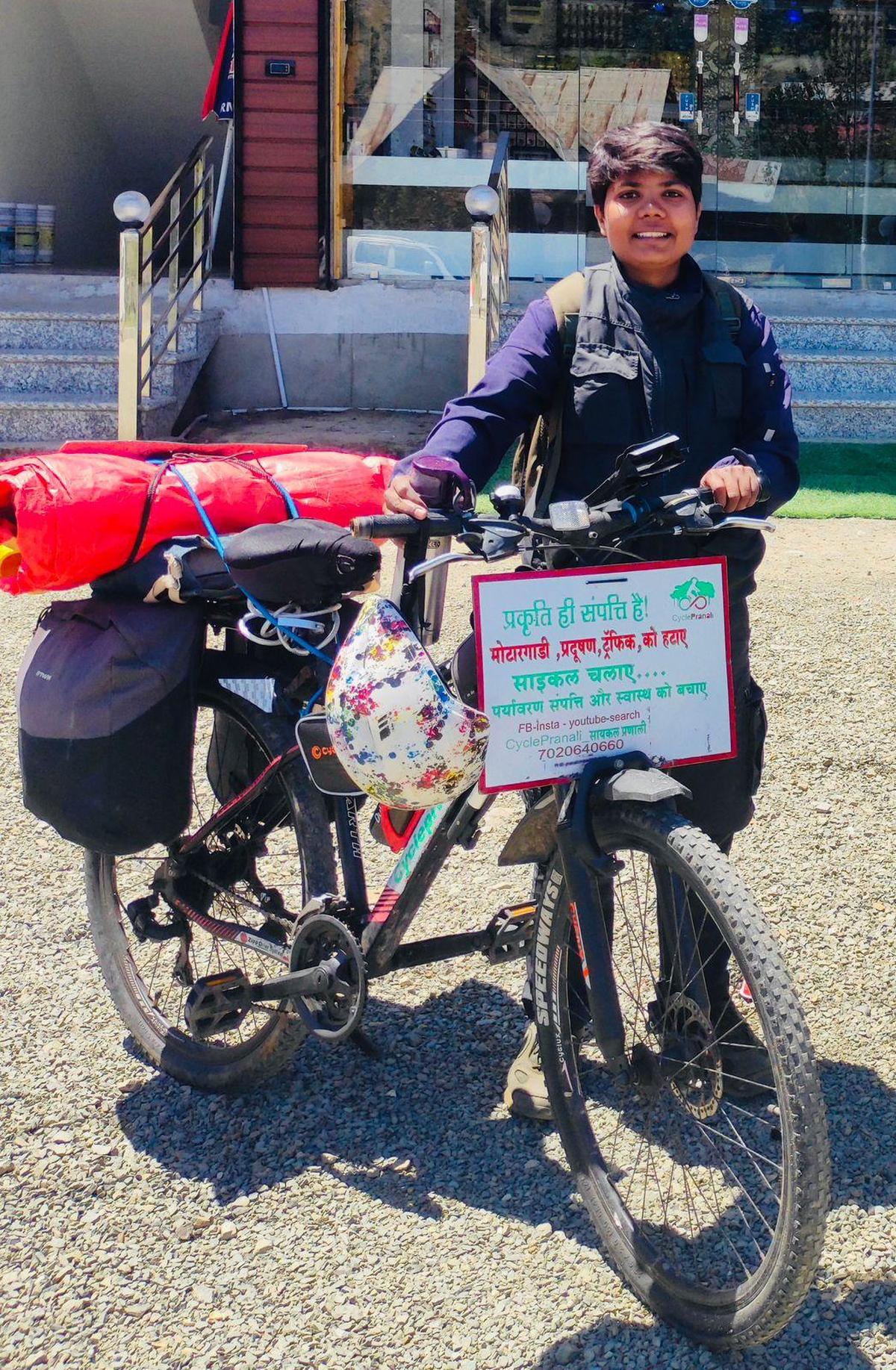
Pranali Chikte

Pranali Chikte
| Photo Credit: SPECIAL ARRANGEMENT

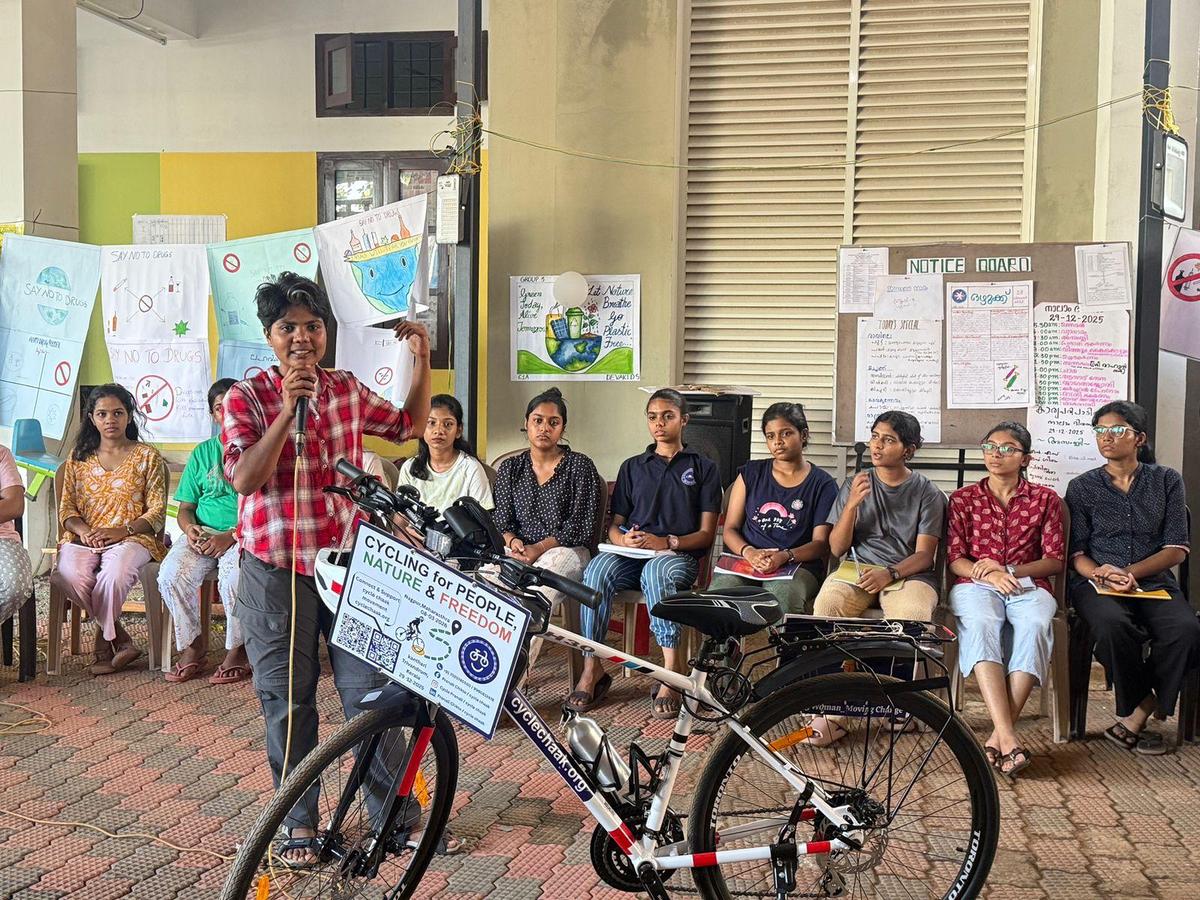
At the crack of dawn on January 1, Pranali Chikte kickstarted something special — a 70-day solo cycle expedition from Thiruvananthapuram to Nagpur with her project, Cycle Chaak, a non-profit movement to make cycling a part of daily life by linking it with health, environment, education, livelihood, sustainable mobility and freedom.

The 26-year-old, a native of Maharashtra, has been at kanthari, an international training centre for social entrepreneurs in the capital city.

Pranali says it was during the pandemic that she took up cycling as a tool for social change. “I had completed my graduation in social work and wanted to see how people were coping with the situation. And I decided to do that on my cycle,” she says. That eventually became a 435-day long journey, covering entire Maharashtra.

“Although the lockdown was in force, I managed to interact with several people, including students. I talked about the need to conserve our natural resources and how cycling can contribute to bringing down pollution.”

Growing up in a family solely dependent on agriculture at Punavat village in Yavatmal district of Maharashtra, Pranali says that she was aware of rising levels of environmental pollution. “We have coal mines in our vicinity and the level of pollution is such that our harvest is affected. We grow cotton, soybean, pulses and vegetables. The production is coming down as years go by because of adverse climatic conditions,” she says.

Her sojourn across Maharashtra won a lot of appreciation and she was associated with river rejuvenation programme in the State as well. “As people kept talking about the safety of a woman solo traveller, I wanted to explore the situation in other states as well. That’s when I cycled to Madhya Pradesh, Uttar Pradesh, Delhi, Haryana, Punjab, Jammu Kashmir, Ladakh, and Uttarakhand.” Later she lived in Delhi for a year to study at the Indian School of Development Management in Delhi.

Pranali Chikte

Pranali Chikte
| Photo Credit:
SPECIAL ARRANGEMENT

“My travels taught me a lot and I started thinking about what I can do for the world. I knew I cannot change everything. But my cycle gave me a new perspective. I started thinking about integrating cycling into everyone’s life for social change.”

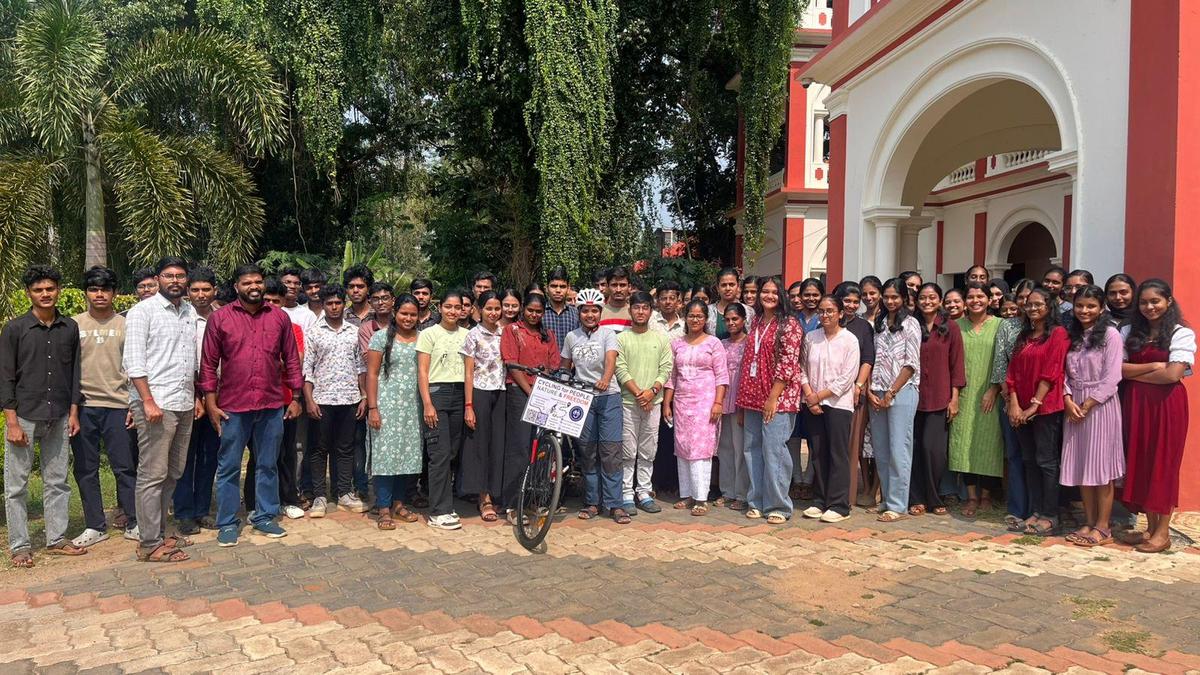
Pranali Chikte with students of College of Agriculture in Thiruvananthapuram

Pranali Chikte with students of College of Agriculture in Thiruvananthapuram
| Photo Credit:
SPECIAL ARRANGEMENT

Pranali says that once she had a rough idea about what she wanted to do, she decided to come to kanthari to develop that into a concrete project. “I have my limitations and was on the lookout for a mentor. I found that guidance at kanthari,” she says.

Pranali adds that she has the support and guidance of a strong network of cycling enthusiasts, which eventually helped her to raise money through crowdfunding to buy a new cycle and other equipment required for the workshops she plans to conduct during her journey.

Pranali stresses that she is cycling for “people, nature and freedom”. Cycle Chaak [chaak means wheel] is about how bicycles can inspire change. During the course of the journey that covers the states of Tamil Nadu, Andhra Pradesh, Karnataka, and Telangana, she will conduct dialogues on adapting cycling as a climate-responsible lifestyle. “Besides projecting it as low-cost mode of transportation, I will also impart cycle repairing skills in my sessions. The ultimate aim is to develop a healthy mobility culture among communities,” she says. Cycle rallies and workshops in schools and organisations are also in her itinerary. 2 Wheels 435 Days, a documentary on her journey across Maharashtra, will also be screened at various venues.

Pranali Chikte with students of Carmel School in Thiruvananthapuram

Pranali Chikte with students of Carmel School in Thiruvananthapuram
| Photo Credit:
SPECIAL ARRANGEMENT

Her expedition was flagged off on January 1 from Manaveeyam Veedhi by Prakash P Gopinath, Bicycle Mayor, Thiruvananthapuram, and Zeenath MA, SheCycling, Senior National Project Coordinator.


Source link

Residents of Thiruvananthapuram on the good things they want to carry forward to 2026


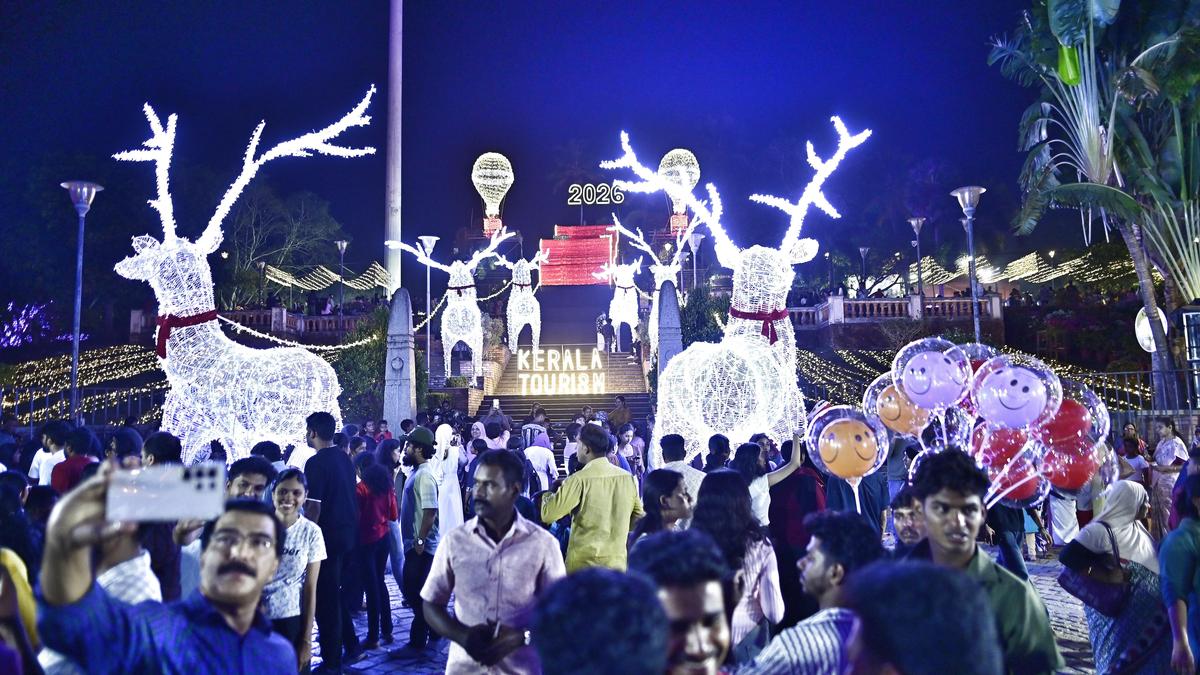
Crowd on Kanakakunnu premises on New Year eve

Crowd on Kanakakunnu premises on New Year eve
| Photo Credit: JAYAMOHAN A

We are in 2026. Residents from different walks of life reflect on what they cherished about Thiruvananthapuram in 2025 that they wish to see in the new year as well

City with a view

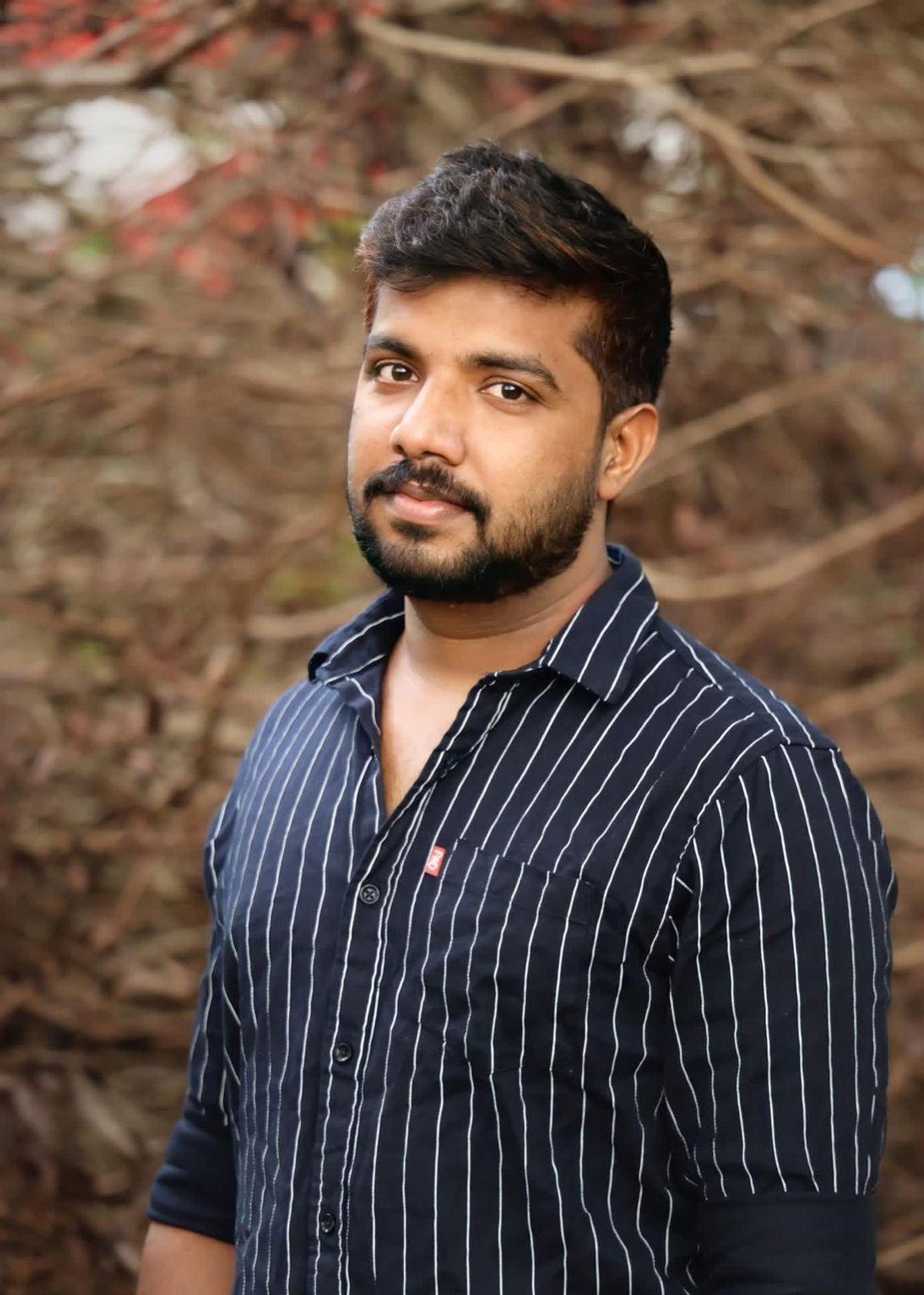
Shyam Kumar

Shyam Kumar
| Photo Credit:
SPECIAL ARRANGEMENT

After several delays and controversies, 2025 saw the opening of smart roads across the city. That added to the charm of the capital, which I have always found beautiful. The new-look with wide roads, modern street lights, footpaths, cycle tracks, median barriers with reflectors etc, has been a photographer’s delight. I wish these roads are maintained properly this year as well instead of being dug up without planning.

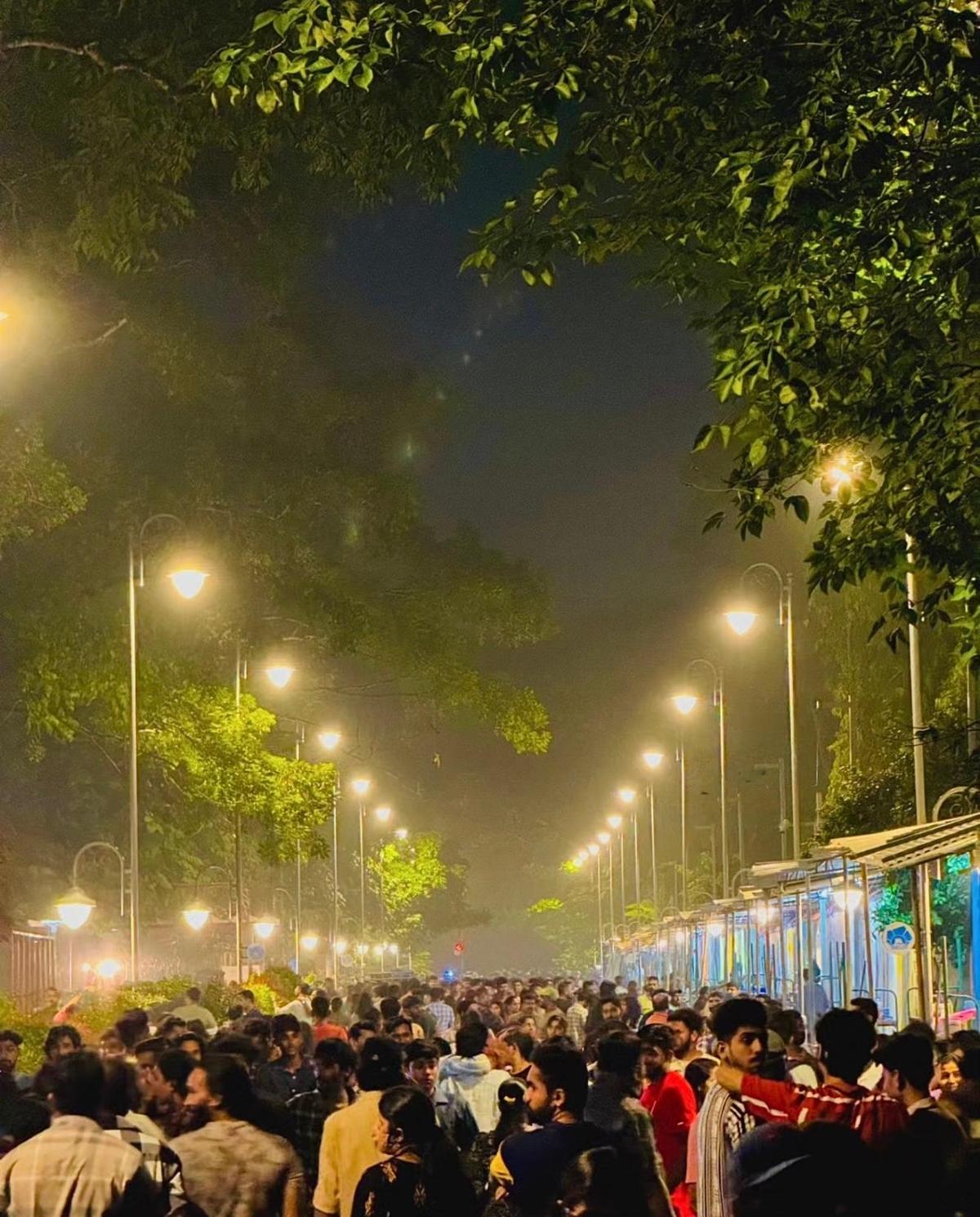
Manaveeyam Veedhi packed with late night crowd

Manaveeyam Veedhi packed with late night crowd
| Photo Credit:
Shyam Photography

I also want to see the Kowdiar-Vellayambalam stretch regain its glory after the branches of the iconic avenue trees were cut indiscriminately last year. This green corridor, which we call Raja Patha or royal corridor, is a pride of the city.

Shyam Kumar

Photographer (@shyamphotography)

Fashion forward

Thara Devi

Thara Devi
| Photo Credit:
SPECIAL ARRANGEMENT

As someone working in the beauty industry, I am excited by the rapid strides the city has made in 2025 in this sector. I have seen the emergence of a customer base who knows what they want. International brands of various products are quite easily available now. Earlier people used to travel to the metros for some of the premium health and beauty treatments. But that has changed with the entry of several qualified professionals and firms. With the expertise they have I wish to see exponential growth in the field, including in my area of work.

Thara Devi

Founder, D Artistry nail art studio

Surging ahead

Sreeya Iyer

Sreeya Iyer
| Photo Credit:
SPECIAL ARRANGEMENT

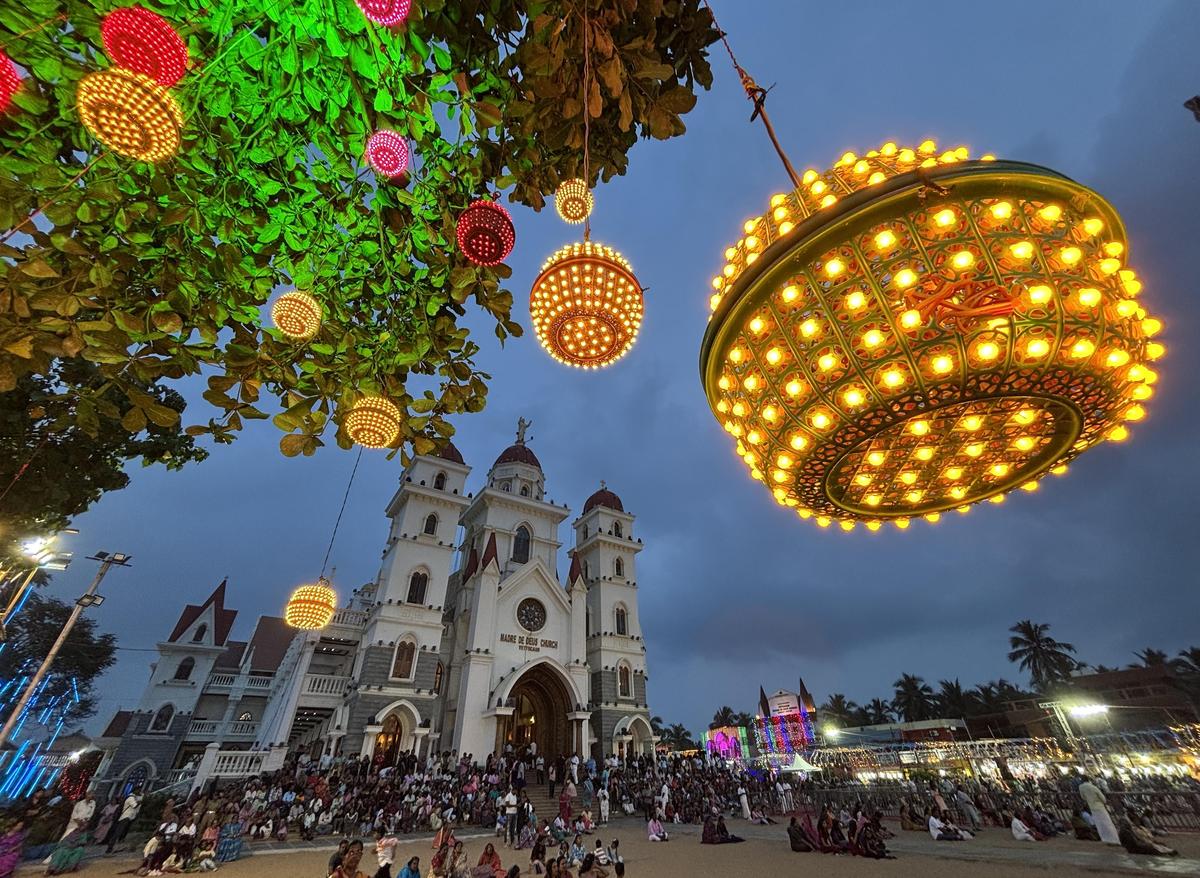
As a proud native of the city, I cherish every aspect about it. Development has been the mainstay of 2025 and I look forward to the same this year as well, that too without compromising on the aesthetics of the cityscape. Just see how Manaveeyam Veedhi has gone for a makeover. Or, even the development around Sree Padmanabha Swamy Temple. I wish to see more changes based around places of worship at Palayam, Vettucaud, Beemapally etc.

Madre de Deus Church at Vettucaud

Madre de Deus Church at Vettucaud
| Photo Credit:
NIRMAL HARINDRAN

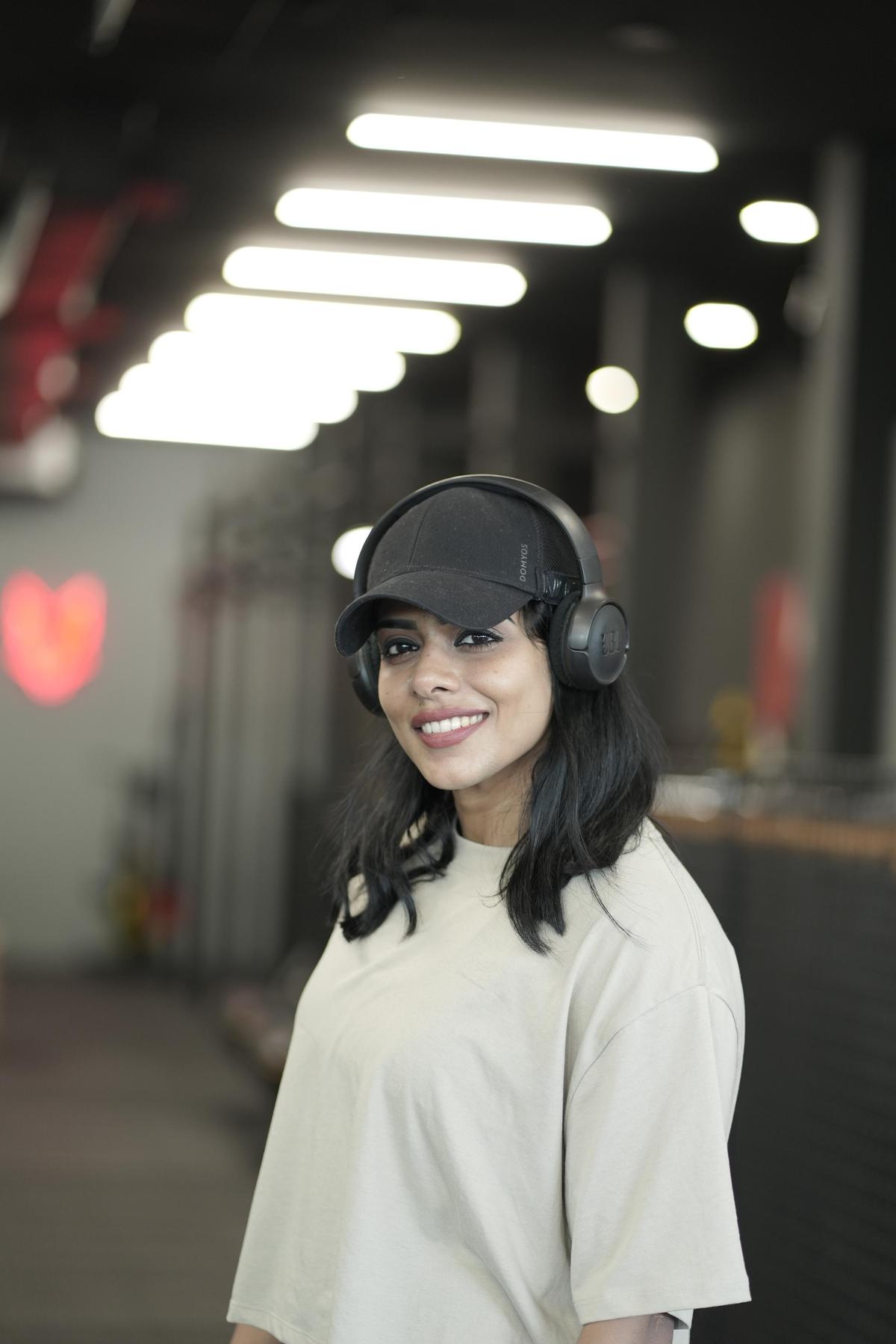
With regard to fitness, I am happy that people’s outlook has changed. They are taking up new sports activities and are investing more into improving health. I love the way the city has grown and wish for exponential growth since I want the best for my city.

Sreeya Iyer

Fitness influencer, actor, entrepreneur

Spreading positivity

Swaroop Krishnan R

Swaroop Krishnan R
| Photo Credit:
SPECIAL ARRANGEMENT

I started my business in Thiruvananthapuram with ₹50,000 and now it is worth ₹150 crore. I don’t think any fashion brand from the city has achieved this success. And I owe it to the positive energy of the city. I have people from other states working with me and once they come here they don’t want to go back because they say the city has a soul to it, which inspire them. I wish it to continue this year as well.

Swaroop Krishnan R

Co-founder and CEO, Mydesignation

Relishing novel flavours

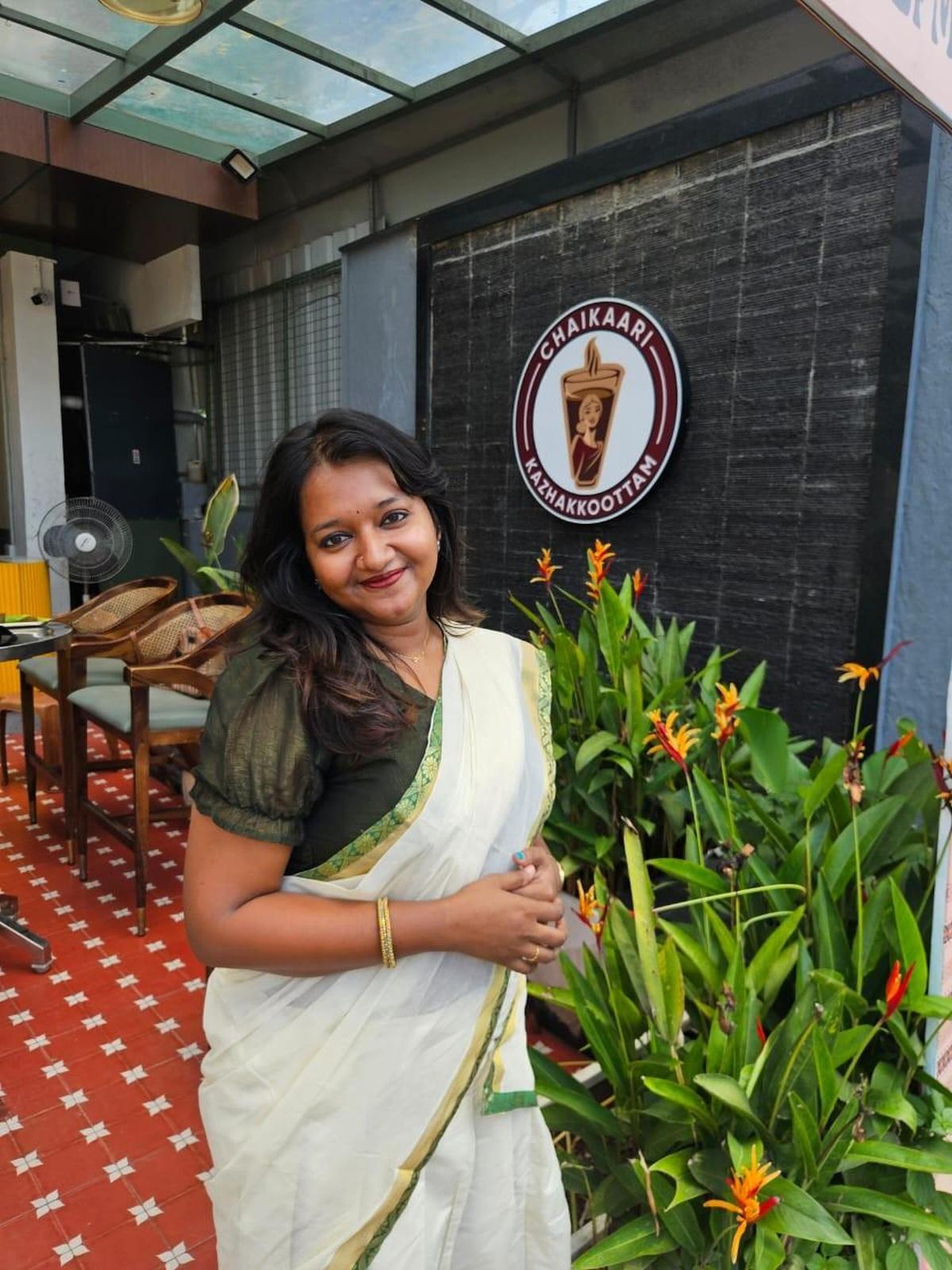
Athira J, co-founder, Chaikaari

Athira J, co-founder, Chaikaari
| Photo Credit:
SPECIAL ARRANGEMENT

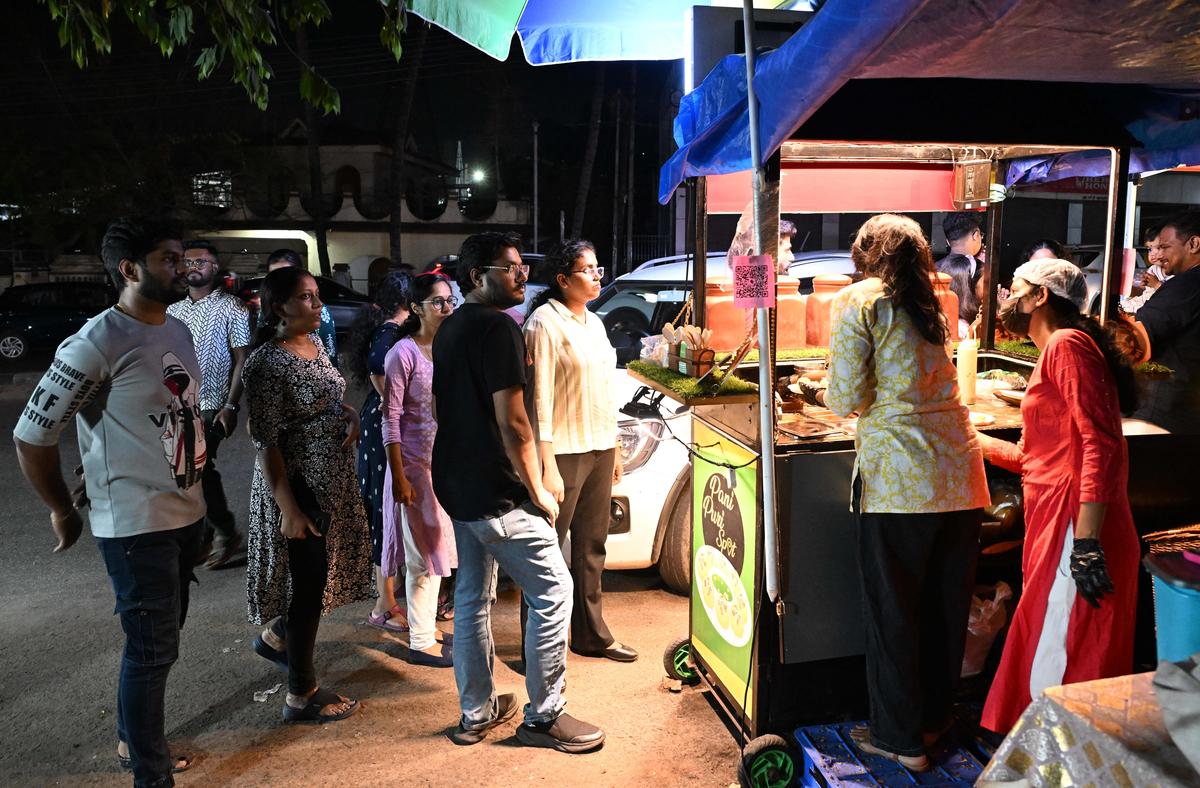
People in Thiruvananthapuram are open to trying new things. There is a quiet curiosity here especially when it comes to food. While the city is deeply rooted in tradition, people are eager to explore new flavours and cuisine from different cultures. They appreciate authenticity, be it in the case of a traditional recipe or a new one. This openness creates a healthy space for food entrepreneurs and small businesses to experiment, learn and grow.

A street food cart in the city

A street food cart in the city
| Photo Credit:
NIRMAL HARINDRAN

I hope this spirit remains unchanged in 2026 and we continue to be a city where people explore the world through food, while staying connected to their cultural roots.

Athira J

Co-founder, Chaikaari


Source link