Life & Style

Why doesn’t Indian-origin Usha Vance want her kids to go to Yale


Why doesn't Indian-origin Usha Vance want her kids to go to Yale
Image Credits: Getty Images

The Second Lady of America, Usha Vance had her first tell-all interview after the appointment of her husband J.D. Vance as the Vice President of America. In the interview with The Free Press, the 39-year-old icon revealed various aspects of her life, from her love story with her husband to her fashion choices and even whether she would like to send her kids to Yale. Usha and J.D. share three children, namely, Ewan who is 7, Vivek who is 4 and Mirabel who is 2.

What is Usha Vance’s educational background?

What is Usha Vance's educational background?

Image credits: Getty Images

Born in San Diego County, California to Telugu Indian immigrant parents, Usha Vance graduated from Mt. Carmel High School. She went on to attend Yale University where she graduated summa cum laude with a bachelor’s degree in history in 2007.
Later, she attended Clare College, Cambridge, England as a Gates Cambridge Scholar where she completed her Master of Philosophy in early modern history in 2010. It was three years later in 2013, when she achieved her Juris Doctor from Yale Law School.
Since then, she went to work under prestigious personalities in law such as Judge Amul Thapar of the District Court for the Eastern District of Kentucky, Judge Brett Kavanaugh on the Court of Appeals for the District of Columbia Circuit and Chief Justice John Roberts. She also has other professional experiences such as working for the law firm Munger, Tolles & Olson under her belt.

Why won’t Usha Vance send her kids to Yale?

Why won't Usha Vance send her kids to Yale?

Image credits: Getty Images

While she and her husband both went to Yale, Vance does not feel the same for her children. When asked if she wanted her kids to attend Yale, Usha said, “It might be better to go with a smaller school, to counterbalance all of this pomp and circumstance.”
She also commented how reverberating politics is and how it’s a volley of people saying something on one side and then the others replying to it. She shared that she was hesitant to expose her children to that.
It seems amidst all the limelight they are already growing up in, Vance as a mother hopes for a successful yet calm future for her kids where the outside noise is never a factor.


Source link

Teenager diagnosed with irreversible Popcorn Lungs: What is it? Symptoms, causes, and how to stay safe


Teenager diagnosed with irreversible Popcorn Lungs: What is it? Symptoms, causes, and how to stay safe
Image credits: Getty Images

It seems the side effects of vaping are finally becoming clear to American teens as they are getting diagnosed with progressive chronic diseases such as popcorn lung. Brianne Cullen, a 17-year-old teen in Nevada recently called her mother from her cheerleading practice to inform her of her inability to breathe.
Cullen was led to the hospital and diagnosed with bronchiolitis obliterans, also known as popcorn lung, from vaping in secret for three years. “It took a deadly diagnosis for her to stop,” said Cullen’s mom. She also revealed to The Daily Mail that Cullen began vaping at the age of 14 in order to handle the anxiety of returning to school after the long COVID-19 lockdown.

What is popcorn lung?

What is popcorn lungs?

Image credits: Getty Images

According to the American Lung Association, popcorn lung is a rare, chronic disease. It is known so as it was first discovered in microwave popcorn plant workers who developed the disease from breathing in diacetyl, an artificial flavouring. However, to Cullen, the disease may have been caused by acetaldehyde found in the vape smoke, as per ALA.
Popcorn lung causes shortness of breath, wheezing, fatigue and more. Cullen’s mother pointed out that while her daughter’s prognosis is good “because we caught it so early,” it can also “cause problems like cancer in the future…popcorn lung is irreversible.”
As of now, Cullen is using an inhaler to regulate her breathing.

How is popcorn lung caused?

Bronchiolitis obliterans or popcorn is a serious and irreversible lung disease. It can be caused by the diacetyl found in many e-cigarette or vape flavours. It is usually added to complement flavours such as vanilla, maple, coconut and more. As per ALA, researchers at Harvard found that 39 of 51 e-cigarette brands contained diacetyl.

What happens in popcorn lung?

What happens in popcorn lungs?

Image credits: Getty Images

The disease is a respiratory condition that affects the bronchioles, the small airways in the lungs. The airways become inflamed, damaged and scarred because of the inhaling of toxic substances causing irreversible damage. Symptoms of the disease include coughing, shortness of breath, wheezing, fatigue, fever, skin rash and more.


Source link

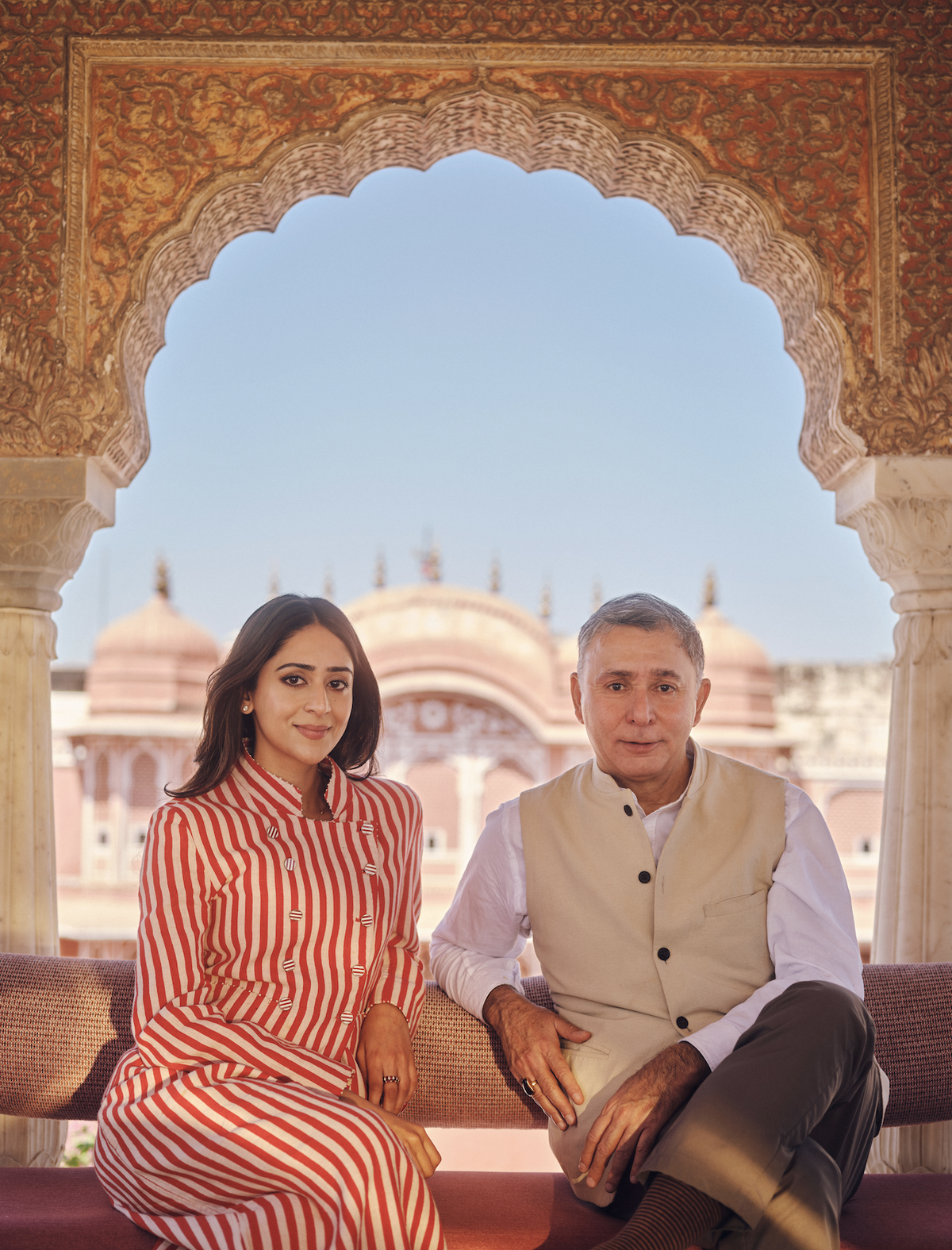
Kama Ayurveda gets an upgrade and a new brand ambassador, Gauravi Kumari of Jaipur


Gauravi Kumari and Vivek Sahni

Gauravi Kumari and Vivek Sahni
| Photo Credit: Special arrangement

A pioneer in bottled Ayurvedic beauty, 22-year-old brand Kama Ayurveda has officially onboarded Gauravi Kumari, from the erstwhile royal family of Jaipur, as its brand ambassador. Announced in Mumbai at an immersive brand experience in early April — complete with gajras for entry wristbands, Ayurvedic consultations, and a large product experiential station — the news comes along with a complete brand refurbishment; think new and expanded product lines, luxe and sustainable packaging, and upgrades to old favourites.

“She embodies what we stand for — grace rooted in tradition, with a voice for the future. More than a brand ambassador, she reflects our belief that true beauty lies in authenticity and balance,” says Vivek Sahni, co-founder and CEO, of Kama Ayurveda. Gauravi echoes his sentiments: “It’s more than an endorsement, it’s a personal association. I have been using Kama Ayurveda for many years and am a huge admirer of the brand. This is an important point in Kama’s journey and to be able to be part of that journey is very exciting. It’s an honour to represent a brand that is rooted in our culture and, yet, has modern innovation at its core.”

Gauravi has been a part of entrepreneurial and social initiatives, and cultural preservation with a sustainable lens. She is part of the management team at the Princess Diya Kumari Foundation that empowers disadvantaged women by encouraging skill development and job opportunities, founded the PDKF store at the City Palace which retails products created by women at the foundation, and most recently, revamped The Palace Atelier also at the same location, which is a design-forward museum store featuring fashion, art, souvenirs and decor labels from all over Rajasthan and across India.

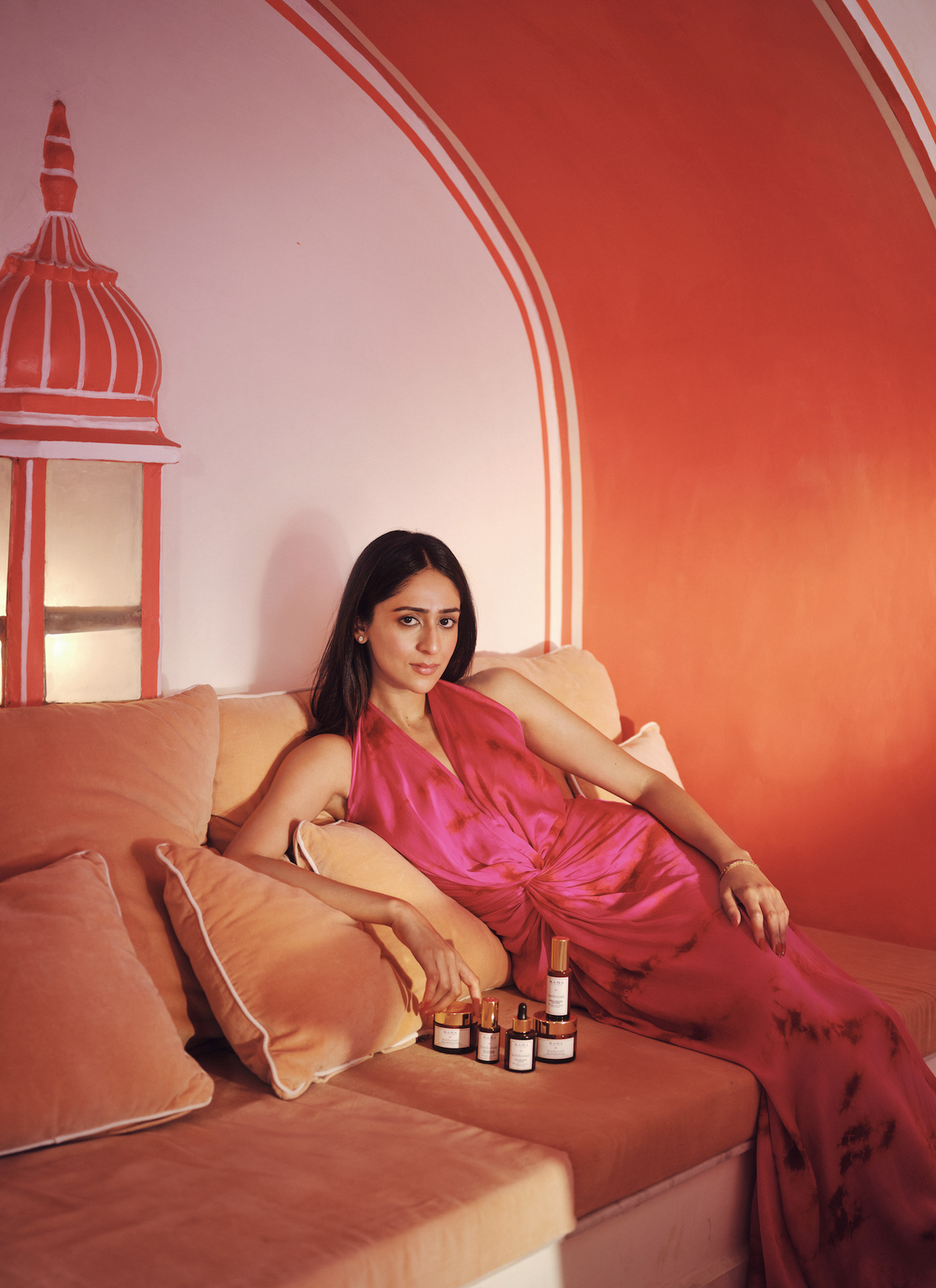
Gauravi Kumari poses with a range of products by Kama Ayurveda

Gauravi Kumari poses with a range of products by Kama Ayurveda
| Photo Credit:
Special arrangement

Her appreciation of Ayurveda stems from its inside-out approach. “I love that it’s a holistic way of beauty. It kind of teaches you that it’s all about the balance between your mind, body and soul, and not just superficial, surface-level beauty. I think, it’s the way forward,” she says.

Like many of us, she too has recently found her way back to hair oiling, amongst other beauty and self-care practices. “I’m way more mindful, now, of what I’m using. In the recent past, I’ve started inculcating practices like facial massages, using essential oils, and even oiling my hair, which I used to do as a child. I’ve been using the Bringadi Thailam, which smells so good. Every time I put it on my hair, I feel this sense of calmn,” she says. She also enjoys using the Kansa Wand with the Kumkumadi Face Oil for face massages, has a bottle of the Rose Water Mist handy to keep her skin calm, and applies Kumkumadi Silky Serum for her skin as part of her morning routine.

The brand’s consumer-favourite Kumkumadi Youth-Revitalising Face Oil now has a complete range dedicated to the hero ingredient

The brand’s consumer-favourite Kumkumadi Youth-Revitalising Face Oil now has a complete range dedicated to the hero ingredient
| Photo Credit:
Special arrangement

The brand is now blending traditional Ayurvedic recipes with bio-actives to enhance efficacy and reach the new generation of consumers. “Change is the only constant,” says Vivek. “When we started 22 years ago, we were catering to women aged between 28 and 50, who had tried other products and then chose Ayurveda. Now, those womens’ children are all at that age. So, it was time for a refresh. I don’t want to be a granny or mummy’s brand and that’s where it came from.”

The brand’s consumer-favourite Kumkumadi Youth-Revitalising Face Oil now has a complete range dedicated to the hero ingredient — with a lightweight Silky Serum, Soft Cream, Night Balm, Eye Contour Serum and a Mask-Scrub — to ensure that it is able to offer core benefits in multiple formats. Additionally, Amarrupa is a product line that focusses on anti-ageing, targeting fine lines and loss of skin elasticity, while the Urjasara range is made for skin barrier strengthening.

“Ayurveda is holistic which is why it will always be relevant,” believes Vivek. The fact that Spanish beauty and fragrance conglomerate Puig first invested in Kama Ayurveda in 2019, owning a minority stake, which was eventually upped to 85% in 2022, contributing to their local and global growth, is proof. Expect to also walk into refurbished stores around the country featuring a visual language that is an ode to Kerala, and have been designed by award-winning, Jaipur-based designer Marie-Anne Oudejans.


Source link

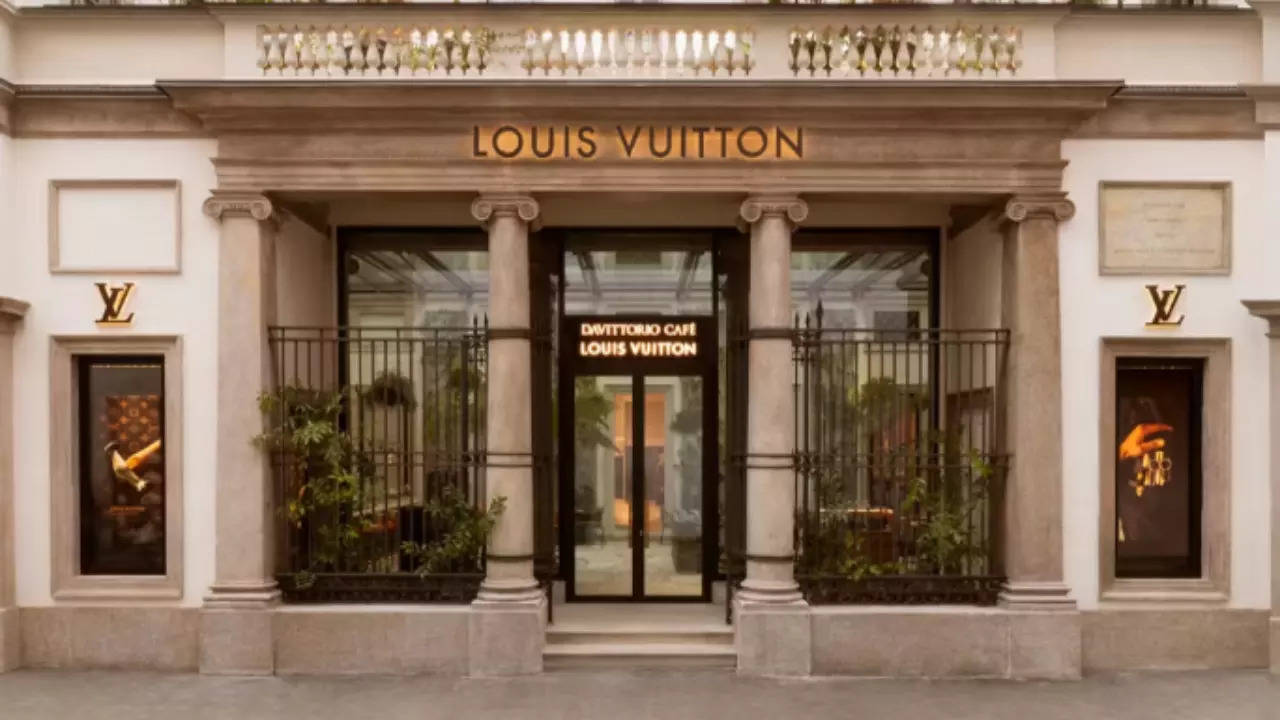
LV reopens its Milan flagship store in style


Spearheaded by renowned architect Peter Marino, the restoration pays homage to Milan’s neoclassical charm. The Palazzo’s original façade with its ionic columns designed by Ferdinando Albertolli, remains intact, reflecting a timeless Milanese sophistication. Inside, elements like staircases inspired by Villa Necchi Campiglio and a luminous central courtyard crowned with a glass skylight further echo the region’s architectural grandeur.


Source link

Get a glimpse of Rolex’s new line of watches, Land-Dweller, launched after 13 years, at Watches and Wonders 2025


The recently concluded fourth edition of Watches and Wonders (formerly Salon International de la Haute Horlogerie), an annual fair that showcases luxury watches by top brands witnessed a record attendance of over 55,000 visitors, including 1,600 journalists. Held in early April in Geneva, at Palexpo, a 77,000-square-metre convention centre near the airport, the event hosted nearly 60 watch brands, including Bvlgari, which made an impressive debut with a 1,000-square-metre booth.

Last year, the watch industry observed a fall of 3% in luxury watch sales after two stupendous years of growth led by post pandemic revenge buying. Things are coming to normalcy with Rolex, Audemars Piguet, Richard Mille, Patek Philippe products making their way to the stores and those crazy premiums softening.

Last year’s blip failed to make brands cautious. In fact, there were more gold watch cases and bracelets, clearly showing luxury watch brands opting to be aggressive to grow again in 2025. The celebrity appearances continued unabated — sportspersons Carl Lewis and Usain Bolt, and French chefs Anne-Sophie Pic and Yannick Alléno for Hublot; actor Simone Ashley and musician Hans Zimmer at the IWC Schaffhausen booth, and ace tennis player Roger Federer at Rolex. The biggest launch at the fair was clearly the Land-Dweller, a new line by Rolex since the Sky-Dweller in 2012.

Only one thing dampened the mood of the exhibiting brands — the sudden announcement of 31% tariff on Swiss exports to the US, as announced by President Trump. With US being the key market for the Swiss watches for the past three years, the concern was genuine. The action on tariffs will continue to play out in the coming days and shape the business in the short and long timelines.

Choosing the best six launches, like we do every year, is a tough ask. And we keep it simple, the watches that touched our hearts and not merely chased records to be the best. Also, we believe diversity within this list; from expensive to reasonable, for the men and the women, technical as well as artistic is important.

Jaeger-LeCoultre Reverso Tribute Minute Repeater

The new Reverso Tribute Minute Repeater is powered by a brand new movement, Calibre 953

The new Reverso Tribute Minute Repeater is powered by a brand new movement, Calibre 953
| Photo Credit:
Special arrangement

It’s a clearly the year of the Reverso for Jaeger-LeCoultre. Amongst the multiple Reverso watches launched, the Tribute Minute Repeater is the grandest of the complications in the rectangular iconic dual face case of the Reverso. It is a limited edition of 30 pieces only.

Born in the polo fields of Rajasthan in 1931, India has a special relationship with the Reverso. Jaeger-LeCoultre introduced high complications in Reverso in 1994 with its first Reverso Minute Repeater, fitted with the maison’s first rectangular minute repeater movement.

The new Reverso Tribute Minute Repeater is powered by a brand new movement, Calibre 953, which incorporates the seven existing patents that Reverso holds and now comes with an enhanced power reserve of 48 hours. The watch is distinguished by a newly designed enamel dials. Both dials however are very different in character. The front dial showcases a radiant hand-guilloché barley-seed pattern that creates an optical illusion of movement as it allows catching of the light from different angles. The guillochage is elevated by multiple layers of grand feu enamel in a new teal blue colour. The reverse dial is open-worked, revealing the complex functioning of the repeater and display of moving parts when the chiming is activated.

Price: ₹3.07 crore

Bvlgari Octo Finissimo Ultra Tourbillon

Bvlgari’s new Octo Finissimo Ultra Tourbillon is now the thinnest tourbillon watch ever

Bvlgari’s new Octo Finissimo Ultra Tourbillon is now the thinnest tourbillon watch ever
| Photo Credit:
Special arrangement

Setting its 10th world record for ultra-thin watchmaking in almost as many years, Bvlgari integrates a skeleton tourbillon into the movement of a watch that measures only 1.85 mm in thickness. The Octo Finissimo Tourbillon launched the brand’s pursuit of extreme thinness in 2014, setting in motion a decade-long journey that has led to 60 international awards, including the prestigious Geneva Watchmaking Grand Prix Aiguille d’Or.

With this timepiece, Bvlgari has created striking contrasts through diverse decorative techniques applied to key visible components: the polished slope of the bezel flange, the rhodium-plated tourbillon balance, and the sunburst finished rhodium-plated tourbillon bridge.

Bvlgari’s new Octo Finissimo Ultra Tourbillon is now the thinnest tourbillon watch ever. It is powered by the Bvlgari BVF 900 tourbillon calibre. This manually wound mechanical movement beats at an impressive 28,800 vibrations per hour (4 Hz) and offers a 42-hour power reserve.

Price:  ₹8 crore; €800,000 (approximately)

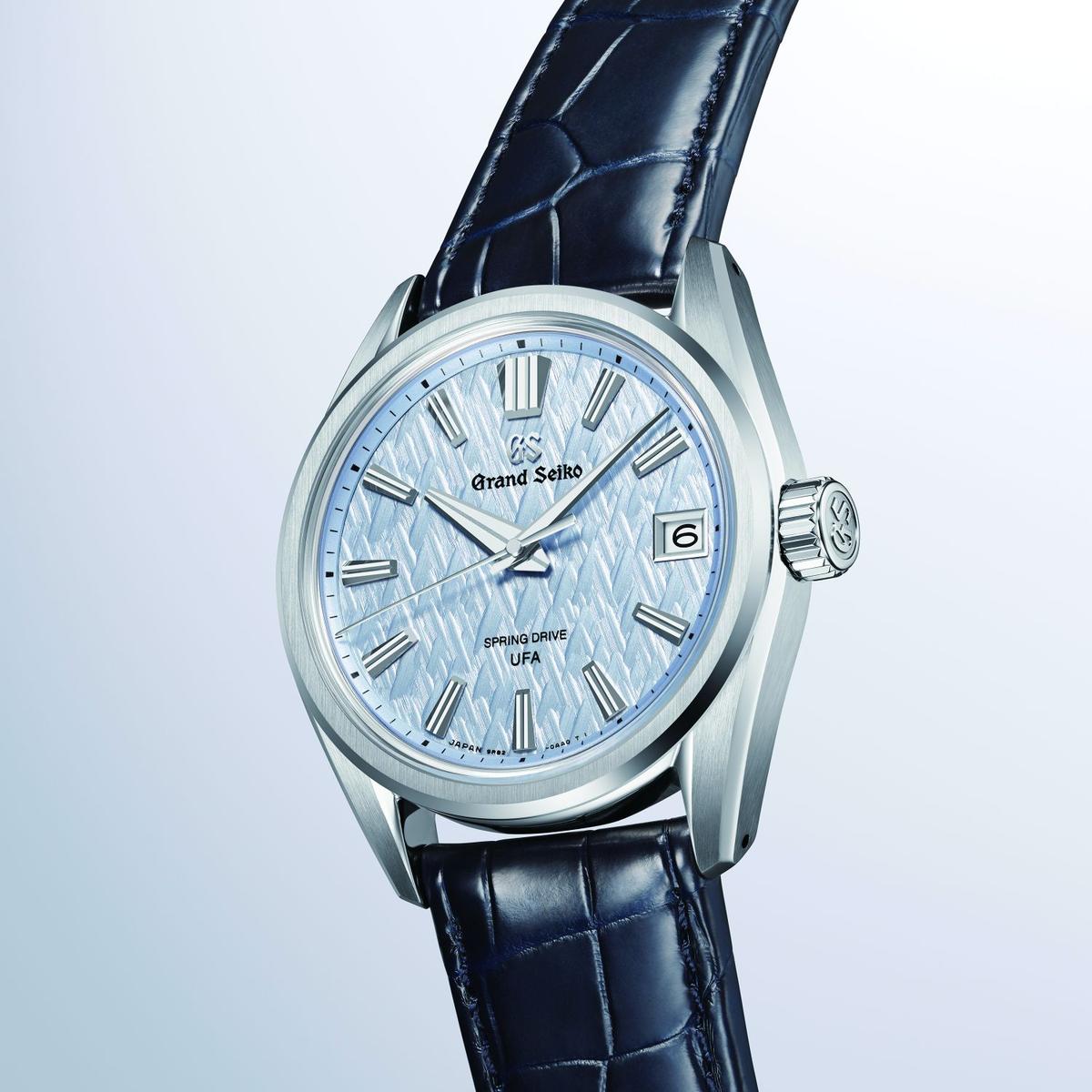
Grand Seiko Spring Drive UFA

The automatic UFA movement has an astounding annual accuracy rate of ±20 seconds

The automatic UFA movement has an astounding annual accuracy rate of ±20 seconds
| Photo Credit:
Special arrangement

The iconic Spring Drive movement started in the late 1970s, with an aim to seamlessly blend the traditional energy of a mainspring with state-of-the-art electronic watchmaking capabilities. In 2004, Grand Seiko introduced the Spring Drive calibre 9R65, which paired automatic winding and 72 hours of power reserve with a monthly accuracy of ±15 seconds, setting a new standard among movements powered by a mainspring.

Today, this legacy of accuracy in watchmaking reaches new heights with the announcement of the Spring Drive Calibre 9RB2, which receives the new UFA or “Ultra Fine Accuracy” designation. It changes the narrative of precision timekeeping by measuring accuracy over a year. The automatic UFA movement has an astounding annual accuracy rate of ±20 seconds, making it the most accurate wristwatch movement powered by a mainspring today. Thanks to the movement’s compact design, the new watches have a case diameter of just 37mm, making them the smallest models powered by the 9R series to date.

Price: ₹10 lakh

Hermès Cut Le Temps Suspendu

Hermès has redesigned this singular complication on two models

Hermès has redesigned this singular complication on two models
| Photo Credit:
Special arrangement

Time suspended, a playful expression of Hermès time, first introduced by the brand in 2011, returns with new expressions.

Hermès has redesigned this singular complication on two models, the Arceau and for the first time, in the Hermès Cut collection. Launched last year, the Hermès Cut collection is now endowed with the brand’s iconic complication. The Manufacture Hermès H1912 movement fitted with the time suspended module powers the 39 mm rose gold case of Hermès Cut, known for its sharp lines and bold geometry.

At the press of a button, the hour and the minute hands move into V shape surrounding the 12 o’ clock numeral, removing the distraction of time. And a second press restores them to the current time.

Available in several versions, the Hermès Cut Le Temps Suspendu watch is designed to disrupt for being bold, quirky and innovative.

Price: The Hermès Cut Le Temps Suspendu in rose gold with a silver or red dial costs approximately €28,000 (₹28 lakh) with the rubber strap and €43,000 (₹43 lakh) with the rose gold bracelet.

Cartier Tressage

On this watch, two twists of gold and diamonds surround a rectangular dial paved with snow-set diamonds

On this watch, two twists of gold and diamonds surround a rectangular dial paved with snow-set diamonds
| Photo Credit:
Special arrangement

Cartier dazzles us with the Tressage playing with precious metals like gold, diamonds and stones, to allow a dynamic interplay of textures and colours that evoke sensuality. Drawing inspirations from its own repertoire of beautiful watches from Maillon, Coussin and Reflection collections, the Tressage is creative and precious to the core.

On this watch, two twists of gold and diamonds surround a rectangular dial paved with snow-set diamonds. On one side, the smooth roundness of yellow gold alternates with pavé diamonds, while on the other, the bold, sharp lines of vertical brancards provide sharp contrast. The shiny leather strap continues this interplay of materials.

In one version, featuring a deep blue strap, the twists and dial are paved with snow-set diamonds. Through these creations, Cartier honours the legacy of Jeanne Toussaint, the first female creative director at Cartier, appointed in 1933.

Price: ₹1.34 crore

Rolex Land-Dweller

Oyster Perpetual Land-Dweller 40

Oyster Perpetual Land-Dweller 40
| Photo Credit:
Florian Joye

A new line by the biggest watchmaker in the world, after 13 long years, is a big deal. The Land-Dweller has a pathbreaking movement inside an integrated bracelet model with a honeycomb dial. Rolex introduces the calibre 7135, thinner than the majority of the brand’s movements, operates at a high frequency of 5Hz, delivering the highest quality performance.

Calibre 7135’s Dynapulse escapement is a revolutionary alternative to the traditional Swiss lever escapement. In this sequential distribution escapement, energy is transmitted by rolling where a transmission wheel, connected to the barrel, drives two uniquely designed distribution wheels, which in turn activate an impulse rocker that keeps the balance wheel oscillating. The Dynapulse escapement is extremely lightweight, unaffected to magnetic fields and more energy-efficient than a traditional escapement due to use of silicon components and an innovative architecture.

The gold and steel models have a satin finish over the intense white colour and the platinum edition has a sunray finish over its ice blue dial. On the index hour markers, the luminescent material extends the full length of the element. The distinctive hands, specially created for this watch, are perfectly rectilinear.

Price of 40-mm watch: ₹13.42 lakh for steel, ₹41.47 lakh for Everose gold and ₹56.11 lakh for platinum


Source link

Food start-up Tocco connects home chefs from across the country with people looking for healthy snack options


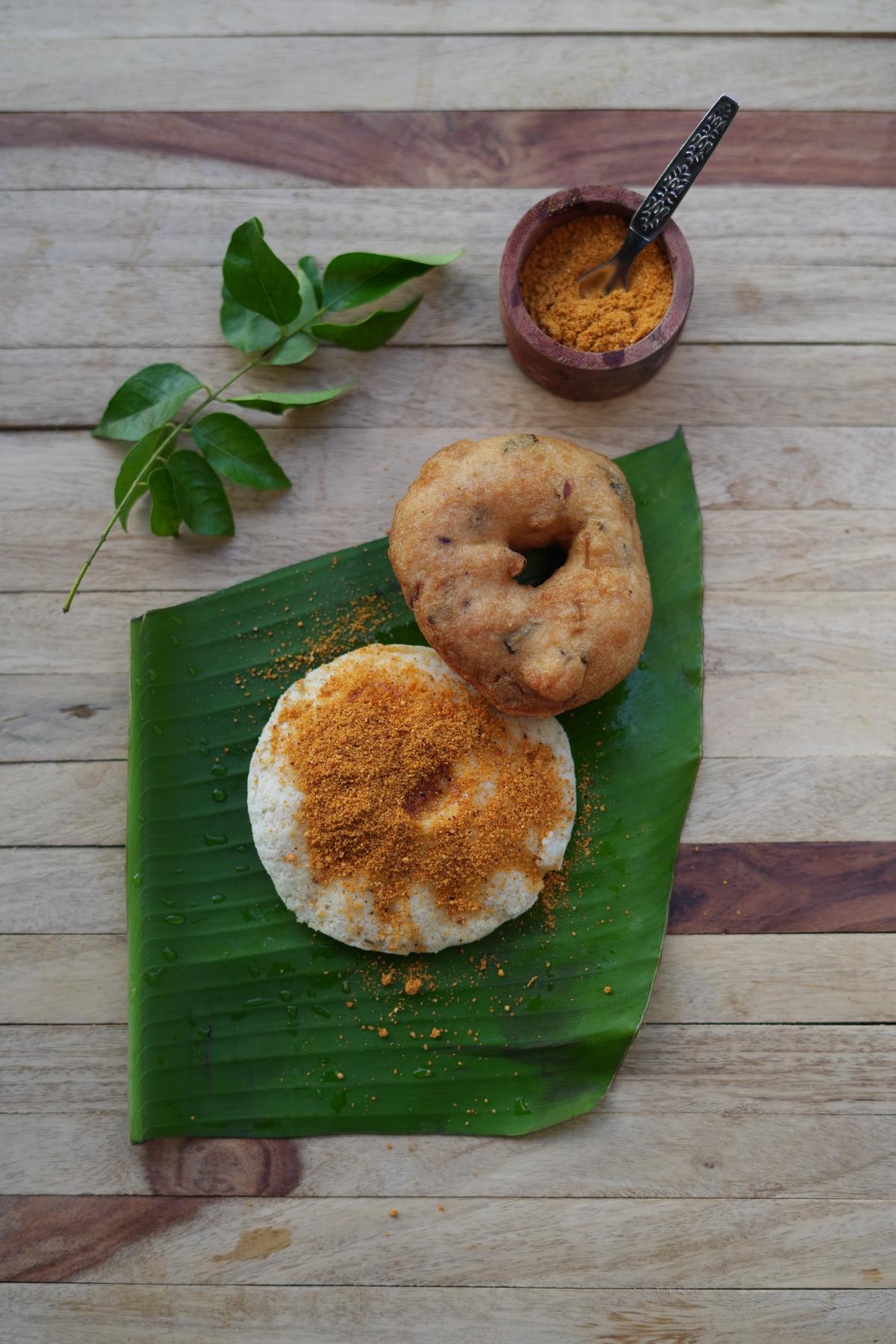
Remember that craving for homemade pickle, mulagu podi, chammanthi podi, poha, cookies and chivdawhen you were away from home? If you live or have lived away from home — either as a student or for work — you know it. And it was something Mumbai-based engineer Reshma Suresh felt intensely when she moved away from home in Kochi to work in Mumbai. Those care packets from home, with pickles, mulagu podi, chammanthi podi (chutney powder) and banana and jackfruit chips were eagerly looked forward to.  

Although some of these or their iterations would be available in supermarkets and online e-commerce platforms, “it would lack the emotion of ‘mom or dad’ made food,” says Reshma. Despite the convenience, takeout would seldom be ‘authentic’. The big question — would it all be hygienically prepared? For instance, what of the quality of the ingredients?   

Mulagu podi made by Lakshmi Mohan

Mulagu podi made by Lakshmi Mohan
| Photo Credit:
SPECIAL ARRANGEMENT
“Food is after all an emotion,” says Reshma, the founder of Tocco, a ‘social commerce’ platform that sells home-cooked snacks and meal accompaniments, which it sources from a network of vetted home chefs sprinkled across the country. “My career has nothing to do with food; I worked in tech-building in the health-care sector. But food has become my passion project,” she says over the phone from Mumbai.  

Home made snacks

A combination of factors — a weekend project making small batches of banana chips, which grew to become the plantain chips brand Meengurry Memories in 2021, and a hiatus from work led to the idea and subsequently a prototype of Tocco in 2022. With the idea taking root, she asked family — mother and aunt — to send items that they made in their kitchens: chammanthi podi, prawn-mango pickle, veppila kattias a test run, selling them to her Meengurry clients. 

Reshma Suresh, founder of Tocco

Reshma Suresh, founder of Tocco
| Photo Credit:
SPECIAL ARRANGEMENT

Over the next year, the idea of an e-commerce platform for home chefs exclusively selling homemade items crystallised and, finally, in 2023, Tocco was soft launched.

Several months of homework went into getting Tocco up and running. ‘Packing nostalgia’ has strict parameters — it should be made in a home kitchen without preservatives with a shelf life of between 20 to 30 days. “Our selection process is thorough. We cannot afford to compromise. The processes are stringent as are the terms of onboarding. We look at photographs and videos of the kitchen — the space, cleanliness — besides sampling the product and keeping track of the ingredients,” adds Reshma. All home chefs are FSSAI-certified. 

Tocco’s plans

Tocco is also part of the Kerala government project Samagra Kottarakkara where they are helping build a community kitchen in Kottakkara, near Kollam, to generate livelihoods for men and women by manufacturing products for Tocco with locally sourced raw materials. Reshma’s plans with Tocco, that it be ‘integrated’ into everyday meals is working. From meal accompaniments such as pickles, podis and kondattams and snacks she wants to move into cooking essentials — spice powders (chilli, turmeric, coriander etc), rice and oil too. Currently they have coconut oil.

Once the homechef and their kitchen is vetted, next comes tasting by a panel comprising existing customers, professional chefs, and the quality control team. The perspectives are asked to send their top two products as samples. After tasting, tweaks are suggested based on the feedback. This is the first time that most home chefs have been part of a venture like Tocco. “Since they are first-timers at this we provide a best practices training module, for instance, using separate utensils or pricing and eco-friendly packaging.” 

Over the two years of existence, it has built a base of around 15,000 customers, and on boarded 30-odd home chefs from Kerala, Karnataka, Maharashtra, Gujarat, Punjab and growing. This is not a marketplace in a commercial sense, she adds. 

“We are agnostic in terms of the region and gender (of chefs) but yes, most of them are women and there are husband and wife pairs too,” says Reshma. Most of them are aged 45 and above, the oldest is 66 years old. They are either on a break from their jobs, retired or have never worked before. Tocco, they say, has been a confidence boost not just in financial terms but also in terms of what they can do. 

Mona Mehta

Mona Mehta
| Photo Credit:
SPECIAL ARRANGEMENT

Bhavana Shah, 52, of Mumbai has been with Tocco for two years, since inception. Her specialities are flax seeds puri, mini nan khatai, and Maharashtra poha chivda. She used to conduct online classes for starters and desserts during lockdown. “Whatever I cook, I do it like I would for my family, for my kids. This is a platform for me to showcase our skills, be proud of ourselves and what we can do,” she says. She does everything herself, “this is not mass produced, just in small batches in my kitchen. I can do this myself,” she says. 

Lakshmi Mohan

Lakshmi Mohan
| Photo Credit:
SPECIAL ARRANGEMENT

Reshma’s mother’s sister, Lakshmi Mohan, also a homemaker, who was one of the first people to become a part of Tocco echoes the sentiment. Of how she came to be part of it, Kozhikode-based Lakshmi says, “I was anyway making chutney podi for my kids, so it was not too different when Reshma asked me to join her. I make rasam and sambar podi. Since these are made on order, there is no pressure to make it in quantities and stock. I can do it at my own pace and I do everything myself.” The 60-year-old economics graduate has never worked but she is enjoying herself. 

Chips, pickles and spice mixes

Banana chips, diamond cuts, cut mango pickle, prawn pickle, tuna pickle, murukku, chemmeen chamanthi (chutney) podi, kasuri methi shakkarpara, makkai chivda, masala cookies, metkut powder, chaat masala, Hyderabadi biryani masala, and moringa chutney powder are the other items on their product list.  

Although their products comprise snacks, pickles, and podis, their biggest market is snacks. There is no fixed quantity of snacks each home chef sells monthly, on an average it is around 10 to 20 kilograms, in the case of pickles it is 10 kilos a week. “The monthly income of each depends on the quantity they sell; during Christmas time one of our home chefs who makes plum cakes made close to ₹1 lakh. Our focus is not quantity but quality,” says Reshma. 

Since most of the Tocco merchandise is not pre-made and stocked, it eases pressure on the home chefs. As the snacks are homemade, on order, the delivery time might be longer. 

Annie Philip

Annie Philip
| Photo Credit:
SPECIAL ARRANGEMENT

Bengaluru-based Annie Philip bakes plum cakes. The home baker used to give her cakes to family and friends but never thought of taking the commercial route until Reshma, the daughter of family friends approached her. 

“There is no pressure to be constantly working and getting stuff ready plus my regular routine is not affected as I work at my pace; the cakes have a 30-day shelf life which also eases pressure. Eight cakes in one batch, and two hours of work. How much more comfortable can it get?” she asks. Last December alone she sold more than 200 cakes. 

Bhavana Shah

Bhavana Shah
| Photo Credit:
SPECIAL ARRANGEMENT

Listening to these women, one comes away feeling that this is not just about the money. It is about being able to use their time and skills, and feeling good about it. Mona Mehta, 59, also from Mumbai, has been associated with Tocco for the past six months. This is the first time the homemaker is ‘working’.  Her specialty is cornflakes chivda, which she makes with help from her husband. “I joined Tocco as ‘time-pass’ but I have come to enjoy myself. I dispatch 20 to 30 packets (155 grams each) a week. The feedback feels good and it gives me a sense of independence too,” she adds.

So what does the name Tocco stand for ? “Tocco is The Orange Candy Co (like the nostalgic orange candy we all had growing up?) It also means touch in Italian, symbolising the touch of our parents as they prepare food!”   


Source link

Indian restaurants host food festivals for Thingyan, Songkran, Aluth Avurudda, and Nepal Sambat


This month, a number of Thai, Nepalese, Burmese, and Sri Lankan restaurants across the country will kickstart festivities to mark their respective new years.

We have seen the boom of small-seater restaurants, foraged ingredients dotting menus, and the celebration of traditional Indian cuisine courtesy of pop-ups and food festivals. Now, we are seeing the latter evolve into a larger trend of Indian restaurants commemorating traditional festivities across Asia and Southeast Asia with menus backed by intensive research and field trips. This not just spotlights the growing popularity of authentic regional food from Thailand, Sri Lanka, Nepal, among others, but also the changing culinary landscape of Indian diners.  

A snapshot of the Songkran festival 2019 at Wat Pho

A snapshot of the Songkran festival 2019 at Wat Pho
| Photo Credit:
Varaporn_Chaisin

The Future of Food Report 2025 for the Asia-Pacific (APAC) region also highlights that this is the year Asian flavours will take centrestage. Cuisines from the global South, including the Asia Pacific region are now receiving more Michelin stars from the esteemed French dining guide than western restaurants in Central London, it states. 

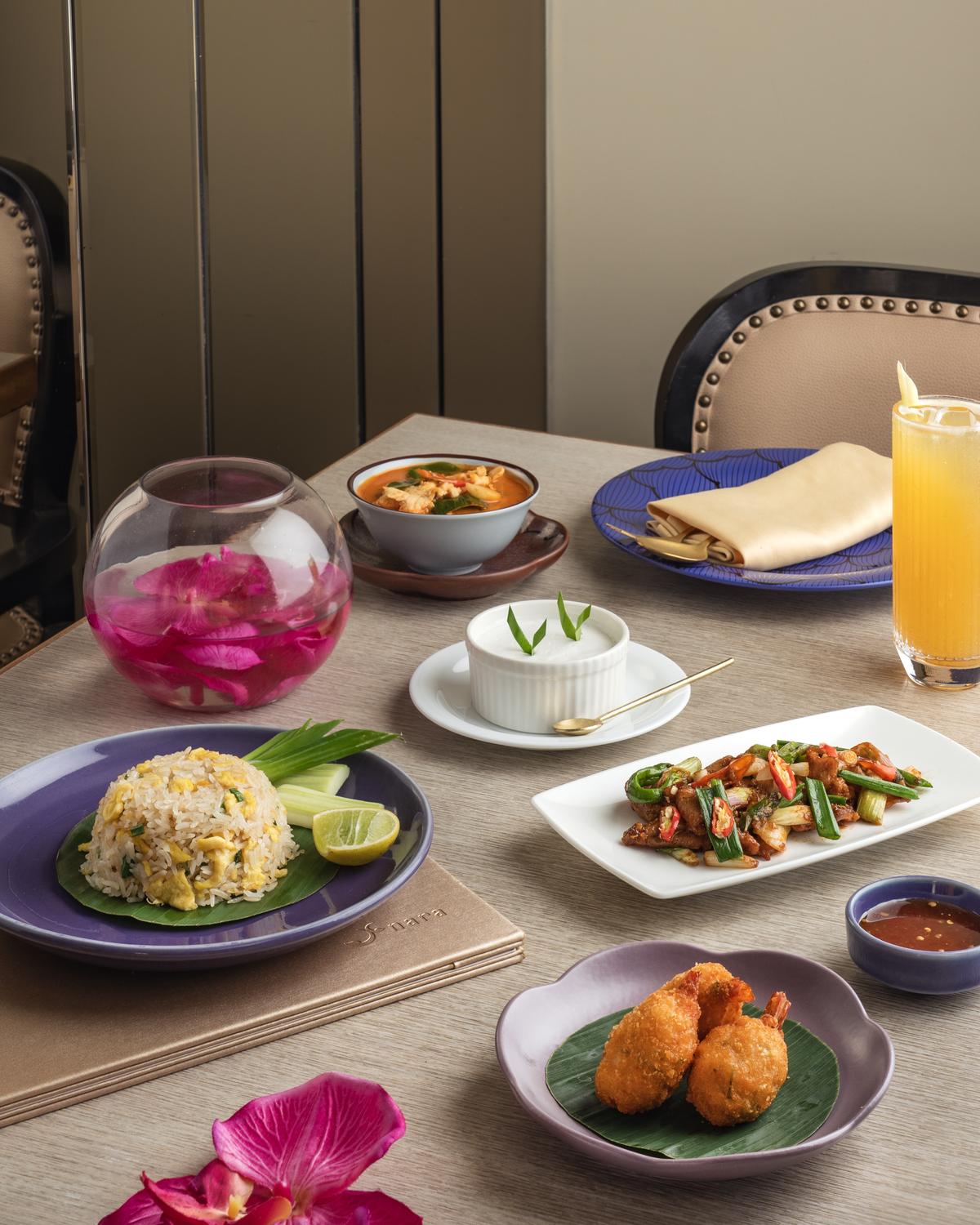
Dishes at Nara Thai

Dishes at Nara Thai
| Photo Credit:
Special Arrangement

At Nara Thai in Mumbai, Songkran (Thai New Year) — observed between April 13 and 15 — celebrations are in full swing through the month of April. “Songkran, with its water-centric traditions, festive spirit, and refreshing summer-friendly Thai dishes, is an exciting opportunity for restaurants to create a seasonal culinary experience,” says Abhishek Bindal, COO, Aditya Birla New Age Hospitality. In collaboration with its executive chef based in Bangkok, the team identifies dishes that align with Songkran’s themes of water, and summer-friendly flavours, he says, adding that this year’s menu features guava som tam salad with watermelon granita, vermicelli clay pot, and a Thai tea panna cotta, among others.

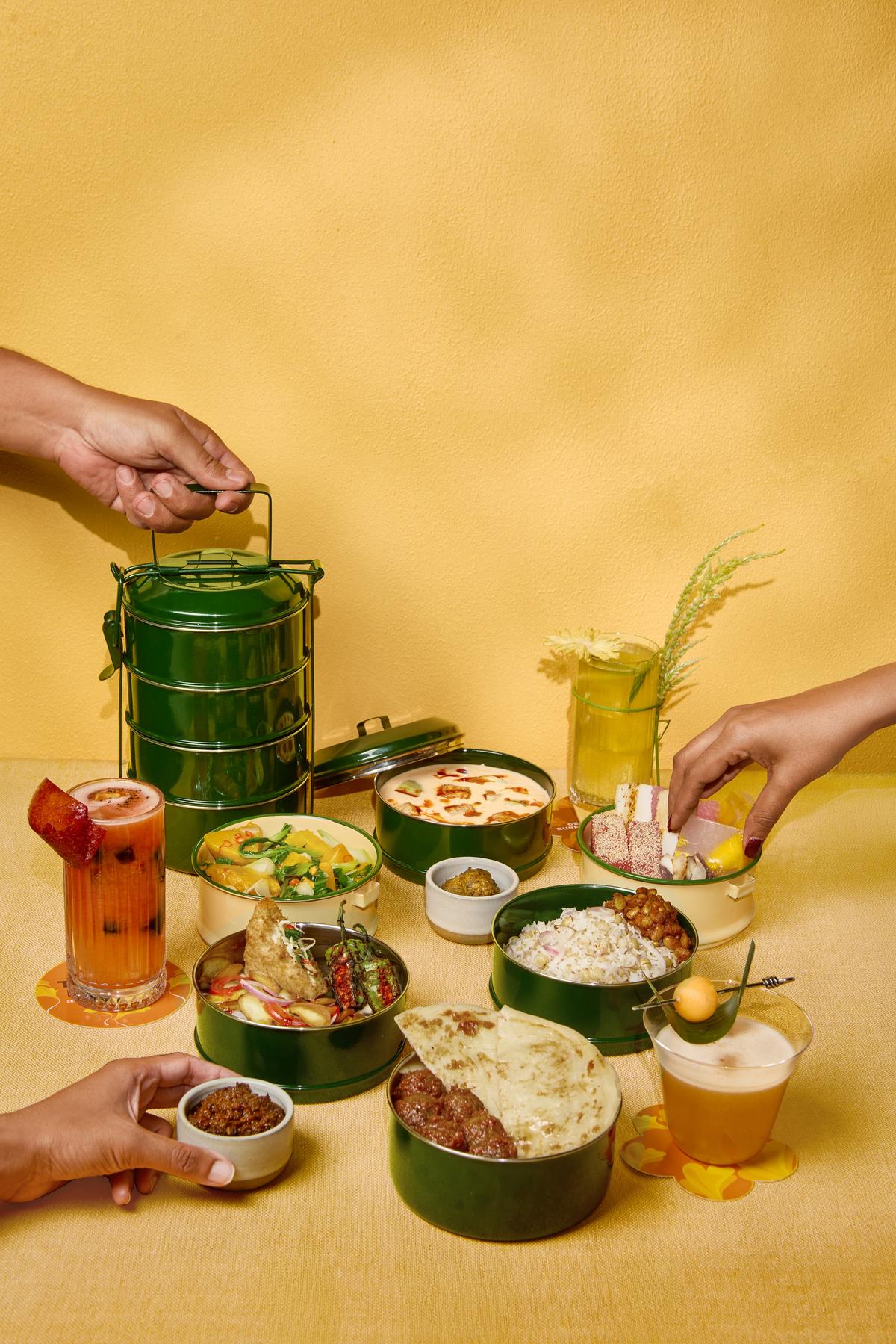
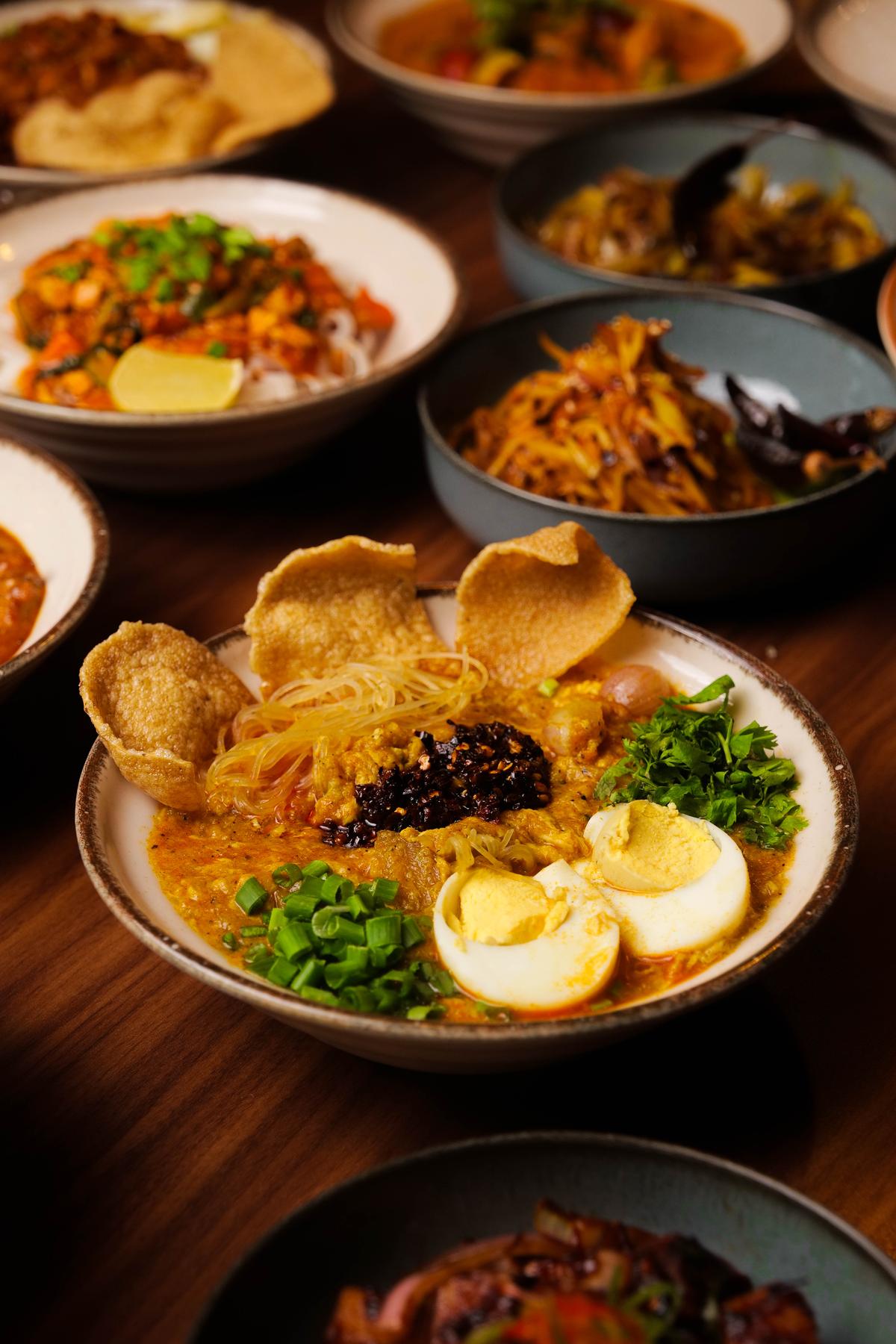
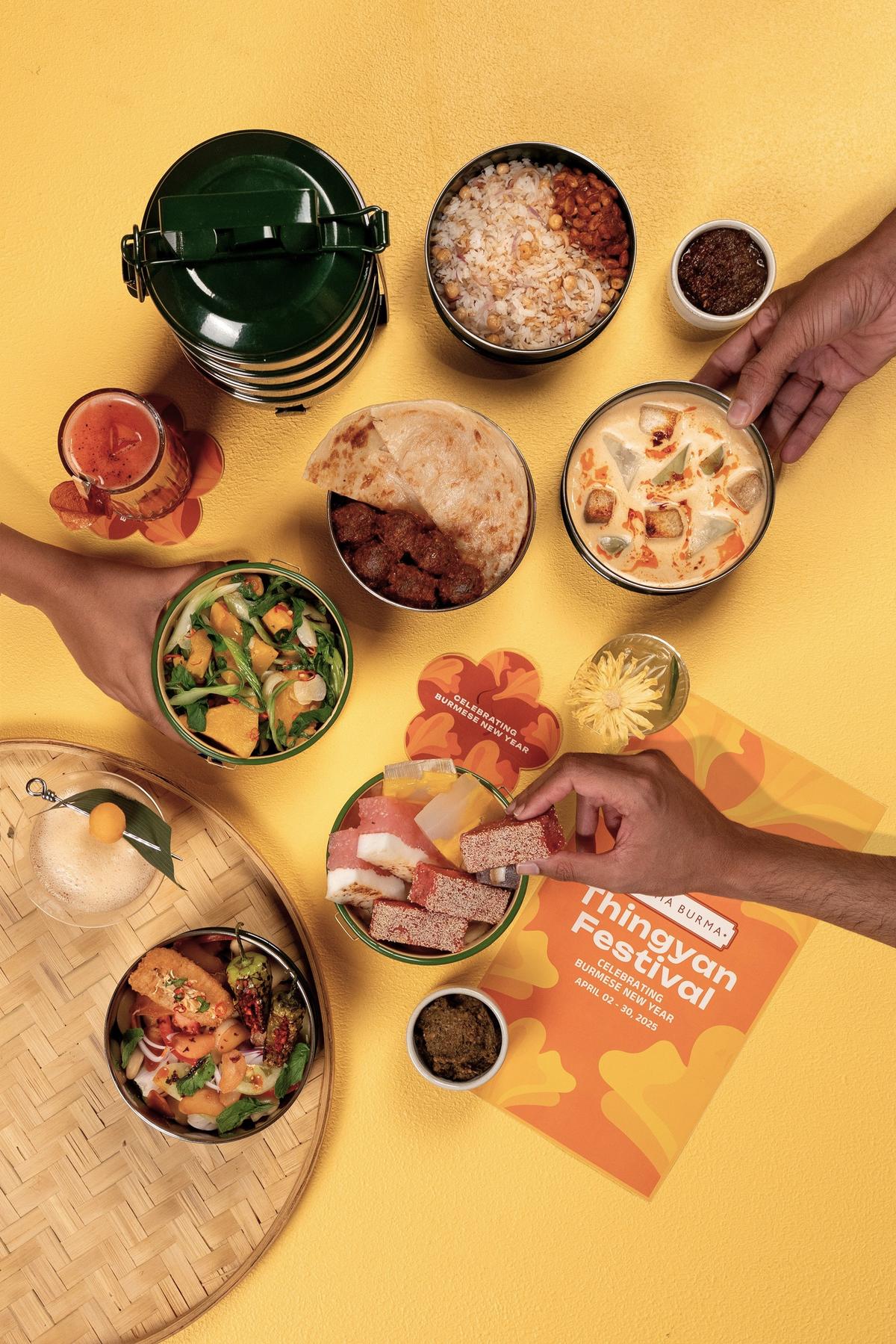
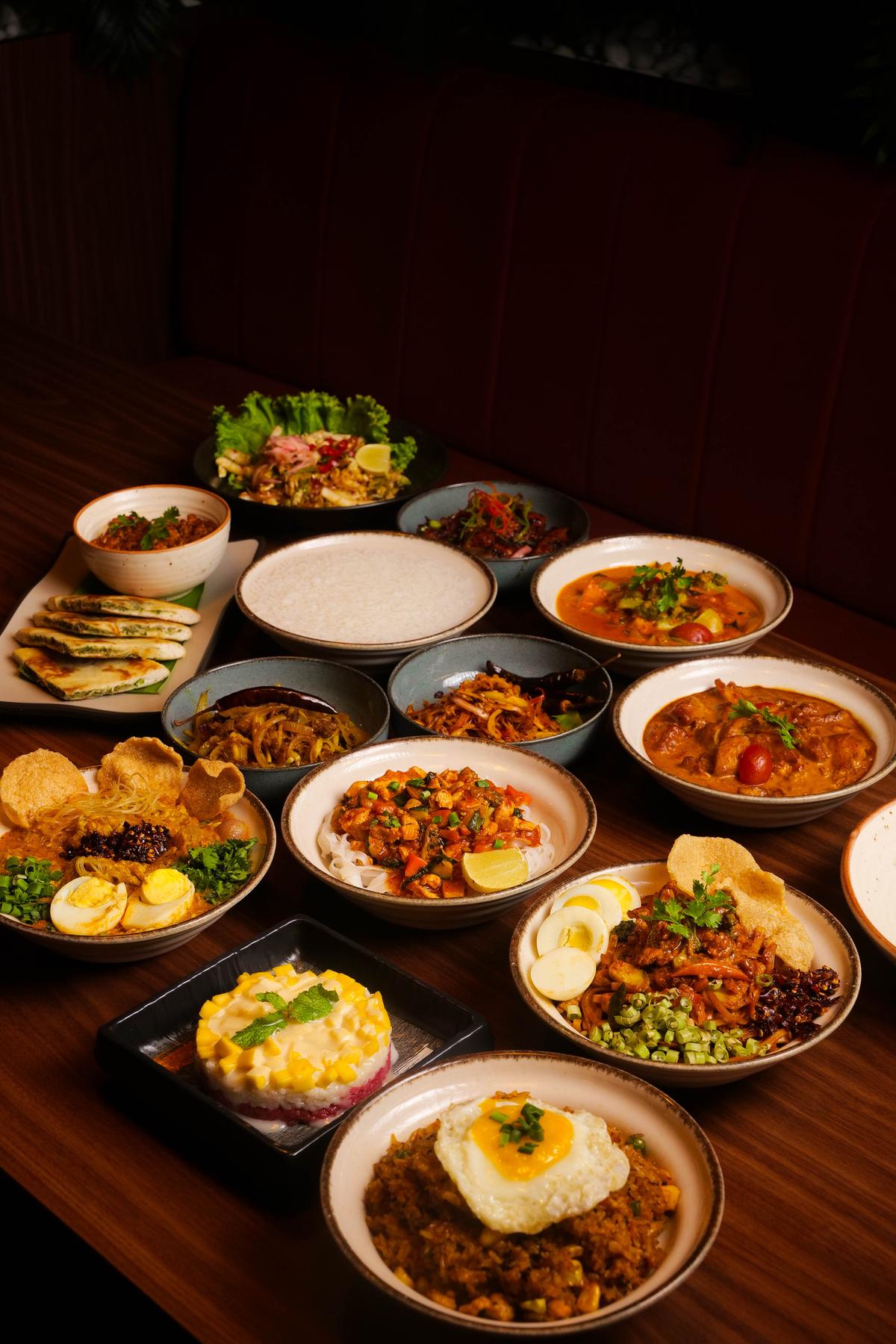
The  Tiffin Meal at Burma Burma

The  Tiffin Meal at Burma Burma
| Photo Credit:
Cyrus Dalal

Popular restaurant chain Burma Burma is commemorating the Burmese New Year, Thingyan, albeit as a muted affair this year. “Our hearts go out to the families and communities, including our chef-partners, culinary experts, vendors, and artisans who have shared their skills, traditions, and warmth with us over many years and helped us create Burma Burma. While we will be offering our annual Thingyan Festival special menu for dine in and delivery from April 14 until May 11, part of the sale proceeds from this promotion will be donated to the UN World Food Programme — Burma Earthquake Relief Fund,” says co-founder Ankit Gupta, adding how, every year, their chefs create a special menu based on their experiences on research trips. The jasmine rice with white peas, for instance, is inspired by a signature offering at all Burmese feasts:  Pe Htamin.

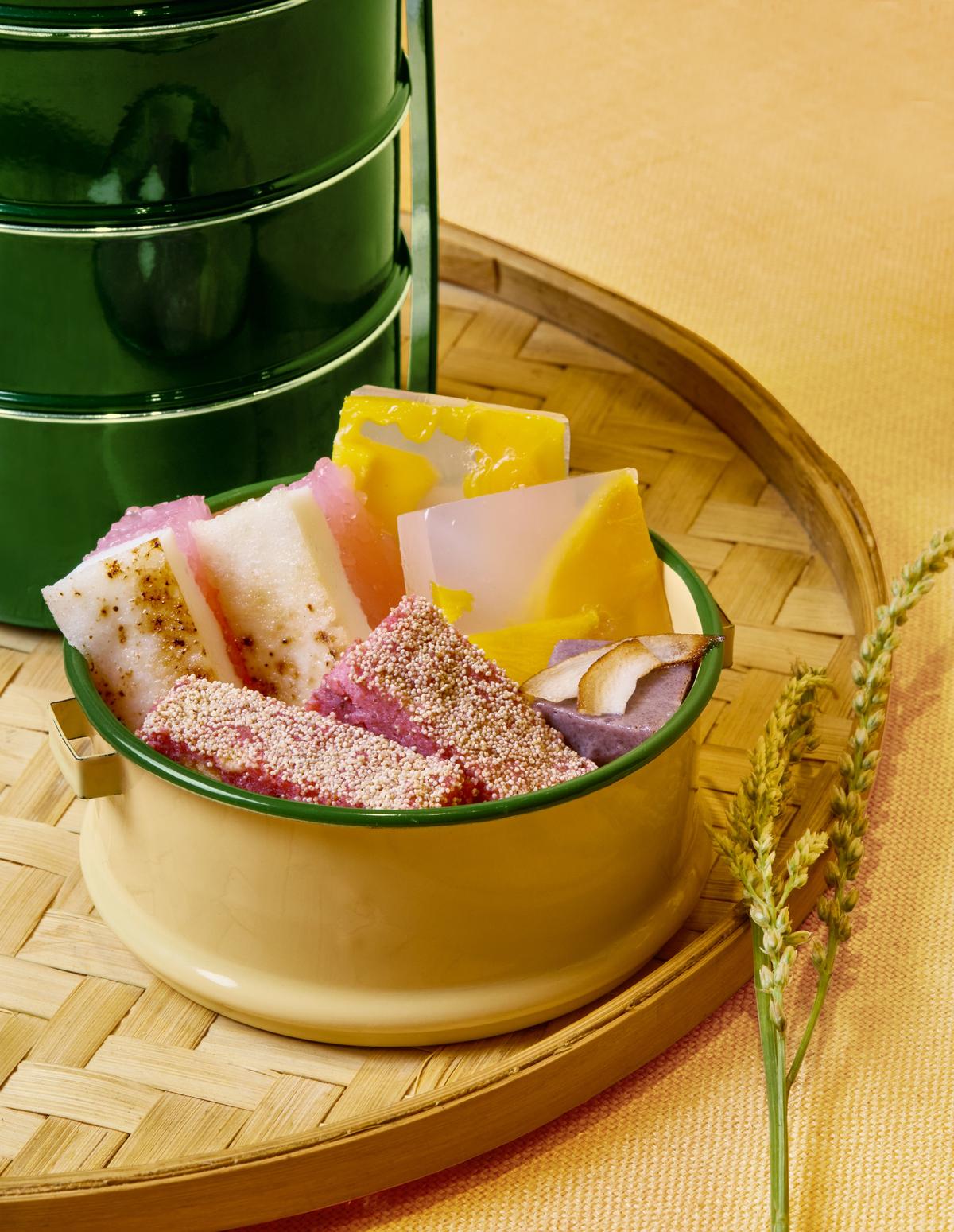
Traditional sweets like banana sanwin makin, chilled black rice custard, sago delight, and tropical jelly are available at Burma Burma

Traditional sweets like banana sanwin makin, chilled black rice custard, sago delight, and tropical jelly are available at Burma Burma
| Photo Credit:
Cyrus Dalal

At the heart of this year’s celebrations is the Tiffin Meal for two, comprising an assortment of appetisers, dips, mains, and desserts served in a special tiffin box. “On a recent visit to Burma, a local family invited our culinary team to feast on a traditional meal, and this is where the idea for a tiffin-style meal — that also celebrates the region’s popular lacquer-coated enamel tiffins — took shape. Each year we strive to present a new facet of Burmese cuisine and this harvest festival’s offering is inspired by home-style celebratory dishes,” says Head Chef Ansab Khan, adding that popular dishes include hand-tossed broad beans, bottle gourd and tofu curry, etc.  

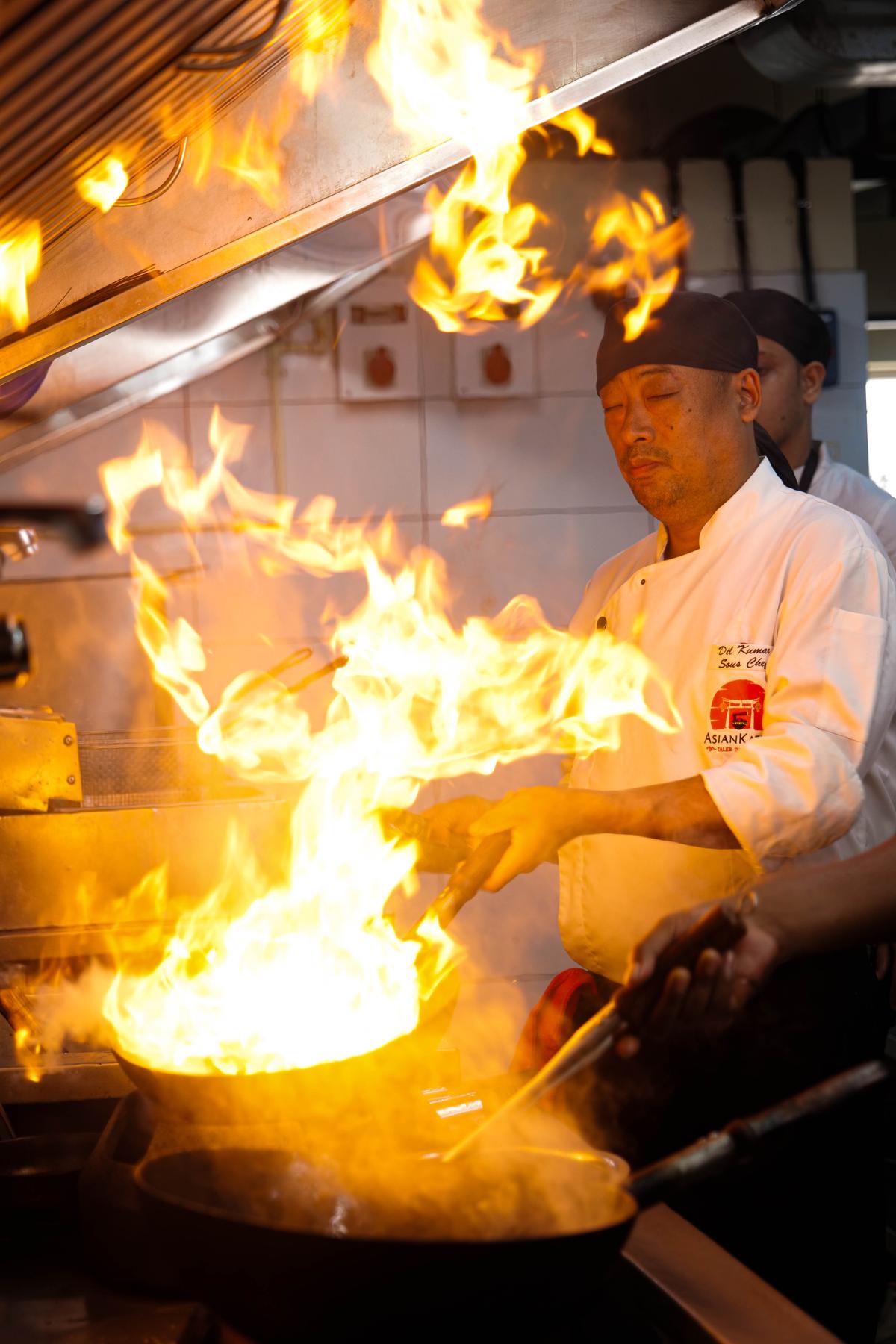
Cultural elements such as live storytelling about Thingyan’s significance will be part of the festivities at Asian Katha

Cultural elements such as live storytelling about Thingyan’s significance will be part of the festivities at Asian Katha
| Photo Credit:
Special Arrangement

At Chennai’s AsianKatha — which opened its doors six months ago — founder Aswin Thottupurath and his team are also gearing up to celebrate Thingyan. “Diners today are eager to explore beyond traditional fare and experience the stories, flavours, and customs that define different regions. We are planning an exclusive menu and cultural elements such as live storytelling about the festival’s cultural significance,” he says. Their special Thingyan menu (available from April 13 to 16) will highlight traditional Burmese delicacies such as mohinga (a fragrant fish noodle soup), laphet thoke (fermented tea leaf salad), and mont lone yay paw (sweet rice dumplings), among others. 

Dishes at Asian Katha

Dishes at Asian Katha
| Photo Credit:
Special Arrangement

New culinary experiences aside, such festivals are giving Indian diners a taste of ingredients and a country’s regional flavours. At Bengaluru’s Utse Kitchen, founder Dechen Dolkar has brought Nepali cuisine to the forefront since it opened in 2017. “For us, the inspiration to celebrate our new year, Nepal Sambat (April 14), came from a passion for Nepalese cuisine and the joy of sharing special traditions with our guests,” says Dechen, who started commemorating Nepalese events about three years ago. The team at Utse Kitchen comprises Nepali chefs and housewives “who contribute their family recipes and cooking traditions”.  

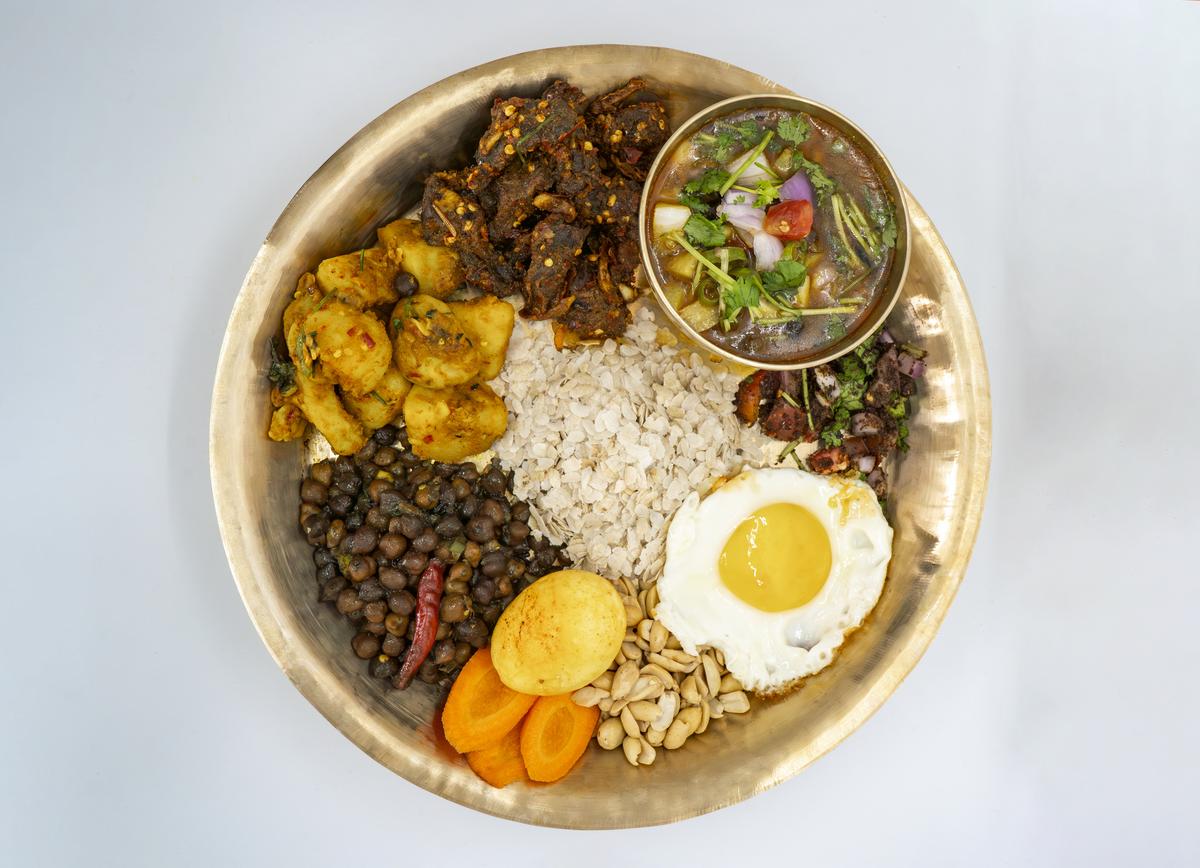
The Newari Khaja Set Typical Nepali Thali with rice flakes, choyila, eggs, chickpeas, tama, bamboo soup, and more

The Newari Khaja Set Typical Nepali Thali with rice flakes, choyila, eggs, chickpeas, tama, bamboo soup, and more
| Photo Credit:
Jasper Neupane

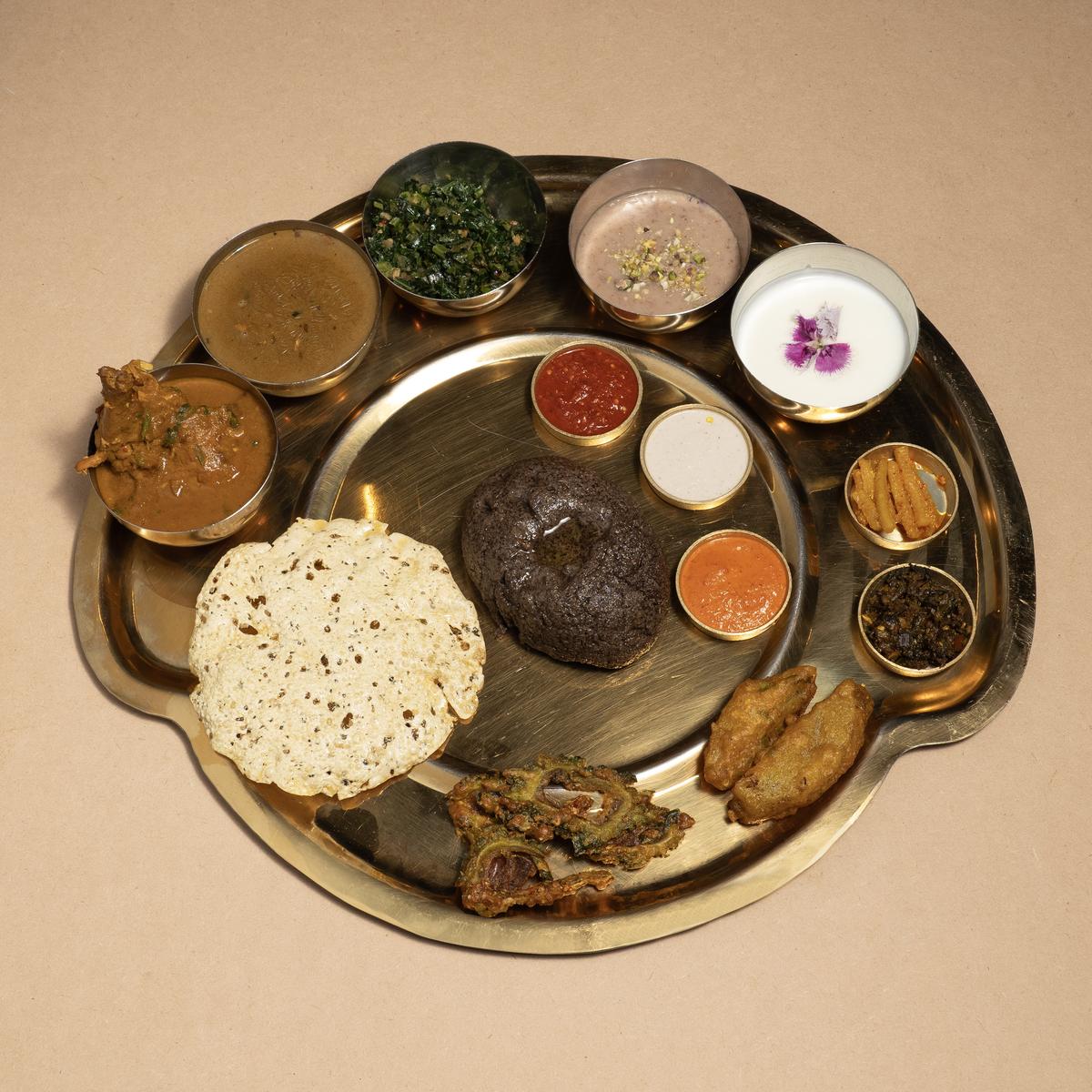
New Delhi’s Yeti – The Himalayan Kitchen was founded in 2011 “with the idea to bring unexplored food from households of Nepal, Tibet, and other Himalayan regions to Delhi”. “We’re excited to have Nepali women in our kitchen team, and we have been working closely with them for the past two months to test and refine recipes to perfect our special menu,” says Joy Singh, partner, who has also added Naga-inspired dishes such as smoked sliced pork, ahomiya mutton, singju, and chicken raja mircha dry to the mix. 

The Thakali Thali at Yeti – The Himalayan Kitchen

The Thakali Thali at Yeti – The Himalayan Kitchen
| Photo Credit:
Special Arrangement

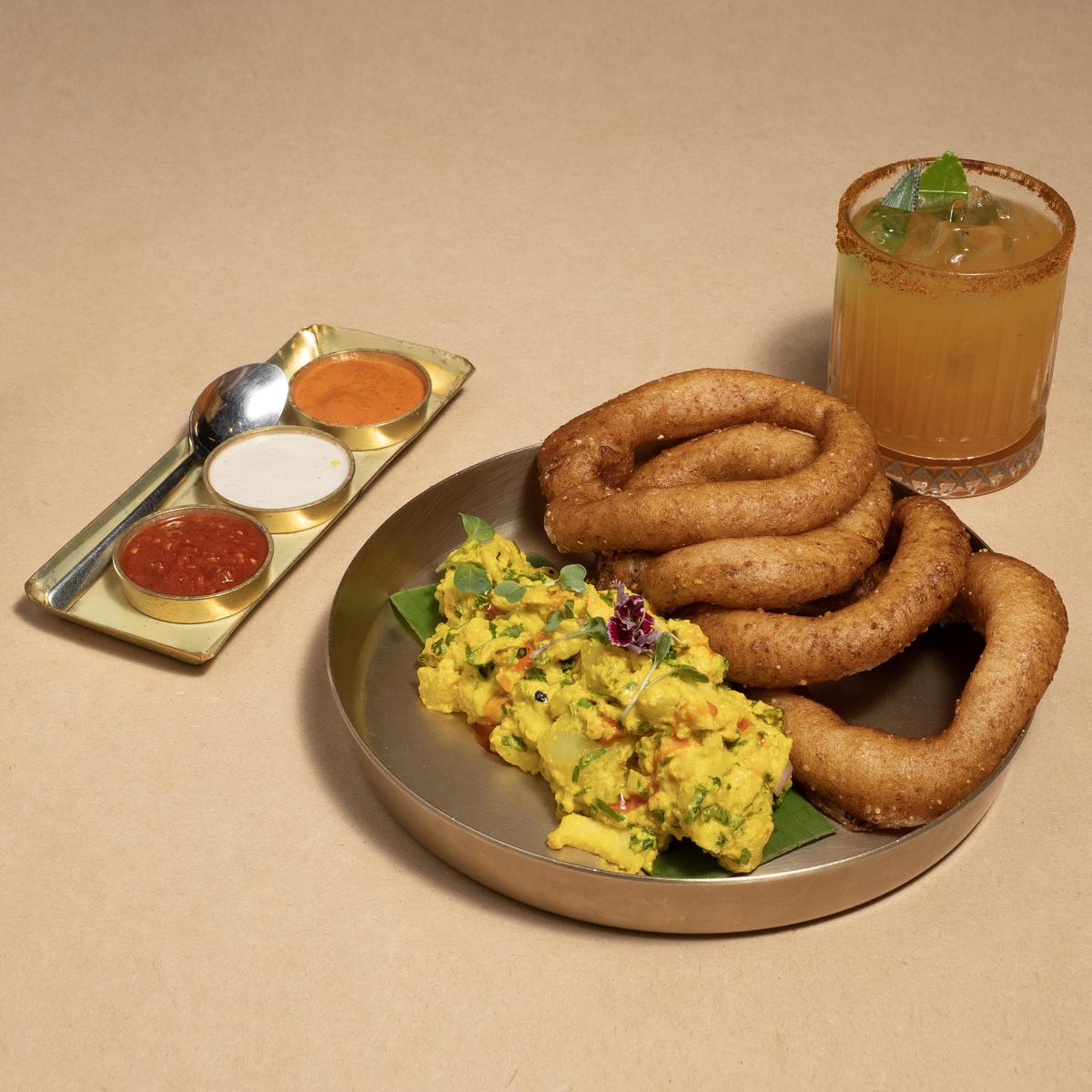
For Nepali New Year At Utse Kitchen, diners can relish the kuchi bhoye — a community-style meal eaten on a leaf with dishes such as chiura (beaten rice), choyla (spicy grilled meat), bara (lentil patties), among other dishes; samay baji that comprises beaten rice, bara, a spicy potato salad, bhatmas, and meat, and is popular among the country’s Newar community; chhukey, a hearty dish made with dried meat and veggies; and sukuti, a dried meat curry. And the menu at Yeti comprises sel roti with chukauni, a Nepali khaja platter, and smoked stir-fried pork, to name a few.

“On these special occasions, we serve the local jhangoora kheer complimentary to all guests,” says Joy, who sources spices and gundruk from Nepal, and their cheese is “custom-made using a special proprietary recipe to complement the local Datchi flavour”.

Kiribhath (milk rice) made with heirloom rice varieties at Yo Colombo

Kiribhath (milk rice) made with heirloom rice varieties at Yo Colombo
| Photo Credit:
Special Arrangement

Trials and travels

“There’s a definite shift away from generic menus to food that is rooted in real places and celebrates their cultures and traditions,” says Chef Priya Bala, who runs Sri Lankan delivery-only restaurant, Yo Colombo, in Bengaluru. Observing Sinhalese New Year aka Aluth Avurudda (on April 14), she will be offering the signature harvest festival dish: kiribhath (milk rice) made with heirloom rice varieties, and served with sambols from April 11 to 16. “We will serve the traditional coconut sambol; the lunumiris with shallots, red chillies and lime juice; and a sweet version with coconut and jaggery,” says Priya who also served the kiribhath last year for Avurudda. “It was a hit especially among people who had travelled to Sri Lanka and knew about the dish,” she says of the kiribhath that is often served at breakfast buffets at hotels in Sri Lanka. 

Sel roti at Yeti – The Himalayan Kitchen

Sel roti at Yeti – The Himalayan Kitchen
| Photo Credit:
Special Arrangement

Unlike regular restaurant menus, a festival curation takes months, and often involves travelling to the home country for research. “We visit Burma frequently and take our chefs along to explore and learn first-hand with local cooks and culinary experts,” says Chef Ansab, adding how Burma Burma’s research and cuisine development team, headed by Chef Touseef Shamsudeen, has a dedicated kitchen space for trials and training. “It can take a few months for us to curate dishes,” he adds.

Asian Katha sources dry shrimp and dry catfish directly from Myanmar

Asian Katha sources dry shrimp and dry catfish directly from Myanmar
| Photo Credit:
Special Arrangement

Aswin says the process of crafting the Thingyan menu begins months in advance. “We source key ingredients such as dry shrimp and dry catfish directly from Myanmar, conduct multiple tasting trials, and refine the recipes. Each trial can reveal something new perhaps the fish stock could be enriched, or we might add a touch more chilli for the perfect hint of heat. We also update our festival menus from time to time, introducing fresh variations with seasonal ingredients.”

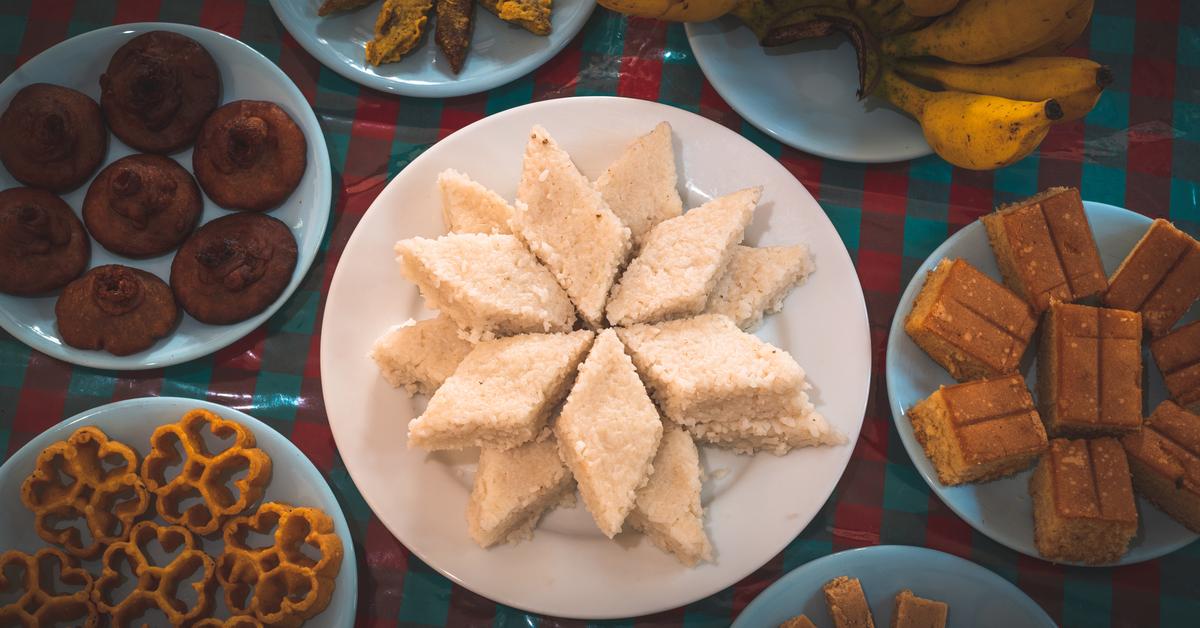
Priya, however, is sticking to just one dish for the New Year celebrations, and not an entire menu or selection of dishes. “Unlike the Thai or Chinese New Years, we don’t have a special menu in Sri Lanka, but we do make special sweets like the oil cake with rice flour and treacle, and kokis, Sri Lankan rose cookies. But since these are skill and technique-oriented preparations, and ingredients are not easy to source, we are sticking to just the kiribhath.”

Traditional Sinhala and Tamil sweets

Traditional Sinhala and Tamil sweets
| Photo Credit:
Nilanka Sampath

Authenticity vs. adaptation

The chefs also highlight that modifying dishes to suit local preferences and/or dietary restrictions in India is key to the menu curation process. “We’ve had to make a few small tweaks along the way,” says Joy, adding, “For instance, while mutton with skin is a favourite among Nepali diners, we don’t prepare it that way here as Indians eat the meat without the skin.” 

Aswin explains how many Burmese dishes incorporate fish sauce and shrimp paste, “which may not appeal to all diners”. At AsianKatha, he offers vegetarian and vegan alternatives that maintain the umami-rich profile while using locally available substitutes. 

Burma Burma imports ingredients such as tea leaf, fermented soybean paste, and dried mustard

Burma Burma imports ingredients such as tea leaf, fermented soybean paste, and dried mustard
| Photo Credit:
Achyut Sood

To retain originality, the team at Burma Burma imports ingredients such as tea leaf, fermented soybean paste, and dried mustard. Having said that, Ankit believes tastes and cuisines evolve over a period. “What we ate in India a decade ago is very different from what and how we eat today. A similar change is happening across the world including in Burma, and we try to keep up with the changing foodscape,” says Ankit, who notes Burma now has several standalone restaurants wherein dishes like broad bean edamame hummus, shiitake fingers, and stuffed savoury puffs are lining menus. 

Traditional Thai cuisine incorporates many ingredients that are unfamiliar to Indian palates, such as kapi (fermented shrimp paste) and nam pla (fish sauce). They have been adapted to suit vegetarian preferences by using alternatives such as in-house chilli paste,” says Abhishek, who also has plant-based adaptations of key Thai sauces.

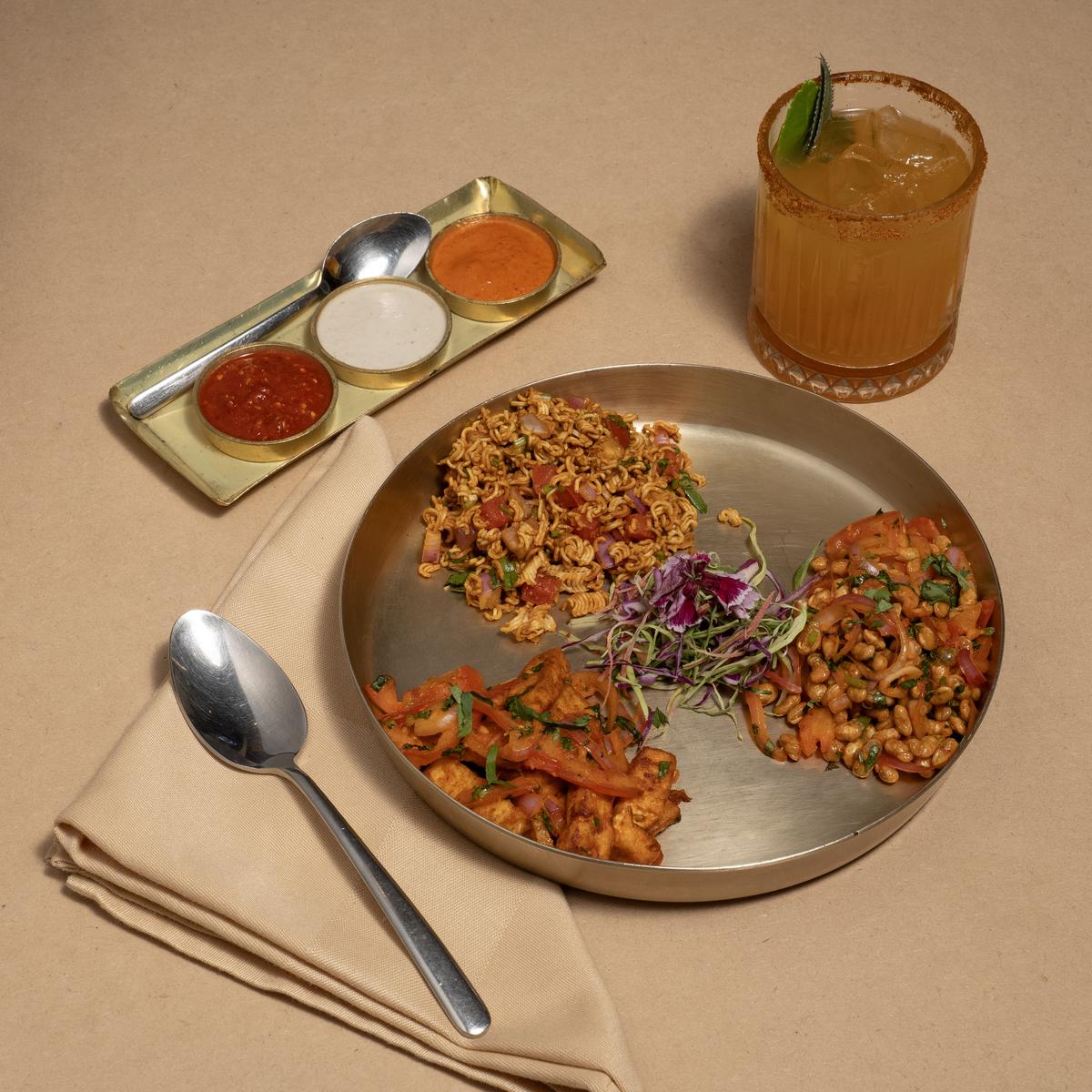
Pahadi munchies platter at Yeti – The Himalayan Kitchen

Pahadi munchies platter at Yeti – The Himalayan Kitchen
| Photo Credit:
Special Arrangement

At Utse, Dechen starts the process by keeping the core flavours and ingredients intact. “If a dish calls for a certain type of meat or ingredient that’s hard to find or maybe not as widely accepted here, I’ll swap it out for a similar flavour profile,” she explains. The timur (Nepalese pepper), for instance, Dechen says, “doesn’t adapt well with the Indian palette” so she has replaced it with whole black pepper. “Fermented soybean in soups has an acquired smell, and we use oyster sauce instead. Yak meat is common in Nepal, but it’s heaty and works in the high altitude region but isn’t suited for the Indian climate. Also, our Tibetan tea uses Amul butter and not yak butter, and it tastes somewhat similar to the original.”

Dishes at Asian Katha

Dishes at Asian Katha
| Photo Credit:
Special Arrangement

Aswin further adds that the cuisine aside, storytelling is at the heart of the restaurant’s vision. “We wanted to create more than just a dining experience, and such festivals offer the perfect opportunity to bring people closer to the essence of a culture,” he concludes.


Source link

Art of rest: Holidays for the sleep deprived


On-call hypnotherapists. AI-assisted beds. Smart goggles that use heat, massage and vibration to lower the heart rate. Bedtime tea blends. Electro magnetic and infrared therapy. Sequestered guest rooms — with one in London even housed inside a three-storey stainless steel sculpture, to promote meditative stillness. These are just some of the things travellers are signing up for on holiday. All for one simple reason: to sleep.

There’s been a big shift from the earlier standard of a vacation, where catching Zzzs was the most boring thing you could possibly do. Now, sleep tourism is the year’s hottest travel trend. It’s no surprise — India (and the world) is tired. According to a 2025 survey by LocalCircles, a citizen engagement platform, ahead of World Sleep Day (March 14), nearly 60% of Indians sleep for less than six hours daily. For many, even those precious few hours are not uninterrupted. This is cause for concern when studies link poor sleep to mental health issues, including depression and anxiety. It could explain why ‘napcations’ are getting popular as a concept and why holiday programmes are being designed to improve health and well-being through curated sleep experiences.

Pegged at over USD $800 billion, according to a 2022 report by Grand View Research, the global sleep tourism market is poised to punch through the USD $1 trillion ceiling in the next three years. Meanwhile, in India, the Skyscanner Travel Trends 2025 report on the rise of wellness tourism — of which sleep tourism is a major vertical — has revealed that prioritising health during vacationing is being sought by 57% of Indian travellers. And 20% plan their vacations entirely around sleep.

‘Why am I so tired all the time?’

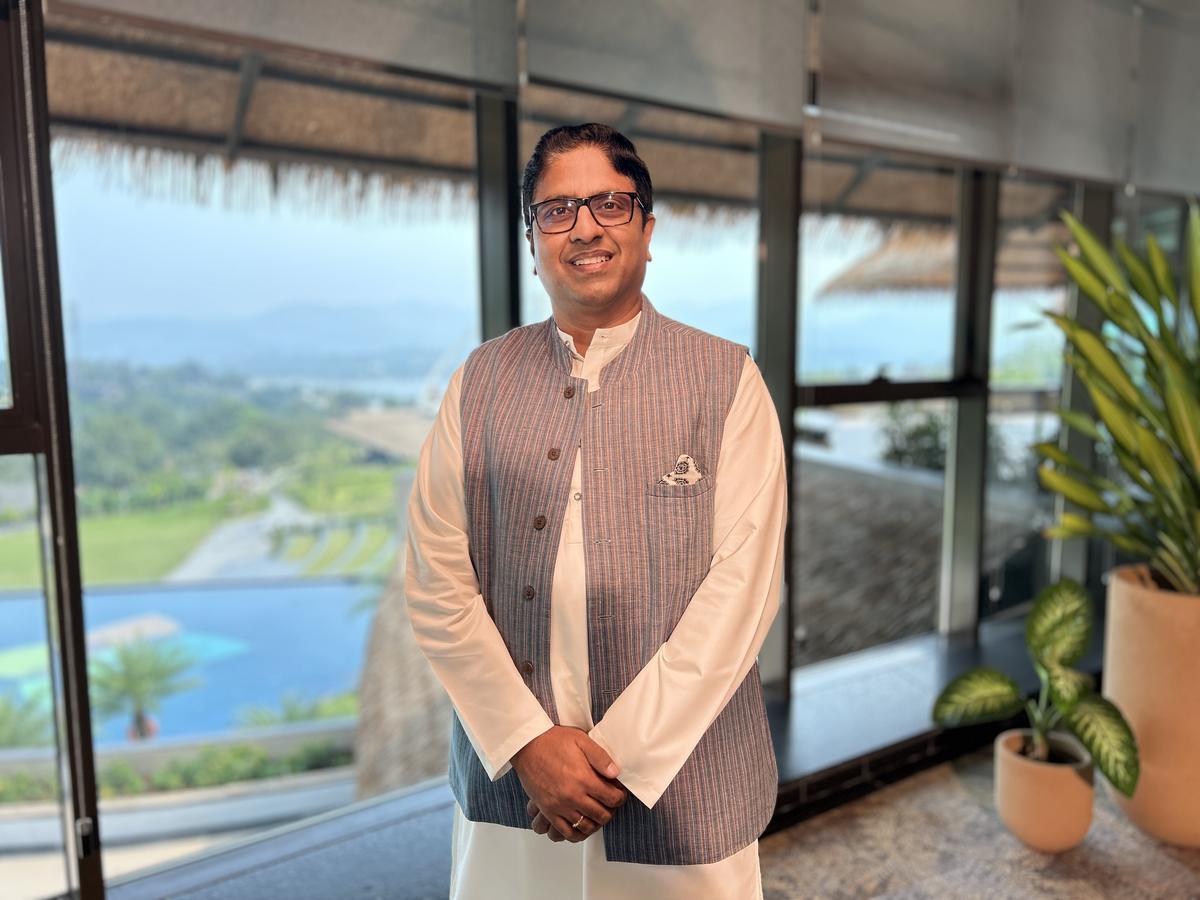
“The growth of sleep tourism can be attributed to rising stress levels and a growing recognition of sleep’s crucial role in maintaining health. Individuals are now actively looking for ways to prioritise rest,” says Rajesh Srinivas, general manager at Swastik Luxury Wellbeing Sanctuary. Opened last November, this wellness retreat in Khadakwasla on the outskirts of Pune has made sleep tourism one of its major calling cards with a programme called ‘The art of restorative sleep’.

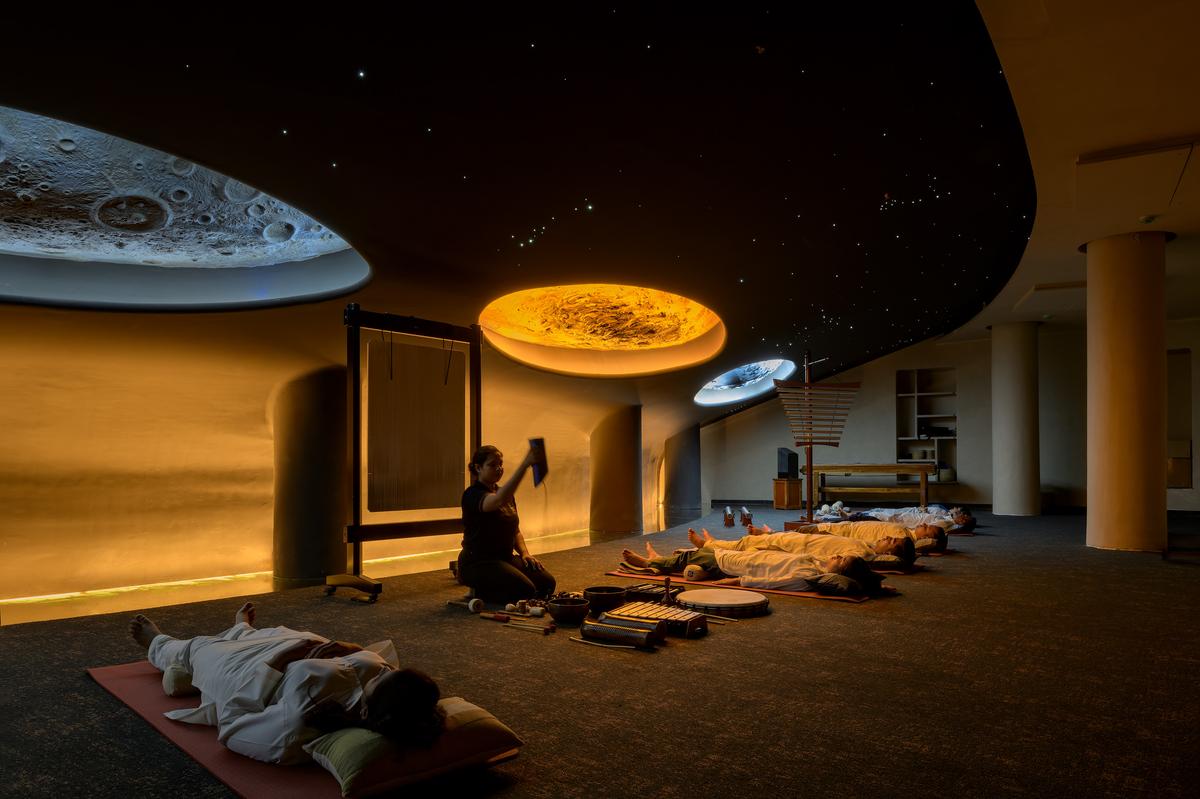
“Designed to help individuals combat sleep disorders, it includes personalised sleep assessments, mind-body practices like yoga nidra and meditation, customised dietary plans [with L-tryptophan-rich foods that boost serotonin production, such as legumes], alongside modern therapies, including sound baths,” says Srinivas, who ensures guests leave adequately equipped to maintain this sleep hygiene back at home. “We suggest ways for them to set up a sleep-conducive environment, be it via lighting, audio-visual aids and even recipes for pre-sleep elixirs like kaadhas.”

Rajesh Srinivas

Rajesh Srinivas

Sayali Sancheti, 37, has been battling insomnia for a while. The Pune resident recently underwent the five-day sleep therapy programme at Swastik. One that she says has made a difference. “I had read a lot about the body’s circadian rhythm, and thought of addressing it for a more long-term solution for my insomnia,” she says. “The mind-sound resonance technique, aerial yoga, and diet have all worked in my favour.”

Back home, the branding specialist has incorporated a lot of what she learnt on holiday, such as going to sleep while focusing on her breathing. “While the information is available online, seeing it doled out in a practical, problem-solving way made all the difference,” she says, adding that she does miss Swastik’s unique ‘tuck-in’ routine — where an attendant administered a mini foot massage and anointed her temples and forehead with sleep-inducing lavender oil.

Swastik Luxury Wellbeing Sanctuary

Swastik Luxury Wellbeing Sanctuary
| Photo Credit:
Hemant Patil

Another Pune resident, Natasha Sharma, 45, doesn’t have a problem getting sleep but is still considering a sleep holiday. The writer and novelist finds it tough to get back to sleep if interrupted during the night. “Ever since becoming a mum, I’ve noticed that I’m quick to snap out of a deep sleep with the slightest of disturbances. It could be my daughter’s voice or even a whimper from my dog,” says Sharma. “I feel that an itinerary-bereft, pure sleep vacation, where I’m on my own and equipped with the techniques to fall back into a deep sleep is something I desperately need. [I’ll pick a place depending on] the bundled-up activities related to sleep on offer, and what they have when one is not sleeping. A nice pool, perhaps!”

Natasha Sharma

Natasha Sharma

The situationship of conscious uncoupling

Unsurprisingly, sleep, or in this case, the lack thereof, is having a major impact on interpersonal relationships. Although they have been married for seven years, the proverbial ‘itch’ for Mumbai couple Mina and Louis Noronha (names changed on request) had begun to fester just a few months into living together. Unable to bear her husband’s snoring, which has since been diagnosed as clinical sleep apnea, brought on by his borderline obesity, Mina has made a spare bedroom her refuge. A “sleep sanctuary”, as the 34-year-old management consultant calls it.

Louis, a 37-year-old fintech specialist, is trying to get a handle on his problem through intensive sleep therapy sessions that include light therapy to regulate his circadian rhythm, and cognitive behavioural therapy for insomnia. He says this, coupled with medication (according to IKEA’s Sleep Report 2025, 37% of Indians use sleep medication — the highest in the world) and personalised sleep vacations, is helping him cope.

Sleep therapy sessions (representative photo)

Sleep therapy sessions (representative photo)
| Photo Credit:
Courtesy SAANS

So far, he’s been on four sleep vacations; his first at a wellness retreat in Austria in 2019 and three in India. With a less intense approach in comparison to his sleep therapy sessions, these napcations have helped him learn to maintain a consistent sleep schedule and establish a relaxing bedtime routine, such as listening to soothing sounds on his sound machine.

There is now a term for this rather unconventional but effective conjugal compromise. A sleep divorce. Where couples or partners sleep in different rooms or in different beds, or go on sleep-oriented vacations separately. (A 2025 Global Sleep Survey by ResMed, a medical equipment company, found 78% of couples in India have adopted the practice at some time.)

Minnu Bhonsle, a consulting psychotherapist at Mumbai’s Heart to Heart Counselling Centre, however is optimistic of its efficacy — despite any social stigma it might attract. “If the overall health of the relationship is good, then there is nothing wrong with sleeping in separate rooms or seeking out a tailor-made sleep vacation independent of a partner,” she says. “I very often recommend this seemingly simple solution to an otherwise impossible situation that can be detrimental to a marriage or romantic partnership.”

But it’s not always just lack of sleep that’s pushing married people to consider a sleep vacation. For Chennai-based HR professional Averyl D’sa-Saldanha, 46, it is work stress. “I’d really like to explore the possibility of spending a few days in a stress-free environment where the focus is on me and what my body and mind is craving. Rest!” she says. D’sa-Saldanh is thinking of nearby places in South India such as Coorg for her debut solo tryst with a napcation.

Averyl D’sa-Saldanha

Averyl D’sa-Saldanha

“Sleep is both qualitative and quantitative. Inculcating good sleeping habits that we now term as sleep hygiene is very crucial. “This entails blocking out blue light from one’s phones which doesn’t allow melatonin [a sleep hormone produced by the pineal gland in response to darkness] to release, taking a warm bath before bedtime, aromatherapy with sleep-inducing lavender oil, and breathing exercises.”Dr. Partha Pratim BoseSenior consultant pulmonologist and founder of the SAANS Foundation for Sleep

Staycations turn snoozecations

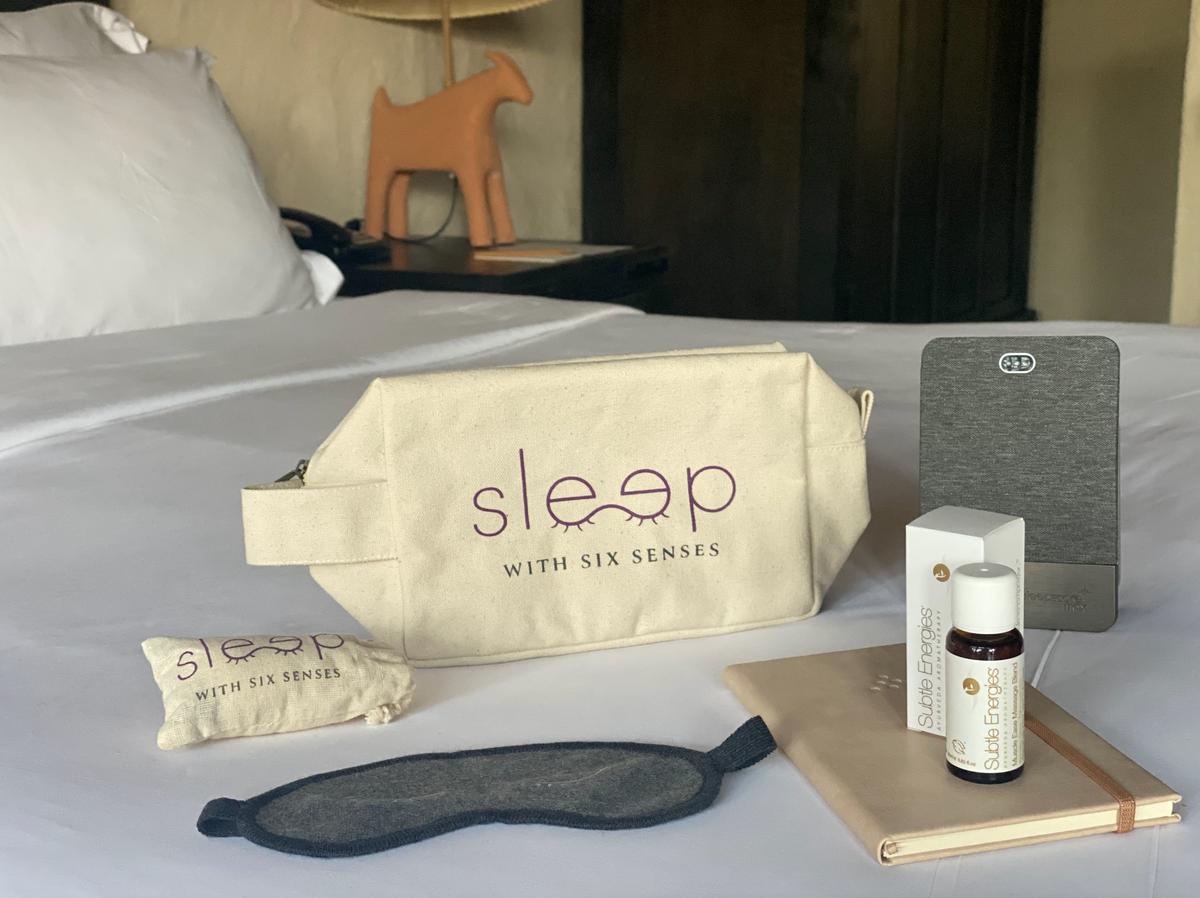
Taking a slightly different approach, and promoting sleep as a shared “we” activity are a number of properties across the country. Ever since it opened its gates in India in 2021, the Six Senses Fort Barwara resort in Rajasthan has been aligning with the brand’s decade-old ‘Sleep with Six Senses’ global programme. The comprehensive package (for stays of three, five or seven nights) encompasses everything from personalised sleep assessments and yoga therapies to a nifty sleep kit with essential oils and sleep balms. “We offer personalised tips based on sleep data to help guests improve sleep quality,” says Mark Sands, vice president of wellness, Six Senses Hotels Resorts Spas. “We also offer sleep-enhancing touches, including sound healing, and magnesium-rich foods, and teas [potassium and magnesium rich dried banana peel tea is a favourite recipe].”

Mark Sands

Mark Sands
| Photo Credit:
Chumpol Chaikanarakkul

Of course, as The New York Times stated recently, sleep tourism can be called an old dog with new tricks. Before the trend got a name, hotels were offering pillow menus, blackout curtains, and white noise machines for staycationers. Today, they are upping the game with tech such as Therabody SmartGoggles (which uses heat and vibration to lower heart rate), sensory deprivation tanks, and Brain Gauge Pro (a program that tests cognitive performance and monitors brain conditions to offer customised sleep solutions).

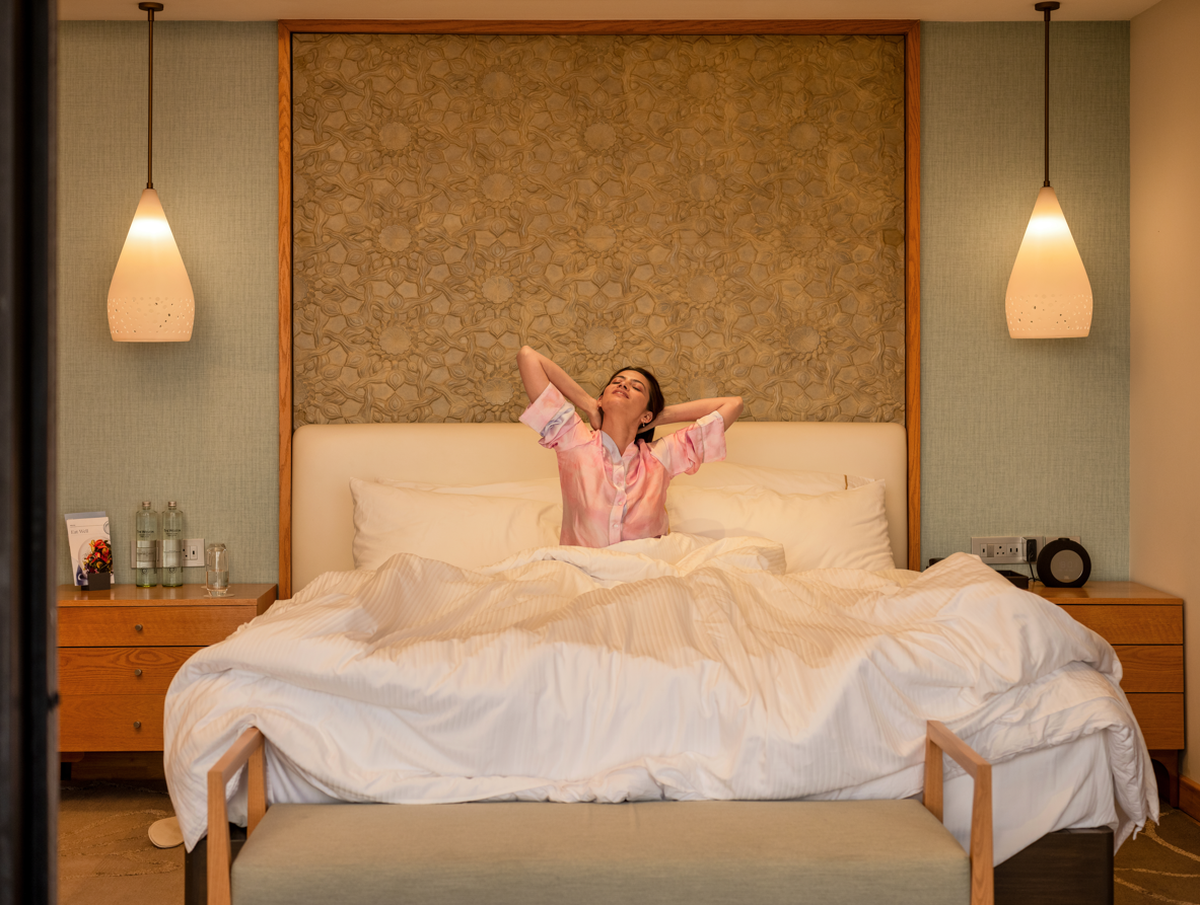
The Westin Hotels and Resorts, one of the first hotel chains to introduce a sleep programme in India, for instance has its Heavenly Bed. Launched in 1999 with temperature regulating gel-infused memory foam, since upgraded with an A.I.-assisted, smartphone-pairable mattress with an active pressure-relief system that adjusts as you move to optimise deep sleep, it has a loyal following. Building on it, last month, the hospitality brand held ‘The 90-Hour Rest Week’ contest — a nationwide search for the person most deserving of rest — offering them a three-night wellness retreat at a Westin hotel in India.

The Westin’s Heavenly Bed

The Westin’s Heavenly Bed

Ayurveda is also at the forefront of many sleep programmes. Think Ananda in the Himalayas in Uttarakhand, Blue Hill Lotus Holistic Wellness Village in Tamil Nadu, and Atmantan Wellness Retreat in Maharashtra, which prioritise yoga, pranayama and meditation.

Zzzs at a premium

Napcations can come at a hefty price. ‘Sleep with Six Senses’ programme will set the sleepless back by ₹1,22,750 per couple (excluding the actual stay and meals), while Swastik’s ‘The art of restorative sleep’ comes at a whopping ₹3,99,000 for a week’s stay, inclusive of everything.

A hit or a miss?

Kumaar Bagrodia is a neuroscientist and founder of NeuroLeap. The eight-year-old Mumbai-based company offers advanced neurotechnology-based brain assessment and improvement. Post COVID-19, Bagrodia says he’s seen an increase in issues such as anxiety and brain fog. “[Lack of] sleep is one of the most visible symptoms. In fact, in India, there’s been a rise in [the use of] prescription drugs for these issues.”

So, are travel companies on the right path with sleep tourism? Can napcations be effective in the long run? “I believe sleep is one of the many facets of why people go to such places.” Bagrodia believes it is naive to assume that somebody will spend lakhs of rupees to go somewhere just to sleep. “I think it is all the factors that lead up to it [sleep]: the environment, the experience, your routine, the food, and the amount of meditation, yoga or physical therapies that you will have access to, among other aids [at such sleep programmes].”

The Mumbai-based writer is passionate about food, travel and luxury, not necessarily in that order.


Source link

With a new home collection inspired by turmeric, Hyderabad-based fashion designer Gaurang Shah makes a case for all things handwoven and handcrafted


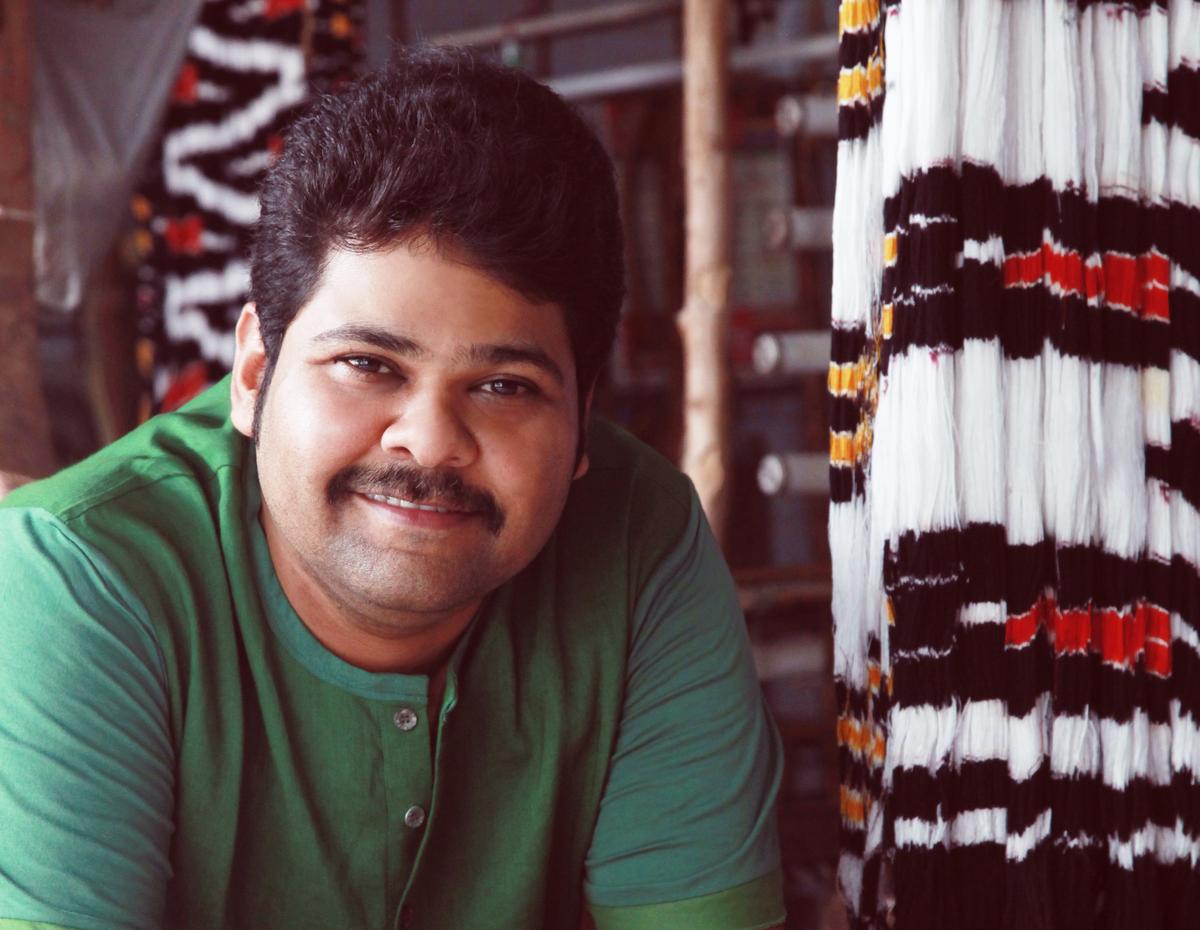
Hyderabad-based fashion designer Gaurang Shah is known for his exquisite saris and embroidery techniques. This mastery over fabric has been visible in his home line too, introduced last year, where craft techniques such as shibori dyeing, batik patterns, Kalamkari hand-painting and block printing are showcased.

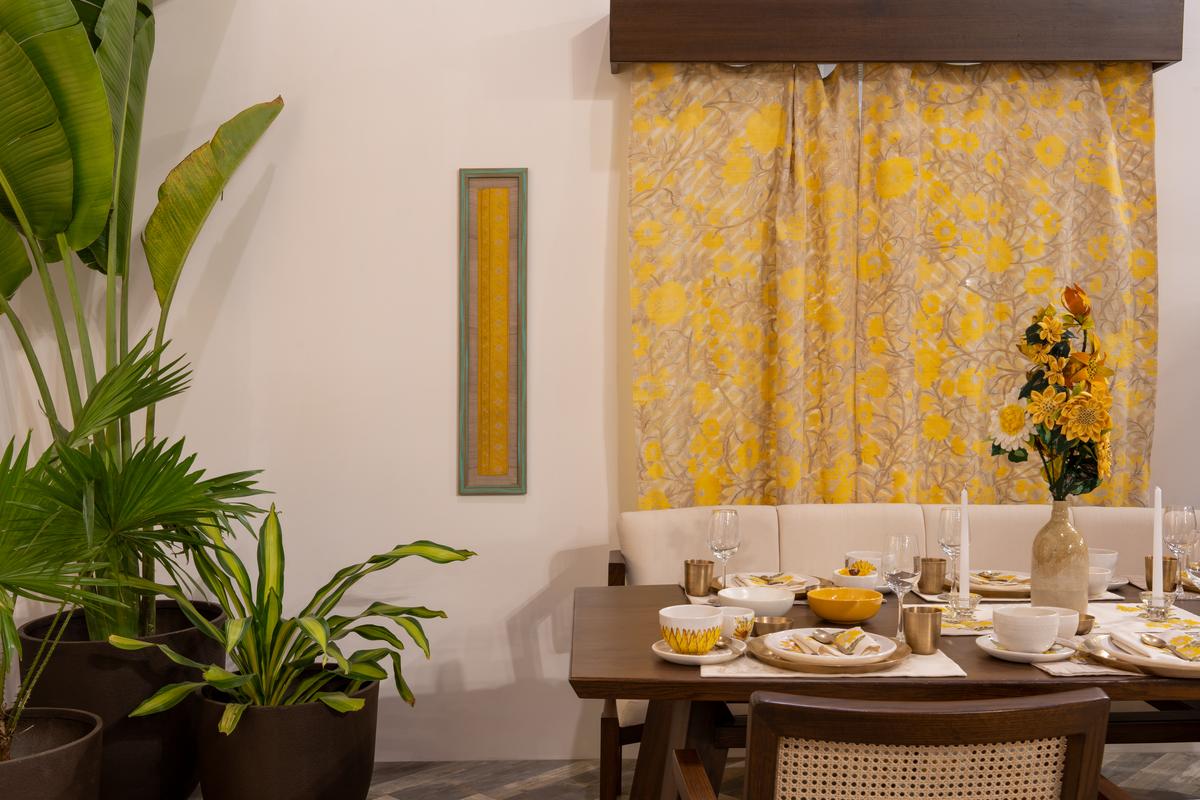
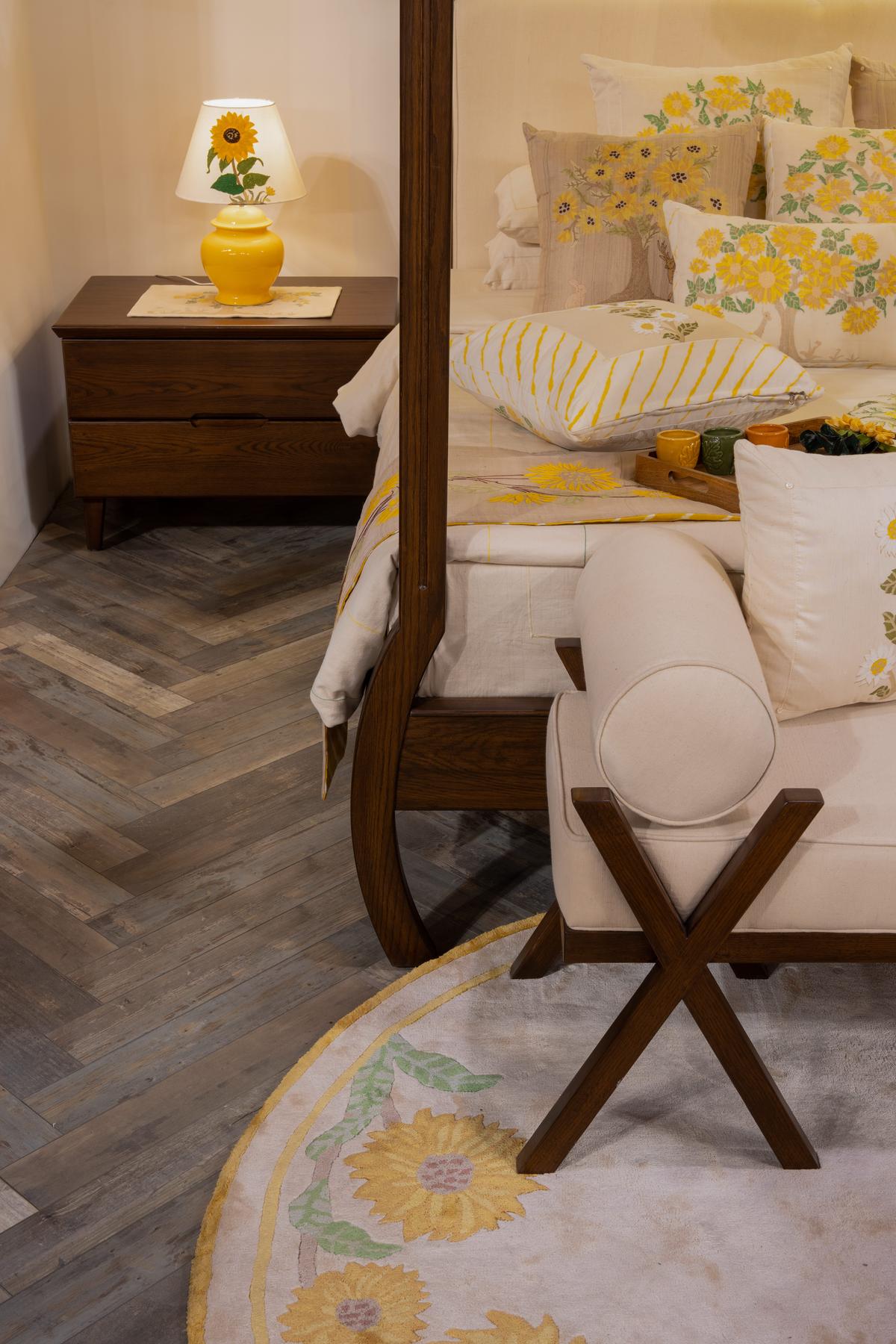
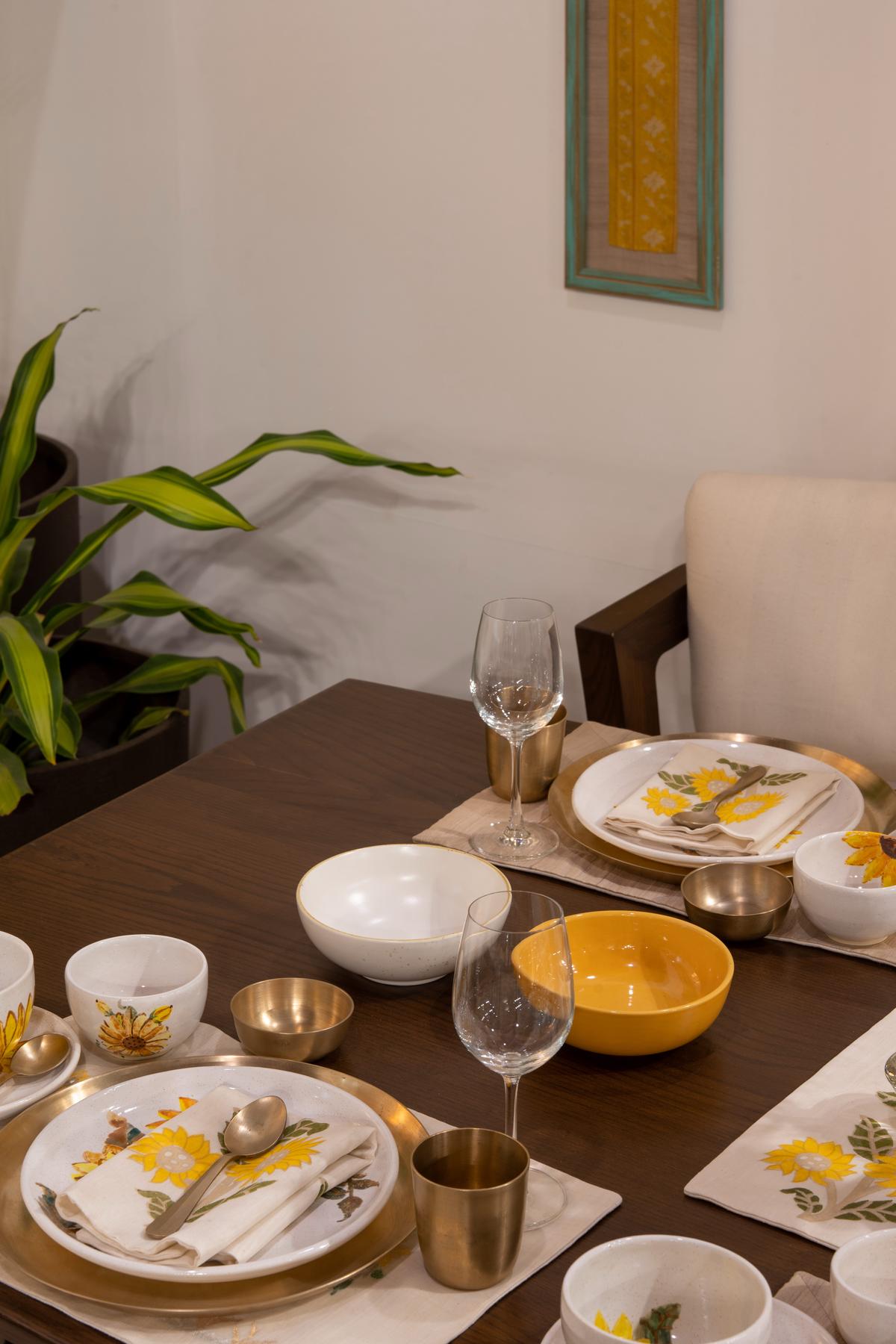
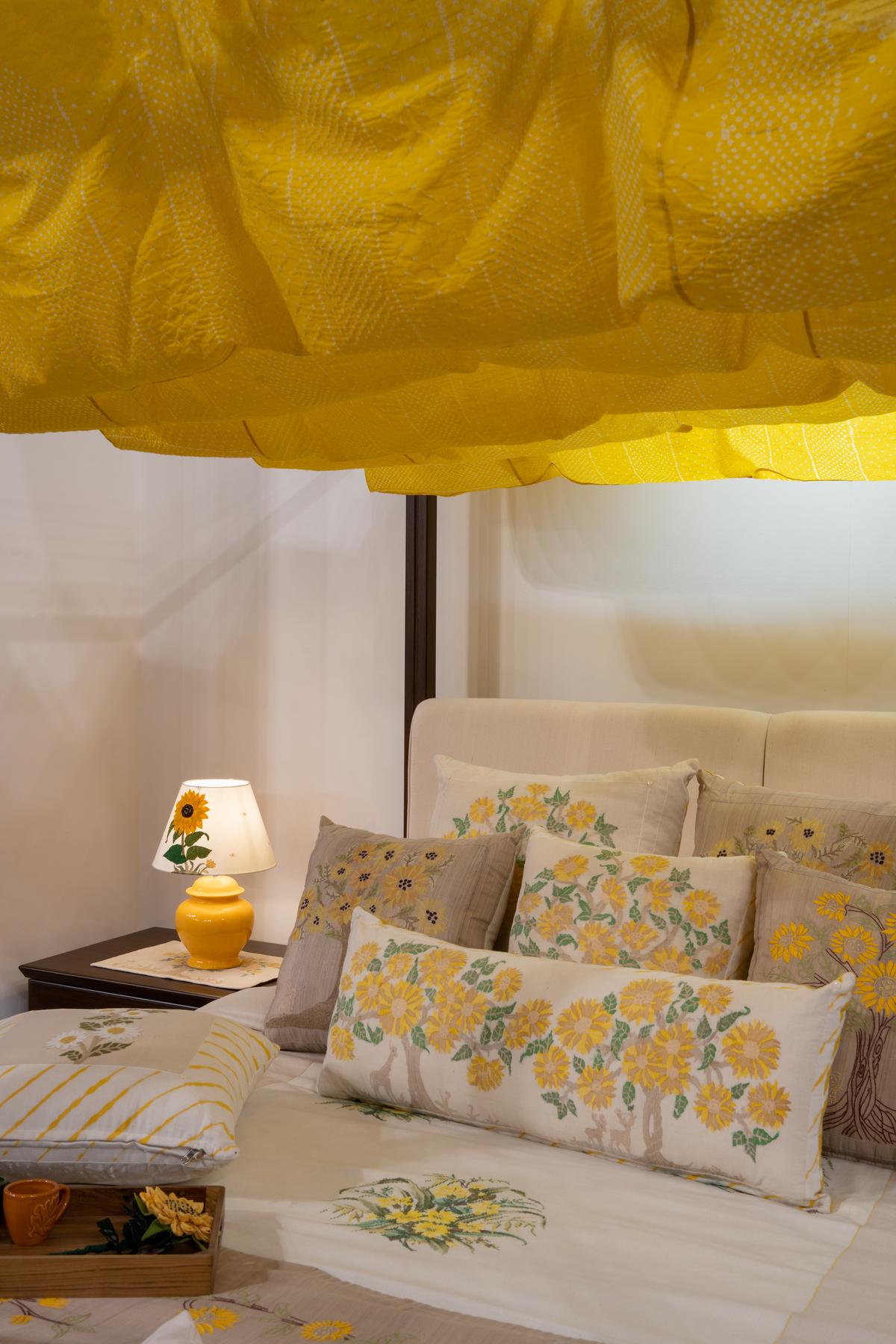
His latest Spring-Summer collection of home furnishings, furniture and crockery has been named Haldi, which is apt as India is the largest producer, consumer and exporter of the spice, turmeric. In warm yellow hues, the collection pays homage to the country’s rich textile and craft heritage. You will find Jamdani weaving alongside embroidery styles such as chikankarikantha and sujini, and the dyeing methods shibori and batik. Nature-inspired floral and geometric patterns adorn handwoven khadi and tussar fabrics, creating refinement across bed and table linen, carpets, lamp shades, and textile art. The collection goes beyond textiles to include solid oak furniture, Kansa metal serveware and ceramic dinnerware. We asked the textile and fashion designer to share his highlights:

Gaurang Shah

Gaurang Shah
| Photo Credit:
Courtesy: Gaurang Shah

Why was the golden spice taken as the focal point?

When we created Haldi, we were not just thinking about a colour or a spice, we wanted to delve into nostalgia. Turmeric has always been more than an ingredient in our homes; it has been a witness to our fun-filled celebrations, rituals and a guardian of our health. And these are the moments we wanted to capture. Yellow, with its radiant hues, reflects joy, warmth and energy. Just as spring awakens nature with vitality, the Haldi collection infuses modern homes with a renewed sense of tradition and artistry.

You find beauty in imperfection.

Apart from using traditional handcrafted techniques, there are subtle irregularities in the weaves and natural variations in ceramics which serve as reminders of the human touch behind each piece. True beauty emerges from these small imperfections rather than machine-made perfection.

Tell us about your furniture and serveware, crafted from traditional materials.

The Kansa serveware made from a traditional alloy of tin and copper is not just beautiful but believed to offer health benefits with each use. These pieces are crafted by skilled artisans using techniques passed down through generations. The oak wood collection brings comfort to any space with its natural grain and honey tones. The four-poster bed reimagines a classic silhouette with a modern twist — draped with handwoven Jamdani fabric that adds softness to its architectural frame. Thoughtfully incorporated cane elements create a delightful contrast.

What makes a house a home?

A house becomes a home when it holds the stories of the people who inhabit it. While modern comforts are important, our personal spaces should also reflect our roots — whether through handwoven textiles, handcrafted furniture or heirlooms passed down through the generations. It is the little things — the charm of a hand-carved furniture piece, the warmth of a block-printed quilt or the intricacy of a cane weave — that makes a place truly feel like home. This is exactly what Haldi aims to bring — craftsmanship and heritage woven into the fabric of everyday modern living.

(Picture courtesy: Gaurang Home)

The Bengaluru-based freelance writer is passionate about all things design, travel, food, art and culture.


Source link

IKEA’s 96-piece line Stockholm celebrates ‘forever furniture’ with high quality Swedish pine and woodland inspiration


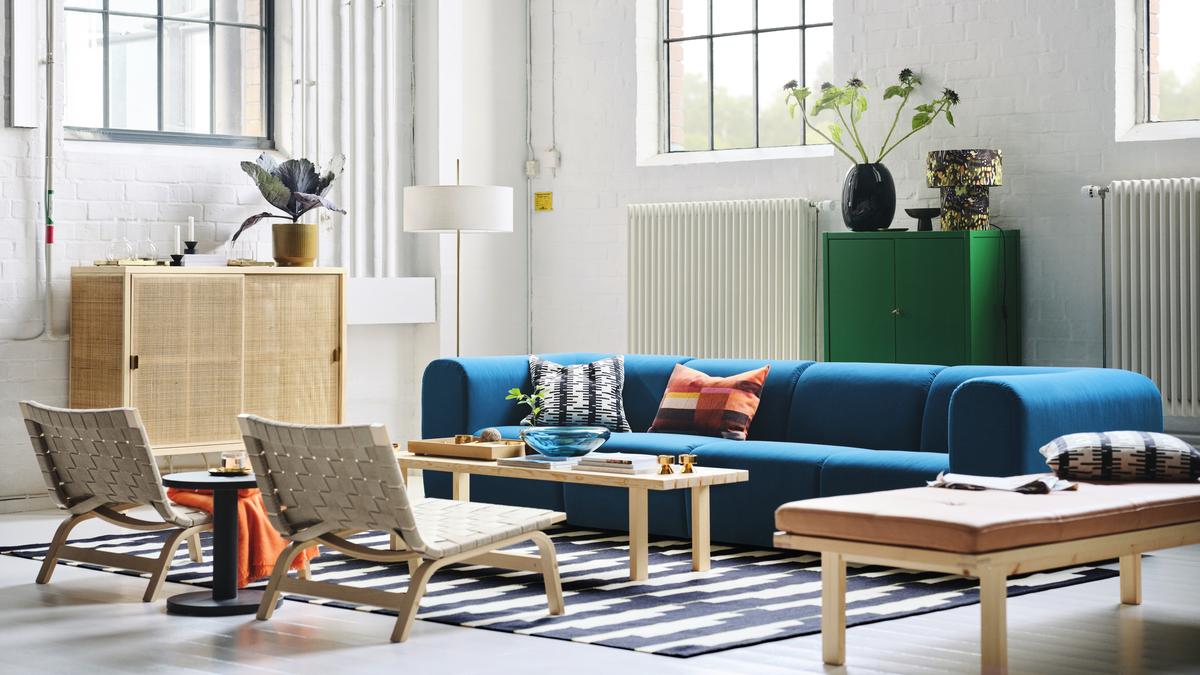
Alhamn Sofa, priced at ₹1,09,890. Available in dark turquoise, dark brown and beige.

Alhamn Sofa, priced at ₹1,09,890. Available in dark turquoise, dark brown and beige.
| Photo Credit: Special arrangement

In a country of long, dark winters, ‘mys’ — Swedish for cosiness — has its fans and is another growing global trend after the Danish ‘hygge’. It also resonates with Swedish giant IKEA’s heart-warming furniture that stands for comfort, good design and affordability — in all, a phenomenon in a flatpack. This concept of ‘flat’ works well in a world that’s getting flatter, according to Karin Gustavsson, creative leader of IKEA’s Stockholm collection, which celebrates its 40th anniversary. “We found that families were becoming very similar everywhere,” she says on a media webcast to explain why it works for contemporary lifestyles. Big houses are not affordable, fine dining rooms are outmoded and children do not stay in for dinner, notes Gustavsson, adding, “Someone has alcohol-free drinks, some have soda, some have wine.” Flexibility was key. Her design team of Ola Wihlborg, Nike Karlsson and Paulin Machado worked in close collaboration. Their findings nudged their designs towards an informal dining table, wine glasses of a universal size, plates designed for sharing portions and sectional sofas that could be moved in a small elevator and assembled.

Need to know

IKEA’s Stockholm first launched in 1985 based on democratic design principles of making classic furniture affordable. In Stockholm 2025, IKEA has avoided any pigment in the stains, which allows the woods to age naturally.

“It’s not easy to design furniture as a flatpack,” says Gustavsson, something IKEA designers have mastered. The entire design process (from conception to production), which normally takes three years, was scrunched in 2.5 for Stockholm. After the initial design phase, testing and meeting guidelines takes a long time. “Everything goes into climate chambers. The third phase is to build stock and ship it globally.”

Urban meets nature

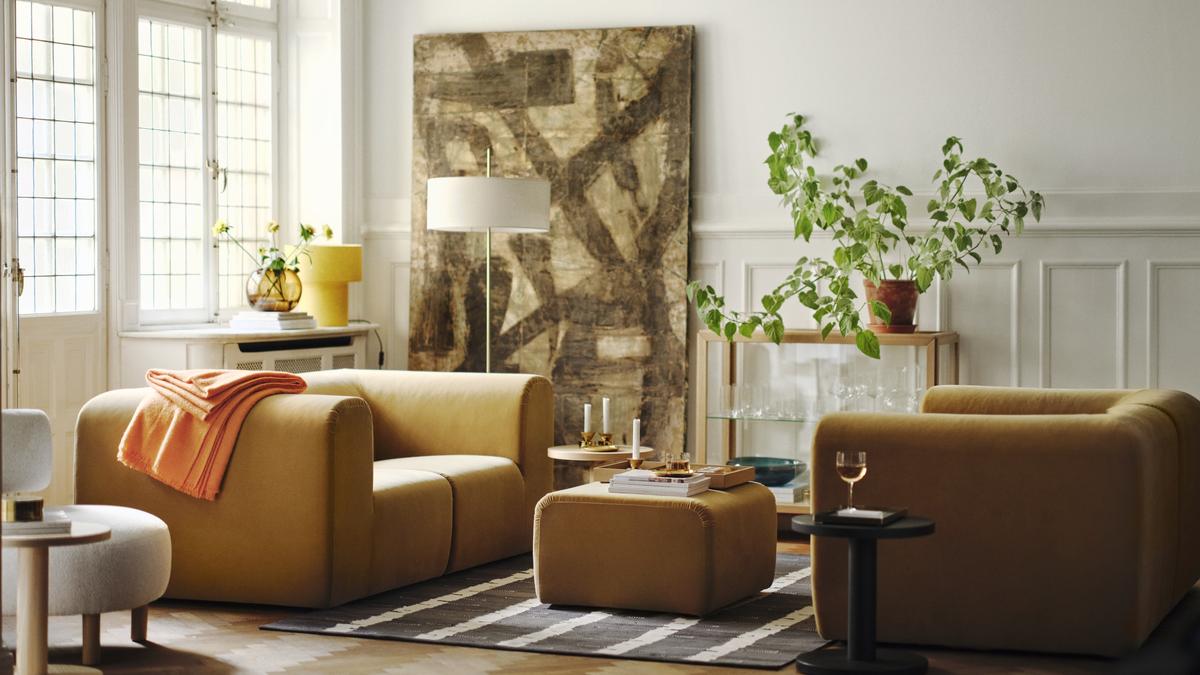
Launched at Milan Design Week on April 7, the new collection features 96 pieces for living and dining and as accessories. The team’s stand-out vision for 2025 was to create solitary pieces that let buyers curate their homes by mixing and matching. The Scandinavian love for a warm woodsy ambience is evident in the prominent use of pinewood and veneer. The designers set out to make statement pieces with a push for renewable and recyclable materials. With the Sundhamn sofa, designers Wihlborg and Karlsson aimed to substitute foam with coir. The result is a sofa with a 25-year guarantee, a combination of cotton weave, natural latex and coconut fibre in a visible frame of high-quality Swedish pine. Sofa covers are washable, as well as replaceable.

Designers’ favourite stops

The National Museum (founded 1792) documents the heritage and also the history of fine arts and design of Sweden

The Royal Palace of Stockholm, the King’s official residence

Tyresta National Park is 40 minutes from the city centre of Stockholm

3.5 hours by train from Stockhom is Älmhult, where founder Ingvar Kamprad built the first store. An IKEA museum there celebrates their history

“Stockholm is a city built on islands,” says Karlsson, referring to the 14 islands and 50 bridges across the Baltic Sea archipelago that make up the city. Here architecture amidst waterways and forests is a testament to how urban and nature are closely intertwined. “Our collection is also very much about that — a blend.”

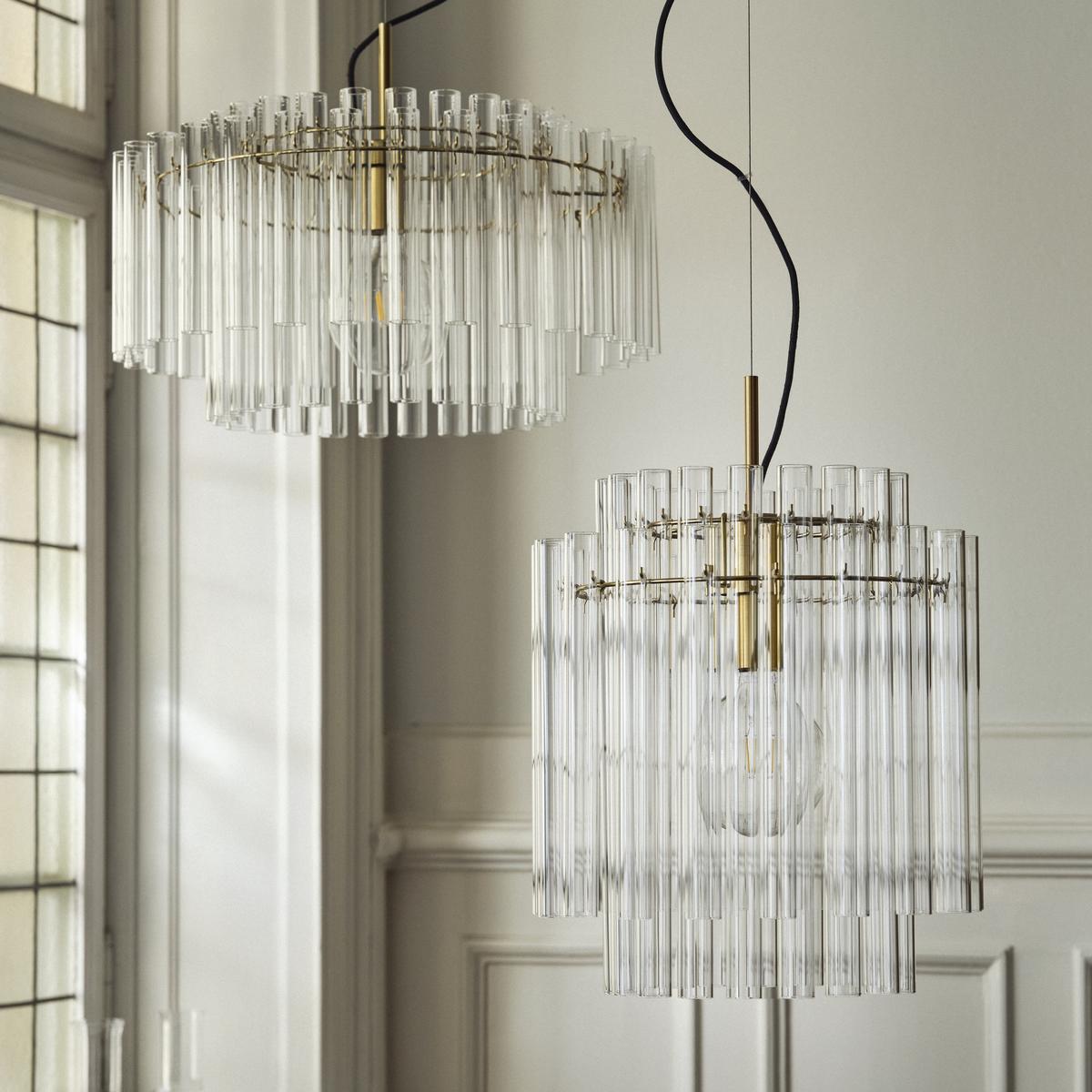
Pendant lamps - 54 cm (21”)
Priced at ₹14,990.

Pendant lamps – 54 cm (21”)
Priced at ₹14,990.
| Photo Credit:
Special arrangement

Meanwhile, Wihlborg recommends a boat ride through the archipelago. “You will see the water, the woods and the city!” he says. The bridging of Stockholm’s old city and new is a metaphor for how older traditions meet contemporariness in this nature-themed collection: a lamp with tree patterns emblazoned on the shade and a rattan cabinet involving Indonesian weavers. In addition to beiges and browns, bold colours like blue for the sofa have been introduced. A striking blue glass bowl by Machado is a tribute to the mouthblown glass tradition of Sweden.

Alhamn sofa, priced at ₹79,990.

Alhamn sofa, priced at ₹79,990.
| Photo Credit:
Special arrangement

For the team, sustainability is about quality and long-lasting products. In the Alhamn sofa, their aim was to design it to hold its shape and comfort, even after extended use. “The goal is not to see the fittings,” says Wihlborg about their seamless designs with reduced joinery, clean lines and minimal materials. Concealed fittings inserted at an angle allow for wider shelves without braces, giving a clean sophisticated appearance. A patented wedge dowel lets a chair’s parts click together, without tools or metal fittings.

India story

Textile designer Paulin Machado has lived and worked in India, collaborating with Indian weavers to make handwoven rugs.

Complete ‘family’ range

Jasmeet Sood, IKEA India’s Country Home Furnishing & Retail Design Manager, talks about selling solutions, based on insights into real time needs and dreams via IKEA’s yearly survey, “Life at home”. Sood discovered Indians like to furnish homes with a family range, rather than mix and match. Traditionally, IKEA furniture tends to be white, while Indians prefer vibrant colours. Here too, post-pandemic, people are looking for multifunctional furniture — a dining table where we can also socialise, perfect for small spaces.

Stockholm dining chair and table

Stockholm dining chair and table
| Photo Credit:
Special arrangement

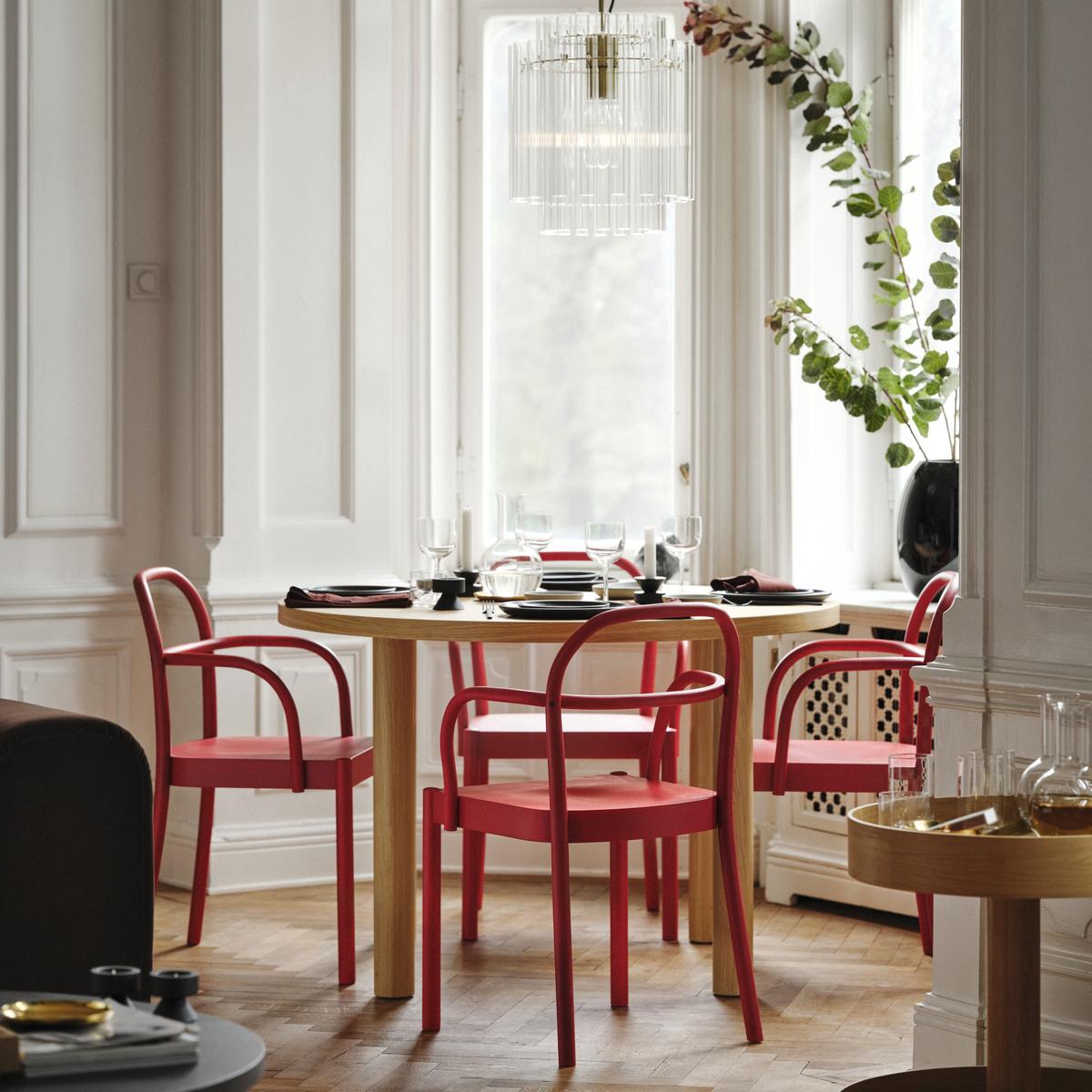
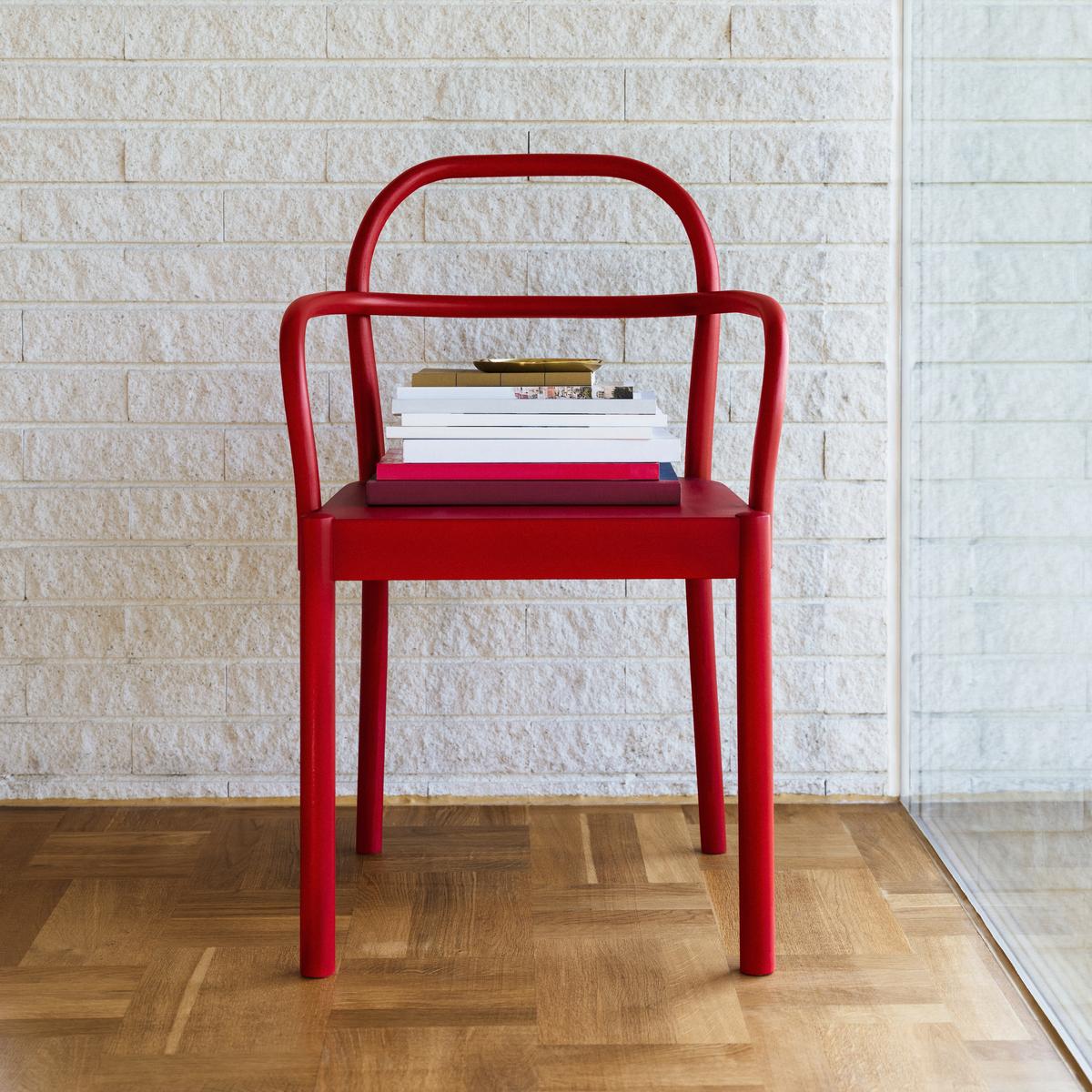
Stockholm dining chair with a solid beech backrest expertly bent by steam.
Priced at ₹19,990.

Stockholm dining chair with a solid beech backrest expertly bent by steam.
Priced at ₹19,990.
| Photo Credit:
Special arrangement

Sood is convinced that the blue sofa is a winner, and across oceans, the IKEA design team feels the same. Ultimately, it’s the minimalist Nordic aesthetic that’s the most appealing, Scandinavia’s gift to the historic timeline of design, hovering above excessive ornamentation and luxe, like a breath of fresh air. “Stockholm is a complete Scandinavian design statement,” Gustavsson says.

The writer is a brand strategist with a background in design from SAIC and NID.


Source link