Life & Style

​Simple yoga poses to help people who snore during sleep​


This is your go-to for calming the nervous system and balancing airflow through the nostrils. It’s especially helpful if your snoring is linked to nasal congestion or imbalance in breathing patterns. Clears nasal passages, reduces congestion, and helps you breathe more freely at night.
How to do it:
Sit in an easy cross-legged position.Close your right nostril using your right thumb and breathe in through the left.Block the left nostril with your ring finger and blow out through the right.Breathe in through the right nostril, then switch again.Proceed for 5–10 minutes.

Snoring isn’t just a nuisance—it’s a red flag that your body’s breathing isn’t working as smoothly as it should. And while it might seem like just a nighttime issue, it can affect your energy, focus, and overall health during the day. So roll out that yoga mat, breathe deep, and say goodbye to noisy nights—both for you and anyone sleeping nearby!


Source link

Easy like Sunday morning quiz by Berty Ashley


A molecular biologist from Madurai, our quizmaster enjoys trivia and music, and is working on a rock ballad called ‘Coffee is a Drink, Kaapi is an Emotion’. @bertyashley

Quiz: Easy like Sunday morning – Names in culture!

The library of Alexandria in Egypt is a vast space designed to accommodate 2,000 readers. 

START THE QUIZ

1 / 10 |
Born this day in 1570, Guido Fawkes was an English soldier, who planned to assassinate King James I of England by blowing up the House of Lords. He was captured before he could carry out his plan and his real name entered the English language. What was his name?


Source link

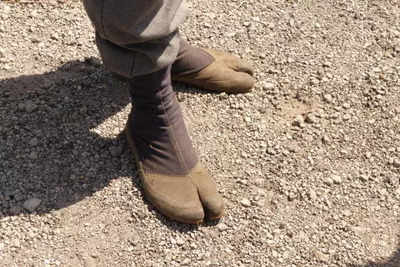
Tabi shoes: The split-toe trend that’s taking over fashion


Tabi shoes: The split-toe trend that’s taking over fashion

Tabi shoes have emerged as one of the most fascinating and divisive footwear trends in recent memory. With their distinct split-toe design, they walk the fine line between high fashion and functional heritage. While some might see them as odd or even controversial, fashion insiders know that tabis carry a rich story that goes far beyond the catwalk.
The origin of tabi shoes dates back to 15th-century Japan, where they began not as shoes, but as socks. Worn with traditional sandals like zori and geta, the split between the big toe and the rest helped maintain grip, balance, and comfort. Made of soft fabric, these socks were essential in Japanese attire, particularly during ceremonial and formal occasions.

istockphoto-482670938-612x612

By the early 20th century, the tabi evolved further with the invention of the jika-tabi, a sturdier version with rubber soles. Introduced in the 1920s, this adaptation was designed for labourers and farmers who needed durability and flexibility. The jika-tabi remains popular in Japan today, especially among construction workers and gardeners who value its practical benefits.
However, it was Martin Margiela, the elusive Belgian designer known for his avant-garde sensibility, who catapulted the tabi into the world of high fashion. In 1988, during his debut runway show, Margiela unveiled his now-iconic hoof-like tabi boots, reimagined in luxurious materials and exaggerated silhouettes. The design was instantly polarising, it shocked audiences with its surreal form, but also laid the foundation for a fashion revolution. What was once traditional Japanese utility footwear was now a fashion-forward statement.
Since then, the tabi has become a cult classic, an insider’s icon in the world of footwear. Loved by fashion purists, collectors, and creatives, it carries a certain mystique: if you know, you know. It’s a symbol of both rebellion and reverence, challenging norms while paying homage to its roots.

images (11)

In recent years, the silhouette has been reinterpreted by major brands across the fashion spectrum. Collaborations with Reebok, Christian Louboutin, and Gentle Monster have brought the split-toe style into sneakers, heels, and even futuristic designs. Whether it’s streetwear or couture, the tabi seems to fit in everywhere.
Interestingly, the trend has made its way to Indian fashion labels as well. Homegrown brands have also embraced the tabi silhouette, blending it with Indian craftsmanship and contemporary aesthetics to offer something unique and wearable.
On the celebrity front, tabi shoes are having a serious moment. At the 2025 GLAAD Media Awards, rapper Doechii stole the spotlight in a pair of Oxford-style tabi heels, proving the look could be as glamorous as it is unconventional. Other high-profile fans include BLACKPINK’s Rosé, Zendaya, and Kylie Jenner, each styling their pairs in bold, head-turning ways.
In a world where fashion often recycles the familiar, the tabi stands out as a refreshingly weird, deeply historical, and boldly modern choice. It’s more than a shoe, it’s a conversation starter, a statement of identity, and a tribute to fashion’s global, ever-evolving nature.


Source link

Harassment or privacy threat? Insurance company asks man to share home pics, Google location to pass insurance claim


Harassment or privacy threat? Insurance company asks man to share home pics, Google location to pass insurance claim

In a world where insurance is a necessity for every salaried individual, the hassle people go through during the insurance claim is mostly overlooked. Because, as Anupam Gupta, who recently was asked to share his Google timeline data, writes, “because I need my claim passed, right?”
Since getting the claim passed seems to be a far-fetched dream, many people ignore the trouble they are made to go through. Because they all need the claim passed.
Author and podcast host, Anupam Gupta took to social media to share his ordeal with getting his insurance claim passed. He writes that two people called him on April 7 and asked him to let them inside to verify his insurance claims. “I was not contacted by my health insurance company at all. These guys just landed up outside my building. But that’s obvious right? If you give advance warning then I will certainly do a scam lol,” writes Gupta.
Gupta shares how he was asked to share documents and Google timeline data to ascertain that he was at the nursing home on that day at that time.
“here’s what they asked from us:
1. All documents for our claims. When we said we already submitted the originals to the health insurance company they said, we want copies.
2. Luckily we had one set. He took photos of all the file.
3. He wants GOOGLE TIMELINE data to prove that we were at the nursing home on that day at that time. We said, we don’t share location to Google and won’t to you.
4. He wants credit card statement to prove we made the payment.
5. They take photos of our home as well.
6. They made us talk to some random person from their agency who enquired about all possible details and much more regarding the claim,” he has shared on social media.
“Finally, they said ‘all health insurance companies do this’ when I asked if this is only for my claim. In fact, he showed me a bunch of declarations on his mobile phone to prove that this is a common practice now,” he writes.
After sharing his experience, Gupta says, “I know that we Indians are great at scams and false claims. I know that health insurance are just ‘playing it safe’ and all this standard procedure that I myself sign on when I take health insurance. But is this how bad things have gotten now? That anyone can claim he represents an insurance company and barge into my house? And if not, then my claim might just get rejected? I am not naming the health insurance company because I am pretty sure this is an industry wide practice.”
Filing a health insurance claim can often feel like a frustrating maze. Despite having coverage, many people face delays, endless paperwork, unclear policies, and repeated requests for documents. Sometimes, even valid claims get rejected due to technicalities or missing information. Long wait times for approvals and lack of transparency from insurers only add to the stress, especially during medical emergencies.
Some companies now even demand personal data like location history, raising privacy concerns. While insurance is meant to offer financial relief, the claim process itself can leave patients and families feeling anxious, helpless, and overwhelmed when they need support the most.


Source link

With Vishu approaching, ‘kanikonna’ from Kerala is exported to several countries


Akhil Bleeko (left) and Behnan K Reji, who run Bleeko Imports and Exports Pvt Ltd

Akhil Bleeko (left) and Behnan K Reji, who run Bleeko Imports and Exports Pvt Ltd
| Photo Credit: waves

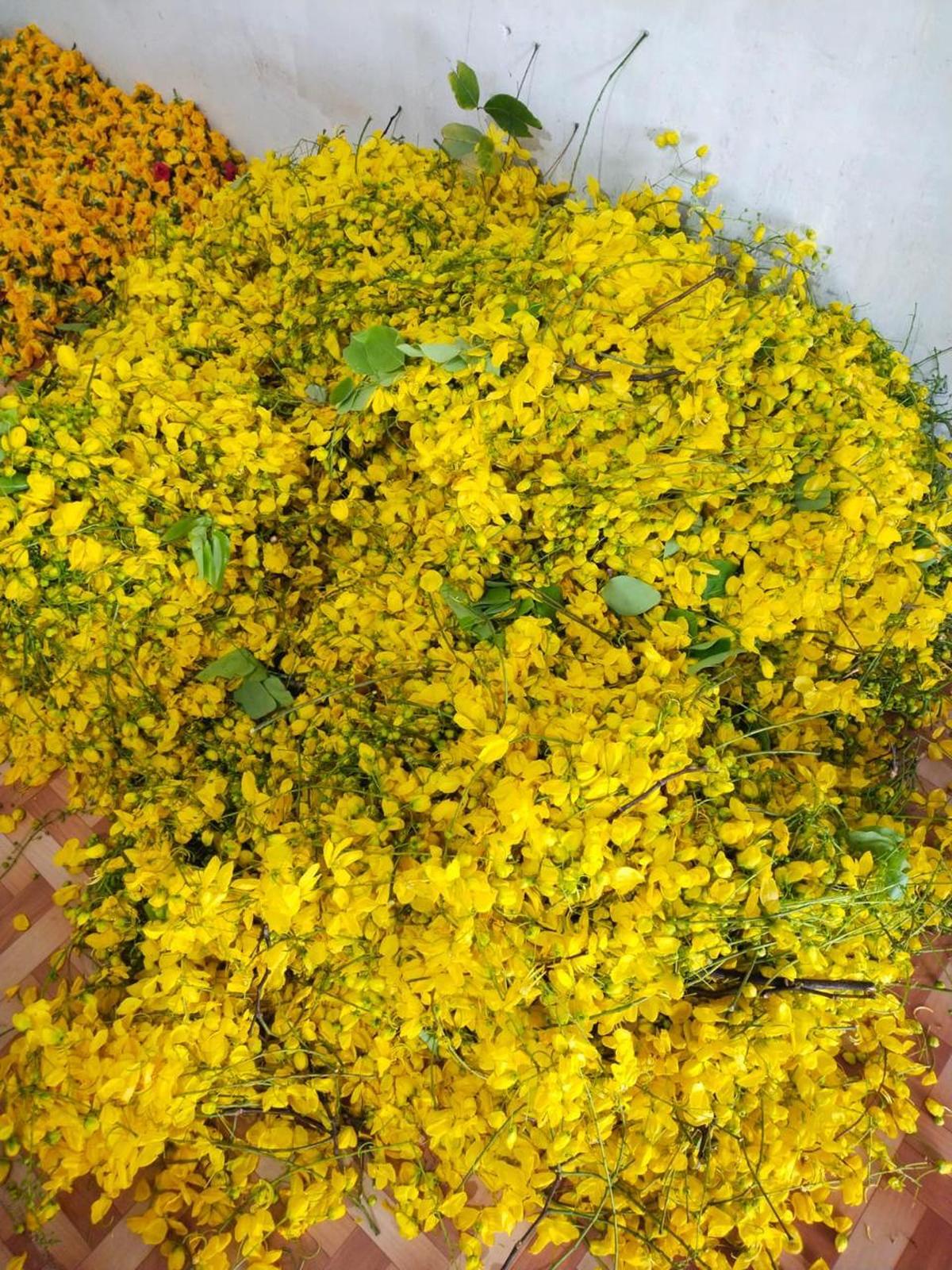
This Vishu, at least a few Malayali families living abroad will wake up to see fresh kanikonna (golden shower or Indian laburnum) flowers instead of the plastic ones. The yellow blooms, integral to Vishukkani — the display of auspicious things that one should see as the first thing on Vishu morning — are being exported to Canada, the UK, Germany and New Zealand by Kochi-based Bleeko Imports and Exports Private Ltd.

During Vishu, the spring harvest festival, Malayali diaspora across the world usually opts for any available yellow flower as a substitute for the kanikonna. Akhil Bleeko, one of the directors of the company, admits that they have cashed in on the nostalgia factor associated with the festival.

While kanikonna export to GCC countries (the Gulf Corporation Council that constitutes six Arab countries) is common, only a few companies send it to other parts of the world. “It takes only a few hours for these flowers to reach the GCC countries by air. The duration of travel is longer for other countries like, for instance, Canada. It is expensive and there is always the risk of these delicate flowers getting damaged. However, we decided to take the risk and exported it to Canada last year. The response was so good that the shops placed the order this year as well,” says Akhil, who runs the company with his friend Behanan K Reji at Kizhakkambalam. In Canada, the flowers will be available at stores in Kitchener, Toronto, Brampton, Etobicoke and Scarborough.

The flowers are predominantly procured from parts of Idukki and Ernakulam districts. “They are packed in 100-gm plastic covers and are sealed in thermocol boxes with ice packets,” Akhil says. He adds that they plan to export only around 200 kilograms of the flower. “It is not easy to procure these flowers. Labour charges are also high,” he points out.

Kanikonna ready for packing at Bleeko Imports and Exports Pvt Ltd in Kochi

Kanikonna ready for packing at Bleeko Imports and Exports Pvt Ltd in Kochi
| Photo Credit:
SPECIAL ARRANGEMENT

They are also exporting a kit with items needed for Vishukkani, including uruli (bronze cookware to arrange the kani), para (traditional brass vessel), new dhoti, Krishna idol, vaalkkannadi (traditional hand mirror), sindoor, thiru udayada (traditional cloth shaped like a hand fan), wick, lamp, oil etc in addition to mango, jackfruit, kanivellari (golden cucumber), coconut, banana and banana leaves.

The five-year-old company been shipping products such as ethnic eats, breakfast dishes, fruits and vegetables, handicraft items etc specific to Kerala. “A breakfast kit, for example, dosa-sambar-chutney combination, dishes such as Angamaly manga curry, and different types of thoran, kozhukatta, unniyappam, full-course sadya etc. are some of the products we export, in addition to Marayoor jaggery and nettipattam (elephant caparison),” says Akhil, 30.

The company is one of the divisions under Bleeko Group International, which started operations 10 years ago. “Canada, the UK and New Zealand have been our main market. This year we are expanding to Germany and Malta,” Akhil says. The company also runs an export start-up facility centre, claimed to be one-of-its-kind in Kerala.


Source link

Looking back at the culinary legacy of Anandam Home Caterers in Thiruvananthapuram as it turns 50


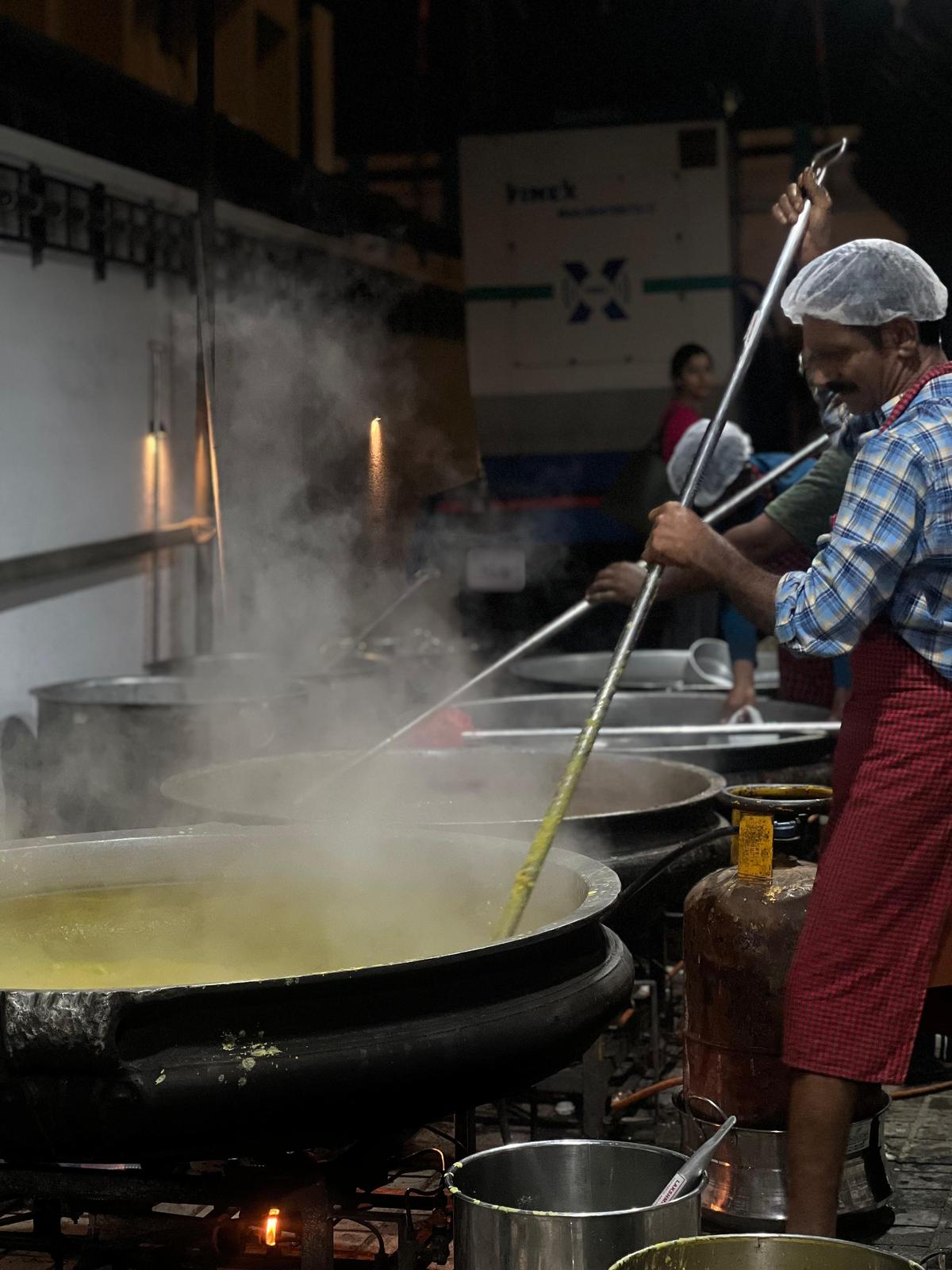
Cooking in progress at Anandam Home Caterers’ kitchen

Cooking in progress at Anandam Home Caterers’ kitchen
| Photo Credit: SPECIAL ARRANGEMENT

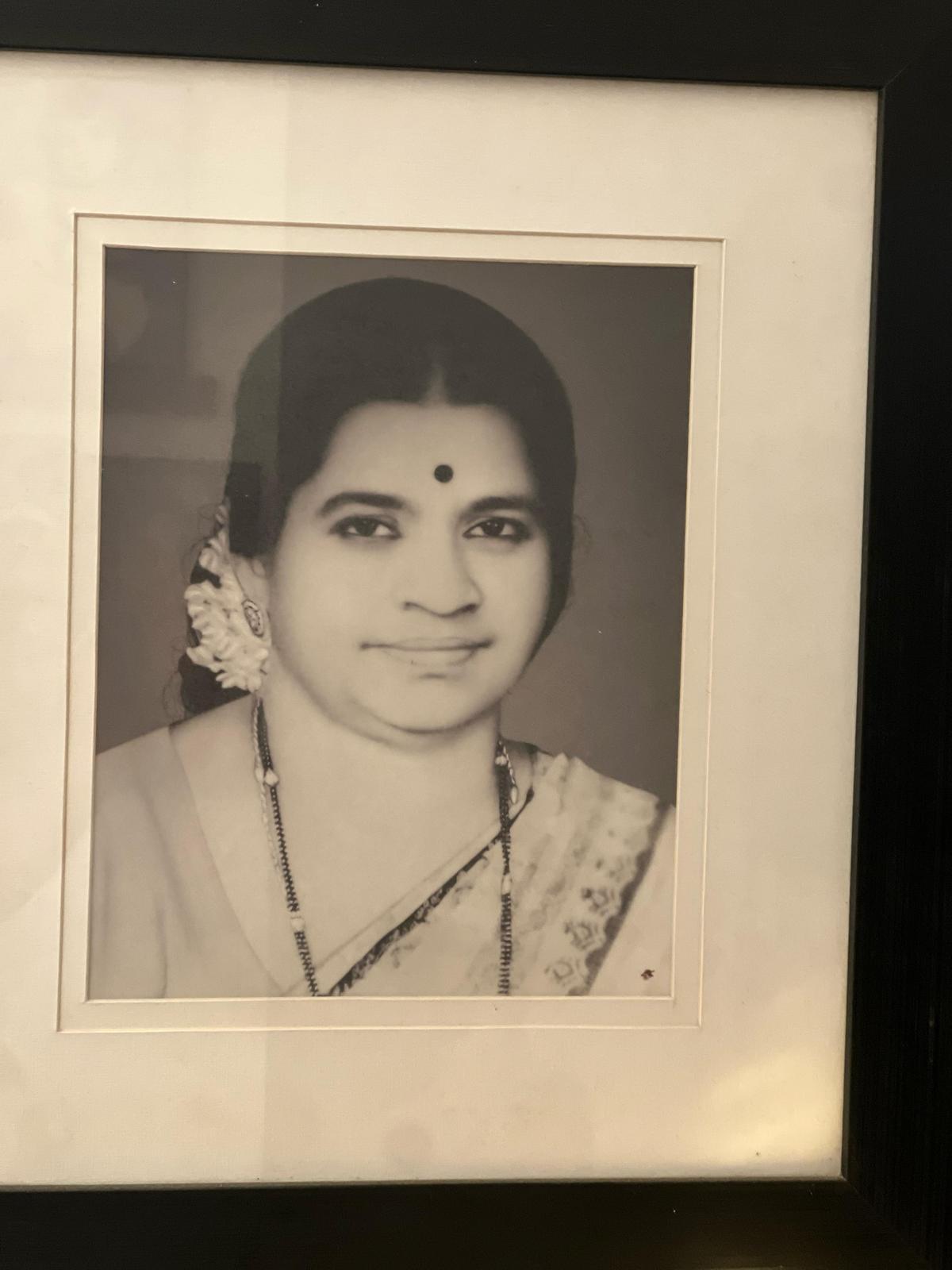
A legacy built on trust and goodwill. That is how Raji Gopalakrishnan summarises the 50-year-old journey of Anandam Home Caterers in Thiruvananthapuram, started by her late mother, L Anandavalli or Anandam G Nair. The golden jubilee year is special for 60-year-old Raji in that the third generation, her children Lakshmy R Suresh and Vishnu R Suresh, is helping her run the business.

Anandam G Nair, founder of Anandam Home Caterers

Anandam G Nair, founder of Anandam Home Caterers
| Photo Credit:
SPECIAL ARRANGEMENT

Amma was a remarkable person in many ways. She was socially very active; she loved making food for anyone who came home, at any time of the day. The starting point of the catering unit was perhaps the Monday meetings of Lions Club of which she was a member. She and her two friends, Ramla Lathif and Rajalakshmy Madhavan Nair, used to make snacks and eats for the members. Amma also prepared sadya for our family friends, during festivals such as Onam and Vishu,” Raji recalls.

However, a catering unit was never part of the plan. But as word got around, orders started coming in and Anandam took off. “It was as if all elements to run it fell in place — a space to start the unit, an efficient cook and trusted staff. She used to run it with her friend, Rajalakshmy, initially,” Raji says. It was late poet Sugathakumari who came up with the tagline of the brand, Aagoshangalkku Anandam, Raji adds.

Raji Gopalakrishnan

Raji Gopalakrishnan
| Photo Credit:
SPECIAL ARRANGEMENT

Sadya topped the list of orders, followed by catering for small functions. “Her first solo assignment was a church wedding with a non-vegetarian menu. That was a time when the number of guests was not large; the menu was also not elaborate. It was a sit-down lunch instead of buffet,” she adds.

Raji had no plans to take up the business but for her mother’s sudden demise in 2001. “I had not even thought about it till then. I was busy with my family and it was my younger sister, Janaki, who often used to help Amma. But everyone around encouraged me to try running it for a year. Thanks to the goodwill Amma had built, I didn’t have to look back,” says Raji, a graduate in music and a trained classical dancer. The central kitchen of Anandam is near Karamana.

Lakshmy and Vishnu joined her three years ago. Lakshmy, who runs the boutique, Yarn, at Vazhuthacaud, says, “It was one Onam when Amma had too much to handle.” While Lakshmy is a post graduate in industrial psychology, Vishnu is an engineer. Raji says that her husband, Suresh Balaraman, helps with managing the accounts.

In 2018, they opened Anandam Takeaway and Payasakkada, a take-away counter, mainly for payasams and curries. “Paal payasam was Amma’s speciality and it was my dream to start a payasam shop to make it popular,” says Raji.

Raji Gopalakrishnan with husband Suresh Balaraman, daughter Lakshmy R Suresh and son Vishnu R Suresh

Raji Gopalakrishnan with husband Suresh Balaraman, daughter Lakshmy R Suresh and son Vishnu R Suresh
| Photo Credit:
SPECIAL ARRANGEMENT

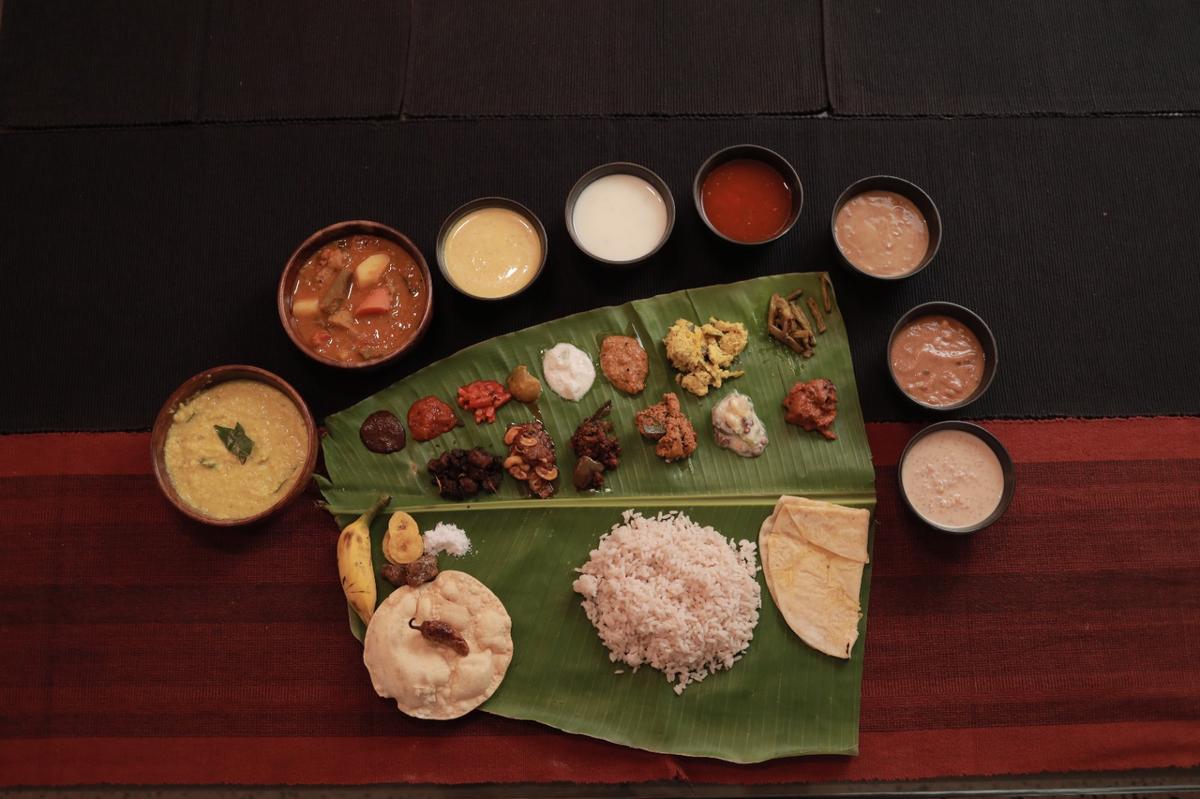
Raji says that there is no compromise when it comes to the ingredients used, be it oil, ghee, spices or curry powders. She has also has introduced several new dishes into the sadya menu. “There is cashew kovakka (ivy gourd) fry that I learnt from a Konkani friend and dishes such as cashew theeyal, kaya-chena (raw banana-elephant yam) erissery and achinga-kaya (long beans-raw banana) mezhukkupuratti that were not commonly served during wedding feasts. Customised feasts are also prepared; a Jain sadya for example.”

A sadya spread from Anandam Home Caterers

A sadya spread from Anandam Home Caterers
| Photo Credit:
SPECIAL ARRANGEMENT

The golden jubilee celebrations will kick off this Vishu. “We plan to launch an event management company covering all kinds of events. We have been doing the same with regard to weddings and corporate events even though not many people know about it. In a wedding, for example, we will take care of everything related to the function, including the decor.”

Raji adds, “I am quite relaxed now with my family helping in running the venture.”

This Vishu, Anandam is selling a sadya pack for five people, with three payasam varieties, priced ₹2,500. For bookings, contact 9846011907, 9846051907. Home delivery not available.


Source link

Why do the Japanese line their streets and fences with water bottles?


Why do the Japanese line their streets and fences with water bottles?

If one ever visits Japan or curiously watches videos of the Japanese streets, one might notice something unusual about the quiet backstreets of those neighborhoods. Their lanes are often lined with rows of clear plastic water bottles neatly placed along fences, in corners of gardens, near potted plants, or at the edges of walls.
At first glance, they may look like someone forgot to clean up after a picnic, but they’re actually there for a purpose, surprisingly, it’s not what you’d expect. These bottles are known locally as “Nekoyoke”, which means “cat repellent.”
The practice might look puzzling to outsiders, but it has become a familiar part of Japanese urban places. It’s a quirky mix of everyday logic, old beliefs, and practicality. While the bottles don’t harm animals, the belief is that they prevent stray cats from entering those spaces and causing a mess. Though the logic behind this has been questioned many times, the ritual still continues and has been passed on from generation to generation out of tradition and hope despite there is no scientific proof. But the question remains, how did this peculiar habit start and does it even work?

Representative Images

How did ‘Nekoyoke’ practice begin?

The idea of using water bottles to repel animals didn’t actually originate in Japan. It began in the West, possibly as early as the 1980s in parts of Europe and the United States, where plastic bottles filled with water were placed on lawns to deter dogs. Over time, this practice made its way to Japan, but for the case of cats. Since Japan doesn’t have a large stray dog population, people started using the method specifically to keep stray cats away from their gardens, walls, and doorsteps.

Representative Images

How does this work?

There are several popular theories about why water bottles supposedly repel cats. One belief is that the sunlight or even streetlight at night shines through the bottle, and reflects sudden flashes of light that scare the cats. Another theory is that cats see their distorted reflection in the water and are startled by it. Some even say the bottles confuse the cat’s depth perception. While none of these theories have been scientifically proven, this still continues to be practiced.

So, does this actually work?

The truth is, not really. Studies and animal behaviour experts have found little to no evidence that water bottles can actually keep cats away. Though the method is harmless, it doesn’t really keep the cats away. On cloudy days or in shaded areas, the anticipated light reflection trick doesn’t work at all. Still, people use them in hopes they might help or simply out of habit.

Representative Images

This is done more out of cultural curiosity

Nowadays, placing water bottles has become more of a cultural thing than actually preventing cats. While it might not stop a curious cat, it’s a harmless practice that shows Japan’s neat, creative, and simple yet creative ways of solving everyday problems. Even if the logic doesn’t fully hold up, it’s one of those little things that make walking through a Japanese neighborhood just a bit more interesting.
Photo Credits: Japanesegasm


Source link

How to use Shankhpushpi for hair growth |


How to use Shankhpushpi for hair growth

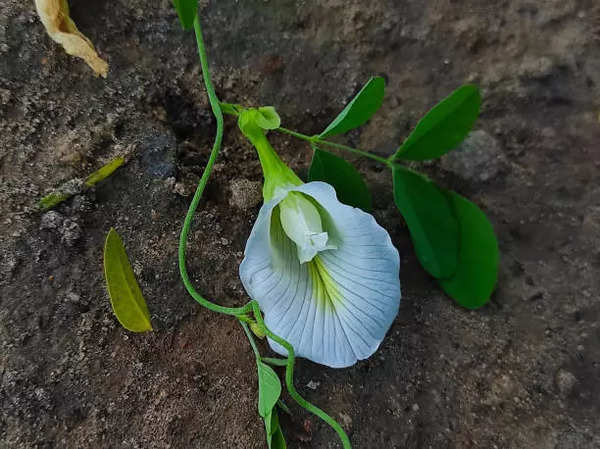
Shankhpushpi (Convolvulus pluricaulis) is a creeping herb widely used in Ayurvedic medicine for its rejuvenating and calming effects. When it comes to hair care, Shankhpushpi offers multiple benefits:
Improves blood circulation to the scalp, stimulating hair follicles.
Reduces stress, a major contributor to hair fall.

istockphoto-1423453790-612x612

Poll

What method of using Shankhpushpi do you prefer?

Strengthens the roots and improves hair texture.
Fights dandruff and dryness with its cooling, anti-inflammatory nature.
Promotes natural shine and softness.
Its adaptogenic and nootropic properties make it an excellent herb for balancing both physical and mental stress, which in turn supports overall scalp health and hair regeneration.

How to use Shankhpushpi for hair growth

You can use Shankhpushpi in various ways depending on your lifestyle and preferences, whether orally, as an oil infusion, or as a hair mask.

Shankhpushpi hair oil Infusion

One of the best ways to get the most out of Shankhpushpi is by using it in oil form. You can either buy pre-made Shankhpushpi oil or prepare it at home.
DIY Shankhpushpi hair oil
Ingredients:
2 tbsp dried Shankhpushpi powder or fresh leaves
1 cup cold-pressed coconut oil or sesame oil
Optional: 1 tsp fenugreek seeds, 5 drops rosemary essential oil
Method
Warm the oil in a pan and add Shankhpushpi powder.
Let it simmer on low heat for 10–15 minutes.
Add fenugreek seeds for additional hair-strengthening benefits.
Turn off the heat, let it cool, and strain the oil.
Store in a clean, airtight bottle.
How to use: Massage this oil into your scalp twice a week. Leave it overnight or for at least 1 hour before washing it off with a mild herbal shampoo. This will stimulate blood flow, nourish roots, and reduce stress.
Shankhpushpi hair mask
A hair mask using Shankhpushpi powder is ideal for those who need deep conditioning and detoxification for the scalp.
DIY Shankhpushpi hair pack
Ingredients:
2 tbsp Shankhpushpi powder
1 tbsp amla powder
1 tbsp curd or aloe vera gel
A few drops of lemon juice (for dandruff-prone scalp)
Method:
Mix all ingredients into a smooth paste.
Apply to the scalp and hair strands evenly.
Leave it on for 30–45 minutes.
Wash off with lukewarm water and a mild shampoo.
This mask helps cleanse the scalp, reduce flakes, and enhance root strength, all of which contribute to accelerated hair growth.

Shankhpushpi as an oral supplement

Consuming Shankhpushpi internally can improve your overall health and indirectly boost hair growth by reducing stress and improving digestion and blood purification.
Dosage:
You can take 5–10 ml of Shankhpushpi syrup daily with water, or as directed by an Ayurvedic practitioner.
Alternatively, take 1 tsp Shankhpushpi powder mixed in warm water or honey.
Caution: Always consult a medical or Ayurvedic expert before beginning any oral supplementation, especially if you’re pregnant or on medication.

Combine with other natural ingredients for best results

To boost the effects of Shankhpushpi, combine it with other time-tested Ayurvedic herbs:
Brahmi: Enhances brain function and supports hair regeneration.
Bhringraj: Known as the ‘king of herbs’ for hair, promotes rapid hair growth.
Amla: Strengthens hair follicles and provides a Vitamin C boost.
Ashwagandha: Reduces cortisol levels and combats stress-related hair fall.
Together, these herbs create a synergistic effect, accelerating the hair growth process when used in combination.

Who should use Shankhpushpi?

Shankhpushpi is especially beneficial for:
People experiencing stress-induced hair fall
Those with dry, itchy scalps
Individuals suffering from poor blood circulation to the scalp
People looking to switch to natural, herbal hair care without side effects
Shankhpushpi may not be the first name you think of when it comes to hair care, but its effects are deeply rejuvenating and long-lasting. From oils and masks to daily oral use, this underrated herb offers a holistic approach to hair wellness. The key is consistency and patience, as with all natural remedies, give your body and hair time to respond. Whether you’re looking to reverse hair thinning or simply want longer, stronger locks, incorporating Shankhpushpi into your routine could be the herbal solution you have been searching for.


Source link

Is alcohol really so harmful? Recent research highlights new facts |


Is alcohol really so harmful? Recent research highlights new facts

The days of thinking one or two drinks don’t harm your health are gone. In 2023, the World Health Organization confirmed that ‘No level of alcohol consumption is safe for our health’. The more you drink, the more you are prone to deleterious health risks. A new study has found that consuming eight or more alcoholic drinks per week may significantly increase the risk of brain damage.
The study, led by Alberto Fernando Oliveira Justo, PhD, of the University of Sao Paulo Medical School in Brazil, found that having eight or more drinks a week is linked to memory and thinking difficulties. The study is published in Neurology, the medical journal of the American Academy of Neurology. The new research, however, does not prove that heavy drinking causes brain injury, it only shows an association.
“Heavy alcohol consumption is a major global health concern linked to increased health problems and death. We looked at how alcohol affects the brain as people get older. Our research shows that heavy alcohol consumption is damaging to the brain, which can lead to memory and thinking problems,” study author Alberto Fernando Oliveira Justo, PhD, of the University of Sao Paulo Medical School in Brazil said in a statement.
Alcohol and the brain

Alcohol

To understand the effects of alcohol on the brain, the researchers studied 1,781 people who had an average age of 75 at death. All had brain autopsies. The researchers looked for signs of brain injury including tau tangles and hyaline arteriolosclerosis.
Hyaline arteriolosclerosis is a condition that causes the small blood vessels to narrow, becoming thick and stiff. This makes it harder for blood to flow, which can damage the brain over time. It appears as lesions, areas of damaged tissue in the brain.
Researchers also measured brain weight and the height of each participant. The family members answered about the participants’ alcohol consumption.
For a better understanding, the participants were placed into four groups: 965 people who never drank, 319 moderate drinkers who had seven or fewer drinks per week; 129 heavy drinkers who had eight or more drinks per week; and 368 former heavy drinkers. One drink was defined as 14gms of alcohol, which is about 350 milliliters (ml) of beer, 150 ml of wine or 45 ml of distilled spirits.
The researchers found that people who never drank had 40% had vascular brain lesions. The moderate drinkers had 45% vascular brain lesions, and in heavy drinkers, it was 44%, while the former heavy drinkers had 50%.

Alcohol

After considering factors that could affect brain health such as age at death, smoking, and physical activity, heavy drinkers had 133% higher odds of having vascular brain lesions compared to those who never drank, former heavy drinkers had 89% higher odds and moderate drinkers were at 60% risk.
The study also revealed that heavy and former heavy drinkers had higher chances of developing tau tangles, a biomarker associated with Alzheimer’s disease, with 41% and 31% higher odds, respectively.
Also, former heavy drinkers had a lower brain mass ratio, which is a smaller proportion of brain mass compared to body mass, and worse cognitive abilities. In addition to brain injuries, they also had impaired cognitive abilities. They also found that heavy drinkers died an average of 13 years earlier than those who never drank.

alcohol

“We found heavy drinking is directly linked to signs of injury in the brain, and this can cause long-term effects on brain health, which may impact memory and thinking abilities. Understanding these effects is crucial for public health awareness and continuing to implement preventive measures to reduce heavy drinking,” Justo said.


Source link

Akbar to Jahangir: How Mughal emperors used royal footwear to flaunt their power


Akbar to Jahangir: How Mughal emperors used royal footwear to flaunt their power

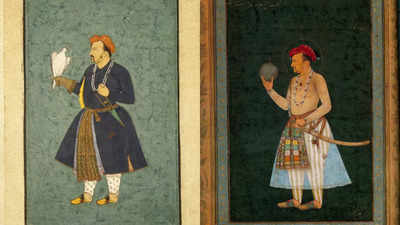
In the opulent courts of the Mughal Empire, grandeur wasn’t just worn on the sleeves, it started from the feet. While the Mughal emperors and nobles are often remembered for their lavish robes, jewelled turbans, and intricate jewellery, a lesser-known but equally significant symbol of status was their footwear. Whether it was Akbar, Shah Jahan, or Jahangir, the shoes worn by members of the court were as telling of one’s social standing as any title or landholding. The Mughal foot, quite literally, stepped into luxury, with different styles and materials marking out the hierarchy of the empire.

Footwear as a symbol of hierarchy

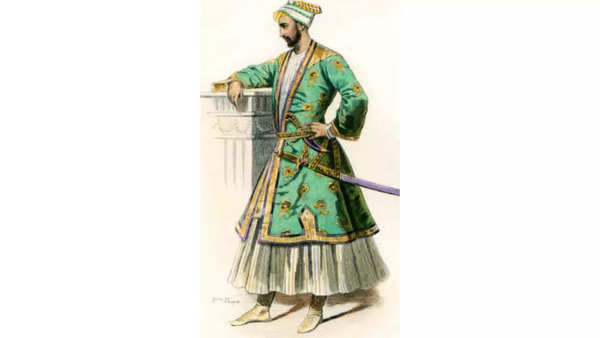
The Mughal Empire, known for its rigid administrative structure and deeply embedded class system, reflected this hierarchy in its dress codes. Clothing, and particularly footwear, was not just about fashion, it was about one’s place in the imperial cosmos. Specific styles of shoes were often reserved for certain ranks, and deviations could be seen as disrespect or insubordination.

istockphoto-1226953904-612x612

The royal wardrobe had guidelines, and footwear, being visible and symbolic, was used to differentiate nobles from commoners, warriors from scholars, and emperors from even the highest-ranking officials. From the intricacy of embroidery to the curve of the toe, every element of a Mughal shoe was encoded with meaning.

The Kafsh: For the noblest feet

Among the finest of Mughal footwear was the Kafsh, typically worn by nobles and kings. The Kafsh was a closed shoe, often made of high-quality leather, and richly ornamented with zari (gold or silver thread), velvet lining, and sometimes even precious stones. The shoe’s robust design reflected both authority and opulence. Reserved for the elite, it was not just a piece of attire but a declaration of proximity to power. Wearing the Kafsh signalled access to the emperor and influence within the court.

The Charhvan: Military might meets aesthetic grace

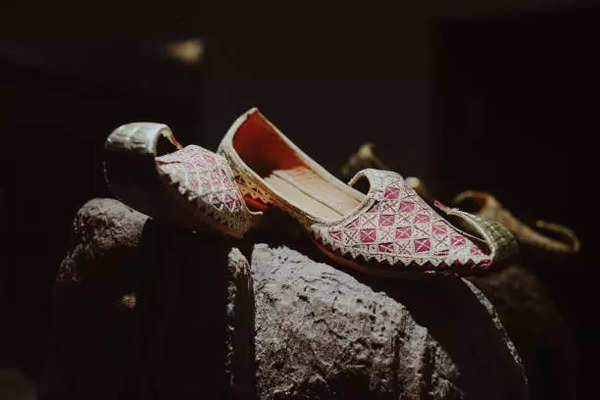
Another distinctive style was the Charhvan, known for its curling toe—an iconic silhouette that continues to be echoed in Indian juttis today. With a pointed, upward curling front fixed to the toe, the Charhvan was often associated with military commanders and men of high rank. While it carried a more masculine and martial air, it was still crafted with luxury, embroidered with metallic threads or adorned with decorative elements. These were not shoes for battle, but ceremonial attire, meant to reflect the bearer’s status within the Mughal military order.

The Salim Shahi: Royal elegance in every step

Named after Emperor Salim, better known as Jahangir, the Salim Shahi became synonymous with princely elegance. These were typically decorated in gold, with soft leather interiors and ornate uppers. They were lighter than the Kafsh but still exuded regality. Favoured by young princes and royal courtiers, the Salim Shahi was more than footwear, it was an expression of refinement and taste. The golden finish often hinted at the wearer’s closeness to the imperial family or their role in courtly rituals.

The Khurd Nau: Lightweight, practical, yet precious

For those who sought both comfort and status, the Khurd Nau was an ideal choice. Crafted from kid leather, it was extremely lightweight, allowing ease of movement, especially in the sweltering Indian summers. Despite its practical design, it was far from plain. These shoes were often dyed in vibrant colours, and their craftsmanship indicated that they were made for someone of importance, albeit perhaps of a scholarly or administrative nature rather than martial or royal.

fsadfd

The Khurd Nau was especially popular among high-ranking officials, poets, and artists within the Mughal court. It reflected a refined aesthetic, suited for those whose status came not from birthright or war, but from intellect and patronage.

Footwear and sumptuary laws

Much like European sumptuary laws that dictated who could wear what fabrics or colours, the Mughal court had unwritten codes that regulated footwear. While not formalised in strict legal terms, there were cultural expectations around who could wear what kind of shoe. A commoner attempting to wear a style reserved for the court could face ridicule or even punishment, as clothing was part of maintaining the social order.
Even within the harem, the women’s shoes varied by rank. Princesses and queens wore elaborately beaded or embroidered slippers with curled toes and soft padding, while attendants wore simpler designs.

Emperors and their footwear preferences

Each Mughal emperor had his own preferences that influenced footwear trends across the court. Akbar, for instance, had a keen eye for blending regional styles, and his patronage led to a fusion of Persian and Indian design in courtly shoes. Jahangir, known for his love of art and aesthetics, encouraged innovation in patterns and materials. Under Shah Jahan, with the construction of the Taj Mahal and an emphasis on architectural symmetry, even shoes began reflecting more structured and elegant patterns.
Interestingly, it was also under Akbar’s rule that footwear became more inclusive of Indian traditions, moving away from purely Persian designs. This inclusivity reflected his broader policy of Sulh-e-Kul, or universal tolerance, which sought to unify the diverse empire under a single cultural umbrella, down to the shoes on his courtiers’ feet.

The legacy today

Though the Mughal Empire has long passed into history, its influence on fashion and particularly footwear remains. The jutti, mojari, and various forms of ethnic Indian shoes worn today are direct descendants of Mughal styles. Designers like Sabyasachi and Abu Jani Sandeep Khosla often look to Mughal footwear for inspiration, reviving traditional techniques and silhouettes in their couture lines.

The Last Mughal Family Member Left to Struggle – Heartbreaking Story of Sultana Begum

What once demarcated class and power now represents heritage and craftsmanship. But whether worn in a royal court or a modern-day wedding, Mughal-inspired shoes still whisper tales of hierarchy, elegance, and the politics of fashion, one step at a time.





Source link