Life & Style

Pranali Chikte’s solo cycle expedition for social change commences from Thiruvananthapuram


Pranali Chikte

Pranali Chikte
| Photo Credit: SPECIAL ARRANGEMENT

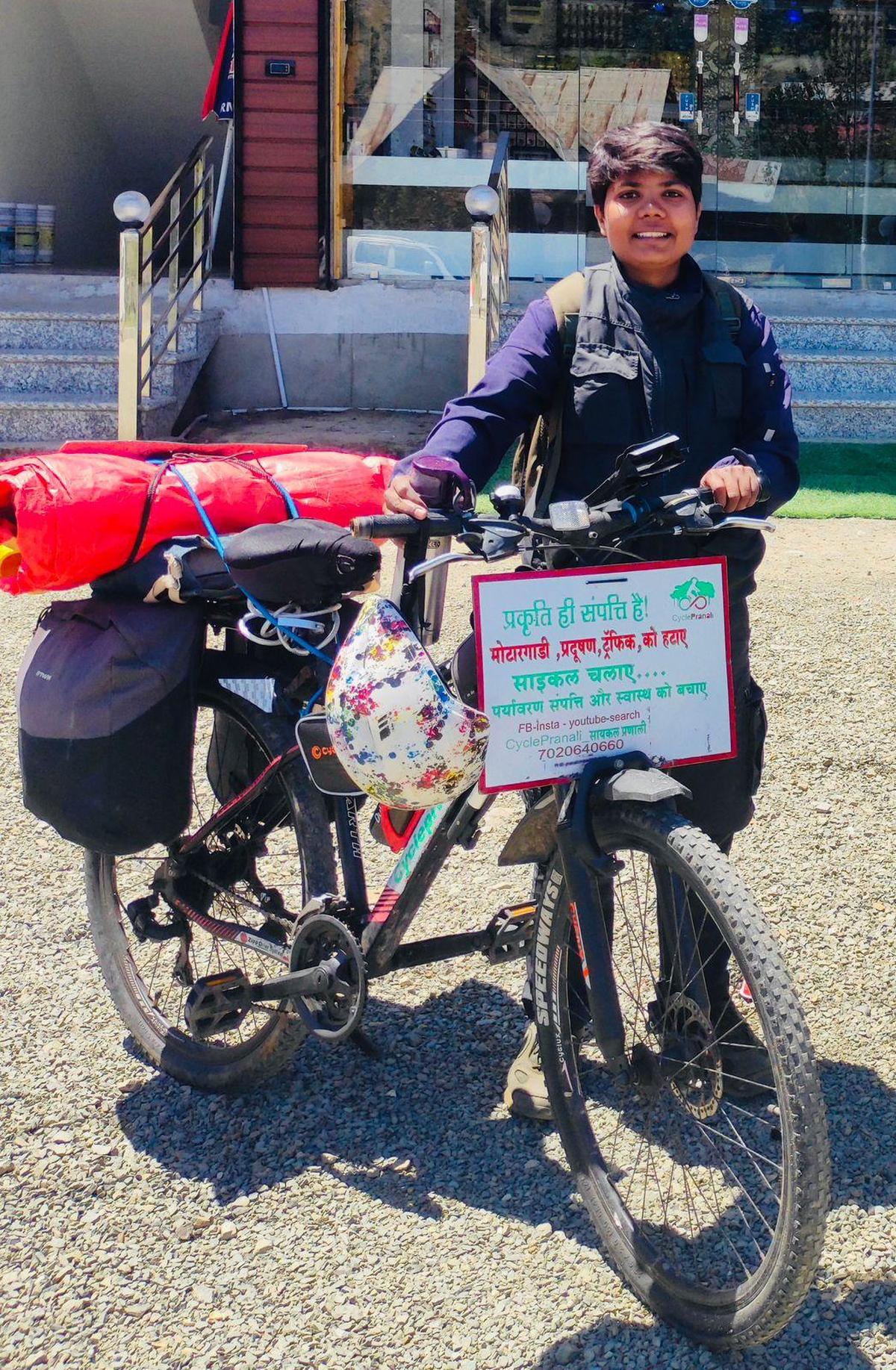
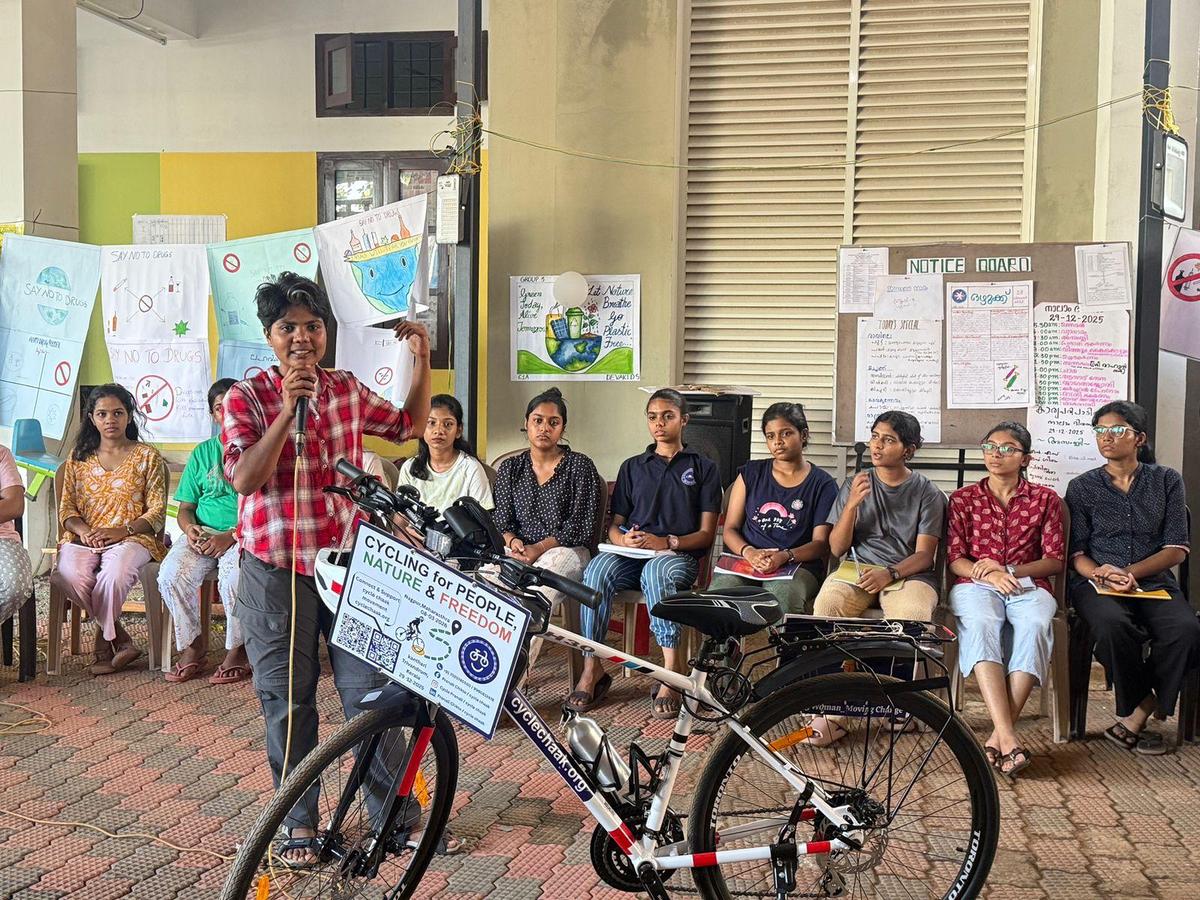
At the crack of dawn on January 1, Pranali Chikte kickstarted something special — a 70-day solo cycle expedition from Thiruvananthapuram to Nagpur with her project, Cycle Chaak, a non-profit movement to make cycling a part of daily life by linking it with health, environment, education, livelihood, sustainable mobility and freedom.

The 26-year-old, a native of Maharashtra, has been at kanthari, an international training centre for social entrepreneurs in the capital city.

Pranali says it was during the pandemic that she took up cycling as a tool for social change. “I had completed my graduation in social work and wanted to see how people were coping with the situation. And I decided to do that on my cycle,” she says. That eventually became a 435-day long journey, covering entire Maharashtra.

“Although the lockdown was in force, I managed to interact with several people, including students. I talked about the need to conserve our natural resources and how cycling can contribute to bringing down pollution.”

Growing up in a family solely dependent on agriculture at Punavat village in Yavatmal district of Maharashtra, Pranali says that she was aware of rising levels of environmental pollution. “We have coal mines in our vicinity and the level of pollution is such that our harvest is affected. We grow cotton, soybean, pulses and vegetables. The production is coming down as years go by because of adverse climatic conditions,” she says.

Her sojourn across Maharashtra won a lot of appreciation and she was associated with river rejuvenation programme in the State as well. “As people kept talking about the safety of a woman solo traveller, I wanted to explore the situation in other states as well. That’s when I cycled to Madhya Pradesh, Uttar Pradesh, Delhi, Haryana, Punjab, Jammu Kashmir, Ladakh, and Uttarakhand.” Later she lived in Delhi for a year to study at the Indian School of Development Management in Delhi.

Pranali Chikte

Pranali Chikte
| Photo Credit:
SPECIAL ARRANGEMENT

“My travels taught me a lot and I started thinking about what I can do for the world. I knew I cannot change everything. But my cycle gave me a new perspective. I started thinking about integrating cycling into everyone’s life for social change.”

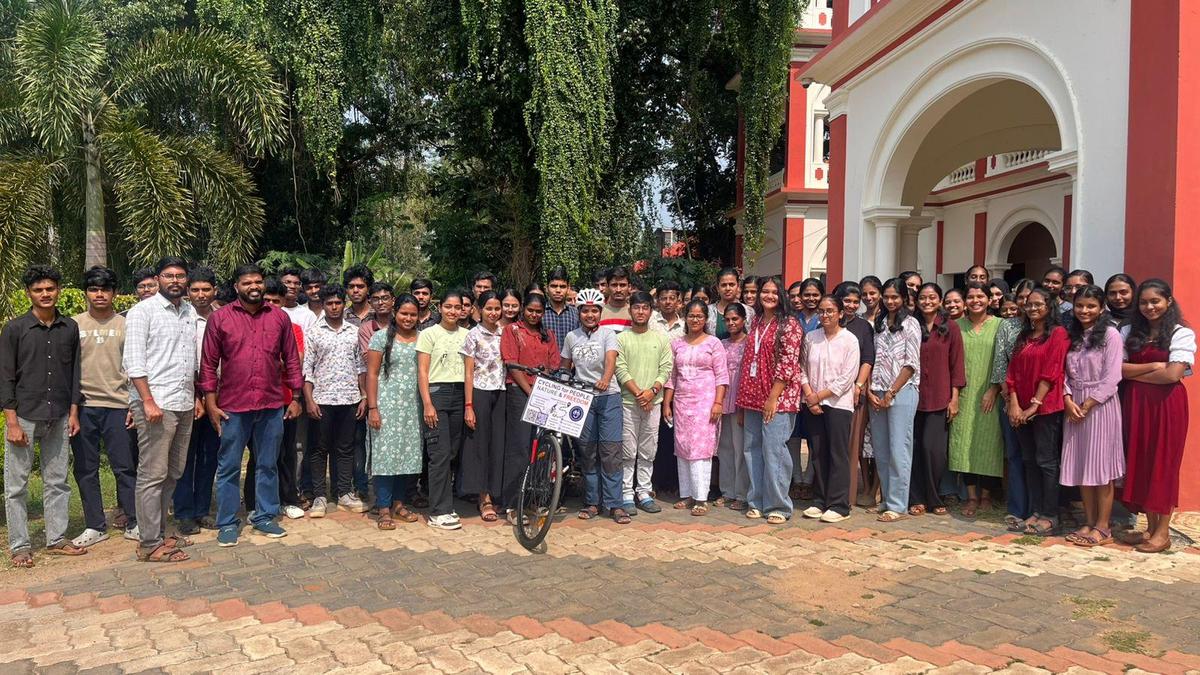
Pranali Chikte with students of College of Agriculture in Thiruvananthapuram

Pranali Chikte with students of College of Agriculture in Thiruvananthapuram
| Photo Credit:
SPECIAL ARRANGEMENT

Pranali says that once she had a rough idea about what she wanted to do, she decided to come to kanthari to develop that into a concrete project. “I have my limitations and was on the lookout for a mentor. I found that guidance at kanthari,” she says.

Pranali adds that she has the support and guidance of a strong network of cycling enthusiasts, which eventually helped her to raise money through crowdfunding to buy a new cycle and other equipment required for the workshops she plans to conduct during her journey.

Pranali stresses that she is cycling for “people, nature and freedom”. Cycle Chaak [chaak means wheel] is about how bicycles can inspire change. During the course of the journey that covers the states of Tamil Nadu, Andhra Pradesh, Karnataka, and Telangana, she will conduct dialogues on adapting cycling as a climate-responsible lifestyle. “Besides projecting it as low-cost mode of transportation, I will also impart cycle repairing skills in my sessions. The ultimate aim is to develop a healthy mobility culture among communities,” she says. Cycle rallies and workshops in schools and organisations are also in her itinerary. 2 Wheels 435 Days, a documentary on her journey across Maharashtra, will also be screened at various venues.

Pranali Chikte with students of Carmel School in Thiruvananthapuram

Pranali Chikte with students of Carmel School in Thiruvananthapuram
| Photo Credit:
SPECIAL ARRANGEMENT

Her expedition was flagged off on January 1 from Manaveeyam Veedhi by Prakash P Gopinath, Bicycle Mayor, Thiruvananthapuram, and Zeenath MA, SheCycling, Senior National Project Coordinator.


Source link

Residents of Thiruvananthapuram on the good things they want to carry forward to 2026


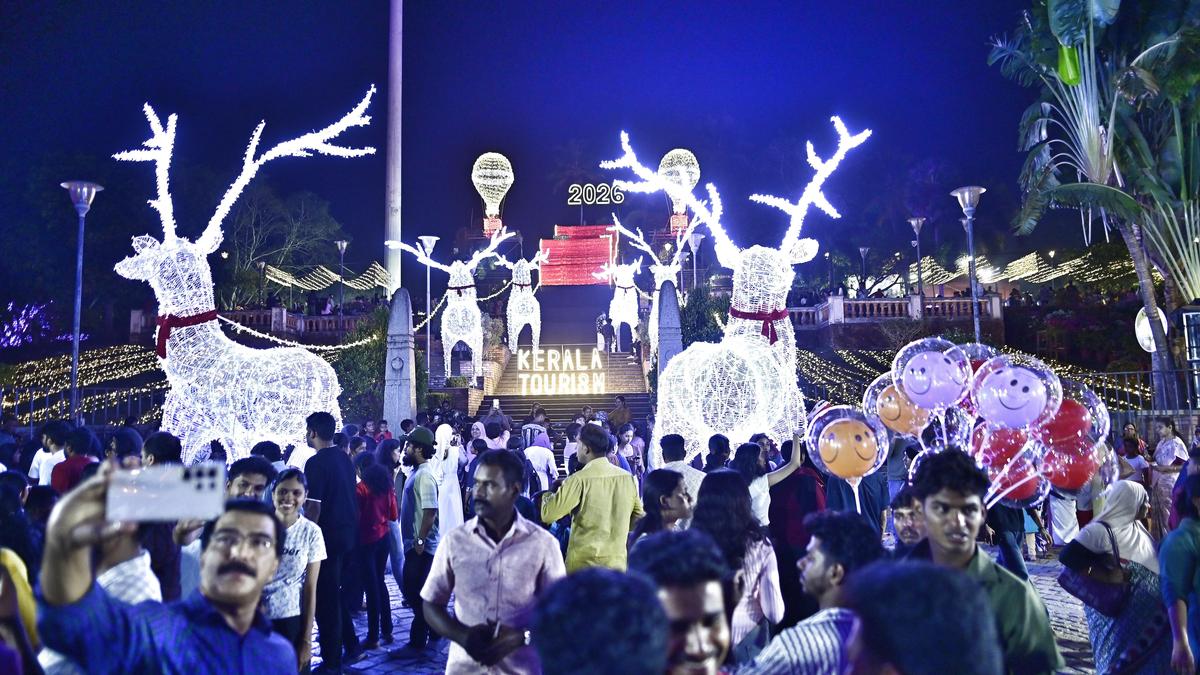
Crowd on Kanakakunnu premises on New Year eve

Crowd on Kanakakunnu premises on New Year eve
| Photo Credit: JAYAMOHAN A

We are in 2026. Residents from different walks of life reflect on what they cherished about Thiruvananthapuram in 2025 that they wish to see in the new year as well

City with a view

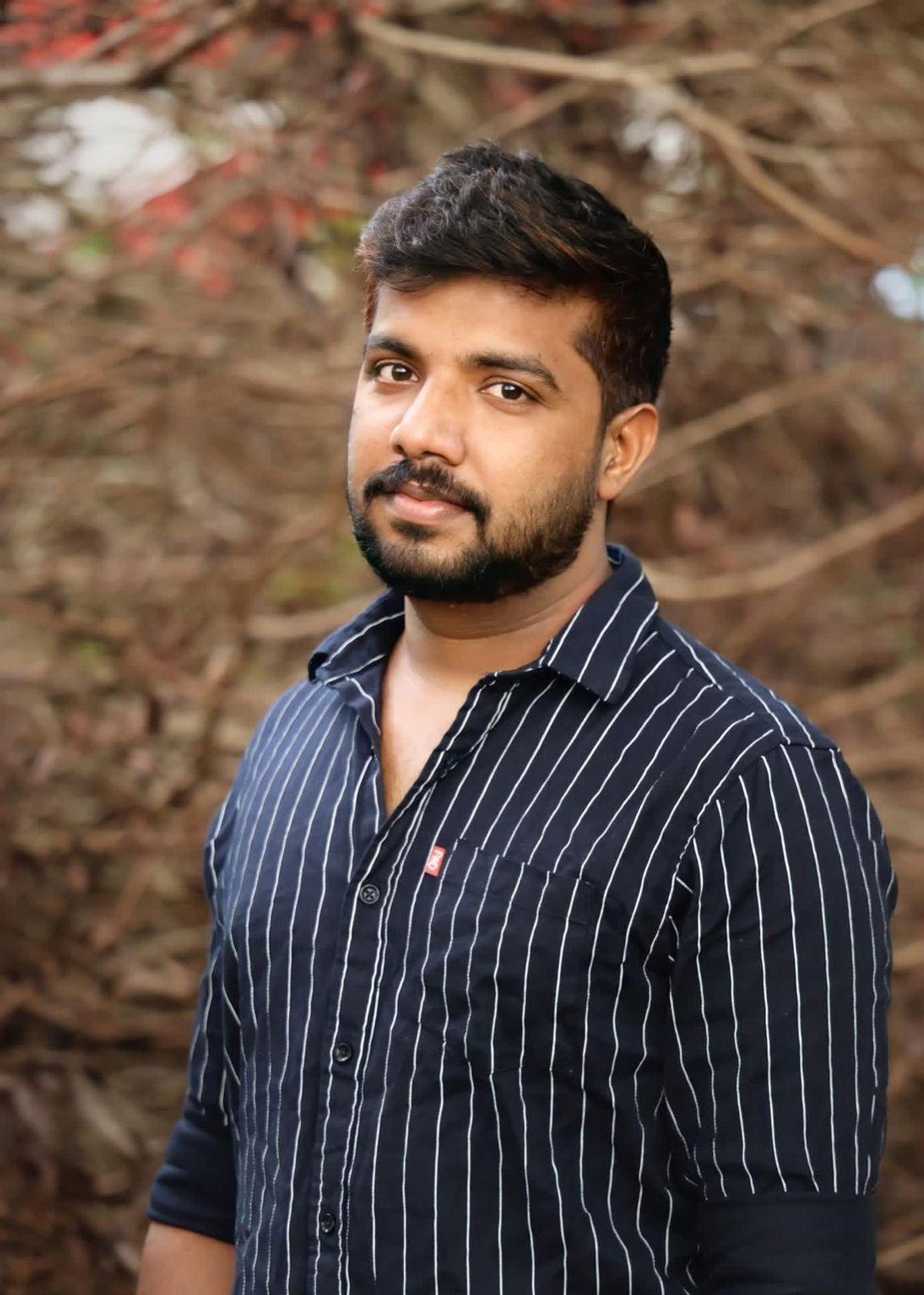
Shyam Kumar

Shyam Kumar
| Photo Credit:
SPECIAL ARRANGEMENT

After several delays and controversies, 2025 saw the opening of smart roads across the city. That added to the charm of the capital, which I have always found beautiful. The new-look with wide roads, modern street lights, footpaths, cycle tracks, median barriers with reflectors etc, has been a photographer’s delight. I wish these roads are maintained properly this year as well instead of being dug up without planning.

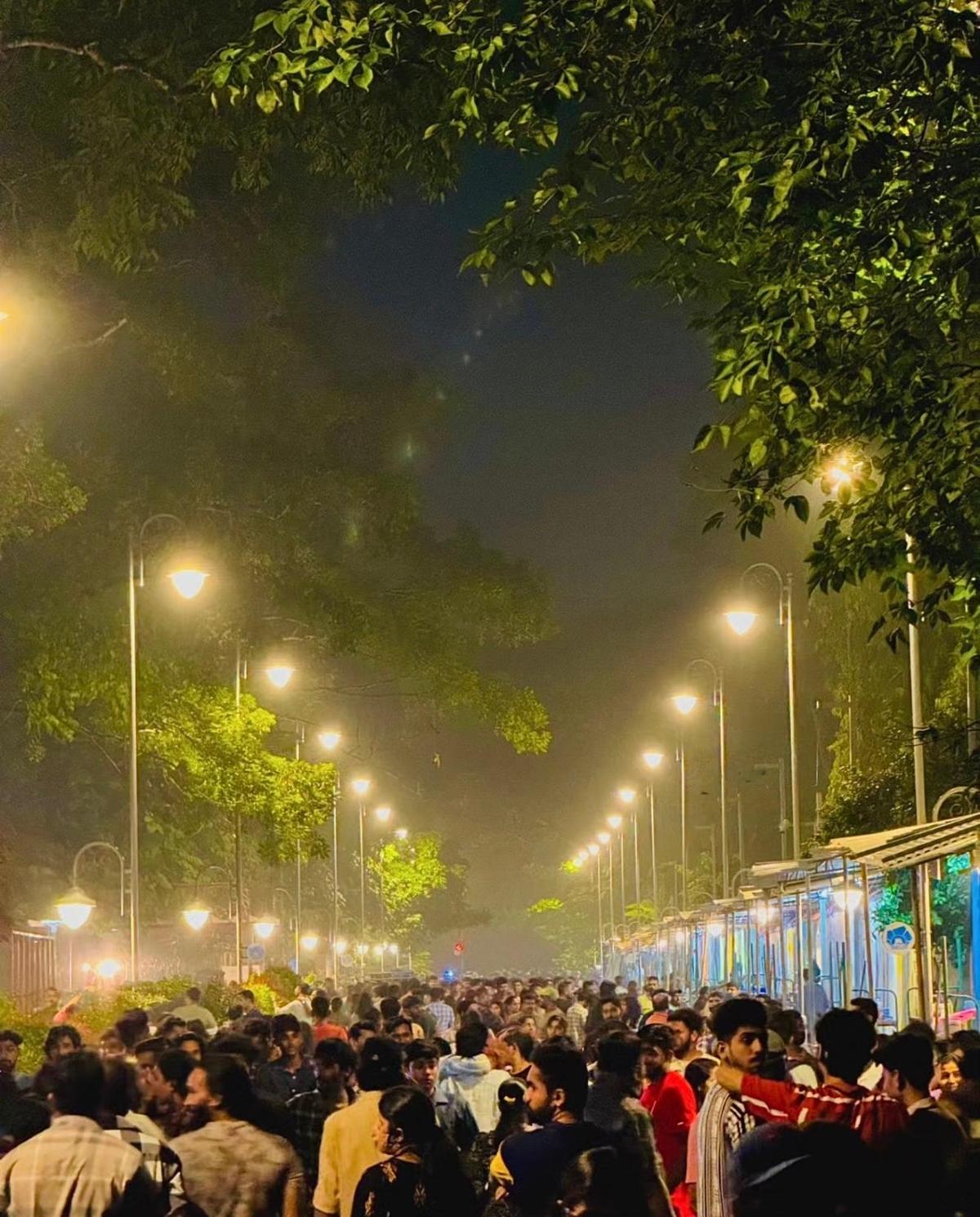
Manaveeyam Veedhi packed with late night crowd

Manaveeyam Veedhi packed with late night crowd
| Photo Credit:
Shyam Photography

I also want to see the Kowdiar-Vellayambalam stretch regain its glory after the branches of the iconic avenue trees were cut indiscriminately last year. This green corridor, which we call Raja Patha or royal corridor, is a pride of the city.

Shyam Kumar

Photographer (@shyamphotography)

Fashion forward

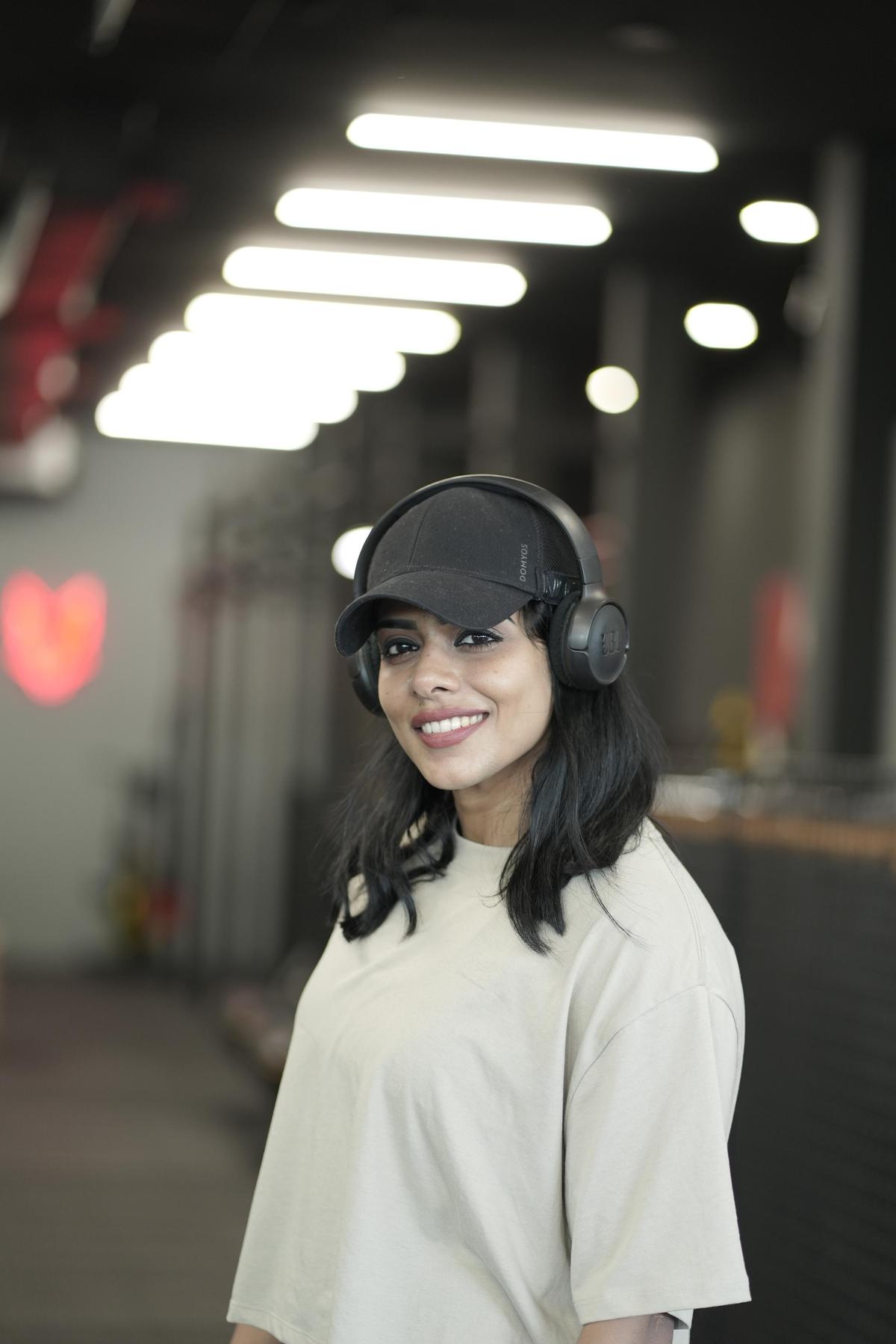
Thara Devi

Thara Devi
| Photo Credit:
SPECIAL ARRANGEMENT

As someone working in the beauty industry, I am excited by the rapid strides the city has made in 2025 in this sector. I have seen the emergence of a customer base who knows what they want. International brands of various products are quite easily available now. Earlier people used to travel to the metros for some of the premium health and beauty treatments. But that has changed with the entry of several qualified professionals and firms. With the expertise they have I wish to see exponential growth in the field, including in my area of work.

Thara Devi

Founder, D Artistry nail art studio

Surging ahead

Sreeya Iyer

Sreeya Iyer
| Photo Credit:
SPECIAL ARRANGEMENT

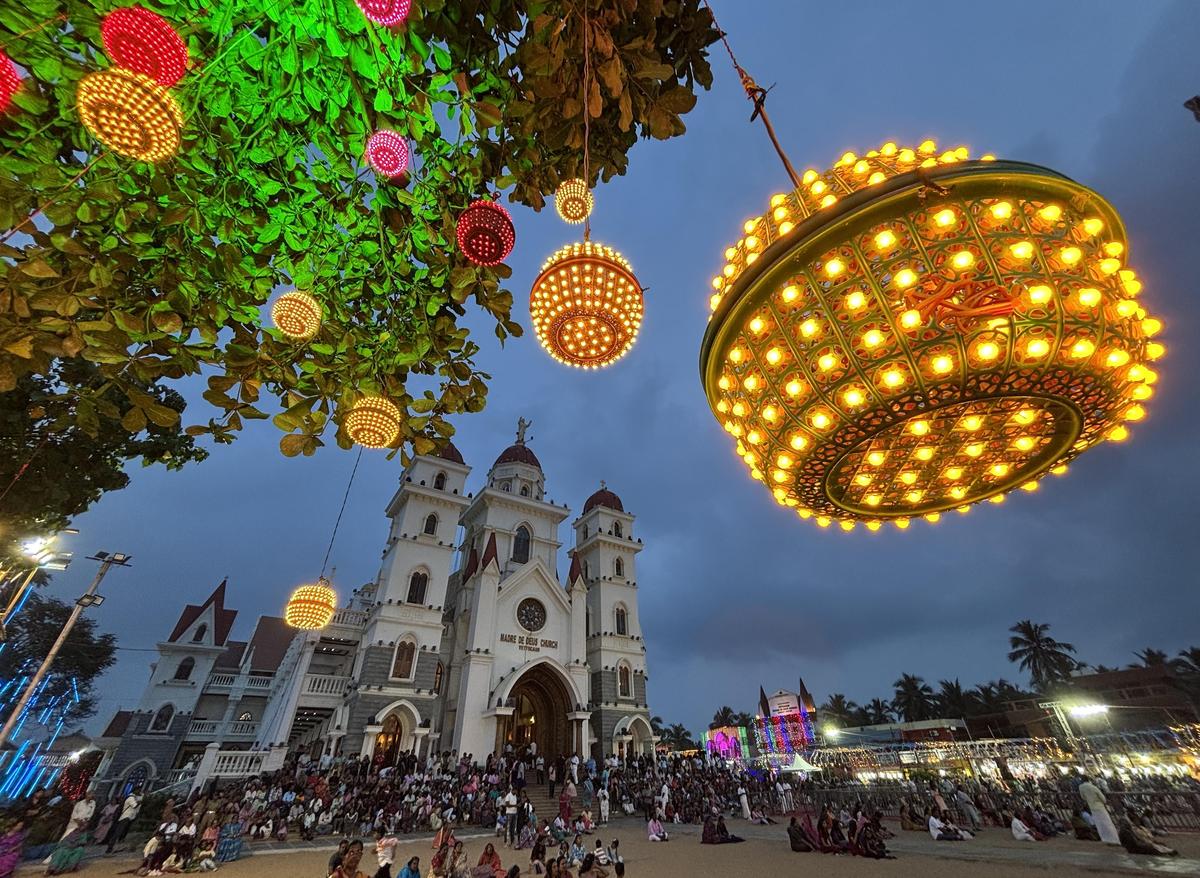
As a proud native of the city, I cherish every aspect about it. Development has been the mainstay of 2025 and I look forward to the same this year as well, that too without compromising on the aesthetics of the cityscape. Just see how Manaveeyam Veedhi has gone for a makeover. Or, even the development around Sree Padmanabha Swamy Temple. I wish to see more changes based around places of worship at Palayam, Vettucaud, Beemapally etc.

Madre de Deus Church at Vettucaud

Madre de Deus Church at Vettucaud
| Photo Credit:
NIRMAL HARINDRAN

With regard to fitness, I am happy that people’s outlook has changed. They are taking up new sports activities and are investing more into improving health. I love the way the city has grown and wish for exponential growth since I want the best for my city.

Sreeya Iyer

Fitness influencer, actor, entrepreneur

Spreading positivity

Swaroop Krishnan R

Swaroop Krishnan R
| Photo Credit:
SPECIAL ARRANGEMENT

I started my business in Thiruvananthapuram with ₹50,000 and now it is worth ₹150 crore. I don’t think any fashion brand from the city has achieved this success. And I owe it to the positive energy of the city. I have people from other states working with me and once they come here they don’t want to go back because they say the city has a soul to it, which inspire them. I wish it to continue this year as well.

Swaroop Krishnan R

Co-founder and CEO, Mydesignation

Relishing novel flavours

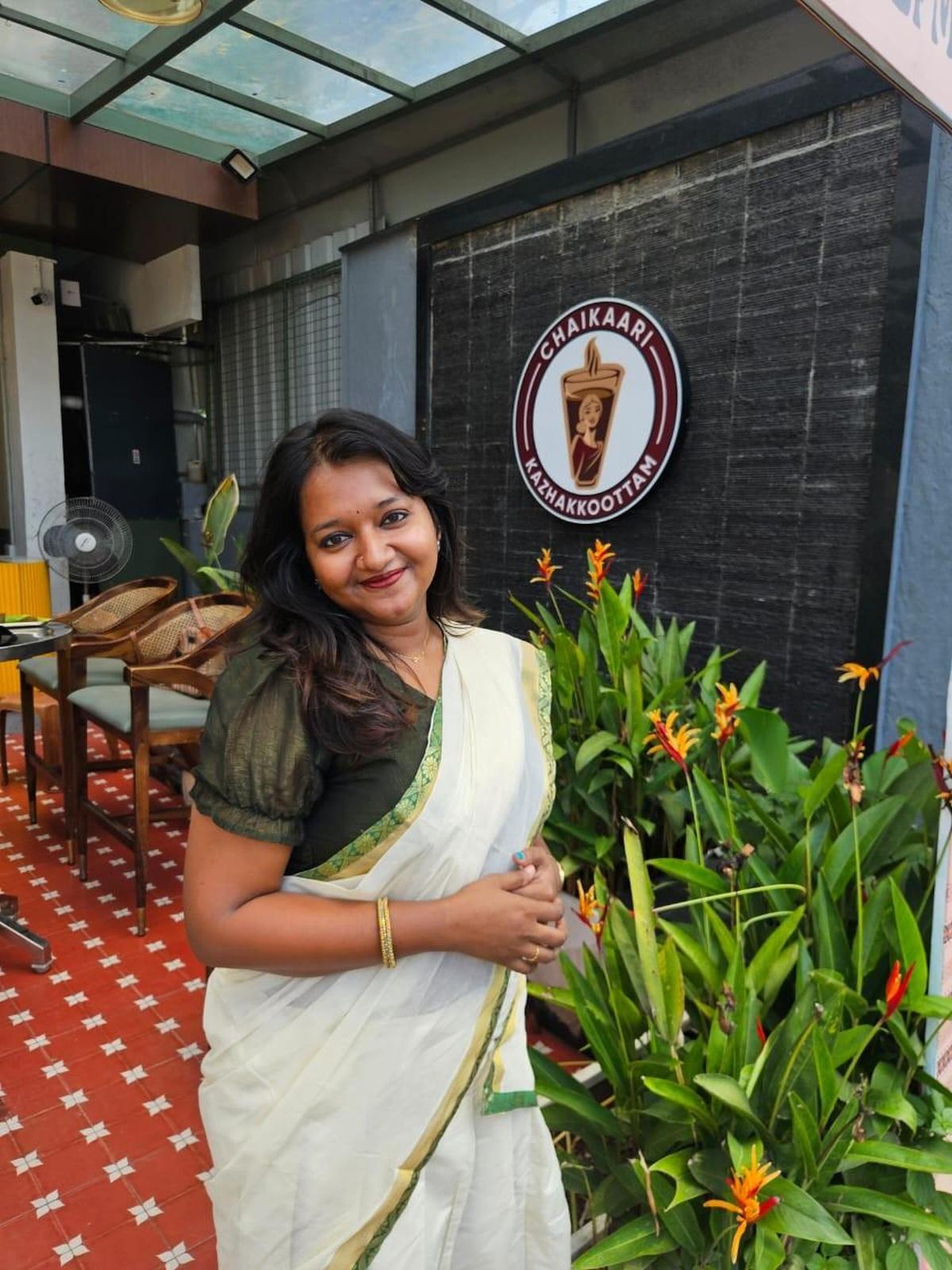
Athira J, co-founder, Chaikaari

Athira J, co-founder, Chaikaari
| Photo Credit:
SPECIAL ARRANGEMENT

People in Thiruvananthapuram are open to trying new things. There is a quiet curiosity here especially when it comes to food. While the city is deeply rooted in tradition, people are eager to explore new flavours and cuisine from different cultures. They appreciate authenticity, be it in the case of a traditional recipe or a new one. This openness creates a healthy space for food entrepreneurs and small businesses to experiment, learn and grow.

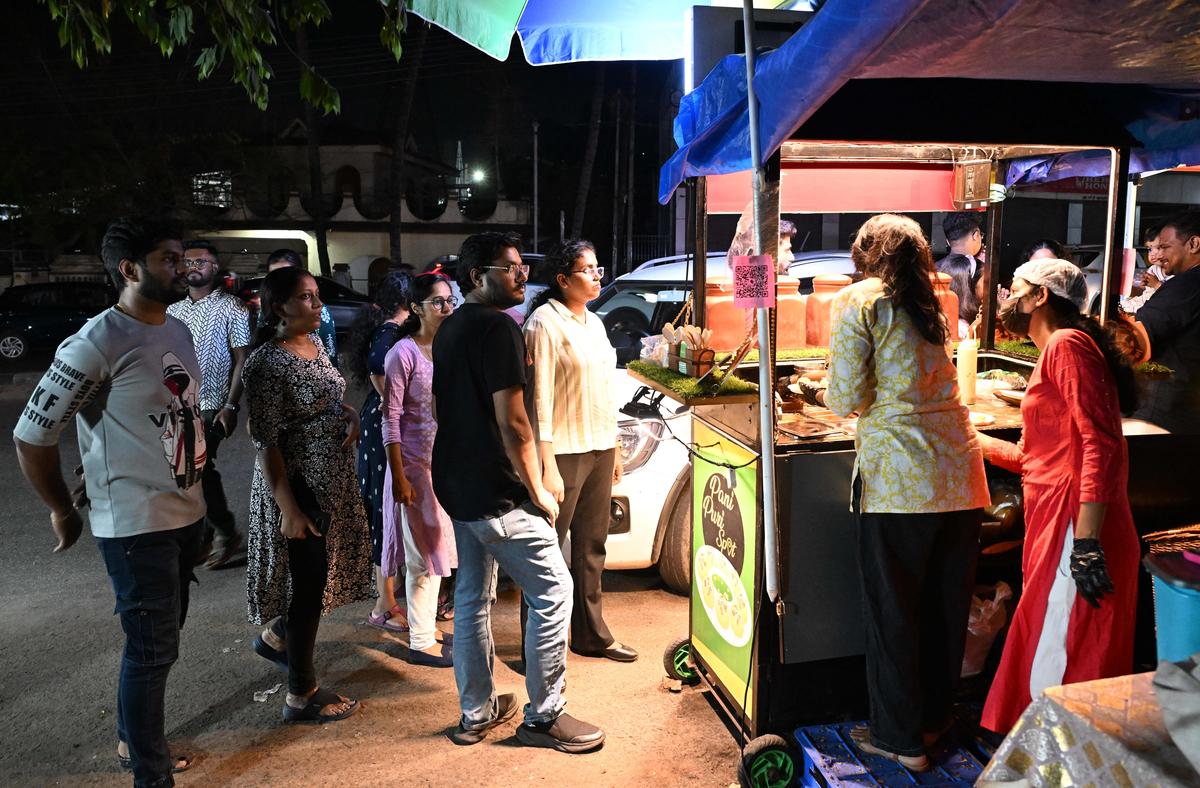
A street food cart in the city

A street food cart in the city
| Photo Credit:
NIRMAL HARINDRAN

I hope this spirit remains unchanged in 2026 and we continue to be a city where people explore the world through food, while staying connected to their cultural roots.

Athira J

Co-founder, Chaikaari


Source link

The fifth edition of Karaikudi Sandhai showcases Chettinad textiles, crafts, and cuisine


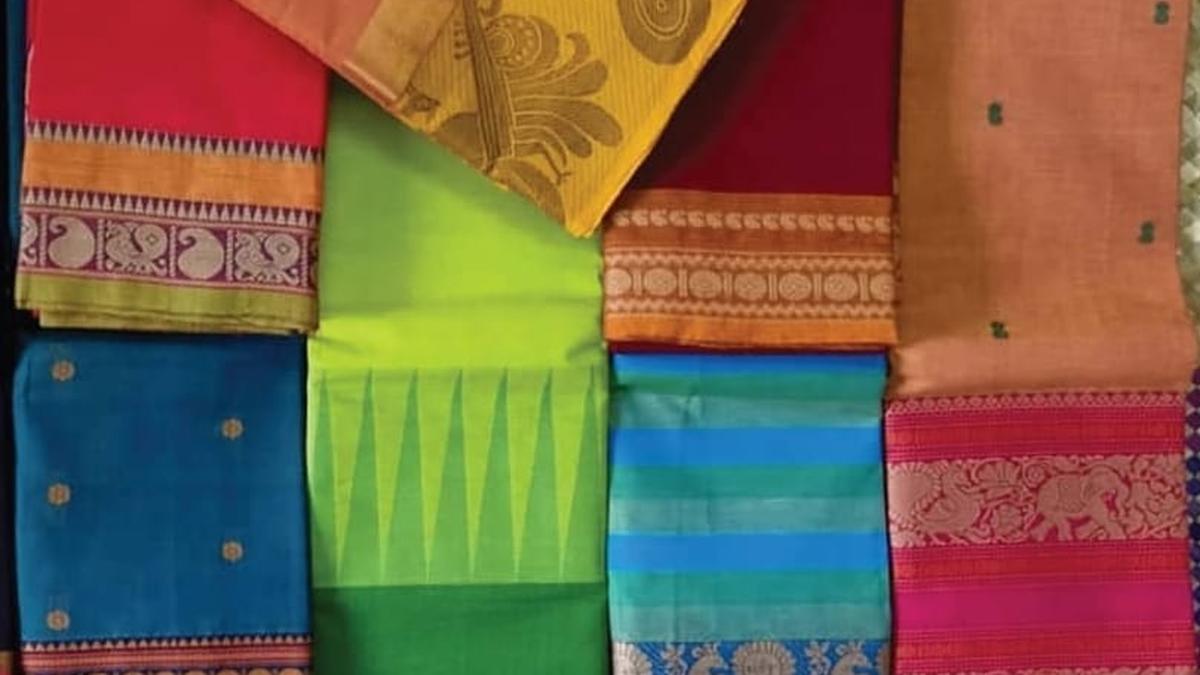
Chettinad cotton and silk saris

Chettinad cotton and silk saris
| Photo Credit: SPECIAL ARRANGEMENT

The fifth edition of Karaikudi Sandhai returns this year at a spacious new venue with ample parking. Organised by the Karaikudi Nagarathar Sangam, the one-day exhibition celebrates the rich legacy of Chettinad culture through its craftsmanship, cuisine, and local enterprise.

M Letchumanan, committee member of the Sangam, says the event aims to create a platform for community members who are skilled makers but lack access to wider markets. “Our mission is to showcase and popularise Chettinad heritage and culture without any profit motive. This year, we are also focusing on kidpreneurs aged seven to 17, encouraging heritage-led entrepreneurship and grassroots empowerment. We have offered stalls free of cost to children, allowing them to sell products such as home décor items, key holders, paintings, craftwork, and baked goodies,” he says.

Visitors can also explore traditional arts and handicrafts.

Visitors can also explore traditional arts and handicrafts.
| Photo Credit:
SPECIAL ARRANGEMENT

Larger in scale this year, the exhibition will feature over 130 stalls. New additions include a counter by M Ramanathan to assist families in exchanging old share certificates, as well as a counter offering financial packages for small businesses. An activities and games zone for children has also been introduced.

Visitors can explore a wide range of products, including authentic Chettinad cotton and silk saris, heritage jewellery, traditional art and handicrafts, homemade masalas, pickles and podis, antique brass and silver artefacts, koodais and kottans, clay crafts, oils, snacks and condiments, books, home furnishings, children’s wear, and made-ups. A live snack counter will serve hot vella appam, paniyaram, kandhar appam, and filter coffee. For an immersive culinary experience, a traditional Thalaivazhai Ilai lunch will be available with prior booking.

Karaikudi Sandhai will be held on January 4 at Sri Ramachandra Convention Centre, Thiruvanmiyur, from 10am to 8pm. For details, call 7299193311.


Source link

Fort Kochi’s viral Christmas tree shines bright with more than 100,000 lights


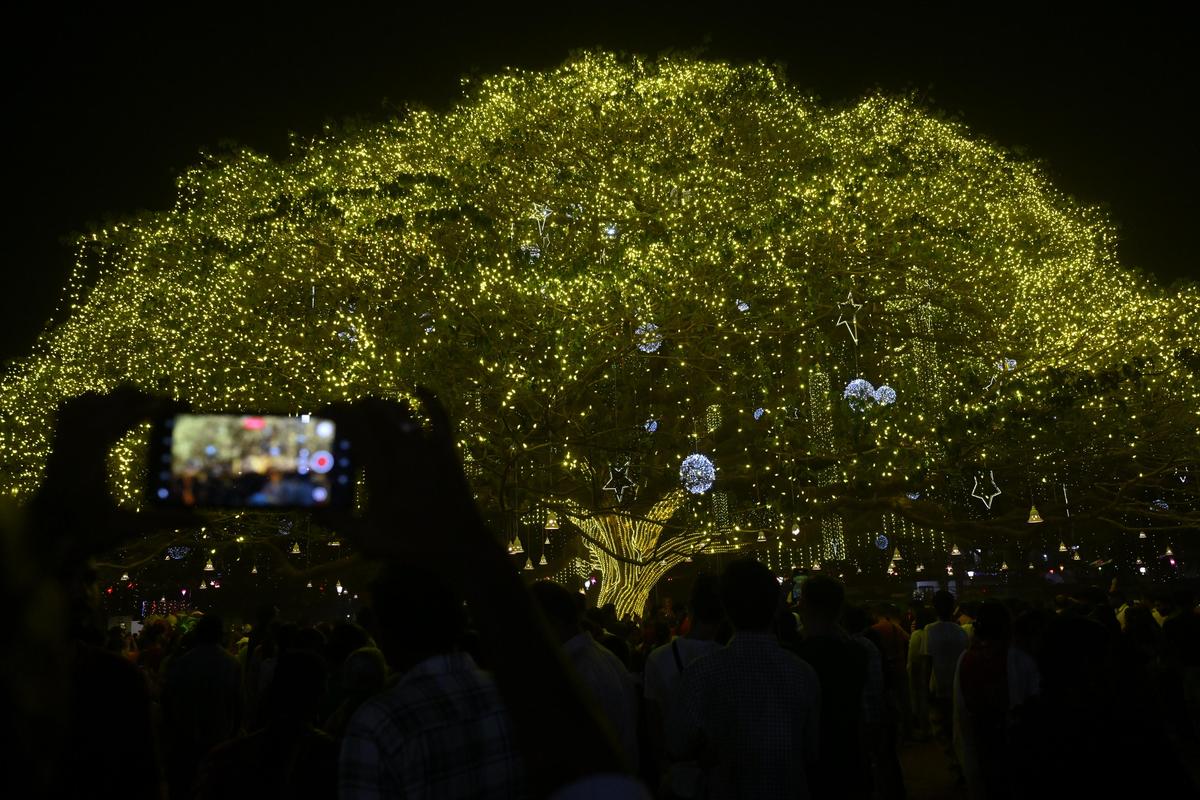
We have all seen that gorgeous lime yellow raintree in Fort Kochi, which has gone viral ever since the lights were turned on on December 25. Although the tree has gained fame post-Covid, it was a tradition started by an enthusiastic group of young men in the year 2000. And for the past 25 years, the group of friends has been decorating a giant 70 feet tall and 80 feet wide rain tree in Veli Ground, Fort Kochi, with strings of lights, stars, clay bells and balls made of lights. 

“We did not expect our ‘Christmas tree’ to blow up like this. This ‘phenomenon’ started post-Covid, when content creators began posting about the tree, calling it the ‘biggest’ Christmas tree. In the beginning, for us, it was just a local tree we were dressing up for us and our families! But look at it now…it has gone viral not just nationally but internationally too,” says Manish MS, convener of Knights United, which has been decorating the tree for years. 

“It started when we were kids, we were members of three sporting clubs — Sparks, Eagle and Sharjah. One of our older members, Nixon, now a policeman, took lead in decorating the tree in the neighbourhood. It was just something one of the kids mentioned at the time, one of those Christmas time things,” says Manish. 

The three sports clubs ‘united’ to become Knights United, sometime in 2009-10, to include members of other clubs who joined them over time. This has been an annual event with everybody coming together for the big event. “Getting the tree done up is a lot of hard work, it may look effortlessly beautiful, but it is not. We started preparing on December 6, doing it in parts and phases, we cannot spend all our time here. We have day jobs that we need to do to sustain our families,” he says. Manish builds interiors of houses. 

The Santa Claus of the Christmas tree

The Santa Claus of the Christmas tree
| Photo Credit:
THULASI KAKKAT

Lights like flowing water

This year, especially, the tree looks stunning with lime yellow string lights, resembling flowing water, draped over it. “It was so hard to explain the colour when we were discussing the design. But look at how beautifully it has turned out,” he says. He makes a special mention of the 20 feet tall Santa Claus placed near the tree, “it is one of the best Santas this year in Fort Kochi. Certain localities and other spaces have put these up. Ours is one of the cuter ones!” 

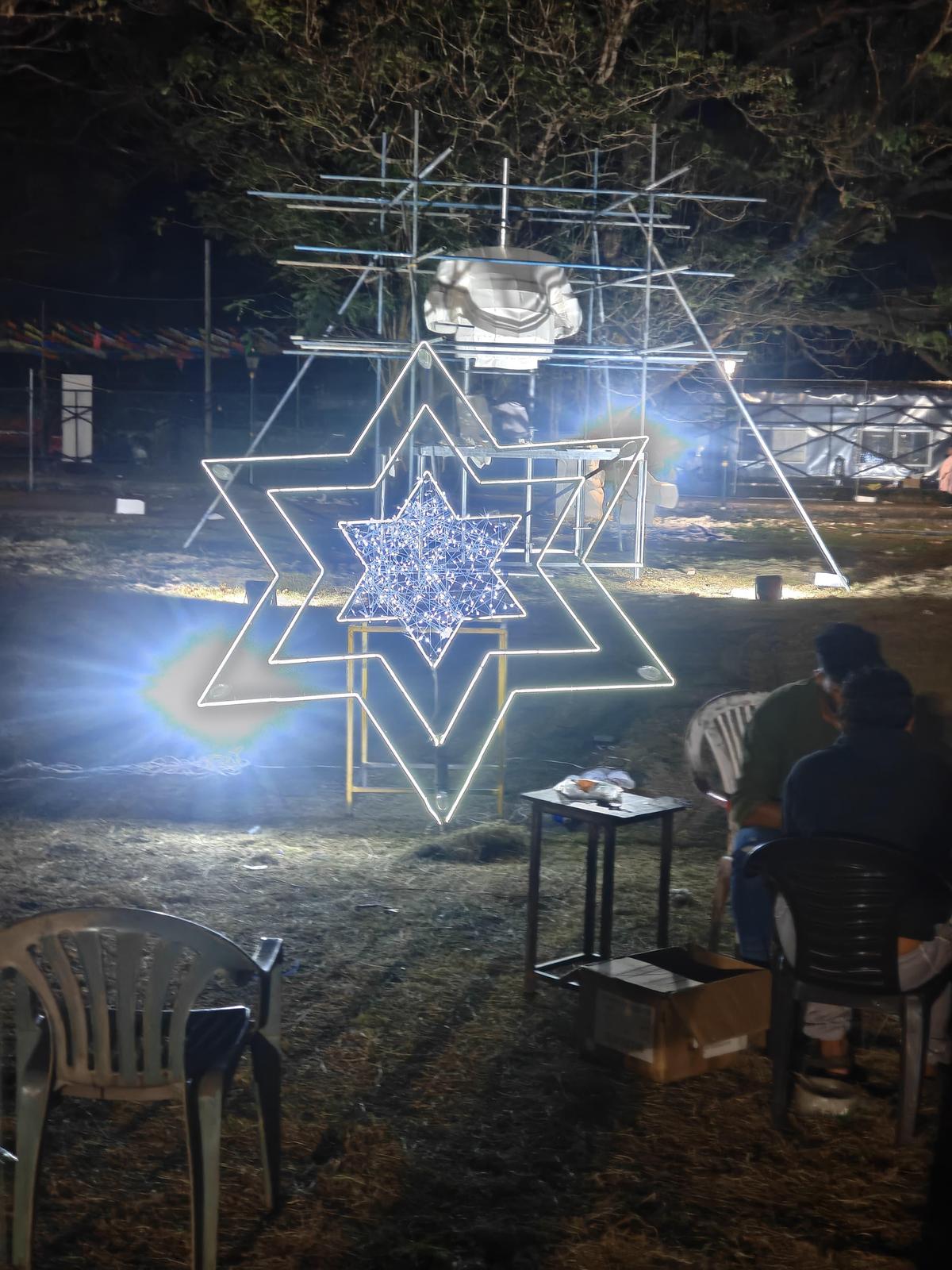
The star which sits atop the Christmas tree being made

The star which sits atop the Christmas tree being made
| Photo Credit:
Special Arrangement

Work starts on the design and other aspects a couple of months in advance. The lights and other baubles are arranged manually on the tree. The strings on the tree are made up of more than one lakh bulbs, which are powered by two generators which use diesel worth ₹9,000 every night. The lights will be turned on at 6.30pm daily until New Year’s Day on January 1 and switched off at around 1.30pm. 

Crowds of people celebrating

“However, on days when there are more people, we are asked to turn off the lights by 12am. The surging crowds around the tree is a cause of concern, understandably… we are asked by the police, the Collector and local bodies to not keep the lights on till very late to prevent untoward incidents. In the past, before all the hype we would keep the lights on into the wee hours!”  Manish reminisces. 

There is more to what Knights United does. Manish says he and some of the others keep an eye on the people visiting the area. “Apart from misbehaviour, we keep an eye out for potential problem makers, people under the influence of drugs, for instance, can be problematic,” he adds. Sanctions are needed from the government departments such as the Corporation, Police, and the Fire Department. 

Drive by donation and goodwill

Apart from the strings of lights, which are rented, the tree is decorated with stars, 75-odd bells, customised and made of clay, 100 balls or “lighting balls” as Manish calls them, and 100-odd strings of lights that hang from the tree. The expenses this year have run up to around ₹11 lakh, from donations, which were hard to come by this time because it was election year. “But now, because it has gone viral, we have people asking us why we did not include them. These are the same people who refused donations… next year might be easier because of this!” he adds.  

“Once upon a time there were more than 100 of us to do everything. This year there are barely 35 of us and very few youngsters. Of the old timers, there is me, Sanoj PS and Suraj who are actively part of it, the others have moved away — on work and other commitments. Those who can come, try to make it. Very few youngsters are part of this, probably it is not fun enough for them. Also it is a lot of physical labour, getting this done. Not just that this comes with responsibility too…one has to return everything intact and make the payments on time. It will be January 10 by the time we are done with everything, including settling accounts.”   

Published – December 31, 2025 09:37 pm IST


Source link

K-Beauty in 2025: New hero ingredients, concise regimens and more


Moisturisers, sheet masks, and serums, continue to be popular K-beauty skincare categories in India

Moisturisers, sheet masks, and serums, continue to be popular K-beauty skincare categories in India
| Photo Credit: Getty Images

Have you ever watched a K-Drama, and been tempted to try out a beauty product used by an actor on the show? 

In the 2022 show Business Proposal, Manasa Garamella, co-founder, Kindlife, an online platform curating and retailing K-Beauty and other global cosmetics, recalls how the Kahi Wrinkle Bounce Moisturizing Multi Use balm became a talking point after the lead actor used it. “This was a product in a format that had existed for a long time in South Korea, but it was interesting to see the product become a talking point in the Indian context as well,” she says. 

In 2025, the K-Beauty, which is an integral part of the hallyu or the global popularity of South Korean culture which also includes K-Pop and K-Dramas, continued to find a growing audience in India. And this, is projected to grow even further. A study carried out by Kindlife and Datum Intelligence, projected K-Beauty to be the fastest growing segment in the Beauty and Personal Care category, from 11.9 million buyers in 2024 to an estimated 27.2 million K-Beauty buyers in India, in 2030. 

“K-beauty’s rise in India has been incredible, and we’re only just beginning to see its full impact,” Manasa says. Quoting the report, she says that the category is projected to cross  $1.5B by 2030, growing at 25.9% CAGR(Compound Annual Growth Rate), making it India’s fastest growing beauty segment. “This rise can be attributed to the growing influence of clinical-led brands and high-efficacy formulations, reflecting a clear cultural shift toward skin health over quick trends,” she says. 

Manasa Garemella

Manasa Garemella
| Photo Credit:
Special Arrangement

K-Beauty user trends are, however, evolving. While it initially grabbed eyeballs in India in the past for its elaborate skincare routines, Kindlife’s study suggests that 51% of K-Beauty users they survey use three to four products per day. Manasa also points to how the 10-step Korean routine has now been more ‘Indianised’ to a practical three or four step daily regimen. 

“Moisturisers, sheet masks and serums continue to be the most popular. But what we were very bullish about is how people have been taking to different ingredients. A few years ago, people were hesitant about snail mucin but this soon became popular as a hero ingredient and inspired by K-Beauty brands, we began to see Indian brands introduce it into their skincare lines,” she says. In 2025, Manasa points to how PDRN, a compound derived from salmon DNA, steadily became popular. “It will be interesting to see how category innovation continues to happen; across formats and formulations,” she adds. 

2026 predictions

With all the data knowledge from 2025, Manasa says 2026 will be an exciting year as well, as they enter a new era defined by science-led beauty, personalisation and holistic wellness. 

“Consumers increasingly want efficacy, longevity, and multi-tasking performance. We’ll see a stronger move toward barrier-first skincare and the modern ‘gwang’ philosophy — healthy, glowing skin from the inside out — powered by actives like exosomes, PDRN, NAD+, and peptides,” Manasa says. 

These innovations, she further predicts, will make a leap towards influencing haircare as well, with trends like glass hair, scalp rejuvenation, and hair longevity. And what about those very futuristic LED masks and contraptions for skincare you see on reels? “These tools will become a lot more mainstream as well,” she adds. 


Source link

Annapoora Hotel in Coimbatore launches filter coffee lip balm


Coffee Brown lip balm

Coffee Brown lip balm
| Photo Credit: Special Arrangement

Can a filter kappi lip balm really transport you back to that unforgettable sip of filter coffee of Hotel Annapoorna? Intrigued, I tried it and my doubts disappeared with the very first swipe. The buttery lip balm leaves a subtle brown tint and carries an unmistakable comforting aroma of Annapoorna filter coffee. “We have bottled a memory,” says Jegan Damodarasamy, CEO of Annapoorna Hotels.

Coimbatore-based Annapoorna Hotels has partnered with Vilvah, a sustainable skincare brand, to launch two limited-edition lip balms — Coffee Brown and Rosemilk Pink. Jegan calls the collaboration rooted deeply in nostalgia, sustainability, and the shared ethos of two homegrown brands.

The idea came from Annapoorna’s signature 100 per cent Arabica filter coffee. The restaurant brews nearly 250 kilograms of coffee a day, and although the grounds are discarded, Jegan realised they still contain antioxidants and compounds beneficial for skincare. “Can we repurpose this into something useful?”, he thought, and this eventually led to the launch of the lip balms. “Vilvah is a bootstrapped brand that aligned with our values,” he reasons.

Kruthika Kumaran, CEO and founder of Vilvah, says this partnership has an emotional resonance in the Kongu region. “My first instinct was to create a product that has a sensory element, a connection to taste and nostalgia, and appeals to a wide audience. A lip balm felt ideal, carrying a fragrance that evokes memory.”

However, developing the product came with challenges, especially getting the flavour right. “I was particular about the exact aroma and flavour of Annapoorna’s Arabica filter coffee (not generic coffee or cappuccino notes) preserving the unique roasting and blend notes. It has to be replicated without using any synthetic or artificial flavours,” recalls Jegan adding that they finalised the unmistakable flavour after multiple rounds of trials by both teams.

Rosemilk Pink lip balm

Rosemilk Pink lip balm
| Photo Credit:
Special Arrangement

While the beverage uses just a few elements (milk, coffee, sugar), the lip balm formula had 26 natural ingredients, each with its own note. Masking every note and still bringing out Annapoorna’s signature coffee fragrance required intense trials and many R&D iterations.

Midway, the idea of adding rosemilk lip balm emerged, another iconic Annapoorna drink with a huge nostalgic following. Says Kruthika, “Formulation has been challenging. Because rose milk is popular among children, safety was the first priority. We used natural butters, plant oils, fresh Annapoorna coffee extract (for Coffee Brown) and real paneer rose petals for the Rosemilk Pink variant. The biggest hurdle was recreating gloss and glide without using silicones, mineral oils, petroleum derivatives. Creating the right aroma was even harder.”

As a beauty brand, Kruthika strongly believes in hyperlocalisation. “Beauty needs vary across regions, cultures, and skin tones. Most Indian beauty products are created for fair-toned consumers. For this project, I chose tints that match the pigmented lip tones of South Indian skin.”

Annapoorna Hotels partnered with Vilvah to launch two limited-edition lip balms

Annapoorna Hotels partnered with Vilvah to launch two limited-edition lip balms
| Photo Credit:
Special Arrangement

To Jegan, this is more than a product, a statement that homegrown brands can create trendsetting ideas that enrich customers in a meaningful, emotional way. “It proves local brands can come together with strength and dignity, without ‘giving away’ their brand. It has opened customers of both brands to each other organically,” he says, adding, “Nostalgia played a huge part, especially for people who miss Annapoorna coffee when away from Coimbatore. When people think of filter coffee or rosemilk, I want Annapoorna to be the first name that comes to mind. If this lip balm helped that happen even a little, we have  done our job.”

The special-edition lip balms are priced at ₹395 each or ₹699 for the duo. They are now available across all Annapoorna Hotel outlets, Vilvah stores, and online


Source link

Who knew the rearview mirror had better ideas than I did?


Perhaps it was closer than I had imagined — like a truck looming suddenly in the rearview mirror as I sped down the freeway. The big four-oh (40) loaded faster than a Monday morning email inbox. No detours, no slow lane, just an abrupt arrival!

The journey getting here had been exhilarating. Goals were checked off with satisfying regularity, accolades accumulated neatly on my desk. From journalist to PR professional, and eventually sales and marketing director at one of the world’s most admired hospitality brands, the waves at work had kept building. I held steady, convinced that the rush of the surf made everything worthwhile. Yet, between those seemingly idyllic crests, a quiet question was beginning to gnaw at me: Is this really all?

Perungattur P Rajagopal

Perungattur P Rajagopal
| Photo Credit:
Special Arrangement

A life one rich with balance

In my twenties, balance had come easily. Work was just one part of a rich and diverse life — part-time stage actor, outdoors enthusiast, sports lover. My job had felt like a mere slice of what was usually a generously filled day. But as I climbed the corporate ladder, this balance had somehow gotten skewed. Travel, once my greatest joy, now revolved around work events, and not exploration or adventure. I was always on the clock, and yet never had the time for the things I loved, or the people who mattered most. The week would begin before the previous one had ended, and extracurriculars were becoming increasingly infrequent.

The glamour that masked the grind

Standing on the red carpet at the premiere of HBO Original The White Lotus Season 3 at Four Seasons Resort Koh Samui, surrounded by flashbulbs and champagne flutes, the realisation hit me hard: my world had somehow been subverted. The big-city life, with its high-octane meetings, and all the jet-setting had glossed over the grind — 30-60-90 day action plans, sales targets, and a calendar of meetings packed tighter than a carry-on suitcase.

Stepping off the wheel

They say life comes full circle, and for me, that moment arrived in May last year. I learned that PERCH, a vibrant collective of artists and theatre practitioners, was bringing Under The Mangosteen Tree — a colourful collage of stories by iconic Malayalam writer VM Basheer — back to life. Stepping off a moving wheel is unnerving, especially when you have stayed the course so long. Yet, the timing felt serendipitous. What better way to celebrate a milestone than returning to a story — and a version of myself — I had once loved? I decided to gift myself a self-imposed sabbatical. My husband and I are no strangers to living on the edge, but this felt different: less thrill ride, more leap of faith. With a few adjustments to our bottom line, we felt ready to give it a real shot.

Actor Maya S Krishnan and Karuna Amarnath

Actor Maya S Krishnan and Karuna Amarnath
| Photo Credit:
Special Arrangement

Pressing pause (and play)

One month into my sabbatical, with 12 sold-out performances behind us, I found myself craving more. That craving led me somewhere entirely unexpected and utterly irresistible: a rare opportunity to study Kattaikkuttu, a traditional Tamil folk theatre form, under one of its living legends — Perungattur P Rajagopal. For the first time, he was opening his institution in Kanchipuram for a short-term immersive course.

Entering the world of Kattaikkuttu

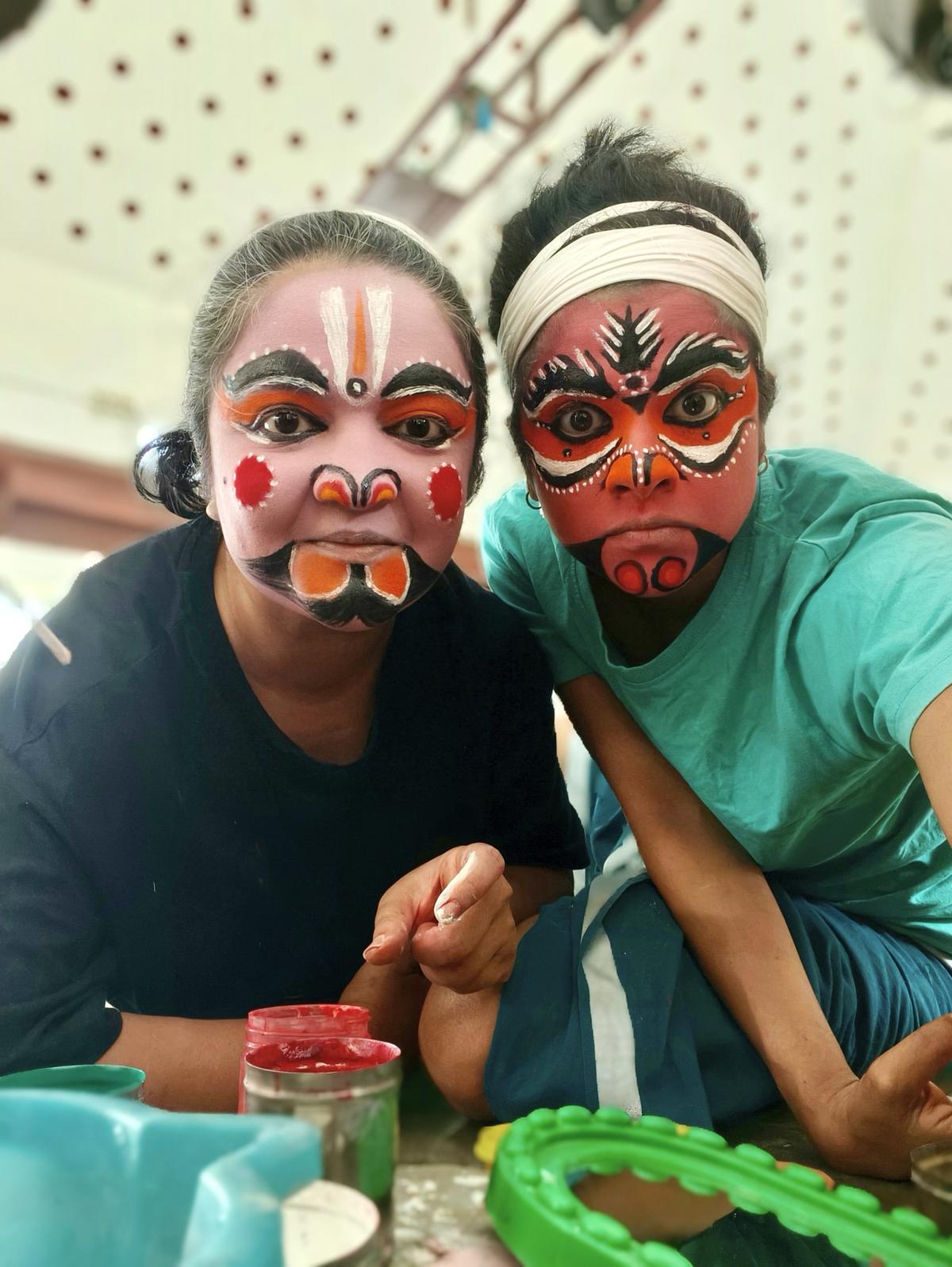
Despite growing up in Chennai, Kattaikkuttu was unfamiliar territory: the stages are open village grounds, the language imposing, the costumes overwhelming. Stitched together with high-pitched verse, and relentless rhythm, this physically demanding form is typically staged across an adrenaline-fuelled all-night performance.

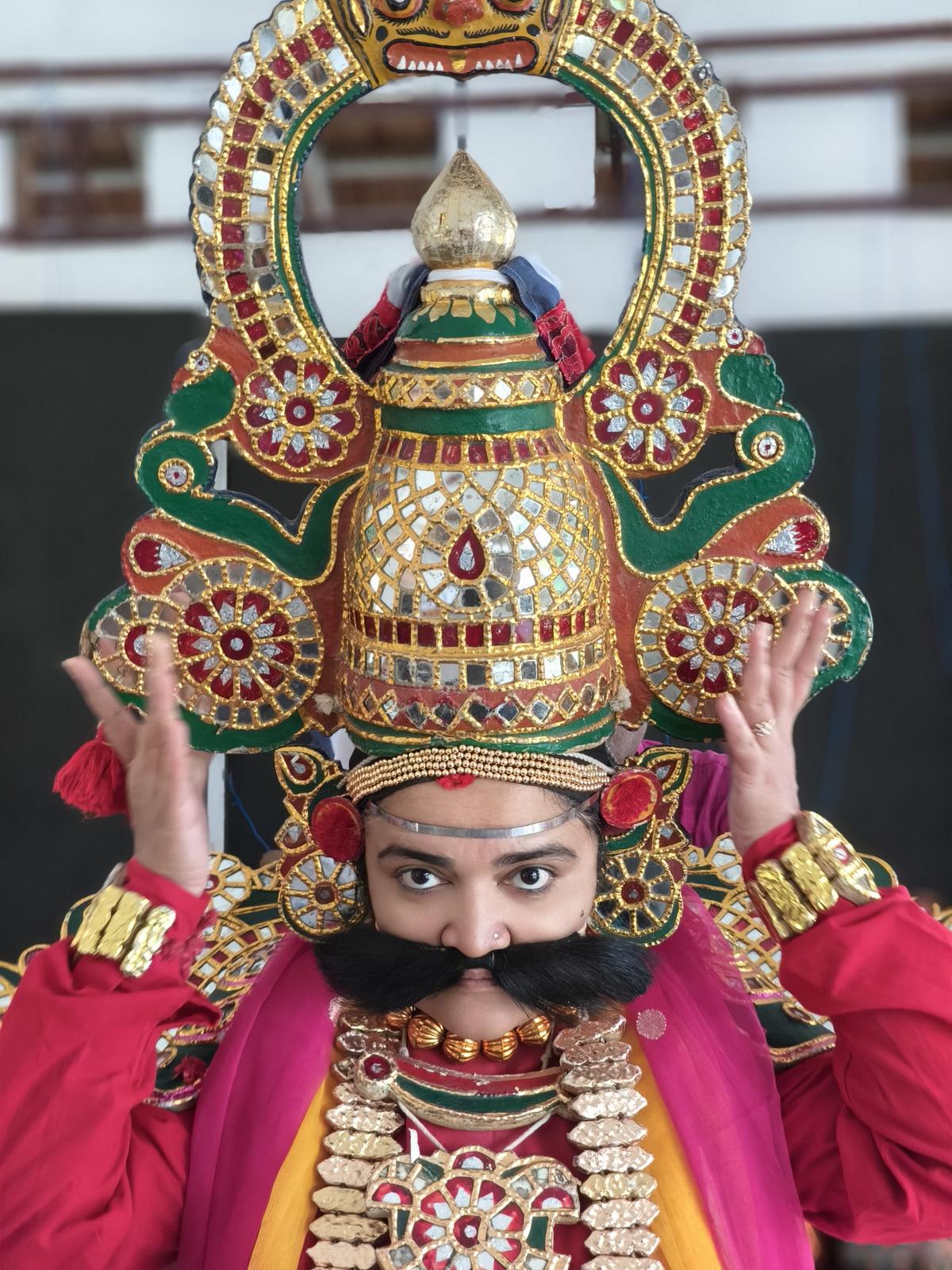
Wooden thiru mudi (crown) weighing 2kg

Wooden thiru mudi (crown) weighing 2kg
| Photo Credit:
Special Arrangement

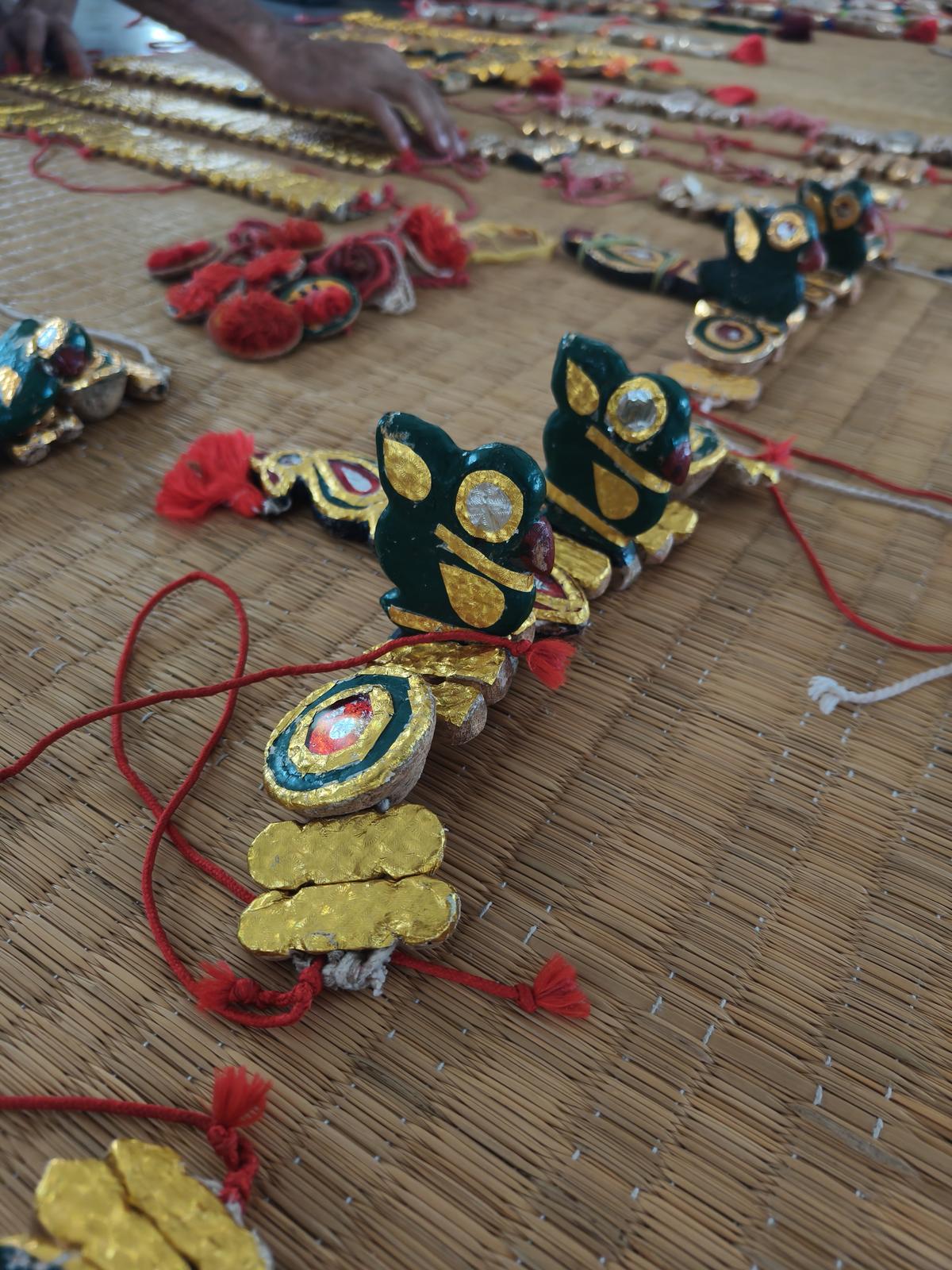
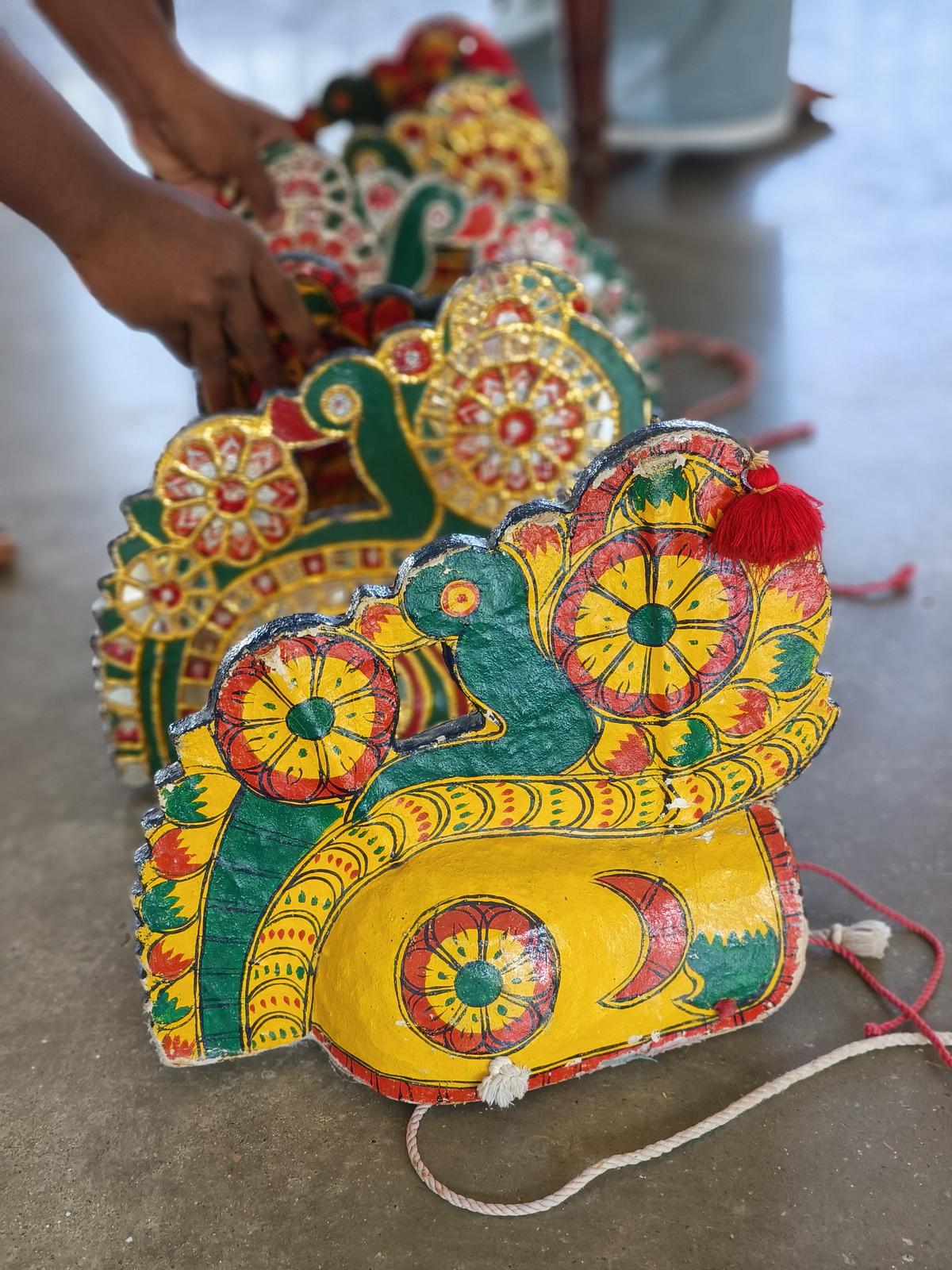
The ornamentation tells a story of its own—elaborate wooden pieces, hand-painted, glued, and decorated using ‘muggu’, ‘gondhu’ and other traditional techniques. The musicians — mridangam, mugaveenai, and harmonium players—create each song in complete partnership with the performers singing in perfect unison at F-sharp, transforming every performance into a living conversation. Passed down orally through generations, the form is guided solely by a teacher’s lived knowledge.

One of the most fascinating aspects of Kattaikkuttu is its relationship with the audience. People may get up, walk out, or even take a nap at any point. It’s a space where people yell out when a particular verse isn’t performed correctly. The audience knows the intricacies, the nuances—the very fabric of the form. They’re not just passive observers; they’re participants in an ongoing dialogue. This critical and active engagement makes Kattaikkuttu a dynamic theatre form, where performers and audience are in constant exchange, making the performance ever-evolving.

Each aspect of this form is an act of preservation, keeping centuries-old craftsmanship alive with every performance. Historically rooted within specific communities, stepping into this space as a learner feels less like access and more like a privilege — one that comes with responsibility, listening, and deep respect.

Learning at Kattaikuttu Sangam

Ornaments made with ‘muggu’, ‘gondhu’ and other traditional techniques

Ornaments made with ‘muggu’, ‘gondhu’ and other traditional techniques
| Photo Credit:
Special Arrangement

On the outskirts of Kanchipuram, Rajagopal and Dr. Hanne de Bruin have created the Kattaikuttu Sangam — a sanctuary for preserving, upholding the prestige, and nurturing this art form. Learning here goes beyond rehearsal, offering a fully immersive entry into the Kattaikkuttu way of life. Once practiced exclusively by men, Rajagopal’s inclusion of women in lead roles has transformed it. His legendary discipline underpins everything — rehearsals exacting, repetition relentless, and precision non-negotiable. Yet, his students, now teachers, mirror his precision and generosity: welcoming, quiet yet particular, ensuring no one is left behind until every voice catches up.

A reset: barefoot and grounded

The challenges have been many — learning Tamil verses, understanding complex rhythms, executing ‘kirukis’ (pirouettes) under elaborate costumes. Yet, living here, in a village community as eclectic as the characters we perform, has been profoundly grounding. Three months felt barely enough to scratch the surface of this art form, a lifetime of practice is needed to truly understand its depth. But this window into a world I barely knew existed has given me the space to reset and reassess what truly holds value.

As 2026 dawns, I see the year behind me split in two: six months in Bangkok, sharp-heeled and fluorescent, and six months barefoot on village soil, where time moves to an older rhythm. Here, singing ragas at the nalre katte (4½ scale) is the only high-octane drive I know.

Beautifully hand-painted wooden ornaments

Beautifully hand-painted wooden ornaments
| Photo Credit:
Special Arrangement

The rigour, discipline, and precision that once defined my corporate self, have not disappeared—they have in fact been honed further, now rooted in song, movement, and the steady cadence of a centuries-old practice. Now, as the rearview fades behind me, it feels less like arrival and more like departure — not a chapter where barefoot steps, F-sharp ragas, and centuries of song guide the way.

With the support of Tata Trusts, Kattaikkuttu Sangam offers certification courses ranging from three to 10 months, with the next intake beginning in February 2026. More details at kattaikkuttu.org.

Students from the inaugural batch (October–December 2025) will perform Pagadai Thugil (Draupadi Vastrabaranam) on January 3 and January 10 at 6 pm at Kattaikkuttu Sangam, Kanchipuram. Entry is free.


Source link

What happened in 2025 to Indian fitness


2025 was the year of many firsts in India’s still somewhat unregulated wellness space. For starters, it was the year Novo Nordisk’s Ozempic — a medication that mimics GLP-1, a gut hormone naturally present in the body, which helps regulate blood sugar and appetite — was finally launched in India, priced at ₹2,200 for a 0.25mg dose. It was also the year that HYROX became a cultural phenomenon, with the very first edition of this global indoor fitness competition held in Mumbai on May 3, 2025. And yes, there was also a surge in high-protein products, an uptick in data-driven health solutions, and a greater focus on holistic wellbeing, among other trends.

Here is what our team of experts say about the year gone by.

The rise and rise of GLP-1 drugs

Ozempic was launched in India this year

Ozempic was launched in India this year
| Photo Credit:
AFP

“People are very interested in GLP-1 now in India,” believes Dr Kiran Sethi, who has launched an integrated, clinician-guided GLP-1 protocol at the Delhi-based Isya Aesthetics. According to her, though GLP-1 drugs have been around for decades, their use as a weight loss drug is a “newer phenomenon.”

This, says Kiran, is likely to completely shift the narrative around obesity, “which is no longer being viewed, at least in Western medicine, as a disease of willpower.” When we are obese, she explains, fat cells produce different molecules that can impair weight loss, meaning that, biochemically, the body is not letting you lose weight.

“We can no longer blame people for being fat. It is not kind, fair or medically true.” Using GLP-1s to treat obesity “like the disease it is” could offer long-term benefits to people, in her opinion. “The idea of being on a medication forever terrifies people, but what they do not understand is that you don’t have to be on it forever,” she says, pointing out that these drugs are not addictive. “You can come off them whenever you want. It is really how you use the medication and not the medication itself.”.

However, Kiran adds, the medicine alone is not enough for weight loss; you still need to make better lifestyle decisions. While GLP-1s help you make those decisions more easily—its impact on gut motility, for instance, could prevent overeating—the onus is still on the individual to make the right lifestyle choices.

“You have to eat smaller quantities and won’t be able to tolerate fried food very well, so your body will naturally incline to eating smaller, healthier portions slowly,” she says. If you continue to choose to eat the way you always have, however, it may not work.

“I have patients who will take the medication, and they’ll still go and have a cheeseburger, fries and onion rings and feel sick afterwards,” says Kiran. “So yes, the medication can help you, but if you are unable to respond to those signals and moderate your reactions to them, you may not respond as well to them.”

And yes, it is important, she warns, that people understand these are prescription medicines for better health, not a vanity project. And, you cannot self-medicate. “You should be getting it through a doctor, and you have to be monitored by a doctor.”

One of the biggest issues, for instance, is that people often want to increase their dose too much, which could lead to other side effects, including the much-touted Ozempic face. “It is not a good idea. You want slow, steady weight-loss, not 10 kgs in a month.”

Protein maxxing

Protein became more popular than ever before

Protein became more popular than ever before
| Photo Credit:
Getty Images

If you have been following any health influencer on Instagram, you would know this by now: protein is in and how. India, often thought of as a protein-deficient country, is finally waking up to this global trend.

“In the last five years, the awareness has skyrocketed in India,” says Prashant Paliwal, the co-founder of Nuvie, a Bengaluru-based brand focusing on a range of protein products, including bars, shakes and coffees.

When he started his fitness journey about eight years ago, it was predominantly the weight-lifting community that obsessed over protein and mainly consumed it in supplement form, unlike today, when it is everywhere.

“You have protein in so many form factors: dosa batter, bread, biscuit, chocolate…” This segment is growing exponentially, he says. When Nuvie launched a protein milkshake in October 2024, the entire category was less than ₹30 lakhs per month. “Today, this category alone is ₹12-13 crores per month, so it is growing massively,” says Prashant, who expects the trend to continue.

His perspective is echoed by Rishabh Telang, the co-founder of Cult Fit. Prioritising protein is a good thing, he says, highlighting a recent Indian Council of Medical Research study that found that the average Indian diet, which is high in carbohydrates and saturated fat, makes us more susceptible to metabolic disease.

“I do believe that we are going in the right direction,” says Rishabh, who also believes that India’s protein market has evolved considerably. “Ten years ago, you would have been able to name just a couple of (protein) brands. Now there are so many out there, and most of them seem to be doing well.”

Rishab, however, has a caveat. While this rising awareness about protein is a good thing, it is more important to strike a balance than to over-obsess, he says. “We are overdoing the protein discussion a little, because in India, we have been protein-deficient. We need to be eating a sufficient amount of protein, but we also need other macros.”

Drawing inspiration from fitness sports

Fitness sports got more popular in 2025

Fitness sports got more popular in 2025

While old-school gyms persist, albeit less popular than they were in the early 2000s, other trends have emerged in the larger fitness ecosystem. Perhaps the newest and most exciting, in recent times, is the rise in popularity of fitness sports, most notably HYROX events.

“Gym-going people, unlike runners, didn’t have a forum to compete, right?” says Prashant, who believes that competitiveness in sports leads to people continuing their fitness regimes. “With HYROX coming to India, this has really picked up,” he says, listing some other popular fitness challenges in the country today, including The Yoddha Race, Devils Circuit and Peakst8. “There is definitely a massive push towards this,” he says.

Cult Fit’s Rishabh, however, is a little more measured in his assessment of fitness challenges, which he sees as exciting and aspirational but still a niche category, at least in the foreseeable future.

While events like HYROX, which are social media-friendly and generate a lot of noise, attract a decent number of participants, India’s fitness penetration remains among the lowest in the world. “The good thing is these races are going to inspire people to get into fitness. However, the bigger opportunity for fitness in India is to get people to start moving first.”

The impact of technology on fitness

Advanced wearables are a powerful tool for monitoring and optimising athlete performance.

Advanced wearables are a powerful tool for monitoring and optimising athlete performance.
| Photo Credit:
AP

In 2025, online coaching continued to prosper, fitness trackers became more advanced, and countless fitness apps were introduced or upgraded. But another interesting phenomenon emerged this year: the use of AI tools like ChatGPT in the world of fitness.

“AI has made things simpler allowing people to generate a workout program using it. If an AI tool gives you something to get started with, it’s great,” agrees Rishabh, recalling a time when people struggled to get good-quality workout plans and often ended up needing to pay for a personal trainer, which is not affordable for everyone.

“Any AI tool, which gives access to a good quality workout plan that, through interaction, learns about the user and their progress, is always going to be helpful. I see this as an opportunity for the overall fitness ecosystem when more people can start working out using AI.”

He also acknowledges that a human coach will always add value to any fitness programme. “The thing about fitness is that the same person can behave very differently on different days —  you may not have slept well, eaten well, had a tough day at work, hormones are here and there…anything.” A human coach, in his opinion, will be able to tweak a fitness plan by taking these factors into account.

Celebrity coach and movement expert, Suhail Mohammed, the founder of FitDistrict, Bengaluru, agrees that using technology to get fitter has both positive and negative consequences.

“Training is a touch-and-feel kind of job, and it is not as simple as saying that you will punch in my requirements and let an app or AI give me a programme because half the time, you honestly don’t know what you really want,” he argues.

In his opinion, it is essential that a professional conduct a proper assessment before developing a programme, gathering information about a client’s movement patterns, physiology, anatomy, and so on. “A general programming through an AI or app will never work because personal requirements vary so much.”

Where Suhail prefers to use technology, instead, is to monitor and optimise athlete performance. “I would not really recommend the general fitness crowd to bother too much, because you are not at performance levels with your body. You just need to get through day-to-day life, go to office, come back and make sure you do not have aches and pains,” he says.

Athletes, on the other hand, are a different story, says Suhail, who is himself using WHOOP, a health wearable that he believes is “one of the most advanced way to track with the metrics being the most accurate so far.”

Advanced wearables, he says, enable him to track athletes’ heart rate, sleep, stress, etc., regardless of where they are in the world, and help him fine-tune a programme. “Getting somebody to lose weight from 100 to 80 kilograms is way easier than getting an athlete who runs 100 meters in nine seconds to get down to 8.5. “That’s when I feel that technology has advanced and helps me coach athletes at a very precise level.”

Holistic health

Holistic health factors in  physical, mental, emotional, social and spiritual aspects of wellbeing

Holistic health factors in physical, mental, emotional, social and spiritual aspects of wellbeing
| Photo Credit:
Getty Images

While the concept of holistic health, a comprehensive approach to wellness that factors in the physical, mental, emotional, social and spiritual aspects of wellbeing, has always been part of India’s ancient AYUSH systems, it is very much in vogue right now, not just due to encourgament from the central government, but also due to social media and the proliferation of new healthcare centres springing up across the country.

One such centre is the Delhi-based Lifeyoga, founded by Varun Veer and Tanu Singh. Health, in Varun’s opinion, is less about aesthetics and more about overall well-being. “Health is not based on your physical beauty, but on the entire system. Your body, breath, mind, wisdom, and full personality need to be healthy,” says Varun, who believes that the traditional Indian attitude towards wellness is overall more holistic.

“I see many young people joining meditation classes today because they suffer from terrible anxiety,” he says, while Tanu adds that people are now returning to their traditional foods, like millets and embracing yoga, which, she believes, heals them both physically and mentally.

“They are connecting to their roots, and that is a beautiful shift,” she feels. “We are not learning something new, but going back to something more holistic, connected and rooted.”

Rishabh agrees that there is now a focus towards holistic health and wellness, especially in evolved fitness markets like the US, where “gyms are evolving to be not gyms anymore but wellness centres where exercise is one part of it, but it is a lot more holistic,” he says. While the gym ecosystem in India has not quite caught up, “there are people who are serious about fitness and have made wellness their priority, rather than looking a certain way.”

People are talking about metabolic health, why muscle helps you age better, nutrition and sleep quality. “There is a solid trend around recovery, with many gyms including things like cold plunges and infrared saunas, that are picking up very well.”

Source link

Say it in verse – The Hindu


 Poetry with Prakriti Festival 2010 - an all night tribute in commemoration of the tsunami victims

Poetry with Prakriti Festival 2010 – an all night tribute in commemoration of the tsunami victims
| Photo Credit: MAIL PIC

About 10 editions ago, Prakriti Foundation’s Poetry with Prakriti took the shape of a shy little event featuring eminent and emerging poets, spreading their verses across Chennai’s school, colleges, parks, IT parks, pubs, and public transport systems.

“It all started with the idea of our Margazhi season where so many performers showcased their art in different venues. I wondered what it would mean if we chose to replicate this idea in the form of poetry. After all, the verses of Carnatic composer Muthuswami Dikshitar and the likes of thumris and bhajans, take the form of poetry. What would it mean to delve into this space entirely in a city like Chennai?” recalls Ranvir Shah, founder-trustee, Prakriti Foundation.

In 2017, an article from The Hindu suggests that the people of the city took the event like a moth to flame. Older women who did not enter pubs, found themselves listening to Tamil rap artist Sofia Ashraf, engaging with her politics, also in verse. Several books were released during this event, and suddenly, there was a space for writers, young and old, to try and open their minds, hearts, notepads, and Google docs, to the idea of a reader, an audience.

In its latest edition between January 5 and 10 held in association with The Hindu Lit for Life, the festival, held across several venues, grows in form, just as promised in its first edition. “During these events, we find that there is an openness to receiving poetry. Poets, usually private people, are also willing to share and receive feedback. It’s a great space for engagement,” Ranvir says.

He adds that famous Tamil poets like Salma, whose association dates back to the very first edition of the festival, will be present at the event. “Post COVID, many of us lost touch. This year, we decided to call up Prakriti’s old friends and bring them back to our stages,” he says.

This year’s lineup involves other poets like Akhil Katyal, K Srilata, Shripad Sinnakaar, Kutty Revathi, Ramesh Karthik Nayak, Aleena, and several others, from distinct backgrounds, with a penchant for the political, through deep self exploration.

Ranvir asks the audience to look out for a session where poets Geetha Ravichandran, Shikhandin, Sivakami Velliangiri will read out their work from their latest book Footnotes in G Sharp, while an artist paints, and a musician sets their words to tunes.

“We tried making poetry sexy,” Ranvir says.

Venues for the event are yet to be announced. Follow @theprakritifoundation on Instagram for more details.


Source link

Rhea Raj on her love for Chennai, the Commotion tour, and what made 2025 special


Rhea Raj’s day in Chennai begins at 5am. “I think I am still a bit jet-lagged,” she laughs. “I get to have a nice long morning. I sit with my grandfather, have two cups of chai back-to-back and pick up a book to read. I went to the beach yesterday, and it was so rejuvenating,” she says. 

The Indian-American pop artiste has had a packed year. After performances at the iHeartRadio festival and her stage debut at Lollapalooza Chicago alongside Aliyah’s Interlude with a performance of their hit song ‘Haute Couture’, Rhea released her second EP, Commotion, and in December, went on her first headline tour of the same name, across five venues in the US.  

It has been over a year-and-a-half since her last visit to Chennai and over the last few days, Rhea has been treating her fans to several updates; from walks at Besant Nagar beach, a visit to the Ashtalakshmi temple, attending a Bharatanatyam class, shopping for fruits, and decoding the dishes in an elaborate ela saapad she thoroughly enjoyed. “I feel like I go back to the US after a trip to Chennai feeling so much more alive and refreshed,” she says, over a video call from her grandfather’s house, looking every bit as relaxed as she describes her time here. 

Rhea has been keeping fans updated by sharing photos from her days in Chennai

Rhea has been keeping fans updated by sharing photos from her days in Chennai
| Photo Credit:
Special Arrangement

Rhea and her sister Lara Raj, who is part of the pop girl group KATSEYE, have drawn attention not only for their artistry, but also for their Tamil roots; a rarity in mainstream pop music. Their South-Asian, and Tamil identity in particular, is something both sisters speak about, and flaunt with pride. 

Born to Tamil Parents Kavita and Sri Rajagopalan in the US, 25-year-old Rhea says her childhood and teens were filled with Bharatanatyam classes, regular visits from her Chennai-based grandparents, and a steady supply of Indian food. “All of this was always part of our DNA; something we’ve always really loved and cling on to very strongly. We feel really proud of our identity. We are at this global stage right now where we have a lot of eyes on us, and we want to bring forward parts of our culture that are important to us,” she says. 

Rhea and her sister Lara

Rhea and her sister Lara

Both onstage and in her music videos, Rhea is often seen sporting bindis, maang tikkas, and chunky Indian jewellery. Earlier this year at the Billboard Women in Music Awards, Rhea walked the red carpet draped in a sari that once belonged to her grandmother. “This felt like a big moment, a cultural statement; but is also something that has been a part of our lives forever,” she says. 

Rhea recalls how growing up in the US, there was very little to no representation in the entertainment field for Indians, specifically South Indians. “I now feel really proud, and excited to explore new ways of bringing the culture forward, even if it means something as simple as showing people the food that I’m eating every day at home like my rasam, which I absolutely love,” she says, smiling. “Our fashion, food, music, and everything else is so vibrant and cool. I hope young kids see this, and they feel empowered and proud,” Rhea adds. During the Commotion tour as well, Rhea performed a Bharatanatyam dance break in her song ‘Hunter’, choreographed by her mother.

“I spent about two months prepping for the tour, and was in dance rehearsals basically every day for eight to ten hours, getting my costumes ready and going in for fittings. I got to work with many women designers as well, and it was really cool,” she says, describing the whirlwind lead-up to the tour. 

As a composer, producer, and lyricist on her songs, Rhea also has songwriting credits on ‘Priceless’ by Maroon 5, featuring Lisa of Blackpink. Be it in her latest EP Commotion which featured songs like ‘Mumbai’, ‘Killer’ and ‘Now That Ur Gone’, or her debut EP Hunter, Rhea’s songs are backed by her strong vocals, and themes of femininity and empowerment. “It is also about being the fiercest version of myself; that’s what also makes me feel good when I am performing onstage,” she says.

Something she is excited to explore more in her next era of music, Rhea says, is more vulnerable storytelling that delves into her relationships, past experiences and even her connection with spirituality. 

“The Commotion tour was so energizing for me, and it was honestly like the best experience of my life. So, we are very much right now in the works of planning more live shows in the US, but also outside the US and being able to take the tour globally. And of course, the next big thing is new music,” she says, of what fans can expect from her in 2026. 

Looking back at 2025, we ask Rhea about a moment that truly stood out for her. “From my tour, it was my show in Los Angeles where I got to perform at The Roxy. Not only was I concluding the tour in my hometown, but to be able to perform at a legendary venue which has hosted greats like Guns N’ Roses felt surreal. I woke up the next day thinking how I haven’t felt this level of gratitude and fulfillment before,” she says. 

Rhea and her parents were recently joined in Chennai by her sister Lara, as well. What are her plans in Chennai over the next few days, we ask. “Shopping! I am buying a lot more bindis, tikkas, and jhumkas to take back, for music videos, red carpet appearances and everything else. There are temple visits being planned, and I also just love to eat good food, so I am eating all the amazing food here,” she says. 

Published – December 30, 2025 07:06 pm IST


Source link