Life & Style

Ellora after dark: How immersive heritage events can rewrite India’s cultural tourism story


On a nippy November evening, the large murals and sculptures on the lit-up façade of the eighth-century Kailasa temple in Ellora, the world’s largest human-made monolithic rock structure, come alive. Each mural narrates a story of the ancient Hindu, Buddhist and Jain traditions. Much as Delhi-based Scottish author-historian William Dalrymple does on the stage, set against the backdrop of these rock-cut figures.

He brings to life the entire era, connecting India to Java, with a side of the Southeast Asian historical perspective. It is followed by a musical recreation of the landmark 1967 UN General Assembly concert of Pandit Ravi Shankar and Yehudi Menuhin, performed by Pandit Shubhendra Rao and his Dutch cellist-wife Saskia Rao-de Haas.

What better way to observe the 80th year of the United Nations (UN) this year than with a spectacle at the Ellora rock-cut caves? The Ellora caves, along with Ajanta, were among the first Indian sites to get the UNESCO World Heritage site status way back in 1983. AIKYAM 2025 (aikyam in Sanskrit means oneness/unity) witnessed performances by international artists from seven countries and brought together ambassadors and diplomats from over 36 countries. The experience offered glimpses into local Maharashtrian cuisine, dance forms and centuries-old weaving traditions of Himroo fabric and Paithani sari.

Serving bespoke heritage

When Dr. Scott Robert Hearnden, an international researcher from Australia, who has been living in Delhi for the last four years, arrived in Chhatrapati Sambhajinagar (formerly Aurangabad) for the curated heritage tour last month, the changes were visible. His five-star hotel had a traditional welcome arranged for him. He walked into a live demonstration of traditional music where men and women clad in dhoti, kurta and nauvari (nine-yard saris) danced to the beat of dhol-tasha. The welcome drinks were local Maharashtrian specialities like solkadhi (a cooling drink). Awaiting him was a hamper with local specialities: goodies and an exquisite handcrafted metallic replica of the Ajanta dancing girl in Bidriwork, bright handwoven tablemats, and a Himroo silk-cotton shawl. “In the last 20 years that I have been coming to India, the experience has changed dramatically. There is an ability to have an immersive experience in India now. It will be helpful to have more information out into the world about what is available, and how people who are not from India can have that experience. We rely on our tour operators to curate experiences for us. Access to authentic experiences by ourselves is still a challenge,” he says.
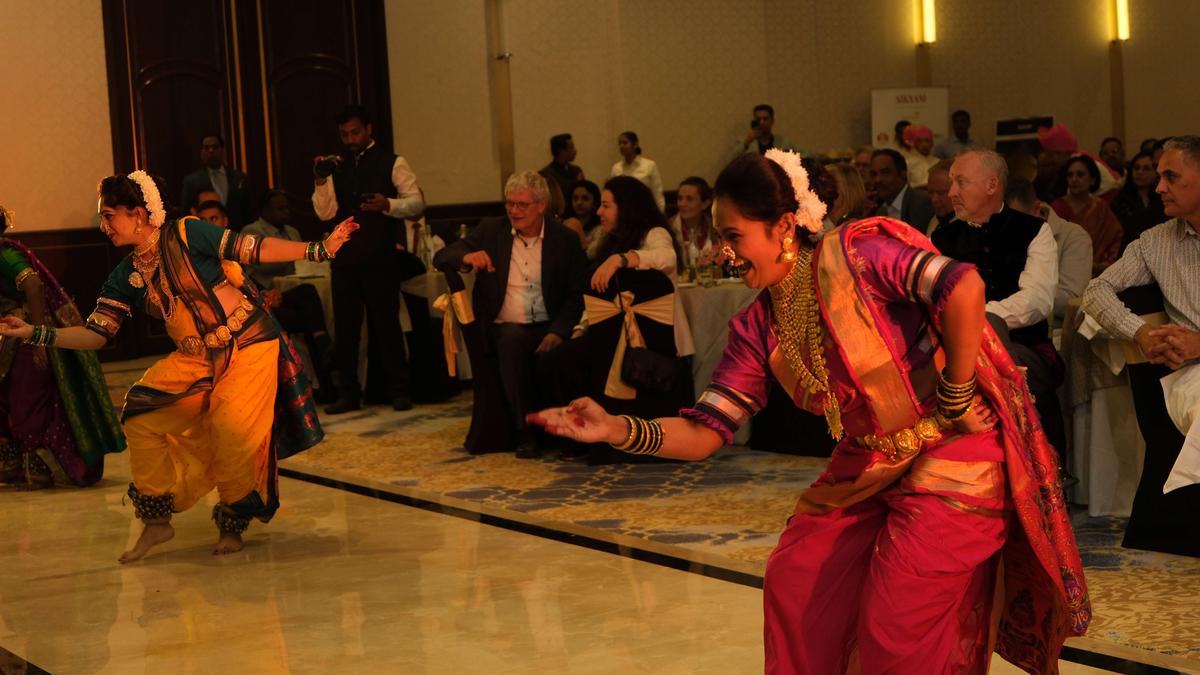
Laavni dance as part of local cultural traditions at AIKYAM 2025.

Laavni dance as part of local cultural traditions at AIKYAM 2025.
| Photo Credit:
Special arrangement
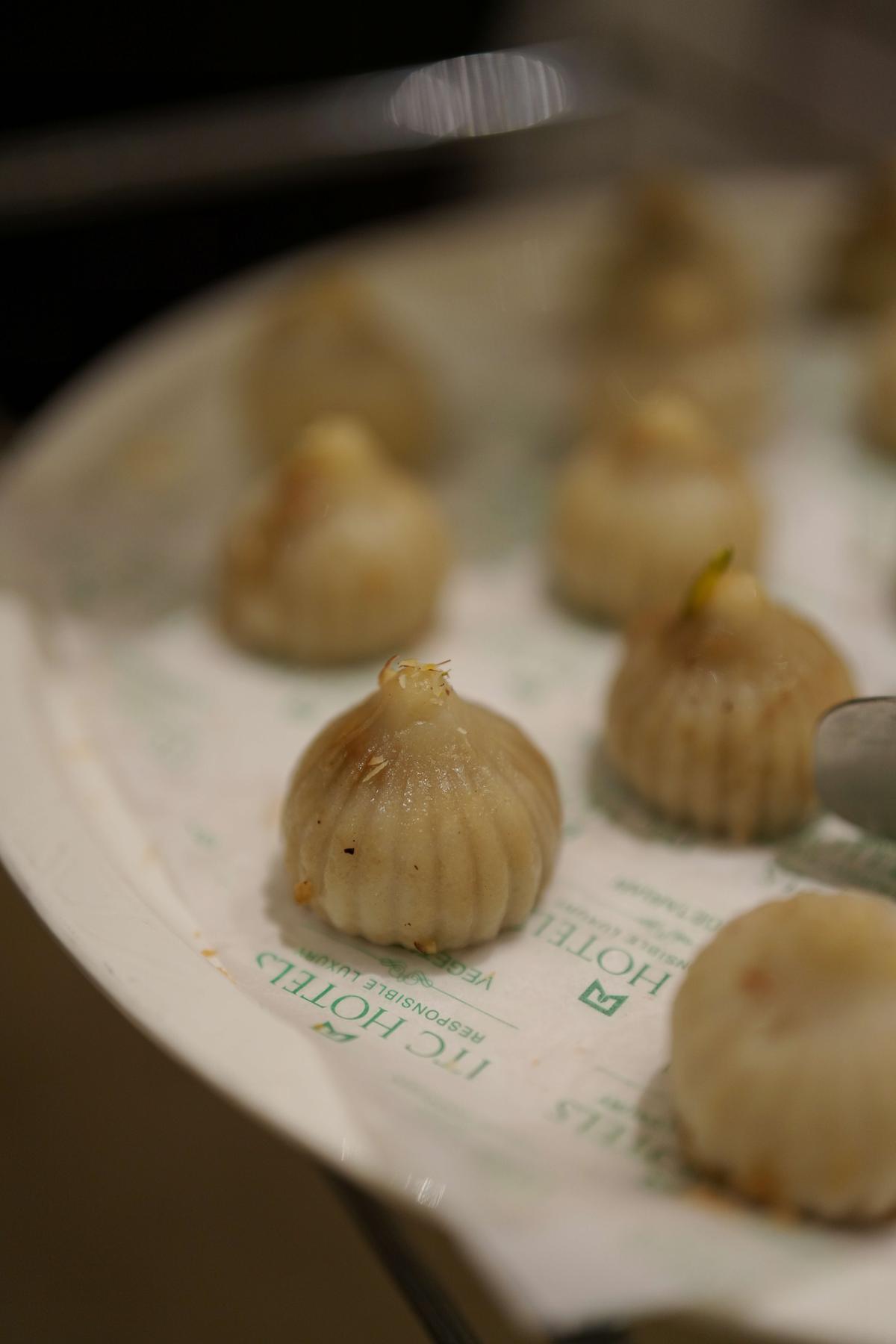
Modaks as part of the focus on local cuisine at AIKYAM 2025.

Modaks as part of the focus on local cuisine at AIKYAM 2025.
| Photo Credit:
Special arrangement
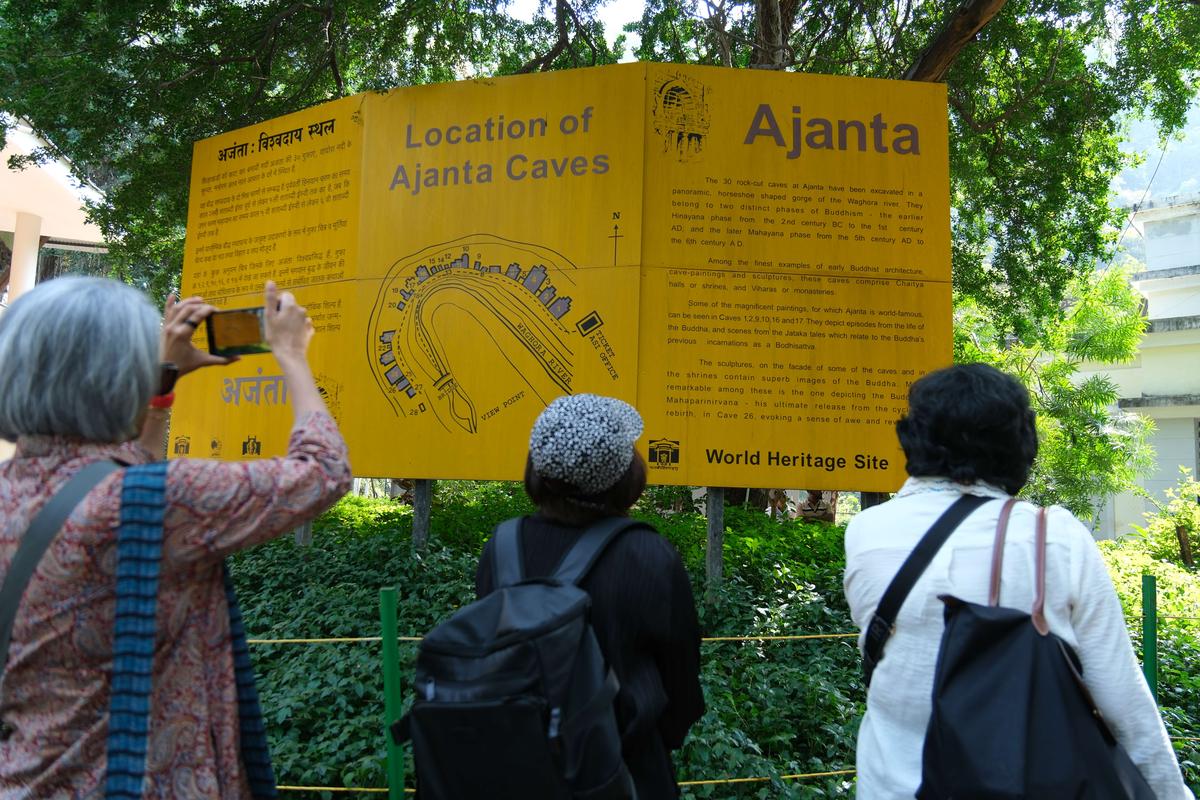
Heritage tour to Ajanta caves at AIKYAM 2025.

Heritage tour to Ajanta caves at AIKYAM 2025.
| Photo Credit:
Special arrangement
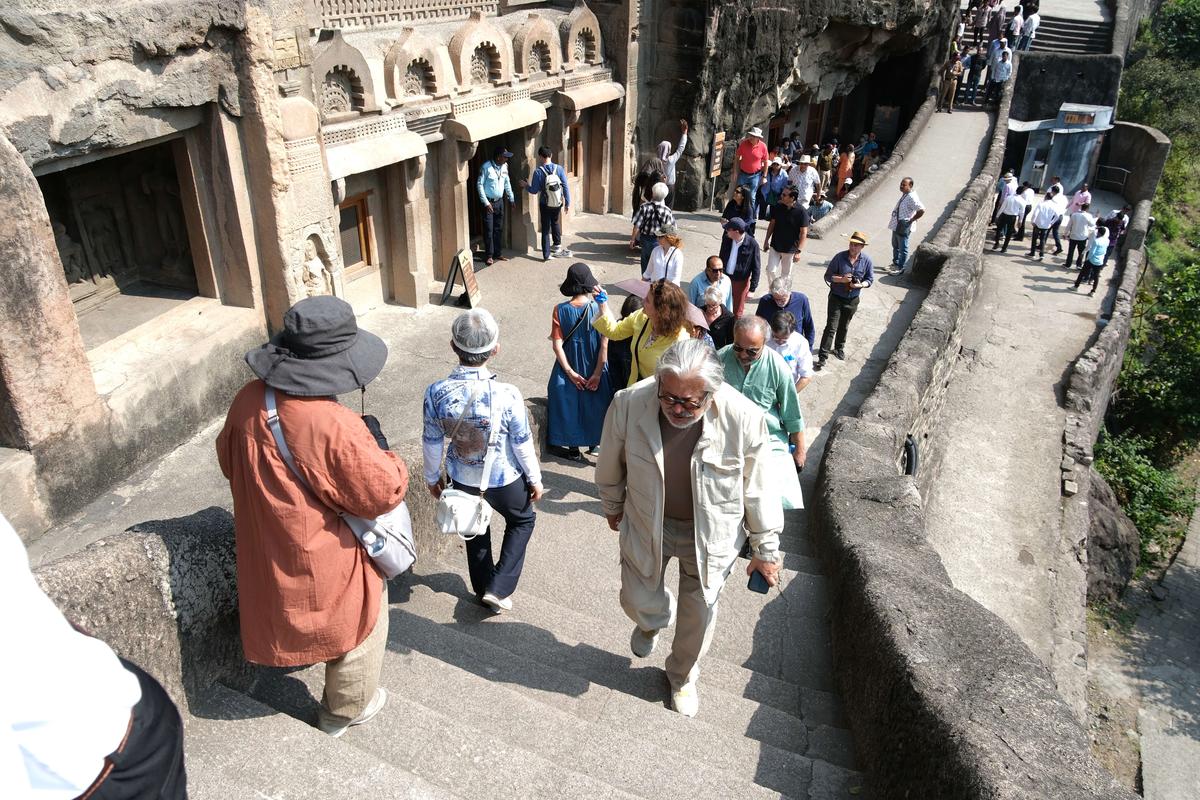
Heritage tour to Ajanta and Ellora caves at AIKYAM 2025.

Heritage tour to Ajanta and Ellora caves at AIKYAM 2025.
| Photo Credit:
Special arrangement
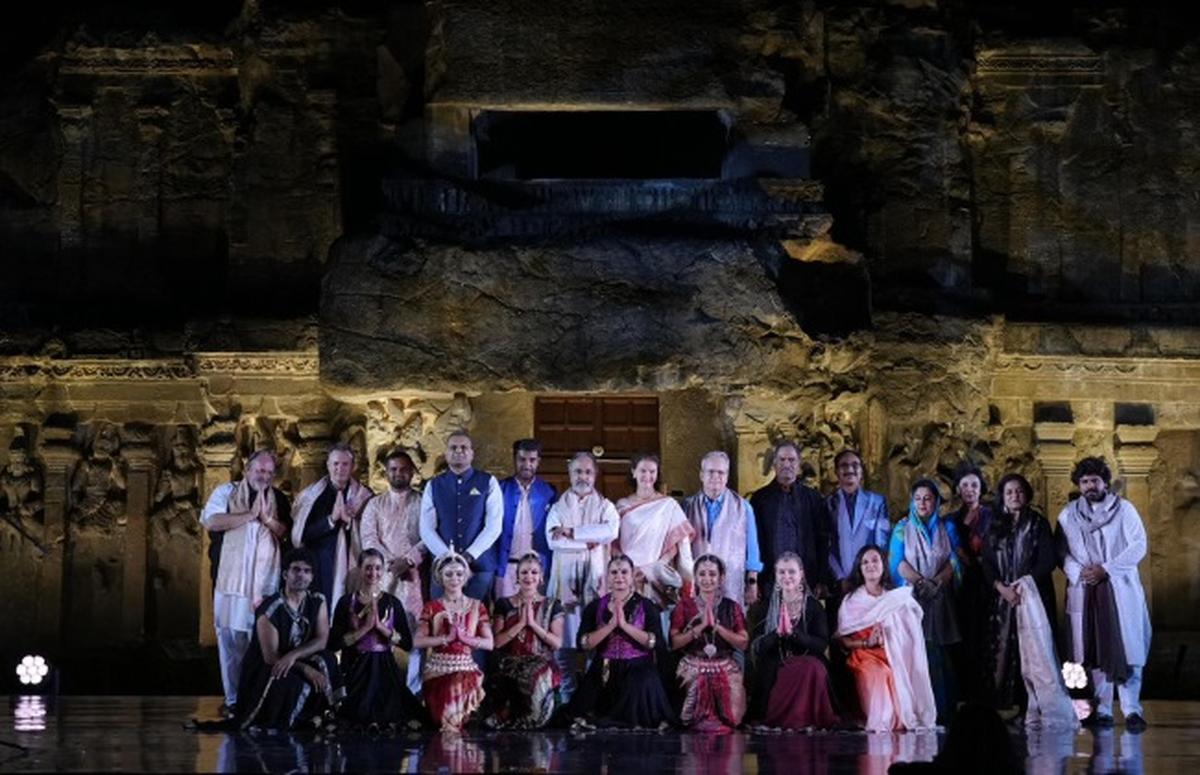
Diplomats, speakers, artists and performers at Ellora caves as part of AIKYAM 2025.

Diplomats, speakers, artists and performers at Ellora caves as part of AIKYAM 2025.
| Photo Credit:
Special arrangement

Global Tourism rankings published by the World Economic Forum, in their biennial Travel and Tourism Development Index (TTDI) 2024, places India at the 39th rank. Union Ministry of Tourism’s ‘India Tourism Data Compendium 2025’ ranks cultural resources at the ninth spot among India’s top-performing pillars for the year 2024. Tourism in India is no longer only about visiting historic sites. It is about bespoke, exclusively curated events and creating immersive experiences — by private players like Sopaan, which curated this event, AIKYAM 2025. The Delhi-based non-profit was founded in 2023 by Siddhaant Mohta and his former-diplomat mother Monica Mohta, to bring audiences to heritage sites.

Why Ajanta-Ellora doesn’t attract international tourists

While the Ajanta caves, built from the second century BCE to the sixth century CE, are a stunning example of the rock-cut Buddhist cave monuments, the Ellora caves consist of the Kailasa temple, a monolith with the distinction of being the world’s largest human-made monolithic structure, showcasing the incredible craftsmanship and religious harmony. Its massive basalt-cliff-cut monasteries and temples representing Hindu, Jain, and Buddhist faiths are a symbolic representation of religious co-existence and mutual influence in ancient Indian architecture.
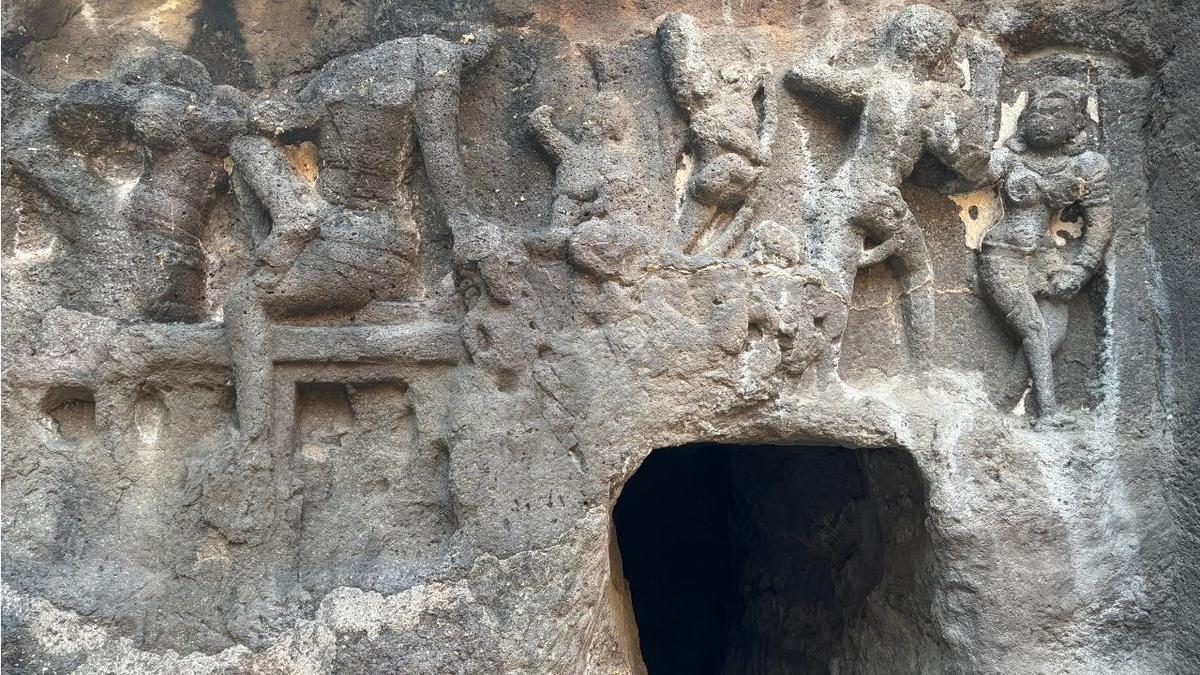
At the Ellora caves.

At the Ellora caves.
| Photo Credit:
Special arrangement
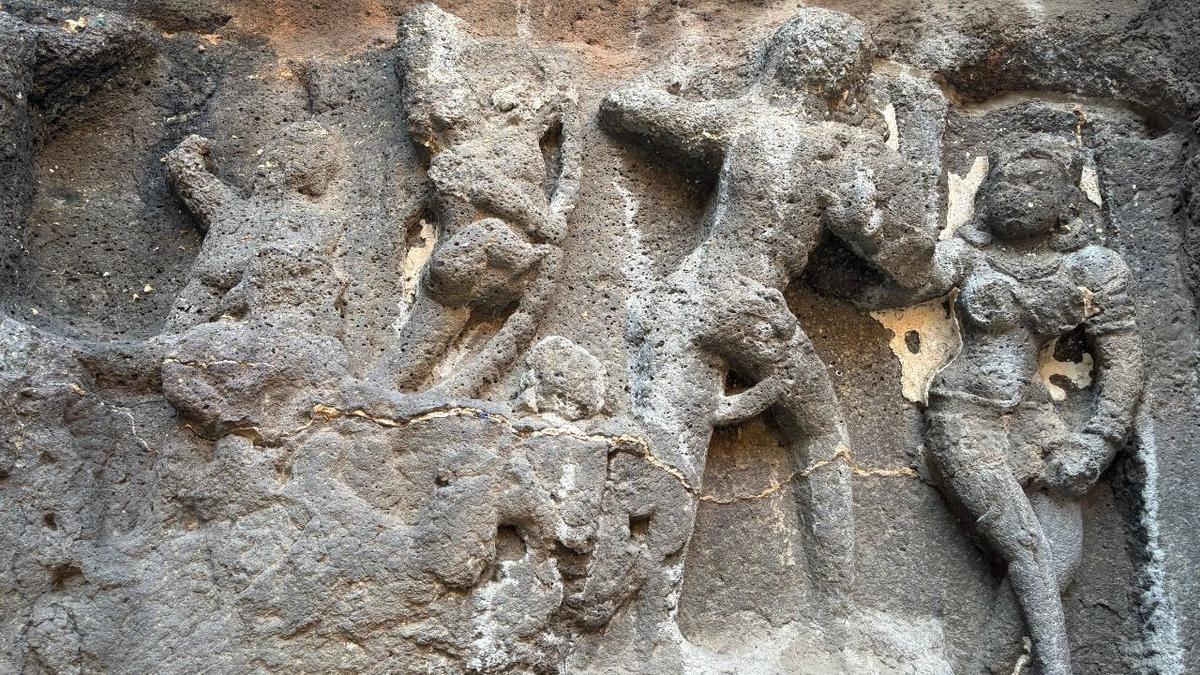
At the Ellora caves

At the Ellora caves
| Photo Credit:
Special arrangement

Ellora caves are around 30 km, and Ajanta caves are around 100 km from the nearest city, Chhatrapati Sambhajinagar. While domestic tourists throng to the historic site, however, unlike the Taj Mahal, the Ajanta-Ellora caves hasn’t been able to draw much international attention. This is primarily because of the lack of robust infrastructure, non-availability of standard hotels in the monuments’ vicinity and logistical challenges such as no washrooms on the long journey by unmotorable roads.
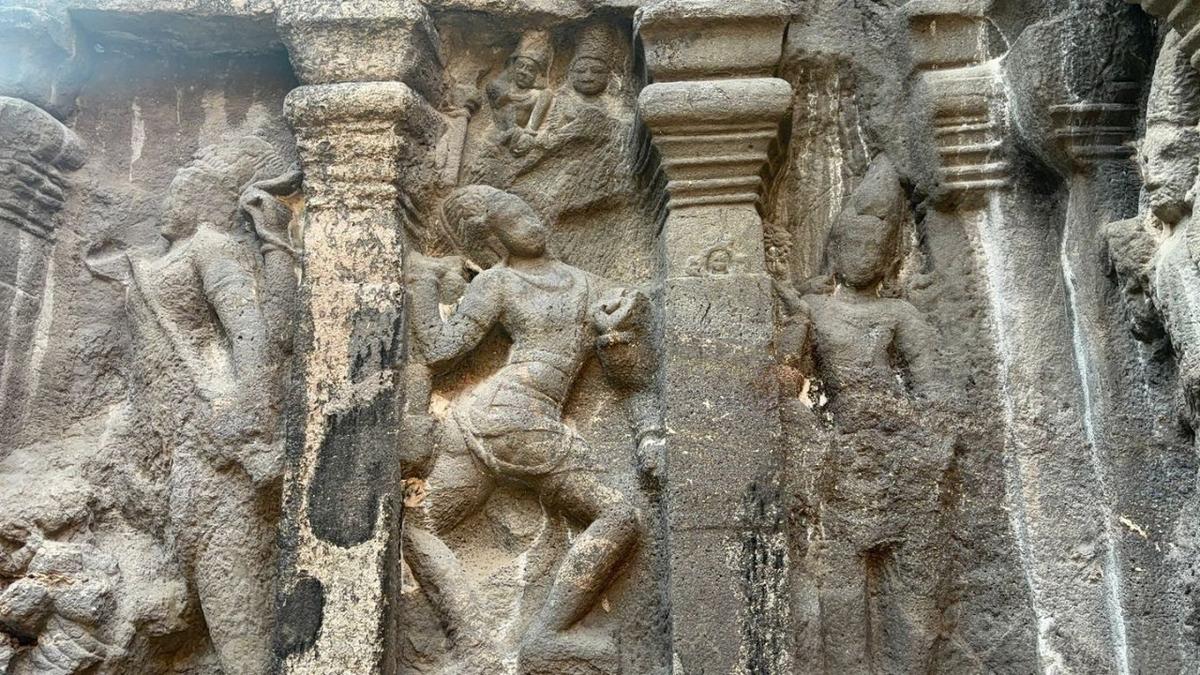
At the Ellora caves.

At the Ellora caves.
| Photo Credit:
Special arrangement
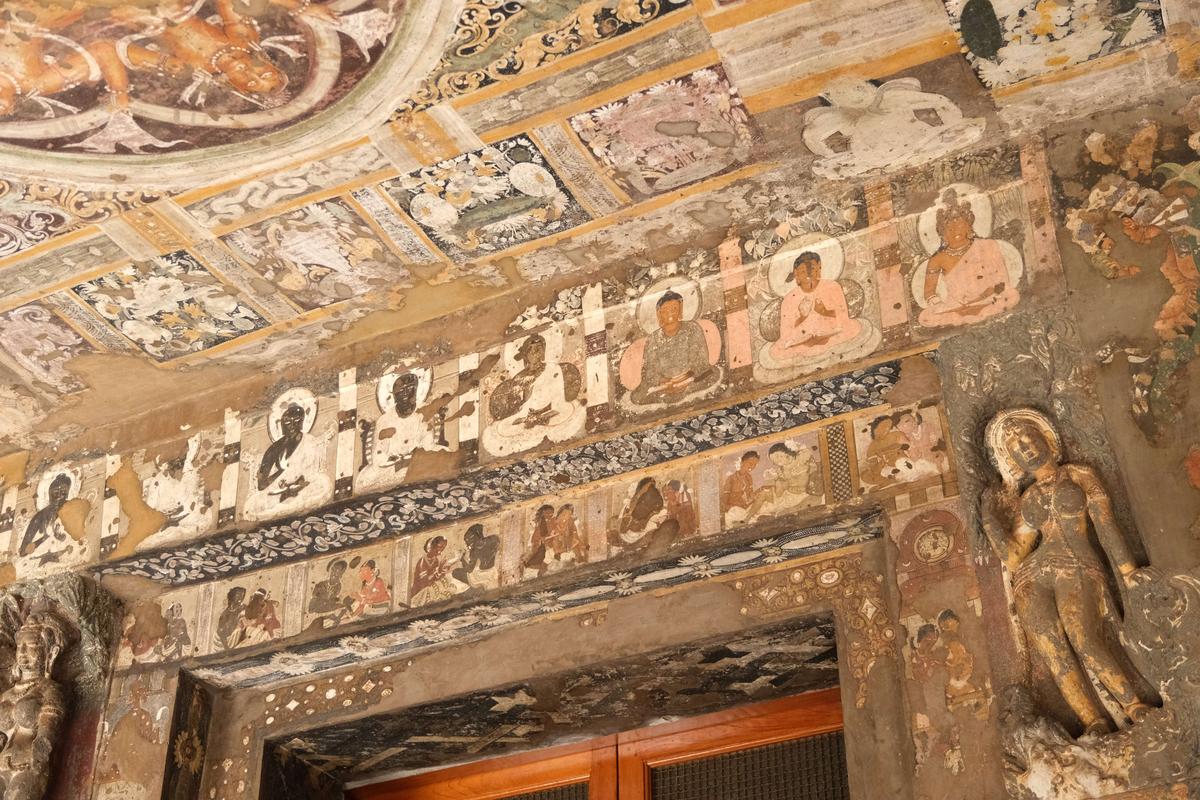
Murals and frescoes inside the Ajanta and Ellora caves.

Murals and frescoes inside the Ajanta and Ellora caves.
| Photo Credit:
Special arrangement
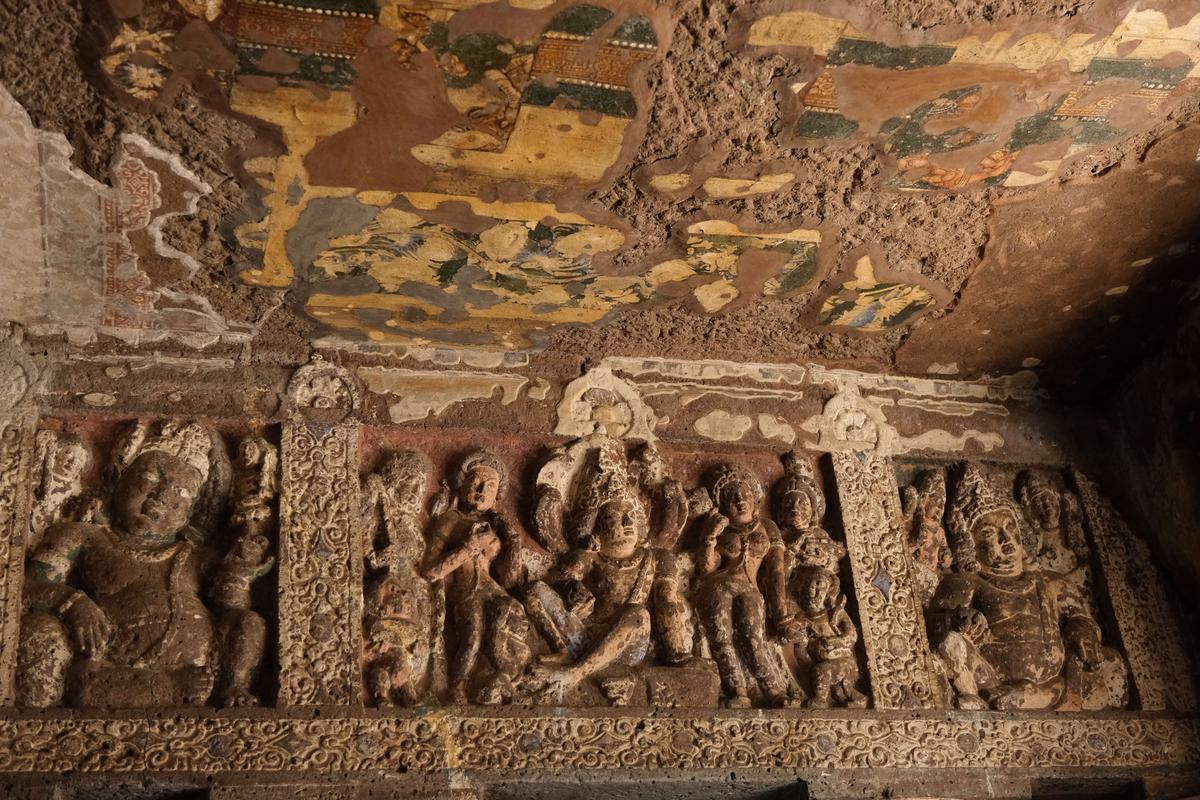
Murals and frescoes inside the Ajanta and Ellora caves.

Murals and frescoes inside the Ajanta and Ellora caves.
| Photo Credit:
Special arrangement

Dalrymple says, “This is one of the most historically significant sites in South Asia, not just in India.” He emphasises how the region had an unbroken history of veneration for over 2000 years, and quips that with better infrastructure and promotion/publicity, the location has the potential to attract tourists from South Asia, West Asia, and other regions. “The caves of Ajanta, carved from the second century BCE, give an exclusive glimpse into the Buddhist culture. And yet, we do not see the international Buddhist tourists come here,” says Madhup Mohta, a former diplomat who is now associated with Sopaan.

And neither does it draw the Turks, who are interested in the Ottoman Empire, as the last Ottoman emperor’s empty tomb is situated there, quips Dalrymple. He says, “There are no boards, no signages, no paths to take you to some of the historic locations. Some of the sites are littered with waste.” And that the entire region has just as much potential for international tourism as Agra and Delhi.
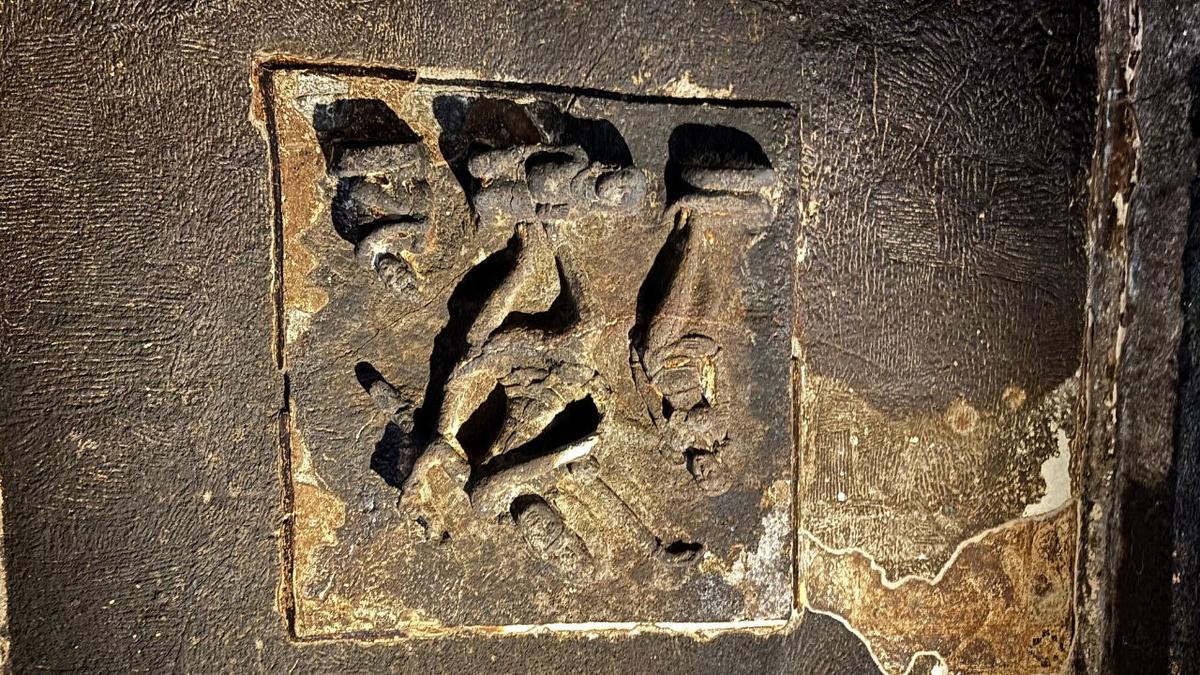
At the Ellora caves.

At the Ellora caves.
| Photo Credit:
Special arrangement

A syncretic ‘soft power’

Spain’s Ambassador to India, Juan Antonio Marc,h says, “What is 80 years of the UN, looking at the millennium of history behind us? For a culture like India, this is just a drop in the ocean of culture and beauty.” Taken in by the sites of historic significance and India’s natural beauty, he says, the country enjoys a unique position as a “cultural soft power”.

Tim Curtis, UNESCO representative and director for its Regional Office in New Delhi, says, “These caves and temples are one of humanity’s greatest engineering and architecture. They help define the global understanding of India’s heritage. Ajanta represents the pinnacle of architecture. It went on to influence the Far East, as far as Java, in ancient Asia. Ellora has astonished us through the scientific knowledge and prowess behind carving these cliffs. This remains unmatched in human history. It shows us the history of co-existence, reflecting an ethos of dialogue. These shared sacred spaces by Hinduism, Buddhism, Jainism, show an outstanding universal value.”

Curtis highlights the significance of the UNESCO World Heritage Convention (1972) in the protection of such heritage sites, calling it one of the most widely agreed-upon international treaties. Currently, 196 countries, including India, China, U.S., U.K., Australia and South Africa, are signatories to it. “The effort, while granting UNESCO World Heritage Site status, is to look for cultural and natural heritage sites of outstanding universal values. We look at the proposals not just in terms of the site’s significance, but also the plan in place for its conservation. Periodic reviews are held to check if the sites adhere to the standards for the protection of these sites,” he says.

Scope for cultural tourism

According to a TechNavio report, the cultural tourism market size is forecast to increase by $8.41 billion, between 2024 and 2029. Tourists globally are seeking unique, immersive experiences, a trend fuelled by technologies such as Augmented Reality and Virtual Reality in cultural tourism. This positions India as one of the leading destinations for culturally immersive tourism experiences, states the report, but what’s required are continuous efforts to deepen visitor engagement and uplift local communities through sustainable tourism practices.

These cave-temples show us what societies can achieve when they choose coexistence over exclusion, adds Curtis. “Humanity’s greatest achievement is collective collaboration,” he says, adding that the world heritage belonged to all of humanity, and protecting it was our collective responsibility.

Can immersive heritage events like AIKYAM 2025 begin to address the low foreigner-turnout? Dr. Mohta says, “Our effort was to highlight the place to bring it on the international tourism map.” As a first step, the government should focus more on the upkeep of these historic sites, which will help to market them better.

The writer was invited to AIKYAM 2025 by Sopaan.

vinaya.deshpande@thehindu.co.in


Source link

In Galle, delve into some fascinating history with a side of arrack shots and kothu at Sydney Hotel


Walking into Joe’s Pub in Galle, Sri Lanka, feels like travelling back in time. The glass tables, covered with chequered bright-green tablecloths, must have seen many pints of beer, shots of arrack, and rounds of steaming hot plates of kothu over the years. 
It is the promise of a local bar experience that takes us outside the walls of Galle Fort to Sydney Hotel, where Joe’s Pub is. The hotel building stands tall right outside the fort, and is a slice of formidable history, located right next to the Galle bus stop, surrounded by fruit shops, lottery ticket stalls, snack vendors and more. Operational since 1921, Sydney Hotel is probably the oldest-functioning bar in Galle, now run by the fourth generation of the same family.

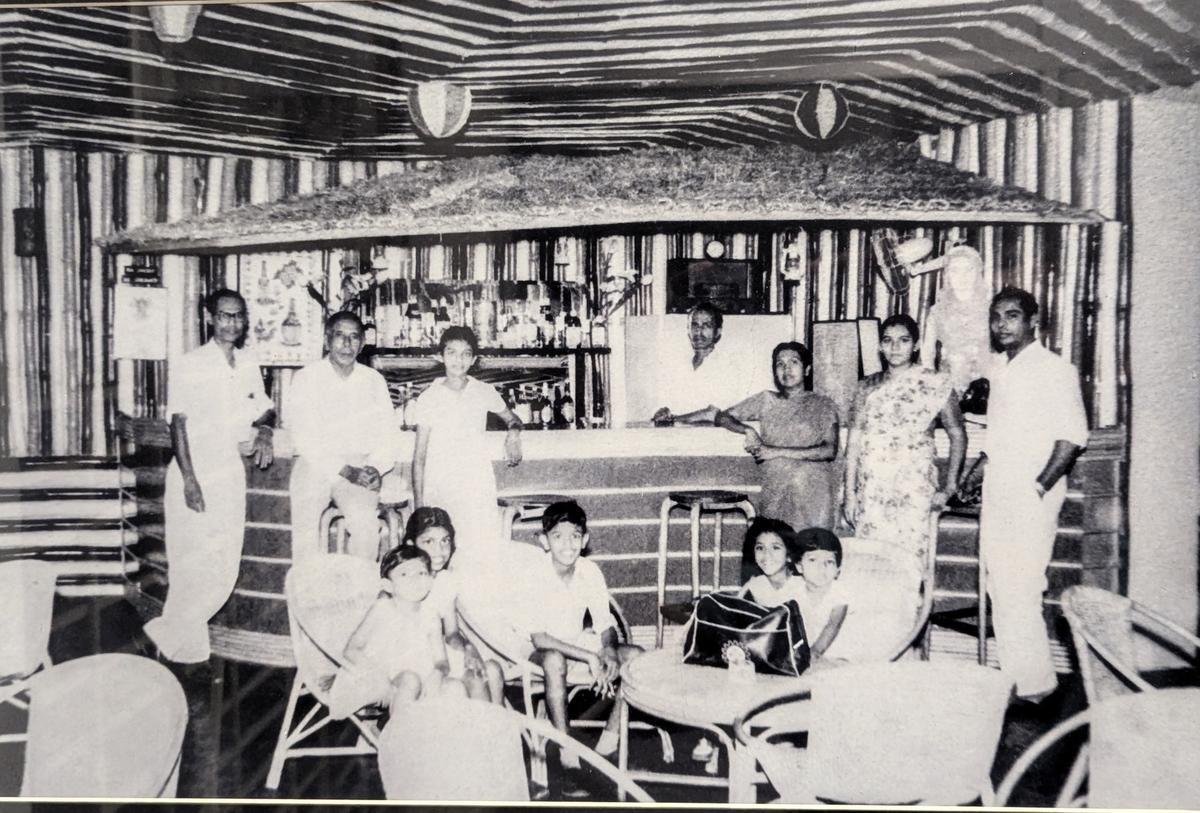
Yoshan’s family at the bar, in a photograph from the mid-1960s

Yoshan’s family at the bar, in a photograph from the mid-1960s
| Photo Credit:
Special Arrangement

At Joe’s Pub, we are sandwiched between two distinctly different spaces — on one side is the Sydney Arrack Bar, an old-fashioned standing bar with a long counter, a grilled partition and a few scattered tables; on the other side is the modern, recently revamped, 1921 by Sydney Galle restaurant. Joe’s seems like the appropriate mid-point. There is also a fourth space; Snooz Station, a premium travellers hostel on the first floor.

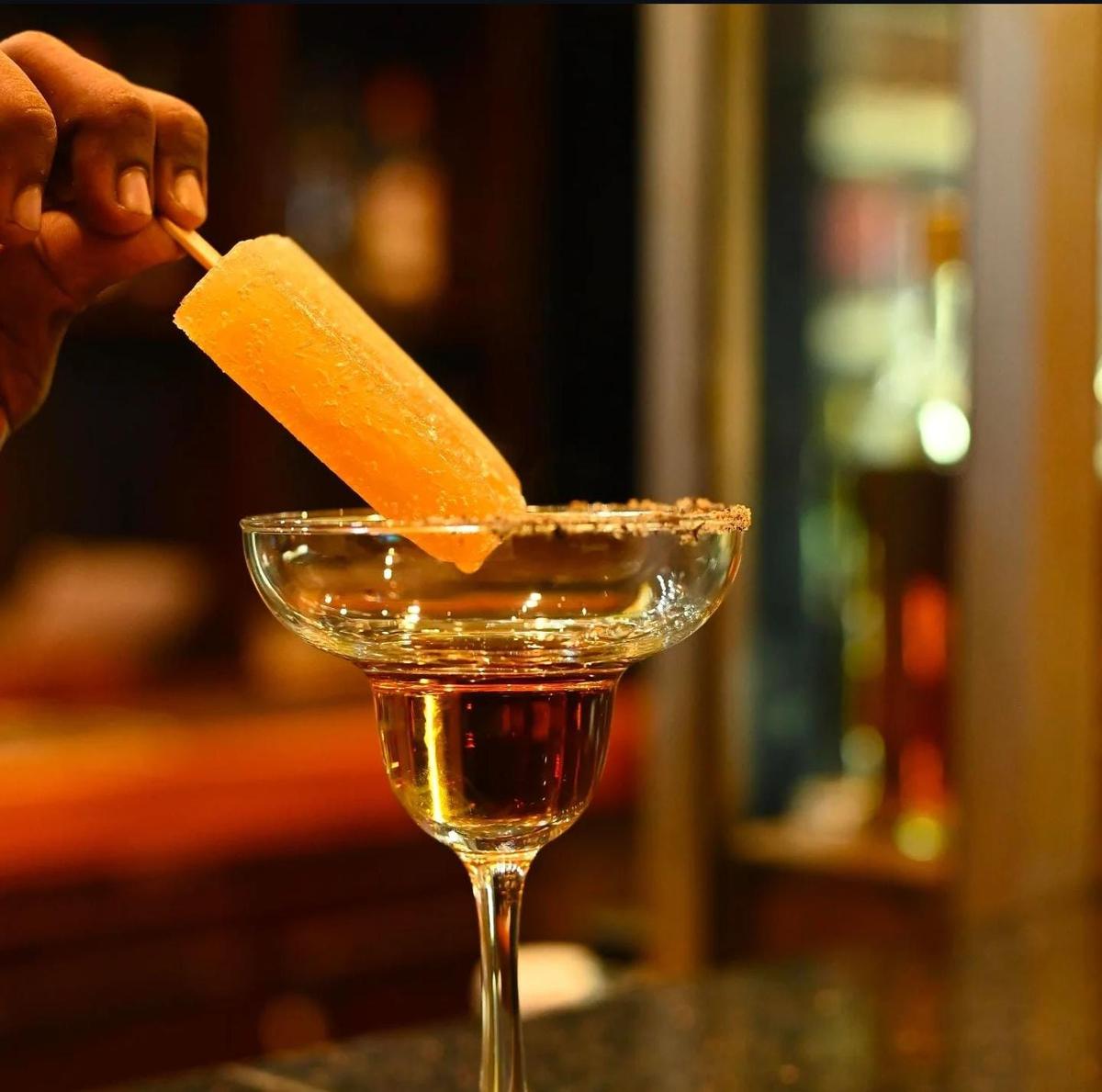
Yoshan De Zoysa introduces himself as the fourth-generation owner of the hotel. He hands us a menu with their “Signature sips”. “I do not like calling these drinks, cocktails,” he chuckles. 

From the menu at Joe’s Pub

From the menu at Joe’s Pub
| Photo Credit:
Special Arrangement

But first, we partake in a history session. 

“In the 1800s, the building was constructed by a local who wanted to see the races at what is now known as the Galle International Cricket Stadium. He wasn’t allowed by the British to enter the Gymkhana horse track club to watch the races, and decided to build his own space with a great view,” says Yoshan. Fast-forward to 1921, and his great-grandfather JL Pimanda took over the building soon after the first World War was over. The harbour at Galle then was bustling with activity. “There were many soldeirs and sailors, and many of their ships docking into the harbour had ‘Sydney’ emblazoned on the hull. My great-grandfather decided it would be fitting to start a bar, and thus the name as well,” Yoshan says.

The family, over the next few decades, made part of the building its home with the bar and later, a restaurant and rooms for guests. In the 1960s and 70s, post-Independence, arrack began to get popular and Yoshan says this was the time when people switched to this local liquor. “I have heard that we used to have six barmen just to keep pouring these drinks for the crowds that kept coming in. We were probably the only bar in this area and we had people travelling distances just to have a drink here,” he adds, narrating stories that he has heard from his family, especially of long queues outside their bar. With the highways yet to come up, back then, travellers and locals going down South had to pass through Galle, which meant Sydney Hotel became a much-awaited pit stop. 

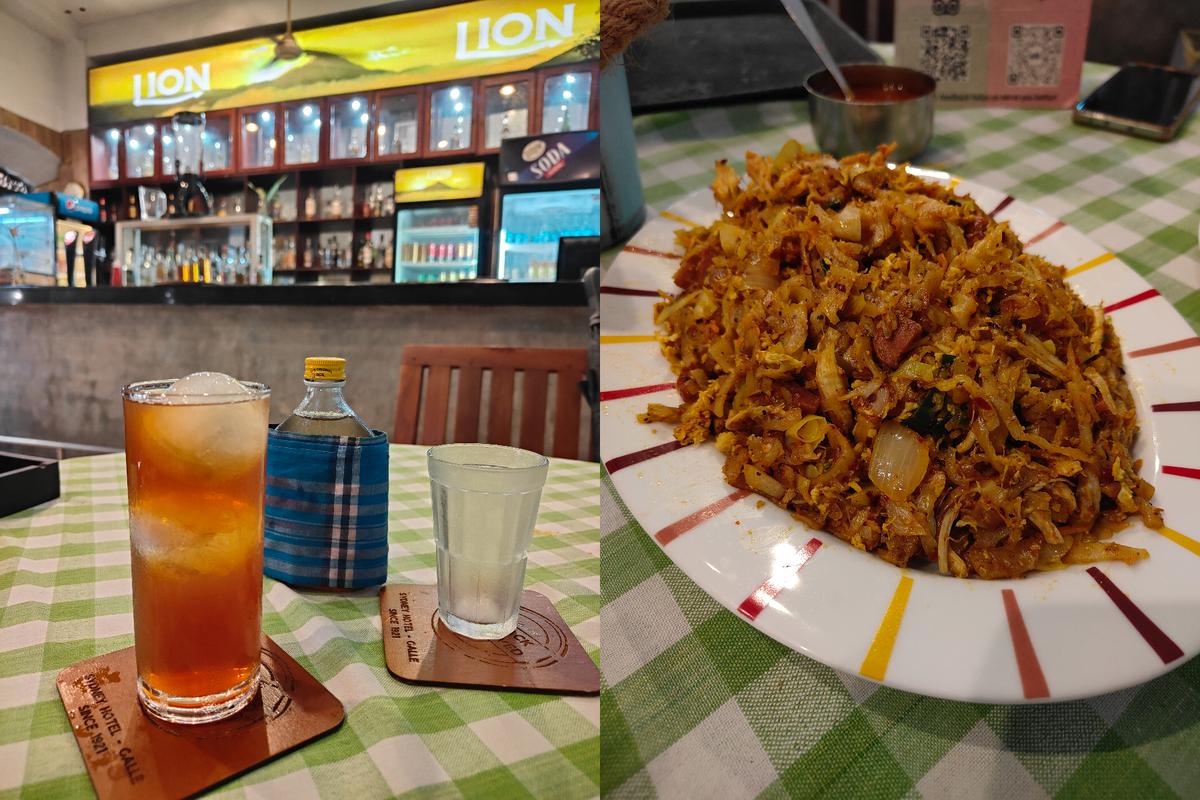
(Left) Signature Sips at Joe’s Pub and (right) the chicken kothu

(Left) Signature Sips at Joe’s Pub and (right) the chicken kothu
| Photo Credit:
S Poorvaja

In 2024, when his father, the third generation owner of the hotel, was mulling over stepping back from managing the hotel, Yoshan, who was then in a corporate job decided to take the plunge. “I had no intentions of taking over the business then, but when my dad said he wanted to retire, it got me thinking about this business that has been in the family for over 100 years. I didn’t want to be ridden with the guilt of having given this up,” he says. 

From Joe’s signature sips, we settle for Galle Island Tea, a blend of passionfruit, mint and rum, and a drink called ‘Alright, it’s time to leave now’. This is the much preferred combination of the locals when they want a quick fix— a glass of strong beer and a small glass bottle of extra special 50ml arrack wrapped in a tiny piece of checked sarong fabric is placed on our table alongside some bar specials that include boiled chickpeas topped with large pieces of coconut, and devilled sausages. The piece de resistance here however, is a large, steaming hot plate of chicken kothu, flaky, golden parottas and minced chicken meat that is perfectly spiced. 

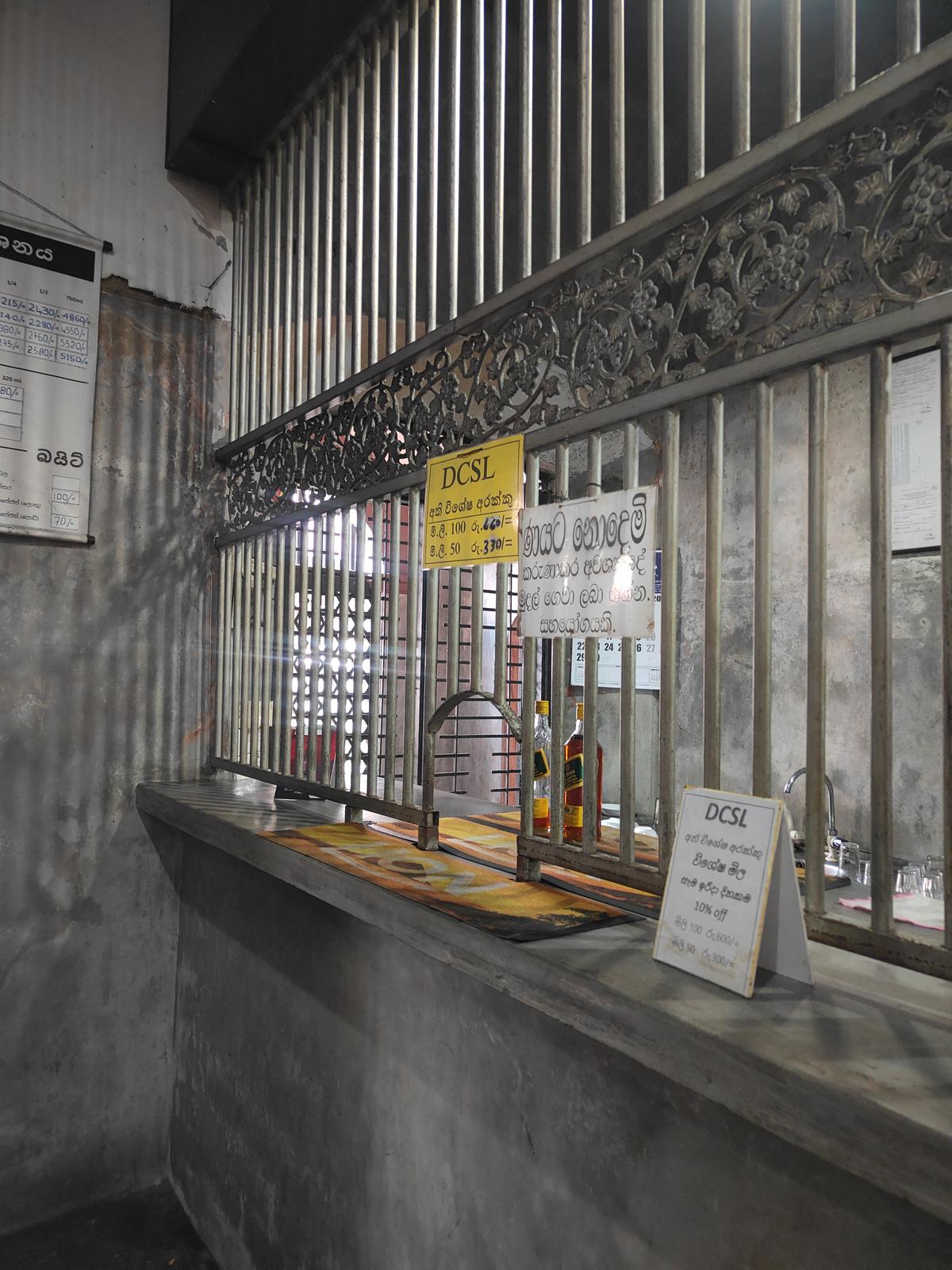
A view of the arrack bar

A view of the arrack bar
| Photo Credit:
S Poorvaja

While Joe’s is best for a lazy afternoon drink or an evening of watching sports on their TV, the arrack bar has a different story to tell. An old signboard there lists the prices of arrack from 50ml to 750ml quantities starting at 310 Sri Lankan rupees. “From labourers to doctors, lawyers and even travellers passing through who wanted a quick drink, the 50ml quantity we sold was perfect. It was harder back then to find arrack being sold in small quantities,” Yoshan points out.

While the arrack bar continues to be a local haunt, a ‘quick shot’ at the standing bar is now also becoming a part of traveller itineraries; for those staying at the hostel there or others who walk into the hotel fascinated by its history, and for a taste of a local experience.  

The recently revamped 1921 by Sydney Galle restaurant meanwhile has a fusion menu with local influences, and a selection of warm and cold beverages. The vibe here is that of a modern cafe, one that the flocks of tourists making a beeline for Galle will no doubt, take to. 

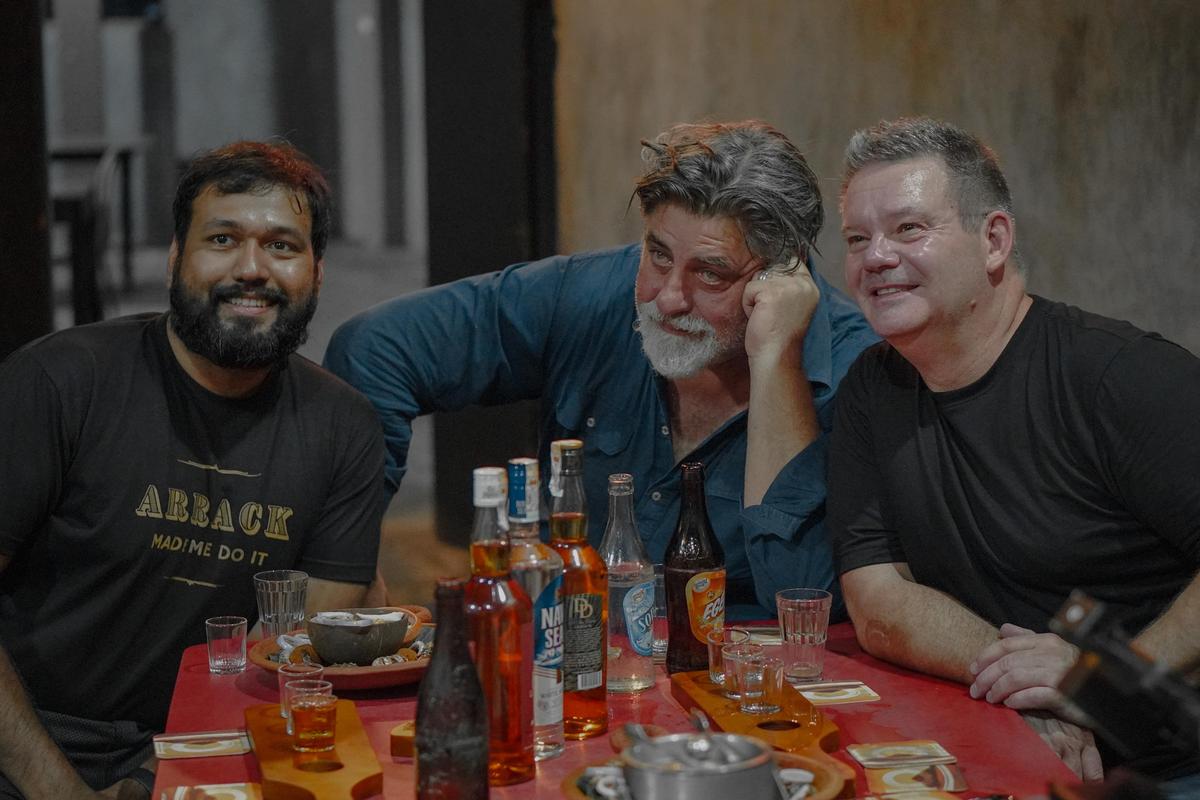
Yoshan(left)with Matt Preston and Gary Mehigan

Yoshan(left)with Matt Preston and Gary Mehigan
| Photo Credit:
Special Arrangement

Since Yoshan took over however, he notes with much cheer that the arrack bar and Joe’s Pub have unexpectedly been in the limelight. “We had Matt Preston and Gary Mehigan, judges from Masterchef Australia visit Sydney Hotel twice, and they loved sitting at Joe’s and heading to the arrack bar for quick shots,” says Yoshan. Former cricketer Kumar Sangakkara too, ahead of his birthday this year, celebrated and posted on his Instagram page about the century-old hotel. 

The fact that Sydney Hotel’s distinct spaces each remain accessible at a different price point is an important part of how the space has retained its charm over the years. This, Yoshan says, is something he is determined to keep going. “We do face challenges with operational costs, but I hope that I bring about a model where prices can only get lower with time, not higher,” he says, with an eye on the future. 

Published – December 24, 2025 01:19 pm IST


Source link

Rediscovering Xinjiang: a cultural journey on the ancient Silk Road


As Malayalis who have spent over a decade in China, my wife and I recently undertook a journey that felt like a rediscovery of history, culture, and unexpected kinship — deep in the heart of Xinjiang, a province far west in China. The National Day holiday in early October is when millions of people travel across the country. For us, it was the perfect moment to explore this part of China, and it surprised us and felt strangely familiar at the same time.

Our adventure begins with a 6-hour, 45-minute flight from Shanghai to Kashgar — longer than flying from Kochi to Dubai! It reiterates to us the immense scale of China.

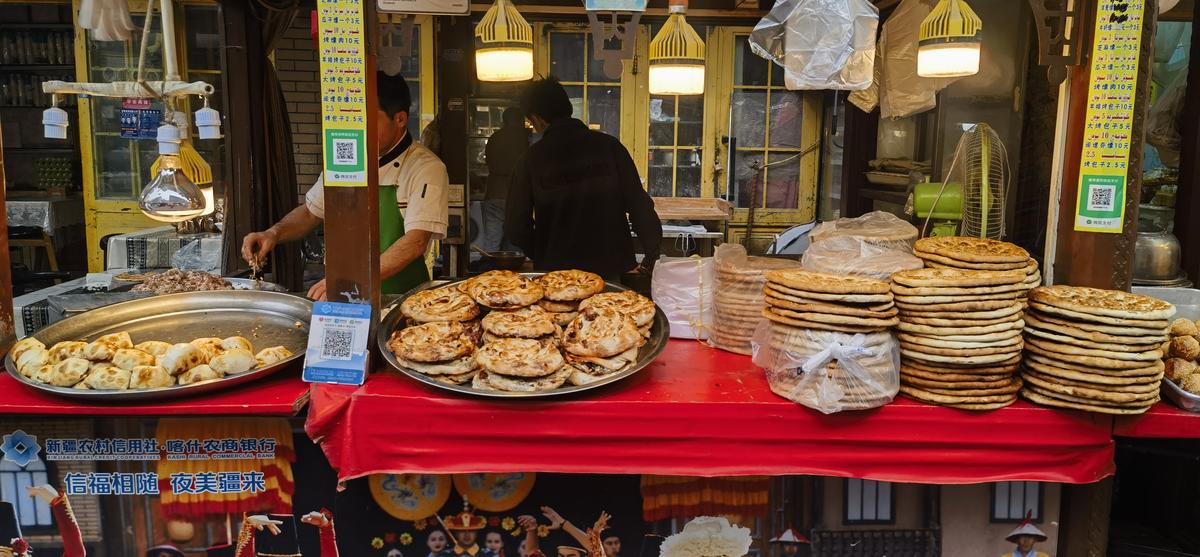
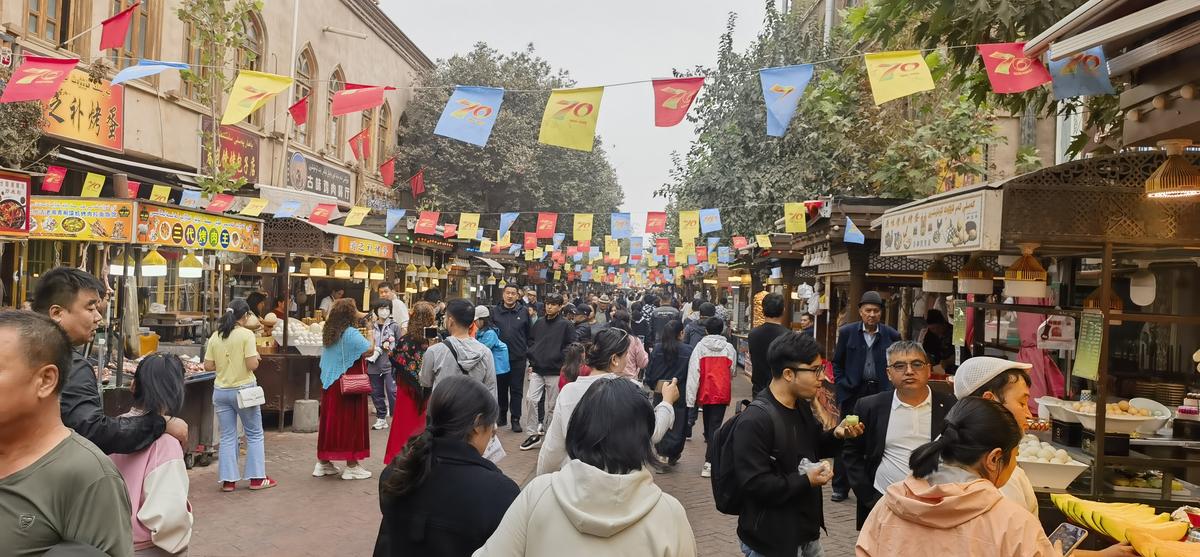
Stepping into Kashgar is like walking into a living fairytale. This ancient Silk Road hub pulses with energy. The Old City’s labyrinthine alleys are filled with the aroma of naan bread and lamb kebabs, the sound of enchanting traditional Uyghur music, and the sight of Uyghur families dancing with a joy that is infectious. The warmth and kindness of the Uyghur people are immediately apparent, with shopkeepers offering cheerful smiles and helpful directions.

Food stalls in the alleys of Kashgar.

Food stalls in the alleys of Kashgar.
| Photo Credit:
Suresh Varma

Shared cultural ties

We discover a beautiful bridge to home in the most unexpected way: the enduring love for Indian cinema. Children run up to us, gleefully humming the music of ‘Aankhen Khuli’ (Mohabbatein, 2000) — their words a mix of Hindi and their own tongue, but with perfect melody. We cheerfully field questions about Shah Rukh Khan. In that moment, thousands of miles from home, we feel a familiar connection.

This warmth extends beyond the marketplace. A minor logistical note for future foreign travellers: while using a self-driven car, we find that fuel stations require a Chinese ID card. But this potential inconvenience becomes a testament to the local character. On multiple occasions, eager and helpful residents step forward to swipe their own IDs for us, allowing us to then buy the fuel. It is a simple act of kindness that we will not forget.

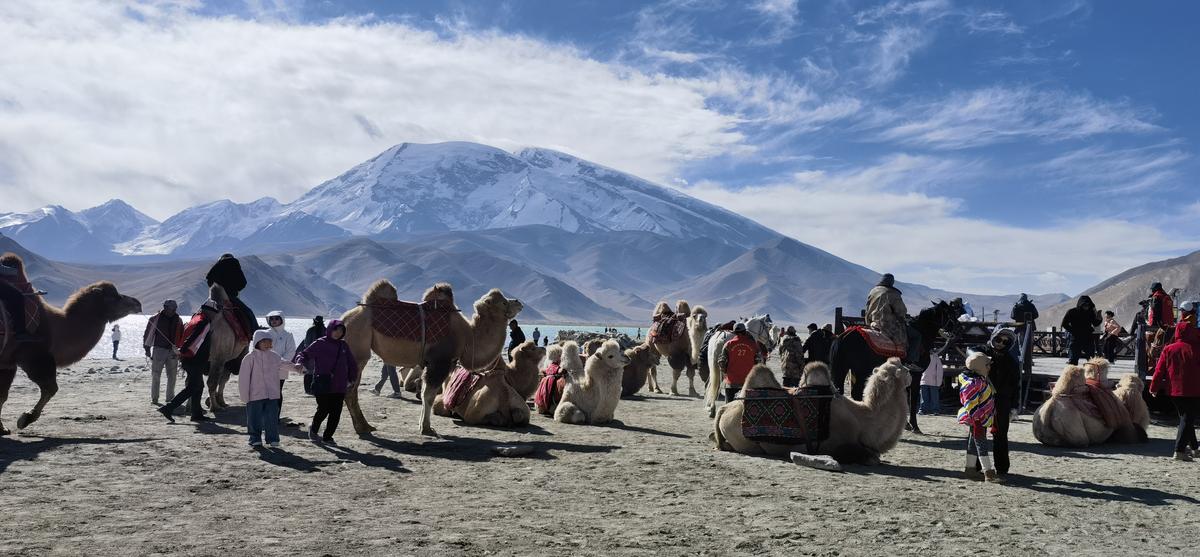
A special permit allows for a breathtaking four-hour drive along the Karakoram Highway to the stunning Karakul Lake. Nestled at 3,500 meters in the Pamir range, the lake’s turquoise waters reflect the majestic, glacier-crowned peak of Muztagh Ata, the “Father of Ice Mountains”. Standing there, with the borders of six nations nearby, is a humbling experience, highlighting Xinjiang’s unique position at a crossroads of continents.

The Karakul Lake with Muztagh Ata in the background.

The Karakul Lake with Muztagh Ata in the background.
| Photo Credit:
Suresh Varma

One interesting moment for us is to discover that the Chinese name of Kashgar is Kashi, bearing a resemblance to Kashi (present-day Varanasi), one of India’s ancient holy cities. This shared nomenclature, linking two great centres of civilisation and faith, feels like a silent nod to the deep, historical bonds our cultures have shared for millennia. This connection feels even more personal when we are warmly greeted not as “Yin’du” (the Chinese word for Indian) but as “Hindustani”, a name that echoes from a shared history and brings an immediate, heartwarming smile to our faces. It reminds us that cultural memory travels farther than borders.

Memories of home

Along the The Karakul Lake

Along the The Karakul Lake
| Photo Credit:
Suresh Varma

We delay our flight just to experience Kashgar’s legendary Sunday Livestock Market — a vibrant, dusty spectacle of animals, handshake deals. The scale is enormous, a vibrant, dusty panorama of cattle, sheep, camels, and donkeys, the air thick with the sounds of animals and bargaining. The entrance itself is a lively fair, a riot of colours with stalls selling handicrafts, dry fruits, and sizzling food. It is here, surprisingly, that we find the most delicious fish barbecue we’ve ever tasted. The scale and energy of the place is a world away from the supermarkets of Shanghai

From there, we fly into Urumqi, the capital city of Xinjiang. The Xinjiang International Grand Bazaar situated there is a marvel of commerce and culture, a vibrant tapestry of sights and sounds. The very word “bazaar” is familiar, and the bustling atmosphere feels strangely like home.

The ancient town of Kashgarh (Kashi)

The ancient town of Kashgarh (Kashi)
| Photo Credit:
Suresh Varma

This is followed by a long drive to the serene Heavenly Lake (Tianchi), a UNESCO World Heritage Site nestled 1,980 meters high in the mountains. The jade-coloured waters, cradled by the snow-capped, 5,445-metre Bogda Peak, create a picture of pure tranquillity. Learning that it is a sacred site for local Kazakh and Mongolian communities adds a deep spiritual layer to its breathtaking beauty.

Our journey through time continues at the ruins of the Qocho Uygur kingdom, where the remains of a 9th-century Buddhist temple speak of the region’s rich, layered history. The contrast is complete at the Turpan Flaming Mountains, immortalised in the classic novel Journey to the West, which fictionalises the Tang monk Xuanzang’s pilgrimage to India

Xinjiang is more than epic landscapes; it’s a living museum of cultural confluence. It’s a place where history whispers from ancient walls, and the hospitality of its people creates memories that last a lifetime. For anybody with a spirit of adventure, it is a destination that truly opens our eyes to the world.

The writer is a sourcing and supply chain consultant based in Jiangsu, China.

Published – December 24, 2025 09:42 am IST


Source link

Jingle all the way to Koshy’s for Christmas hampers of Adivasi products


The first thing my eyes land on at the small Christmas stall at Koshy’s, St Mark’s Road, is a wall hanging in appliqué depicting a tree with a bird and a beehive amid its branches, while a pair of bears patiently wait in the grass below.

“This wall hanging represents the Third Share story, drawn from a philosophy that the Kattunayakan (a group of Indigenous people in the Western Ghats ) have been following from time immemorial,” says Don Antony Sebastian, business development manager at the Ippimala Third Share Producer Company, an Adivasi-owned enterprise supported by the Gudalur-based Action for Community Organisation Rehabilitation (ACCORD), whose products are being displayed at the stall.

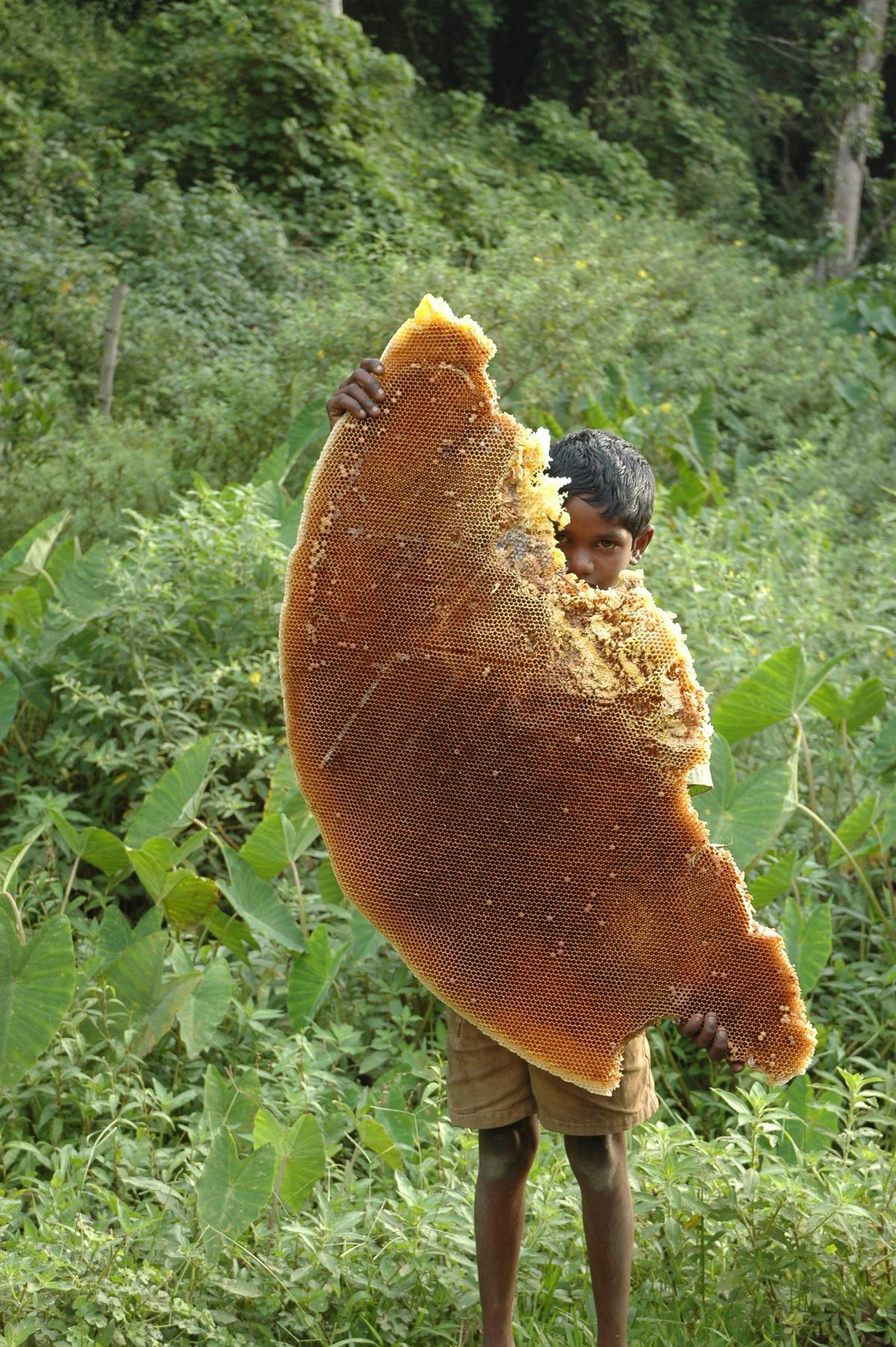
A boy holds a honey comb

A boy holds a honey comb
| Photo Credit:
Special Arrangement

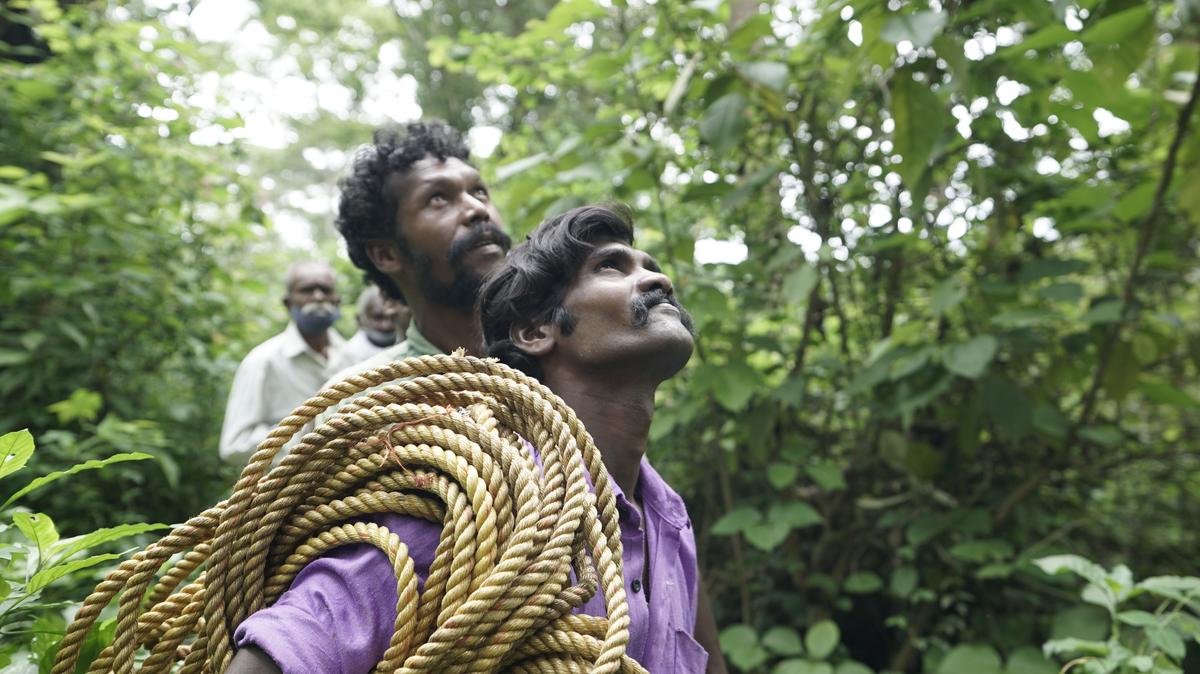
According to him, the Kattunayakans, a Particularly Vulnerable Tribal Group (PVTG), are known to be expert honey gatherers. They follow a set of practices when collecting honey. Not only do they seek permission from the trees before climbing and apologise to the bees whose hive they extract honey from, but they also have a pact with the bears who inhabit the region. When they come down, they squeeze the honey into their jars, then leave the beeswax on the forest floor for the bears before returning to their villages, where they share the honey with their community.

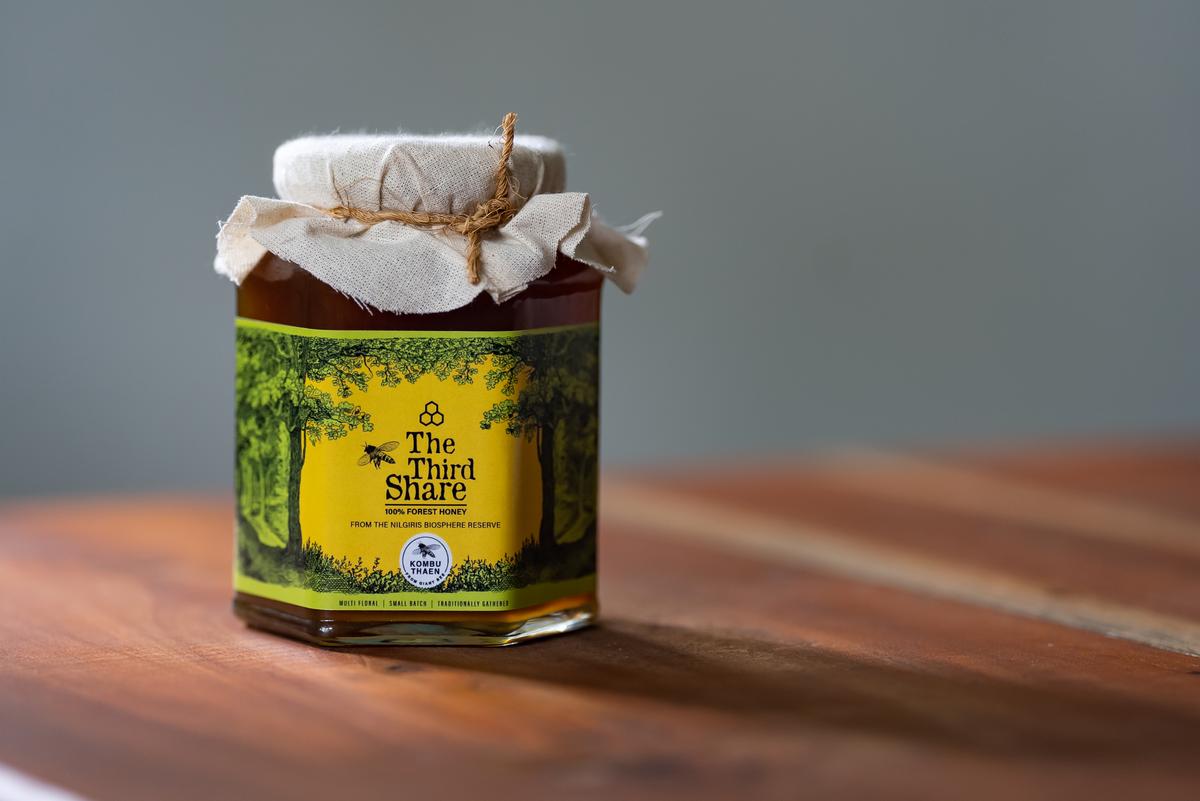
“The first share of everything that the forest gives goes back to the forest and its animals, the second share is for the people who depend on them, and only the third share can be sold,” explains Don.

A bottle of wild honey

A bottle of wild honey
| Photo Credit:
Special Arrangement

Their customs seem antithetical to the market-driven economic philosophy that relies on resource exploitation. “It says that no matter how much money you have, you can’t take everything from nature,” says Stan Thekaekara, the co-founder of ACCORD, which began in 1986 as a land rights movement for the four tribes—the Paniyas, Kattunayakans, Bettakurumbas, and Mullukurumbas—who live in the Gudalur valley.

“Once we got the land back, we helped them plant tea on the land because that was the mainstream economy of the area,” he says, pointing out that this move was a game-changer for these people.

“It broke their dependence on local landowners, gave them an independent income, allowed them to start sending their children to school, access modern healthcare and so on.”

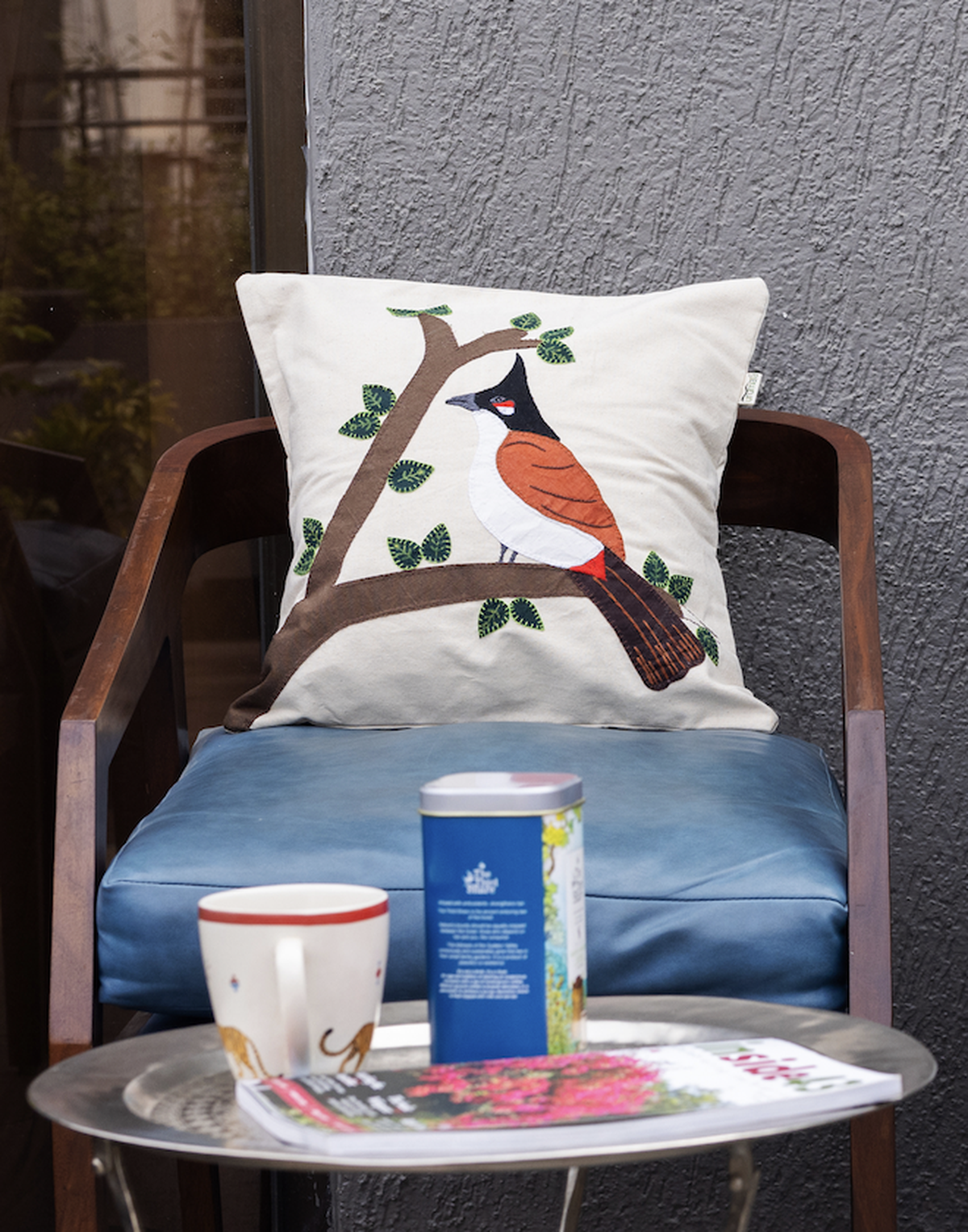
The Ippimala Third Share Producer Company and another initiative, Urumala, which produces artisanal products, including the wall hanging inspired by the Kattunayakan philosophy, emerged from a specific need a few years ago.

Urumala produces a variety of artisanal products, including home decor and travel kits

Urumala produces a variety of artisanal products, including home decor and travel kits
| Photo Credit:
Special Arrangement

“Now that the younger generation has gone to school, the land is not enough for them. They need more employment opportunities,” says Stan, pointing out that when these young people tried to work in cities such as Coimbatore, Bengaluru and Chennai, “they invariably returned in a few months because they didn’t like being away from their community. So, our challenge was to create economic opportunities for the current generation.”

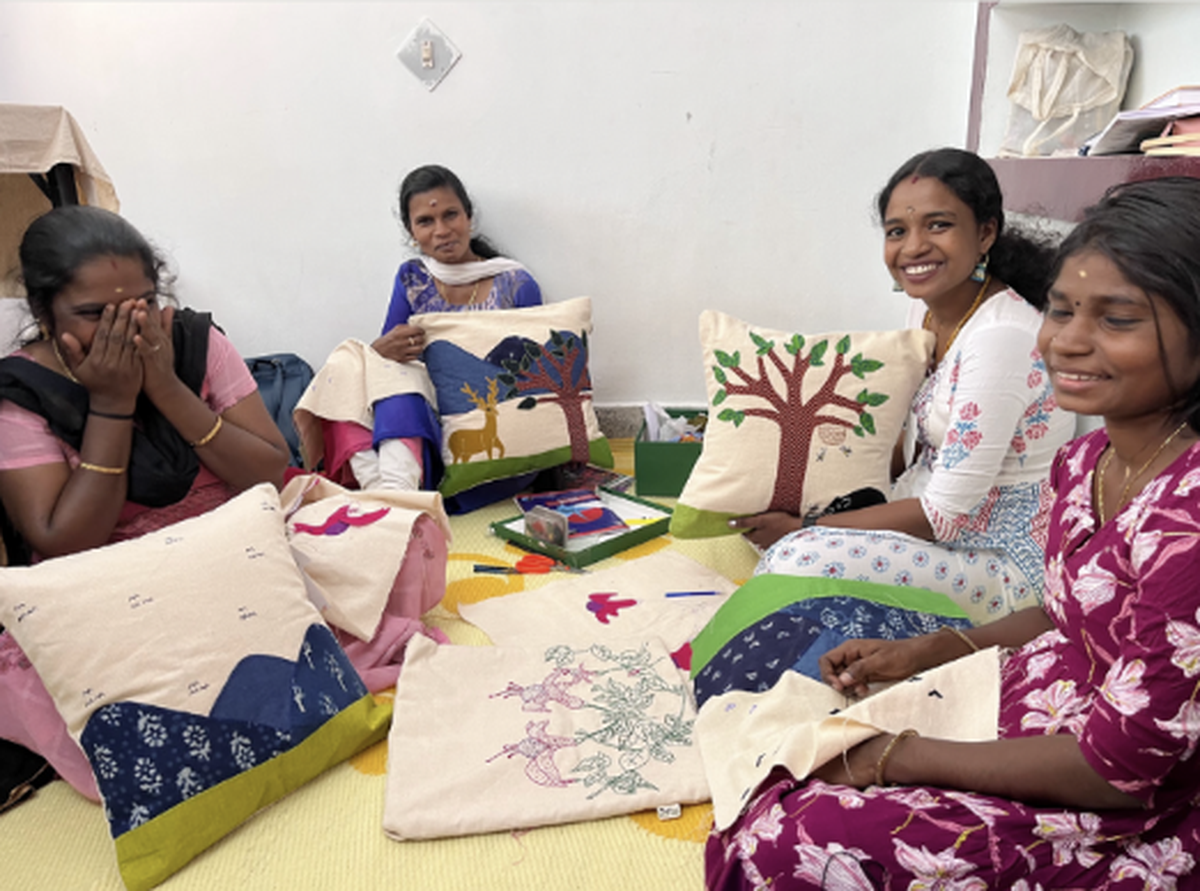
Thanks to Urumala, nearly 50 tribal women have been empowered

Thanks to Urumala, nearly 50 tribal women have been empowered
| Photo Credit:
Special Arrangement

After multiple discussions with many of these young people, the Adivasi Innovation Hub (AIH), an incubator for Adivasi microenterprises, was established in 2021. “The first enterprise we set up under the Adivasi Innovation Hub, later that same year, was Urumala, with a group of 10 young women working on a single product: reusable sanitary cloth pads.

“Now we have a range of products in home decor, travel accessories and so on, and it has grown from 10 to 50 women,” says Stan. The Ippimala Third Share Producer Company, on the other hand, was registered in February this year to better manage the sale of Adivasi products such as pepper, tea, coffee, and honey.

“Right now, we have 26- 27 producer groups, coming from around 750 families, who are all shareholders in this company,” Stan says, explaining that the board of the company is entirely made up of Adivasis. “We provide management, marketing and design support,” says Stan, adding that it was also essential to create a brand identity for these products.

The Kattunayakans, a Particularly Vulnerable Tribal Group (PVTG), are known to be expert honey gatherers

The Kattunayakans, a Particularly Vulnerable Tribal Group (PVTG), are known to be expert honey gatherers
| Photo Credit:
Special Arrangement

The stall at Koshy’s is filled with specially curated Christmas hampers of Third Share products, as well as nature-themed artisanal products from Urumala, including a reindeer. It also has products from their partner organisations, The Real Elephant Collective (TREC) and The Elephant People, such as elegantly designed memory cards and art prints, as well as handicrafts made from invasive plants.

Stan is grateful for the space and logistical support offered by his good friend Prem Koshy, “who was the first person to sell our honey, when Koshy had a general store.” He says that the Christmas stall, “from the heart of the forest to the centre of the city,” highlights how young Adivasis from this generation are creating their own space in the market economy. “What we are positioning is that the Adivasis of Gudalur are entering the market through all these different initiatives.”

KT Subramani, a Mullukurumba who is part of ACCORD’s co-founding team, reiterates the importance of these initiatives to the community using the example of Urumala. Subramani says that since all the women who are part of it were working in plantations, where “work is seasonal, and the earnings are minimal.”

Learning how to design products and use sewing machines has greatly empowered them, he argues. “They have picked up skills and are able to go to cities to showcase their work at exhibitions, have started saving money, learning to drive, and have even bought scooters.”

The Christmas stall will be held at Koshy’s, St Mark’s Road, until January 4, between 11 am and 7 pm.


Source link

At this new restaurant in Delhi, you can have a cocktail with your pet


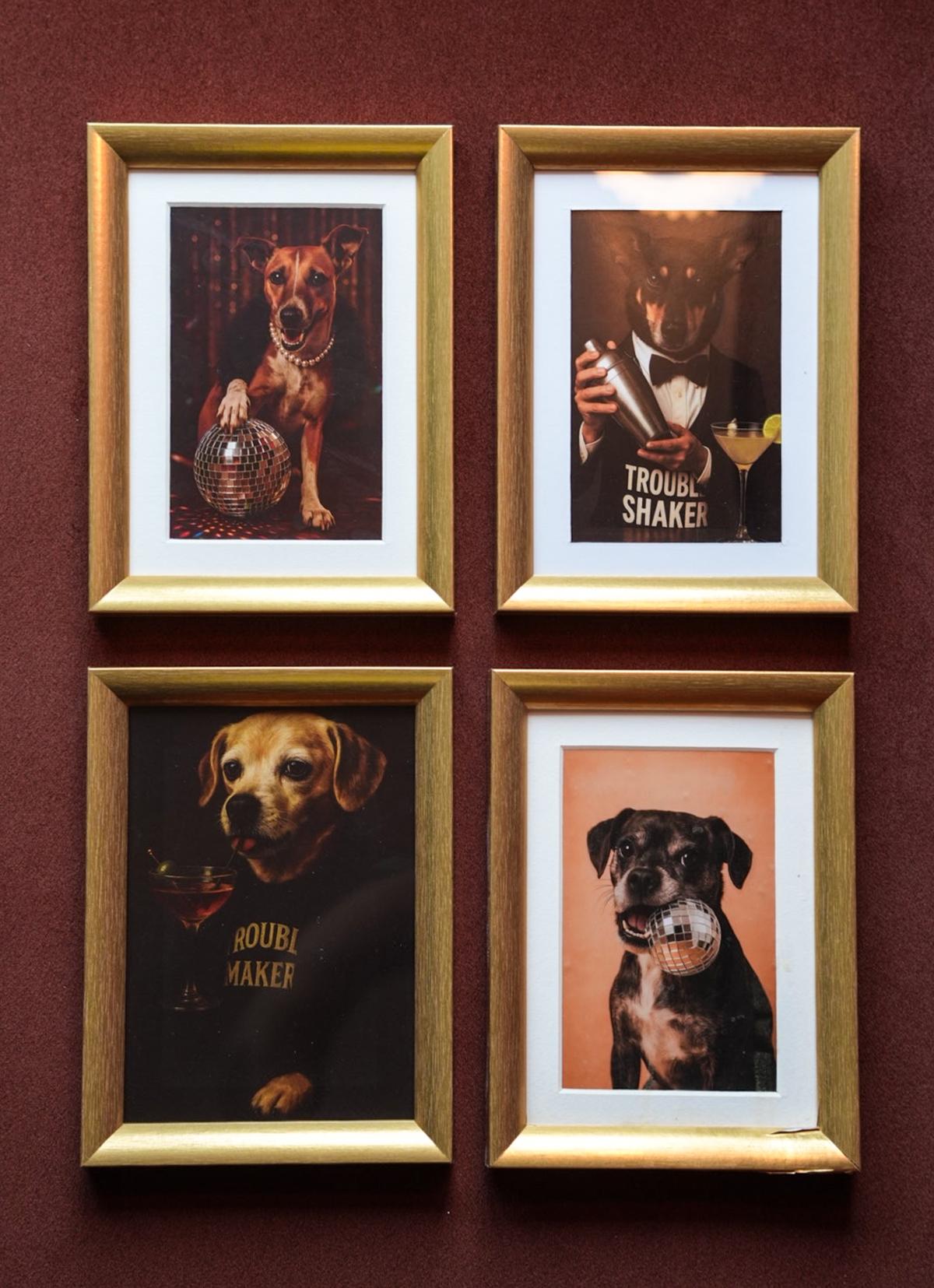
“You couldn’t really go out and have a cocktail with your dog. Coffee, yes! But now even a cocktail is possible,” chef-restaurateur Radhika Khandelwal says smilingly as I walk into Trouble Trouble and glance around. The walls are plastered with quirky photos of animals — a cat wearing a leather jacket and dark glasses holding a slice of pepperoni pizza, a flamingo dressed in a shimmering outfit and pearls with a glass of rose champagne and adorable, neighbourhood dogs.

The walls at Trouble Trouble are plastered with quirky photos of animals

The walls at Trouble Trouble are plastered with quirky photos of animals
| Photo Credit:
Special arrangement

The wood, rust and amber tones with interspersed mirrors lend warmth to the 1,300-square-foot space that seems slightly familiar yet different. That is because this spot was Radhika’s first baby, Fig & Maple, that served Delhi the best brunches for nearly a decade until she decided to revamp it. “I wanted to have fun with food and do something different,” she tells me. Trouble Trouble, which can accommodate 82 people, is now a pet-friendly place that serves global food, but everything here is inventive and comes with a slight twist.

Bar code

It starts with the cocktail menu, which promises to cover “every mischievous impulse” in eight sections that have off-beat names like In The Mood To Impress, I Am A Cocktail Nerd and I am not drinking this entire month.

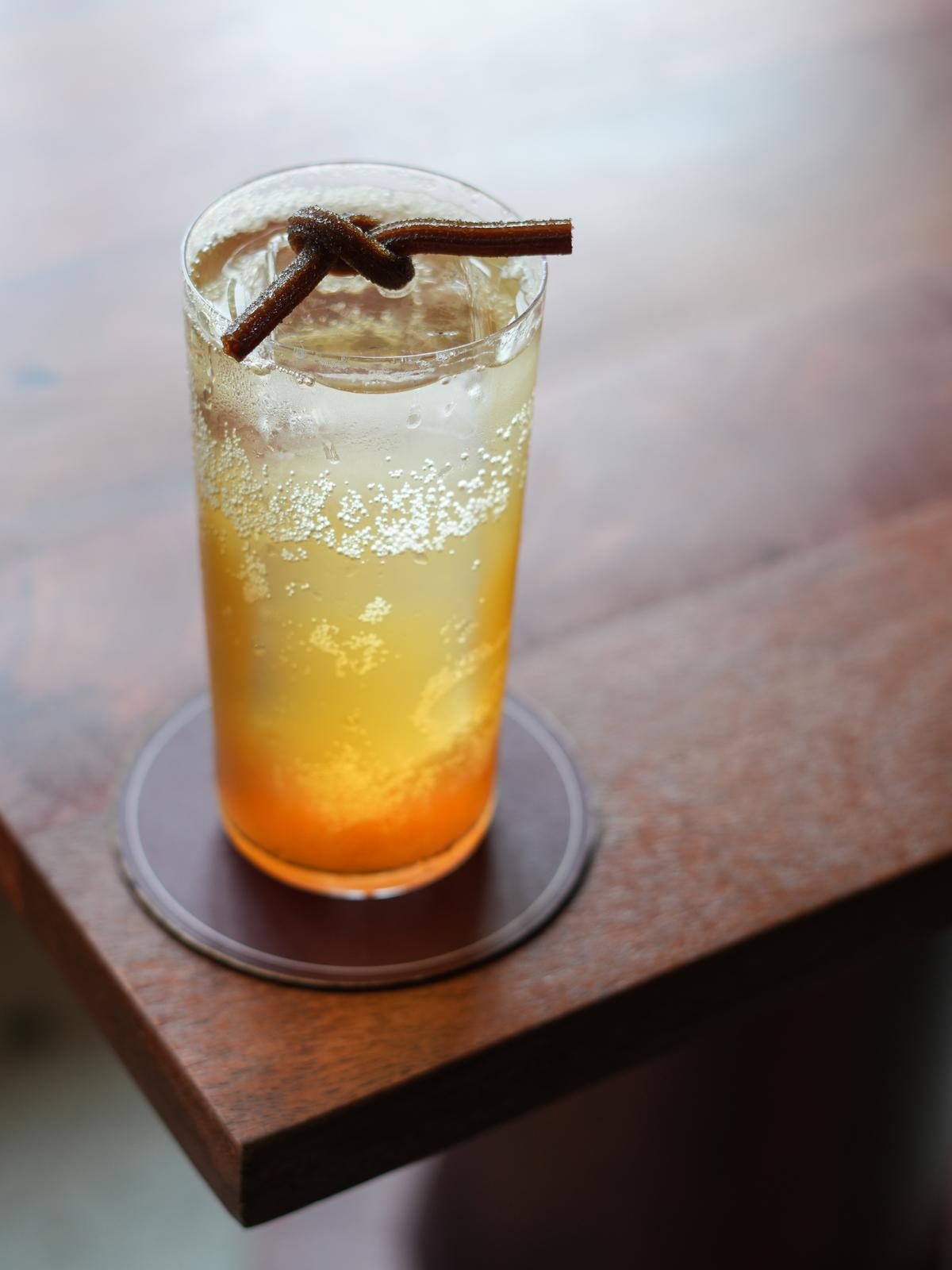
Moves like Jagger

Moves like Jagger
| Photo Credit:
Special arrangement

Kunal Chandra, the chief experience officer at Trouble Trouble tells me they have crafted a drink for every mood. “If you want something simple and basic, a complex cocktail, or even if you’ve recovered from a cold and don’t want anything chilled — we’ve got you covered.”

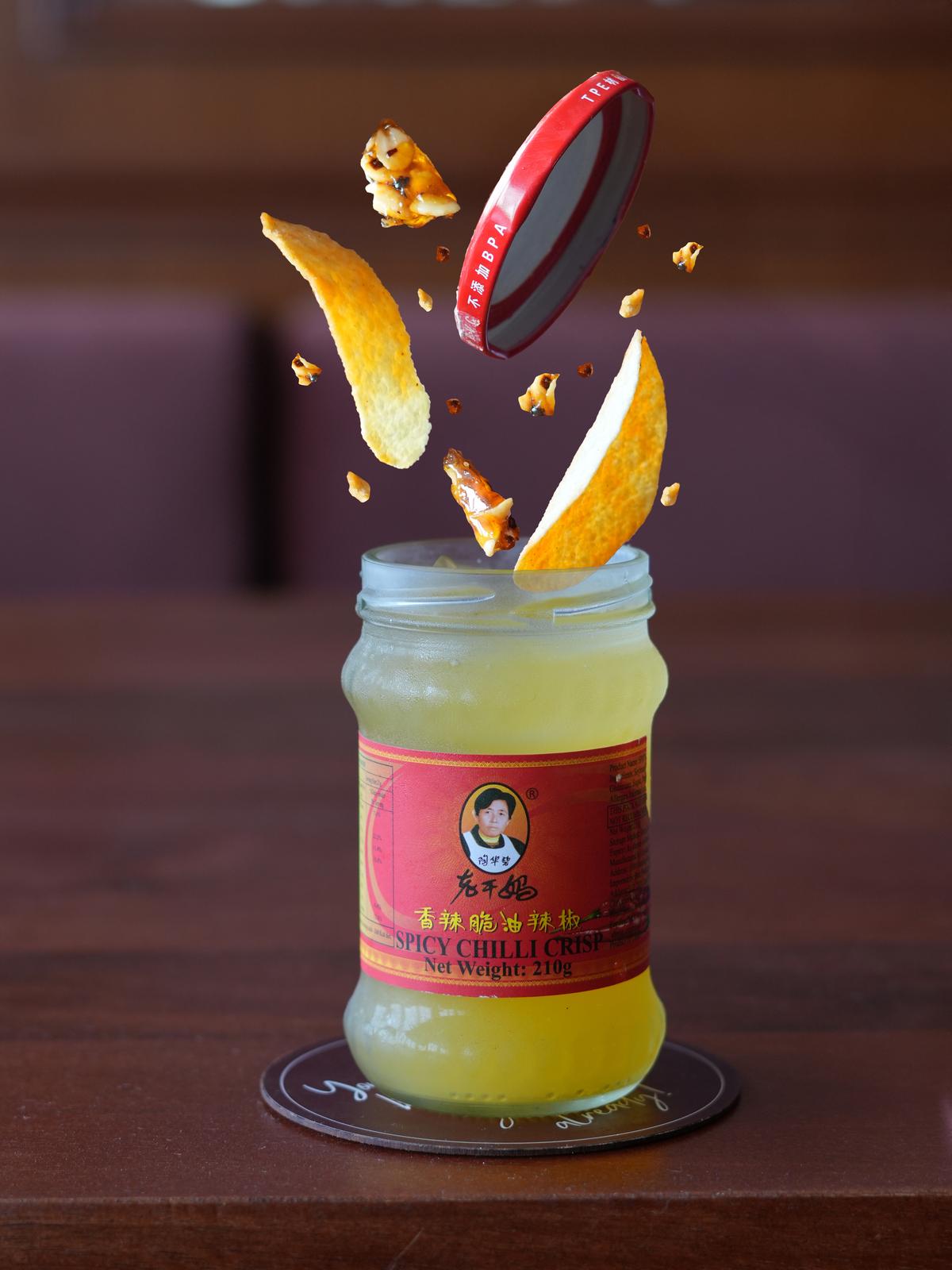
In the mood for something spicy, I start with one of their bestsellers Lao Gan Margarita that is served in a chilli crisp oil bottle with tequila (that’s soaked overnight in the chilli crisp oil) lime and triple sec. On the inverted bottle cap lie chilli wafers and a chikki made of chilli crisps. One sip and I am hooked — the spice hits instantly while the smokiness gives it depth — just the way I enjoy my cocktails.

Lao Gan Margarita 

Lao Gan Margarita 
| Photo Credit:
Special arrangement

Halfway through the meal, I want yet another fiery drink, so they suggest the Something Spicy with tequila, jalapeno, coriander and lime. It sounds like a picante but is different due to the addition of coriander. With an option of going for mild or wild, I opt for the latter — but it’s gentler than I anticipated. I could have handled more heat.

Something Spicy 

Something Spicy 
| Photo Credit:
Special arrangement

On the platter

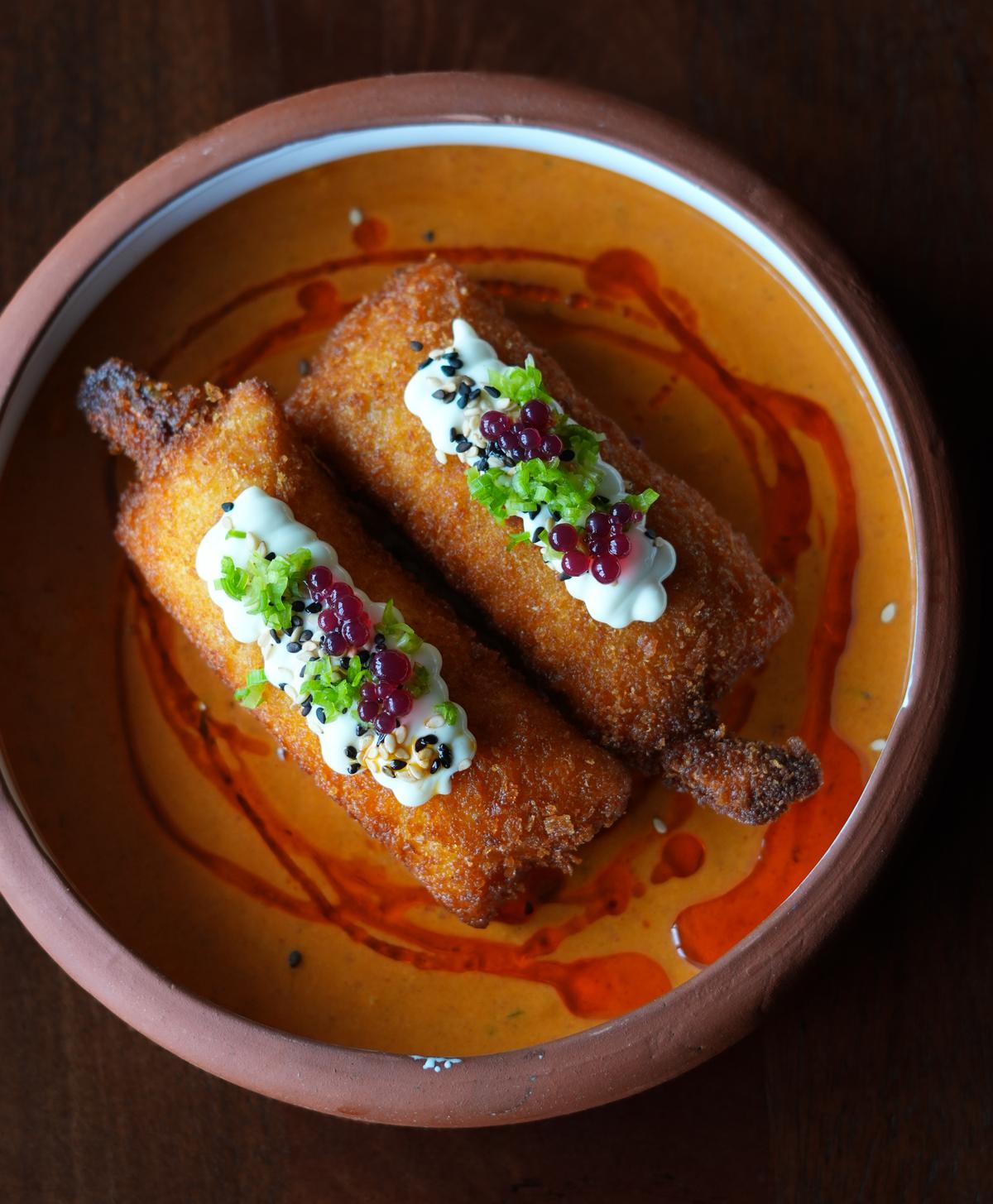
With more than 50 dishes, the food menu is expansive and neatly divided into small plates (named Double Trouble), sharing plates, Churrascia (hot Brazilian grill) salads, pizzas and mains. I start with prawn toast, a dish I have often had earlier. But sitting pretty on a bed of red Thai curry, this looks nothing like its classic version.

Prawn toast

Prawn toast
| Photo Credit:
Special arrangement

Instead of the toast triangle topped with prawns, this is a deep-fried pillowy parcel with panko crumbs on the outside and a prawn and mustard filling inside. It reminds me of a cutlet or a typical Calcutta chop but is quite distinct — the topping of goat cheese and homemade caviar sets it apart. The prawn just melts in the mouth while the red Thai curry dipping sauce adds flavour and punch.

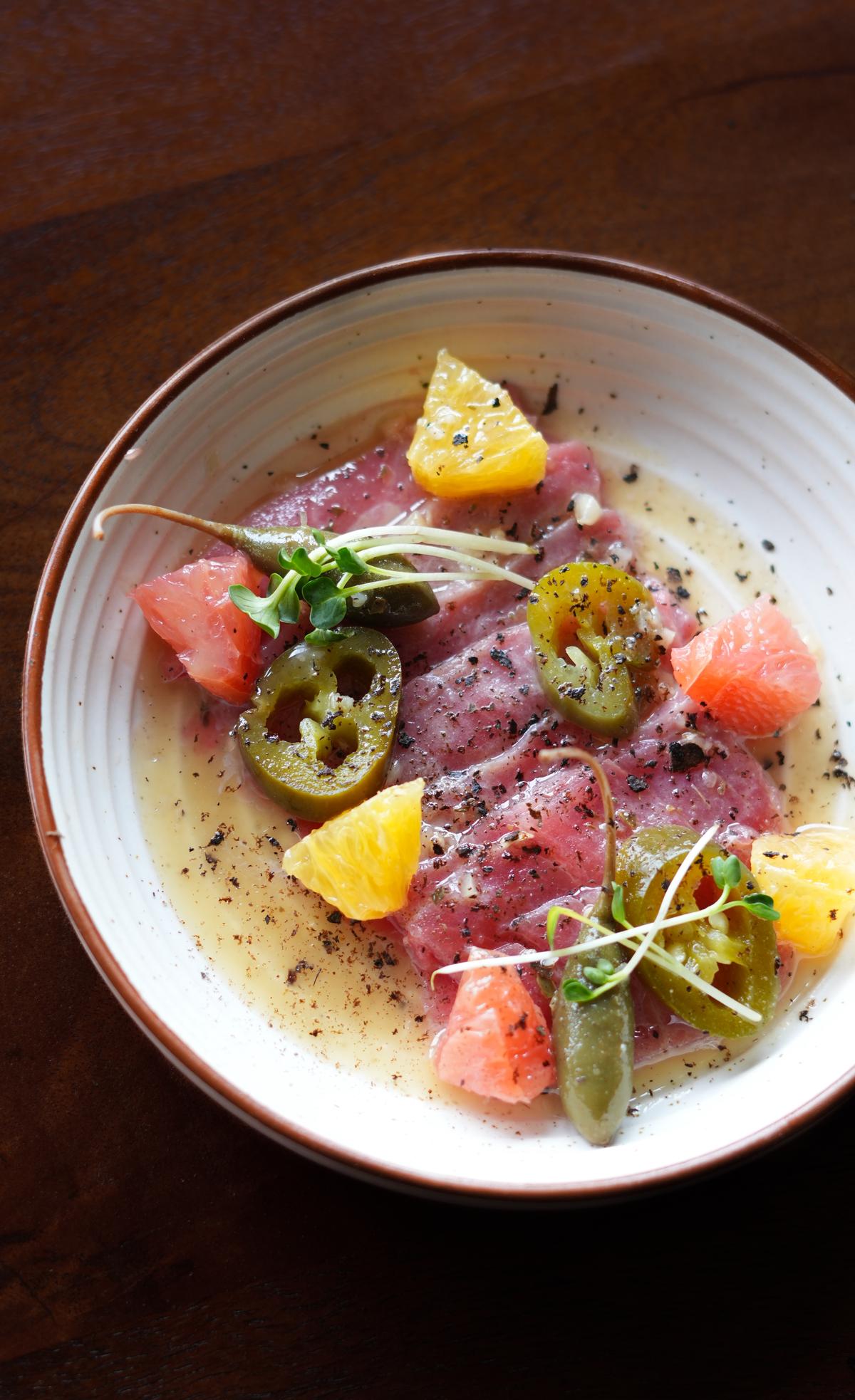
A dish in which I did not expect mustard to make an appearance is the tuna carpaccio. The slivers of thin tuna with onion and garlic crisps are tender, yet sharp and zingy, thanks to mustard oil and grapefruit. I could have re-ordered it.

Tuna Carpaccio

Tuna Carpaccio
| Photo Credit:
Special arrangement

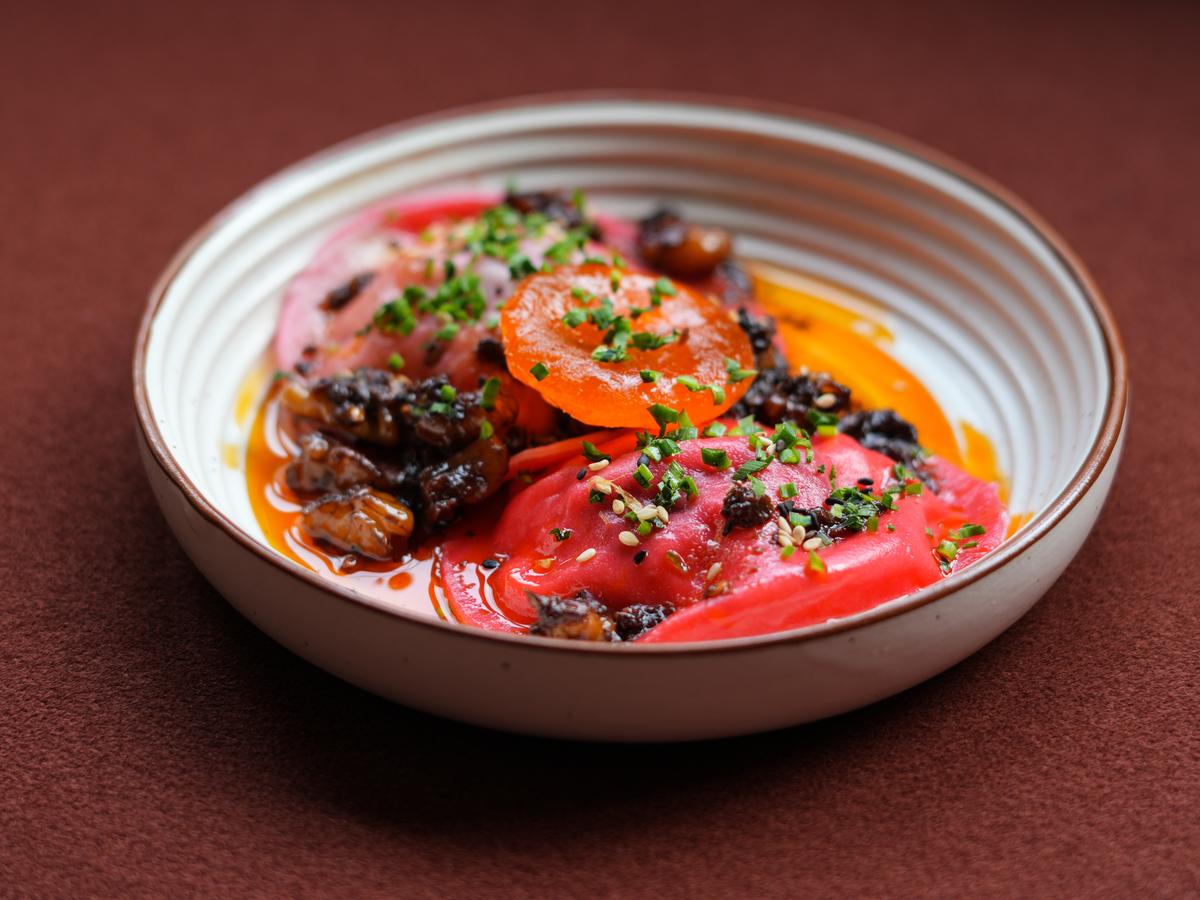
Usually, I would choose chicken dumplings, but I am urged to try the egg dumpling instead. Almost similar to a ravioli, the egg comes wrapped in a beetroot dumpling with parmesan and cream cheese inside. Topped with walnuts and truffle along with chilli crisp oil, it has both crunch and sharpness. The egg is not runny but well done. It is worth a try when your palate is craving something experimental.

Egg dumpling

Egg dumpling
| Photo Credit:
Special arrangement

A dish that takes me by surprise because it fuses two very strong flavours is the chorizo and blue cheese biegnet — they are two dough balls resting on jalapeno mousse. Both being pungent flavours individually, the combination can go wrong if not handled with finesse, but it turns out to be irresistibly bold and strong.

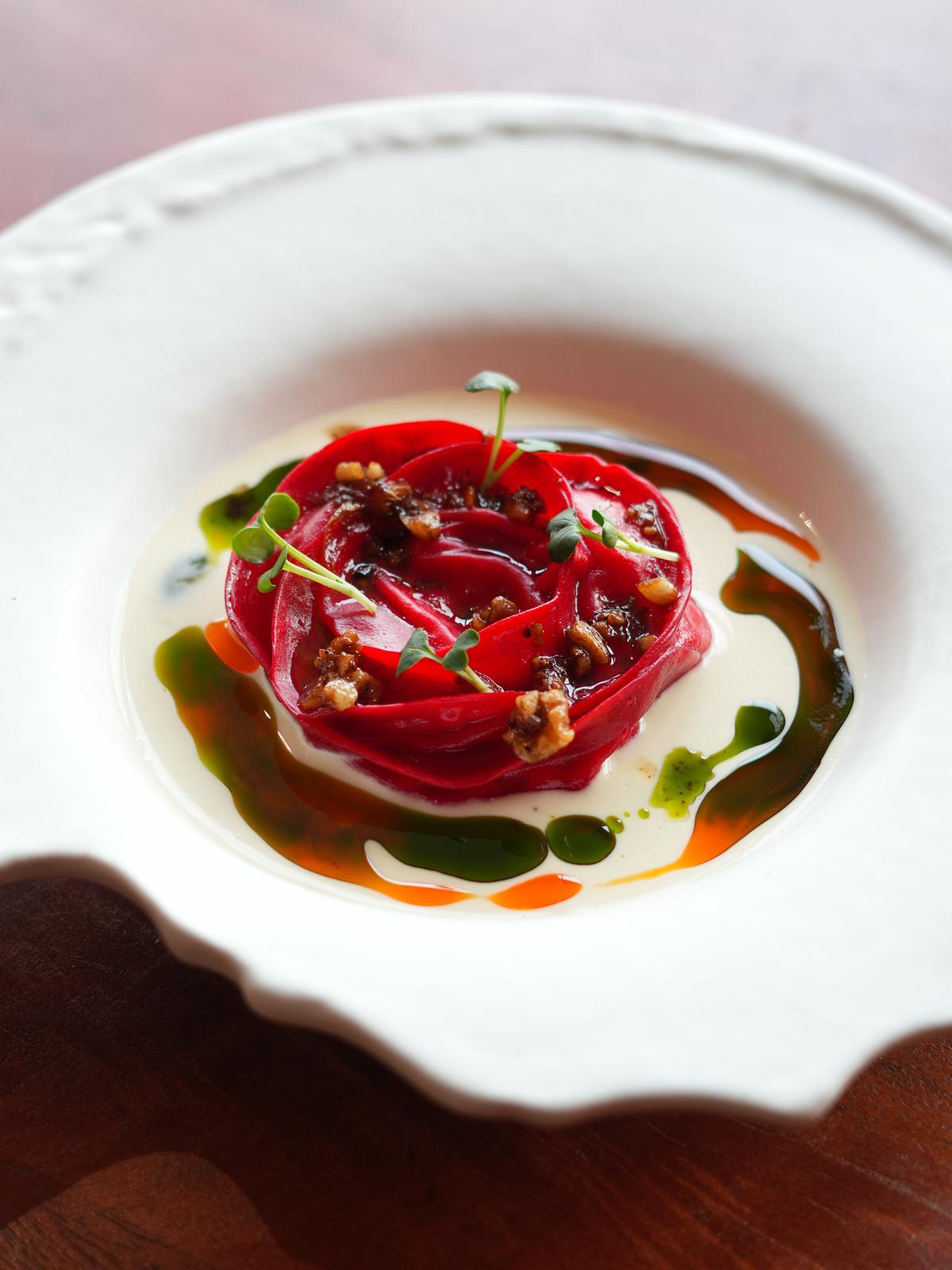
Chicken Ravioli with Mustard and Parmesan

Chicken Ravioli with Mustard and Parmesan
| Photo Credit:
Special arrangement

By the time I opt for the chicken ravioli, I am not expecting the classic version. Sure enough, six pieces of ravioli shaped like a petal create a beautiful pink rose (thanks to the beetroot) and are served with mustard parmesan sauce. But dig into it and the beet, cheese and ravioli make an appealing combination. The conchiglie-shaped pasta with lamb ragu is also quite delicious and hearty. Fond of grills? Take your pick from smoky meats, tofu, mushrooms and more from the hot Brazilian grill. I am eyeing the tenderloin and pork chops on a cold winter night.

Banh Mi Benny

Banh Mi Benny
| Photo Credit:
Special arrangement

Sweet spot

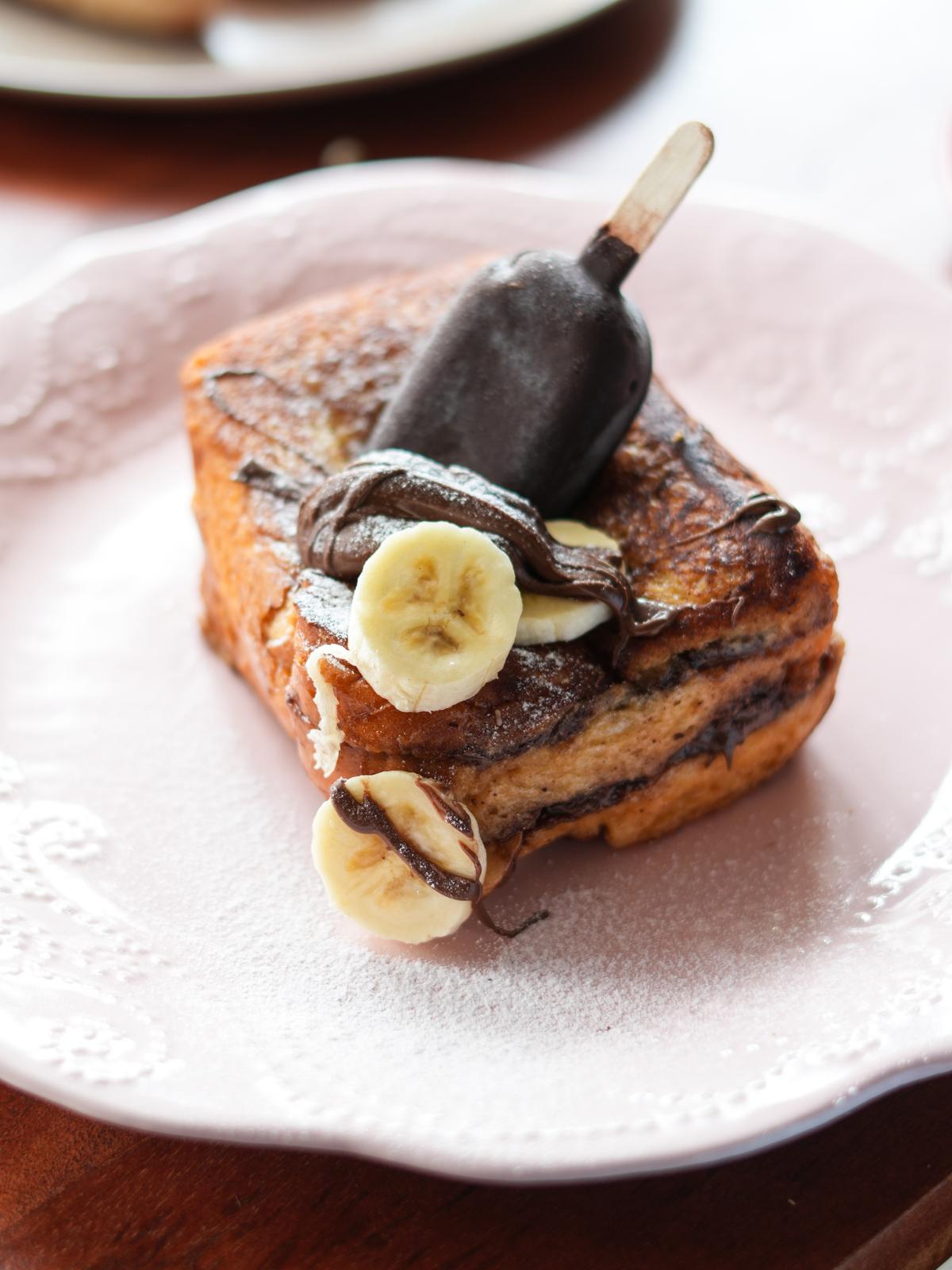
For those nostalgic for old flavours, the popular weekend brunch at the erstwhile Fig & Maple continues at Trouble and Trouble with eggs, toasts, waffles, pancakes, French toast and of course mimosas.

French toast

French toast
| Photo Credit:
Special arrangement

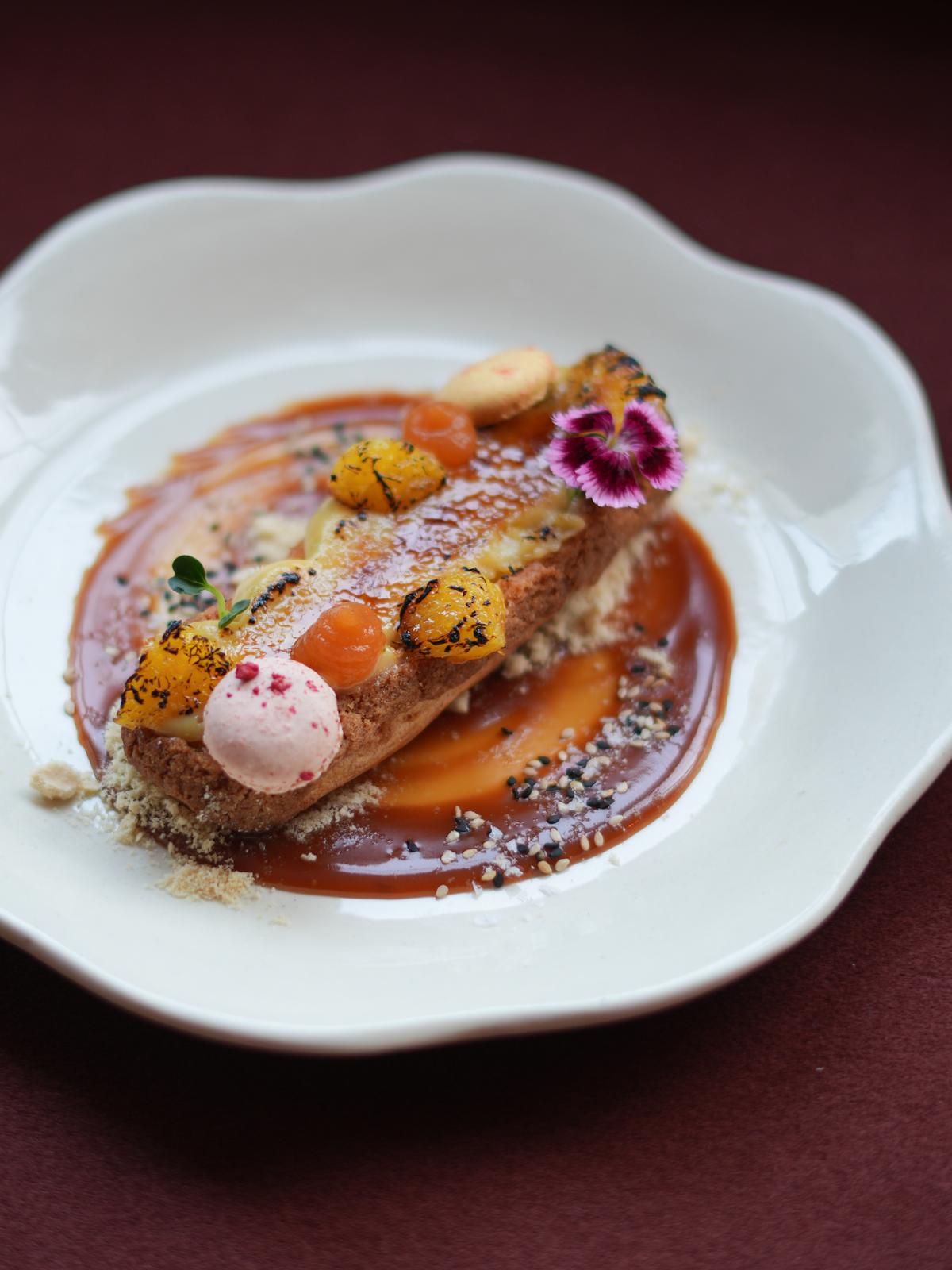
When the entire menu has a twist, why should desserts be left behind? Our vote goes for the crème Brulé éclair. Here you also drink your dessert as they have sweet cocktails. I had the affagato — the potency of rum and the sweetness of caramelised popcorn makes it delicious.

Crème Brulé éclair

Crème Brulé éclair
| Photo Credit:
Special arrangement

Though there is no separate menu for pets, the kitchen does prepare a complimentary meal as per the pet’s dietary restrictions varying from only chicken and chicken and rice to fish or eggs. Next time you want your pet to accompany you for a cocktail or a meal, don’t think twice about heading here. 

Trouble Trouble, located on the Second floor, M27, M-Block Market in Greater Kailash II, New Delhi, is open between noon and 1am from Tuesday to Sunday; a meal (with alcohol) for two costs ₹2,500. For reservations, call +91 7678665130

Published – December 24, 2025 03:54 am IST


Source link

The ultimate guide to making your favourite Christmas savouries with a splash of spirit


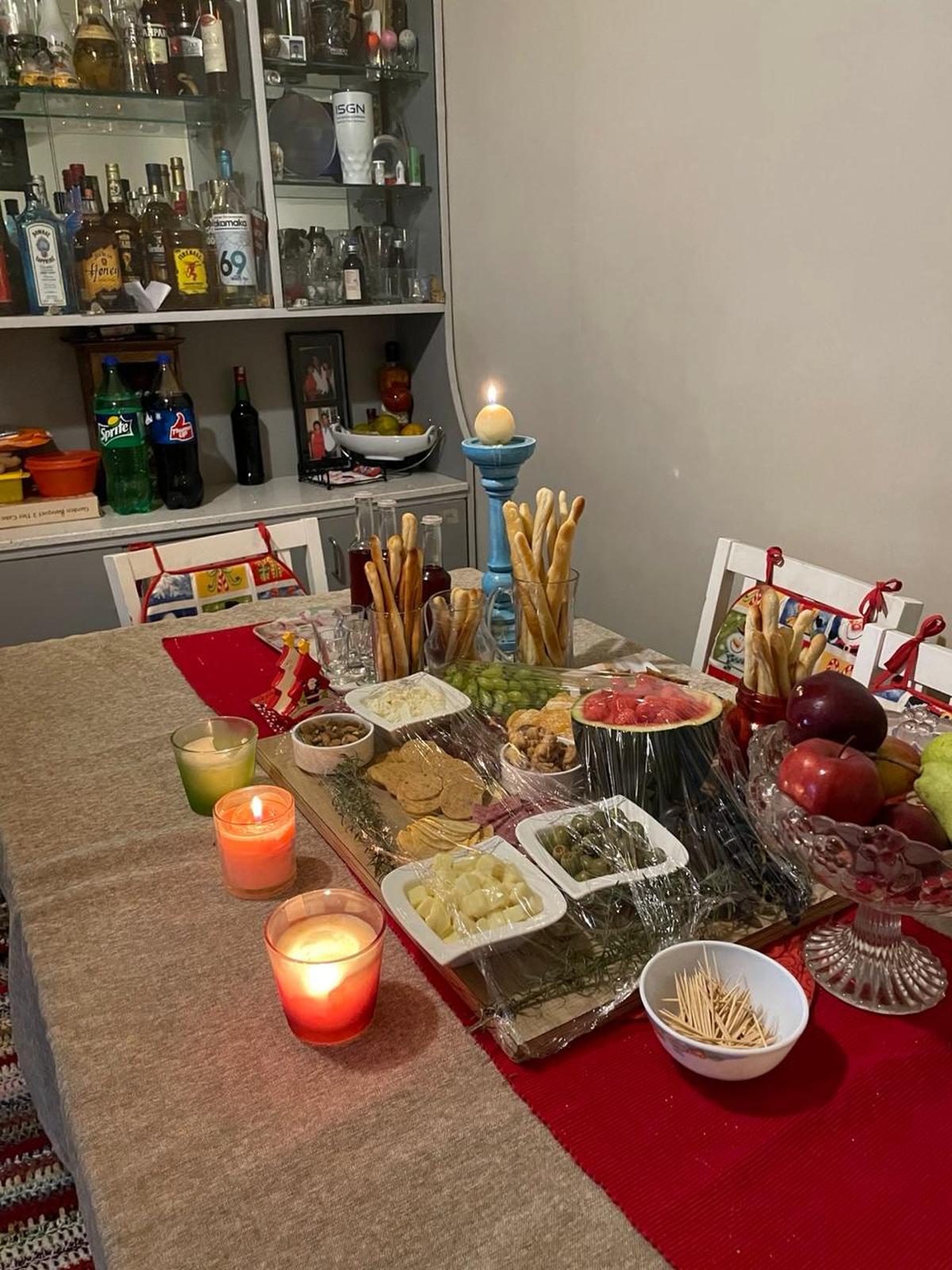
This festive season, tables will be spilling over with cranberry-flavoured cocktails, hot-buttered rum and toddies, and traditional winter fare that warms both, the hearth and heart. But, what if you took a spirited detour from the bar, and actually cooked with spirits? From adding dark rum to chicken wings to creating a sumptuous vodka sauce for tiramisu, crème caramel or chocolate tart, we have got you covered. We ask chefs and home bakers for tips and recipes that will make your festive spread top-notch. 

Less is more

Tim Philips, global brand ambassador,  Johnnie Walker

Tim Philips, global brand ambassador, Johnnie Walker
| Photo Credit:
Special arrangement

First things first, cooking with spirits depends on how the liquid is used. Is it cooked, baked or added to chilled desserts sans cooking. MasterChefIndia finalist and founder of House of Millets, a millet forward catering company, Natasha Gandhi, explains, “When alcohol is used in cooking, such as in a marinade, the heat causes it to evaporate, leaving behind the delicious aromas and flavours. This means you will not experience any intoxicating effects from consuming the dish. Using alcohol to marinate proteins, is an age-old culinary technique that helps bring out a full-bodied taste.”

From using a 30ml shot of bourbon or whisky in a marinade for chicken wings, or to preparing a leg of lamb, the smoky notes of the spirit, when cooked, impart woody, smoky notes to the protein. Tim Philips, global brand ambassador, Johnnie Walker, says blended Scotch can work wonders in winter menus, “Johnnie Walker Black Label’s rich, smoky character works beautifully in savoury dishes, like whisky-glazed ribs, braised short ribs, or even whisky-infused sauces for roasted meats. It also pairs wonderfully with desserts like dark chocolate torte or a whisky caramel bread pudding.” 

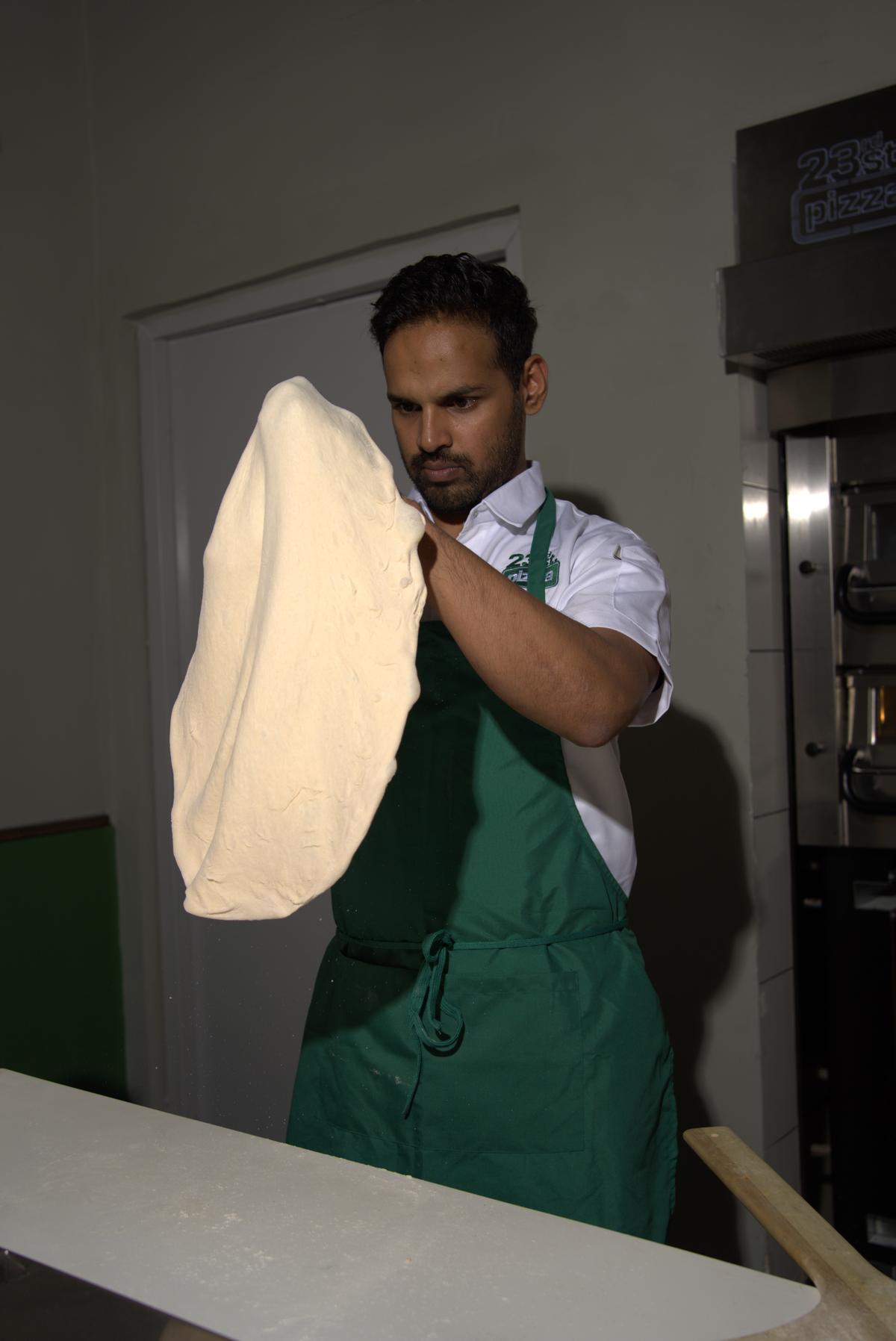
Vijar Sekhar of 23rd Street Pizza

Vijar Sekhar of 23rd Street Pizza
| Photo Credit:
Special arrangement

For truly decadent, spirit-forward festive dishes, chef Vijay Sekhar from 23rd Street Pizza, a popular New York-style pizza and wine bar in Bengaluru suggests, “If you choose clear spirits, like gin, vodka and tequila they don’t impart too much flavour but dark rum, bourbon or cognac impart richer notes. We use vodka in our pasta sauce to add a cleaner taste, instead of imparting flavour directly into it. But in a tiramisu, the dark rum (used in the espresso soak for the ladyfinger biscuits) adds flavour, body and pairs so well with the coffee.”

His general note of caution on cooking with spirits: “Less is more, otherwise the flavours of alcohol can overpower the dish.” The chef also suggests using complementary flavours, adding, “for a tiramisu you could use Grand Marnier (made from a blend of cognac brandy, distilled essence of bitter orange, and sugar) since coffee and orange go so well or even a splash of Cointreau (colourless French triple sec orange liqueur). Hazelnut-coffee is a good combination so a hazelnut liqueur would go well too.”

For savoury sauces, he suggests wine. “If you want to use wine in your sauces, choose a good red wine for the base of a sauce for lamb or dark meat protein, or adding white wine to a bechamel (white sauce) works.” 

Spirits in soaks

Lolita Sarkar, founder, Unusual Spirits, Goa, has used Limoncello 24 to soak the ladyfinger biscuits for a lemon tiramisu recipe as well as the Goa Dark, a dark spiced rum liqueur, to generously soak Christmas cake and create a decadent German Herrencreme, served with strawberries. She also delights in the more savoury applications of the gondhoraj notes in her Limoncello. “You could try a nice grilled chilli and kafir lime prawn, with a thick coconut milk and Limoncello 24 sauce, which provides a balance of tang and spice. Also a burrata with basil and garlic with a drizzle of limoncello works great!,” she says.

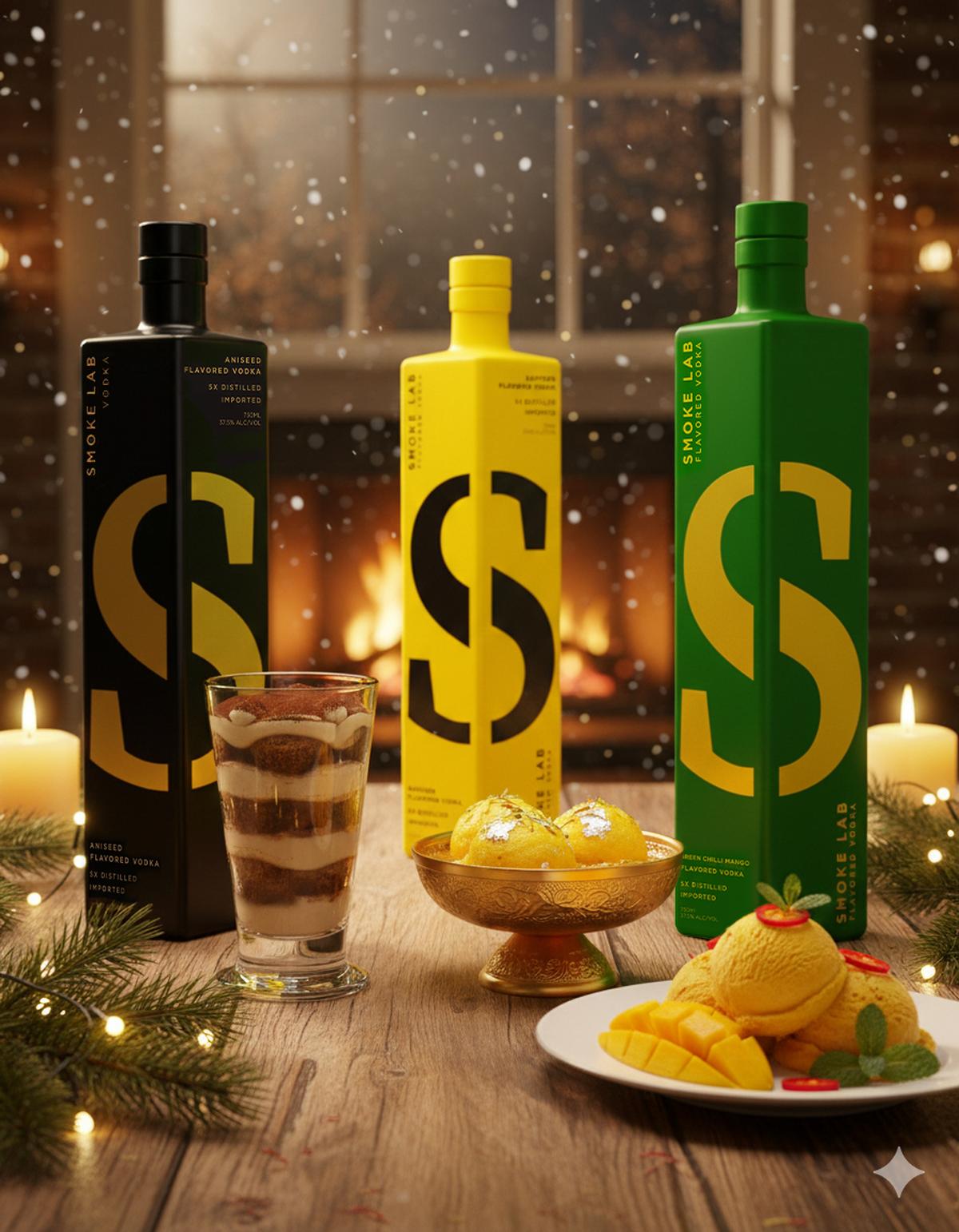
For Anurag Gupta, mixologist at Smoke Lab Vodka, premium Indian vodka brand, using the flavoured avatars of the spirits,  especially aniseed and saffron is an ideal foil to enhance festive flavours. “To complement the winter cocktails, flavoured vodkas can be incorporated into desserts that feel indulgent, modern, and festive, while staying true to Indian palates,” he explains.

Anurag Gupta, Smoke Lab Mixologist, creates spirited desserts for the festive season

Anurag Gupta, Smoke Lab Mixologist, creates spirited desserts for the festive season
| Photo Credit:
Special arrangement

For an aniseed tiramisu, fold Smoke Lab Aniseed Vodka into the coffee mixture or the mascarpone cream to add a gentle spiced liquorice note. Using saffron vodka, a saffron milk cake can transform into a luxe festive dessert that adds a small measure of saffron vodka into the warm milk soak or drizzle on top of the cake before serving.

Tanisha Bhatia, mixologist, Simba Beer and ZigZag vodka — both launched by Saltborn (a company with interests in spirits, education and fintech) —likes giving popular Indian flavours a modern twist. So her vibrant reworking of traditional rasgullas, take the beloved sweet to the next level by adding vodka blends to the soak — think a lychee citrus soak that incorporates 360-ml vodka with 120-ml lychee juice and a few drops of orange essence to 500 grams of rasgullas, or an orange blossom soak that uses rose water (60ml) with 360-ml orange vodka and eight-to-10 drops of orange essence for half a kilogram of rasgullas. 

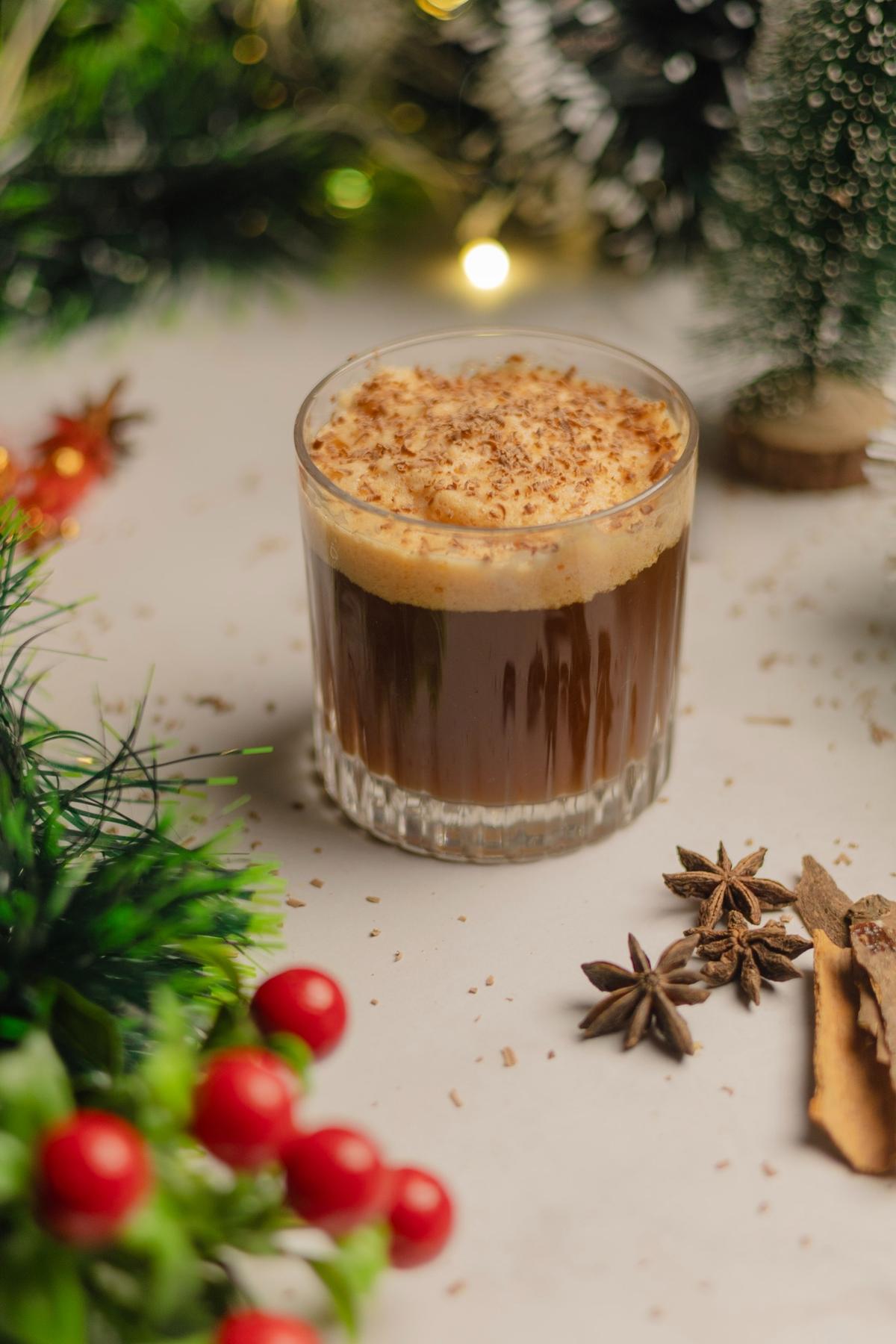
Spiced hot chocolate toddy by Tulleeho

Spiced hot chocolate toddy by Tulleeho
| Photo Credit:
Special arrangement

Spiced hot chocolate toddy
Ingredients 

45ml Dark rum

20 ml chocolate sauce or syrup

10 ml cinnamon syrup

120 to 150 ml warm milk infused with saffron, milk foam. Chocolate (dark or milk) shavings for garnish  

Method 

Gently warm the milk in a saucepan with a pinch of saffron threads, until fragrant.

In a heatproof mug, add dark rum, chocolate sauce, and cinnamon syrup.

Pour in the warm saffron milk and stir until the chocolate is fully dissolved.

Froth a small portion of the remaining saffron milk to create foam.

Spoon the warm foam over the drink.

Garnish and serve.

Recipeby Tulleeho, that specialises in beverage consultancy and spirits education

Finally, however you choose to cook with spirits, whether sweet or savoury, in a marinade or soak, the key is being thoughtful about complementary flavours, exact measurements and pairing cocktails that enhance these spirit forward dishes.   

Rum-smoked Kashmiri chili lamb chops (Serves three to four pax)
Ingredients

For the Marinade:

Six lamb chops

Two tablespoons of Kashmiri chili paste

One tablespoon ginger–garlic paste

One tablespoon hung curd

One tablespoon mustard oil

One teaspoon garam masala

One teaspoon black pepper

One teaspoon honey

One teaspoon apple cider vinegar

30-ml rum (Old Monk)

salt to taste

For the rum reduction glaze:

50ml dark rum

One tablespoon brown sugar

One tablespoon butter

One teaspoon soy sauce

One-two dried red chilies

A pinch of salt

Method

Marinate the chops: Mix all marinade ingredients, including the rum. Coat the chops thoroughly and refrigerate for two–four hours.

Cook the lamb: Sear on a hot grill pan or tandoor until lightly charred. Transfer to a 180°C oven for six–eight minutes, depending on thickness.

Prepare the rum reduction: Simmer rum with brown sugar, soy, butter, and dried chilies until it thickens into a shiny glaze.

Smoke the chops: Place a small lit charcoal piece in a bowl, add a little ghee to generate smoke, set it inside the tray with the cooked lamb, and cover for two–three minutes.

Glaze and finish: Brush the lamb generously with the rum glaze and give it a final kiss of flame or blowtorch.

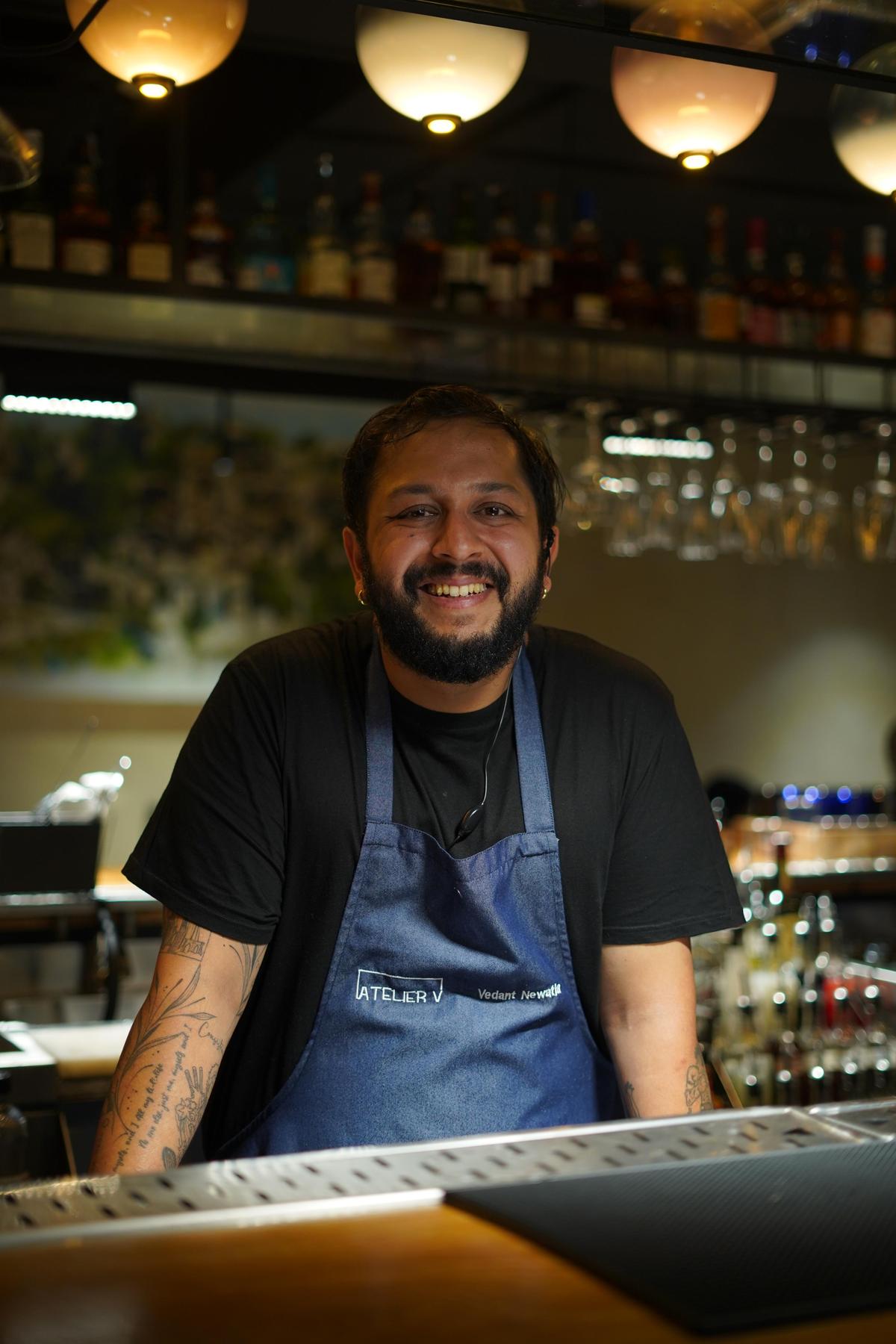
Recipeby Vedant Newatia, founder and head chef, Atelier V & Masala Code, Indore

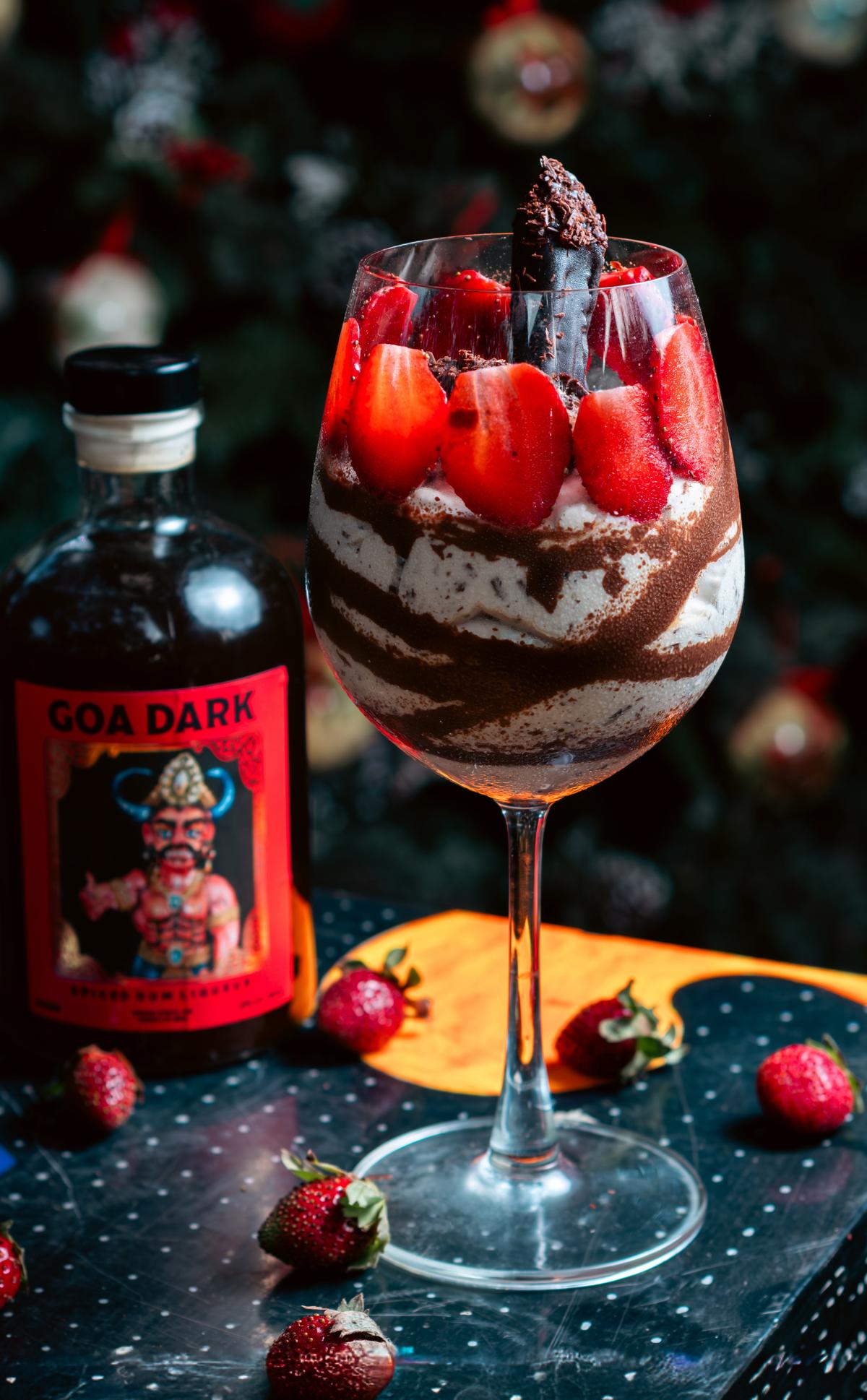
Goa Dark Herrencream, at Hello SunShine Goa. Photo_ Rishabh Khemsra_

Goa Dark Herrencream, at Hello SunShine Goa. Photo_ Rishabh Khemsra_
| Photo Credit:
Special arrangement

Goa dark herrencreme
Ingredients

500-ml milk (divided into two cups)

Two egg yolks

Four tablespoons of cornstarch

Half-cup sugar

Two teaspoons of vanilla extract

Two teaspoon sugar

Three-fourth cup

Two tablespoons heavy cream

120 ml Goa Dark spiced rum liqueur

100-gram dark chocolate

Method

In a small bowl, combine 100-ml milk with egg yolks and corn starch.

Whisk until smooth.

Set aside.

In a medium saucepan combine the other 400-ml milk with sugar and vanilla mix.

Heat over medium, stir to dissolve the sugar crystals. Increase the heat a bit to bring the milk to a boil.

When it starts to boil, remove from the heat.

While whisking,  add the milk-egg mixture.

Return to the heat, and whisk until the mixture thickens and comes to a boil.

Remove from the heat immediately, and pour into the medium bowl that you set nearby earlier. Stir in the rum. 

Cover the cooked pudding with plastic wrap, press down a bit to prevent pudding skin.

Set in the refrigerator to cool.

Whip cream into stiff peaks.

Fold the whipped cream, and around three-fourth dark chocolate shavings into the pudding once cooled.

Set into the refrigerator until ready to serve.

Feel free to top with strawberries and raspberries.

RecipebyLolita Sarkar, Founder, Unusual Spirits

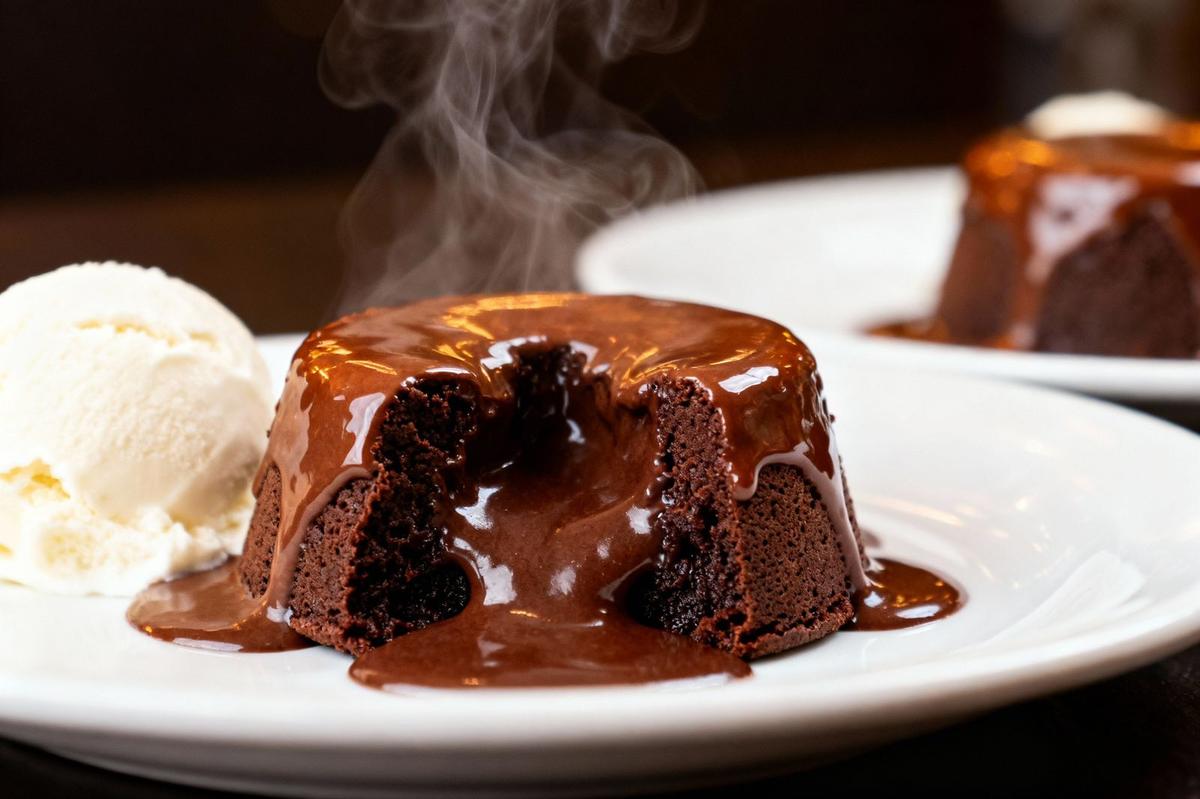
Quaffine Matilda Cake

Quaffine Matilda Cake
| Photo Credit:
Special arrangement

Quaffine Matilda cake (Serves four)
Ingredients

For cake:

100-gm dark chocolate

100-gm butter

Two eggs

Two yolks

75-gm caster sugar

Two-tablespoon flour

A pinch of salt

For sauce:

150-ml milk

50-ml Quaffine liqueur

50-gm dark chocolate

One tablespoon cocoa

Two tablespoons sugar

Method

Melt chocolate and butter

Whisk with eggs and sugar (ribbon stage)

Fold in flour

Fill greased ramekins two-third full.

Bake 200°C, 10-12 min (edges set, centre jiggly).

Invert onto plates.

Simmer milk, whisk in chocolate, cocoa, sugar, Quaffine for glossy sauce.

Pour over cakes; serve with ice cream.

Recipe by Disha Sethi, home baker, Noida

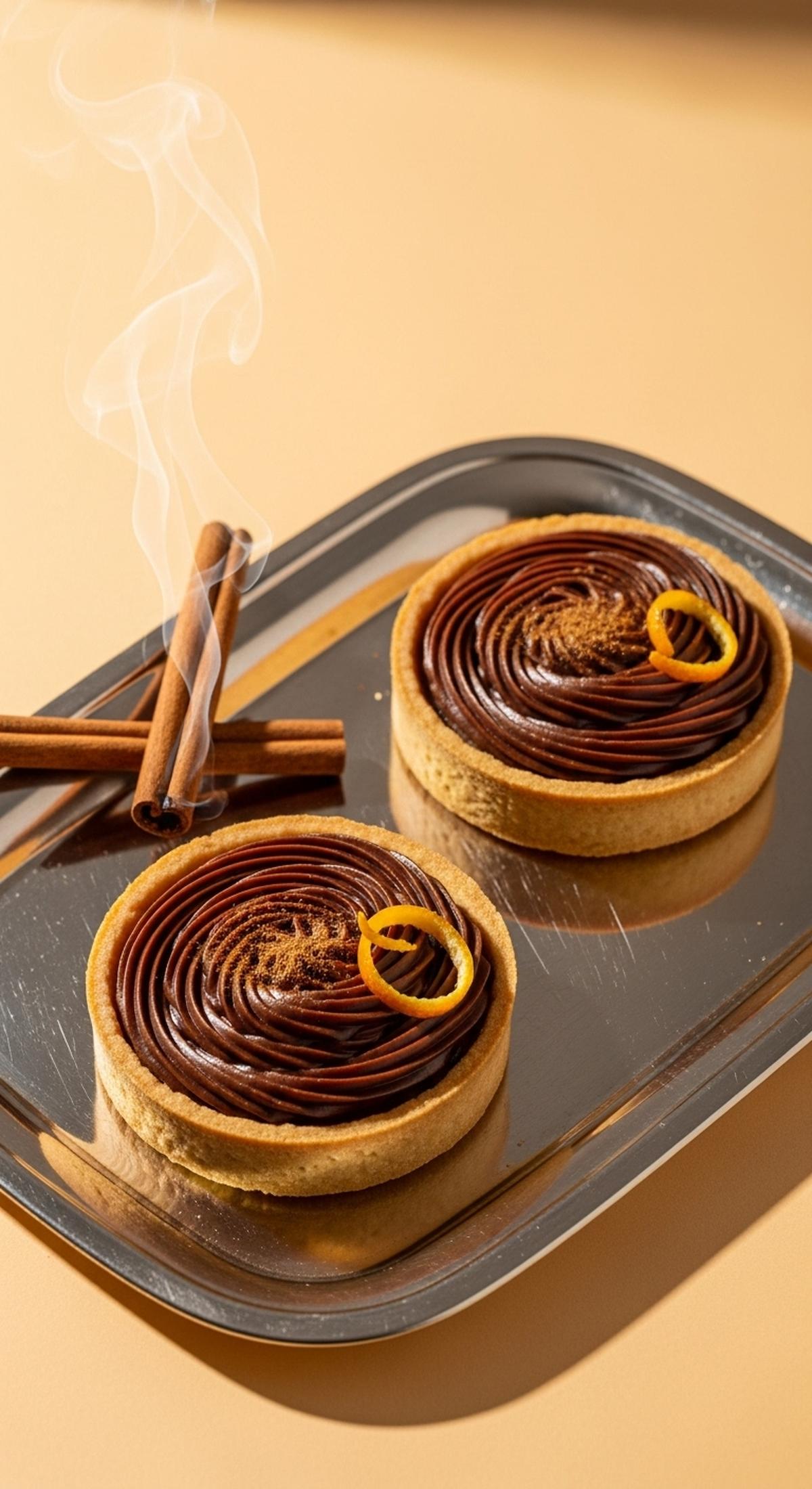
Vodka chocolate tart

Vodka chocolate tart
| Photo Credit:
Special arrangement

Masala choco vodka tart
Ingredients

For crust:

1.5 cups crushed digestive biscuits

Six tablespoons of melted butter

sugar to taste

Masala chocolate filling:

One cup heavy cream

200-gm dark chocolate chopped

Two tablespoons vodka

One-and-a-half teaspoon chai masala/garam masala

One tablespoon butter

pinch of salt

Method

To make the crust, mix crushed biscuits, melted butter (and sugar if using). Press into a tart pan.

Chill 15–20 minutes (or bake for eight minutes at 170°C for a firmer shell).

To make spiced chocolate filling, heat cream until just simmering.

Pour over chopped chocolate; let sit for a minute.

Stir until smooth.

Add vodka, masala, salt, and butter, mixing until glossy. To assemble pour filling into the chilled crust and refrigerate two–three hours until set.

Garnish with cocoa powder, shaved chocolate, or a pinch of masala.

Recipe by Tanisha Bhatia, mixologist, ZigZag vodka


Source link

From biryani to sorpotel: How different communities in Bengaluru celebrate Christmas


Christmas lunches in Indian homes are unique. With roots of Christianity going back 2000 years in the sub-continent, the food is a repository for influences from across the globe. From Portuguese flavours to traditional English roasts, all find a place on the table. In Bengaluru, which is home to Christian families from all parts of the country, the traditional lunch can take many different avatars.

Table set for Christmas at Clive VanBuerle’s home

Table set for Christmas at Clive VanBuerle’s home
| Photo Credit:
Special arrangement

Anglo roots

Clive VanBuerle is a quintessential Anglo-Indian with Dutch and English background, but a true-blue Bengaluru boy. “On Christmas day, we generally do a potluck with my siblings and their families. There is lots of food and games.” The potluck will typically have a chicken roast, pork roast or a buff roast, with sides such as a Russian salad, cutlets, a Christmas pudding, a meatloaf, and shepherd’s pie.

“Christmas for an Anglo-Indian is where we celebrate our Anglo roots. For the rest of the year. we live an ‘Indian’ life. If you came home, I eat rice and dal or rasam. But Christmas is all about the Anglo side.”

Treats like homemade ginger wine, kulkul, and rose cookies are enjoyed through the season. “All these recipes have been passed down over the generations, and they keep evolving.”

Mangaluru to Bengaluru

Alexander Herman D’Souza belongs to the Mangalurean Christian community, where Christmas is one of the most cherished festivals of the year. He lives at K.R. Puram with his family, and their celebrations are deeply rooted in tradition, with preparations beginning almost a month in advance.

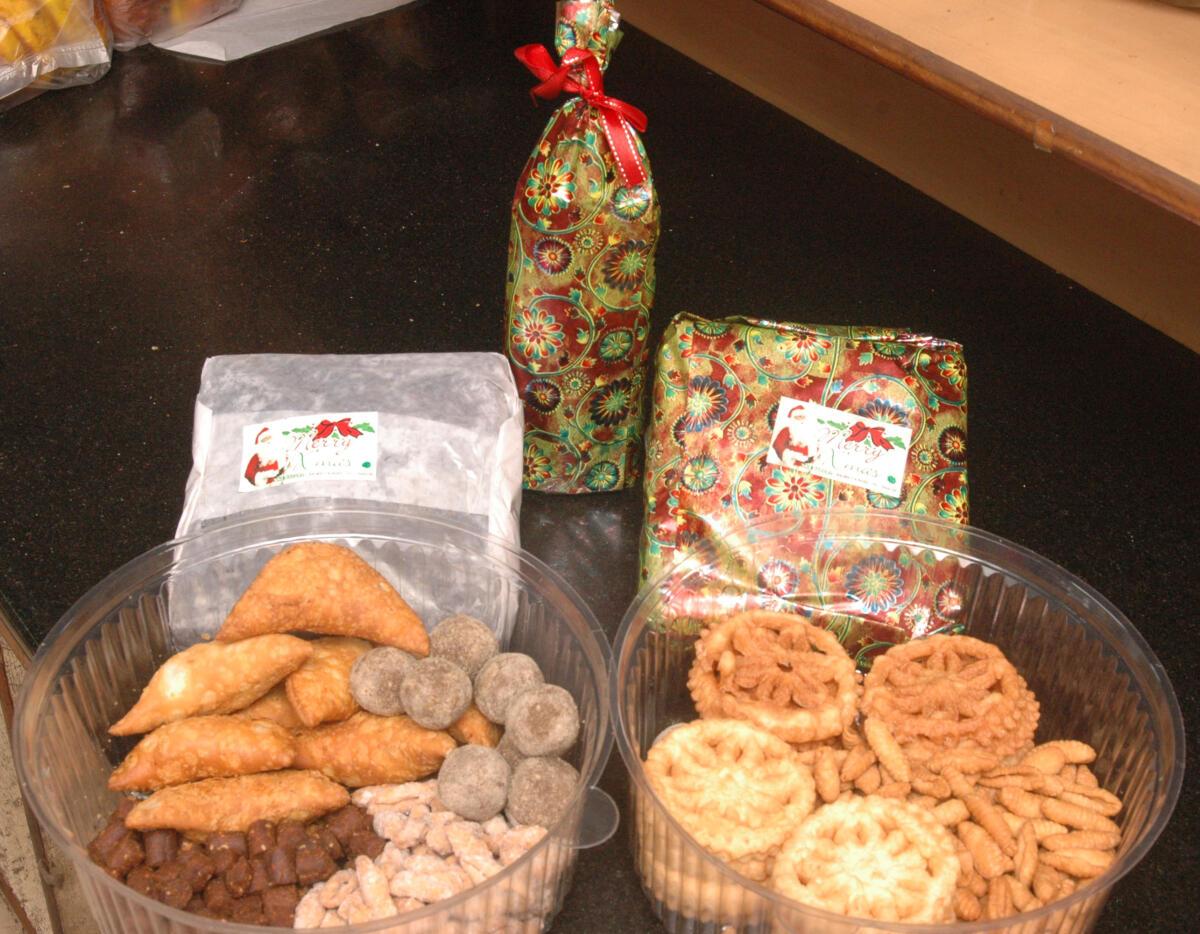
“One of the most special Christmas traditions in our home is the preparation of kuswar, a collection of traditional Mangalorean Christmas sweets. The process usually begins by mid-December, at least 10 days before Christmas. Kuswar includes delicacies such as kidos, chaklios, gulios, niroos, kikkisas, and rice laddoos — each made patiently and shared with neighbours, friends, and family.”

Kuswar, a collection of traditional Mangalorean Christmas sweets

Kuswar, a collection of traditional Mangalorean Christmas sweets
| Photo Credit:
File photo

For Christmas lunch, traditional Mangalorean dishes such as pork bafat and pork indad, with chicken sukka and roce curry, are staples. “Freshly prepared sannas, appams, and rice noodles complete the Christmas spread,” he shares.

A Hyderabadi’s love for biryani

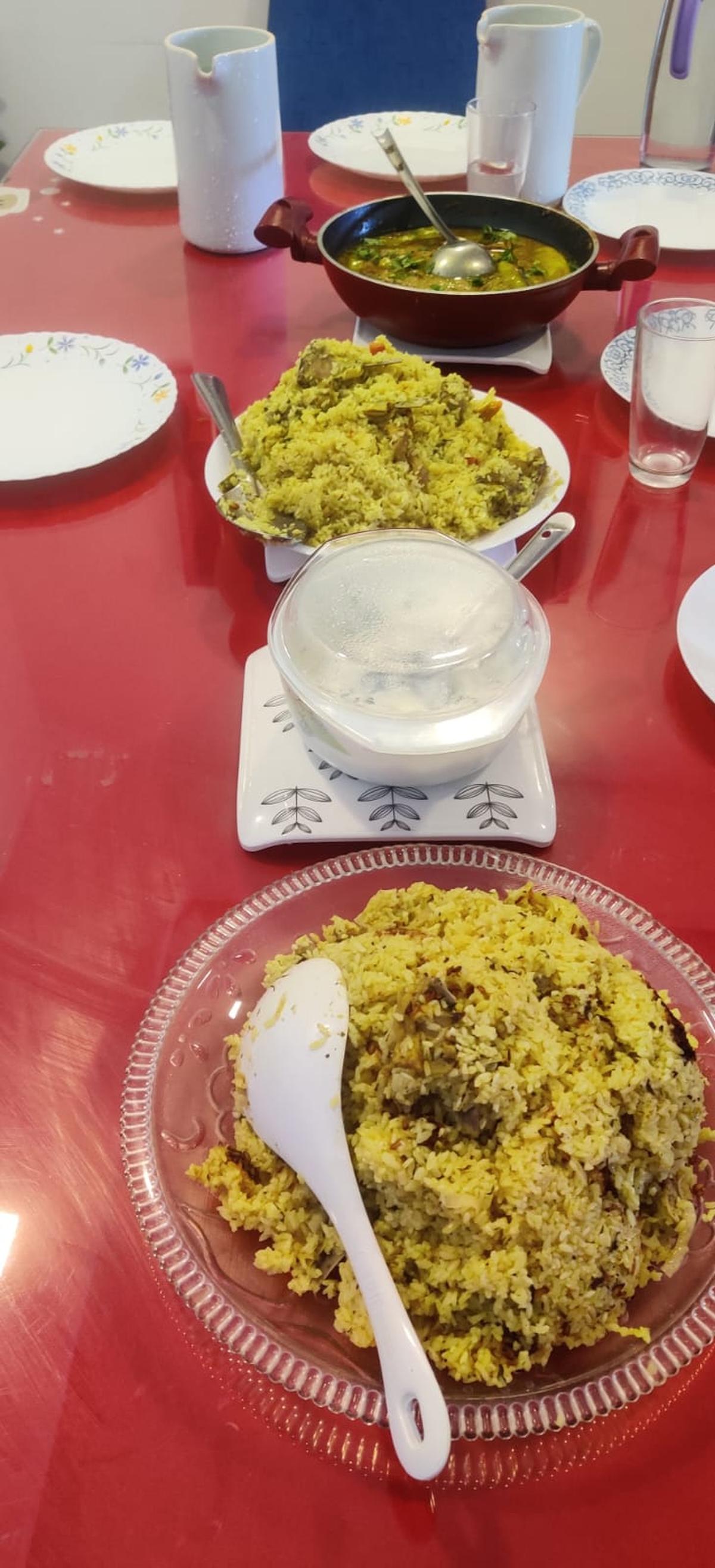
Sarah Supriya grew up in Hyderabad and moved to Bengaluru 22 years ago after getting married. “On the day of Christmas, it is always biryani,” she says.

Back in Hyderabad, it was authentic Hyderabadi biryani.

“When I came to Bengaluru, the Hyderabadi mutton biryani was replaced by donne biryani.”

Sarah makes the biryani at home, with neighbours and relatives coming together to cook. Along with the biryani, they have kheema balls. “My mother-in-law’s speciality was pepper chicken, that we ate with rotis.”

The family makes gulab jamun and ice cream for Christmas desserts.

Sarah Supriya’s mutton biryani

Sarah Supriya’s mutton biryani
| Photo Credit:
Special Arrangement

Mizo traditions

Lalfakawma Ralte moved to Bengaluru eight years ago. “I am from Aizawl in Mizoram. I am part of the Bangalore Mizo Presbyterian church.” He says, for Christmas, one thing they always make, both back in Mizoram and now here in Bengaluru, is chhangban.

These are snacks that are made of steamed and hand-pounded glutinous rice. The rice is sweetened with jaggery and wrapped in leaves. “Chhangban literally translates to ‘sticky biscuit’. All families make it. We come together on Christmas eve, sing carols and eat the snacks.”

Beyond that, they have pork dishes for lunch. “One dish that is commonly eaten is pork boiled with mustard leaves. Or, pork fried in some oil.”

Lalfakawma’s wife also makes a plum cake that takes three or four months to prepare.

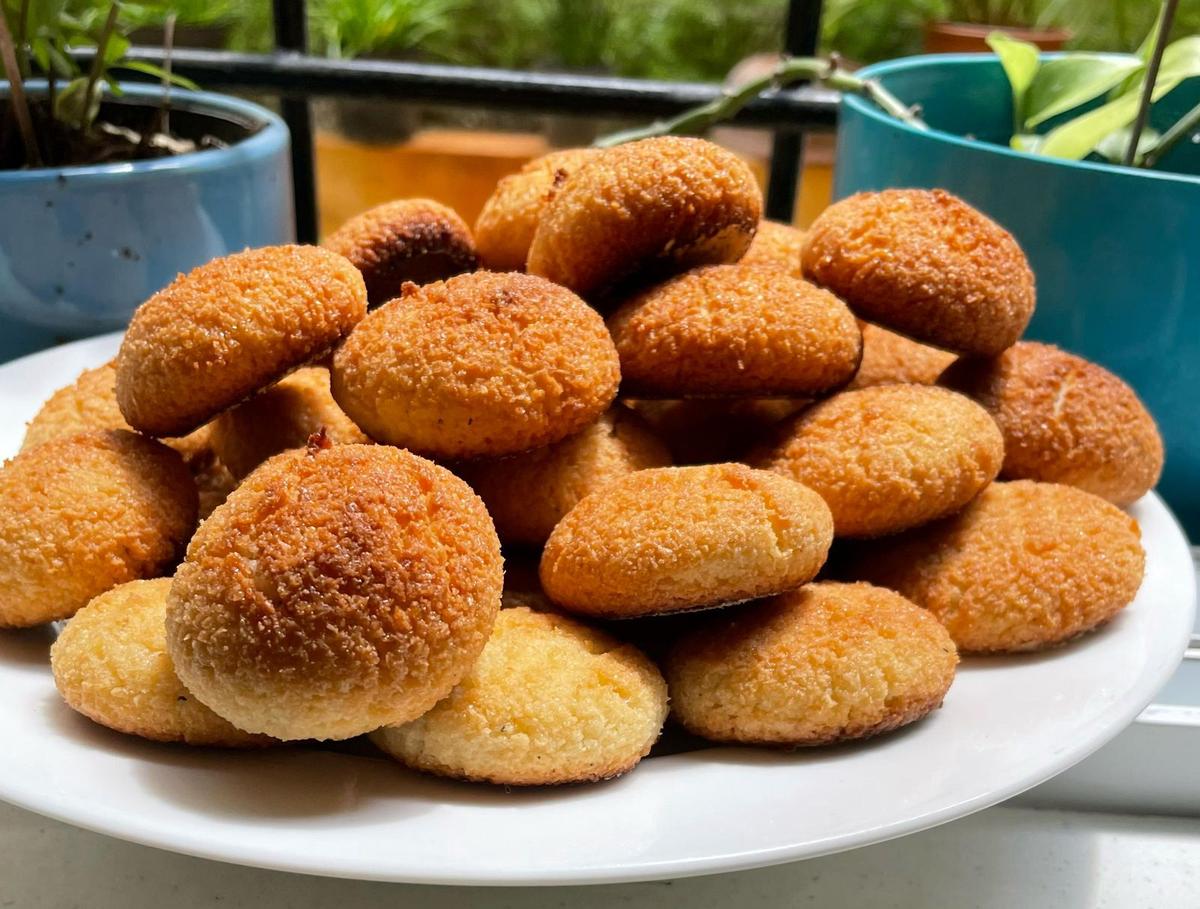
Mafalda Quadros’s bolinhas, coconut and sooji cookies.

Mafalda Quadros’s bolinhas, coconut and sooji cookies.
| Photo Credit:
Special Arrangement

A Goan feast

Mafalda Quadros is a Goan Catholic who has been in Bengaluru for 31 years. “Christmas sweets are my main focus.” The dishes have strong Portuguese influences.

Bebinca is a layered cake that Mafalda makes in her wood fired oven. Another Goan sweet is dodol, a fudge-like dessert, similar to halva in Kerala.

Batica is a cake made of sooji, and coconut, and a cousin of that is bolinhas, cookies made with the same ingredients.

Christmas lunch comprises sorpotel, a curry made with pork liver and heart, cooked in a red masala. Chicken or mutton xacuti is also very popular. The curries are accompanied by aroze, a Goan pulao.

“I want to keep the tradition alive. So, I make everything exactly the way we did back in Goa.”

Published – December 23, 2025 01:34 pm IST


Source link

How Bengaluru celebrated Christmas in the ‘80s and ‘90s


In the ‘80s and ‘90s, a typical Christmas morning in Bengaluru was marked by the smell of plum cake and trees outside lined with fairy lights. For those who grew up in that generation, memories such as these live more vividly in the mind than in photo albums, and are replayed every season.

From a parish choir testing their mics to pressure cookers hissing and all your cousins trying to fit into a single auto, the festive spirit seemed to hover in the air. Before the time of malls and Instagram, the joy of the festival spread through word of mouth and the city’s iconic streets.

Greet street

Places such MG Road, Brigade Road and Commercial Street turned into informal meeting points, spots where everyone met up at least once during the season. “In the ‘80s, we used to walk to church in the chill midnight for mass, because hardly anyone in our area had a car back then,” recalls Jom James, a restaurant owner at Sri Krishna Cafe, in Halasurur, who has lived in the city for 52 years.

Inside homes, the celebrations were simple but rooted in love and connection. James remembered his mother making appam and mutton stew as he and his sister waited, while a simple Christmas tree surrounded by balloons stood propped up as a decoration.

Simple celebrations, strong flavours

The décor was modest, but food was what gave the holiday its flavour. “My mother would go to MG Road and come back with boxes from Koshy’s — nutty bars, rose cookies and other snacks,” says Yamini Atmavilas, a development sector professional and fourth-generation Bengalurean.

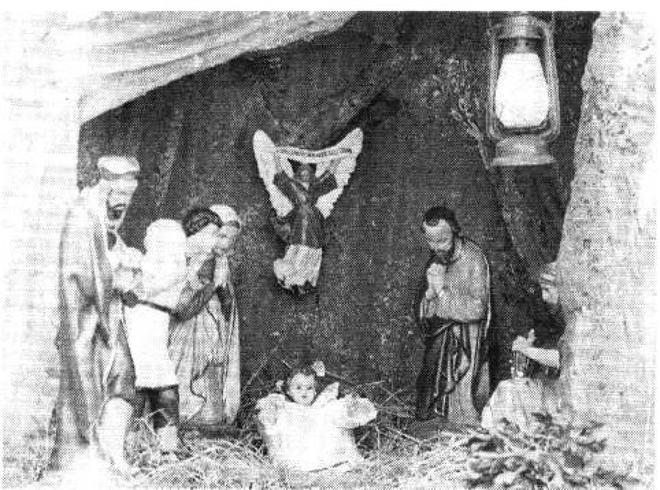
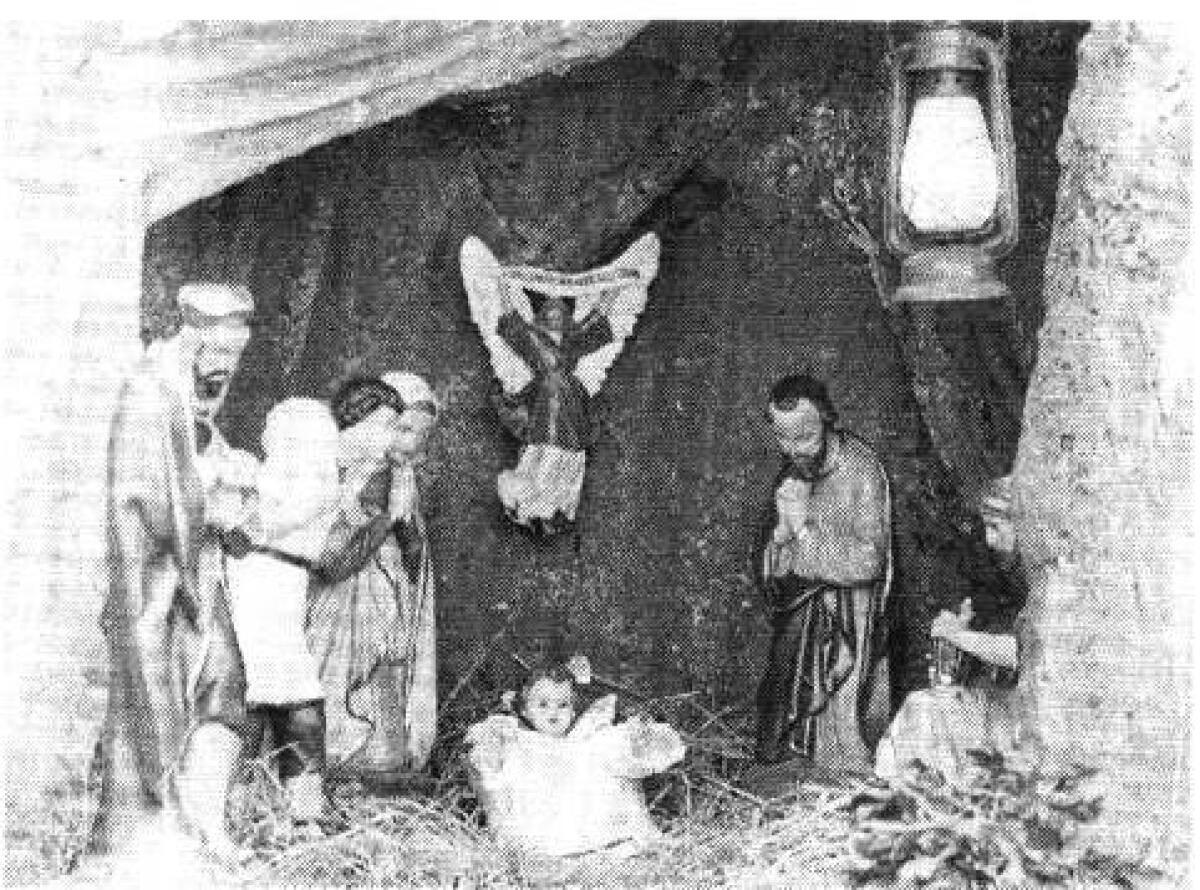
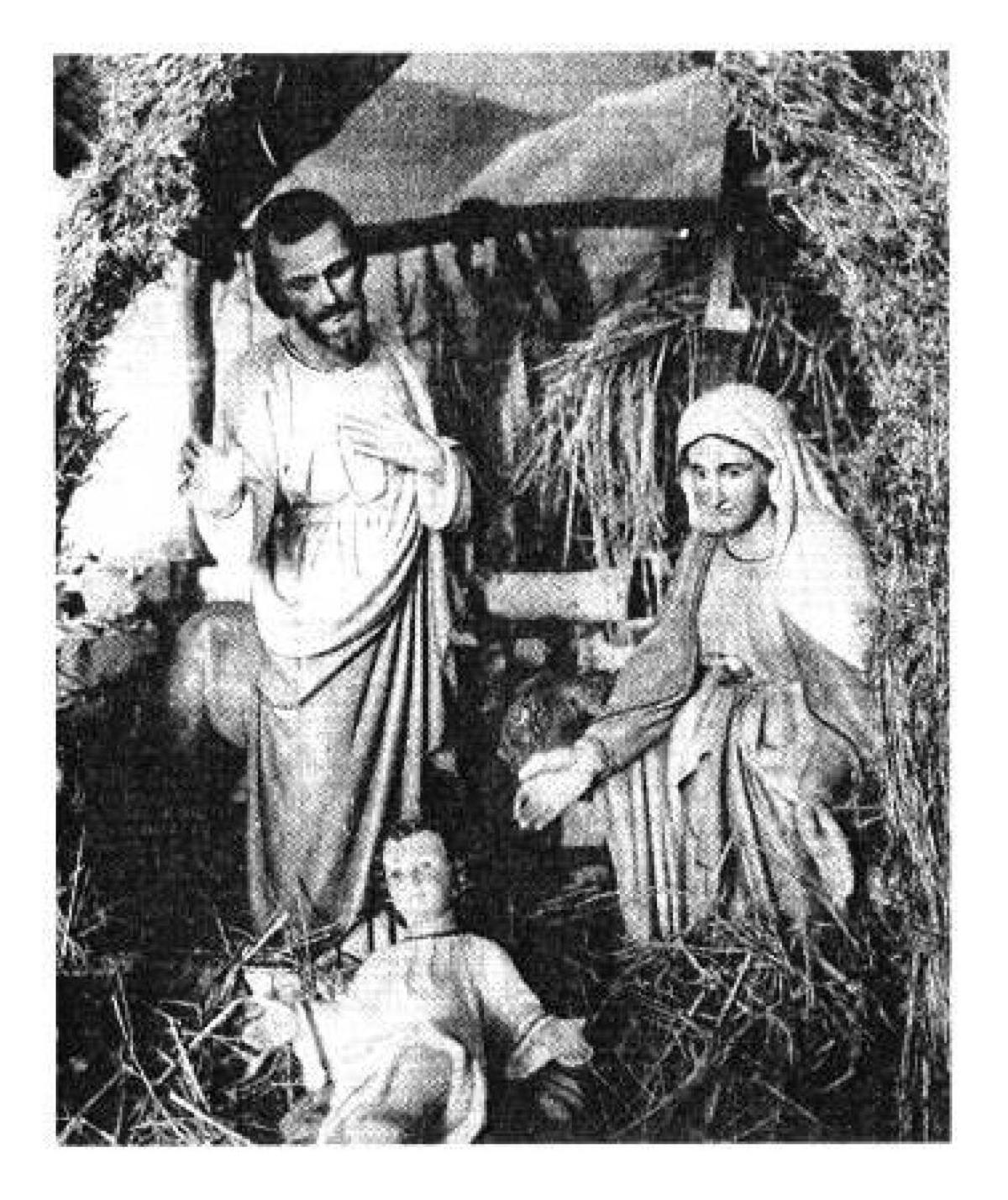
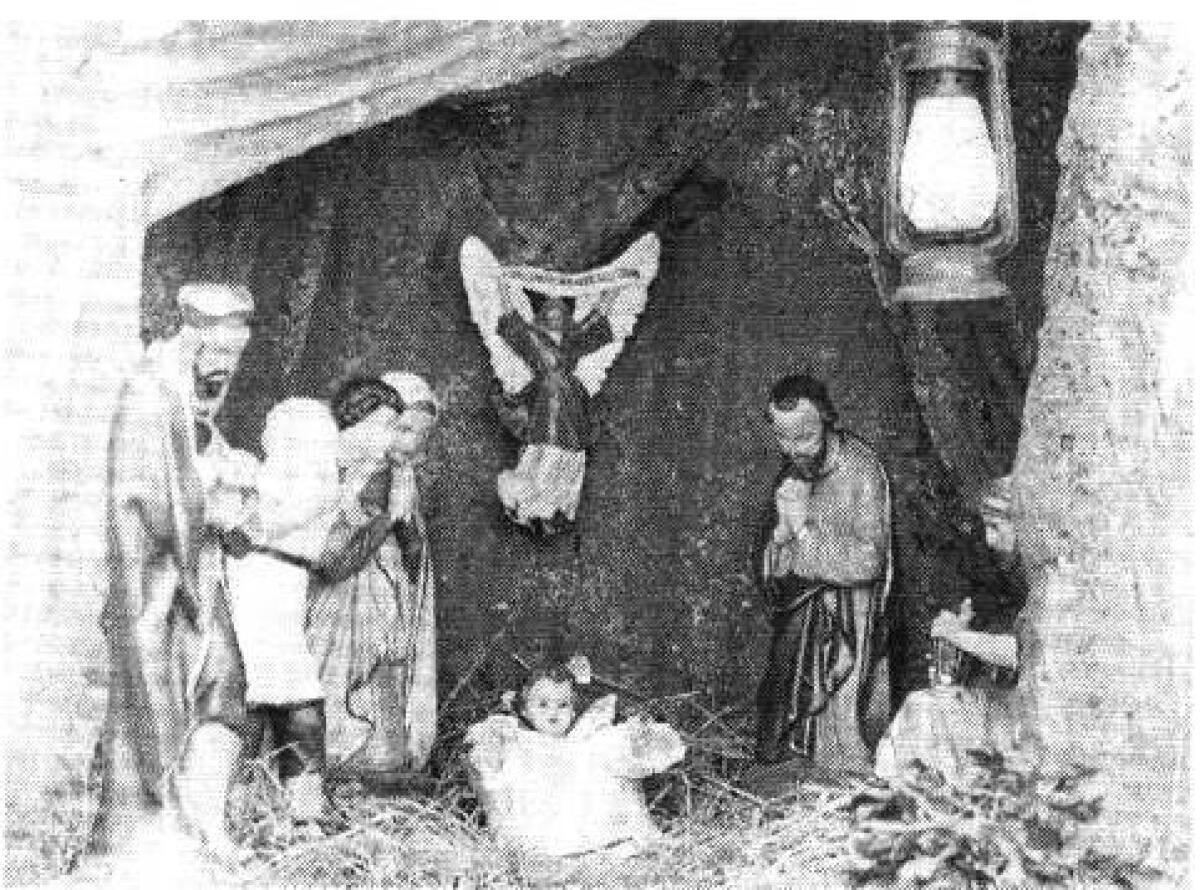
Christmas crib at St Patrick’s Church in Bengaluru, 1992

Christmas crib at St Patrick’s Church in Bengaluru, 1992
| Photo Credit:
The Hindu archives

Beyond, Christmas used to glow through various corridors of the city. Yamini and her mother, Bhargavi Nagaraja, a former development columnist in the city, speak of the famous Nilgiris cake exhibition and the towering Christmas tree on Brigade Road, followed by an evening at Koshy’s on St Mark’s Road.

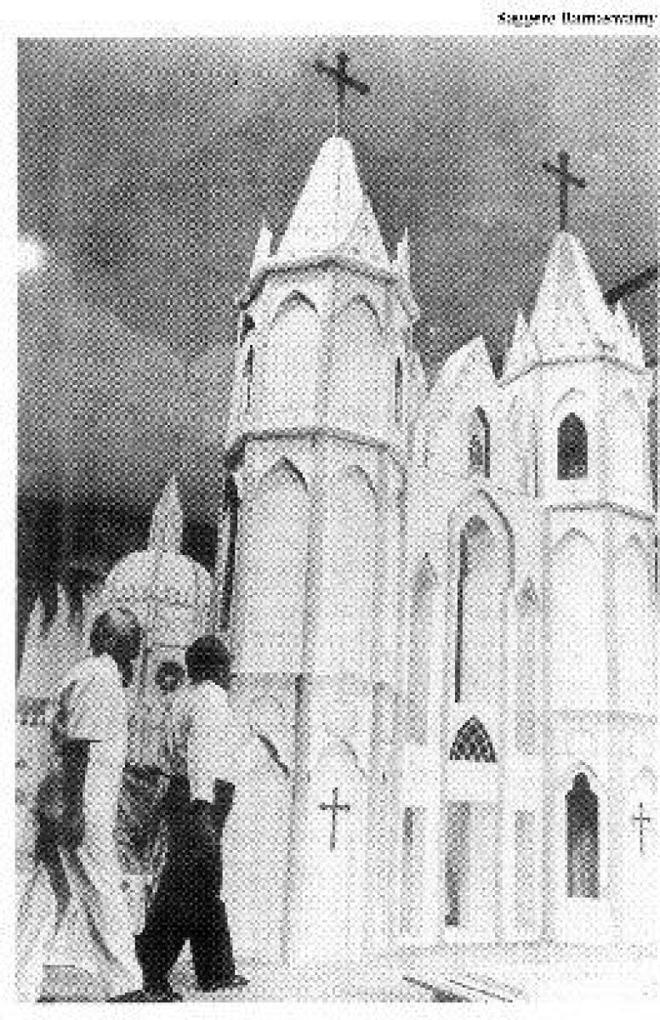
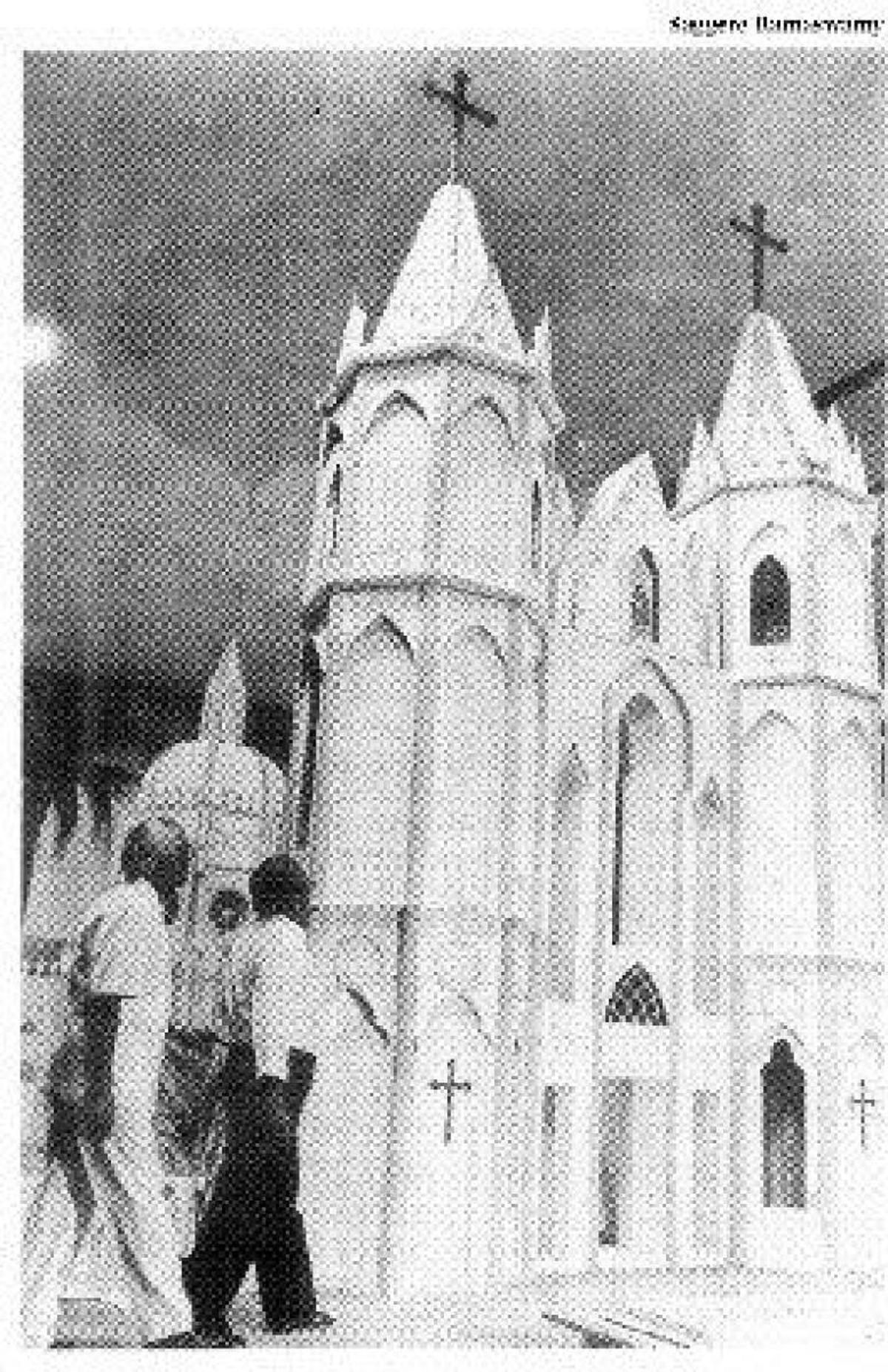
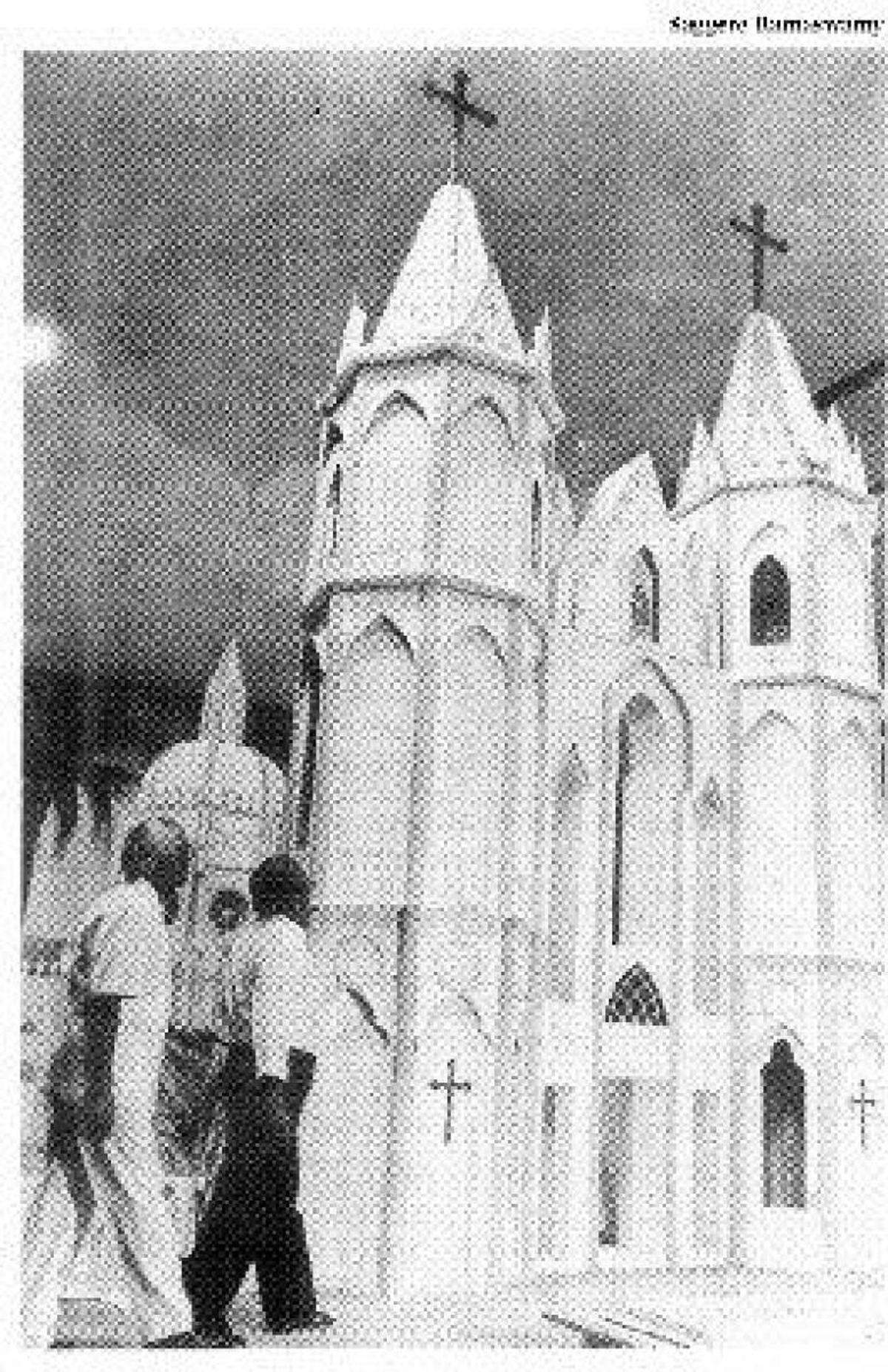
1994: Velankanni Shrine in Bangalore? This is just the 23.5 ft. replica in sugar of the St. Mary’s basilica at Velankanni in Tamil Nadu, the highlight of the 24th annual cake exhibition-cum-sale held by the Nilgiris Mechanised Bakery here. The unique feature of this show is to make cakes resembling historical monuments such as the Taj Mahal, the Mysore Palace, the London Bridge, etc.

1994: Velankanni Shrine in Bangalore? This is just the 23.5 ft. replica in sugar of the St. Mary’s basilica at Velankanni in Tamil Nadu, the highlight of the 24th annual cake exhibition-cum-sale held by the Nilgiris Mechanised Bakery here. The unique feature of this show is to make cakes resembling historical monuments such as the Taj Mahal, the Mysore Palace, the London Bridge, etc.
| Photo Credit:
The Hindu archives

City soundtrack

These outings were a ritual, with bus rides into town, slow nightly walks through the lit streets and the simple pleasure of being in the city. Even the background score of Bengaluru was different from what it is today, with far less traffic and many more songs of those years drifting out of homes and school corridors.

Anisha VT, a senior engineering manager at an IT firm who has lived in the city since 1985, remembers pop songs on MTV and the odd cable connection, with children sneaking into friends’ houses to watch Alisha Chinai, Bombay Vikings, Colonial Cousins and others on a loop.

Western tracks often arrived via the “popular kids” at school dances, and everyone else went home to chase those songs on Top 10 shows, a shared thrill of discovery Yamini feels is missing now.

Waning magic

Sadly, some of that magic seems to have disappeared as the city has grown.

Sowmya Seetaram-Sagar, who has lived in Bengaluru for nearly 40 years and once worked as a scientist at pharmaceutical and drug discovery companies, talks fondly about the bike rides she and her friends once took through Commercial Street during Christmas.

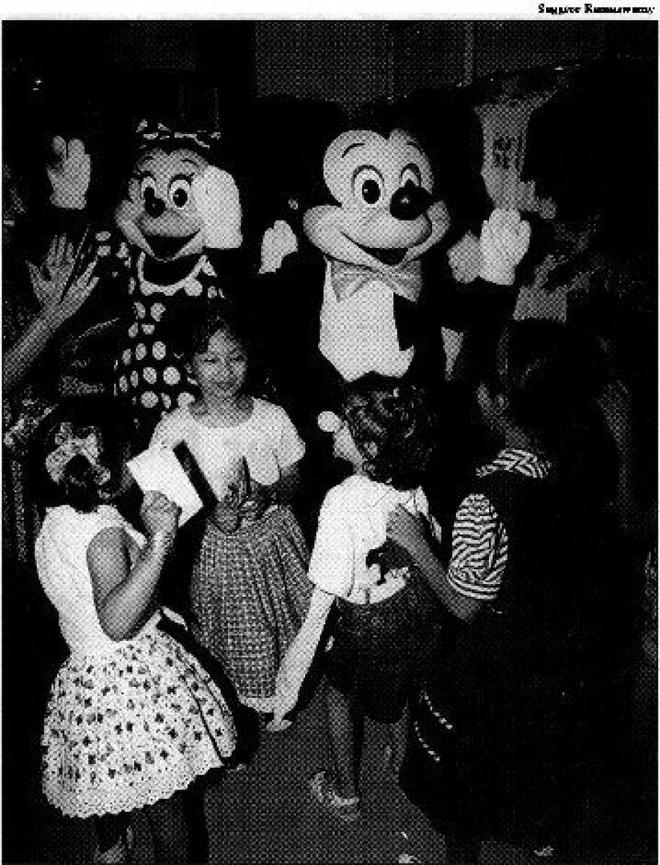
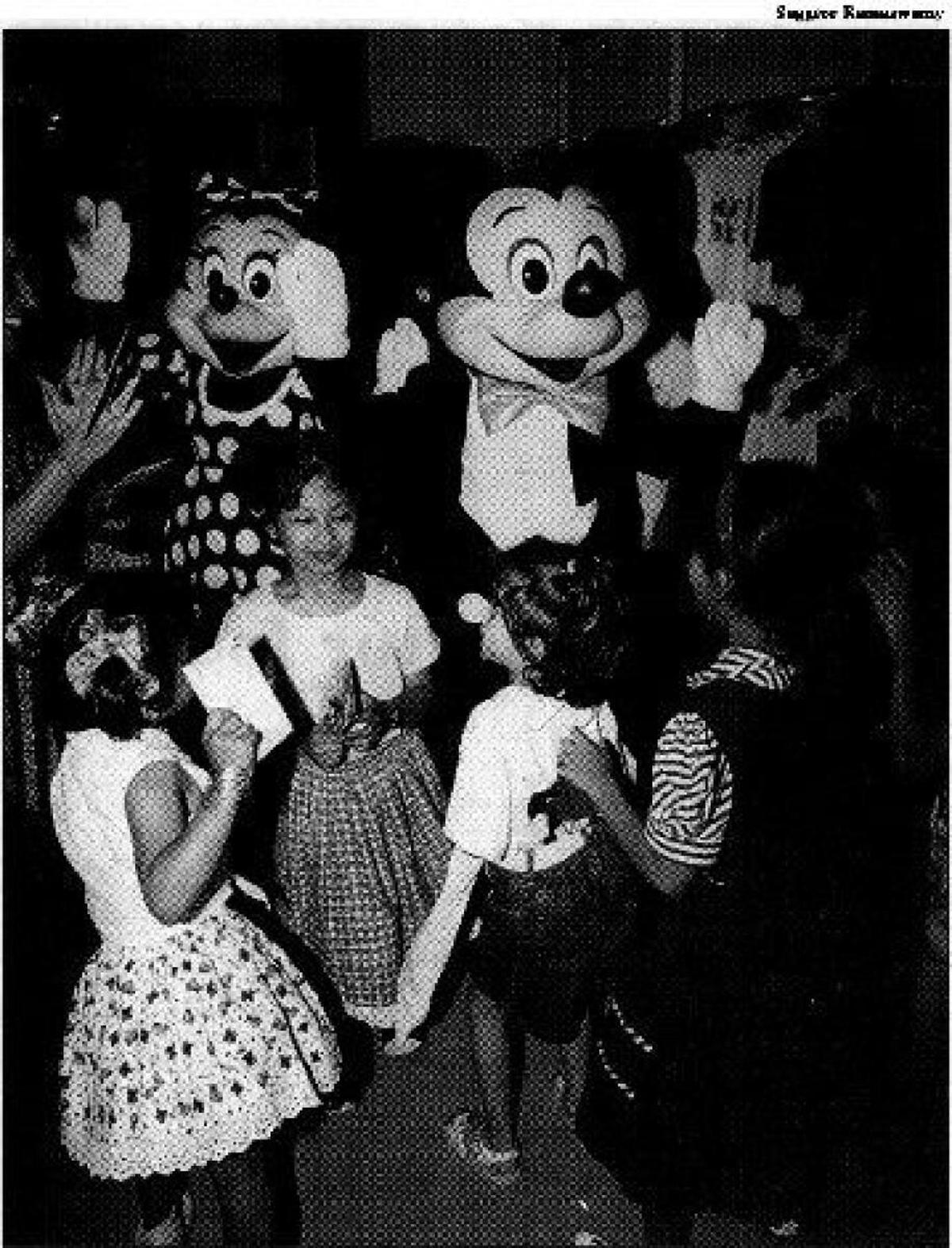
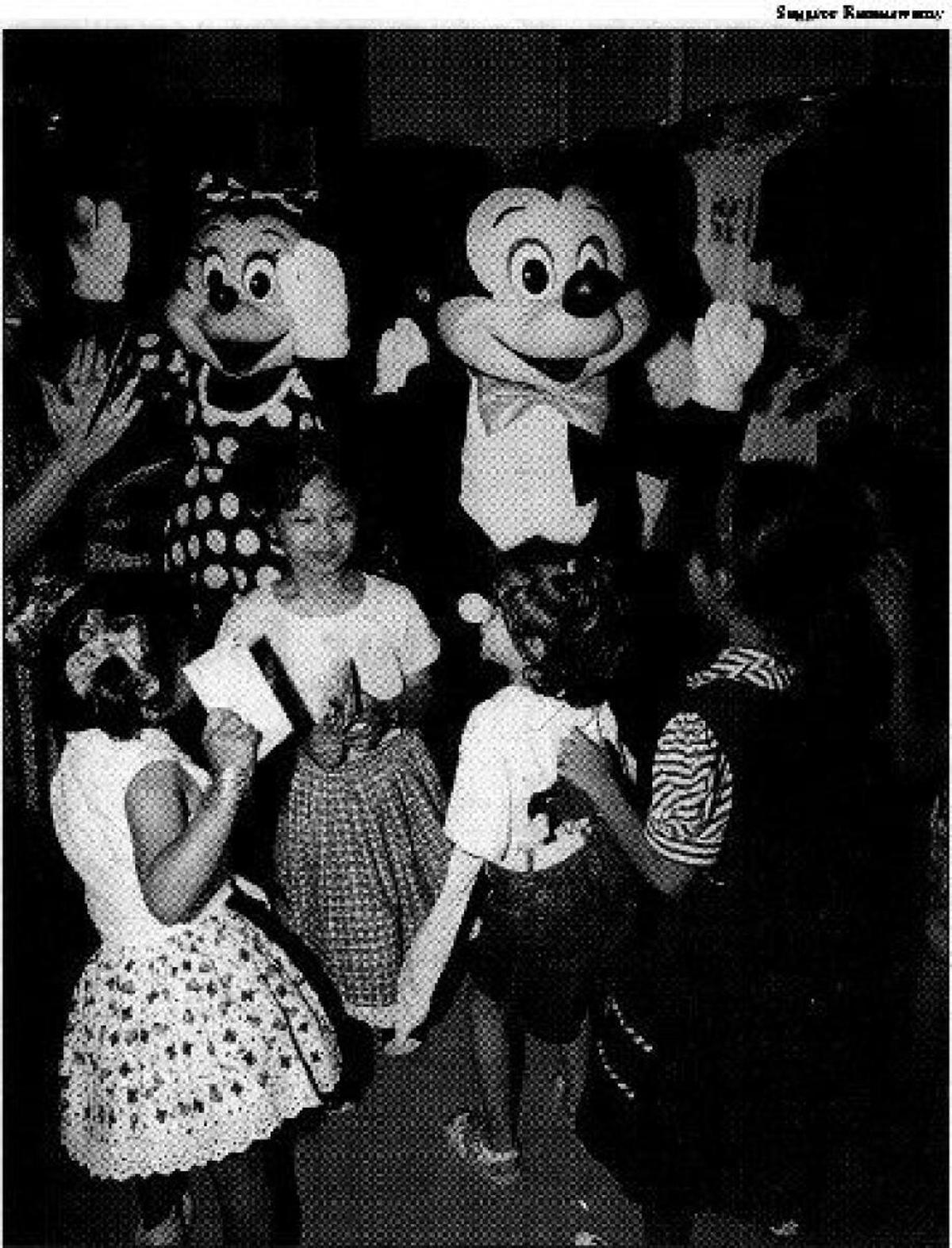
1997: On Christmas eve, Mickey Mouse and Minnie Mouse of Walt Disney Inc. were in Bangalore. This three-day trip is a part of the Disney and Christmas Carnival hosted by Shoppers’ Stop and the Mickey 1997

1997: On Christmas eve, Mickey Mouse and Minnie Mouse of Walt Disney Inc. were in Bangalore. This three-day trip is a part of the Disney and Christmas Carnival hosted by Shoppers’ Stop and the Mickey 1997
| Photo Credit:
The Hindu archives

“Now I don’t even feel like going that way,” she says. “It is far too crowded, and there is too much traffic; I wouldn’t dream of taking my bike there the way we used to. But it’s not like you stop wanting to go; now I want to go and show the Christmas tree to my children.”

And in that desire, there is still a small, stubborn hope that the city will one day feel gentle enough again for such simple joys.

Published – December 23, 2025 11:05 am IST


Source link

From The Hindu photo archives: How Bengaluru celebrated Christmas in the ’80s and ’90s


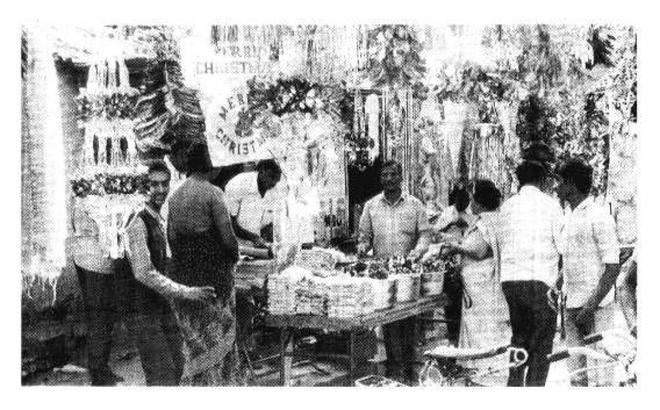
Shoppers get busy on Christmas Eve in Bangalore.

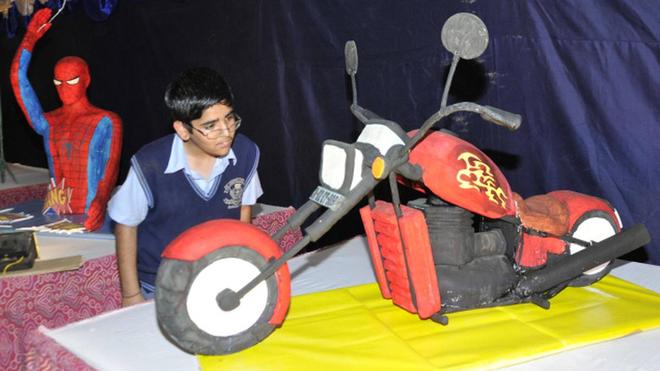
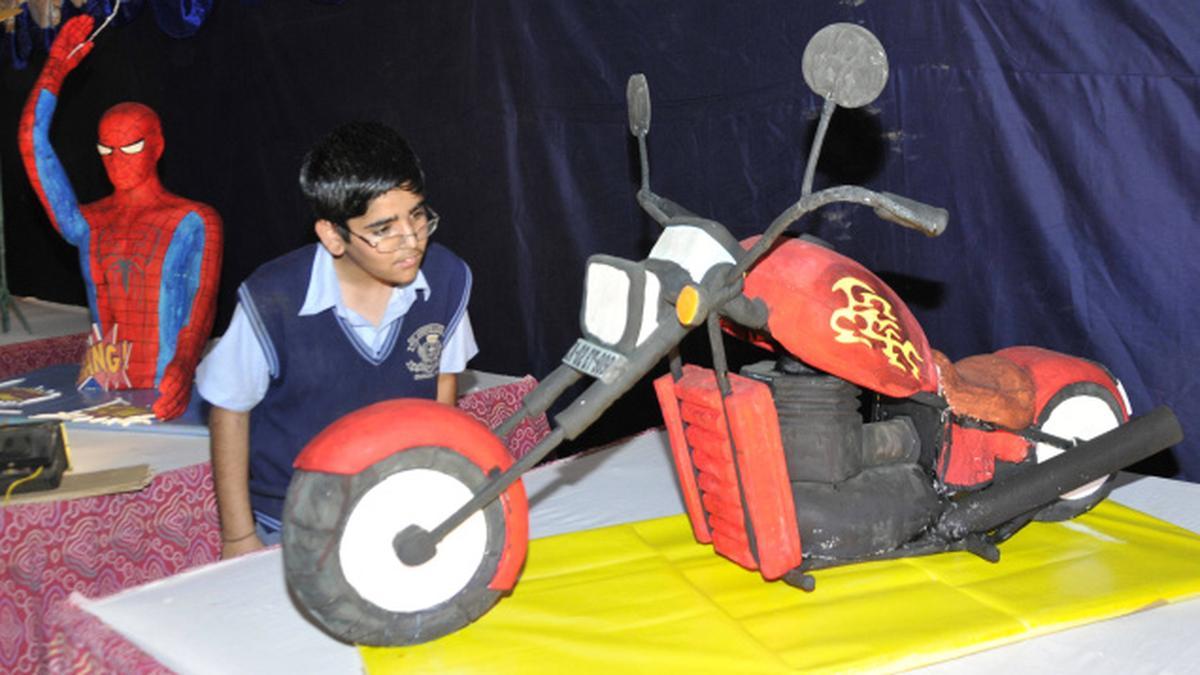
A 20-foot replica of the US World Trade Center at Nilgiri’s 30th Annual Cake Exhibition in Bangalore on Friday. To make this replica of the destroyed towers, 3,500 kg sugar and 2,800 man-hours were employed. It took one and a half months to finish. The exhibition will be open for the public up to January 1

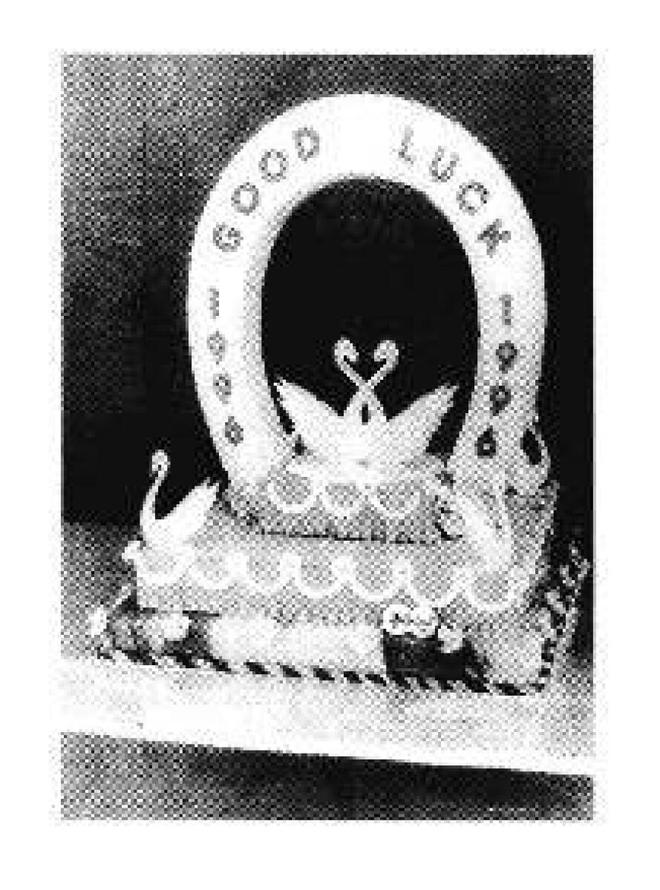
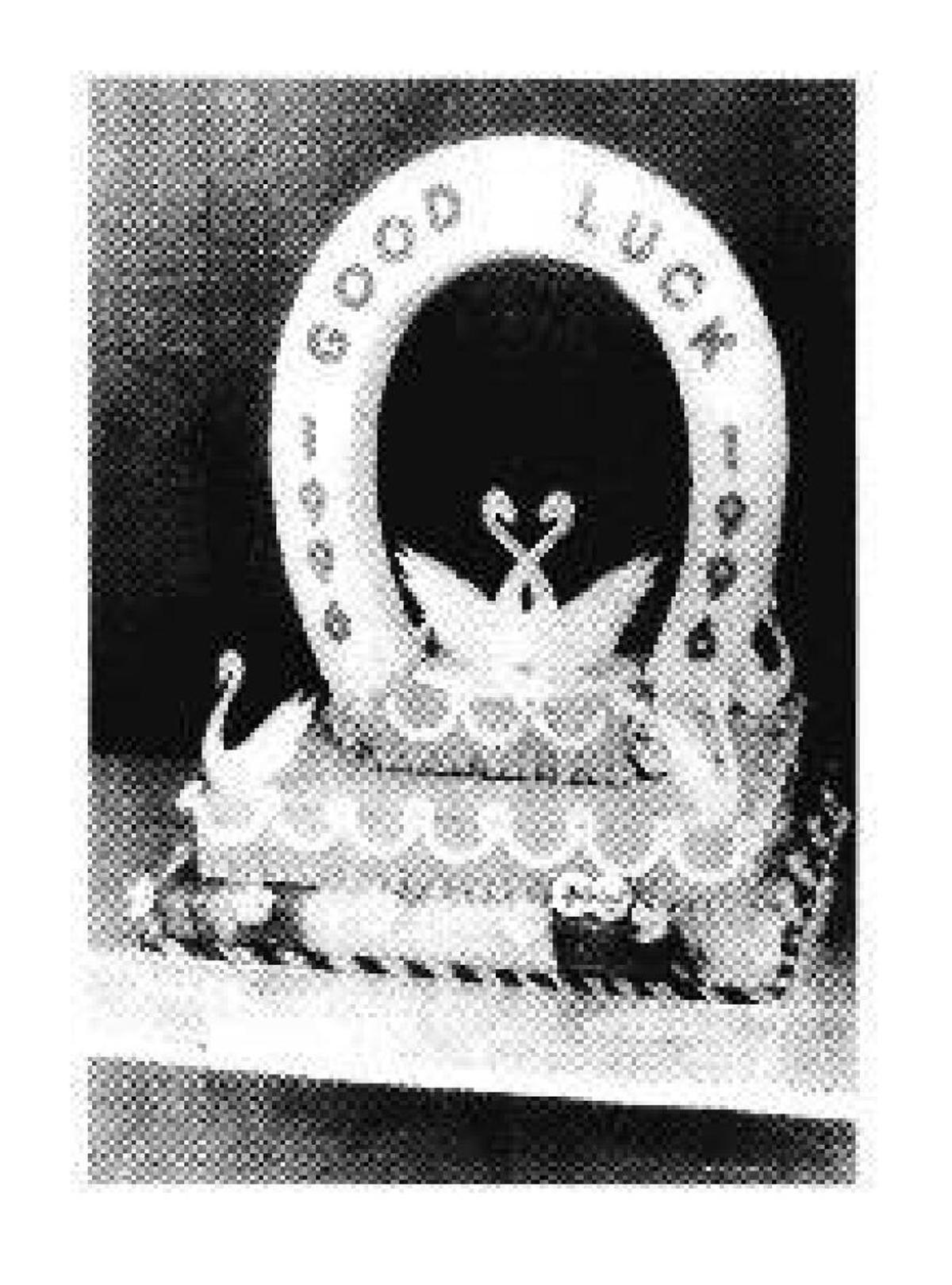
1995: ‘Good Luck’ decoration cake at the Nilgiri’s Cake exhibition in Bangalore on display on Wednesday

1994: Velankanni Shrine in Bangalore? This is just the 23.5 ft. replica in sugar of the St. Mary’s basilica at Velankanni in Tamil Nadu, the highlight of the 24th annual cake exhibition-cum-sale held by the Nilgiris Mechanised Bakery here. The unique feature of this show is to make cakes resembling historical monuments such as the Taj Mahal, the Mysore Palace, the London Bridge, etc

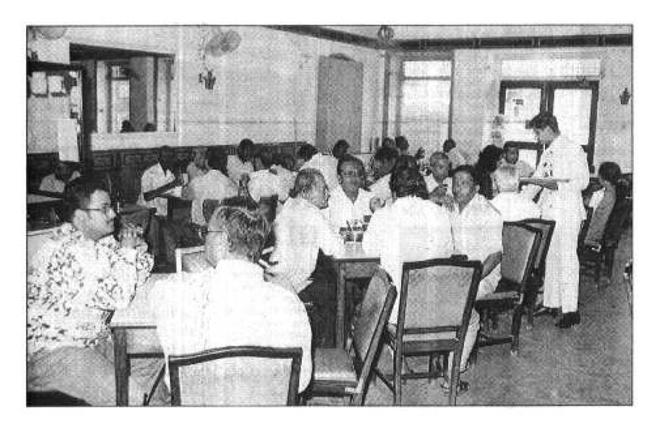
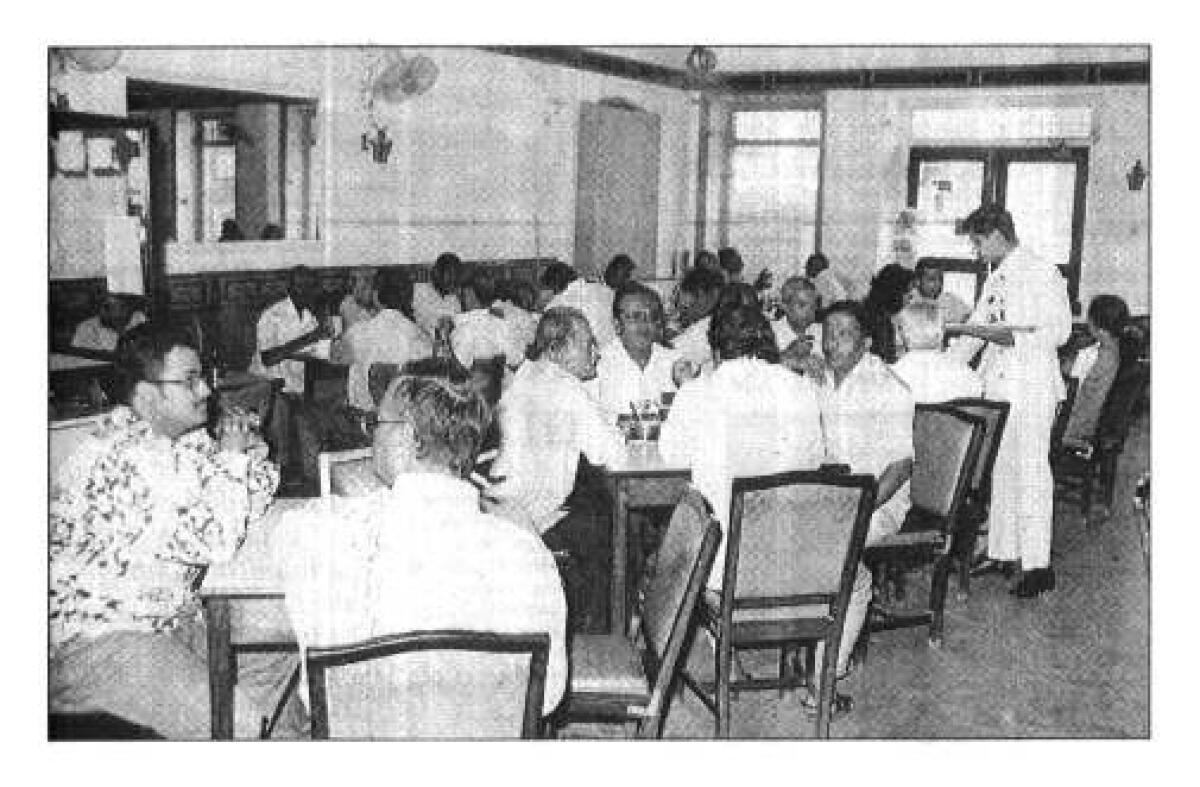
Koshy’s restaurant in 1999

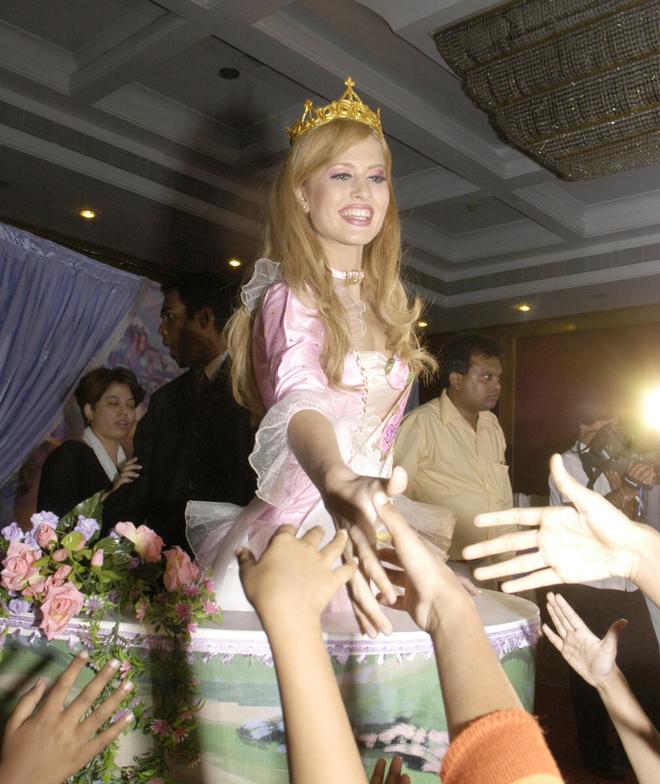
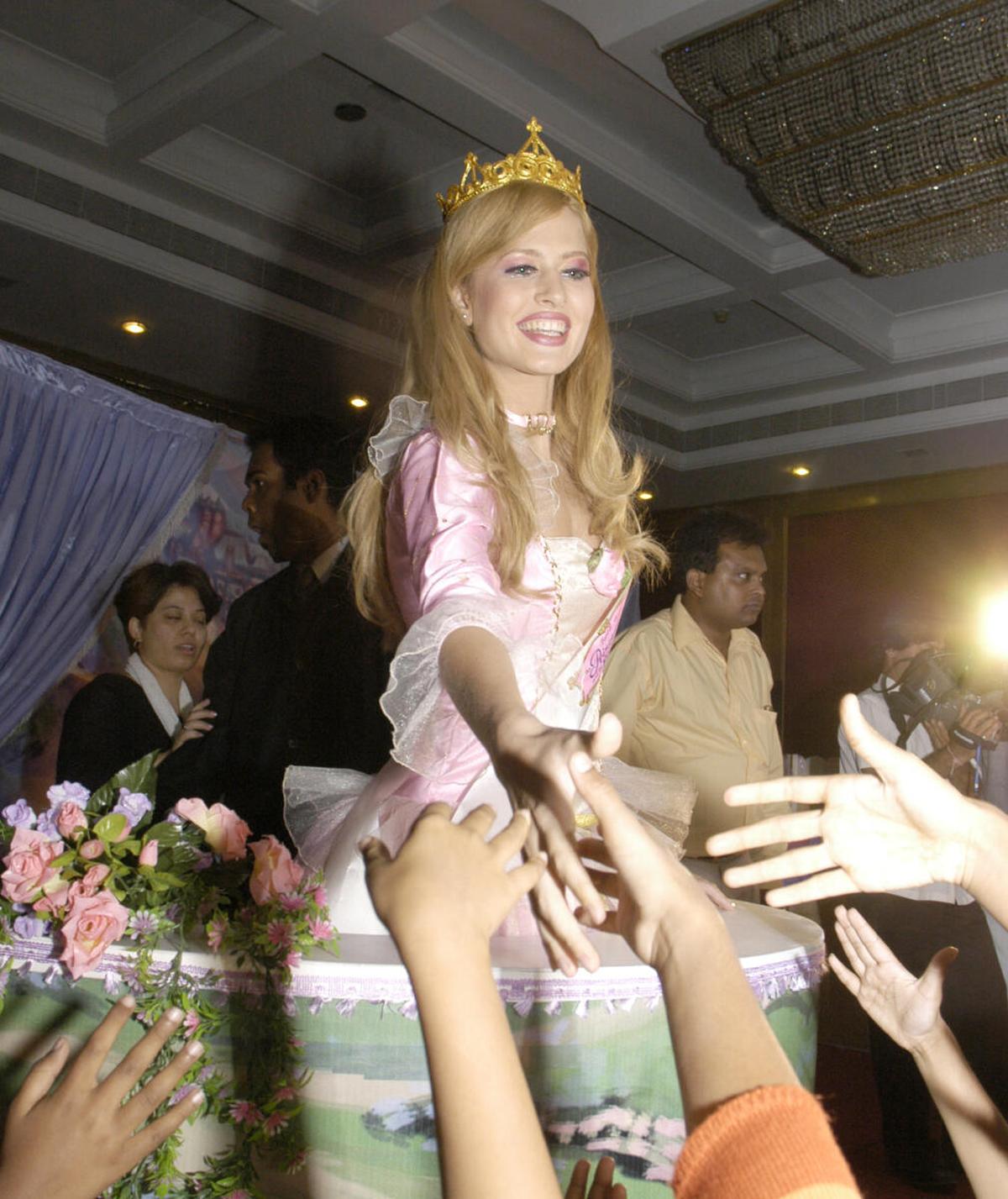
Barbie as Princess Anneliese greet little girls in Bangalore city on December 17, 2004. Mattel Toys, a trendsetter in the toy industry worldwide and maker of the Barbie Dolls, in keeping with the spirit of Christmas brought joy to little hearts this year by hosting a Barbie Meet ‘n Greet Party’ in Bangalore. She crowned 2 lucky little ladies as Barbie’s Best friends.

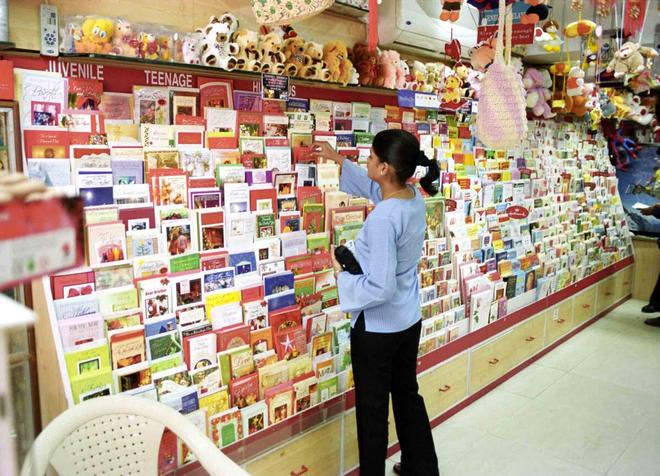
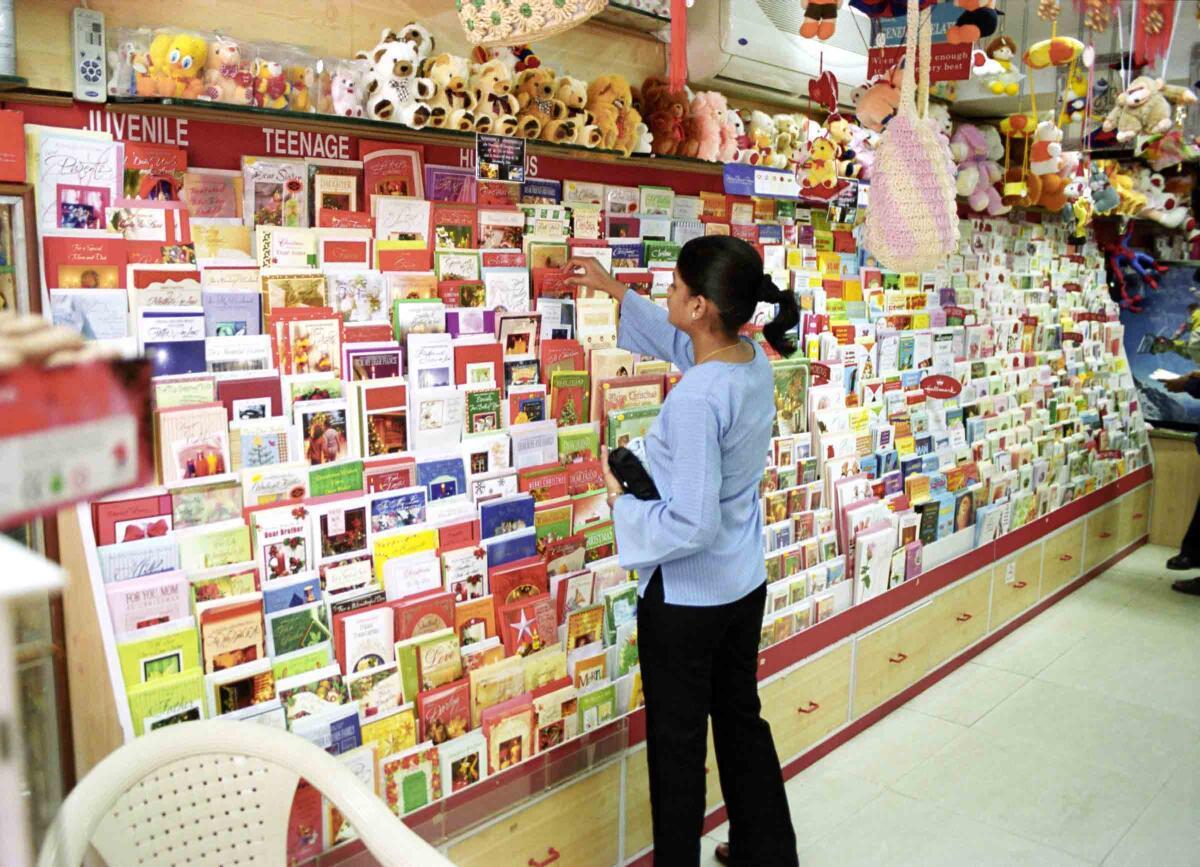
A shopper buying Christmas cards

1997: On Christmas eve, Mickey Mouse and Minnie Mouse of Walt Disney Inc. were in Bangalore. This three-day trip is a part of the Disney and Christmas Carnival hosted by Shoppers’ Stop and the Mickey

1994: The Christmas Crib at the St. Mary’s Basilica in Bangalore on Saturday

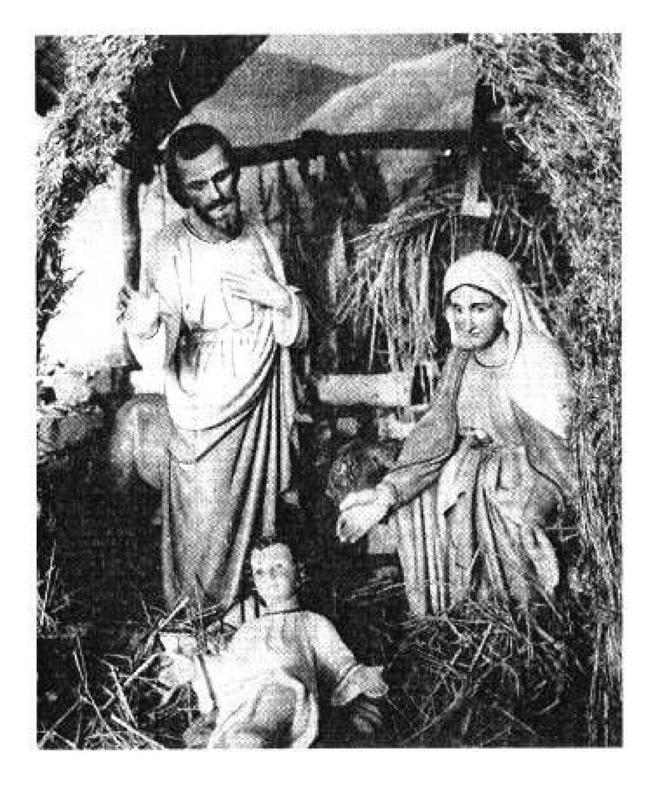
1992: Christmas crib at the St. Patrick’s Church in Bangalore

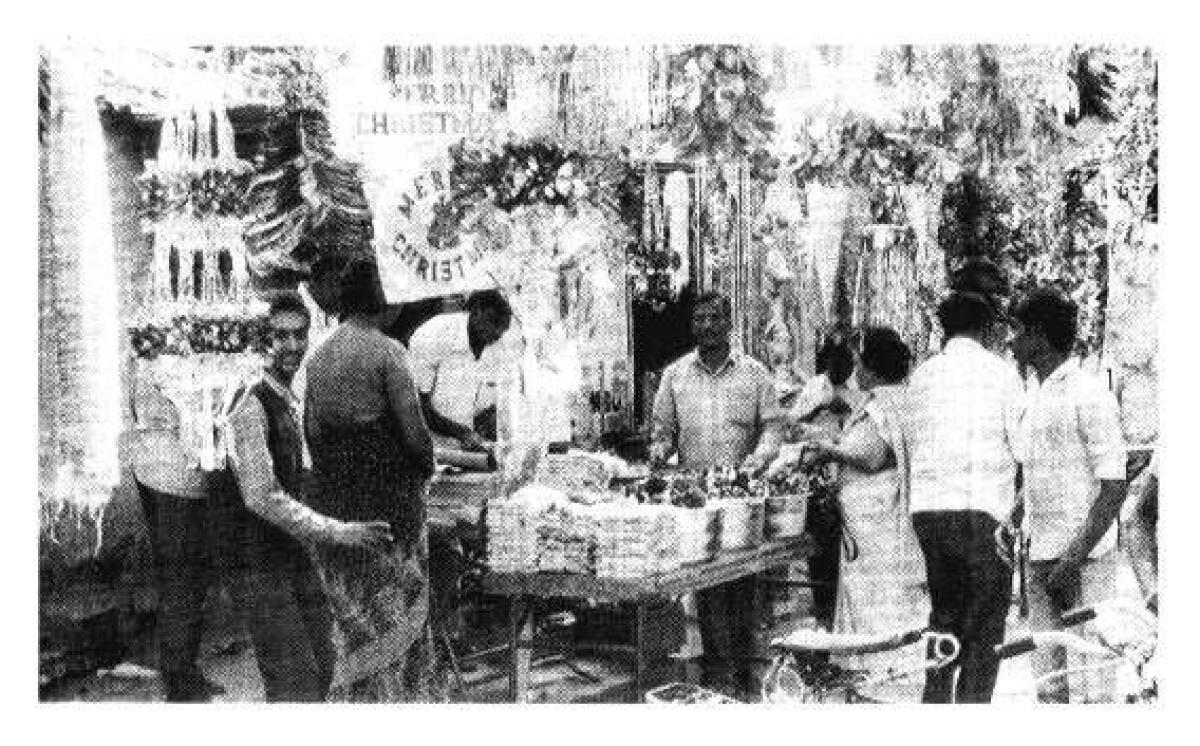
1991: Christmas time is celebration time. On Christmas eve, a shop does brisk business in Bangalore

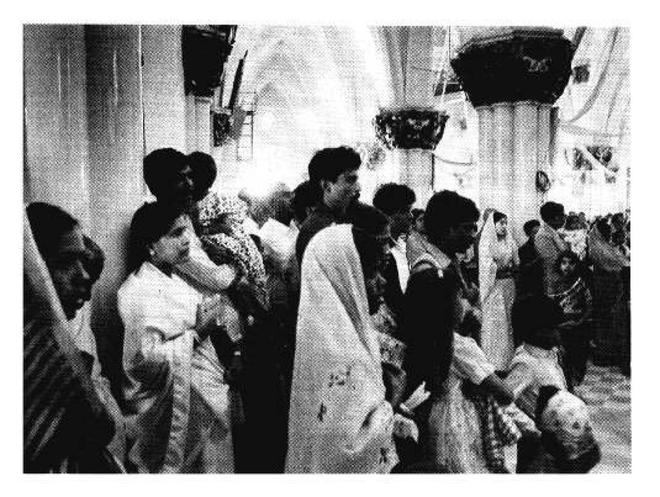
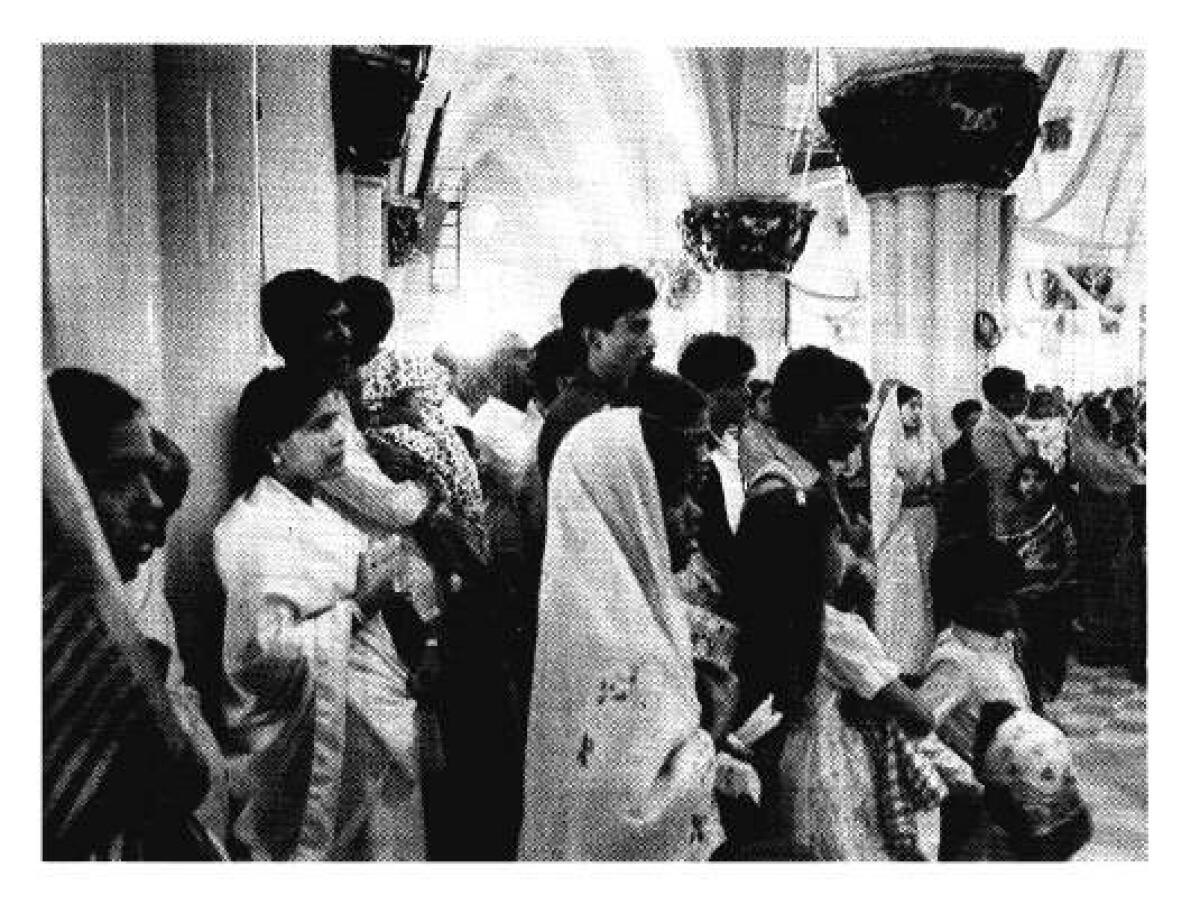
1988: Prayer at the morning mass on Christmas Day at St. Mary’s Basilica

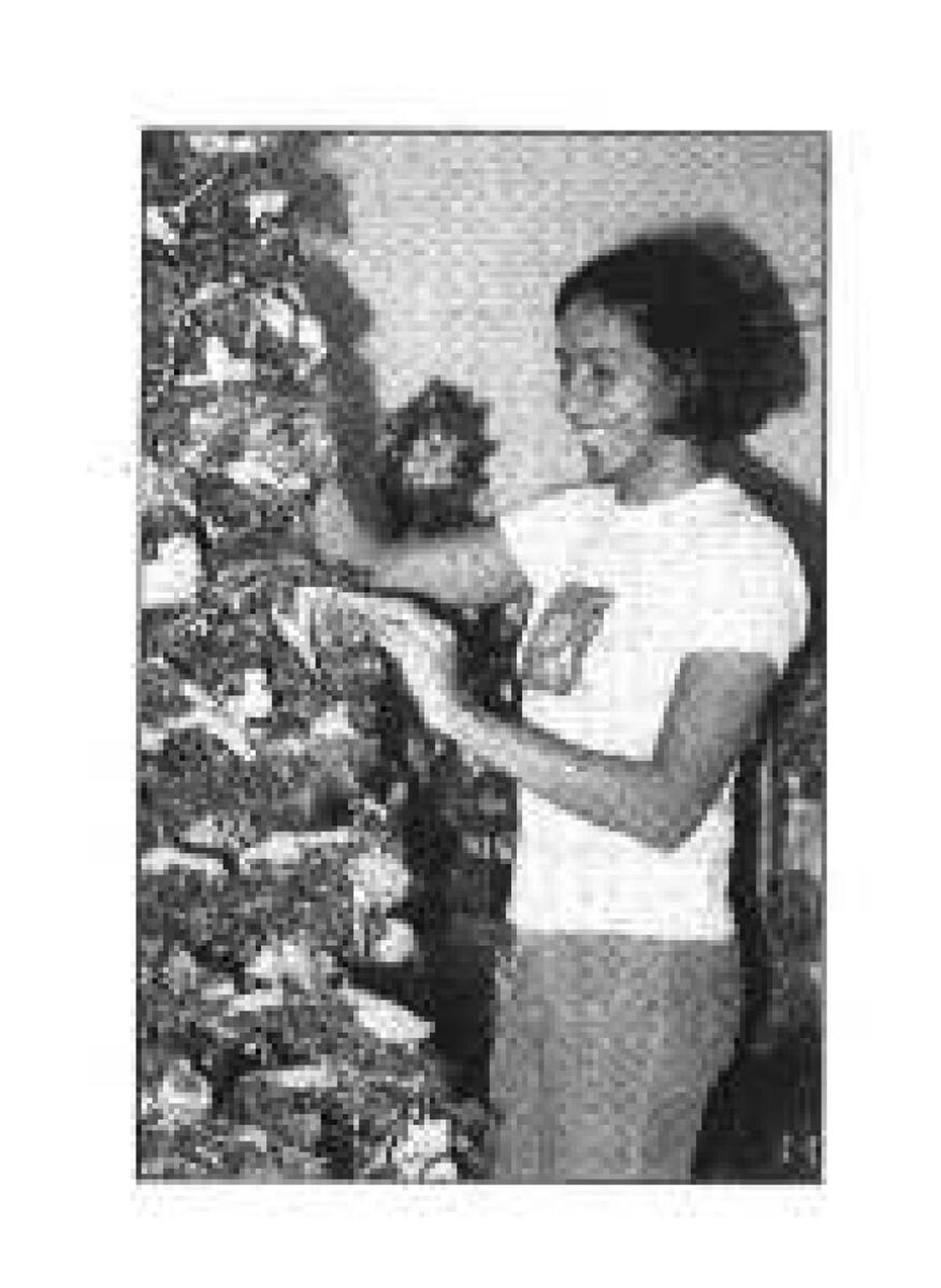
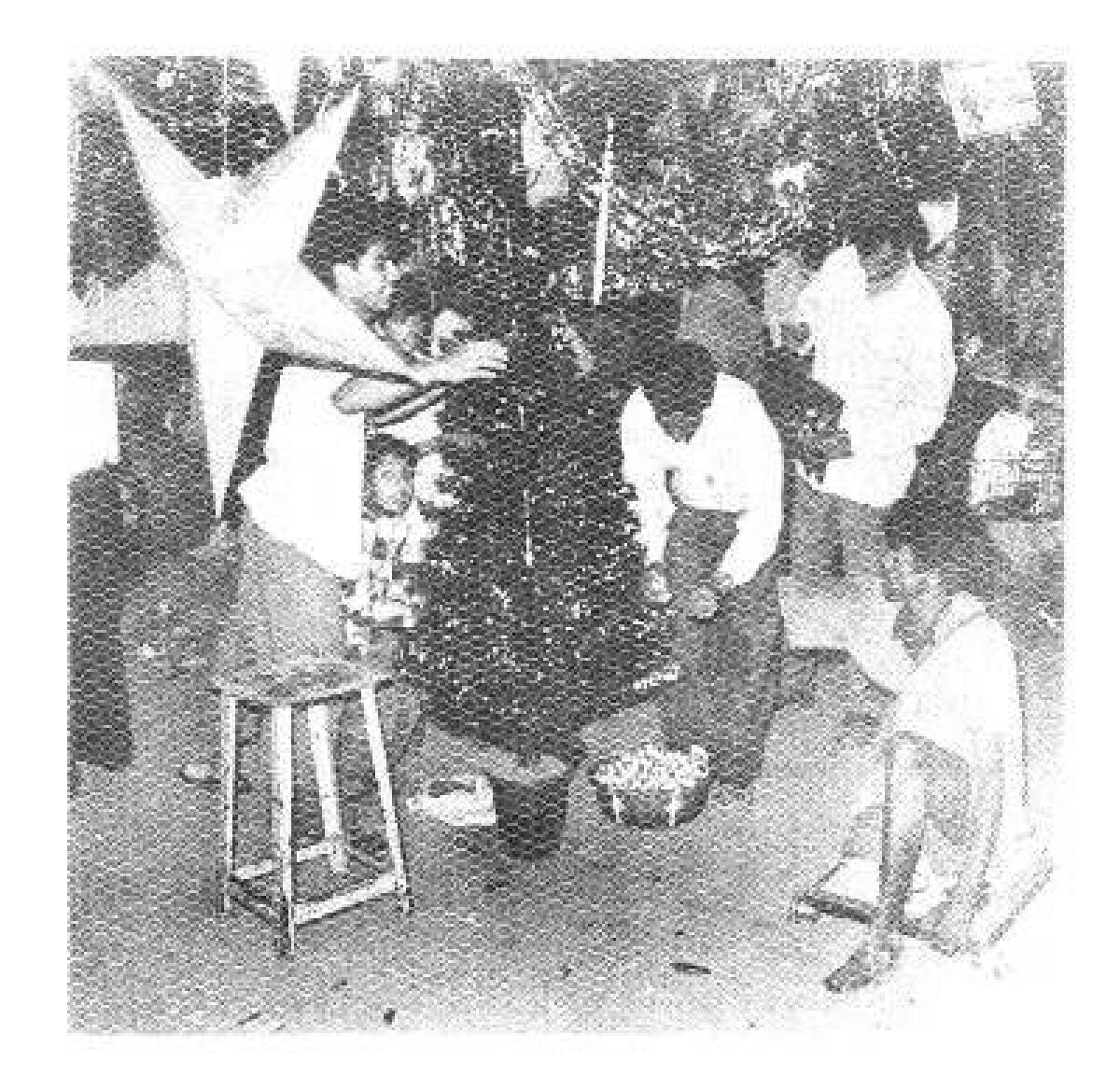
1999: (Olympic swimmer) Nisha Millet decorating a Christmas tree

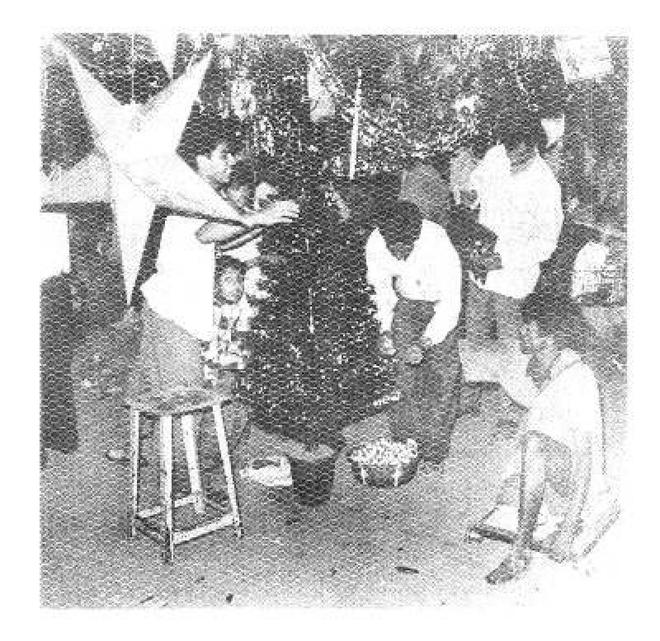
1997: CHRISTMAS FOR ALL: A disabled man looking at a Christmas tree being decorated at a shop in Bangalore on Thursday, when the festival was celebrated.

A cake from Nilgiri’s cake exhibition


Source link

Clare Mackintosh: Crime novels depicting ordinary women finding their inner strength appeal to female readers


When British crime writer and former police officer Clare Mackintosh’s son, Alex, died in 2006, at just five weeks old, she thought that grief would kill her. “It felt like a physical trauma, which I hadn’t been prepared for. I knew that grief would be sad, and I anticipated crying. But my limbs hurt, my hair fell out, and my chest was so tight I couldn’t breathe,” remembers the former police officer, speaking at the sidelines of the recently concluded Bangalore Literature Festival. But she also recalls being told by a stranger back then that it wouldn’t always hurt as much as it did at that moment.

“I didn’t believe her,” says Clare, comparing grief to a long journey, one that you are very aware of when it starts. But then, as time goes on, she says, you get engrossed in a book or a conversation or your thoughts, and when “you look out, however far into that journey, you realise that the landscape has changed. You were in the city, and now there are fields and trees.”

It was encountering this changed landscape of grief that propelled her to write I Promise It Won’t Always Hurt Like This: 18 Assurances on Grief, her second work of non-fiction, published in 2024. According to her, the book evolved out of a Twitter post she wrote on December 10, 2020, 14 years after her son’s passing. “I tweeted about her (the stranger), and my own promises, and I talked a little about what I feel are the symptoms of grief.” The tweets resonated with millions of people, and they went viral. “It became undeniable that there was a hunger for more honest conversations about grief. And that’s when I decided to write this.”

This is not the first time that ideas about grief have segued into her writing, though. “I was about six books in before someone said to me, ‘Oh, you often write about grief’. And then, I looked at all my books, and I thought, ‘Gosh, I do often write about grief,” says Clare, pointing out that all novels are, in part, autobiographical, especially debut novels. “We put so much of ourselves in them.” Grief, in her view, is complex and not only about people dying. “It is a sadness, a loss. You know, I felt immense grief when I left the police because it was part of my identity and my life,” she says.

Clare Mackintosh

Clare Mackintosh
| Photo Credit:
Special Arrangement

Clare, who grew up reading books by Enid Blyton, Agatha Christie and Ruth Rendell, spent around 12 years in the police force, a job, she says, women tend to do particularly well “because your greatest weapon is your mouth. We’re very good at negotiating and empathising and talking out of a situation rather than rushing in with physicality.”

Besides, as someone who “was always a storyteller…interested in stories and the journeys that we take in life,” the police force suited her because it was very much about those stories, finding people’s truths and also learning how easy it is for our lives to change, she says. “If you live a safe life, free from crime, don’t commit crime and are not a victim of crime, it is not always through your own doing, but often because of circumstances. Being in the police really taught me that.”

She began writing a little after her son died, a blog that began garnering “quite a big following. And slowly, I was starting to write more for the audience, the first time I’d really written for someone else,” says Clare, who quit the force in 2011.

That decision, she says, stemmed from an interaction she had with her husband after showing him the results of a 360-degree assessment, a performance review tool she had taken at work because she was due for a promotion. “It talked about how I was really positive, how my door was always open, and I was always ready to help… all the good stuff,” she remembers.

And yet, when she showed the result to her husband, he turned around and told her that he did not recognise the woman in the report. “It prompted a lot of reflection and conversation, and I realised that, like a lot of people, I was using all the best bits of me at work and bringing the leftovers home to my family,” says Clare, who went on to quit the force soon after.

And since the only other thing she knew how to do was write, she wrote, freelancing for a while before publishing her debut novel, I Let You Go, in 2014. “That book sold a million copies, was translated into 40 languages, and we sold the screen rights. And I’ve been a full-time author ever since.”

Clare is today the author of eight novels, including a three-book series, The Last Party, A Game of Lies, and Other People’s Houses, starring DC Ffion Morgan, a character she loves because “she is strong and feisty, and very complicated. I also love that she is fiercely Welsh and speaks Welsh at home,” says Clare, who believes that crime novels, which depict ordinary women finding their inner strength, appeal to female readers.

She brings up a quote, often attributed to Eleanor Roosevelt, ‘A woman is like a tea bag – you can’t tell how strong she is until you put her in hot water.’ “It is a bit corny, but I love it. That, for me, sums up a huge number of the female-led crime novels.”

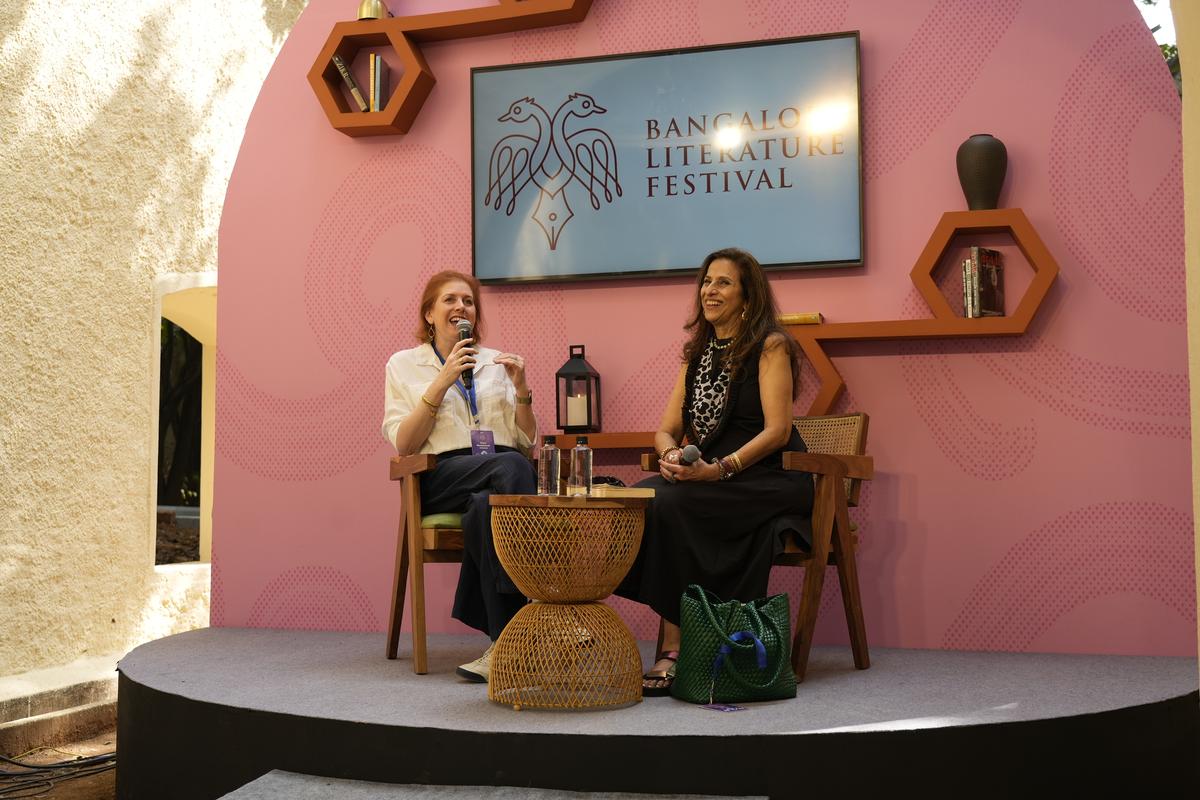
Clare in conversation with Shobhaa De at the Bangalore Literature Festival

Clare in conversation with Shobhaa De at the Bangalore Literature Festival
| Photo Credit:
Special Arrangement

She is now busy revising her ninth novel, It’s Not What You Think, which promises to be a gripping psychological thriller and will be out in March next year. The book, explains Clare, tells the story of a woman called Nadeeka, who is driving home in a rush because she thinks she is about to catch her partner red-handed at home with another woman.

When she arrives, however, she finds him dead. “Her house is a crime scene, and she thinks that it is the worst thing that could happen to her,” she says, giving us a sneak peek. “But she is very wrong, because things get a lot worse.”


Source link