Life & Style

Destination Ras Al Khaimah: A closer look at the top attractions of UAE’s hidden gem


Ras Al Khaimah, which translates to head of the tent, is a lesser-known adventure-leisure destination in the United Arab Emirates, steeped in heritage. RAK, as the locals call it, is where the desert, mountains and sea offer visitors adventure and slow tourism experiences. About 100 kilometres from Dubai international airport, RAK is the northernmost Emirate among the seven Emirates that form the UAE.

RAK, with its rustic setting and a population of around 4,00,000, makes for a quiet weekend getaway for residents of Dubai, Abu Dhabi, and Sharjah. Efforts are on, by the RAK Tourism Development Authority (RAKTDA), to step up international tourism, and the signs are visible. During the four-day visit, I spot tourists at every outing. RAK has received over 6,54,000 international tourists in the first half of 2025, a 6% increase compared to the same period in 2024.

A closer look at some of RAK’s major attractions:

Jebel Jais

Is it possible to be in two countries at once? We hike along a trail when Fadi Hachicho, founder of Adventurati Outdoor,pauses near a triangular milestone point and declares, “My right foot is in the UAE and my left, in Oman.” The markings on the stone confirmed his statement. 

This is in the vicinity of Camp 1,770, the highest camp in RAK, at 1,770 feet above sea level. From that vantage spot, we take in views of the rocky Jebel Jais mountain that extends from the UAE to Oman.

Fact file

Getting there: RAK has its own international airport, and is also well connected from Dubai, Abu Dhabi and Sharjah airports.

Best time to visit: October to April

Other attractions: Al Jazira Al Hamra village, the RAK museum, Jais Sledder, Al Wadi Natural Reserve, Golf courses, Bear Grylls Explorers Camp

Places to stay: Several resorts dot the 64 kilometre-long beaches. We stayed at The Mövenpick Resort at Al Marjan Island, equipped with over 400 rooms, suites and sea-facing private villas.

Fadi organises hiking, trekking, and mountaineering trips for seasoned adventurers and leisure hikes for amateurs like us along the 94-kilometre hiking trails. While hiking, it is almost like having private access to the mountains.

Groups stay overnight at Camp 1,770 in makeshift tents. In addition, a cabin provides shelter during winter nights. The amenities are basic, encouraging participants to stay in tune with Nature. “This is camping, not glamping,” laughs Fadi, an advocate of slow tourism.

Campers can partake in yoga, sound healing, Wim Hof (Dutch extreme athlete and motivational speaker) breathwork method, and cooking sessions.

Locals supply food to the camp. We taste the sweet tea named Karak, served with dates and local desserts Luqaimat and Assidi or the Assidat Al-Boubar. We try the Luqaimat, a fried dumpling with a crunchy exterior that gets its sweetness when dipped in honey or date syrup, before sampling Assidi, a halwa-like preparation. Fadi asks us to guess the key ingredient. Even the foodies in the group fail to crack it. The humble pumpkin has lent itself to a mild, flavourful delicacy that had us reaching out for a second helping.

Jais Flight zipline

Jais Flight zipline
| Photo Credit:
Ras Al Khaimah Tourism Development Authority

Jebel Jais’ biggest attraction is the Jais Flight — the world’s longest zipline that runs 2.83 kilometres at 1,680 metres above sea level. Zipliners typically cover the distance in a little over two minutes, taking in views of the canyons while reaching speeds of up to 150 kilometres per hour. Unless one is extremely nervous of heights, this one is highly recommended. For those who may develop cold feet, like I did, there are viewing decks from which one can view the canyons. After the flight, stop by at 1484 by Puro, the highest restaurant in the UAE that serves Arabic and international cuisines.

Jazirah Aviation Club

An aerial view of the Al Marjan island

An aerial view of the Al Marjan island
| Photo Credit:
Sangeetha Devi

“To your right is Al Hamra, a beautiful seaside retreat in RAK,” says my pilot, when the two-seater light sport aircraft we are in soars comfortably above the man-made Al Marjan island. The bird’s eye view of the island against the setting sun is stunning, with turquoise-green waters contrasting beige-toned constructions and lush green mangroves.

A 30-minute ride is a great way to take in the landscapes, including the under-construction 70-storeyed Wynn casino, with an integrated resort, scheduled to launch in 2027.

I recommend this aircraft ride to even those who are wary of heights, for you will be safely strapped to your seat within the comfort of the aircraft and the expert pilot taking control.

About 15 minutes into the ride, the pilot asks if I want to steer the aircraft. Sensing my hesitation, he says encouragingly, “Try it.” I gently steer the control to the right, then left, pull the control towards me by barely an inch and the aircraft rises gently above. It is the most exciting and satisfying thing I have done in a long time.

Once back on ground, I get a certificate acknowledging my efforts. Icing on the cake!

Bassata desert village

Dune bashing at Bassata desert village

Dune bashing at Bassata desert village
| Photo Credit:
Ras Al Khaimah Tourism Development Authority

Driving through the winding roads towards Bassata village in the Al Wadi desert, a 1,235-acre protected reserve, it is common to find herds of camels along the roads. Roll down the windows and some of them seem to give a friendly nod, as though acquainted with tourists.

The hospitality in the village is representative of the culture of the indigenous Bedouin tribe. The Bedouins are pastoral nomads herding camels, sheep, goats, and living in tune with the desert ecosystem. The setting comes alive in the evenings. There are self-ride buggies for those who want to hit the dunes by themselves, or car safari rides led by experienced chauffeurs, which we chose.

Fasten your seat belts and get set for dune bashing. What began as an easy ride got exhilarating as it progressed, culminating in a picturesque setting of witnessing the sun nearly calling it a day, with the sands glistening in the golden hour.

Once dusk sets in, the village offers its guests an Arabic meal with a few international additions, tailored to cater to tourists. Colourful and rustic tents with low seating, shimmering in the light from the lanterns, also become the setting for cultural presentations — a traditional belly dance and a swirling Tanoura dance.

Dhayah Fort
Dhayah Fort

Dhayah Fort
| Photo Credit:
Ras Al Khaimah Tourism Development Authority

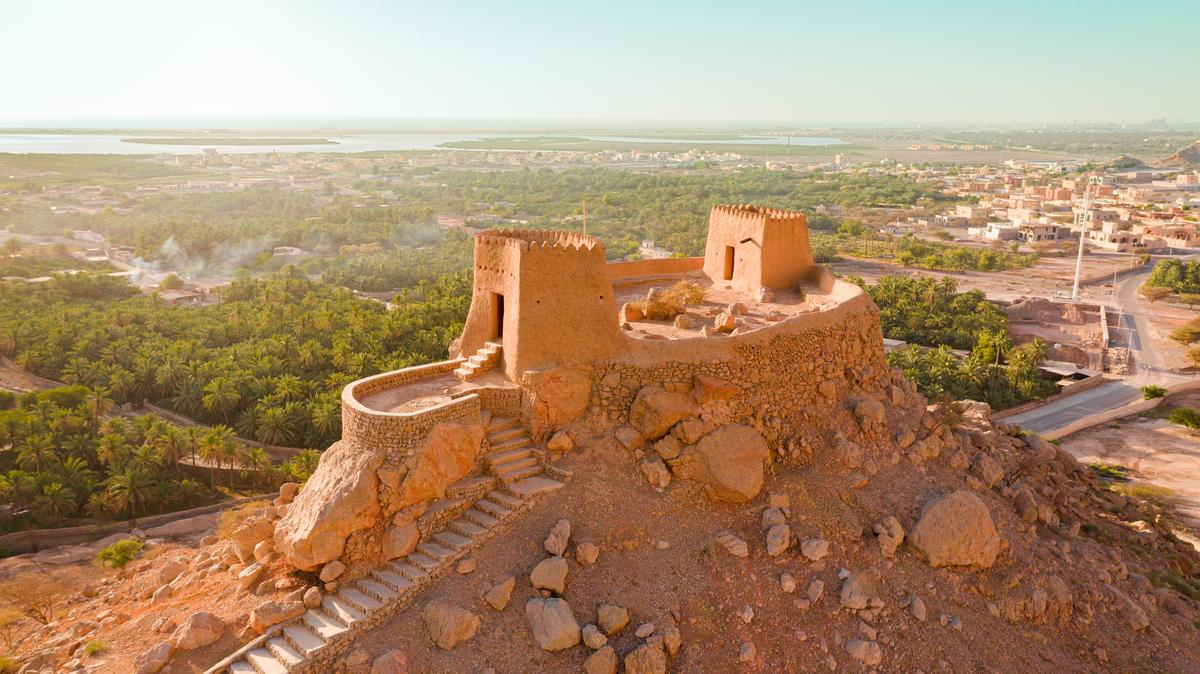
A tip: Get to Dhayah Fort in the early hours of the day, before it gets too warm, and hike up the 70-metre hill to reach the mud-brick fortress and its watchtower will not be daunting. Ascending the 239 steps, one is rewarded with views of datepalm gardens, the Al Marjan island, and the Jebel Jais mountains on the horizon. The Dhayah Fort is on the UNESCO World Heritage Tentative List.

During the hike, our guide doles out nuggets of history. The fort dates back to the Bronze Age (1600-1300 BC), and was restored in the 1990s. The twin-peak fortress was built in the 19th Century and the zagged pathway made it tough for the British to enter the fort during the 1819 battle between the British troops and the Qawasim tribes. “At first, the British arrived with small canons that could not reach this hilltop area. When they brought in a large cannon later, the local tribes had to surrender after just two shots were fired,” stated the guide.

At the base of the hill was a larger fort used by employees of the datepalm farm to shelter with their animals. The farm also had a watch tower for surveillance.

Suwaidi Pearl Farm

A traditional boat at Suwaidi Pearl Farm

A traditional boat at Suwaidi Pearl Farm
| Photo Credit:
Ras Al Khaimah Tourism Development Authority

The summer months from May to August are best suited for the pearl season, as divers begin their day before sunrise, informs our guide as he gives us a brief history of pearl farming and diving. We are at Suwaidi Pearl Farm, atop a floating deck, after a 20-minute ferry ride from the harbour. Near the deck is Jalboot, a large boat that carried up to 30 sailors and was used for pearl diving up to 60 feet in the Arabian Gulf. We learn that the warm waters were conducive for pearls to grow and the shallow depth helped divers collect pearls using rustic equipment. Divers used tools such as a nose clip, a tough rope, and a stone for their diving pursuits.

The oysters, once grafted, are kept in the buoys on one side of the floating deck. We learn about the stages of oyster farming until the shells can be nudged open with precision scalpels. The chances of finding a natural pearl is rather slim, but historically the divers were on a quest for the most beautiful pearls. 

Variety of pearls and a few native tools

Variety of pearls and a few native tools
| Photo Credit:
Sangeetha Devi

Suwaidi Pearls, in the fishing village of Al Ram at the foot of the Al Hajar mountains, is a reminder of a traditional practice. Established by pearl trader and diver Abdulla Rashed Al Suwaidi in 2004, this is the only pearl village in the UAE and has preserved the tools used for pearl diving and trade, including Indian coins from the 14th Century. This pearling region, formerly named Julfar (the pearl in Arabic) was a nerve centre of pearl trade in the Al Jazirah and Al Hamra region.

(The writer visited Ras Al Khaimah on invitation by Ras Al Khaimah Tourism Development Authority)
Source link

How Good Earth is bringing Jaipur’s palace motifs to the table


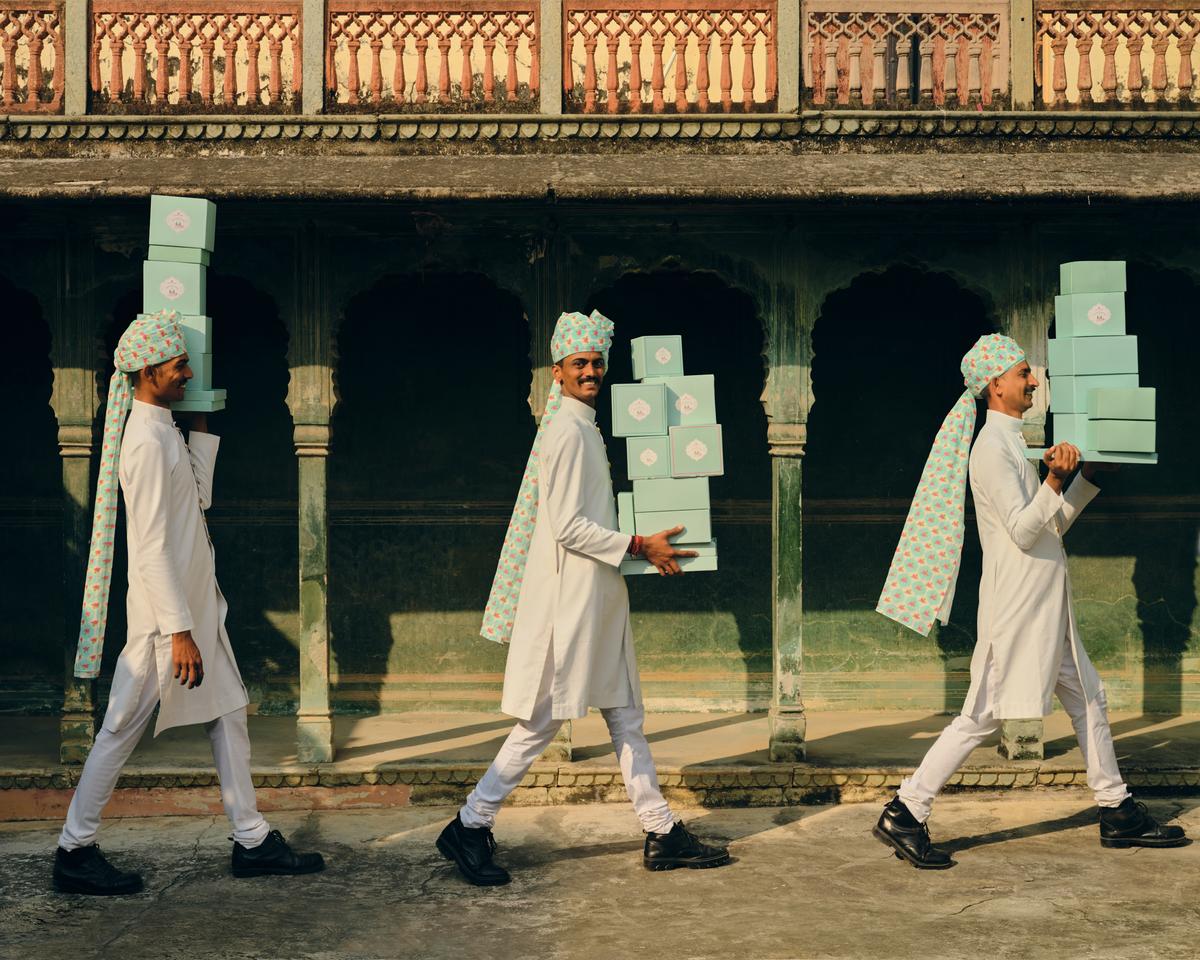
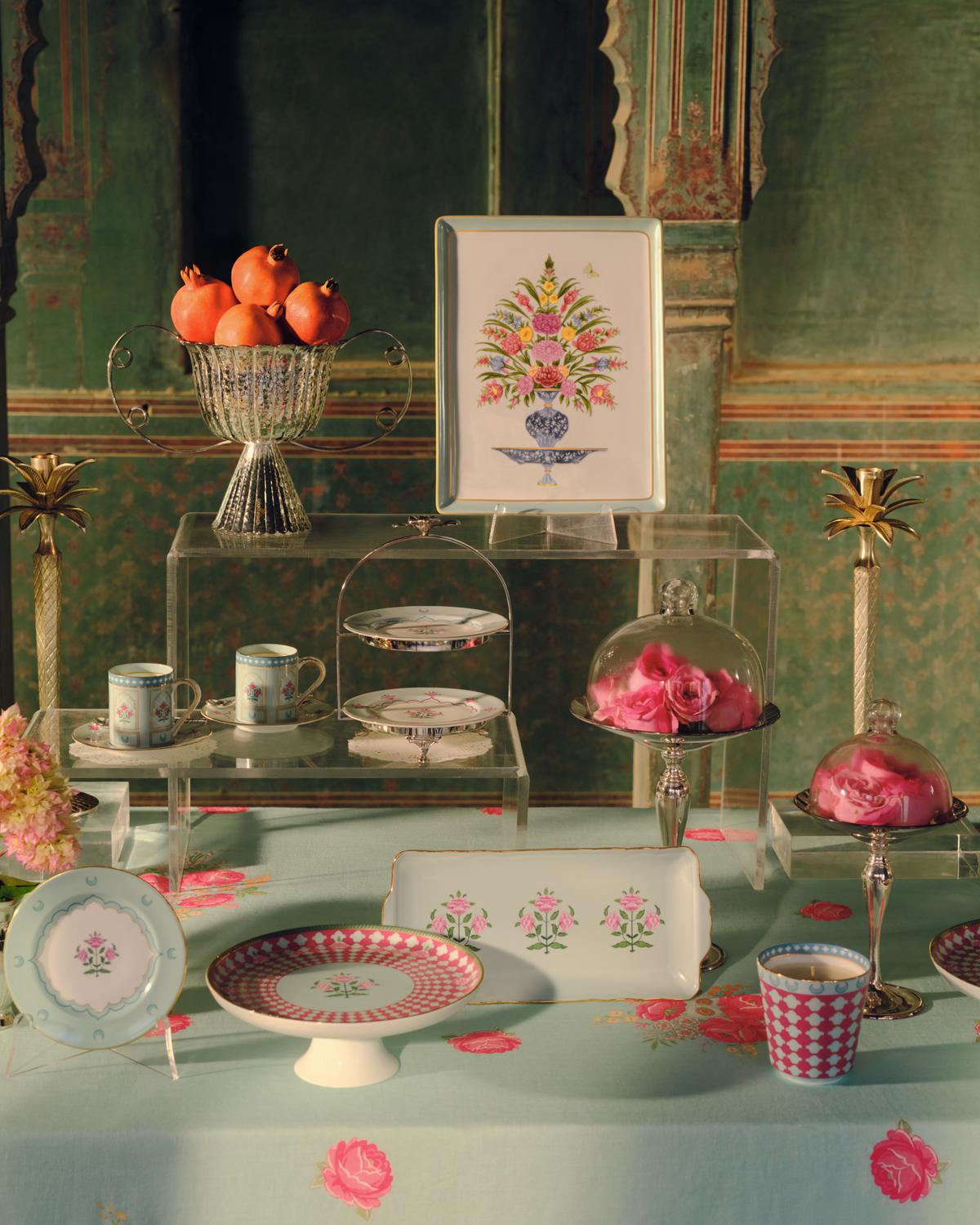
As I stepped into the newly launched Good Earth Living at Gurugram’s Boulevard Grand View, the scene unfolding in front of me felt like walking straight into a rose garden. Soft blush tones, hints of pink and floral accents set the mood for what lay ahead. The design house was unveiling Jaipur Rose, a limited-edition tableware collection created in collaboration with The Palace Atelier, the museum store at City Palace, Jaipur.

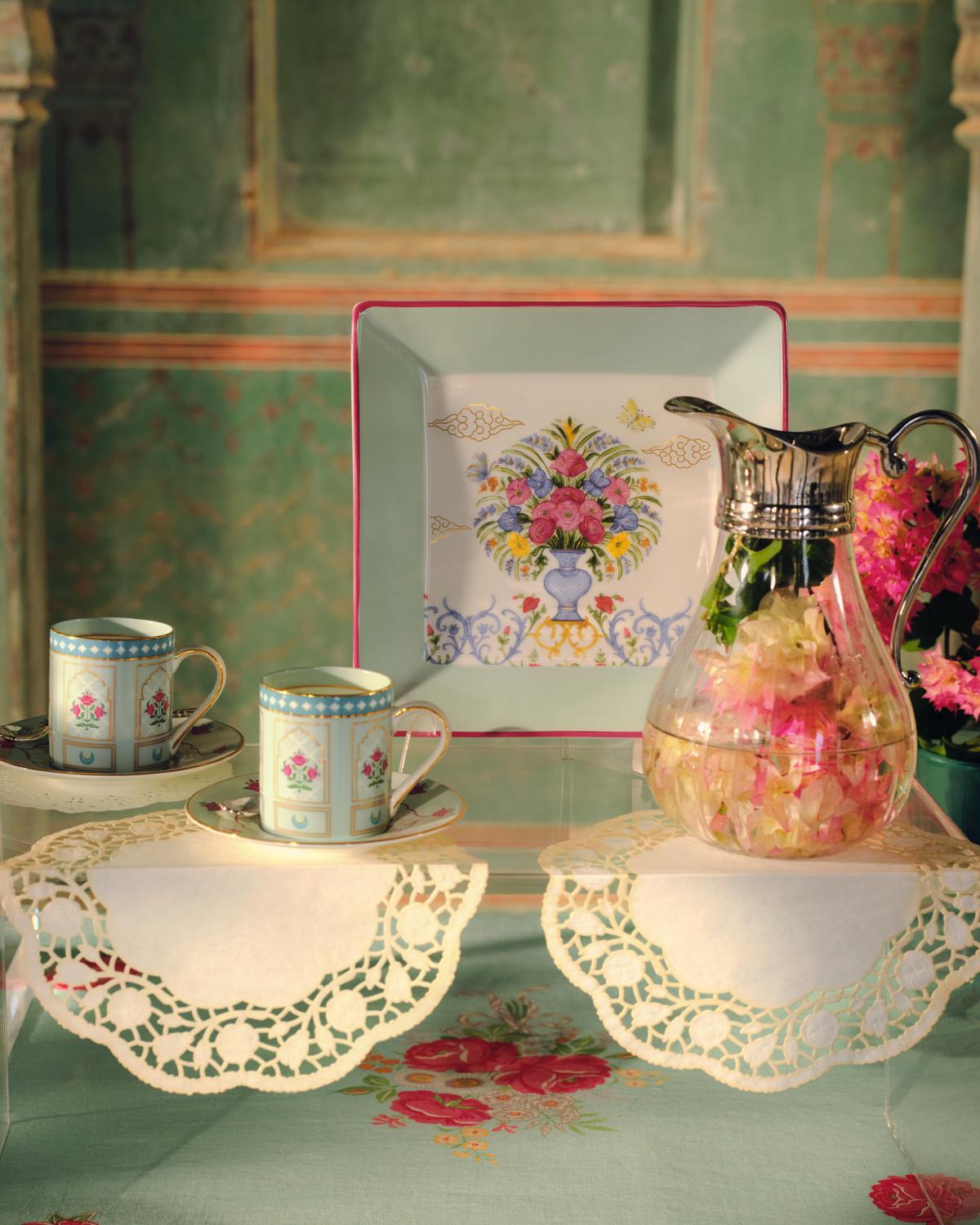
The range spans tea and dessert plates, cake stands, platters, trays, and demitasse sets crafted in fine porcelain, with table linen. Each piece carries motifs that are ornate yet do not tip into excess.

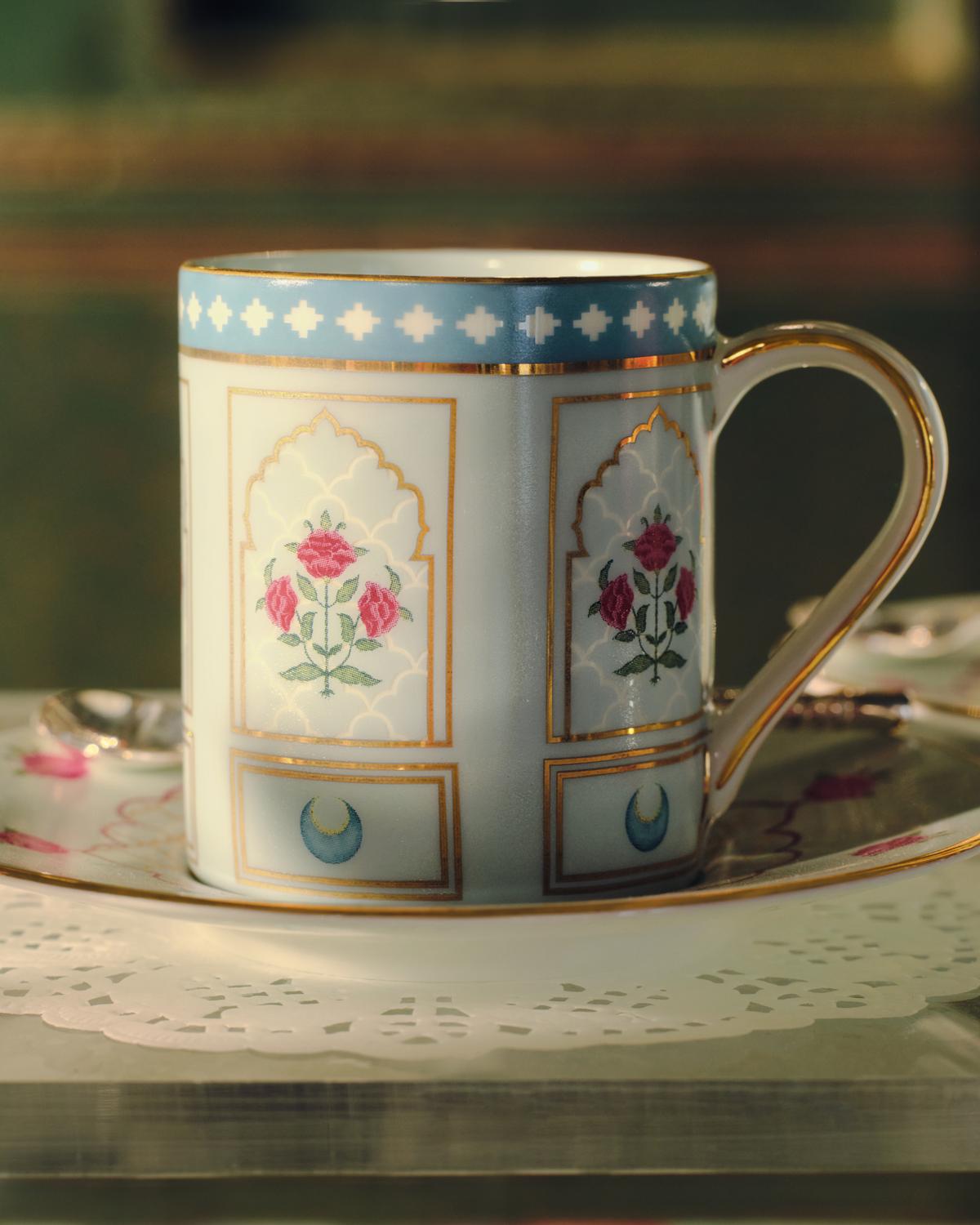
“Two of my favourite motifs include the guldasta ( a bouquet) seen in the Chhavi Niwas section of the palace. The other is a motif from the Rose Gate,” says Princess Gauravi Kumari of Jaipur, Co-Creative Director of The Palace Atelier. These are not just decorative add-ons, she explains, but visual memories lifted directly from the palace’s walls and living spaces.
There is also a personal story behind the guldasta. During the restoration of the City Palace, Gauravi’s younger brother, Maharaja Sawai Padmanabh Singh of Jaipur or Pacho, rediscovered the motif, a vase brimming with flowers, that had been painted over and almost forgotten. “Little parts of it were still visible,” she recalls. “It was a case of lost and found. In a way, we wanted to honour our heritage, and the Good Earth team was keen to use this too.”

Beyond the motifs, the colour palette feels like a refreshing choice. Rendered in shades of mint, aqua, fuchsia and rose, and finished with delicate 24K gold accents, the pieces are rooted in royal heritage yet designed for contemporary homes.

The result is a versatile line that works just as well for a leisurely afternoon tea with girlfriends as it does for an intimate dinner soirée.

Bringing Jaipur Rose to life took several months, multiple visits, and hours of visual research. For Gauravi, seeing her heritage translated into a contemporary setting has been deeply rewarding. “The Good Earth team visited the palace several times, studied the colour palette and immersed themselves in it,” she says. “Our idea was never to change the heritage, but to make it more modern and accessible, especially for younger people.”

The collaboration also marks Good Earth’s first association with an India-based museum shop, following earlier partnerships with institutions such as The Met and the Smithsonian. For Anita Lal, Founder and Creative Director of Good Earth, collaborations are about shared sensibilities. “It’s always enriching to have a different point of view,” she says. “For us, colour and detailing matter deeply. A collaboration begins somewhere, and then it takes on a life of its own. The process expands both brands’ creative vocabularies.”

And this may just be the beginning. Hinting at what is next, Lal shares, “We plan to extend the Jaipur Rose collection to include dinner plates. We’ve also created an ambient spray under Jaipur Rose, which will be launching soon.”

As for Gauravi, she remains open to partnerships that foreground Jaipur’s living heritage. In the past, she has collaborated with brands like Jaipur Pachranga and Amrapali — projects that, much like Jaipur Rose, are about continuity rather than nostalgia.

Jaipur Rose, a limited-edition collection, is now available at Good Earth retail stores, the brand’s web boutique, and at The Palace Atelier.


Source link

Five Auto trends in 2026 that will redefine the Indian car market


The Indian automotive landscape is evolving at an unprecedented pace. Once defined primarily by price sensitivity, the market is now increasingly shaped by greater safety awareness, sustainability concerns, and rising expectations around features and technology. By 2026, several trends that began as experiments or niche offerings will have firmly transitioned into the mainstream. Automakers are aligning their product strategies to meet a more informed and demanding customer base, while policymakers and infrastructure development continue to influence the direction of mobility. Together these five trends provide a clear snapshot of how India’s car market will look and feel in 2026.

Affordable EVs finally go mainstream

By 2026, electric vehicles in India will no longer sit on the fringes of the market. The most significant development in this space will be Maruti Suzuki’s full-scale entry into EVs with the e VITARA, its first all-electric offering. Positioned as an affordable and practical electric SUV, the e VITARA is expected to combine sharp styling with a claimed driving range of up to 543 km. More importantly, it will leverage Maruti’s expansive service footprint and charging network, addressing long-standing concerns around EV ownership.

Tata, Mahindra, and Kia expanding India’s SUV segment with modern, feature-rich models.

Tata, Mahindra, and Kia expanding India’s SUV segment with modern, feature-rich models.
| Photo Credit:
Special Arrangement

Hyundai is also expected to strengthen its EV presence with a smaller, mass-market electric car aimed at urban buyers, while Tata Motors and Mahindra will continue to expand their EV portfolios in the mid-size SUV space. Tata’s steady approach to electrification and Mahindra’s focus on performance-oriented electric products ensure a broader spread of options across price points. What sets 2026 apart is accessibility. Electric vehicles will increasingly be positioned as primary household vehicles rather than secondary city commuters. Improved charging infrastructure, better real-world range, and growing consumer confidence will push electric mobility closer to the mainstream than ever before, marking a decisive shift in buying behaviour.

Mid-size SUVs become India’s largest-selling segment

The rise of the mid-size SUV has been one of the defining automotive stories of the past few years, and by 2026, this segment is expected to decisively dominate Indian car sales. Tata, Mahindra, and Kia are all heavily invested in the space, recognising it as the most profitable and fastest-growing category in the market.

Tata has already showcased the reborn Sierra, which is expected to reach showrooms in 2026, while Kia is preparing the next-generation Seltos, a model that has consistently set benchmarks in design and features. Mahindra, meanwhile, could expand its SUV lineup further, starting the year with the XUV 7XO, a three-row SUV designed to offer space and presence without moving into full-size territory.

Ethanol-blended fuels and alternative energy driving India’s sustainable mobility future.

Ethanol-blended fuels and alternative energy driving India’s sustainable mobility future.
| Photo Credit:
Special Arrangement

The appeal of mid-size SUVs lies in their versatility. They combine strong road presence, with generous interior space, and increasingly premium features, while remaining usable in everyday urban conditions. For many buyers, this segment represents the perfect upgrade path from hatchbacks and compact SUVs, ensuring sustained demand well into 2026 and beyond.

Bio-Fuels gain momentum as a parallel solution

While electrification continues to gather pace, 2026 will also see growing momentum behind bio-fuels as India pursues multiple pathways towards cleaner mobility. With E20 petrol already widely available, discussions around introducing E27 blends signal the government’s intent to push ethanol adoption further.

Diesel, however, is likely to see a gradual shift in its role, especially in metros where environmental regulations are becoming stricter. At the same time, an ethanol-blended diesel is likely to be introduced, offering a cleaner alternative while retaining the efficiency benefits diesel users value. India is currently looking at a 5% ethanol blend diesel that will be compatible with BS6-compliant engines.

Advanced safety technologies like ADAS becoming standard expectations in 2026 vehicles.

Advanced safety technologies like ADAS becoming standard expectations in 2026 vehicles.
| Photo Credit:
Special Arrangement

For manufacturers, this transition demands recalibrated engines that can accommodate higher ethanol content without compromising performance or durability. For consumers, bio-fuels present a familiar and relatively seamless route towards lower emissions, particularly in regions where EV infrastructure may take time to develop. In 2026, bio-fuels will act as an important bridge — supporting India’s sustainability goals without forcing an abrupt departure from internal combustion engines.

ADAS and safety features move into the mainstream

By 2026, advanced safety will no longer be viewed as a luxury. ADAS features are steadily gaining acceptance among Indian buyers, prompting manufacturers to make them more widely accessible. Honda has already set a precedent by offering ADAS on the Amaze, positioning it one of the most affordable cars in the country with this technology.

As awareness increases, features such as adaptive cruise control, lane-keeping assist, and autonomous emergency braking are becoming genuine purchase considerations rather than novelty additions. Several manufacturers are working towards offering Level 2 ADAS either as standard or across more variants, especially in the mid-size SUV and premium hatchback segments.

The broader shift is cultural. Indian buyers are increasingly valueing preventive safety technologies alongside traditional considerations such as mileage and resale value. By 2026, ADAS is likely to be seen not as a differentiator, but as an expected feature—reshaping how safety is integrated into mainstream vehicles.

The end of the ‘Cheap Car’ era

One of the most telling shifts in 2026 will be the gradual fading of the traditional “cheap car.” Stricter safety regulations, rising material costs, and changing customer priorities are redefining what entry-level mobility means in India. Buyers are increasingly unwilling to compromise on essentials such as airbags, electronic stability control, and structural safety.

As a result, bare-bones variants are steadily losing relevance. In their place, more robust and feature-rich vehicles are emerging as the new starting point for car ownership. Models like the Tata Punch, Renault Kiger, and Nissan Magnite are well positioned to benefit, offering SUV-like design, improved safety, and modern features at accessible price points.

The next-generation Kia Seltos sets new benchmarks in design, features, and urban SUV appeal.

The next-generation Kia Seltos sets new benchmarks in design, features, and urban SUV appeal.
| Photo Credit:
Special Arrangement

These vehicles effectively redefine the entry-level segment, raising both size and perceived value. By 2026, affordability will no longer be about the lowest possible price, but about delivering a safer, more complete ownership experience — marking a fundamental shift in the way Indian consumers approach car buying.

Taken together, these trends point to a clear transformation in the Indian automotive market by 2026 — one that prioritises meaningful value over merely the lowest price. Electrification is becoming accessible rather than aspirational, SUVs are evolving into the default body style for Indian families, and alternative fuels are ensuring that sustainability is not limited to EVs alone. At the same time, safety and technology are no longer optional extras, but core expectations across segments.

Perhaps the most significant change is in the mindset of the buyer. Indian consumers are more informed, more demanding, and far more conscious of long-term ownership than ever before.


Source link

Indian mixologists share Christmas memories and their favourite cocktail recipes


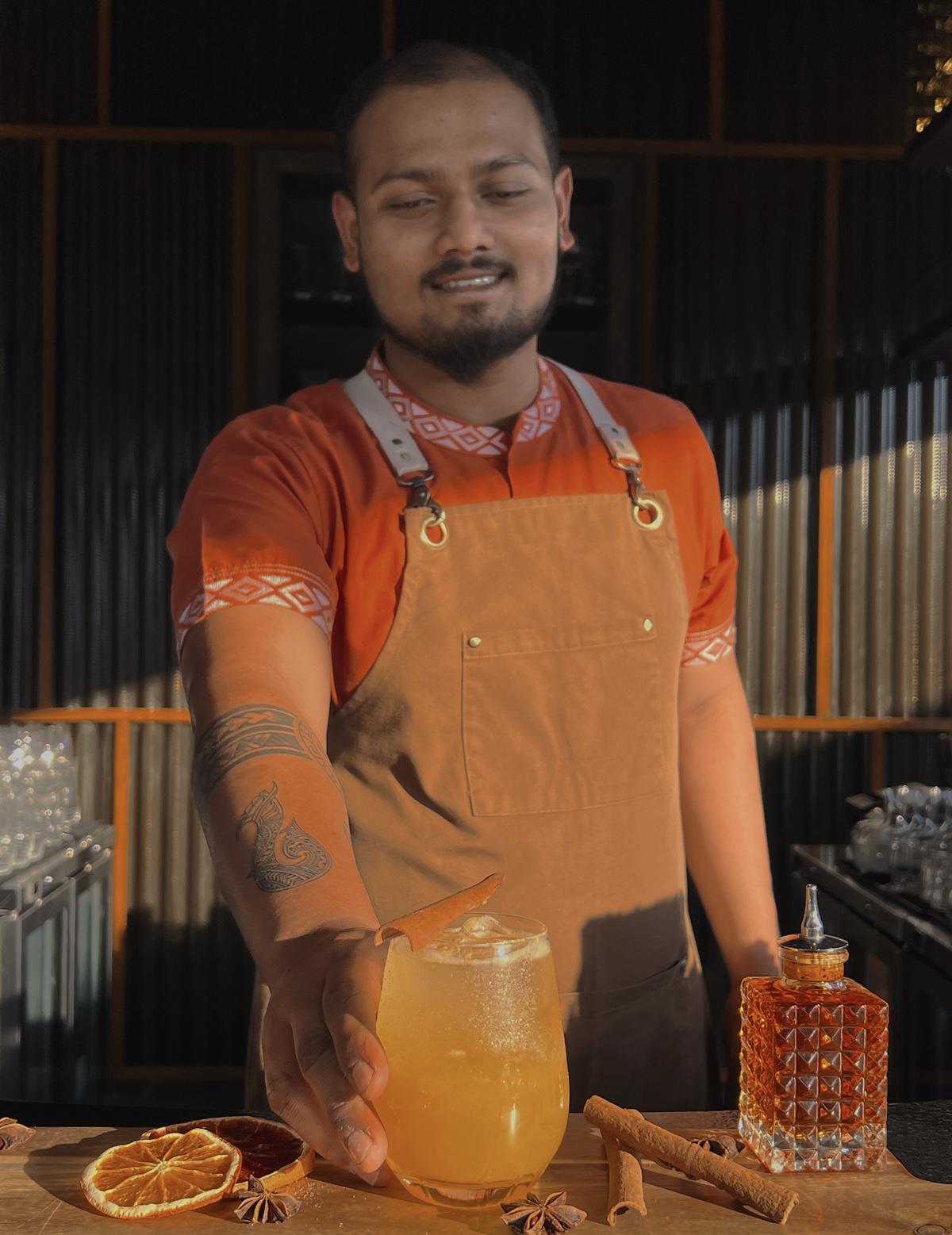
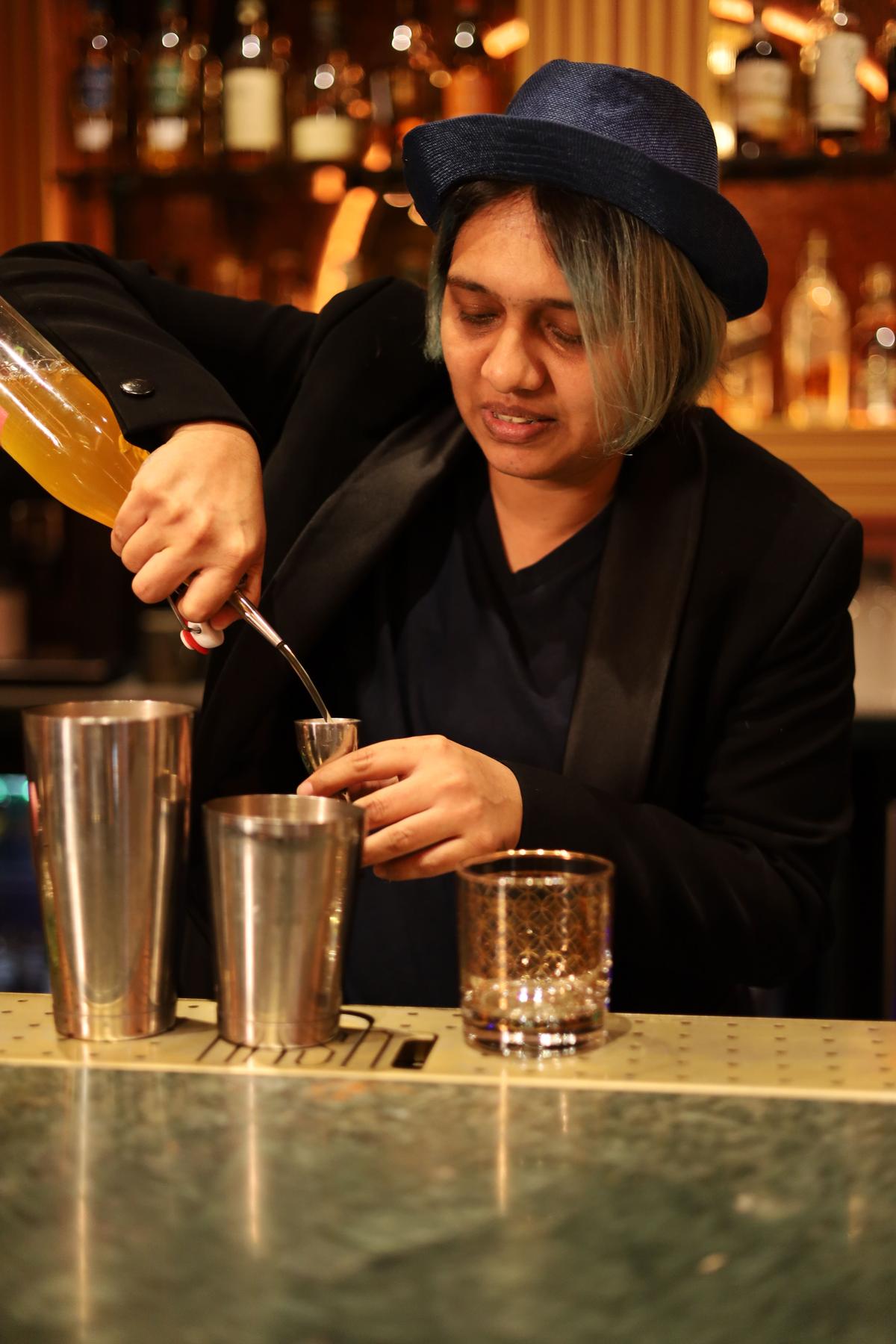
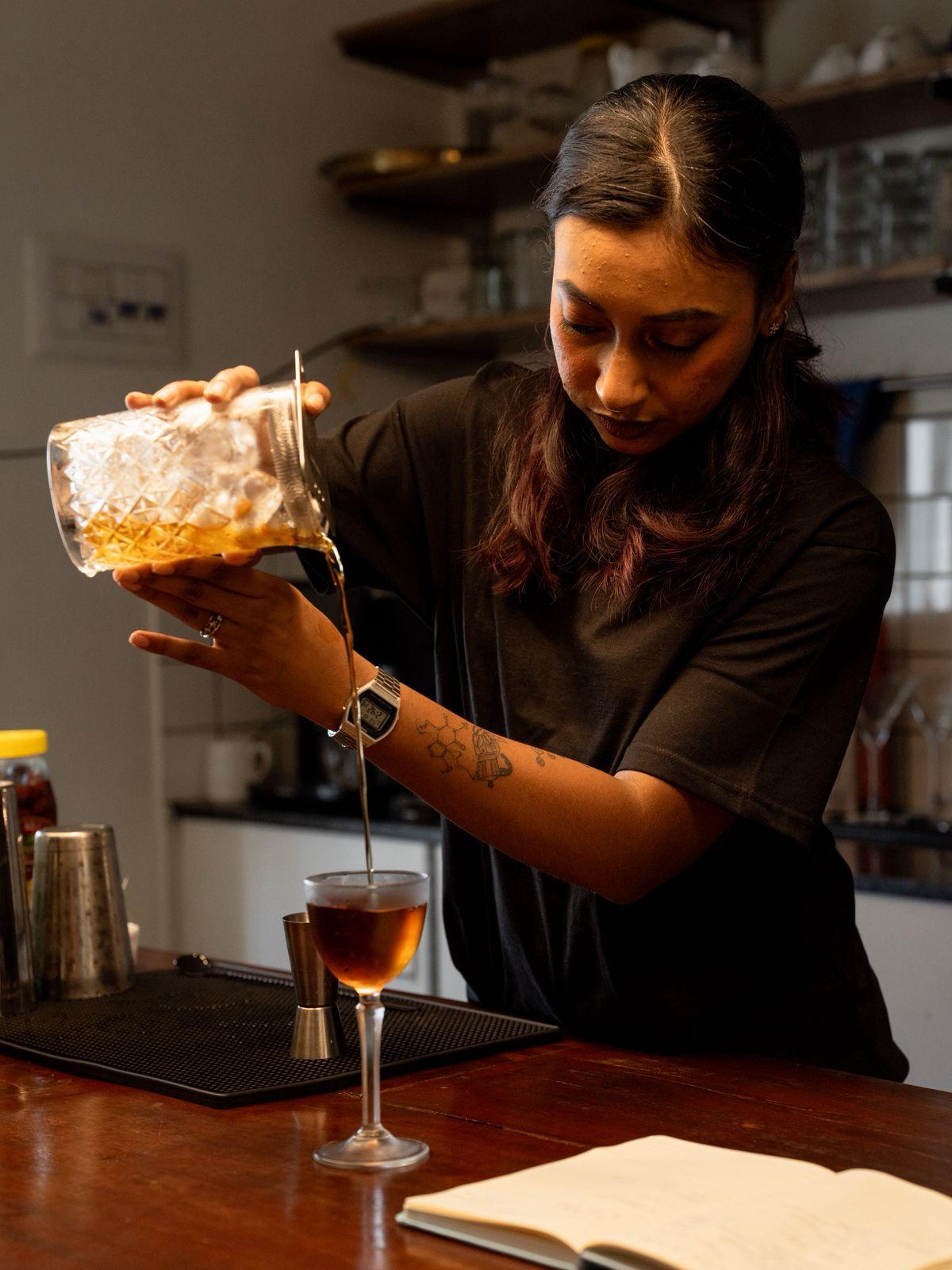
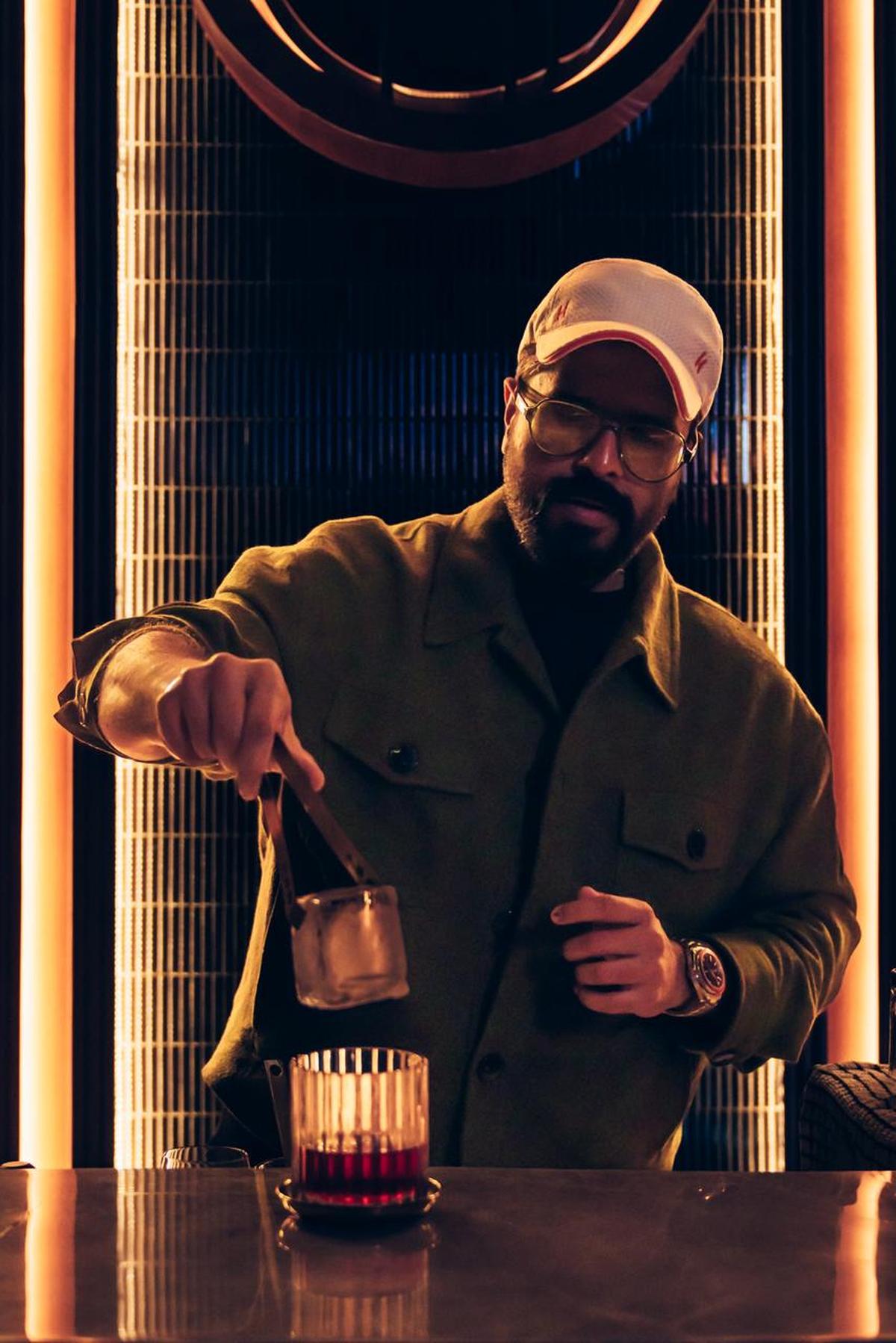
December is a season of contrasts. The weather calls for a sinfully decadent cup of hot chocolate by a roaring fire and yet, you cannot help but be enticed by a glass of red wine, or even better, a cocktail over ice that tastes like Christmas cake. As you host cosy gatherings, we ask four mixologists about a beverage that brings memories of this merry season. So, take notes on prepping up your bar for those party cocktails.

Jit Pandit, Grid 78, Hilton Hyderabad Genome Valley Resort & Spa, Hyderabad

“The cocktail that most evokes the holiday season is gingerbread Old Fashioned. It is a blend of molasses, warm spices and subtle ginger notes that creates an aroma and flavour which signals the comforts of December,” says Jit. The key to making holiday cocktails truly festive, he says, is always having these few essentials handy. “I always recommend warm spiced syrups, fresh citrus, ginger liqueur and a selection of aromatic garnishes. With just those ingredients, even simple drinks take on the unmistakable flavor and fragrance of the season,” he adds. 

Jit’s cocktail creation for the season is Autumn Reverie, a Christmas-themed cocktail which blends nostalgic winter spices with modern craft techniques. The drink has a velvety richness of spiced pumpkin pie, layered with the aromatic comfort of cinnamon, nutmeg, and allspice. A gentle lift of ginger wine adds festive brightness, while a smooth whisky base grounds the cocktail with depth and warmth. “The cocktail feels like the first breath of winter evenings and the soft glow of holiday lights; comforting, aromatic, and beautifully seasonal,” he adds. 

Jit’s Autumn Reverie

Portion: 1

 Total Volume: 135 ml (approx) 

Glassware: Tossa Old-Fashioned Glass 

Ingredients

• 60 ml Whisk

• 10 ml Ginger Wine

• 45 ml Spiced Pumpkin Pie Mix

• 10 ml Lime Juice

Method

1. Add all ingredients into a cocktail shaker.

2. Shake well with ice for 10–15 seconds.

3. Fine strain into a Tossa old-fashioned glass.

4. Finish with freshly grated nutmeg on top.

Fay Barretto, Scarlett House, Mumbai

Fay says a rum cake Manhattan, always takes him back to memories of his grandmother. “My grandmother Louie, always throwing a party for the village, and inviting everyone to collect fruit in rum for a year. And then make the cake after a year,” he says. Nostalgia, from the Scarlett House menu is a drink Fay says, that reminds him of everything festive and December. 

He says that around this time of the year, people are always looking for drinks that bring out Christmas cheer. “Ingredients such as berries, chocolates, spices, raisins, ginger, Christmas sweets like kal kals and marzipans are great to play around with,” Fay says. He recommends having on hand, figs, chocolate, Baileys and port spices as well, to mix up drinks this season. 

Fay’s recipe for a holiday cocktail, a fig and walnut Old Fashioned involves mixing up some walnut butter, whiskey, spiced fig syrup and aromatic bitters, and topping up the drink with a poached fig chip.

Anisha Biswas, Head Bartender, NĀVU, Bengaluru

“A festive drink that reminds me of Christmas is eggnog, a rich, creamy cocktail made with eggs, milk, cream, sugar, and vanilla, and often mixed with brandy, rum, or bourbon,” says Anisha. For the season, Anisha has a detailed list of ingredients she thinks people should have on hand for drinks at their holiday parties to make it more festive. “Sparkling wine or prosecco, for holiday spritzes, mimosas, or anything toast-ready,spiced rums like Kraken, Five Rivers Indian Spiced Rum, or Bacardi Spiced Rum, Irish cream (Baileys) and Port or sherry, for rich and warming for holiday-style desserts and cocktails,” she says, for the alcohol.

Other ingredients to elevate any holiday drink or make a cosy holiday beverage, Anisha says, include fresh citrus such as oranges, lemons, limes, fresh herbs such as rosemary, mint and basil, marshmallows and whipped cream for fun add-ons, and cinnamon sticks and nutmeg for festive garnishes and finishing touches.

A favourite holiday drink, Anisha shares her recipe for eggnog, which has everything cosy and wholesome going for it, this festive season.

Anisha’s eggnog recipe:

Prep time: 5 minutes.
Cooking time: 10-15 minutes.
Serves 4

Ingredients:

3 cups (710 ml) whole milk 
• 6 egg yolks 
• 1 cup (220 g) granulated sugar 
• 1/2 vanilla bean or 2 tsp vanilla extract 
• 1 tsp (3 g) cinnamon 
• Heaping 1/4 tsp (1 g) ground cloves 
• 1 Tbsp + 2 tsp (7 g) ginger powder 
• 1.5 tsp (4 g) ground nutmeg (freshly ground is ideal) 

Method

1. Bring the milk to a simmer and keep your egg yolks and sugar ready in a separate bowl. Using an electric mixer, whip them until light in colour. 

2. Slowly temper the warm milk into the egg yolk mixture, adding a little at a time until fully combined. 

3. Add the vanilla bean. 

4. Cook on low heat, stirring consistently with a spatula for 10-15 minutes to prevent curdling. Do not let it boil. 

5. Strain through a fine mesh sieve into a metal bowl. 

6. Add the cinnamon, clove, ginger powder, and nutmeg. 

7. Set the bowl over an ice bath and mix until the eggnog cools completely. 

8. Store and serve as needed. 

Manoj Padmanabhan, Pandan Club, Chennai and Cherrypond Garden Cafe and Bar, Puducherry

A self-professed ‘Chennai boy’, Manoj Padmanabhan says while he hates the snow and ‘depressing’ cold, it is hard not to be charmed by the holiday season in cities like New York, Chicago and Berlin. “Years ago, at a christmas market in Berlin,  I was freezing, minding my own business, and quietly missing Chennai’s 24°C sweater weather. Someone suddenly handed me a cup of Glühwein, their hot spiced wine. A hot cocktail? My brain hit a pause,” he recalls. “That Glühwein though, a red wine warmed with cinnamon, orange peel and clove, just hits different. Warm drink in hand, cold air on your face…  it weirdly works,” he says. Christmas since then, Manoj says, has been all about that memory of Glühwein in a Berlin Christmas market. 

Holiday cocktails, Manoj says, do not need Michelin-level prep, only good intentions, good leftovers, and something stiff. “In December, every home has the same hero ingredient;half-finished bottles of red wine from the night before, and plum cake that everyone is constantly getting gifted. Use, respect, and upgrade these ingredients,” he says, of whipping up festive specials, with some fruit brandy or XO for that extra punch.  

As an Old Fashioned and a Manhattan guy, Manoj says his holiday drink creation is a simple, straight, flavour-forward plum cake-inspired cocktail with a clean Manhattan structure. “This is easy to mix, clean, and festive,” he adds. 

Manoj’s Plum cake inspired cocktail

Ingredients

• 45 ml Brandy / XO

• 10–15 ml Sweet vermouth

• 45 ml Red wine soaked with plum cake overnight

• A coffee filter

Method

1. Stir your ingredients over ice 

2. Strain into a chilled martini glass using the coffee filter

3. Garnish with a tutti-frutti cherry on an olive pick.

(With inputs from Prabalika M Borah, Barry Rodgers, Anagha Maareesha, and S Poorvaja )


Source link

How Madurai is reimagining its nightlife


In a city where dawn begins with jasmine vendors and temple chants, the idea of nightlife once seemed unlikely. But Madurai is learning to stretch its evenings. As weekends arrive, rooftops shimmer under soft lighting, DJs spin to small but eager crowds, and restrobars hum with new energy — Chennai and Bengaluru-style weekend scenes reimagined in the temple city’s language.

While Madurai’s party scene is still finding its footing, it is anchored by a love for music. Chennai-based DJ R Harini Dev who frequently performs in the city, says, “From Ilaiyaraaja remixes and Anirudh drops to early-2000s Tamil pop, they enjoy music that feels familiar. And during ladies’ night, women often request retro hits from the ’90s. It’s one of the most spirited crowds I play for.”

Echoing her view, DJ S Kartik Aadesh, who performs across the city’s hotels, says the scene is steadily evolving. “Nightlife here is still growing, but you can sense the excitement picking up. Every event brings in new faces : young working professionals, couples, even families. It’s a mixed group, and that keeps the energy interesting,” he says. “Madurai audiences want familiar music. Even in a party setting, familiarity matters, they want beats that feel like home,” he adds.

Dr S Krishna Kumar, a general physician, says the new nightlife culture offers something many working professionals quietly crave. “Most of us in Madurai finish work early, but we don’t always have a place to unwind. It’s not about partying hard, it’s about meeting friends, listening to music, and stepping out of routine once in a while,” he says. “I also appreciate that the spaces here are controlled and safe. It makes people comfortable enough to try something new.”

Ritika Arora, who was visiting Madurai from Mumbai for a family function, says the city’s nightlife feels refreshingly different. “Mumbai’s nightlife is fantastic, but hectic,” she says. “Here, it’s slower in the best way. You can actually talk, enjoy the music, and not feel overwhelmed. The sing-along night even reminded me of old-school gatherings back home.”

As the weekend sun sets, Madurai is discovering its own after-dark rhythm. From rooftop DJ nights to themed gatherings, the city proves that people here can groove, not just to music, but to connection, familiarity, and a new way to unwind.

A rooftop rhythm

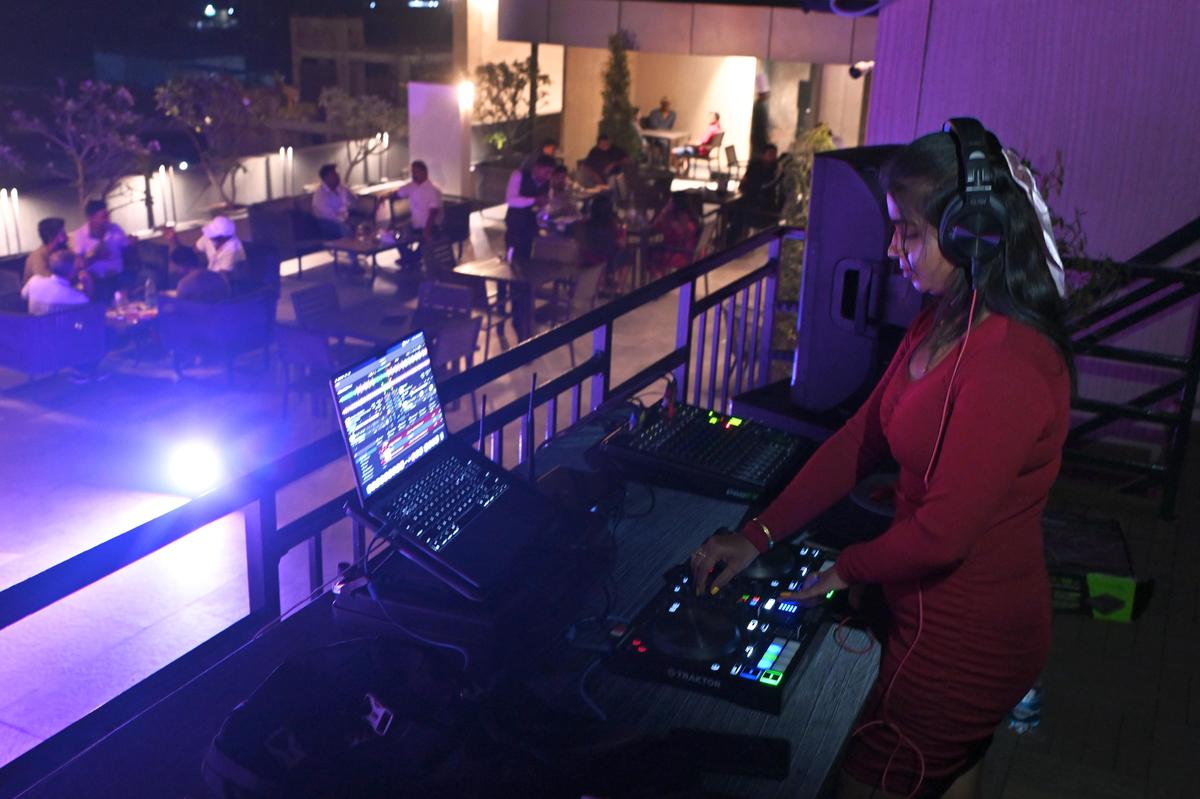
Amika Hotel, a popular hotel in the city, hosts DJ nights once or twice a month, and during festive weekends. What sets Amika apart is its rooftop setting: guests dance and have fun under the open sky, enjoying the night breeze while Tamil beats ripple across the deck.

R Kishornath, bar manager at the hotel’s Skylouge, the city is still easing into its after-dark rhythm. “Weekend parties have only just begun to take shape in Madurai. It’s still in a growth stage, and may take a few more years before it feels like the parties in tier-I cities,” he says.

As for the crowd, he adds that the atmosphere remains relaxed. “We keep it limited. Office-goers come with their families. They want a place to unwind and enjoy some music without the pressure of a big crowd.”

 DJ performing at rooftop weekend party at Amika hotel, Madurai.

DJ performing at rooftop weekend party at Amika hotel, Madurai.
| Photo Credit:
MOORTHY G

When asked about New Year party plans, he says the focus is on creating a warm, feel-good experience. “Last year, we had more than 160 people, and we expect the numbers to grow this year,” he says. “But more than attracting crowds, our priority is the safety and comfort of everyone who walks in,” Kishornath adds.

They are hosting a party on December 31 and January 10. At 269/1D1, Airport Mattuthavani Ring Road, Avaniyapuram. For details, call 8925810610.

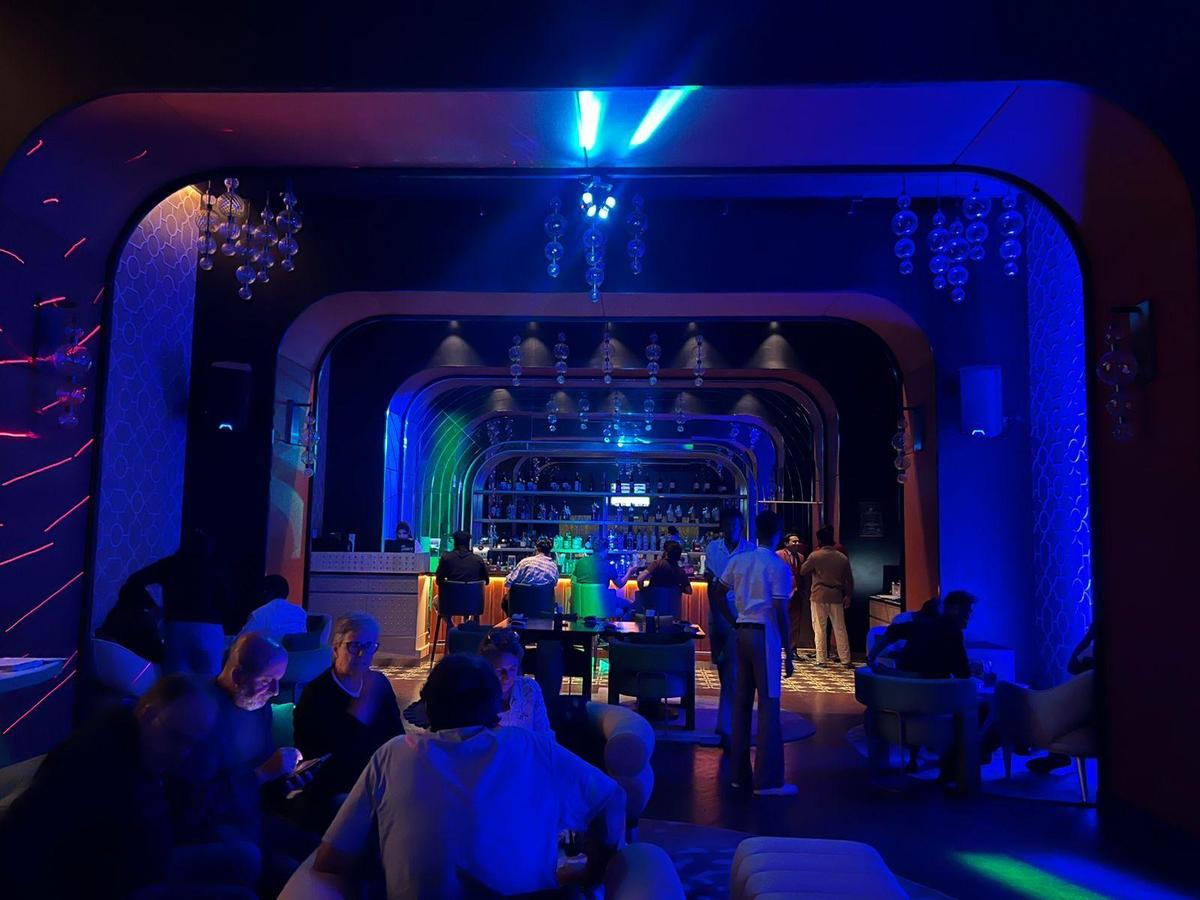
For MetroPlus: Under soft, vibrant lights, the DJ console comes alive at GRT Grand Hotel.

For MetroPlus: Under soft, vibrant lights, the DJ console comes alive at GRT Grand Hotel.
| Photo Credit:
SPECIAL ARRANGEMENT

Themed nights

Another popular venue that embraces the city’s budding nightlife culture is GRT Grand, where parties are far more frequent. The restrobar, set in the centre of the property with its dim lights and warm, contemporary décor, draws a steady stream of guests looking for a lively evening.

Jabez Paul, the banquet manager says, “We host themed parties four days a week, drawing around 30 to 40 people. We bring in DJs from all over India to keep the experience fresh.”

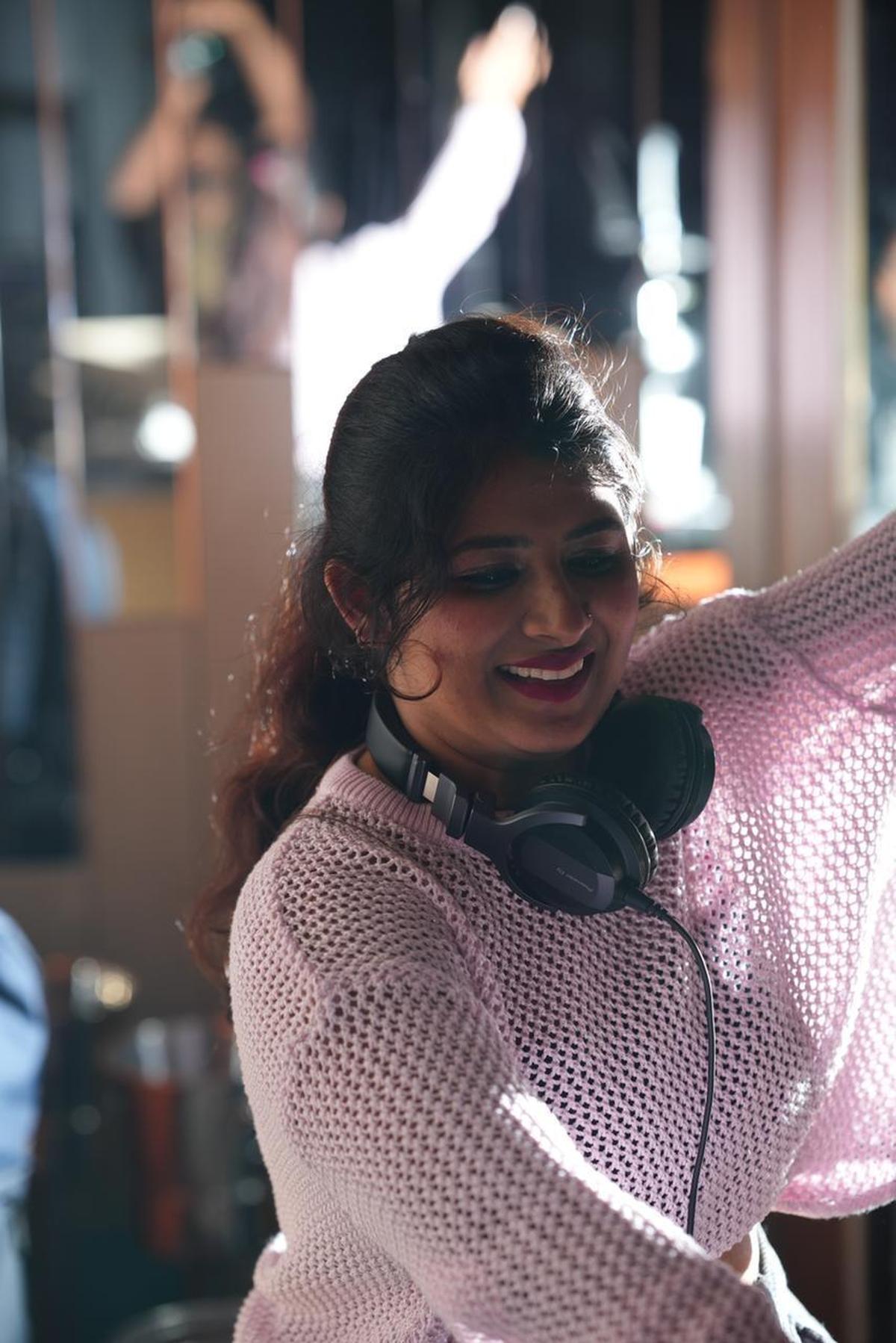
For MetroPlus: Beats and lights blend as a DJ energises the floor at GRT Grand.

For MetroPlus: Beats and lights blend as a DJ energises the floor at GRT Grand.
| Photo Credit:
SPECIAL ARRANGEMENT

Talking about their themed nights, he says each evening at the hotel carries its own flavour. “Every Thursday, we have a ladies’ night where women of all ages turn up, but it’s usually those in their 40s and 50s who bring the most energy. They come in groups, catch up over music, and simply enjoy a night out.”

Fridays take on a different rhythm. “That’s our Tamil sing-along night,” he shares. With lyric cards in hand, guests sing along with the music team, filling the space with a familiar, old-world warmth.

Saturdays keep the momentum going. “We host our regular DJ night then,” he says. “Friends come together, order their favourite dishes and ease into the mood — it’s the night when people really let themselves dance and enjoy the weekend vibe.”

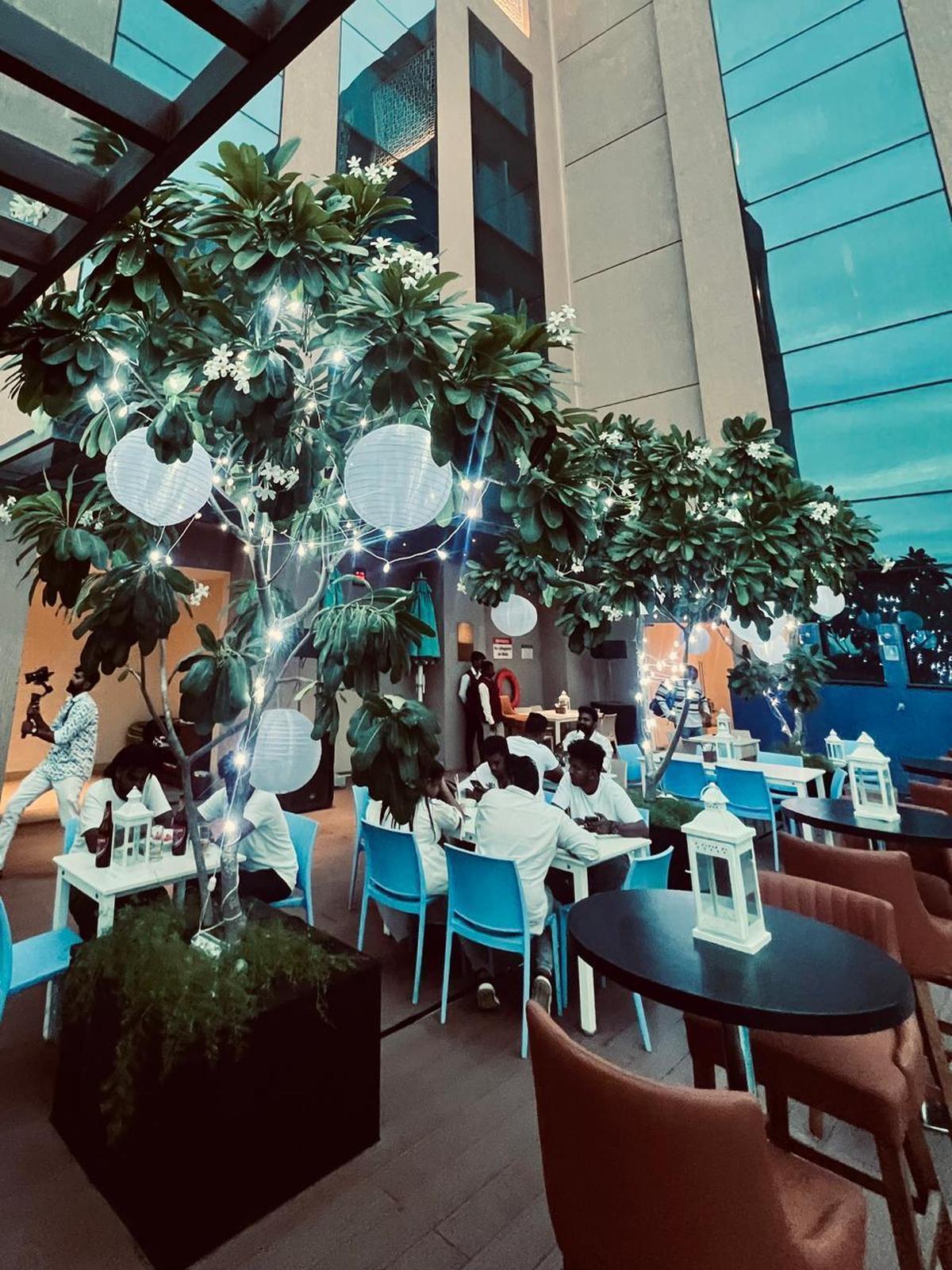
For MetroPlus: Poolside music sets the mood at the sundowner party at GRT Grand in Madurai.

For MetroPlus: Poolside music sets the mood at the sundowner party at GRT Grand in Madurai.
| Photo Credit:
SPECIAL ARRANGEMENT

Sundays wind things down with a sundowner by the poolside. Bathed in soft evening light and gentle music, the event draws families looking to end their weekend on a quiet note.

Located at 79/1A1, Madurai – Thoothukudi Highway, next to Velammal Hospital and Medical College, Velammal Village, Anuppanadi, Chinthamani. For details, call 9025598724

Year-end beats

At Courtyard by Marriott, weekends come alive with DJ-led events. Each weekend, familiar melodies mix with folk rhythms as DJs play popular tracks, inviting guests to hit the dance floor.

Poojaa Nair, from the property says weekend DJ nights have become a regular draw. “We host DJ parties every weekend and see a steady crowd. People come here to relax, take a break from their hectic weekdays, and enjoy their time with friends and family,” she says.

She adds that the hotel has planned two distinct celebrations for December 31. “One is a DJ night with the theme ‘Time to Go Retro’, where we aim to draw crowds with classic tracks blended with contemporary beats. The DJs don’t just play songs, they layer them with live instrumental elements, which adds an extra level of excitement for guests,” she says.

“We are also hosting a gala dinner designed for families. It’s a more inclusive evening with activities such as face painting, caricature art and balloon sculpting, so parents can come along with their children and enjoy the celebrations together,” Poojaa adds.

At Alagar Kovil Main Road, next to Circuit House, KK Nagar, Ramaond Reserve Line. The dinner and DJ night are on New Year’s eve. For details, call 9384838403/7358018288.


Source link

Column by Devdutt Pattanaik | Transformation of the stupa


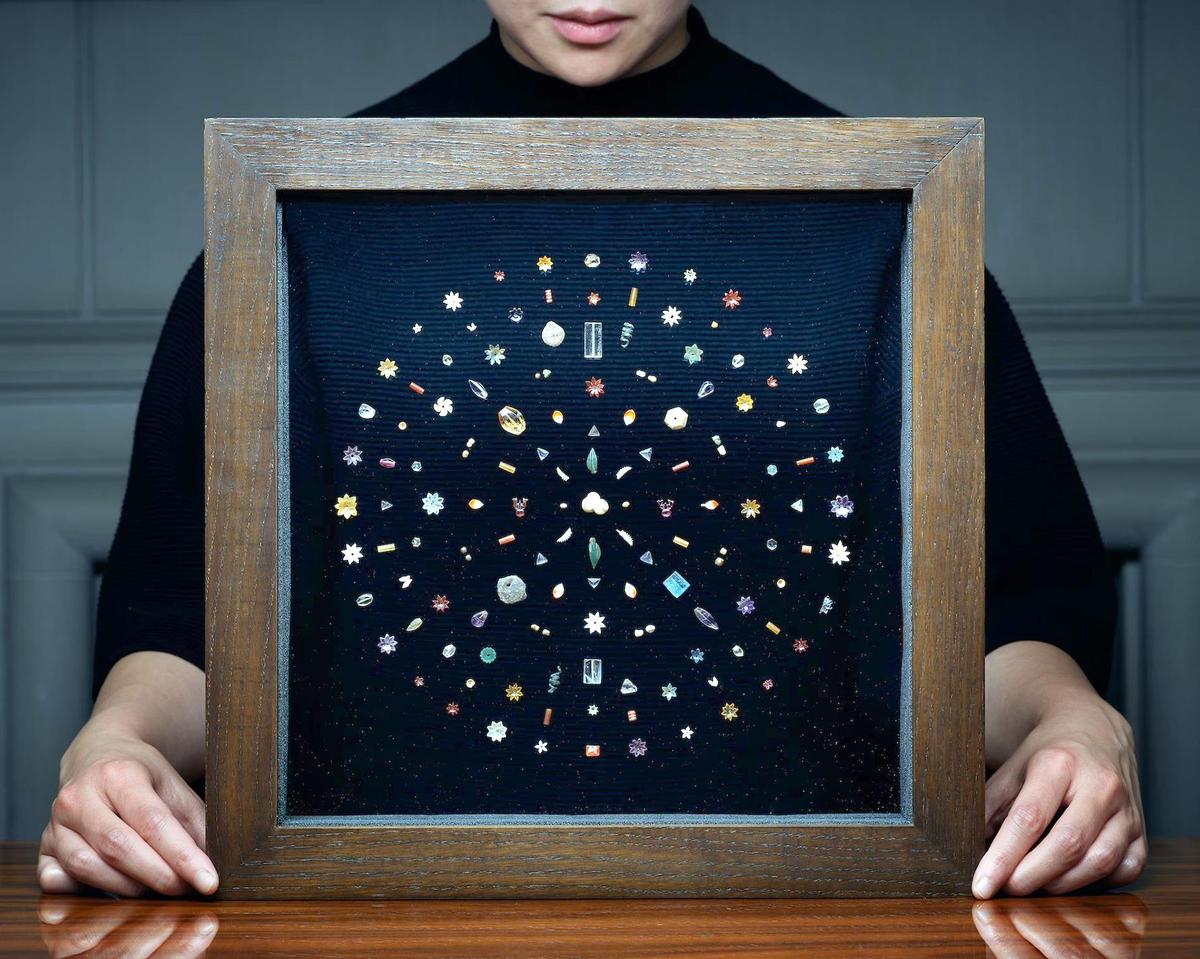
In 1898, William Peppé, a British engineer, excavated the Piprahwa stupa near Siddharthnagar in Uttar Pradesh (nine miles from Lumbini, the birthplace of Siddhartha Gautama), and found bone fragments, ashes, and hundreds of gems. The inscription claimed the bones were those of the Buddha himself. These relics were distributed to museums in India and abroad, but a portion of the gems stayed with Peppé’s family.

When Sotheby’s planned to auction them in Hong Kong in 2025, the Government of India objected, calling them part of its spiritual heritage. The sale was blocked, and eventually the Godrej Group acquired them and brought them back to the country for public display. A 2,200-year-old act of veneration was restored to its rightful place. This incident draws attention to the importance of stupas in ancient India.

The Piprahwa gems that were put up for auction in Hong Kong

The Piprahwa gems that were put up for auction in Hong Kong
| Photo Credit:
Courtesy sothebys.com

The stupa has a long history. And it transformed over time, in form as well as content. In the beginning, the stupa was about the Buddha’s body. According to tradition, when the Buddha died, his body was cremated, his relics collected and divided into eight portions and enshrined in different stupas by kings and republics who wanted a share of his presence. Later, Ashoka redistributed these collections to 84,000 sites across India.

Across Southeast Asia — in Burma, Sri Lanka, Thailand — there are many great stupas that claim to contain the relics of the Buddha, such as his hair, his nails, and his bone fragments. These were in great demand, exported along with manuscripts to China. Many believed stupas containing the relics had magical powers; they could cure ailments. By the 2nd century AD, stupas at Sanchi, Bharhut and Nagarjunakonda were decorated with elaborate railings and gates showing scenes from the life of the Buddha and the Jataka Tales.

A philosophical shift

By the 5th century AD, the Buddha was no longer only in bone and ash — he was in the teaching. Inside stupas, monks began placing stone and terracotta tablets inscribed with the Pratityasamutpada formula on dependent origination: “Of those phenomena which arise from causes, the Buddha has explained the causes, and also their cessation.” This was a philosophical shift — the stupa now enshrined wisdom, not just relics.

Seeing the dharma became the same as seeing the Buddha. This is when images of Buddha became common. Many bear the same formula carved on their base, turning the image into the “truth body” (dharmakaya) of the Buddha. The stupa thus became a container of word and image, of memory and meaning.

From the 7th century onwards, stupas started to hold dharani — protective spells promising not only merit but tangible benefits such as safety, prosperity, and heavenly rebirth for the dead. Mahayana texts (Buddhist scriptures) instructed donors to write these spells on copper, stone, or clay and deposit them inside stupas. At Udayagiri and Lalitgiri in Odisha, archaeologists have found several such inscribed plaques. The stupa was no longer passive; it was now a ritual engine radiating spiritual power.

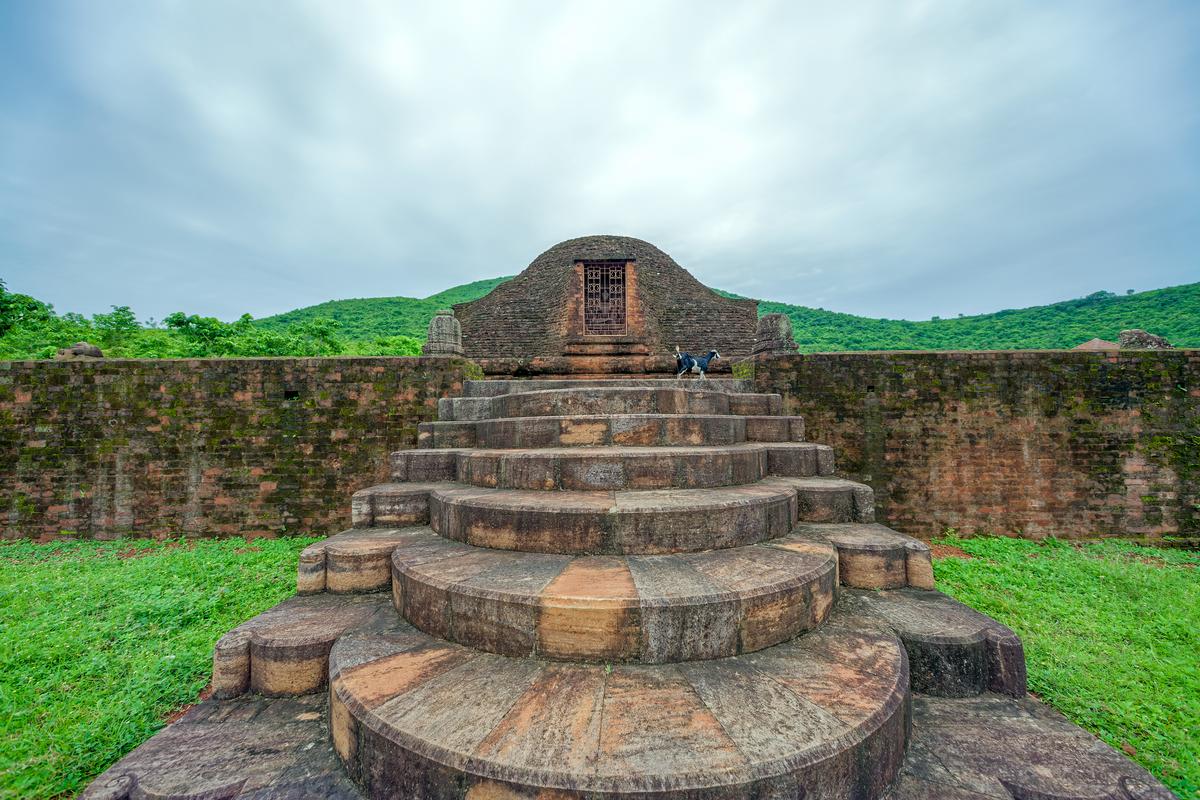
By the 8th-9th centuries AD, the stupa became a three-dimensional mandala, a cosmic diagram in brick and stone. The Mahastupa of Udayagiri, built on a high platform, contained four Tathagata Buddhas facing the cardinal directions, each flanked by paired Bodhisattvas — a direct reflection of the Garbhadhatu Mandala of the Mahavairocana Sutra (a core esoteric diagram). This was not merely a reliquary but a theatre for tantric visualisation, a space where monks and initiates could meditate on the cosmic Buddha Vairocana.

The Mahastupa of Udayagiri

The Mahastupa of Udayagiri
| Photo Credit:
Getty Images/iStock

Evolution in the East

Through all these centuries, the chaitya-griha or prayer hall area remained the real centre of devotion. Votive stupas multiplied there, images of Buddhas and Bodhisattvas were consecrated, and new shrines kept being added. Buddhist teachers and even Buddhist kings were declared Bodhisattvas and their tombs were turned into stupas. They were seen as sites of mystical and occult power.

As Buddhism spread eastward from India, the stupa evolved in form and meaning. In China, it merged with native tower traditions to become the multi-storeyed pagoda, symbolising ascent towards enlightenment. In Korea and Japan, the pagoda became more slender, often built of wood or stone and serving as temple centrepieces. In Southeast Asia — Sri Lanka, Myanmar, Thailand, Cambodia, and Indonesia — the stupa grew taller and more ornate, such as Borobudur in Java, representing a cosmic mountain. While Indian stupas held relics, East and Southeast Asian versions emphasised visual symbolism, ritual circumambulation, and the merging of local architectural aesthetics.

The Piprahwa relics remind us that this is not just history. The stupa tradition is alive because the relic still matters — spiritually, culturally, even legally. India fought to stop their sale because they are not just objects, they are living heritage.

Devdutt Pattanaik is the author of 50 books on mythology, art and culture.

Published – December 19, 2025 10:51 am IST


Source link

Bengaluru’s Comic Con 2025 offers wholesome family fun


Scenes from a previous edition of Comic Con

Scenes from a previous edition of Comic Con
| Photo Credit: Special Arrangement

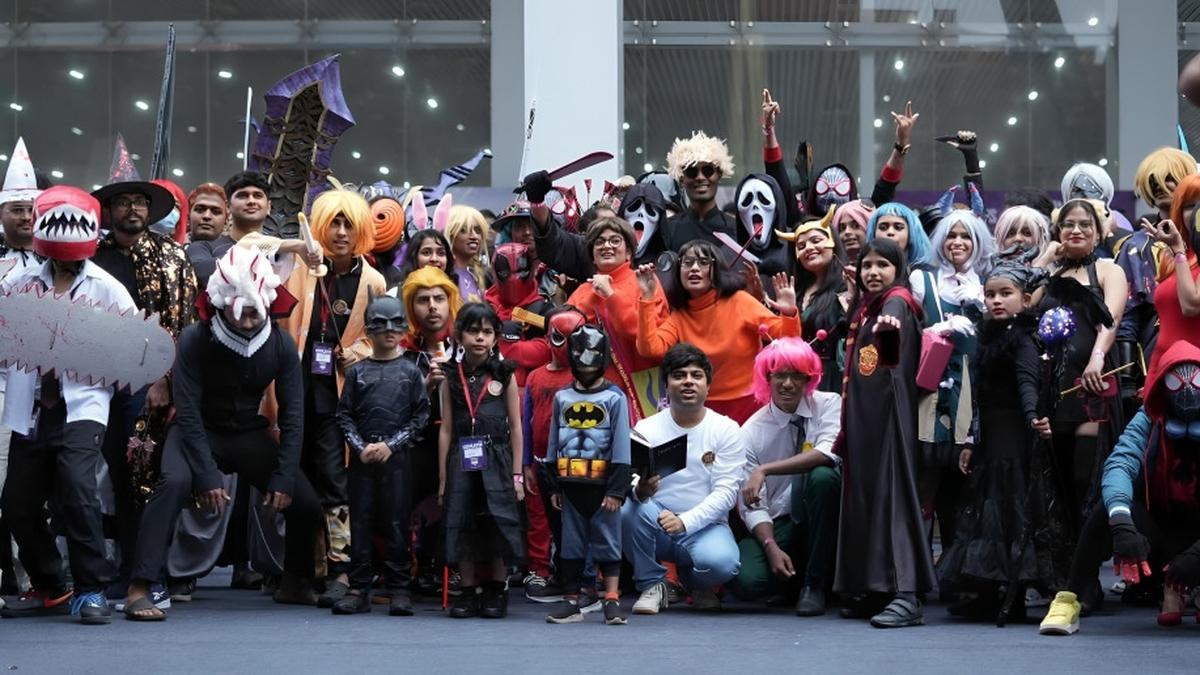
Comic Con is where generations come together, says Shefali Johnson, CEO, Comic Con India. “You can see parents and their children exploring their respective loves for pop culture; it could be Archie’s or Chacha Chaudhuri for the grownups, while the youngsters pursue a Demon Slayer or a new IP in the anime world.”

With Comic Con 2025 right around the corner, Shefali shares how no two editions of the event are ever the same. “We get different artistes every year and the lineup changes. As a result, the experiences brought about by our partners, are distinct too. In this way, we ensure visitors do not feel like they’ve been here before, while the vibe eternally stays the same.”

Some of the highlights of this year’s line up include international artistes such as Peter Ngyuen known for his work with DC and Marvel Comics; actor Chloe Hollings, the voice of Overwatch’s Widowmaker, and Robert Capron, the writer and actor who played Rowley in the Diary of a Wimpy Kid trilogy.

Homegrown talent will see over 20 top Indian creators, storytellers and illustrators sharing space over two days. This includes the likes of LiloRosh, Axis Williams, Urban Takes, Acid Toad and others, with performances by Kumar Varun, The Fluteboxers, Sahil Shah, Kevin Noel Sequeira and others. Needless to say, it took the team the better part of a year to curate their guest list.

Visitor at a previous edition of Comic Con

Visitor at a previous edition of Comic Con
| Photo Credit:
Special Arrangement

Shefali says, “Though the offerings change every year in keeping with what is trending in pop culture, most of our partners have been with us ever since they first experimented with Comic Con.”

“There will definitely be something to entertain every visitor to Comic Con; music, comedy shows as well as new books and comics that will be launched. It is an experience you enjoy with friends and family. I would say people come to create memories.”

Bengaluru Comic Con 2025 will feature exclusive experiences at the Maruti Suzuki Arena Zone, Android Land and NODWIN Gaming Arena Zone, and more, apart from the expected cosplay showcases and immersive activities.

Bengaluru Comic Con 2025 will be held at the Karnataka Trade Promotion Organisation, in Whitefield, on December 20 and 21. Tickets starting from ₹999 available on District. For schedule of events log on to comicconindia.com


Source link

Samji Arattupuzha’s new song captures the nostalgia of Kerala church band music


‘O thappu kottu, thakilu kottu…,’ a new composition by veteran musician Samji Arattupuzha, instantly transports listeners to the courtyard of a Kerala church. The song, which dropped on YouTube two weeks ago, recreates the joyful verve of a Malayali Christmas carol. Samji employs drums and clarinet to create a textured soundscape that evokes a nostalgic Christmas spirit. 

Rendered by a group of singers — Ramesh Murali, OU Basheer, Sreekanth, Nimya Lal, Ashitha Prakash and Angel Mary — the song is the latest addition to Samji’s repertoire of over 500 Christian devotionals.   

A composer and singer, Samji, 72, says he approaches each song with an intention of making it sound different. Known for using instruments such as the shehnai, sarod, sarangi and sitar that are not often conventionally used in Christian devotional numbers, Samji’s repertoire is a unique mix of influences. “I like to experiment with ragas, too. I have used Mukhari, Haimavathy, Kamboji, Parpathy, Anandabhairavi, Bihag and ragamalikas in these Christian devotional numbers, which was not the norm and I enjoyed the challenge of making the songs work. Many of these songs were hits,” he adds.  

Having started his career in the 1970s, he has worked with all the prominent names in the Malayalam music industry. “It is the sheer passion for music that has brought me this far,” he says. “I started singing quite early in my life – when I was just eight or nine with no formal training. And the interest grew with me. I won prizes at school and college level festivals, including the first prize for light music at Kerala University,” he reminisces. 

His first music teacher was Rugmini Amma, a gold medallist at the Madras Music Academy; he later had a few eminent musicians whom he considered mentors. “But I am still learning, that is the thing about music. The more you learn, the more aware you become of how little you know,” he says. In 1973, he cleared the audition at Akashavani, where he got an opportunity to present his  first composition, ‘Devalaya Nada Thurannu….’

A screen grab of the song ‘O thappu Kottu...’

A screen grab of the song ‘O thappu Kottu…’
| Photo Credit:
Special Arrangement

It was also when a representative of Columbia Music happened to listen to Samji’s songs. Impressed, he suggested that Samji could try his luck in Chennai and encouraged by the idea, Samji left for Chennai in the hope of recording an EP. The decision proved a turning point as Samji sang four songs in an EP and it became a hit. He went on to work with accomplished singers Yesudas, S Janaki, Jayachandran, B Vasanthi, Ambili, Vani Jayaram, and SP Balasubramaniam, for major record companies including HMV, Polydor, Columbia and Inreco. 

He also assisted gospel musician Peter Ruben in composing at the Madras Christian Arts and Communications. 

Samji chose devotional songs because of the freedom it gave him. Film songs were restrictive in terms of the theme, while devotionals gave him all the space for channeling his creativity, says Samji. However, he has composed songs for seven Malayalam films and television serials. His first movie was Aaghosham, directed by TS Saji. He also found time to sing. 

Samji’s rich musical oeuvre includes Hindu devotional songs and Mappilapattu as well. “I listen to the new songs that are coming out, the new singers who are making a mark … I keep myself updated.” 

Samji believes the lyrics lead the way to the tune. “I get the lyrics into my head first. Then I play the shruthi on the harmonium, notate and then I start exploring my possibilities with the song.”

He is currently working on a set of morning prayer songs. “There is never a day without music in my life, and there never will be,” he says. 

O Thappu Kottu Thakilu Kottu’ has been produced and written by Chev. Kuriakose Thadathil. The song is on YouTube.

Published – December 19, 2025 12:08 am IST


Source link

From snakes to tigers: Ishan Shanavas talks about his debut book and wildlife passion


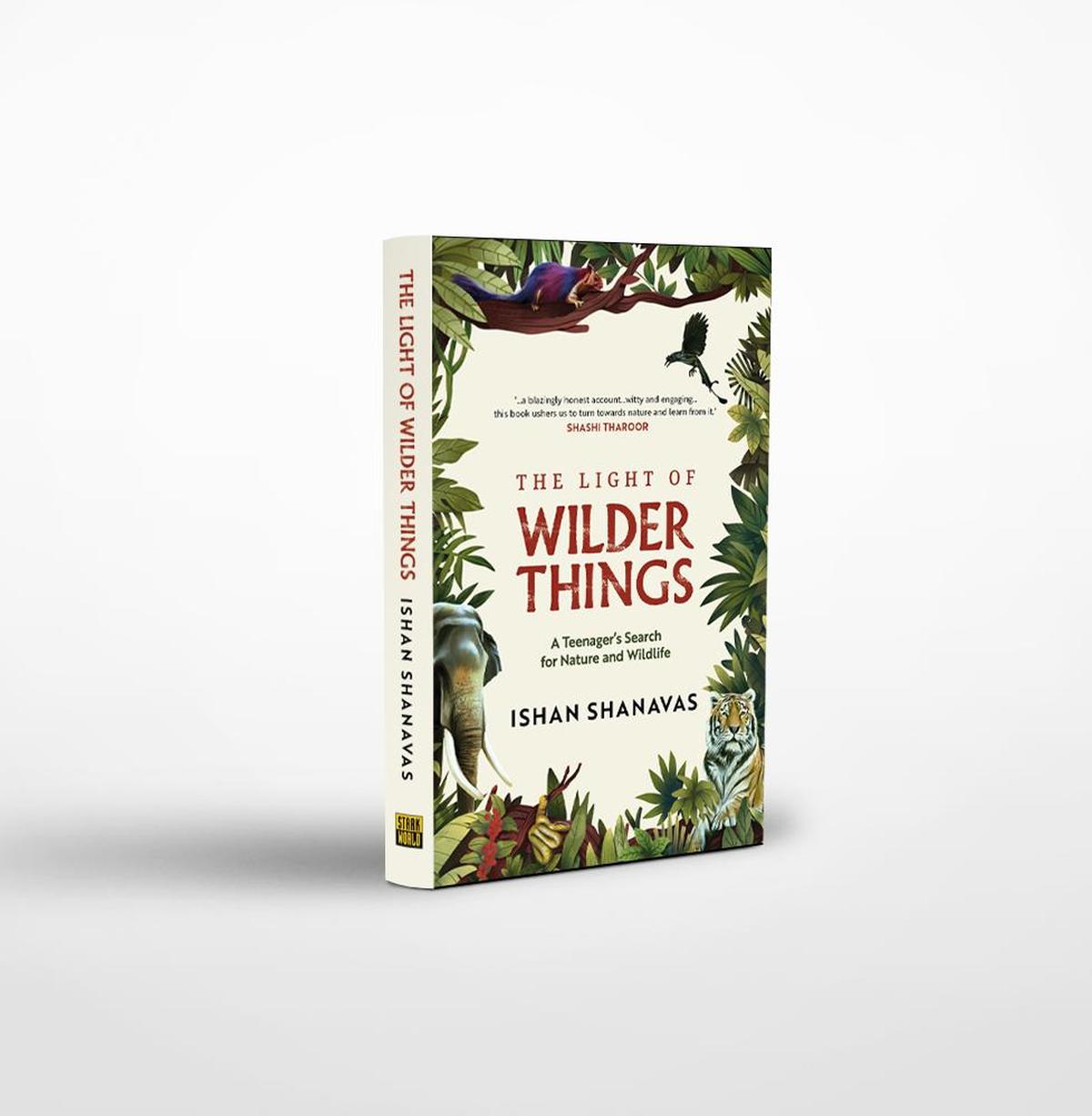
Ishan Shanavas’ debut book The Light of Wilder Things opens with an intriguing preface. “In 2017, I was a restless 14-year-old, adrift with no clear direction in life. I encountered a tiger in a forest and my life’s course shifted forever…” it reads. 

The pages that follow capture the same intrigue and excitement that Ishan feels each time he is out in the wild. “Right now as I breathe, there are creatures out there with beating hearts just like mine,” he says. Ishan was in Kochi recently to speak about his book at a literary event. 

The book

The book
| Photo Credit:
Special Arrangement

The book is on Amazon’s best seller list and has already sold over 5,000 copies in less than five months. 

Wildlife has been part of Ishan’s life, an interest that was sowed in his early childhood, by his parents Priya Shanavas and Shanavas PN, who took him along on their Nature travels. His parents, based in Bengaluru, were part of a project in Ladakh, building artificial glaciers that helped farmers access water during the summers. “Between six and 12 years of age, I have been to Ladakh many times — we would make two to three trips every year. I believe it is this exposure to Nature that shaped my thoughts and interests,” he says.

The interest was further enriched by his alma mater Rishi Valley school in Andhra Pradesh, where he explored the surroundings freely, constantly delighting in the joys of the natural world. “This is where I developed a deep interest in birds and snakes…Every wildlife book in the library has my name on it,” he says. 

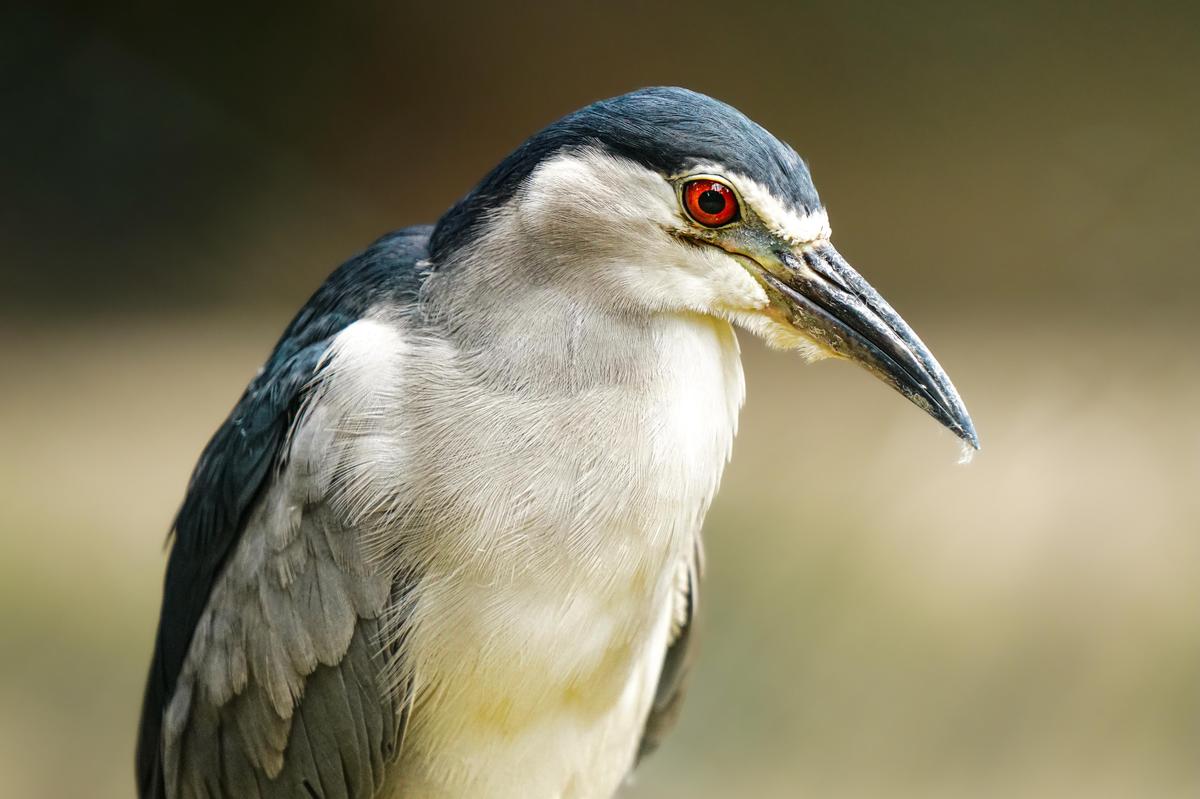
The black-crowned night heron clicked by Ishan Shanavas

The black-crowned night heron clicked by Ishan Shanavas
| Photo Credit:
Special Arrangement

Every year, the school would organise student excursions for experiential learning outside the classroom and on one such session, when Ishan was in Class nine, the theme was Nature and he got the opportunity to visit Agumbe, a village in Karnataka, one of the best places to observe snakes in India. It helped that Ishan was “obsessed with snakes” at that point. A chapter in the book is devoted to this excursion where Ishan witnessed the rescue of a king cobra. “The snake’s gaze seared into mine … They did not scare me or offer comfort; they peered into a void within me that I had never known,” writes Ishan. 

The 22-year-old’s felicity with language is evident in the way he recounts his experiences and encounters in the wild. “This book was always in the making. I only formally started work on it when my father suggested that I could try my hand at writing. I was only 19 at the time. For over two and a half years, I worked on it. It went through 11 drafts,” says Ishan. He was part of a writing community, which helped his method and process. “Writing the book was the hardest thing I have ever done,” he laughs. 

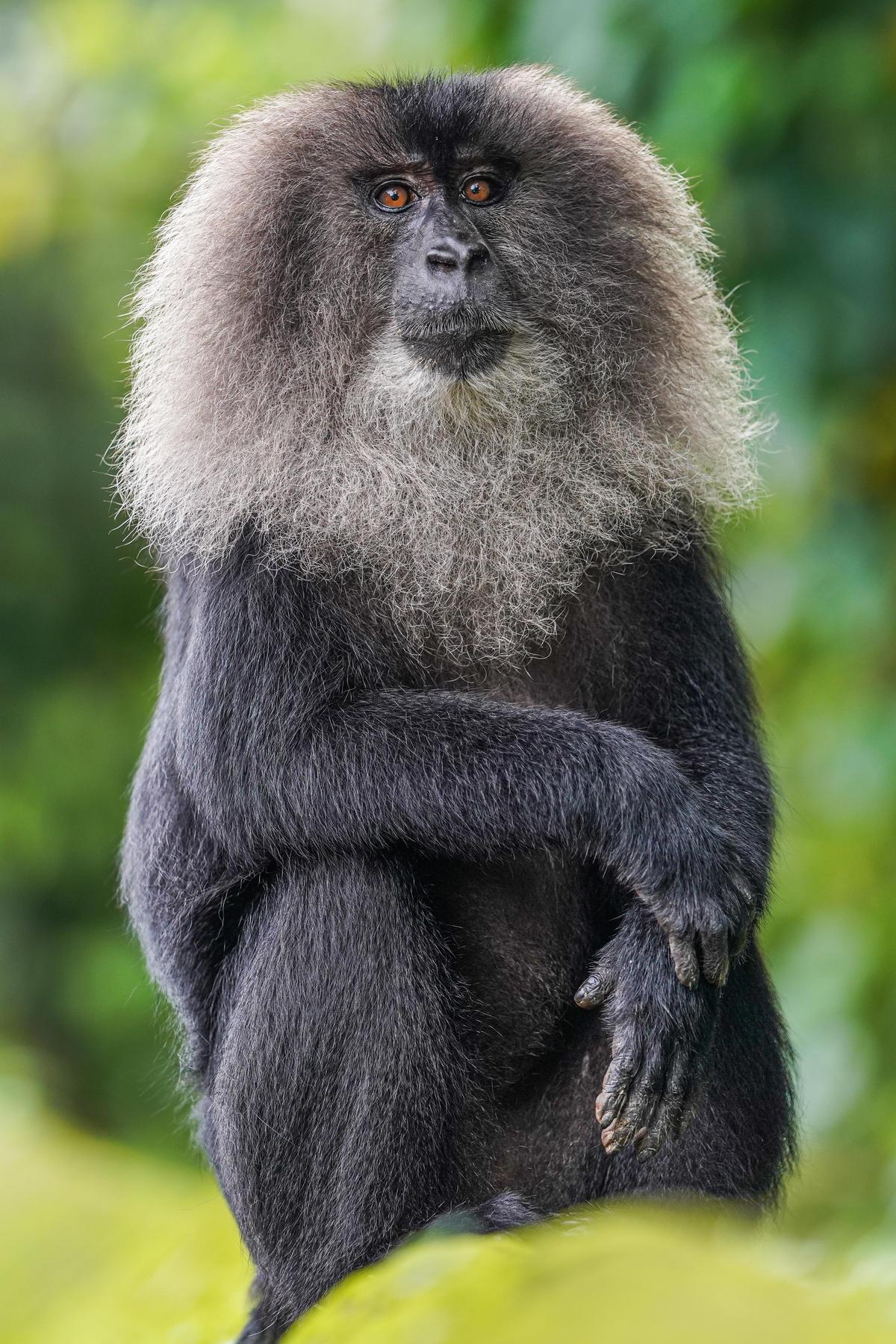
Lion-tailed macaque clicked by Ishan Shanavas

Lion-tailed macaque clicked by Ishan Shanavas
| Photo Credit:
Special Arrangement

In addition to photographs taken by Ishan, the book also features his illustrations of many of the creatures he encountered. “It was my mother who gave me the idea that I could illustrate my own book,” says Ishan. 

From the endangered Bengal tiger to the tiny Kerala warty frog, Ishan approaches each of the creatures with a sense of respect while describing them. He provides context, information and brings in a touch of emotion. 

The book is a young naturalist’s field guide to the wild and the creatures in it, written poetic flair.  

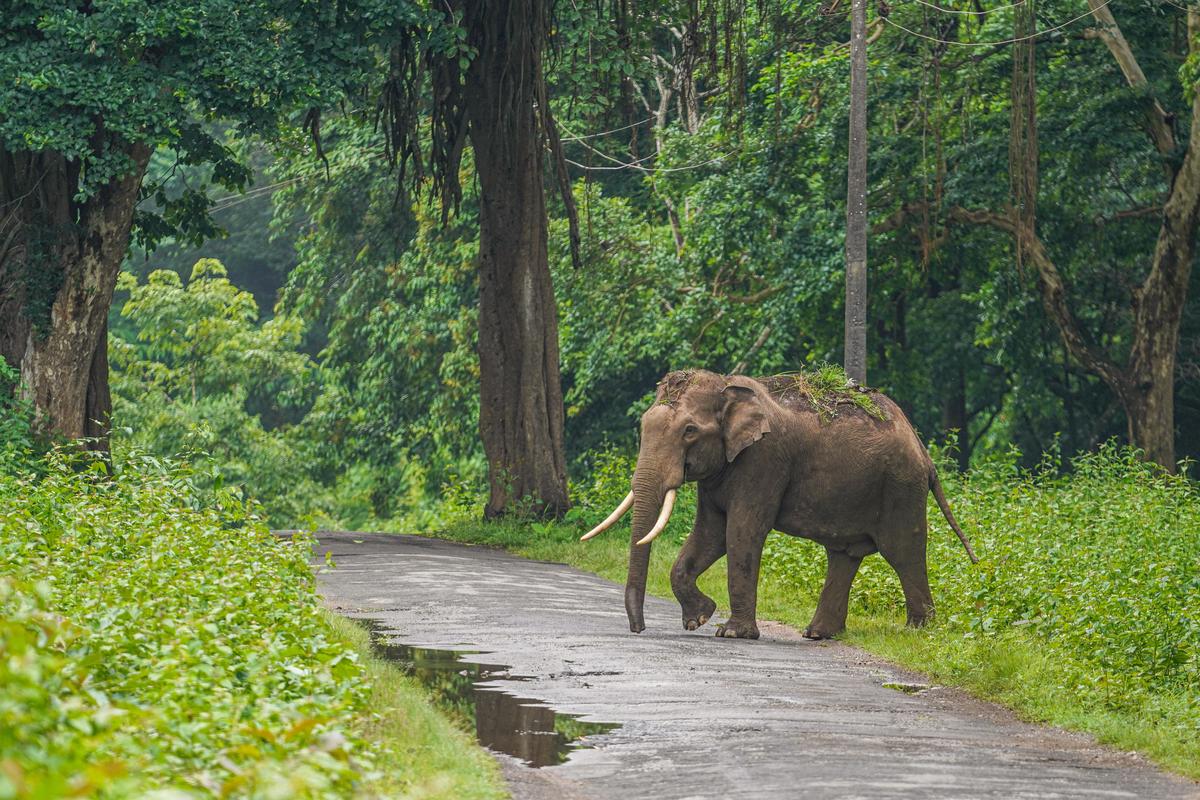
Male Asiatic elephant photographed by Ishan Shanavas

Male Asiatic elephant photographed by Ishan Shanavas
| Photo Credit:
Special Arrangement

Should one ask a naturalist about his favourite creature? “No,” laughs Ishan. “But right now, I am fascinated by whales,” he says. 

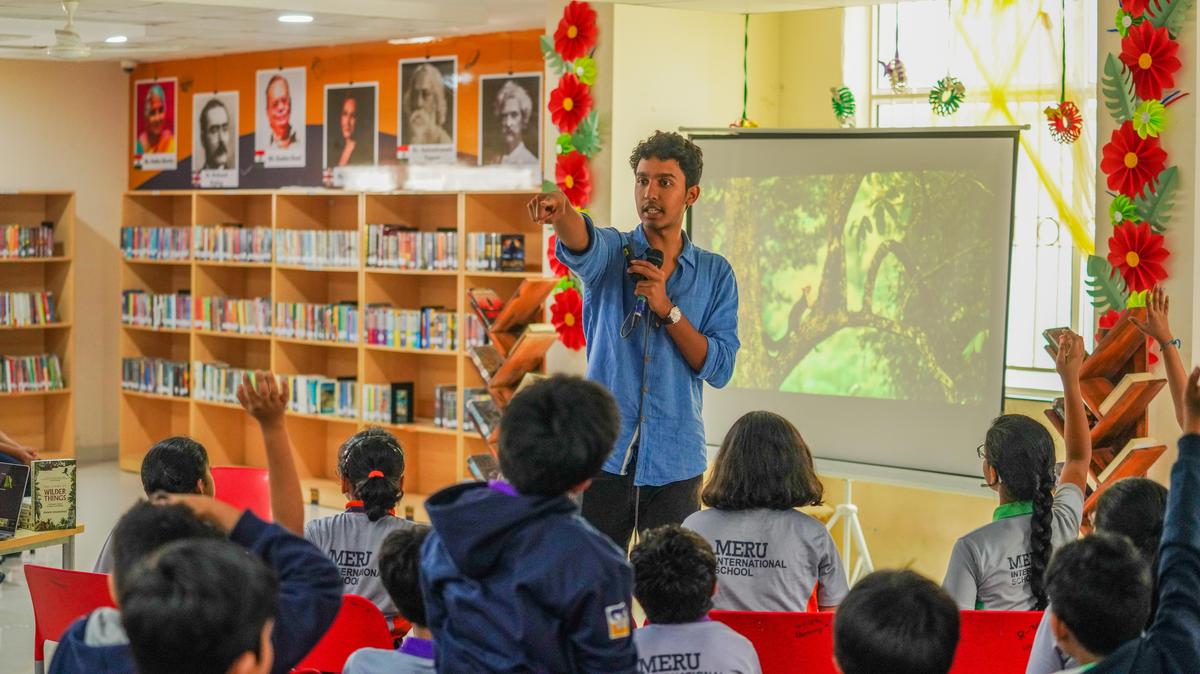
Ishan Shanavas during an Eco-Inspire session

Ishan Shanavas during an Eco-Inspire session
| Photo Credit:
Special Arrangement

Inspiring children

Ishan, who completed his undergraduation in Environmental Studies, Entrepreneurship and Sociology from Ashoka University, Delhi, is a podcaster and TEDx speaker as well. He founded Eco-Inspire, an education programme that aims to bring the wonders of wildlife and sustainability into classrooms across India. Through storytelling, photography and interactive sessions, Ishan aims to inspire a sense of curiosity in children for wildlife.  When he launched it in May 2025, the goal was to reach out to 10,000 students across the country, but Ishan was able to reach 27,000 students across 20 cities and five States.

In these one-hour sessions, Ishan walks the students through the basics of wildlife and conservation. Through puzzles and games, he gets them to interact. “The students’ enthusiasm is testament to the power of Nature and its ability to inspire,” says Ishan.

The Light of Wilder Things is available on Amazon ₹499.

Published – December 18, 2025 11:58 pm IST


Source link

Malayalam celebrities on the best thing about Christmas and the festival menu at their homes


An illuminated view of St Thomas Latin Catholic Church, Poonthura, ahead of Christmas celebrations

An illuminated view of St Thomas Latin Catholic Church, Poonthura, ahead of Christmas celebrations
| Photo Credit: PTI

The season of lights, cakes, stars, music, food, and many things that exude joy has arrived. A few celebrities ruminate on the magic of Christmas and the food they relish.

Job Kurian

Singer-composer

Singer-composer Job Kurian

Singer-composer Job Kurian
| Photo Credit:
SPECIAL ARRANGEMENT

The best part of Christmas is being with the family. It is also that time when I catch up with friends and cousins whom I may not have met for a long time. If there is a stage show on the same evening, there is nothing better than that. I often remember the Christmas days spent at my mother’s place as a kid, especially the carol groups coming home. There was a phase when I was scared of Santa!

As for the food, the day begins with palappam and mutton stew. For lunch, my mother makes chicken biriyani and a special pineapple pudding, layered with chocolate and vanilla, which is a nostalgic thing for me. And I always prefer the fondant cake. I think only that can give me the Christmas-y feel; it is part of my childhood.

Jis Joy

Director

Filmmaker Jis Joy

Filmmaker Jis Joy
| Photo Credit:
SPECIAL ARRANGEMENT

I share my birthday with Jesus Christ and that is the best thing about Christmas! A reason why this is also my favourite season with the lights, stars and a chill in the air. My first movie, Bicycle Thieves, is set in a Christmas season. The first song I wrote was for the movie, ‘Mele vaanile’, which was shot during that time. In fact, I love to feature Christmas in my movies. Coming to the food, once we all are back home after the midnight mass by around 2.30-3 in the morning, we break the fast, usually with appam and stew, and then go to sleep. Instead of breakfast, we have brunch, which is a sumptuous affair — palappam, kallappam, puttu, chicken and beef dishes, cutlets, pickles. Vegetarian dishes are few. In the evening, the family goes out for a drive, catch up with friends and have ice cream.

Stephy Zaviour

Director-costume designer

Stephy Zaviour

Stephy Zaviour
| Photo Credit:
THULASI KAKKAT

Christmas evokes nostalgia and that is the best part of the festival for me. I go back to the simple yet heartwarming festivities at my native place in Wayanad. Like the practice of choosing Christmas friend in school who is revealed only on the day of gift exchange or going around with carol groups in the neighbourhood and getting those eats and treats from the houses we visit. In the last few years, Christmas has been about making yummy food in my kitchen.

Come any festival, the staple at my home in Wayanad is the neychoru (ghee rice) and chicken curry whereas I make biriyani at my place.

Stephen Devassy

Musician

Musician Stephen Devassy

Musician Stephen Devassy
| Photo Credit:
SPECIAL ARRANGEMENT

Family is the first priority in my life and so spending time with them is the best thing about Christmas – my parents, wife, son, sibling, his family… I am what I am because of all of them. I try my best to bring all of them together and also catch up with friends. I love to soak in the vibe of carols. I am also quite nostalgic about the cool breeze that blows during this time back home in Palakkad as I am taken back to the simple joys while growing up.

I am a foodie and relish all kinds of home-made food on Christmas day — appam, stew, the non-vegetarian spread for lunch, cakes etc.

Nithya Mammen

Singer

Nithya Mammen

Nithya Mammen
| Photo Credit:
SPECIAL ARRANGEMENT

It is a magical and musical time of the year. It is all about pure love, joy, the concept of sharing and togetherness. I personally love the festive songs and carols. I start listening to them from November end. To see the world celebrating this season makes the spirit of Christmas more magical. And the food at home is appam and stew. Carrot cinnamon cake also will be there that day.

(With inputs from Shilpa Nair Anand)


Source link