Life & Style

Homegrown artists creating 2026 calendars


We help you knock off one more thing for your 2025 to-do list: shopping for that perfect calendar for the coming year. This time around, homegrown artists have taken their love for cities and its architecture, food, and everyday life to craft these calendars. Some that grow with you over the years and can be used beyond 2026. 
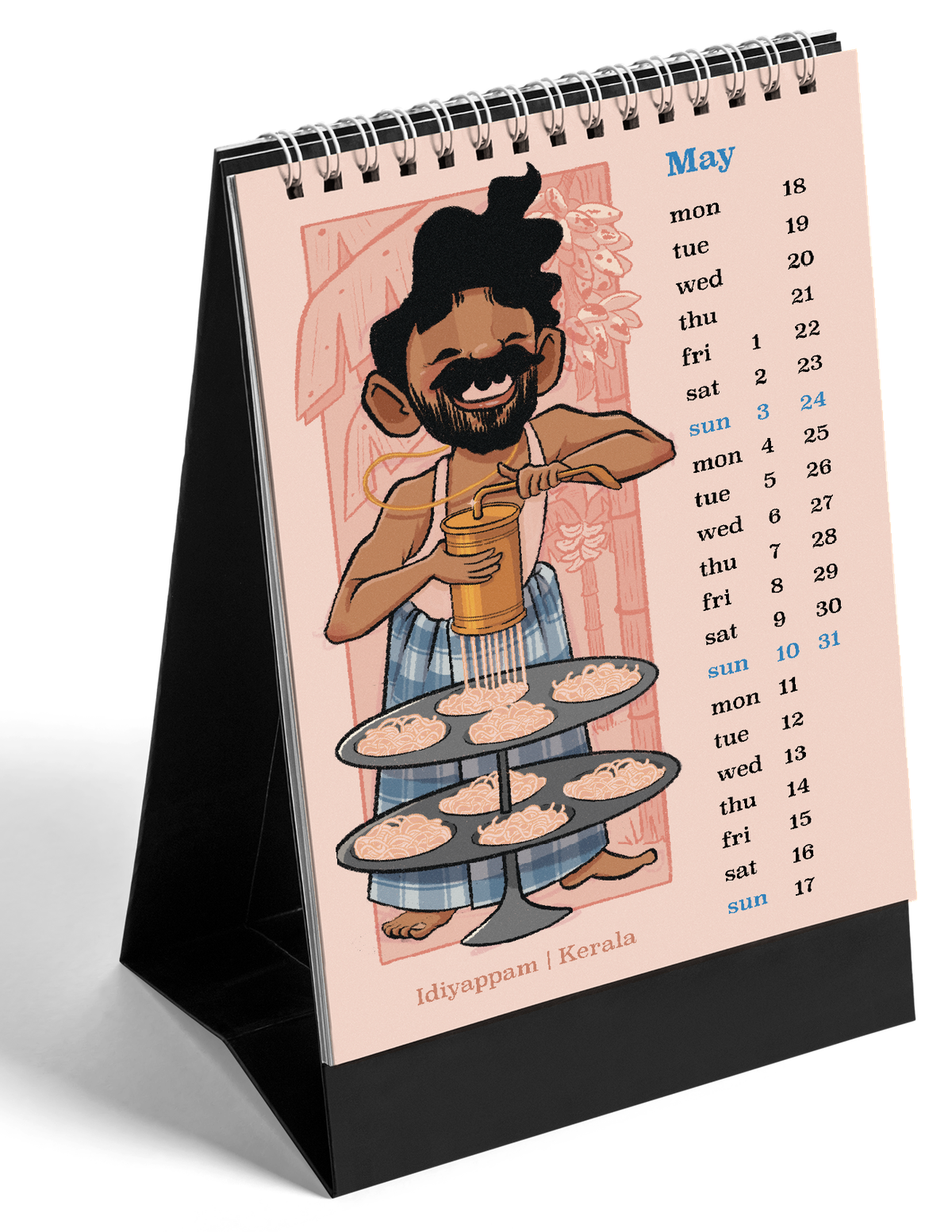
The noodle calendar illustrator Vijaya Aswani

The noodle calendar illustrator Vijaya Aswani
| Photo Credit:
Special Arrangement

CALENDARS

Noodles of the world @Spree Firit

What better way to kickstart the year than with some culinary inspiration? Illustrator Vijaya Aswani has dedicated her 2026 calendar to the noodle and its various versions across the world. January is dedicated to Japan’s ramen, April to India’s falooda, October to the fideuà from Spain, and December to the Malaysian me goreng, for instance. “The calendar has 12 noodle-shaped dishes from around the world and their chefs. I love drawing noodles that look edible in 2D along with colourful, traditional outfits on my warm, smiling characters,” says the Bengaluru-based artist. “My favourite layout is the idiyappam and stew one for the month of May. The spread has a Malayalee character making massive idiyappams in his checkered blue mundu.”

₹690 on www.spreefirit.com

Art by Saara ST

Art by Saara ST
| Photo Credit:
Special Arrangement

Art forward @Saaras Art Desk

Art became Saara ST’s lifeline in 2019 when everything around “felt uncertain and out of control”. “I was at a point where most people would have given up, and many even questioned why I still chose to draw. But art was the only thing that made sense to me when nothing else did. It gave me peace when I had none, and slowly, it gave me back myself,” says the full-time artist based in Tirunelveli who dabbled in portraits, zentangle patterns, and mandalas before turning to digital art in 2019. “When I discovered digital art, I felt a new world had opened before me. I learned the tools one by one, often by trial and error, and over time, it became my language,” says Saara, whose 2026 calendar is titled The Artist’s Way. “It is an ode to the artists’ way of living, the everyday chaos, little messiness and the quiet magic that comes with creating. The calendar encourages everyone to choose any kind of art to engage with.” 

₹850 on saarasartdesk.com
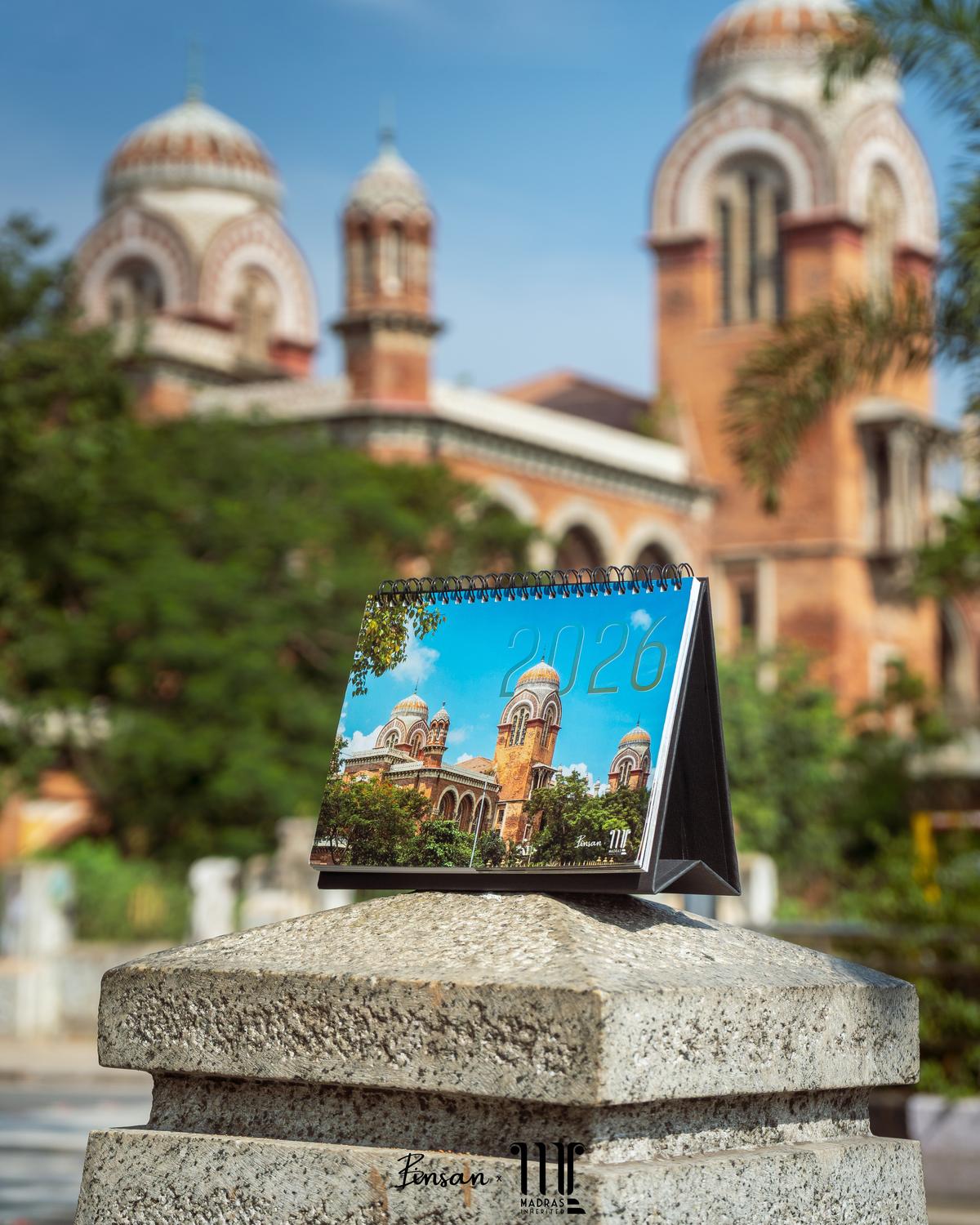
Madras Inherited x Binsan Oommen Baby Madras calendar

Madras Inherited x Binsan Oommen Baby Madras calendar
| Photo Credit:
Special Arrangement

Cityscapes @Madras Inherited

This year, the city-based initiative that spotlights Chennai’s heritage has dedicated its annual calendar to the city’s Indo-Saracenic style of architecture. Now in its sixth edition, the Madras Inherited x Binsan Oommen Baby Madras calendar features vibrant photographs of Central Station, Madras University, among others. “This distinctive style, unique to Chennai, gained prominence after 1857, a period marked by significant shifts in Indian policies and principles. While some view it as the pinnacle of Indo-European architectural innovation, it can also be interpreted as a strategic political instrument used by colonisers to shape Madras’s visual narrative,” says Ashmitha Athreya, trustee. At the end of each month, each calendar page can be turned into a picture card/ postcard. “The QR code located at the back of every picture contains something unique,” she adds. 

₹549. Details on madrasinherited.in
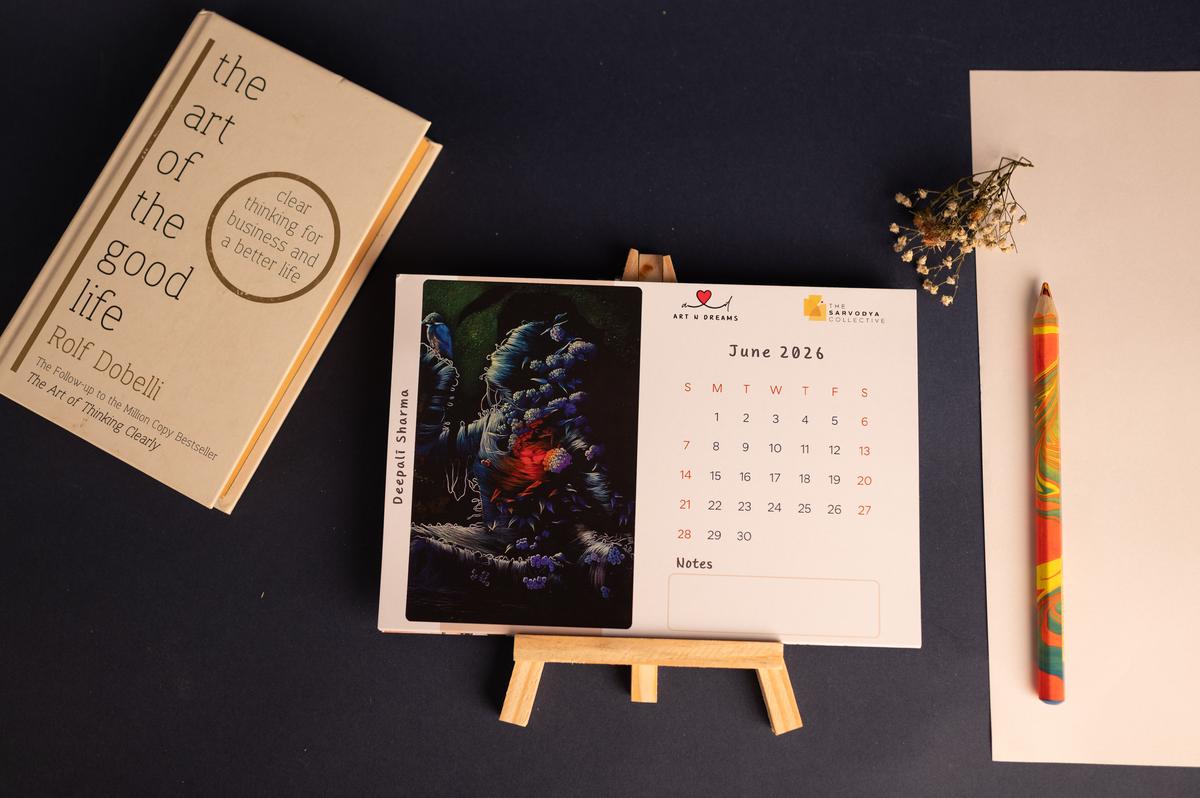
Art n Dreams’ easel-mounted desktop calendar for 2026

Art n Dreams’ easel-mounted desktop calendar for 2026
| Photo Credit:
Special Arrangement

Abstract expressions @Art n Dreams

Inspired by his younger brother Pranav Aggarwal, a 13-year-old artist with Down Syndrome, Gurgaon-based Lakshya launched a platform to showcase the work of neurodiverse artists. Their easel-mounted desktop calendar for 2026 features original artworks from 13 emerging neurodiverse artists. “From Pranav’s whimsical interpretations of everyday joys to the abstract expressions of fellow contributors, the designs draw from themes of resilience, joy, and self-discovery, rendered in mediums like acrylics, watercolors, and photography,” says Lakshya, adding that they also retail candles, bags, coasters, laptop covers, and more. The calendar also features profiles of the artists, their creative journeys, and the hurdles they have overcome in their journey. 

₹400. @artndreams.co on Instagram

A snapshot of Archana & Co.’s calendar

A snapshot of Archana & Co.’s calendar
| Photo Credit:
Special Arrangement

Kitty paws @Archana & Co.

This one is for cat aficionados. Design consultant Archana Rajagopal made her first calendar in 2019 and it has been an annual affair since. “I draw on my life and musings for inspiration. When I got my first cat, I found my favourite muse. I now have four cats, and they’re the heart of my calendars,” says the Mumbai-based artist. The 2026 calendar is Archana’s third cat calendar, but it takes a slightly different approach from the previous ones. “While my earlier ones featured cheeky life lessons, this one is warmer: it’s an affirmation calendar, where each month offers gentle encouragement and hope for difficult days. All of this comes from how I imagine my cats would use affirmations,” she says.

₹870 on aandcostore.com
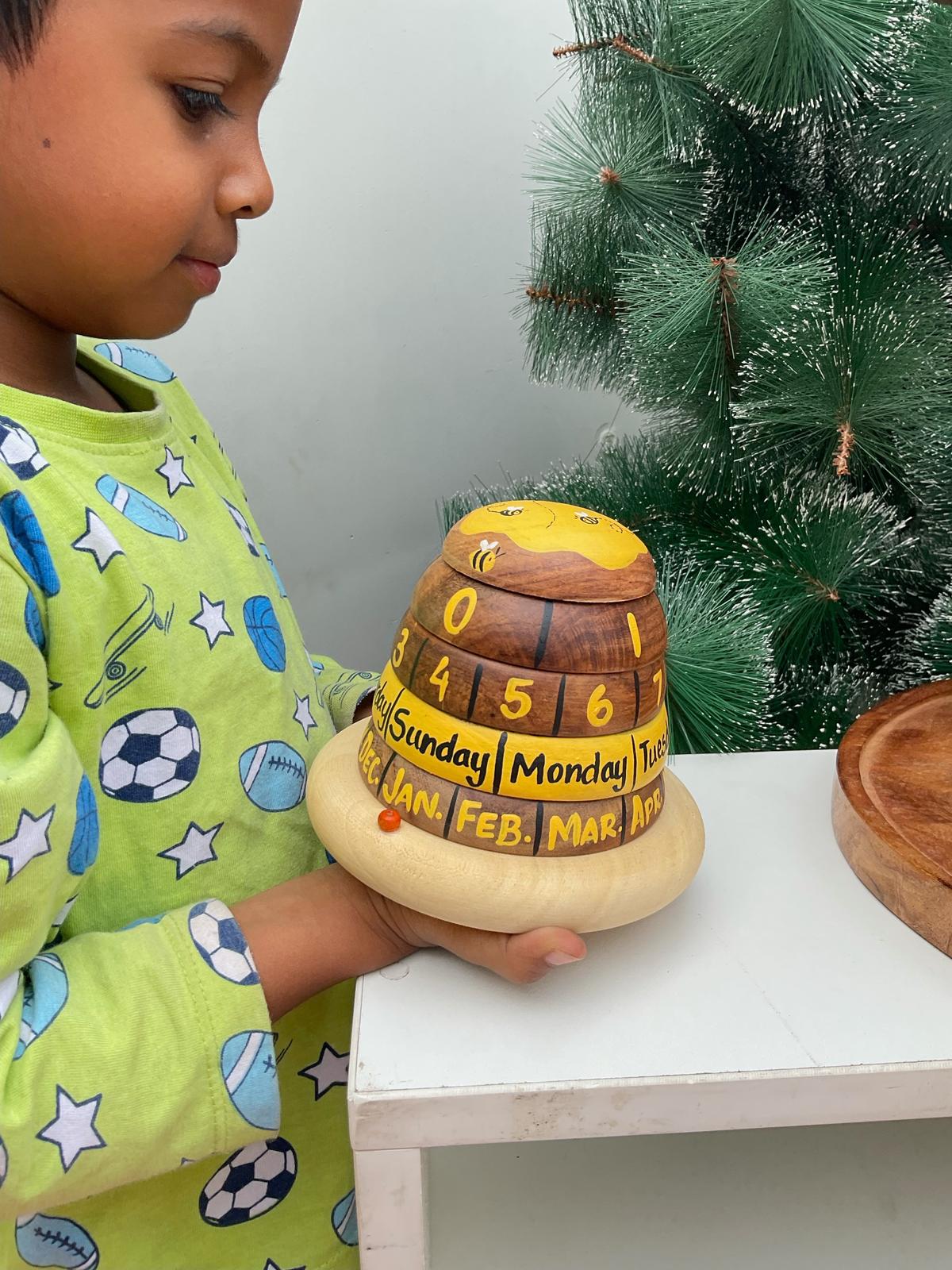
The perpetual Bee Vibe calendar by Nikila Perumal

The perpetual Bee Vibe calendar by Nikila Perumal
| Photo Credit:
Special Arrangement

Evergreen calendars @Picky Artz

While most calendars turn into art prints (at best) after the year is done, these two variants by artist Nikila Perumal are long-lasting variants. Titled Bee Vibe (₹1,499) and Evergreen Aura (₹1,799), the wooden calendars are crafted in wood and hand painted with non-toxic colours. “Each piece is created to be long-lasting, functional, and environmentally conscious, offering a timeless alternative to disposable annual calendars,” says the Coimbatore-based artist. “These are perpetual calendars and are meant to stay with you forever. Simply rotate the wooden blocks to set the correct month and date. Two numbered blocks allow you to display any date from 1–31, and a slim month block lets you switch the month easily. The mechanism is simple, durable, and designed for everyday use,” explains Nikila. The Evergreen Aura calendar symbolises “growth, grounding, and balance” and its design draws from trees. As for the quirky Bee Vibe, it centres around the honey bee and “nudges you to embrace your authentic self and live with joy”, says the artist who also crafts handcrafted wooden art, peg dolls, and décor.

@picky_artz on Instagram
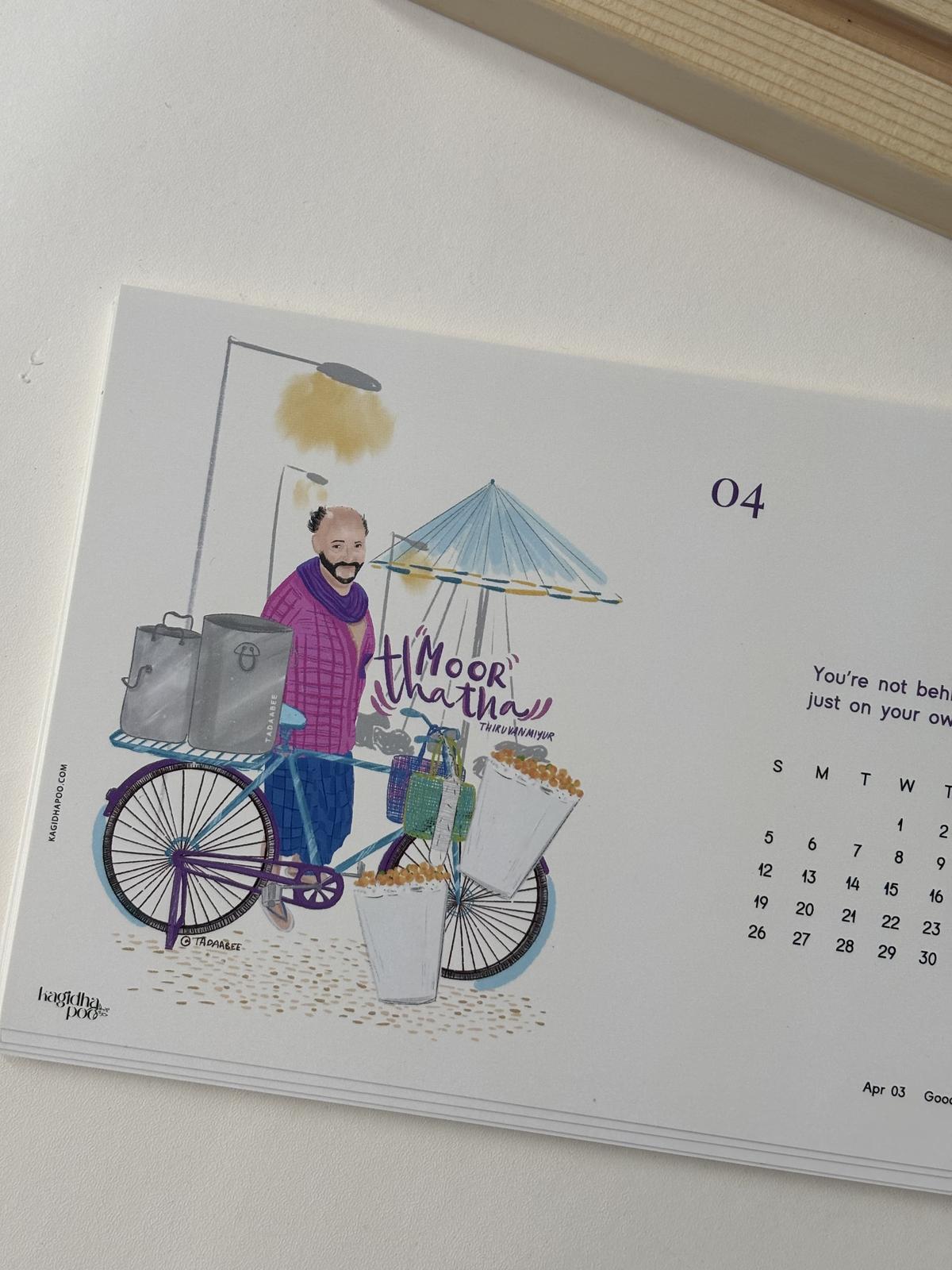
A snapshot of Abhirami Vaithiyanathan’s calendar

A snapshot of Abhirami Vaithiyanathan’s calendar
| Photo Credit:
Special Arrangement

Chennai-inspired @Kagidha Poo

Inktober prompts turn into vibrant calendars at Abhirami Vaithiyanathan’s brand that she launched in 2024. “I began illustrating under the name Tadaabee in 2021, mostly personal art inspired by everyday life in Chennai. I sold stickers and prints at small pop-ups, and as the products evolved into planners, notebooks and calendars, I launched Kagidha Poo as a dedicated merchandise brand.” The 2026 calendar collection features Comfort of Home dedicated to the everyday joys of a home; Chennai Food Trail that showcases Chennai’s iconic local food joints; A Year in Ink that was born out of an Inktober challenge; and A Year in Goals that is a “reminder of every New Year’s resolution we make and hilariously fail to stick to”, says Abhirami. 

Upwards of 999 on kagidhapoo.in

The calendar at Kaapi Clan

The calendar at Kaapi Clan
| Photo Credit:
Special Arrangement

Miniatures and more @Kaapi Clan

This newly-launched art brand by visual artist Sujata Gupta features her art in watercolours, with a special focus on florals and miniature paintings. In 2023, she printed her first batch of miniature desk calendars, and that was the seed that led her to launch the brand earlier this year. The 2026 edition is Sujata’s fourth calendar series and has a Cozy Garden Corners-themed variant; a colourable calendar themed on Jaipur titles; and another colourable one called Small Wonders that features ecological sites. “My watercolour hand paintings are printed on the calendars. Their mini size makes it easy to carry along too,” says the artist based in Dharmasala who also designs journals, colouring books, colourable sheets, planners, desk-friendly collectibles, and illustrated bookmarks.

Upwards of ₹399. @kaapi.clan on Instagram
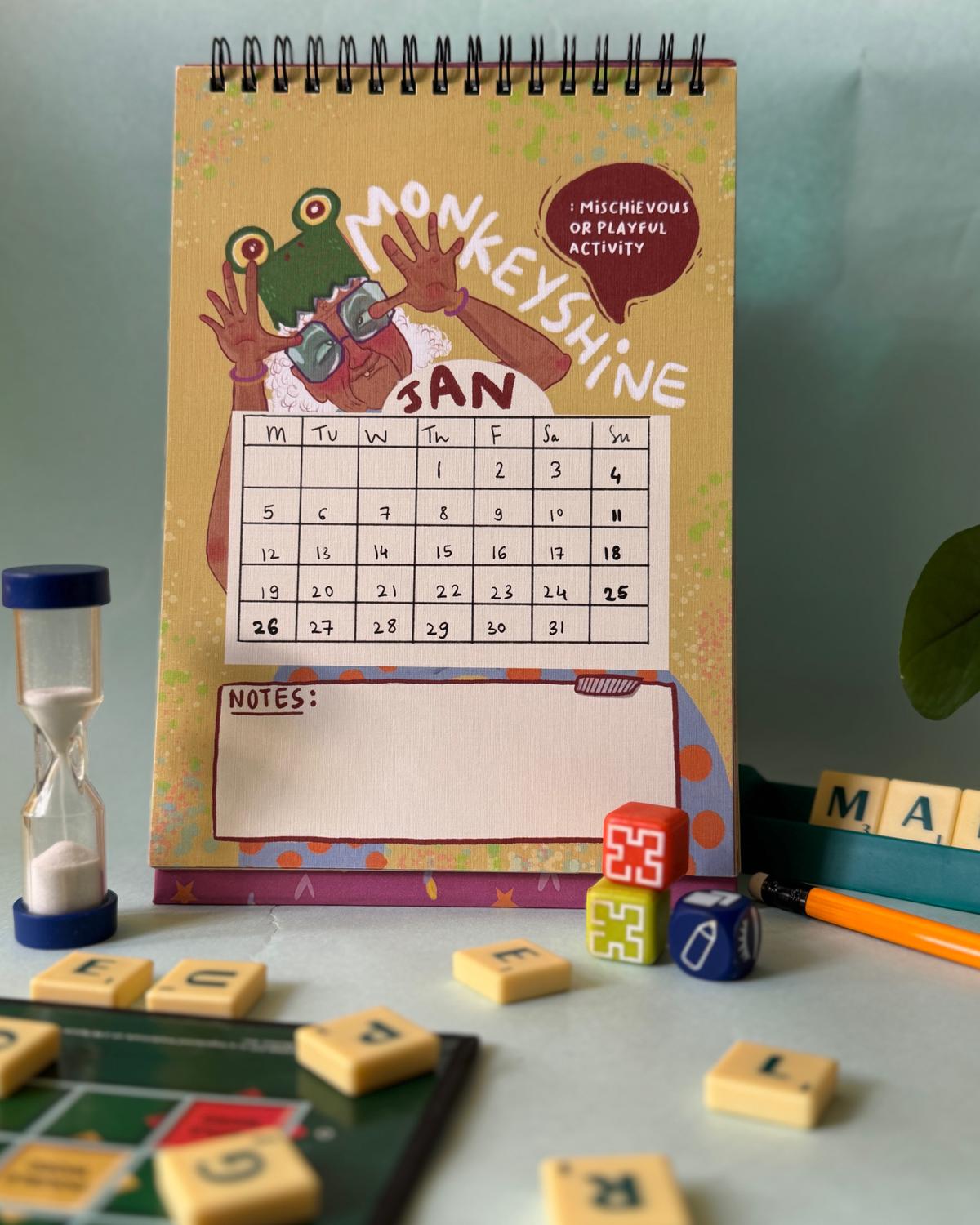
A spread from Mounica Tata’s calendar for 2026

A spread from Mounica Tata’s calendar for 2026
| Photo Credit:
Special Arrangement

State of whimsy @Doodleodrama

Designer Mounica Tata’s calendar for 2026 is aimed at nudging people to find light and laughter, everyday. Titled State of Play, it is designed “to adopt silliness and whimsy in all current situations, and to be in a state of ‘play’ quite literally”. “All the characters in the calendar are goofy looney old folks, further driving the idea that no matter what age we are, we must never lose our whimsy and wonder,” says Mounica. Each month’s spread highlights one long forgotten English word “that’s silly, light, nonsensical, and perhaps a little mad”. The calendar comes with space to write, a page for yearly goals, and important dates and notes for each month. “There are also two sticker sheets in the calendar and the stand (cardboard back) is also fully printed.”

₹800 on doodleodrama.com



Source link

Debrigarh sanctuary, a place that feels like a secret


Debrigarh Wildlife Sanctuary is a convergence of conservation, community participation, and history. Once affected by deforestation and poaching, the sanctuary has emerged as a model for modern conservation, where local communities play a central role in protecting wildlife and restoring balance to the ecosystem.

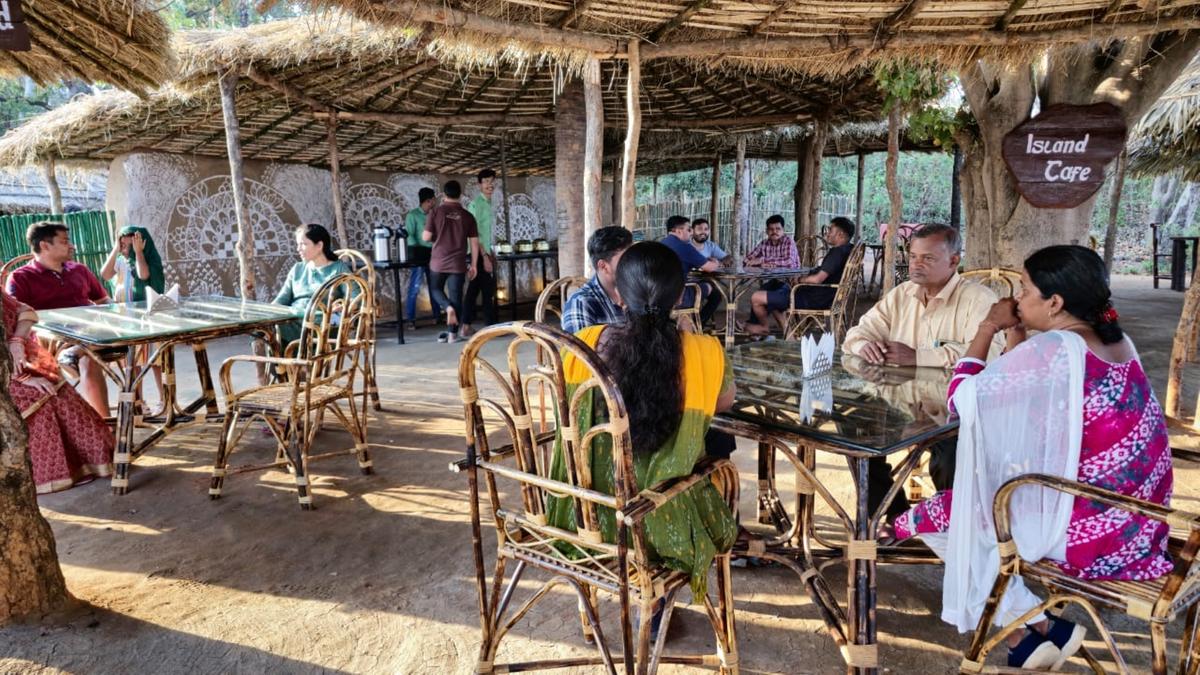
After a two hour drive through towns, crossing the coal and ore mining areas of Sambalpur (giving me Mad Max: Fury Road feels), the sights outside begin to change. We finally reach the dyke, an arm of the Hirakud Dam stretching 25 kilometres, and the view is cinematic. On one side lie the wetlands, their rippling waters glistening in the mid-morning sun; on the other, the forest sways to the rhythm of the wind.

Jeep Safari inside

Jeep Safari inside
| Photo Credit:
Special Arrangement

For a moment, I am tempted to stop — to absorb this balance of stillness and movement. But I have journey ahead, so I roll down the windows, switch off the air-conditioning and revel in the howling wind.— Nature’s own soundtrack for the car ride.

Debrigarh sits quietly between the Hirakud Dam and its vast reservoir, spread across 347 square kilometres of forest. Upon arrival, guests are welcomed by local tribal women of the Gond community, their voices rising in a warm urol, followed by a glass of chilled masala shikanji.

The camp is managed by local communities involved with ecotourism. Like many wildlife sanctuaries across India, Debrigarh offers a handful of stay options within the sanctuary. What sets it apart is its model of community-driven ecotourism—managed and maintained by members of local eco development committees, ensuring that conservation and livelihood go hand in hand.

Bat Island cafe

Bat Island cafe
| Photo Credit:
Special Arrangement

Situated on the banks of the Hirakud Reservoir, this camp features 20 air-conditioned rooms across three categories: seven cottage rooms, eight Bison Block rooms, and six luxury star-gazing rooms. Everything — from design and masonry to woodwork — is by local masons and carpenters. I stay at Bayu — an air-conditioned, double-bedded cottage ideal for families. It is not luxury in the five-star sense, but it is comfortable, clean, and thoughtfully maintained.
Sights and sounds

In the late afternoon, I take a boat ride through the creek to Bat Island, where the sanctuary staff and locals have set up high tea. We lounge on charpoys, strolled along the island’s edge, or simply watch the sun descend and the moon rise. I catch the crackle of something frying in oil — the unmistakable aroma of fresh fish. The menu is simple and satisfying: crisp mach bhaja (fish fry) for non-vegetarians and hot pakoras for vegetarians. The fish, small and locally caught, are marinated in salt and turmeric, then deep-fried to golden perfection.

The staff also pull out tins of jhal muri, serving it in paper cones. A couple of cups of tea later, a few guests stepped out to admire the night sky. As we eat, we star gaze: with no city lights to compete with, constellations shine bright. Dinner too is simple but tasty: masala mushroom curry, odiya dal (dalma) and chicken curry, all cooked by the team of the Forest Department.
Herd of Bison

Herd of Bison
| Photo Credit:
Special Arrangement

I wake up early the next day to walk, accompanied by peahens and geese. With no mobile network at Debrigarh, nature becomes your only connection. What stands out are the anthills — some nearly six feet tall. No two look alike, their rampart-like structures giving them a sculptural beauty. I head towards the lake where yoga enthusiasts are deep in their morning routine and bask in the soft winter sun.

Like most wildlife sanctuaries, Debrigarh has a fleet of safari jeeps, driven and managed by forest staff who are trained locals from the tribes that live here. The seven-kilometre drive to enter the safari area tests my back: but on the bright side, we spot sambar deer, Indian bison, peacocks, and wild boars. The dry deciduous forest is also home to an array of migratory birds.

Birds inside the sanctuary

Birds inside the sanctuary
| Photo Credit:
Special Arrangement

Forest officer Anshu Pragyan Das says that Debrigarh is also home to the four-horned antelope or chousingha, an endangered species. She adds, “The sanctuary supports more than 40 species of mammals, 234 species of birds, 41 species of reptiles, 12 amphibians, 42 fishes, 39 odonates, and 85 butterflies. It also has significant populations of leopards, bison, and chousingha. During the monsoon, visitors can also witness beautiful waterfalls.”

The safari includes a short stop at a watchtower, where we are served tea and snacks — an interlude to take in the vast, green expanse. Debrigarh, in many ways, reminds you that wilderness need not be far-flung to feel otherworldly. Sometimes, all it takes is a drive, a quiet island, and the hum of the wind to remind you how still the world can be

Accommodation ranges from ₹3095 to ₹5571 per night. Booking can be done through odishatourism.gov.in Facility of day trips are also available.

(The writer was in Debrigarh on invitation of Sambalpur Tourism)

Published – December 09, 2025 02:56 pm IST


Source link

Kutty Kutchery Festival 2025: What to expect at this unique Chennai Margazhi experience


Artists part of the ‘Kutty Kutchery Festival 2025’ line-up

Artists part of the ‘Kutty Kutchery Festival 2025’ line-up
| Photo Credit: Special Arrangement

December is here. It is that time of the year when sweaters and monkey caps make an appearance to battle chilly Chennai evenings.

It is also that time of the year when Carnatic music and classical dance play out in various sabhas (performing spaces). But the sabha can be intimidating for some, and a little too formal for others.

At Kutty Kutchery Festival 2025, which kickstarts in the city this Saturday (December 13), the tone is intentionally informal and conversational — ensuring proximity, dialogue, and connection between artiste and audience.

The current third edition of the 10-day festival will be a celebration of Indian performing arts, including 10 performative conversations across classical, folk, contemporary dance, music, and theatre. “From Carnatic music to classical Portuguese traditions, from traditional and experimental natyam — spanning classical, folk, and contemporary storytelling — to musical shadow puppetry, from ancient instrument ensembles to contemporary classical works and vibrant tribal music, this edition gathers artistic voices that are reflective, fearless, and reshaping the contours of creative expression,” says Laasya Narasimhachari, founder-director, Rasoham, a public charitable trust and multi-venture arts organisation, which curates the festival.

Laasya Narasimhachari, founder-director of Rasoham

Laasya Narasimhachari, founder-director of Rasoham
| Photo Credit:
Special Arrangement

Each curated 75-minute performative conversation will include a performance segment, personal artistic stories that have contextual references to the history and evolution of the art form, besides an interaction with the audience. “It is a quiet cultural shift — an art revolution during Margazhi — one that is accessible, inclusive, and transformative,” she adds.

Among the artistes featured in this year’s edition are Vyjayanthi Kashi (Kuchipudi), Funky Bodhi and the Irular Ensemble (tribal folk music), OS Arun (Carnatic) and Anil Srinivasan, Sikkil Gurucharan and Madhan Karky (contemporary Carnatic music). Audiences will also have a glimpse into some shadow puppetry (The Open House), Fado (featuring Sonia Shirsat) and Harikatha (Vishaka Hari), among other performances.

Over the years, this festival has played out at terraces, art galleries, cafes and yoga studios. This year will be no different – with venues including Narthaki Studio, Vinyl and Brew, House of Kavyam and Hanu Reddy Residences, among others. “We believe that space becomes an experience,” explains Laasya, adding, “The festival seeks to be a place where arts return to what they have always been: a shared human celebration.”

Kutty Kutchery Festival 2025 will be held from December 13 to 22, 2025. Entry is free, but registration is mandatory. To register, visit rasoham.org


Source link

Geetha Kailasam interview: On ‘Angammal’ and the challenges faced by a supporting actor in Tamil cinema


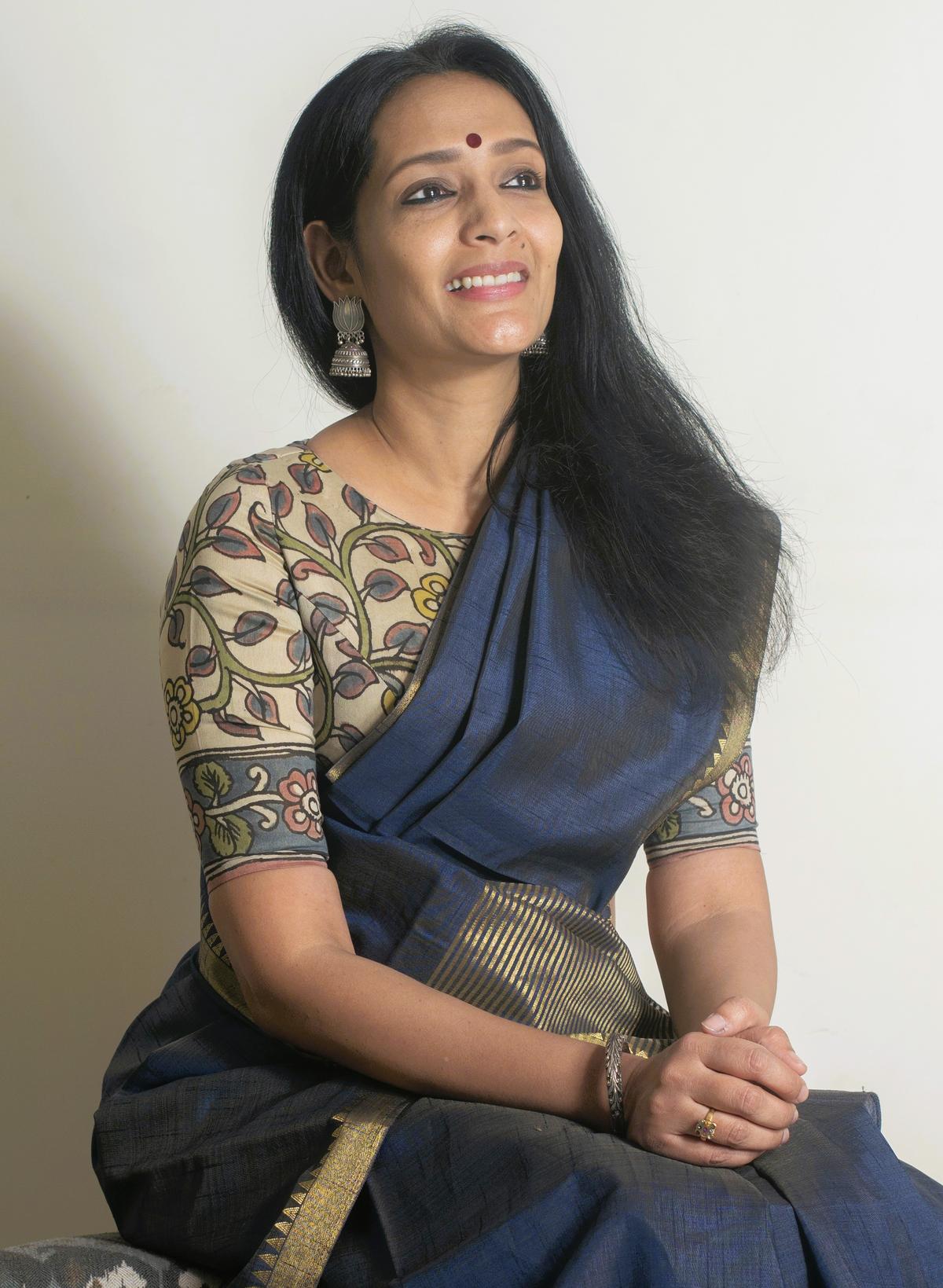
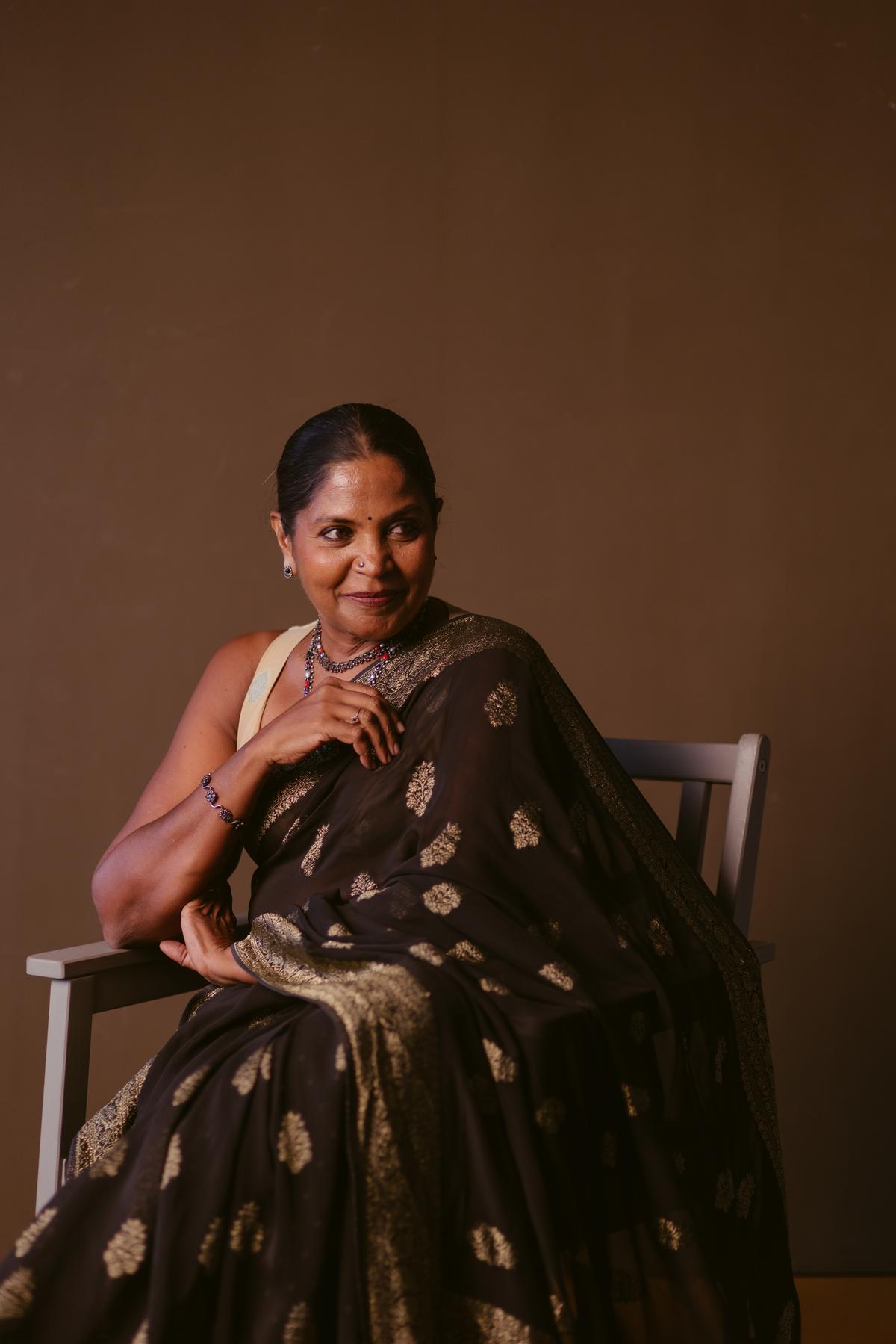
A humble little film is turning heads in a select few theatres in Chennai. If you were to give it a chance, you might end up watching arguably the best Tamil film of the year yet. Angammal, directed by Vipin Radhakrishnan, tells a tender tale about an elderly woman who has to fight for her identity when her son forces her to wear a blouse and behave in a way he deems necessary to impress his in-laws. Vipin’s film is so enchanting that audiences might cease to realise that there’s an actor behind Angammal’s time-worn gaze. Geetha Kailasam, who has cemented her place as a sought-after character artist, plays Angammal with the conviction of a veteran.

Geetha has been travelling with Angammal for more than a couple of years — the film, which was completed more than a year ago, has been a crowd-favourite in the festival circuit, and has finally seen the light of day now. “Releasing an indie film, especially a female-led film — and of an actor who doesn’t have decades of experience — isn’t easy. But the way the film was welcomed in festivals like the International Film Festival of Kerala and MAMI was beautiful,” says Geetha, who also won the Best Actor award at the acclaimed Indian Film Festival of Melbourne. The film also won the Best Film award at the New York Indian Film Festival. Given that the film’s post-production took place in Kerala, Geetha didn’t see the final cut until it hit the festivals. “I was in awe of the filmmaking; it was on a completely different level from what I had imagined while shooting.”

Geetha Kailasam

Geetha Kailasam
| Photo Credit:
Special Arrangement

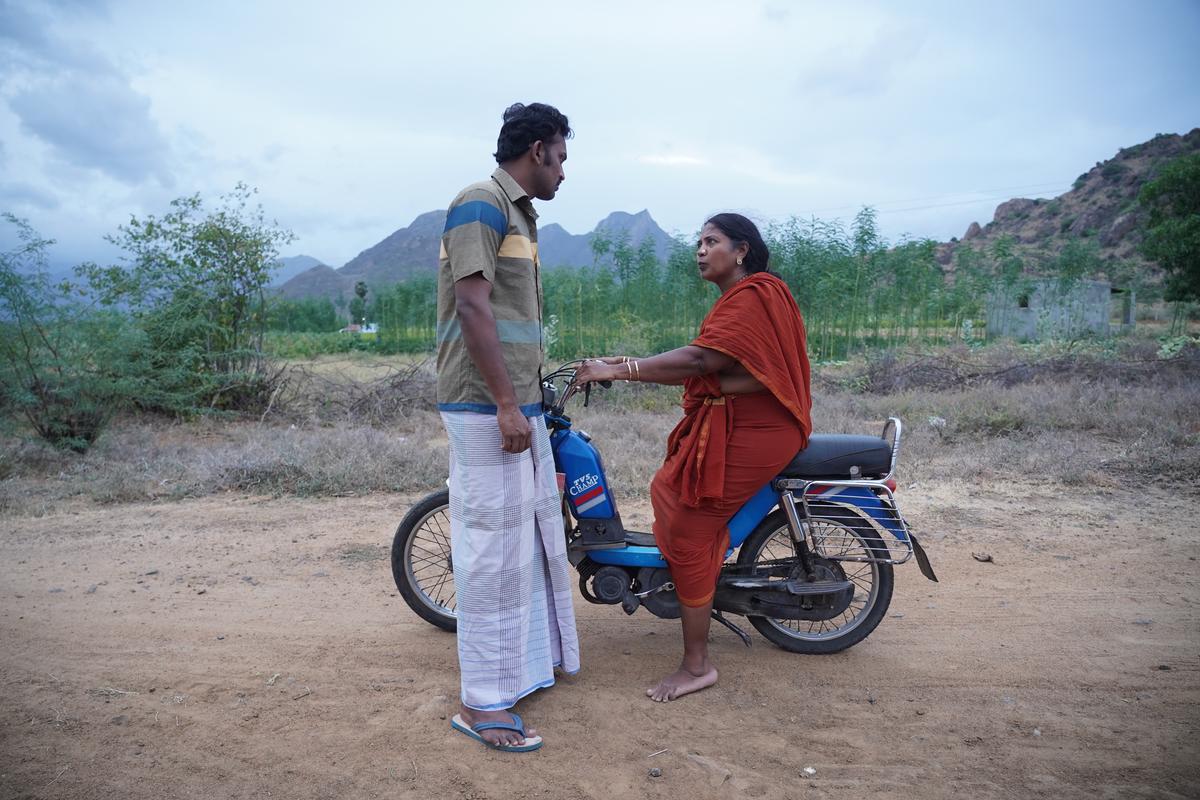
The character notes of Angammal are rooted to her milieu — she doesn’t wear a blouse, smokes like a chimney, and walks barefoot when she isn’t riding her moped. Geetha hesitated to act without a blouse. “They then introduced me to the costume designer and I learnt about the kind of saree I had to wear. I started practising wearing a saree without a blouse at home.” Then came the smoking bit: “I am not a smoker, so I had to practice how to strike a matchstick shielding it from the wind to light a beedi — so the cinematographer and the producer, Anjoy Samuel, who was doing pre-production for over four months in Padmaneri, trained me virtually. I meticulously practised it for a few days,“ adds Geetha.

A non-smoker had to not just learn smoking, but appear as comfortable as a woman who hand-rolls her own beedis. “They told me something about smoking with swag, when in fact, I didn’t know what ‘swag’ meant. I have seen superstar Rajinikanth do it, but I was then just a female character artist who had done some three films!” Angammal, a milk vendor, rides around on a blue moped, and Geetha says that while learning to ride again — 25 years since she last rode a scooter — the experience was fun. “I went to a class, and when I learned to balance the two-wheeler again, I found a child-like enthusiasm for it. I reminisced about the moments I rode a scooter during my college days.”

Geetha then rode around Padmaneri — where the film was shot — and walked barefoot. Except for her lip colour and teeth, which had to match those of a smoker, the role didn’t need any make-up. “Also, I tanned naturally for the skin tone.”

Bharani and Geetha Kailasam in a still from ‘Angammal’

Bharani and Geetha Kailasam in a still from ‘Angammal’
| Photo Credit:
Special Arrangement

Those who have seen Geetha in Madras Matinee would be aware of her comedy acting skills. In Angammal, she channels this quality in a scene where her younger son and her daughter-in-law force her to ‘behave’ a certain way — which she does, only for her natural state to keep re-emerging. “I gave a lot of input while shooting that scene. It evolved on the spot, and we just went with the flow. I like humour, and I saw a small scope for it,” she says, adding that she was happy to see festival audiences understand the emotional nuance of someone trying to be something they are not.

Angammal hardly smiles in the film. Which is why the performer in Geetha explodes in situations that need her to express a measured semblance of a curve. “There were very few instances to smile or laugh, like when she is with her friends, or when she sees her crush. And I was aware of the kind of equation Angammal had with other lead characters. So I instinctively knew where to smile and the measure of it,” she says.

On films that depict middle-aged or elderly romance, and how mothers are written in Tamil cinema

One of the stand-out subplots in Angammal revolves around her equation with her crush, another elderly man. “In fact, after the press show, someone asked us if there would be a sequel to that romance. Some said that portion could have been a film on its own.” Geetha had earlier received a lot of love for a scene in Sarpatta Parambarai, in which her character gets a tender romantic moment with Pasupathy’s character. The actor says that she hasn’t gotten any story pitches for a film that revolves around middle-aged romance. “If they let me, I would write it myself (laughs). Because I am interested in writing film scripts, and I want to do rom-coms, while looking the way I do in real life. It doesn’t matter the age; there are so many nuances to a couple’s relationship.”

Geetha Kailasam on her favourite actors:

“I am a huge fan of superstar Rajinikanth, and I like Kamal Haasan as well. So I grew up watching their films. Since the time I was 20 — when my interest in acting began — I started observing acting, and I like actors of that period, like Sri Vidhya, Sripriya, Sridevi. And I also love Manorama, especially in her earlier films, and SN Lakshmi.”

In her six-year career so far, Geetha has largely played the role of a mother. That and the fact that she has worked with many directors makes one curious if she notices a pattern in how directors are writing such roles. “The experience has been different with every one of them. While there are films like Amaran and Lubber Pandhu, which were entirely about staying true to the story, there are films where it’s all about commercial success. And because of that, directors are missing out on progressive ideas or bringing in nuances to their female characters.” Geetha finds it displeasing when directors needlessly make her character cry for melodrama. “I have decided not to pick such roles hereafter. But most of the new directors are thinking about women characters.” She also notices how most on-screen mothers have a fixed character arc.

“We see this happen in television serials as well. However, the responses to such content tell us that audiences like to see strong women. In Angammal, I am so surprised to see how audiences have accepted a flawed character who never cries or shows her emotions in a melodramatic fashion,” she adds.

On being a supporting actor in Tamil cinema and what Tamil directors need to learn from Malayalam writers:

Geetha is not happy with how portions featuring a character artist often get trimmed, to the extent that they don’t even appear in a single shot. “This happens a lot to female supporting characters, especially. When such incidents occur, actors feel demotivated and shaken.” She mentions how elated she was when her character in Madras Matinee got her closure towards the end.

Over the years, many have raised concerns about Tamil cinema lacking a strong pool of supporting actors, something Malayalam has always boasted. One wonders if this is because most Tamil directors are particular about writing their own scripts. “That might be true. Even in Tamil, directors usually work as a team while writing their scripts, but whether they hire writers to be a part of their team remains a concern. And supporting roles need to be better written in Tamil cinema.”

Geetha feels there are no opportunities to learn on the job in Tamil. “Malayalam actors surely weren’t born great actors. They had directors who worked with them, helping them grow. Here, the time during the shoot is already very little.” Which is why when director Tamizharasan Pachamuthu gave so many inputs for a scene in Lubber Pandhu, the actor learnt so much about the nuances of controlling emotions.

Geetha Kailasam

Geetha Kailasam
| Photo Credit:
Special Arrangement

Geetha is aware that she has a lot to learn. “When I act with senior artists like Vadivelu, Ilavarasu and Saravanan, I can see how much they know, but I find myself short on space to learn. I want to take my time on the set to do so,” she adds.

Does she wish to try her hand at direction — after all, she did direct a stage play in 2014? “I like working with actors, but I don’t think I incline toward direction.” For now, she is eager to see how audiences are receiving Angammal. “I am hoping other directors also watch and promote the film — which happens to good films — and my desire is for my favourite actors, superstar Rajinikanth and Kamal Haasan, to see the film, because they have always supported good films,” she signs off.

Published – December 09, 2025 01:17 pm IST


Source link

Parambriyam reopens in Anna Nagar, showcasing South Indian culinary heritage


First launched in 2014 by Anitha Sivakumar at the Ispahani Centre in Nungambakkam, Parambriyam, a brand celebrated for showcasing the richness of South Indian culinary heritage, has re-emerged in a refreshed avatar a few months ago. The menu continues to draw on traditional dishes from the four southern states. It is now presented in a style that resonates with today’s diners. Anitha has also completely reimagined the décor and ambience, giving the restaurant a contemporary warmth. Parambriyam now welcomes guests from its new home in Anna Nagar.

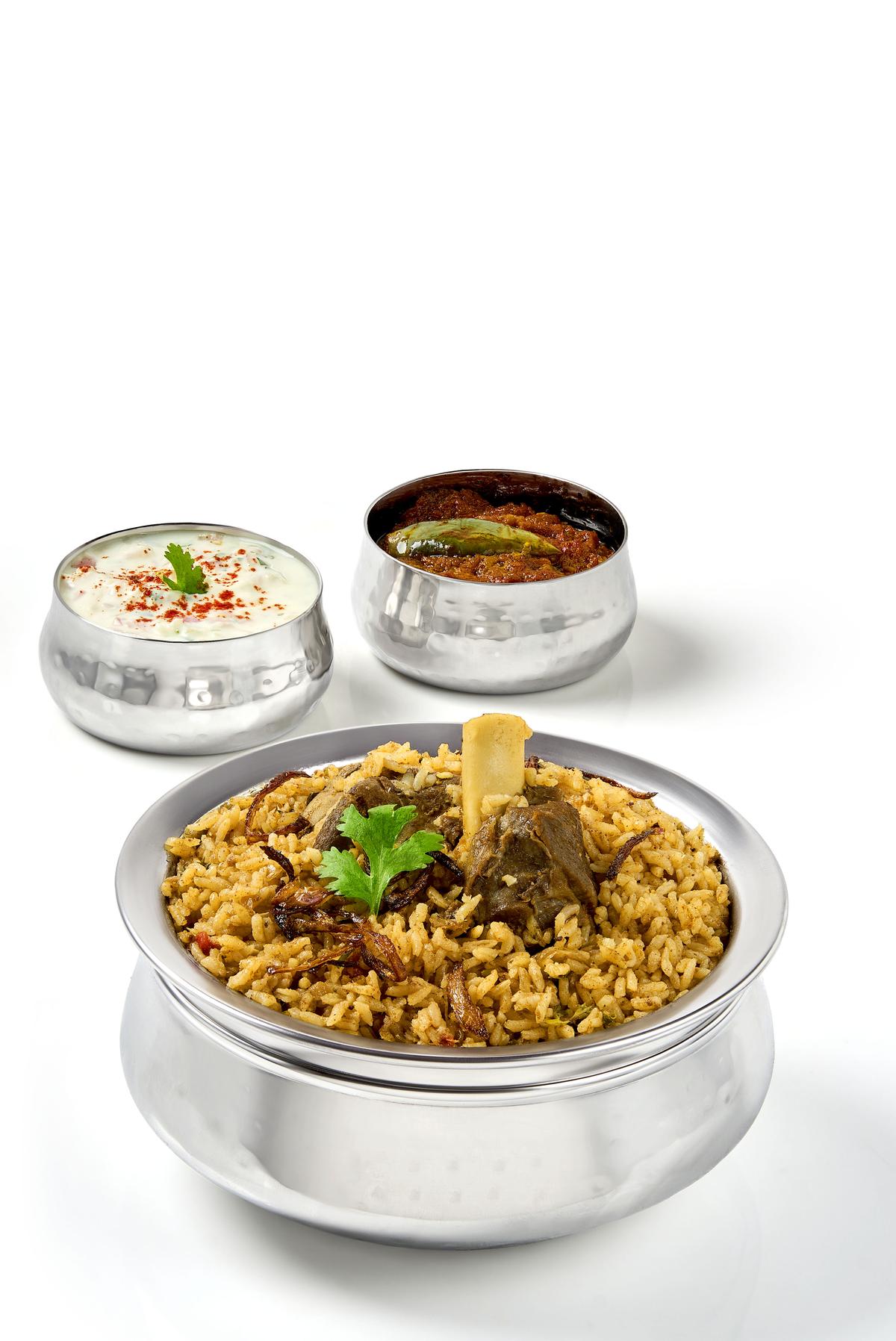
Dindigul-style seeraga samba mutton biryani was aromatic, flavorful, and cooked to perfection.

Dindigul-style seeraga samba mutton biryani was aromatic, flavorful, and cooked to perfection.
| Photo Credit:
Special Arrangement

The carefully curated dishes reflect the distinct culinary traditions of each region. The meals here draw inspiration from Andhra cuisine, while the coastal seafood offerings are largely rooted in Karnataka and Kerala flavours. “For Tamil Nadu, we have brought together the best of Madurai, Dindigul and Chettinad cooking,” says Anitha.

We begin our lunch with a bowl of piping hot Chettinad nandu (crab) soup, a flavour-packed broth infused with signature Chettinad spices and a generous hit of pepper — a perfect start that sets the tone for the meal to follow.

For starters, we sample a mix of vegetarian and non-vegetarian dishes. Mutton gola urundai, Hyderabad chicken and prawn ghee roast arrive together. We instinctively reach for the Hyderabad chicken first, and it turns out to be outstanding. The chicken is marinated in a blend of spice powders and slow-roasted with Guntur green chillies; the subtle notes of ginger, garlic and spices give it a memorable depth of flavour.

Hyderabad chicken

Hyderabad chicken
| Photo Credit:
Special Arrangement

The chef urges us to try the Andhra gongura mutton — and we oblige. Though we are familiar with gongura chicken, the mutton version sparks our curiosity and does not disappoint. The prawn ghee roast is comforting, rich and well-balanced, while the gola balls are flavourful and satisfying.

On the vegetarian side, the mushroom ghee roast stands out, and the bendakaya (okra) muru muru adds a crunchy, enjoyable contrast to the spread.

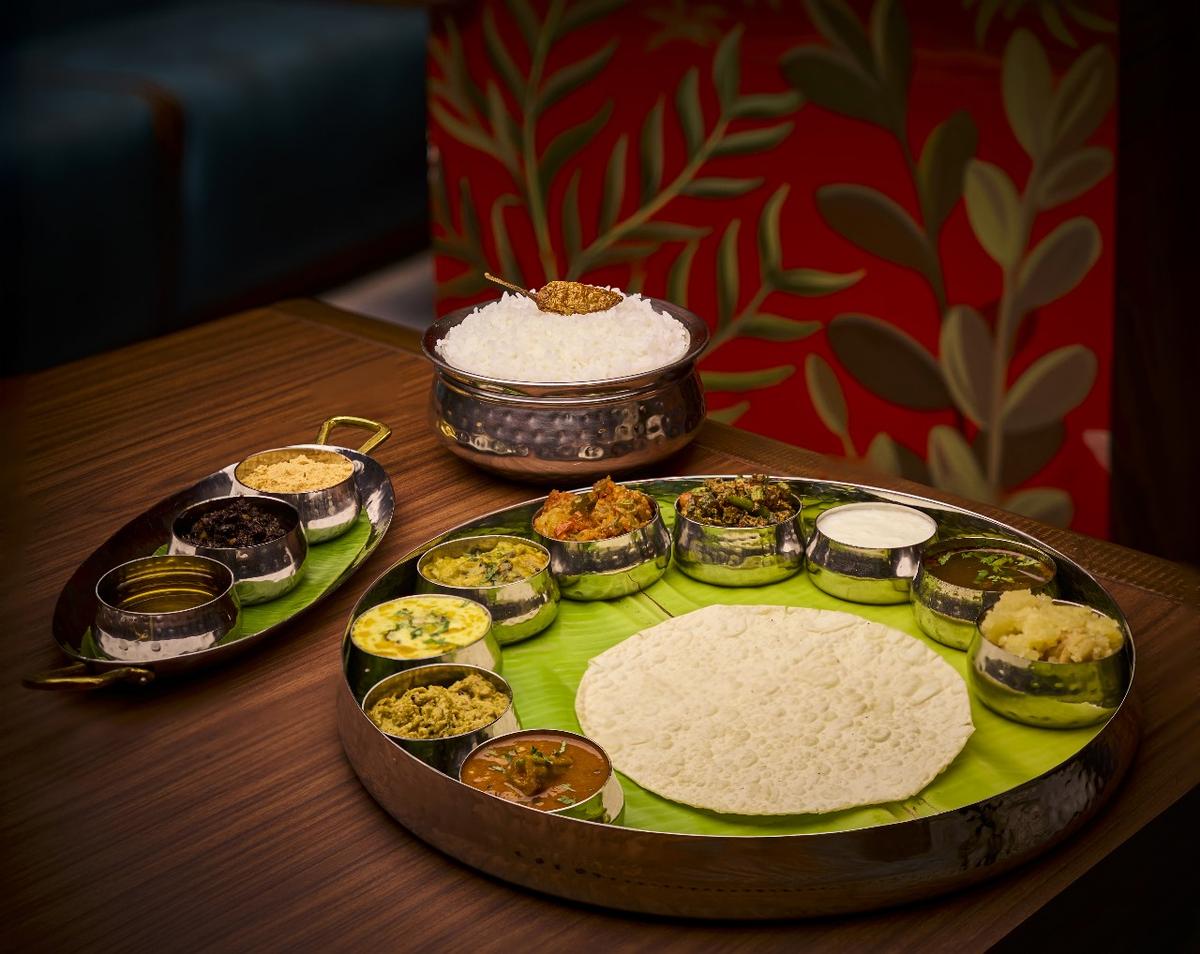
We find ourselves torn between the Andhra-style vegetarian meal platter and the restaurant’s two signature biryanis. Eventually, the Dindigul-style seeraga samba mutton biryani wins us over. The vegetarian meals, priced at ₹245, features pappu podi, gongura with ghee, gutti vankaya kura, spinach dal, rasam, two vegetable preparations and the dessert of the day — a wholesome spread that showcases comforting Andhra flavours.

A sumptuous spread of South Indian delights from Andhra is served in their set smeal platter

A sumptuous spread of South Indian delights from Andhra is served in their set smeal platter
| Photo Credit:
Special Arrangement

The ambience and décor deserve a special mention. The newly renovated space features an elegant display of Chettinad carved wooden pillars and traditional brass utensils adorning the walls. The crimson-red theme, complemented by hand-painted murals inspired by traditional South Indian design motifs, infuses the restaurant with warmth. The overall effect strikes a harmonious balance between heritage aesthetics and contemporary comfort.

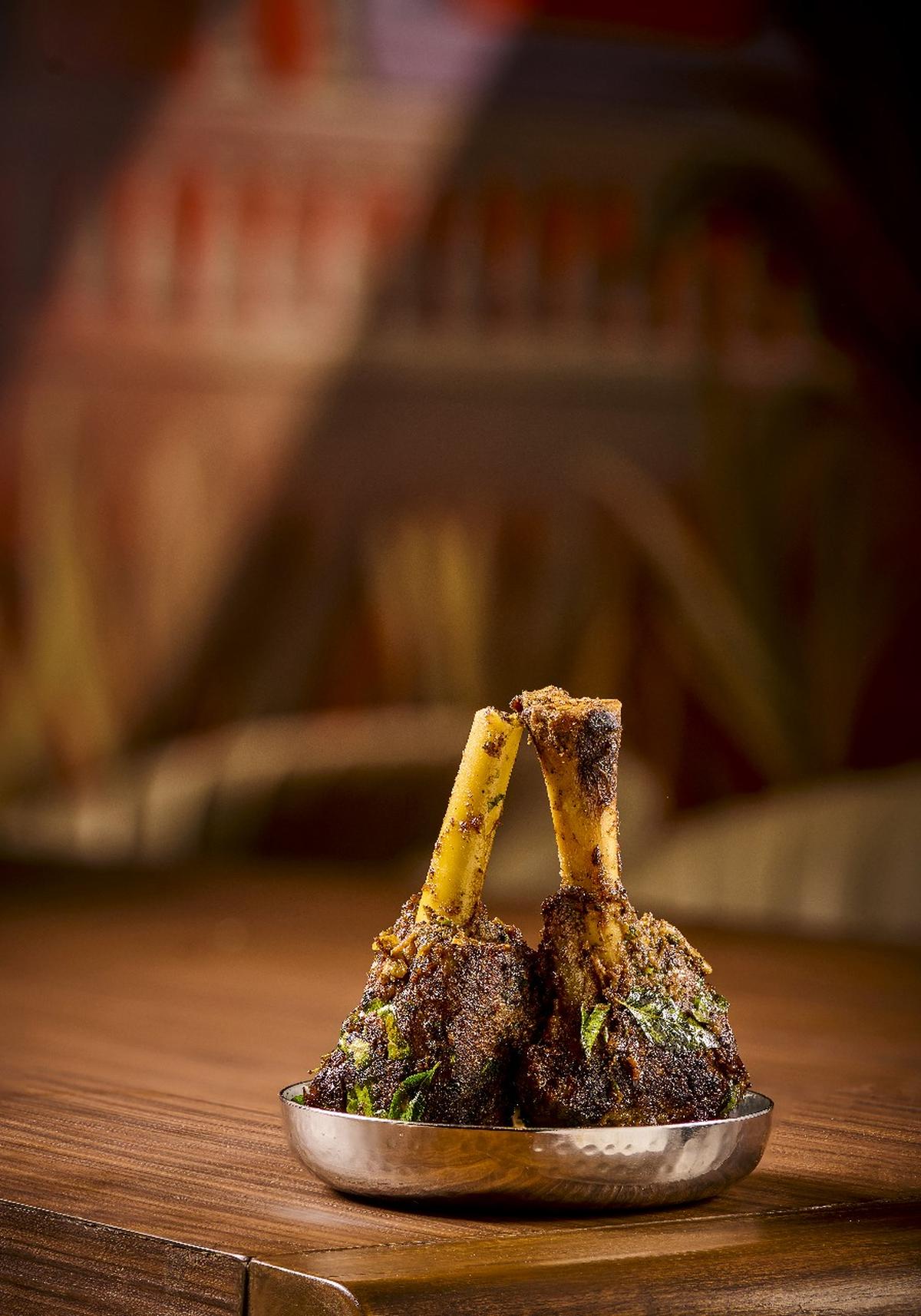
Gongura Mutton

Gongura Mutton
| Photo Credit:
Special Arrangement

And then the biryani arrives. Cooked to perfection, it impresses instantly — each grain of seeraga samba rice carrying just the right balance of flavour, texture and spice. In a market crowded with countless biryani brands, this one truly stands out, and our palates thank us for the choice. The chef mentions that they also serve a Chennai-style chicken biryani made with basmati rice.

We pair our biryani with the gongura mutton, which turned out to be a delightful combination. The dish carries a generous hit of pepper, with subtle notes of fennel and ginger–garlic. The heat comes from broken red chillies, rounded off by the tangy depth of gongura paste. Parambriyam also serves Madurai bun parotta and veechu parotta for lunch. The dinner menu features a range of South Indian staples, including idli, dosa, idiyappam and appam.

When it was time for dessert, we find ourselves spoilt for choice. We decide to skip their popular elaneer payasam and instead opt for the rasamalai cake and the rose milk tres leches.

Parambriyam Southern Dining, Anna Nagar West. 11.30pm to 3.30pm & 6.30 p.m. to 11pm. Phone: 26265557

Published – December 08, 2025 05:26 pm IST


Source link

A guide to going sustainable this Christmas


Christmas revelry is no longer just about the festoons and carols, good food and gifts. People are increasingly weaving sustainability into their Christmas décor. If you haven’t started on your sustainability journey yet, this is a good time to start. Here’s a short guide on how to make your Christmas eco-friendly.

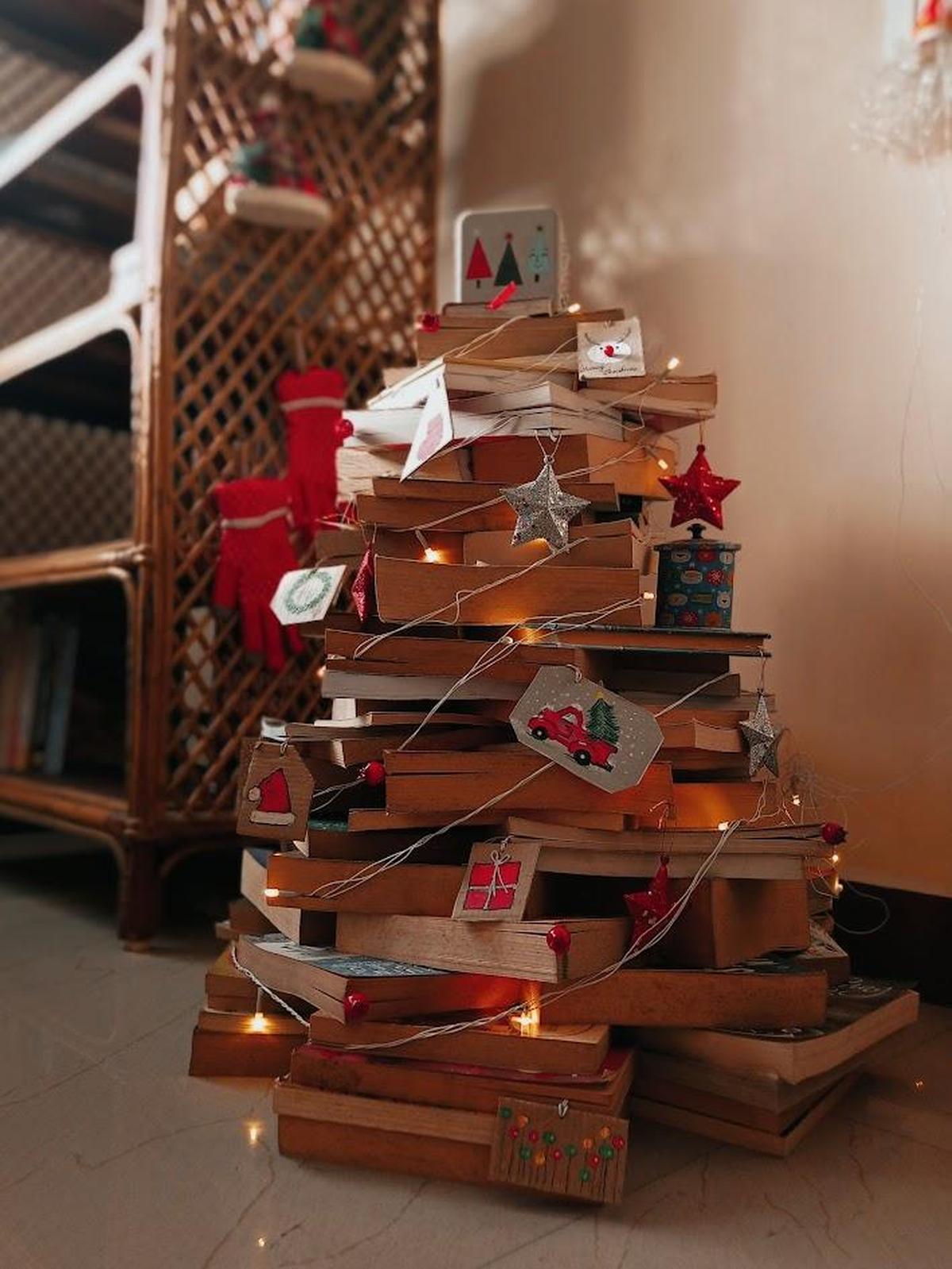
A Christmas tree made of books

A Christmas tree made of books

Book Christmas tree

Transform a stack of books into a Christmas tree. Designing a book-themed Christmas tree is perfect for bibliophiles, those living in compact spaces, and individuals looking for a more mindful way to celebrate the holidays.

The premise is simple. This year, avoid expensive glass ornaments, plastic trees, and the yearly concern about whether to recycle or to store! Reach for a stack of books instead, something you already enjoy and use on a daily basis. Perhaps your shelves are littered with neglected paperbacks and bundles of newspapers. The book tree is an appropriate minimalistic option for office tables and apartments, too. 

To give your tree height, start with a modest platform, such as a little flat box. Next, arrange books in descending order of size, opening each to create a soft-edged cone with the pages spreading out. Hardcovers, which are positioned lower in the stack, provide the support that the tree needs to stand upright. 

The activity might serve as a gentle introduction to creativity and resourcefulness for children. It can also encourage adults to reminisce about doing holiday crafts by hand. Every book tree reflects the individual taste and resourcefulness of its maker; no two are alike.

Now, to style your book tree without going overboard, add a single string of LED fairy lights that run on batteries. These will provide a soft glow that would draw attention to the edges of pages. Small beads, a piece of ribbon or a pine cone that has been lying around could work as ornaments. For extra texture and visual play, you can make use of any DIY ornaments or even your existing decorating items.

Why is the book Christmas tree a great option? Anyone with books and an afternoon can get a book tree made. The process of giving beloved objects a new function and cutting down on waste is satisfying in itself. 

Wrapping gifts sustainably

Wrapping gifts sustainably

Sustainable gift wrapping

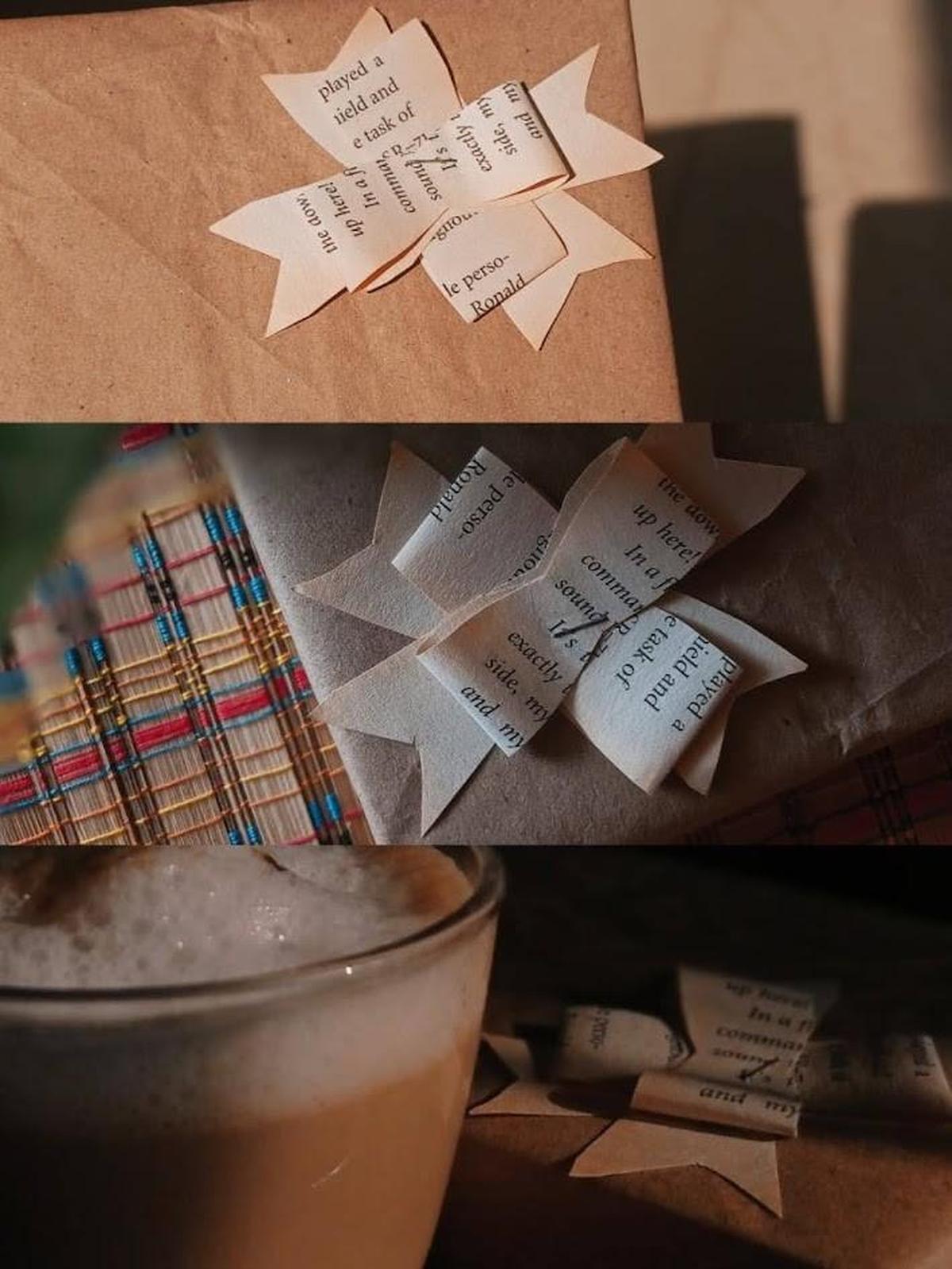
Make use of old fabric, paper from online deliveries, stained newspaper, old calendar and maps. Try Furoshiki, a traditional Japanese technique using a square piece of fabric to wrap gifts, books, wine bottles, and more. Incorporate a personal element with nature-inspired gift-toppers. Select dried flowers and foliage based on the dimensions of the gift you are wrapping.

Nature-inspired decor

Nature-inspired Christmas décor is easy, affordable, and wonderfully sustainable. Start by collecting clean seashells and transforming them into charming ornaments — paint them, add glitter, or tie on ribbons to create stars, angels, Santa faces, or personalised name tags. These natural pieces bring a breezy touch to any tree.

Coconut shells also make striking handmade ornaments. Clean and smooth the shells, paint festive patterns, and embellish them with beads or twine. Even broken pieces can be shaped into stars, bells, or mini wreaths, offering a creative way to reuse leftovers while adding rustic beauty.

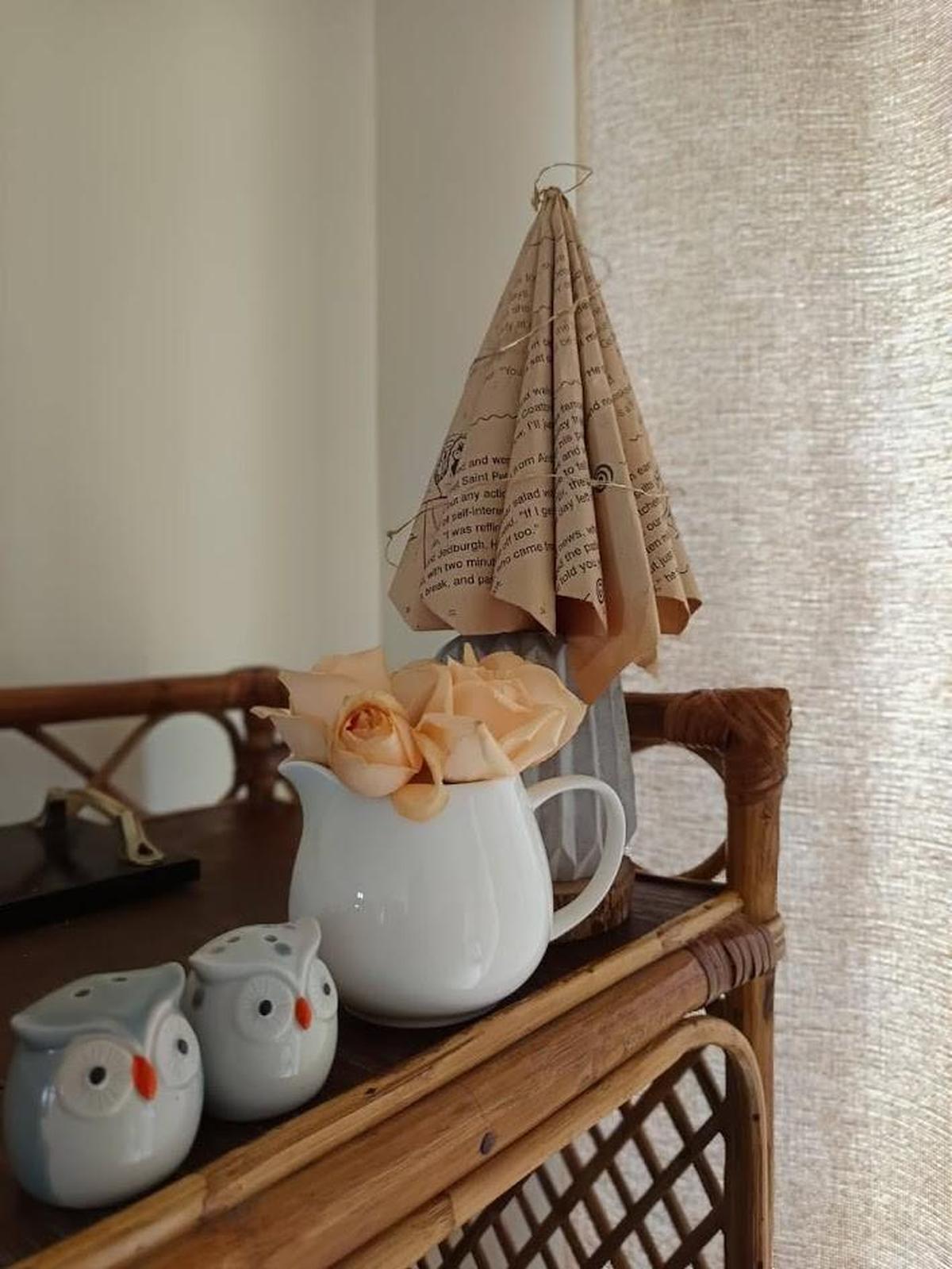
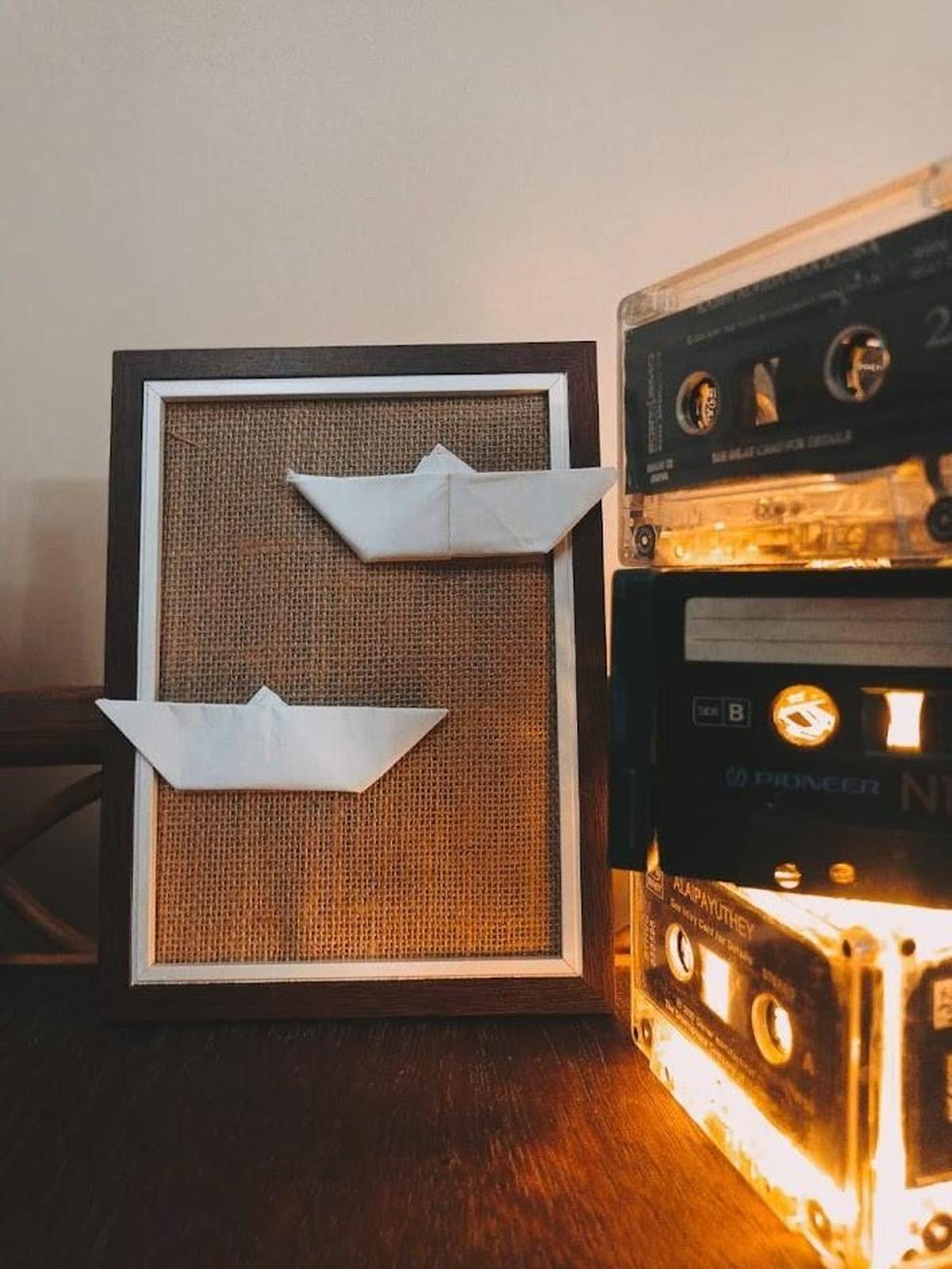
For a traditional touch, craft delicate stars from fresh kuruthola (palm leaves). A few simple folds create elegant decorations that celebrate Nature. Complement these with paper crafts — tiny paper boats framed in jute, or whimsical fairies made from old book pages — for a charming, eco-friendly Christmas display.

Create a rustic star by using cinnamon sticks tied with jute twine, then accent your tree with dried cloves, star anise, bay leaves, and tiny nutmeg bundles. These fragrant, all-natural ornaments bring the aroma of Kerala’s spice gardens straight into your festive home.

Crocheted holiday ornaments are long-lasting, can be reused, and can be crafted from sustainable materials such as natural and recycled yarns. This stands in contrast to commercially-produced decorations, which are often made from non-biodegradable plastics and frequently thrown away after use.

Happy Holidays! May this season fill your home with wonder, stories, and new sustainable traditions.

Published – December 08, 2025 12:37 pm IST


Source link

Idoru in Bandra blends music, food and drink into a new kind of Mumbai bar culture


For a city as notoriously loud as Mumbai, its most interesting music stories often unfold in intimate spaces — rooms where the volume dips, the lights dim, and the curation becomes the focal point. Long before “programming” became a hospitality buzzword, some of the city’s restaurants and bars were already nudging guests towards specific moods through careful selection: Zenzi’s vinyl nights, Blue Frog’s genre-led bookings, even the quiet architectural acoustics of Tote on the Turf. These were places where music formed part of the infrastructure.

What is changing now is the scope: music-forward spaces are no longer just about what you hear, but about the entire ecosystem built around the listening experience. Idoru, in Bandra, lands squarely in this new wave, equally driven by its sound, its drinks, and its food.

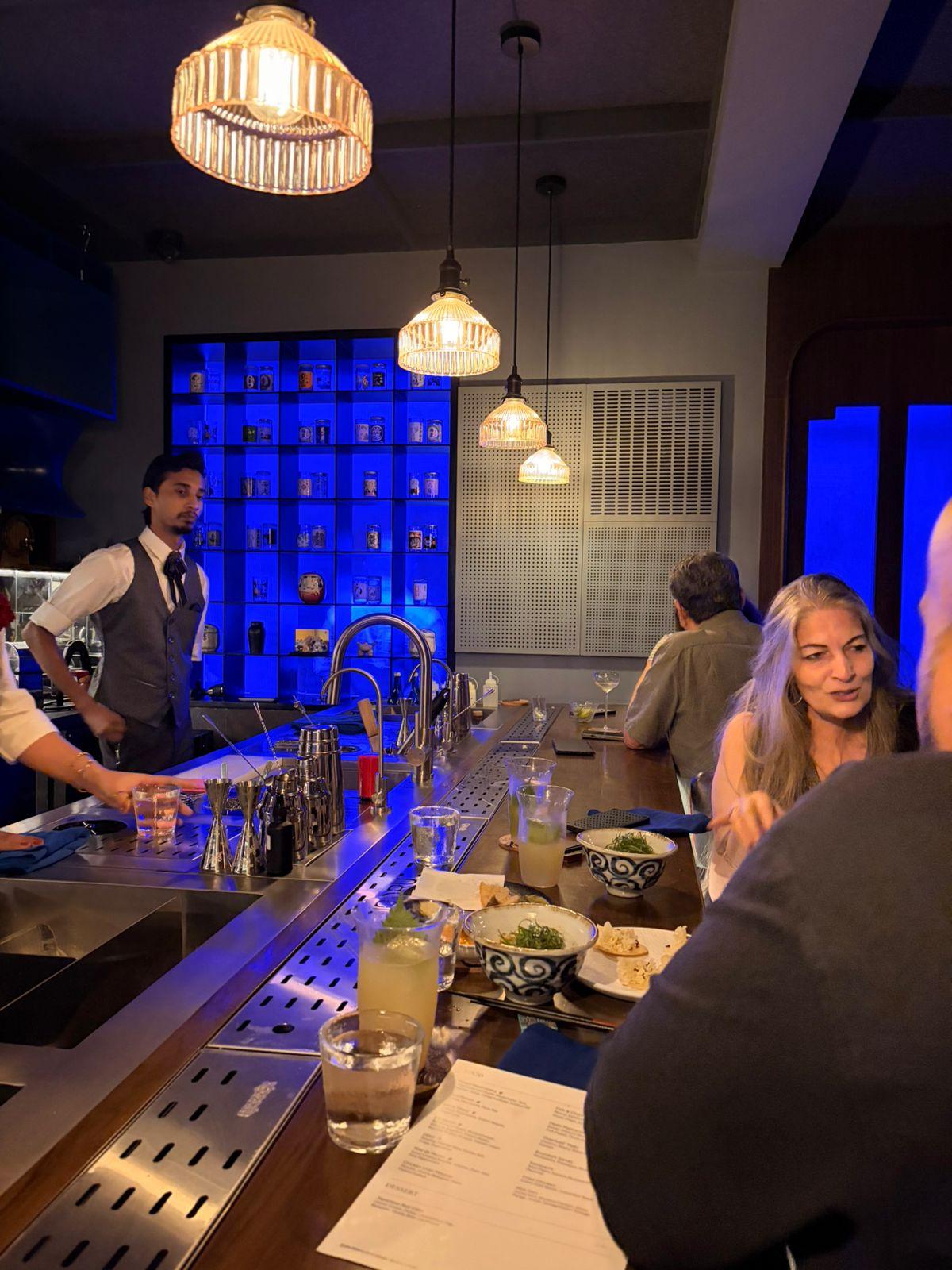
You will find it by following a small blue light above Izumi, the popular Japanese restaurant just off Pali Hill, an understated beacon pointing upstairs to a compact 28-odd-seater space that runs two sittings a night (7.30pm and 9.30pm). The decision to limit capacity is deliberate; Idoru is designed to be experienced rather than merely visited. “Since Izumi doesn’t have a bar, we wanted this space to be that place where you can grab a drink and unwind,” says chef-owner Nooresha Kably. Yet unwinding here is not passive. The room expects you to participate; to listen, taste and notice.

The name comes from American speculative fiction writer William Gibson’s Idoru, and the reference to blurred identities and digital dreams is more than aesthetic: Idoru embraces the hybrid. Vinyl and digital files coexist without ideological squabbles; Japanese bartending philosophies sit beside Mumbai instinct; a niche vinyl culture folds into a broader dining crowd.

Some of this approach comes from co-owner Anil Kably, whose involvement with Microgroove, which ran more than a decade ago at Zenzi as a private vinyl collectors’ session, alongside the later collectors’ gatherings there, gives Idoru a quiet but meaningful lineage. “Back then, we were probably the only record club,” he says. “We’re simply carrying that legacy forward.” His hope this time is to build a more structured listening culture—45 uninterrupted minutes with a single record.

The vinyl library reflects that ethos. About a hundred records rotate through the bar: some oddities, some groove-driven picks from the ‘60s and ‘70s, some left-field global selections. It is eclectic without being incoherent, though there are moments when the curation feels slightly self-conscious — an eagerness to surprise that occasionally overwhelms the atmosphere. Still, it is a rare attempt in the city to push people gently beyond their algorithmic bubbles.

Programming is handled by independent culture writer Bhanuj Kappal, whose genre-agnostic nights move from jazz to Stax funk to Ghanaian high-life before drifting into Caribbean soca or UK baggy. The journeying is part of the charm, but the shifts can at times feel abrupt, especially in a room this size where sonic transitions land more sharply than they would in a larger club. Bhanuj’s emphasis on selectors who “truly care about music” is admirable, though the criterion risks veering into earnestness; at its best, Idoru feels fun, not doctrinal.

Picks of the night

The bar programme, shaped by Rahul Kamath, is where Idoru’s discipline is most immediately felt. Developed through intensive research and training in Tokyo, the team absorbed Japanese bartending principles — dilution, temperature control, ice management, workflow and balance — which reveal themselves not only in ingredients but in the clarity and restraint the drinks aspire to. Yet execution varies.

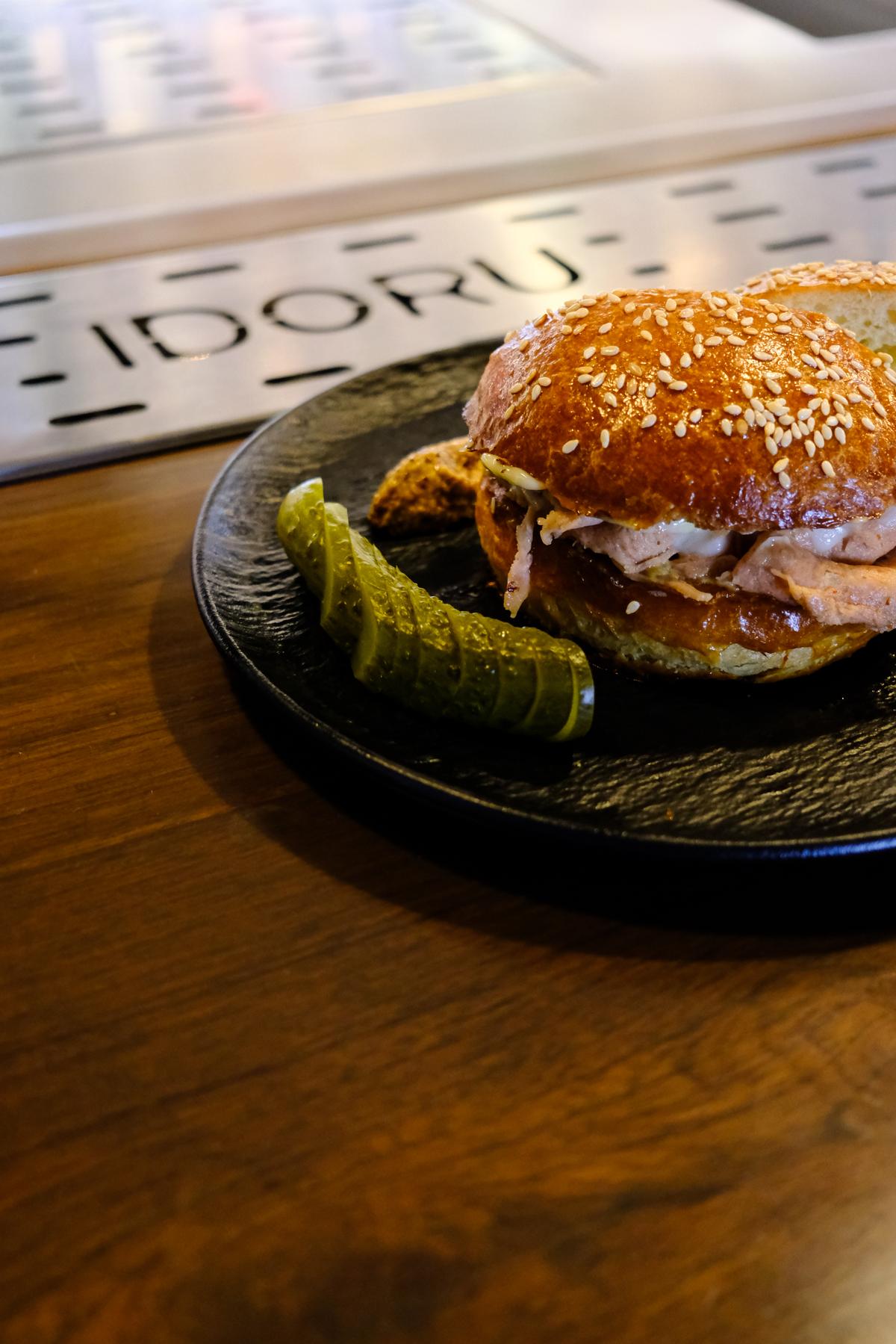
The Bourdain sando

The Bourdain sando
| Photo Credit:
Special arrangement

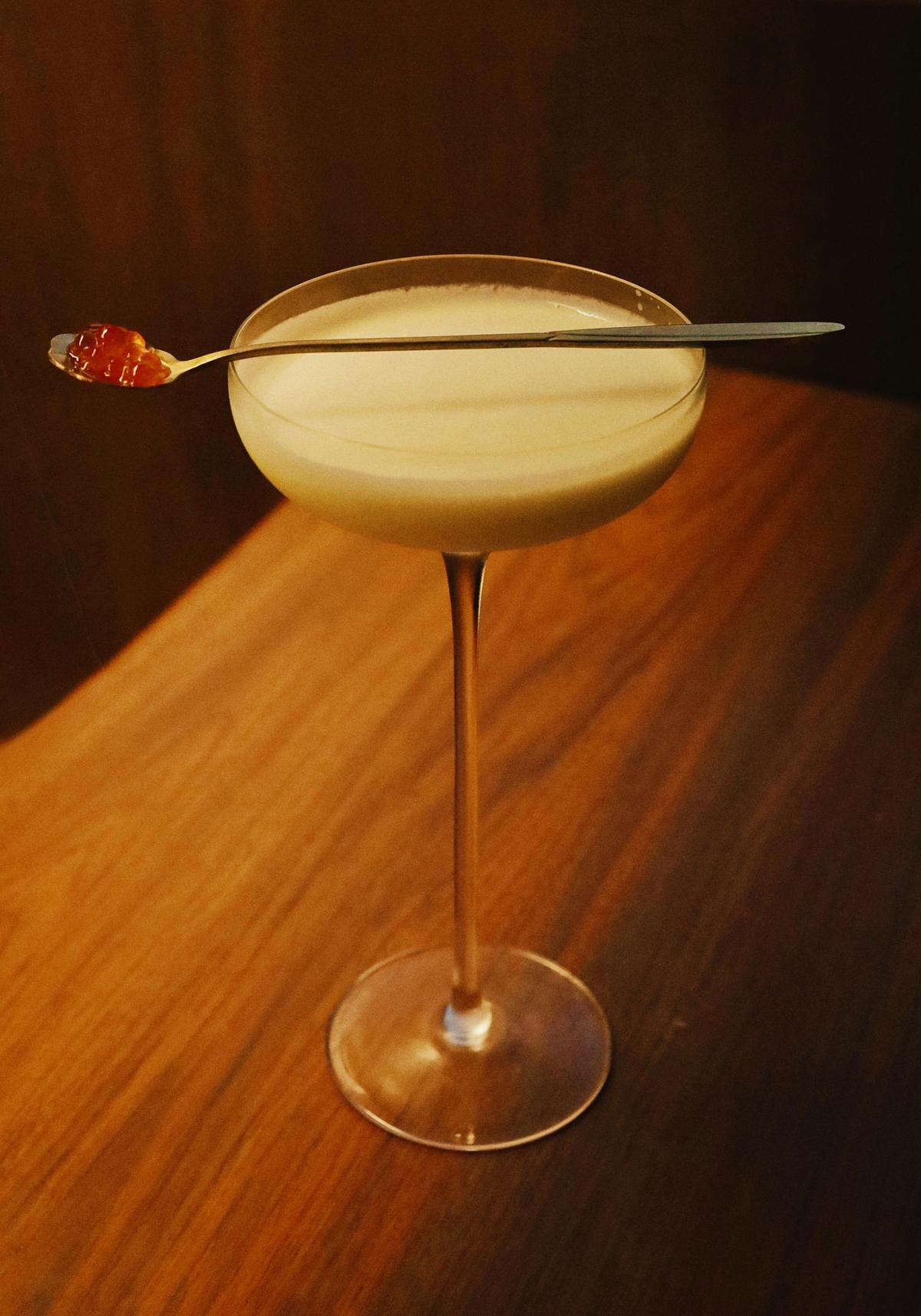
The Ikura Opera is clever on paper — gin, yoghurt, cucumber, wasabi, finished with salmon roe — though it walks a fine line between intriguing and unnecessarily busy, occasionally tipping into the latter. The Sazerac is competent but its smoked-nut flourish muddies rather than deepens the drink, an embellishment that distracts more than it elevates. To Odoroki fares better: its smoky–tropical mix of Laphroaig, mango and shochu should not work, but mostly does, though it remains a drink you commit to rather than crave.

Ikura Opera

Ikura Opera
| Photo Credit:
Special arrangement

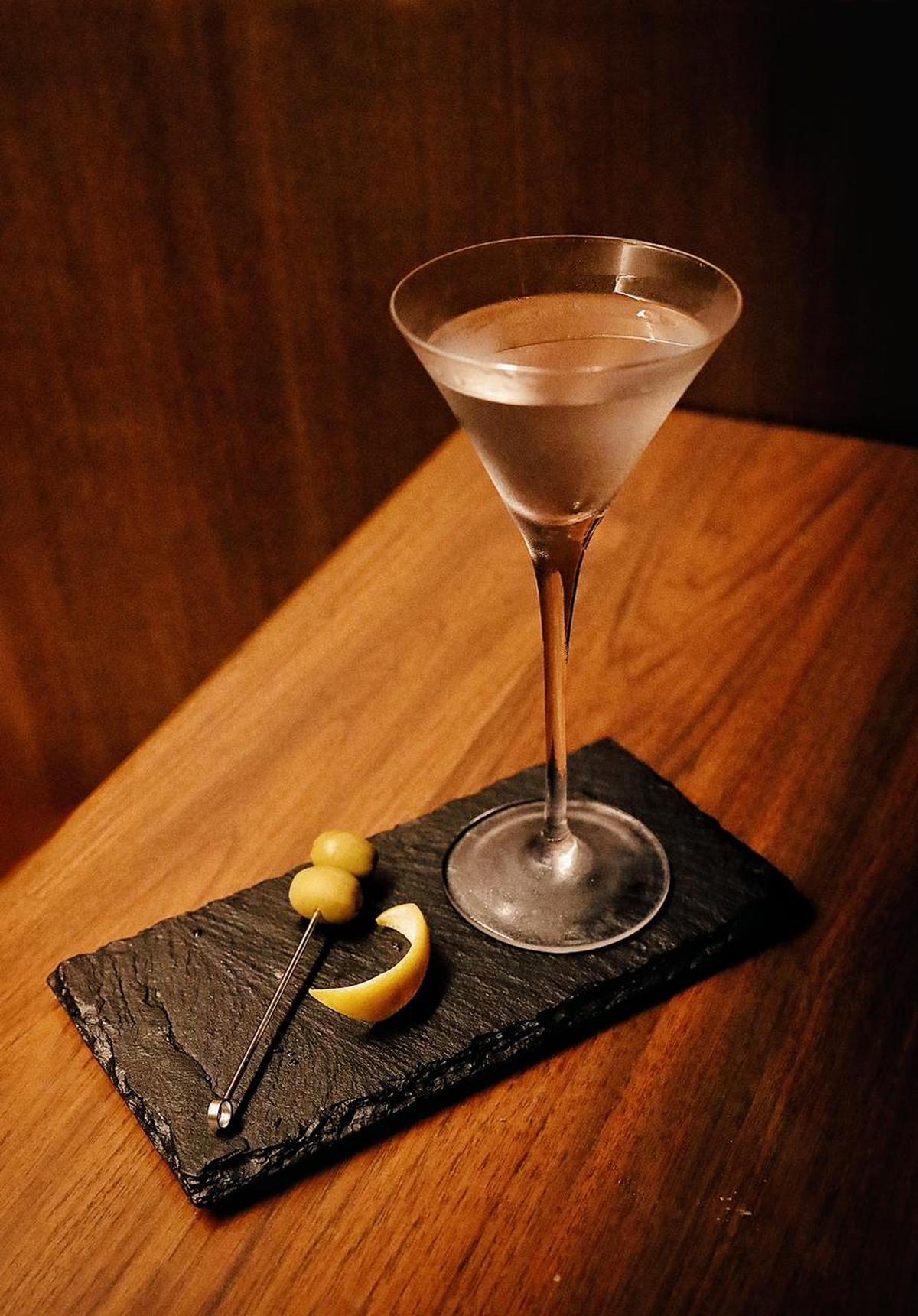
The martini

The martini
| Photo Credit:
Special arrangement

The overload maki

The overload maki
| Photo Credit:
Special arrangement

The food, meanwhile, mirrors the bar’s interplay between restraint and ambition. Nooresha uses Idoru to depart from Izumi’s stricter Japanese frame, but the experimentation can be uneven.

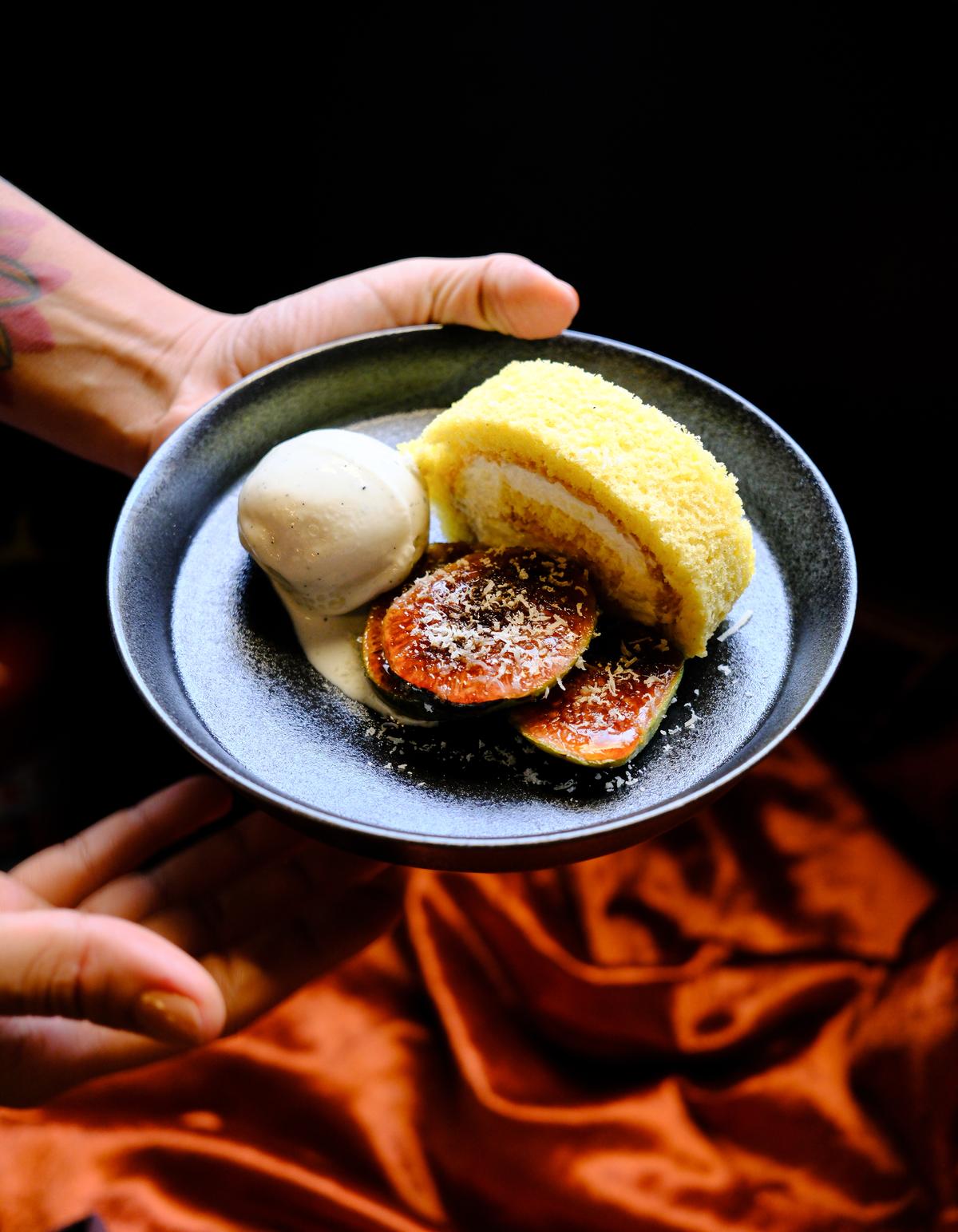
Japanese roll cake

Japanese roll cake
| Photo Credit:
Special arrangement

A dish of forest mushrooms with tare and celeriac offers clean, satisfying depth, while the mezcal-battered kisu, a reworked fish and chips, lands somewhere between playful and unfocused, with the gochujang tartare doing most of the heavy lifting.

The chicken liver mousse in monaka shells is lovely but verges on delicate to the point of disappearing; the mini don is comfort-first and easily the most straightforwardly enjoyable plate. The Bourdain Sando is unfussy and hard to fault, and the Japanese roll cake closes the night on a citrus-forward note, though its subtlety may leave some diners hoping for a final flavour that asserts itself more boldly.

Idoru offers a gentle reminder that in a city addicted to noise, the most interesting experiences happen when you actually stop to listen.

Published – December 08, 2025 12:24 pm IST


Source link

Handmade Christmas gifts 2025 by Indian artisans


Last year was all about handcrafted wooden Christmas trees and decor, and this year we take a little detour to focus on the hands making all things clay and macrame. The 2025 festive edit features homegrown artists from across the country crafting everything from hand-painted ornaments, intricate floral wreaths, Christmas-themed resin journals, and handmade cards for that personal touch to your gifting.  

Creations at Curiocity By Lidwin

Creations at Curiocity By Lidwin
| Photo Credit:
Special Arrangement

Angels in clay @ Curiocity By Lidwin

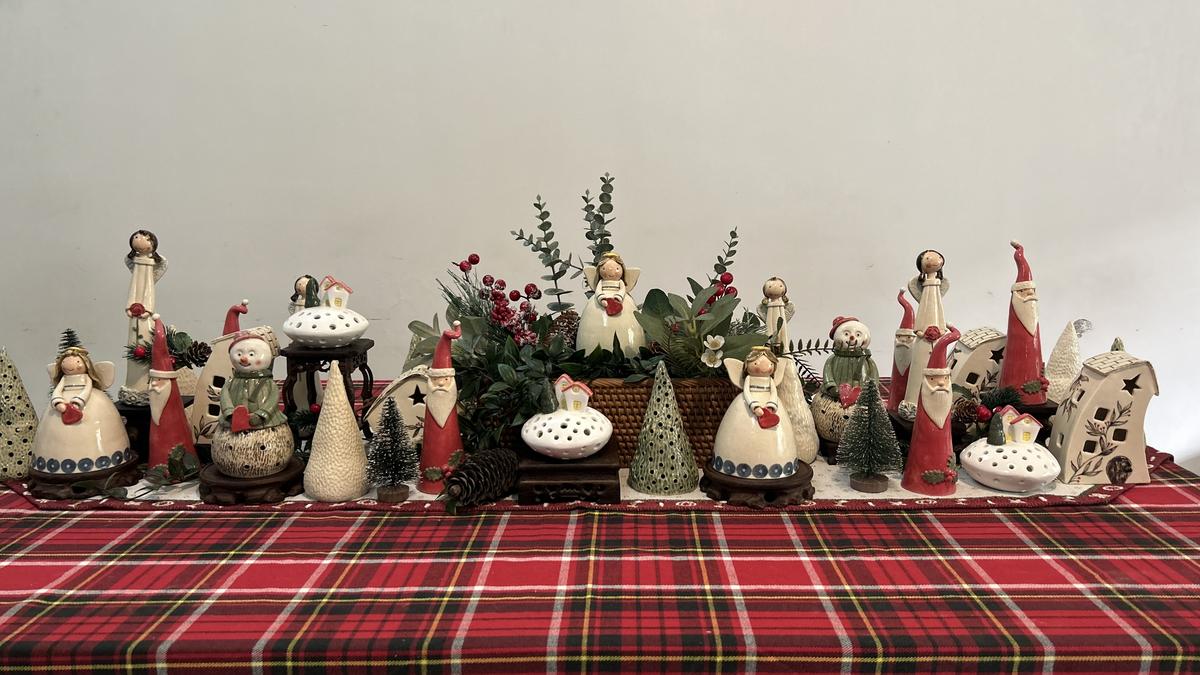
What started off as a brief career pause for Lidwin Mascarenhas soon turned into a full-fledged journey into the world of arts. A Physics graduate, she ventured into 3D animation soon after college and spent over a decade teaching 3D animation and computer graphics. “I was immersed in that world until life nudged me in an unexpected direction in 2016. I had to quit my job to be at home with my children and this opened the door to a new chapter,” says Mumbai-based Lidwin who started crafting papier-mâché sculptures before moving on to clay and launching her own studio in 2018. Today, she crafts expressive animal forms and human sculptures influenced by animation. This Christmas, Lidwin has introduced a new product, the table top angel bell, and also has acorn ornaments, hand painted snowman plates, a Santa Claus ornament, and Frosty the snowman, among others.

Upwards of ₹350. Details on curiocitybylidwin.com/

Ammu Chacko’s red bow angels made in clay

Ammu Chacko’s red bow angels made in clay
| Photo Credit:
Special Arrangement

Red bow angels @ Little Flower 

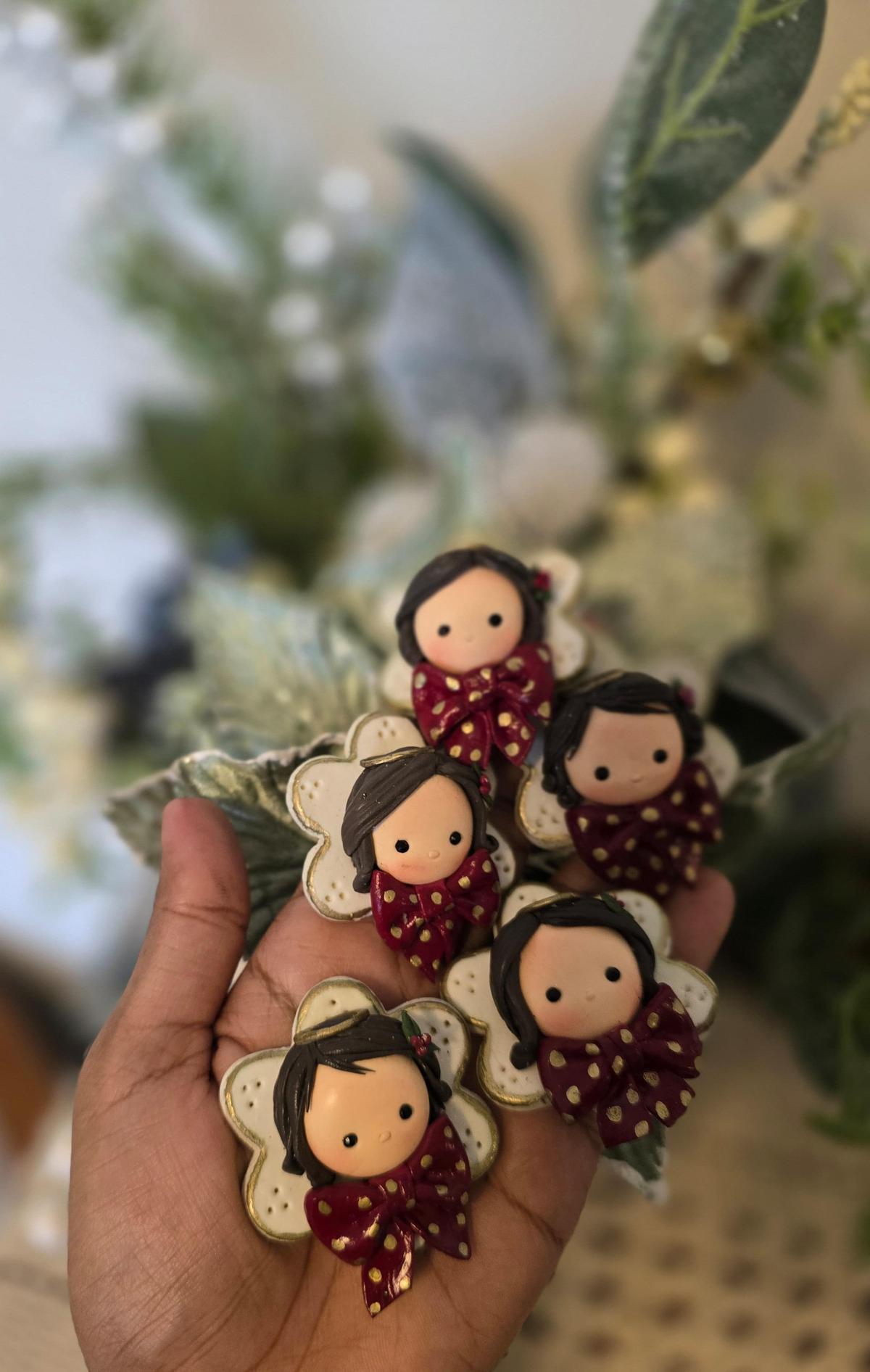
Ammu Chacko says she has loved art and craft since she was a child. “Christmas cards, church decorations, and the feel of the paper have always caught my fancy,” says the Fashion Design graduate. Ammu started off with small Christmas décor pieces and put up stalls at St. Theresa’s College in Kochi, and soon launched her brand with Christmas hampers she made for her husband’s office. “Little Flower grew steadily and via word of mouth,” says Ammu, whose current festive edit comprises red bow angels made in clay, a Nativity set on a wooden tripod, glittery nativity magnets, hair clips with artificial berries, floral wreaths, and centre piece flower arrangements. 

Upwards of ₹350. littleflower_ammuchacko on Instagram

Hand-painted tree hanging ornaments at The Gypsy Crafter

Hand-painted tree hanging ornaments at The Gypsy Crafter
| Photo Credit:
Special Arrangement

Superhero Christmas @ The Gypsy Crafter

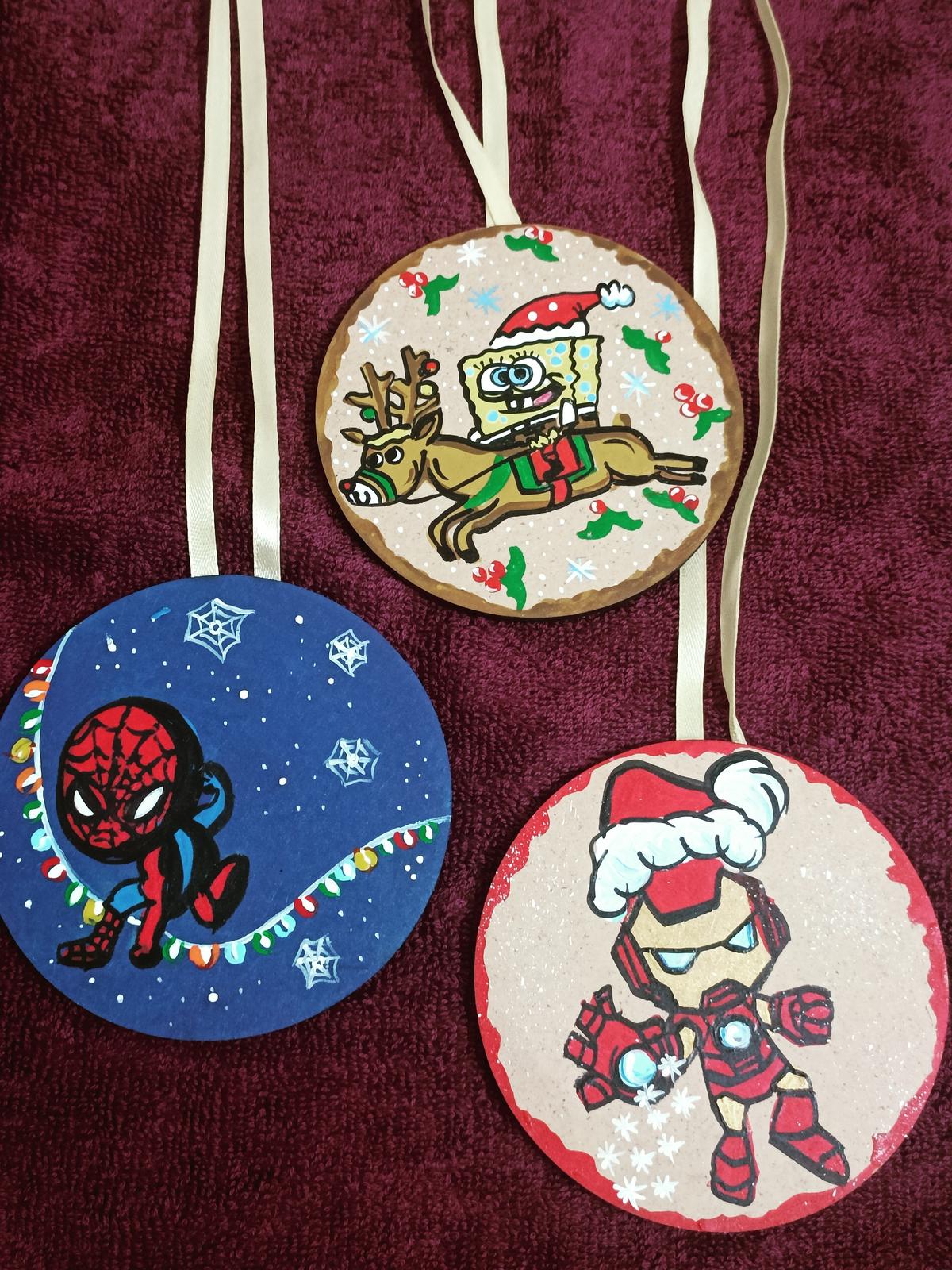
An ex-management consultant-turned-crafter, Nitya Murthy found solace in art when dealing with some difficult parenting years. A mother to two toddlers, Nitya began with DIY experiments to craft crib mobiles, embroidered apparel for her children and soon, this turned into a label that she launched in 2022. “I am a craft entrepreneur who creates hand-painted home decor, face masks, jewellery inspired by South Indian kolam designs, Madhubani and Mughal motifs, embroidered apparel, and more,” shares Chennai-based Nitya. For Christmas, her catalogue includes hand-painted tree hanging ornaments, wall buntings, keychains and fridge magnets. “I am also crafting Christmas-themed earrings and hair accessories. Think colourful snowflakes, Olaf and Elsa from Frozen, the gingerbread man, and more. For children, there is a paint-it-yourself Christmas sock kit (500) that includes a sock, colours, and a brush.”

Upwards of ₹200. @thegypsycrafter on Instagram 

The resin journal at Kaivela

The resin journal at Kaivela
| Photo Credit:
Special Arrangement

Christmas journals @ Kaivela

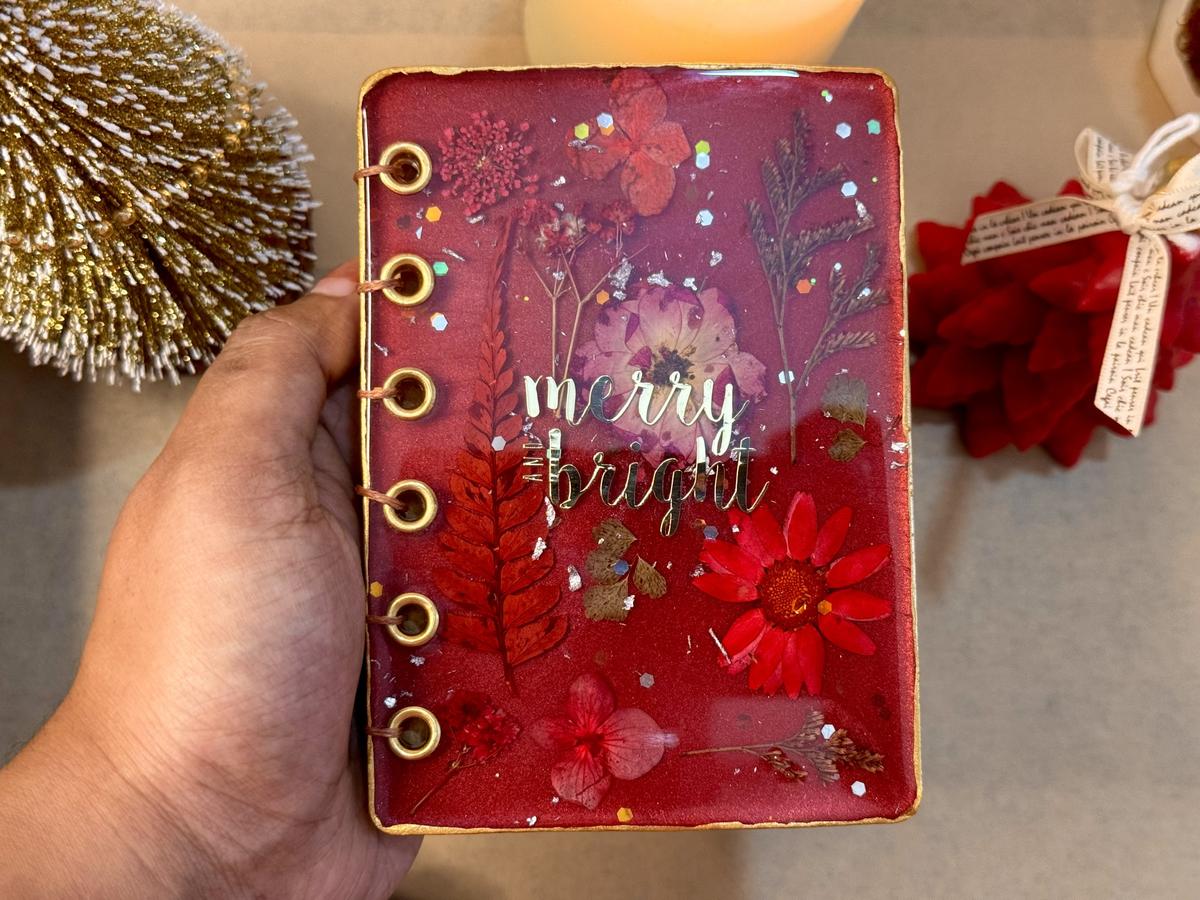
While Afrin Jahangeer launched art brand Kaivela in 2018, the seed was sown much earlier when she was a little girl indulging in all things art. “The brand took shape when I was studying at NIFT Kannur and a cousin wanted to buy a card from me. I made that card, and then another, and then my professor from college ordered one too. Slowly, in my hostel corner, Kaivela began with handmade cards and journals,” says the Kerala-based artist. During lockdown, Afrin turned to the garden and began experimenting with flowers and resin, and crafted bookmarks, journals that she started shipping across India. For Christmas, look up her signature custom handmade tree ornaments, table decor pieces, a Christmas-themed journal, a village house, and more. 

Upwards of ₹249. @k.a.i.v.e.l.a on Instagram

An ornament at The Thread Way

An ornament at The Thread Way
| Photo Credit:
Special Arrangement

Embroidered ornaments @ The Thread Way

A hobby-turned-brand founded by Nisreen Rupawala, the venture took root from her self-taught crochet and hand embroidery days. “I have a background in design and photography, and started crafting products as a hobby. My husband, Ebrahim, with his analytical skills, soon joined to handle the business side, turning their passion into a full-time venture,” she says of the Mumbai-based brand, adding that each product is handcrafted by women across India. While they started off with crochet flowers, the brand now designs everything from bouquets, keychains, and other utility products. The festive range includes Christmas tree ornaments, hair accessories, Secret Santa hampers, plushies, etc. 

Upwards of ₹65 on thethreadway.in

Ornaments at Knott Me

Ornaments at Knott Me
| Photo Credit:
Special Arrangement

Macrame ornaments @ Knott Me

Handcrafted macrame and jute creations are popular at this Kolkata-based brand founded by artist Minu Poddar. It launched three-and-a-half years ago with the intention of creating gifting and home décor products that blend artistry with functionality. This year, Minu says the catalogue comprises macrame keychains, buntings, wall hangings, snowflake-themed accessories, rugs, table mats, coasters, and cushion covers. “Alongside our festive collection, we’re also introducing a line of functional home products such as sofa organisers, magazine stands, and macrame baskets,” adds Minu.

Upwards of ₹80. @knott__me on Instagram

Published – December 08, 2025 11:01 am IST


Source link

The making of neurodivergent artists


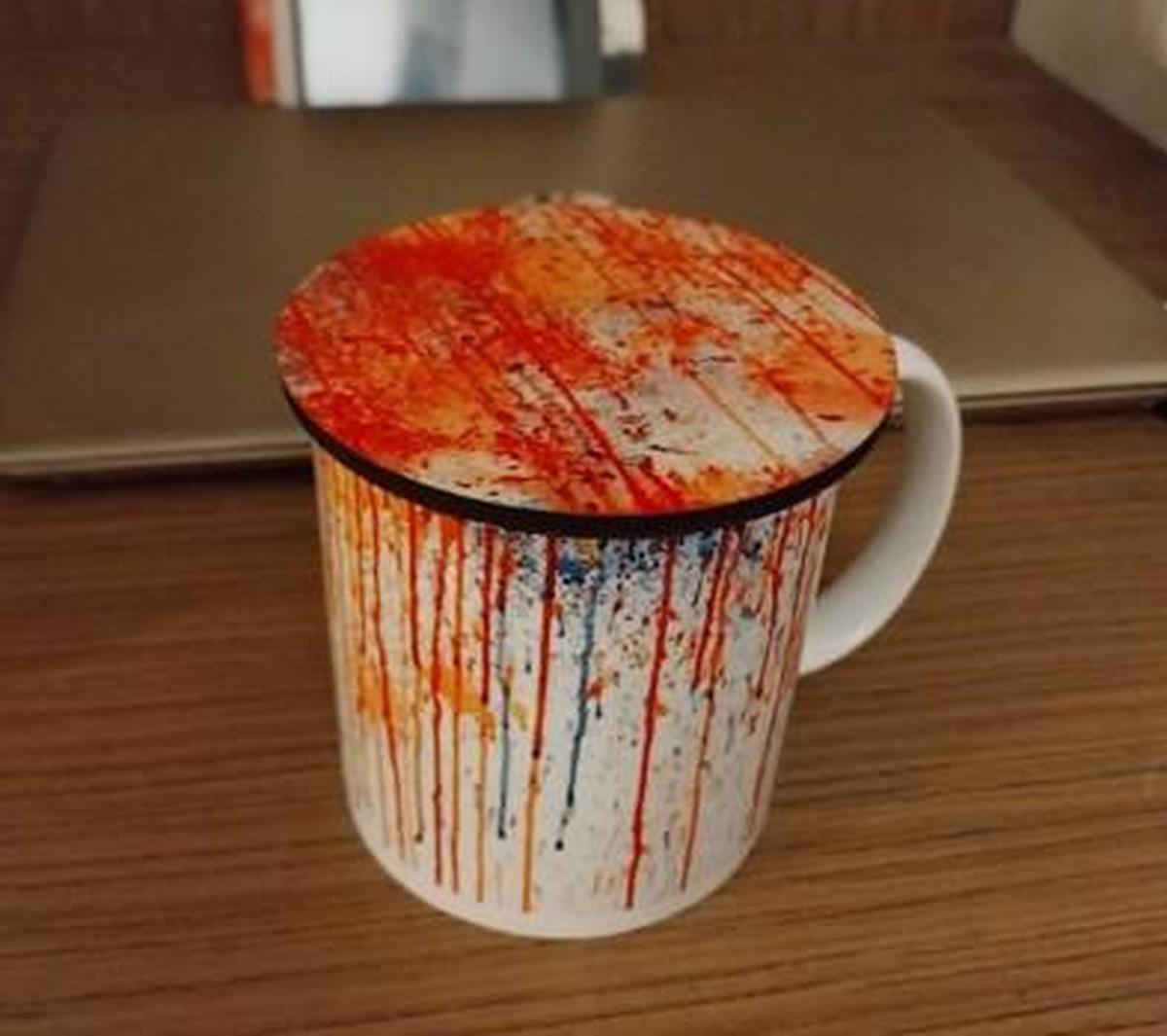
The drip paint mug can walk straight into any upscale showroom that sells art-based utilitarian items, and plonk itself in the display. It would not be stopped at the door. It would make a great corporate gift. The design of paint frozen in an act of dripping underlines such meticulous calculation and skill that it can be the subject of a design lecture at a fine arts college. This artist had designed this mug exclusively for The Indian Twist which makes a variety of items that solemnise a marriage between artistic and utilitarian value. And there is a factor adding greater value to it. The artist is Rupak Munje. A name readily recognised, Rupak is a poster boy for art by the neurodivergent, art that can share display space with art of the highest water from the neurotypical. While in the business of making and selling these products, The Indian Twist is simultaneously in the process of making Rupaks. It supports art by the neurodivergent.

The dripping paint mug designed by Rupak Munje for The Indian Twist.

The dripping paint mug designed by Rupak Munje for The Indian Twist.
| Photo Credit:
SPECIAL ARRANGEMENT

The Chennai-based company (@theindiantwist) sells online thereby surmounting the geographical barrier to commerce .Here is a quick run of their product line — a variety of bags, cushion covers, coffee mugs, beer mugs, coasters, notebooks, artisanal fabric gift envelopes, calendars mini photo albums, aprons, fridge magnets, paper weights, wine bags and so on. There is a quirkiness to how these everyday things are designed.

Artwork by a neurodivergent artist on a calendar designed by The Indian Twist.

Artwork by a neurodivergent artist on a calendar designed by The Indian Twist.
| Photo Credit:
SPECIAL ARRANGEMENT

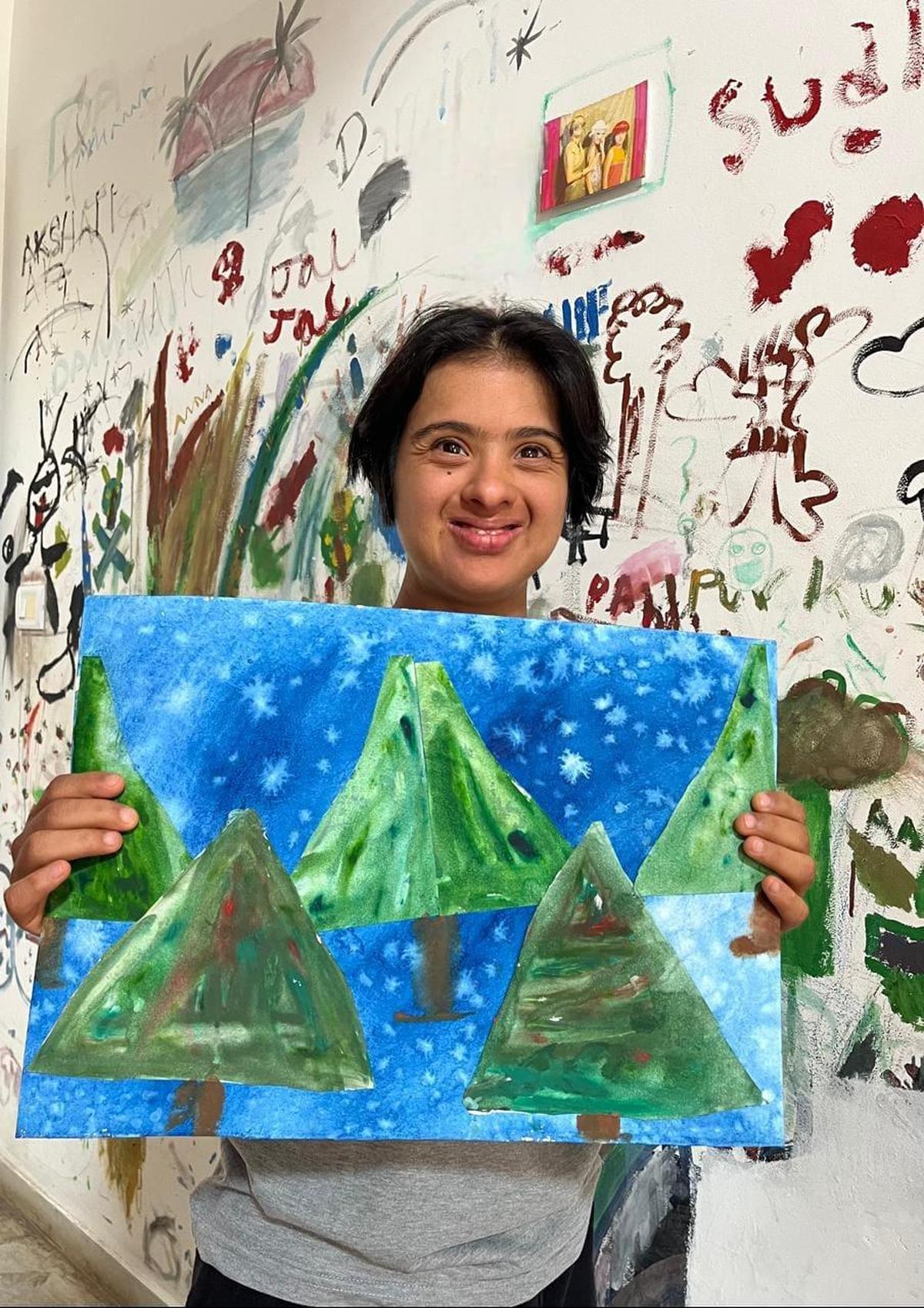
The design team at The Indian Twist works on the spontaneous artworks by children and young adults from A Brush With Art (@abwa_chennai) and CanBridge Academy (thecanbridgeacademy), “kneading” them into its products, thereby transforming these artworks into a state of saleability. CanBridge Academy provides life skill training to young adults with autism. And ABWA promotes “expression of natural art in children with special needs”. 

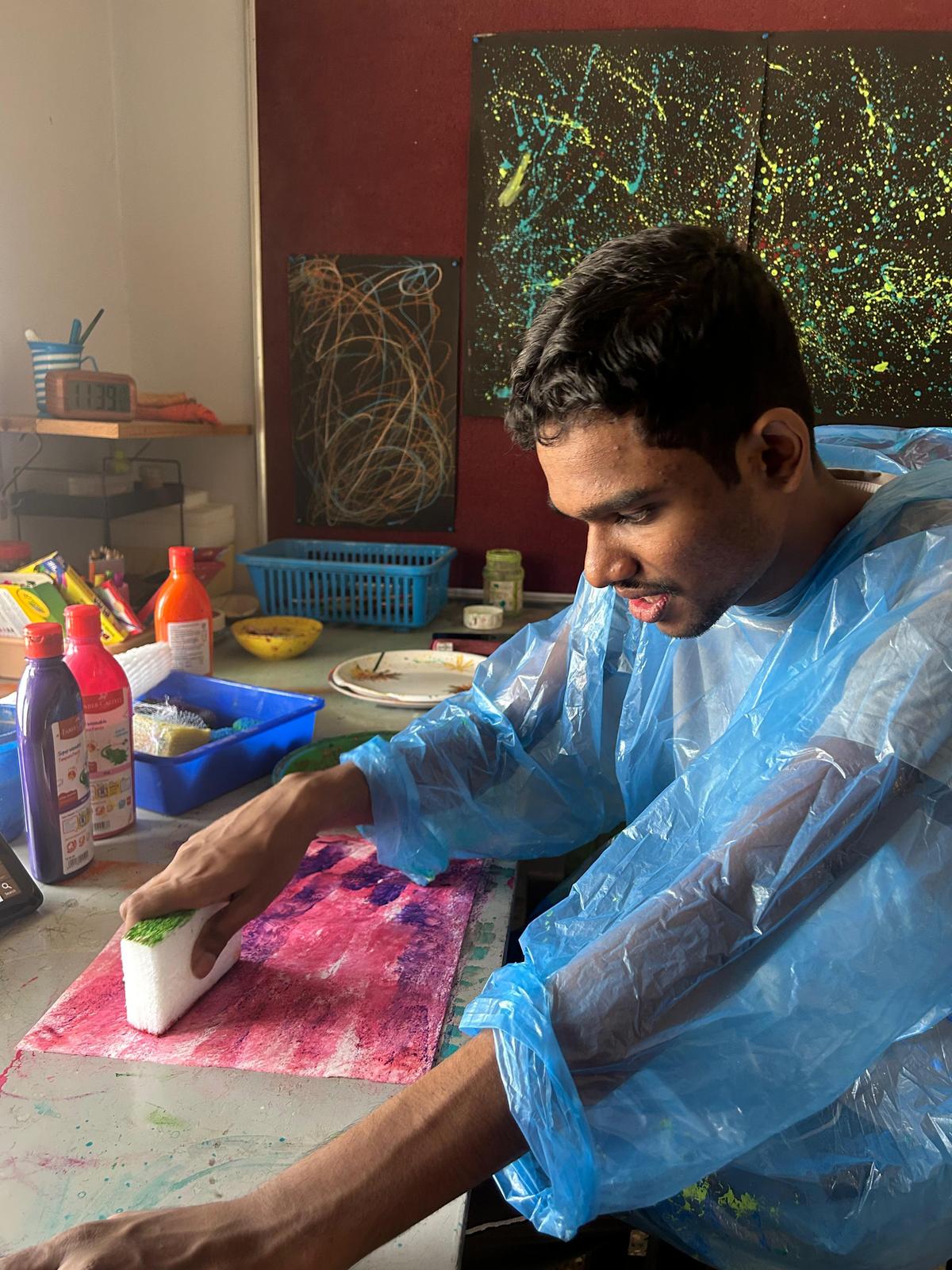
Damini at A Brush With Art.

Damini at A Brush With Art.
| Photo Credit:
SPECIAL ARRANGEMENT

At The Indian Twist, the production process also supports women in shelter homes who stitch bags, earning income and gaining confidence. The residents of The Banyan (India) have a hand in some of the products designed by The Indian Twist. 

Shuba Kuila, founder of The Indian Twist, notes that the final product does not obfuscate the artist’s authentic expression. For Shuba, a part of this creative work is the creation of joy. The fulfilment derives partly from the children’s delight that is evident when they spot their creations on display at events, pressing them to their chests with pride.

At CanBridge Academy.

At CanBridge Academy.
| Photo Credit:
SPECIAL ARRANGEMENT

Shuba observes that The Indian Twist’s approach emphasises merit over charity, ensuring that neurodivergent artists are valued for their creativity and aesthetic contribution, not their circumstances.

Here is a peek into how these artists are made at the organisations associated with The Indian twist. 

Mala Chinnappa, mother of a neurodivergent adult and a long time facilitator at A Brush With Art, begins “When a child first comes in, we begin with dry mediums like crayons. Fluid mediums can overstimulate. We simply watch them. They realise this is not a class. They are free to do what they want.”

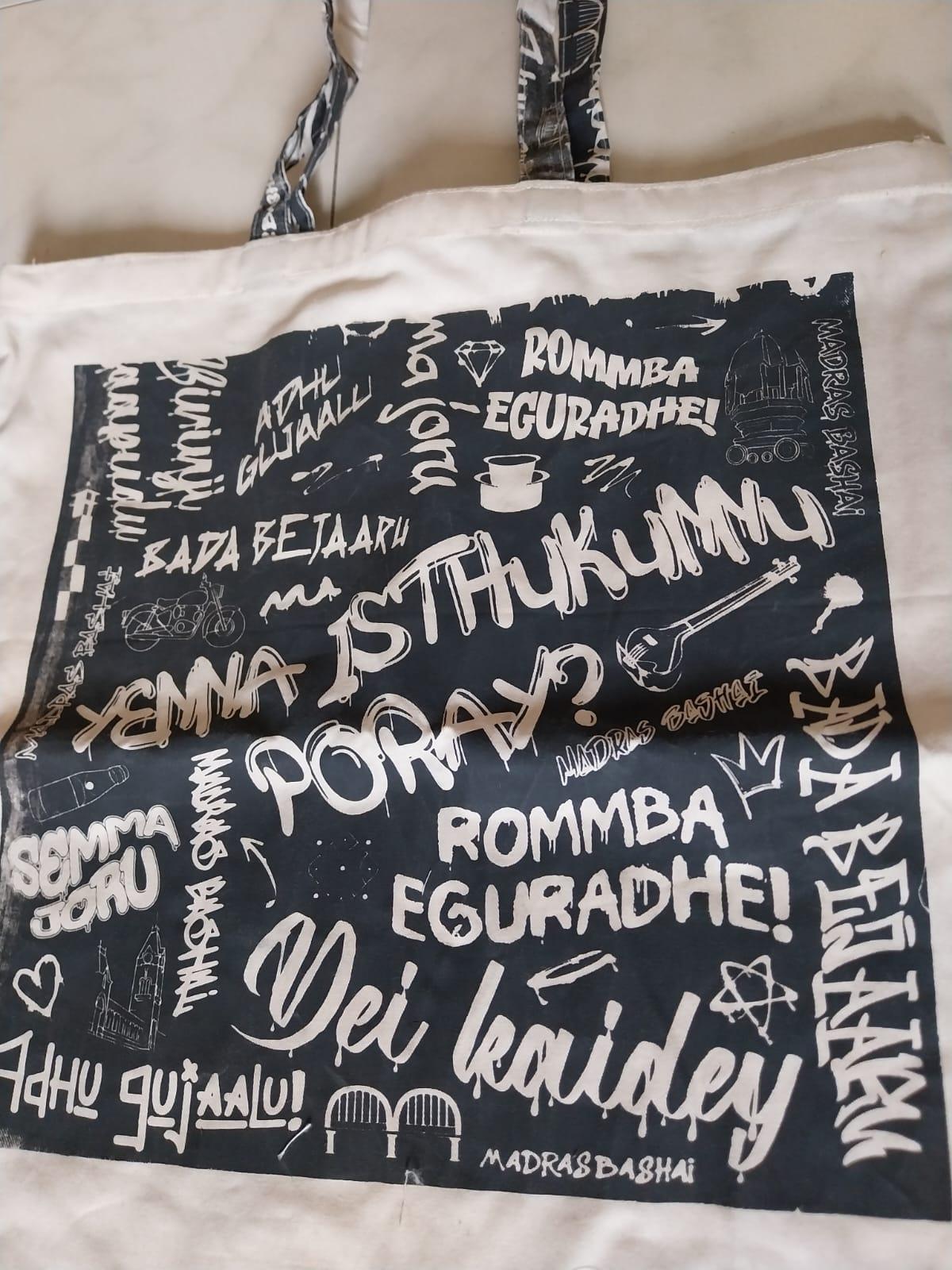
A bag from The Indian Twist which promotes art by the neurodivergent.

A bag from The Indian Twist which promotes art by the neurodivergent.
| Photo Credit:
SPECIAL ARRANGEMENT

The art sessions are structured around agency. One child draws buses with architectural precision but omits the driver every time. “Human beings disrupt his grid,” she explains. “So he edits them out.” Another covers sheets with a single colour until the page becomes an uninterrupted field. Some cut paper with near mathematical accuracy. Others tear it rhythmically, almost as a form of sensory release. These are data points about how each child processes the world. Over months, she observes measurable changes. Sitting tolerance expands from ten minutes to over forty. Colour choices shift from impulsive to deliberate. Compositions gain structure. Impulsivity reduces. Confidence becomes observable rather than assumed.

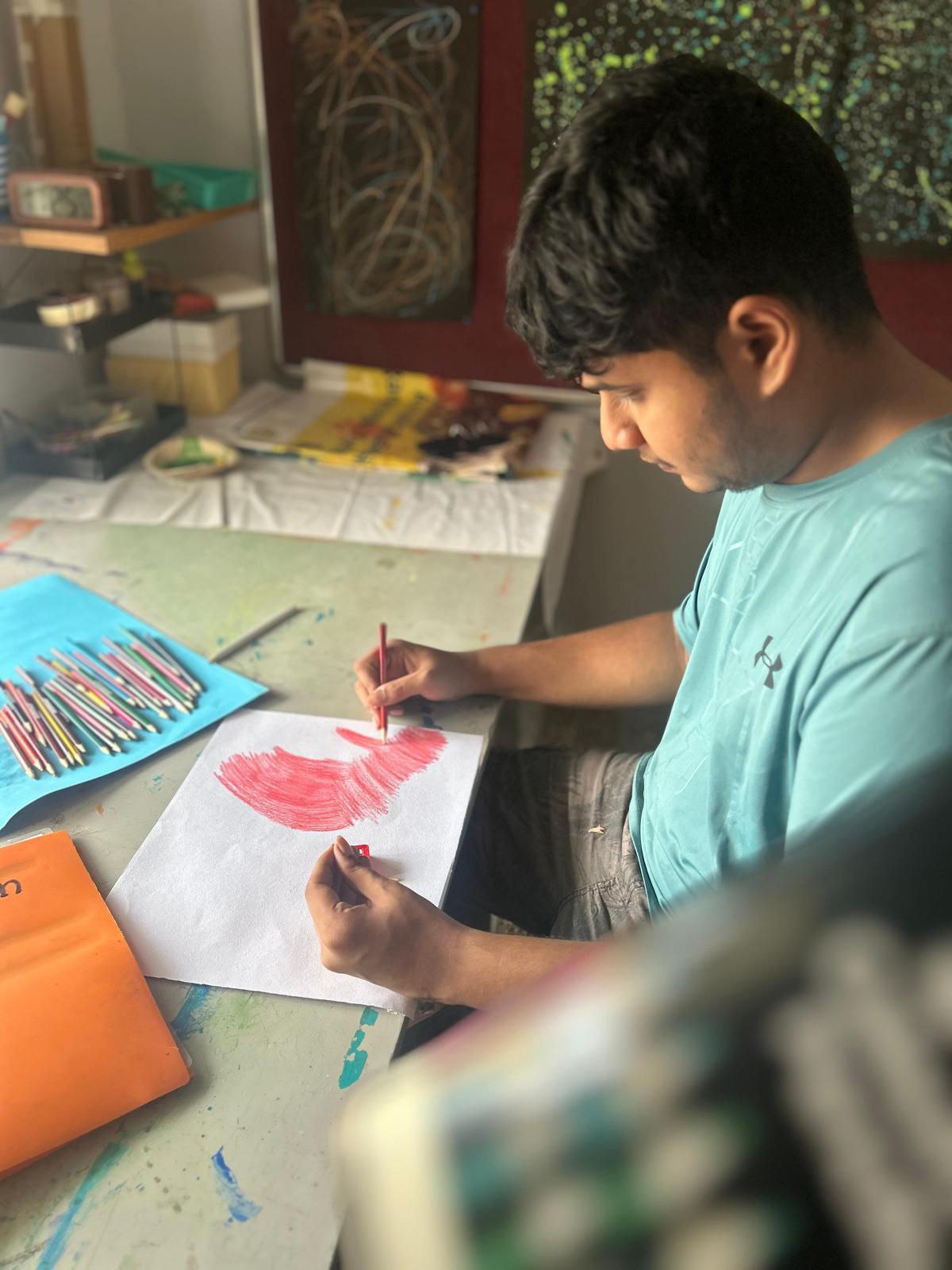
At CanBridge Academy.

At CanBridge Academy.
| Photo Credit:
SPECIAL ARRANGEMENT

At The CanBridge Academy, co-founder Kavitha Krishnamoorthy has worked with hundreds of neurodivergent individuals across ages. Patterns, she says, are often their preferred language. Visual patterns, musical rhythms, repetitive motions are not signs of monotony but anchors for regulation. “Even finger painting becomes movement,” she explains. “Sweeps, arcs, repetitions. Their body leads the art, not the other way around.”

She cautions against reading emotions through colour choices, an interpretation common in neurotypical frameworks but inaccurate here. Emotional communication is frequently physical rather than symbolic. A child who arrives distressed may pound clay until his system stabilises. A young adult plays a xylophone with rapid beats when excited and slow, spaced notes when low. Emotion is expressed through speed, pressure, repetition, and bodily rhythm.

A fridge magnet designed by The Indian Twist which supports art by the neurodivergent.

A fridge magnet designed by The Indian Twist which supports art by the neurodivergent.
| Photo Credit:
SPECIAL ARRANGEMENT

Contrary to stereotypes, attention is rarely the concern. What disrupts focus is not the child but the instruction. “They focus intensely,” she says. “The problem begins only when adults impose structure or when the task becomes monotonous.” 

Across weeks and months, the changes are consistent. Restlessness diminishes. Emotional regulation improves. Trust widens. Independence builds. Over time, a recognisable artistic identity emerges, not shaped by imitation but by sensory accuracy.

Published – December 06, 2025 08:28 am IST


Source link

The rise of the secure workspace


Every modern workspace is now a data fortress in disguise. On an ordinary weekday morning, employees swipe into biometric gates, log into cloud dashboards, and send thousands of data transactions across networks without a second thought — constantly engaging in data-heavy exchanges. Yet behind this seamless flow lies an invisible architecture: sensors, algorithms, firewalls, and security protocols working tirelessly in the background. What was once simply an office is now seen as a live, intelligent ecosystem, one that must defend itself as effectively as it empowers its people.

This evolution didn’t happen by chance. As cyberattacks escalate in complexity, hybrid work deepens digital exposure, and businesses embrace cloud-based operations, the modern workspace has acquired a new identity: a safe data haven. No longer judged only on design, amenities, or location, today’s workspace is evaluated for its ability to protect data, anticipate threats, and inspire employee confidence. Security is no longer a layer; it has become the architecture of custom-built offices.

First filter

In the past three years, organisations have witnessed a dramatic expansion of their risk landscape. India alone faced over 2.04 million cyber security incidents last year, reflecting how deeply exposed businesses have become as digital dependency grows. Employees now connect from different devices, transfer large volumes of proprietary information, and collaborate through cloud tools. Every login, file transfer, or sensor interaction becomes a potential vulnerability.

Simultaneously, threat actors have shifted their tactics. Attacks now target IP-rich proprietary environments, access control systems, video feeds, and IoT devices embedded within smart buildings. Therefore, workspaces have become central to enterprise risk management, not peripheral to it.

This rising complexity has restated where global firms choose to build their capability centres, and India is at the forefront of that shift. The country is rapidly becoming a preferred destination for GCCs because its flexible workspaces are increasingly meeting or exceeding global benchmarks for digital and physical security.

Today’s flexible workspaces across Tier 1 metros offer far more than convenience — they provide highly comprehensive network architecture designed for sensitive workloads, supported by tiered access-control systems, AI-enabled surveillance, and advanced business continuity infrastructure. Integrated digital solutions enable global teams to collaborate seamlessly, while robust compliance frameworks ensure alignment with stringent international data protection norms.

For GCCs managing core engineering, AI model training, financial analytics, payments infrastructure, or cybersecurity operations, India’s secure workspaces delivers the trifecta of performance, protection, and scalability.

Organisations have moved from checklist-based assessments to a more holistic, systems-oriented evaluation of workspaces’ safety. Their decision-making spans two interconnected dimensions that must work in concert. Physical security capabilities encompass perimeter protection, intelligent access systems, biometric gates, emergency response planning, and surveillance powered by analytics. The goal is to ensure controlled access, rapid incident response, and continuity of on-ground safety.

Digital security architecture examines the workspace’s IT backbone: encrypted networks, built-in firewalls, secure server rooms, SD-WAN solutions, endpoint protection, and real-time monitoring. Here, digital security isn’t an add-on—it is embedded into the building’s core design.

The truly future-ready facilities are those where physical and digital environments merge, where a motion sensor, a swipe card, a network login, and an operational dashboard all feed into a single real-time risk intelligence system.

New age of flexible workspaces

Today’s intelligent workspaces are built on technologies that sense, anticipate, and respond. These innovations create continuous learning environments that evolve with emerging threats.

AI-based anomaly detection tools continuously analyse user behaviour, network traffic, and movement patterns. When they detect irregularities such as unusual logins, abnormal data transfers, or unexpected physical access, they trigger instant alerts or isolate suspicious activity.

IoT sensors embedded within the workspace act as digital sentinels, monitoring environmental changes, detecting unauthorised access, tracking occupancy patterns, and interfacing with building systems to maintain a safe, regulated ecosystem. These devices create comprehensive situational awareness across the entire workspace.

Edge computing processes sensitive data at or near the source rather than sending it to distant servers. This drastically reduces latency and ensures millisecond-level threat detection and response, particularly in high-density flexible workspaces.

Digital twins create virtual replicas of the workspace that helps operators simulate potential threats, stress-test systems, and identify vulnerabilities before they can be exploited. It enables predictive maintenance, early-warning alerts, and intelligent decision-making.

For developers, operators, and occupiers alike, safe data havens unlock multi-layered value. They ensure business continuity through uninterrupted, protected operations, while transparent, tech-enabled security layers build strong tenant confidence. Within these risk-free digital ecosystems, productivity naturally rises, leading to long-term retention as both employees and employers trust the environment they work in. Ultimately, such spaces strengthen an organisation’s reputation, positioning it as a secure, future-ready workplace.

As digital dependency deepens, workspaces ought to transform from passive real estate assets into active, intelligent defenders of organisational value, offering security, certainty and resilience. Flexible workspaces that invest in comprehensive security infrastructure enjoy reduced vacancy rates, premium rental yields, and stable tenant relationships that create long-term portfolio value.

In the era of cyber-physical convergence, the future belongs to workspaces that function as safe data havens, fortified, flexible, and fundamentally designed for the challenges of tomorrow.

The writer is president and co-founder of Table Space.


Source link