Life & Style

Usher in the season with these eco-friendly Christmas decorations


Christmas decor from GreenKraft

Christmas decor from GreenKraft
| Photo Credit: Special Arrangement

There is no denying that while tinsel and thermocol look pretty, the planet could do with a little less of them all around. We look at a few home decor products that would also make for great gifting options this season:

Recycle, refresh

Christmas decor from Abira

Christmas decor from Abira
| Photo Credit:
Special Arrangement

Meaning brave in Hindi, Abira founded by Priyanka Khandelwal, works with women in the urban slum areas of Bengaluru and Pune. “All our Christmas decorations are made by them and for most this is their first job. The fabrics we use are sourced from garment cutting units. Whenever any garment is manufactured, about 15% of fabric is wasted, and that is what we utilise across our collections.”

Priyanka says since these scraps are donations from bigger brands they are able to create more pieces in every style. “The wood we use is actually medium-density fiberboard (MDF) created out of compressed wood and sawdust, and are discards which we pick from interior designs firms.”

Check out whebyabira.com for details

Twines that bind

Christmas decor from GreenKraft

Christmas decor from GreenKraft
| Photo Credit:
Special Arrangement

Though they have been operational since 2012, Greenkraft introduced a line of Christmas collectibles last year when they launched their e-commerce website. The firm which began marketing bamboo products, now also crafts items out of banana fibre.

Sangita Banerjee, senior lead merchandiser, says the basic structure of their products evolves from the composition of mats created from slivers of bamboo reed. “Our in-house designers work on the R&D for our festive collections and how to make them relatable for each season. We employ rural women to assemble our products — bamboo ones are from Karnataka and the banana fibre ones from the Tamil Nadu region. There aren’t too many job opportunities in these regions for women, so for most of them, this is an additional source of income.”

Details on greenkraft.co.in

Waste not, wreath knot

Christmas decor from Diya Innovations

Christmas decor from Diya Innovations
| Photo Credit:
Special Arrangement

Among the many cutesy items on Diya Innovations’ site, is a bushy, green wreath that would not only look lovely on its own, but also lends itself to pretty much any theme you might have this Christmas. Founder of Diya Innovations, Suman John says, “It all began a few years back, when over a lakh of pamphlets left over after a political rally were dumped at our door step. My Head of Production had designed a wreath using little bits of paper that were folded into fans; they were then strung with wire to hold the structure together.”

“Though it might seem monotonous, for those with autism or intellectual disability, repetitive motion is soothing and getting them to complete a task within a certain period of time, gives them a sense of purpose. We’ve been making these for a few years now, and it has been a popular product.”

This year, Diya has introduced cloth ornaments that double as room fresheners. “We had leftover scraps of cloth from the bags that we make, so we hand-printed them with candy stripes and stuffed them with potpourri, turning them into little tree ornaments. Similarly, the new addition of Santa faces sporting dashing moustaches are made from recycled pine wood.”

Check out @diyainnovations2013 on Instagram

Little lights
Christmas decor from Hand Art Treasures

Christmas decor from Hand Art Treasures
| Photo Credit:
Special Arrangement

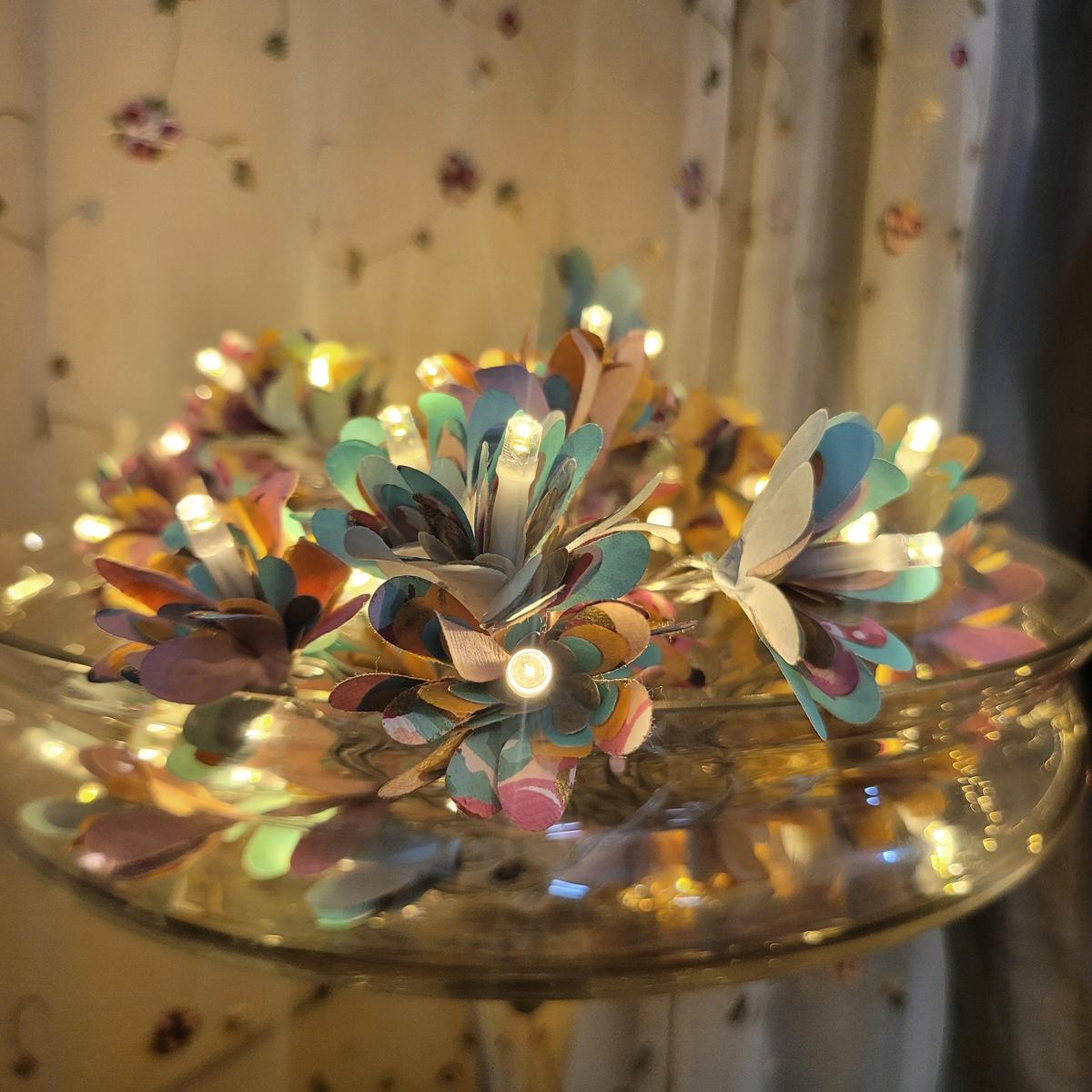
One Christmas when Tahmina Yacoob found herself with time on her hands, she cut up and folded some Auroville paper lying around into a kitschy lampshade of sorts. “Everyone who visited us that season loved the play of light and wanted something similar. That was how I started making these by the end of 2016,” says Tahmina.

“Initially, I started with the handmade paper I had at home. I love their texture and had picked up quite a lot over the years,” she adds.

Though the original design remains the same, Tahmina says she alternates colourful handmade paper with plain ones. She sources these from a local paper-cutter, using what remains after wedding invites and office stationery have been cut to size. “The textures are what I am on the lookout for.”

Three years ago, Tahmina began employing a group of women from Whitefield who wanted to augment their income. “I do the cutwork and the flowers, they help me assemble the lights on each piece.”

@handarttreasures on Instagram features Tahmina’s Christmas collection


Source link

In Kolkata, the Ganges comes alive to a luxury dining experience aboard a passenger cruise anchored in the heart of the river


It is that soft-shouldered time of year in Kolkata, when the rains have gathered their hems and departed, leaving the sun diffused and forgiving. Making our way through the tree-lined avenues of Fairley Place, we arrive at BBD Bagh Railway Crossing. Beyond the railway tracks lies the ferry ghat, a narrow ledge between departure and return. The river gleams in the waning orange of dusk, alongside the Howrah Bridge rises like the city’s steely guardian. 

As we wait, a ferry moors at the ghat. We step aboard. On setting sail, the city recedes. 

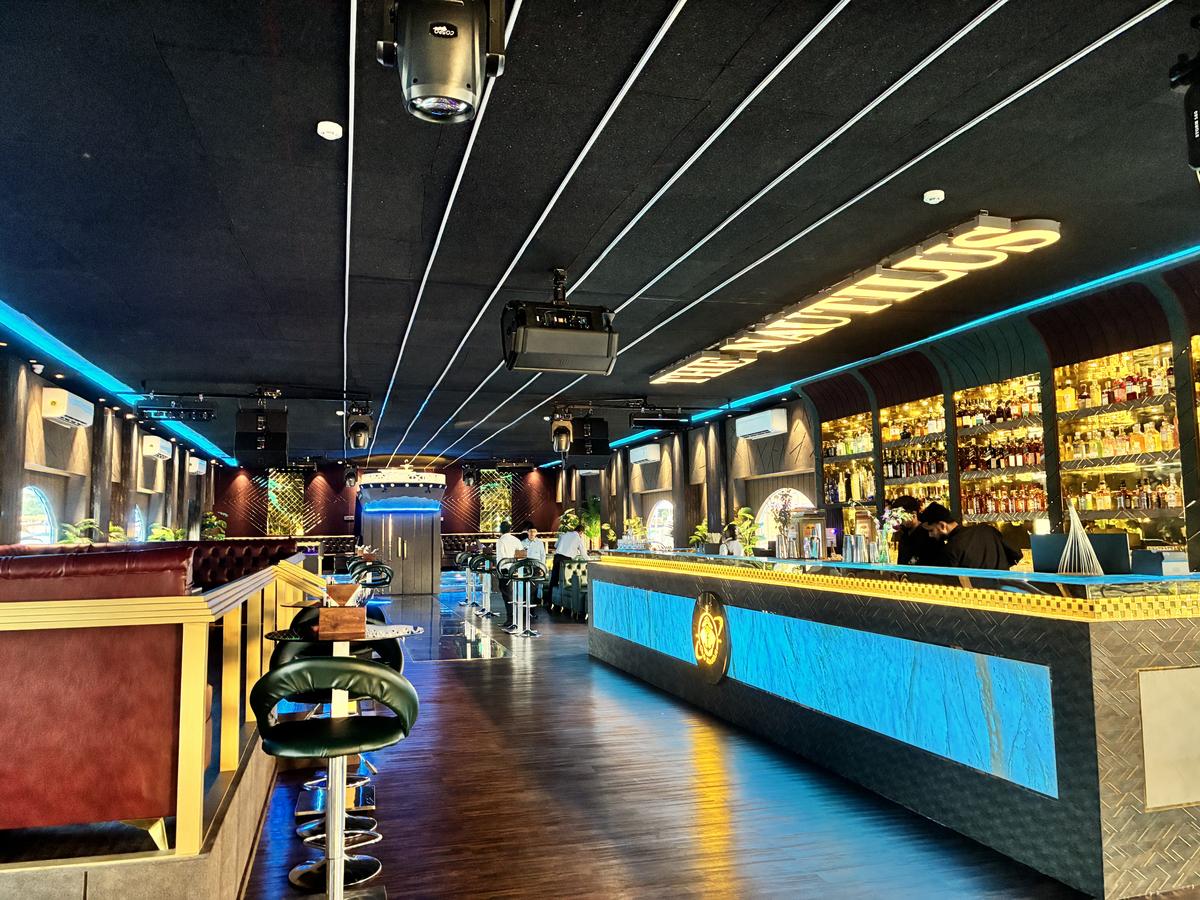
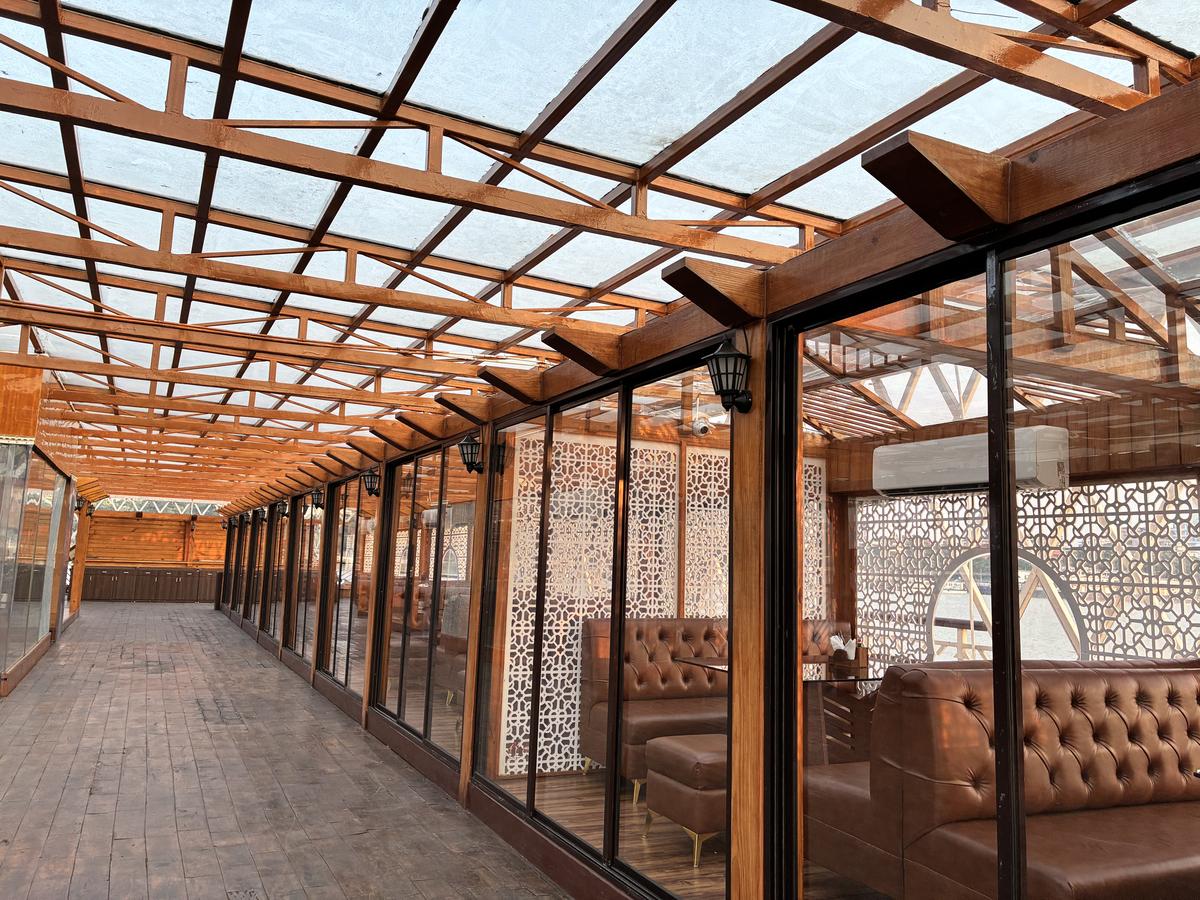
Out in the heart of the Ganges, the real marvel awaits  — Nautilus, a two storeyed passenger cruise, 70 by 13 feet wide, 24,000 square feet long, with its anchor deep in the unseen bed of the river. Supported by the turning of the tides and currents, it turns almost imperceptibly, a full 360 degrees. Through its glass belly and the open deck on the second floor, the city scatters itself on the far edges of the river. Lying before us, the length and breadth of the SBI headquarters, the giant radar resembling a football on top of the New Secretariat, the white dome of the GPO, Eastern Railway Headquarters, and the Howrah Bridge with countless cars traversing it every second.

Nautilus is Ayan Banerjee’s brainchild. Ayan, a marine captain, understands the world of shipping and navigation like the back of his palm. Telling us about the idea behind the project, he explains, “In Kolkata everybody likes to party. All over India, if anything is on a boat, you have to book the whole boat or go somewhere where ticketing is happening. I wanted to find a way for people to come to the water and enjoy the water. I could have done it anywhere in India but I wanted to do something for my city. I would have made more money in Goa. But since I like to party, I want other guys to be able to party and enjoy the ambience of the Ganges. Nowhere in India do they have this concept.” 

He adds, “The ship used to be a banquet vessel. I have listed it. We didn’t touch the structure. Everything you see here — all my employees put their heads together and gave ideas for the interior decor, ” says Ayan. 

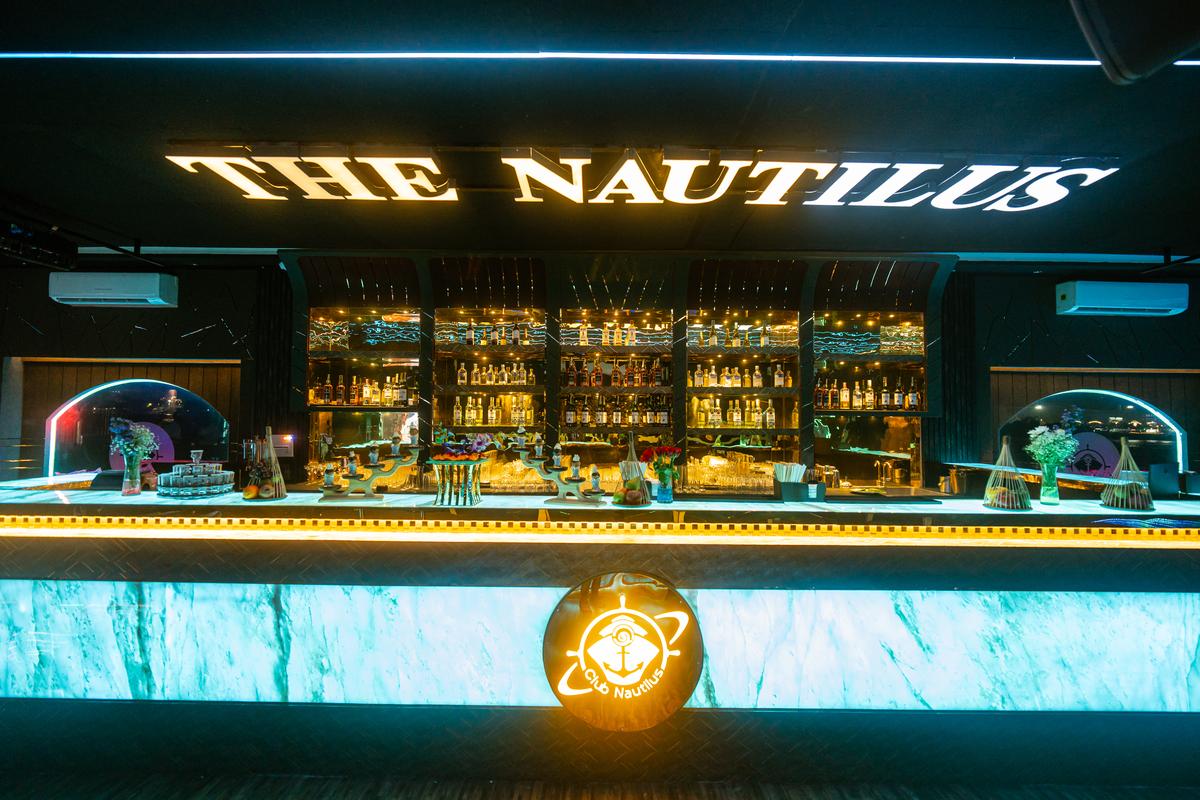
Explaining the name, he says, “Nautilus has two meanings. In Jules Verne’s novel 20,000 Leagues Under the Sea, Captain Nemo’s imaginary ship is called Nautilus. Secondly, the Nautilus shell is claimed to have a golden ratio, which makes it the most beautiful in the world.”

Recalling his experience at sea, the captain recalls, “The biggest vessel I’ve navigated is five times this size of Nautilus which is merely 72 metres long. The entire vessel runs on diesel, including the electrical connections which power the bar, nightclub and upper deck. This has been my dream project for my city.”

Inside Nautilus

Inside Nautilus
| Photo Credit:
SPECIAL ARRANGEMENT

Nautilus was inaugurated during Durga Puja on September 26, 2025. The one of a kind concept features a nightclub and hookah bar on the first floor, while the upper deck offers a cabana style seating arrangement alongside a larger open air lounge.

In the near future, the owner plans to introduce live seafood counters “like you would see in Singapore,” he says where guests can pick their fish, crab, or lobster, and have it prepared fresh at the counter.

Nautilus bar

Nautilus bar
| Photo Credit:
SPECIAL ARRANGEMENT

Food and beverage

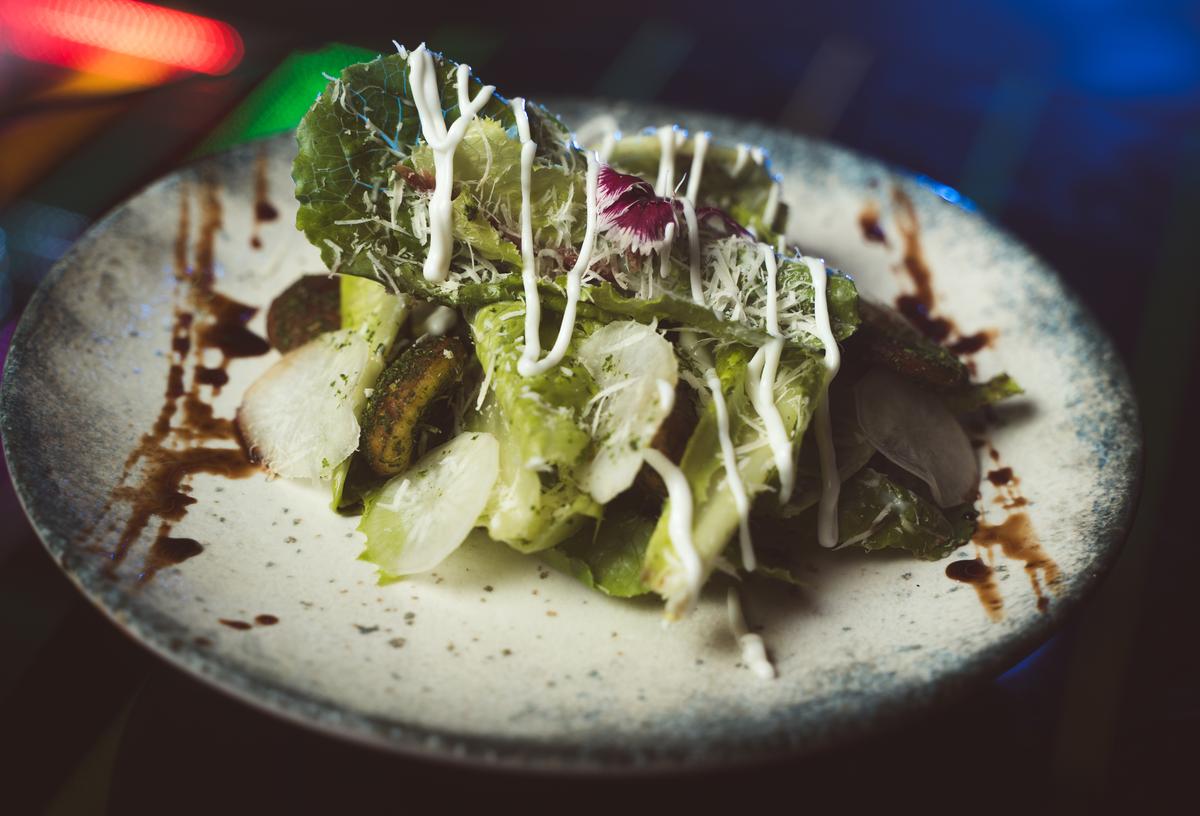
The bar and food menu spans Indian, Continental, Chinese, Italian, and fusion dishes. From Don Julio shots to GH Mumm for celebrations, the customary Martini, margarita, gimlet, and an array of liqueurs, the offerings are neither ostentatious nor basic but manage to straddle both. The menu includes Kolkata favourites such as lobster, river fresh bhetki in fish kalia or daab chingri, mahi mahi in kasundi (mustard), along with pizza, pasta, Thai curries to baked roshogolla, Japanese cheesecake, and darsaan for dessert and a lot more. While the food and beverage menu does not experiment, the dishes are comfortingly familiar and tailored to suit Kolkata’s eclectic palate — indulgent and without pretence.

The menu has options like Thai curry, lobster, and pizza.

The menu has options like Thai curry, lobster, and pizza.
| Photo Credit:
SPECIAL ARRANGEMENT

On special occasions like Bhai Phonta, Deepavali, or Durga Puja, curated thalis priced between ₹1,300–₹1,500 are prepared by the chef on board.

When asked about the safety of guests returning by ferry after alcohol consumption, Ayan assures that measures are being put in place. “The ferry that carries guests to and from the vessel will soon be covered with a net, and several bouncers will be stationed on board,” he says. The ferry, he adds, is exclusively reserved for patrons of Nautilus.

In a city where nostalgia often outweighs novelty, Nautilus offers a slice of innovation that does not estrange itself from heritage. It brings Kolkata’s relationship with its river full circle: once the artery of trade and empire, the Ganges now becomes a stage for leisure, light, and belonging.

Located at BBD Bagh Kolkata, Fairley Place 1, the price for two is approximately between 1,800 – 2,000. No cover charges. For reservations call +91 9147762462

Published – December 05, 2025 05:10 pm IST


Source link

Dating fatigue is shaping a new kind of modern romance in India


I was sitting with a friend recently — one of those late-evening, chai catch-ups — when she said something that stayed with me. “I think I’d rather be alone than be someone’s emotional admin again,” she sighed, stirring her cup like it had personally offended her. It was one of those remarks that sinks quietly into your chest. And the more I thought about it, the more I realised I had heard variations of the same sentiment from several people in the past month. Different stories, different cities, but the same soft exhaustion: dating has started to feel like a second shift.

Of course, this is not a strictly men-are-the-problem narrative, because that would not be true. I have met men who are more emotionally articulate, responsible, and domestically competent than some of the women I know. I have also met women who prefer outsourcing every logistical and emotional task to the men they date. As a friend put it last week, “It’s not a gender problem anymore — it’s an adulthood problem. Some people grow up. Some outsource it.” That line has been playing on loop in my head.

Emotional deadlifting

And since we are being honest, I am not writing this from a place of detached superiority. I have had a full Florence Nightingale era myself — the phase where I believed I could love men into becoming their better selves. I was the pillow, the therapist, the cheerleader, the emotional laundromat. None of this was asked of me. I simply arrived pre-conditioned for the job, offering five-star care at relationships that barely met the hygiene standards of an OYO. I seemed to attract damaged men like I was running a discount on emotional availability. Beautiful, complicated men with heartbreak stitched into their bones. Men who adored being held but struggled to hold back; who loved being understood but rarely understood in return.

Somewhere in this pattern, a quiet realisation crept up on me: I was not getting the same softness, care, or instinctive emotional generosity that I was pouring in. So I shifted my philosophy of dating. At the moment, I am on something of a hiatus — spiritually and socially — and it feels good. I want a fuss-free relationship with men, something light and breathable. I want to date around, have a small rotation, a neat little Rolodex of five men I enjoy speaking to and seeing when I please. After years of emotional deadlifting, I believe I have earned the right to prioritise ease.

This sense of gentle recalibration is not unique to me. Many women — and a fair number of men — are quietly rethinking their emotional capacity. I know men who are exhausted from being the only ones planning, initiating, regulating, and holding. Women who say their former partners left every emotional responsibility to them, right down to deciding when to have the hard conversations. One of them told me, half amused, half exhausted, “I don’t want to date someone whose idea of emotional availability is sending ‘u up?’ at 11 pm.” Meanwhile, some women are pushing back against the dynamic they watched their mothers and grandmothers inhabit — the unacknowledged, endless caretaking that swallowed their identities.

Layers of complexity

Queer relationships are not exempted from these patterns either. Many gay men go through what psychologists call “delayed adolescence” (I would know!), especially if they came out later in life or grew up suppressing core parts of themselves. This often results in one partner becoming the executive-functioning headquarters of the relationship while the other dances between charm and avoidance. A friend said recently, “I can date a man who’s complicated. I just can’t date a man who’s avoidant and complicated,” and every queer person in the room nodded like they had lived that line personally.

The generational layer is perhaps the most revealing. I once asked my mother if marriage ever felt fulfilling for her, or if it was always work. She told me they were taught to be the anchor, always. Even on days when she did not want to show up, guilt dragged her into performance. When my father was emotionally absent or simply unavailable, she absorbed the slack without complaint. She admitted there were days she wanted to scream at the weight of mothering a grown man along with children, but she swallowed that frustration because she did not want us to ever feel like burdens. “I had to pick up the slack where your father failed,” she said quietly, “That was just the expectation.”

And maybe that is what so many of us are resisting — not men, not relationships, but that template. That inherited blueprint of silent sacrifice.

So here we are, all of us — straight, queer, men, women — trying to choose ease over effort, reciprocity over resentment, peace over depletion. People aren’t walking away from relationships out of cynicism. They are walking towards something softer: friendships that feel nourishing, homes that feel calm, connections that do not demand emotional heavy lifting.

In the end, it is not a war between men and women. It is a quiet rebellion against depletion. And finally, gratefully, peace is beginning to win.

A fortnightly guide to love in the age of bare minimum

Published – December 05, 2025 05:08 pm IST


Source link

Madras Art Weekend brings India’s art giants under one roof


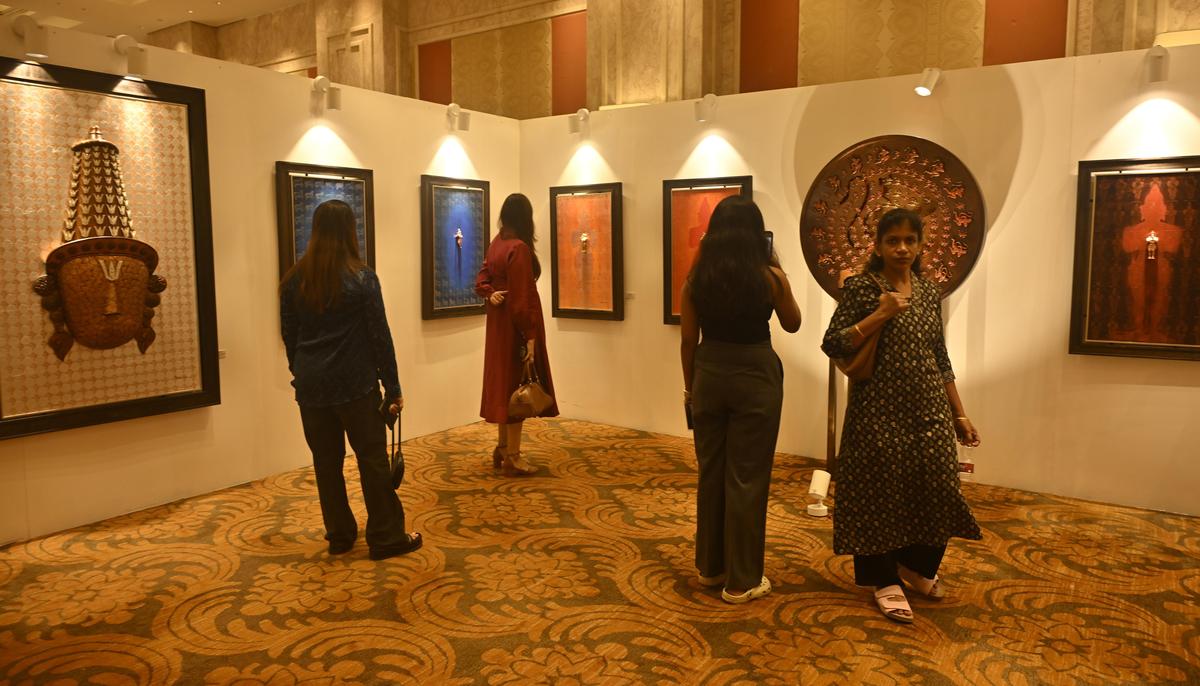
The fourth edition of Madras Art Weekend has kicked off in full swing at Chennai’s Taj Coromandel, pulling artists, designers, curators and gallerists into a vibrant cultural orbit. From intimate panel discussions to curated gallery showcases, the annual festival introduces a wide spectrum of artistic expressions to the city.

Thirteen galleries are showcasing their work at the event and walls are bright with work by some of India’s most iconic artists including Jamini Roy, MF Husain, and VS Gaitonde.

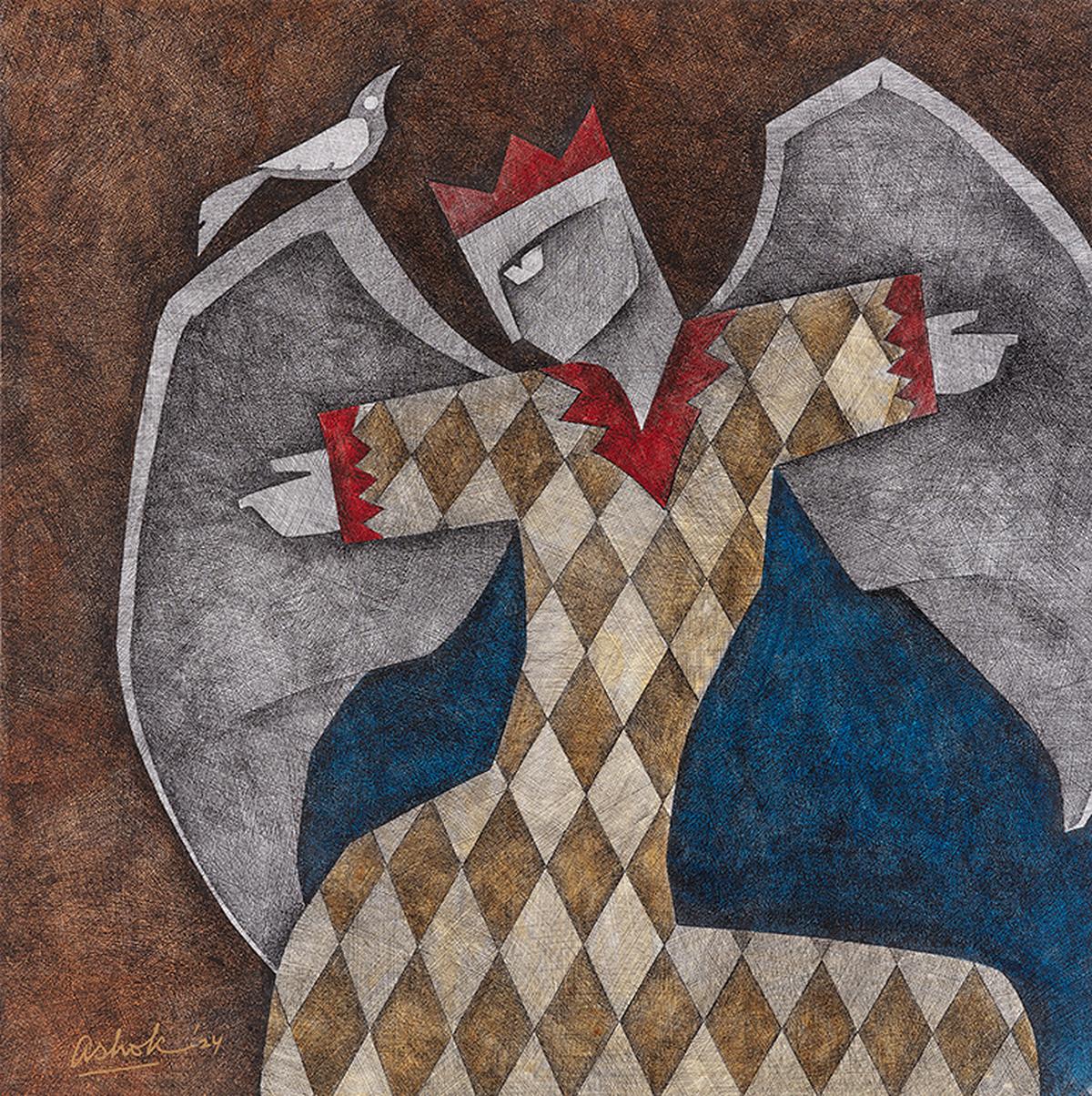
Artwork by Ashok Bhowmick presented by Dhoomimal Gallery.

Artwork by Ashok Bhowmick presented by Dhoomimal Gallery.
| Photo Credit:
SPECIAL ARRANGEMENT

At the stall by Delhi-based Dhoomimal Gallery, artist Ashok Bhowmick’s artworks take centrestage. He uses his signature cross-hatching technique to showcase humans. The technique creates volume. It allows the artist to play with light and shadow using just the tip of his pen. Says Ashok, “My basic objective in painting is to make it very simple. I never want the viewer to feel challenged or instructed — the freedom I feel while creating is the same freedom I want them to have while observing my artwork.”

A total of 14 artists’ works were showcased at Dhoomimal, including KH Ara, Bimal Das Gupta, Thota Vaikuntam, Manoj Aggarwal and many more.

“We’ve tried to present a span of modern masters — starting with Jamini Roy in the old Bengal School, which bridges the Victorian and modern periods,” says Uday Jain, director, Dhoomimal Gallery.

He adds, “from there, we’ve included the works of senior contemporaries who shape Indian art history today. This is our third consecutive year at Madras Art Weekend, and we’ve noticed that Jamini Roy always resonates with viewers, as does artist Ram Kumar. Vibrant works connect strongly with people here, and mythology, too, continues to be a favourite.”

Artworks by Satish Gupta on display at Gallery Art &Soul stall.

Artworks by Satish Gupta on display at Gallery Art &Soul stall.
| Photo Credit:
AKHILA EASWARAN

Artist, poet, and author Satish Gupta, too is presenting his meditative artwork for the gallery Art & Soul, Mumbai. His works often showcase Indian Gods and Goddesses, sculpted on colourful canvases, exploring the concept of spirituality, which is here depicted through the cosmic matrix series. “I work with religious icons, only to move beyond religion… religion has been misused for power and manipulation, but when you go deeper, you find a shared purity of thought, of mind, of being — the shared sense of the universe,” says Satish.

In Gallery G, based inBengaluru, it is the theme Reimagining Bengal that showcases the layered artistic history of Bengal through artists like Rabin Mondal, Jogen Chowdhury, Haren Thakur, Kuntal Dutta and many more. Spanning diverse media — from Suhas Roy’s watercolours to Aloke Sardar’s acrylics — the exhibit presents Bengal in both modern and contemporary landscapes.

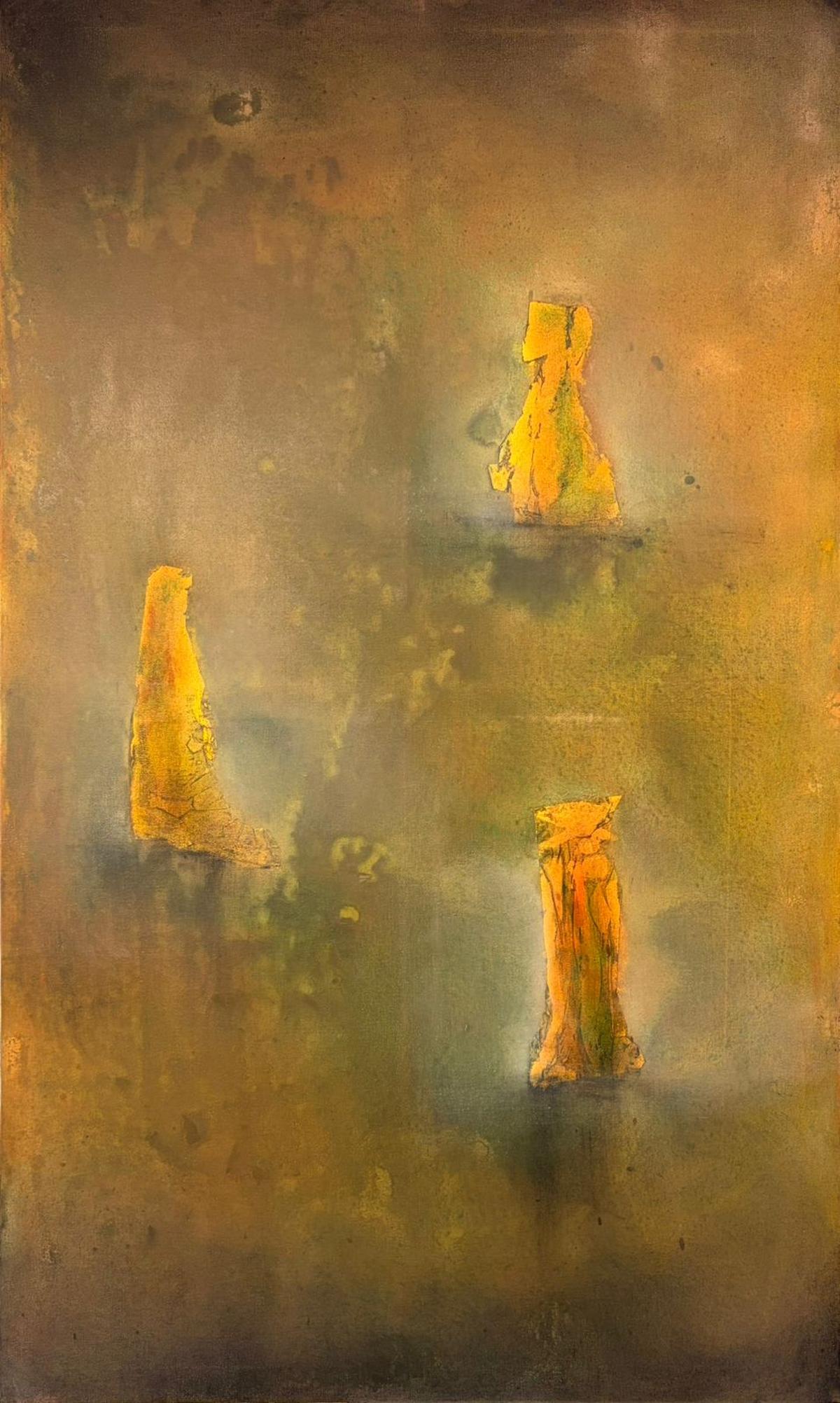
Where Strength Abides by artist and journalist Narayan Lakshman.

Where Strength Abides by artist and journalist Narayan Lakshman.
| Photo Credit:
SPECIAL ARRANGEMENT

Artist and journalist Narayan Lakshman’s work is part of a showcase by Delhi-based gallery Art Magnum. His artwork Where Strength Abides is a meditative exploration of abstraction. “It continues my exploration of non-objective art– an experience rather than a defining thing. Inspired by the artist VS Gaitonde’s meditative approach, I built layered surfaces with wax, sand, gesso and impasto to create a quiet expansiveness — a space where the viewer’s eye can drift across the canvas, pause on subtle marks and textures, and simply relax, enjoy and savour the experience,” says Narayan.

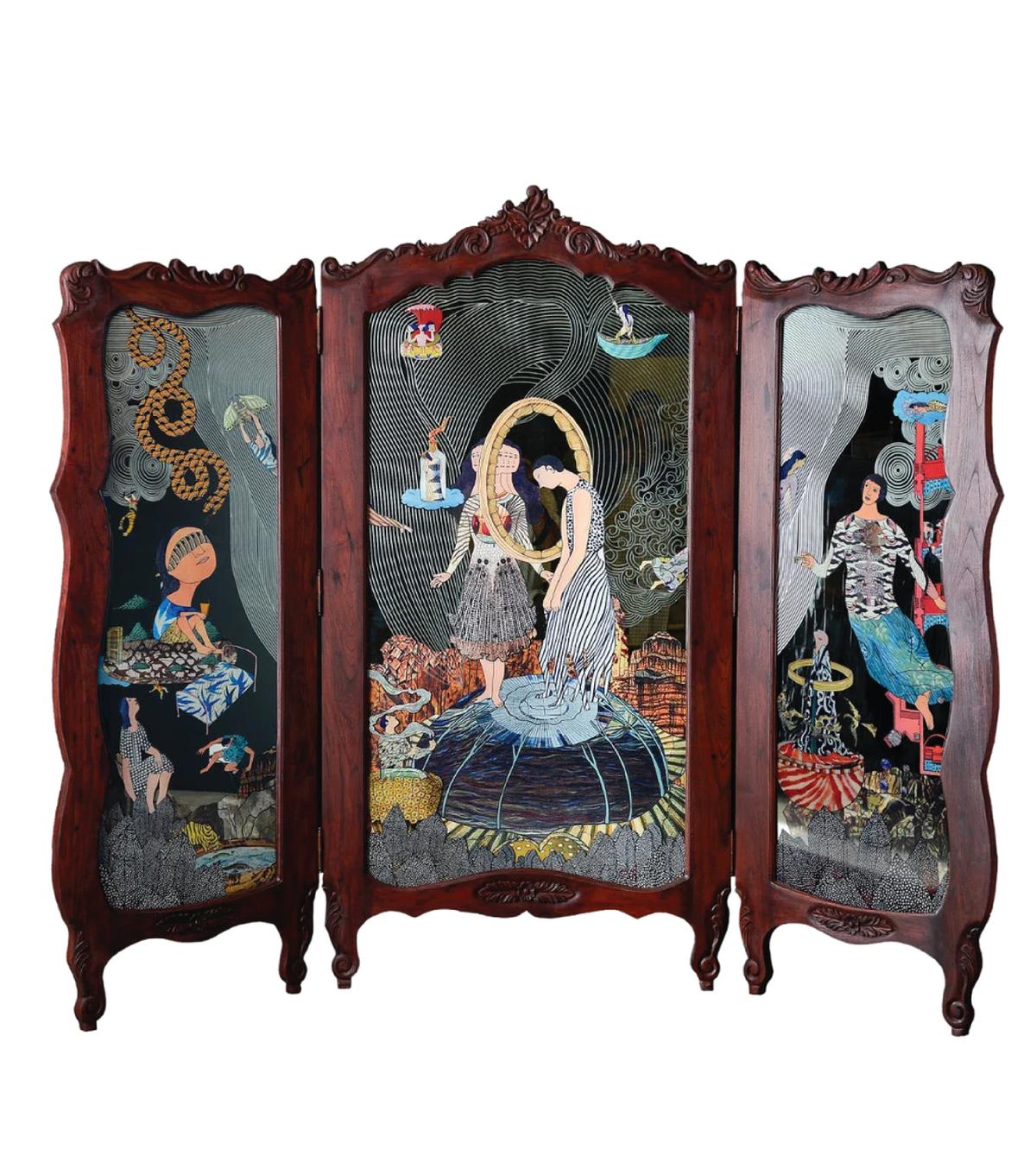
A Bridge of Incidents by Ruchi Bakshi Sharma and Sanjeev Sharma presented by Baro Art.

A Bridge of Incidents by Ruchi Bakshi Sharma and Sanjeev Sharma presented by Baro Art.
| Photo Credit:
SPECIAL ARRANGEMENT

In Mumbai-based Baro Art stall helmed by Srila Chatterjee, it is a showcase of paintings, textiles, and contemporary art.

“Our curation really has been keeping in mind the scale of the works that Madras could appreciate. It is a mix of objects of design, craft, but also art, which ties it all together,” says Abhik Battacherji, curator, Baro Art.

There is Anwar Chitrakar’s artwork on Bengal pattachitra (a cloth-based scroll painting from Bengal and Odisha), then there is Ashish Malakar and Nandita Palcoudhuri’s sculpted piece titled Zenana, which is made with Sholapith framed into a wooden panel.

Also, check out Jabbar and Abdullah Khatri’s textile piece titled Earthen Hues, featuring clamp dye technique on silk. And textile artist Jagrity Phukan’s piece Paddy-Play-House. Crafted with muga silk, eri silk and cane, it is a way of honouring indigenous fibres and natural dyes grown on her ancestral silk farms.

After all, great art is personal.

The Madras Art Weekend is on till December 6, at Taj Coromandel. Registration at urbanaut.app.

Published – December 05, 2025 05:01 pm IST


Source link

How luxury hotels in India are championing homegrown culinary stories


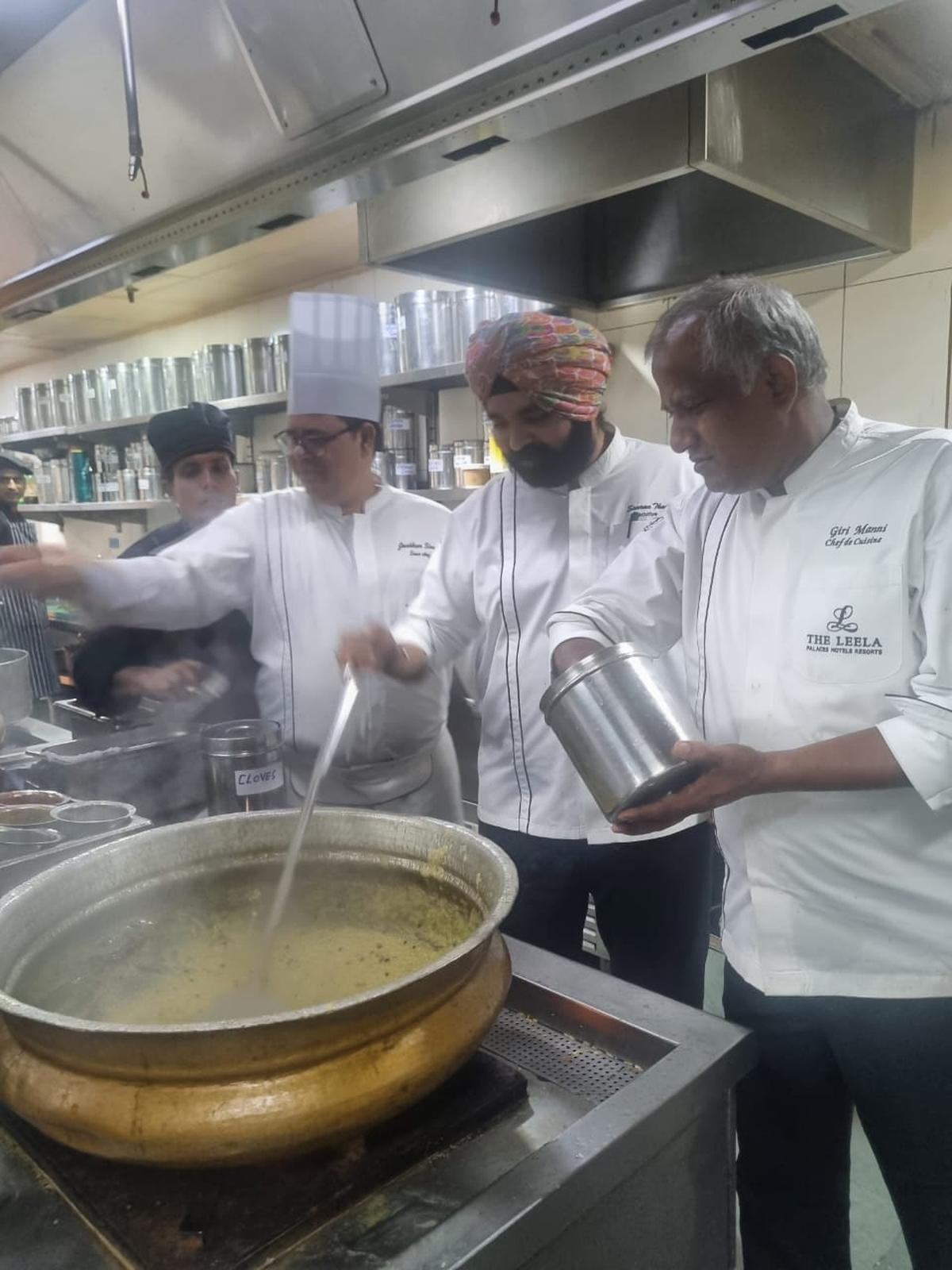
A couple of months ago, over 150 litres of water were sent by road from Punjab to The Leela Palace Bengaluru — accompanied by vadis, rajma and Amritsari aam paapad. All this, just to capture the flavours of Punjab as faithfully as possible for the hotel’s new regional popup series.

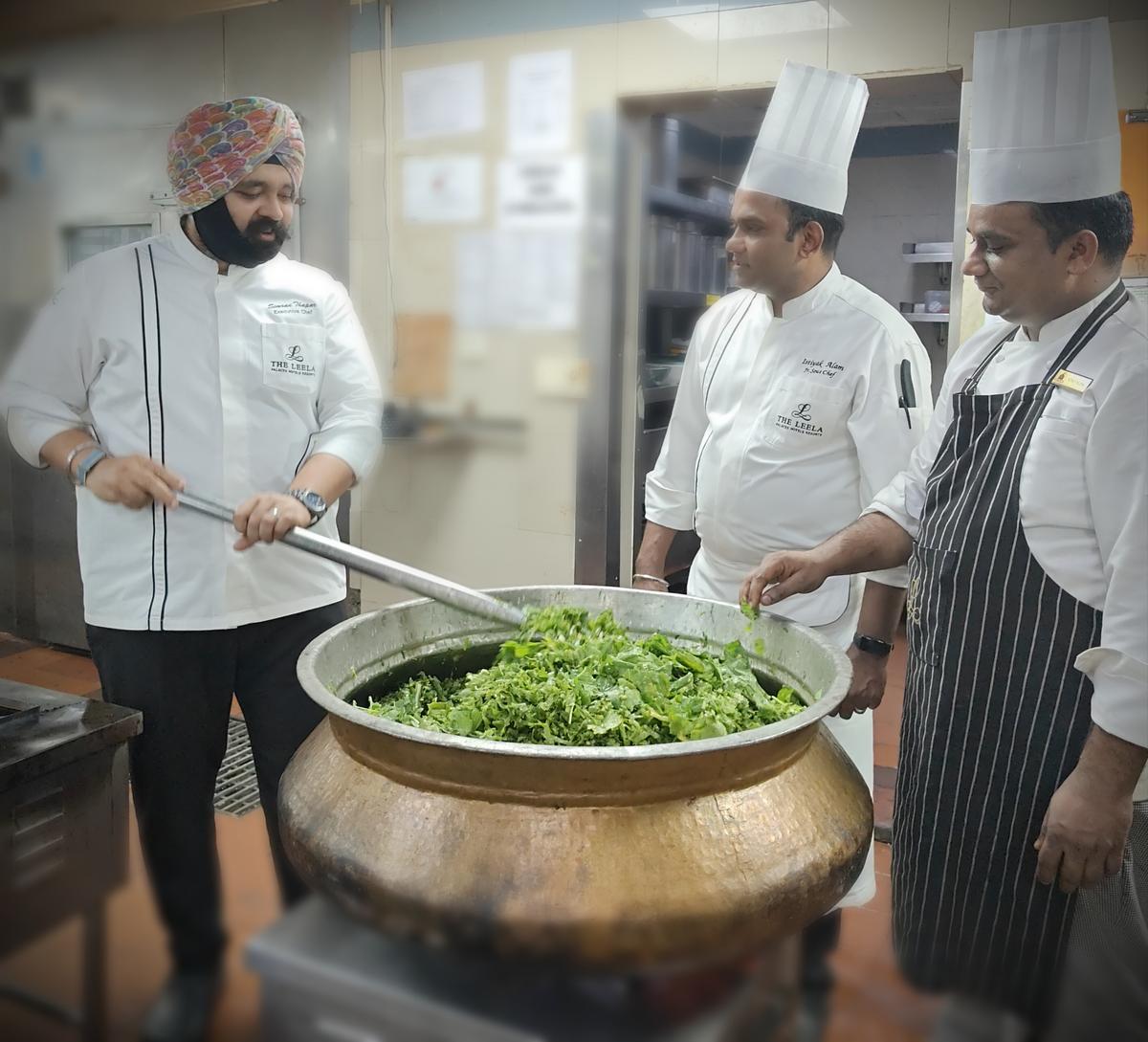
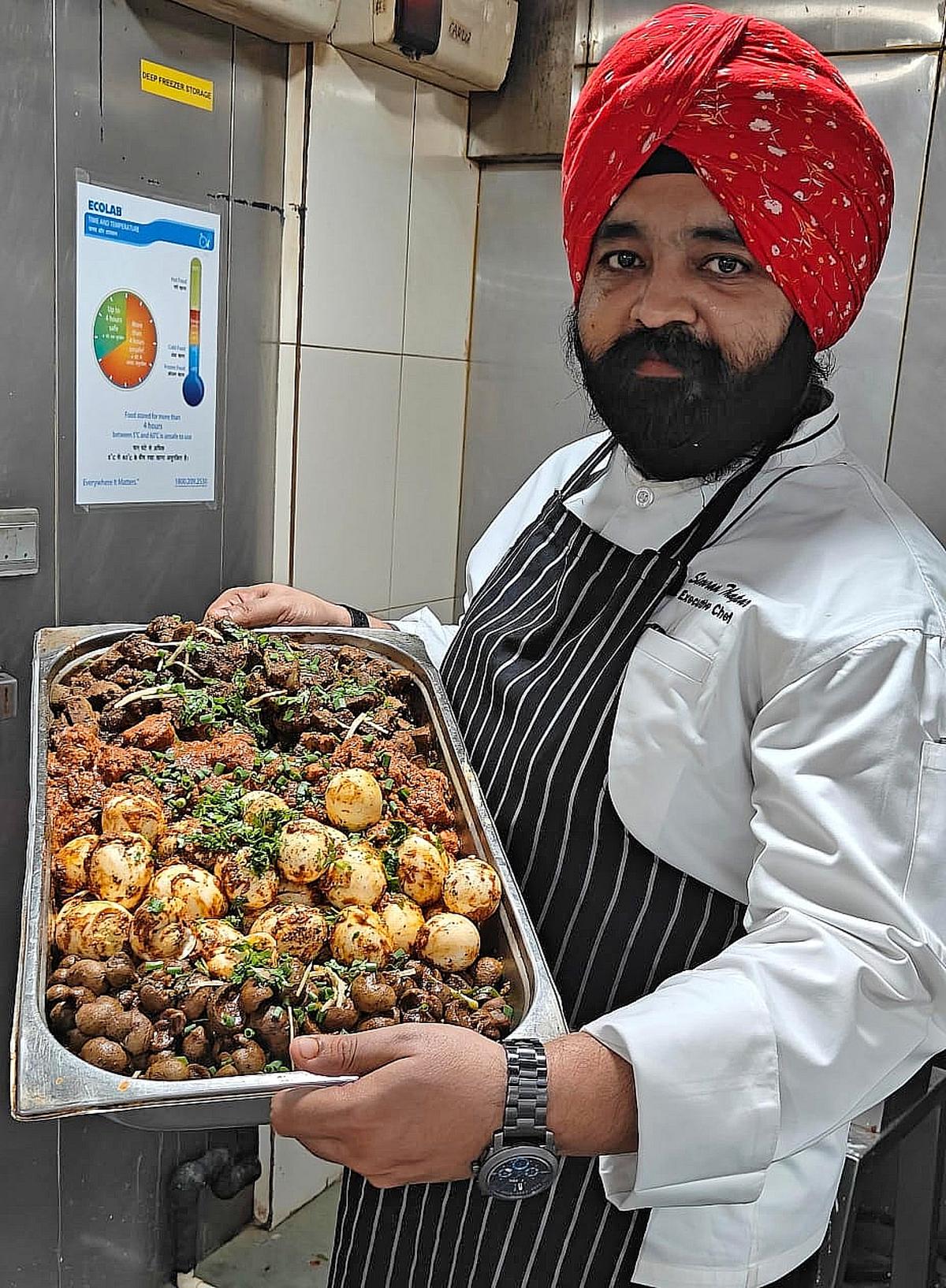
Called Citrus In The Spotlight, the ongoing series is helmed by Executive Chef Simran Singh Thapar, who opened with a Punjabi showcase — the first in the line-up. “Hotels bring in external specialists to showcase their culinary skills. We decide to look for talent within our hotels, and this is how Spotlight came into play,” he says. The concept is simple: each month, one in-house chef presents food from the State they come from. The result — themed menus shaped by over 100 chefs.

Chef Simran Singh Thapar (far left) making sarson da saag for the popup

Chef Simran Singh Thapar (far left) making sarson da saag for the popup
| Photo Credit:
Special Arrangement

So far, their popups have showcased cuisine from Kongu nadu, Rajasthan and Uttarakhand, and Simran intends to take Spotlight to all Leela properties across the country.

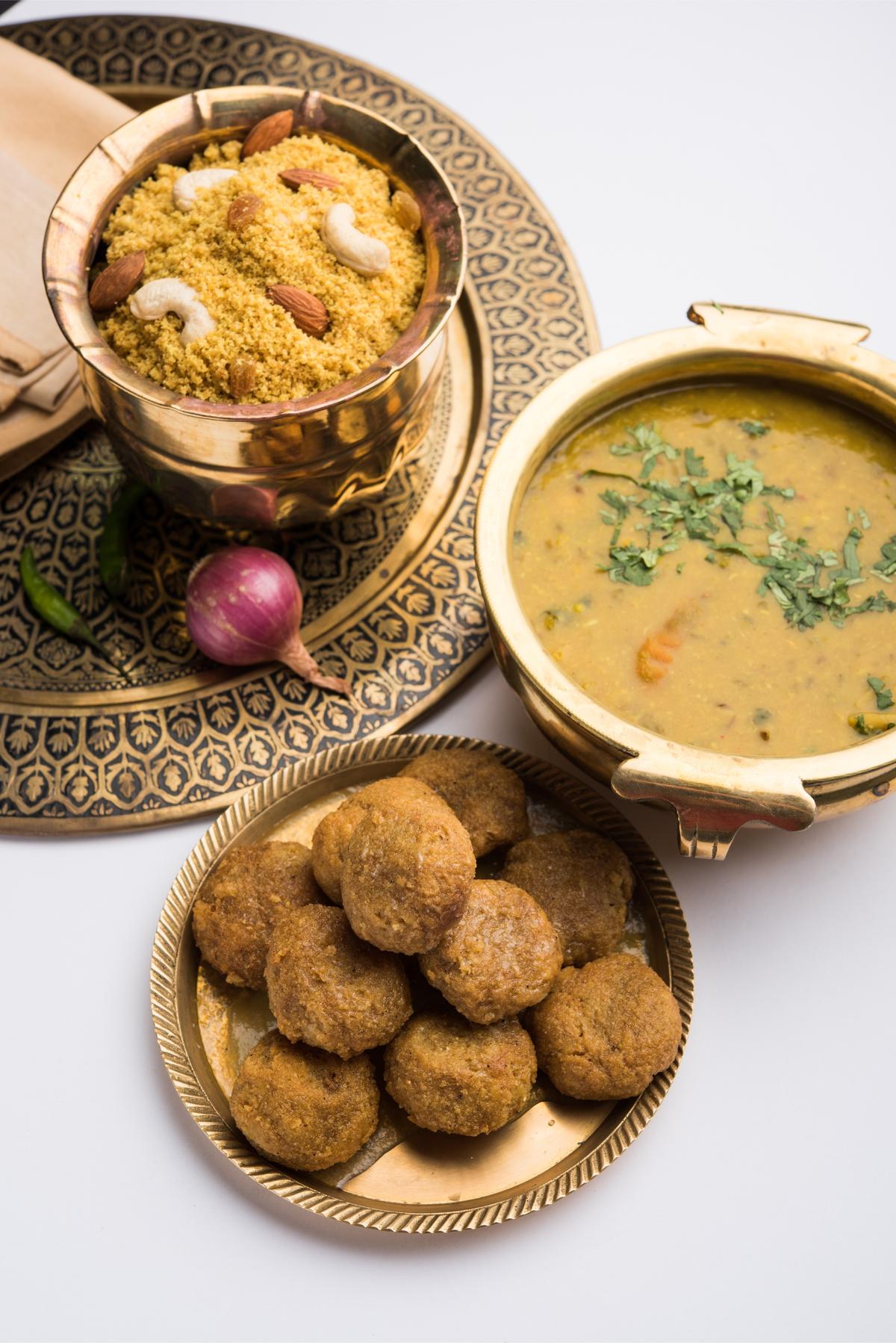
Dal bati churma from the Rajasthani food festival at Vivanta Chennai, IT Expressway

Dal bati churma from the Rajasthani food festival at Vivanta Chennai, IT Expressway
| Photo Credit:
Special Arrangement

Interactive elements

At Vivanta Chennai, IT Expressway — under the umbrella of The Indian Hotels Company (IHCL)  that helms Taj properties — a recent Rajasthani food festival had Chef Pankaj Meghwal from Umaid Bhawan Palace, Jodhpur, at the forefront. Pankaj brought with him traditional sweets, and the menu comprised dishes such asMathania mirchi murgh ka soola cooked in a traditional clay oven; murgh Jodhpuri, churma, and more.

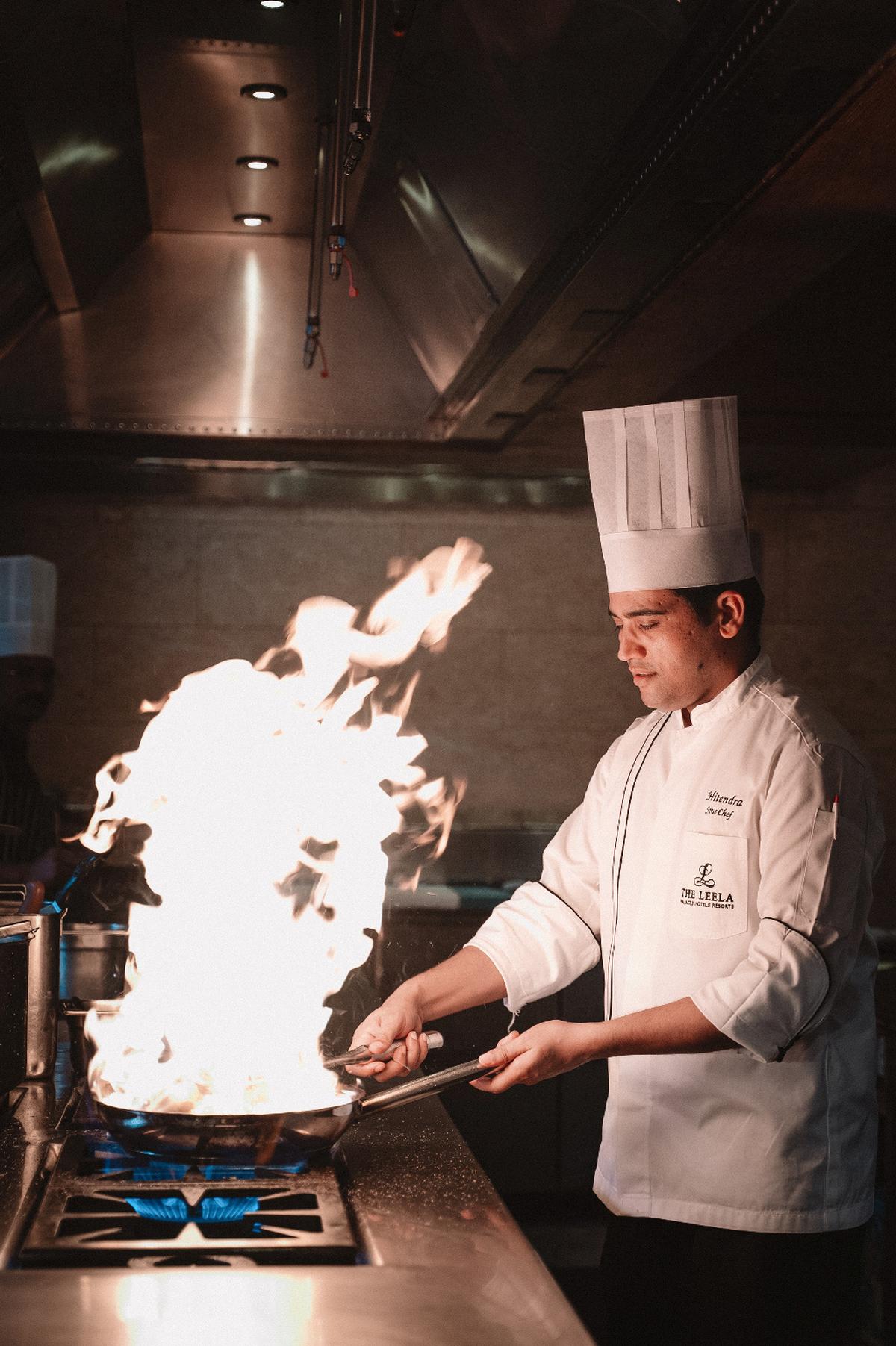
Chef Hitendra Singh

Chef Hitendra Singh
| Photo Credit:
Special Arrangement

Simran also brought in mini pressure cookers to serve mutton curry, and designed family tables to make the Punjabi popup experience more intimate. “The water was brought from Punjab to ensure dishes like the rajma maintain their authentic taste. We also got homemade masala prepped in Amritsar, and set up an entire pickle pantry, an element that featured in all pop-ups,” says Simran. He explains how every household has pickles and chutneys through the year, and for the first event, they started prep almost one-and-a-half months in advance, making khata meetha achar, gajar gobi shalgam achar, green chilli with mustard oil, and a range of chutneys, salads, and relishes.

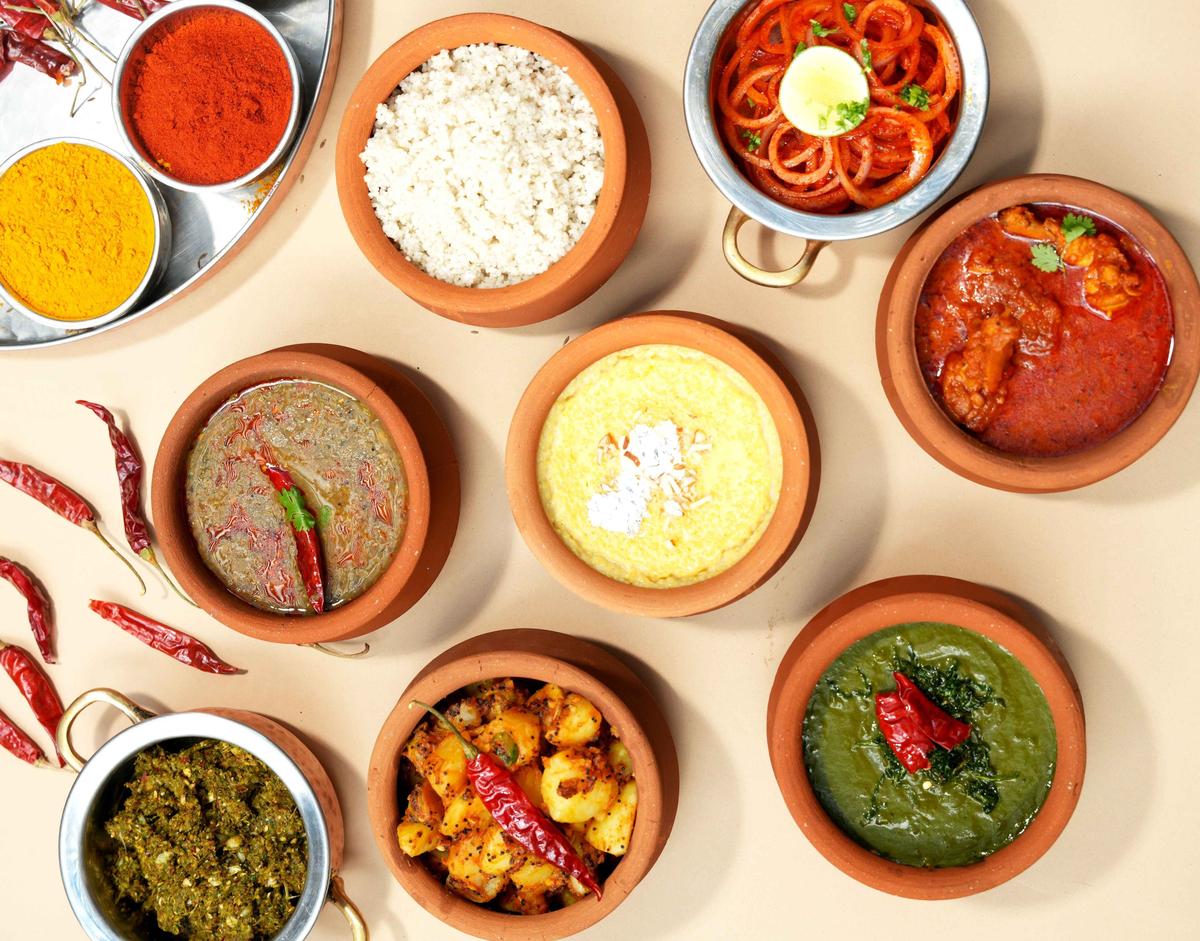
For the Uttarakhand popup, Chef Jashbeer Singh, sous chef, Jamavar, sourced ingredients such as jakhiya, bal mithai, and stinging nettle from the State, whereas Chef Hitendra Singh, sous chef at Citrus, brought jowar flour, ker sangri, seer fish, and khichiya paapad from his hometown, Udaipur.

Dishes from the Uttarakhand pop-up at Renaissance Bengaluru Race Course Hotel

Dishes from the Uttarakhand pop-up at Renaissance Bengaluru Race Course Hotel
| Photo Credit:
Special Arrangement

Exchange of flavours

The trend has propelled an exchange of chefs within hotel branches across the country. The concept of in-house chef-led popups at IHCL aims at showcasing the “magic of our celebrated kitchens across India and beyond to our guests, allowing them to experience authentic flavours from other regions without having to travel,” says Ian Dubier, area director, Operations, Tamil Nadu, and general manager, Taj Coromandel, Chennai. 

Chef Simran at Leela

Chef Simran at Leela
| Photo Credit:
Special Arrangement

Recent popups include the Sri Lankan Odyssey at Vivanta Chennai, IT Expressway, that was curated by Chef Prasanna Rathnayake from Taj Samudra, Colombo. “His menu transported guests to Sri Lanka with dishes like the Jaffna-style crab curry, kalupol chicken curry, egg hopper with sambal and kiri hodi, among others,” says Ian, adding that in a similar fashion, Thomthong Sungkaha, also known as Chef Lily, of Taj Holiday Village, Goa, brought in her signature flavours to Chennai’s Taj Wellington Mews.

Thomthong Sungkaha, also known as Chef Lify

Thomthong Sungkaha, also known as Chef Lify
| Photo Credit:
Special Arrangement

At The Chambers at Taj Coromandel, Chennai, the Rendezvous – Conversations and More series, that launched in 2021, took this concept further with immersive evenings. “Guests sat down to curated five-course dinners by chefs from IHCL hotels across Gurugram, Goa, and Hyderabad,” explains Ian. 

Chef Jahangir Khan

Chef Jahangir Khan
| Photo Credit:
Special Arrangement

Focus on regional

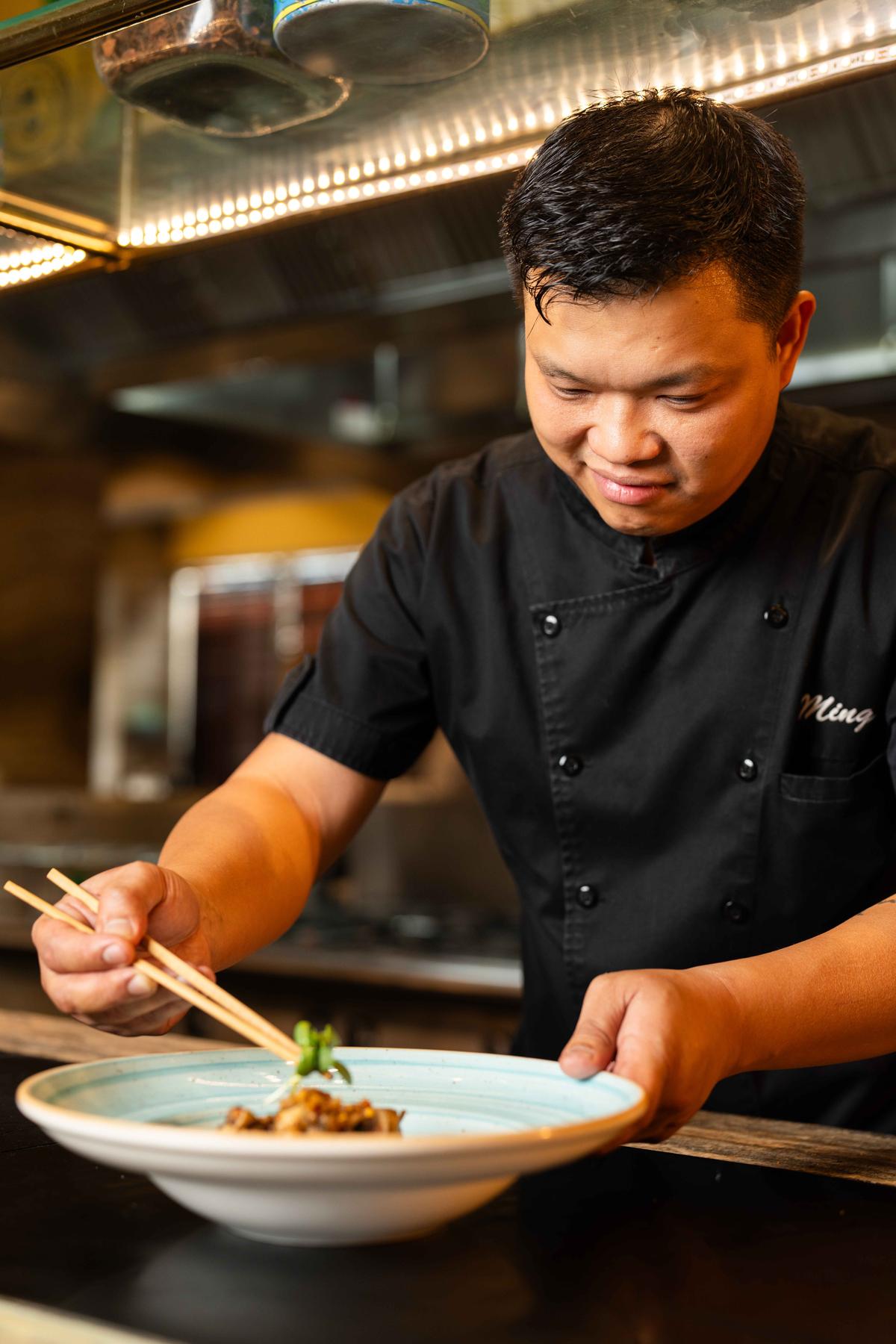
At Renaissance Bengaluru Race Course Hotel, Excutive Chef Ho Chi Ming says they wanted to provide their cooks “a stage to display culinary history and home cuisine.” He adds, “Our chefs’ enthusiasm for highlighting Himalayan and Uttarakhand cuisine was incredibly motivating. They procured essential ingredients from their hometowns in addition to creating authentic menus.” The chefs are now cross-hosted across their parent company Marriott’s 158 hotels spread across over 42 cities. 

Chef Ho Chi Ming at Renaissance Bengaluru Race Course Hotel

Chef Ho Chi Ming at Renaissance Bengaluru Race Course Hotel
| Photo Credit:
Special Arrangement

Upcoming popups at IHCL include chefs from Southern Spice and Golden Dragon from Taj Coromandel, Chennai, taking their South Indian and Chinese menus respectively to Bengaluru and Kerala. Cuisine from the South ranks high on the list with several menus based on cuisines from Tamil Nadu, Chettinad and Andhra Pradesh, and more.

At the Southern Spice popup at Taj Palace, New Delhi, Chef M Rajendran from Taj Coromandel, plated the flavours of Tamil Nadu, honed through years of working across Chettinad, Thanjavur, and Chennai. Rajendran’s menu featured dishes such as royyala iguru, prawns simmered in a rich coconut, cashew, and Andhra spice blend, kozhi melagu curry, chicken in a fiery black pepper and fennel gravy, meen pollichathu, and more. 

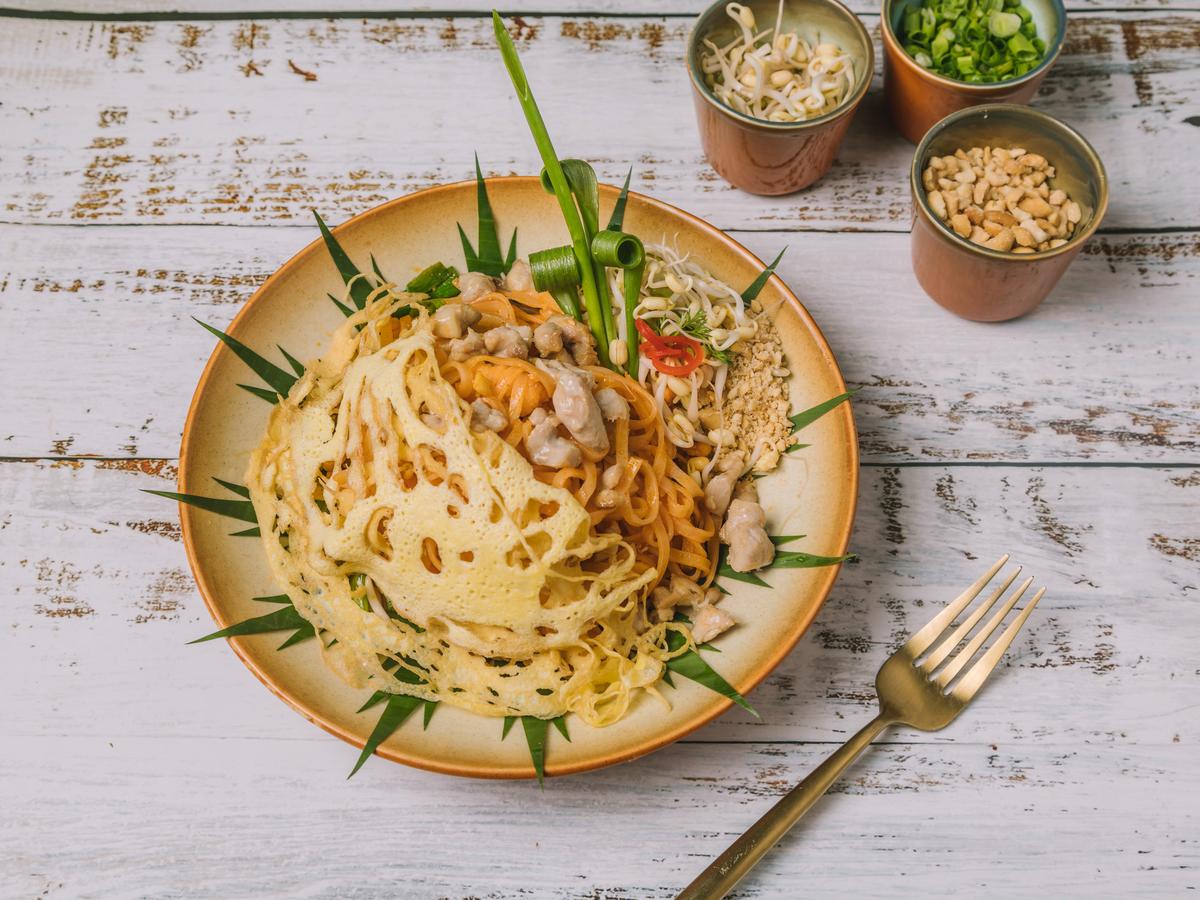
Pad Thai Kai, a dish from the Thai celebrations at Taj Wellington Mews, Chennai

Pad Thai Kai, a dish from the Thai celebrations at Taj Wellington Mews, Chennai
| Photo Credit:
Special Arrangement

Chef Simran with his team at The Leela

Chef Simran with his team at The Leela
| Photo Credit:
Special Arrangement

Personal stories and recipes

How do the chefs ensure that these popups are different from those led by external chefs and home cooks? Kiron Kumar, director, operations, at The Park, Bengaluru, says they kickstarted in-house popups three years ago. “They are creative laboratories where our chefs are encouraged to break boundaries, explore new ideas, and craft new dining experiences. Unlike popups hosted by external chefs or home cooks, which often showcase individual expertise or niche styles, our internal pop-ups are deeply collaborative and rooted in the identity of the hotel itself,” he says, like their popular ‘The Forgotten Greens’ pop up, which reimagined indigenous greens in modern dishes.

“The creative ownership is where the biggest difference is found,” says Ho Chi Ming, who plans on showcasing South Indian and East Indian cuisine in the future.

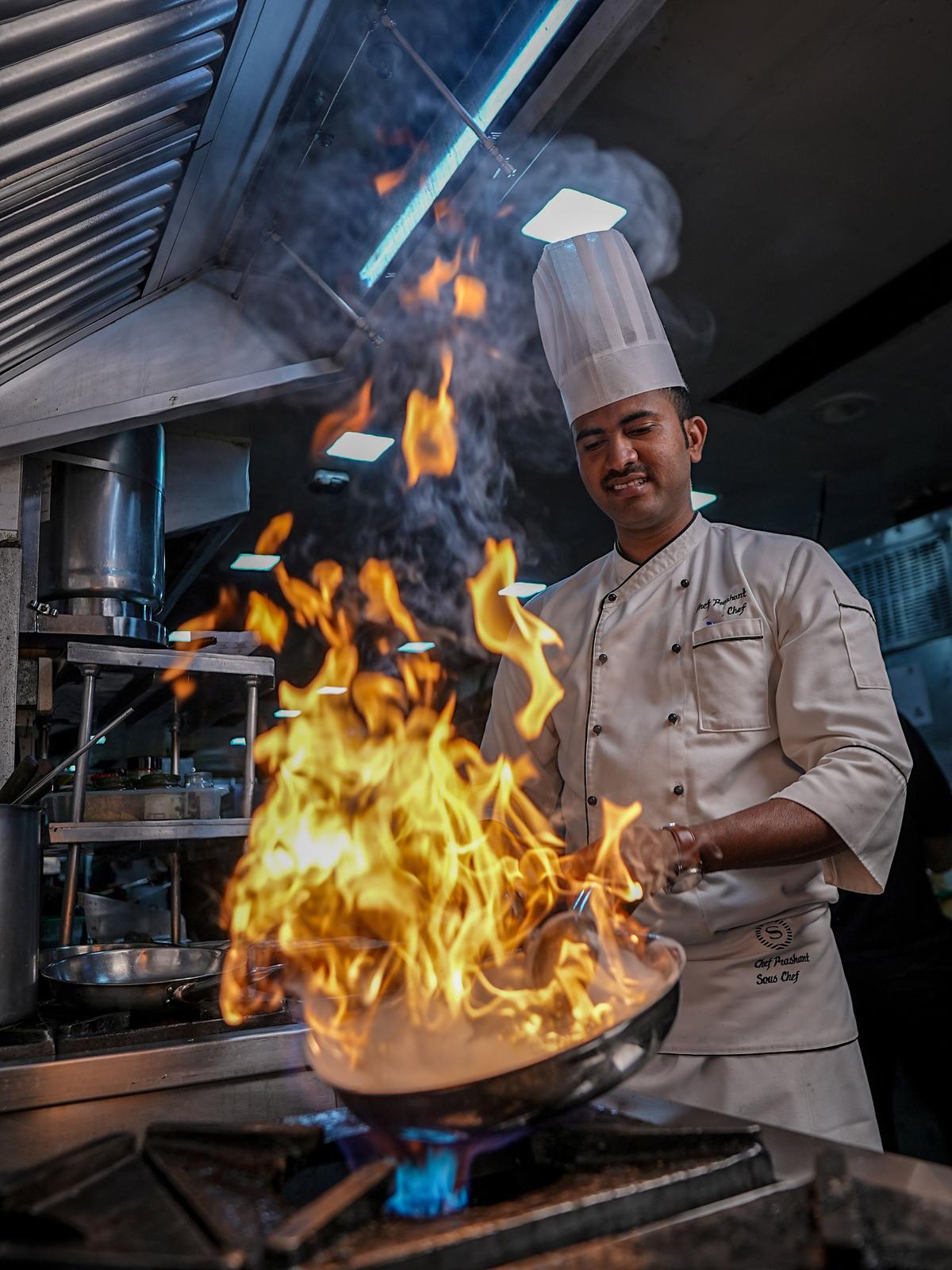
Chef Prashant at Sheraton Grand Pune Bund Garden Hotel

Chef Prashant at Sheraton Grand Pune Bund Garden Hotel
| Photo Credit:
Special Arrangement

One for the team

Moreover, these events serve as a powerful tool for team development, says Kiron. “By challenging our chefs to think differently and work outside their comfort zones, these events stimulate creativity. They also foster a sense of pride and ownership,” he adds. Upcoming events include a celebration of Cantonese cuisine, and a reinvention of classics from around the world.

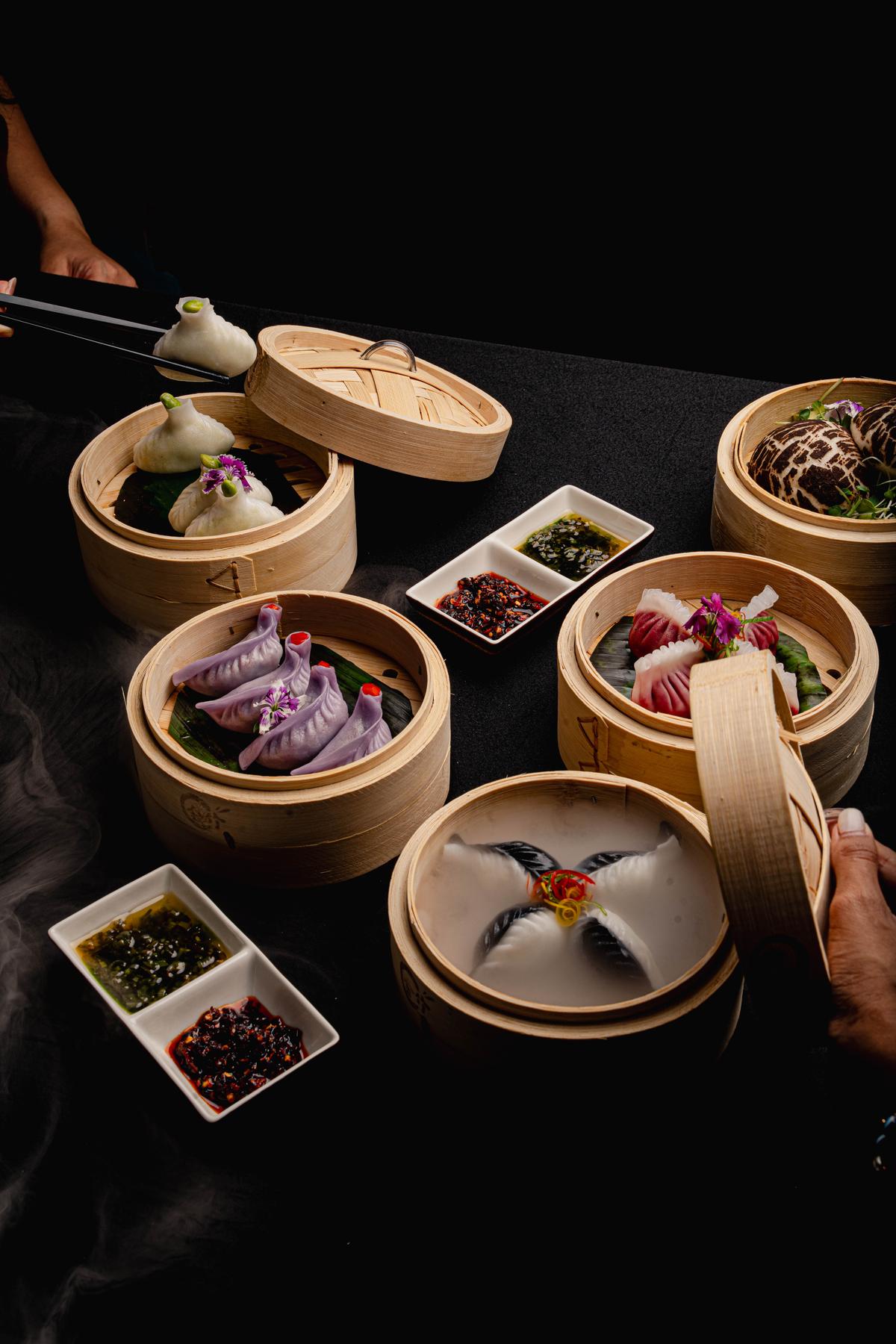
Dishes from a Sichuan food festival

Dishes from a Sichuan food festival
| Photo Credit:
Special Arrangement

The coming weeks at Sheraton Grand Pune Bund Garden Hotel will see chefs exploring regional and seasonal flavours. The Tamil Table by Chef Shankar Devendra will showcase recipes from his grandmother’s kitchen, coastal seafood, and classic Chettinad spice blends, and the Winter Menu will celebrate Maharashtra’s seasonal ingredients.

Sagar Kulkarni, director, Food and Beverage at the hotel, says these events were introduced two years ago. “In-house popups focus on authenticity and storytelling, whereas visiting chefs bring fresh perspectives, innovative techniques, and unique interpretations of global cuisines. By hosting both types of experiences, we combine the best of both worlds.”

At The Leela Bengaluru, upcoming Spotlight popups in January will spotlight food from Coorg, Hyderabad, and the Malabar region, and while Simran led the first one and created a framework, he is hopeful of this trend picking steam. “You can represent any cuisine: each individual has their roots, home rituals, and skills. Food is just one part of these meals.”


Source link

Inside American artist Doug Aitken’s immersive new exhibition at NMACC, Mumbai


American multidisciplinary artist Doug Aitken has always been drawn to the quiet logic of natural systems — how light reshapes a landscape, how a river finds its own rhythm, how movement becomes a language all its own. You see this sensitivity across his practice: the mirrored house of Mirage (2017), shifting in and out of visibility with the desert sun; the roving cross-country experiment Station to Station (2013), which turned a train into a creative ecosystem; or diamond sea (1997), his early, contemplative gaze at Namibia’s mined terrain, where the landscape dictated the mood and the pace. Even in SONG 1 (2012), when the Hirshhorn Museum in Washington, D.C. became a 360-degree projection surface, Doug approached architecture the way he approaches Nature — as something alive, responsive, and capable of holding a feeling.

Doug Aitken

Doug Aitken
| Photo Credit:
Dhrupad Shukla/Floating Home Studio

Across all of this, his instinct is not to dominate natural forces but to tune into them: patterns of light, flows of movement, the places where the organic and the constructed quietly overlap. Doug’s work urges us to look a little closer, listen a little more deeply, and recognise how much of our world hums beneath the surface.

On the first floor

On the first floor
| Photo Credit:
Dhrupad Shukla/Floating Home Studio

It is this sensibility — a kind of listening-as-making — that shapes Under the Sun, the artist’s first exhibition in India, now unfolding across three floors of the Nita Mukesh Ambani Cultural Centre (NMACC) in Mumbai, which has been curated by Roya Sachs C Mafalda Kahane and produced by Elizabeth Edelman, partners of the international creative house, TRIADIC. He describes the exhibition as “almost like a novel, like a book,” with three distinct yet interconnected chapters that guide the viewer from the geological through the technological to the transcendental. “I wanted to make an exhibition you could fall into and dissolve into,” he tells me, “as opposed to something you simply see one after another.”

Multi-sensory encounter

The first chapter, Past, sits firmly in the Earth, almost literally. Here, Doug digs into deep time with a tactile assembly of carved wood, reclaimed debris, woven fabrics, and stained glass. Spiralling wooden boats sit encircled by monumental human figures rising from the ground. Their forms are carved using a combination of robotic milling and hand-finishing, made from raw logs and reclaimed wood sourced across Gujarat. The bodies appear unfinished, as if caught mid-transformation, but their proportions are precise. “Pixels of matter,” he calls them; structural modules that hold both the fragility and the force of human presence.

The second floor showcases Doug’s film, NEW ERA

The second floor showcases Doug’s film, NEW ERA
| Photo Credit:
Dhrupad Shukla/Floating Home Studio

Along the surrounding walls, six textiles trace India’s sacred rivers across hands — a fusion of custom digital weaving and painstaking embroidery undertaken by a team of artisans in Mumbai. “I didn’t want to be that person who makes something abroad and just brings it here,” he tells me, half laughing at the idea of “awkward colonisation.” Instead, Under the Sun became a collaborative weave of local craft and global vision. He recalls a young painter in Mumbai, helping him touch up a wooden sculpture during installation. “I said, ‘You must be an artist.’ He shows me his phone — these incredible concrete and brick sculptures — and suddenly we’re talking about his work, his aspirations. These bridges happen unexpectedly, and that’s when art becomes something greater than what’s in front of you.”

The two-storey installation, LIGHTFALL / OTHER WORLDS

The two-storey installation, LIGHTFALL / OTHER WORLDS
| Photo Credit:
Brian Doyle

If Past is earthy and corporeal, Present spirals into digital reflection. On the second floor, Doug’s film NEW ERA examines the life of Martin Cooper, the inventor of the mobile phone. Martin, now in his nineties, speaks about the first wireless call he ever made — a moment that quietly altered the destiny of global communication. The film, played within mirrored walls and shifting screens, juxtaposes portraits of the inventor with sweeping natural landscapes, creating a visual dialogue between connection and solitude, invention and mortality. “Everybody from a farmer to a billionaire is connected through this web of accelerating information,” Doug says. “But what does that mean for your physical self? Your life cycle? What’s left when you’re gone?”
NEW ERA examines the life of Martin Cooper, the inventor of the mobile phone

NEW ERA examines the life of Martin Cooper, the inventor of the mobile phone
| Photo Credit:
Stefan Altenburger

Then comes Future — a perceptual rupture. The two-storey installation, LIGHTFALL / OTHER WORLDS, is all colour, motion, and sound. At its centre hovers a luminous orb containing hundreds of suspended LED tubes, pulsing gently in luminous waves. Visitors are encouraged to lie on the wooden floor — a grounding echo of the Past — and let the shifting light wash over them. “It’s like a hypnotic meditation,” Doug says, more sensation than symbol, more pulse than narrative. If the first floor roots us, the third loosens us entirely.
On the first floor

On the first floor
| Photo Credit:
Dhrupad Shukla/Floating Home Studio

What runs through all three chapters is an awareness of our shifting relationship with place — natural, cultural, digital. Doug reflects on humanity’s nomadic past, the urge to cross deserts, climb mountains, map landscapes. “And yet,” he says, “we’re also living in a world becoming more dematerial, more about screens and fiction. We’re at a crossroads.” Under the Sun gently insists on remembering — holding onto natural environments, organic systems, craft legacies — while still looking forward.

In that sense, the exhibition mirrors Mumbai itself: a city on water, a city in motion, a city negotiating past, present, and future in real time. And like Doug’s best works, it nudges us toward a simple but profound question: what does it mean to be human in a world that is both endlessly ancient and rapidly accelerating?

The exhibition will run from December 6 to February 22, 2026 at the Art House; tickets start from ₹250 but entry is free for children under 13, senior citizens and fine art and media students

Published – December 05, 2025 03:32 pm IST


Source link

BTS Jungkook’s Golden: The Moments exhibition comes to Mumbai


Over the last few years, K-pop fans in India have been slowly but steadily rewarded with a slew of experiences. Jackson Wang, Eric Nam and The Rose, Suho, Bambam, Taemin, and groups like M.O.N.T have been a part of music festival line-ups. 

In a first for Indian fans of K-pop group BTS, comprising RM, Jin, SUGA, J-hope, Jimin, V and Jung-kook, Mumbai will host GOLDEN: The Moments, an immersive exhibition exploring Jungkook’s artistry and debut solo album, Golden. Released in 2023 the album features songs like ‘Seven’, ‘Standing Next To You’ and ‘3D’ among others. The travelling multimedia exhibition is being brought to India through a partnership between BookMyShow Live, the live entertainment experiential division of BookMyShow, Hybe, the global entertainment lifestyle platform company behind BTS and Hybe Insight, from December 12 till January 11 at Mehboob Studios. 

Jungkook of BTS performs on NBC's 'Today' at Rockefeller Plaza on November 08, 2023 in New York City

Jungkook of BTS performs on NBC’s “Today” at Rockefeller Plaza on November 08, 2023 in New York City
| Photo Credit:
Debra L Rothenberg

A month ago, Hybe, which has several K-pop groups including BTS, TXT and LE SSERAFIM on their roster, announced that they were making inroads in India. This announcement generated excitement, given that BTS is poised to release a new album and go on a world tour in 2026. While fans are eagerly anticipating that India might be announced as a potential concert venue on their world tour, bringing the multi-media travelling exhibition GOLDEN: The Moments here, has only added to the excitement. 


“India represents one of the most dynamic and fast-evolving music markets in the world. Following the establishment of Hybe India, our goal is to build meaningful cultural bridges, connecting our global artists with Indian fans, where voices of India become global stories.. Through GOLDEN: The Moments, we’re glad to open this new chapter,” says Hybe India.

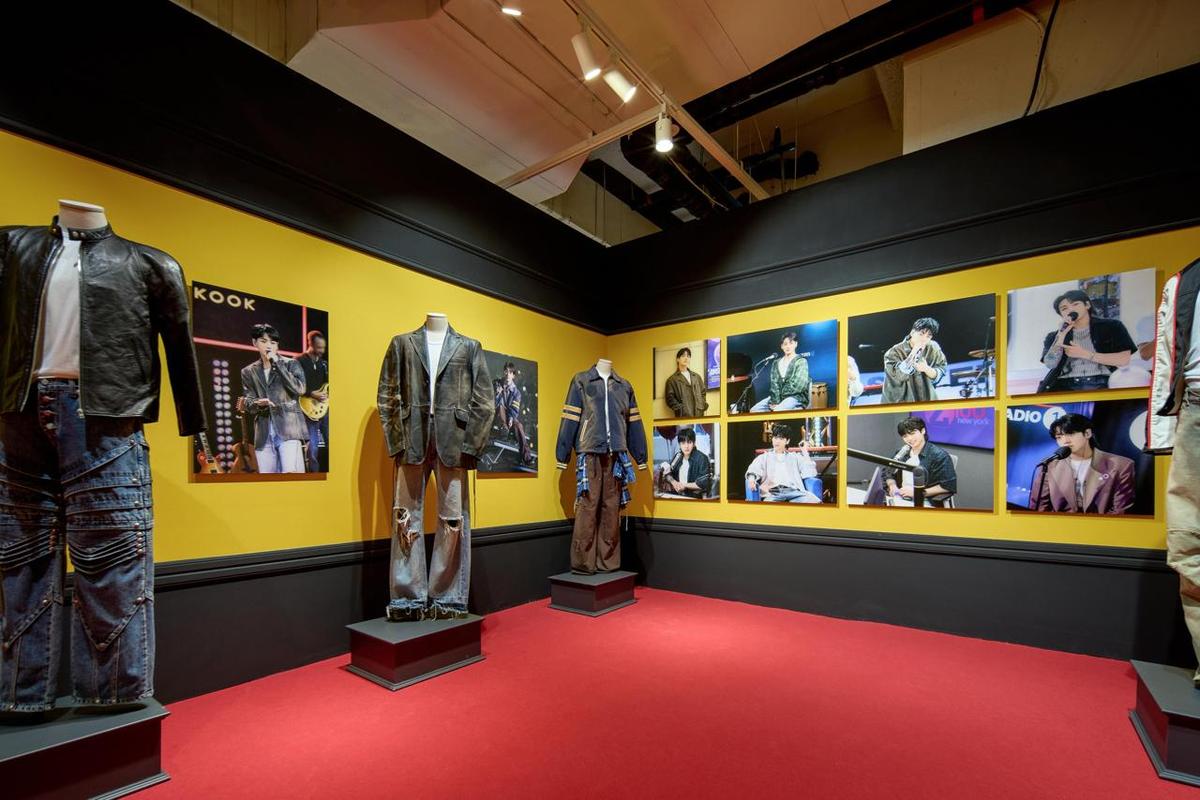
The exhibition will take fans through Jungkook’s beginnings in the music industry, his artistry and the creative journey behind his album through multiple themed zones. Visitors, for instance, can see plaques and awards of Jungkook at the Records zone, and can get an intimate look at his musical craft and listen to individual audio elements from his songs at the Sounds zone. The Theatre zone will have outfits worn by the singer during performances, and the Moments section will have a time capsule with pictures, stage outfits and videos and photoshoots from Golden

From Golden:The Moments in Seoul

From Golden:The Moments in Seoul
| Photo Credit:
Special Arrangement

“We’re seeing strong interest from India’s K-pop and BTS community, which, today, is one of the most vocal and active fanbases in the country. The early traction during the advance booking stage reflects a steady and enthusiastic turnout, a clear indication that the passion of this fandom is translating into real on-ground demand,” says Naman Pugalia, chief business officer, Live Events, BookMyShow. “What makes this debut especially meaningful is that we’re bringing the original global exhibition, the same experience seen in Seoul, Tokyo, Los Angeles and Bangkok, to Mumbai with its full creative vision and production quality intact,” he adds, of the travelling exhibition. 

Stating that India has become one of the most dynamic and engaged K-pop markets globally, Naman says that this momentum made it clear that the time was right to introduce an official BTS-related on-ground experience to Indian audiences for the very first time.

“Bringing Jung Kook’s GOLDEN: The Moments Exhibition to India is a landmark moment for both K-pop fans and the country’s wider cultural landscape. Offering the fans a world-class, in-person experience for the first time feels both significant and long overdue,” he says. 

GOLDEN: The Moments will be on from December 12 to January 11 at Mehboob Studios, Mumbai. Tickets are priced from ₹1,499 onwards and are available on bookmyshow. 

Published – December 05, 2025 02:51 pm IST


Source link

The Hindu’s Lit for Life Unplugged: Samanth Subramanian on the world of undersea cables that power the internet


In 2022, author Samanth Subramanian recalls a volcanic eruption which damaged the undersea cables of Tonga, an island country in Polynesia, part of Oceania, resulting in parts of the Pacific island going without broadband internet for over 16 months. 

“My fascination with undersea internet cables actually began with this long essay written by American writer Neal Stephenson in the 1990s. I remember being completely blown away by the level of detail and how he had just had a lot of fun with it,” says the writer, and managing editor of Equator magazine.

The disruption in Tonga, again got him thinking about Stephenson’s essay as he pondered over the Internet cables being a subject of mystery for the majority. Imagine going a day without scrolling through reels, logging into Netflix, or Google! 

Samanth will speak about his latest book The Web Beneath The Waves: The Fragile Cables That Connect Our World, published by Columbia Global Reports, which explores the undersea cables that power the Internet and the secret battles to control them, as a part of The Hindu’s Lit For Life Unplugged on December 12 at Cheroot, ITC Grand Chola in Chennai. 

The book took over two years of research, and, most importantly, travelling, which Samanth says was the best part of working on it. “I went to Tonga, the Ivory Coast, California, Malaysia, Singapore, Taiwan and parts of the UK. Much like how Stephenson called himself a ‘hacker tourist’ while visiting sites that were critical to the Internet at that time, it felt like I was doing something similar, which thrilled me quite a bit,” Samanth says. 

Samanth’s previous books include Following Fish: Travels Around the Indian Coast, the award-winning This Divided Island: Stories from the Sri Lankan Civil War, and A Dominant Character: The Radical Science and Restless Politics of J. B. S. Haldane. His journalistic work spans subjects related with travel, politics, science, books and more. 

The Web Beneath the Waves was an interesting book to work on in the sense that it is also very short; at 25,000 words it is like a long essay. The idea was to frame and fit my research and the material at hand for this particular format. In one sense, it made my job easier so that I could just focus on what was really important— essentially the question of who controls the Internet today, and this is what I am seeking to answer in the book,” Samanth says. 

To register, scan the QR code

To register, scan the QR code

But, being a journalist also meant grappling with endless curiosity about what lay on the margins. Samanth laughs as he remembers having to hold himself back from travelling to a cable depot on a small island off the coast of Spain. “Had I followed every stray lead, I’d probably still be researching, six years on, and the book would have gone past two lakh words,” he says.

Samanth says that something he got lucky with while researching and working on the book was how cables were suddenly becoming big news, a geopolitical flashpoint. “Europeans were worried that Russia was cutting its cables, Taiwan was worried that China was cutting its cables, and the US and China were going through this spat about the control of cables, who got to build, lay and repair it all. In the past, cables had never been so pivotal in geopolitics and national security,” he says. 

Over food and drinks at Cheroot, people can expect to listen to Samanth’s travel tales, research process and some fascinating insight into the web of under sea cables that keep the internet as we know it, alive and thriving. 

“Evenings at Cheroot are shaped by stories—some spoken, some shared in quiet camaraderie. We are delighted to welcome The Hindu Lit for Life Unplugged, a collaboration we value deeply for the thoughtful conversations it inspires. For the night, our chefs and mixologists have curated a bespoke menu of beverages and gourmet small plates to elevate the experience for every guest who walks in,” says Shaariq Akhtar, General Manager, ITC Grand Chola.

The Hindu Lit For Life Unplugged is done in association with Christ University, associate partner Akshayakalpa & Orchids – The International School, and bookstore partner Crossword.

On December 12, 6pm at Cheroot, ITC Grand Chola, Guindy. Entry is free — the programming is on us, the drinks are on you. Seats are limited to 70, and need to be booked ahead. Scan the QR code to register. In the run up to The Hindu Lit For Life on January 17 and 18, 2026, watch out for more events as a part of Lit for Life Unplugged. Follow @hindulitforlife on Instagram for more updates.

Published – December 05, 2025 02:05 pm IST


Source link

Local Sustainability Fest in Kochi to bring together creators, artists and ecopreneurs


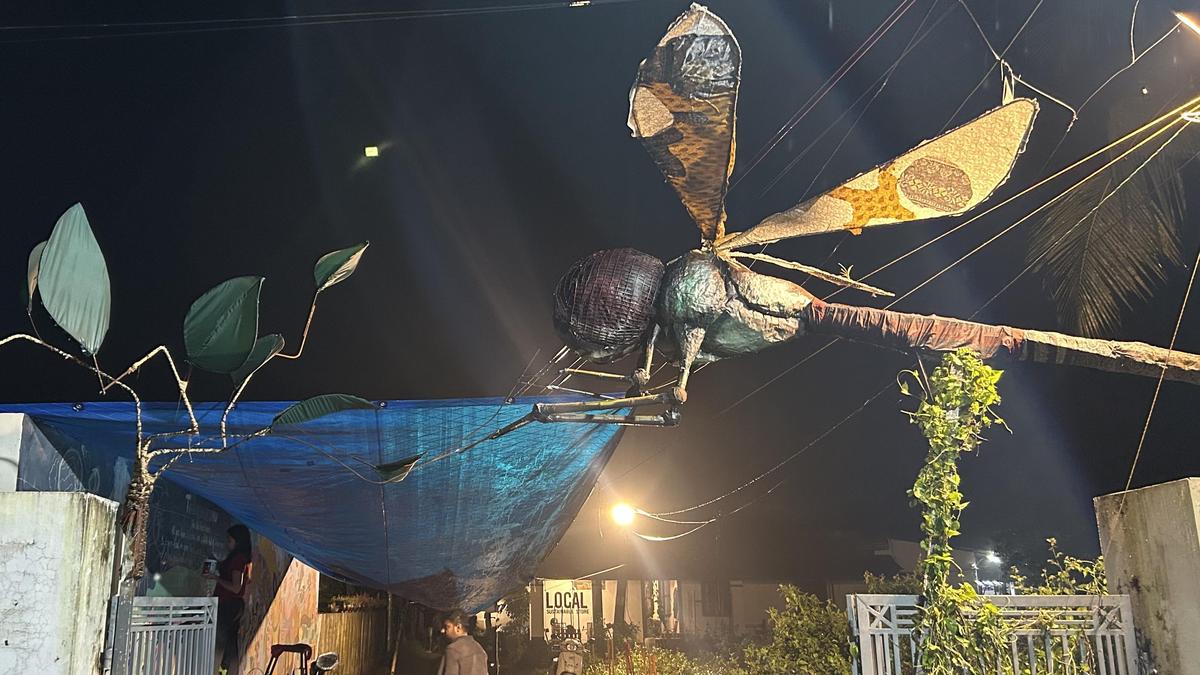
An installation made of waste materials at the first edition of the Local Sustainability Fest

An installation made of waste materials at the first edition of the Local Sustainability Fest
| Photo Credit: Special Arrangement

Shop from local brands, artisans, farmers and creators at the Local Sustainable Fest, set to open on December 6. A two-day event that explores the possibilities of sustainable living, the fest into its second edition, is a reminder to slow down and savour life, reconnect with one’s roots and create a shared sense of being, say the organisers.

While it offers a platform for small businesses, artisans, and independent creators to showcase their products and skills, it lets buyers make conscious choices.

Organised by Local Sustainable Living, a social enterprise that supports sustainability and facilitates local businesses, the first edition of the fest met with resounding success. It had 25 stalls from different parts of Kerala. “This year, the scope of the festival has grown; we will have over 50 curated stalls from across India,” says Noufal Mahboob, co-founder of Local Sustainable Living.

Local sustainable brands such as Thachani Clothing, Kalpaka Lifestyle Store, Mochaflora, Hempboss among others launched their brands at the first edition of the fest and they will be showcasing in the second edition, too.

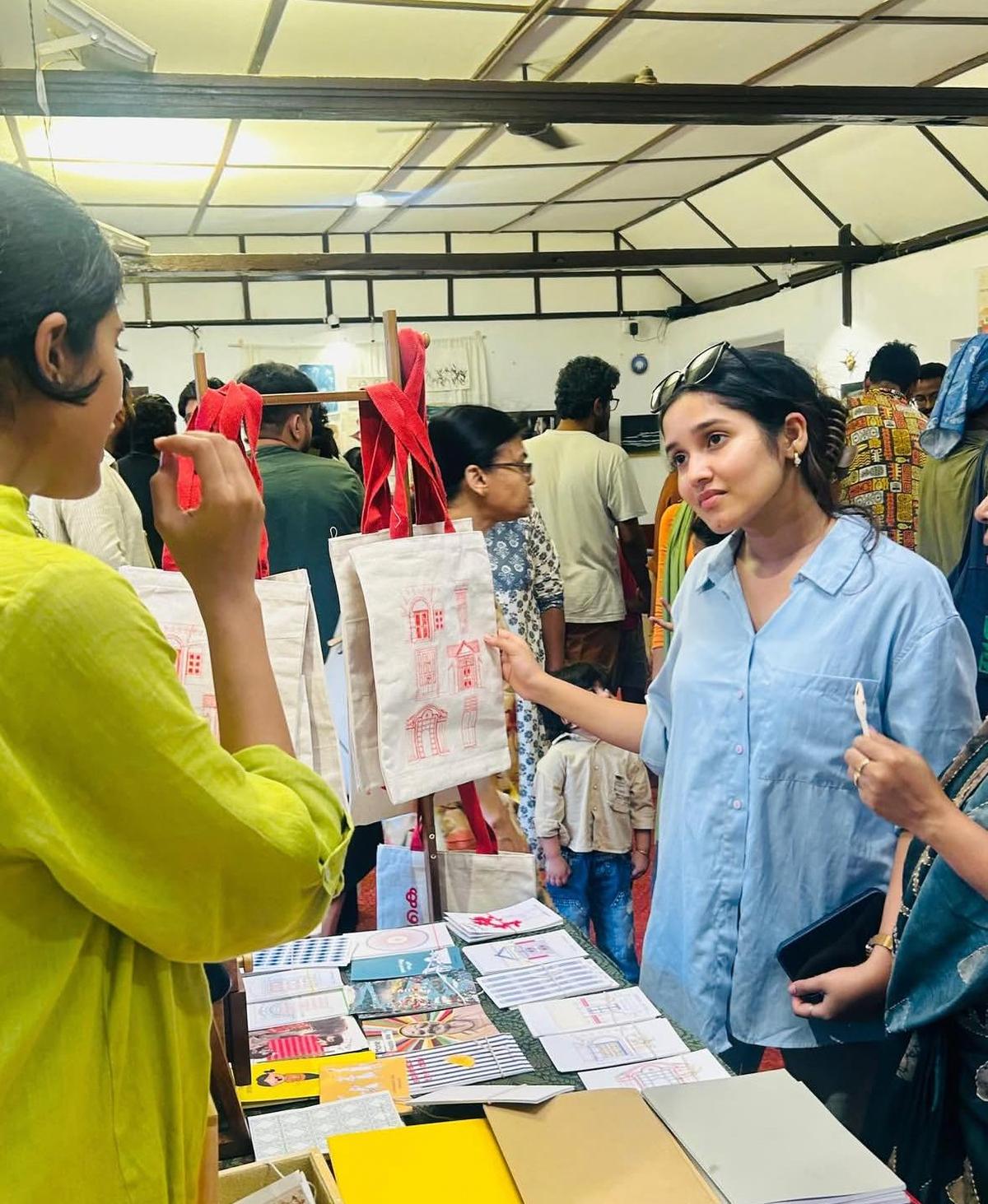
One of the stalls at the first edition of the Local Sustainability Fest

One of the stalls at the first edition of the Local Sustainability Fest
| Photo Credit:
Special Arrangement

Launched two years ago, in a 200-year-old tharavadu (mansion), by Noufal and his cousin Mujeeb Latheef, both from the advertising industry, Local Sustainable Living has built a community of like-minded individuals who believe in giving back to the planet. 

“The first step was to create a physical space for ‘slowing down’. This old tharavadu has a pond and sacred grove, an ecosystem that is fast disappearing from mainstream life. Here, one can get reacquainted with the old way of life, when everything was not about quick fixes,” says Noufal.  

A performance held at the first edition of the Local Sustainability Fest

A performance held at the first edition of the Local Sustainability Fest
| Photo Credit:
Special Arrangement

It has a performance space where people can organise workshops, or gigs without worrying about ticket sales or returns. “We don’t charge a fee, but contributions are welcome,” Noufal adds. The space also includes a store selling sustainable products. 

The fest is one of the activities of Local Sustainable Living. The low-waste, eco-friendly setting using mindful materials and choices that respect the planet, will by itself inspire people to think differently. From the tickets fo art installations, everything at upcycled or reusable. Every participant will get a reusable cloth bag as well, says Noufal.

It will include workshops on art and craft, upcycling and mindful thinking. Music and dance are part of the festivities too —Kerala-based folk fusion indie collective Oorali will perform on December 6 at 7.30pm; Jawari, a London-based music collective that fuses Hindustani music with contemporary elements will perform on December 7, 6pm followed by Poothapattu, a traditional art form from north Malabar presented by dancer Sujina Sreedharan and crew, at 8pm.

The entry fee is ₹199 with ₹170 redeemable at any stall. Over five food stalls will be devoted to local dishes. Workshops on upcycling willl be held. Screenings of documentaries and films on ecology will also be held. Entry is free for children below 10 and they can check out craft stations, take Nature walks and participate in cultural activities.

On December 6 and 7 at Local Sustainable Living, Maradu. For information, contact 8593096000.


Source link