Life & Style

Local Sustainability Fest in Kochi to bring together creators, artists and ecopreneurs


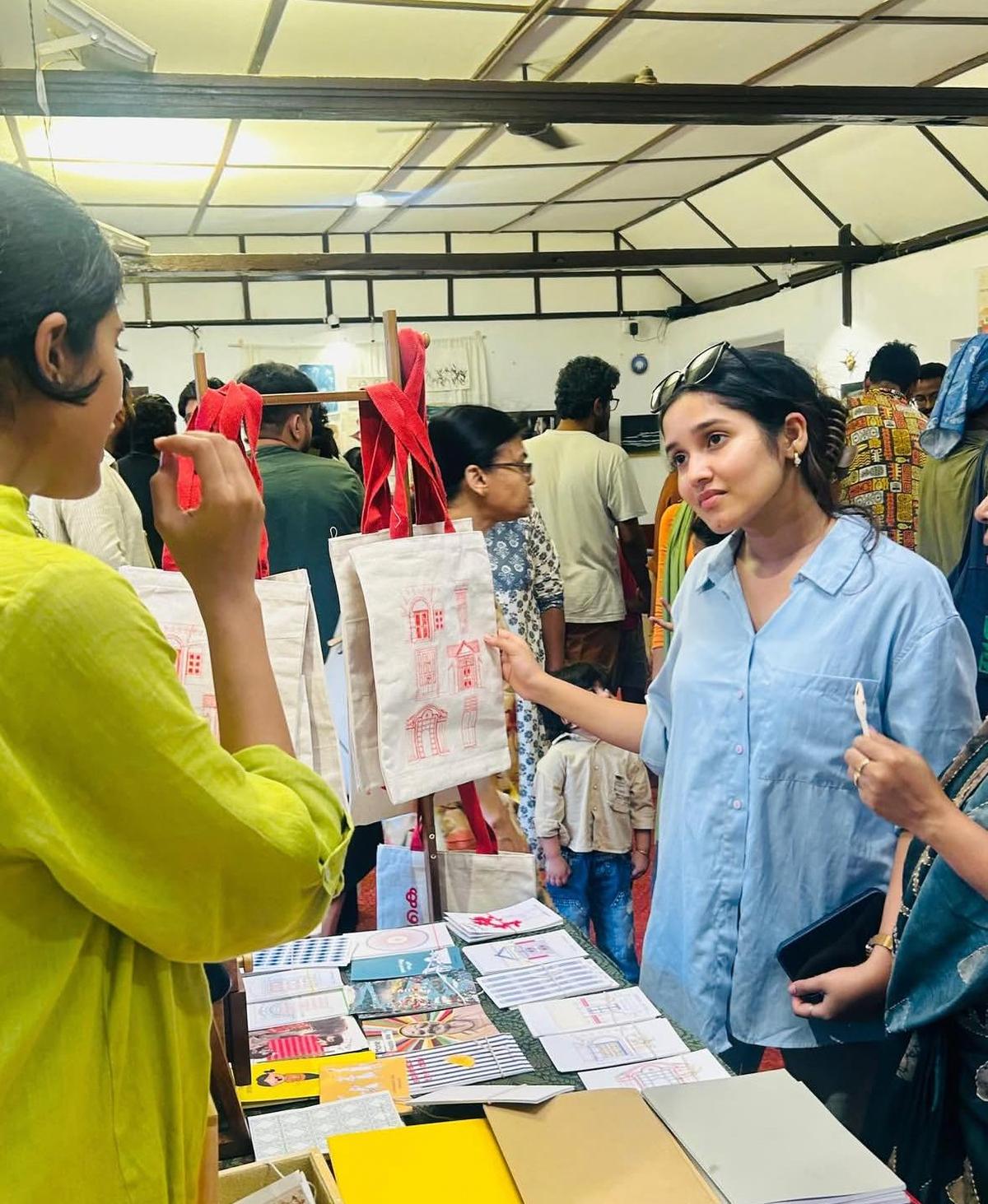
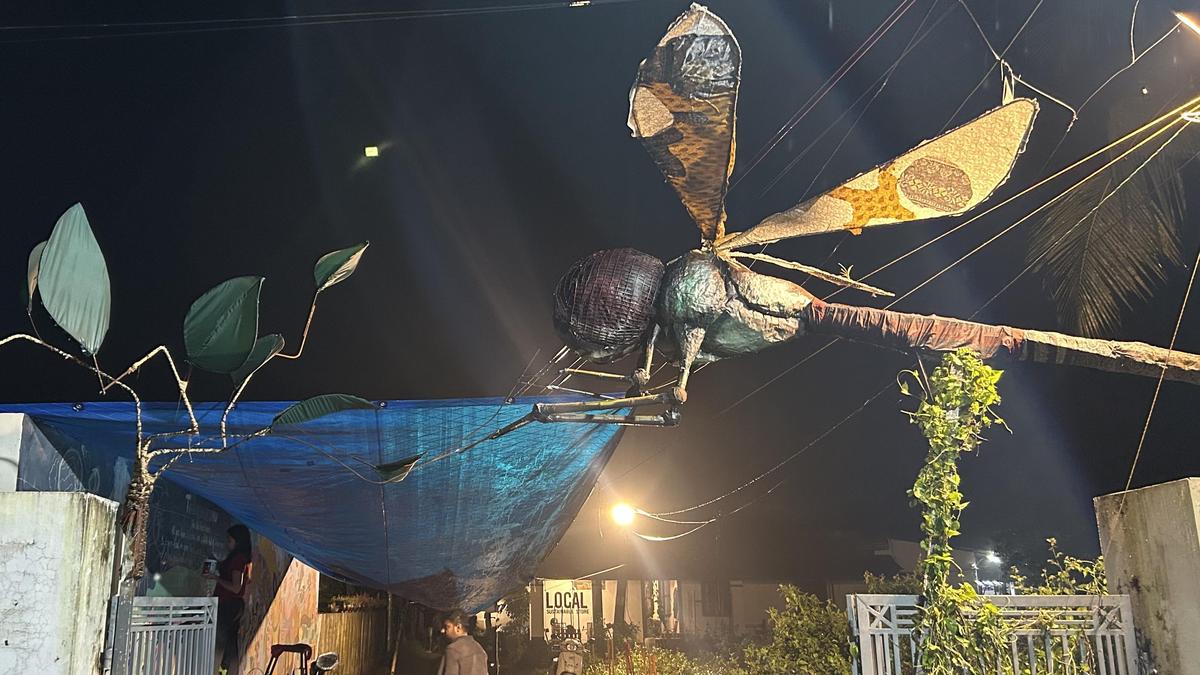
An installation made of waste materials at the first edition of the Local Sustainability Fest

An installation made of waste materials at the first edition of the Local Sustainability Fest
| Photo Credit: Special Arrangement

Shop from local brands, artisans, farmers and creators at the Local Sustainable Fest, set to open on December 6. A two-day event that explores the possibilities of sustainable living, the fest into its second edition, is a reminder to slow down and savour life, reconnect with one’s roots and create a shared sense of being, say the organisers.

While it offers a platform for small businesses, artisans, and independent creators to showcase their products and skills, it lets buyers make conscious choices.

Organised by Local Sustainable Living, a social enterprise that supports sustainability and facilitates local businesses, the first edition of the fest met with resounding success. It had 25 stalls from different parts of Kerala. “This year, the scope of the festival has grown; we will have over 50 curated stalls from across India,” says Noufal Mahboob, co-founder of Local Sustainable Living.

Local sustainable brands such as Thachani Clothing, Kalpaka Lifestyle Store, Mochaflora, Hempboss among others launched their brands at the first edition of the fest and they will be showcasing in the second edition, too.

One of the stalls at the first edition of the Local Sustainability Fest

One of the stalls at the first edition of the Local Sustainability Fest
| Photo Credit:
Special Arrangement

Launched two years ago, in a 200-year-old tharavadu (mansion), by Noufal and his cousin Mujeeb Latheef, both from the advertising industry, Local Sustainable Living has built a community of like-minded individuals who believe in giving back to the planet. 

“The first step was to create a physical space for ‘slowing down’. This old tharavadu has a pond and sacred grove, an ecosystem that is fast disappearing from mainstream life. Here, one can get reacquainted with the old way of life, when everything was not about quick fixes,” says Noufal.  

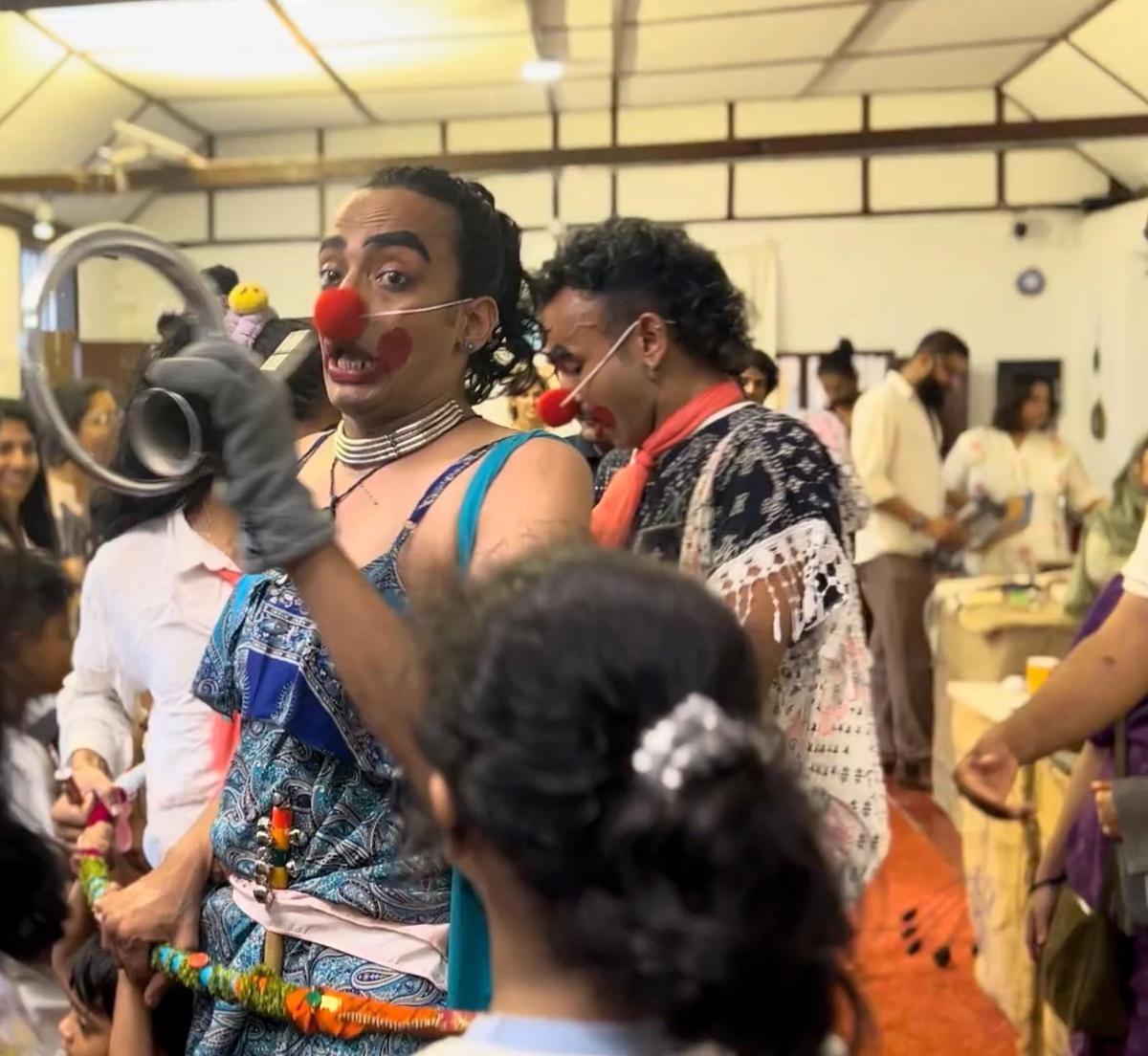
A performance held at the first edition of the Local Sustainability Fest

A performance held at the first edition of the Local Sustainability Fest
| Photo Credit:
Special Arrangement

It has a performance space where people can organise workshops, or gigs without worrying about ticket sales or returns. “We don’t charge a fee, but contributions are welcome,” Noufal adds. The space also includes a store selling sustainable products. 

The fest is one of the activities of Local Sustainable Living. The low-waste, eco-friendly setting using mindful materials and choices that respect the planet, will by itself inspire people to think differently. From the tickets fo art installations, everything at upcycled or reusable. Every participant will get a reusable cloth bag as well, says Noufal.

It will include workshops on art and craft, upcycling and mindful thinking. Music and dance are part of the festivities too —Kerala-based folk fusion indie collective Oorali will perform on December 6 at 7.30pm; Jawari, a London-based music collective that fuses Hindustani music with contemporary elements will perform on December 7, 6pm followed by Poothapattu, a traditional art form from north Malabar presented by dancer Sujina Sreedharan and crew, at 8pm.

The entry fee is ₹199 with ₹170 redeemable at any stall. Over five food stalls will be devoted to local dishes. Workshops on upcycling willl be held. Screenings of documentaries and films on ecology will also be held. Entry is free for children below 10 and they can check out craft stations, take Nature walks and participate in cultural activities.

On December 6 and 7 at Local Sustainable Living, Maradu. For information, contact 8593096000.


Source link

An excerpt from Michelin-starred chef Suvir Saran’s memoir, ‘Tell My Mother I Like Boys’


Later, as the house filled with light and laughter, my identity wavered once more before the mirror. Seema had found Dadi’s old trunk, a chest so large it seemed to hold the world within it. Together, we unearthed treasures—Mom’s wedding lehengas, dupattas adorned with gota and gold thread, stitched by Dadi’s own hands. One of these dupattas, rich with age and beauty, was draped over me. Seema fussed and adjusted, her laughter ringing softly as she transformed me. When I turned to the mirror, it caught me unguarded.

The reflection was both familiar and foreign. The gold glinted in the dim light, the fabric shimmering like a memory of my mother as a bride. For a fleeting moment, I thought, Could I be this bride? The thought startled me, sent a shiver down my spine and a smile to my lips. I saw in myself not just possibility but a quiet truth, one that hovered on the edge of understanding. Chinky Didi and Pinky Didi were kind to me that Diwali. Though their lives seemed to orbit another realm—one of adolescent dreams and whispered futures—they noticed my efforts. ‘The house looks beautiful,’ Chinky said softly, her hand brushing my shoulder. Pinky added, ‘You’ve been such a good assistant to Mamiji.’ Their words were simple, but they carried weight. They saw the sadness I tried to bury beneath the festivities, and in their acknowledgement, I found solace.

Failure loomed large in the backdrop of that year, casting shadows over moments of light. Yet, in the kitchen, in the layers of simplicity that Panditji elevated to sophistication, I found a different kind of strength. The act of cooking became a metaphor for resilience, for crafting abundance from what little one has. Panditji’s meals reminded me that the simplest things—dal, sukhi sabzi, a puffed chapatti—can carry the depth of love and the heft of history.

Diwali night glowed with more than lamps. The house, radiant in its adornments, seemed to breathe with life. Bua, resplendent in her saree, her jasmine-scented braid trailing over her shoulder, lit sparklers with a quiet joy. Papa’s laughter rumbled as he indulged in Panditji’s sweets, laddoos golden and fragrant, kheer rich with saffron. Beneath the guava tree, the shadows of the night flickered and danced, and for a moment, the fractures of our family felt healed.

But the mirror still whispered. It called me back to its quiet truths, to the dupatta draped across my shoulders, to the questions I could not yet voice. My reflection, both bride and groom, both familiar and strange, held within it a world I was just beginning to navigate. As the year wore on, the questions within me did not fade. They settled instead, like sediment in a stream, shaping the flow of my thoughts. In the kitchen, Panditji continued to teach me—not just the art of food but the art of living. ‘Strength,’ he said one morning as he kneaded dough, ‘is knowing what to hold on to and what to let go of. It’s in the balance.’ His words became a compass, guiding me through the maze of my identity.

My cousins Chinky and Pinky remained my quiet champions. Though their own lives were blooming in directions I couldn’t yet follow, they offered their presence like a steady hand. On evenings when my failures felt too heavy to carry, they lightened the load with a joke, a compliment or simply their company. From them, I learnt that grace is not about being flawless but about being present, about finding beauty in the effort.

And Dadi, in her wisdom, continued to remind me that love is not a finite thing. ‘It flows,’ she said, her voice firm but kind. ‘Like water. It moves where it’s needed but never runs out.’ Her words held me together when I felt I might unravel, when the mirror’s murmur grew too loud.

That twelfth year, for all its failures and fears, became a turning point. Through food, family and love, I began to understand that my identity was not something fixed. It was a tapestry, woven from the threads of those who shaped me— Panditji’s lessons, Bua’s tenderness, Chinky and Pinky’s grace, Dadi’s wisdom, and my mother’s quiet strength. The kitchen became my sanctuary, the mirror my guide and the love that bound our family my anchor.

In life’s flux, I learnt, there is grace. In its chaos, there is clarity. And in its unanswered questions, there is always the quiet promise of something more.

Read an interview with the author, Suvir Saran here

Published – December 05, 2025 12:02 pm IST


Source link

Suvir Saran, Michelin-starred chef, lays it bare in his new memoir, Tell My Mother I Like Boys


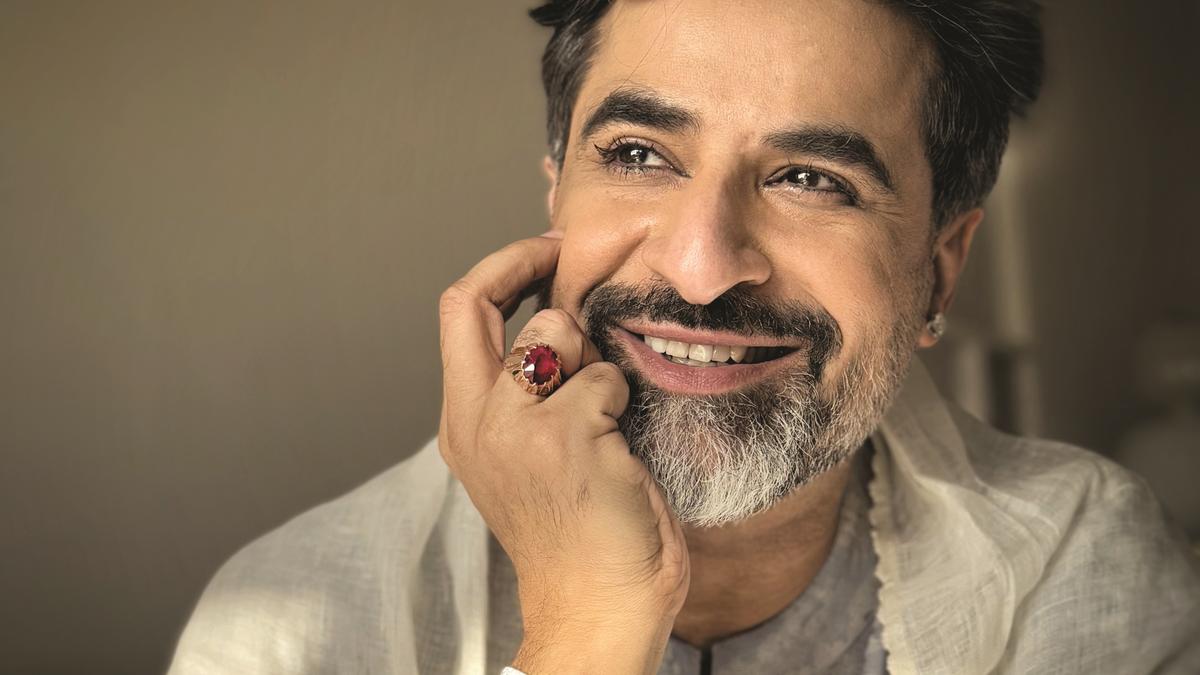
Suvir Saran

Suvir Saran
| Photo Credit: Special arrangement

“Dr Shashi Tharoor read my book, and said ‘the last person to write a memoir this honest was Mark Twain. And he waited a 150 years after his death for it to be released’.” Suvir Saran shares this glowing testimonial about his new book, Tell My Mother I Like Boys. The book is a vulnerable, frank and touching account of Suvir’s life. “I have stripped myself naked,” says the chef on the phone from Mumbai. Suvir’s Indian restaurant in New York, Devi, won a Michelin-star back in the 2000s. Now Suvir chronicles his journey of growing up queer in India, life in New York City and living his truth fearlessly.

“This book is not a chronicle. It is a monsoon. It pours, it pauses, it floods, it recedes, it returns,” Suvir says in the preface. It opens in his home in South Extension in New Delhi, with memories of his grandfather, and his death that impacted Suvir early on. From then he takes us with him to Nagpur, Mumbai and New York. The trauma of growing up queer, agonising heartbreaks, facing racism, and rising above it all — is all laid bare with resolute frankness. “When the publisher hit me up to write my story, I felt why would I lie about it. My life is remarkable only if you see it in all its honesty. Otherwise, I can live like any other person, hiding myself, being afraid.”

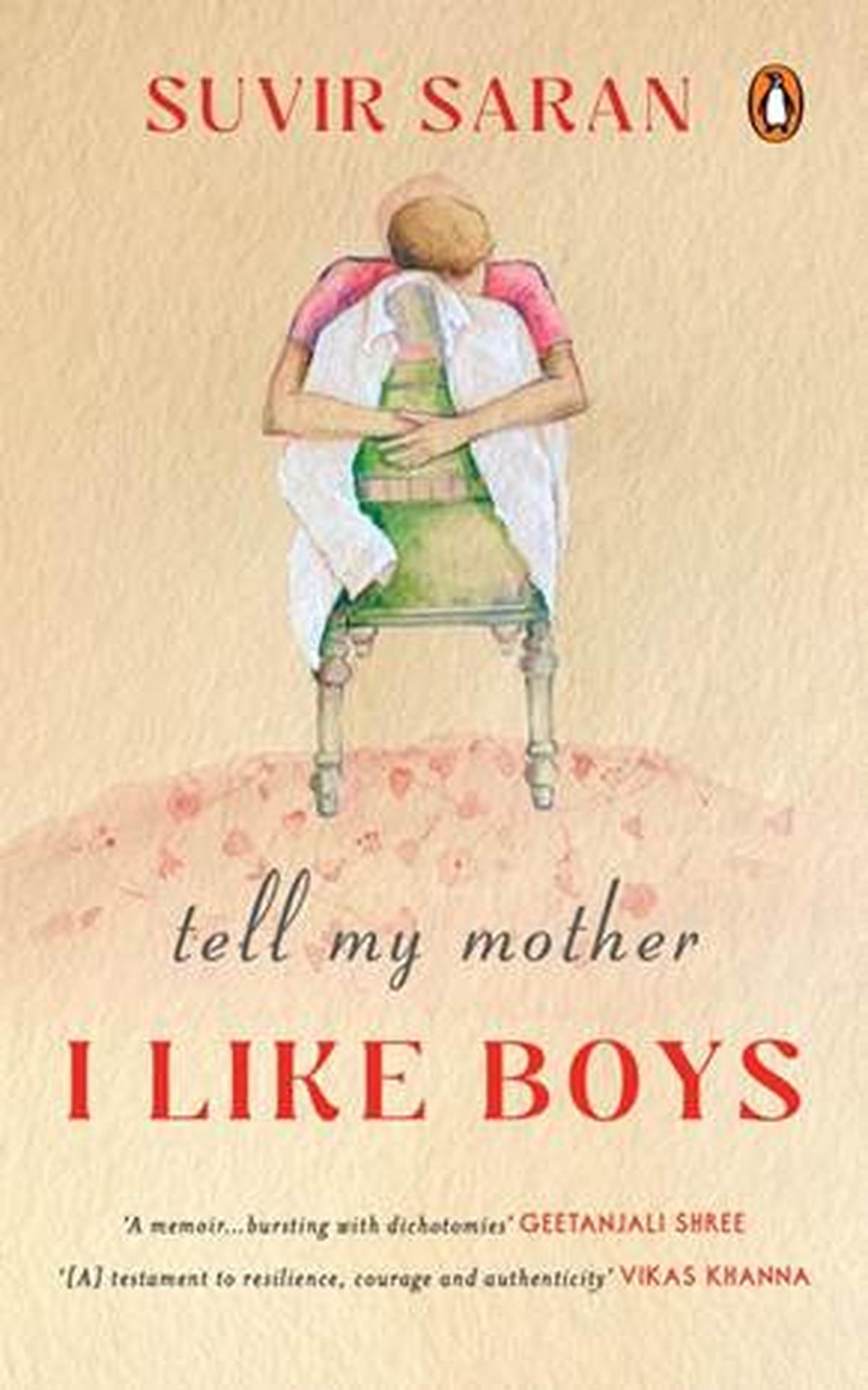
The cover of ‘Tell My Mother I Like Boys’

The cover of ‘Tell My Mother I Like Boys’
| Photo Credit:
Special arrangement

“Some parts were difficult, and I have softened it,” he says in reference to the first heartbreak he was dealt when he landed up in New York following someone he loved.

“I could have written it a lot worse, and I could have made a monster out of the man who I am writing about. But even today, I feel I would not be Suvir had I not have Robert hurt me in 1993. Every time I had something good happen in my life, I thank him. Because of you I have a promotion, because of I have a quarter million-dollar book deal. That heartbreak and dirty game made me who I am. I look at it is gratitude rather than hate.”

This selfless outlook continues through the book. It almost feels like an ode to all the people who have supported Suvir through his life. From his sisters and mother, to schoolteachers and numerous friends.

Devi, and Michelin stars

In 2004, at the age of 29 Suvir opened Devi, an Indian-inspired restaurant on 18th street. “Cooking became my anchor, a way of grounding myself in a world that often felt too big.” It showcased a kind of Indian food that New York had not seen before. “We had jackfruit biriyani, seasonal bhels, lamb chops with the potato filling of a masala dosa. I used to make poriyal, mor kuzhambu and gongura pickles. My karara okra was named one of Food & Wine magazine’s 40 best dishes of the last 40 years.” It received a Michelin star in 2006. Following an illness, which he describes in poetic detail, he moved back to India.

Today, Suvir lives in Mumbai and is associated with Goa-based Jolene by the Sea. He has his hands full with a hotel and wellness spa he is launching in Alibaug. “I am writing a couple of novels. and a book titled After I Leave. It is a book of meditations and thoughts on friendship, love, heartbreak and life.”

Read an excerpt from Suvir Saran’s novel Tell My Mother I Like Boys, here.

The book is published by Penguin India and is priced at ₹699


Source link

Serendipity’s decade shift, and what to expect at the arts festival this year


Sunil Kant Munjal remembers the moment precisely. During Serendipity Arts Festival’s (SAF) 2024 edition, he watched a local fisherman’s family spend an entire afternoon at Thukral & Tagra’s Nafrat/Parvah installation, where visitors exchanged packages of hate for acts of care, such as a haircut. The grandmother, who had never attended an “art event” before, told him it reminded her of communal rituals from her village. “That’s when you realise art isn’t alien to anyone,” Munjal, SAF’s founder-patron, reflects. “It’s the contexts we create that either invite or exclude.”

Ten years after it first began as a fairly outré and small cultural gathering, Serendipity Arts Festival isn’t fringe any more — it’s an institution. When Munjal and his team launched Serendipity in 2016, sceptics questioned whether a free, large-scale interdisciplinary platform could sustain itself while maintaining artistic integrity. The answer has been emphatic. The festival has expanded from eight venues and 40 projects to 22 venues presenting over 250 multidisciplinary projects across eight disciplines: visual arts, theatre, music, dance, culinary arts, craft, photography, and accessibility programming. More than 3,500 artists have participated over the decade.

Shaping memories

Every December, Panjim transforms into a cultural wonderland. Heritage buildings become galleries. Waterfront promenades host performances. Government schools send children on guided tours who later confidently explain contemporary installations to their parents. And chances are that everyone who has visited any of these sites has their own unique memory, their own special takeaway.

A yarn installation from Serendipity 2019

A yarn installation from Serendipity 2019
| Photo Credit:
Philippe Calia

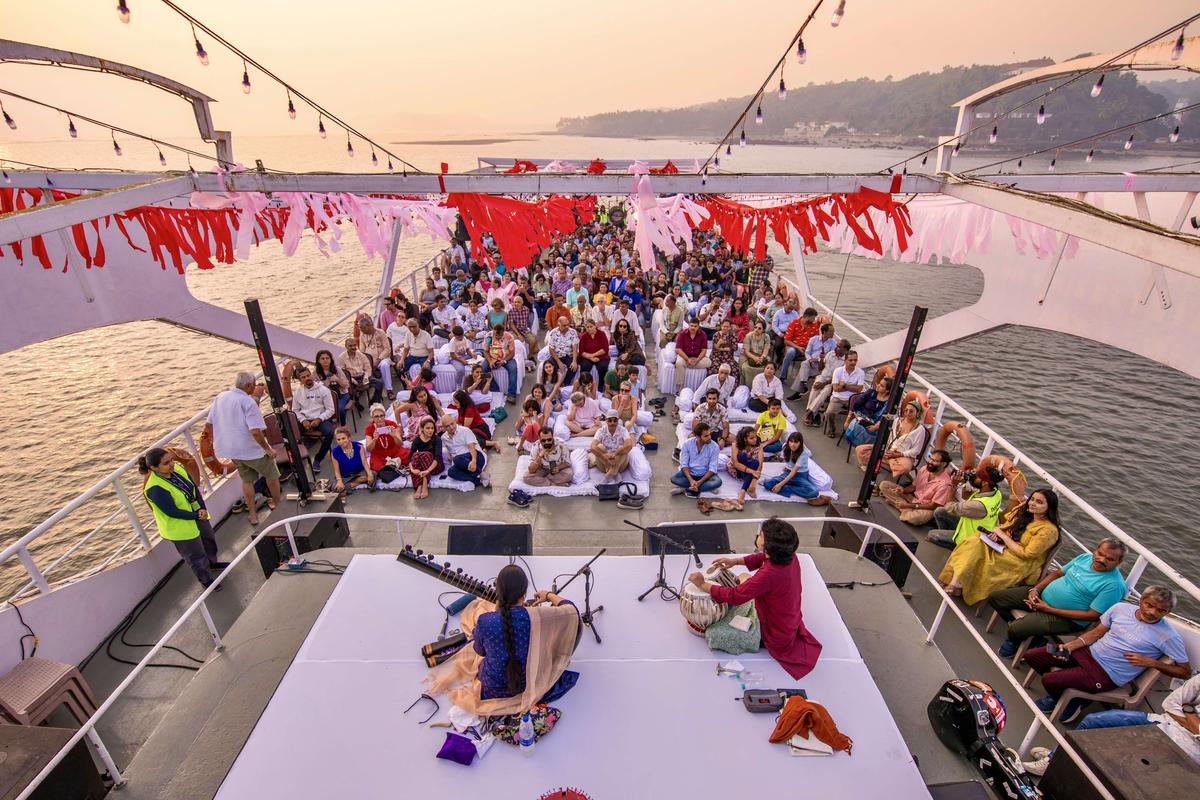
“I have found myself in Goa every winter since the first edition of the festival,” says permaculture teacher and current Camurlim resident Simrit Malhi. “I especially enjoyed the art and music installations on the oil barge when [Goa-based collective] HH Art Spaces were curators in 2017, and last year, I enjoyed the food talk on insects by Tansha Vohra, I try to catch the River Raag music performance every year — it is gorgeous sailing down the Mandovi at sunset listening to music.” 

‘River Raag’ curated by Bickram Ghosh, is one of Serendipity Arts Festival’s most anticipated events.

‘River Raag’ curated by Bickram Ghosh, is one of Serendipity Arts Festival’s most anticipated events.

Musician Bickram Ghosh, who curates the River Raag performances, describes stumbling out of a Carnatic Bharatanatyam concert in 2022, only to find the Kolkata outfit Sanjay Mandal and Group and street musicians playing pipes and cans 50 paces away. “There is synchronicity between art forms which cues very easily at Serendipity,” says Ghosh. “That is the beauty.”

For chef Thomas Zacharias, one of the curators of this year’s culinary arts programming, the festival’s magic lies in how “it’s expanded the notions of what art can be” — bringing together food, craft, theatre, music, and dance in ways that give people “permission to slow down, to participate, to engage, to be surprised”. 

On the charts
This year’s edition represents the festival’s most ambitious programming yet, with over 35 curators, many of whom have been associated with it in the past, such as the actor Lilette Dubey and chef Manu Chandra, and including names such as L. N. Tallur, Rahab Allana and Rajeev Sethi.
> Zakir Hussain special: the festival will honour the tabla maestro with a tribute concert. 
> New venues: a barge at Captain of Ports Jetty in Old Goa and Casa San Antonio in Fontainhas for immersive theatrical dining.
> Book launch: Munjal’s book, ‘Table for Four’, a culinary exploration of India along with his Doon school set, will be released.
> Thomas Zacharias’ ‘What Does Loss Taste Like?’: an immersive installation set in 2100 exploring climate collapse through five interconnected rooms where visitors taste mango as gelatin cubes and encounter descendants who are part-human, part-android. “We wanted people to experience tangibly the impending feeling of loss,” he explains, “but also the agency we have in doing something about it.”

“Our most significant achievement has been proving that a multidisciplinary arts festival can be both artistically uncompromising and deeply accessible,” says Munjal, whose family’s philanthropy extends from the performing arts centre in Ludhiana that opened in 1999, to the forthcoming Brij cultural centre in Delhi. For him, Serendipity represents a conviction that “culture isn’t decorative, it’s foundational to how we understand ourselves and each other”.

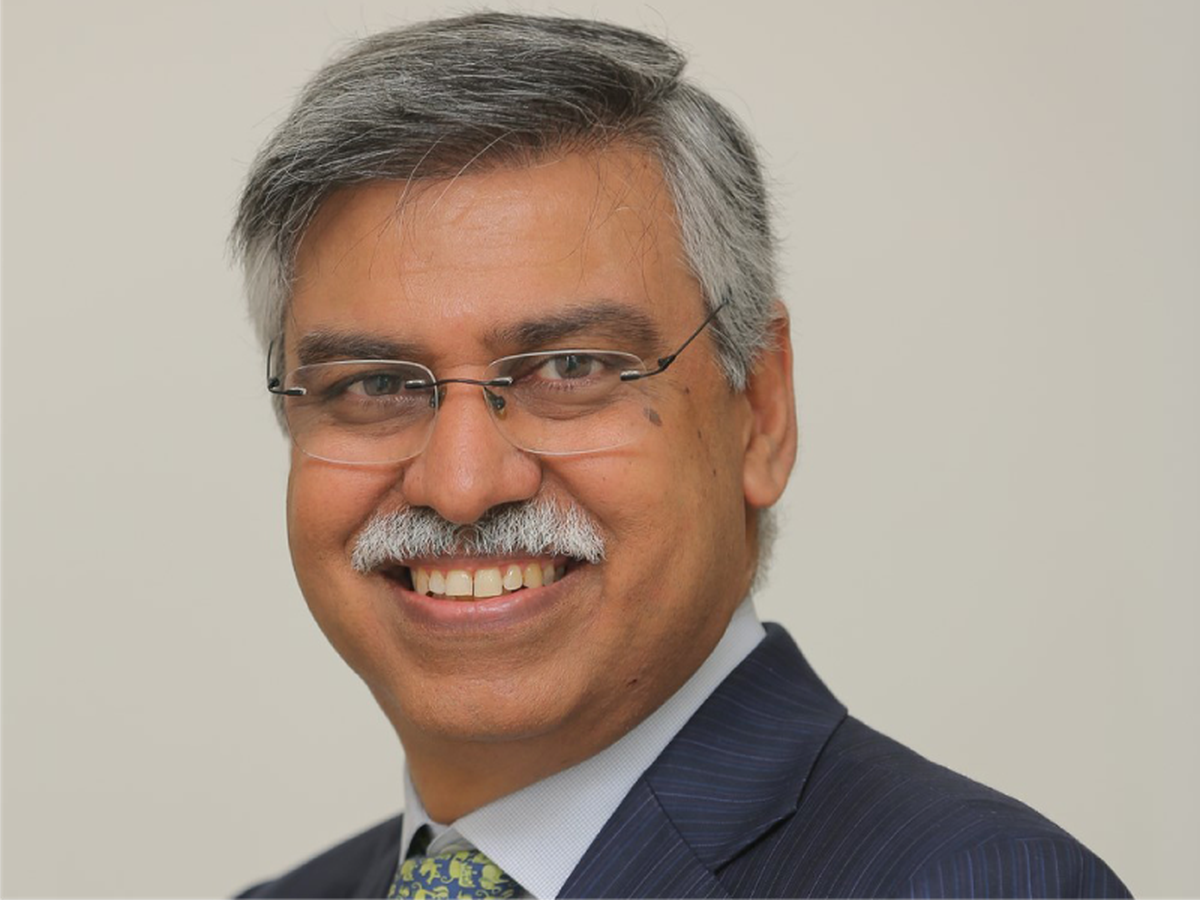
Sunil Kant Munjal, Founder-Patron, Serendipity Arts Foundation.

Sunil Kant Munjal, Founder-Patron, Serendipity Arts Foundation.

Food and craft installations

Beyond building on bold, sometimes risky curation and programming, the culinary arts segment has become its own beast, unlike anything ever seen in India, and mirroring the ambitions of events such as the Mad Symposium in Copenhagen. Food historian Odette Mascarenhas will present The Culinary Odyssey of Goa at the Art Park, featuring five traditional kitchens representing different Goan communities. Through it, she will be asserting that food deserves the same curatorial attention as painting or dance. “The kitchens aren’t demonstrations,” Munjal explains. “They’re active cultural exchanges where recipe becomes narrative and taste becomes memory.”

Craft interventions at Azad Maidan also exemplify this vision. Master weavers from Maheshwar work alongside contemporary designers; Kashmiri artisan workshops become living installations. “We’re saying that craft isn’t heritage to be preserved in amber,” says Munjal. “It’s living knowledge.”

According to an internal impact assessment report in 2018, 84% of local Goan residents (who made up 55% of the 630 audience members, besides 200 stakeholders and 80 team and volunteer members surveyed), said “they would encourage their children to take up arts as a career after the ‘Serendipity Experience’”. Munjal sees this as proof that “creative communities aren’t built top-down through curriculum mandates; they’re built through lived experience and cultural permission.”

Expansion plans
The festival now visits Birmingham, Ahmedabad, Delhi, Varanasi, Chennai, Gurugram, Dubai and Paris before culminating in Goa.

Whose heritage gets highlighted?

There is a more tangible impact on the city that Serendipity has made its home. The festival has actively restored heritage buildings, including the Adil Shah Palace, Old GMC Building, Directorate of Accounts and Excise Building. Many people we spoke with believe that the festival has repositioned Goa — itself in transition between the raver’s terra nullius and the devout’s sanctuary — into a viable cultural destination. The economic impact, the SAF team say, extends through employment creation and support for the local creative community. 

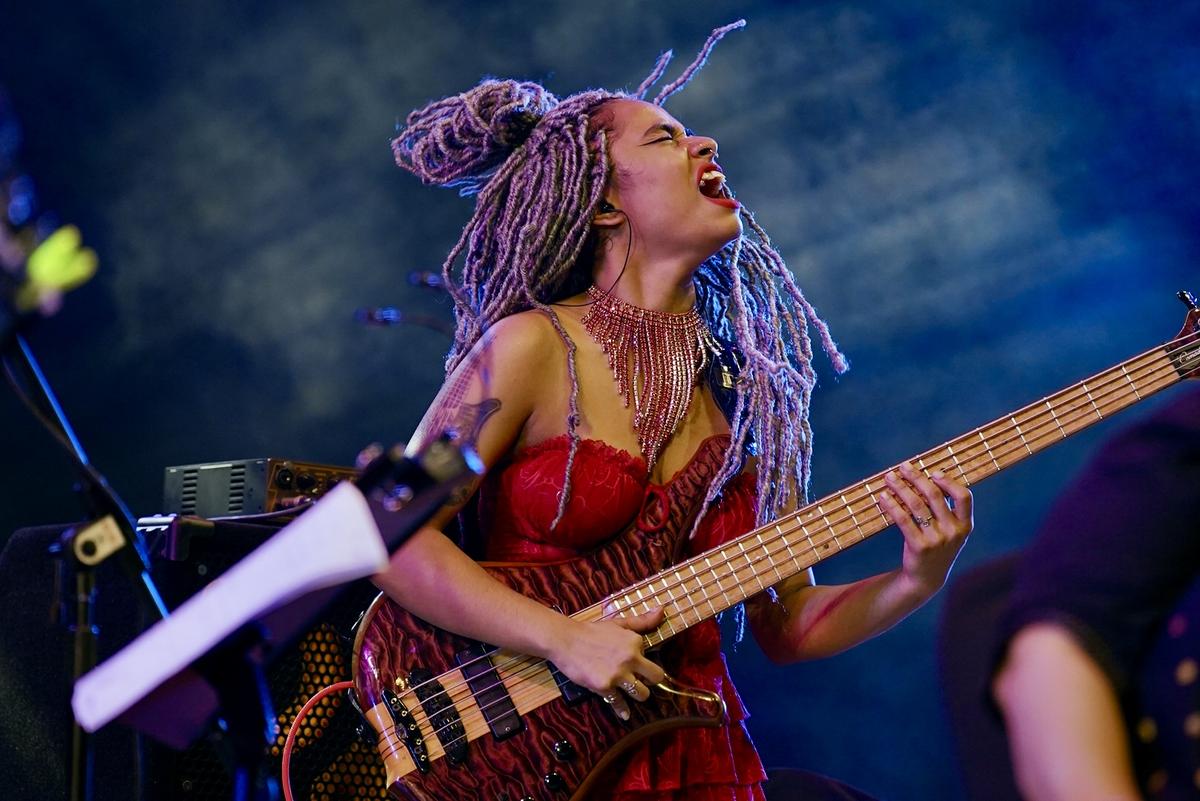
Bassist Mohini Dey performs as part of ‘Three Divas’ at SAF 2024.

Bassist Mohini Dey performs as part of ‘Three Divas’ at SAF 2024.

But not everyone is buying it. Joanna Lobo, a Goa-born journalist who has attended multiple editions, says: “My biggest issue with Serendipity is I don’t find too much Goan representation there.” While acknowledging the festival’s importance and past programming that had local representation, Lobo argues that after 10 years in Goa, there should be more of it and featured prominently. “You are holding it in our State,” she says. “Teach people about our culture, our musical and dance forms, our artists.” 

She also notes the festival’s evolution from entirely free programming to ticketed workshops during weekdays, and paid vendor stalls at Nagalli Hills — the main stage for big musical performances. These, she believes, muddies the framework when it comes to access. “When you make it so prohibitively expensive, it’s only the bigger brands and bigger restaurants who can afford to put up a stall.”

Beyond accessibility
The festival provides ramps, tactile Braille artworks, sign language interpreters, and Indian Sign Language poetry performances as core design principles, not afterthoughts.

Word of mouth has it that the vendor stalls cost anywhere between ₹10,000 and ₹15,000 per night at the 10-day festival. (It might also be worth noting that entry to the festival remains free, curators receive a small honorarium, says Zacharias, and to Malhi’s knowledge, artists aren’t paid.) “It isn’t a place for small businesses,” agrees Malhi. “But for artists, absolutely.” Megha Mahindru, editor of The Nod magazine and a resident of Siolim since 2019, observes that ticketing becomes a problem at any fest — be it IFFI Goa now or MAMI Mumbai years ago. “But here, even if you woke up too late to register, there’s still plenty to see for free,” she says.

The question of permanence

The matter of representation reveals a broader question about festivals rooted in place: how do you balance global artistic ambition with local representation? Serve international audiences while centring local communities? It also underlines a different kind of tension brewing along the Arabian Sea coastline: whose Goa are we talking about?

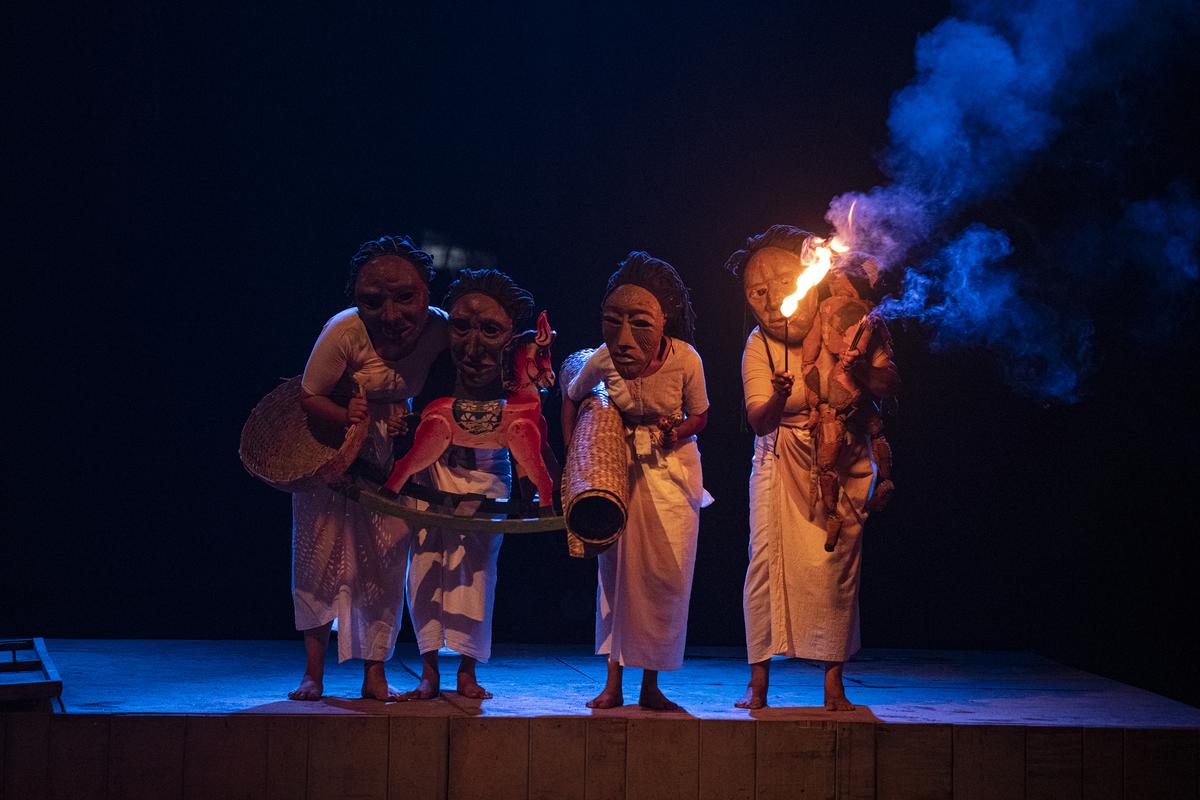
‘The Legends of Khasak’, curated by Anuradha Kapur, at SAF 2025.

‘The Legends of Khasak’, curated by Anuradha Kapur, at SAF 2025.
| Photo Credit:
Raneesh Raveendran

Perhaps more immediately: if Serendipity creates its own geography for a week or so each year, and that map vanishes come Christmas, where is this cultural melting pot to endure? Munjal believes culture needs both: to breathe in open air and four walls to preserve it. “Yes, culture needs permanence — it needs institutions, archives, training centres, physical spaces where knowledge is preserved, transmitted and built upon,” he says. That’s why his foundation is building The Brij in Delhi: an eight-acre cultural centre with a museum, academy, gallery, library, stepwell gallery, arena, theatre, black box, crafts centre and an artisanal village, all 100% accessible to differently-abled visitors. “But culture also needs to be experienced in unexpected places, to transform entire cities into living canvases,” he continues. “The magic of the festival is precisely that it’s ephemeral yet recurring.”

The Brij and Serendipity are meant to function as complementary ecosystems. The Brij will provide year-round infrastructure for deep research, education and preservation. Serendipity provides public celebration, experimentation and democratic access. “Think of Serendipity as the public face,” explains festival director Smriti Rajgarhia, “and The Brij as the engine room. Together, they create a complete ecosystem from learning to livelihood, from experimentation to sustainability.” But why not build The Brij in Goa? “Goa already has something permanent — the festival itself,” Munjal argues.

Smriti Rajgrahia, Director, Serendipity Arts Foundation and Festival.

Smriti Rajgrahia, Director, Serendipity Arts Foundation and Festival.

Ghosh, who orchestrated the festival finale last year — a concert titled Three Divas, featuring Shubha Mudgal, Usha Uthup and Aruna Sairam, that, he says, drew over 20,000 people — has always had an expansive vision for Serendipity: a space where classical tradition swirls with fusion, where rap meets the nine rasas, where the fading surbahar (or bass sitar), sarangi and harmonium encounter iPad musicians (in ‘Fading Traditions, Emerging Sounds’). “Cultures do not need to live in isolation,” he insists. “If you are smart enough, you can create bridges. And those bridges are very important for humanity because then we start identifying with the other.”

He offers a final metaphor: “Goa’s proximity to the ocean is key. You look at it, and you can’t help but think: every kind of species lives inside the ocean, and it has such harmony. That is what Goa gives Serendipity and Serendipity gives Goa.”

The Mumbai-based independent journalist writes on culture, lifestyle and technology.


Source link

Meat meets dosa – The Hindu


In every South Indian home, dosa is the go-to dish for breakfast or dinner — comforting and simple. But in Madurai, this dish takes on a richer, meatier form.

On the sizzling tawa, the batter meets the heat with a hiss as a ladleful is spread into a circle. A cracked egg follows, gently melding into the surface. Then comes the star — a spoonful of tender, spicy mutton curry — spread evenly across the top. A drizzle of oil runs around the edges, and after a few minutes of slow roasting, the dosa emerges perfectly balanced — crisp on the edges, soft at the centre, bursting with flavour.

Served hot on the banana leaf, the kari dosa goes well with a side of spicy mutton offal gravy. The true Madurai way to enjoy it is to tear off a piece of the dosa along with the mutton, let it soak in the spicy gravy, and then take a hearty bite. The crisp edges of the dosa, the soft centre infused with egg, and the rich masala and pepper-laced flavours of the mutton come together in a a perfect balance of heat, texture, and comfort.

This iconic kari dosa traces its origin to Konar Kadai, an eatery in Madurai that began nearly 90 years ago. What started as a simple experiment has grown into one of the city’s most celebrated dishes that continues to define Madurai’s fiery, flavourful food culture.

 A plate of the famous Kari Dosa served with spicy mutton gravy  at Konar Kadai in Madurai.

A plate of the famous Kari Dosa served with spicy mutton gravy at Konar Kadai in Madurai.
| Photo Credit:
G. MOORTHY

When asked about its origin, Sidharthan Rajasekar, the third-generation owner of Konar Kadai, recalls, “My grandfather Manickam once thought of trying something different with dosa for a friend,” he says. “He added a layer of mutton and an egg on top, and his friend loved it. He tried it again, refined it a bit, and that’s how the kari dosa was born.”

Even as cafes and restaurants serving fast-food spread across the city, crowds continue to visit Konar Kadai for kari dosa. Every evening, people of all ages can be seen waiting for a plate of the dish.

Over the years, Konar Kadai has seen families return again and again, bringing along the next generation. “Our customers tell us they grew up eating this with their parents and now bring their children here,” he says. “No matter how many new dishes come and go, this one always feels like home.”

For Sidharthan, the secret to this enduring love is consistency. “We offer the same taste my grandfather created, and never compromise on the quality. People come here because they trust that nothing has changed,” he says

“I’m from Dindigul, but every time I visit Madurai, this is my first stop,” says K Tharun, 27. “No matter how many restaurants I try elsewhere, nothing matches the flavour here,” he adds.

“I come here with my husband and children often,” says Meenakshi, a regular here. “My kids do ask for burgers or fried chicken, but once they taste the kari dosa, they forget everything else.”

When asked about the secret behind the flavours, Sidharthan adds, “The real secret is my grandmother, M Cinnammal. She makes the masala powder that enhances the taste — and she still scolds us if something goes wrong. The way those ingredients blend is what gives our kari dosa its unique flavour.”

On seeing kari dosa featured on the menus of several restaurants today, Sidharthan says, “I feel truly happy and proud. The dish my grandfather created has now become famous across places, and it’s heartening to see so many people enjoying it. It shows how our family’s creation has stood the test of time and continues to attract people even today.”

He adds, “It makes me happy to see customers sharing photos of the dish on social media with kind words. But what touches me the most are the little handwritten notes from children on tissue paper, saying how much they loved it. Those small moments remind us why we continue doing what we do.”

As the tawa keeps sizzling through the evening rush, Madurai’s Konar Kadai continues to serve not just a dish, but a legacy — one that carries the flavours of family, history, and home.

Konar Kadai is located at N Veli St, Arajar Salai, Simmakkal, Madurai Main, Madurai. A kari dosa costs ₹300

Published – December 05, 2025 10:31 am IST


Source link

A walk that peeks into the literary history of Bengaluru


The story of Higginbothams, possibly India’s oldest bookstore still in existence, begins with its founder, Abel Joshua Higginbotham, reportedly sidling into the country through rather nefarious means. “He was a stowaway on a ship from England to India,” says Prathyush Mandar, who is leading Bookmarking BLR, a literary walk by Gully Tours, as we gaze up at the white Palladian-style building on MG Road, which houses the Bengaluru branch of Higginbothams.

While there are conflicting reports of how exactly Higginbothams ended up on that ship, it seems clear that “he did something shady, got thrown out and landed in Madras (now Chennai),” says Prathyush, who goes on to trace how Higginbotham’s first job at the Wesleyan Book Depository led to him becoming a book magnate of sorts, with prominent political and intellectual historical figures including Gandhiji, C Rajagopalachari, Rabindranath Tagore and Jawaharlal Nehru visiting the store.

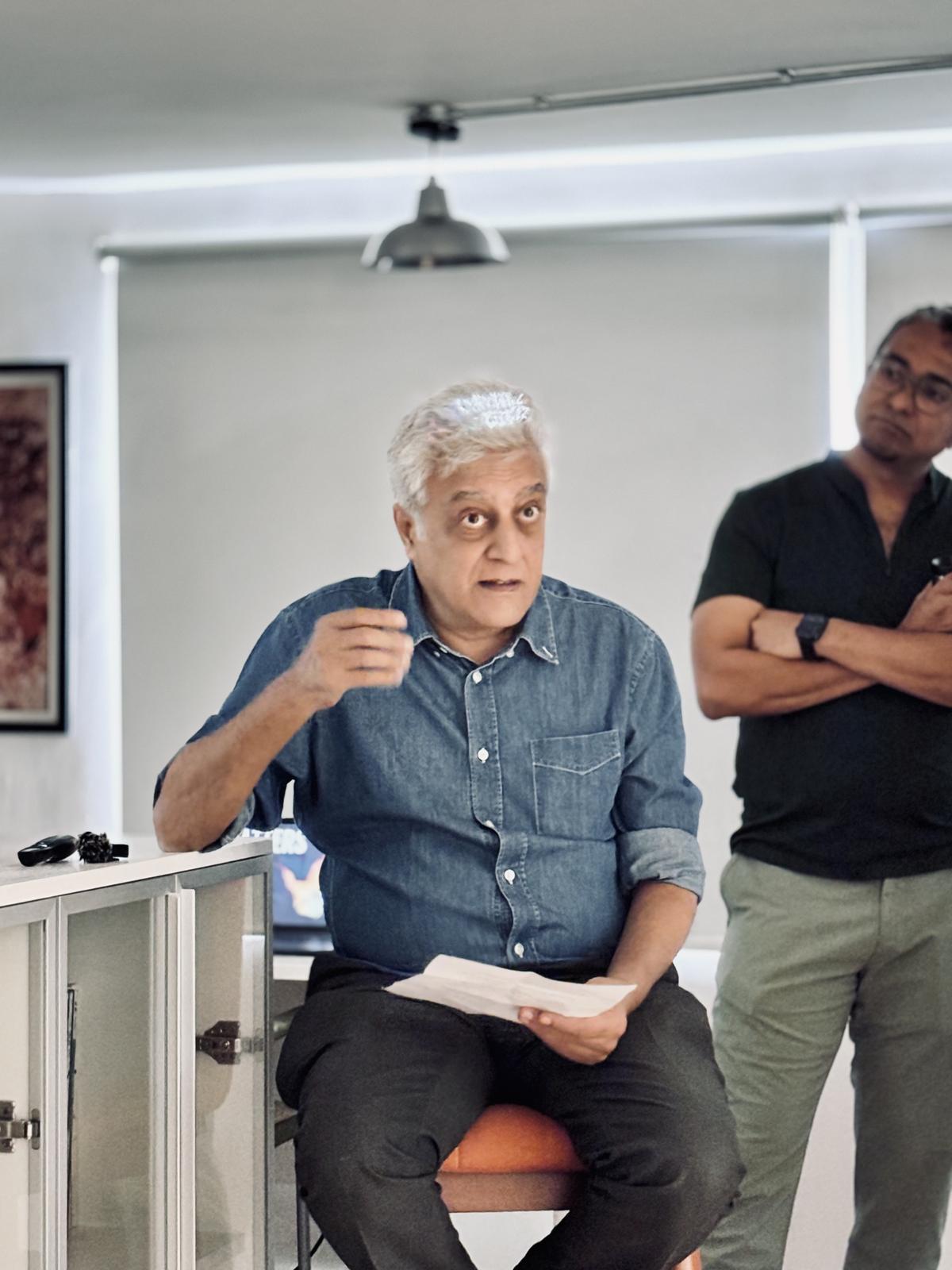
Naresh V Narasimhan, co-founder of the Mod Foundation, which runs BLR Design Centre

Naresh V Narasimhan, co-founder of the Mod Foundation, which runs BLR Design Centre
| Photo Credit:
Gully Tours

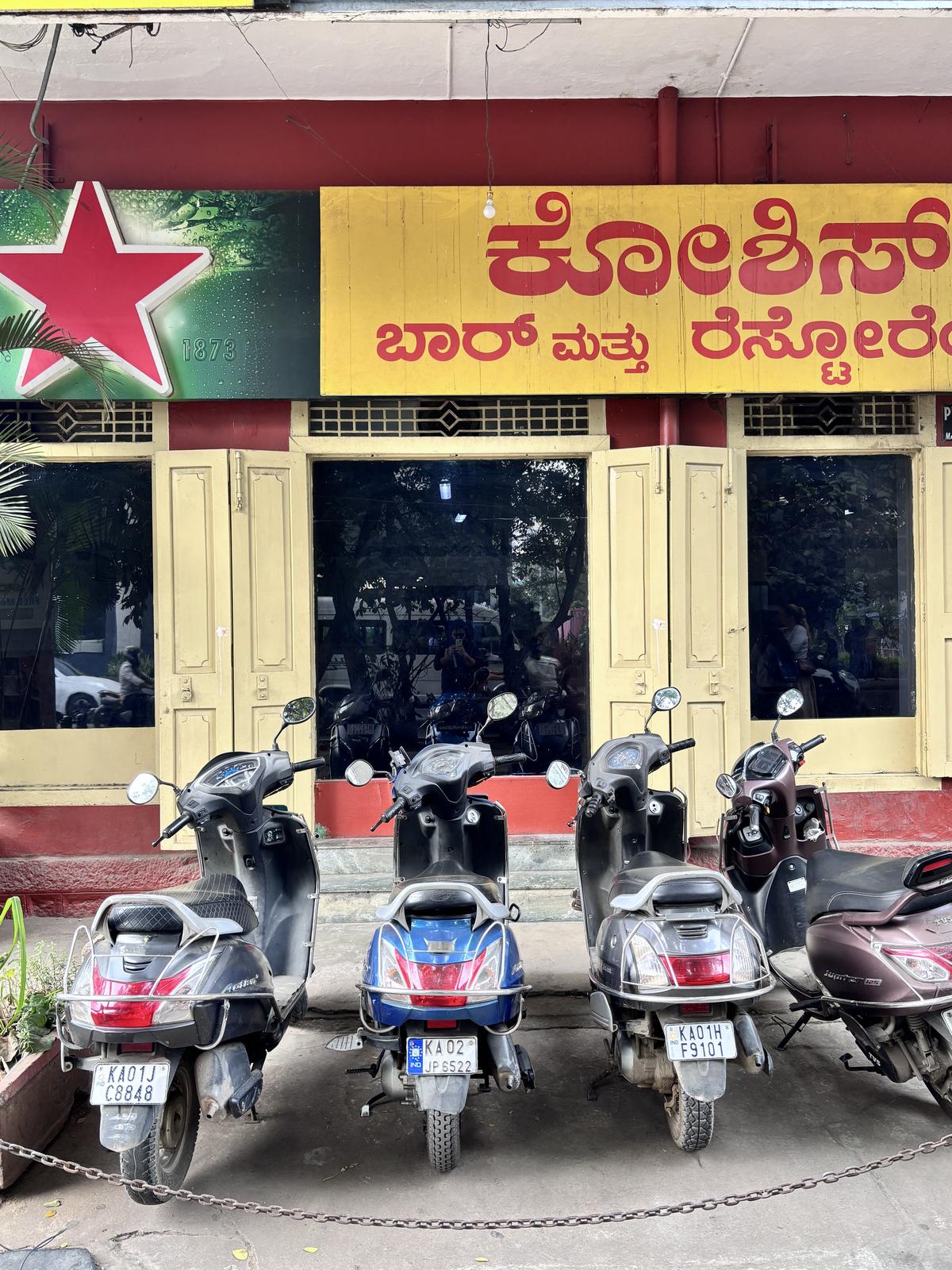
Bookmarking BLR, which is being held in collaboration with the upcoming Bangalore Literature Festival(BLF), is filled with trivia-laced stories, including why the much-loved Koshy’s has so many writers, thinkers and artists coalescing here or that the Tudor-style colonial building which now houses Hard Rock Cafe was once the Bible Society, creator of the first Kannada Bible and the genesis of many of the independent bookstores that fuel the city’s literary culture.

And not just culture but also the city’s identity, feels Vinay Parameshwarappa, the founder of Gully Tours, who designed this walk. “The Bengaluru identity is compassionate, curious, intellectual, accommodating and open-minded, and I think it comes from our love for literature and our literary history.”

Church Street stories

Throwing light on this aspect of the city was the raison d’être of the walk, launched exactly a year ago, as part of the 13th edition of BLF, according to Vinay.

The Bookworm’s new antiquarian space

The Bookworm’s new antiquarian space
| Photo Credit:
Gully Tours

He did not have to look beyond Church Street and MG Road for where they would do the walk, “since there are a bunch of things going on here,” says Vinay, adding that the first walk, back in 2024, also included interactions with Bengaluru-based writers such as Ramachandra Guha and Anita Nair. “We have such a great literary circle. Kannada writers have won the most number of Jnanpith Awards, outside of those who write in Hindi.”

Vinay acknowledges that no one locality can lay claim to owning the State’s or indeed the city’s literary legacy. ”It is also DVG Road, Basavanagudi and, of course, places outside Bengaluru like Dharwad,” he says. But MG Road and Church Street are definitely places that one associates with books, not only because of the sheer number of book stores in the area, but also other institutions related to the written word. For instance, as part of the walk, we also visit BLR Design Centre’s public reference library and archive, BLR Reads, home to “almost every book on Bengaluru,” says architect and urban designer Naresh V Narasimhan, co-founder of the Mod Foundation, which runs BLR Design Centre.

Among the many interesting things about Bengaluru, he says, is that it is one of the oldest cities in India, close to 500 years old, which makes it even “older than Chennai, Kolkata and Mumbai as an urban centre.” It has also, he adds, been a city of science and innovation for a long time, making it a perfect setting, at least in part, for a new speculative fiction graphic novel, Matter End. The novel, adapted from a story by Dr Gregory Benford and co-created by Naresh and comic artist Sunando C, “begins at the Bangalore airport,” says Naresh, who then goes on to expand on the premise of the novel before formally launching it as part of the walk.

Koshy’s has so many writers, thinkers and artists coalescing here

Koshy’s has so many writers, thinkers and artists coalescing here
| Photo Credit:
Gully Tours

Book town

We leave the Mod Foundation, graphic novel in hand, and then amble down Church Street, continuing to make several more pit stops along the way even as Prathyush draws connections with these places to the larger literary history of the city. The walk ends with visits to two iconic independent book stores in the city: Mayi Gowda’s Blossom Book House, which started off in 1999 as a small footpath store and now has three stores on Church Street, and The Bookworm, founded by Krishna Gowda, whose latest addition is a beautiful antiquarian space, filled with rare and antique books.

“At the core of it, they love their books and they love their business,” says Prathyush, as we finish the walk on the roof of Bookworm with cups of steaming coffee. “You have lived through the literary vein of Bangalore, all the stories that pump blood through them. These are the guys keeping that culture alive.”

Srikrishna Ramamoorthy, one of the founders of BLF, must agree. “There is so much of book history to the city, and we thought it would be nice to showcase some of it in the run-up to the festival, as a way of engaging with our community of readers and book-lovers,” he explains, pointing out that BLF is very much a city literary festival, with 80-90 % of the audience being people from the city, unlike many other festivals, which are destination festivals. “We are a continuity of the literary tradition that exists in the city, not just of bookstores and book cafes, but also of book clubs,” he says.

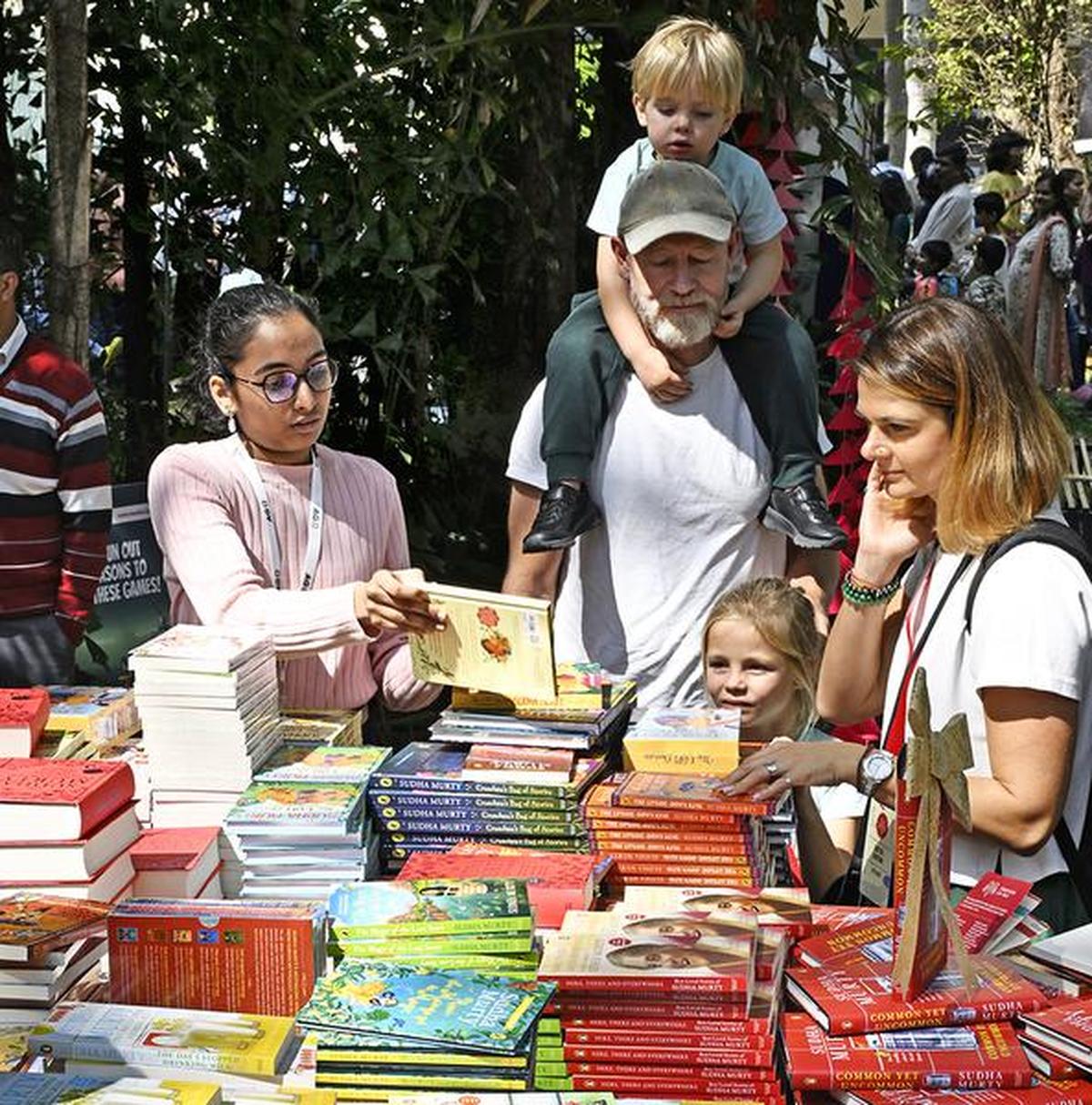
Children at a previous edition of Bengaluru

Children at a previous edition of Bengaluru
| Photo Credit:
k BHAGYA PRAKASH

The literature festival, which will have writers like Banu Mushtaq, Deepa Bhasthi, Amish Tripathi, Shashi Tharoor, Chetan Bhagat, Anuradha Roy and Clare Mackintosh at it this year, is “just a small cog in the larger landscape and canvas of our literary history. We are a very large reading city and that really explains the numbers that show up at the festival.”

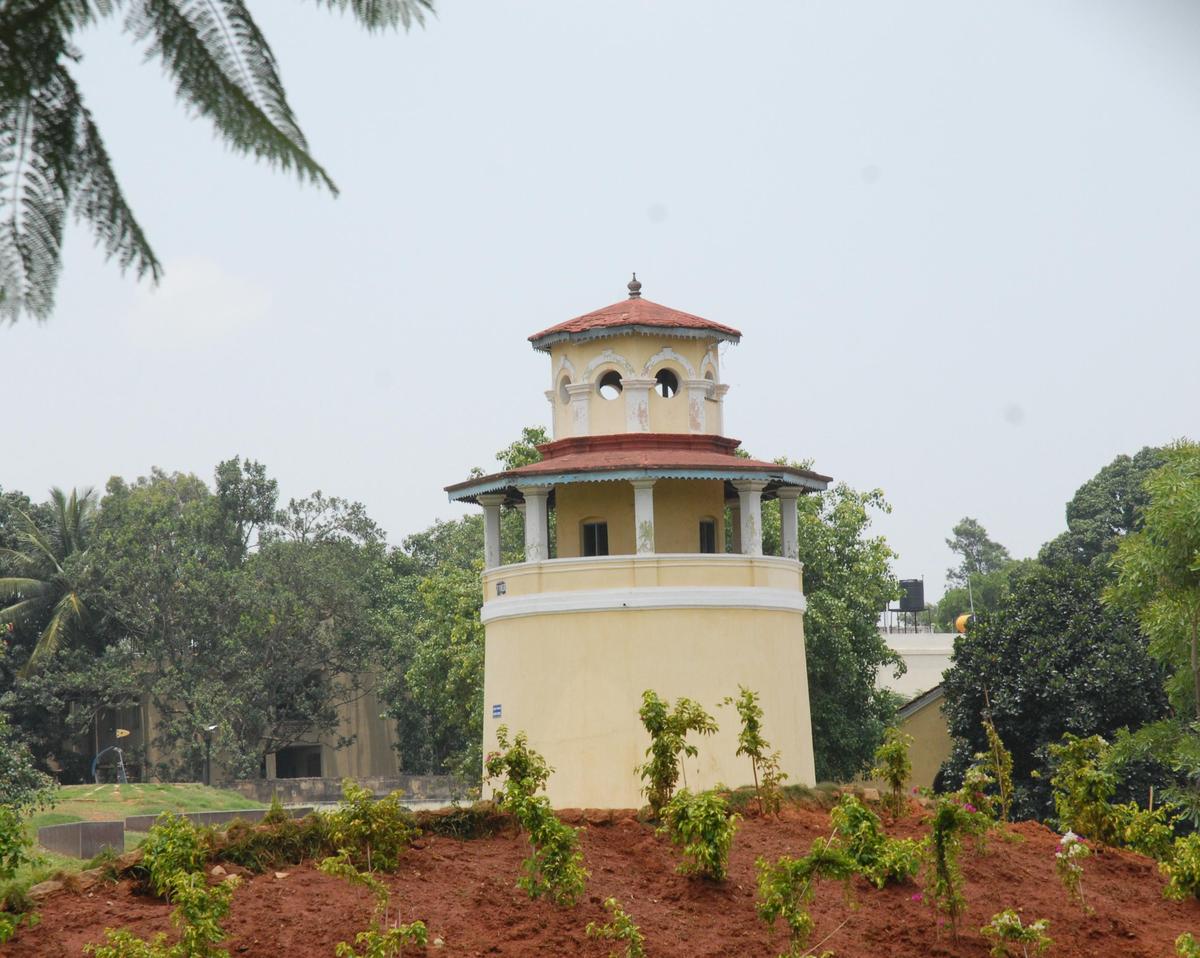
A view of old watch tower built inside Freedom Park, Old Bangalore Central Jail, in Bangalore

A view of old watch tower built inside Freedom Park, Old Bangalore Central Jail, in Bangalore
| Photo Credit:
MURALI KUMAR K

This year, for the first time in BLF’s 14-year-long history, the festival is being held at the iconic Freedom Park, instead of in a hotel. Having this “privately-enabled public festival” in a truly inclusive space is “how it should have been in the first place. It has taken us some time to get there, but I’m glad we have,” says Srikrishna.

While Freedom Park is largely associated with protests, according to him, it is also a fabulous, large public space, which, unlike a hotel, is not intimidating, making the festival truly inclusive. “It is a large expanse, which means that there is just a lot of space for people to mill around and experience the festival, not just by listening to sessions and possibly meeting with writers, but also just soaking in the ambience and enjoying being at the festival,” he says.

The 14th edition of the Bengaluru Literature Festival will be held at Freedom Park, Bengaluru on December 6 and 7. To know more or register, log into bangaloreliteraturefestival.org.


Source link

The 83-year-old behind Hyderabad’s favourite Sakinalu: The story of Sreedevi Swagruha foods


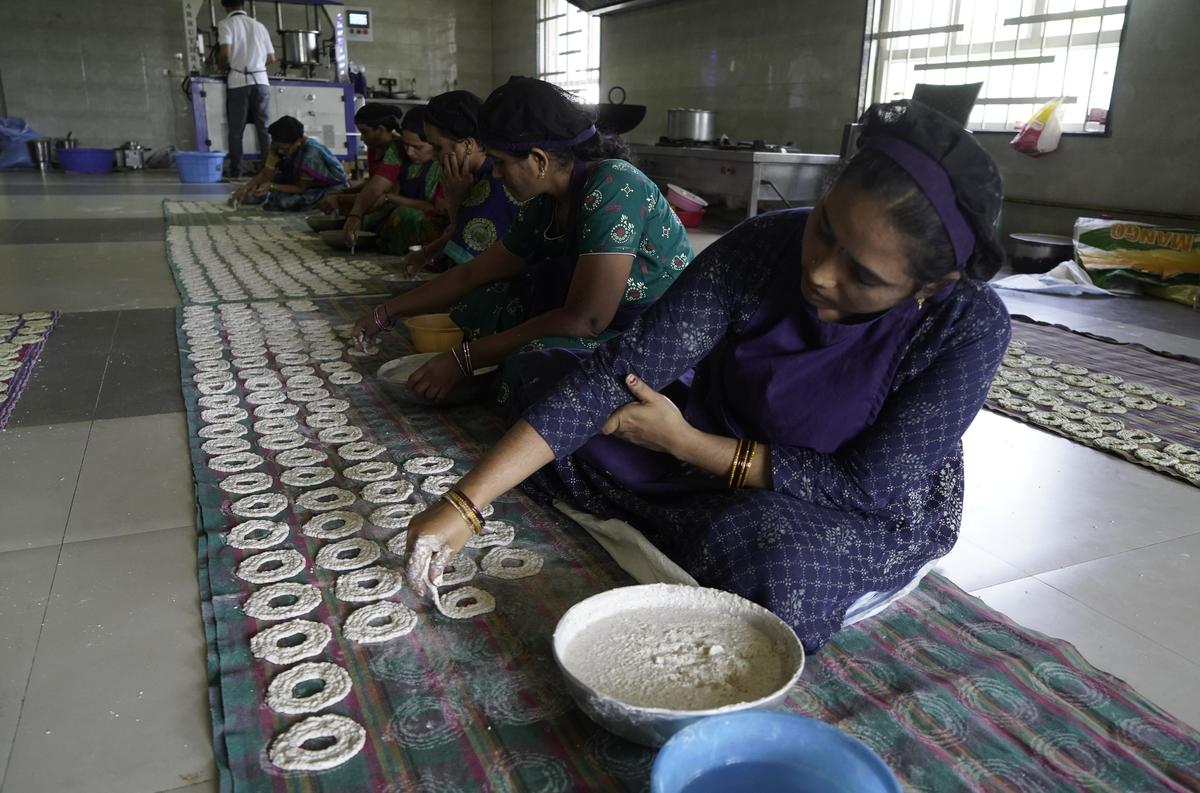
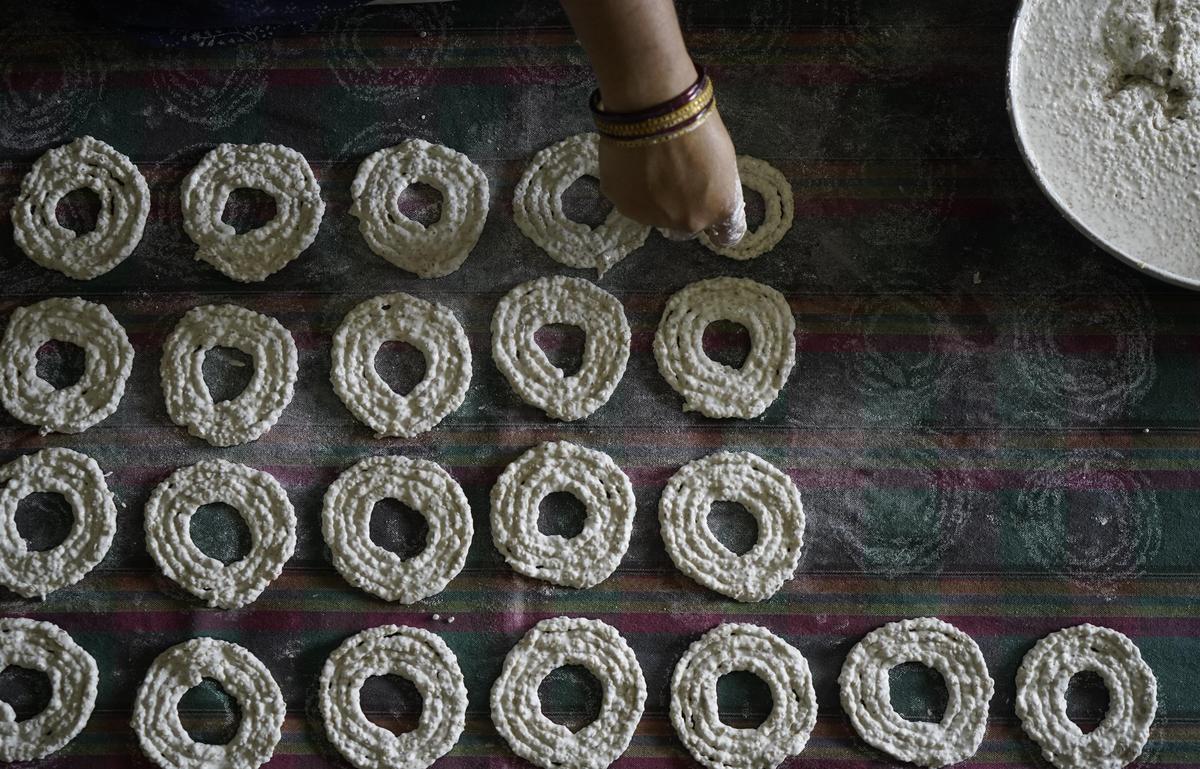
Women, seated in a row, at an arm’s distance from one another, shape sakinalu with practiced ease — ring after ring, coil after coil. Each woman has a portion of the smooth rice flour dough beside her. With a deft pinch using thumb, index, and middle finger, they roll the dough into thin strands, curling them into perfect spirals. This is an everyday scene at the Sreedevi Swagruha warehouse in Nacharam, Hyderabad. The brand that has become synonymous with Telugu pindi vantakalu (traditional Telugu sweets and savouries). The primary ingredient for all the savouries is rice flour.

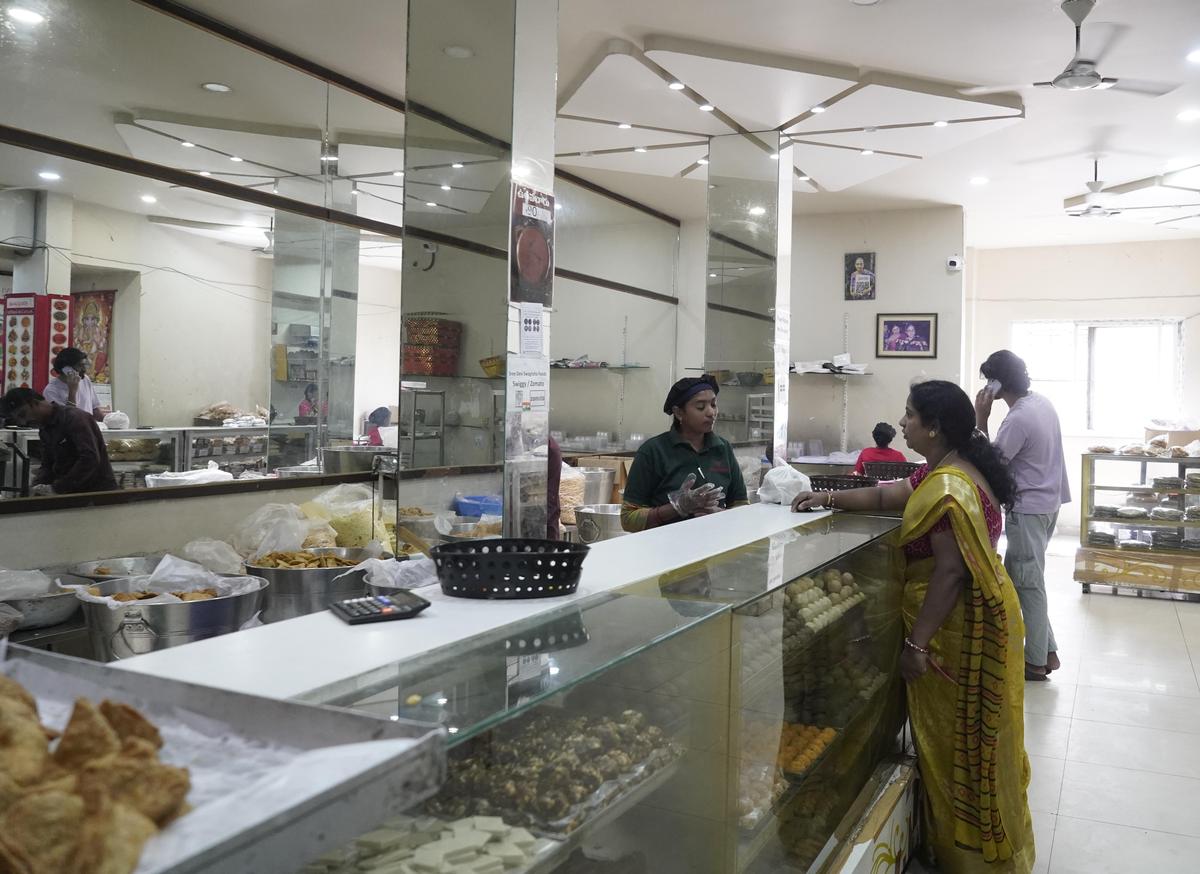
For many in Telangana, any event in a family, irrespective of the size, is incomplete without snacks like sakinalu, sarvapindi, chegodi and ariselu from Sreedevi Swagruha Foods, Telangana Pindi Vantakalu. Their largest outlet is at HMT Nagar in Nacharam.

Women at the Sreedevi Swagruha Foods workshop in Nacharam.

Women at the Sreedevi Swagruha Foods workshop in Nacharam.
| Photo Credit:
Siddhant Thakur

The brand, which now operates from the three floors of a warehouse, made its beginning as a home business in 1998. In the house of Vangapalli Savithramma who took to making these snacks and catering to small orders.  The sakinalu became so popular that she earned the moniker Sakinalu Savithramma. All this without attending any start-up masterclass. She also probably isn’t aware that start-ups are a buzzword today.

Tweny seven years later, at 83, Savithramma still visits the factory occasionally. When she is in the factory, she joins the women to prepare snacks.

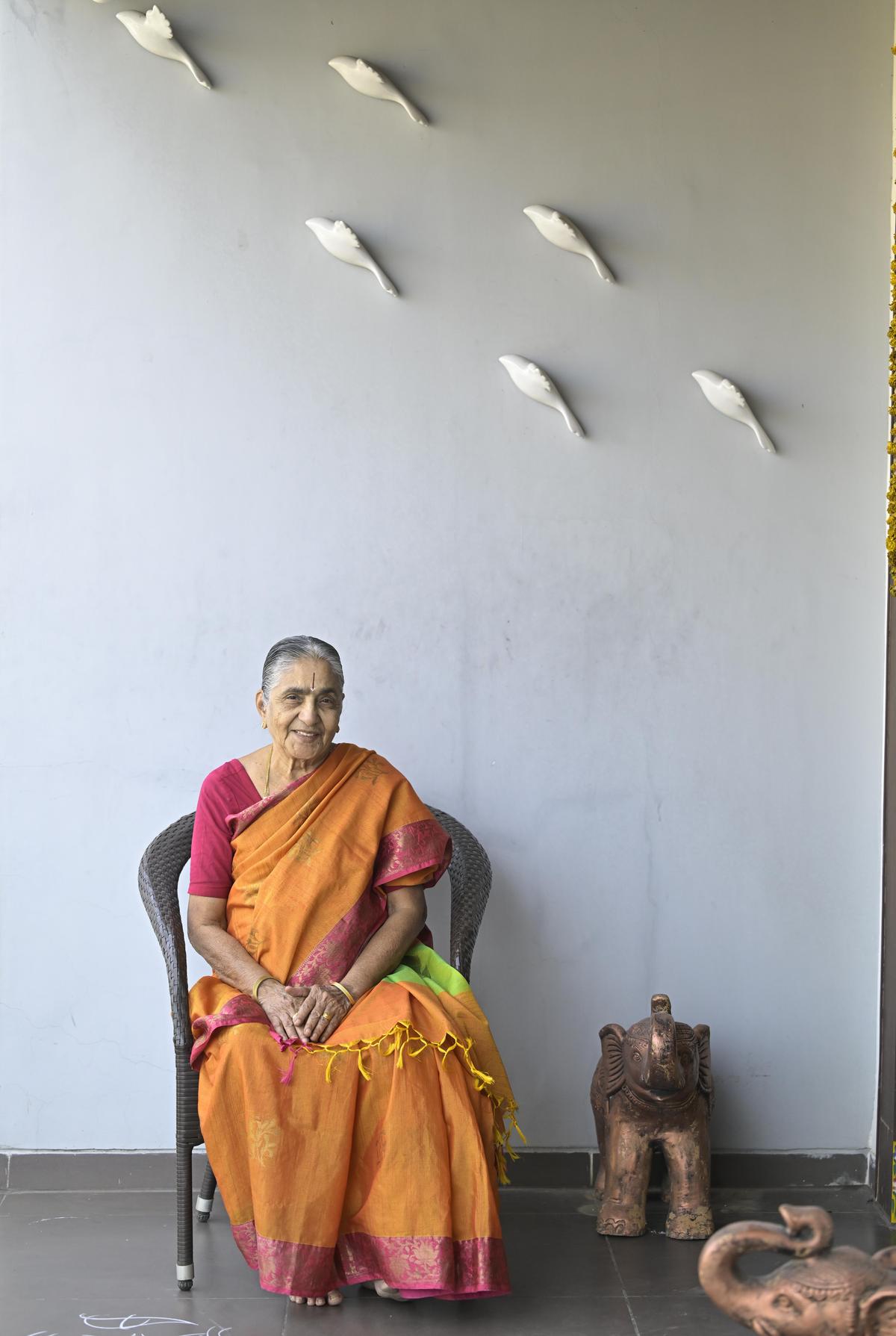
Vangapally Savithramma of Sreedevi Swagruha Foods.

Vangapally Savithramma of Sreedevi Swagruha Foods.
| Photo Credit:
Siddhant Thakur

Hailing from Jagtiyal, near Karimnagar, Savithramma’s family shifted to Hyderabad when her husband, who was a contractor, sought better opportunities. Savithramma said, “On a random day, I just decided to make some snacks because someone wanted sakinalu. It is a traditional Telangana snack and we would make it home on all festivals. Growing up, I would see these snacks being prepared at every festival in our home. I would join them in making whatever was being prepared. That’s how most traditional sweets and snacks are learnt at home isn’t it?”

Inside the Sreedevi Swagruha Foods workshop.

Inside the Sreedevi Swagruha Foods workshop.
| Photo Credit:
Siddhant Thakur

The snack brand is popular for another Telangana snack — Sarvapindi. As orders started coming in, her daughter-in-law V Renuka joined her. Within a couple of years what started with just two individuals turned into a family of nearly 100 employees.

“Initially we would take orders and send it over through someone, or people would collect it from my house. We used to grind everything in a small mixer grinder, producing two kilograms daily. As orders grew, we kept expanding. We shifted to a shop in the same building where we were staying. Within two years Sreedevi Swagruha Foods, Telangana Pindi Vantakalu was set up at HMT Nagar,” she recollects.

The making of sakinalu.

The making of sakinalu.
| Photo Credit:
Siddhant Thakur

They decided to dedicate the brand name to a Goddess. “My daughter-in-law managed the shop and the counter. She would be there from the time it opens, so people started calling her Sreedevi amma,” adds Savithramma with a smile.

As the brand grew, they decided to shift to a 15,000 sq.ft state-of-the-art facility in the industrial area at Nacharam. Nearly 500 kilograms of snacks are prepared here each day. Talking about the expansion journey, she says, “Our growth was never about marketing; it was the trust our customers placed in us. We became a part of every festival and wedding, which made us more responsible with our products. We continue to buy raw material from the same vendors we did business with from day one. And we keep our utensils separate. No two snacks are fried in the same oil or kadhai. We also do not reuse oil. This keeps our snacks fresh for a longer time.”

Savithramma also takes pride in mentioning that “65 of our employees have been with us for over 25 years. It is their collaboration. We have experts in every snack we prepare, including laddoos.”

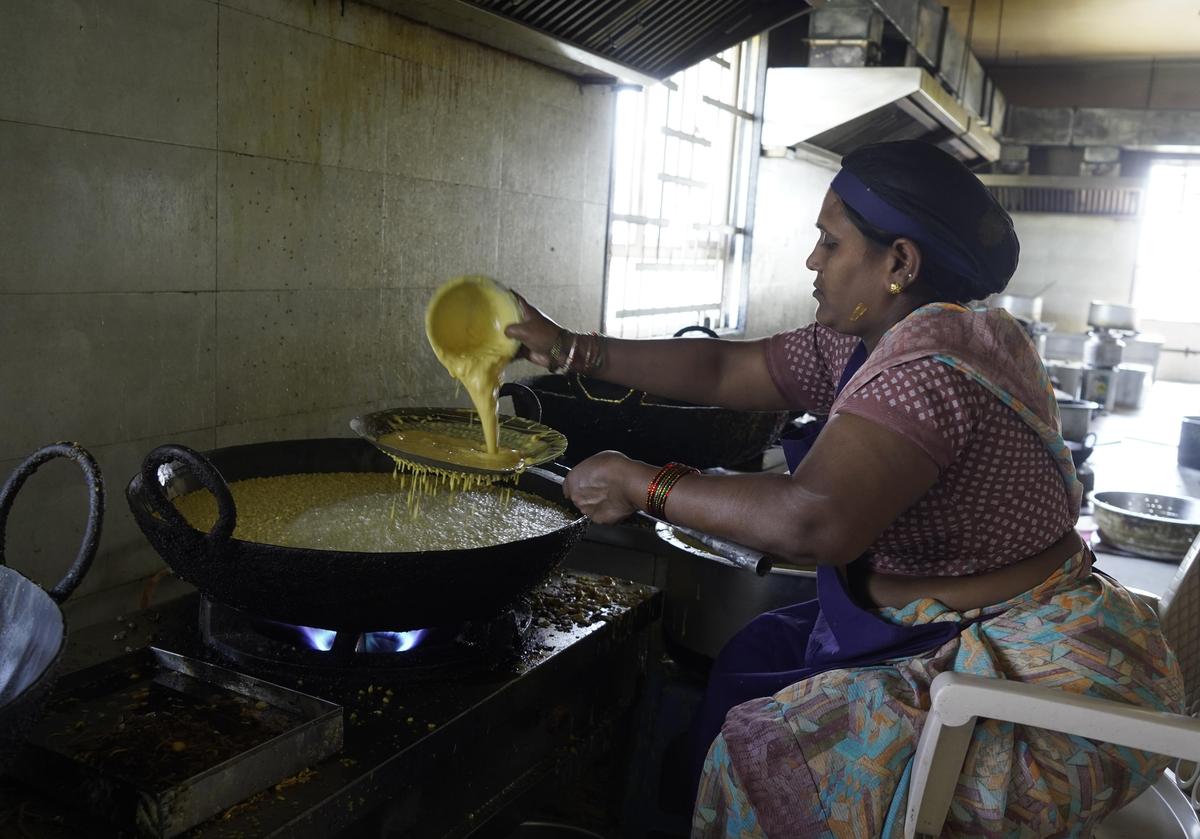
Inside the warehouse, it was not just the preparation of snacks that I witnessed. The brand has mechanised murukku pressers, and machines knead the dough for various snacks. A washing machine and dryer is constantly at work, washing and drying the cloth on which the snacks are laid to set before frying.

Inside the Sreedevi Swagruha Foods workshop.

Inside the Sreedevi Swagruha Foods workshop.
| Photo Credit:
Siddhant Thakur

Savithramma said she was ridiculed in the beginning. “People in my village said ‘patnam lo poyee pindi vantalu amutava’? (After going to a city, why will you sell snacks?) But I did not pay heed. Some of the Telangana snacks are laborious to make, many people might not have the time or even know how to prepare them. With that thought I went ahead with my idea and I am glad I did. I teach my recipes to all my workers. I believe knowledge shared is knowledge gained. When it is about native recipes, it is best to share to continue the tradition of food.”

The brand also has an e-commerce platform named savithrammas.com. “Going online with savithrammas.com was my grandson Ram Gopal’s idea. He felt the need to make food of Telangana popular by making it easily available to everyone,” added the proud grandmother.

Published – December 05, 2025 08:12 am IST


Source link

Orlo in Hyderabad serves regional Indian dishes


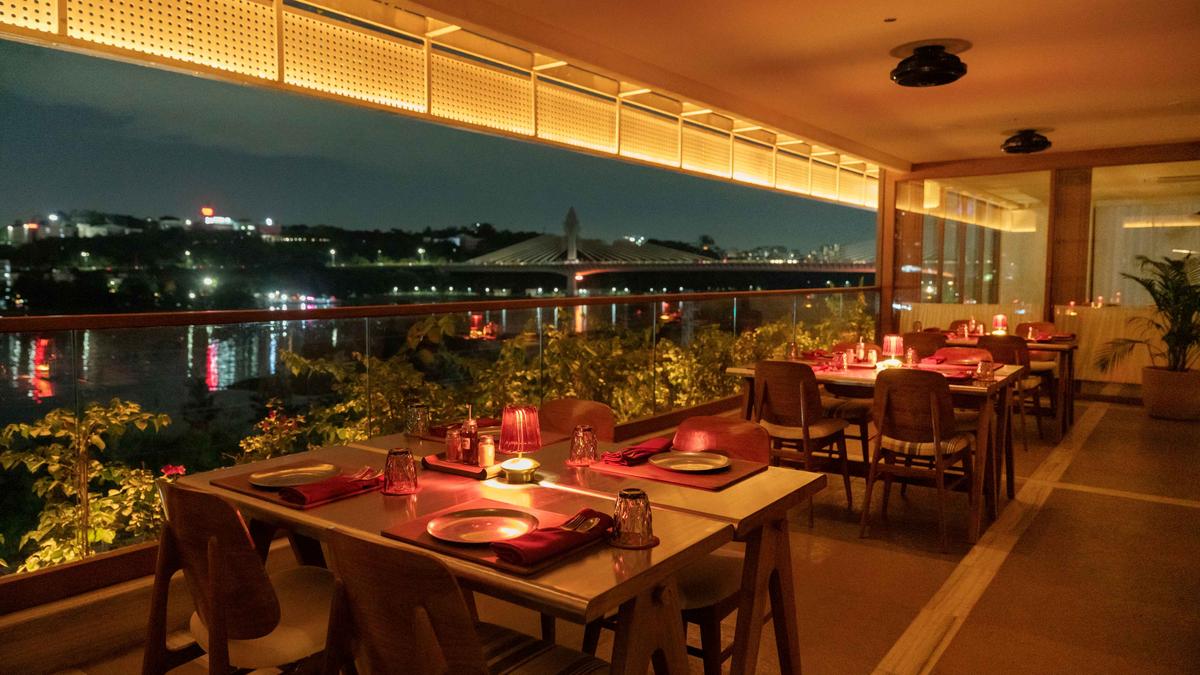
Orlo at night overlooking the Durgam Cheruvu

Orlo at night overlooking the Durgam Cheruvu
| Photo Credit: Special Arrangement

As Hyderabad’s restaurants increasingly turn towards hyperlocal Telugu variations, Orlo chooses a different path, looking instead across the country. Its name — the English spelling of aur-lo (Hindi for “please take some more”) — pairs with the tagline “The Great Indian Family Table,” a spirit of generosity that shapes the space.

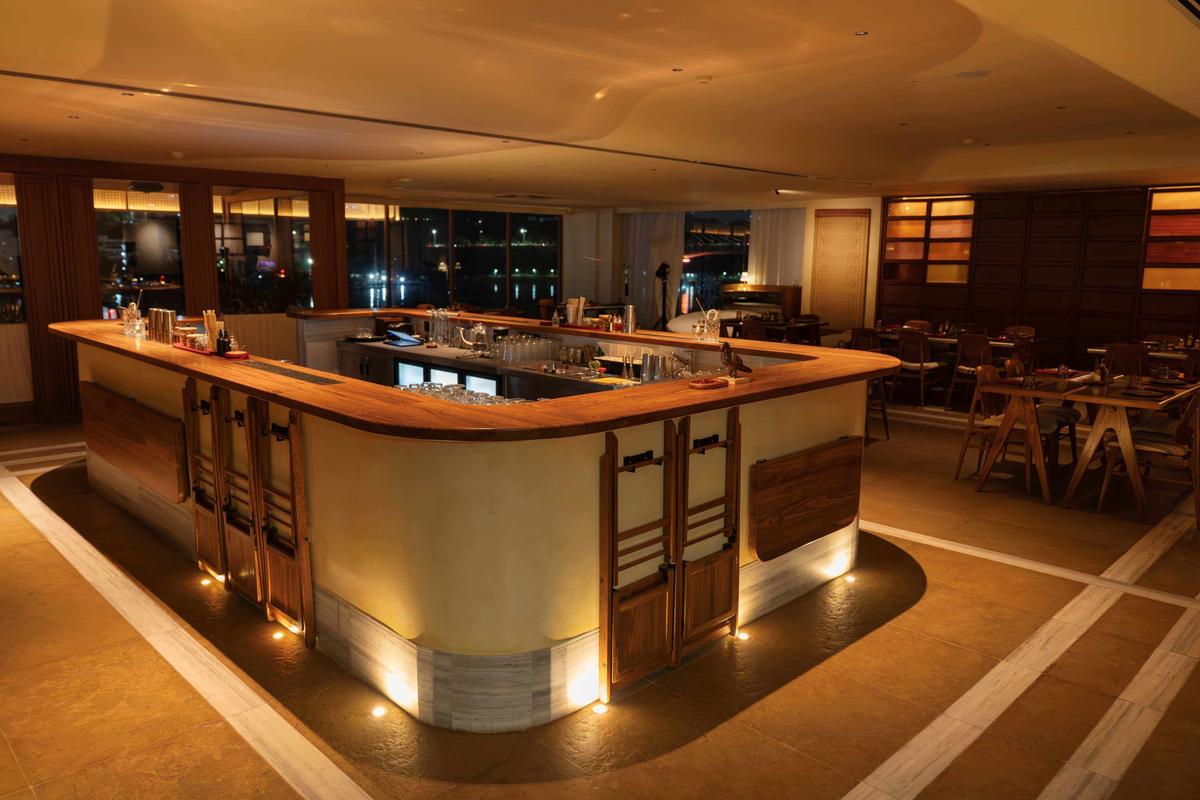
Orlo’s bar

Orlo’s bar
| Photo Credit:
Special Arrangement

The restaurant is a gentle nudge to gather, share and celebrate. Inside, naturally lit interiors offer a warm welcome. Sunlight filters through the space, settling on wooden furniture and earthy tones that put you at ease — like stepping into a thoughtfully designed home.

Roth Platter

Roth Platter
| Photo Credit:
Prabalika M Borah

Community-forward in its philosophy, Orlo gives regional Indian cuisines the space they deserve. The first things you notice on entering, beyond the warm wooden aesthetic, are the desi drinks made from natural ingredients like kokum and sugarcane, and a cupboard neatly lined with pickles. The food follows India’s many rhythms.

By day, Orlo runs as a set-thali, urban-mess-style restaurant; by night, it shifts to an à la carte format. The menu dips into Bengal, Assam, Uttar Pradesh, Gujarat, Rajasthan and more — not an exhaustive list but a considered selection.

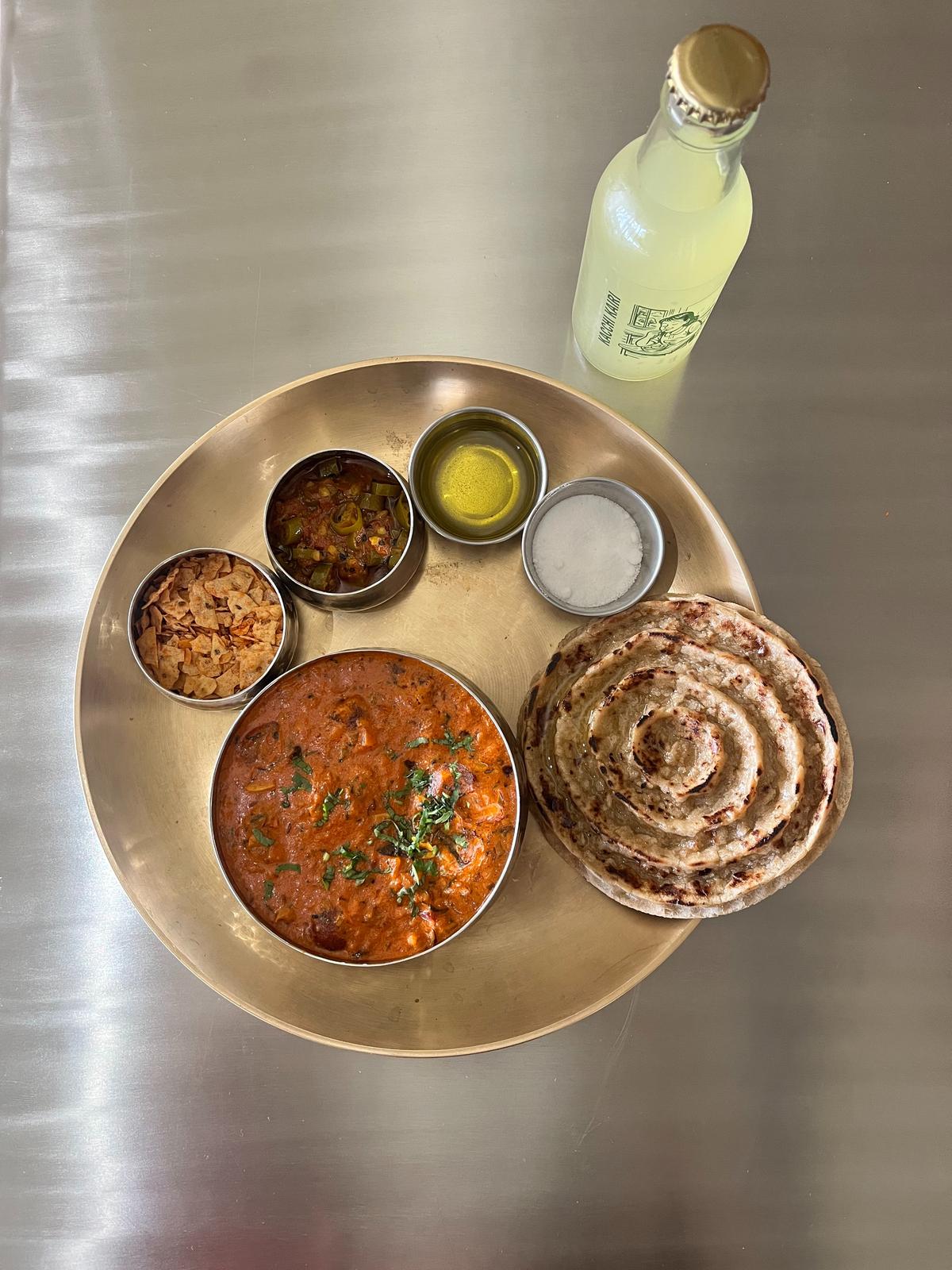
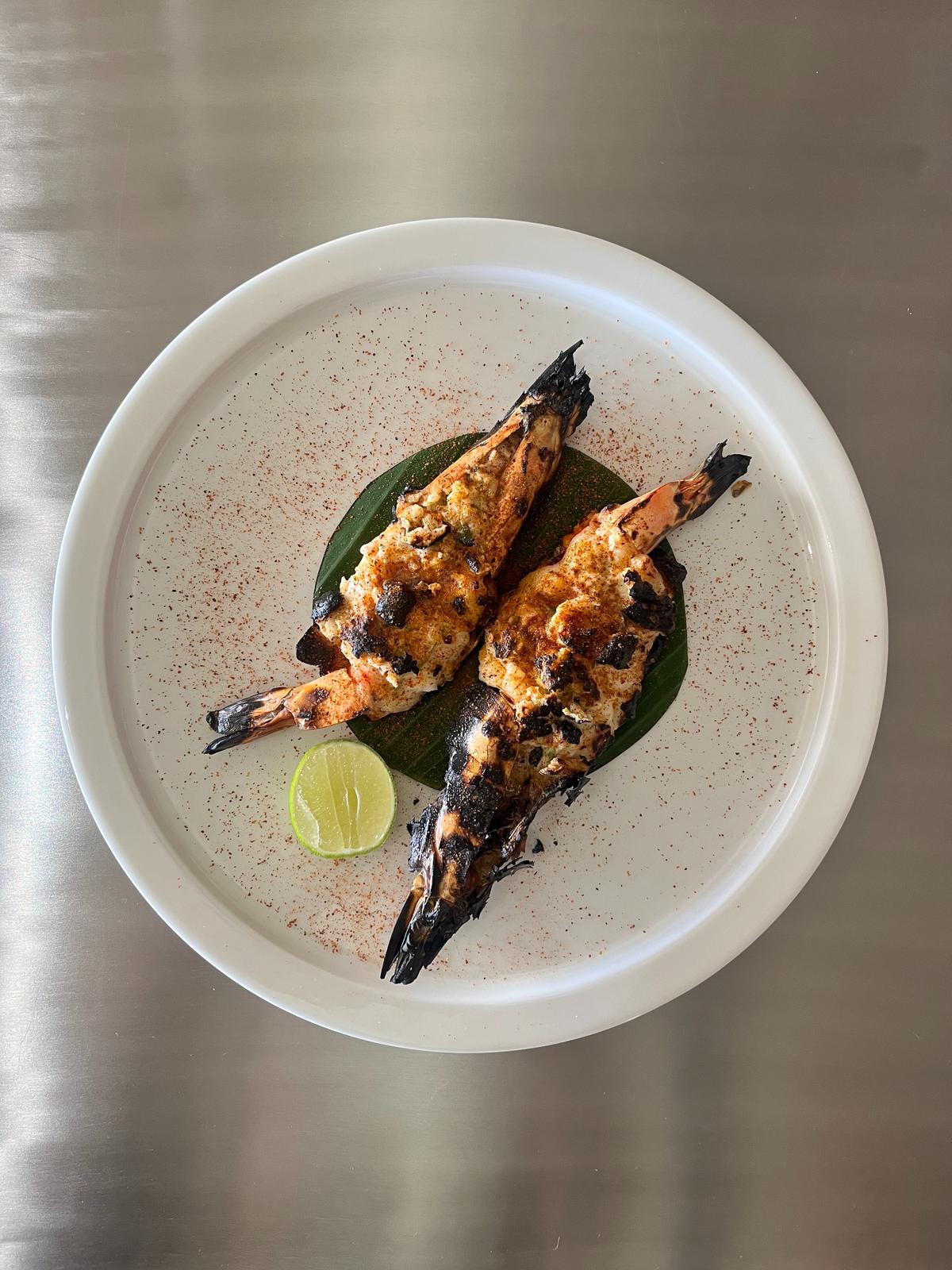
Malai Jhinga

Malai Jhinga
| Photo Credit:
Prabalika m Borah

“It is high time Hyderabad tasted food from different regions,” says co-founder Vickas Passary. “We collaborated with home chefs, hobby cooks and MasterChef contestants to design the menu. The aim was to offer the best picks.”

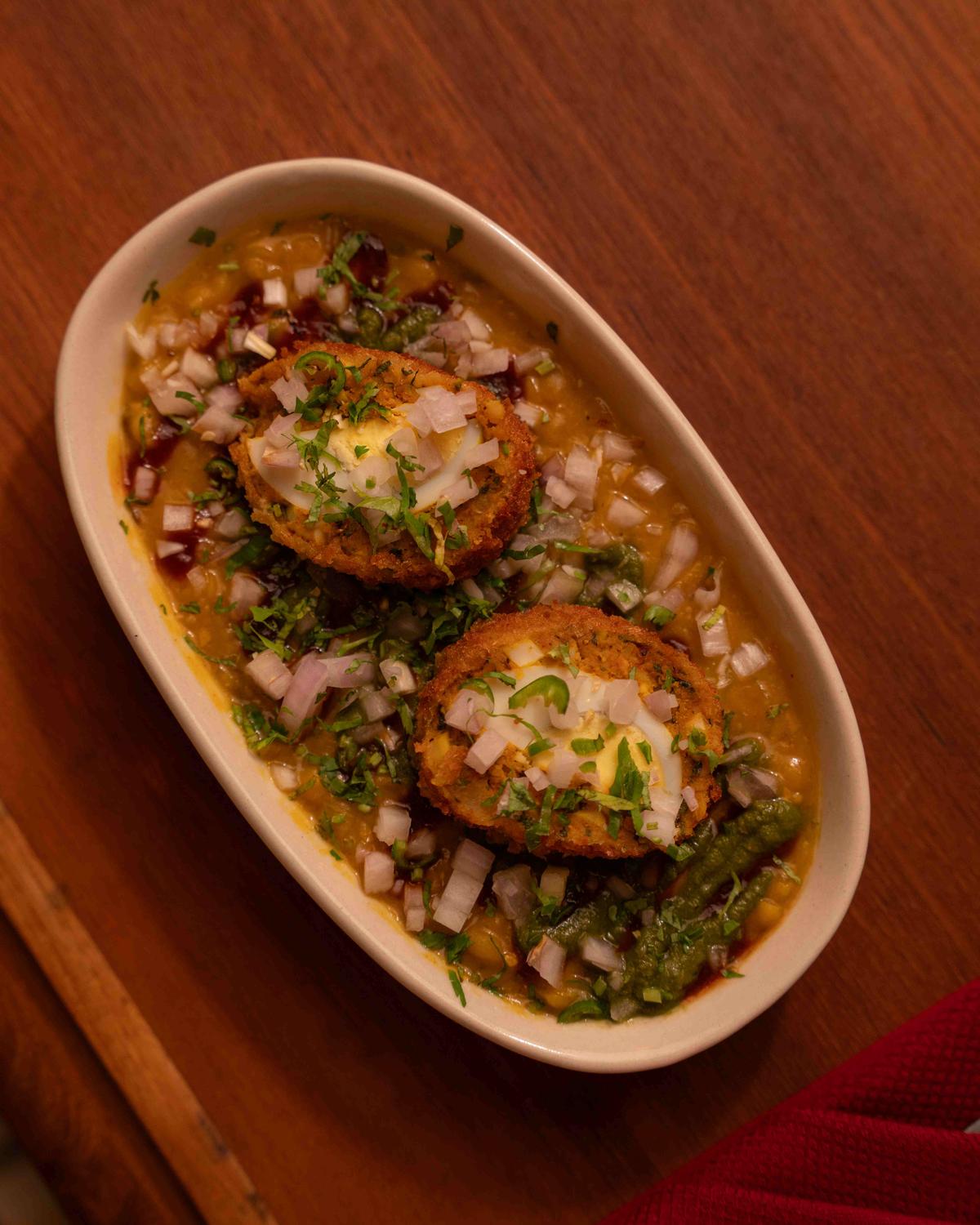
Remembering that we were, in fact, here to eat, we started with dimer chop with ghugni — a Bengali classic — and lehsuni jhinga, followed by chaat. Most of the starters held their own, except the lehsuni jhinga, which looked the part but needed more seasoning.

Curiosity pushed me deeper into the menu: the roth platter with malai pyaaz ki sabzi; shahbadi bhendi chicken paired with kulcha; and tadka-wali lauki dal with alu tehri, an Uttar Pradesh-style tomato-flavoured rice with potatoes.

I had mentally bookmarked the Rajasthani roth platter from a food show — the intricate khoba roti pattern had stayed with me. When it arrived, Kshitij Bhuraria, the other partner, launched into the proper way to eat it: break the thick, chewy roti into pieces, mix it with the malai pyaaz ki sabzi, and finish with a generous amount of ghee. I promptly convinced him to mix it for me like a seasoned host. He obliged. My digestive system braced itself, but all went surprisingly well.

Dimer chop with ghugni

Dimer chop with ghugni

The shahbadi bhendi chicken echoed the flavours of Telangana’s bendakaya-mutton. The bhindi raita, an unexpected win for someone who does not usually care for raita, paired beautifully with the alu tehri. Vickas also urged me to try the Joha rice pulao, which finished with a faint whisper of biryani. To their credit, the team remained open to feedback throughout.

Desserts stayed refreshingly straightforward: kulfi falooda, meethi bread and suji ka halwa. No modern twists, just simple sweets allowed to be their best selves.

A meal for two costs ₹3,000 plus taxes


Source link

Musician Lucky Ali on his three-decade long music journey: It is a gift that I did not deserve


Despite crossing nearly three decades as a musician, veteran singer-songwriter Lucky Ali politely says he has nothing to be proud of, “but be humble about the fact that we have journeyed this far, with a lot of love. It is a gift that I did not deserve, but somehow, I got it.”

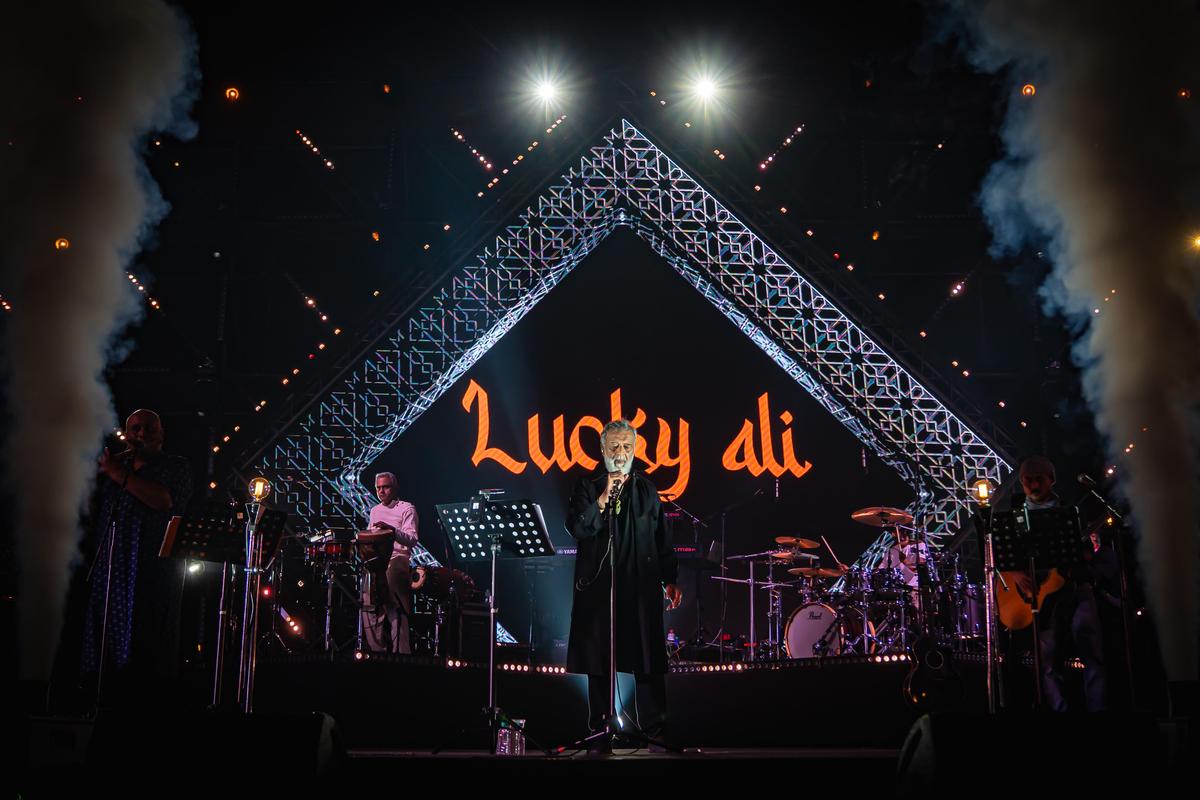
Celebrating his soulful campaign as a musician, Maqsood Mahmood Ali, popularly known as Lucky Ali, is currently touring the country with his Re:Sound India Tour 2025–26 by JetAlive. He will perform in Bengaluru on December 6, at the penultimate leg of the concert series.

Lucky Ali at the Delhi leg of the Re:Sound with Luck Ali concert

Lucky Ali at the Delhi leg of the Re:Sound with Luck Ali concert
| Photo Credit:
SPECIAL ARRANGEMENT

“It is beautiful travelling in our country. It is different everywhere, yet it is the same. We are all bound by love. Being on the road is always a heart-opening experience, meeting new people, going to new places, receiving a lot of love, and reciprocating it in the best way we can,” says Ali, about hitting the road again with his all-India tour.

30 years of Lucky Ali

Ali, originally from Mumbai, began his music journey in 1996 with the album Sunoh, featuring his iconic track ‘O Sanam’, which shot him to fame. “It was only recently that I realised that it has been so many years since the song was released. Music has changed for me over the years. With each album, it became different; it has become more pronounced and more complex,” says Ali.

The singer has also crooned songs in films such as Kaho Naa Pyaar Hai, Anjaana Anjaani, and Tamasha, among others. He had debuted as a child actor in the 1962 film Chote Nawab and played the protagonist in the 2002-film Sur: The Melody of Life.

“It was with my albums, Sifar (1997) and Aks (2000), that I started experimenting more as a musician. Collaborating with Israeli musician Eliezer Botzer on an album called Lemalla was a different experience as well,” says Ali, recalling the turning points in his music career.

“There is still a lot to learn and there are lot of places I would like to explore with music,” says the singer, who became one of the key figures of indie-pop music during the ‘90s.

Thirty years in, Ali is surprised by his ever-expanding fanbase, spread across ages. “I see children and senior citizens at the same show. I never expected my music to reach such a wide audience. With the advent of technology, music has spread across continents, and people listen to all kinds of music. It is natural that artistes would come where there is an appreciation for good music, and in India, people appreciate good music and listening to other people,” says the 67-year-old musician.

“I remember seeing Cat Stevens perform in Bengaluru 35 years ago. Then I saw Sting and The Police around that same time. Even foreign artistes have always been coming to India to perform,” says Ali, who is working on a few songs and collaborative projects.

When asked about the mantra behind his successful long career, Ali says, “Don’t be disheartened if you fail. If you love it enough to express it better the next time, go ahead and do it. Be encouraged and not discouraged.”

Tickets for Re:Sound with Lucky Ali – Bengaluru available on bookyshow.com


Source link

Christmas 2025: How choirs of churches in Thiruvananthapuram are getting ready for carol services


‘Going to Bethlehem, see that baby…’ As the majestic interiors of the historic Mateer Memorial CSI Church at LMS Junction in Thiruvananthapuram reverberate with the high-energy carol, it feels like Christmas has arrived. It was a chilly Sunday evening and the choir was having a practice session under the supervision of their choirmaster Premchand J.

Earlier in the day, I was treated to melodious numbers by the choir at St Peter’s Jacobite Syrian Orthodox Simhasana Cathedral near the Government Secretariat.

It is that time of the year when church choirs in the city get ready for carol service programmes organised by various organisations and the respective churches in the run-up to Christmas.

Kicking off the season is YMCA Trivandrum’s Christmas carol service scheduled for December 7. “The carol service is over seven decades old and we hold it on the first Sunday of December. Over the years, it has become a matter of prestige for choirs to find a place in the event. Like last year, 17 choirs will perform this year,” says Varghese Joseph, vice president, YMCA Trivandrum.

Another programme in the festival calendar is the one by United Christian Movement (UCM), an ecumenical organisation of 13 Christian denominations and 83 member churches in the city and suburbs. “We call it United Christmas Celebrations and the speciality is that this is the 75th year of the celebrations. As of now, 15 choirs have registered for the event. The number might go up,” says Chevalier Koshy M George, chairman, UCM Christmas Celebrations.

Another Christmas event that many choirs look forward to every year is the one organised by Abundant Life, an ecumenical Christian group consisting of Bishops, Metropolitans and Cardinals of various sects as patrons.

Most of the choirs start their practise some time in September or October. “Since we sing originals every year at the YMCA’s event, I begin working on the compositions many months prior to the event. Lyrics are often written by Santosh Kodanad, who has penned many carols for us. Fellow musician Shibu Joshua helps me with the compositions,” says Reji Abraham, choirmaster of St Peter’s Jacobite Syrian Orthodox Simhasana Cathedral for over two decades now.

He adds, “Writing the lyrics is not easy because we have to work with a stock set of words related to Christmas. Say manju (snow), malakha (angel), nakshathram or thaarakam (star), pulkkoodu (manger) etc. Once the lyrics are ready, the church head has to clear it. The choir starts practise two or two-and-half months before the programme. We only have Sundays for practice. Many churches conduct auditions to select members for the choir but we don’t do that usually,” Reji says, adding that the choir also conducts house visits during the season spreading the Christmas vibe. “Carol singing competitions are also often held. This year, we are taking part in ecumenical carol singing competition organised by Malankara Catholic Association on December 13,” he adds.

Most of choirs choose traditional as well as popular songs. “Harmony singing is the hallmark of our choir. There are members of the choir who have been singing for more than three decades,” says Premchand, a choirmaster since 1995, who will conduct ‘Going to Bethlehem’ while fellow choirmaster Amarnath I Paul will conduct a Malayalam carol.

The choir, which is as old as the church, which was consecrated in 1906, has around 80 members singing for worship services in English, Malayalam and Tamil. “A general choir consisting of around 30 to 40 members usually represents our church at events outside the church. The main choir often performs on Christmas eve at the church, with our children’s choir and junior choir. We are also invited to sing for patients; last year we performed for cancer patients at Lourdes Matha Cancer Care Centre.”

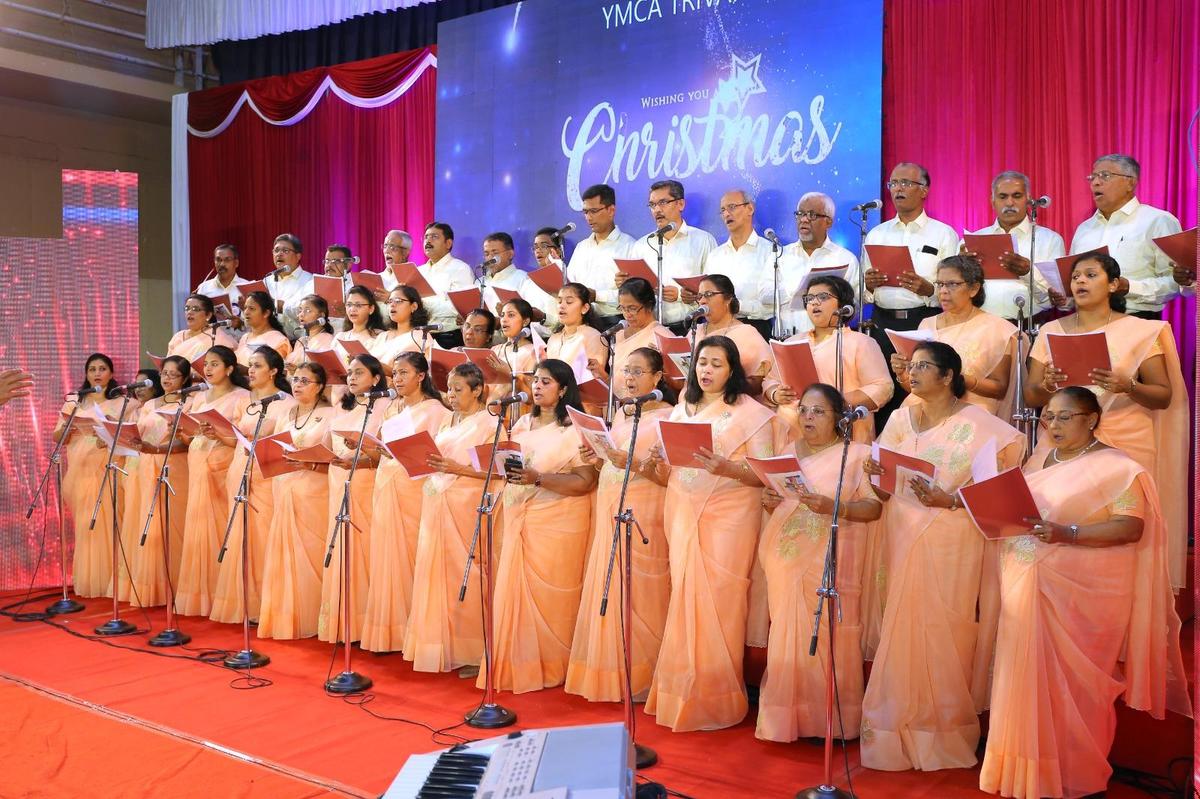
The choir of YMCA Trivandrum on stage 

The choir of YMCA Trivandrum on stage 
| Photo Credit:
SPECIAL ARRANGEMENT

At YMCA’s event, each choir comprising 30-35 members, usually sings one song each in Malayalam and English. The YMCA also has a choir, which performs first. The opening and closing carols this year are ‘O Come, All Ye Faithful’ and ‘Silent Night’ respectively.

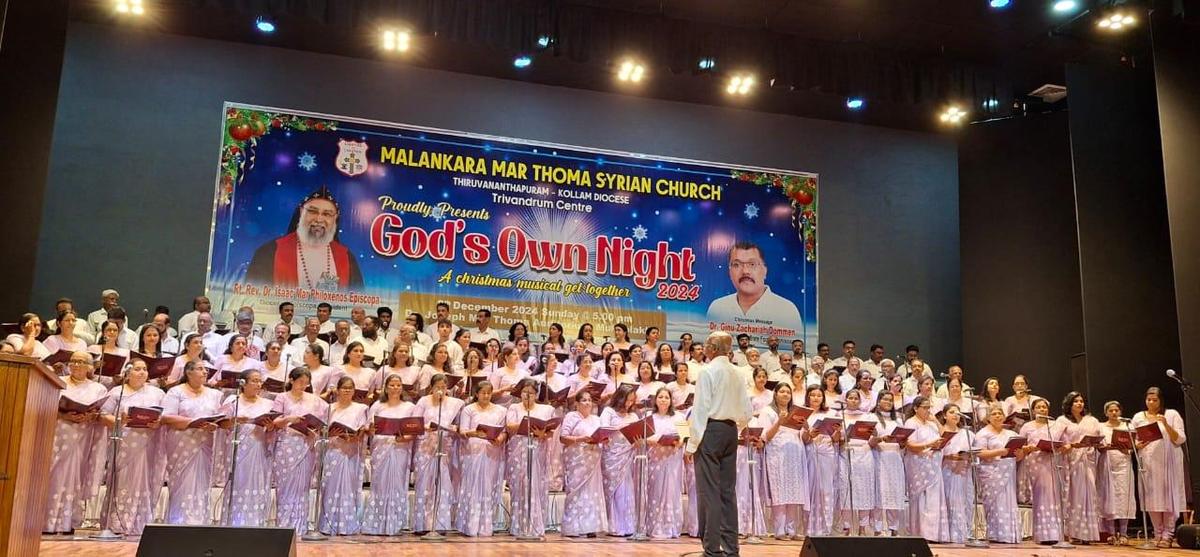
Other than ecumenical events, specific denominations organise carol programmes. One such long-running event is God’s Own Night by Malankara Mar Thoma Syrian Church, Thiruvananthapuram-Kollam diocese, Trivandrum centre, which features select singers from the choirs of 10 Mar Thoma churches in Thiruvananthapuram. “Over 100 singers take the stage and render a few carols, conducted by different choirmasters. The practice starts by September and the churches take turns to hold rehearsals every week.

Choir at God's Own Night Christmas event organised by Malankara Mar Thoma Syrian Church, Thiruvananthapuram-Kollam diocese, Trivandrum centre in Thiruvananthapuram last year. This year’s event is on December 14

Choir at God’s Own Night Christmas event organised by Malankara Mar Thoma Syrian Church, Thiruvananthapuram-Kollam diocese, Trivandrum centre in Thiruvananthapuram last year. This year’s event is on December 14
| Photo Credit:
SPECIAL ARRANGEMENT

Besides traditional carols such as ‘O Come, Holy Faith’ and ‘Silent Night’, we present new compositions also. This year, we have a Malayalam song composed by Dr Abraham Joshua of St Paul’s Mar Thoma Church which is written by his wife, Dr Geetha Abraham. Junior and youth choirs of various churches and the one of Department of Sacred Music and Communications will also perform,” says P Eapen Thomas, choirmaster of Ebenezer Mar Thoma Church, Peroorkada, since 2002, who is one of the conductors at God’s Own Night.

At YMCA’s event he is conducting the song, ‘Voice of wilderness’ by Pepper Choplin, sung by his church’s choir. “We sometimes prepare the same songs for YMCA’s event and for the carol service at our church on Christmas eve,” he adds.

Dressing up

Besides putting their best in terms of song presentation, much thought is given to looking their best as well, as men and women turn up in attire of the same shade. “We finalised the colour of our saris over a month ago. Senior women members take care of it. This time it is a white sari with red embroidery work,” says Diana Mathew, member of St Peter’s Jacobite Syrian Orthodox Simhasana Cathedral choir. Eapen adds that his choir usually changes the costume every two years. “This year, while men will turn up in jubba in golden shade and black trousers, women are wearing saris in the same shade,” he says.

YMCA’s Christmas event is on December 7 at Dr Joseph Mar Thoma Auditorium, St Thomas School, Mukkolakkal, 5pm. God’s Own Night is at the same venue on December 14, 5pm. UCM’s celebrations is at PE George Memorial Salvation Army Church, Kowdiar, on December 14, 5pm.

Published – December 04, 2025 04:24 pm IST


Source link