Life & Style

Winter walks in Delhi: New heritage trails, queer tours and food walks to look forward to


“Right now, we’re waiting for the pollution levels to ease,” says Gurugram-based numismatist and storyteller Shah Umair (@sikkawala), opening this year’s walking season with an honesty Delhiites know too well. High AQI does not just haze the skyline; it halts the very culture of walking that winter usually ushers in. Heritage walks, he explains, are pointless when “the air makes it hard to enjoy anything,” and organisers can only begin once the city becomes breathable again.
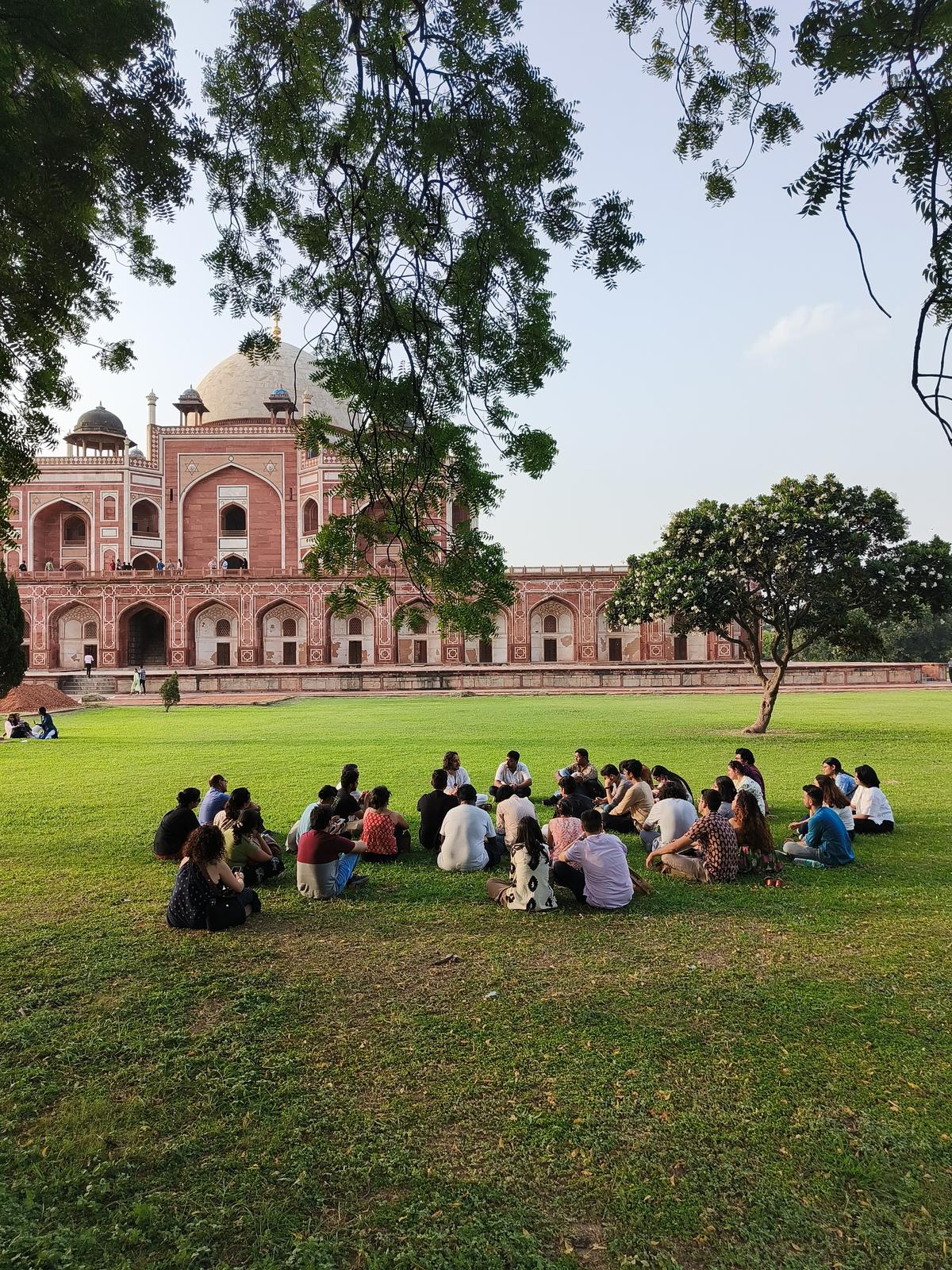
Still, winter remains the moment when Delhi’s walking calendar stretches awake. As the smog thins, Shah is preparing several new trails. Among them is a route to Sultan Ghari Mausoleum in Vasant Vihar, “a site that rarely gets the attention it deserves,” and one that reframes the city’s earliest architectural imagination. Also on the horizon is a Purana Qila walk, and soon after, one through Lalkot, the first of Delhi’s many cities, where fragments of the earliest settlement still cling to the ridge.
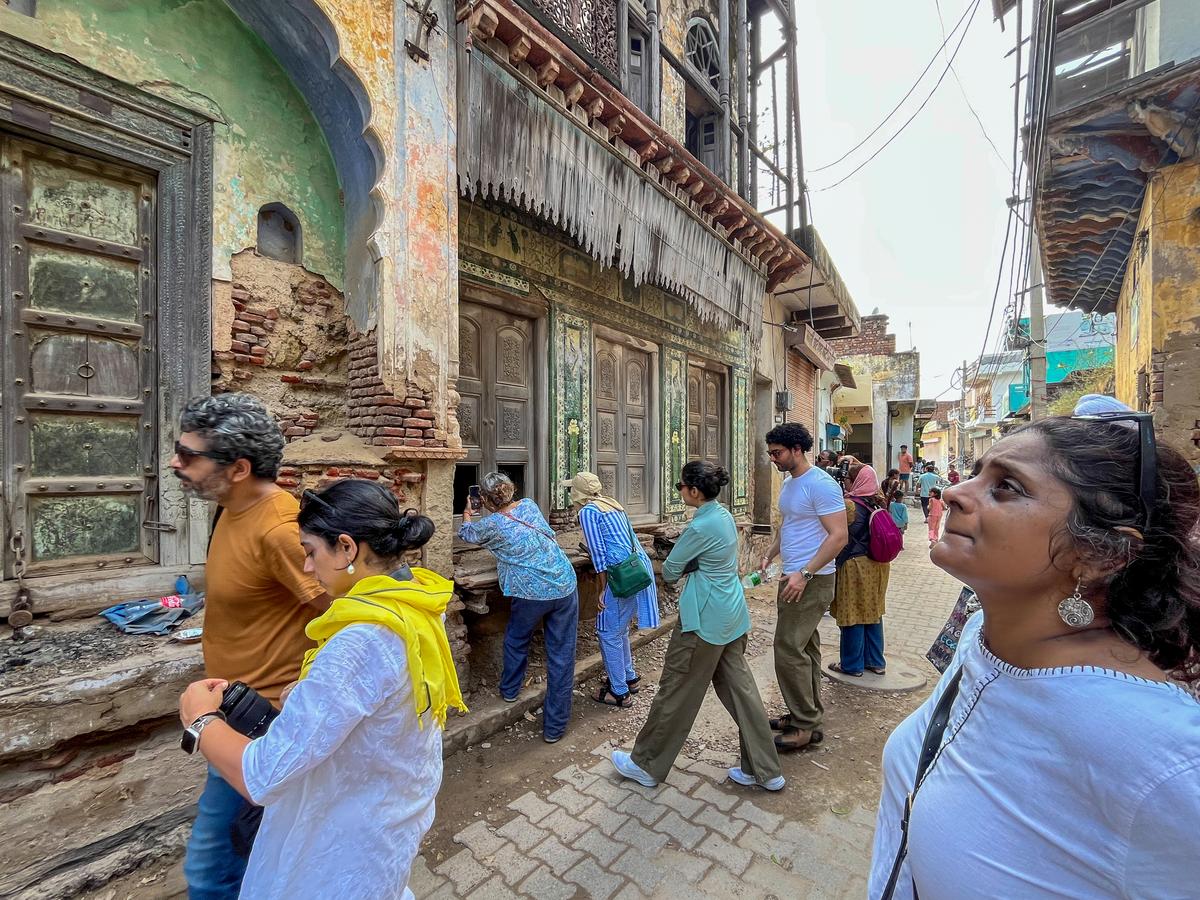
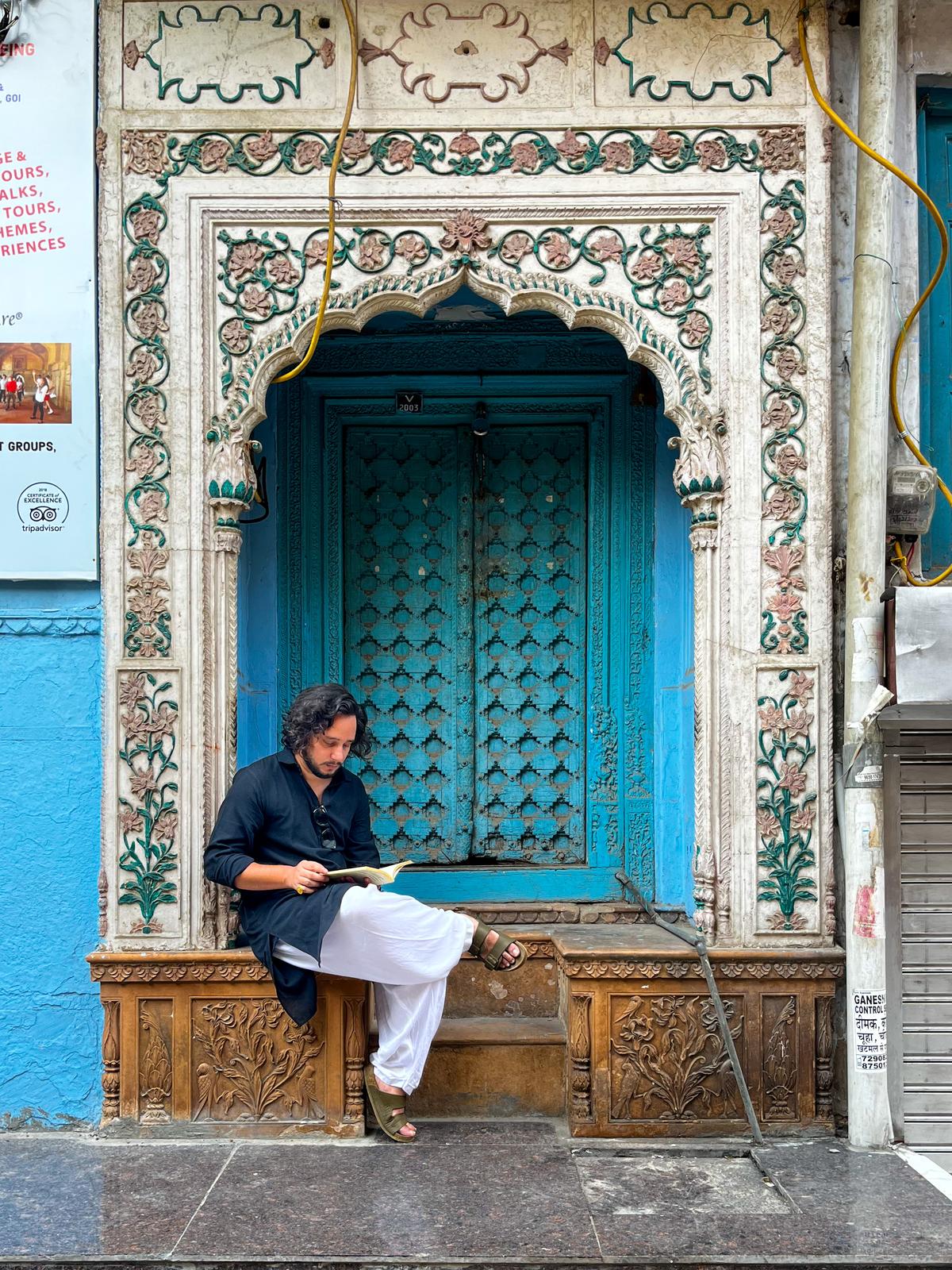
This season, he is also stepping beyond Delhi’s familiar routes. Having already opened with Farrukh Nagar in collaboration with the Archaeology Department of Haryana — a walk that turned out to be “surprisingly engaging” for participants — he now plans to extend his calendar to Jhajjar, Narnaul, and locations across western Uttar Pradesh and Haryana. It is an expansion that mirrors a rising interest in regional, interconnected histories of the capital.

Digging through queer history

If mainstream heritage walks are widening their lens, queer-led heritage tours in Delhi are rewriting the very gaze through which its history is read. Delhi Queer Heritage Walk, founded by Batool Ali in 2021, has launched a set of new routes that shift attention from canonical emperors to the people whose contributions often sit unacknowledged.

One of these is the Jorbagh–Safdarjung Queer Heritage Walk, which opens with the tumultuous era of the 12th and 13th Mughal emperors. This period is often marked as the beginning of the empire’s decline, but Batool uses it to ask deeper questions about gendered power structures of the time — particularly the rise of khwajsaras, trans-feminine figures we know today as hijras. The route also explores a Shia mourning space built by Qudsia Begam — “often considered an outsider” — and how the space continues to be used by Delhi’s Shia community. For Batool, who is herself a Shia Muslim trans woman and a third-generation resident of Old Delhi, the walk is both historical and personal, a layering of lived memory on top of archival silence.
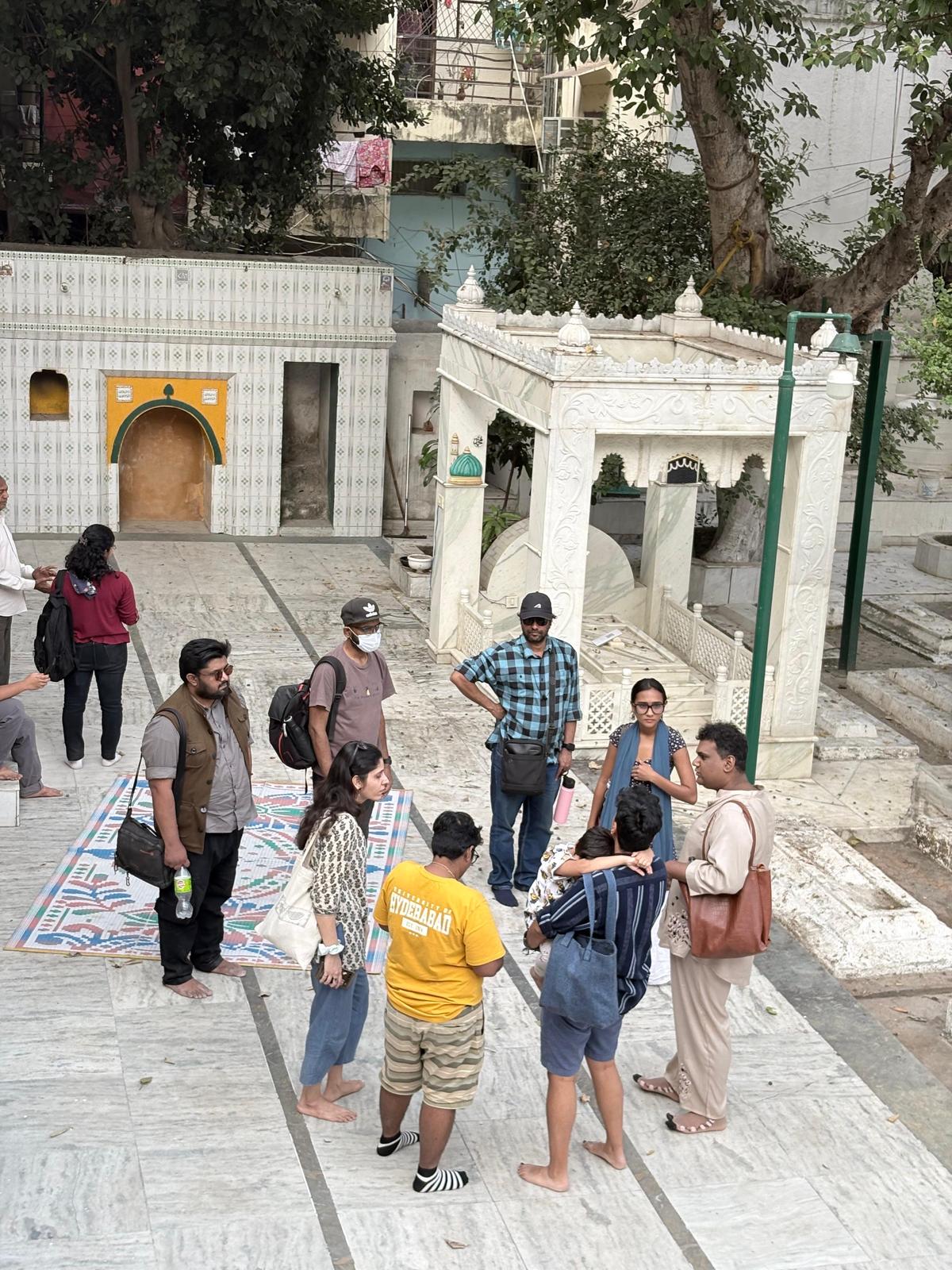
At Humayun’s Tomb, Batool’s team introduces another overlooked narrative: the transgender contribution to Mughal architecture. Participants encounter the arched gateway of a historic bazaar supported by Maham Agha, a khwajsara serving under Emperor Jahangir. The aim, she says, is not sensationalism but reclamation — to “rediscover our history and reclaim it to assert our dignity and rights.”

Their Red Fort Queer Heritage Walk dives deeper still. Here, Batool recounts the presence of a hijra community within the fort complex since the 1640s and charts their gradual rise in the later Mughal period. The experience extends into Old Delhi — Sunehri Masjid, Nawab Bahadur Javed Khan’s legacy, and the dargah of the queer Sufi mystic Hazrat Sarmad, remembered for his love for a Hindu boy. “This is a slap on the faces of those people who call us a Western import,” Batool says, pointing to the centuries-old trail laid bare on these walks.

The group is also expanding its Queer Food Walks, adding Safdarjung, Humayunpur Village, Munirka and Jungpura to existing routes in Qasabpura, Jama Masjid and Shaheen Bagh. These gatherings bring local queer residents to the forefront, sharing “tender and honest” stories of belonging, memory and survival through food.

Thrills and chills

In parallel, historian Eric Chopra, founder of Itihāsology, is designing a new set of thematic walks tied to his debut book Ghosted: Delhi’s Haunted Monuments. Since 2019, his public history work has spanned Mehrauli Archaeological Park, Jamali-Kamali, Humayun’s Tomb, the Red Fort, and museum trails on satire, desire, and the history of emotions. But one question keeps recurring: is history haunted? That curiosity led to Ghosted, a study of five sites — Jamali-Kamali, Firoz Shah Kotla, Khooni Darwaza, the Mutiny Memorial, and Malcha Mahal — each read through its social and political contexts.
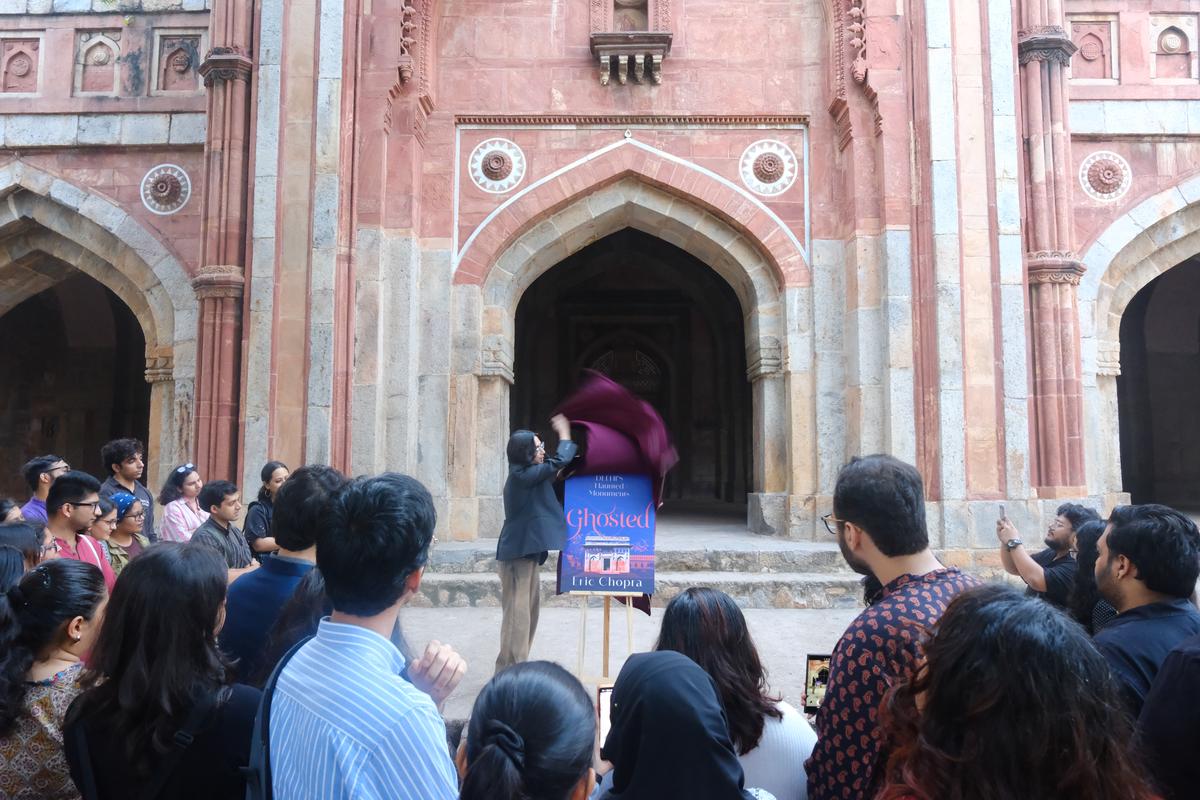
Eric Chopra leads one of the walks

Eric Chopra leads one of the walks
| Photo Credit:
Itihāsology

Starting January, Eric will run walks to the book’s sites (excluding Malcha Mahal, which remains closed), with additional visits to connected locations such as Sultan Ghari’s tomb, Adam Khan’s tomb, the Ashokan pillar on the Northern Ridge, and Pir Gaib. The Ridge, he points out, comes with its own lore, including a headless British phantom “who asks for a light for his cigarette, but he is headless so this is perplexing.” Participants can also pick up personalised, signed copies of the book.

Eric is also experimenting with heritage in cultural spaces — intimate baithaks at Lodhi Gardens and Rahim Khan-i-Khanan’s tomb, a film screening at Greenr-Strangr in Greater Kailash, in collaboration with Out of Sequence, a series of events in Delhi that combines cinema, music, and art, and performances with qawwali group Rehmat-e-Nusrat where stories of Khusro and Nizamuddin unfold through narration and music.

New perspectives

Not all the season’s offerings are strictly on foot. November marked the debut of Dilli with Debashish, a two-day experience crafted by Debashish Kar and his partner Anubhuti (who also helms Lucknow with Anubhuti). Modelled on their hospitality-led weekends in Lucknow, the Delhi edition unfolded entirely via public transport — metros and rickshaws — linking Qutub, Red Fort, Humayun’s Tomb and Nizamuddin with surprising ease. “Ridership on the weekend is relatively low and with our early morning starts, we take care of their comfort and overall experience,” Debashish says.
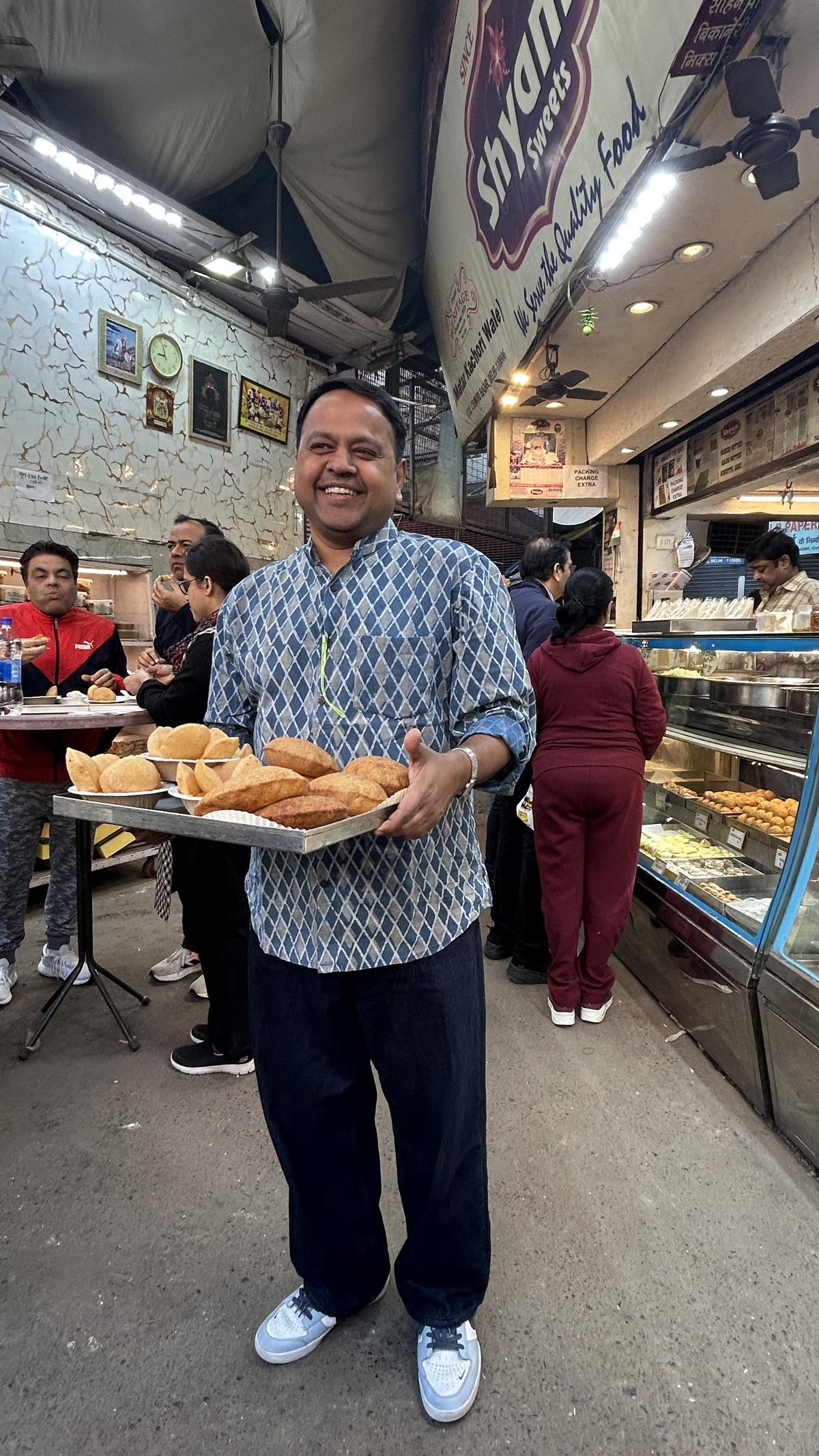
 Debashish during a food walk

 Debashish during a food walk
| Photo Credit:
Dilli with Debashish

The food walks ranged from Mughalai and Baniya food in the old city to immigrant cuisines in Lajpat Nagar, Humayunpur and Dilli Haat, as well as Punjabi and Muslim food. The idea, they explain, is to unravel some layers of this magnificent yet much maligned city. Following the successful November launch, additional editions are planned for January and mid-February.

The city’s culinary maps are shifting too. “Food walks today are closer to a walk through a living museum than a casual food crawl,” says chef and author Sadaf Hussain, whose tours frame taste within memory and urban anthropology. On December 6, as part of The Locavore’s Local Food Club, he leads a walk through Shaheen Bagh (₹1,800 per person), exploring kebabs, samosas, nihari, chai, and the stories of families who rebuilt their food traditions after displacement. “Every time I take a group into Androon Delhi,” he says, “they’re amazed by what they’ve been missing.”

And for those who turn to nature as archive, Women and Wilderness — founded by Rama Lakshmi Dhavala and Nidhi Batra — continues its women-only nature appreciation walks in and around Delhi, which they started early this year, with their latest walk held in October. Their early-morning weekend trails highlight the city’s fragile but resilient ecosystem, with the next planned for the second week of December.

Winter, then, remains Delhi’s most generous season — not because the weather softens, but because the city opens.

Source link

Beantown Model Collectors organise seventh Trade Meet 


A model at the Beantown Model Collectors trade meet 2025

A model at the Beantown Model Collectors trade meet 2025
| Photo Credit: Special Arrangement

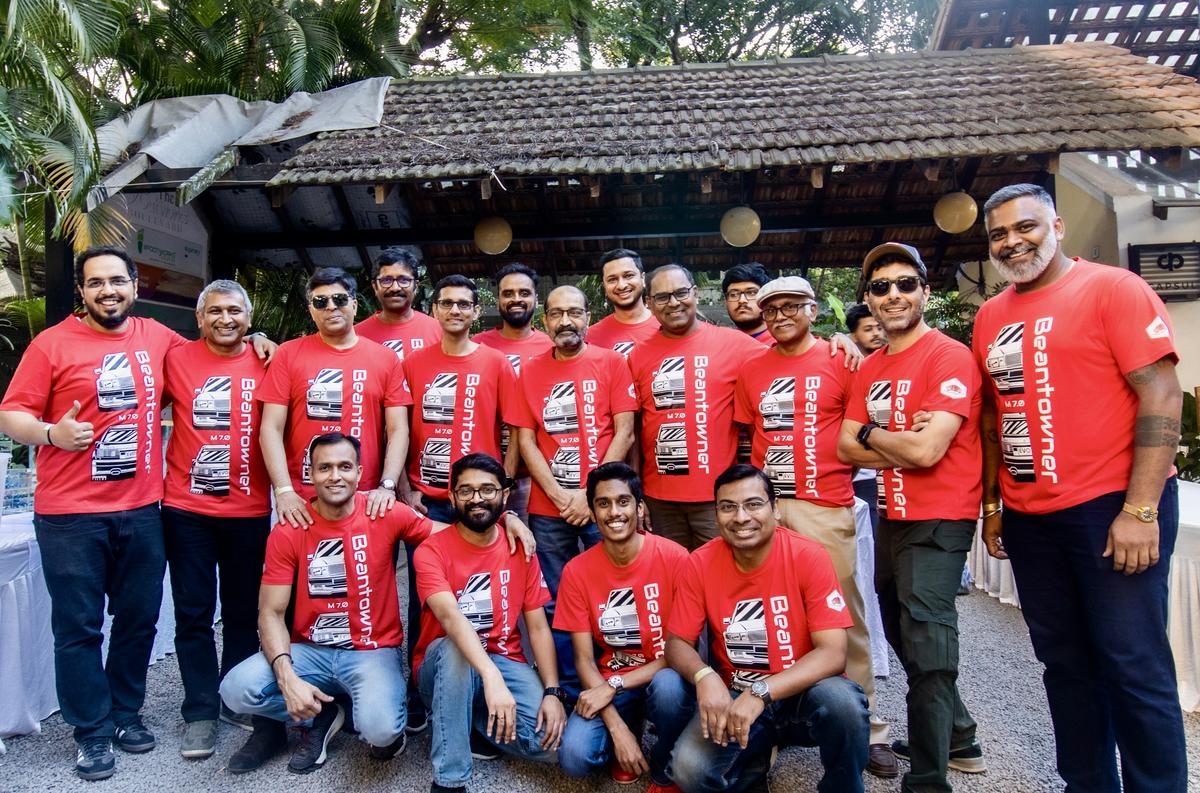
“The biggest misconception is that these cars are toys,” says Aditya Menon, founder of The Beantown Model Collectors Association, which recently organised their seventh and largest trade meet in Bengaluru.

“The models are an investment, and one that holds sentimental value,“ says Aditya.

The venue saw a wonderful turnout of around 500 visitors during the six-hour event, where over 7,000 models of motor vehicles brought by collectors and sponsors were put on display. Automobile lovers of all ages admired trains, battleships, McLarens, vintage Hot Wheels cars and more at the show that included dioramas of all scales and makes, and included figurines, RC Drifts, off-road models, and official merchandise from car makers. 

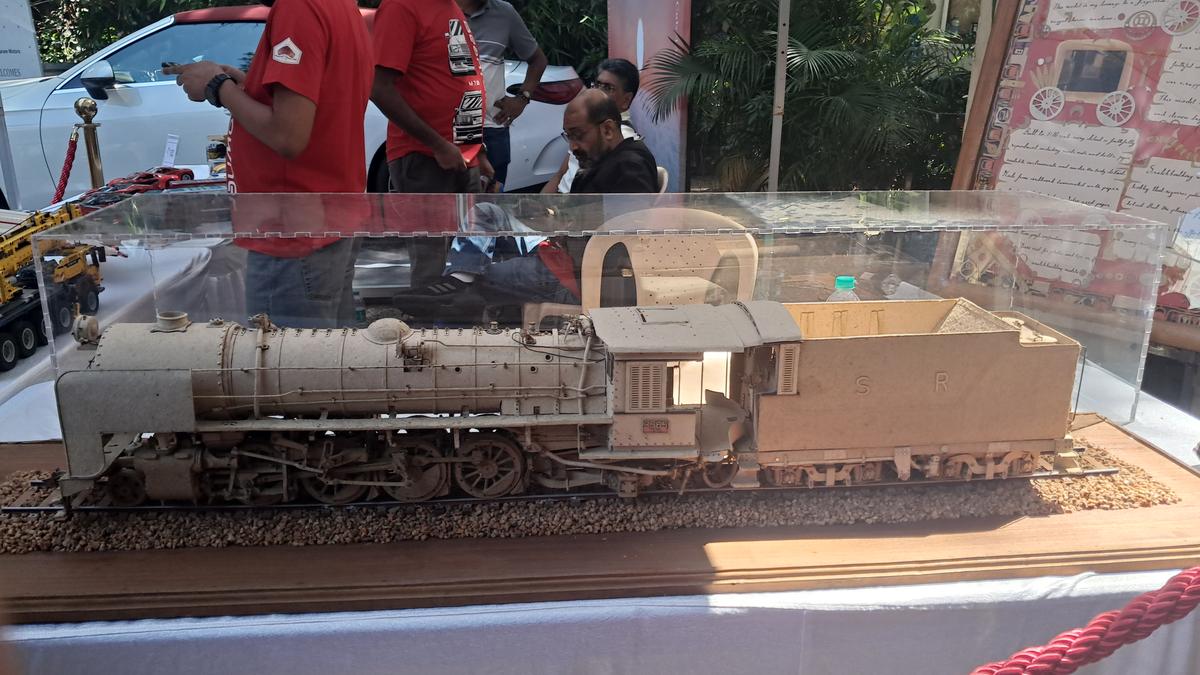
Almost every stall boasted a collector with an interesting story to share, one of whom was TR Raghunandhan, a 66-year-old former IAS officer who took “seven years, nine months, and 11 days” to make a full-scale model of a locomotive out of elephant dung paper.

“This piece is an homage to the beautiful memories I had of this train in the early 90s, before it was taken off the tracks,” Raghunandhan said. “I used to travel by train to meet my girlfriend, who is now my wife.” The locomotive is crafted with an immense attention to detail, and something he takes great pride in. 

Collectors hailed from professional backgrounds vastly diverse from the automobile industry. Most fell in love with engines when they were children and began avidly collecting models, often being forced to downsize due to a lack of space in their homes. 

 At the Beantown Model Collectors trade meet 2025

At the Beantown Model Collectors trade meet 2025
| Photo Credit:
Special Arrangement

“There is a collector’s curve one needs to understand,” states Ankur Y, one of the sponsors. “It begins with us trying to collect almost everything. This is followed by a burnout stage, and then we figure out what we would like to collect whether by theme, make or model,” says the market growth analyst. 

Not all pieces were for sale and needless to say, the greater the detail, the higher the value of the model.

Rohan Koomar, who has been a Beantown Model Collectors regular over the past few years, said the community was initially an online presence, peopled by those who shared a similar interest, and gradually evolved into a large-scale expos that travels to other cities too.

Aditya Menonsays the name ‘Beantown’ was not only a tribute to Karnataka, but was a unique name that did not  take after any automobile. The association was founded by three childhood friends in 2017, and is one of the few registered scale model hobbyist clubs in Bengaluru.


Source link

What do ‘Stranger Things’, John Lennon and Malayalis have in common


Think about this. What connects the late rock legend John Lennon, the Netflix series Stranger Things, and Kerala? Or Squid Games, Superman and Malayalis? While, at first, it may seem like nothing to us, Kerala Tourism thinks differently. And that has got Kerala Tourism the 2025 Pacific Asia Travel Association (PATA) Gold Awards for most engaging social media campaign.

Be it the Beatles’ iconic Abbey Road photo, Vecna from Stranger Things sipping coconut water, or the Superman whose kryptonite is Kozhikodan halwa — Kerala Tourism’s online persona has gone quirky, linking culturally relevant references with niche hyper-local instances.

Ajith Gopinath, National Creative Director at Stark Communications says, “Everyone is jumping onto the Stranger Things trend. As a brand, we don’t waste global anniversaries, pop culture events and so on. Our cultural radar, which is a team of youngsters, is always on. That’s how it happened. Once we spot a trend online, our team picks it up, and we work with it in such a way that it aligns with our brief, this is done within a day due to its timely nature.”

From Monalisa garbed in kasavu sari and mullapoo (a homage to the Malayali stereotype in the popular media) to Tanjiro Kamado from the anime series Demon Slayer, the campaigns are a result of combining cultural trends with Kerala’s culture, art, heritage, and experiences in imaginative, thoughtful formats.

“Our philosophy was very simple. We wanted to be emotionally truthful to the Kerala, but culturally current with the world,” says Ajit.

“Kerala tourism has cracked the formula, adapting global trends and localising it in such a way that it aligns with their brand’s identity,” says Geoffery Shocky, a creative planner at an advertising agency in Kochi, Kerala. “A few years ago, they posted an April fool’s day prank on its Instagram handle , which ‘showed’ Hollywood actors Tom Holland and Zendaya clicked at Munnar in Kerala. It was an edited photo and a prank which went viral. This was before AI, and thus brought a lot of attention to the page,” says Geoffery, who also points out how these campaigns, bring more attention to their pages where other content which is more about timeless aspects about Kerala such as its nature, culture, trade and so on.

Travel for peace

One of the Kerala Tourism’s recent popular campaigns was a homage to John Lennon, commemorating his 85th birthday, stating the lyrics of the 1971 track ‘Imagine’ — ‘Imagine all the people living life in peace’, with girls dressed in traditional wear often attributed to different religions, crossing the street — a re-enactment of the Abbey Road album cover.

The post was about weaving globally-recognised cultural icons into the State’s narrative of harmony, peace, and coexistence. “Such tributes went far beyond standard travel content, tapping into a shared cultural vocabulary that resonates across borders. The John Lennon post, especially, struck a deeper chord: the UK remains a major market for Kerala, and the Beatles are an enduring pillar of British pop culture. The reference felt natural, familiar, and instantly attention-grabbing,” says Roy Mathew, managing director and co-founder of Stark Communications Pvt Ltd

By leaning on universally relatable symbols, Kerala Tourism expands its audience, makes its messaging emotionally intuitive, and positions the State as a destination engaged in a wider global conversation, not just promoting places, but also participating in culture. An apt example for this instance would be, a popular post which came out in June featuring the characters Young‑hee and Chul‑su from the Korean series Squid Game, seen boating near the mangroves in Kerala, for a break.

The Travel for Peace campaign, a series of social media posts about welcoming guests to Kerala, positioning itself as a meeting point of identities, sent the message of reaching out to different cultures and travelling with intrigue, which might make the world a better place to live in. “The campaign was built on the belief that Kerala could be framed through a universal human value rather than any political lens,” says Roy.

At a time when brands stop making statements through their work and the world feels increasingly fractured, the “ad was a reminder that movement, discovery and human connection can soften divisions. By anchoring the narrative in peace, Kerala Tourism showed how a destination can speak empathy, healing and humanity, while remaining firmly above the political fray,” says Roy.

Published – December 04, 2025 11:41 am IST


Source link

Travelling to South Korea? Here is our guide to hanboks, nature trails and temple cuisine


I am surrounded by racks of poofy skirts. It’s a drizzly day at Jeonju Hanok Village in Jeollabuk-do(North Jeolla province), South Korea, home to more than 700 hanoks — traditional Korean houses with distinct wooden frames and tiled roofs. The rain is no deterrent. I follow tourists and locals into a hanbok rental store.

I am on a mission.

But first, some background. A mix of traditional architecture and commercial establishments, which include cafes, restaurants, souvenir shops and hanbok rentals, Jeonju Hanok Village draws hundreds of tourists with its history and selfie-friendly surroundings. An added perk? South Korea encourages visitors to wear their charming hanbok as a tourist, even offering free entry into some historical sites. 

A view of the Jeonju Hanok Village

A view of the Jeonju Hanok Village
| Photo Credit:
Special Arrangement

The employees at the hanbok rental work with clockwork precision and I am immediately shown colourful options in my size. These can be rented for anywhere upwards of 9,000 won for an hour (roughly ₹550 onwards), with additional charges for a hair makeover and ornaments if needed.

Once I pick a lavender and gold hanbok, I am sent to a room at the back of the store, where several women are ready to help me and other customers put the hanbok on. Once we are dressed, there are more women waiting, ready to work on our hair; a partial bun, an updo, or a chic ponytail — all with the many hair ornaments, clips and combs they have laid out. 

We have picked one of the fancier hanbok rental stores, which boasts DSLR toting professional photgraphers and colourful backdrops. We pose and then take our hanboks out for a spin, walking down the streets of the village feeling like K-Drama heroines in our floaty skirts (which are surprisingly easy to manage). While several families, couples and gaggles of tourists choose to rent hanboks for even for a whole day and then stroll around, we wear ours for an hour and then reluctantly bid farewell to our Korean makeovers.

Nun’s kitchen

At the Baegyangsa Temple, South Jeolla

At the Baegyangsa Temple, South Jeolla
| Photo Credit:
Special Arrangement

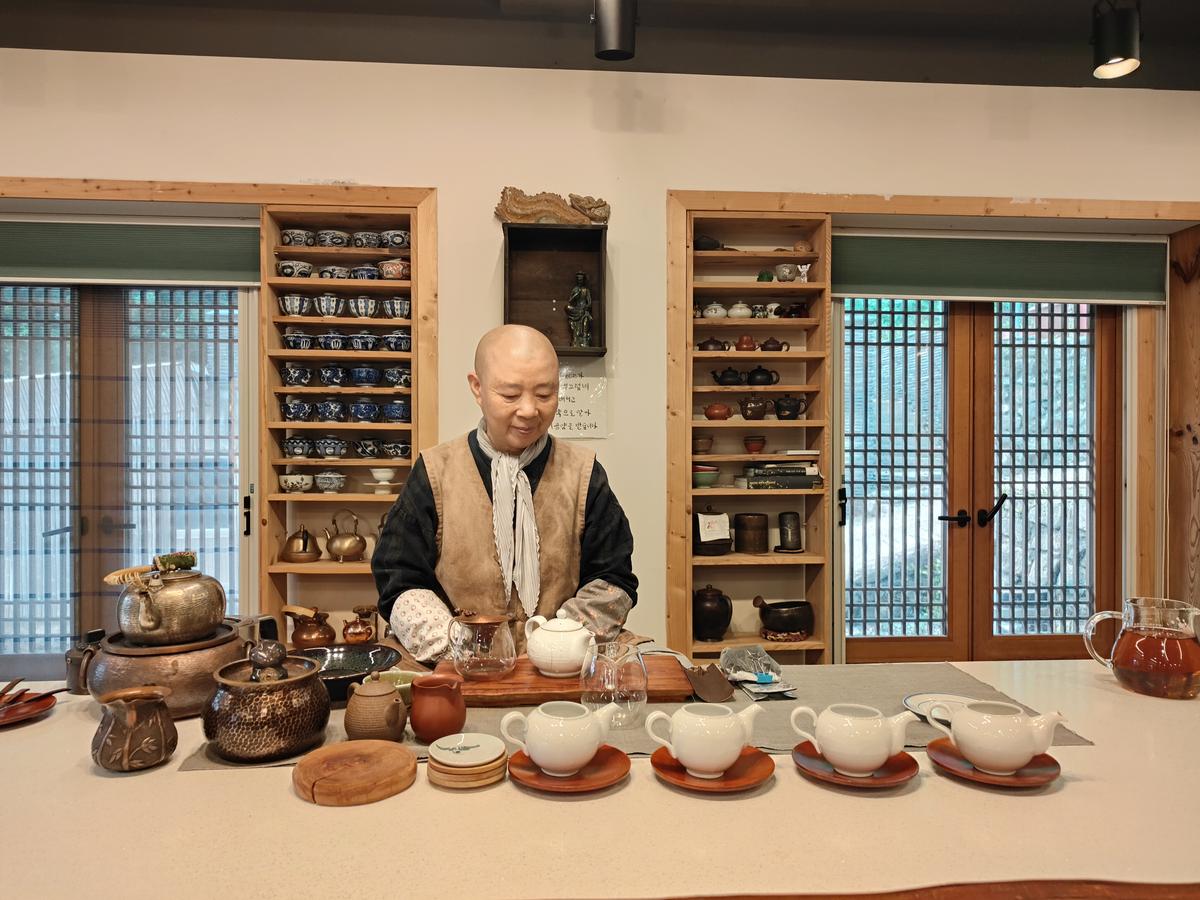
In a wood-panelled dining room, lined with shelves of colourful ceramics at the scenic Baegyangsa temple in Jeollanam-do(South Jeolla) province, we gear up to try temple cuisine, straight from the Buddhist temple’s kitchens.
While one can visit the temple for a day and explore the monastery there, Baegyangsa has a popular temple stay programme which comes with the option of meeting and attending a cooking class by Buddhist-nun-and-Chef Jeong Kwan, who featured on Netflix’s Chef’s Table. Despite the fact that she is neither formally trained nor affiliated to a restaurant, Jeong has been instrumental in popularising temple cuisine across the world.  

Jeong Kwan

Jeong Kwan
| Photo Credit:
S Poorvaja

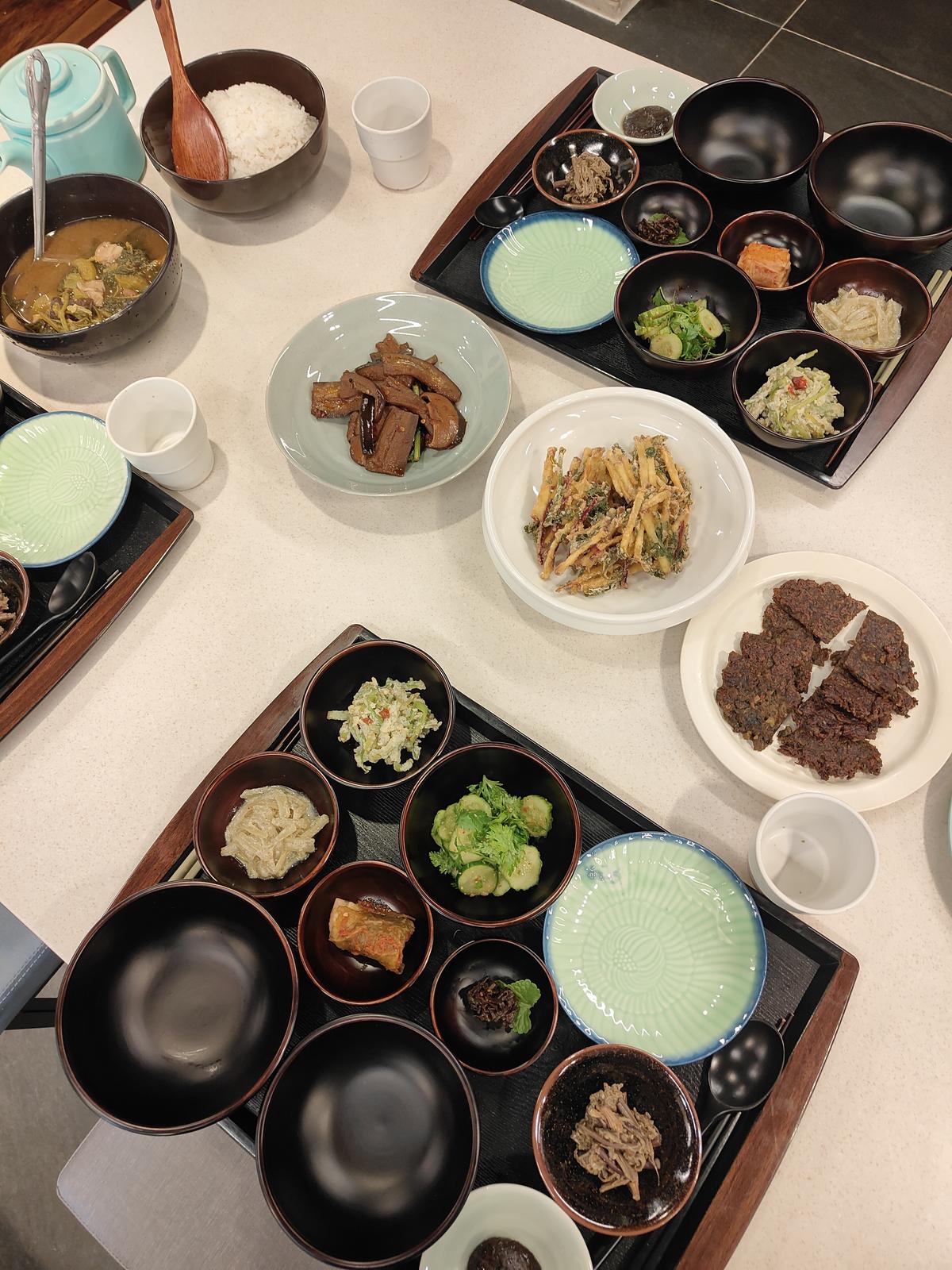
The meal we sit down to eat is vegan, onion and garlic-free, with seasonal ingredients largely grown in the gardens there. There is lightly stir-fried lotus stem, mildly-umami kimchi, a comforting bowl of brothy greens, vegetable pancakes, and her speciality — shiitake mushrooms. 

Jeong joins us after we finish our healthy, yet hearty meal; and we are instantly starstruck. She meticulously brews green tea and instructs us to slowly sip and savour the warm beverage. “Temple food is good for your health and healing, both physically and mentally,” she says, of the meal we have just had the opportunity to savour. Asking us where we are from, she goes on to speak about the deep connection between India and South Korea, given the origins of Buddhism in ancient India.

Our lunch at the Baegyangsa temple

Our lunch at the Baegyangsa temple
| Photo Credit:
S Poorvaja

The temple buildings stand against the stunning backdrop of the Baegamsan mountain. Baegyangsa is said to truly come alive in the fall, with stunning autumn colours and the foliage covering the area in hues of reds, yellows and browns.
Soak in the woods

Damyang’s Juknokwon bamboo forest

Damyang’s Juknokwon bamboo forest
| Photo Credit:
Special Arrangement

The Japanese concept of forest bathing, or mindfully immersing oneself in Nature, surrounded by trees and thick foliage is just one among the many wellness trends that has taken over the world in the last few years. And this is why we make a beeline for the Juknokwon bamboo forest in the town of Damyang, in Jeollanam-do. Spread over 3,10,000 square metres, the sprawling bamboo forest takes its healing properties seriously; visitors can choose from eight trails to walk through with names such as Good Luck road, Meditation road, and Old Memories road. (We truly feel ready to heal, while huffing and puffing through a few steep-yet-navigable trails.)
As we walk through a thicket of tall, swaying bamboo, our guide mentions that “bamboo forest bathing” is said to ease stress and boost happiness. Sunlight flickers through the leaves, and colourful lanterns strung along the path make the walk as scenic as it is supposedly healing. There are plenty of tourists, of course, yet the trails never feel crowded or noisy. It’s as if everyone is moving with the same quiet intention: to walk out a little lighter than they came in.. 

As we walk, we pass hammocks and benches where visitors pause to soak it all in, and even a row of people getting foot baths at sinks that look straight out of a parlour for pedicures.

The Korea Bamboo Museum there offers a quick primer on the evolution of bamboo craft, while the store next door showcases chaesang — the finely woven bamboo boxes and baskets considered an intangible cultural asset of South Korea.

By the time we’ve wandered (and shopped) our way through, we’re desperate for a drink. True to theme, the cafeteria is pouring warm, refreshing bamboo tea. One cup later, we’re happy to believe the hype: consider us healed by Korea. Now, if only I can also wear my hanbok to work.

The writer was in South Korea on invitation from Korea Tourism Organisation

Published – December 04, 2025 10:39 am IST


Source link

Explore Goa’s cultural legacy at Heritage First Festival


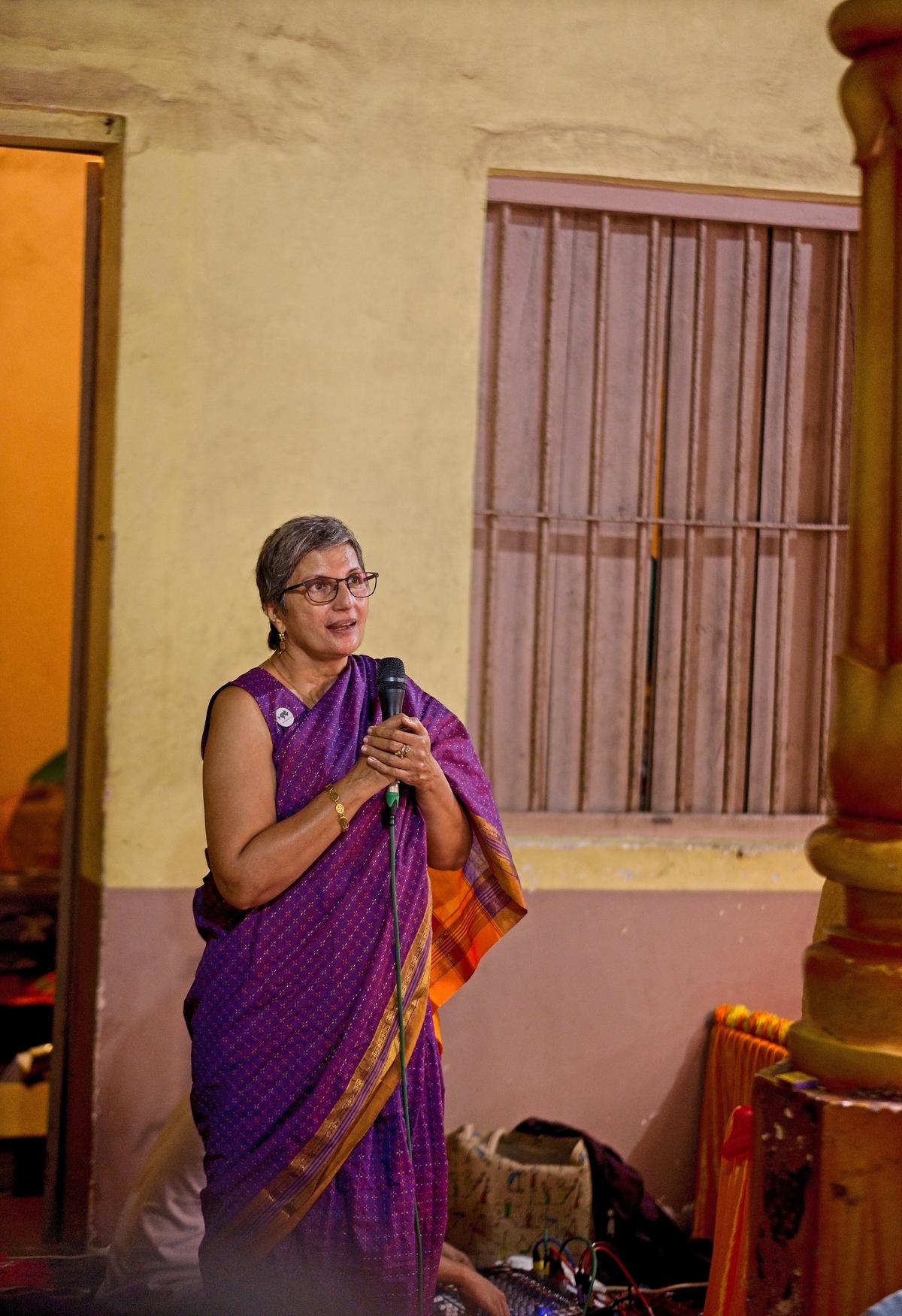
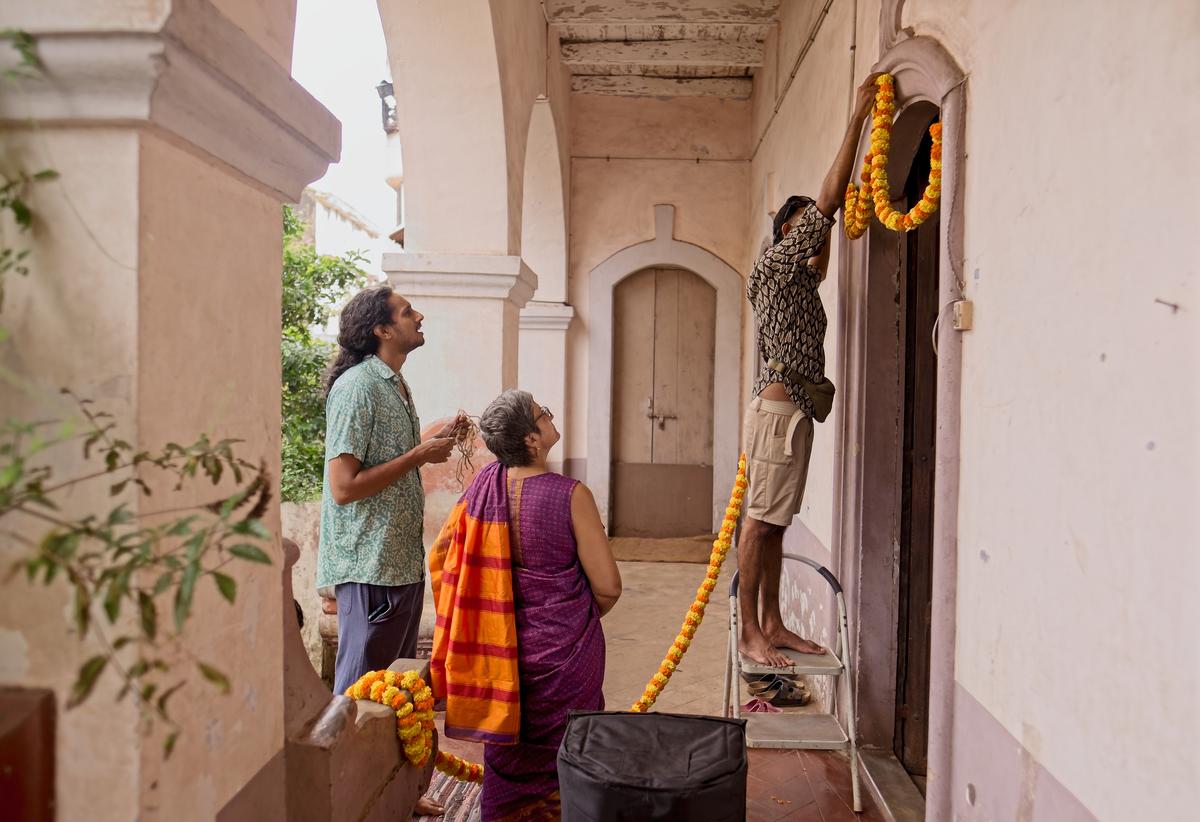
On a late Sunday afternoon, the air, redolent with the fragrance of fresh marigold garlands, has just been rinsed in a sudden downpour. The courtyard at 100-year-old Fallary House in Goa’s Margao, opens up to a colourful patch of sky, reverberates with soulful strains of thumri in the deep, resounding voice of classical singer Shakuntala Bharne.

This live-music performance for an intimate gathering of culture seekers, peppered with stories and a house tour, is an initiative of Heritage First Goa, led by Heta Pandit, author of Houses of Goa, Jack Ajit Sukhija and Snigdha Manchanda. Founded in November, 2024, Heritage First Goa is dedicated to preserving and promoting Goa’s built, natural and cultural heritage.

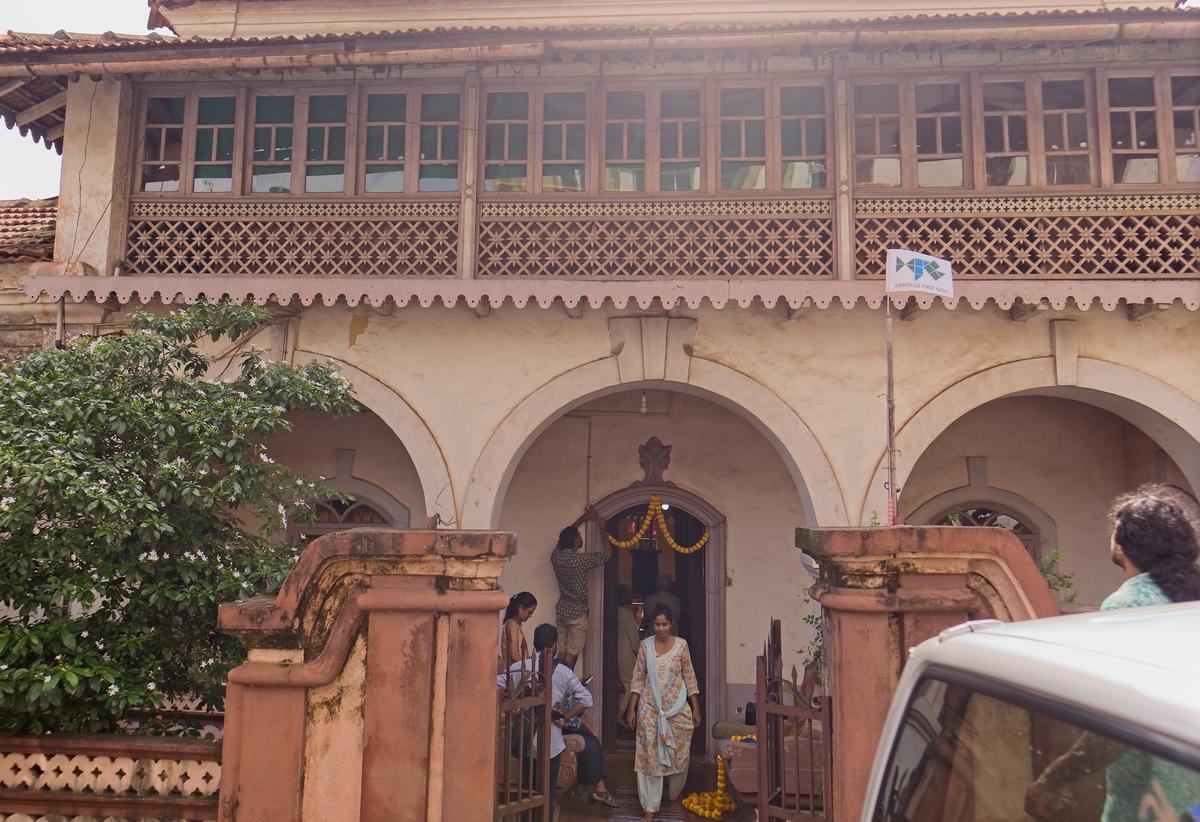
Before we even step into the house, we take in the quiet grandeur of its majestic exterior. The imposing façade has high ceilings, ornate wooden doors and a charming wraparound veranda hugging its length from one side. 

Facade of Fallary House

Facade of Fallary House
| Photo Credit:
Special arrangement

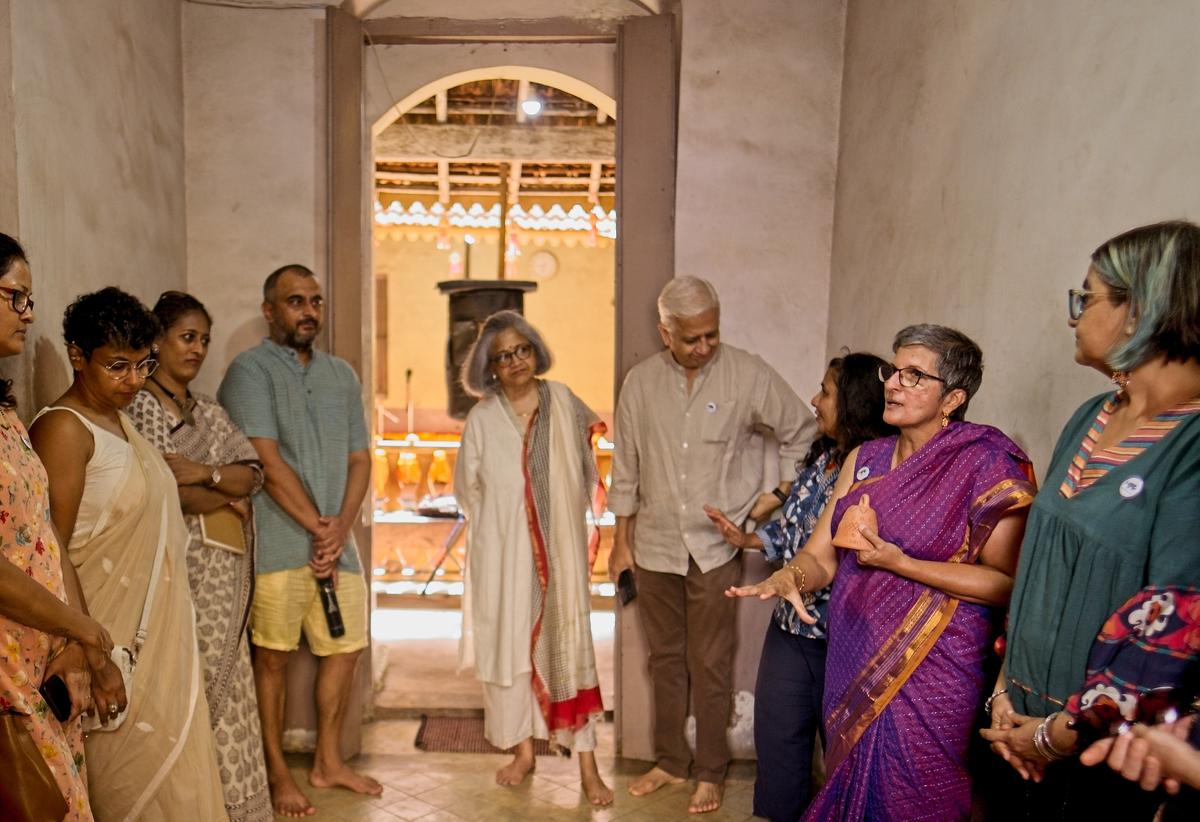
“Can you guess why the balcão outside is wider that the ones you would find in a Catholic Goan home? Obviously, because Hindus always sat cross-legged,” points out Heta.

Tale spin

Heta’s research on Goa’s history and culture lead her to write 10 more books that explore Goa through the lens of domestic and monumental architecture, oral history and traditional art. She documents stories of families who have chosen to turn Goan houses into cultural hubs. After 25 years of penning after her first book Houses of Goa, she decided it was time to chronicle the stories of those houses; as a remembrance of tales about Goa’s freedom struggle, culture, heritage and of its people. And, thus, the book Stories from Goan Houses was born.

Heta Pandit regales with stories

Heta Pandit regales with stories
| Photo Credit:
Special arrangement

“It’s been a long process of research,” says Heta. “For Houses of Goa, I took a lot from the archives, sat and read at the library of Xavier Centre of Historical Research. But truly, it was not a first-person narrative, just information I gathered. The new book has primary information and I spoke to a cross section of people, digging up long-forgotten stories from homeowners, masons, carpenters, painters and all those who made these Goan homes.”

Margao’s glorious past

As we enter the ornate door and step inside Fallary House, it feels as if time stands still.

Ornate wooden door

Ornate wooden door
| Photo Credit:
Special arrangement

This house belonged to a tobacco merchant, Vaman Raghunath Fallary. It did go through its fair share of transmutation by two of the three brothers who inherited it and reconstructed it on modern lines, but this portion was preserved by the immediate family.

“This portion of the house was inherited by my father-in-law, who passed away this March at the age of 94. It used to be brimming with festivities and many spiritual gatherings throughout his time,” shares grand-daughter-in-law Meghan Fallary.

Heta Pandit, author and researcher

Heta Pandit, author and researcher
| Photo Credit:
Special arrangement

She shares how the house resounded with religious music every year during the Ganesh festival, and when it ended, they had to take the idol for immersion, with heavy hearts. Along with it, went a filled pot or kalash of water, decorated with flowers and mango leaves. The children of the house returned from the immersion, crestfallen, and so the filled kalash would receive the pride of place in the courtyard platform, and songs would be sung around it.

Fallary House

Fallary House
| Photo Credit:
Special arrangement

Fallary House has a distinctive Goan architecture, which is reflective in the use of laterite stone and misses the usual sloping red-tiled roof one would find in the Portuguese style of architecture. The beige and taupe colour façade is refined, yet stately, with the use of jaali or trellis work creating an ornate, lace-like pattern. The rooms are all functional and arranged around the rajangan or the courtyard, the prime gathering place for the family, “where the kartaa or head of the family often presided over matters or simply sat lounging in his large, ‘plater’s chair’,” says Heta, before leading the party into the inside of the house, towards the nahni or bath. 

I look at at the design and aesthetics and am amazed to discern a few differences with some of the old houses I have been to in South Goa, here in Margao and Chandor. The Portuguese style definitely is more façade forward, with a verandah, balcão and pillars. Hindu homes are more inward facing, with rooms arranged around a central courtyard.

Traipsing through heritage

Goa has numerous gems like Fallary House, all relics of its bygone era. Heritage First Goa has been on a mission to preserve and uphold them.

Taking a break in Chorao Island

Taking a break in Chorao Island
| Photo Credit:
Special arrangement

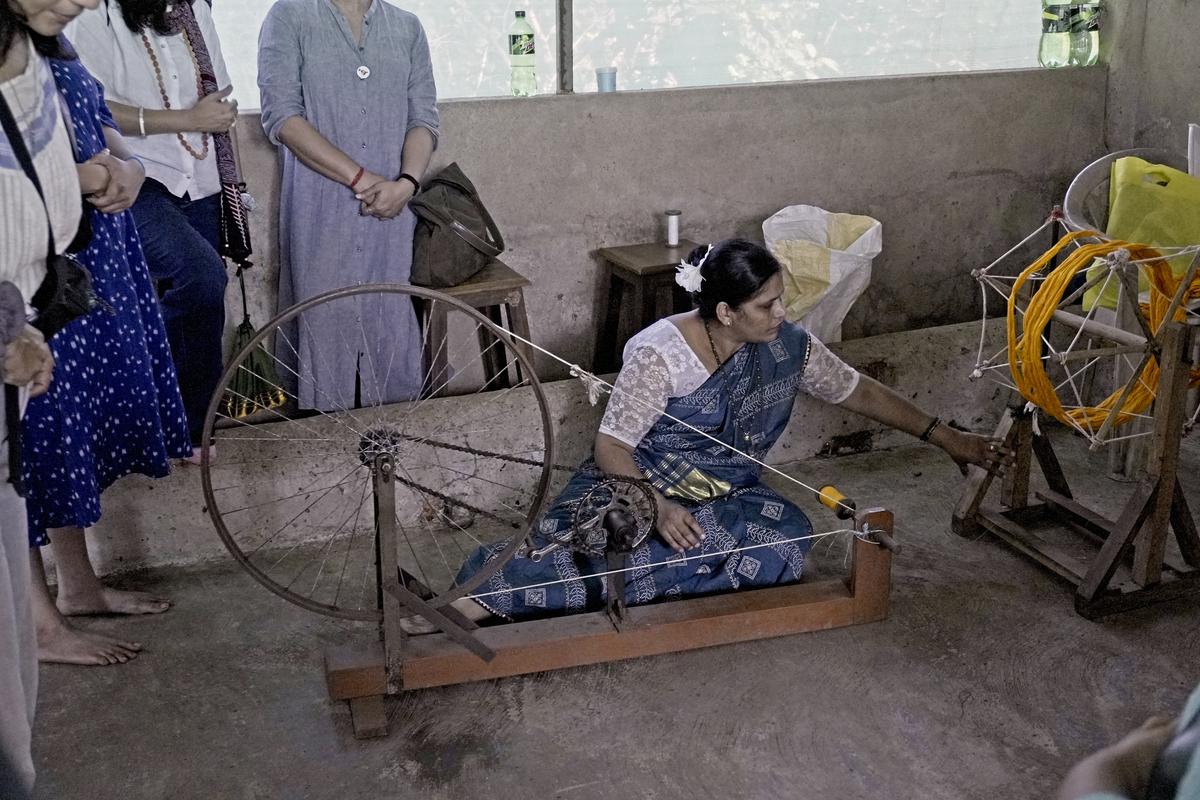
On till December 7, this year’s edition of Heritage First Festival comprises 41 walks, including Khazan walk through salt pans, a market walk in Panjim and caves walk in Chicalim. The poetry walk in Parra, was one such interesting traipse through village by-lanes and old churches, after which we sat down to write poetry with prompts that came up along the way. The kunbi sari workshop was a peek into Goa’s weaving heritage and the village saunter in Saligão and Chorao island were like walking through the pages of storybooks.

kunbi sari workshop 

kunbi sari workshop 
| Photo Credit:
Special arrangement

The walks are priced at ₹750; Heritage First Festival is on till December 7. For more details, connect with Heritage First Goa on Instagram @heritagefirstgoa or visit heritagefirstgoa.com

Published – December 03, 2025 10:46 pm IST


Source link

Inside Chennai’s Anglo-Indian heart: The people keeping a vanishing heritage alive


For more than a century now, the row villas of Veteran Lines in Pallavaram — named for the European Artillery Veterans, its first residents — have held out against time and tide. Airplanes swoop low over its gabled eaves as they head for the airport. Sunlight pours in through the slatted windows and a tabby cat sleeps on the scalloped compound wall. 

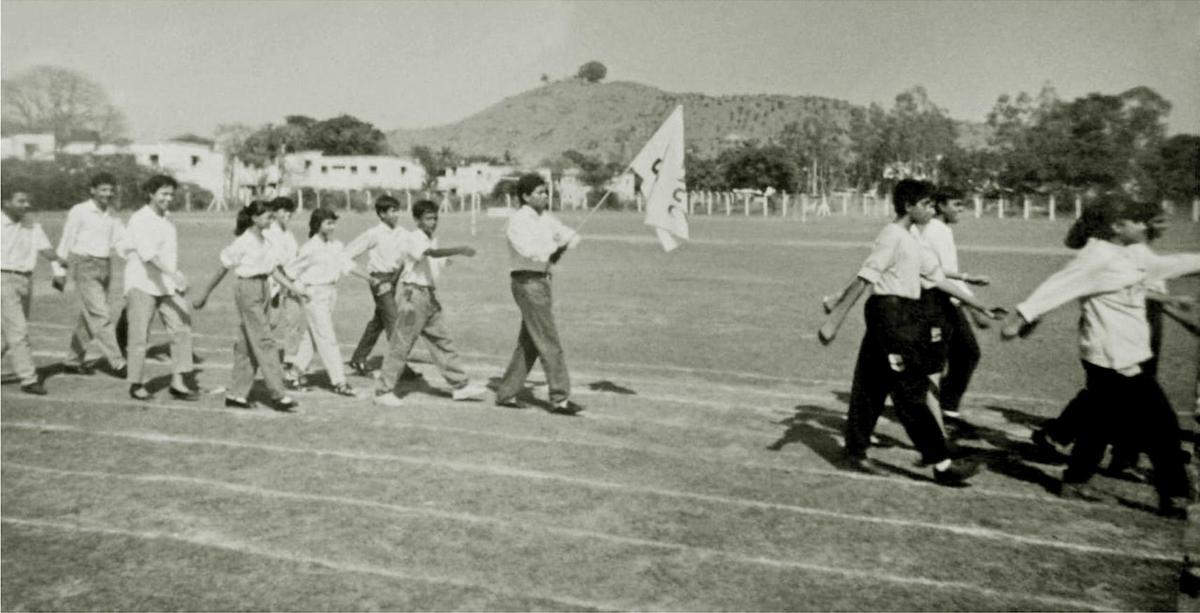
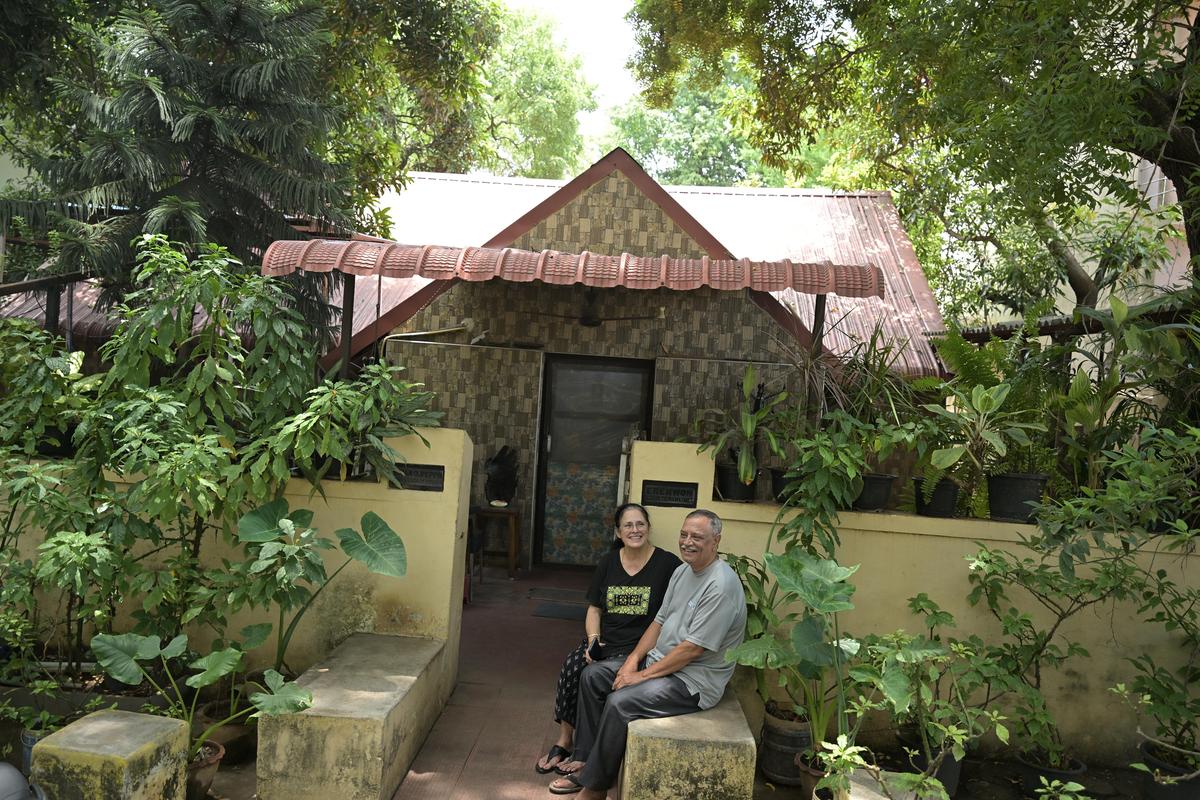
Some villas still have flagstone floors, cavernous rooms and resident reptiles that have made themselves comfortable in the wood pile behind the cook house. But it is the enduring friendships and languid evenings of music from the old Murphy radio, dance and Christmas toasts that still echo through the verandas as I meet Harry Maclure, Richard O’ Connor and the Peppins, Bryan and Helena, outside their house Erehwon.

The mini Olympics held every summer at Veteran Lines

The mini Olympics held every summer at Veteran Lines
| Photo Credit:
Special arrangement

A legacy of European colonialism in India, the term Anglo-Indian has changed to now denote people of mixed lineage dating back to a time when European powers moved from commerce to conquest and intermarried with the natives. “A people,” as the Anglo-Indian novelist Allan Sealy wrote, “who spoke their father’s tongue and ate their mother’s salt”.

The community that thrived under the British was left in a twilight zone when they exited in 1947. Over the past 79 years, Anglo-Indians have migrated in droves, mostly to Commonwealth countries, and it is their memory that Harry and Richard have worked to keep alive for two decades now.

Helena and Bryan Peppin outside their house, Erehwon in Veteran Lines

Helena and Bryan Peppin outside their house, Erehwon in Veteran Lines
| Photo Credit:
Johan Sathya Das Jai

“I was raised in Trichnopoly; studied at St John’s Vestry where my mother was a teacher,” says Bryan, who retired as head, department of English Literature, New College, in a clipped accent. “My entire world was Anglo-Indian, I knew little beyond it till I joined college. It drove me to study the Anglo-Indian identity in recent English fiction, question the insider-outsider complex and the stereotyping of the community,” says Bryan, who has written many books, the most recent Forget was released in October, about the world he grew up in. “Today, the community is more Indian than Anglo,” he says, adding that Anglo-Indians have managed to surmount the challenge of the local language with their unique dialect. “Tamil Nadu still boasts the largest number of Anglo-Indians in the country. But, of course, there is a sense of loss about what was once dear and familiar.”

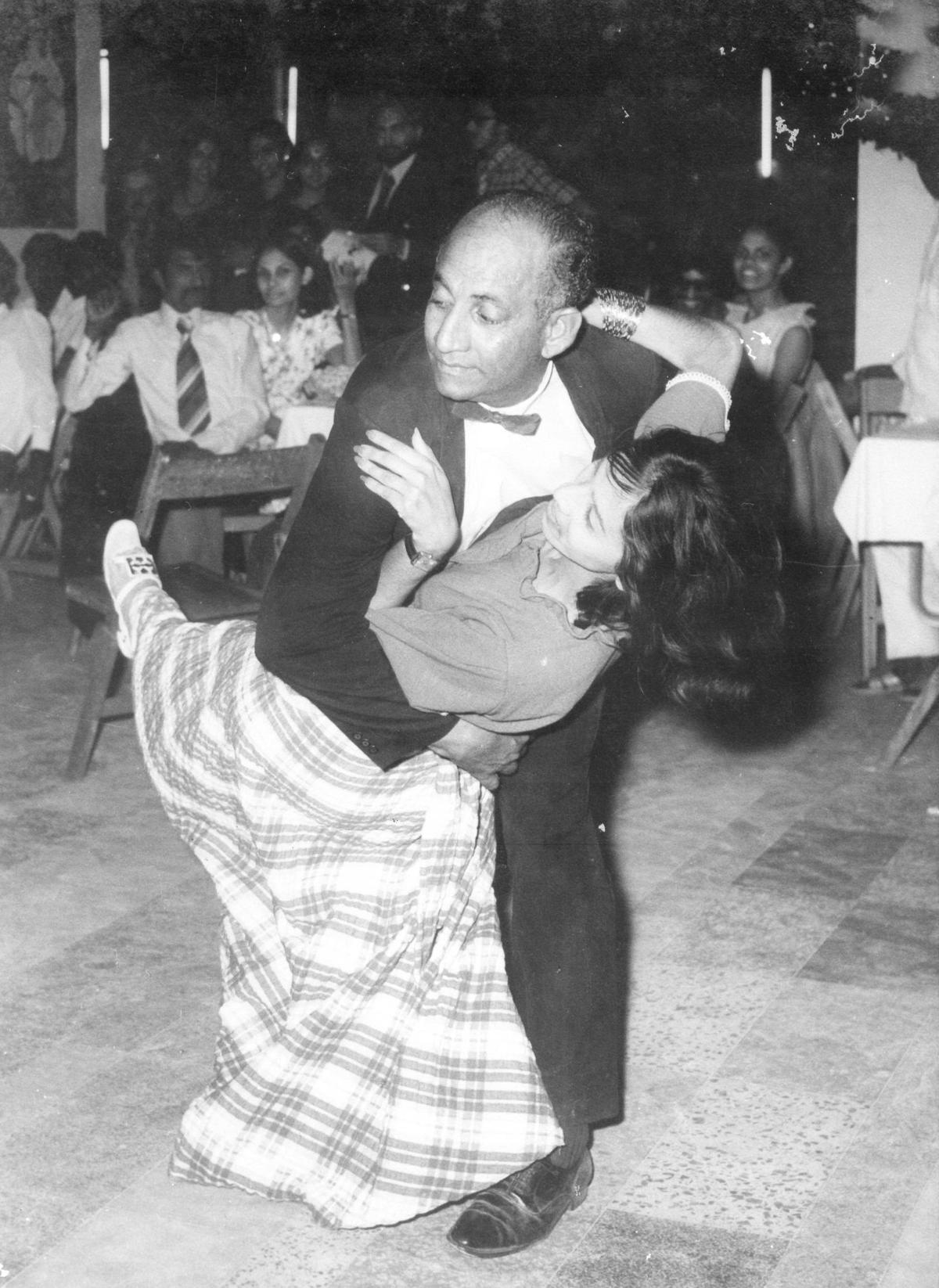
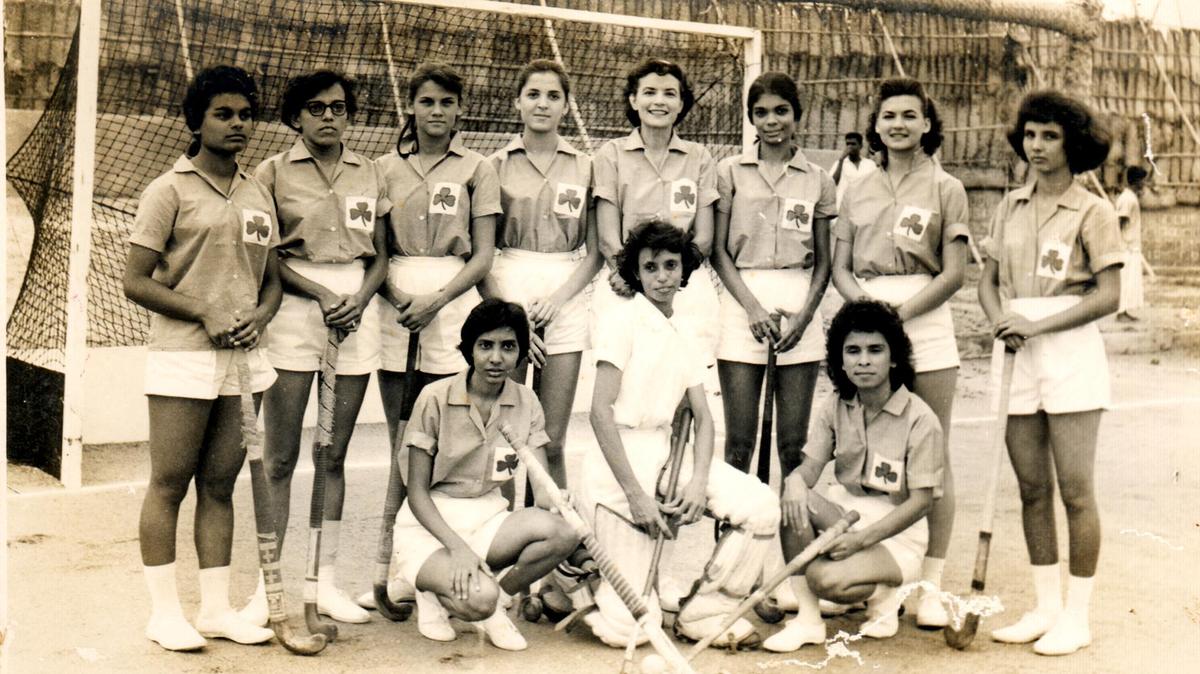
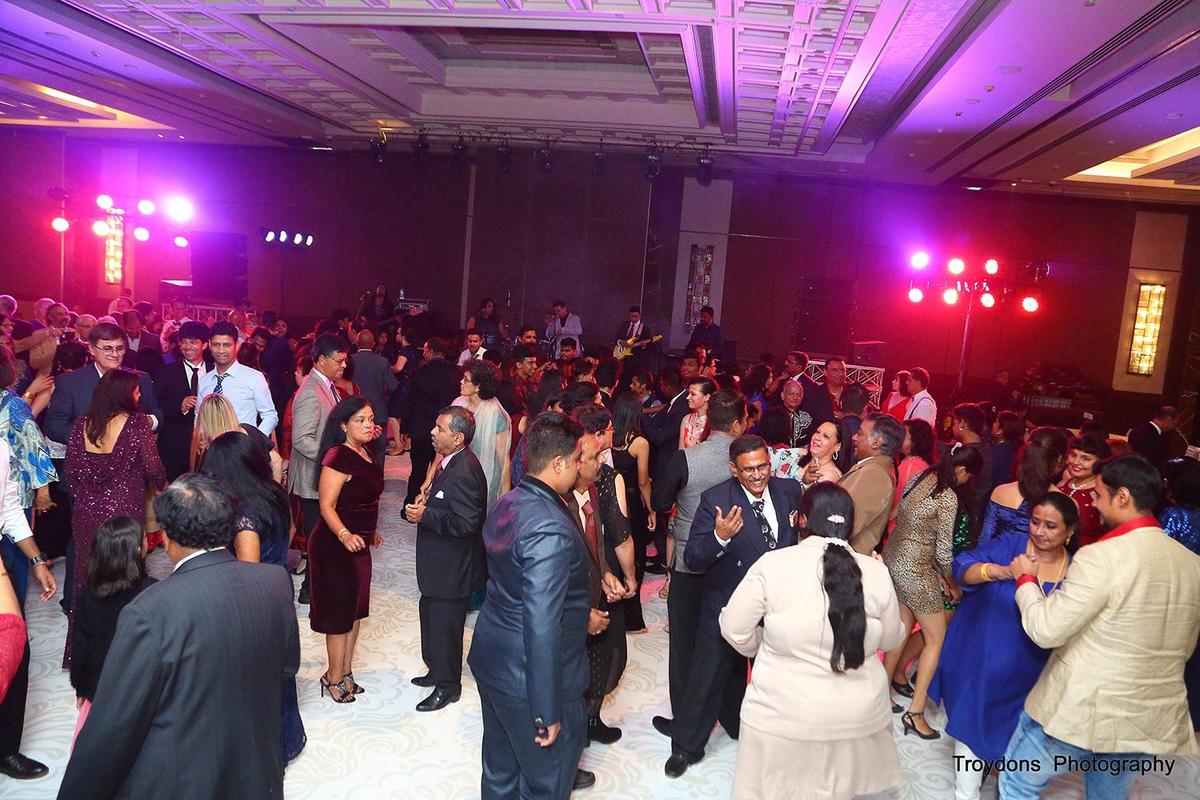
Bryan keeps that world alive through the house he and Helena, a retired Superintendent of Customs and Central Excise, live in. “When we bought this house, there was a sizeable number of Anglo-Indians here. We often went fishing in the rivulet close by,” he says. The shouts of ‘C’mon boy! as generations of young Anglo-Indians dribbled their way to hockey glory have somewhat faded, but events like the recent Monsoon Ball and the upcoming Christmas Ball featuring dances and a festive spread of mutton ball curry and devil’s chutney feels like an excursion back in time.

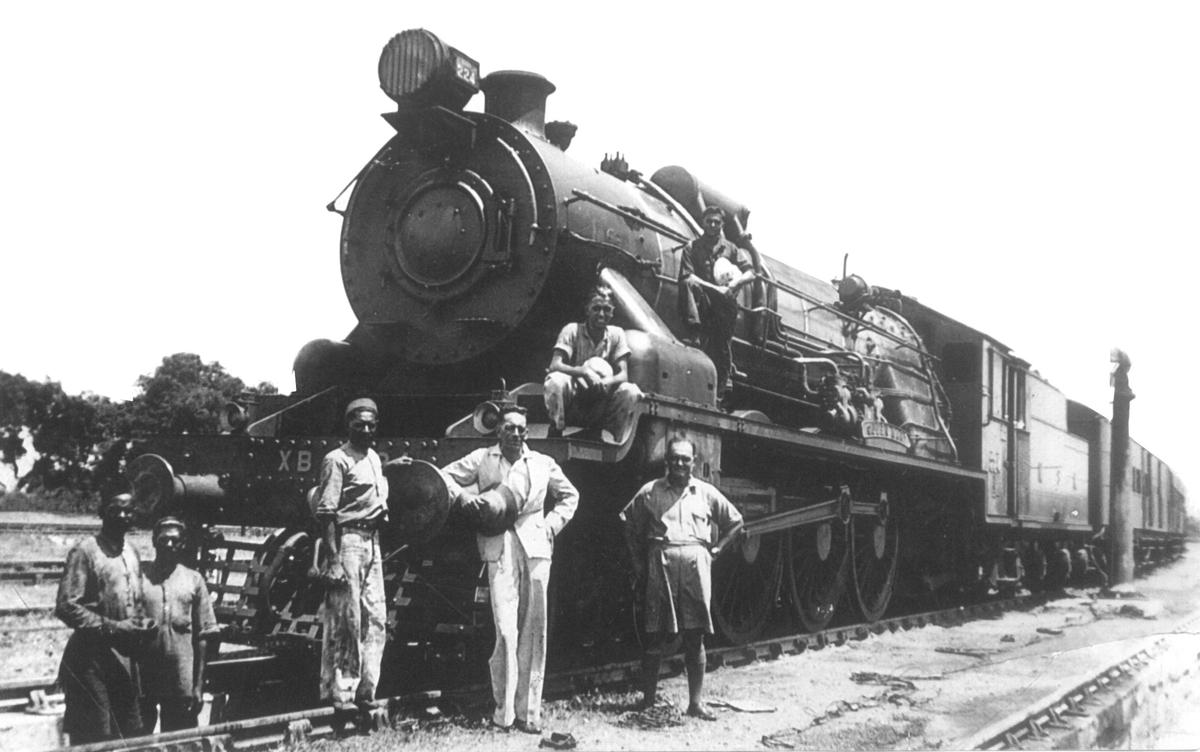
It is this old-world nostalgia that Harry Maclure, writer-director, founder, Anglo-Ink Books (India’s first Anglo-Indian publishing company) and editor of the magazine Anglos In the Wind that examines issues of the diaspora, brings to light in his work. Harry’s own story has been one of struggle, spurred by the robust optimism that is a hallmark of his community. “My great great-grandfather came from Aberdeen and worked in the Nilgiris tea gardens. He married an Indian lady about 140 years ago and we descended from that stock, growing up in Trichy Junction where my father Richard was a railway engine driver. He moved up the ranks; from cleaner to driver of a steam locomotive that travelled from Trichy to Tanjore, Manamadurai, Manapparai, and so on. I’m the youngest of a large family that moved to Madras when he retired, bidding a fond farewell to the wonderful camaraderie and the 128-year-old Railway Institute where the Christmas Ball was a hoary tradition.”

The colonial railways was manned largely by Anglo-Indians

The colonial railways was manned largely by Anglo-Indians
| Photo Credit:
Special arrangement

Harry grew up wanting to study English Literature and become a journalist, but started off as a waiter at the Taj Coromandel at 18. After four years, he traded the steward’s salver for a barman’s strainer and worked in the Maldives before heading back to Madras. His love for books lingered and Harry opened Book Nook, a lending library, with his friend sourcing books from Moore Market. But soon, wanderlust led him to the Gulf and by the late 1980s Harry found himself a job in Kuwait. When the Iraqi invasion triggered the Gulf War, Harry became a penniless refugee in a camp arriving back in India with just his passport, jeans and a pair of slippers. “We touched down in Bombay and the Maharashtra Government gave us 500 rupees to find our way home. It’s a chapter of my life that I don’t think of often but had I not come back I would’ve never found my calling. I started drawing cartoons for a Tamil magazine and it’s around this time that I found Jillian, my wife and childhood friend. It was her uncle, Leslie D’Souza, who asked me ‘why don’t you do something for our community? Maybe, a magazine?’ And for three years, he gave me seed money.” 

AITW, a quarterly magazine, was first published in 1998 (it turned digital post-Covid) and Anglo-Ink Books in 2005. “We used to print around 16,000 copies but now it’s around 700, thanks to its online version. The publication travels across the world, covering Anglo-Indian history and culture, fiction, poetry, interviews, trivia…,” says Harry. 

Noel ‘Bully’ Netto, a raconteur of hockey the Anglo-Indian way, jiving

Noel ‘Bully’ Netto, a raconteur of hockey the Anglo-Indian way, jiving
| Photo Credit:
Special arrangement

Many of AITW’s readers inhabit a world where the Anglo element is fading at home, while the Indian element is fading abroad. “Hence, there is a quest to understand and trace one’s ancestry,” says Harry, adding that many from the diaspora want to embark on this journey. 

In this, Harry found a twin soul in Richard O’Connor, Assistant Commissioner, Customs. “I have a job, and then I have my passion,” says Richard, whose great-grandfather, an Irishman, made landfall in India nearly 110 years ago. “I also come from an Anglo-Portuguese background, from a family with a long history of service in the Government, both colonial and Indian. I’m a Madras boy — grew up in the Anglo-Indian haunts of Royapettah and Vepery and now live in St Thomas Mount, which once had a thriving Anglo-Indian community… the air was redolent with the aroma of cutlets and jazz.”

As the schools and homes in the neighbourhood, once flooded with members of the community emptied out, Richard and Harry decided to document the last of Chennai’s Anglo-Indians in their own localities. With Richard as the primary storyteller the series of documentaries moved from Santhome, Royapuram, Vepery, St Thomas Mount, Pallavaram, Perambur, Pudupet, Madhavaram, and more, interviewing a cross-section of people, still living a life of gentility fraying at the edges. The YouTube series that was filmed first in 2016, with encouragement from city chroniclers S Muthiah, Sriram V and Vincent D’Souza is ongoing and Richard hopes to make a coffee table book of it.

The family of Nelly and John Telles at St Thomas Mount in the 1960s

The family of Nelly and John Telles at St Thomas Mount in the 1960s
| Photo Credit:
Special arrangement

“I didn’t spare a thought on my identity for the first 40 years of life because I was still busy trying to get myself on my feet. At work I found myself to be an oddball and I wondered where I stood; I realised how wonderful and generous our culture was. And then I happened to meet Harry. We ended up doing an AITW special on hockey. And that was an opus — the Anglo-Indian was to hockey what the Brazilian is to football. And from there it went on to helping people find lost graves and travelling to McCluskieganj that has its own place in our history. We still hope to do a round-up of the railway colonies, like Jolarpet, which were once peopled by us; there is an urgency as time is running out. Some places like Kolar or Whitefield could’ve been preserved,” says Richard, wistfully.

The Shamrocks was a prominent Anglo-Indian women’s hockey team

The Shamrocks was a prominent Anglo-Indian women’s hockey team
| Photo Credit:
Special arrangement

Not everything is about looking back though. With an active All India Anglo-Indian Association that celebrates its centenary in 2026 and the upcoming world reunion in Kochi, Harry and Richard agree that “the youngsters are doing a great job at preserving the Anglo-Indian way of life. We are not keen on a permanent memorial but maybe a digital space that people interested in us can look up” with Bryan, adding that the Derozio Library in Kolkata does a good job of it. 

The 11th World Anglo-Indian Reunion

The 11th World Anglo-Indian Reunion
| Photo Credit:
Special arrangement

Still talking, we walk under the trees creaking with the weight of history to the house of Melanie D’Nazareth where Harry and Richard pose for photos, in a setting much like the sepia pictures at the Peppin’s house. The place of the Anglo-Indian in the Indian cultural world may have changed but the old, weathered house remains a tenderly written love letter to the numerous lives they have touched.


Source link

Chennai gets Christmas-ready with stores bringing nostalgia, trends and festive charm


As the festive season sweeps into the city, Chennai begins to glow — churches string up lights, streets brim with last-minute shoppers, and homes ready themselves with their annual holiday makeover. For some, it is the joy of bringing home a new Christmas tree; for others, it is about dressing up the trusted old ones with new ornaments.

At  Rahaman Decoration in Parry’s corner.

At  Rahaman Decoration in Parry’s corner.

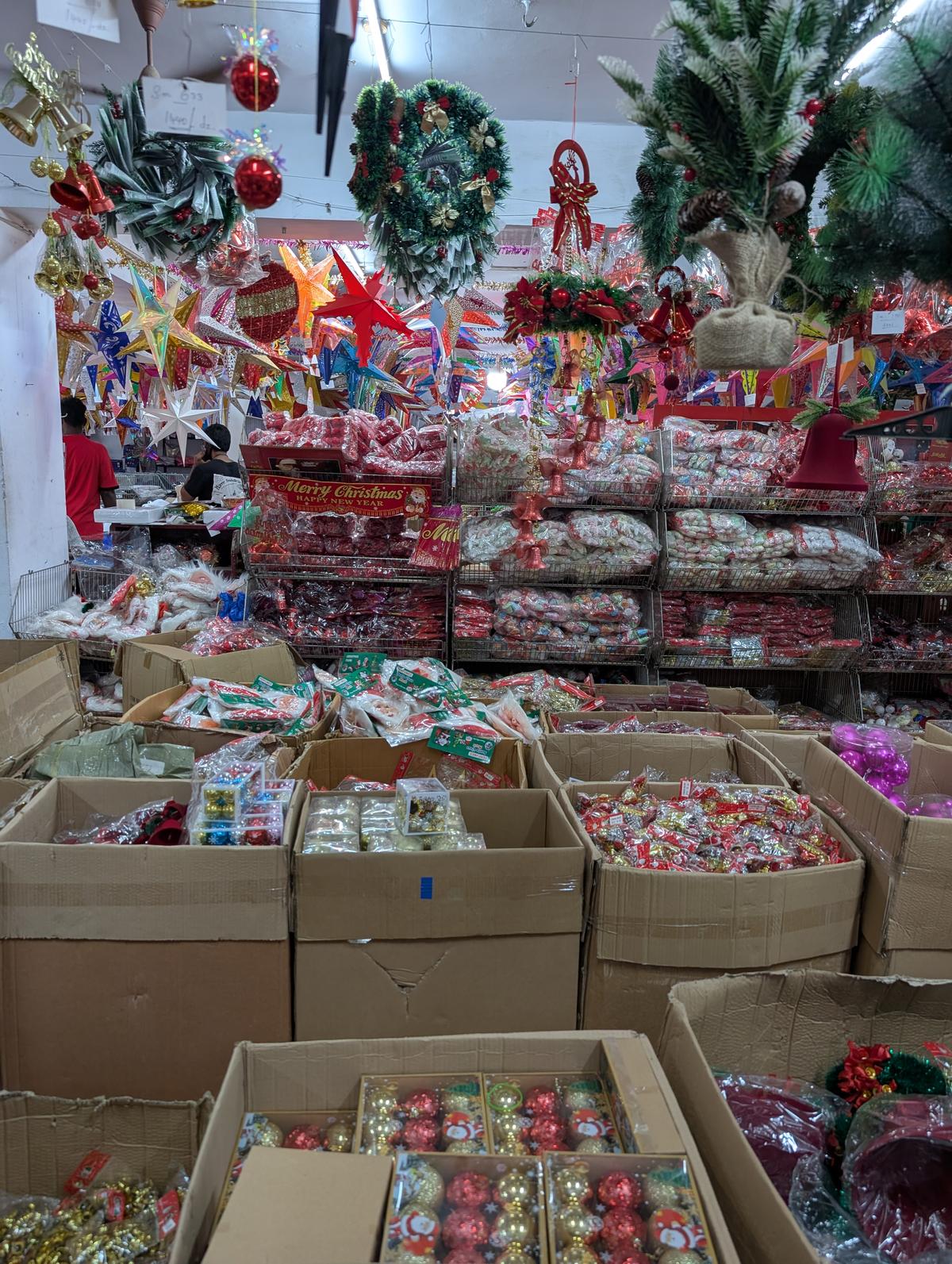
At Parry’s Corner, the holiday rush is in full swing, especially inside Rahaman Decoration Centre, a 30-year-old wholesale shop teeming with parents, children, and couples sifting through endless aisles. The crowd here is not aiming for a trendy pink Christmas tree or ceramic Santa, but the charm of old school decor — star lanterns, plastic Santa masks, nativity sets and everything reminiscent of Christmases past. “It’s quite a busy time for us. This is when everyone starts shopping, and being a wholesale shop, we get customers ranging from store owners to college and school teachers,” says Afreen Fathima, daughter of Syed Karimulah, the owner of Rahaman Decoration Centre.

A view of Christmas decorations at the Advent Christmas Store in Nungambakkam.

A view of Christmas decorations at the Advent Christmas Store in Nungambakkam.
| Photo Credit:
VELANKANNI RAJ B

At Advent Christmas Store on RK Salai, Josh Groban’s ‘Believe’ is playing in the background as a couple debates which decor would best suit their living room. The shop itself feels like a miniature Christmas wonderland — its aisles packed with ornaments and decor that replicate the very English and American Christmas aesthetic. From vibrant colour Christmas trees to carousel figurines, and even ceramic mugs and bowls, the store is brimming with festive charm. Founded in 2019 by siblings Tinu Santiago and Alex, Advent has already grown to three outlets in Bengaluru, Kochi, and Chennai.

Christmas decorations at Advent Christmas Store.

Christmas decorations at Advent Christmas Store.
| Photo Credit:
VELANKANNI RAJ B

“We’ve been crazy about Christmas since we were kids. In 2018, we joked about doing something with that passion, and before we knew it, six months later, we were actually working on it,” says Tinu. This year, Advent Chennai’s standout piece is a seven feet- Alaskan white Christmas tree with an elf attached to it — press a button, and it springs to life. While Instagram and Pinterest inspire customers’ decor dreams, they pose their own challenges for shop owners. “A lot of what you see online simply doesn’t translate to the Indian market. We do import many items, but it’s still not realistic to find everything you see on the internet,” says Tinu. The shop also has metal ornaments, something that Tinu says, “can be passed down for generations”

Christmas decorations at Raave's Evergreen in Egmore.

Christmas decorations at Raave’s Evergreen in Egmore.
| Photo Credit:
VELANKANNI RAJ B

If you have been in Chennai long enough, chances are you are already familiar with Raave’s Evergreen store in Egmore. It is one of those legacy stores that started long before competition grew fierce, and before social media decided what your Christmas decor should look like. Established in 1997, the shop instantly evokes a sense of nostalgia — the kind of place you must have wandered into with your parents after school. Whether you are a college student shopping on a budget or someone looking to go all out, the store has something for everyone.

Christmas decorations at Raave's Evergreen in Egmore.

Christmas decorations at Raave’s Evergreen in Egmore.
| Photo Credit:
VELANKANNI RAJ B

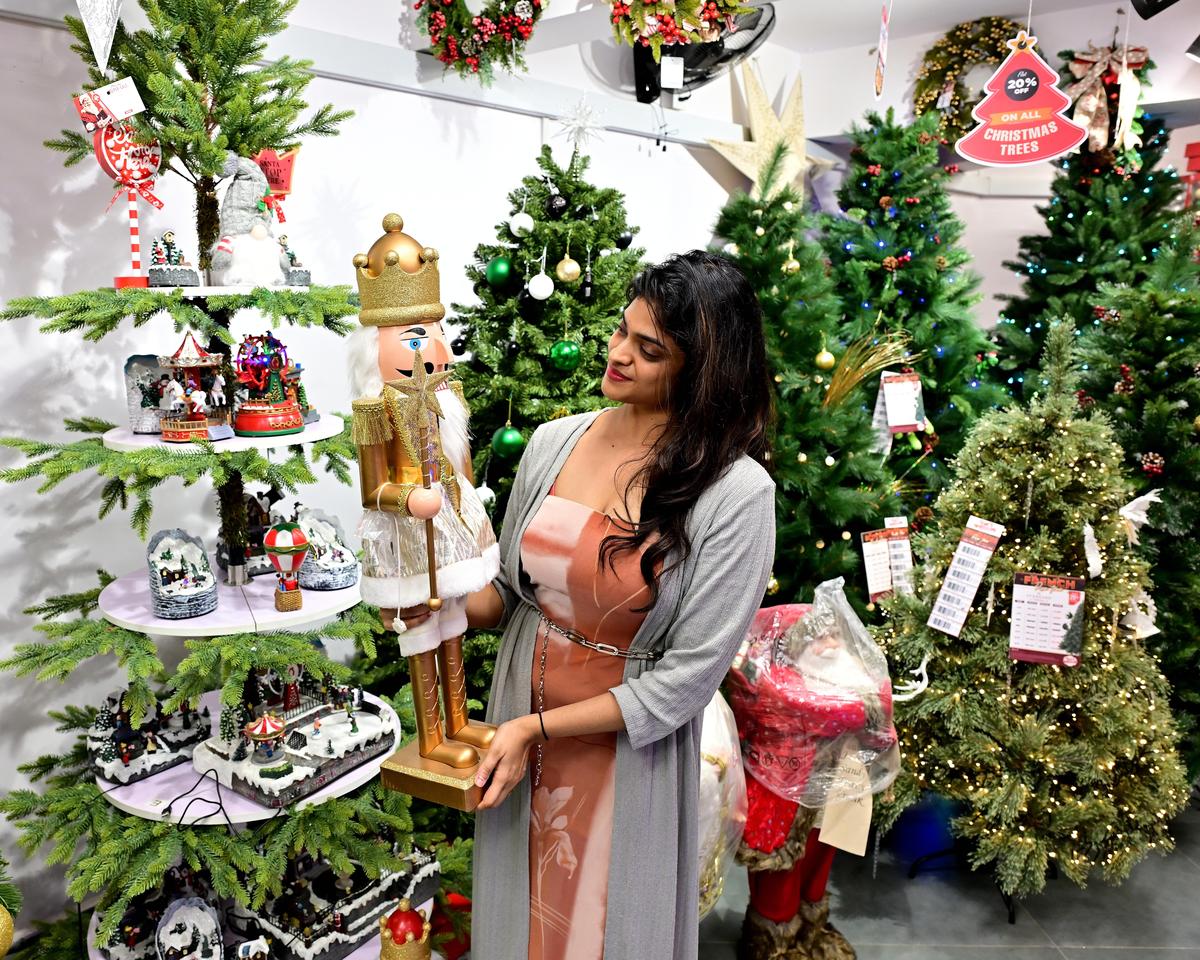
Rows of Christmas trees, bells, and wreaths in classic green, rose gold and even fuchsia pink fill the space. From classic pine cones, red berry stems, and golden bells to snowflake ornaments, ice cream cone baubles and even a nutcracker quietly standing in the corner, the collection is endless. What stands out is a sea of red ornaments dominating the shelves this year. “Every year we bring in a new concept, and this time the theme is wine red,” says Selvaraj, the store owner. With Christmas just around the corner, he quickly returns to assisting customers — often guiding them on what they should look for.

Christmas decorations at Roy's Wonderland in College Road in Egmore.

Christmas decorations at Roy’s Wonderland in College Road in Egmore.
| Photo Credit:
VELANKANNI RAJ B

At Roy’s Wonderland, College Road, Nungambakam, this year’s star attraction is a pre-lit Christmas tree that changes colour at the tap of an app on the mobile phone — one button and the fairy lights shift seamlessly from red to blue and many more. The store’s shelves are lined with miniature Christmas villages, handcrafted wreaths in varied themes, and an impressive range of baubles available in both plastic and steel, each in different shapes, colours and finishes. 

 Christmas decorations at Roy's Wonderland in College Road in Egmore.

Christmas decorations at Roy’s Wonderland in College Road in Egmore.
| Photo Credit:
VELANKANNI RAJ B

“From classic trees to rare collectables, every piece is imported from nearly 10 festive corners of the world — the US, Germany, Taiwan, Hong Kong and Indonesia,” says Nivedha Roy, who joined the family-run business, founded in 1996, and now heads digital marketing. According to her, people start arriving in large numbers from Thanksgiving itself. Also a crowd favourite this year at Roy’s is a steam train circling a Christmas tree — a delight among the kids, says Nivedha.

From wholesale markets to boutique stores, the spirit of Christmas is already here in the city, with each store bringing its own flavour — some rooted in nostalgia and some inspired by global trends. 

Published – December 03, 2025 04:41 pm IST


Source link

Chennai readies for four days of art, design, and dialogue at Madras Art Weekend


Chennai is about to swap its filter coffee for a shot of creative adrenaline as Madras Art Weekend returns with its fourth edition from December 3 to 6, featuring a curated celebration of contemporary art, design and creative dialogue. Spread across iconic venues — from the halls of Taj Coromandel to the historic charm of the British Deputy High Commission and the cultural enclave of Amethyst—this four-day festival brings together galleries, artists, designers, thinkers, institutions, and patrons to celebrate the many languages of Indian art.

This year’s theme, Madras Reimagined, aims to celebrate the city’s heritage landmarks, everyday rituals, and living traditions. With an impressive line-up of galleries, including Dhoomimal Gallery, Art & Soul, Gallery G, Art Magnum, Sarala Art Centre, DakshinaChitra Museum, and more, it encourages a brings together a cultural movement — one that emphasises collaboration, conversation, and new ways of expressing art.

Upasana Asrani, founder, Madras Art Weekend, shares, “Our focus this year is on examining Chennai’s culture and traditions through both historical and futuristic perspectives. The theme highlights the many elements that form the very fabric of Chennai’s cultural identity and brings them to the forefront.”

Madras Art Weekend opened today, with an invite-only preview at Taj Coromandel, offering patrons and guests the first look at the curated gallery showcase. The evening continues with the first of several panel conversations — The Impact of Private and Public Patronage’, moderated by Deepali Goyal and featuring industry leaders such as Amit Khanna of Amaya Ventures, Siddharth Somaiya of Somaiya School of Art, Rhea Kuruvilla of Frieze VIP Consultant and Narayan Lakshman, Opinion Editor, The Hindu. The session explores how public and private patronage shape the arts and cultural ecosystem.

The night continues at the British Deputy High Commission, where Rosella Stephen, Editor, The Hindu Sunday Magazine, moderates, The Designer as Disrupter, with a panel that includes designer Tahir Sultan, multidisciplinary designer Nimish Shah, researcher and curator Kallol Datta and designer Vivek Karunakaran. The panel explores the evolving relationship between artistic expression and design innovation.

The day also saw an indigo installation by 11.11 / eleven eleven, a craft-driven, natural-dye fashion house at the Collage, Rutland Gate. The showcase marked the debut of the brand’s plant-based Indigo Paste, an innovation that enables printing and large-format mark-making without the use of chemicals, expanding the possibilities of natural dye artistry. Select pieces from this activation will remain on display through Madras Art Weekend until December 6.

The second day, December 4, opens with Curatorial Cartography, a public event at the Taj Coromandel, moderated by Pallavi Khandelwal, featuring directors and artists from Art & Soul, Art Magnum and Dhoomimal Gallery.

Later in the afternoon, design takes centrestage with Design Through Our Lens. Moderated by Samir Wadekar, the panel features founders of design studios across India, such as Sachin Gupta (Beyond Designs), Farah Ahmed (FADD Studio), Faisal Manzur (FMDS) and Shruti Reddy (Ceebros). The conversation foregrounds interior design as a form of storytelling, where objects, materials and spaces create their own narrative pulse.

The evening will feature Truths our Clothes Told Us, an exclusive walkthrough by Kallol Datta at the Raw Mango store. Guests will engage with the designer’s approach to fashion as an art form.

December 5, will feature a panel titled Art of Restoration at Taj Coromandel, where Pradeep Chakravarthy will be in dialogue with architect Abha Narain, together they unpack what it means to preserve heritage in an urban world that is constantly rushing towards the new. The day culminates with a poetic performance by multidisciplinary artist Lekha Washington, titled Unbecoming or Ways to Survive the Apocalypse. Hosted at Amethyst’s Wild Garden Café, this intimate evening will showcase an atmospheric performance blending text, movement and imagination.

The weekend, December 6, concludes with a full-day walkthrough of the gallery spaces at Taj Coromandel, offering students, educators and the general public a guided exploration of the artworks on display.

As the city opens its doors to creative conversations and collaborations, Madras Art Weekend offers more than just exhibitions — it offers a renewed way of looking at Chennai.

The Madras Art Weekend is on till December 6, at Taj Coromandel. Registration at urbanaut.app. Find the complete schedule @madrasartweekend on Instagram

Published – December 03, 2025 04:35 pm IST


Source link

Helmut Schippert: The people’s envoy


If you have lived in the city long enough, and have been engaged in the arts, academia or public life, the chances are that you have seen many diplomats and cultural ambassadors come and go. You have probably also had a chance to interact with a number of them. 

In the three decades I have lived in Chennai, there are a number that have made a profound impact on the city and its residents. One of those, and someone who arguably deserves to be at the very top end of that list, was undeniably Helmut Schippert.  

Helmut Schippert

Helmut Schippert
| Photo Credit:
Gayatri Nair

With his long wavy hair, his reflexive egalitarianism, and his interest in looking beyond the issues that occupy the city’s socio-economic elite, Helmut was a burst of frischer wind. There was a childlike curiosity, an unjaded wide-eyed wonder that he brought to the table – in his conversations, his attitude to life and to the many projects he conceived and executed. 

Access for all

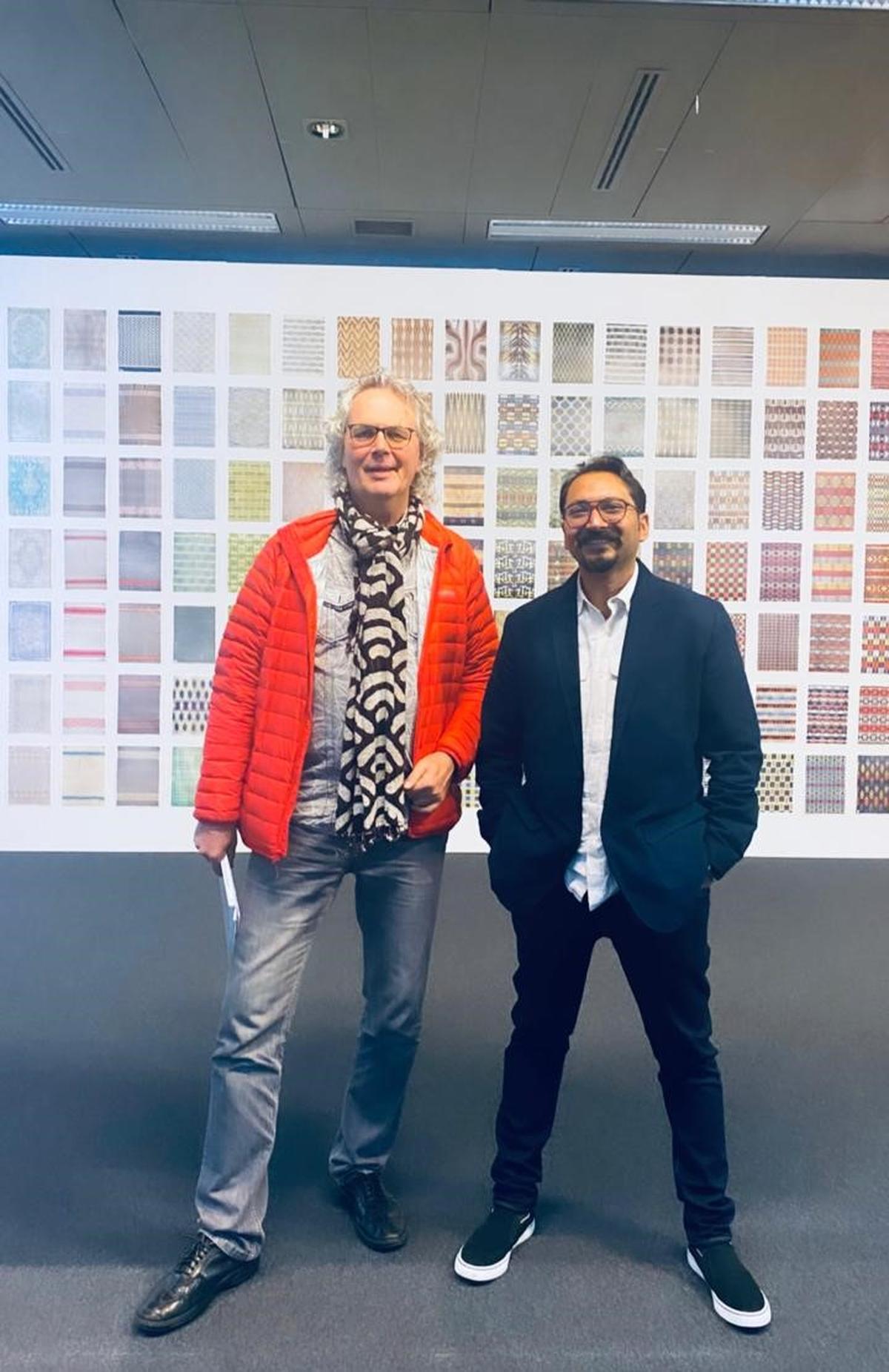
When I followed Helmut Schippert as a director in 2020, I got to know him through the projects he had initiated and the people who shared their memories with me. I got to know a colleague who was as passionate about culture as he was about humans and their living conditions. He was driven by the idea to create access for everyone: be it to culture in public spaces or to a sustainable water management for the city. His enthusiasm for these topics allowed him to connect to likeminded people from very different fields and create structures and institutions such as the Chennai Photo Biennale (CPB), that continue to enrich the cultural landscape in Chennai.

Katharina Görgen, director, Goethe-Institut Chennai 

It is perhaps not surprising that the news of his shocking and sudden death jolted so many of us in Chennai. As director of the Goethe-Institut between 2014 and 2020, he touched many lives – opening opportunities for artists, photographers, writers, musicians, environmentalists and others. During his time here, Helmut never gave the impression that he was here to represent or showcase German culture to the city. His work was predicated on the idea that his Institut could make a meaningful contribution to the city and its residents though debate (differing, when required) and socially engaged cultural cooperation. 

(From left) Musicians Theodor Flindell, V. S. Narasimhan, Helmut Schippert, Ana Maria Rodriguez, Ramesh Vinayakam and Theo Nabicht at Goethe Institut in Chennai in 2016

(From left) Musicians Theodor Flindell, V. S. Narasimhan, Helmut Schippert, Ana Maria Rodriguez, Ramesh Vinayakam and Theo Nabicht at Goethe Institut in Chennai in 2016
| Photo Credit:
PICHUMANI K

Understanding Chennai and Tamil Nadu was something of a passion during his stay. A conversation with him about a river project, for example, could suddenly digress into a discussion about politics or Indian music. The importance he devoted to feeling ‘connected’ manifested even before he arrived in Chennai. On hearing of his posting, one of the many things he did was to try and appreciate what must have been a very foreign art form to his ears – Carnatic music. 

Helmut Schippert with Varun Gupta

Helmut Schippert with Varun Gupta
| Photo Credit:
Gayatri Nair

His connection with civil society groups and movements were in keeping with his decision to make water one of the central issues in Indo-German cultural exchange. This was done in myriad ways. The Embrace our Rivers project saw more than a dozen artists participate in an exhibition in 2018 to raise awareness of Chennai’s polluted waterways. It was held at the Lalit Kala Akademi, but Helmut – who was a strong believer in public art – had originally pitched for permission to hold it along the banks of the Cooum near Island Grounds. If he had his way, a barge would have displayed one big work. Unfortunately, the permissions required never materialised. He was instrumental in the collaborative City of 1000 Tanks project, which was directed, among other things, at rainwater collection, wastewater treatment and recharging aquifers. 

Putting Chennai on the map

Helmut Schippert was special to Chennai for the cultural foundations he built — from co-founding the Chennai Photo Biennale to initiating March Dance and the South Asian Music Residency. He opened doors for countless artistes, strengthened the city’s creative spirit, and left a lasting mark through initiatives like Embrace Our Rivers and the landmark exhibition DAMnedArt. 

He was also one of the authors of Embrace Our Rivers: Public Art and Ecology in India, the first book of its kind in the country, an important work that reflects on public art, ecology, and the urgent need for creative collaborations toward urban sustainability. 

Geetha Vedaraman, cultural coordinator, Goethe-Institut Chennai

There were other key initiatives, including a collaborative platform for musicians under the South Asian Music Residency and the street art festival Conquer the Concrete, which showcased the collaboration of five international artists with street artists and cinema hoarding painters.  

Helmut Schippert (centre) with Sashi Kumar (right) at a panel discussion at Asian College of Journalism

Helmut Schippert (centre) with Sashi Kumar (right) at a panel discussion at Asian College of Journalism
| Photo Credit:
KARUNAKARAN M

But I like to believe his flagship initiative was the Chennai Photo Biennale (CPB), run by the CPB Foundation, of which he was a founding trustee. It was born as a result of Helmut asking photographer Chennai Photo Biennale director Varun Gupta, ‘What would you really like to do?’. When Varun replied, what he would really like to do is to curate a photography festival, Helmut responded with a ‘Let’s’. He found the money for it, and the Biennale, which has seen four editions, has become the principal festival for photography in the country. 

A force of Nature

Helmut was a visionary who believed deeply in the power of the arts to create positive change. My first meeting with him remains etched in my mind: we found ourselves imagining a new future for public art in Chennai, and from that conversation, CPB was born. In those early days of bringing our pilot edition to life, Helmut was always available — even through late-night, high-stress moments — calmly proofreading brochures and maps that were headed to print the next morning. One defining memory in the history of CPB comes from his office, where we were designing the logo for our first edition. With a cheeky smile, he scratched out the word ‘festival’ on the whiteboard and replaced it with biennale, saying, “Let’s challenge ourselves. Let’s call it a Biennale.” His presence in Chennai changed the lives of countless artists — and altered the course of my own life forever. For all of this and so much more, I remain deeply grateful.

Varun Gupta, director, Chennai Photo Biennale and managing trustee, CPB Foundation

The Biennale has striven to engage people from all social and economic walks of life, which was very much in keeping with Helmut’s vision. An example of his wanting to connect beyond the elite is the exhibition on Urban Water. Staged in the Lighthouse MRTS station, it saw him spend hours talking to fisherfolk and explaining the purpose of what he was doing. 

That was during the first edition of the Chennai Photo Biennale. Unfortunately, India’s rules relating to charitable trusts and foreign nationals meant that Helmut had to step down from the foundation that runs it. He continued to play a role as adviser and the Goethe Institut, now headed by Katharina Gorgen, remains its biggest and most significant supporter of the biennale. 

Football and more

Helmut had several hobbies such as music, reading, cycling, and yoga, with a sweet tooth too, especially for kulfis. Referred to as HS, Helmut was synonymous with water projects and CPB at Goethe-Institut Chennai. He also took immense interest in the language projects and was instrumental in the Water Walkathon in which more than 4,500 school students participated in the early hours of November 2017.

Helmut was an ardent football fan and opened Goethe-Institut for the public viewing of the FIFA World Cup matches in 2015 and promoted Goethe Super League matches conducted by Goethe-Institut Chennai. He met the then Chief Minister of Tamil Nadu Edappadi​‍​‌‍​‍‌​‍​‌‍​‍‌ K Palaniswami with the winners of the girls’ tournament who were sent to Germany for a week to train. His major achievement was to conduct the Regional Annual Conference for the South Asia Region in Chennai for the first time in 2017 where all directors from the region along with the general secretary Eberhard were present in Chennai.  

Prabhakar Narayanan, deputy director, Goethe-Institut Chennai

I was invited to be on the board of CPB Foundation after Helmut stepped down. I am fully aware that it is impossible to fill his shoes but if the Biennale, which is planned and executed by some very fine young people, can be sustained and grown in the years to come, it will be the biggest tribute to Helmut. It will be a way of the city giving back to him what he gave to it. 

Published – December 02, 2025 05:34 pm IST


Source link

Araku Coffee launches limited-edition nanolots


“People who were falling off India’s map have put India on the world map,” says Manoj Kumar, the CEO of the Naandi Foundation, which has been working with the adivasi farmers of the Araku region for nearly two decades now, helping them grow specialty coffee. According to him, these oft-forgotten indigenous people who live in this naxal-affected part of India, “now have a legacy…creating luxury products in food and agriculture,” says Manoj, the co-founder of Araku Coffee

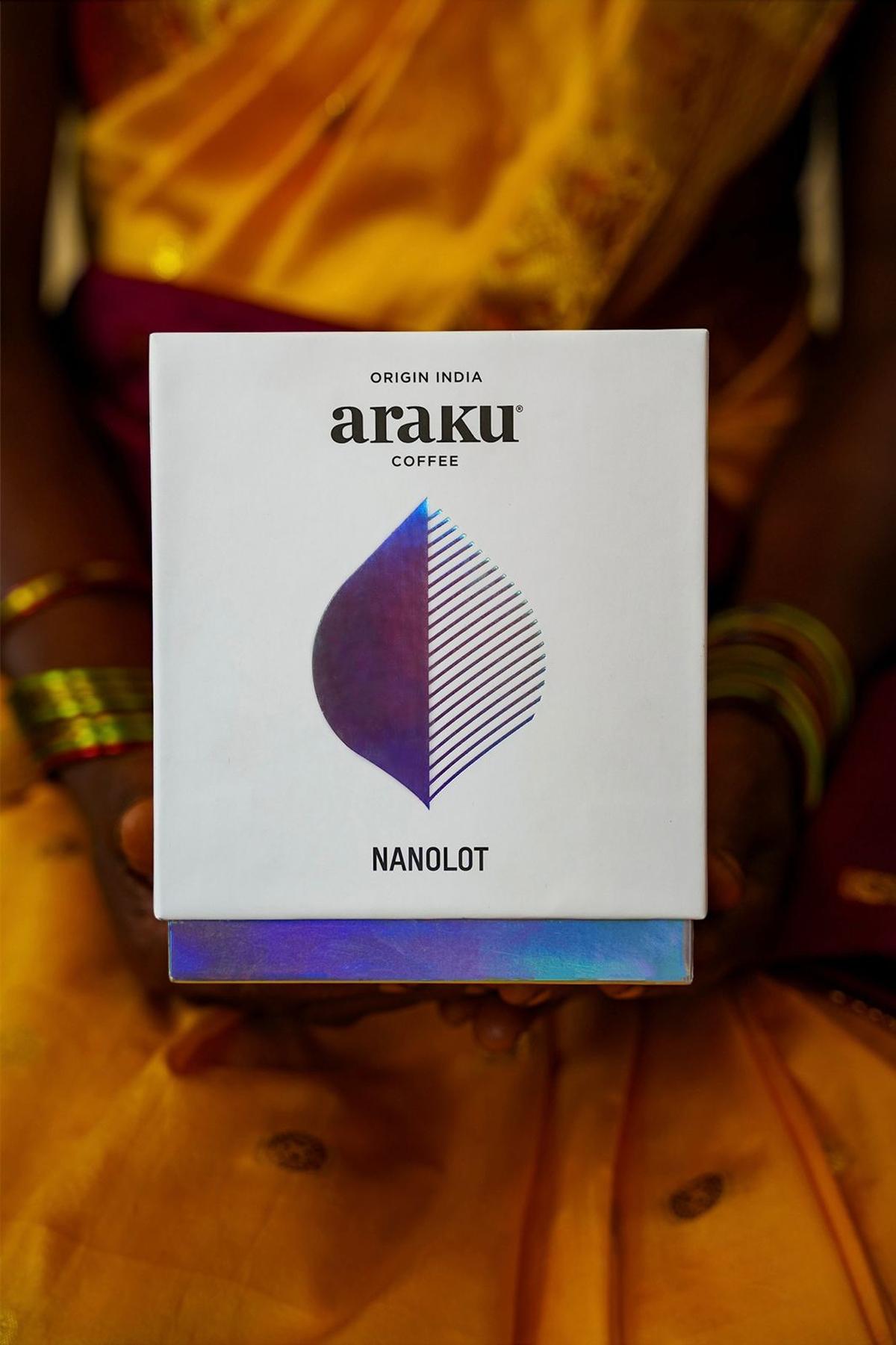
The latest feather in Araku’s cap is the launch of nanolots, a limited-edition collection of rare specialty coffee, described on the brand’s Instagram page as “our rarest, purest and most valuable coffee yet…a rare expression of our craft.”

At the launch event of these nanolots, which was held at the newly-opened Araku cafe on Commissariat Road, the brand’s second location in the city and the sixth in the world, Manoj explains the origin of this terroir-based coffee, grown on single plots, harvested in limited batches, and roasted in small quantities.

While much of the coffee grown by the 1,00,000 farmers Naandi works with in this region scores 85 (a quality assessment score out of 100) at international cuppings, proving that “India can do excellence at scale”, some of the coffee produced was simply better than the rest. This resulted in the launch of Araku’s microlots a few years ago, coffee from “four or five parcels of land that we mixed together and sold as a limited edition.”

The meticulous farming practices these farmers have adhered to have resulted in outstanding coffee

The meticulous farming practices these farmers have adhered to have resulted in outstanding coffee
| Photo Credit:
Special Arrangement

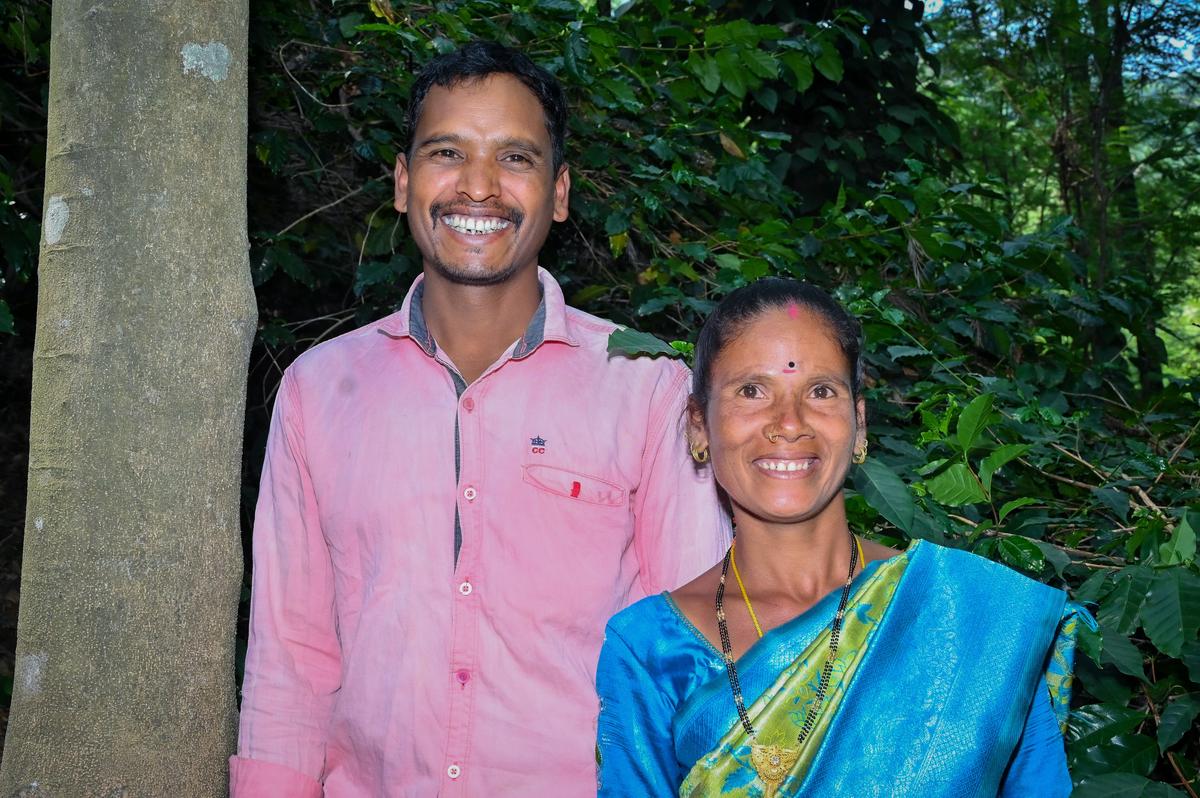
This year, however, around 10 families of these farmers, three of whom were felicitated at the event, “beat every record”, scoring more than 88 by the coffee cupping jury led by global coffee specialist, Sherri Johns. “They were literally at the top of the world, and we thought it was an injustice, a travesty to their talent and hard work to give it as even a microlot.” That, says Manoj, led to the creation of the nanolots where “each coffee lot is from one farmer’s farm.” While five of these lots were auctioned to customers in Japan and Korea, “we decided to keep the remaining to be sold in India.”

Eight-four packages of coffee from one nanolot were launched in the country, all of which were sold in less than 24 hours. Manoj, who plans to launch the other four over the next couple of months, with a three-week interval between each release, attributes the high quality of this coffee to the meticulous farming practices these farmers have adhered to. “This is a story for every Indian agricultural product to become competitive,” he says, pointing out that these nanolots, are being priced at anywhere between ₹8800-13000. “We should not sell them as commodities, but add value and sell. Unless you add value, a farmer doesn’t get more.”

Tangula Raju, who created one of these nanolots with his wife, Varalaxmi, agrees. This year, they grew enough coffee on their two-acre farm to produce 540 kilograms of beans, of which a batch of 25 kilograms has become a nanolot. “I have been getting much better prices thanks to changes in our agricultural practices,” says Raju, who hails from Pedabayalu mandal in the Alluri Sitharama Raju district of Andhra Pradesh and has been part of the coffee cooperative since 2011.

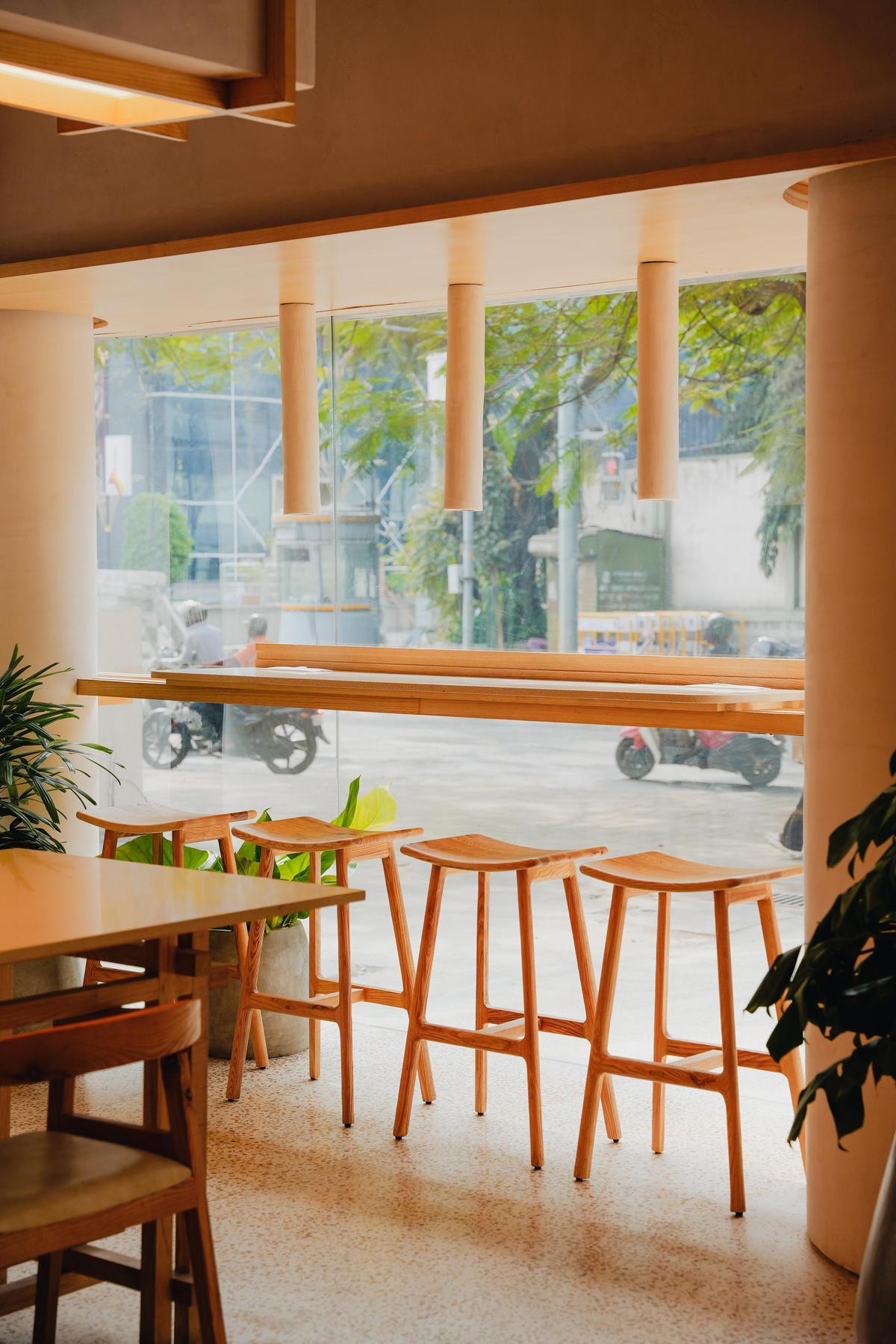
The interiors of the new cafe

The interiors of the new cafe
| Photo Credit:
Special Arrangement

Lake Suri Babu, also from the Pedabayalu mandal, who joined the coffee cooperative eight years ago, has had a similar experience. While he and his wife, Pusa, had been growing coffee on their three-acre land since 2015, they “didn’t know how to harvest or market properly,” he says. All the coffee that was grown was sold to traders at the local market, as “we didn’t know the value of our coffee and did not see any income.” It was only after they began applying the knowledge garnered through curated monthly training sessions on coffee management practices and selective picking of cherries, courtesy of the Naandi Foundation, that things changed.

One of the nanolots

One of the nanolots
| Photo Credit:
Special Arrangement

“We got better trained on how to grow good quality coffee and how to harvest. If we hadn’t received this training, we wouldn’t have made the profits we now earn,” says Babu, who made a profit of around ₹ 1,50,000 last year, which is helping the couple educate their children, among other things. “We are very happy with what we are growing and want to do more so that the name of our village goes far ahead.”

Published – December 02, 2025 05:16 pm IST


Source link