Life & Style

Second edition of The Hindu Lit for Life Dialogue in Bengaluru this week


The raison d’être behind The Hindu Lit for Life Dialogue 2025, a precursor to The Hindu’s much-loved annual literature festival, is simple: a celebration of books, authors, and ideas. “We believe that the space for enjoying reading and literature is unlimited,” as Nirmala Lakshman, Chairperson, The Hindu Group and Festival Founder and Chair, The Hindu Lit For Life, puts it.

Now in its second edition, The Hindu Lit for Life Dialogue offers, “a carefully curated programme that makes it distinct and special,” she says, pointing out that the initiative to take Lit For Life to Bengaluru and Hyderabad aims at extending the festival’s impact in these places.

“I believe the range and variety of subjects that we deal with is unique. Our focus is on new writing as well as covering topics that may be of interest to a wider audience,” says Nirmala. Also, Bengaluru is a place where The Hindu is read and appreciated, and, “that is an important aspect for us — to connect with our readers directly”.

The Lit for Life Dialogue 2025 will have three interesting sessions

The Lit for Life Dialogue 2025 will have three interesting sessions
| Photo Credit:
Special Arrangement

The event, which will be held on November 21 at the Museum of Art & Photography (MAP), is supported by Amity University (Associate Partner) and Crossword (Bookstore Partner). It will comprise three eclectic sessions featuring speakers from diverse fields, including literature, health, economics, and public thought, such as Dr Ambrish Mithal, Shivam Vij, Shwetambari Shetty, Narendar Pani, Sanjaya Baru, Devina Mehra and Manu Joseph.

“Bengaluru has a vibrant cultural scene with so much going on at any given time, that you have to think especially hard about how to grab its attention,” says Rachna Singh Davidar, festival director,The Hindu Lit for Life.

Indian journalist and writer Manu Joseph

Indian journalist and writer Manu Joseph
| Photo Credit:
Colin McPherson

The focus, therefore, has been on things that are of interest to everyone in the city, in her opinion. “We are all obsessing about weight loss drugs like Ozempic. That is why we have a session on that, explaining how these drugs work, who should take them and who shouldn’t and so on. We discuss money, investment, wealth, and why there is an exodus of high net worth individuals from India. We also have a stand-up act on the ills of contemporary Indian society,” says Rachna, who believes each session will resonate with the audience.
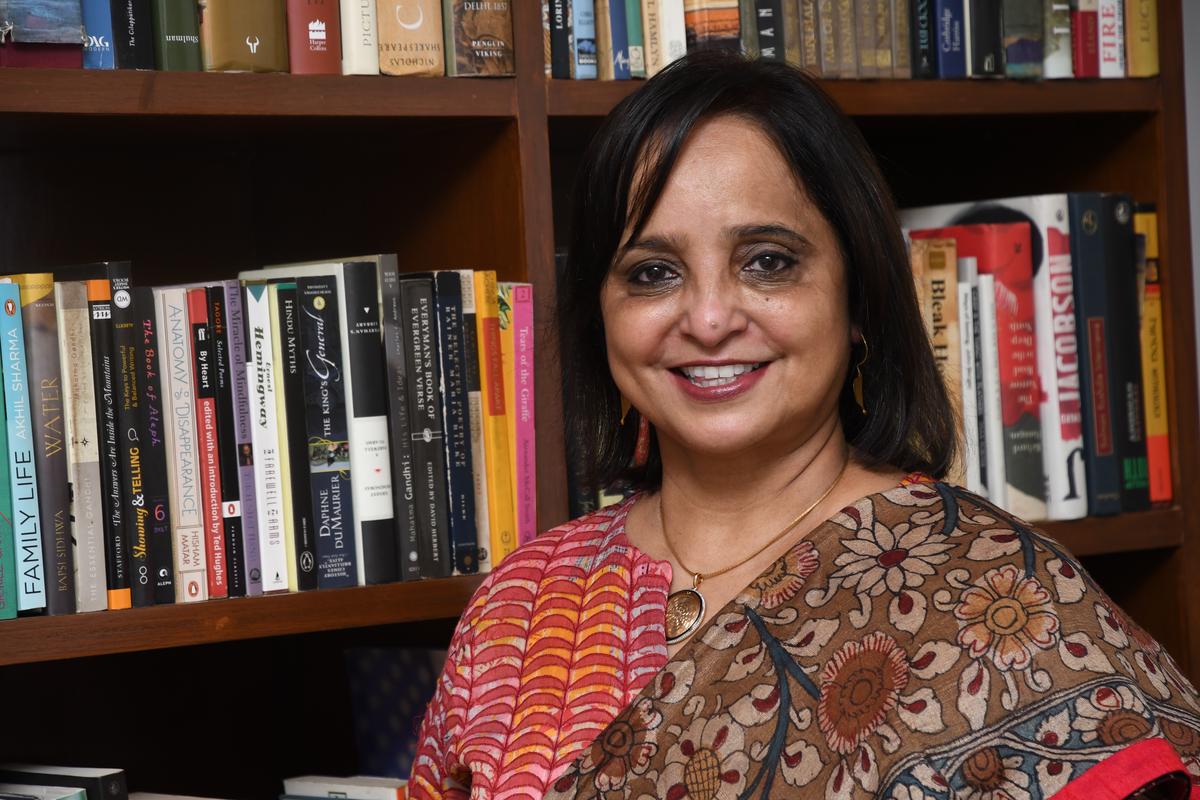
Nirmala Lakshman

Nirmala Lakshman
| Photo Credit:
Special Arrangement

In a world where literature festivals have mushroomed and continue to proliferate across the country, the only way you can stand out is by ensuring that the fundamentals of your festival are “spectacular”, she adds. “If your programming is world-class, intelligent, entertaining, and ranges across a wide spectrum, your festival will stand out and attract people to it,” says Rachna, who firmly believes that books and writers should be at the heart of any literature festival.

While LFL as a festival has grown both “exponentially” and “organically” over the last decade and a half, “what is important to me is that no matter how big we have grown, there is still something quite intimate about our festival.”
Rachna Singh Davidar, the festival director for The Hindu Lit for Life

Rachna Singh Davidar, the festival director for The Hindu Lit for Life
| Photo Credit:
Special Arrangement

Rachna views The Hindu Lit For Life Dialogue in Bengaluru and Hyderabad as its own distinct festival, rather than an offshoot of The Hindu Lit For Life in Chennai. “They are smaller, and there is a lot more interaction between individual speakers and the audiences,” she says, recalling how, at the previous edition, some speakers were whisked away by students for coffee and conversation right after their sessions.

“I hope there will be even greater interaction between writers and their readers going forward. We had a terrific first year in Bengaluru and are hoping for an even grander turnout this year.”

The Bengaluru Edition of LFL Dialogue 2025 will be held on November 21, from 4pm at the Museum of Art & Photography (MAP), Bengaluru. Entry is by invitation only. To register, visit: https://forms.thehindu.co.in/litforlife2026dialogues/
Published – November 17, 2025 06:32 pm IST


Source link

Why Samantha Ruth Prabhu is betting big on pickleball’s India boom


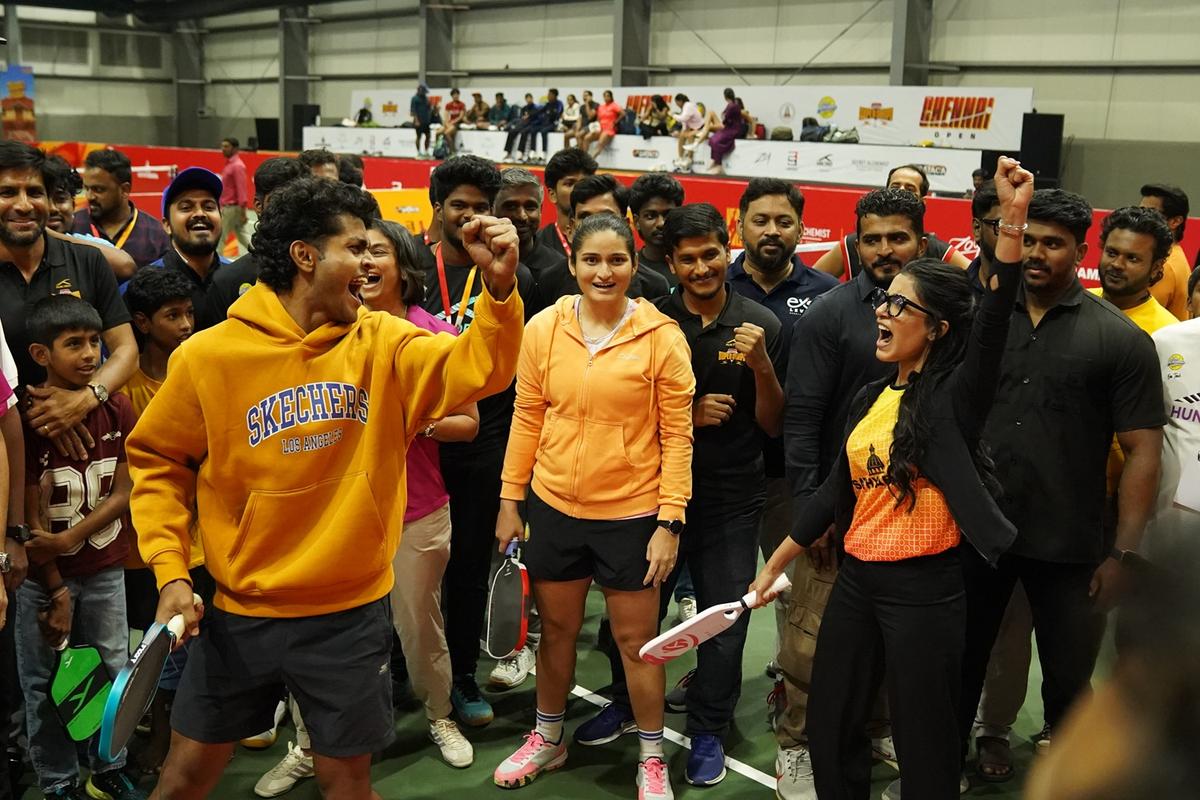
Samantha Ruth Prabhu lets out a loud hurrah on pickleball court no. 5 at Chennai’s Sathyabhama University — she has just hit a winner. At The Arena inside this campus, where the Chennai Open was recently played, you would hardly think of pickleball as a nascent sport. With more than 500 registrations across 40-plus categories, players battled for on-court glory and a prize pool of ₹25 lakh in a sport that blends badminton, tennis and table tennis — earning it the catchphrase: “the game anyone can play”.

In the middle of the action is actress Samantha, whom many of us know as the leading lady of superhit films like Theri and Rangasthalam. As the owner of Chennai Super Champs, which will compete at the World Pickleball League Season 2 beginning January 2026, the actor is determined to use her star power to draw attention to the sport.

“My biggest dream has been to see India go from being a sports-watching nation to a sports-playing one,” she states, “Pickleball will take us there… because it is the most non-intimidating sport. It can build communities.”

Samantha during the Chennai Open at Sathyabhama University

Samantha during the Chennai Open at Sathyabhama University
| Photo Credit:
Special Arrangement

In Chennai alone, the number of courts has increased dramatically over the past year or so, with players migrating from other racquet sports to pickleball. It is the case in many other Indian cities as well. In the recently-concluded Chennai Open, the organisers had to close entries because “the demand was crazy”. Samantha admits she did not expect this momentum. “When we signed the deal [with Chennai Super Champs] one and a half years ago, I had no idea that the sport was going to grow so massively.”

That signing remains special to her because Samantha — who hails from Pallavaram in the city – was determined to bag the Chennai team. “I remember Gaurav [Gaurav Natekar, CEO, World Pickleball League] was not ready to give the Chennai team. I told him, ‘If I’m not getting Chennai, I’m not doing this.’ It’s important that whatever I do has to tie with home and where I come from. Today, I might be up and about in many places but everything returns home.”

Health matters

The actor’s fascination for pickleball also ties is neatly with her interest in health and fitness — the theme of her popular podcast called ‘Take 20’. Her interest intensified, she says, because of own health complications. (In 2022, Samantha was diagnosed with myositis, a rare autoimmune condition that causes muscle weakness and fatigue.)

Samantha

Samantha
| Photo Credit:
Special Arrangement

“Even though I had the luxury of having access to the best doctors and medical treatment, I felt an immense sense of helplessness as I did not have the education to handle what I was going through,” she recalls, “I remember thinking that no one should feel this helpless. Although people follow me for films, they are also consuming these health tips that might come in handy someday. People have multiple life problems, but when they have a health issue, that becomes the only issue.”

Months of hospital visits and constant medication also meant that Samantha had to apply the brakes on her thriving film career. “As actors, we have this ego that we are invincible and film projects will keep coming. You don’t ever think that all this will suddenly stop. When I was diagnosed with myositis, life just came to a halt.”

This forced break led to new ideas, including perfume brand, Secret Alchemist, and a fashion venture, Truly SMA. “I’m thriving now, with the most work I have ever had. Everything that you see about me is a result of what I envisioned during those dark times. I’m living everything that I dreamt of,” she smiles.

She is also excited about returning to films in a bigger way. “I’m currently producing and starring in Maa Inti Bangaram. It is extremely exciting and fun. It feels so good to be back on a film set.”

For the moment, though, she is happy playing pickleball games with her team.

Full-time actress or part-time player? She laughs. “I’m average. But I’ve improved a lot because I make it a point to play three times a week,” she says. Then, she challenges us to a game — and we accept.

WPBL Founders Gaurav Natekar and Arati Ponappa Natekar

WPBL Founders Gaurav Natekar and Arati Ponappa Natekar
| Photo Credit:
Special Arrangement

Game on

For Gaurav Natekar, sport has been a way of life. An Arjuna awardee, Gaurav has been associated with tennis for a long time. His wife, Arati Ponnappa, too was also a national-level tennis player. Gaurav’s father, Nandu Natekar, was among the top badminton players of his time. “Sport has always been in our blood,” says Gaurav, “Pickleball was an opportunity we saw a couple of years ago. We are happy that the game is growing fast in popularity. Samantha has been a fabulous ambassador for the sport and has been personally involved with the growth of the game.”

Published – November 17, 2025 05:31 pm IST


Source link

From The Lover to Flesh, unpacking the long literary lineage of food and coming-of-age


David Szalay’s Booker Prize-winning Flesh trains a cold light on the awkward, shame-laced education of a young body in the beginning of the novel. It presents István’s teenage fumblings, cigarettes, mall visits, awkward attempts at reciprocity, and repeatedly returns to the small domestic acts that teach him how to be a man: the shared trolley at the supermarket, a bowl of Somloi galuska, the white noise of cigarette smoke. Szalay assembles brief, tactile scenes in which food and sex, appetite and power, fold into one another. 

Food in Flesh operates both as currency and as curriculum. István’s awkward first kisses happen after dessert; the woman, a neighbour, offers him Somloi galuska, a decadent Hungarian trifle made of three types of sponge cake, rum syrup, vanilla custard, and chocolate sauce, served with whipped cream.  And then, with the casualness of someone who confuses care with privilege, kisses him. The domestic ritual of eating becomes the stage for transgression and schooling. The sensory detail of the kitchen, the jar of kovászos uborka fermenting on the balcony, the glass bowls, the paper napkin, grounds scenes of moral ambiguity. Eating, sharing, being fed: these are the ways István learns what adults expect, and how desire is negotiated, normalised, or shamed. 

Szalay’s contribution is his cool minimalism, which converts those domestic, often humiliating, moments into rites of passage. István’s furtive McDonald’s meal after sex; the Big Mac as a deflated punctuation to an act that should, by cultural script, confer transformation. These are Szalay’s small ironies. The novel asks: when the rite is perfunctory, what becomes of the initiate? István leaves the woman’s flat the same person in essence; yet each bowl of dessert, each cigarette, leaves a trace of education on his body and conscience. 

Food as a tool and weapon

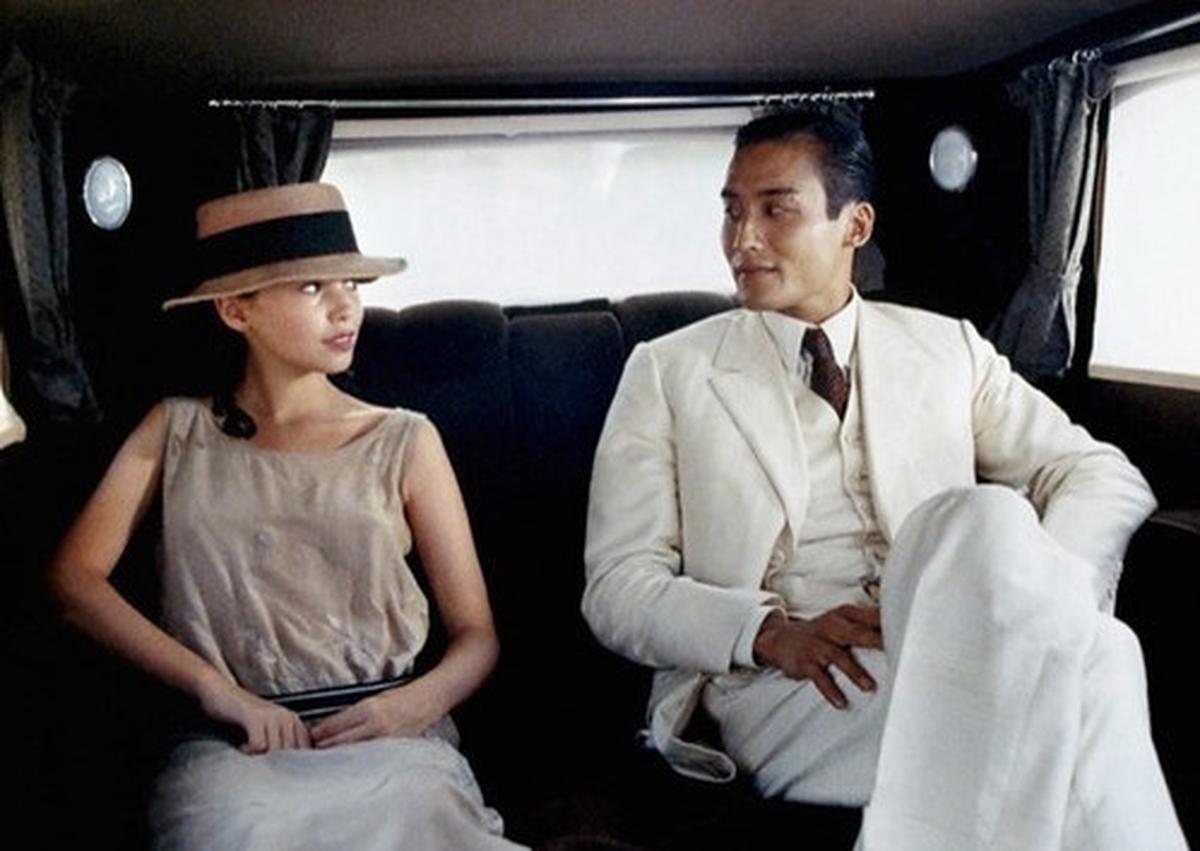
A still from the 1992 film adaptation of The Lover by Marguerite Duras.

A still from the 1992 film adaptation of The Lover by Marguerite Duras.

That linking of appetite and becoming has a long literary lineage. Marguerite Duras’s The Lover frames a young girl’s awakening as an education of appetite. Of being loved, fed, and thereby shaped by an older man’s economy of desire. The affair is as much gustatory as erotic. In a crucial scene, we see the girl with her family seated at a table with her two brothers wolfing down food, barely making conversation or eye contact with her boyfriend who has hosted the meal. It’s a scene filled with lessons on hunger, inequality, class and power around food and the coming of age of the 17-year-old girl. 

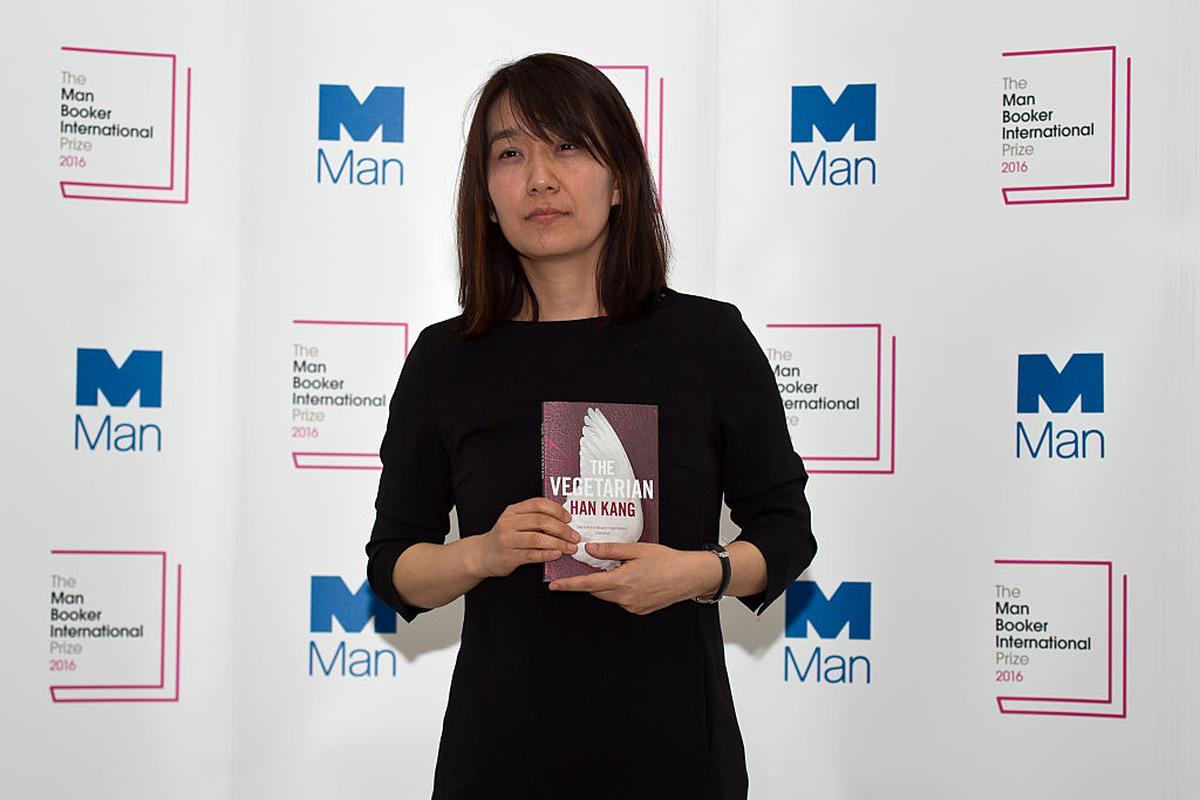
Author Han Kang was awarded the Nobel Prize for Literature 2024.

Author Han Kang was awarded the Nobel Prize for Literature 2024.
| Photo Credit:
Getty Images

Han Kang’s The Vegetarian, which won the Booker prize in 2016, presents hunger as refusal. In the novel, abstinence is an ethical and bodily revolt that turns eating into a site of psychic fracture. Where Szalay’s scenes show appetite as initiation into a sometimes brutal adult world, Kang’s Yeong-hye chooses not to eat as an act that signals autonomy and, ultimately, self-erasure. Both authors, however, make clear that food is never neutral: it is moral, erotic, and existential. 

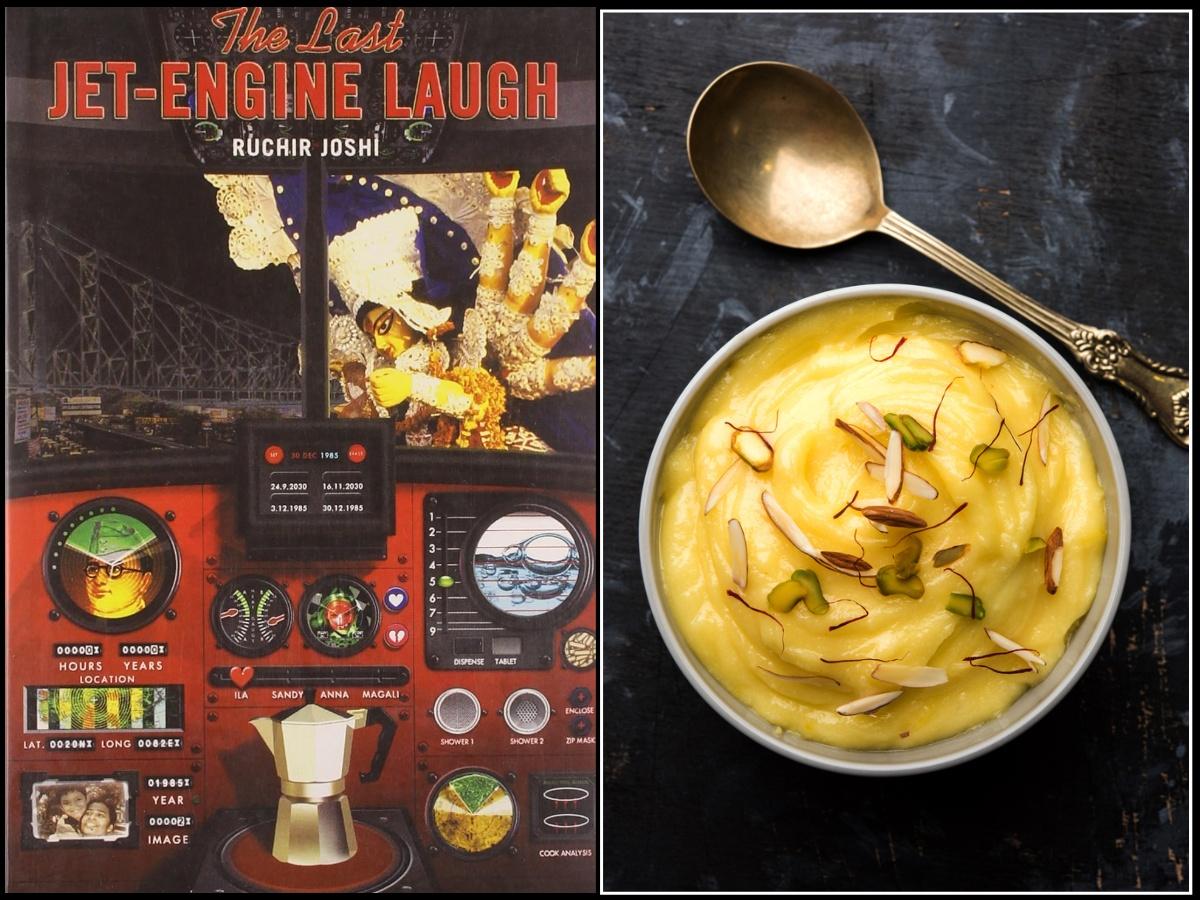
In Ruchir Joshi’s The Last Jet-Engine Laugh (2001), a bowl of shrikhand passed around at a party lends the busy scene a touch of sexual farce and a moment when food and flirtation collapse into laughter and embarrassment. Likewise, Khalid Jawed’s Nemat Khana (The Paradise of Food) transforms the kitchen and its tools into metaphors for human relations and craving, where food stands in for both inheritance and loss. The novel states: “Food and nourishment move human life, but also corrupt human life.” Much like how pairing of sustenance and danger echoes the food/ sexual politics in Szalay’s novel.

Consider Butter by Asako Yuzuki, where butter-rich rice and soy-sauce-soaked meals become charged sites of sensuality and power. Yuzuki shows how cooking is seduction, butter is weapon, and eating becomes confession. Food becomes erotic, indulgent, a tool for murder and transgressive all at once. 

Schooling begins at the table

If Butter simmers with moral unease, Dominican-American writer and poet Elizabeth Acevedo’s With the Fire on High transforms cooking into self-expression and healing. Her protagonist, Emoni, is a 17-year-old unwed young mother with culinary brilliance, who blends flavours from her heritage into dishes that are both memory and desire. Appetite here is not guilt or rebellion but possibility and the fire that sustains. 

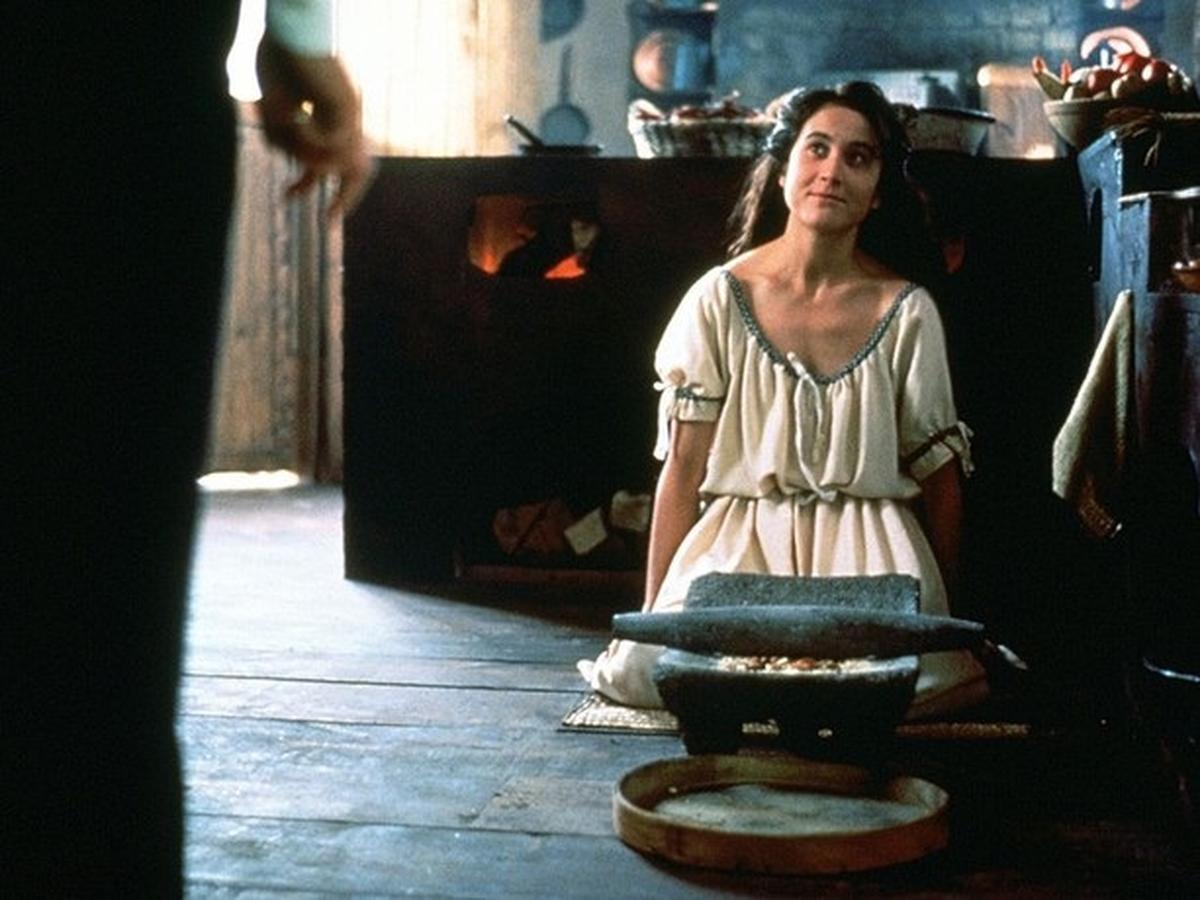
A still from the 1992 movie adaptation of Laura Esquivel’s novel, Like Water for Chocolate.

A still from the 1992 movie adaptation of Laura Esquivel’s novel, Like Water for Chocolate.

Likewise, in Like Water for Chocolate by Mexican-American writer Laura Esquivel, the recipes act as spells that channel emotion into sustenance. Appetite is then a grammar of becoming. For adolescents, food often precedes vocabulary; taste teaches what words cannot. In Flesh, the young István learns to be seen, to be touched and then judged, around food and by the kitchen table. The lessons are imperfect: confusion, shame, and a strange mix of disgust and arousal. Szalay refuses grand epiphanies; instead, he trusts the aggregate force of domestic scenes, bowl by bowl, kiss by kiss, to narrate a life.

Many of these novels remind us that the first schooling happens at the table. Appetite, whether met or denied, is where we first learn whose hunger counts, and what it costs to be fed.

The writer is the author of ‘Temple Tales’ and translator of ‘Hungry Humans’. She is working on her first cookbook.

Published – November 17, 2025 02:39 pm IST


Source link

The Script, Jason Derulo and arm wrestling at Shillong’s Cherry Blossom Festival 2025


After spending an entire day in flights and taxis to get Shillong, my first real taste of Meghalaya came in Nongpoh, with a comforting plate of jadoh — yellow rice with pork — which felt like a quiet prelude to the chaos ahead.

This was also my first-ever concert experience, which I admitted shyly to another festival-goer. She grinned and said, “That’s perfect — you won’t know what to expect.” She was right.

The following morning, the city prepared to host its celebrated music fête, the Cherry Blossom Festival. Strolling the narrow, bustling streets, packed with traffic as travellers from across India arrived, I could feel the city picking up rhythm, building toward a full-blown crescendo by evening when the concert began.

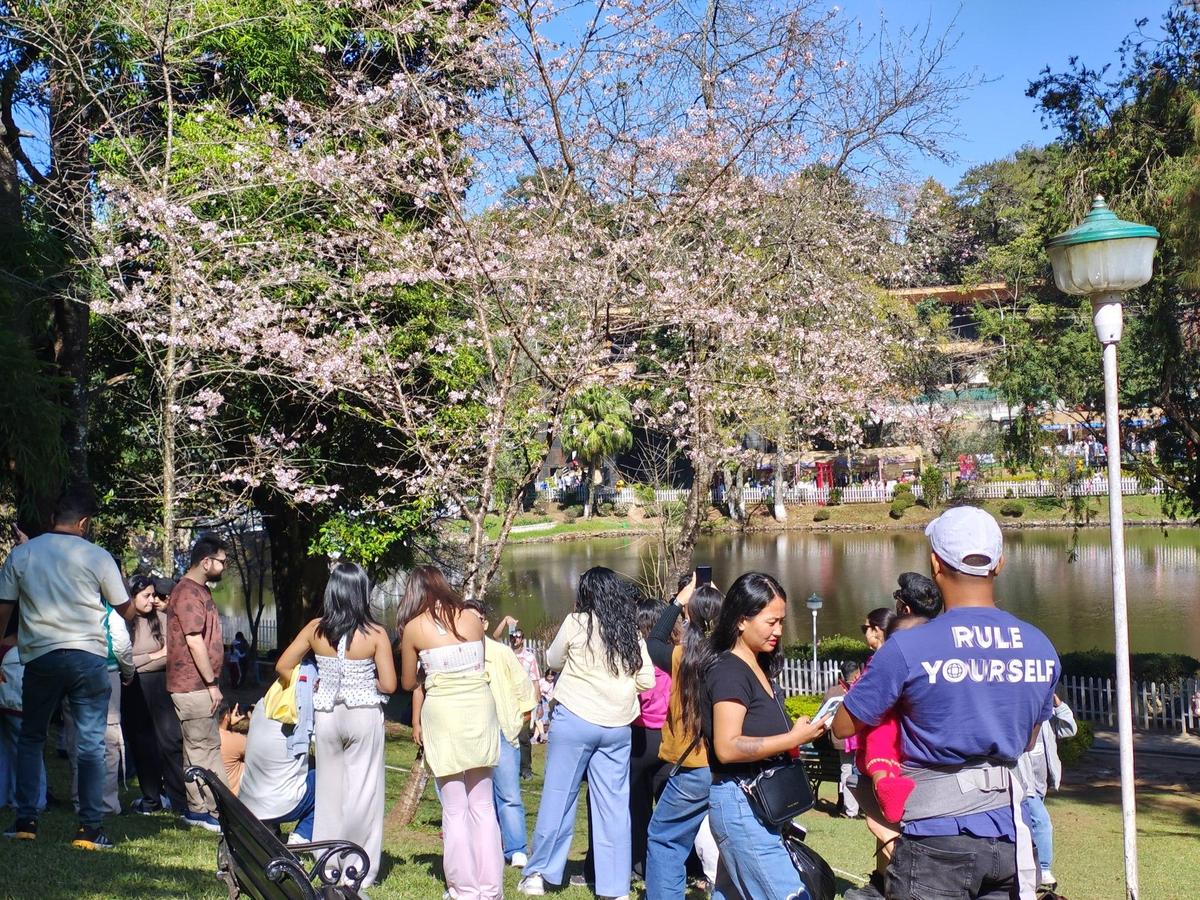
Across the city, festival pockets were warming up, including Ward’s Lake — home to the Japan Arena and one of the festival’s most beautiful venues, where the cherry blossom trees bloom. The setting, reminiscent of an anime sequence with its pink florals, torii gates and lanterns, is a homage to the cultural ties between Japan and Meghalaya. From stalls selling fruit wines to origami workshops and photo points with patrons in kimonos, this quaintly pink corner lived up to its status as a festival landmark.

Scenes from Shillong's Cherry Blossom Festival

Scenes from Shillong’s Cherry Blossom Festival
| Photo Credit:
Nainu Oommen

Earlier, a few music artists from the Meghalaya Grassroots Music Project performed at this venue. One of them, Daphi Pyngrope, a diehard Adele fan, said, “I am so excited to be here at this festival, and I am looking forward to watching The Script.”

Hip hop, Alt rock and wrestling

This unpredictability — strobing lights, sharply dressed crowds, and the sheer scale of the Jawaharlal Nehru Stadium — hit me all at once as adL and Dappest opened the night. Thousands had gathered at the auditorium for an evening of musical spectacle.

Originally from Shillong, the hip-hop-R&B duo, adL and Dappest, says, “It feels amazing to perform here. It’s our home turf, and the music culture here is fantastic.” The act lasted 30 minutes, consisting of originals from their albums At Your Service and Heartbreaks and Heartbeats. The duo combines lyrical quality of hip-hop while maintaining a smoothness in sonic texture, as heard in R&B music.

Scenes from Shillong's Cherry Blossom Festival 2025

Scenes from Shillong’s Cherry Blossom Festival 2025
| Photo Credit:
Special Arrangement

At the second venue, I caught the Shillong-based alt-rock band, Bending Waves. Their act featured an unreleased original called Pain, and a few other tracks.

The festival ground featured a mix of events from a pageant competition to arm wrestling. It was fascinating to watch the men’s and women’s categories battle it out, while the crowds cheered them on. The wrestlers had coaches on their side, giving them tips and motivating them to push after each bout.

When the adrenaline got me hungry, I joined the crowds at the food stalls, offering tender crispy pork and buttery fried silkworms. The smoked pork refried in the oil with onions and chillies, were little crispy salt bombs, combining beautifully with the slight sweetness of lightly fried onions. The green chillies give it an extra kick. Other dishes in the menu included smoked beef, prawns and chicken drumsticks.

Scenes from Shillong's Cherry Blossom Festival

Scenes from Shillong’s Cherry Blossom Festival
| Photo Credit:
Nainu Oommen

The Headliners on heartbreak

Canadian dancer-actress Nora Fatehi set the stage on fire dancing to Yo Yo Honey Singh’s ‘Payal’ and ‘Kusu Kusu’ sung by Dev Negi and Zara Khan from the movie Satyamev Jayate 2, among others. She sang and performed her original, ‘It’s True’, featuring CKay, on stage. Nora also crooned her song ‘Oh Mama! TETEMA’, sung by Shreya Ghoshal and Rayvanny. While the actor’s moves brought a burst of energy to the evening, her singing could have been better.

Nora Fatehi at Shillong's Cherry Blossom Festival 2025

Nora Fatehi at Shillong’s Cherry Blossom Festival 2025
| Photo Credit:
Special Arrangement

Jason Derulo took the stage with his track Swalla featuring Nicki Minaj. He pushed up the tempo with ‘Let Me Take You Dancing’ and ‘Spicy Margarita’. The crowd erupted when he sang his iconic ‘Jalebi Baby’, featuring Tesher.

Headliners The Script got on the stage a few minutes after eight. The lead singer of the Irish rock collective, Danny O’Donoghue, made a dramatic entrance through the visibly delighted crowd. The band, which was performing in India for the first time, began with a rendition of ‘The Man Who Can’t Be Moved’, moving the crowd with soulful verses about heartbreak, born out of personal experiences. They also dedicated their song ‘If You Could See Me Now’ to the late Mark Sheehan.

The most moving moment came when they invited a fan, Mihir to perform with them. Mihir and Danny played ‘Never Seen Anything Quite Like You’ on the piano, while the stadium joined in. Holding up a banner with a chat screenshots of Danny promising him a video call, Mihir ran up to the stage, cheering, as if he had waited his whole life for that moment. “I always keep my promises,” Danny stated on stage before asking him, to sit down and play the piano with him. Mihir was asked to play a single key. He also sang a few lyrics of the song on the mic.

The collective sang their hits ‘For the First Time’ and ‘Break Even’ during their set. They concluded with the song Hall of Fame, which proved an emotional song for the crowd and me. The lines, “You can move a mountain, you can break rocks,” resonated with many of us in listening and waving our hands, as we await our hall of fame moment in life.

Published – November 15, 2025 06:06 pm IST


Source link

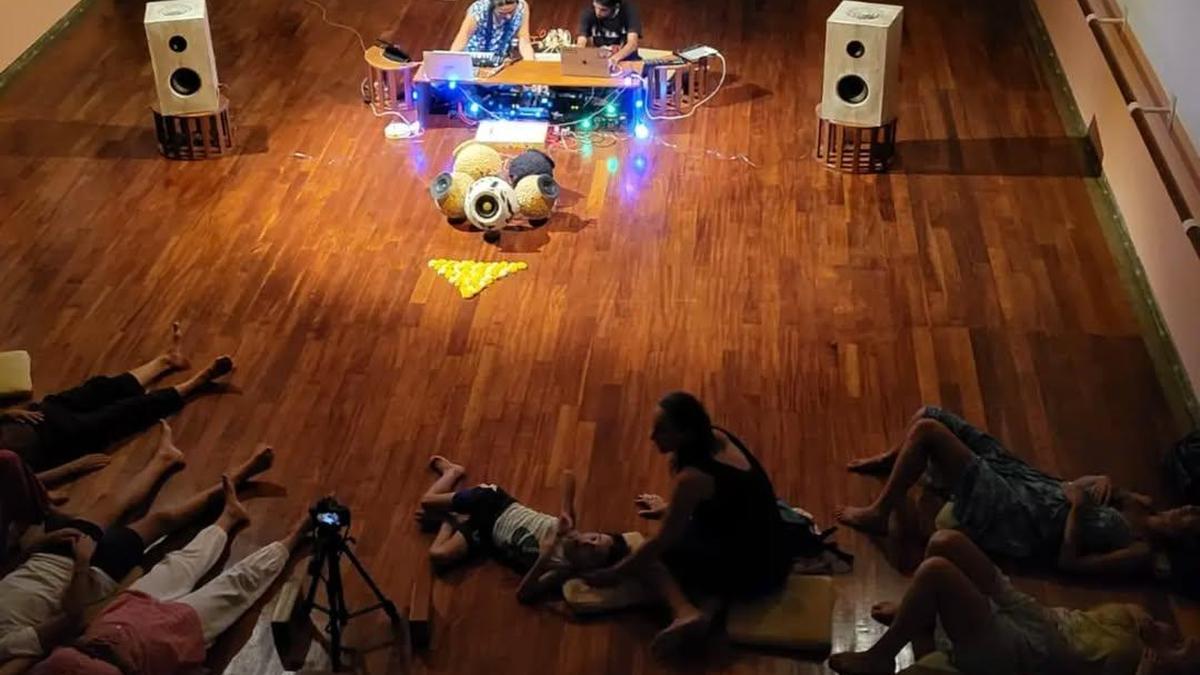
Kozhikode hosts unique ambient music event, Listening State: Vol 1


Ambient music artistes Atomic Phantom and Sacred Seeds at a collaborative event

Ambient music artistes Atomic Phantom and Sacred Seeds at a collaborative event
| Photo Credit: Special Arrangement

A bunch of ambient music artistes from different parts of the world will gather in Kozhikode today for the debut edition of Listening State, an ambient music festival showcasing a new acoustic experience in Kerala. 

Founded by electronic musician and experimental music enthusiast Wasim Kozhikode, whose ambient electronic music project Sacred Seeds, has performed at renowned festivals such as Magnetic Fields, Hilltop Festival, and Bloom in Green, Listening State opens the doors to an alternative sound culture. 

It is being presented in collaboration with Utopian Dystopia, a pioneering art and music platform known for bridging creative disciplines and cultivating independent cultural movements across Kerala. 

A niche genre, ambient music makers create an environmental soundscape, layering textures of sound to offer a deep listening experience. Conceived as a platform for experimental and exploratory music, the idea is to build a community that listens deeply, says Nisham Husain, founder of Utopian Dystopia. “The event brings together talented ambient musicians, who have been creating deeply inspiring soundverses and an informed audience that has been following ambient music,” Nisham adds.

A community-driven initiative, each volume of Listening State would present live electronic acts, sound artists, and improvisers who approach music as cultural exploration. The project exists to build a thoughtful audience for exploratory sound and to nurture collaboration across disciplines of art, technology, and design.

Apart from Wasim of Sacred Seeds, whose music blends synthesis, field recordings, and experimental sound design, the event features Atomic Phantom, founded by Japanese artist, designer and composer Jyoti Naoki Eri, based in Auroville. He has nine ambient albums to his credit and founded his own music label, Nādāsana, in 2022. Bufogaudi, an electronic music project of Oman-based artist Zeyad, co-founder of After 12 Collective, a key group in Oman’s experimental music scene, whose sound bridges ambient atmospheres with intricate rhythmic work.

Firas Shambeh’s Shoomb Sounds, electronic music producer from Muscat, Oman, who creates  experimental soundscapes from downtempo IDM (intelligent dance music) to uptempo techno and darkpsy (sub genre of psytrance). Shoomb now performs live using modular gear and hybrid DAW setups at art exhibitions, commercial shows, and international festivals including HillTop and Mutek. Firas is the co-founder of the After 12 Collective. 

Maheshwar Mannat and Shihad Huzzain, an ambient–experimental duo weaving piano and handpan into soulful, meditative soundscape, will also be showcasing their music. Shihab, a composer and producer, and Maheshwar, a drummer turned handpan artist, explore the space between rhythm and stillness. 

Adding to the mix will be Shoombufo, a collaborative project by Firas (Shoomb) and Zeyad (Bufogaudi). Both artists evolved from their roots as a drummer and guitarist into curators of electronic music with influences from progressive rock, heavy metal and reggae music. The duo crafts experimental work ranging from ambient, IDM, to Psytrance. 

Each set will unfold at the event as a curated sound experience, pairing live audio manipulation with immersive visual art.

It will be held at The Heritage, Kozhikode Beach, from 5pm to 10pm. 


Source link

Behind Zohran Mamdani’s hand-drawn, community-driven visual design


When Zohran Mamdani hit the streets of New York, he didn’t just run a campaign, he demonstrated how visual design and brand strategy can shape political history. Through strategic visual and verbal communication, he built a movement that inspired over two million New Yorkers to vote. The highest turnout the city had seen since 1969. Every poster, speech and social media post worked to communicate trust, authenticity, and drive action.

Your brain can recall an image in less than 13 milliseconds. That’s faster than a blink. And Zohran Mamdani’s campaign made every millisecond count.

One of the most immediately recognisable visual elements was its hand-drawn typography. It felt warm, personable, and lived-in, the exact opposite of the corporate aesthetic strangling American politics. After Obama’s “HOPE” campaign, political branding had defaulted almost uniformly to sterile sans-serifs. Yet Mamdani brought back humanist serifs. The letterforms immediately communicated that he was of the people, not positioned above them.

Obama’s “HOPE” campaign

Obama’s “HOPE” campaign

Equally strategic was the colour palette. Traditionally, Democrats default to blue. But Mamdani deployed a charged, electric royal blue paired with golden yellow and orange. The result was almost neon in impact: youthful, bold, and impossible to confuse with establishment politics. This wasn’t just Democratic alignment; it signalled a new Democratic identity.

Hand-drawn typography of Mamdani’s campaign design

Hand-drawn typography of Mamdani’s campaign design

Visually, it signalled authenticity and approachability. Every element evoked the working-class fabric of New York City: bodega awning signage, MTA-era condensed lettering, taxi yellow, playful storefront typography. To South Asian and immigrant New Yorkers, the visual language subtly echoed retro Bollywood film posters. The design didn’t make Mamdani look like an outsider, it made him look like someone already standing in the neighbourhood.

Zohran Mamdani

Zohran Mamdani
| Photo Credit:
Kara McCurdy

Cuomo’s failed switch

Mamdani’s visual language was so powerful that his main opponent, Andrew Cuomo, rebranded mid-campaign after recognising its impact. After his defeat in the June Democratic primary, Cuomo ditched his initial red, white, and blue and rolled out a new logo and colour scheme: blue and orange. Yet, it rang hollow because good campaign design must ring true to the candidate.

Visuals that “spoke” New York

At least 26 billionaires funnelled over $22 million into opposing Mamdani. And yet they lost. One of the reasons was that Mamdani’s campaign was a visual protest in a sea of sameness.

On storefront windows and telephone poles from Queens to the Bronx, to social media graphics, the yellow-and-blue signs declaring ‘Freeze the Rents’, ‘Childcare for All’, and ‘Fast and Free Buses’ stood out from the standard red, white, and blue campaign graphics. The retro, grassroots aesthetic created positive associations (where political campaigns typically evoke negativity and divisiveness), while the messaging spoke directly to the everyday pain of working-class New Yorkers.

Retro, grassroots aesthetic created positive associations

Retro, grassroots aesthetic created positive associations

Mamdani knew exactly who he was speaking to. Through audience segmentation, he spoke to renters, working-class New Yorkers, and young progressives who long felt shut out of the political system. His storytelling was emotionally charged and visually intentional. Just as his merch design choices. They felt wearable in everyday life — on the subway, at a concert or while running errands. It didn’t say, “I support a politician.” It said, “I belong to a community.” From T-shirts and bandanas to tote bags and paper fans, it created a brand that supporters wanted to wear and share, using visual design as a secret tool that made politics feel real and community-driven.

Blueprint for authenticity

Most importantly, the campaign design never positioned Mamdani as the hero. In every ad, video, and poster, the audience was the main character. Most campaigns speak at voters. Mamdani’s design spoke with them and for them.

Over 95% of buying decisions happen in the subconscious mind. And in politics, buying decisions equal buying into candidates’ ideologies, being willing to donate, to mobilise. Visuals have the power to send subliminal cues to the subconscious, lodge into memory, and create trust. Which is why Mamdani’s visual campaign had the power to shift the entire trajectory of his movement.

The language of Mamdani’s visuals didn’t just capture a moment, it created a movement

The language of Mamdani’s visuals didn’t just capture a moment, it created a movement

Its language didn’t just capture a moment, it created a movement. In a political landscape drowning in sanitised mediocrity, its design became the blueprint for what happens when authenticity, cultural fluency, and brand strategy converge. The result wasn’t simply an election win. The result was a movement powered by the people themselves. And that changes everything.

The campaign was designed by Forge, a small co-op agency. Illustrator Rama Duwaji, Mamdani’s wife, also played a role in the visual direction of the brand identity.

Naba Yasir is a brand strategist and designer based in Texas, USA, and is the founder of Lumiere Creative Hub.

Published – November 15, 2025 07:07 am IST


Source link

Behind Zohran Mamdani’s impactful and colourful campaign


When Zohran Mamdani hit the streets of New York, he didn’t just run a campaign, he demonstrated how visual design and brand strategy can shape political history. Through strategic visual and verbal communication, he built a movement that inspired over two million New Yorkers to vote. The highest turnout the city had seen since 1969. Every poster, speech and social media post worked to communicate trust, authenticity, and drive action.

Your brain can recall an image in less than 13 milliseconds. That’s faster than a blink. And Zohran Mamdani’s campaign made every millisecond count.

One of the most immediately recognisable visual elements was its hand-drawn typography. It felt warm, personable, and lived-in, the exact opposite of the corporate aesthetic strangling American politics. After Obama’s “HOPE” campaign, political branding had defaulted almost uniformly to sterile sans-serifs. Yet Mamdani brought back humanist serifs. The letterforms immediately communicated that he was of the people, not positioned above them.

Obama’s “HOPE” campaign

Obama’s “HOPE” campaign

Equally strategic was the colour palette. Traditionally, Democrats default to blue. But Mamdani deployed a charged, electric royal blue paired with golden yellow and orange. The result was almost neon in impact: youthful, bold, and impossible to confuse with establishment politics. This wasn’t just Democratic alignment; it signalled a new Democratic identity.

Hand-drawn typography of Mamdani’s campaign design

Hand-drawn typography of Mamdani’s campaign design

Visually, it signalled authenticity and approachability. Every element evoked the working-class fabric of New York City: bodega awning signage, MTA-era condensed lettering, taxi yellow, playful storefront typography. To South Asian and immigrant New Yorkers, the visual language subtly echoed retro Bollywood film posters. The design didn’t make Mamdani look like an outsider, it made him look like someone already standing in the neighbourhood.

Zohran Mamdani

Zohran Mamdani
| Photo Credit:
Kara McCurdy

Cuomo’s failed switch

Mamdani’s visual language was so powerful that his main opponent, Andrew Cuomo, rebranded mid-campaign after recognising its impact. After his defeat in the June Democratic primary, Cuomo ditched his initial red, white, and blue and rolled out a new logo and colour scheme: blue and orange. Yet, it rang hollow because good campaign design must ring true to the candidate.

Visuals that “spoke” New York

At least 26 billionaires funnelled over $22 million into opposing Mamdani. And yet they lost. One of the reasons was that Mamdani’s campaign was a visual protest in a sea of sameness.

On storefront windows and telephone poles from Queens to the Bronx, to social media graphics, the yellow-and-blue signs declaring ‘Freeze the Rents’, ‘Childcare for All’, and ‘Fast and Free Buses’ stood out from the standard red, white, and blue campaign graphics. The retro, grassroots aesthetic created positive associations (where political campaigns typically evoke negativity and divisiveness), while the messaging spoke directly to the everyday pain of working-class New Yorkers.

Retro, grassroots aesthetic created positive associations

Retro, grassroots aesthetic created positive associations

Mamdani knew exactly who he was speaking to. Through audience segmentation, he spoke to renters, working-class New Yorkers, and young progressives who long felt shut out of the political system. His storytelling was emotionally charged and visually intentional. Just as his merch design choices. They felt wearable in everyday life — on the subway, at a concert or while running errands. It didn’t say, “I support a politician.” It said, “I belong to a community.” From T-shirts and bandanas to tote bags and paper fans, it created a brand that supporters wanted to wear and share, using visual design as a secret tool that made politics feel real and community-driven.

Blueprint for authenticity

Most importantly, the campaign design never positioned Mamdani as the hero. In every ad, video, and poster, the audience was the main character. Most campaigns speak at voters. Mamdani’s design spoke with them and for them.

Over 95% of buying decisions happen in the subconscious mind. And in politics, buying decisions equal buying into candidates’ ideologies, being willing to donate, to mobilise. Visuals have the power to send subliminal cues to the subconscious, lodge into memory, and create trust. Which is why Mamdani’s visual campaign had the power to shift the entire trajectory of his movement.

The language of Mamdani’s visuals didn’t just capture a moment, it created a movement

The language of Mamdani’s visuals didn’t just capture a moment, it created a movement

Its language didn’t just capture a moment, it created a movement. In a political landscape drowning in sanitised mediocrity, its design became the blueprint for what happens when authenticity, cultural fluency, and brand strategy converge. The result wasn’t simply an election win. The result was a movement powered by the people themselves. And that changes everything.

The campaign was designed by Forge, a small co-op agency. Illustrator Rama Duwaji, Mamdani’s wife, also played a role in the visual direction of the brand identity.

Naba Yasir is a brand strategist and designer based in Texas, USA, and is the founder of Lumiere Creative Hub.

Published – November 15, 2025 07:07 am IST


Source link

Bharatiya Vidya Bhavan Bangalore Kendra celebrates diamond jubilee in 2025


The Bharatiya Vidya Bhavan, popularly known as Bhavans, was started in 1938 by KM Munshi. Its reach as a cultural movement soon spread in the fields of literature, performing arts and education as well as spiritual learning. The Bangalore Kendra of Bharatiya Vidya Bhavan began in 1965, and the chapter commenced their diamond jubilee celebrations with Santhavani.

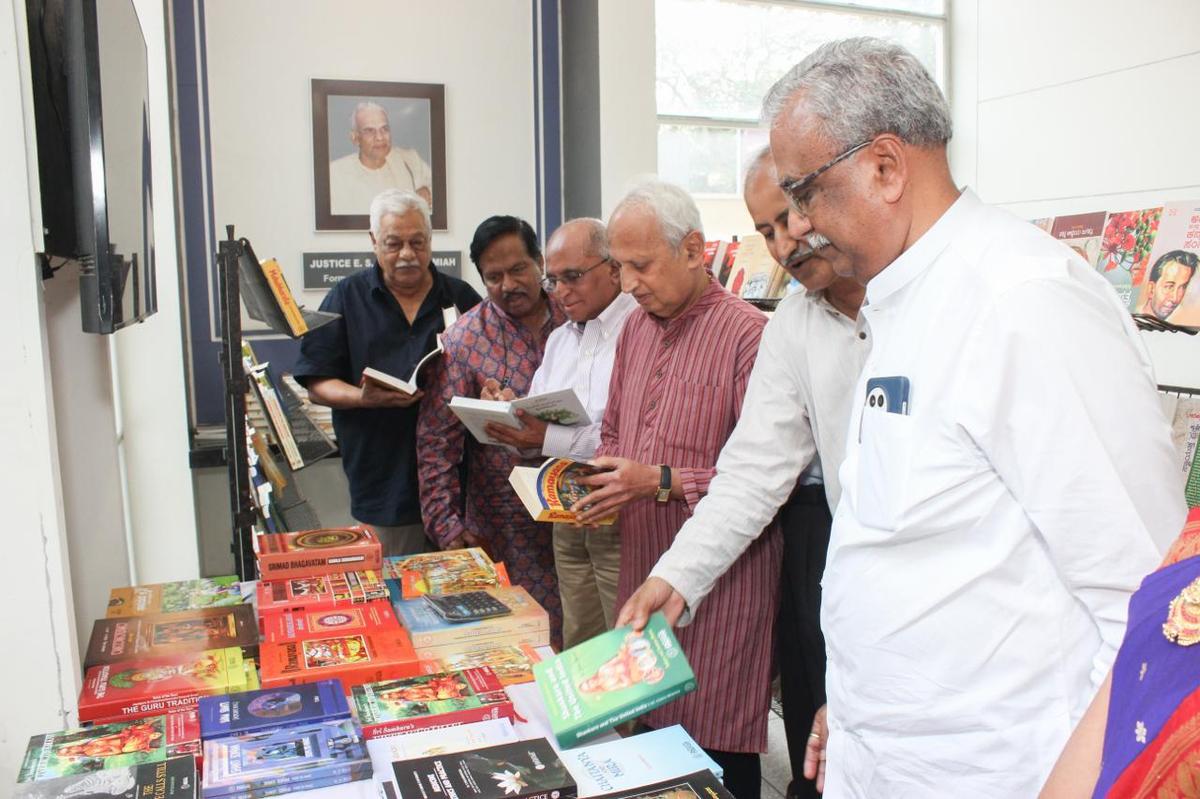
Santhavani was inaugurated by film director TS Nagabharana and columnist Narahalli Balasubramanya, with devotional films in different languages and a book exhibition. As part of their diamond jubilee celebrations as many as 60 programmes have been planned for the following year.

The devotional film festival, which concluded on November 14, will be followed by Santhavani’s Segment Two with lectures, music, dance, drama, choirs and panel discussions scheduled from November 15 to 21.

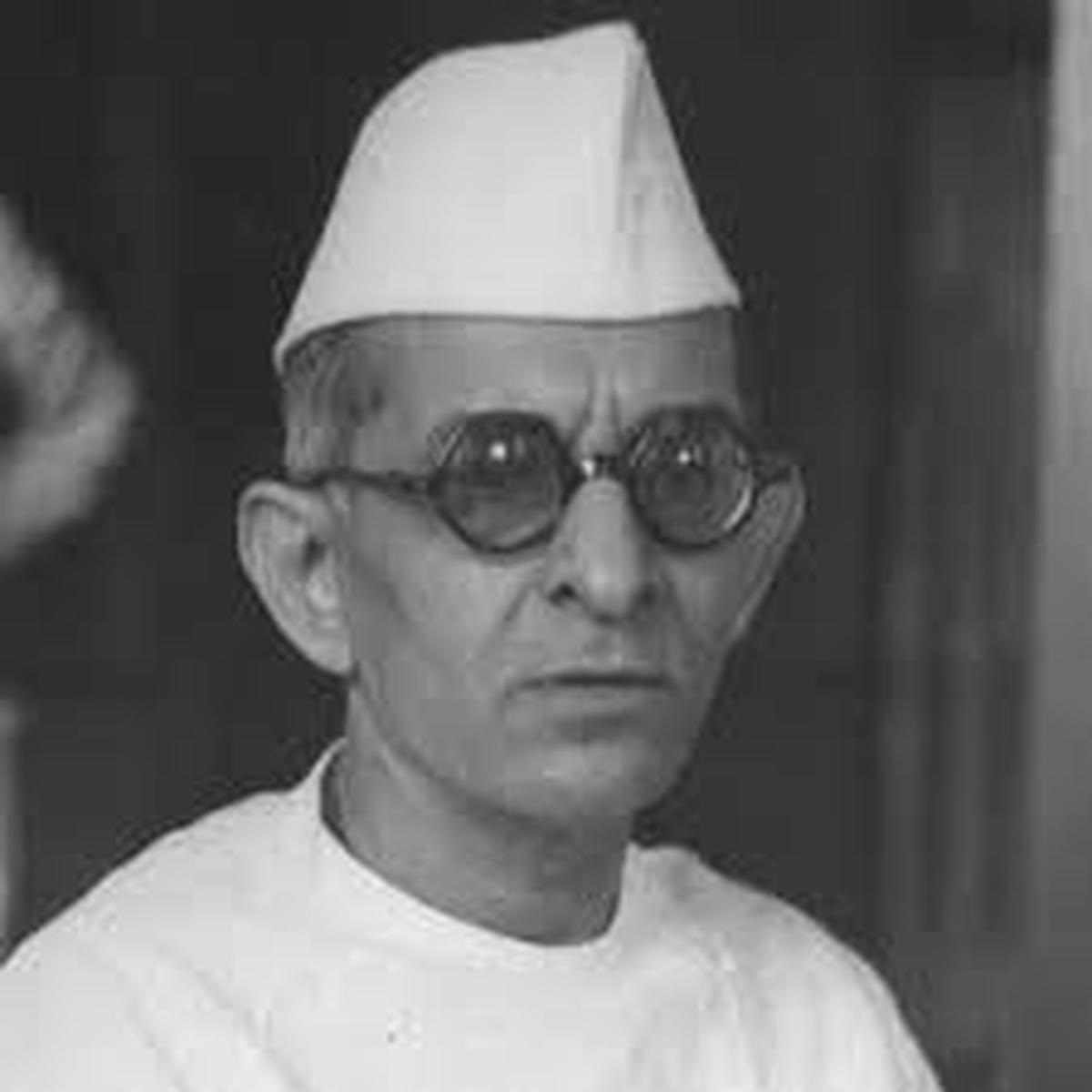
KM Munshi

KM Munshi
| Photo Credit:
Special Arrangement

“Our founder Munshiji, whom we refer to as Kulapati, chose the name Bharatiya Vidya Bhavan because he envisioned it as an institution without boundaries of geography, caste, religion, politics or language,” says KG Raghavan, chairman, Bhavans, Bangalore Kendra. “That is why it is called Bharatiya Vidya (Indian education). In keeping with this, he chose a tagline from the Rig Veda, that translates to let noble thoughts come to us from every side.”

Munshi was a prominent freedom fighter, lawyer, politician and prolific writer. He was on the committee which drafted the Indian Constitution, and served as the Governor of Uttar Pradesh. “India required an institution to foster value-based education and culture that would share ‘vidya’ or knowledge without barrier; Munshi’s passion sowed the seeds for Bharatiya Vidya Bhavan,” Raghavan says.

Talking about Bhavan’s e-book, The History and Culture of Indian People, Raghavan says, “Munshi was a visionary who undertook this mammoth project. Comprising 11-volumes, it took as many as 100 reputed historians nearly 32 years to write and compile it, labouring from 1944 to 1976. It contains nearly 10,000 pages of the nation’s history makers and their accomplishments.”

Later, the Kannada version of the book was undertaken by 60 translators under an advisory committee headed by AV Narasimha Murthy.

Film director TS Nagabharana and writer Narahalli Balasubramanya along with Bhavans Bangalore Kendra chairman KG Raghavan and director HN Suresh at the Santhavanibook exhibition

Film director TS Nagabharana and writer Narahalli Balasubramanya along with Bhavans Bangalore Kendra chairman KG Raghavan and director HN Suresh at the Santhavanibook exhibition
| Photo Credit:
Special Arrangement

Dispelling darkness

The ongoing 60th special was curated by the Bhavans team in Bengaluru to integrate knowledge, wisdom and culture in an effort to bring light to areas of ignorance. HN Suresh, director, Bhavans Bangalore Kendra, says, “Today, Bharatiya Vidya Bhavan has 365 centres in India and 10 centres abroad. We publish thousands of books aside from the ones by Munshi who wrote 150 titles in English, Gujarati and Hindi, and publications in regional languages.”

Suresh goes on to say, value-based education is imparted in 165 Bhavans-affiliated schools across India. “Our association with the Infosys Foundation sees regular cultural programmes throughout the nation.”

Bhavans has brought out a special booklet with messages of hope and appreciation by world leaders and cultural icons who have been associated with the institution. Among them is His Holiness the Dalai Lama, who has said,”Bharatiya Vidya Bhavan makes a special effort to foster religious harmony with an emphasis on sarva dharma samabhav or equal respect for all religions, which I too, wholeheartedly support.”

Jnanapeeth awardee writer UR Ananthamurthy has also penned a few words in the same booklet: “If I have an education in Indian culture, a large part of it is from Bharatiya Vidya Bhavan’s books. At the level of book reading, Bharatiya Vidya Bhavan decolonised India and made us respect ourselves. There are great people in the world whom European colonisers not only cowed into political submission, but also made them forget their past. That could never happen in India, and we owe it to people like Munshi and Bharatiya Vidya Bhavan.”

Segment Two

Santhavani’s Segment Two includes devotional talks, discourses, presentations, music and dance recitals, and panel discussions that cover a gamut of reformist movements and philosophies of all faiths prevalent in India. Former Karnataka chief minister Veerappa Moily, scholar Shatavadhani R Ganesh, former ambassador to UNESCO Chiranjiv Singh will be part of the inaugural function on November 15.

Progressive reform movements, socio-religious efforts, and devotional traditions such as the Natha Parampara and Saints from Orissa are some of the topics that will be discussed. The socio-cultural influence of the Haridasas will be followed by a dance-drama on vachanakars on November 16. Other interesting presentations include the philosophical doctrines of Vallabhacharya Sampradaya, the Tattvapada tradition and a talk on Guru Bani.

“The Evangelist church choir will perform at the evening session on November 18. On November 20, Peter Machado, the Archbishop of Bangalore, will speak in the afternoon, followed by a ‘Message of Islam’ presented by Umar Teekay of Teekays Interior Solutions. This would be followed by a Carnatic music concert by Nithyashree Mahadevan,” says Suresh.

He adds that the concluding day of the festival will feature talks on Jainism and Buddhism and a musical on Ramanuja Vaibhavam. “The scope of Santhavani encompasses a wide range of presentations, both secular and scholarly,” he adds.

Santhavani will take place at Bharatiya Vidya Bhavan Bangalore Kendra till November 21. Entry free, but registration required on bhavankarnataka.com. Call 9845625899 for details

Published – November 14, 2025 10:19 pm IST


Source link

The rise of scent scaping in India’s interior design


It is often and rightly said that scent is the language of inanimate things. Intrinsically associated with memory and emotion, perfumes and aroma play a major role in influencing the mood and atmosphere of any space. In fact, Bengaluru airport recently introduced a special signature scent ‘Dancing Bamboo’ across its terminals. The idea? To make travellers feel relaxed and more at home. Apart from airports, offices, luxury hotels, even homes boast of signature fragrances which elevate the ambience of the space. Scent today is rapidly moving from an optional lifestyle addition to an integral component of high-end and holistic interior design.

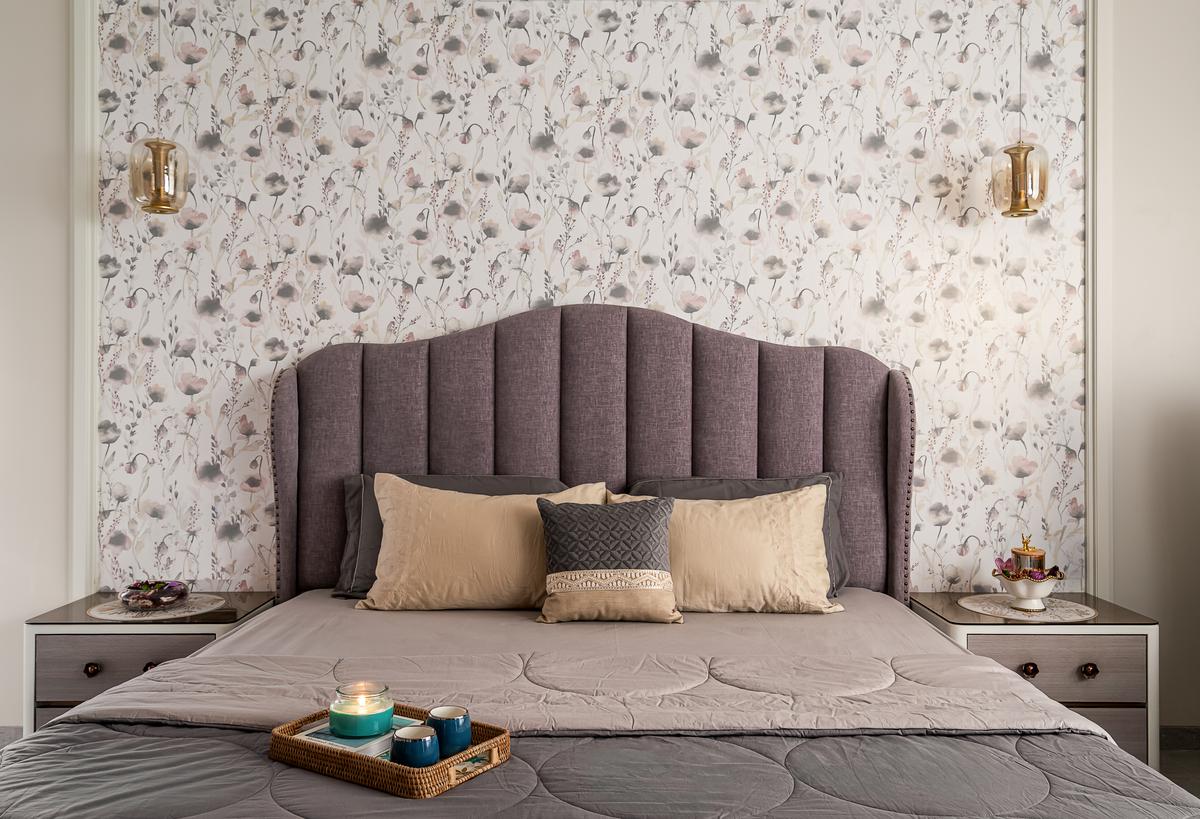
Woody whispers move through the still air, wrapping the space in ease.

Woody whispers move through the still air, wrapping the space in ease.
| Photo Credit:
Ali Tambawala

Integral part of home interiors

Also called scent scaping, there is an increasing number of designers who are making strategic use of aromas to create spaces that feel as good as they look. “Scent has moved from being a decorative afterthought to a design language of its own. The same way you plan your light temperature or wall texture, scent now defines spatial energy. In India, I’ve been doing this for close to a decade; initially, it was a bit of a task to make people understand the concept, with only a few big corporations adopting scent scaping. But now, it has trickled down to homes as well with architects and private clients consciously wanting to build an olfactory identity that’s as intentional as the furniture or the interior aesthetics,” says Pranav Kapoor, 8th generation perfumer and chef.

The rise of wellness-oriented design has made scent scaping increasingly relevant; the right fragrance completes the sensory loop, enhancing comfort, focus and emotional connection. “At Custom Design Stories, we view interiors as multi-sensory environments, not just visual compositions. For us, scent is a subtle design layer that ties function, emotion, and memory together,” says Ananya Sharma, co-founder, Custom Design Stories. An intimate and expressive part of interior design, scent today is that invisible essence that lingers long after someone has left a room. “For me, scent completes a home; it gives emotion to architecture and personality to design. At AE Living, we’ve always believed that a home should not only look beautiful but also feel alive, and fragrance is what breathes that soul into it,” says Vrinda Kumari Singh, creative director, AE Living.

In the hush of neutrals and brass, scent takes over where sight ends.

In the hush of neutrals and brass, scent takes over where sight ends.
| Photo Credit:
Manish Kumar

A fragrance does not just pervade the space; it shapes it and also anchors emotion within a space. It can make a room feel expansive or intimate, vibrant or calm, depending on the tone you wish to set. “It can expand, soften, or tighten the perceived volume of a room. I have designed scents that make marble-heavy interiors feel warmer, or minimal homes feel alive. For example, at a recent project in Gujarat, I created a scent giving the illusion of water fresh, aqua, and moss, which lends a vibe of wilderness and nature without overpowering the space,” adds Kapoor. He adds that the number of scent scaping requests he receives has seen a sharp rise in the recent past. “Clients want something unique, personal yet spatially intelligent. One client wanted his study to smell like ‘fresh rain on sandstone’, while another couple wanted their living room to evoke ‘a courtyard in Madurai at dusk’”, mentions Kapoor.

Designers often draw inspiration from both nature and craftsmanship. “Natural scents, like the raw, earthy aroma of wood veneer or bamboo, are intrinsic to many of our collections, such as the picturesque. These organic notes provide an authentic grounding. Alongside these, intentional fragrances can also be introduced in any space, including carefully chosen essential oils or curated blends that complement the visual narrative of the room. For instance, a nature-inspired mural might pair beautifully with verdant green or mossy undertones, while a heritage-inspired setting like Noor-e-Banaras resonates with hints of sandalwood, rose, or incense,” says Neha Jain, co-founder, UDC Homes.

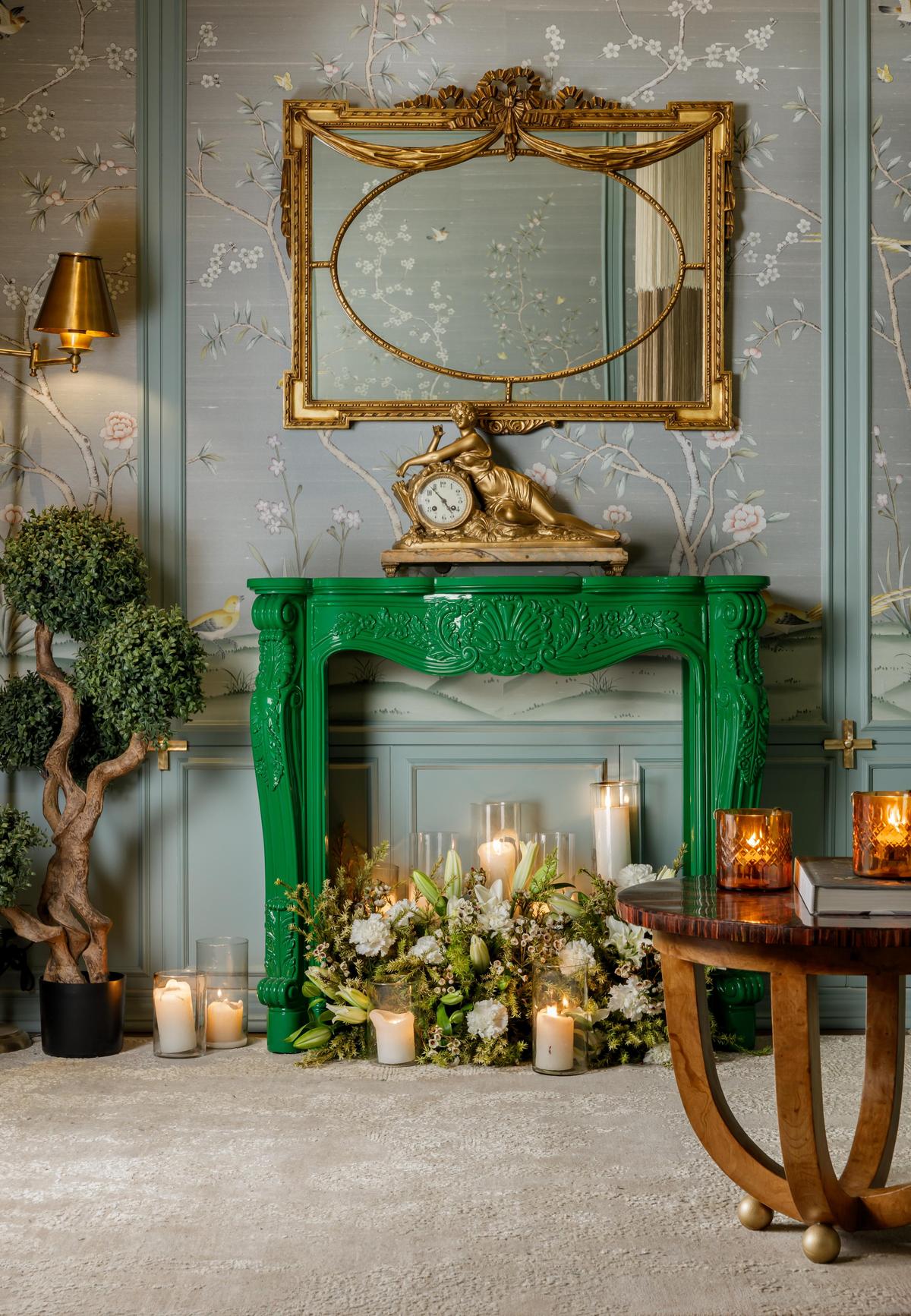
Softly perfumed blooms at the hearth blur the line between décor and emotion. Here, scent completes the story that pattern and colour begin, serene, luminous, and alive.

Softly perfumed blooms at the hearth blur the line between décor and emotion. Here, scent completes the story that pattern and colour begin, serene, luminous, and alive.
| Photo Credit:
UDC Homes

Scents galore

While a crisp citrus or floral scent can infuse freshness and vitality, deeper notes like amber, musk, or sandalwood create an aura of intimacy and grounding. The right scent heightens the personality of a room, lending warmth to minimal interiors, tranquillity to bedrooms and energy to communal spaces. “Earthy scents like sandalwood, cedar and vetiver have a luxurious yet grounding effect and are hence common in libraries or study rooms. Invigorating scents like bergamot, grapefruit, lemon and mint are used in areas like kitchens and bathrooms, while spaces like living and guest rooms envisage the use of floral aromas like rose and jasmine,” says Ali Tambawala, founder, Airspace Studio. He also adds that gourmand perfumes like vanilla, cinnamon and coffee are generally used sparingly, while herbal notes like lavender, eucalyptus and chamomile, known for their therapeutic effects, are normally used in spa bathrooms.

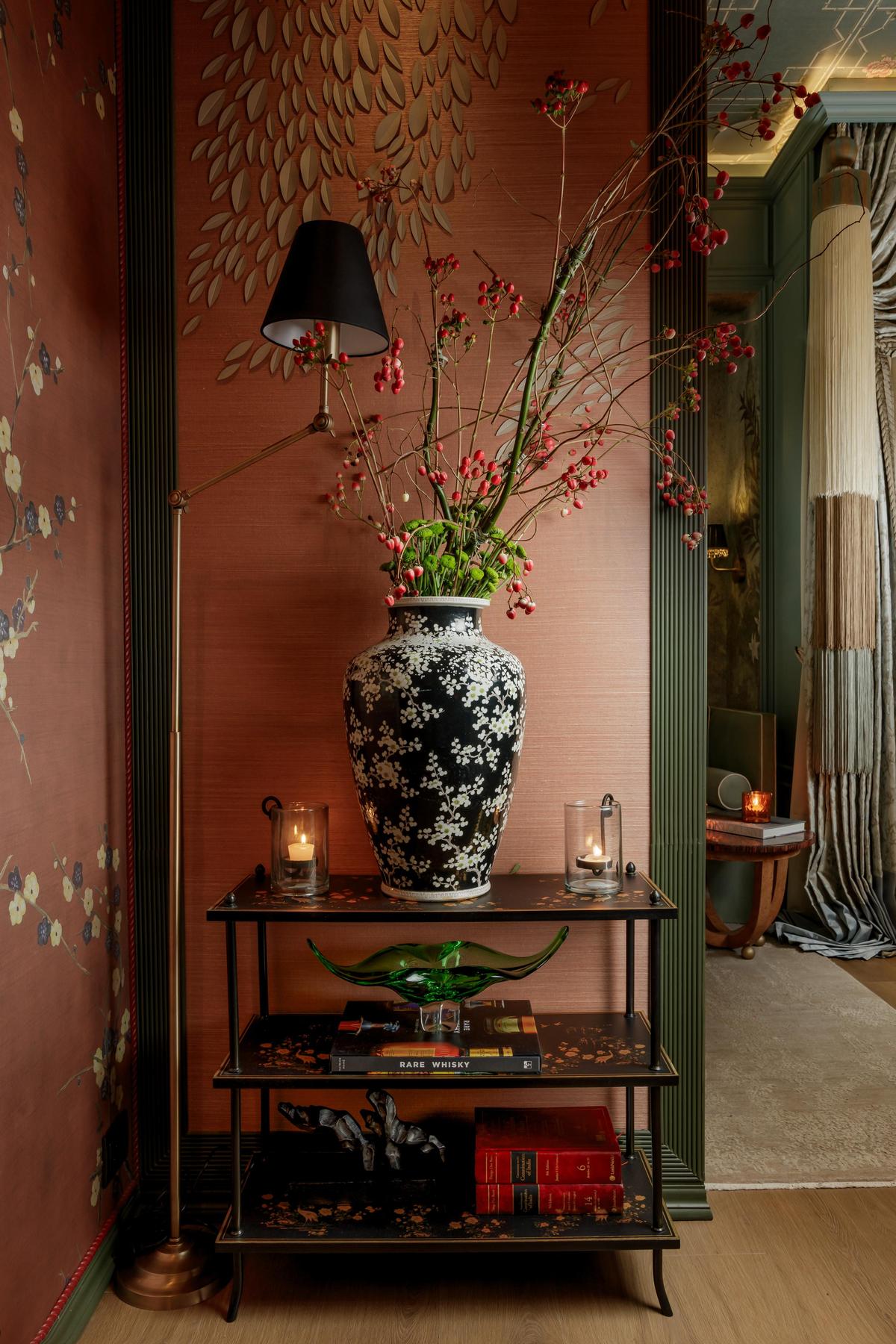
Fragrance finds form in texture and tone, crimson berries, candlelight, and silk walls conjure a scent narrative of warmth and spice, enveloping the corner in quiet opulence.

Fragrance finds form in texture and tone, crimson berries, candlelight, and silk walls conjure a scent narrative of warmth and spice, enveloping the corner in quiet opulence.
| Photo Credit:
UDC Homes

It is common to work with both inherent material scents and intentional fragrances. “Natural materials like wood, leather, concrete and lime plaster have distinct olfactory identities that we respect and allow it to lead the experience. Beyond that, we occasionally introduce intentional fragrances using essential oils or diffusers to subtly enhance the existing mood. The goal is not to overpower but to amplify what’s already there, like letting the texture of oak or the mineral note of stone breathe through the design,” adds Sharma.

Singh says that at AE Living, their signature notes are oodh, jasmine and rose. While oodh adds depth, grounding and quiet luxury, jasmine brings peace, balance, and gentle positivity. Further rose infuses romance and grace. “These beautiful blends are specially curated for us by WIKKA fragrance solutions. Together, we have explored how scent can complement design,” adds Singh.

Implementation cues

The format of dispersion depends on the architecture of the home. “For open-plan spaces or villas, I prefer mist diffusers or intelligent HVAC scenting systems that integrate directly with air ducts. For smaller or ritual corners, I use sprays and brass oil burners with controlled heating so the scent diffuses with the right strength. The intent is seamlessness, the scent should breathe with the space, not sit on top of it,” quips Kapoor. Candles are often used in residential settings for soft evening moods, while sprays are reserved for short-term freshness before a gathering or a party. “Reed diffusers are excellent for constant, low-level scent in smaller, defined areas like bathrooms and foyers,” adds Tambawala.

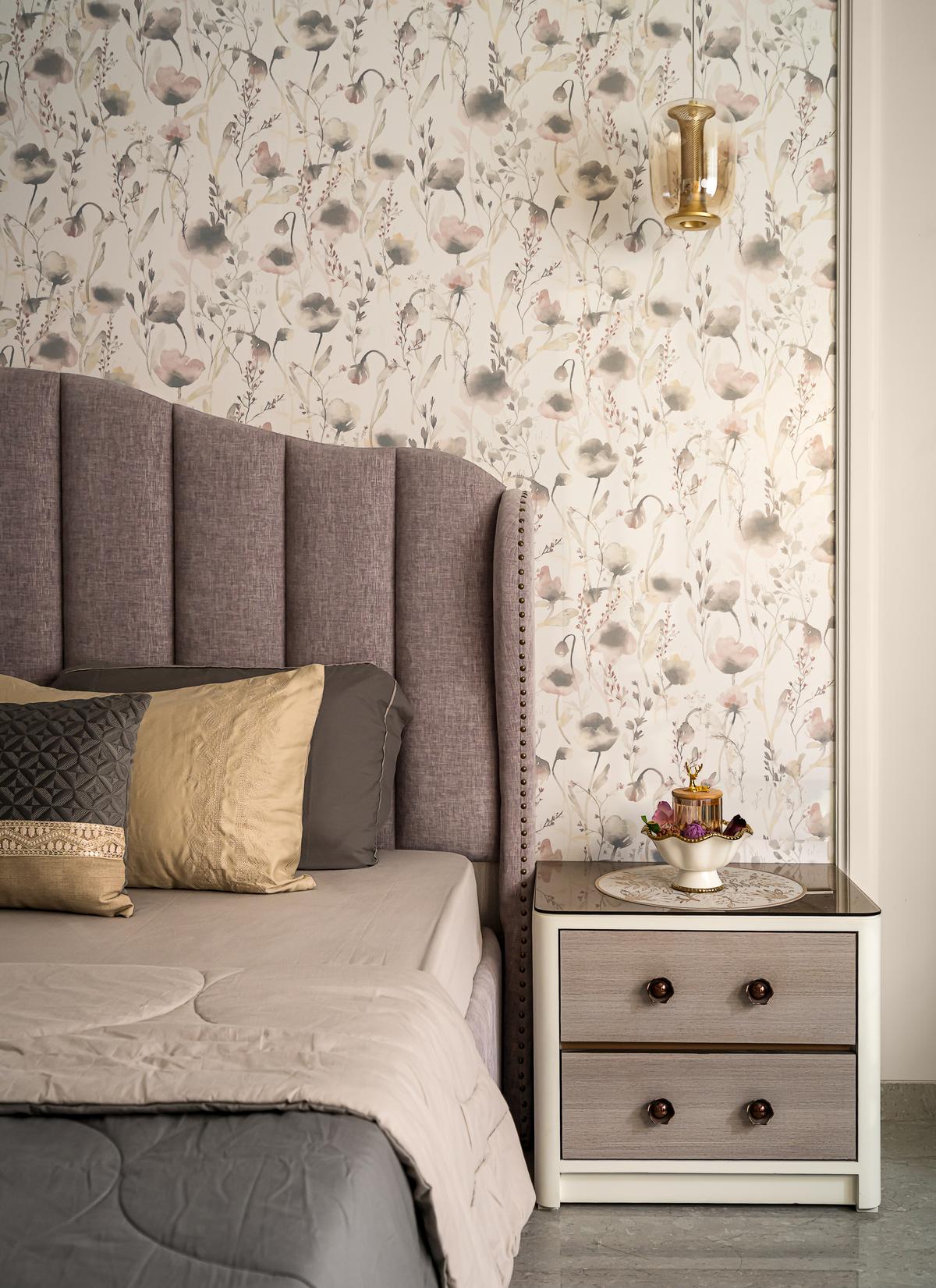
Earthy notes and gentle florals weave a tranquil aura through the space.

Earthy notes and gentle florals weave a tranquil aura through the space.
| Photo Credit:
Ali Tambawala

Fragrance layering should feel architectural, structured and seamless. “Deeper, resinous fragrances travel better in expansive areas, while softer florals or herbal notes thrive in intimate spaces,” adds Jain. Continuity is important; scents should evolve gently from one space to another, not shift abruptly. “Also, the same fragrance behaves differently in a compact room versus a double-height volume. Fragrance molecules bind differently with stone, fabric, or wood, so the choice should respect material character,” adds Sharma. As with everything, balance is the key, and hence it is important to note that layering and scent scaping is just not about stacking perfumes; it is about composing an experience that develops in harmony, both technically and emotionally.

The Bengaluru-based freelance writer is passionate about all things design, travel, food, art and culture.


Source link

A new Mumbai flagship blends Indian craft with contemporary design


Furniture shopping usually begins with a colour palette and moodboard, a few reels saved on Instagram, and a flexible budget on how much you are willing to splurge on that one statement couch, rug or lounge chair. To help make all those design decisions under one roof, the new Interio by Godrej flagship store in Vikhroli, Mumbai, spread across a sprawling 22,000 sq. ft. takes its inspiration from Indian craftsmanship and contemporary aesthetics.

Vaishali Lahoti

Vaishali Lahoti

Its spatial design, conceptualised over a year ago, was led by Mazumdar Bravo Architects, celebrated for their blend of contemporary minimalism informed by a distinctly Indian warmth. With vignettes showcasing Indian artistry to spaces for modular, reconfigurable furniture or new lifestyle categories such as children’s, outdoor, and gaming collections, “every detail, from layout to materiality, was designed to bring the brand’s identity to life — timeless, functional and rooted in Indian design sensibilities,” explains Vaishali Lahoti, deputy general manager, Godrej Interio.

Blending craft and conscious design

For Aditi Anuj, founder and creative director of Jaipur-based Adigami Studio, origami is both a medium and meditation. For the space titled ‘Breathe’ within the Interio store, her team has worked with Bengaluru-based design studio Oorjaa to create the installation ‘Hues of Blues, The Byōbu’. The Byōbu or wind wall was a Japanese folding screen, painted with scenes of nature and poetry, that transformed rooms into contemplative sanctuaries. Within a lantana frame (crafted by Oorjaa), over 15,000 hand-folded origami modules, each crafted from a 5-cm square, create fluid waves of blue inspired by the timeless Japanese motif of the great wave.

“Our installation draws from the Bauhaus philosophy, where art, design, and engineering come together in perfect balance. Paper folding was an integral part of the movement, a way to explore structure, form, and transformation. Through this installation, we reimagined those principles in the brand’s signature colours, creating a piece that reflects its spirit of play, innovation, and purpose,” states Anuj.

In ‘Flow’, curves replace corners, and a delicate, wispy light design of lantana and banana paper ( created by Oorjaa) adds a luminous glow, accentuated by handwoven rugs in a living space.

The store focuses on both form and function, conscious of how the outdoors influences the indoors. “Homeowners are conscious about what works better for them, where aesthetics are more integral than surface decoration, and maintenance must be hassle-free, too. To deal with the humidity we experience in India, all the metal products are given moisture-resistant treatment, the steel kitchen modules are galvanised, and powder-coated so the elements do not corrode. Engineered wood is graded and treated as well, to withstand moisture retention,” says Lahoti.

Breathe - a bamboo sculpture, origami screen, and hand-knotted rug, each detail is chosen to soothe.

Breathe – a bamboo sculpture, origami screen, and hand-knotted rug, each detail is chosen to soothe.

Spaces are carved out to pay homage to award-winning craftsmanship in various material traditions. Cane Concept, founded by designer Aku Zeliang, celebrates the Ao-Naga weaving technique by reinterpreting tribal motifs into modern designs for accessories. While a crimson interwoven decor piece from the Tekirak Collection, reflects Zeliang’s sustainable design ethos, crafted from responsibly foraged bamboo from Peren’s forests and rattan, it blends climate-conscious construction with contemporary design.

Sirohi’s (a women’s craft collective from Sirohi, Rajasthan) rust-orange tapestry brings a living room space to life using traditional charpai and macramé techniques, to create art from natural fibres and upcycled waste. Using ceramic as his muse, Brahmdeo Ram Pandit, a Padma Shri awardee, creates three clay-cobalt blue statements, bridging texture and timeless artistry. Elsewhere in the store, three metal instruments tell the story of Indian antique metalwork techniques, from Makaan, a Jaipur-based interior concept store by designer Tahir Sultan.

‘Flow’ is a space where clay meets colour with tribal wood, banana paper lights, and handwoven rugs.

‘Flow’ is a space where clay meets colour with tribal wood, banana paper lights, and handwoven rugs.

The soft furnishing, furniture and accessories can be personalised and customised. Lahoti says, “This space was designed so you can slowly unfold the store, see options and evaluate your choices. Indians like experimentation, and we had an opportunity to curate these spaces with a lot of colour. For home decor and design, being purpose-led is important — you can pick both colours and concept pieces if you are creating a calm aesthetic or a more energetic corner.”

She adds: “Lastly, the Indian middle class is not so constrained by tight budgets anymore, but is more focused on what they are looking for and are willing to stretch their limits. People want to connect with their roots in ways that are modern, and are willing to listen and pay attention to the process, people and materiality.”

Curated look at the Interio by Godrej flagship store.

Curated look at the Interio by Godrej flagship store.

Timeless utility
There’s also an ode to Godrej’s century-long design journey, from its eponymous steel almirah to safes, which transitioned to modular storage solutions. “One of our oldest patented cupboards, from the 1930s, is showcased, and the whole wardrobe gallery talks about the strength of our wardrobe collection in steel and wood,” explains Lahoti.

The freelance writer is based in Chennai.

Published – November 14, 2025 06:55 pm IST


Source link