Life & Style

A new book chronicles the travels of three adopted Indies on Indian trains


The train pulled out of Old Delhi. On the narrow wooden berth, tucked under a blanket and two travel bags, a lean indie dog lay so still that ticket-checkers walked past without noticing. It had been the same trick 55 times. “She hid for 55 train journeys,” Divya Dugar says with a chuckle. “She was never caught. She knew when to lie absolutely still and when to get up, indies are so intelligent and loving,” says the freelance journalist and documentary producer.  

The first-class coupe of the Indian Railways allows you to travel with two dogs, which requires you to get a parcel office receipt. “If they find out I have a third dog, then I would need to pay a hefty fine,” adds Divya, whose latest book, Chaos in a Coupe: Travelling across India with Three Dogs (published by Harper Collins), is a love letter to India’s ‘desi’ dogs.
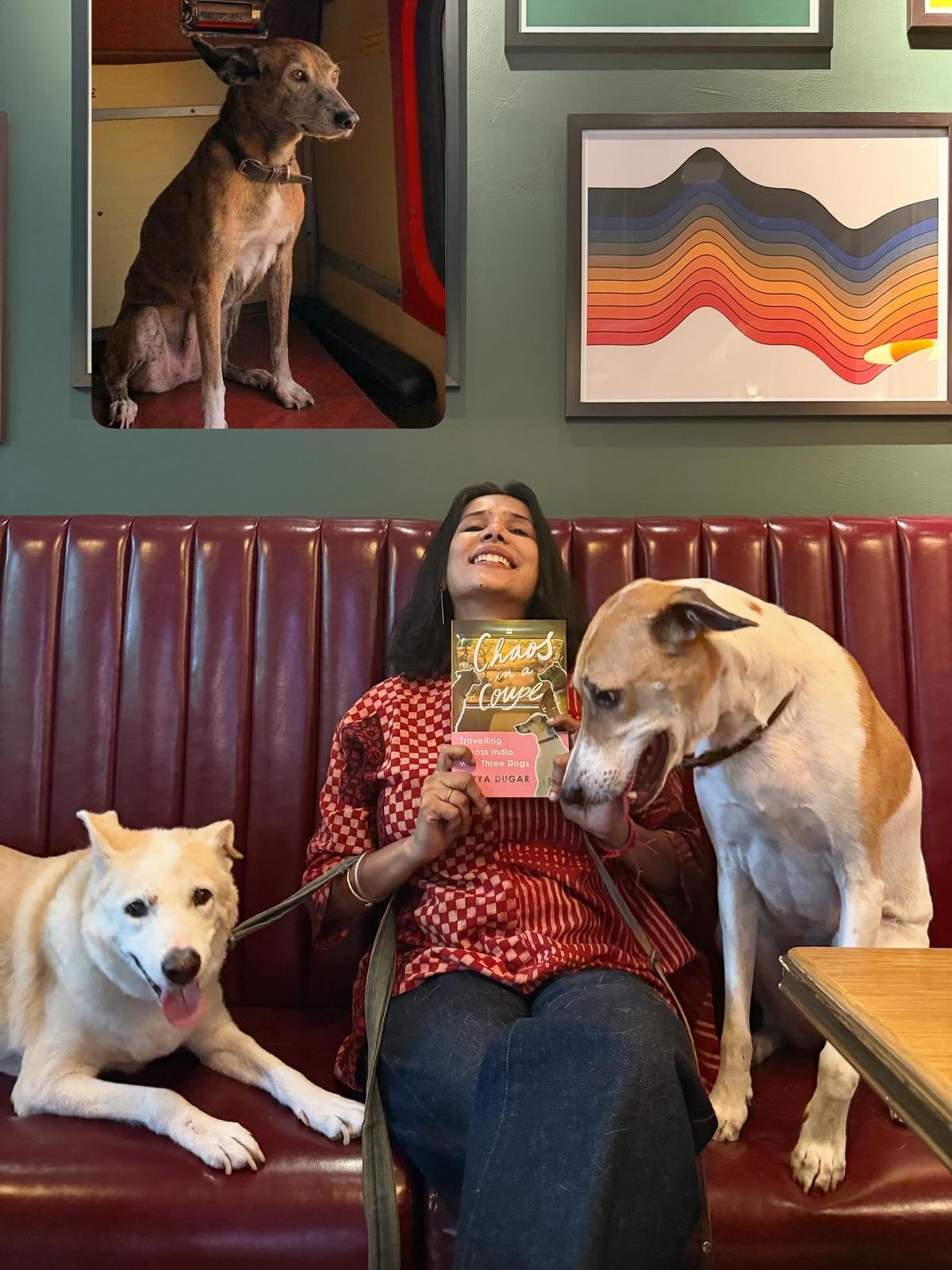
Divya Dugar

Divya Dugar
| Photo Credit:
Special Arrangement

For a decade, Divya and her three adopted indies — Tigress, Marco Polo and Pari — travelled across India by train, hitchhiked in Uttarakhand, spent months in quaint village houses in Goa and Rajasthan, and even flew to Paris and Normandy. Their outings were never flamboyant. They were meticulously researched and planned to be immersive and exploratory. They also turned out to be lessons to her followers on Instagram (@chaosinacoupe) on how to travel with their dogs, particularly on Indian trains.

Travel tips
– Always book two first-class tickets and select ‘Coupe’ as your seat preference. If you’re traveling with friends or family, you can book four seats with a cabin preference instead.
– Don’t forget to send a handwritten letter to the Chief Commercial Officer Reservation requesting a coupe or cabin.
– Pick a train that originates from your boarding station. This increases your chances of getting a coupe. Avoid peak seasons and weekends, when first-class seats are in high demand.
– If your co-passenger agrees to share the space, the Ticket Examiner cannot force you to deboard. They may fine you, but they cannot deny travel. Remember, the Parcel Office books dogs only if you’ve secured a full coupe or cabin.
– Carry a small medicine kit for emergencies, and bring a blanket or shawl; the AC can get quite cold.
– If your pet gets anxious, double-leash them with a collar and harness for added security.

To date, Divya, her husband Olivier, two kids and three dogs have undertaken 75 train journeys and 40 road trips. “I started travelling with my dogs in 2016. It was never supposed to be a book. It was for myself and them. We had no itinerary and to-do lists to tick off, and we would zone in on a place to stay.”
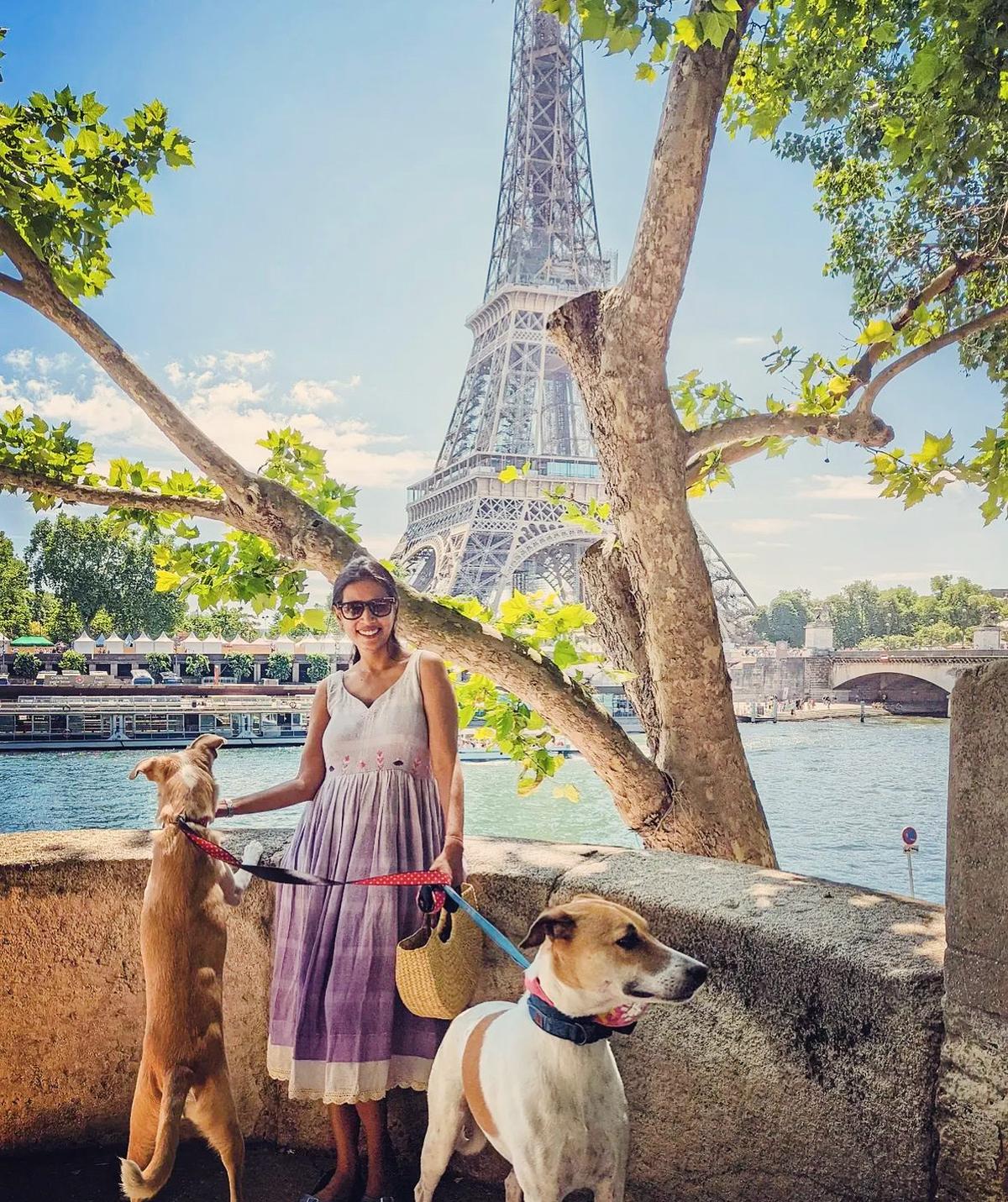
Divya Dugar with her pets

Divya Dugar with her pets
| Photo Credit:
Special Arrangement

That off-the-map approach meant she found old houses, and established deep bonds with the locals. Their dogs and they would become part of the neighbourhood. “We knew the local vegetable sellers, barbers, and neighbours and their pets and the community dogs. The dogs knew which train had the pantry and knew the pantry staff well as they had travelled by the same train several times. They would follow the staff to see if they have a chicken cutlet on the menu. They had a special affinity for trains like Duronto and Rajdhani. They even knew which hotels put out extra baby beds.”

Divya’s storytelling constructs a portrait of animals who are adaptable, intuitive, and intelligent. “Pari was traumatised when I rescued her. She was abused, and had been hurt by construction workers. She is at her best behaviour in luxury hotels and sits calmly during train journeys. With love and compassion she overcame everything but she is still uncomfortable around a group of small boys because she was hurt by them,” shares the author.
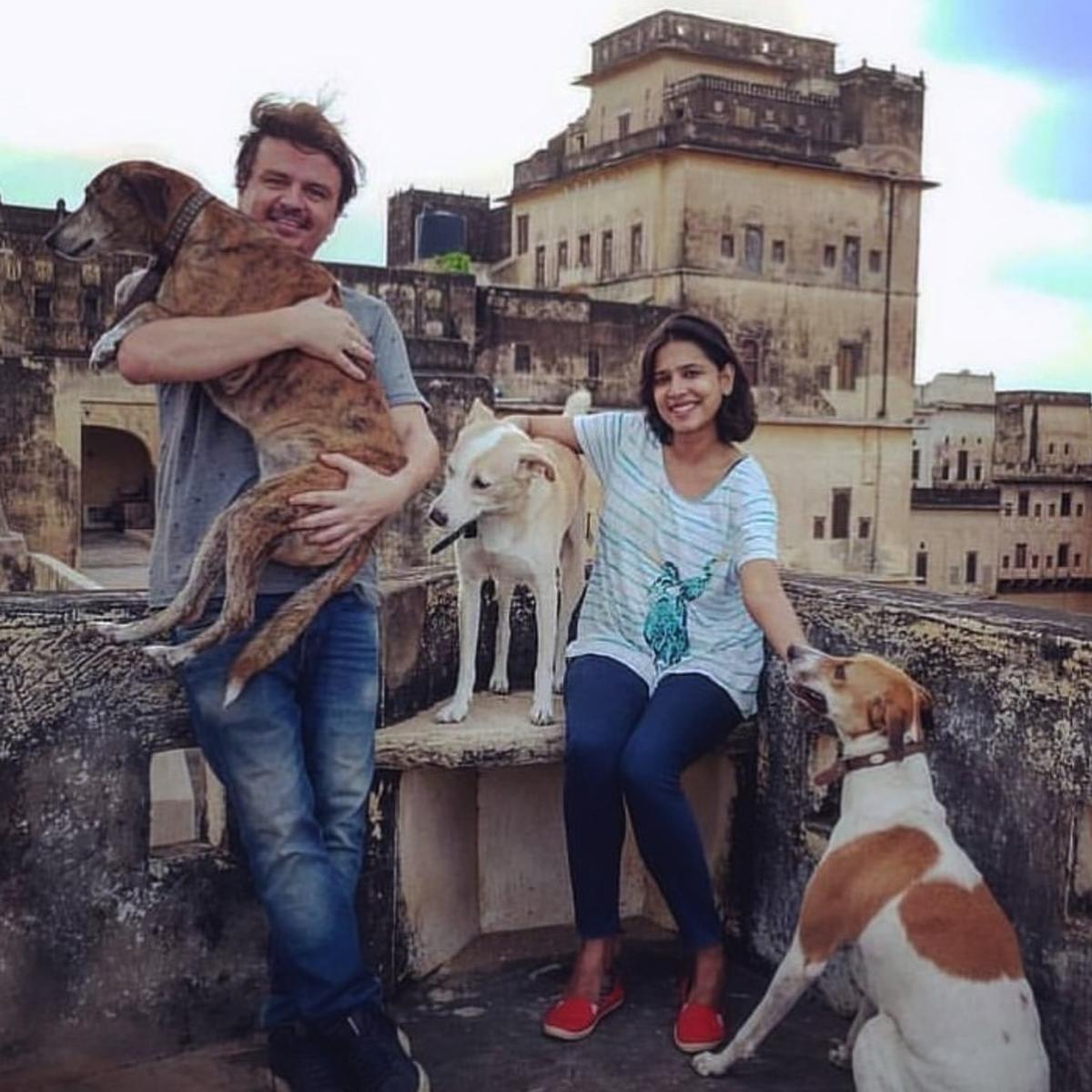
Divya currently lives in Bangkok with her husband, kids, and dogs Pari and Marco Polo

Divya currently lives in Bangkok with her husband, kids, and dogs Pari and Marco Polo
| Photo Credit:
Special Arrangement

Currently living in Bangkok, she says her dogs taught her to slow down. “They showed me how to relish the ordinary things.” Her practical anecdotes are instructive and charming in equal measure. Train travel with dogs, she explains, is not impossible. “The trick is to find a train that originates at your boarding station and to write a letter to the Chief Commercial Officer of Reservations two days before departure.”
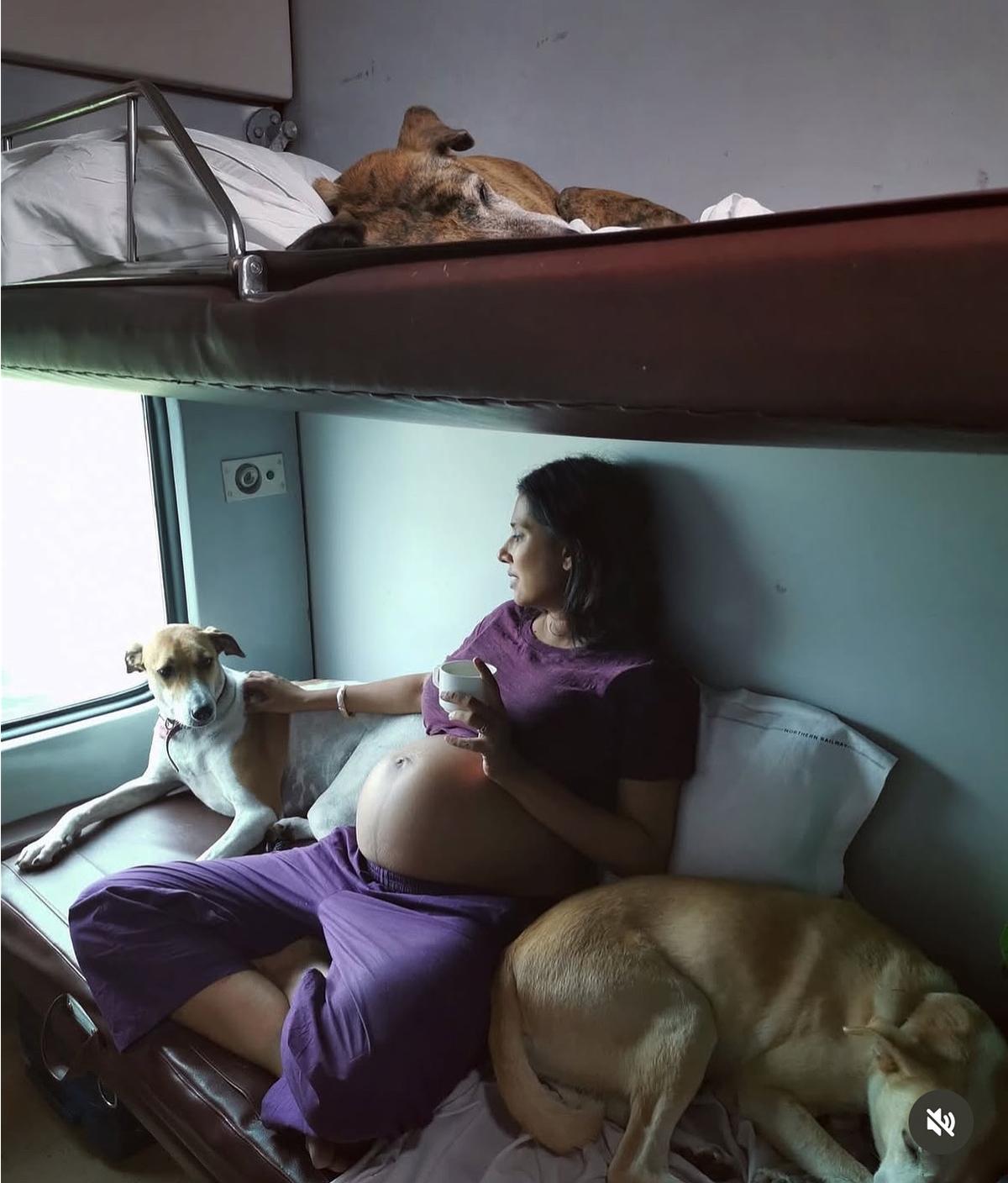
To date, Divya, her husband Olivier, two kids and three dogs have undertaken 75 train journeys and 40 road trips

To date, Divya, her husband Olivier, two kids and three dogs have undertaken 75 train journeys and 40 road trips
| Photo Credit:
Special Arrangement

Divya also writes candidly about loss. Tigress, who had been with her for 16 years, passed on two years ago. “There was a lot of heartbreak, a lot of tears. Writing the book forced me to relive those moments. You come face-to-face with your grief every single day when you write a book like this.”
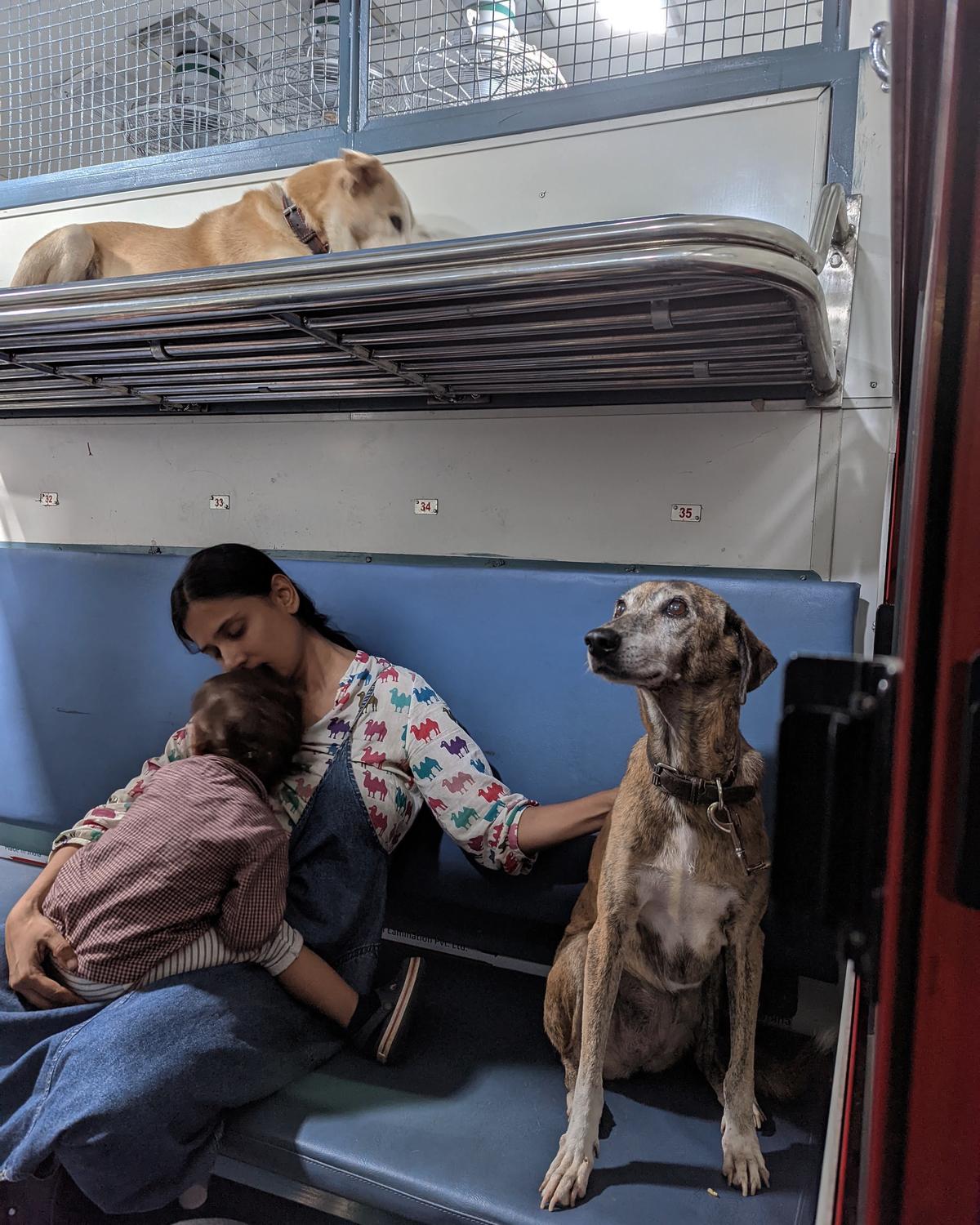
Divya with her child and Indies

Divya with her child and Indies
| Photo Credit:
Special Arrangement

She adds that the book is not a mere travelogue, but carries an urgent message about how we see and treat indies. In cities across India, street dogs are increasingly being misunderstood, seen as a nuisance, a danger, and an inconvenience. Divya’s experience refutes that narrative. “They are not security guards or stray nuisances,” she says. “They are companions, each with a personality. They deserve patience and dignity.”

Divya wants more people to consider adoption and to understand how hard indies’ lives are on the streets. “Their aggression and behaviour stem from deep-rooted experiences of fear, abuse, intolerance and hunger endured on the streets.”
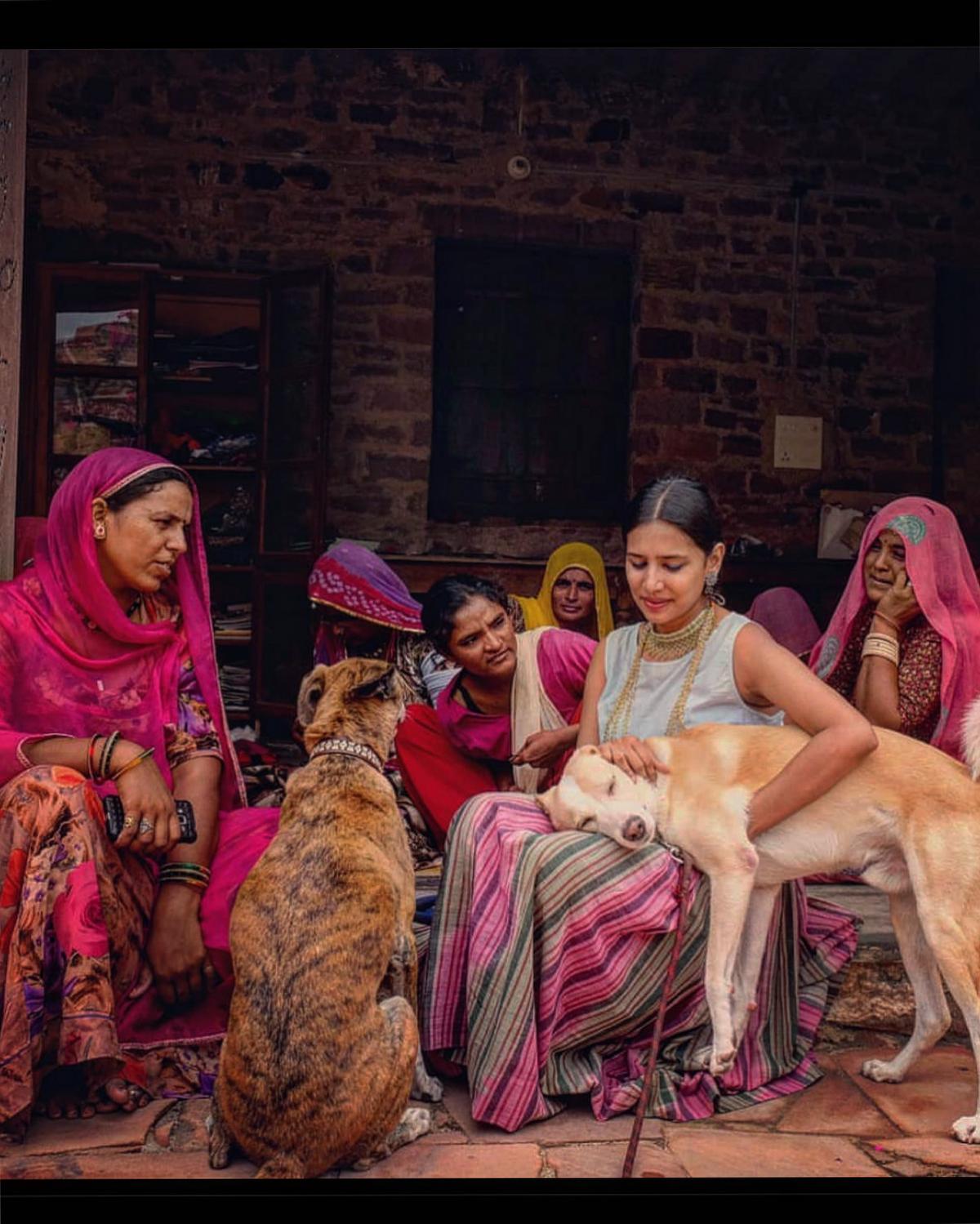
Divya’s storytelling constructs a portrait of animals who are adaptable, intuitive, and intelligent

Divya’s storytelling constructs a portrait of animals who are adaptable, intuitive, and intelligent
| Photo Credit:
Special Arrangement

Ultimately, it’s an ordinary story of three extraordinary travellers with the Indian Railways playing the role of a big enabler. “Because it has these three wonderful docs teaching us life lessons, it just becomes extraordinary. I think this story is much bigger than Marco Polo, Tigress, and Paris. They represent all the street dogs of India.”

Priced at ₹499, the book is available online
Published – November 14, 2025 04:25 pm IST


Source link

Irish rock band The Script, R & B artist Jason Derulo among the headliners at Shillong’s Cherry Blossom Festival 2025


The Script Band

The Script Band
| Photo Credit: Special Arrangement

An air of excitement shrouds India’s rock capital Shillong, as it prepares itself for the fifth edition of the Shillong Cherry Blossom Festival, organised by the Meghalaya Tourism Department. The narrow lanes of Demseiñ-Ïong are bustling with festival visitors dressed in layers to combat the crisp winter air as they wait for the showdown on November 14.

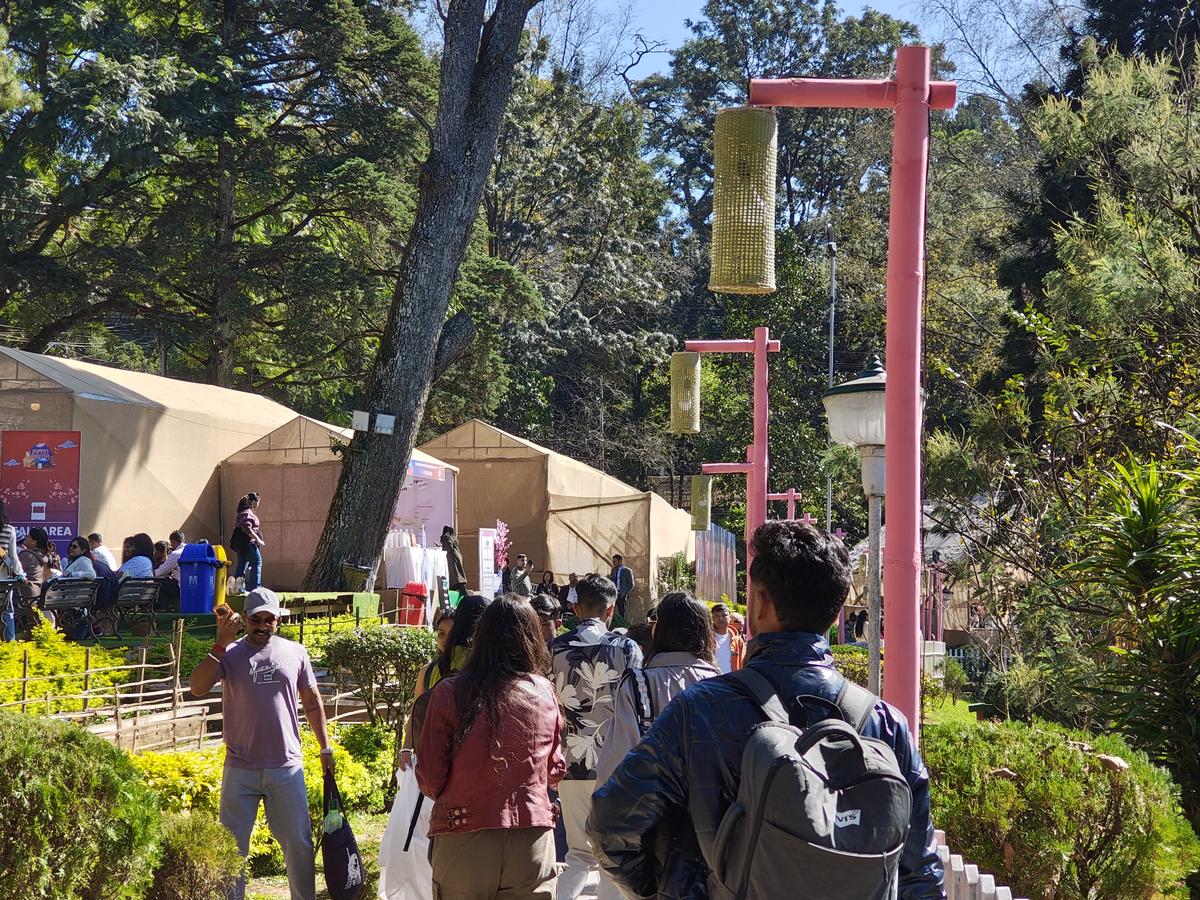
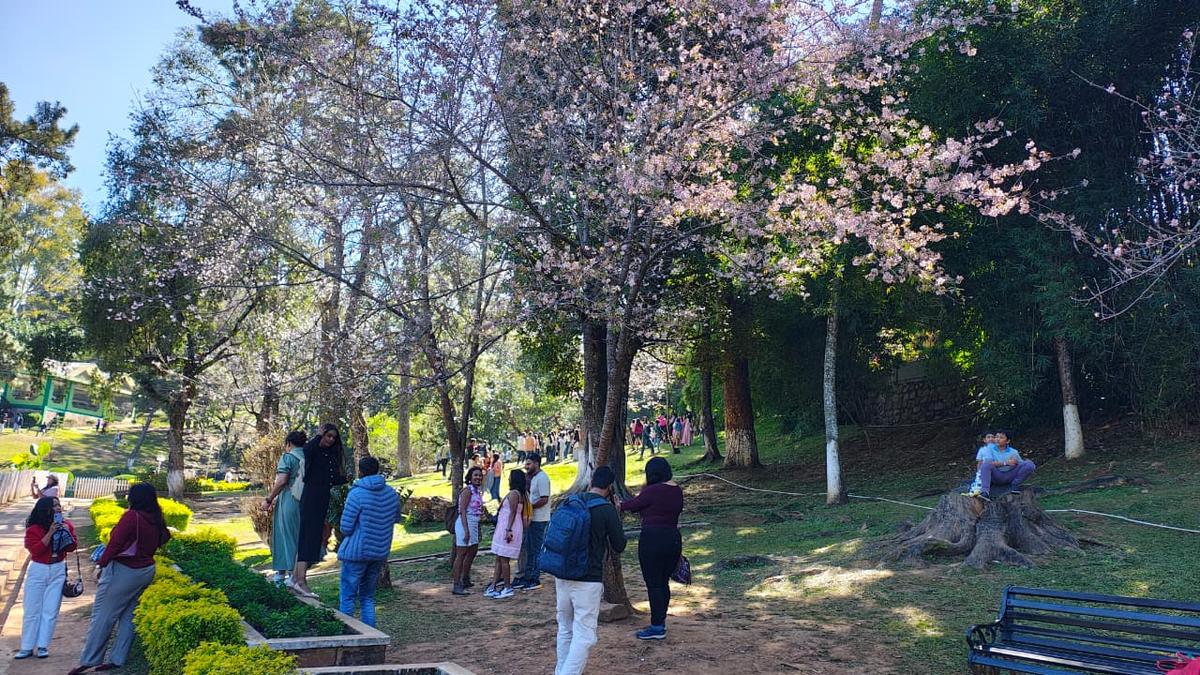
Ward’s Lake, home to Shillong’s cherry blossom trees, boasts clouds of pink interspersed between lush green. It also hosts the Japan Arena, where origami demonstrations, cosplay and Japanese-Pop performances will take place.

The Chief Minister of Meghalaya, Conrad K Sangma, says the Government expects over 50,000 at the festival this year. On till November 15, the two-day festival features Irish rock band, The Script, R & B artiste Jason Derulo, dancer and actress Nora Fatehi, pop band AQUA, rapper Tyga and three-time Grammy winner Diplo, among others. Earlier on November 13, The Script jammed on the streets at Don Bosco Square, Laitumkhrah, Shillong bringing the traffic to a stand still.

The programme also includes a special tribute to the late legendary artiste Zubeen Garg, performed by musicians who were close to him.

The artistes performing on the first day of the festival include EDM and pop band, Zephyrton, hip-hop artistes adL, Dappest, Walter Wahlang, Khasi Bloodz and EDM producer Prismer. Other artistes include Alive, Larger than 90, Bending Waves, Baddvision, Smokey, Gary Daniel, Arki, Some Guy, Isaac, and KLY.

On day two, the line-up features hip hop and R&B artiste Meba Ofilia, rock band Girish and the Chronicles, and Las Vegas-based laser performance duo, Arius. Other artistes include NATE08, Finding Mero, Arpan, Drum Tao, Sev, DJ Zethan, AHAIA, G Hills Finest, SoulGroove, Dalariti, Varun Vohra, Cardo, Brian, Catatonic and 793SZN.

Ronaldo Khardewsaw, bassist for the band Na U Bnai, which has performed at the Cherry Blossom Festival before, says, “The festival is an opportunity for us to meet international artistes and get inspired by them. In fact my favourite band, The Script, is performing at the festival.”

The Cherry Blossom Festival won four awards at 2025 WOW Awards Asia, including the Entertainment Event of the Year. It also emerged as the winner of Festival of the Year at the Northeast India Tourism Awards 2025. Festival goers can expect chugging contests, karaoke, and cosplay competitions.

Come for The Script; stay for the vibes..

Tickets are available exclusively on Rockskitickets.com.


Source link

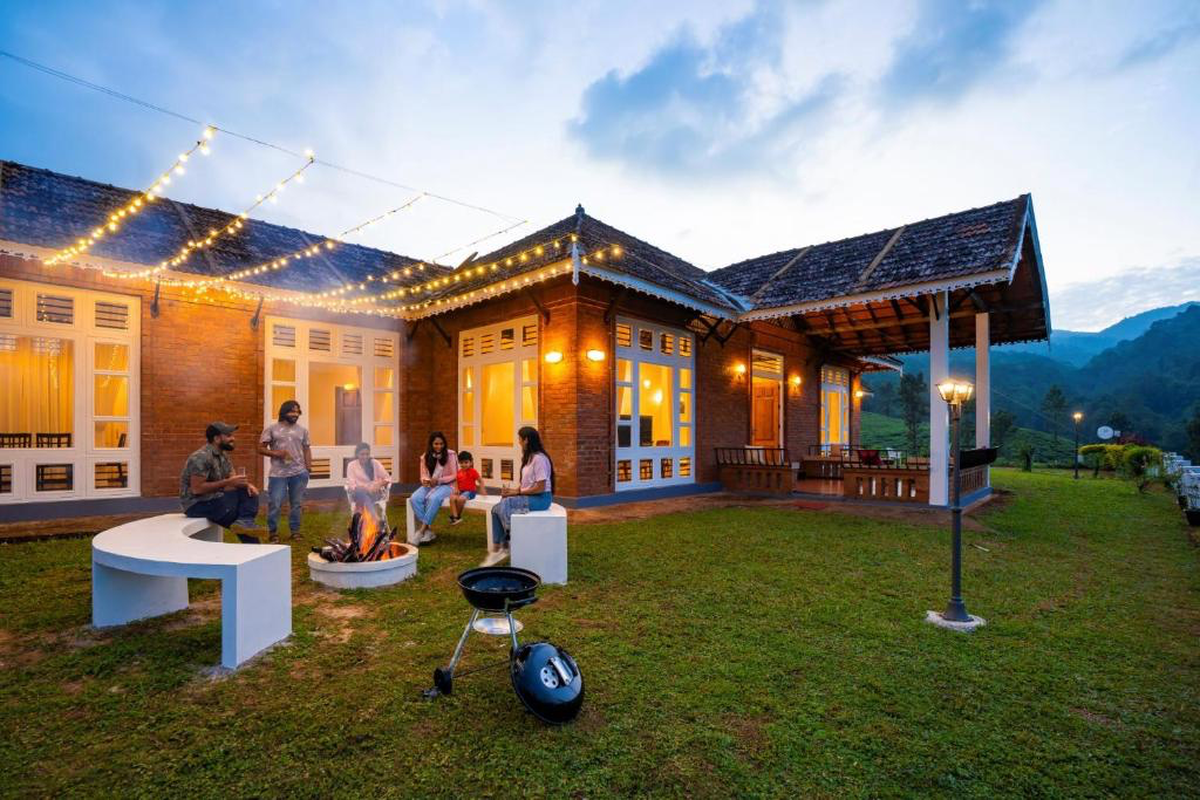
Zostel steps into the premium stay segment with villas that blend privacy with local connection


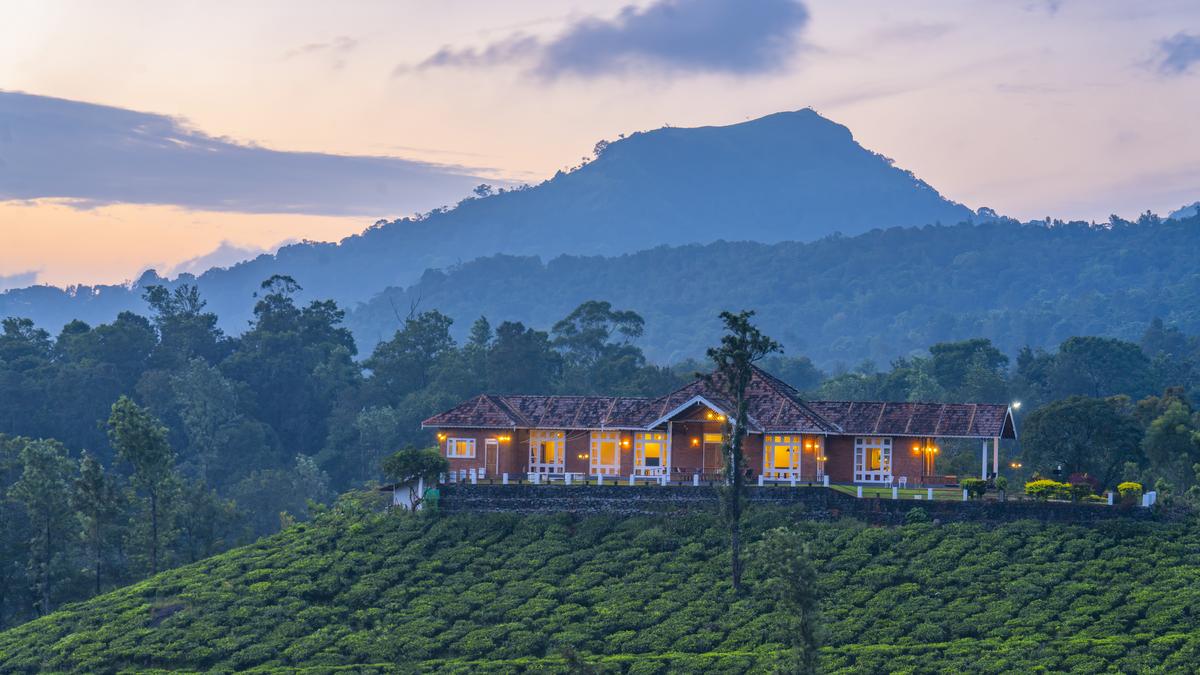
Zostel Villa Wayanad

Zostel Villa Wayanad
| Photo Credit: Special Arrangement

Hostel culture and budget travel are relatively new concepts for India. They have been around only for a decade or so, but fit right into India’s appetite for getting their money’s worth. At the cusp of the boom in the travel industry in 2013, in the Blue City of India, Jodhpur, a small hostel opened that set the benchmark for travel hostels nationwide. Zostel, which is now India’s largest chain of hostels, began as a way to help the youth of the country travel wider and farther on a tight budget.

Over the years, Zostel has evolved far beyond its hostel roots, expanding into new formats to cater to different types of travellers. From Zostel Plus, their premium hostels with upgraded experiences, to Zostel Homes, curated homestays that bring guests closer to local culture, and Zo Trips, designed to offer seamless travel experiences, the brand has steadily built a full-service ecosystem. “Rather than trying to fill the gap, the goal is to be everyone’s trip partner for life. Zostel wants to be a part of your entire journey and anything that you do related to travel or  an extension of it, through lifestyle design,” says Aviral Gupta, CEO, Zostel. He wants travellers to be able to design their own travel personalities based on what suits them best.

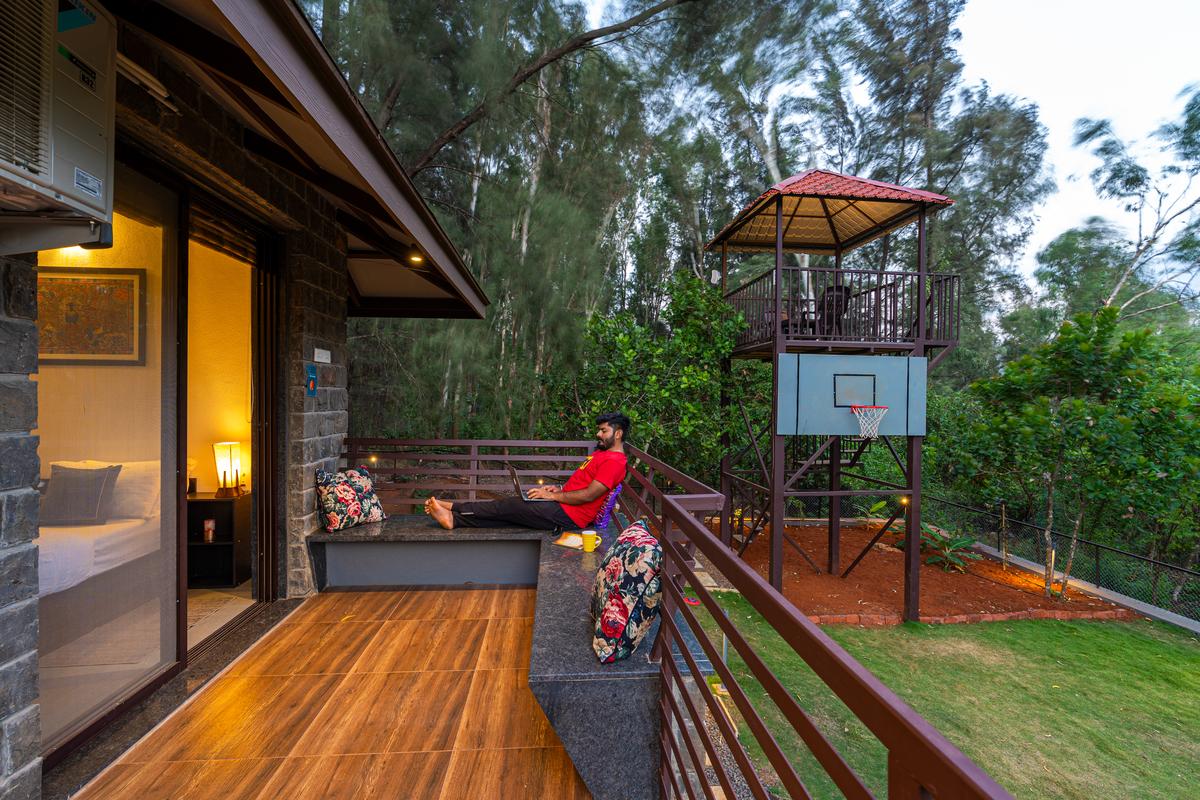
Zostel Villa Bhor

Zostel Villa Bhor
| Photo Credit:
Special Arrangement

Now in 2025, with the launch of Zostel Villas, the brand mirrors the evolution of the Indian traveller. “When people first started coming to Zostel, they were mostly youngsters, 22 or 23-years-old,” says Aviral. “Now those same people are 32 or 33, with families, partners, and better incomes. They still want to travel with Zostel, but in more premium, private settings.” As India’s middle class matures, travel has moved from budget adventure to personalised comfort. The backpackers who once bunked in Zostel dorms now seek something private where they can unwind with their friends or families without losing that sense of authenticity and community that first drew them in.

But unlike other players in the villa-rental space like Airbnb, Zostel is banking on something it is always done well — local connection. “All the hostels and homes are powered by the local community, and locals who want to host guests in their different homes and their villas,” says Aviral. Some of their most popular yet off-beat destinations are Bhor, Panchgani, Stok, Kalpa, Wayanad and Kolad.  Each villa will be curated to reflect its surroundings rather than conform to a template. “Standardisation would be only to the extent of the basics.  Every hostel is different from the other in terms of how they bring out the original vibe and culture of that place,” he adds. It is an extension of the Zostel philosophy — authentic, rooted, and built on real people and places, even as it gets more premium.

Zostel Villa Waynad

Zostel Villa Waynad
| Photo Credit:
Special Arrangement

The rise of Zostel Villas also reflects a broader shift in how Indians travel. As digital access deepens and disposable incomes rise, travellers are increasingly seeking experiences that go beyond accommodation. “A larger shift has come along as a natural result of digitisation,” says Aviral. “People are now looking for more on-the-go experiences and want information in real time.”

In many ways, Zostel Villas bring the brand back to where it started: with people at the centre of the journey. “The only difference is that we need different products to serve people from different demographics now,” says Aviral. As Indian travellers continue to evolve, so too does the brand that helped shape their wanderlust — from dorm beds to private pools, without ever losing sight of what made people choose Zostel in the first place.

Zostel Villas will launch in the first quarter of 2026 with its first villa in Wayanad. Cost per night will be tentatively ₹12,999.


Source link

VIP Access: A look inside Mercedes-Benz’s popup bespoke studio in Munich


Odeonsplatz is the heritage and architectural heart of Munich.

Odeonsplatz is the heritage and architectural heart of Munich.
| Photo Credit: Mercedes-Benz Group AG

This new luxe address at the heart of Munich might  pique the interest of auto enthusiasts, especially those who love luxury wheels. On the subject of sheer indulgence, those drivers who like to ditch the ‘off-the-rack’ format for a bespoke car will find something to drool about at Munich’s Studio Odeonsplatz. In the wake of the recently concluded IAA Mobility, Munich Motor Show, Mercedes-Benz has set up a popup bespoke studio at the heart of the city’s heritage quarter. At the very top of Brienner Strasse, one of the city’s most architecturally stunning thoroughfares, Odeonsplatz, the popup bespoke studio welcomes luxe consumers — and car enthusiasts alike — until December 31. 

Studio Odeonsplatz is dedicated entirely to Merdedes-Benz’s Manufaktur, a bespoke service where a small set of high-spending customers can entirely personalise their Mercedes vehicle.

As I step into Studio Odeonsplatz, there is a ‘finished piece’, a Mercedes-AMG S 63 E Performance. The colour of this car, beautifully christened Snow White with matching white brake callipers, is a result of an entire personalisation process, resulting in this one unique car for a customer. Other sought-after colour palettes include Cardinal Red, South Seas Blue Magno, Night Black Magno, Platinum Magno, and Opalite White Bright.

A bespoke Mercedes-AMG S 63 E Performance with a custom colour scheme is displayed at the heart of the studio.

A bespoke Mercedes-AMG S 63 E Performance with a custom colour scheme is displayed at the heart of the studio.
| Photo Credit:
Mercedes-Benz Group AG

The Studio is an extremely design forward space with large needle and thread installations suspended on the facade, signifying the element of craftsmanship that goes into a made-to-measure car.

Plush pastel carpets, a chic bar dispensing coffee and Champagne and multiple customisation areas characterise the studio. I get chatting with the design specialists who tell me that every detail can be personalised. Customers can, in principle, create a unique colour for themselves or choose from one of the Manufaktur exclusive colours, embroidery details, colours on the cabin, leather, options, stitching as well as the multiple cabin finishes, right down to adding a monogram. A case in point: if you had like your family’s logo or crest to feature on the headrest, you can. . Pure indulgence. To put it into perspective, if you want to customise a G-Wagon, you can choose from 40 leather seat colours and over 20,000 body colours. 

Throughout the studio, there are multiple counters and immersive experiences where you are taken through the different stages of personalisation. All this, while enjoying a couple of drinks, in a very chic setting.

If you are in Munich this festive season, Studio Odeonsplatz is a must-do, for luxury car lovers.

Popup is on till December 31.


Source link

Gurugram’s glamour, growth and global appeal


A decade ago, Gurugram was seen purely as a corporate enclave. Known for its proximity to Delhi yet firmly a part of Haryana, it has since transformed into a self-contained city with its own distinct identity. But step into Gurugram today, and it would feel like the city has found its rhythm, a seamless combination of business ambition and cosmopolitan flair.

The corporate glass facades still gleam, but parallely, a new pulse has taken over. Cafe terraces buzz with conversations, boutique storefronts have become social hotspots, and high streets stay alive long after office hours end.

This evolution marks Gurugram’s shift from a business hub into a global lifestyle destination that appeals to corporates, talent, developers, and investors alike.

Growth momentum

Leading global developers such as CapitaLand, Hines, Tishman Speyer, Tata Realty & Infrastructure, Oberoi, Prestige, Godrej, Mahindra, and Birla have all joined this growth momentum. At the centre of this transformation is a powerful wave of retail-led development, where high-street retail, F&B zones, and experiential spaces are being thoughtfully integrated into mixed-use environments. Developers are creating urban ecosystems where professionals can work, shop, dine and unwind, all within the same environment. The result is a city that doesn’t just host global enterprises but entertains, engages and inspires the people who drive them. Recent data shows that Gurugram accounted for 68% of total retail leasing in Delhi NCR during Q3 2025, highlighting its dominance in the high-street and mall leasing arena. This retail upliftment happens in diverse formats. Premium international fashion brands now share addresses with Fortune 500 companies. Artisanal coffee roasters operate steps away from fintech startups, and five-star restaurants welcome diners who moments earlier were closing billion-dollar deals.

The value proposition

Mixed-use developments that incorporate vibrant retail components consistently demonstrate enhanced property values and higher rental yields compared to conventional office-only projects. The logic is straightforward: when employees can access premium shopping, diverse dining options, and lifestyle services without leaving their work, companies are willing to pay a premium for this convenience.

These benefits extend beyond the balance sheet, too. Employee retention and satisfaction receive a substantial boost when workplaces offer lifestyle appeal. A software engineer who can grab lunch at a trendy bistro, shop for essentials at a gourmet store, or meet friends at a rooftop bar — all within a five-minute walk from their desk — is an employee who associates their workplace with quality of life.

Gurugram’s ascent as a preferred destination for Global Capability Centres (GCC) has been remarkable. From technology giants to financial services powerhouses, the world’s most valuable companies have established substantial operations in the city.

Other factors

While factors such as talent availability, cost efficiency, and government policy play roles, its global appeal and lifestyle quotient now serve as defining differentiators.

When international executives visit Gurugram to evaluate potential GCC locations, they are not just inspecting the office infrastructure. They’re experiencing the retail landscape, sampling the F&B offerings, and evaluating whether the environment will help them attract and retain top talent. Increasingly, the answer is yes.

The city offers end-to-end environments where global brands can establish a complete presence. Not just back-office operations but also customer experience centres, innovation labs and regional headquarters. Perhaps the most profound impact of retail integration is cultural. Traditional office parks, for all their efficiency, often felt like functional spaces designed purely for productivity. The new Gurugram introduces an element that was missing earlier: human-scale vibrancy.

Lunch breaks transform from hurried cafeteria affairs to leisurely explorations of pan-Asian fusion restaurants or farm-to-table eateries. Post-work hours become opportunities for retail therapy, fitness classes at premium gyms, or catching up with colleagues at wine bars with carefully curated selections. Weekend mornings see families browsing bookstores and artisan markets in the same complexes where parents work during the week.

Alongside, developers also transform these spaces into vibrant community hubs during festivities and special occasions. Pet-friendly events and open-air cinema have become particularly popular, establishing an emotional connect between people and places.

This blurring of boundaries, between work and leisure, professional and personal, reflects broader shifts in how millennials and Gen Z professionals approach their lives. They seek integration, not compartmentalisation. Grade-A developers who understand this psychology are reaping the rewards.

Urban excellence

The making of a world-class Gurugram is a testament to visionary urban planning, strategic commercial real estate development, and an understanding that modern cities must serve the full spectrum of human wants. By embedding retail and vibrant F&B experiences within mixed-use developments, the city has transcended its origins as a corporate satellite to become a globally admired, aspirational lifestyle capital.

Overall, the glamour, the growth, and the increasingly global character of Gurugram are steadily shaping its place among the world’s most dynamic urban destinations. A city that works hard, plays harder, and lives vibrantly.

The writer is CEO & MD at Tata Realty & Infra Ltd.

Published – November 14, 2025 03:49 pm IST


Source link

Discover The Gratitude Forest, an AR-powered storytelling installation in Wayanad


A few years ago, Sunil Kaushik, an Indian innovation consultant, along with Japanese artist-writer Yuka Yokozawa, undertook an ambitious 500-day cycling journey from Thailand to Portugal. As they travelled across 17 countries and 38 borders, the duo faced numerous challenges, including getting lost in an Iranian desert, experiencing the 2016 Turkish coup attempt, and encountering a terrorist incident in Maçka, Turkey. However, the duo kept at it, and Yuka documented their travels in a memoir, Golden Hearts On The Road.

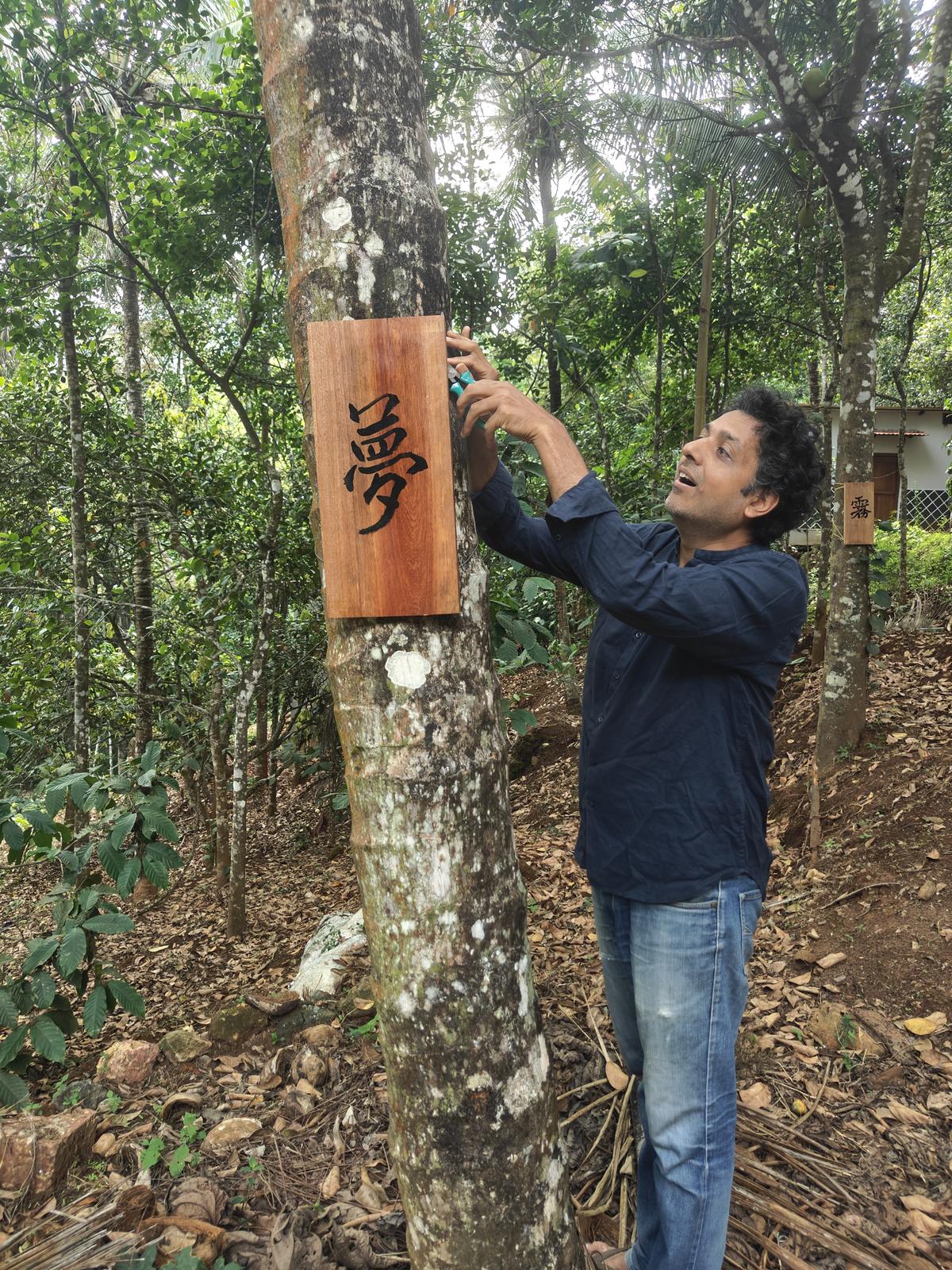
Sunil Kaushik

Sunil Kaushik
| Photo Credit:
Special Arrangement

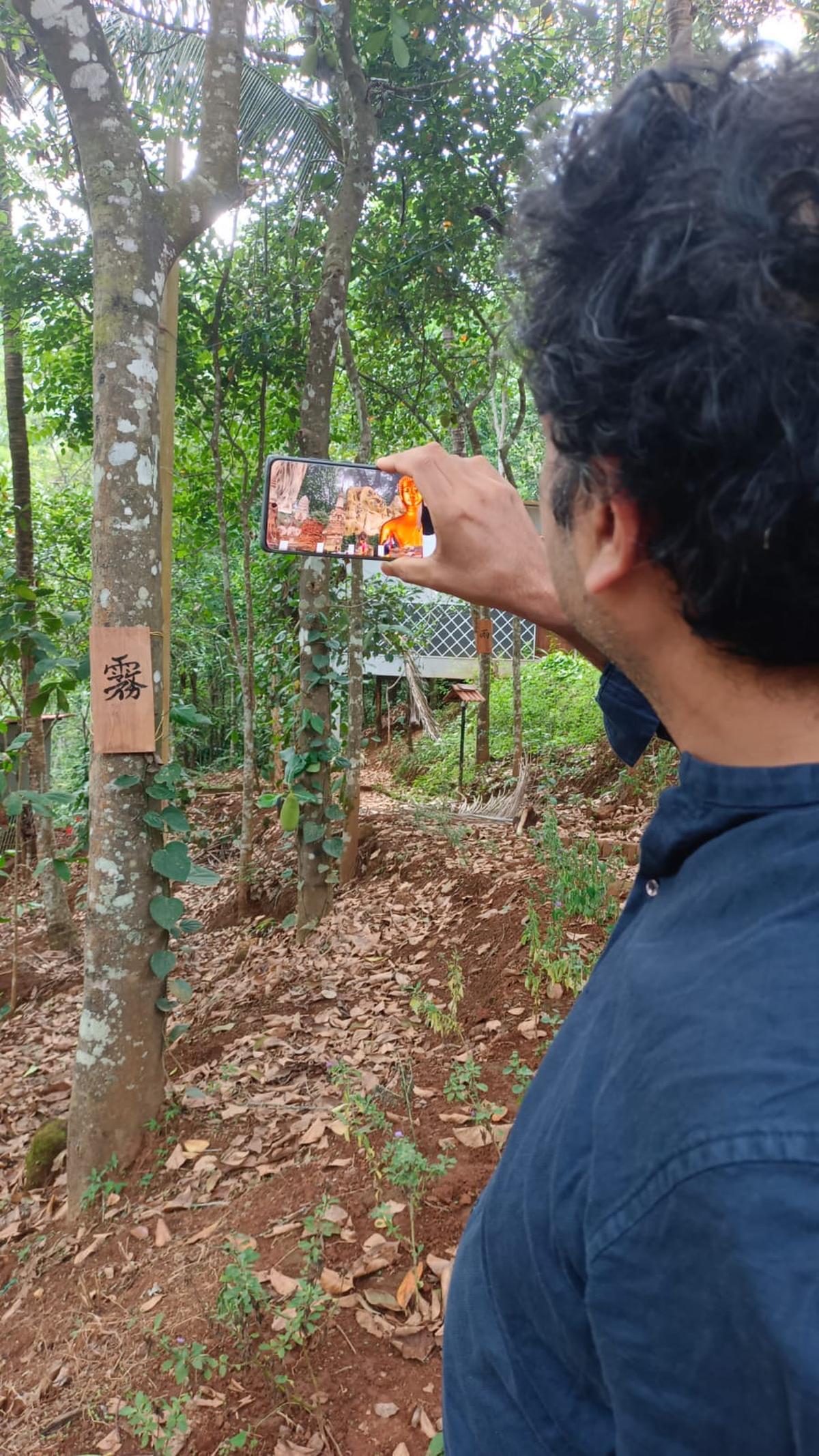
“After completing our cross-continental journey, we settled in the forested region of Wayanad, Kerala. We found a small plot of land with a waterfall and over 300 trees, and we were seeking a simpler, sustainable lifestyle close to Nature,” says Sunil. This site is now home to the Augmented Reality (AR)-powered The Gratitude Forest. Sunil explains that they were inspired by the generosity and kindness they had encountered from over 200 families during their cycling journey. “We then set out to create an art installation in their forest as a tribute to these ‘golden hearts’. The initial vision was to set up a Golden Hearts Museum that involved physically displaying portraits and stories of our hosts on trees throughout their property.”

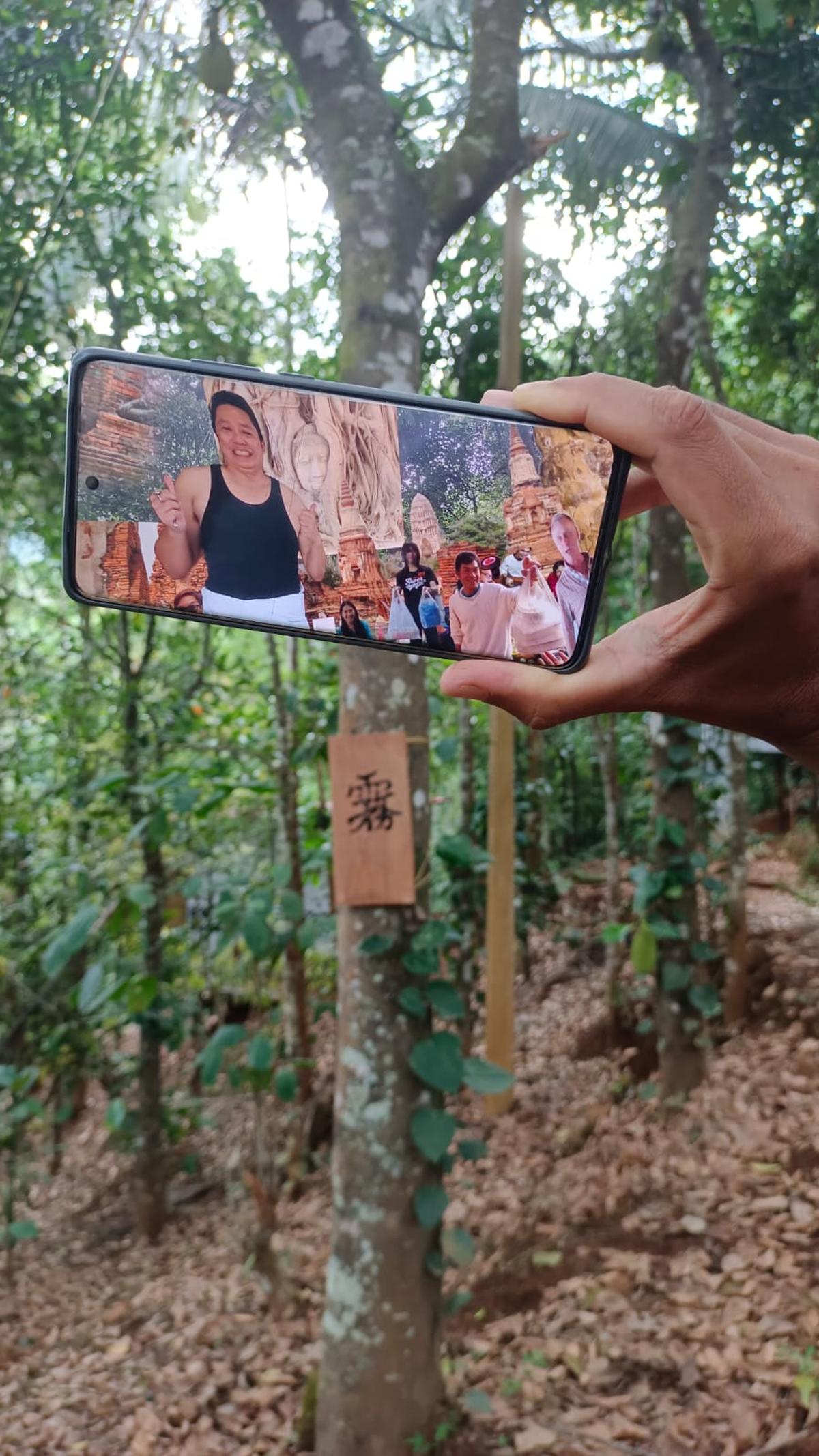
A snapshot of the AR-powered forest

A snapshot of the AR-powered forest
| Photo Credit:
Special Arrangement

However, the unique environment of Wayanad — that is prone to eight months of heavy rainfall and regular visits from local wildlife, especially monkeys — proved challenging. “When we first began setting up physical displays that included hanging laminated photographs, small frames, or written stories from the trees, monkeys saw these as curious new toys. The installations were frequently damaged or destroyed, and we were reluctant to use paper or plastic. These practical and environmental obstacles led us to reconsider our approach and look for a sustainable alternative,” says Sunil, who decided to turn to AI, and started brainstorming with generative AI tools in 2023. “As we discussed our limitations with ChatGPT and Copilot, we realised that a digital, non-invasive solution could let us share all the stories without leaving a trace in the forest. AR seemed like the perfect fit: the technology allowed us to create a museum where visitors could use their phones to ‘see’ virtual pages, illustrations, and motifs hanging from the trees, while leaving the real landscape completely untouched.”

 Yuka Yokozawa

Yuka Yokozawa
| Photo Credit:
Special Arrangement

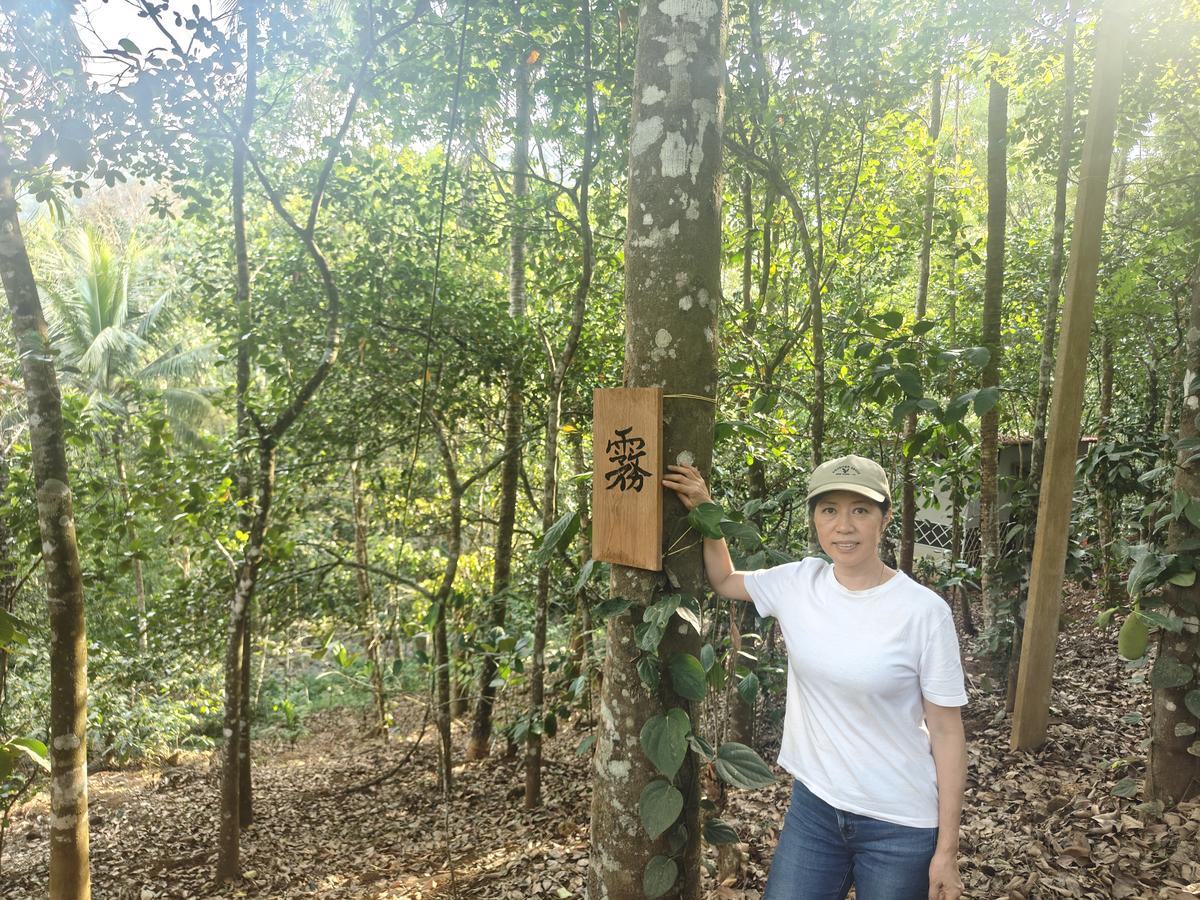
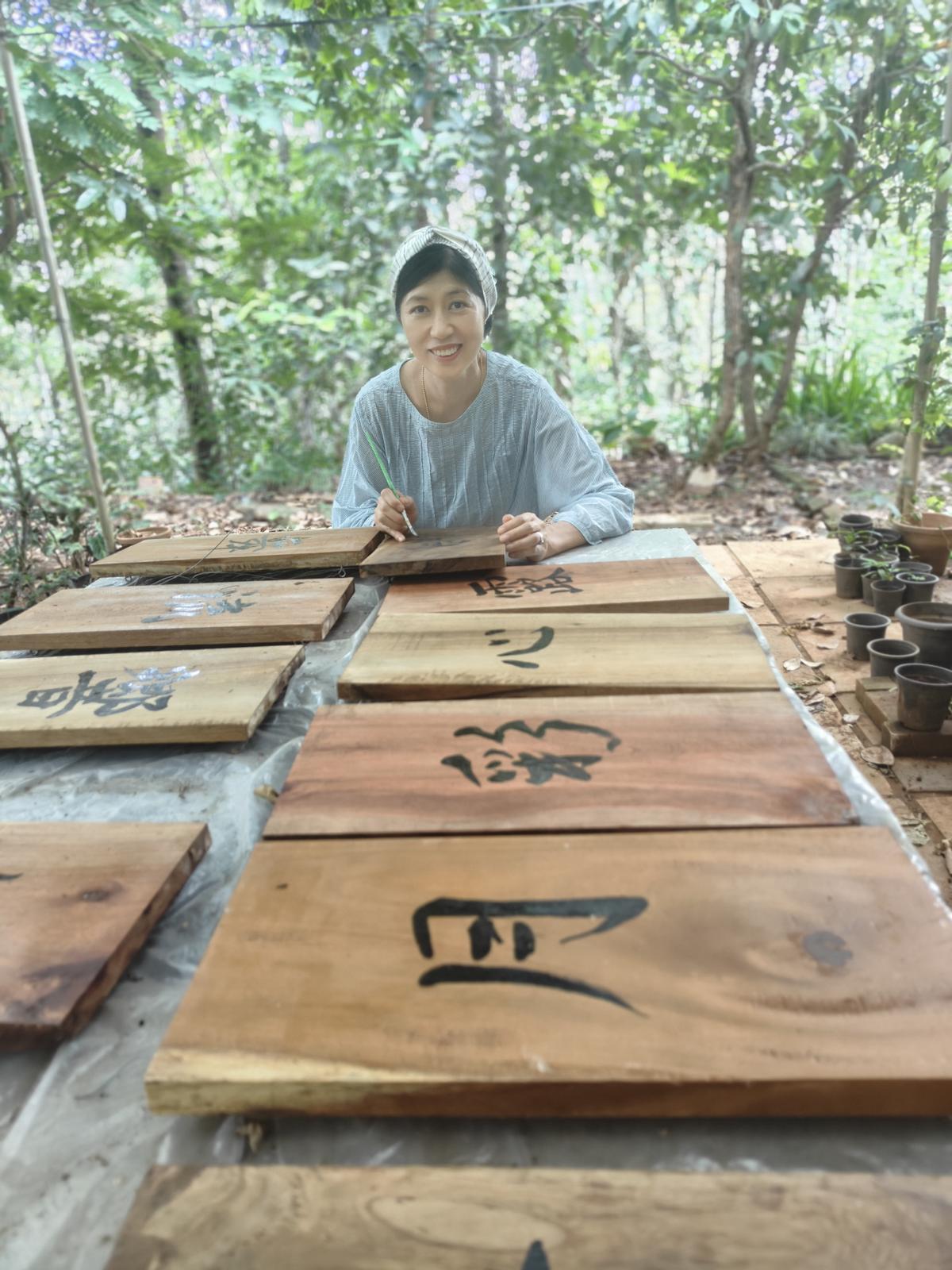
The financials this project required pushed the duo to learn all about AR using “open-source resources, free online tutorials, and lots of trial and error”. Sunil says this process was daunting at first as neither of them “had written a line of code before this project. But in the end, it allowed us to keep the spirit of the museum personal, flexible, and true to our original vision,” says Sunil, adding that The Gratitude Forest was built at a zero cost. “The whole process took close to six months, and went through multiple changes. In the end, we had generated approximately 10,000 lines of code,” says Sunil who focussed on the project’s technical development, while Yuka was on the artistic and cultural side. “She selected the Japanese kanji motifs (drawing from Shinto traditions that honour Nature) and matched each kanji character to specific trees, considering the environment and the meaning. She also ensured that the calligraphy and motif placement contributed to a harmonious and reflective forest experience,” adds Sunil.

Since The Gratitude Forest is a private installation, Sunil says it is invite-only at present. “We regularly receive requests on social media from people interested in experiencing the project, and we’re always happy to arrange a personal tour for those who reach out. Over the last year, we’ve welcomed several dozen guests including local residents, travellers, artists, and technologists who have experienced the installation firsthand,” he adds. 

A view of The Gratitude Forest

A view of The Gratitude Forest
| Photo Credit:
Special Arrangement

While the remoteness and wildness are part of what make the experience unique, Sunil says they are actively looking at ways to make the installation more accessible and user-friendly. “Our goal is to install clones of the art, each customised for the place and story it comes from. We’re currently in discussion with contemporary museums, open spaces, community centres, and art galleries across several countries where our stories originated.” This list includes Taiwan, Thailand, Vietnam, China, Iran, Turkey, Armenia, Georgia, Greece, Italy, Spain, and Portugal. “We’re hopeful that by the end of this year, visitors in several of these countries will be able to experience the installations in their own local contexts,” says Sunil, who says the project is still in its early stages of public rollout in India. 

Yuka Yokozawa at The Gratitude Forest

Yuka Yokozawa at The Gratitude Forest
| Photo Credit:
Special Arrangement

Going forward, the couple hopes to expand The Gratitude Forest beyond their own story. “We hope to invite authors, artists, and eco-conscious landowners to create their own storytelling spaces, rooted in their unique cultures and experiences. Ultimately, we imagine these immersive installations appearing in public parks and open spaces, making stories of generosity and shared history accessible to everyone,” concludes Sunil.

Published – November 14, 2025 03:40 pm IST


Source link

The Indian Connection to Worcestershire Sauce: A curry powder accident


Worcestershire sauce. The first time I heard of this confusing word was while walking in a supermarket aisle mainly filled with tomato sauce, ketchup, mayonnaise, thousand island, you name it, it’s there. I’ll be honest, I had no clue how to say the name, so I kept quiet and slowly googled it later. 

Vu·stuh·shuh — that’s how Worcestershire, a place in England, is called. Of course, it is more popular as the birthplace of Worcestershire sauce. It is, however, none of these matters that made me intrigued by it. What intrigued me was how this sauce, created somewhere in the middle of Britain, had an alleged Indian origin story.  

The yearning for curry

The story begins in the 1830s; British officers stationed in India found themselves fascinated by the local food — especially the complex spices that made up Indian curries. Aromas of cumin, tamarind, turmeric, and chilli lingered in their memories long after they returned home.

One such man was Lord Marcus Sandys, a former Governor of Bengal. Back in England, Sandys missed the flavour of India so much that he approached two pharmacists in the city of Worcester, John Wheeley Lea and William Henry Perrins, and asked them to recreate a sauce that captured the taste of an Indian curry.  

They took on the challenge, mixing vinegar with molasses, garlic, anchovies, tamarind, shallots, and a secret blend of spices—probably their own version of curry powder. The result, however, was unfortunately awful. The sauce was so strong that it was unusable. Disappointed, the chemists stored it away in their cellar and forgot about it.

Months or perhaps years later (due to a lack of documentary proof around the same time), Lea and Perrins stumbled upon the barrels again. When they opened them, the sharp, unpleasant smell had mellowed into something new. Fermentation had worked its magic, turning a failed experiment into a rich, balanced sauce — tangy, savoury, and slightly sweet.  

That “accident” became the original Worcestershire sauce. The chemists bottled it in 1837, and the sauce quickly gained popularity not only across Britain but throughout the world. 

Reality check

As brilliant and coincidentally accurate as the story might seem to one, there are, however, loopholes that unfortunately bring doubts into the kitchen. 

Arthur Marcus Cecil Sandys, 3rd Baron Sandys, the assumed “Lord Marcus Sandys” from the origin story, was never a Governor of Bengal. He may have travelled to India with the East India Company, but there’s no record of his journeys. There isn’t any documented proof backing up this story either. However, as any dish goes, ingredients don’t lie, and Worcestershire sauce’s ingredients also lean towards having an Indian origin.

Indian ingredients

For something so associated with English food, Worcestershire sauce is surprisingly Indian in flavour. Several of its key ingredients, like tamarind, anchovies, chilli, cloves, and curry spices, come directly from India. Much of the blend is part of everyday Indian cuisine, and even the concept behind the sauce — the blending of sweet, sour, spicy, and salty — feels Indian. 

Even though the origins of the sauce are still debated upon, one thing is certain — the aftermath of colonisation still lingers in the nooks and corners of not just the survivors but also the perpetrators. Worcestershire sauce is a perfect example of cross-cultural exchange — what happens when curiosity and accident meet. The British wanted to recreate Indian taste in their own terms, and in doing so, they invented something entirely new. In a way, it’s a story of empire told through flavour: a mix of invention, appropriation, and adaptation.

In India, the fermentation process that changed Lea and Perrins’ mixture is not at all new. For a long time, Indian cooks have used natural fermentation to enhance the flavour of fermented beverages, yoghurt, pickles, and idli batter. The journey of the sauce, from a botched experiment in a British laboratory to a component of international cuisine, yet again shows how interwoven our lives have always been.

Published – November 14, 2025 03:32 pm IST


Source link

Writer and translator Catherine Thankamma launches her first short story collection, A Kind of Meat and Other Stories


Catherine Thankamma calls herself the accidental translator, who stumbled into it when she translated a couple of NS Madhavan’s Malayalam short stories for The Little Magazine published by Antara Dev Sen. Madhavan was a friend of her husband’s friend, cartoonist EP Unny. She was based in Delhi at the time. For the next seven-odd years, from 1995 to 2002, she translated a few more of Madhavan’s short stories. The comment pops up as she talks about her first anthology of short stories, A Kind of Meat and Other Stories, published by Aleph.

Even as she came to be known as a translator of Malayalam works into English such as Narayan’s Kocharethi, Aliyah: The Last Jew in the Village by Sethu, Paul Chirakkarode’s Pulayathara, and Ajay P Mangattu’s Susanna’s Granthapura, she had been writing short stories. Kocharethi won the Crossword Book Award in the Indian language translation category (2011). Her translation of MR Renukumar’s Ayyankali: A Biography is scheduled to be published next year.

“I have been writing for the past 30-odd years, I did not have the time to write a novel but I have written over 40 short stories over the years. But, of course, these have to be sent to somebody for them to be published,” she states.  

And over the years some of these have been rewritten, the endings changed in keeping with the changing times. Also, she adds, that she delayed publishing the anthology because the stories, when she had written them, “were very different and very conventional. The nun in ‘Blood Sacrifice’ dies by suicide in the original, it was written in 1997. In 2024, I thought why should she? Because she has raped? That does not make her a victim, instead she is the victim of a social order that allows such things to happen.”  

Some stories, part of this anthology, like ‘Blood Sacrifice’ and ‘Madhu’ were published earlier, in other literary magazines. Catherine, who retired as an associate professor of English, has taught in government colleges across Kerala, and at Jesus and Mary College, Delhi. Knowing Malayalam is therefore important. Catherine says, “I learnt Malayalam in the first 10  years of my life as a teacher in North Kerala. It was practical learning, I tried to find out the meanings of the unfamiliar words I came across. Like all students of literature, I like all literature.” 

Short story as a medium

Doing a deep dive into A Kind of Meat and Other Stories, Catherine starts with why she chose the short story as a medium. “I prefer short stories for their focus-driven brevity that makes it ideal to structure the narrative around fleeting incidents, chance encounters where you can structure the narrative focussing on characters. The repercussions of the actions of the characters cause ripples which affect the lives of the others.”

Women lie at the heart of the 20 stories that make up the anthology. Be it Eli cheduthi of ‘A Family Affair’, Radha Rukmini of ‘Standpoint’, ‘Polling Day at Nenmara’s’ Alli, Uma of ‘Tara’ or Sister Anne of ‘Blood Sacrifice’…these are not ordinary women and the happily ever afters are few, like in life. Also showcased is how women bond with each other. 

“The stories are women-centric, celebrating womanhood. Happy endings are not guaranteed, but how they react to the curveballs life throws at them is what matters. Their resilience, and how they confront their struggles is celebrated in these stories! Like how Sister Anne informs Dr. Malhotra (in ‘Blood Sacrifice’) of her willingness to register a complaint about her rape. She asks ‘why delay it?’… That is the resilience I want to portray.” 

The themes pivot othering, she reveals. “There are various kinds of othering which is based on prejudice or born out of a sense of privilege, like in stories such as ‘A Kind of Meat’, ‘Polling Day at Nenmara’, ‘Devayani’, ‘Madhu’ and ‘Ellunda’.” 

We see in these stories various kinds of biases — based on diet, age-old casteism and class-based. The stories resonate because we, at some point in our lives, would have had these thoughts. The introspection it forces is discomfiting for, chances are, we will see ourselves in some of the protagonists. 

Toxic family structures

Toxic family structures are another recurring theme, patriarchy and its many manifestations find a telling including the one where, in Catherine’s words, “toxic family structures where relationships are transactional like in ‘Upma for Breakfast’, where there is othering also; of the child. These shatter family structures.” 

Patriarchy sometimes ties in with some of these themes. “It manipulates women to be its staunchest and fiercest advocates. In ‘Standpoint’, Radha Rukmini is ‘judged’ by women who think she is not a ‘good’ person because she is sleeping in a compartment of a parked train. There are all those comments about her ‘virtue’ and the dynamic changes when she pulls out papers with the seal of a university which reveals that she, in fact, teaches at a college. At that point they don’t know how to react.”

Another important theme which reveals itself is how the country has changed over the past three decades. “The political changes that have ripped the social fabric of the country, that shows in ‘Burqa’ where two close friends who shared a strong bond are not even friends, one ignores the other. The strongest, closest relationship is fractured…” 

The seeds of her stories are from what she has observed around her — of society, individuals and societal constructs. “My subconscious notices things and people. Ideas for the stories come from these silent dramas that take place all around. I jot down these ideas as they come when I am doing chores or other work.” 

There is ‘Manufactured Destiny’, about the coaching institute phenomenon of putting children in these so they get admission into colleges that would ‘make’ them doctors or engineers. The conclusion resonates because, every entrance exam season, we hear or read of several such cases. Another story from the collection, ‘Tara’, about a child on the autism spectrum, is especially nuanced in how it is told. Nobody is ‘suffering’ or is a martyr because of it, they take steps to move forward.  

‘Pieta’, inspired by the Pieta on the outskirts of Kottayam, is a dig at the hypocrisy of people for whom going to the church is an occasion to show off. Pieta is an artistic depiction of the Virgin Mary cradling Jesus Christ after his crucifixion, considered one of the evocative forms of Christian imagery, it means ‘the mercy’ or ‘the pity’ in Italian. 

“I wanted to show the Virgin Mary as an ordinary woman who cannot understand her son. I wanted to show the story of Christ through the eyes of his mother.” Then there is ‘Ellunda’, about how the caste system works in Christianity. 

From translation to writing

When a translator turns writer, one expects them to feel a certain sense of freedom, not being restrained by the original text. “It is freeing as a creator without the ‘burden’ of being loyal to the text. As a translator you are also birthing the book, something like surrogate motherhood.”

Even if the translator’s imagination does not do the writer’s ‘job’, Catherine speaks of being sensitive to the original text. “It is the most important factor, and knowledge of both languages too in order to be able to understand the nuances of either language.” Incidentally, she wrote ‘My Death’, from the anthology, in Malayalam.  

“The translator undergoes every pain as the writer, who can use their imagination while we bear the burden of loyalty to the original. Translation is easy but writing is therapeutic and empowering!”  

A Kind of Meat and Other Stories published by Aleph, ₹699


Source link

Column by Devdutt Pattanaik | How Vasudeva became Vishnu


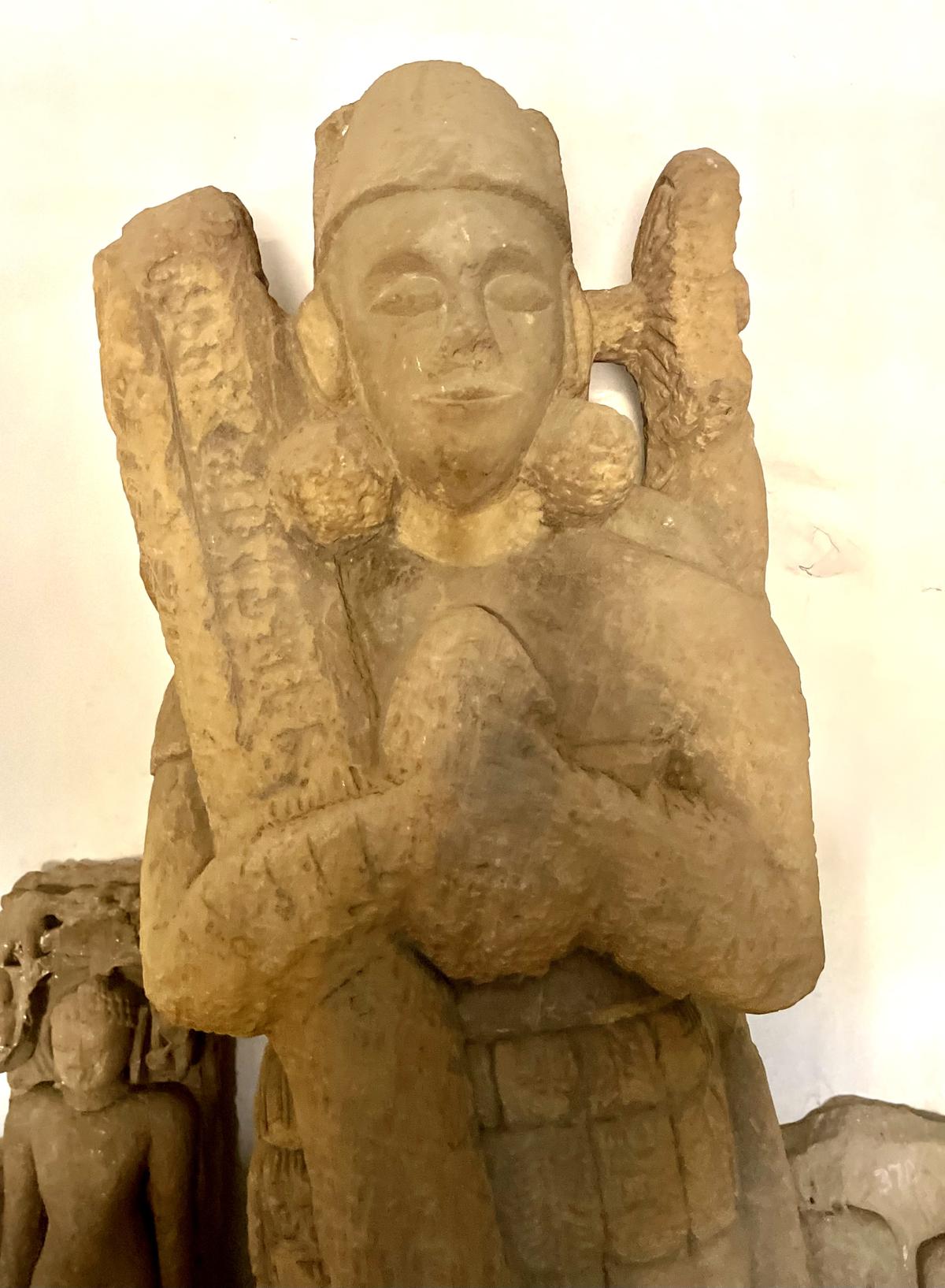
At Malhar, a small town near Bilaspur, Chhattisgarh, we find an image of a soldier with four arms, holding a conch shell, a wheel and a mace. It has been identified as the earliest image of Vishnu. The inscription on the stone has been dated to 200 BC. It records that the image was consecrated by Bharadvaja, the wife of Parnadatta, a governor of the Saurashtra region in the Gupta period. This makes it the earliest example of a woman donor in Indian art.

Malhar lay on an ancient trade route connecting Kaushambi to Puri, a corridor of commerce and culture. In all probability, this is not a Vishnu image. It is an image of Vasudeva-Krishna of the Mahabharata, who displays his four-armed form to Arjuna. The Malhar Vishnu, though simple and rather unremarkable, captures a transitional moment when the heroic Vasudeva was slowly turning into the divine Vishnu of the temples.

Until the identification of the Malhar Vasudeva, the oldest known images of Krishna were small Indo-Greek coins from Afghanistan, also dating to 200 BC, that show two men standing side by side. One holds a mace and a conch, the other a plough and a club. The Greek legends call them Sankarshana and Vasudeva, i.e., Balarama and Krishna. The foreign ‘Yavana’ kings, ruling from Afghanistan and Punjab, saw how popular the Indian hero-gods were and struck coins to honour them. Around the same time, inscriptions on the Heliodorus pillar in Madhya Pradesh (the 2nd century BCE sandstone column built by the Greek ambassador Heliodorus in honour of Vishnu) speak of devotion to Vasudeva-Krishna. This is where the journey begins — of the rise of Vishnu from Vasudeva, 2,200 years ago.

The 2,200-year-old Vishnu-Krishna at the Malhar archaeological museum

The 2,200-year-old Vishnu-Krishna at the Malhar archaeological museum
| Photo Credit:
Courtesy Dr. Sanjay Sharma

Lab of divine imagery

During the Kushan period, roughly 100 AD, India was a laboratory of divine imagery. Artisans experimented with multi-armed and multi-headed forms. Some made an eight-armed god striding across the sky. Others showed a being with a boar’s head or three bodies fused into one. These were not yet fixed ‘Vishnus’. They were experiments — attempts to make visible the divine energy that older Vedic hymns described abstractly as “the one who strides across the universe”.

By 200 AD, in the workshops of Mathura, artists carved Krishna fighting the horse-demon Keshin, or standing with his brother and sister. A few showed him with four arms, holding the discus and mace described in the Bhagavad Gita. There is an image that suggests the vishwarupa or cosmic form, with animal heads emerging from Krishna’s side. The artists were trying to capture something the poets had begun to imagine — the god who could appear as a man yet reveal himself as cosmic.

By the Gupta period, around 400 AD, this experimentation settled into a standard form: the calm, four-armed Vishnu with discus, conch, mace, and lotus. The cosmic god had a face and posture. The sculptor’s hand had finally caught up with the poet’s imagination. What had once been Krishna’s symbols now belonged to Vishnu. At Deogarh, in U.P., on the walls of the Dashavatara temple there is a four-armed Vishnu reclining on a serpent and another riding an eagle. These are images of Vishnu we are familiar with.

The cowherd hero

Texts supported this change. The Harivamsha, an epilogue to the Mahabharata written around this time, tells of the cowherd Krishna who later reveals himself as Vishnu. Krishna is a child; he has parents. Vishnu is self-created. Sculpture followed the same logic — the youthful, two-armed Krishna fighting demons and lifting mountains; the four-armed Vishnu presiding serenely over the universe. Krishna was the mortal finite avatar of the immortal infinite Vishnu.

Among Krishna’s many adventures, one image became especially popular. The lifting of Mount Govardhana. When Indra, the rain god, punished the cowherds with a storm, Krishna lifted the mountain on his little finger to shelter his people. In this act, Krishna grows to cosmic size, echoing the Vedic Vishnu who takes three giant steps across the world. This moment united the hero of Vrindavan with the god of the Vedas.

The story of Krishna lifting the mountain travelled to the eastern coast of India and thence to Cambodia. Around 700 AD, at Mahabalipuram in Tamil Nadu, artists carved a vast relief on a granite cliff showing Krishna raising Govardhana. This art panel also has the earliest images of cows and calves in India. Before that, we have only images of the humped bull. This stone panel is the earliest suggestion of the cosmic ‘cow’ heaven known as Go-loka.

Art historians are now showing how Vishnu emerged from the hero Vasudeva and not the other way around. From small Indo-Greek coins and modest Malhar and Mathura carvings to grand cliffs of Mahabalipuram, we can trace how a cowherd hero of the Mahabharata became the cosmic preserver of the Puranas.

Devdutt Pattanaik is the author of 50 books on mythology, art and culture.

Published – November 14, 2025 01:15 pm IST


Source link

Maridas Kalloor’s new book decodes the mystery around Devastha Vili, an ancient exorcism ritual


Author Maridasan

Author Maridasan
| Photo Credit: R_K_Nithin

On Mondays, Wednesdays and Fridays during Lent season, the coastal regions of Kochi witness an ancient ritual. A group of believers walk the streets at midnight, carrying a cross, chanting intense verses. The persistent, guttural hymn chanting, known as ‘Devastha Vili’ is believed to exorcise lost or evil spirits. 

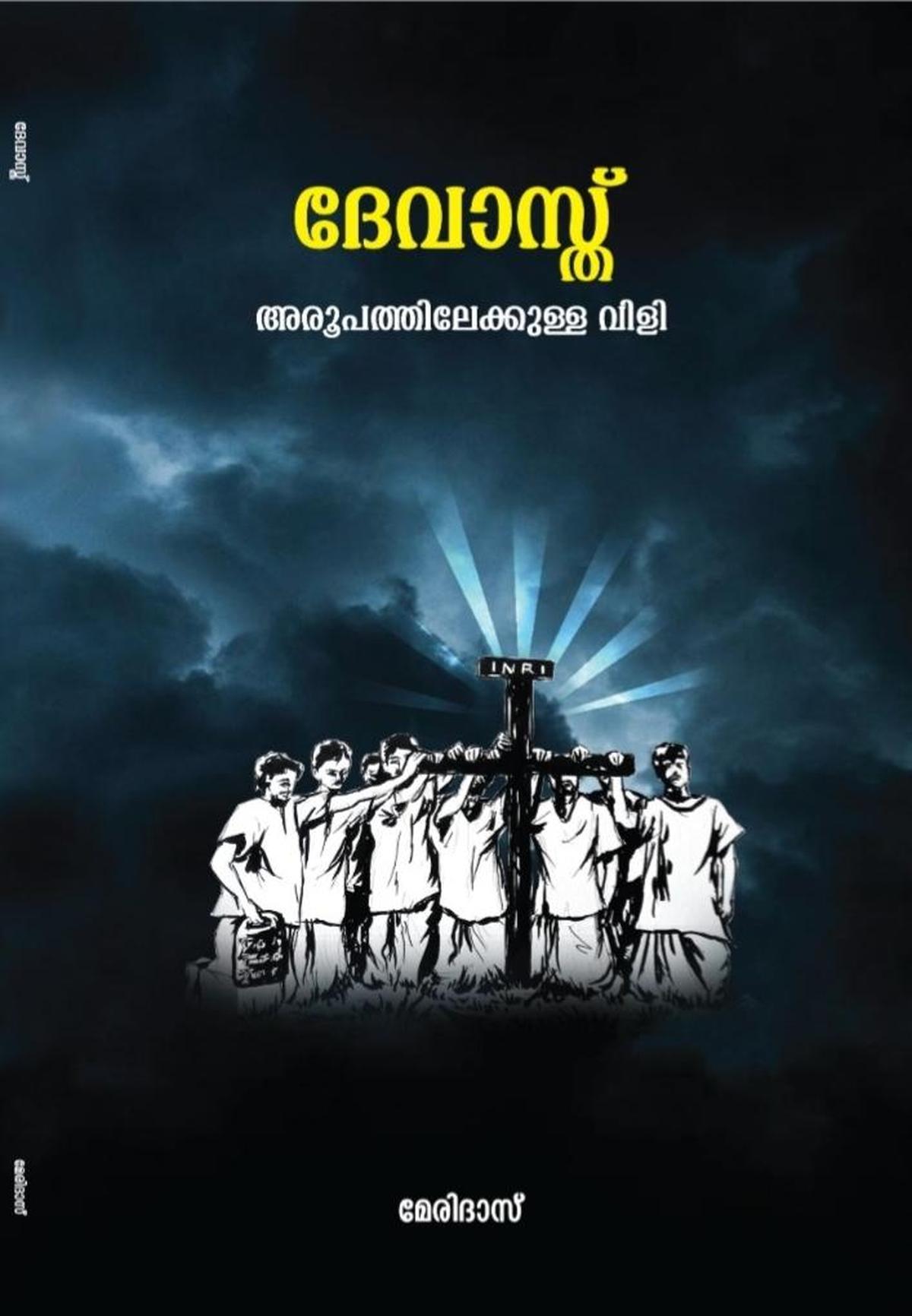
The continuation of a centuries-old ritual, the Devastha Vili has an intriguing history, says Maridas Kalloor, whose recent book, Devasth Aroopathilekkulla Vili, is a deep dive into the evolution of the practice. Written in Malayalam, the book explores the ritualistic nature of Devastha and its potential to be brought out of its religious confines. 

The book

The book
| Photo Credit:
Special Arrangement

Fascinated by the unique cultural tapestry of coastal Kochi, the former joint registrar of the Kerala High Court, Maridas spent a year talking to practitioners of Devastha Vili from the region, studied and analysed European religious practices before documenting the traditions surrounding Devastha. 

Believed to have been composed by Roman Catholic missionary Saint Francis Xavier in Portuguese when he came to Kochi’s shores in the 16th century, the Devastha Vili could have been a clever blend of various European lent traditions and ritualistic practices observed in the region, says Maridas. “For the recent converts to Christianity, who were from a background well-entrenched in ritualistic devotion, the use of bells, the holy cross and the loud chanting (in Devastha) would have been easy to relate to and adapt,” says Maridas. 

He draws interesting parallels between traditions such as Fogareus, which is observed during the Holy Week in towns such as Braga and Sardoal in Portugal, where locals dressed in cloaks or dark robes take out a procession in the dead of the night, carrying torches. “Designed as a deliverance for souls in purgatory, the hymns are chanted loudly. The men who perform the Devastha observe a strict fast and the entire process creates a surreal atmosphere — of fear and devotion,” Maridas adds. 

Translations of the Devastha emerged in Tamil and Malayalam. The versions in Malayalam are divided into Valiya Devastha, which uses Sanskritised Malayalam and Cheriya Devastha, which uses Malayalam. 

“The coastal region — extending from Kodungalloor to Kanyakumari is a melting pot of various influences, it has an identity quite unlike any other region,” says Maridas. “For instance, Chavittunadakam, an art form blending European theatrical elements with Kerala martial art, originated in this region. Devastha Vili also has the potential to come out of its purely religious domain and be treated as an artform,” he adds. 

The new Devastha

Maridas has composed 10 Devastha hymns, called Naveena (new) Devaasth, which highlights its performative aspects. “This can be recited on other occasions too and can be performed on stage,” he adds.   

The spirit of the Devastha tradition is rooted in a sense of renewal; taking it out to a public space would draw more people to it and attract the attention it deserves, says Maridas. 

An author with three short story collections and a couple of awards to his credit, Maridas lends his retired life to the joys of writing. He is currently working on a novel, Liberame, written in the Paravur-Kodungallur slang.


Source link