Life & Style

Enter this one-of-a-kind feather library in Bengaluru


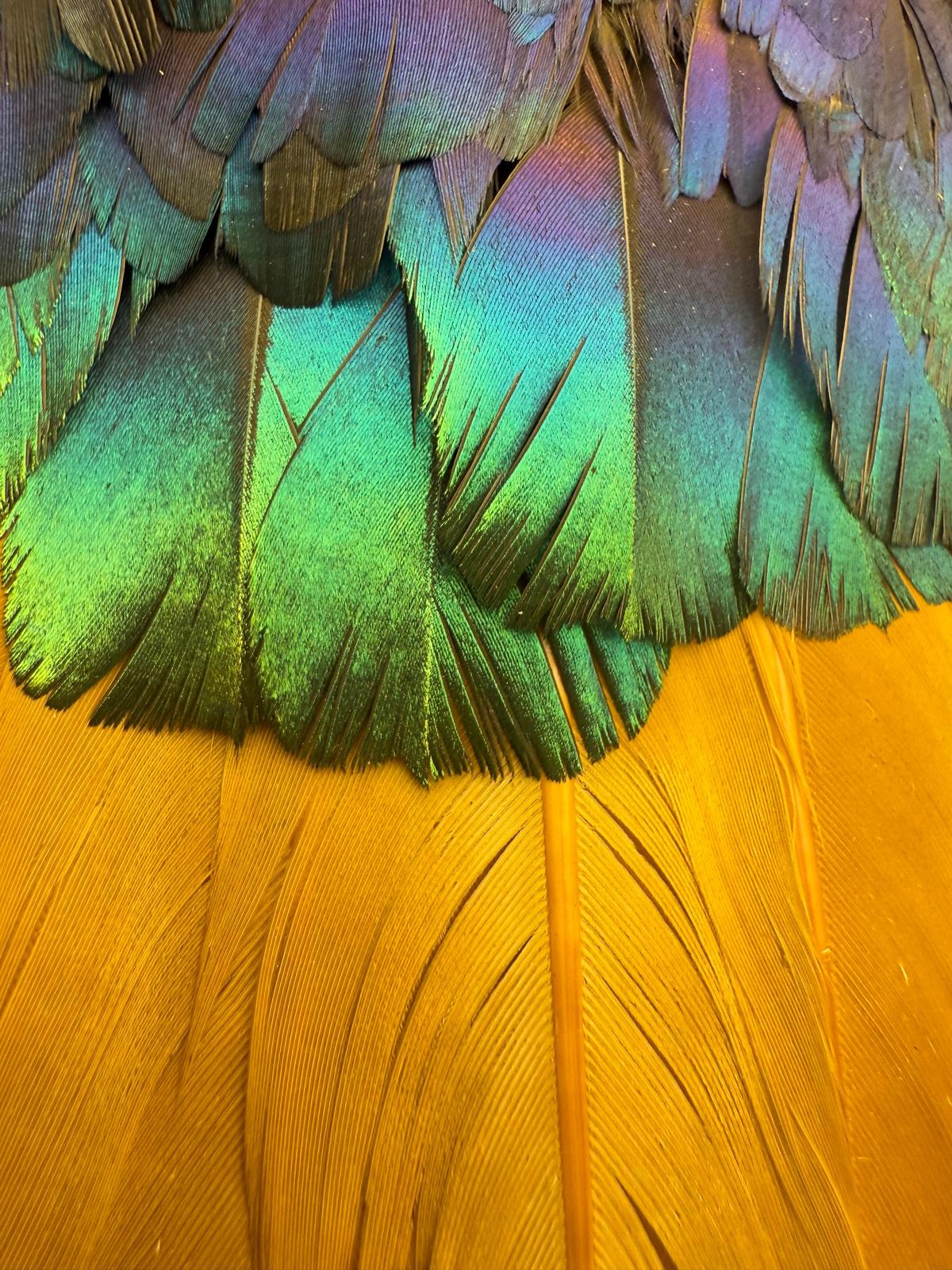
It started with a few feathers of an Indian silverbill that Esha Munshi had saved from one of her cats during the pandemic, back in 2020. Esha, an architect by training and the founder of the Feather Library, which has just added an extremely rare Sooty Shearwater —the only Indian specimen of this migratory seabird —to its collection, says, “I rescued the bird, but, in fright, it lost a few feathers.” She remembers looking down at the feathers she held in her hands, “smaller than my finger…so tiny and delicate,” and realised that she wanted to know more about them. “I just got curious and wanted to see the flight feathers of all birds,” says the self-confessed ‘bird nerd’, who has been obsessed with birds since she spotted a black-crowned night heron outside the window of her office in 2013.

She searched for more information about feathers but couldn’t find it. So, she set the thought aside and returned to her regular life in Ahmedabad, practising architecture and pursuing the Cornell Lab’s ‘Ornithology: Comprehensive Bird Biology’ course, an online certification course focusing on avian biology. She also began working on a project with Cornell, annotating bird sounds to train the AI tool for the Merlin App. “I am a bird sound recordist…was always interested in recording the sound of the bird, and during COVID got this project,” explains Esha, who travels frequently to birdwatch and has spotted more than 1000 of the 1300-odd species of birds in India.

Then, on a trip to the Rann of Kutch the next year, the idea came back to her. She recalls telling the friends who had accompanied her that she wanted to create a collection of feathers. “I remember the date, September 9. In the morning, I discussed this, and that evening, I found a roadkill of a hoopoe. So, I took it as a sign,” says Esha, who approached the Principal Chief Conservator of Forests soon after to get permission to collect bird feathers.

Since private individuals are not permitted to collect or possess taxidermy bird trophies or even feathers, she was asked to establish a private trust and got permission to document and digitise the flight feathers of birds that had died naturally.
The Feather Library documents the flight feathers of Indian birds

The Feather Library documents the flight feathers of Indian birds
| Photo Credit:
Special Arrangement

In November 2021, less than two months later, the Feather Library, a unique initiative dedicated to documenting, identifying, and studying the flight feathers of Indian birds, was born. “I published the website at midnight on November 15, which is also my birthday,” says Esha, now an Honorary Curator of Birds at the National Centre for Biological Sciences (NCBS-TIFR), Bengaluru, where the physical collection of the Feather Library is currently housed.

“I created a website with five specimens, a prototype,” she says, adding that her co-founder was Sherwin Everett, who used to work at an animal rescue centre called Jivdaya in Ahmedabad. “We would collect the birds that did not survive at Jivdaya and document their flight feathers.”

Two months after the launch, she formally quit architecture and poured her heart and soul into this initiative, deepening her expertise by studying further at the Cornell Lab of Ornithology. “I already had friends there because of my annotation project. I told them that I had released something like this in India, and wanted to come and learn taxidermy and how to make museum specimens,” says Esha.

On her return from Cornell, she had a meeting with ecologists Uma Ramakrishnan and Vivek Ramachandran at NCBS and decided to collaborate with the institute. “I shifted the whole collection here in August 2022,” says Esha, who had collected around 50-60 specimens back then.

Not only is the Feather Library the only one of its kind in India, but it is also a unique initiative globally, with only Germany’s Featherbase and the United States’ The Feather Atlas undertaking a similar endeavour, says Esha, who underwent training in feather microstructure at the National Museum of Natural History, Smithsonian Institution, Washington, D.C, earlier this year.

Today, it has grown to encompass feathers of nearly 160 species of birds and approximately 400 specimens housed in the temperature-controlled research collections facility at NCBS. Esha shows me around, opening drawer after drawer filled with wings, feathers and preserved whole birds, adding that she now has permission in Karnataka and Gujarat to collect deceased animals for stuffing, not just their feathers.

I listen to her reel off names, “barn owl, spotted owlet, Indian pitta, golden oriole, coppersmith barbet, house crow, the Asian koel” until we finally reach the pièce de résistance: the Sooty Shearwater, which she received in August this year after it died of natural causes at a rescue centre in Porbandar, Gujarat.

“It was a jackpot, actually,” she believes. “There is only one other previous record of a Sooty Shearwater in India…a photographic record taken off the coast of Mangaluru in Karnataka.”
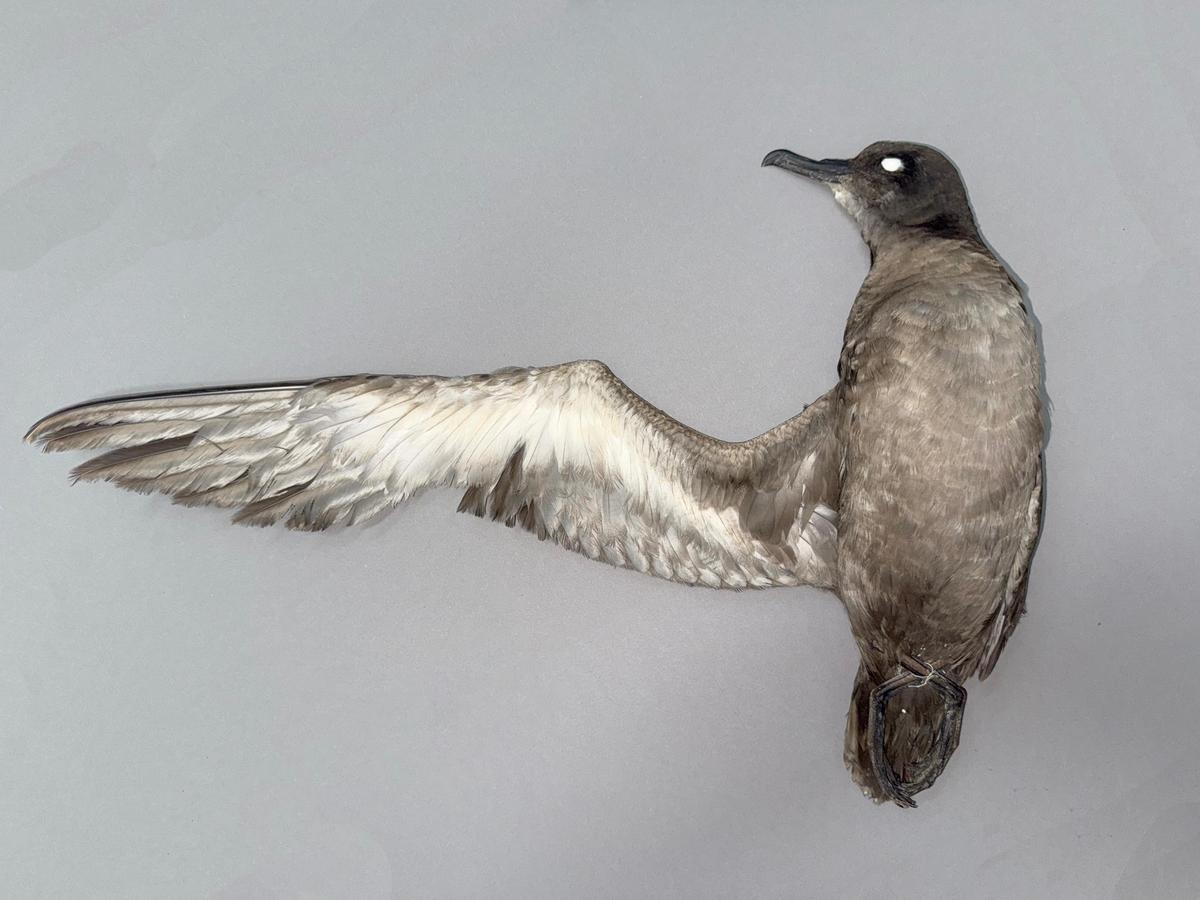
The rare Sooty Shearwater

The rare Sooty Shearwater
| Photo Credit:
Special Arrangement

Preserving these birds is a lengthy and meticulous process that requires considerable patience and precision. “When I find a bird, it is frozen for two days to take care of basic biosafety, if there are any bacteria or viruses,” says Esha.

After filling a form recording specific details about the bird, including species and specimen number, where and when the bird was found, and the cause of its death, Esha takes some basic measurements, “like weight, wingspan, length of the bird, head and beak width.”

Then, she performs the taxidermy of the bird, skinning, stuffing, sewing, and drying it before mounting it, with one wing stretched out to exhibit its shape and various feathers. “Before pinning, I remove individual flight feathers, scan and number them and keep them in the correct order. And then, when everything is done, I upload it to the website.”
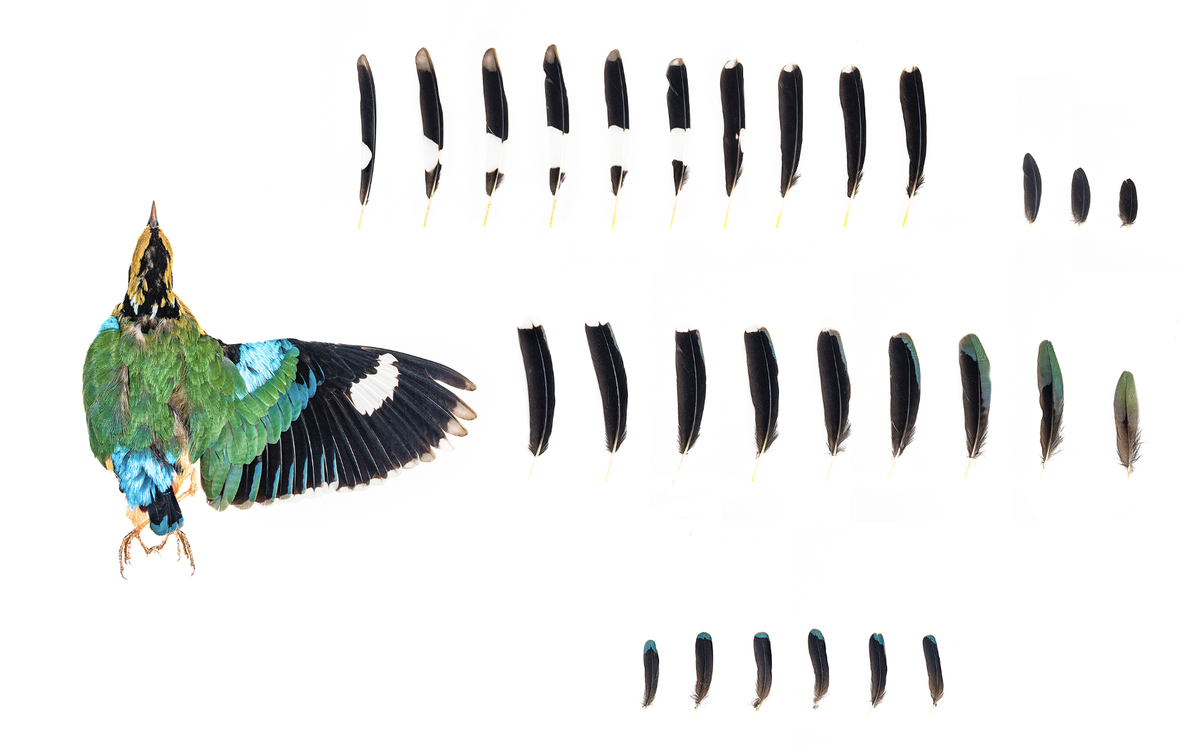
The feathers of an Indian Pitta

The feathers of an Indian Pitta
| Photo Credit:
Special Arrangement

The feather library serves more than just quenching Esha’s thirst to learn about and collect bird feathers. In her opinion, many fundamental questions about feathers remain unanswered because there are very few researchers working on feathers worldwide.

“That is what makes it very unique and niche,” she says, pointing out that saving these feathers could help answer some of these questions. “The hope is that someday, we can expand across India and at least have one specimen of every Indian bird,” says Esha, who also wants to someday transform the collection into an ornithology museum where specimen-based research can be conducted.

“Having a bird in your hand allows you to figure out so many minor details, which you’ll never be able to do while birdwatching. And there is something new to learn from every bird.”

Source link

A bookish evening with Christopher Doyle, decoding the science and history of the Mahabharata


Did you know that the Kurukshetra war was sparked by tensions between the Pandavas and Kauravas long before the Mayasabha was even built? 

Or that the popular tale of Draupadi’s laughter provoking Duryodhana and setting him on the warpath was a relatively recent embellishment rather than an ancient truth?

And did you know that there is a scientific explanation for the story of Shikhandi, who was born female but became a male later in life?

Bestselling fiction author Christopher C Doyle shattered several long-held beliefs about the epic and provided scientific explanations for stories from the Mahabharata during an engrossing evening with readers in Chennai on November 2 at Backyard Cafe, Adyar. The conversation, hosted by the book club Broke Bibliophiles — Chennai in association with Westland Books, grabbed the audience with many deep dives into the history, science and storytelling aspects of this text. 

“I’ve realised that behind every backstory in the text, there’s another one, and then another. The layers are endless, which is great for me as an author,” Doyle remarked with a smile.

The passion and joy that Doyle has mined in the last decade of spinning his fiction from verified kernels of history and science were evident as the audience smiled along and posed insightful questions through the short exploration of the various parvas, hidden expositions, confabulations, and revisionist history in and of the Mahabharata.

“Christopher’s storytelling is a masterclass in engagement. It makes you lean in and awakens your curiosity. His talk has inspired me to explore the Mahabharata in its original translation, which would be both humbling and illuminating,” said Prashant Kunnath, an IT professional.

Explaining his research process as the free-flowing conversation kicked off, Doyle shared how every story, for him, begins with science. He described how reading about the ‘Bootleg Fire’ in Oregon a few years ago led him to reinterpret the Khandava forest fire, a contrivance of Agni, as a storyteller. 

He reeled in the audience with descriptions of pyrocumulonimbus clouds—the towering, thunderous columns formed by raging wildfires—and how their visual similarity to the ‘unquenchable fire’ event expounded in the Mahabharata inspires this and other story arcs connecting real-world phenomena and perceived divine imagery in his books. 

“I read a lot of scientific journals and research papers. So, I always start with what science can tell us, and then I see how it connects back to an incident in the epic and take the story from there,” he said.

This methodical approach, weaving together science and history, underpins his distinctive fiction writing style in The Mahabharata Quest and The Pataala Prophecy series. While the former started off as a collection of stories to engage his then-young daughter, all the books have drawn readers of various age groups over the years.

“The conversation was very insightful for this evening’s varied audience of young readers and erudite followers of the epic. Christopher gave us a proper peek into the science of it all by sharing how every book he writes is meticulously researched, vetted by experts and born of deep curiosity. It is a true labour of love,” remarked Solomon Manoj, curator of Broke Bibliophiles – Chennai.

Doyle also held forth on how centuries of oral traditions have shaped the epic. Drawing on authoritative Sanskrit versions, he explained that travelling bards and storytellers may have influenced how many of the shlokas and chapters have been written in looping, repetitive structures, designed for recitation and memory.

He sided with the audience’s perspective that the Mahabharata is not narrated from the perspective of gods but ordinary humans, making it deeply relatable. He outlined how characters like Ashwatthama, who loses his moral balance after his father’s death, and their arcs illustrate that emotion and human frailty are deeply embedded in the text.

“No character’s actions are above reproach. That’s what makes it timeless,” Doyle said. 

From these human stories, the author noted, also emerge managerial and leadership lessons on decision-making, ethics and responsibility, entirely relevant in today’s world.

When called to remark on the distinction between the popular genre of mythology and stories in religious texts, Doyle cited the example of Alexander the Great, noting how much of what we believe about him is not backed up by physical or archaeological evidence. He pointed out that the Mahabharata itself is described as an itihasa, a word that loosely translates to “this is what happened”, indicating that it is rooted in history and therefore distinct from pure myth. 

This incisive tendency to look beyond the obvious is also reflected in Doyle’s origin story of his The Pataala Prophecy series for young adults. The idea, he shared, took shape after witnessing a literary festival panel a few years ago which pitted its speakers on the possibility of a “desi Harry Potter” ever being written. While the verdict was ‘nay’, Doyle took it as a challenge but with a twist. 

“I didn’t want to rehash Harry Potter,” he said. “It would neither translate elegantly nor really be relevant for our readers. I wanted something rooted in our own texts, the Vedas and the Puranas, something uniquely Indian.”

What followed was years of intensive research and collaboration with subject experts, including acclaimed author Shubh Vilas. The result is a series that weaves together ancient wisdom and modern storytelling, much like his explorations of the Mahabharata itself.

And the proof of this potential-turned-premise is in the pudding. 

“I have had so many readers writing to me over the years, especially young people, telling me how the series has grabbed them and following up on when the next instalment would be out. One of them even regaled me with this tale of how her mother got hooked by the book immediately after it arrived and how their dinner had been shelved as a result,” laughed Doyle along with the spellbound audience.

The author was speaking at an open book club event in the run-up to the November 13 release of the third book of The Pataala Prophecy series, Sword of Fire.

Published – November 12, 2025 05:45 pm IST


Source link

Numeros Launches ‘n – First’: A Hybrid Between Bike and Scooter for Urban Riders


Numeros’ n - First hybrid vehicles

Numeros’ n – First hybrid vehicles

The design strays from conventional scooter proportions, featuring larger 16-inch wheels that promise better stability, paired with a low step-through frame for ease of use. Developed in collaboration with Italian design studio Wheelab, the n – First attempts to combine European aesthetics with Indian practicality — a balance that could appeal to urban riders seeking something different from the usual crop of electric scooters.

Underneath the design, the n – First is powered by a PMSM mid-drive motor with chain transmission and comes in two battery configurations: 2.5 kWh and 3 kWh. Numeros claims a certified range of up to 109 km (IDC) on the top variant and 91 km on the lower versions. Charging time ranges between five and eight hours, depending on the model. While these numbers place it among other mid-range EVs in the market, real-world performance and battery durability will be crucial factors for long-term acceptance.

Where Numeros has tried to differentiate itself is in durability and smart features. The company says the n – First has undergone extensive testing in diverse conditions — from Rajasthan’s heat to Himachal’s cold — to ensure reliability. The scooter is also equipped with IoT-based connectivity features such as theft alerts, remote locking, live location tracking, geo-fencing, and ride analytics through a dedicated mobile app.

While the hardware and feature list are in line with what one might expect from an emerging EV brand, Numeros’ biggest challenge lies elsewhere — consumer trust. Despite being around for five years, Numeros remains a small player in a market increasingly crowded with both established manufacturers and aggressive startups. Its earlier model, the Diplos Max+, launched just a couple of months ago, focused on commercial users, giving the brand some visibility but not yet the recognition that drives mainstream adoption.

The n – First seems like an attempt to change that narrative by appealing to a wider audience. The combination of practical range, affordable pricing, and distinctive styling does make it an interesting alternative in the entry-level EV space. However, success in this segment is rarely just about the product. With limited dealer and service reach at present — primarily across Bengaluru, Chennai, Kochi, and a few other southern cities — Numeros still has a way to go before it earns the consumer confidence needed to compete with larger brands.

For now, the n – First stands as an example of how startups like Numeros are trying to find their footing in India’s evolving EV landscape — not by reinventing the wheel, but by finding new ways to merge convenience, affordability, and design in a segment that’s still shaping its identity.

Introductory Price: ₹64,999 (for the first 1,000 buyers)

Motorscribes, in association with The Hindu, brings you the latest in cars and bikes. Follow them on Instagram


Source link

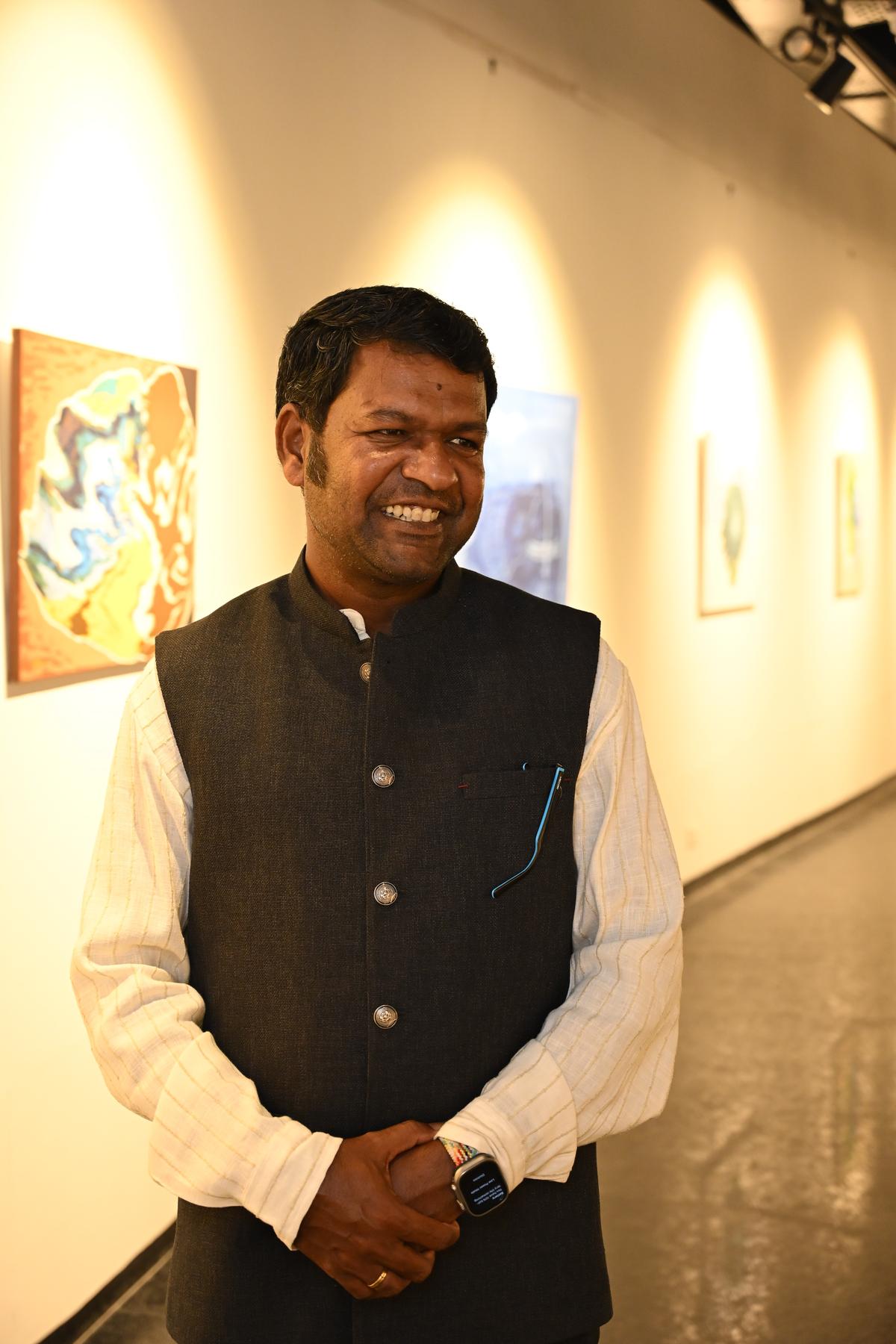
Renowned sand artist Sudarshan Pattnaik unveils a new side of his art in Chennai


Sudarshan Pattnaik’s show at Lalit Kala Akademi

Sudarshan Pattnaik’s show at Lalit Kala Akademi
| Photo Credit: Special Arrangement

“Life is like sand. You can hold it in your hand, but it slips away. I believe that we must leave something behind that lasts and makes an impression, and paintings are my my way of doing that,” says Sudarshan Pattnaik, renowned sand artist, who has won several accolades including the Padma Shri and a Guinness World Record for creating the world’s largest sandcastle, usually on the beaches of Puri, Odisha.

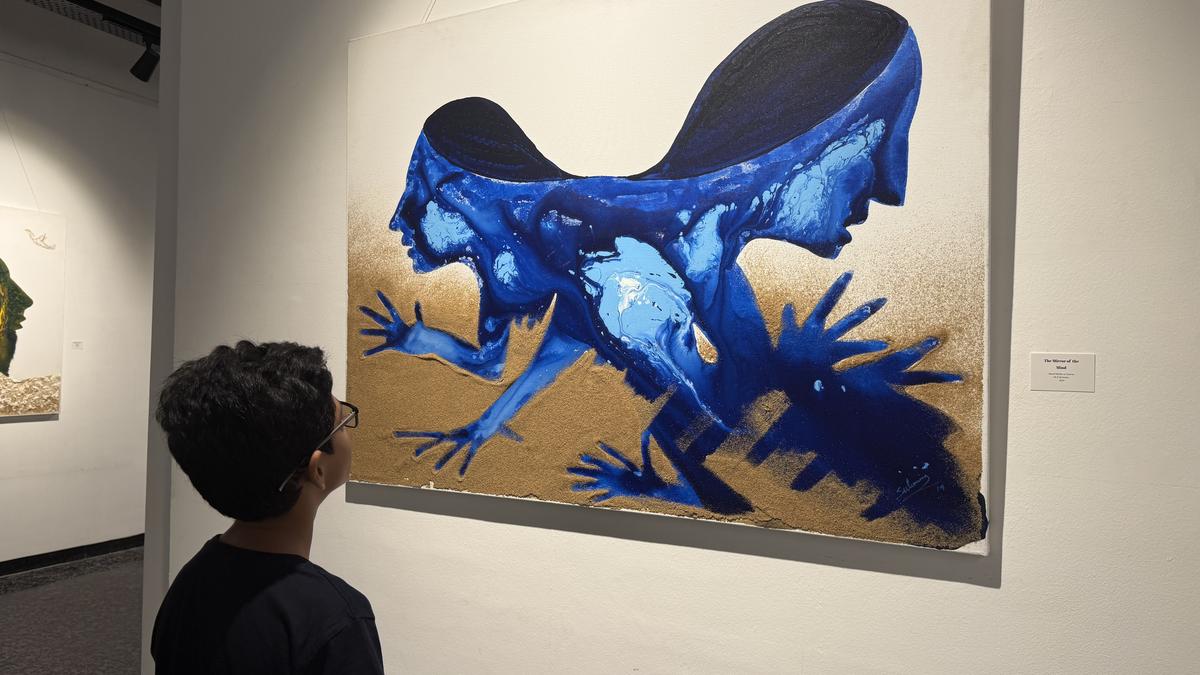
The artist was recently in Chennai, to present his third gallery show Nature’s Rhythm: Sand and Sublime, at the Lalit Kala Akademi. Comprising over 50 art works, the exhibition brought together Sudarshan’s two worlds — paintings and sand. Each work had some element of Nature, and he had used sand from his hometown Puri, where he first began doing sand art. 

Sudarshan Pattnaik

Sudarshan Pattnaik
| Photo Credit:
Special Arrangement

“I started doing sand art because we did not have resources to buy paints and brushes. Tourists used to see my art and appreciate it, so it inspired me to keep going,” says Sudarshan, adding that he slowly grew into an artist despite the hardships of being a child labourer. “I used to work in a tea shop near the Jagannath Temple, and the tourists would see my watercolour paintings there, but as I got famous for sand art, I left paintings behind. I want to bring that back now,” he says. 

The exhibition, which was previously displayed at Birla Academy of Art and Culture, Kolkata, and then at Galleria VSB, New Delhi, explores the conflicts arising from human interventions. “All these paintings have a connection to Nature and climate change. This one is about the turtle migration and the impact of human life on Nature,” he says pointing out to a painting depicting Olive Ridley turtles that migrate to India’s East coast for nesting every year. These turtles have been turning up on coasts dead due to entanglement in fishing nets from illegal and unregulated trawling.

“I believe that art comes from everywhere. In big cities there are avenues for artists to display their art, but in smaller cities and towns, there are no galleries. I managed to open eight galleries in eight districts in Odisha,” he says. Sudarshan, who went on to become Lalit Kala Akademi Odisha’s youngest president, says that art holds an important role of spreading positivity and raising awareness in society.


Source link

Dramatic rise in interest towards women’s cricket in Tamil Nadu post India’s World Cup win


On November 2, when Harmanpreet Singh’s team of 11 hopefuls scripted team India’s cinematic victory in the Women’s World Cup final against the formidable team from South Africa, something fundamentally changed in this country forever.

You perhaps discount the previous statement as hyperbole, yet the numbers cease to lie. An estimated 40,000 pairs of eyes were present at the DY Patil Stadium in Navi Mumbai. JioHotstar’s viewership on the day of the final was a staggering 185 million. Sharadha Sridharan, a BCCI-accredited Chennai-based cricket coach, says that through the breadth of the tournament, several fans including men who coach, asked her who would make for the best 11 players on the day of the final. “An interest like this has never been shown before,” she said.

Prithi Ashwin, who spearheads Gen-Next Cricket Institute in Chennai, says she has been inundated with calls through the duration of the world cup. “At least six to seven calls since the win this morning,” she wrote when asked what the response has been like.

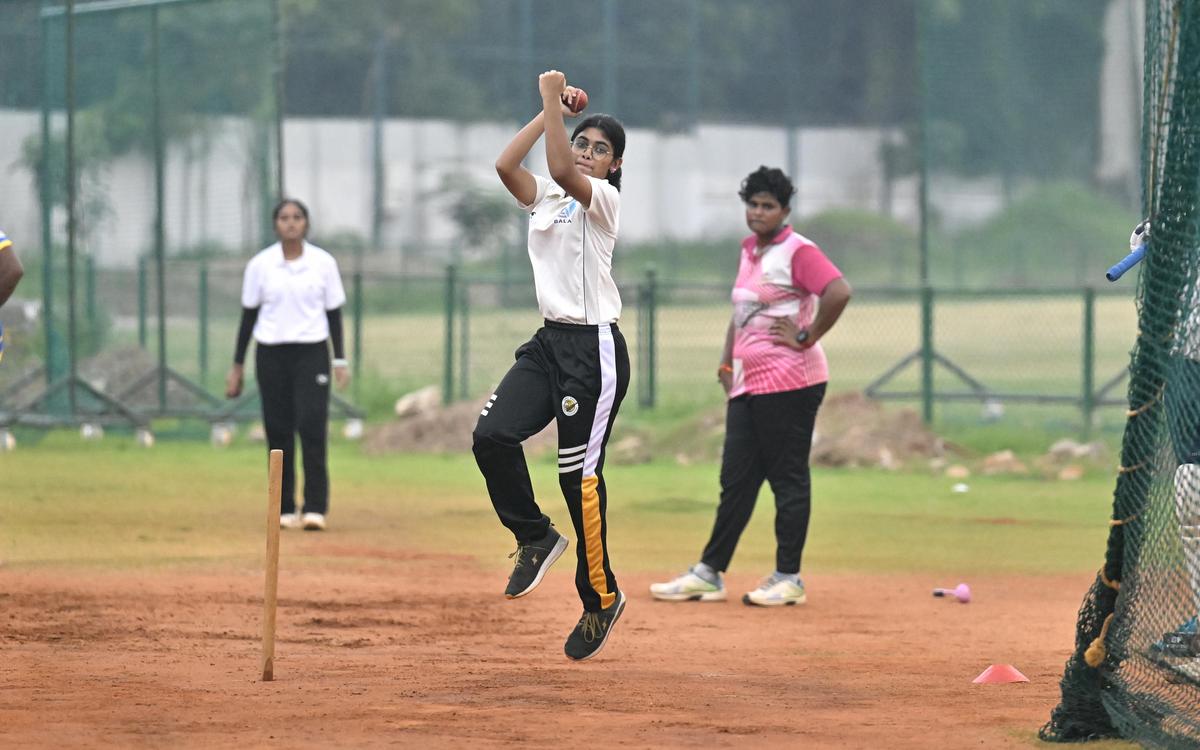
Girls practising cricket at AM Jain college ground in Chennai.

Girls practising cricket at AM Jain college ground in Chennai.
| Photo Credit:
AKHILA EASWARAN

Stakeholders across the cricket fraternity have stated that there has been a sharp rise in the number of women playing cricket in Tamil Nadu, particularly since 2017. With the Board of Control for Cricket in India (BCCI) and the Tamil Nadu Cricket Association (TNCA) setting up academies and sponsoring players and their coaching, cricket is now a viable career option for many aspiring women who have set their sights on the Indian jersey.

What resource crunch?

According to data from the TNCA, there has been a 38% increase in the number of women who have appeared for selections from the 2022-2023 (472 across districts) season till the latest 2025-2026 season (770). Although there was a drop in the 2024-2025 numbers from 725 to 700, it picked up again this year.

It was 2017 that sowed the seeds of this nation-wide rise though. That year, the Indian team which reached the final against England at the Lord’s, suffered a nine-wicket loss. Yet, they captured the imagination of a number of Indians who finally acknowledged women playing professional cricket. “The following summer, in 2018, we noticed a clear uptick. Our summer camp that year had more girls registering than ever before. It felt like a movement was quietly taking shape. The pandemic paused things for a while, but from 2021 onwards, we’ve seen steady momentum again. What’s beautiful now is that the interest isn’t just from older teenagers chasing State caps. We’re seeing younger age groups, even eight-year-old girls walking in with their parents. That’s where the future of women’s cricket truly lies,” says Prithi.

The subsequent conduct of the Women’s Premier League in 2023 helped cement this movement even though it was subject to immense trolling in its first edition.

A woman practising cricket at AM Jain college ground in Chennai.

A woman practising cricket at AM Jain college ground in Chennai.
| Photo Credit:
AKHILA EASWARAN

Selectors on board, including former Indian captain Sudha Shah, say that there was once a time when people had no idea about the team having reached the finals in 2005 in South Africa. Now though, times have changed and the selection pool of players has increased. Earlier, elimination was the name of the game. “Now however, quality players from across Tamil Nadu, are being scouted for. The competition is tough. It is no longer a simple team to put together,” she says.

Aarti Sankaran, who has coached teams across age categories including the under 15, 19 and 23, says that she is mostly excited to see the proliferation of the sport from the districts. That is where much of the talent is from, she says, adding that teams from places like Coimbatore, Tiruppur, Madurai and Salem, have proven to have extraordinary talent as shown in the TNCA inter-district tournaments that usually doubles up as a talent scouting programme. Much of today’s State girls team comprises young women from the district.

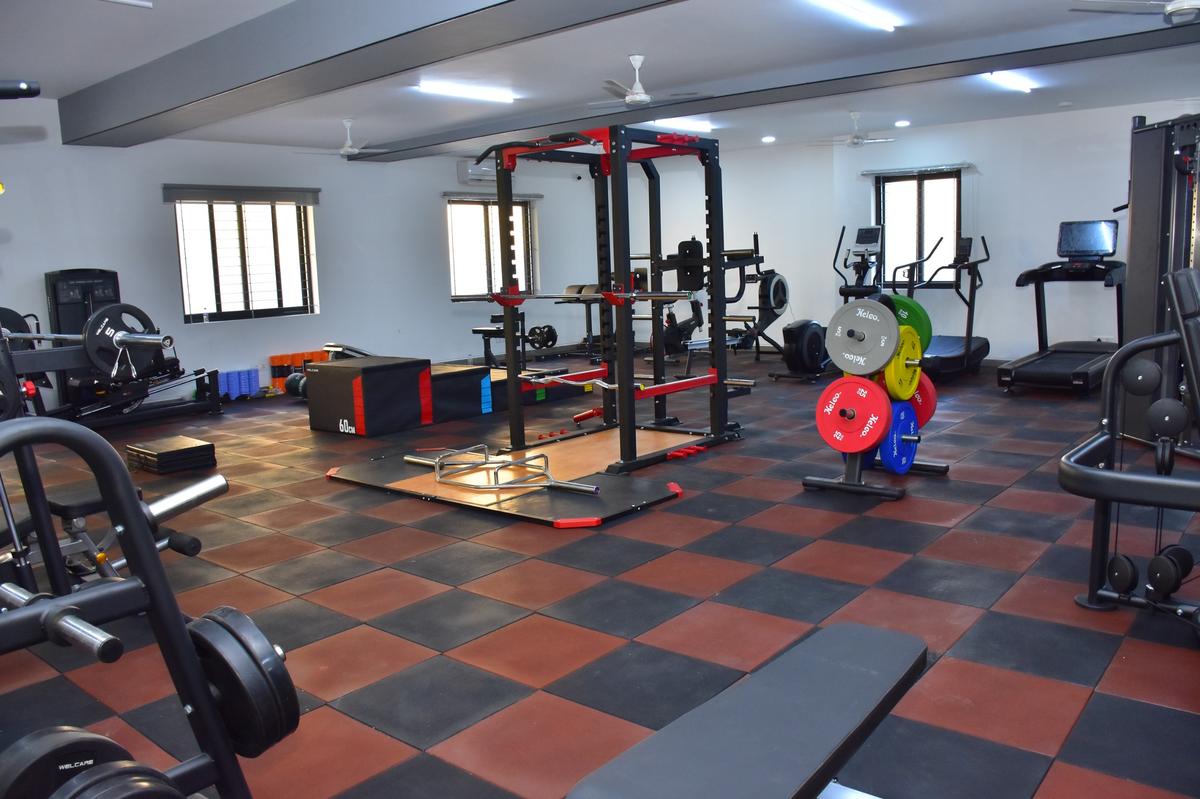
Bhagwandas Rao, newly appointed secretary of the TNCA, says that the association has been in the process of conducting well-functioning and quality infrastructure at their satellite campuses in Tiruppur, Madurai, Theni, and Tiruchi, as well as residential facilities in Natham and Salem. “This is besides our ground here in Chennai and a top-notch gym that we have constructed here. The aim is to also amp up the experts including physiotherapists so that more people are available both during and off season. We’ve been hosting special camps for women across age categories where they are given a daily dearness allowance for taking part. Before selection to the camp, they can train at all the grounds and the nets at the above locations,” he says.

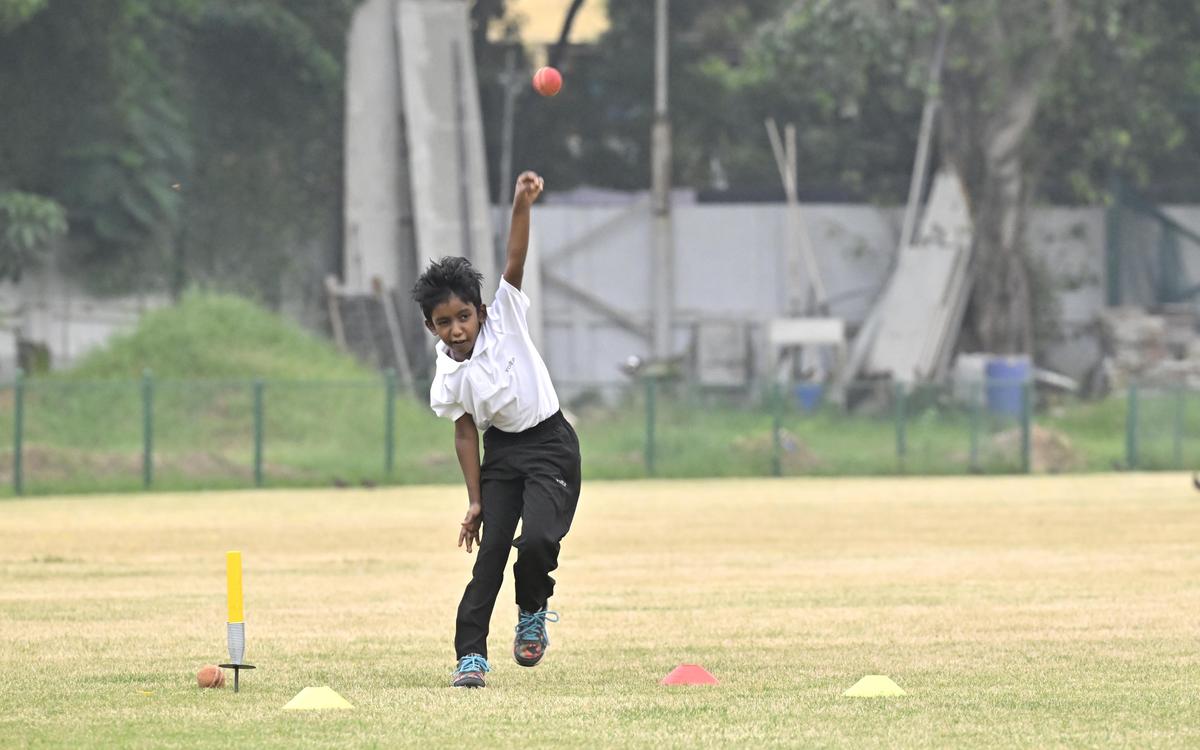
A young girl practising her bowling in Chennai

A young girl practising her bowling in Chennai
| Photo Credit:
AKHILA EASWARAN

Bhagwandas says that the intention is to align with the National Cricket Association in order to ensure that great quality is provided to players across socio-economic strata. Safety is central too.

Aarti says that some remote and newly formed districts might occasionally struggle to put together a team. Yet, it is just the start, she says. “There is pure grit and a need to prove themselves in a place where conveniences are not easily handed out. That is unique about the players from the district,” she says.

Niranjana Nagarajan, former Indian cricketer, who has also been mentoring young cricketers today, says that there is another important reason why many young women are taking to cricket. “It is finally a viable profession,” she says, adding that there is money to be made in the WPL now too. Those who do well are absorbed by the Central and State governments too, she says.

Looking ahead

Currently, the roster of promising players include the likes of G Kamalini, S Anusha, and Akshara Srinivasan.

Bhagwandas says that the aim is to increase momentum so that there is more representation of Tamil Nadu in the Zonal and National teams. “But before that, ensure that your children join your neighbourhood cricket academies so they start young,” he says.

In order to do so, both Sudha Shah and Aarthi suggest that coaching begin at the school-level and special exceptions be given to children, particularly girls, who want to pursue this as a career.

TNCA’s gym at their Madurai facility

TNCA’s gym at their Madurai facility
| Photo Credit:
Special Arrangement

It is also imperative to support promising players who come from diverse socio-economic backgrounds to ensure that the sport, often dubbed deeply expensive, is accessible to talent too.

Prithi suggests that having some structural changes including more tournaments and avenues for women to play, will help aid not just their game but also their income. “The ecosystem for men’s cricket is also far more financially structured. A boy playing even fourth or fifth division cricket can earn a match fee. A man playing first division cricket can get full time employment. For girls, that pathway barely exists right now. That is why this World Cup win feels so crucial. It is not just about inspiring players, but also parents, academies and administrators to build a pipeline and create equal opportunities,” she adds.

Published – November 12, 2025 03:56 pm IST


Source link

Malayalam short film ‘Oru Poocha Paranja Katha’ tells the story from a cat’s point of view


Mottu in a scene from the film

Mottu in a scene from the film
| Photo Credit: SPECIAL ARRANGEMENT

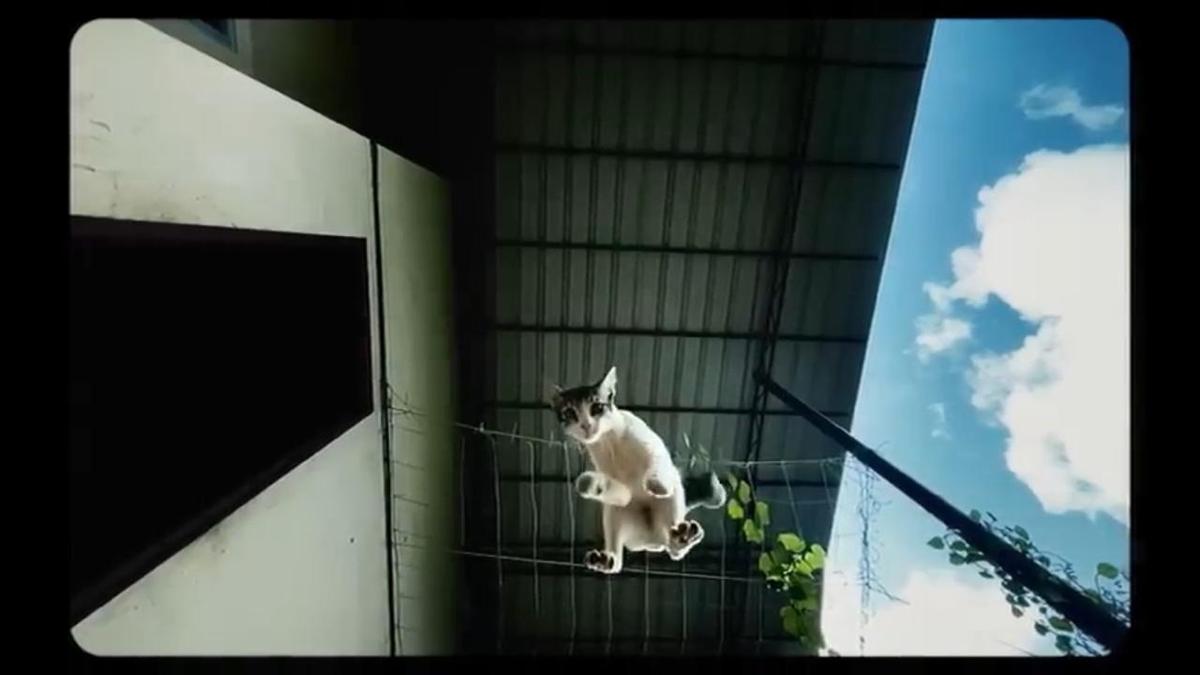
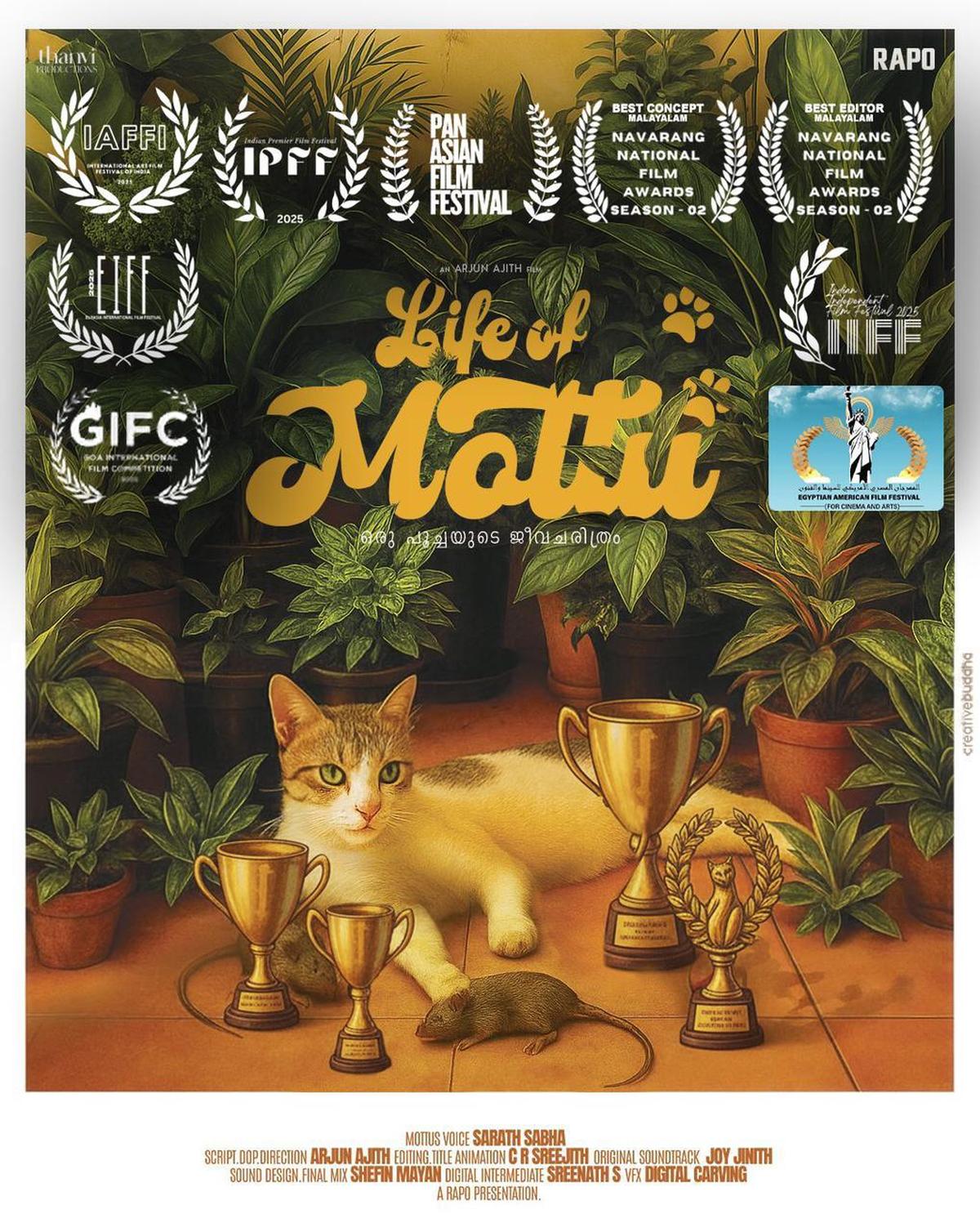
Oru Poocha Paranja Katha (Life of Mottu) is the story of a cat called Mottu. The film is Mottu’s POV. “It is his story so he gets to tell it,” says the director, Arjun Ajith. Given that cats, unlike dogs, are notoriously difficult to train, Arjun has pulled off something of an entertaining miracle.

The short film starts with Mottu coming to his ‘master’s’ place as a kitten with two other kittens, Chotu, who dies not much later, and Chikku. As the two cats grow up together, Mottu develops a crush on Chikku who is in ‘love’ with another cat in the neighbourhood. The film pans on how Mottu copes with heartbreak via the ‘traditional’ route of slipping into ‘alcoholism’ before finding himself. “It was not alcohol, just black tea,” Arjun clarifies.  

“I tried training the cats, but I wasn’t too successful. I then started recording footage over two phases, there is so much of it now: around 10 hours or so. I decided to keep it at a short and crisp 14  minutes. Initially I also thought of it as a mockumentary. There was a script, of course, for this short film,” says Arjun, who filmed the cats on an iphone during the pandemic. It was the work of two and a half years, “and during the making the kittens grew up.”   

The poster of his film

The poster of his film
| Photo Credit:
SPECIAL ARRANGEMENT

The filming was not smooth because Mottu disappeared for six months. “We had no clue where he had disappeared to. With that filming paused for the duration. When we found him he was emaciated and limping; he had to be nursed back to health. However, we filmed him in that condition — as the heartbroken Mottu.” Since Arjun has moved out of the house he was living in at the time, he does not know where Mottu and friends are. One of the calls that he got was from director Lijo Jose Pellissery, who was curious about how Arjun had managed to film the cats.

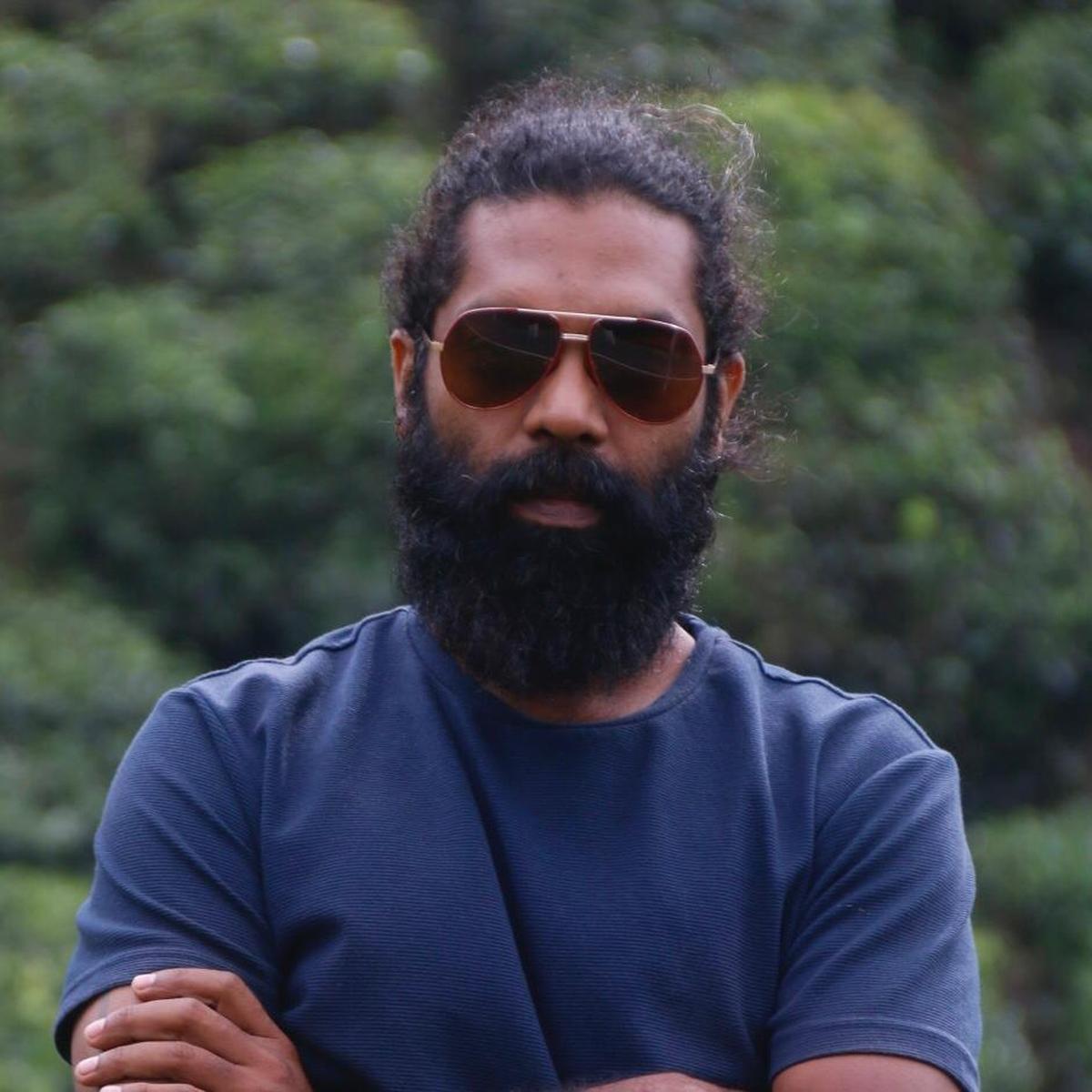
Arjun Ajith

Arjun Ajith
| Photo Credit:
SPECIAL ARRANGEMENT

The comic effect is achieved, without question, by actor Sarat Sabha who has dubbed for Mottu. Sarat’s voice, the dialogue delivery, elevates the film bringing in humour to the action. “Several people, including some actors dubbed for the role. But somehow it wasn’t coming together. However, when Sarat offered to give it a shot I thought, why not? He spent one day on it and it came out well.”  

The film has travelled to a few film festivals such as Navarang National Film Awards where it won a few awards, Mumba Film Festival (special jury award and best concept), and the Pan Asian Film Festival. Other short films directed by Arjun are Chithra, Maruthu, Njaan Ponmutta Edunna Poovan Kozhi, and Aanathra, which is under production. He has also directed the Malayalam film Marathon apart from a documentary film Perumbavoorinte Thanima.

Oru Poocha Paranja Katha is streaming on YouTube


Source link

AppuWorld Books and Toys Library is a children’s library in Hyderabad that also caters to adults


Bonding with books

Bonding with books
| Photo Credit: SIDDHANT THAKUR

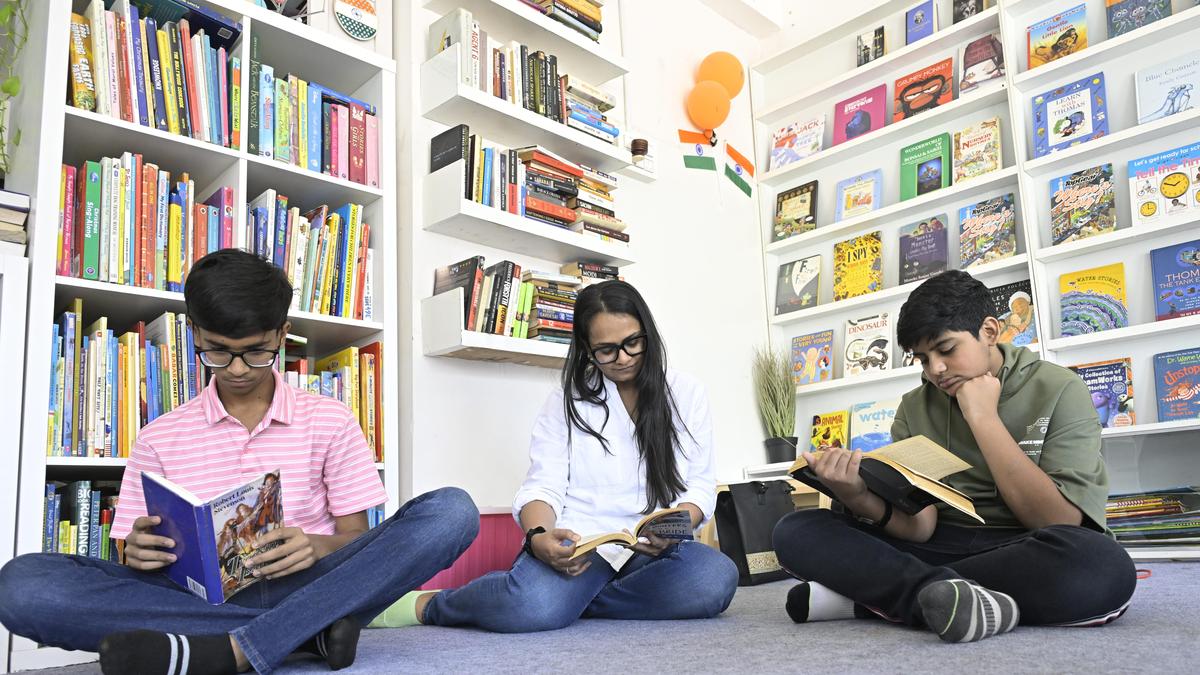
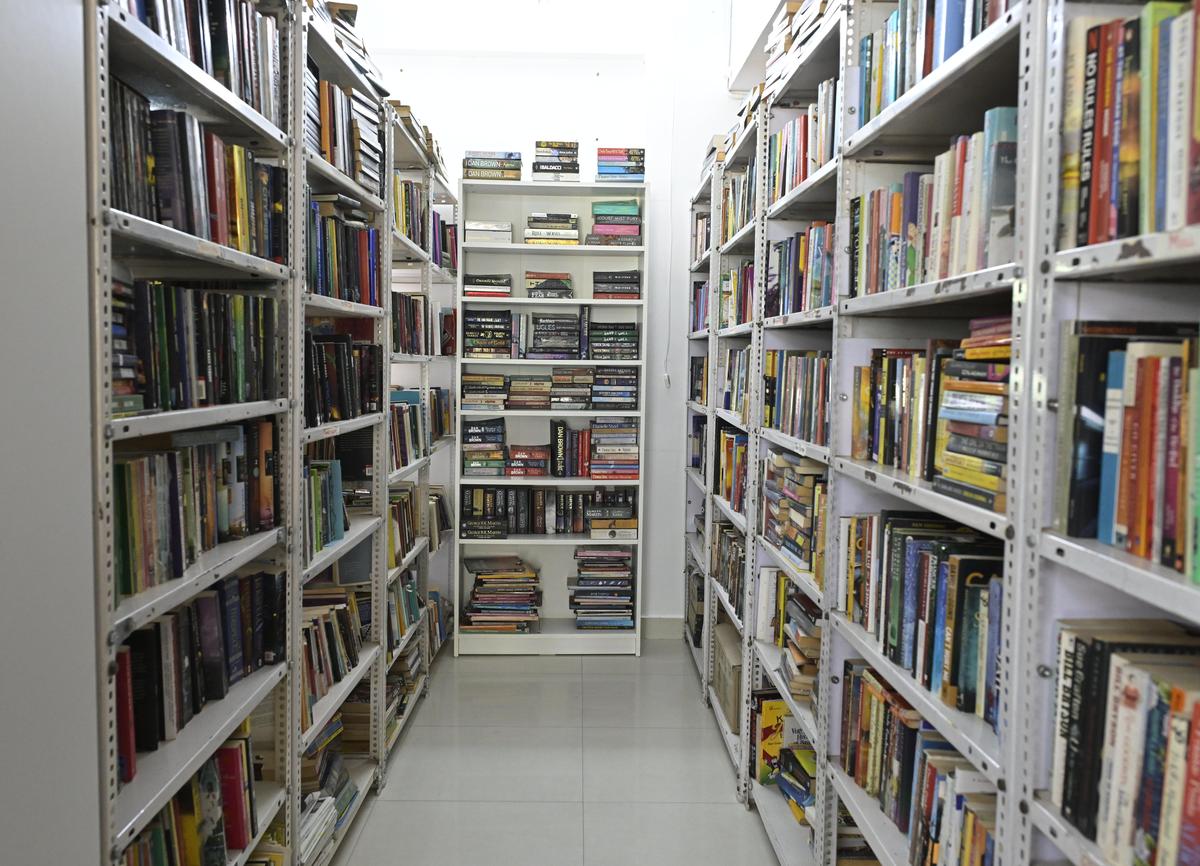
Open the door to AppuWorld Books and Toys Library in Hyderabad and step into a world of books and stories. As you take in the quiet calm of the 2,000-square-foot space and its remarkable collection, you are greeted by parents and children, digital devices set aside, lost in the pages of their chosen books. In an age when reading among the young is often lamented as a dying habit, this library stands out as a space where generations come together to read.

Subscription fee

AppuWorld Books and Toys Library’s basic plan is ₹1600 for three months where a user gets five books at a time, and can also exchange unlimited times during its working hours from 12 noon to 8pm. The library also has a delivery service across Hyderabad. One can place an order and have books delivered to any part of the city.

Contact: 70958 80077

Fascinated with public libraries

 Aparna More Thakur

Aparna More Thakur
| Photo Credit:
SIDDHANT THAKUR

Located in TNGO’s Colony in Hyderabad’s Financial District, the nine-year-old Appuworld Library was founded by Aparna More Thakur, a former engineering lecturer. Inspired by vibrant public libraries she visited in the US and eager to nurture her four-year-old son’s reading habit, Aparna began by creating a small library at her home in Chandanagar in 2016.

While volunteering at a public library in Charlotte, North Carolina, she found time to read and explore new subjects. “As a swimmer, I was amazed to discover so many books on subtopics like synchronised swimming, water polo and diving,” she recalls. Her home library — with 300 books and a few toys — functioned as an online lending library offering home delivery. After two years, it moved to a modest space in the Financial District. “COVID was a testing time,” she admits. “The library remained idle as people were hesitant to step out, and I even considered shutting it down.”

Gradual rise

 Parents and children spend time reading at the library

Parents and children spend time reading at the library
| Photo Credit:
SIDDHANT THAKUR

Surviving the pandemic brought an unexpected positive change that gradually boosted footfall at the library, which also includes a small section of toys. With children and adolescents increasingly drawn to screens during lockdown, parents began bringing them to the library to rekindle their love for reading. The steady rise in visitors encouraged Aparna to shift to the current 2,000-square-foot space in June 2024, allowing room for more books and weekend activities.

 A bibliophile’s paradise

A bibliophile’s paradise
| Photo Credit:
SIDDHANT THAKUR

An avid reader herself, Aparna often struck up conversations with parents waiting for their children at the library . One such exchange proved transformative. “A mother once told me she was worried about her child’s reading habits but had never read anything beyond academic books,” Aparna recalls. “I told her, ‘Children imitate us — so pretend you are reading.’ It worked. She began reading, and soon enjoyed it herself.”

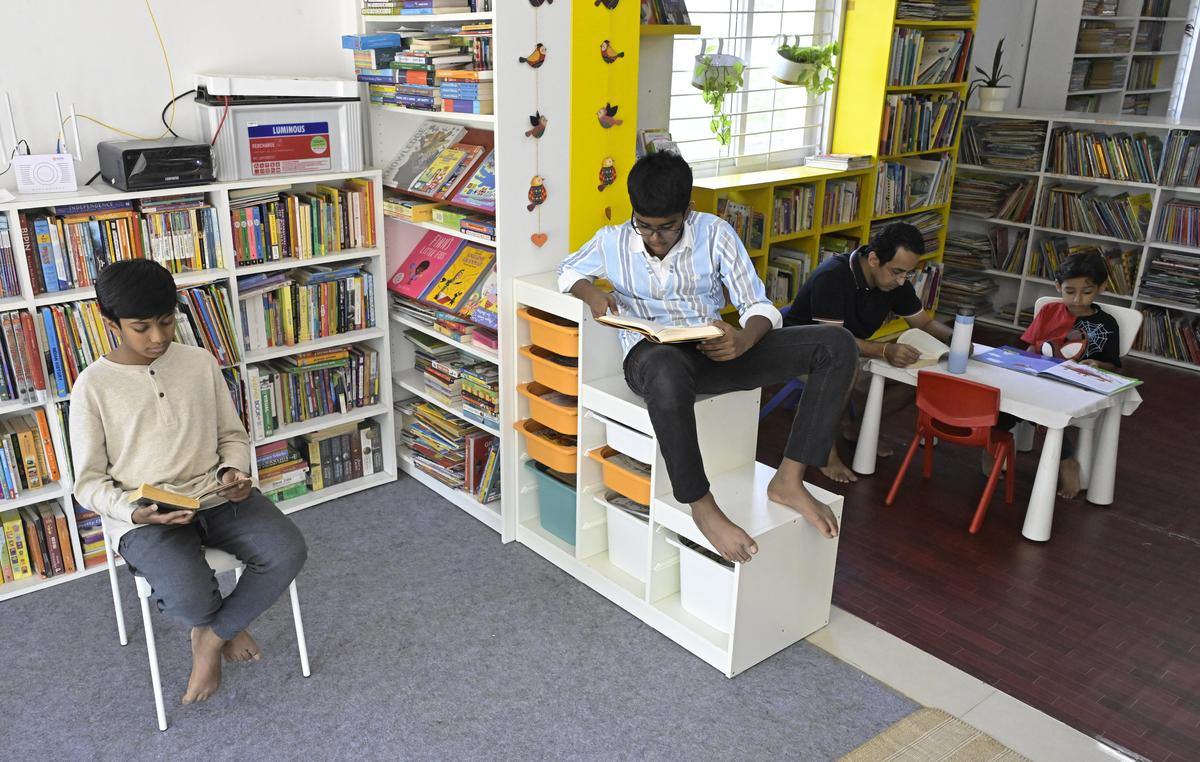
Space filled with racks of books at AppuWorld Books and Toys Library

Space filled with racks of books at AppuWorld Books and Toys Library
| Photo Credit:
SIDDHANT THAKUR

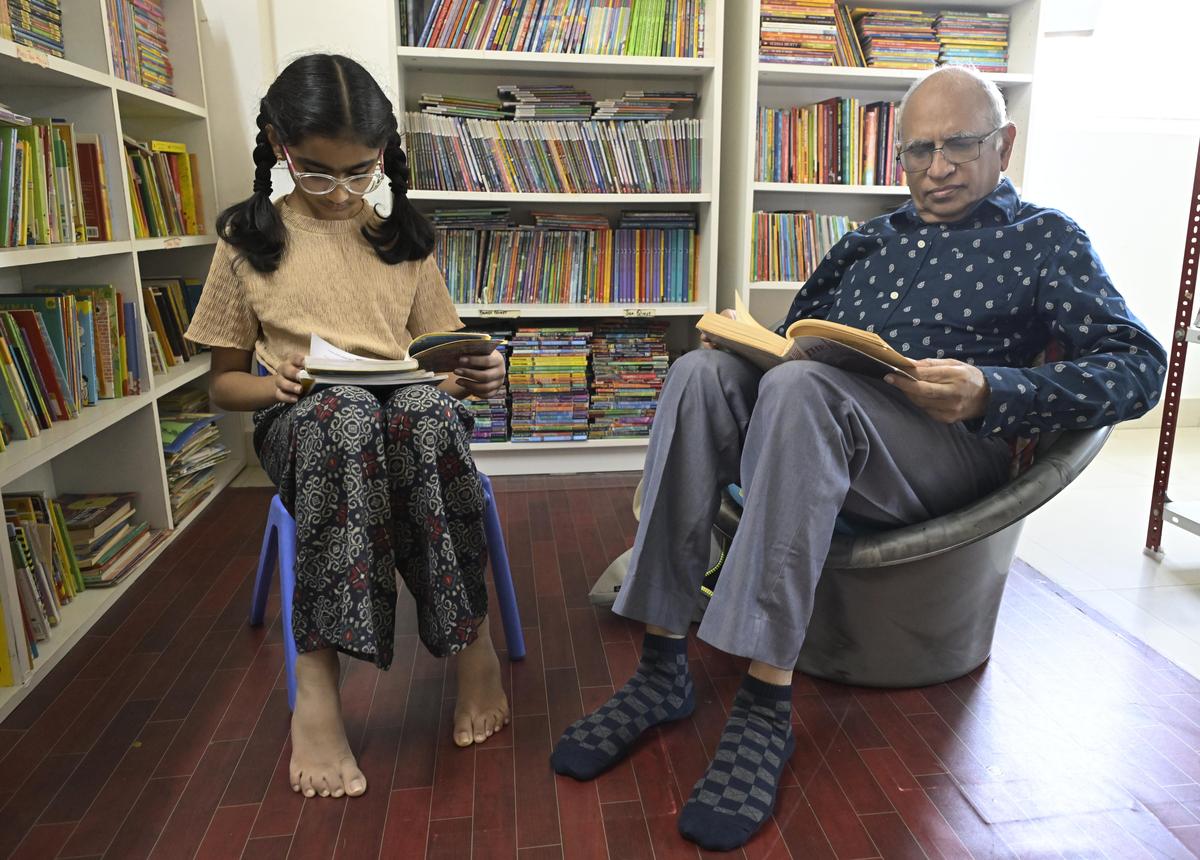
That simple suggestion sparked a wider community of adult readers — many of whom had long lost the habit or never had the time to read. On weekdays, a few children and adults visit the library, but weekends see nearly 100 readers of all ages. The space comes alive with book club sessions for both children and adults, along with activity workshops that lend a festive air to the premises. “During summer, we have had teenagers who have read up to 60 books in a month!” she says with pride. “Even grandparents come and take separate subscriptions because their grandchildren refuse to share books. We offer unlimited access — we don’t want to stop anyone from reading,” she smiles.

A grandfather with his granddaughter enjoy reading together

A grandfather with his granddaughter enjoy reading together
| Photo Credit:
SIDDHANT THAKUR

Today, the Library houses over 22,000 books, most of it from her personal collection across genres in English, Hindi, Telugu, and a few in Sanskrit. Over 95% of its collection has been personally curated by Aparna. “I research and update titles regularly,” she explains. “I follow reading trends and include books recommended in Cambridge and IB summer reading lists, as well as those popular on children’s and adult literary platforms online.”

For someone who once wanted to specialise in teaching core subjects of electronics, Aparna is delighted to be writing a different story. “I never imagined myself as a librarian or an entrepreneur,” she says. “But the feedback I receive almost every day — even a simple ‘thank you’ from parents — keeps me going. It’s a kind of satisfaction I can’t quite put into words.”


Source link

Mumbai-based Ekaa lands at The Raintree in Chennai, with an eight course popup menu


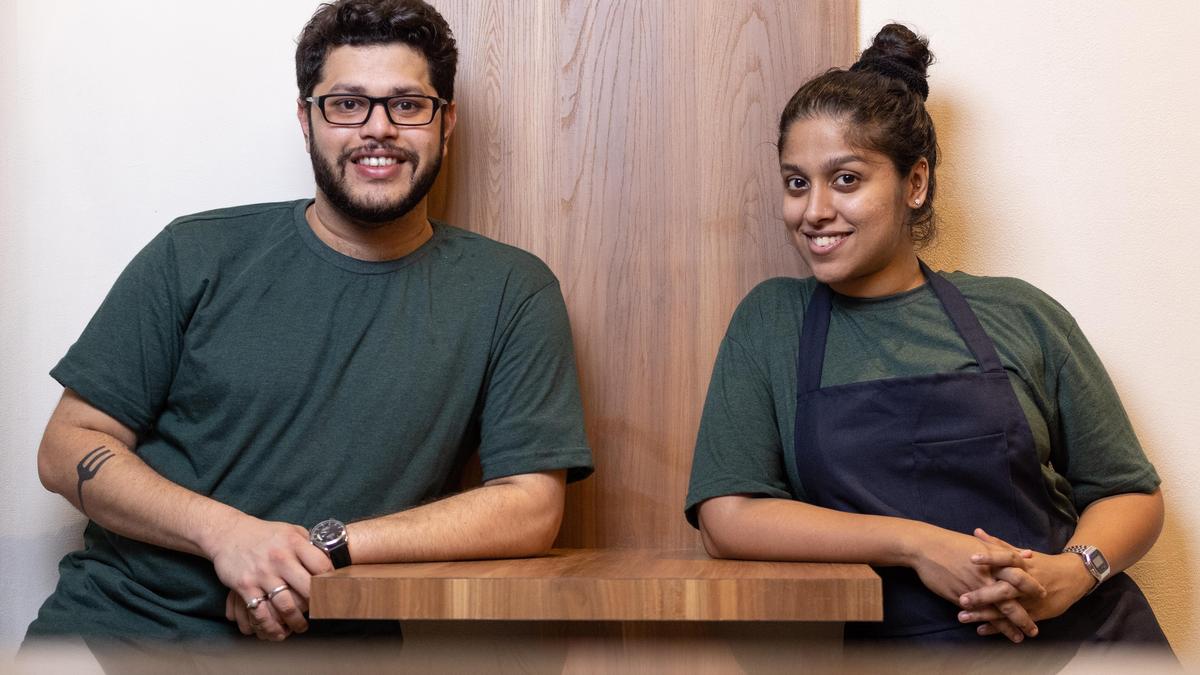
Co-founders of Ekaa, restaurateur Sagar Neve, and Chef Niyati Rao

Co-founders of Ekaa, restaurateur Sagar Neve, and Chef Niyati Rao
| Photo Credit: Special Arrangement

At Mumbai’s famed restaurant Ekaa, the team follows one rule: creating something new. That is how they stay true to their name which means unique, matchless or one. “If I see a tomato, I’ll think of hundred ways of making something with it which has not been done before,” says Chef Niyati Rao, partner and head chef of Ekaa.

The restaurant which opened its doors in Mumbai in 2021 is bringing its ingredient-centric flavours to Chennai this week. This is Ekaa’s first ever popup here and the venue is The Raintree St Mary’s Road.

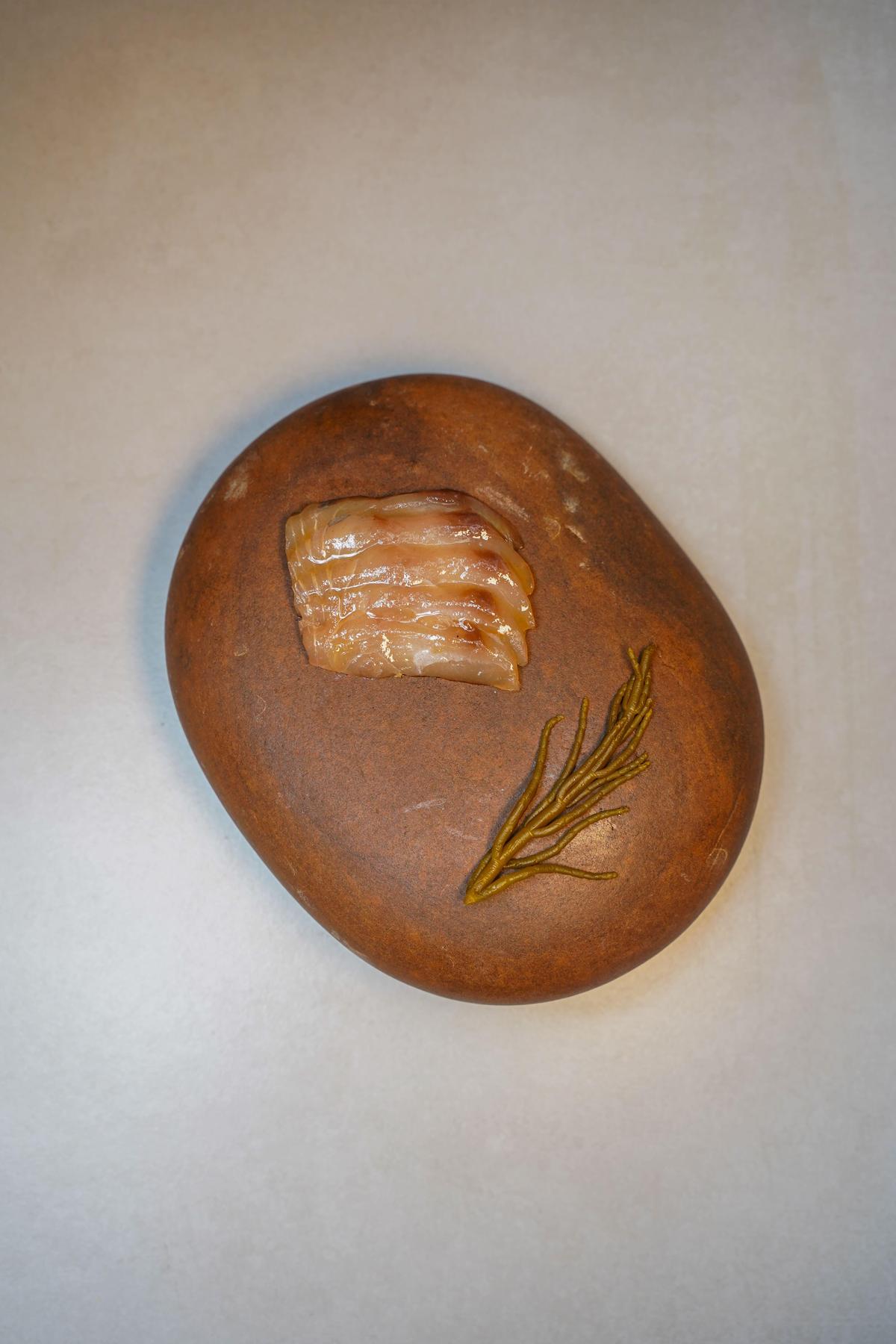
The dinner features an eight-course menu. “At Ekaa (Mumbai) this is our sixth tasting menu. We are bringing our favourites from our six menus. It has a lot of storytelling and emotions, and that makes it so special,” she says, adding, “It was important to make sure our favourites paired well with each other. They had to go well and not clash.” But finalising the menu took time — sifting through six menus and picking out only eight meant arguments, a lot of discussions and upset chefs (including herself, she says) as some of the dishes did not make it. “We will bring them next time,” she smiles.

| Photo Credit:
Special Arrangement

The menu is cuisine-agnostic which means you will find diverse flavours that are not restricted to one country, culture etc. “We have become masters at procuring ingredients, be it sea urchin, and Indian durian from the South of India, or trout eggs from Kashmir,” says Niyati, adding that a lot of the times her guests are unaware of these being available in India.

Niyati wants to keep the courses under wraps, so the diner gets to experience the surprise and drama that comes with every course at Ekaa. But she gives a little teaser: Butter beer… butter beer that you can eat, to be precise. Each bite brings out a whisky-caramel-like flavour. “There’s an illusion of whisky without adding any. This is dedicated to all the adult Harry Potter fans, laughs Niyati.

Another dish, from their Indian milestones and icons menu, comes in a vallam kali boat and stars curry leaf pastry with caper leaves and a bunch of other ingredients which we will not divulge. The restaurant is also bringing its beverage menu, Dwadash which means 12 in Sanskrit — a nod to Ekaa’s 12-course cocktail tasting menu based on 12 botanicals. Four of these will be available here during the two-day popup.

Ekaa is not new to popups. It did its first one as a fledgling, four months after launching. What is interesting, Niyati says, is the fact that restaurant popups are not limited to metropolitan cities anymore. “We recently did one in Bhopal and one in Madurai.”

She believes, every popup helps create new relationships and learnings as you work with different kitchens and adapt their style of working and vice versa. Adds Niyati, “We go to places where people are open and accepting of something new and adventurous.”

The Ekaa X Raintree popup will take place on November 14 and 15, from 7.30pm onwards. The meal is priced at ₹5,999 plus taxes. For reservations, call 7824000171.

| Photo Credit:
Special Arrangement

| Photo Credit:
Special Arrangement


Source link

Art Mumbai 2025: What to look out for this year


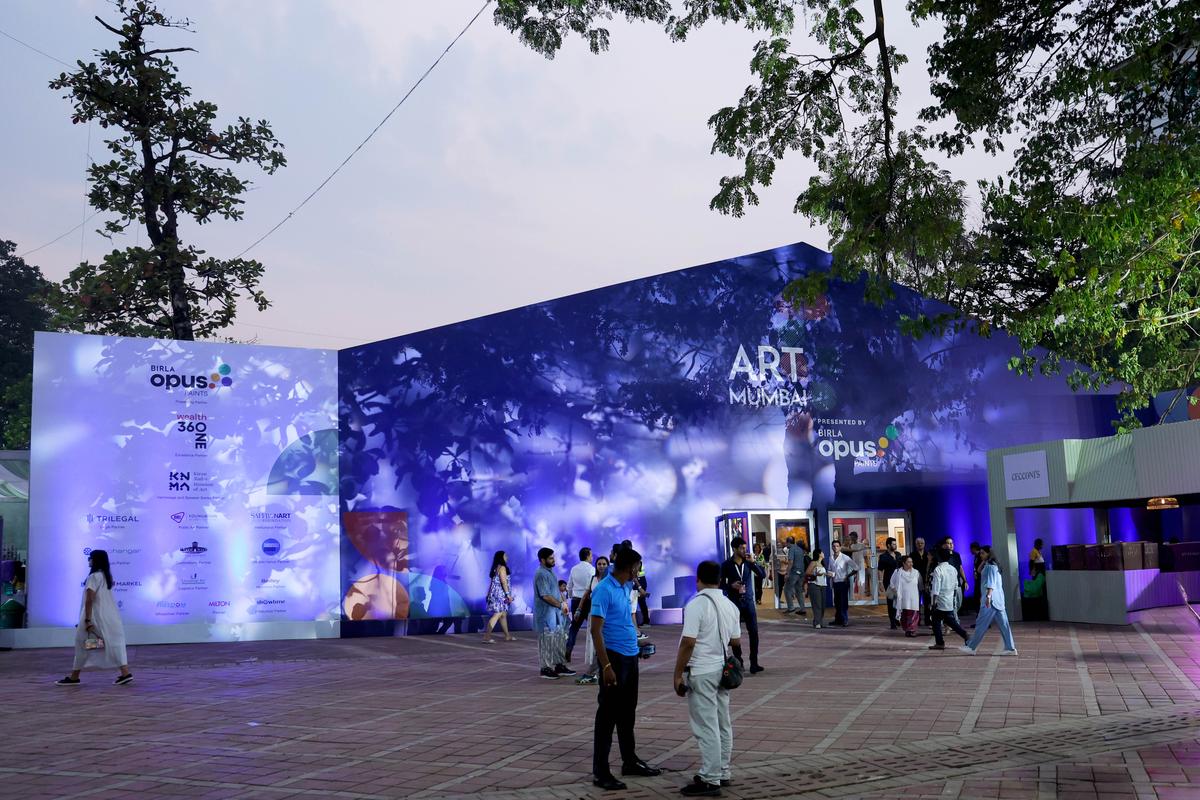
Art Mumbai, now in its third edition, which will be held from November 14 to 16, has become a key fixture on the city’s annual cultural calendar. It has given Mumbai a large-scale, focussed platform that brings together the city’s creative community, collectors, and galleries under one roof.

Beyond numbers — how much art was sold or how many people visited — Art Mumbai’s contribution lies in its ability to restore momentum to the city’s cultural conversation. It has reintroduced art into the public imagination as something to be experienced, discussed and collected. Through talks, walkthroughs, and interactive sessions, the fair bridges the gap between the business of art and its appreciation.

The space from last year’s edition

The space from last year’s edition
| Photo Credit:
Special arrangement

For this year’s edition, Conor Macklin, co-founder of Art Mumbai and director of Grosvenor Gallery, London, and Nakul Dev Chawla, co-founder of Art Mumbai and director of Chawla Art Gallery, New Delhi, share the event’s highlights:

International view

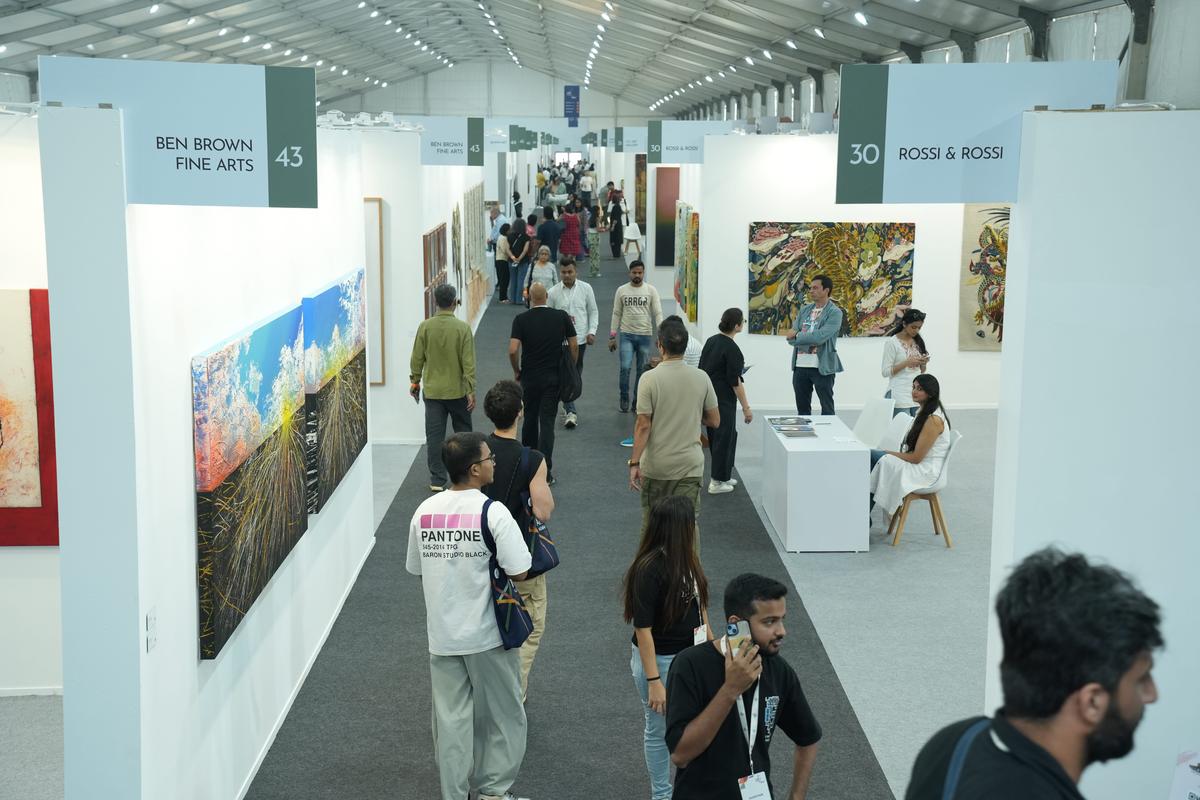
This year, nine new international galleries join the fair, bringing the total to 18, includingLisson Gallery (London), Galleria Continua (Italy), Sundaram Tagore Gallery (New York, Singapore, London), Ben Brown Fine Arts (London), and Leila Heller Gallery (Dubai). Their participation expands Art Mumbai’s reach as a global platform, underscoring how South Asian art is being integrated into international conversations while giving Indian audiences direct access to leading global artworks.

Revisiting Tyeb Mehta

The Kiran Nadar Museum of Art (KNMA), in collaboration with the Tyeb Mehta Foundation, established in 2013 to enrich the history of Indian art and culture, and is currently leading the 2025 birth centenary celebrations for artist Tyeb Mehta, and Saffronart Foundation, which endeavours to be a facilitator of projects that lie at the intersection of culture and social change, presents a solo exhibition of artworks by Tyeb Mehta (1925–2009), titled Tyeb Mehta – Bearing Weight (with the Lightness of Being). The show marks the centenary of one of India’s most iconic modernists and brings a selection of his celebrated series alongside early drawings and paintings.

From last year’s Sculpture Park

From last year’s Sculpture Park
| Photo Credit:
Special arrangement

South Asian art in focus

At its core, Art Mumbai continues to celebrate South Asian creativity. Visitors can discover new talent through guided walks, explore off-site VIP programmes with collection previews and artist interactions, and experience fresh perspectives from galleries such as Experimenter, DAG, Akar Prakar, Nature Morte, Chemould Prescott Road, Vadehra Art Gallery, Gallery Espace, and TARQ.

The speaker series

As part of the Speaker Series, two insightful panels will unpack the evolving intersections of art, economy, and cultural leadership. Funding Futures: Investing in Change, moderated by Mukti Khaire, Girish and Jaidev Reddy Professor of Practice at Cornell Tech, will examine how Asian patronage is reshaping global narratives and nurturing a new generation of thought leaders and art practitioners. Meanwhile, How to Navigate the Art Market, moderated by Kabir Jhala, journalist and editor covering the art market and South Asia, delves into the inner workings of the art ecosystem — from market dynamics and legal frameworks to auction strategies and the passion that drives collecting. Both sessions promise to offer fresh perspectives from experts who bridge creativity and commerce, with additional insights from Dutch business consultant Kito de Boer, providing a view of how art, finance, and influence converge in today’s cultural landscape.

Ladies first

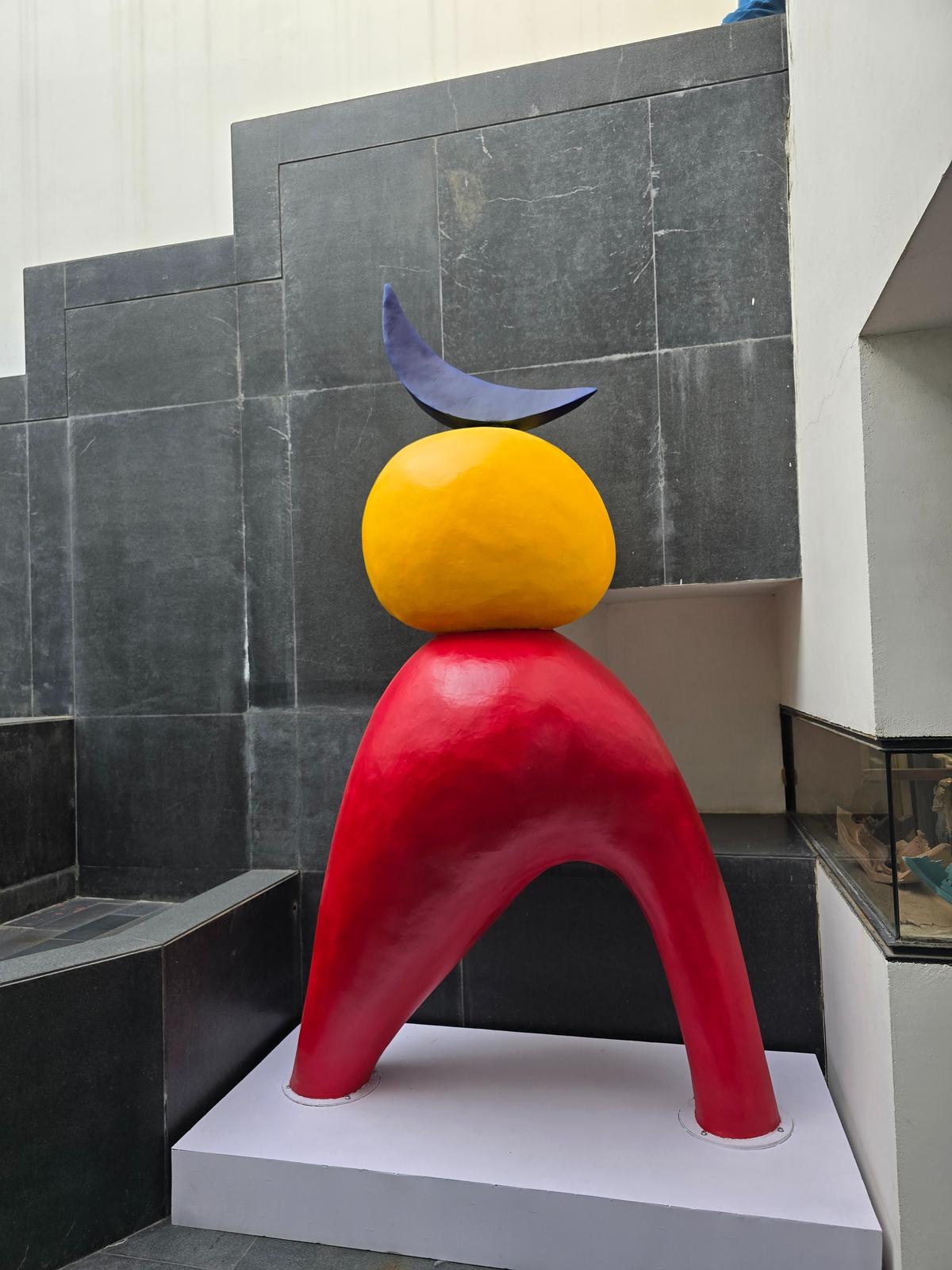
Set within the grounds of the Mahalaxmi Racecourse, the Sculpture Park this year is dedicated to 19women artists who are redefining the language of form and material. Participating artists include Adeela Suleman, Chetnaa, Madhvi Parekh, Meera Mukherjee, Natasha Singh, Poojan Gupta, Radhika Hamlai, Ratnabali Kant, Richa Arya, Savia Mahajan, Shanthamani Muddaiah, Shiffali Wadhawan, Tapasya Gupta, Sonal Ambani, Sudipta Das, Tarini Sethi, Tayeba Begum Lipi, Vinita Mungi, and Shambhavi Singh.

Building on the success of previous editions, the Sculpture Park offers visitors and galleries an opportunity to experience outdoor installations that move beyond the confines of traditional white-cube spaces. Each work contributes to a layered narrative — merging urban and natural environments, personal and collective histories — to create a reflective and transformative experience.

Art Mumbai returns from November 14 to 16 at Mahalaxmi Racecourse; tickets starting at ₹707are available via District by Zomato and www.artmumbai.com

Published – November 11, 2025 06:55 pm IST


Source link

Crushed stones beneath our railway tracks? Why?


Oh wait, the track is not alone. The track sleeps on the stone bed.  

Oh wait, the track is not alone. The track sleeps on the stone bed.  
| Photo Credit: Unsplash Images

Clinkety-clack. Clinkety clack. The train has left the station. What remains is the solitary railway track. Oh wait, the track is not alone. The track sleeps on the stone bed.

Hello, Ballast

I know where your mind went. No. The stones underneath the railway tracks are not simply ballast. They are part of it. The concept of ballast owes itself to the ships. The idea of stabilizing mammoth ships on oceans gave rise to ballast. When modern railways were underway in England, the gravel ballast from ships was used to support the railway roadbeds (roadbed is the entire foundation for the railway track). Ballast is not exclusively stones. They can be any material placed at the bottom to provide stability to the vessel.

Track ballast keeps the tracks in place and supports the full weight of the trains when they move over it.

Technique and arrangement

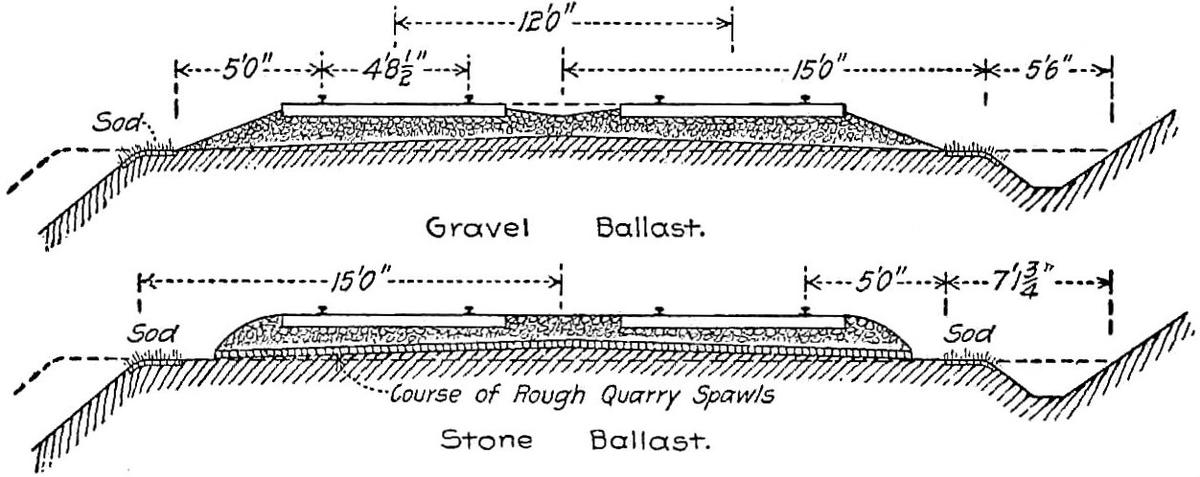
For railways, construction of the roadbed is crucial. The roadbed alone cannot withstand the pressure from the weighty moving train. A loaded passenger train weighs an average of about 1100 tonnes (that’s like 250 elephants altogether!). To alleviate, a layer of crushed stones becomes ballast over the roadbed. Let’s understand the diagram here. It shows sections of railway roadbeds along with tracks.

Dimensioned cross-sections of two roadbed and tracks situations: one with gravel ballast, and another with stone ballast.

Dimensioned cross-sections of two roadbed and tracks situations: one with gravel ballast, and another with stone ballast.
| Photo Credit:
Wikimedia Commons

Along the width of the roadbed, a layer of crushed stones are spread out. Before spreading out the stones, the roadbed surface is prepared such that water drains over to the sides. If you remove the layer of ballast, you’ll see that the roadbed is crowned in shape. Over the ballast, railway sleepers (the thick rectangular support tie that lies perpendicular to the track) are distributed. With the steel track laid, the work is done.

The thickness of the ballast layer ranges from anywhere between 150mm (minimum) to 300 or even 400 mm.

Roadbed vs Ballast
The entire foundation for the railway track is the roadbed. Ballast is simply the layer of crushed stones lying immediately beneath the tracks.

What can be ballast?

Many things can be used as ballast provided they are hard, durable, and can withstand immense pressure. Crushed stones (limestone, granite, are commonly used underneath railway tracks. Other than this, generally, materials like gravel, sand, water, slag, and burnt clay can also be used as ballast.

Ballast stones – key functions

1. Absorb the concentrated impact of trains and distribute it to the larger roadbed underneath

2. Provide support and stability to the railway tracks

3. Help with proper draining of water

4. Allows the track to be aligned and realigned without affecting the roadbed


Source link