Life & Style

How mixed-use developments are reshaping India’s mini-metro skylines


There has been a notable change in the skylines of various cities in India over the past 10 years. The shift is credited to mixed-use development real estate, which integrates residential spaces with commercial, retail, leisure, and cultural spaces, all in one project. The outcome is a self-contained ecosystem allowing residents to work, socialise and shop all in one area.

Many realtors are willing to take on the challenge of breaking the borders of sandunes as they are sure to construct a sustainable, engaging and connected urban area from previously empty land. The shift from standalone malls and gated residential colonies to mixed-use areas is a significant improvement in urban planning.

For developers, mixed-use projects maximise land use, increase profits, and make neighbourhoods more resilient to economic ups and downs. Forward-thinking realtors are filling this void by adapting under-utilised spaces into vibrant, eco-friendly urban places that are walkable, bringing the convergence of these trends to neighbourhood life, in the process, rethinking the way cities are planned.

Apartments in a mixed-use development certainly take more land to construct than a freestanding apartment. Factors such as increased convenience of lifestyle and consumer satisfaction are more than plausible, as is a more optimised profit for the developers.

The introduction of mixed-use projects, on the other hand, radically improves this vocabulary. They serve multiple functions within a single, concentrated block, especially in the mini-metro cities of Pune, Kochi, Indore and Ahmedabad. These cities are growing at the fastest rate and need to utilise space vertically to satisfy the needs of an aspiring younger workforce that desires easy access and connectivity.

Testing grounds

Mini-metros can be at the forefront of this shift. Unlike megacities such as Mumbai and Delhi, they are not constrained by urban legacies and are adopting integrated townships more quickly.

Consider Pune. Hinjewadi and NIBM Annexe regions show high demand for integrated office, retail and residential projects set in green and leisure-rich environments. Unlike the “doughnut” monolithic centres of the 2000s, today’s mini-metro skylines are evolving toward polycentric “sustainable” hubs with seamless transport and multifunctional design.

Malls are no longer the centrepiece of urban consumption. They are now reconfigured and incorporated into mixed-use developments where the retail floor is only one layer in a stack of boutique offices, cultural spaces, or co-living units.

This transformation has been fuelled by the growth of e-commerce. Malls are now seen not as shopping venues, but lifestyle centres that draw circulation from residents, office workers, and visitors. This integration provides resilience to shifting consumer behaviour.

Challenges on the horizon

These unchecked promises come with a price, and for mixed-use projects, the price comes in the form of blurred regulations, and rising costs of housing against poorly implemented urban planning, which is the sparse and urbanising infrastructure.

Among India’s urban transformation, mini-metros are the most advanced. They are proving that growth and livability are no longer mutually exclusive. Integrated environment thinking is a target to which these cities are aspiring. It sets a new standard for megacities with traffic problems and outdated infrastructure.

Mixed-use developments do not solely pertain to real estate projects. It is a step towards a rethought approach towards real estate.

They signify the evolution of malls from merely centres of consumption to lively, vibrant districts that properly define the mixed-use centres of the future.

Drivers behind the shift

Many reasons are behind the increased implementation of mixed-use projects:

Changing preferences: The professionals in the younger age brackets — millennials and gen Z — prefer working around different lifestyle and entertainment opportunities. A unit located directly above a co-working office and attached to a retail level with a fitness centre and sky lounge amenities works exceptionally well.
Economic land use: The ever-increasing cost of land has compelled developers to design for multiple uses in a single plot to increase their returns.
Regulatory assistance: Concentrated development remains responsive to zoning changes that offer more options to combine different land uses.
Low carbon development: Reducing long commutes and private vehicle use keeps carbon emissions down.

The writer is director, Kadamashree Developers India LLP.


Source link

The return of the everyday rebel: Skoda Octavia RS first drive


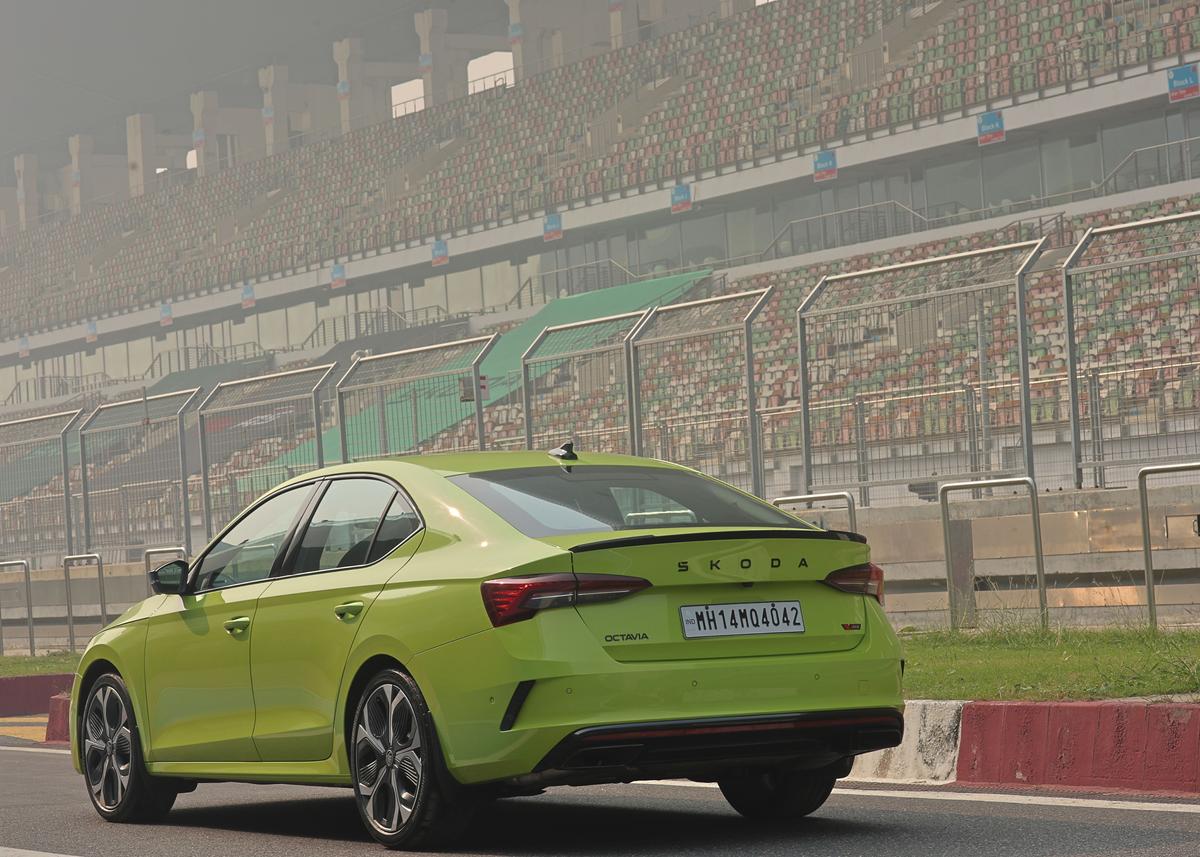
The Skoda Octavia RS has for long been a cult hero among driving enthusiasts — the kind of car that sits in that rare space between everyday practicality and pure, unfiltered driving pleasure. It is not just about outright numbers or loud styling; it is also about balance, poise, and the satisfaction that comes from a machine that feels like it was built by people who care about how it drives. And now, the legend returns — sharper, quicker, and more focused than ever. We got behind the wheel at the Buddh International Circuit and on a technical handling course to find out if the new RS still has that magic, and it didn’t take long for the grin to set in.

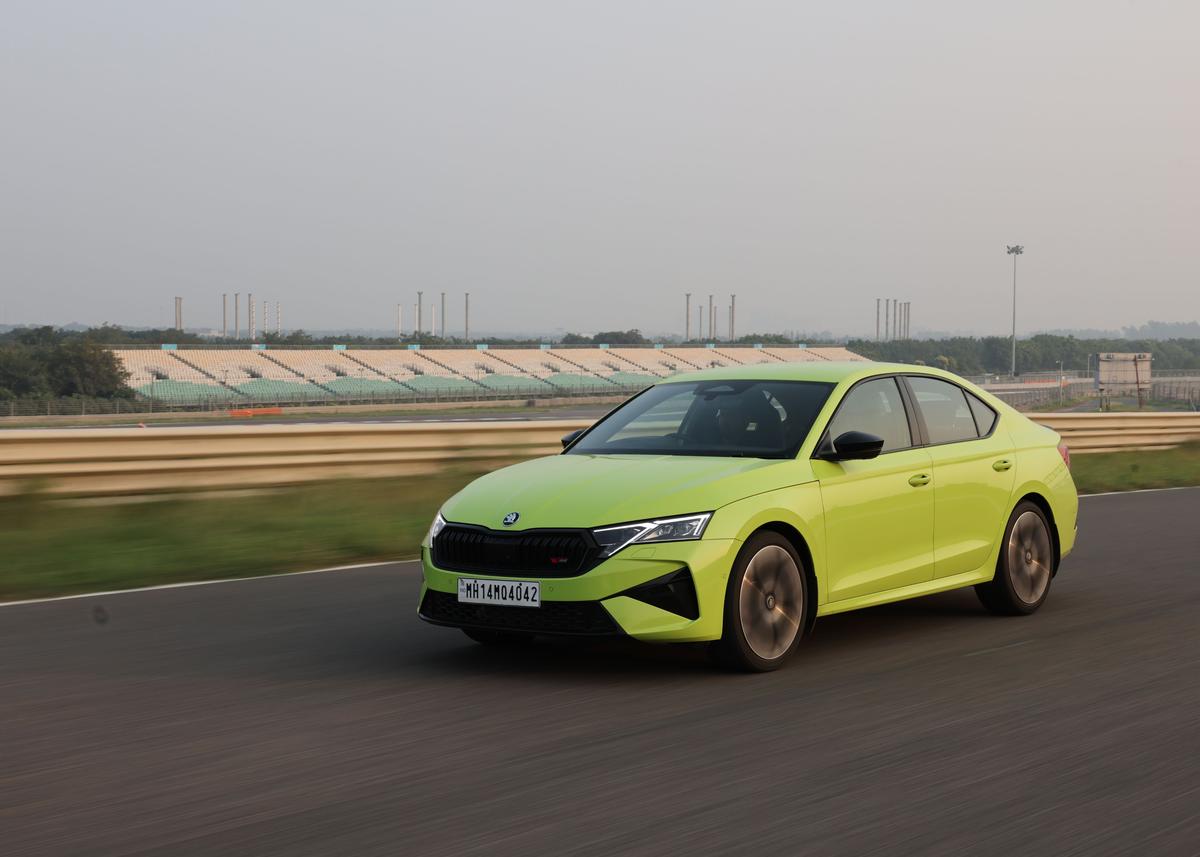
The first thing that strikes you is just how responsive it feels. The 2.0-litre turbocharged TSI petrol engine delivers a muscular 195 kW of power and 370 Nm of torque, sent to the front wheels through a seven-speed dual-clutch DSG. This is the most powerful Octavia ever built, and it shows. The throttle response is instant, the gearbox perfectly intuitive, and the RS surges forward with a kind of muscular ease that makes it effortlessly fast. On the back straight of the circuit, the car surged its way to 213 km/h before the braking zone, yet it felt planted, composed, and reassuring — the kind of confidence that makes you want to stay on the throttle just that little bit longer.

Under the hood sits a 2.0-litre turbocharged TSI engine delivering 195 kW and 370 Nm — the most powerful Octavia yet

Under the hood sits a 2.0-litre turbocharged TSI engine delivering 195 kW and 370 Nm — the most powerful Octavia yet
| Photo Credit:
Special Arrangement

But it is not just straight-line pace that defines this car. The real magic of the RS reveals itself the moment you turn into a corner. The progressive steering is a standout — precise, quick, and brimming with feedback. You can feel exactly what the front wheels are doing, and there is a directness that connects you to the tarmac that few sedans manage. The chassis feels taut yet forgiving, while the suspension — MacPherson struts up front and a multi-link setup at the rear — striking that near-perfect balance between rigidity and compliance. What is even more impressive is that the car we drove was on standard road tyres, not sticky performance rubber, yet it managed to grip through fast sweepers with remarkable composure. Even when pushed hard, it stayed neutral, poised, and completely in control. That is the kind of chassis tuning that can only come from years of engineering refinement and motorsport know-how.

And then there is the sound. Switch to Sport mode, and the exhaust note hardens into a deeper growl — not obnoxious, but just enough to make every acceleration feel more dramatic. The RS feels alive, eager to play, but never out of its depth. The brakes, too, deserve a mention — strong, progressive, and confidence-inspiring even after repeated high-speed runs. It is the sort of car that flatters you as a driver, giving you the sense that you are part of something cohesive, engineered to make you better behind the wheel.

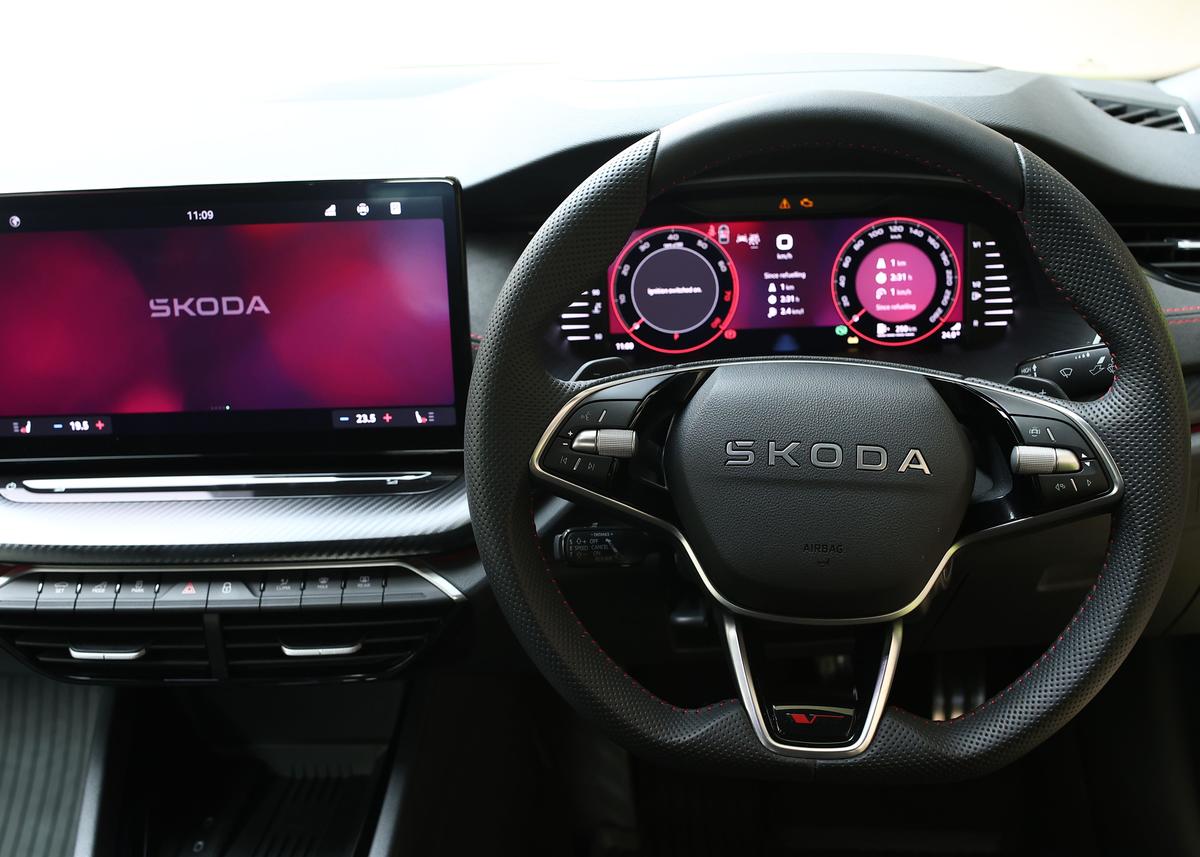
Yet for all its performance credentials, the Octavia RS has not forgotten its roots. This is still a car you can drive every single day. Step inside, and the cabin immediately impresses with its mix of sportiness and subtle sophistication. The seats, finished in a blend of Suedia and leatherette with red stitching, holds you firmly in place. They are not only power-adjustable and heated but also get memory and massage functions — features you would expect in a luxury saloon, not a performance sedan. The black headliner, aluminium pedals, and carbon-finish dashboard add the right amount of drama, while the three-spoke steering wheel feels superb in your hands. It is a cabin that is driver-focused but free of unnecessary theatrics, it is modern, intuitive and refreshingly honest in its design.

Inside, the RS pairs sporty intent with premium comfort — Suedia seats, red stitching, and cutting-edge tech

Inside, the RS pairs sporty intent with premium comfort — Suedia seats, red stitching, and cutting-edge tech
| Photo Credit:
Special Arrangement

Space, as always, remains one of the Octavia’s greatest strengths. There is plenty of legroom at the back, the seats are properly supportive, and the 600-litre boot means this is a car that can easily double as your family hauler. Fold the rear seats down, and it expands to a cavernous 1,555 litres — practical enough to make you forget that this machine can do 0–100 km/h in just 6.4 seconds. That duality — the ability to be both thrilling and sensible — is what makes the RS such an icon.

The design reflects that same philosophy. It is aggressive without being over the top, with gloss black detailing around the grille, mirrors, and badging adding a stealthy edge. The 19-inch alloys fill out the arches perfectly, while the rear spoiler and black exhaust tips lend it a purposeful stance. Choose one in Mamba Green or Race Blue and you have got yourself a car that looks every bit as fast as it feels. Yet there is a certain restraint to it — a kind of maturity that says this is a performance car for grown-ups.

Naturally, being a modern Skoda, the Octavia RS comes loaded with technology. The 32.77 cm touchscreen infotainment system is crisp and intuitive, pairing wirelessly with both Apple CarPlay and Android Auto. The 675W Canton sound system with 11 speakers and a subwoofer turns the cabin into a concert hall, and the head-up display, 360-degree cameras, and adaptive cruise control make long-distance journeys effortless. Safety, as always, is a Skoda hallmark — the RS packs it in ten airbags, lane assist, blind spot detection, and a suite of electronic stability aids that quietly keep everything in check while you enjoy the drive.

Aggressive yet restrained — the Octavia RS proves that performance and maturity can coexist beautifully

Aggressive yet restrained — the Octavia RS proves that performance and maturity can coexist beautifully
| Photo Credit:
Special Arrangement

But perhaps what makes this RS particularly special is that it feels like an event every time you get behind the wheel. It is one of those cars that can brighten your day before you have even left your driveway. You can sense the engineering depth in every input — the way the steering weights up through corners, the way the suspension settles mid-bend, and the way the engine surges when you floor it. It is mechanical honesty in a world that is increasingly going digital.

At around ₹60 lakh on road, it was not cheap, but it was still a deal — a genuine enthusiast’s car that delivered genuine performance and practicality in one sleek package. No surprise then that all 100 units allocated for India sold out almost instantly. The demand has been so overwhelming that one can only hope Skoda decides to bring in more. Cars like the Octavia RS do not come around often anymore — cars that make you want to take the long way home, cars that make the act of driving feel alive again.

Skoda Octavia RS

Skoda Octavia RS
| Photo Credit:
Special Arrangement

The new Skoda Octavia RS is, quite simply, a masterclass in balance. It is thrilling without being tiring, fast without being fragile, and practical without being plain. It is a car that reminds you what driving joy really feels like — and in a world increasingly obsessed with automation and efficiency, that is something truly worth celebrating.

Price: 60 lakh (on road)

Motorscribes, in association with The Hindu, brings you the latest in cars and bikes. Follow them on Instagram

Published – November 08, 2025 11:10 am IST


Source link

Indians on FIRE | Retire early: When aspirations meet reality, or do they?


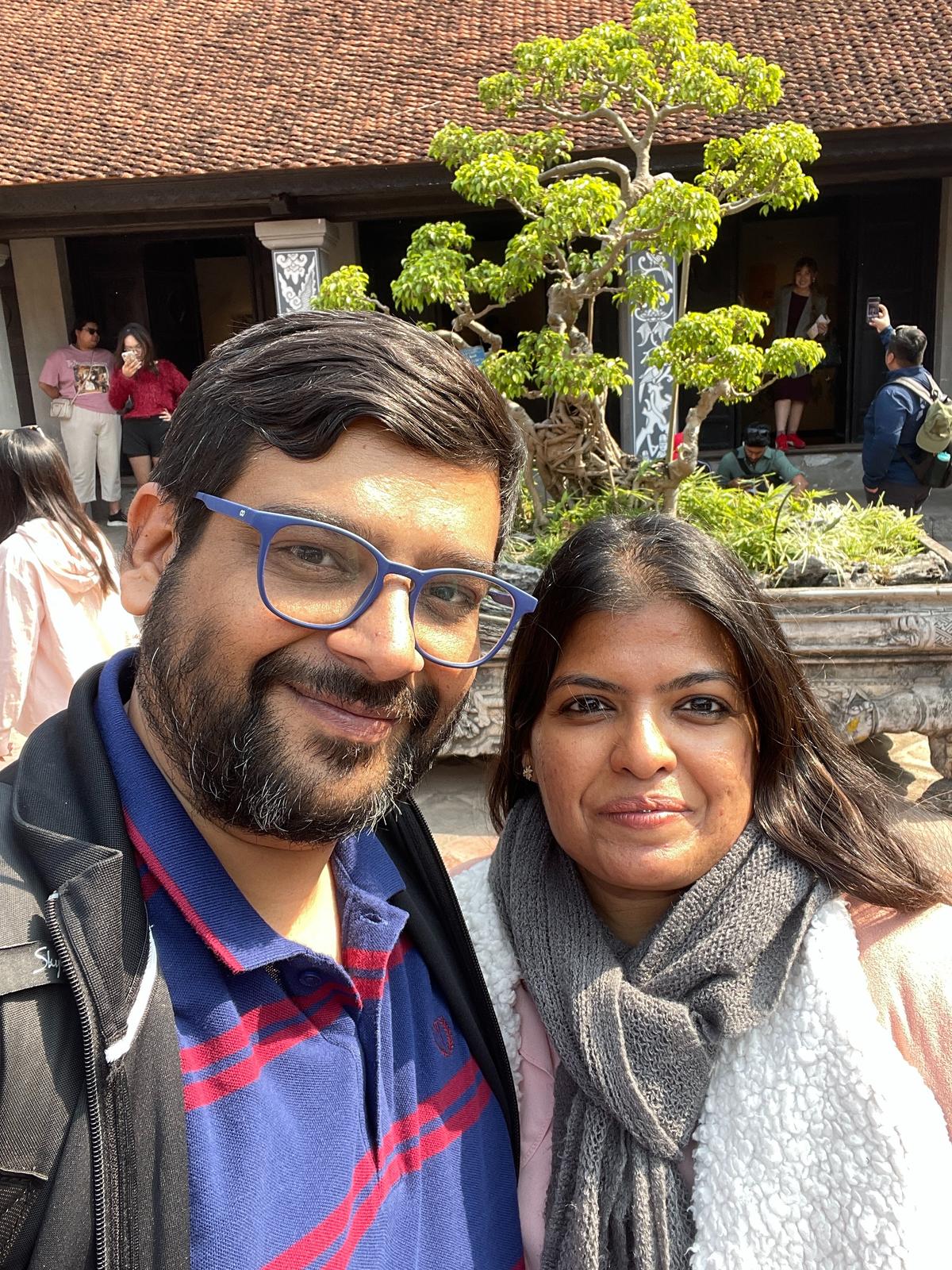
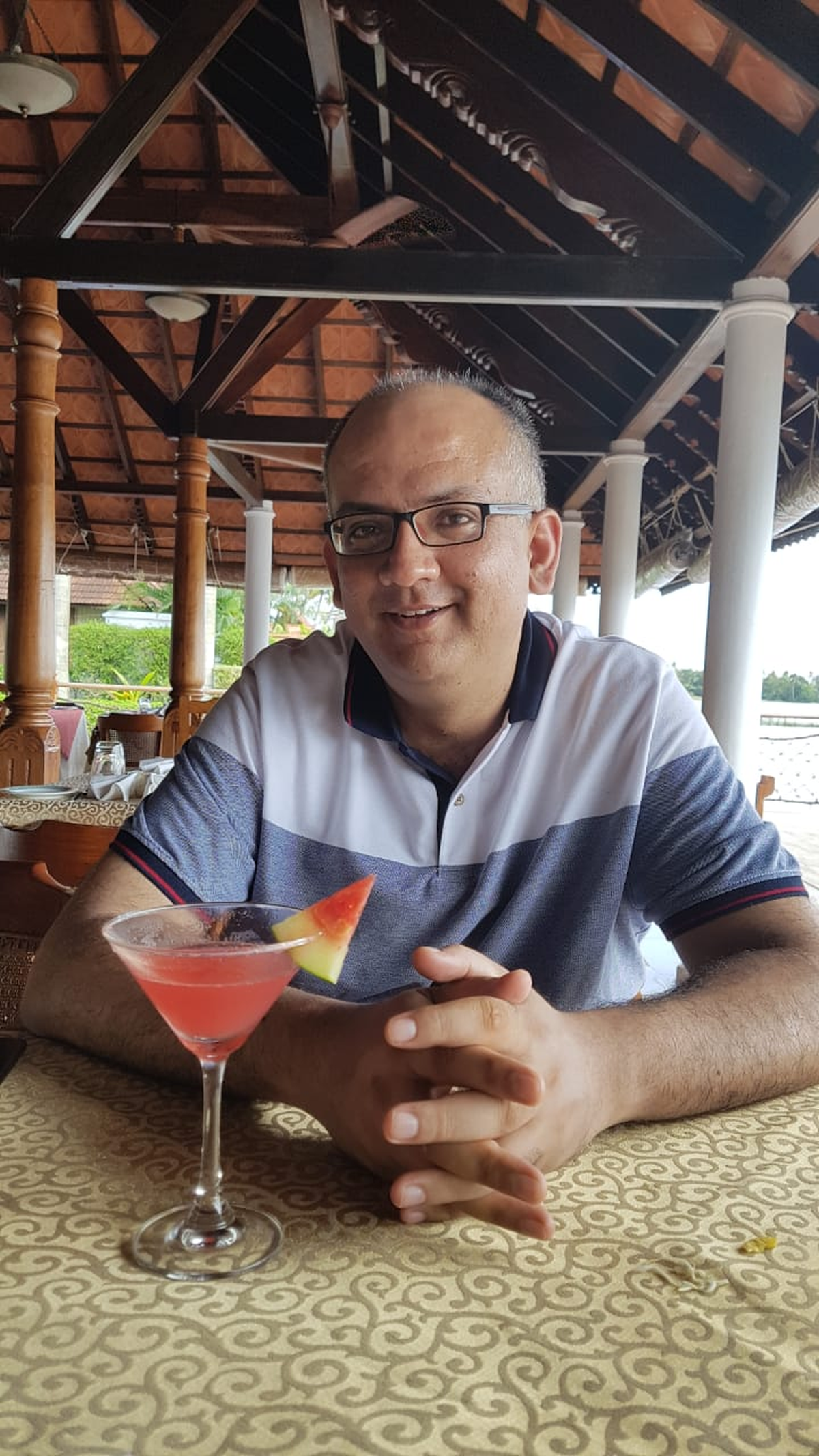
Last month, Ravi and Neha Handa, along with their son, spent over a week in Singapore on their Diwali vacation. The family stayed in swanky hotels, one of them especially known for its underwater bedrooms overlooking 40,000 marine creatures. It was not the first of such holidays. For the couple, money woes flew out of the window in 2022, when they retired with a fat corpus. Today, they have approximately ₹15 crore invested in real estate, mutual funds, stocks, cryptocurrency, national pension scheme (NPS), personal provident fund, and sovereign gold bonds.

In March 2021, Ravi sold his startup ‘Handa ka Funda’, a CAT and MBA e-learning site, which he founded in 2013, to the edtech company Unacademy for an undisclosed amount. This allowed the two, then in their late 30s, to achieve financial independence and retire early (FIRE) in 2022.

Among Indians, there is a rapidly growing interest in FIRE. Many wish to exit the workforce to gain early financial freedom and control over their life choices. Ravi, now 42, has achieved that.

What is FIRE? Lavanya Mohan explains

| Video Credit:
Thamodharan B.

The FIRE movement has been grabbing headlines and social media interest this year. In India, the conversation is picking up pace, with several podcasts and video interviews on the topic. The sub-Reddit FIRE_Ind has nearly 65,000 members and around 46,000 weekly visitors. Here, one can share anecdotes about their journey towards financial independence and seek advice from ‘FIREd’ individuals such as Ravi. But experts say ground realities are starkly different from online projections. As the year nears its end, we take stock of the situation: young India is eager to FIRE, but can they afford to do so?

Ravi and Neha Handa

Ravi and Neha Handa

A western import

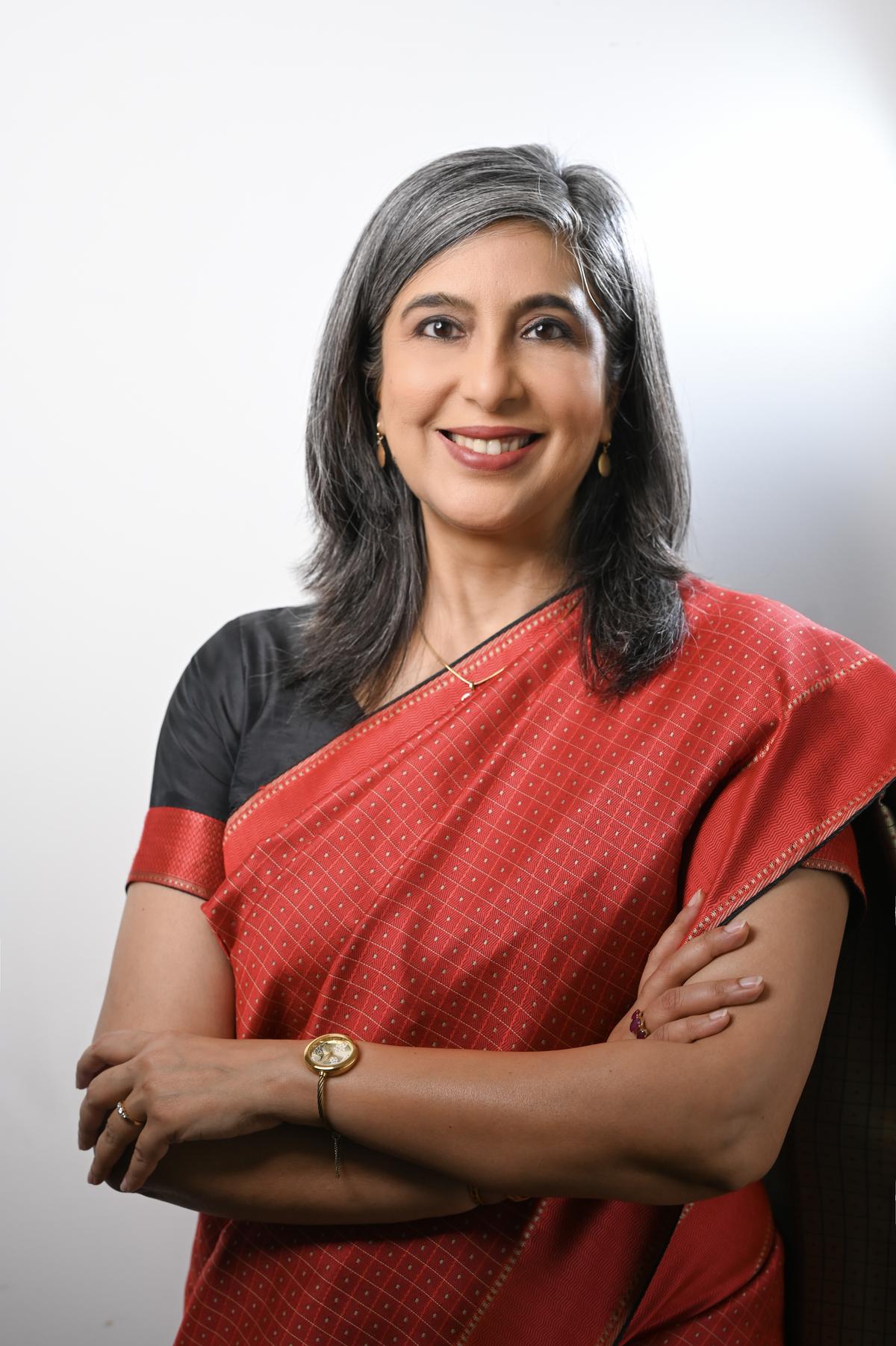
Lavanya Mohan, chartered accountant and author of Money Doesn’t Grow on Trees (2025)a personal finance guide, explains the idea migrated across the ocean. “[FIRE] is a cultural movement in the West, especially among millennials who lived through the 2008 crash and watched job security evaporate. For many of them, the goal wasn’t to stop working, it was to stop depending on work. The concept spread from Silicon Valley engineers and personal finance blogs to everyday professionals who wanted ‘time freedom’ and [a release from] the rat race,” she says.

Illustration by Arivarasu M.

Illustration by Arivarasu M.

A 2024 nationwide survey from Grant Thornton Bharat LLP titled ‘India’s pension landscape: A study on retirement reality and readiness’ found a growing desire among young Indians for early retirement: 43% in the under-25 group studied hoped to retire before the age of 55. The age group prioritised work-life balance and leisure over extended career spans.

FIRE, however, is vastly different from Voluntary Retirement Scheme (VRS). “VRS happens when your employer offers you a package to leave early — it’s reactive. FIRE is proactive — something you architect for yourself, often years in advance, through saving and investing aggressively,” adds Mohan. “One is born out of redundancy; the other out of design.”

Save, invest, live (frugally), repeat

To achieve FIRE, the first tip offered is obvious: live below your means. Mumbai-based mechanical engineer James Fernandes has been living a “frugal” life since COVID-19. The pandemic-triggered spike in health expenses and job-market insecurities made him reconsider his priorities. He implemented a strict saving and investing routine: no online shopping, no eating out, limited social outings, and swapping trains for flights. “Budgeting is important. It doesn’t mean not spending at all but knowing what one spends on,” says the 41-year-old, who hopes to retire in the next four years.

James Fernandes

James Fernandes

For Noida-based Jayant Kumar, 45, “the priority was always to invest before spending”. Kumar managed to reach his FIRE number — 35 times his annual expenses, with separate buckets for children’s education and marriage — by the end of 2023 and quit working full-time in October 2024. He says, “I started investing aggressively in 2015 and by 2020, I was saving more than 60% of my income. Compounding did a great job of adding wealth to my investments.” The former IT professional, whose focus now is family and health, adds, “Saving small amounts might seem insignificant, but can yield multifold returns in the long run. Even with rent and EMIs, one should save 10%-20% of their salary consistently.”

Jayant Kumar.

Jayant Kumar.

As the idea travelled continents, FIRE aspirants have been chasing borrowed numbers and percentages, which experts say spread more misinformation. According to Google search results,  to achieve FIRE, one must save and invest aggressively — often 50%-75% of their income — to build a corpus that is roughly 25 times their annual expenses. This enables them to maintain a safe withdrawal rate of 4% post-retirement. Does this apply to Indian realities? “Those figures come from the U.S., where inflation hovers around 2%-3% and markets behave differently. In India, the maths is far less forgiving,” explains Chennai-based Mohan. “Inflation is higher, returns are volatile, and family obligations rarely shrink with age. Saving 75% of your income is hard enough in California. In Indian metro cities, it’s near-impossible.” One should also be wary of the famous “4% rule”, she warns. “It collapses when your post-retirement medical and lifestyle costs grow faster than your investments.”

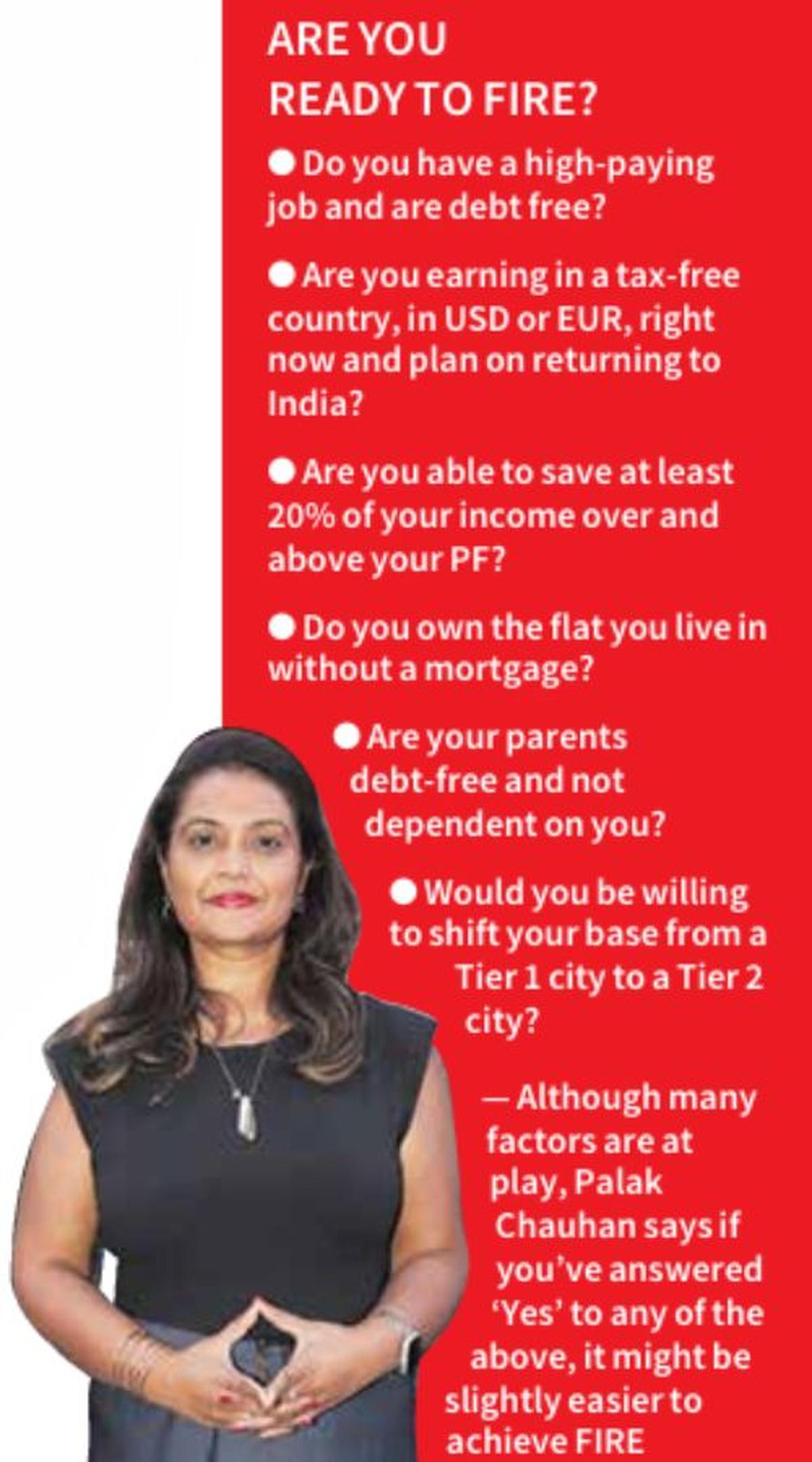
Pensions actuary Palak Chauhan, Fellow of the Institute of Actuaries of India, who has worked as a global employee benefits advisor for Nestlé, Citigroup, General Motors and General Electric, says it doesn’t add up in the Indian context. “People think personal finance is as simple as putting everything in a formula. It’s not. One needs to consider assumptions that are relevant to each economy. And 25 times of one’s annual expenses is irrelevant to India. A more realistic estimate of the right expense number comes to around 30-33 times.”

She goes a step further to add that in a country as vast as India, there are too many variables at play that make it very difficult to zero in on a particular percentage; numbers floating online aren’t etched in stone. Monika Halan, personal finance expert and author of Let’s Talk Money: You’ve Worked Hard for It, Now Make It Work for You (2018)says each life is different. “You need to take professional help to do retirement planning.”

Monika Halan, personal finance expert and author.

Monika Halan, personal finance expert and author.

“Young people want shortcuts to make a lot of money quickly. In my experience, this is a sure way to lose a lot of money and peace of mind.”Monika HalanPersonal finance expert and author of Let’s Talk Money

A pipe dream?

Mohan offers a grounded perspective. “FIRE assumes you can save half or more of your income. That’s a luxury when you’re juggling EMIs, caregiving, and inflation that won’t quit. DINK (double income, no kids) couples and high-income professionals may manage it, but for most middle-class Indians, the real dream is to retire with dignity, not early,” she says.

For Mumbai-based customer-service employee Eeshan (name changed on request), 28, saving 75% is far-fetched when making ends meet is a priority. “Living alone on rent, managing all expenses without any financial support, makes the idea of early retirement feel impossible,” he says. “After paying rent, EMIs, bills, and other necessary expenses, I make it a point to set aside a small amount each month — I can manage 5% in SIPs. With the expenses ever increasing and salaries not matching them, it seems impossible to get out of this cycle,” he adds. It, thus, appears that only a certain section can afford to achieve FIRE — the high-net-worth individuals (HNIs) and ultra-HNIs. 

Money makes money

Vivek Kaul, finance columnist and author of Bad Money: Inside the NPA Mess and How It Threatens the Indian Banking System (2020), says, “Only when one invests a lot of money, and catches the upcycle [like some people have managed to do in the last five years in the stock market], does the concept of FIRE work. Invested money grows and leaves one with more money to retire early. This is an important point that people tend to forget.”

Vivek Kaul, finance commentator and author.

Vivek Kaul, finance commentator and author.

What captures the imagination of FIRE enthusiasts are the success stories. FIRE allows Ravi to go on extended foreign trips with his family, often impromptu. “We look at our expenses after the trip instead of planning the budget,” the IIT Kharagpur alumnus says. “Earlier, duration, airlines and seats, mode of transport, accommodation, neighbourhoods, and places to eat would be budgeted. Now, we plan based on comfort.” In Singapore, he splurged on Express passes at Universal Studios, which cost him around $300 (approx. ₹20,397) for his family of three. Before FIRE, he would have opted to stand in long queues in the sweltering heat instead.

Paradox of leisure

Psychologist Dhara Ghuntla, affiliated with Mumbai’s Sujay Hospital, warns that early retirement experiences might not be the same for everyone. “Early retirement is often imagined as freedom from pressure, but it can also mean freedom from structure, stimulation, and meaning — the three pillars that sustain emotional and cognitive health.” The situation might be even worse for a social butterfly. “Occupational environments provide built-in opportunities for social regulation — interaction, feedback loops, and a sense of contribution. These play a protective role against social withdrawal and emotional dysregulation. When work is abruptly removed, especially without alternative social roles, one might face increased isolation, loss of social confidence, and emotional blunting,” says Ghuntla.

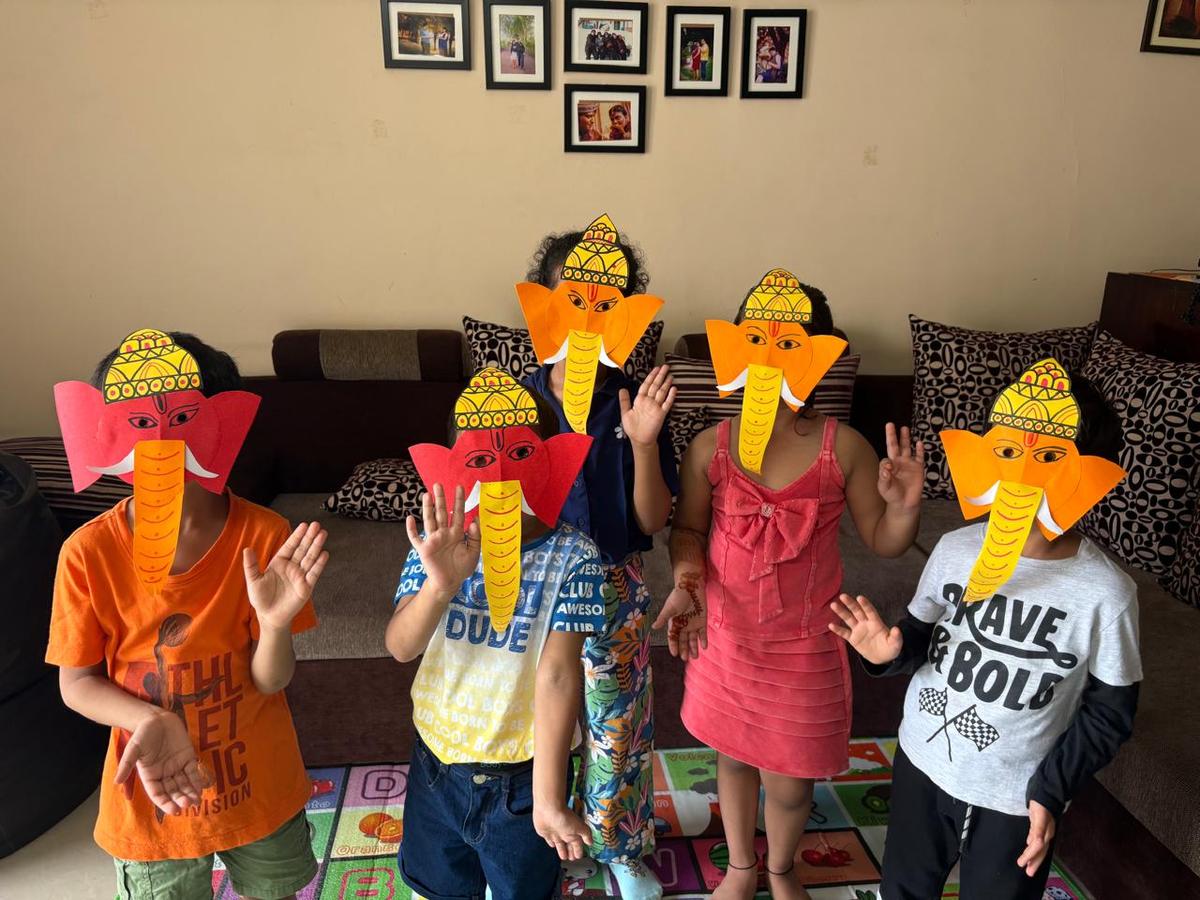
A children’s edutainment workshop organised by Neha Handa.

A children’s edutainment workshop organised by Neha Handa.

The loss of a professional identity post-FIRE is why Ravi is building an AI-driven personal-finance platform for Indians. “I’m calling it Handa Uncle — the identity crisis is obvious.” With the monetary cushion to experiment, he adds that there is also a vanity factor attached to it. “Who knows, because of [Handa Uncle], someday I might be on the cover of Forbes magazine.”

His wife, Neha, 41, prioritises motherhood now.  She drops off and picks up their four-year-old from school and organises weekend edutainment workshops (by choice, not necessity) in their housing society in Jaipur. “There’s play, arts and crafts, storytelling, and other brain gym activities,” she says.

Dr Ruksheda Syeda, psychiatrist and psychotherapist at Trellis Family Centre, Mumbai. (Special arrangement)

Dr Ruksheda Syeda, psychiatrist and psychotherapist at Trellis Family Centre, Mumbai. (Special arrangement)

It appears that an ingrained hustle culture in Indians is another reason why leisure can’t be enjoyed, despite working hard towards an early retirement. Dr Ruksheda Syeda, psychiatrist and psychotherapist at Trellis Family Centre, Mumbai, says, “Indian systems of family, education, social structures, and gender roles are constructed in response to the pursuit of achievements as a mark of success, class, identity and self worth. The fear of losing to competition encourages the constant grind and engagement [in work].” The former President Bombay Psychiatric Society says that a discouragement to explore passions outside of academic excellence and work achievements is also to blame. “Interests, extra curricular activities, and hobbies outside of academics and professions aren’t given as much importance. Post retirement, what can a person enjoy while remaining productive, entertained and cognitively sharp when one hasn’t explored and developed a curiosity in younger days?” 

A word from the sceptics

Meanwhile, financial experts advise caution when it comes to online posts about success stories. “FIRE is basically selling a story — by those in the business of managing money,” says Kaul. “They need a catchy story to sell to their prospective clients. The moment one uses a term like FIRE, it grabs the attention of people who are financially illiterate or not as literate to be able to see through the fact that it is mere storytelling. It is important to look beyond what is being projected as a story on social media.”

Halan agrees. “FIRE is a dream sold by influencers who display their lifestyles to others and encourage them to either take more risks with their money or do some side hustle to make more money than a job pays,” she says. “But it does take a good 20-25 years to get there [to FIRE] on a salary.”

Regardless of FIRE, savings are advised as important for working and non-working individuals. Kaul says, “The first aim should be to save money and build an emergency fund, and then go about building more savings.” While he acknowledges that people typically tend to save for a particular goal, he says one should aim to save in order to make better decisions for themselves “and to have some control over your time”. “Say, you’re faced with sudden unemployment but have money in the bank, this means that you have slightly more time to look for a new job instead of settling for whatever comes your way,” he adds.

Go easy, not aggressive

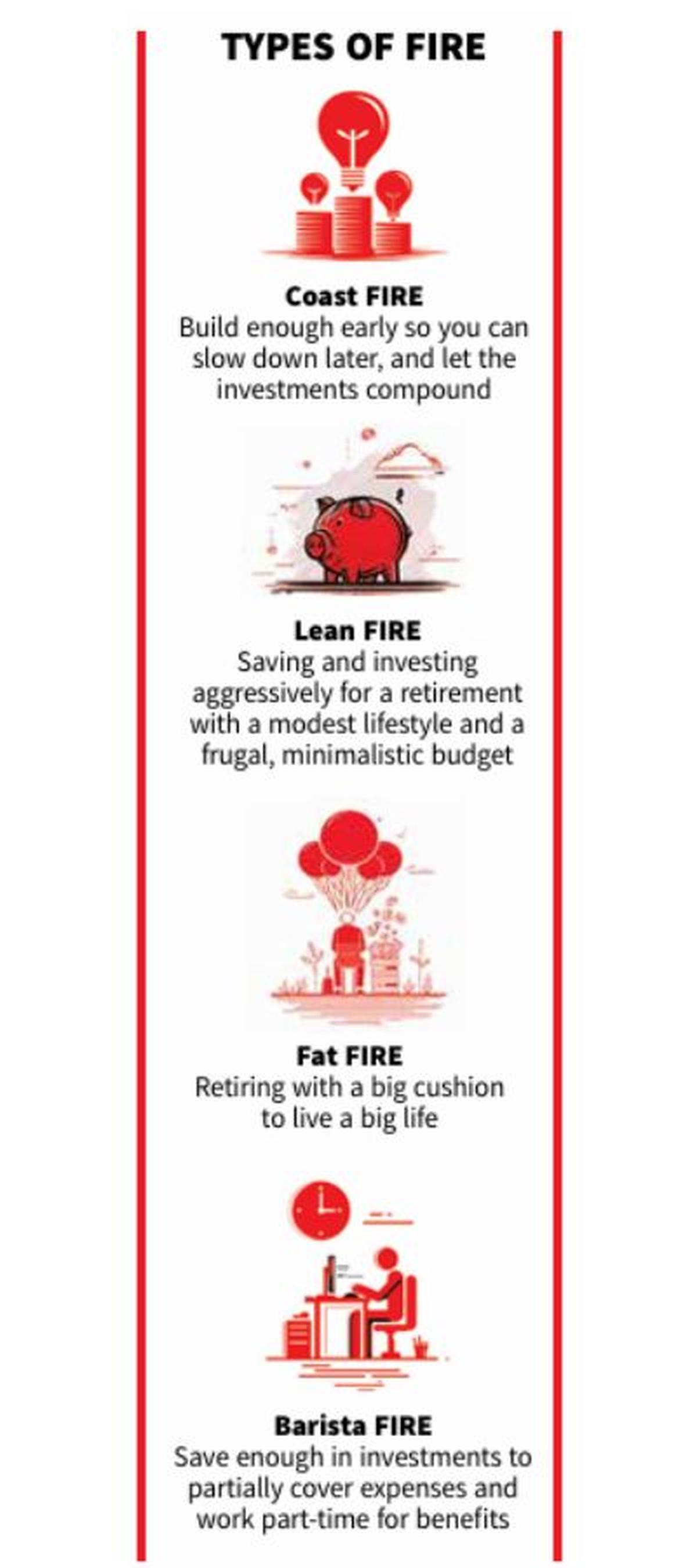
Instead of running behind numbers off the Internet to save aggressively beyond your means, Mohan suggests going easy on hard-core FIRE and to opt for Coast FIRE or Barista FIRE, which feel “more humane”.

“The point isn’t to retire at 35 with a big corpus. It’s to reach a stage where money doesn’t dictate every decision,” says Mohan. “FIRE is not about never working again. It’s about optionality and never feeling trapped again. You can work fewer hours, freelance, consult, teach, run a business, or do something completely different.”

Luck by chance

FIRE might seem like an exit strategy from an all-consuming 9-to-5 rat race, but the path to financial independence is fraught with risks and requires the correct alignment of many factors. “There’s so much competition in India, hard work and talent are not enough — one needs luck [and privilege] by their side,” says Ravi. “Someone can keep saving and do all the right things, but they can still end up in an unfortunate situation.”

The author is a Bengaluru-based features writer.


Source link

Mini Metros: India’s new commercial realty growth engines


India’s urban geography is changing at a fast pace, and a new trend is quietly emerging on the horizon — Mini Metros are growing as the new engines of commercial realty growth. Industrial and commercial hubs like Mumbai, Bengaluru and Delhi have always been at the forefront of driving the country’s commercial realty market, but a secondary wave of smaller, more dynamic cities is changing the landscape, offering a range of opportunities for developers, investors and businesses.

Mini Metros — smaller cities with populations of anywhere between one and four million — may not hold the skyline glory that their larger counterparts do, but their buzz is clear. These are also State capitals or regional hubs like Pune, Chandigarh, Mysuru, Coimbatore, and Guwahati, where there are good industrial bases, IT parks, educational institutions, and infrastructure is also developing. Their expanding business presence has added allure for business and real estate development.

Economic drivers

Several reasons underpin why Mini Metros are emerging as the new commercial real estate strongholds. First, better infrastructural connectivity through highways, airports and rail links has made these cities more connected to business and talent. Second, lower overhead costs than traditional metros attract startups and SMEs searching for low-cost office spaces. Third, there are favourable business environments into which industrial corridors and special economic zones have been promoted by government policy.

Together, they’ve created a growing ecosystem, one in which sectors like IT, manufacturing, healthcare, education, and retail are all scaling quickly. The easy access and gradual influx of foreign companies and their Indian counterparts have triggered demand for office spaces, commercial complexes, and retail outlets across the Mini Metros.

Shift in business perspective

The pandemic has only hastened this change. With remote and hybrid working modes becoming the norm, several firms have rethought the necessity of operating out of expensive metros. Mini Metros provide an appealing substitute: hiring a talented workforce at a reduced price and with better living conditions.

This has led corporates to explore a model of decentralisation or a hub-and-spoke structure, and impetus for corporates to invest heavily in tier-II cities as well.

What’s more, premium commercial real estate has less competition in tier-II cities, allowing early birds to earn higher returns. Investors consider these Mini Metros as under-explored markets which offer high growth potential.

Mini Metros can see a surge in commercial real estate development. Whether technology parks, co-working spaces, shopping malls or mixed-use complexes, projects are specifically tailored as per the needs of today’s business houses.

Developers are also experimenting with sustainability and high-end amenities to lure high-quality tenants. Green buildings, intelligent infrastructure and location close to the community are playing an ever clearer role in design and location.

Growing Mini Metros generally demonstrate a strong nexus of growth between residential rates and demand for commercial properties. As the population grows, the demand for commercial centres, office locations, and places of entertainment grows — a virtuous circle.

Challenges and opportunities

Mini Metros present a world of opportunity but they also come with challenges such as regulatory morass, infrastructure deficit and availability of skilled manpower, among other things. Solving these problems takes cooperation of government, developers and industry.

However, in many cities, efforts are afoot to address these via digitised land records, single-window clearance and public-private partnership, making ease of doing business much better than before. The increasing perception and acceptance of smart city concepts will also help raise these tier-IV or smaller cities into preferred commercial destinations.

With urbanisation on the move, the influence of Mini Metros in shaping the country’s commercial real estate is bound to increase. It is an organic equation of affordability plus accessibility and livability, qualities that make Mini Metros the perfect growth and disruption fuel for businesses looking beyond traditional metros.

Those investors and developers who appreciate the particularities of these markets and develop their offerings to suit them will be richly rewarded. New ways of doing business, new places to live and work, new centres of culture and entertainment — Indian real estate’s next big success stories are being written right in these city centres.

In summary, Mini Metros are India’s silent boom in commercial real estate. Their rise indicates not just the diversification of the economy but also a more equitable urban development, turning them into hotbeds of opportunity in the coming years.

The writer is director at Goel Ganga Developments.

Published – November 07, 2025 06:27 pm IST


Source link

Kerala tharavadu homes reborn through adaptive reuse


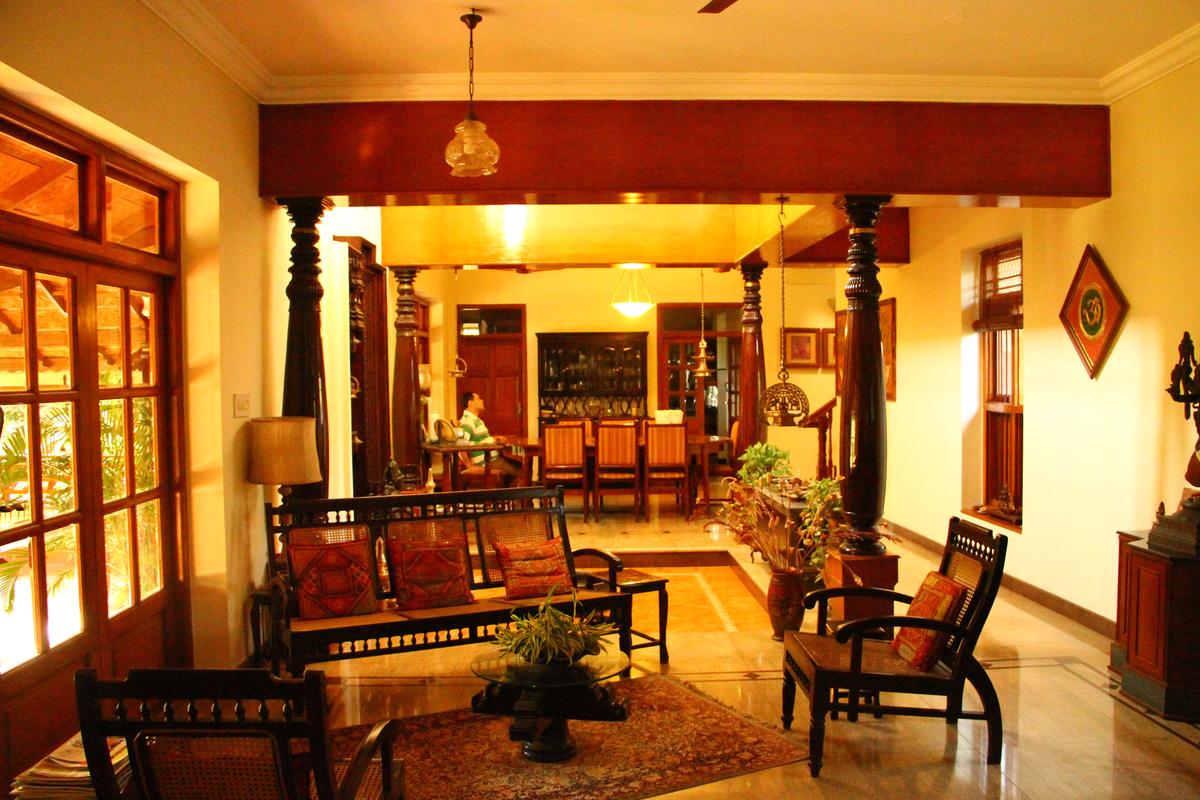
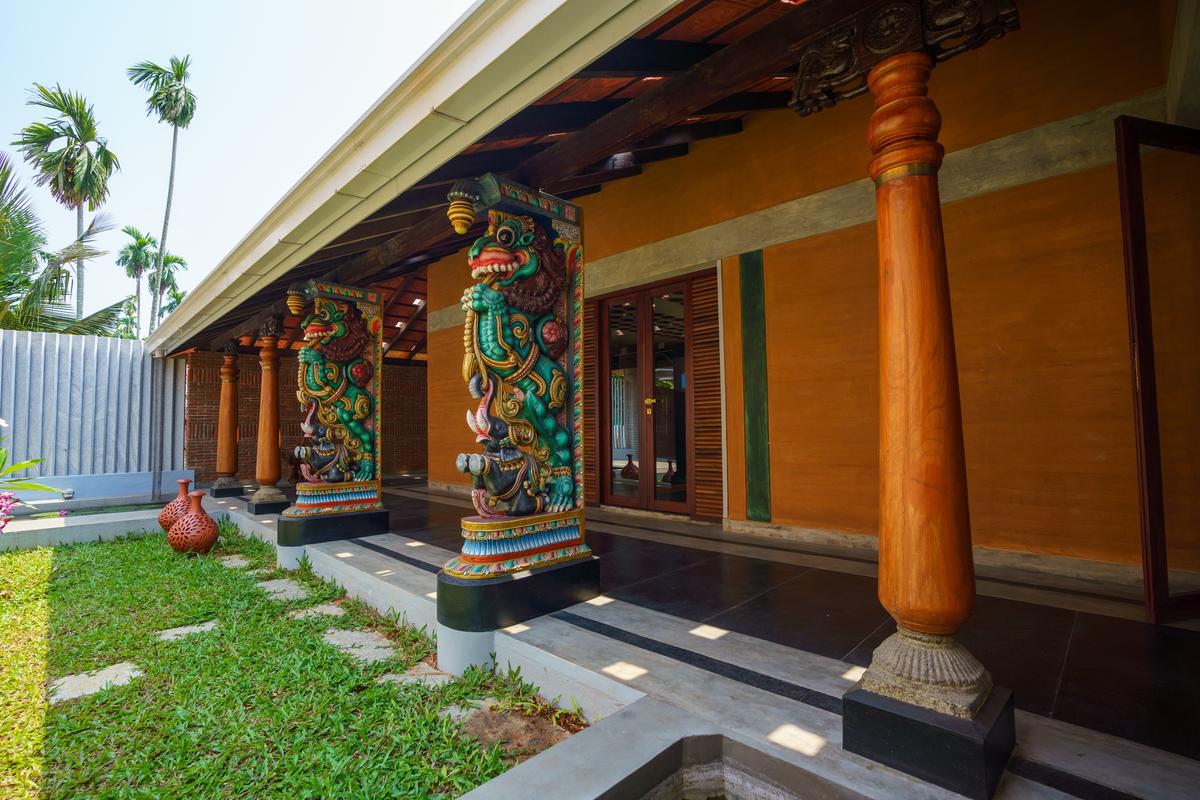
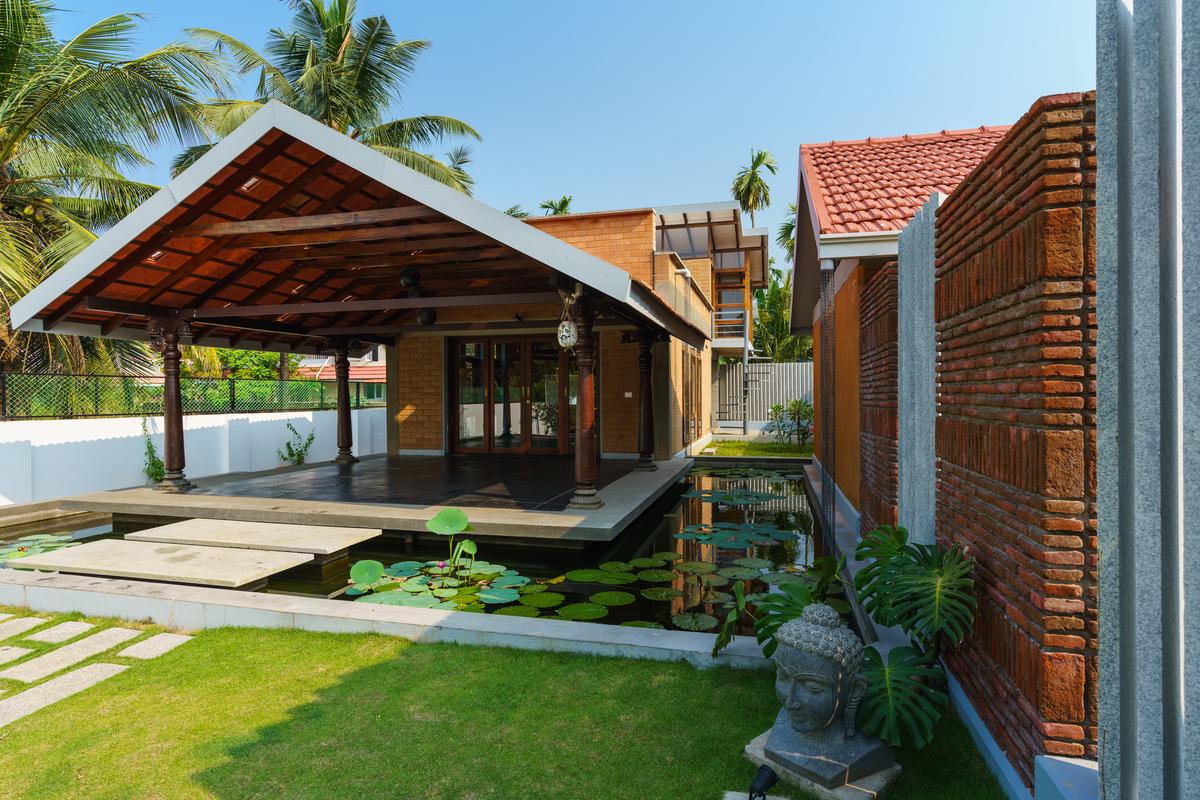
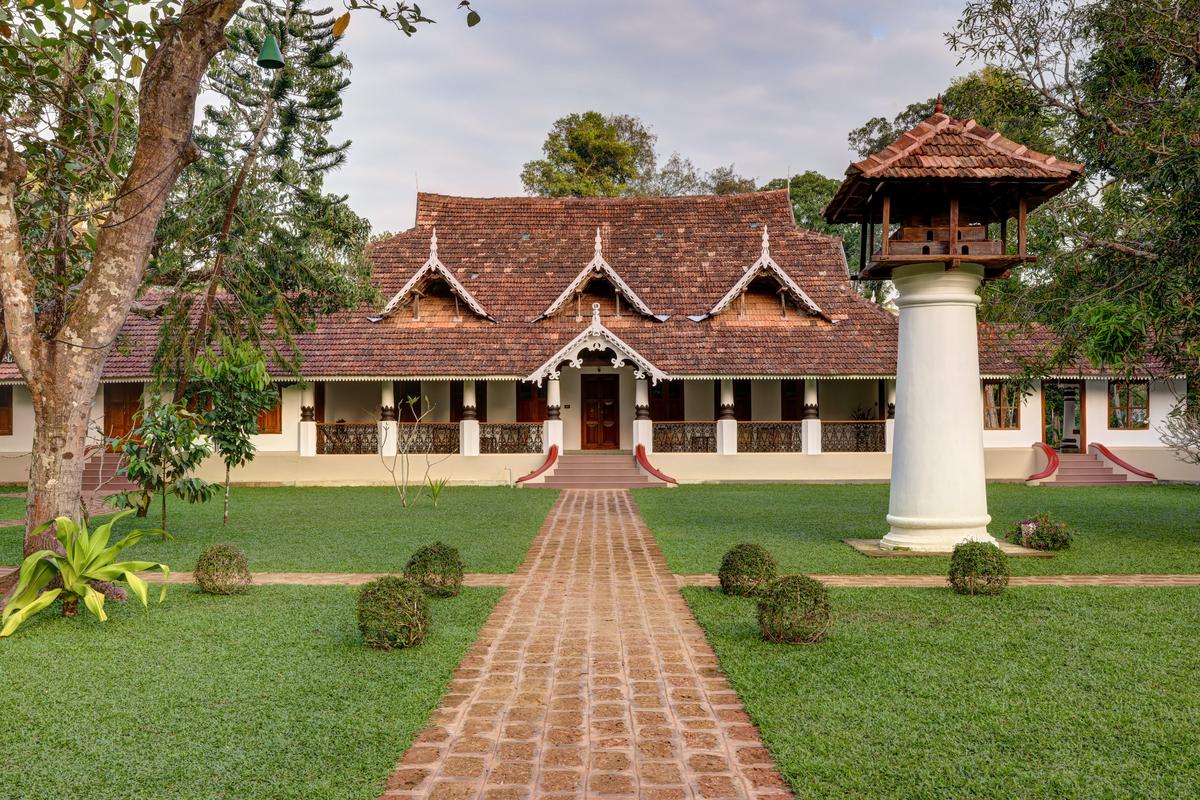
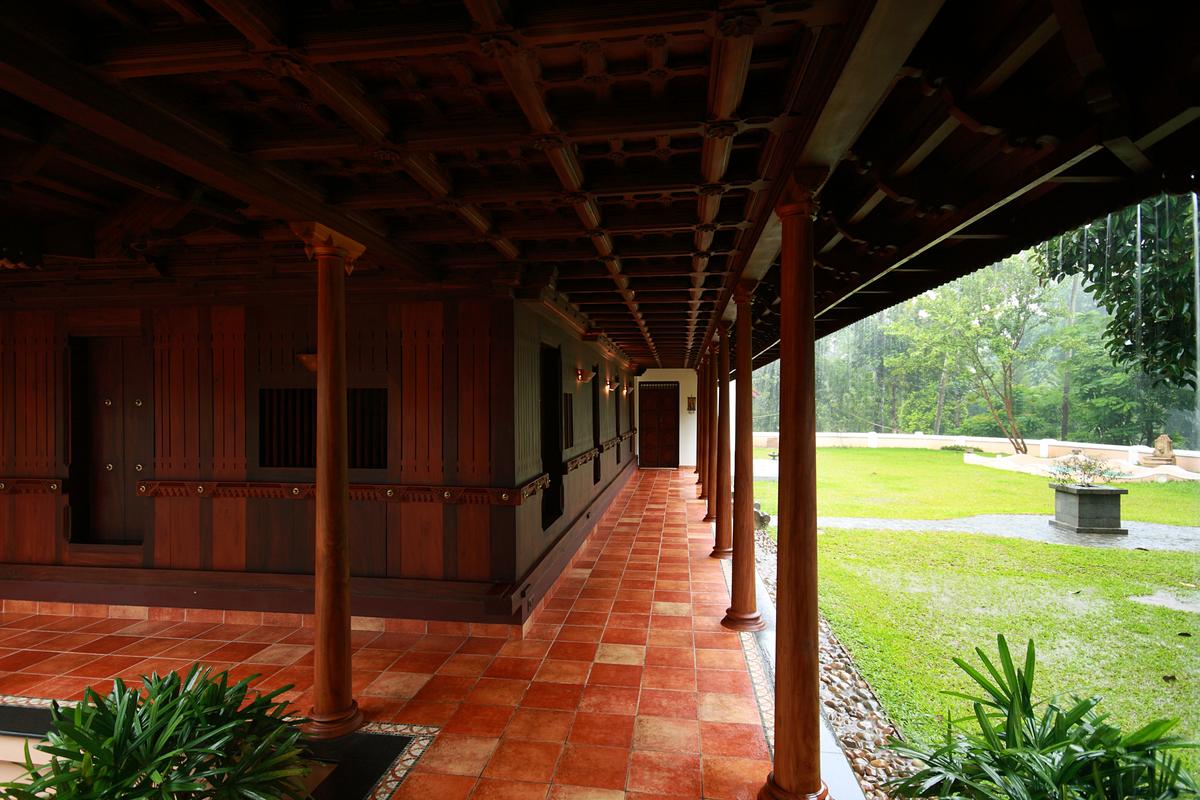
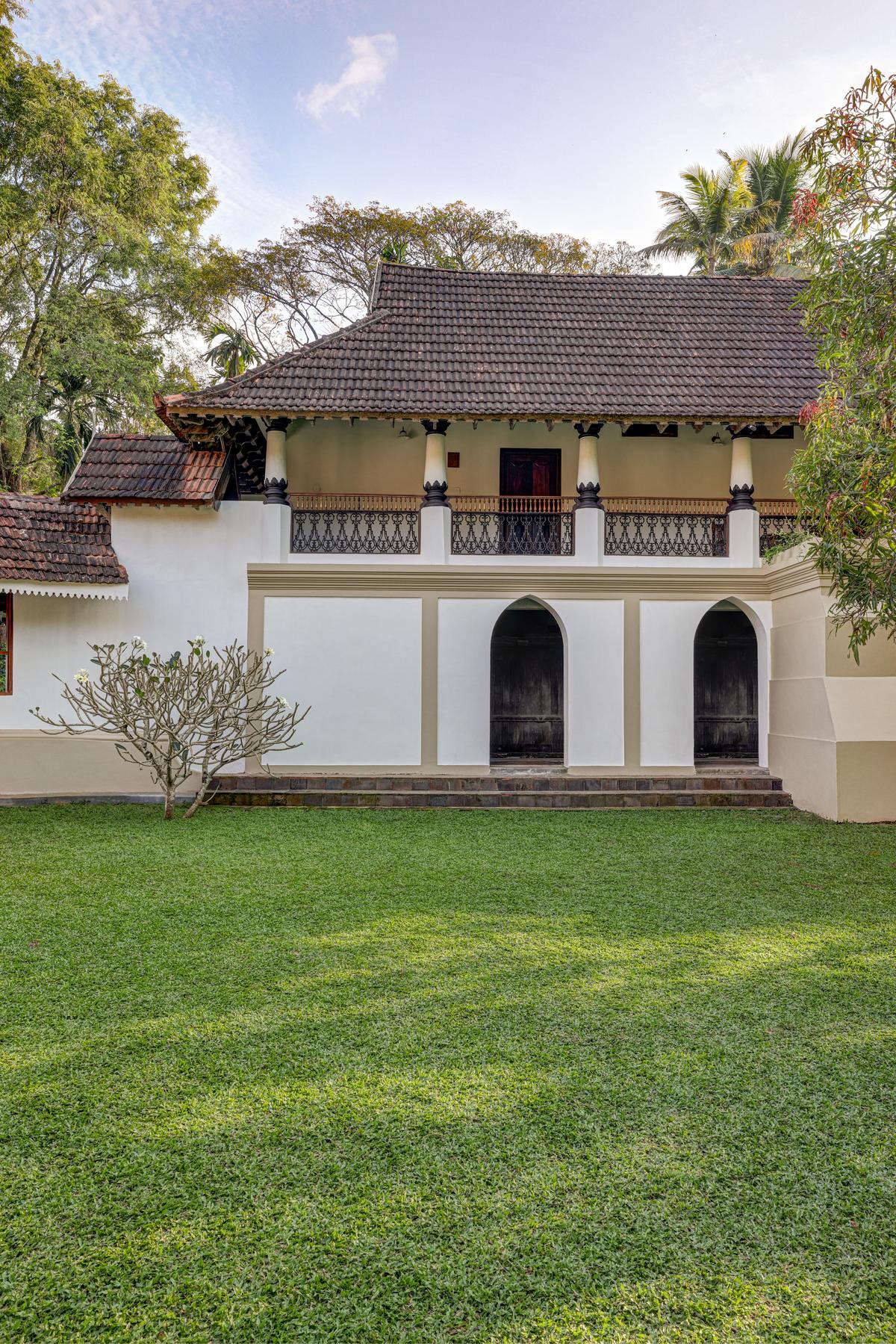
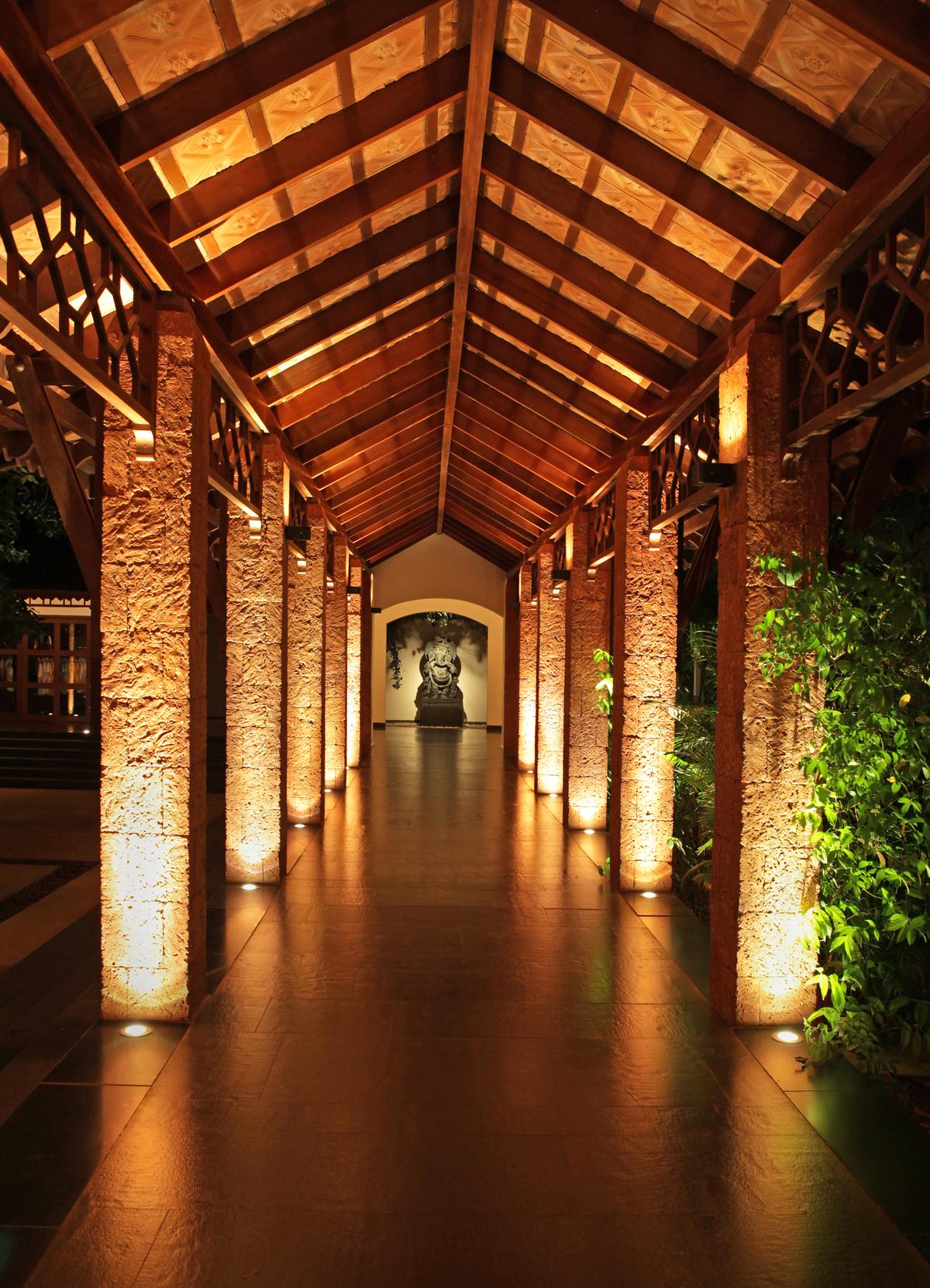
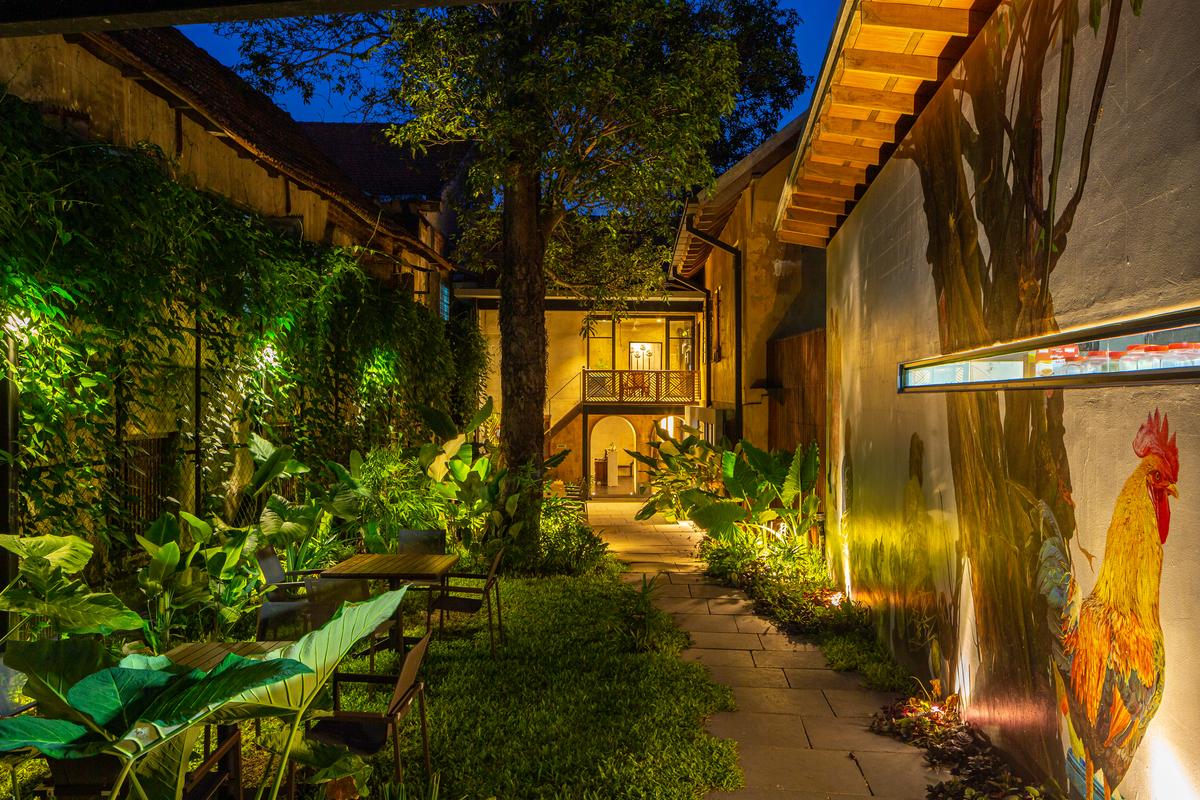
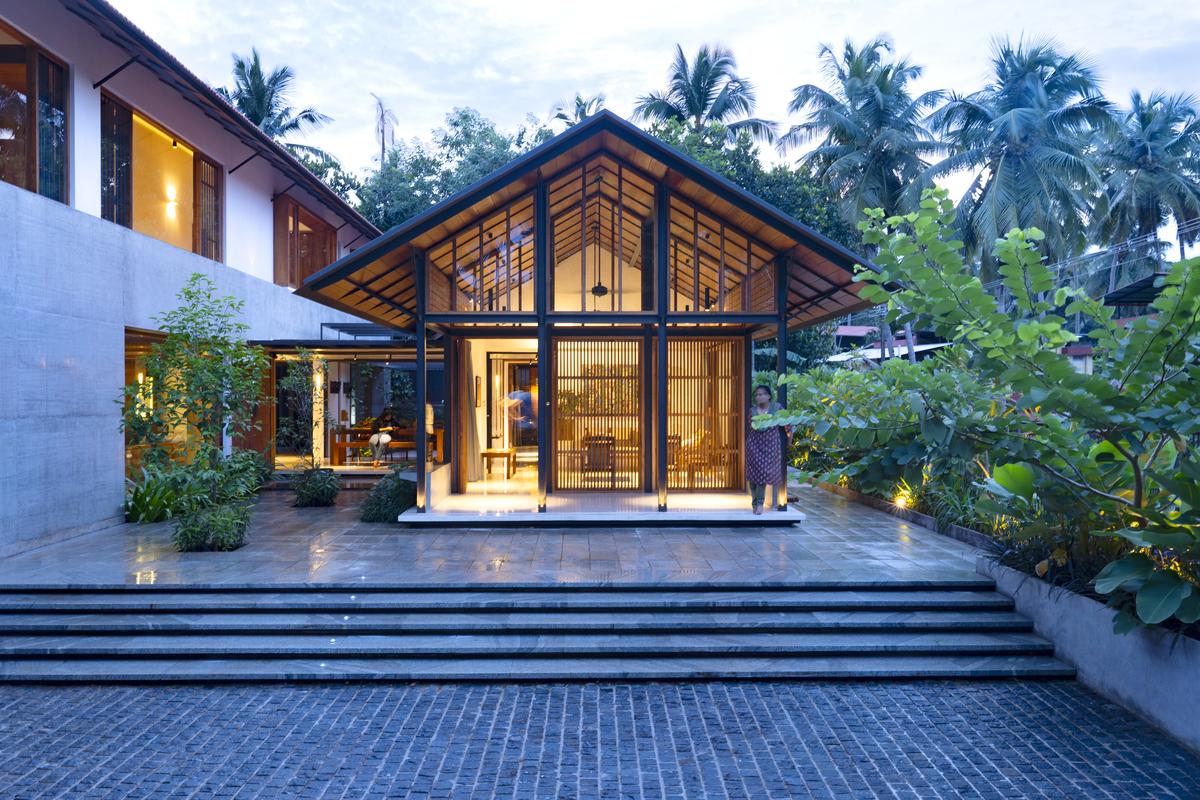
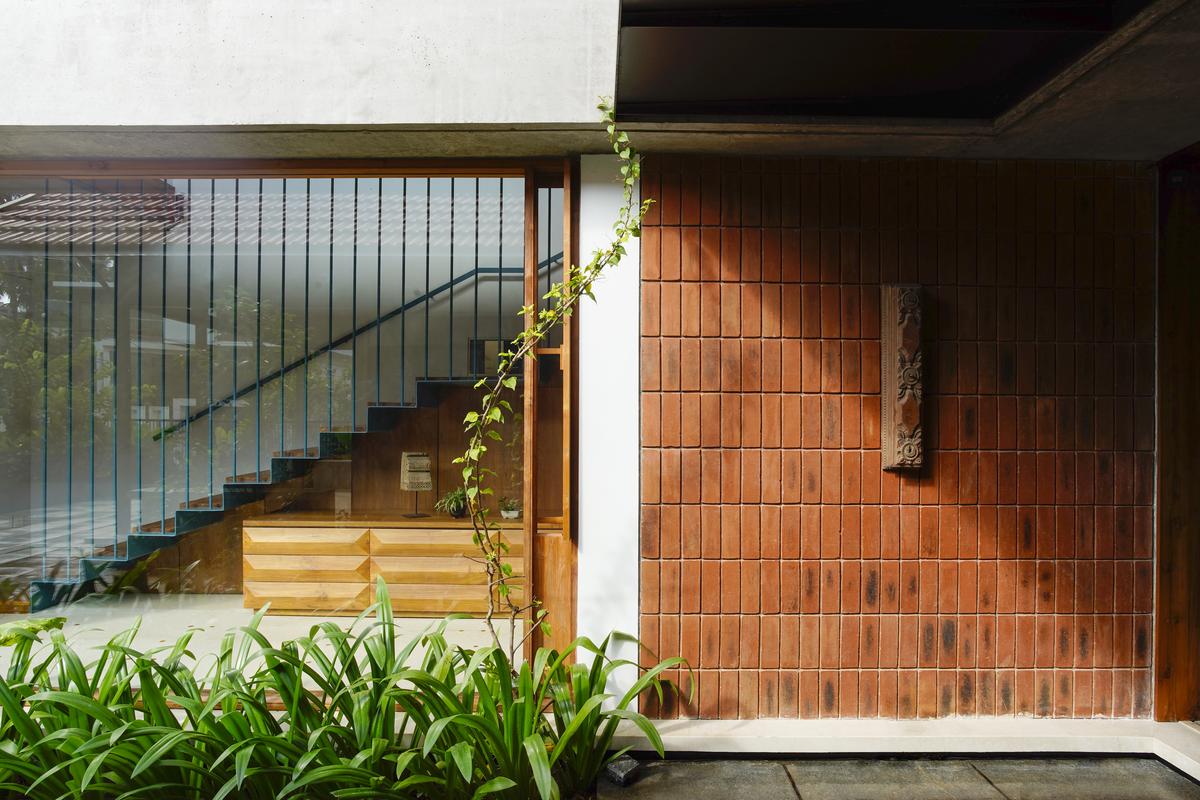
Homes are evolving entities, housing stories within their walls, built by intangible memories. In Kerala, ancestral or tharavadu architecture was built for large, multi-generational families, on expansive plots of land, with laterite, jackwood (anjili) and teak, enveloped by generous porches for visitors, and rooms to accommodate slow living. Today, as most families move to the city, there is both a push and pull — do you transplant a home or conserve and retrofit for modern comforts? In 2011, Delhi-based architect Pradeep Sachdeva transplanted his 300-year-old home, Meda — from the village of Mepral, in Kerala, to his agricultural farm in Gurugram. Elsewhere, the Stapati architectural practice has taken this style of architecture to beachfront properties in Goa, a little slice of Kerala with laterite colonnades, and stone flooring, borrowing from vernacular architecture. This style is easily adaptable because it is climate responsive — pitched roofs to accommodate the messy monsoons — as it is built with local material that is both sustainable and rooted in culture. We speak to architects across South India, working at the intersection of restoration and adaptive reuse, on how tharavadu architecture can transition to meet the needs of families today.

Voting for adaptive reuse: Benny Kuriakose and Associates, Chennai

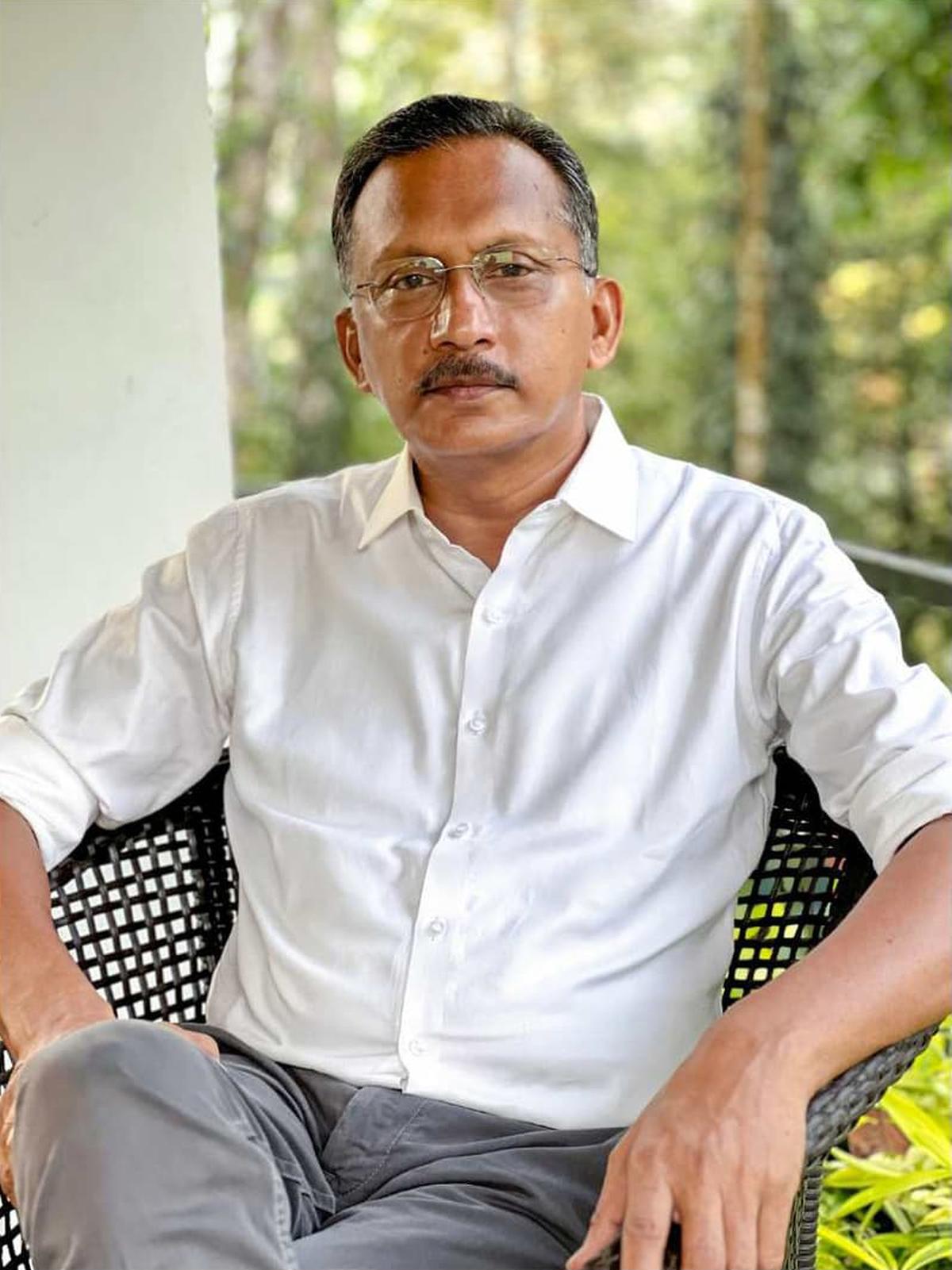
In terms of functionality and materiality, Benny Kuriakose opines that a seismic lifestyle shift has necessitated changes. “Earlier, we had a vessel or space outdoors to wash our feet before we entered; today, we do not have these customs in most places. This change in practices is reflected in design. A need for brighter spaces calls for large windows. Now people are realising the historical value of the houses and instead of demolishing, there is a focus on conservation.”

Benny Kuriakose 

Benny Kuriakose 

The durability of these buildings is indisputable; they’ve lasted over 200-300 years. Is restoration, then, better than new construction based on traditional principles? “In terms of the carbon footprint, it is definitely better to retain houses and add elements instead of abandoning them. In terms of materiality, skills for exposed laterite work is reduced, timber costs are prohibitive, very few craftsmen work with oxides, while some use reclaimed teak, so the economics is a big factor,” Kuriakose says, having designed homes across Kerala, Tamil Nadu, Karnataka and Andhra Pradesh, including transplanting homes and rebuilding them at The DakshinaChitra Museum, Muttukadu.

Adding comfort: Masons Ink Studio, Bengaluru

A heritage conservation architect, Sridevi Changali of Masons Ink Studio, Bengaluru, responds to context, geography and materiality. “I’m from Kerala, and my experience is personal regarding this style of architecture. We have so much to learn from the materials used — mud, bamboo, stone, rice husk additives and fish mucus solutions to improve binding. With the tropical climate, the central space was bathed in light, and the geometry, while different from the linearity of the Chettinad houses, allowed natural ventilation and segregation of private and public spaces,” she explains.

(L-R) Sridevi Changali and Rosie Paul

(L-R) Sridevi Changali and Rosie Paul

Acknowledging the old while embracing the new results in glass windows replacing the louvred shutter-style original windows, accommodating air conditioning, and modern amenities, within local material wisdom. “With reference to the ‘edge of discomfort’, the human body can adapt to 20°C up to 27°C with a relative humidity of 40% to 60%, but now our bodies no longer teeter at the edge, we need our comforts and the design allows for it,” says Changali. In terms of the carbon footprint of construction,“adaptive reuse is the way to go” — having an open mind to heritage adaptability, cutting the impact of new construction on the ecosystem.

Updated drainage and waterproofing: Mindscape Architects, Kanjirappally, Kerala

“Blending spatial wisdom with adaptive engineering, renewable energy, and eco-conscious practices, Kerala’s architectural heritage can continue to thrive as a living tradition that serves both today and the future,” says Ar. M.M. Jose, principal architect, Mindscape Architects, Kanjirappally. He stresses on sustainability, climate resilience and a comfortable confluence of tried and tested principles and modern science.

Ar. M.M. Jose

Ar. M.M. Jose

“Reimagination is not about replacing tradition, but layering modern sustainability over ancient wisdom. Stronger rains, rising temperatures, and extreme weather events require enhanced structural resilience, improved waterproofing, and sustainable material innovations,” said Jose. With the recent restoration of a 250-year-old heritage ‘ettukettu tharavadu’ at Thycattussery, the natural elements played a role in an informed biophilic design sensibility. Jose says, “The question is no longer about preservation alone, it’s about intelligent adaptation. These changes demand re-engineered drainage systems, improved roof waterproofing, better termite- and moisture-resistant materials, and structural reinforcements to withstand more frequent climatic changes.” Modern materials provide structural safety, while traditional elements like clay tiles, jaali walls, deep verandas, and laterite or timber finishes retain the environmental performance and cultural identity that define Kerala’s architectural heritage.

Retrofit with modern elements: Stapati, Kozhikode, Kerala

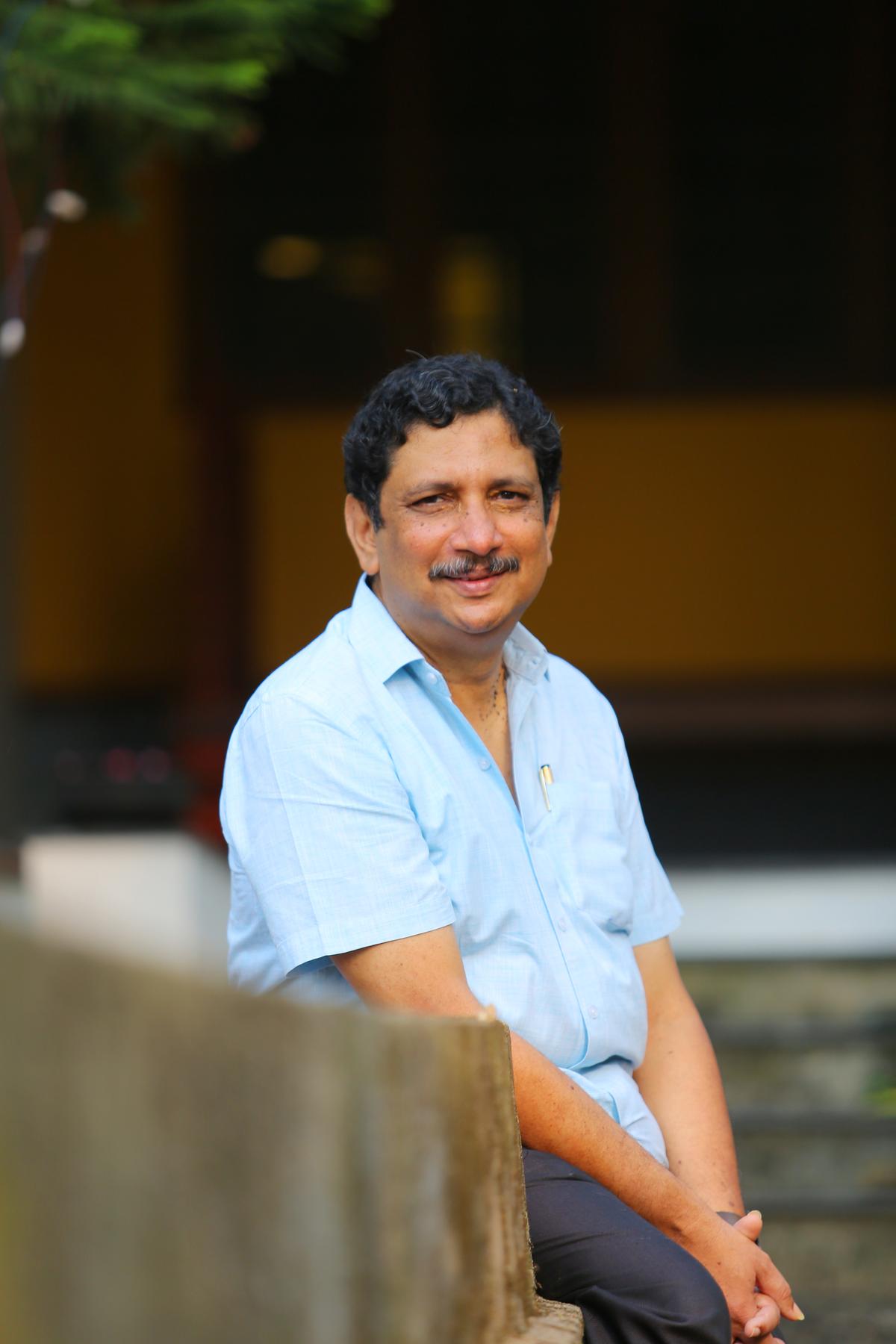
With a practice founded in 1989, Tony Joseph, founder and principal architect, Stapati, Kozhikode, has seen the transition of tharavadu architecture as families around the State gradually moved from multi-generational joint families to smaller nuclear units, and their changing needs were now reflected in their living spaces.

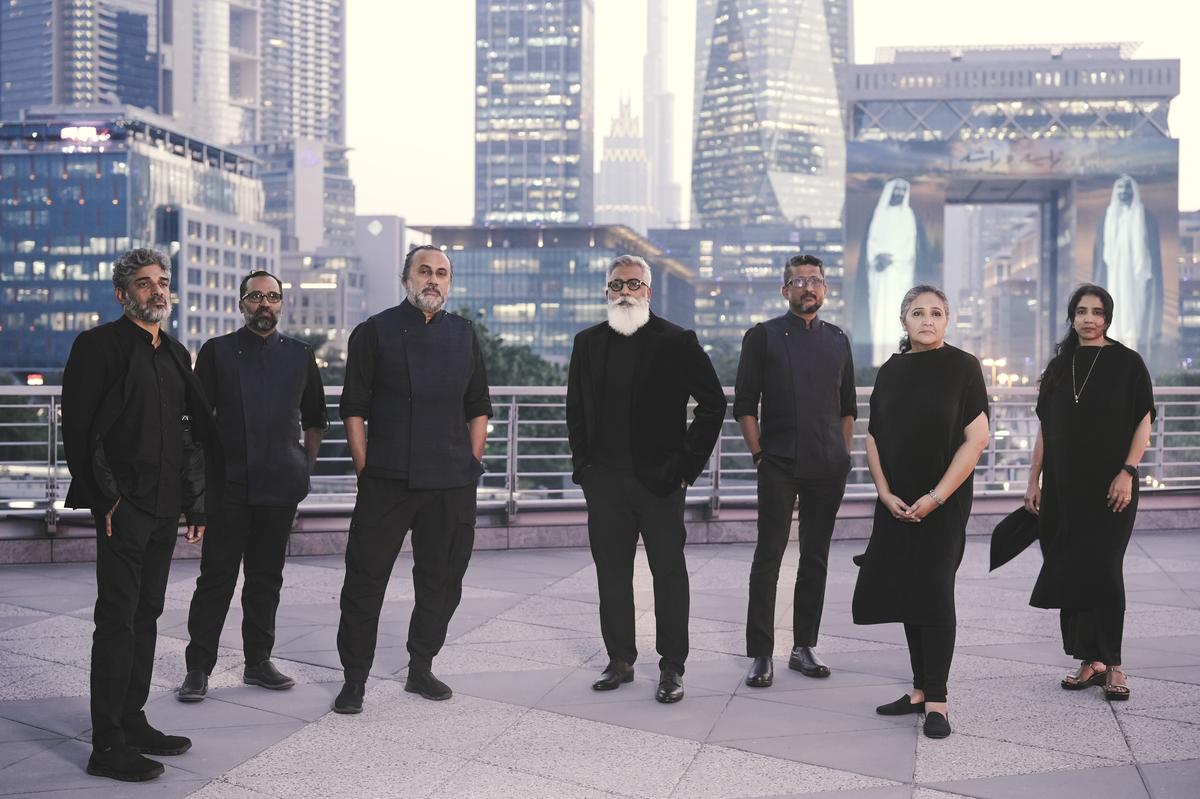
(L-R) P. Mohandas, K.A. Rajesh, Tony Joseph, George Seemon, M. Harish, Anupama and Poonam Noufal.

(L-R) P. Mohandas, K.A. Rajesh, Tony Joseph, George Seemon, M. Harish, Anupama and Poonam Noufal.
| Photo Credit:
sahad photography

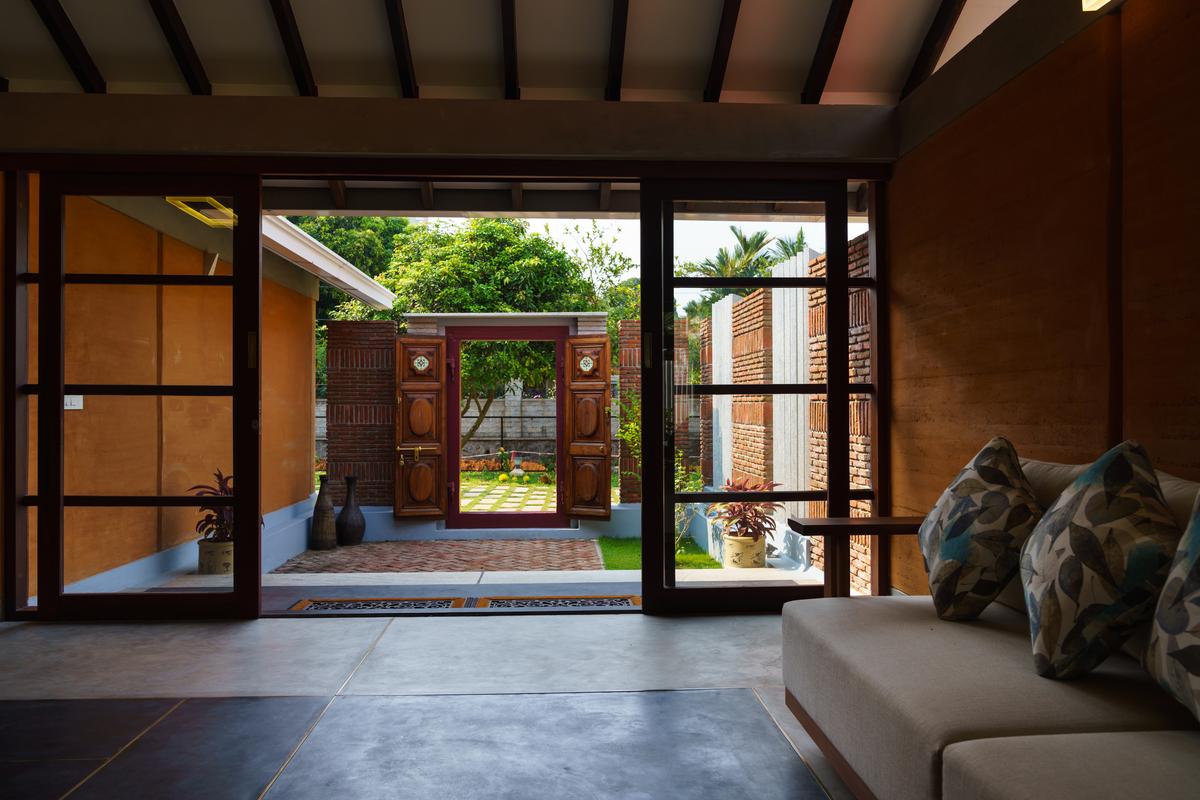
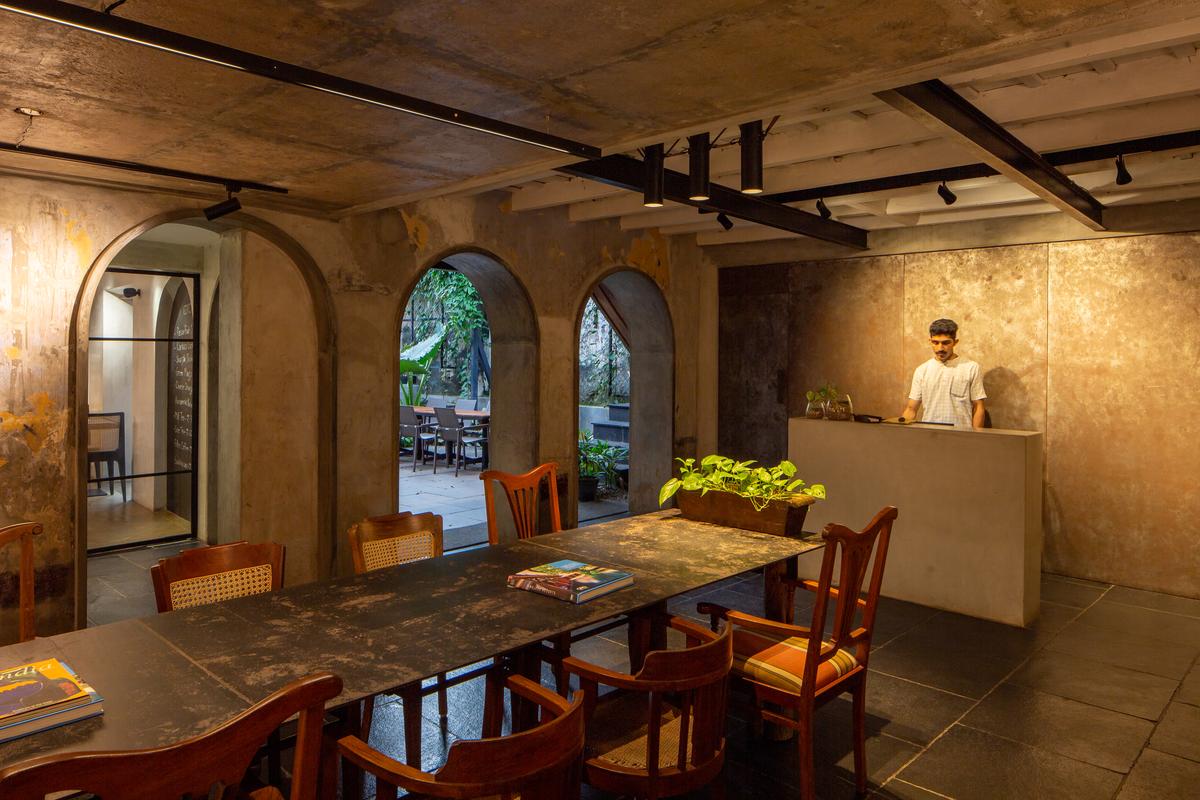
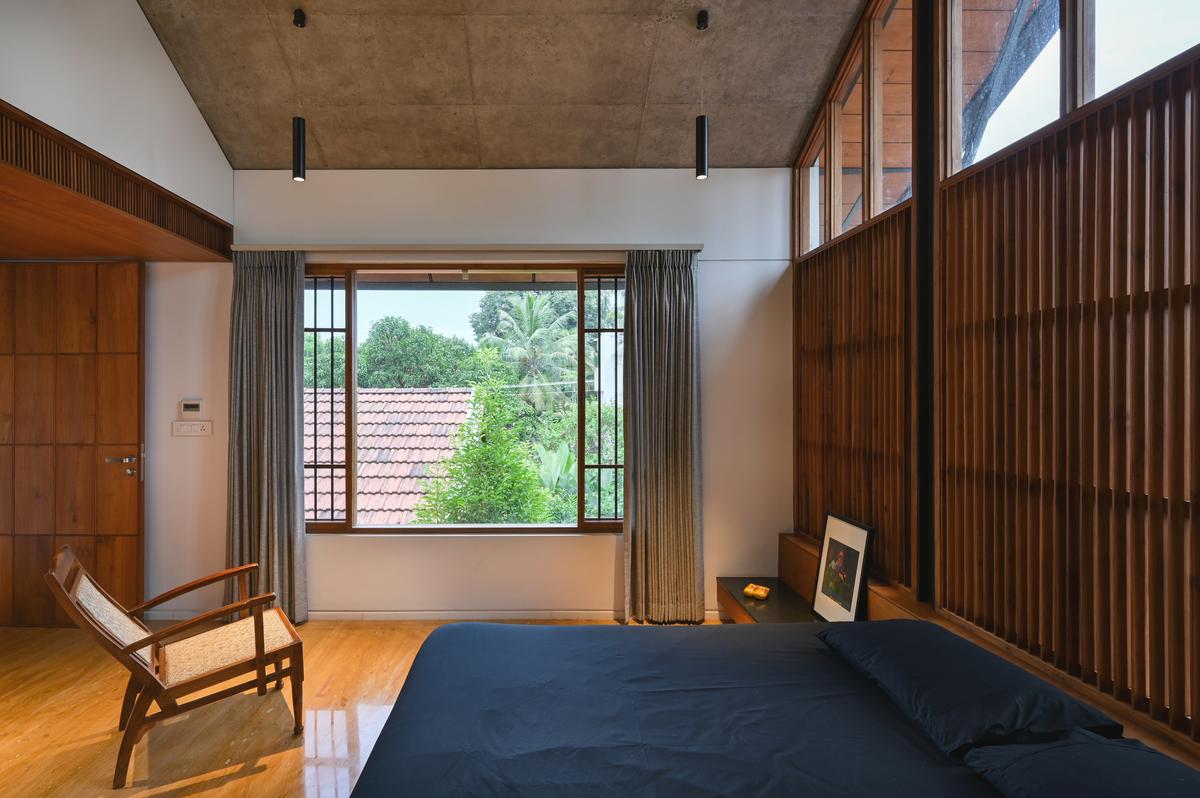
“Earlier, everything was self-contained. Women would stay within the tharavadu. There were no attached bathrooms. In terms of ventilation and lighting, the windows were smaller and placed lower. The arrangement of open spaces was not linear, so there was comfort only in the courtyard, but air did not pass through the home equally. Today, when we design for cross ventilation and maximal air flows, we create large windows,” says Joseph. Large glass doors and windows form a conduit between the inner and outer spaces, connecting with the natural world. While older homes did not provide for the large span lengths for floor-to-ceiling windows, Joseph says, “We can learn from older principles, but not just repeat, without reinvention. We also encourage families to retain larger houses, and convert them into recreational spaces, or you can retrofit older homes with modern elements like air conditioning.”

New-age aesthetic: Thought Parallels, Kozhikode, Kerala

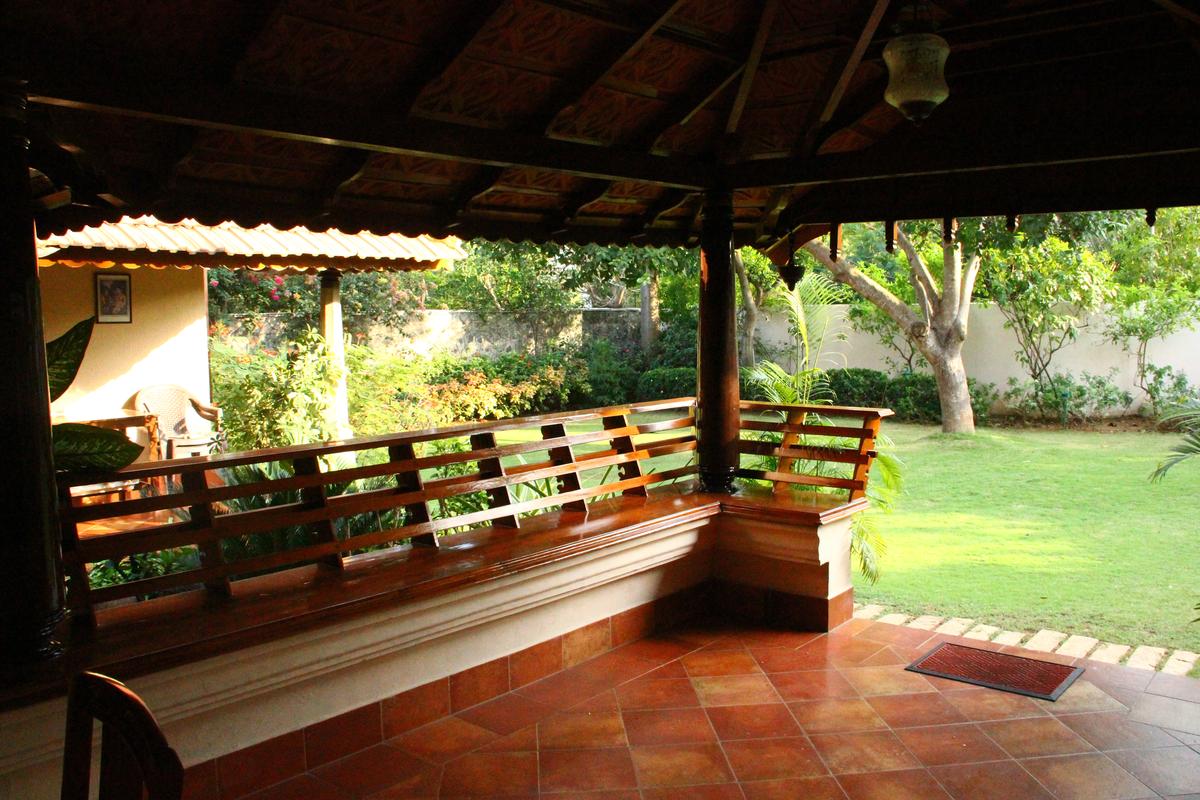
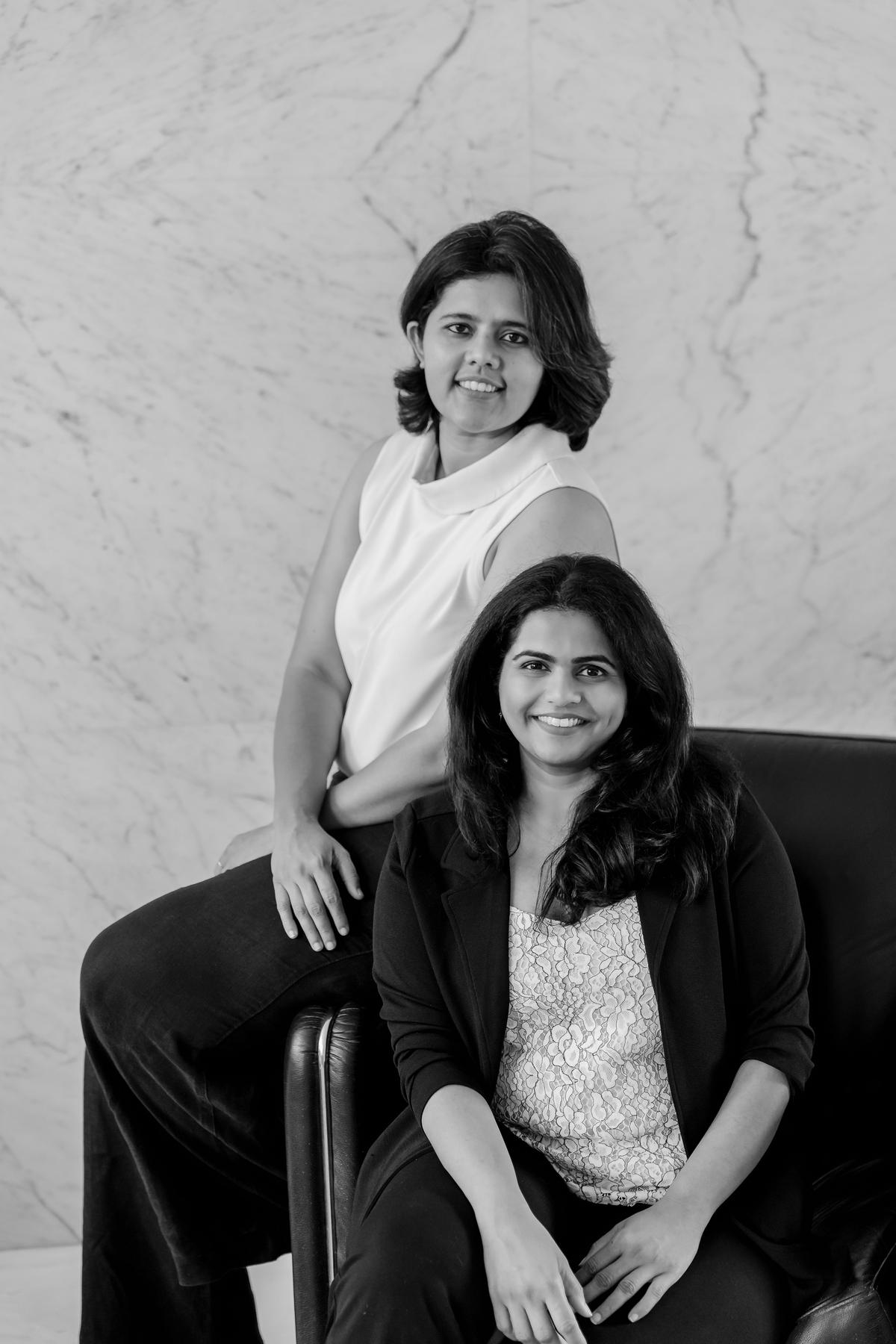
Designing homes for privacy yet allowing space for heritage, Shabna Nikhil, Thought Parallels, Kozhikode, Kerala, believes new materials from the local milieu add depth to new homes. “We have started complementing teak wood with local coconut wood, especially for roofing. We have seen the benefit and wisdom of sloping roofs that work much better than our modern preoccupation with flat, concrete roofing. We use natural stones such as Kota and oxide flooring and retain the quintessential Kerala wood bench on the verandah, which is a feature of our culture of hospitality.”

Shabna Nikhil and Nikhil Mohan

Shabna Nikhil and Nikhil Mohan

Along with her partner Nikhil Menon, Shabna creates homes for families who wish to tether their nostalgia to a traditional physical space, enveloped in nature. “Landscape designers create green spaces that offer privacy, factoring the level of the groundwater table and plot elevation,” adds Shabna, who says 6 out of 10 new clients choose to marry the wisdom of old design with new-age aesthetic.

Identify key features
Nalukettu structure: common layout, a four-hall structure with a central courtyard.
Courtyard (nadumuttam): central open-air space, crucial for ventilation and light, is a defining feature.
Verandahs: incorporated to provide shade and protection from the elements, surrounding the building.
Charupadi: Timber seating along the verandah, allowing for interaction with nature.
Padippura: The gatehouse (padippura) marks the entrance to the Tharavad, often adorned with traditional elements.

Local material advantage
The tharavadu or ‘ancestral’ homes were built with rooms surrounding a central courtyard. They were a reflection of the status of their residents, with four and eight-roomed homes (naalukettu or ettakettu), for the more affluent. Each community tweaked the arrangement, but the constant was the use of local material — laterite and lime for construction, oxide flooring, sloping tiled roofs, all designed for the torrid summers, mayhem at monsoon and the thick humidity that hangs over the tropical State.

The freelance writer is based in Chennai.


Source link

Slow travel to Six Senses Fort Barwara made me realise the importance of travelling with very little to do


Every four to six months, 32-year-old freelance graphic designer Salvita Rozario shuts her laptop in Delhi and takes off — not for adventure, but to move slower than the city allows. “When you freelance, time can feel elastic,” she says. “Slow travel helps me stretch it with intention.”

Her first real experiment with this was Jaipur in 2022. She stayed for two weeks with a college friend in Civil Lines — cycling to cafés like Curious Life and Tapri Tea House, sketching the peeling façades along MI Road, and wandering through Johri Bazaar on languid afternoons. “Jaipur taught me that slowing down doesn’t mean being idle,” she says. “It means noticing the textures of a place.”

At Aramness Gir in Gujarat, where she spent four days in late November last year, she learnt stillness. Mornings began with soft safaris through dew-drenched scrub; afternoons were for reading by the pool. Evenings ended with a sattvic thali beneath the stars — simple millets, leafy greens and buttermilk — eaten in silence under lantern light, phones left behind in the room. “That quiet was uncomfortable at first,” she admits, “but it’s the kind that rearranges your thoughts.”

Her most recent pause was at The Postcard Mandalay Hall in Fort Kochi in March. Days slipped by easily — sketching at Qissa Café, watching the fishermen at the Chinese nets before dusk, and catching Kathakali rehearsals at Greenix Village. “It’s the in-between moments I travel for,” she smiles. “Slow travel doesn’t change your life overnight — it seeps in, quietly, like tidewater.”

The slow life

Salvita is not alone. Many millennials and Gen Z travellers now value presence over itineraries, preferring to feel a place rather than conquer it. “You shouldn’t come back from a holiday exhausted,” she says.

It is this shift that platforms like Mumbai-based travel company TealFeel are tapping into. Founded in 2023 as an offshoot of TravelK (established in 2018 by Karen Mulla, Karl Vazifdar and Mallika Sheth), TealFeel curates journeys that prioritise depth over distance — from community-run lodges to artist residencies and nature retreats. The brand encourages travellers to linger, interact with local communities, and travel with a lighter footprint.

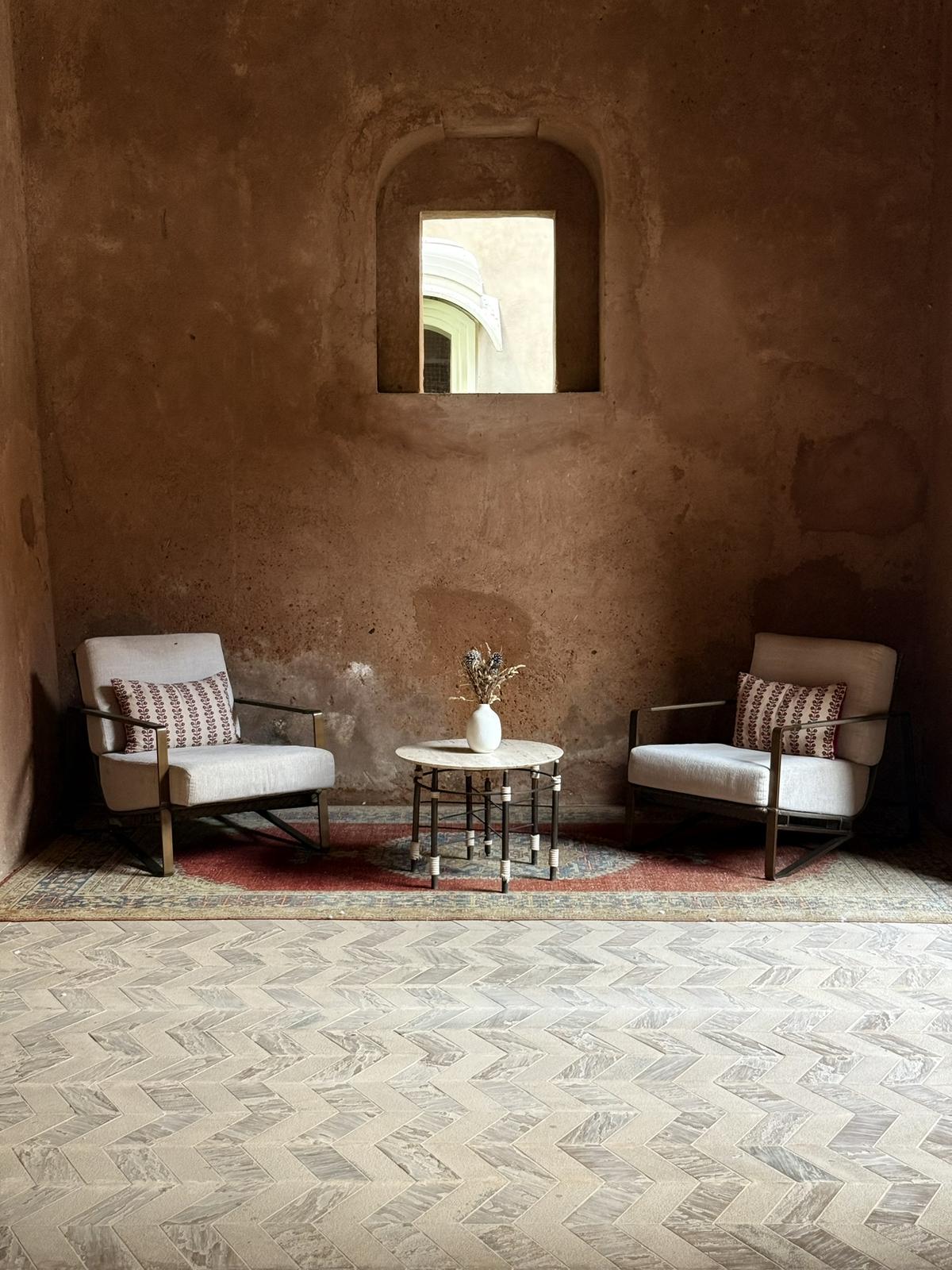
The sitting area just outside the dining space

The sitting area just outside the dining space
| Photo Credit:
Special arrangement

Unlike typical booking sites, TealFeel focuses on intentional discovery: unhurried itineraries, slow meals, heritage stays and creative exchanges. “The idea is to turn travel into restoration rather than consumption,” says co-founder Mallika Sheth. “People may not use the term slow travel, but that’s what they want — fewer stops, more meaning, and the freedom to simply breathe.”

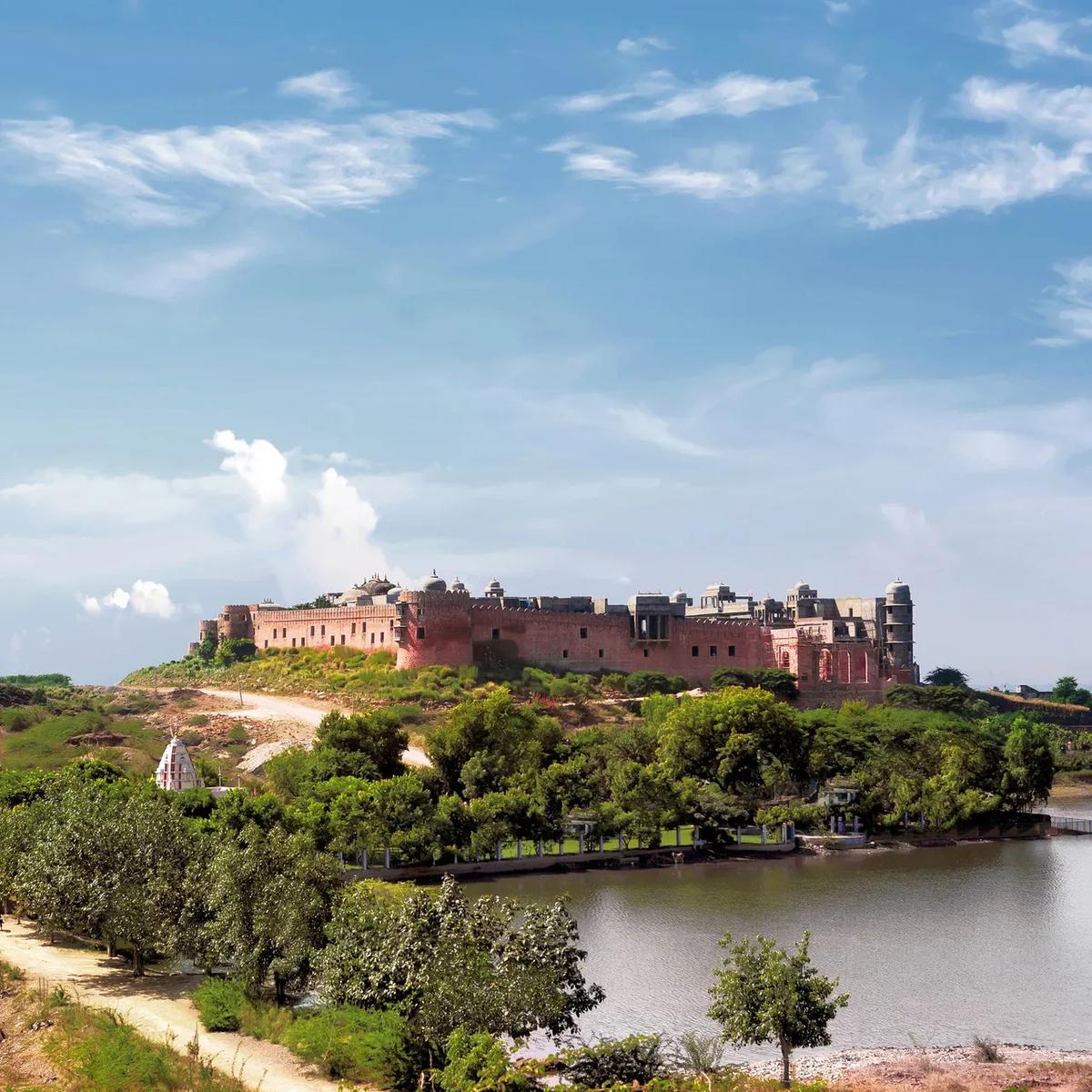
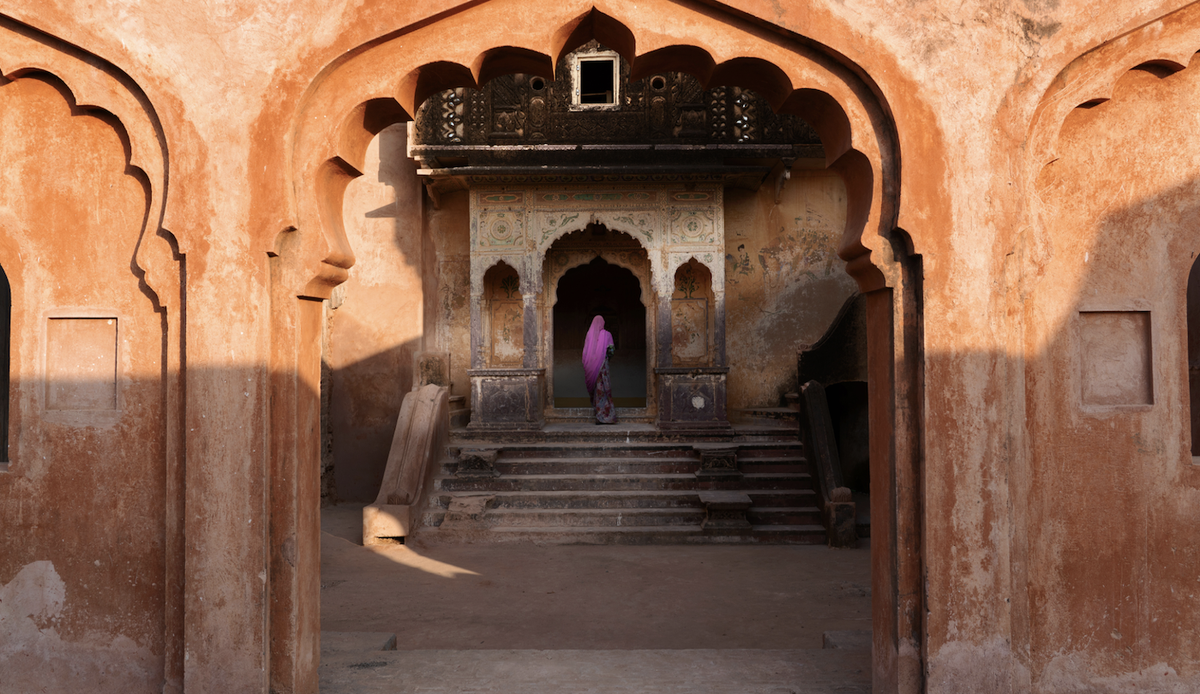
Quite corner inside Fort Barwara

Quite corner inside Fort Barwara

Mallika explains that TealFeel now guides clients to spread things out and avoid crowds. “We recently planned a six-day trip to Bali for a family celebrating a friend’s 50th. We told them — just do two places. Enjoy the property, take a cycling tour, go for a river cruise, explore nature, eat well. That’s all you need.”

In India, TealFeel’s itineraries often include visits to craft clusters and local markets — pottery in Rajasthan, block-printing workshops, or textile trails in Tamil Nadu. “The feedback is always amazement — people say, ‘I didn’t know it was done like this!’ We even have a group of women from South Mumbai who travel purely for fabric trails. They’ve been to Chettinad multiple times, meeting weavers and exploring looms. Experiences like these connect travellers to India in the most genuine way.”

The road to discovery

In August, TealFeel crafted a slow-travel itinerary for me to Six Senses Fort Barwara, near Sawāi Mādhopur in eastern Rajasthan. It was not a trip packed with activities, it was designed to make me pause.

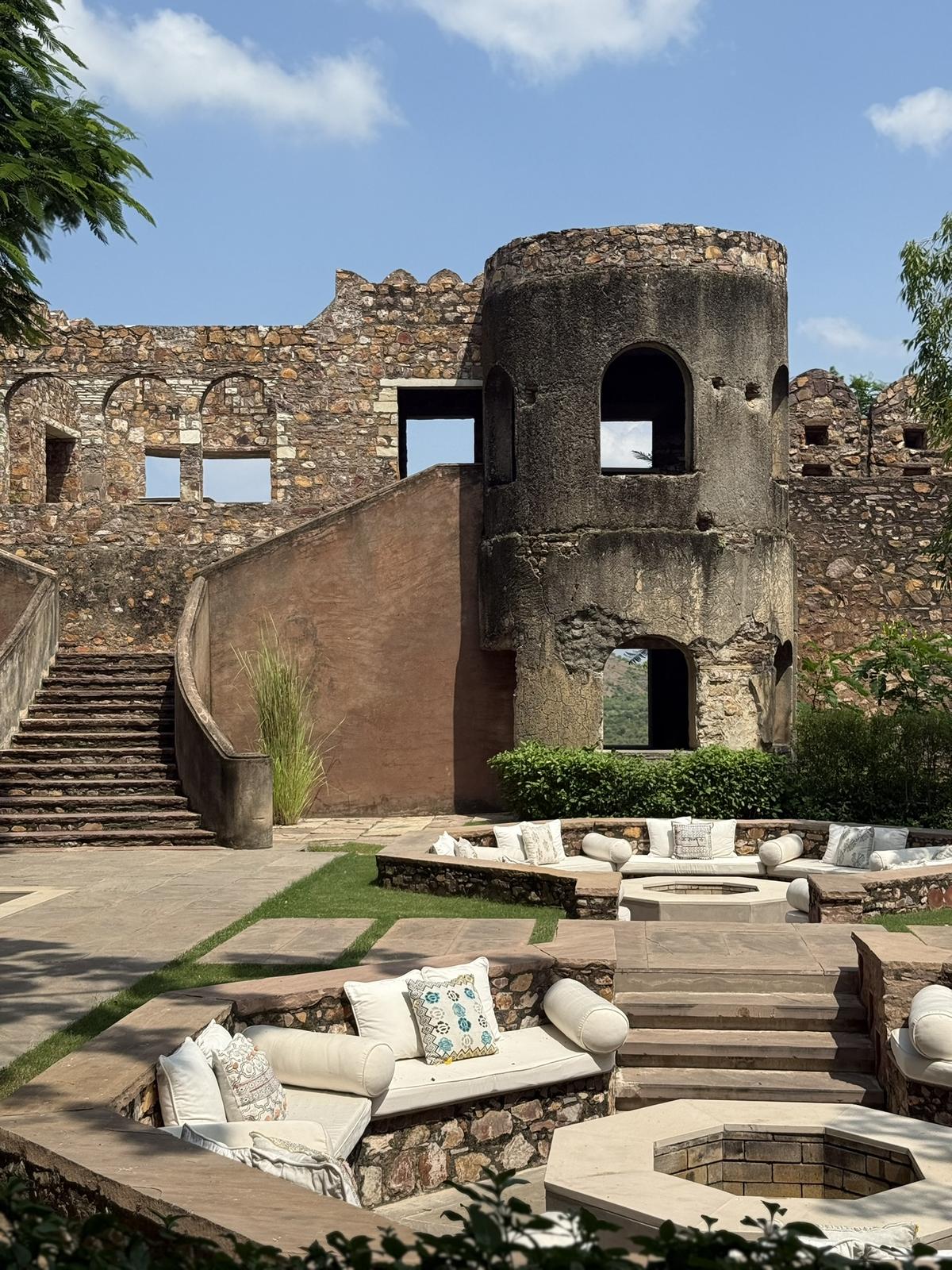
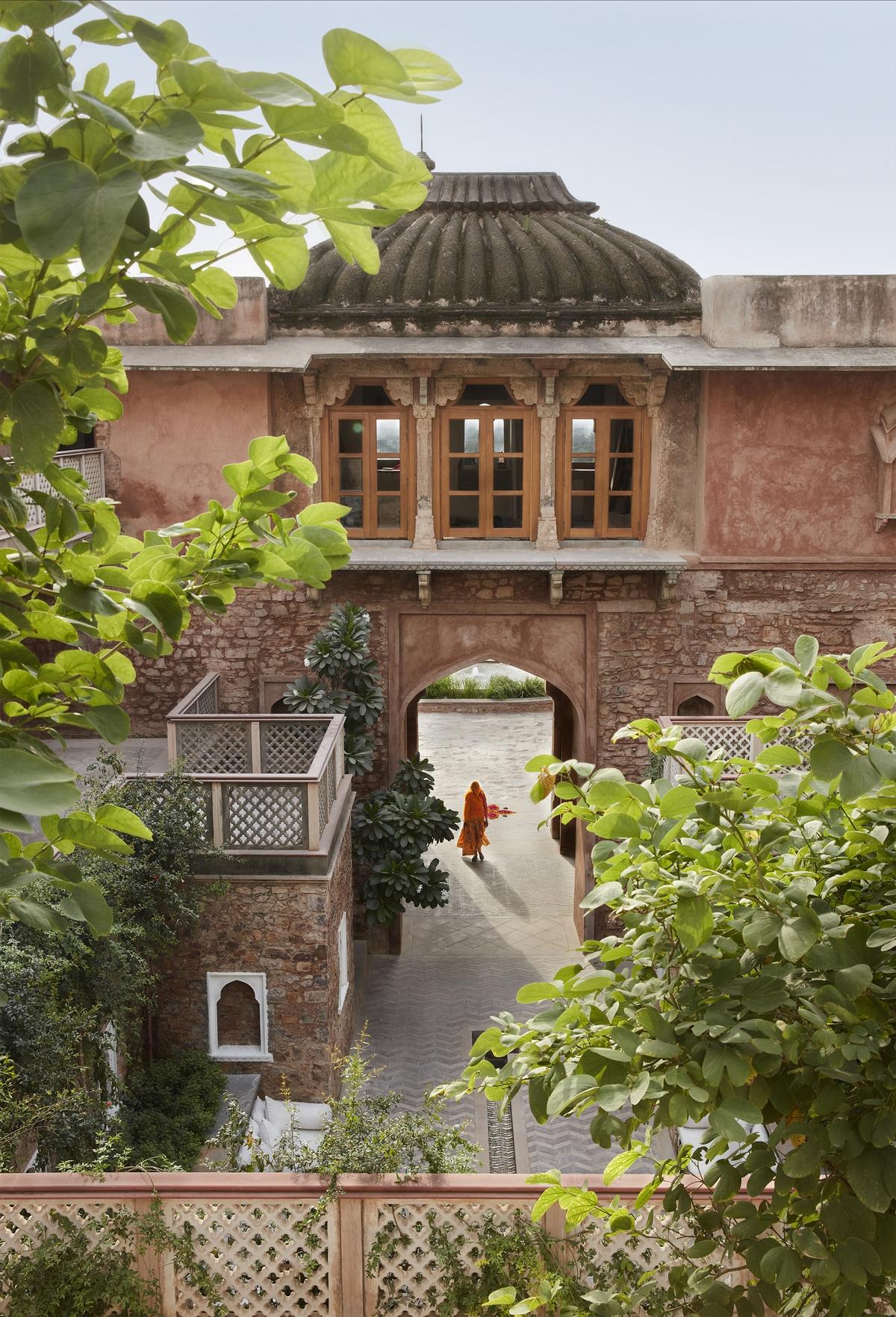
Housed within a restored 14th-century fort, Six Senses Fort Barwara is steeped in the quiet rhythms of the region. Around 85 percent of its ingredients are sourced locally, within a 50-kilometre radius — from farms that grow hardy desert produce such as kair (wild berries), sangri (bean pods) and kachri (wild melon), to nearby gardens filled with root vegetables, edible flowers and herbs in winter. Meals are cooked the old way — over gentle flames in clay and copper vessels — and eaten slowly, sometimes outdoors, where the scent of woodsmoke mingles with turmeric and ghee.
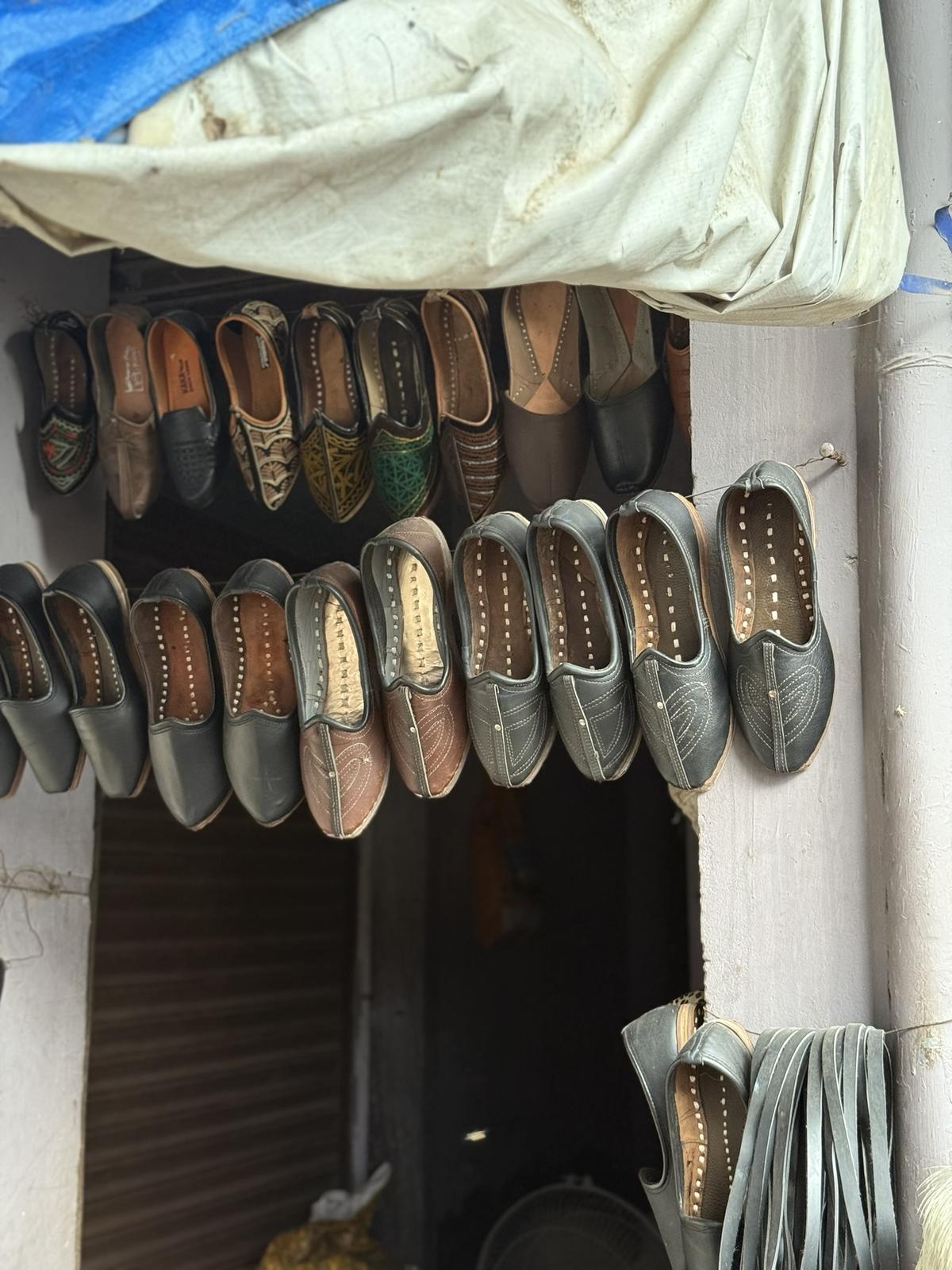
The leather shoe shop

The leather shoe shop

But what I learned went beyond food. Six Senses operates under a global sustainability mandate, embedded through its Earth Lab programme and Sustainability Fund, which reinvests in conservation and community projects at each property. Fort Barwara’s restoration drew on traditional Rajasthani craftsmanship and introduced solar energy and rain-water harvesting systems to sustain the surrounding Barwara village.

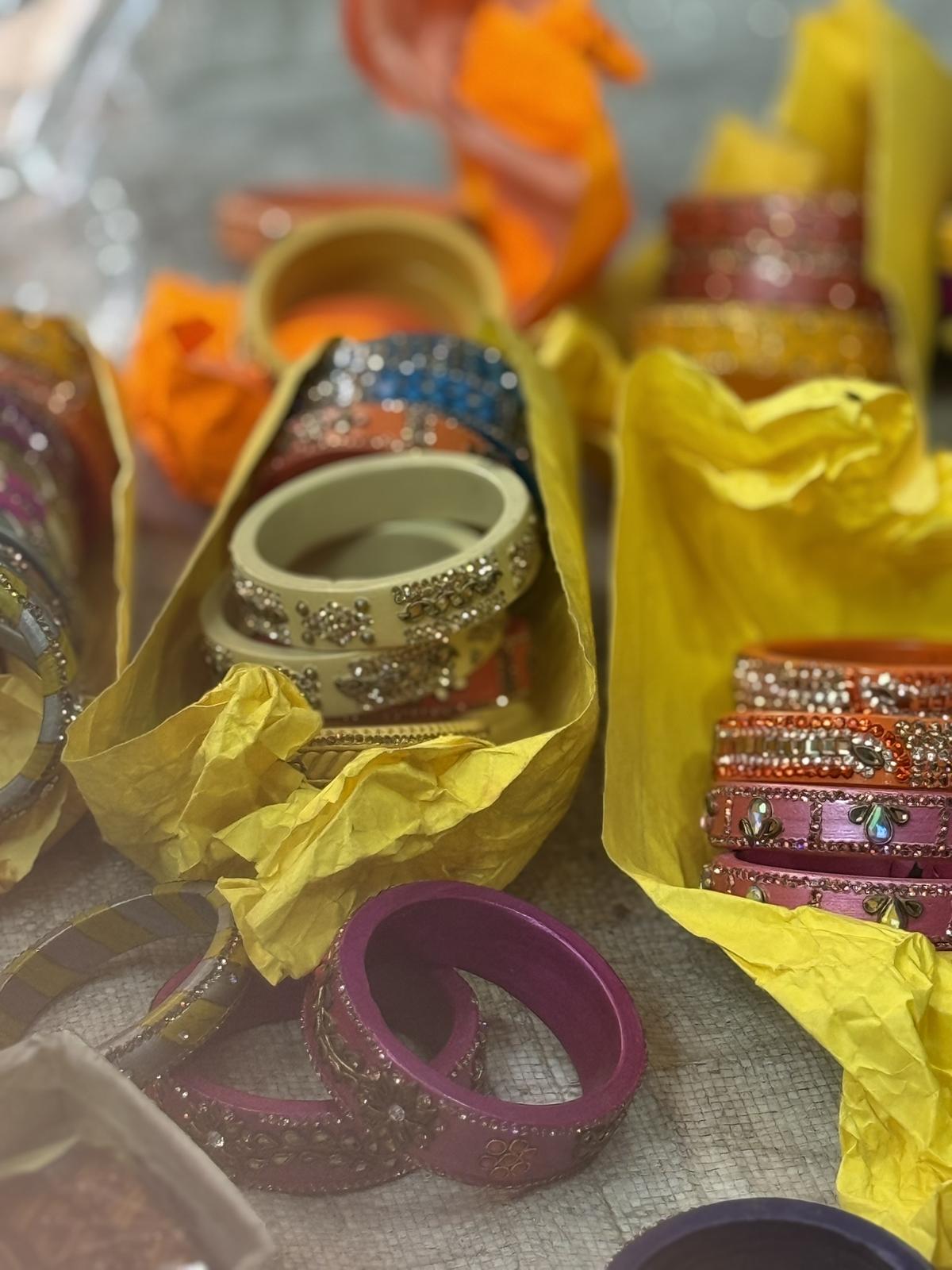
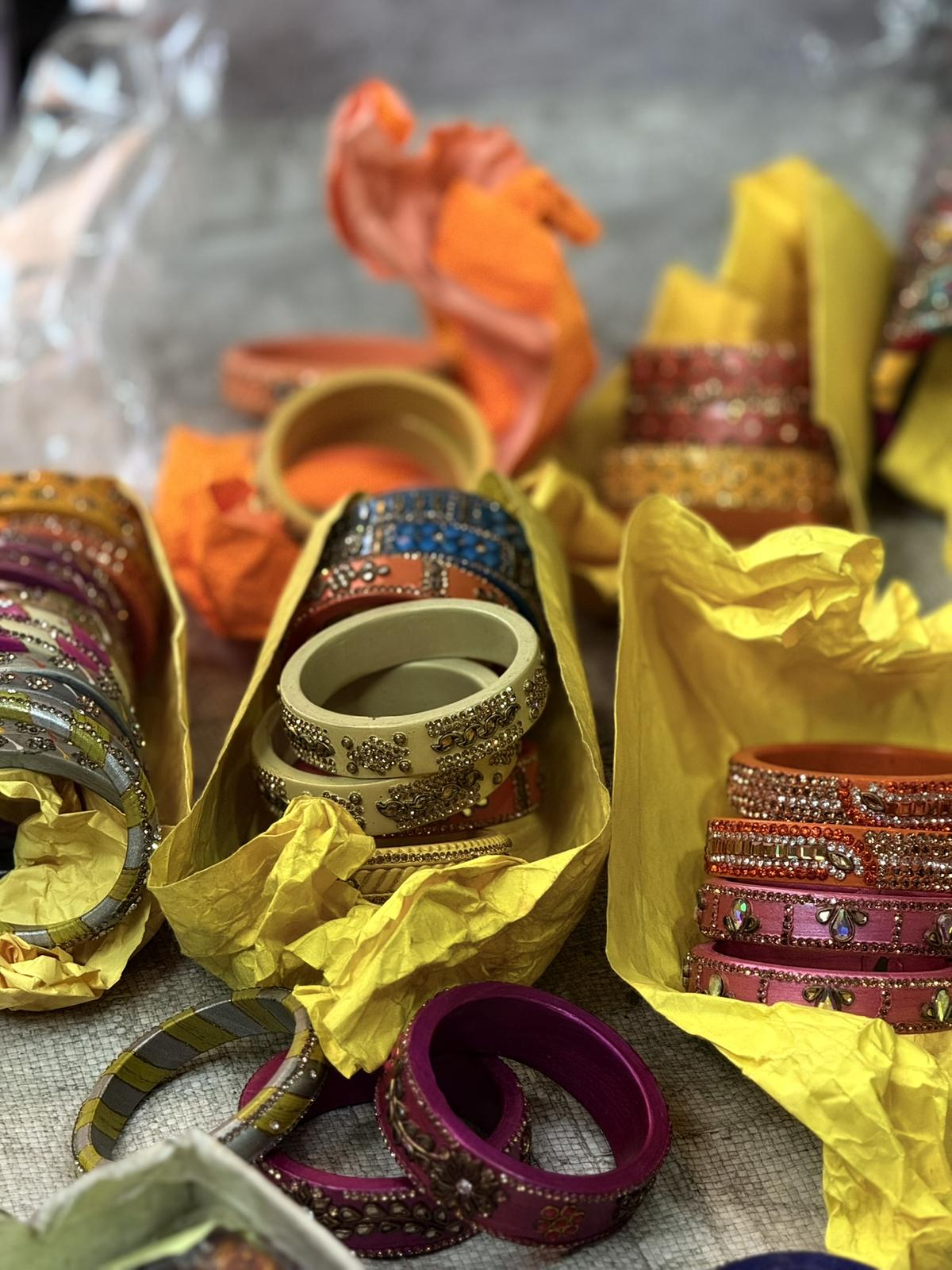
The lac bangles

The lac bangles

The lac bangles

The lac bangles

“Many of the staff are not originally from Rajasthan but are encouraged to learn about the land, its ecology and its crafts. When they lead guests on walks through the village, the connection feels lived-in,” Mallika informs me. One afternoon, a guide pointed out a century-old tannery still making hand-tooled leather shoes; another day we watched artisans fashion lac bangles, their hands moving with the practised grace of generations. These visits were not about voyeurism — they were quiet exchanges of knowledge and respect.

Rather than pushing safaris to Ranthambhore or packing the day with activities, I was urged to slow down — to wander the fort’s courtyards, linger in its garden, and return often to stillness. Even the village excursions were kept short, so that curiosity never tipped into intrusion.

The resort’s ethos of mindful luxury has not gone unnoticed. In 2025, Six Senses Fort Barwara was awarded Two MICHELIN Keys, a new distinction recognising hotels that demonstrate exceptional character, service and sustainability. The honour places it among India’s most thoughtfully run properties.

What struck me most was the scale and sincerity of intent. Six Senses does not treat sustainability as a marketing slogan — it is audited, measurable and ingrained. At Fort Barwara, it translates into seasonal eating, respectful village engagement, and a style of restoration that honours the past while sustaining the present.

I left Barwara with the sense that slowness isn’t about doing less, it is about doing things with care. About knowing where your food grows, who makes your meal, and how every pause adds something back to the place you’re privileged to visit.

The writer travelled to Six Senses Fort Barwara at the invitation of TealFeel.

Published – November 07, 2025 05:15 pm IST


Source link

Slow travel to Six Senses Fort Barwara made me realise the importance of travelling with very little to do


Every four to six months, 32-year-old freelance graphic designer Salvita Rozario shuts her laptop in Delhi and takes off — not for adventure, but to move slower than the city allows. “When you freelance, time can feel elastic,” she says. “Slow travel helps me stretch it with intention.”

Her first real experiment with this was Jaipur in 2022. She stayed for two weeks with a college friend in Civil Lines — cycling to cafés like Curious Life and Tapri Tea House, sketching the peeling façades along MI Road, and wandering through Johri Bazaar on languid afternoons. “Jaipur taught me that slowing down doesn’t mean being idle,” she says. “It means noticing the textures of a place.”

At Aramness Gir in Gujarat, where she spent four days in late November last year, she learnt stillness. Mornings began with soft safaris through dew-drenched scrub; afternoons were for reading by the pool. Evenings ended with a sattvic thali beneath the stars — simple millets, leafy greens and buttermilk — eaten in silence under lantern light, phones left behind in the room. “That quiet was uncomfortable at first,” she admits, “but it’s the kind that rearranges your thoughts.”

Her most recent pause was at The Postcard Mandalay Hall in Fort Kochi in March. Days slipped by easily — sketching at Qissa Café, watching the fishermen at the Chinese nets before dusk, and catching Kathakali rehearsals at Greenix Village. “It’s the in-between moments I travel for,” she smiles. “Slow travel doesn’t change your life overnight — it seeps in, quietly, like tidewater.”

The slow life

Salvita is not alone. Many millennials and Gen Z travellers now value presence over itineraries, preferring to feel a place rather than conquer it. “You shouldn’t come back from a holiday exhausted,” she says.

It is this shift that platforms like Mumbai-based travel company TealFeel are tapping into. Founded in 2023 as an offshoot of TravelK (established in 2018 by Karen Mulla, Karl Vazifdar and Mallika Sheth), TealFeel curates journeys that prioritise depth over distance — from community-run lodges to artist residencies and nature retreats. The brand encourages travellers to linger, interact with local communities, and travel with a lighter footprint.

The sitting area just outside the dining space

The sitting area just outside the dining space
| Photo Credit:
Special arrangement

Unlike typical booking sites, TealFeel focuses on intentional discovery: unhurried itineraries, slow meals, heritage stays and creative exchanges. “The idea is to turn travel into restoration rather than consumption,” says co-founder Mallika Sheth. “People may not use the term slow travel, but that’s what they want — fewer stops, more meaning, and the freedom to simply breathe.”

Quite corner inside Fort Barwara

Quite corner inside Fort Barwara

Mallika explains that TealFeel now guides clients to spread things out and avoid crowds. “We recently planned a six-day trip to Bali for a family celebrating a friend’s 50th. We told them — just do two places. Enjoy the property, take a cycling tour, go for a river cruise, explore nature, eat well. That’s all you need.”

In India, TealFeel’s itineraries often include visits to craft clusters and local markets — pottery in Rajasthan, block-printing workshops, or textile trails in Tamil Nadu. “The feedback is always amazement — people say, ‘I didn’t know it was done like this!’ We even have a group of women from South Mumbai who travel purely for fabric trails. They’ve been to Chettinad multiple times, meeting weavers and exploring looms. Experiences like these connect travellers to India in the most genuine way.”

The road to discovery

In August, TealFeel crafted a slow-travel itinerary for me to Six Senses Fort Barwara, near Sawāi Mādhopur in eastern Rajasthan. It was not a trip packed with activities, it was designed to make me pause.

Housed within a restored 14th-century fort, Six Senses Fort Barwara is steeped in the quiet rhythms of the region. Around 85 percent of its ingredients are sourced locally, within a 50-kilometre radius — from farms that grow hardy desert produce such as kair (wild berries), sangri (bean pods) and kachri (wild melon), to nearby gardens filled with root vegetables, edible flowers and herbs in winter. Meals are cooked the old way — over gentle flames in clay and copper vessels — and eaten slowly, sometimes outdoors, where the scent of woodsmoke mingles with turmeric and ghee.
The leather shoe shop

The leather shoe shop

But what I learned went beyond food. Six Senses operates under a global sustainability mandate, embedded through its Earth Lab programme and Sustainability Fund, which reinvests in conservation and community projects at each property. Fort Barwara’s restoration drew on traditional Rajasthani craftsmanship and introduced solar energy and rain-water harvesting systems to sustain the surrounding Barwara village.

The lac bangles

The lac bangles

The lac bangles

The lac bangles

“Many of the staff are not originally from Rajasthan but are encouraged to learn about the land, its ecology and its crafts. When they lead guests on walks through the village, the connection feels lived-in,” Mallika informs me. One afternoon, a guide pointed out a century-old tannery still making hand-tooled leather shoes; another day we watched artisans fashion lac bangles, their hands moving with the practised grace of generations. These visits were not about voyeurism — they were quiet exchanges of knowledge and respect.

Rather than pushing safaris to Ranthambhore or packing the day with activities, I was urged to slow down — to wander the fort’s courtyards, linger in its garden, and return often to stillness. Even the village excursions were kept short, so that curiosity never tipped into intrusion.

The resort’s ethos of mindful luxury has not gone unnoticed. In 2025, Six Senses Fort Barwara was awarded Two MICHELIN Keys, a new distinction recognising hotels that demonstrate exceptional character, service and sustainability. The honour places it among India’s most thoughtfully run properties.

What struck me most was the scale and sincerity of intent. Six Senses does not treat sustainability as a marketing slogan — it is audited, measurable and ingrained. At Fort Barwara, it translates into seasonal eating, respectful village engagement, and a style of restoration that honours the past while sustaining the present.

I left Barwara with the sense that slowness isn’t about doing less, it is about doing things with care. About knowing where your food grows, who makes your meal, and how every pause adds something back to the place you’re privileged to visit.

The writer travelled to Six Senses Fort Barwara at the invitation of TealFeel.

Published – November 07, 2025 05:15 pm IST


Source link

Kitty parties beyond stereotypes — of financial agency and sisterhood


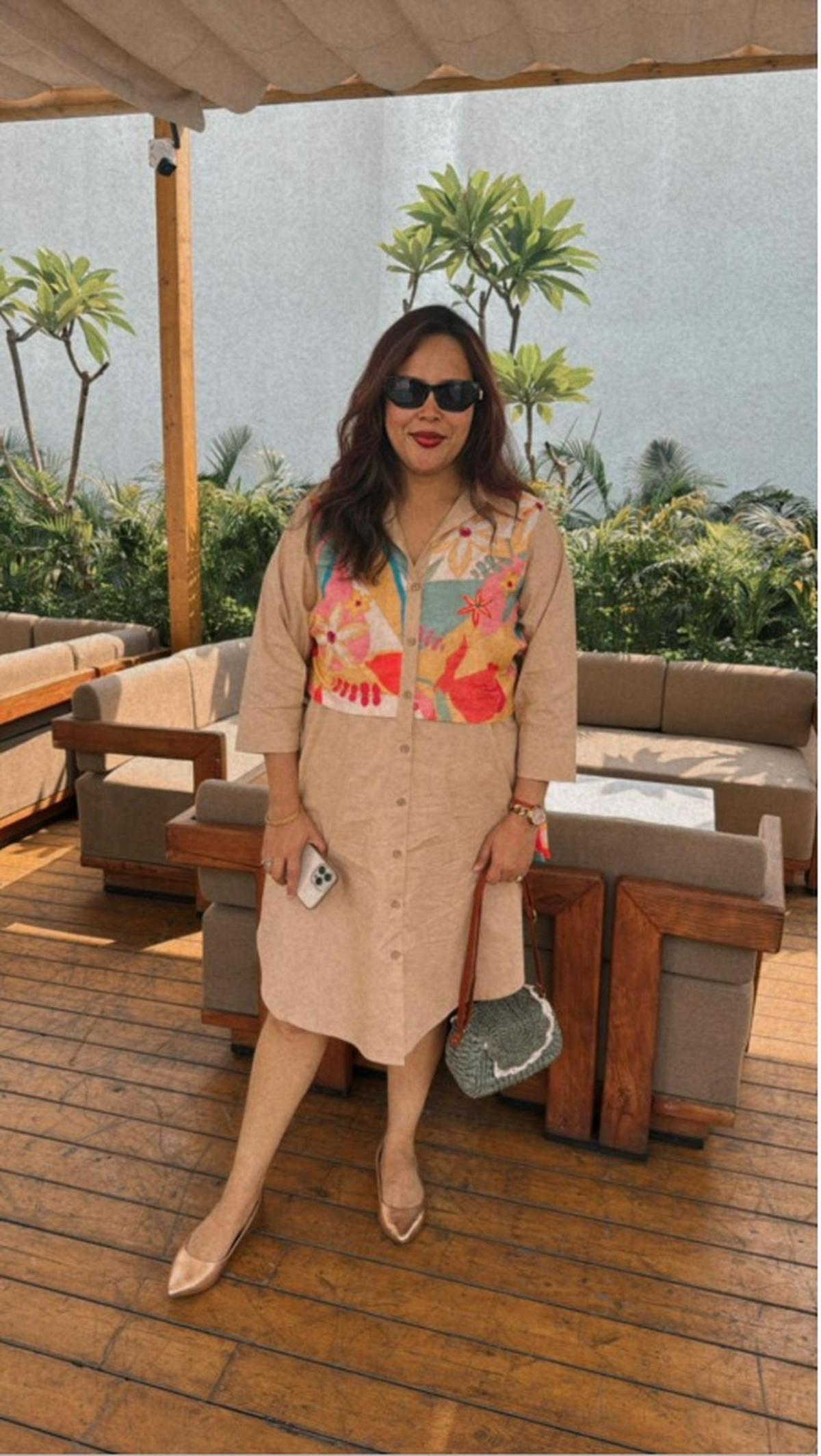
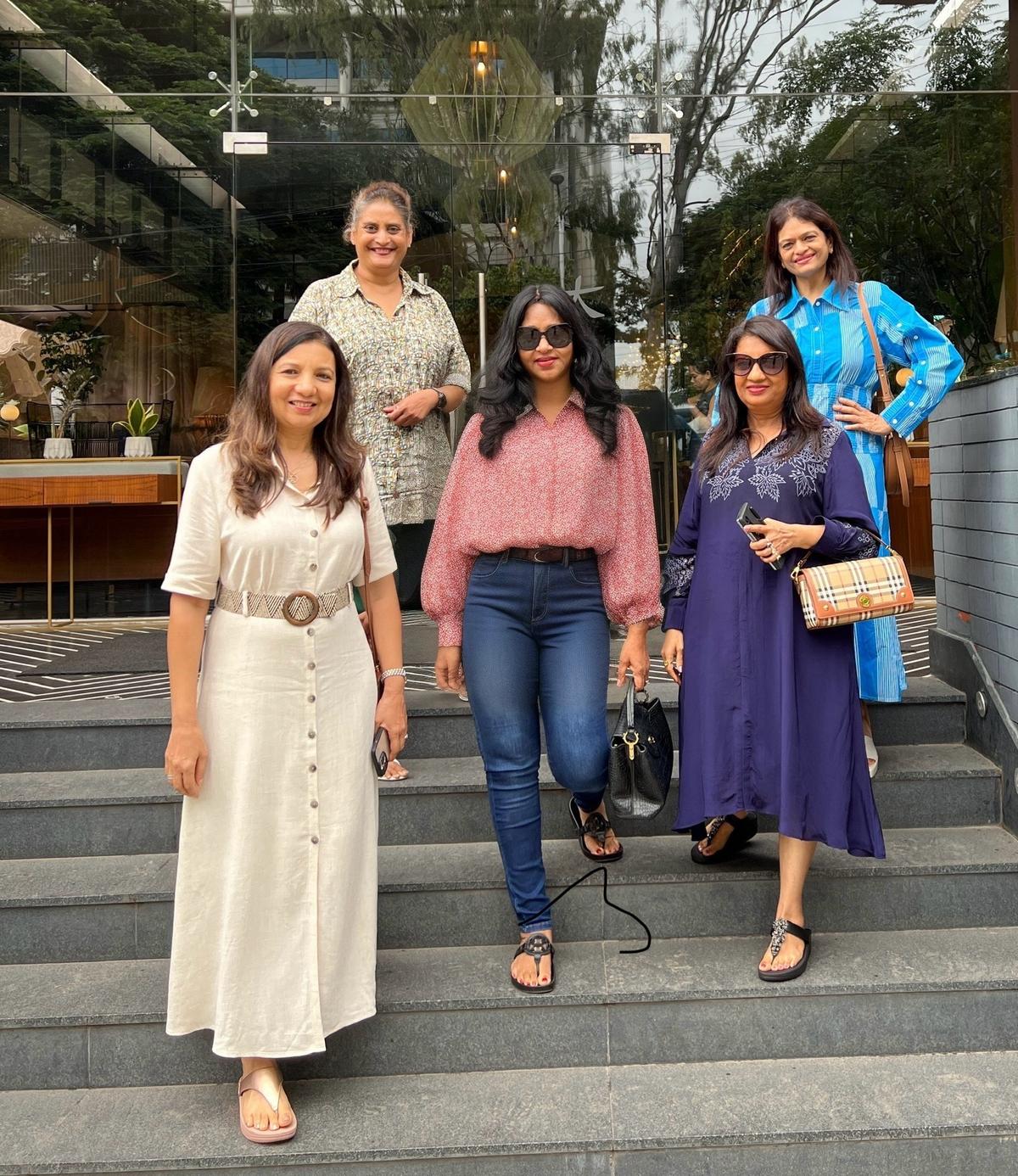
Enveloped in the warm embrace of a dupatta, suit-clad expat Indre S navigates the slight pre-Deepavali nip in the air and Chandigarh’s social scenes with equal ease at a festive, Indian-attire-themed kitty party early October. For her, this is yet another opportunity to study the diverse, colourful weaves of India’s socio-cultural fabric. It has been two years since she became the member of this kitty party group comprising 10 women, all from her neighbourhood and between the age group of 35 and 60. “Initially, I wondered if kitty party had anything to do with ‘Hello, Kitty’ Kawaii cult! Now that I am well-adjusted in this group, I have come to understand kitty parties as informal social groups where norms can vary, long-lasting female friendships can be fostered and, a foreigner like me can learn a lot about India and its people. This group is like my second family of sisters, mothers and aunts that I miss being so far away from home,” says Indre, a 43-year-old Lithuanian homemaker married in India for over 10 years.
She says that her kitty group does not follow the standard protocol — that of paying a nominal subscription fee. “The idea,” she informs, “is to meet once a month over a lunch, play games like tambola, share different experiences (for example, recent trips) and talk about everything under the sun, from new restaurants and shops in town to politics”.

Ideally, a kitty party is an informal savings club that traces its roots to North India. Believed to have originated in the early 1950s, soon after the Partition, kitty parties became way of life for women who wanted to step out of their homes, socialise with other women, and make money while they were at it. Typically, all members of the kitty are expected to shell out a certain sum of money as a subscription fee. By a draw of lots, one of the members is chosen at every kitty party to whom all members pay the next kitty’s fee and in turn the chosen member hosts them for a lunch or dinner.

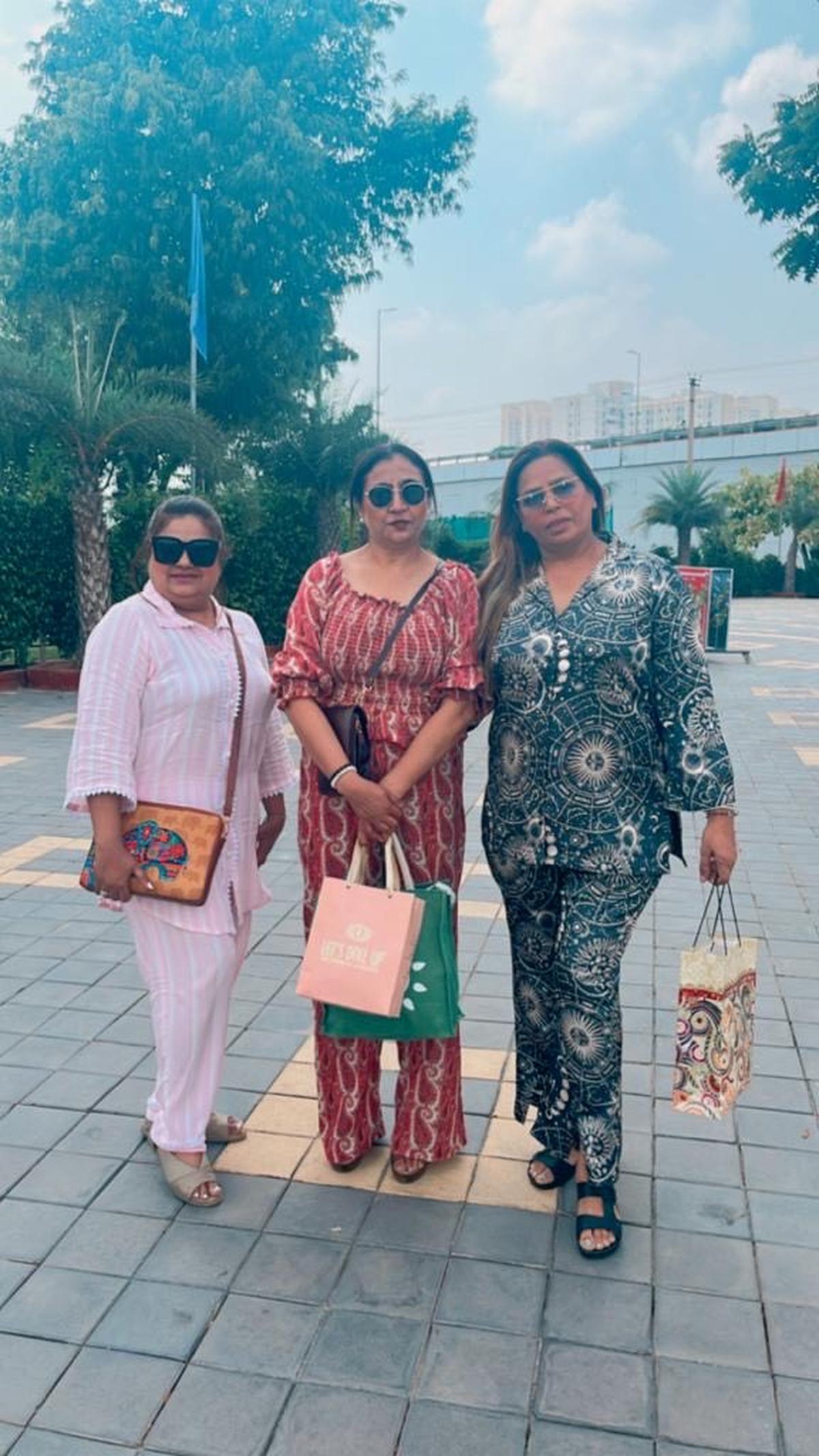
53-year-old Simmi Chhabra (centre)

53-year-old Simmi Chhabra (centre)
| Photo Credit:
Special arrangement

From Delhi, 53-year-old Simmi Chhabra says that she has been part of Delhi’s kitty party circuit for 23 years and is associated with two kitty groups at present. As a make-up artiste and esthetician, she believes kitty parties have been a fertile ground for most businesspersons like her to push their brands. “I have one kitty group comprising all female entrepreneurs, which I have been part of since 2008. The other group consists of homemakers. In the world of advertising, word of mouth is considered to be most effective and that is exactly how a brand’s reputation travels in social circles; kitty party groups act as catalysts there. Not only do I get to associate with other entrepreneurs, but I also get to meet my potential clients. Everyone supports everyone in the group,” she smiles.

Simmi reminds me of the an episode from Indian web series Gullak, where the lady of the house, Shanti Mishra, addresses her kitty party as a committee and just when she chances upon the opportunity to amass the lump sum, all set to host her kitty mates, a bout of high blood pressure puts her on bed rest.

Taking sympathy on his wife, her husband offers to cook, clean and entertain the guests. Her sons chip in too. Once the party is over, the men of the house contemplate the fate of the lump sum. Just then, the doorbell rings. The delivery man brings home a mixer-grinder, which Shanti, who wanted an upgrade from the sil-batta because of her aching joints, had ordered. When the men in the house question her shopping, she asserts her freedom, her financial agency over the money she “earned” at the committee.

When I narrate this story to Sakshi, who owns bridal showrooms and is a pet mom, in Chandigarh, she laughs. “At our kitty, we all chip in at dinner and the chosen host gets to keep the lump sum. Kitty allows women to spend money according to their wish — be it on luxury bags, fixed deposits, jewellery, home, or a gift. This is our money; so, we have financial agency and there’s a certain level of satisfaction.”

Sakshi

Sakshi
| Photo Credit:
Special arrangement

Unlike the scene in Gullak, kitty parties have outgrown the at-home lunches and are now expanding to restaurants and upscale cafes. “The idea is to have a good time, hassle-free, without the tension of cooking. The 90s trend, when parties were hosted at homes, is gone now. Also, a lot of men have started to join in for couple kitties,” says Simmi.

Kitty parties continue to reinvent with the changing tides of time. Their functionality swings between serving financial safety and fostering strong bonds. A lot of it is also to do with travelling together. “In 2023, after five years of saving all our lump sum, my kitty members put that money into travelling to all the dhaams in the country,” says Chandigarh-based Shobha Chhabra, 68. She, with her kitty members, is now gunning for a once-a-year travel goal. “We all pitch in ₹5,000 every month, so the idea is to save enough for a trip to one of the temples in the hills next year,” she says.

For Shobha, who lost her husband over a decade ago, kitty parties are also about emotional health and connecting with women of different ages. “I live with my daughter, who runs her own business, and I don’t want to rest my emotional health entirely on her. So, I have my set of friends. Tomorrow when she is married, I will have my friends to share the void of her absence with,” she hopes.

(Centre) Wanitha Ashok, 58, fitness professional, a motivational speaker and columnist

(Centre) Wanitha Ashok, 58, fitness professional, a motivational speaker and columnist
| Photo Credit:
Special arrangement

Like Shobha, Wanitha Ashok, 58, fitness professional, a motivational speaker and columnist, based in Bengaluru, too feels the need be part of kitty parties to socialise; for mental health and building support systems. She has been part of the city’s kitty party circuit for over 35 years. “I am in two ladies kitty groups; one has 35 members and the other has 10. I am part of two couple kitties, with my husband, and that has some 30-50 members. The oldest group I am part of is 35 years old and we grew up as together, as humans, mothers and stuff. So, there’s a lot of history and we can count on each other,” she says.

With the male gaze casting its long shadow on the idea of kitty parties, they stand eclipsed by the stereotype of scoff-worthy, gossip-manufacturing factories. But as one unfurls the layers of misunderstandings and bad reputation that inflict kitty parties, one stands acquainted with the fiercely ingenuous mechanism of financial agency designed by women and an intricate web of co-existence and emotional, and mental support systems that are as underestimated as the iceberg that hit Titanic.

Published – November 07, 2025 04:55 pm IST


Source link

What is the story behind instant noodles?


PHOTO: Skarie20 / Getty Images/iStockphoto

PHOTO: Skarie20 / Getty Images/iStockphoto

There are three things that guarantee a mind of bliss and satisfaction. The resonating yet gratifying sound of solid noodle blocks being cracked before the pieces are dropped into a boiling pot of water. Then there’s the smell that erupts when you mix in the spices and let the noodles simmer. And finally, the beautiful sight of the softened ramen folding and twisting around the fork as you bring it to your mouth, ready to explode with flavour!

Born from a war

That’s right. The delicacy many of us enjoy due to its flavour and ease of preparation was created following observations made during the aftermath of World War II. The inventor of instant ramen, Momofuku Ando, had witnessed a painful sight that served as the main base of influence for his creation. Following World War II, Ando had seen hungry folks in Osaka wait out in the cold in long queues just so that they could get a single bowl of ramen. In his biography, he recalled the powerful influence the sight had on him. Making a normal bowl of ramen took up a lot of time and money.

During this time, food scarcity was a common serious issue, and Ando remembered telling himself this strong piece of advice: “Peace will come when people have food.” This is when the easy-to-prepare, mouthwatering noodle dish first originated in the form of an idea. Marketing was done for the first time for instant noodles on 25 August 1958, under the brand name Chikin Ramen. After constant trial-and-error experimentation in his garden shed, Ando came up with the idea of flash-frying cooked noodles in oil, vaporising their water content. He formulated this idea from watching his wife make deep-fried tempura. This method of flash-frying gave the noodles a longer shelf life, more than that of frozen noodles.

“Peace will come when people have food.””Momofuku Ando

Noodles in cups

If there is one smell that would take my mind to another world and lift the soles of my feet off the ground, it would be the strong flavour that spreads and enters my nostrils the second I take a sniff from the open lid of a container holding fully prepared cup noodles.

But when did instant ramen become available in cups? Well, the answer to that lies in a journey Ando had taken to the United States in the year 1966, with the goal of spreading the business of Chikin Ramen across the seas. There, he realised that the traditional bowls that were used to serve ramen were not readily available. He witnessed the locals breaking the ramen blocks into paper cups, adding hot water, and eating them with forks once they turned soft. This simple method was soon turned into a global product that many of us choose to consume for days when we want a simple, delicious snack.

A word of caution

Yes, instant ramen is incredibly delicious and easy to make. But it is also known to be unhealthy, due to its low fibre and protein. It’s fine if you eat it occasionally, but don’t make it a regular on your food list! Studies have shown that those who frequently consume instant noodles are highly likely to face nutritional imbalance, low blood pressure and glucose. It’s not that you can’t enjoy a steaming bowl of these noodles. You can, just don’t turn it into a frequent meal!


Source link

Here’s all you need to know about the newly released—Bugonia, Diés Iraé and Eden


A still from Bugonia

A still from Bugonia
| Photo Credit: Special arrangement

Halloween, the season of spooks! Mexican filmmaker, author and artist Guillermo del Toro once said in an interview that in most of his movies, “man is the real monster”. It’s an idea many horror-filmmakers have tried to explore. There may be ghosts and creatures in many horror stories, but the scariest of them is human.

Maybe that’s why I have never found supernatural horror scary. I can count on one hand the number of horror films I genuinely like, and none — except The Shining — that I would ever revisit.  American filmmaker and photographer Stanley Kubrick said the horror in The Shining comes out of “the disintegration of the man’s soul”. And it just helps that American actor and filmmaker Jack Nicholson is convincingly scary even in films that aren’t necessarily horror.

Horror is a genre storytellers can have the most fun with — especially since the audience has submitted to be surprised and jolted out of their seats in the dark confines of a hall. This week, my least-favourite genre — horror — came looking for me. And honestly, it wasn’t all bad. Let’s start with the good.

Alien propaganda?

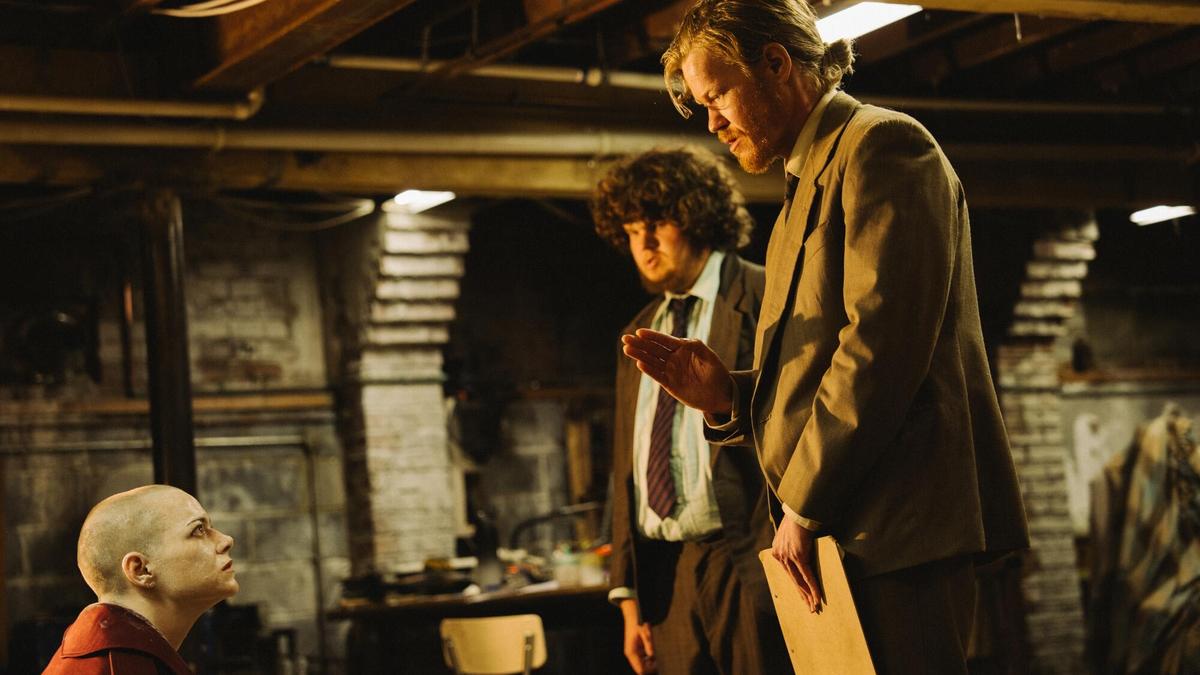
Maverick storyteller Yorgos Lanthimos and his muse Emma Stone are back with yet another gem of a mad movie: Bugonia (2025).  Emma plays a capitalist CEO who is kidnapped by a conspiracy theorist (Jesse Plemons) and his cousin who believe that she is in fact an alien. The hostage drama unfolds with clever writing and scares as we see shades of psycho-play out in the dialogue. “Dialogue? What is this? Death of a Salesman,” asks Plemons when Emma wants to talk it out.

Emma Stone in Bugonia

Emma Stone in Bugonia
| Photo Credit:
Special arrangement

And you realise Bugonia is sort of a modern-day update on Death of a Salesman but more tragic because now with late-stage capitalism, things are so sad that they’re funny. Add to it the theories floating around the internet and echo-chambers of propaganda and online cults that believe alternate realities, and the deteriorating mental health of a society — and you get the deliciously wicked Bugonia. Best enjoyed in theatres with suppressed chuckles. For best results, allow yourself to go a little crazy and indulge in that bonkers ending that I’m gonna love discussing at every opportunity.

Ghost goes psycho

Immediately after Bugonia, I caught actor Pranav Mohanlal in Diés Iraé (2025) by Rahul Sadasivan in a full house in Andheri — rare in Mumbai. 

A still from Diés Iraé 

A still from Diés Iraé 
| Photo Credit:
Special arrangement

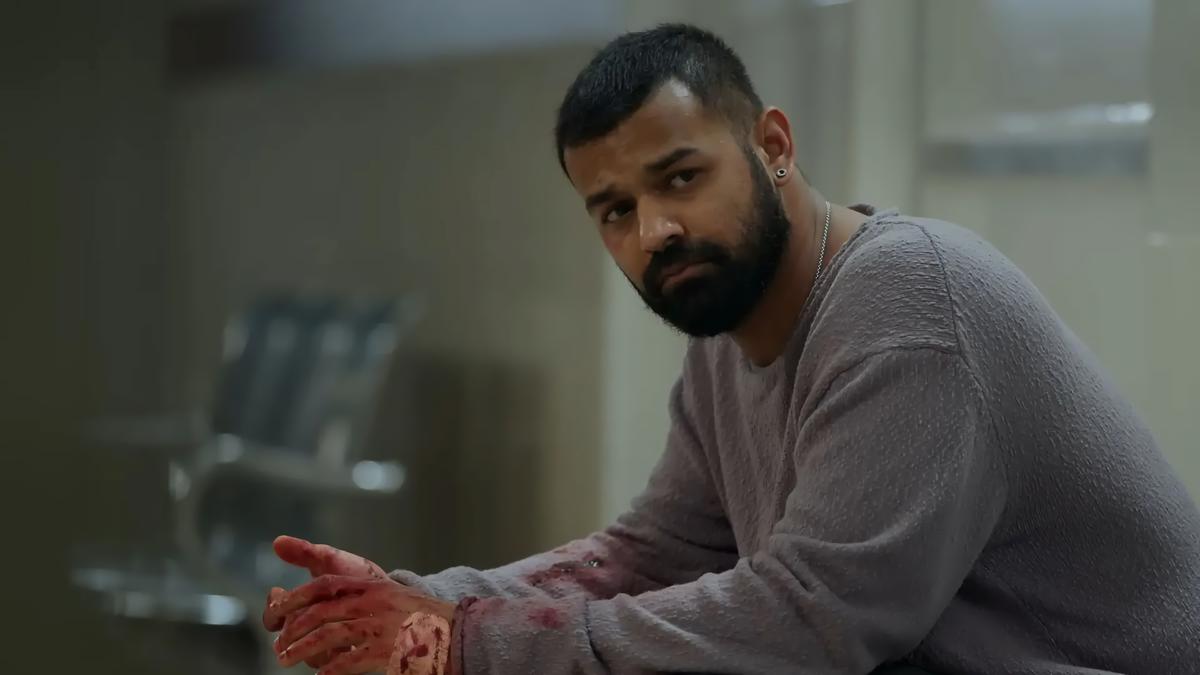
And I could see why. It was confident, assured slow-burn storytelling. The scares never come from characters screaming but from their frozen inability to say a word while watching it unfold. Pranav plays a commitment-phobic player and the story kicks off when a former lover of his commits suicide. He believes she’s haunting him, playing with his hair every night — so he cuts his hair short, as if ghosts are scared of bald pates?

Pranav Mohanlal in Diés Iraé  

Pranav Mohanlal in Diés Iraé  
| Photo Credit:
Special arrangement

Diés Iraé takes us along with him on a ride to solve the mystery behind her death before the slow-burn horror and jump-scares escalate in his fancy house. The subversion of Psycho gives the film some familiar-but-new scares and there’s never a dull or predictable moment — until the mandatory sequel-setting stretch that literally made me yawn.

The missed opportunity

Finally, the one that had so much potential: a survival thriller based on true events, directed by Ron Howard and featuring Jude Law, Ana de Armas, Sydney Sweeney, Daniel Brühl and Vanessa Kirby. The film is Eden, inspired by a true story of European settlers on a remote Galápagos island. 

A still from Eden

A still from Eden
| Photo Credit:
Special arrangement

Maybe it was the savage humid setting, and the cast probably could never settle into the extreme conditions in the Galápagos, or it was the mismatch of their diverse ethnicities and varying European accents of spoken English in the period setting. The cast tries hard, the plot is intriguing enough — a bunch of settlers on a remote island try to survive each other as supplies run out — but the tone is uneven all through, the nudity and sex seem like contractual obligations and everything is too literal and on the nose.

I’ll leave you with a telling example: “I curse you with my dying breath,” a character curses with his dying breath.

I’m horrified indeed, the eye-roll variety.

From the hottest shows to hidden gems, overlooked classics to guilty pleasures, FOMO Fix is a fortnightly compass through the chaos of content.


Source link