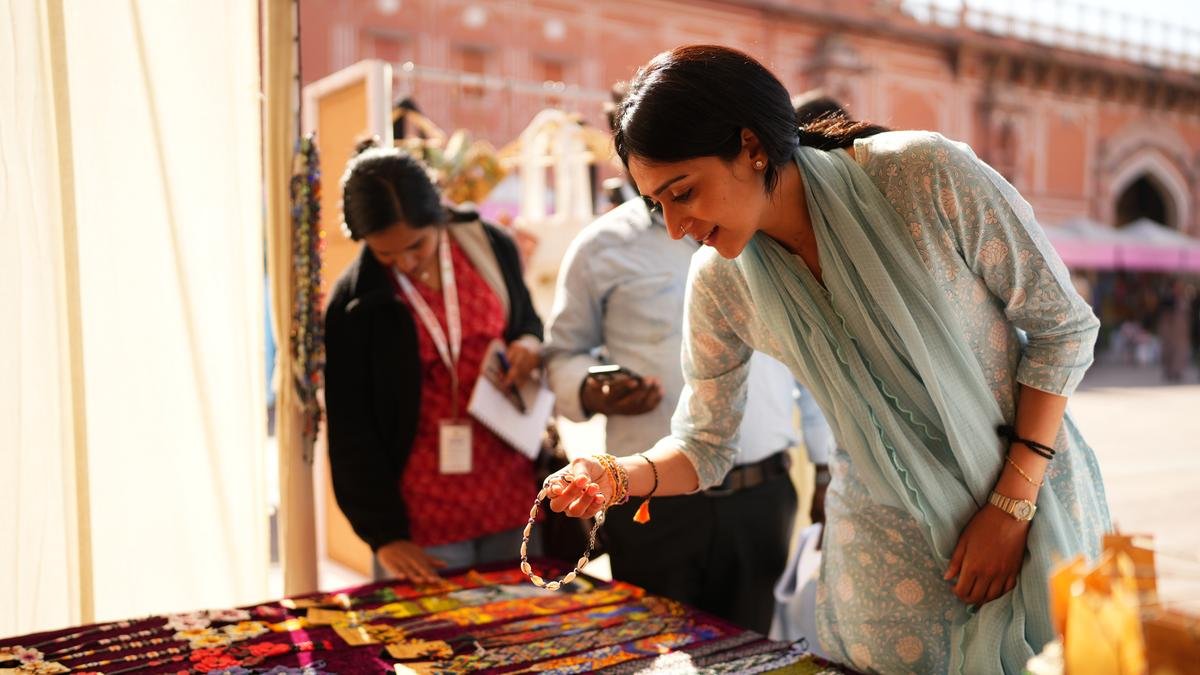
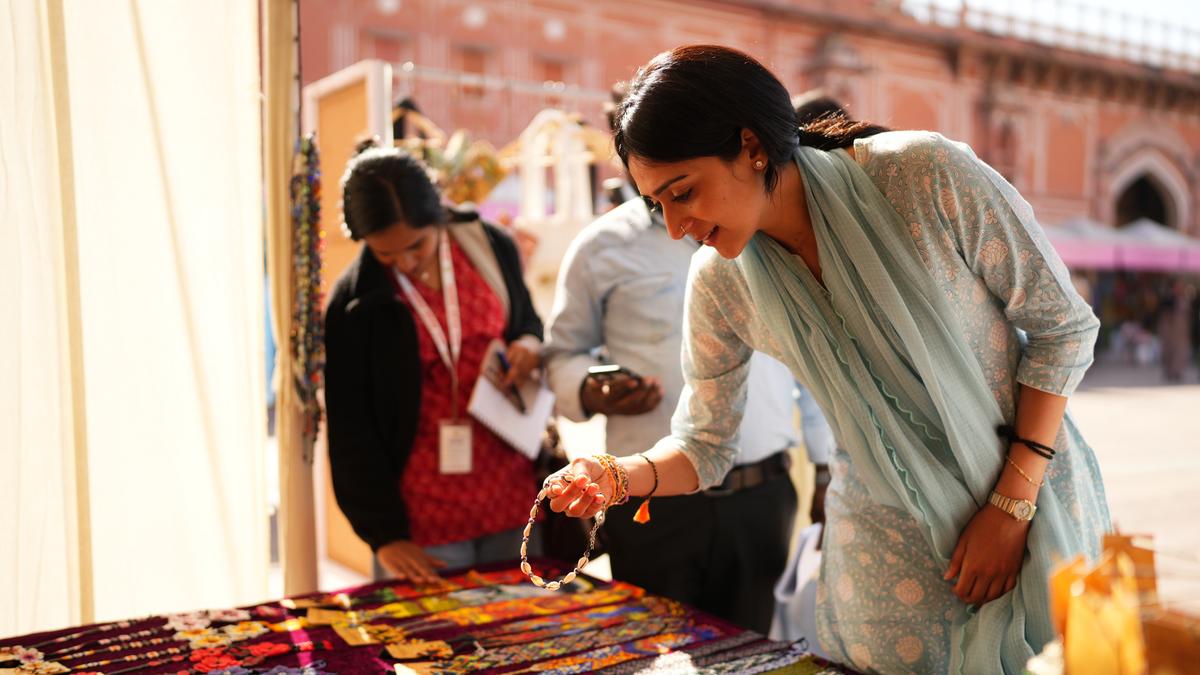
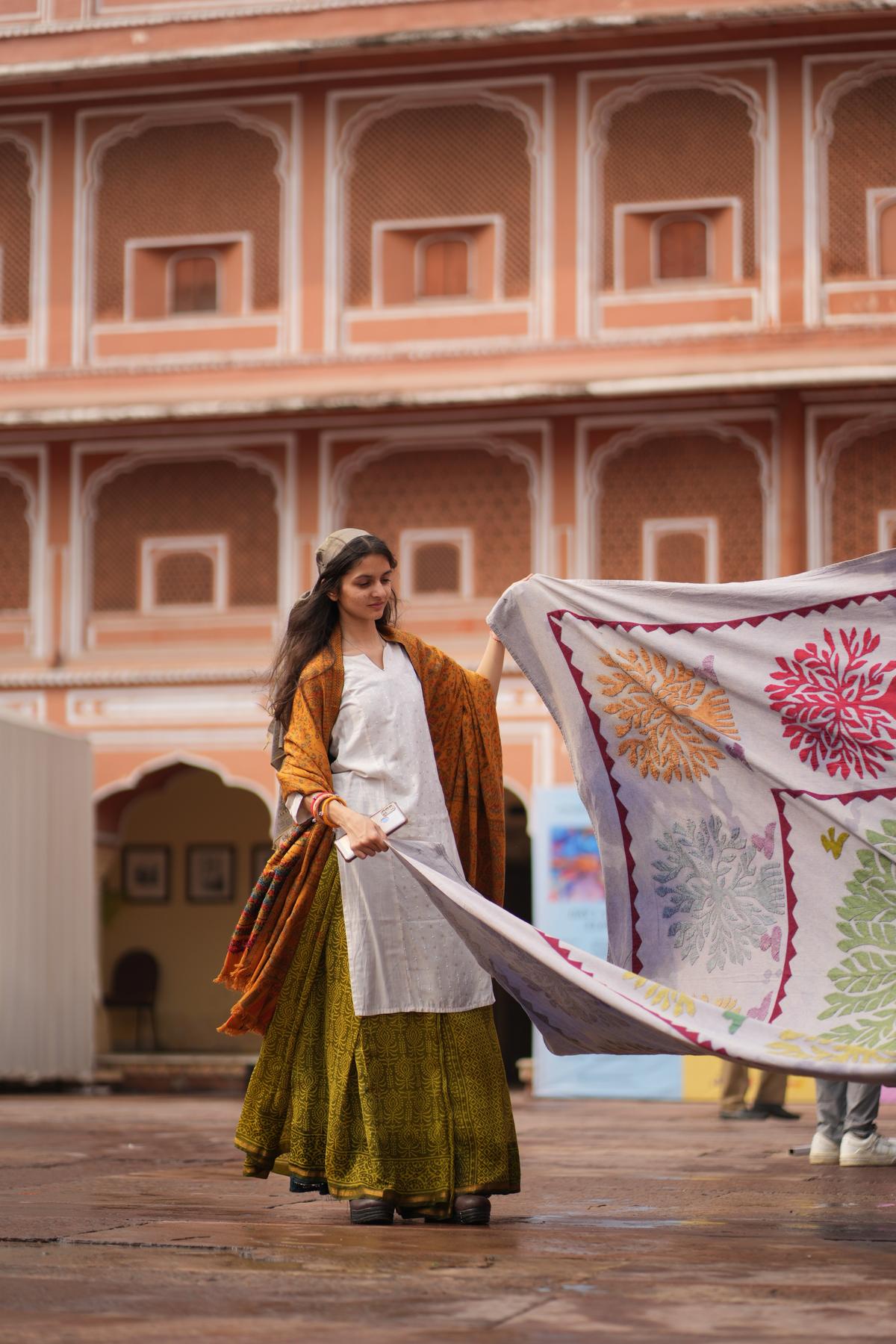
Princess Gauravi Kumari at the second edition of the PDKF Collective
Art grows where patronage recognises it. For centuries, palaces and royal households understood this and nurtured crafts, sustained guilds, and offered artisans continuity. Museums, conversely, often stand as mausoleums of that generosity, vitrines filled with the residue of power once exercised thoughtfully.
But every so often, patronage steps out of the archives into the present tense. The second edition of the Princess Diya Kumari Foundation (PDKF, a Rajasthan-based non-profit) Collective, held on the grounds of Jaipur’s City Palace, did precisely that.
The Collective is helmed by princess Gauravi Kumari, who is also an ambassador for luxury brands such as Jimmy Choo and Kama Ayurveda. But at home, the young royal’s focus is on PDKF.
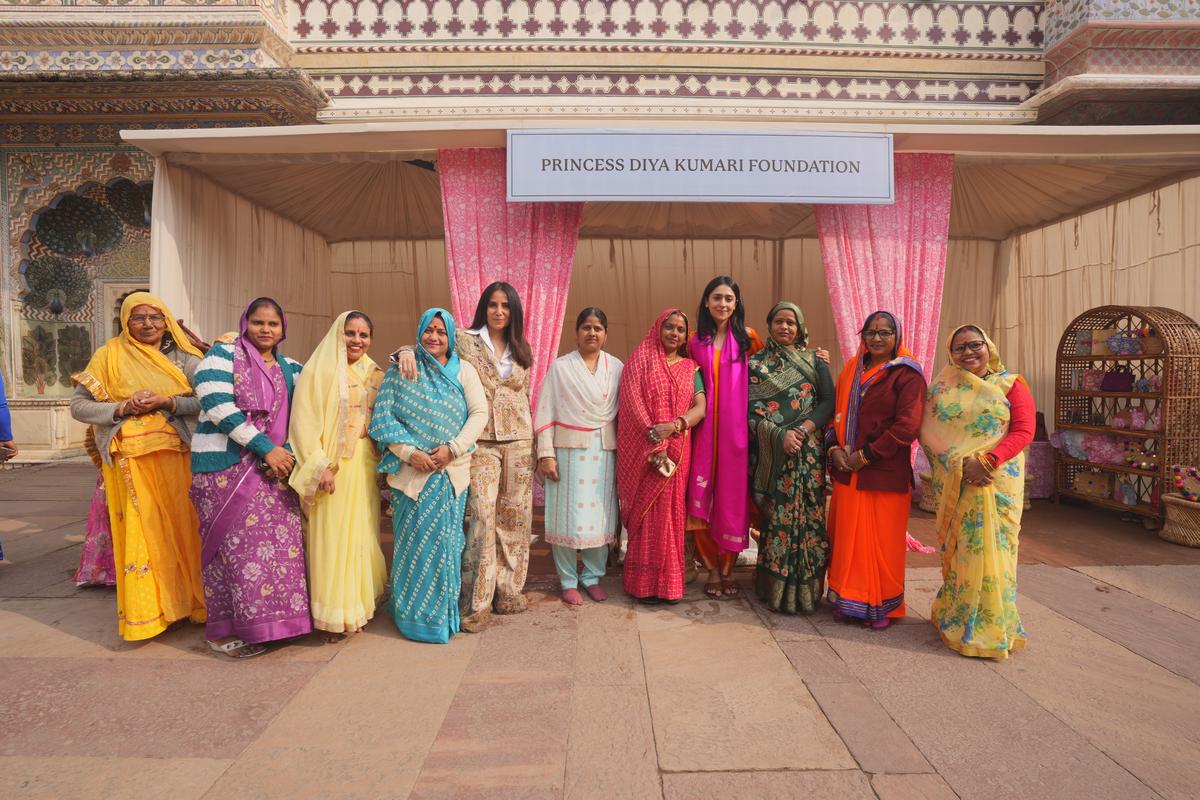
Gauravi Kumari (fourth from right) with a few artisans
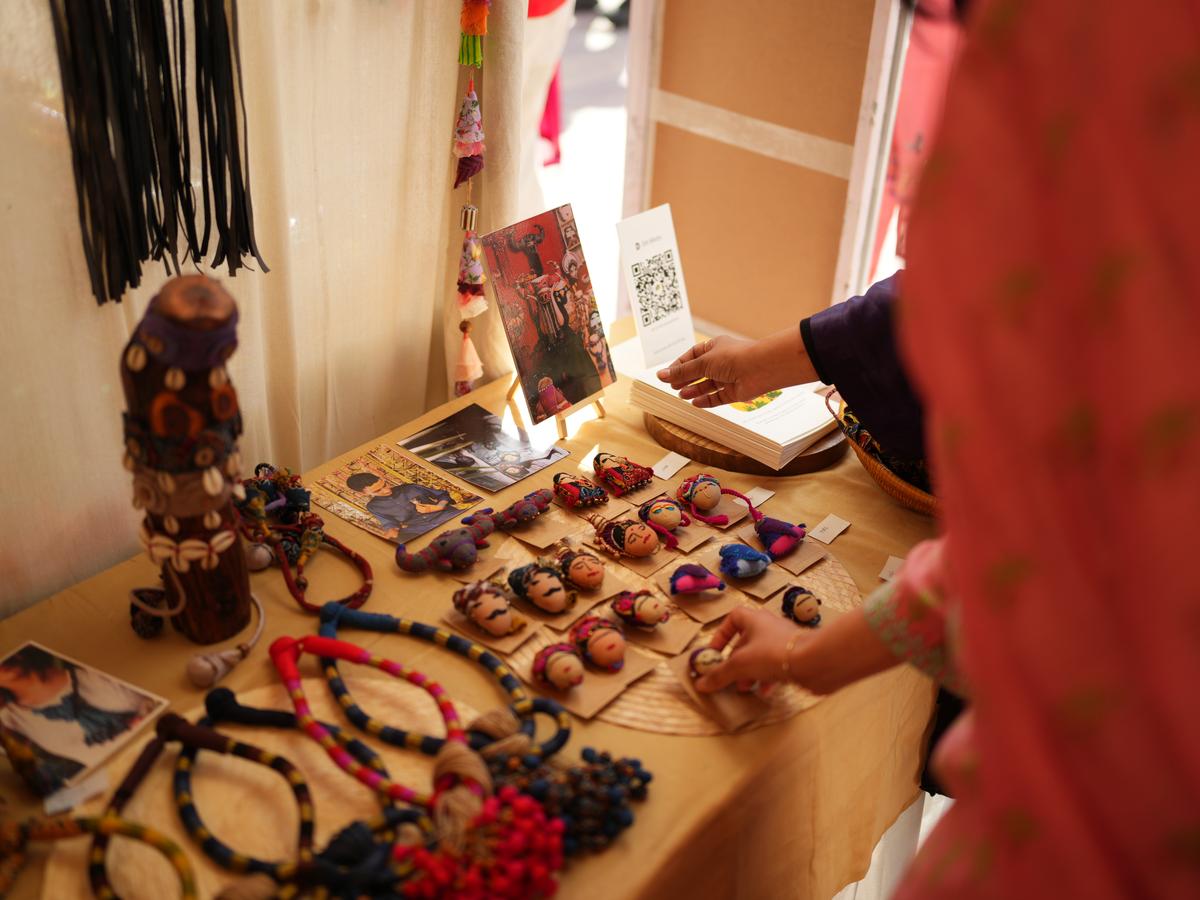
What began as an intimate curation of 30 artisans last year, expanded to nearly 70 this time — with a focus on crafts originating from Rajasthan such as block prints, lac and patwa jewellery. We also spotted a Kanchipuram weaver and an artisan from Dharwad in Karnataka with kasuti embroidery.

According to designer Anamika Khanna, platforms such as the Collective matter because they do more than showcase work, they create visibility and belief. “When women see other women leading and creating, it quietly affirms that they can do the same — as designers, as entrepreneurs, as the face of their own journeys.”
Making craft stronger
At a time when initiatives such as activist Jaya Jaitley’s Delhi Haat, designer Roshan Kalapesi’s Paramparik Karigar, and craft activist Laila Tyabji’s Dastkar bazaars (begun with five others) are so prevalent, the success of a new collective lies not merely in aligning with a cause, but in having a strong point of view. “The new-generation weavers and craftspeople have tacit knowledge and skill, but they are also tech-savvy now,” says Toolika Gupta, director of Jaipur-based Indian Institute of Crafts and Design. “The right guidance, with some financial assistance, can take them further.”
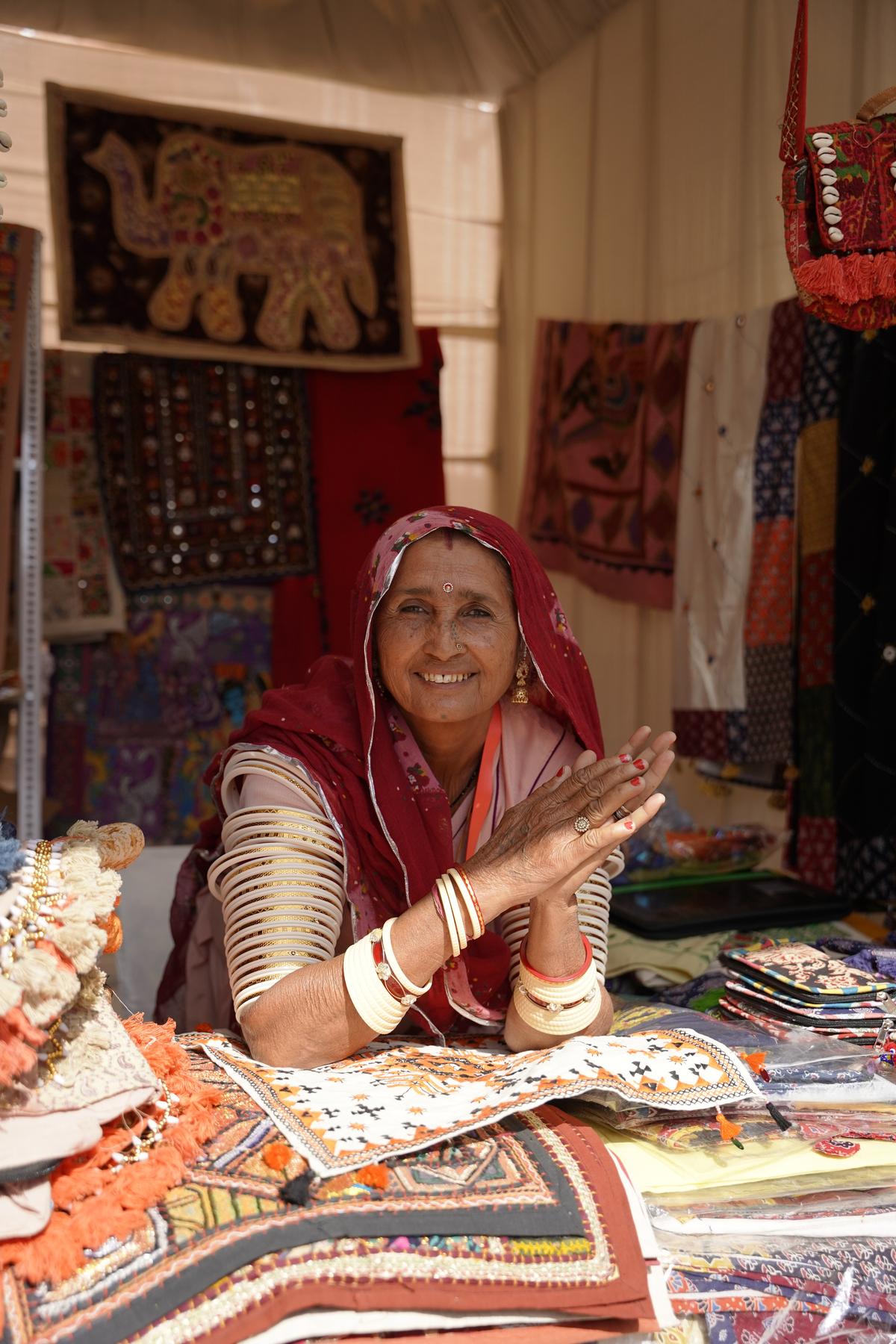
At PDKF, Kumari explains, they intervene on multiple levels: confidence-building, visibility and access. “I’ve seen women who once hesitated to speak about their work now confidently explain pricing, process, and provenance to buyers. These shifts may seem small, but they are transformative,” she says. “When women begin to see themselves as decision-makers, the craft itself becomes stronger.”
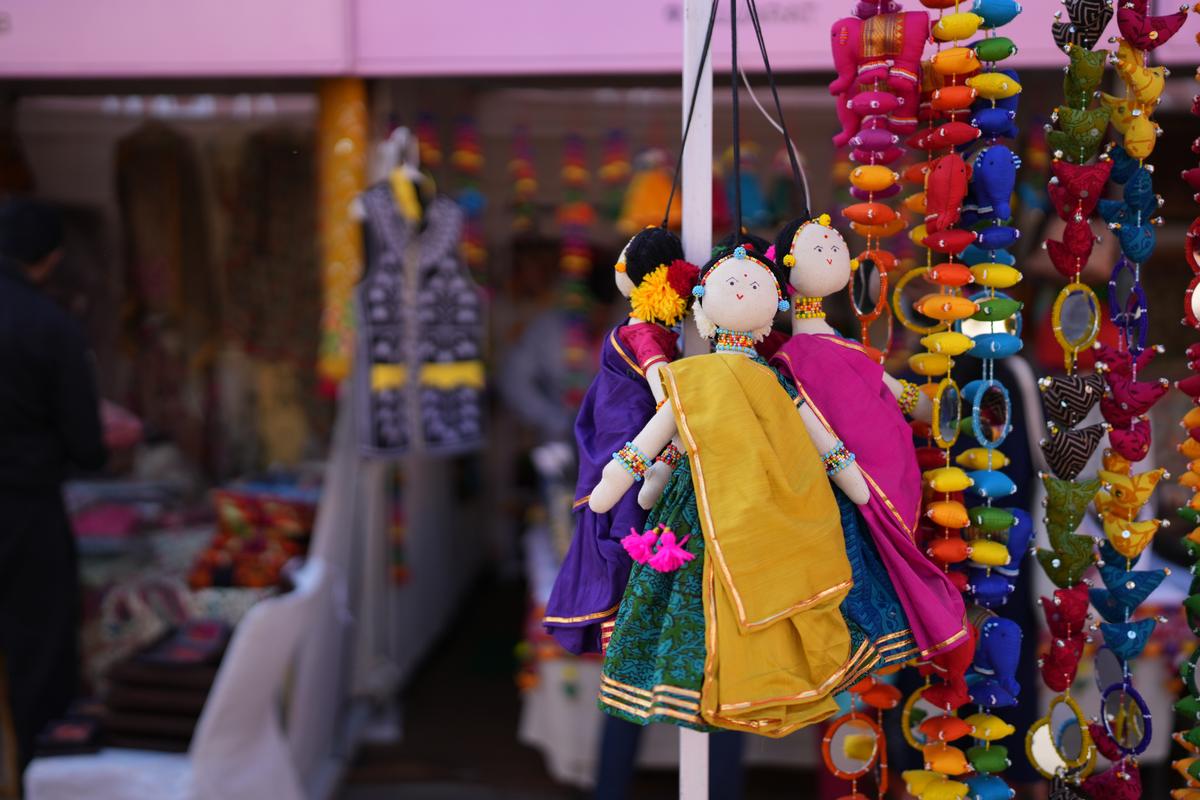
Stalls at the PDKF Collective
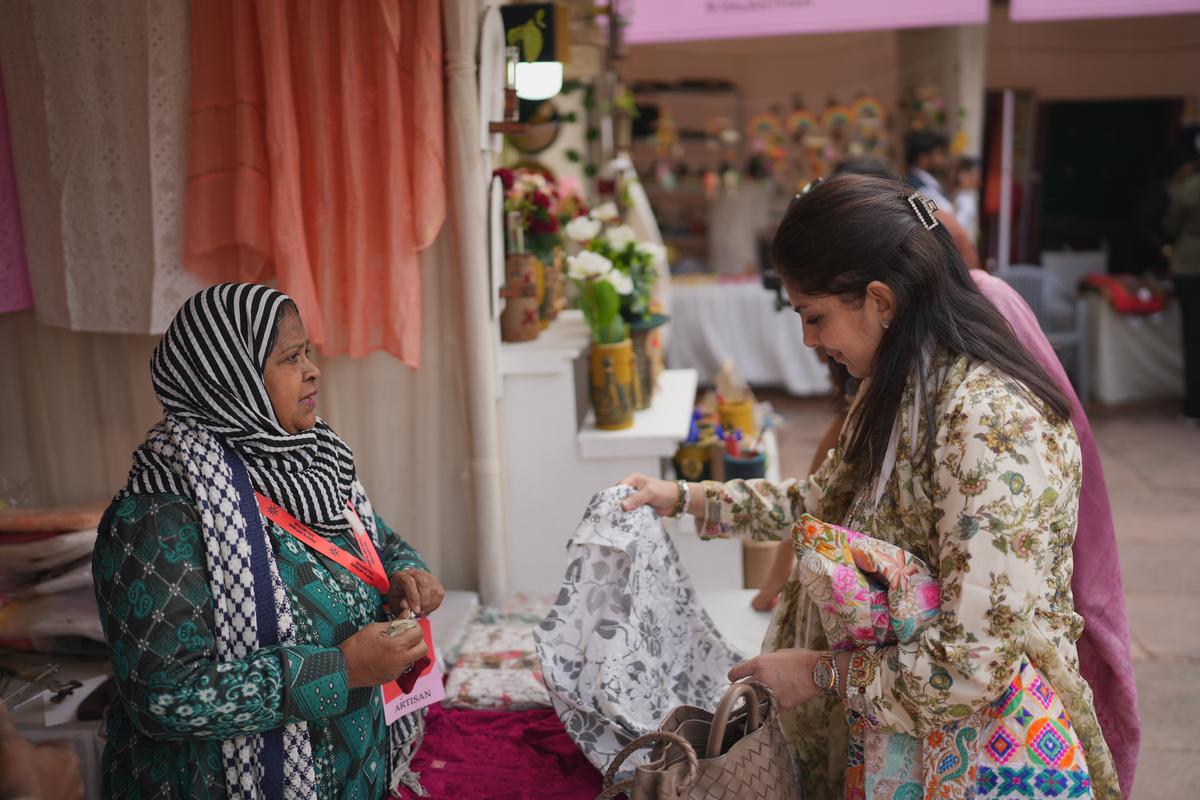
Kumari is clear-eyed about the role consumers play in the ecosystem. “Responsible patronage begins with curiosity and respect. Ask questions about the process, pricing, time, and materials,” she says, noting that several participants from last year returned with repeat patronage and continued orders. “Wherever you choose to buy, support platforms that centre artisans, prioritise fair practices, and credit makers. Craft survives not through sympathy, but through informed appreciation and conscious choice.”
The writer is a Mumbai-based fashion stylist.
Published – February 20, 2026 10:41 am IST