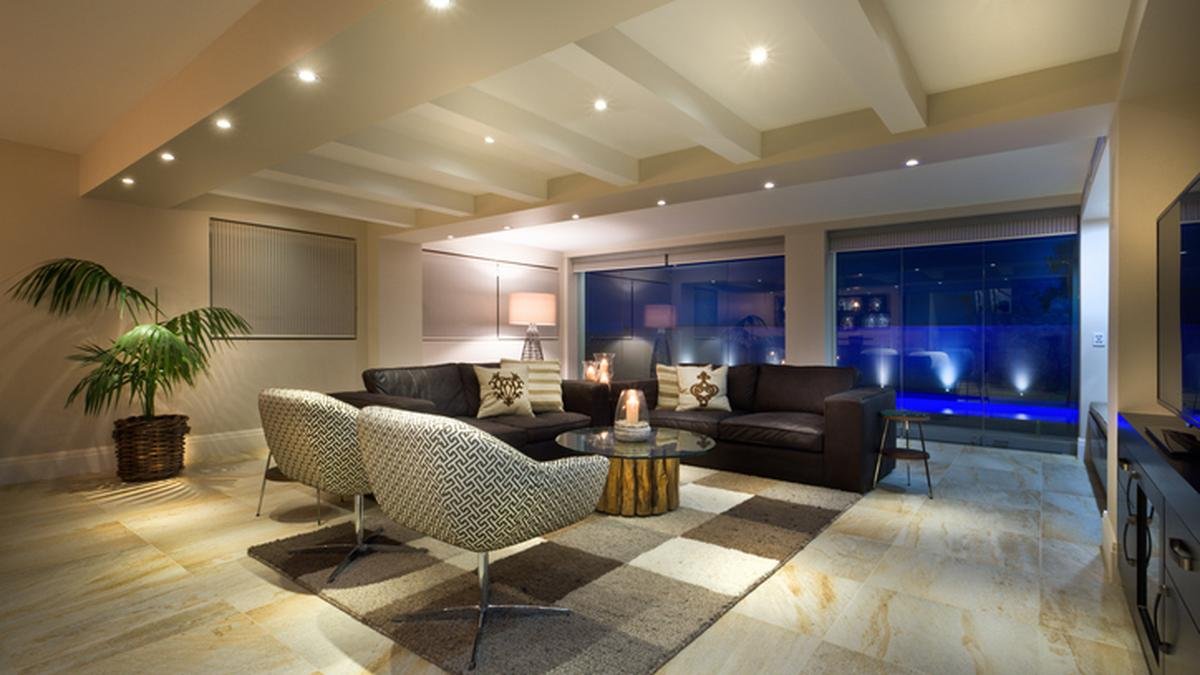
Luxury housing is entering a more discerning phase. Rather than scale, buyers are assessing how well a home is planned, how it engages with its site, and how it will function over time. Form, light, proportion and circulation are increasingly influencing purchase decisions alongside location and brand.
Across Indian metros, particularly Bengaluru, this shift is visible in transaction patterns. A recent CBRE–ASSOCHAM report noted an 85% year-on-year rise in luxury home sales across India in the first half of 2025. Beneath this growth lies a qualitative change, which is that buyers are evaluating whether homes are designed for long-term living rather than short-term appreciation.
Design that endures
In the premium segment, architectural planning is becoming a marker of durability. Projects that demonstrate coherent layouts, access to natural light, cross ventilation and functional zoning tend to see stronger long-term retention. Well-considered floor plans reduce the need for structural alterations after possession and support evolving household needs, such as hybrid work or multigenerational living.
This analytical view of space correlates with broader shifts at the transaction level. Research from property consultants indicates that homes priced above ₹1 crore — a category that includes much of what the market considers ‘premium’ — accounted for around 62% of total residential sales in 2025, up from about 51% the year before.
This attention to planning is also influencing resale behaviour. Homes that are spatially efficient and climatically responsive often remain within families or command sustained demand in the secondary market. The emphasis is shifting from the quantity of features to the quality of design decisions made at the outset.
In Bengaluru, especially in emerging northern corridors, there is renewed interest in low-rise, low-density developments.
These formats allow setbacks, green buffers and internal roads to be planned with greater proportion, and enable architecture to respond to existing contours and drainage patterns rather than override them.
Land-sensitive formats
As infrastructure expands the city’s growth boundaries, new residential clusters are being shaped by how responsibly they integrate open space and landscape. Developments that retain natural features such as mature trees or water channels often create more stable micro-environments and stronger community character.
This approach aligns with Bengaluru’s historical relationship with gardens and lakes, and resonates with buyers seeking a sense of continuity with the city’s ecological identity.
Consumers across sectors are now recognising the importance of sustainability, with 60% of luxury homebuyers prioritising energy-efficient and sustainable homes. Sustainability-conscious consumers are even willing to spend 9.7% more for sustainably produced or sourced goods in response to climate change.
For developers, sustainability is closely tied to orientation and material choices. Homes that capture prevailing winds, incorporate shaded overhangs and maintain permeable ground surfaces reduce dependence on mechanical cooling. These decisions begin at the master planning stage and influence long-term operating costs. Buyers are also increasingly attentive to how much of a site remains green, how water is managed and whether built form adapts to seasonal variation. Such considerations are becoming part of the due diligence process rather than afterthoughts. In this context, sustainability is less about add-on features and more about spatial discipline.
Personalisation in the luxury segment is also evolving. Rather than cosmetic upgrades, buyers are seeking layouts that accommodate specific routines and privacy requirements. The arrangement of kitchens, family areas, terraces and workspaces reflects how households move through space across the day.
As cities mature, homes are being viewed less as symbolic assets and more as long-term anchors. Architecture, therefore, becomes a practical differentiator.
Projects that demonstrate clarity in planning, proportion and site integration are better positioned to retain relevance as market cycles shift.
Luxury housing demand remains strong, but the criteria guiding that demand are becoming more exacting. Design, when rooted in context and function, is emerging as a central factor in how value is assessed in the premium residential market.
The writer is founder and CEO of White Lotus Group.
Published – March 13, 2026 05:07 pm IST