There are two impressions inspired by India on Danish restaurant Alchemist’s menu: one takes its cue from pani puri, the other from the dosa. Danish chef Rasmus Munk, however, is yet to visit the country, though he hopes to change that soon, with a tentative trip pencilled in for April next year.
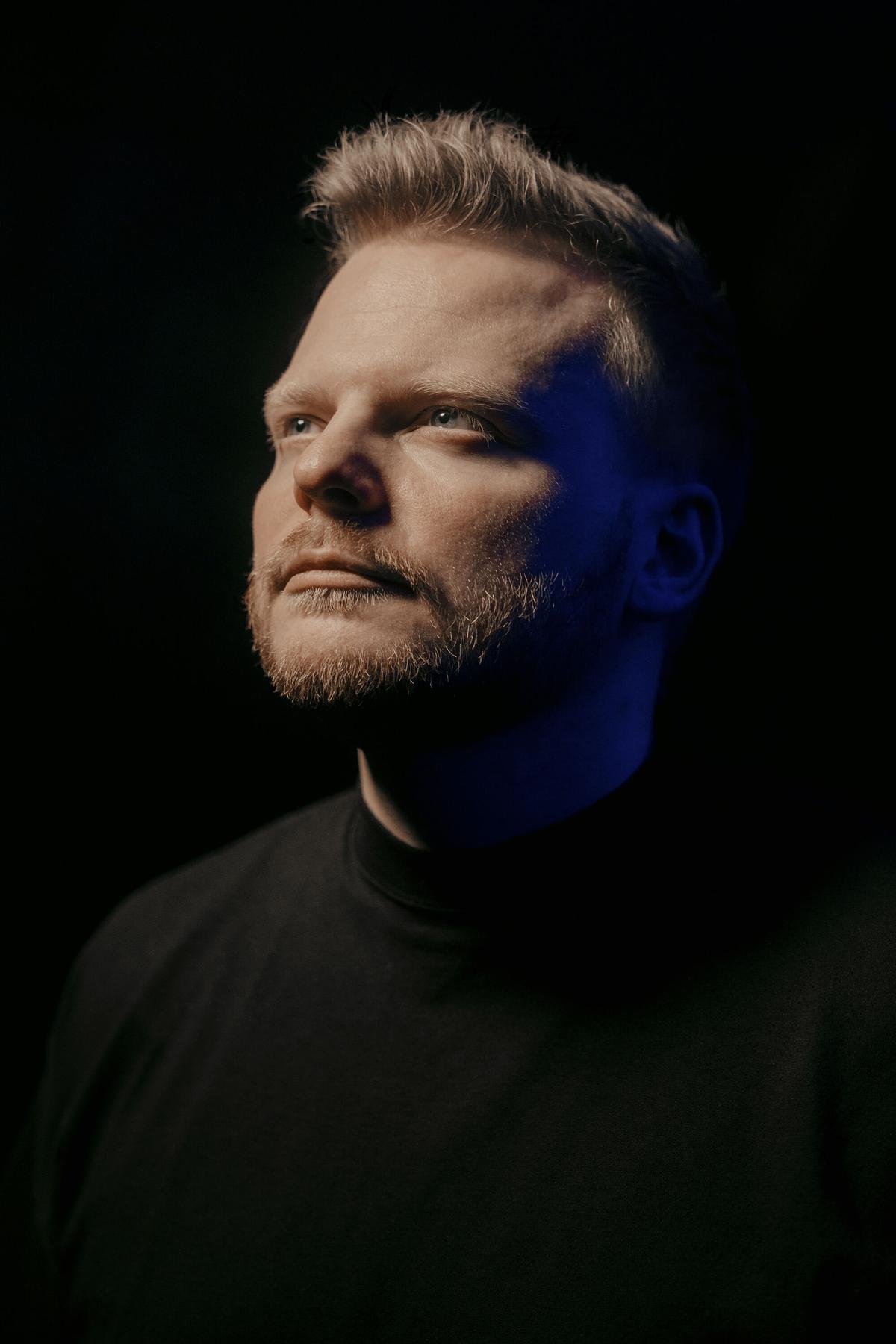
Rasmus Munk
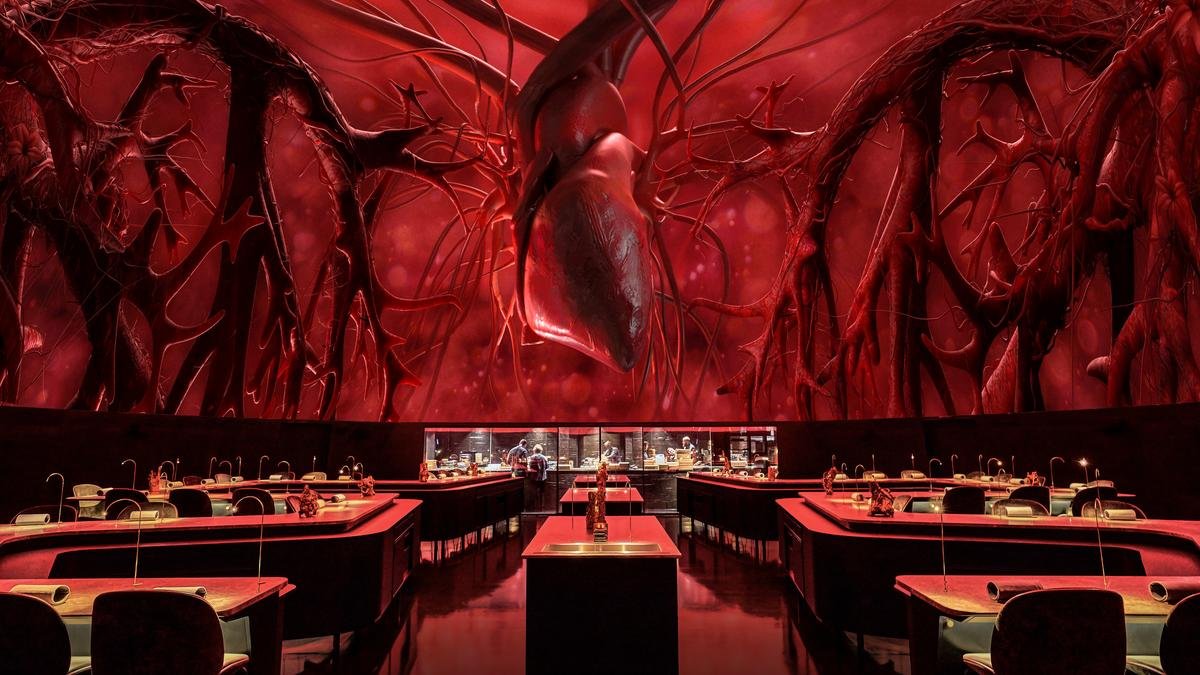
In Copenhagen, Rasmus’s immersive dining experience is known for its scale and ambition. Two Michelin stars, 50 impressions (as the courses are called), and multiple drink pairings come together to form a meal that can stretch to eight hours. Diners are not seated at a single table but move between the Lounge, the Dome and the Balcony, each offering a distinct atmosphere.
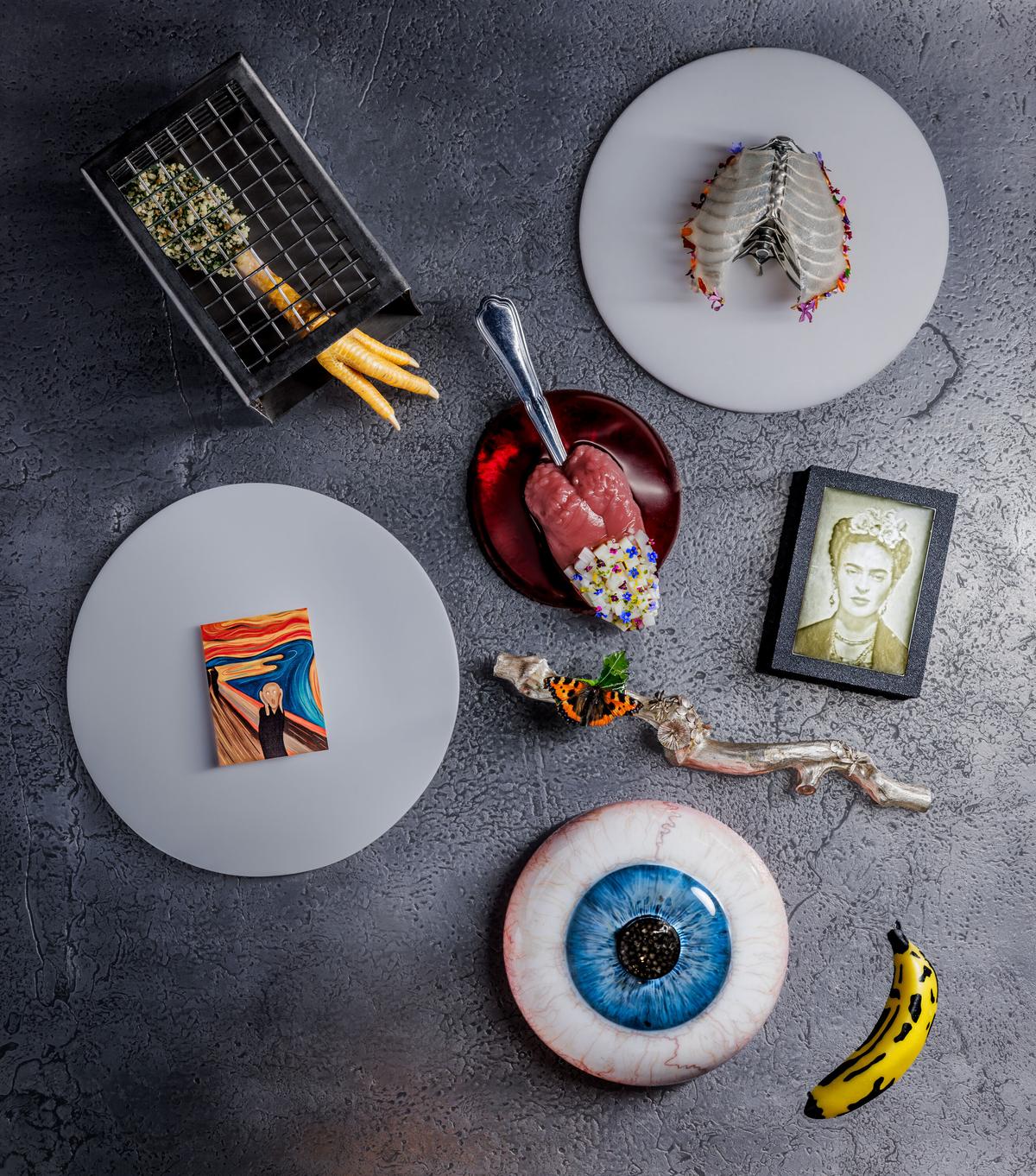
A spread at Alchemist.
| Photo Credit:
SPECIAL ARRANGEMENT
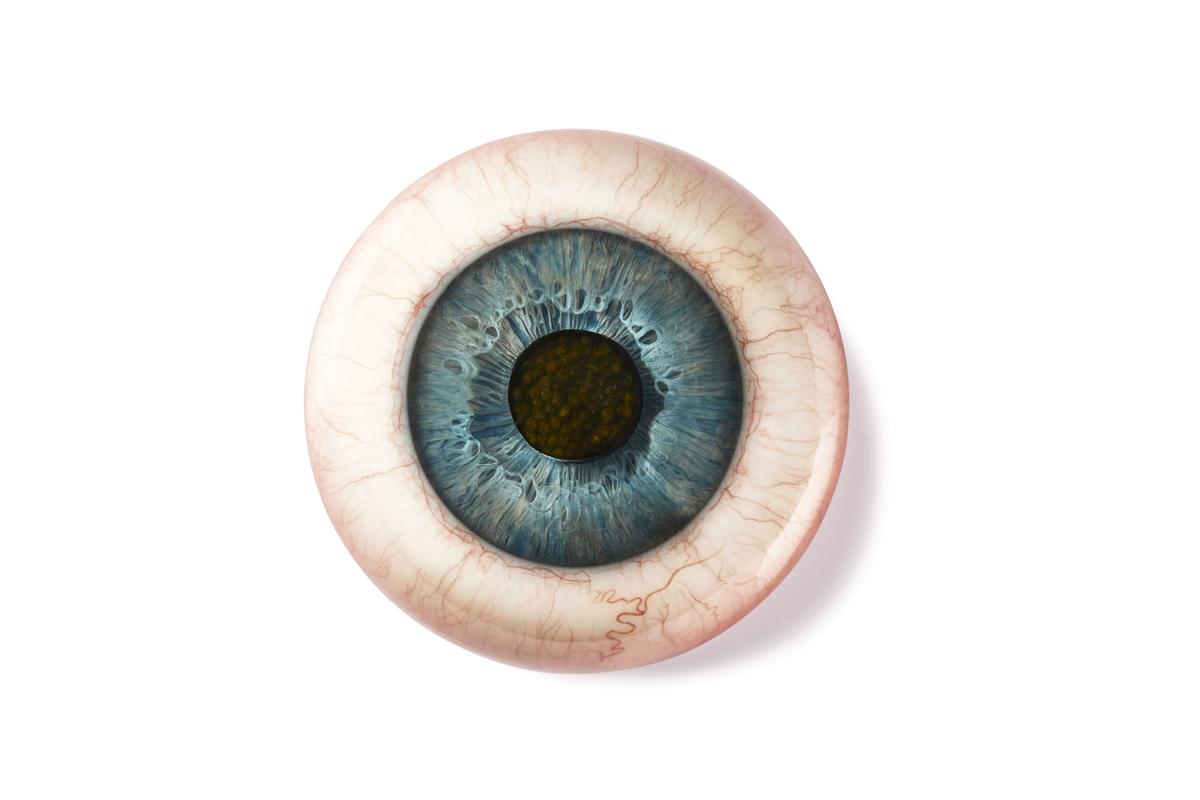
1984 novel inspired dish
| Photo Credit:
SPECIAL ARRANGEMENT
Speaking about Alchemist, Rasmus says, “For me, it’s really a way to express myself. It’s a way to be creative and to see food and the restaurant as an artistic medium — one that can convey things I believe are important in society. Like a musician creating an album with 20 songs about different emotions, I see this restaurant in the same way: as a platform to communicate ideas that matter to us.”
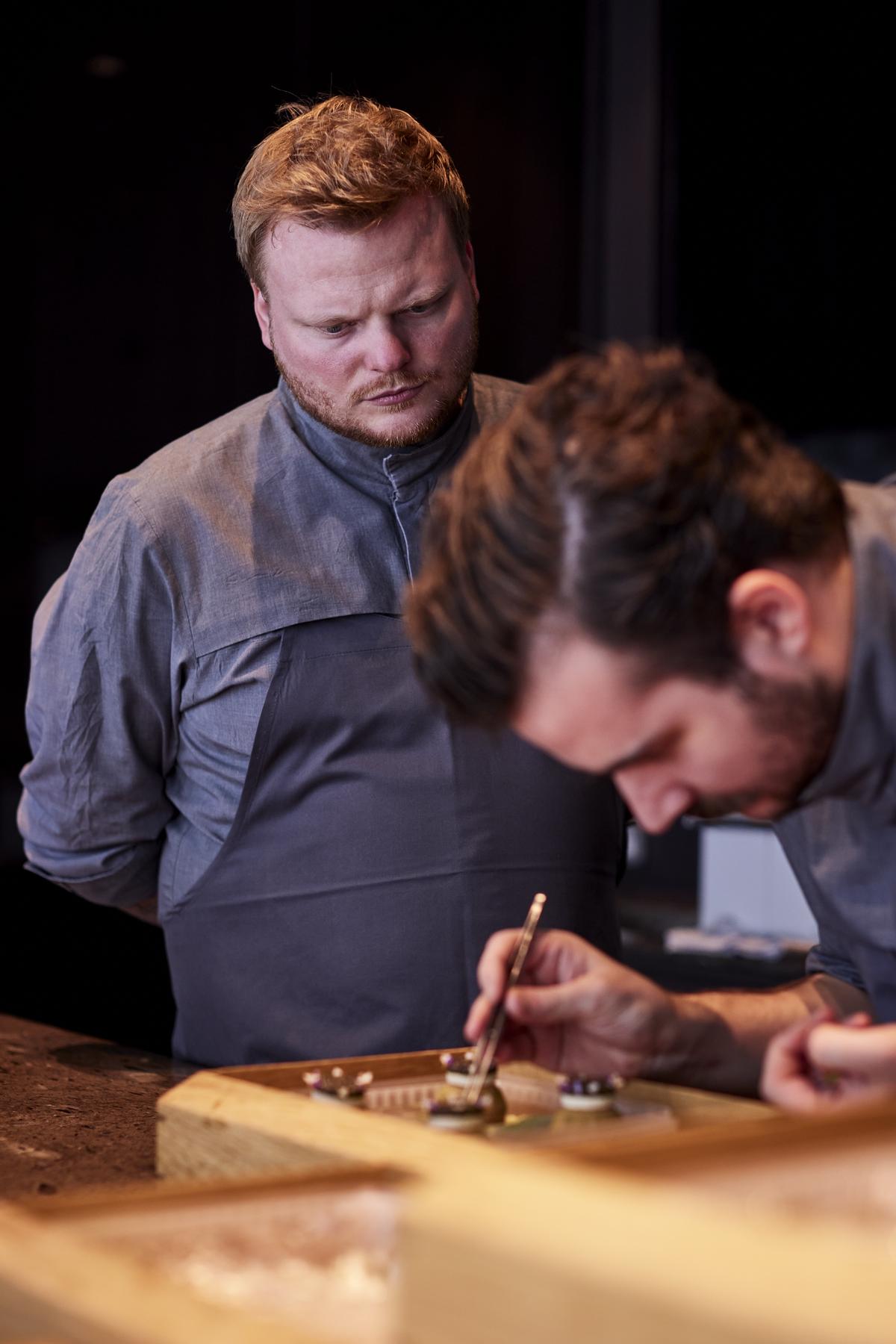
Rasmus inspects plating
| Photo Credit:
SOREN GAMMELMARK
At 34, the chef is known for using his tasting menu to provoke thought as much as appetite. One impression, 1984, inspired by George Orwell, is served inside an eye, with diners spooning into a caviar-topped ‘pupil’. Beneath it lies a salad of lobster claw, corn, Swedish chanterelles, crunchy crouton and codfish eye gel. As warnings about digital surveillance go, this one is disarmingly delicious. Another dish — crispy cod cheeks in collagen batter with algae — is designed to resemble plastic. As Rasmus notes, “For me, it’s rewarding when people talk about plastic in the ocean or organ donation, instead of discussing the acidity of a sauce. I think it’s interesting that food can do that.”
More than a meal
Beyond Alchemist, Rasmus is also the founder of Spora, a research lab exploring new food systems. The lab recently launched Notch, a cocoa-free ‘chocolate’ made from spent grain in Denmark. He also runs Junk Food, a non-profit initiative that feeds over 1,000 people daily and has served more than a million meals to date.
Research from Spora often finds its way onto The Alchemist’s menu. This includes space bread designed to be sent into orbit, and a grain-based dessert developed through lab experimentation. “There’s strong synergy between the two kitchens,” Rasmus explains. “At Spora, chefs work closely with researchers. Everything there must be sustainable, scalable and, of course, delicious.”
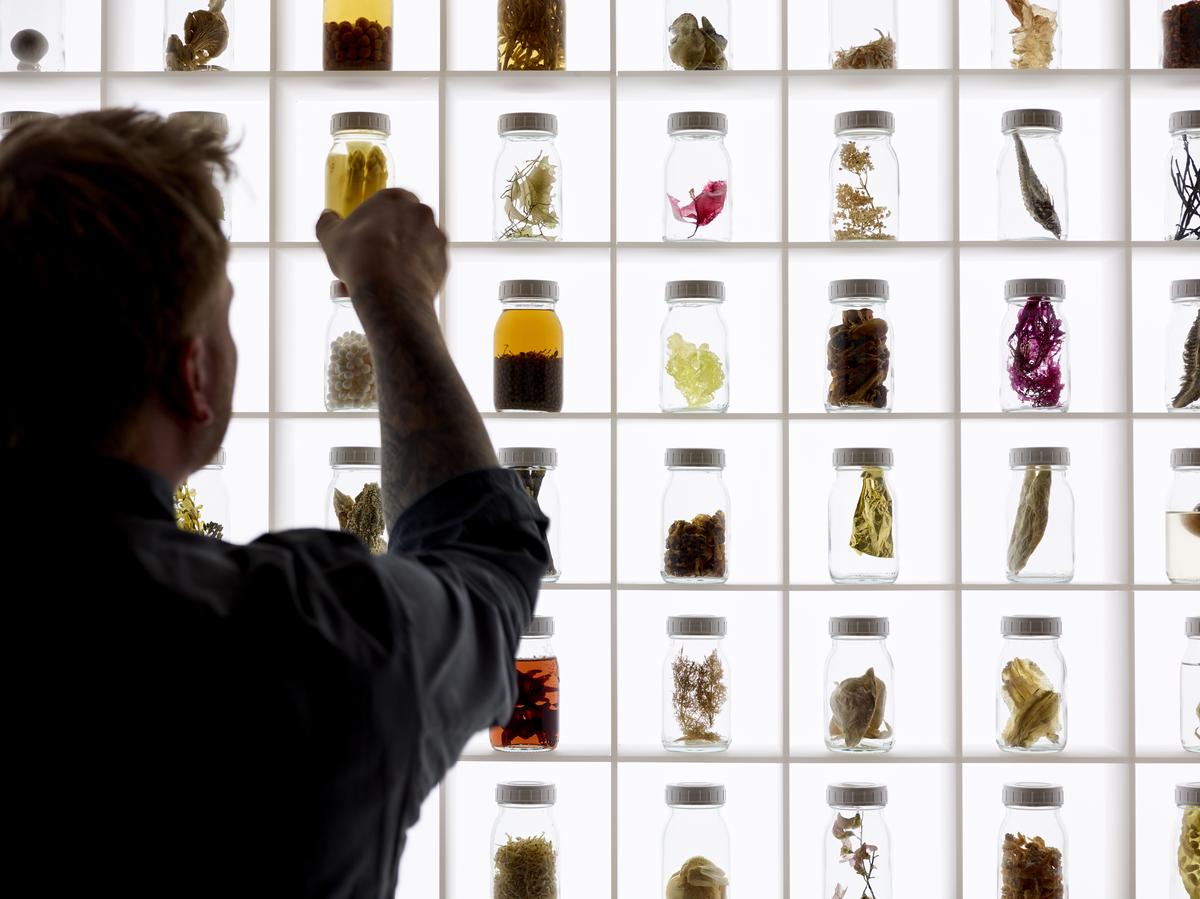
Inside Alchemist Explore
This grounding in science has led to published research and collaborations with the Gates Foundation and the Novo Nordisk Foundation, including work on converting carbon dioxide into protein.
Feeding people across income brackets is central to Rasmus’s philosophy. At Alchemist, this takes the form of provocation as much as nourishment: jellyfish (considered a pest), freeze-dried butterfly (a protein source), and lamb brain, presented as a call to use every part of the animal. Presentation is integral. In one instance, a chicken foot is served intact, claws included, to prompt reflection on industrial meat production. Many of these impressions unfold beneath the restaurant’s vast dome, accompanied by immersive videos created by its in-house studio, ranging from staring eyeballs to jellyfish morphing into plastic, and even the sensation of being inside a beating heart.
With a global audience — Alchemist is ranked No. 5 on The World’s 50 Best Restaurants list in 2025 — cultural responses vary. “The most challenging dish on the menu,” Rasmus says, “is not the mealworms, butterflies, lamb brains or cow’s udder. It’s our noodle.” A cold, sweet noodle soup with a tea-like broth, made from tapioca, often puzzles diners unfamiliar with its chewy texture. “But guests from Thailand, China or Japan love it,” he adds.
Indians, too, are familiar with tapioca, and Rasmus says he is eager to experience the country’s food culture first-hand. “It’s one of the only major food countries I haven’t visited yet, perhaps the most important,” he says. His Nordic dosa uses a five-day fermented batter, filled with Danish Vesterhavost cheese, local ramps and capers. While he has refined a more traditional batter recipe, he is holding off on adding it to the menu until after his visit. “It has the chewiness, acidity, crisp exterior and soft interior,” he says. “But I want to come to India before I serve it at Alchemist.”
Published – December 19, 2025 06:05 pm IST