“This is just the beginning for GLP-1 medications”

Dr Ambrish Mithal
| Photo Credit:
Special Arrangement
Dr Ambrish Mithal is convinced that the use of GLP-1 medications will only increase. “There is no question about this,” says the Delhi-based endocrinologist and co-author of The Weight Loss Revolution: Weight Loss Drugs and How to Use Them. He points out recent trends that indicate as much: the WHO has categorised semaglutide as an essential drug, China has slashed the prices of the drugs, and even President Donald Trump is talking about capping the price of these drugs. “This is just the beginning. There will be a new drugs every year, as for the next five years, you will be getting some interesting molecules from this stable.”
However, he does not see this development as a magic pill that can solve India’s non-communicable disease pandemic. “The answer will be in providing healthier dietary options to people, more awareness, avoiding childhood obesity, overall nutrition guidance, and better walking spaces,” he believes. Where GLP-1 medications can be useful is with treating people who “have crossed the line or are about to cross the line,” he says. “We cannot expect these drugs to take away these issues, but they can help people tackle them.”
While there are many genuine candidates for these drugs, they need to be seen as something that helps manage the disease of obesity rather than as an easy, quick-fix, a view that is getting unfortunately prevalent, given how affordable these drugs are becoming, he says. “About ₹ 10-12,000 at a minimum, but I expect it will come down to less than half.”
The well-known endocrinologist also worries about the regulation, or lack thereof, of these drugs. “That is the biggest challenge right now. These are drugs that have been hard to regulate even in better-controlled environments.” In India, where drug regulation is already a challenge, this issue can be even more serious. “I’m seeing people all around me, starting it on their own or on the advice of some nutritionist. This is really not ok,” he says, pointing out that only qualified professionals should be allowed to prescribe these drugs.
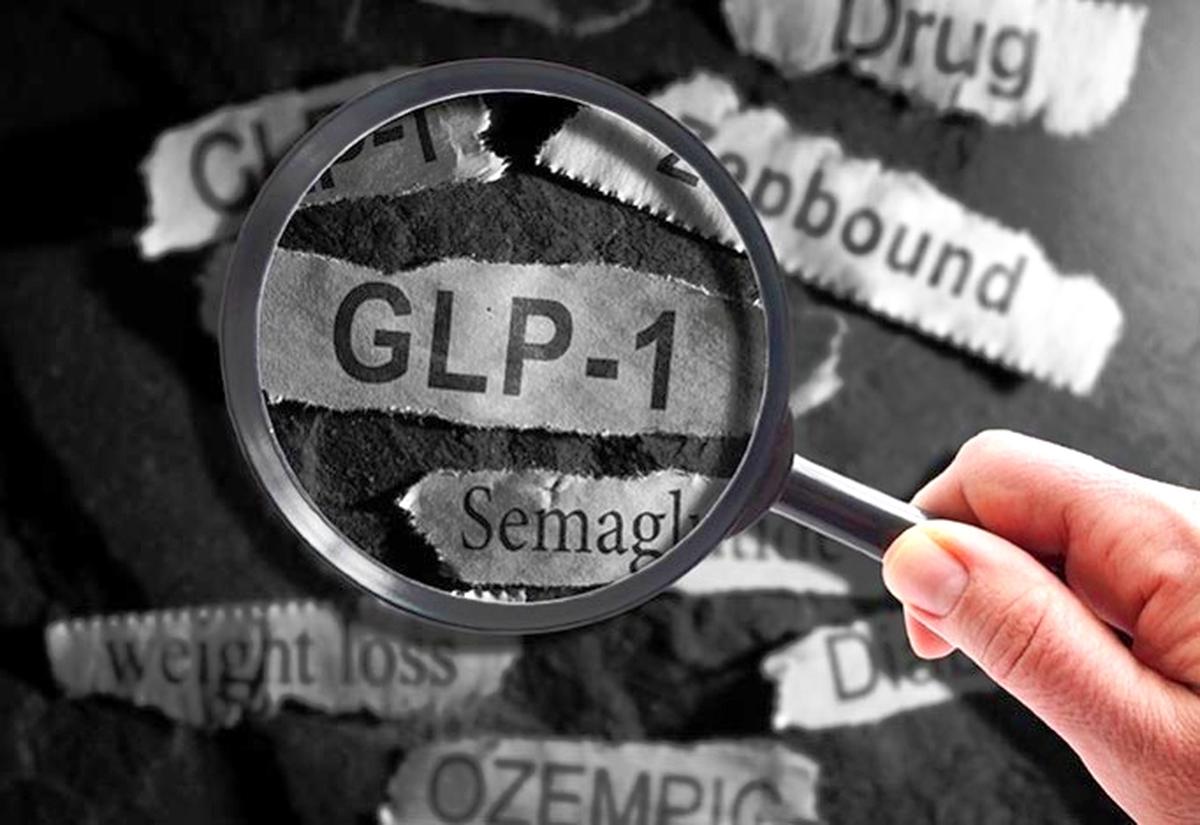
GLP-1 drugs have a promising future
| Photo Credit:
Getty Images
But, in spite of these issues, he feels that the drug has a promising future as a weight loss drug. “Misuse should be prevented, of course, but that doesn’t take away the science behind the drug. Even steroids are misused, but they are life-saving drugs.”
The Weight Loss Revolution, a conversation between Dr Ambrish Mithal, Raj Ganpath and Shivam Viji, will be held in Sir Mutha Venkatasubba Rao Concert Hall on Jan 18, between 11.25am and 12.15pm.
“Lived experience stories truly have the power to transform the mental health space”
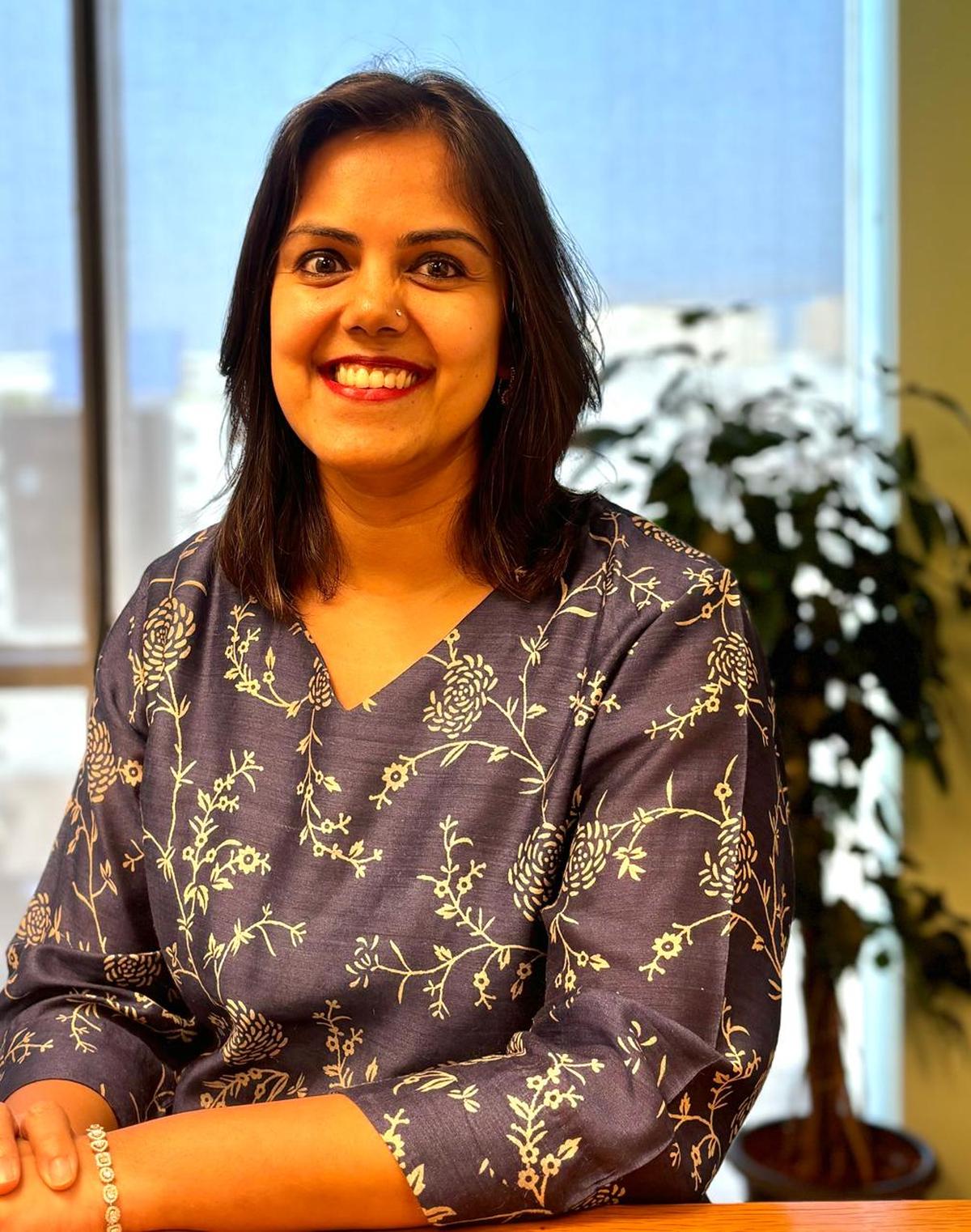
Neha Kirpal
| Photo Credit:
Special Arrangement
Understanding mental health through the prism of lived experiences is important, says Neha Kirpal, the co-founder of Amaha Health and a member of the founding cohort of the India Mental Health Alliance, whose recent book, Homecoming, brings together the lived experiences of women navigating severe mental health conditions. Having herself navigated two generations of mental illness — as a child carer to a parent with schizophrenia and a sibling suicide loss survivor — she says that wanting to write and speak publicly about mental health has been on her mind. “I am always conscious of how invisible the daily struggles of navigating family life and mental healthcare are, and how families are never really able to fully own or share their whole truth with the world around them,” she says.
Neha sees the book as a way of creating a space for people not only to share their experiences, but also to offer Lived Experience Expertise (LEE) about care and support for mental illness. “The moment you put a name and face to it, it really becomes a story that is owned and relatable, not fictional or an anonymous statistic. Lived experience stories truly have the power to transform the mental health space.”
In her opinion, the narrative around mental health has changed considerably since the 80s, when her own struggles started. “Our own neighbours and close friends couldn’t even understand what our struggles were,” says Neha, recalling how the stigma and lack of awareness continued for decades. “We spent our time disassociating with ourselves and trying to fit in to society: generally abandoning or hiding this part of our lives.”
What massively altered this narrative for Neha and families around the world, she says, was social media and then the COVID-19 pandemic, which led young people to talk about their various struggles openly as it became the norm. “Stigmatised topics around trauma, abuse, identity, mental illnesses had become a conversation at every dining room, class room and board room,” says Neha, who believes that having open access platforms like social media enables people to “find expression, share, seek validation and have private access to information and help, as long as it’s from credible sources.”
More and more children and teenagers are susceptible to depression and suicide ideation
| Photo Credit:
Getty Images/iStockphoto
While this, as well as other positive developments in the mental health space — the development of accessible mental health services, emphasis on best practices and building capacities in education organisations/ workplaces, rise of caregiver support groups, grief circles addiction support groups, and helplines — is heartening, it is also simply not enough in scale or quality to cover this silent pandemic that today impacts over 300 million Indians. “There is a 95% treatment gap in India,” says Neha, pointing out that more and more children and teenagers are susceptible to depression and suicide ideation, with suicide being the number one cause of death in among young Indians today.
Additional factors impacting mental health include climate anxiety, the current political environment, natural disasters and the rise of situations causing adverse childhood traumas, such as divorce rates and addiction. “All these have had an impact on our lifelong mental well-being and risk of having a mental illness. With all these impacting factors on the rise, we all have a responsibility to be aware and play a role in reducing the stigma, building capacities as a society to support everyone in need.”
Resilience and Hope: Women and Their Mental Health Journeys, a conversation between Neha Kirpal, Dr Lakshmi Narasimhan and Soma Basu to be held at The Hindu Pavilion on Jan 18, between 3.45 and 4:35pm.
“Everything that comes from America at this point must be taken with a pinch of salt”
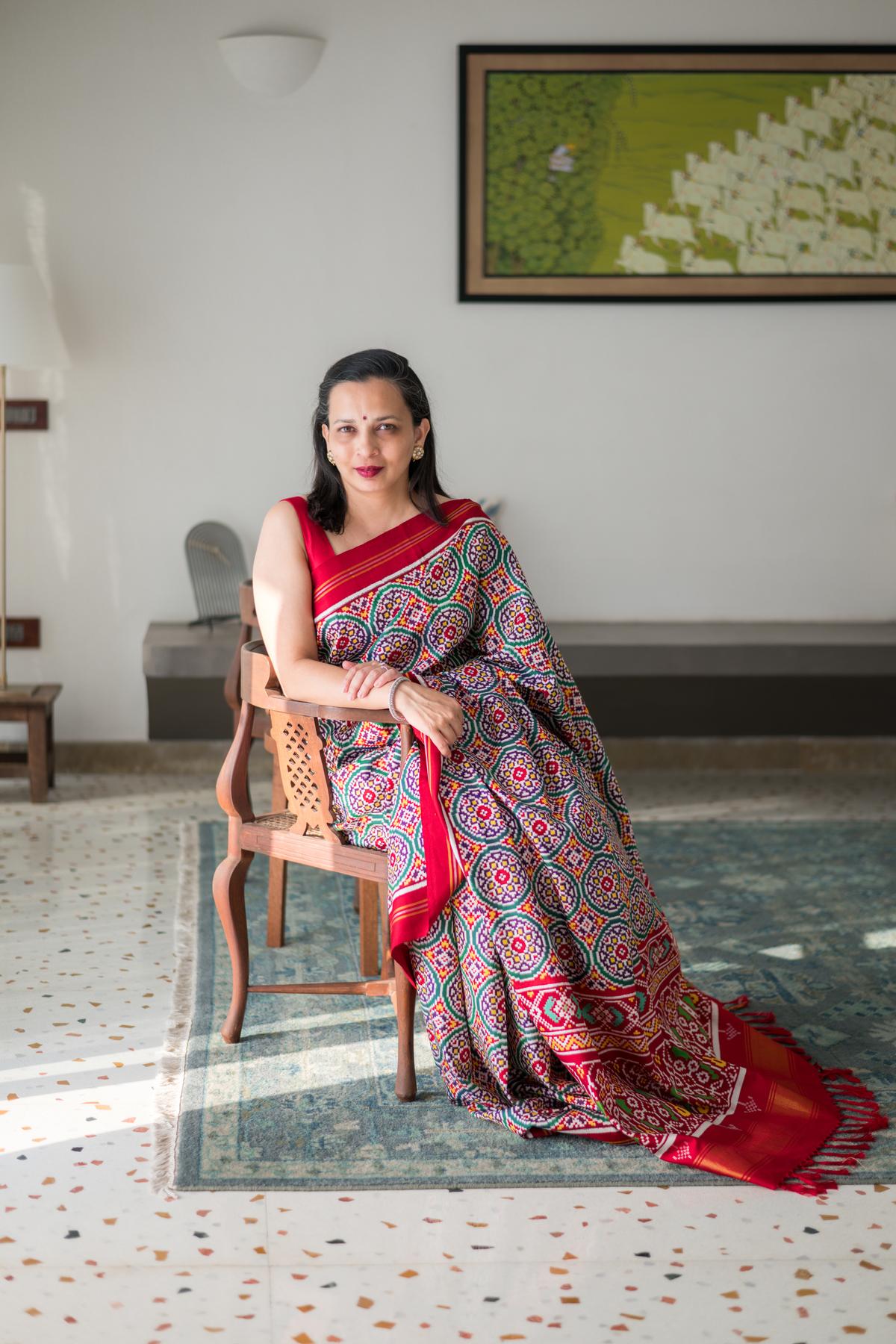
Rujuta Diwekar
| Photo Credit:
Special Arrangement
Rujuta Diwekar’s opinions on nutrition continue to be candid, uncomplicated and sensible. “The boring always wins the race. Living a good life is a marathon, not a sprint,” says the celebrity nutritionist and author, who firmly eschews most new food trends, but she does believe in a well-established mantra: eat local, seasonal, traditional, eat slowly and with attention, get regular exercise and go to bed on time.
According to her, while the food and weight loss industry thrives on making regular foods into villains and heroes, “it is good for business and not for health,” says Rujuta. She believes that food trends follow a certain pattern: they enjoy their moment in the sun and are relegated to a has-been for a long time, till they get “discovered” again and the whole rigmarole repeats itself, she says, wryly. “We already had a very poor self-image; social media is making it worse, and everyone can mark up their price by adding a # that is currently in vogue.”
All this, she implies, is unnecessary. India already has an evolved cuisine that eats everything, including meat in moderation, and its blueprint is about meeting personal nutrient requirements while staying within our economic and ecological means, says Rujuta, who also appears to be rather sceptical of the new US dietary guidelines, which focus heavily on animal protein, dairy, healthy fats and produce while deemphasising whole grains. “Food has always been political, and everything that comes from America at this point must be taken with a pinch of salt. In my personal opinion, this is a diss to the climate agenda more than a push for protein or public health,” she says.
Rujuta firmly believes that every nutrient, including protein, is important and is clearly not a fan of no-grain diets. “We shouldn’t shortchange that for pyramids, plates, or protein obsession,” she says, pointing out that the problem with our diets today is not grains but the penetration of ultra-processed foods (UPF). Since 1999, while the household spending on cereals has reduced by half, spending on junk food (UPF) has increased by 353% in rural areas and 222% in urban areas, making India the world’s fastest-growing junk food market. “We are not grain-heavy but regulation poor, and that’s why we are eating our way to obesity,” she says.
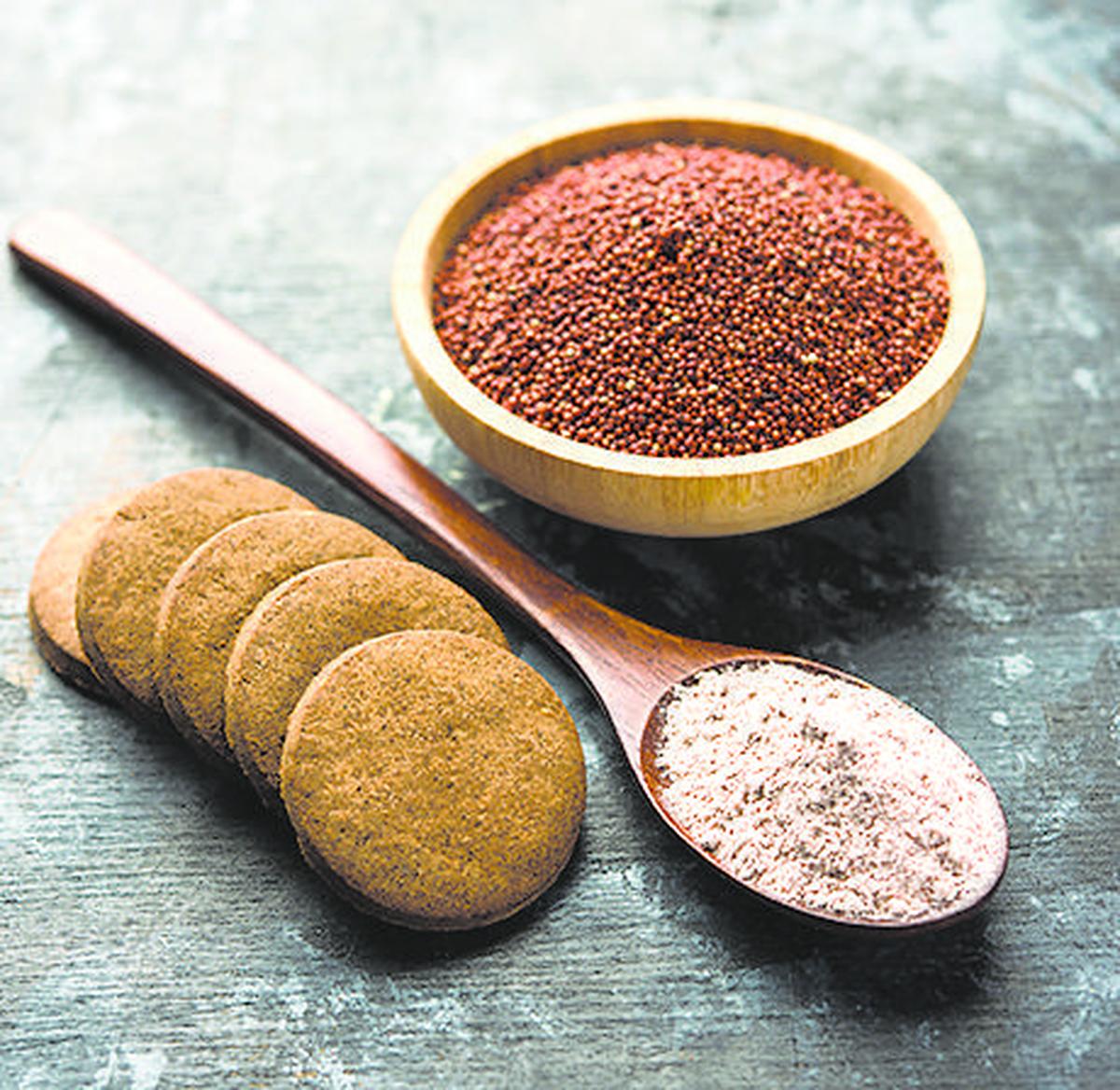
It is not grain but ultra-processed foods that are the problem with Indian diets
| Photo Credit:
Getty Images/iStockphoto
She also seems unimpressed by the tribe of longevity-obsessed biohackers who are mushrooming across the world. “Longevity in real life is not about hacks but about policies that put public health first,” she says. These include keeping pollution in check, creating walkable cities, protecting green spaces, enabling gender equity, and, very importantly, keeping a check on the marketing and taxing of ultra-processed food products. “Health is about everyone getting an equal opportunity to live their best life and not about rich boys living longer than they should be,” believes Rujuta.
Why Dieting Made Us Fat: On Weight Loss, Metabolism and Why Food is not the Enemy, a conversation between Rujuta Diwekar in conversation and Shonali Muthalaly to be held in Sir Mutha Venkatasubba Rao Concert Hall on Jan 18 between 4.50 and 5.35 pm.