A Work In Progress
| Photo Credit: Chris Gonzaga via Wikimedia Commons
Can you be a photographer without a camera? Would you believe some of the first photographers in human history never had cameras? Well, it is true! There are multiple cameraless photography techniques that have been around for years for you to give a try!
What is cameraless photography?
Cameraless photography is a process of creating images without using a camera, often by placing objects directly on light-sensitive paper and exposing them to light. This technique strips photography down to the fundamental interaction between light and a surface, producing images through methods like placing objects on photosensitive paper (photograms) or manipulating chemicals on the paper itself (chemigrams) or cyanotypes. These often just produce abstract and representational images, and not quite the detailed ones in usual photography.
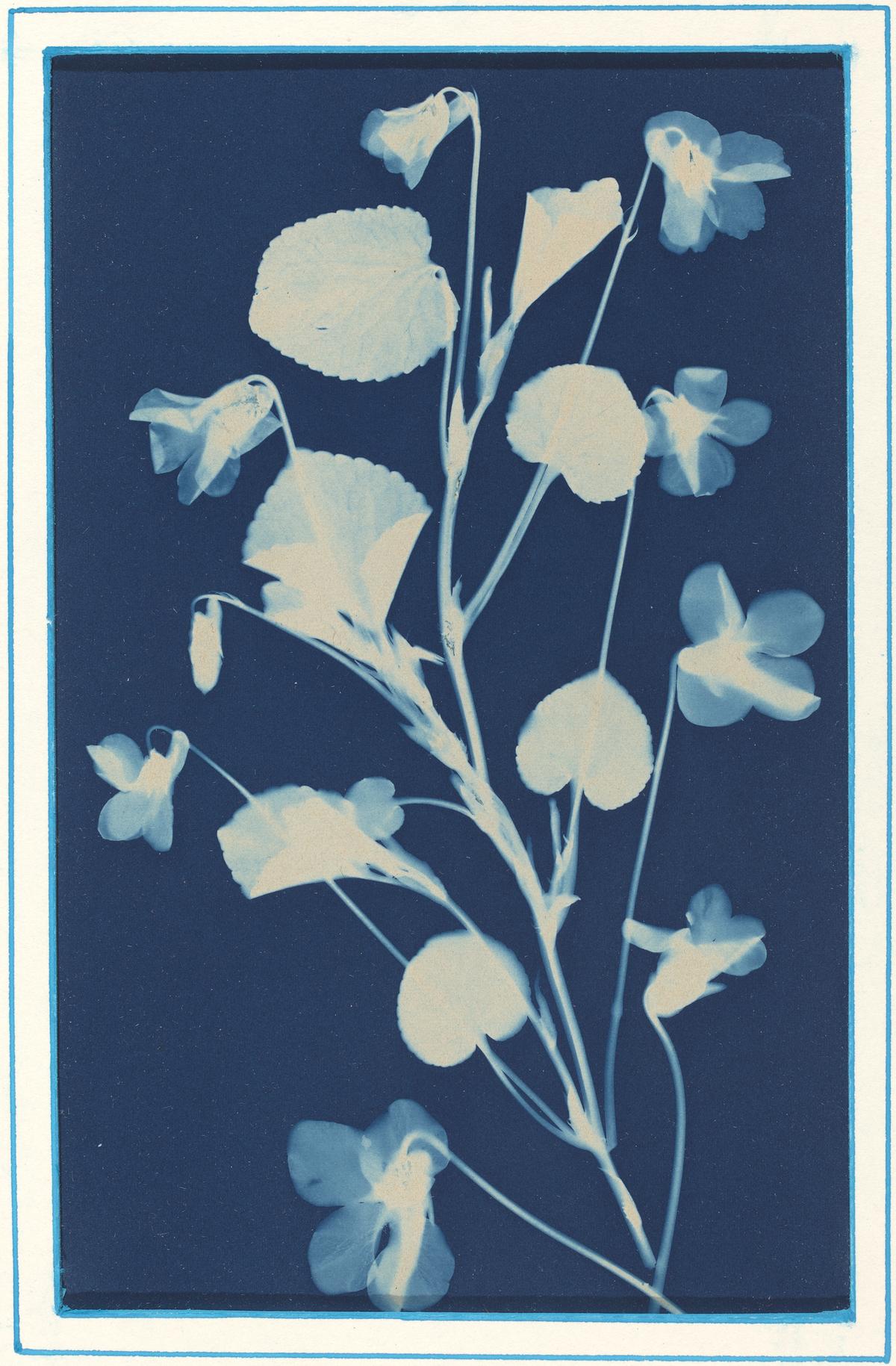
Cameraless photography is a process of creating images without using a camera, often by placing objects directly on light-sensitive paper and exposing them to light.
| Photo Credit:
National Gallery of Art via Wikimedia Commons
Many argue about how it breaks down photography to what the word literally means: phōs, meaning light, and graphei, meaning to draw or write, which combine to mean “drawing with light” in Latin.
Types of cameraless photography
There are multiple methods when it comes to cameraless photography. From using light-sensitive paper to using chemicals and machines, cameraless photography runs on the concept of light and chemical manipulations. Some of the techniques are as follows:
Photograms
Objects are placed directly on a sheet of light-sensitive paper. When exposed to light, the areas blocked by the objects remain dark, while the rest of the paper becomes light-sensitive. This process can be done with the sun or a darkroom enlarger, and artists like Man Ray and László Moholy-Nagy have extensively used it for artistic purposes. The resulting image depends on the objects used, their position, transparency, and the type of light source, allowing for diverse and creative results.
Materials required: A light-sensitive material (like photographic paper), objects to place on the paper, a light source (the sun or a darkroom enlarger), chemical developer, stop bath, a fixer and clean water to wash.
Chemigrams
Chemicals are manipulated directly on the paper, often in a darkroom, to create images. This process uses elements of traditional darkroom photography, such as developer and fixer, but combines them with resists and other materials in a unique and often unpredictable way to form an image. The image is thus a one-of-a-kind, unique image that cannot be replicated, formed from the chemical reactions on the paper. The term was coined in the 1950s by Belgian artist Pierre Cordier.
Luminograms:
A luminogram is created in a darkroom by manipulating light to expose photosensitive paper, often using objects to filter or project the light. Unlike a photogram, which places objects directly on the paper, luminography uses objects as a tool to shape or interact with the light source itself before it hits the paper.
Cyanotypes:
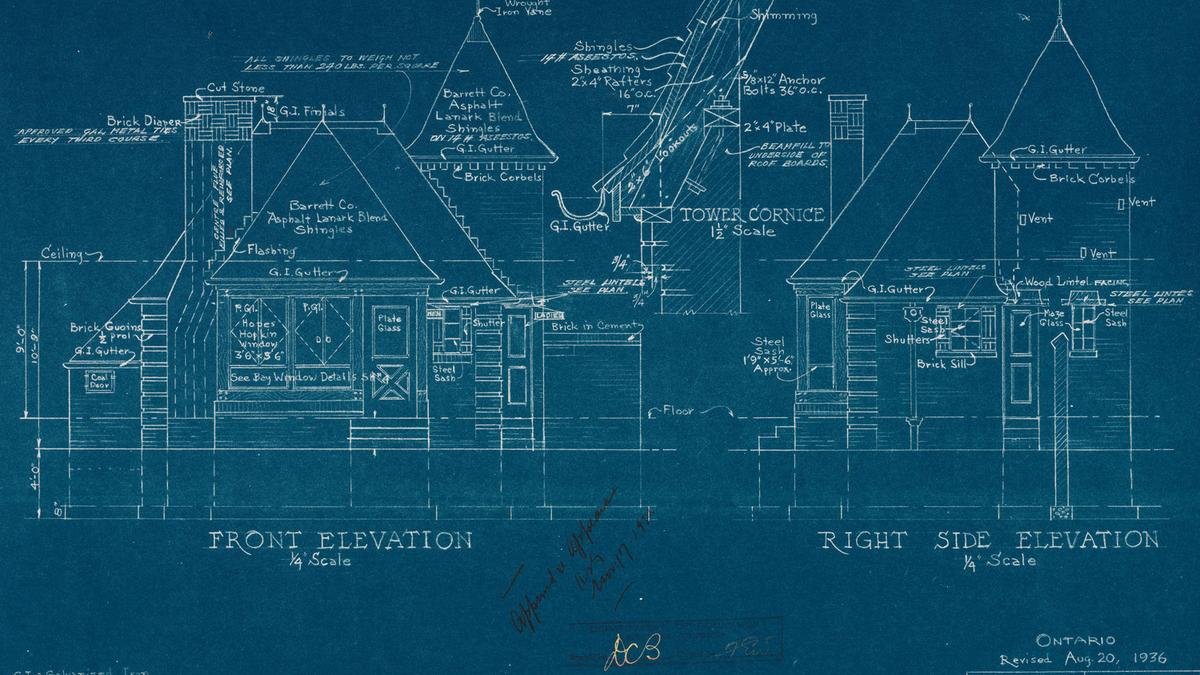
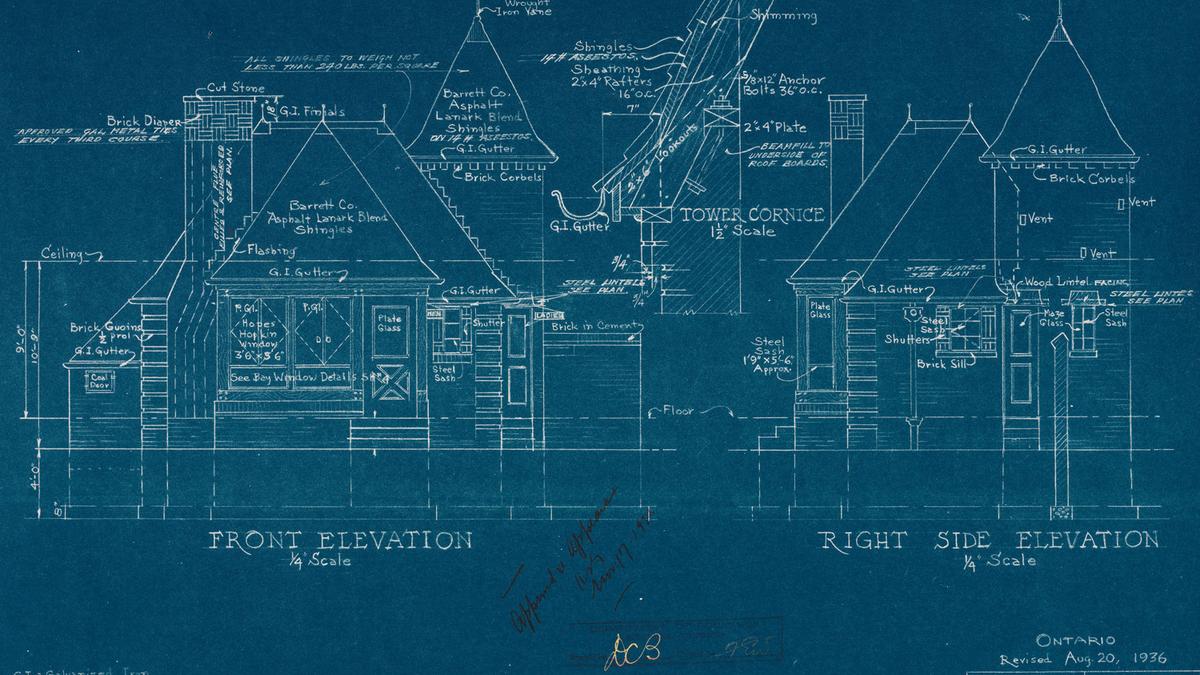
Cyanotype uses UV light to create a distinctive cyan-blue print on surfaces like paper or fabric. The process involves coating a material with a light-sensitive solution, placing an object or negative on top, exposing it to sunlight, and then washing it with water to reveal the white-on-blue image. Originally invented in 1842, it was historically used by engineers for creating blueprints and has since been adopted by artists for both creative and scientific purposes.
History and the art
Cameraless techniques like the photogram existed even before the first cameras and were used for scientific and artistic purposes by pioneers like William Henry Fox Talbot, Anna Atkins, and László Moholy-Nagy. The idea behind cameraless photography is often that when photography is given freedom to explore itself, then it can reach its potential as a significant, remarkable medium.

They often just produce abstract and representational images, and not quite the detailed ones in usual photography.
| Photo Credit:
Wikimedia Commons
As Batchen states: “photography is freed from its traditional subservient role as a realist mode of representation and allowed instead to become a searing index of its own operations, to become an art of the real.”
Published – January 16, 2026 02:42 pm IST