Chances are you have heard of Zohran Kwame Mamdani as the newly elected mayor of New York who played ‘Dhoom Machale’ at the end of his victory speech. Either that or you may have, like many of us, first stumbled upon him swinging from a New York lamppost, mouthing lines from Bollywood blockbusters Karz and Deewar. In the reel that went viral with over 40 million views, Mamdani flipped those iconic dialogues into the language of his campaign: power to tenants, dignity to workers, transit for all. He had reimagined Amitabh Bachchan’s defiance for Astoria’s working class.
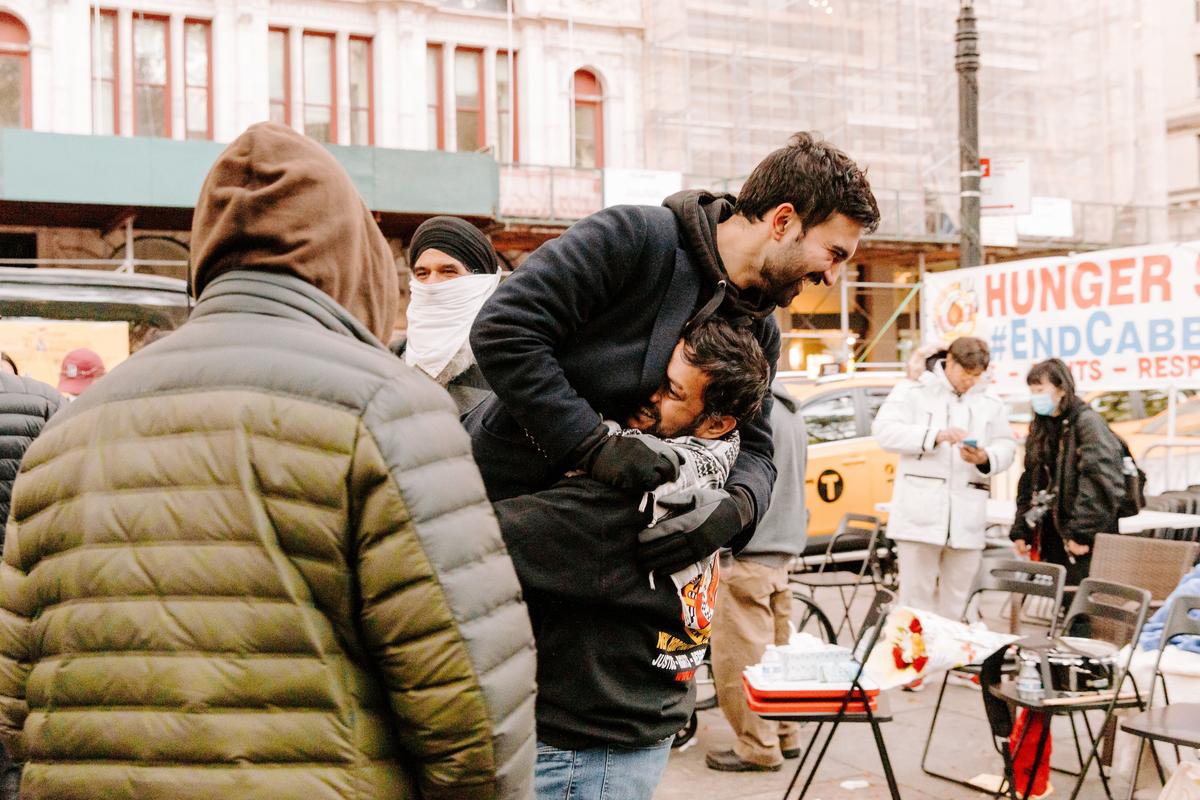
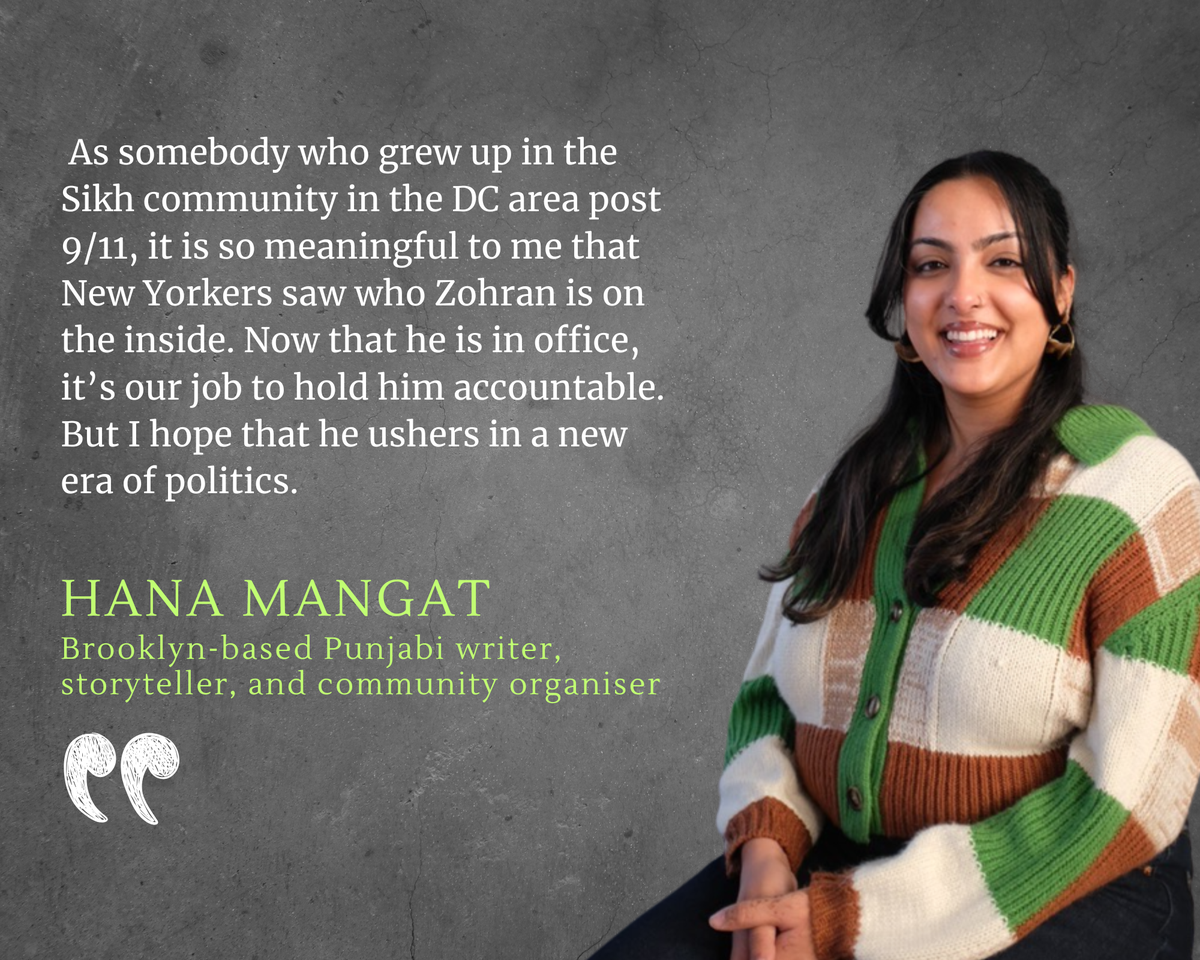
In that brief reel, just as in the rest of his campaign, one could see everything that fuels him: the instinct for play, the hunger for story, the belief that narrative forges belonging. This, coupled with over 90,000 volunteers canvassing for him, delivered him the historic win for the job said to be the most difficult in American politics after the presidency. “People don’t realise what a movement it had become. Over three million doors were knocked. Mamdani really met people where they were at. Literally. On the streets, in train stations, in cultural settings like gurudwaras,” says Hana Mangat, a writer and organiser from Brooklyn, who worked on Mamdani’s campaign.
New Yorkers speak about why they voted for Zohran Mamdani
New Yorkers speak about why they voted for Zohran Mamdani
| Video Credit:
The Hindu
Son of cinema and critique
Mamdani has lived at the intersection of art and agitation. Before turning mayor-elect for New York, he was Mr. Cardamom, the rapper exploring his Indian and Ugandan roots. His mother, Mira Nair, an Oscar-nominated filmmaker, gave the world Mississippi Masala, Monsoon Wedding, and Salaam Bombay!. His father, Mahmood Mamdani, has spent a lifetime interrogating colonial power and teaching others to do the same. From her, Mamdani inherited the camera’s empathy; from him, the scholar’s impatience with injustice.
It’s no accident that his politics feels cinematic. He well understands pacing, framing, and character. He builds tension, releases it with humour, and punctuates speeches like a filmmaker cutting scenes. On the campaign trail, he didn’t just talk about housing and transit. He scripted a collective imagination where immigrants aren’t footnotes, they’re protagonists. His campaign wasn’t the language of glossy manifestos or billionaire donors; it was the rhythm of bus routes and bodegas. He talked about free public transit. City-run grocery stores. Affordable housing. Childcare that didn’t cost a paycheck. It was the kind of unglamorous, everyday stuff that actually decides whether a city is liveable.
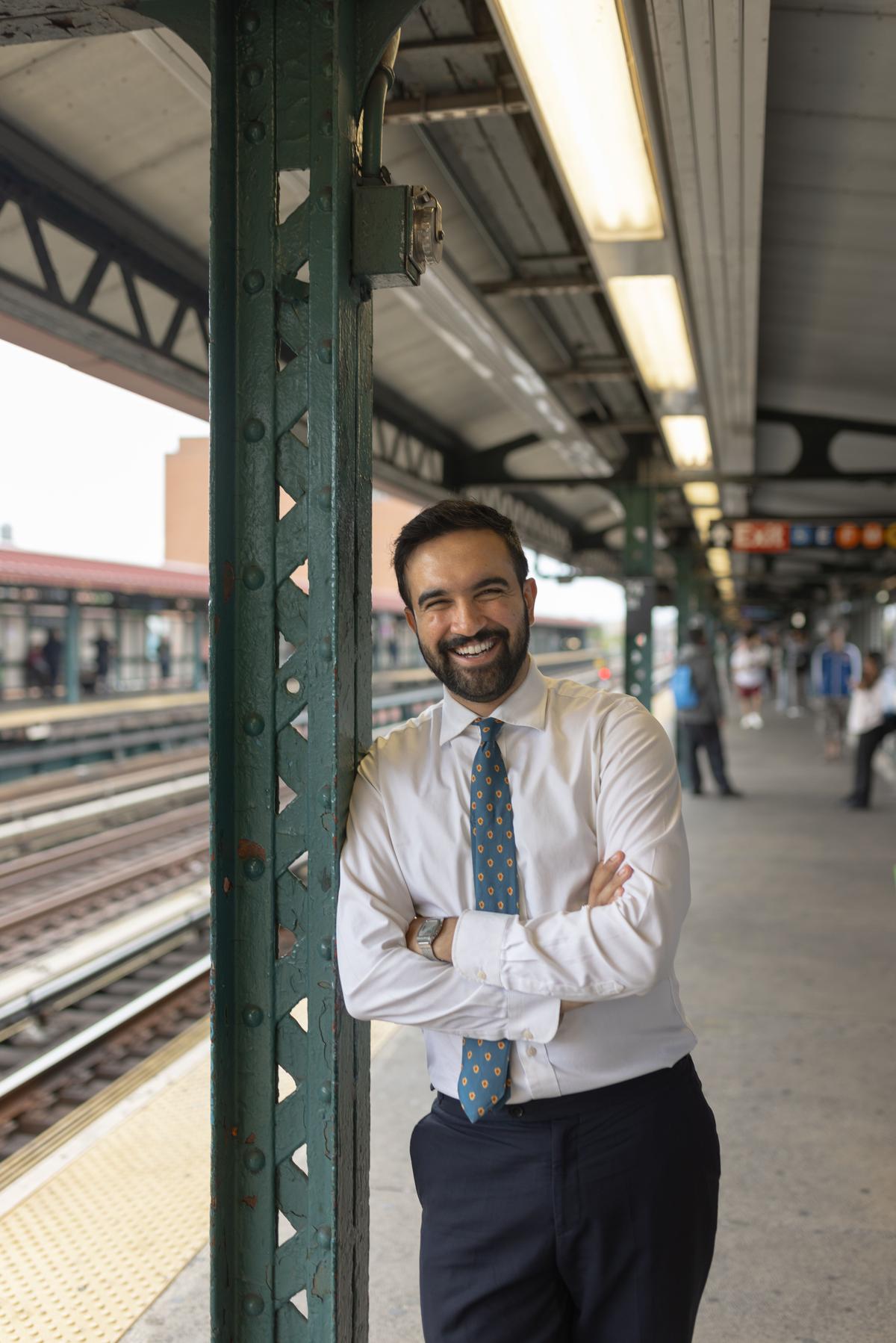
Zohran Mamdani during his campaign
| Photo Credit:
Kara McCurdy
And in doing that, he turned mundane policies into matters of the heart. He made the working class visible again, not as statistics but as characters with agency. “He shows an integrity that I would like my children to see in public service,” says Aarti S., a New York City resident who voted for him.
What began as a borough movement found resonance beyond New York City borders. With Mamdani’s quick wit, humour, and social media savvy, it spilled into national consciousness. For instance, the moment he spelled out his name for his opponent Andrew Cuomo became instantly viral, reborn online as the ‘Mamdani Song’, a cheeky remix of Gwen Stefani’s ‘Hollaback Girl’. People as far as Texas and Washington have been humming along to it.
A cultural shift
For South Asian voters who grew up on cassette tapes, pirated DVDs, and Sunday screenings, Mamdani’s Bollywood punch-up was more than nostalgia. It was rebellion. It said that culture isn’t soft power, it’s muscle. For generations, immigrants have been told to erase their identities to survive. The South Asian success story in America has been about fitting in: the Ivy League degree, the start-up hustle, the quiet pride of middle-class endurance, gratitude for the seat at the table.
Mamdani’s rise throws that narrative out the window. He refuses to perform the ‘good immigrant’ act of someone polite, apolitical, and endlessly grateful. He didn’t just pull up a chair. He built his own table and invited the city’s overlooked majority to sit beside him. And that’s a radical proposition in a culture that still rewards quiet assimilation.
“Mamdani becoming the first South Asian American mayor of New York City is not just a political milestone. This is a victory for every immigrant who came to New York hoping not only to live here but to belong here,” says Dilip Chauhan, a prominent South Asian community leader and former deputy comptroller of Nassau County.
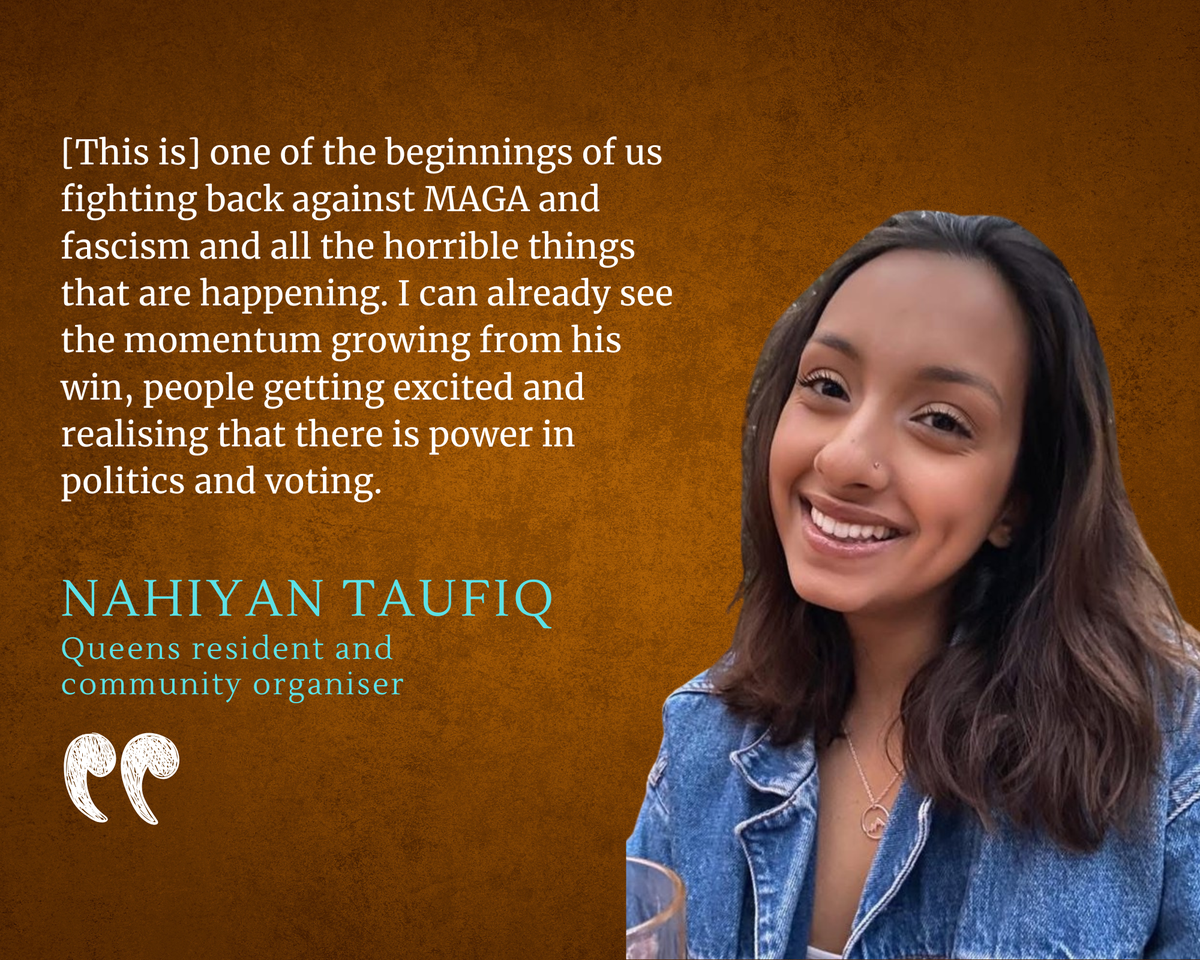
In America’s political theatre, where immigrant candidates often sandpaper away their origins for mass appeal, Mamdani did the opposite. He used his South Asian identity as texture. He leaned into brownness not as branding, but as belonging. For the community, it marks a generational and cultural shift. Here’s a man who refuses to apologise for his noise. He’s brown, Muslim, socialist, loud, and still winning. “It’s a difficult time to be brown and Muslim in the country. I am excited that Mamdani is going to be representing us. I can already see momentum growing from his win and people realising that there is power in politics and voting,” says Nahiyan Taufiq, an organiser from Queens, who worked on his campaign. When he played ‘Dhoom Machale’ at his victory party, it was ownership, it was a joyous reclamation that told the crowd: we don’t have to mute where we come from to shape where we’re going.
The politics of timing
To understand the meaning of Mamdani’s win, one has to witness the mood of New York right now. Timing matters, and Mamdani’s couldn’t have been sharper. His win arrives at a moment when New York is tired of politicians who talk about equity while lunching with landlords. In a city as jaded as New York, authenticity is the rarest currency. Mamdani’s greatest gift was to sound unscripted in a space that thrives on spin.
Timing matters, and Mamdani’s couldn’t have been sharper
| Photo Credit:
Kara McCurdy
The city that once prided itself on being the beating heart of liberal democracy had begun to look like a gated economy. The pandemic exposed faultlines that years of rhetoric had tried to plaster over: housing costs that make life precarious, public transit stretched thin, and a cost-of-living crisis that has left the city’s working class gasping for space.
While Mamdani has infused hope, there are questions too about whether he will be able to deliver. Many New Yorkers, even the ones who voted for him, wonder if his promises are feasible. “If he can reduce the cost of childcare, that would be great. Also, we need to retain our gifted programmes in schools,” says Aarti. “He said he would tax millionaires, but he does not have the authority to do that.”
Shyam, also a New York City resident, feels that Mamdani, with his inexperience, has been set up for failure. “Mamdani lacks experience, and there are many issues. Let’s take the example of rent freeze on apartments. 40% of apartments in New York City are rent-controlled. If the landlords are not allowed to raise rents, they are not likely to invest in repairing houses or building new ones.”
Despite these questions that also marked his campaign trail, the city has rallied behind him. For a city where immigrant energy has long been commodified but rarely celebrated, Mamdani’s ascent is a symbolic renewal. It says: the people who make New York work can also make it better. And that is the true meaning of his win: in not just the votes counted but in voices recovered.
What people said
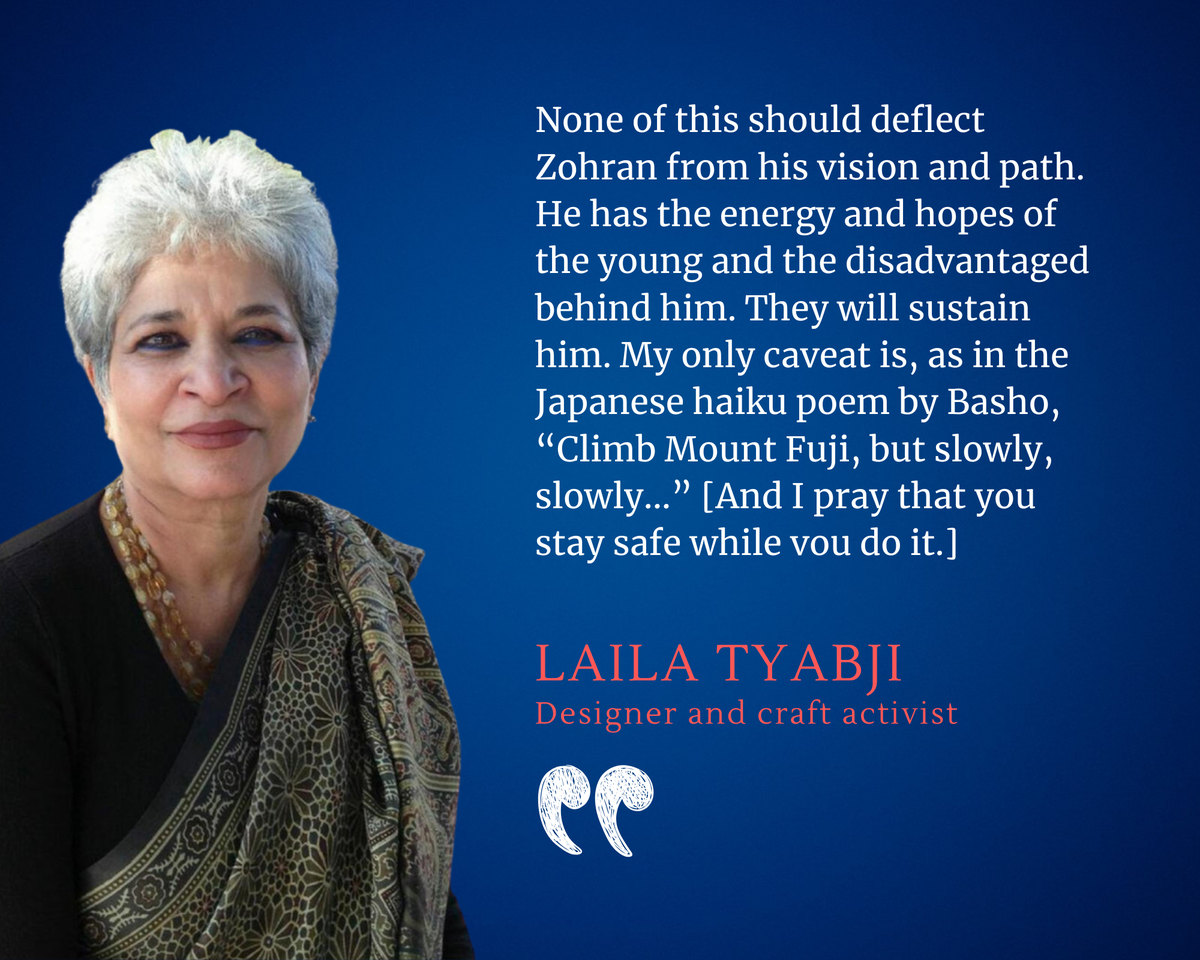
Laila Tyabji
“Today, I am one of many Delhi ‘aunties’ [to use Zohran’s description of us elderly biddies] whose heart is thrilling with vicarious pride and pleasure at the extraordinary victory of Zohran Mamdani in the USA; wresting the New York mayorship, against all odds, from the entrenched and increasingly corrupt and entitled political establishment. I’ve known Zohran’s mother Mira since her teens, when she and my younger brother Khalid were best buddies, acting together in TAG, Barry John’s Theatre Action Group. Mira was in and out of our home and has remained part of our family ever since. We got to know Mehmood, Zohran’s father, soon after Mira met him. No intimidating dry ivory tower academic, despite his distinguished career as a scholar, writer and political analyst. Mehmood is both fire and fun, with humour, warmth and a luminous intellect that matches Mira’s creativity and imagination. And of course he’s an activist too, expelled from his homeland Uganda for opposing the dictator Idi Amin.
I’ve known Zohran since he was a bump in Mira’s belly! I remember her being heavily pregnant with him when she had to go to the Venice Film Festival. Was it the Golden Lion nomination for Best Film? I was delighted when she asked me to design her outfit. All his life, Zohran has travelled the world with Mira and Mehmood wherever they went; scenarios as diverse as movie sets, the corridors of academia, glitzy film festivals, or get-togethers with his gregarious yet close-knit Indian family. It’s given him his eclectic spirit, his ease with people, the way he relates to the old, the young, the marginalised, and reacts to diverse issues and situations. [Unfortunately] despite globalisation, we all live in tightly sealed silos. This was marked by the reactions to Zohran’s campaign and ultimate resounding victory. In Delhi we celebrated, elsewhere there was apprehension. People from the U.K., Australia, South Africa and even India are writing in predicting doom, and sending their condolences to New Yorkers. Even the leaders of his own Democratic party failed to endorse him. Obama, that was so disappointing.”
Hana Mangat
“Zohran Mamdani’s win means a lot to me as a young person who would like to be able to afford to build a life in New York. His win feels like it has reignited a lot of hope. I think Zohran exudes a love for this city that feels really genuine. Three million doors were knocked. That is a massive political movement, and it beat the millions of dollars that were invested against him. I [remember] getting a lot of Instagram ads from his opponent, Andrew Cuomo. The sheer Islamophobia in them [was appalling]. I got one that said Zohran supported an imam that promotes terrorism. They thickened his beard and made him seem like more of a foreigner.”
Nahiyan Taufiq
“I got involved with Zohran Mamdani’s campaign after I saw a TikTok about him. I was intrigued because he vocally supported Palestine, which is not something you see often in American politics. Then, as I learned more about his policies, his campaign and his background, I realised that he is a politician I could actually get behind. He advocates for the immigrant community and the working class, which are often forgotten about in this city by the rich and billionaires. So, it’s really powerful to see not only someone who advocates for minorities be mayor, but also see an immigrant and a Muslim be the mayor of New York City, especially in a political climate where Trump and MAGA is taking over.”
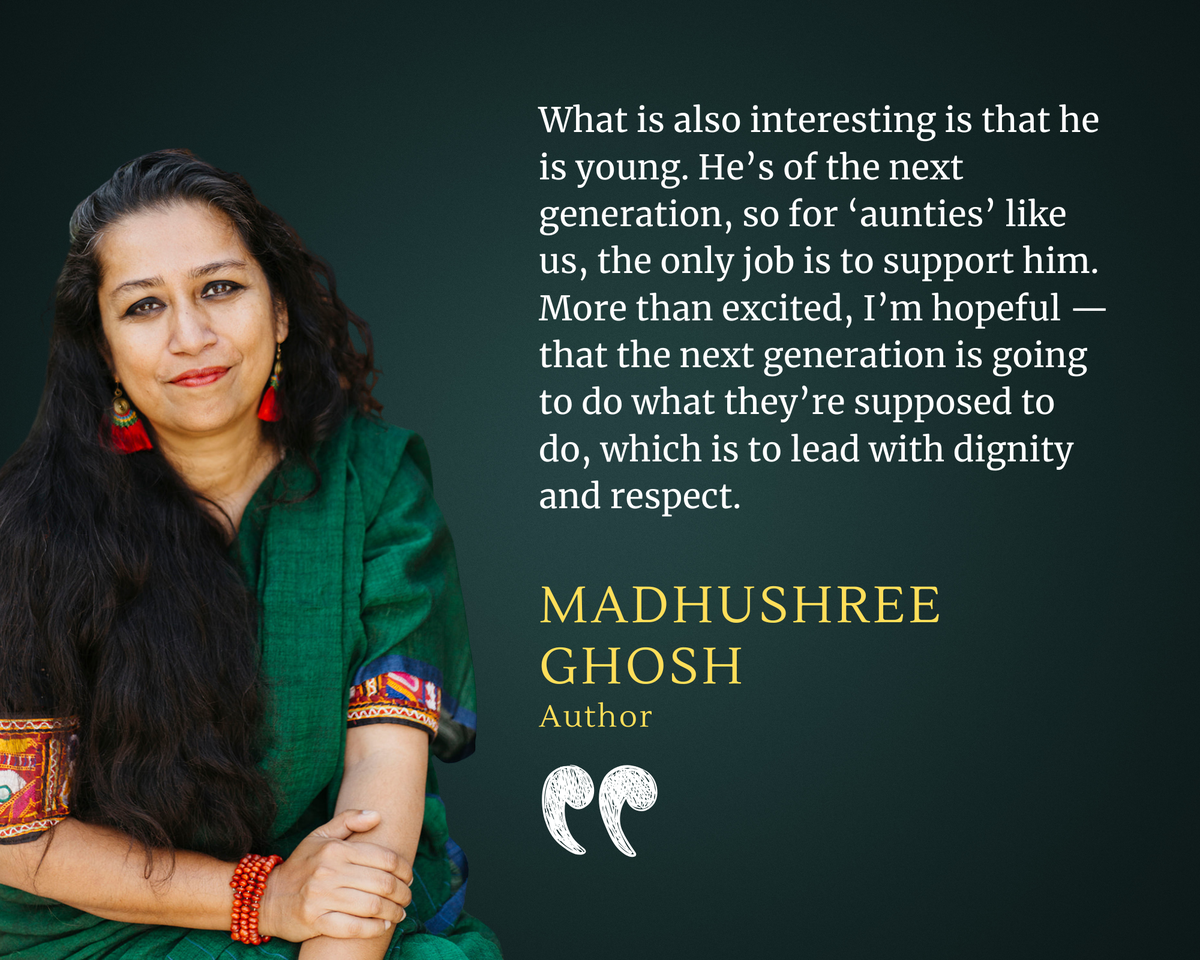
Madhushree Ghosh
“Everybody’s got a New York City story, and mine is from three decades ago. I’d landed in the city for graduate school with two suitcases and travellers checks. But I didn’t have money, so I couldn’t get a cart to put my suitcases on. This man stopped by me. He was there to pick up his family, and he gave me $5 and said, ‘Pay it forward.’ That’s the essence of what New Yorkers are. They may be busy, but if they can help, they will. And that, to me, epitomises what Zohran Mamdani’s campaign was all about. The fact that Zohran has Indian and African heritage, that he understands what socialism means in terms of how you could be a Democrat and care for your people, is what is exciting.”
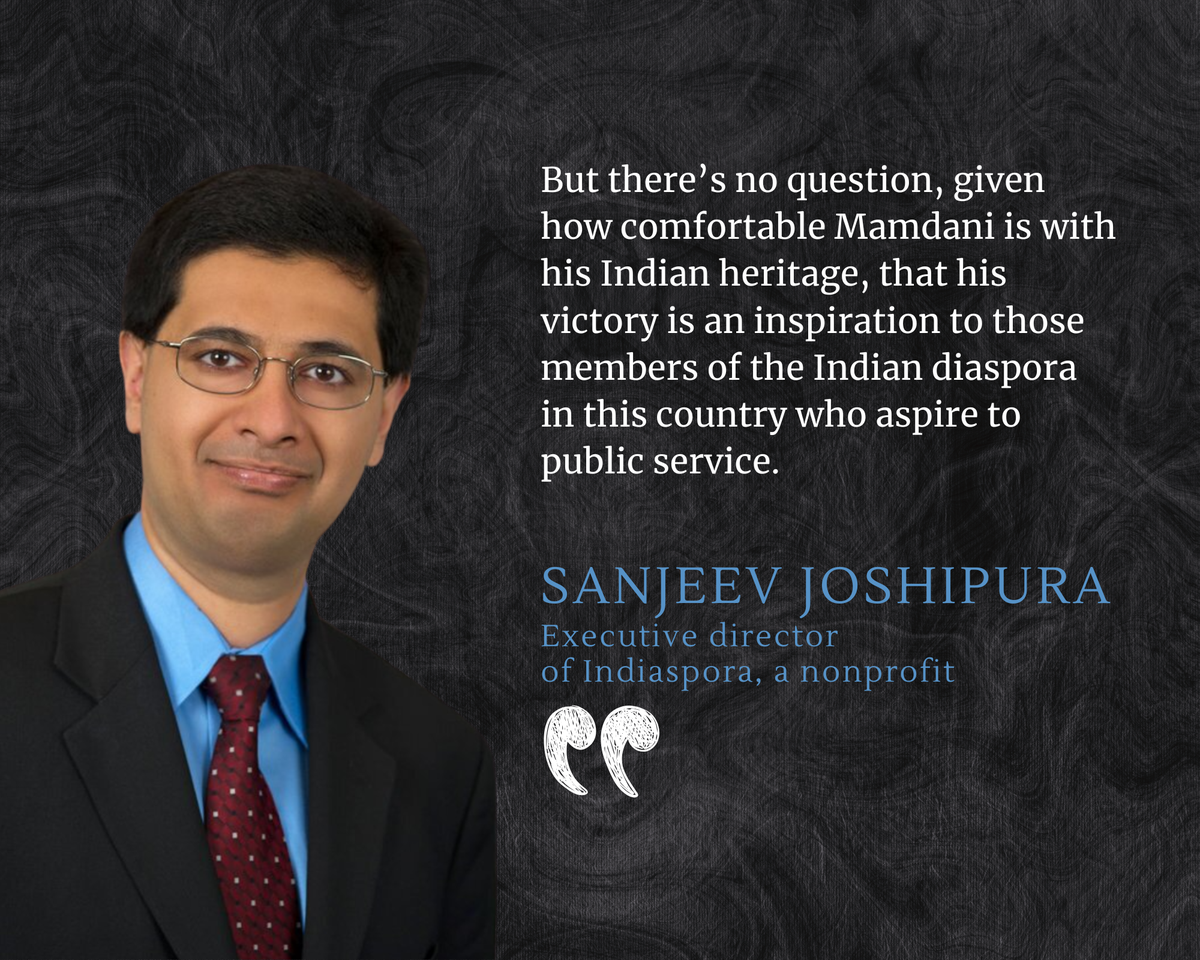
Sanjeev Joshipura
“One can agree or disagree with Zohran Mamdani’s policy positions or be somewhere in between. And one should acknowledge that a message — and a messenger — that works in New York City won’t necessarily work everywhere in America.”
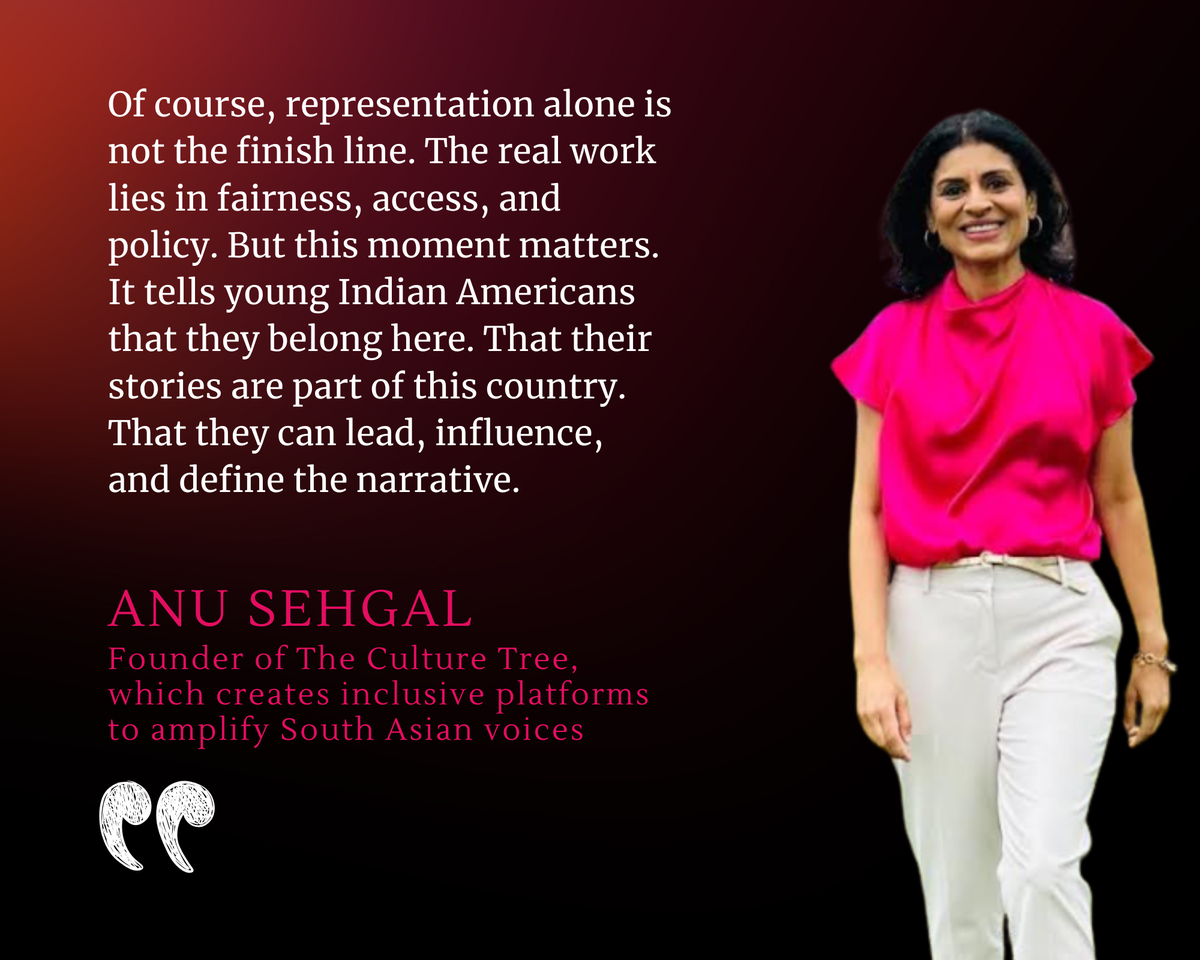
Anu Sehgal
“Indians are the fastest-growing minority group [in the U.S.]. With Zohran Mamdani’s historic win, alongside New York welcoming its first Indian-origin mayor, we’ve witnessed a symbolic shift. His speech spoke directly to immigrant identity. It honoured the people who arrive, work, hope, and rise. It also included moments that only our community would recognise, from quoting Nehru to closing to the song from Dhoom. It was a reflection of an identity that is both Indian and American, without choosing between the two.”
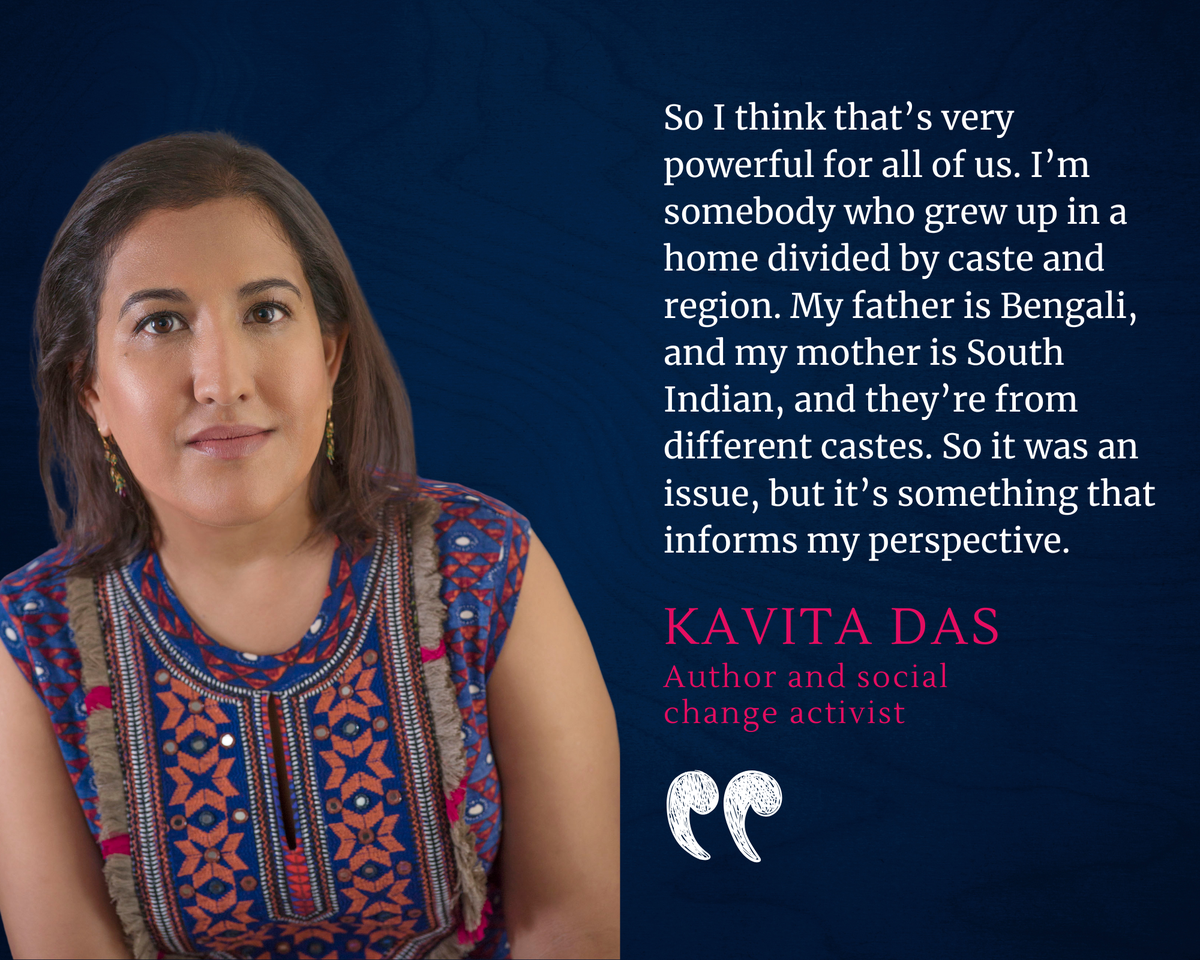
Kavita Das
“Thirty years ago, I worked for two city governments in housing and community development. It was a formative experience for me, yet a lonely one. I never encountered other South Asians working in city government. So, I’m excited that Americans are going to see South Asians playing a role in sectors beyond medicine, engineering, and tech. I’m also excited for the South Asian diaspora to see all the different ways that we can show up in society, beyond the narrow stereotypical ones. It significant to me that Mamdani comes from a family of such accomplishment, but also [different backgrounds] — Hindu and Muslim. This is such a fraught divide in India and in the diaspora. But you look at how it has cultivated such richness in their family and the work they do out in the world, and in the child that they created who holds all these traditions within himself, and that helps him relate to such a broad spectrum [of people].”
The writer is an Atlanta-based journalist and USC Annenberg Fellow for Writing and Community Storytelling.